Medisplint
Medisplint
Medisplint
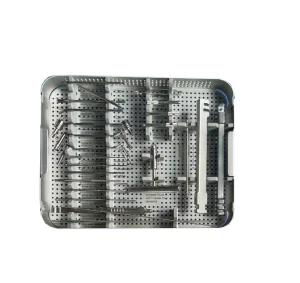
Discover our selected range of high-precision orthopedic implants, surgical tools, and trauma fixation assemblies engineered to meet stringent global clinical requirements.
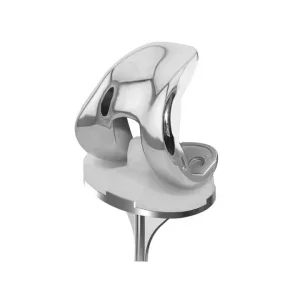
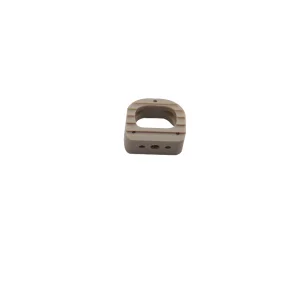
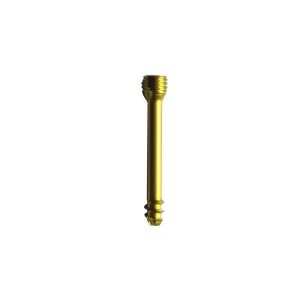
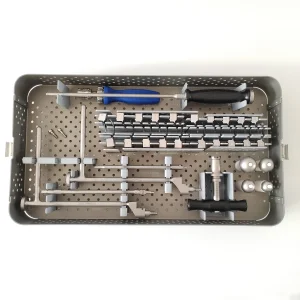
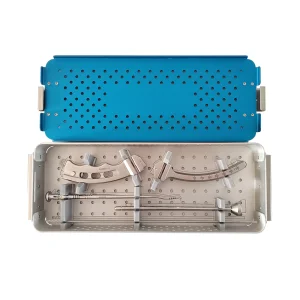
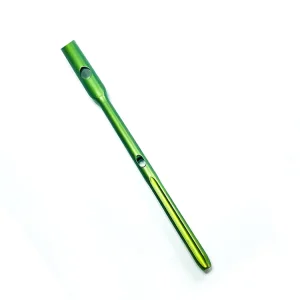
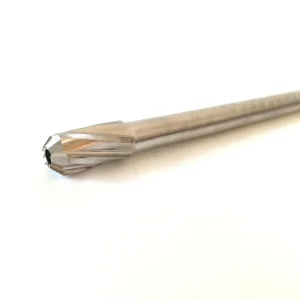
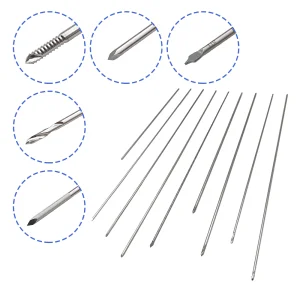
The global joint reconstruction landscape is undergoing an unprecedented structural transition. Clinically termed Total Knee Arthroplasty (TKA) and Total Knee Replacement (TKR), these interventions are now the standard of care for end-stage degenerative osteoarthritis, rheumatoid arthritis, and post-traumatic joint dysfunction. Driven by an aging worldwide population, rising obesity indexes, and the clinical demand for active longevity, the annual volume of total knee surgeries is projected to exceed 2.5 million procedures globally by 2030.
Historically dominated by a consolidated cluster of multi-national medical device corporations based in North America and Western Europe, the supply chain has experienced a profound shift toward high-performance manufacturing centers in the Asia-Pacific region. This geographic decentralization is driven not merely by production cost considerations but by the rapid convergence of advanced metallurgy, automated multi-axis computer numerical control (CNC) grinding, and sophisticated quality management systems inside Chinese orthopedic hubs. Today, global distributors, hospital purchase consortia, and OEM brands are looking to China for scalable, regulatory-compliant, and bio-mechanically validated knee implant assemblies.
Sourcing surgical-grade implants from specialized Chinese factories offers distinct competitive advantages that directly address the contemporary pressures of global healthcare containment (such as DRG/DIP billing models):
From medical-grade titanium alloy forging (Ti6Al4V ELI conforming to ASTM F136) to ultra-high-molecular-weight polyethylene (UHMWPE) sintering and cross-linking, Chinese orthopedic clusters integrate raw processing and final machining in close proximity, reducing lead times and logistical vulnerabilities.
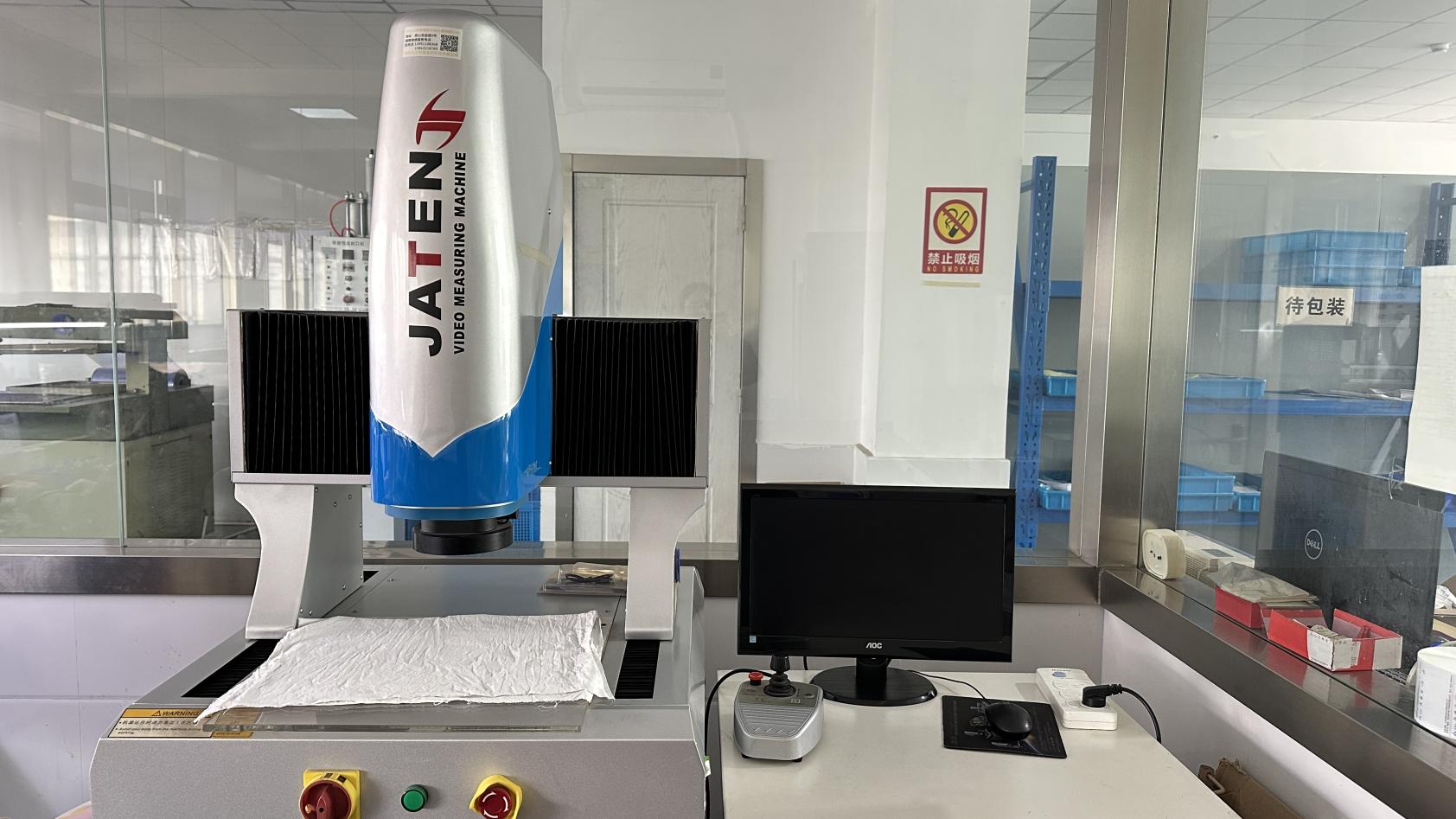
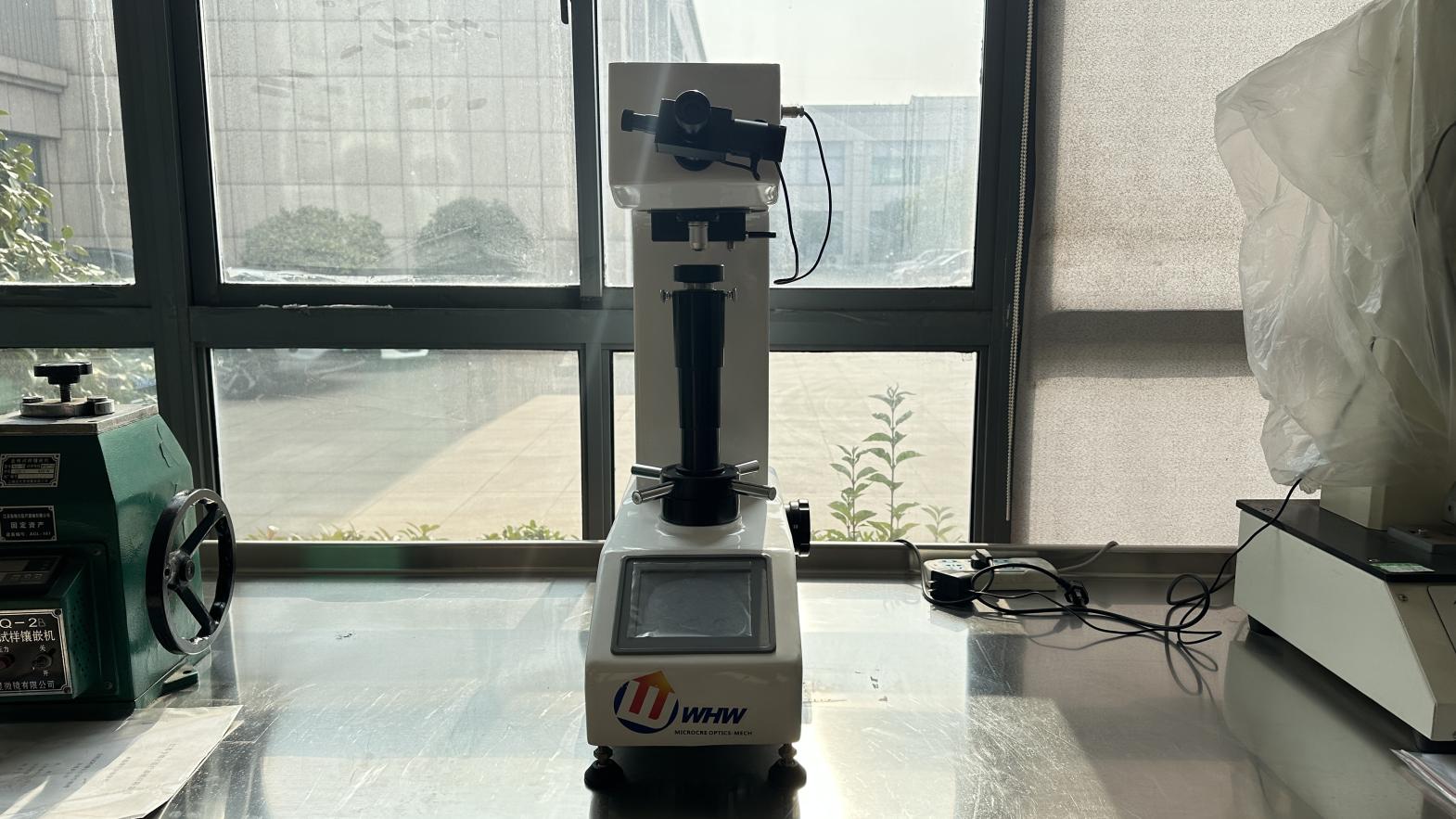
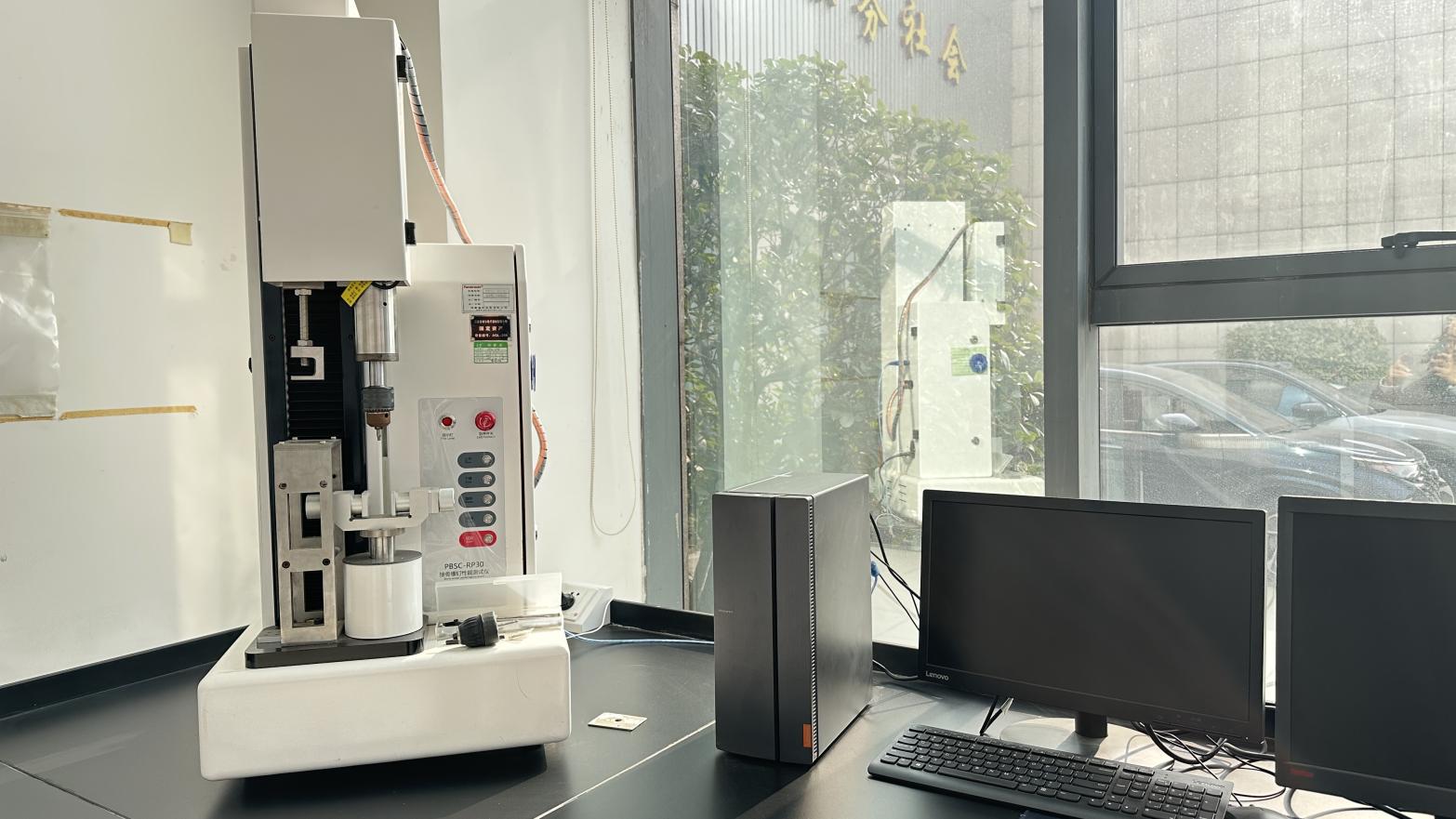
Leading factories like Medisplint Orthopedic Instruments Co., Ltd. execute their operations under ISO 13485 quality systems and maintain compliance with European CE standards. Quality inspection utilizes high-precision equipment including coordinate measuring machines (CMM) and fatigue testers to guarantee compliance with ISO 14243 wear standards.
With massive R&D engineering teams (typically housing over 80+ engineering specialists), Chinese manufacturers can transform orthopedic surgeons' conceptual designs or clinical feedback into functional, sterile-packed prototypes ready for biomechanical validation in record time.
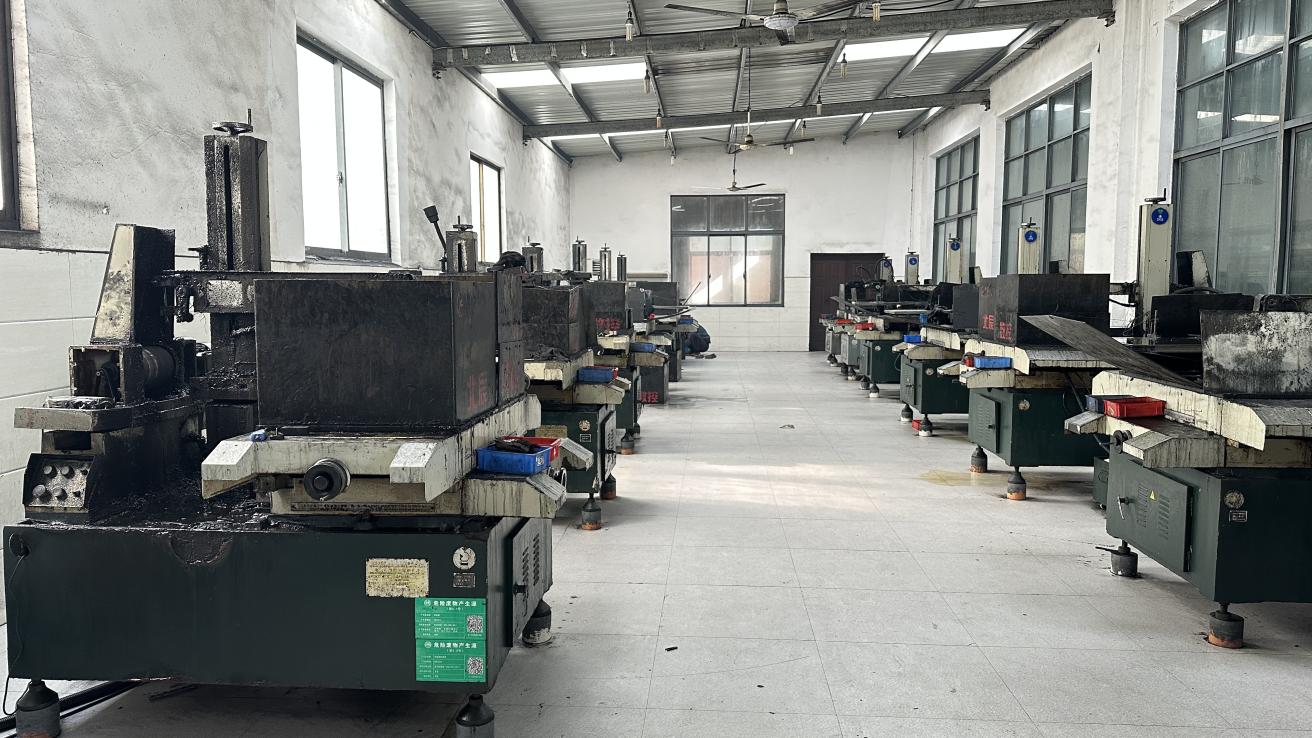
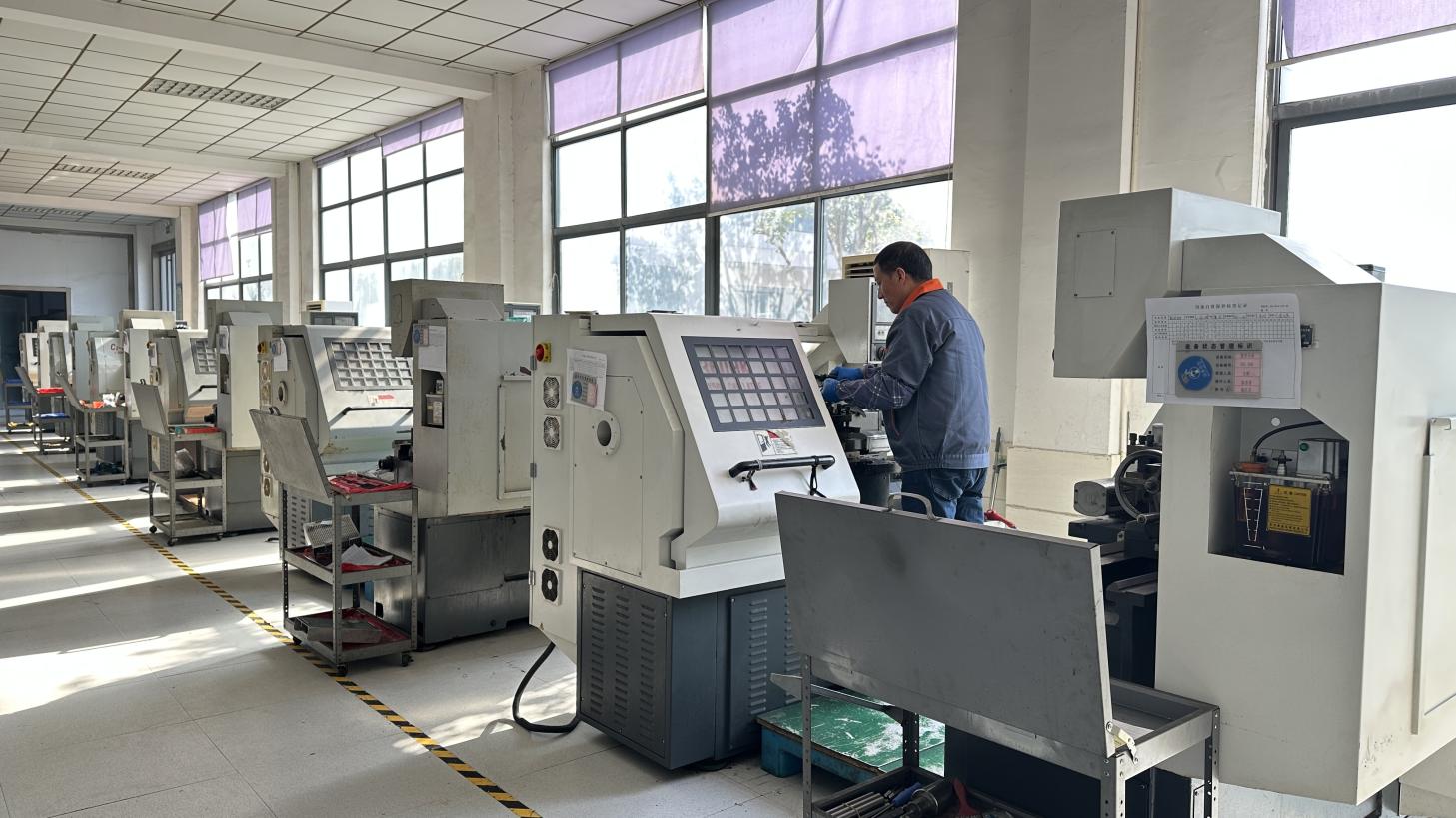
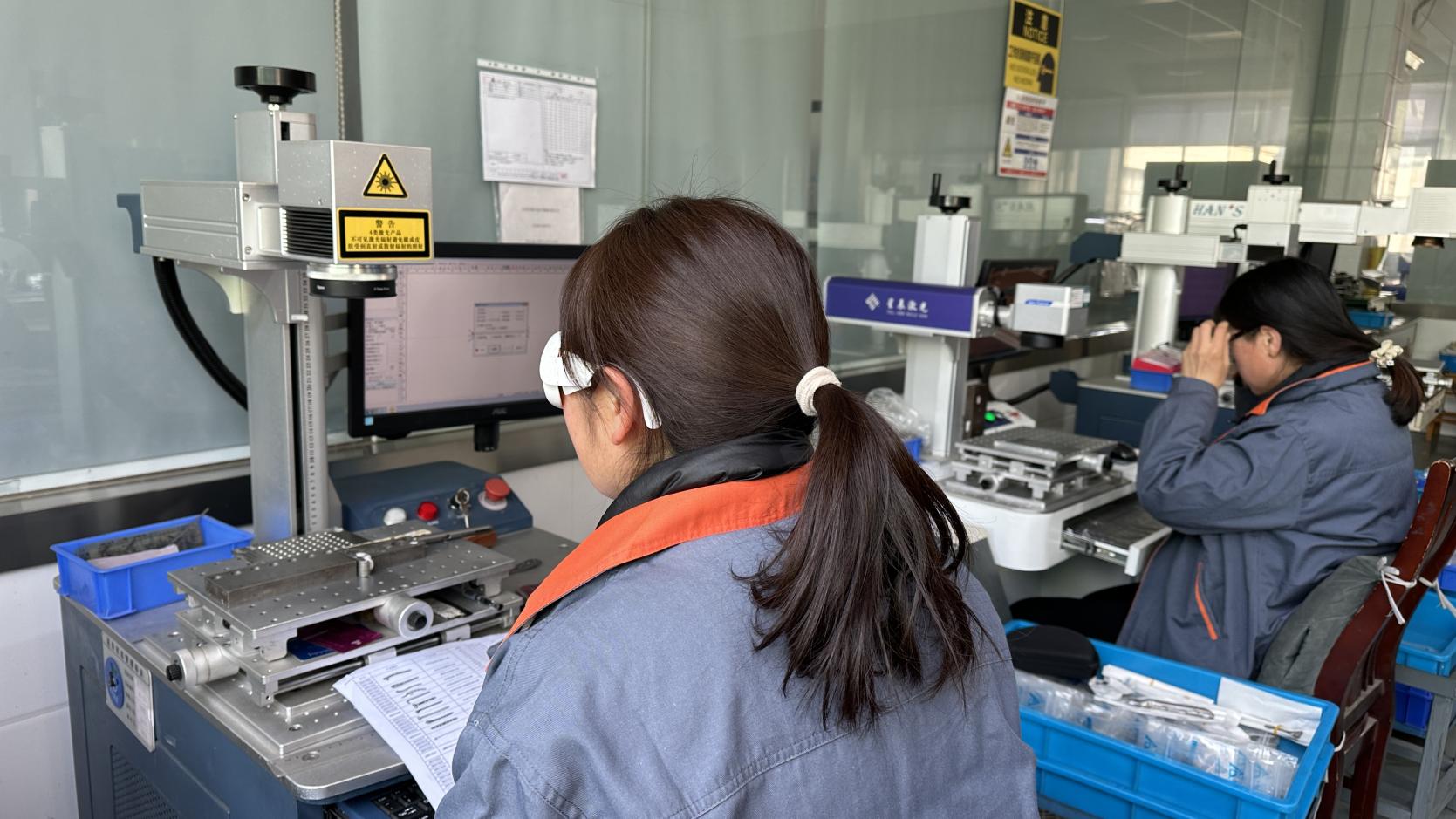
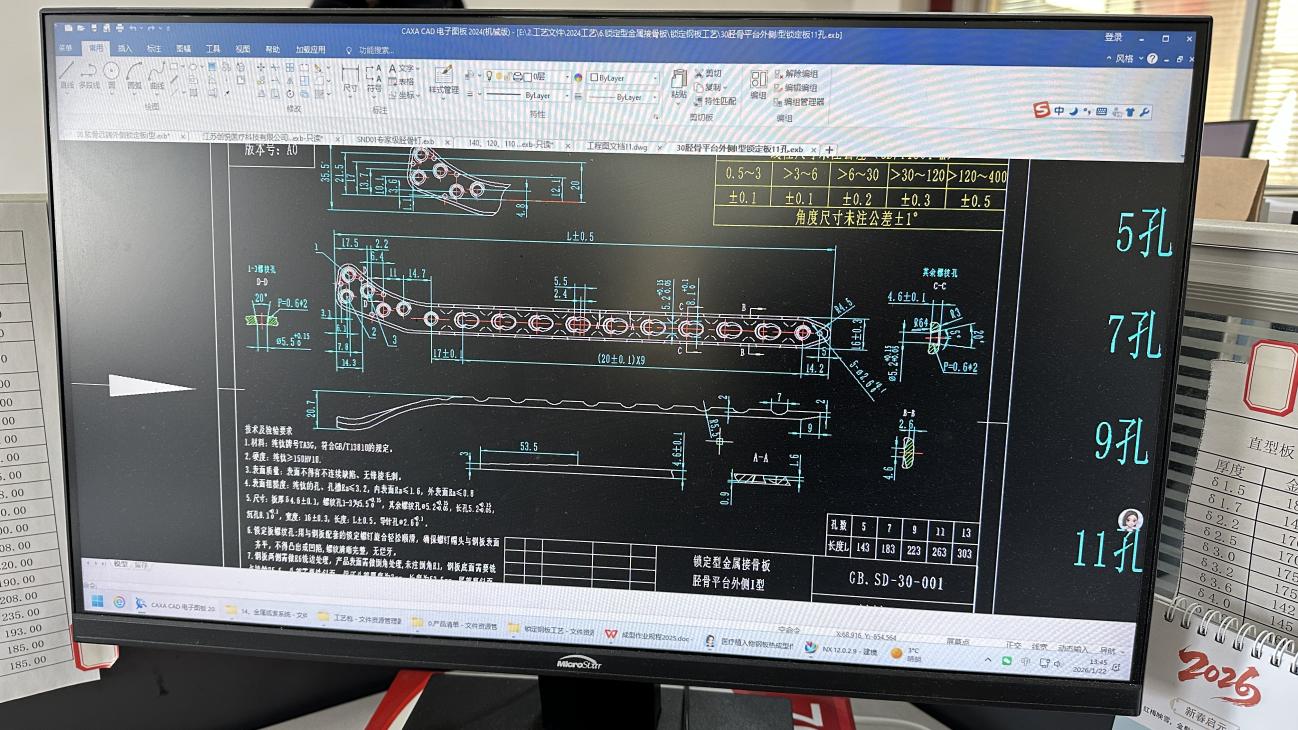
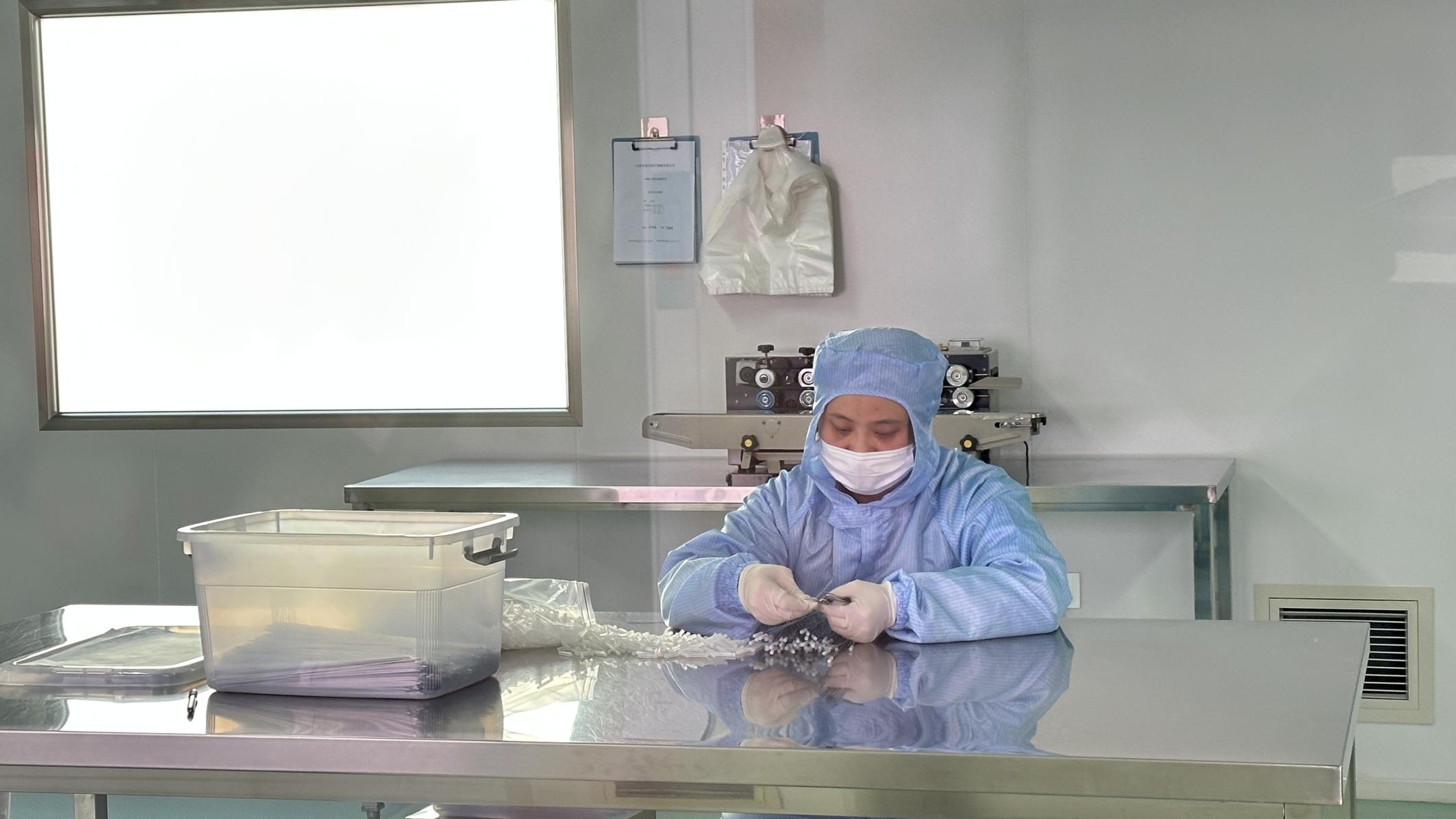
Founded in 2016, Medisplint Orthopedic Instruments Co., Ltd. has established itself as an innovative manufacturer specializing in high-end orthopedic implants, fixation systems, and surgical instrumentation. With a facility spanning 18,500㎡, the company is structured to support integrated production, cleanroom packaging, assembly, and multi-tiered quality control operations.
Below is a visual walk-through of the manufacturing processes and testing facilities engineered to maintain dimensional accuracy and structural integrity for critical implants.
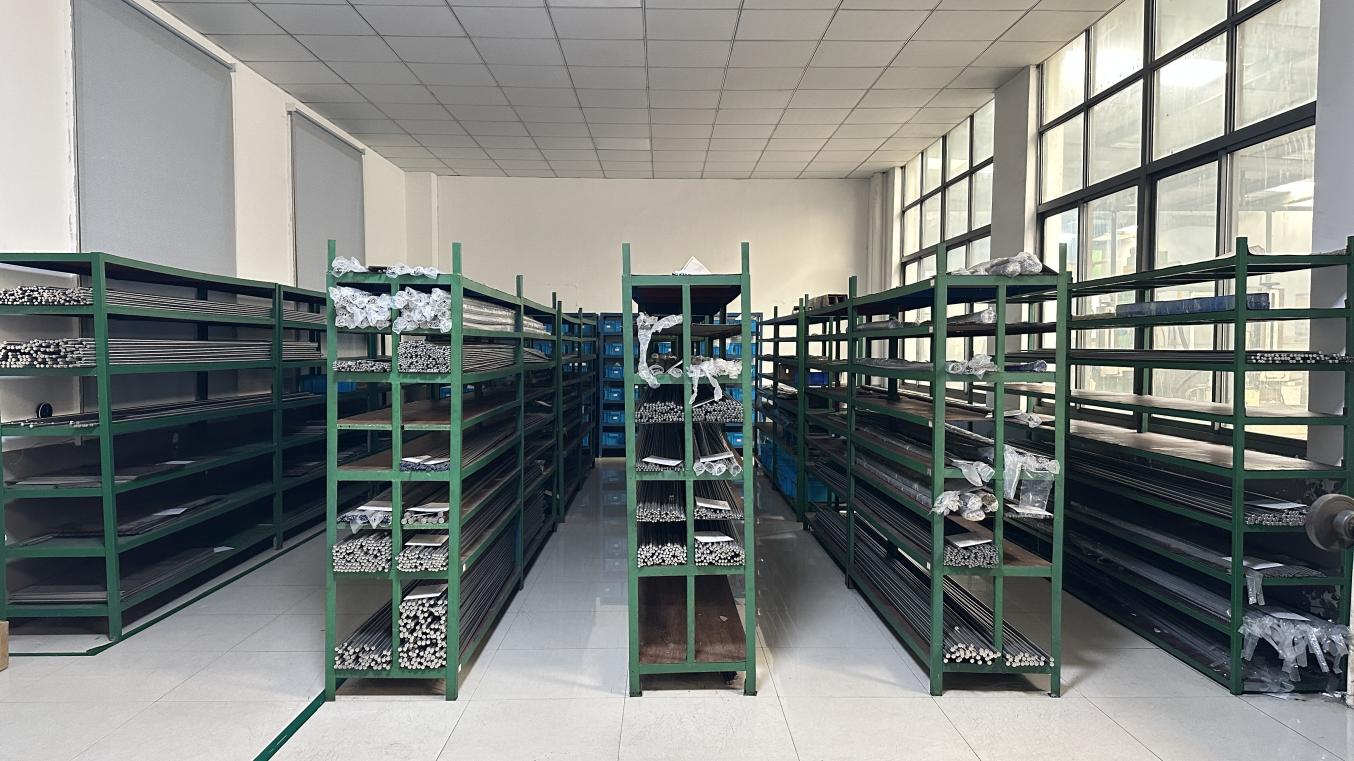
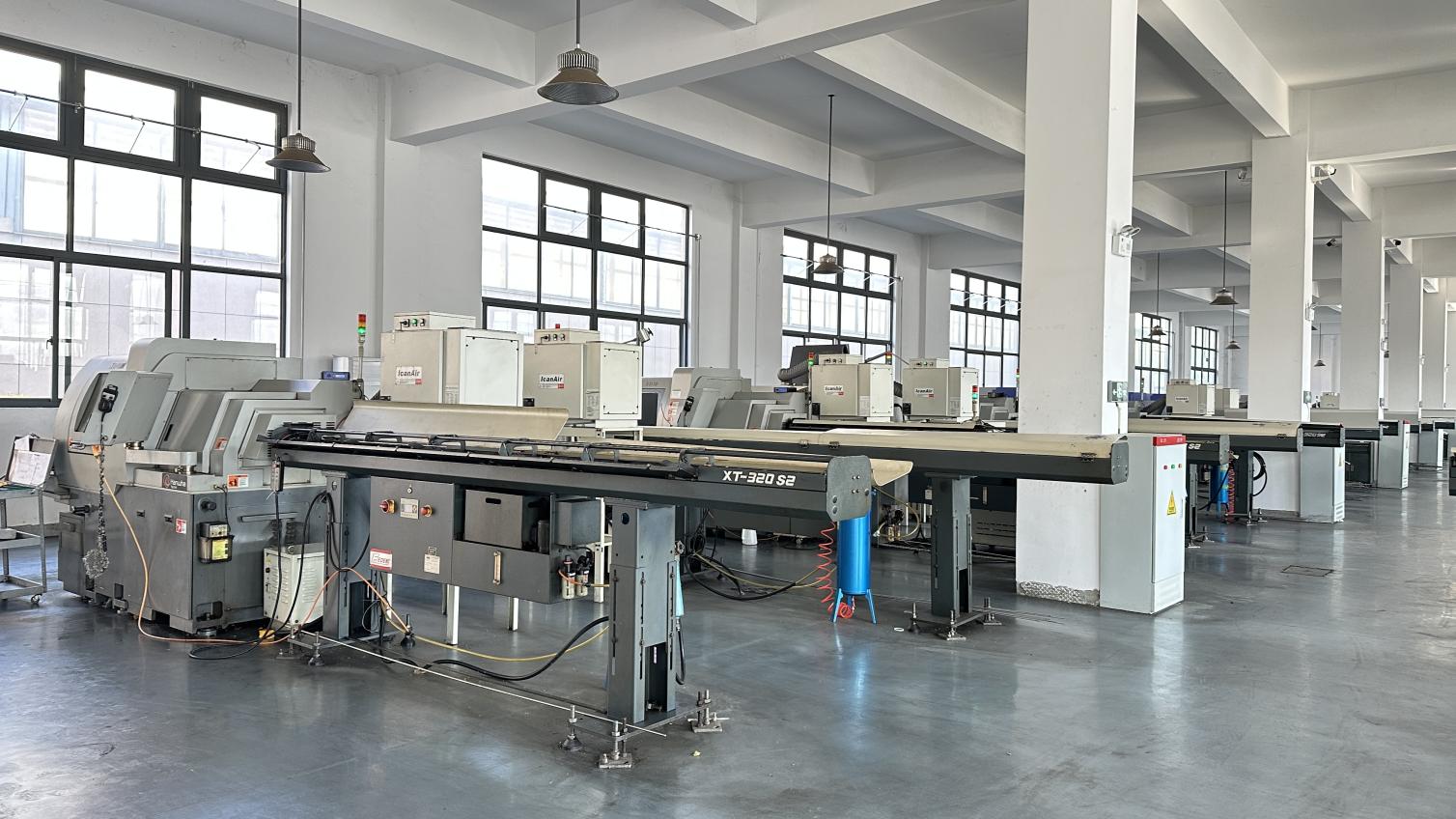
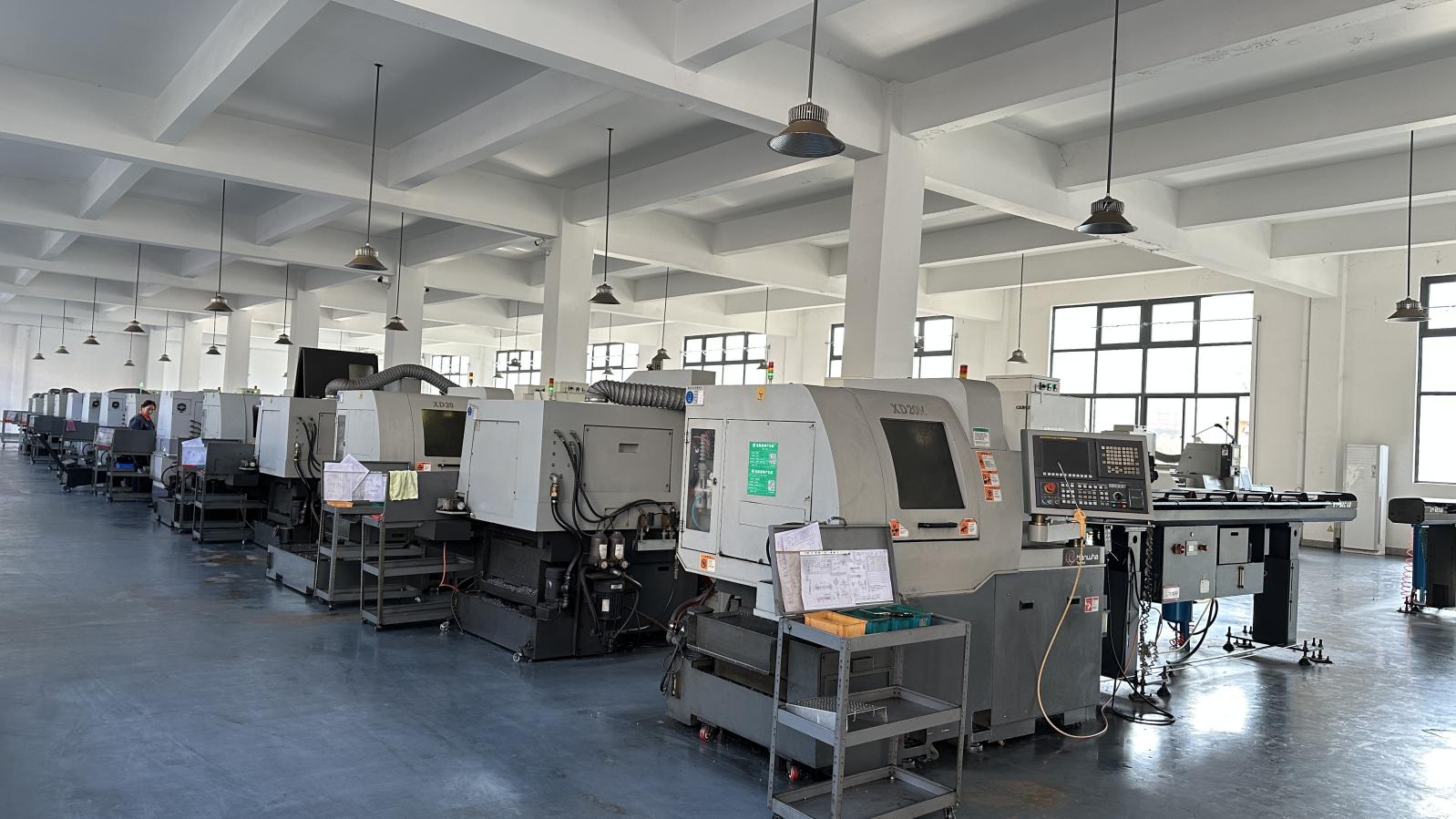
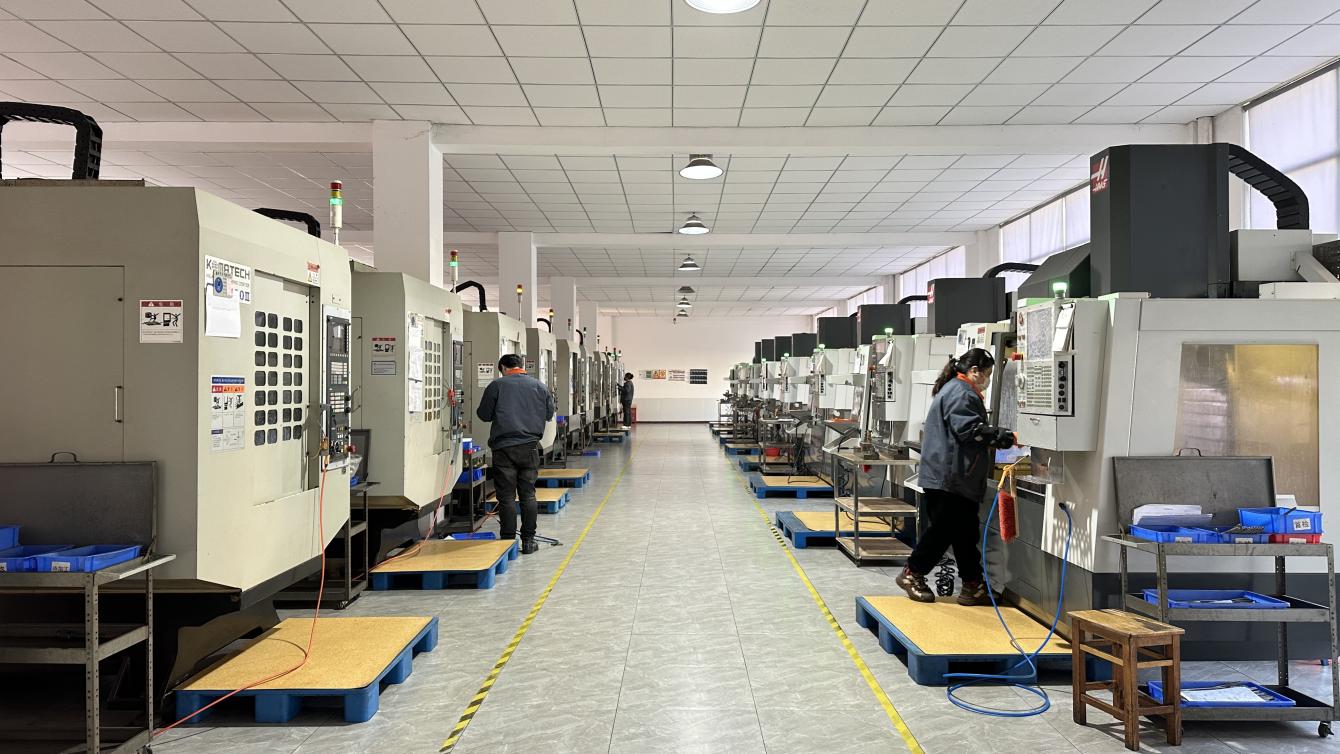
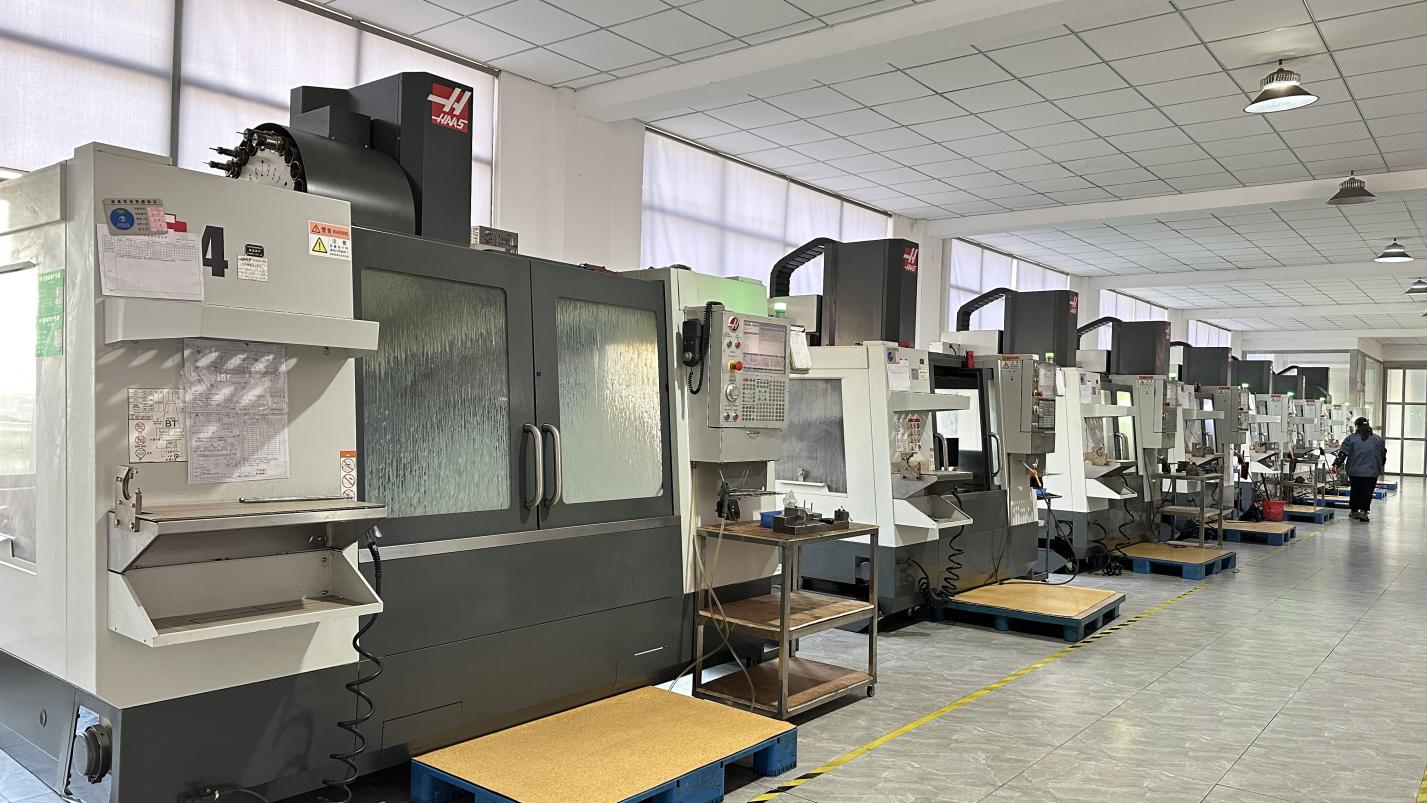
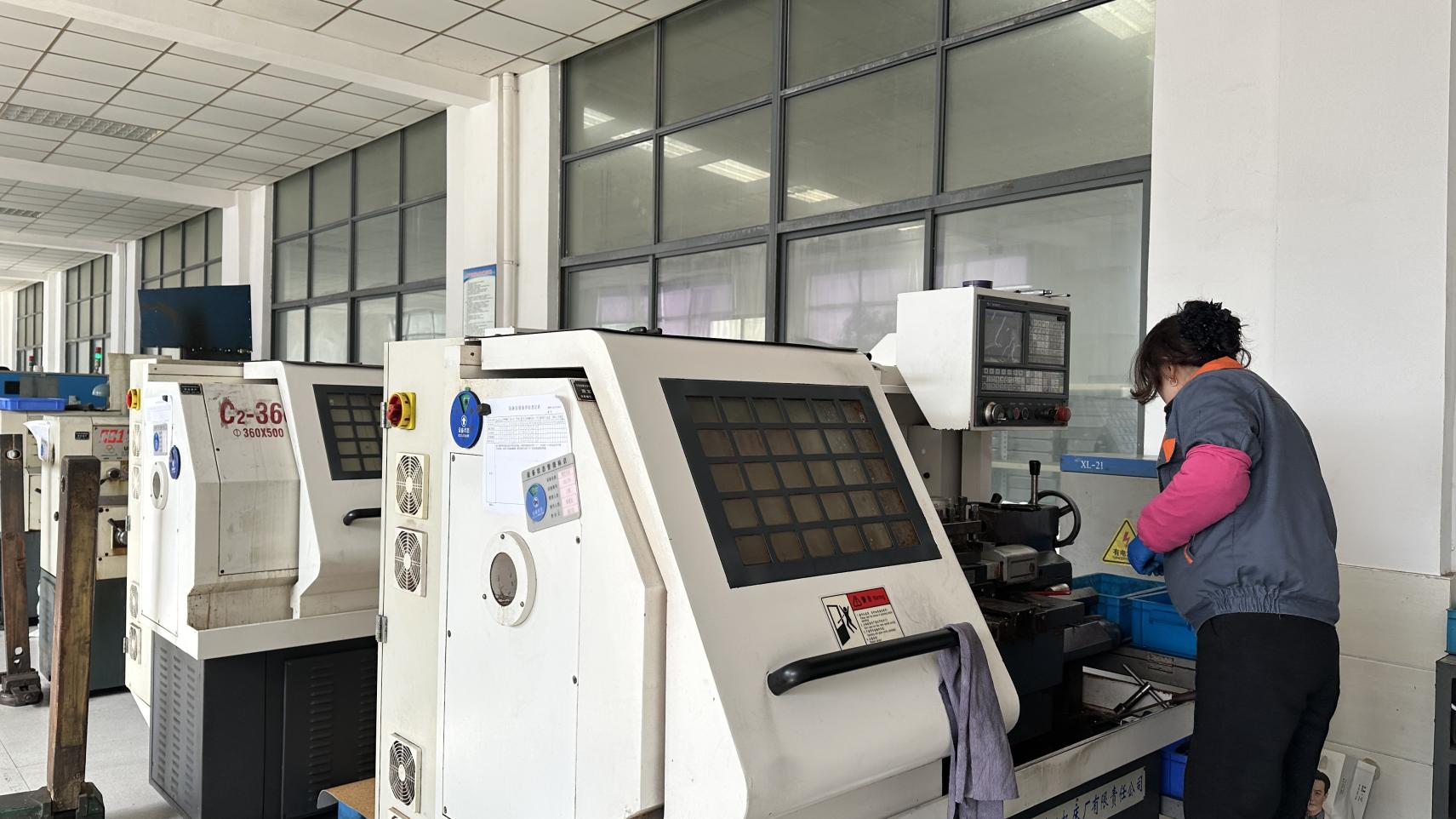
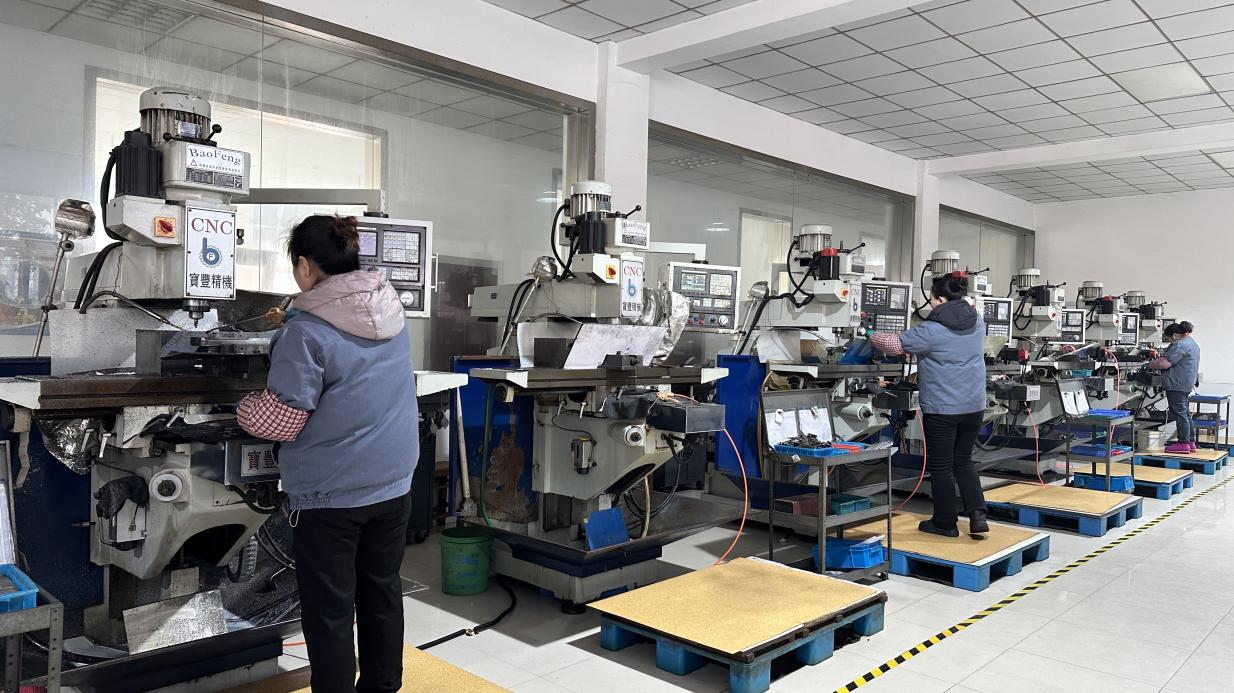
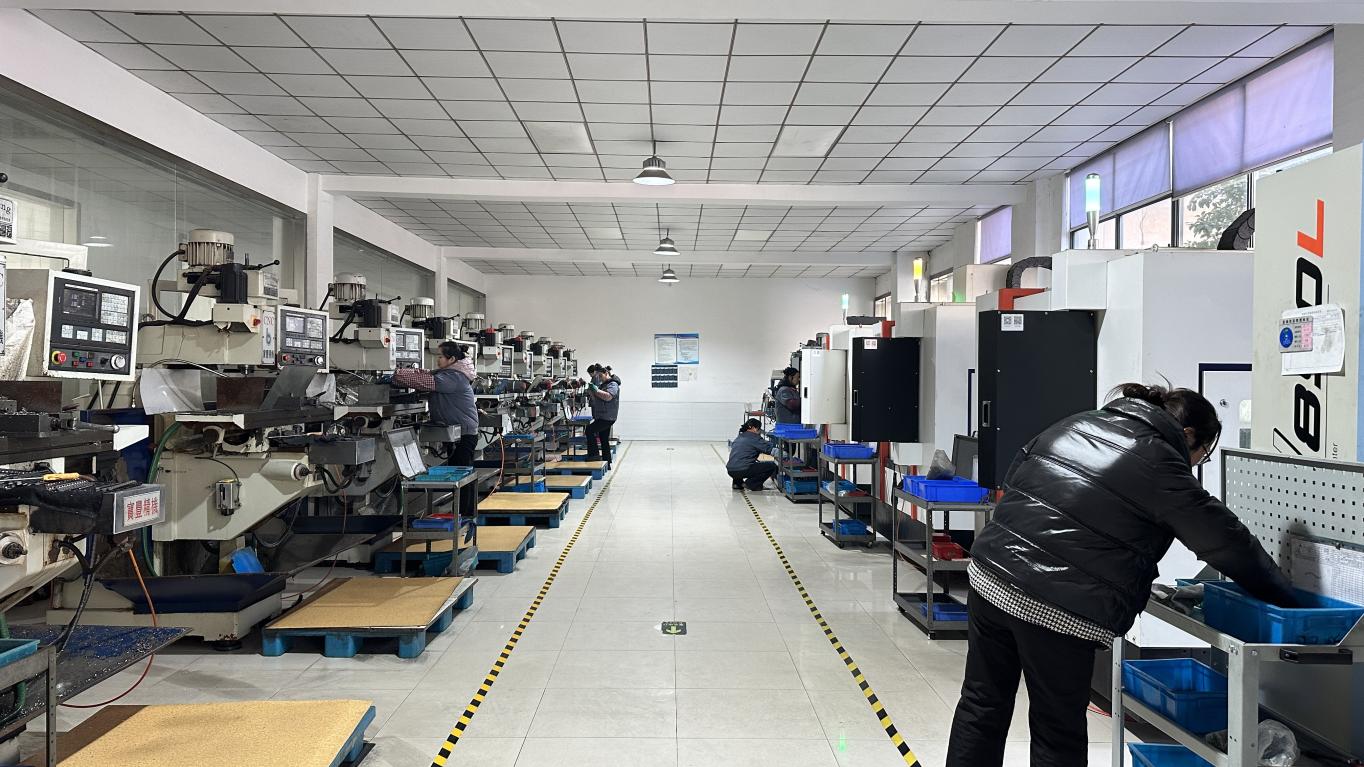

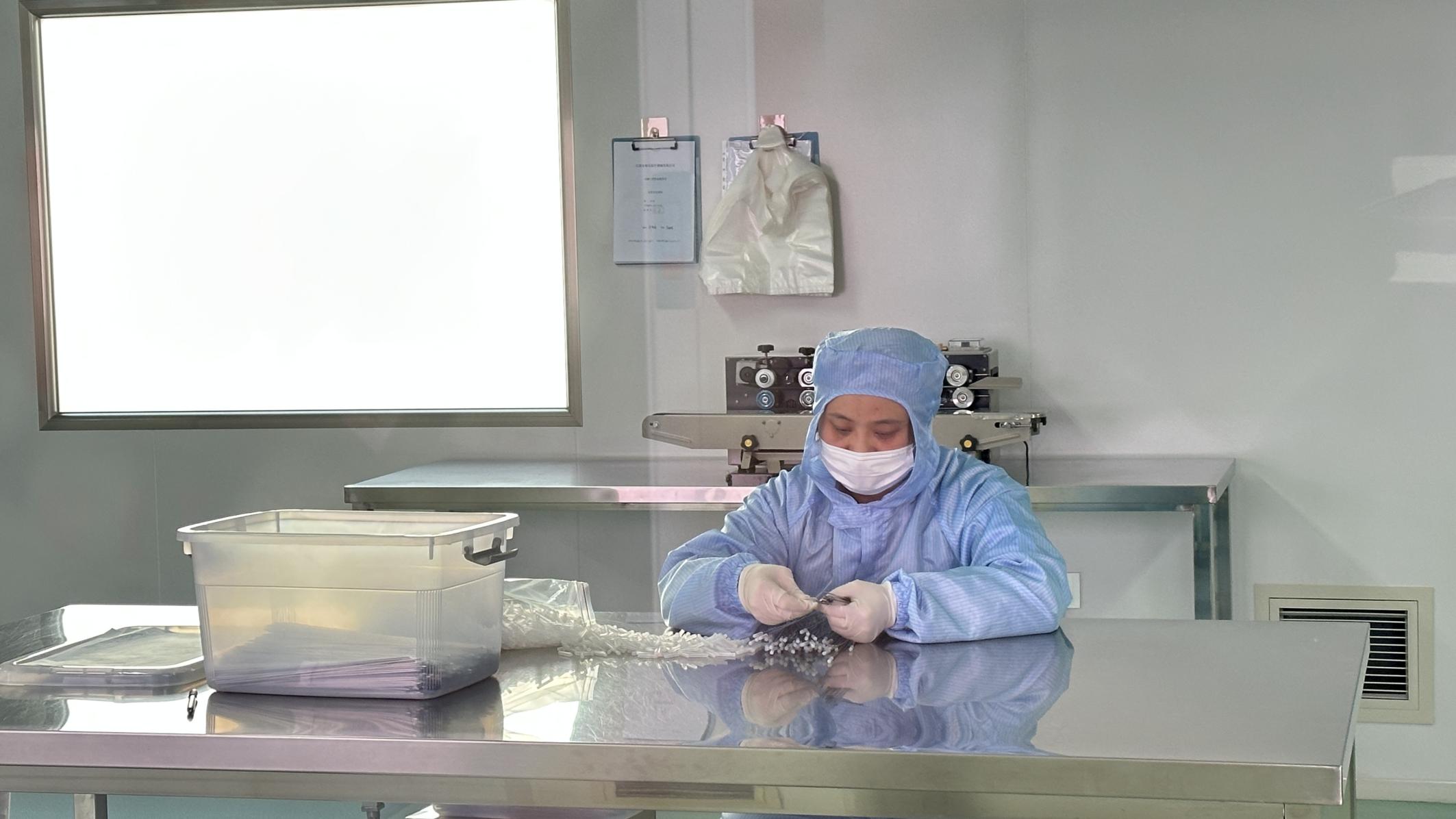
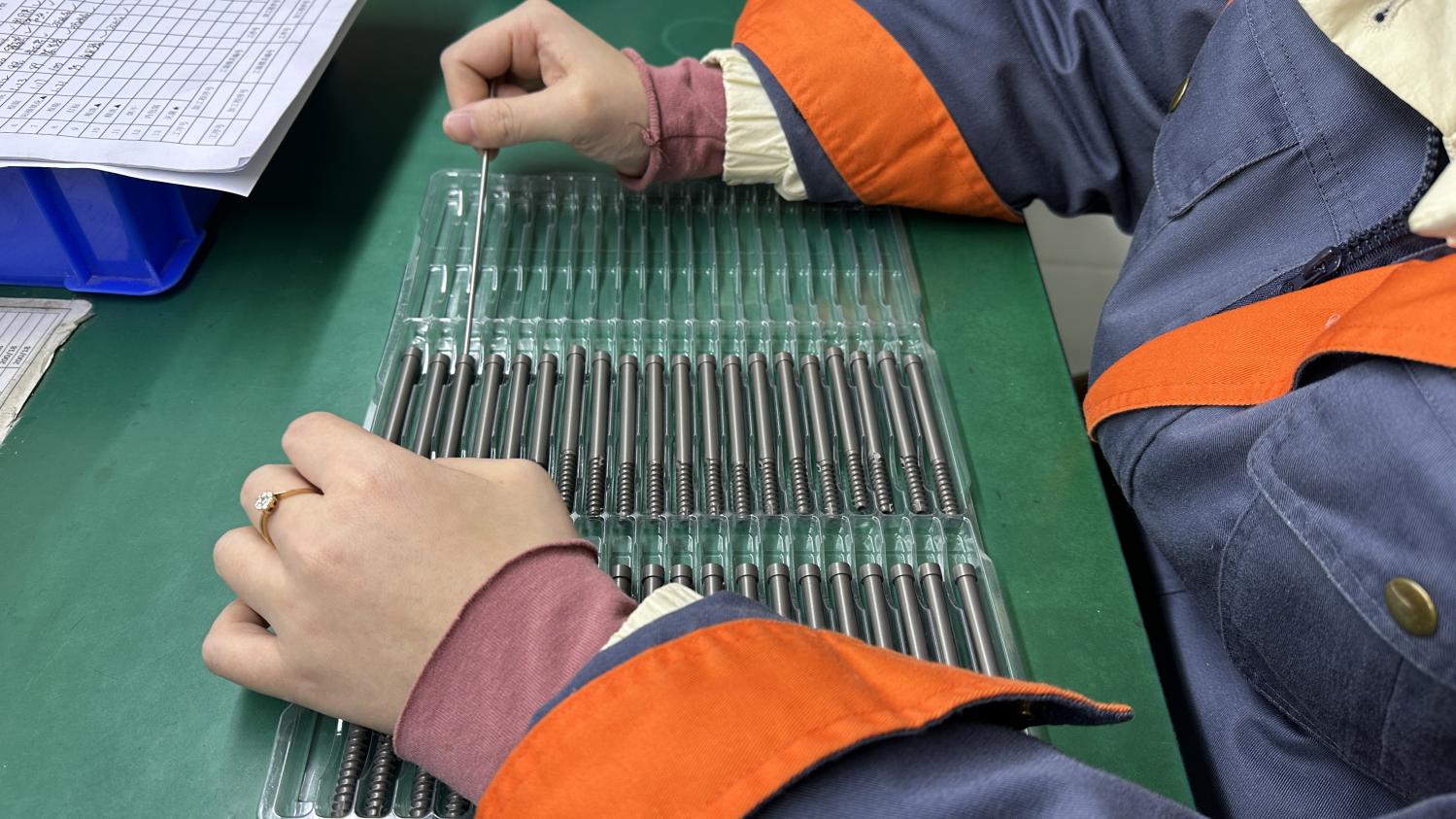
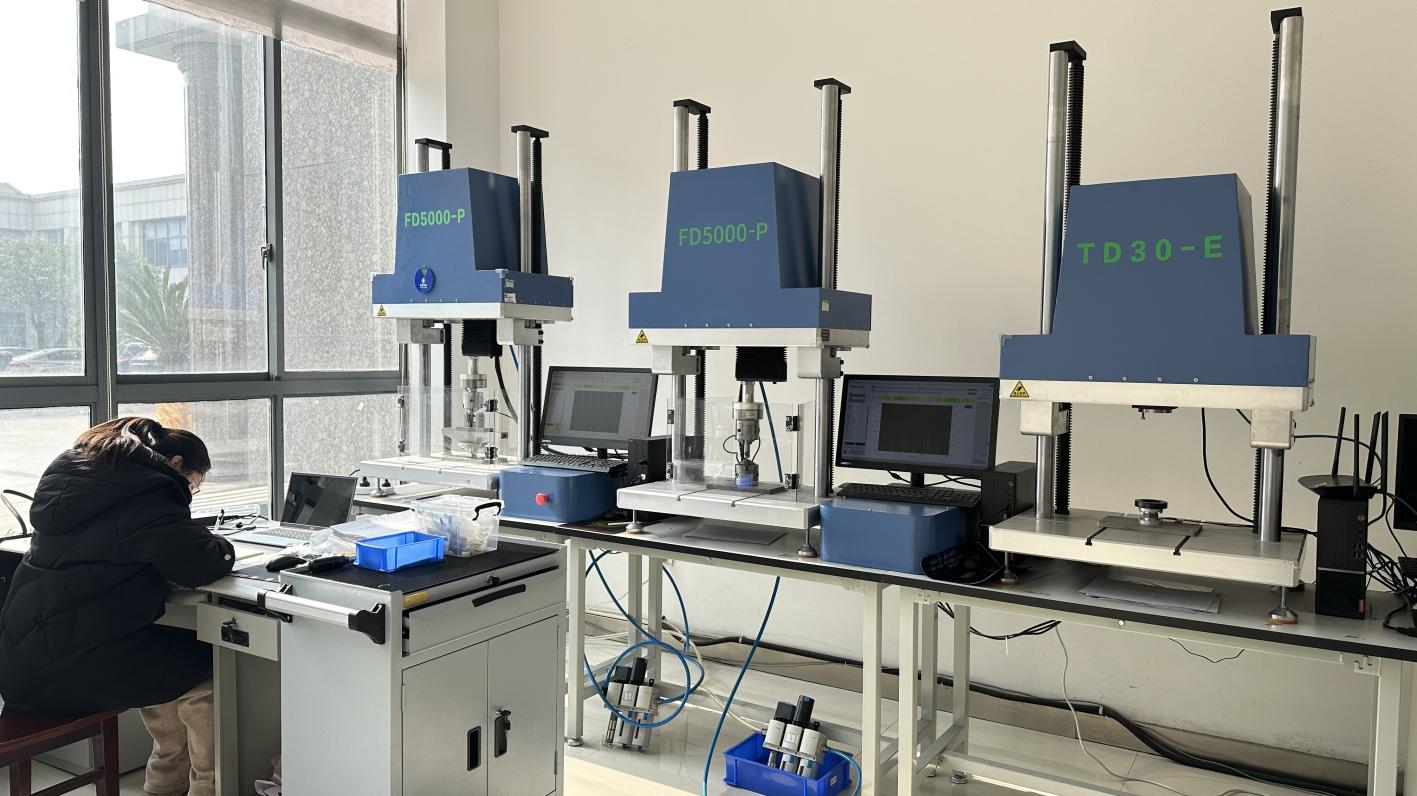
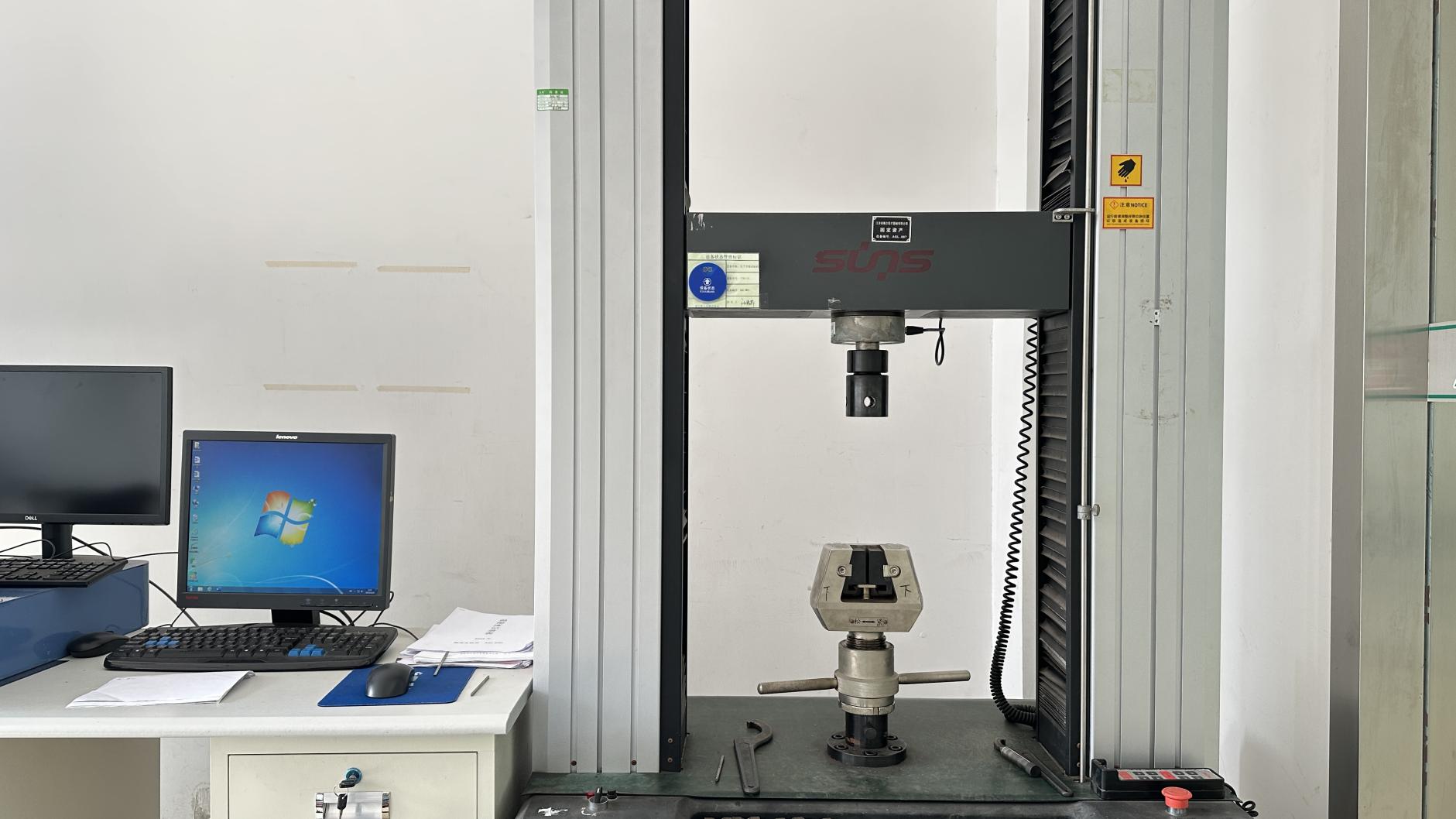
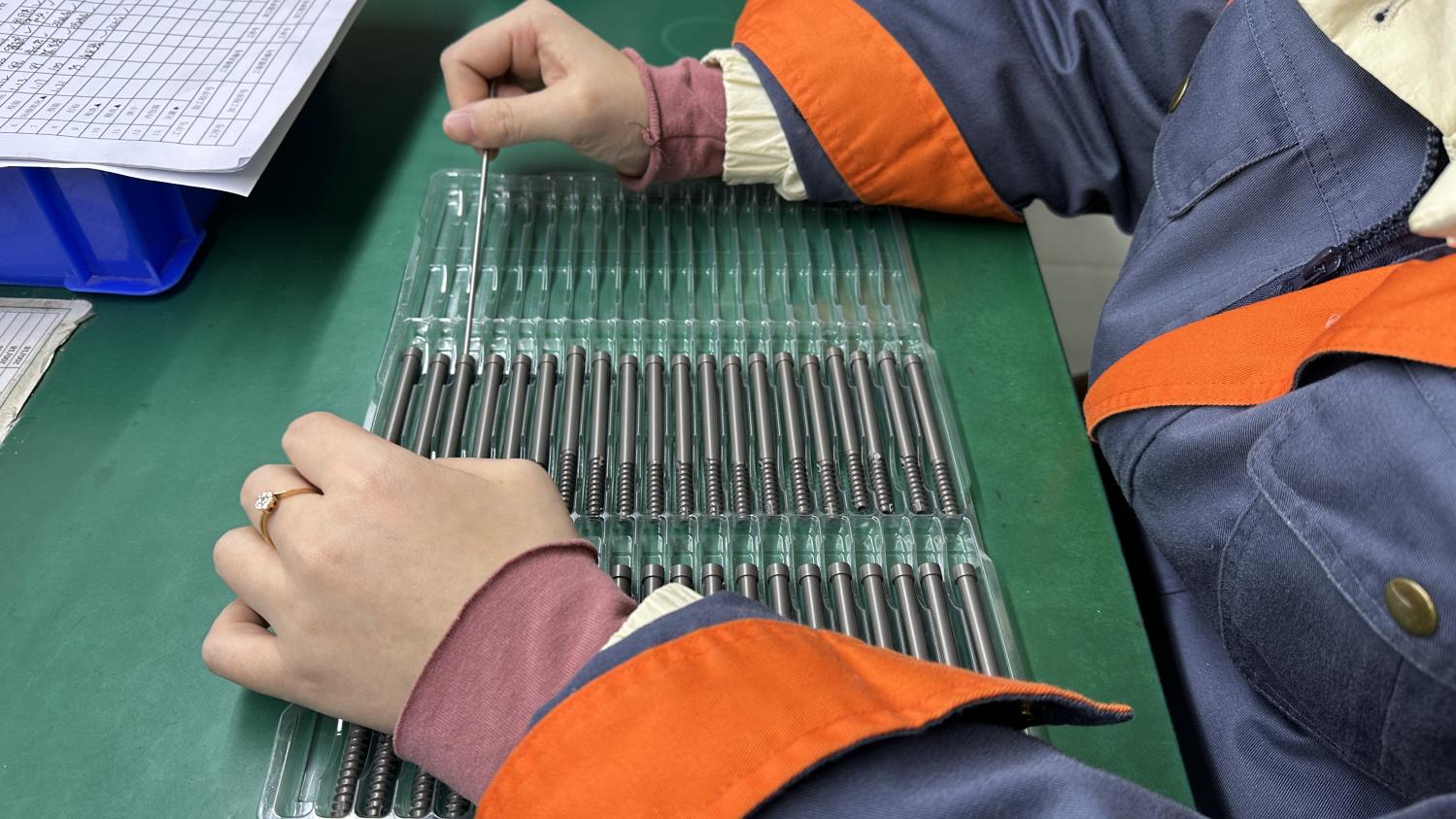
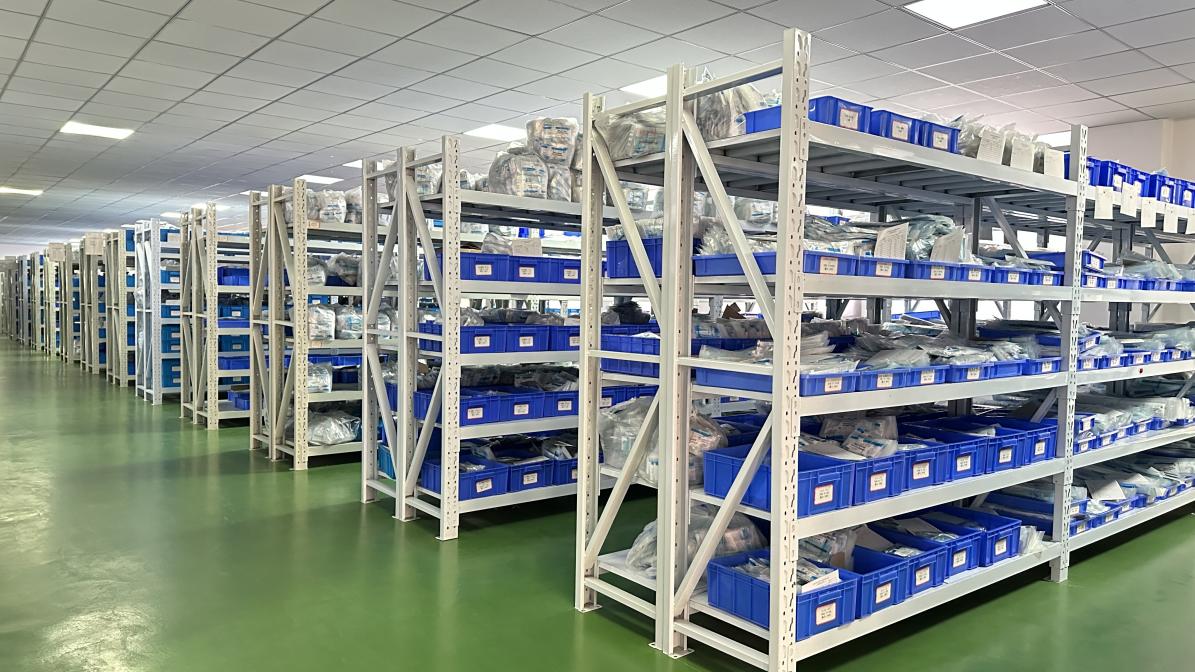
Procuring orthopedic implants involves critical clinical and legal liabilities. Hospital buyers and supply chain managers use a structured evaluation matrix when auditing manufacturers:
Under ISO 10993 standards, any joint reconstruction implant must present zero cytotoxicity, systemic toxicity, or mutagenic response. The standard selection includes:
Reliable suppliers must supply testing verification reports including:
Standard implants do not fit every patient's unique anatomy. The industry is shifting toward patient-specific instruments (PSI) and custom-printed femoral/tibial segments. Using CT scan data, designers generate 3D CAD models of the patient's knee joint, printing custom components in medical-grade titanium via Electron Beam Melting (EBM) or Direct Metal Laser Sintering (DMLS).
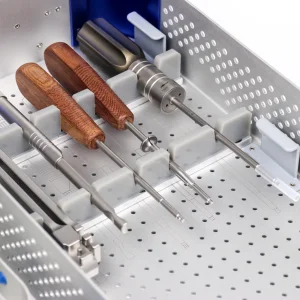
Modern surgical suites integrate active robotic guides. Factories are designing implants with matching optical trackers, spatial registration pins, and specialized surgical instrument kits (such as the acetabular cup removers or meniscus repair systems listed below) that interface with robotic arm cutting pathways.
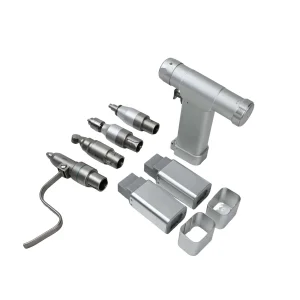
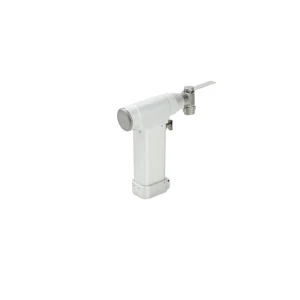
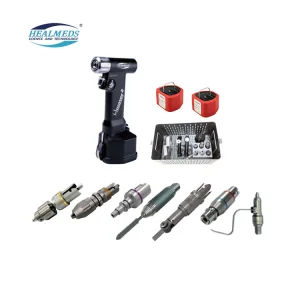
Joint degeneration and ligament ruptures are also prevalent in small companion animals and working canines. Chinese manufacturers are adapting human-grade materials for veterinary-specific applications, producing mini-oscillating saws, specialized bone drills, and animal-specific plates to support the growing veterinary orthopedic market.
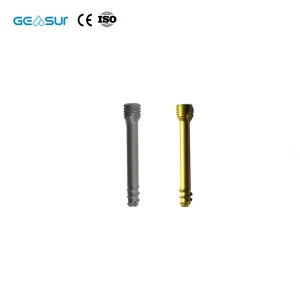
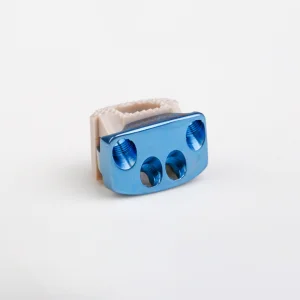
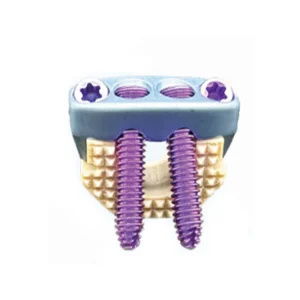
Browse our selection of specialized fixation kits, spinal implants, bone compression screws, and motorized veterinary surgical tools.