Medisplint
Medisplint
Medisplint
Explore our elite range of CE and ISO 13485 certified titanium implants, surgical tools, and custom clinical sets engineered for trauma recovery.
The shift toward biological osteosynthesis and load-sharing configurations in global reconstructive surgery.
In modern trauma surgery, the clinical priority has shifted from absolute structural rigidity to biological osteosynthesis. This paradigm values the preservation of local blood supply above rigid primary bone healing. Titanium locking plates function as localized external fixators, bridging bone segments without compressing the periosteal surface. This biological protection prevents focal cortical necrosis, a common drawback of non-locking systems.
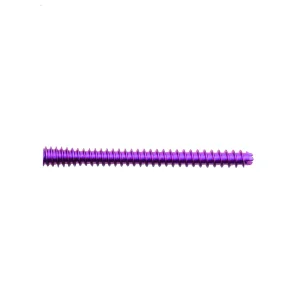
By using fixed-angle locking screws, the plate-screw construct behaves as a single mechanical unit. The load is transmitted from the bone across the screws, over the plate, and back to the bone. This process significantly lowers the risk of screw pullout, particularly in osteoporotic or highly comminuted bone where traditional screw threads struggle to grip.
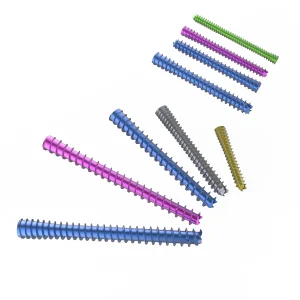
The performance of orthopedic internal fixation systems depends directly on their raw materials. The preferred choice is Grade 5 ELI titanium (Ti-6Al-4V Extra Low Interstitial), meeting the strict standards of ASTM F136 and ISO 5832-3.
This biocompatible alloy offers a low elastic modulus (roughly 110 GPa) that sits closer to human cortical bone than stainless steel (200 GPa). This similarity reduces stress shielding, ensuring the healing bone carries enough physiological load to stimulate healthy remodeling (under Wolff's Law). Additionally, our surface anodization processes create a stable titanium oxide layer, reducing ion release and optimizing bone integration.
Established expertise, global scale, and integrated precision manufacturing of orthopedic devices.
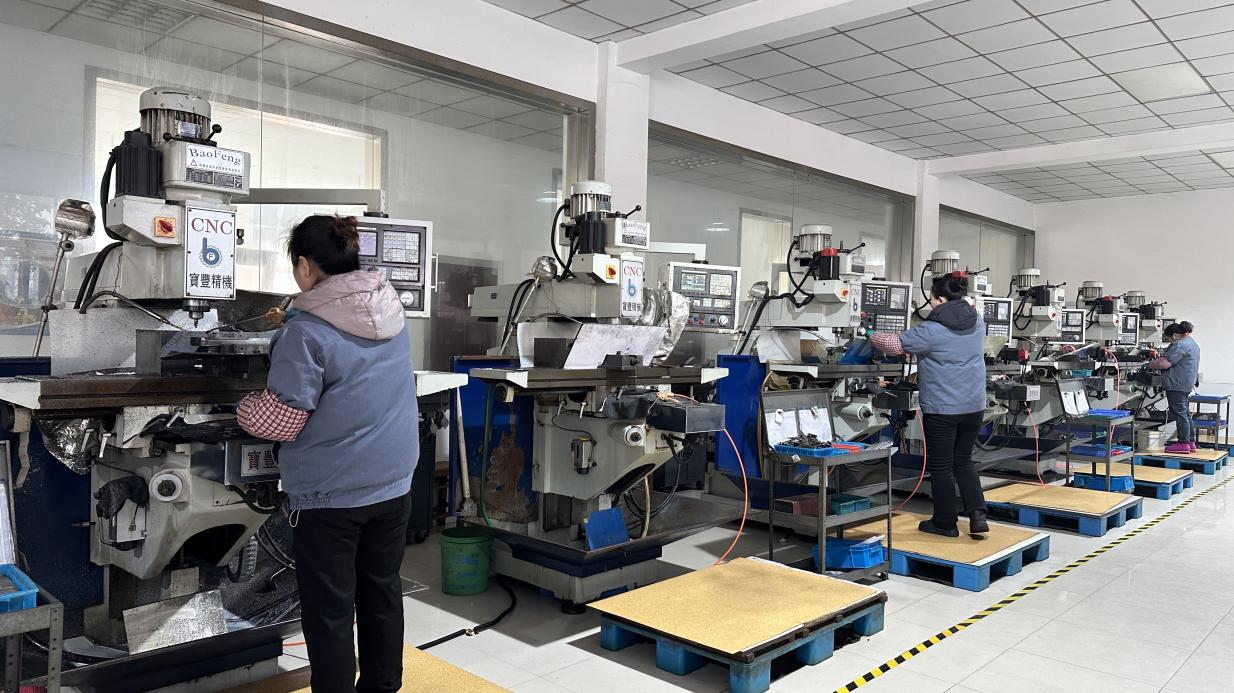
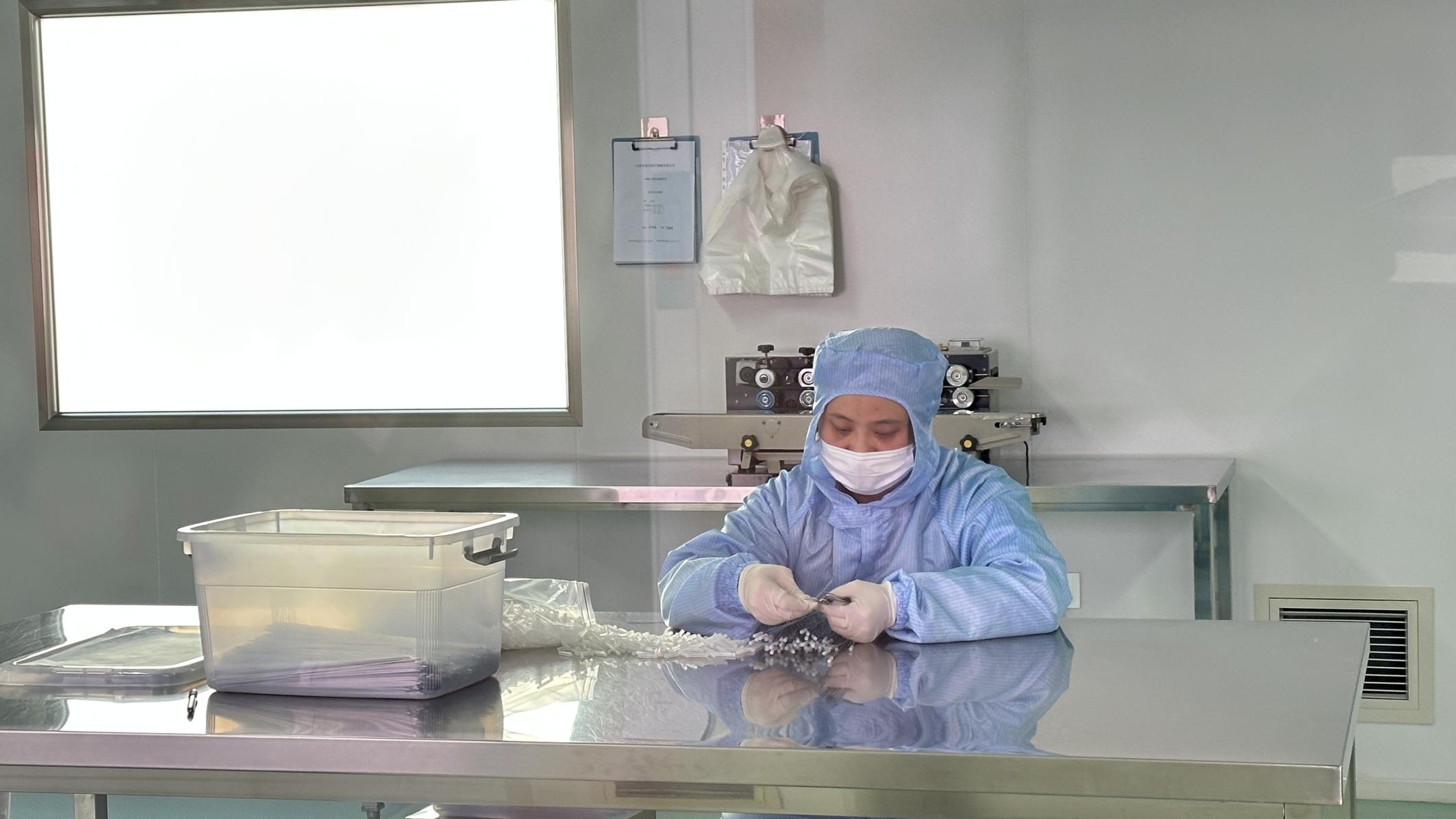
Founded in 2016, Medisplint Orthopedic Instruments Co., Ltd. has established itself as an innovative manufacturer of orthopedic implants, fixation systems, and specialized surgical instruments. Spanning an 18,500㎡ facility, the company supports fully integrated operations covering CNC machining, anodizing, assembly, and testing. With over a decade of production experience and 7 years of global export history, Medisplint maintains a robust presence across Europe, Southeast Asia, the Middle East, and South America, partnering with over 1,200 supply chain distributors and hospital buyers.
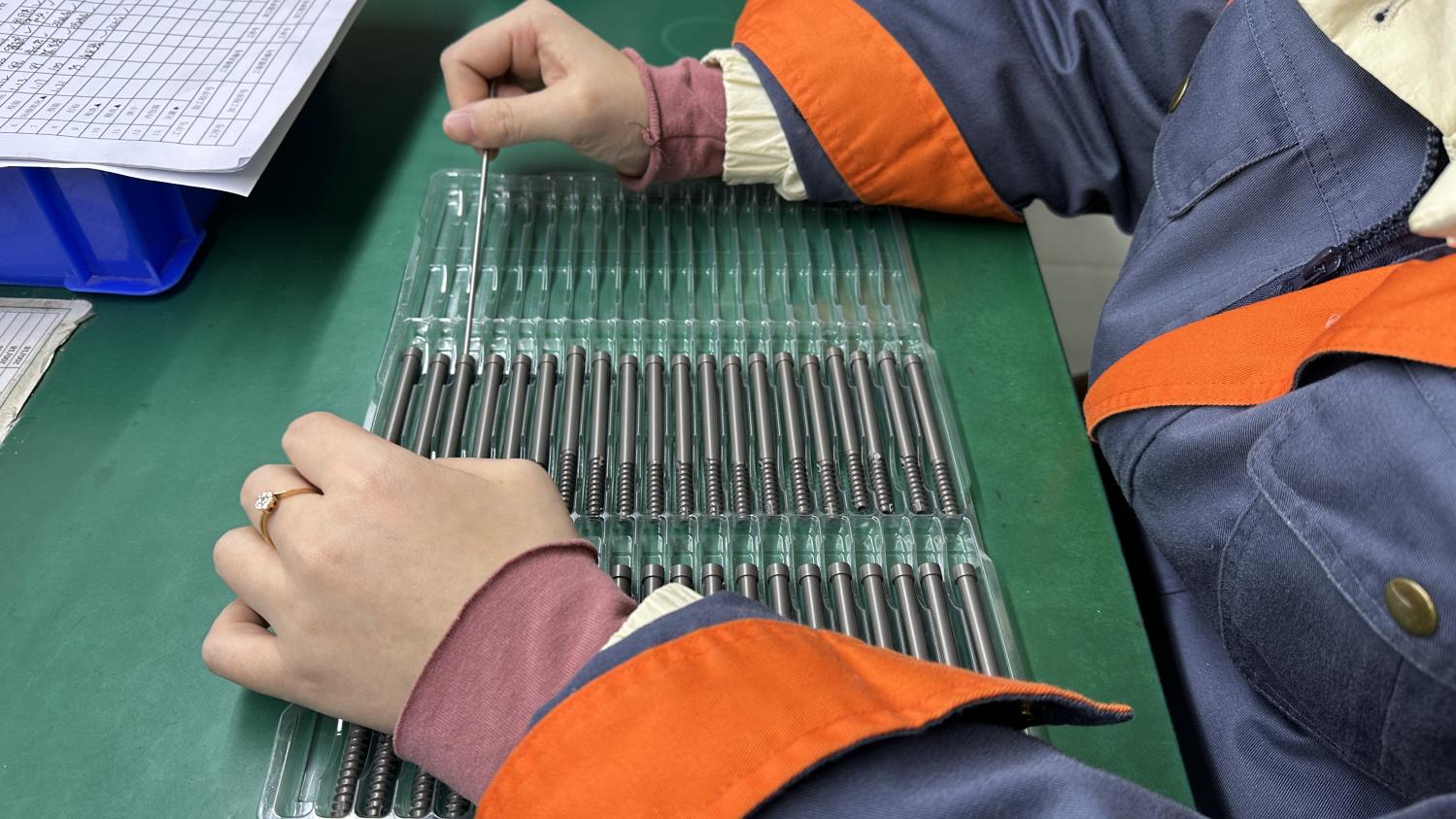
Each step of our manufacturing cycle—from selecting raw materials to dynamic fatigue testing—is carried out under a certified ISO 13485:2016 management framework.
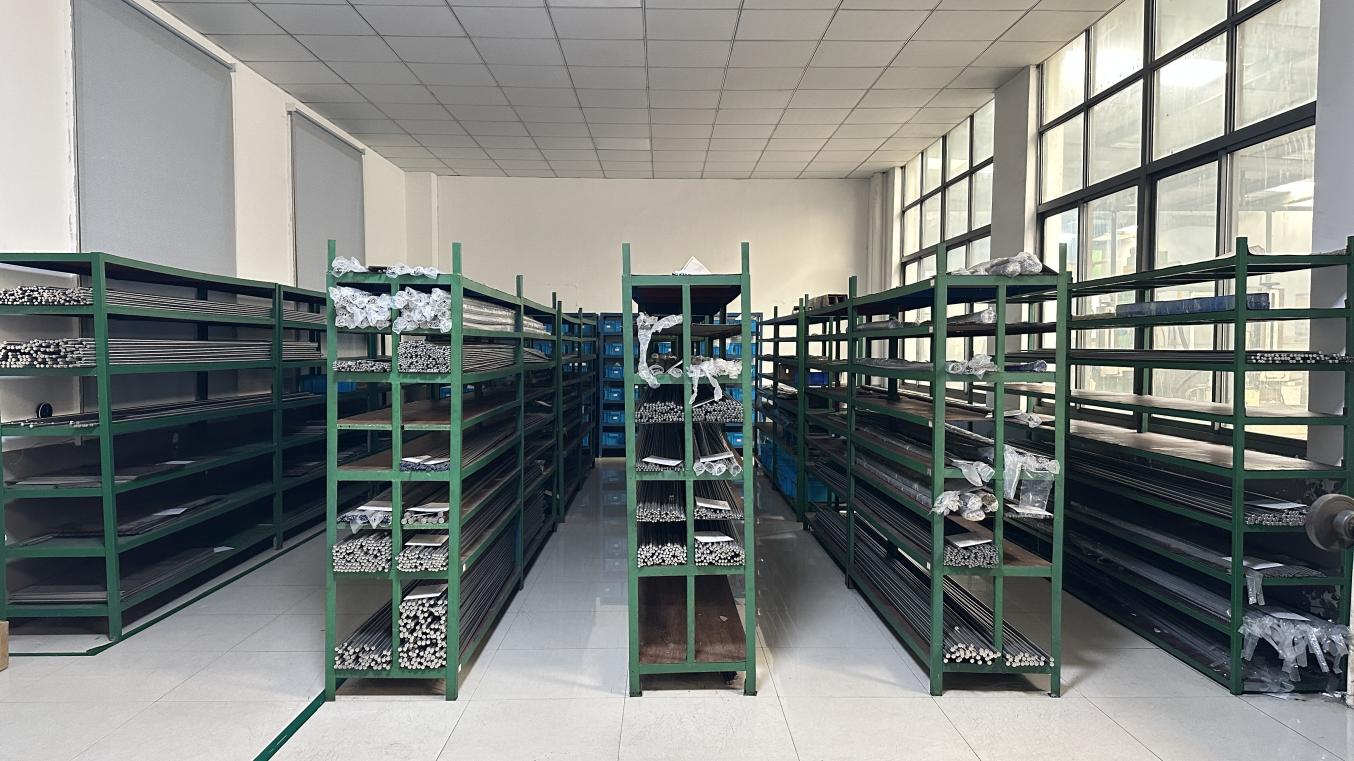
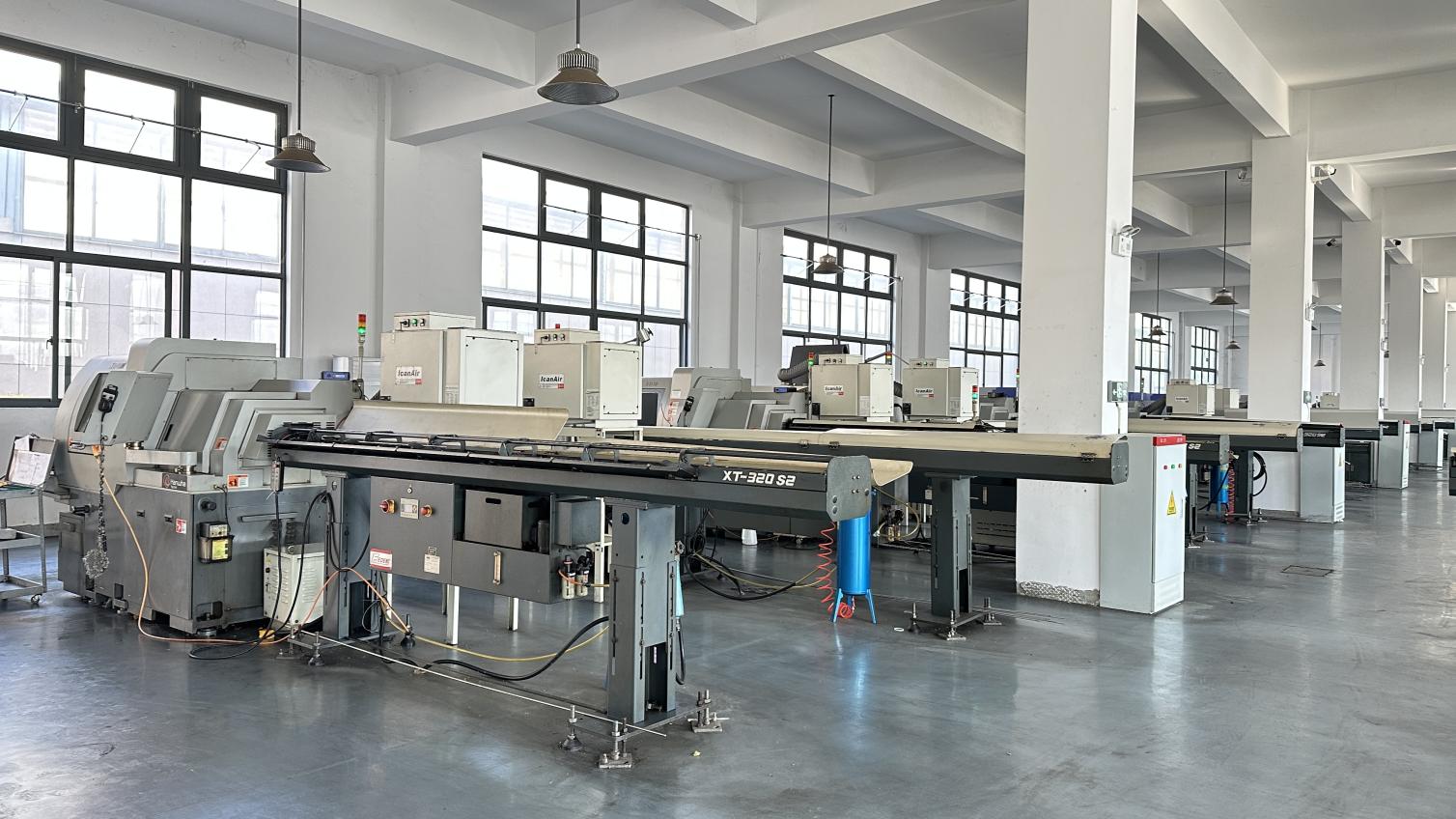
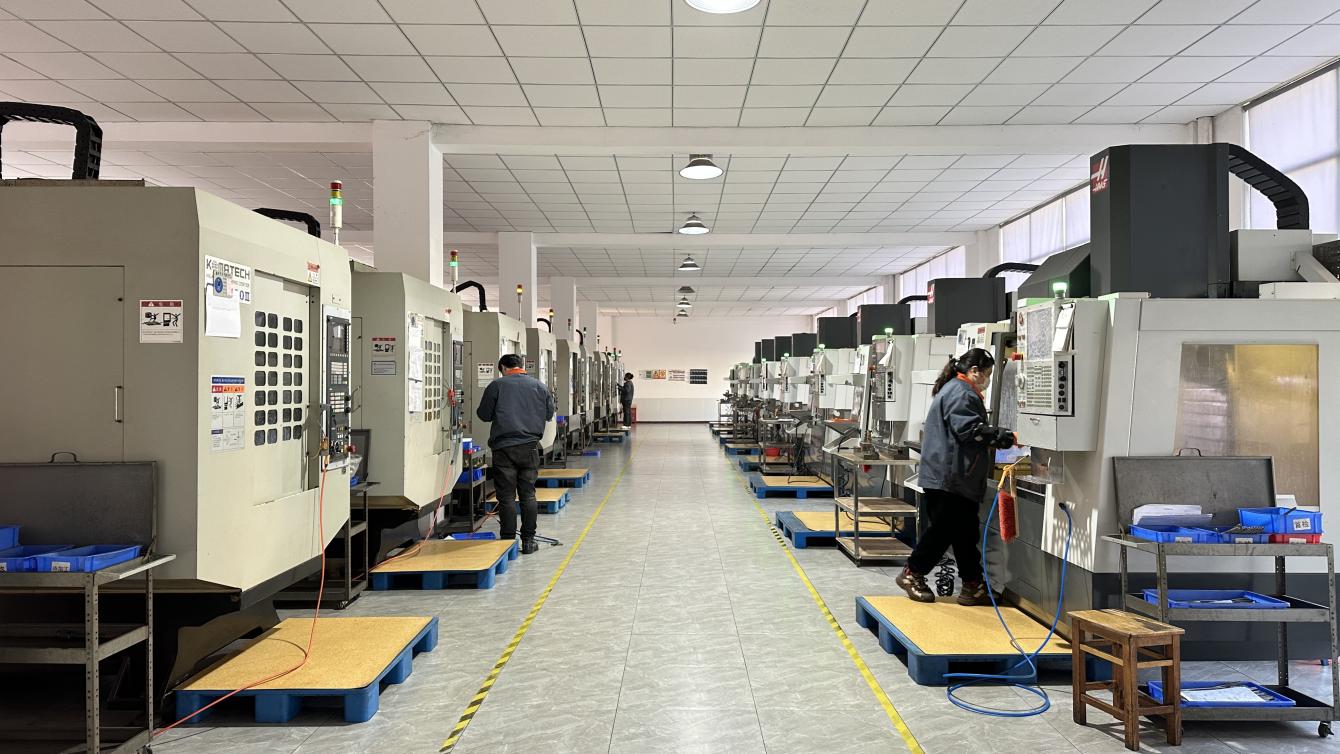
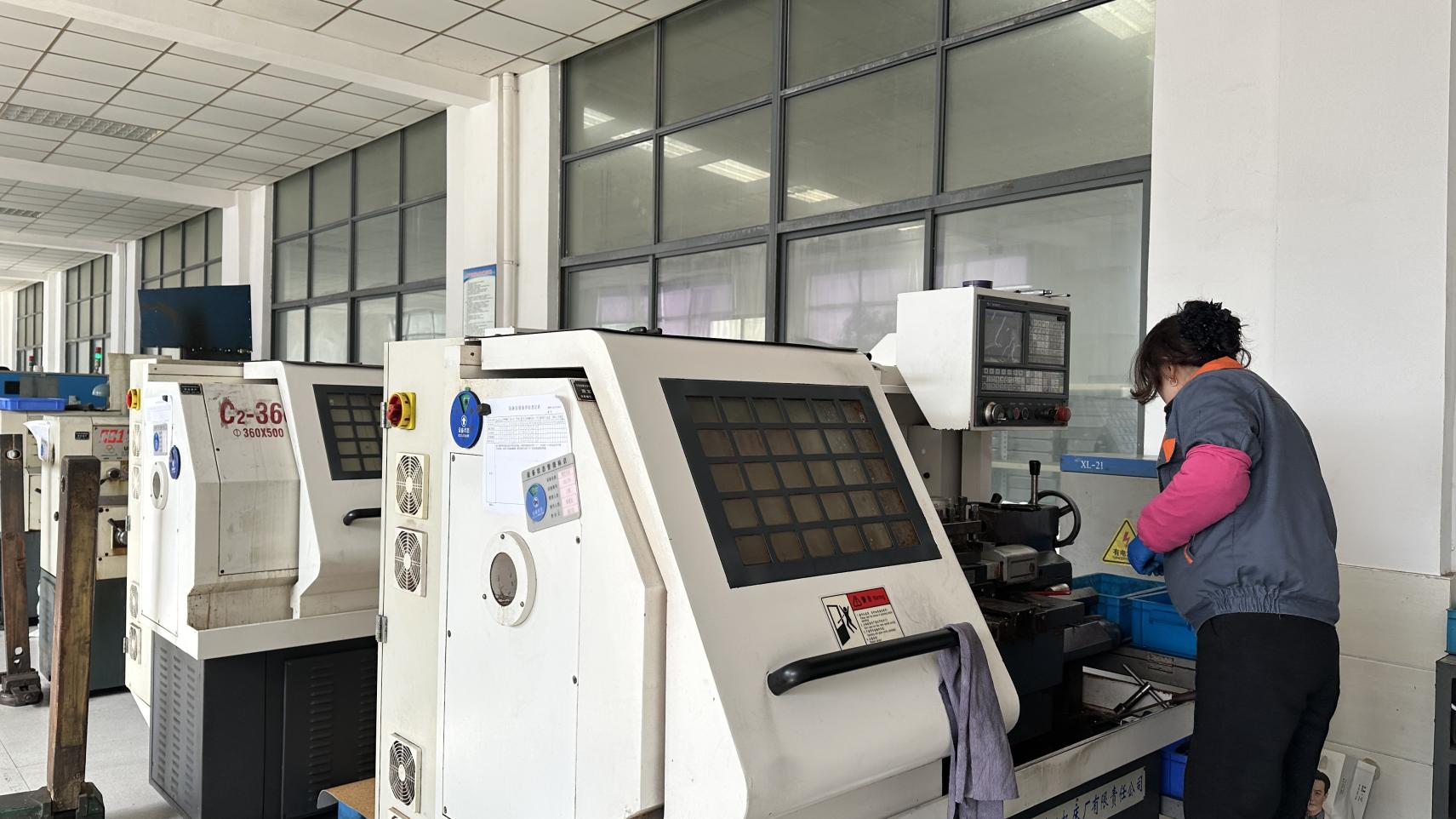
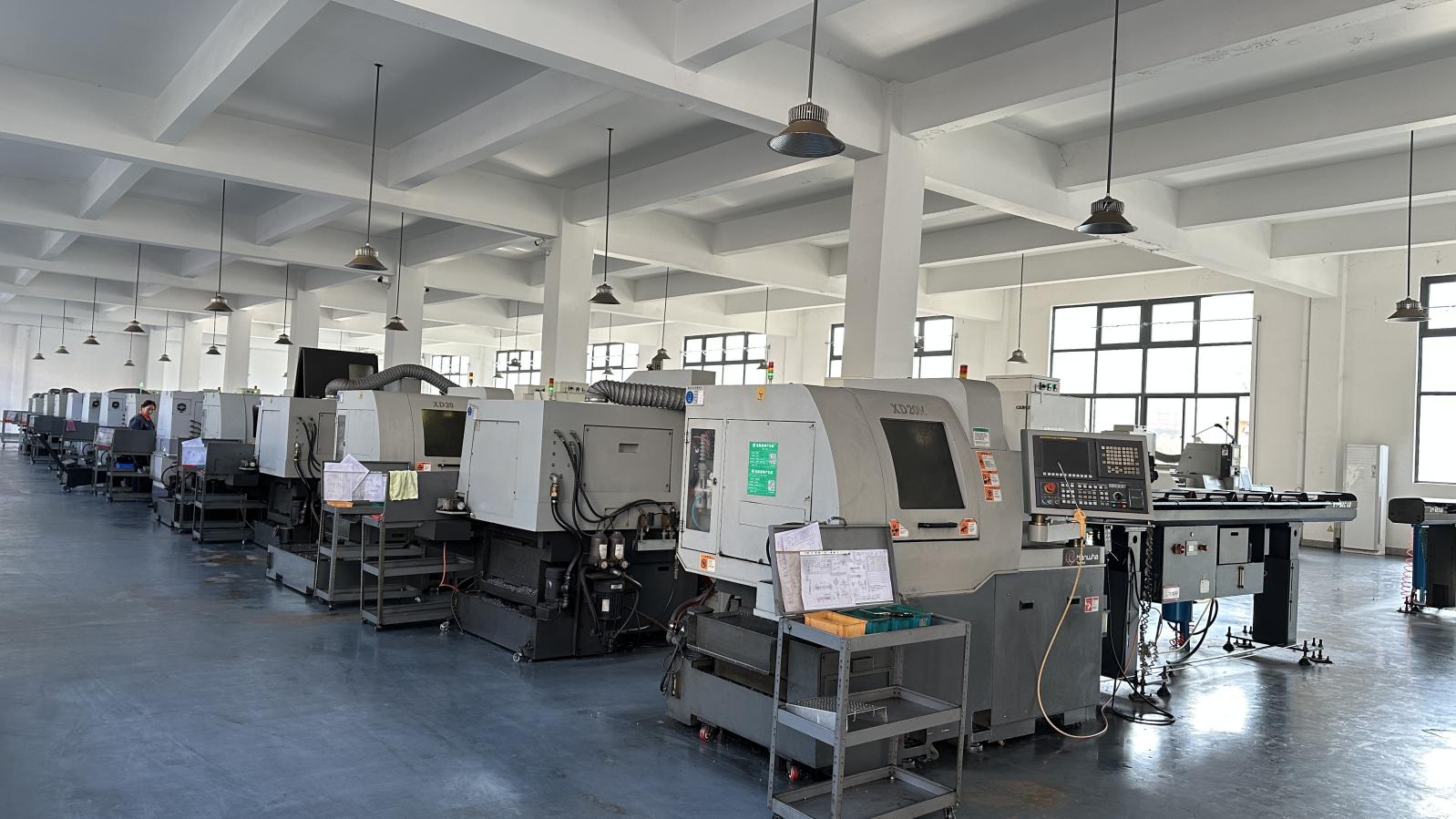
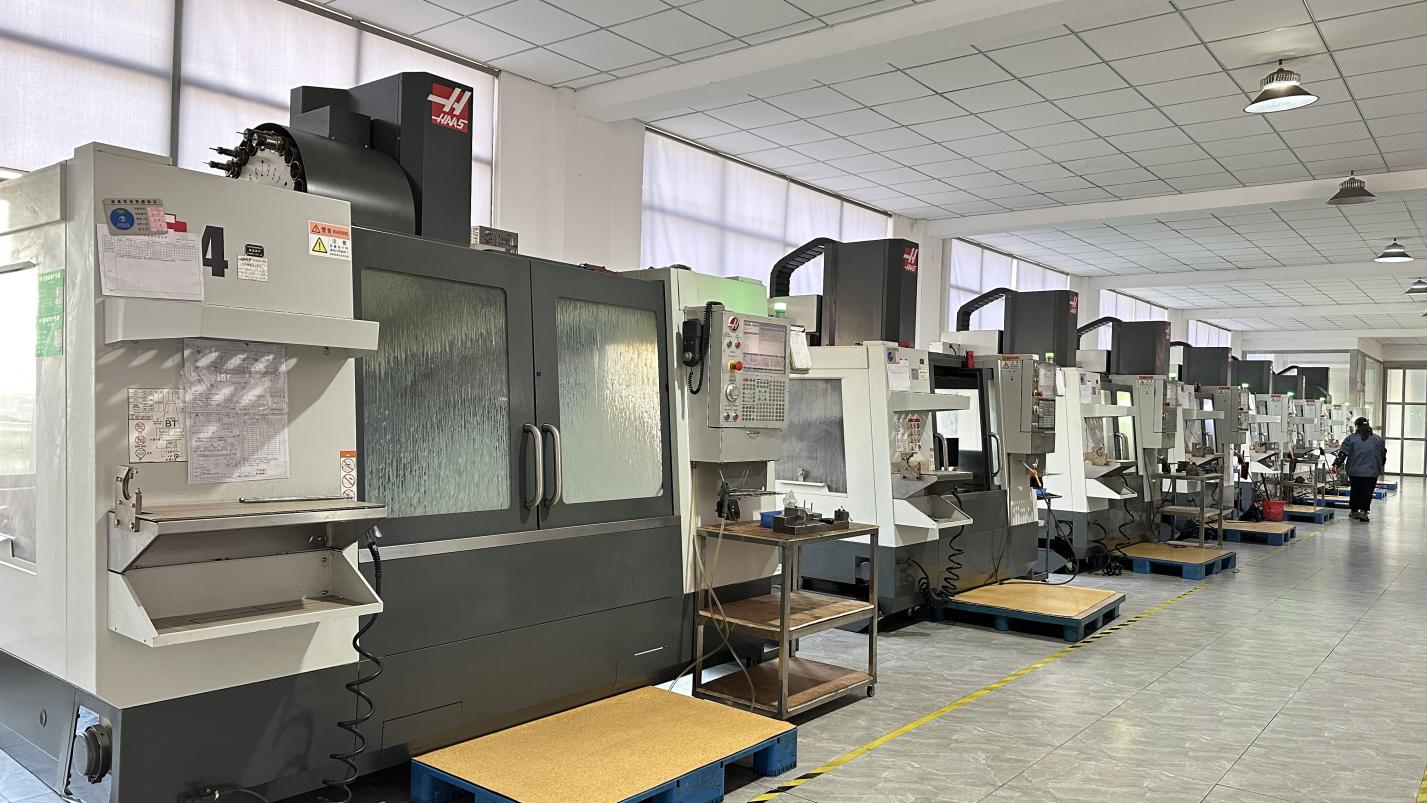
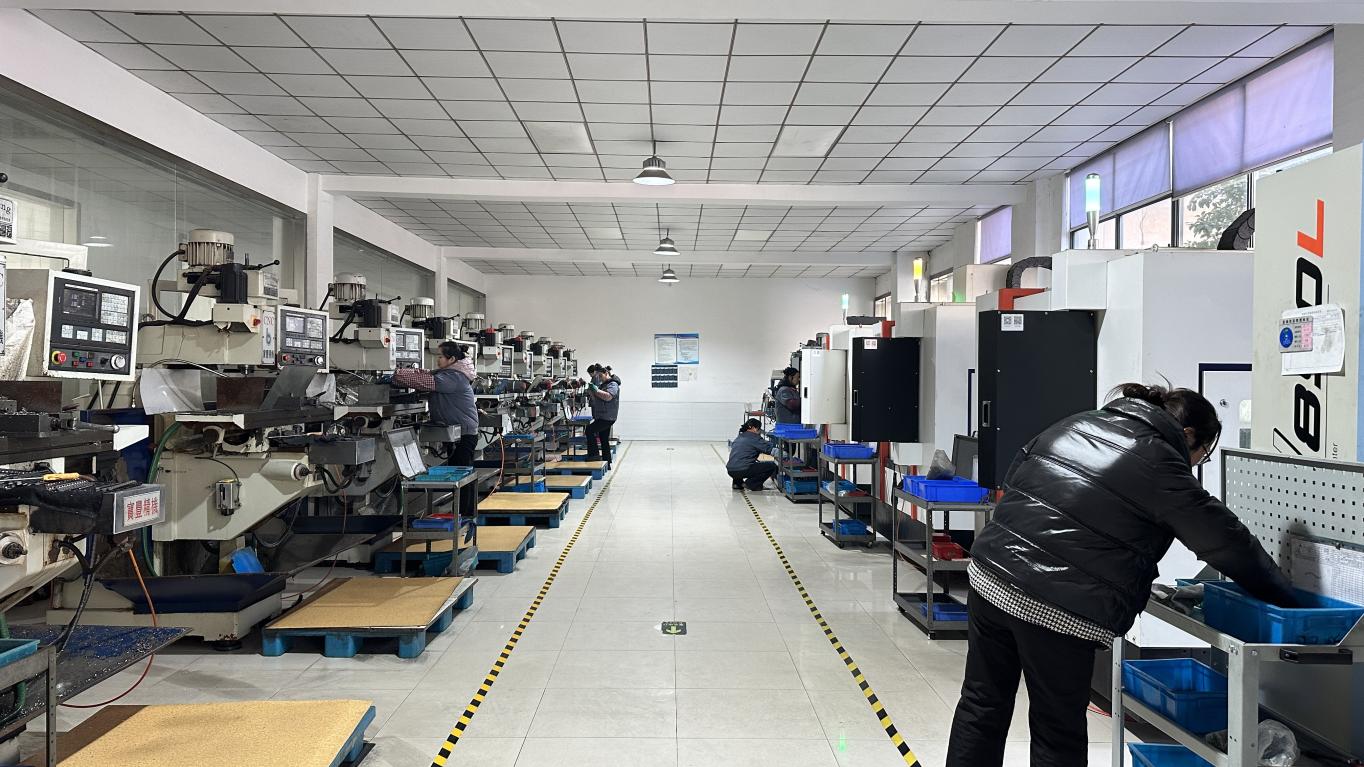
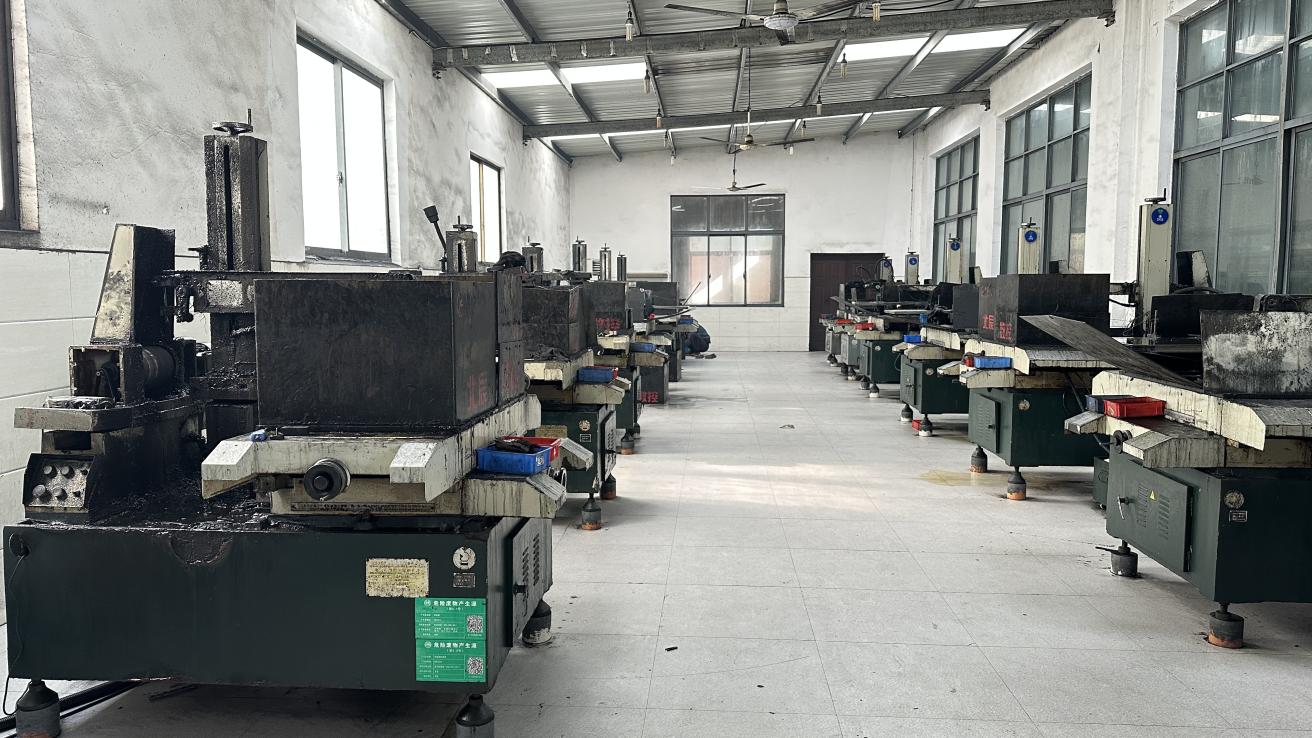
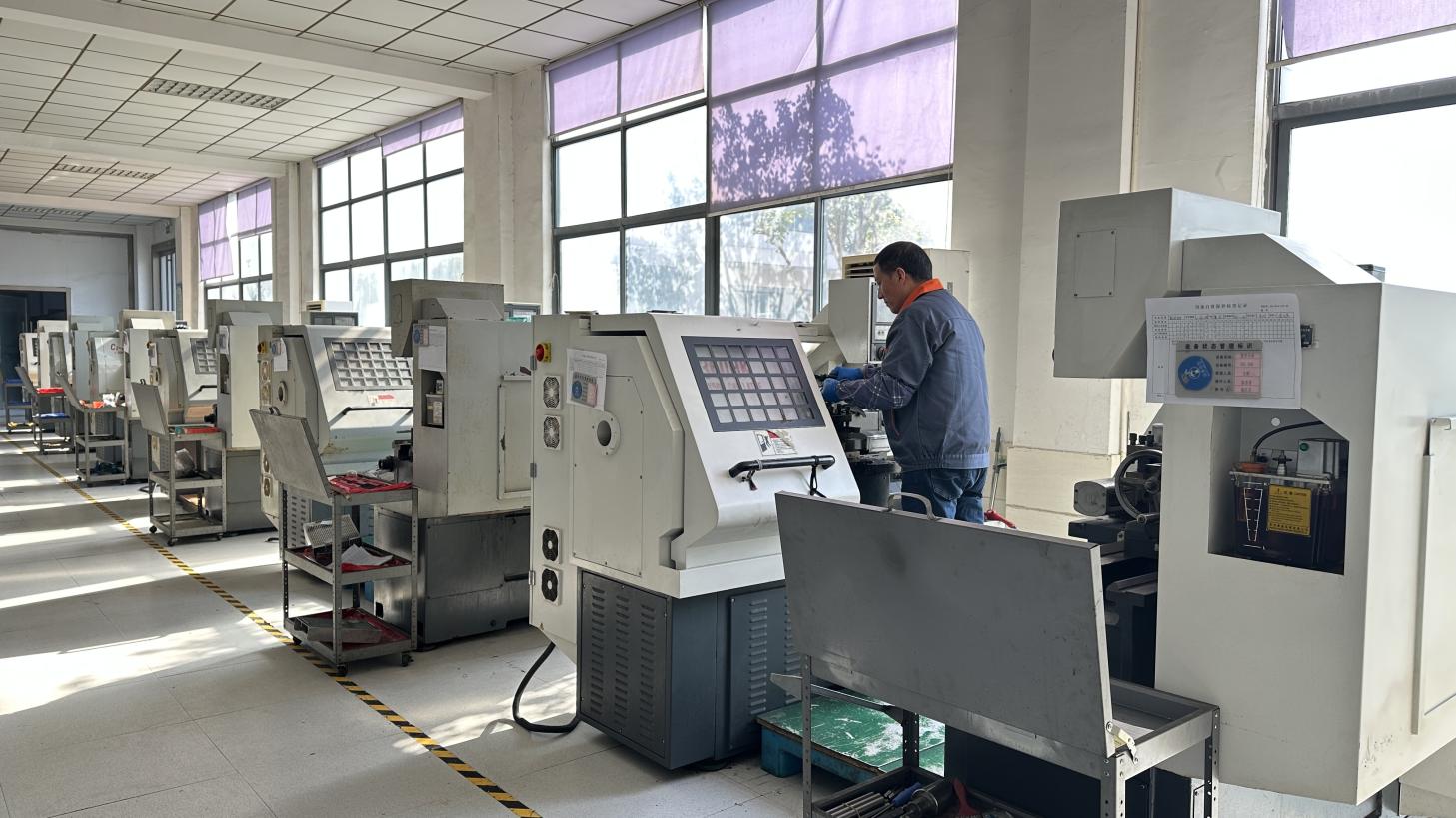
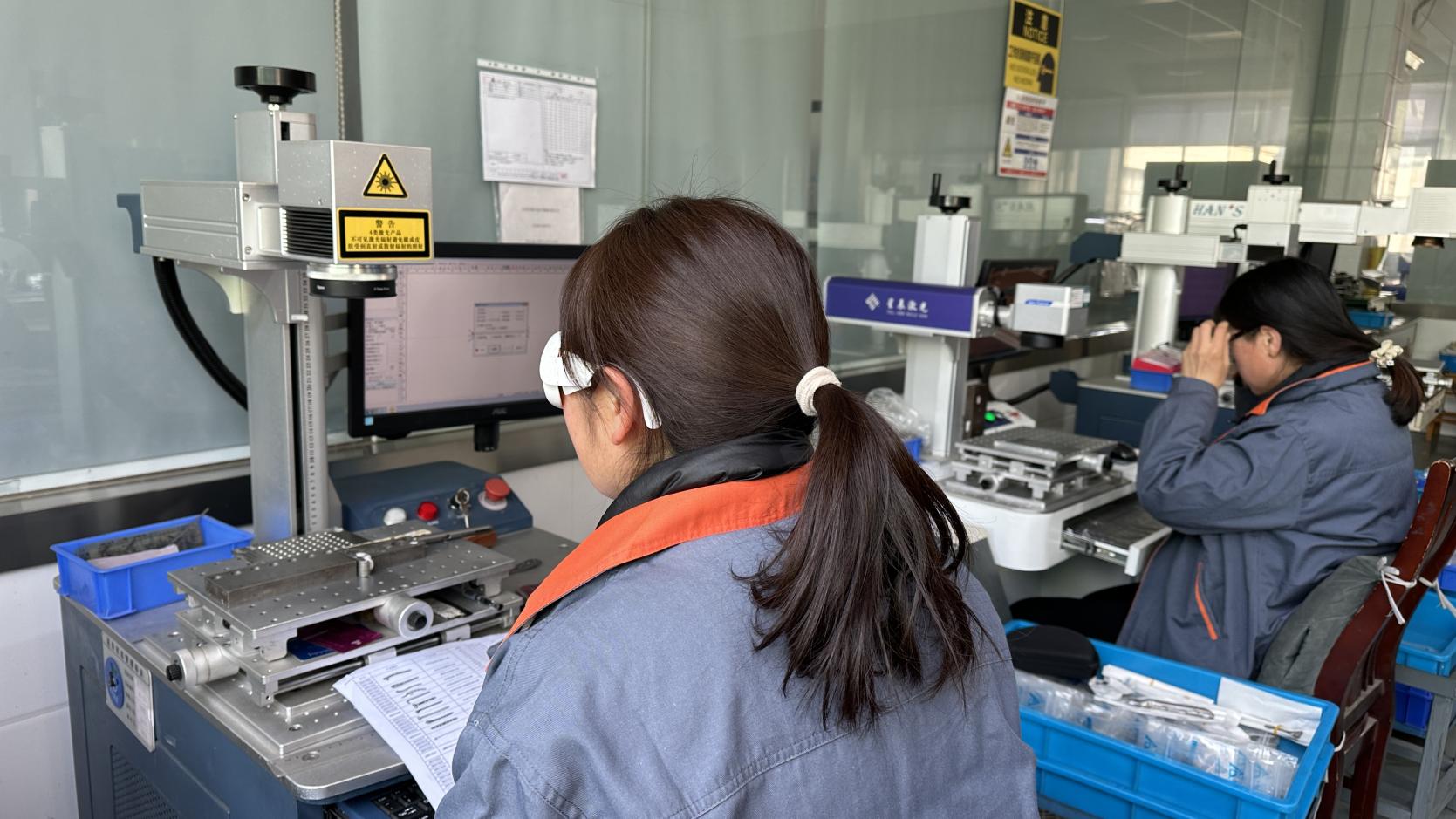
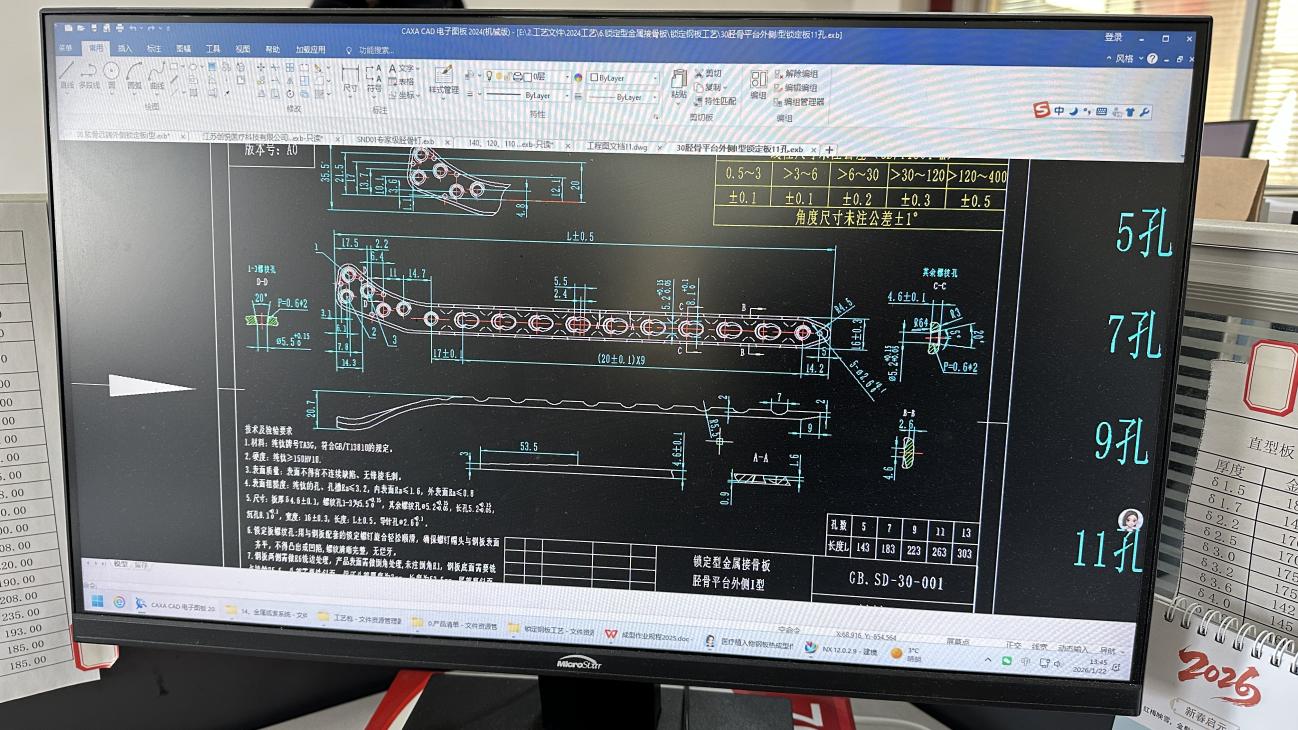
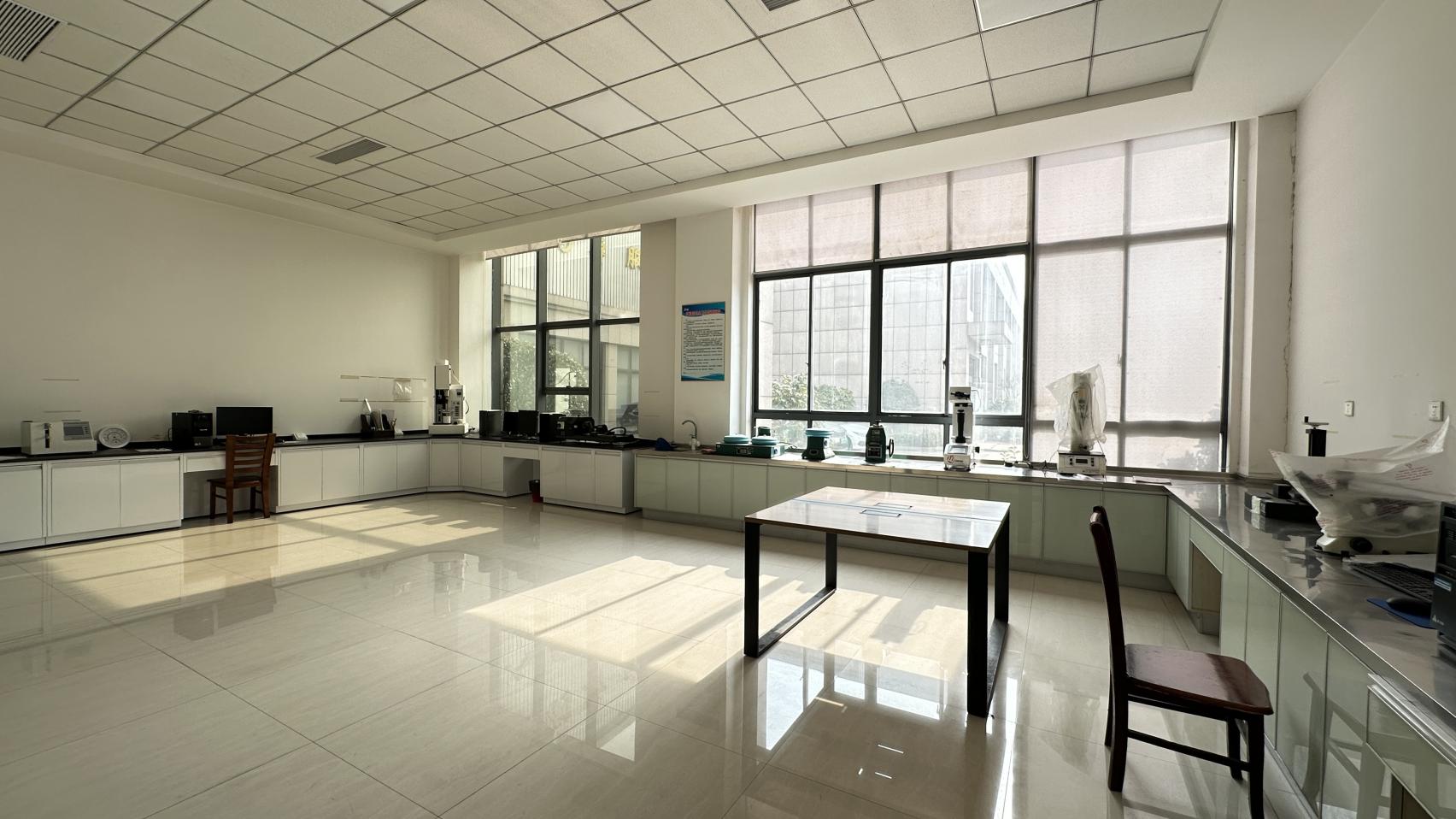
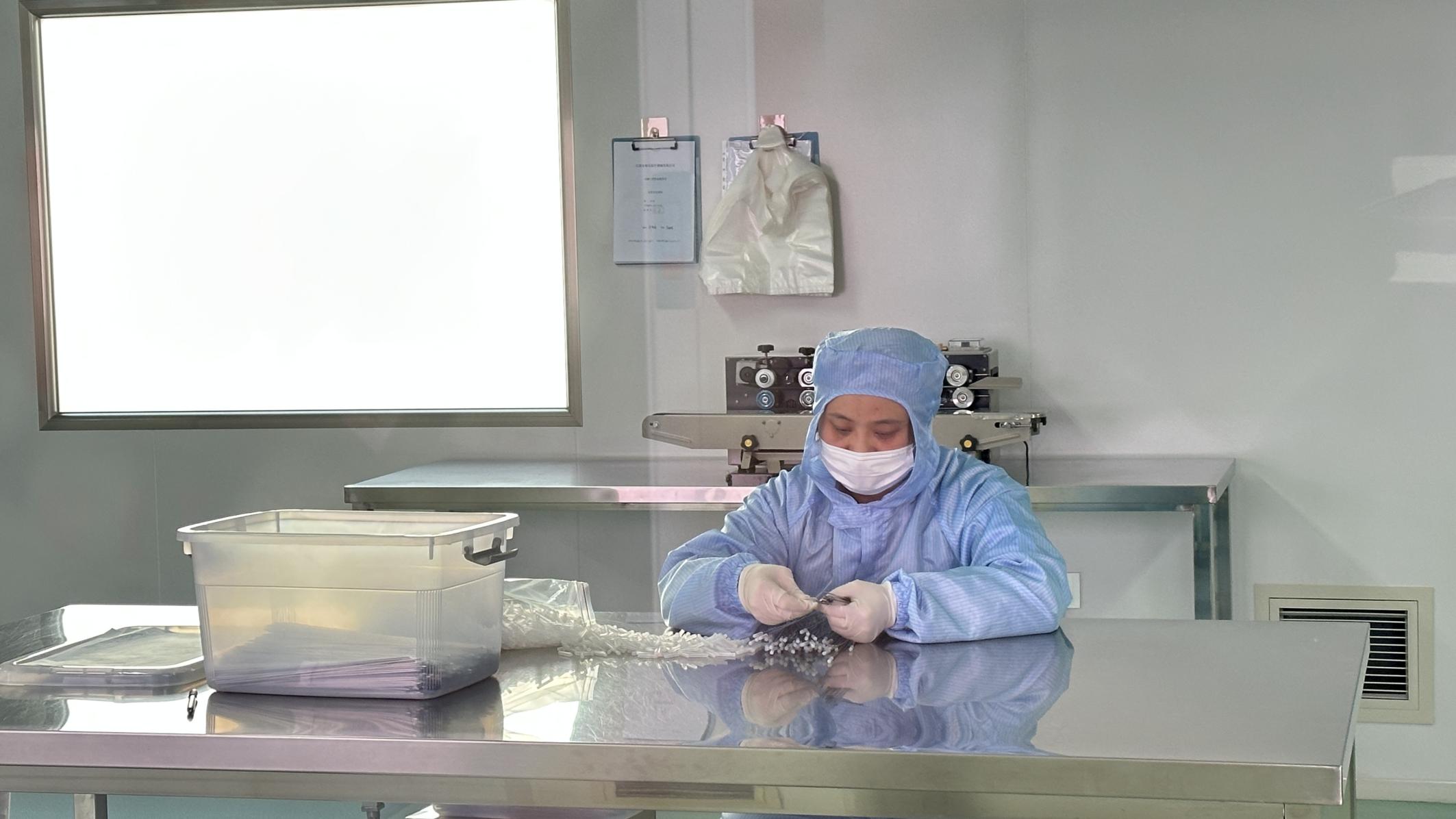
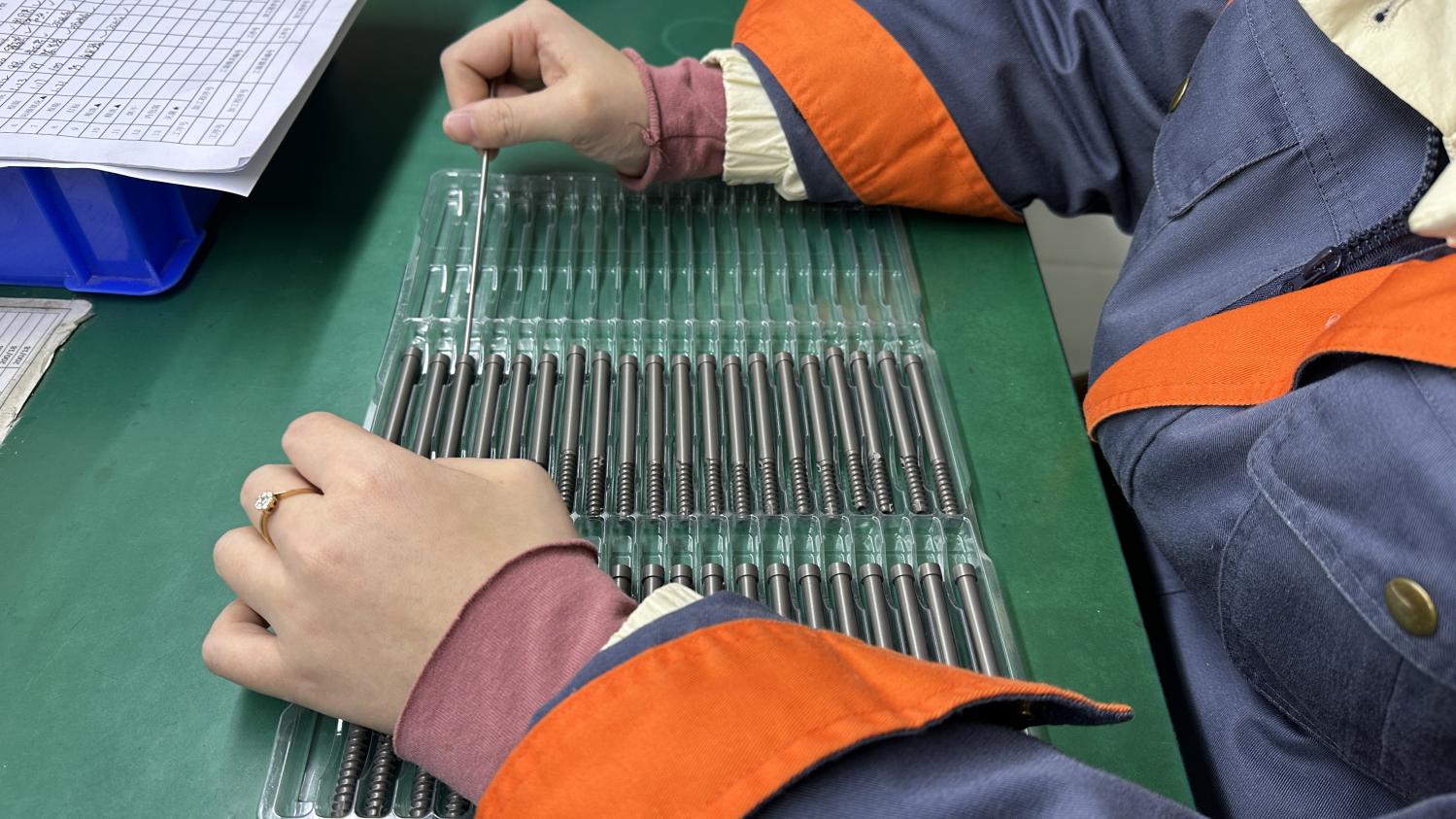
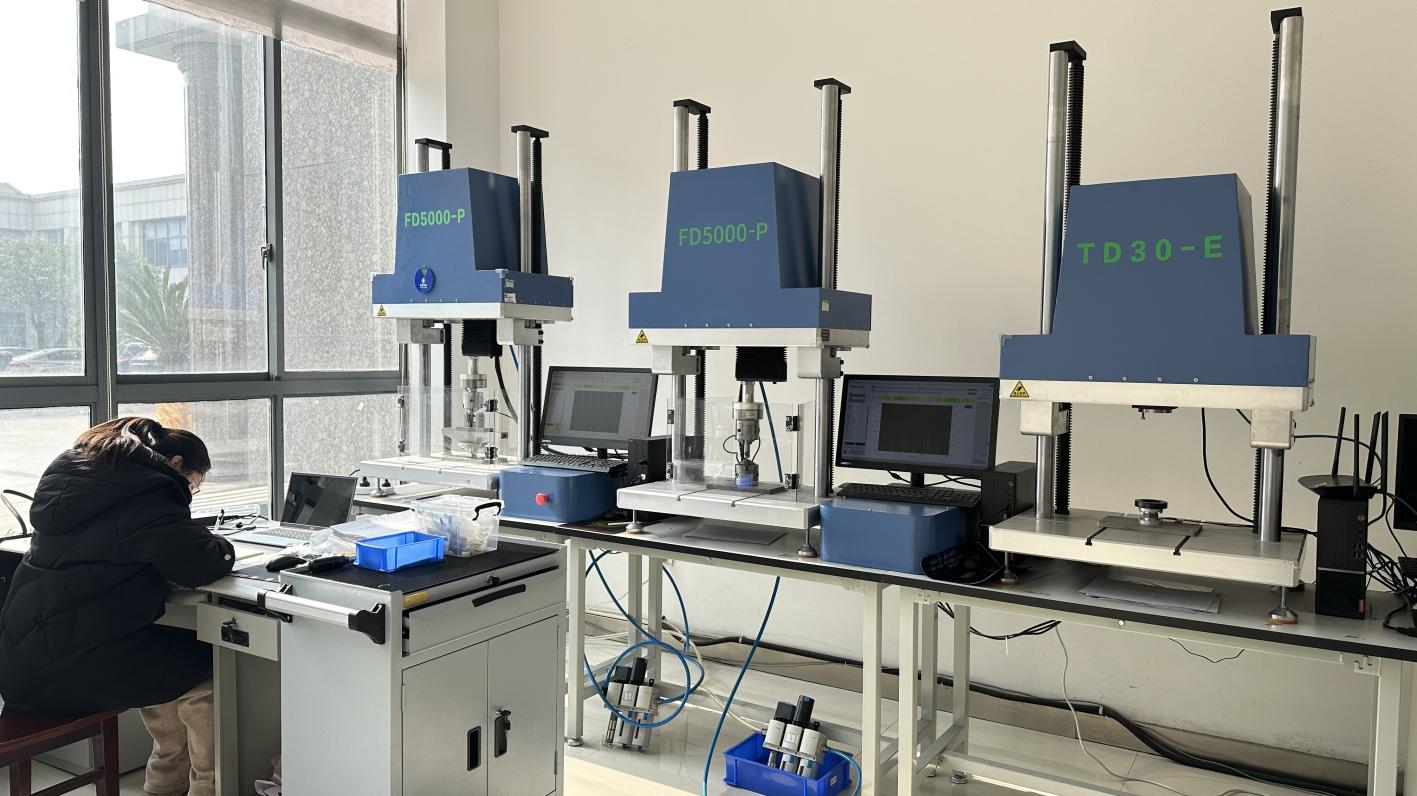
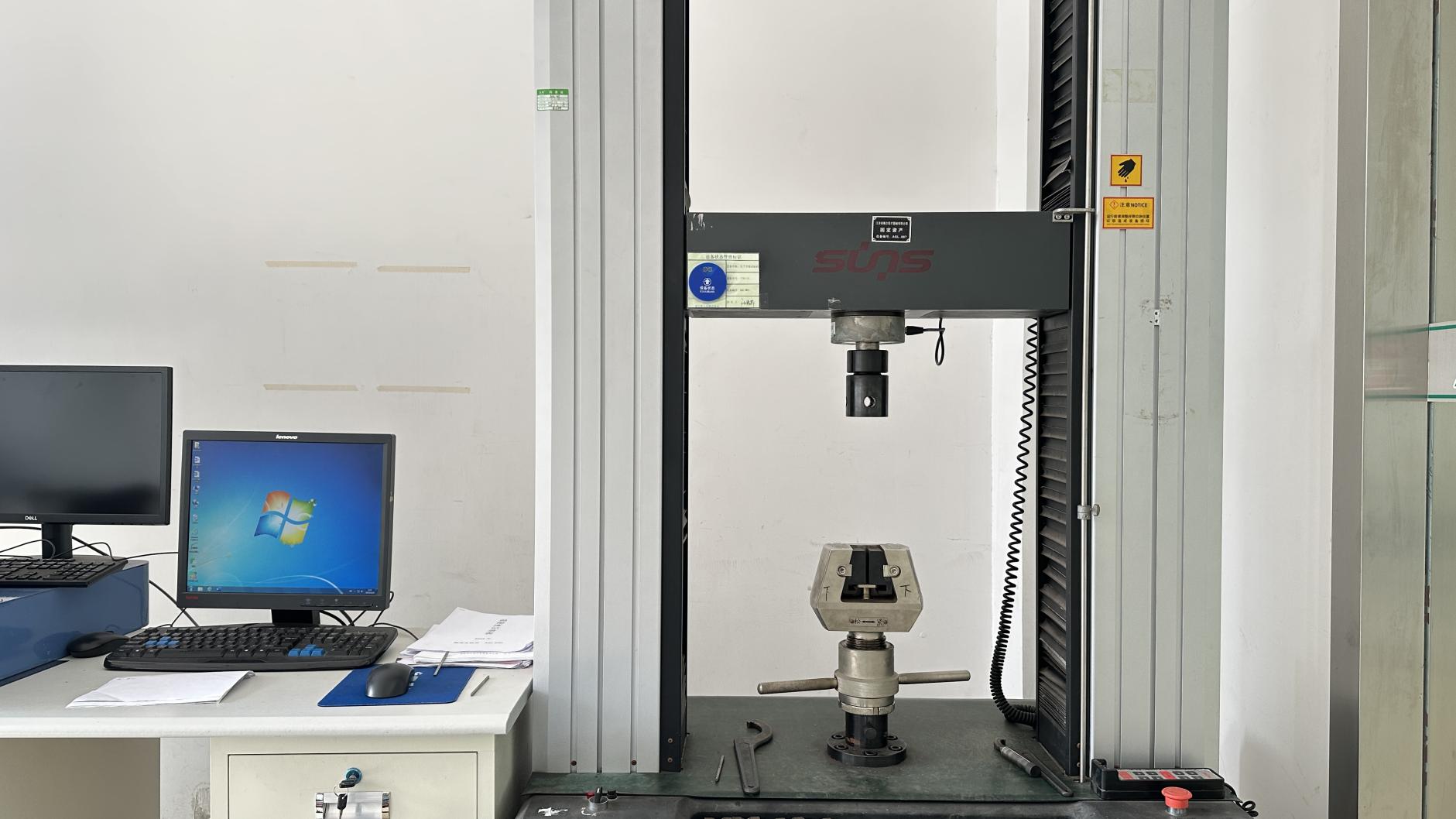
How Medisplint bridges the gap between hardware supply and clinical theater environments.
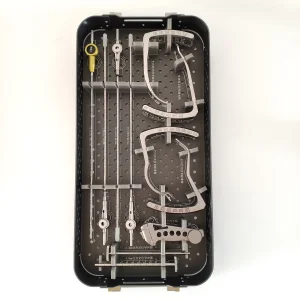
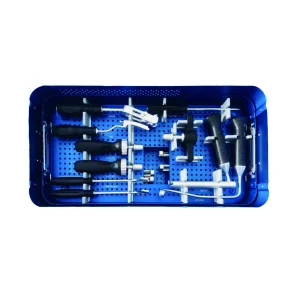
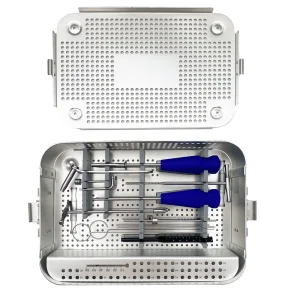
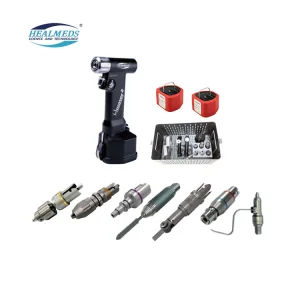
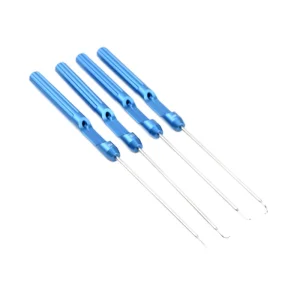
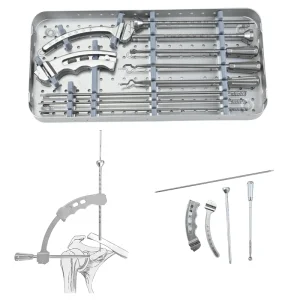
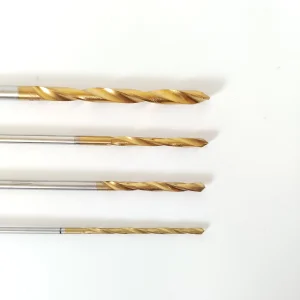
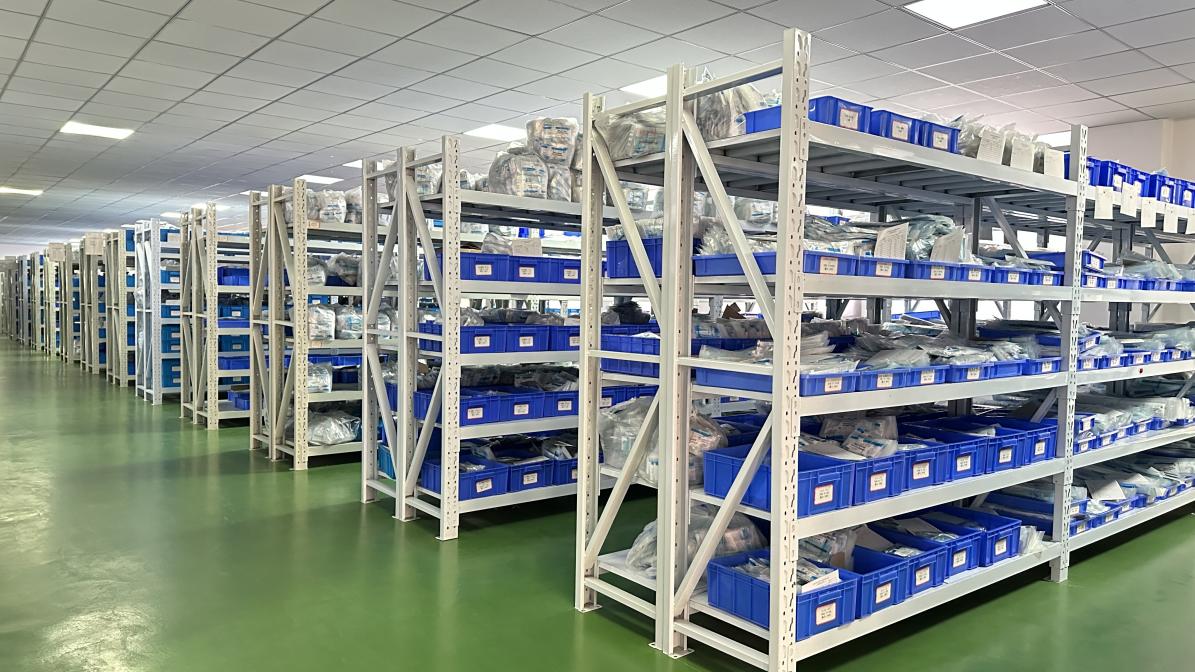
We supply complete surgical ecosystems. This ranges from precision-machined locking drill guides to color-coded screwdrivers and sterilizing storage systems. These integrated components ensure seamless flow and reliable handling in the operating room.
Driven by 85 R&D engineers, we provide tailored design updates, private labeling, and custom plate geometries. These services cater to the clinical needs of our OEM and ODM partners globally.
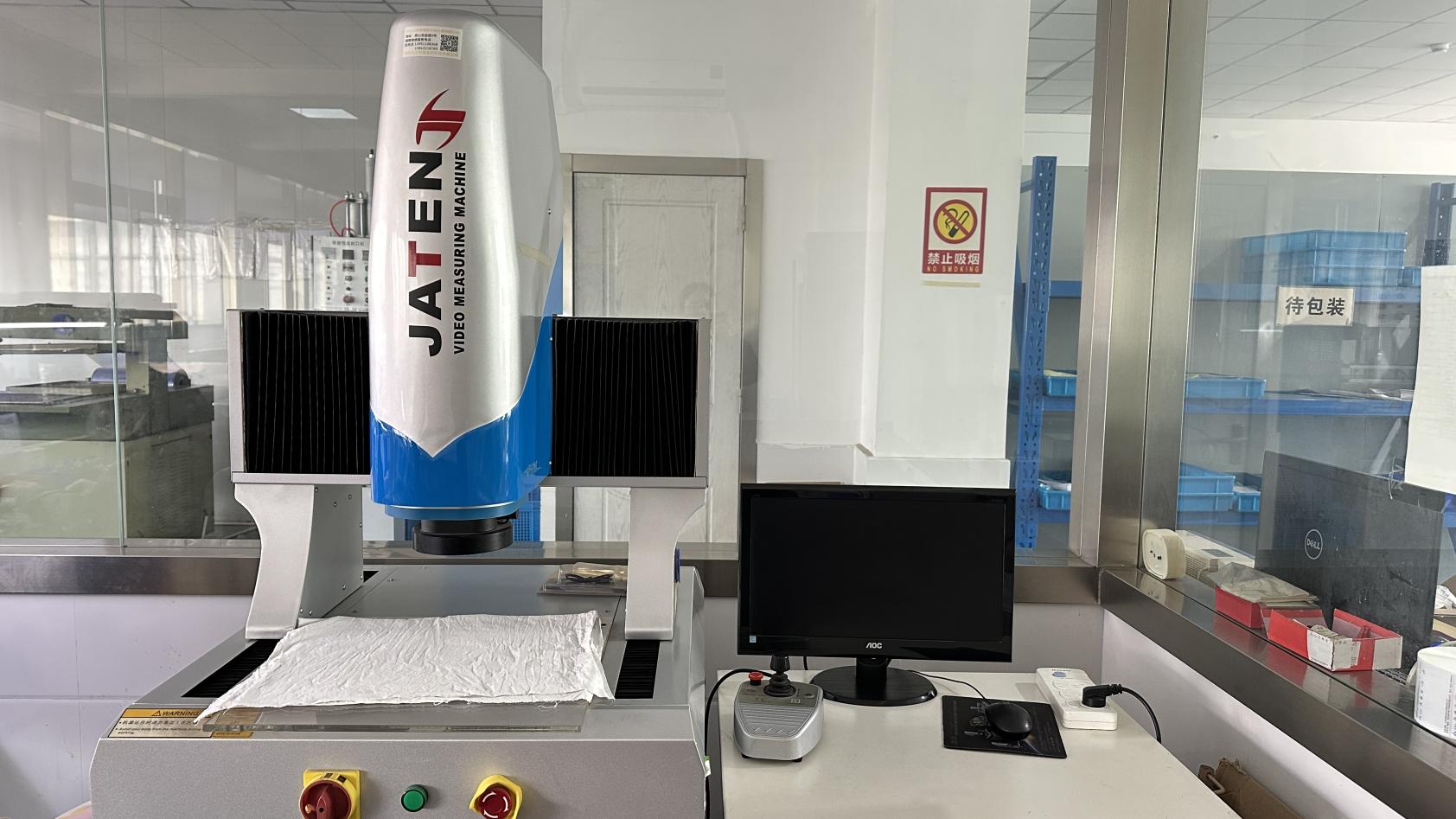
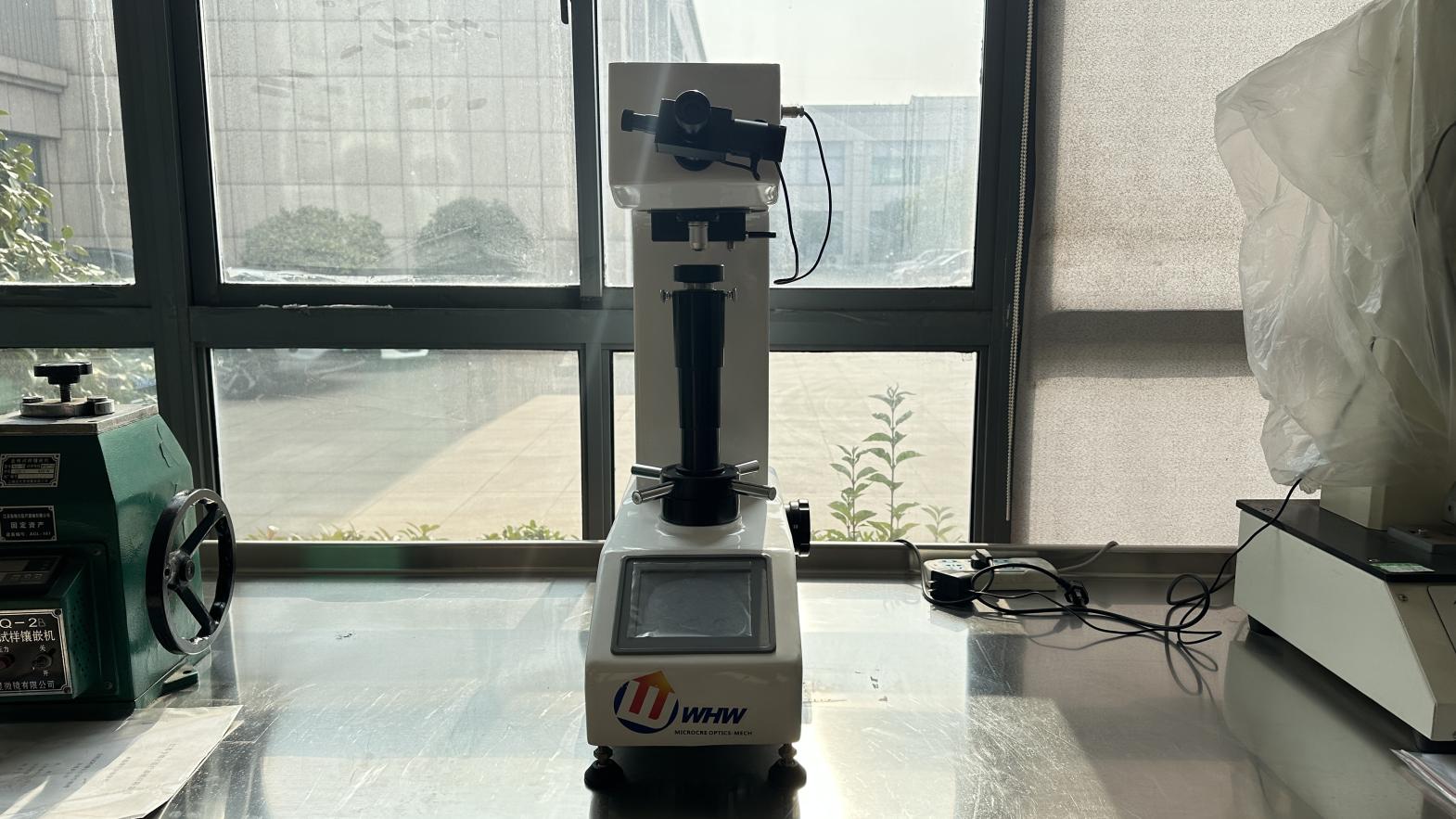
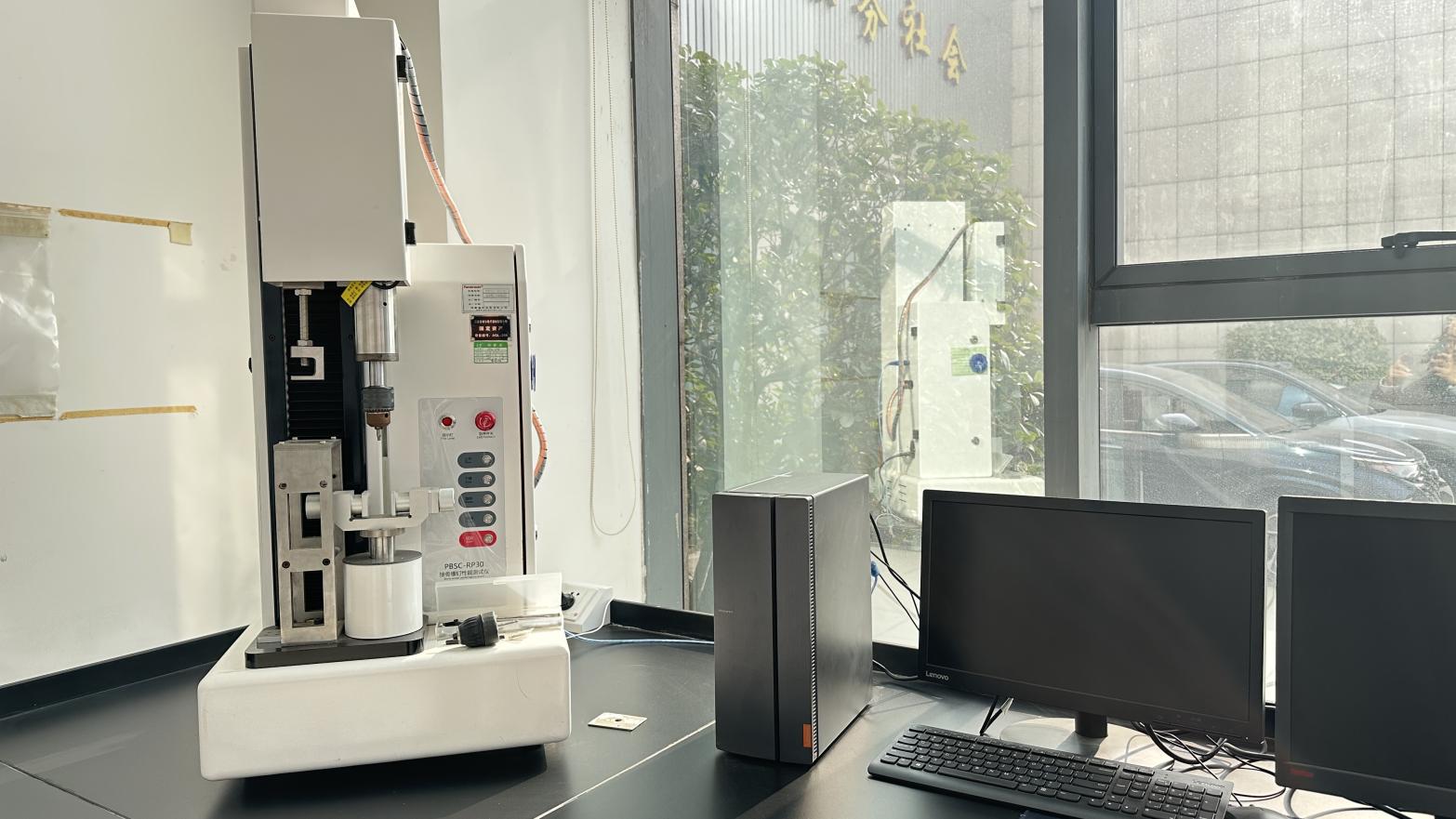
Our dedicated laboratory features static tension-compression setups, torsion rigs, and multi-million-cycle dynamic fatigue testing systems. These instruments ensure each plate exceeds ASTM mechanical criteria.
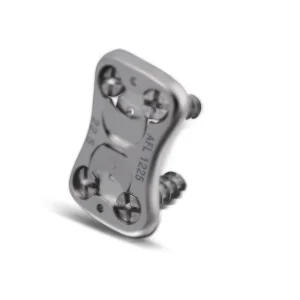
In practice, reconstructive surgeries vary widely depending on the anatomical site and bone quality. For instance, midshaft clavicle fractures, distal radius fractures, and proximal humerus reconstructions present distinct challenges. Medisplint's titanium locking plate systems feature low-profile profiles and rounded edges, minimizing soft-tissue irritation and protecting adjacent tendons.
By using variable-angle locking holes, surgeons can angle screws up to 15 degrees off-axis. This flexibility allows them to target strong bone fragments while avoiding joint spaces or existing hardware. This adaptability is particularly helpful for revision surgeries and complex joint reconstructions.
Transforming clinical outcomes through advanced 3D printing and surface modification technologies.
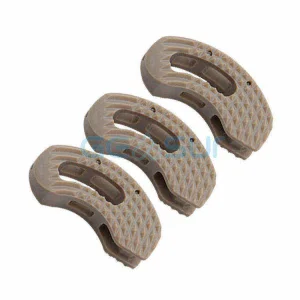
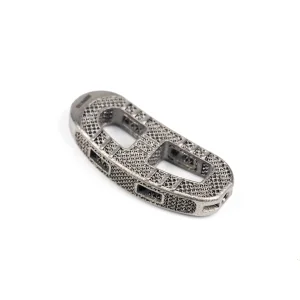
Next-generation clinical hardware relies heavily on 3D-printed porous structures that mimic trabecular bone. Utilizing selective laser melting (SLM) technologies, we can print titanium structures with a controlled 60-80% porosity. This design accelerates bone ingrowth, establishing biological fixation rather than just mechanical contact. Our CANWELL Cervical Lumbar Spinal Fusion Cages stand as a prime example of this technology.
Surgical site infections present a major challenge in orthopedic trauma surgery. Our current research focuses on developing durable silver-ion and iodine-doped titanium oxide coatings using anodic oxidation. These surface treatments provide localized antimicrobial benefits without affecting systemic tissue, protecting the implant during the critical initial phases of healing.
Clear, authoritative information for hospital buyers, orthopedic distributors, and global OEM partners.
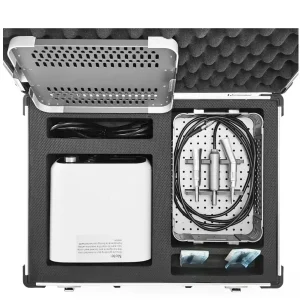
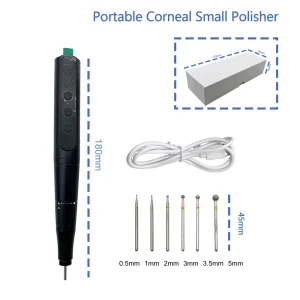
Explore our powered surgical tools, spinal reconstruction systems, and specialized instruments.