Medisplint
Medisplint
Medisplint
Engineered to international standards for superior clinical performance and biomechanical stability.
Pioneering Next-Generation Trauma Reconstruction & Joint Fixation Systems
Established in 2016, Medisplint Orthopedic Instruments Co., Ltd. has rapidly grown to become a leading Chinese manufacturer specializing in high-precision orthopedic implants, fixation systems, and surgical tools for trauma, spine, and joint reconstruction.
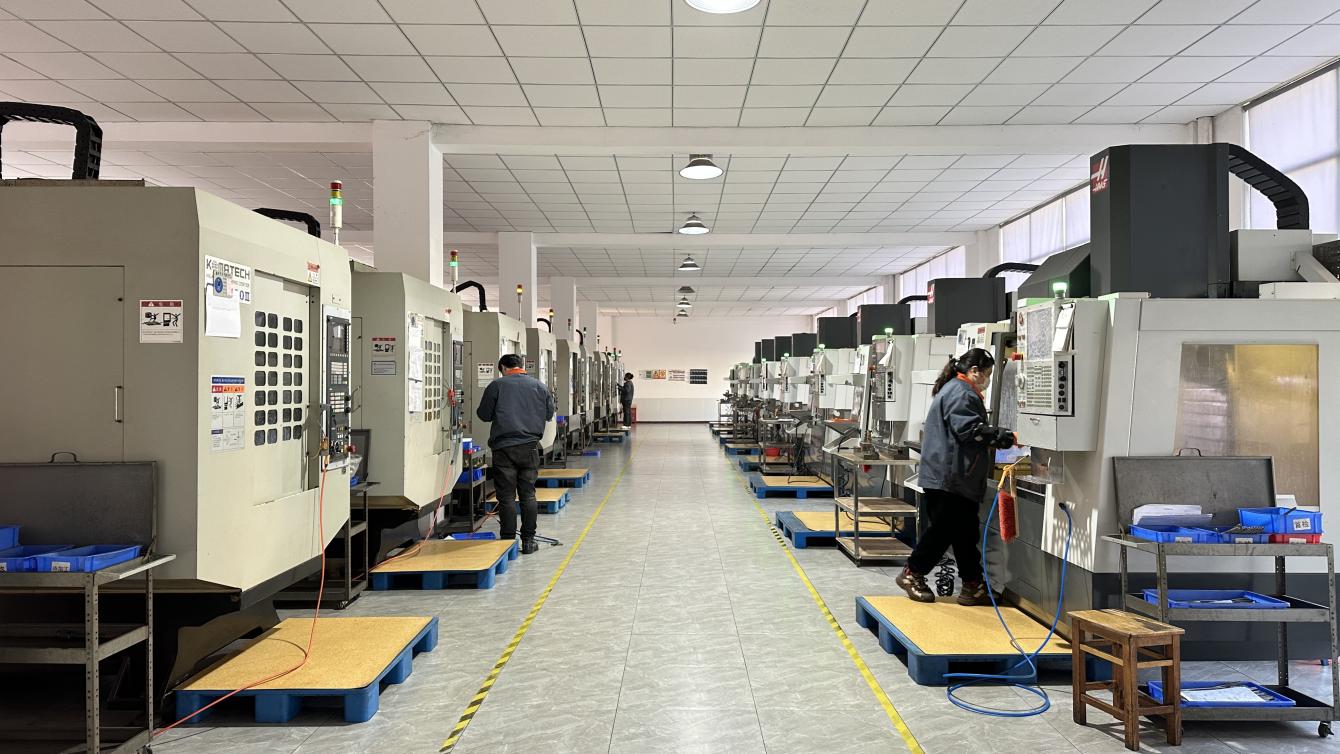
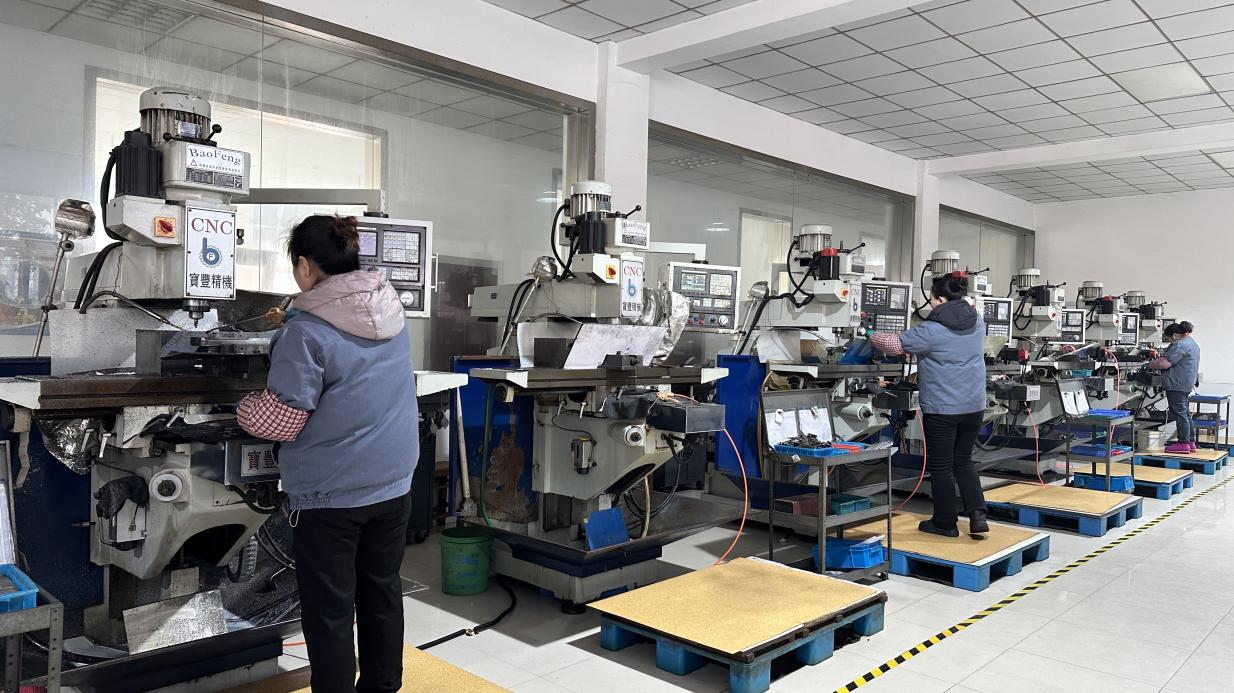
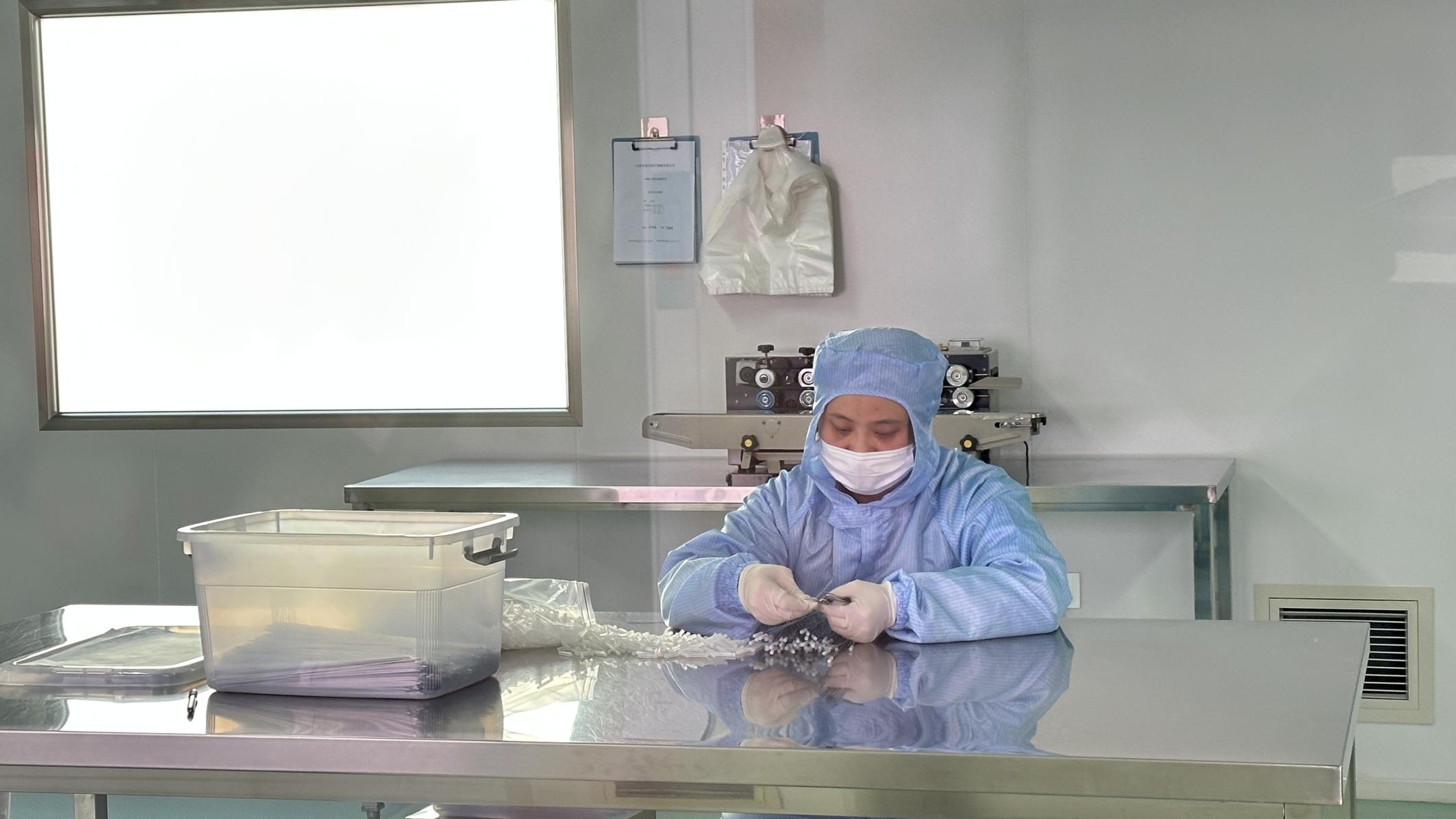
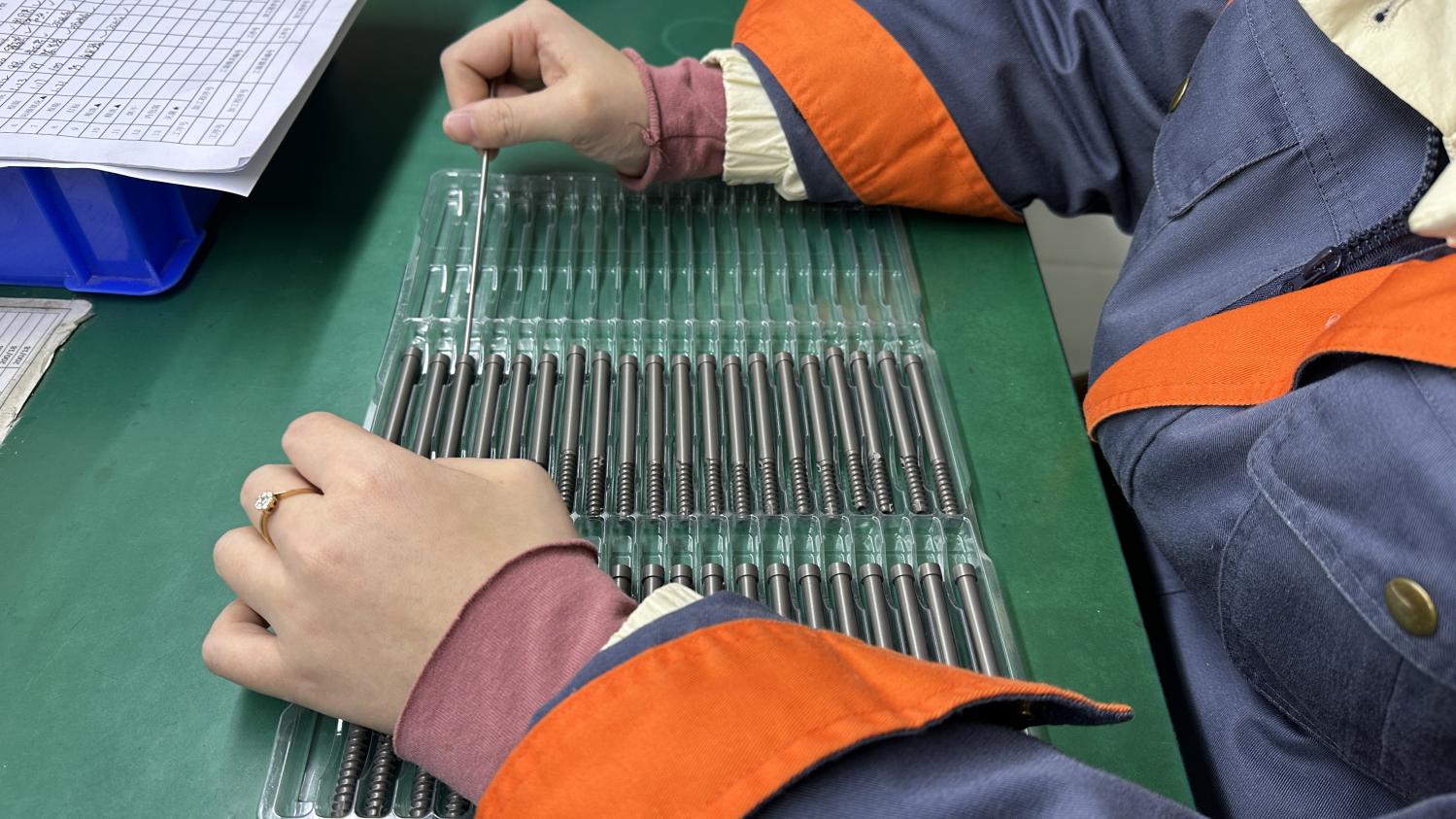
Operating out of our advanced 18,500㎡ facility, we manage integrated manufacturing cycles that encompass everything from raw material verification to multi-axis CNC machining, sterile packing, and dynamic biomechanical testing. Our commitment to strict quality systems ensures our hardware matches global orthopedic standards.
With an annual export volume reaching USD 12 million, we provide dependable supply chains for hospitals, distributors, and OEM/ODM clients in Europe, Southeast Asia, the Middle East, and South America.
Analyzing clinical utility, supply chain requirements, and structural characteristics in trauma surgery.
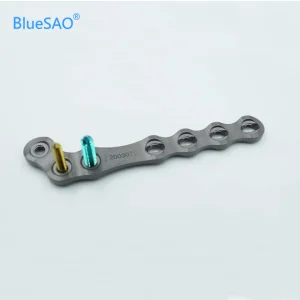
Small fragment locking compression plates (typically matching 2.7mm to 3.5mm systems) have emerged as the standard treatment for periarticular and shaft fractures. Unlike conventional dynamic compression plates, locking constructs create a single cohesive unit that functions as an external fixator on a micro scale, maintaining local blood supply and maximizing construct rigidity.
The global expansion of geriatric demographics has resulted in an increased incidence of osteoporotic fractures. Locking plate constructs are essential in these cases, offering significantly greater screw pull-out resistance and reducing implant loosening rates in weak bone. Simultaneously, the rise in high-energy trauma incidents requires versatile bone-plate geometry options.
Surgical implants must comply with regional mandates such as the European Medical Device Regulation (MDR) and FDA 510(k) clearances. Global suppliers rely on manufacturers with thorough documentation, raw material certification, and validated sterile packaging protocols to ensure quick entry into highly regulated markets.
Combining technological integration, material sourcing, and scale to serve international healthcare networks.
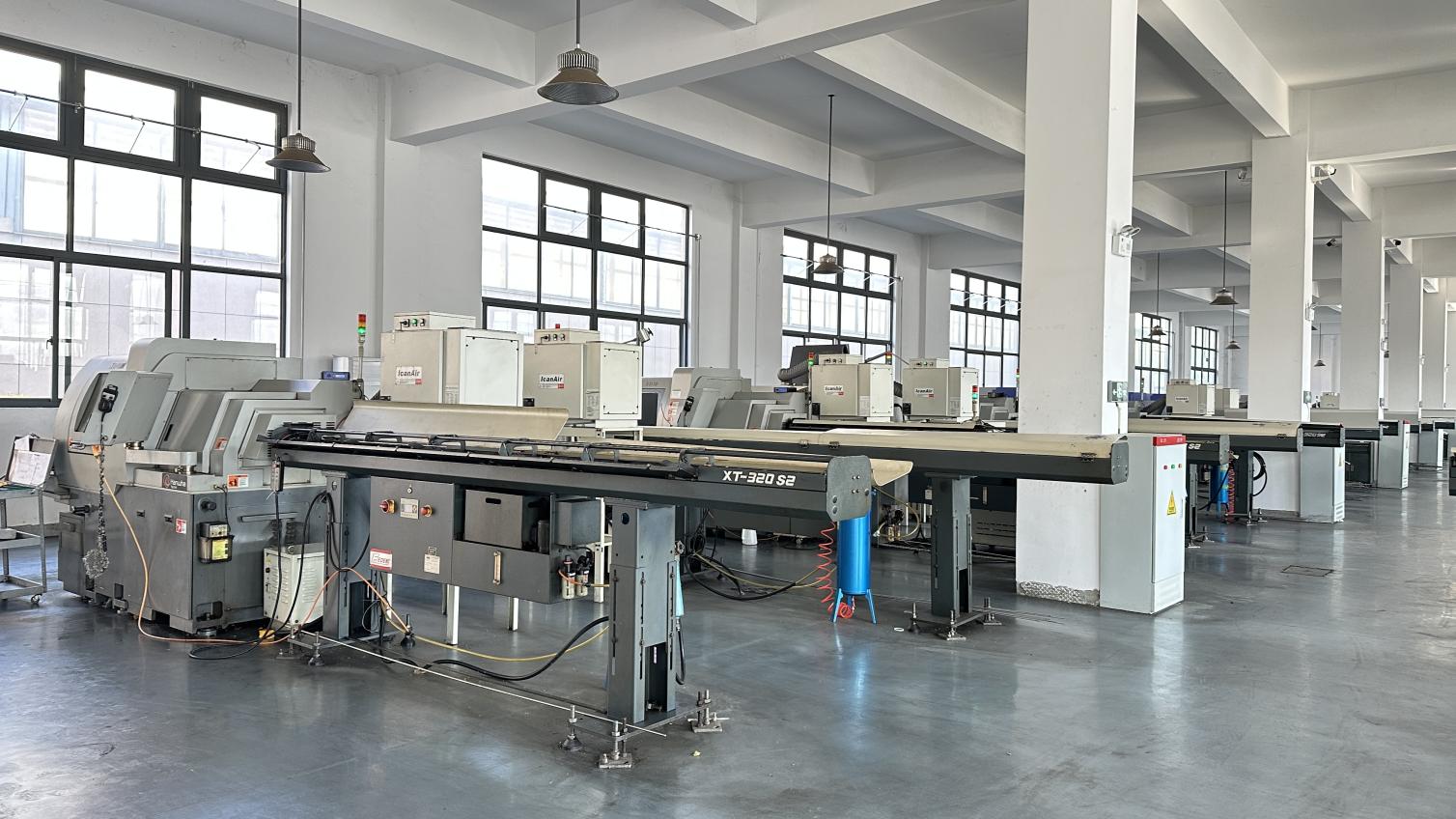
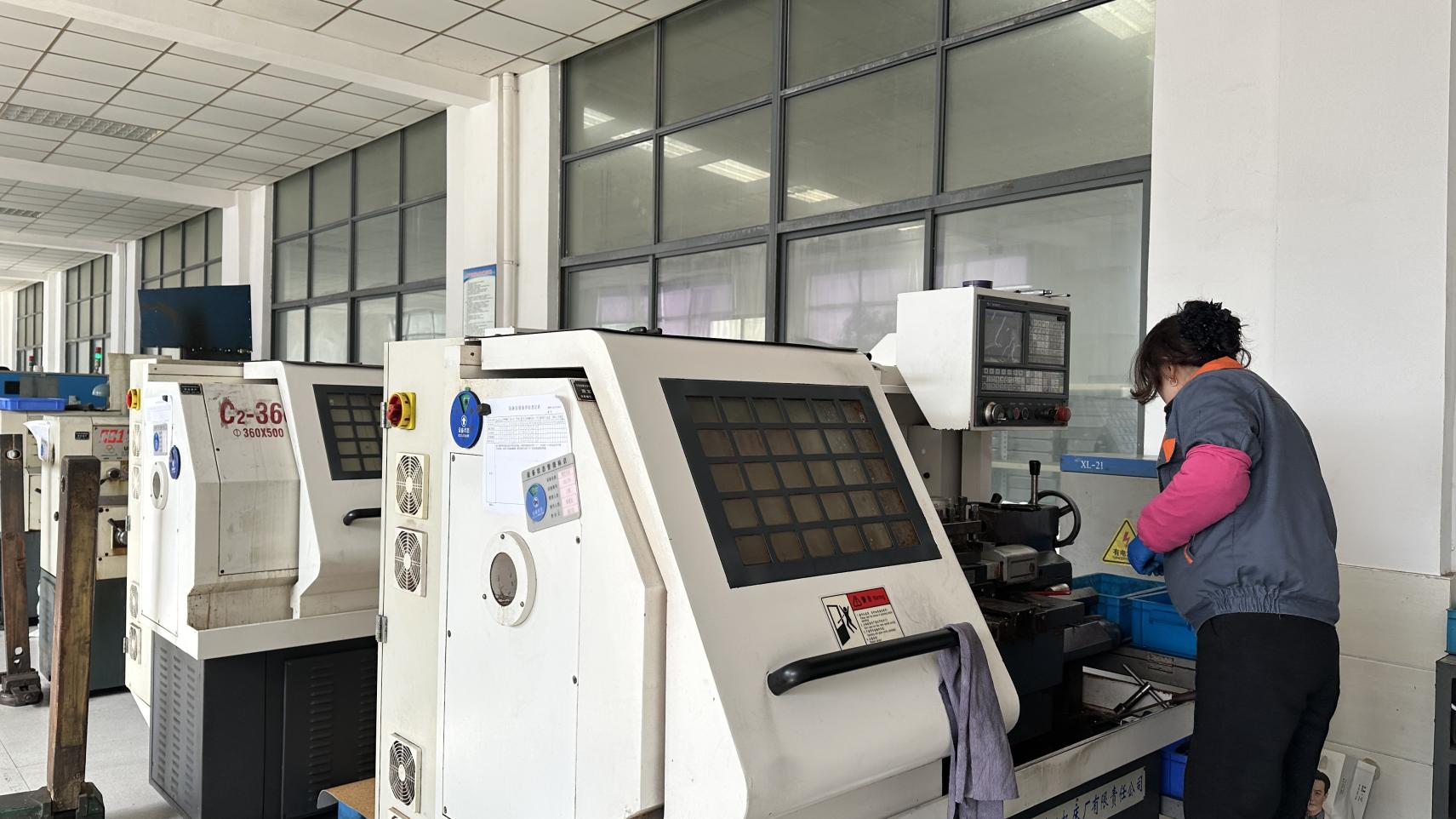
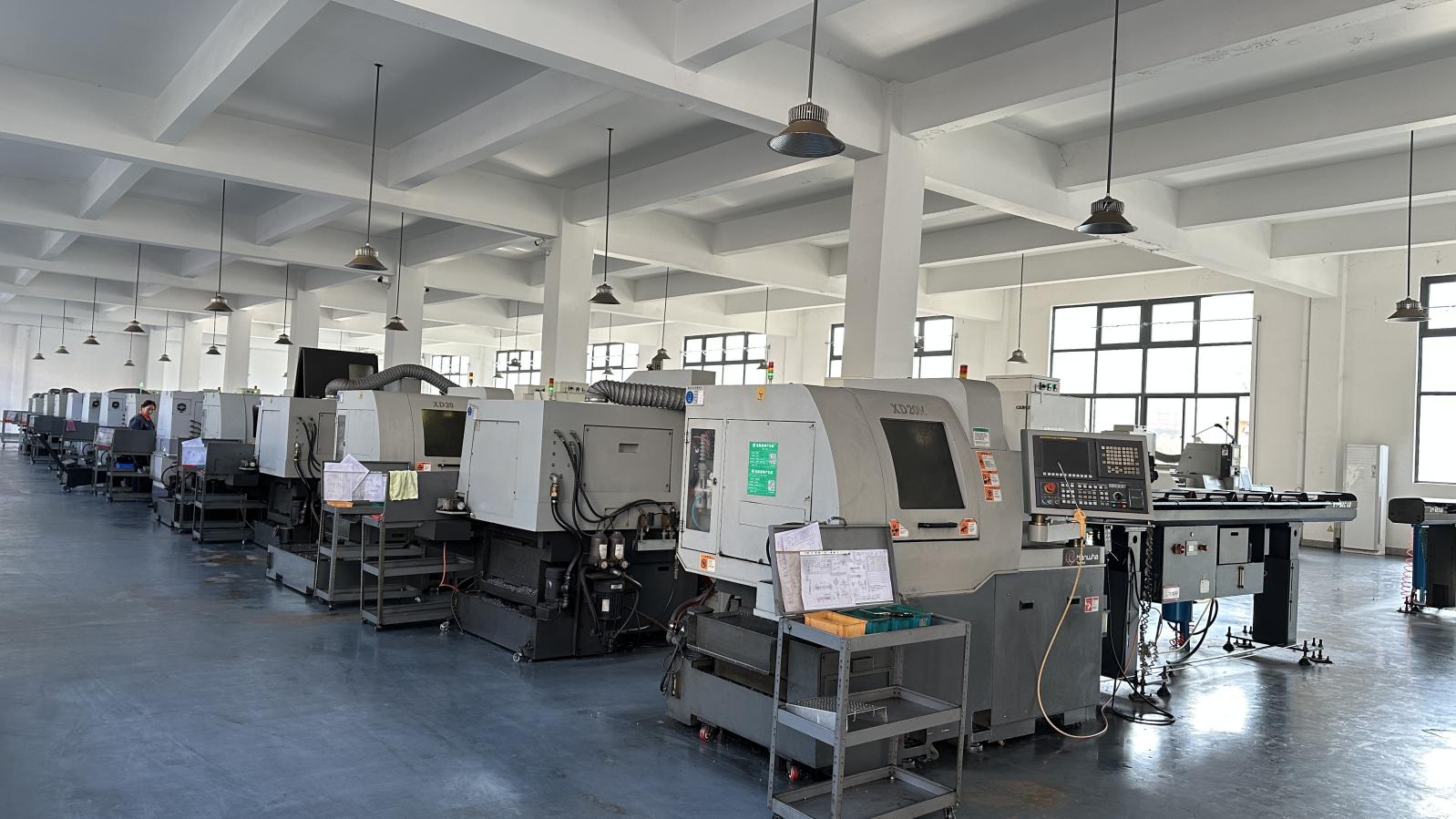
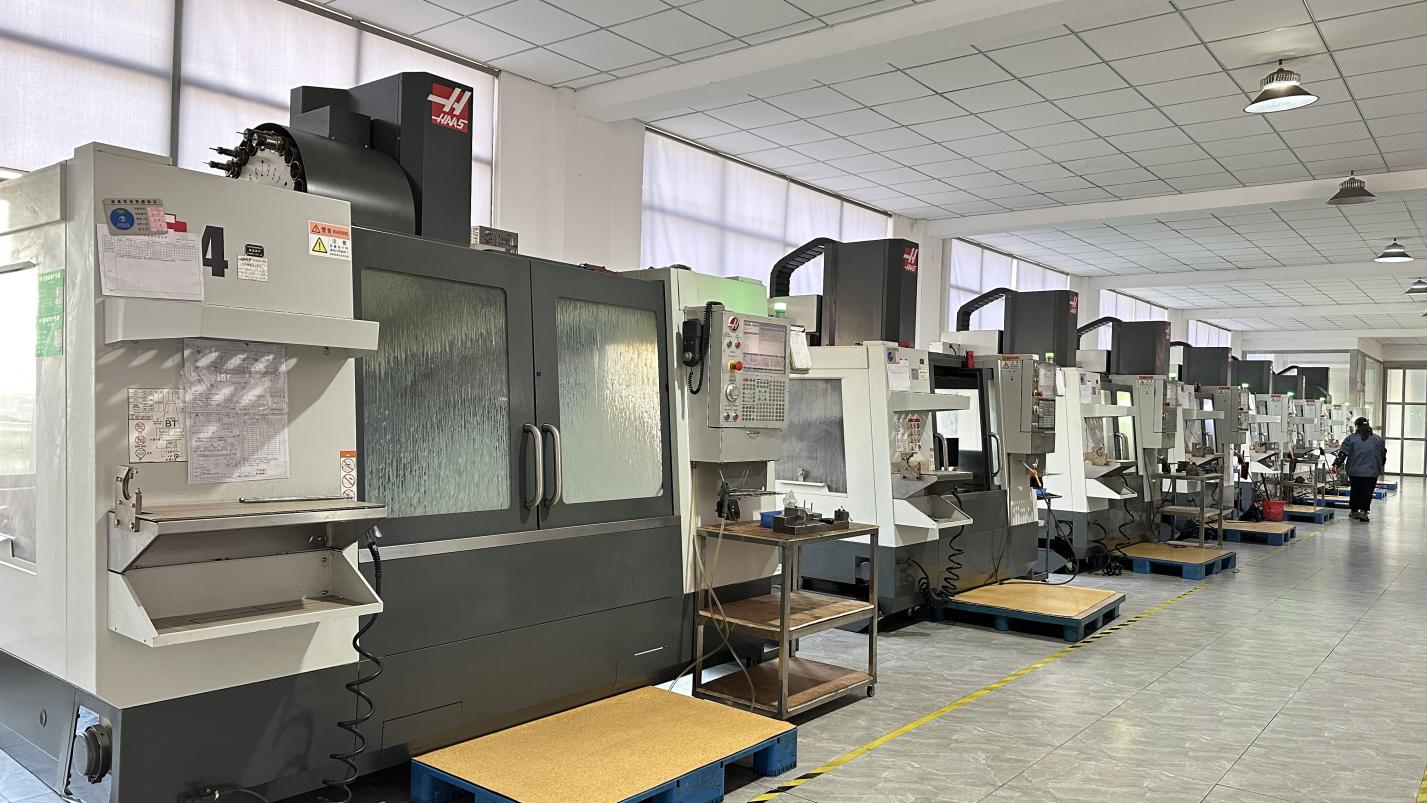
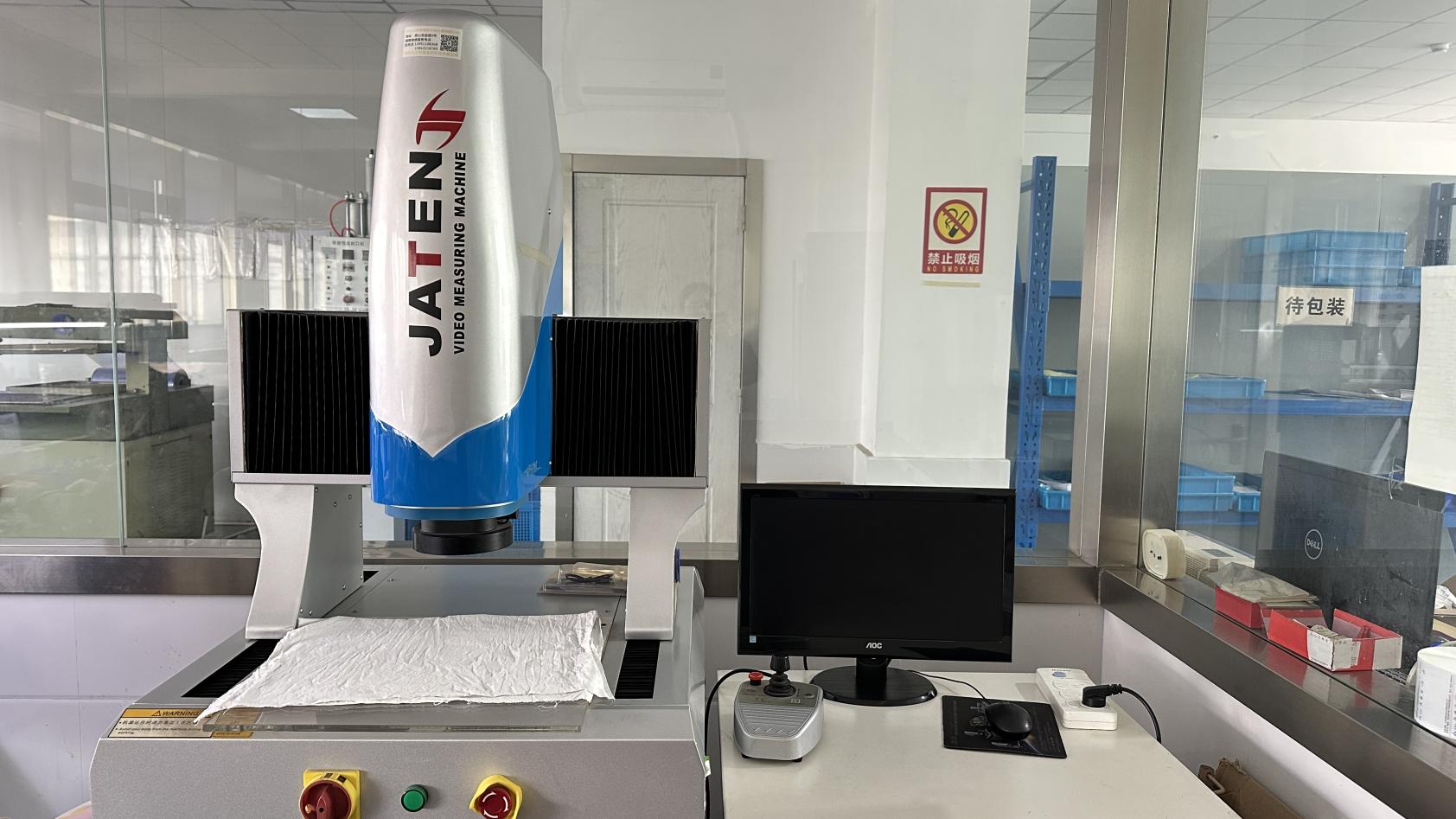
Chinese facilities leverage high-speed sliding headstock CNC lathes and 5-axis vertical machining centers. This layout permits complex anatomical contours, locking screw threads, and dynamic compression slots to be milled in a single setup, minimizing human error and ensuring tight dimensional tolerances (+/- 5 microns).
By centering production in established industrial regions, factories maintain direct access to raw material processing plants, chemical anodization suppliers, and sterilization laboratories. This reduces logistical lead times and allows rapid production scaling during high-demand procurement cycles.
Optimized production routes and low scrap rates allow Chinese manufacturers to supply high-grade medical implants at competitive prices. This cost advantage allows healthcare systems and veterinary clinics to upgrade to advanced locking technologies without exceeding budget constraints.
How small fragment locking plates resolve complex fixation demands across various bone structures.
Using low-profile 2.4mm/2.7mm locking systems allows surgeons to stabilize intra-articular fractures of the wrist with minimal soft tissue disruption. Anatomically contoured designs eliminate the need for extensive intraoperative bending, preserving the local blood supply.
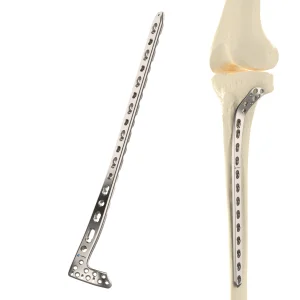
Distal tibial locking systems utilize combination holes that allow placement of locking or cortex screws. This provides dynamic compression alongside locked fixed-angle support, facilitating stable fixation of distal metaphyseal fractures even in poor bone quality.
Veterinary trauma cases require robust implants capable of handling early weight-bearing demands. Dual-purpose locking compression plates (1.5mm to 3.5mm) offer the mechanical strength needed to stabilize fractures in small and large animal veterinary patients.
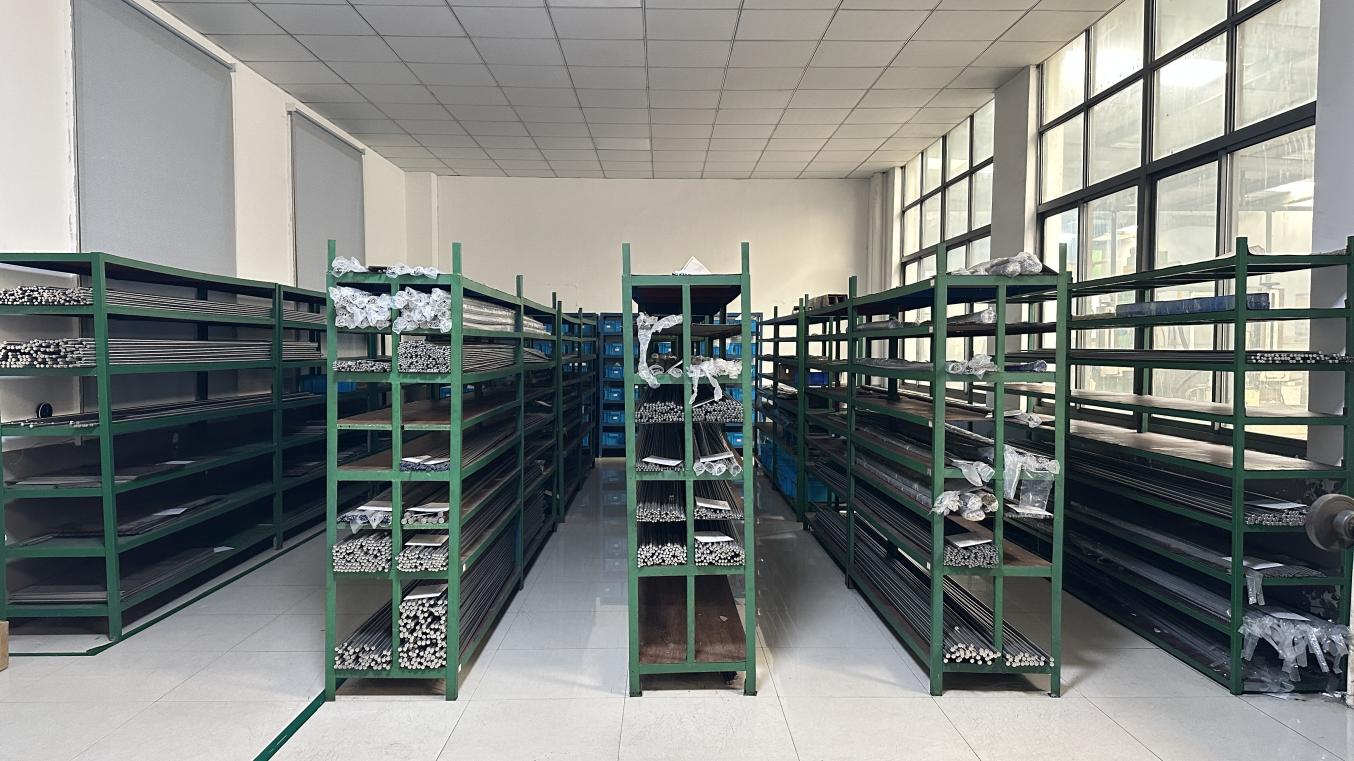
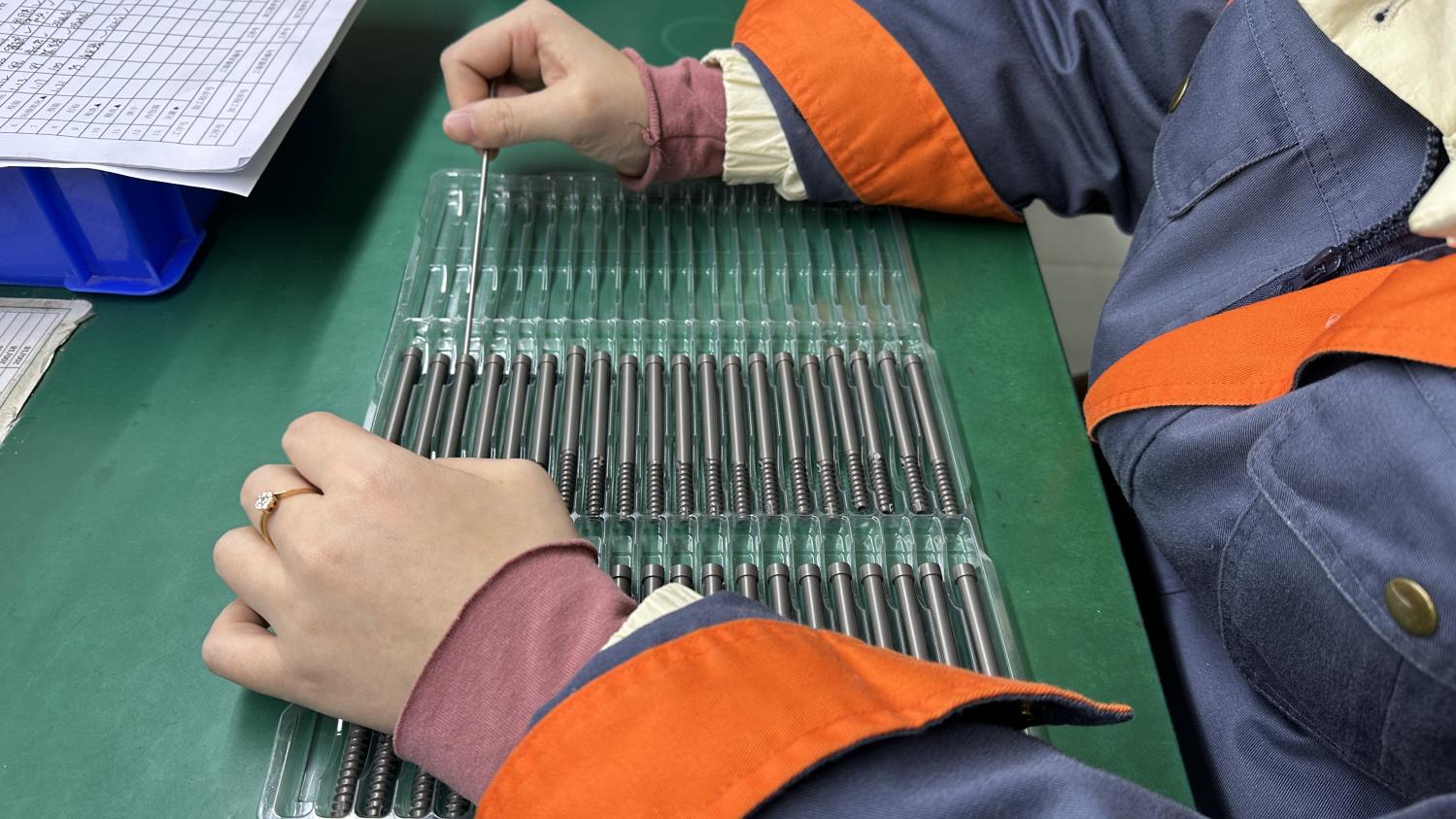
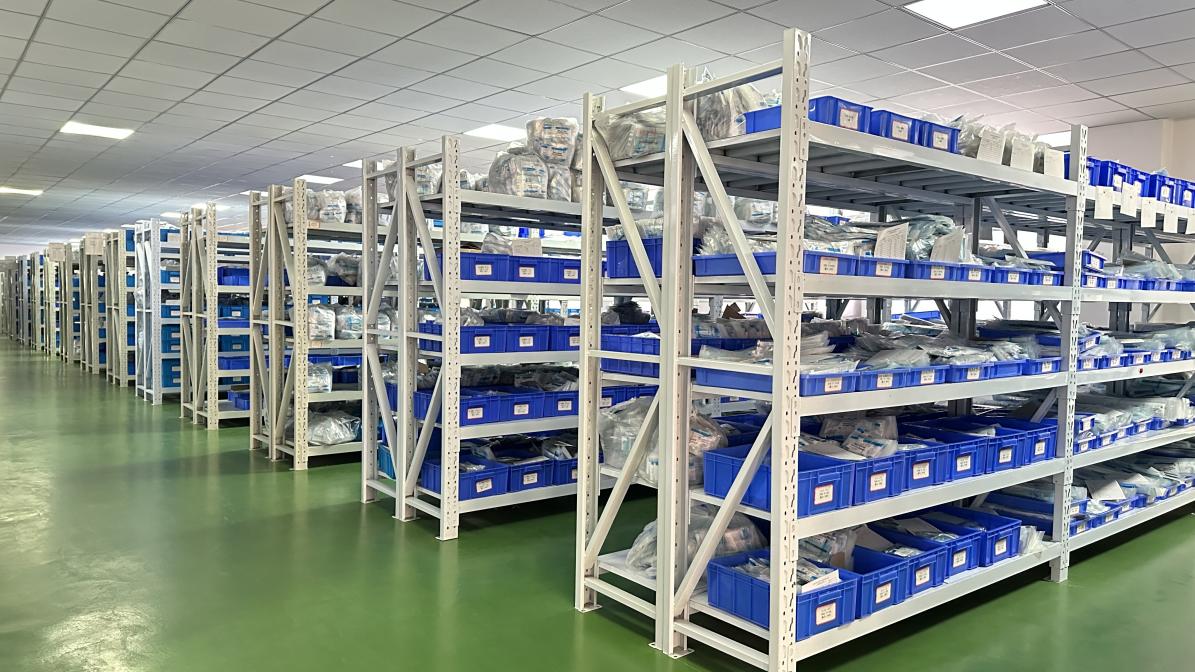
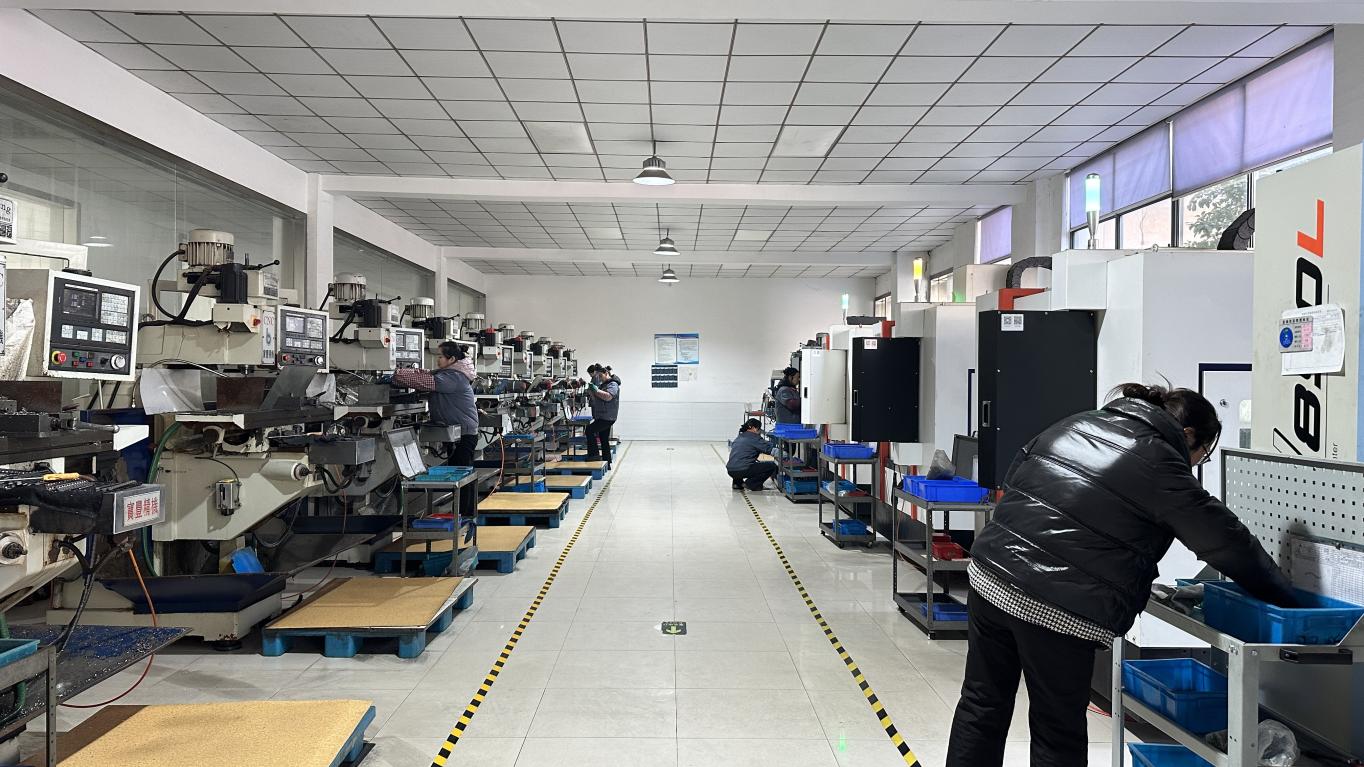
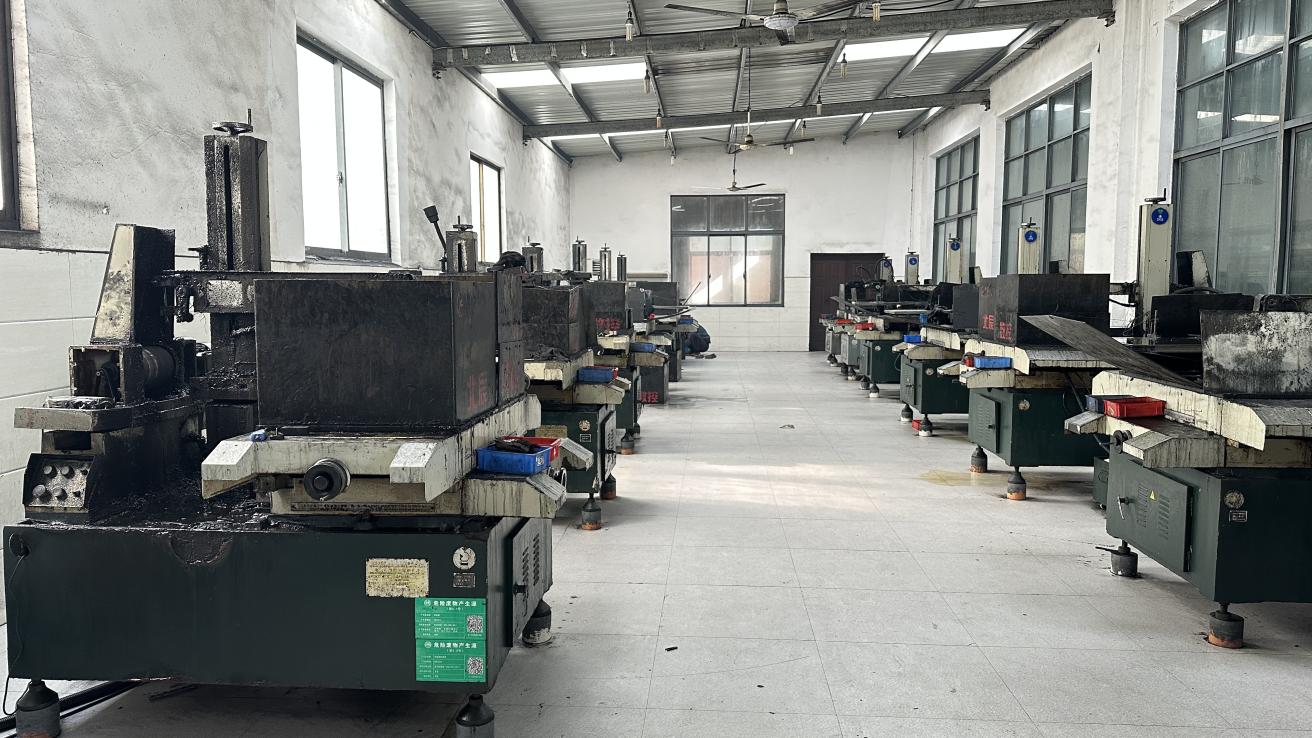
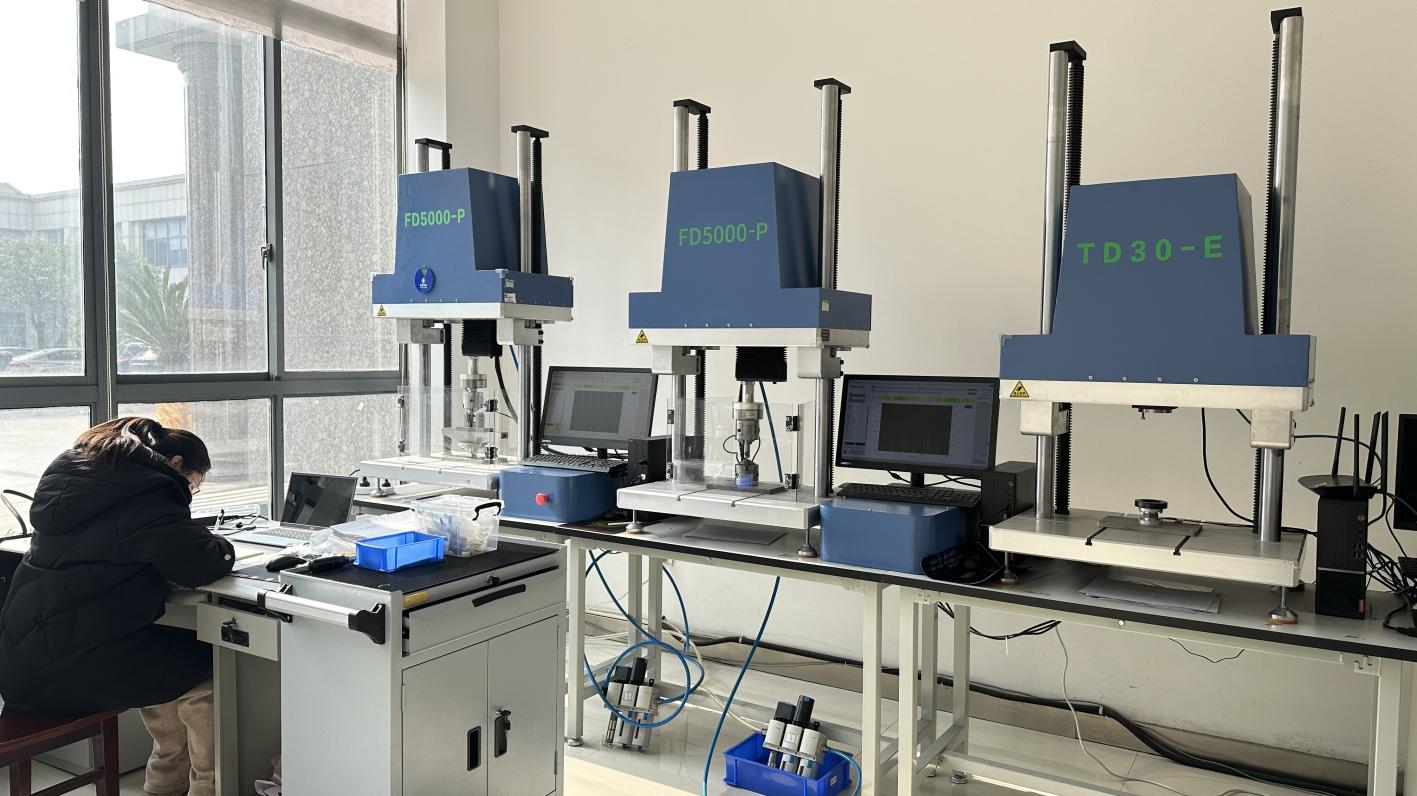
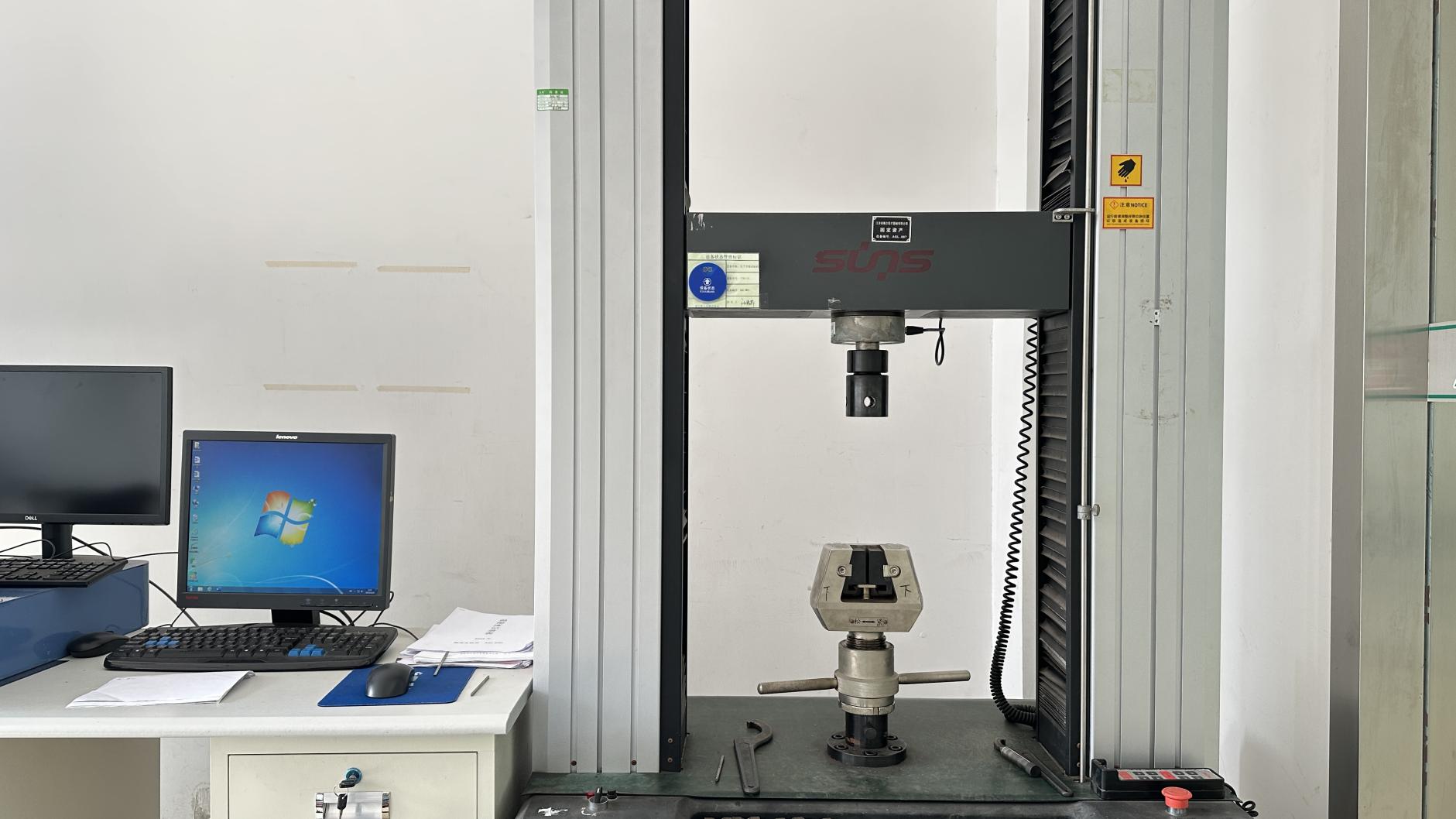
A transparent look inside our manufacturing processes, precision testing laboratories, and inventory warehouse.
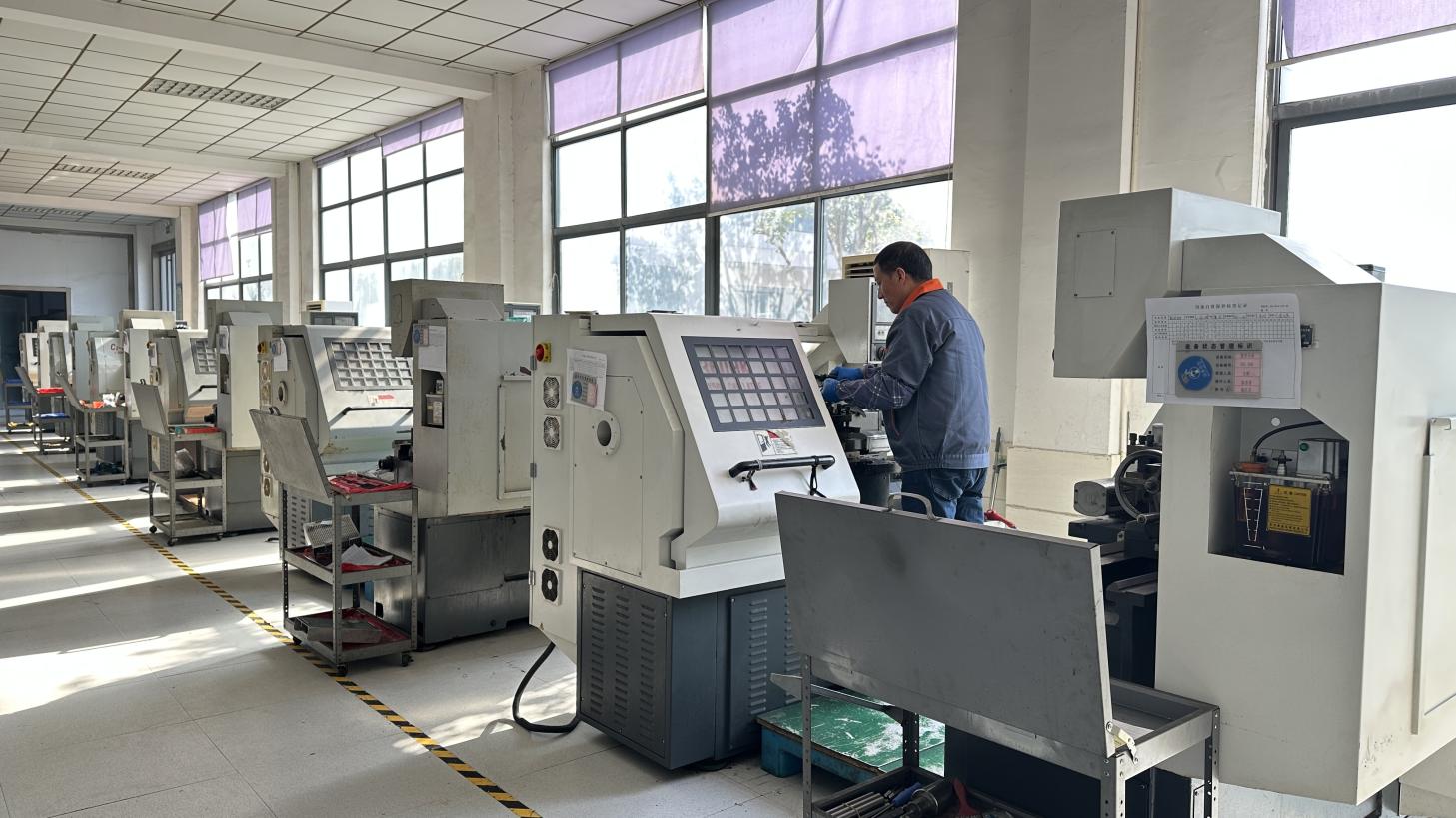
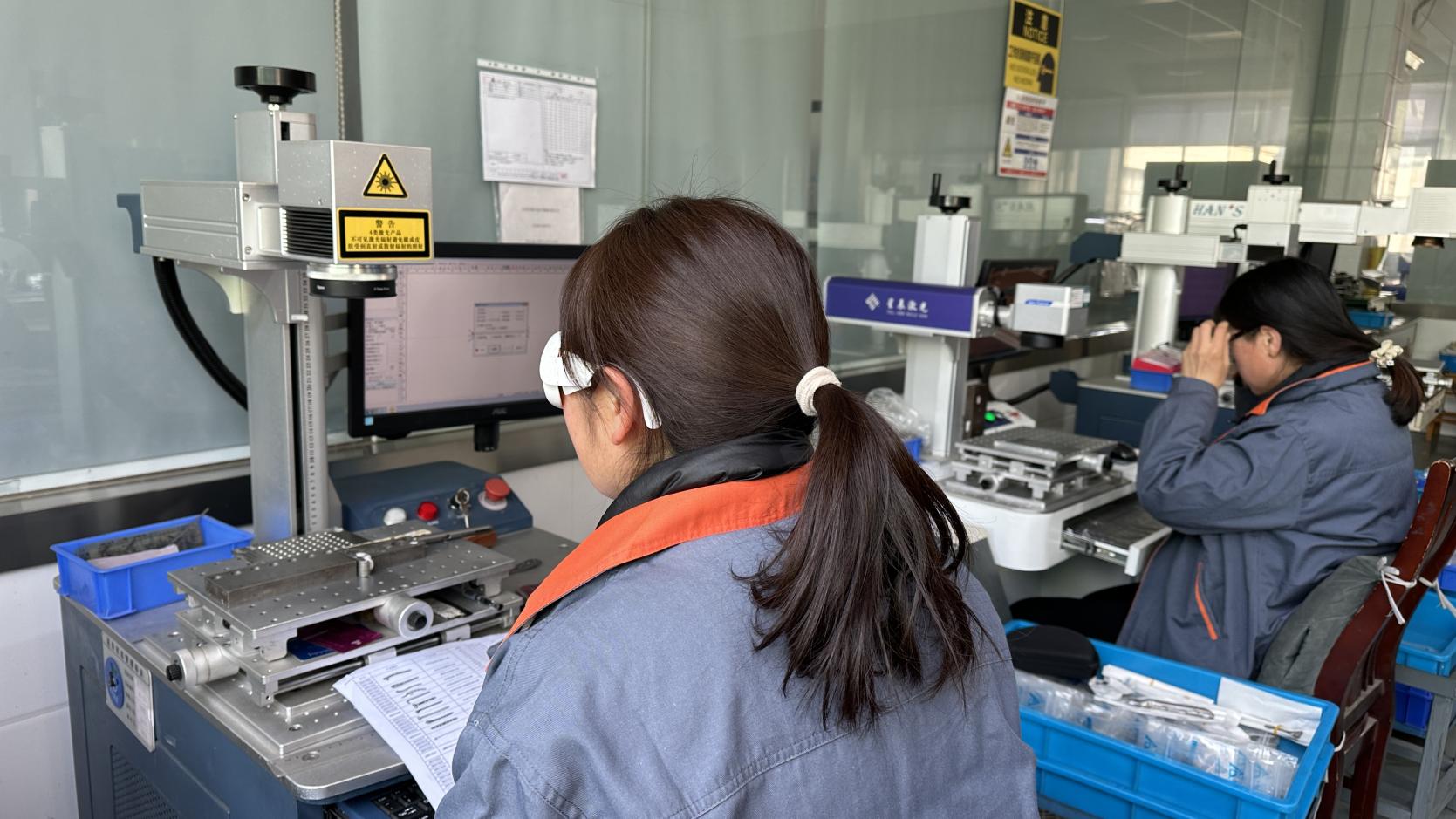
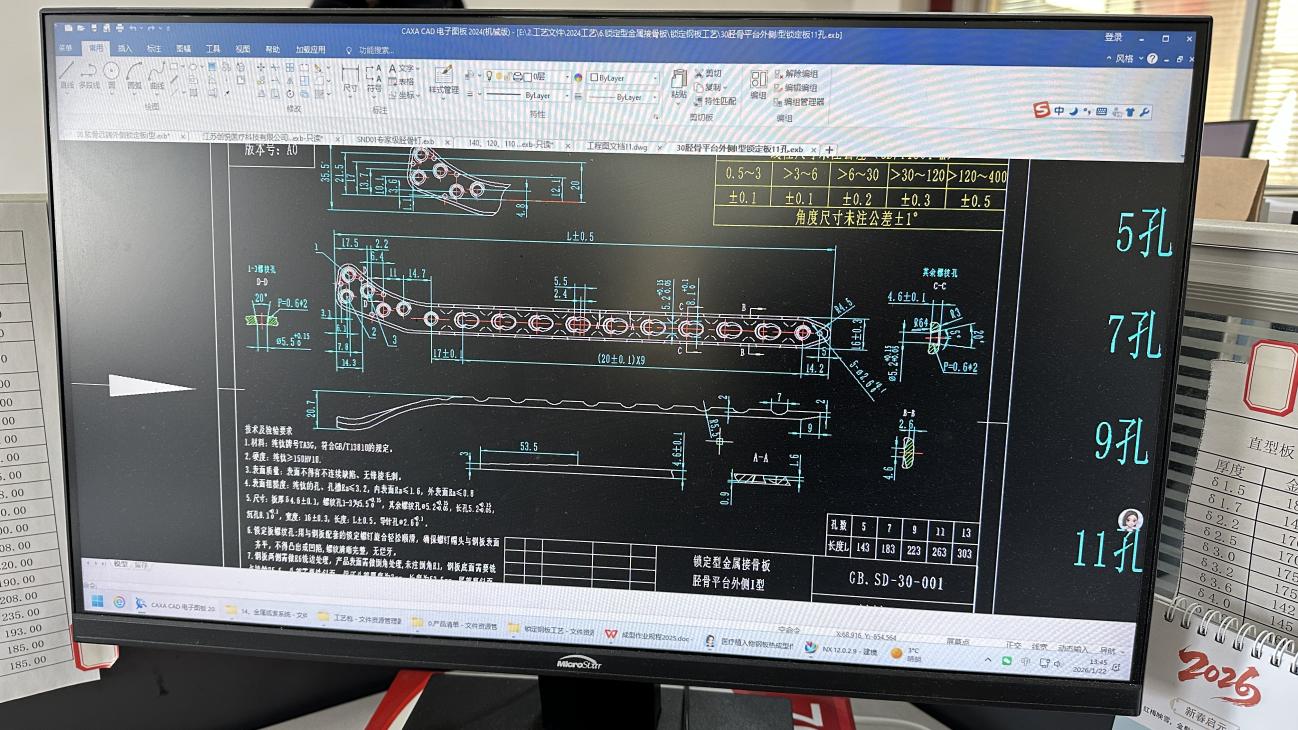

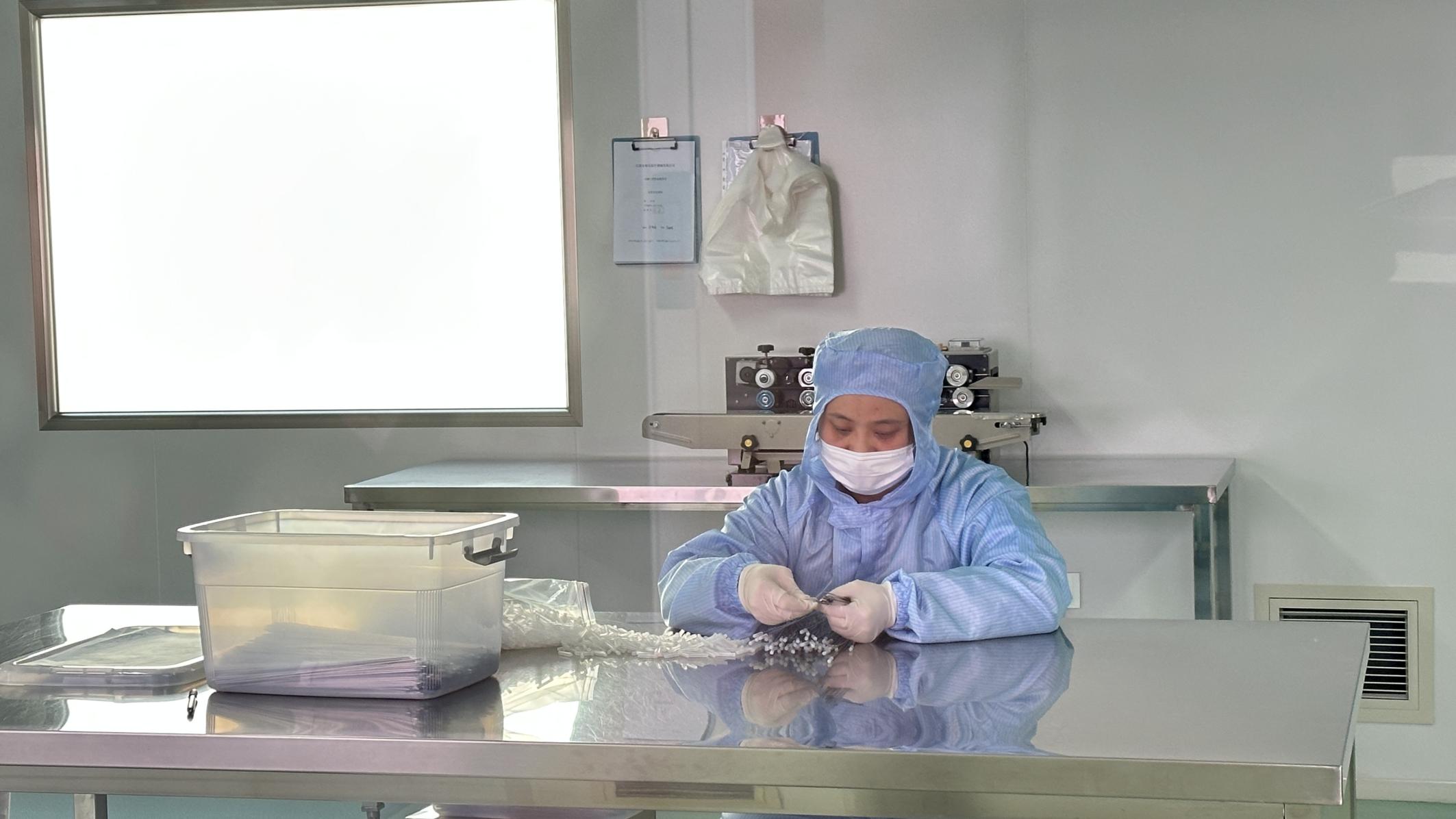
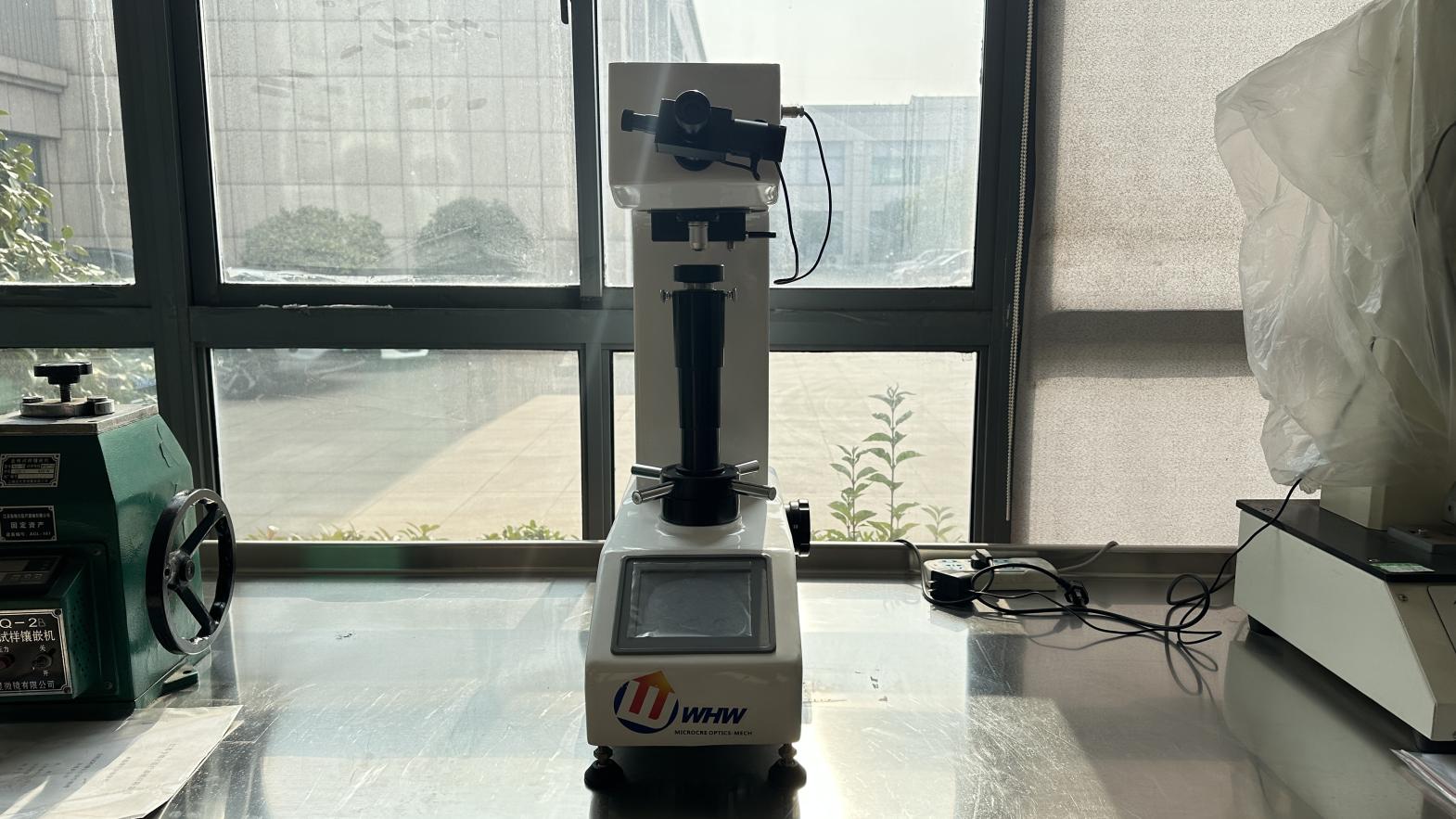
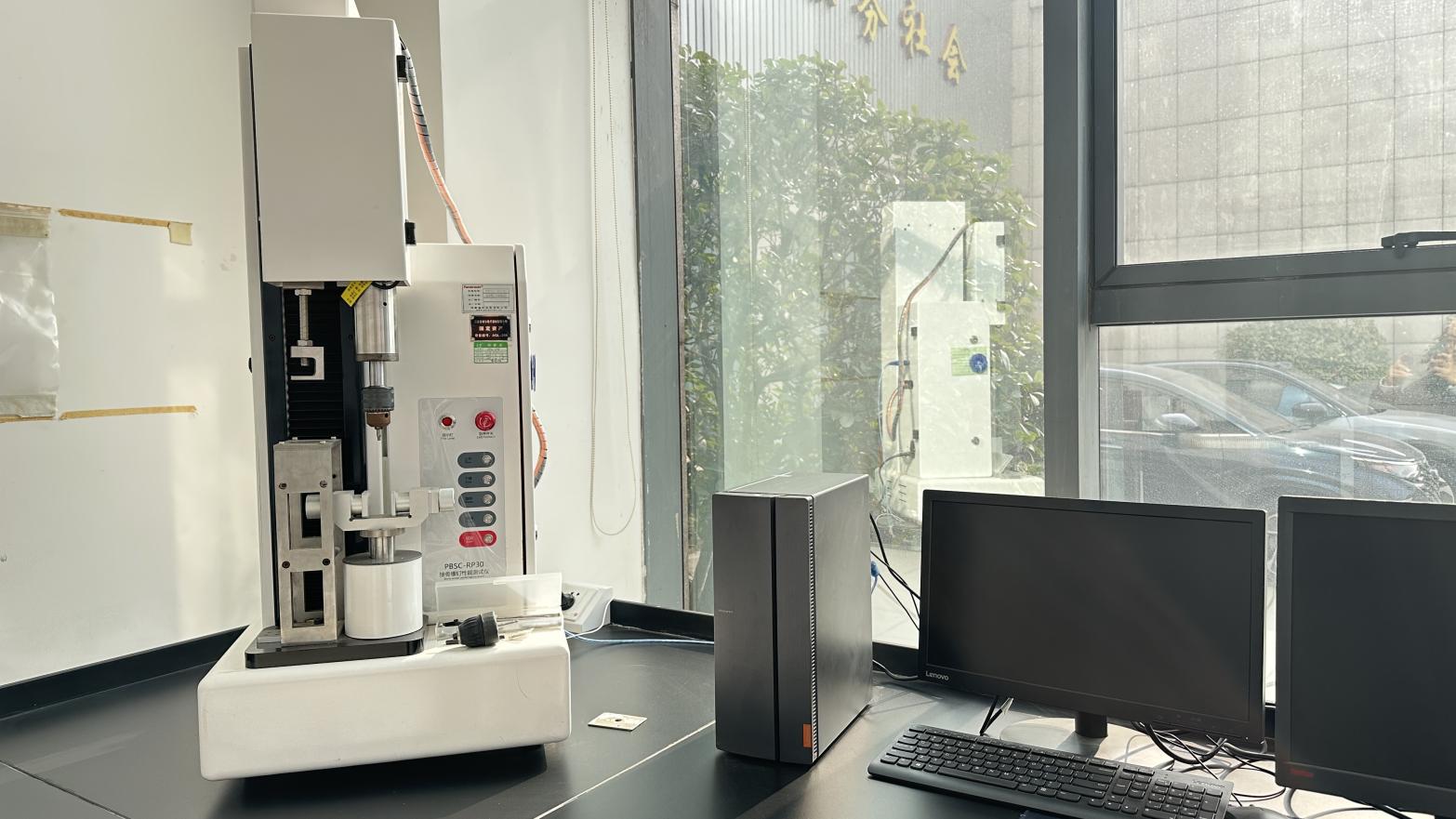
Advancements shaping the future of internal fixation systems globally.
Standard locking systems constrain screw insertion to a single fixed angle. Modern developments focus on polyaxial or variable-angle locking holes. These allow surgeons to adjust screw trajectory by up to 15 degrees in any direction, accommodating variation in bone morphology and avoiding existing hardware.
Advanced chemical coatings, including anodic treatments (Type II titanium anodization) and micro-arc oxidation, are used to limit bacterial adhesion and improve wear resistance. Bioactive coatings, such as hydroxyapatite (HA), can be applied to accelerate early osseointegration.
R&D teams are exploring Magnesium alloys and PLLA matrices for low-stress load-bearing situations. Over time, these biodegradable constructs degrade and are replaced by native bone, eliminating the secondary surgeries occasionally required to remove metal implants.
To meet the diverse requirements of international distributors, Medisplint offers a comprehensive OEM/ODM program. Leveraging our in-house engineering and rapid prototyping departments, we customize dimensions, hole configurations, and profile geometries.
When sourcing orthopedic implants, buyers must verify compliance with relevant materials standards. We provide full material documentation for our product lines:
| Material | Standard | Clinical Use |
|---|---|---|
| Ti-6Al-4V ELI | ASTM F136 / ISO 5832-3 | High strength plates & screws |
| Pure Titanium | ASTM F67 / ISO 5832-2 | Malleable low profile plates |
| 316L Stainless Steel | ASTM F138 / ISO 5832-1 | Temporary trauma fixation |
Answering common engineering and clinical procurement questions for medical buyers.
Locking plates feature threaded holes that mate with threads on the screw head, creating a fixed-angle construct. Conventional plates rely on friction between the plate and bone, which requires strong compression against the periosteum, potentially disrupting blood flow. The locking plate construct maintains stability without squeezing the plate against the bone, preserving local blood supply and decreasing the risk of implant loosening.
Every batch of titanium alloy (Ti-6Al-4V ELI) or medical-grade stainless steel is sourced with material certificate documentation that details chemical composition and physical properties. In addition, our QA laboratory uses testing machines to verify tensile strength, hardness, and microstructure before machining begins.
We follow standard test methods for medical bone screws, measuring parameters such as insertion torque, pull-out strength, and torsional yield strength. This ensures our locking screws do not deform or shear under clinical loading conditions.
For modifications to existing profiles (e.g., custom hole counts or anodization options), sample production is typically completed in 2 to 3 weeks. Fully customized designs that require custom tooling, FEA simulation, and regulatory documentation packages usually require 6 to 8 weeks from initial design sign-off.
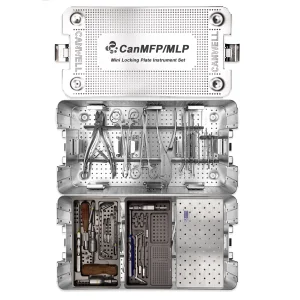
Yes, they are suitable for both human and veterinary settings. Veterinary clinics use our small fragment and mini locking plate lines (1.5mm/2.0mm/2.7mm/3.5mm configurations) to address trauma needs in companion animals and equine surgical cases.
Browse our complete list of premium implants, sutures, and surgical instrument configurations.