Medisplint Medisplint

Top China Patellar Components Manufacturers & OEM Partners

Advanced Knee Joint Reconstruction, Trauma Implants, and High-Precision Surgical Instrument Systems Engineering

Section 1: The Biomechanics & Materials Engineering of Patellar Components

Understanding the role of modern biomaterials and structural layouts in achieving long-term implant survival and biological compatibility.

In the domain of total knee joint arthroplasty (TKA) and isolated patellofemoral joint reconstruction, the patellar component remains one of the most critical elements governing surgical outcome and patient satisfaction. Biomechanically, the patellofemoral interface experiences some of the highest dynamic stresses in the human skeletal system. During activities such as deep squatting, stair climbing, or rising from a seated position, force transmission across the patellar interface can exceed six to eight times the individual's total body weight. This extreme mechanical environment demands robust manufacturing standards, optimal geometry, and top-tier biomaterial integrity.
Contemporary patellar components are primarily milled or compression-molded using Ultra-High-Molecular-Weight Polyethylene (UHMWPE). UHMWPE is selected for its high wear resistance, low coefficient of friction, and superior impact toughness. To minimize the risks associated with oxidative degradation, leading Chinese medical manufacturers utilize cross-linked polyethylene (XLPE), often infused with natural antioxidants like Vitamin E (alpha-tocopherol). This formulation limits free radical accumulation under mechanical shear, preventing long-term delamination and wear-induced osteolysis.

Inlay vs. Onlay Geometry

Inlay components are recessed directly into the bony bed of the patella, maintaining a lower patellofemoral profile and minimizing the risk of subluxation. Onlay components resurface the entire prepared patellar surface, maximizing bone coverage and providing an anatomically friendly articulation curve with the femoral trochlear groove.

Three-Peg vs. Monopeg Anchorage

Fixation stability is achieved via anchoring pegs that project into pre-drilled cancellous channels. A three-peg design distributes rotational torque across a broader area, optimizing stress distribution and cement interlock. Conversely, a single central peg is utilized in smaller patellar profiles or specific anatomic configurations where bony stock is limited.

Biological Surface Coatings

For cementless applications, patellar metal backings are treated with highly porous titanium plasma spray or trabecular metal structures. These structures simulate natural trabecular bone networks, promoting osteoconduction and establishing secondary biological fixation for lifelong implant performance.

Section 2: Industrial Advantage & Efficiency of China Patellar Component Factories

How technological integration, robust raw material supply chains, and automated inspection pipelines define China's leadership in orthopedic contract manufacturing.

Global procurement strategies for orthopedic implants and associated surgical tools have undergone a significant transformation. Leading medical device OEMs increasingly rely on Chinese medical manufacturing clusters for several key strategic benefits:
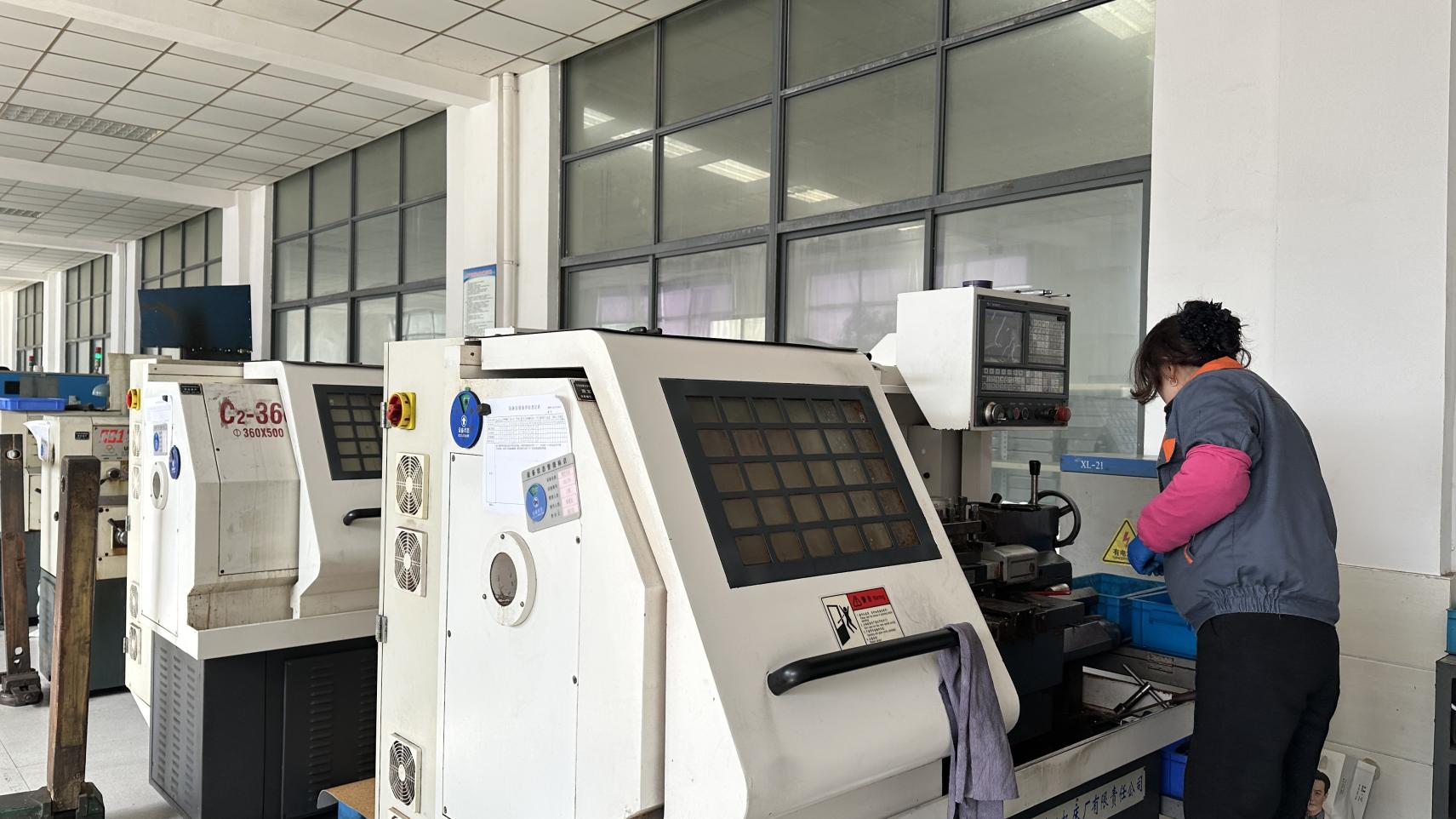
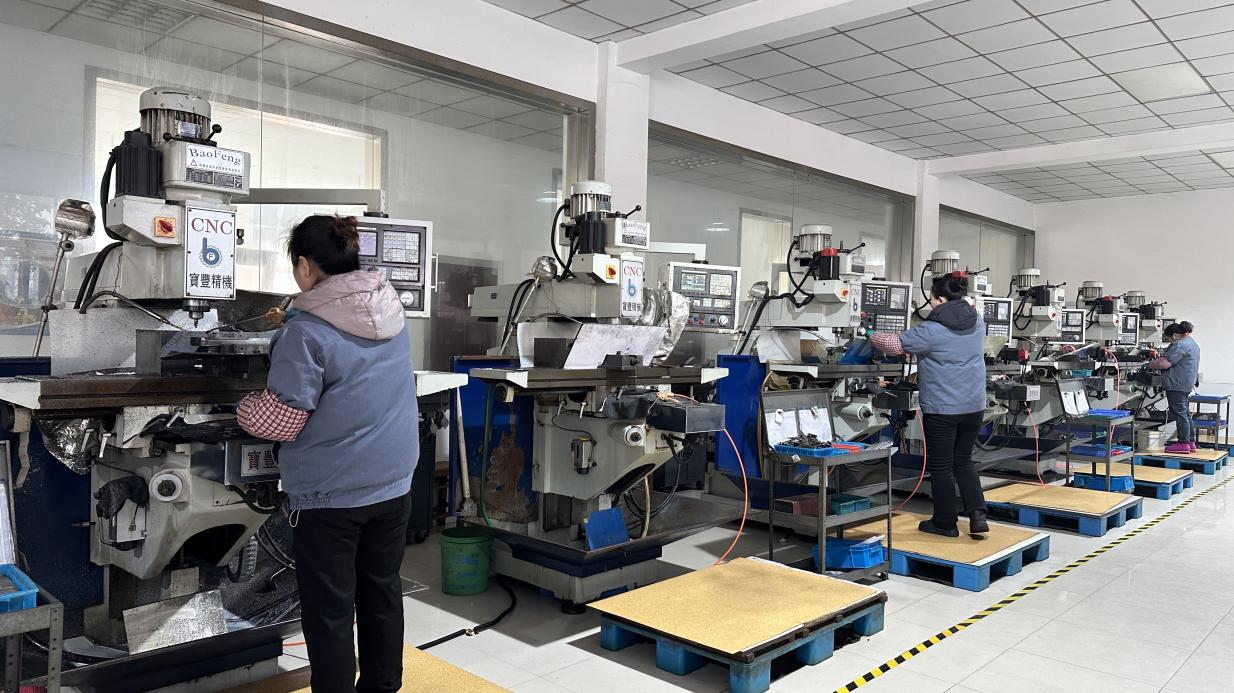
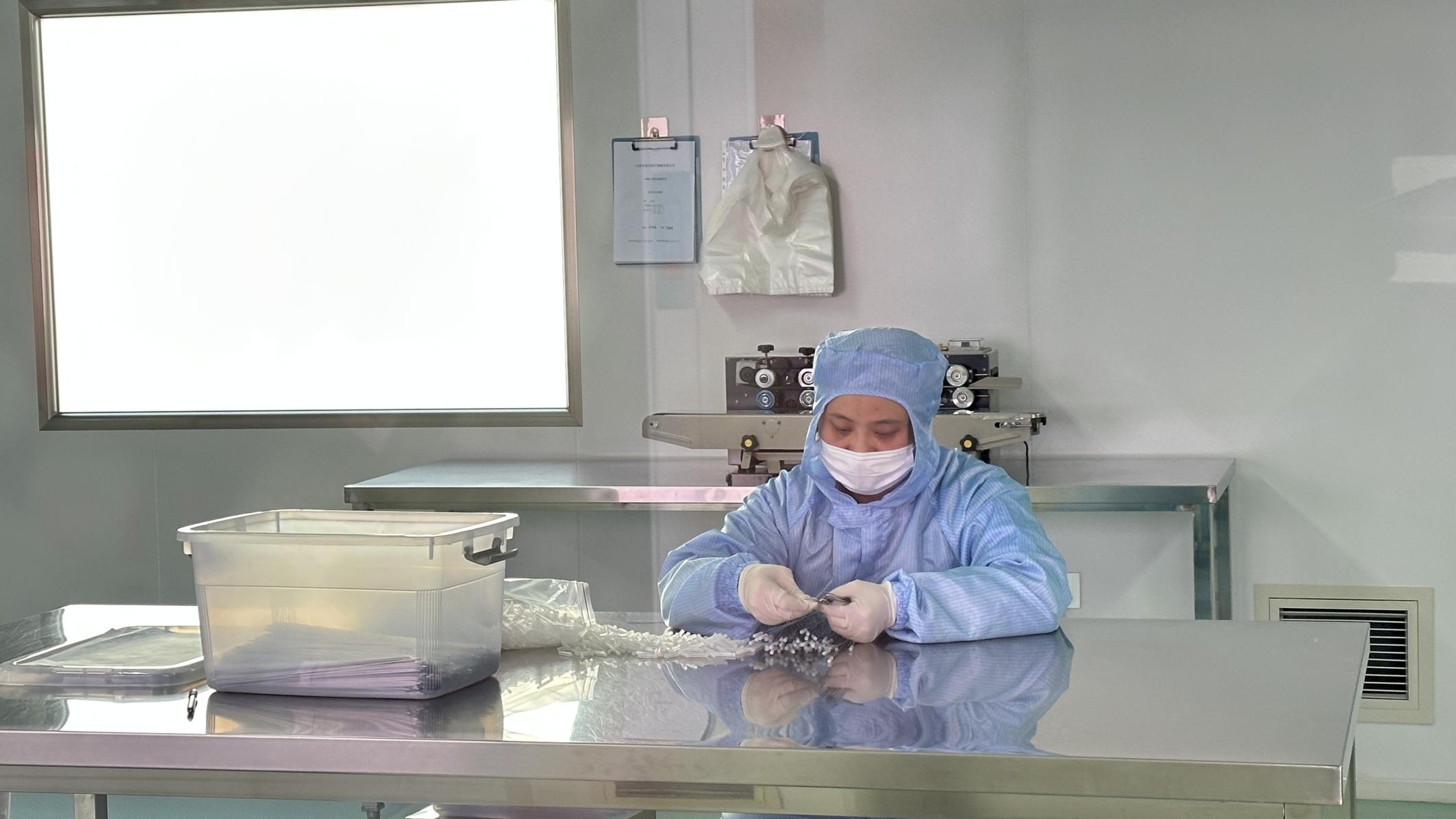
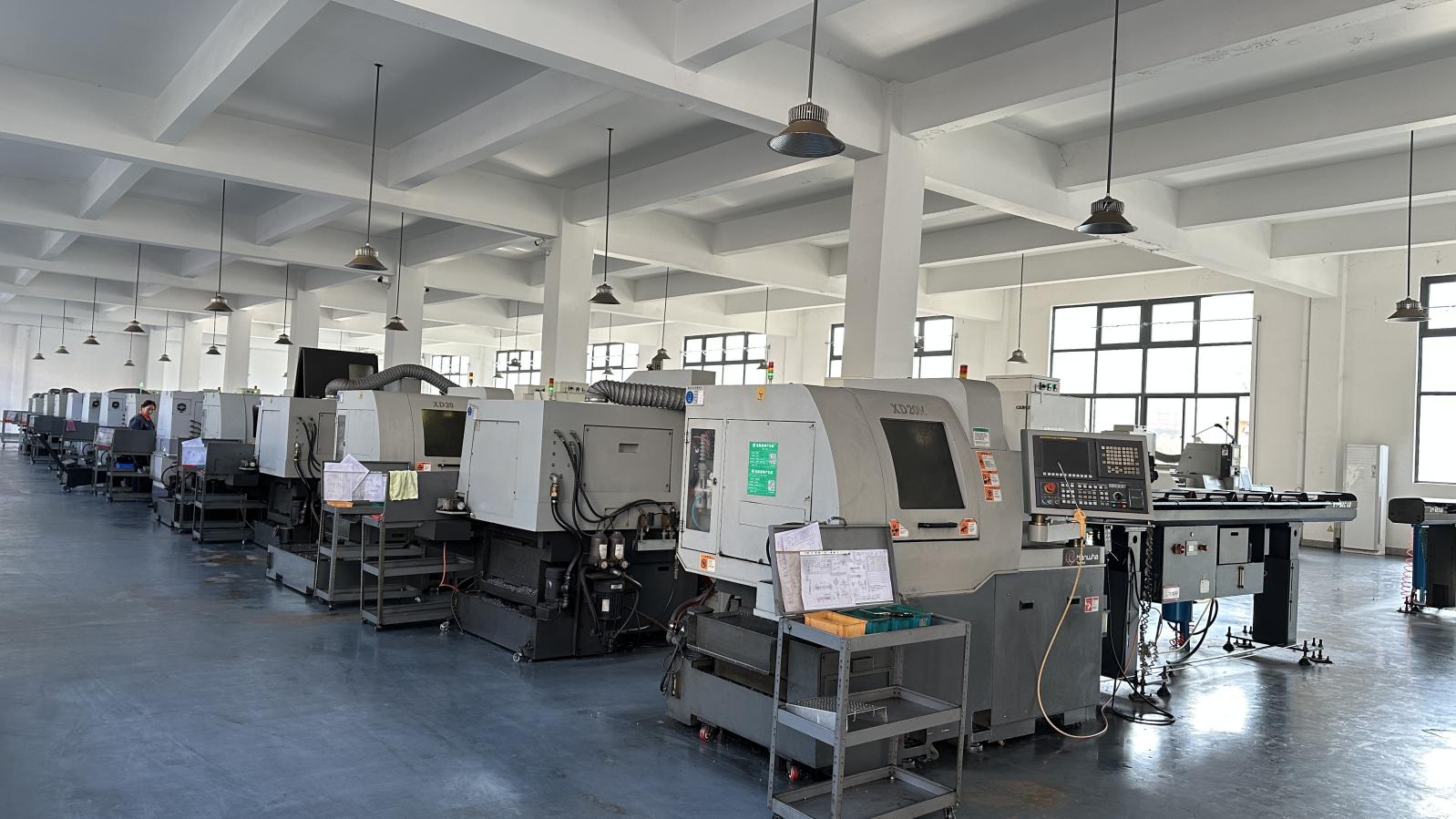
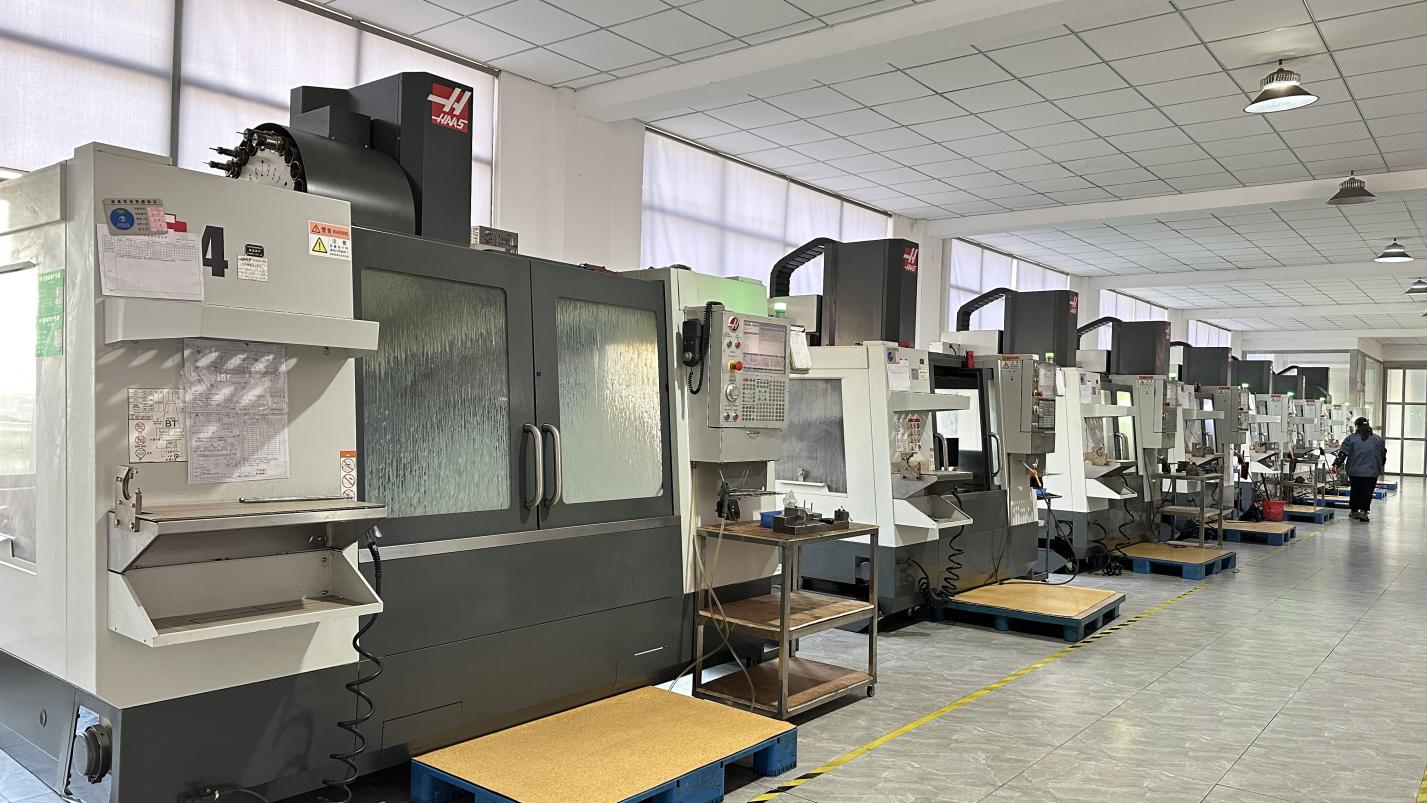
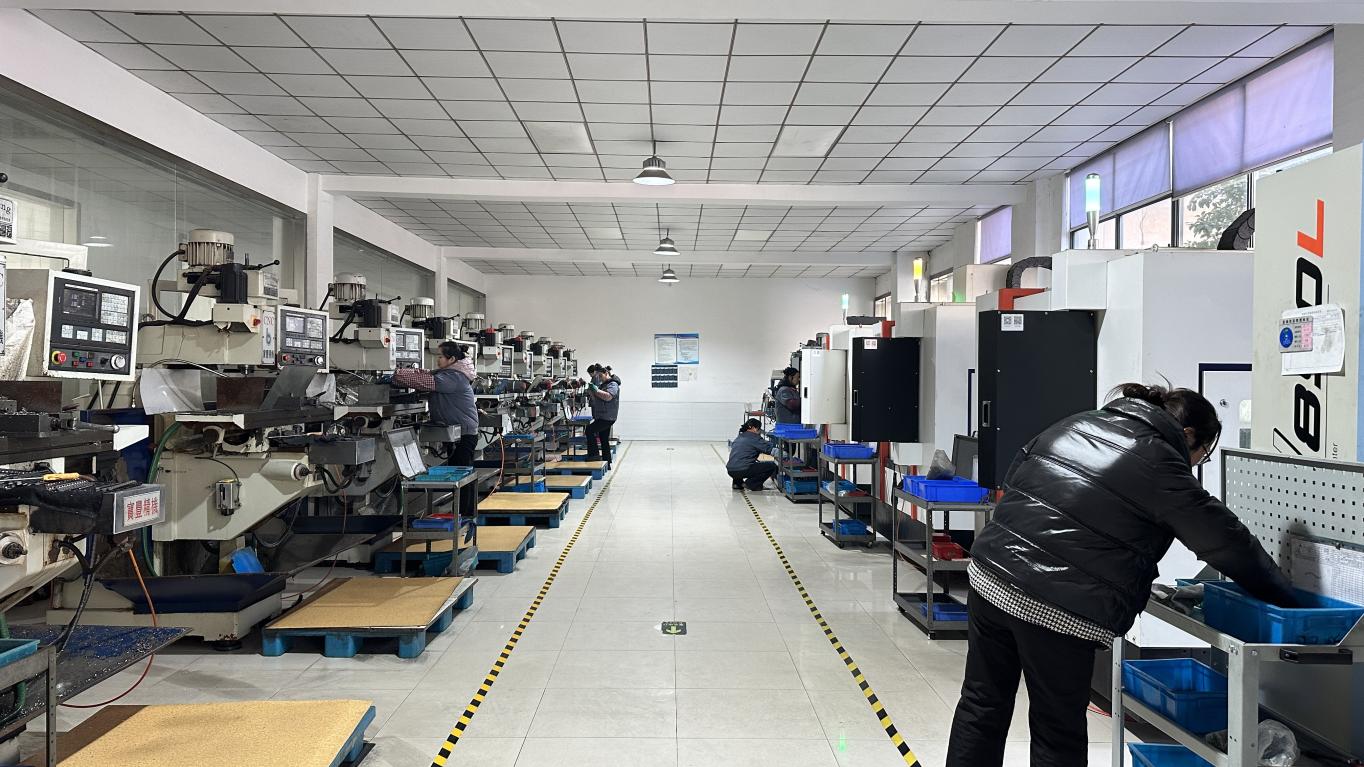
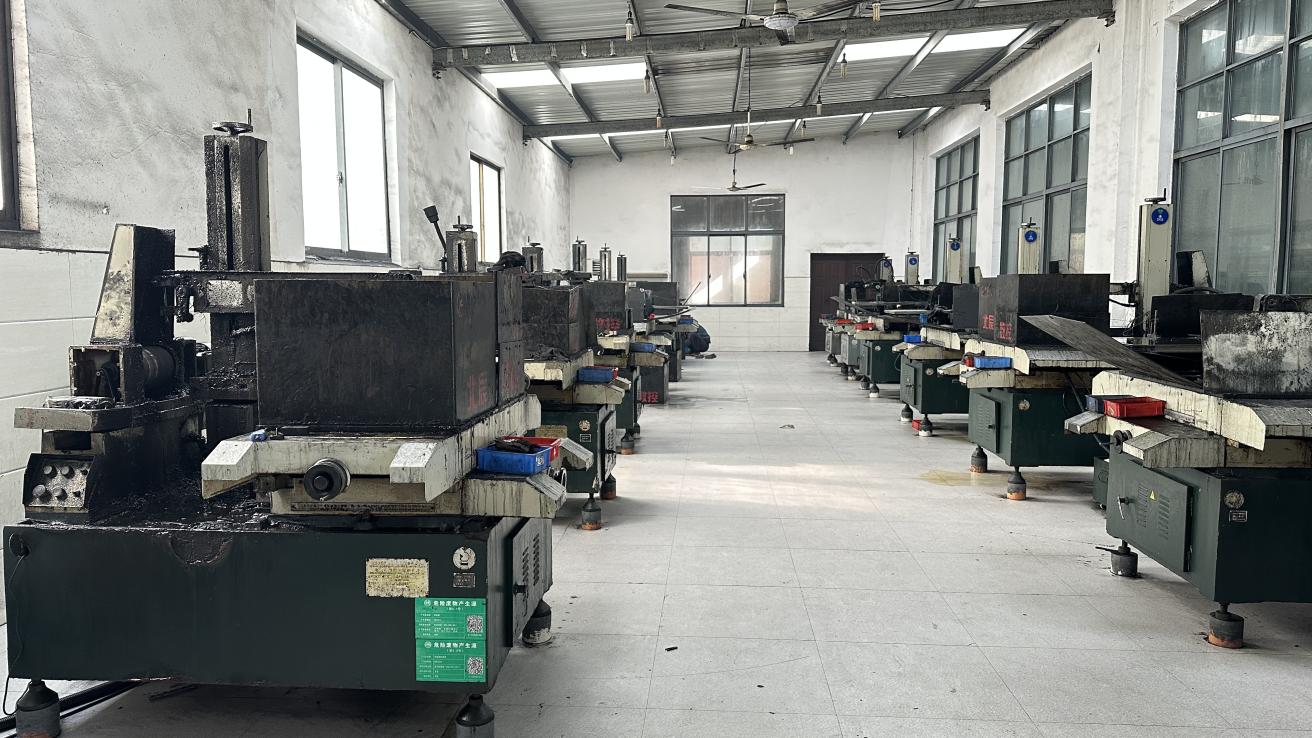
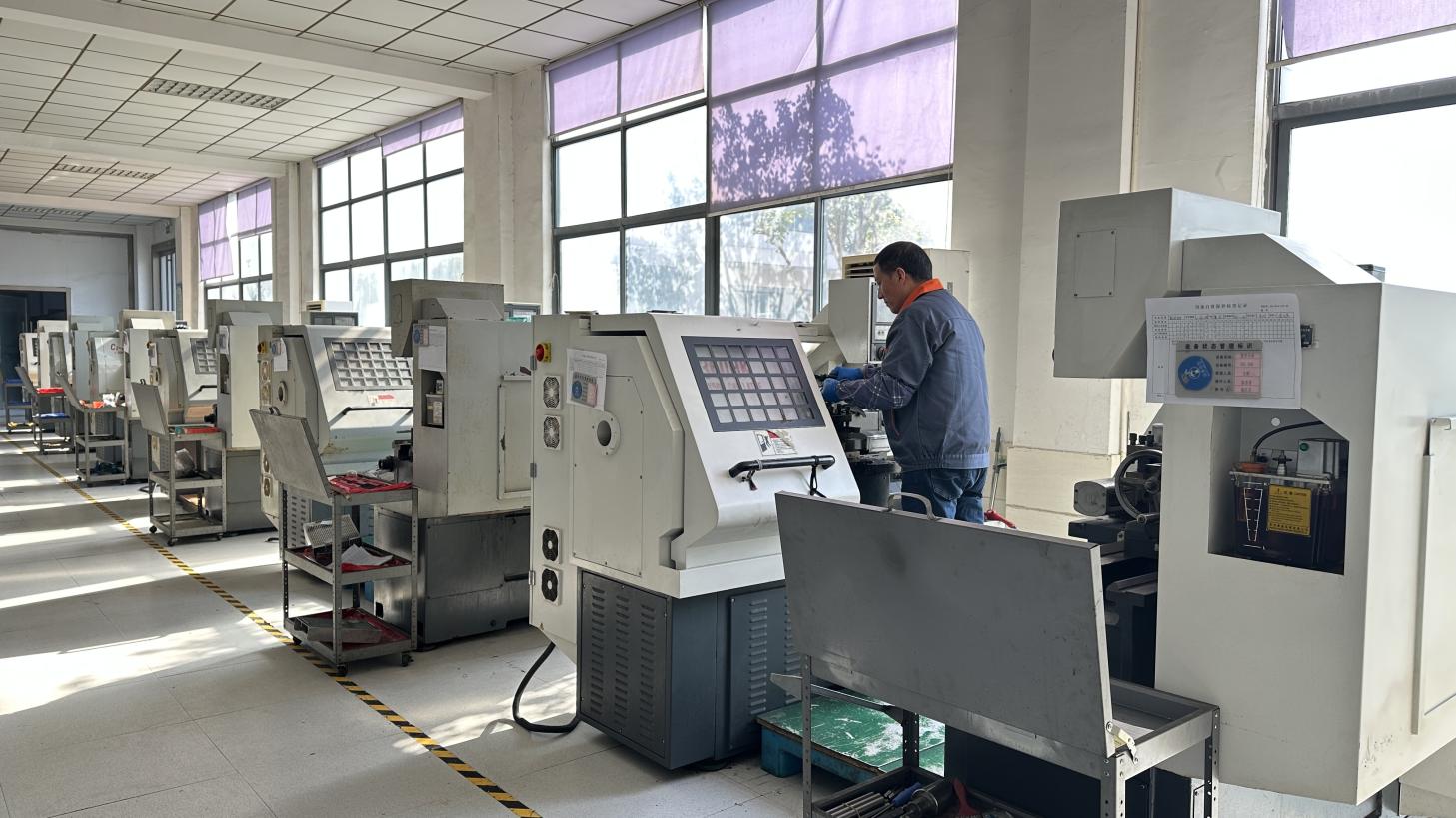
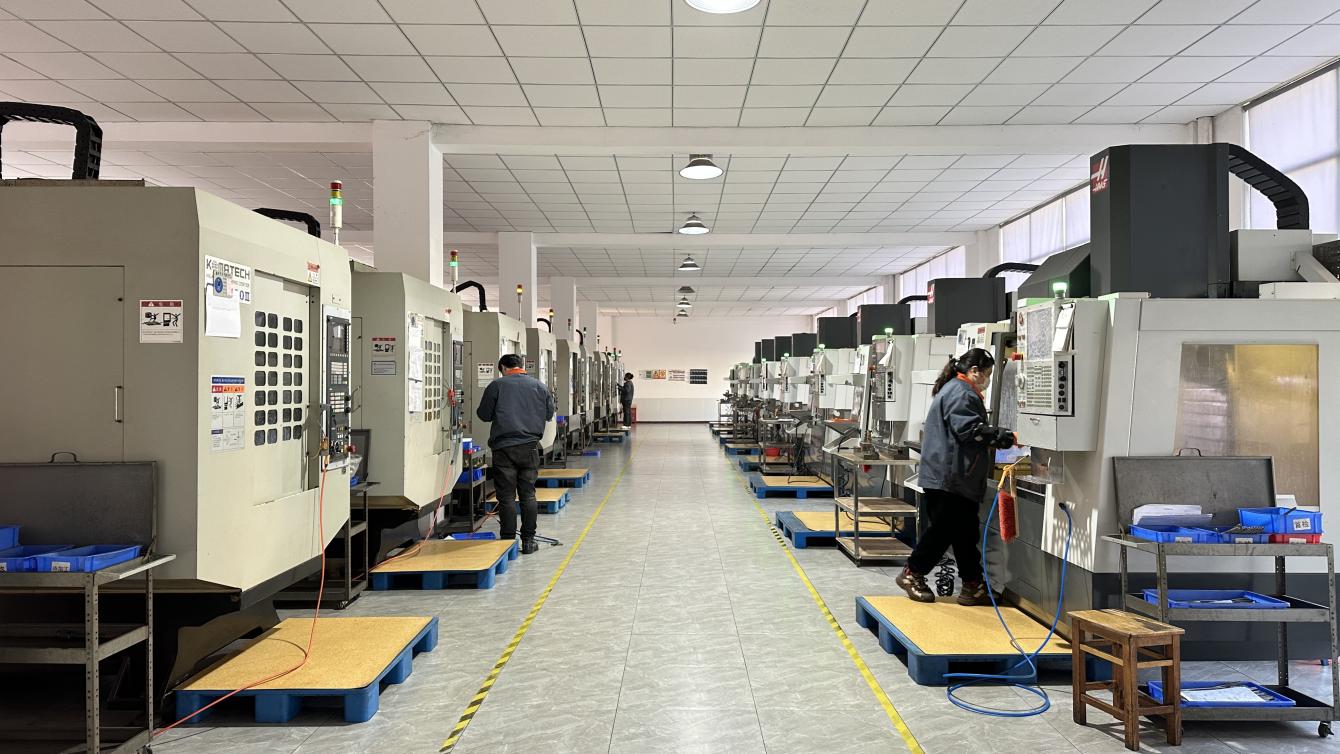
  • State-of-the-Art Machining Facilities: Chinese manufacturers employ advanced multi-axis CNC machining centers, automated wire-cutting tools, and dedicated cleanroom packaging setups designed for Class III medical devices.
  • Consolidated Raw Material Integration: Immediate access to medical-grade titanium alloys (Ti-6Al-4V ELI) and certified medical-grade UHMWPE ensures consistent material traceabilty and stable production lead times.
  • Uncompromising Quality Protocols: Compliance with ISO 13485 (Medical Devices Quality Management Systems) and CE marking requirements ensures that every component aligns with rigid international standards.
  • Cost-Effective Scalability: Integrated engineering services, from initial CAD modeling to finished cleanroom sterile packaging, optimize production costs without compromising structural precision or biological safety.
18,500㎡
Production Area
10+ Years
Industry Experience
42 Specialists
Quality Inspectors
85 Engineers
R&D Experts

Section 3: Medisplint Orthopedic Instruments Co., Ltd.

Corporate profile, manufacturing capability overview, and global partnership networks.

Medisplint Orthopedic Instruments Co., Ltd. is a professional manufacturer specializing in orthopedic implants, fixation systems, and surgical instruments for trauma, spine, and joint reconstruction. Founded in 2016, the company has developed steadily with a strong focus on innovation, clinical safety, and international expansion. The facility covers approximately 18,500㎡, supporting integrated production, cleanroom assembly, and rigorous quality control operations.

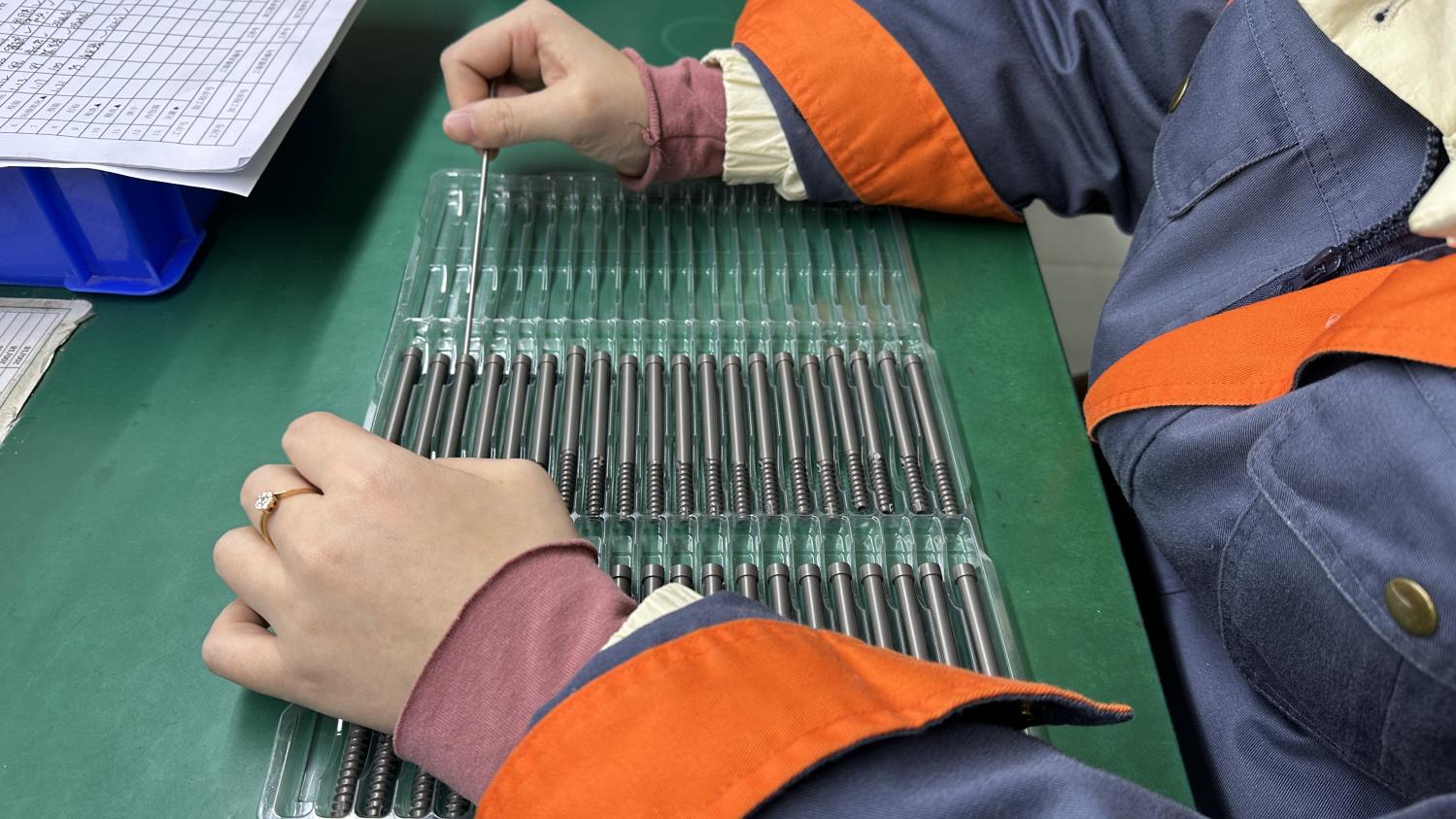
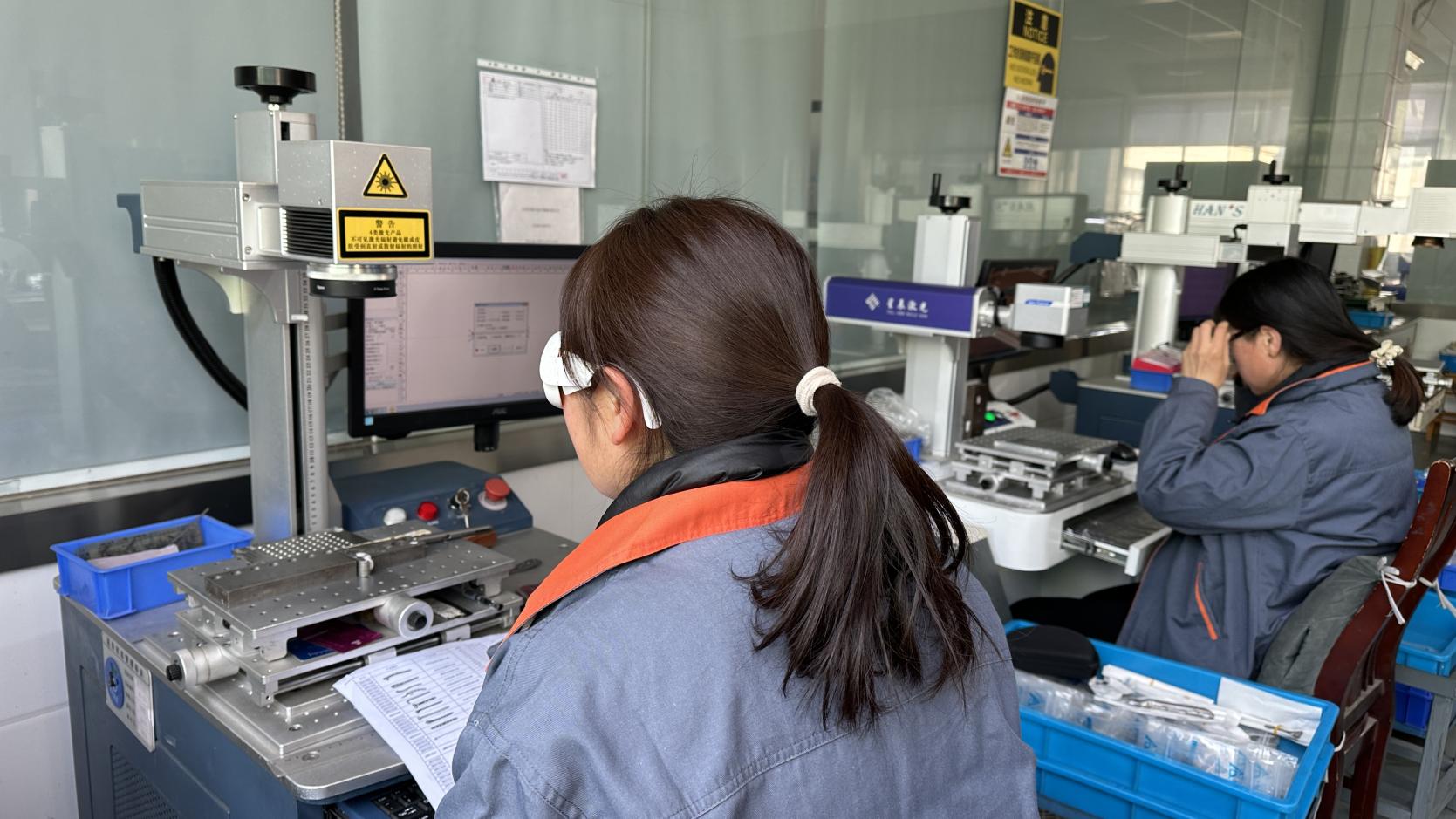
Medisplint reports an annual export revenue of around USD 12 million, with over 7 years of export experience and 10 years of overall industry experience in orthopedic medical device manufacturing. The company operates under strict quality assurance systems including ISO 13485 certification and CE compliance. Quality inspection methods include incoming material inspection, in-process quality control (IPQC), final product inspection (FQC), and third-party laboratory testing. The quality control department consists of 42 dedicated inspectors ensuring product safety, precision, and compliance with international standards.
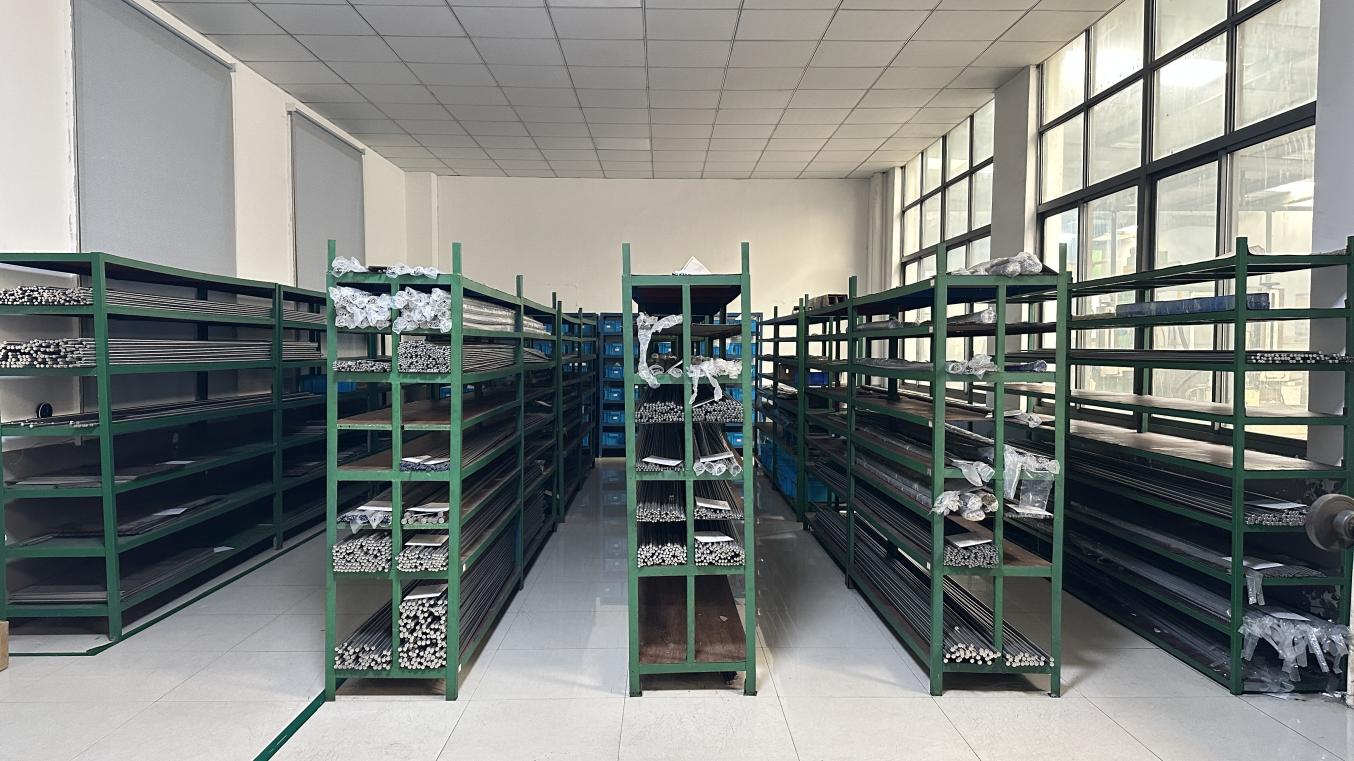
Medisplint Facility View
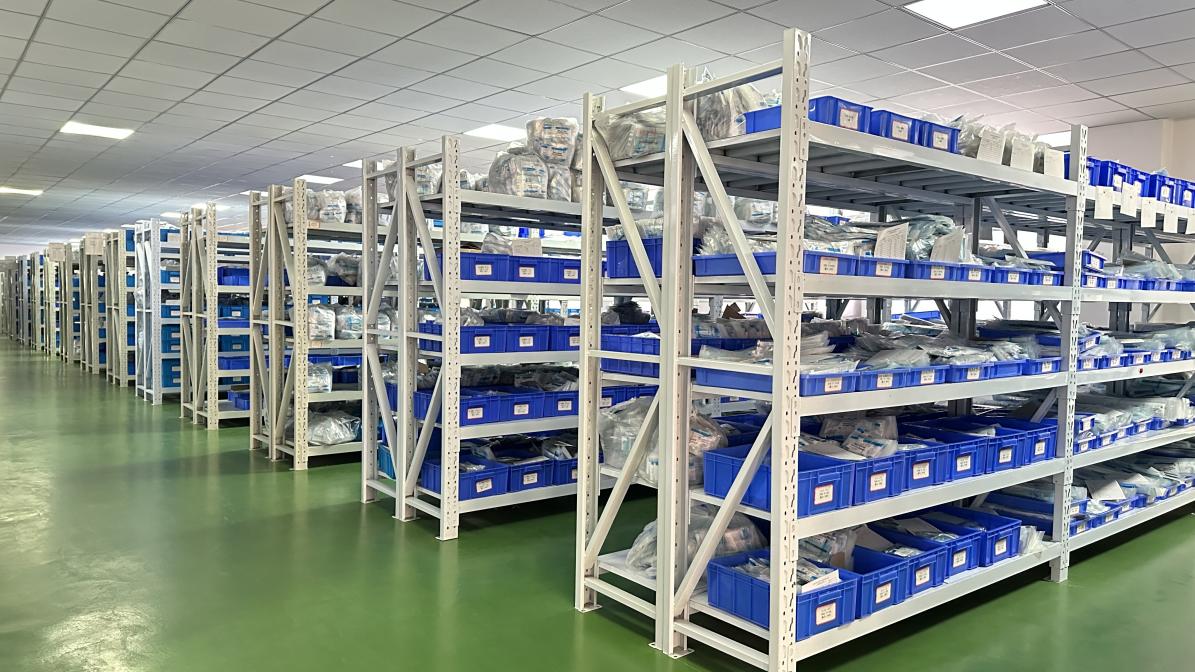
Medisplint Raw Materials Verification & Processing Base
With a strong global trade background, Medisplint primarily serves markets in Europe, Southeast Asia, the Middle East, and South America. The company collaborates with over 1,200 supply chain partners, supporting stable production capacity and flexible sourcing strategies. Its main customer types include hospitals, orthopedic distributors, surgical centers, and OEM/ODM partners. Medisplint maintains strong R&D capabilities with approximately 85 engineering and development specialists, offering customization options such as private labeling, design modification, and full OEM/ODM solutions. In the past year, the company launched 68 new products, reflecting its continuous commitment to innovation and advancement in orthopedic solutions.

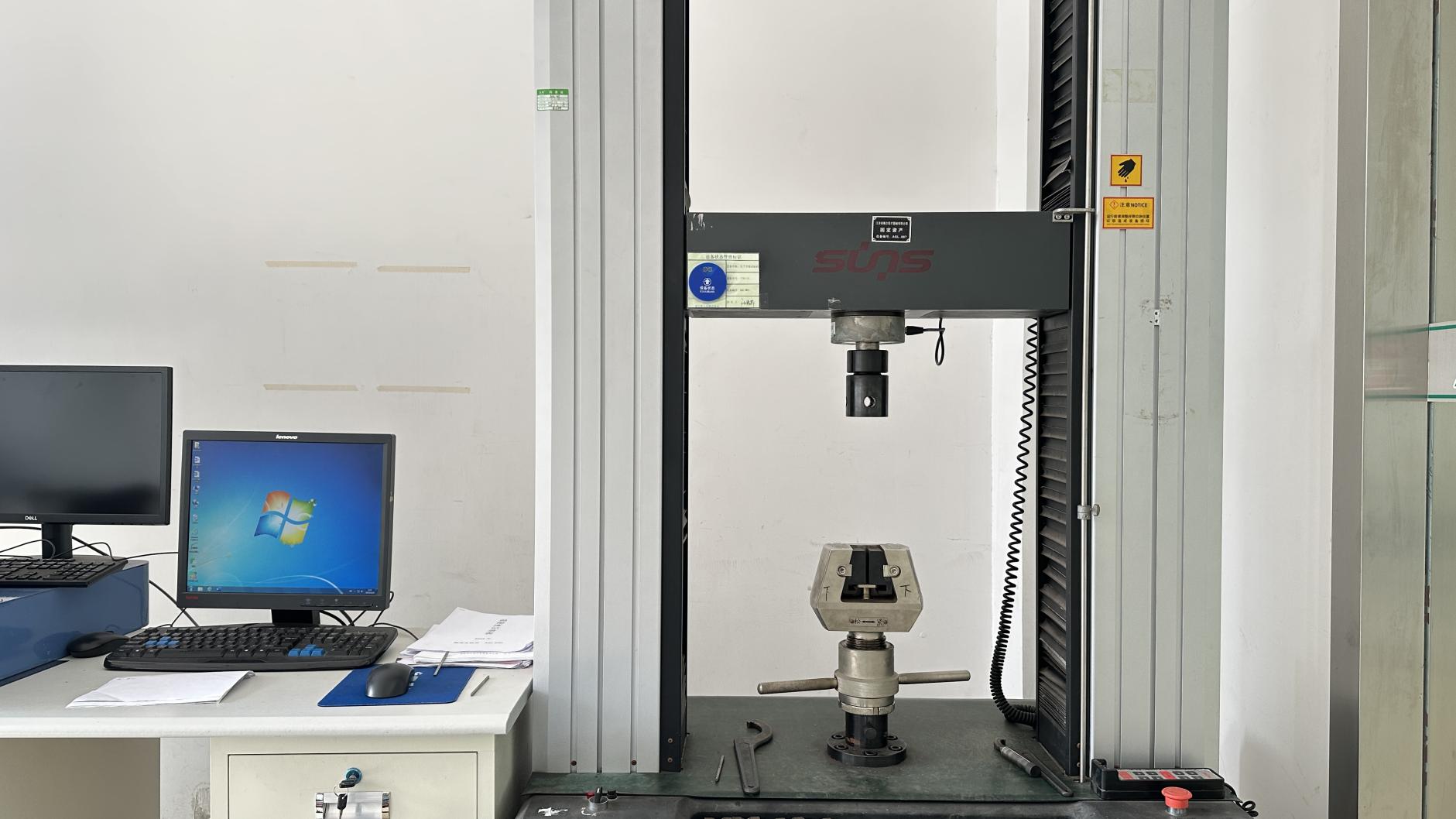
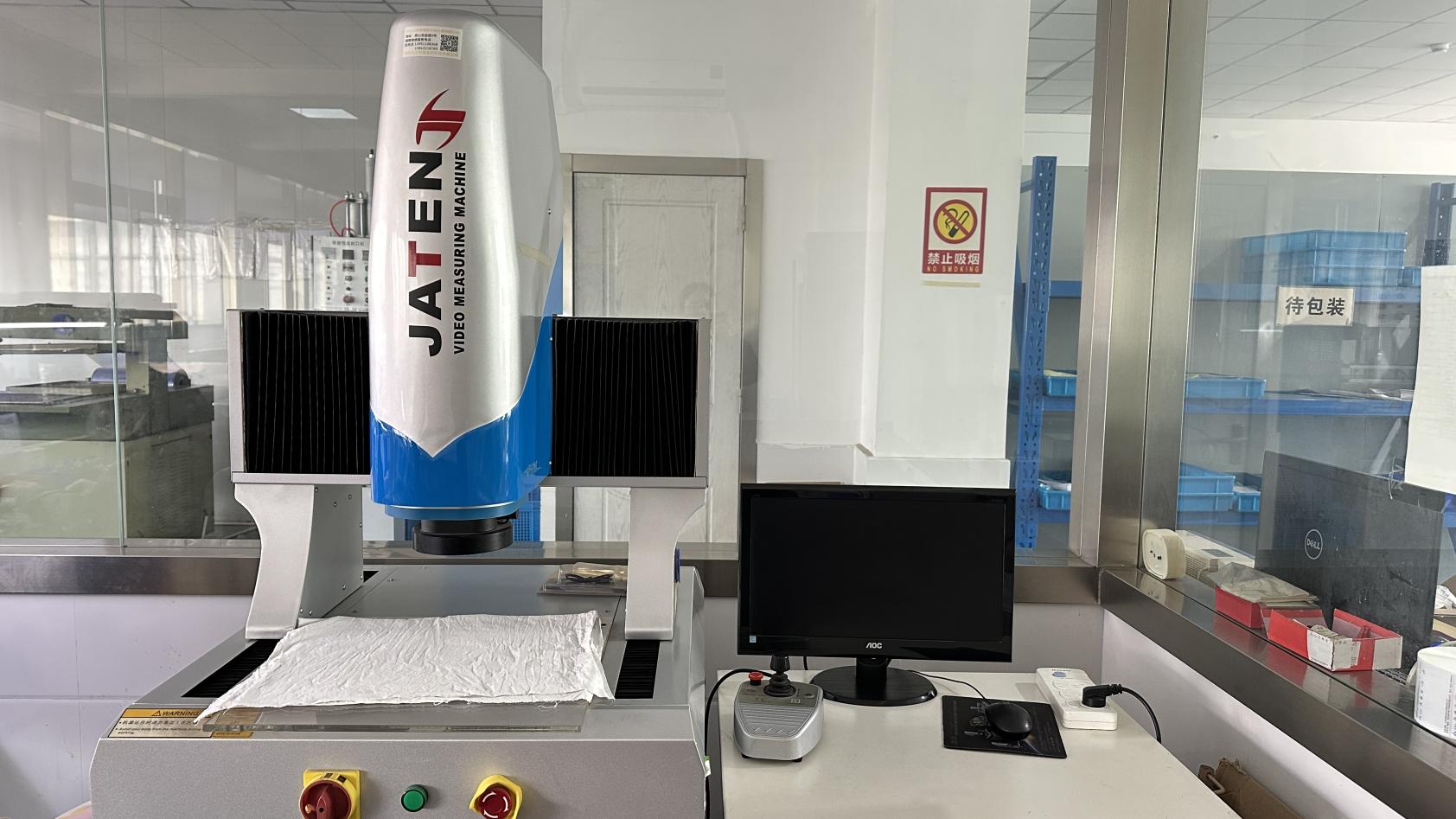
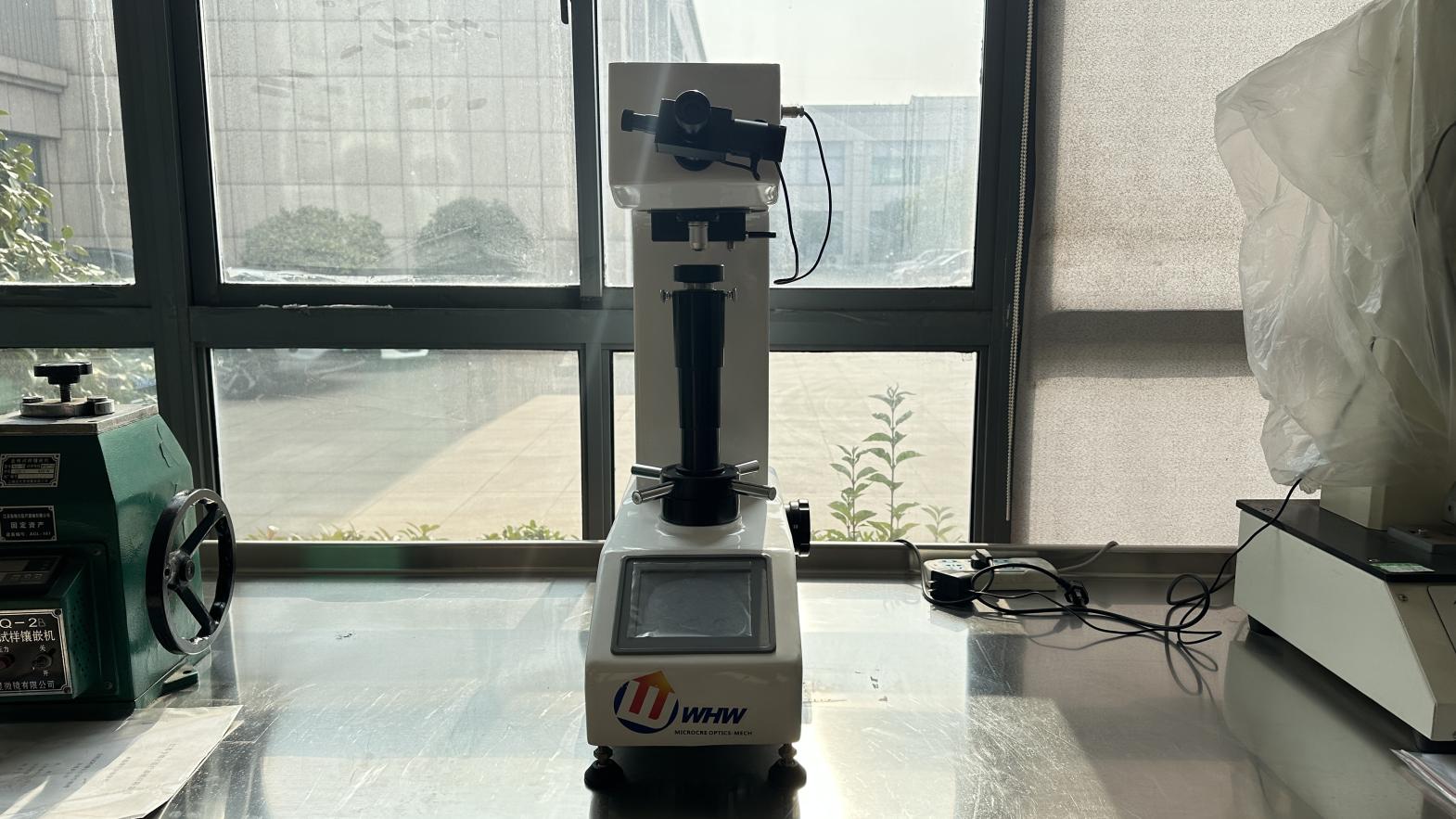
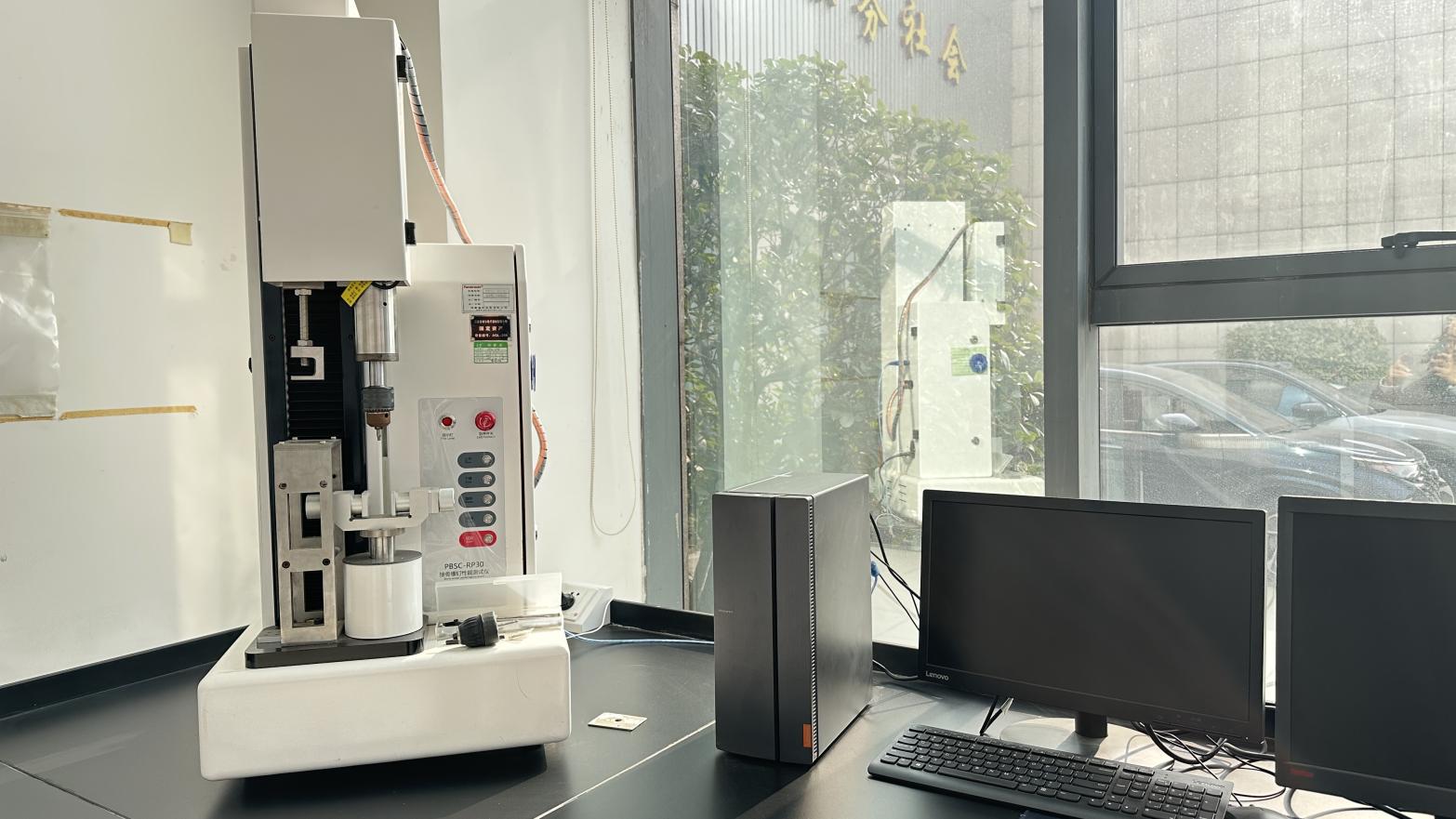
Section 4: Technical Production & Metrology Gallery

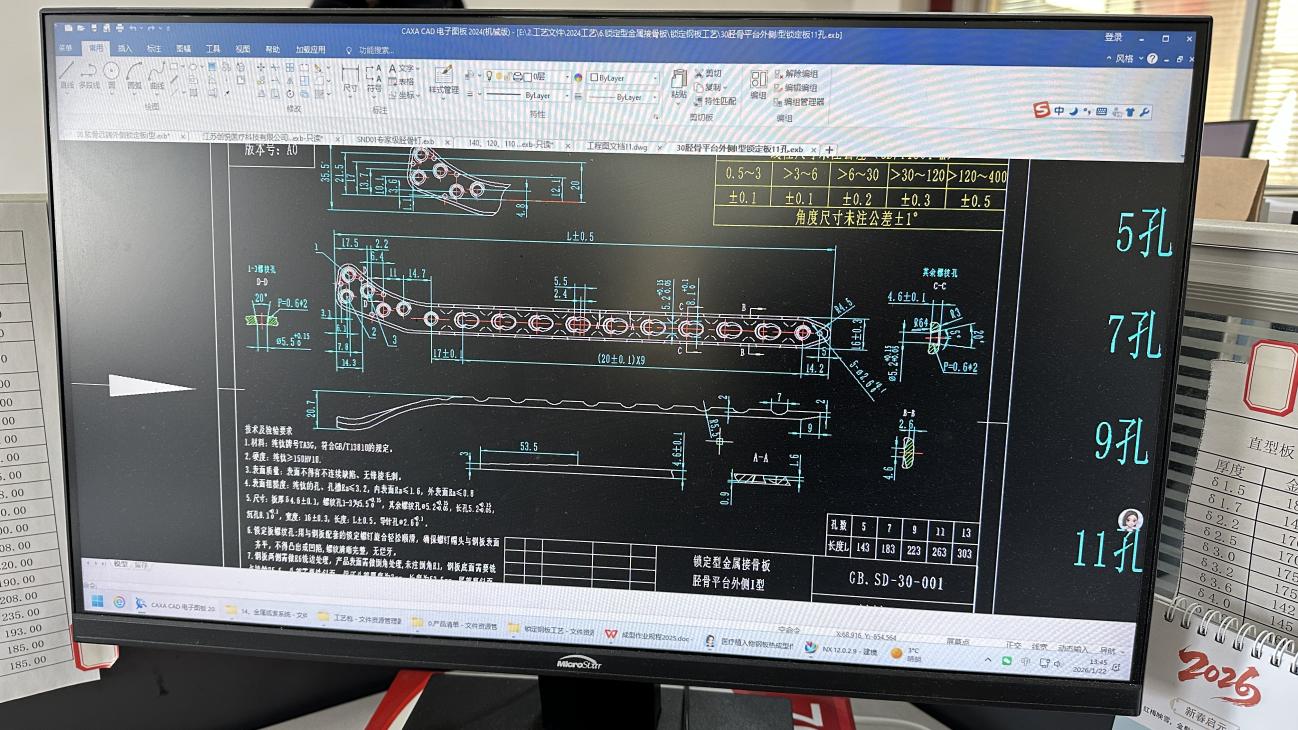
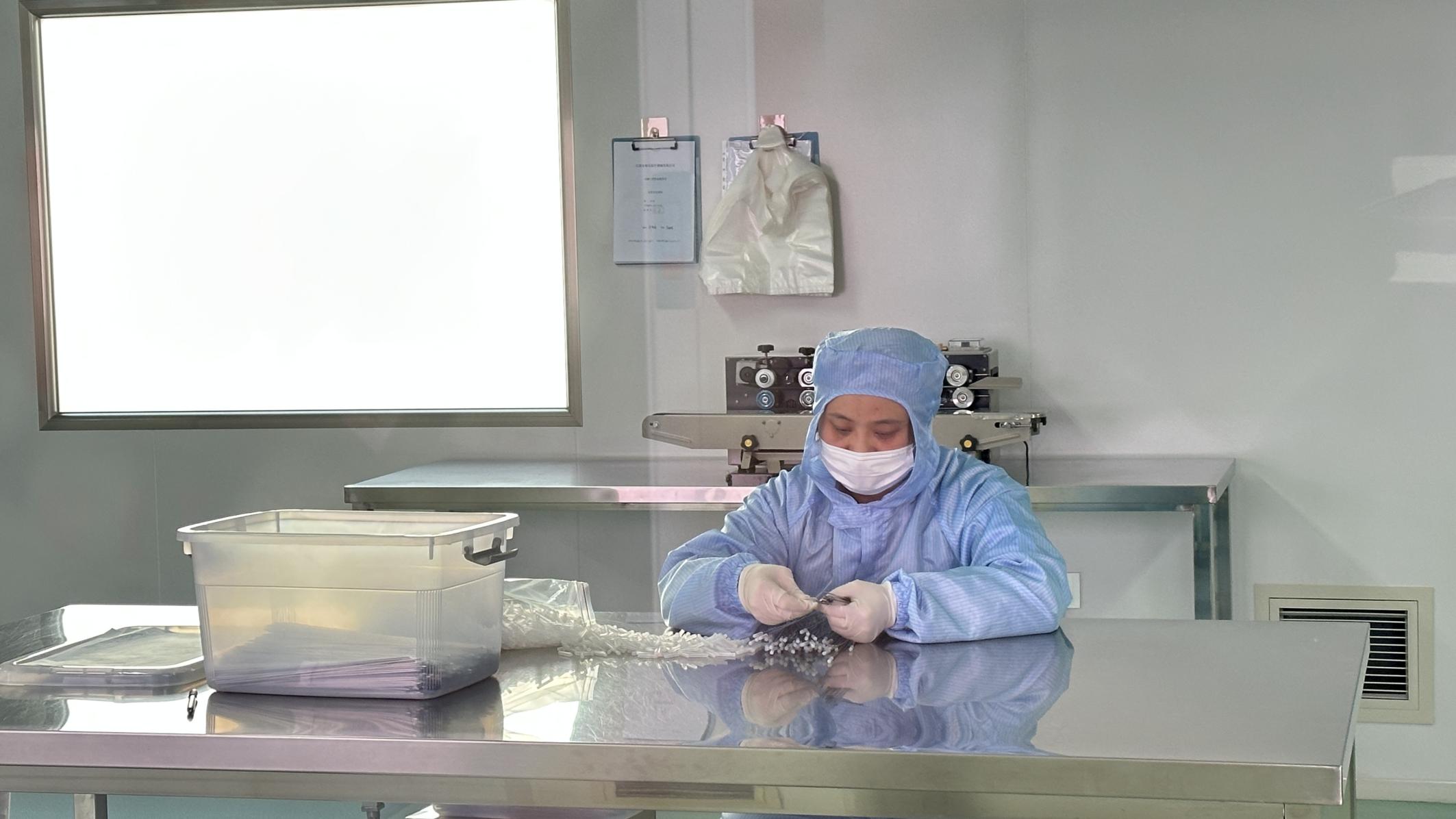
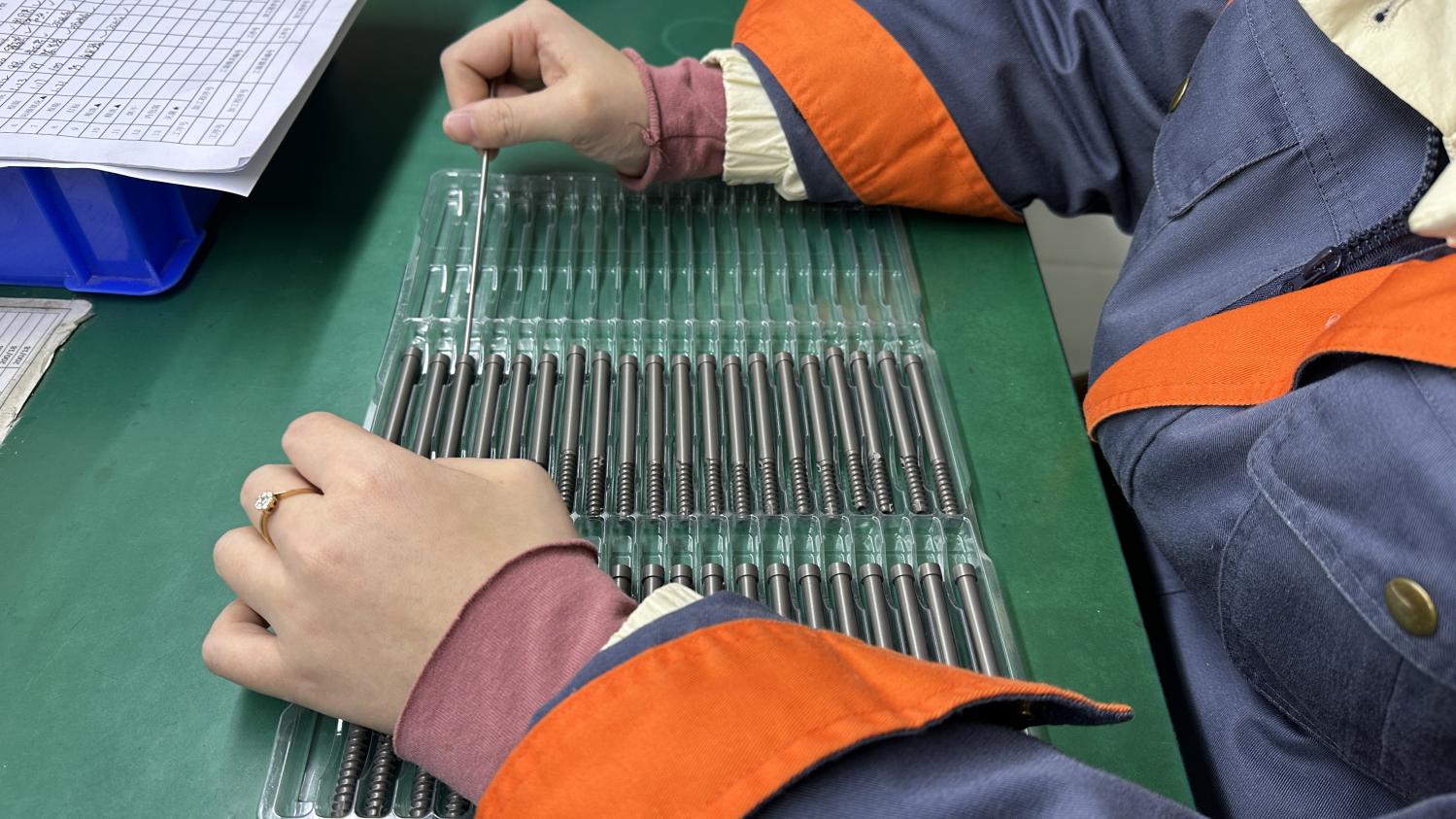
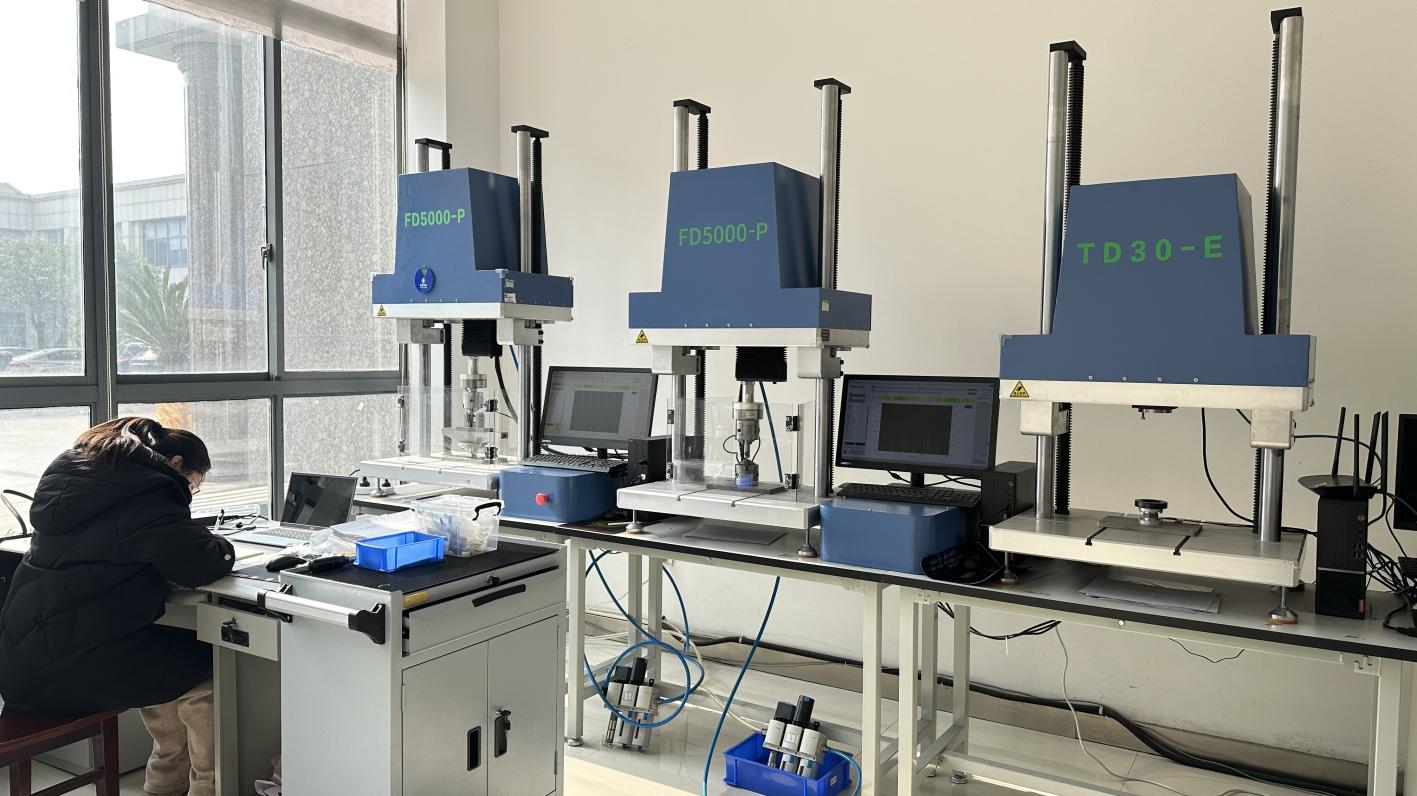
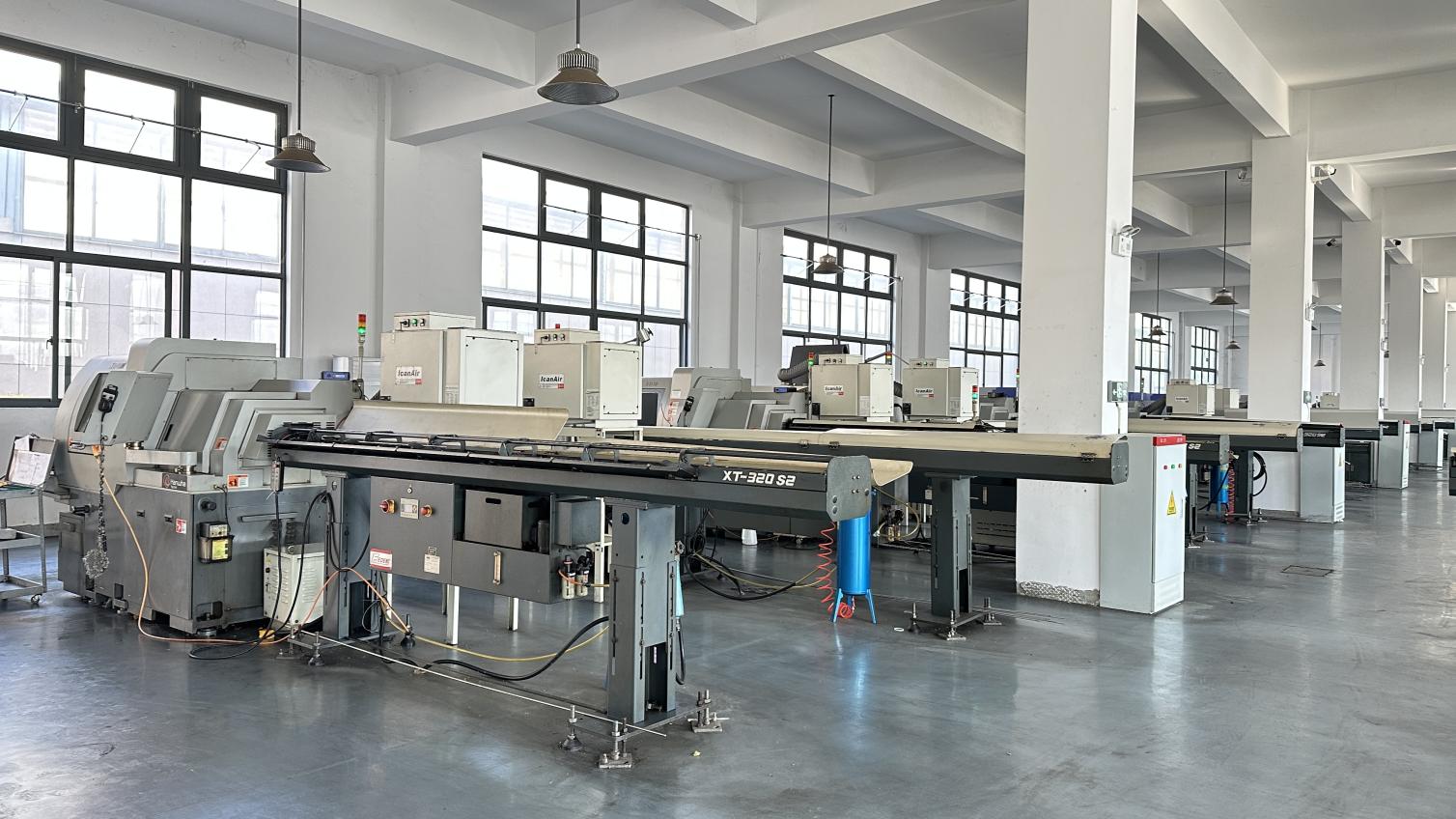
Step-by-step visual demonstration of raw material preparation, high-speed multi-axis CNC milling, quality verification, and laboratory mechanical testing.
Section 5: Localized Applications & Global Industry Trends

Analyzing standard and specialized workflows where patellar and orthopedic components are deployed clinically.

Orthopedic implants must perform under varied physiological profiles and surgical techniques. As patient demand for active lifestyles post-arthroplasty increases, implant designs must adapt. Here are the primary clinical and application pathways defining current medical sourcing trends:

High-Flexion Anatomical Layouts

Modern patient demographics require components that support high degrees of flexion (up to 155°). In Asian regions, cultural habits involving deep squatting and kneeling place higher kinematic demands on patellofemoral tracking. Manufacturers produce specialized asymmetric components that maintain maximum surface contact during deep knee flexion, preventing edge-loading and localized wear.

Revision Arthroplasty Options

Revision cases often present significant osteolytic bone loss behind the patellar body. In such scenarios, manufacturers supply high-thickness components or custom porous titanium backings that interlock with trabecular structures, restoring appropriate patellar height and biomechanical balance.

Minimal Access Instrumentation

Minimally invasive surgeries (MIS) require specialized surgical instrumentation. Alignment guides and sizing templates are designed to operate within narrow incisions, providing precise osteotomy cuts while sparing surrounding soft tissue and vascular structures.

Section 6: Global Procurement & Regulatory Compliance

Ensuring seamless import/export operations, quality certificates, and supply chain alignment with regulatory agencies.

Importing medical implants requires rigorous attention to regulatory frameworks. Global procurement teams evaluating China-based orthopedic manufacturing partners should verify:
  • Quality System Auditing: Factories must maintain valid ISO 13485 certification. Annual audits ensure that raw material verification, IPQC, final testing, and cleanroom records remain transparent and queryable.
  • Material Certification: Supplier materials must contain valid Mill Test Certificates (MTC) indicating chemical compostion and mechanical testing according to ASTM F136 (Titanium) or ASTM F648 (UHMWPE).
  • Regulatory Clearance: For sales into major markets, products must hold CE certificates under EU MDR or relevant national registrations.
  • Biocompatibility Compliance: Full evaluation reports matching ISO 10993 requirements (cytotoxicity, sensitization, systemic toxicity, and genotoxicity) must be readily accessible.

Section 7: Deep Industry Technical FAQ

Expert responses to critical engineering, manufacturing, and procurement inquiries.
What raw material standards are followed for orthopedic patellar implants?
Patellar components are machined from medical-grade Ultra-High-Molecular-Weight Polyethylene (UHMWPE) meeting ASTM F648 and ISO 5834 standards. For implant bases that include metal support plates, Titanium Alloy (Ti-6Al-4V ELI) conforming to ASTM F136 and ISO 5832-3 is utilized due to its excellent strength-to-weight ratio, fatigue life, and biological compatibility.
Why is a three-peg design often preferred over a monopeg option?
A three-peg design provides superior rotational stability and resistance against shear forces encountered during knee extension and flexion. It increases the cement interlock area and helps prevent aseptic loosening. Single-peg variants are typically reserved for patients with smaller patellae or limited bone stock where a three-peg layout could compromise structural bone integrity.
What dynamic fatigue testing protocols are executed on joint components?
Mechanical testing labs perform fatigue tests under physiological loading simulations up to 10 million cycles (in accordance with ASTM standards like ASTM F1800 or similar protocols). These evaluate resistance to plastic deformation, delamination, cracking, and peg shear under peak loads simulating high-impact physical activities.
How does Vitamin E inclusion protect UHMWPE from long-term wear?
During irradiation cross-linking, free radicals are generated within the polyethylene structure. These radicals can react with oxygen over time, leading to oxidation, embrittlement, and material failure. Infusing Vitamin E (alpha-tocopherol) neutralizes these free radicals, offering long-term resistance to oxidation without degrading the mechanical properties of the implant.
What options are available for sterilization and final packaging?
Manufacturers offer components sterile-packaged via Ethylene Oxide (EO) gas exposure or Gamma Irradiation (typically minimum dose 25 kGy) inside sterile double Tyvek bags. Non-sterile packaging options are also available for institutions or distributors who perform sterilization locally in autoclaves.
What is the typical manufacturing lead time for custom OEM projects?
OEM projects typically follow a structured path: design approval and 3D modeling (1-2 weeks), custom prototyping (2-3 weeks), clinical trial run and verification (4 weeks), and full production (4-8 weeks, depending on order size and custom tooling requirements).
How is raw material quality monitored?
Incoming inspection (IQC) tests every batch of raw material using chemical spectral analysis, hardness testing, tensile strength evaluation, and microstructure validation. This guarantees no non-conforming materials enter the CNC production lines.
What is the shelf life of sterilized orthopedic implants?
The standard shelf life of sterile-packaged orthopedic implants is five years, provided the sterile packaging integrity is maintained. Storage areas must be dry, dark, and temperature-controlled to prevent material degradation.