Medisplint
Medisplint
Medisplint
Explore our foundational range of premium orthopedic surgical components and power tools, manufactured to rigorous B2B export criteria.
An Industry Leader in Titanium Trauma Fixation & Reconstruction Systems
Established in 2016, Medisplint Orthopedic Instruments Co., Ltd. has established a formidable global footprint as a specialized designer, developer, and manufacturer of orthopedic implants, advanced internal fixation systems, and high-precision surgical instruments. Catering to the rigorous demands of trauma surgery, spine surgeries, and joint reconstructions, we leverage premium biomedical raw materials and high-efficiency automation.
Our core engineering philosophy focuses on enhancing clinical outcomes. We manufacture implants utilizing elite-grade ASTM F136 Titanium Alloy, ensuring biocompatibility, extreme fatigue resistance, and optimal modulus of elasticity.
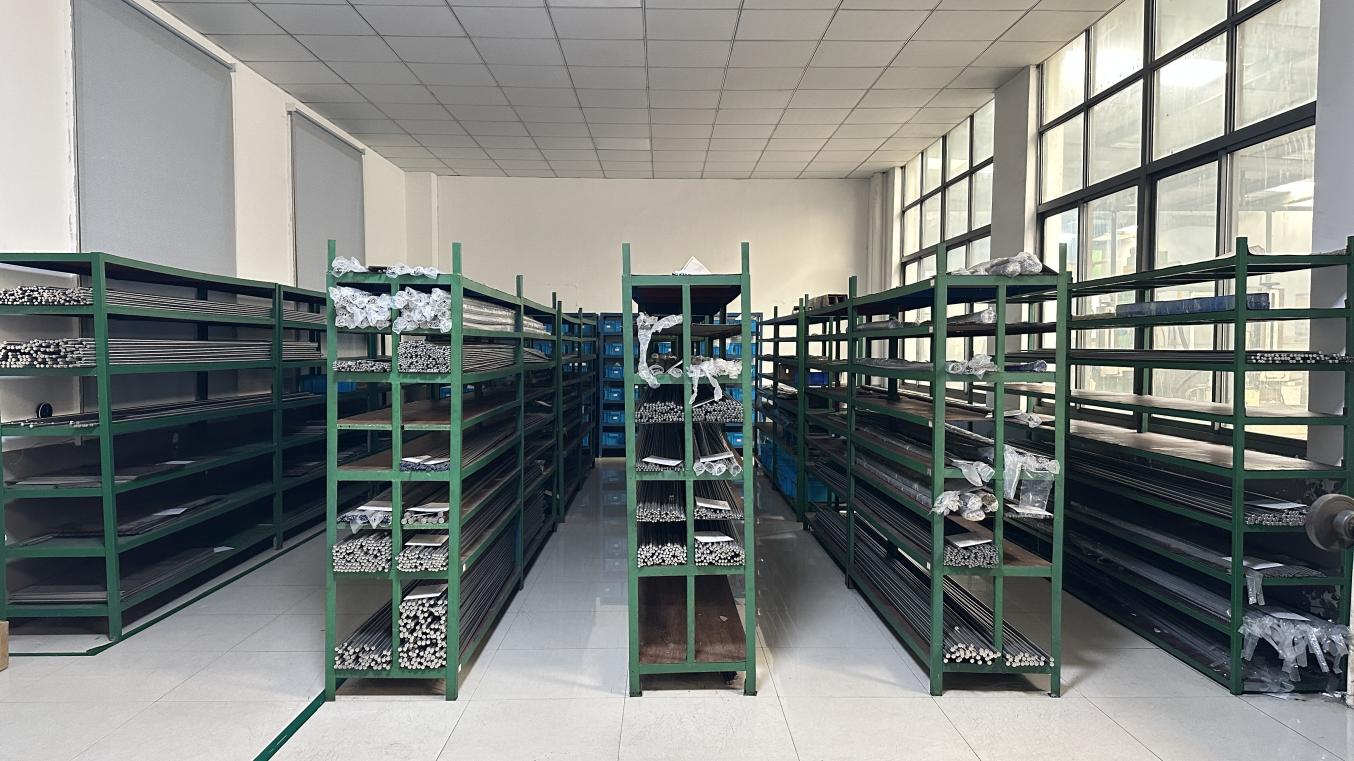
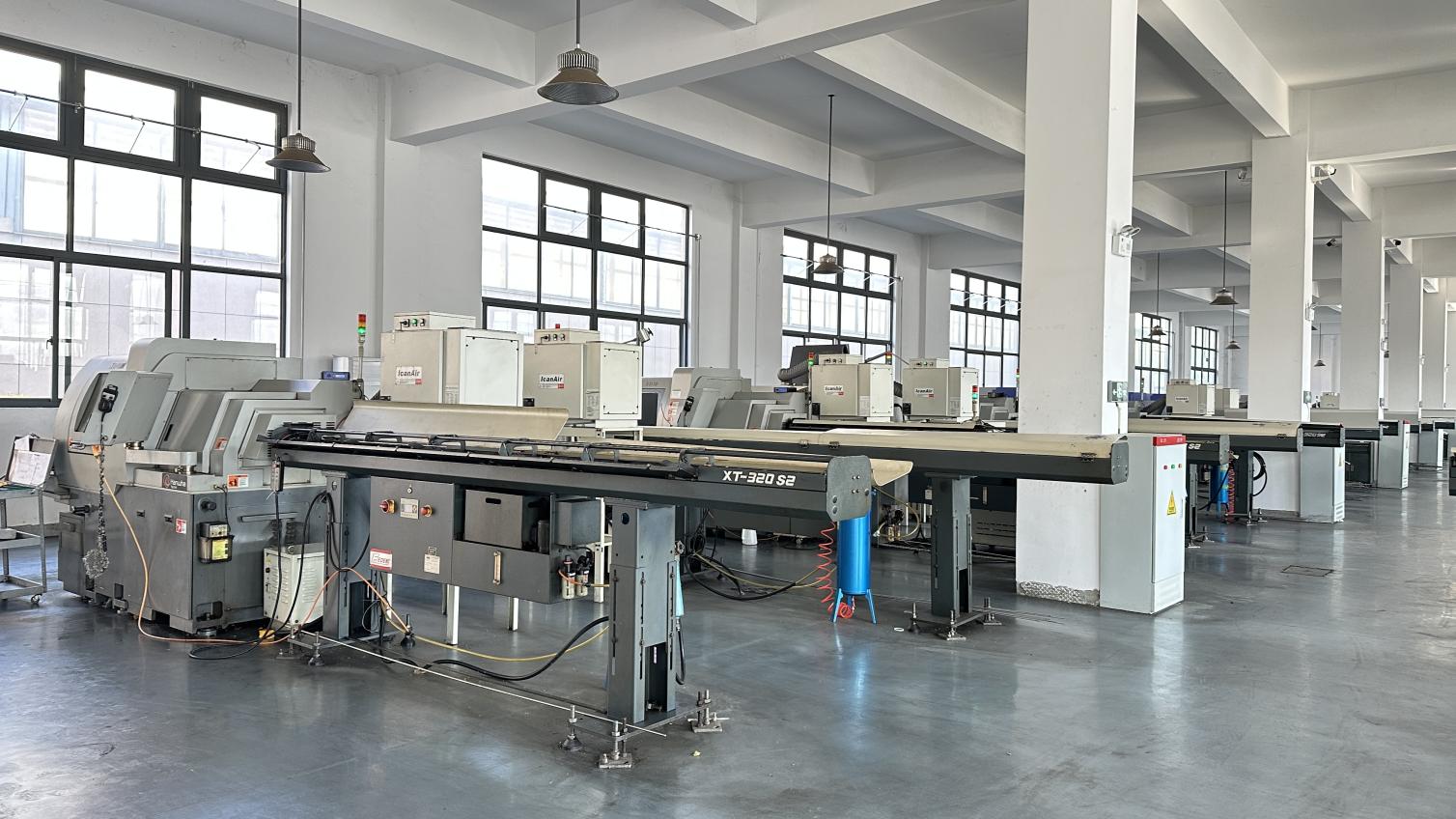
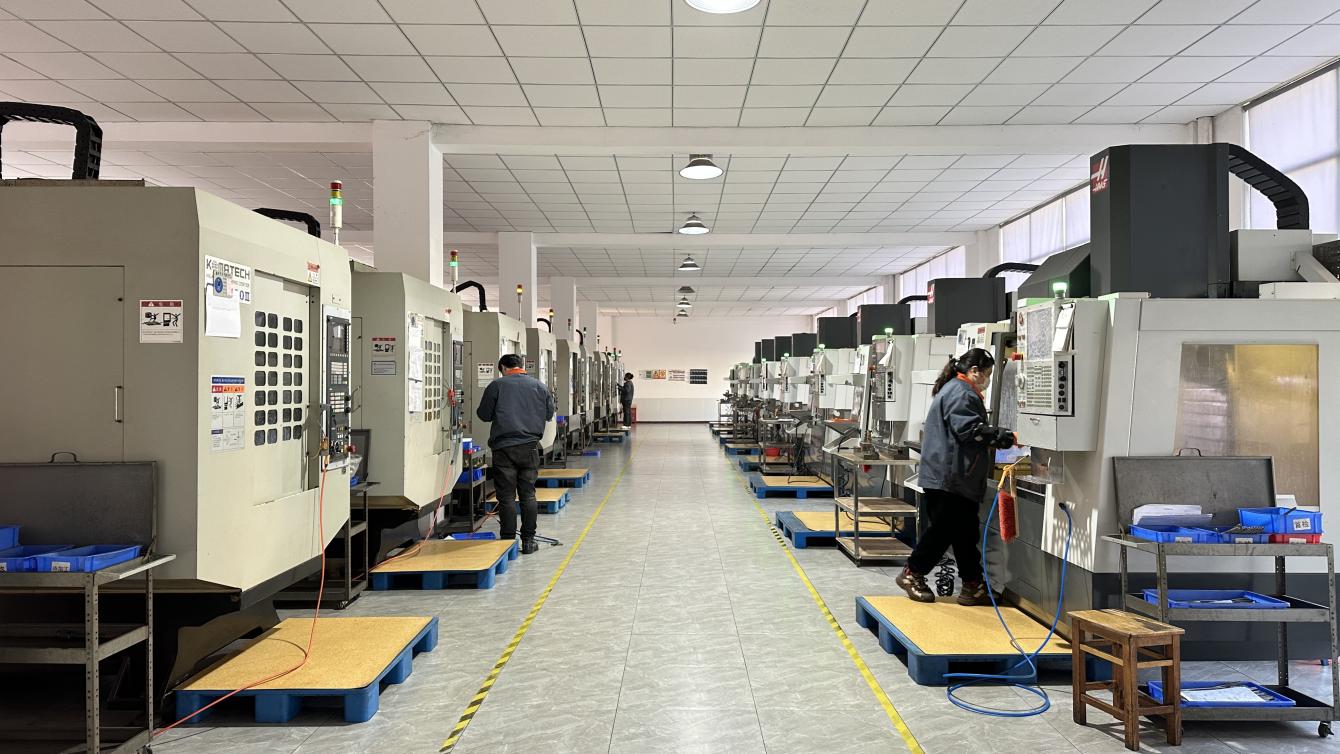
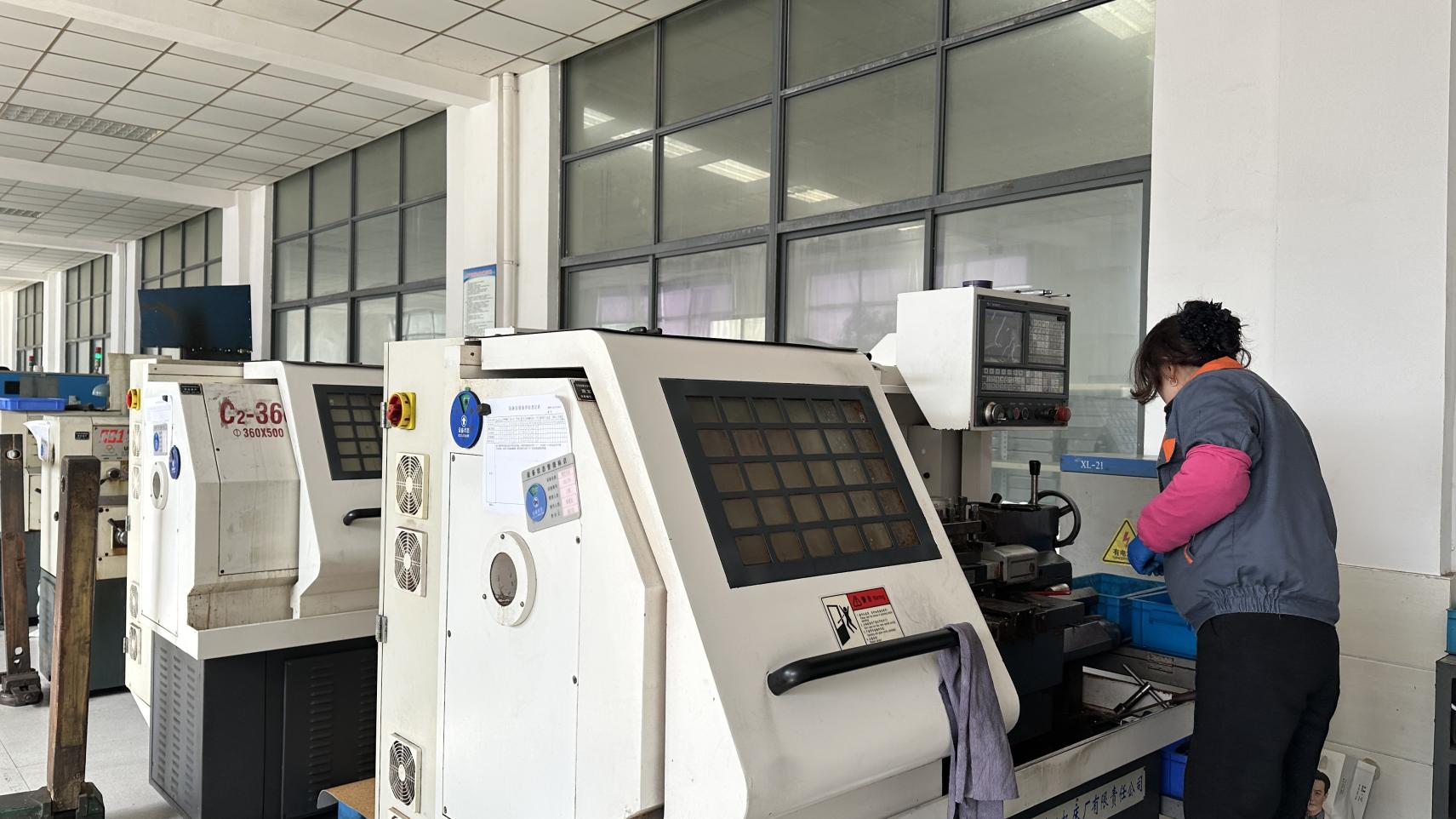
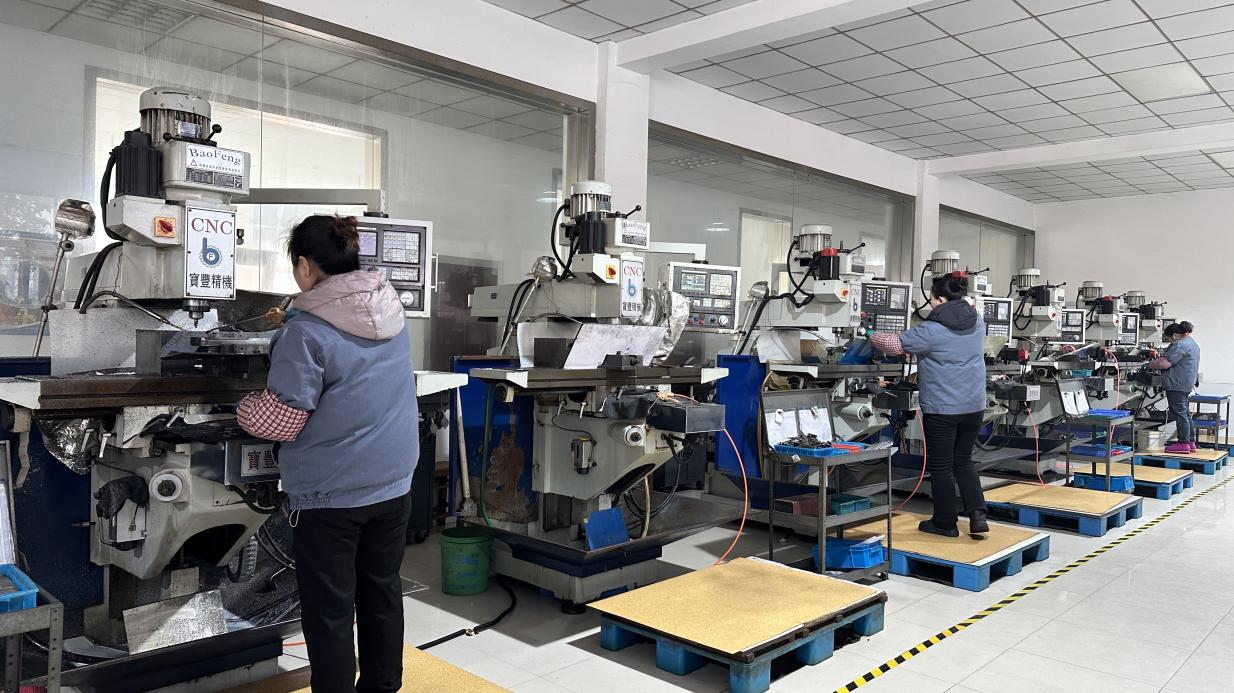
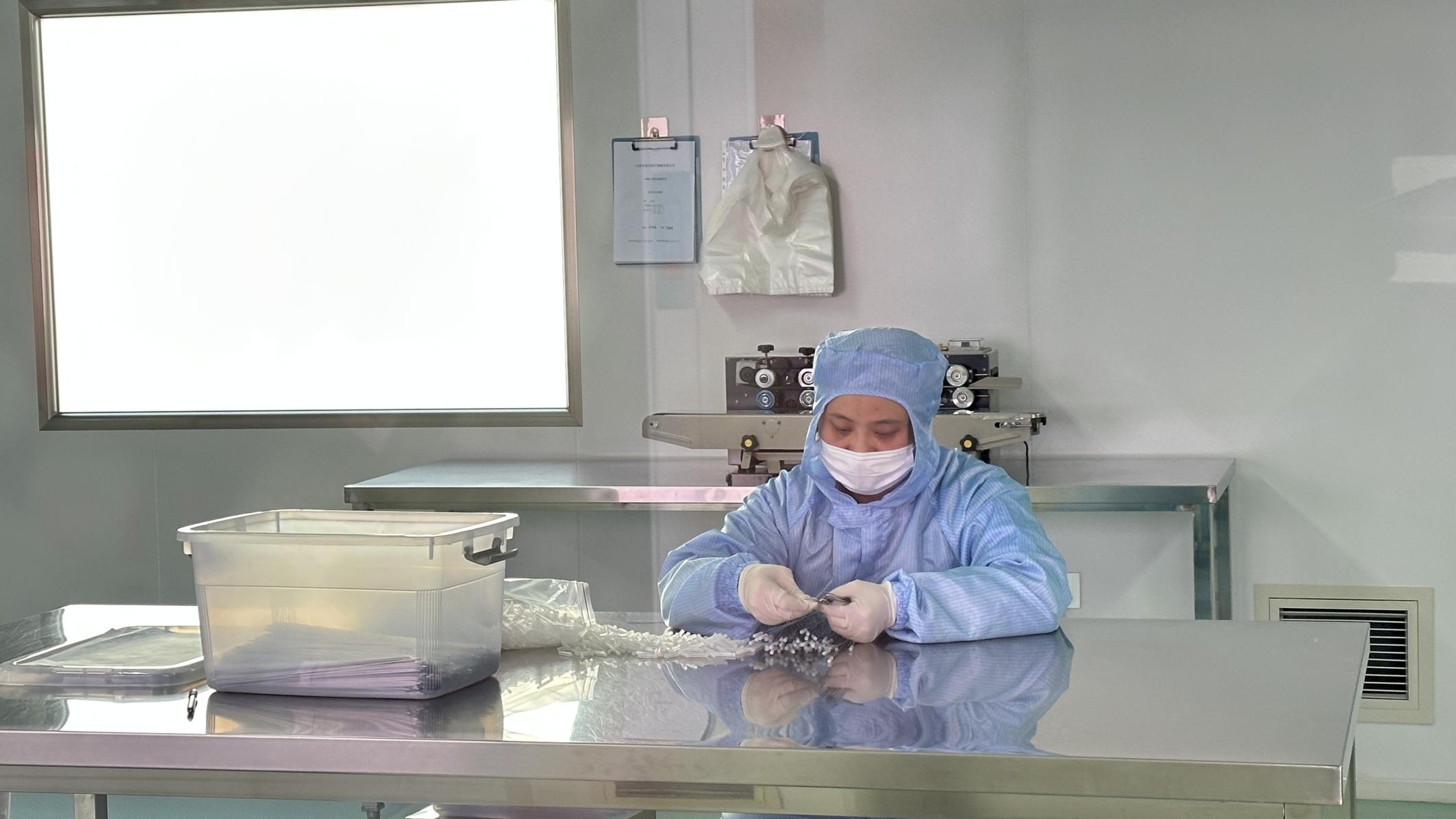
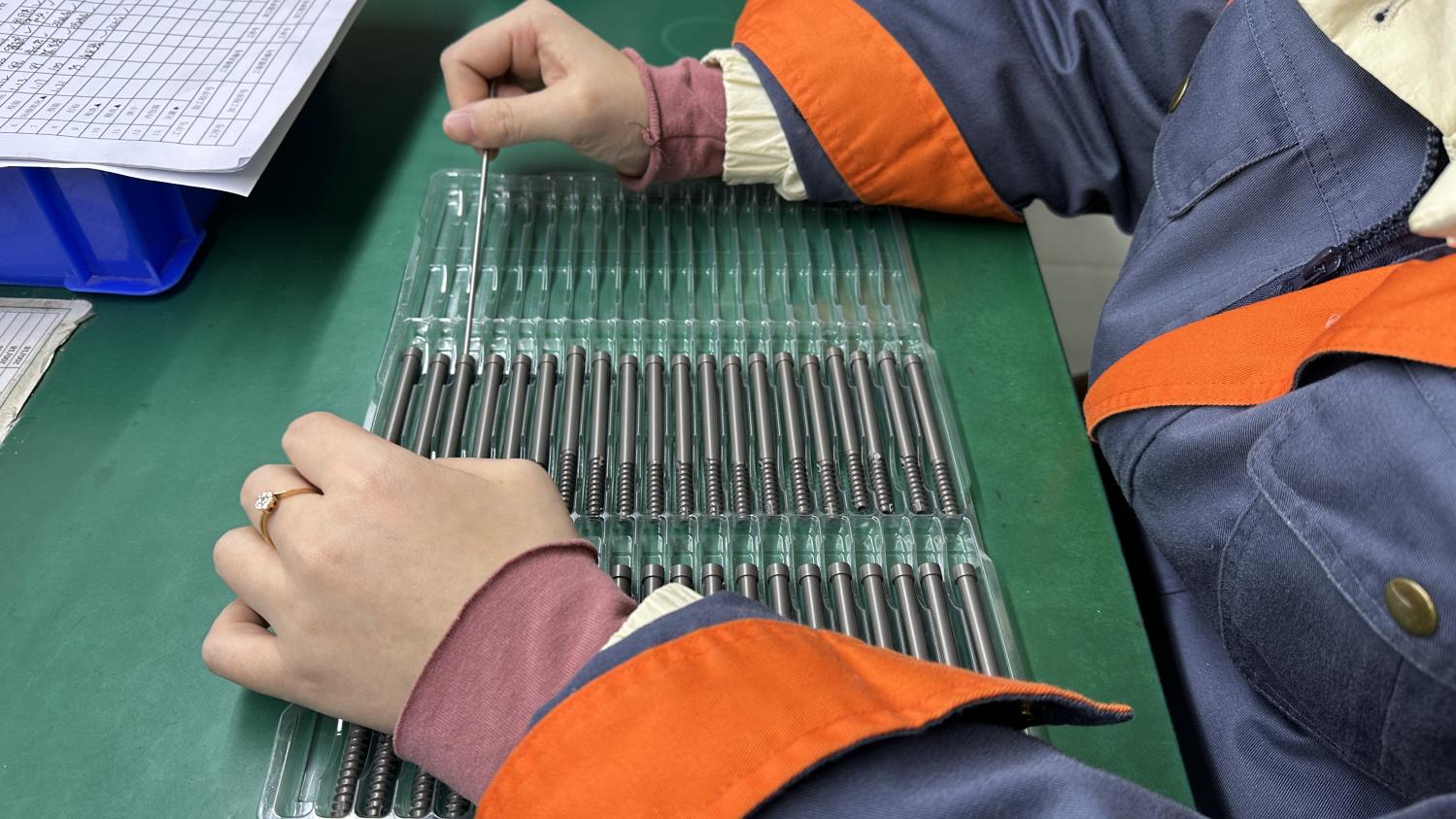
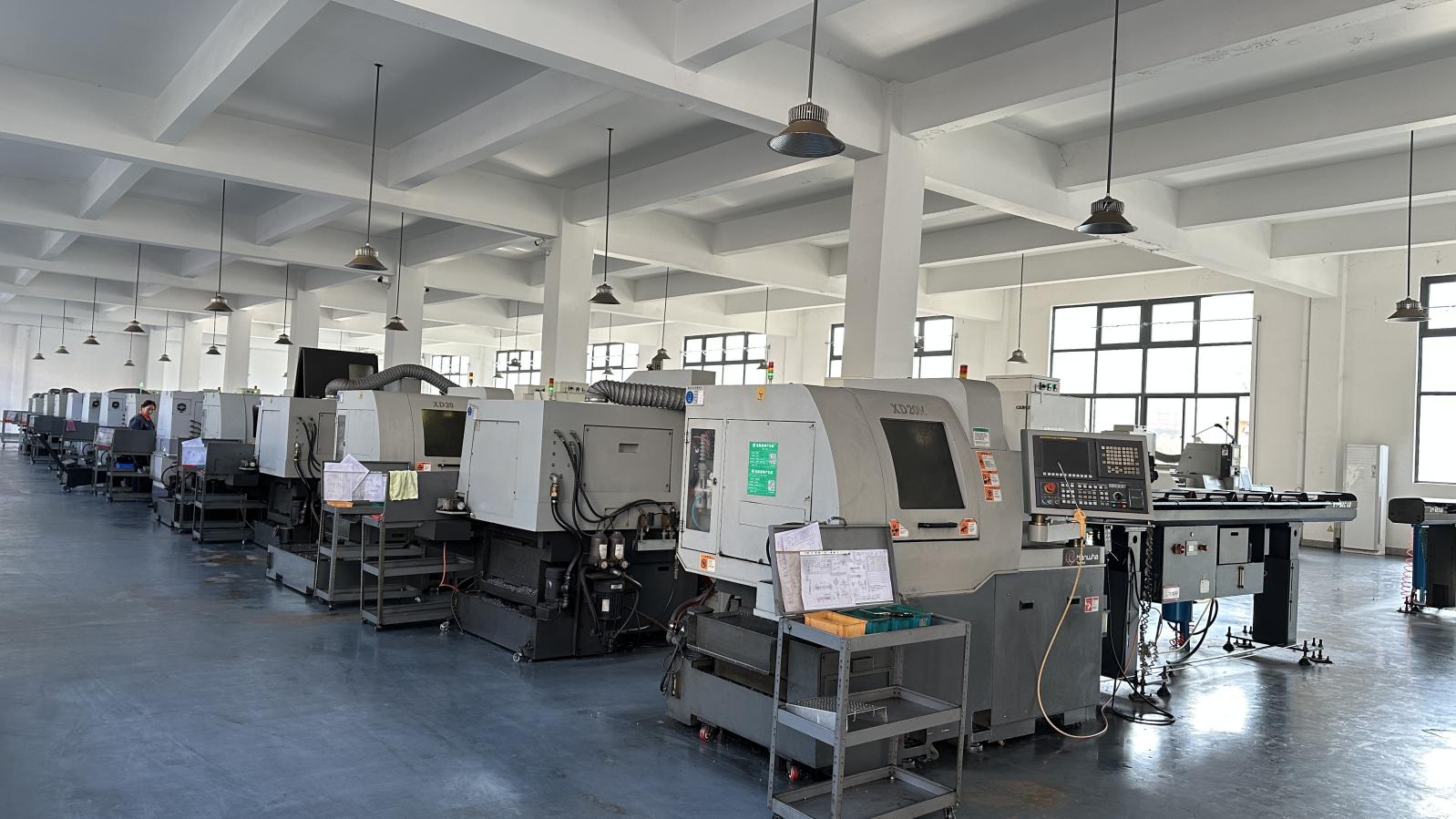
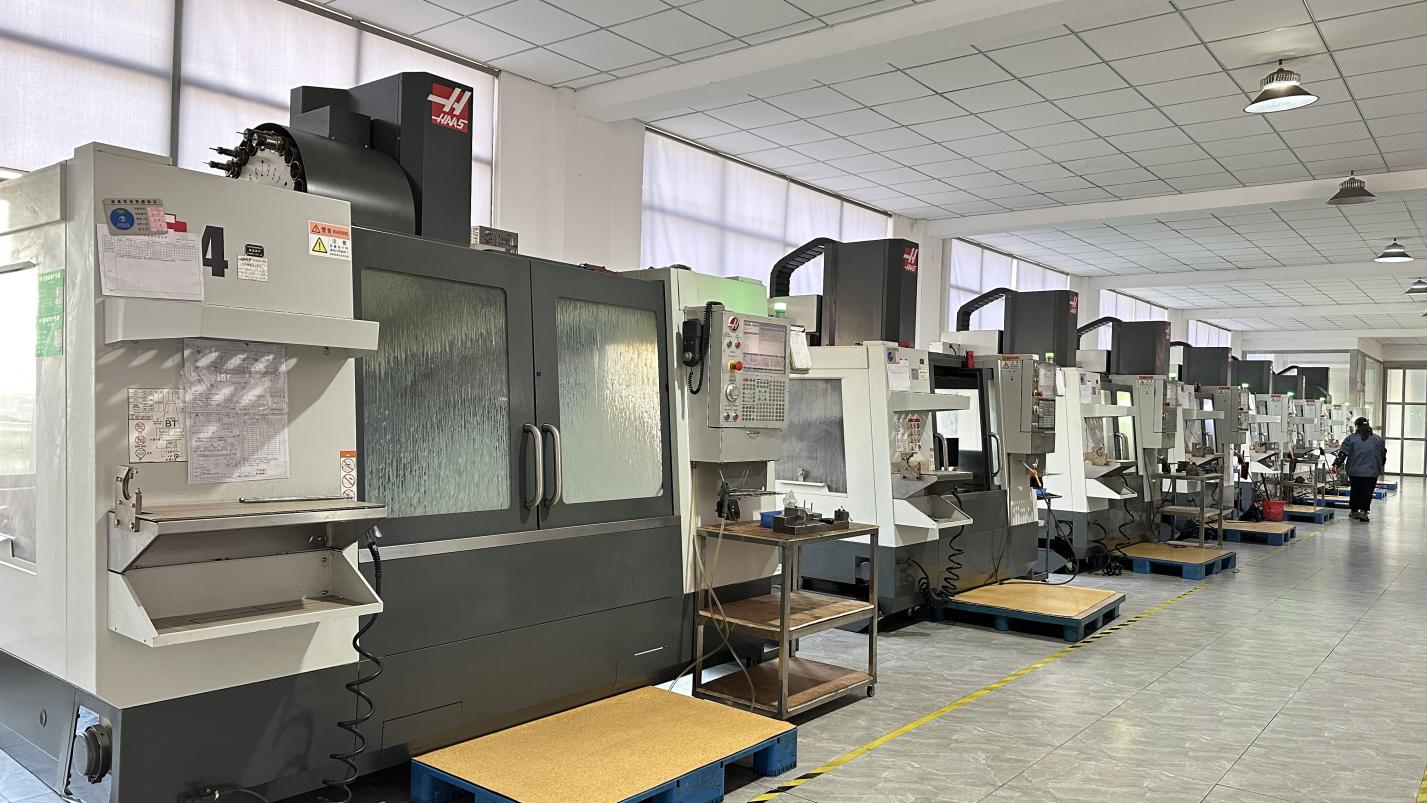
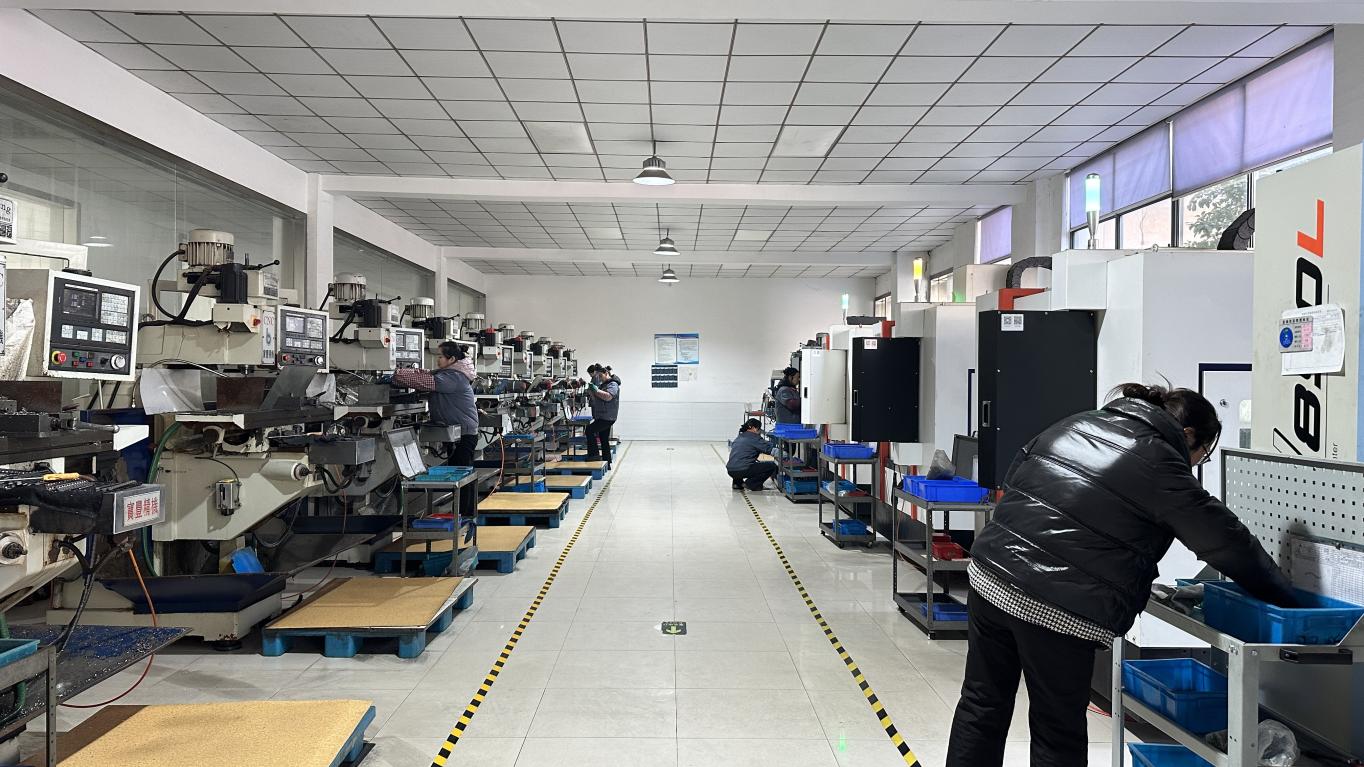
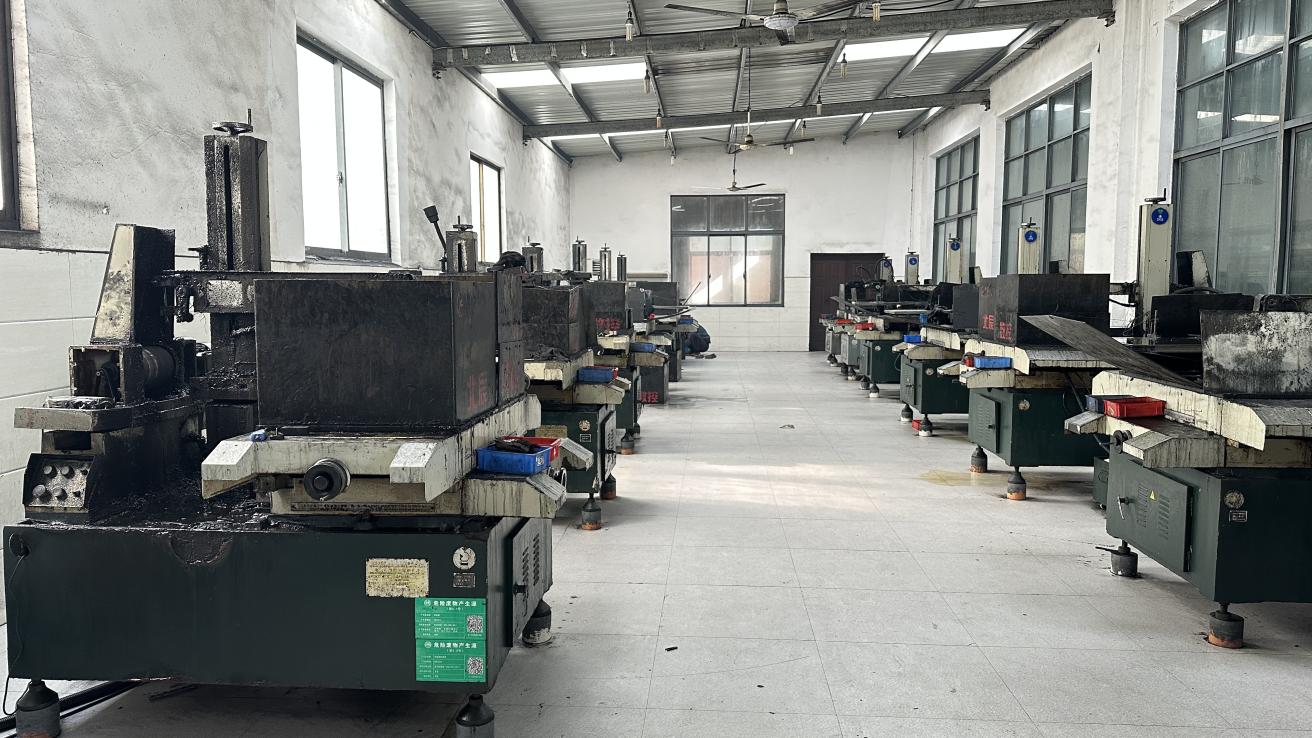
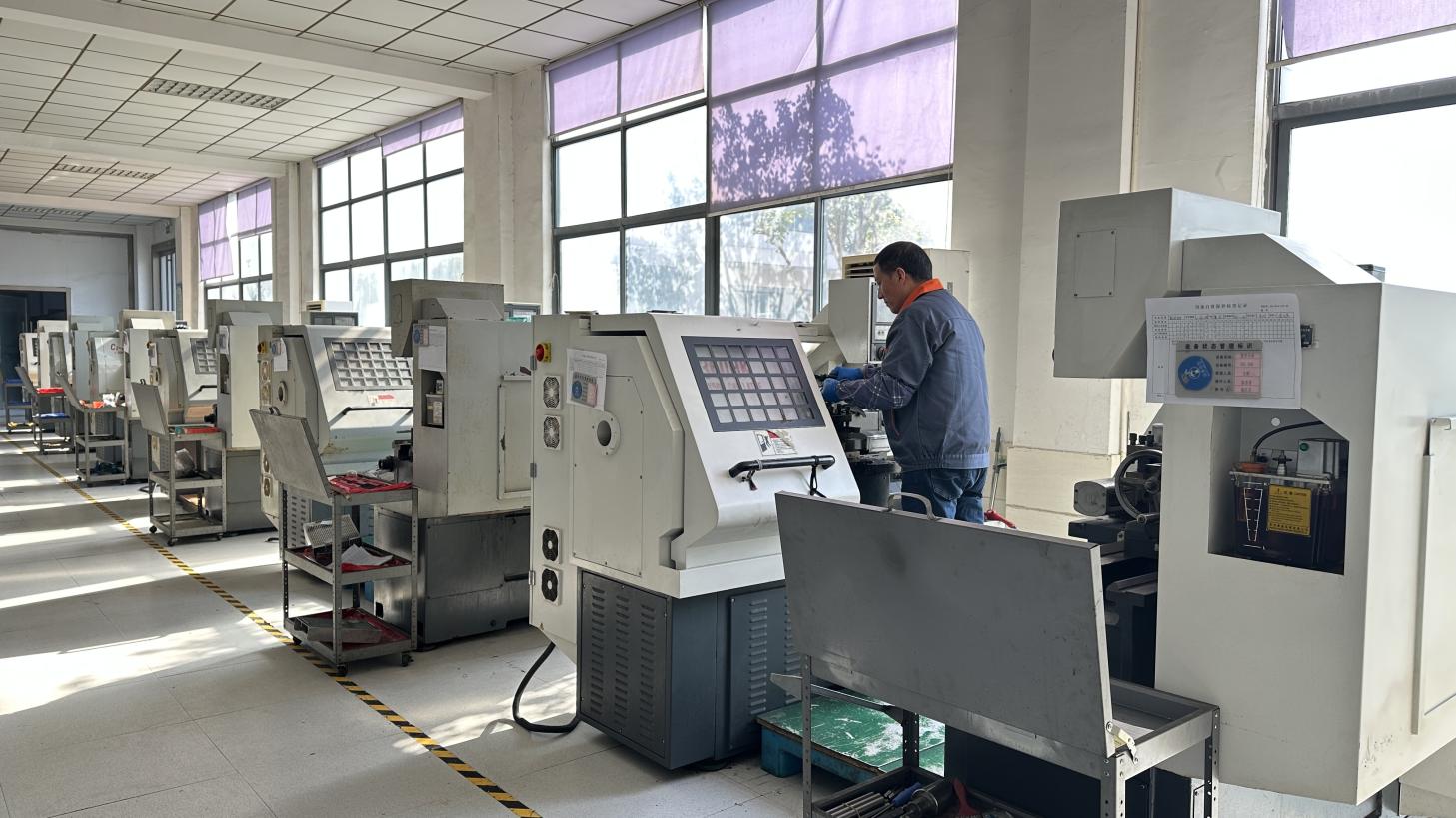
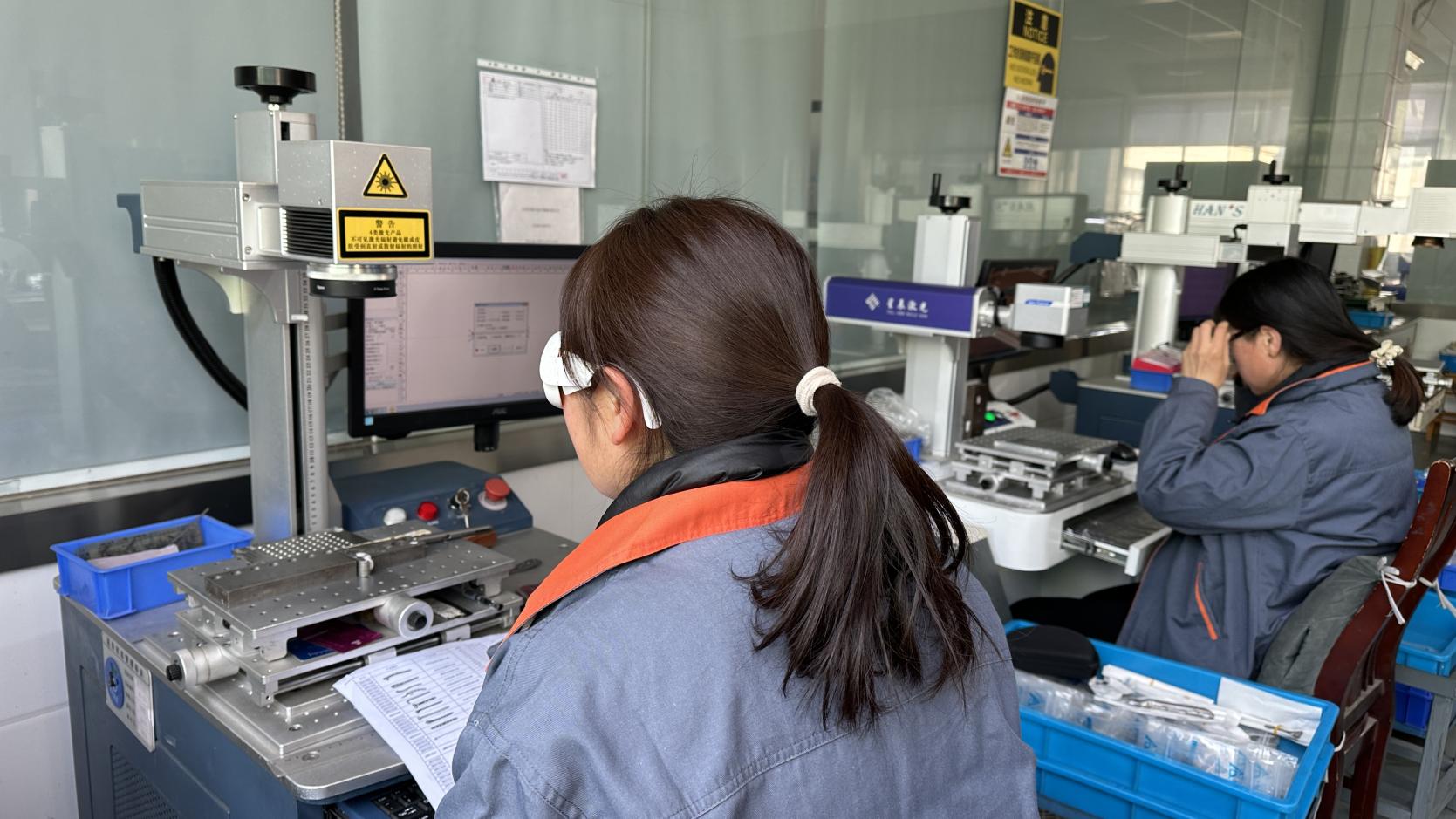
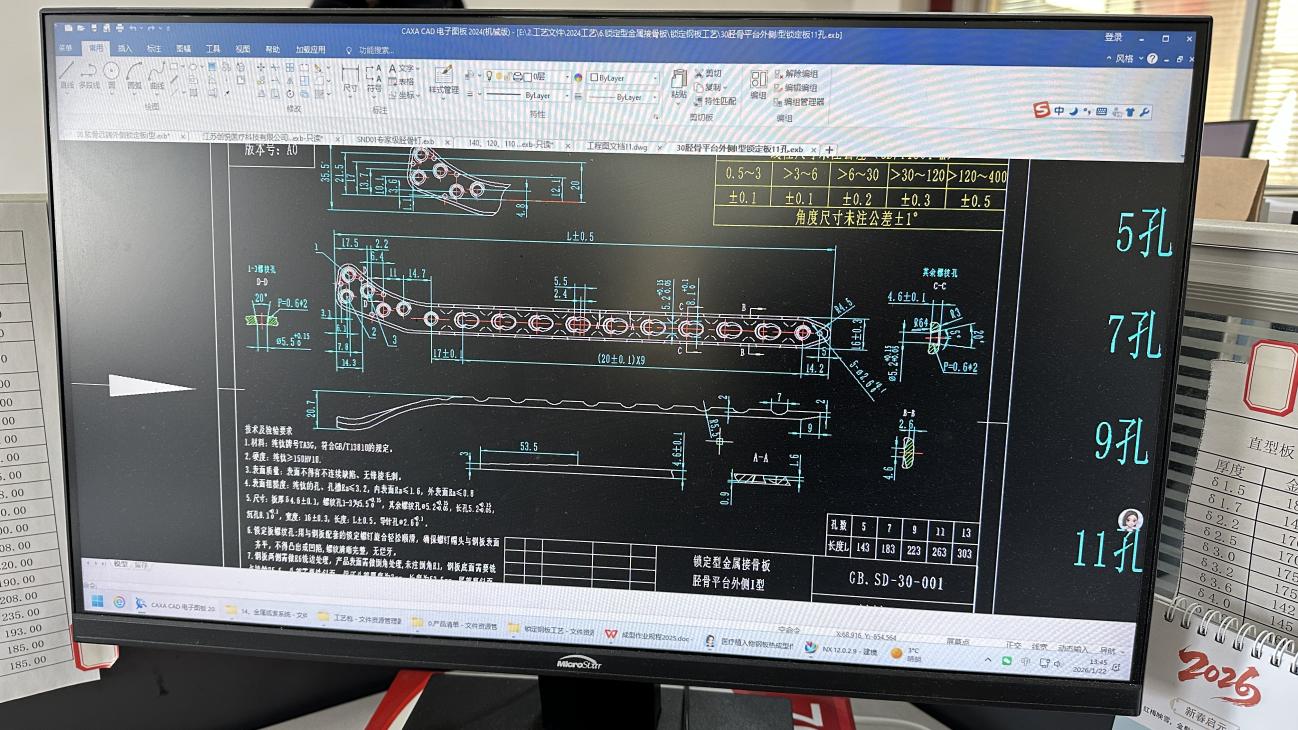
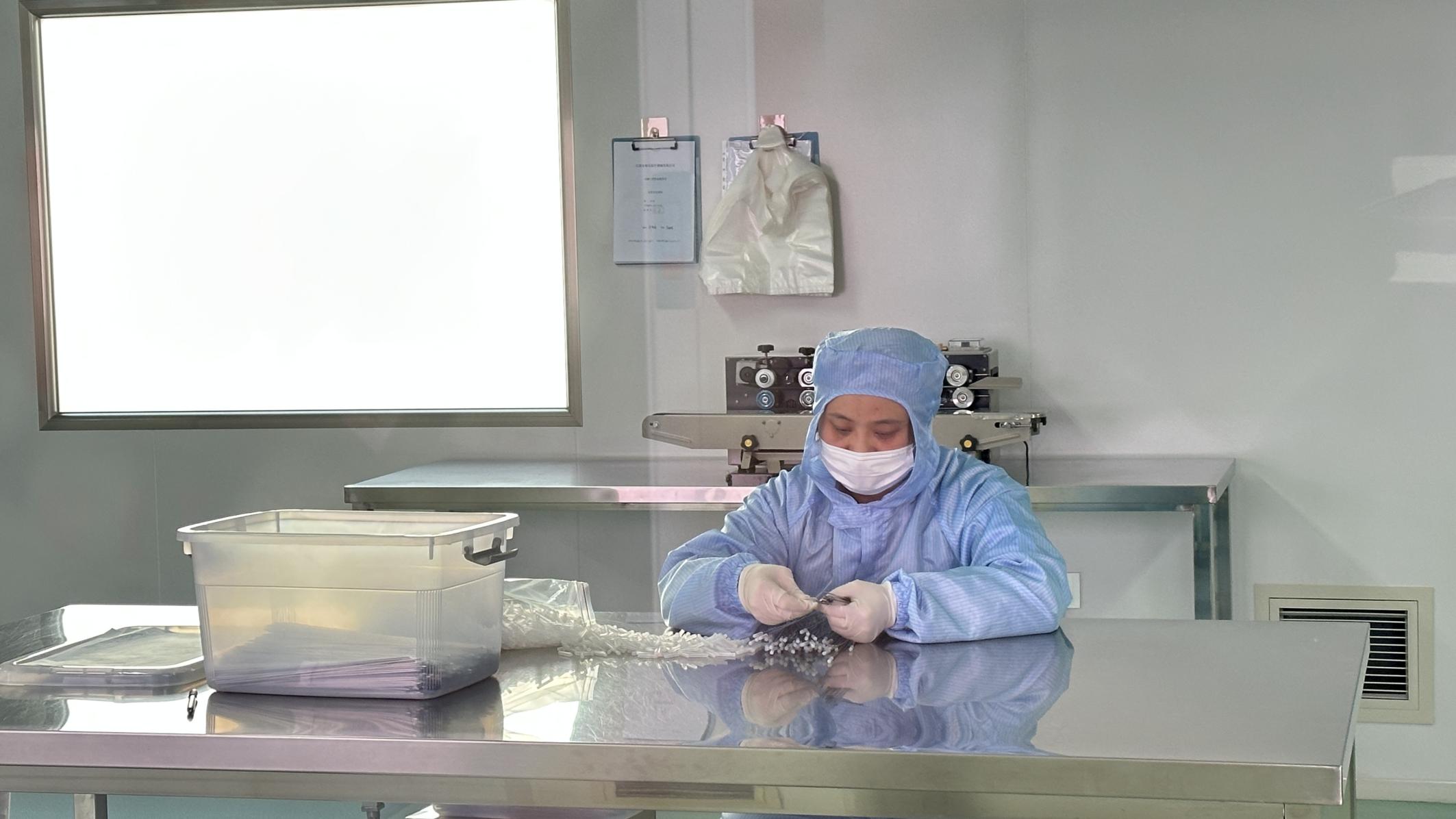
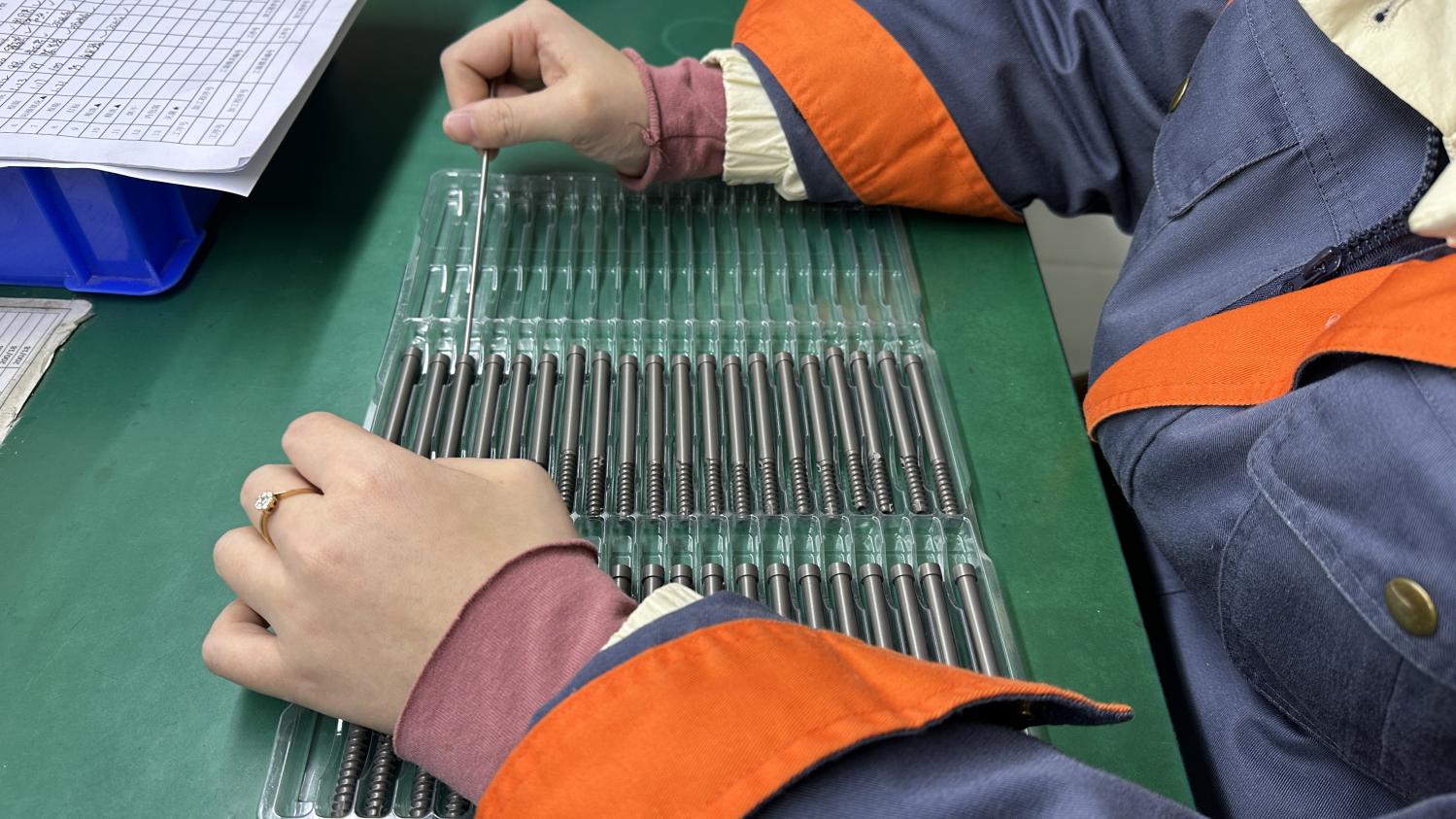
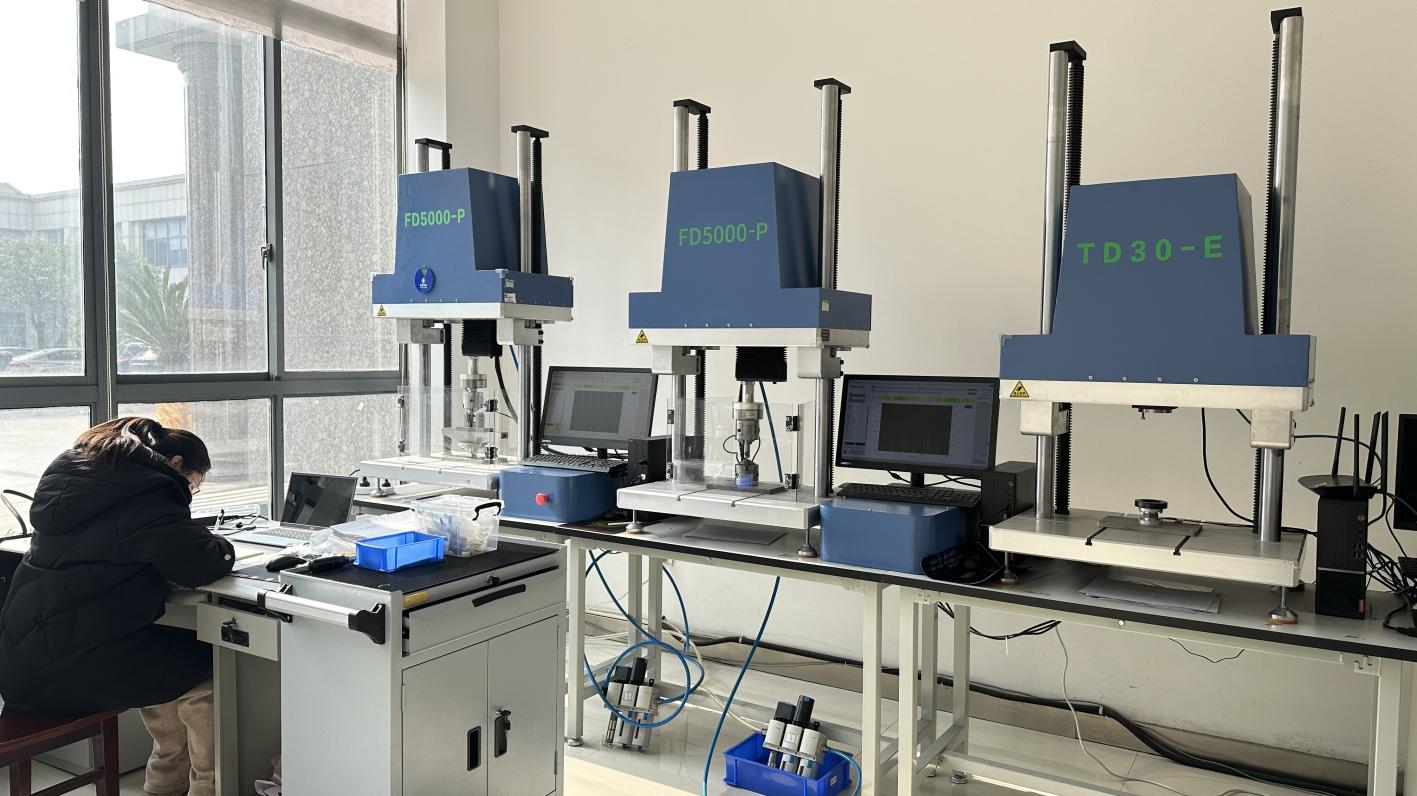
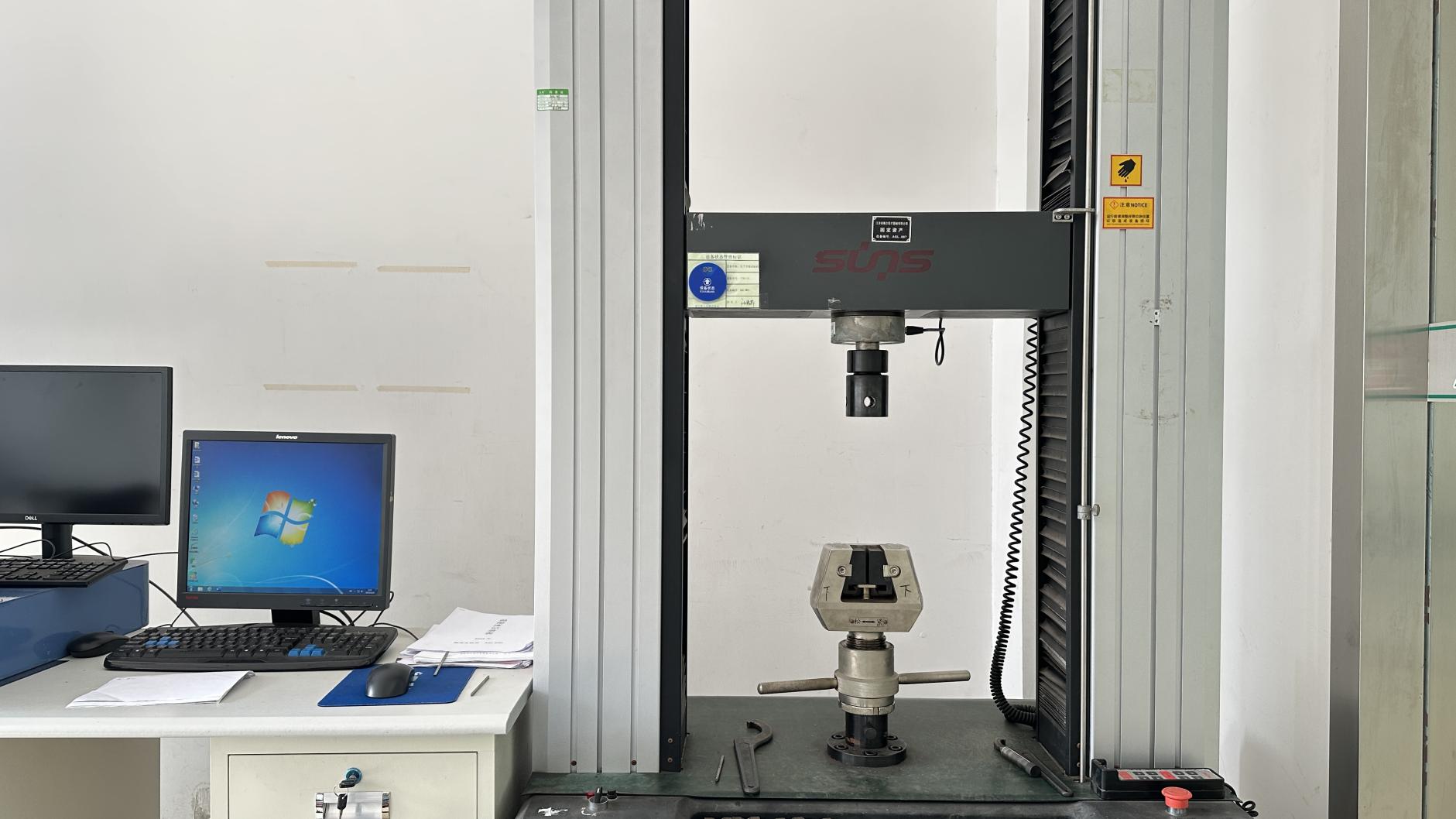
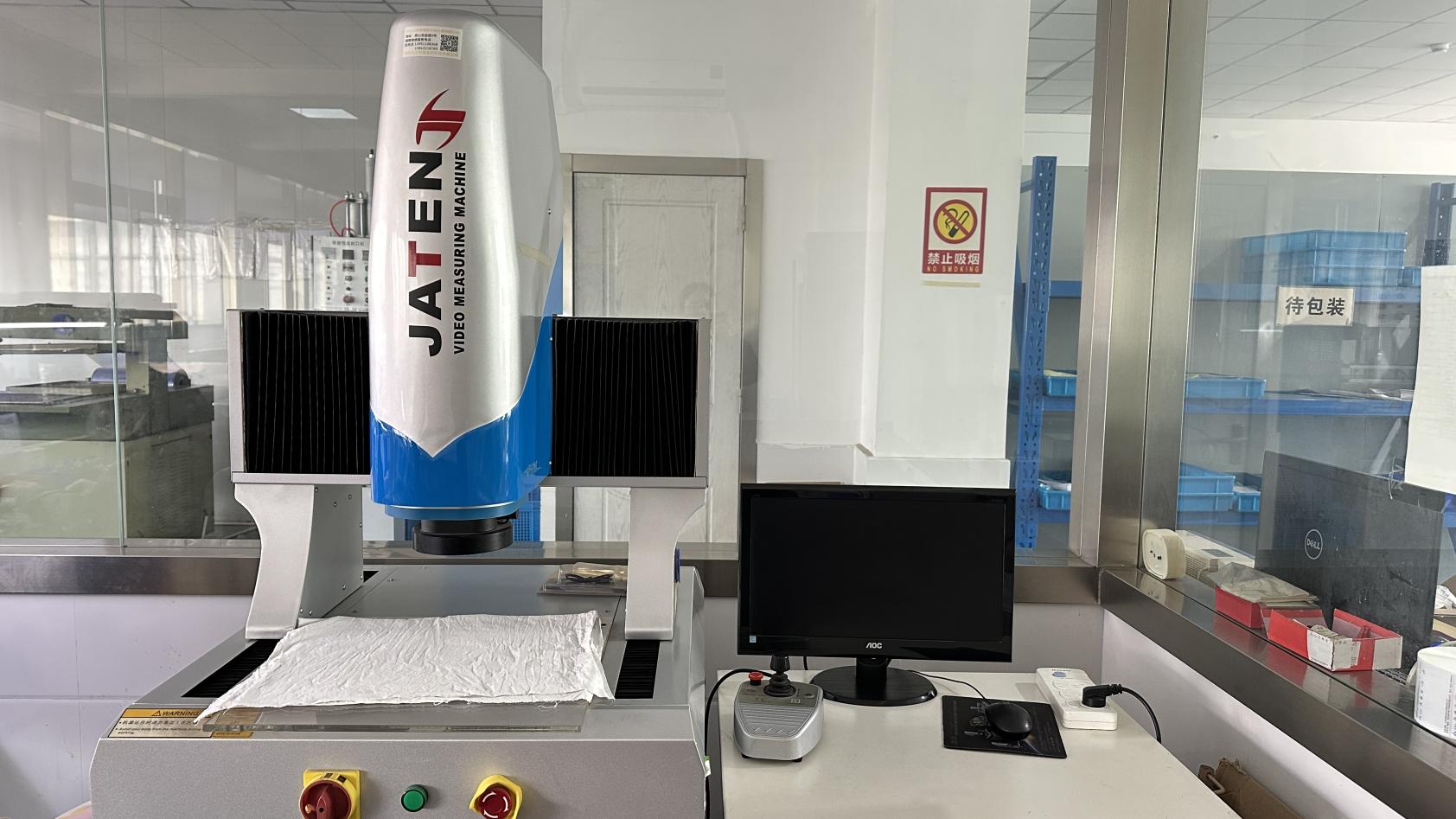
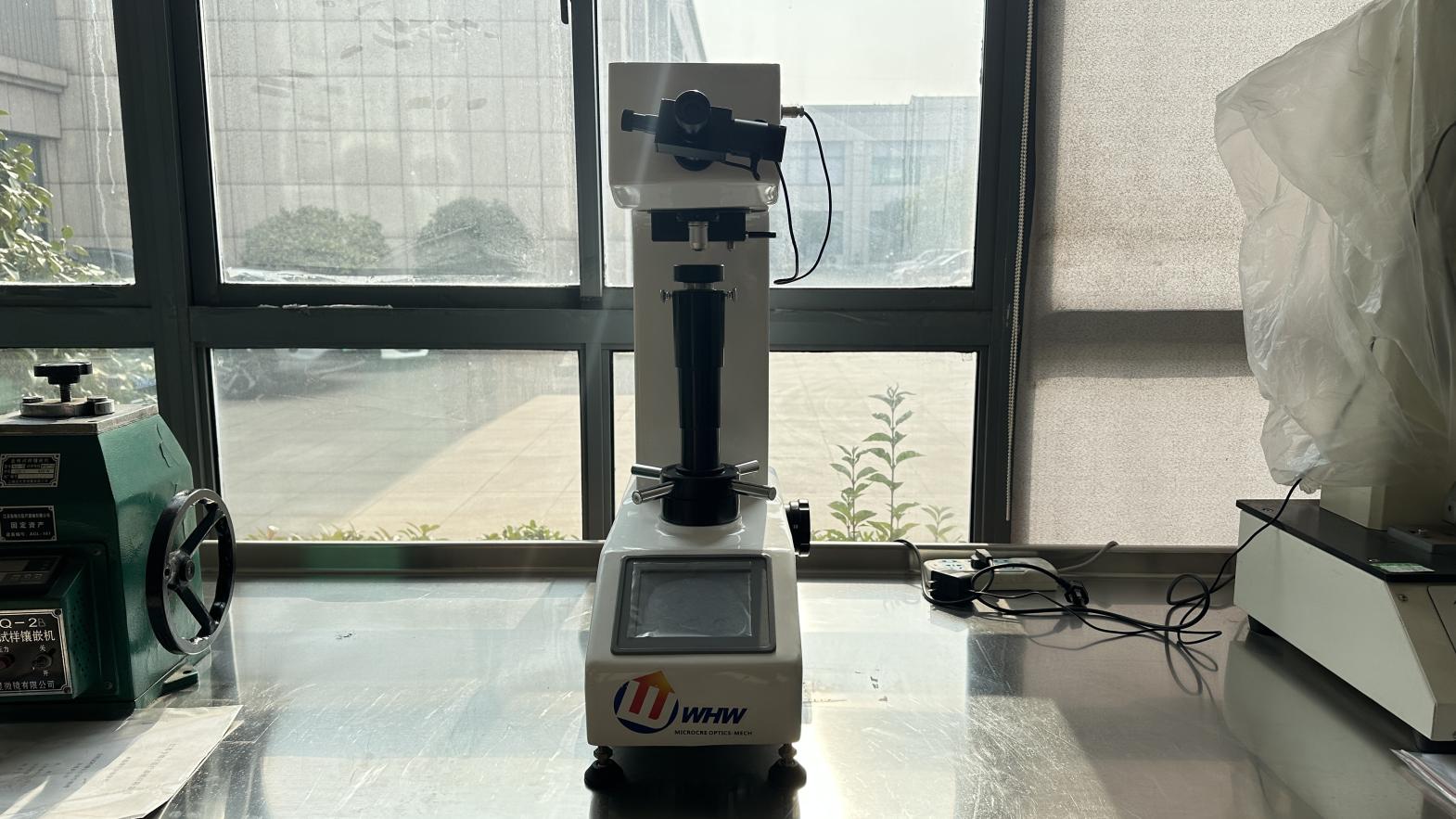
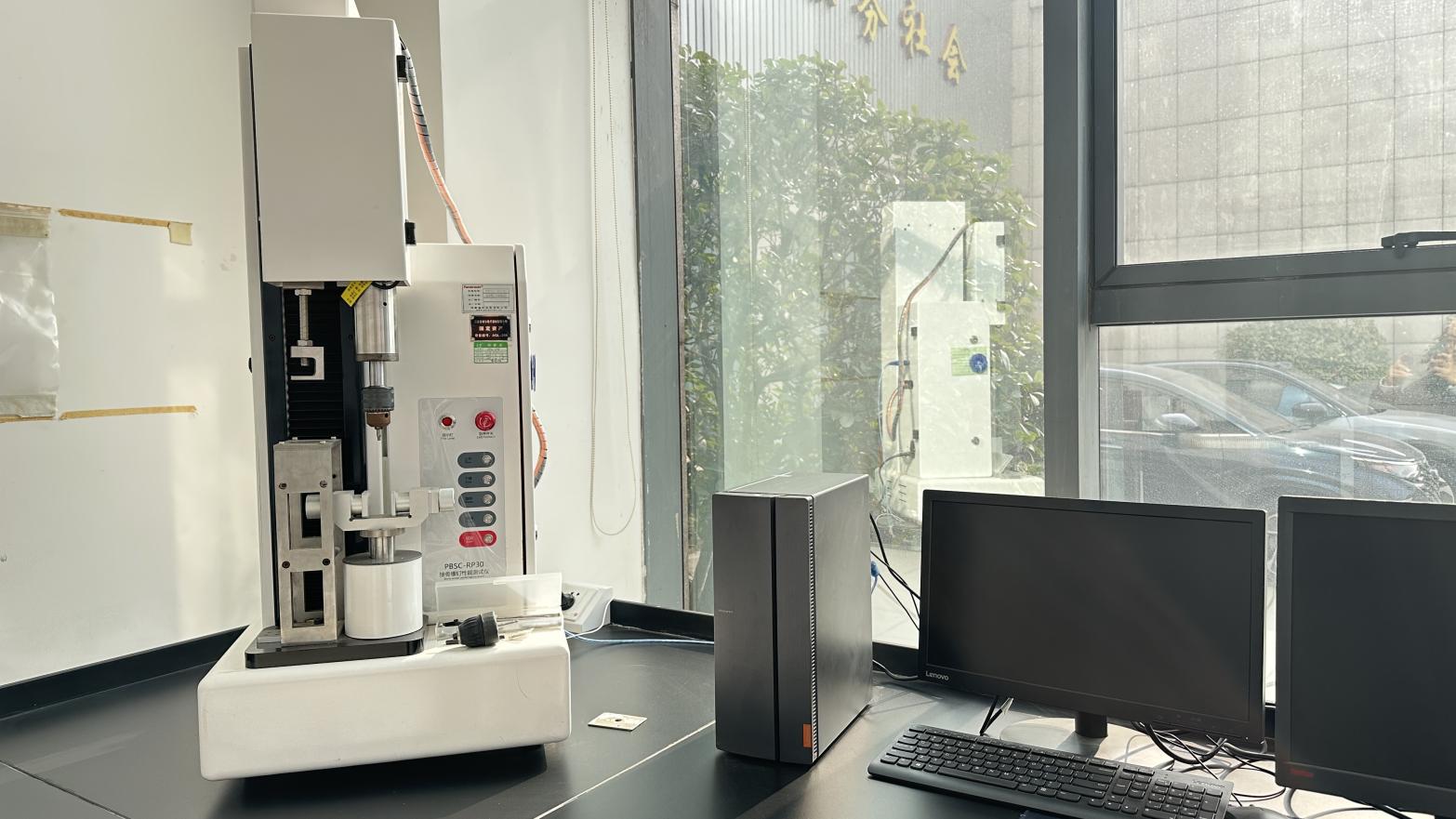
From slitting to multi-axis Swiss CNC machining and biomechanical fatigue validation, our ISO 13485 facility controls every parameter.

Biomechanical trends, clinical challenges, and supply chain updates shaping trauma fixation worldwide.
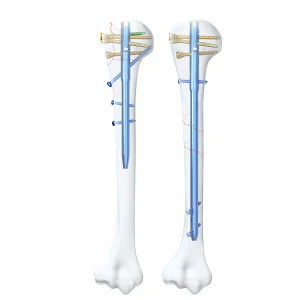
Humeral Intramedullary Nailing (IMN) has become the gold standard for treating humeral shaft fractures, segmentary instabilities, and pathological lesions. Compared to Open Reduction and Internal Fixation (ORIF) with plates, IMN preserves the periosteal blood supply, offers stress-sharing load patterns, and utilizes minimally invasive antegrade or retrograde approaches.
Proximal humeral fractures require multi-planar stability to resist muscular pull forces. Modern humeral nails, like the Geasure Orthopedic Titanium Intramedullary Nail, incorporate proximal locking matrices with targeting jigs. This allows surgeons to thread locking screws at convergent and divergent angles, preventing osteoporotic head collapse.
With the rapid graying of demographics in Western Europe, North America, and parts of East Asia, fragility fractures are rising. Distributors and healthcare providers require implants that facilitate brief operative durations, mitigate intraoperative blood loss, and allow prompt post-operative weight-bearing.
Uncompromising quality meets industrial-scale cost efficiencies
China's domestic orthopedic manufacturing sector has evolved from replica components to innovative design centers. Key factors driving this growth include:
B2B technical specifications comparison for proximal, mid-shaft, and distal humeral nail systems.
| Implant Parameter | Proximal Locking Nail | Humeral Shaft Interlocking Nail | Pediatric Elastic Nail (ESIN) |
|---|---|---|---|
| Primary Material | Titanium Alloy ASTM F136 / ISO 5832-3 | Titanium Alloy ASTM F136 / ISO 5832-3 | High-Elastic Grade 5 Titanium Alloy |
| Nail Diameter (mm) | Ø 7.0 / 8.0 / 9.0 | Ø 6.5 / 7.5 / 8.5 | Ø 1.5 / 2.0 / 2.5 / 3.0 / 4.0 |
| Nail Length (mm) | 150 - 280 (10mm increments) | 180 - 320 (20mm increments) | 300 - 450 (flexible trim-to-length) |
| Distal Locking Config | Dynamic / Static Locking Holes | Dynamic / Static locking + AP Holes | End caps / Interference fit only |
| Biomechanical Target | Osteoporotic head stability, rotational resistance | Axial weight distribution, alignment control | Elastic stable intramedullary splinting (ESIN) |
| Regulatory Standards | CE, ISO 13485, ASTM F1264, FDA Compliant | CE, ISO 13485, ASTM F1264, FDA Compliant | CE, ISO 13485, ISO 5832-3 |
How global distributors and hospitals deploy various humeral nails and trauma systems across surgical procedures.
Often combined with specialized multi-lock structures to secure unstable 2-part, 3-part, and select 4-part proximal fractures (Neer Classification). The locking construct offers stability in osteoporotic bone, reducing the risk of screw cut-out.
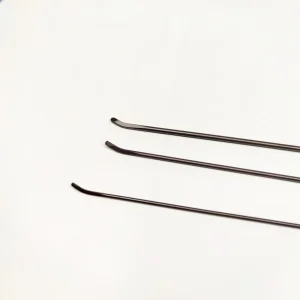
Utilizing products like the CANWELL Titanium Elastic Nail, pediatric surgeons can achieve stable fixation in growing children without damaging the epiphyseal growth plates, accelerating rehabilitation.
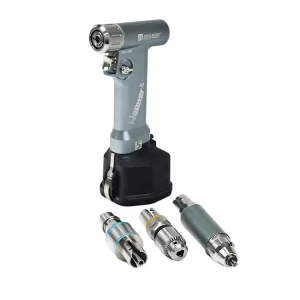
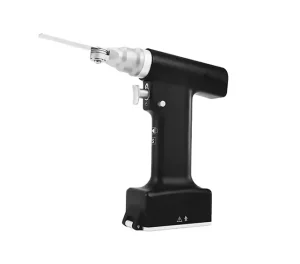
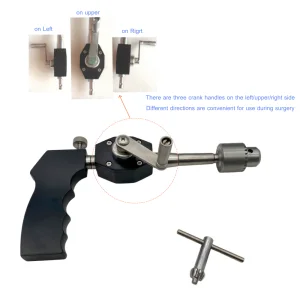
B2B buyers in veterinary sectors deploy smaller diameter implants and veterinary orthopedic mini drills for canine and feline humeral fracture stabilization.
The next frontier of medical devices and smart manufacturing in China.
Anodic oxidation processes and acid-etched microroughness are being integrated onto titanium alloy implants. These surface alterations encourage osseointegration and reduce bacterial adhesion rates, minimizing post-operative implant-related osteomyelitis.
PEEK (Polyetheretherketone) composite materials reinforced with carbon fibers present an elastic modulus that closely mirrors natural human cortical bone, reducing stress shielding and improving radiolucency on X-rays.
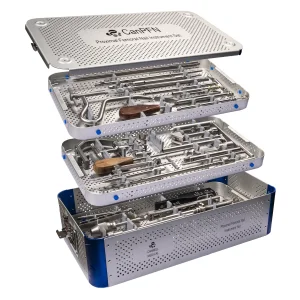
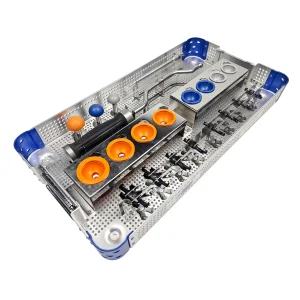
Hospitals and distributors favor combined systems where implants are delivered with precise, ergonomic instrumentation cases. Systems like the CANWELL Proximal Femoral Nail Instrument Set reduce operating room set-up times and ensure perfect mechanical mating.
Essential guidance for orthopedic distributors, purchasing managers, and healthcare procurement professionals.
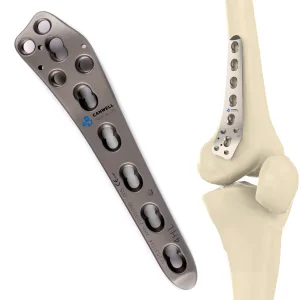
Review our specialized distal plates, orthopedic surgical screws, and complete femoral fixation systems.