Medisplint
Medisplint
Medisplint
OEM/ODM Certified Manufacturing Solutions for Global Joint Reconstruction & Trauma Operations
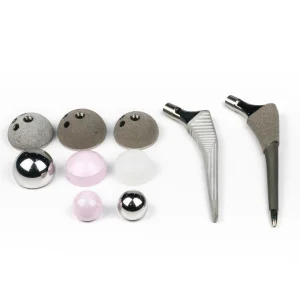
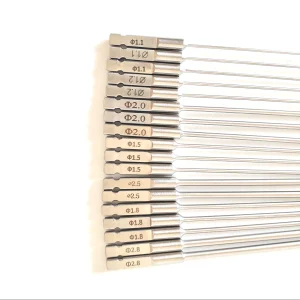
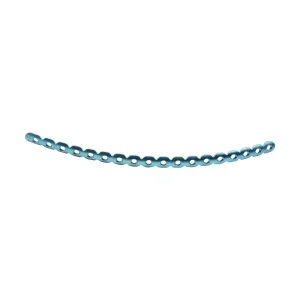
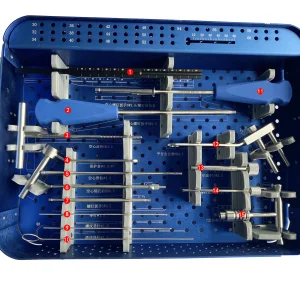
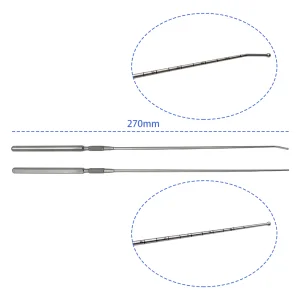
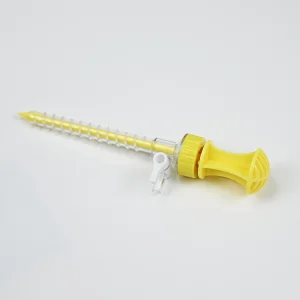
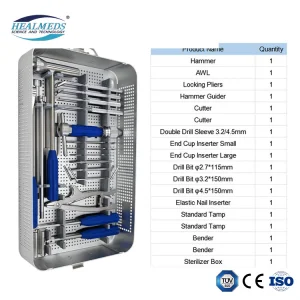
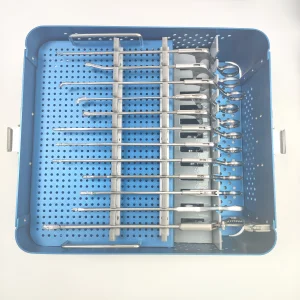
Empowering orthopedic surgeons and device procurement officers worldwide with ultra-precise elbow prosthetic systems and internal trauma fixation assemblies.
Total Elbow Arthroplasty (TEA) and distal humerus osteosynthesis represent one of the most complex sub-specialties within orthopedic reconstructive surgery. The human elbow joint is a highly constrained trochlear articulation subject to multi-axial mechanical stresses, intense shear forces, and significant rotational torque. Globally, the demand for high-grade elbow implants is expanding rapidly, fueled by an aging population, rising incidences of severe post-traumatic osteoarthritis, rheumatoic arthritis deformities, and complex comminuted fractures of the distal humerus and proximal ulna.
Leading healthcare institutions demand prostheses that offer anatomical conformity, high fatigue resistance, reduced wear debris generation, and modular versatility (linking semi-constrained to unconstrained configurations). Achieving these clinical outcomes requires extreme metallurgical purity, state-of-the-art multi-axis CNC machining, and rigorous tribological validation.
China has evolved into the premier global hub for orthopedic medical device manufacturing. Chinese factories leverage hyper-integrated industrial clusters, combining raw titanium sponge processing, medical-grade forging, 5-axis Swiss-type turning, vacuum plasma spraying, and ISO Class 7 cleanroom packaging into unified regional ecosystems.
This localized efficiency results in a 30% to 50% cost reduction without sacrificing micro-inch tolerances or regulatory compliance. Factories operate under strict digitalized ERP/MES environments, ensuring end-to-end traceabilities from raw titanium bar stock (Ti-6Al-4V ELI / ASTM F136) to finished sterile implants ready for CE and FDA registration.
Medisplint Orthopedic Instruments Co., Ltd. is a premier professional manufacturer specializing in high-precision orthopedic implants, internal fixation systems, and specialized surgical instruments for trauma, spine, and joint reconstruction operations.
Founded in 2016, the company has developed steadily with a aggressive focus on R&D innovation, precision engineering, and international export expansion. The state-of-the-art production facility spans approximately 18,500㎡, fully optimized to support integrated raw material slitting, multi-axis machining, micro-polishing, quality control assembly, and cleanroom packaging operations.
With an annual export revenue of around USD 12 million, over 7 years of direct international export expertise, and more than 10 years of deeply rooted manufacturing experience in medical device fabrication, Medisplint stands as a reliable, authoritative benchmark enterprise in China's orthopedic export landscape.
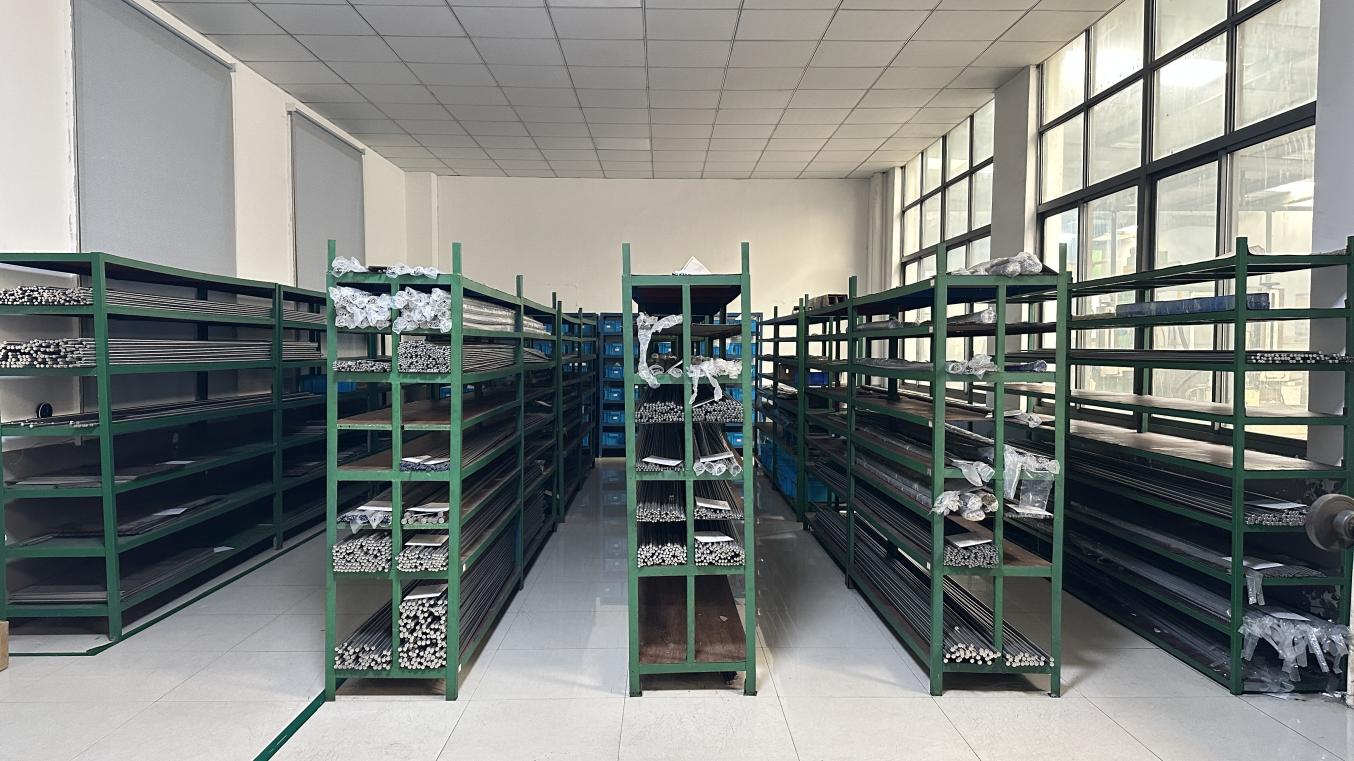
Operating under strict quality assurance frameworks including ISO 13485 certification and full CE compliance. Quality inspection encompasses incoming material validation, in-process quality control (IPQC), final product quality control (FQC), and rigorous third-party laboratory verification testing.
The dedicated Quality Control Department consists of 42 certified inspectors who oversee every dimensional tolerance and micro-finish. The R&D division houses 85 engineering specialists delivering full OEM/ODM design customization, private labeling, and surgical kit modifications.
Medisplint primarily exports to high-demand medical markets across Europe, Southeast Asia, the Middle East, and South America. Collaborating with over 1,200 supply chain partners, the company launched 68 new proprietary surgical products in the past year alone.
From Certified Raw Metallurgical Stocks to Ultra-High-Precision Finished Orthopedic Devices
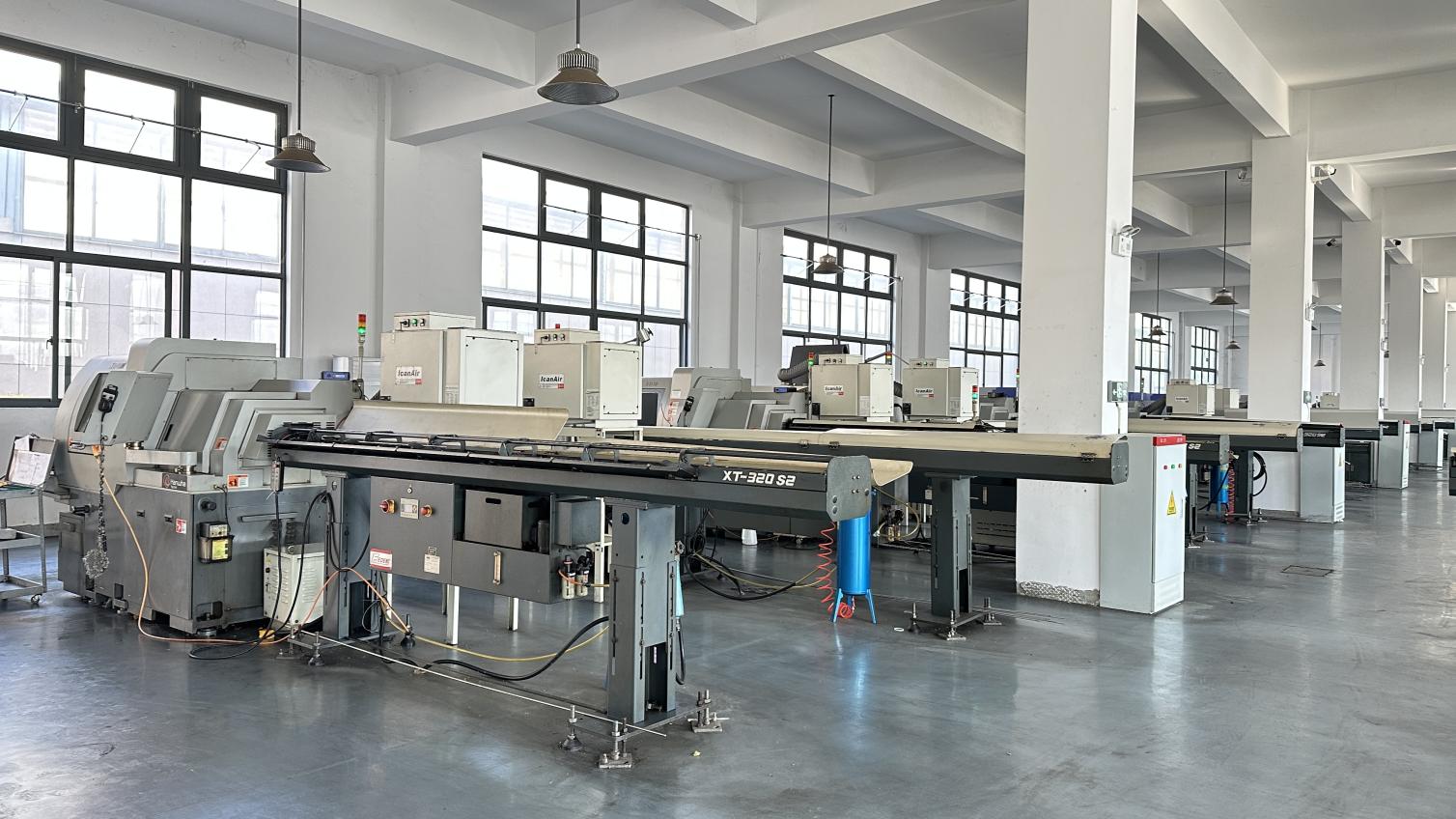
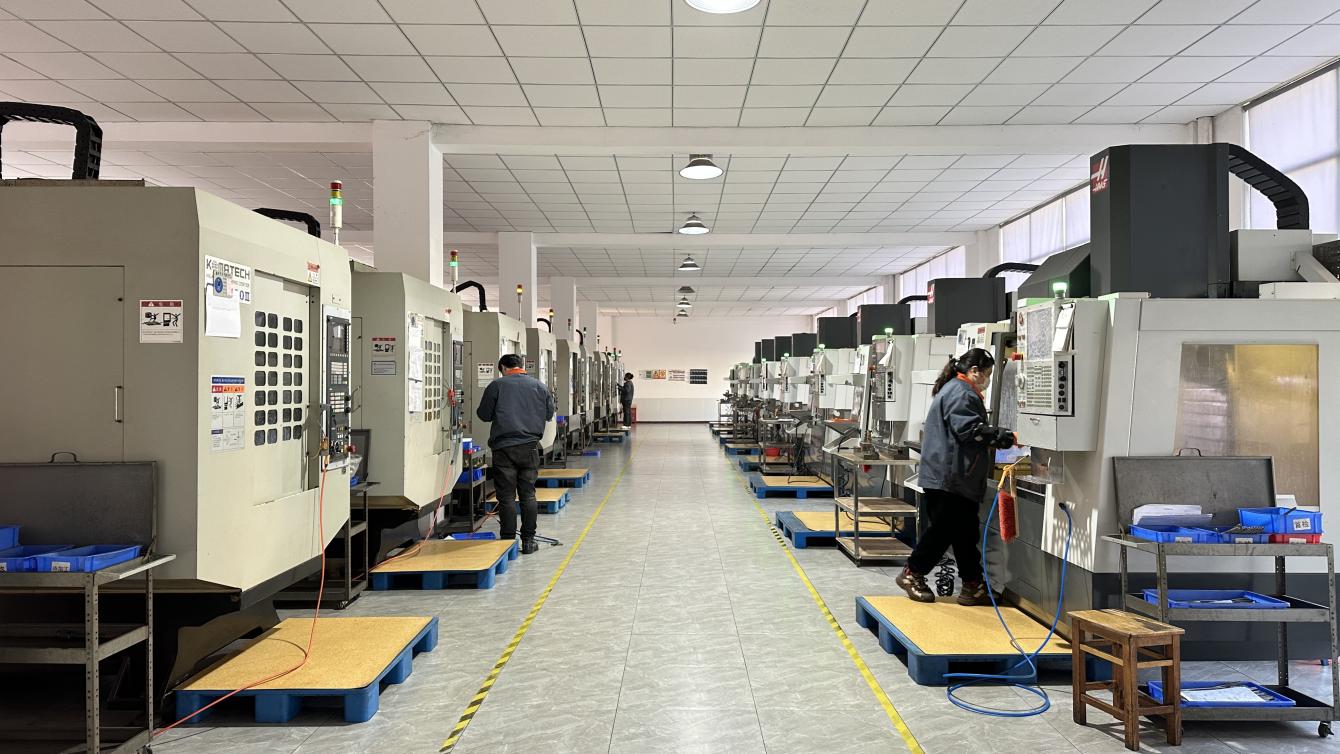
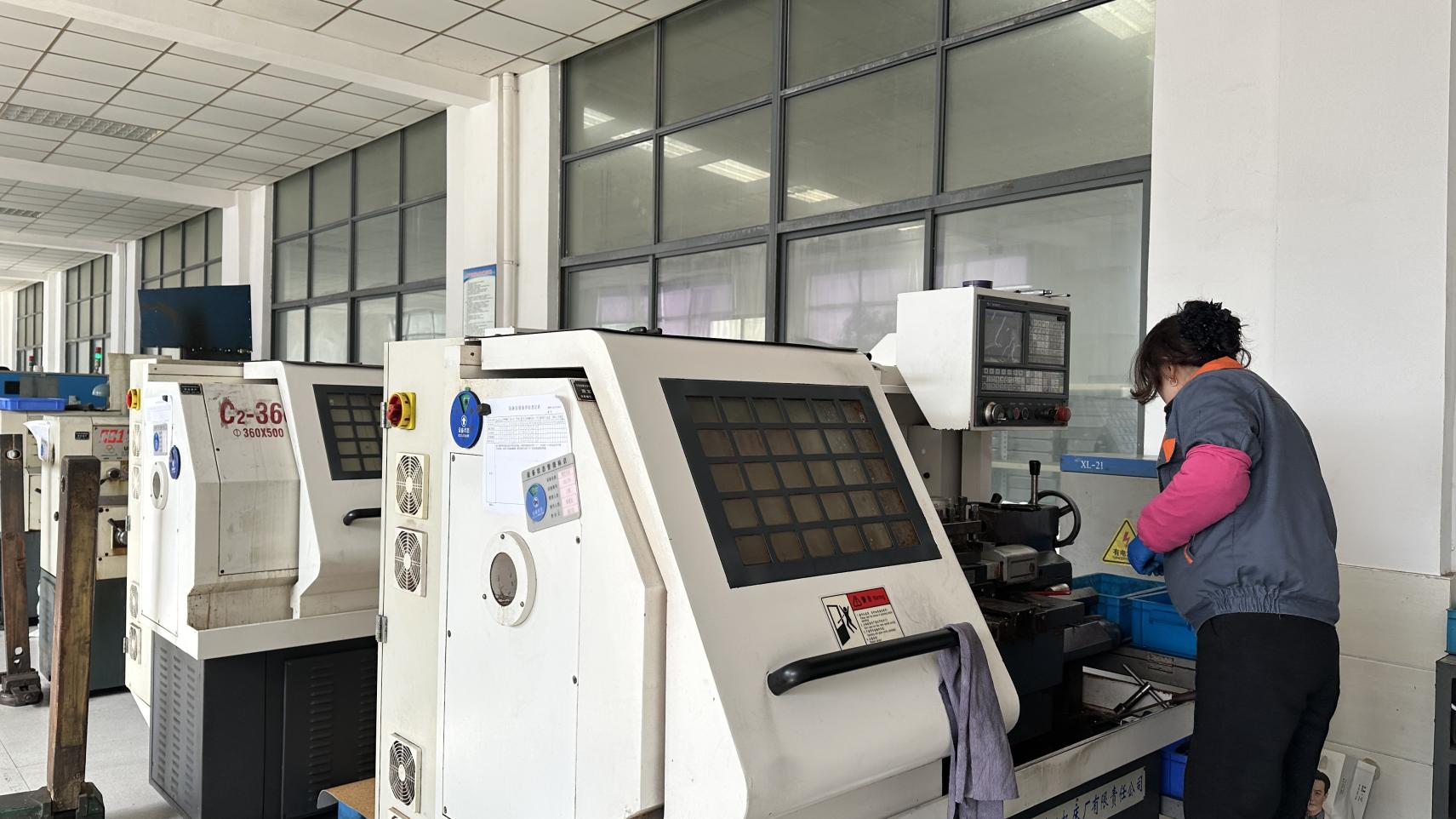
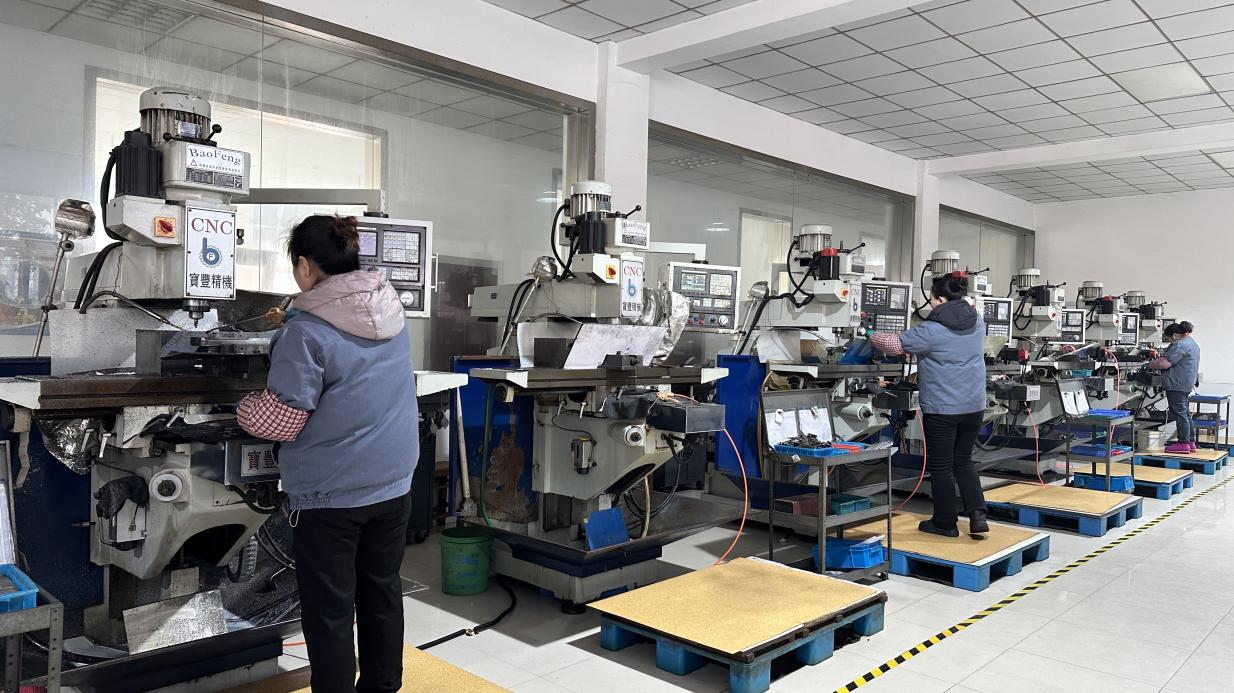
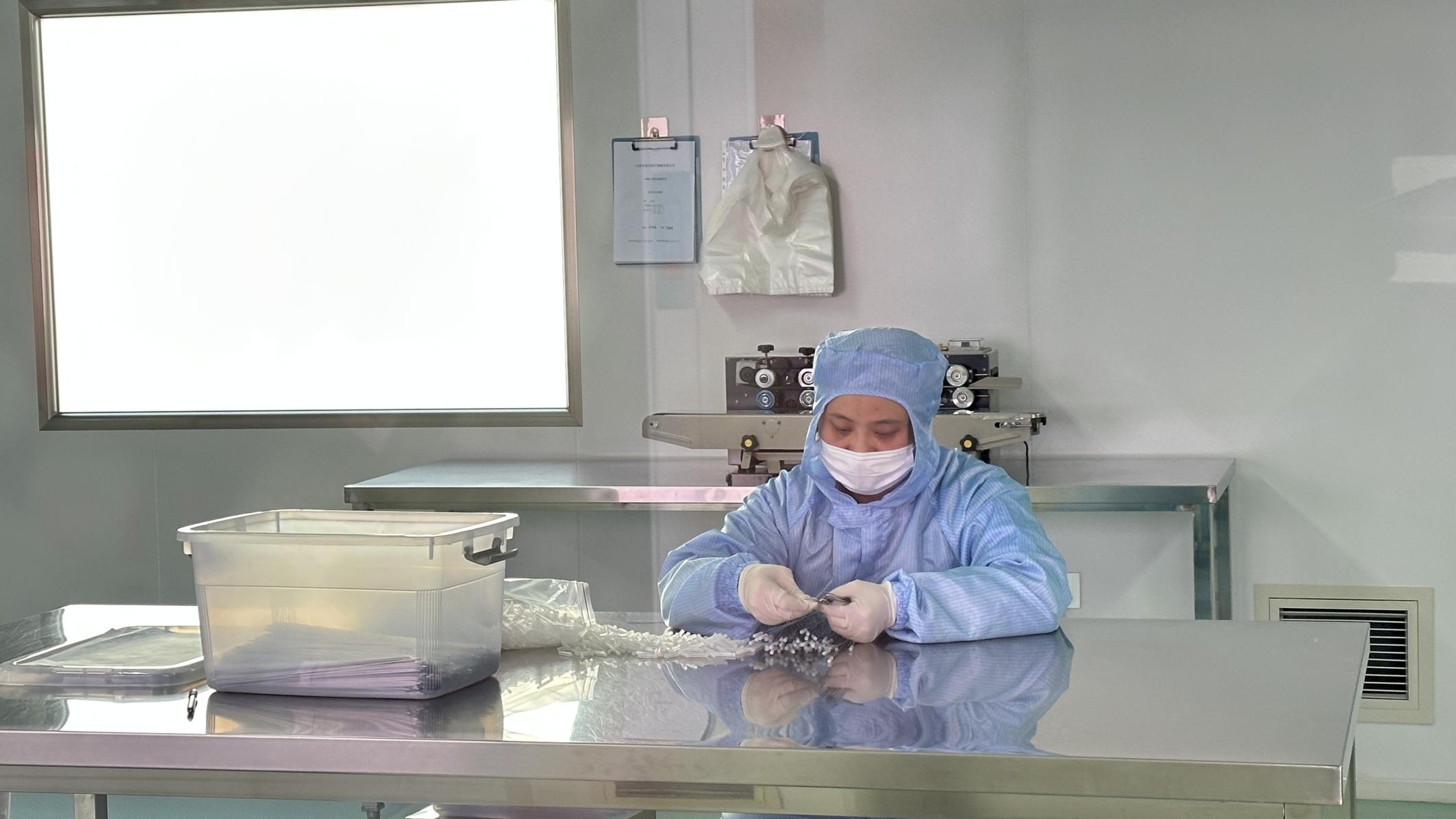
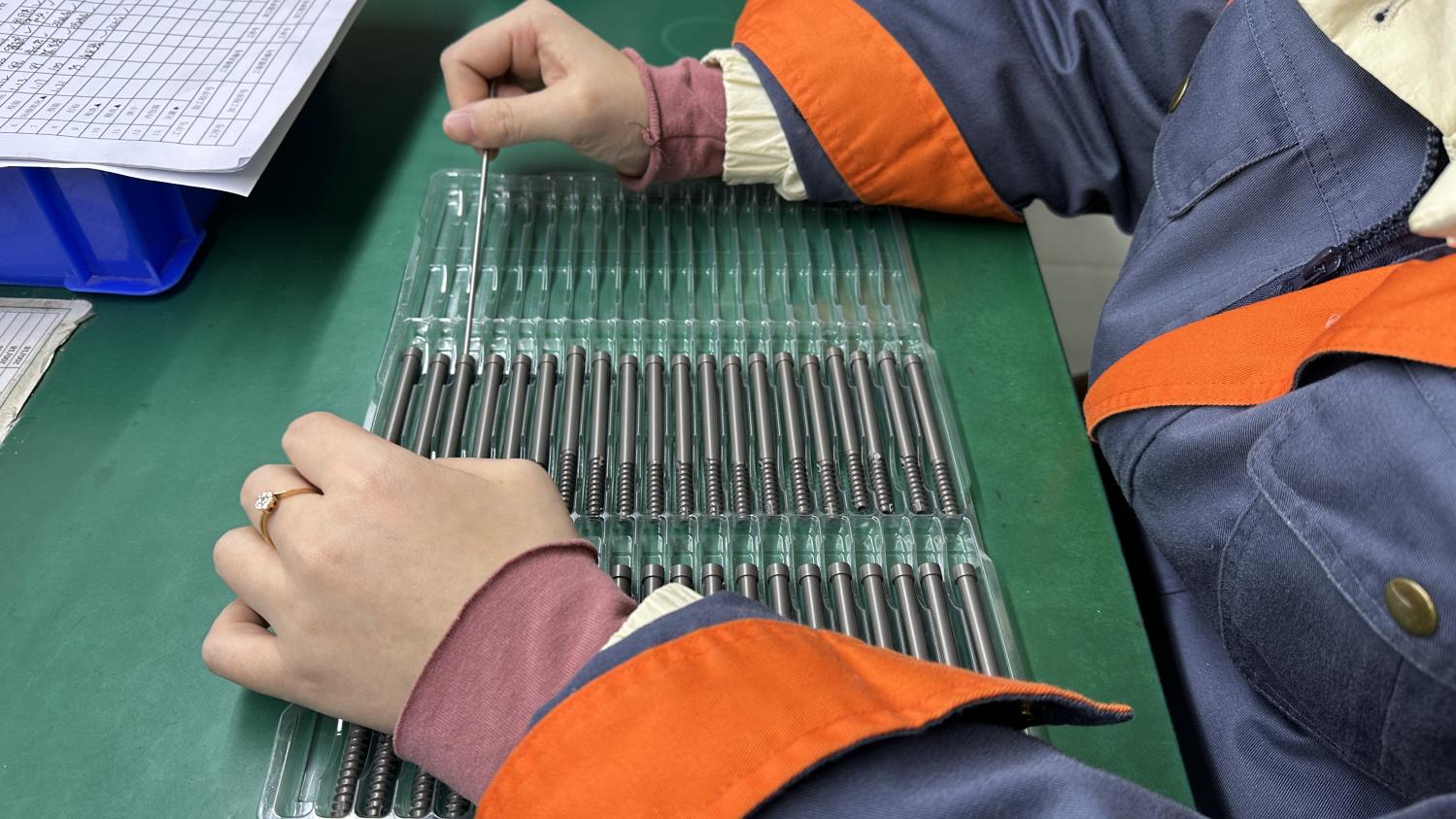
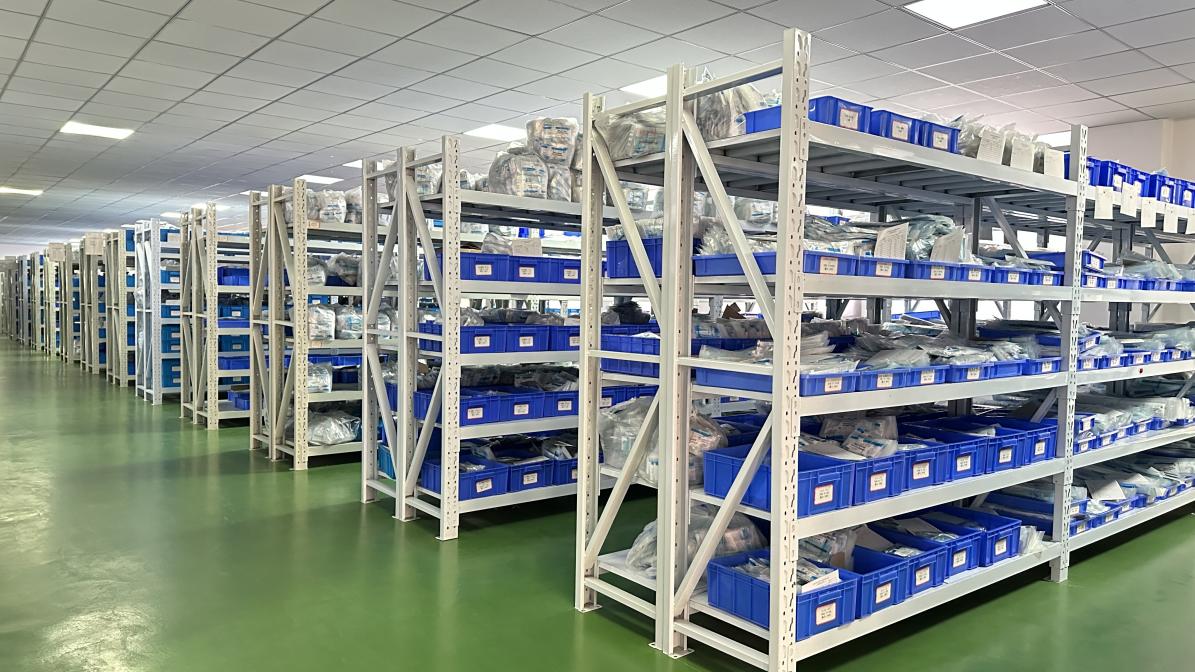
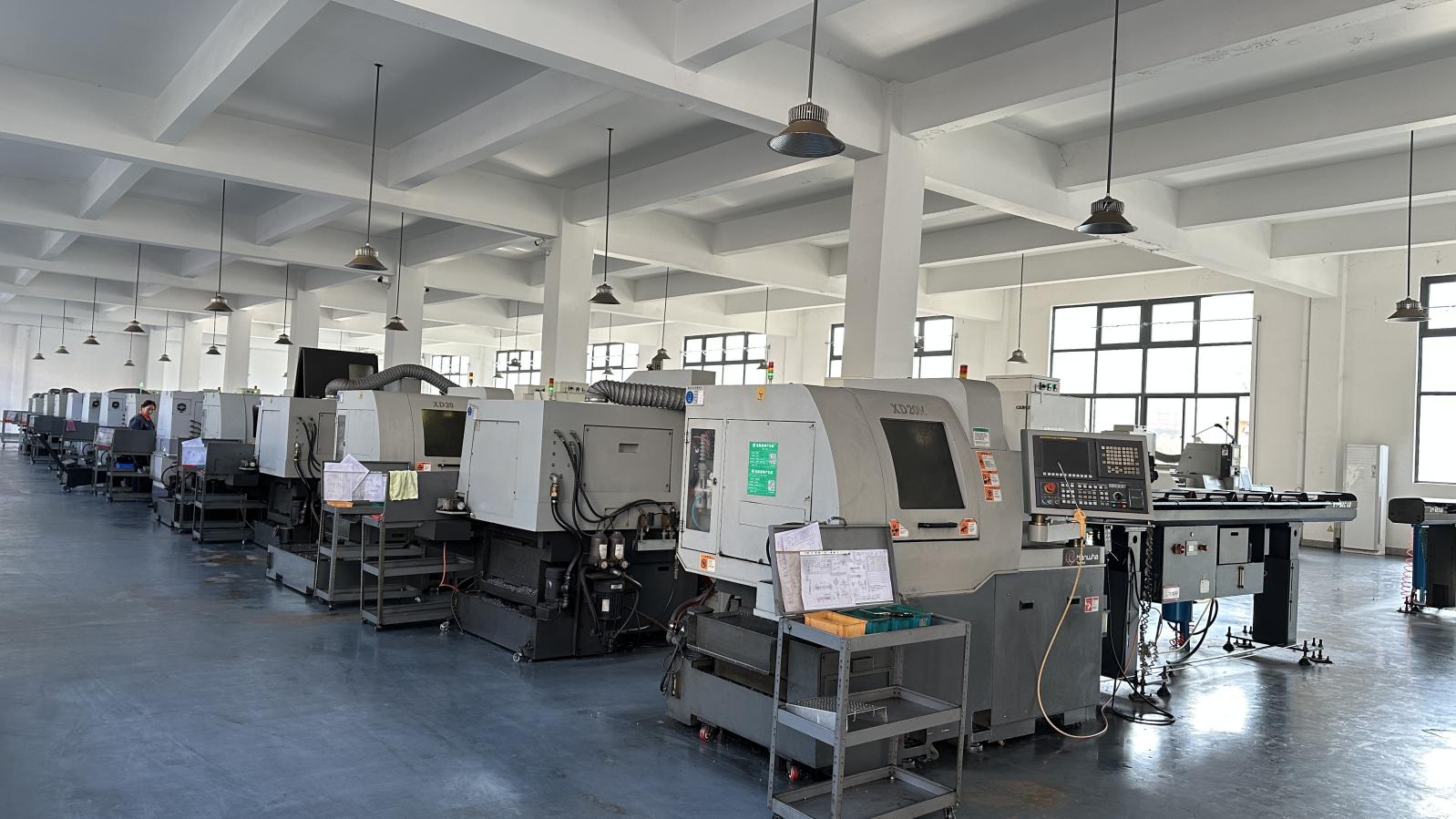
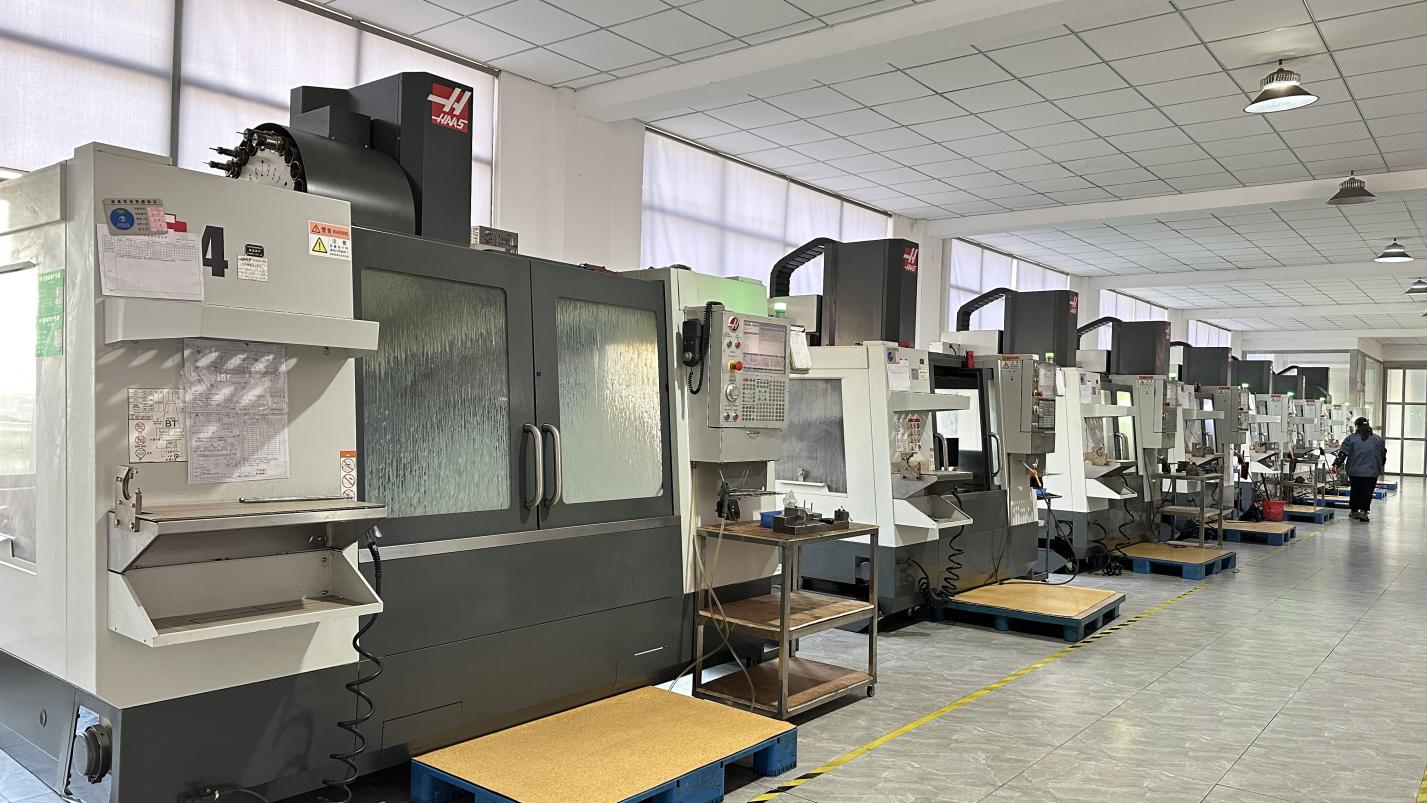
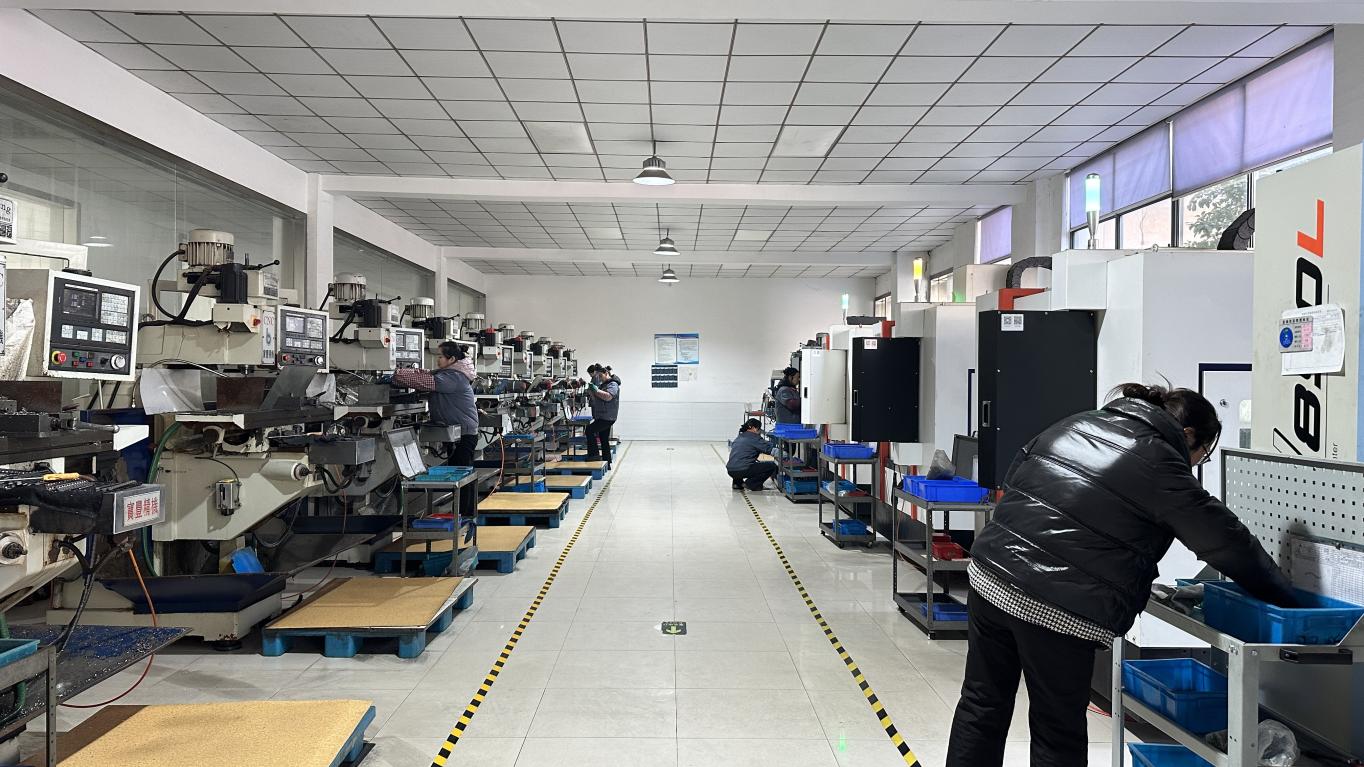
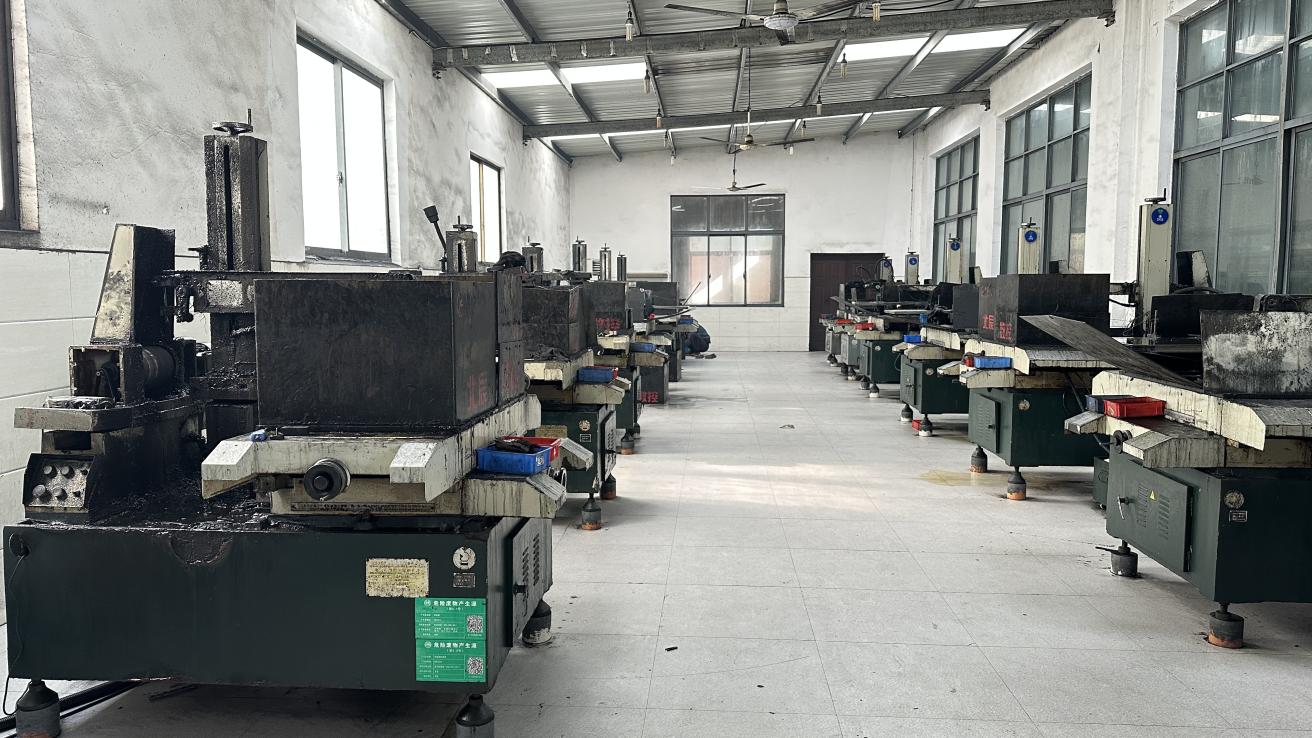
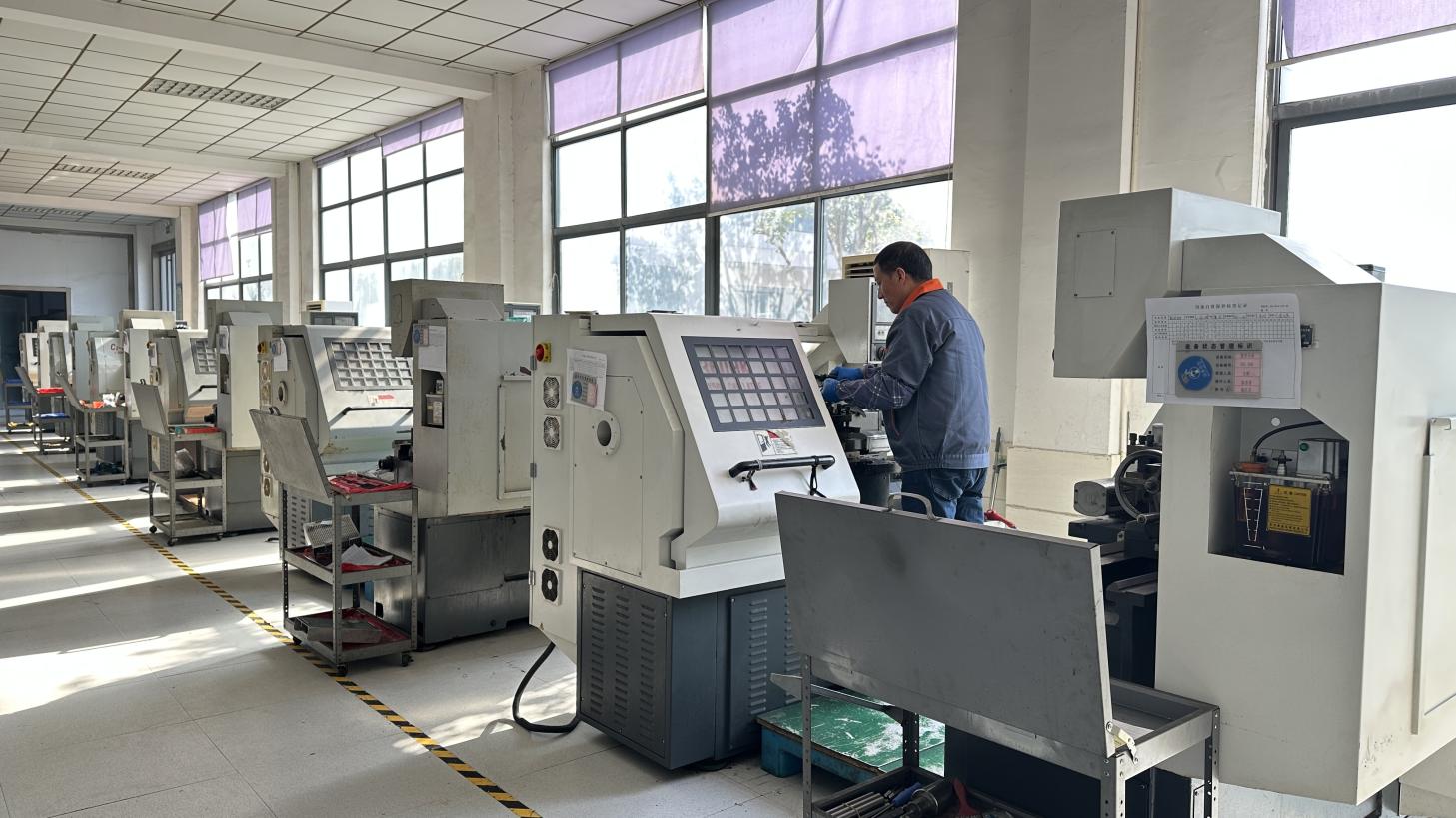
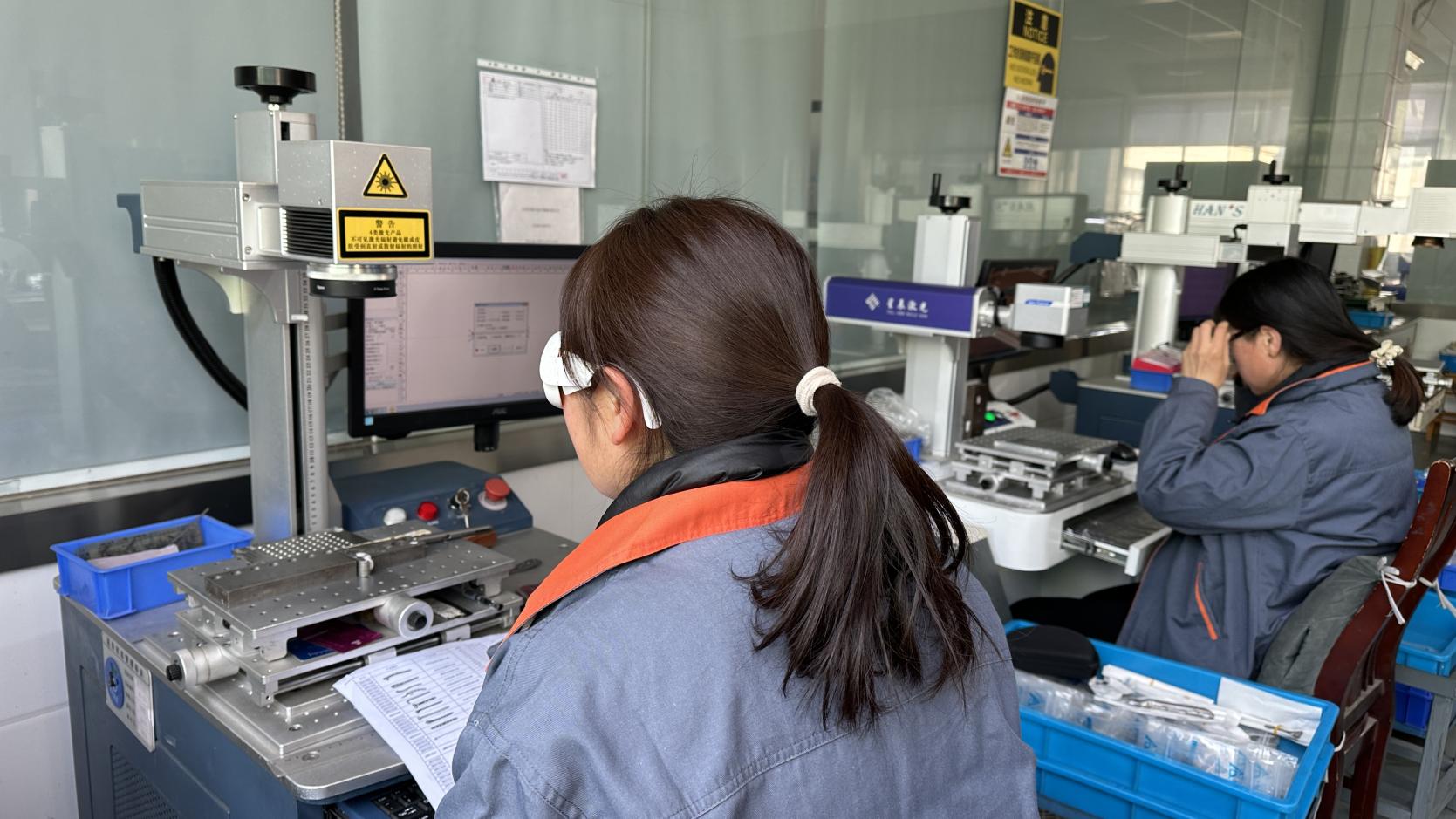
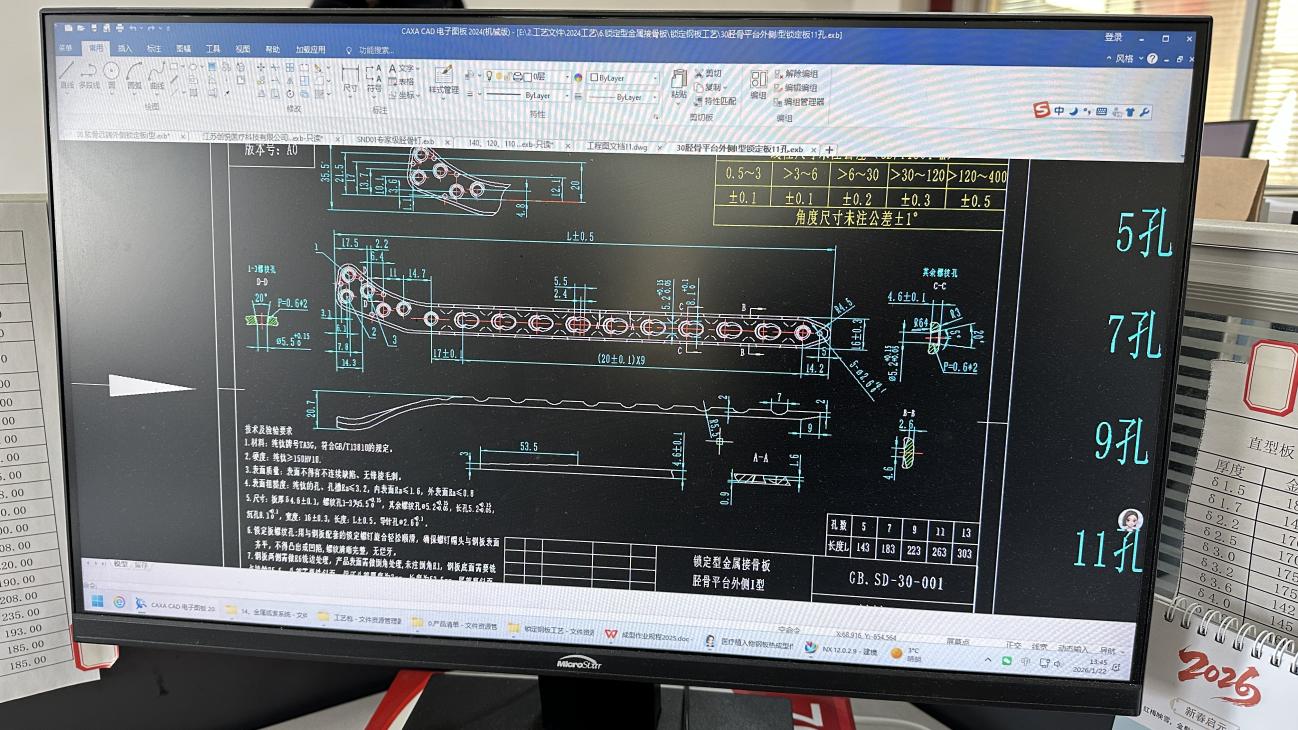

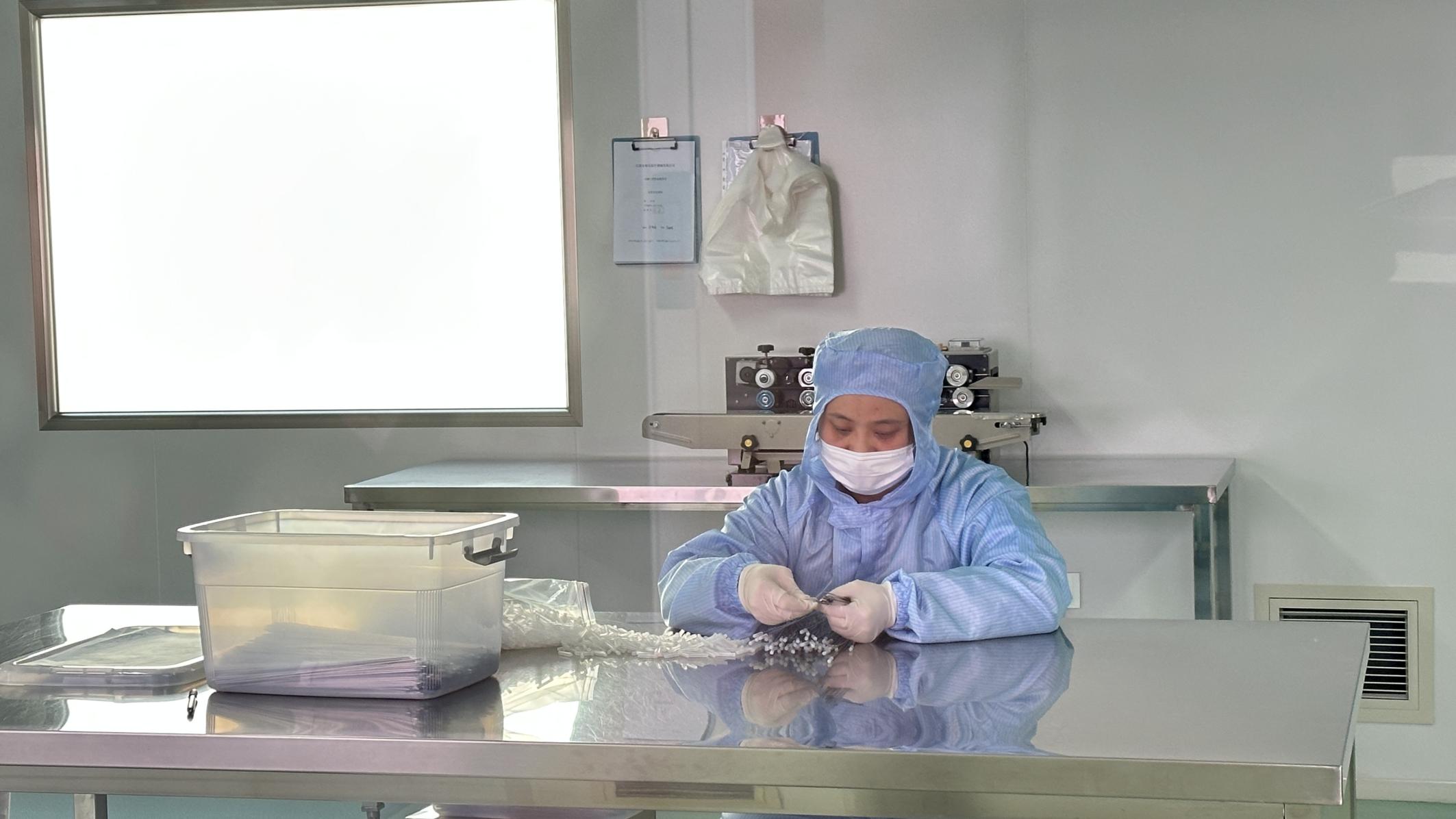
Every bone screw, trauma locking plate, and joint replacement prosthesis is subjected to multi-stage stress validation.
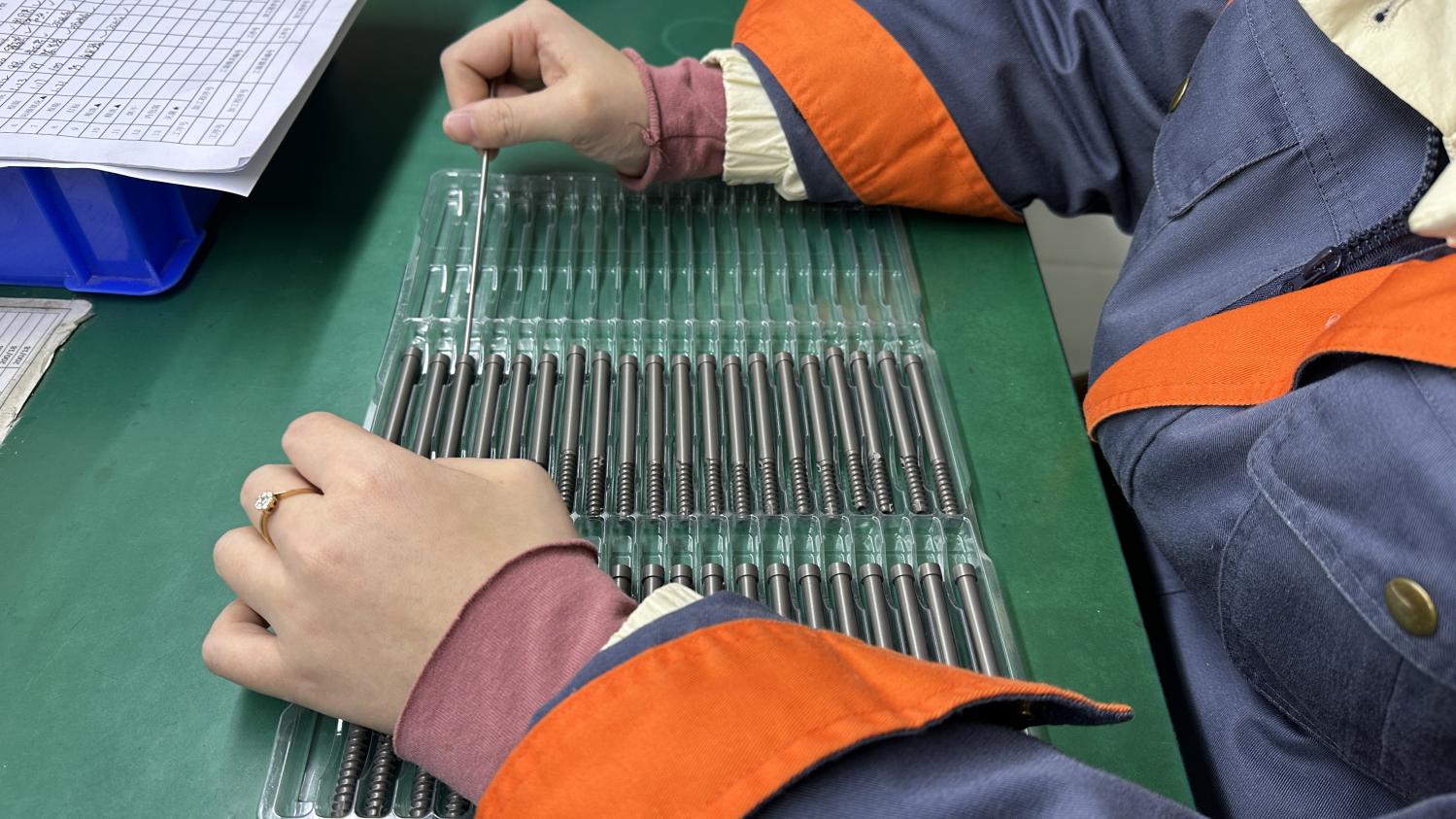
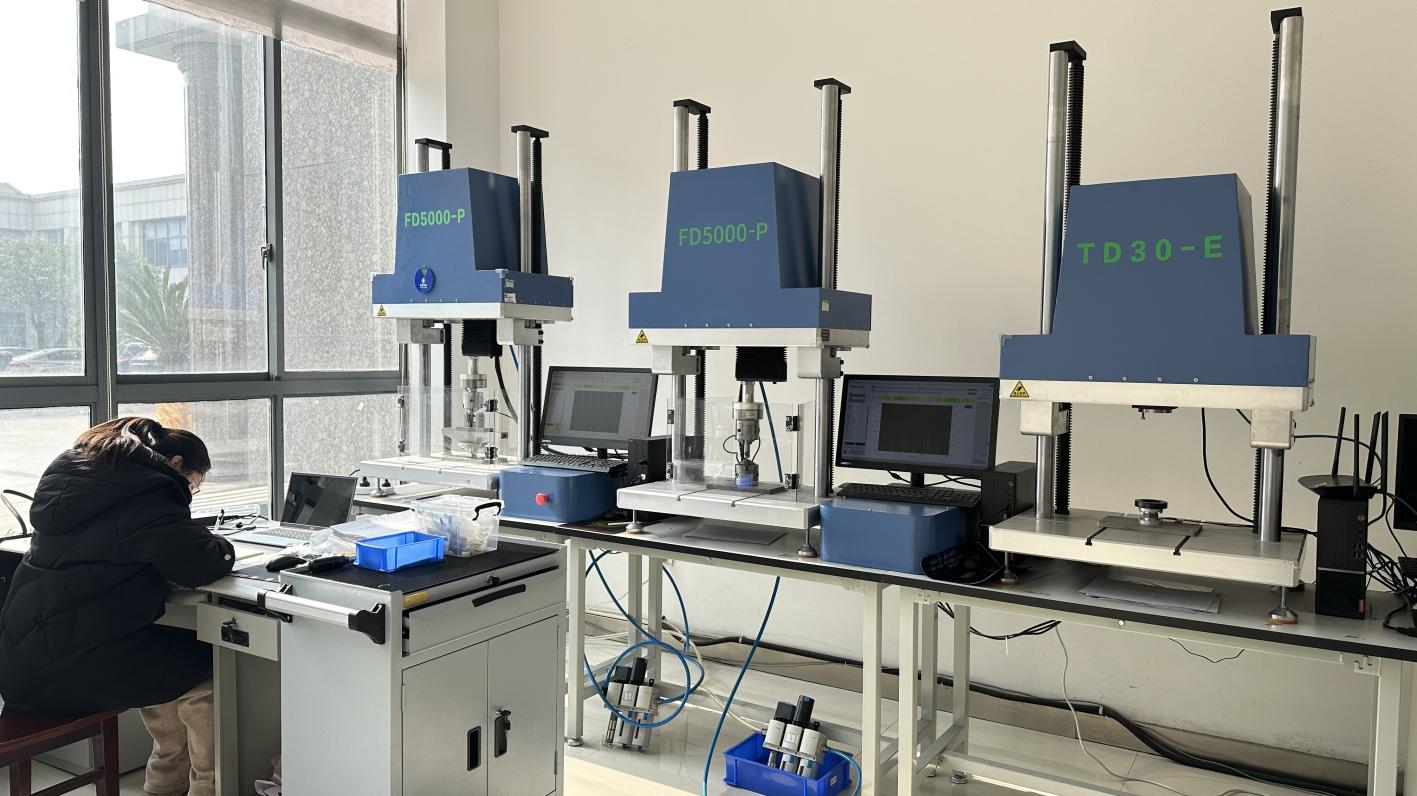
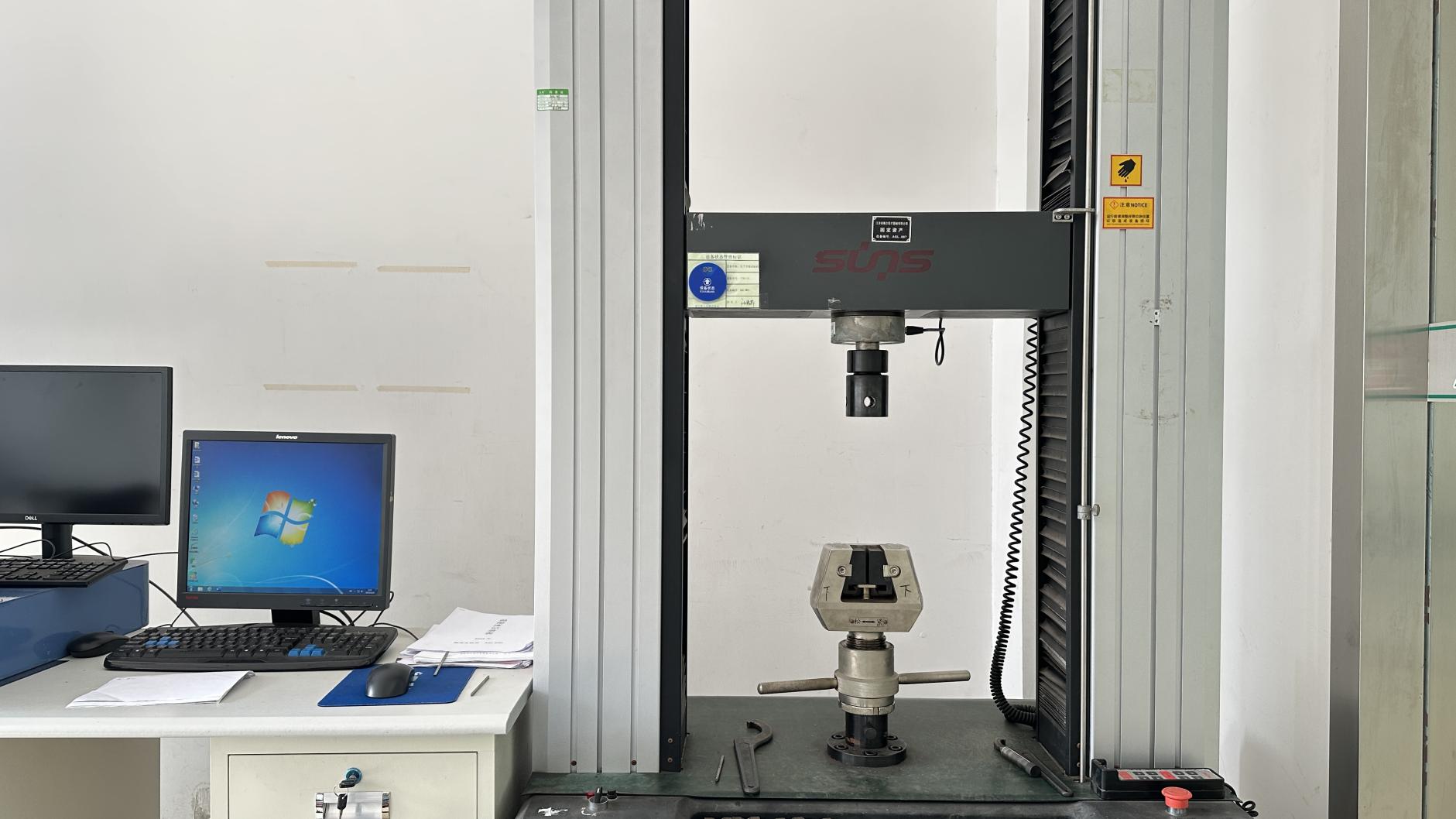
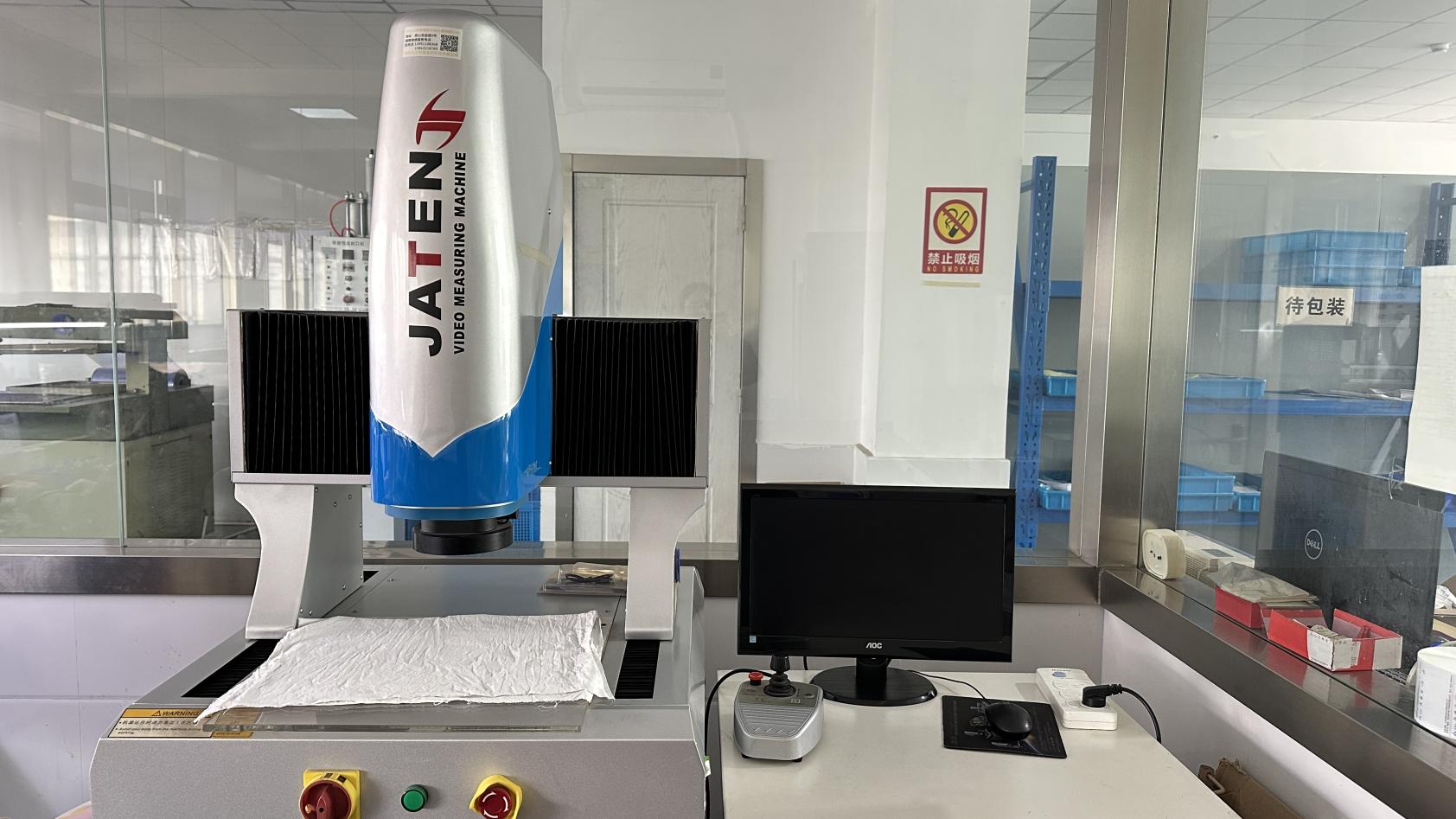
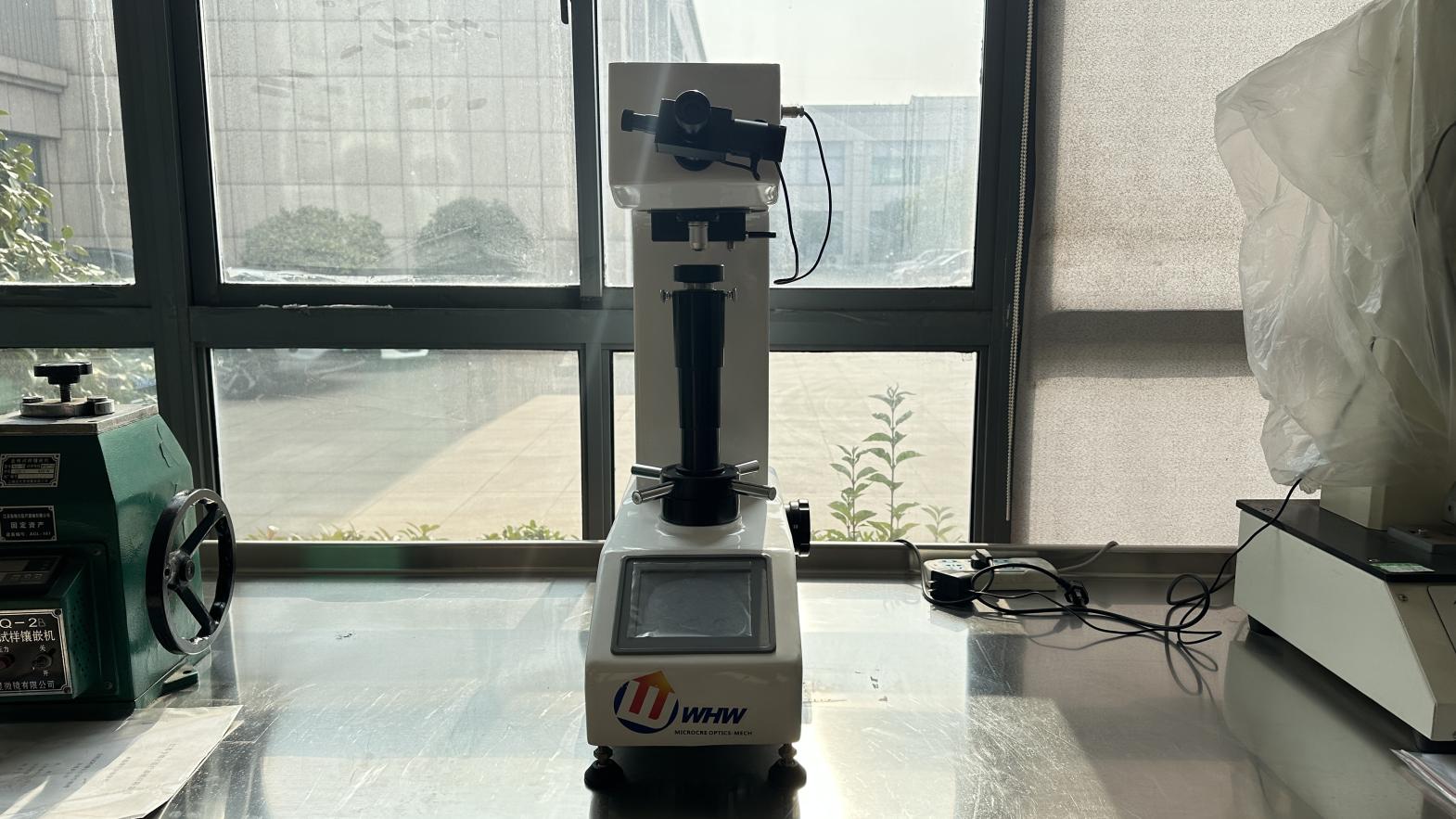
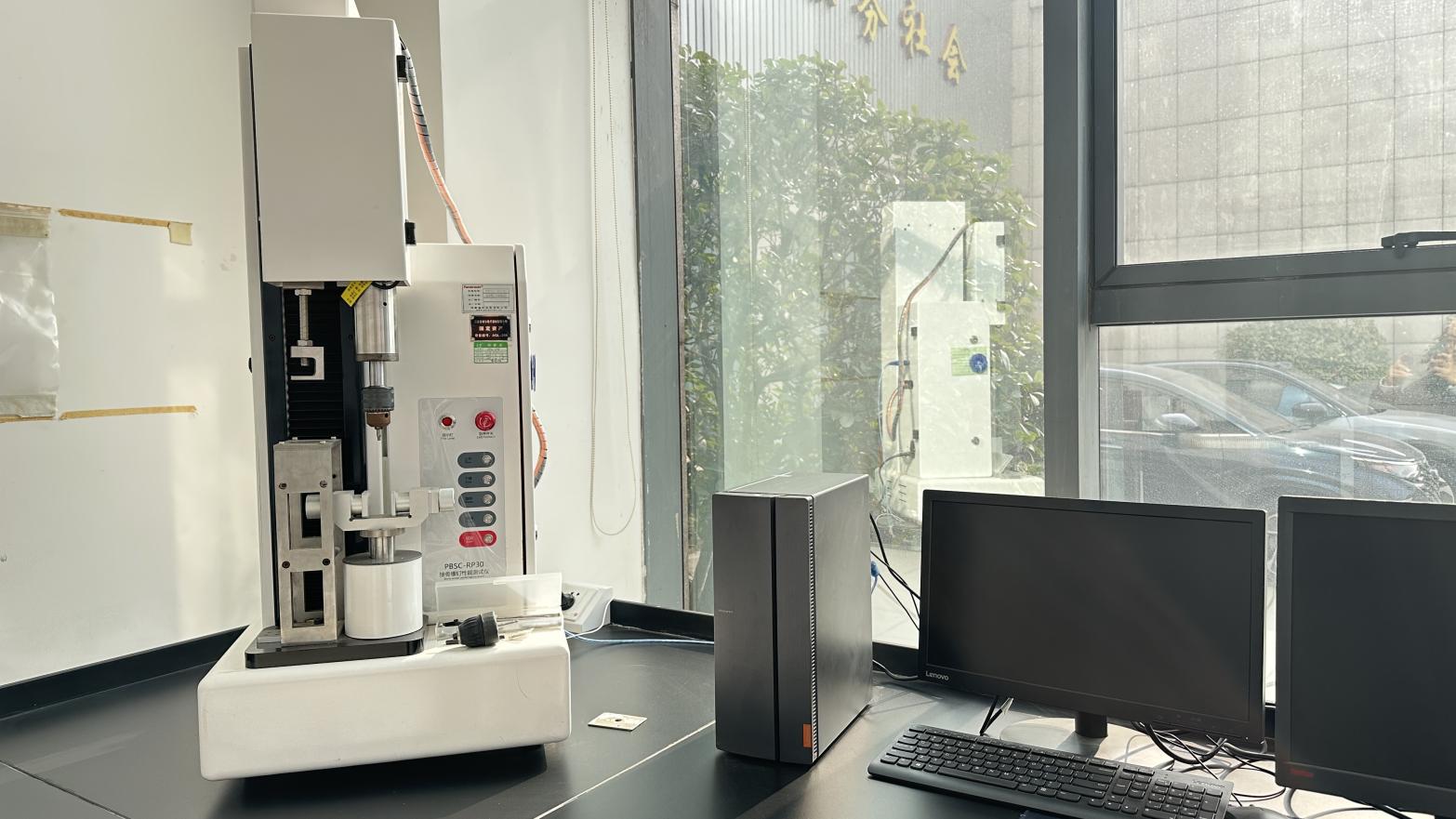
Our quality control strategy is anchored by 42 dedicated quality assurance engineers working across three distinct operational layers:
Adapting design parameters to regional clinical protocols and international regulatory pathways.
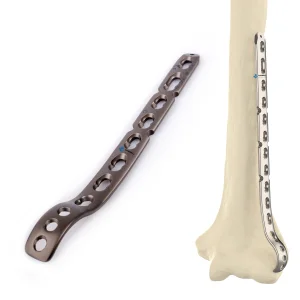
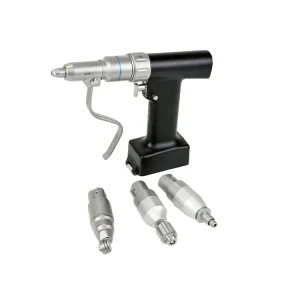
Emergency orthopedic trauma centers require ready-to-use, ergonomically organized surgical instrument sets and anatomical locking plates (such as Distal Humeral Titanium Locking Plates) for intra-operative flexibility. Immediate availability of varied stem sizes, head offsets, and cannulated drill systems minimizes operating room time and improves patient recovery outcomes.
Distributors in Southeast Asia, South America, and the Middle East prioritize dependable OEM supply chains capable of delivering custom laser-etched branding, localized packaging compliant with local health authorities, and competitive bulk pricing models to capture tender contracts.
Western medical technology firms seeking cost-efficient manufacturing partners require white-label production with complete Technical Documentation Files (STED) supporting CE MDR and US FDA 510(k) submissions, supported by rapid prototype iteration from 85 dedicated engineering specialists.
Pioneering additive manufacturing, surface functionalization, and patient-specific implants.
Transitioning from traditional plasma-sprayed coatings to direct 3D Selective Laser Melting (SLM) of porous trabecular structures. This architecture mimics human cancellous bone, promoting rapid biological osseointegration and long-term joint fixation stability.
Integrating preoperative CT scanning data with 3D design software to manufacture custom surgical cutting guides and custom anatomical elbow components, optimized specifically for severe post-traumatic bone defects.
Application of Nano-Hydroxyapatite (HA) and Titanium Nitride (TiN) physical vapor deposition (PVD) coatings to dramatically lower friction coefficients, reduce wear debris induced osteolysis, and eliminate metal ion release into surrounding tissues.
Expert insights for clinical teams, regulatory specialists, and international procurement managers.
Top Chinese factories utilize medical-grade Titanium Alloys (Ti6Al4V ELI conforming to ASTM F136 / ISO 5832-3), Cobalt-Chromium-Molybdenum alloys (CoCrMo conforming to ASTM F75 / ISO 5832-4) for articulate bearing surfaces, and Highly Cross-linked Ultra-High Molecular Weight Polyethylene (UHMWPE conforming to ASTM F648) for low-wear bushings and radial head inserts.
Factories employ high-precision 5-axis DMG MORI and Citizen Swiss-type CNC turning-milling machining centers paired with automated optical CMM (Coordinate Measuring Machines) and 2D vision measuring systems. Production operates under ISO 13485 quality systems, incorporating real-time IPQC statistical process control to maintain tolerances within ±0.005mm.
Exporters provide complete technical files according to the STED format, including ISO 13485 certificates, CE declarations of conformity, raw material mill test reports, biocompatibility testing (ISO 10993), mechanical fatigue test reports, packaging validation, and ethylene oxide (EO) or gamma sterilization validation documents.
Standard CAD/CAM engineering designs and rapid functional prototyping are completed within 2 to 3 weeks. Full batch production, surface anodization/passivation, custom laser marking, inspection, and sterile packaging usually require 45 to 60 days depending on total order volume and custom tooling complexity.
Implants undergo rigorous cyclic loading tests using hydraulic axial-torsional fatigue testers. Hinge mechanisms and stems are subjected to high-cycle dynamic strain simulation (5 to 10 million cycles under peak physiological flexural loads) to evaluate long-term structural integrity and verify resistance to micro-fretting fatigue fracture.
Explore Our Expanded Product Portfolio of Trauma Fixation and Arthroscopy Instruments