Medisplint
Medisplint
Medisplint
Explore our premium clinical implants, surgical power instrumentation, and specialized anatomical fixation solutions engineered to demanding international standards.
Analyzing commercial shifts, material progressions, and manufacturing concentrations within the modern spinal implant ecosystem.
Cervical interbody fusion cages remain the gold standard for treating cervical degenerative disc disease, spondylolisthesis, and spinal instability. Driven by aging demographics and the expansion of minimally invasive spinal surgeries (MISS), clinical demand is moving toward structures that support fast bone ingrowth and low subsidence rates.
While polyetheretherketone (PEEK) has historically dominated the market due to its radiolucency and bone-like elastic modulus, there is a strong shift toward 3D-printed porous titanium and composite materials (such as PEEK-Optima with bioactive coatings). These structures support early osseointegration while maintaining load-bearing capacity.
China has transitioned from an high-volume OEM exporter to a premium innovation center. Tier-1 Chinese manufacturers utilize advanced Swiss CNC machining centers, domestic high-purity titanium alloys, and cleanroom packaging facilities, enabling them to supply Class III medical devices that meet strict CE and FDA standards at competitive pricing structures.
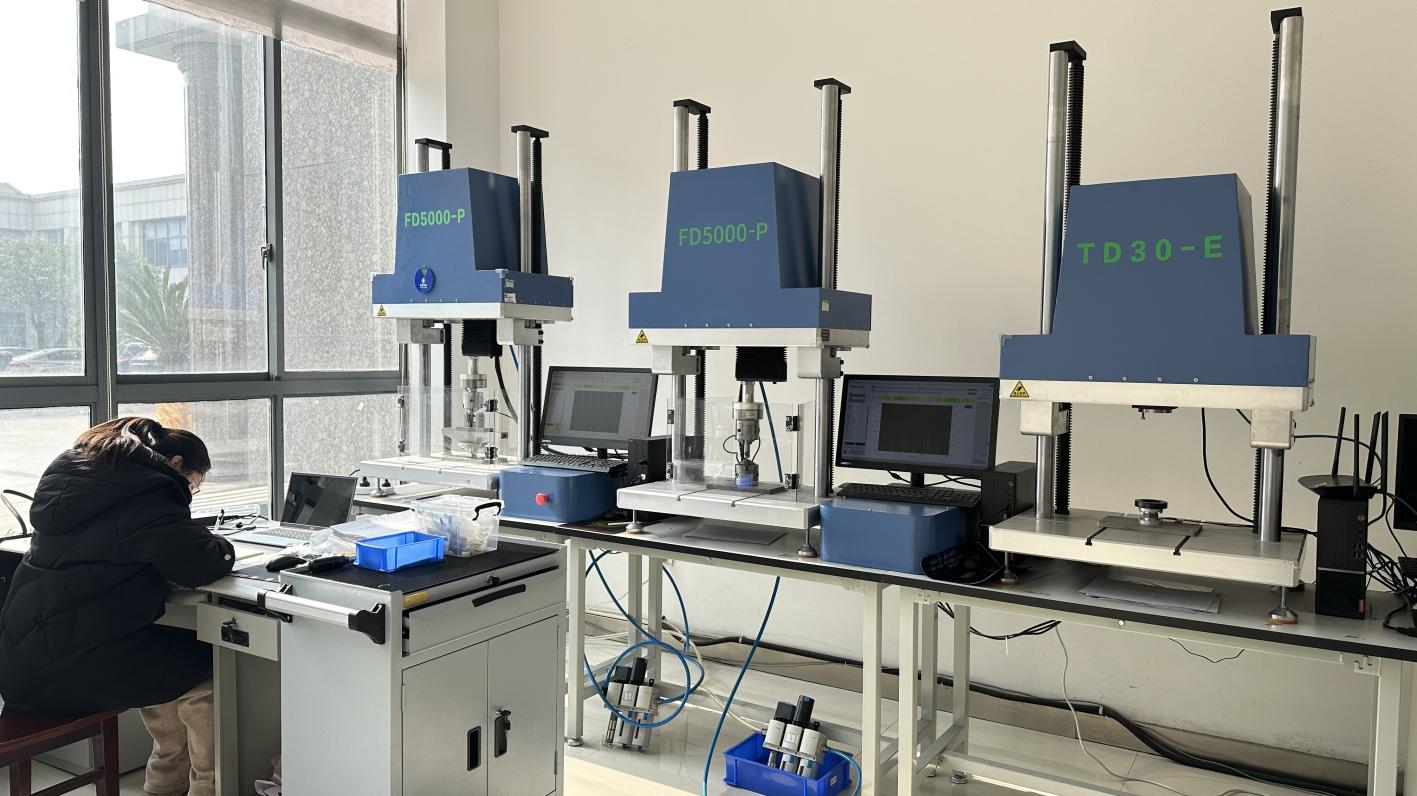
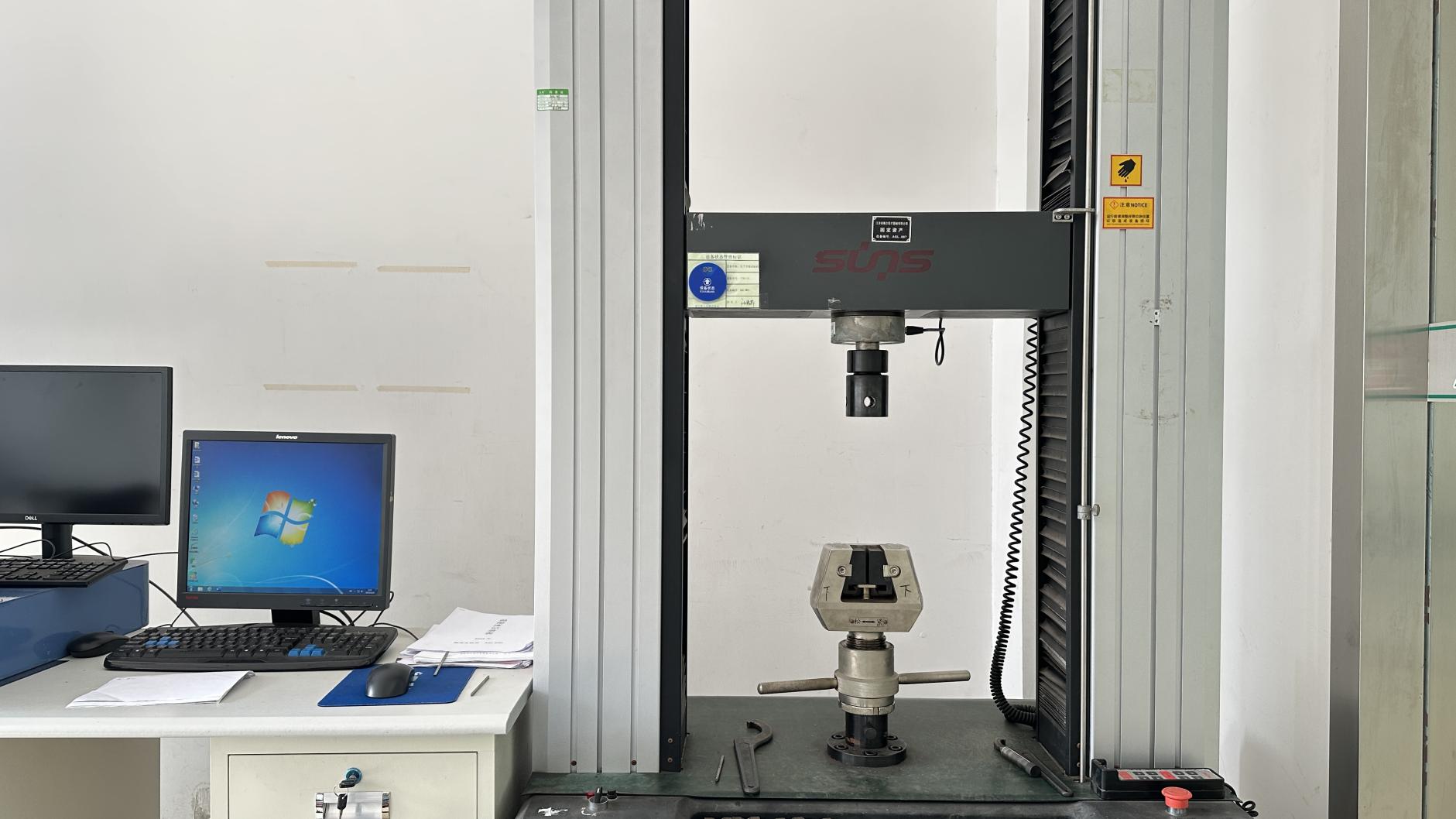
In modern spinal fusion surgeries, selecting a cervical interbody cage is no longer just about geometry. Procurement managers and clinical leads analyze the raw material formulation (ASTM F136 titanium vs. ASTM F2026 PEEK) to match the elastic modulus of the bone. High-quality manufacturers provide comprehensive mechanical test data under ASTM F2077 (static and dynamic compression/shear) to confirm long-term implant survival and minimize the risk of cage subsidence.
A professional manufacturer specializing in orthopedic implants, fixation systems, and surgical instruments for trauma, spine, and joint reconstruction.
Founded in 2016, Medisplint has developed steadily with a strong focus on innovation and international expansion. Our facility covers approximately 18,500㎡, supporting integrated production, assembly, and quality control operations.
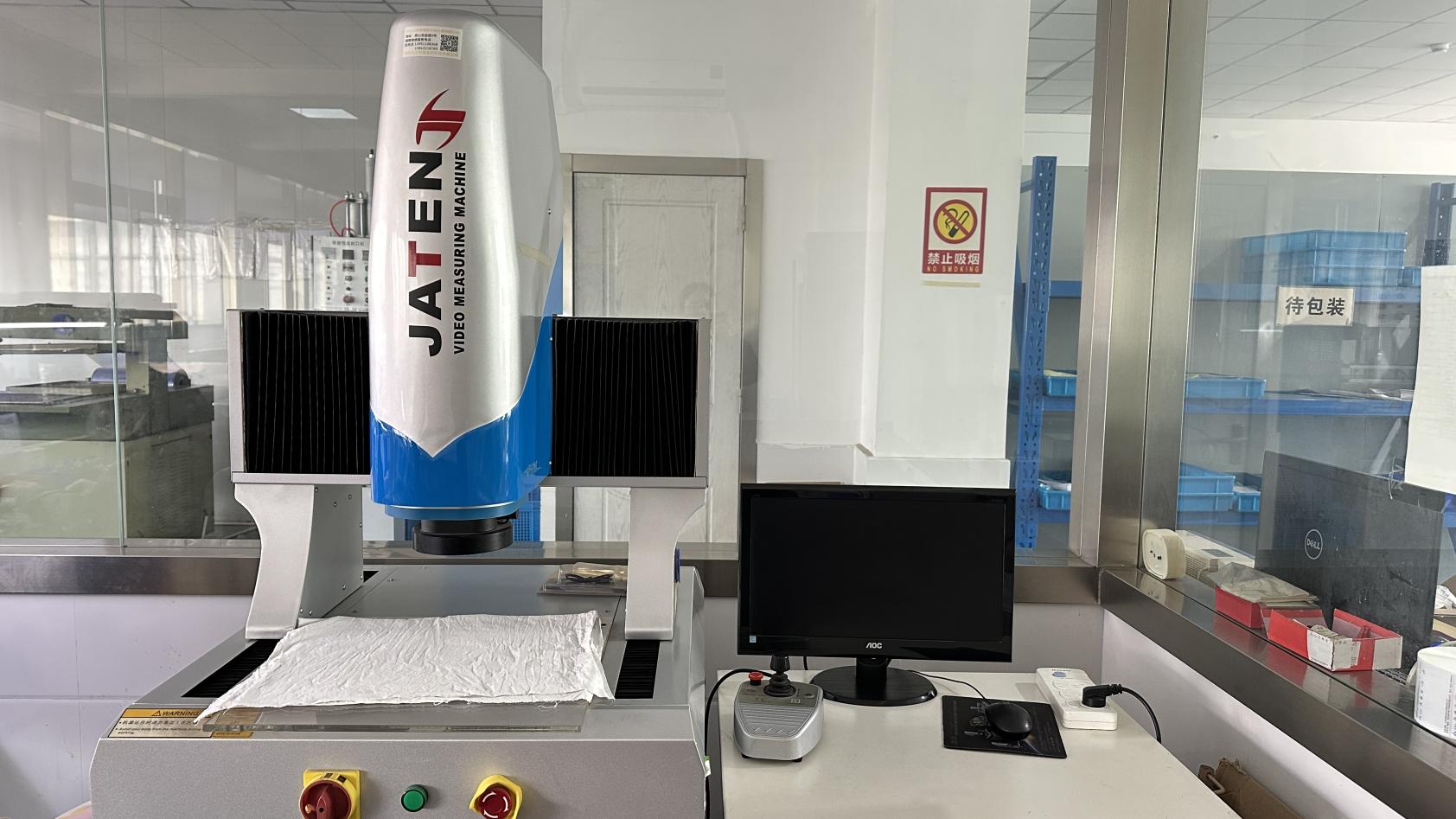
The company operates under strict quality assurance systems including ISO 13485 certification and CE compliance. Quality inspection methods include incoming material inspection, in-process quality control (IPQC), final product inspection (FQC), and third-party laboratory testing.
With a strong global trade background, Medisplint primarily serves markets in Europe, Southeast Asia, the Middle East, and South America. Collaborating with over 1,200 supply chain partners, we support stable production capacity and flexible sourcing strategies. Our main customer types include hospitals, orthopedic distributors, surgical centers, and OEM/ODM partners.
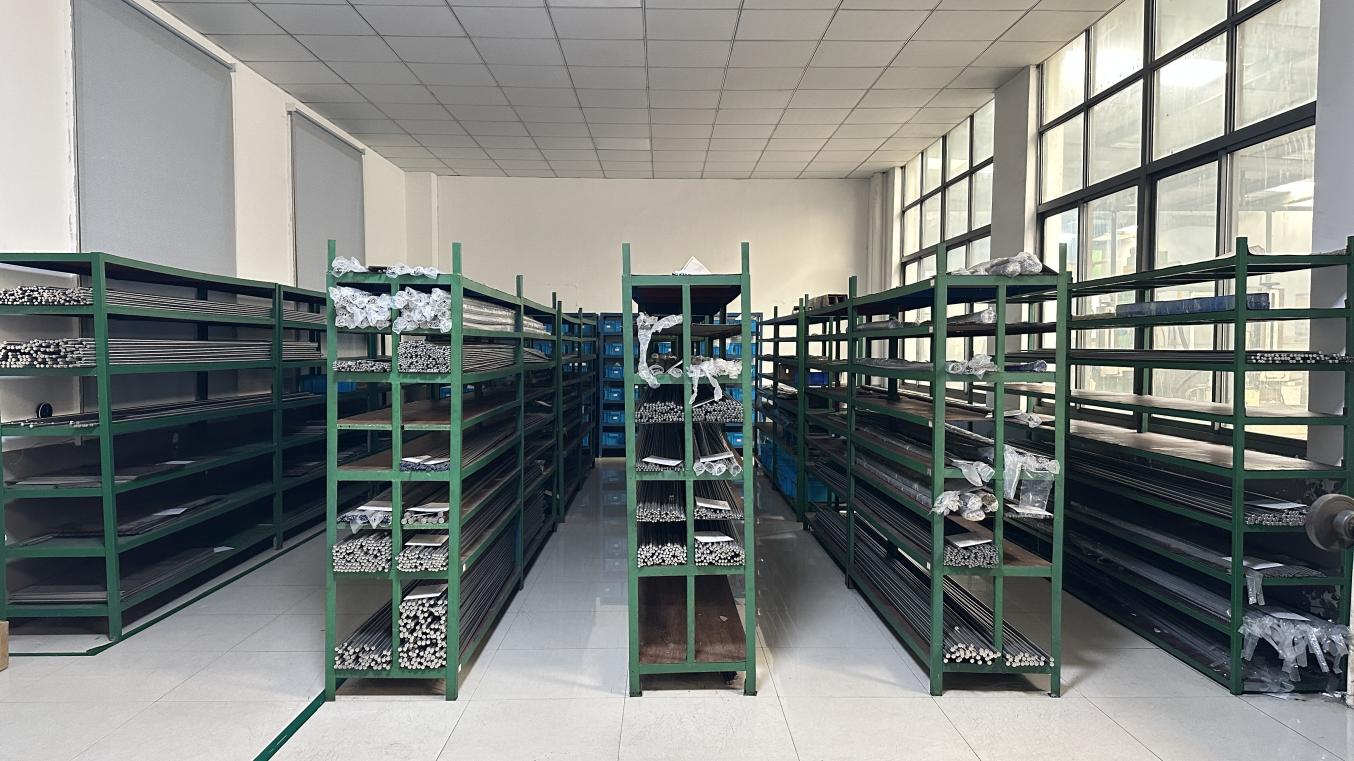
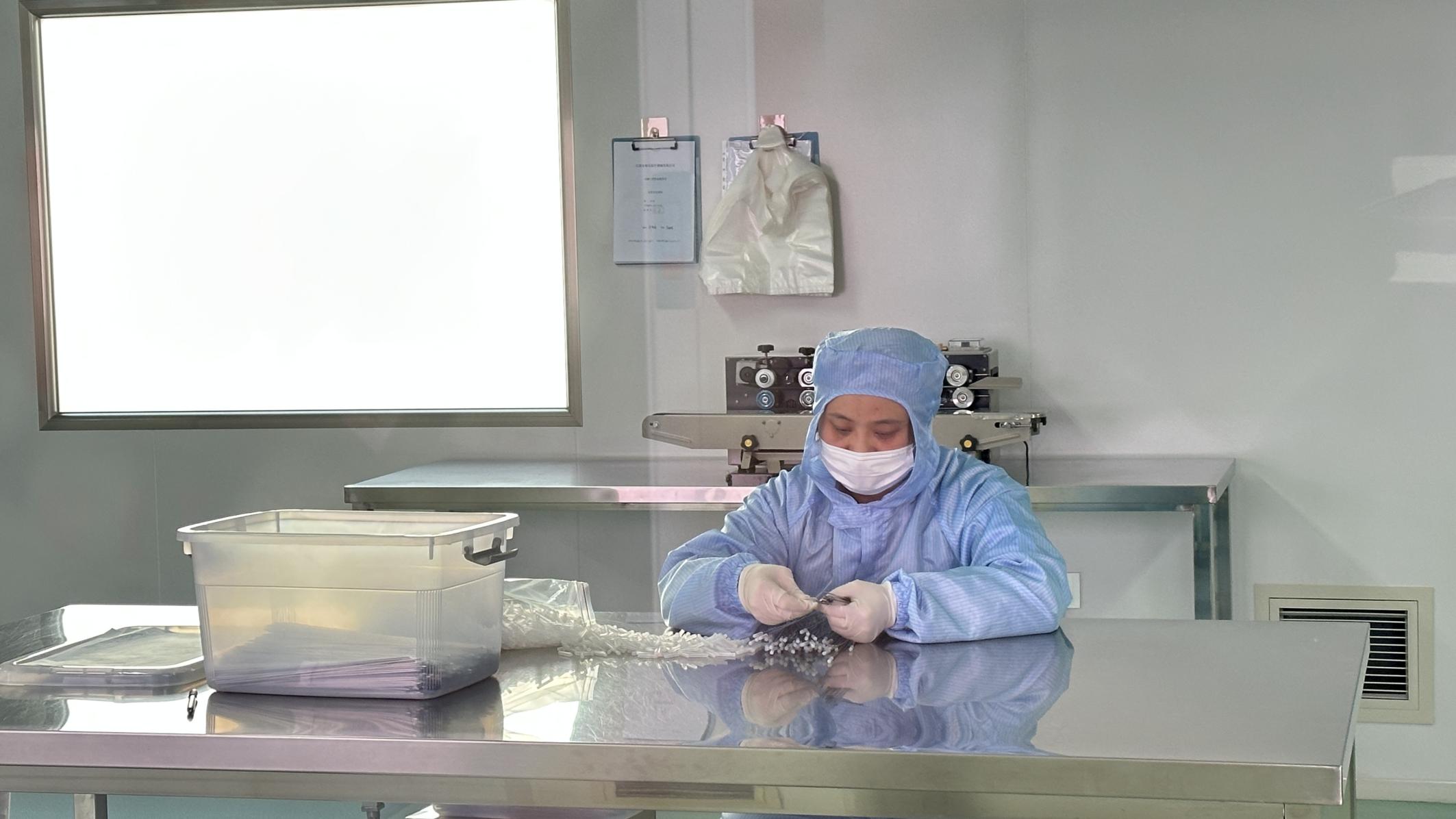
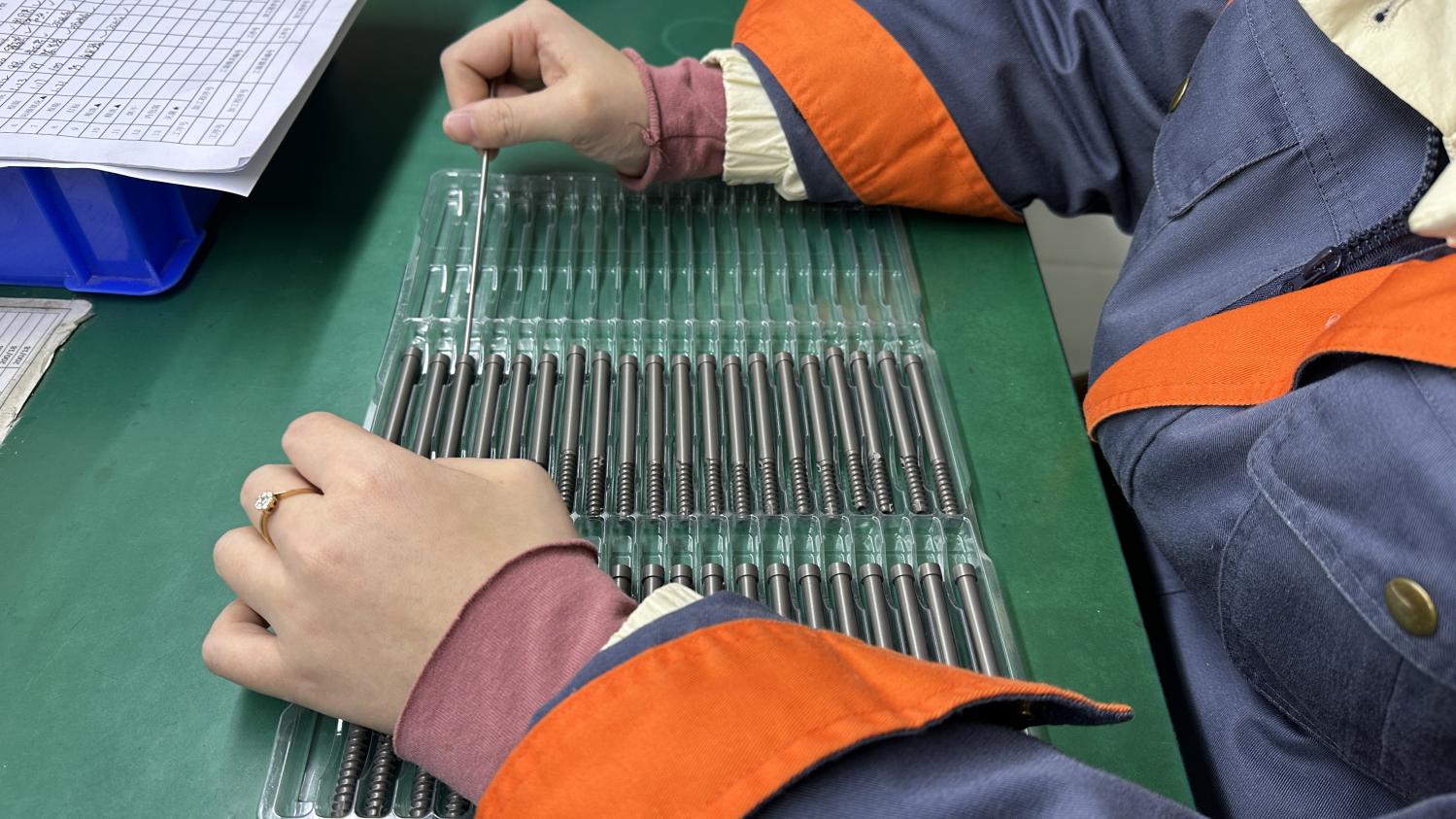
From medical-grade raw materials to cleanroom packaging, see the manufacturing processes behind our orthopedic systems.
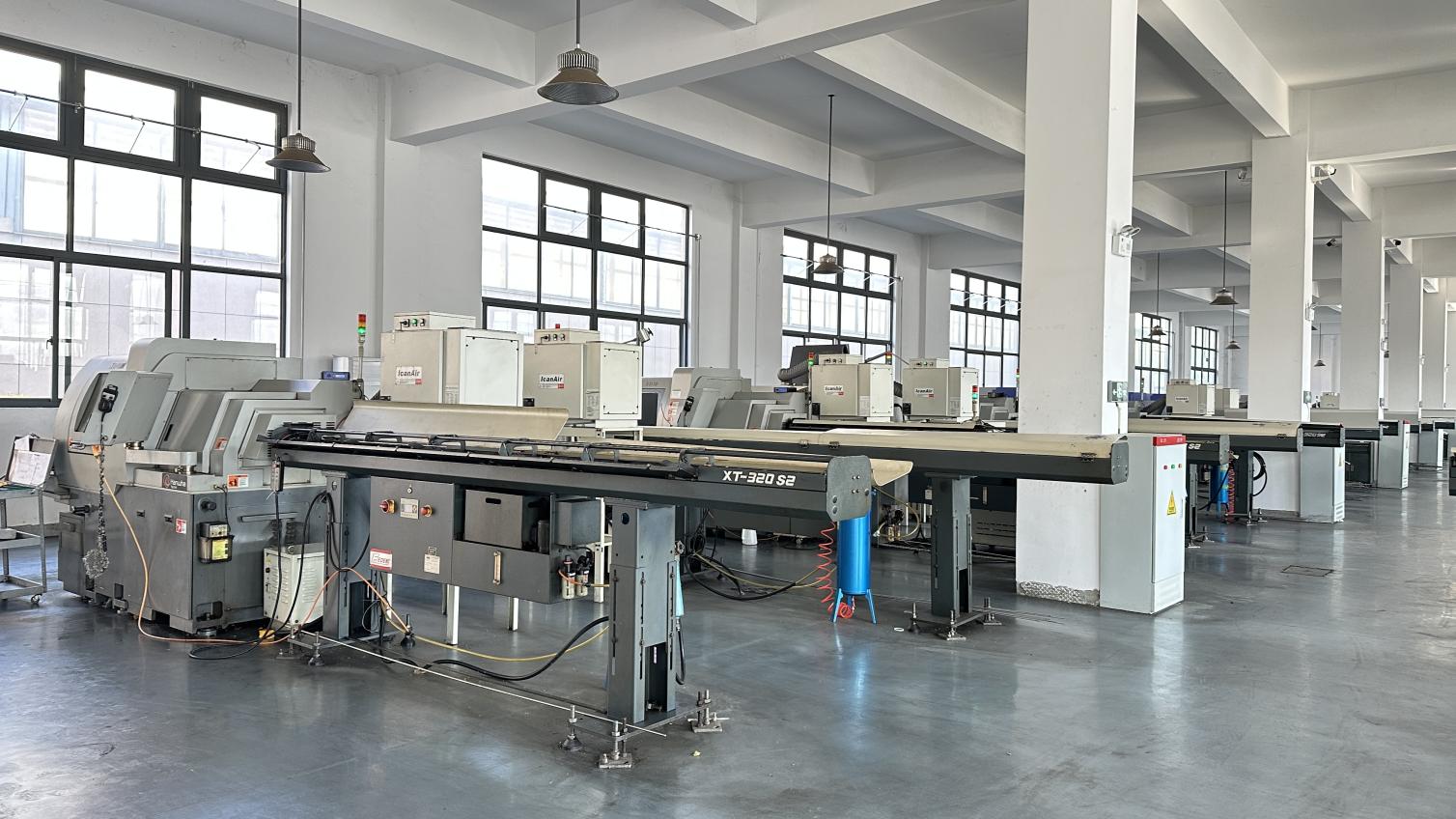
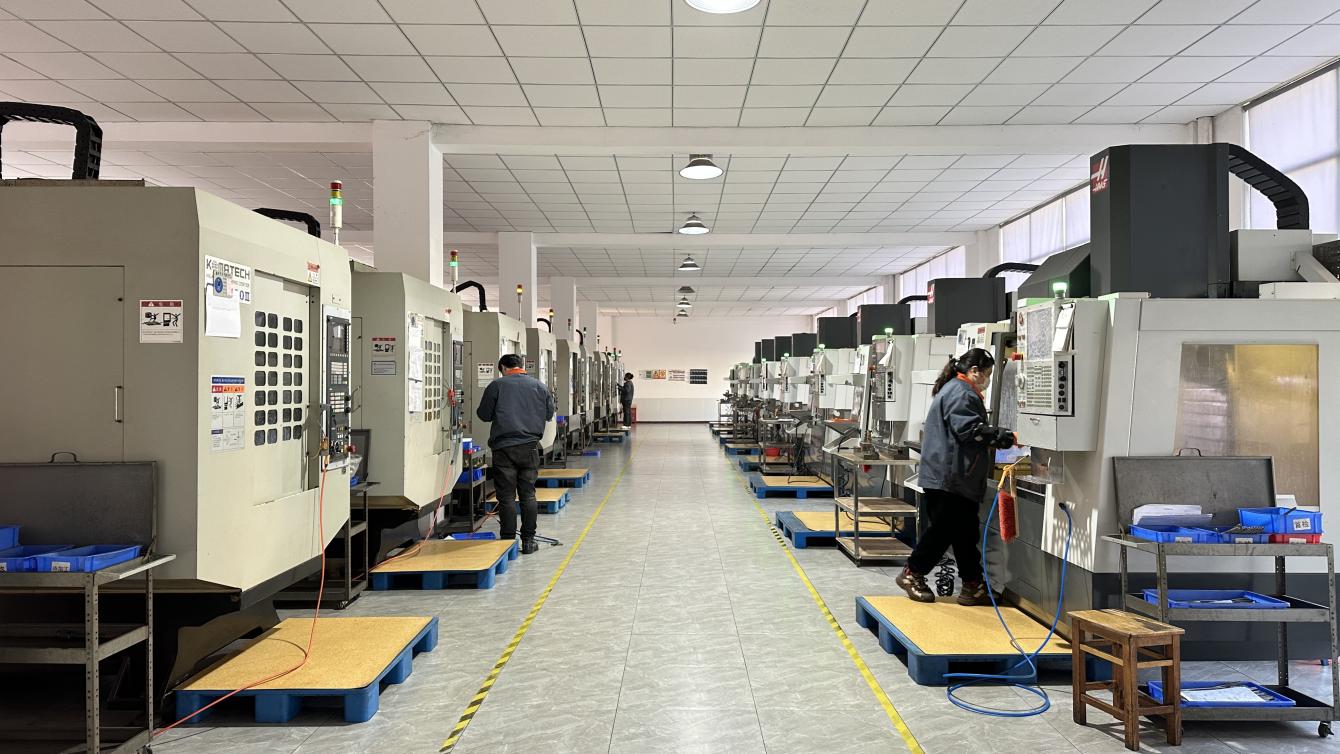
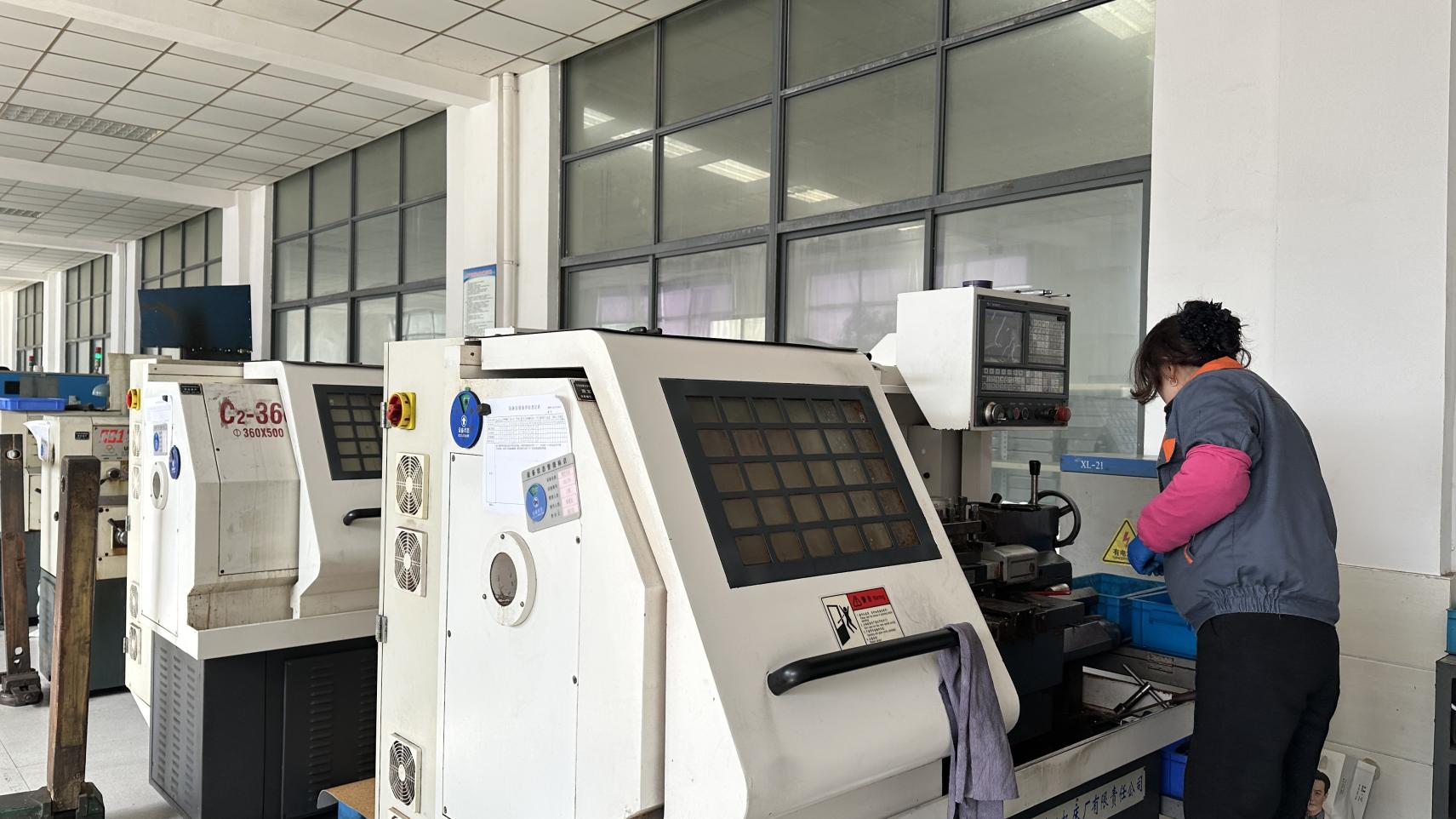
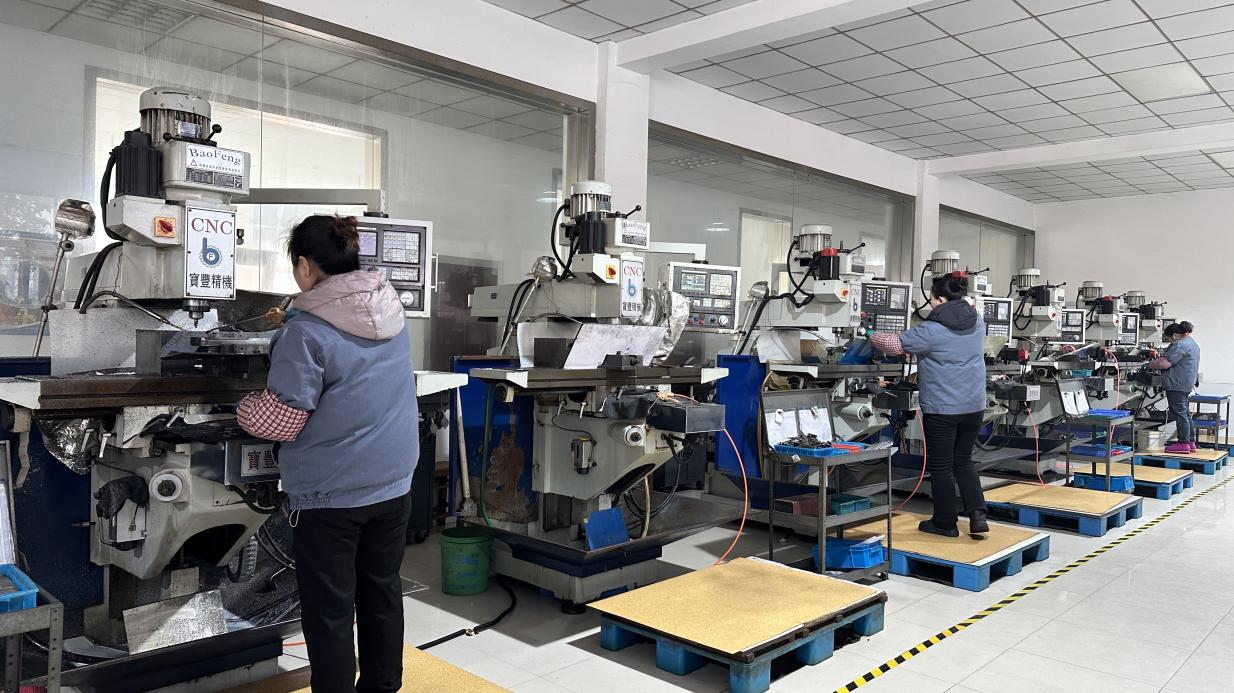
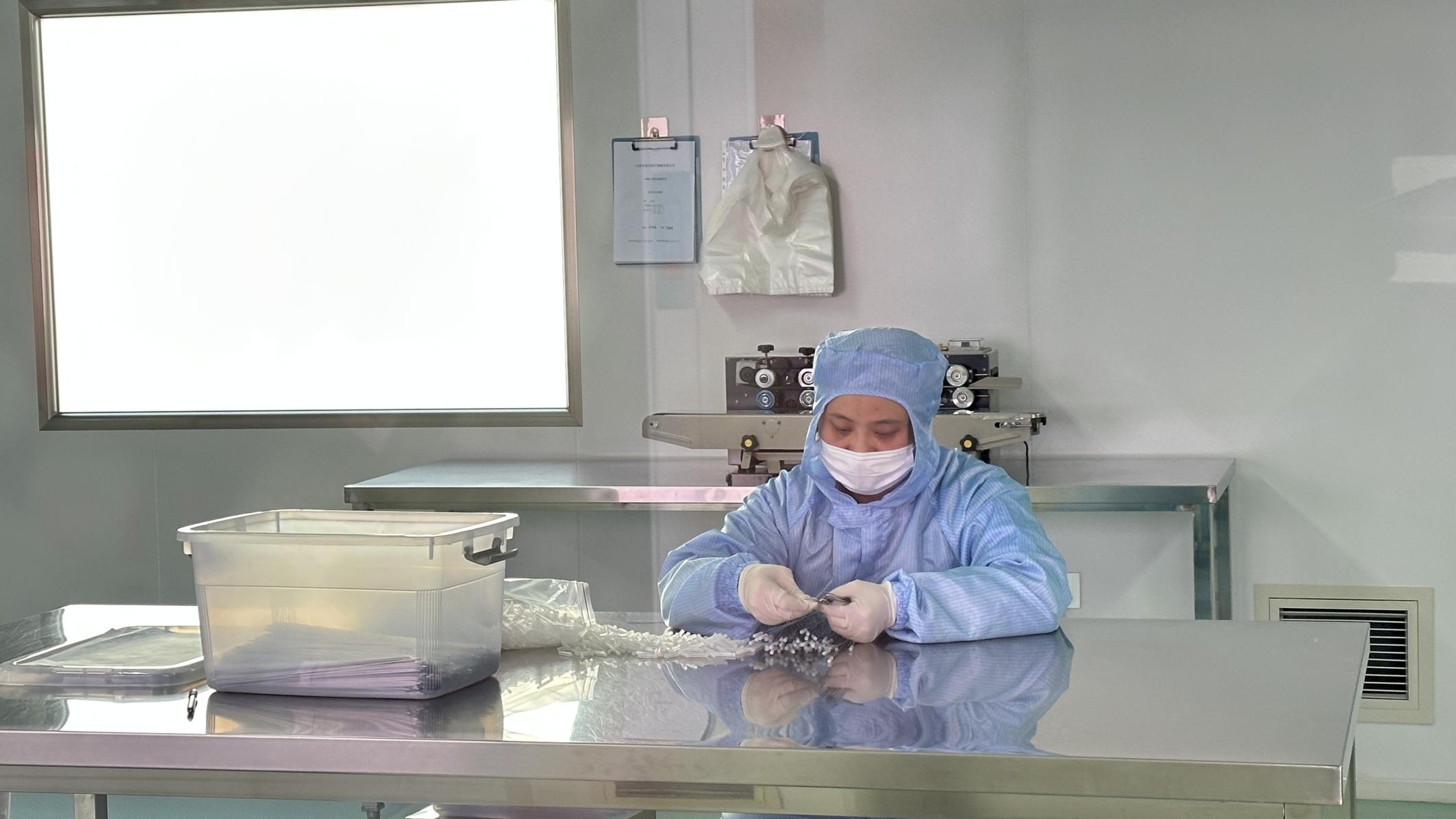
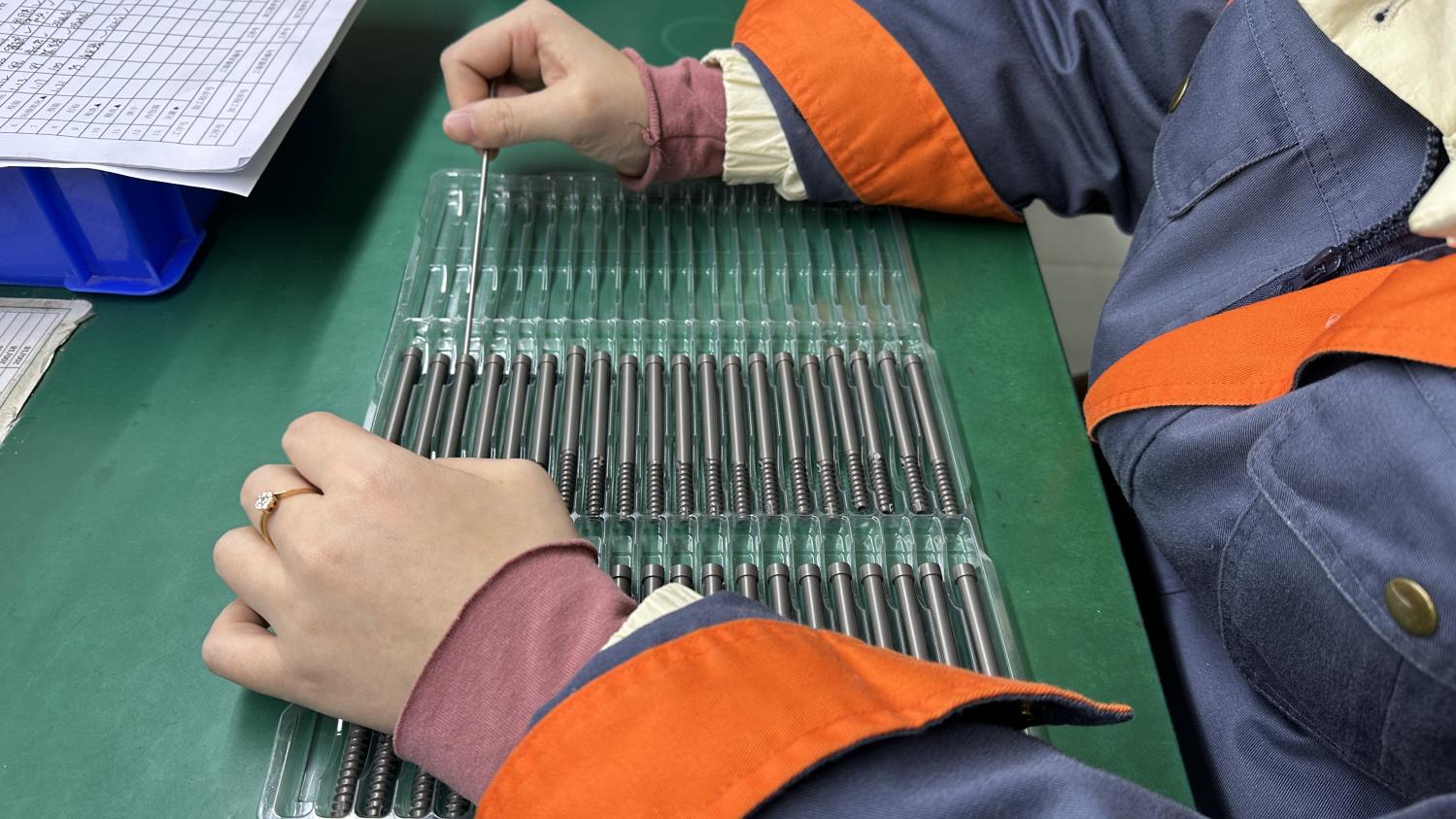
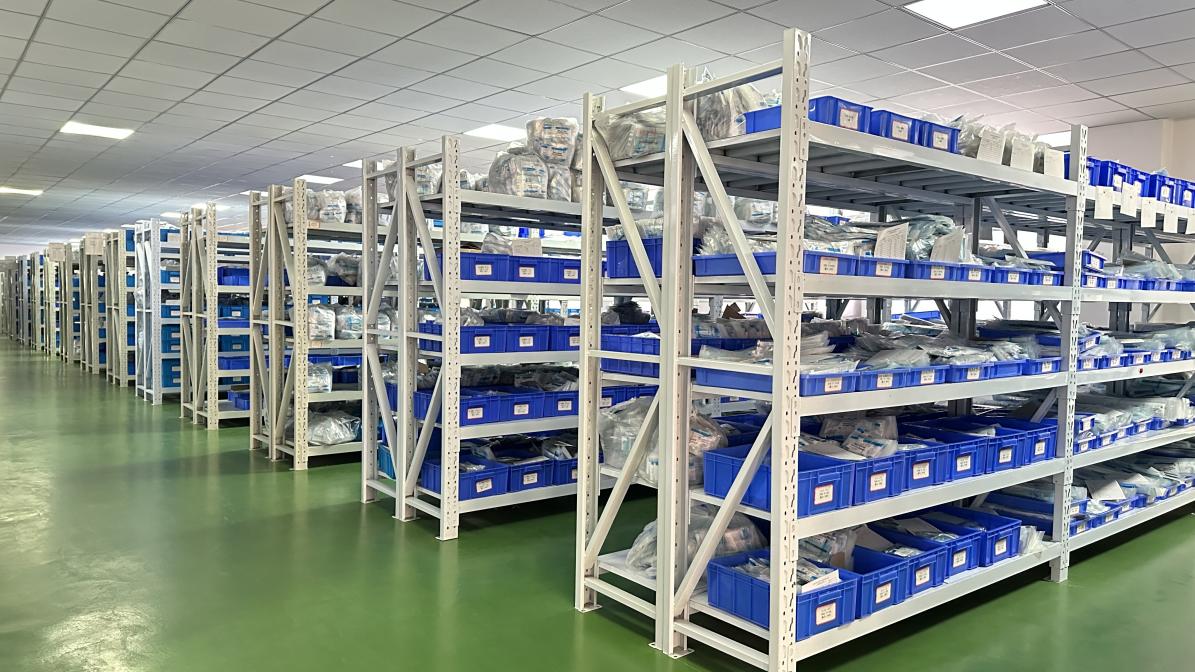
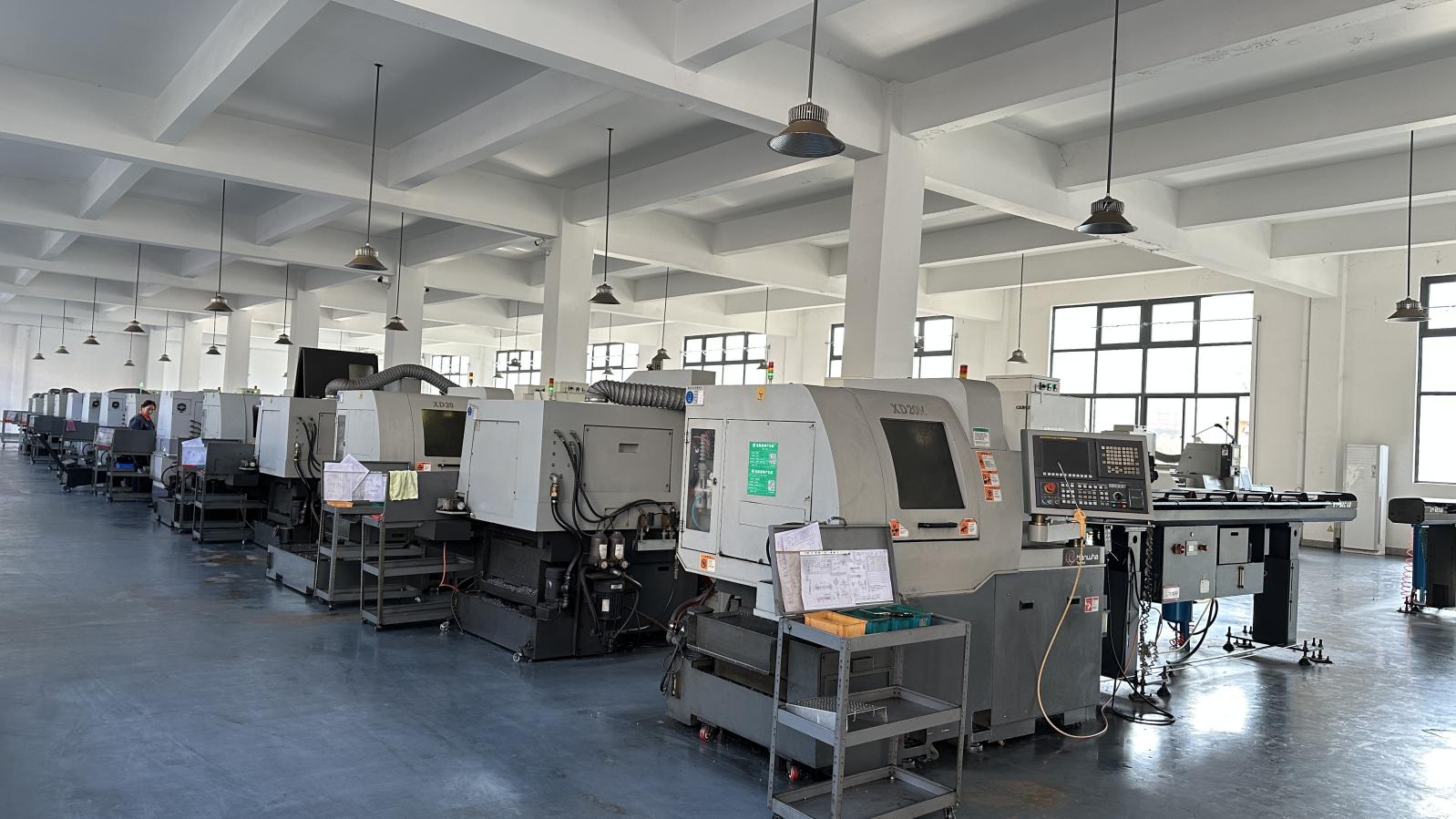
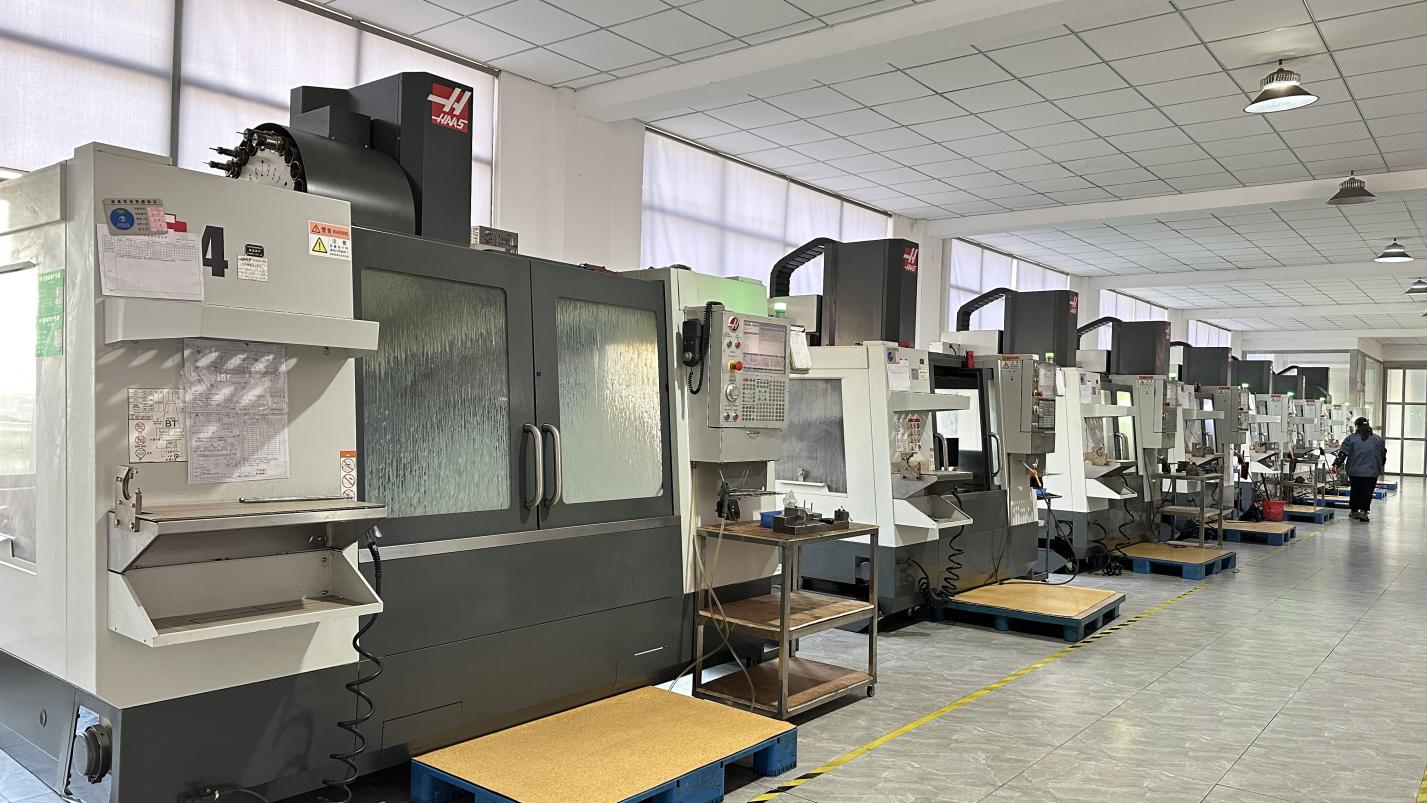
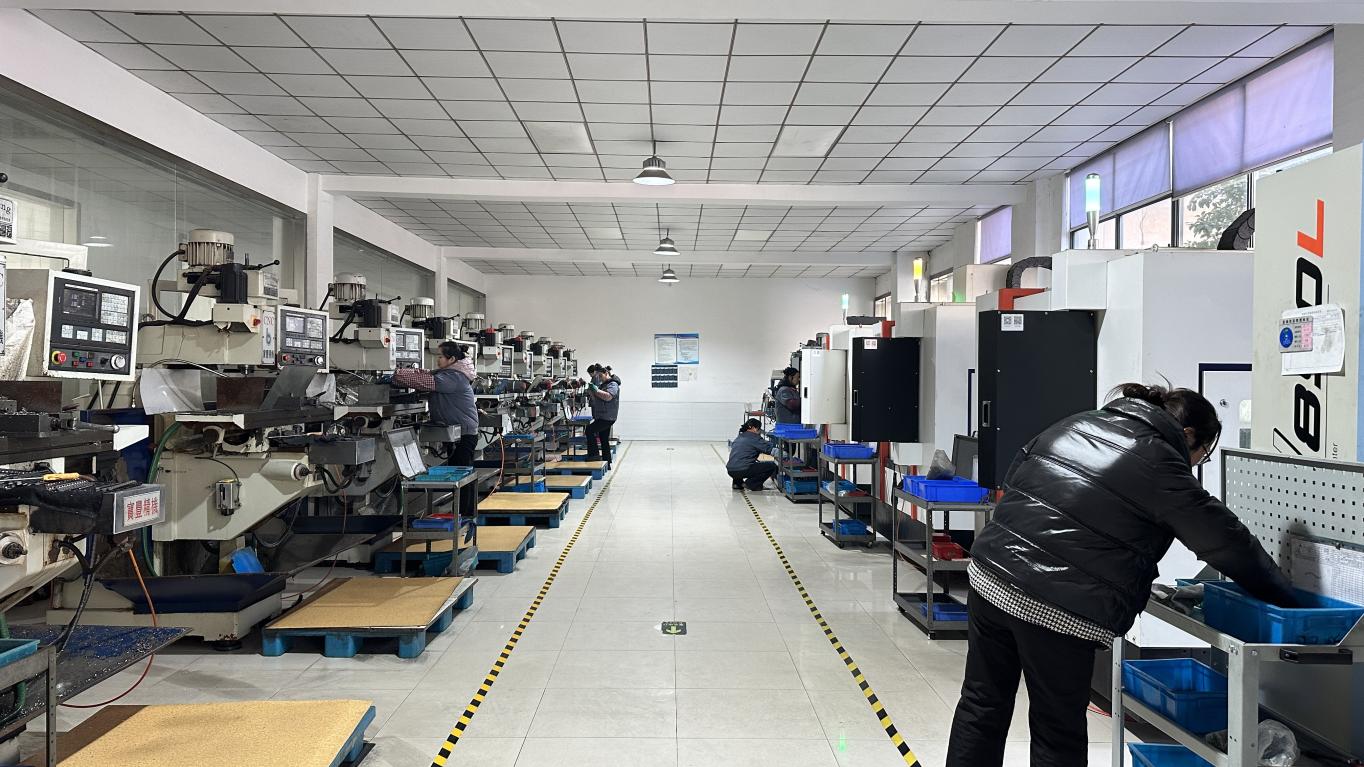
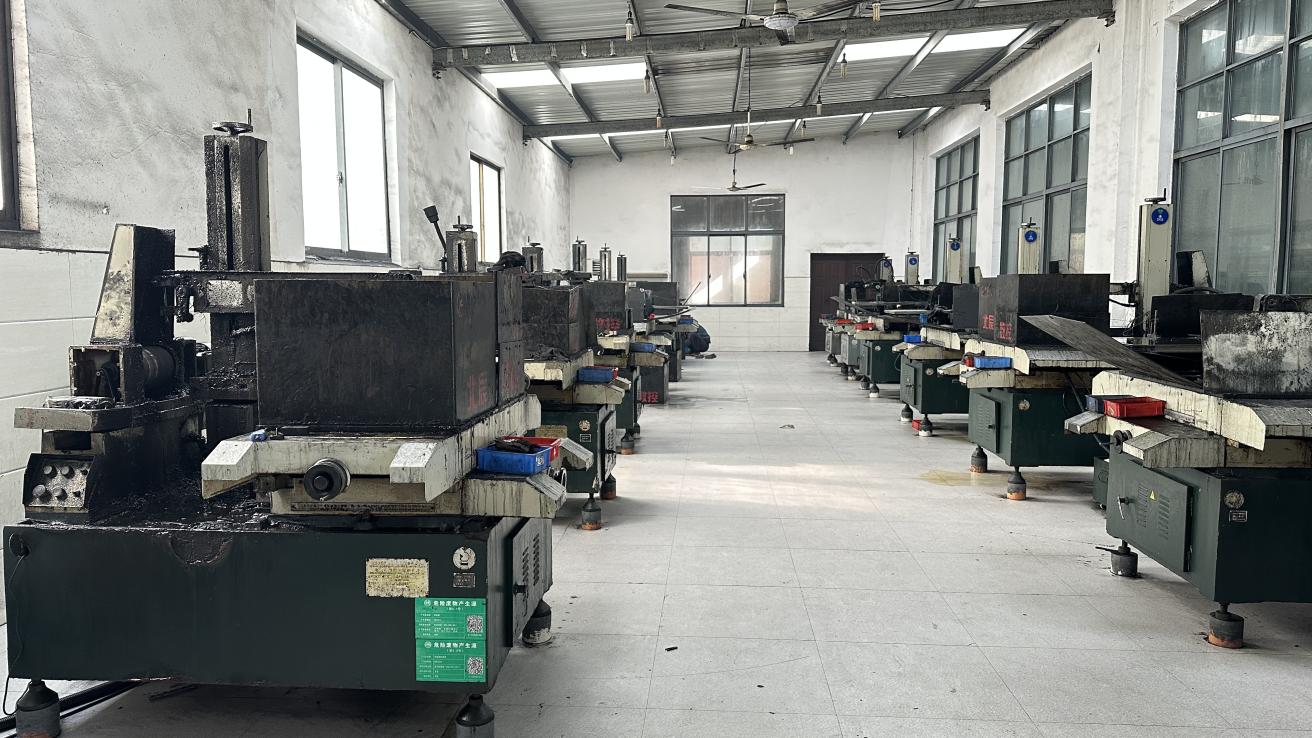
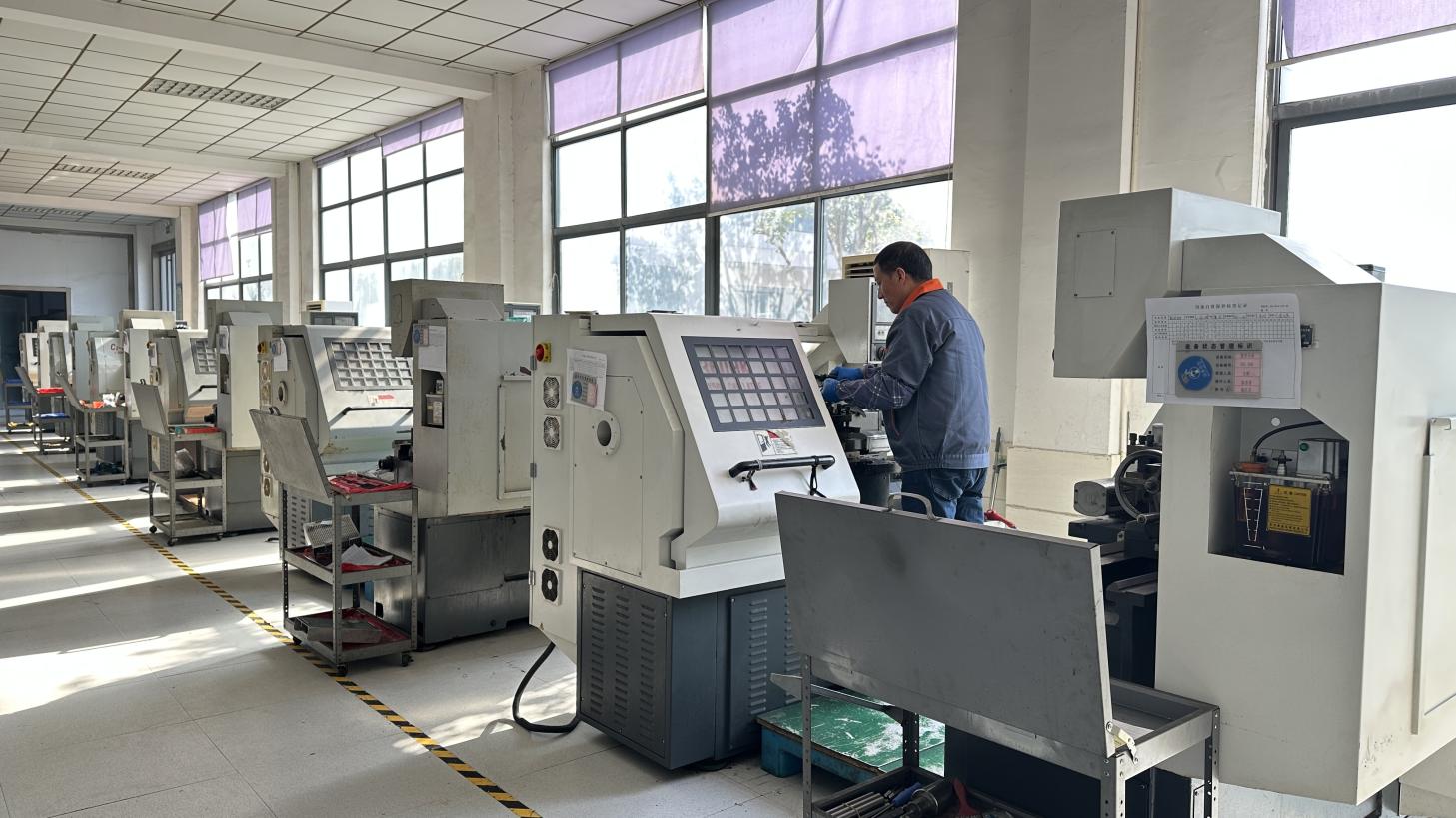
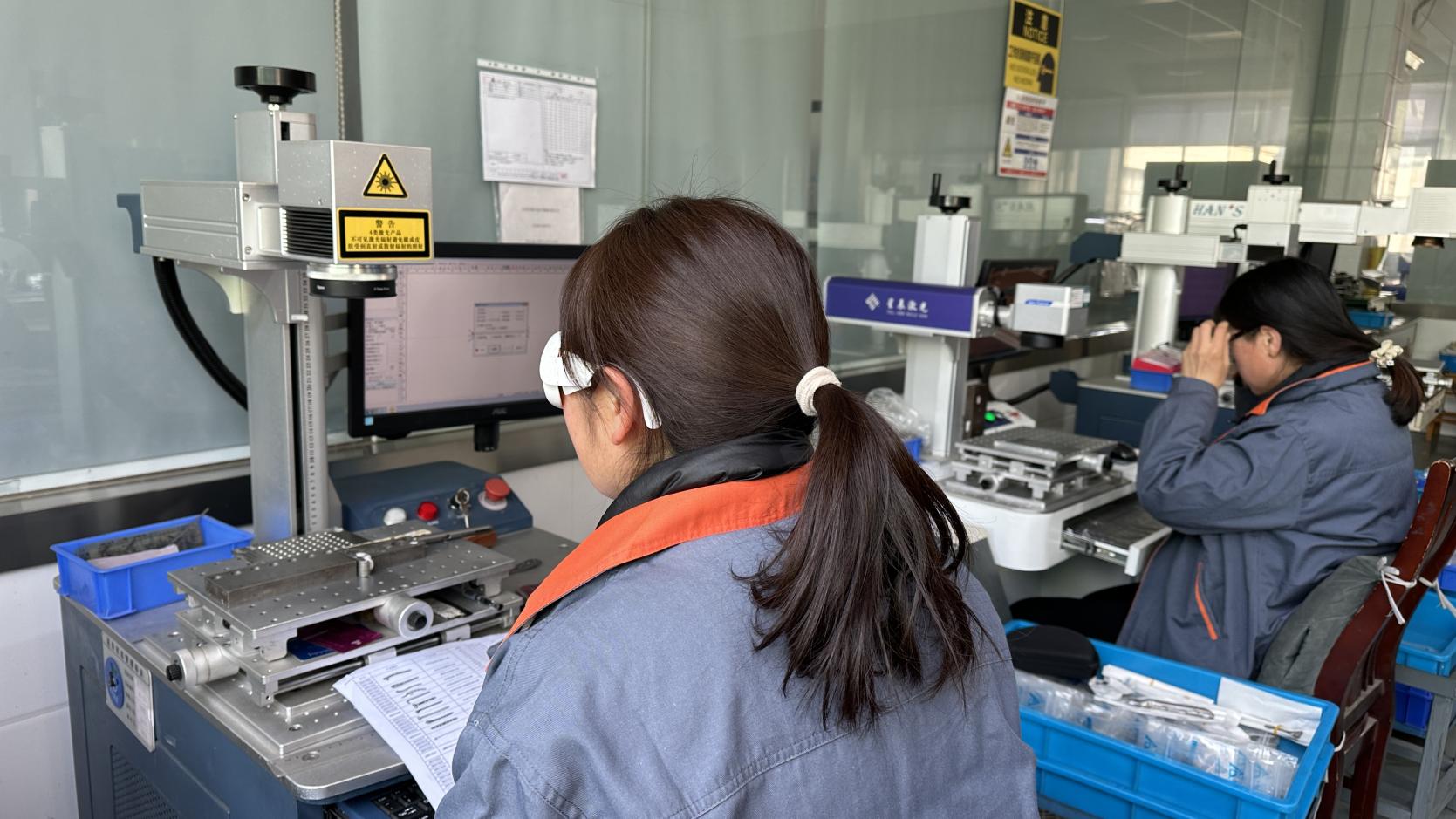
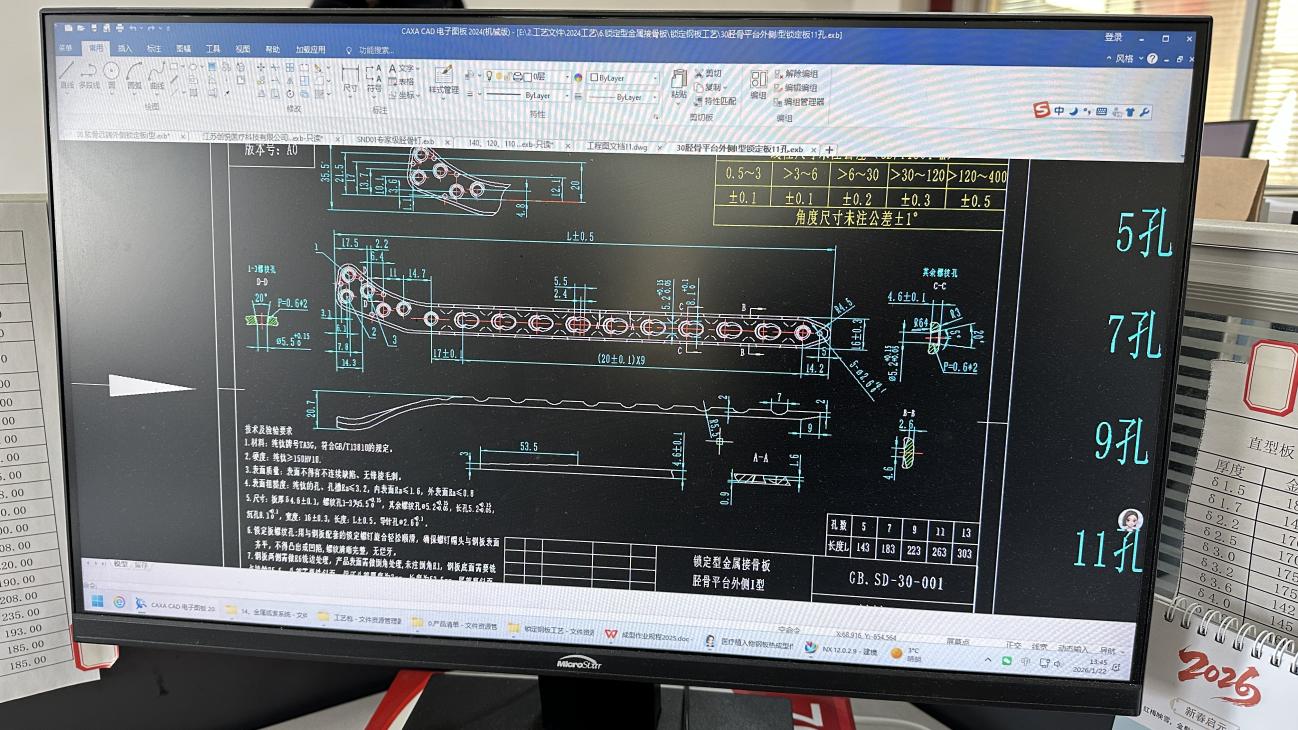
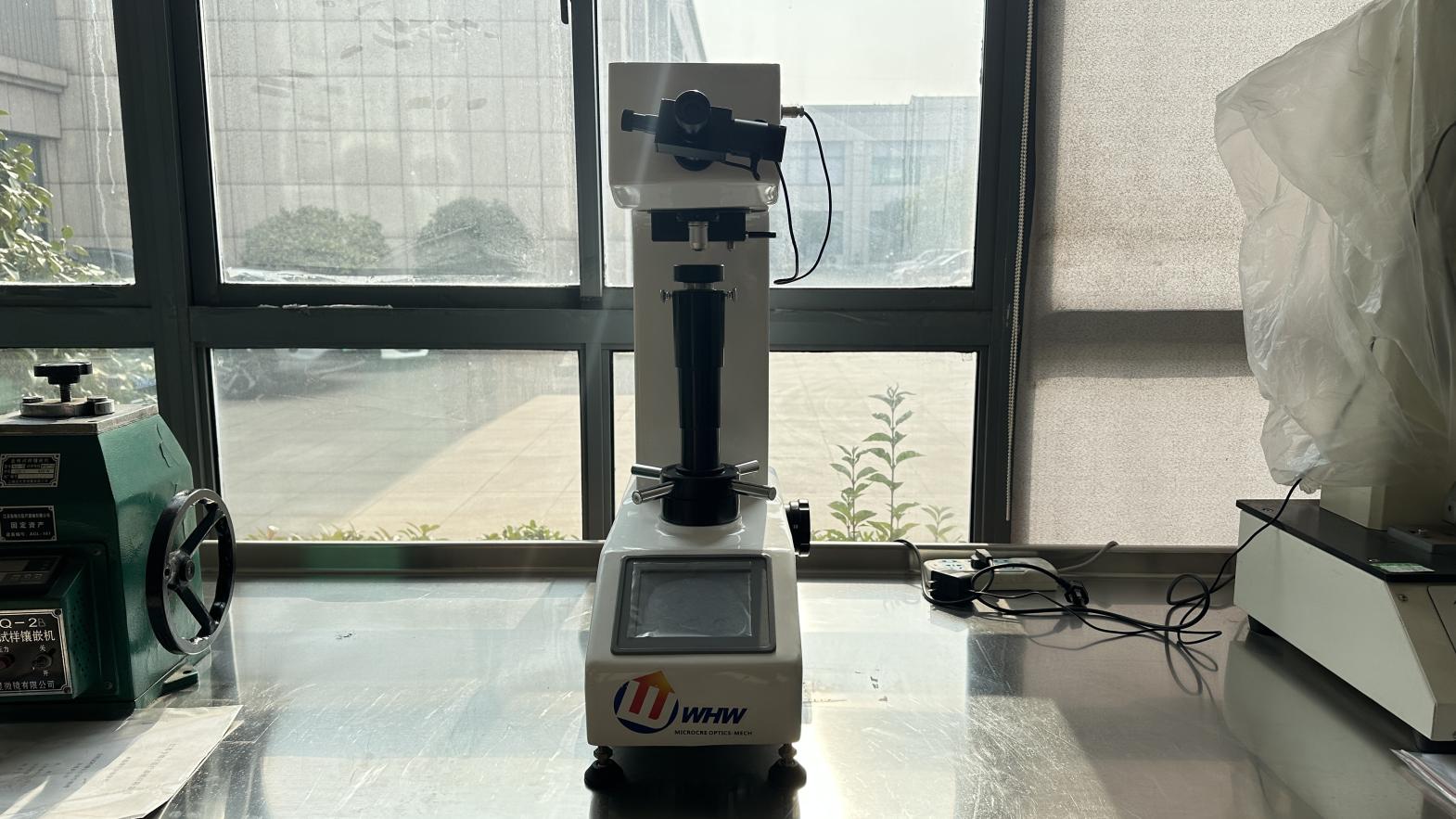
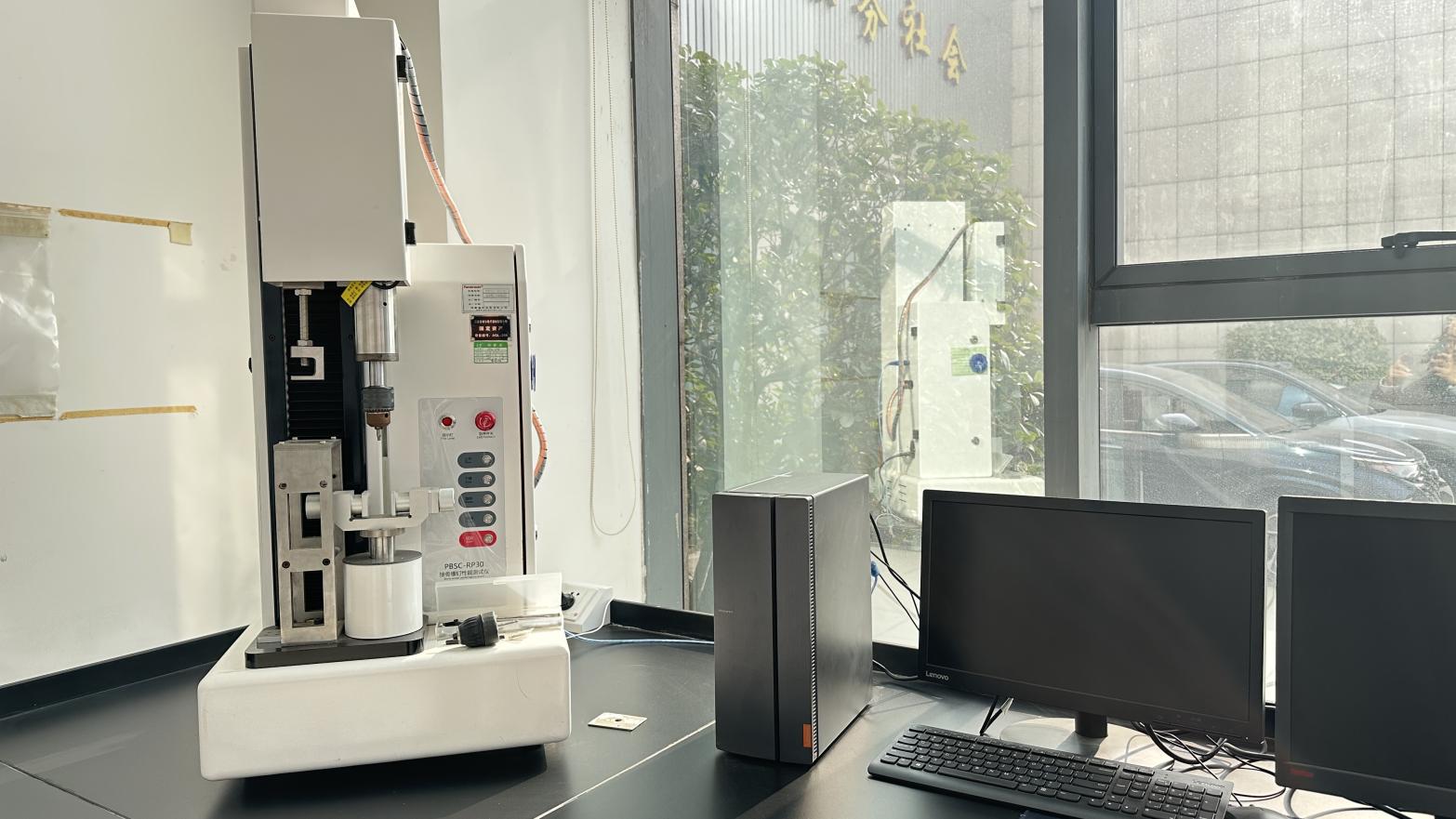
A look at the professional testing equipment used to maintain Class III medical implant standards and fulfill our CE & ISO 13485 promises.

A detailed comparison of materials used in modern cervical cage production, comparing stability, osseointegration, and imaging properties.
| Material Category | Elastic Modulus (vs. Bone) | Radiolucency & Imaging | Osseointegration Potential | Subsidence Risk | Typical Clinical Applications |
|---|---|---|---|---|---|
| Standard PEEK (ASTM F2026) | Close match (approx. 3.6 GPa) | Excellent (zero artifact, easy fusion assessment) | Low (inherently bio-inert; relies on press-fit) | Moderate to Low | Standard multi-level ACDF, low-load fusions |
| Solid Titanium Alloy (Ti-6Al-4V ELI) | Higher than bone (approx. 110 GPa) | Poor (high MRI/CT scatter artifacts) | High (proven surface biocompatibility) | Moderate to High (stress shielding risk) | Heavy reconstruction, corpectomies, high deformity cases |
| 3D Porous Titanium (Lattice structure) | Configurable (lowered to 10-15 GPa) | Moderate (open structures reduce scatter) | Excellent (accelerated trabecular bone ingrowth) | Very Low | Stand-alone zero-profile constructs, challenging bone qualities |
| Surface-Modified PEEK (Ti-Plasma coated) | Hybrid profile (optimized interface) | Good (thin layer allows visualization) | Enhanced (combines PEEK flexibility with Ti surface) | Low | Degenerative disc disease with early stabilization goals |
1. Additive Manufacturing (3D Printing) Expansion: The integration of 3D electron beam melting (EBM) and selective laser melting (SLM) is enabling the creation of complex biomimetic lattices. These open-pore structures mimic natural trabecular bone, providing a scaffold that encourages vascularization and faster cellular adhesion.
2. Bioactive Interface Coatings: To overcome the inert properties of standard polymers, research is focused on thin-film coatings. Applying calcium phosphate (CaP) or hydroxyapatite (HA) onto PEEK or titanium substrates accelerates early bone growth at the critical bone-implant interface.
1. Regulatory Compliance Frameworks: Registering implants in Western markets requires robust data files. Top Chinese manufacturers supply comprehensive technical documentation, including ISO 10993 biocompatibility portfolios and ASTM mechanical reports, to streamline registration processes.
2. Cleanroom Manufacturing & Sterility: High-end manufacturers invest in Class 10,000 (ISO 7) cleanroom facilities. Providing sterile-packaged, gamma-irradiated implants with clear UDI tracking labels helps lower hospital logistical costs and ensures patient safety.
Detailed answers to key technical, regulatory, and mechanical questions asked by biomedical engineers, orthopedic surgeons, and supply chain partners.
Explore our second selection of high-quality trauma systems, veterinary power tools, and precision surgical instruments.