Medisplint
Medisplint
Medisplint
Explore our cutting-edge orthopedic fixation devices, spinal implants, and intelligent surgical systems manufactured in compliance with strict ISO 13485 and CE protocols.
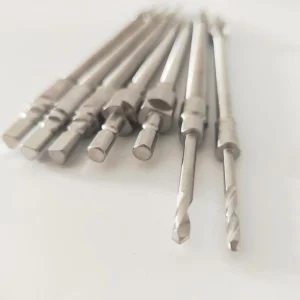
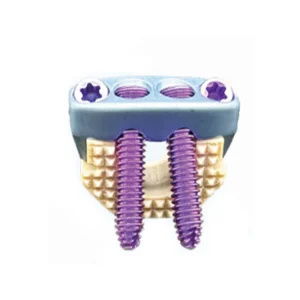
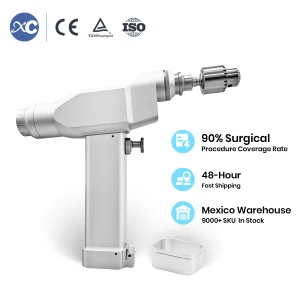
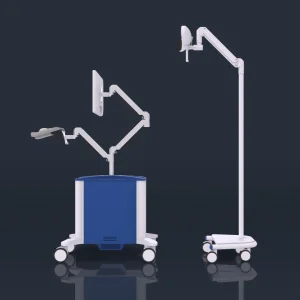
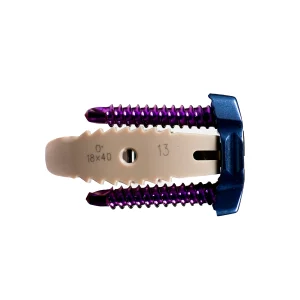
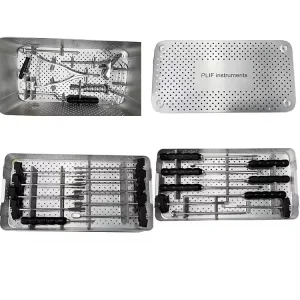
Founded in 2016, Medisplint Orthopedic Instruments Co., Ltd. has established itself as a leading professional manufacturer specializing in orthopedic implants, fixation systems, and surgical instruments for trauma, spine, and joint reconstruction. Operating from our state-of-the-art facility spanning approximately 18,500㎡, we support fully integrated production, assembly, and quality control operations to deliver clinical-grade medical hardware to partners worldwide.
With an annual export revenue of around USD 12 million, over 7 years of pure export experience, and 10 years of overall orthopedic medical device manufacturing excellence, we leverage deep material expertise and regulatory proficiency. Our operations conform strictly to ISO 13485 certification and CE compliance standards, backed by a sophisticated quality control department of 42 dedicated inspectors and an R&D team of 85 engineering specialists who launched 68 new innovations last year alone.
Our 18,500㎡ integrated production site equipped with cleanrooms and high-precision machining centers.
Analyzing the dynamics of Total Hip Arthroplasty (THA), global patient demographics, and materials engineering that define modern orthopedics.
Total Hip Arthroplasty (THA) remains one of the most successful surgeries globally. Due to an aging worldwide population and rising incidents of osteoarthritis, femoral head osteonecrosis, and hip dysplasia, joint reconstructive surgeries are projected to grow exponentially. This places substantial pressure on healthcare systems and implant distributors to secure reliable, high-yield manufacturing partners for acetabular shells capable of meeting international clinical standards.
Modern hip reconstruction demands highly biocompatible materials that promote rapid osseointegration. Premium acetabular shells are manufactured using medical-grade Titanium Alloy (Ti6Al4V ELI) or Pure Titanium (CP-Ti). Advanced configurations utilize porous titanium coatings, plasma-sprayed hydroxyapatite (HA), or 3D-printed trabecular titanium structures to optimize biological fixation and prevent mechanical loosening over long-term patient wear cycles.
Surgical success depends heavily on the initial mechanical stability of the acetabular cup. Precision-engineered press-fit margins (typically 1mm to 2mm oversized compared to the reamed acetabulum) ensure immediate stability. Supplemental fixation is facilitated through strategically placed screw holes, allowing the insertion of cannulated bone screws to secure the shell to the host ilium, ischium, and pubis where bone density is optimal.
Why medical distributors and global OEM partners rely on Chinese advanced manufacturing ecosystems for orthopedic hardware supply chains.
China's comprehensive supply chain for medical-grade raw materials allows factories like Medisplint to source ultra-high purity Ti6Al4V ELI titanium and UHMWPE (Ultra-High-Molecular-Weight Polyethylene) locally. This proximity minimizes raw material transport times and enables strict incoming inspection protocols before materials ever enter the slitting or machining stages.
By leveraging multi-axis CNC Swiss lathes, high-speed vertical machining centers, and wire cutting equipment, Chinese plants achieve sub-micron dimensional tolerances. These automated systems dramatically reduce human error, cycle times, and waste, resulting in competitive unit economics that lower the cost barrier for premium joint replacement options globally.
With an engineering pool of 85 specialists, Medisplint offers seamless private labeling and custom design adjustments. Whether adapting a screw hole configuration or applying custom porous coatings, our engineering flexibility guarantees swift prototype-to-production scaling while complying with localized regulatory requirements across Europe, Southeast Asia, and South America.
Our integrated production line combines advanced material preparation, multi-axis milling, surface finishing, and quality validation.
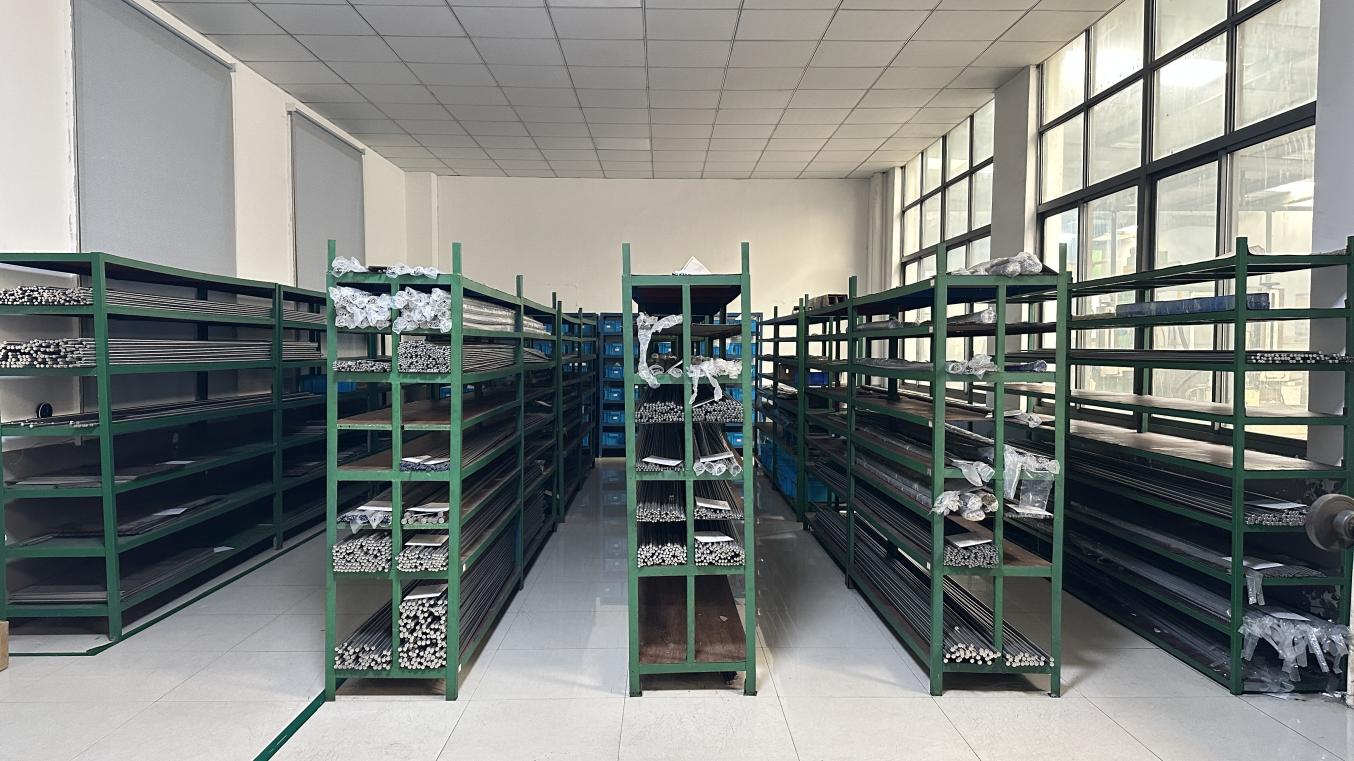
High-grade bars and tubes are precision slit to specified lengths, ensuring optimal material distribution.
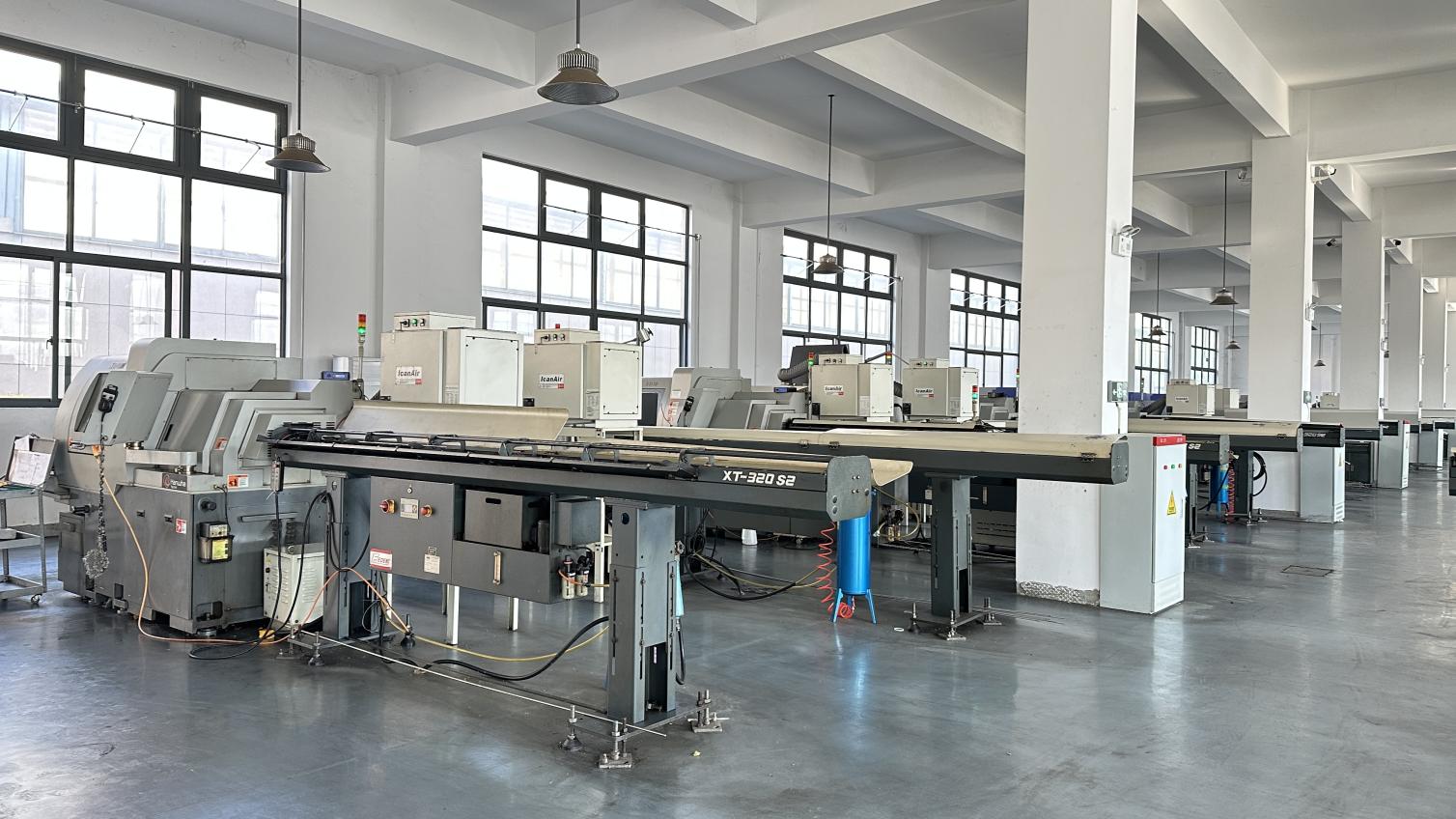
Advanced multi-axis CNC machines cut the outer spherical dome and inner locking geometry with micron accuracy.
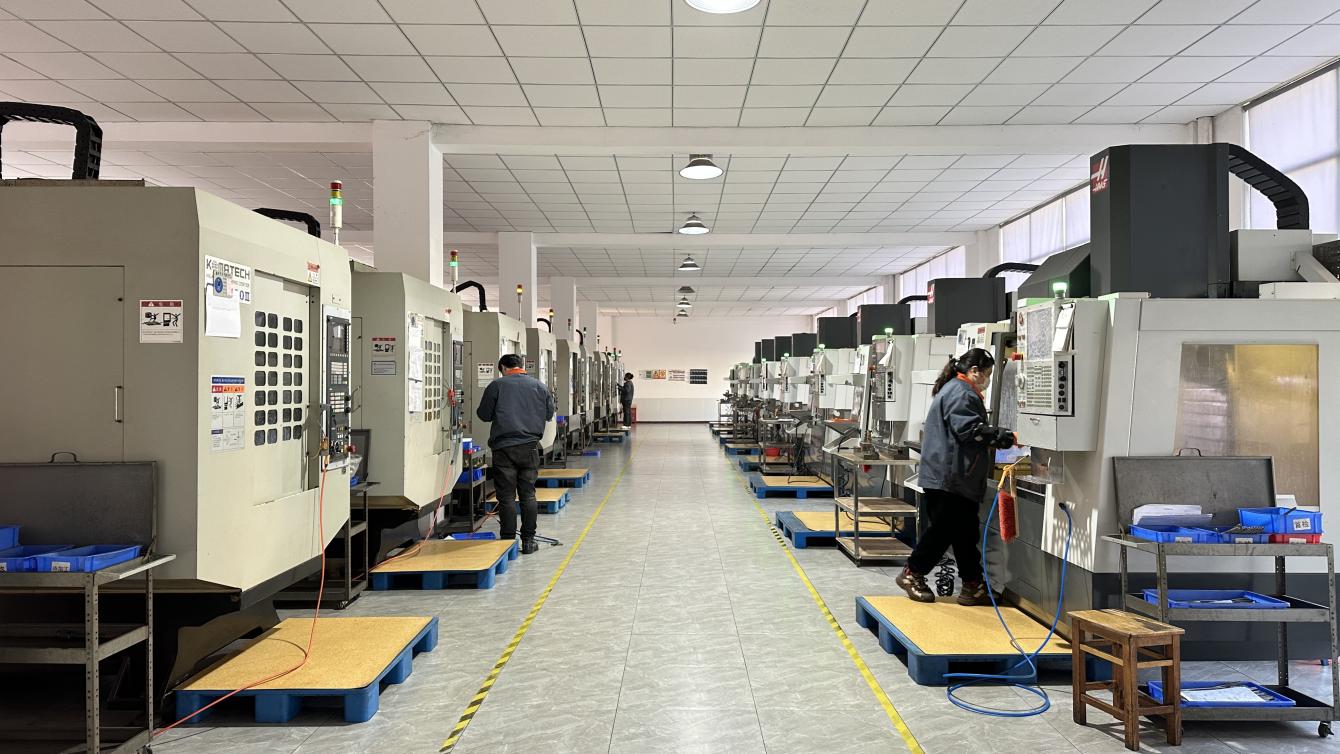
Threading of instrument attachments and precision drilling of skeletal anchoring screw ports.
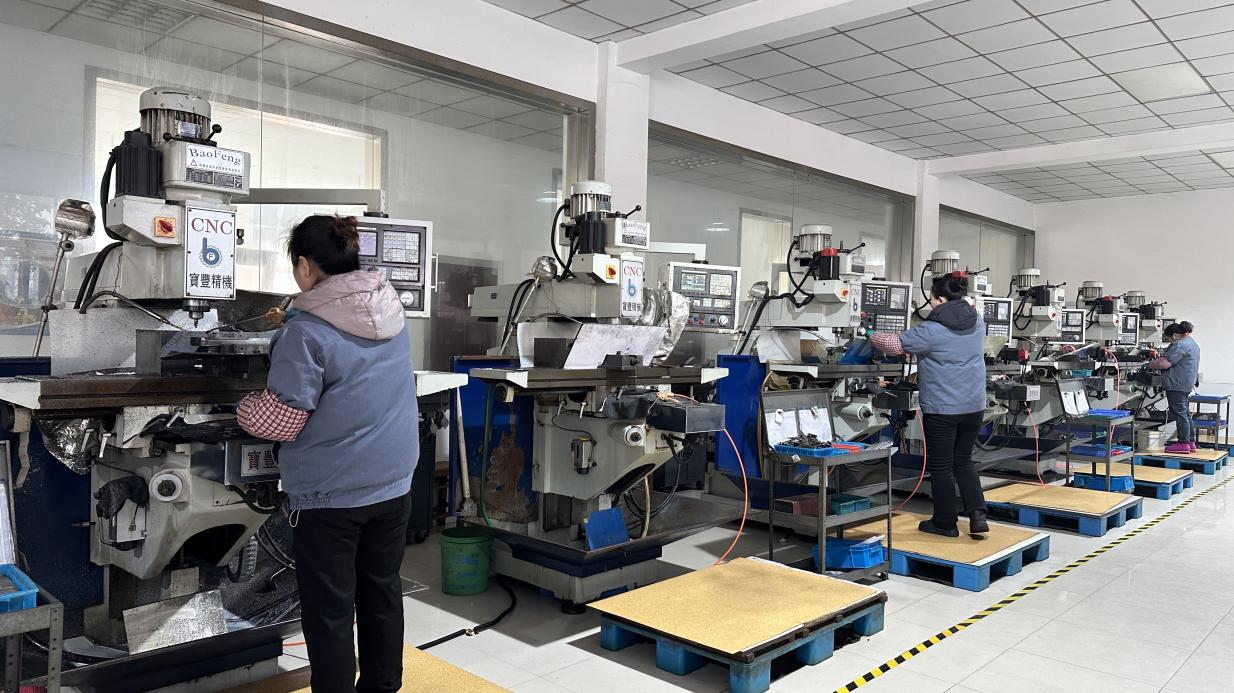
Milling of locking slots, indexing notches, and functional interfaces for reliable liner installation.
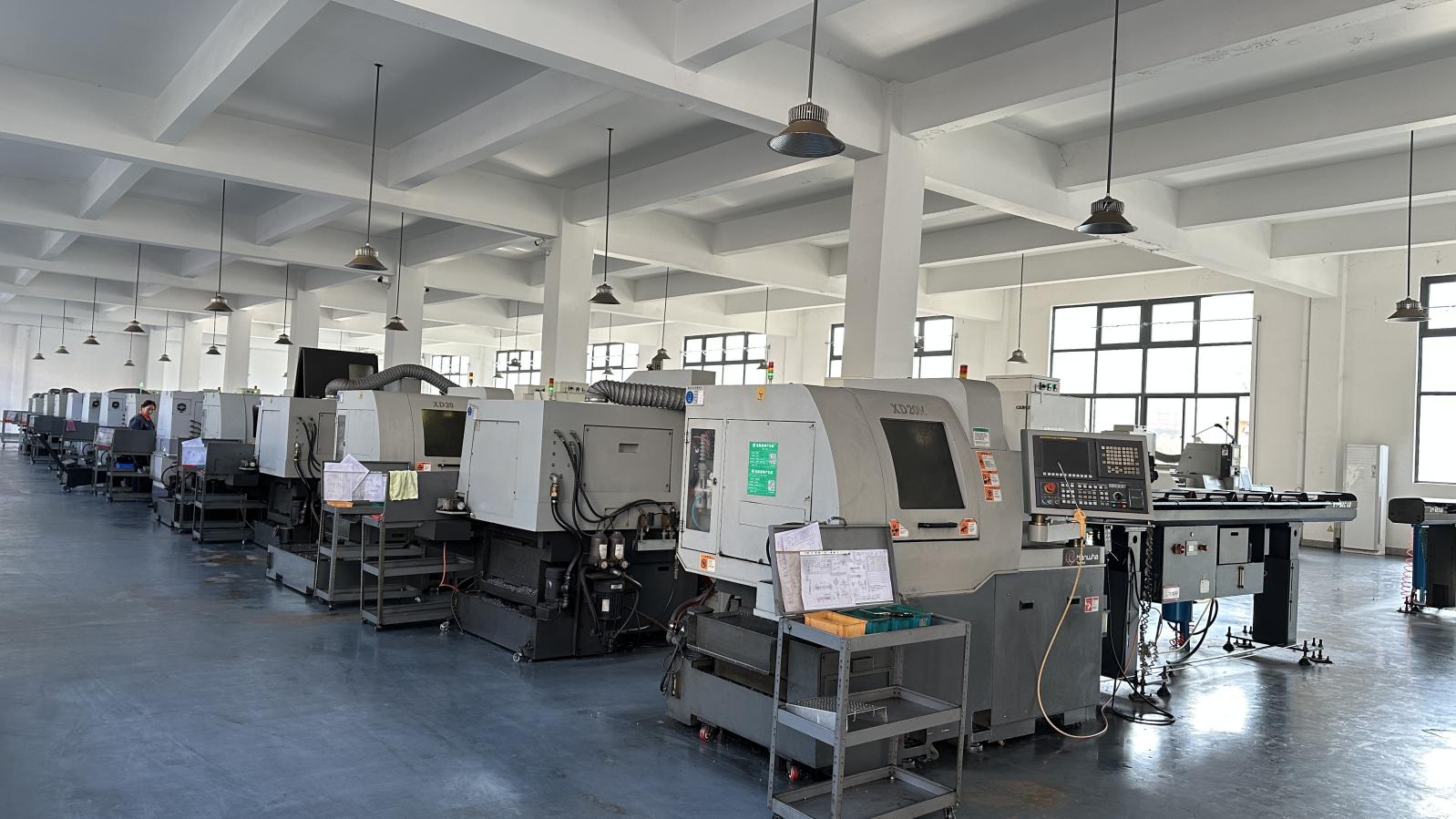
Continuous machine monitoring ensures uniform tool-wear compensation and constant product quality.
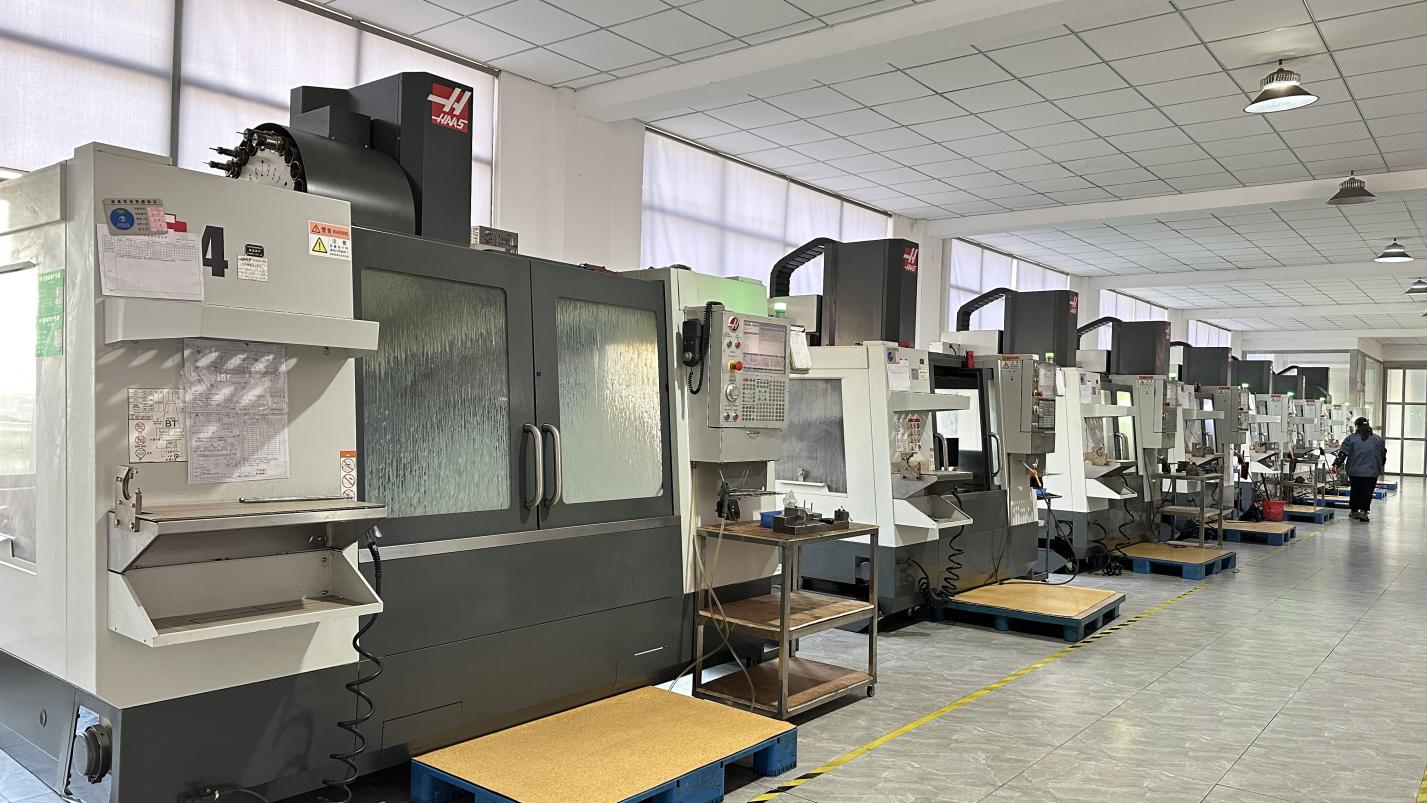
Smooth surface finishing is applied to implant interfaces to limit friction and micro-motion wear.
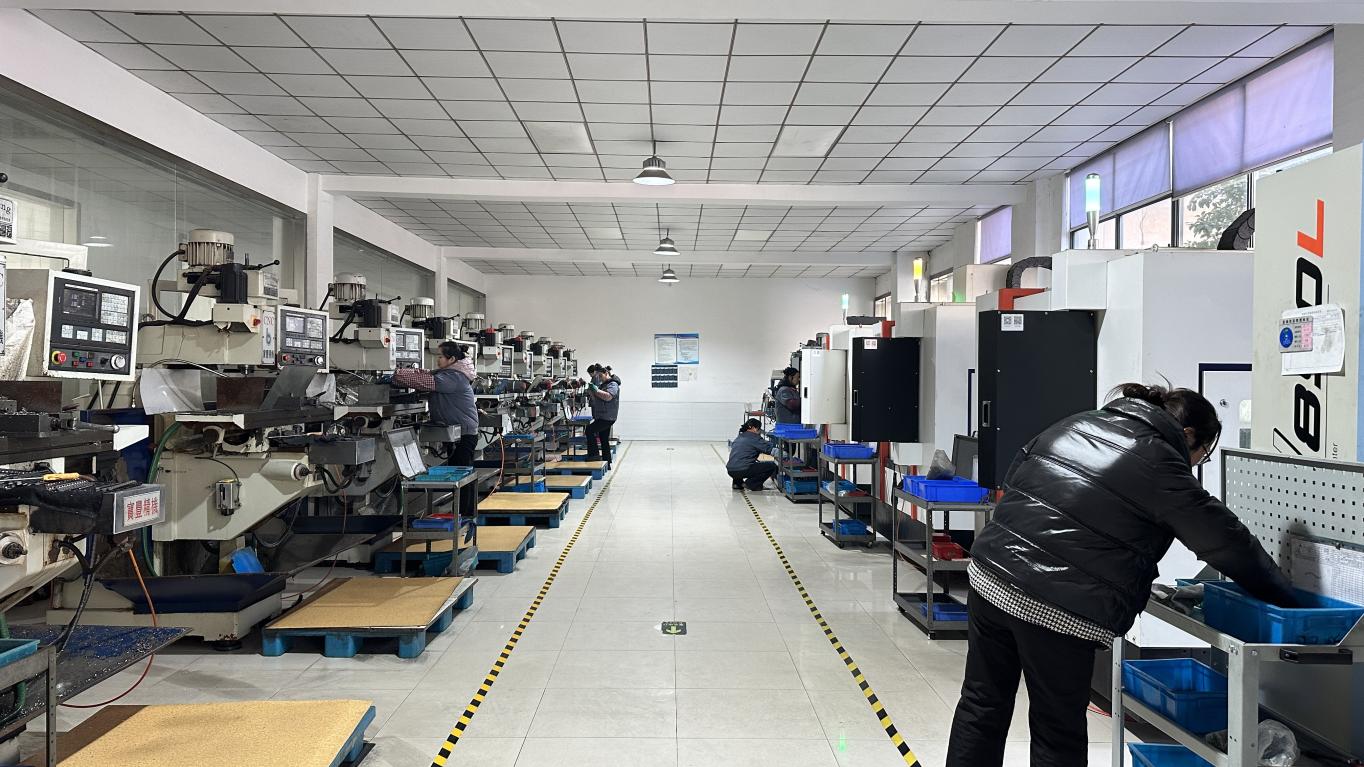
Tapping precision internal screw threads to accept locking screws for spine, joint and trauma fixations.
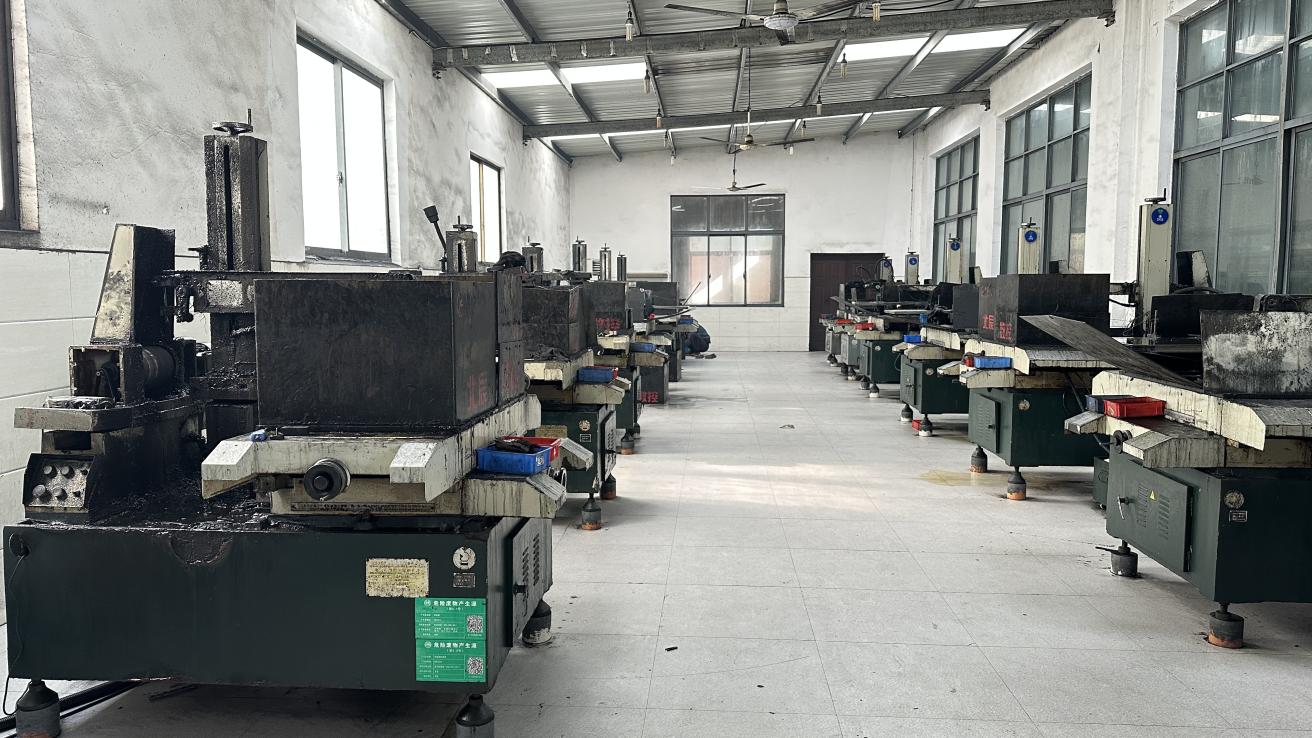
Wire electrical discharge machining (EDM) for intricate, complex geometry profiles in specialized implants.
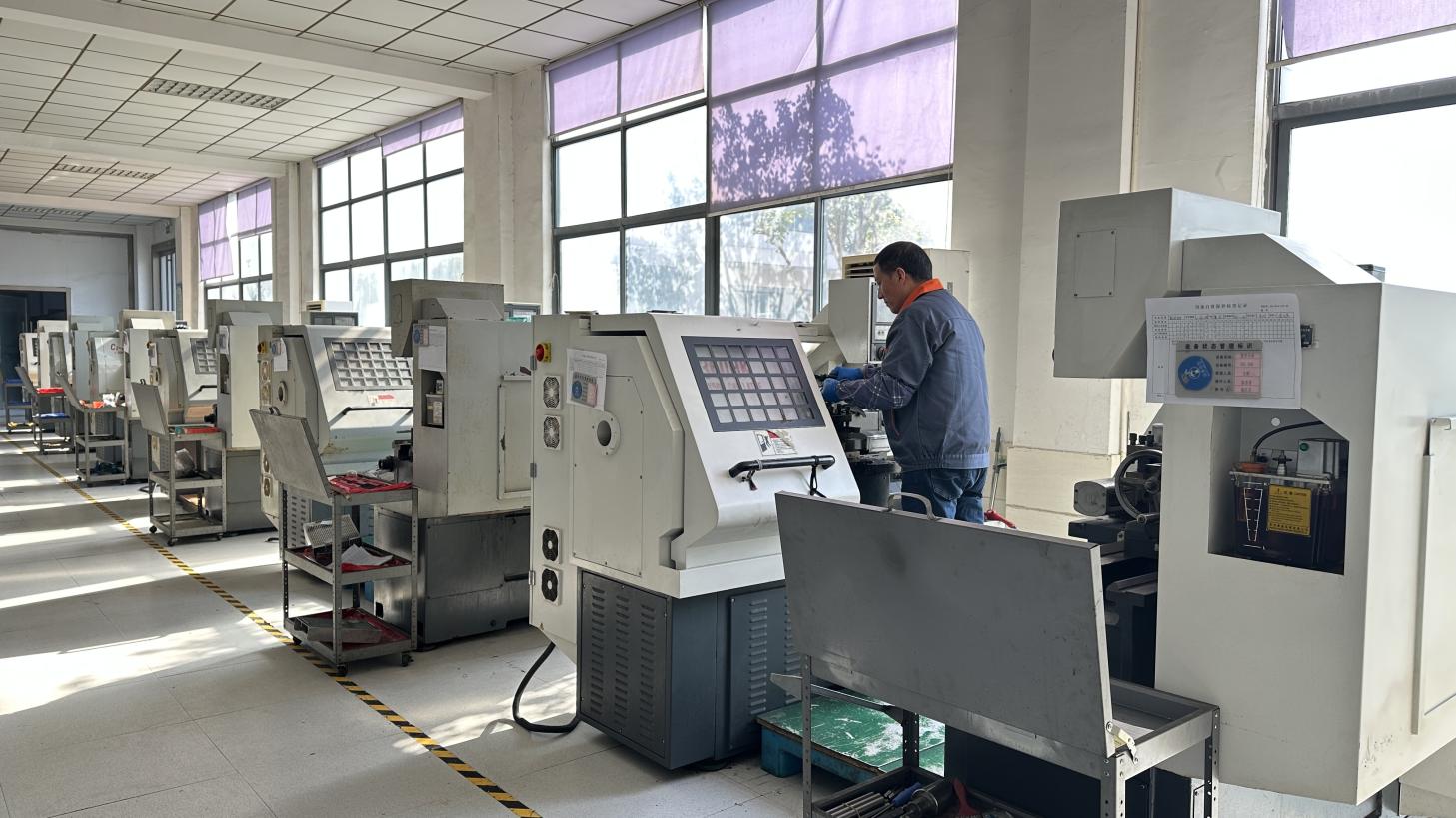
Ultra-precise rotational machining to maintain exact concentricity of the shell's spherical structure.
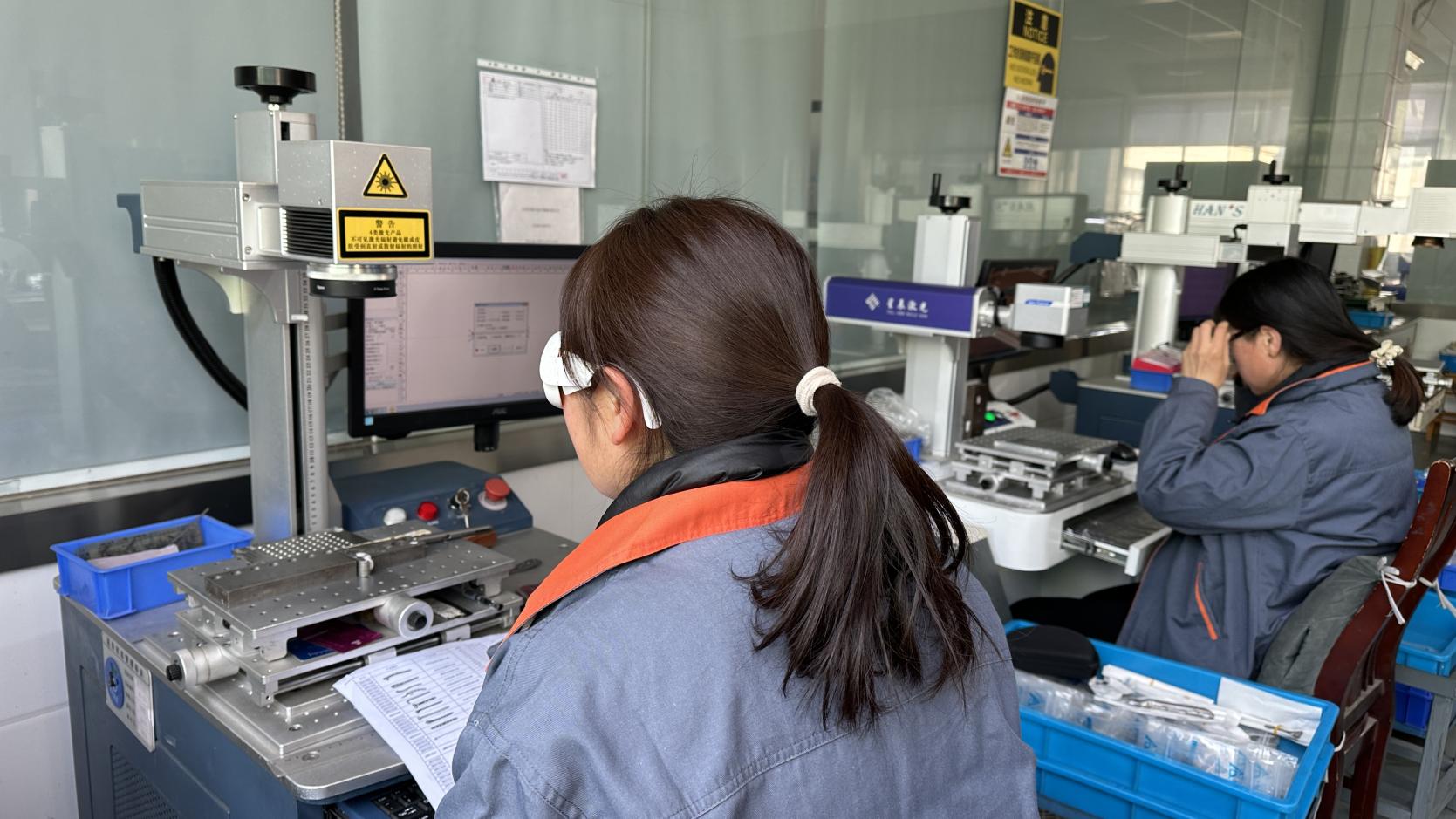
Surgical marking of implant diameters, batch codes, and directional orientation identifiers.
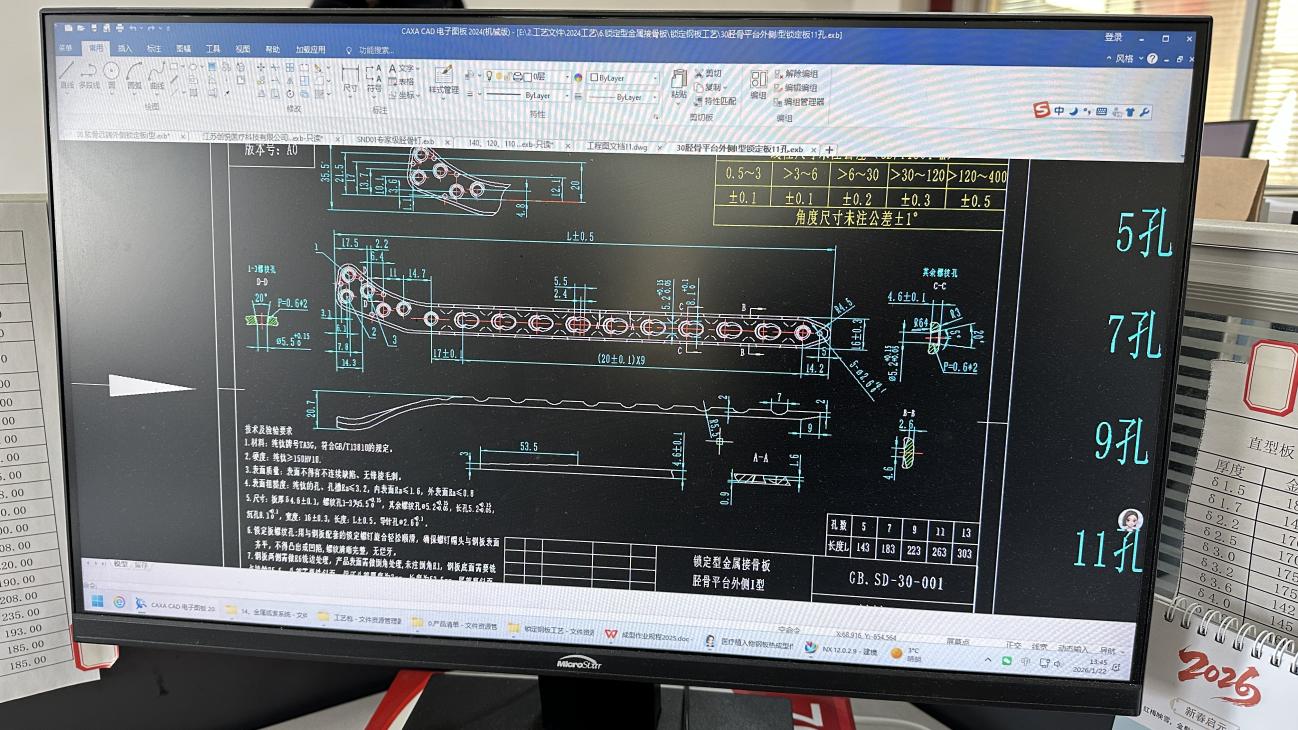
85 engineering specialists utilizing CAD modeling and FEA (Finite Element Analysis) for custom implants.
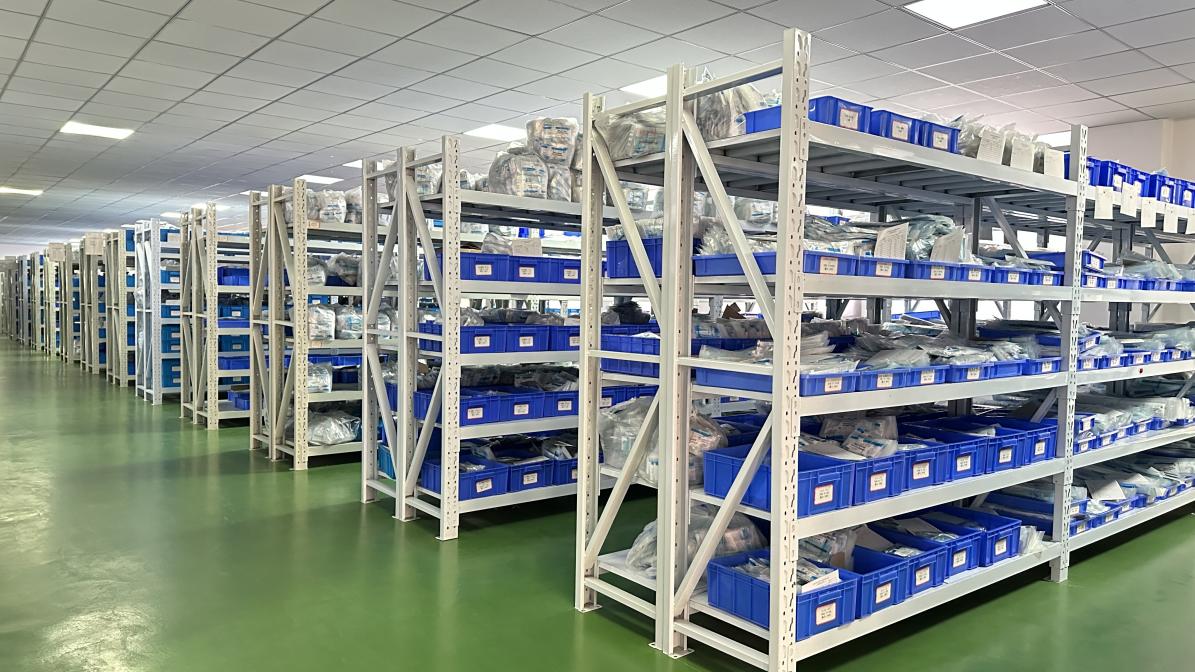
Organized climate-controlled storage maintaining complete batch traceability for global distribution.
Analyzing how engineering decisions directly impact surgical execution and patient recovery parameters.
In standard primary reconstructions, cementless acetabular shells are preferred for patient profiles showing healthy bone quality. Our shells leverage standard hemispherical configurations designed for press-fit placement. The immediate friction fit provides initial fixation while the porous titanium coating invites long-term osteoblast migration and bone ingrowth to form a permanent biological bond.
For revision cases, where bone stock has been compromised due to osteolysis or aseptic loosening, we provide multi-hole shells and dedicated structural cages. These allow surgeons to position retention screws through multi-directional trajectories, anchoring the shell to robust anatomical regions of the pelvis while maintaining correct joint center geometry.
To reduce dislocation risks in active patients, our acetabular cups can accommodate dual-mobility articulating combinations. The highly polished interior provides a smooth seating surface for dual-mobility inserts, optimizing the range of motion and minimizing systemic wear rates that lead to osteolysis.
Every batch of Medisplint orthopedic devices undergo exhaustive mechanical verification within our ISO 13485-certified laboratory testing system.
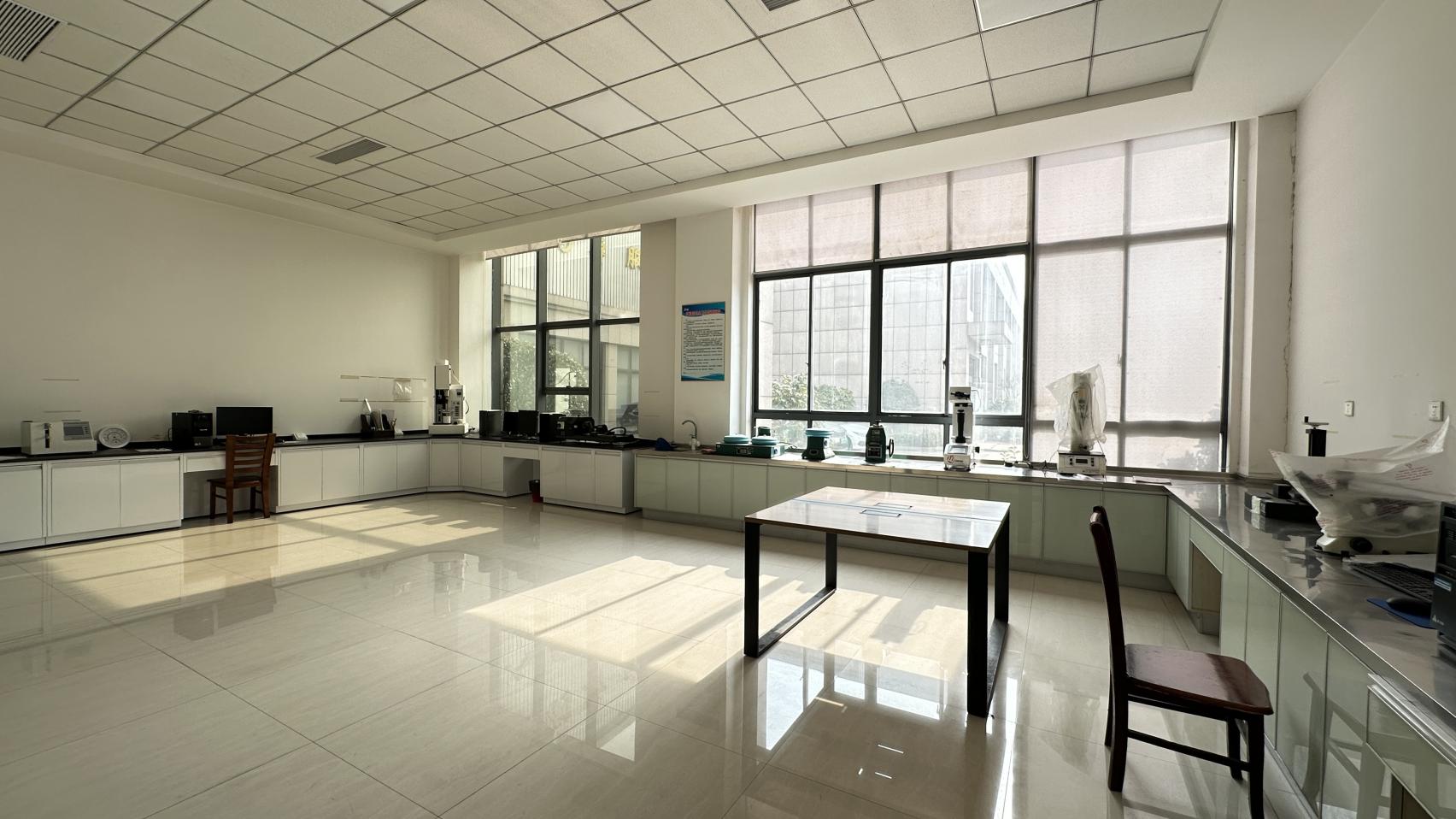
Our state-of-the-art testing lab validates raw materials and physical parameters before batch distribution.
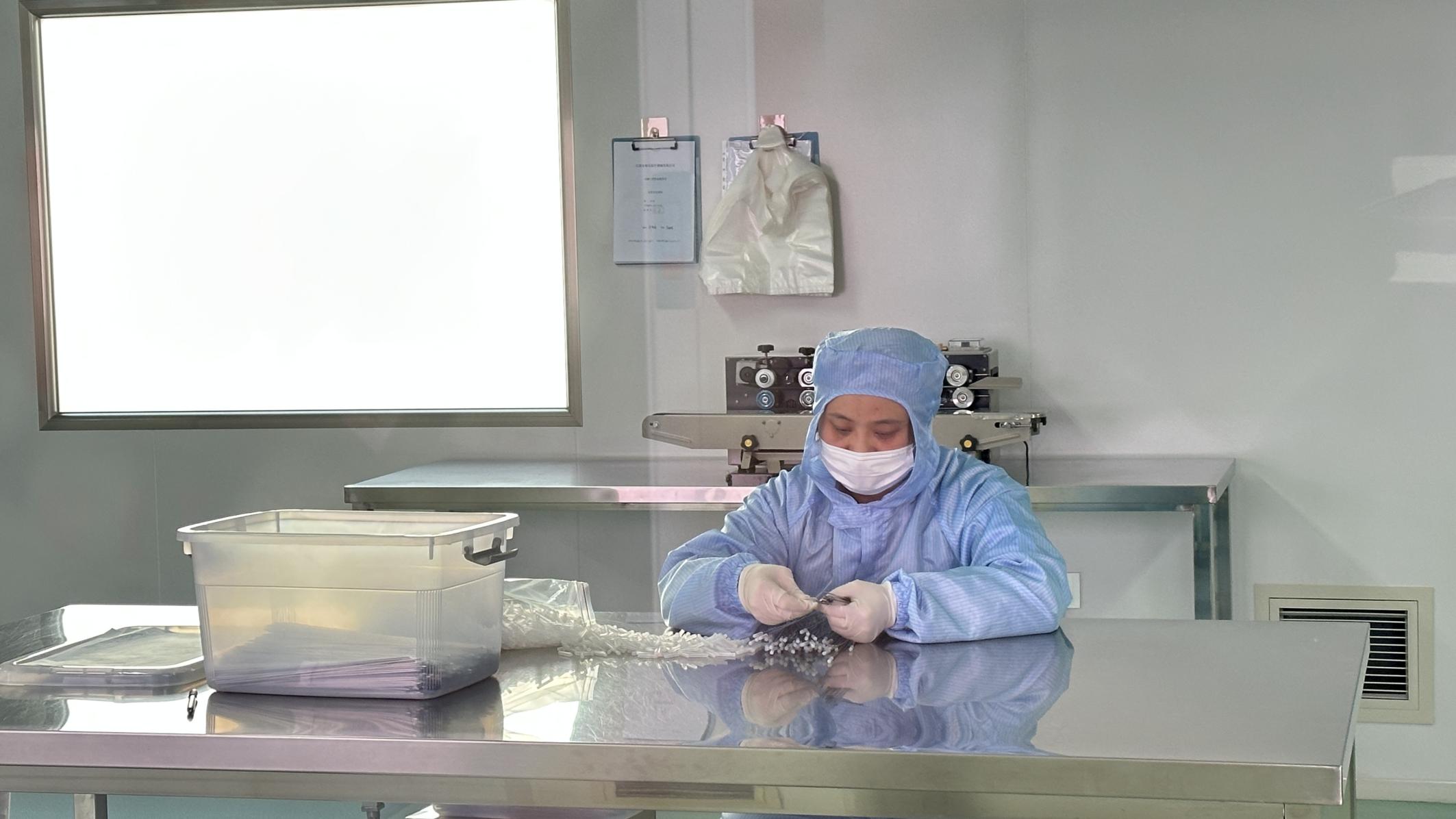
FQC (Final Quality Control) specialists inspect critical locking and thread details on every production lot.
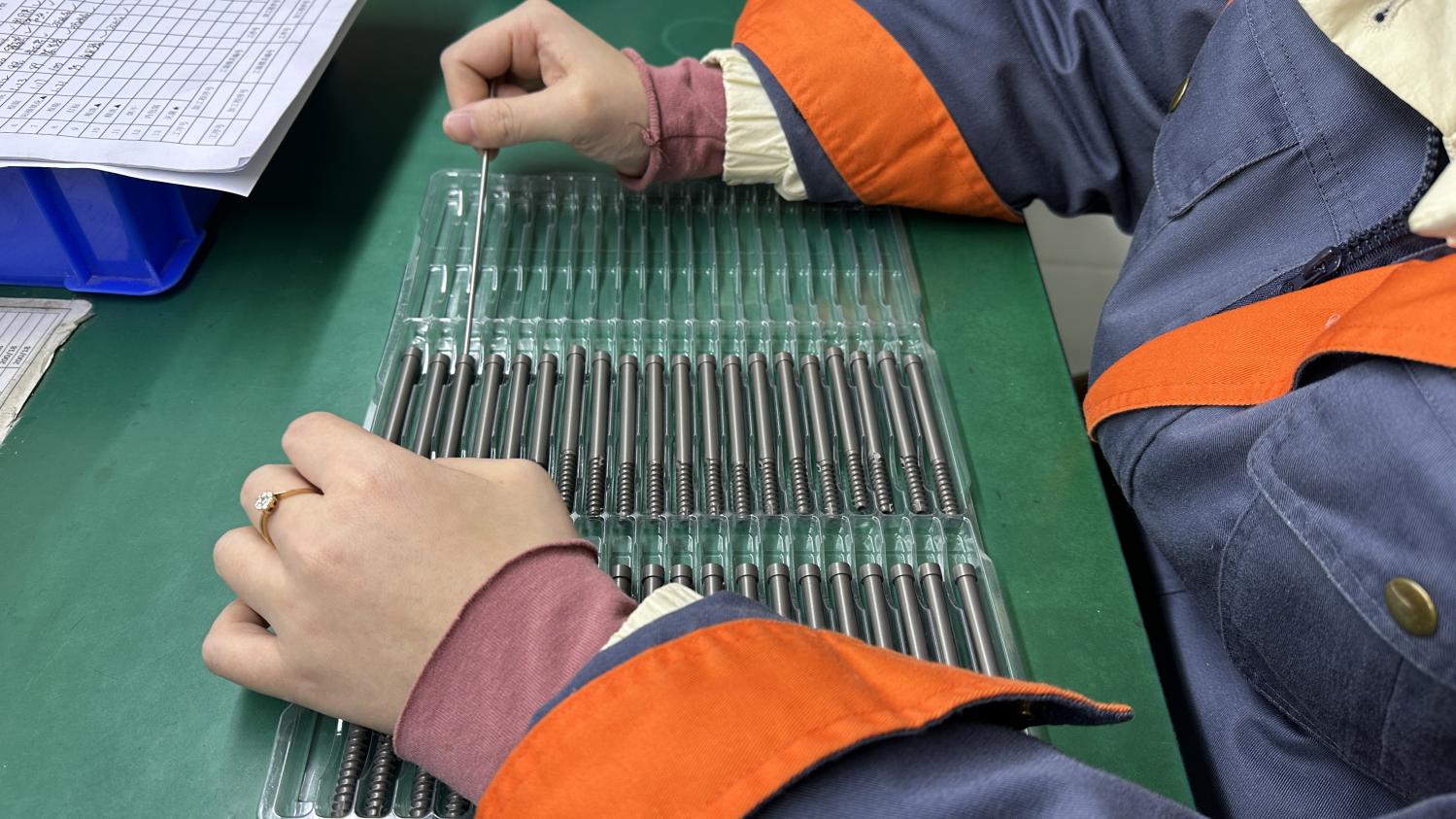
Verifying outer and inner spherical tolerances using high-resolution calibration instrumentation.
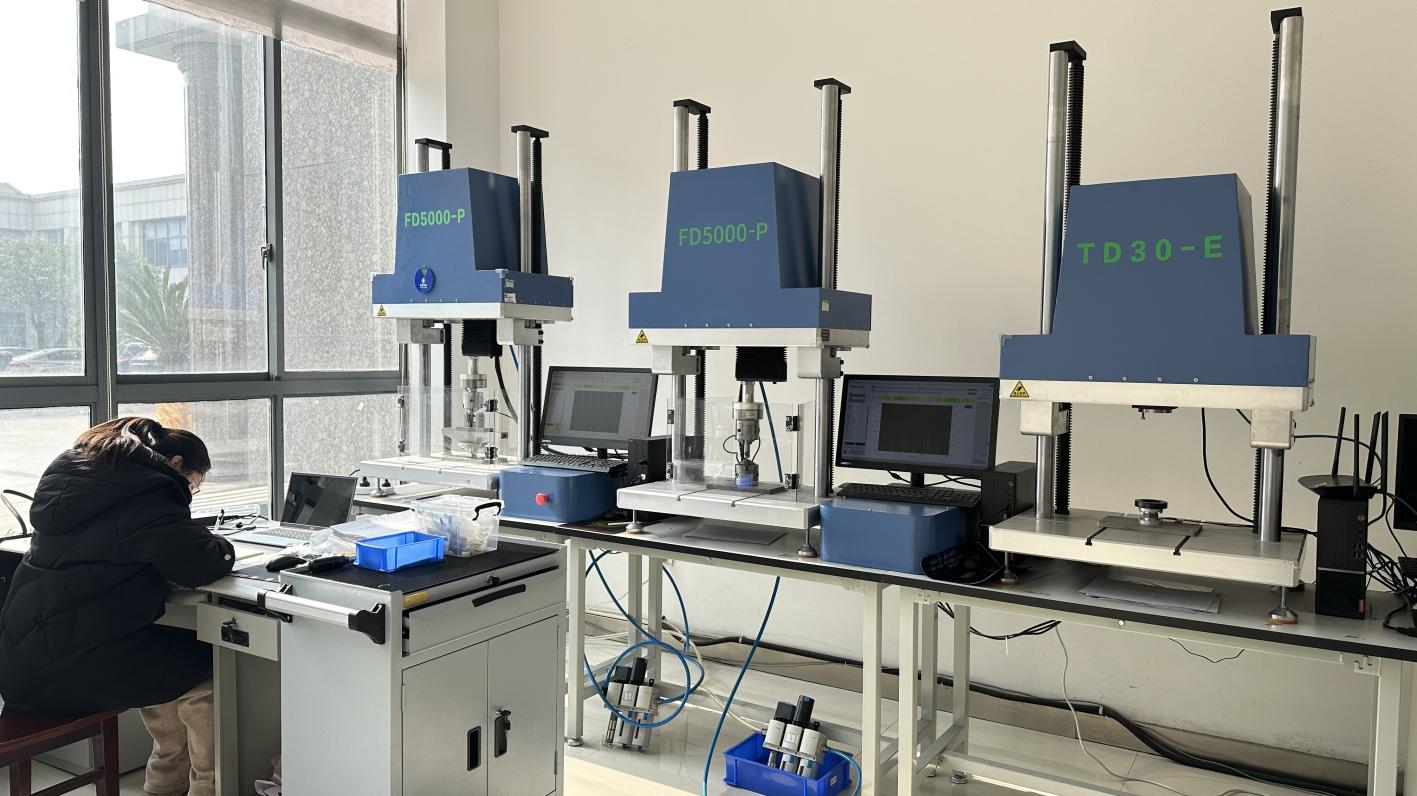
Implant models undergo cyclical stress testing to simulate millions of load bearing cycles.
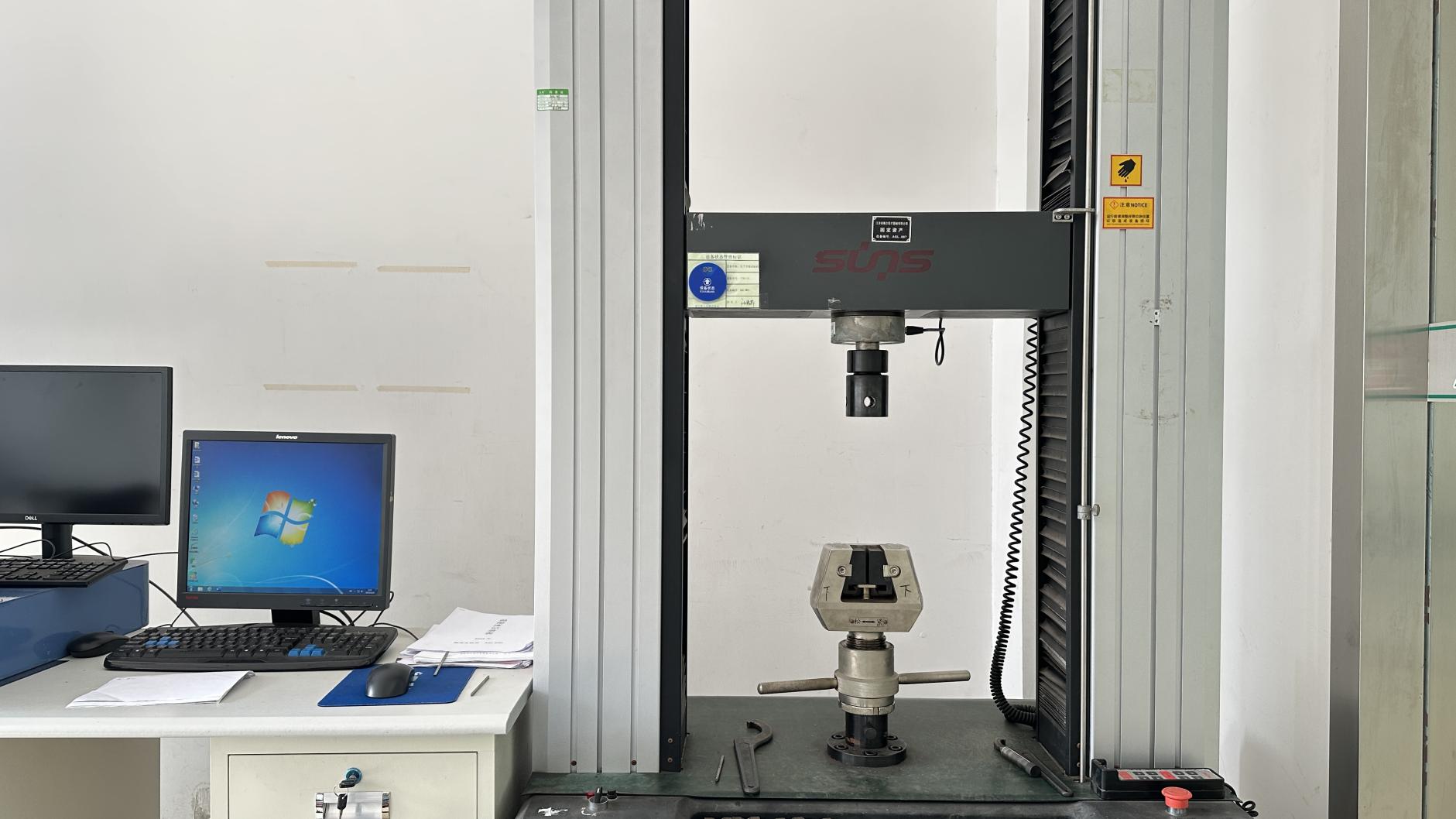
Assessing the ultimate yield point and material elongation profiles of raw medical metal bars.
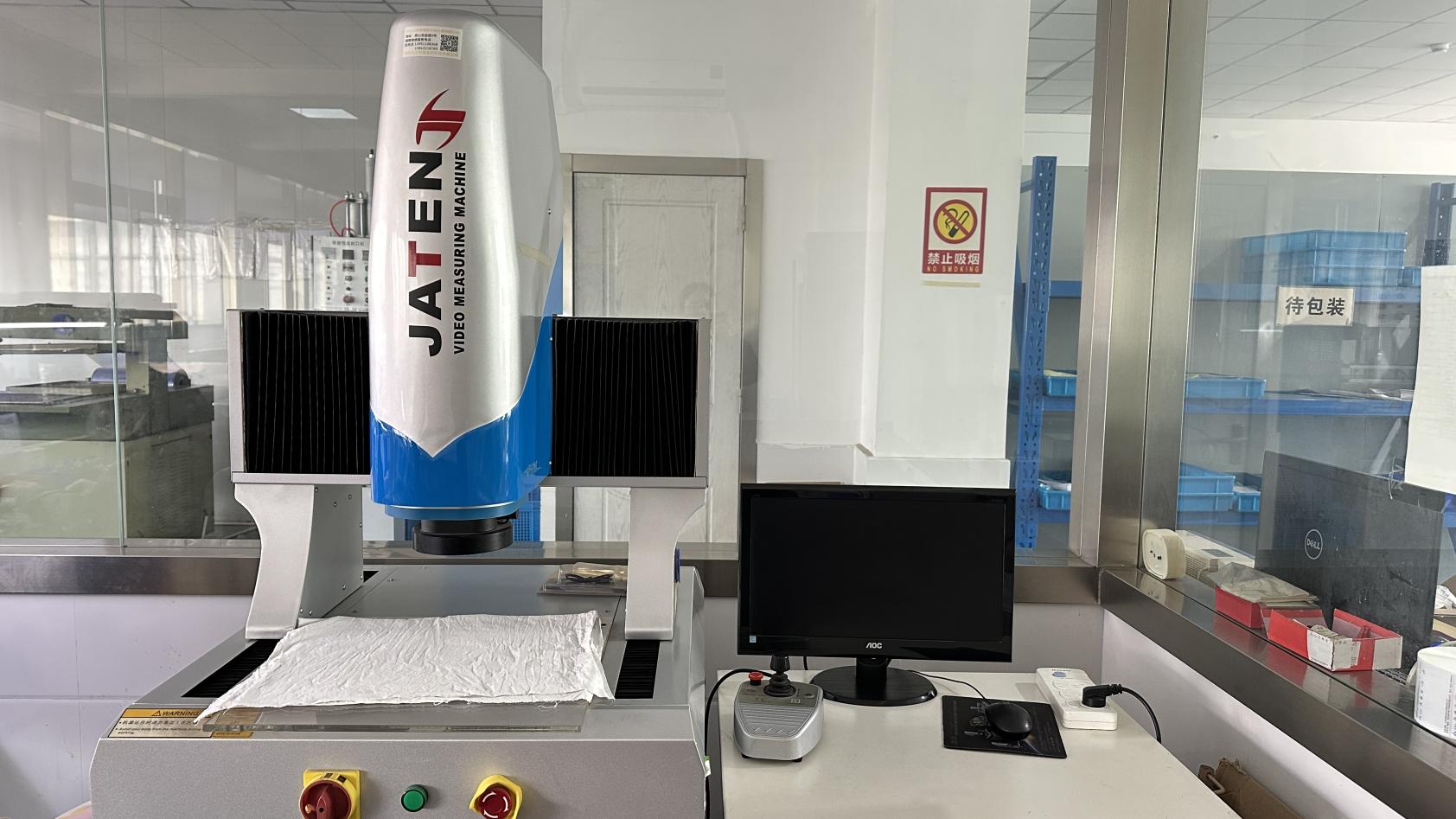
Measuring complex outline curvatures, screw pitches, and locking geometries optically.
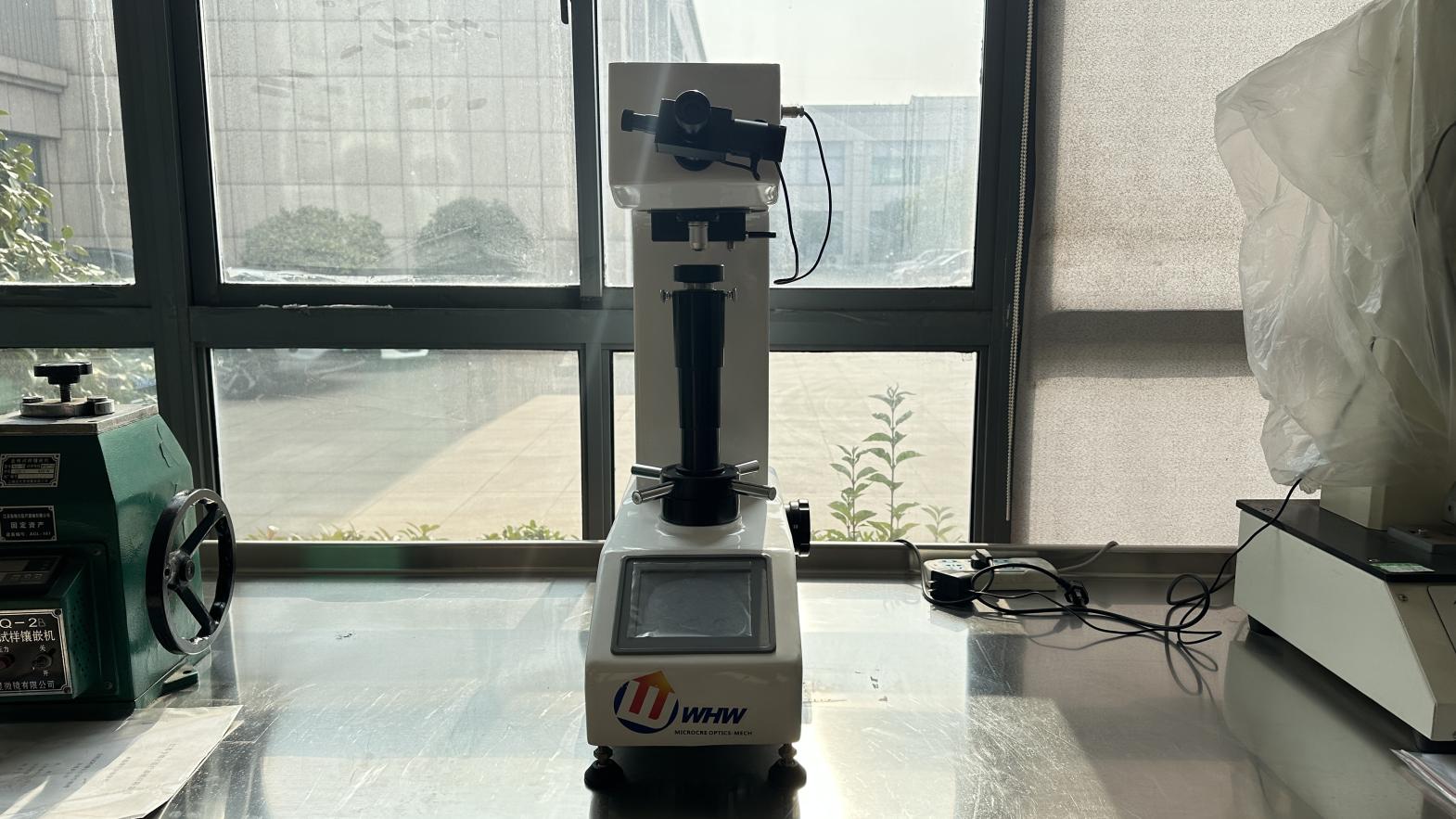
Ensuring metal hardness values align strictly with designated ASTM and ISO specifications.
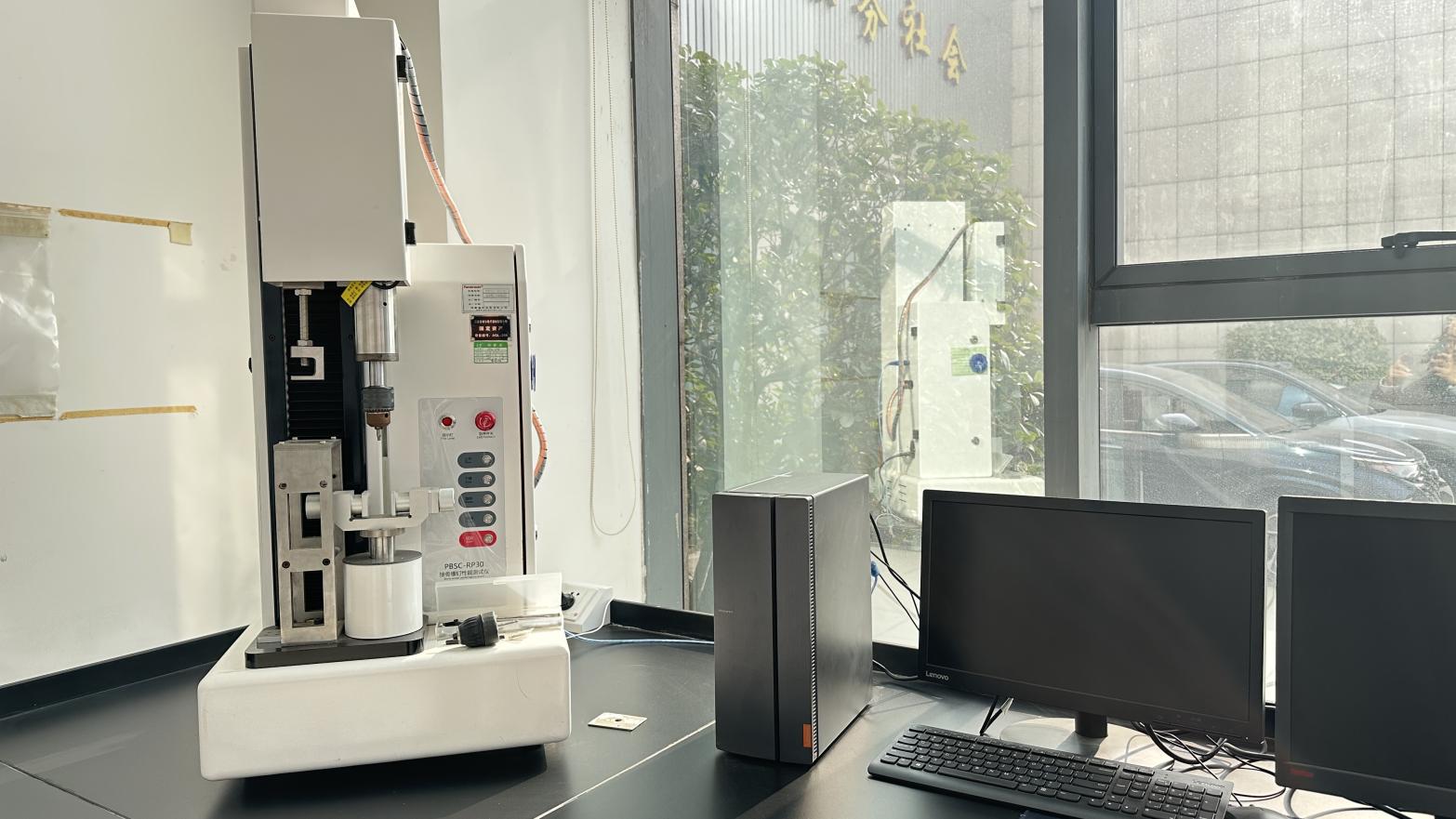
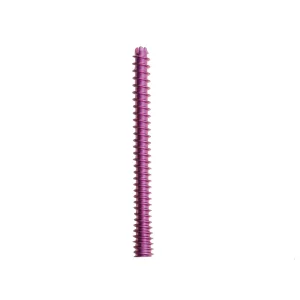
Testing insertion torque, pull-out force, and torsional strength of primary fixation bone screws.
Addressing the shifting landscape of regulatory standards, inventory logistics, and technology integration.
Navigating global regulatory frameworks is the single largest hurdle for medical device importers. In the EU, the transition from MDD to Medical Device Regulation (MDR) requires exhaustive clinical documentation and factory validation. Our experienced QA team supports clients by providing comprehensive technical documentation, raw material mill certificates, and audit-ready files to streamline local product registration.
The orthopedic industry is rapidly adopting additive manufacturing (3D printing). Advanced metal 3D printers allow for the generation of complex porous shapes modeled directly on patient CT scans. Our R&D department continues to investigate 3D printed options to offer custom patient-specific implants alongside our standard size ranges.
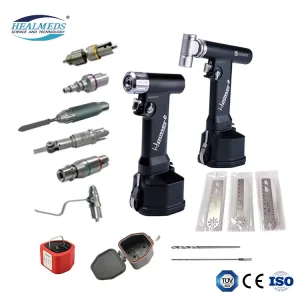
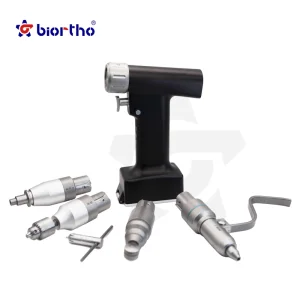
Modern hospital purchasing systems demand custom layouts and consolidated supply chains. To streamline sourcing, Medisplint acts as a comprehensive OEM/ODM manufacturing partner. This allows distributors to source matching components—such as surgical reamers, insertion tools, liners, bone screws, and plates—all from a single, quality-controlled source.
Targeted technical and commercial insights for medical procurement directors and healthcare administrators.
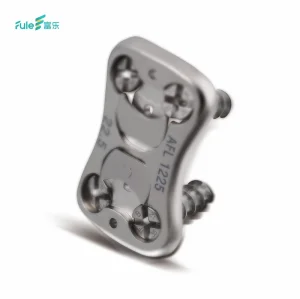
Complete your procurement requirements with our premium surgical instrumentation and traumatology implant systems.