Medisplint
Medisplint
Medisplint
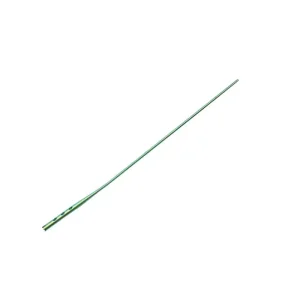
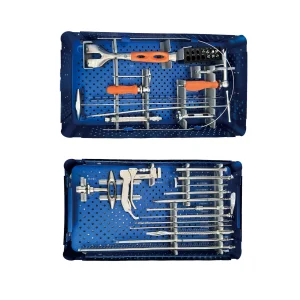
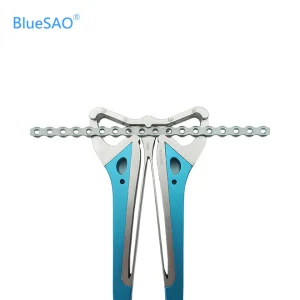
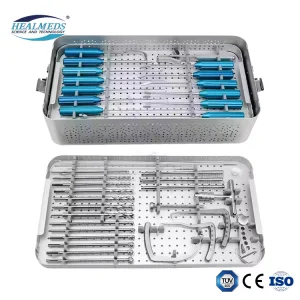
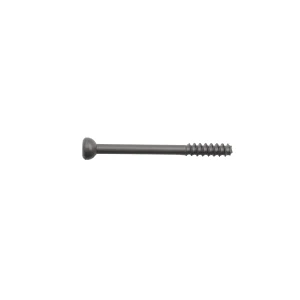
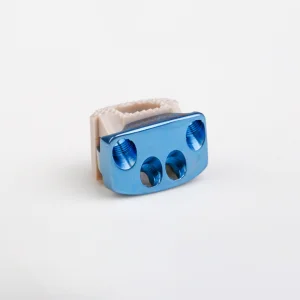
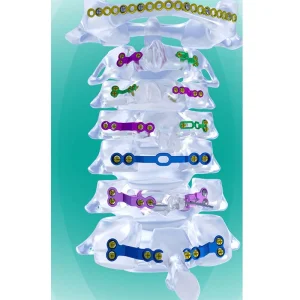
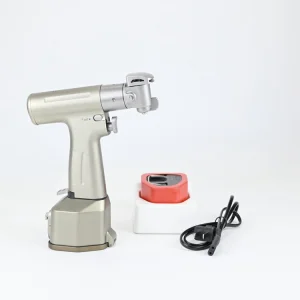
Medisplint Orthopedic Instruments Co., Ltd. stands at the forefront of the orthopedic medical device sector, operating as a professional manufacturer specializing in orthopedic implants, fixation systems, and surgical instruments for trauma, spine, and joint reconstruction. Since our establishment in 2016, we have maintained a steady and rigorous path of continuous technical innovation, expanding our global reach to meet the strict demands of international medical standards.
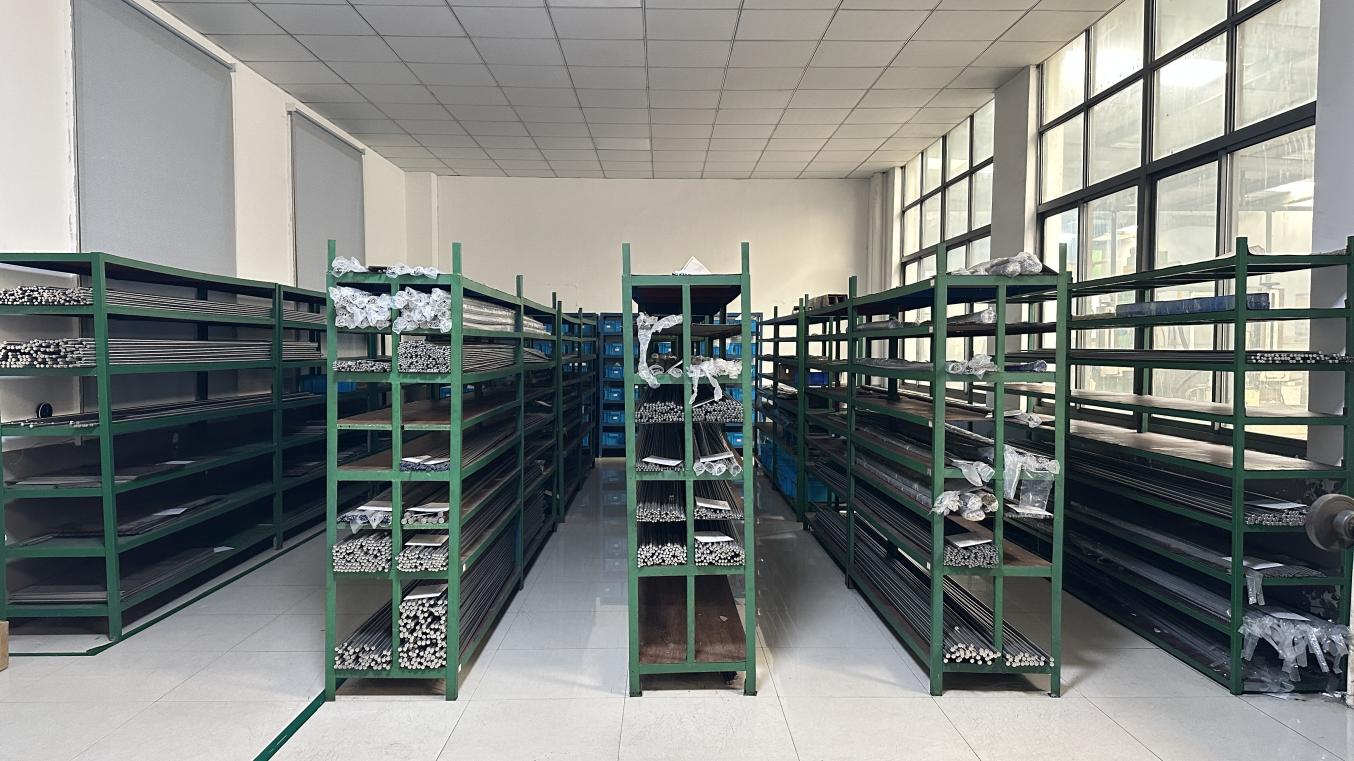
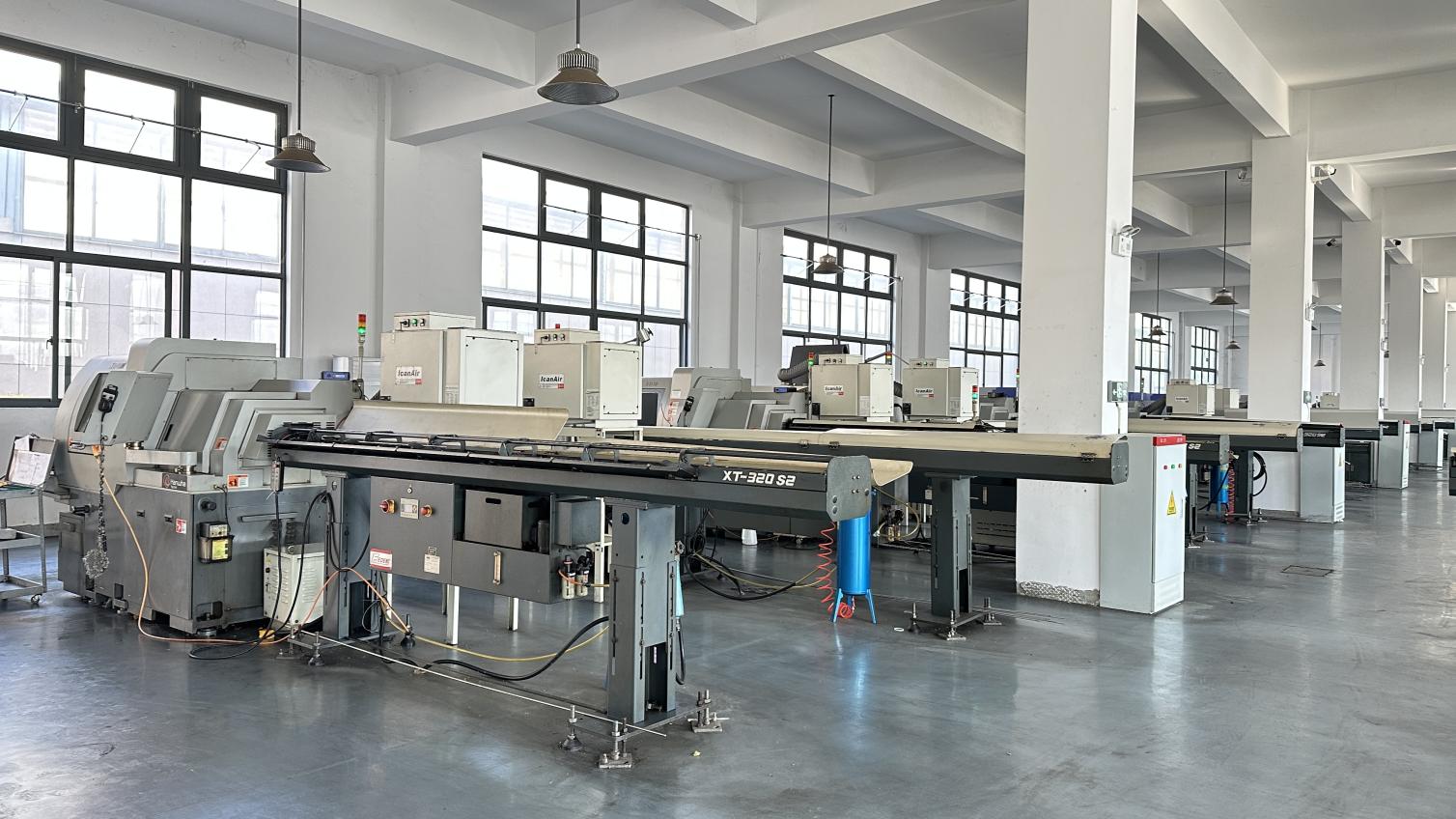
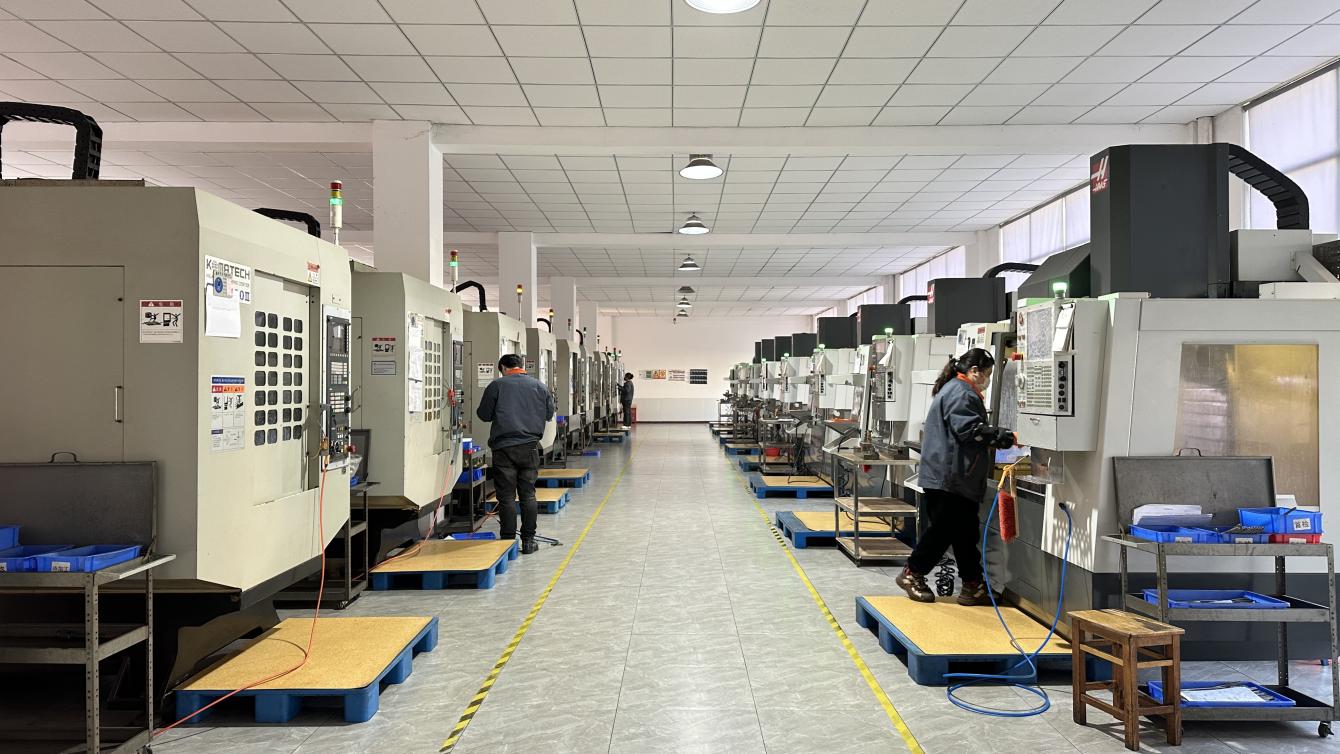
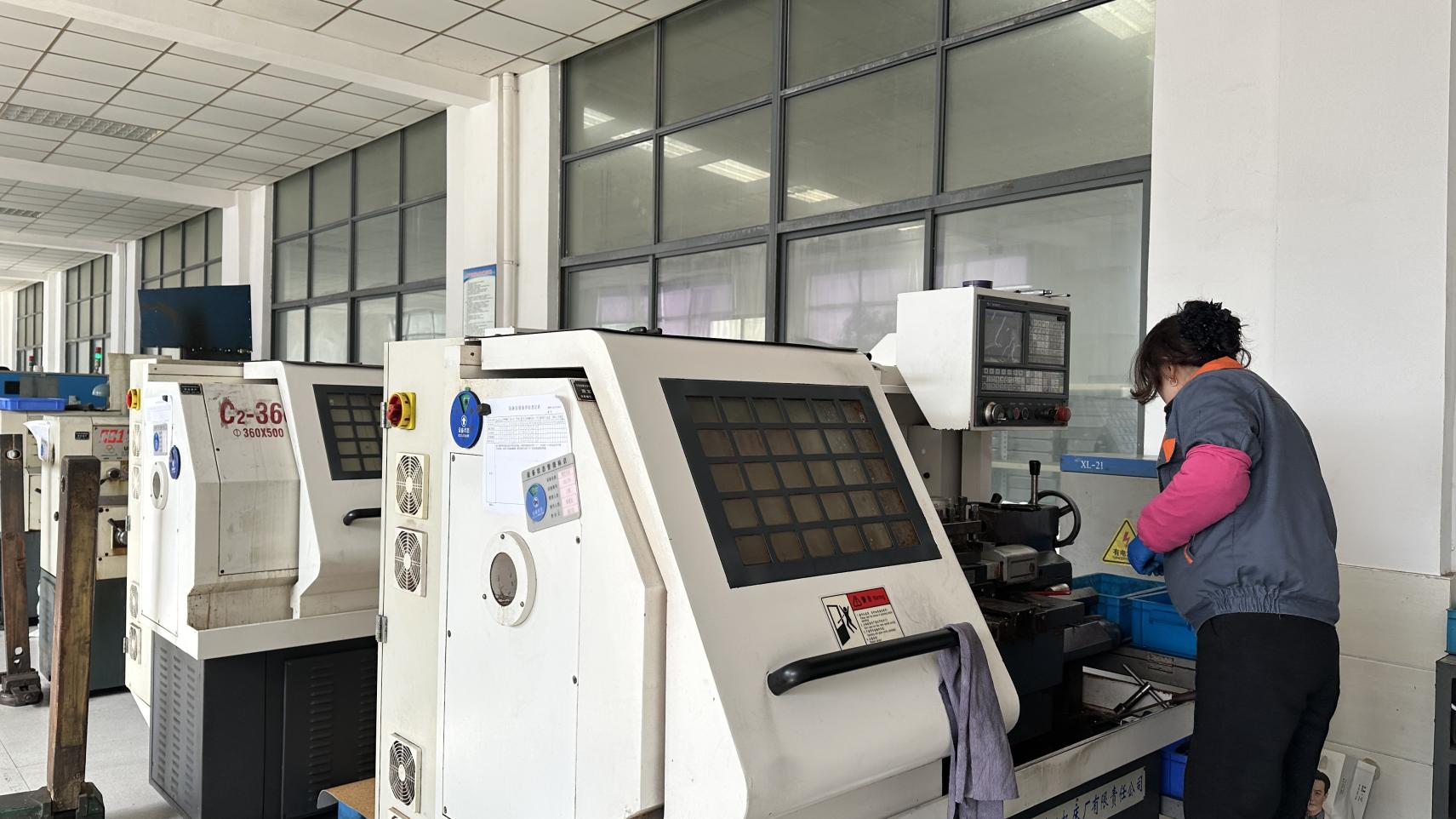
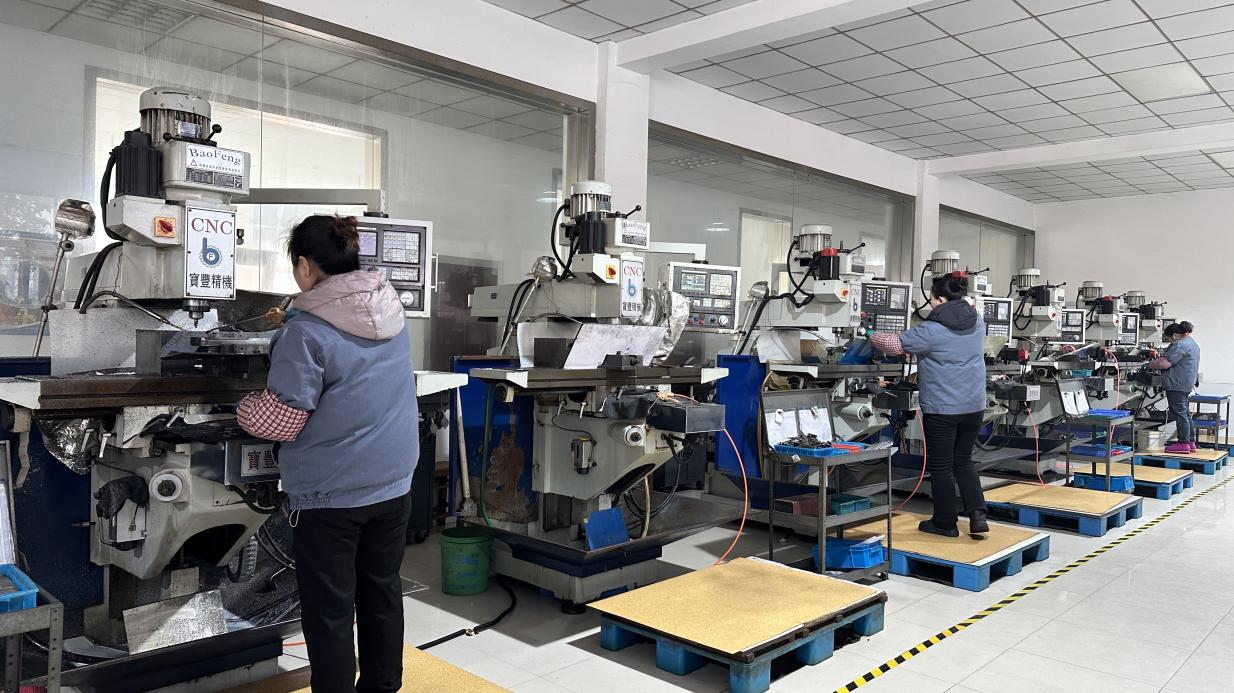
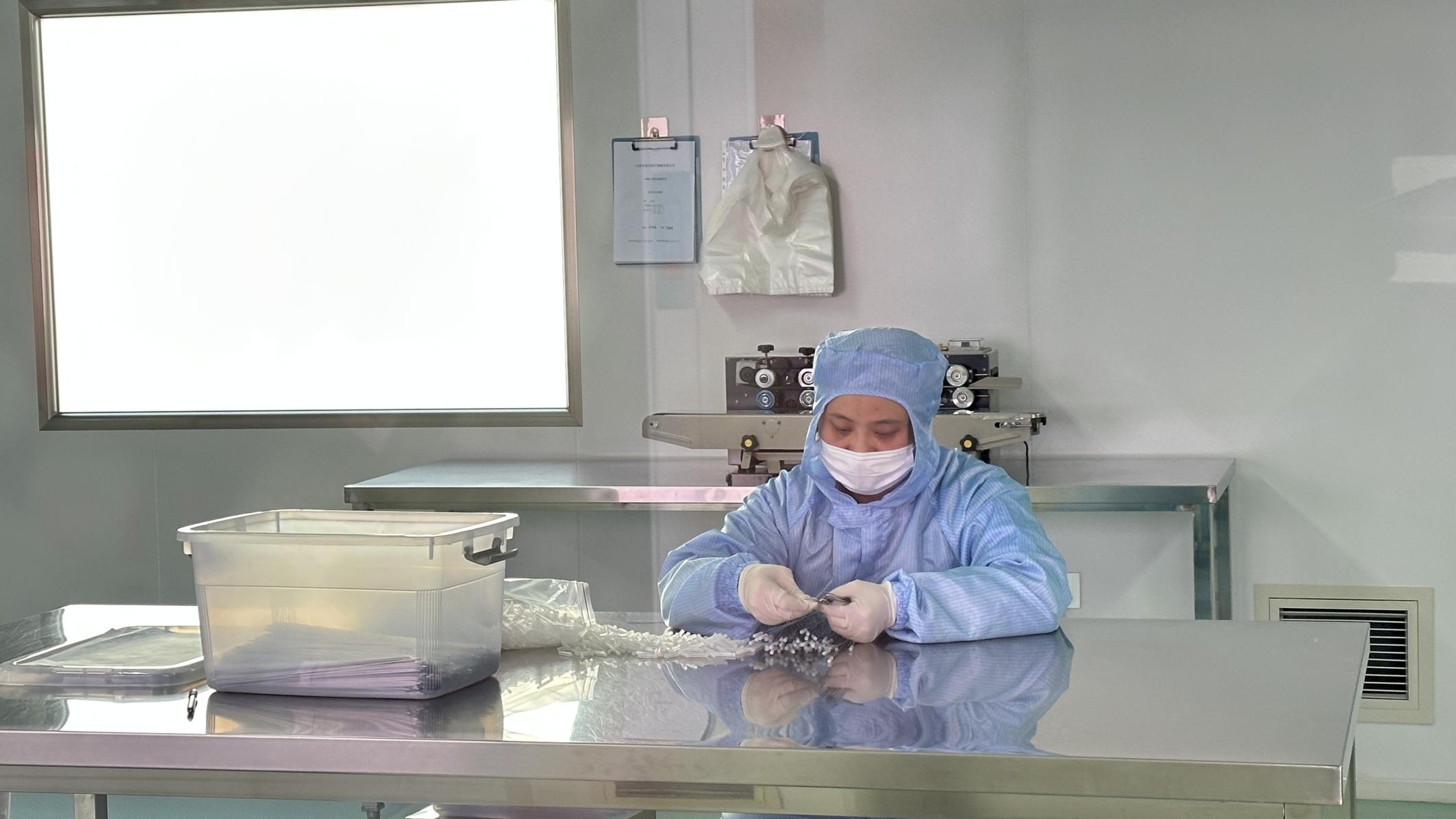
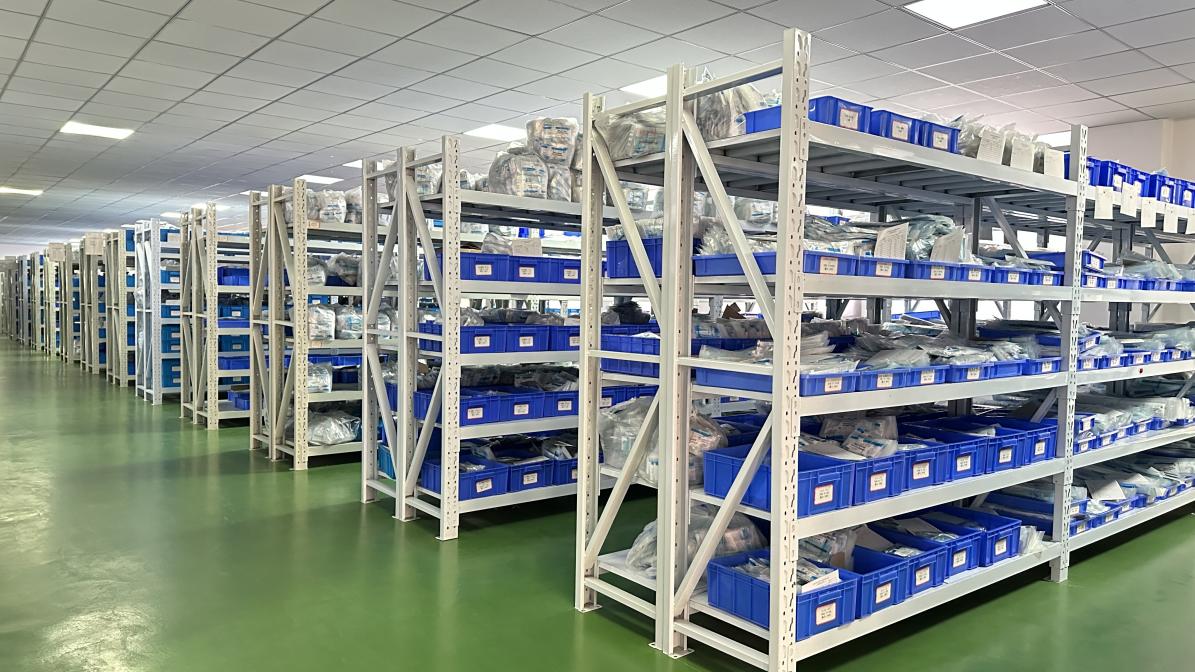
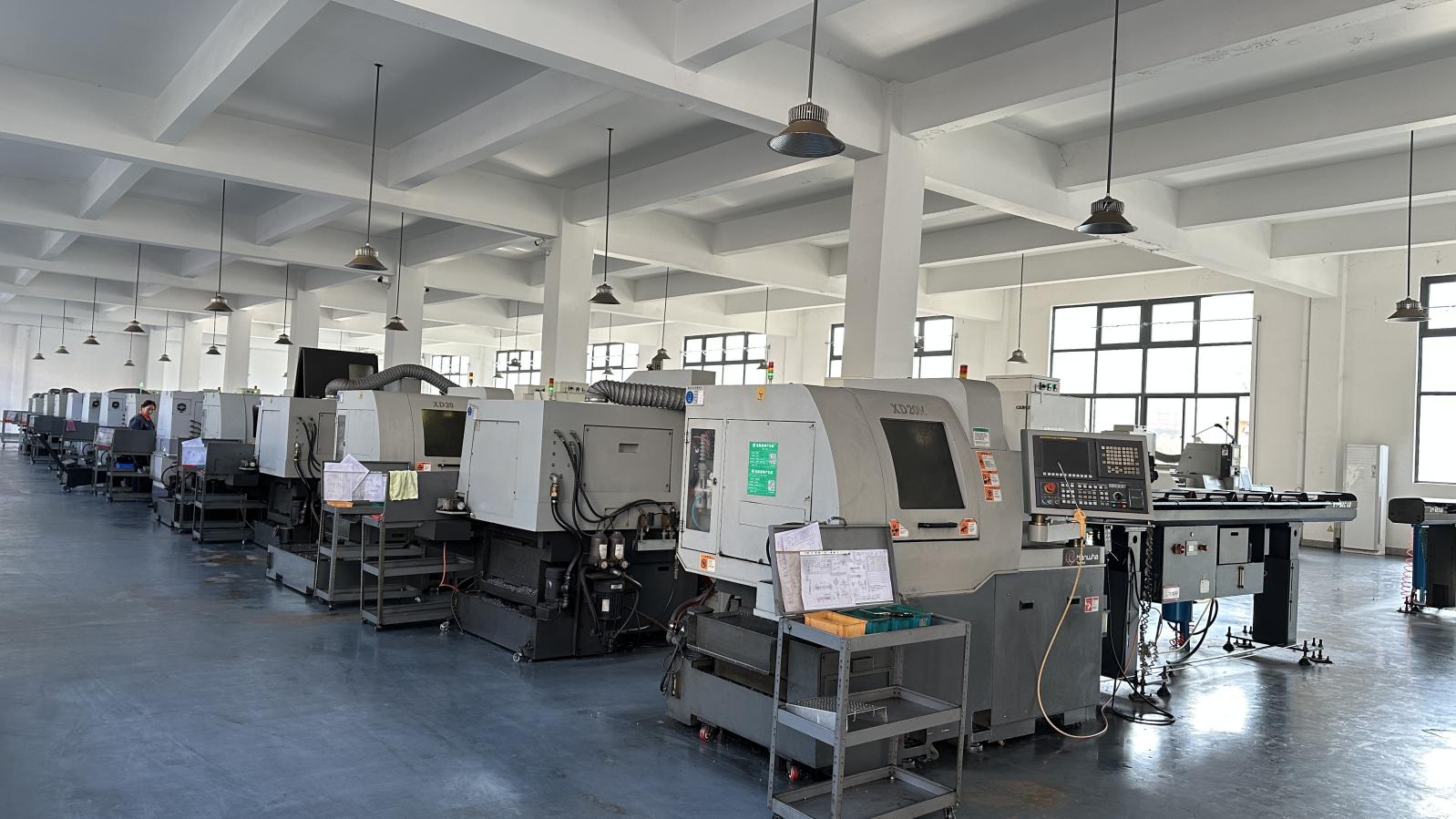
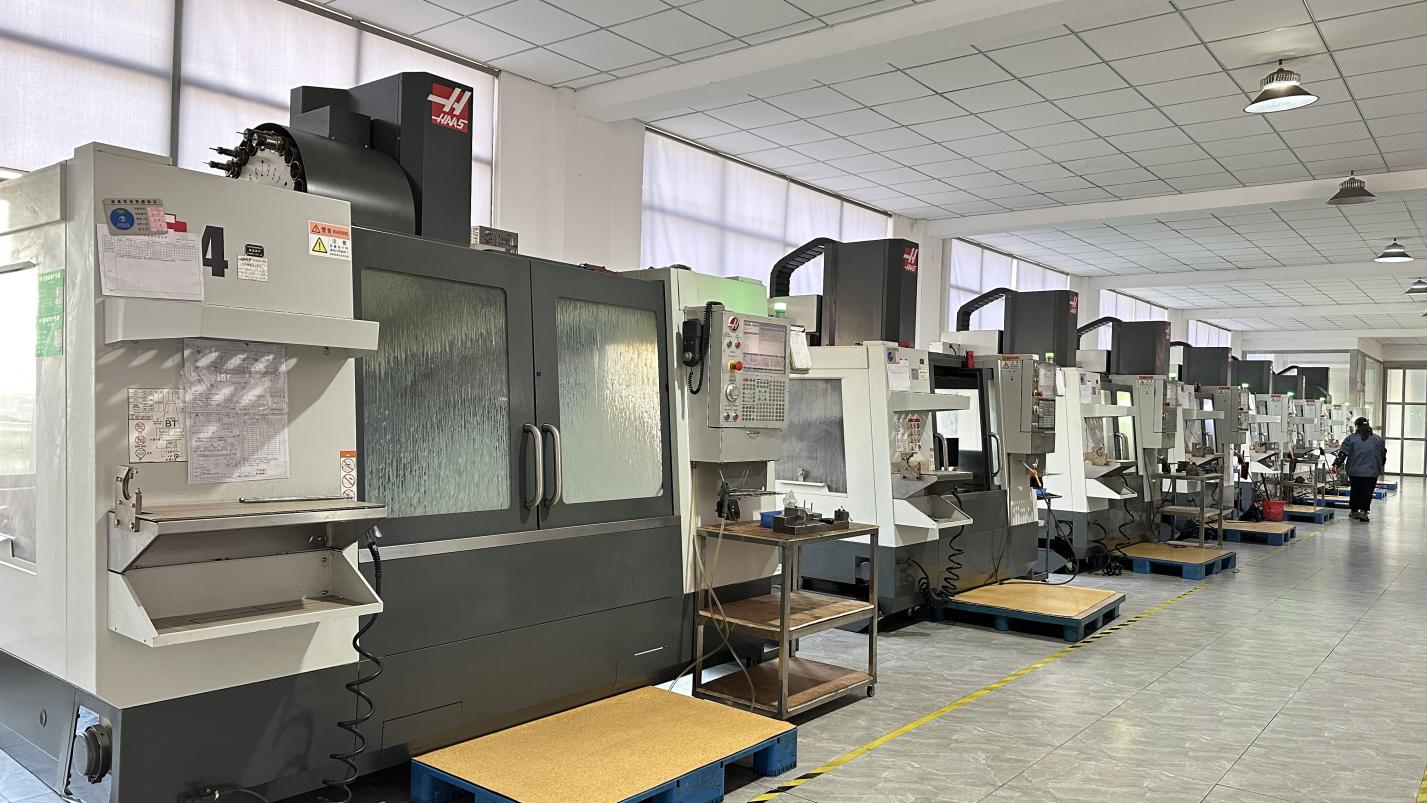
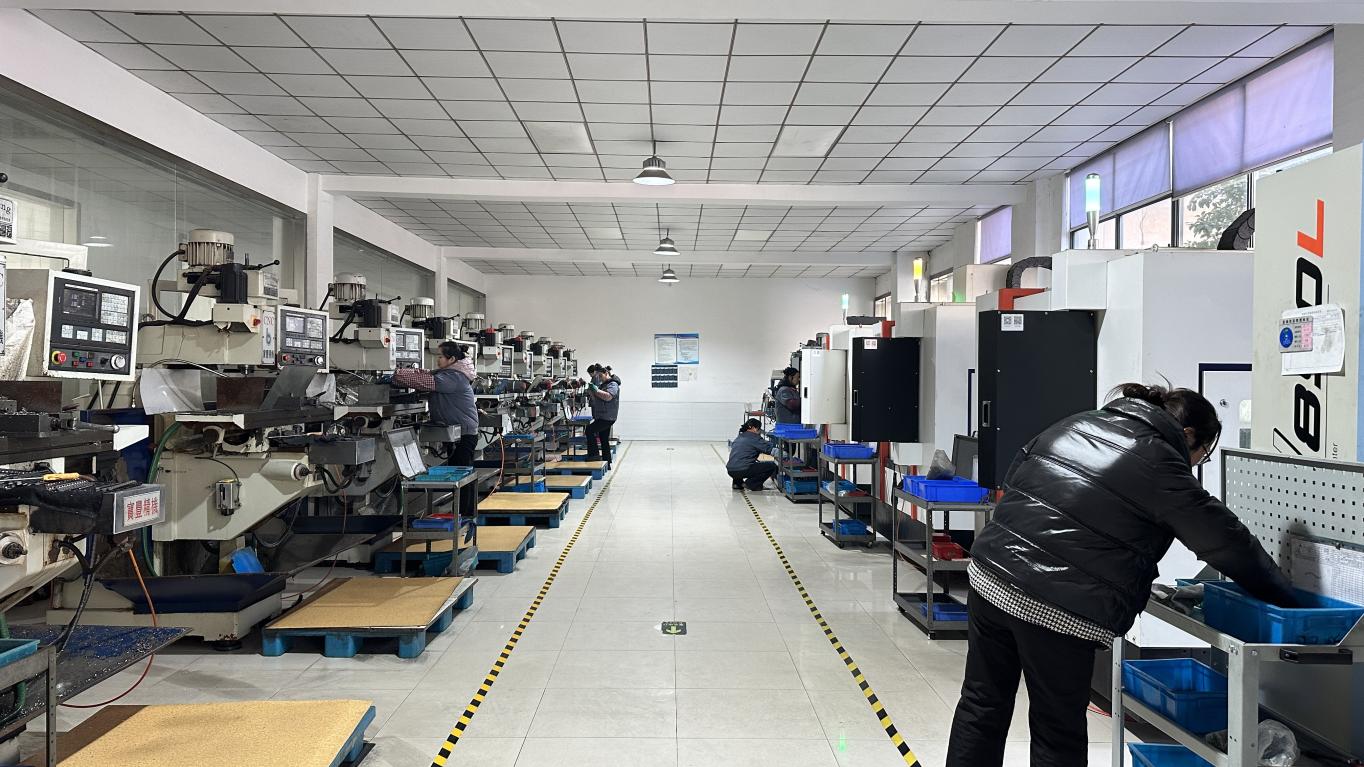
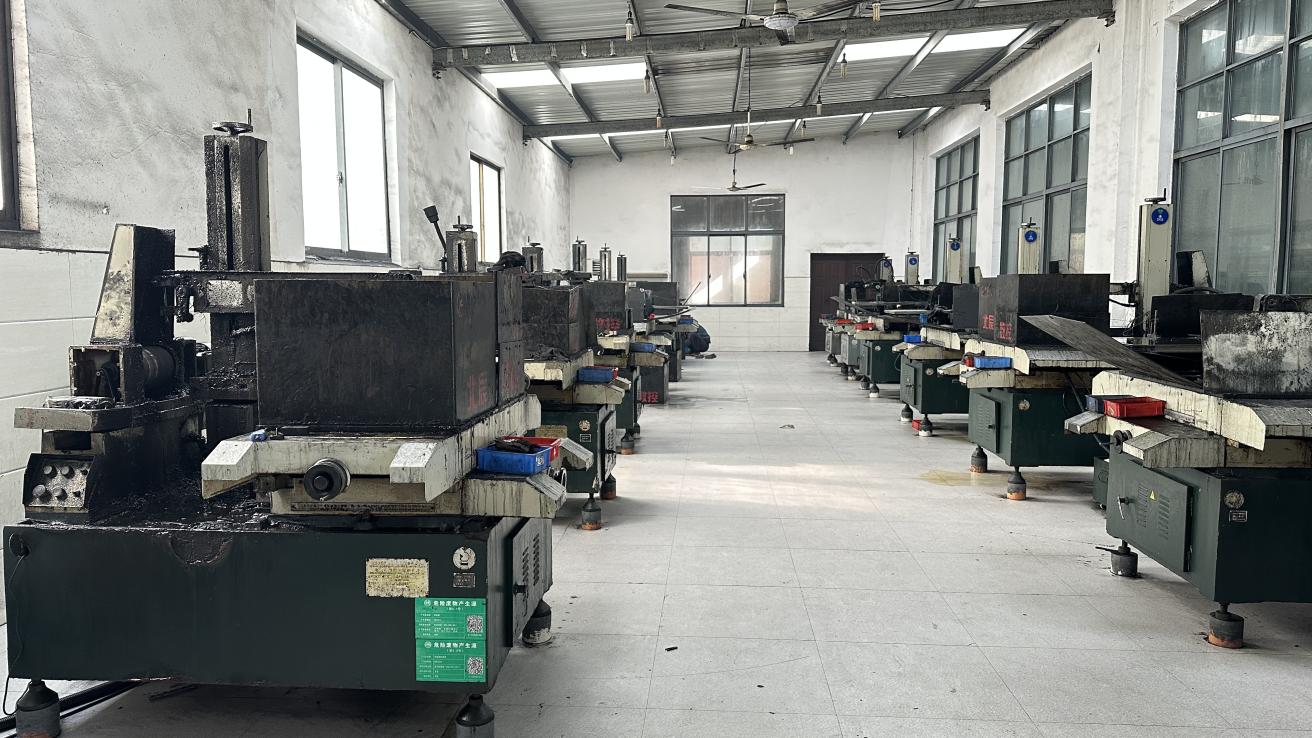
Our expansive manufacturing facility spans approximately 18,500 square meters, systematically integrated to host production, precise assembly, and exhaustive quality control testing. We are backed by a strong foundation of 10 years of overall industry manufacturing experience and 7 years of specialized global export operations, generating an annual export revenue of roughly USD 12 million.
With an extensive global logistics footprint, Medisplint primarily serves critical healthcare markets throughout Europe, Southeast Asia, the Middle East, and South America. By coordinating with over 1,200 supply chain partners, we ensure stable raw material access and production scalability to service hospitals, orthopedic distributors, surgical centers, and custom OEM/ODM partners worldwide.

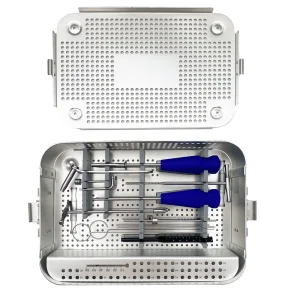
In the modern clinical setting, orthopedic surgeries—ranging from complex spinal fusions to total knee and hip replacements—require an extensive array of highly specialized instruments. An orthopedic instrument tray (also referred to as a surgical sterilization tray or cassette) is not merely a storage box. It is a critical component of the sterilization loop, directly impacting Central Sterile Supply Department (CSSD) workflows and surgical outcomes.
Globally, the market for surgical instrument trays is undergoing significant transformation. Driven by stringent regulations such as the European Union Medical Device Regulation (EU MDR) and the FDA’s Unique Device Identification (UDI) mandates, healthcare providers are transitioning away from generic containment options. There is a growing demand for customized, high-durability trays made from medical-grade materials such as PPSU (Polyphenylsulfone), anodized aluminum, and high-tensile stainless steel (SUS 316L/304). These materials must withstand repeat autoclave sterilizations at 134°C, chemical washing agents, and heavy handling without structural warping or oxidation.
Hospitals are shifting toward procedure-specific, modular tray configurations. By matching the layout of the tray to the sequence of surgical steps (e.g., reaming, drilling, screw insertion), surgical teams reduce instrument search times in the OR, lower CSSD reprocessing errors, and limit patient infection risks.
Proximity to localized industrial clusters allows Chinese manufacturers to source medical-grade titanium, surgical steels, PEEK resins, and specialized silicon inserts rapidly. This optimizes lead times and minimizes downstream supply chain disruptions.
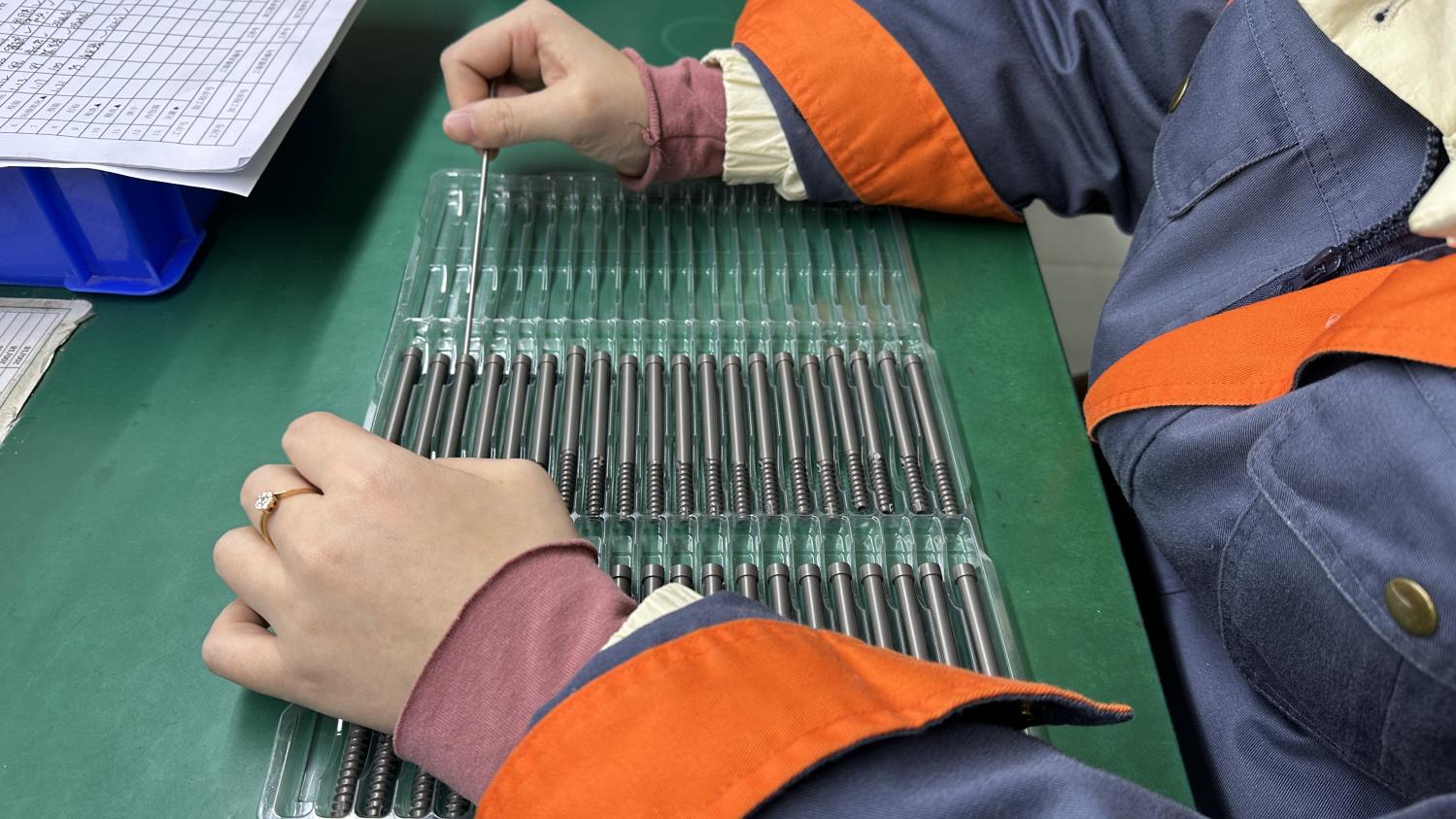
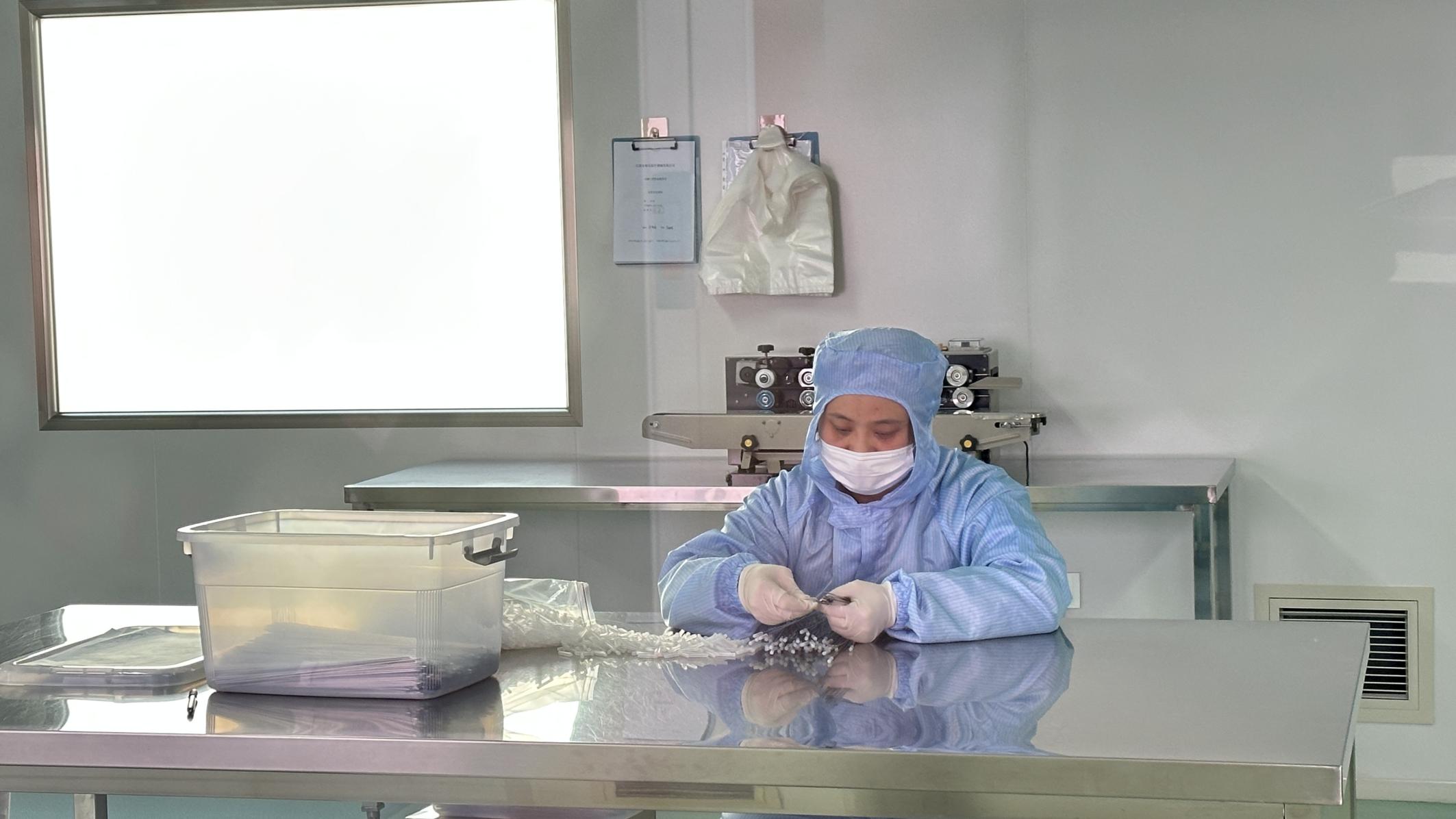
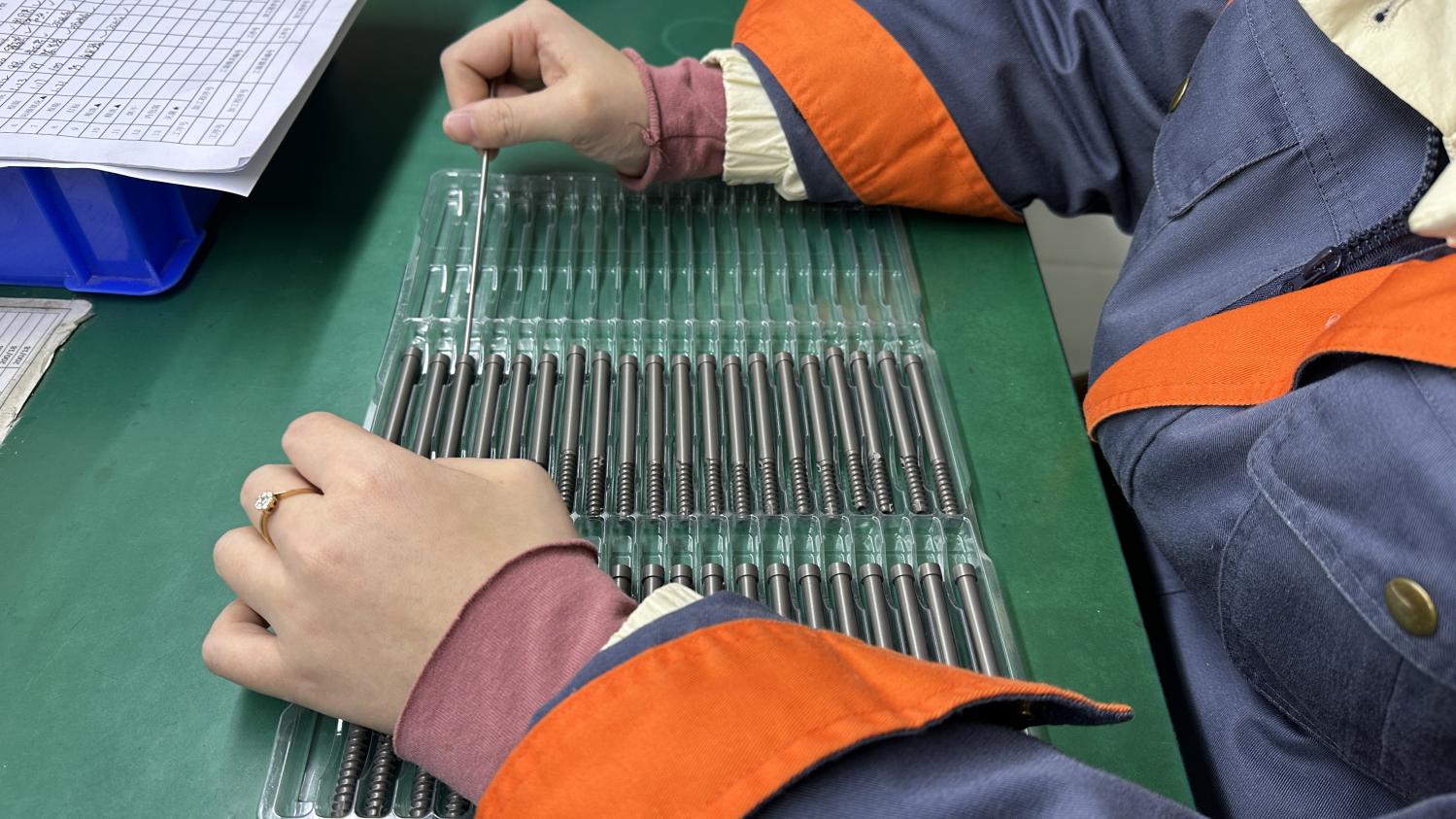
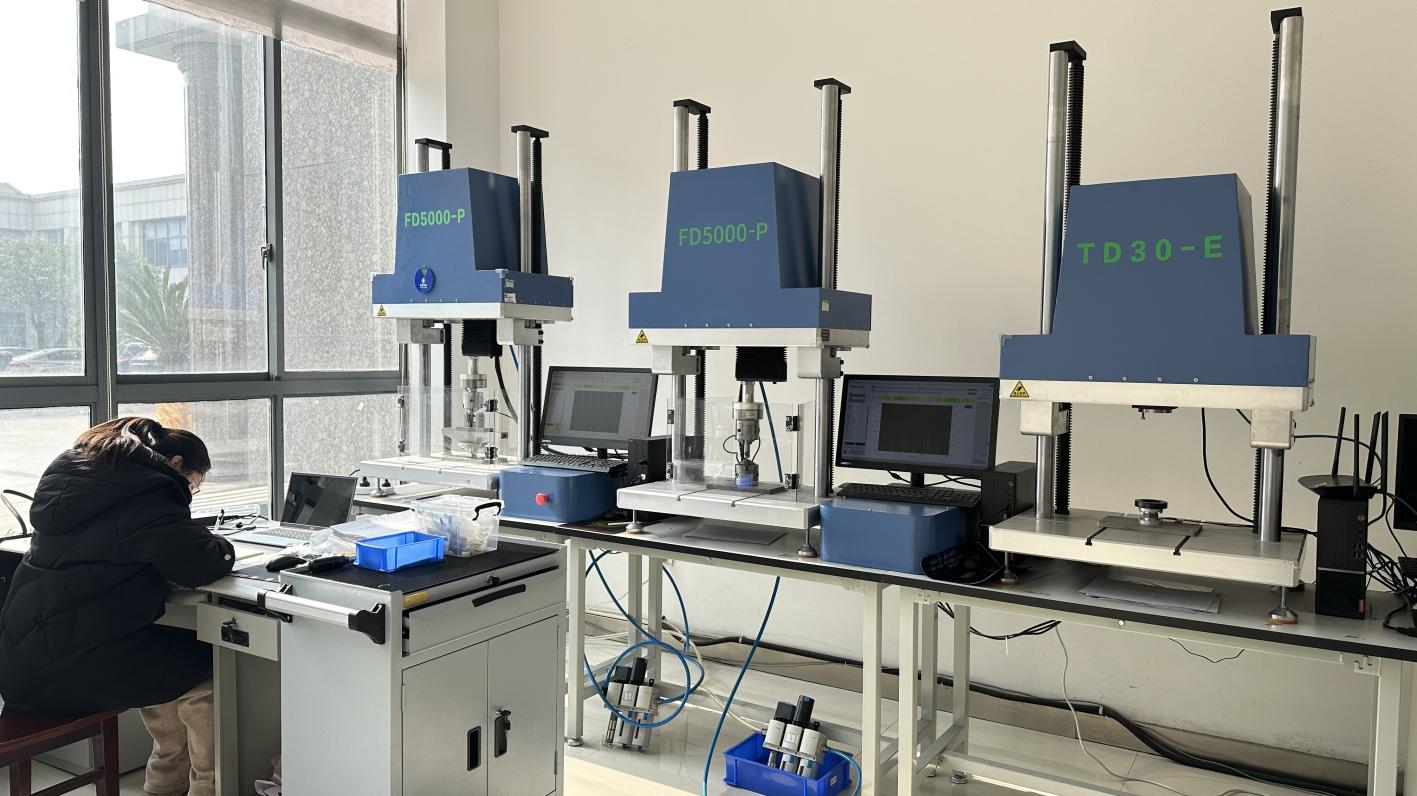
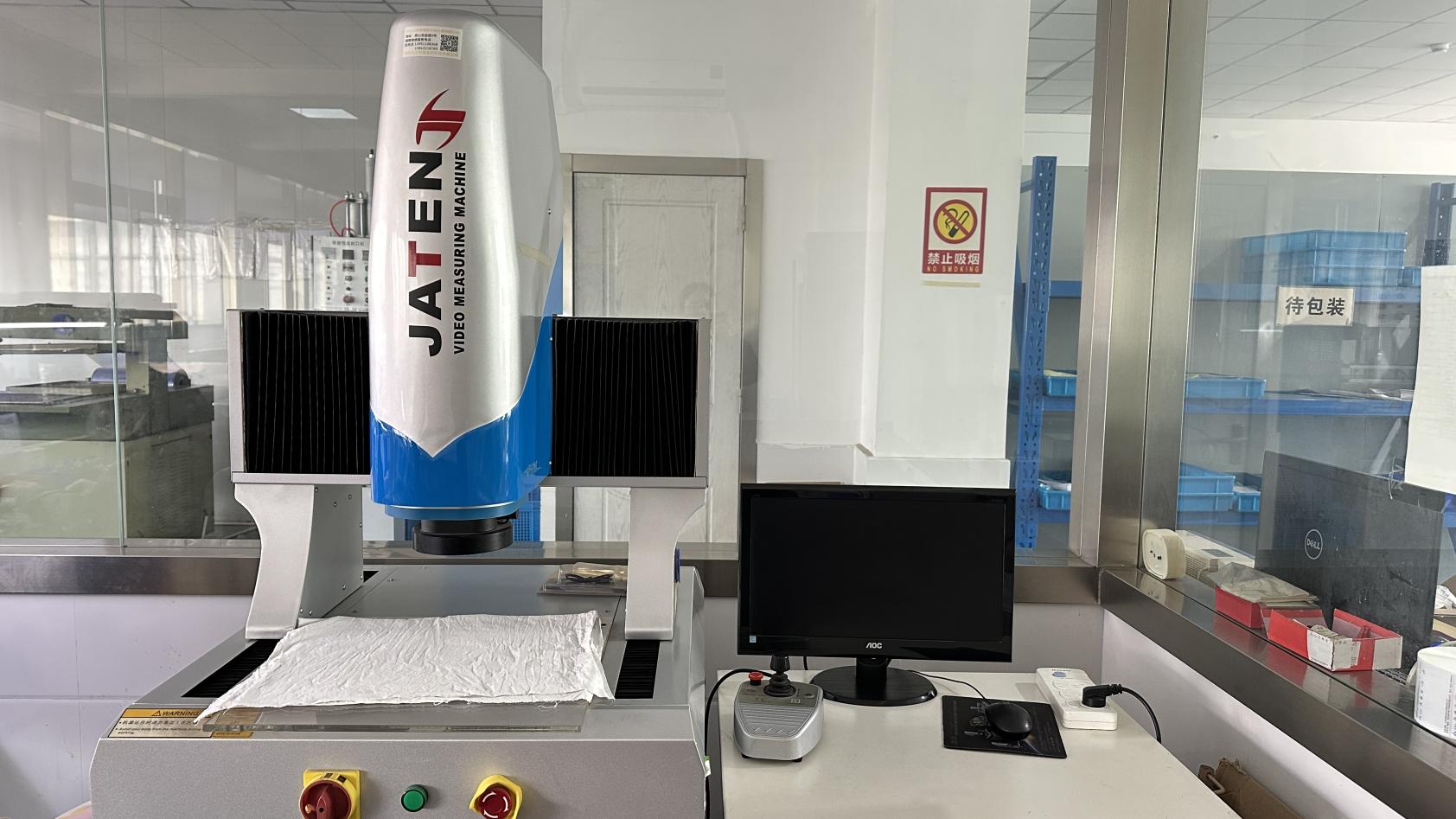
Leading factories strictly implement ISO 13485 and CE protocols. Comprehensive quality control programs (incorporating IPQC and FQC) alongside in-house testing equipment guarantee that every batch matches international medical standards.
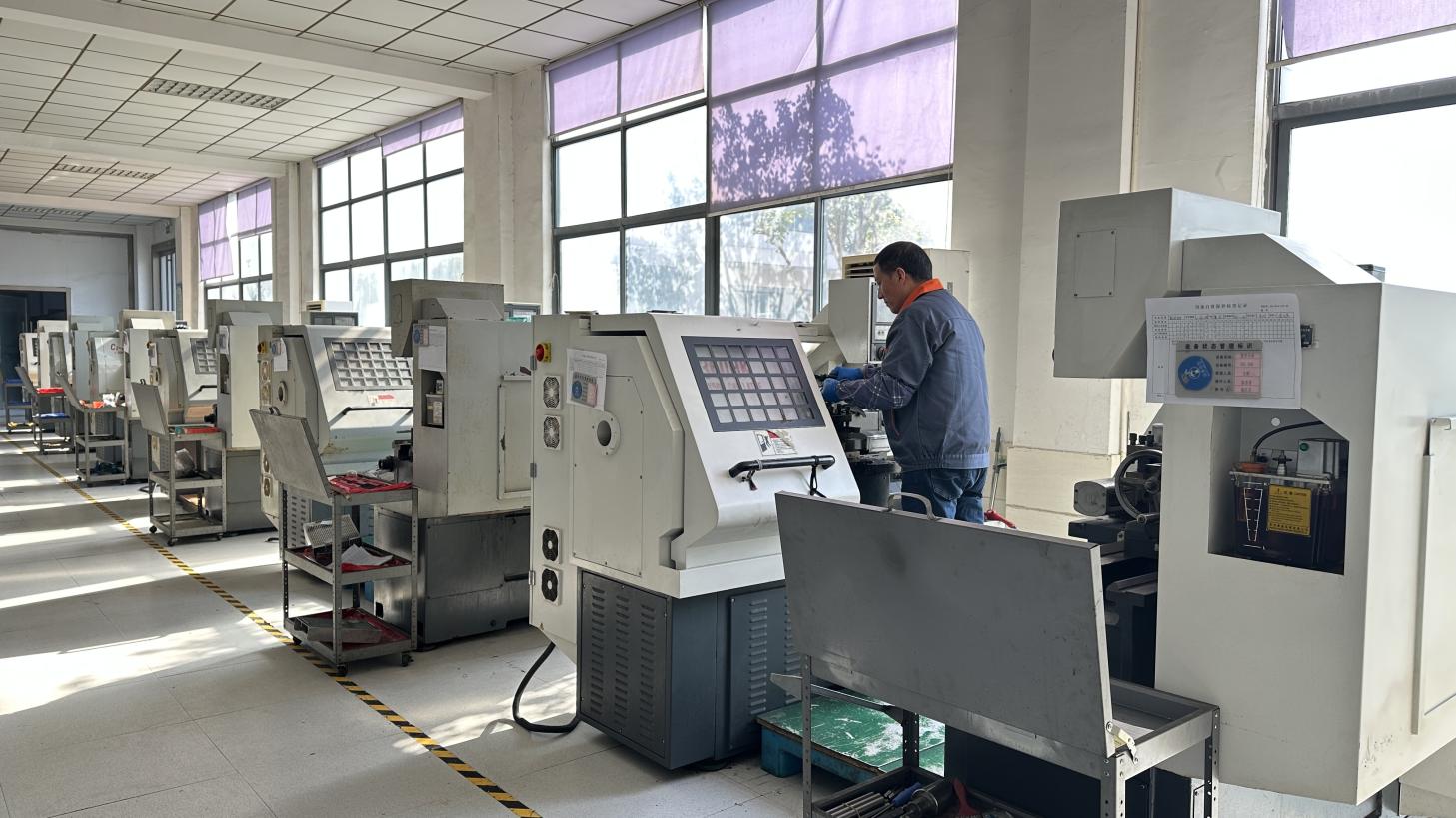
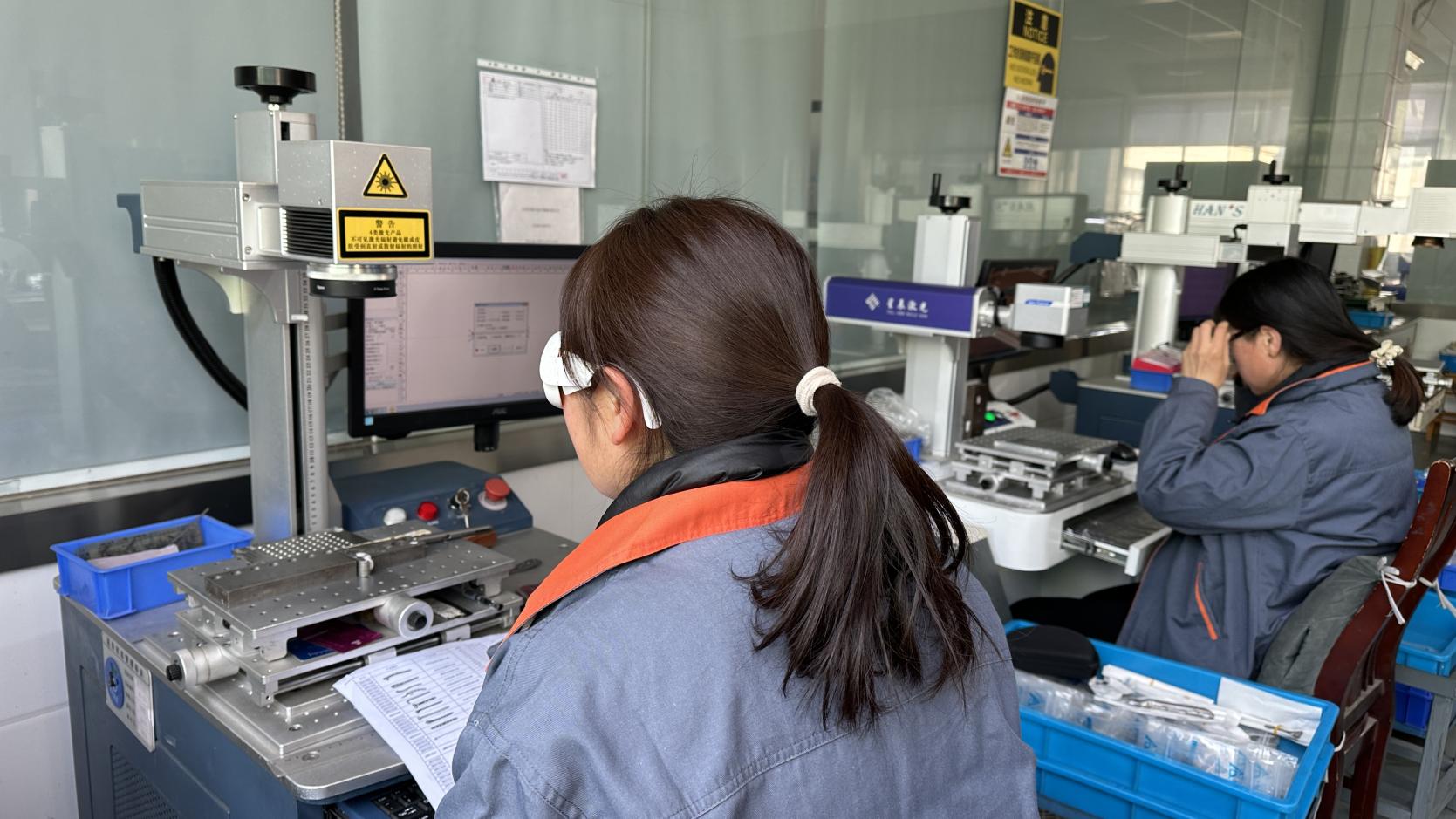
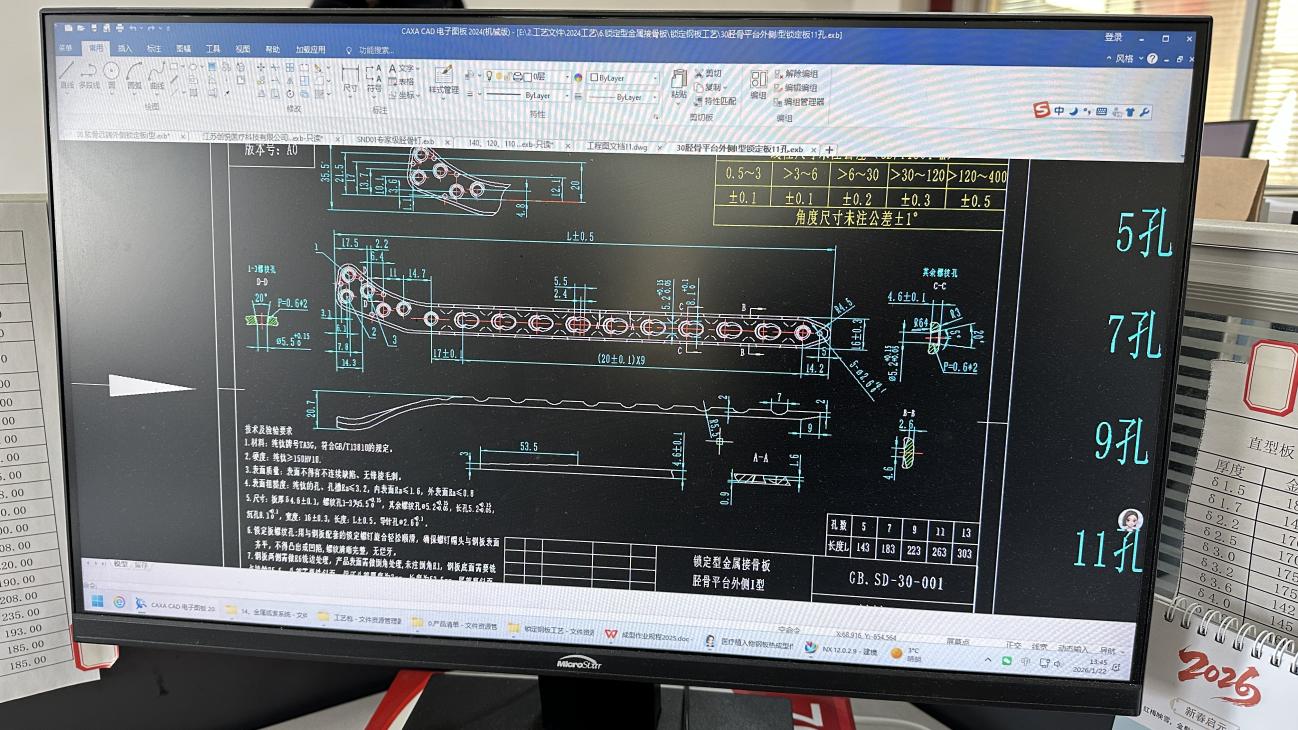
With state-of-the-art CAD/CAM engineering centers and multi-axis CNC milling machines, Chinese manufacturers specialize in customized layout designs, laser markings, and custom-molded silicone brackets matching client requirements.
By leveraging an efficient workforce of over 85 engineering and development specialists and utilizing integrated slitting, CNC machining, and laser marking, Medisplint delivers high-grade orthopedic instrument trays that balance cost and performance. This capability ensures that global medical device companies can purchase reliable surgical kits without compromising the mechanical integrity of their tools or exceeding hospital budget limits.
Trauma procedures demand swift actions. Intramedullary nails, ulnar screws, and locking plates must be immediately identifiable. Instrument trays with designated, laser-marked compartments prevent confusion between left and right configurations or diameter sizing (e.g., 3.0mm vs 3.5mm screws).
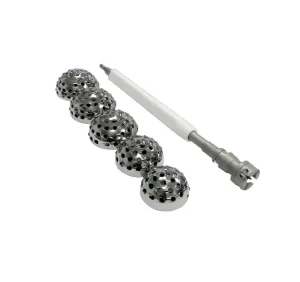
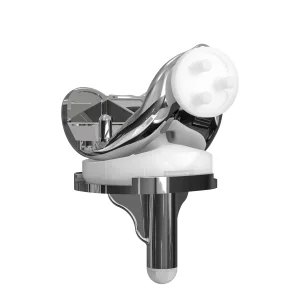
Total Knee Replacement (TKR) and Total Hip Replacement (THR) procedures utilize multiple trials, broaches, and reamers. Modular, multi-tiered sterilization trays constructed from anodized aluminum organize these bulky components, ensuring chemical sterilants penetrate all crevice geometries.
Complex spinal constructs utilize PEEK cervical fusion cages, pedicle screws, and rods. Specialty trays prevent friction and abrasion damage between implant surfaces, maintaining the critical polished finishes of bone screws and preventing particulate generation.
Delicate arthroscopic instruments like knot pushers, ACL/PCL tendon guides, and soft tissue shavers require specialized support. Trays with custom-fit, heat-resistant silicone brackets secure these fine tips, protecting them from micro-fractures during transport and sterilization cycles.
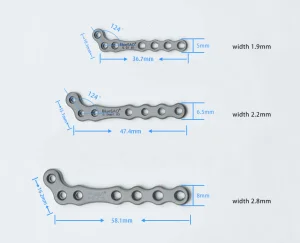
Veterinary surgical practices require versatile, space-efficient, and affordable kits. Veterinary bone plate and screw sets (such as L-shape reconstruction locking plates) are packaged in compact, reusable sterilization boxes, facilitating rapid turnaround times in high-volume clinics.
Global procurement teams must balance speed, regulatory compliance, and product durability. When evaluating orthopedic instrument trays, ensure your manufacturer meets the following criteria:
| Evaluation Parameter | Technical Requirements | Medisplint Standards |
|---|---|---|
| Quality Certifications | ISO 13485:2016, CE Compliance, Class I/II Medical Device approvals. | Compliant (ISO 13485 & CE Certified) |
| Material Traceability | Mill certificates for Medical-Grade Titanium Alloys (Gr5) and Stainless Steels (316L). | Provided (Full raw material tracking) |
| R&D Customization | CAD drawings, prototype validation, private labeling, custom bracket modeling. | Standard (85+ development specialists) |
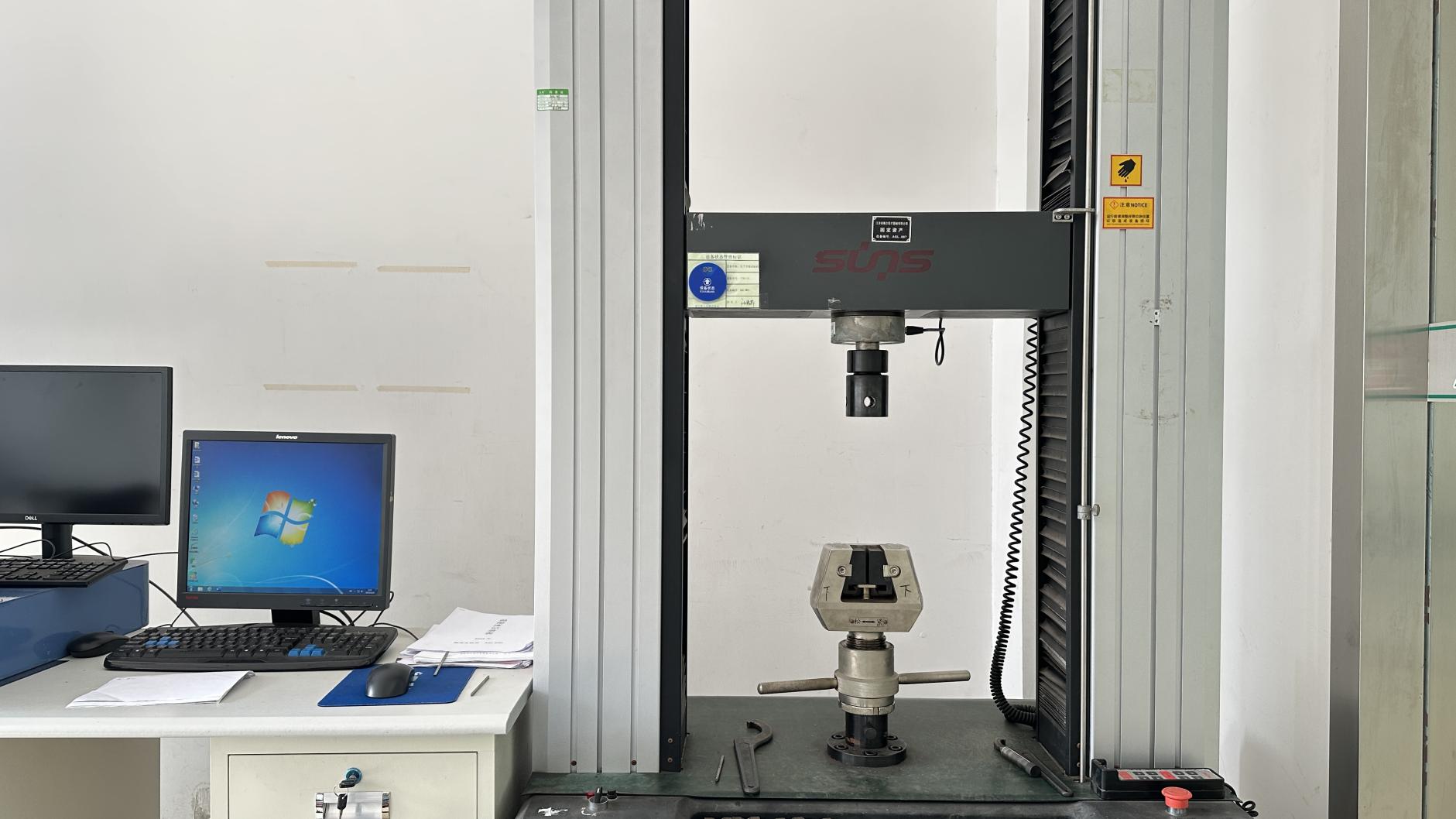
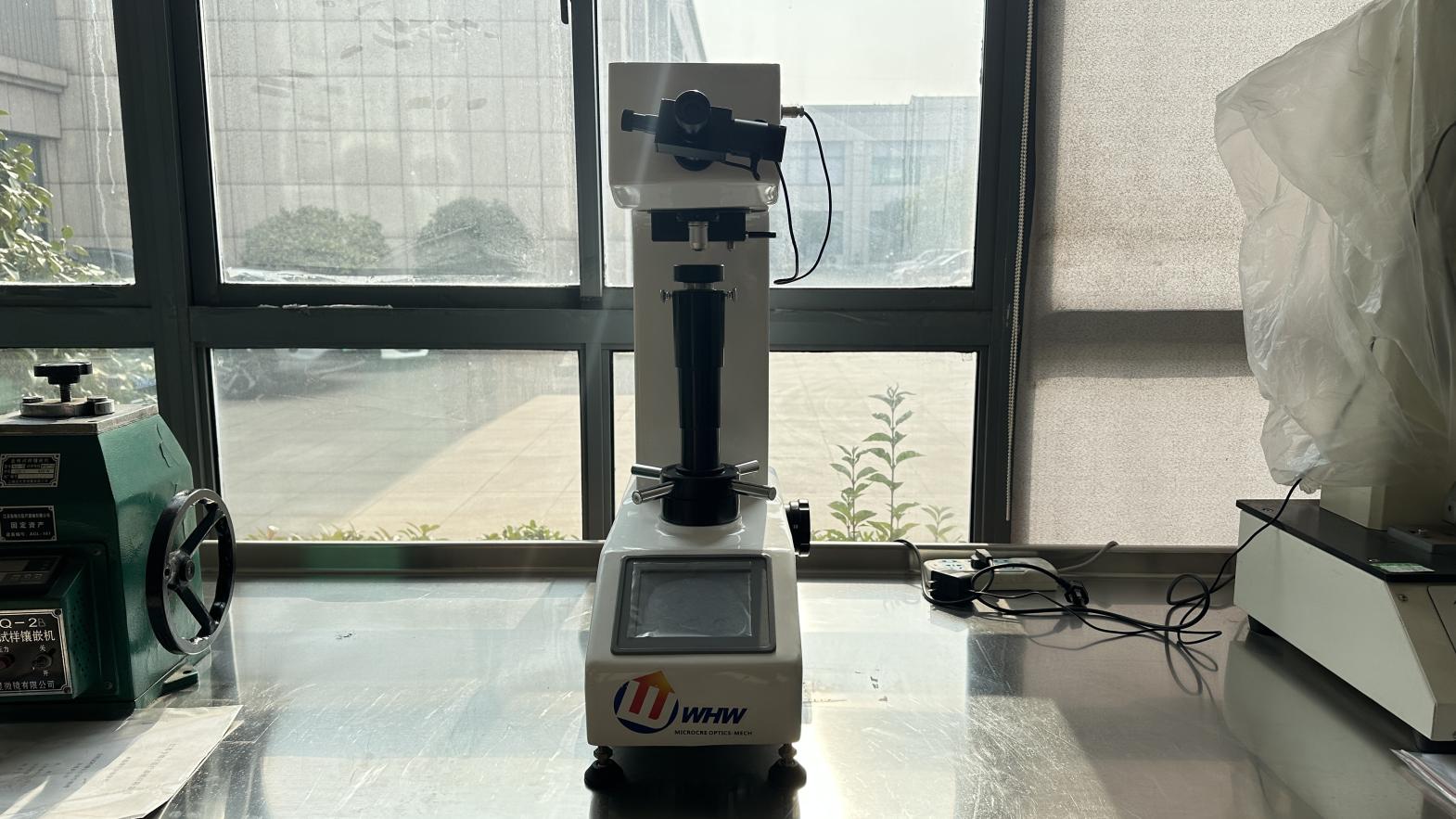
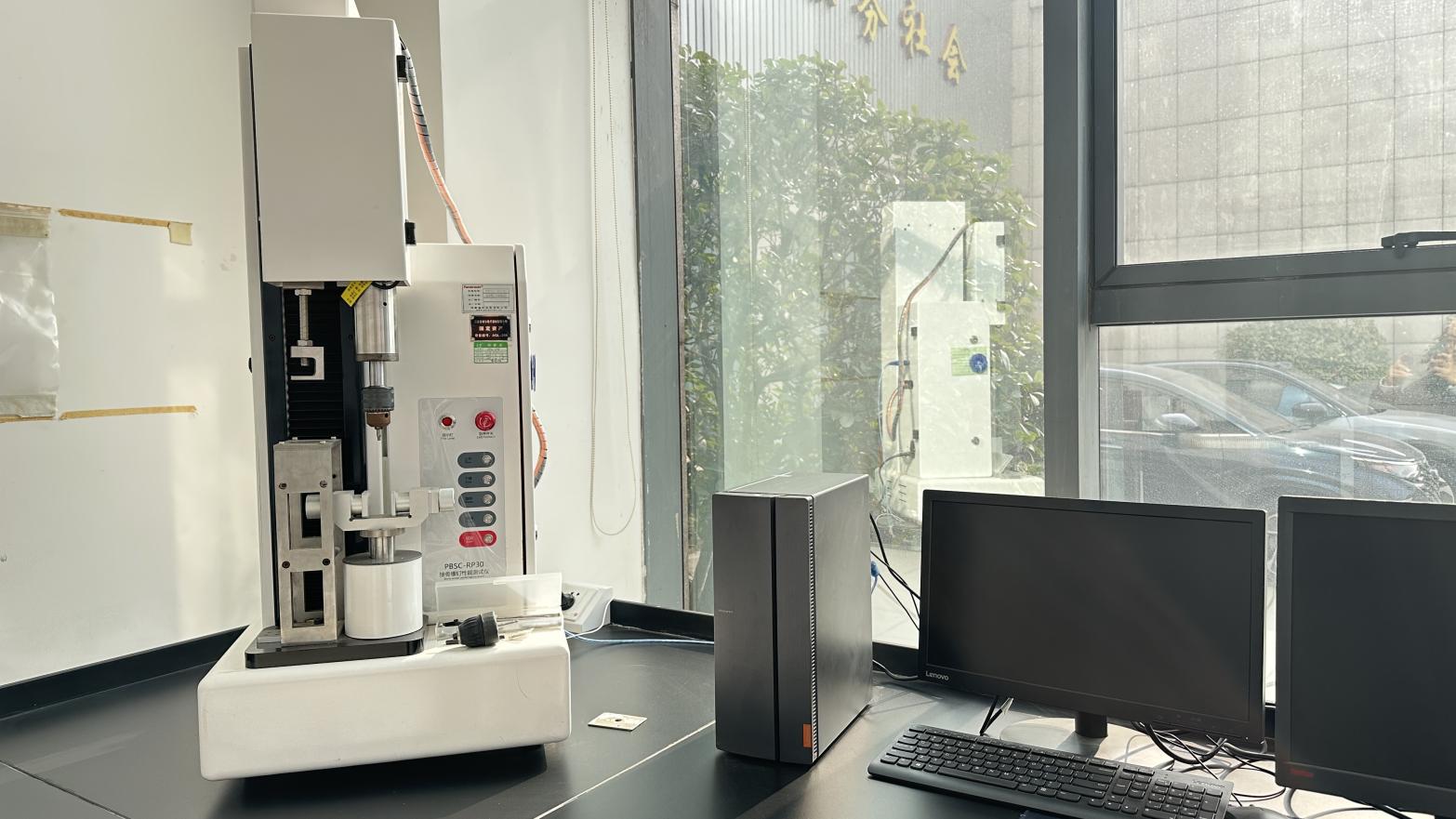
| Mechanical Validation | Tensile testing, fatigue validation, hardness profiles, corrosion resistance. | Verified (In-house Testing Lab) |
| Sterilization Compatibility | Steam Autoclave (134°C), Ethylene Oxide (EO), Gamma radiation validation. | Validated (Highly resilient finishes) |
Purchasing managers can reduce risks by working with factories that own and manage the entire production cycle—from slitting and CNC machining to final laser marking and mechanical performance testing. This integration guarantees consistent batch quality and reduces the risk of post-sale component mismatches.