Medisplint Medisplint
OEM/ODM Industry Whitepaper

OEM/ODM Unicompartmental Knee Arthroplasty Suppliers & Exporters

Precision Biomechanical Implants, Custom Instrumentation Sets, and Global Supply Solutions under ISO 13485 & CE Compliance.

Executive Briefing

The Evolution of Unicompartmental Knee Arthroplasty (UKA)

Unicompartmental Knee Arthroplasty (UKA), or partial knee replacement, has emerged as the treatment of choice for localized single-compartment osteoarthritis. By preserving healthy bone stock, intact cruciate ligaments (ACL/PCL), and natural joint kinetics, UKA offers significantly quicker recovery times, reduced post-operative pain, and superior range of motion compared to Total Knee Arthroplasty (TKA).

For global healthcare distributors, hospital networks, and brand owners, sourcing implants that meet strict biomechanical tolerances is paramount. Medisplint Orthopedic Instruments Co., Ltd. addresses this crucial market need with fully integrated OEM/ODM development lifecycles. We combine raw material integrity (such as implant-grade Titanium alloy and medical UHMWPE) with high-precision CNC multi-axis milling to manufacture implants that restore biological function flawlessly.

Key Clinical Drivers for UKA Growth

  • Biomechanical Kinematics: Preserves the natural feel of the knee joint by maintaining proprioception.
  • Bone Stock Preservation: Minimal bone resection keeps future intervention options open for younger, active patients.
  • Outpatient Compatibility: Fits perfectly within the shift towards Ambulatory Surgical Centers (ASCs).
  • Reduced Complications: Lower clinical incidence of infection, blood loss, and deep vein thrombosis (DVT).
Manufacturer Profile

Medisplint Orthopedic Instruments Co., Ltd.

Founded in 2016, Medisplint has rapidly developed into a premier manufacturer specializing in orthopedic implants, trauma fixation systems, spinal correction assemblies, and advanced joint reconstruction instruments. Operating from our state-of-the-art 18,500㎡ facility, we integrate full-cycle production, sterile packaging preparation, and continuous laboratory verification.

With a robust annual export revenue of approximately USD 12 million, over 7 years of global trade experience, and a core team boasting 10+ years of dedicated orthopedic manufacturing expertise, Medisplint represents a trustworthy, high-capacity partner for international distributors.

18,500㎡
Production Facility
1,200+
Supply Partners
42
QC Inspectors
85
R&D Engineers

Regulatory Compliance & Quality Management

Medisplint works under strict global quality assurance systems including ISO 13485 certification and European CE standards. Every product is subjected to strict inspection regimens:

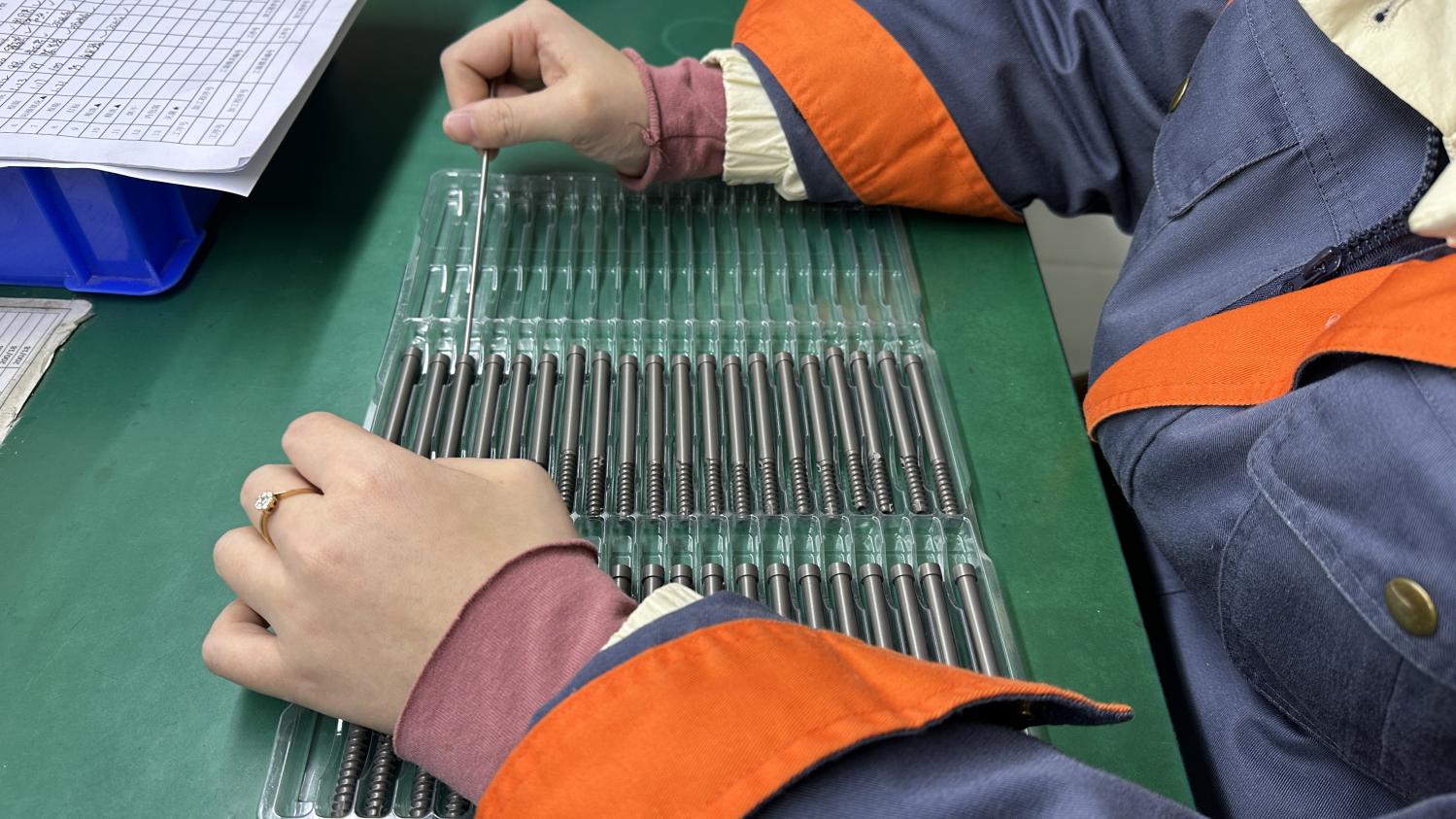
Incoming Material Inspection: Microstructural analysis of medical titanium alloys and plastics to ensure high biocompatibility.
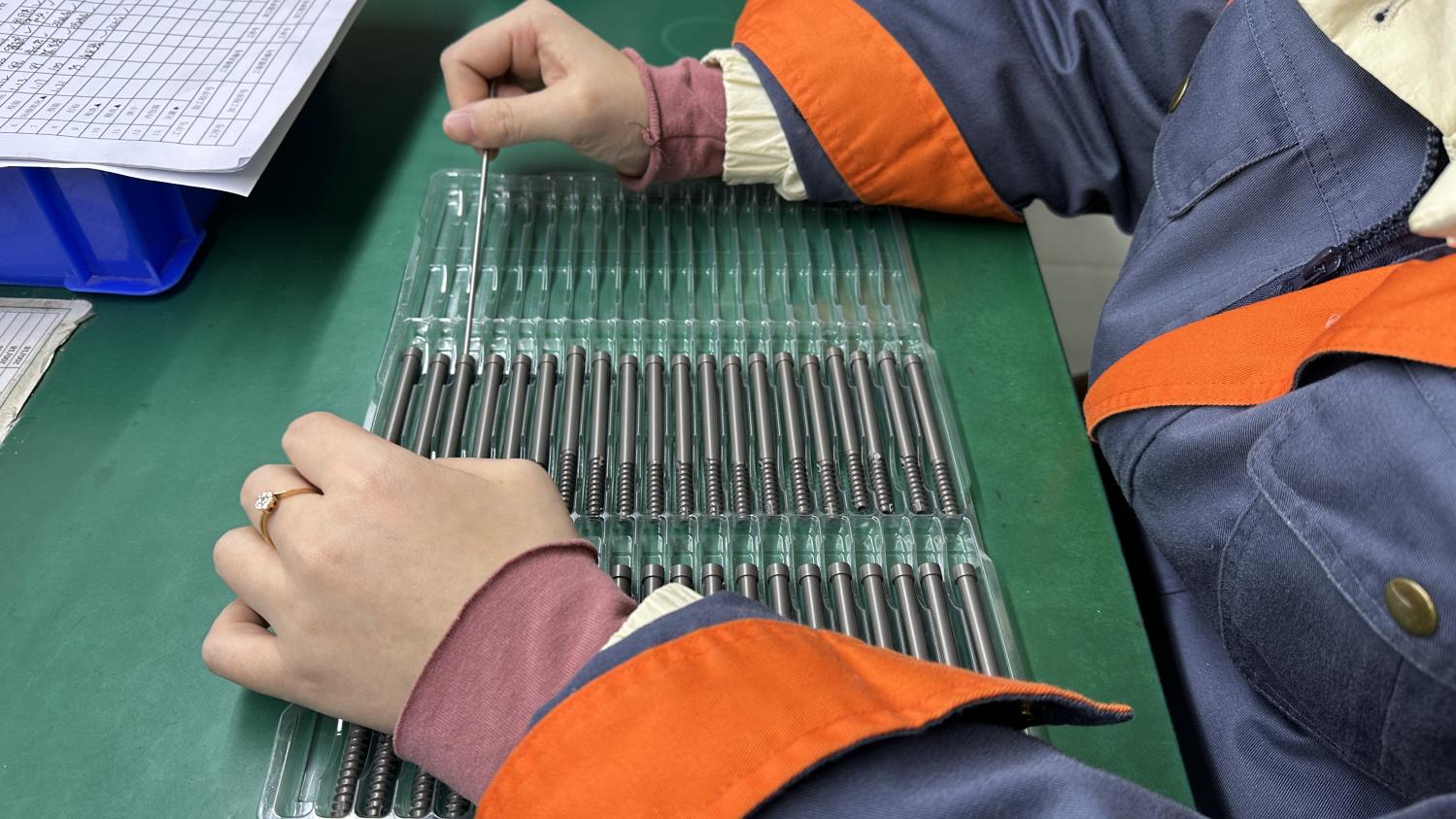
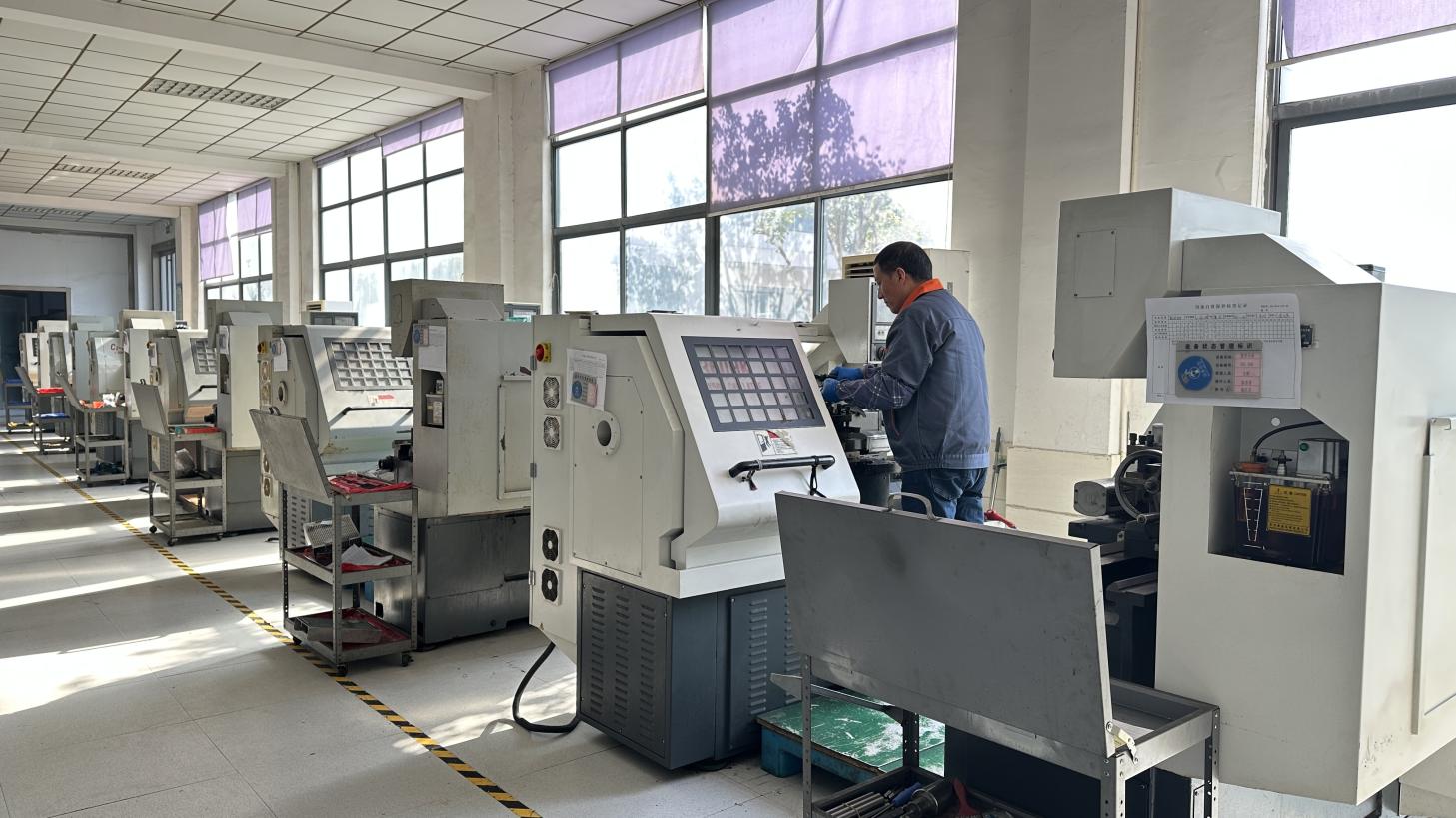
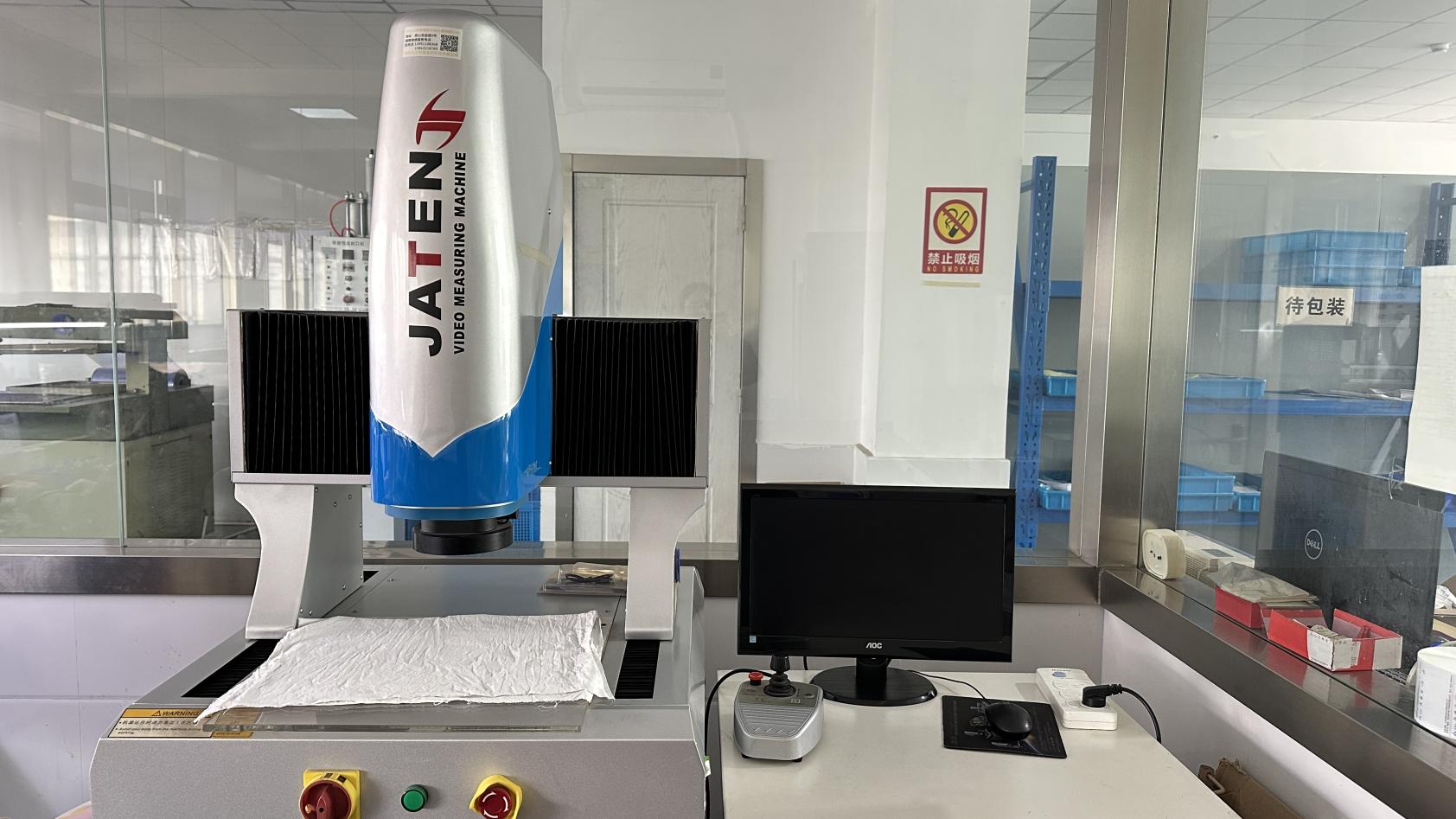
In-Process Quality Control (IPQC): Real-time dimensional testing on 5-axis CNC machining lines.
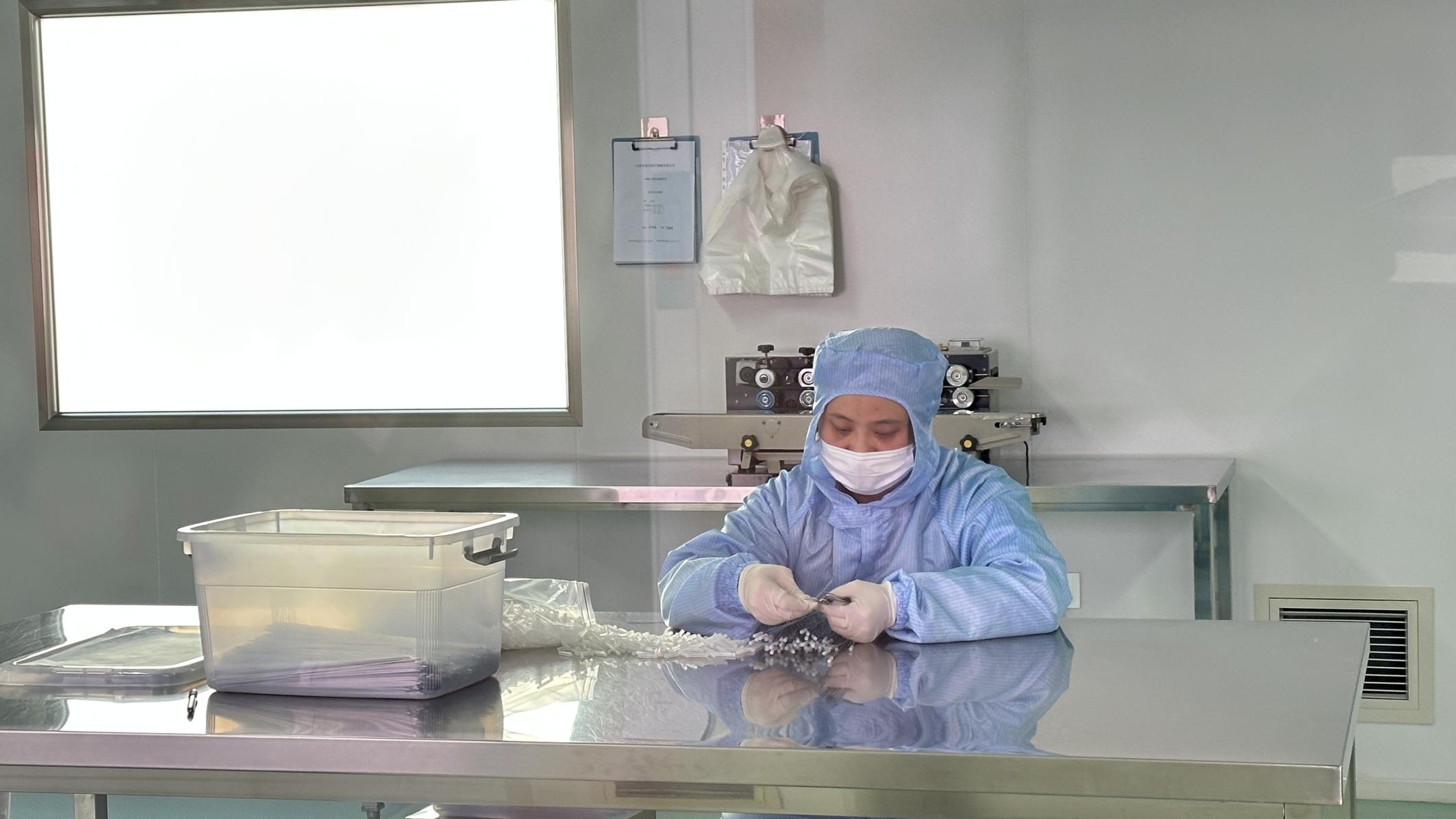
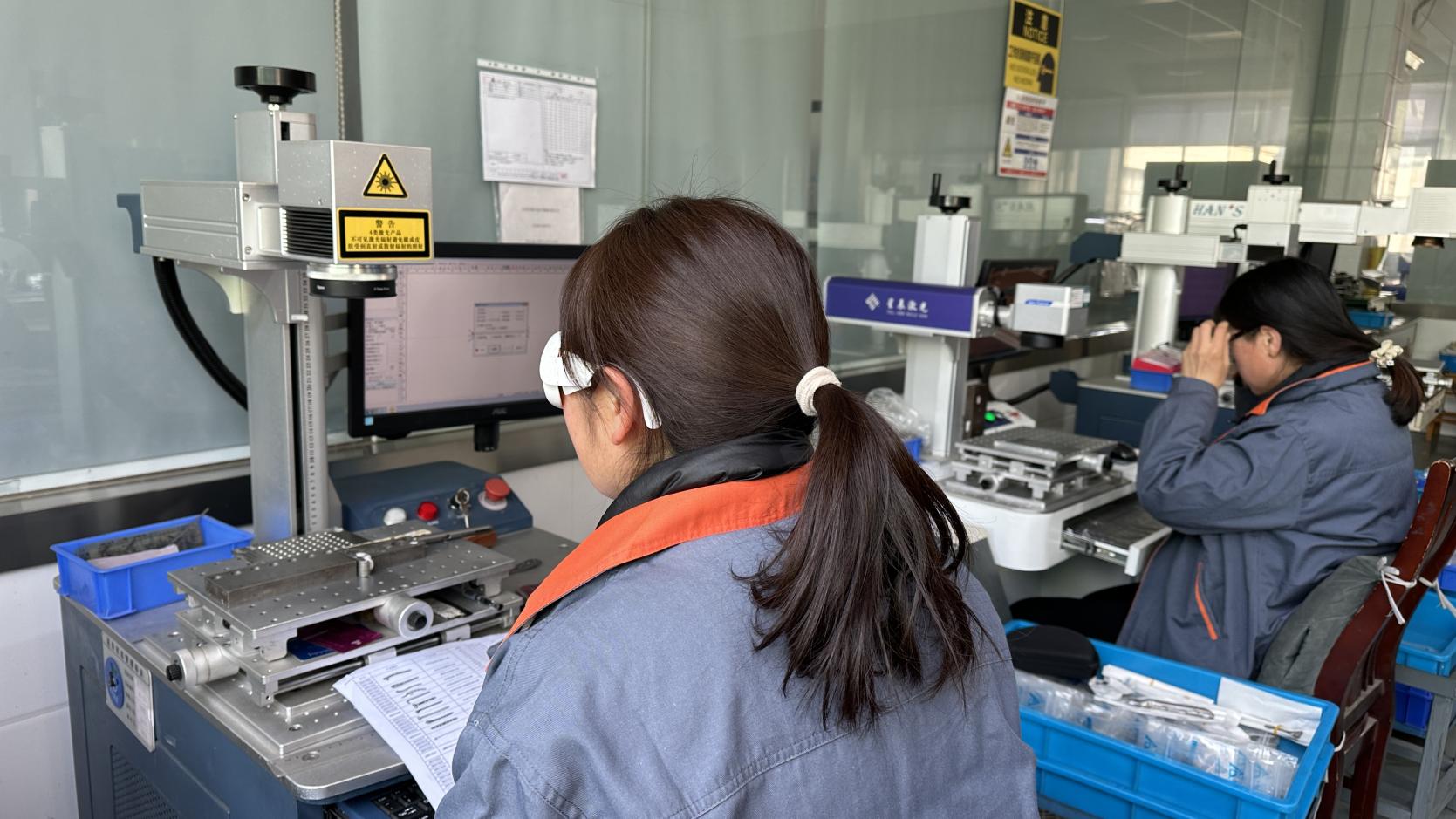
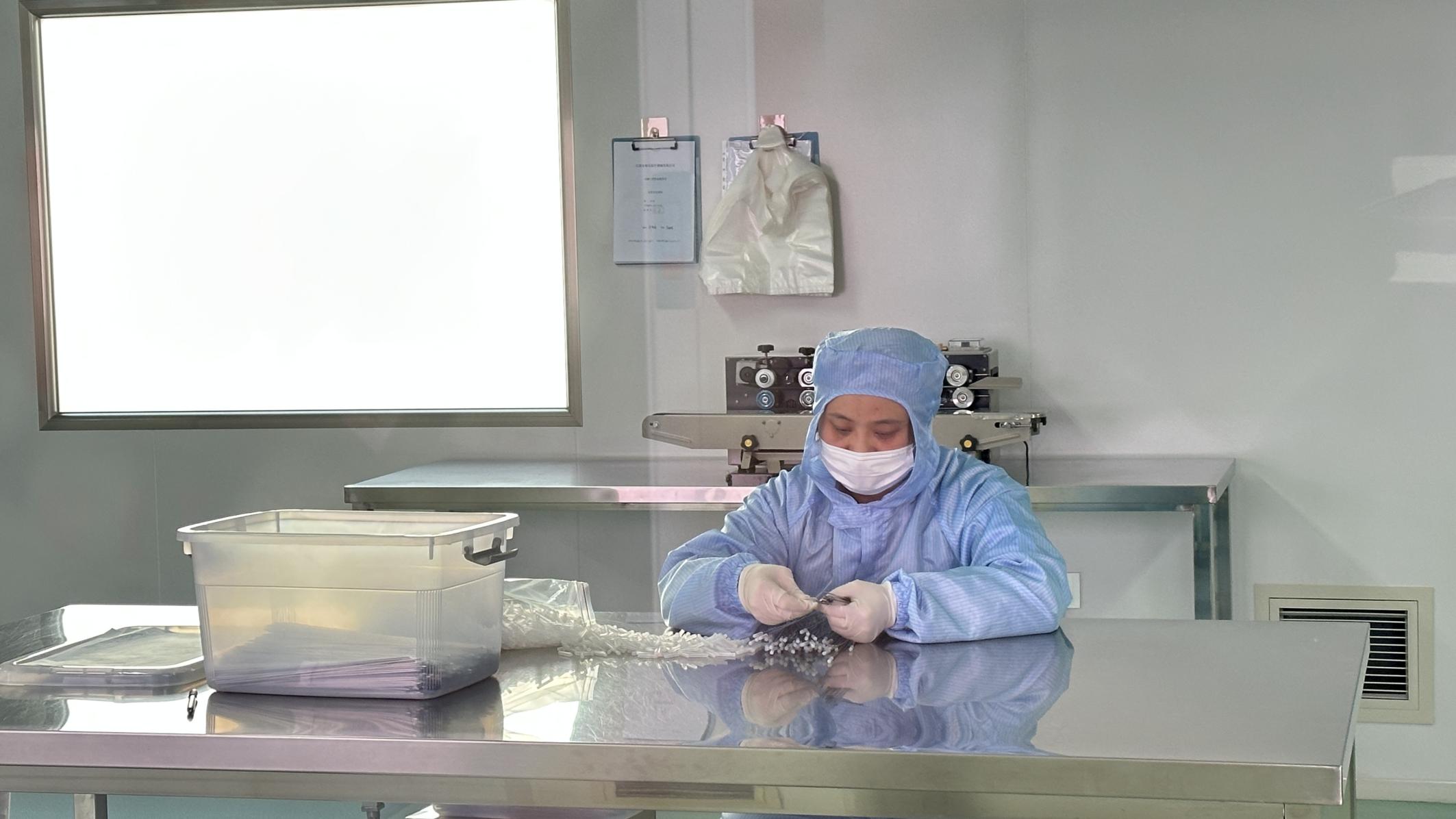
Final Product Control (FQC): Ultrasonic cleaning validation, sterile packing integrity checks, and laser engraving inspection.
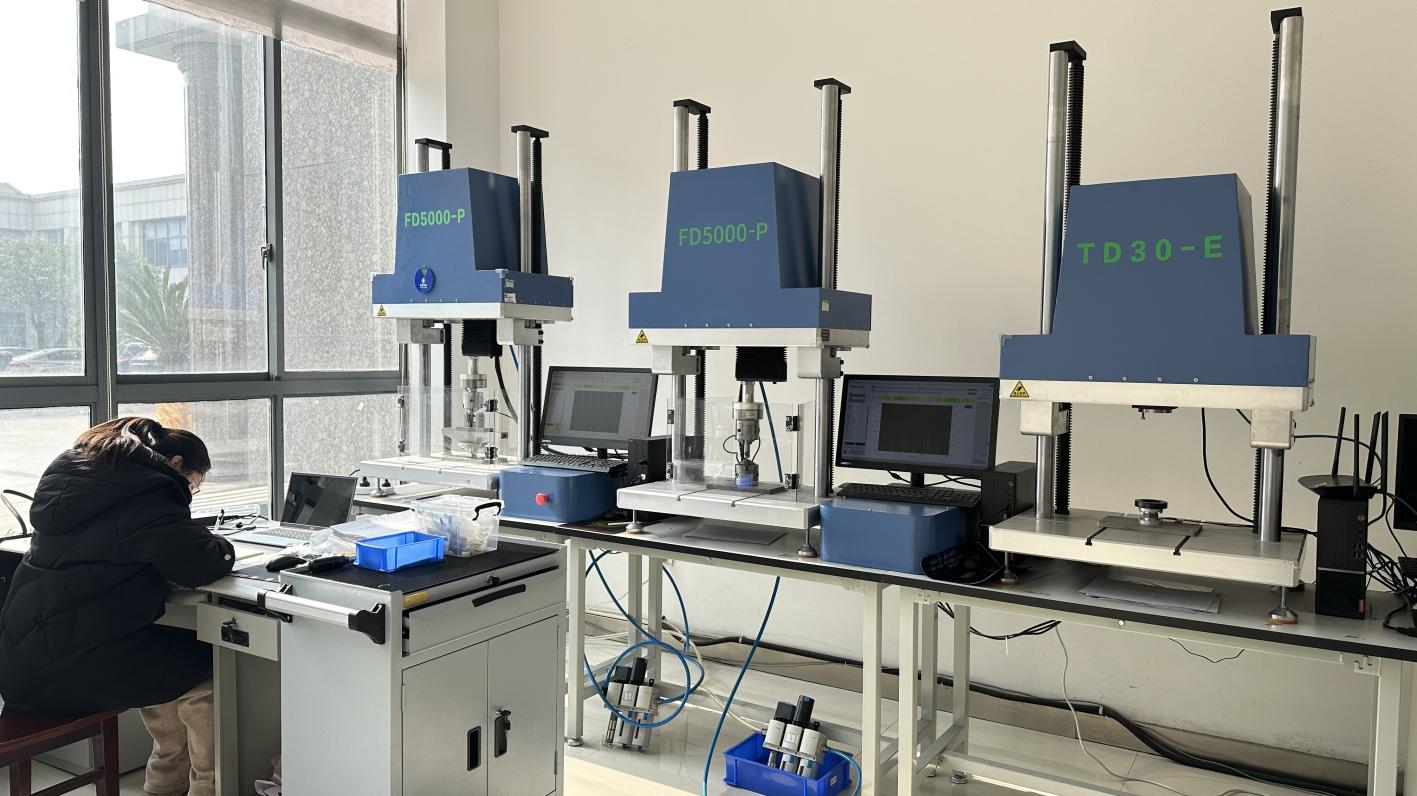
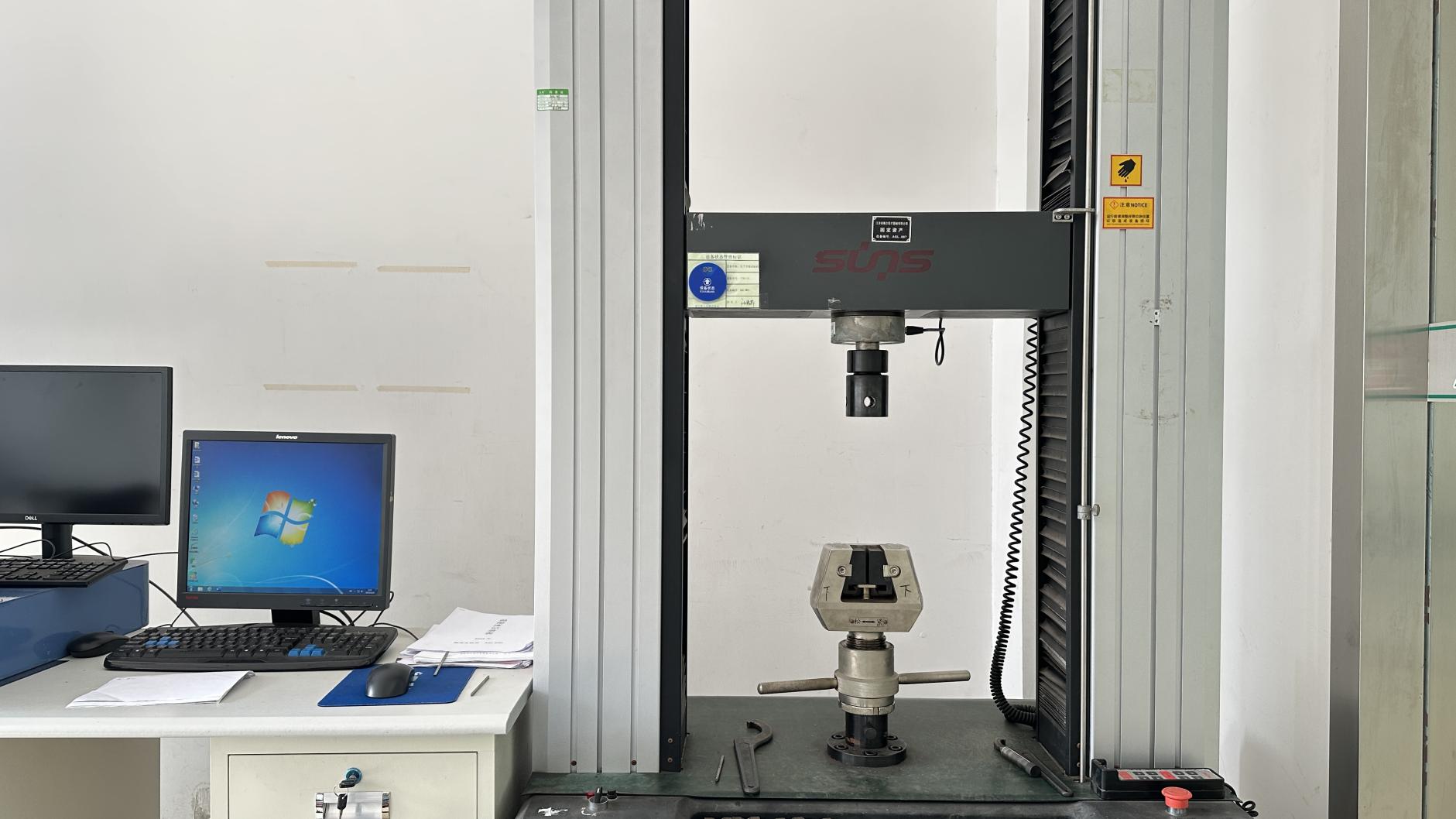
Third-Party Laboratory Verification: Dynamic fatigue testing and mechanical tensile limits evaluation.
Manufacturing Advantages

Why Partner with a China-based UKA Factory?

Discover how localized supply chains, advanced technology nodes, and cost structures generate significant market advantages.

Unmatched Scale and Cluster Efficiency

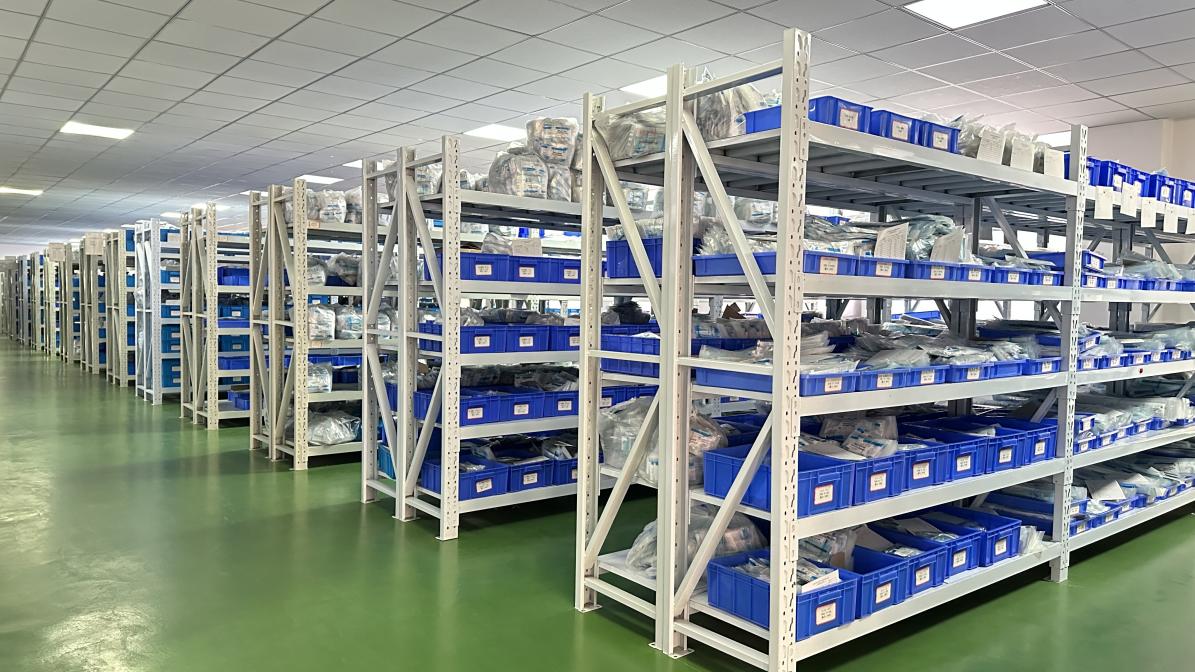
By coordinating with 1,200+ local raw material and surface-treatment specialists, we ensure short procurement cycle times for titanium, cobalt-chrome, and PEEK substrates. Our raw material stability minimizes manufacturing delays.

Advanced R&D Integration

Our dedicated team of 85 development engineers collaborates with modern clinical centers to optimize the kinematics of our UKA bearing designs. We released 68 new medical items last year alone to meet evolving clinical trends.

Advanced Multi-Axis CNC Milling

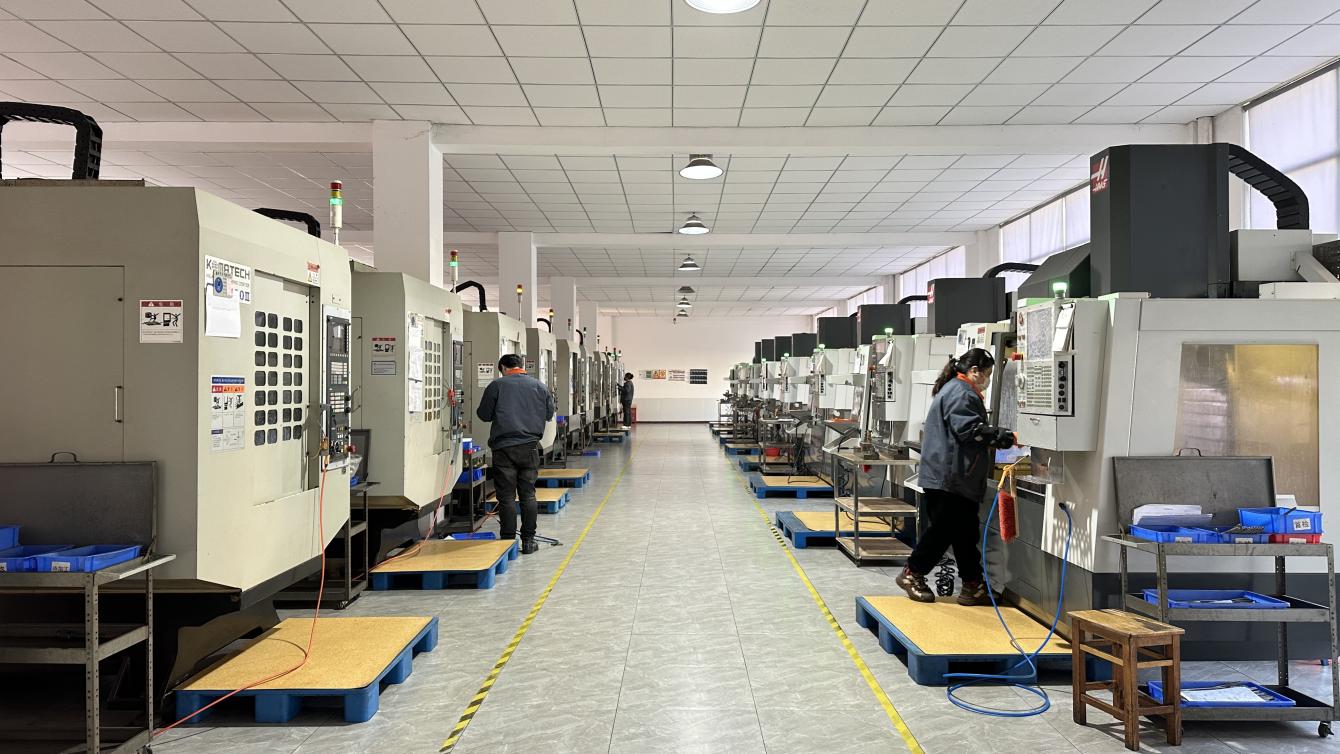
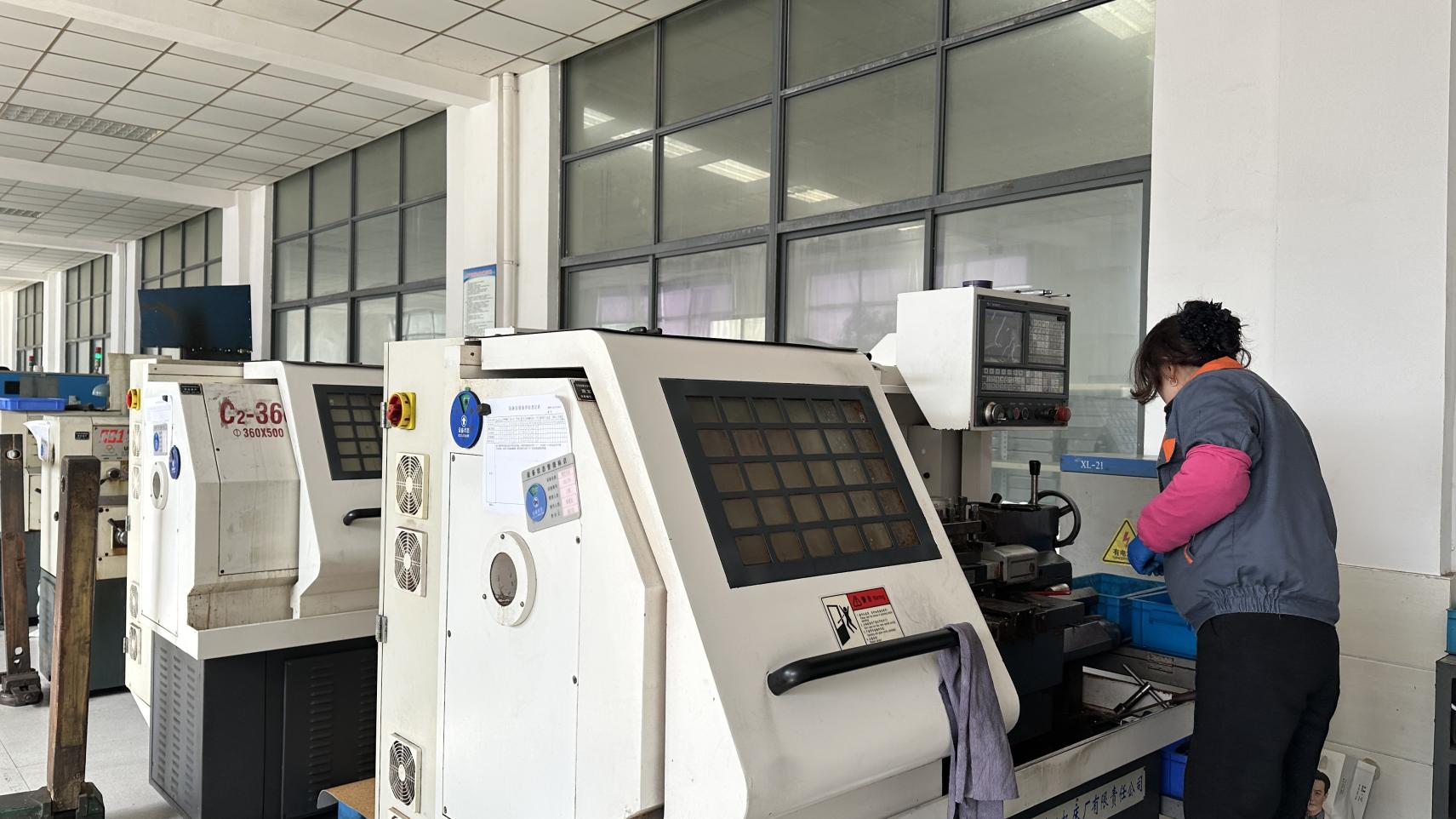
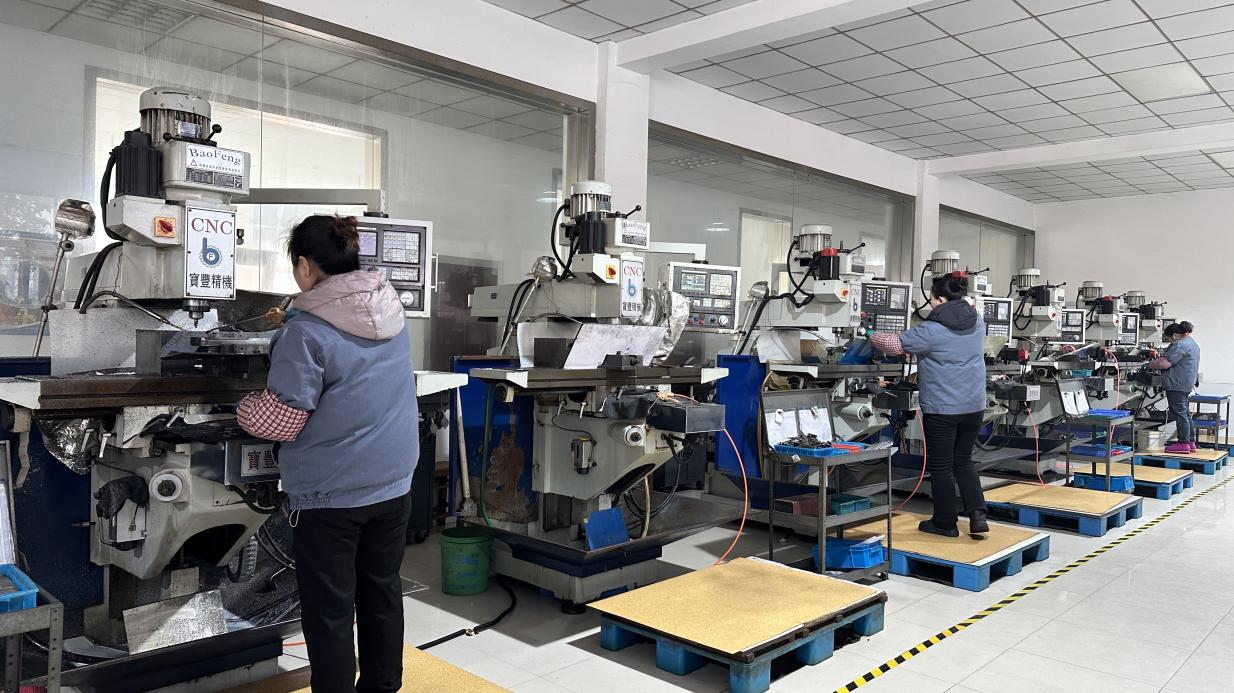
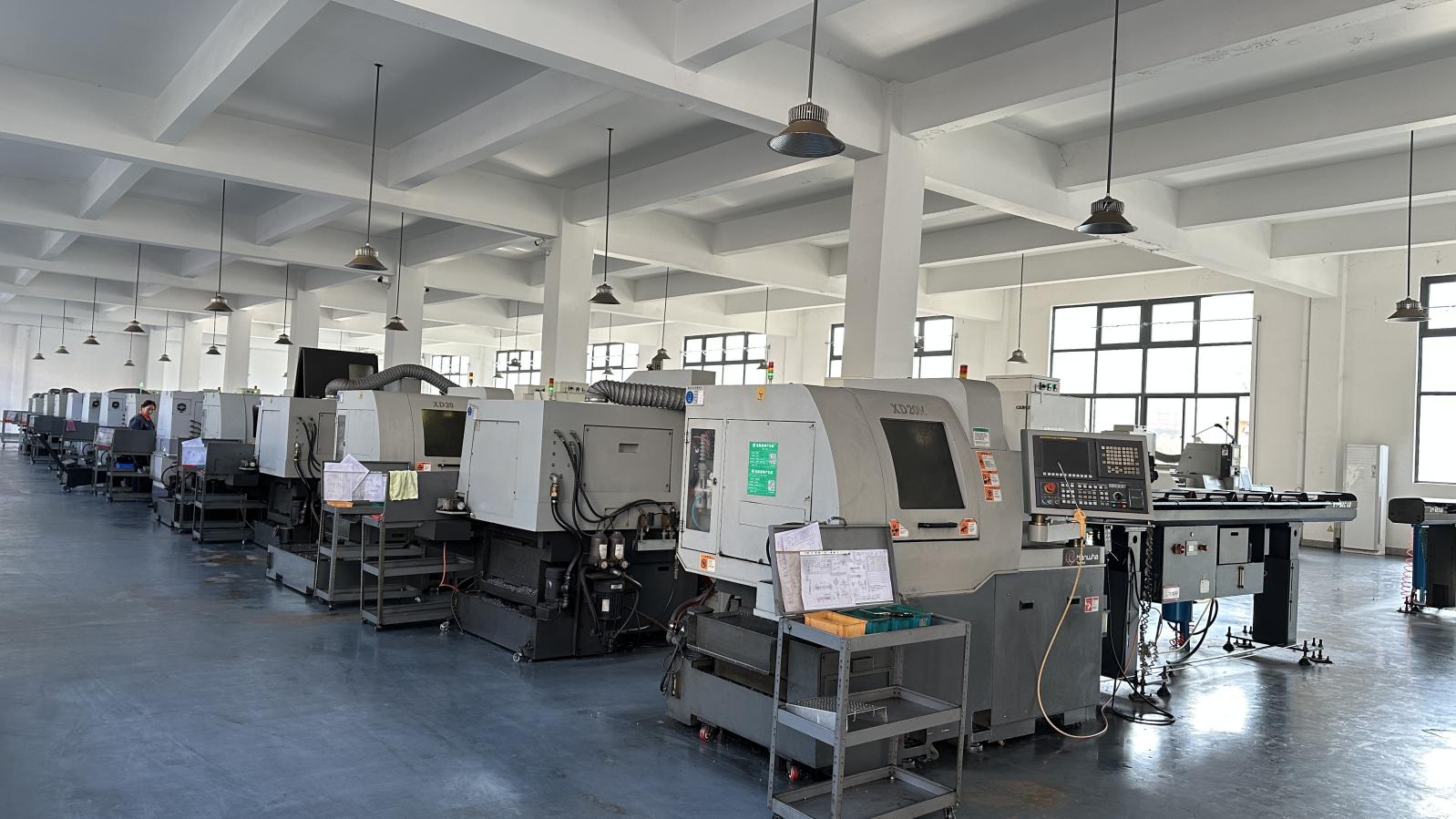
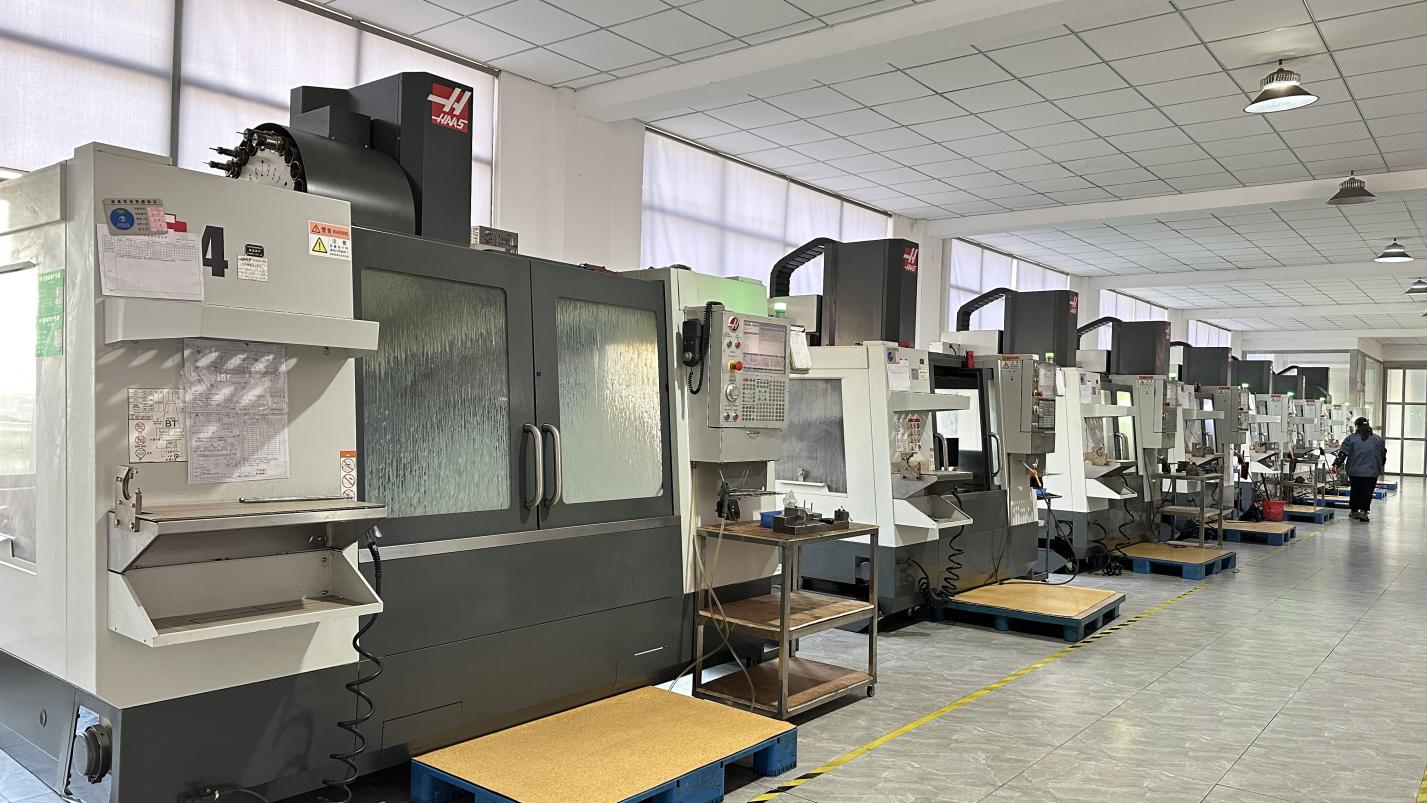
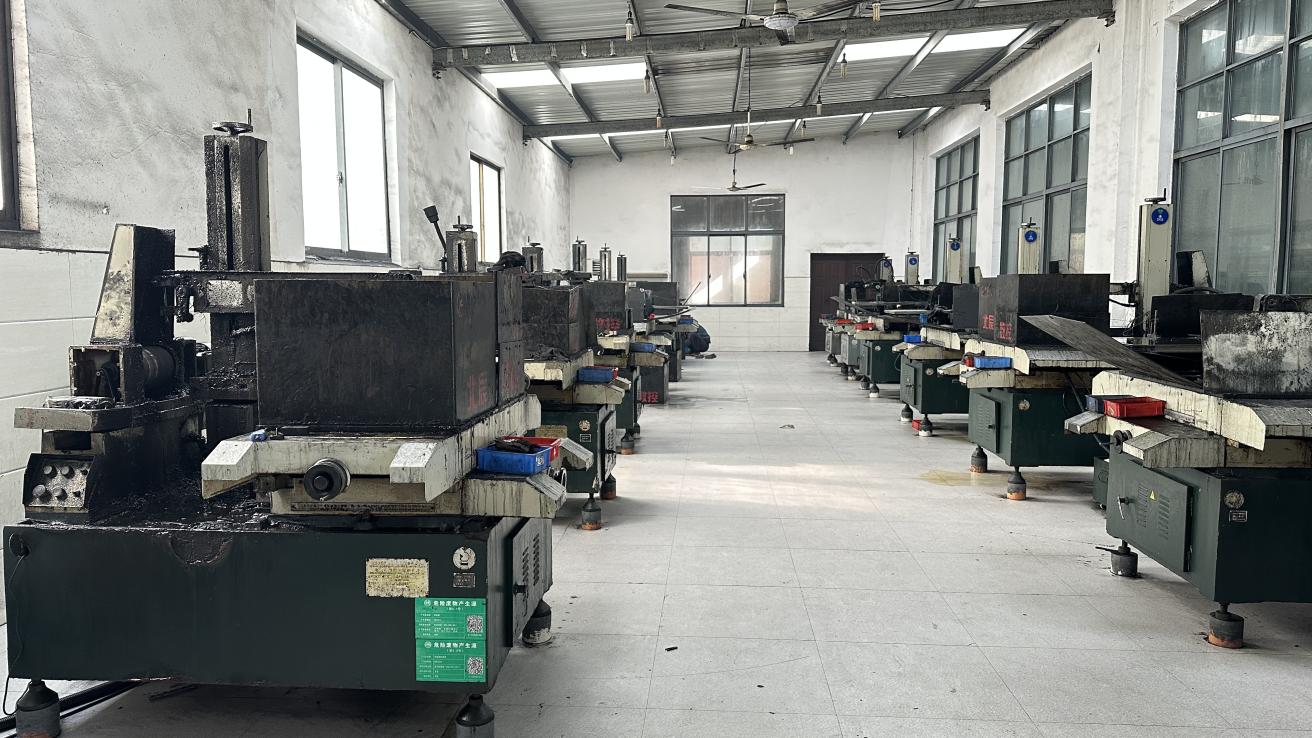
To produce the complex, highly anatomical geometries required for partial knee femoral components, our factory utilizes high-speed CNC milling and wire-cutting machinery, ensuring tolerances within 0.005mm.

Visual Tour

End-to-End Manufacturing & Testing Workflow

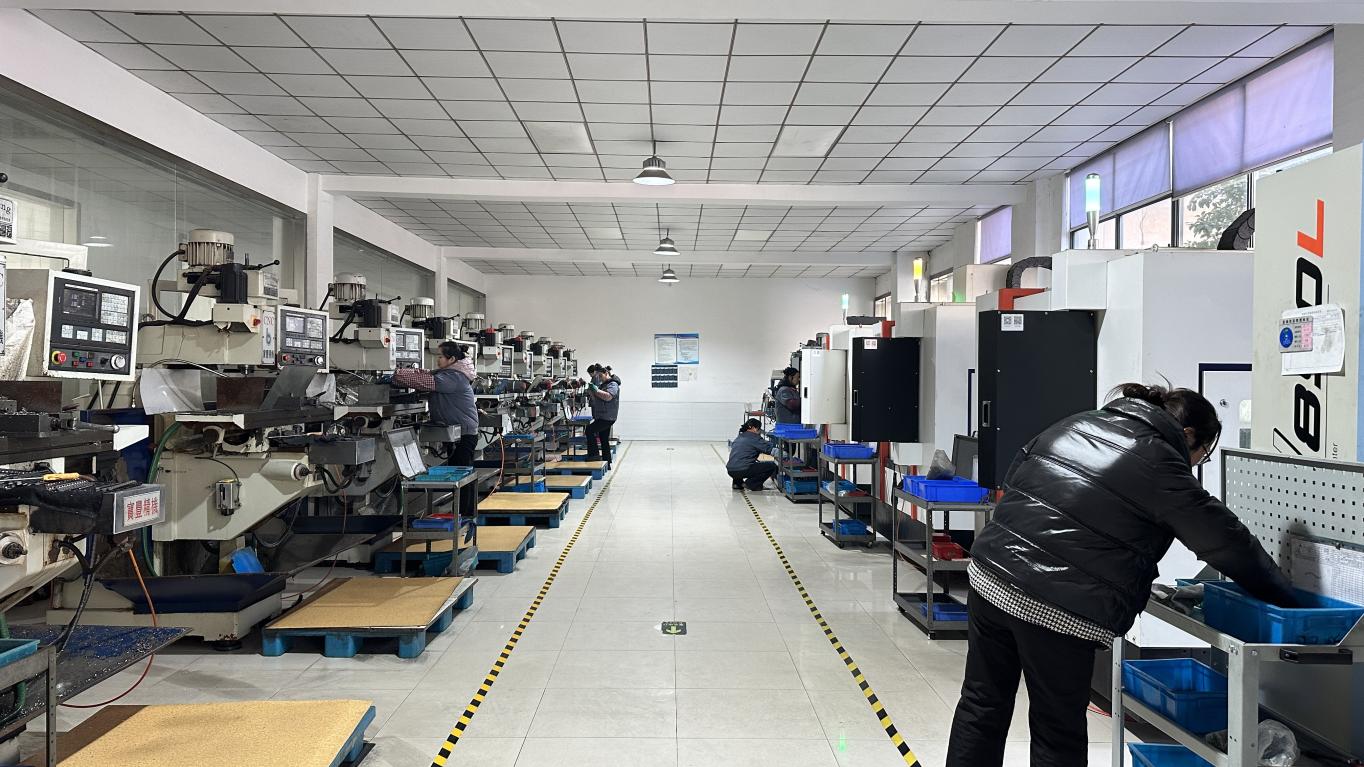
Direct photographic verification of our physical manufacturing processes, testing chambers, and warehouse operations.
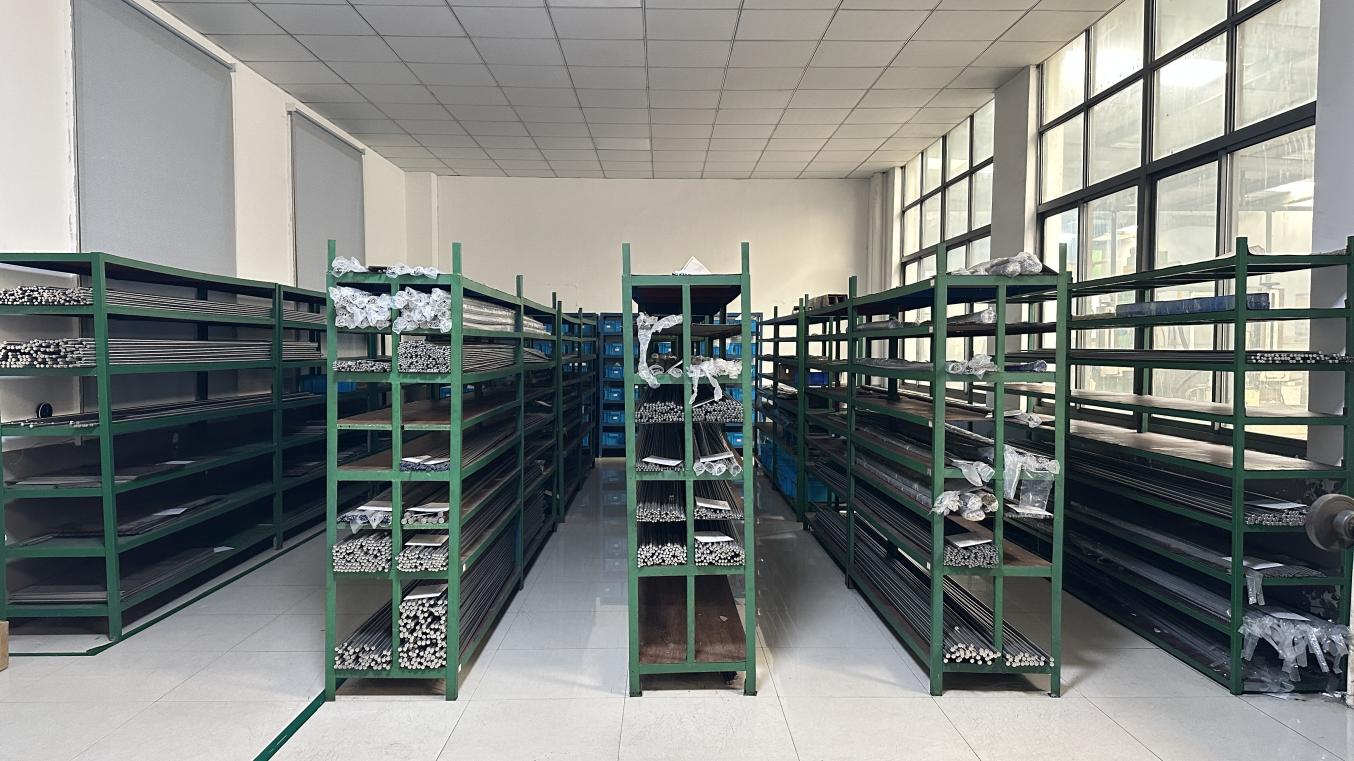
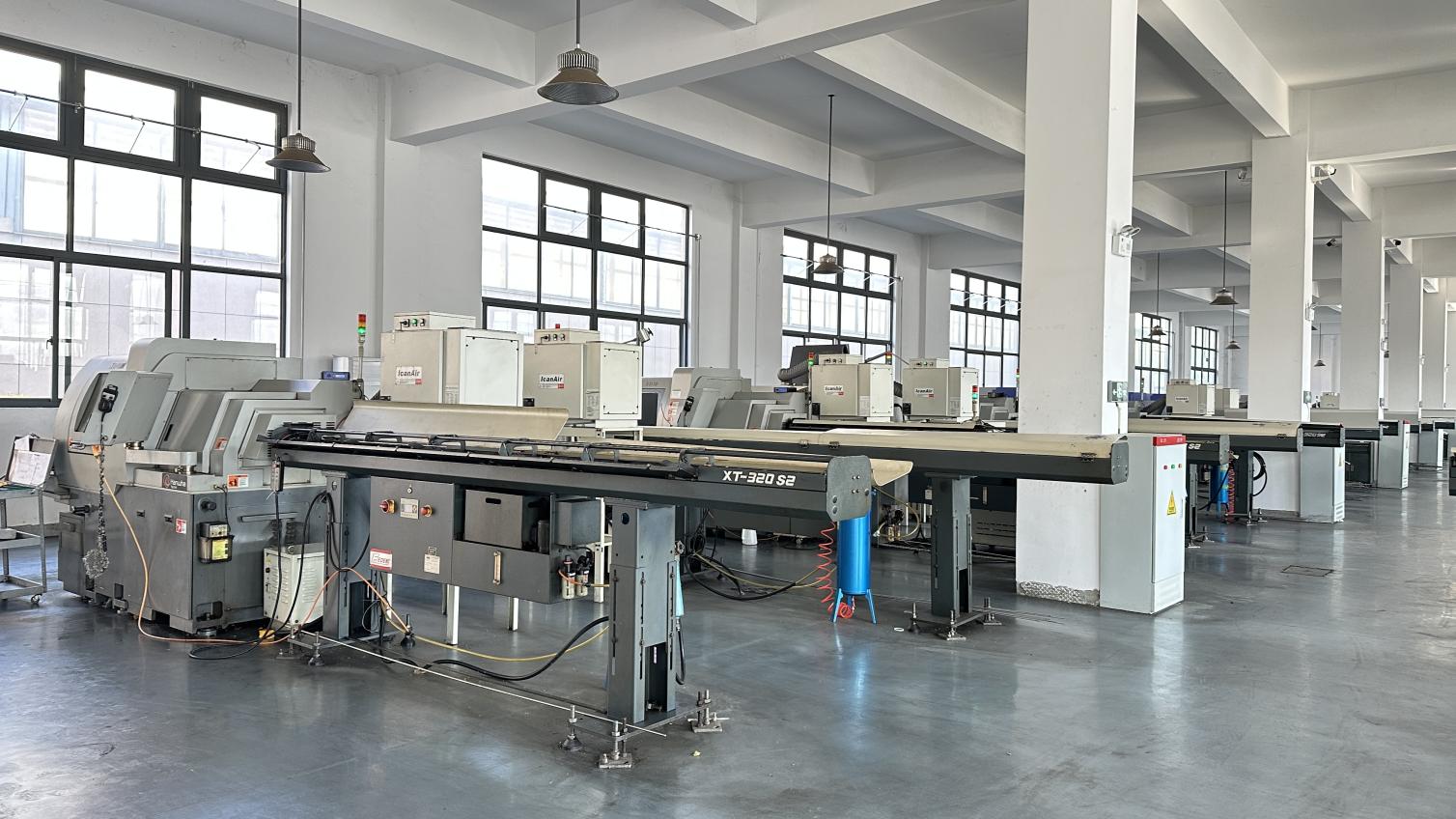
Global Solutions

Macro Solutions for Global Orthopedic Distributors

Integrated product cycles addressing regulatory, supply chain, and private labeling challenges in joint reconstruction.

Regulatory and Registration Documentation

We provide full technical documentation dossiers (CE Class III technical files, biocompatibility testing certificates, cleanroom validation protocols) to accelerate regulatory registrations in destination countries.

Full Instruments & Implant Integration

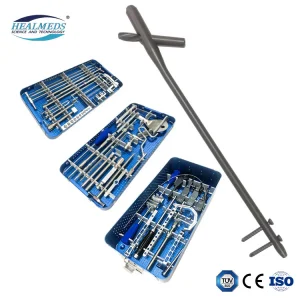
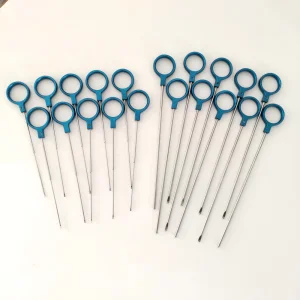
We supply both the long-term implants (femoral condyle surfaces and tibial trays) and the essential reusable surgical instrument sets (osteotomes, trials, guide jigs), saving you from multi-supplier fragmentation.

Flexible OEM/ODM Customization

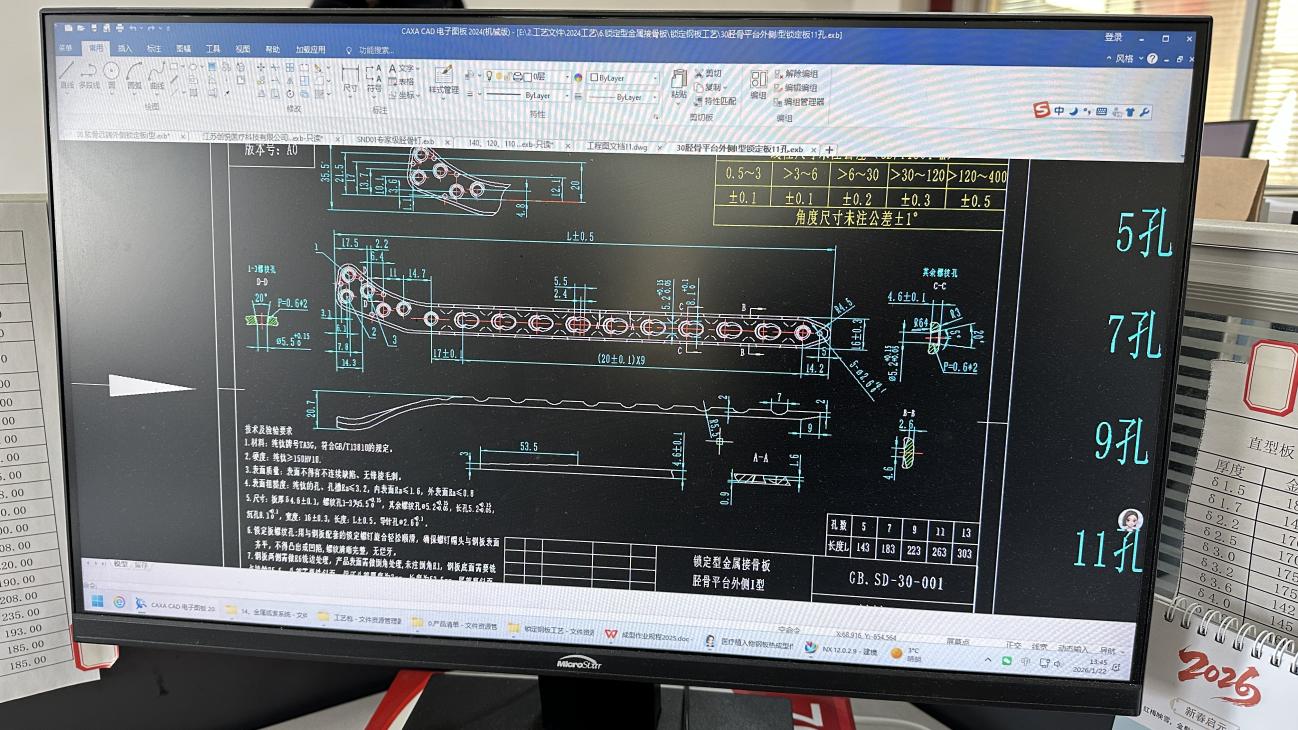
From custom laser marking and custom packaging layouts to modifications in bearing geometry or custom sizing matrices, our 85-strong R&D engineering division responds dynamically to customized clinical requirements.

Application Scenarios

Clinical Scenarios Driving UKA Adoption

Our OEM and ODM Unicompartmental Knee Arthroplasty systems are engineered for diverse orthopedic facilities worldwide, ensuring high performance across multiple clinical environments:

  • Ambulatory Surgical Centers (ASCs): Low weight instrumentation sets and streamlined tray configurations reduce reprocessing costs, supporting same-day discharge models.
  • High-Volume Teaching Institutions: Biomechanically proven, standard geometries help teaching surgeons perform predictable, highly accurate cuts.
  • Geriatric Arthroplasty Programs: Optimized implant surface coatings encourage rapid bone integration in osteoporotic bone beds, minimizing early loosening risks.

Future Strategic Trends in UKA

As a technology-focused supplier, Medisplint aligns its roadmap with emerging industry advancements:

  • Robotic and Navigation Compatibility: Designing specific adapter arrays on our trials and cut guides to interface with popular surgical guidance systems.
  • Highly Cross-linked Polyethylene (HXLPE): Infusing Vitamin E to maximize wear resistance and decrease particle-induced bone loss over decades of use.
  • Patient-Specific Instrumentation (PSI): Transitioning CAD designs directly into patient-specific guide assemblies via rapid 3D printing.
Knowledge Base

Frequently Asked Questions & Technical Clarifications

In-depth insights into OEM partnerships, regulatory processes, material science, and supply agreements.

Q1: What materials are utilized for Medisplint UKA implants and bearing components?
Our femoral and tibial metallic components are machined from implant-grade Titanium Alloy (Ti-6Al-4V ELI conforming to ASTM F136 / ISO 5832-3) or Cobalt-Chromium-Molybdenum (Co-Cr-Mo conforming to ISO 5832-4). The bearing inserts are milled using Ultra-High-Molecular-Weight Polyethylene (UHMWPE conforming to ASTM F648) or highly cross-linked variants (HXLPE) to ensure high load-bearing integrity and minimal wear debris generation over long implantation cycles.
Q2: What is the typical lead time for custom OEM/ODM implant and instrument orders?
For standard OEM manufacturing under existing sizing blueprints, typical production runs take 30 to 45 days. For complex custom ODM requests requiring CAD adjustments, mechanical simulation testing, prototype validation, and custom packaging layouts, design-to-production lifecycles span between 60 to 90 days, depending on approval iterations.
Q3: How does Medisplint support regulatory compliance for regional registration dossiers?
Medisplint operates under strict ISO 13485 standards. We supply our OEM partners with comprehensive documentation sets, including raw material trace sheets, mechanical fatigue simulation data, biocompatibility reports (ISO 10993 series), and cleanroom sterilization validation details, helping you register products quickly with local ministries of health.
Q4: What mechanical verification systems are housed in your testing lab?
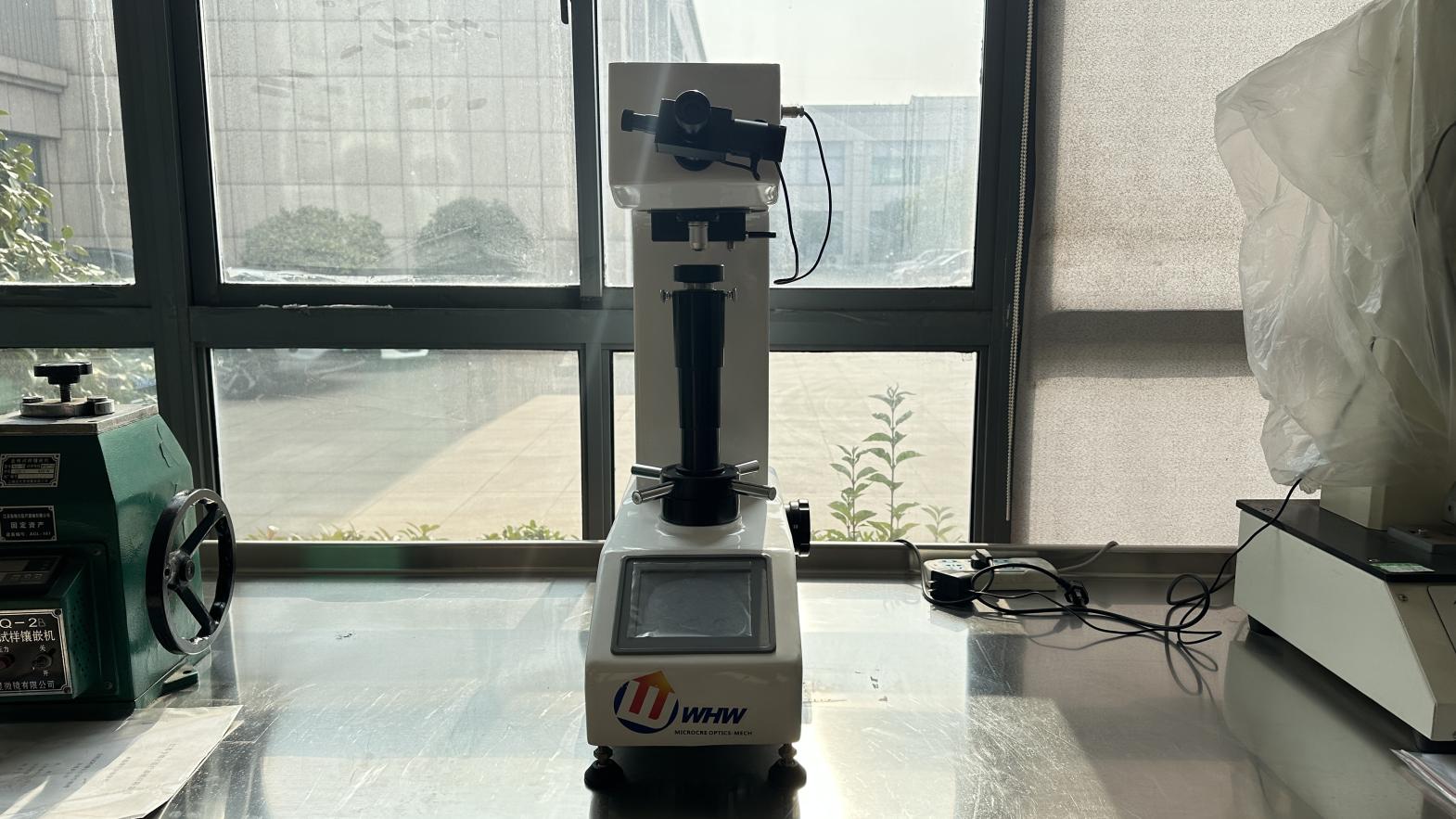
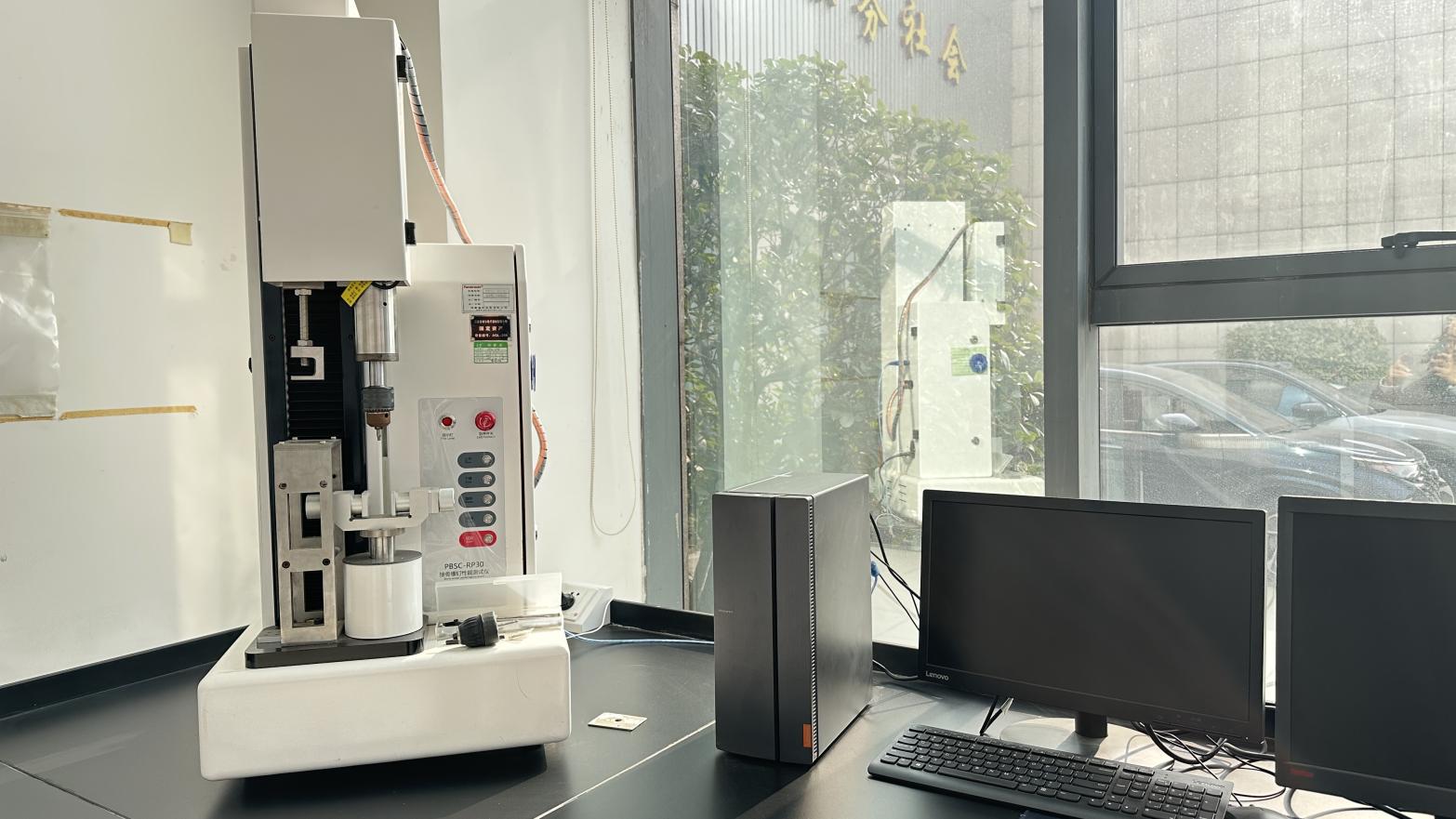
Our in-house QA lab features professional testing hardware, including Dynamic Fatigue Testers (for joint cycling simulation), Universal Tensile Strength Testers, Rockwell Hardness Testers, and 2D Optical Projection/CMM systems for micro-dimensional measurement. This guarantees every batch meets global mechanical safety limits.
Q5: Do you accommodate specialized packaging layouts and private labeling requirements?
Yes, we provide comprehensive branding customization. This includes custom laser engraving, unique double-sterile Tyvek barrier packaging configurations, and customized carton designs with variable multi-language labelling, enabling direct-to-distribution capabilities under your own brand identity.