Medisplint
Medisplint
Medisplint
High-precision orthopedic implants, surgical power tools, and dynamic fixation components certified for international clinical applications.
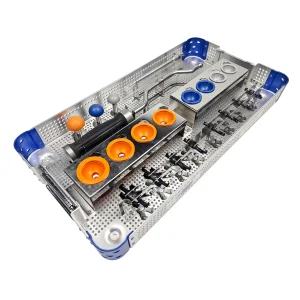
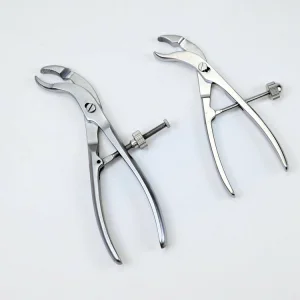
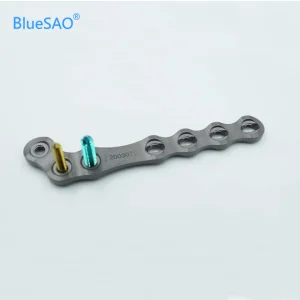
Medisplint Orthopedic Instruments Co., Ltd. is an industry-leading, professional medical device manufacturer specializing in the advanced engineering and production of orthopedic implants, external fixation systems, and high-precision surgical instruments. Our extensive product portfolio covers reconstructive solutions for complex trauma, spine alignment, joint arthroplasty, and specialized veterinary applications.
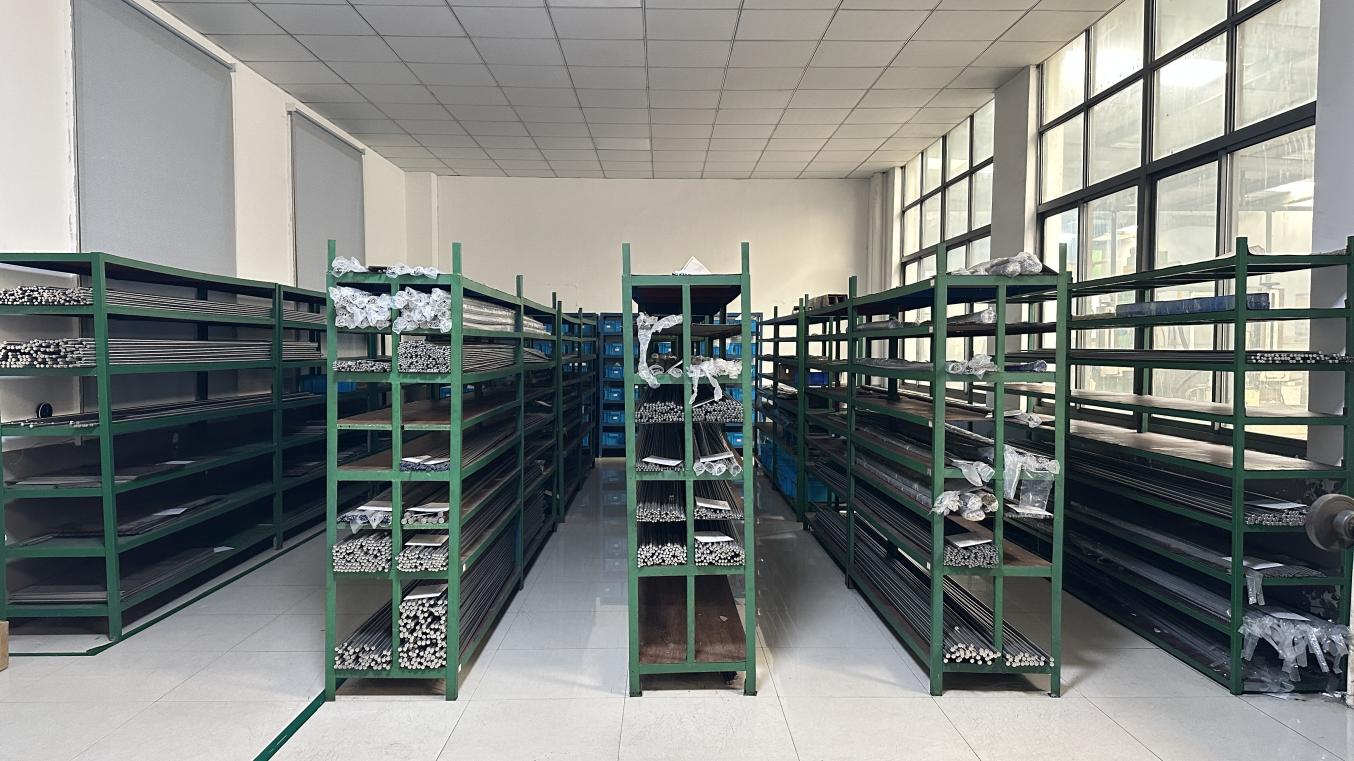
Established in 2016, Medisplint has emerged as a cornerstone of innovative orthopedic engineering, integrating manufacturing, structural CAD design, mechanical verification, and cleanroom assembly in a state-of-the-art 18,500m² facility. Backed by a team of 85 R&D engineering experts, we specialize in high-precision OEM/ODM solutions, aligning with global regulatory requirements under strict adherence to international Quality Management Systems.
"Our mission is to translate biomechanical requirements into clinically safe, highly stable external and internal fixation devices that reduce surgical time, support fast osteosynthesis, and offer surgical ease in extreme clinical situations."
Meeting the demands of modern clinical challenges through advanced biomechanical design, localized regulatory frameworks, and patient-specific stabilization.
High-energy polytrauma fractures require immediate rigid fixation. Our external fixators deploy pin-to-rod configurations to bridge articular fractures, providing soft tissue protection while maintaining bone length and alignment prior to definitive internal osteosynthesis.
Utilizing micro-adjusting struts, circular Ilizarov frames, and hexapod computer-assisted systems, our external fixation portfolio facilitates precise distraction osteogenesis to treat congenital limb discrepancies, post-traumatic malunions, and bone defects.
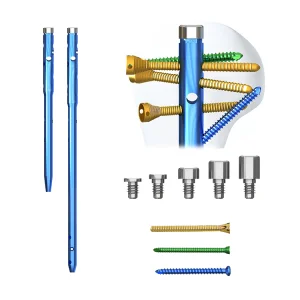
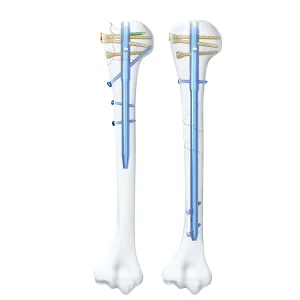
Children and small veterinary patients present distinct bone healing kinetics and scale challenges. We offer modular, lightweight titanium elastic intramedullary nails and miniaturized fixators to secure mechanical stability without compromising active growth plates.
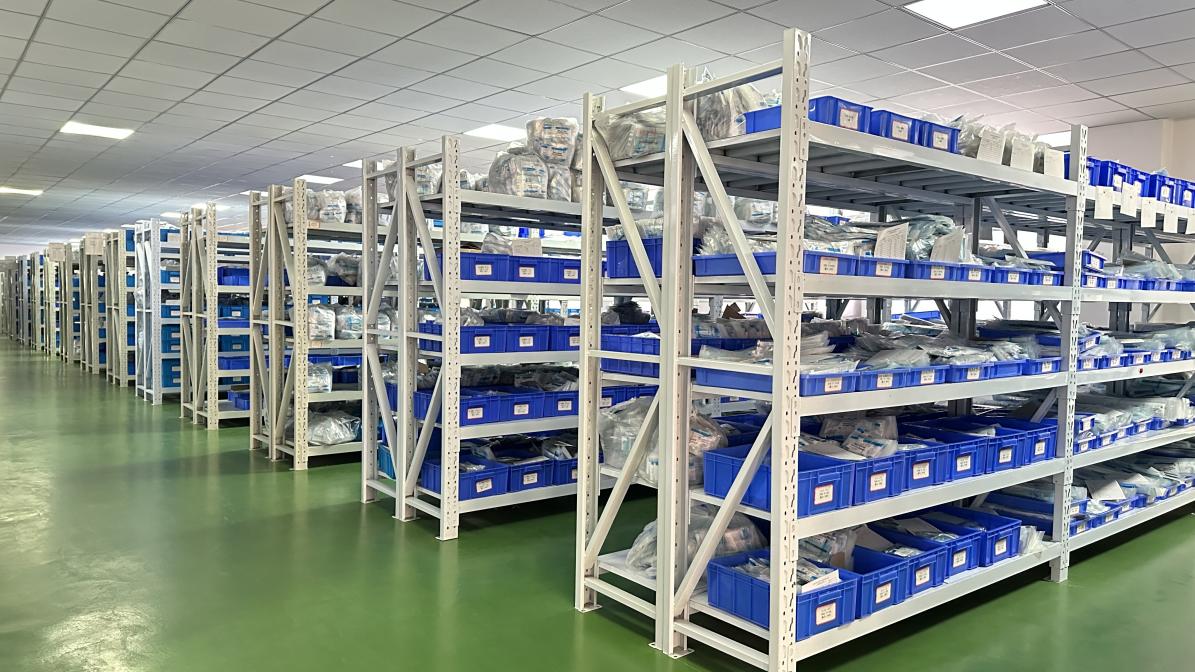
Our vertically integrated production facility translates raw material blocks into ISO 13485 and CE compliant surgical devices through rigorous quality check stages.
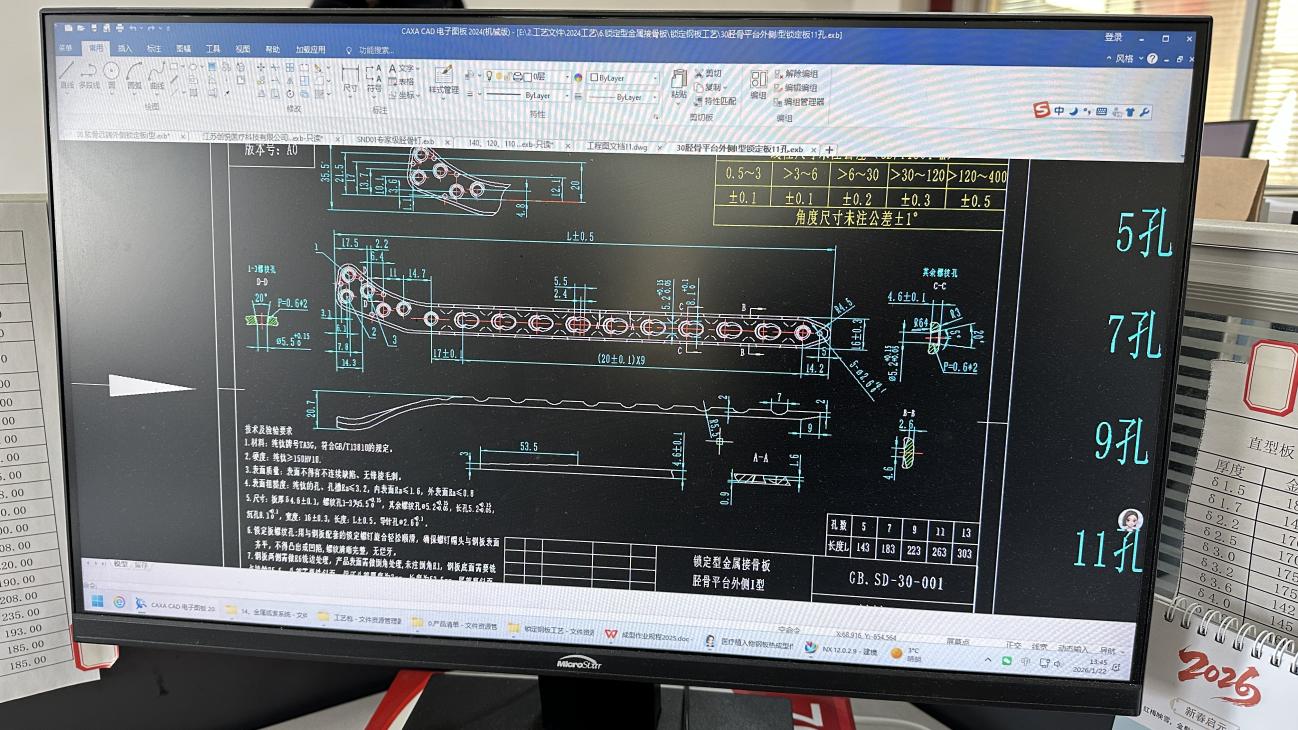
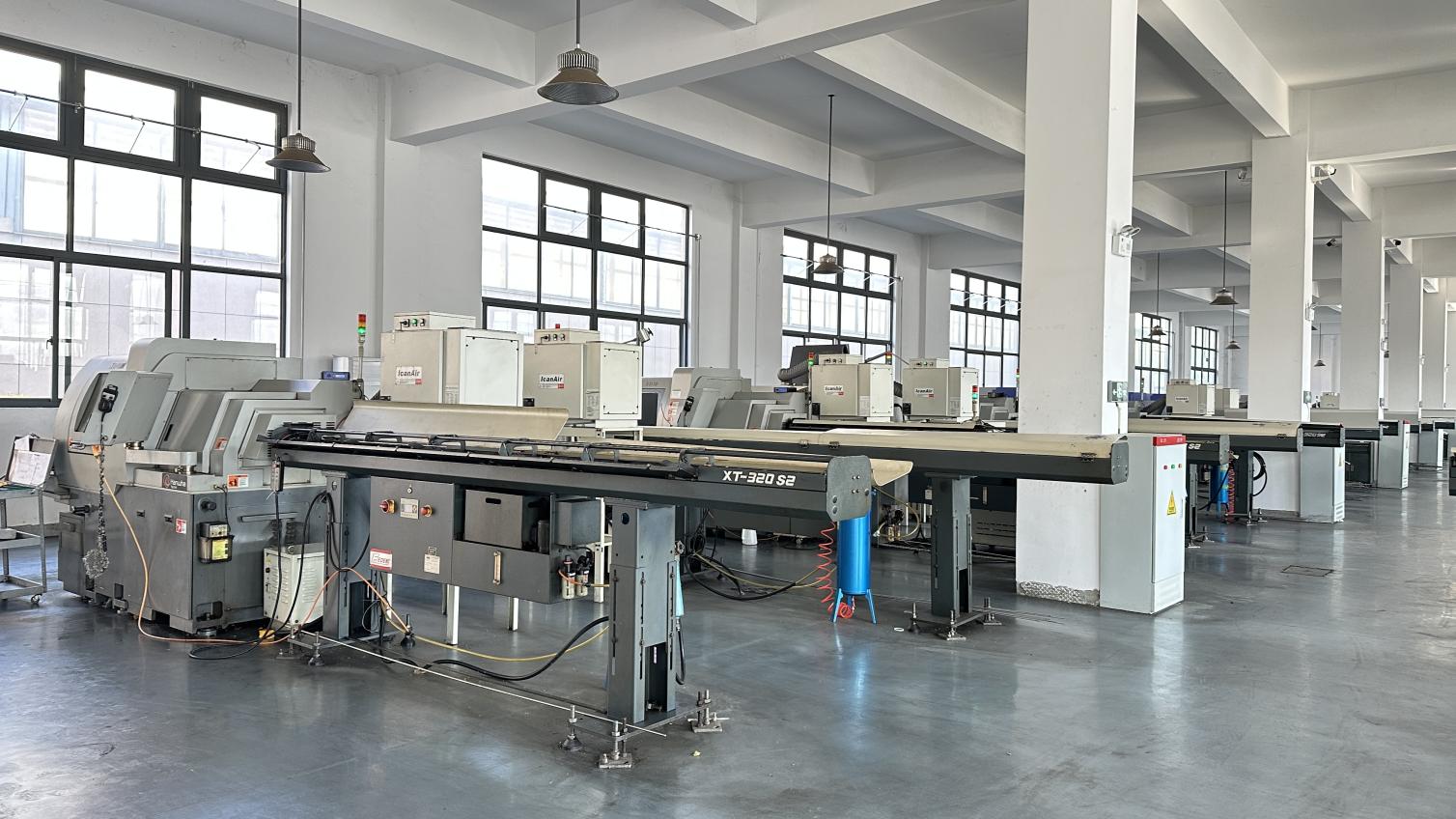
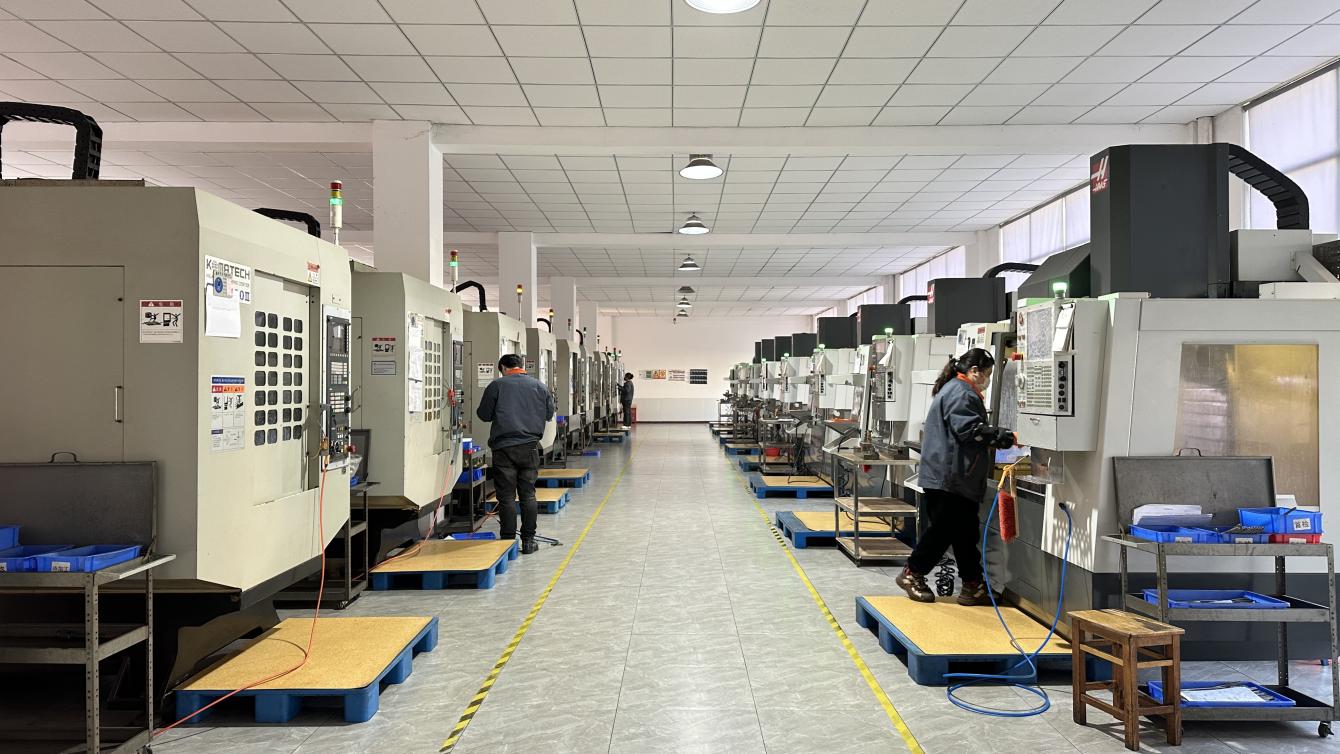
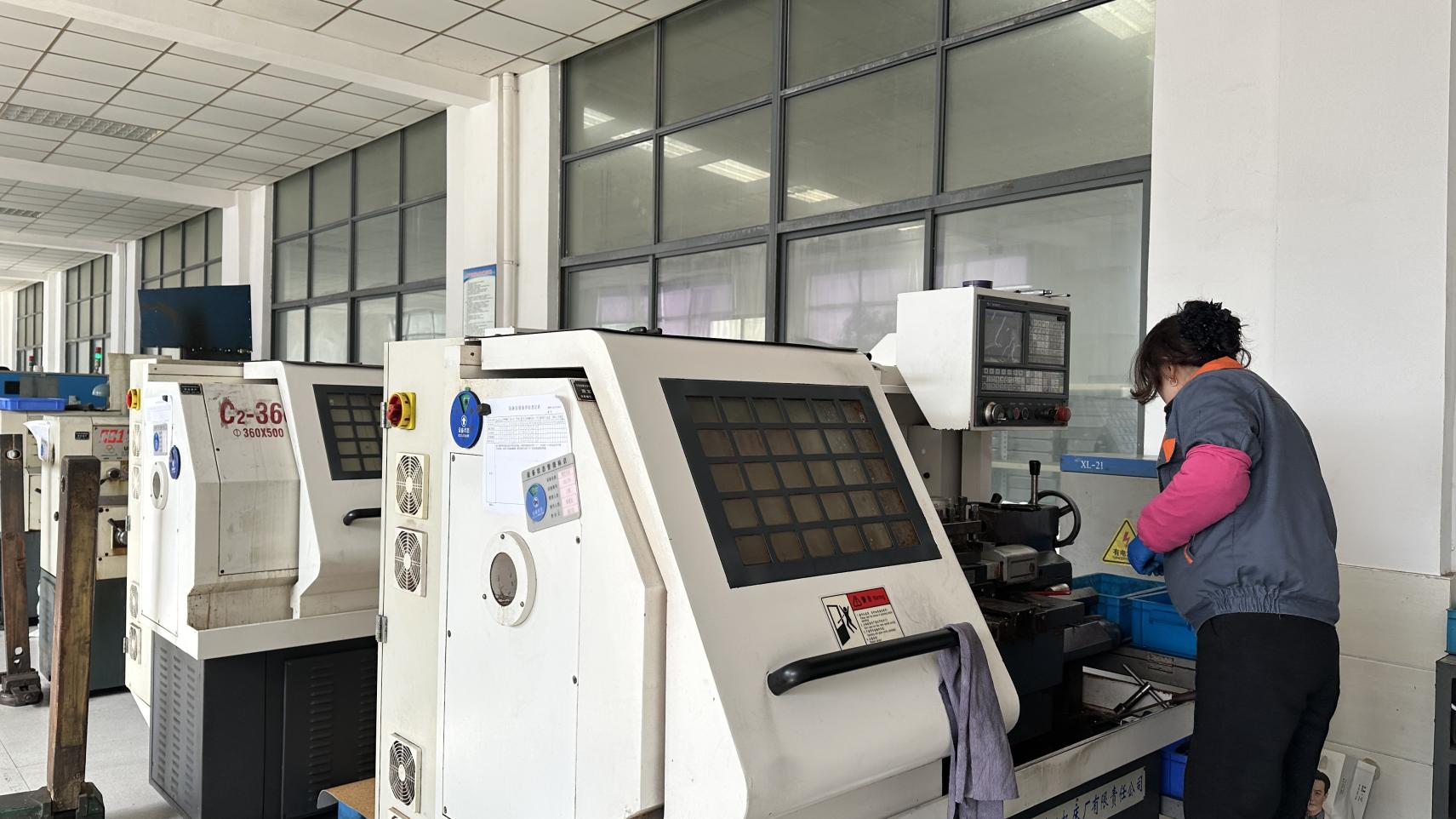
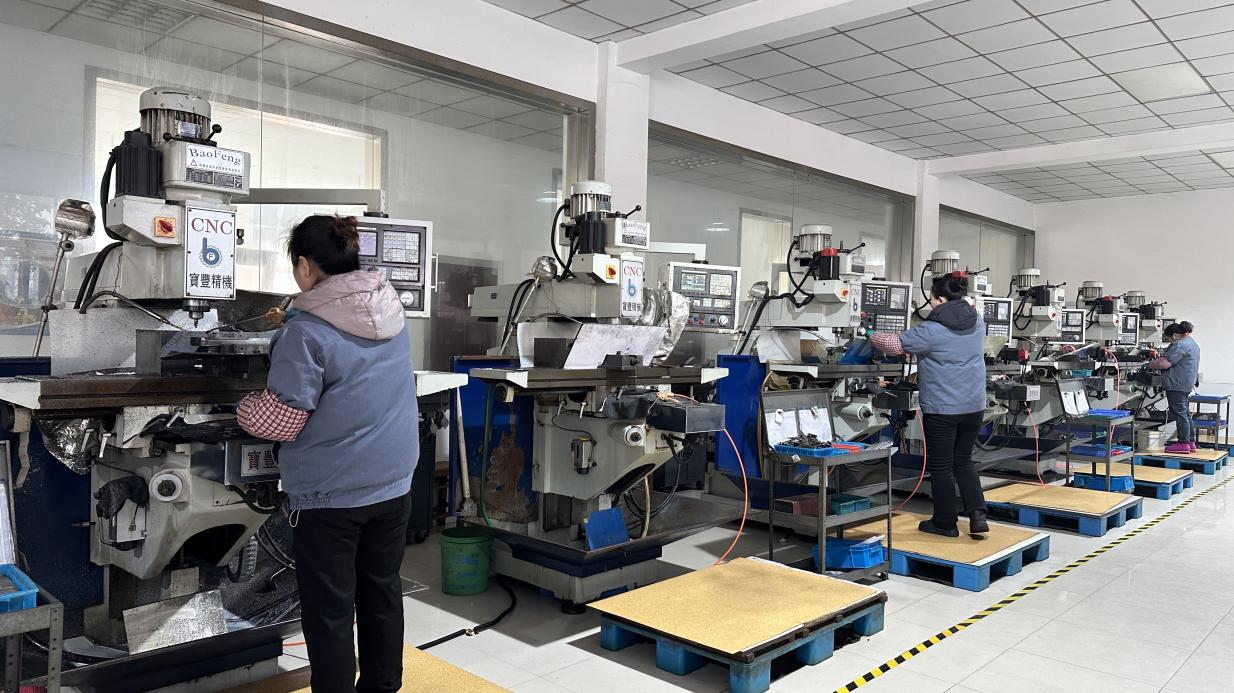
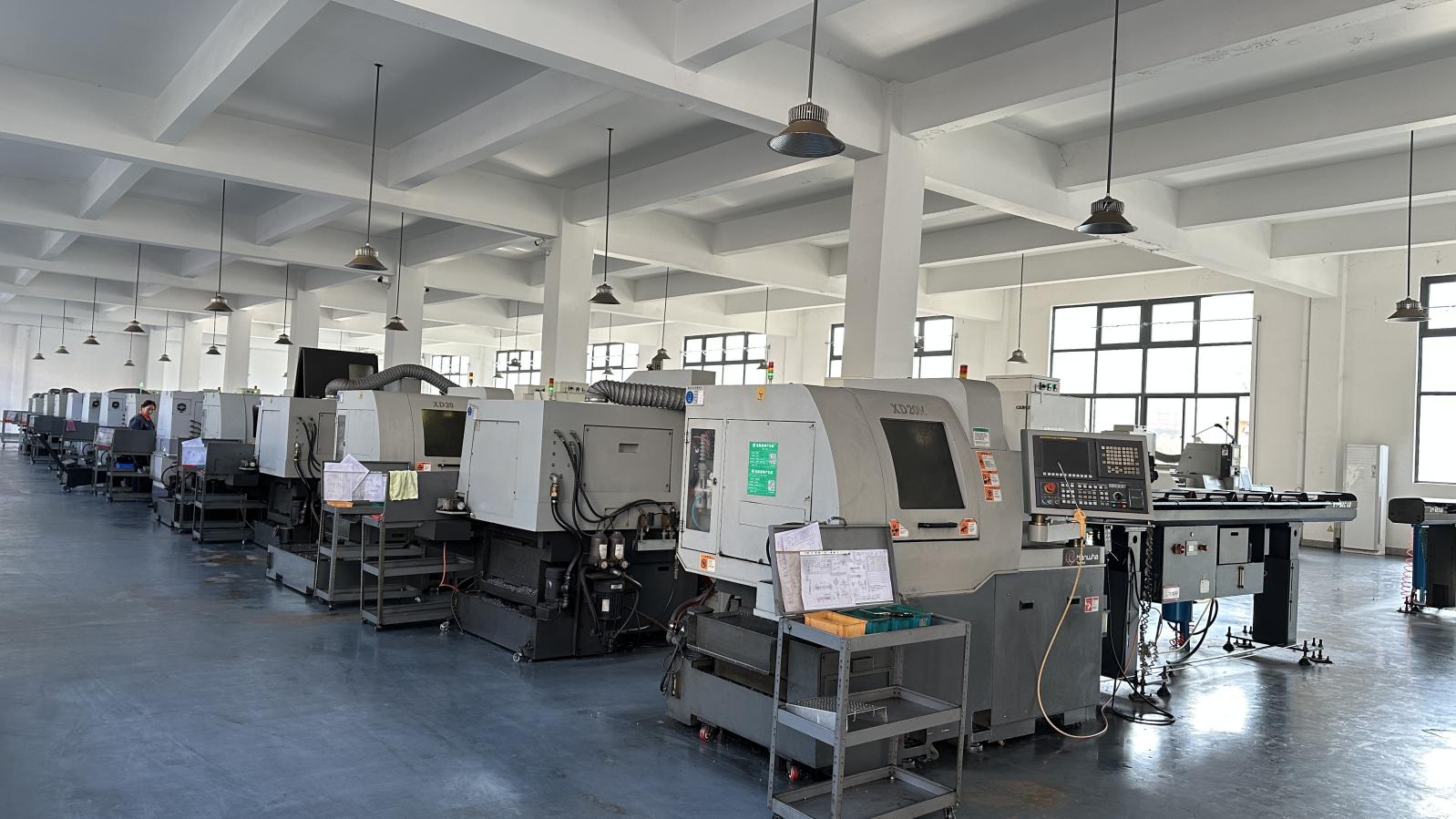
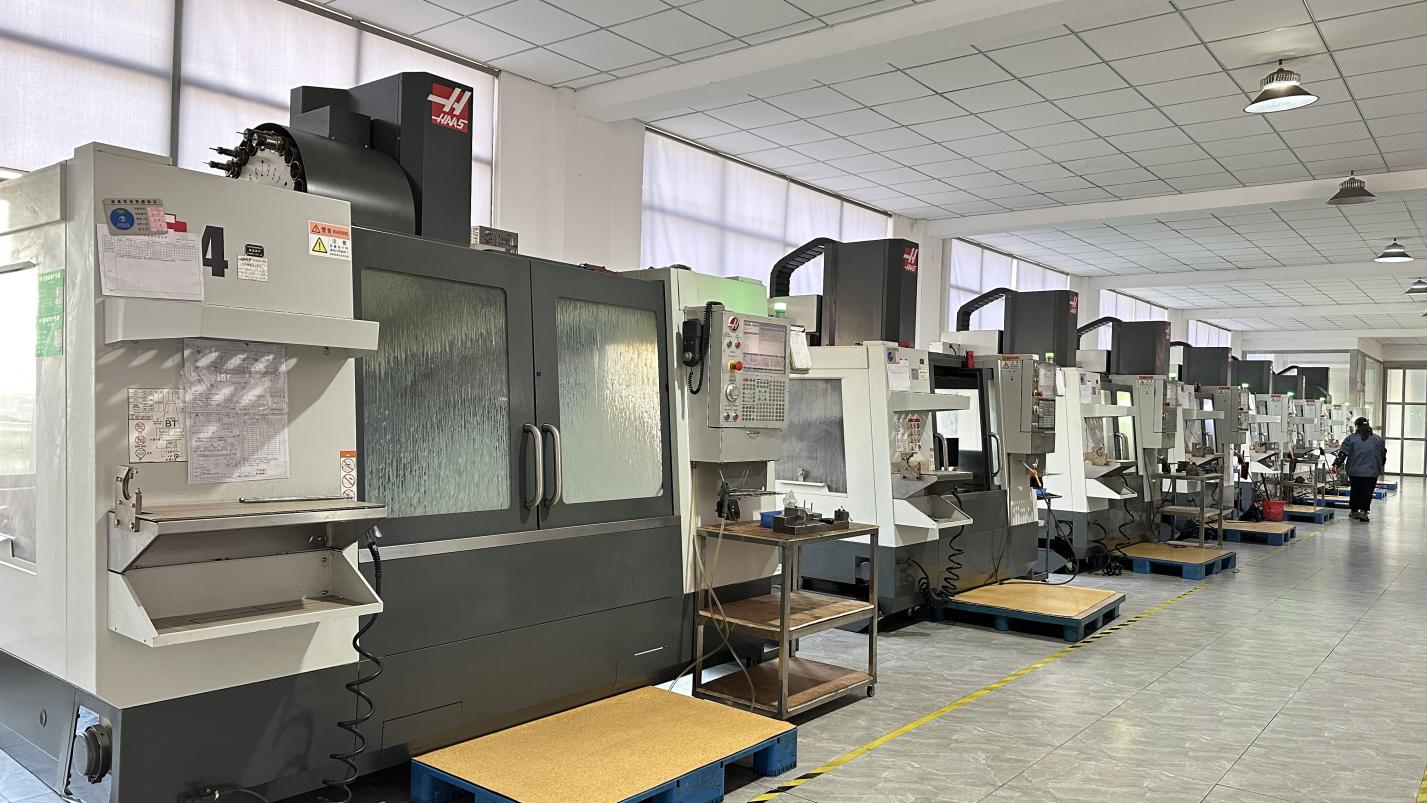
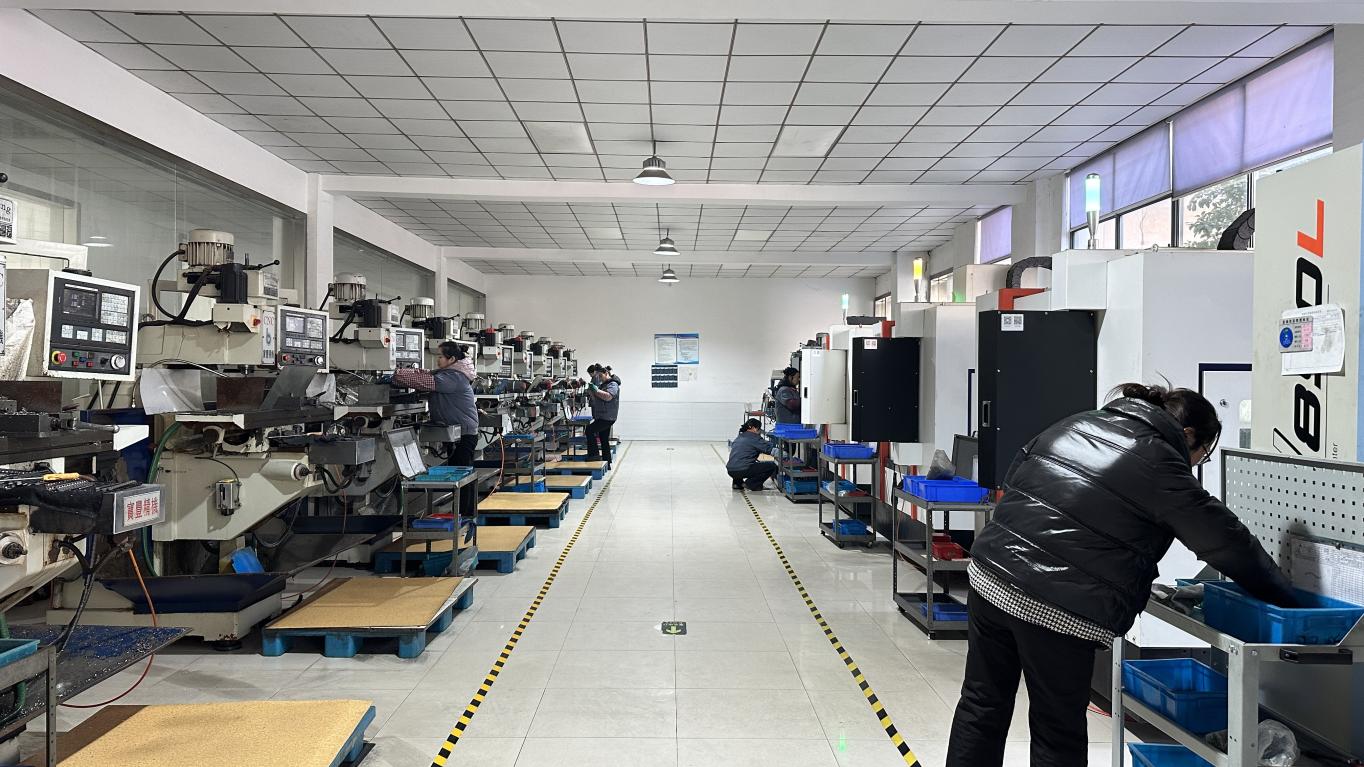
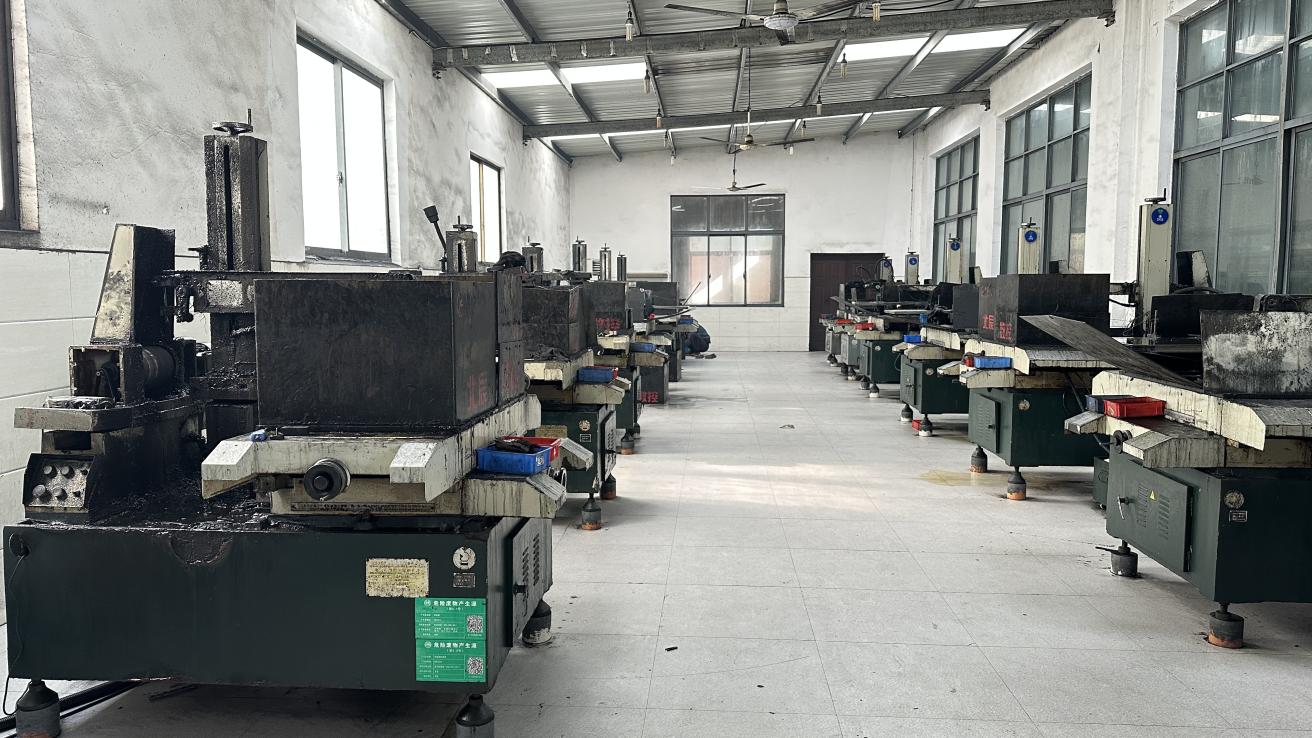
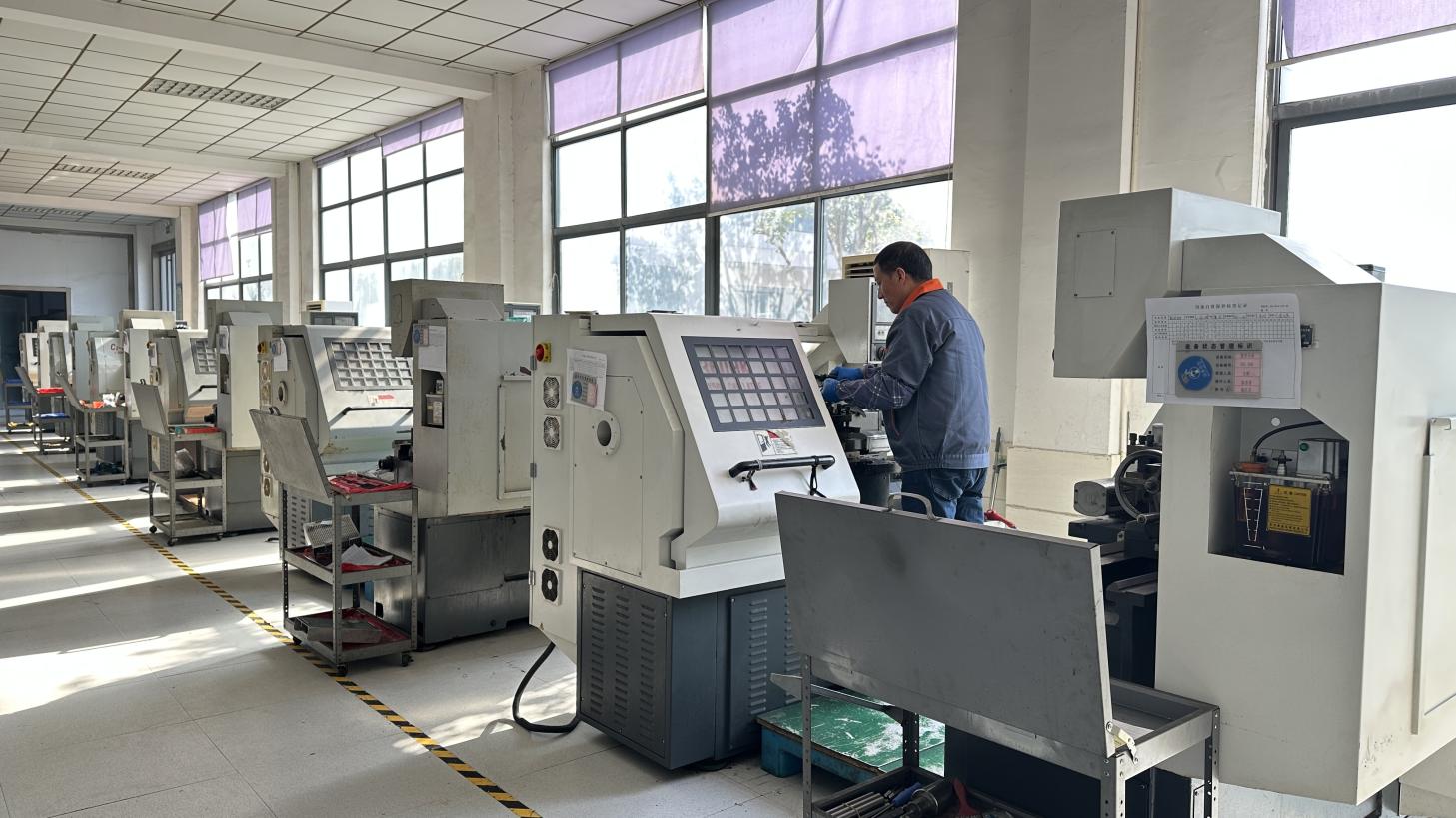
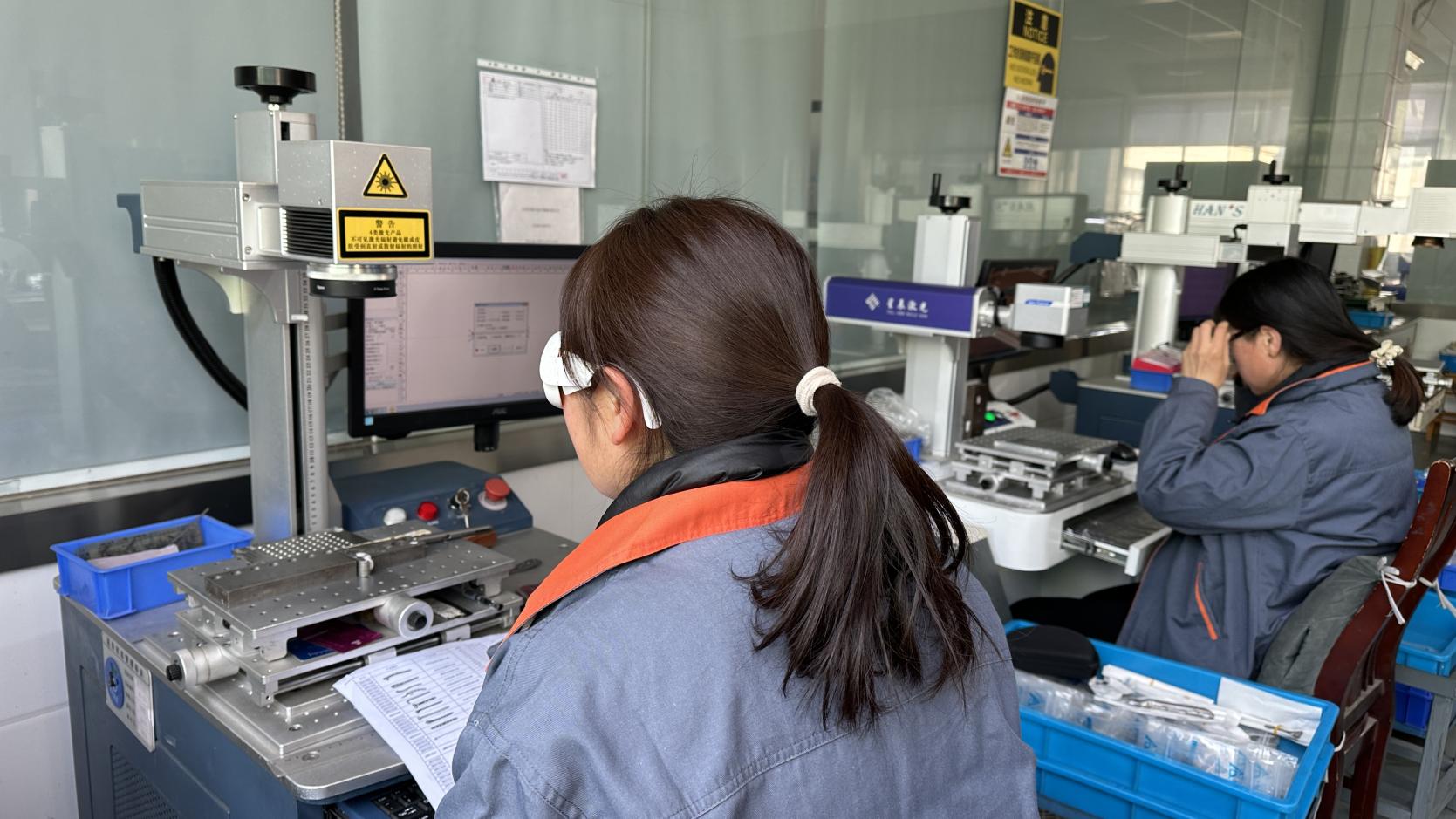
How our biomechanical designs resolve structural loads and ensure patient safety during dynamic skeletal loading.
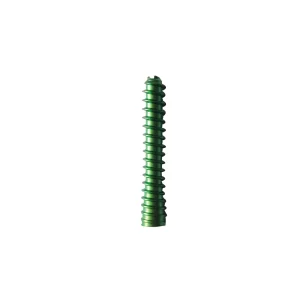
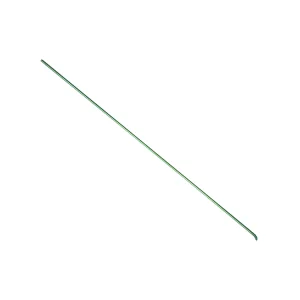
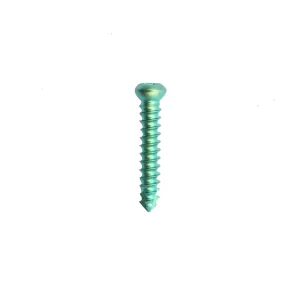
External fixation systems operate in a transcutaneous environment, meaning the bone pins (Schanz screws, Kirschner wires) traverse the soft tissue envelope into the skeletal structure. This setup exposes the patient to potential pin-site infections and mechanical failure if the material does not conform to strict standards.
Medisplint utilizes only premium medical-grade Ti-6Al-4V ELI (Grade 23) Titanium Alloy and 316LVM Surgical Stainless Steel. These alloys undergo passivation treatments to generate an inert chromium oxide or titanium oxide boundary layer, protecting the implants from chemical reactions with physiological fluids.
Furthermore, our clamping mechanics are engineered to balance rigidity and elasticity. A structure that is too stiff prevents micro-motion at the fracture site, leading to delayed bone union. Conversely, insufficient stability leads to non-unions and implant breakage. We conduct finite element analysis (FEA) to verify the stress pathways along our connecting bars, ensuring optimal load transfer during early patient mobilization.
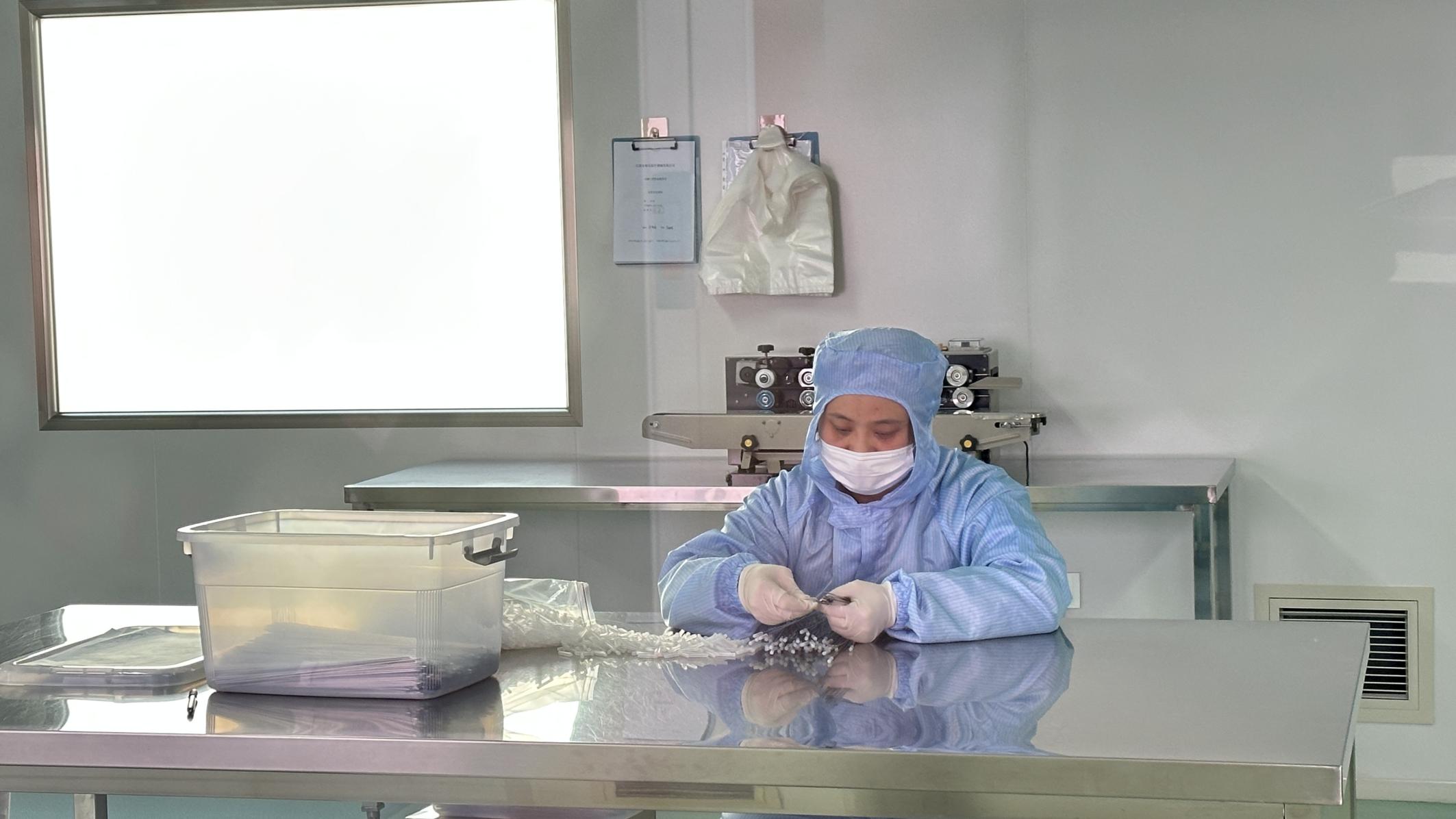
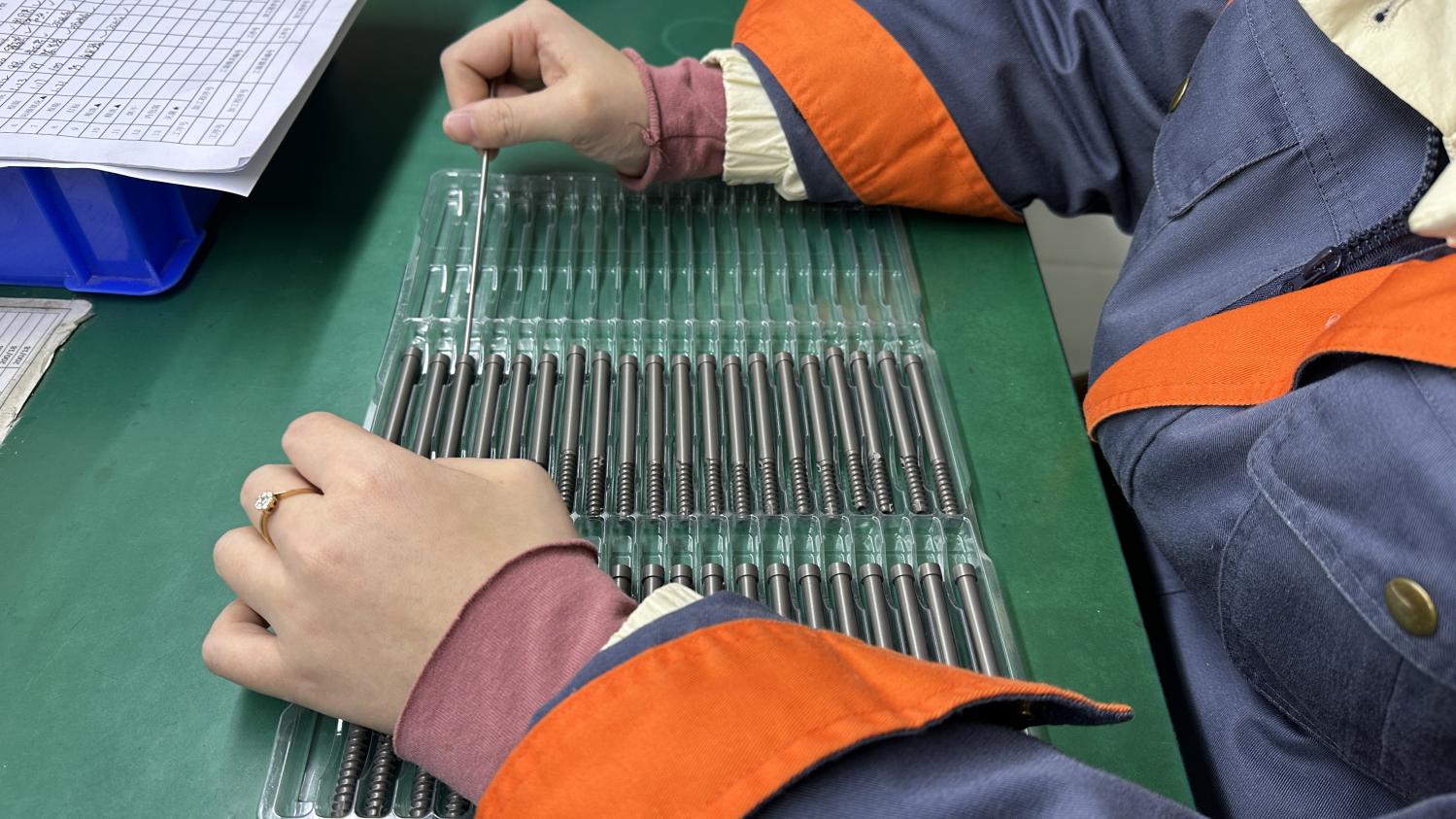
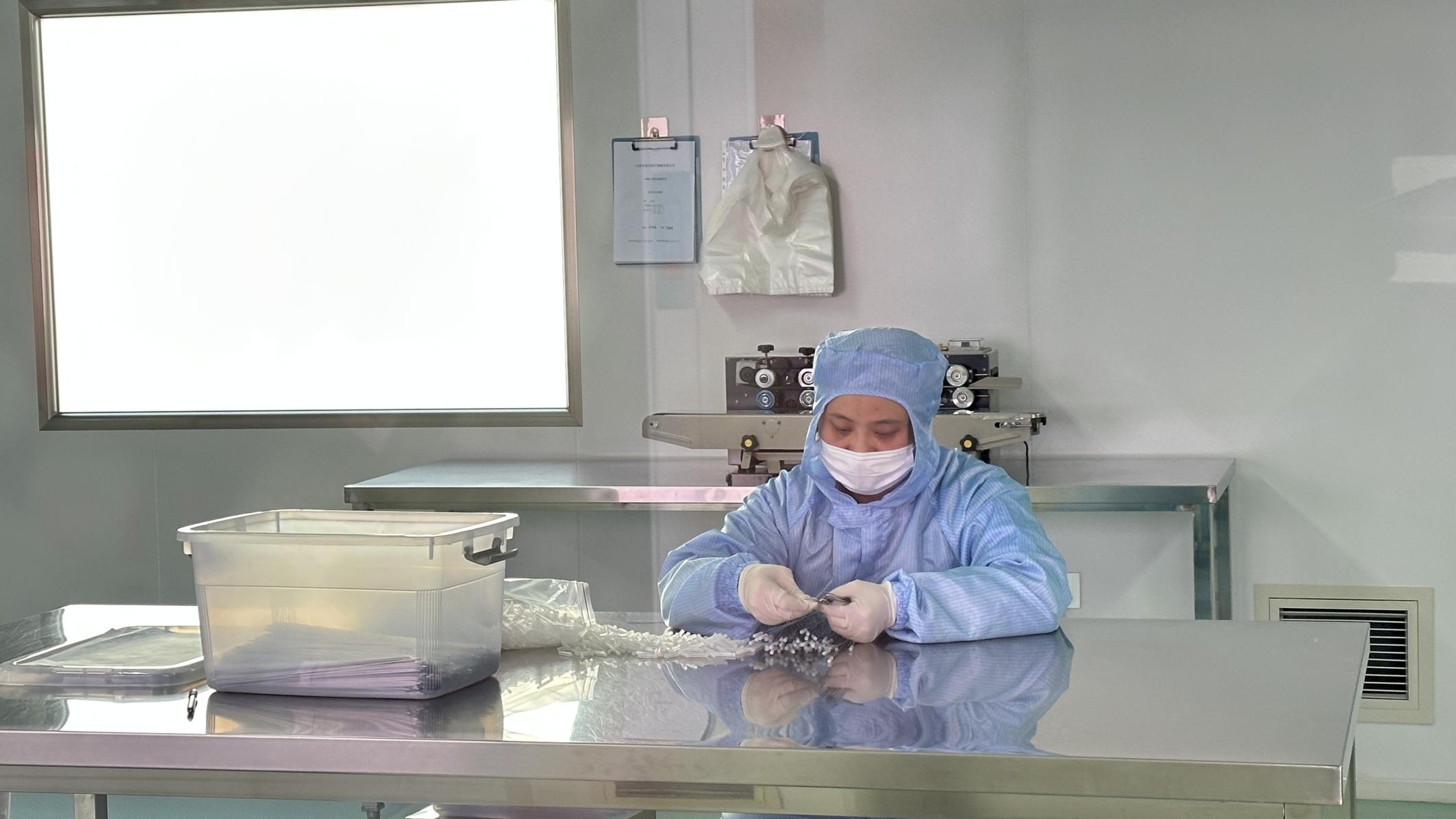
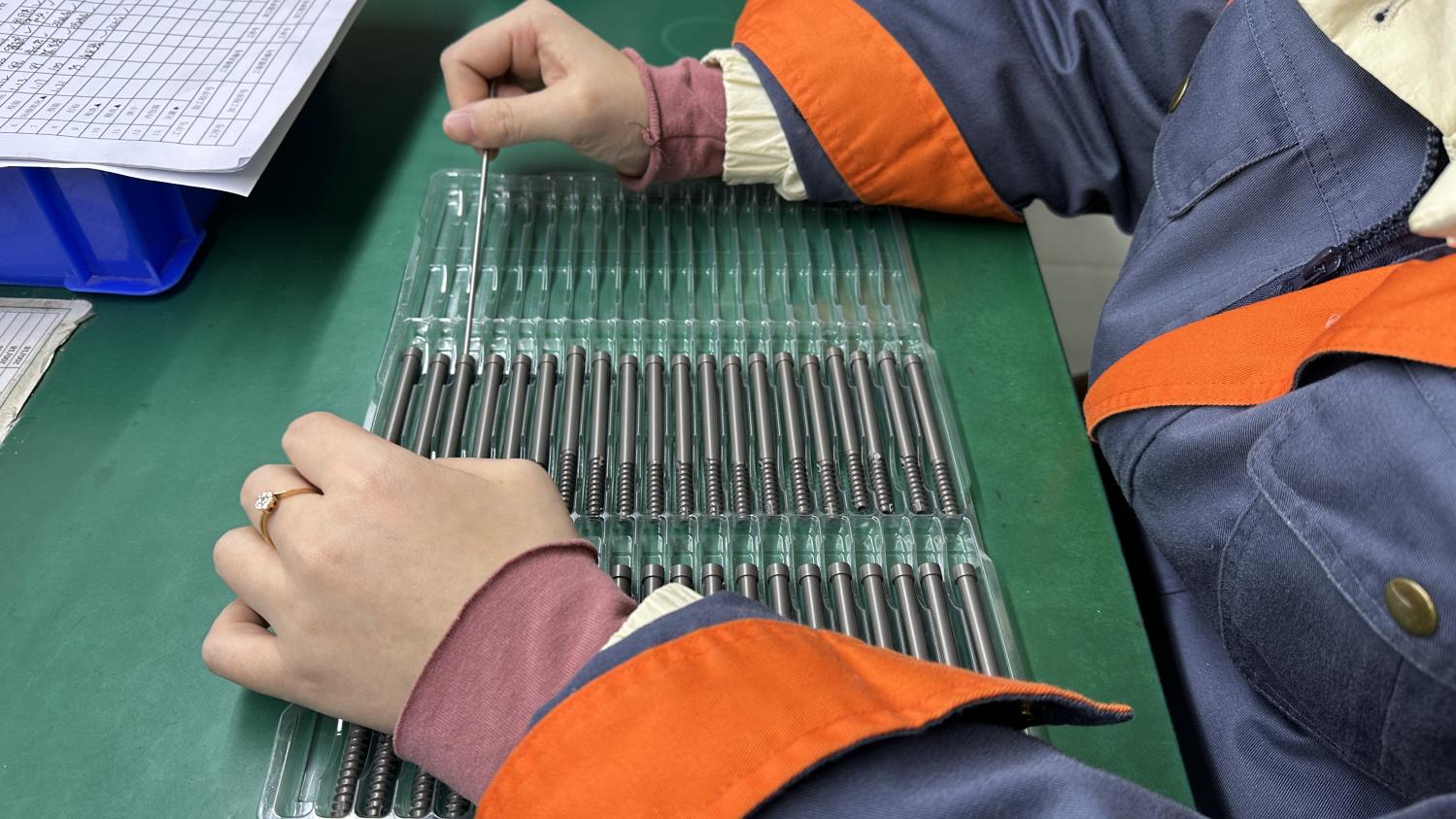
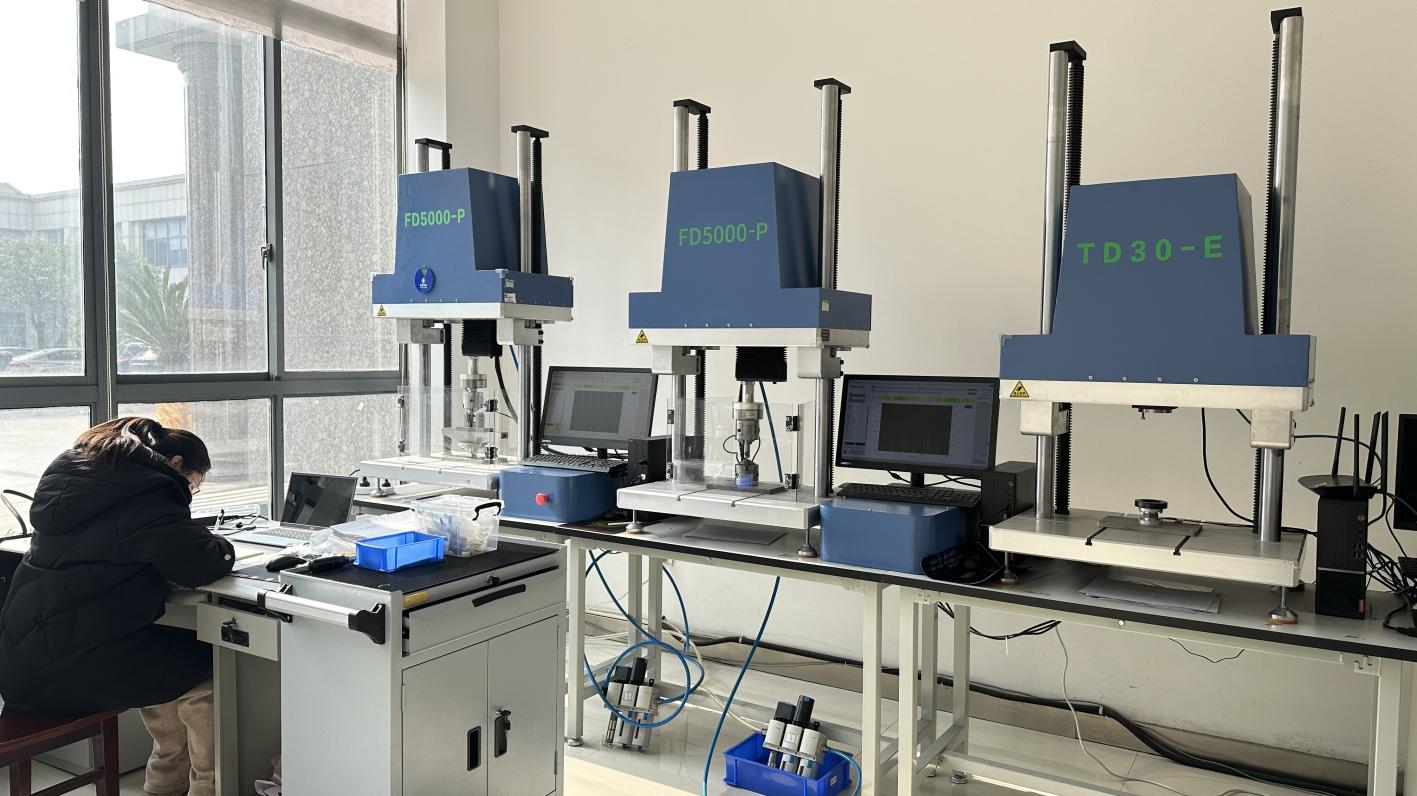
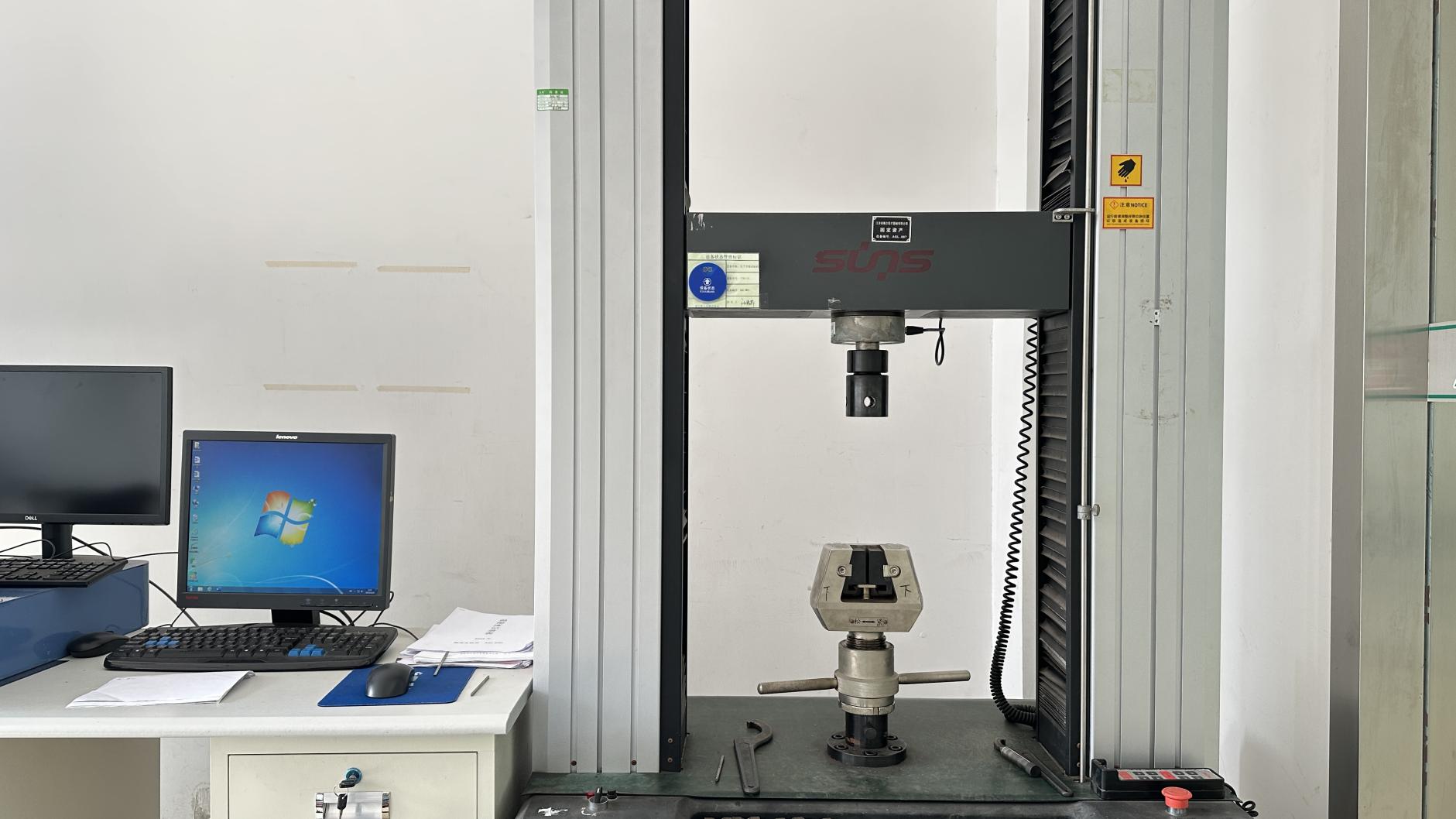
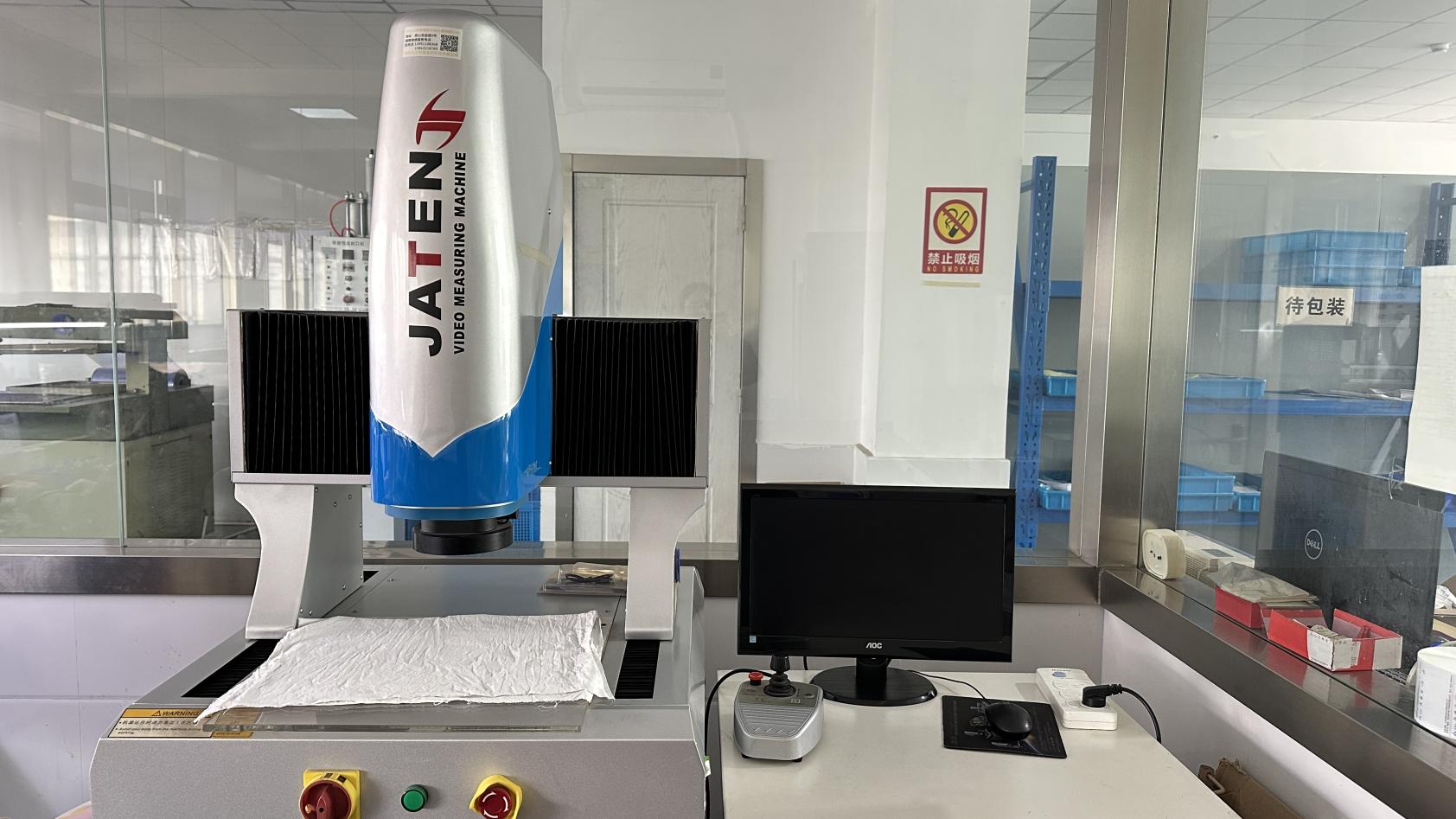
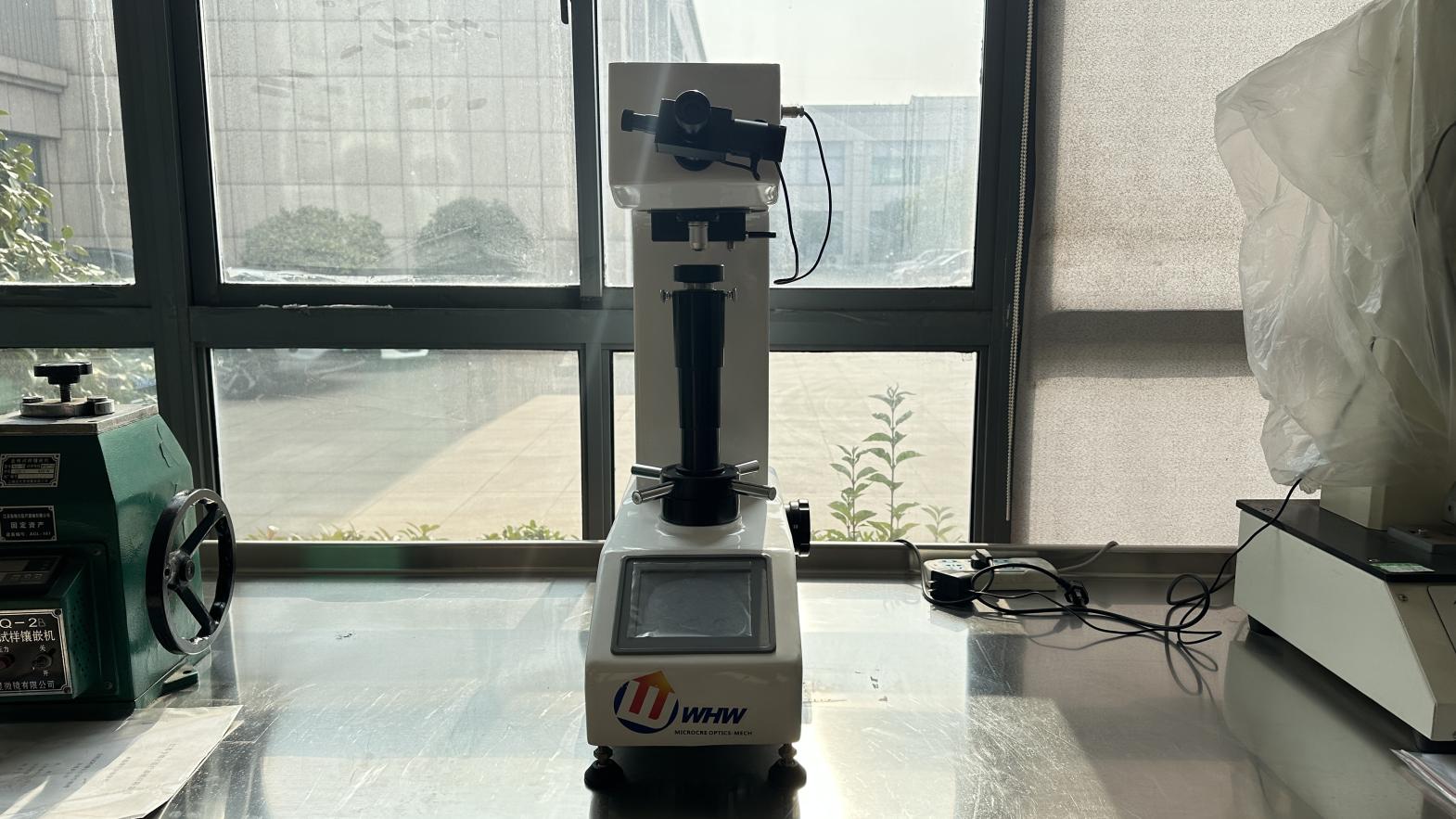
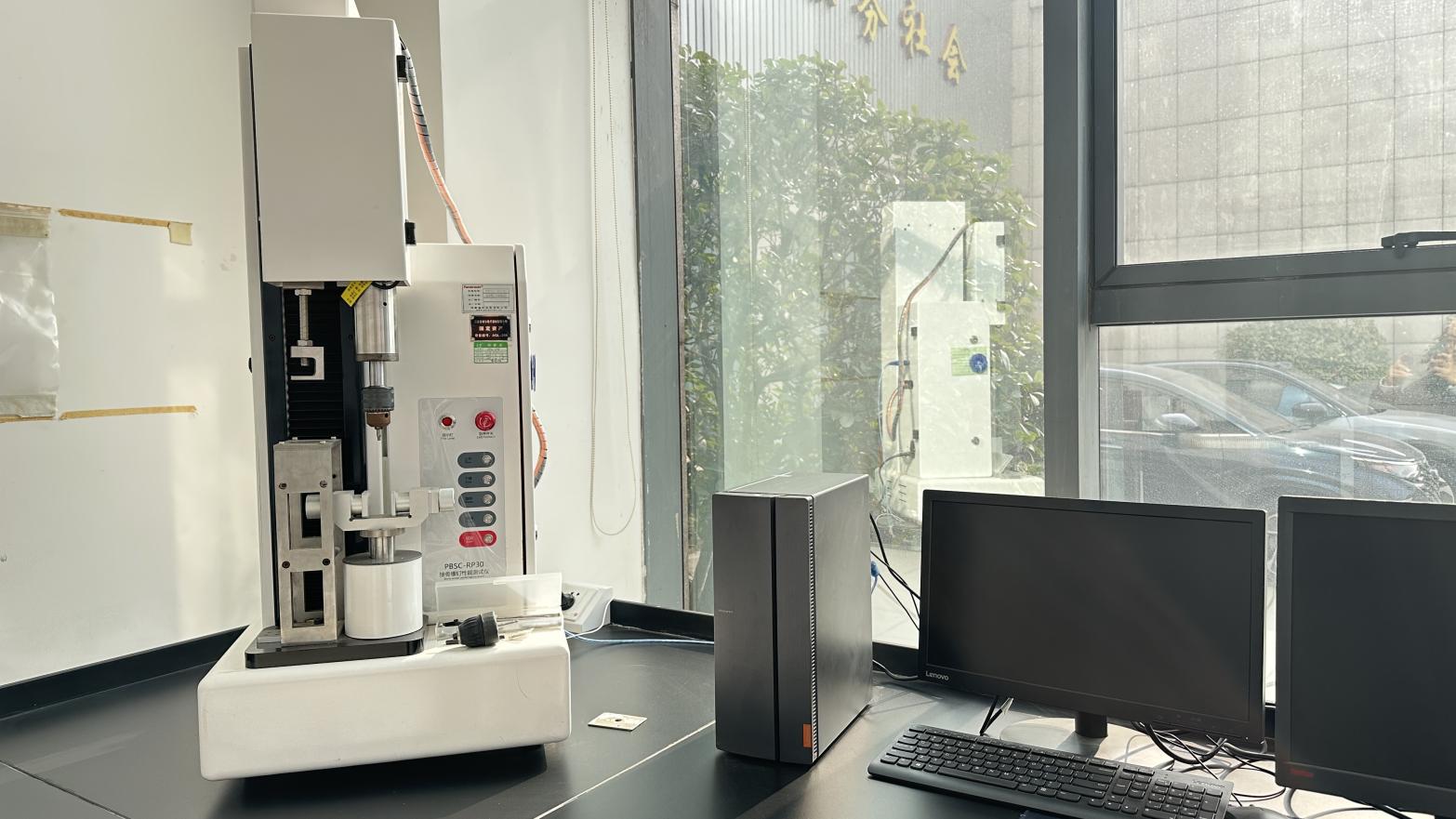
Equipped with highly calibrated machinery, our QA lab tests tensile fatigue, torsional yield, and structural load capacity to exceed regulatory metrics.

Navigating stringent international medical device regulations, ensuring clinical documentation readiness, and local technical representation.
We supply comprehensive technical documentation files, biocompatibility screening reports (ISO 10993 series), and manufacturing trace data required by Notified Bodies under the EU MDR and the US FDA regulatory frameworks.
Every product component has laser-etched Unique Device Identification (UDI) data. Complete process control records link raw material heat codes directly to the final post-sterilization shipment block, allowing swift traceability auditing.
We work with distributors, health networks, and medical device brands to offer customizable branding, custom instruments, custom screw lengths, and optimized packaging options configured to localized market specifications.
Where orthopedic osteosynthesis and trauma device design is heading in the digital and biomechanical era.
The integration of micro-strain sensors in load-bearing external fixator bars represents the next iteration of bone healing monitoring. These sensors track the micro-motion and mechanical strain distribution across the fracture gap. By reading load-sharing changes between the bar and the healing callus, clinicians can objectively monitor bone consolidation without relying solely on frequent radiographs, reducing radiation exposure.
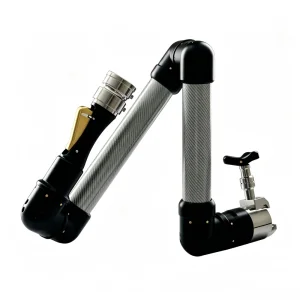
Additive manufacturing methods allow us to interface custom-built connector clamps with high-complexity structures. Future external fixation setups will utilize standard modular carbon fiber components linked via custom, 3D-printed titanium connectors. These custom components match the patient's CT scan geometry exactly, optimizing stability in complex cranio-maxillofacial and pelvic reconstructions.
Technical and operational details for distributors, purchase managers, and clinical planners looking to partner with Medisplint.
Explore our surgical tools, joint replacement sets, and specialized veterinary plates engineered to meet demanding clinical tasks.