Medisplint
Medisplint
Medisplint
Select proprietary solutions engineering superior clinical outcomes in growth preservation and biomechanical stability.
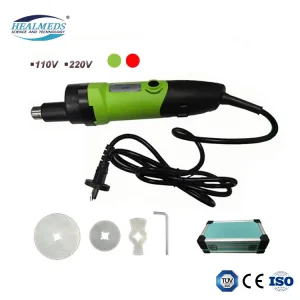
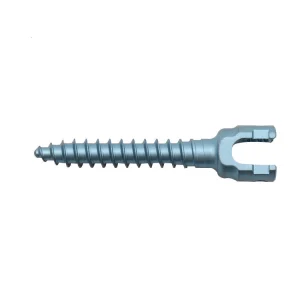
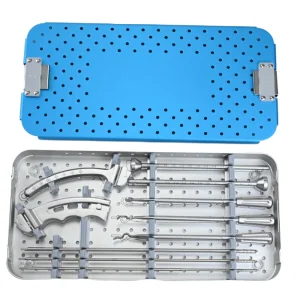
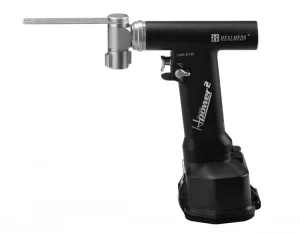
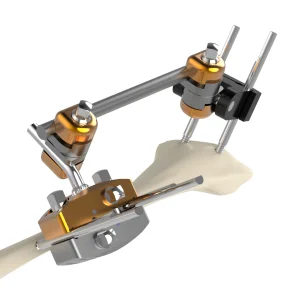
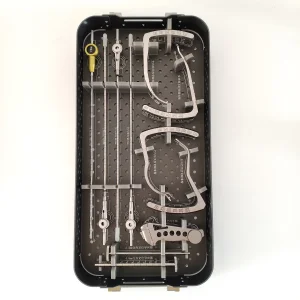
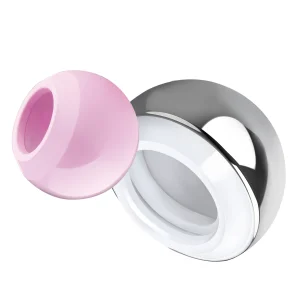
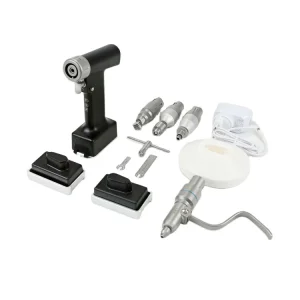
Bridging engineering complexity and growth mechanics in the global pediatric implant landscape.
The global pediatric orthopedic implant market represents one of the most specialized, technically demanding segments of medical device manufacturing. Unlike adult reconstructive hardware designed for skeletally mature biological systems, pediatric implants must accommodate constant longitudinal bone growth, adaptive biomechanical loading, and highly active periosteal healing cycles. The global sector is transitioning rapidly from "scaled-down adult plates" to highly targeted, anatomical-specific growing configurations, rigid-elastic stabilization, and minimally invasive distal-access hardware.
Crucial market drivers include an increasing clinical emphasis on dynamic fixation—such as Elastic Stable Intramedullary Nails (ESIN) and telescoping growing rods for early-onset scoliosis—which adapt dynamically as the patient matures. Furthermore, rising regulatory hurdles globally (such as the transition from MDD to MDR in Europe and stringent FDA 510(k) clearing tracks) have forced hospitals and distributors to seek manufacturers possessing comprehensive, vertically integrated testing facilities and absolute material traceability.
Why pediatric orthopedics requires unique mechanical approaches and metallurgical considerations.
The foremost constraint in pediatric implant engineering is safeguarding the physis (growth plate). Disrupting this zone leads to premature physeal arrest, causing severe limb-length discrepancies or angular deformities. Custom OEM implants utilize low-profile designs, periarticular screw mapping, and hybrid external fixation configurations to achieve stable stabilization without violating growth zones.
Pediatric bones possess lower mineral content and higher viscoelasticity than adult bones. Implants must feature high fatigue strength paired with an elasticity profile close to that of immature cortical bone. Utilizing medical-grade Ti-6Al-4V ELI (Grade 23) and biocompatible polymers such as PEEK helps reduce stress shielding, stimulating natural bone callus formation and accelerating physiological remodeling.
Designed for pediatric diaphyseal fractures, these implants preserve bone blood supply and encourage mechanical micro-motion, triggering rapid biological healing without rigid fixation stiffness.
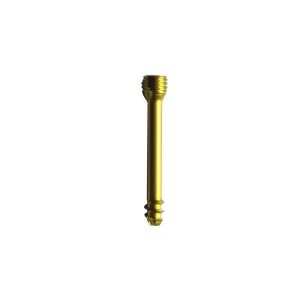
Miniaturized locking systems featuring polyaxial locking designs allow surgeons to steer screws away from critical growth plates while securing osteotomies close to joint capsules.
For early-onset scoliosis, these systems slide dynamically during natural growth cycles, reducing the number of repetitive invasive surgical procedures required for spinal lengthening.
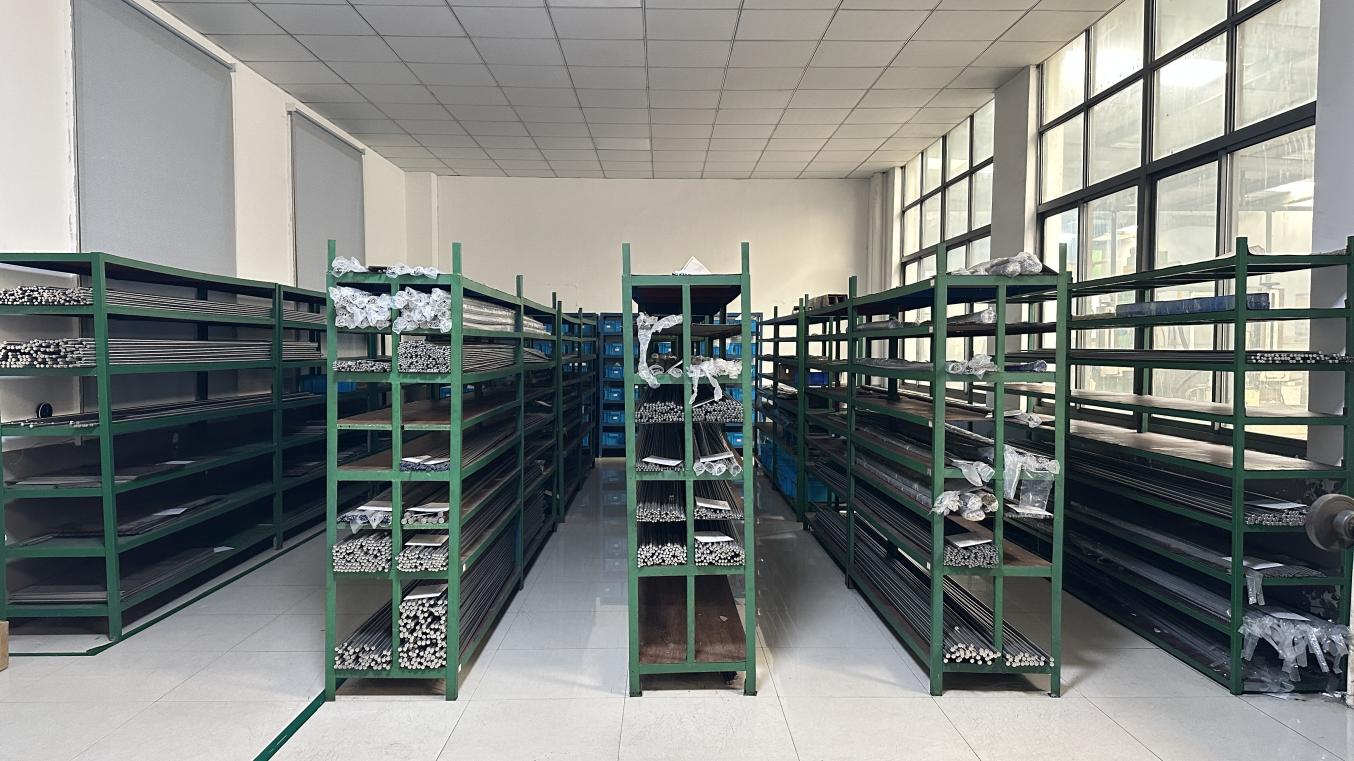
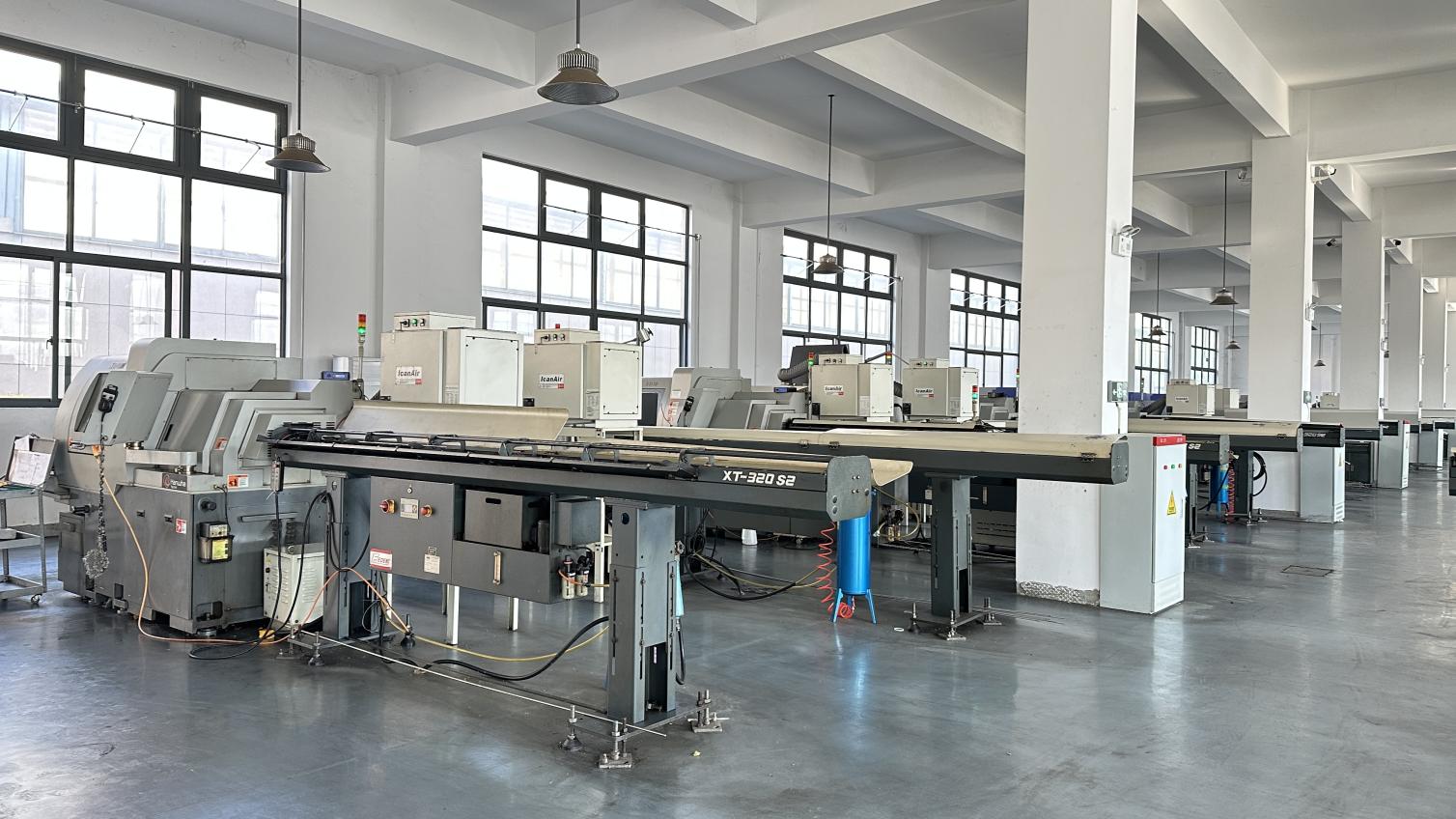
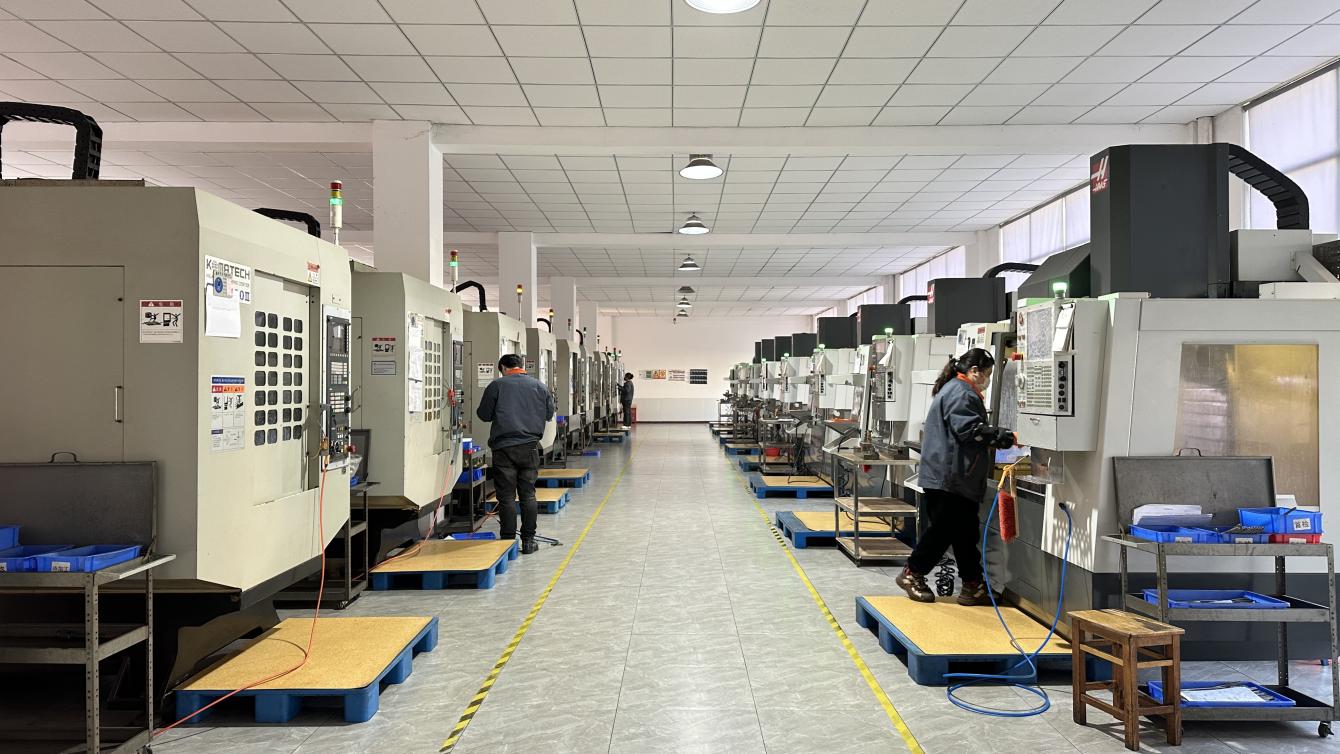
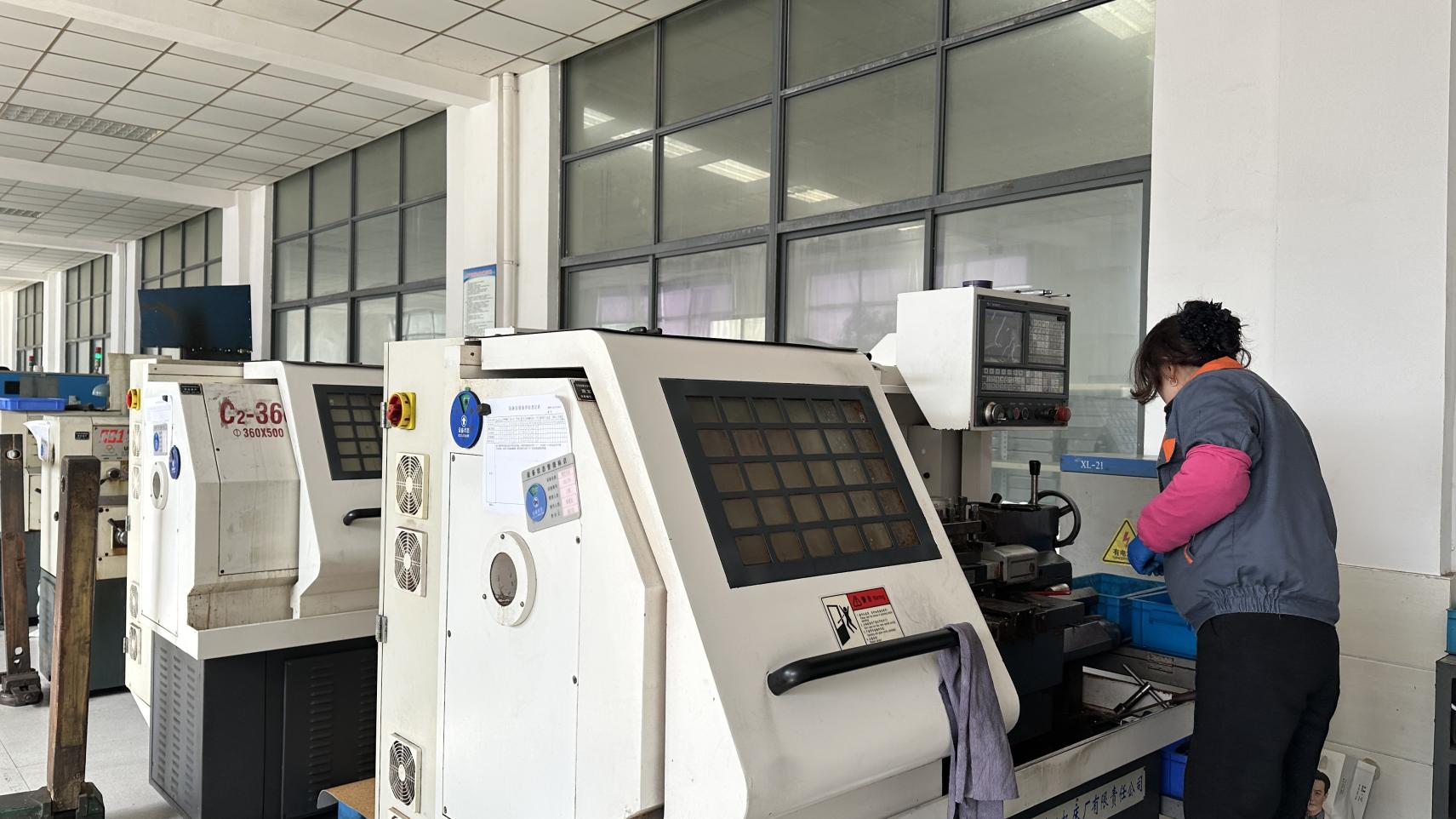
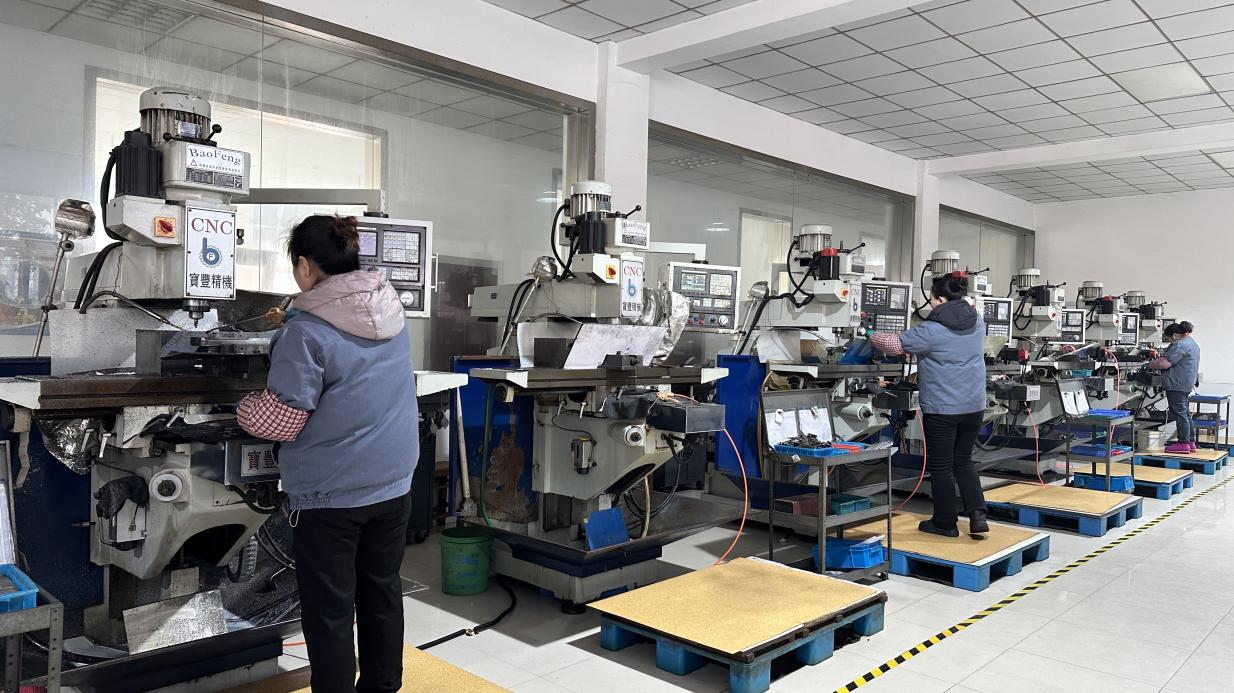
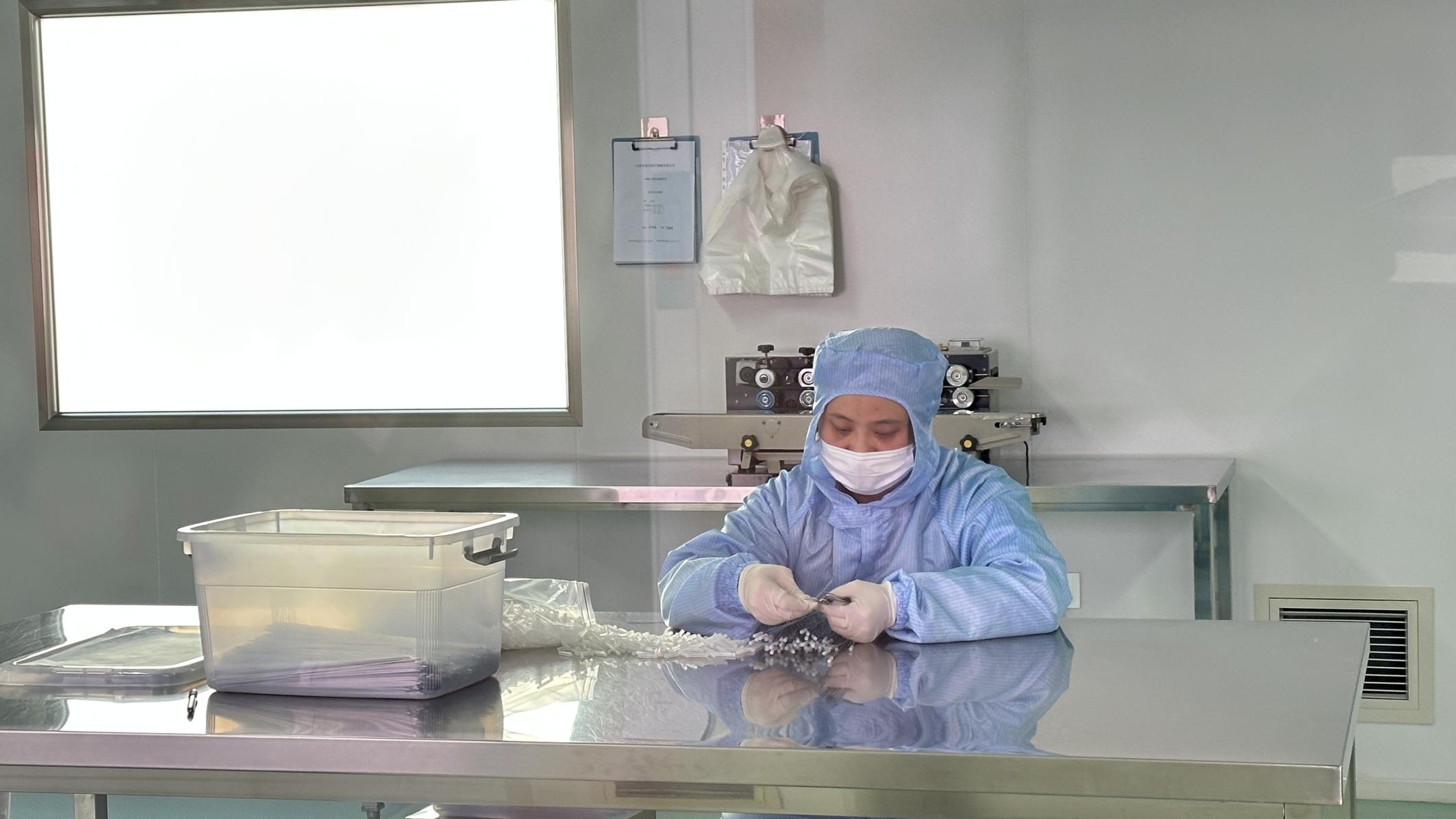
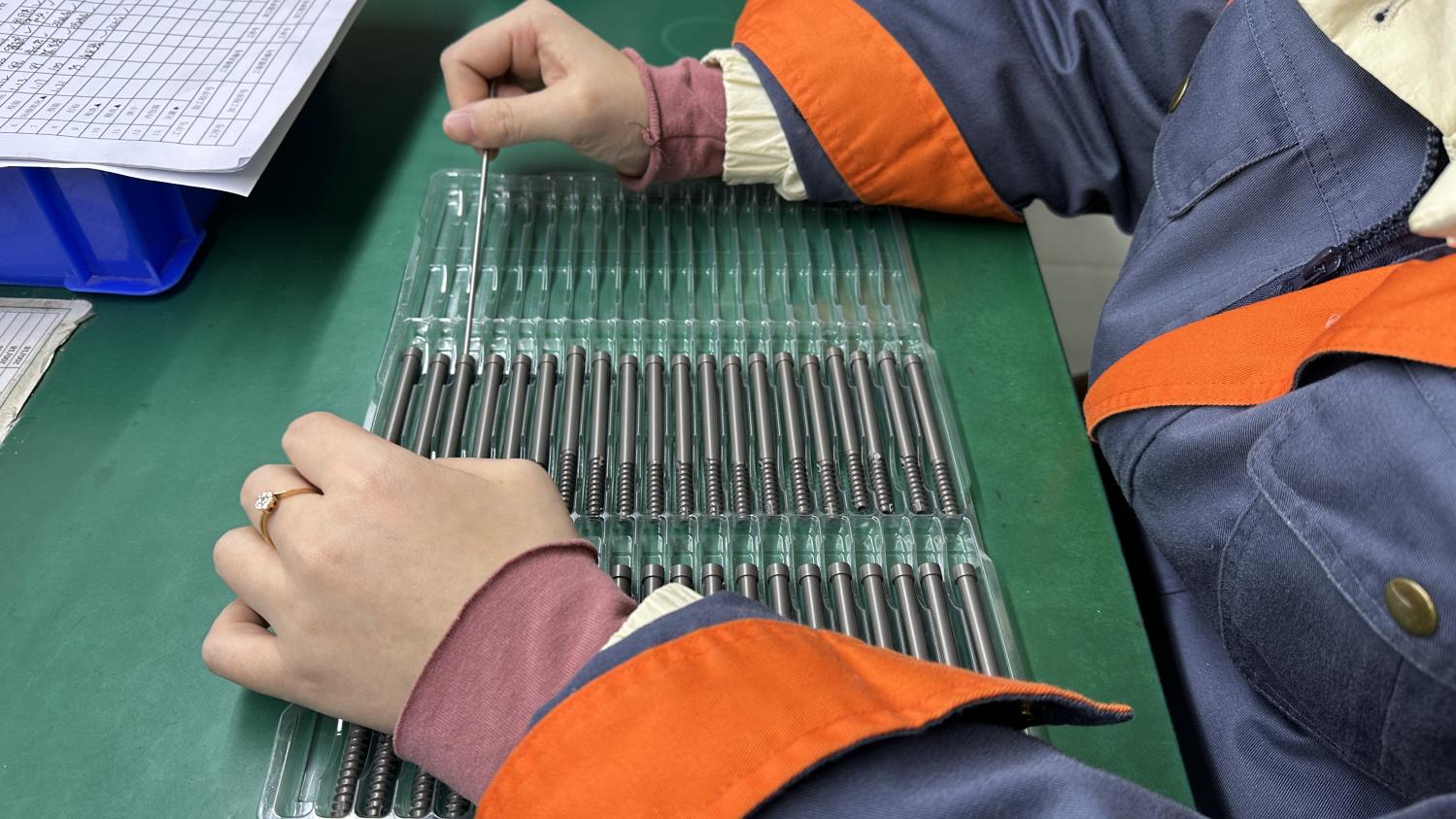
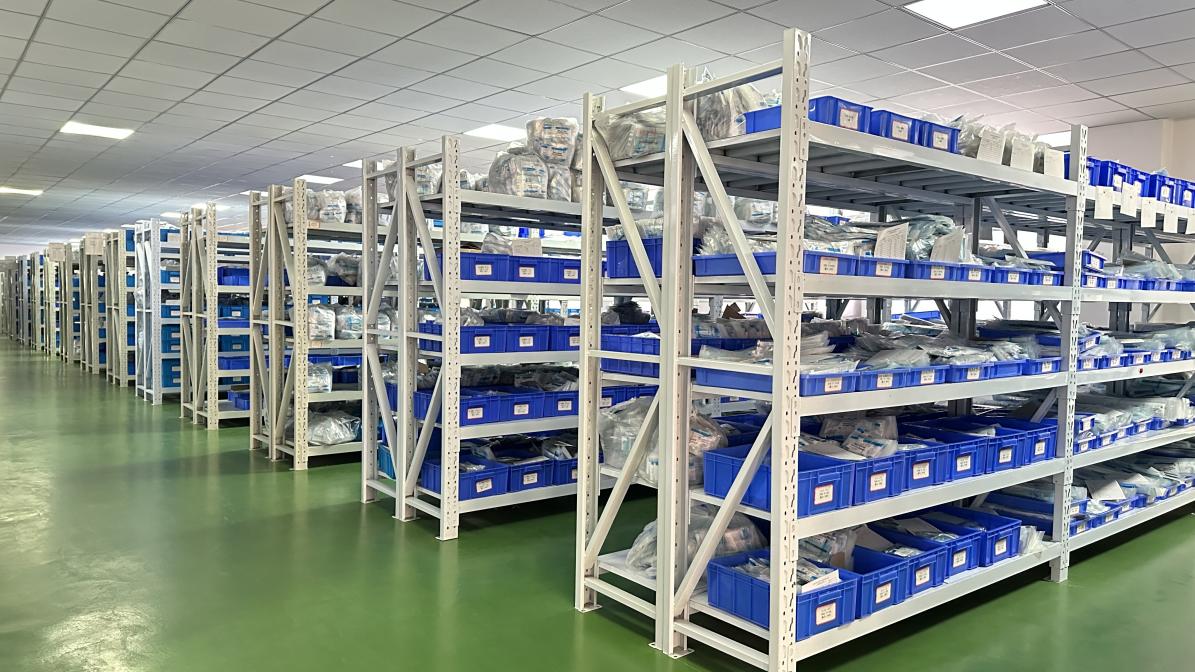
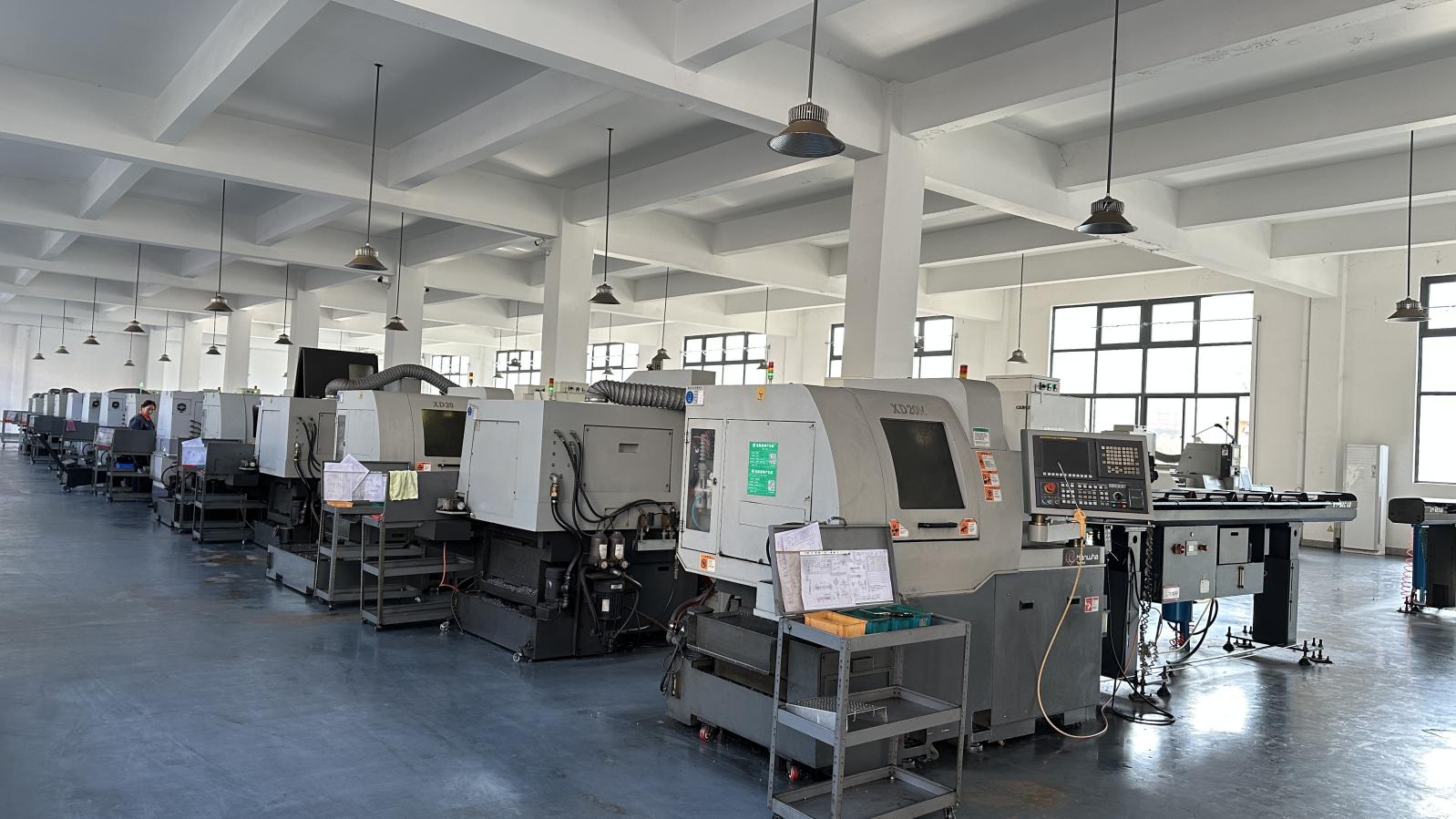
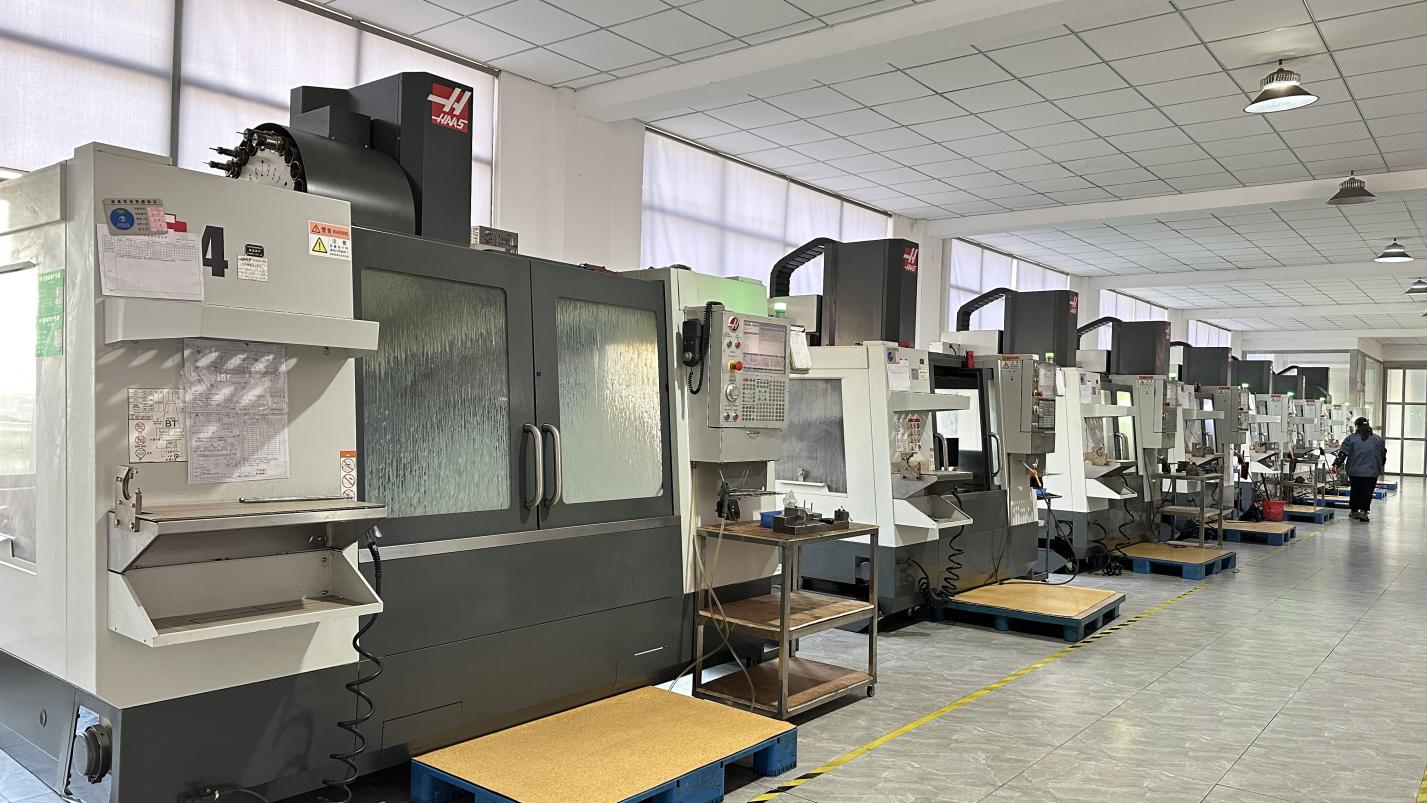
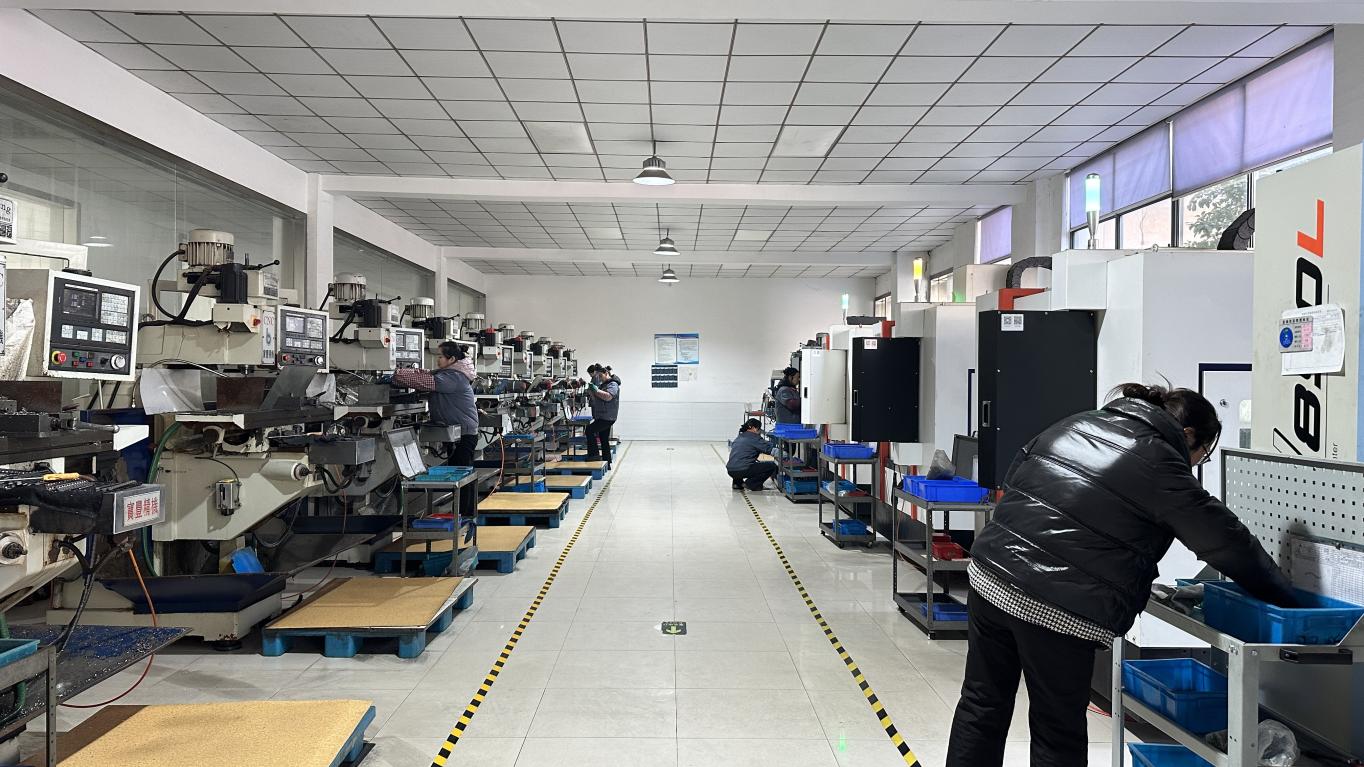
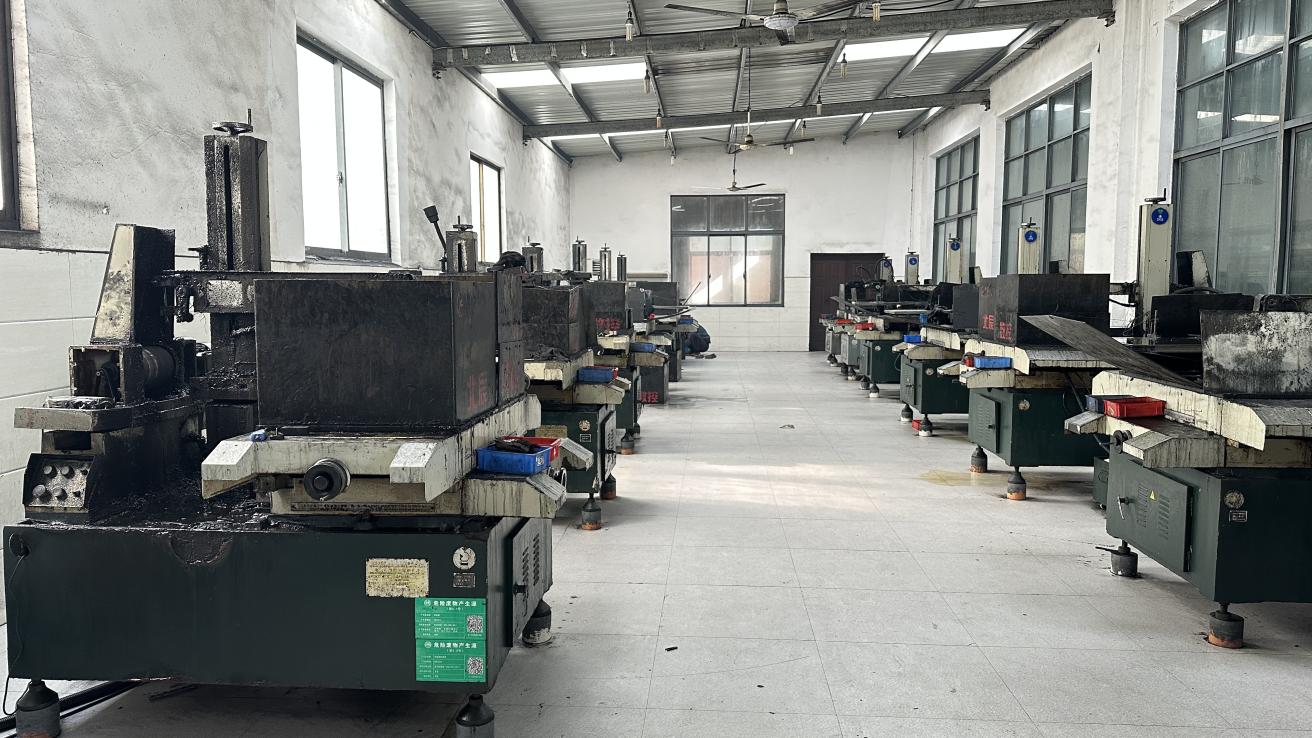
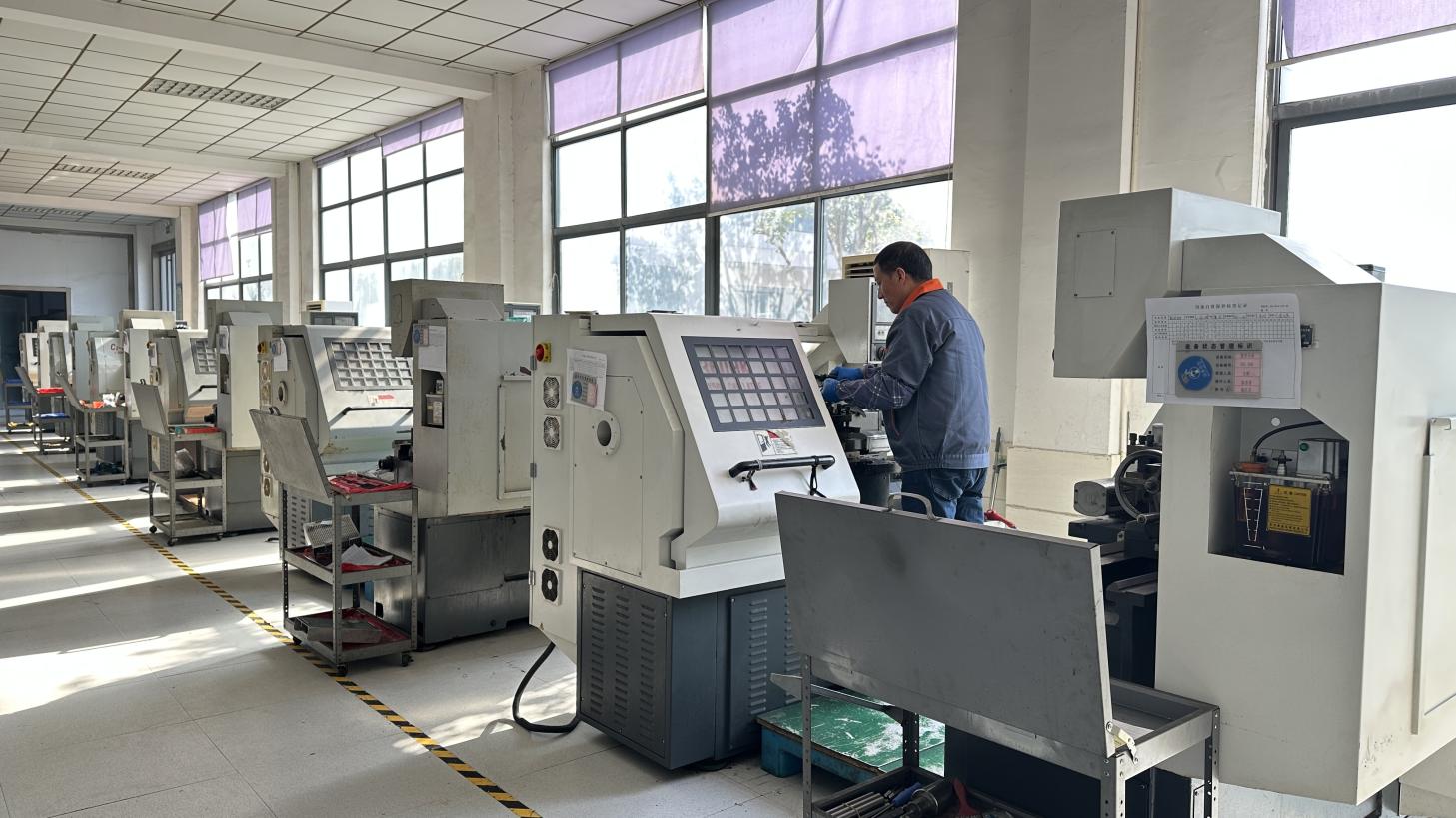
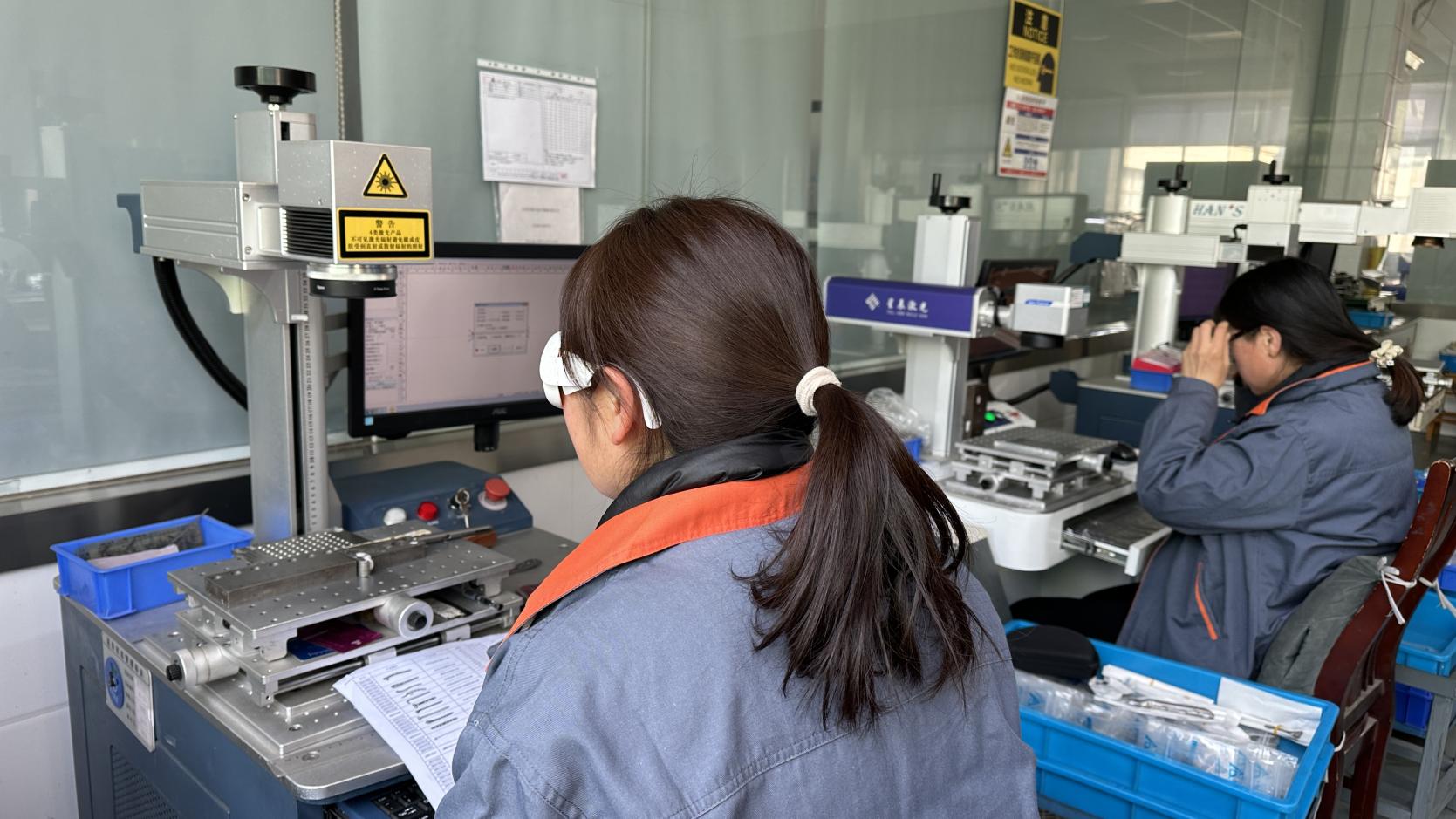
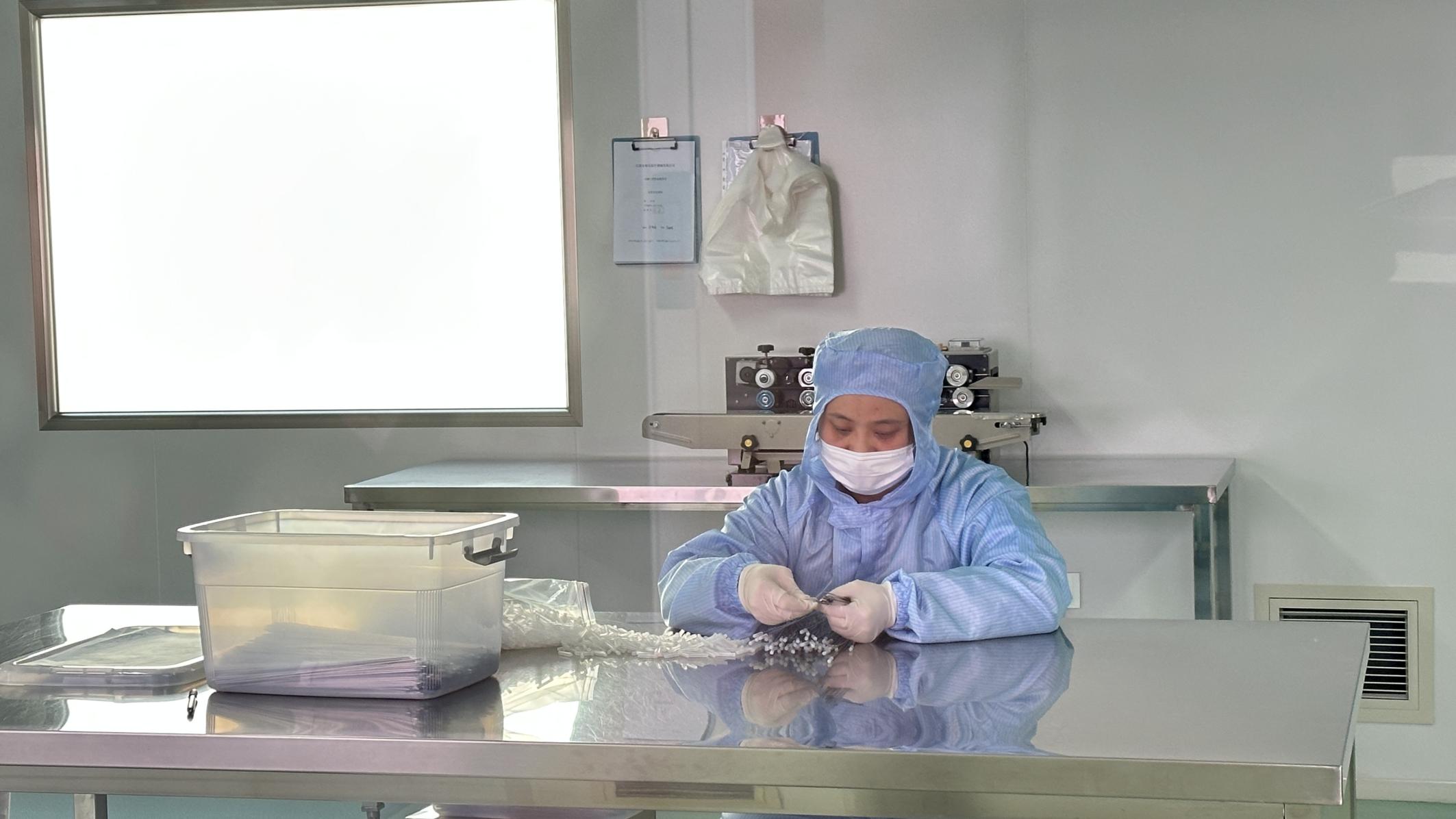
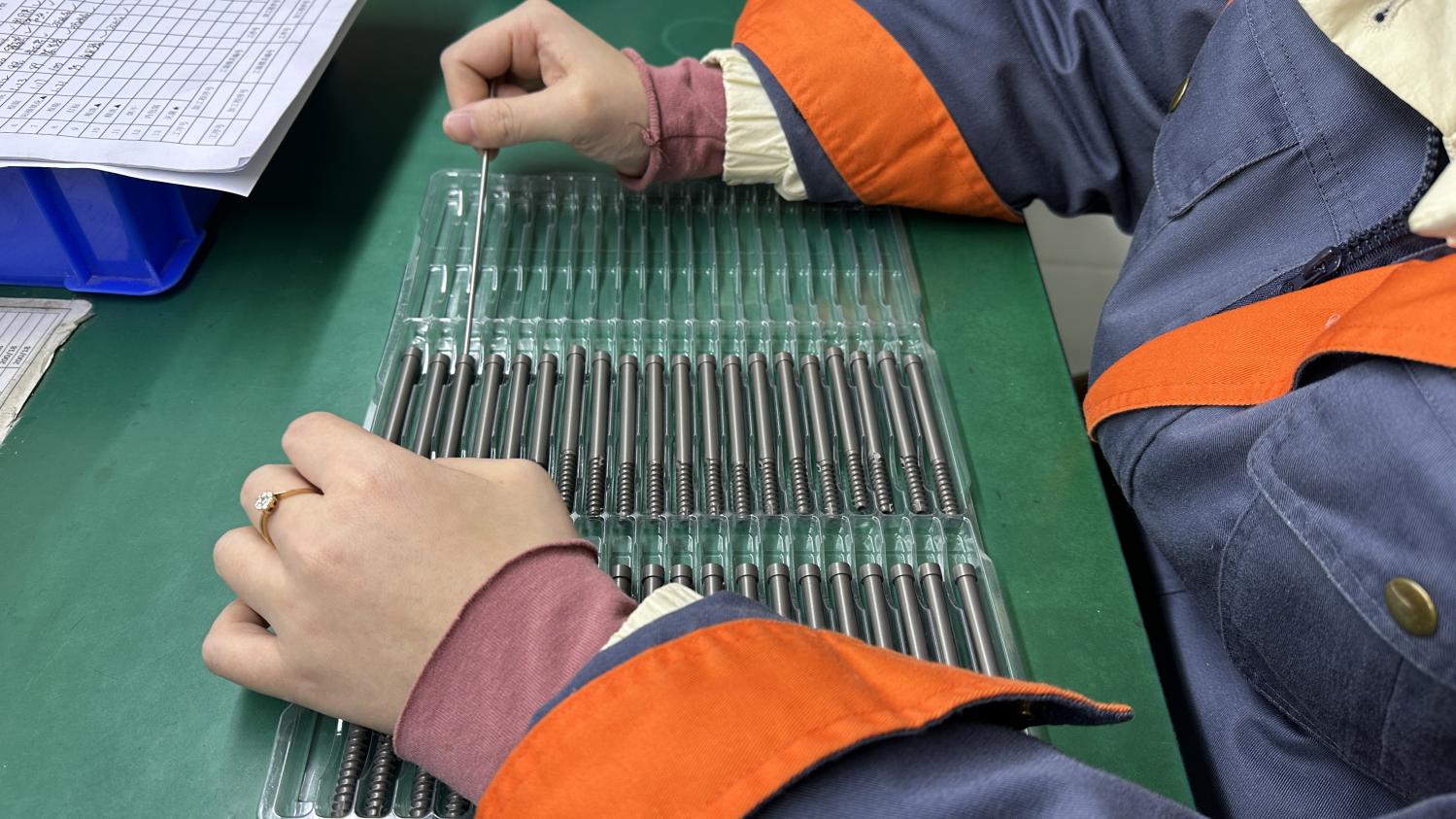
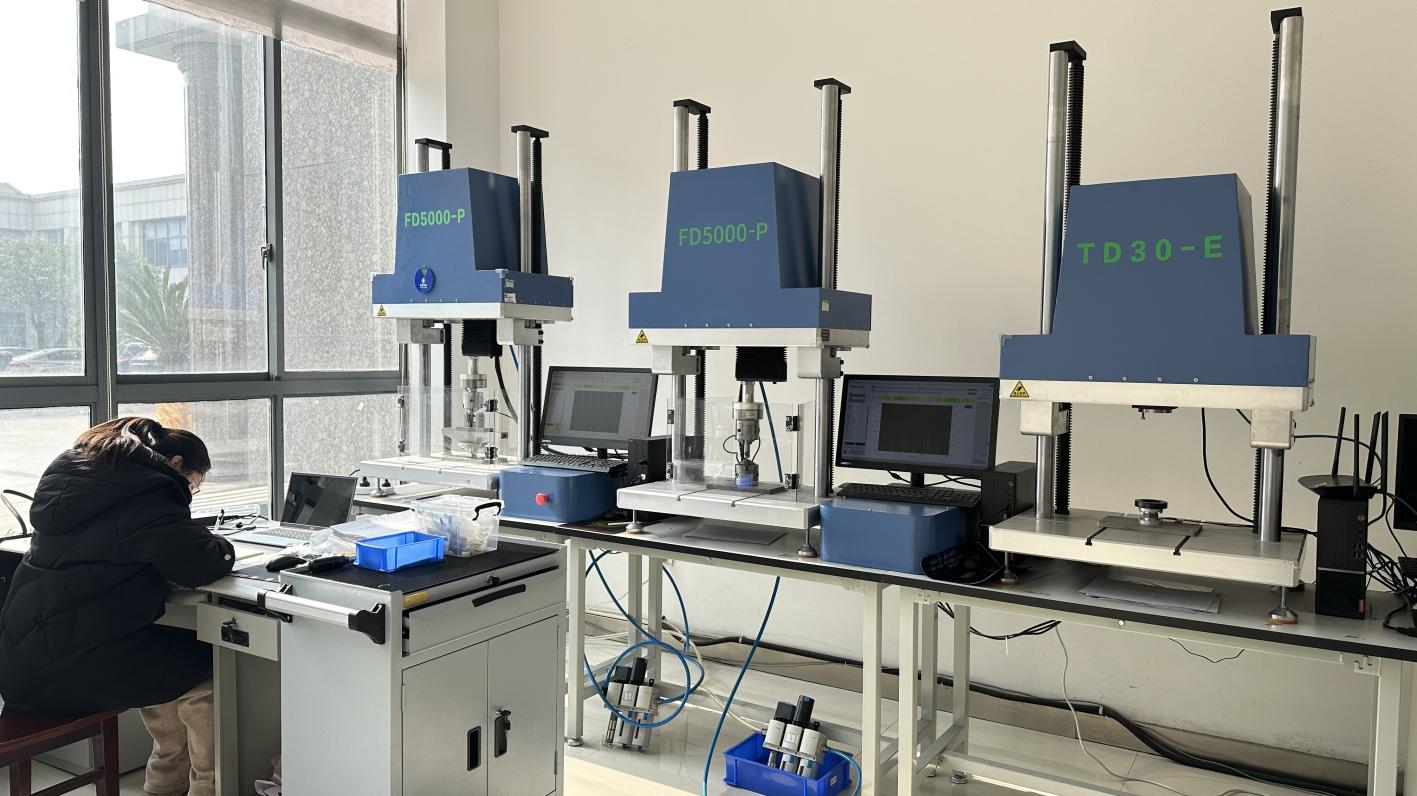
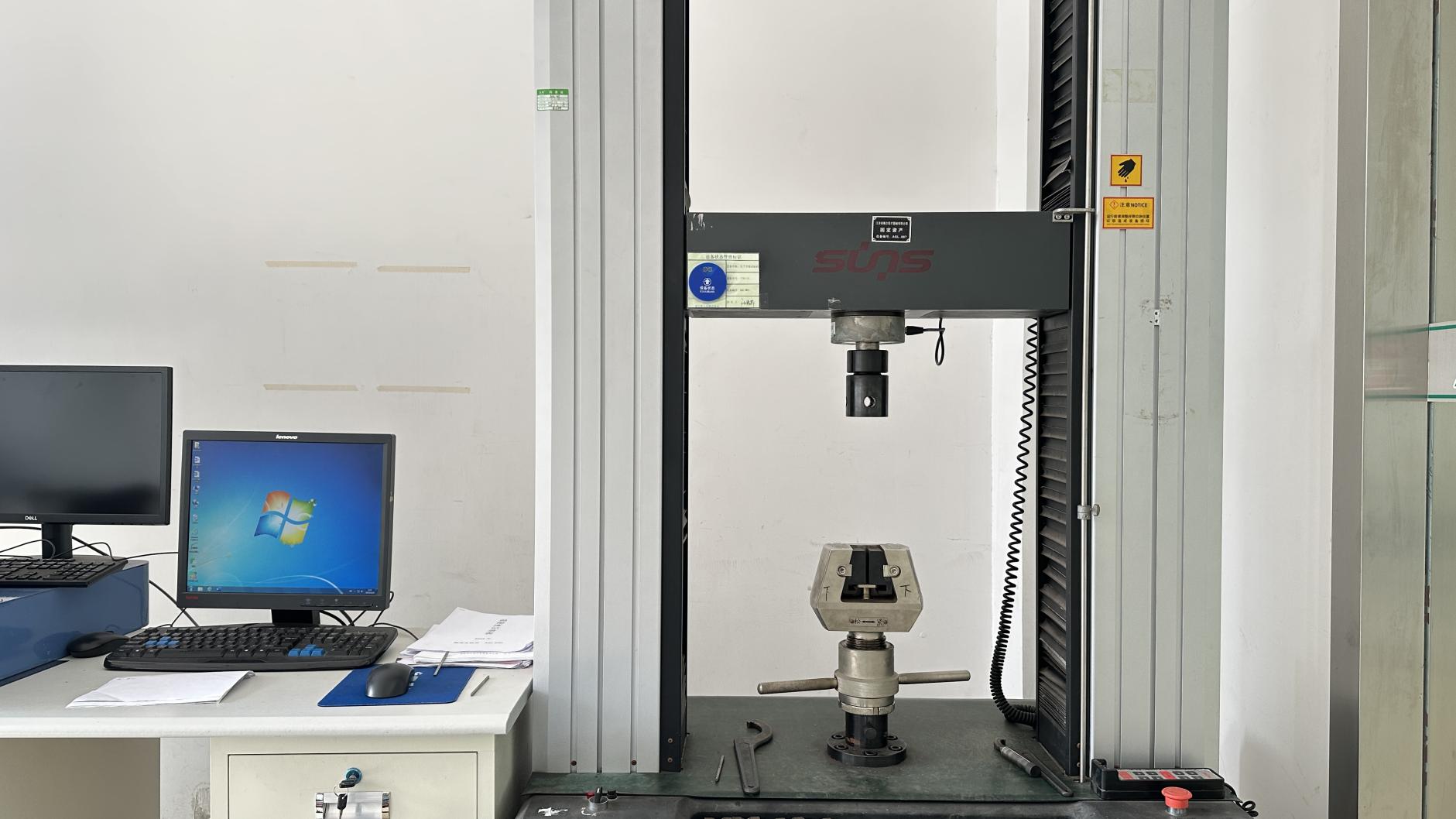
Inside our 18,500㎡ state-of-the-art facility, executing integrated production, micro-machining, and rigorous quality assurance.
Founded in 2016, Medisplint Orthopedic Instruments Co., Ltd. is a premier professional manufacturer specializing in orthopedic implants, fixation systems, and surgical power tools for trauma, spine, joint reconstruction, and dedicated pediatric therapies. The company facility spans approximately 18,500㎡, hosting fully integrated production, assembly, and cleanroom operations. Supporting an annual export revenue of approximately USD 12 million, Medisplint builds on 10 years of overall medical device manufacturing experience and 7 years of global export compliance.
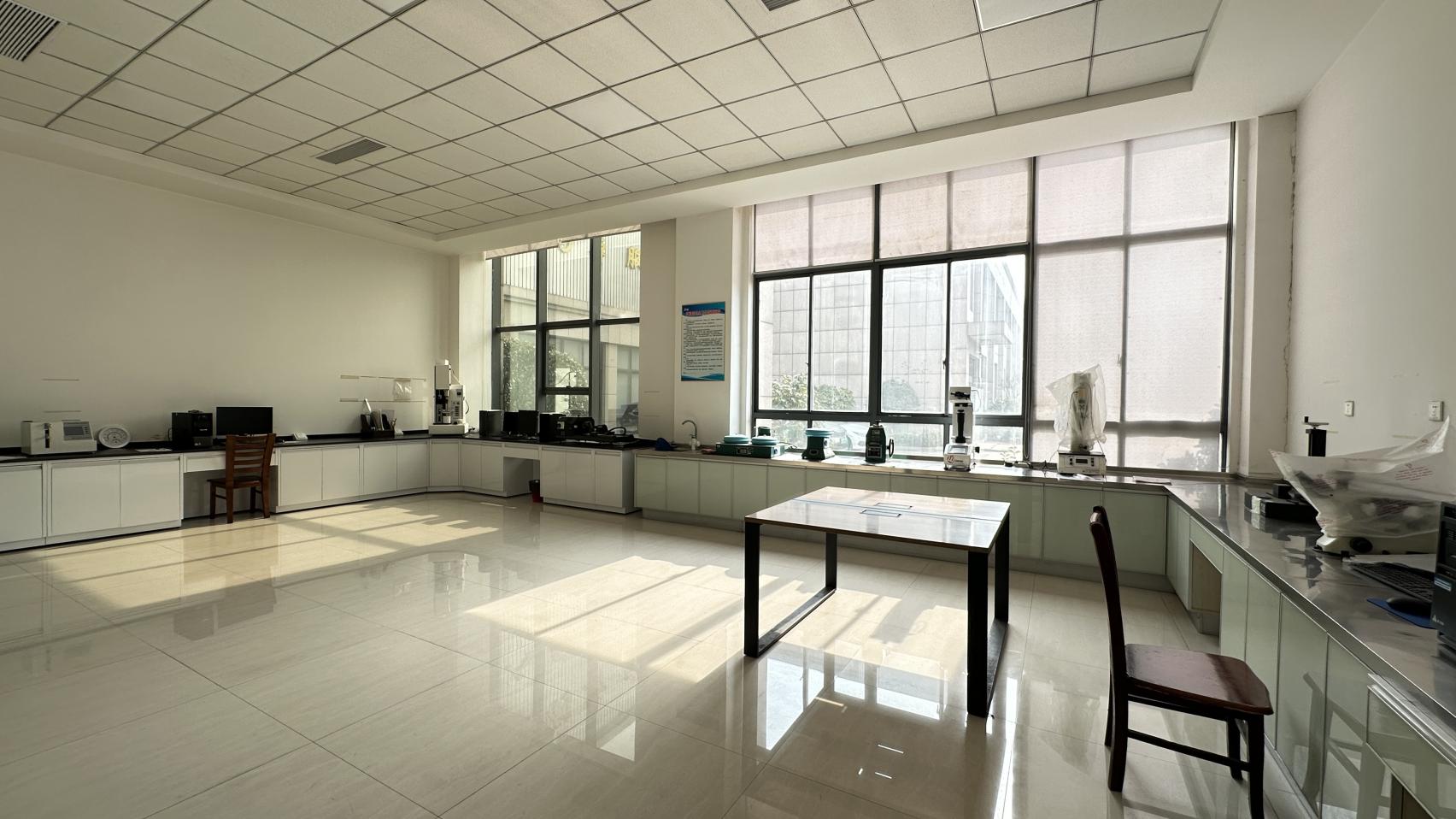
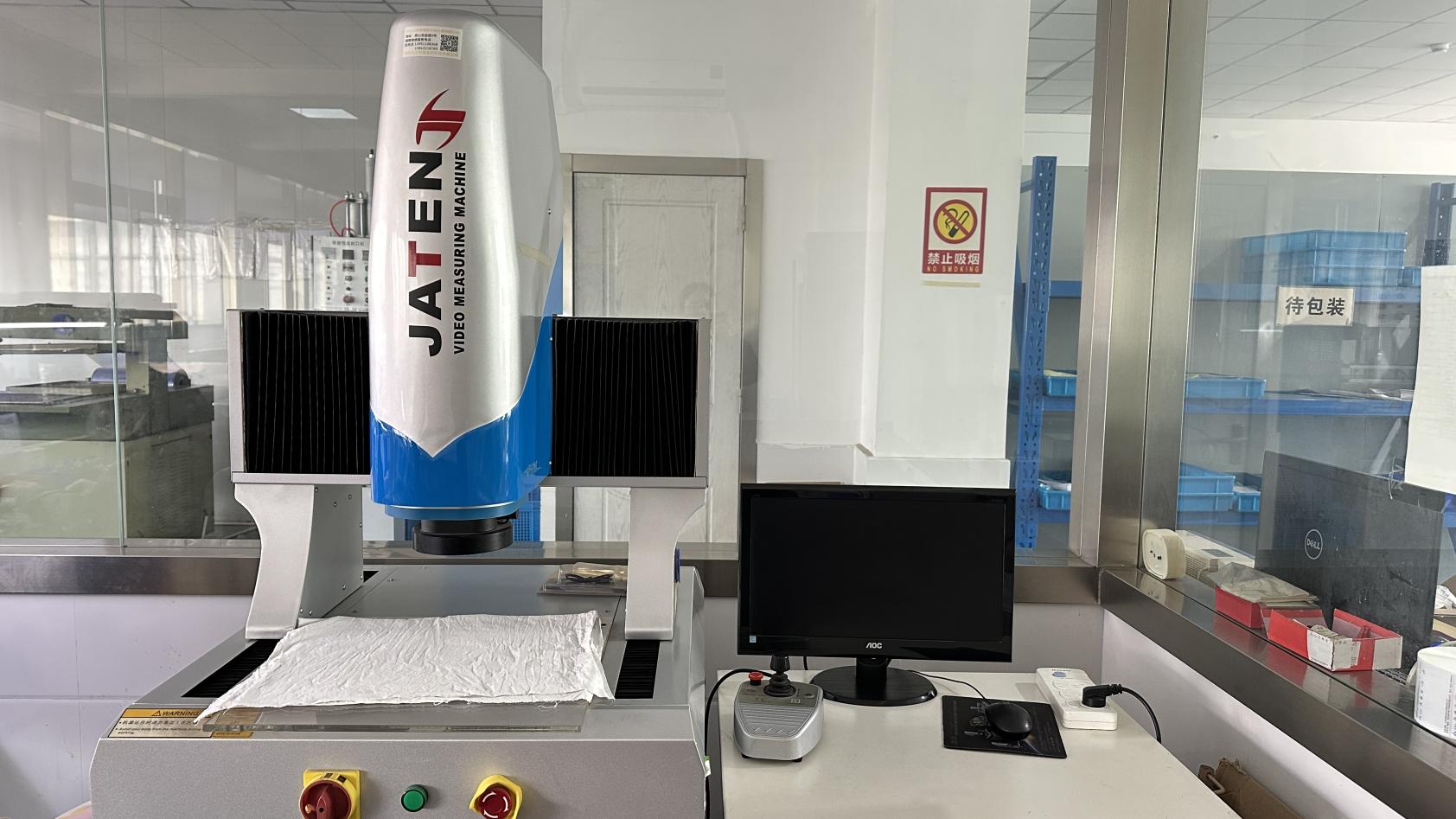
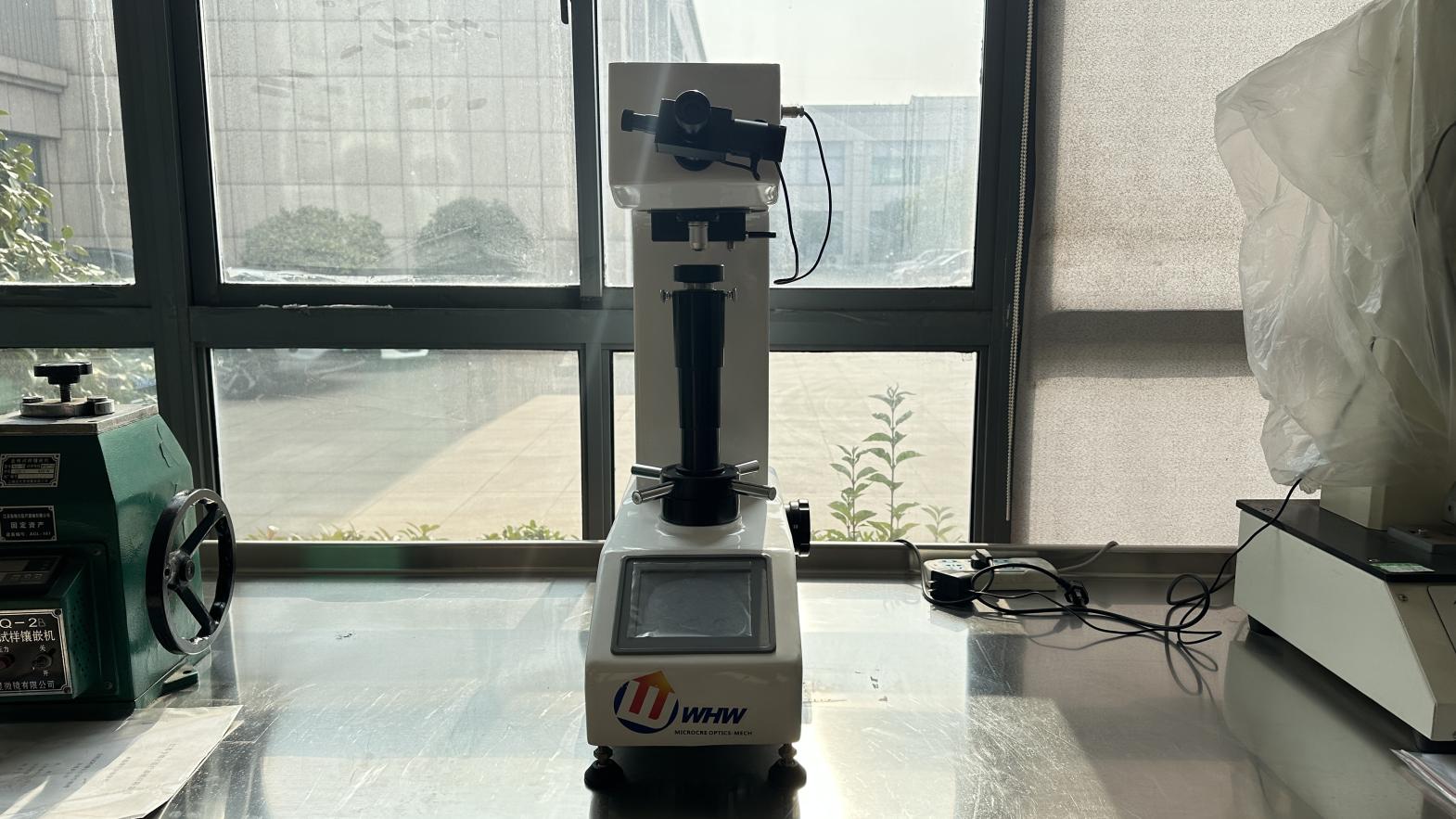
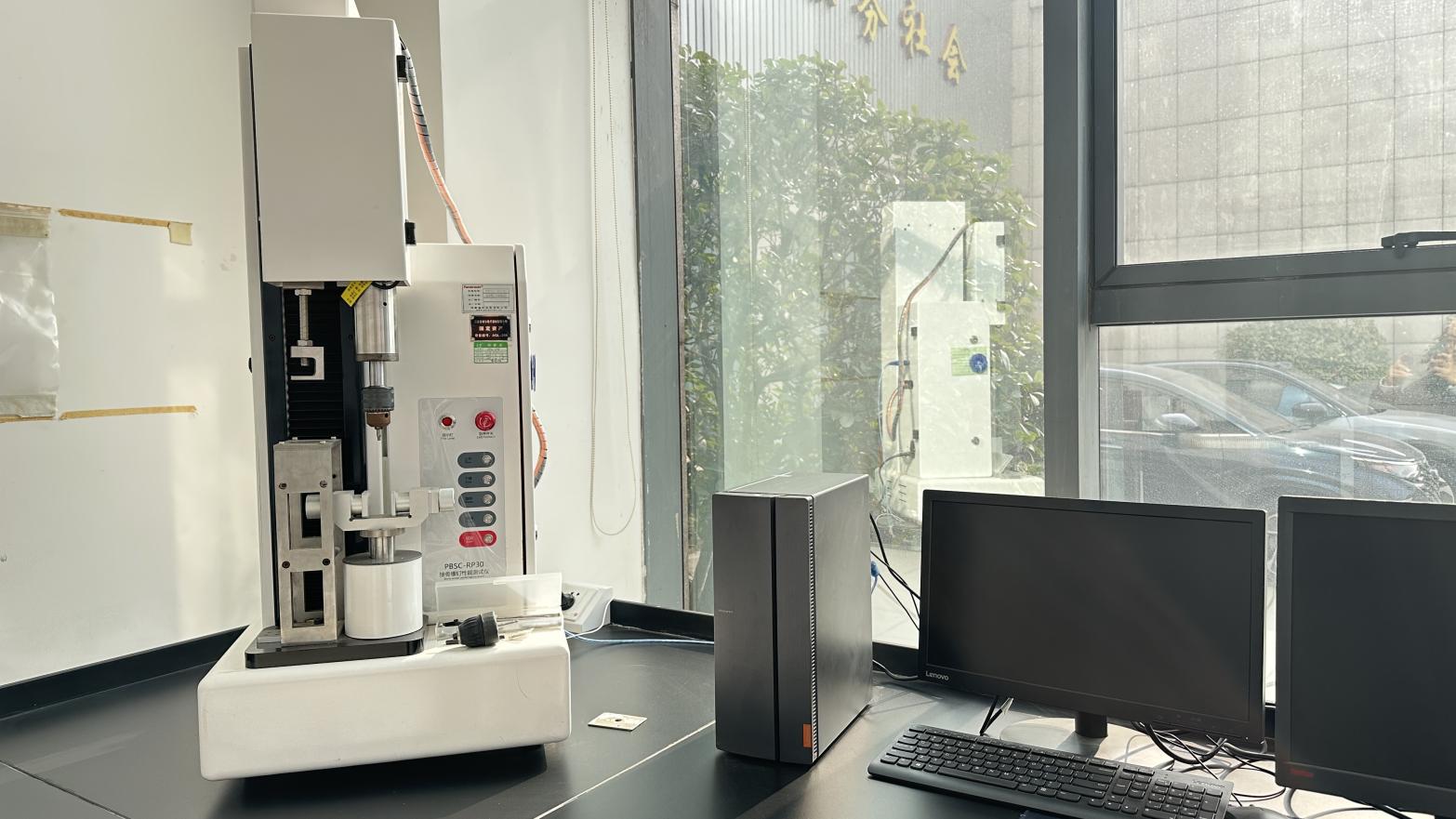
Medisplint operates under a strict, comprehensive quality framework featuring ISO 13485 certification and CE compliance. Standardized validation methodologies encompass incoming raw material characterization, in-process quality control (IPQC), final product inspection (FQC), and third-party laboratory testing. The quality control department relies on 42 dedicated inspectors ensuring absolute safety, mechanical precision, and dimensional consistency across every manufactured batch. Medisplint serves hospitals, orthopedic distributors, surgical centers, and OEM/ODM brands across Europe, Southeast Asia, the Middle East, and South America, supported by a robust network of over 1,200 supply chain partners. Our R&D division consists of 85 engineering and development specialists, designing and validating custom configurations. Demonstrating rapid innovation, Medisplint designed, tested, and launched 68 new products in the past year alone.
Charting the next generation of bio-absorbable structures and smart dynamic fixation devices.
Development is ongoing for magnesium-based and zinc-based bioabsorbable structural materials. These allow structural hardware to gradually degrade and be replaced by native bone over 12 to 24 months, eliminating secondary removal operations—a massive benefit for pediatric patients.
Using selective laser melting (SLM) 3D printing to fabricate patient-specific implants directly from high-resolution CT scans. This allows matching complex congenital skeletal deformities with structural components customized for exact physical anatomies.
Transitioning from manually adjustable telescoping setups to non-invasive magnetic-actuated expanding configurations (such as MAGEC systems), which allow outpatient adjustments without surgical exposure or repeated anesthesia.
Streamlining regulatory approval, supply chain stability, and inventory optimization for global clients.
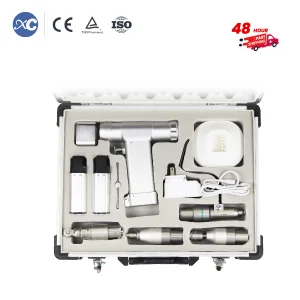
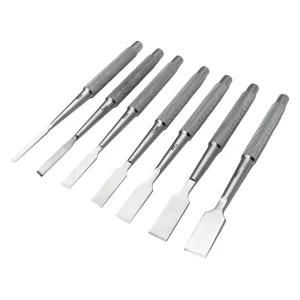
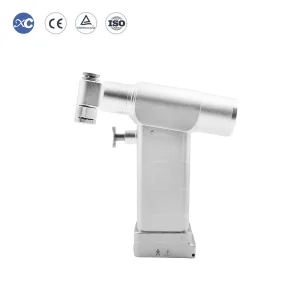
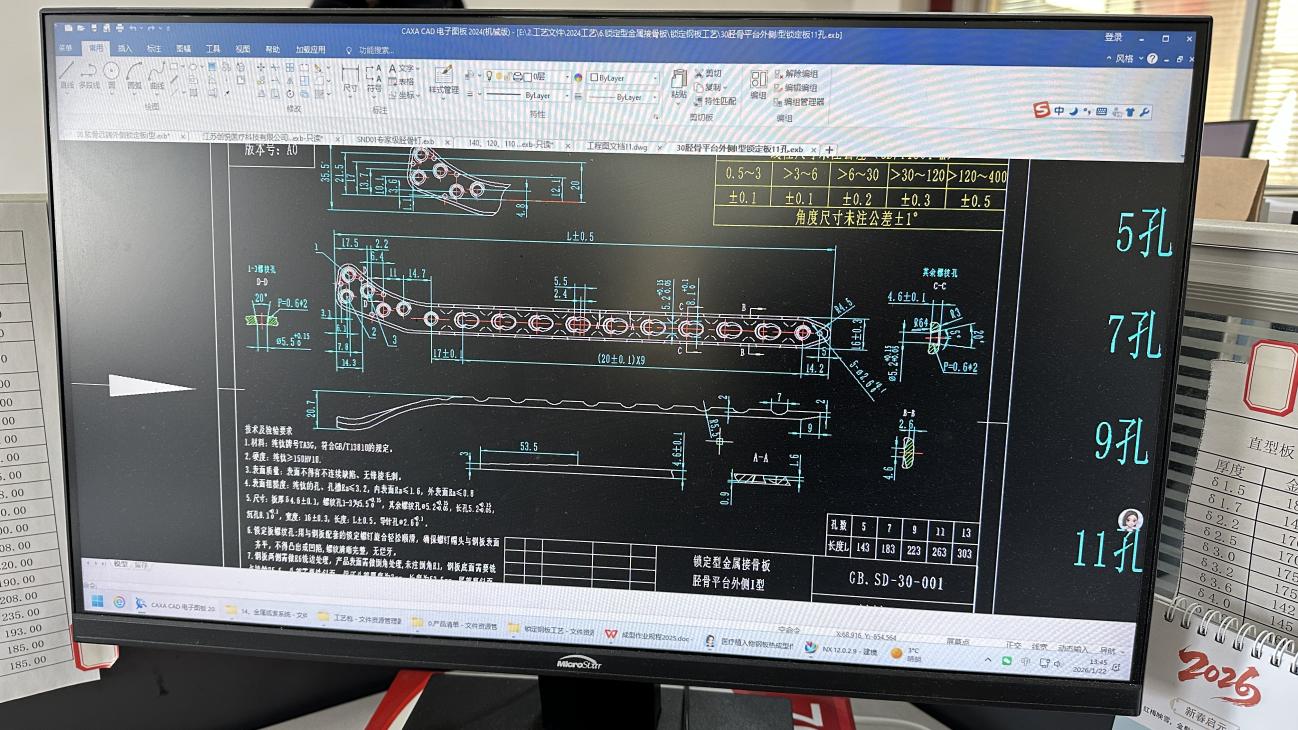
Leveraging 85 structural engineers, we develop customized, high-precision pediatric plates, intramedullary pins, and specialized orthopedic tools. This service supports unique client geometries, custom brand labeling, and target-specific metal alloy specifications, reducing time-to-market for medical device brands.
We provide full verification portfolios—including ISO 13485 documentation, CE technical files, raw material melt certifications, and dynamic wear testing profiles. This documentation streamlines customs clearances and helps local distributors achieve quick regulatory approvals.
Expert insights addressing common engineering, sourcing, and clinical application questions.
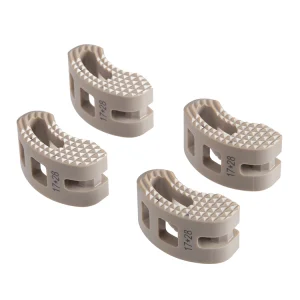
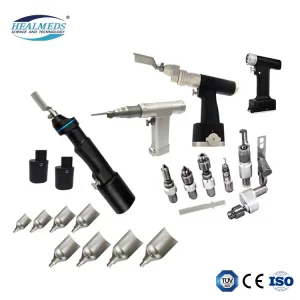
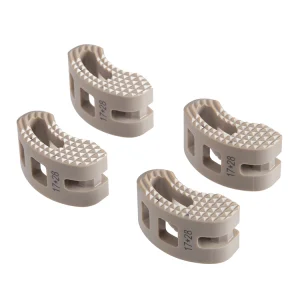
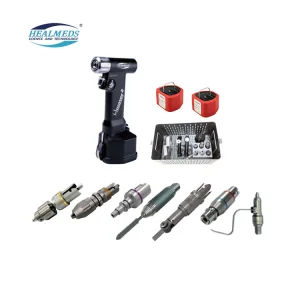
Engineered for complex reconstructions, fusion procedures, and minimally invasive bone interventions.