Medisplint
Medisplint
Medisplint
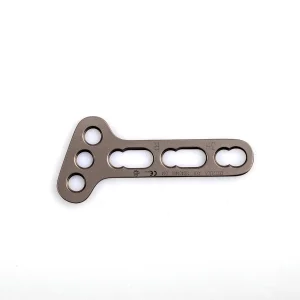
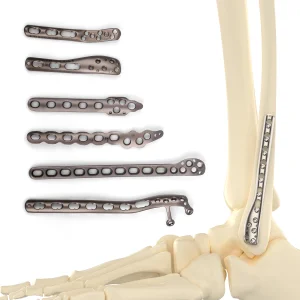
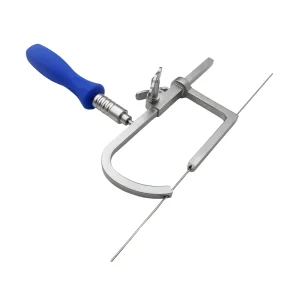
Explore our foundational orthopedic devices, featuring anatomical plating options, specialized external fixation, and high-precision cannulated compression solutions manufactured under rigorous EN ISO 13485 regulations.
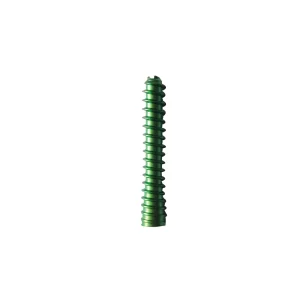
The Herbert screw represents a watershed development in fracture fixation, specifically designed for osteosynthesis of small bones where structural integrity and dynamic compression are paramount. Traditional cortical and cancellous bone screws rely heavily on the compression exerted by the screw head against the outer bone cortex. However, in intra-articular applications, such as scaphoid fractures, capital fractures of the radius, or osteochondral lesions, a projecting screw head risks cartilage degradation, impingement, and subsequent osteoarthritis.
By utilizing a headless design combined with a differential thread pitch, Herbert screws achieve stable, rigid fixation entirely below the articular surface. The leading thread features a larger pitch (advancing further per turn) than the trailing thread. As the screw is driven across the fracture gap, this pitch differential pulls the bone fragments together, generating high-load compression. This fundamental biomechanical mechanism eliminates the need for a conventional head, permitting complete implantation within osteochondral surfaces.
To achieve these close-tolerance dimensions, manufacturing demands supreme mechanical accuracy. Medisplint Orthopedic Instruments Co., Ltd., leverages advanced machining capabilities to control thread profile geometry within microns. By sourcing biocompatible titanium alloys (typically Ti-6Al-4V ELI in compliance with ASTM F136), we guarantee high tensile strength, exceptional fatigue resistance, and absolute biocompatibility.
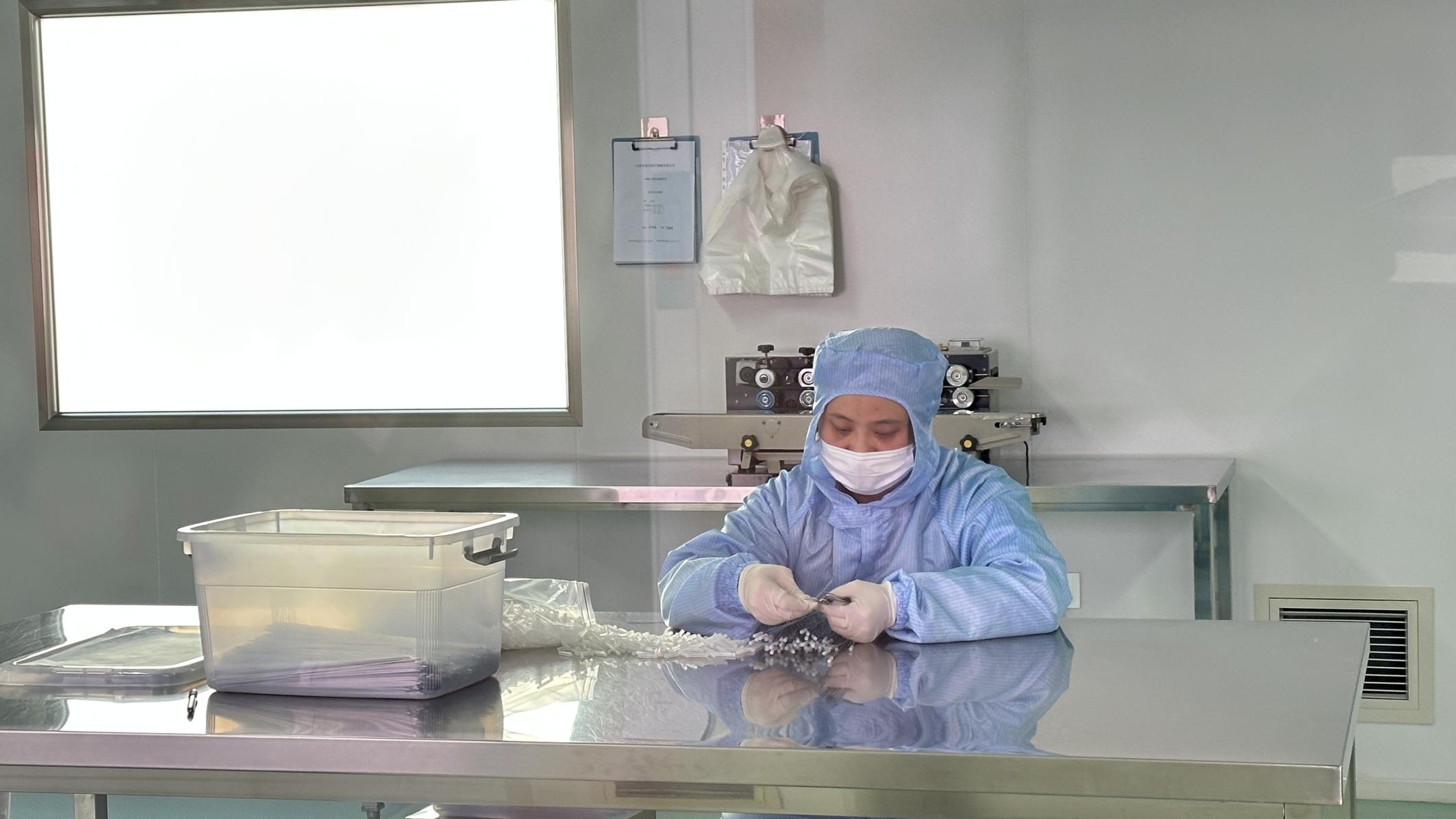
Medisplint Orthopedic Instruments Co., Ltd. is a highly specialized manufacturer dedicated to the production of high-performance orthopedic implants, stable fixation systems, and surgical tools for trauma, spine surgery, and joint reconstruction. Established in 2016, our facility has expanded to cover an extensive footprint of 18,500 square meters. By integrating development, CNC machining, cleanroom assembly, and multi-tier quality assurance under one roof, we provide dependable, sterile-ready devices to clinics worldwide.
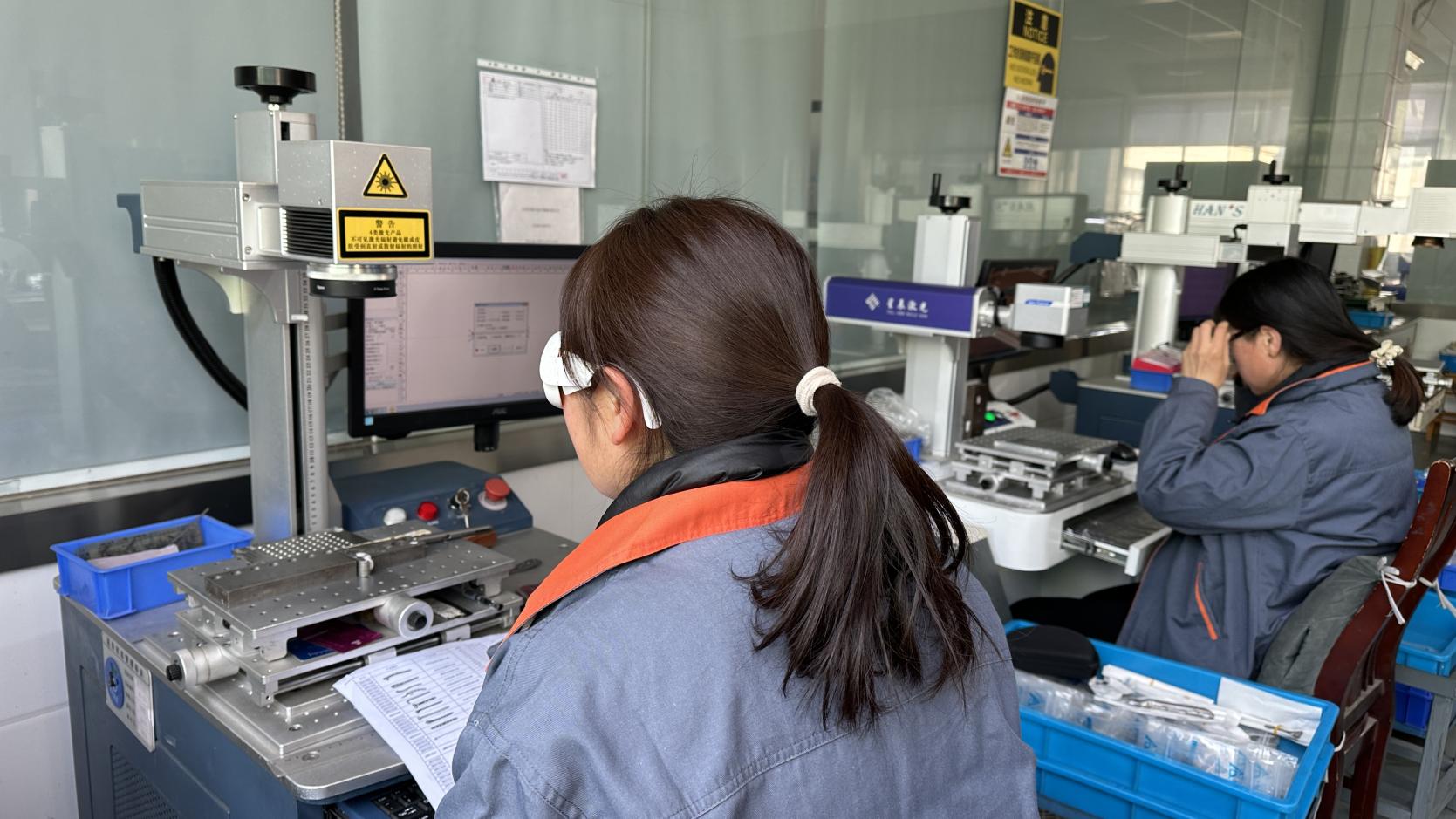
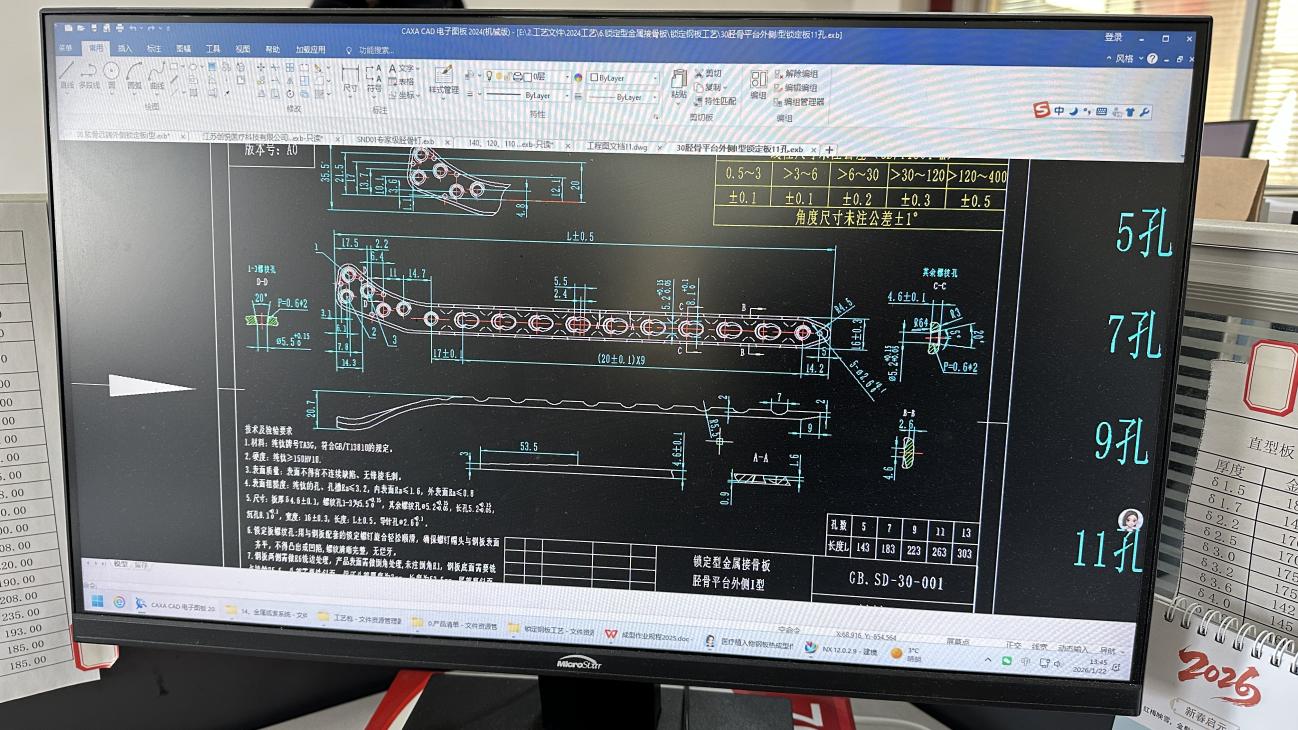
With more than 10 years of orthopedic product manufacturing experience and over 7 years of global export history, Medisplint maintains a large supply network supporting over 1,200 commercial partners. We specialize in custom OEM and ODM partnerships. Our capabilities range from custom laser-marking to comprehensive development of customized trauma plating systems. In the past year alone, our R&D group successfully introduced 68 new orthopedic products to meet the evolving regulatory and surgical needs of modern medical providers.
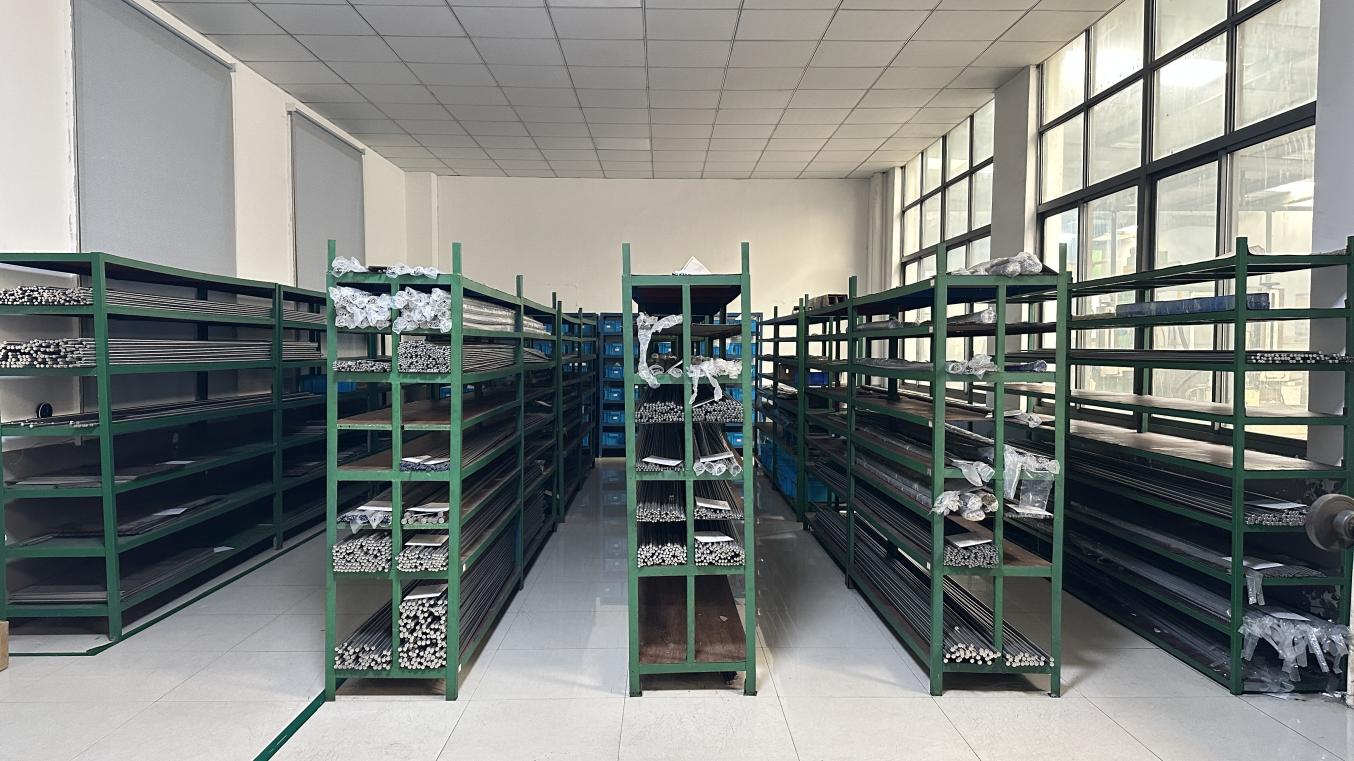
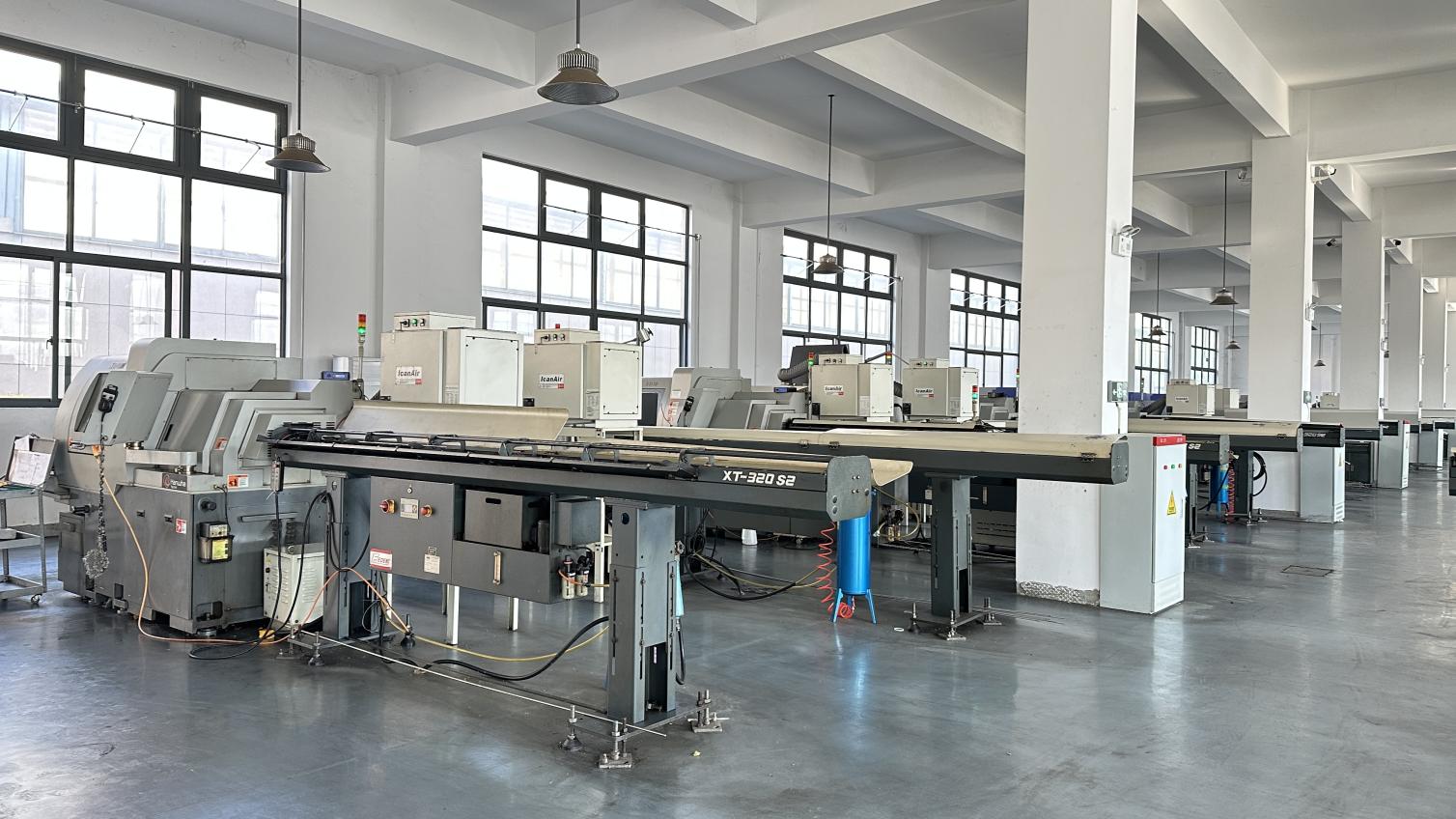
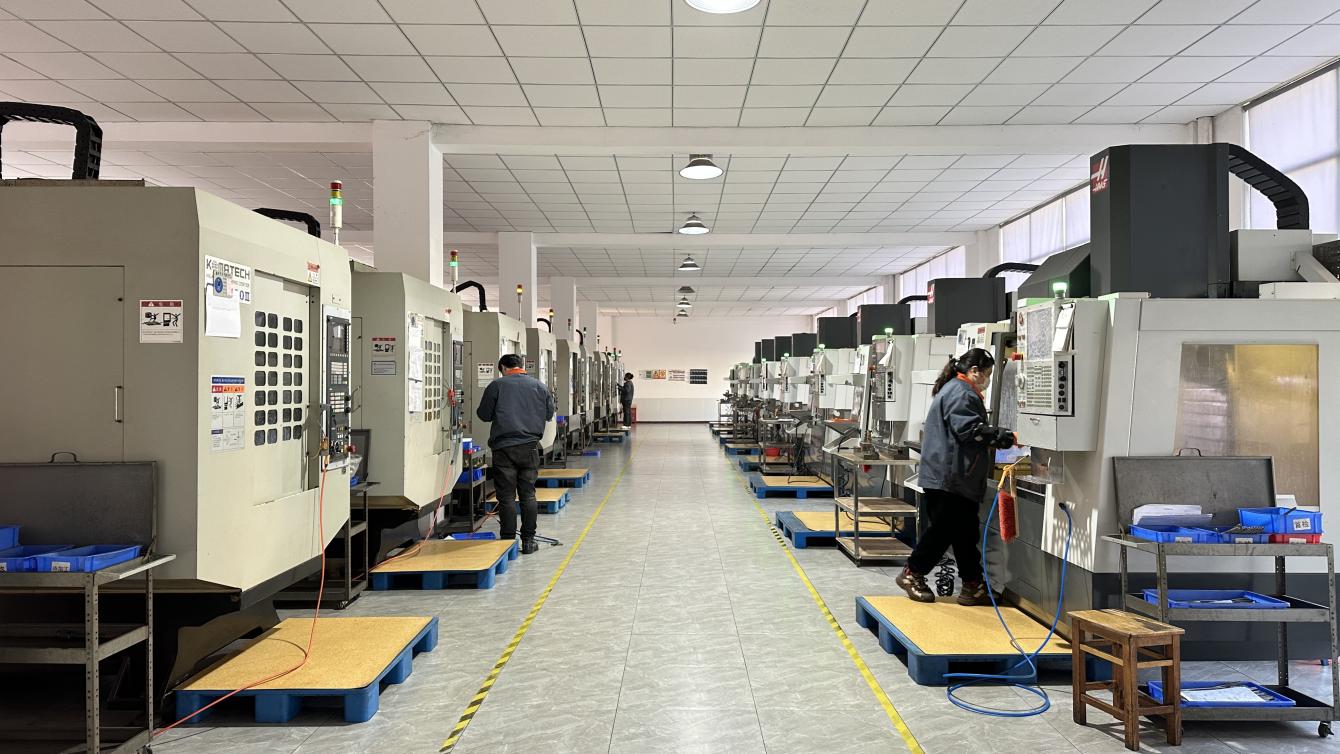
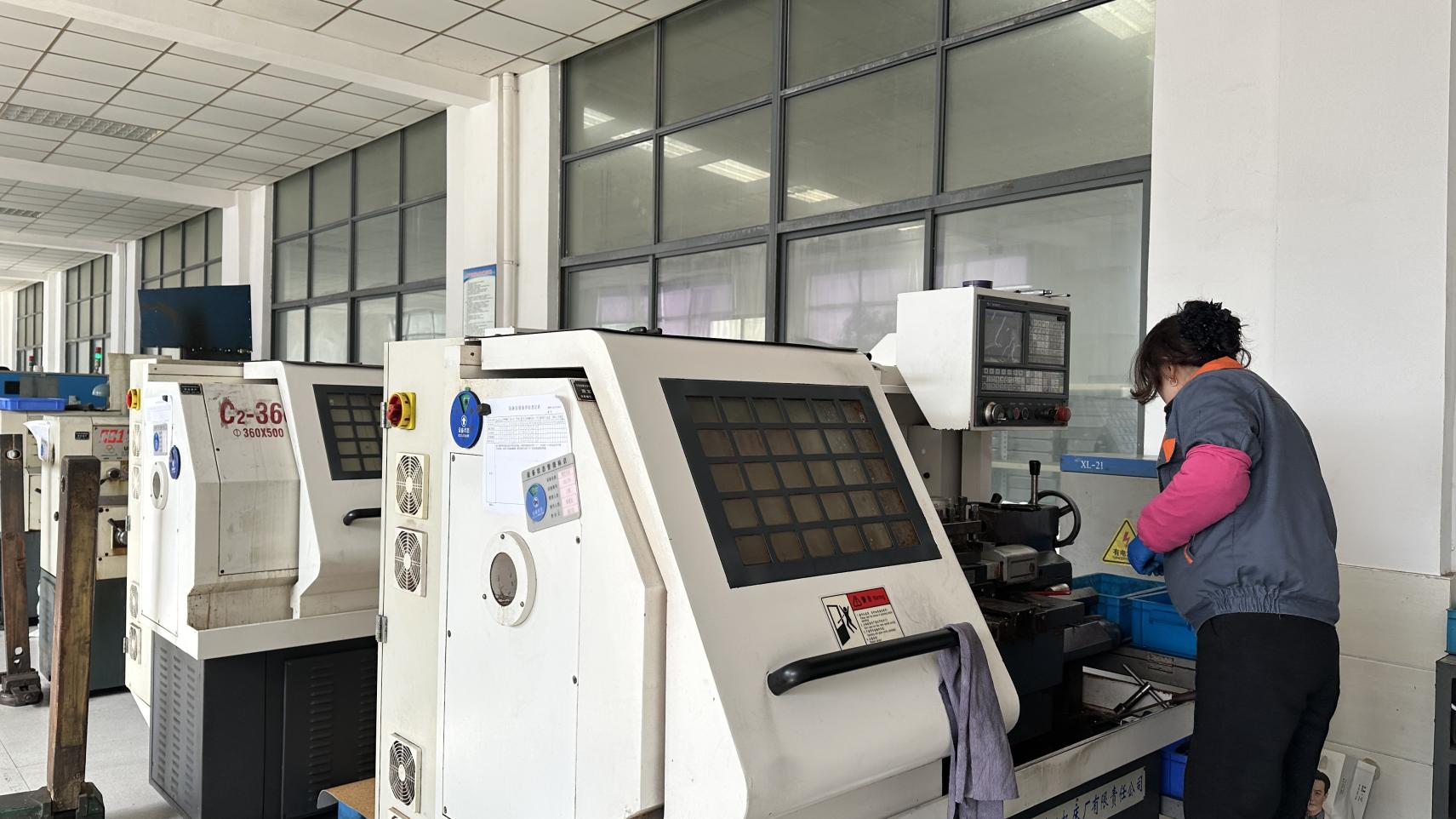
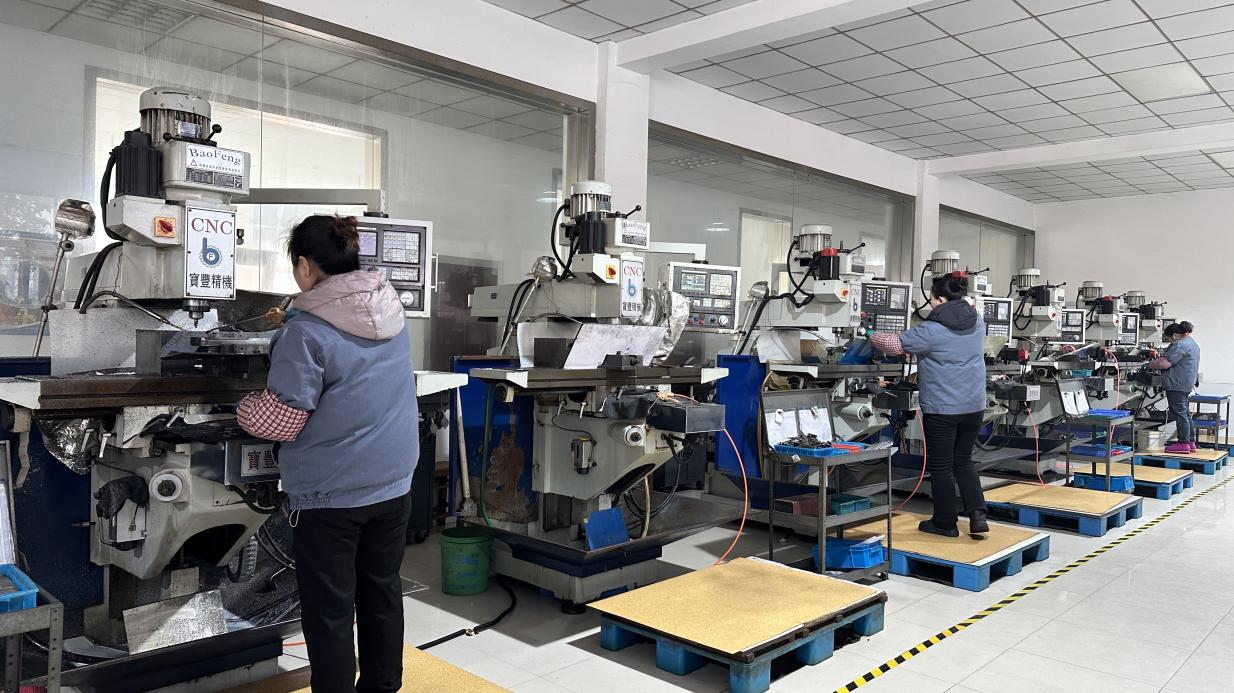
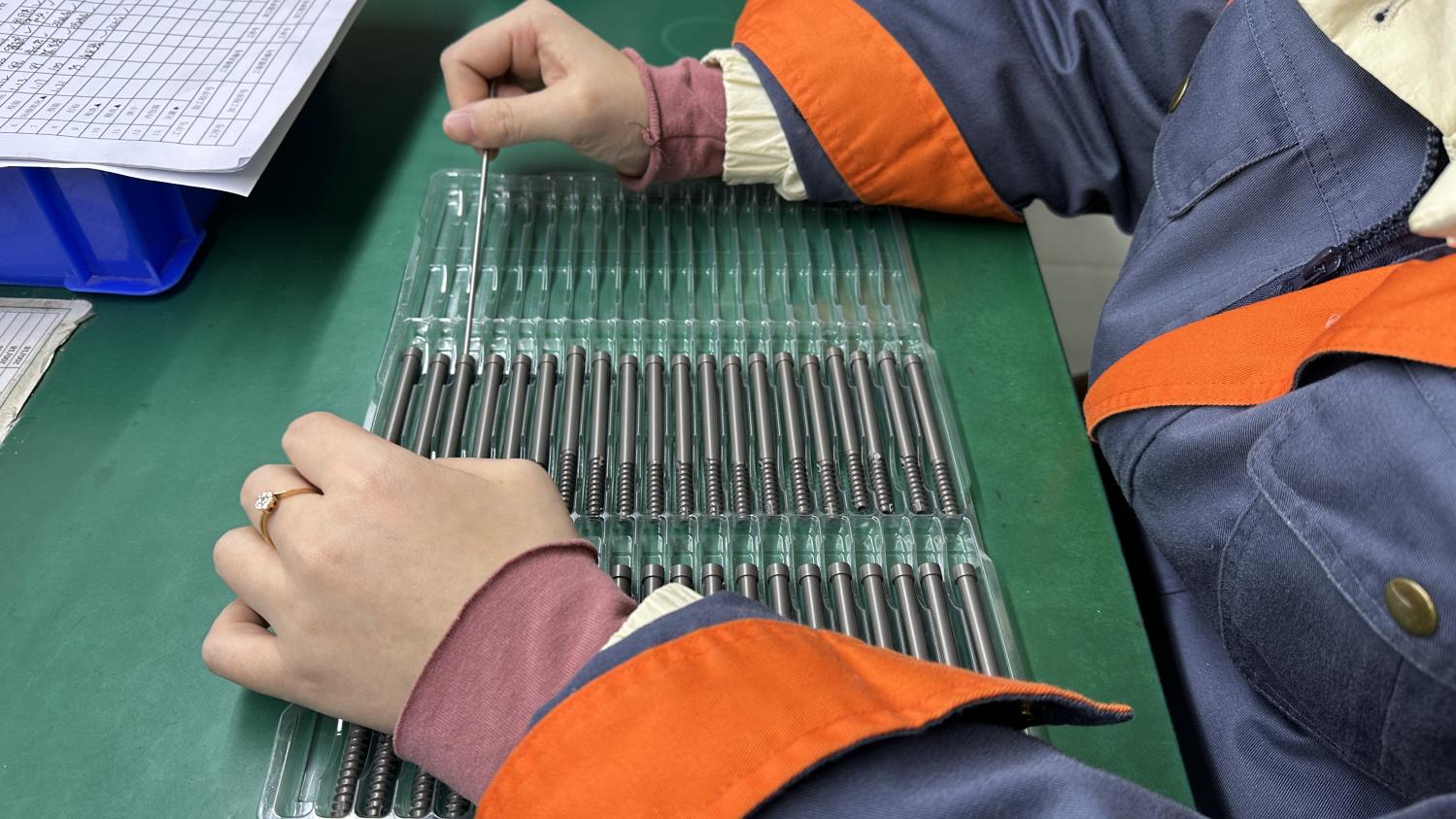
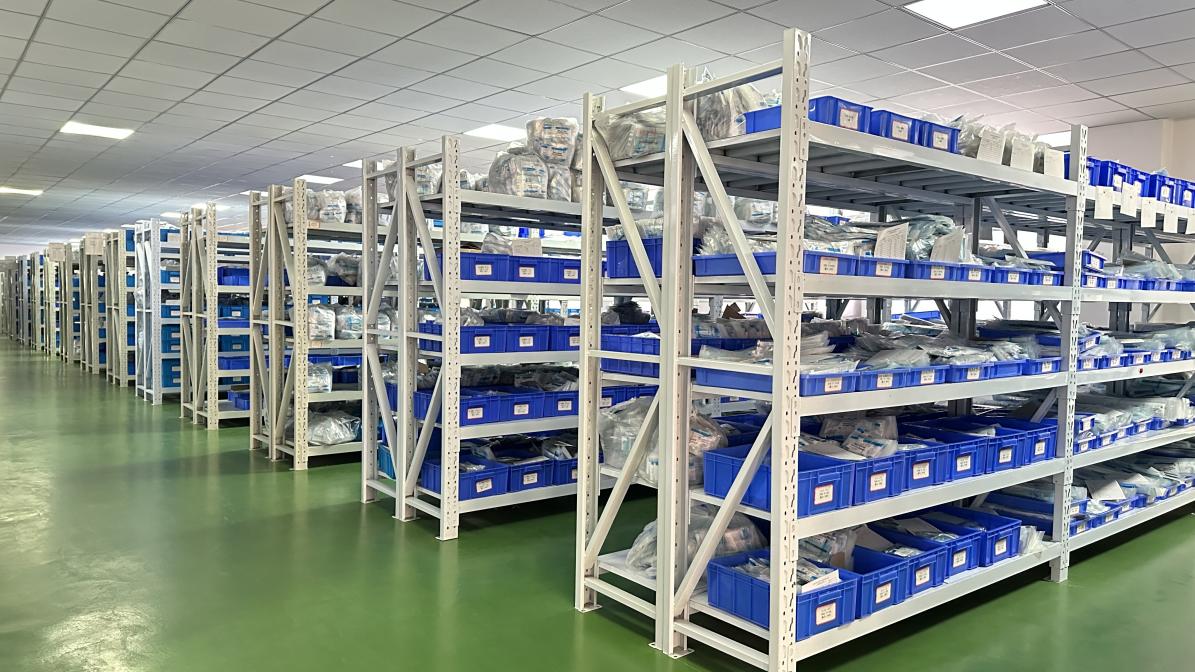
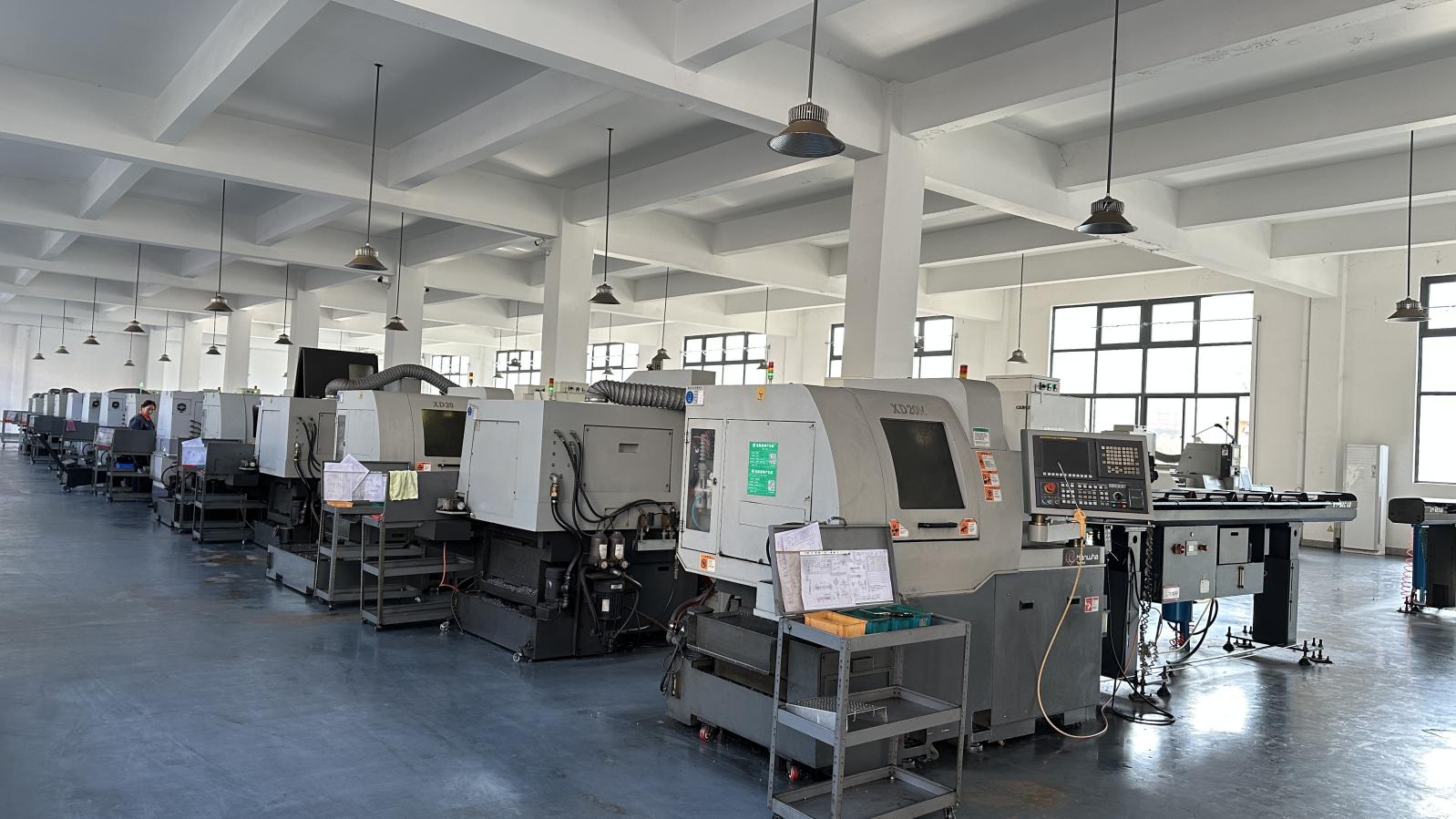
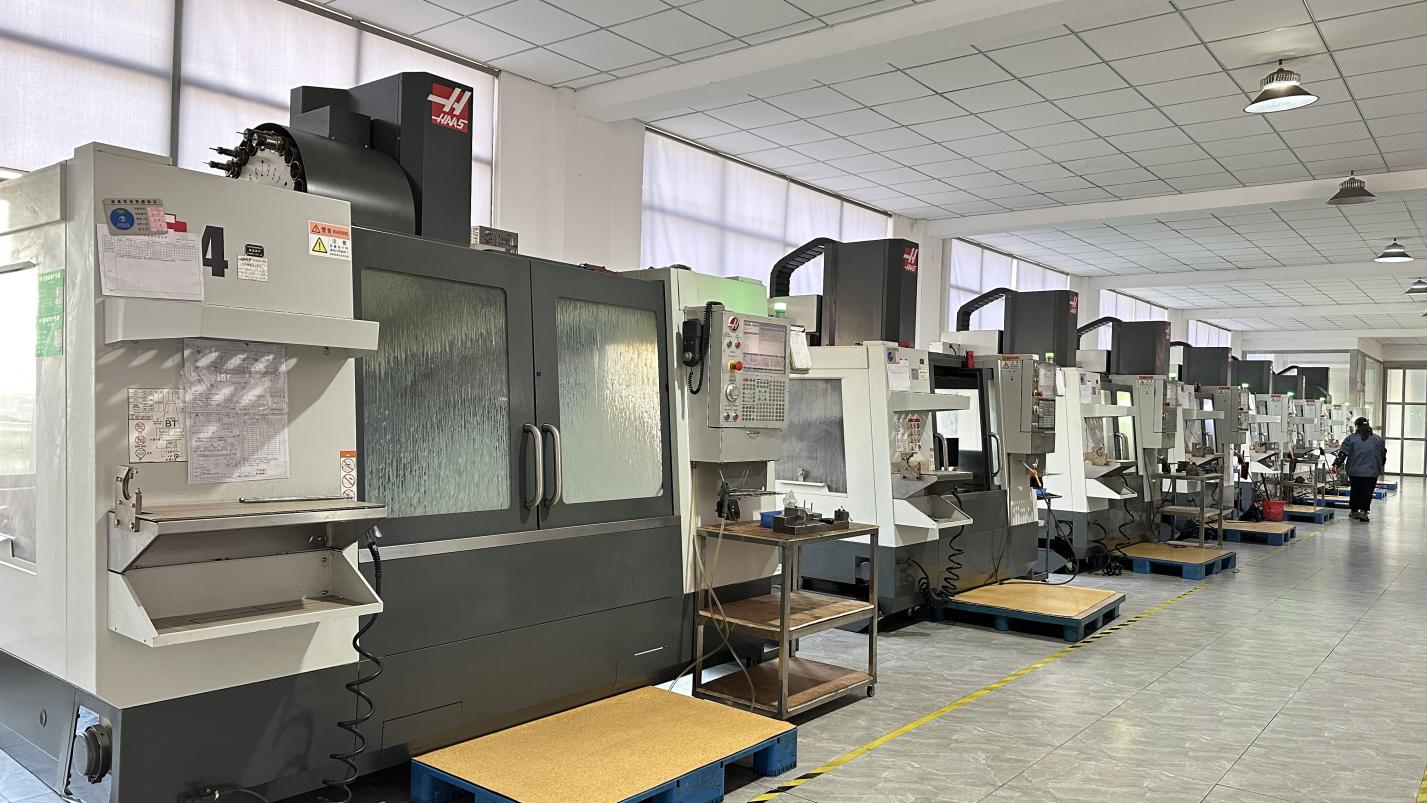
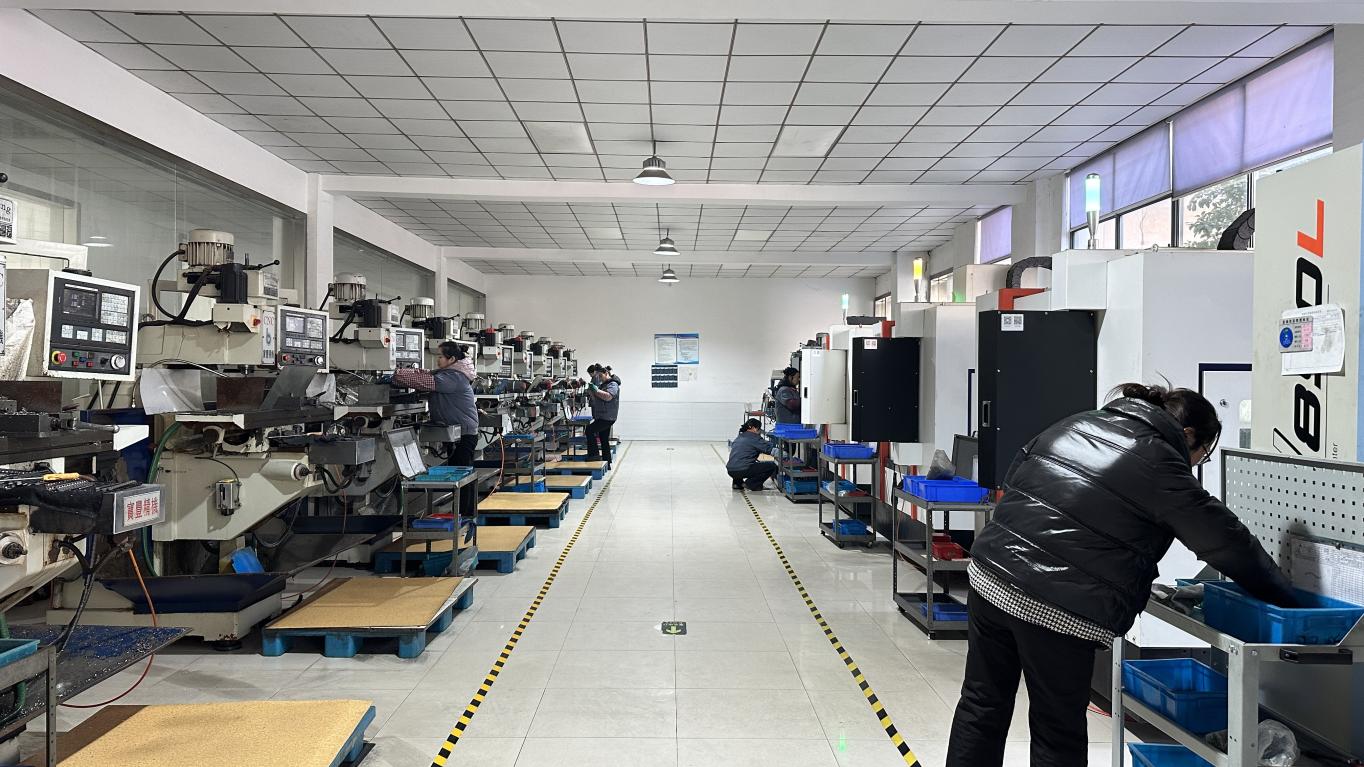
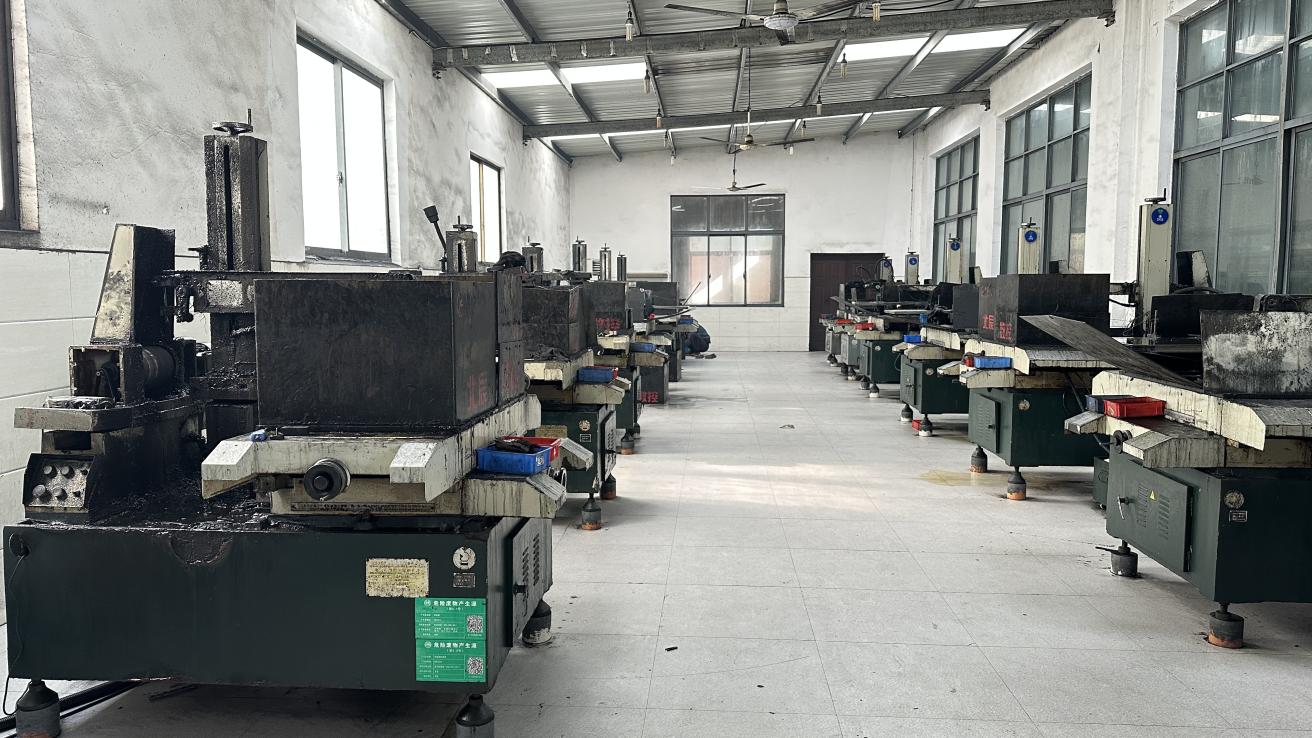
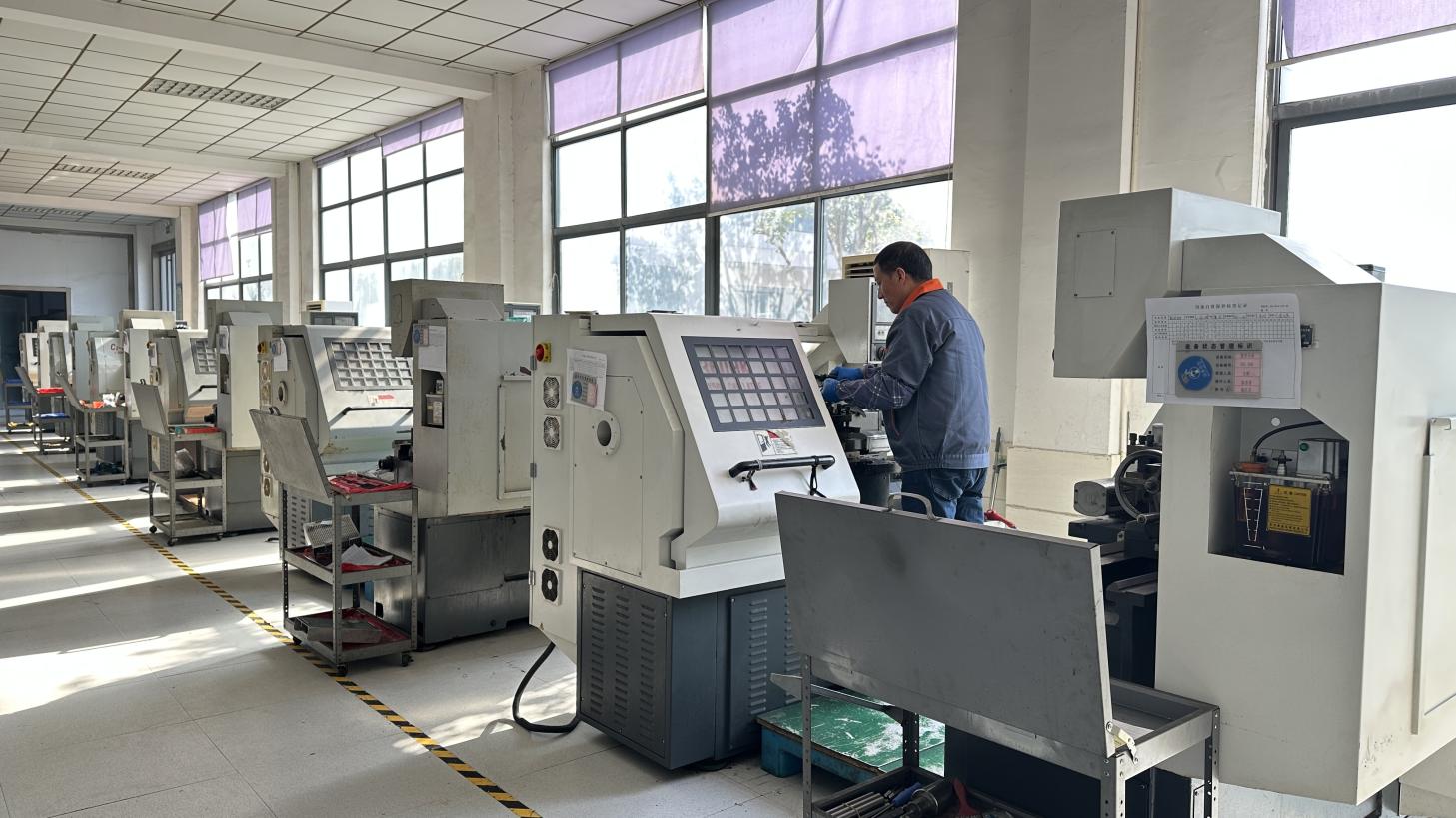
Our facility is equipped with Swiss-type sliding head stock lathes, multi-axis milling machines, and high-precision wire-cutting centers. Each step in the fabrication of a Herbert screw—from raw bar slitting to electrochemical cleaning and packaging—is monitored in real-time. Discover our production workflow below:
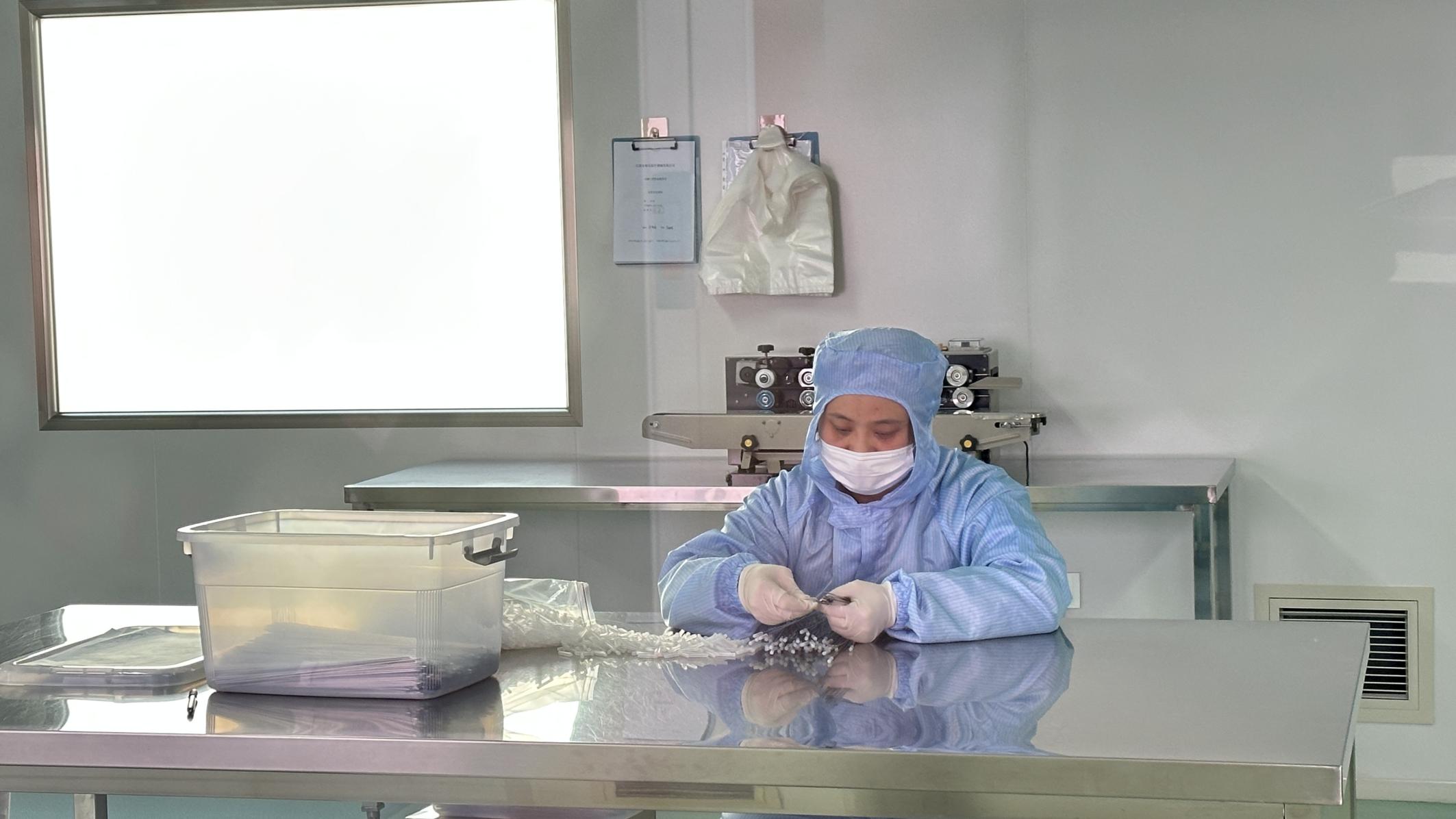
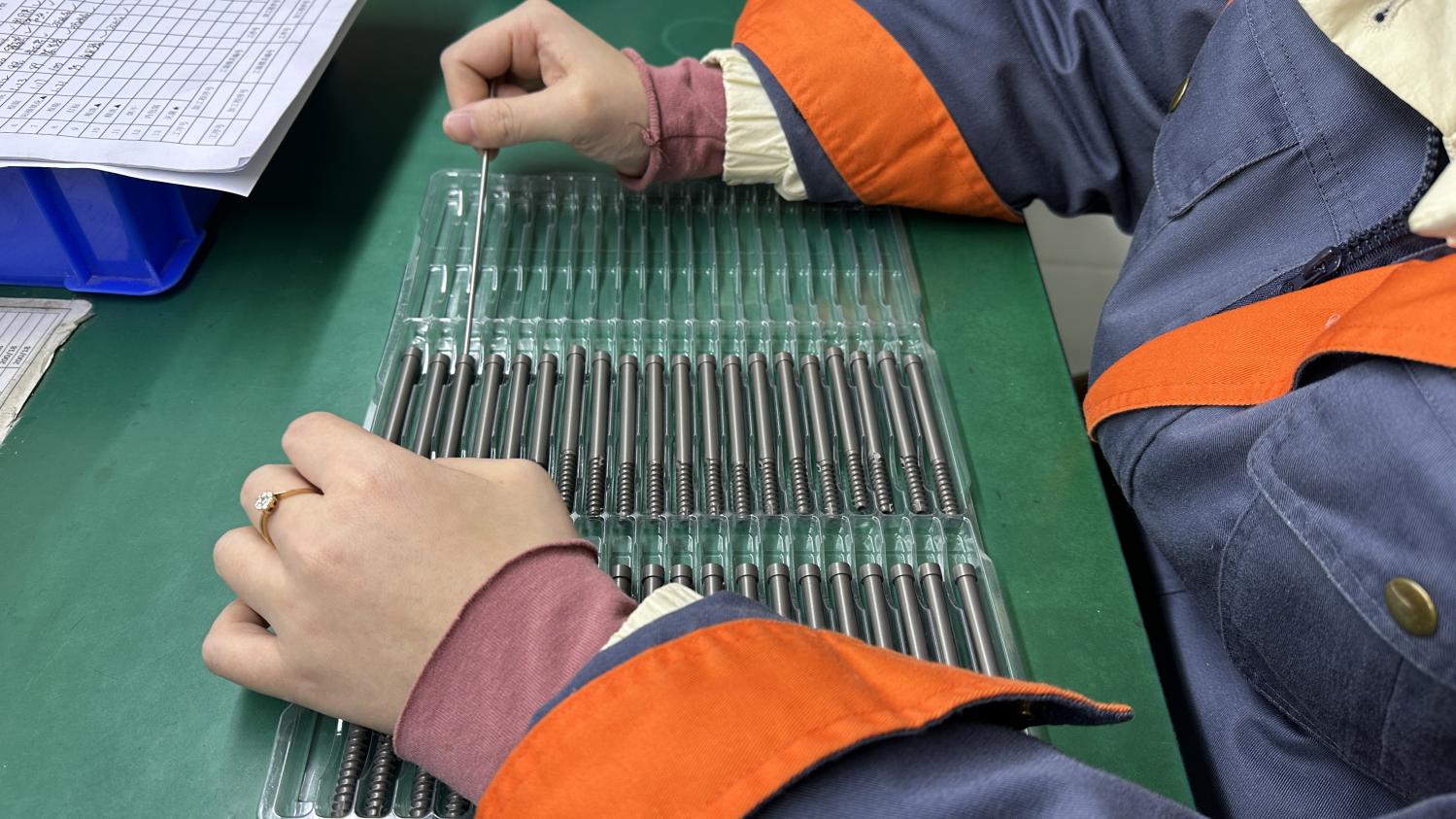
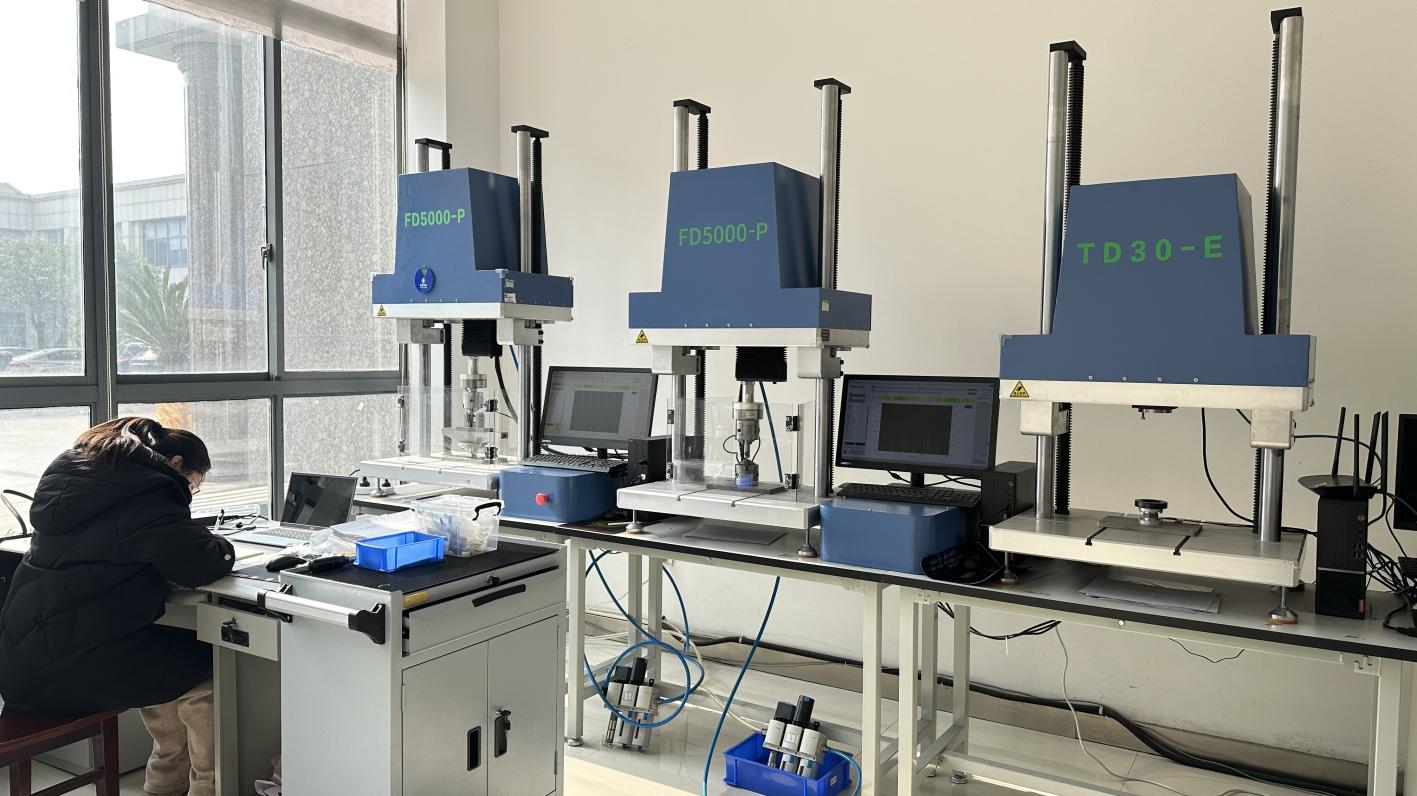
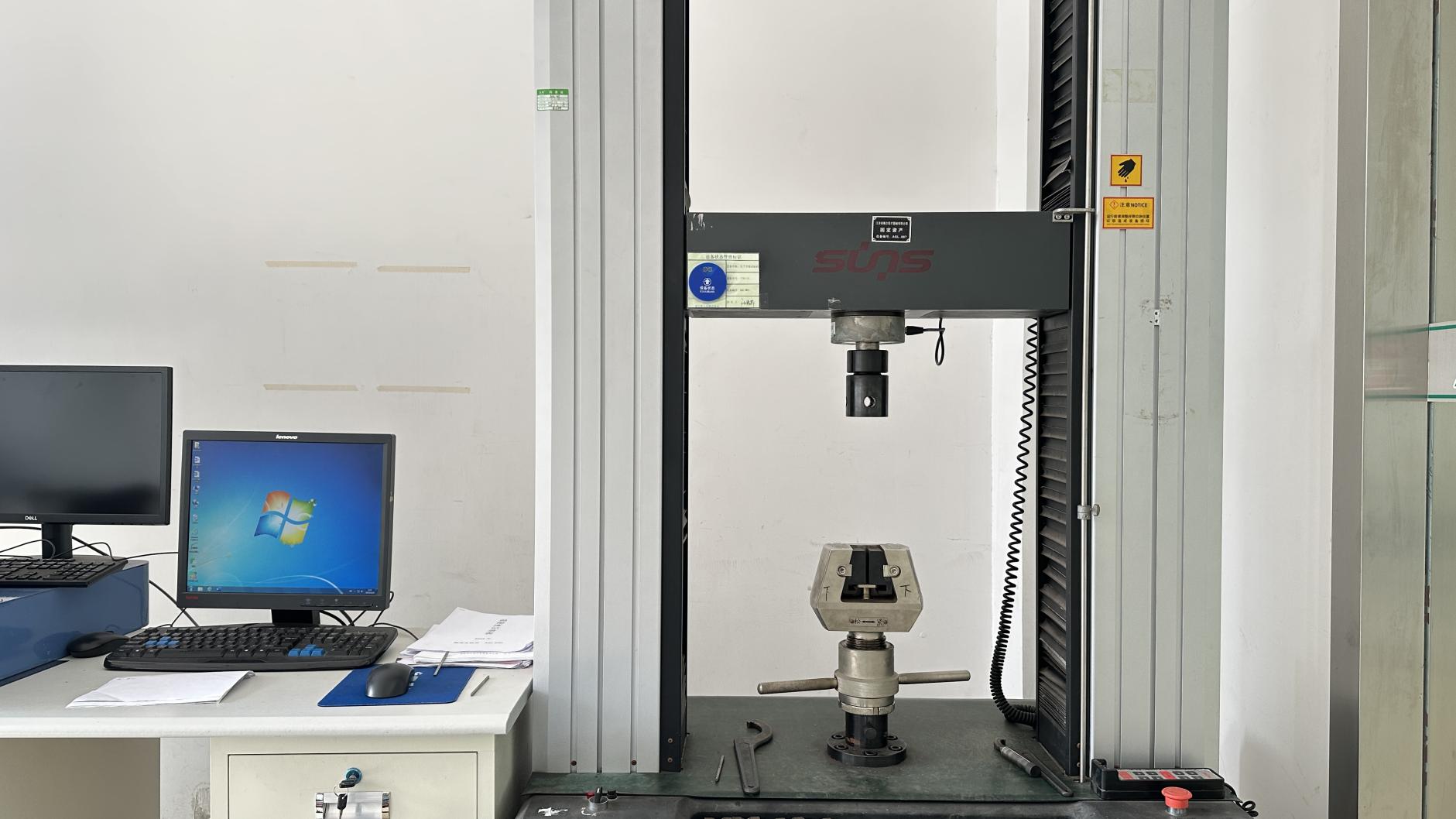
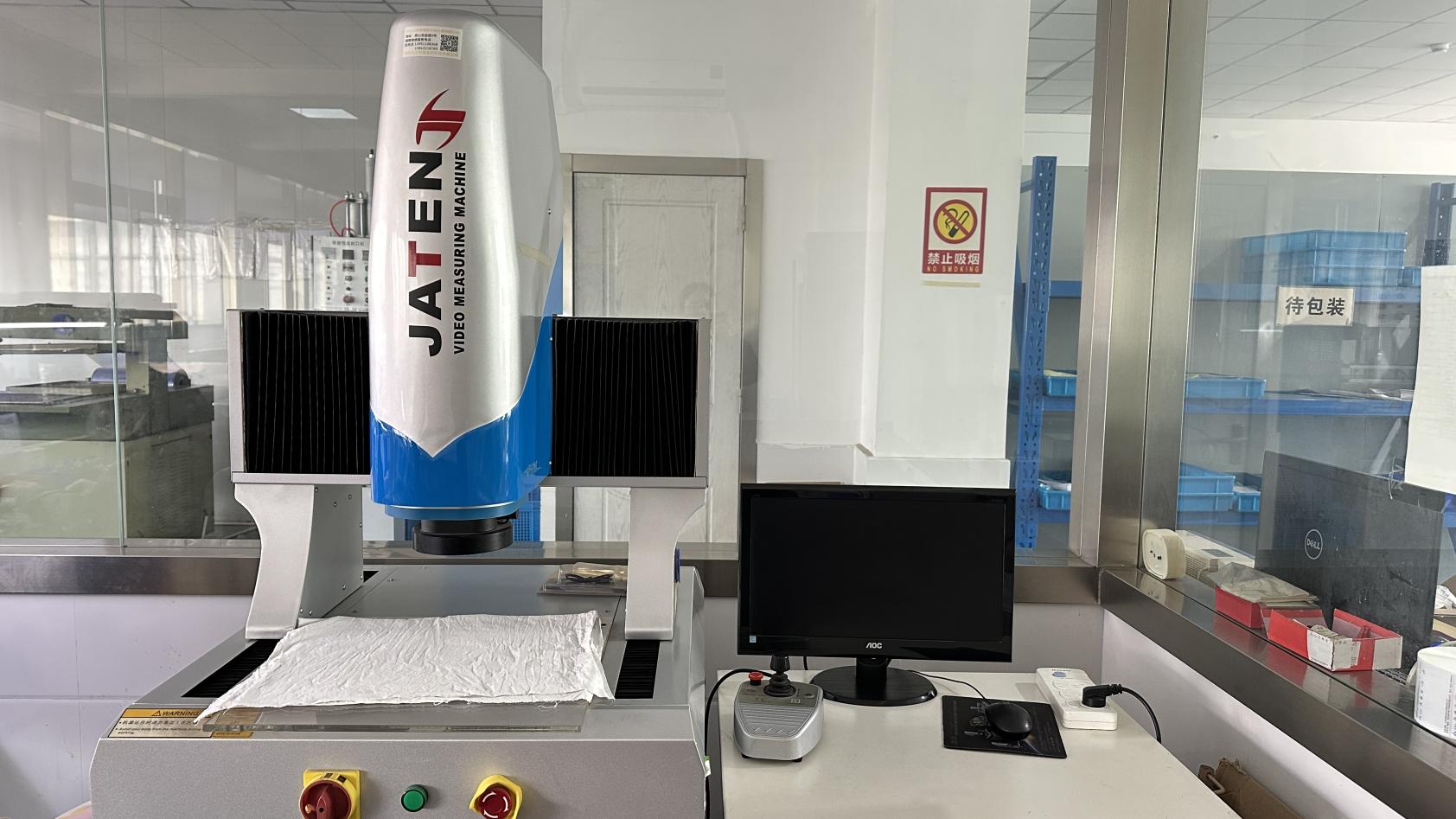
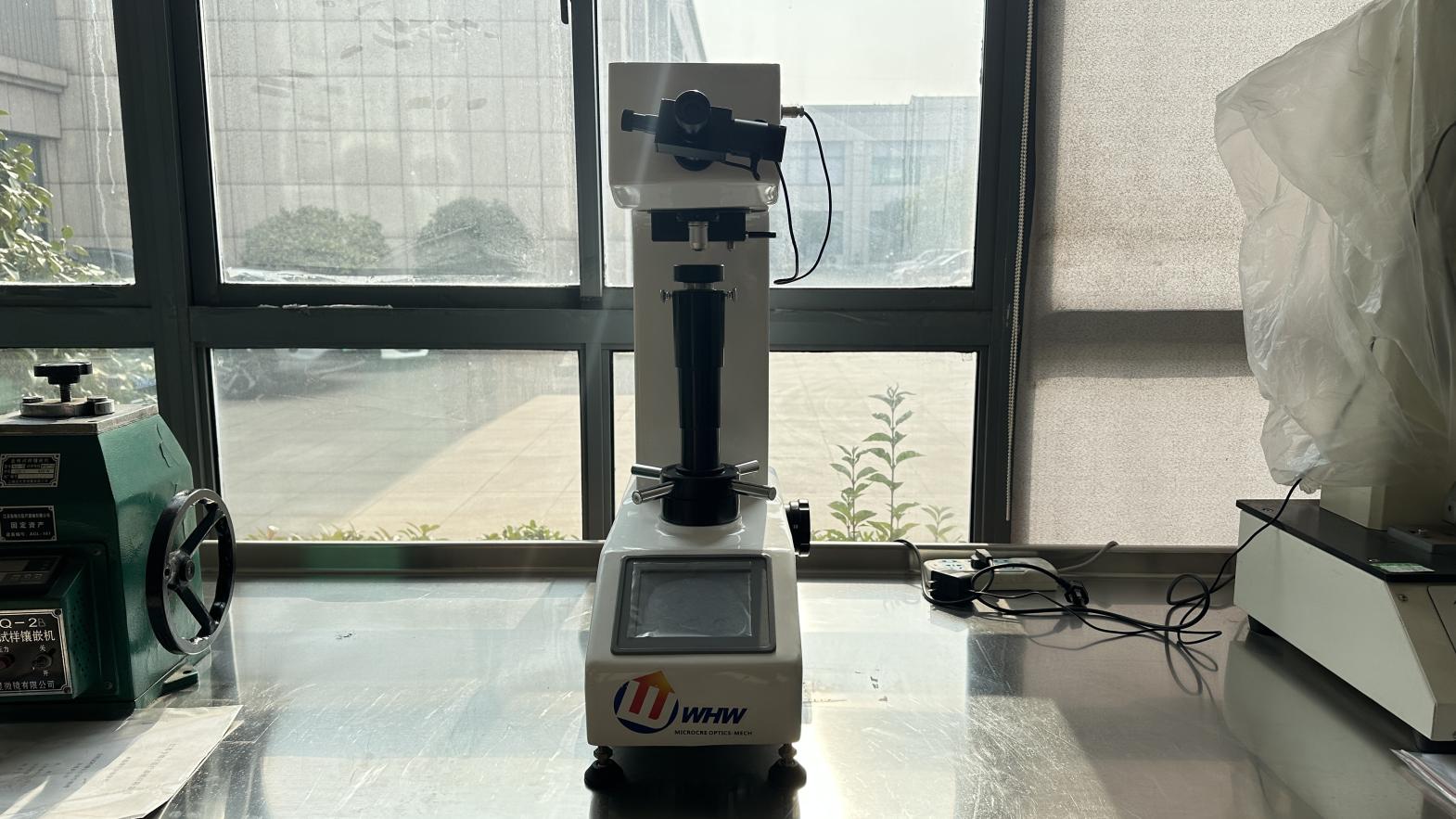
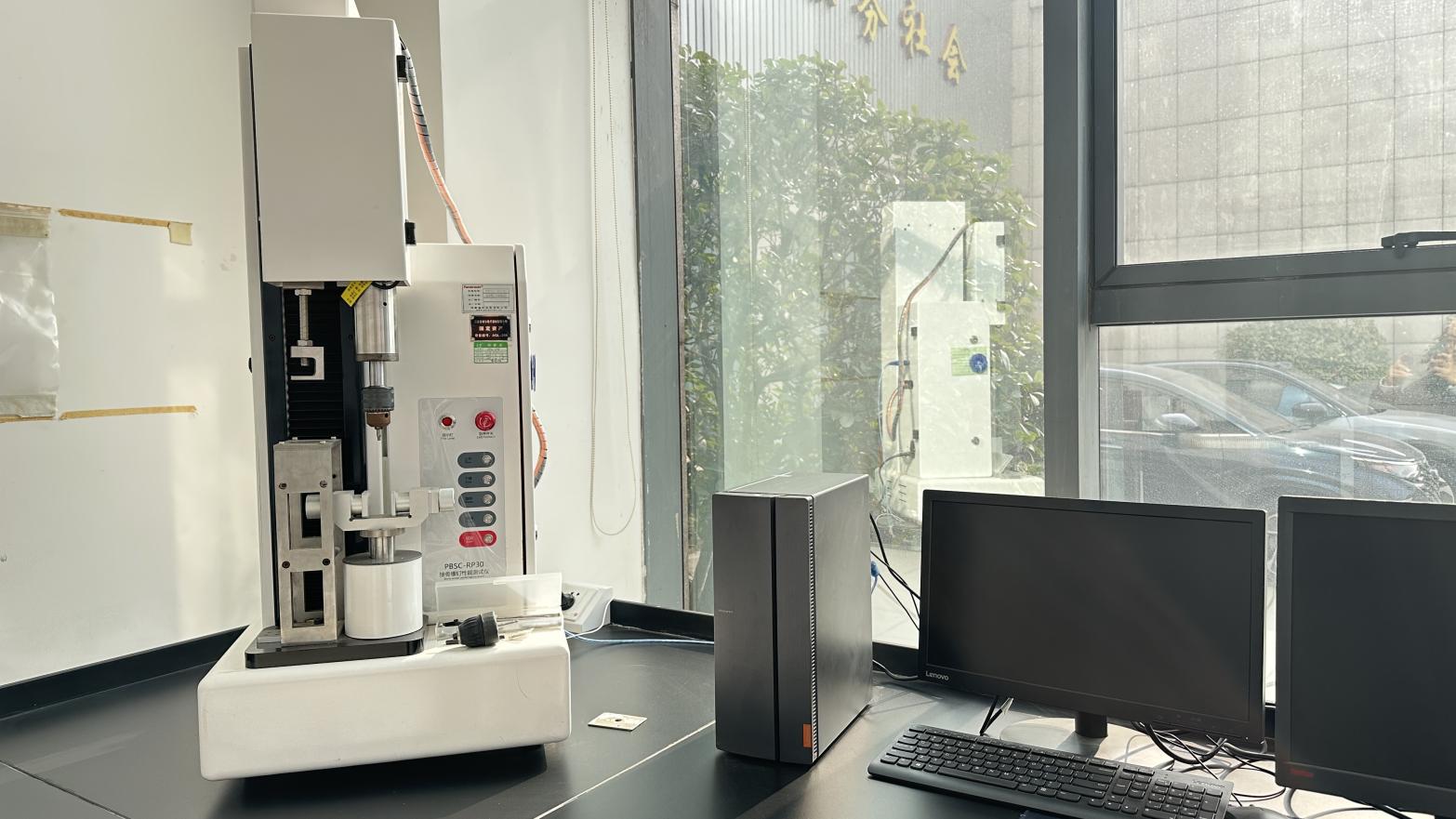
The global orthopedics market demands high clinical precision balanced with cost containment. In this environment, Chinese orthopedic factories have evolved from simple contract manufacturers into advanced innovation hubs. By leveraging high-density industrial clusters and deep government support for high-end medical engineering, Chinese suppliers offer significant technological advantages.
Integrating Swiss CNC machining and multi-axis milling directly on the production floor allows us to produce complex headless compression profiles. This high level of integration minimizes material waste and achieves dimensional tolerances within 5 microns.
We source only high-grade biocompatible titanium alloys (Ti-6Al-4V ELI, ASTM F136). We trace each lot of material from melt source to final sterilization to ensure mechanical integrity, chemical purity, and complete clinical safety.
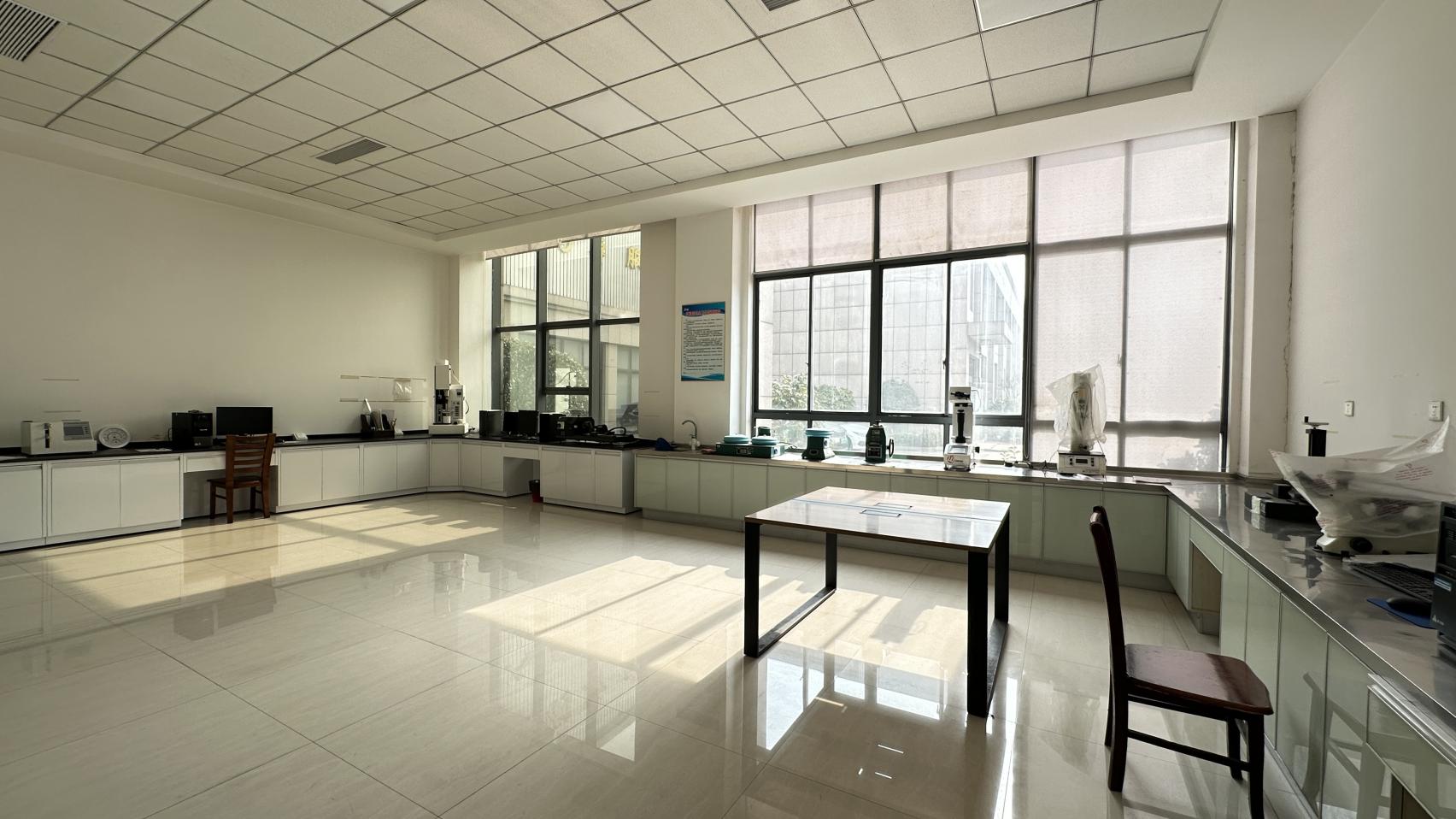
Our QC infrastructure relies on a team of 42 inspection specialists. We manage quality at every stage, including incoming material checking, in-process checking (IPQC), final product checking (FQC), and structural fatigue evaluations.
The orthopedic implant sector is advancing rapidly, driven by clinical demands for faster patient recovery and reduced revision rates. One major trend is the development of surface modifications. Advanced surface coatings (such as anodic oxidation, micro-arc oxidation, and acid-etched micro-structures) improve bone-to-implant contact and accelerate early osseointegration.
Additionally, surgeons increasingly prefer cannulated variants of small-joint screws. Integrating a hollow central channel (cannulation) allows surgeons to insert a precise K-wire guide path before driving the main screw. This technique ensures high accuracy in percutaneous and arthroscopic approaches, reducing tissue trauma and improving surgical outcomes.
International OEM buyers, hospital networks, and medical distributors face complex compliance challenges. When procuring orthopedic implants, buyers must ensure products meet strict global criteria:
Medisplint helps procurement groups address these requirements by providing comprehensive OEM/ODM support, custom laser marking, and cleanroom packaging. We maintain consistent raw material stocks and reliable capacity planning to minimize supply lead times.
Access verified technical information, regulatory details, and operational guidance regarding custom OEM Herbert screws and orthopedic implants.
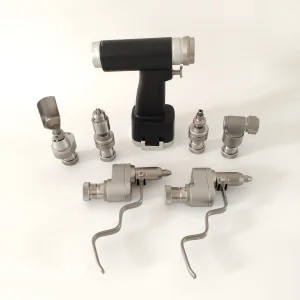
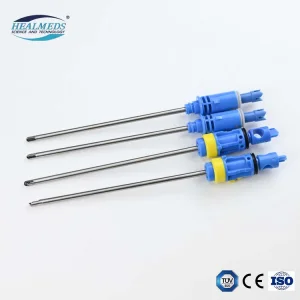
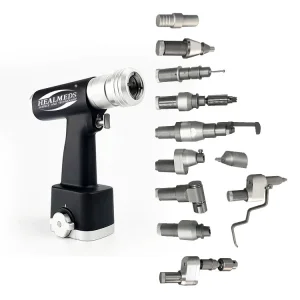
Select from our anatomical locking plates, sports medicine repair systems, and high-durability surgical drill and saw assemblies designed to provide complete, integrated trauma solutions.