Medisplint
Medisplint
Medisplint
Explore our certified orthopedic systems, engineered under strict medical tolerances to deliver high stability and support rapid osseointegration.
The global bone grafts and substitutes market is experiencing exponential growth, driven by an aging worldwide population, rising incidences of sports injuries, and a continuous shift toward minimally invasive surgeries. In modern clinical environments, the demand is no longer just for generic hardware but for customizable, bio-integrative solutions. Bone grafts, whether synthetic, autologous, or composite, are vital in establishing structural scaffolding and accelerating cell differentiation during fusion procedures.
Simultaneously, the supply chain for these critical devices is changing. Global medical enterprises require manufacturing partners who can transition quickly from customized designs to high-volume production, while maintaining zero-defect tolerances. Custom OEM manufacturers bridging the gap between biomaterial science and mechanical execution are becoming the backbone of global medical device procurement.
A professional manufacturer specializing in orthopedic implants, fixation systems, and surgical instruments for trauma, spine, and joint reconstruction.
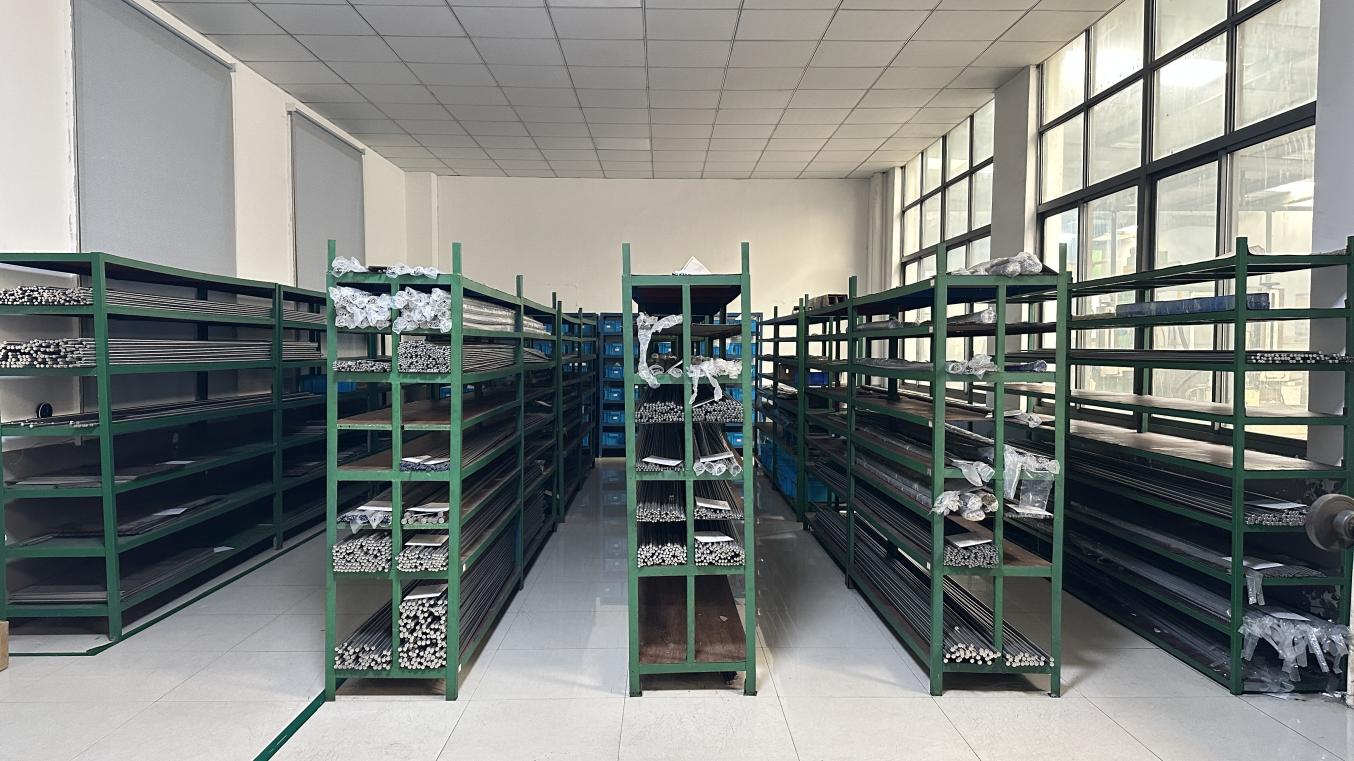
Founded in 2016, Medisplint Orthopedic Instruments Co., Ltd. has developed steadily with a strong focus on innovation, clinical safety, and international expansion. Our manufacturing facility spans approximately 18,500㎡, supporting integrated production, assembly, and quality control operations under one roof. By eliminating fragmented outsourced steps, we offer full traceability and quality assurance on every single orthopedic component produced.
Medisplint reports an annual export revenue of around USD 12 million, with over 7 years of dedicated export experience. We serve hospitals, orthopedic distributors, surgical centers, and OEM/ODM partners across Europe, Southeast Asia, the Middle East, and South America.
| Manufacturing Capabilities at a Glance | |
|---|---|
| Total Covered Area | 18,500 square meters (Integrated Cleanrooms & Machining Labs) |
| Quality Inspectors | 42 dedicated specialists (IPQC, FQC, Raw Materials) |
| R&D Personnel | 85 engineering specialists and mechanical designers |
| Main Customization Options | Private labeling, design modifications, custom sizing, full OEM/ODM |
| Certifications Held | ISO 13485, CE Compliant, ASTM Standard Compliant |
| Key Target Sectors | Spine Surgery, Orthopedic Trauma, Reconstruction, Vet Surgery |
A transparent look into our 18,500㎡ facility, where precision engineering transforms medical-grade raw titanium and polymers into life-changing implants.
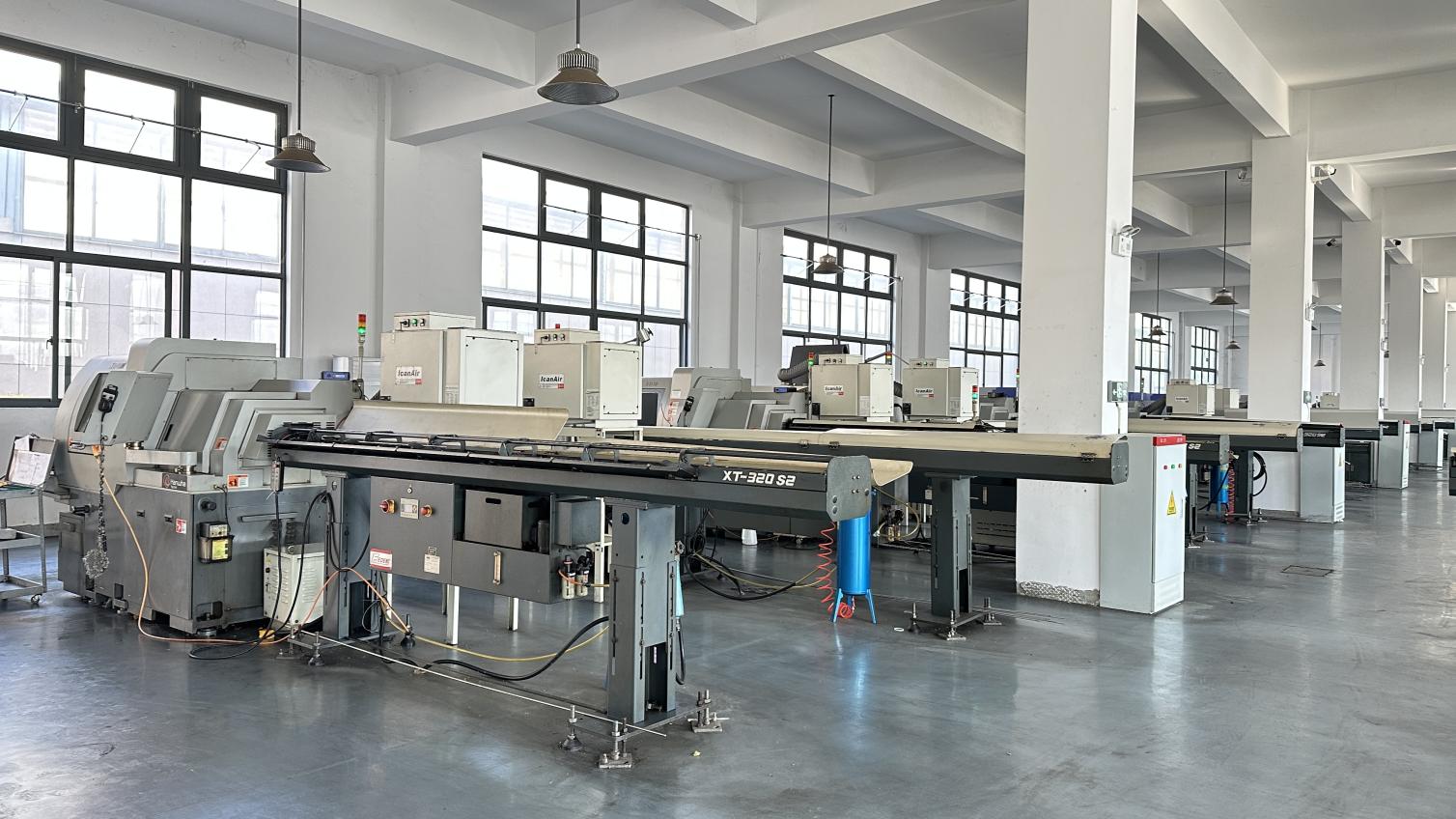
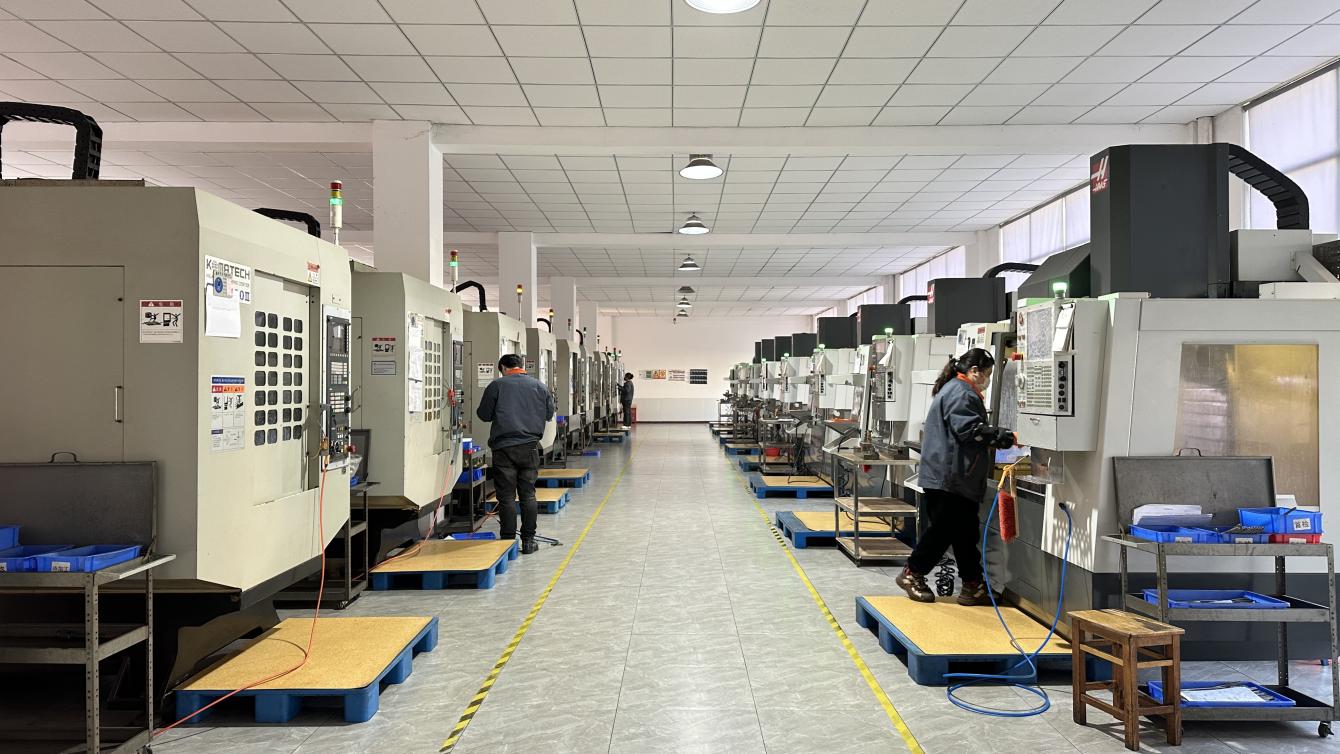
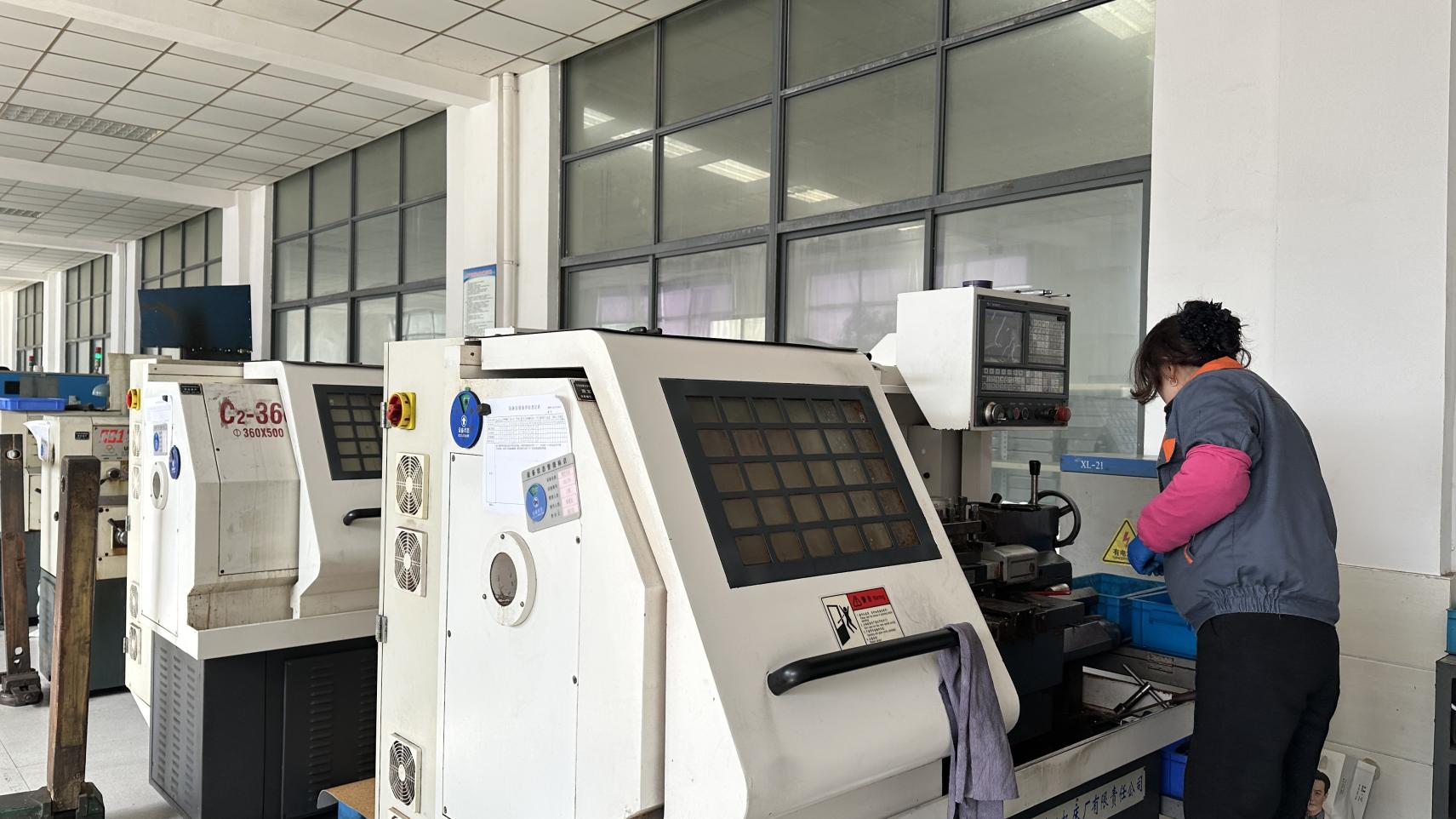
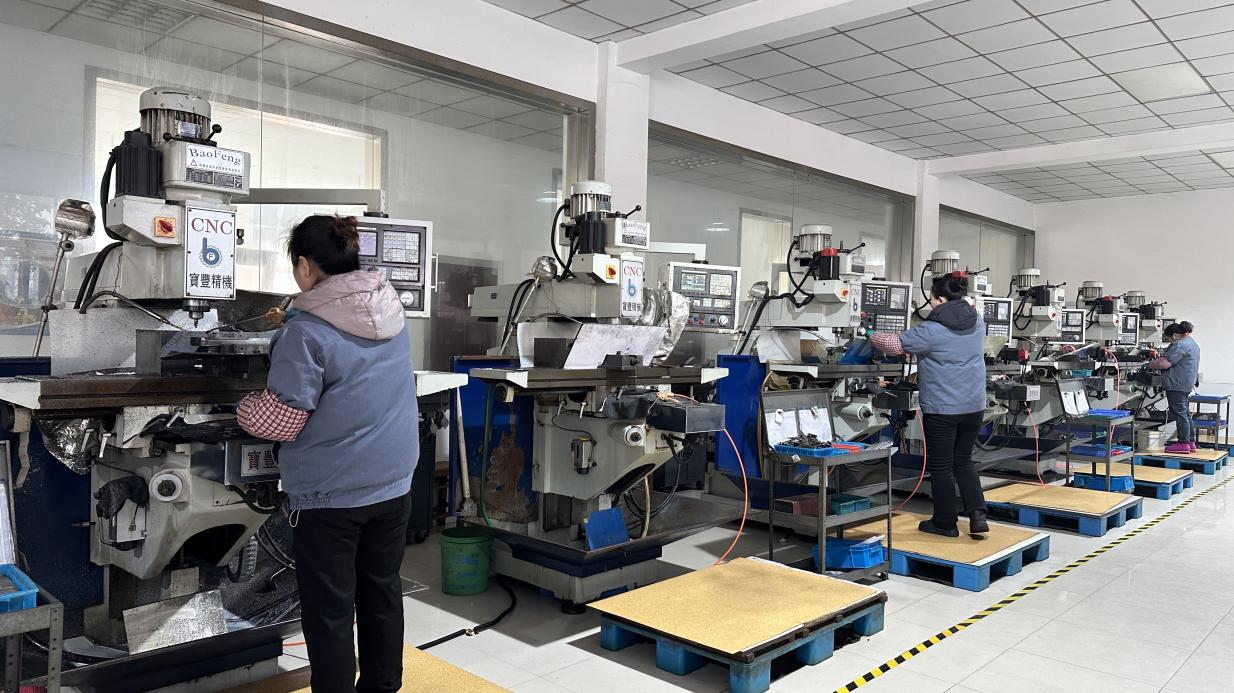
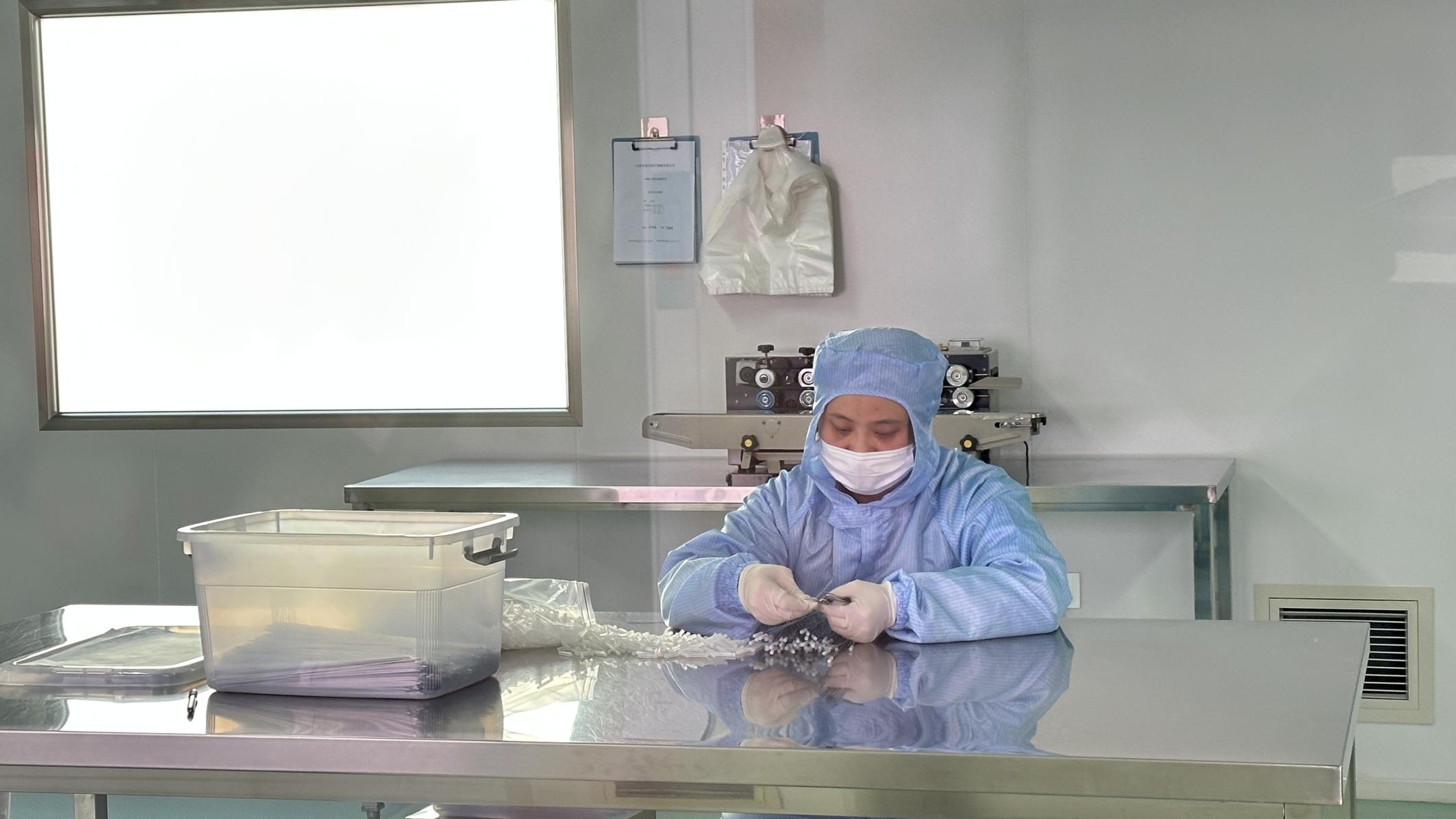
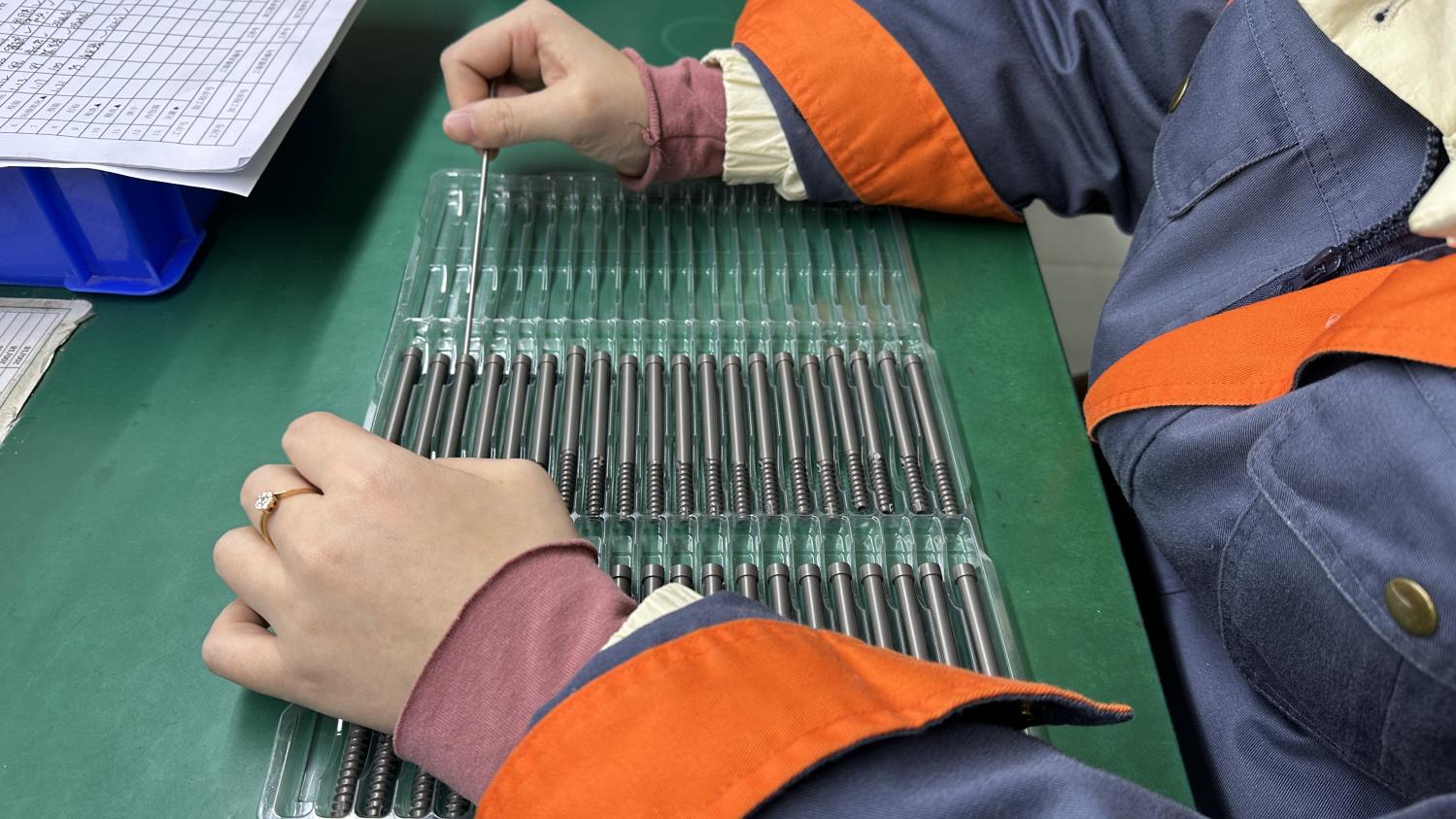
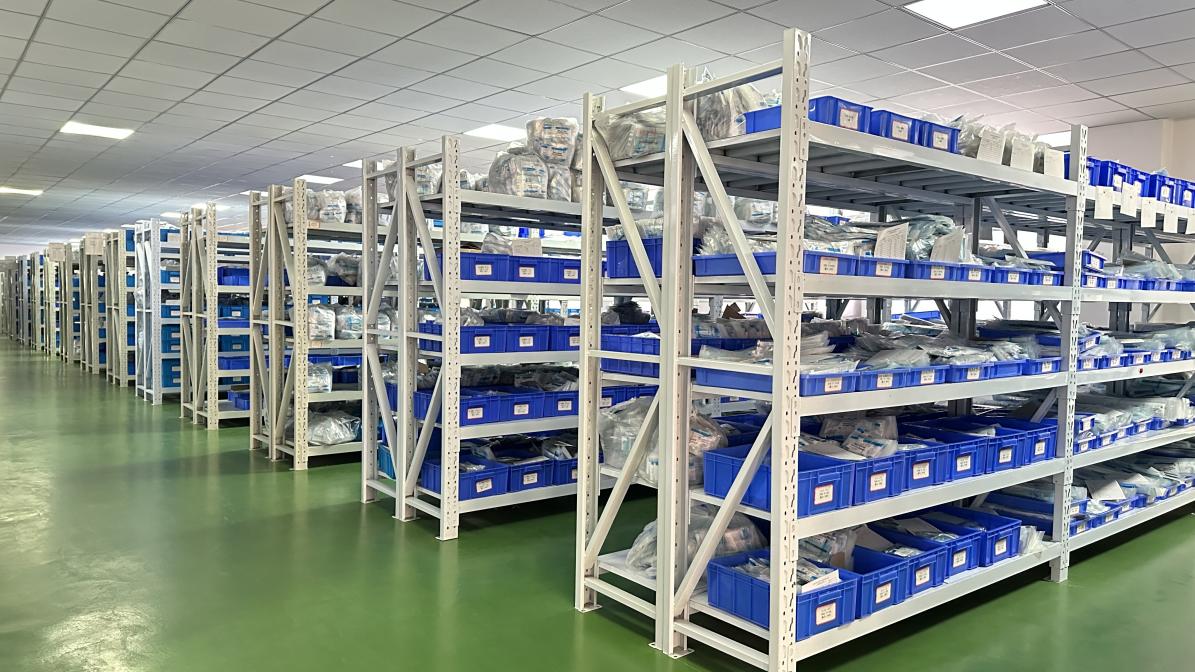
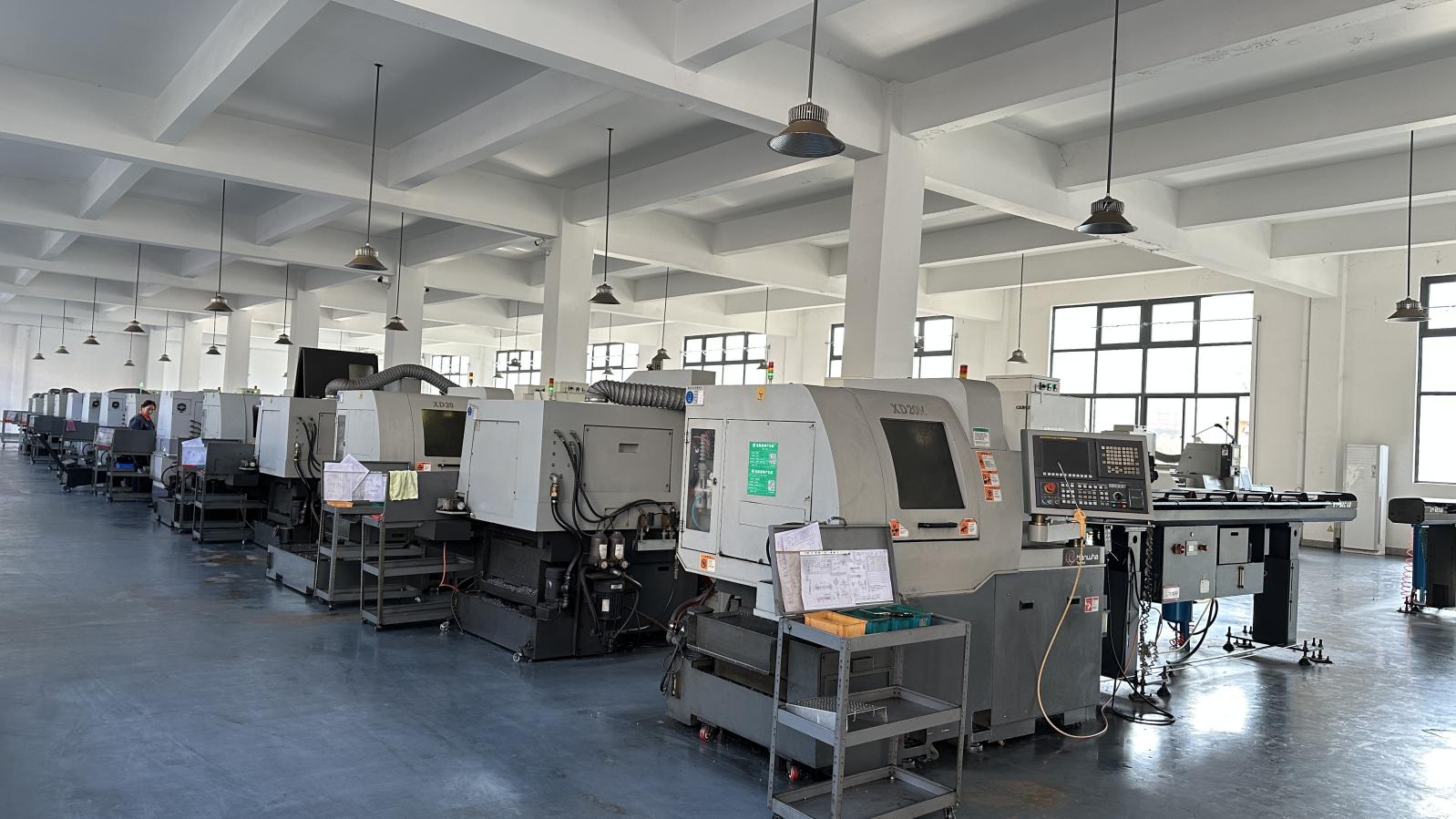
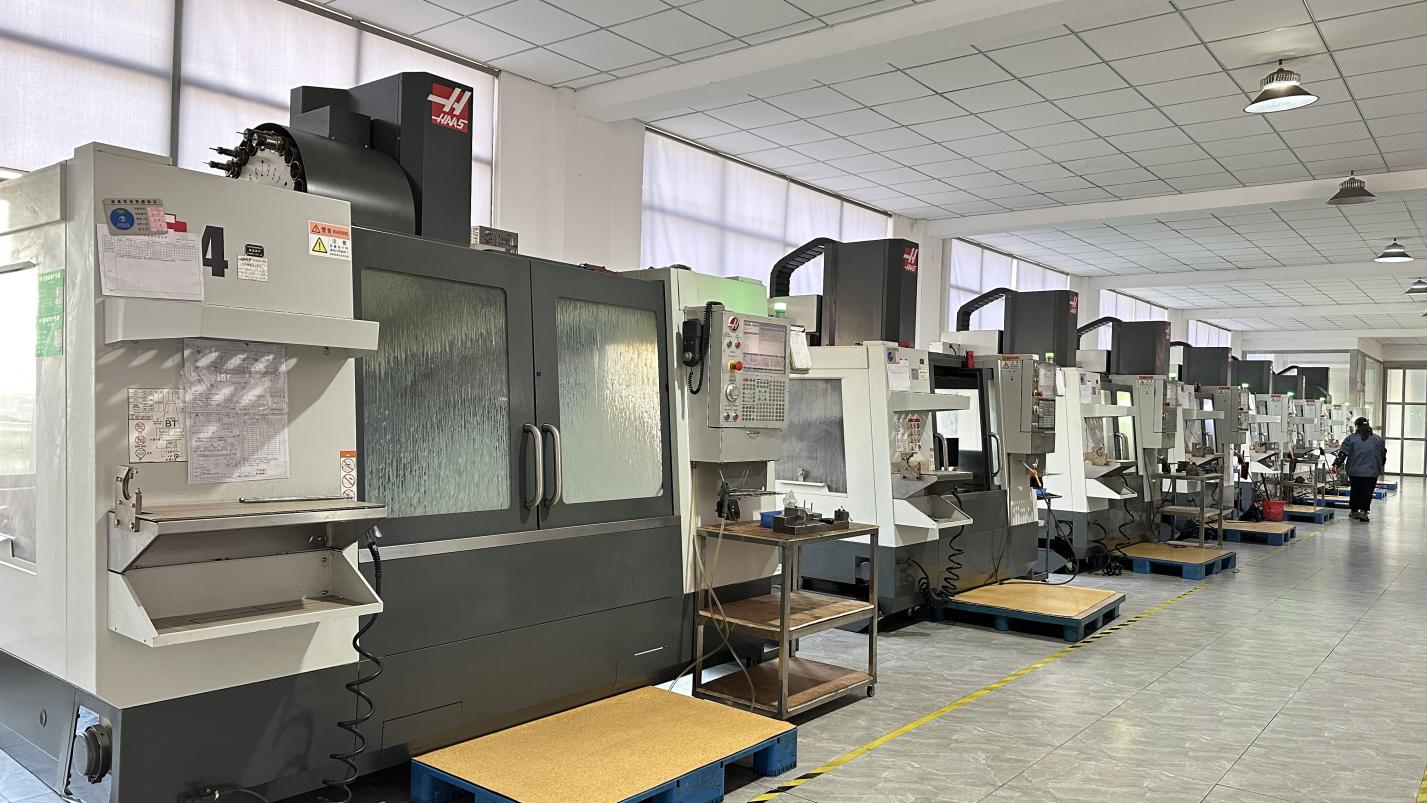
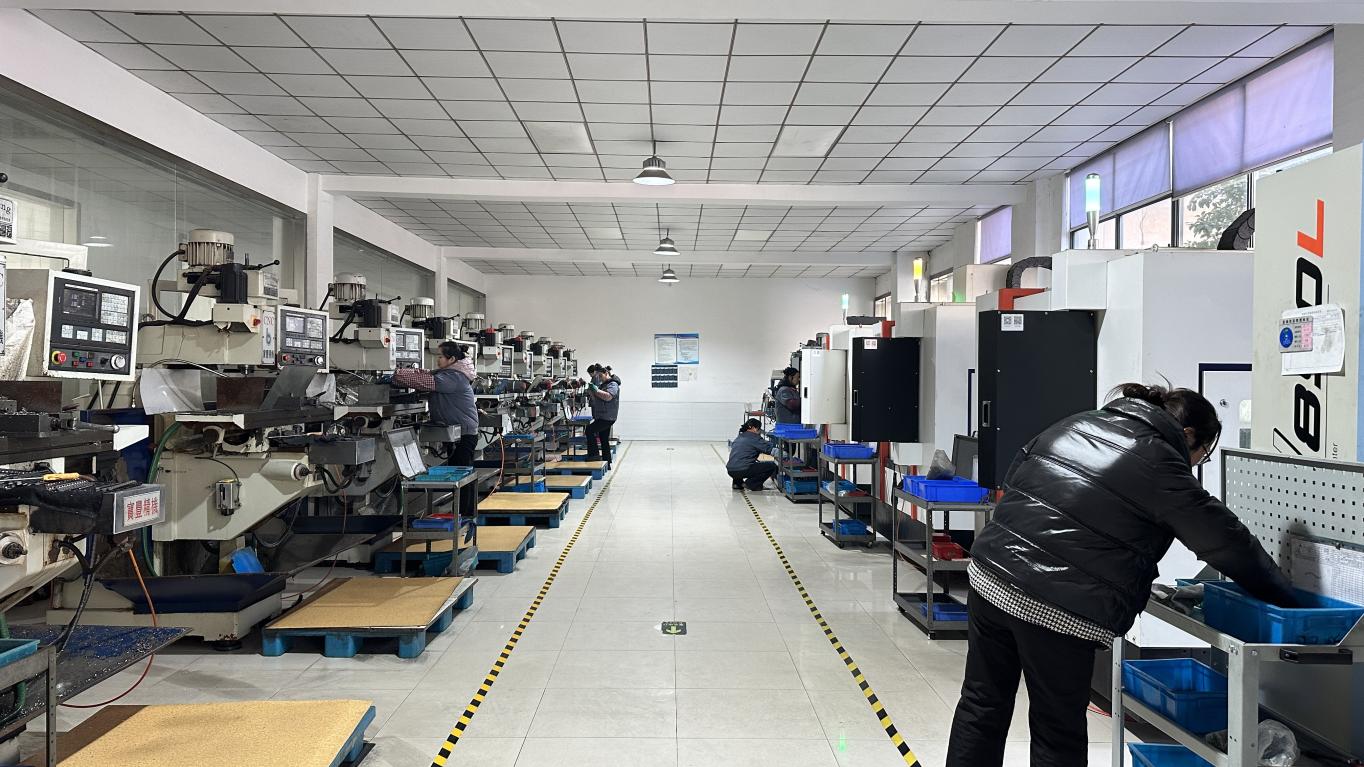
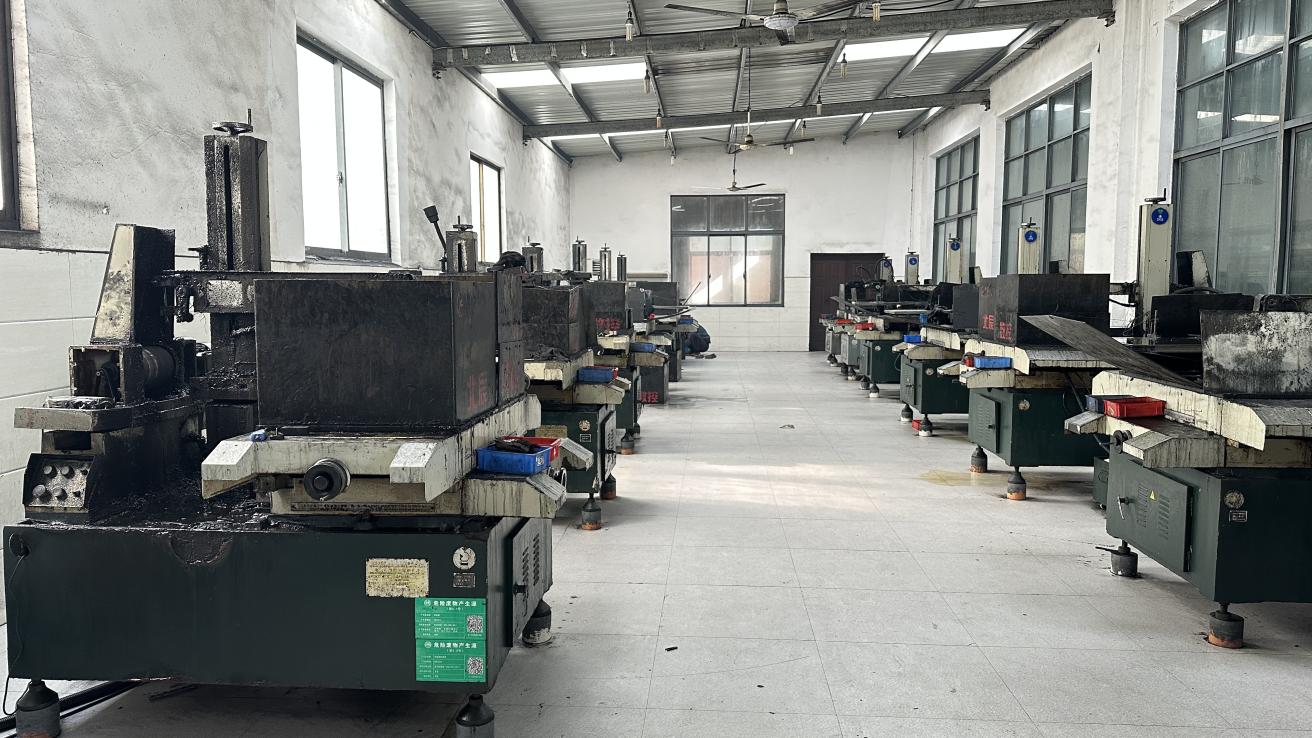

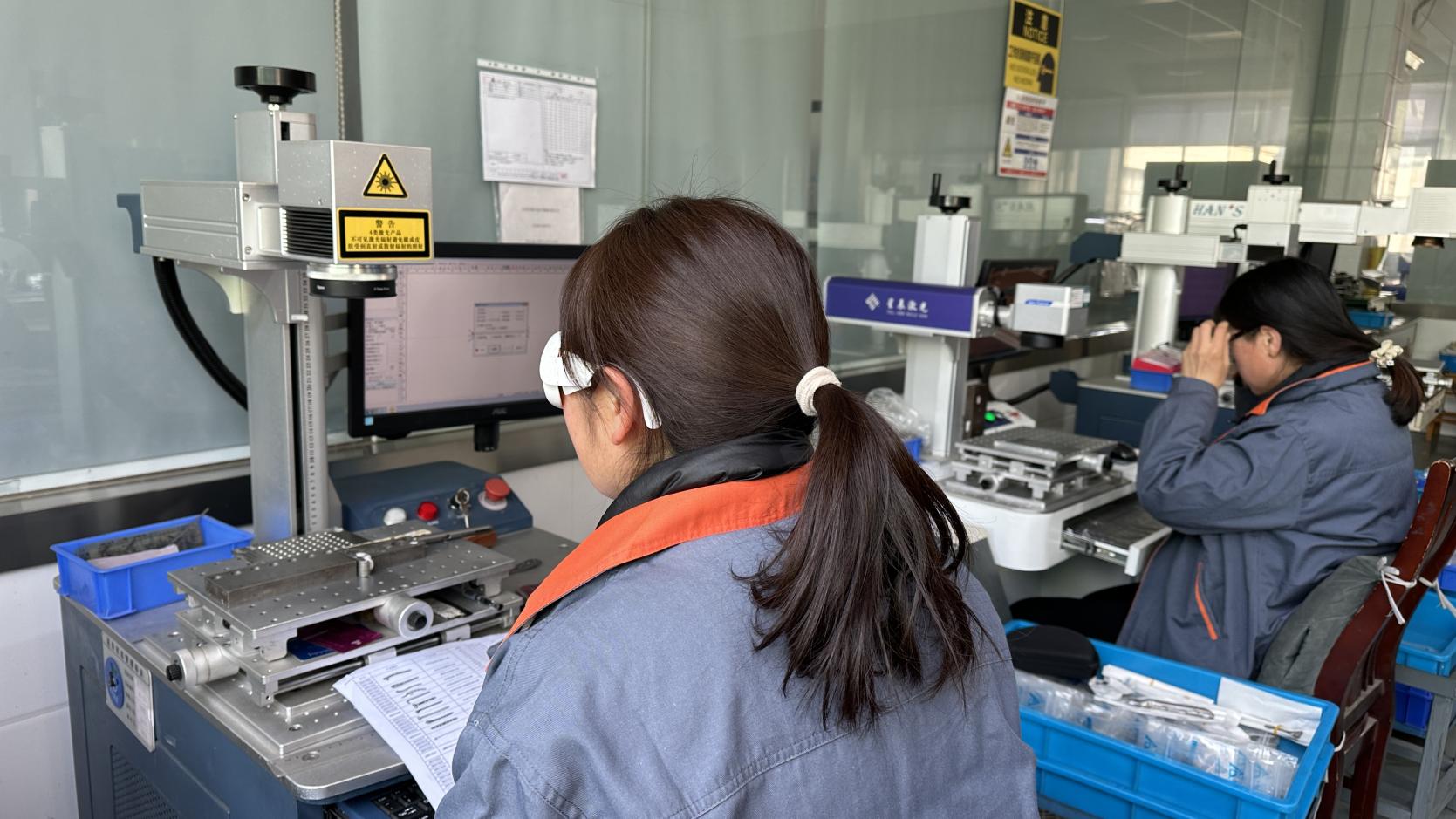
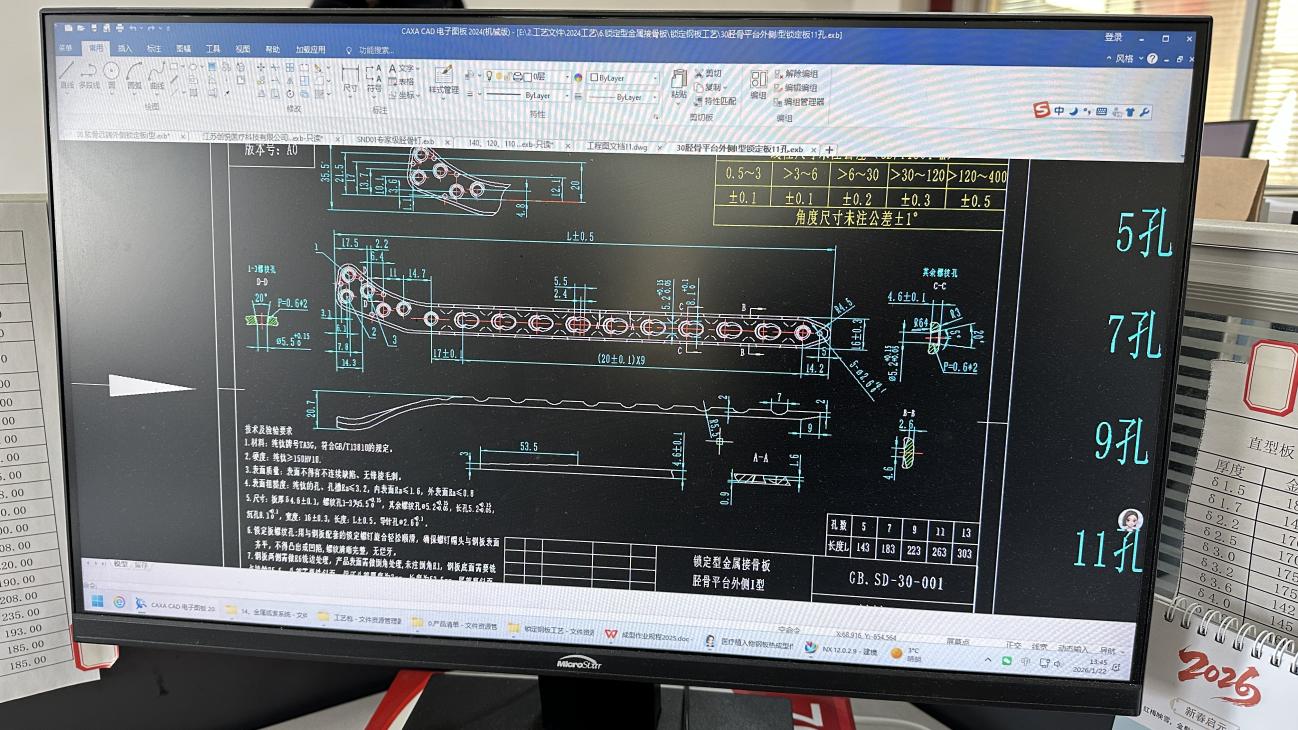
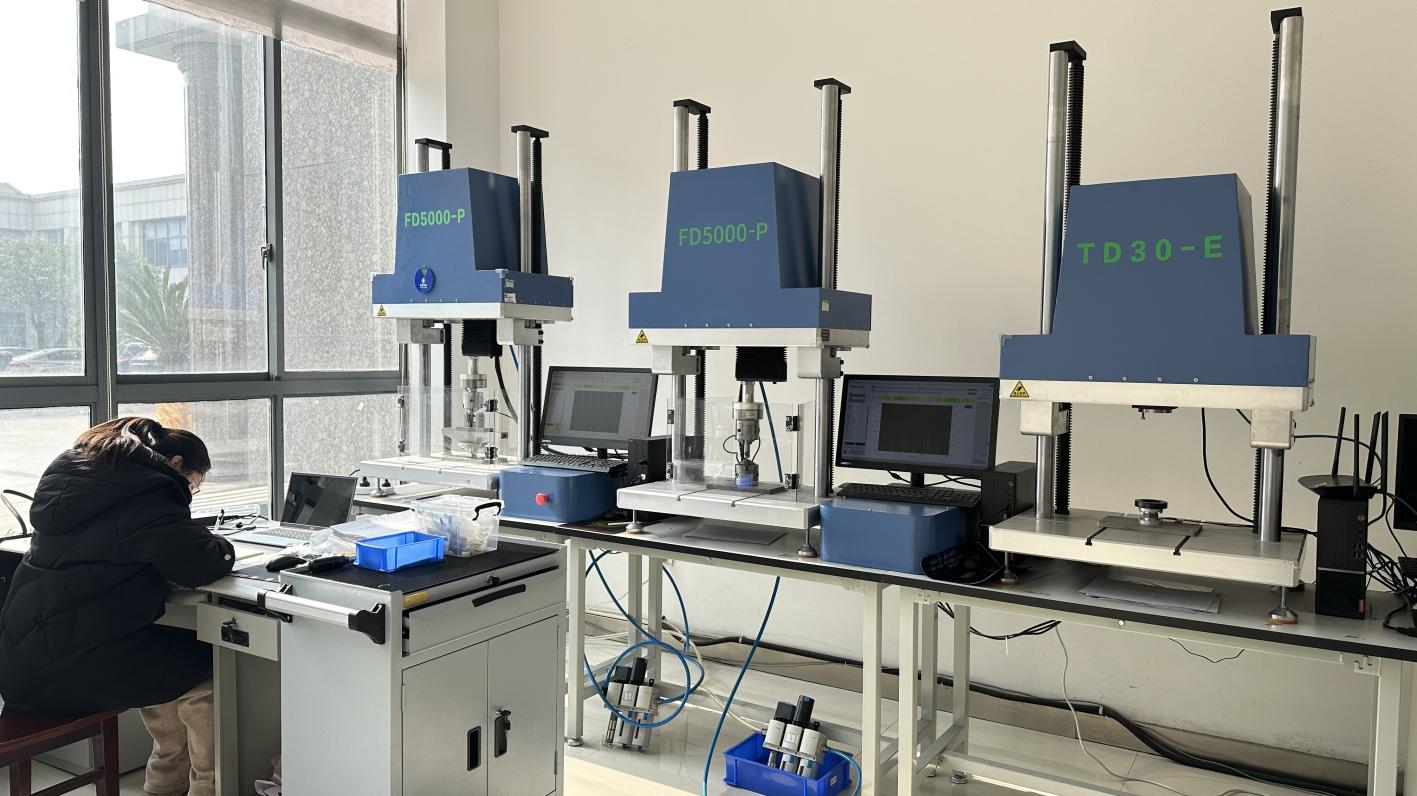
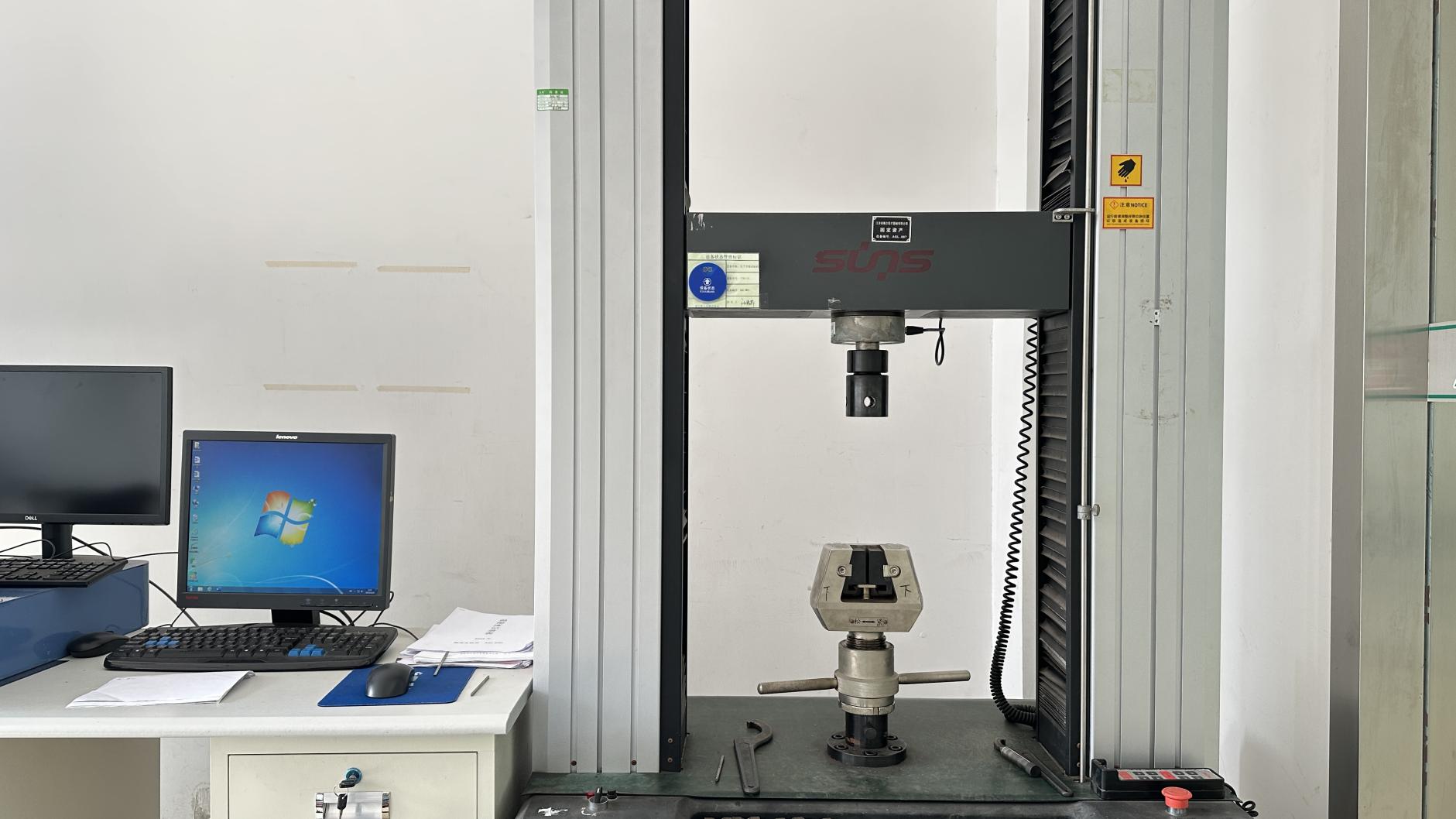
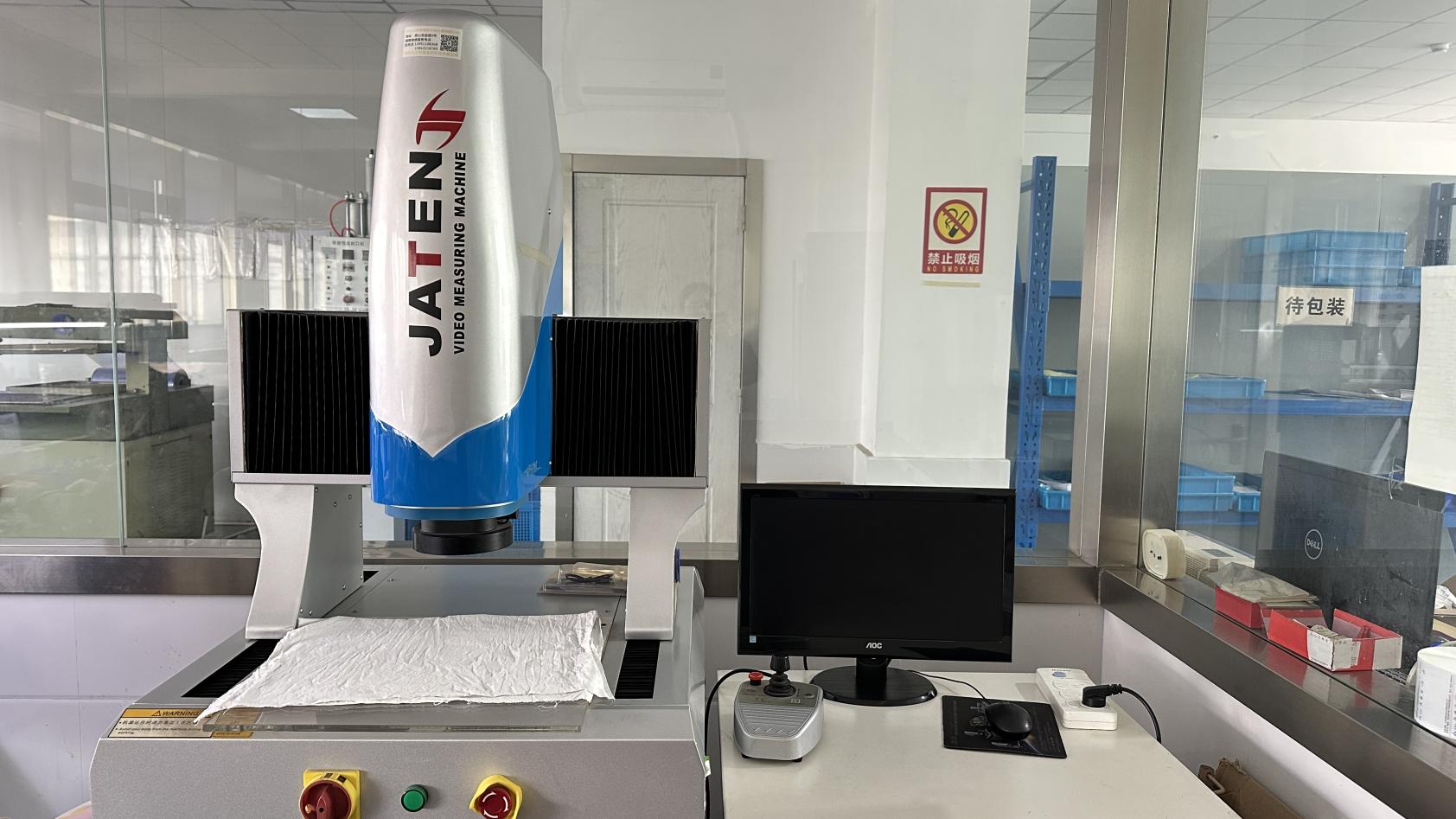
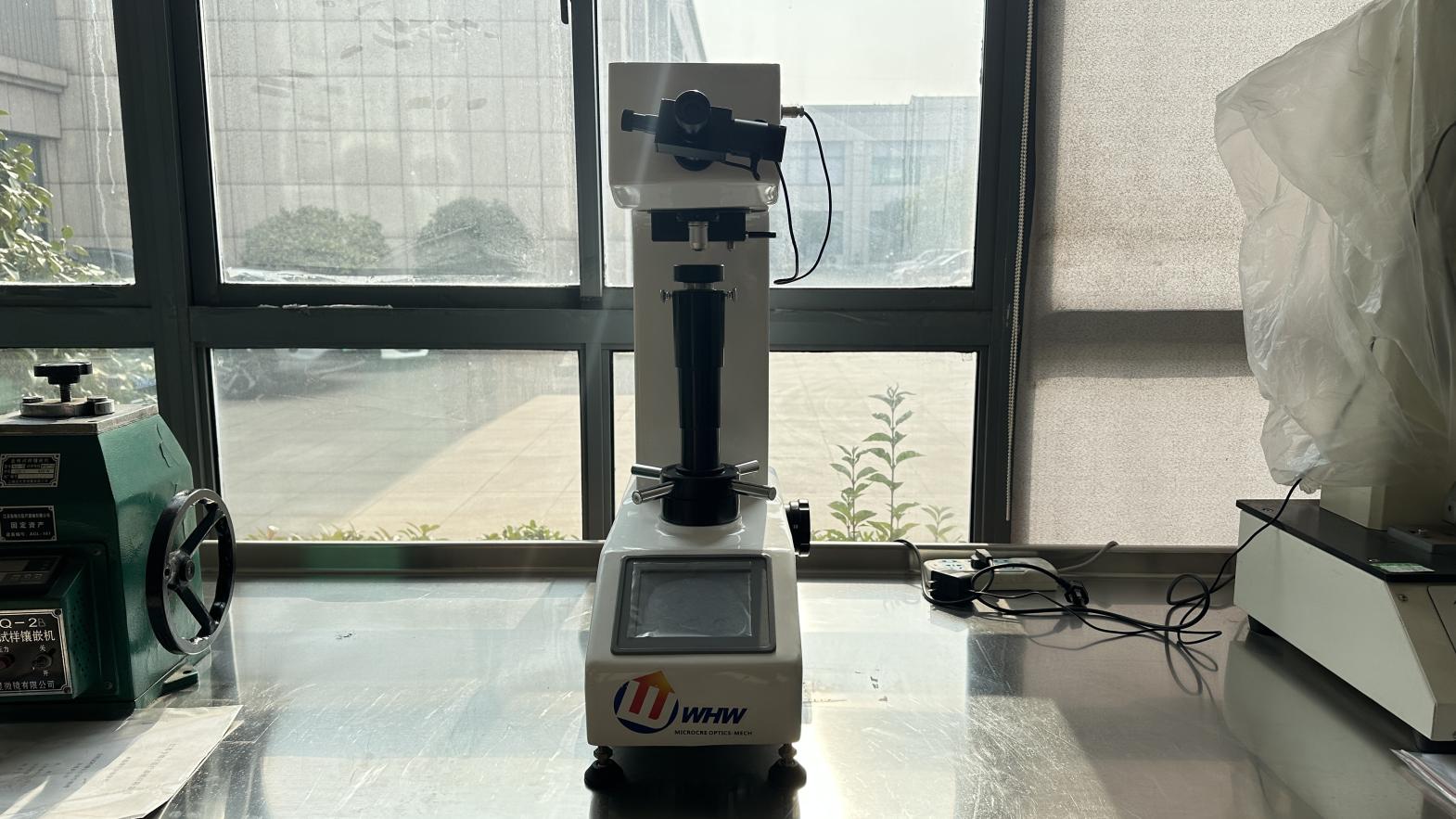
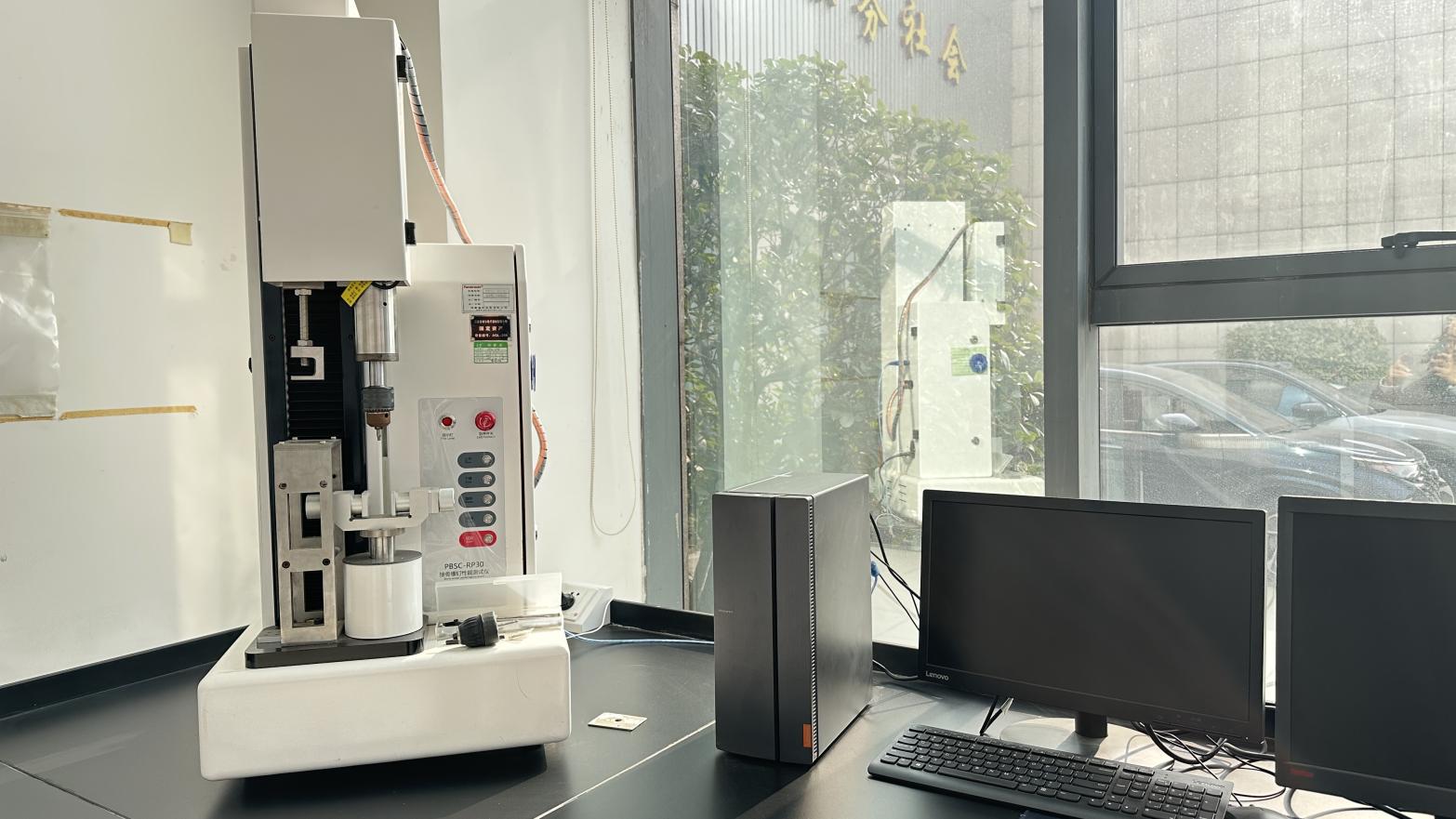
Our products undergo thorough testing in our 42-inspector quality control lab, designed to simulate physical stress and verify mechanical performance.

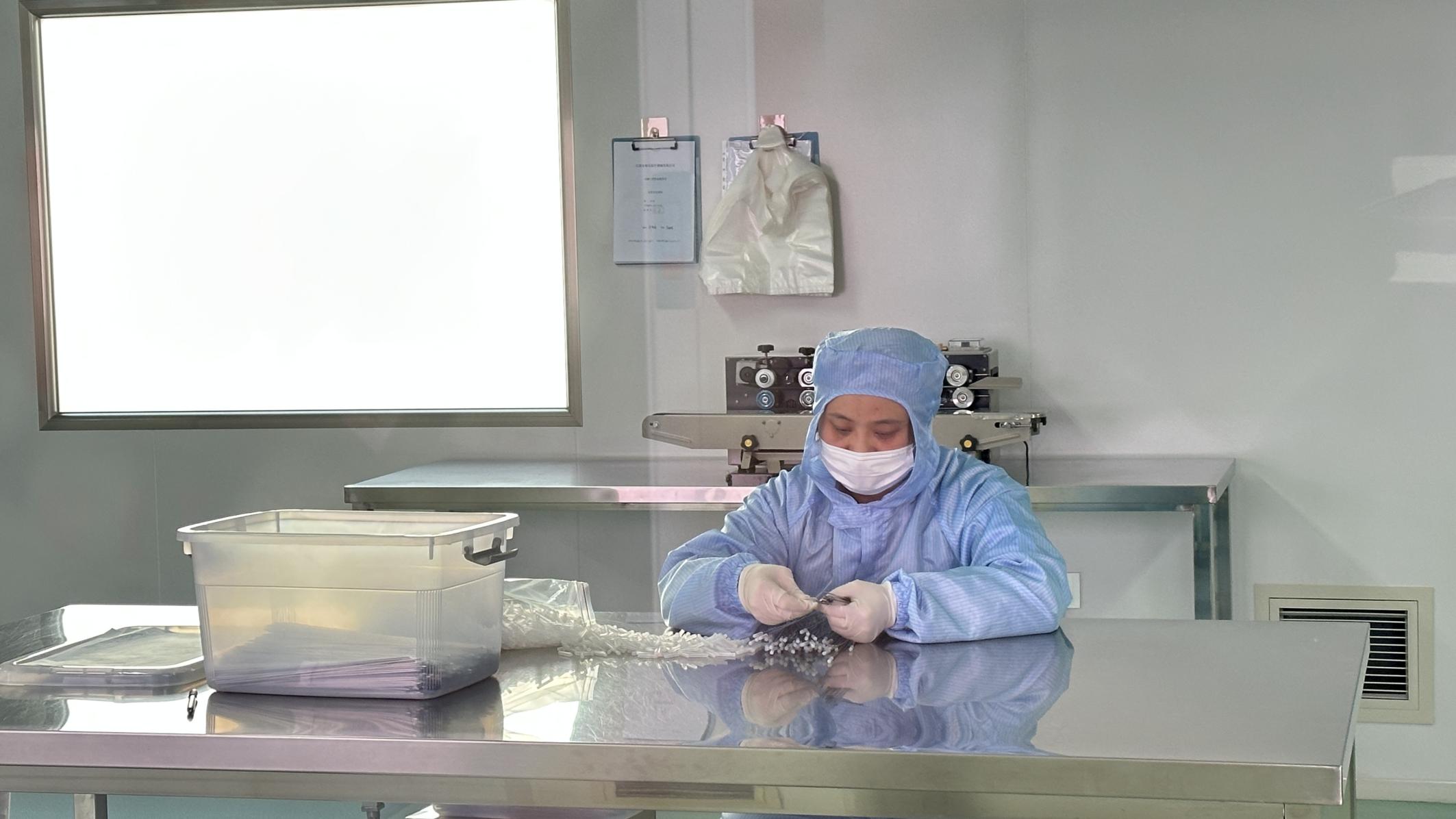
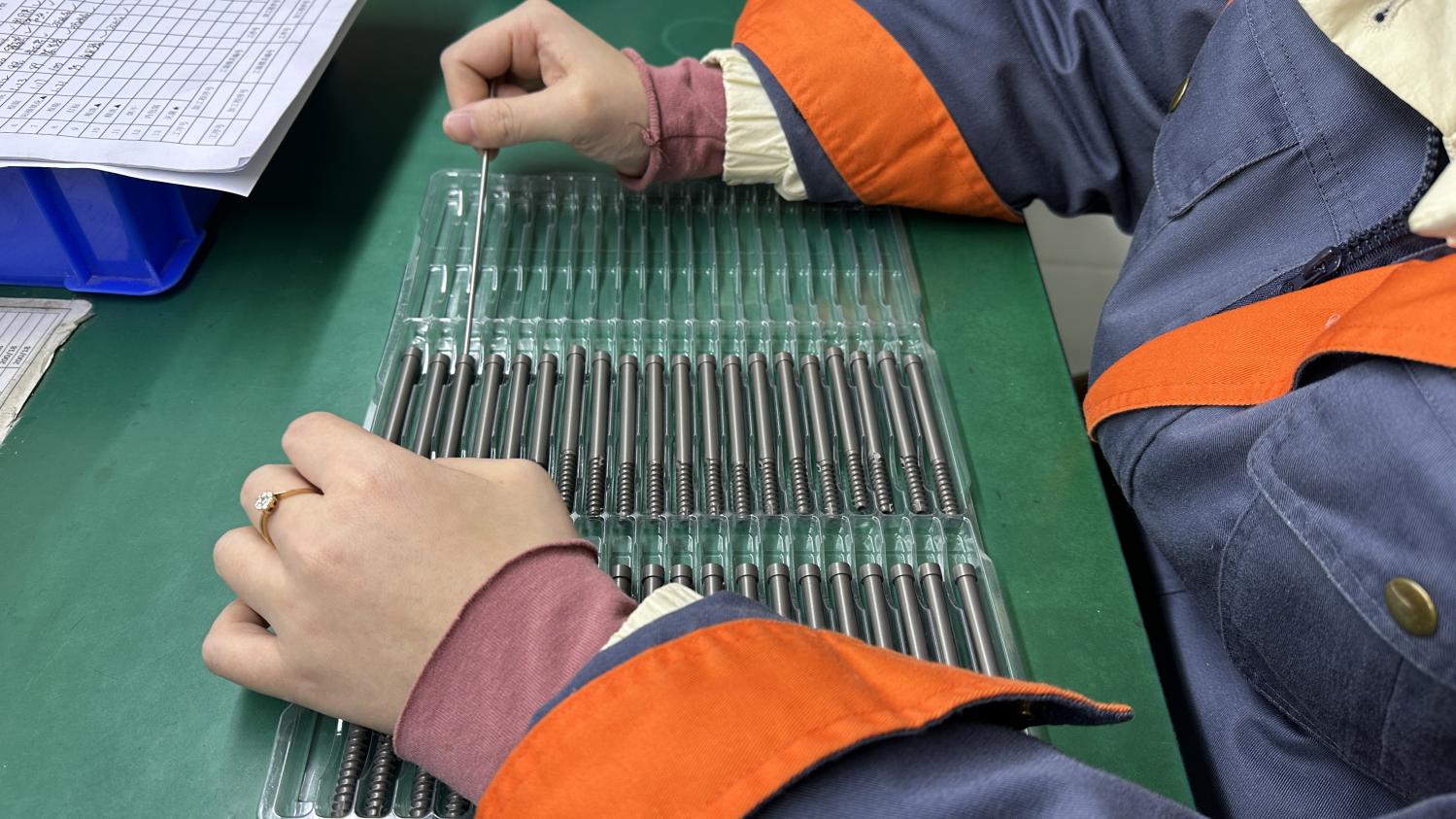
Achieving regulatory compliance, manufacturing efficiency, and mechanical reliability in global medical procurement.
China's medical manufacturing hubs benefit from vertically integrated raw material sourcing (Ti-6Al-4V Grade 5, ASTM F136 compliant) and rapid prototyping cycles, reducing time-to-market compared to Western facilities.
Patient safety depends on mechanical verification. Our quality control lab conducts cyclical fatigue tests, tensile pull tests, and surface topography scans to meet strict ISO 13485 standards.
Medical procurement is shifting from inert metals to bio-active polymers like PEEK. These materials offer a modulus of elasticity close to human cortical bone, reducing stress shielding and improving osteointegration.
From complex human spinal reconstructions to specialized veterinary orthopedic procedures.
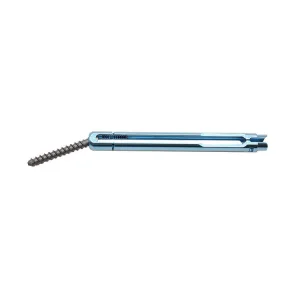
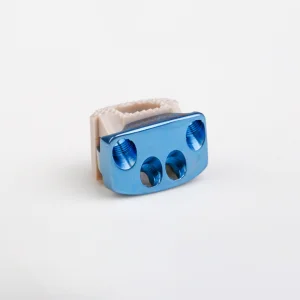
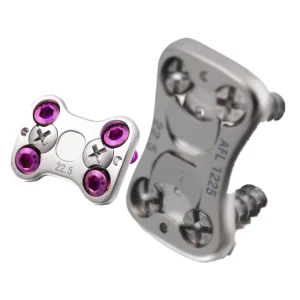
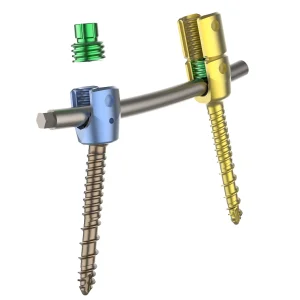
Our anterior cervical locking plates, zero-profile cervical fusion cages, and posterior thoracolumbar systems provide immediate mechanical stabilization. They assist spinal fusion procedures (ACDF) by providing high load-bearing capacity and accommodating bone graft placement to accelerate fusion.
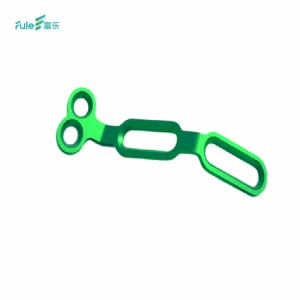
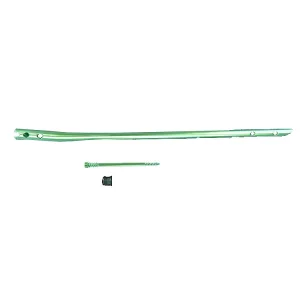
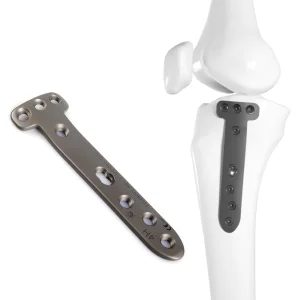
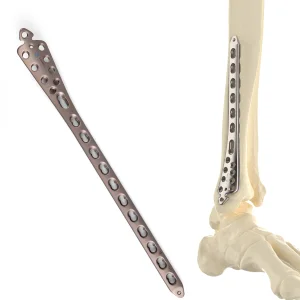
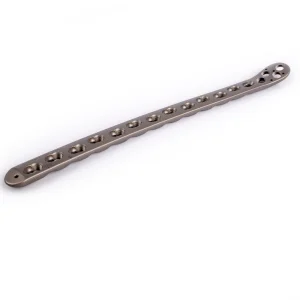
We manufacture anatomically contoured distal medial tibial plates and proximal femoral locking plates. These designs minimize intraoperative bending, preserve periosteal blood supply, and support anatomic reduction for complex non-unions and trauma fractures.
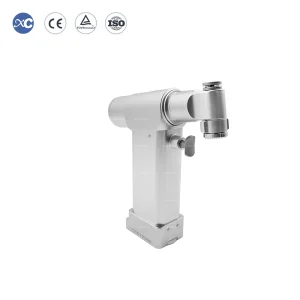
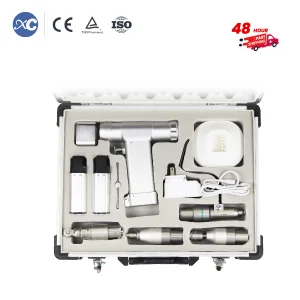
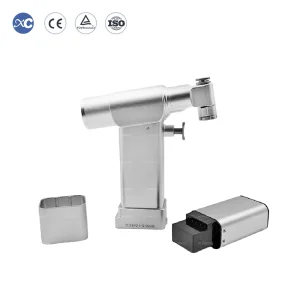
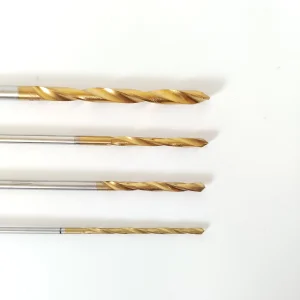
Veterinary orthopedics requires specialized, smaller instruments and implants. Our product line includes small oscillating saws and specialized bone drills designed for veterinary surgical suites, providing excellent control for small-animal bone adjustments.
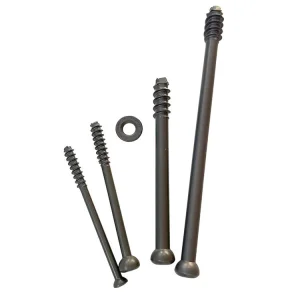
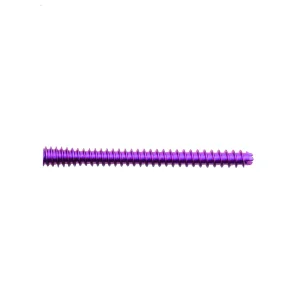
We supply headless compression screws and cannulated bone screws (ranging from 3.5mm to 7.3mm) for stable fixation across small bone fragments. These implants are essential for reconstructive foot, ankle, and hand surgeries.
Choosing the correct implant material and design is critical to surgical outcomes. When developing custom implants, design engineers must balances mechanical strength against biological requirements. The table below illustrates the physical and chemical requirements of medical-grade implant materials.
| Material Standard | Mechanical Tensile Strength | Primary Clinical Benefit | Common Applications |
|---|---|---|---|
| Titanium Alloy (Ti-6Al-4V ELI) ASTM F136 | ≥ 860 MPa | High strength-to-weight ratio, biocompatibility, and excellent fatigue resistance. | Pedicle screws, trauma locking plates, intramedullary nails, and cervical plate systems. |
| Unfilled PEEK (Polyetheretherketone) | ≥ 90 MPa | Radiolucency (artifact-free CT/MRI scanning), modulus of elasticity matching cortical bone. | Interbody spinal fusion cages, craniomaxillofacial implants. |
| Commercial Pure Titanium (Grades 2 & 4) | 345 - 680 MPa | Excellent corrosion resistance and surface preparation capacity for tissue adhesion. | Bone staples, dental implants, mesh configurations for custom graft containment. |
For orthopaedic implants to perform reliably over their service life, they must withstand millions of load cycles. To verify this, our testing facilities perform axial fatigue tests, torsional shear tests, and pull-out tests to ensure implants resist deformation under physiological conditions.
Technical details, certification questions, and ordering protocols for international distributors.
Complete your procurement list with our high-demand surgical screws, minimally invasive spinal components, and bone instrumentation.