Medisplint
Medisplint
Medisplint
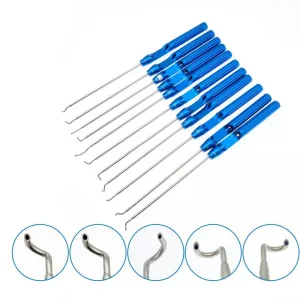
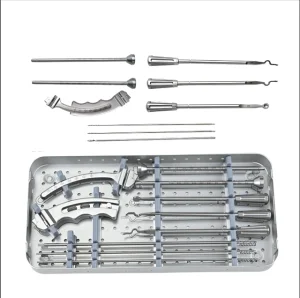
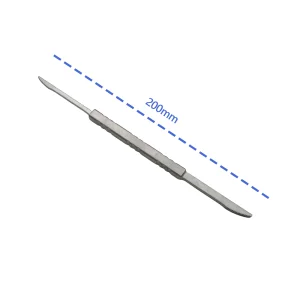
As a premier manufacturer in the orthopedic implant space, Medisplint Orthopedic Instruments Co., Ltd. has established itself as an industry leader in trauma, spine, and joint reconstruction technologies. Guided by E-E-A-T principles, we combine scientific design with advanced materials engineering to supply high-precision tibial trays and components to markets worldwide.
Founded in 2016, Medisplint has rapidly grown to bridge the gap between complex biomechanical needs and scalable, cost-efficient manufacturing. Joint reconstruction, particularly total knee arthroplasty (TKA), demands implants that withstand rigorous mechanical stresses while maintaining long-term biocompatibility. Our tibial trays, engineered from high-grade titanium alloys and medical-grade polymers, are optimized to address common clinical concerns such as tibial component loosening, stress shielding, and polyethylene wear.
By working with over 1,200 supply chain partners, Medisplint delivers robust manufacturing continuity. We operate under strict ISO 13485 guidelines, ensuring that every implant satisfies strict CE compliance protocols. Whether partnering with multi-national orthopedic brands for OEM/ODM manufacturing or assisting regional distributors, we deliver clinical-grade reliability backed by comprehensive verification dossiers.
Our manufacturing pipeline transforms medical-grade raw materials into implants using precise CNC machining, automated milling, and ultra-fine laser etching.
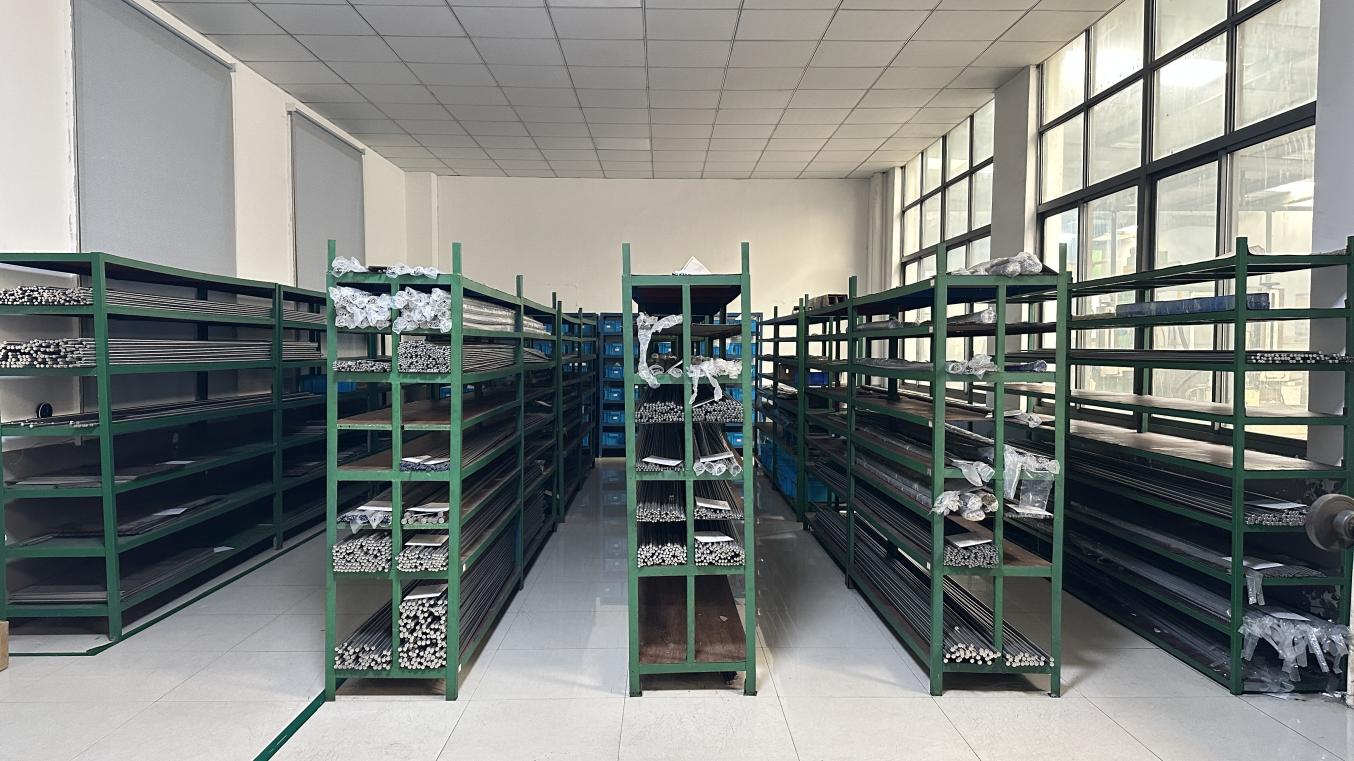
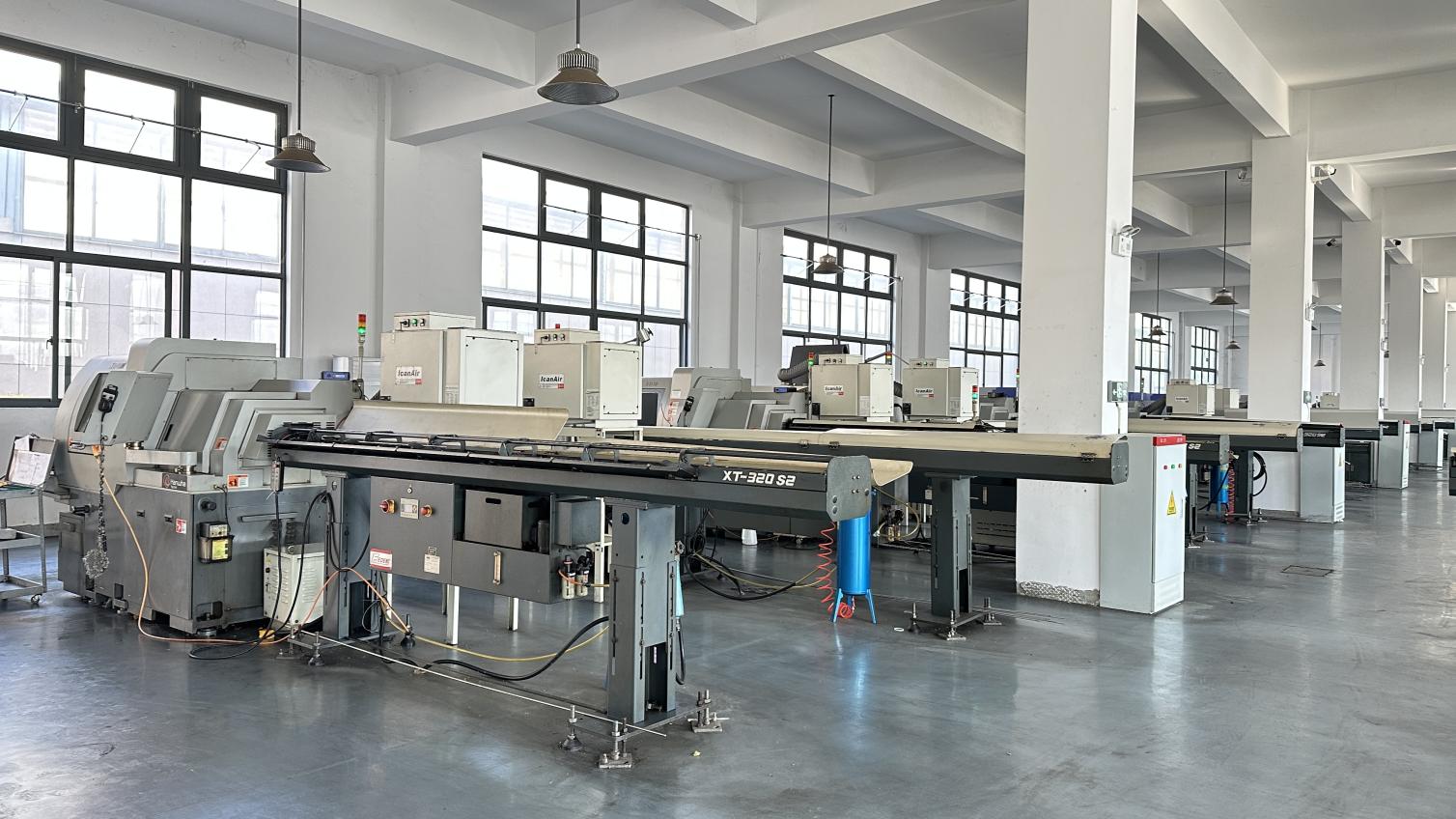
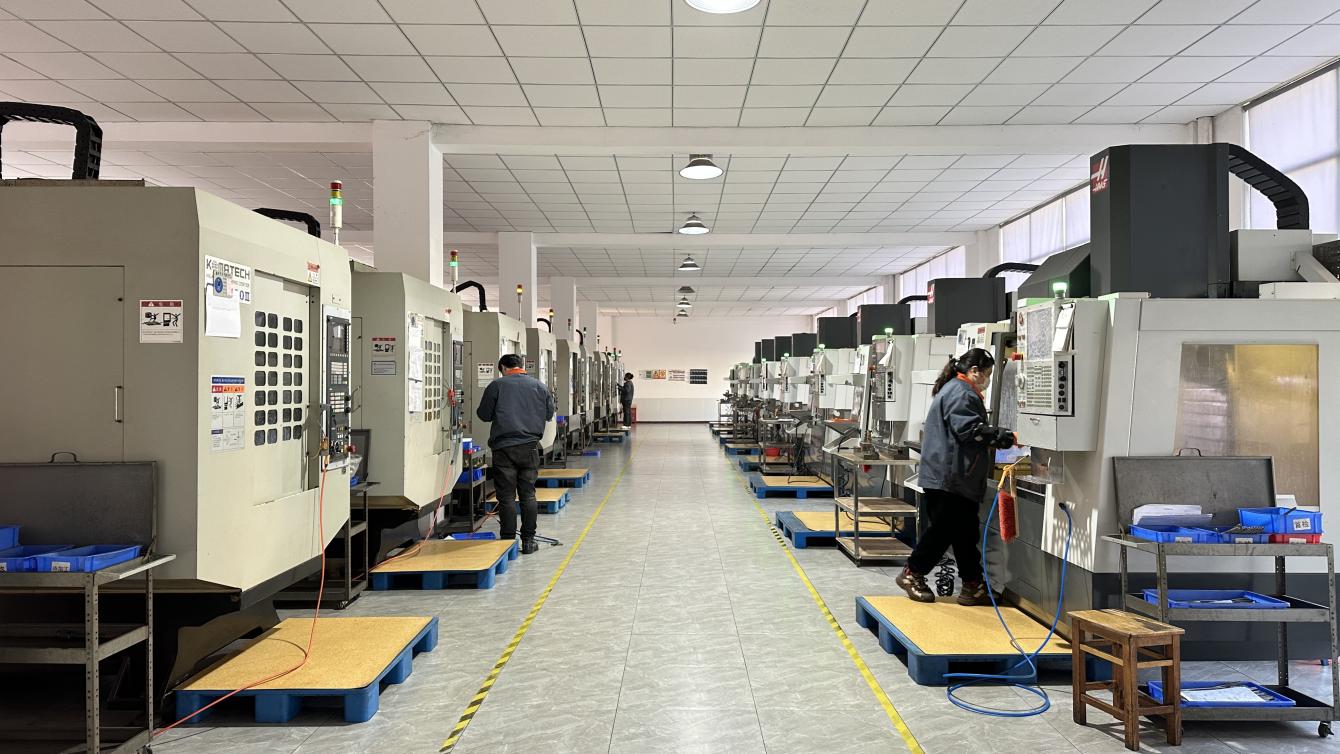
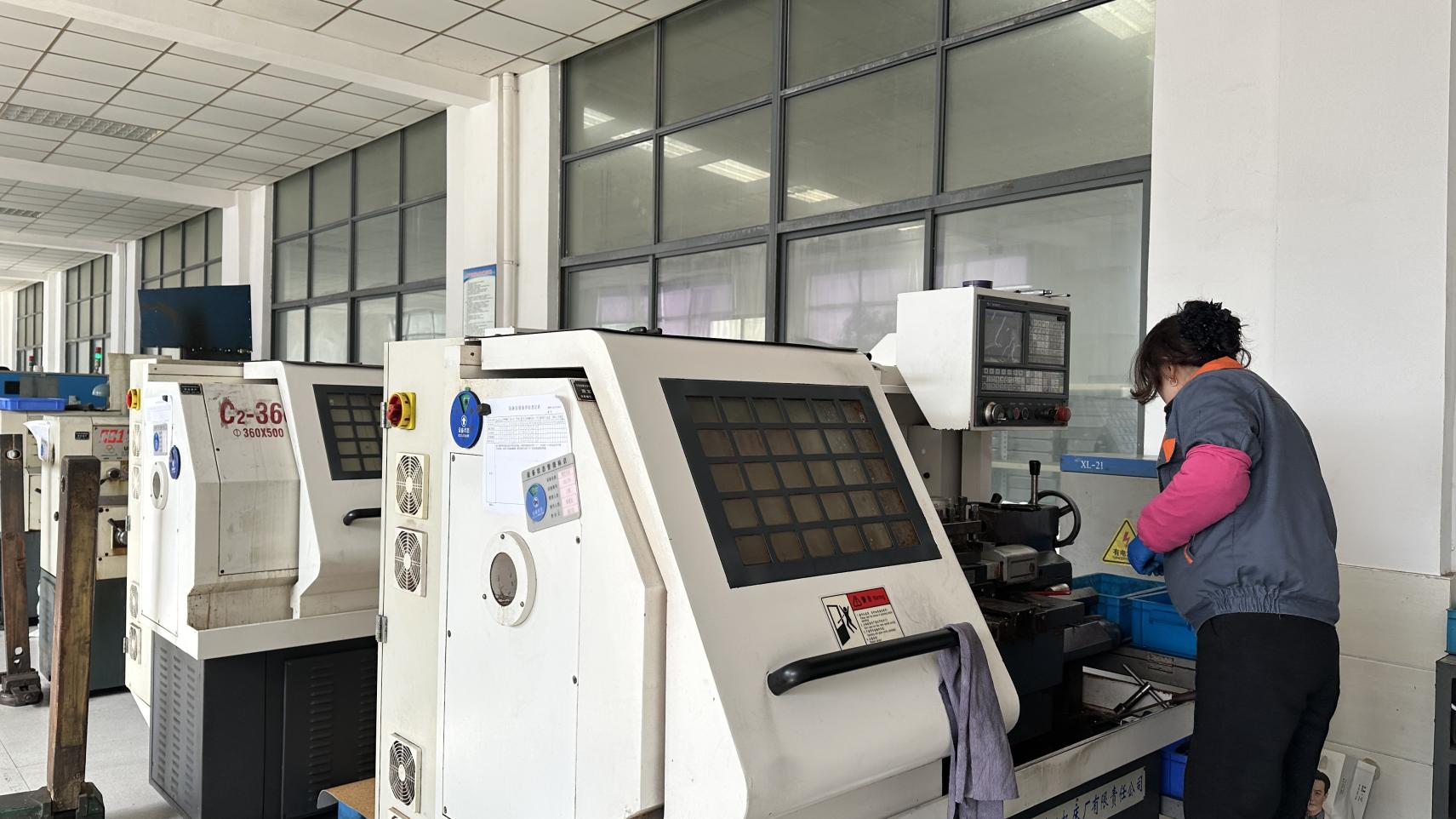
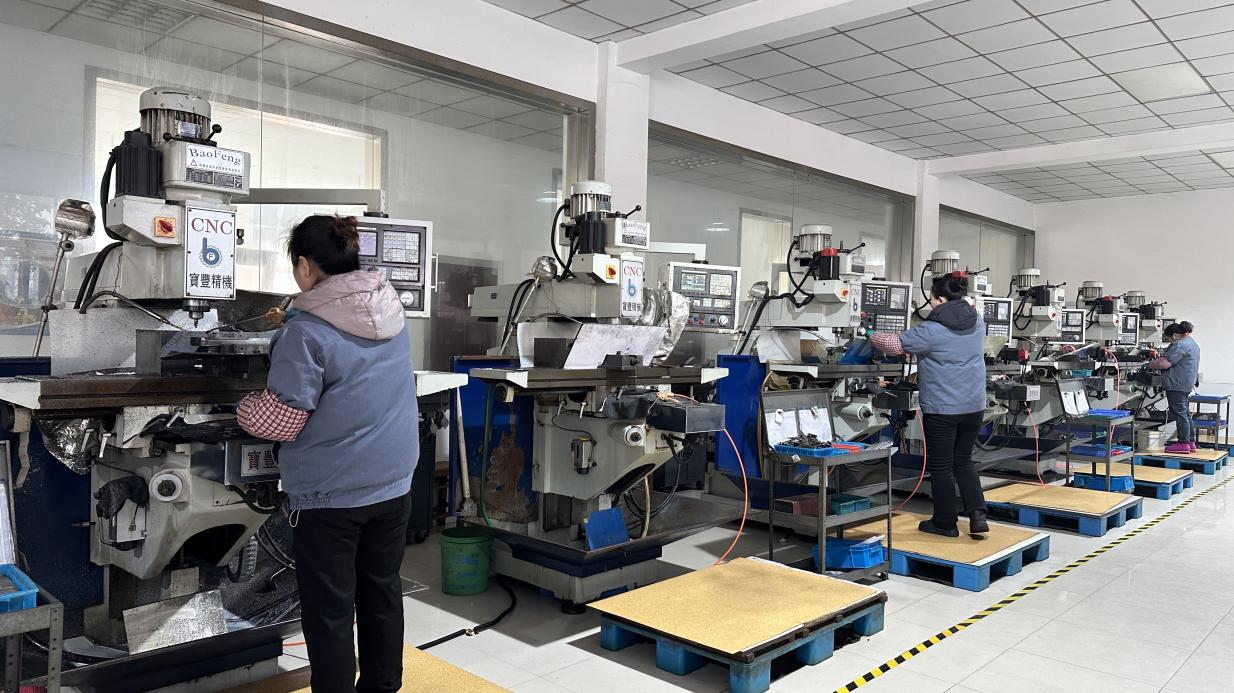
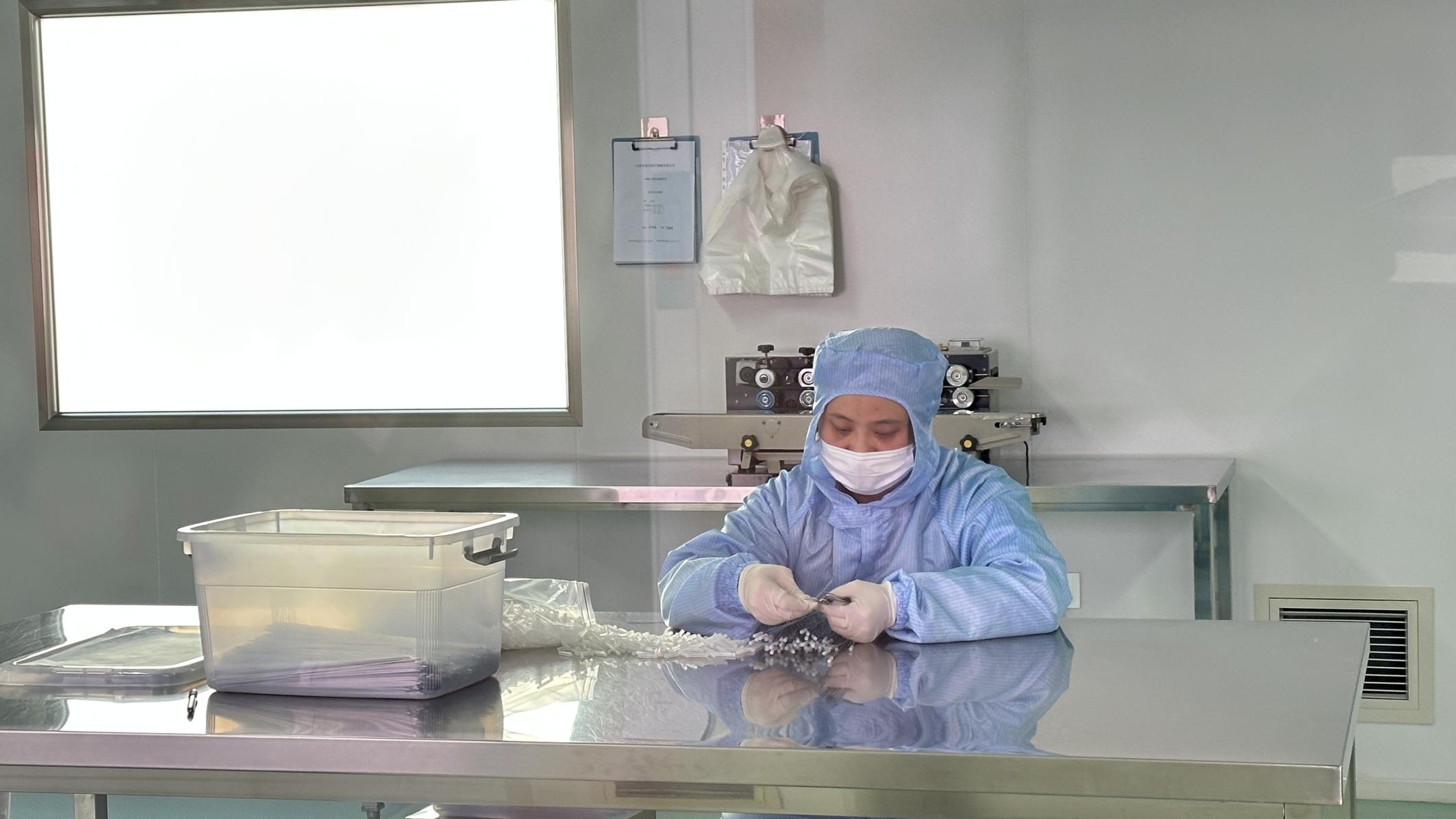
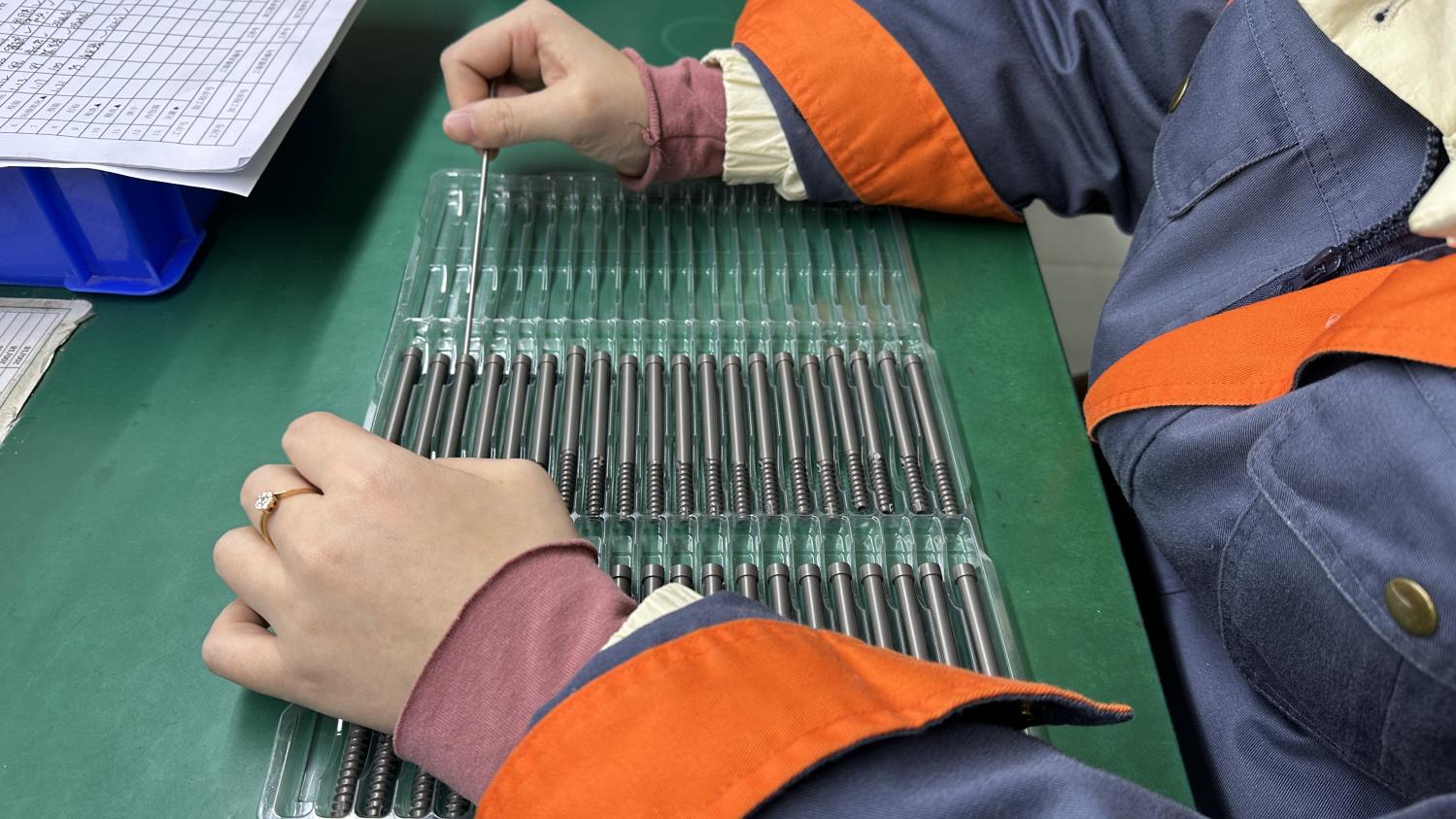
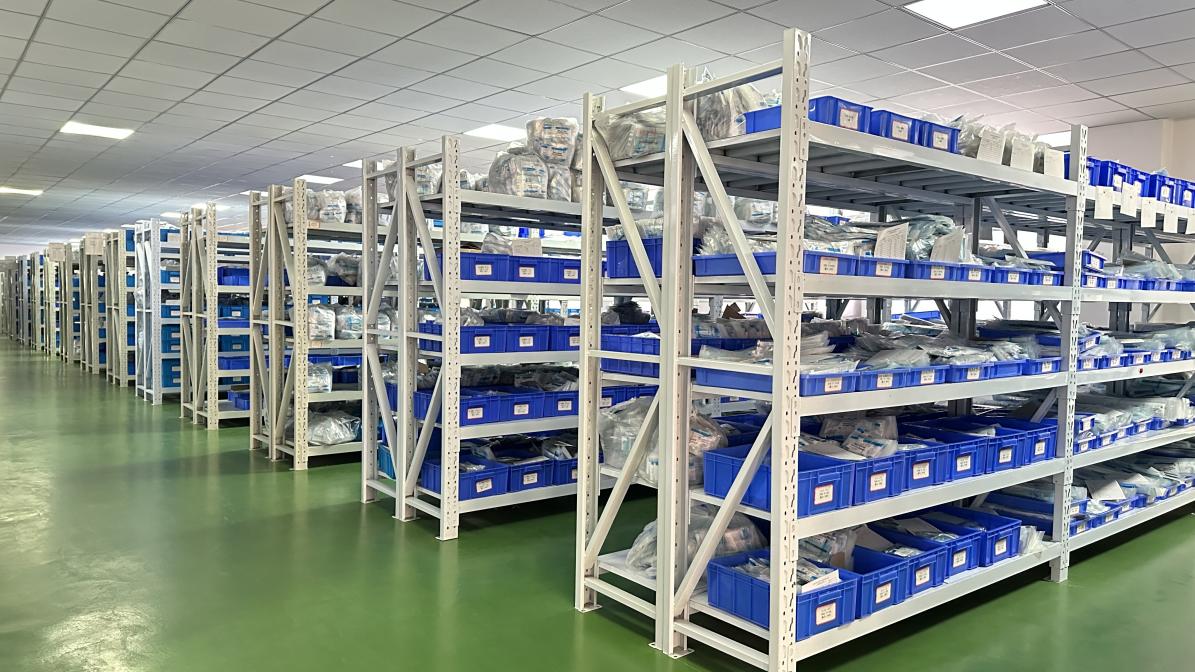
Our workflow is fully digitalized from raw ingot selection to final sterile packaging, adhering to international regulatory standards.
Global orthopedic procurement models have shifted. Today's OEM buyers, hospital networks, and distributors prioritize partners who can balance advanced technological capabilities with scalable capacity. China's medical device manufacturing sector offers distinct advantages that streamline this process.
We source ultra-pure medical grade Titanium Alloy (Ti6Al4V ELI) and PEEK, satisfying ASTM F136 specifications. This guarantees optimal fatigue strength and biocompatibility for permanent load-bearing implants.
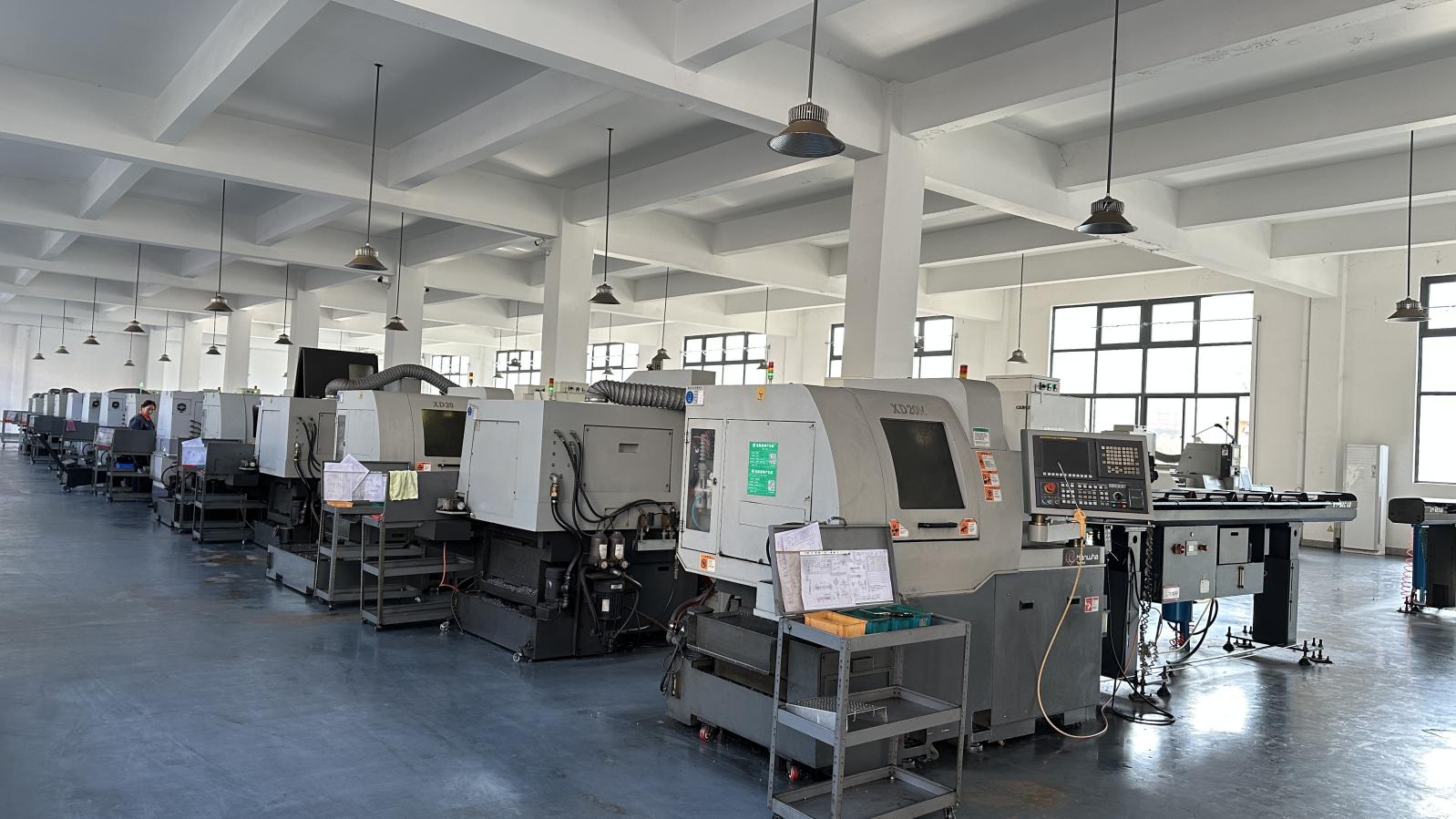
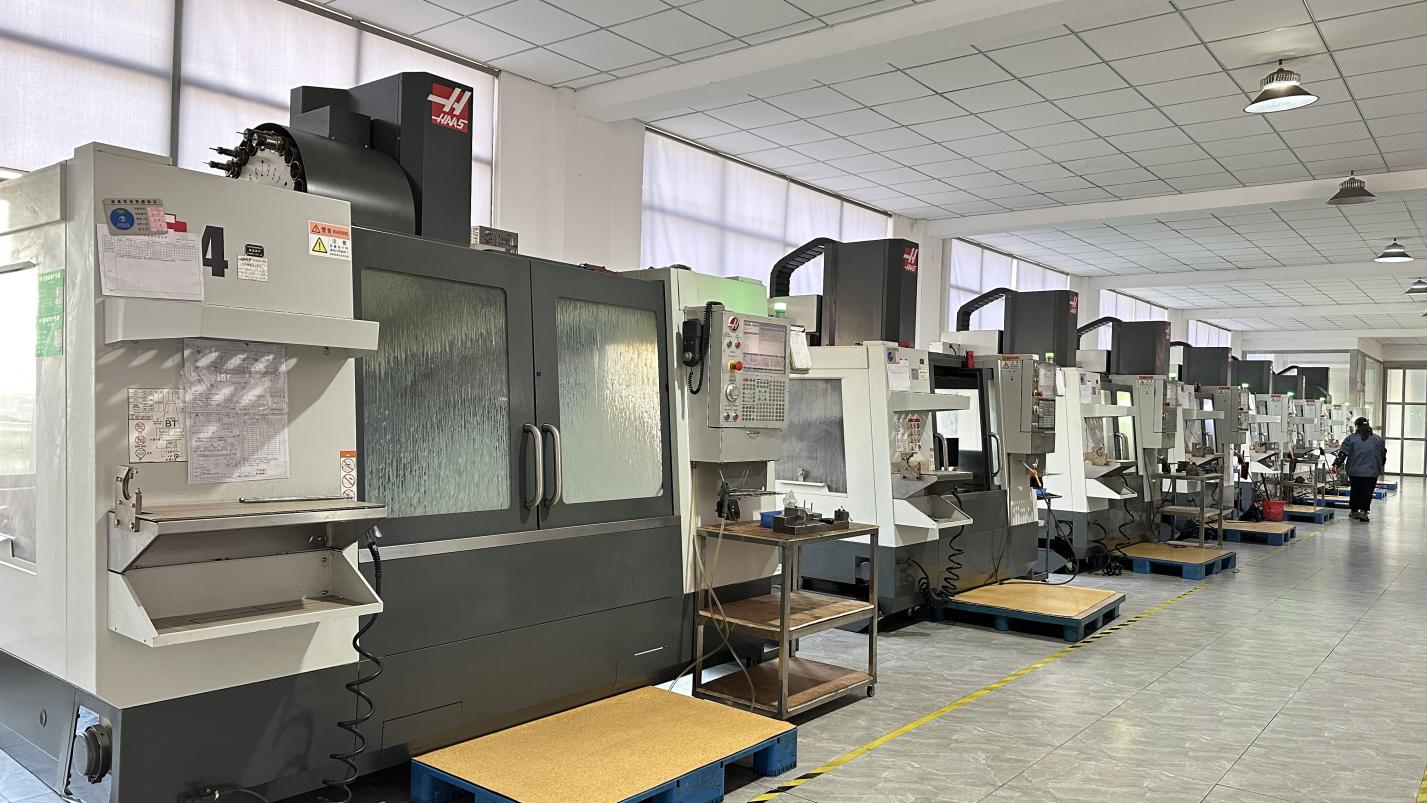
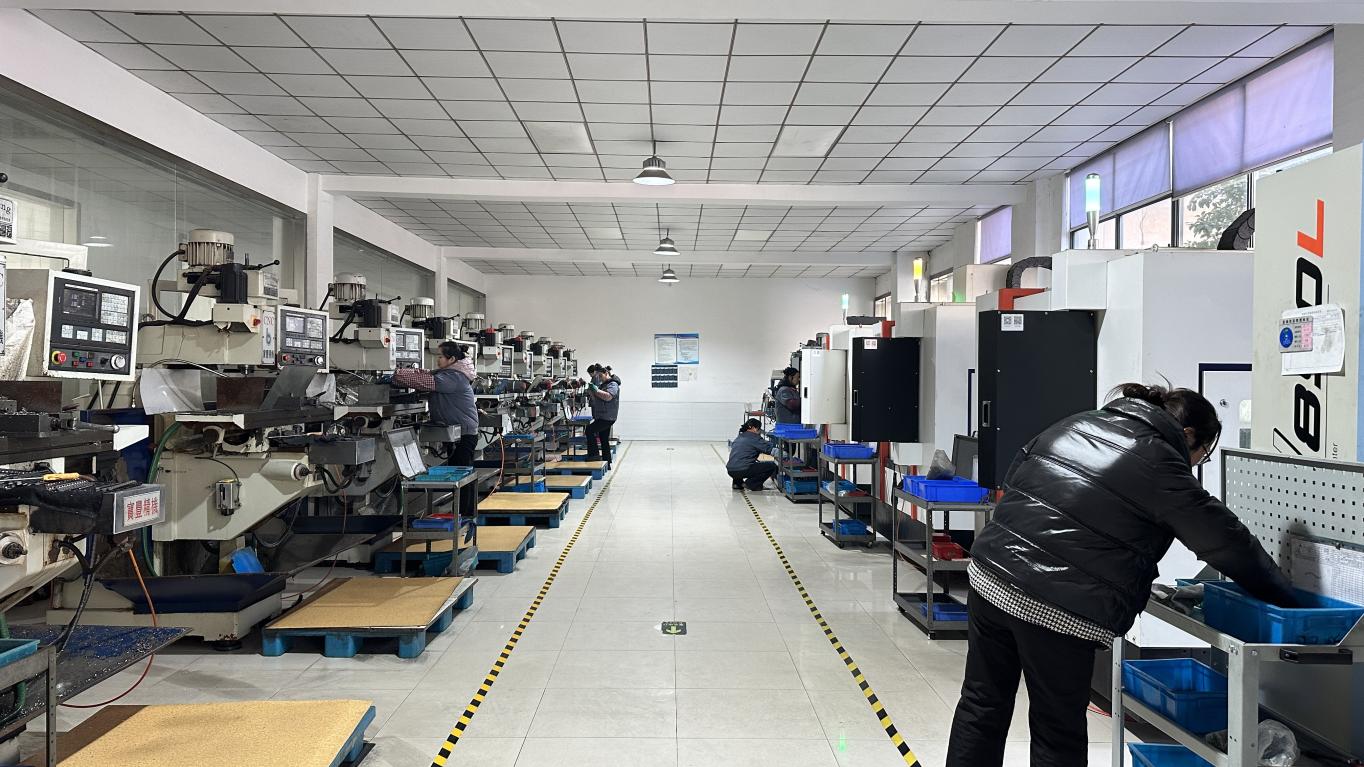
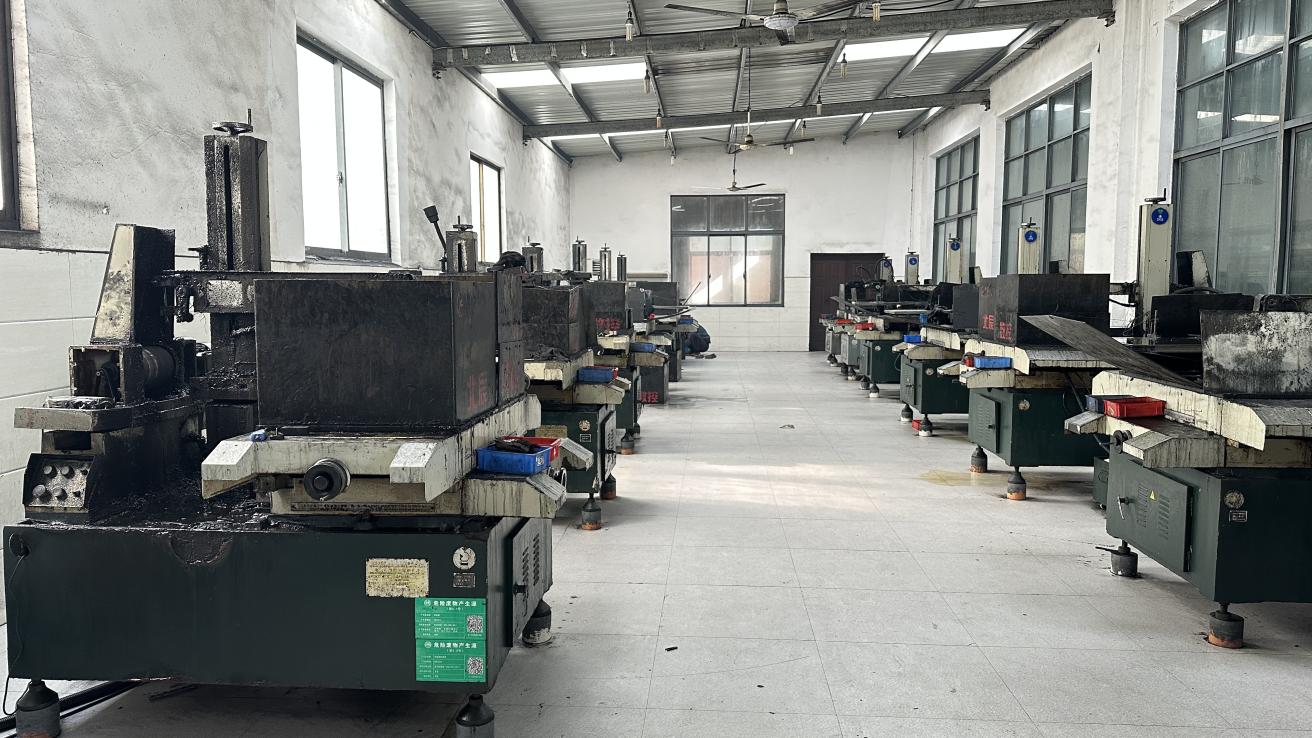
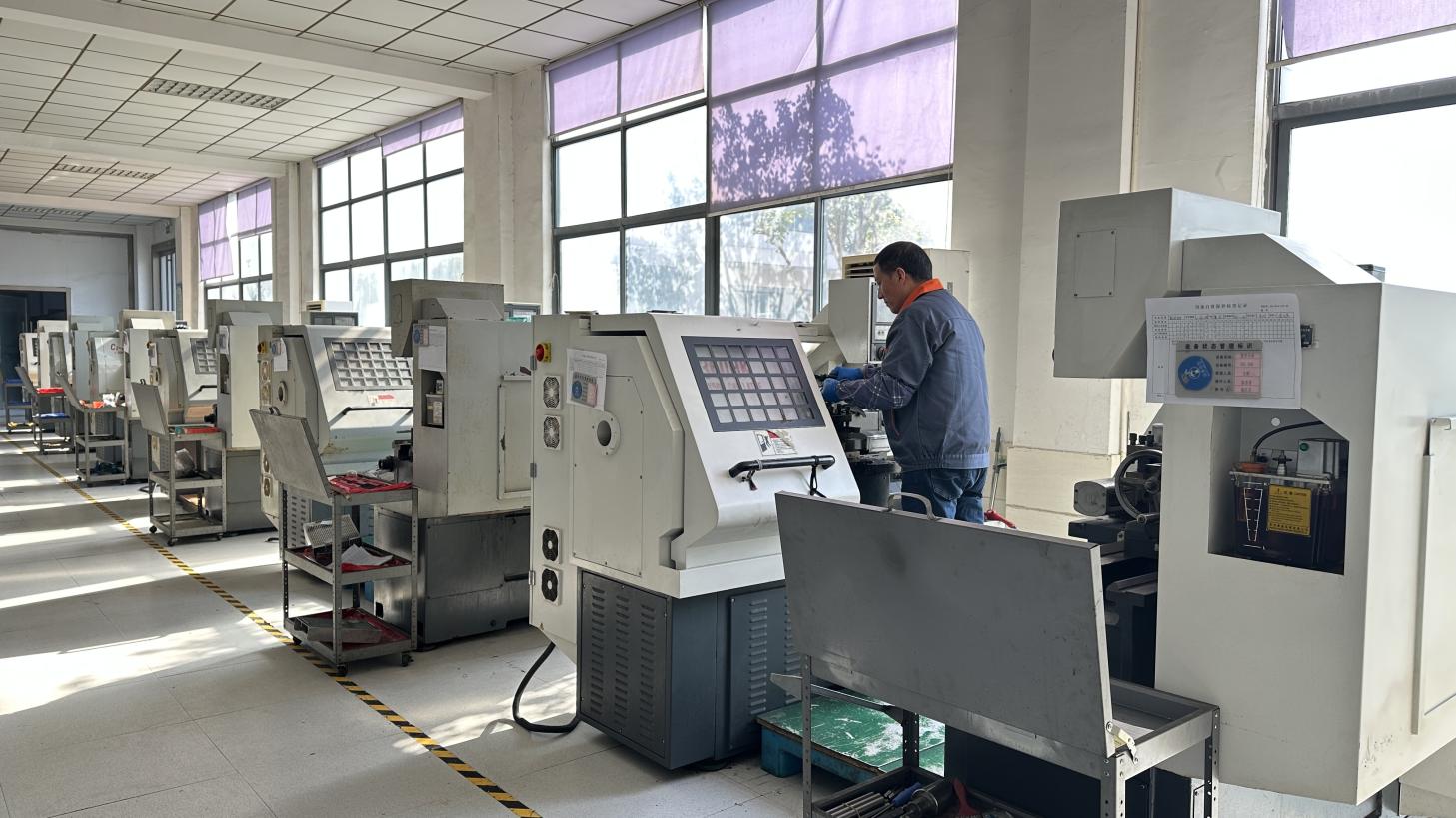
Our facilities house multi-axis CNC lathe centers, computerized milling machines, and automated wire cutters capable of holding tolerances within ±5 microns.
By leveraging a highly integrated local industrial cluster, Medisplint achieves significant economies of scale, delivering cost advantages without compromising implant safety.
Our tibial trays are engineered to address the critical interfaces of total knee joint arthroplasty. The upper surface of the tray is polished to a mirror finish to minimize wear on the polyethylene insert. Meanwhile, the under-surface is designed with a textured or porous configuration (via plasma spray or grid-blasting) to encourage biological bone ingrowth, achieving stable secondary fixation without bone cement. Additionally, the option of specialized keels and cruciform pegs provides robust rotational stability, crucial for active patients.
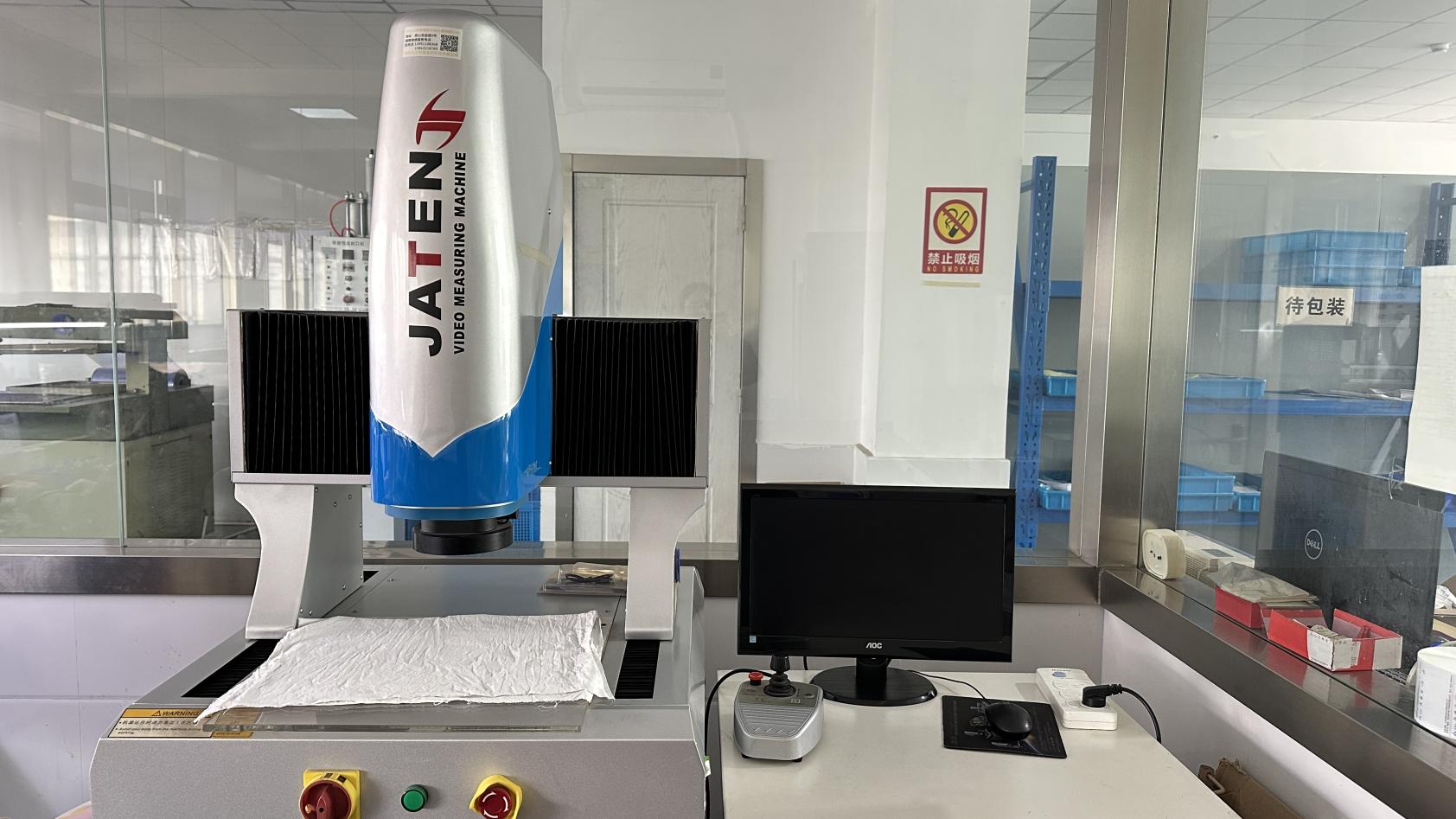
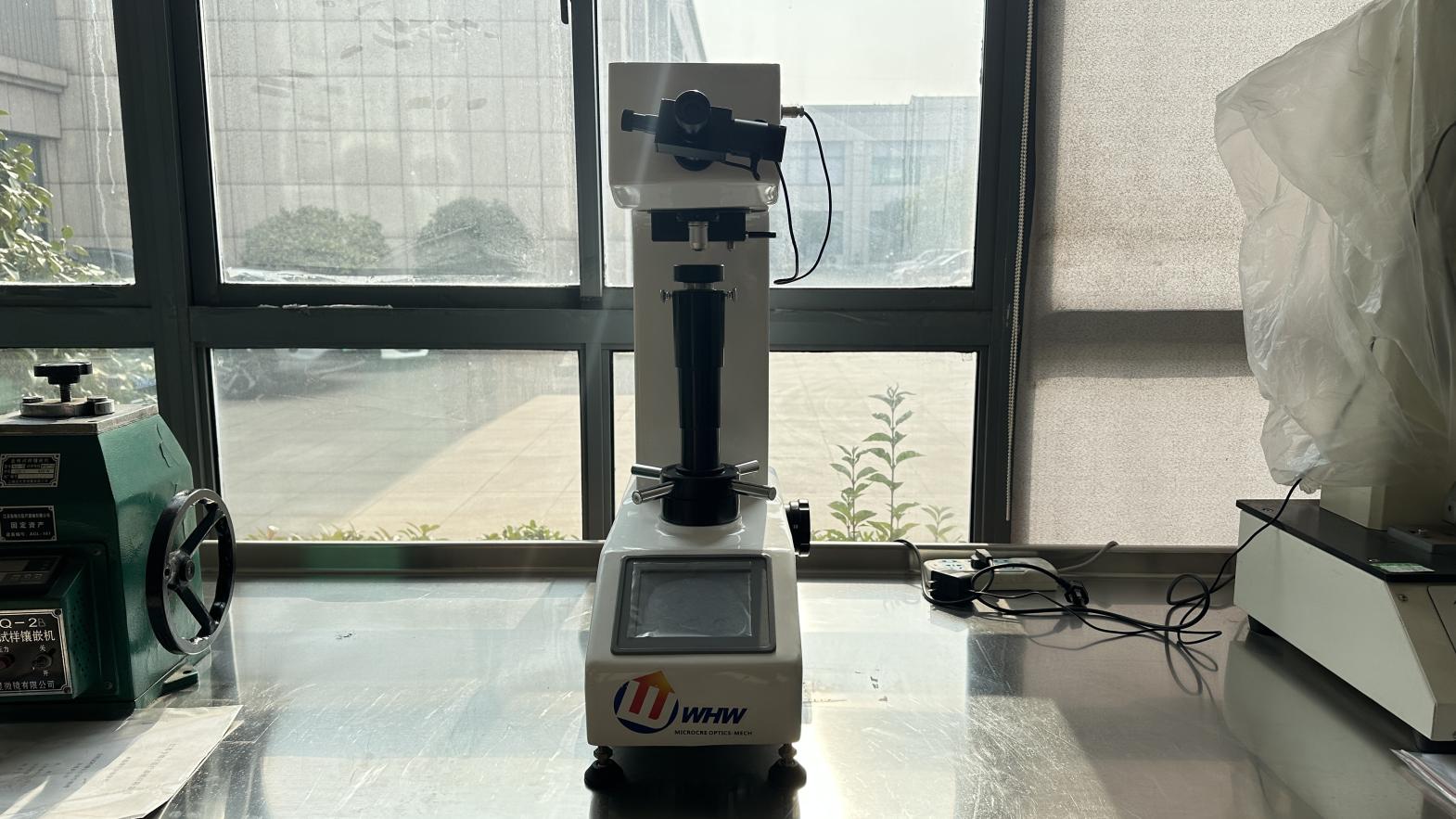
Precision implants require advanced fabrication machinery and meticulous testing protocols. Here is a view inside our manufacturing floor and QA laboratories.
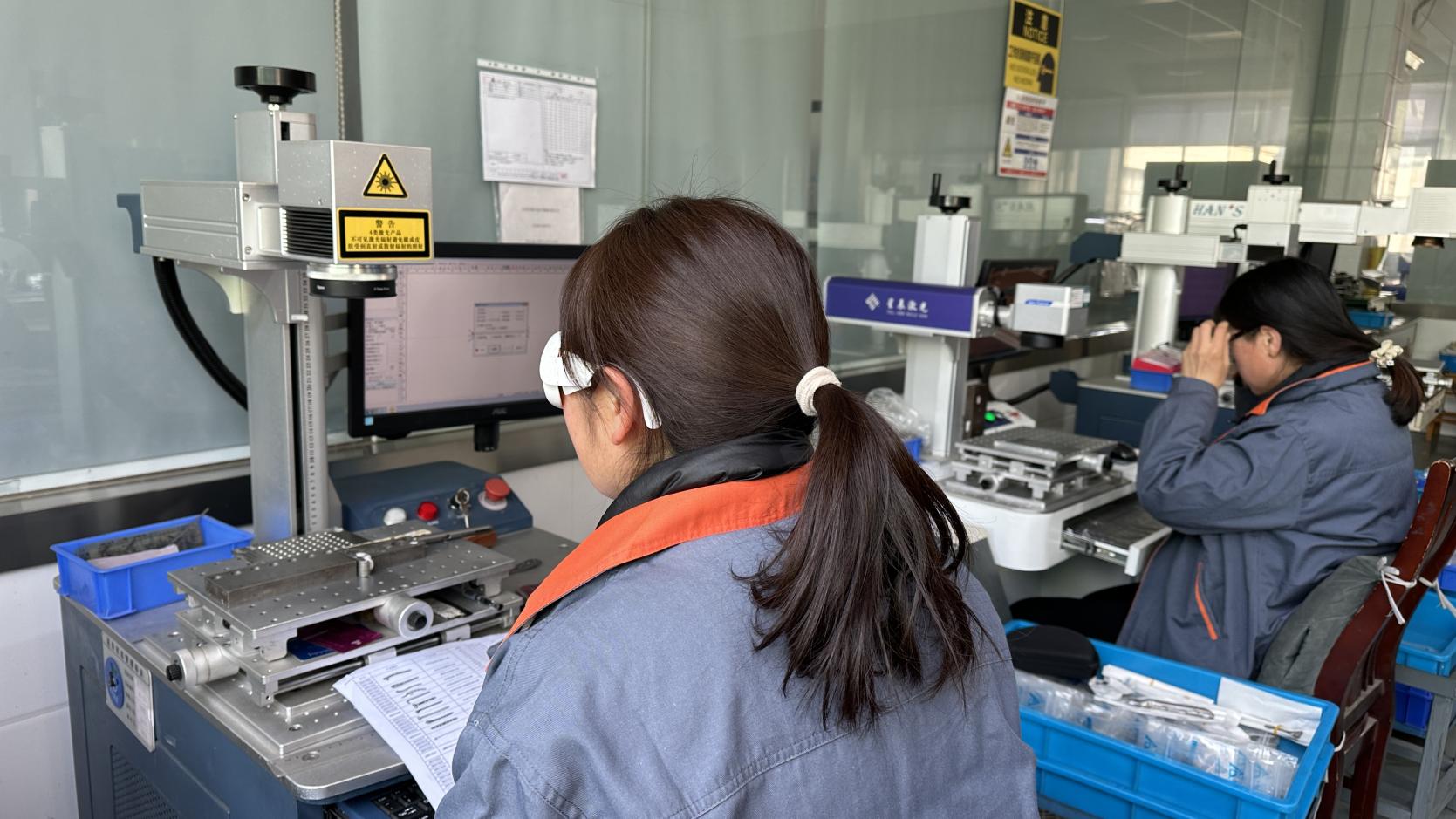
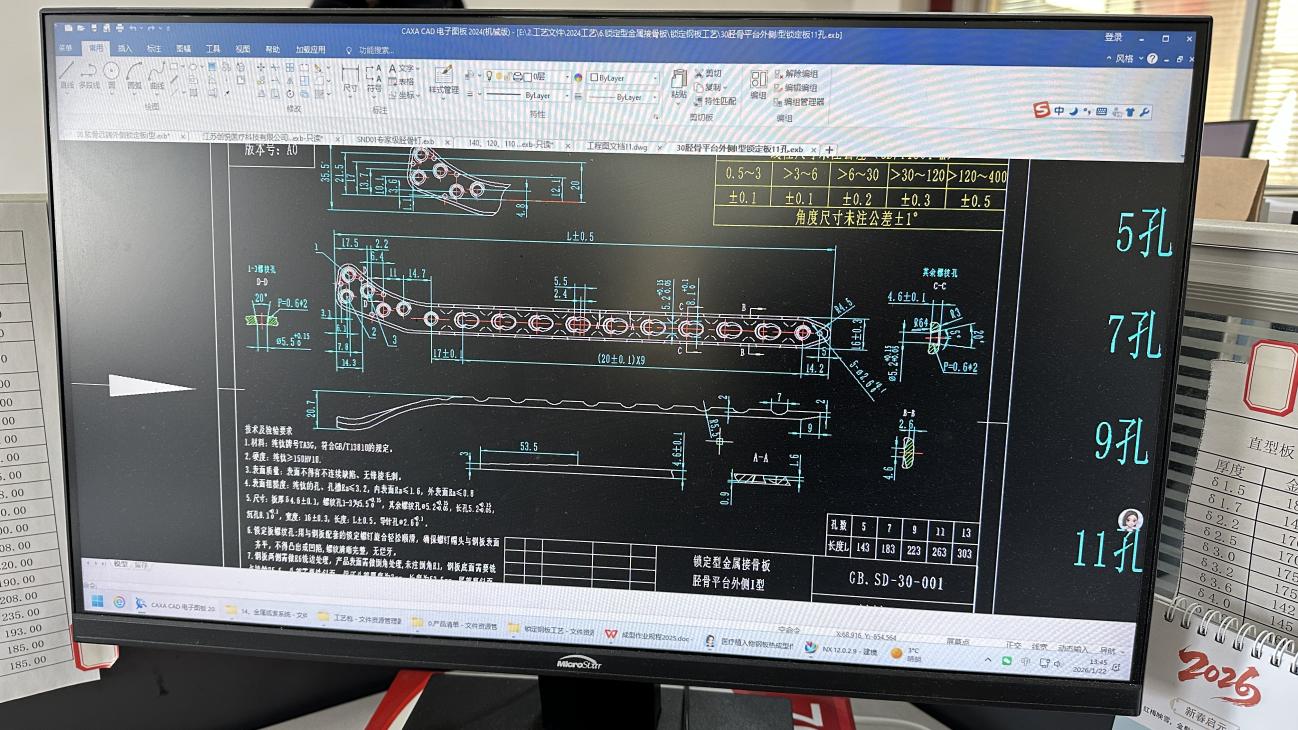

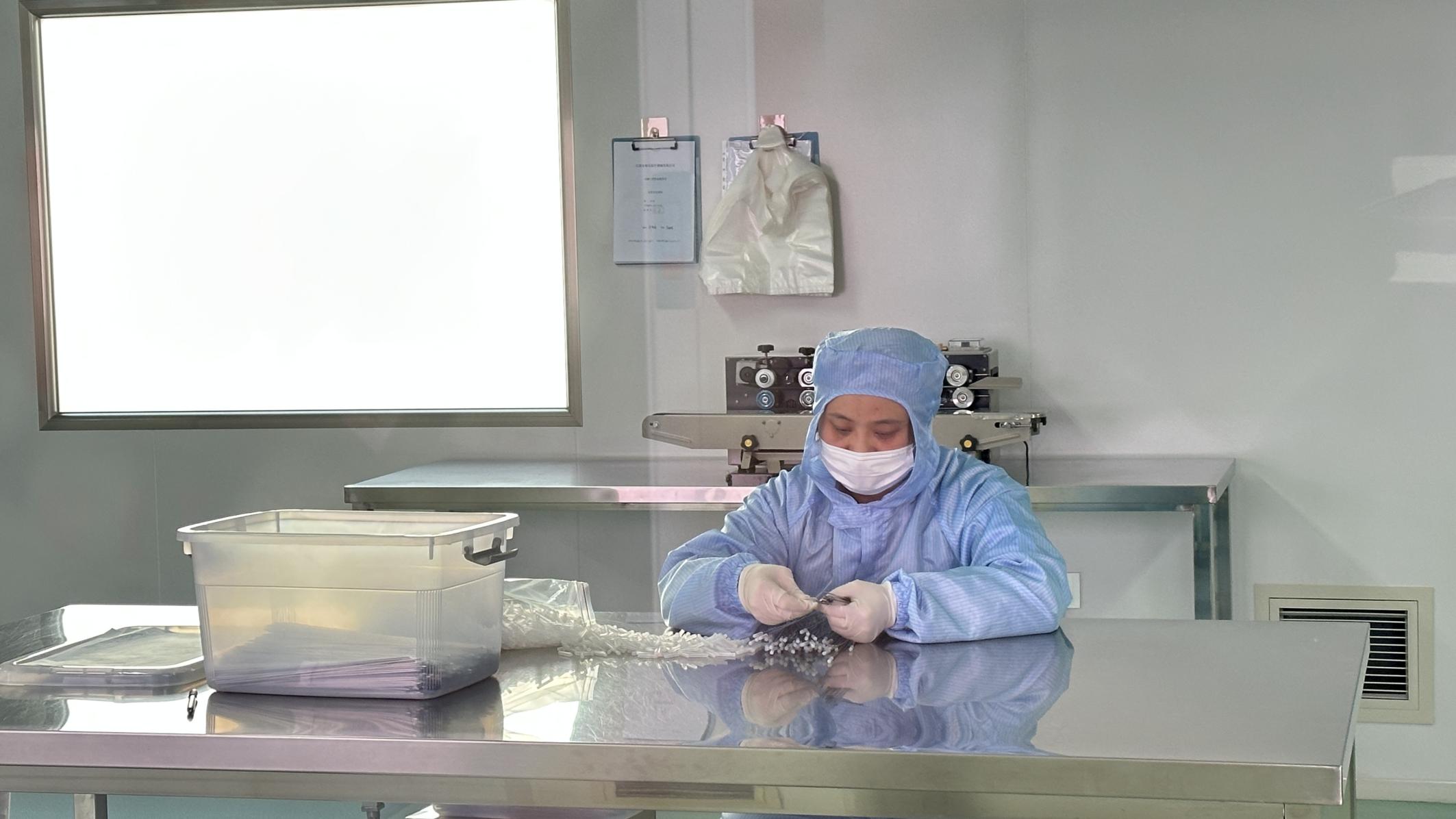
As orthopedic surgery transitions toward minimally invasive and highly personalized treatments, components like tibial trays must evolve. Understanding these dynamics is essential for strategic sourcing and product development.
Modern arthroplasty increasingly favors cementless fixation. Long-term implant stability relies on rapid osseointegration. Medisplint addresses this through advanced surface texturing techniques, including highly porous titanium coatings and plasma spraying. These technologies create a micro-environment that encourages bone ingrowth directly into the implant, minimizing the risk of aseptic loosening—the leading cause of revision knee surgeries.
Traditional, overly rigid tibial trays can alter how load is transferred to the tibia, leading to bone resorption due to stress shielding. By utilizing advanced Finite Element Analysis (FEA) during design, Medisplint optimizes the thickness, geometry, and keel structure of our tibial baseplates. This ensures a more physiological stress distribution, preserving healthy bone stock around the proximal tibia.
Regulatory pathways are increasingly complex. Entering international markets requires conforming to strict regulatory structures such as the EU Medical Device Regulation (MDR) and FDA 510(k) clearances. Medisplint's quality management systems are built to simplify compliance. We provide complete technical files, biocompatibility validation reports (ISO 10993), sterilization validation documentation, and clinical evaluation records to support smooth registrations.
Every production batch undergoes exhaustive mechanical testing in our ISO 13485 accredited laboratories to ensure the highest standards of safety and performance.
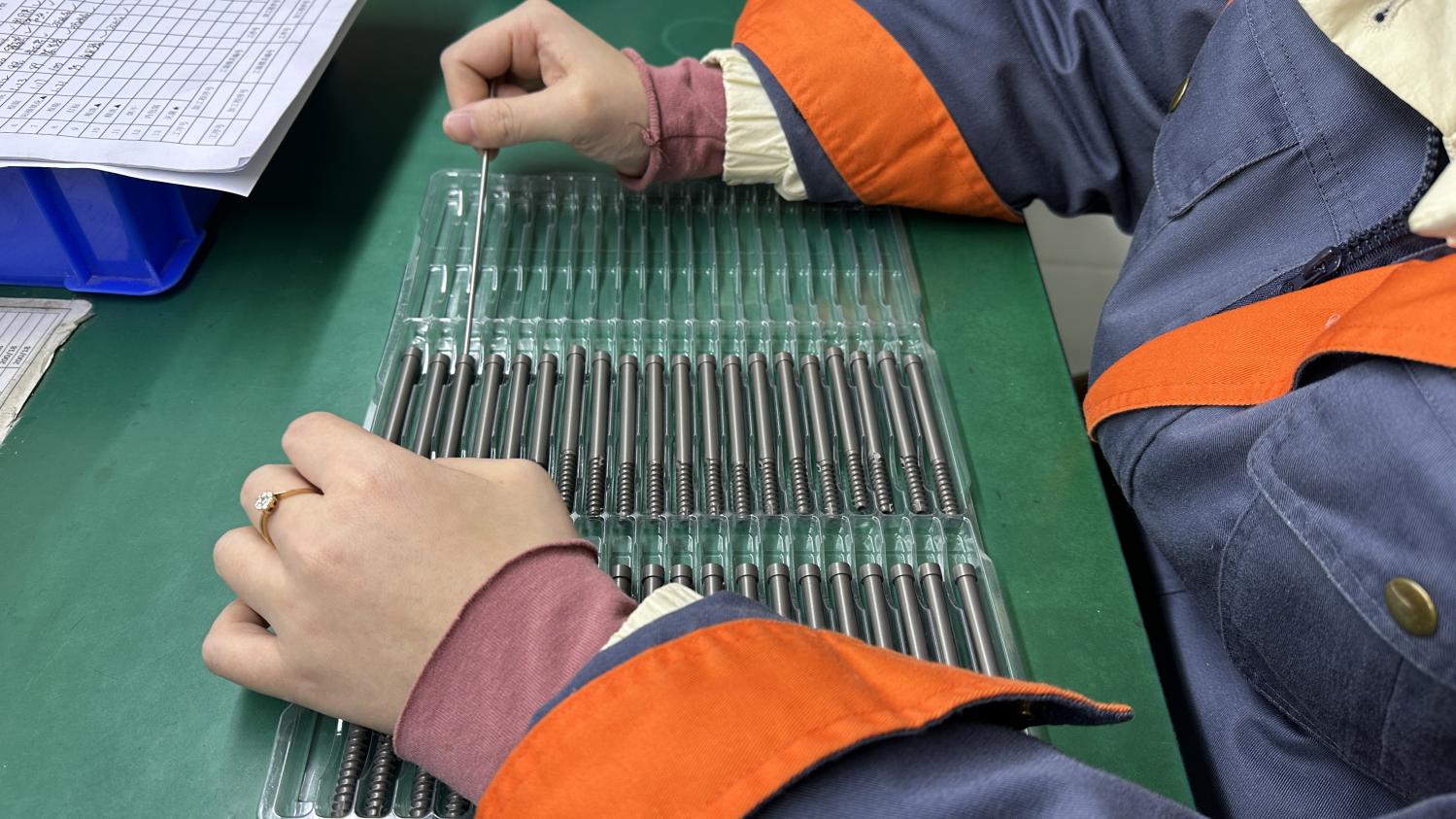
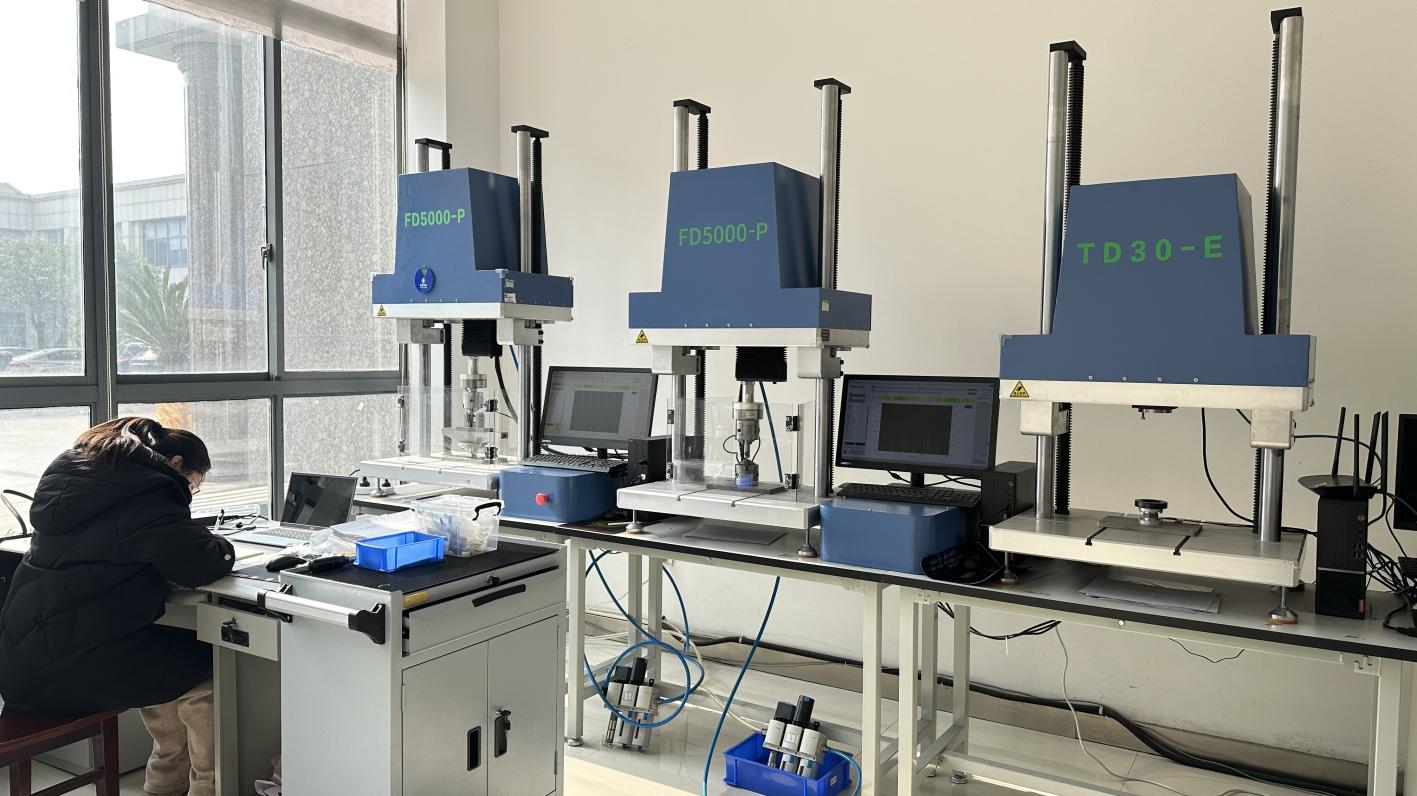
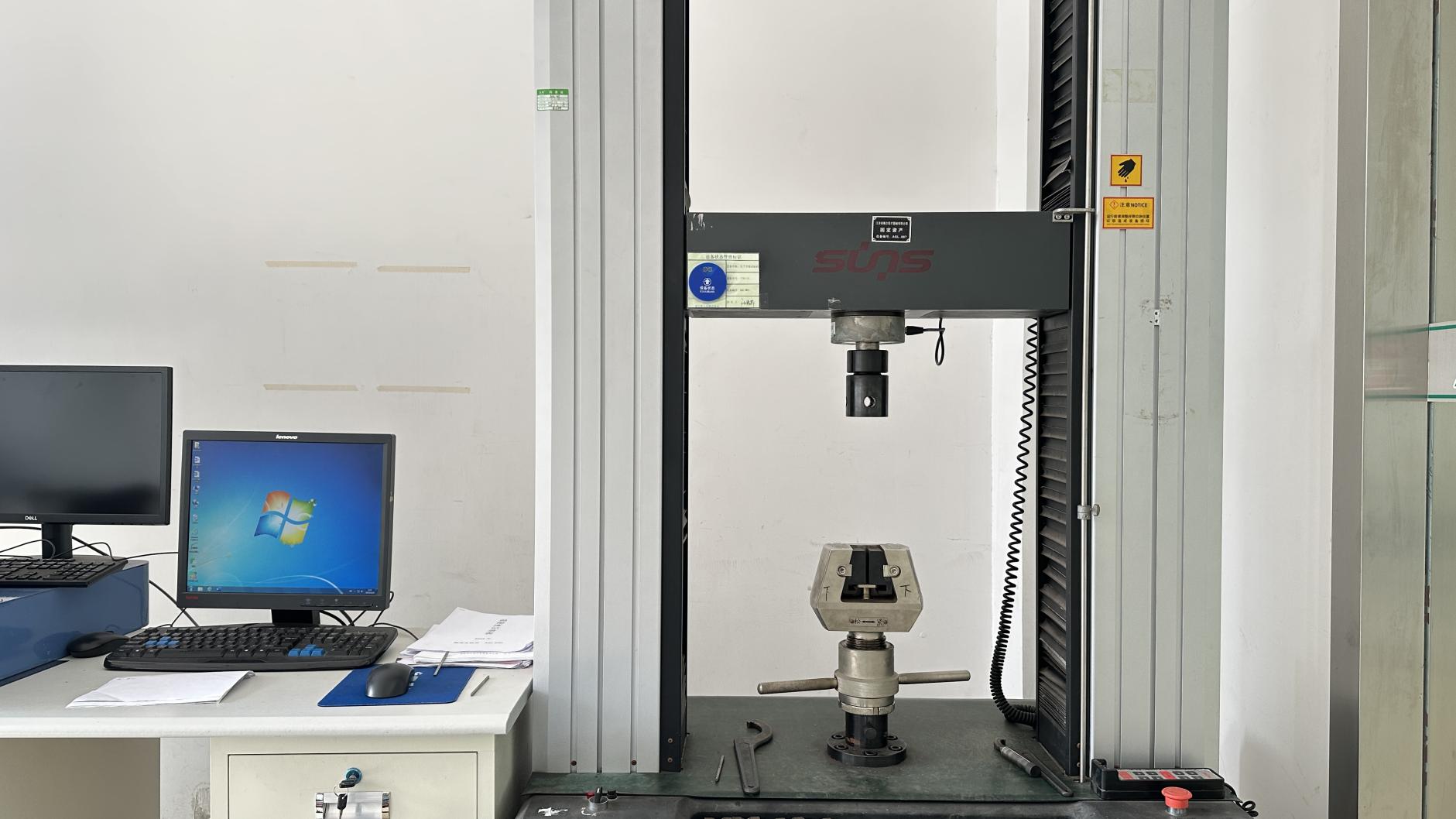
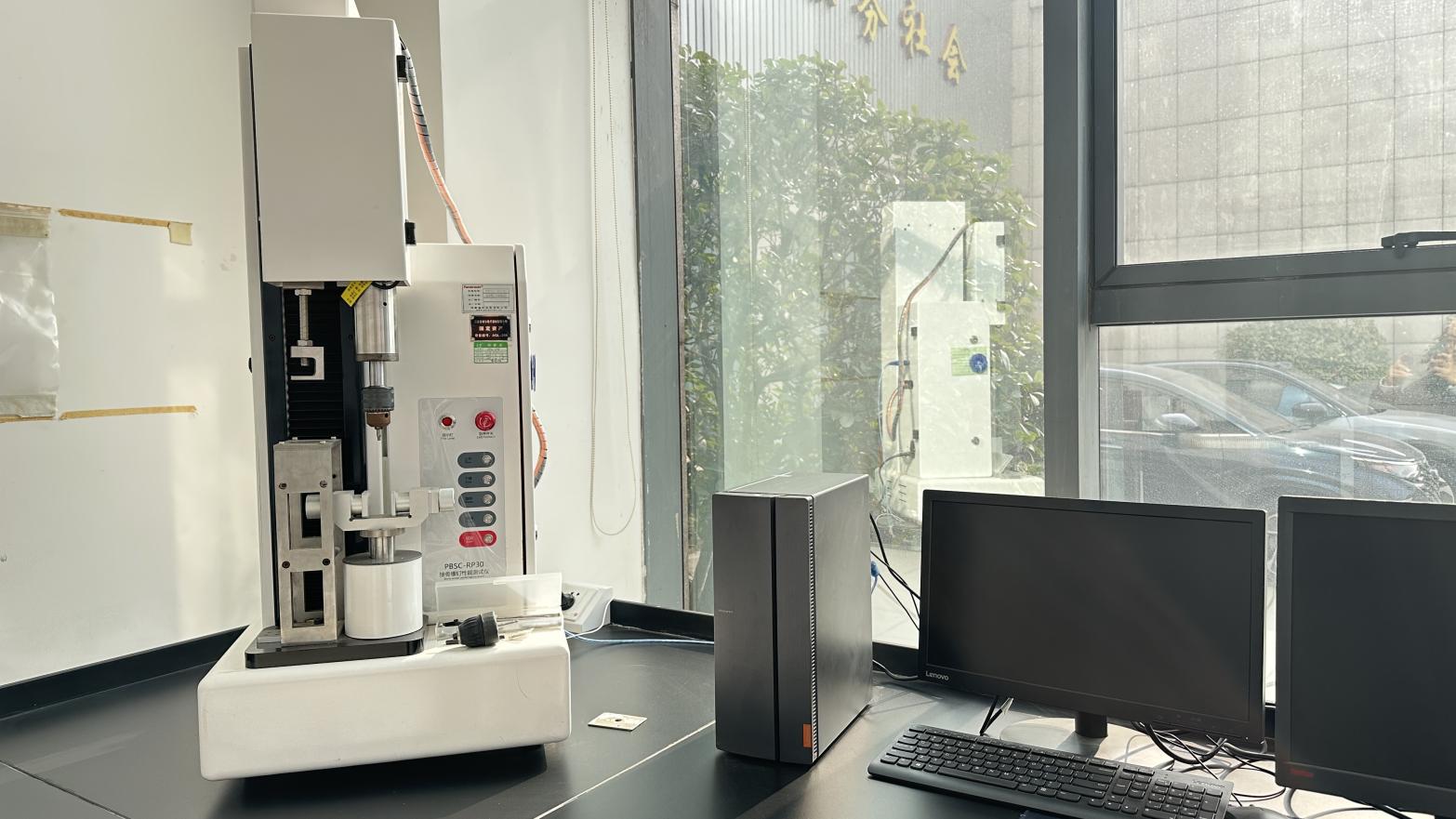
Implant failure is not an option. At Medisplint, we test our implants under cyclic loading conditions to simulate years of physiological activity. Our fatigue testing protocols evaluate fatigue limits and shear strength at the interface of the porous coating, ensuring compliance with ASTM standards. By verifying mechanical characteristics before sterilization and packaging, we guarantee high clinical reliability for surgeons and healthcare systems.
Key technical and logistics inquiries regarding the sourcing and manufacturing of orthopedic implants.