Medisplint
Medisplint
Medisplint
Explore our leading surgical equipment, instrumentation, and spinal internal fixation system solutions engineered for trauma, reconstruction, and clinical efficacy.
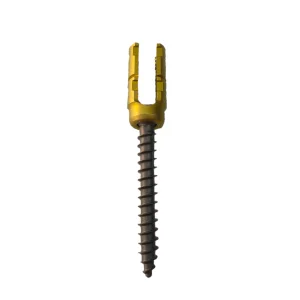
The global spinal internal fixation systems market is experiencing rapid expansion, driven by an aging demographic, the rising incidence of degenerative spine disorders, and the global push for minimally invasive spine surgery (MISS). Modern operating theaters require spinal implants that provide absolute biomechanical stability, reduced recovery times, and superior biological compatibility. As a result, the demand for high-tier medical-grade titanium alloy and PEEK internal fixation solutions has grown dramatically across major hospitals and healthcare systems worldwide.
Distributors and healthcare institutions globally are transitioning from off-the-shelf purchases to customized orthopedic options. Hospital networks are demanding customized configurations of polyaxial pedicle screws, crosslinks, and anterior cervical plate systems optimized for their local surgical protocols. Consequently, having a manufacturing partner with intensive design capabilities (such as CAD/CAM modeling, finite element analysis, and private-label packaging) has become a crucial commercial factor in acquiring regional market share.
Successful commercial implementation of spinal fixation systems depends on secure supply chains and localized compliance support. Because spine surgeries are time-sensitive, suppliers must deliver implants and matching instrument kits concurrently. Leading distributors are shifting toward trusted Chinese suppliers like Medisplint Orthopedic Instruments, who maintain large production reserves and hold rigorous international certifications (such as ISO 13485 and CE). This ensures a steady supply of surgical materials, keeping clinical pipelines operational and reducing delivery risks.
A trusted global pioneer in orthopedic implants, spinal internal fixation systems, and high-precision trauma surgery instrumentation.
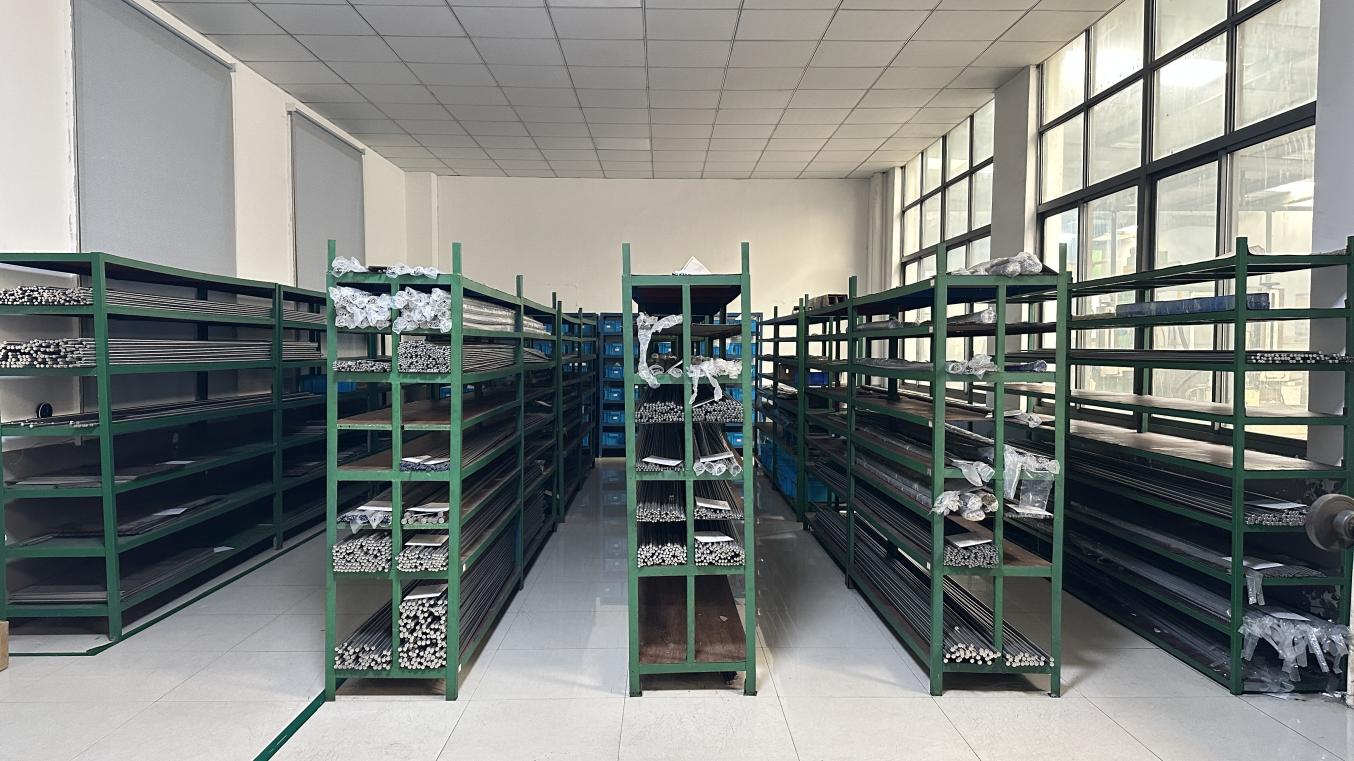
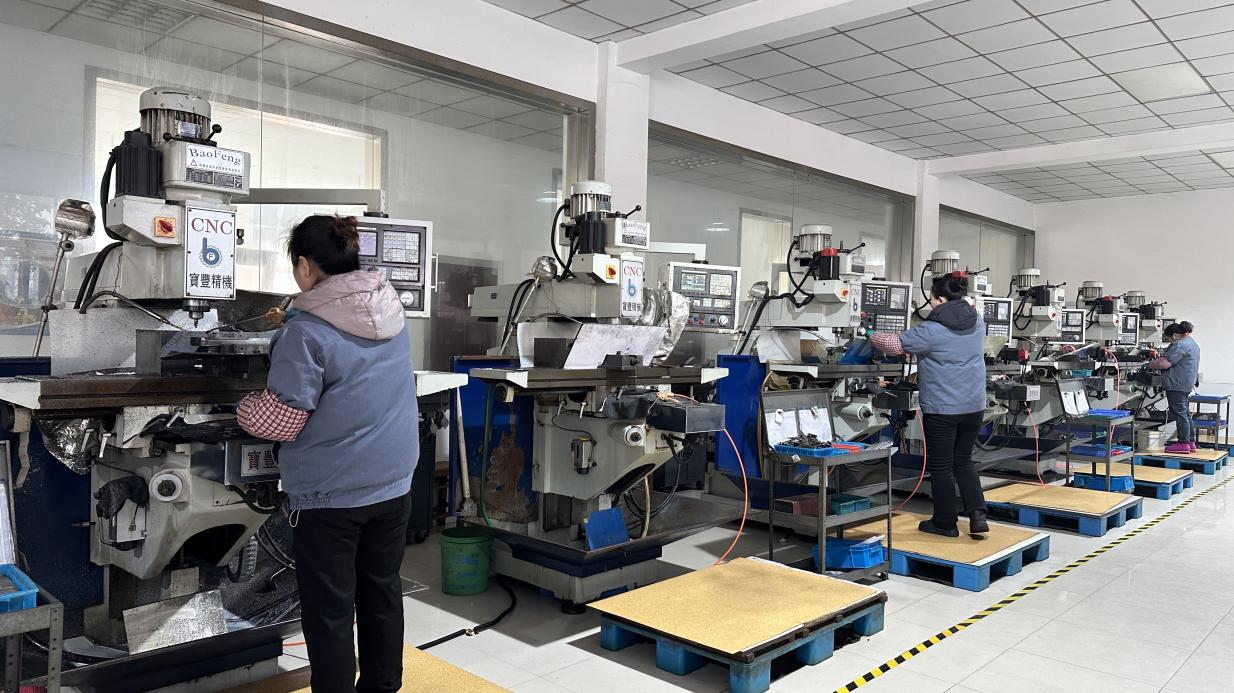
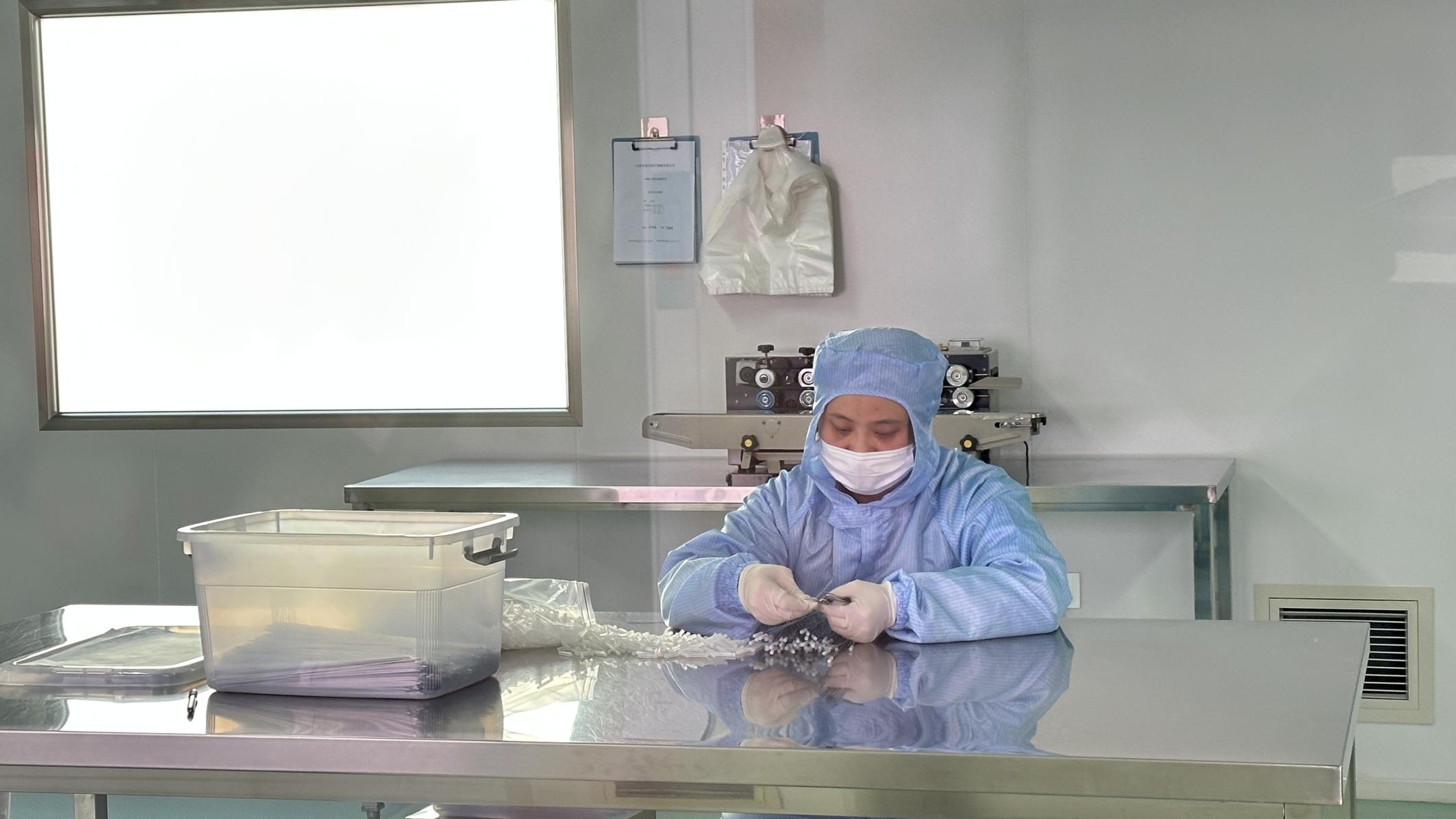
Founded in 2016, Medisplint Orthopedic Instruments Co., Ltd. has developed into a premier manufacturer specializing in orthopedic implants, fixation systems, and surgical tools for trauma, spine, and joint reconstruction. Our facility spans over 18,500 square meters, incorporating state-of-the-art production floors, ISO class cleanrooms, and testing laboratories.
With an annual export revenue of approximately USD 12 million, over 7 years of global trade experience, and a decade-long foundation in orthopedic engineering, we deliver certified medical devices to hospitals, orthopedic distributors, surgical centers, and private label partners across Europe, Southeast Asia, South America, and the Middle East.
Our operation is underpinned by 85 R&D engineering specialists who released 68 new products over the last year alone, ensuring our catalog remains at the absolute cutting edge of spine and trauma medicine.
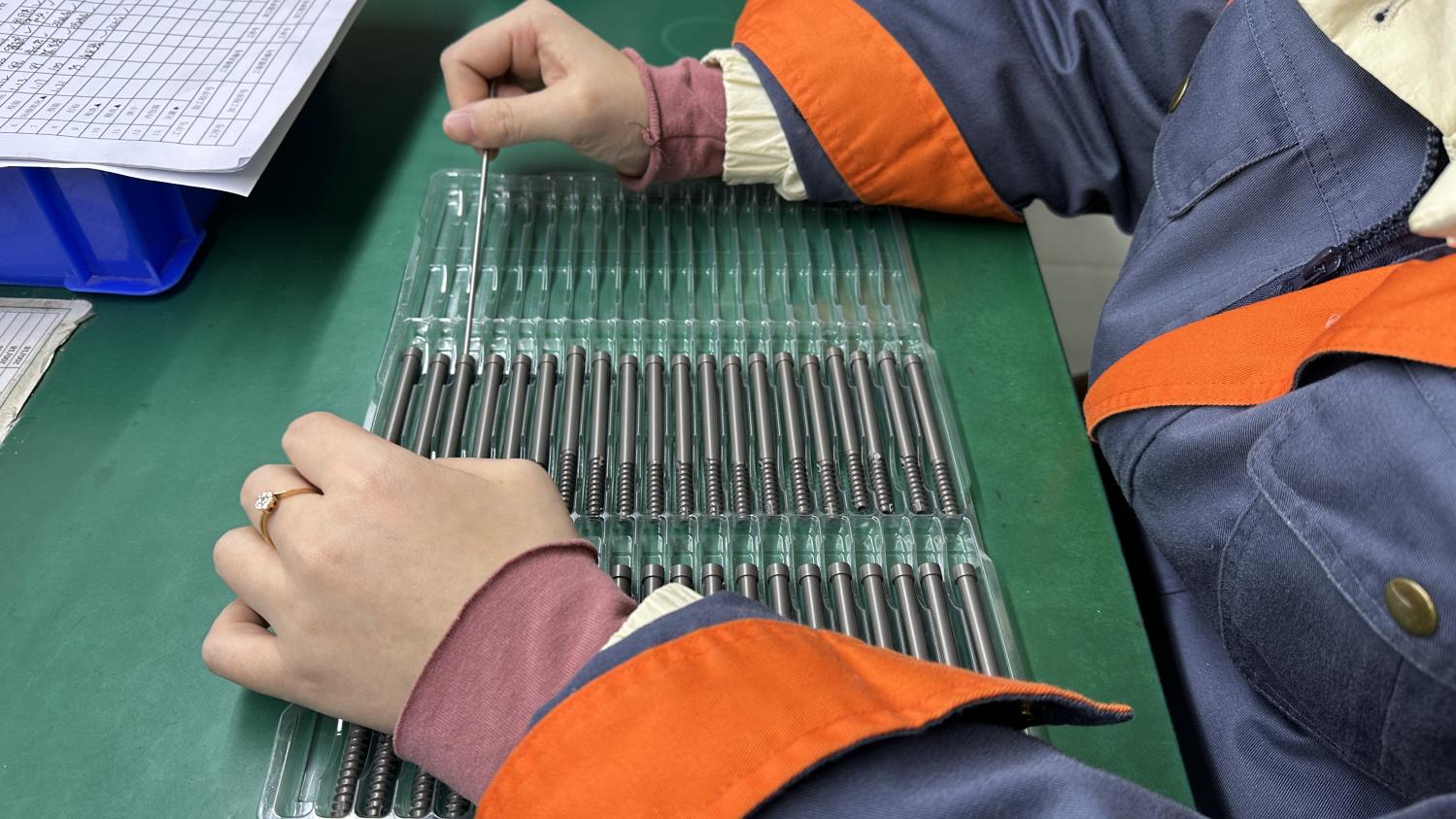
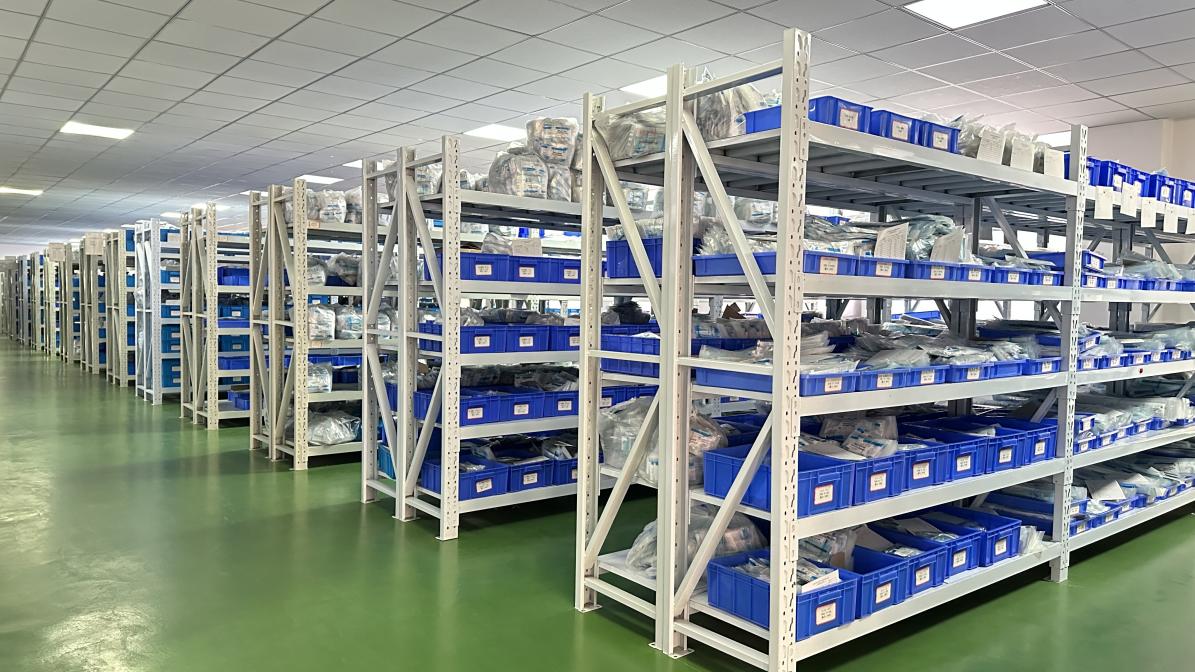
Inside our modern facility: how we process premium medical-grade titanium and PEEK materials into high-precision spinal fixation components.
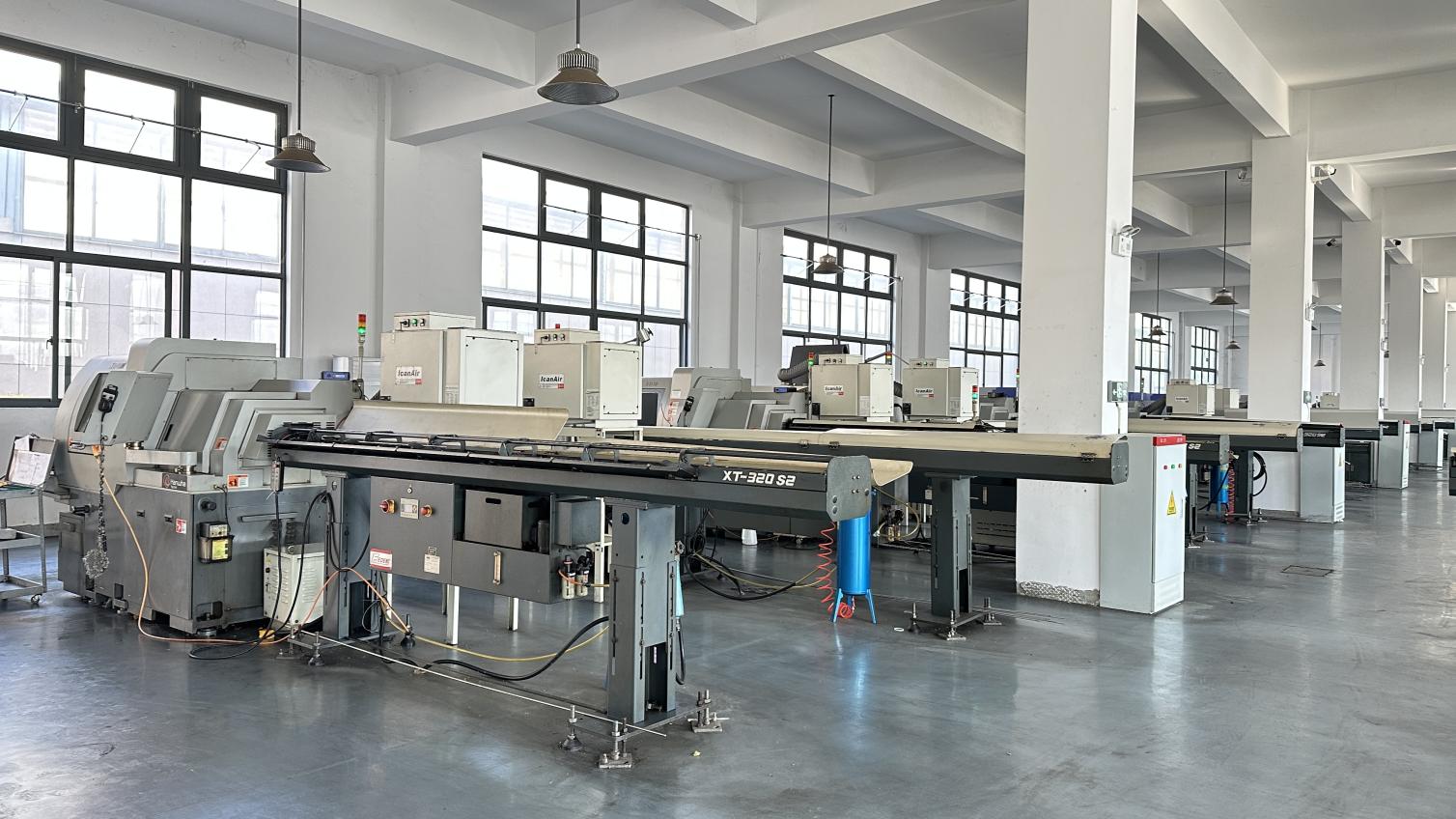
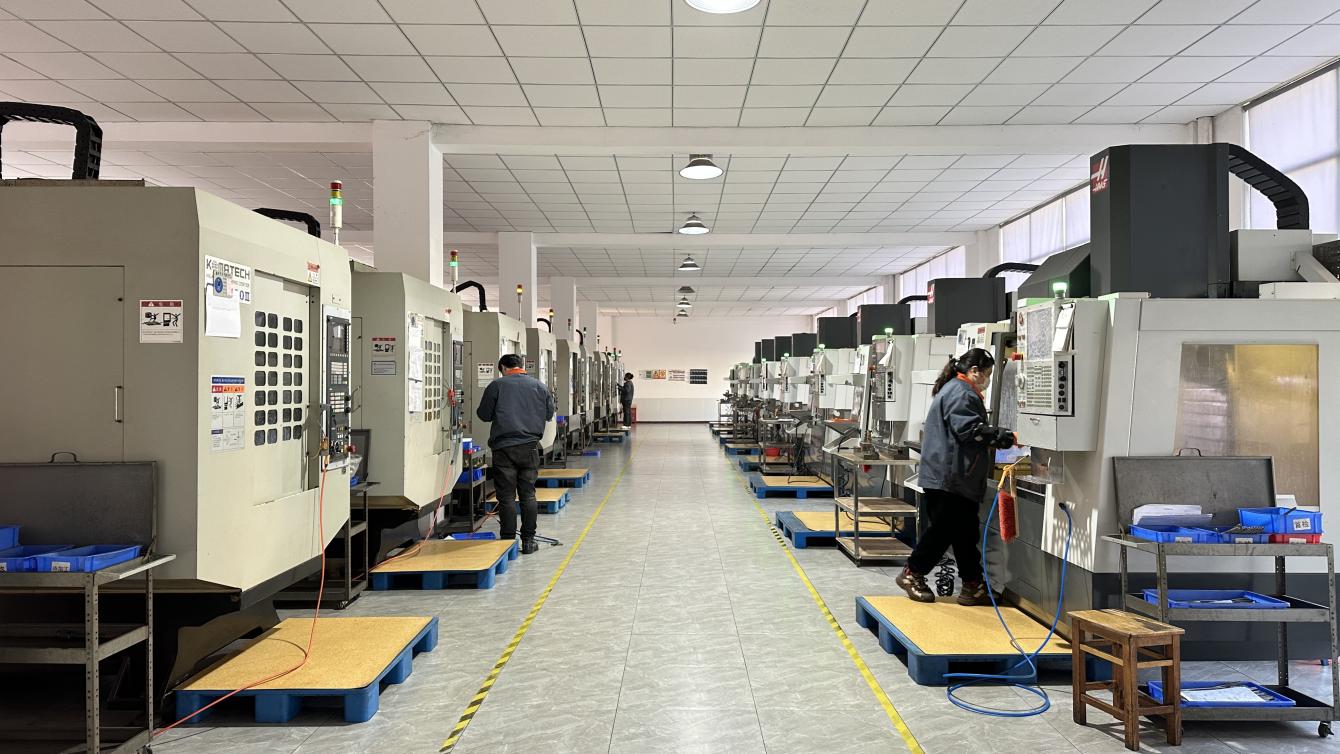
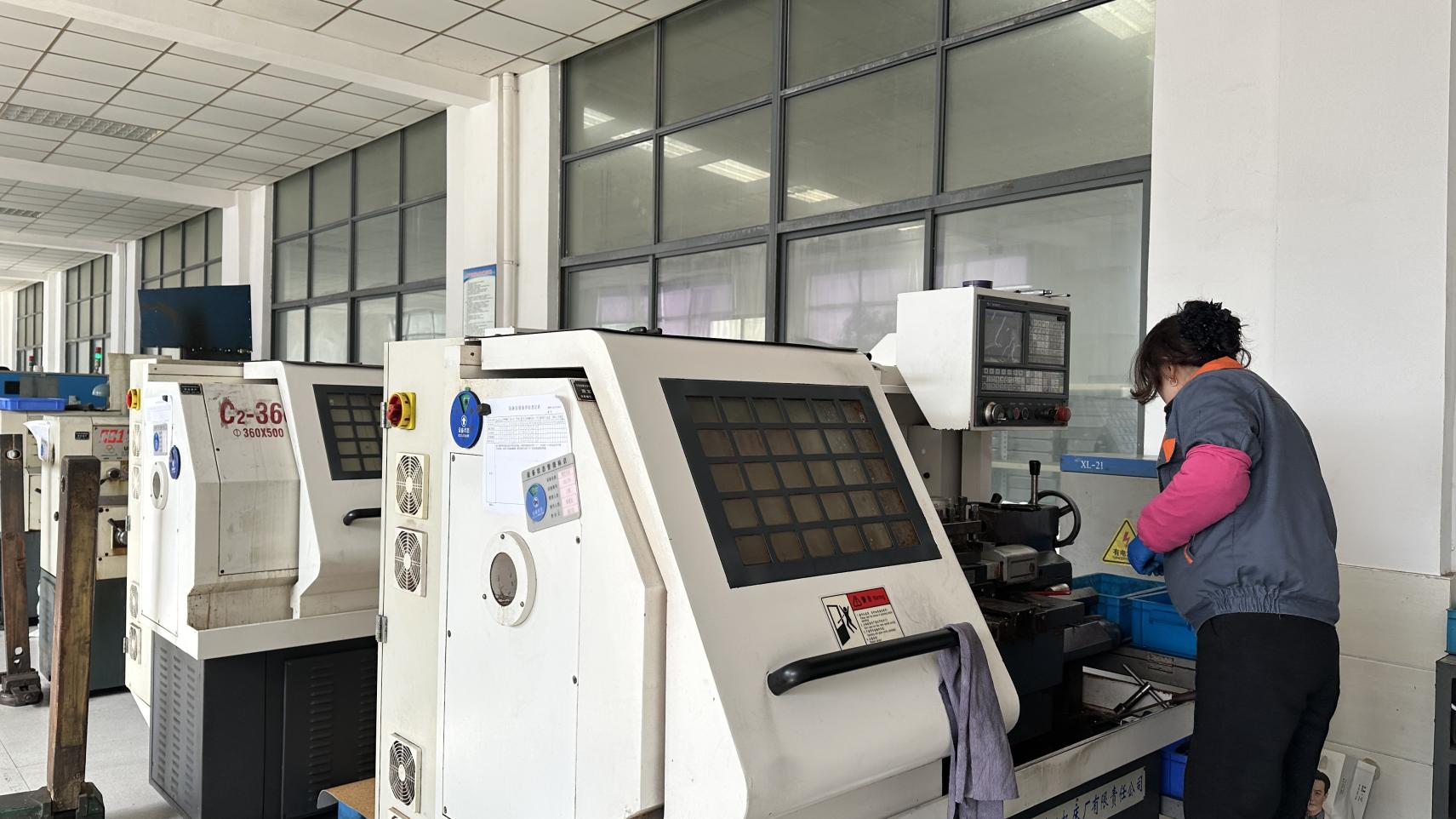
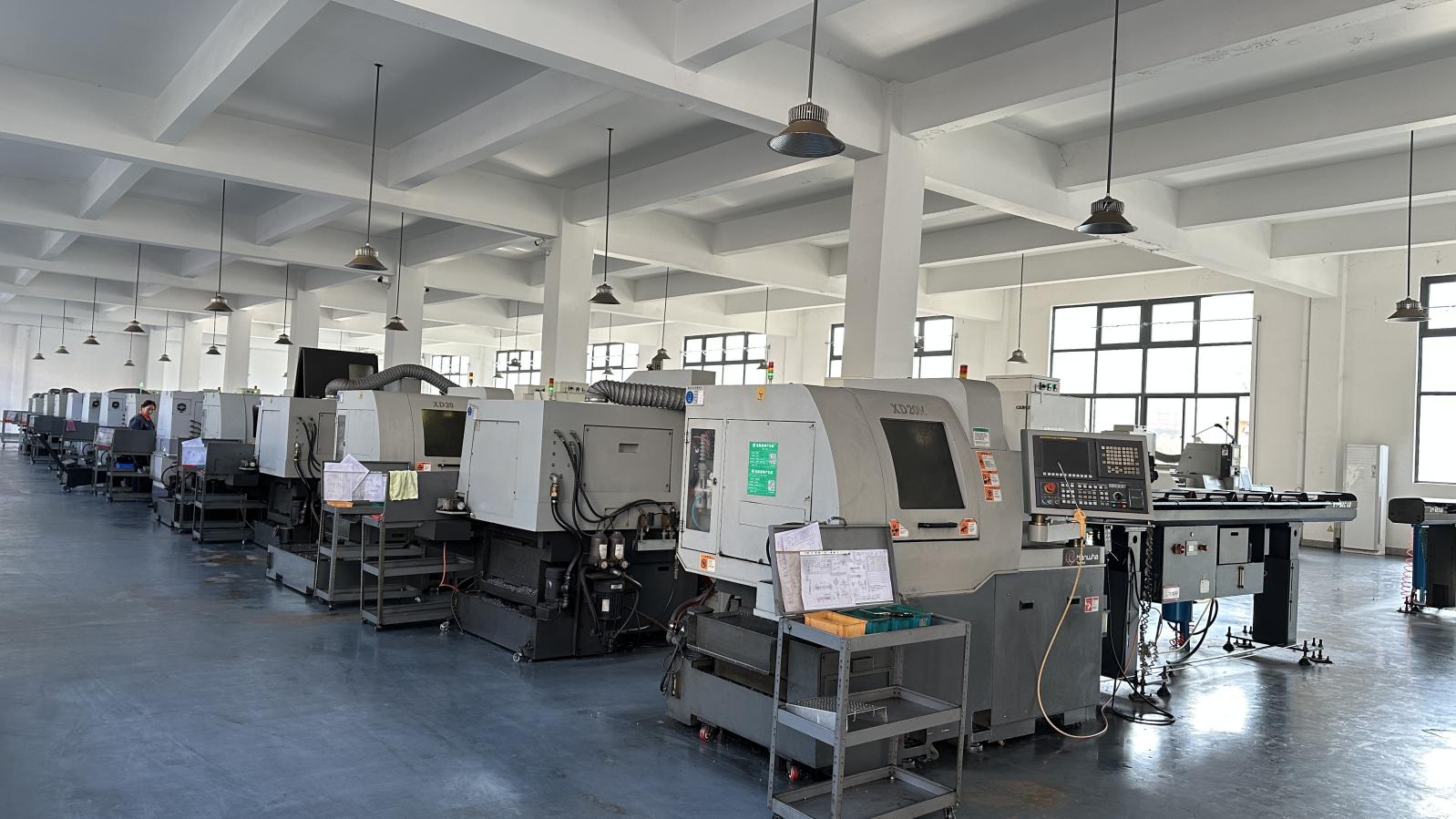
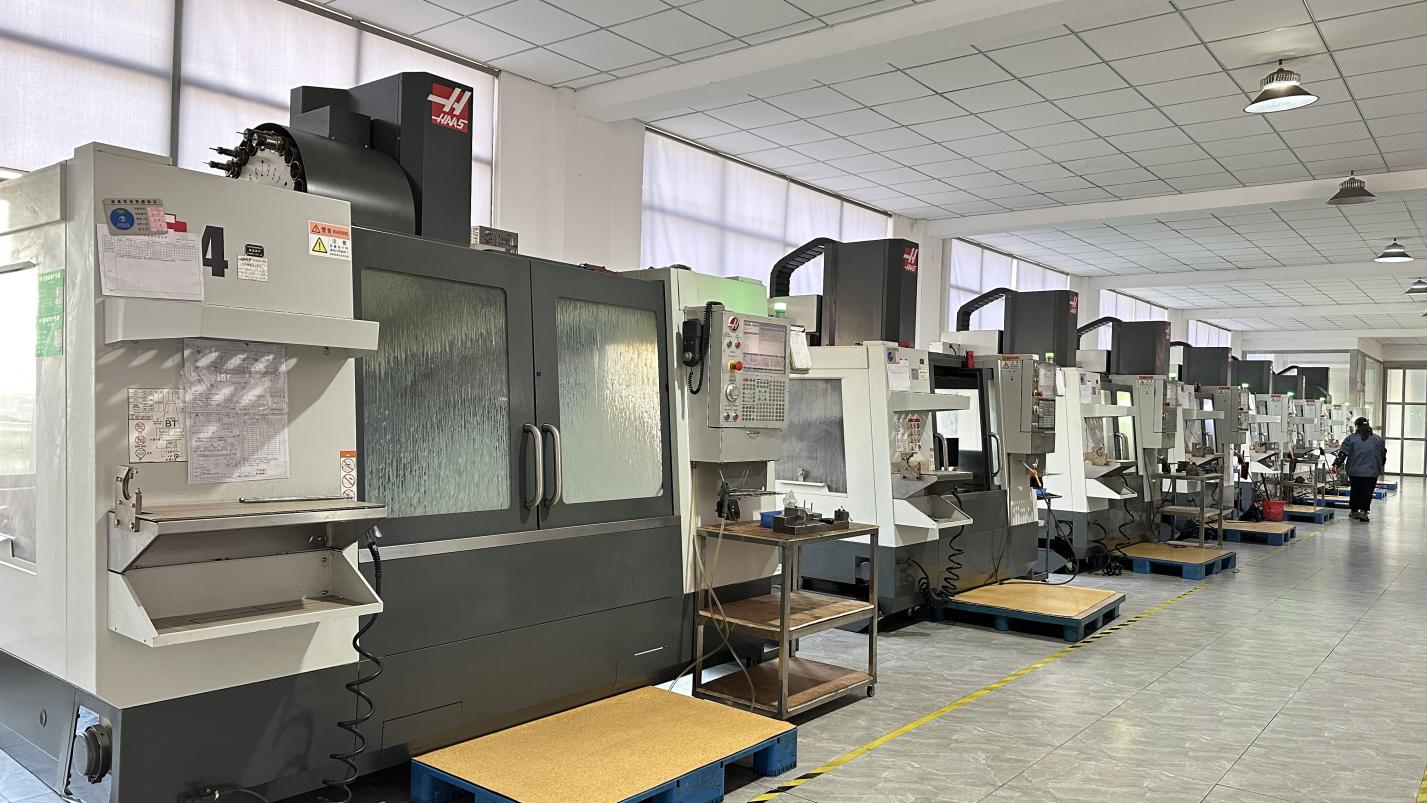
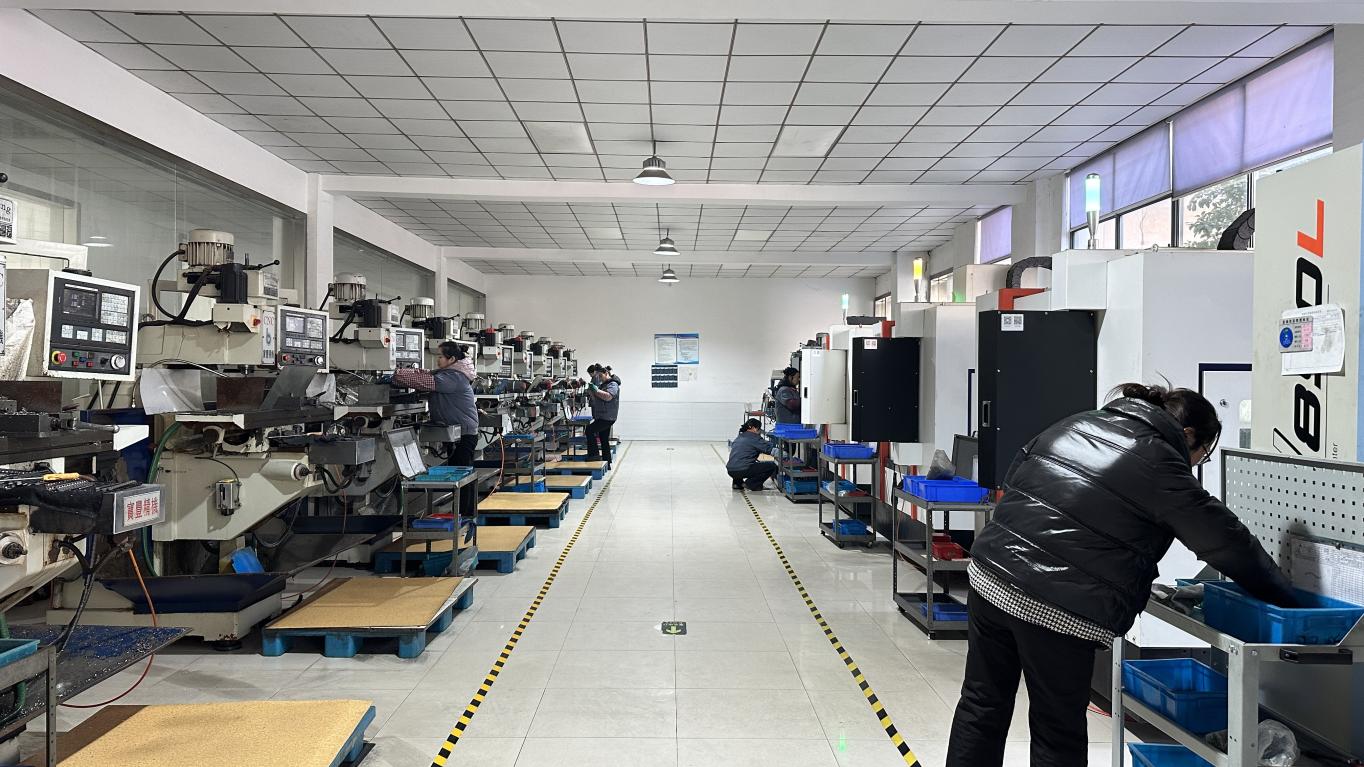
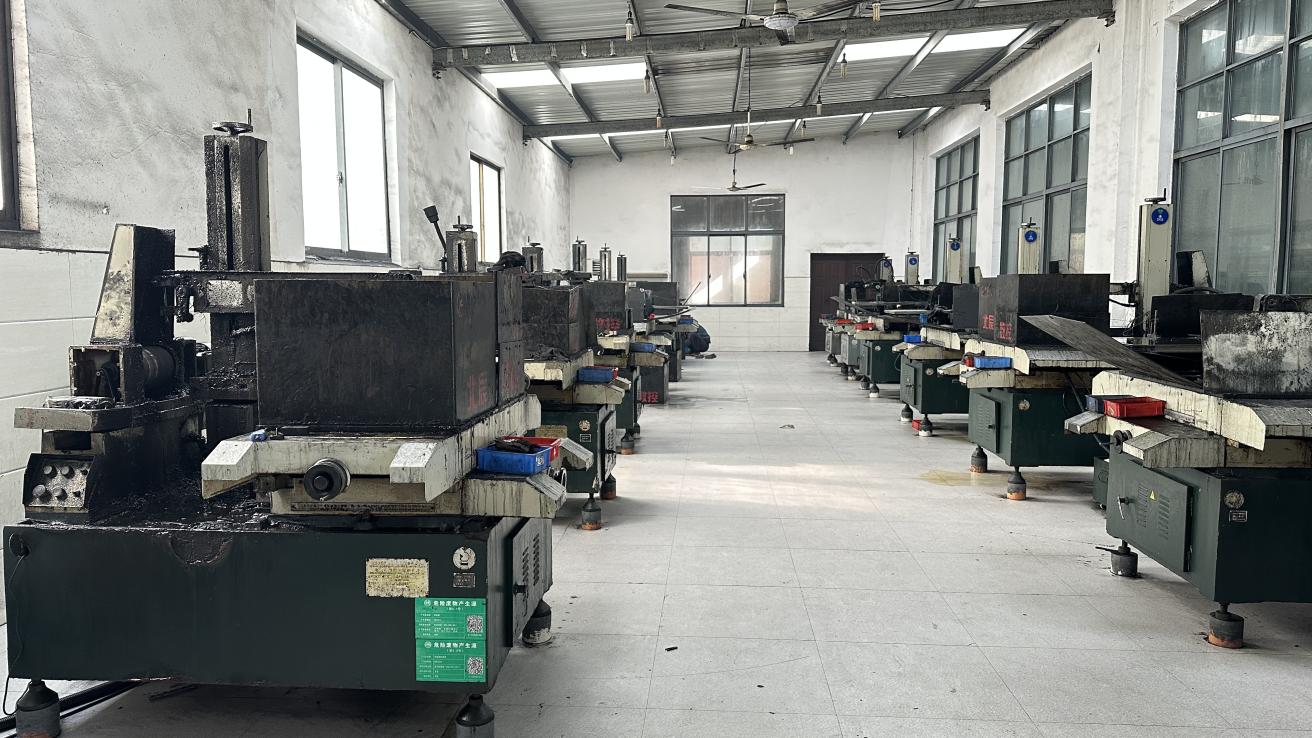
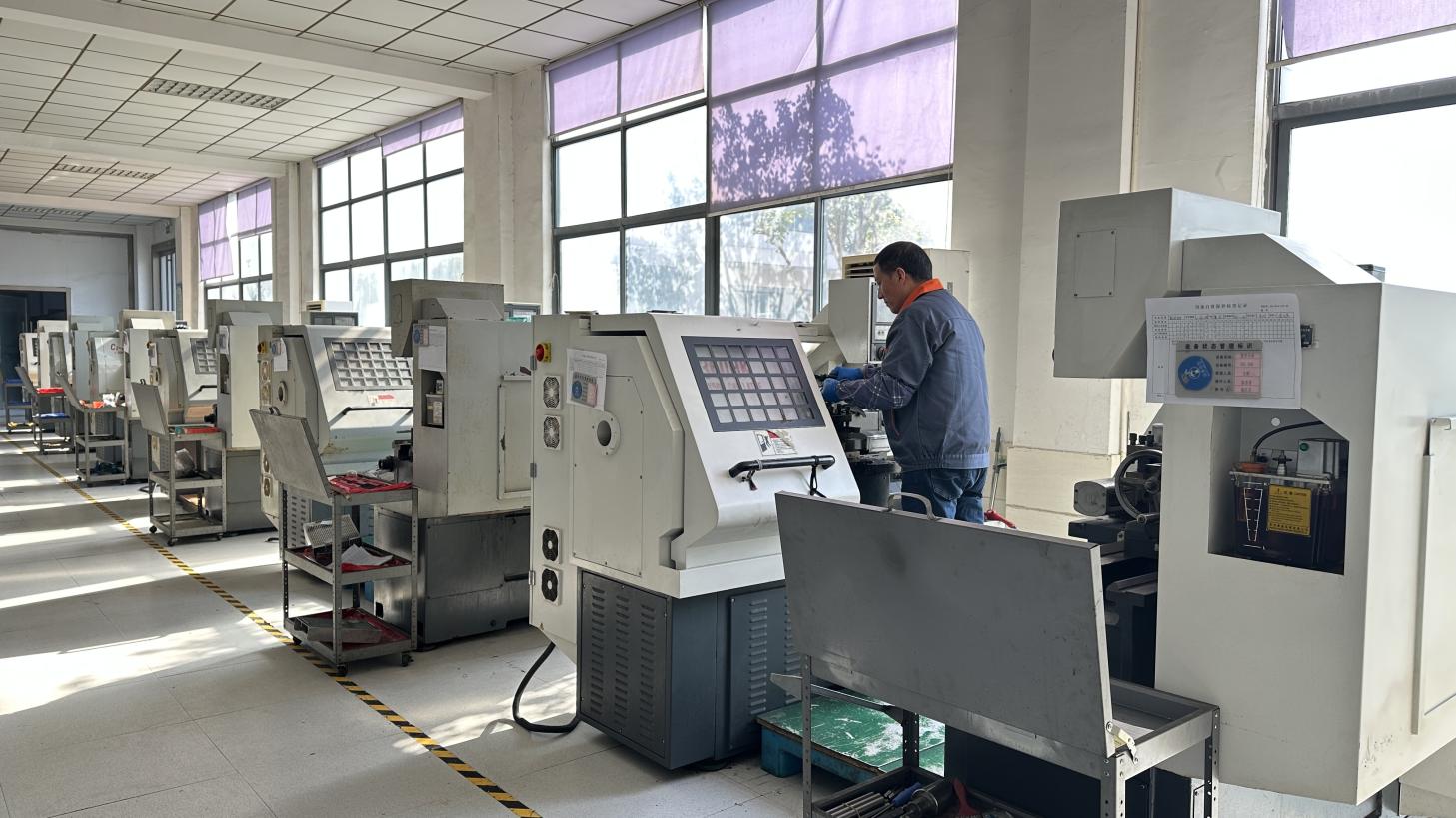
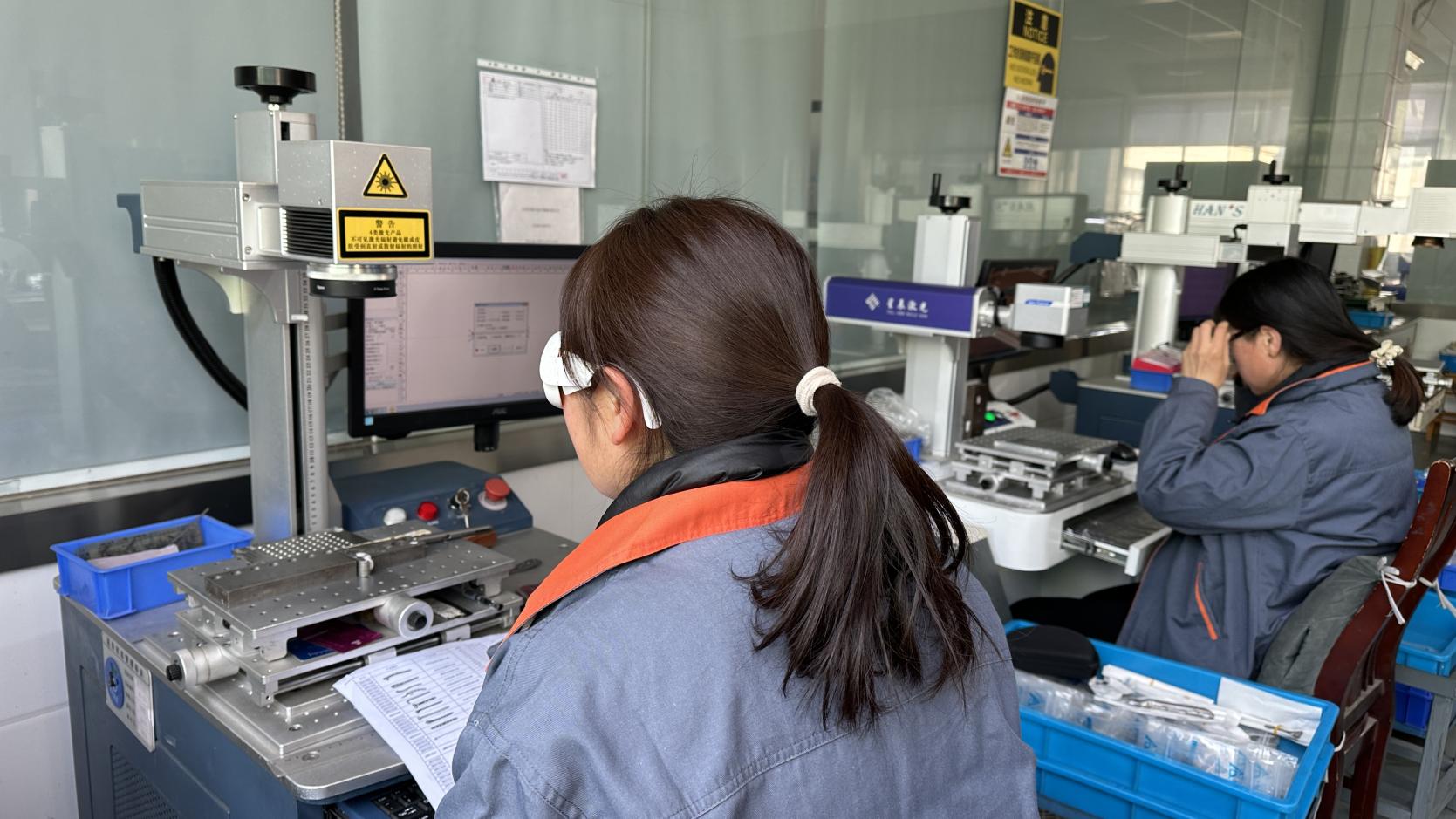
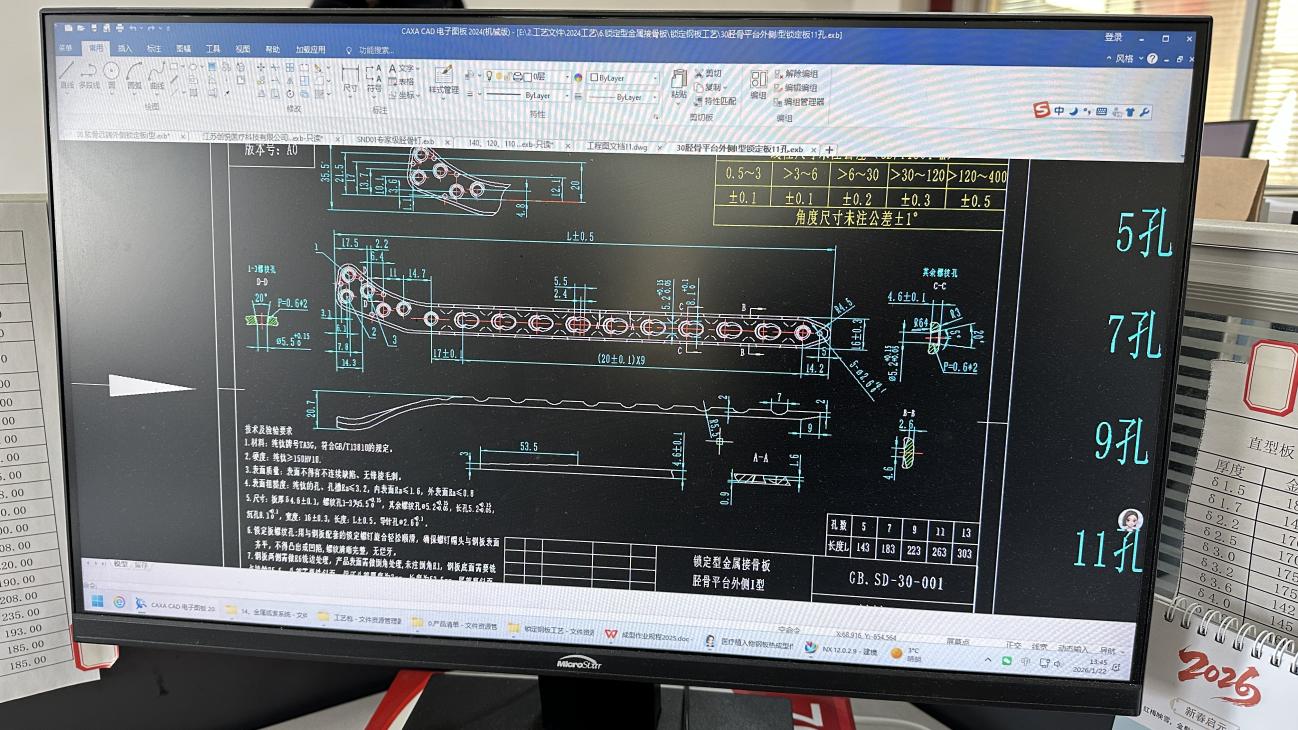

Innovation transitions from high mechanical properties to biological intelligence. The next generation of spinal internal fixation elements is shifting from passive stabilization to active osseointegration.
| Technology Generation | Material Platforms | Surface Innovations | Surgical Compatibility | Clinical Advantages |
|---|---|---|---|---|
| Traditional Fixation | Stainless Steel (316LVM) | Passivated / Standard Polishing | Open Posterior Procedures | High mechanical strength, but prone to stress shielding and imaging artifacts. |
| Modern Standards | Titanium Alloy (Ti-6Al-4V ELI), PEEK | Anodization, Acid Etching, SLA | Fluoroscopy-guided MISS, Polyaxial Pedicle Screws | Reduced imaging artifacting, improved modulus matching, high biocompatibility. |
| Advanced Additive | 3D-Printed Trabecular Titanium | Bioactive Hydroxyapatite (HA) Coatings | Navigation & Robotic Assist Platforms | Enhanced primary stability, rapid bony ingrowth, optimized customized profiles. |
| Smart & Bioresorbable | Magnesium Alloys, Bioactive Composites | Anti-microbial Silver/Drug Eluting coatings | Endoscopic & AI-Guided Planning Systems | Degradation matching osteo-regeneration rate, eliminating secondary removal operations. |
By incorporating acid-etched micro-roughness and nanostructured titanium surfaces, we promote quicker cell differentiation and faster osteogenesis. The surface texture mimics the natural trabecular bone structure, boosting osteoblast adhesion and overall implant stability.
Modern pedicle screws must match the precise demands of surgical guidance systems. Our implants are engineered with tight tolerance margins (+/- 0.01mm) to seamlessly integrate with computerized navigation and robotic-assisted placement tools, enhancing positioning accuracy.
To address stress shielding, we utilize materials like PEEK (Polyether ether ketone) and porous titanium structures. These materials exhibit an elastic modulus closer to human cortical bone, reducing the risks of implant subsidence and screw loosening.
How surgical teams utilize our implant systems across distinct clinical indications to restore biomechanical functionality.
Chronic instability caused by severe disc degeneration demands robust posterior stabilization. Our polyaxial pedicle screws, combined with lordotic titanium or PEEK cages, recreate intervertebral disc height and provide immediate structural immobilization, facilitating solid interbody fusion.
Complex scoliosis, kyphosis, and spondylolisthesis corrections require strong segment control. Our low-profile spinal rods, combined with reduction pedicle screws and transverse connectors, provide the biomechanical leverage needed to restore spinal alignment and improve long-term balance.
Unstable burst fractures and fracture-dislocations require rapid stabilization to prevent neurological deficits. Our pedicle screw instrumentation sets provide simple, rigid fixation that stabilizes the spine, allowing early patient mobilization and facilitating post-traumatic rehabilitation.
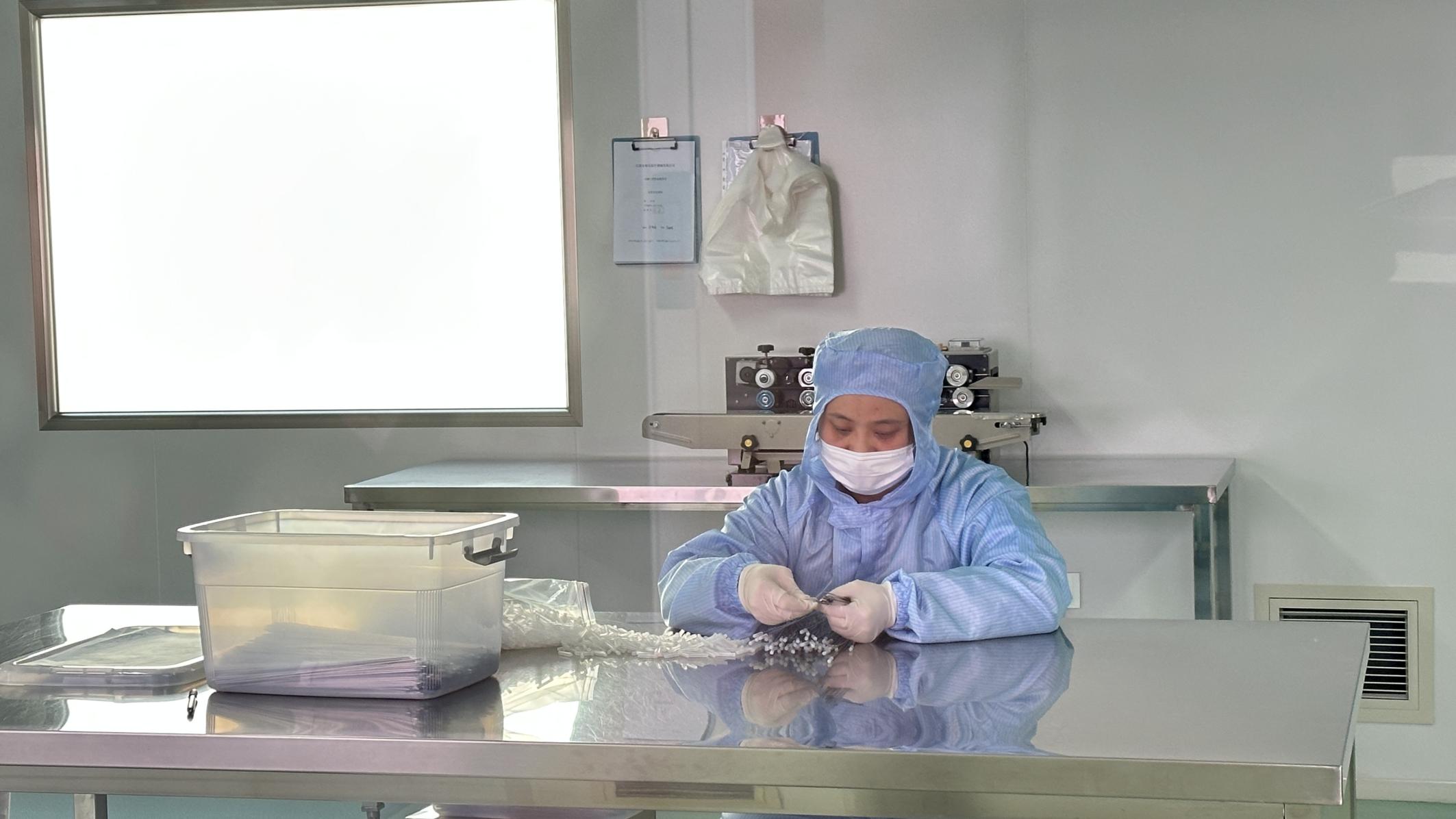
Operating a strict, double-tested medical production environment to guarantee the quality and reliability of every implant.
Our supply chain connects with over 1,200 partners, giving us rapid access to raw materials and helping us mitigate procurement risks. Medisplint leverages this ecosystem to offer flexible sourcing, fast manufacturing turnarounds, and reliable volume production. We help distributors navigate complex logistics, ensuring order delivery times are cut by up to 30% compared to typical industry timelines.
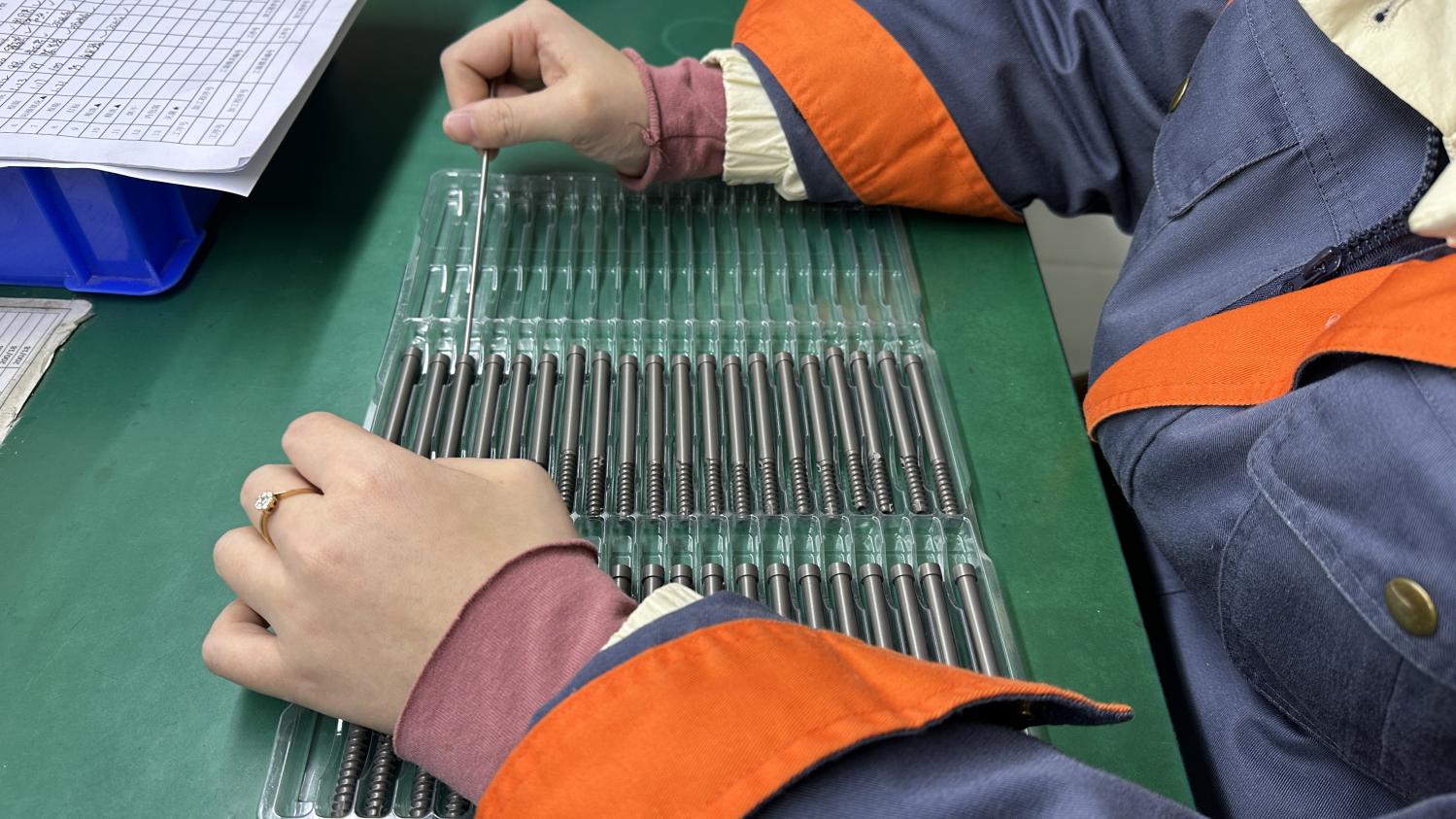
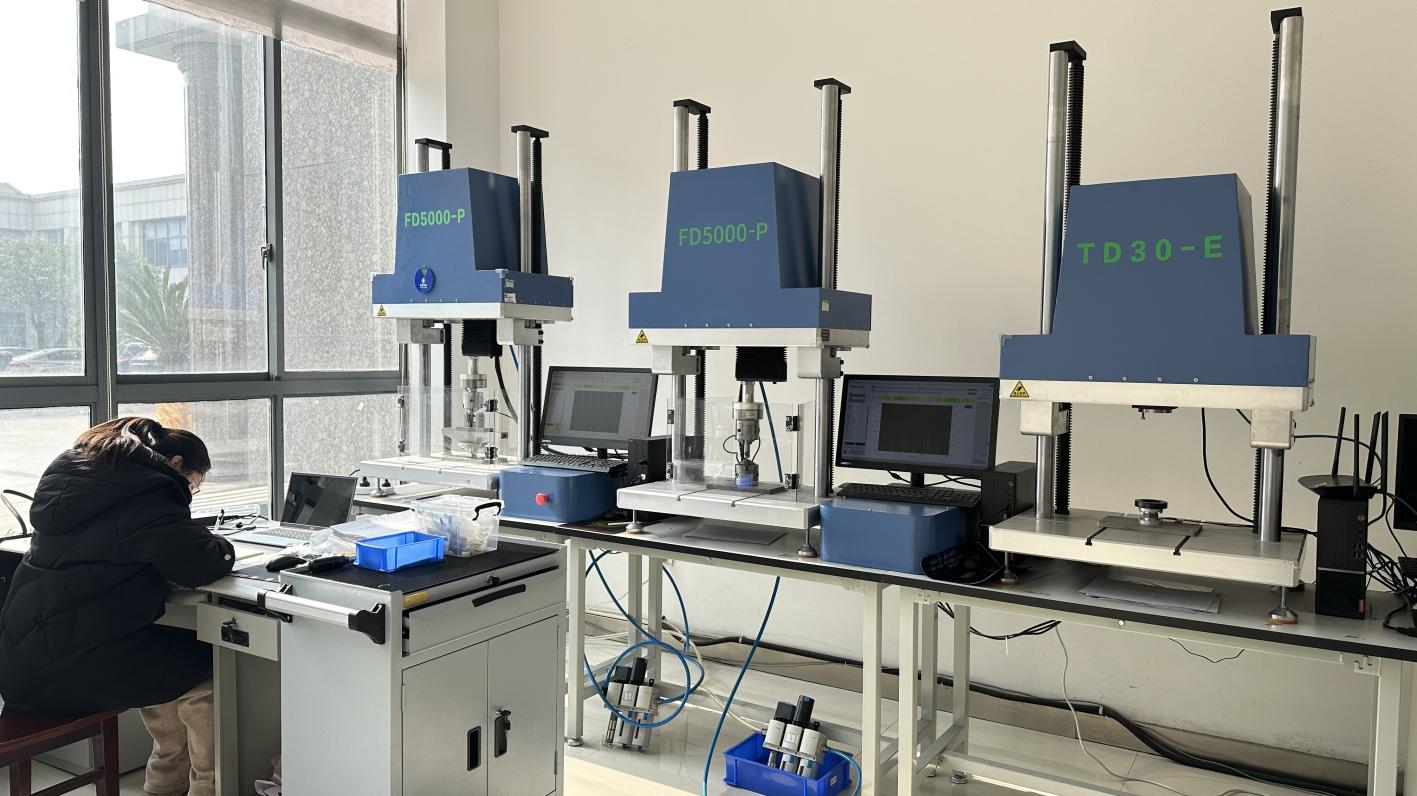
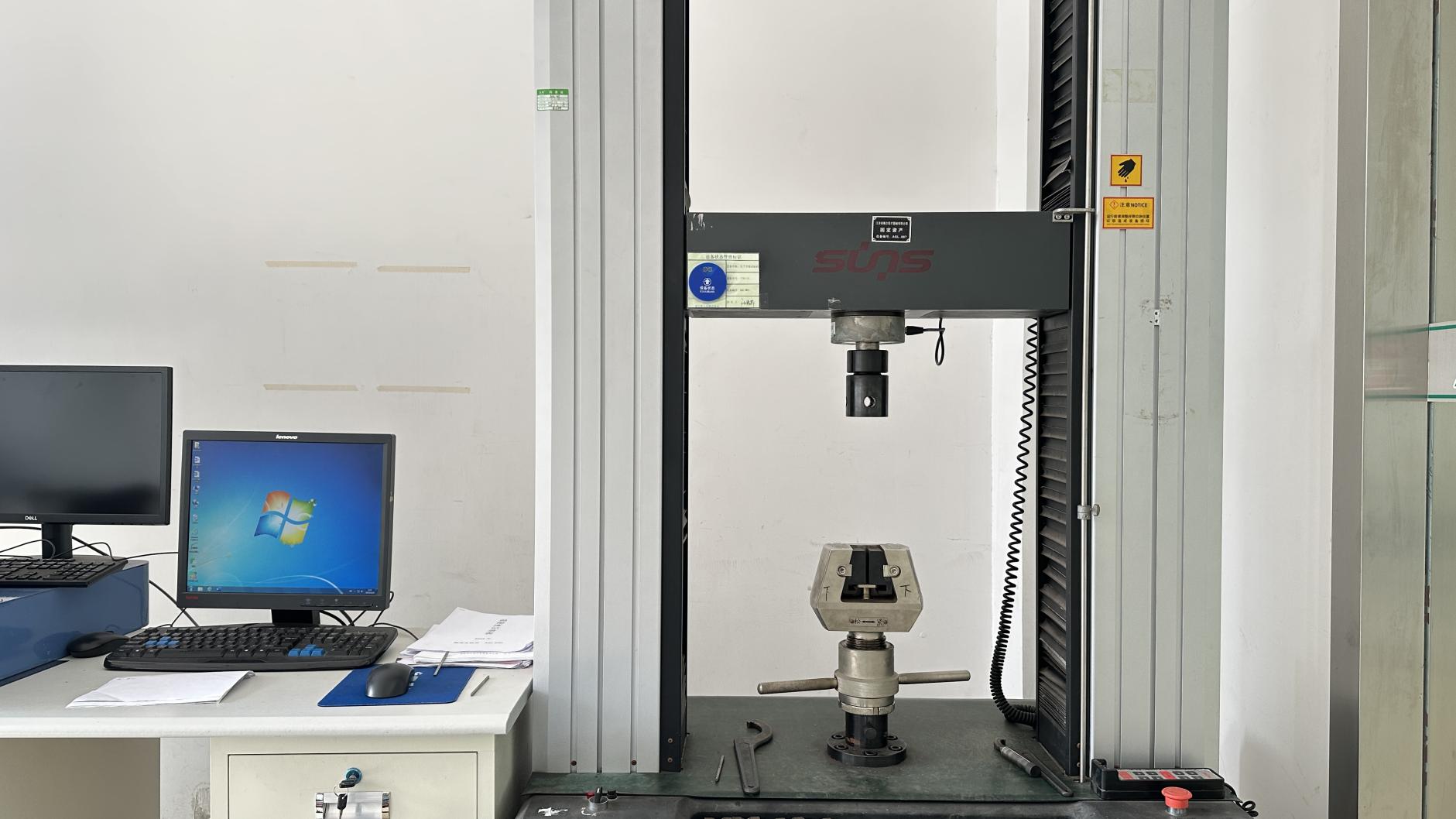
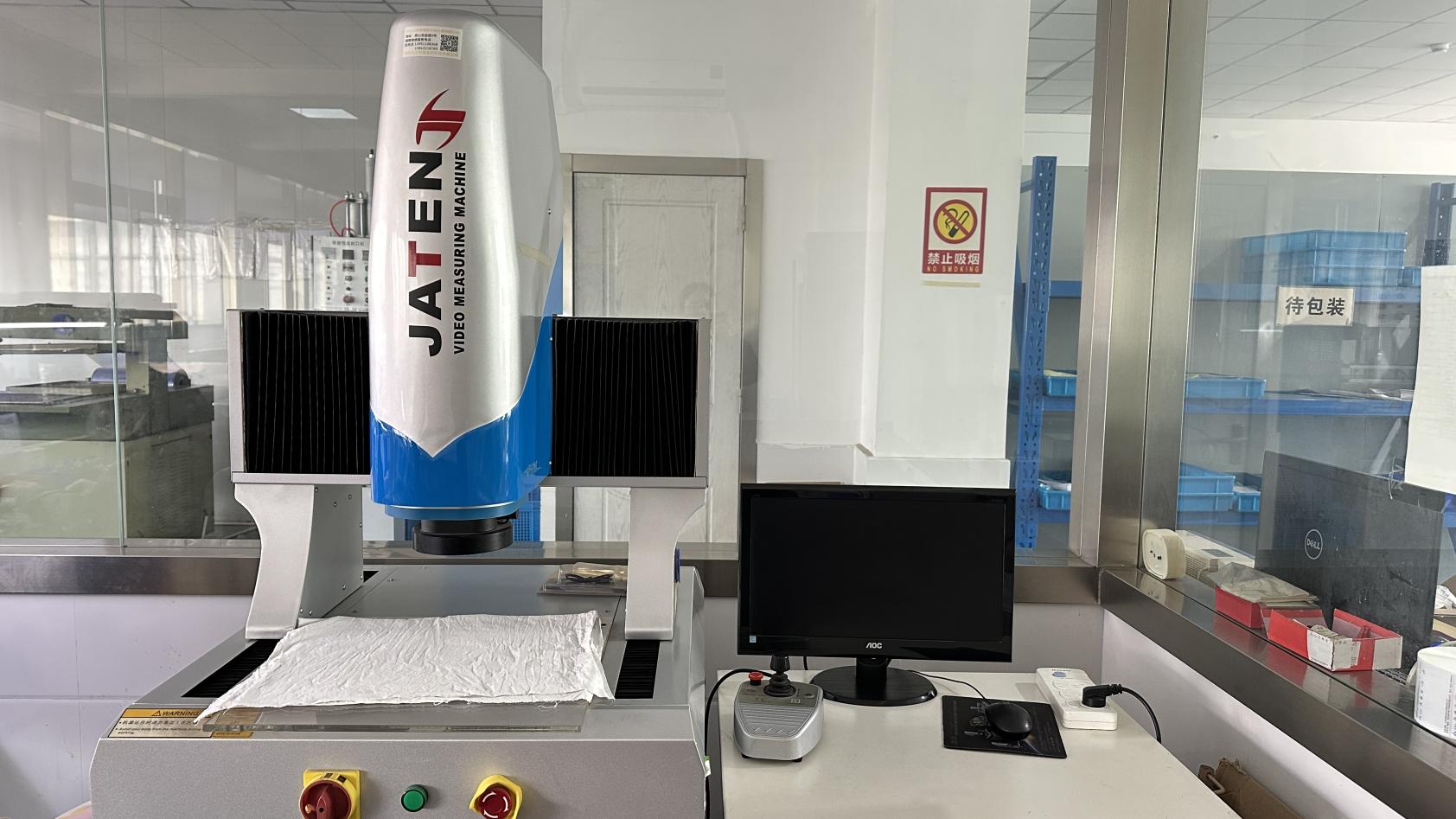
With a dedicated team of 42 quality assurance inspectors, Medisplint runs a multi-stage testing process. We perform Incoming Material Inspections, In-Process Quality Control (IPQC), and Final Quality Control (FQC), supplemented by regular third-party laboratory verification. This systematic approach ensures every implant conforms to relevant ISO 13485 and CE standards.
Essential technical, regulatory, and commercial information for orthopedic distributors, hospital purchasing departments, and global OEM partners.
We manufacture our spinal internal fixation systems using high-grade Ti-6Al-4V ELI (Extra Low Interstitials) titanium alloy, conforming to ASTM F136 and ISO 5832-3 standards. This material delivers excellent biocompatibility, high fatigue strength, and corrosion resistance within the human body.
We support our partners throughout the local regulatory process. Medisplint provides comprehensive technical files, including raw material certificates (MTRs), ISO 13485 quality documents, CE declaration paperwork, biocompatibility data, and biomechanical test reports (such as ASTM F1717 and ASTM F543).
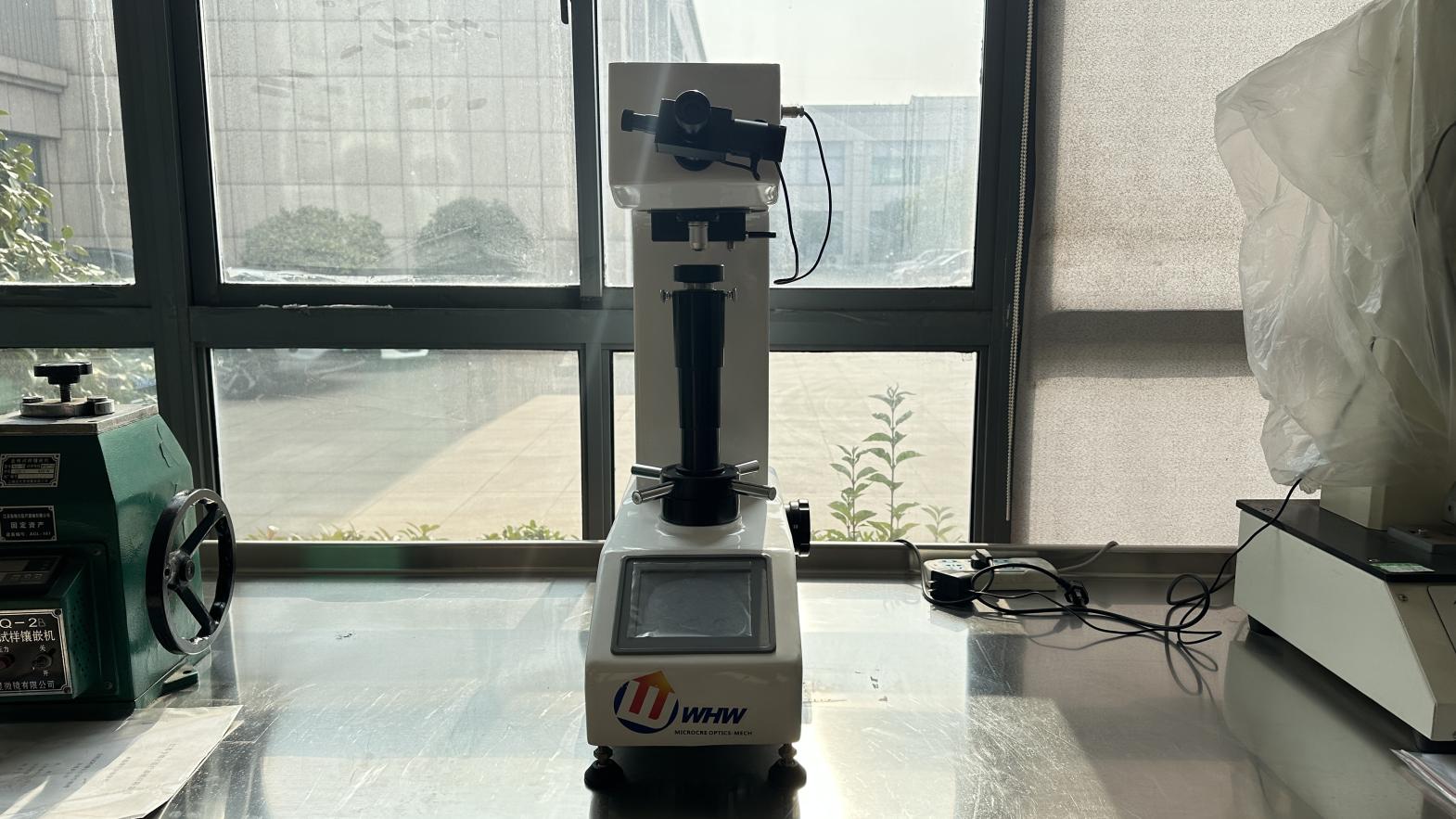
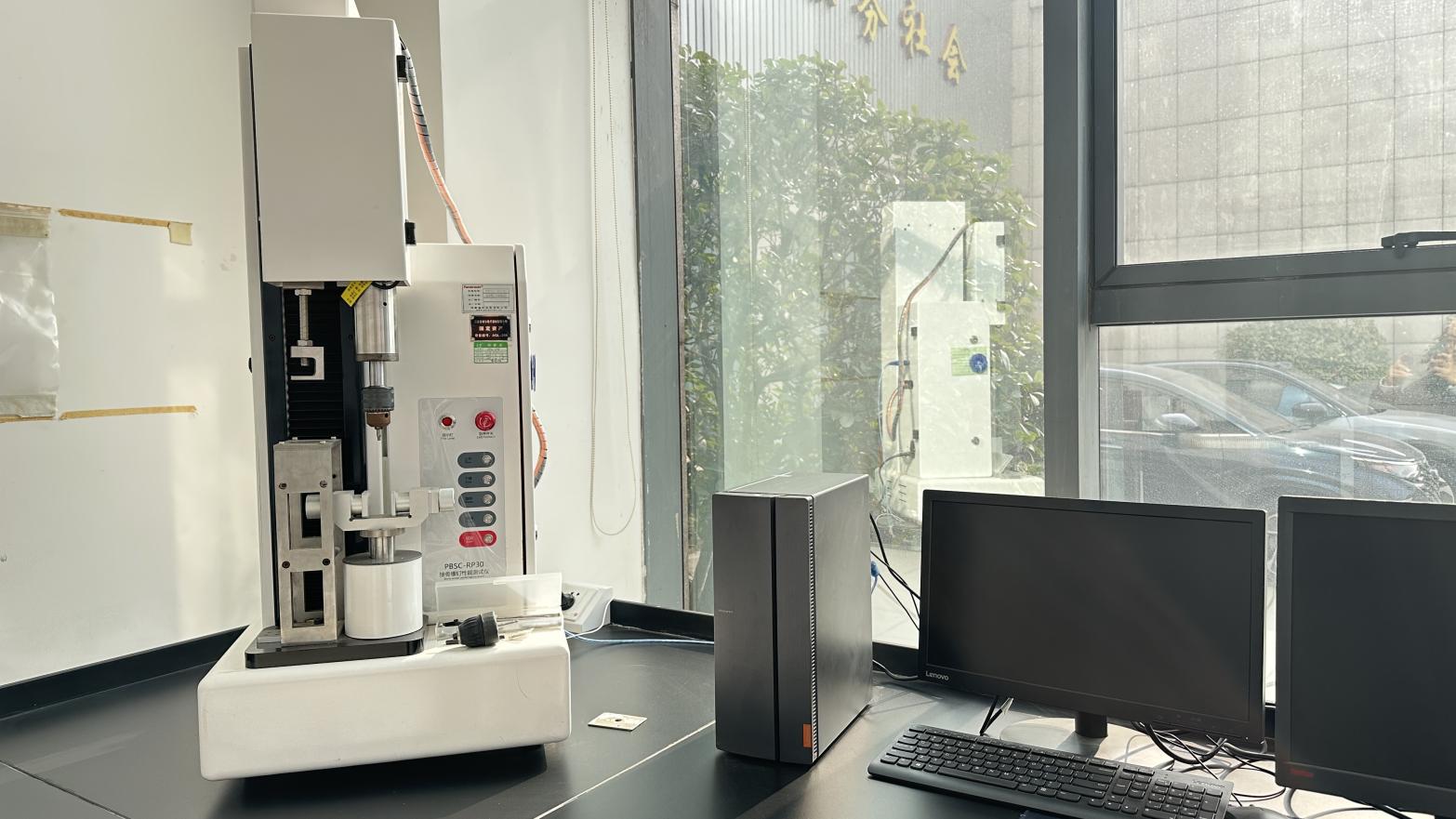
Every pedicle screw design undergoes dynamic and static mechanical testing in our lab. This includes static compression bending, tension testing, and fatigue testing according to ASTM F1717 standards, ensuring the implant assemblies can withstand physiological loading over long-term clinical implantation.
Yes. With our team of 85 R&D engineers, we offer extensive OEM/ODM services. We can customize the dimensions of pedicle screws (such as thread pitch, polyaxial head angulation, and length), modify anterior plates, laser-mark custom branding, and design matching surgical instrument sets to suit your requirements.
Our implants are typically supplied in non-sterile bulk packaging or sterile double-Tyvek pouches sterilized via Gamma irradiation or Ethylene Oxide (EtO). If you choose non-sterile delivery, the implants must be sterilized in autoclave trays at the hospital before clinical use.
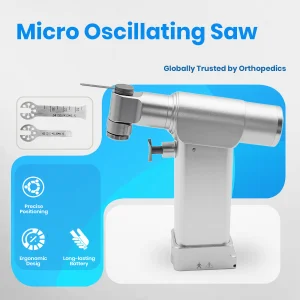
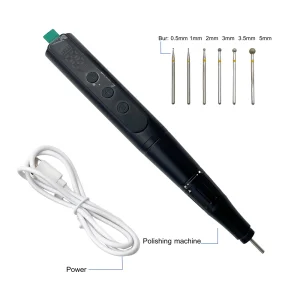
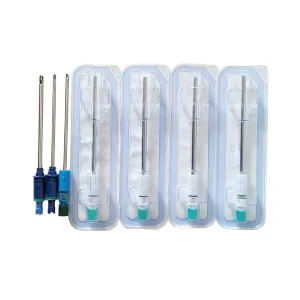
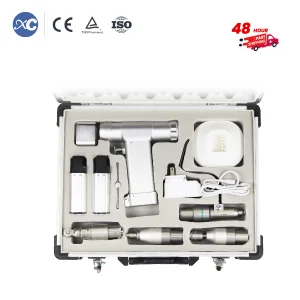
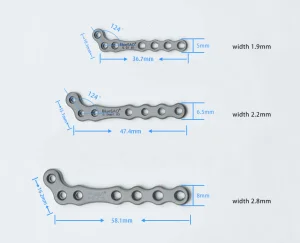
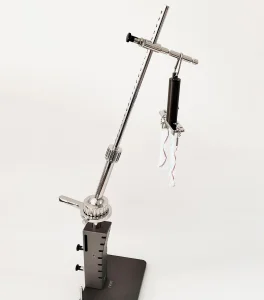
Complete your clinical portfolio with our reliable power systems, arthroscopic shavers, and anatomical plating systems designed for modern surgical workflows.