Medisplint
Medisplint
Medisplint
Analyzing long-term clinical survivorship and mechanical configurations in modern arthroplasty.
In total hip arthroplasty (THA), the selection of femoral fixation depends heavily on bone morphology, age, and lifestyle. The cemented hip prosthesis remains the clinical benchmark for patients with compromised bone architecture, such as those diagnosed with severe osteoporosis, rheumatoid arthritis, or Dorr Type C femoral geometry. The mechanism relies on PMMA bone cement acting as a buffer layer to transfer stress uniformly from the metallic stem to the cortical bone, minimizing focal stress concentrations.
Over the past four decades, cemented stems have evolved across two main design philosophies:
Understanding these distinct physical interactions allows medical distributors and hospital procurement committees to choose the appropriate implant systems for their surgeons' preferred techniques.
Leveraging high-capacity advanced manufacturing pipelines with strict regulatory compliance.
Navigating global healthcare markets requires strict compliance. Sourcing partners must offer full traceability. Medisplint operations feature certifications like ISO 13485:2016 and strict compliance with the European Medical Device Regulation (EU MDR 2017/745) and FDA guidance, ensuring seamless import and distribution processes.
Modern joint replacements require premium materials. Chinese manufacturers use high-grade Cobalt-Chromium-Molybdenum (Co-Cr-Mo) conforming to ASTM F75 or ISO 5832-4 and Titanium-6Aluminum-4V ELI (Extra Low Interstitial) conforming to ASTM F136. All materials undergo ultrasonic testing to prevent microstructural failures.
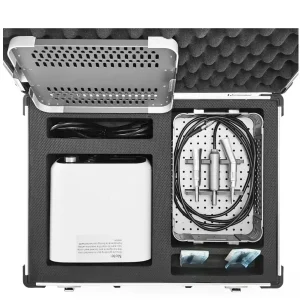
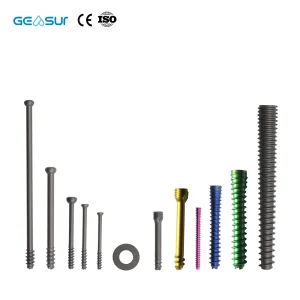
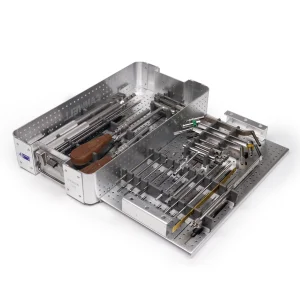
Surgical success depends on precise matching between implants and instruments. Broad OEM and ODM capabilities allow customized femoral head offsets, neck-shaft angles, and stem lengths, paired with matching surgical instrumentation sets to simplify operations.
A leading Chinese medical manufacturer driving innovation and quality in joint reconstruction.
Medisplint is a professional manufacturer specializing in orthopedic implants, fixation systems, and surgical instruments for trauma, spine, and joint reconstruction. Founded in 2016, our facility covers approximately 18,500m², supporting integrated production, assembly, and quality control operations.
With over 10 years of overall industry experience and 7+ years of export operations, Medisplint records an annual export revenue of around USD 12 million. We primarily serve hospitals, orthopedic distributors, surgical centers, and OEM/ODM partners across Europe, Southeast Asia, the Middle East, and South America.
Our robust supply chain network includes over 1,200 partners, providing stable production capacity and flexible sourcing. Our active R&D department features 85 engineering and development specialists, facilitating private labeling, design modifications, and full-service OEM/ODM product lines. Over the past year alone, we introduced 68 new products to the market.
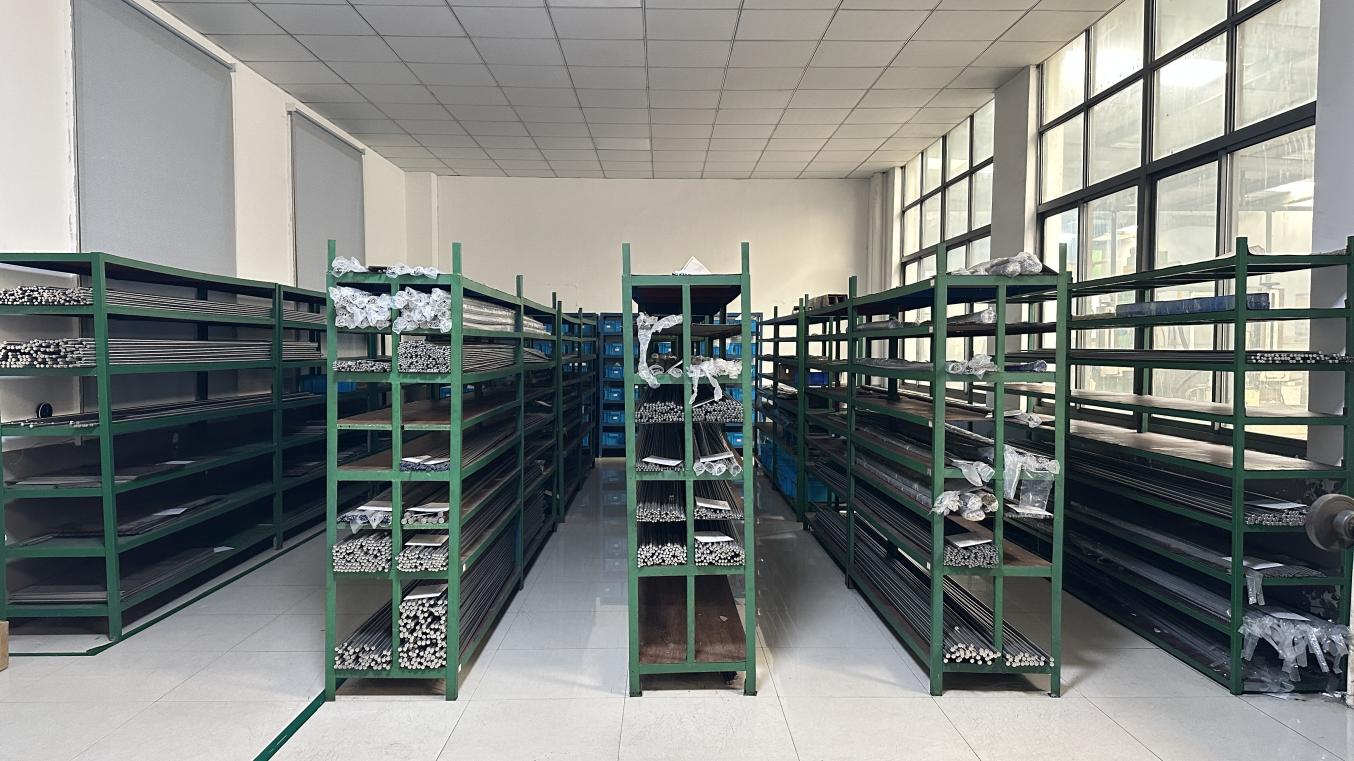
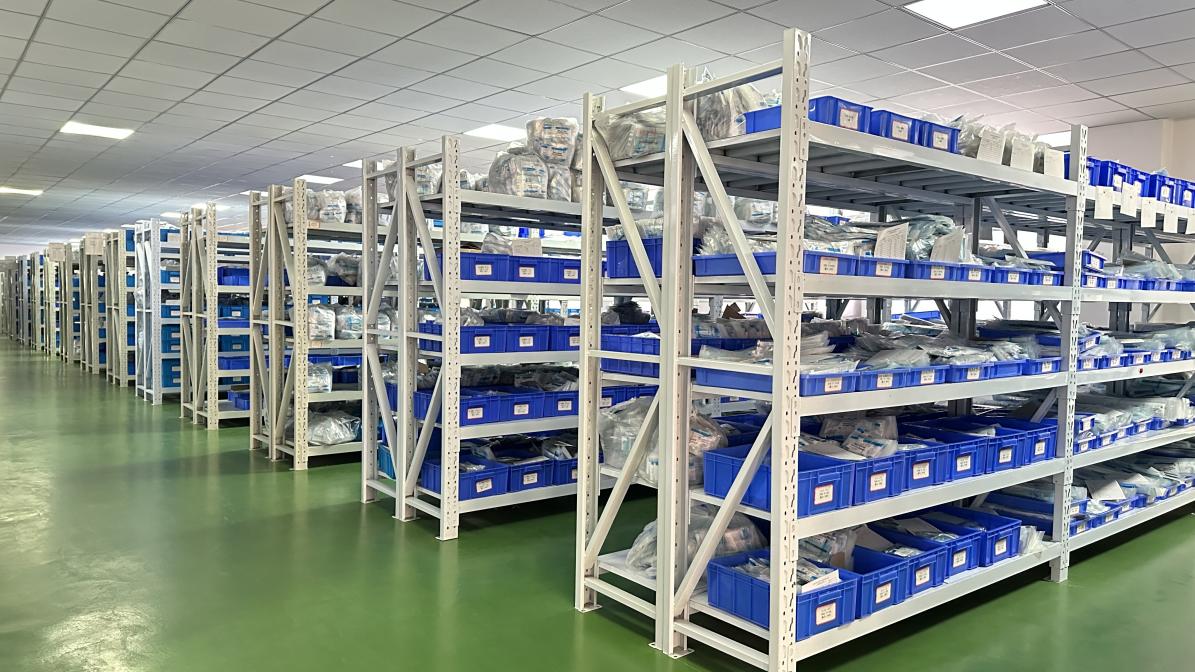
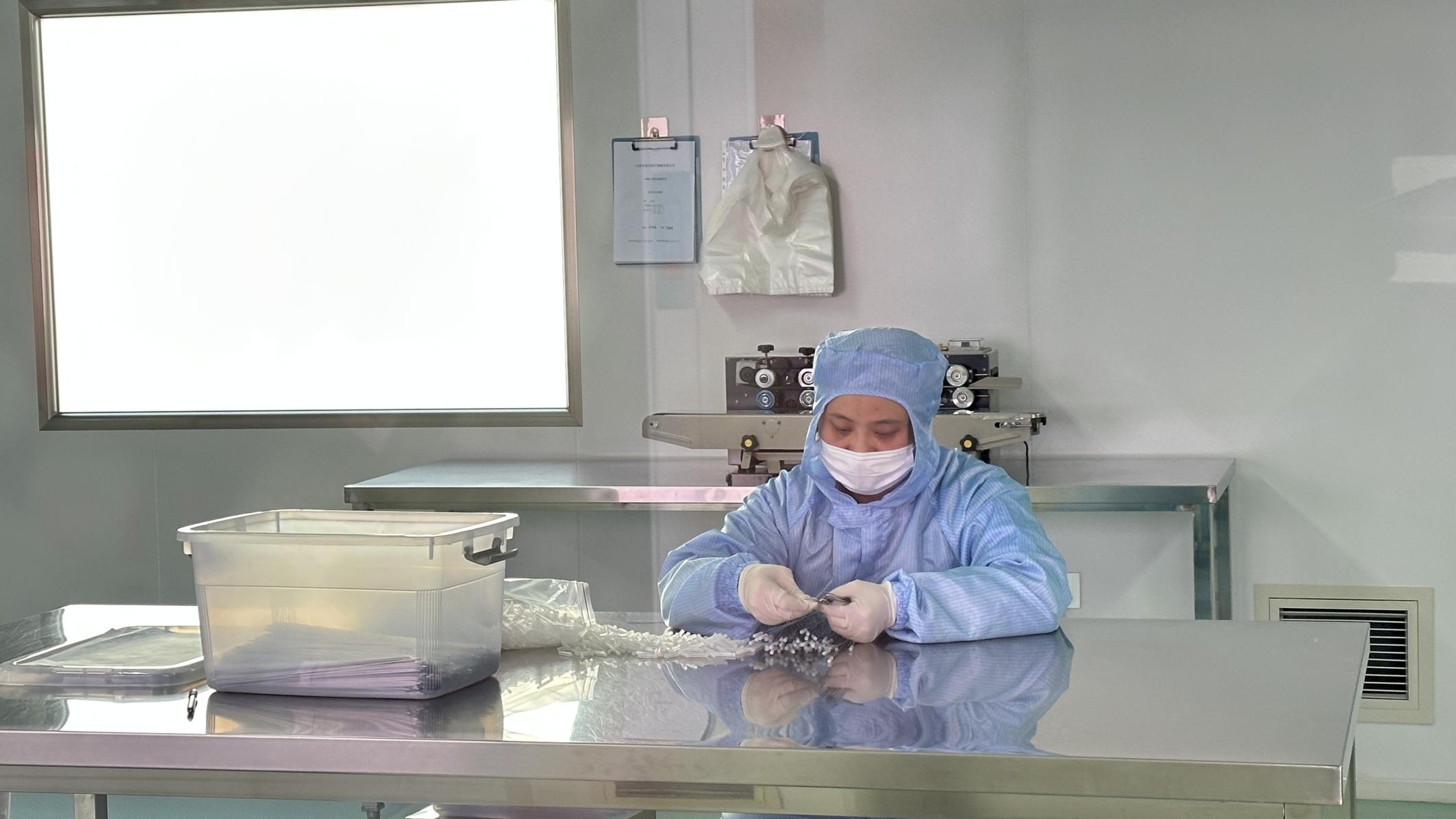
A step-by-step tour of the Medisplint manufacturing facility and raw material processing.
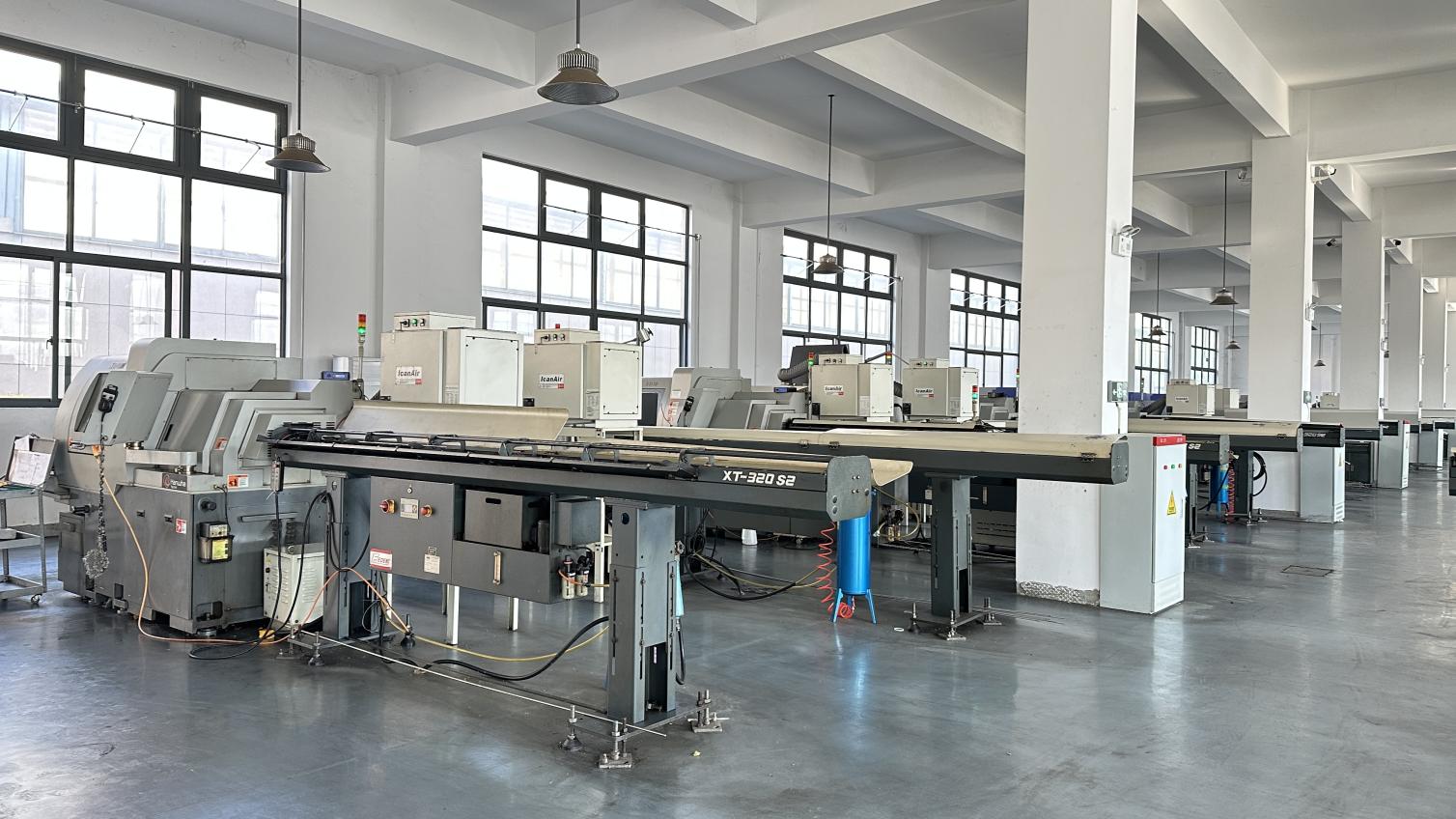
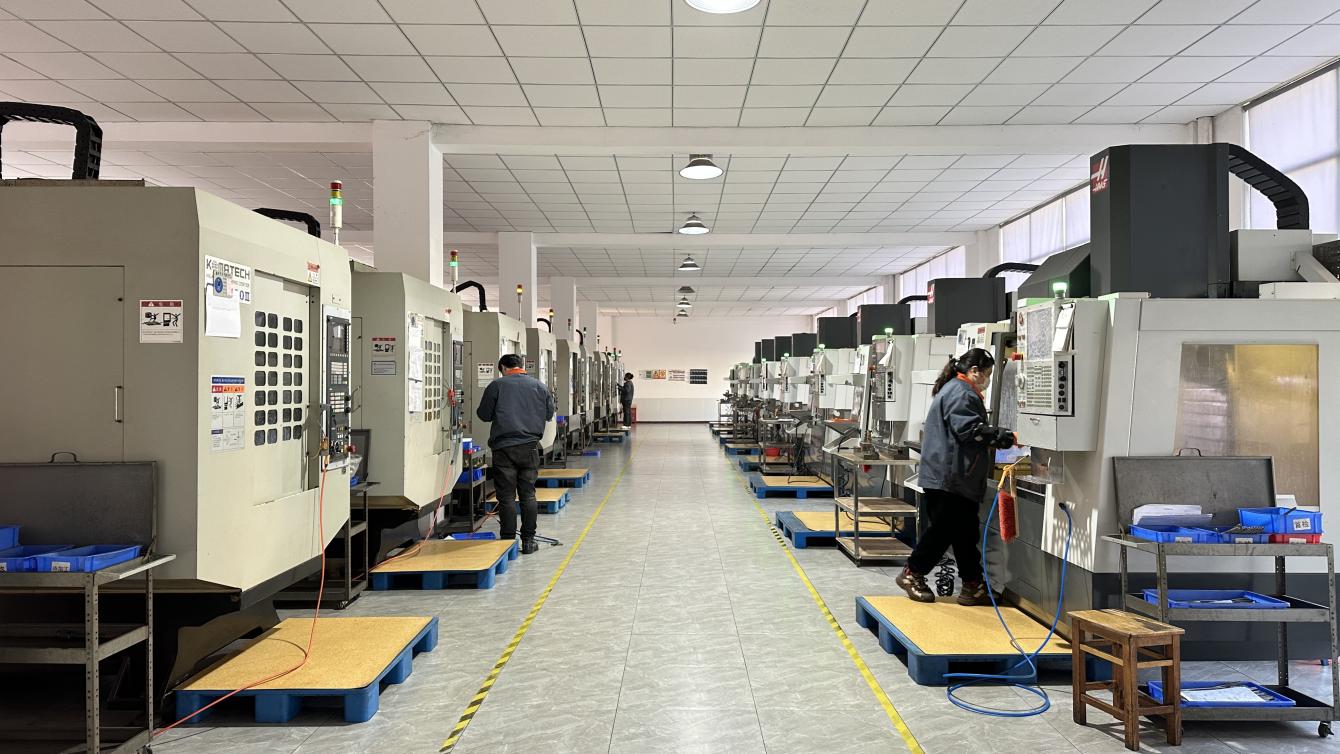
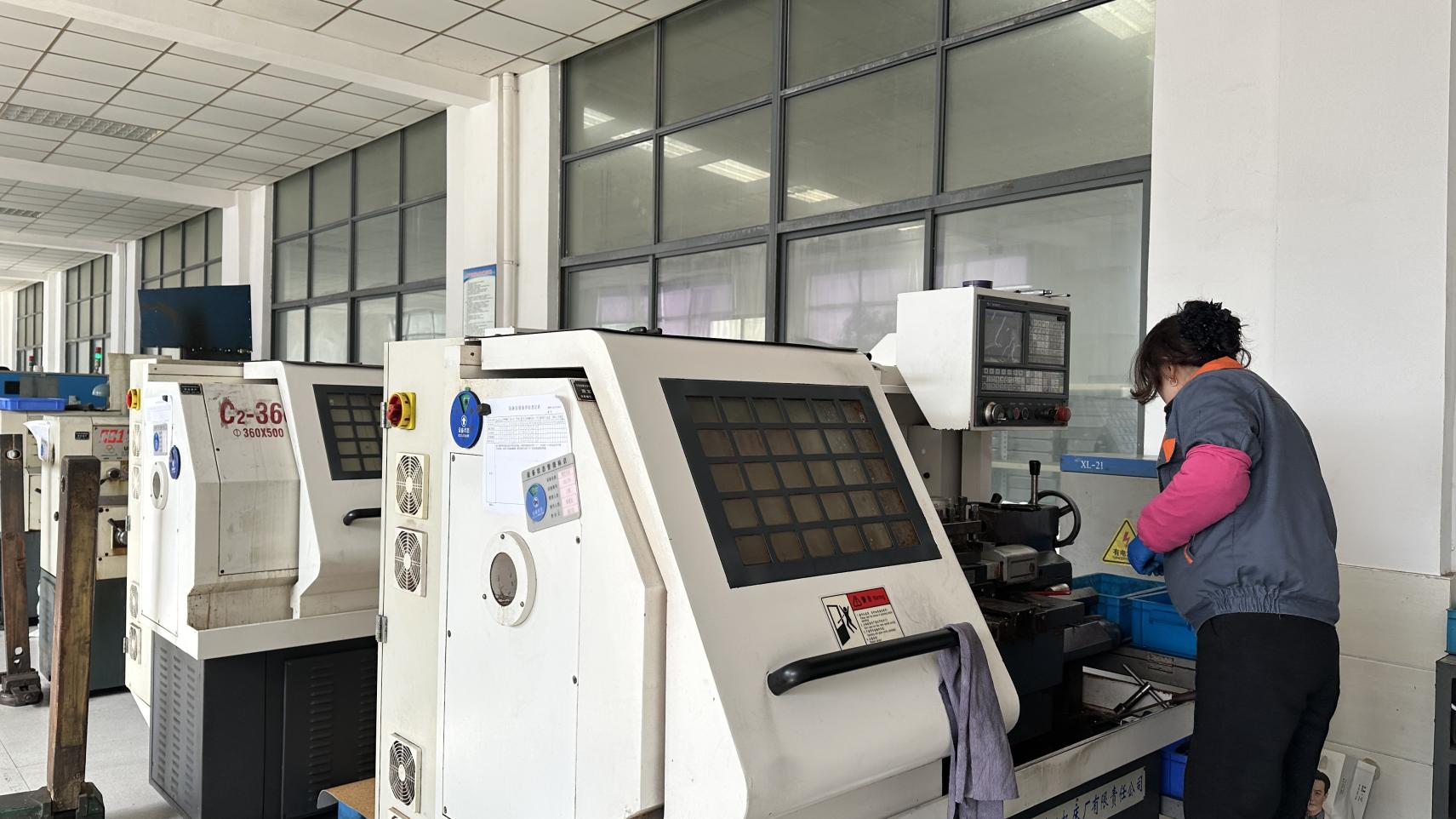
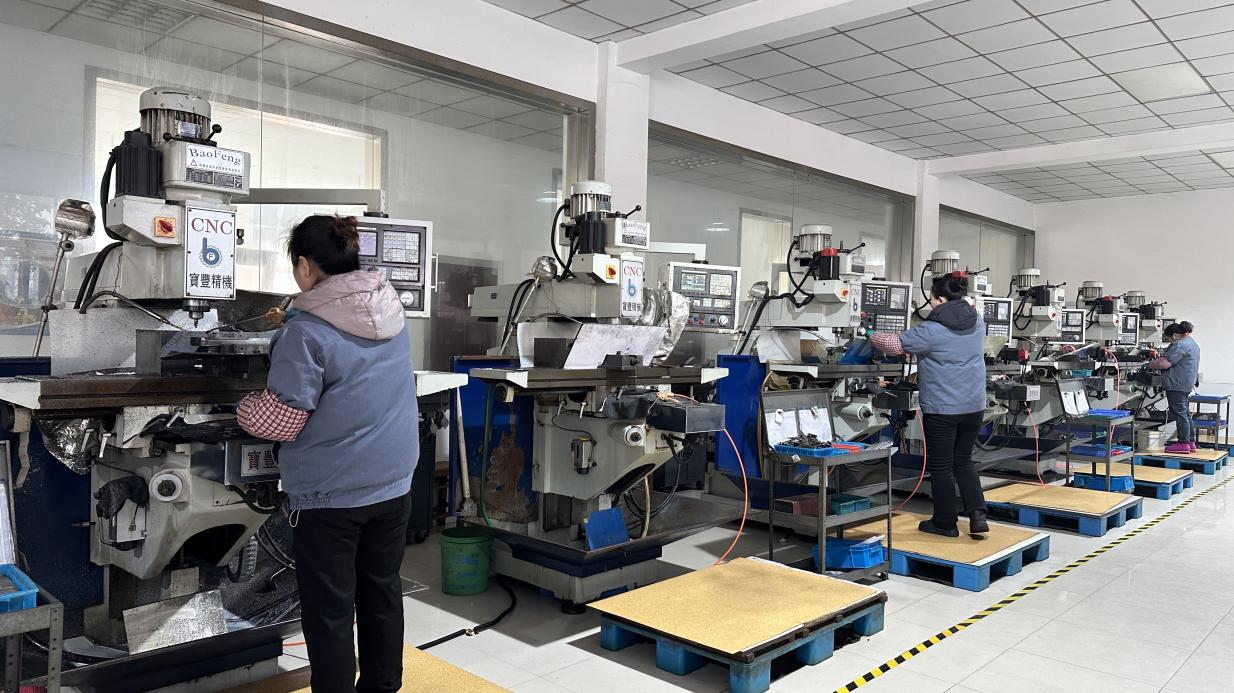
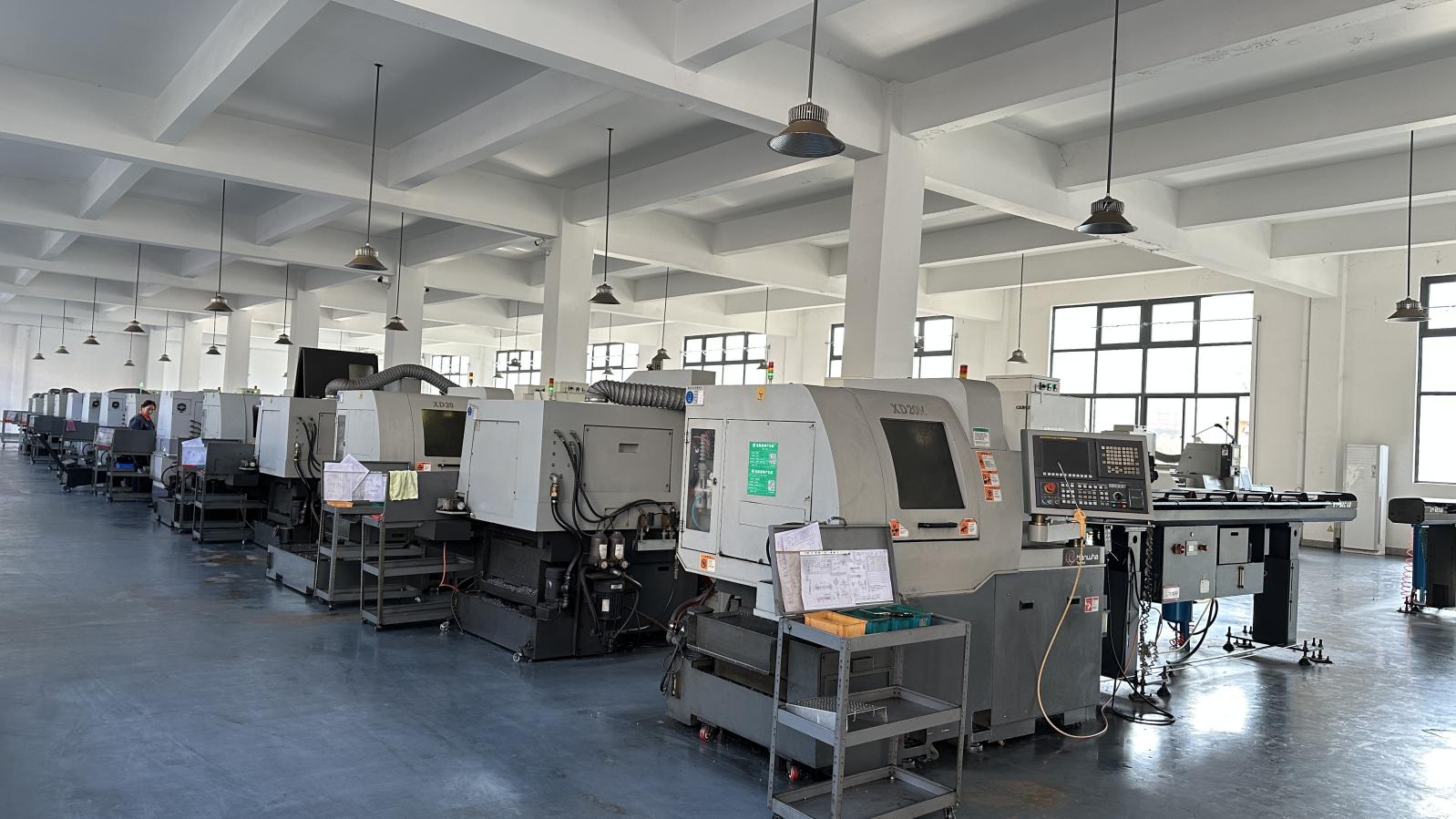
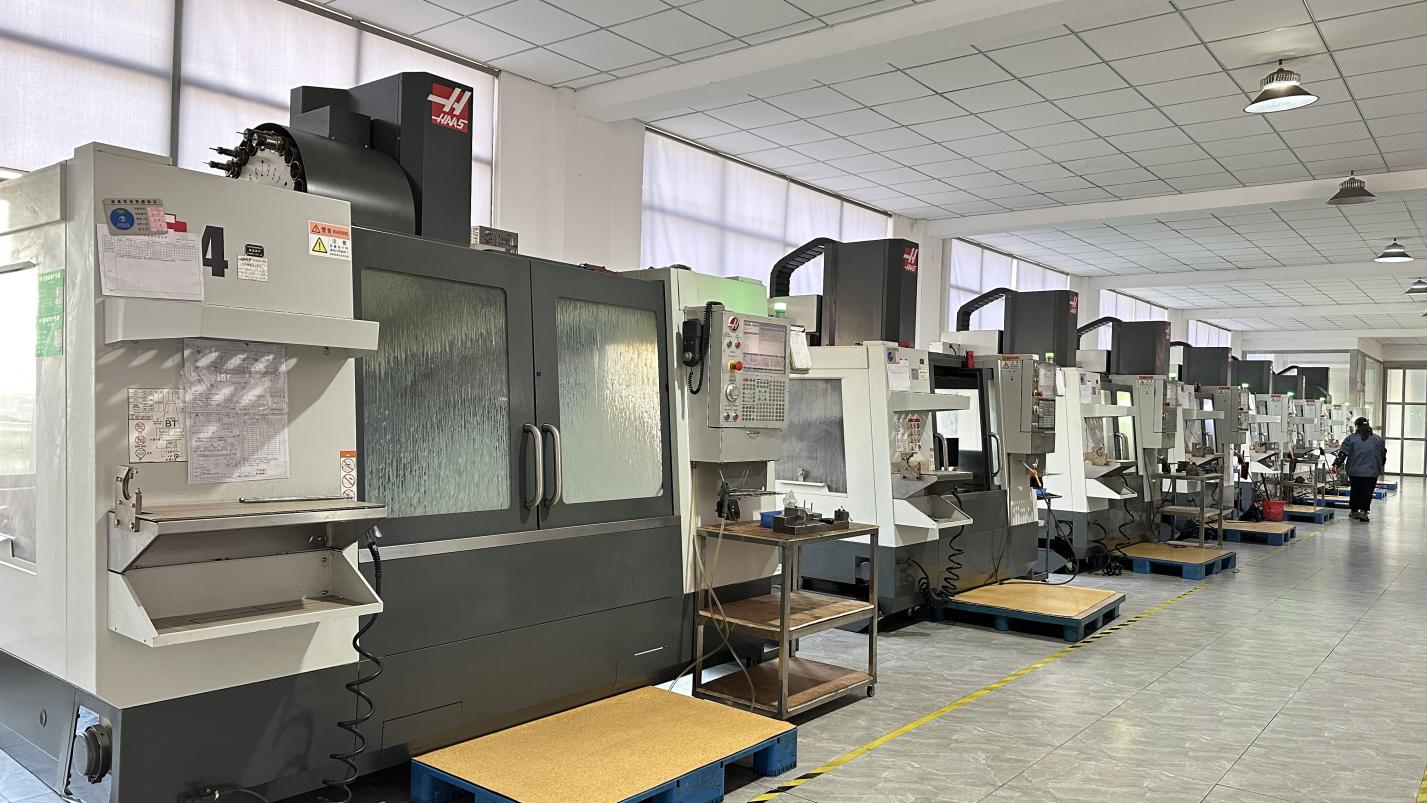
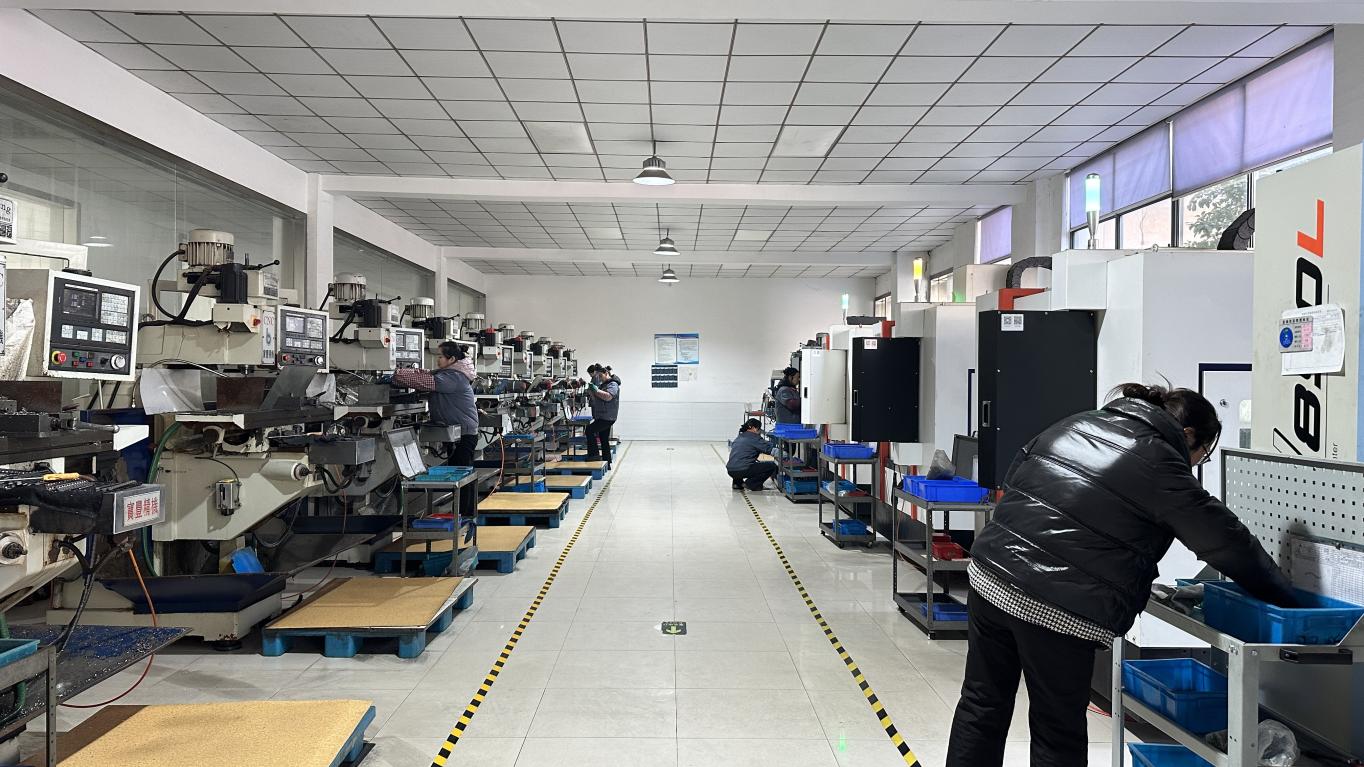
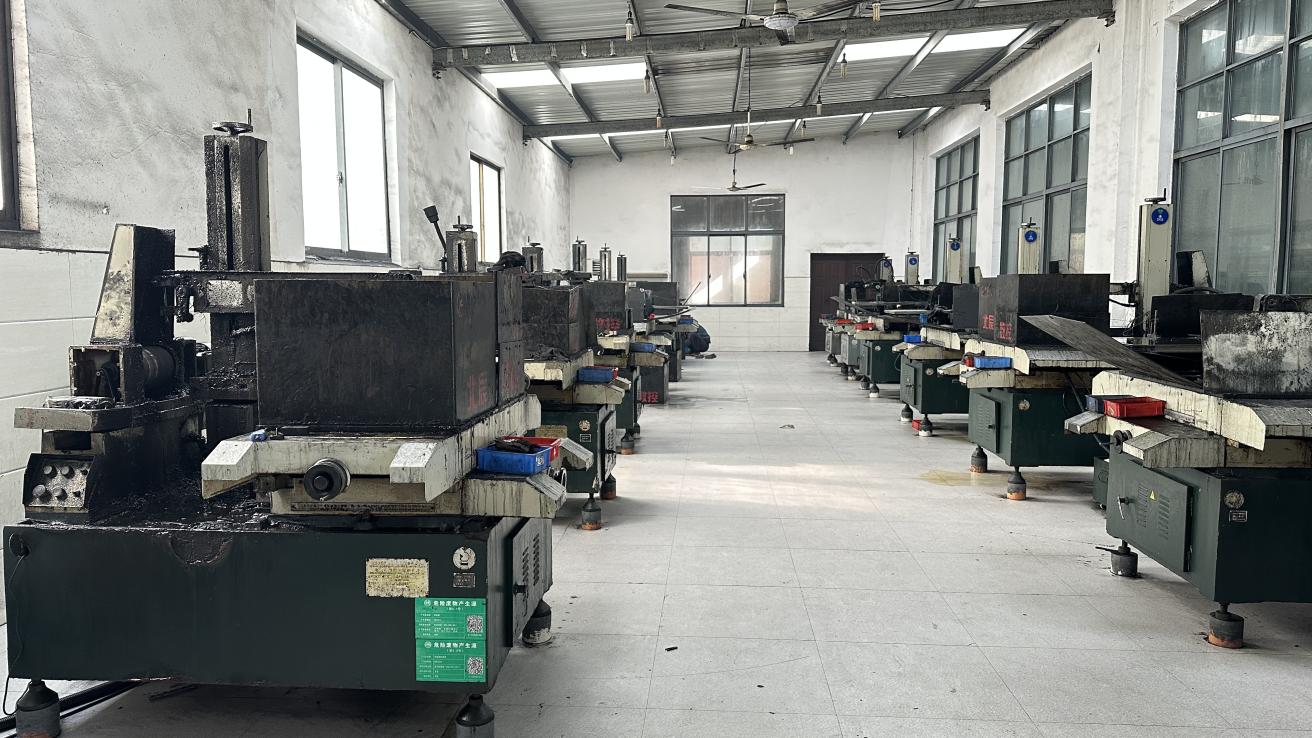
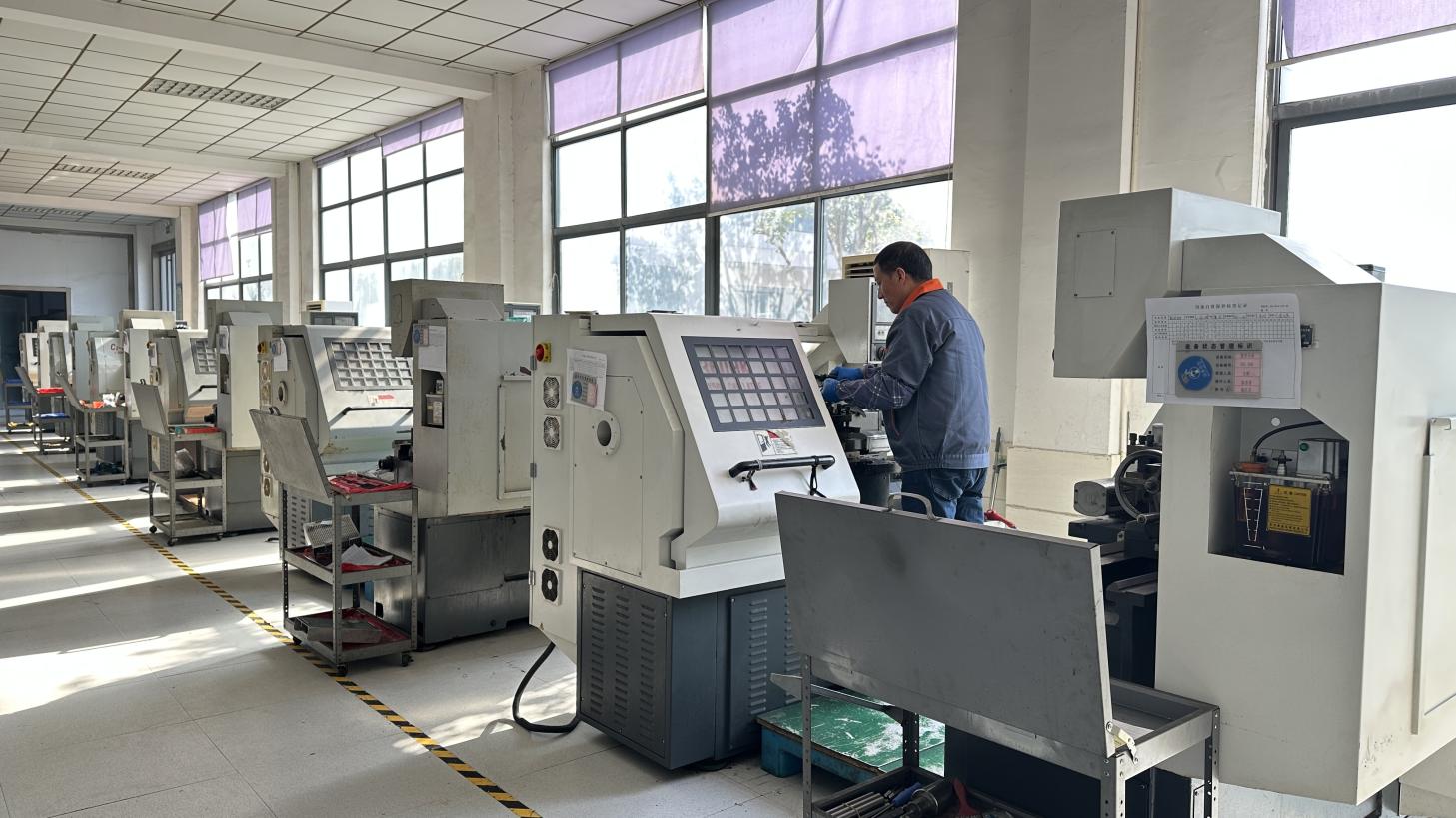
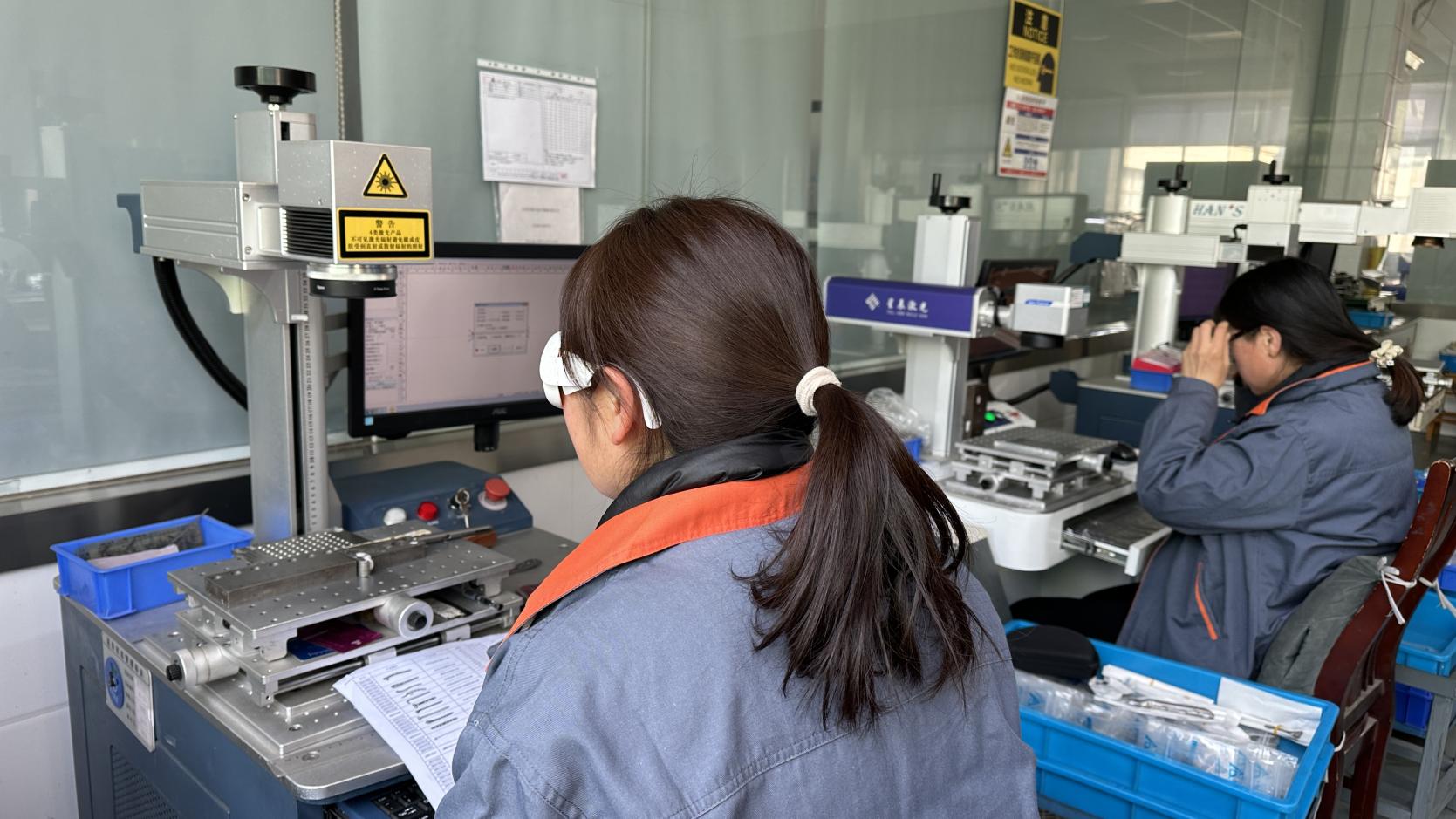
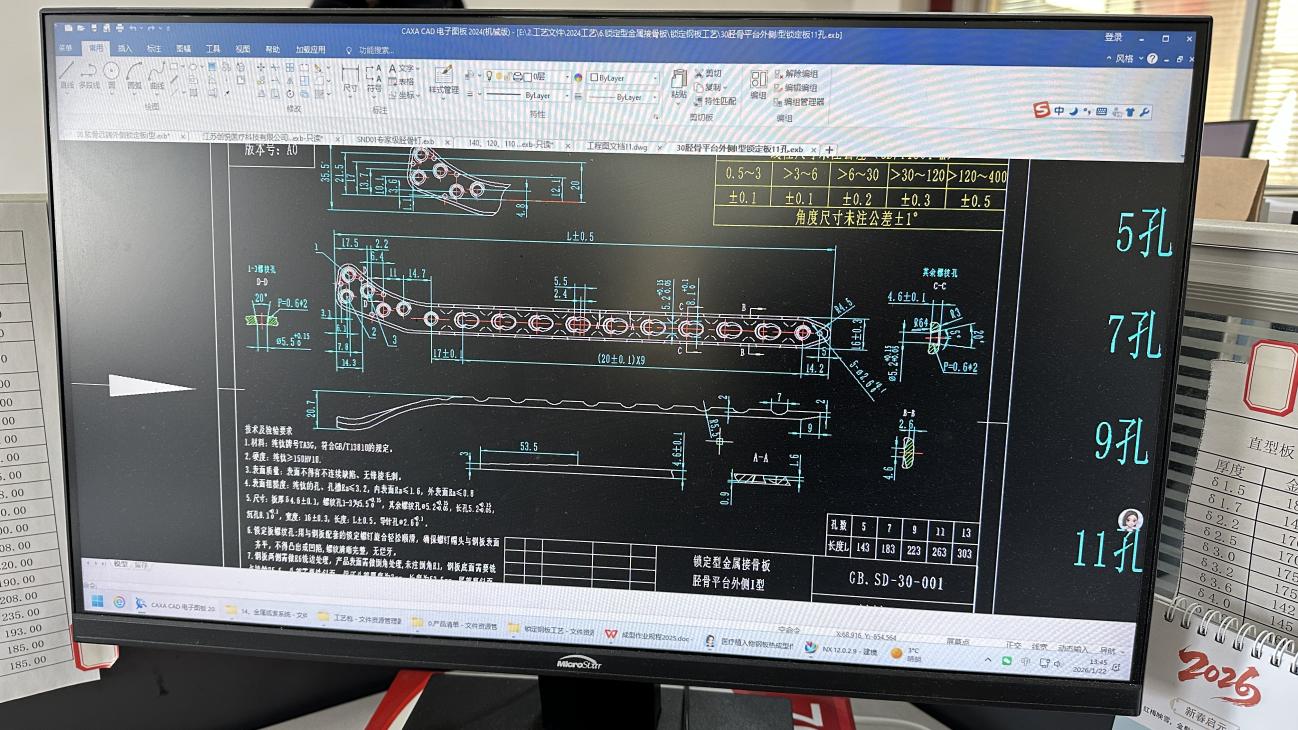
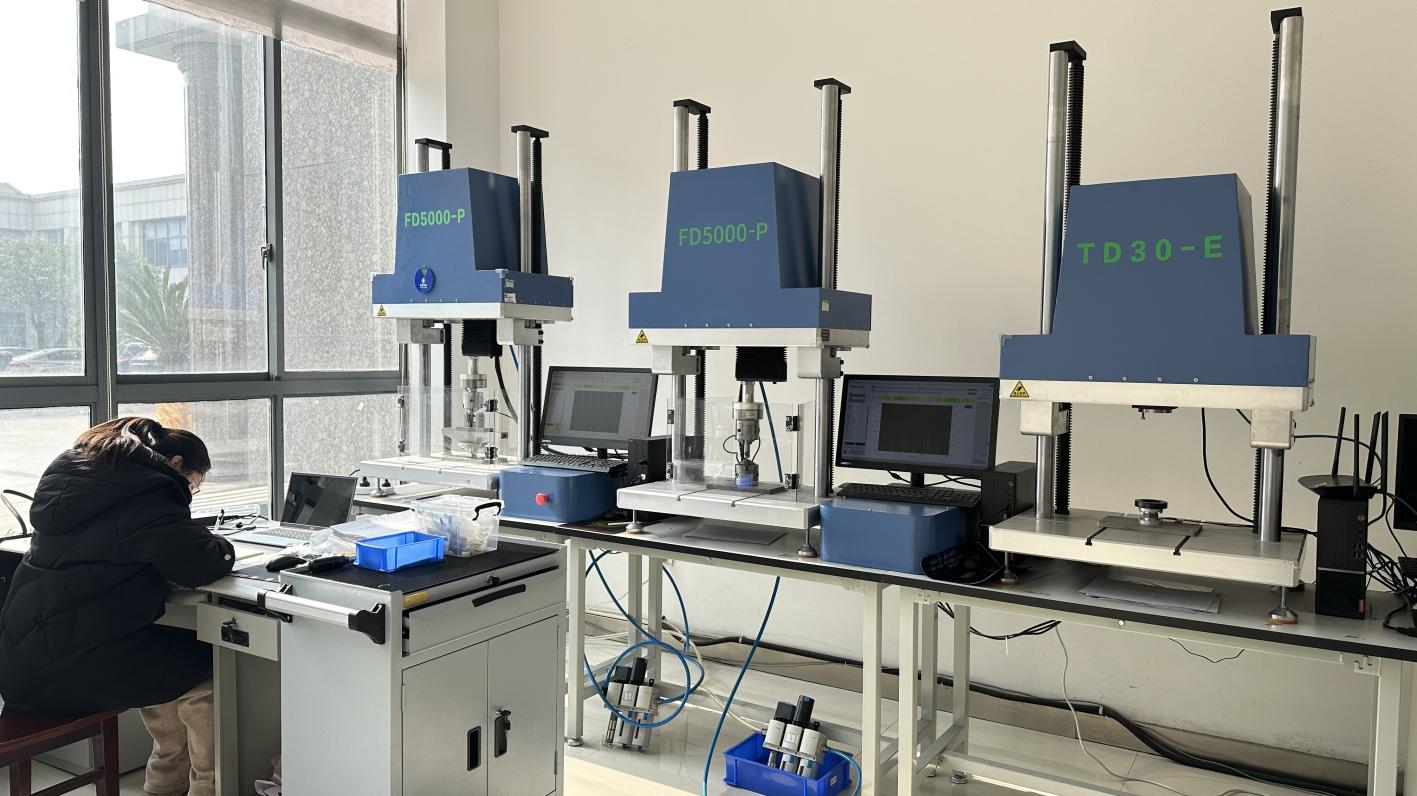
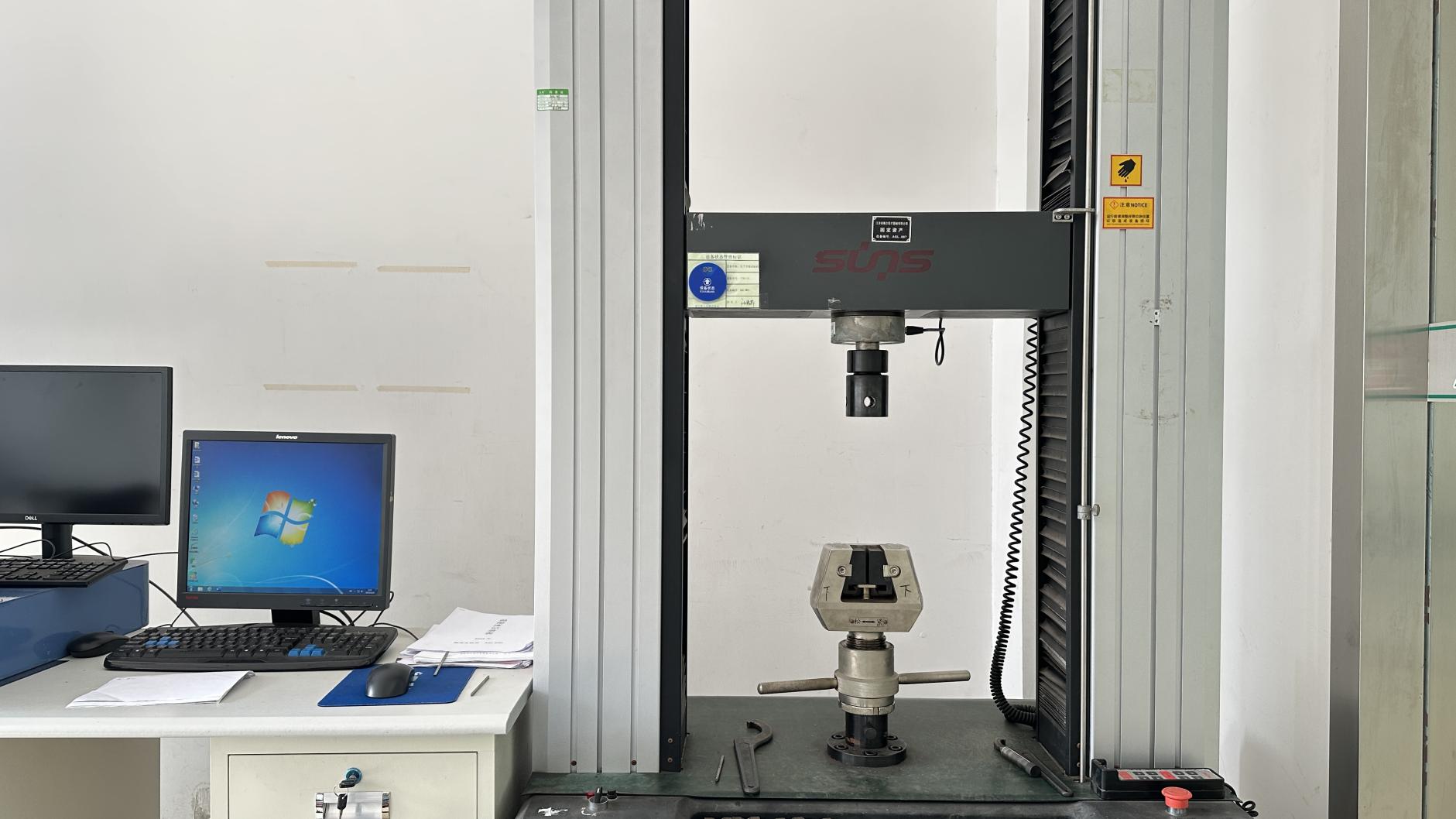
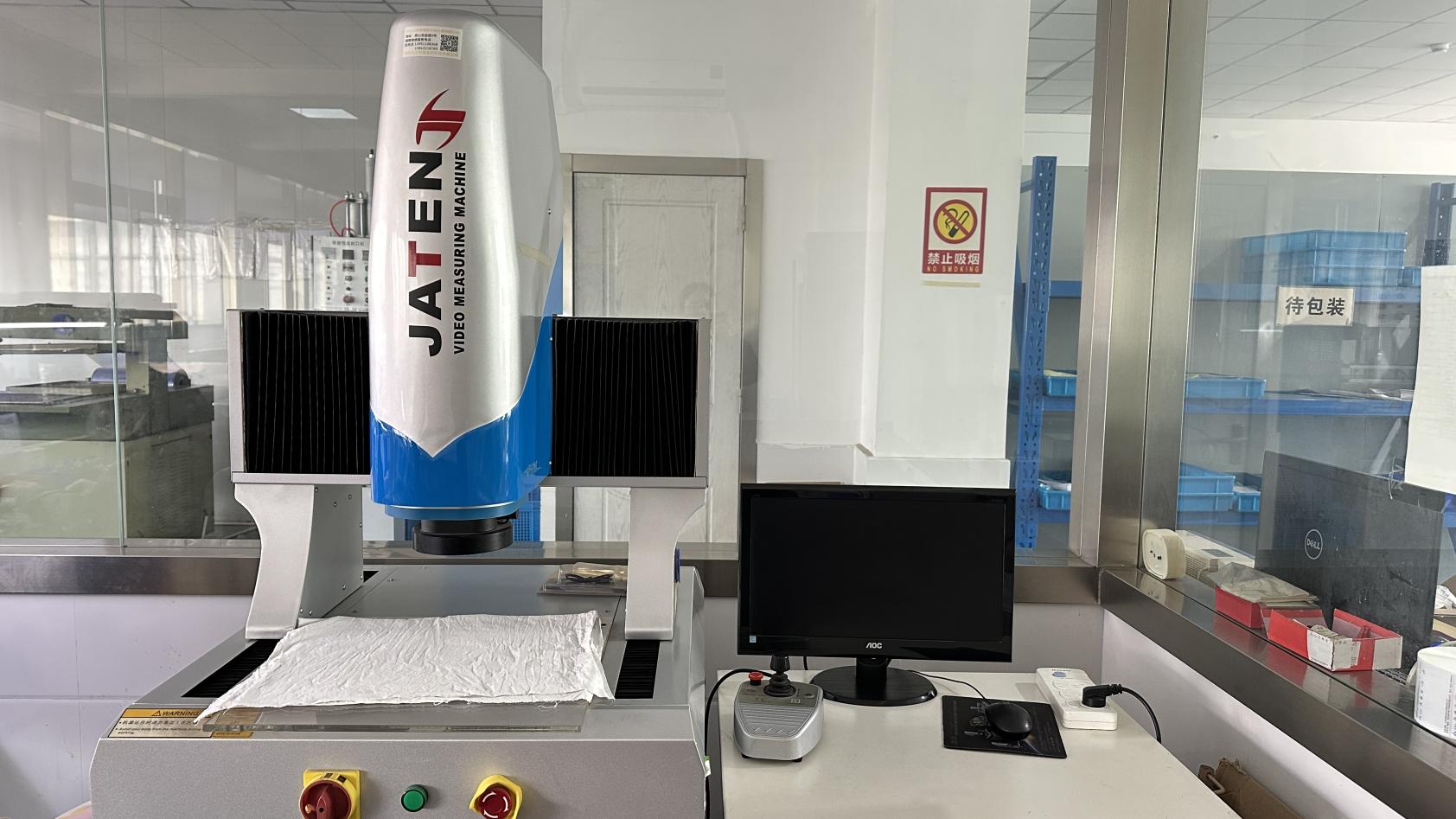
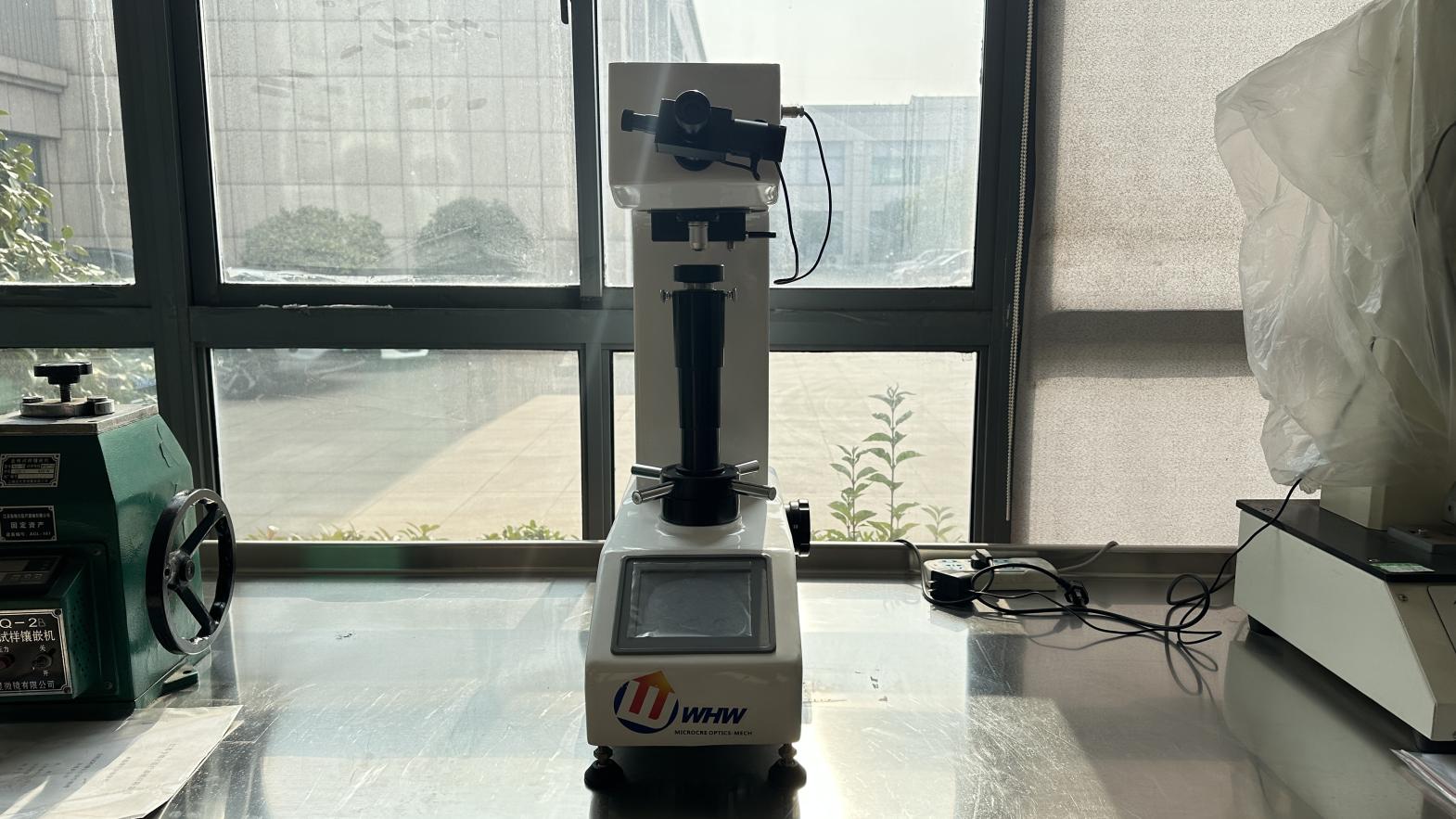
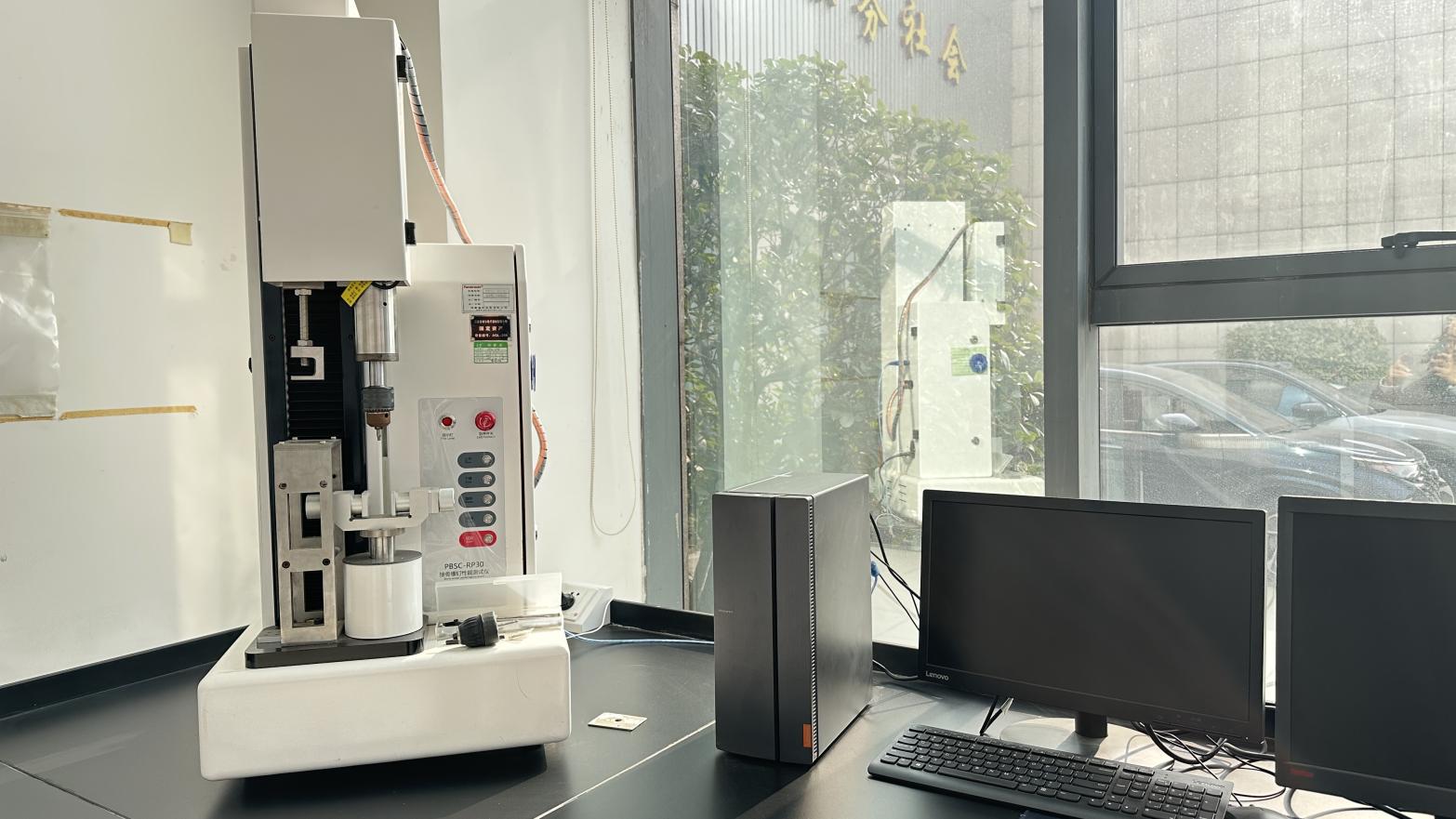
How Medisplint maintains zero-defect manufacturing through systematic mechanical testing.
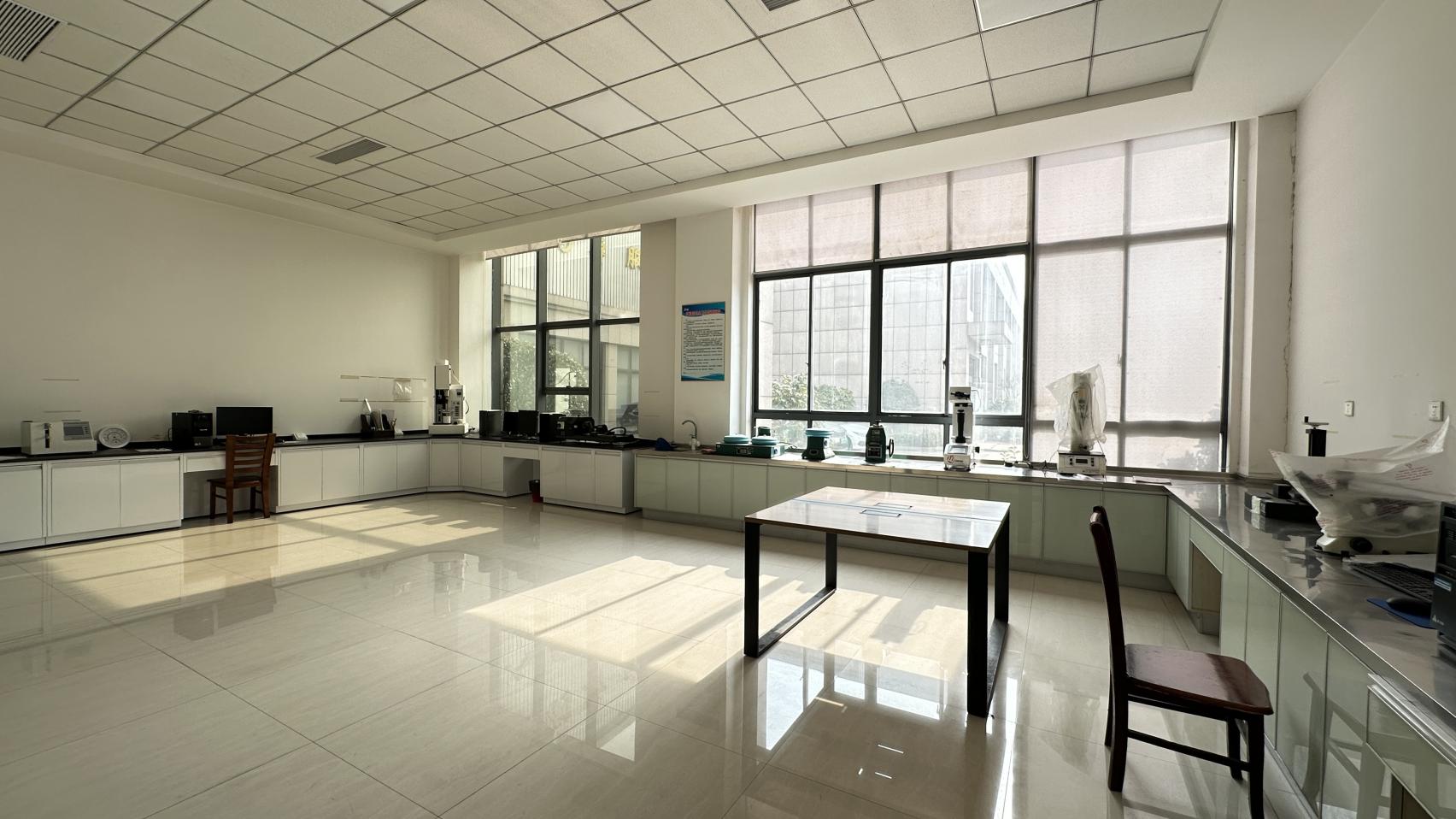
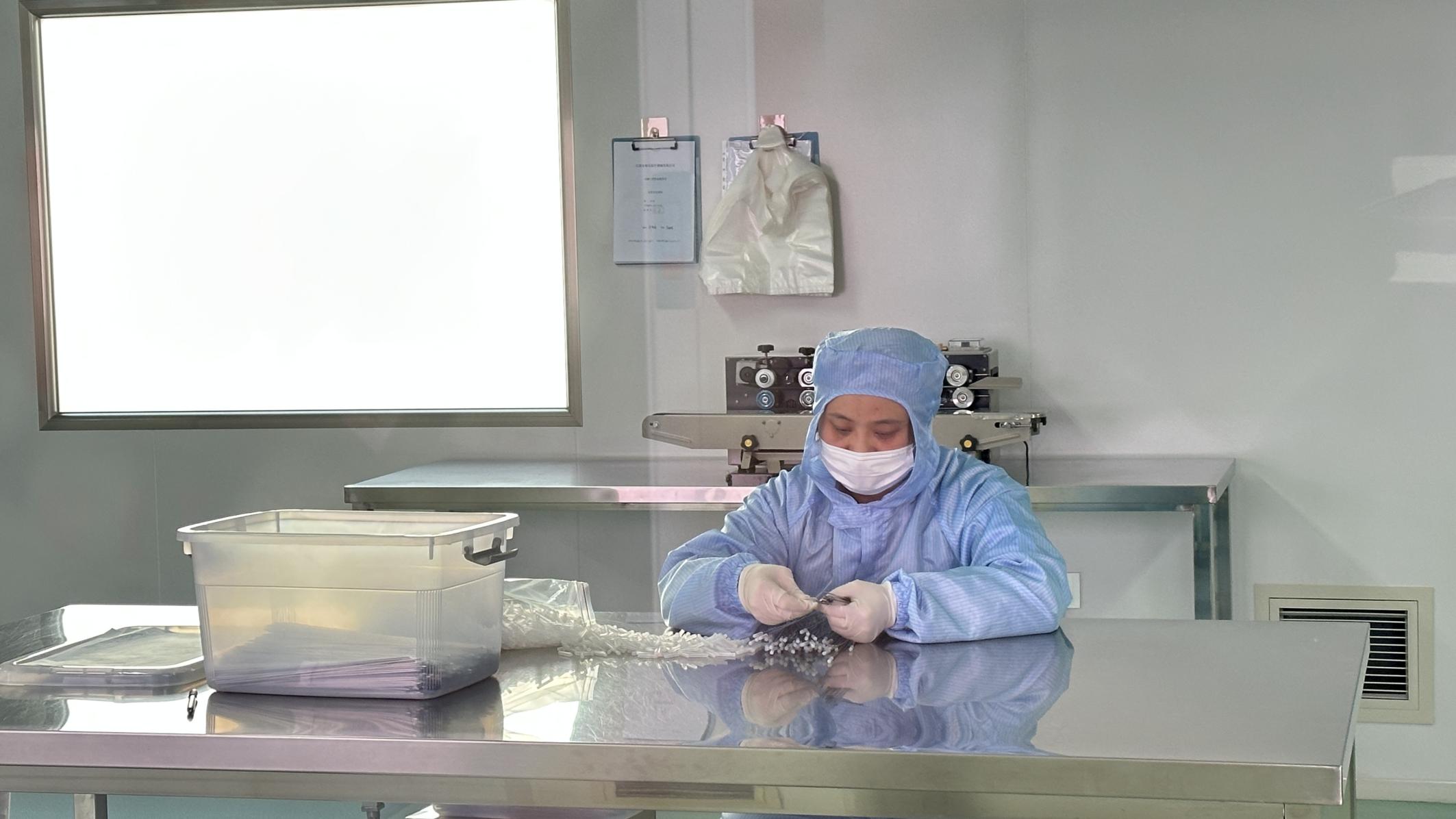
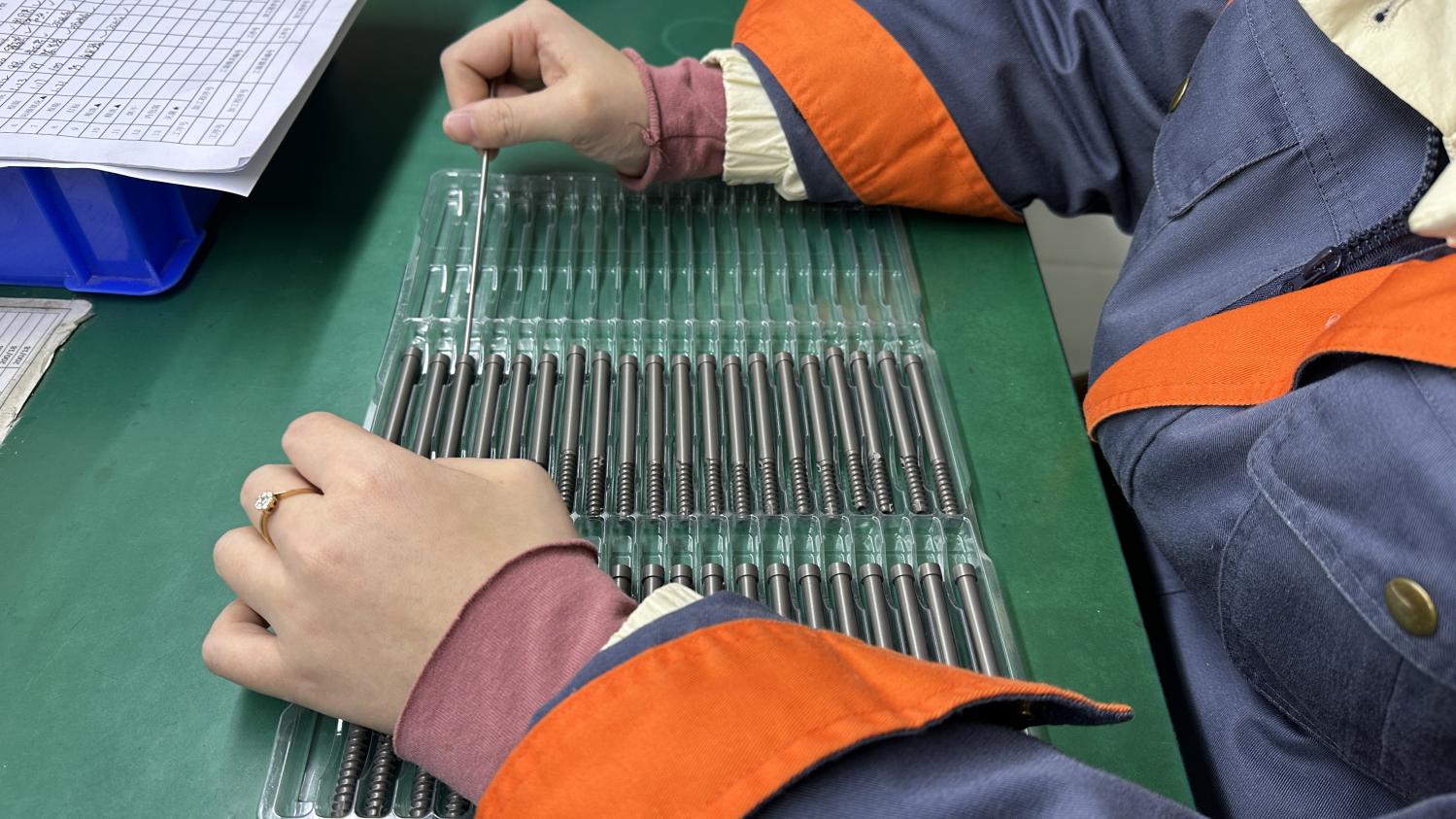
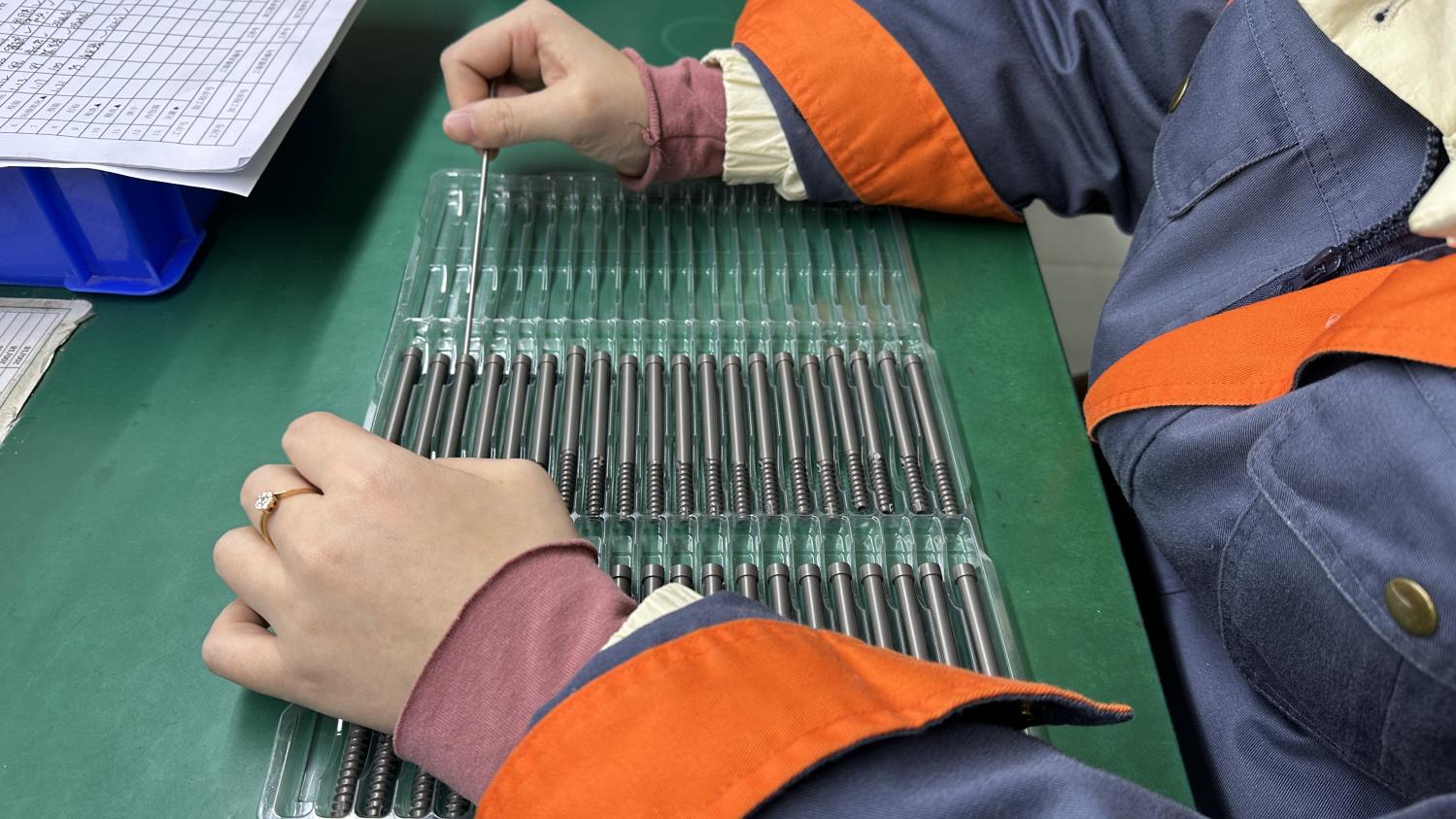
Medisplint operations run on an integrated four-stage quality assurance protocol managed by 42 dedicated inspectors:
Reducing lead times while maintaining international regulatory compliance.
Medical device distribution depends on local Ministry of Health (MoH) approvals. Medisplint assists global distributors by providing comprehensive regulatory registration dossiers. This includes clinical study summaries, biocompatibility reports (ISO 10993 series), risk assessment profiles (ISO 14971), and sterilization validation reports (gamma radiation or ethylene oxide).
Through partnerships with logistics networks, we offer delivery tracking and custom clearance support to minimize delays for hospital systems and surgical centers.
A look at the clinical developments shaping the future of cemented hip implants.
Investigating sub-micron hydroxyapatite (HA) gradient coatings on the proximal portion of cemented stems. This approach aims to improve primary stabilization and reduce micro-motion within the PMMA bone cement mantle.
Optimizing Vitamin-E blended ultra-high molecular weight polyethylene (UHMWPE) liners. The goal is to lower long-term wear rates and prevent osteolysis caused by microscopic plastic wear debris.
Prototyping embeddable telemetry sensors to monitor local temperature changes and axial load distributions, helping surgeons track post-operative rehabilitation metrics in real-time.
Technical answers to common questions from hospital directors, distributors, and orthopedic specialists.
Our cemented femoral stems are manufactured from high-purity Cobalt-Chromium-Molybdenum (CoCrMo) alloy conforming to ISO 5832-4 and ASTM F75, as well as Titanium-6Aluminum-4V ELI conforming to ASTM F136. CoCrMo is favored for cemented applications due to its high fatigue strength and resistance to stress corrosion cracking.
We offer highly polished double-taper configurations (surface roughness Ra < 0.1 µm). This allows controlled subsidence within the PMMA bone cement, converting shear forces into compressive loads. Our matte-finished options feature optimized macro-textures to improve mechanical interlocking.
Our facility runs under an ISO 13485:2016 certified quality management system. Our product lines carry CE marks, complying with Council Directive 93/42/EEC and subsequent EU MDR 2017/745 transitions.
Yes. With 85 R&D engineering specialists, we offer customized solutions, including femoral neck geometry adjustments, specialized instrumentation layouts, private labeling, and custom sterilization packaging.
Our implants undergo fatigue testing according to ISO 7206-4 (dynamic fatigue of femoral stems) and ISO 7206-6 (neck fatigue performance testing) to ensure long-term survivorship under physiological loads.
Lead times vary based on configuration. Standard catalog items ship within 30 to 45 days. Customized OEM runs with custom tooling or laser engraving require 60 to 90 days, depending on final volume and design approval.