Medisplint
Medisplint
Medisplint
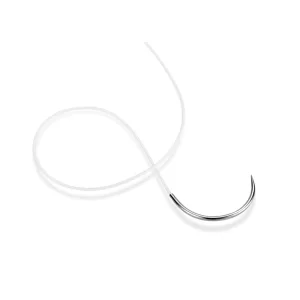
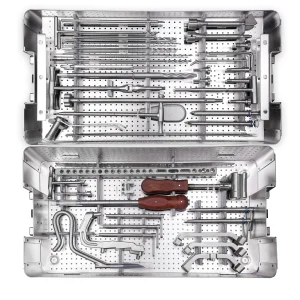
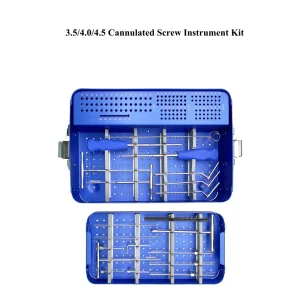
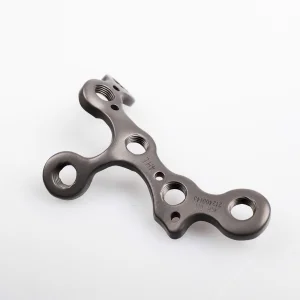
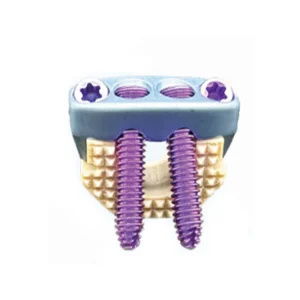
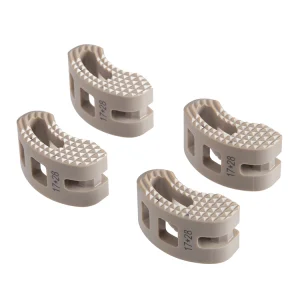
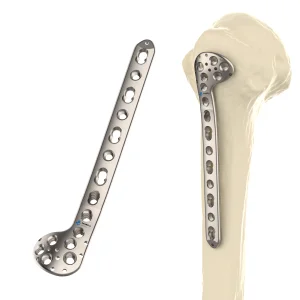
Posterior cervical fixation systems represent the pinnacle of biomechanical engineering in spinal arthrodesis. These systems are indicated for patients requiring stabilization of the cervical spine from the occiput to the upper thoracic spine (C1 to T3). In clinical settings, indications include cervical degenerative disc disease, spinal stenosis, trauma (fractures and dislocations), spinal tumor resections, instable spondylolisthesis, and revision surgeries of failed anterior fusions.
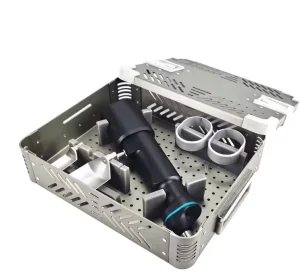
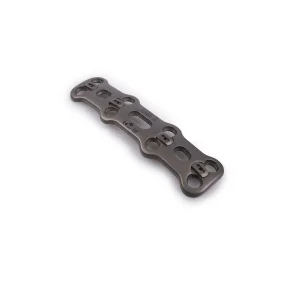
A standard posterior cervical fixation system consists of polyaxial screws (lateral mass and pedicle screws), occipital plates, rods, crosslinks, and connectors. By approaching the pathology from the posterior aspect, orthopedic and neurosurgeons can achieve immediate rigid mechanical stabilization, decompression of nerve structures, and create an ideal biological environment for bone fusion. Sourcing these life-critical medical devices demands extreme diligence from global hospital networks, orthopedic brand owners, and medical distributors. It is vital to select manufacturers that operate under strict regulatory supervision and leverage state-of-the-art material science.
Medisplint Orthopedic Instruments Co., Ltd. is a leading professional manufacturer specializing in orthopedic implants, fixation systems, and high-precision surgical instruments for trauma, spine, and joint reconstruction. Established with a vision to deliver world-class medical equipment globally, the company has developed a reputation for clinical excellence, rapid R&D cycles, and robust supply chain integration.
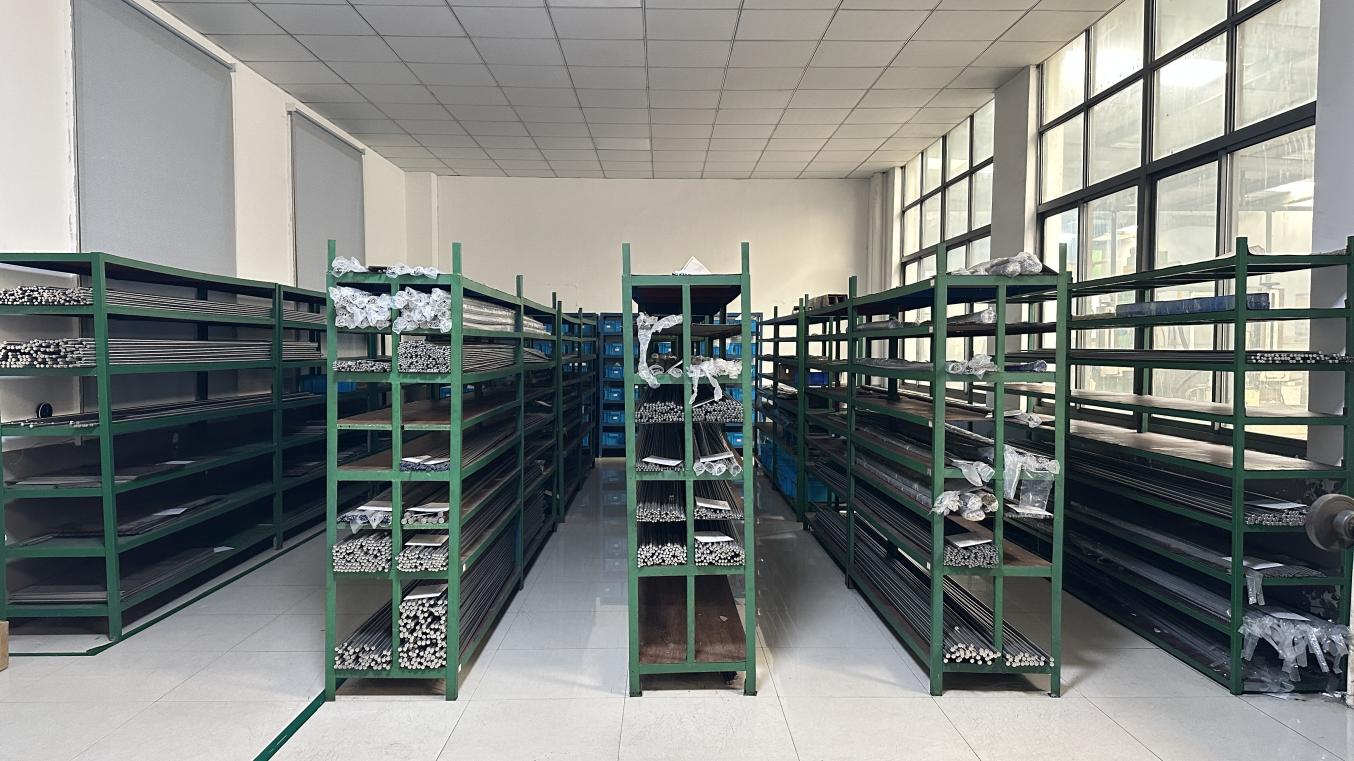
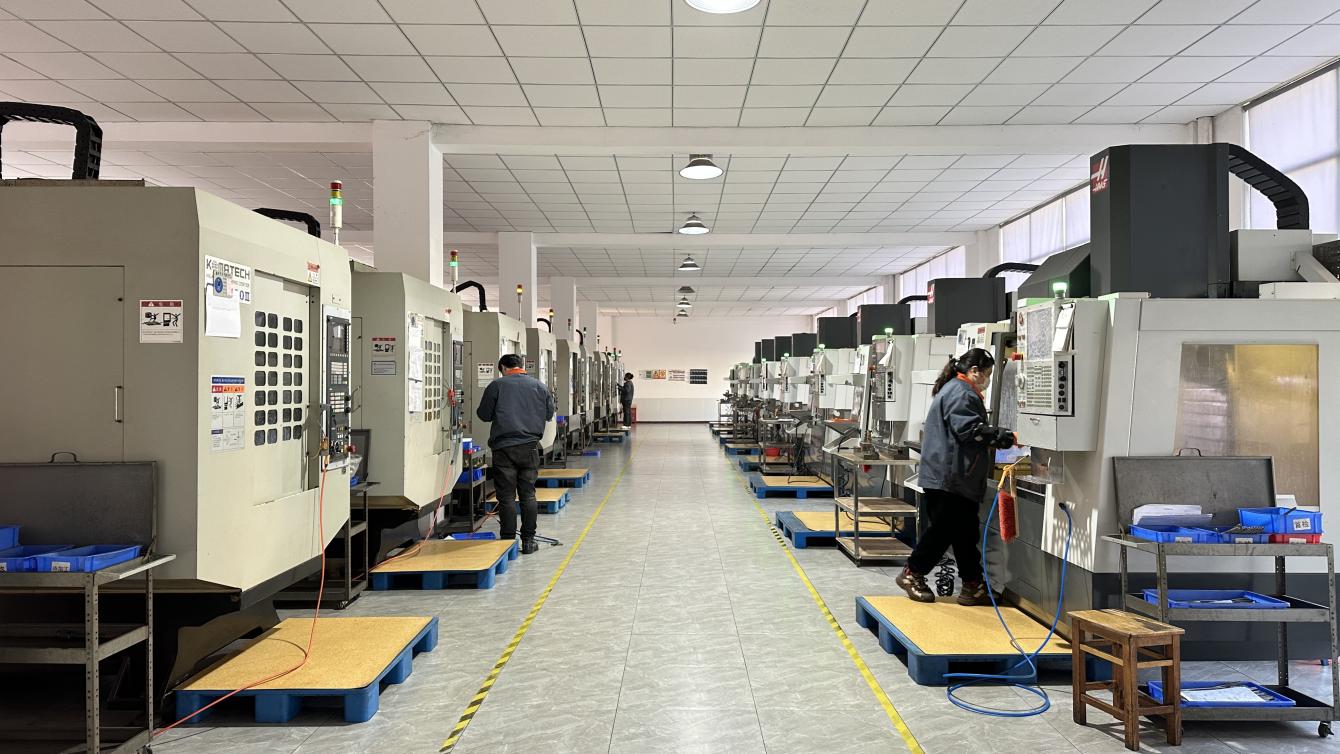
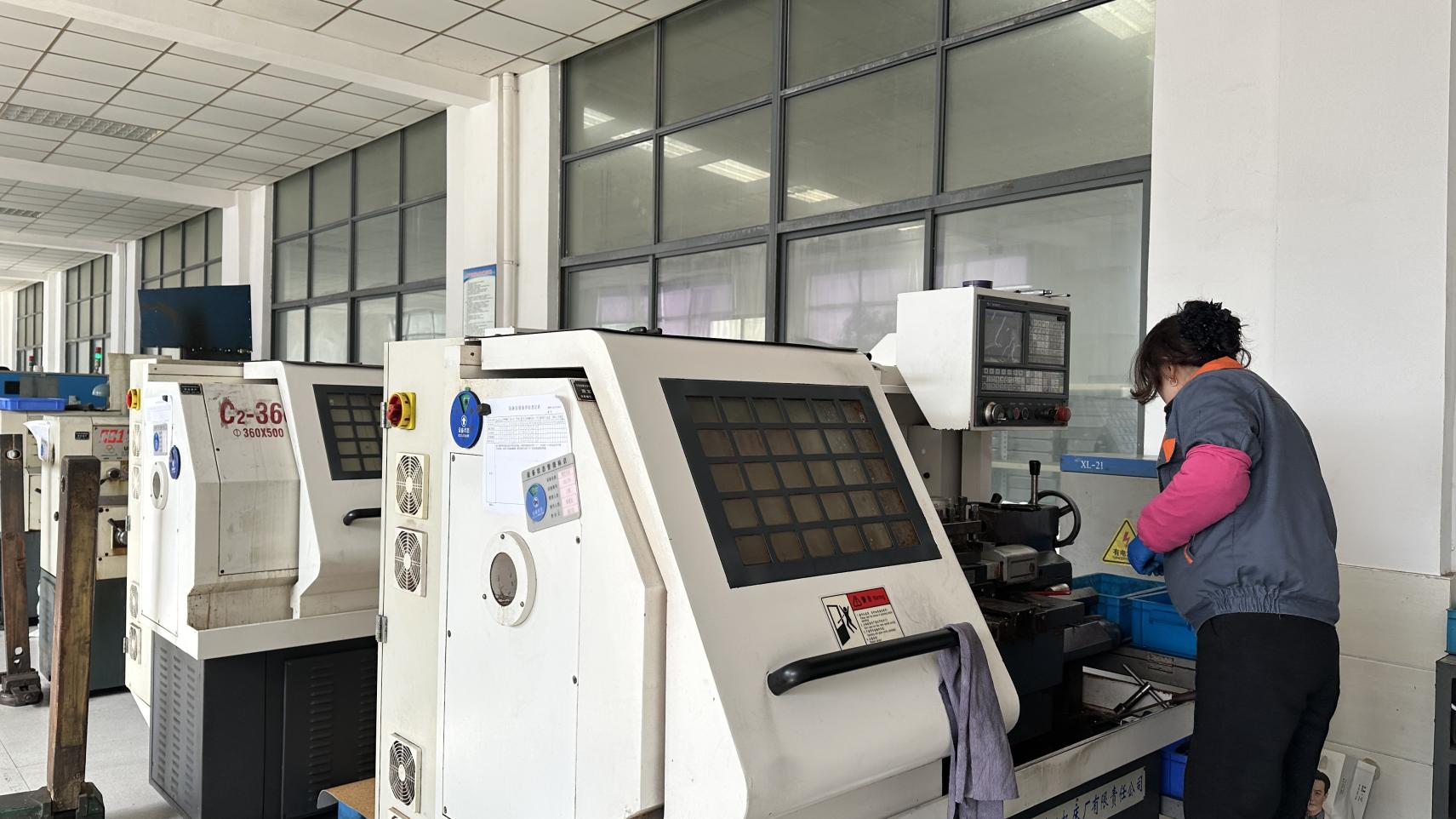
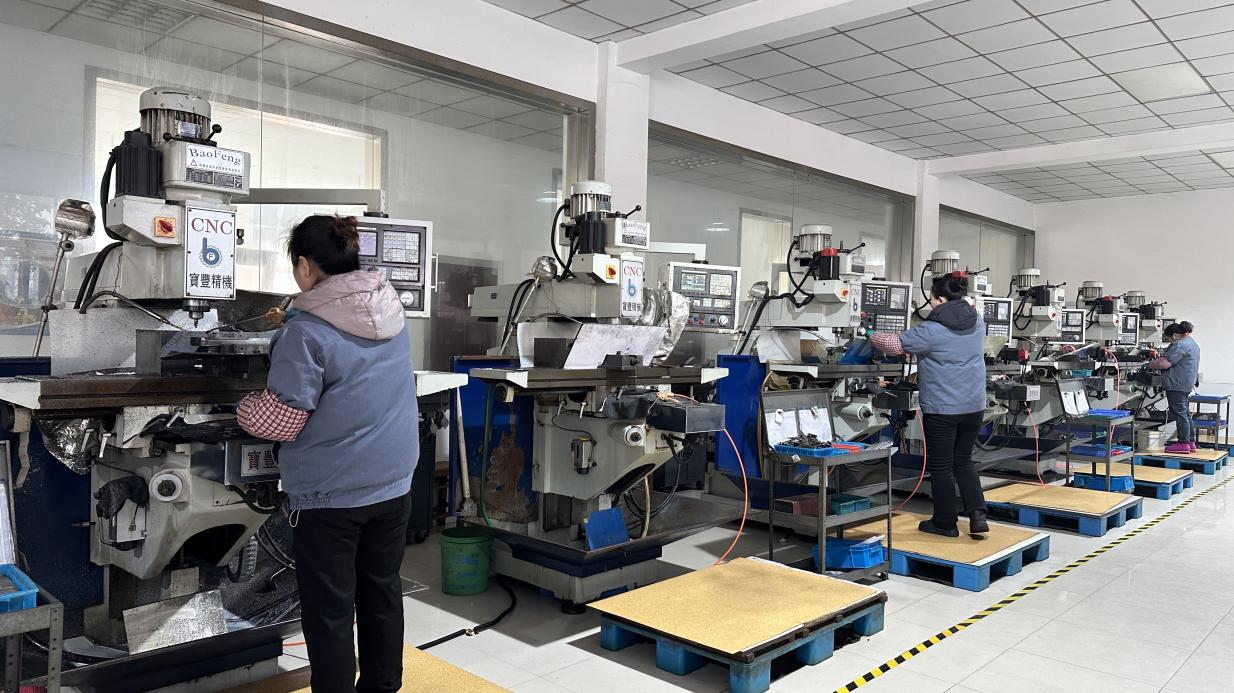
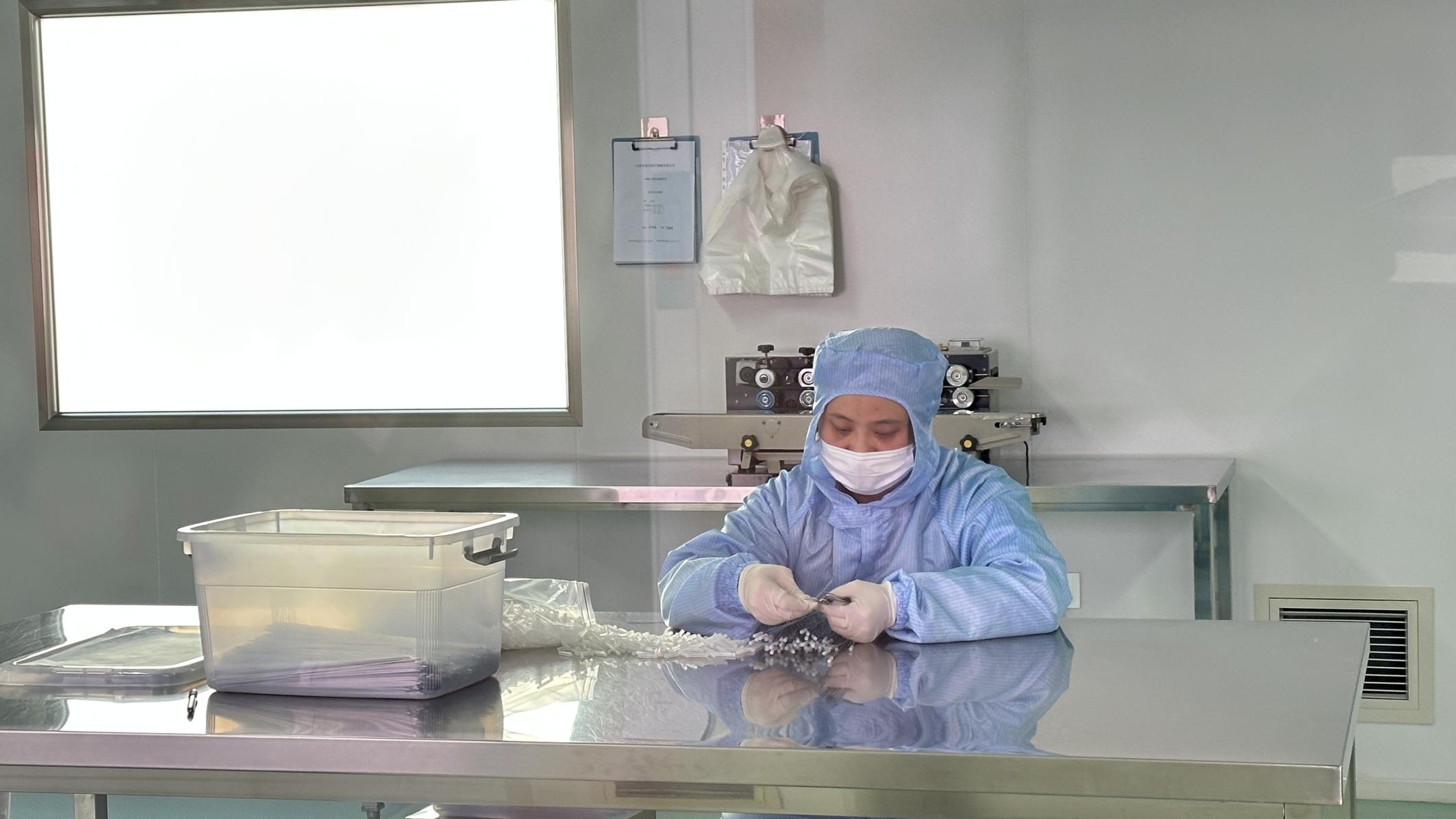
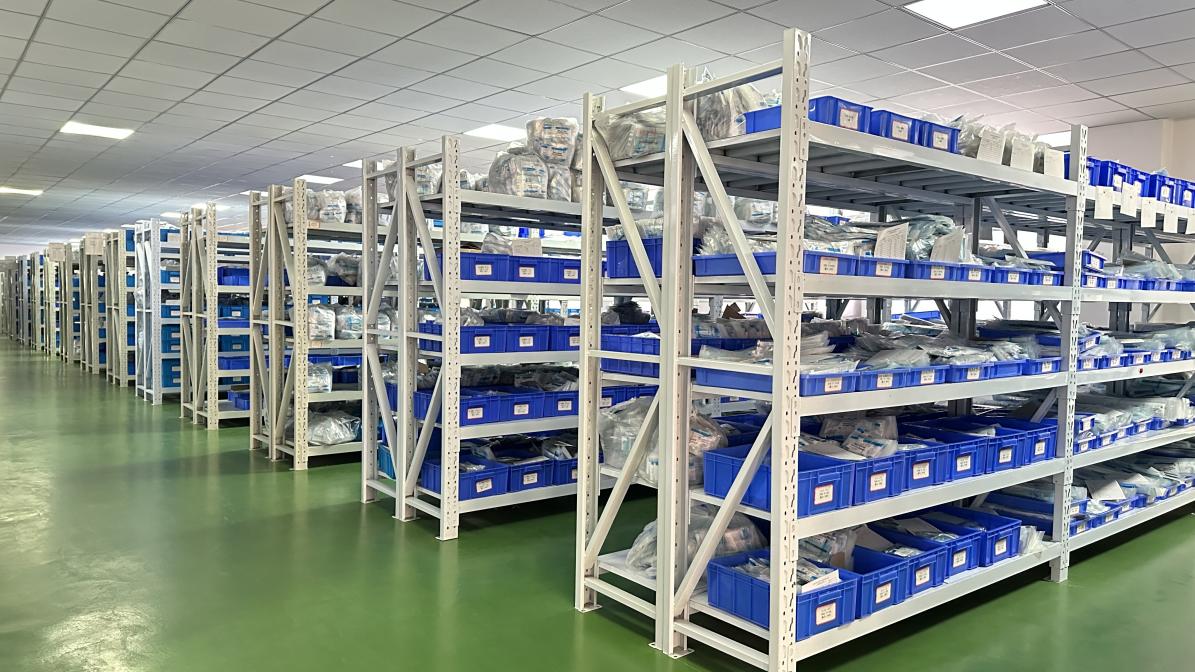
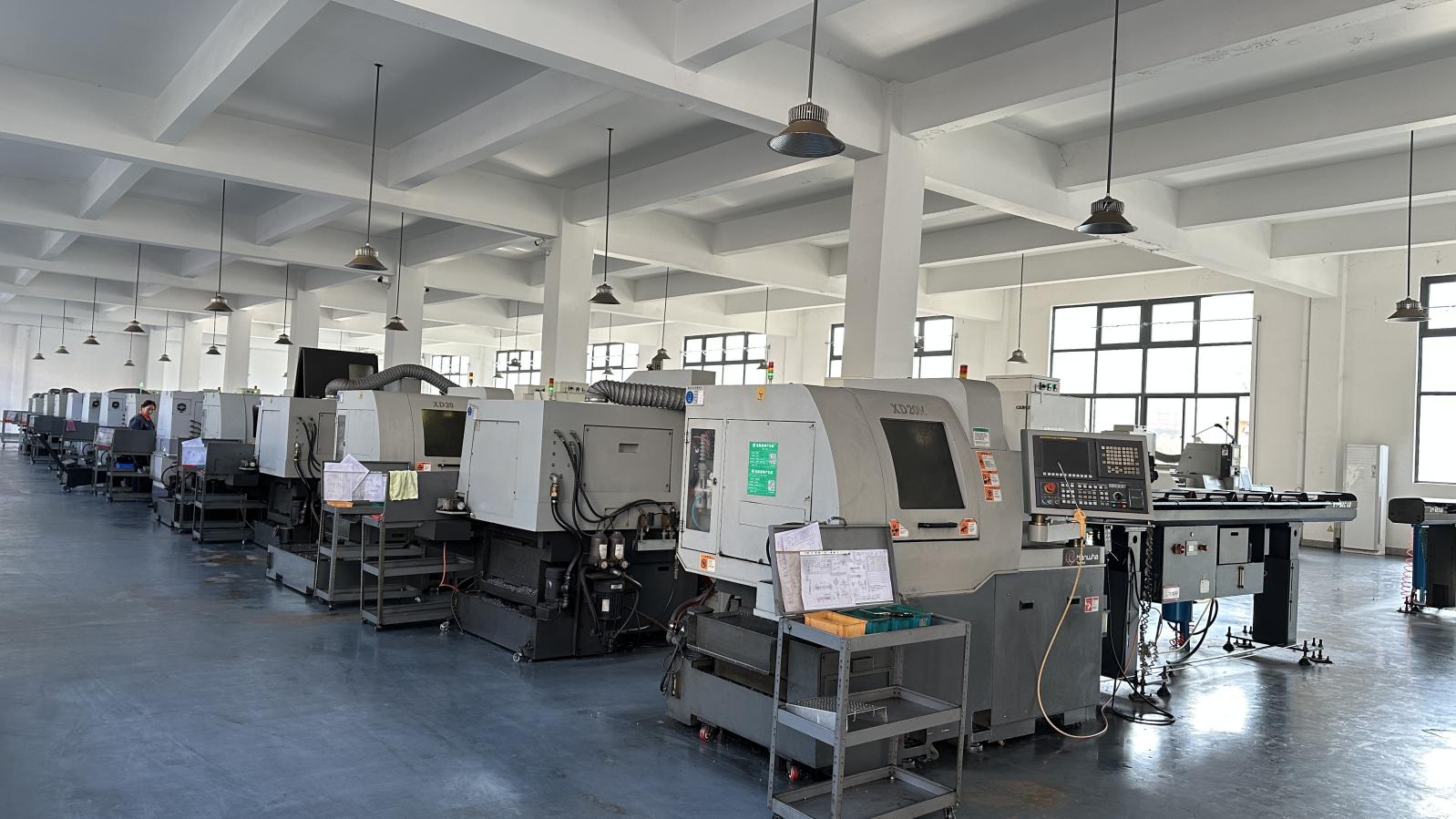
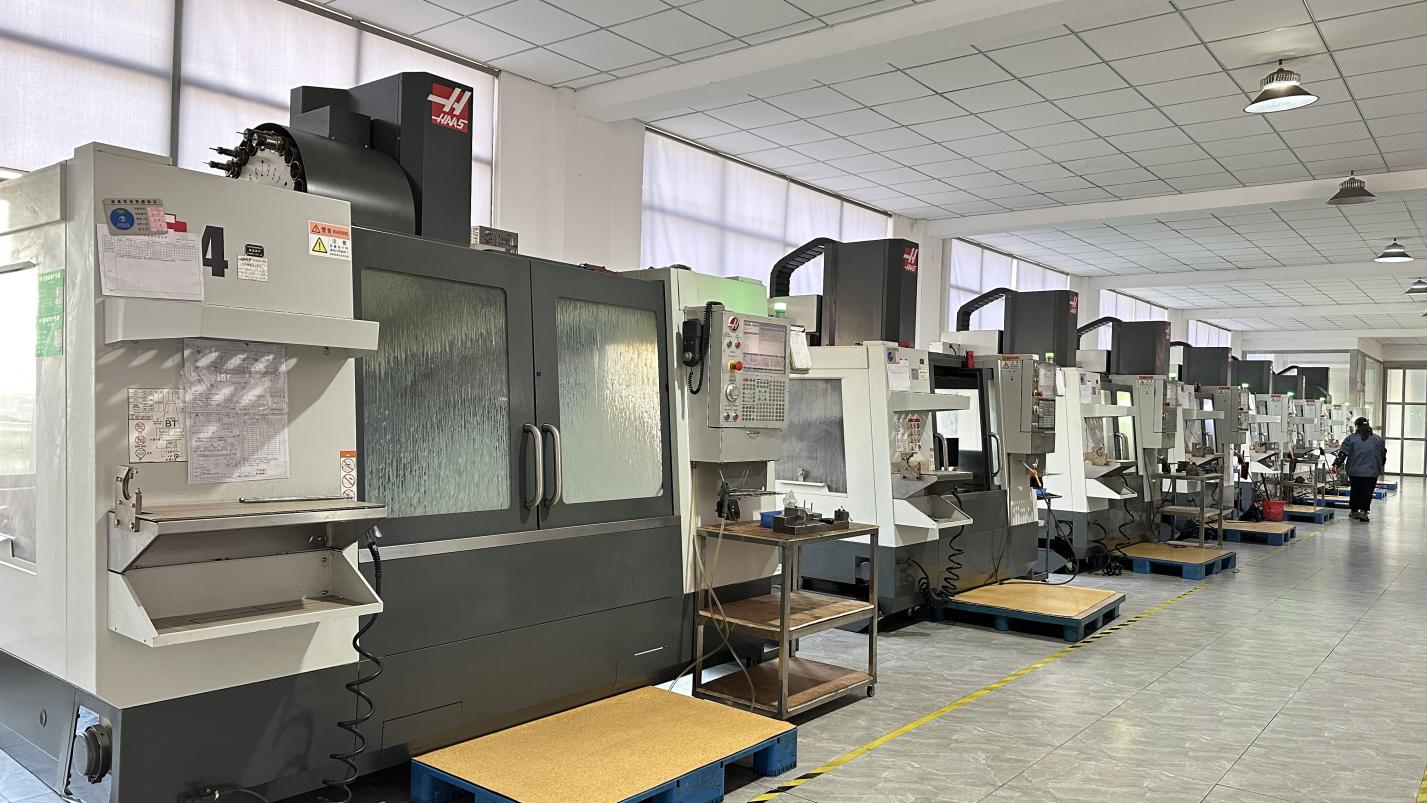
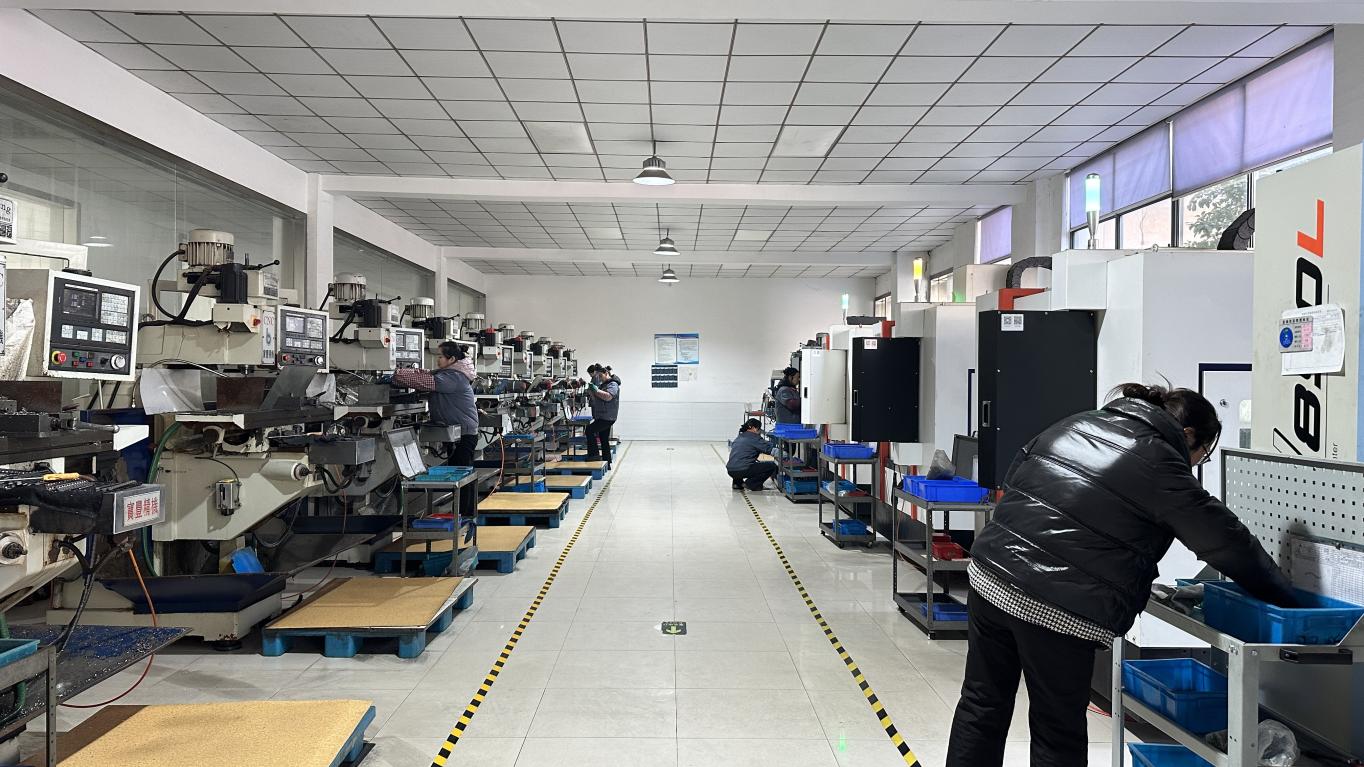
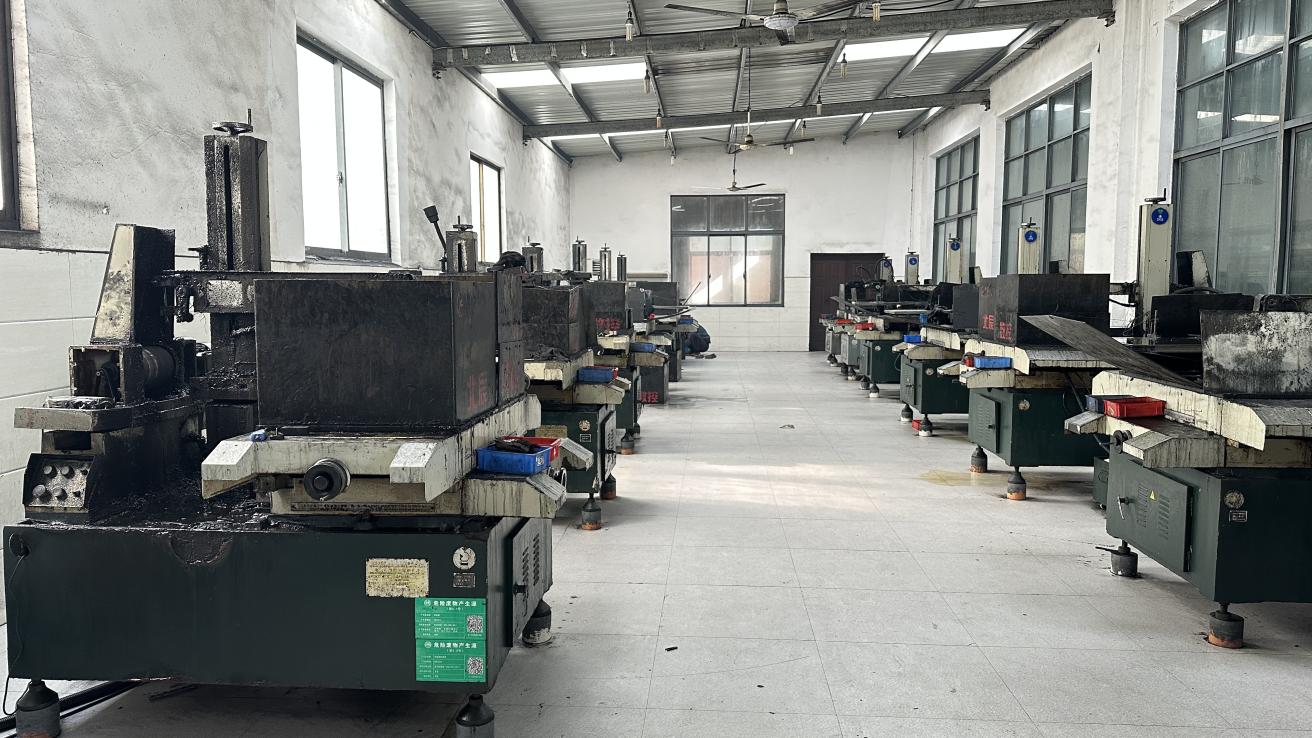
Operating from a state-of-the-art facility covering approximately 18,500㎡, Medisplint integrates raw material sourcing, CNC machining, automated inspection, sterile packaging, and quality assurance within one unified campus. The company's annual export revenue exceeds USD 12 million, proving its robust international trade compatibility.
With over 7 years of direct export operations and a decade of specialized industrial manufacturing experience, the organization provides a resilient global logistics solution. The facility operates under a stringent Quality Management System certified by ISO 13485, and its product lines conform to CE requirements for Class III Medical Devices.
Choosing a Chinese manufacturer for posterior cervical fixation systems offers significant structural benefits to global procurement departments. The combination of complete domestic manufacturing loops, rapid prototyping, and high-efficiency material logistics creates a competitive advantage.
Chinese factories utilize medical-grade titanium alloys (Ti-6Al-4V ELI) conforming to ASTM F136 standards and implantable PEEK polymer. Direct access to domestic titanium processing centers ensures continuous production without reliance on third-party international brokers.
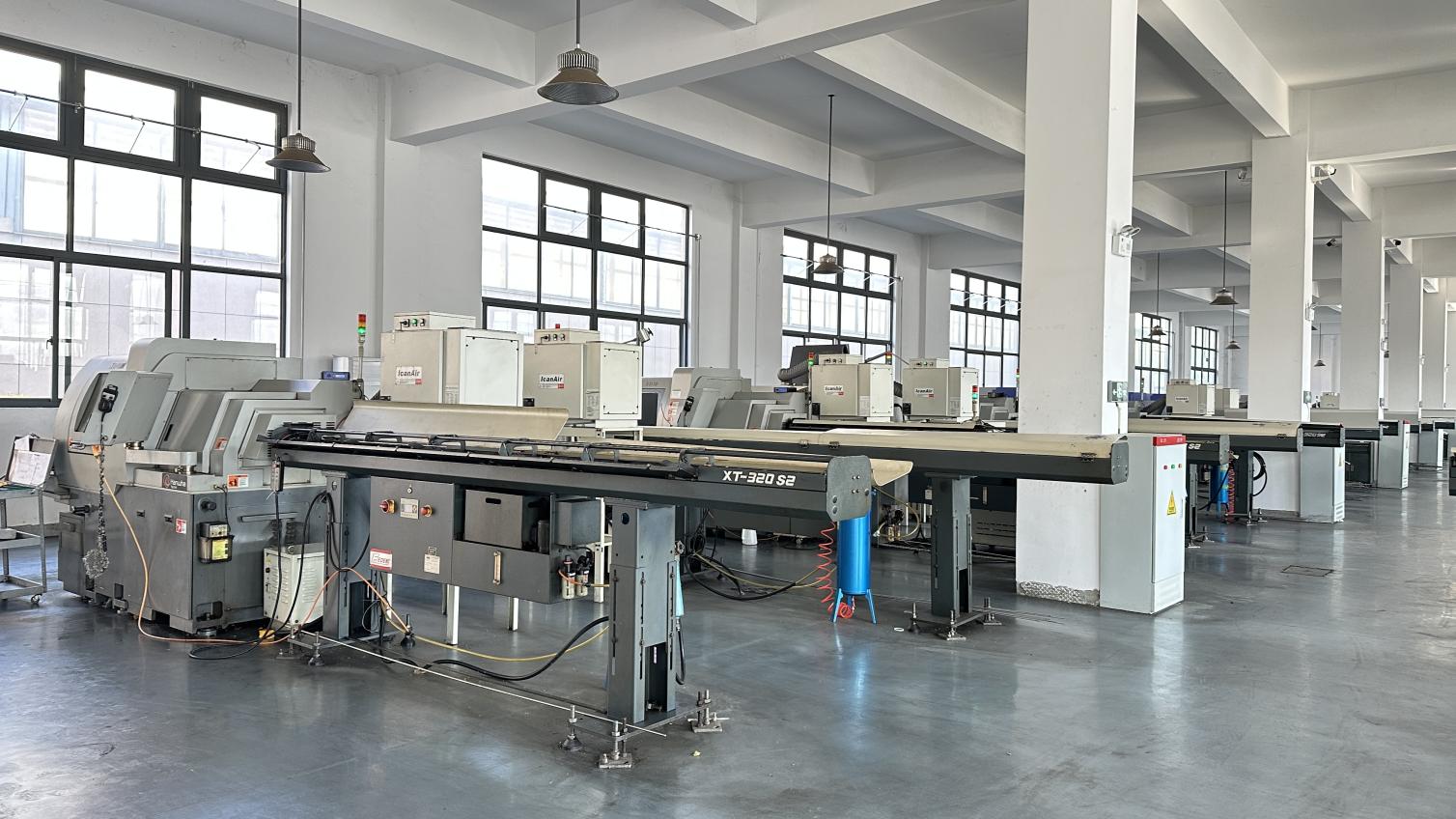
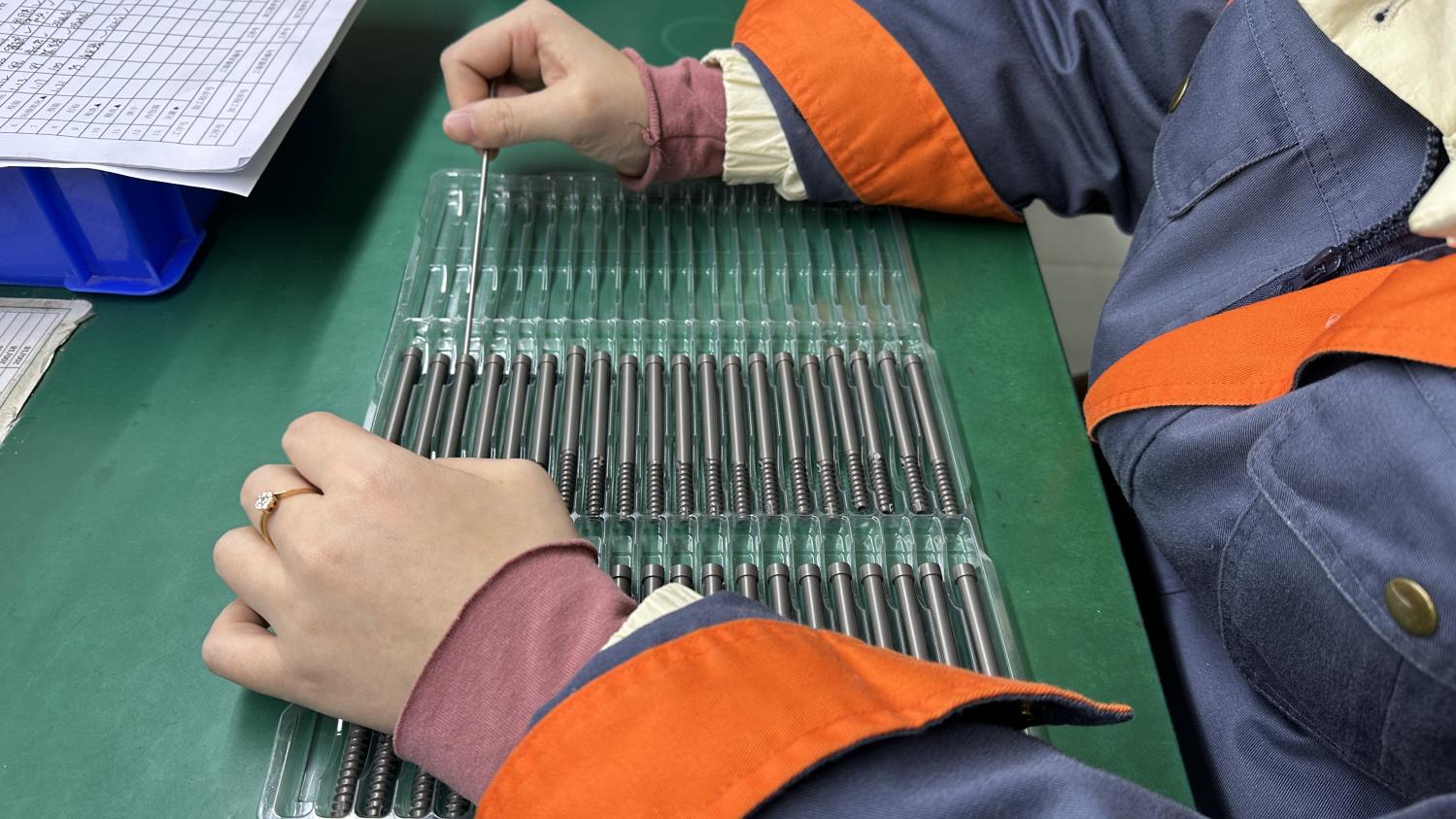
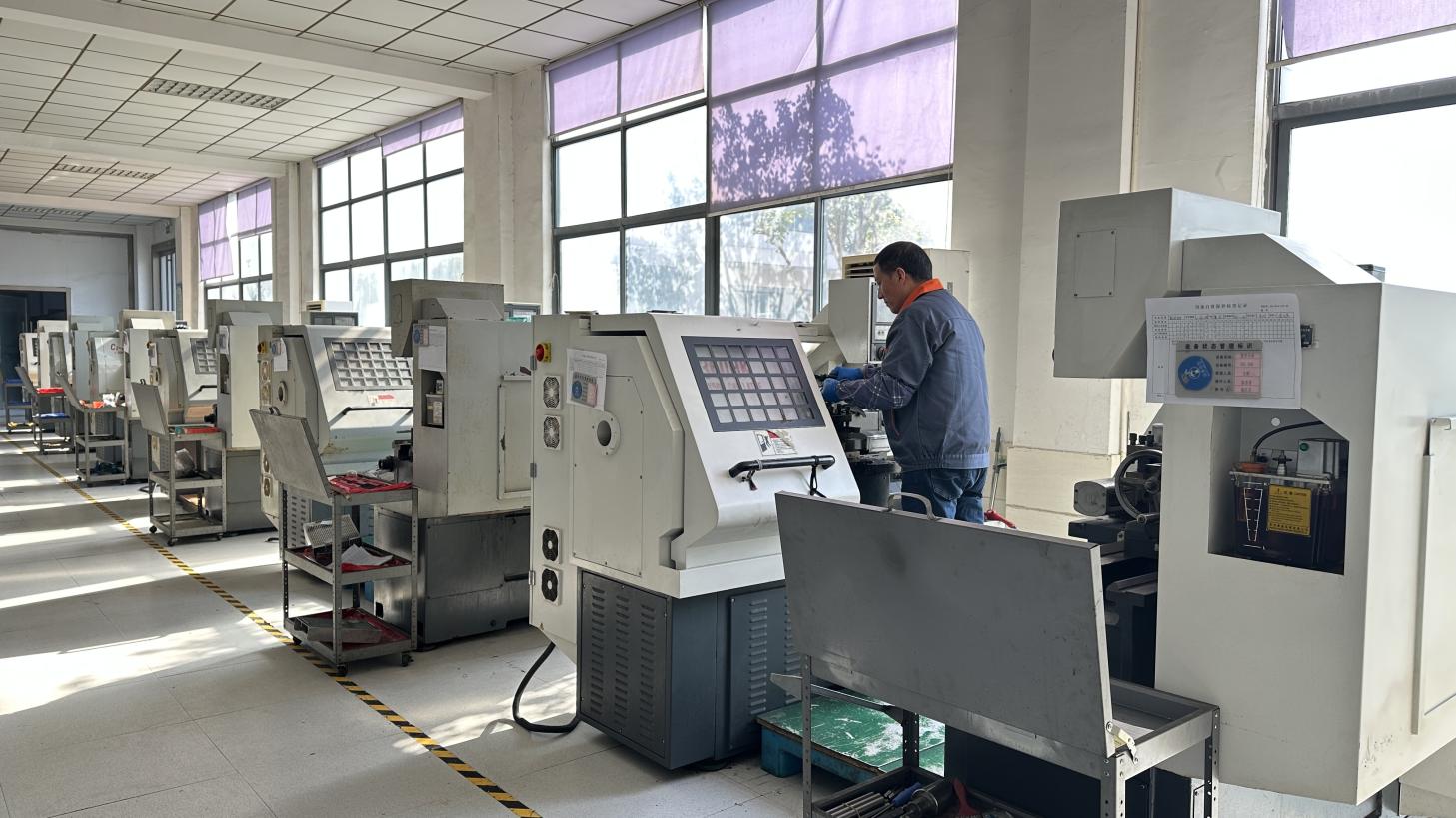
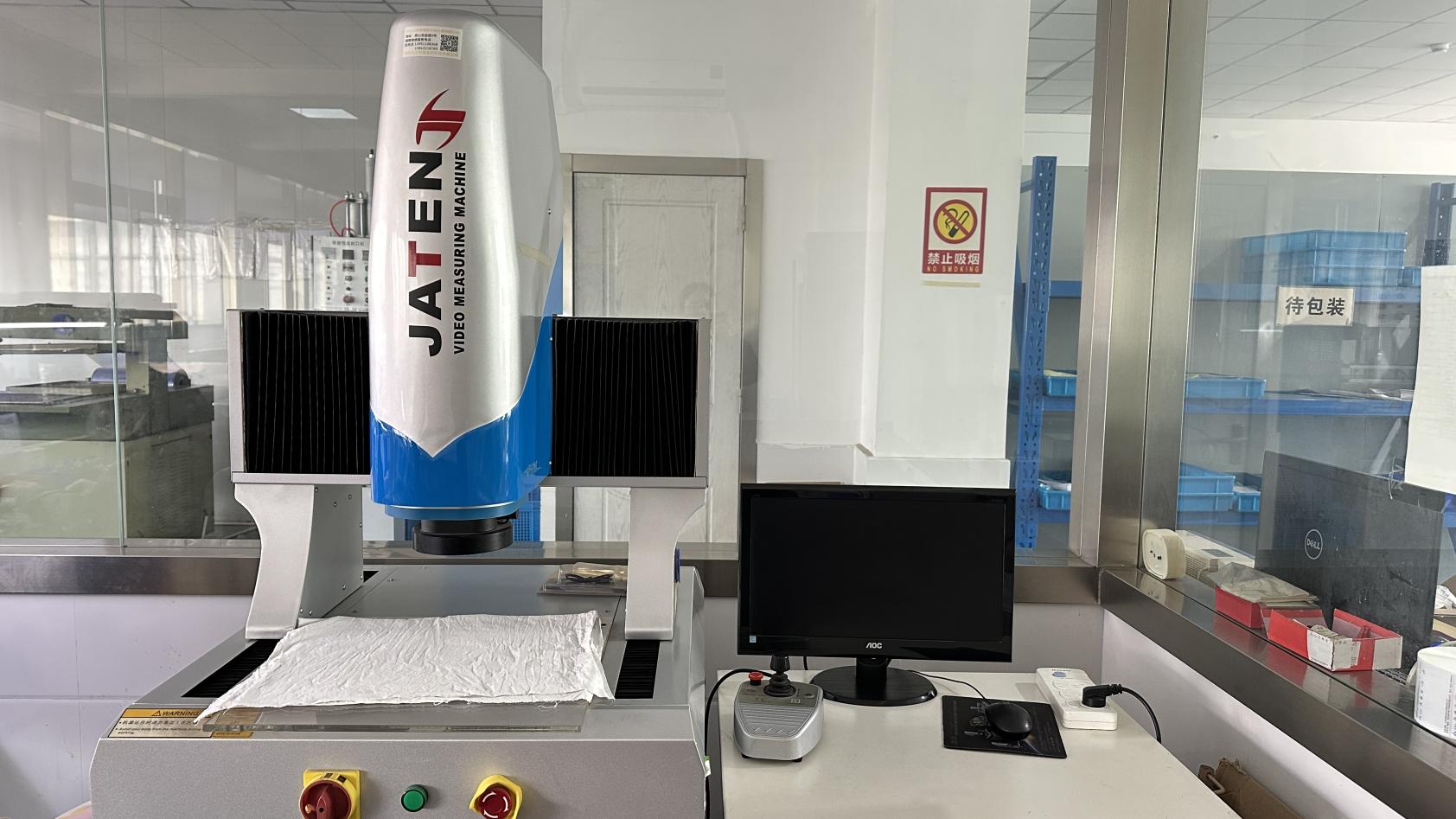
Facilities like Medisplint utilize multi-axis Swiss CNC lathes and automated cutting equipment. This technology allows for production tolerances to within microns, ensuring the micro-thread patterns on cervical screws fit perfectly and lock securely.
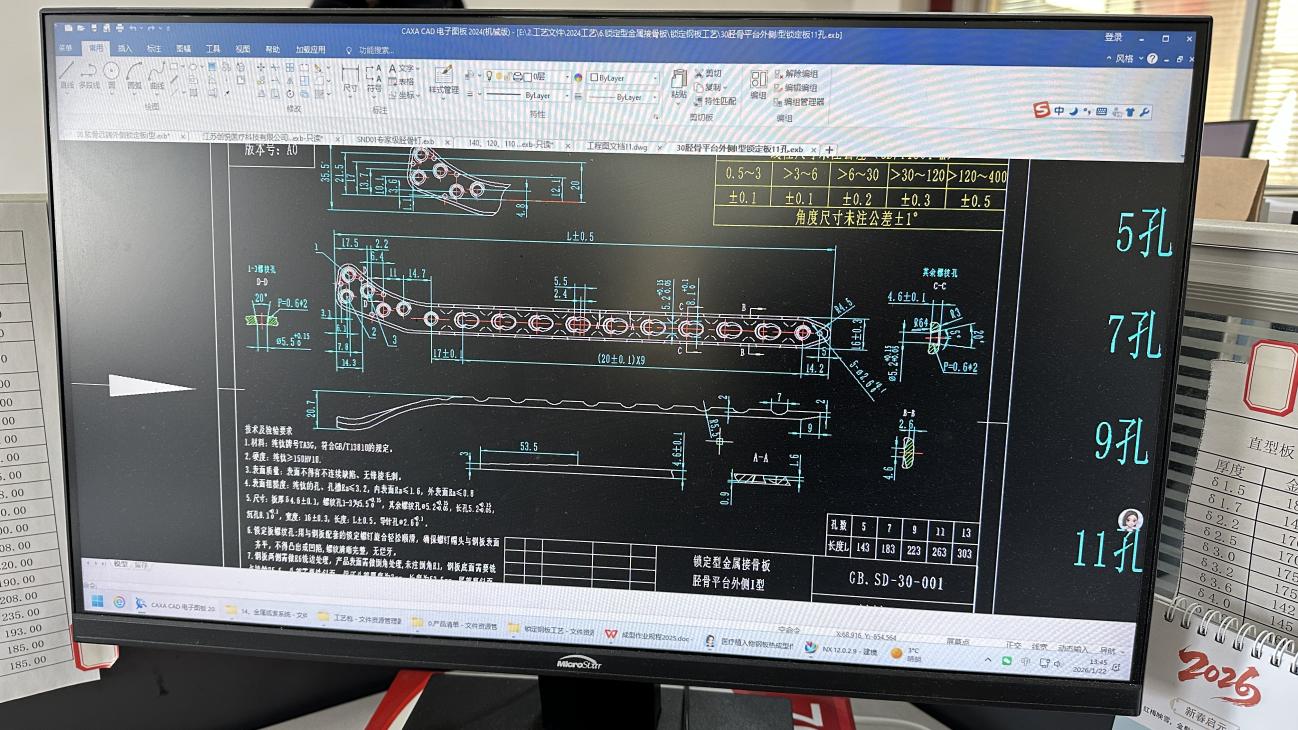
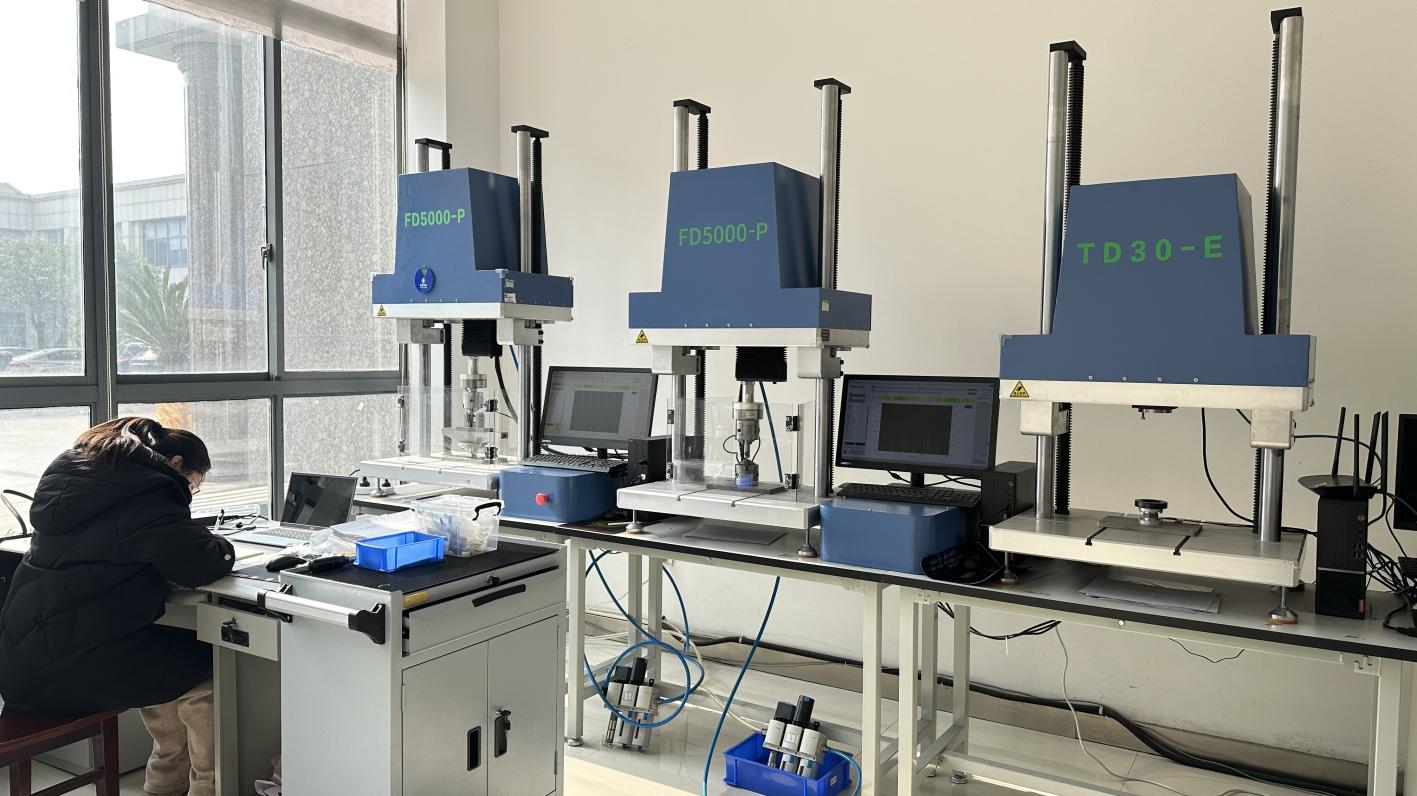
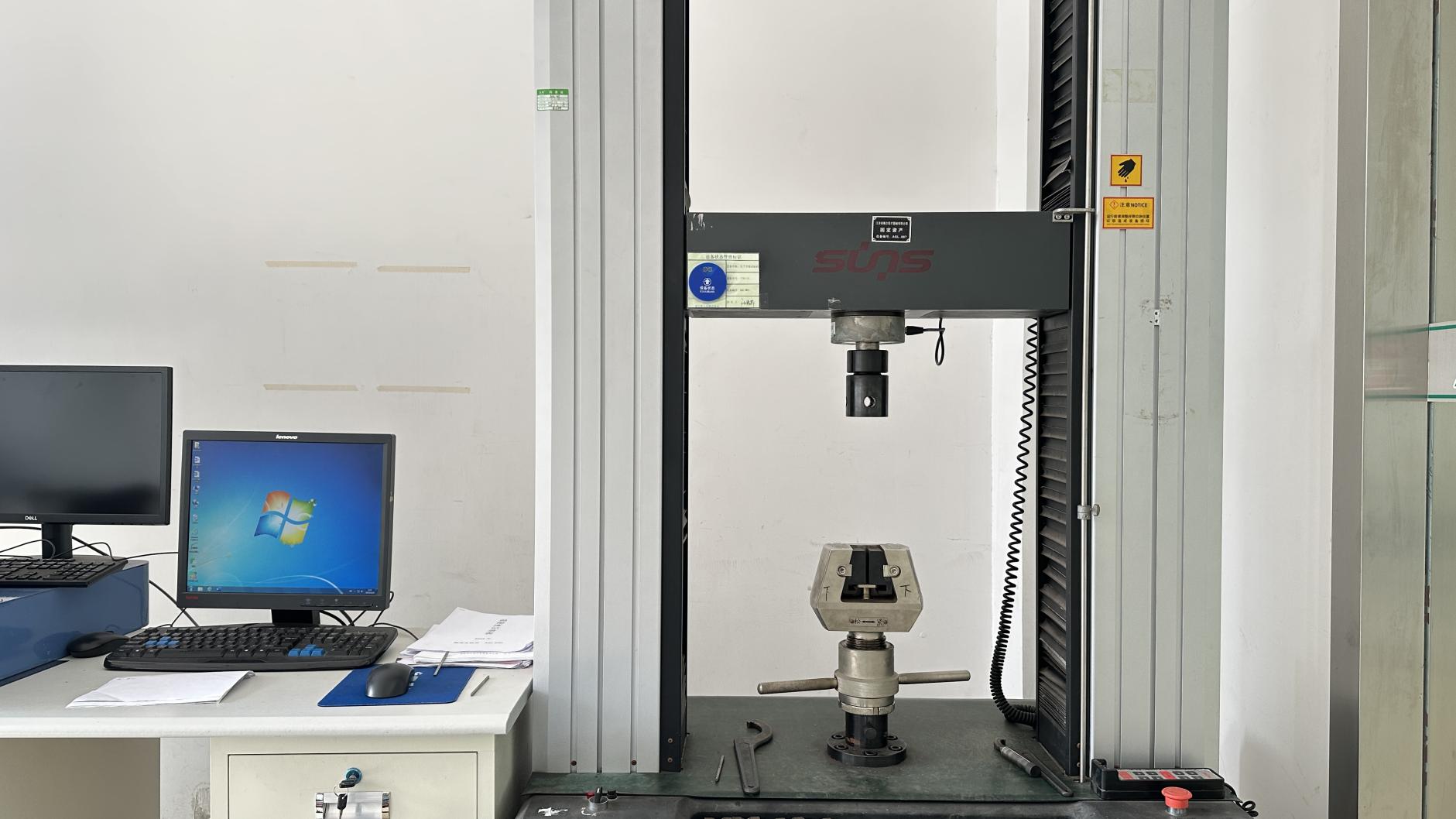
With dedicated laboratories on-site, Chinese manufacturing hubs minimize the time between CAD modeling, structural FEA (Finite Element Analysis) simulations, mechanical testing, and high-volume commercial production.
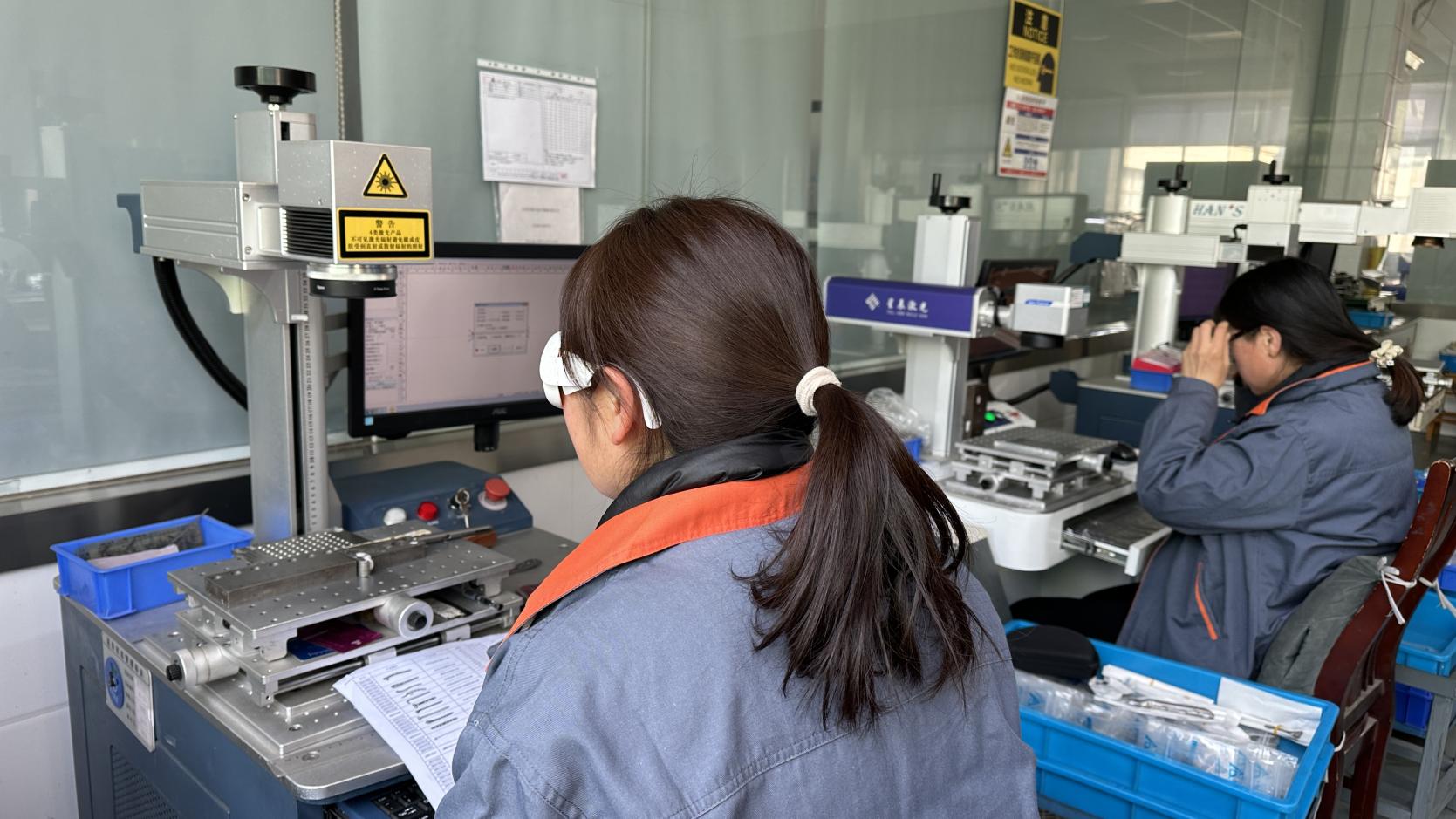
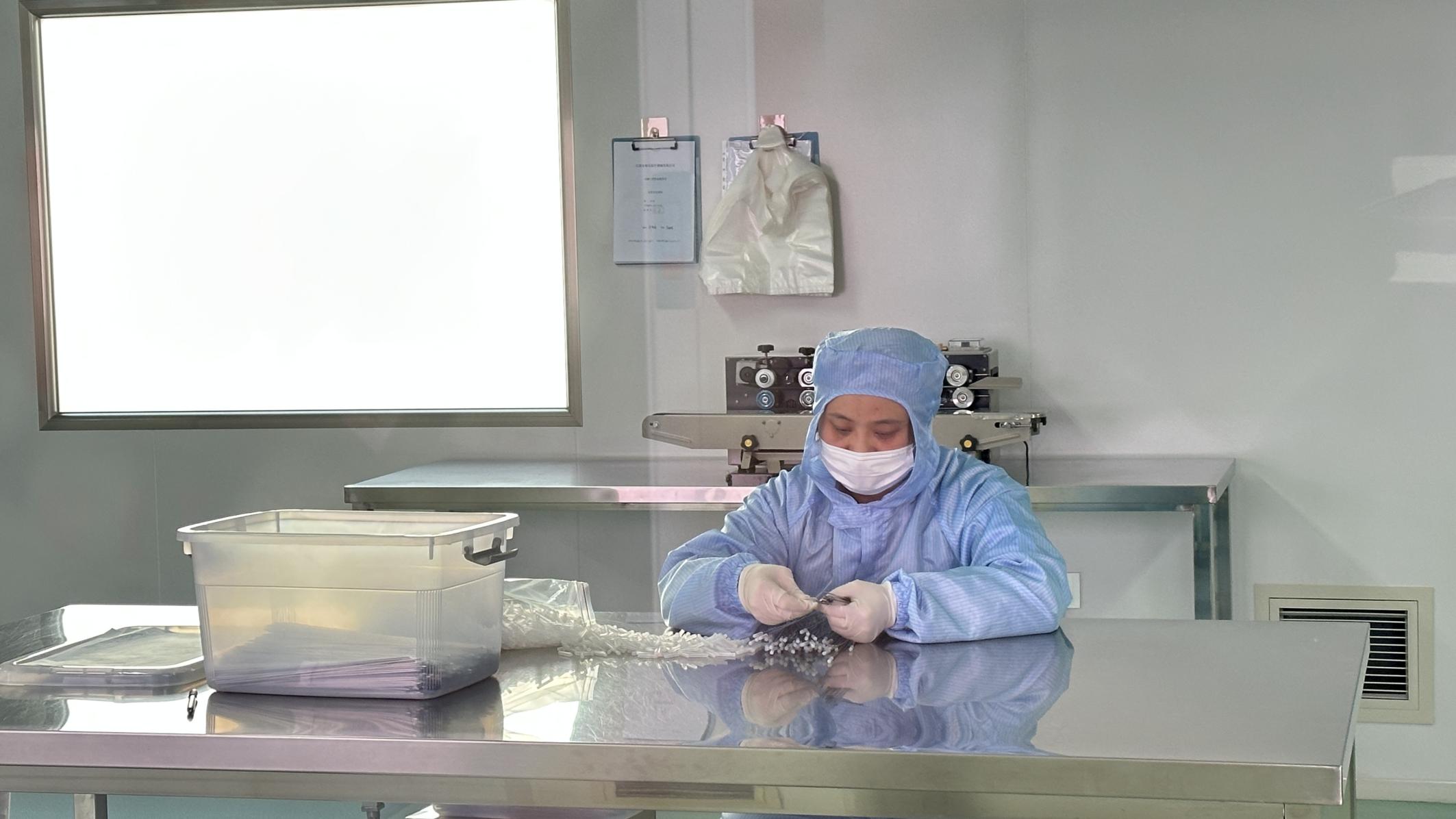
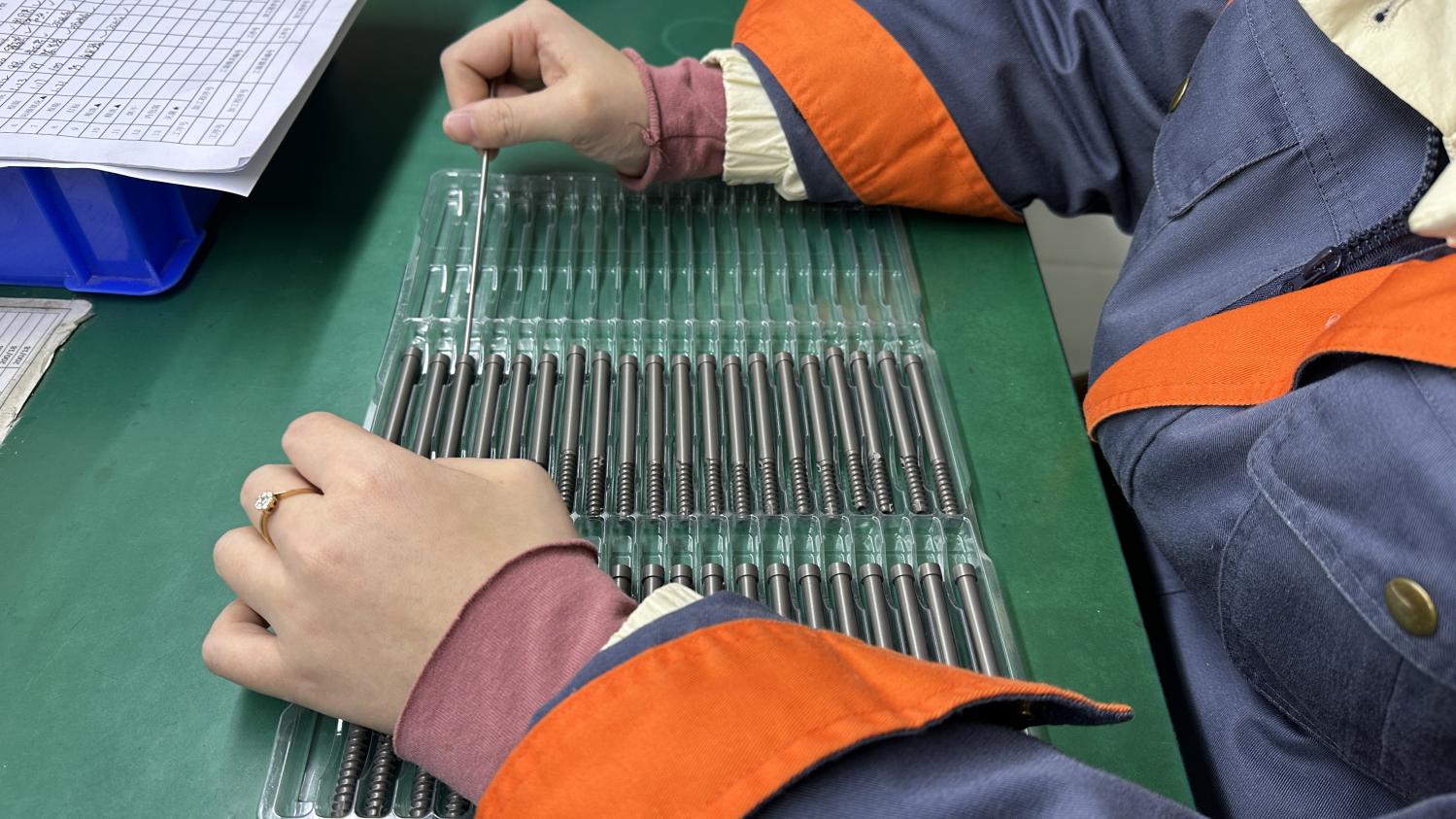
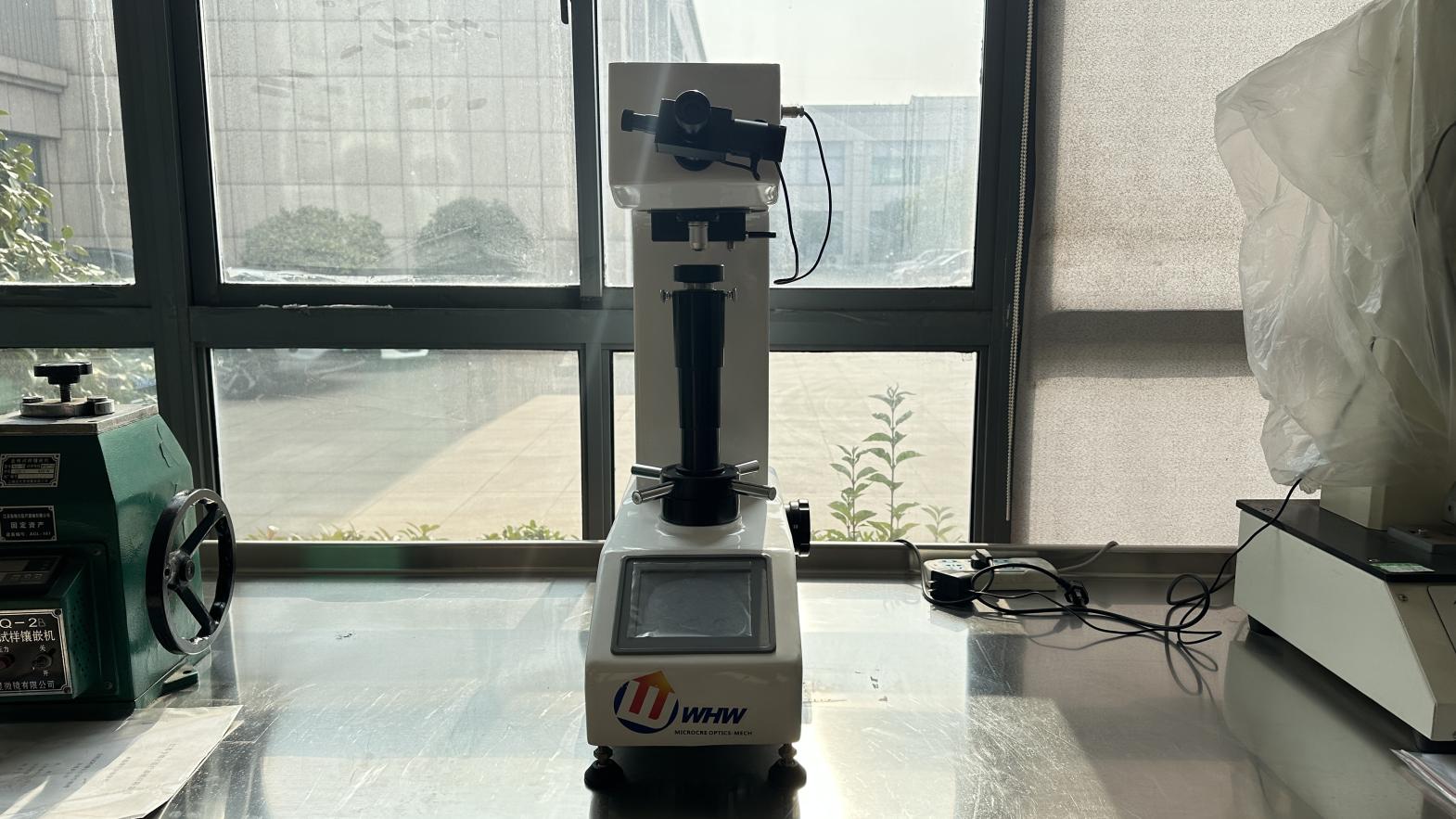
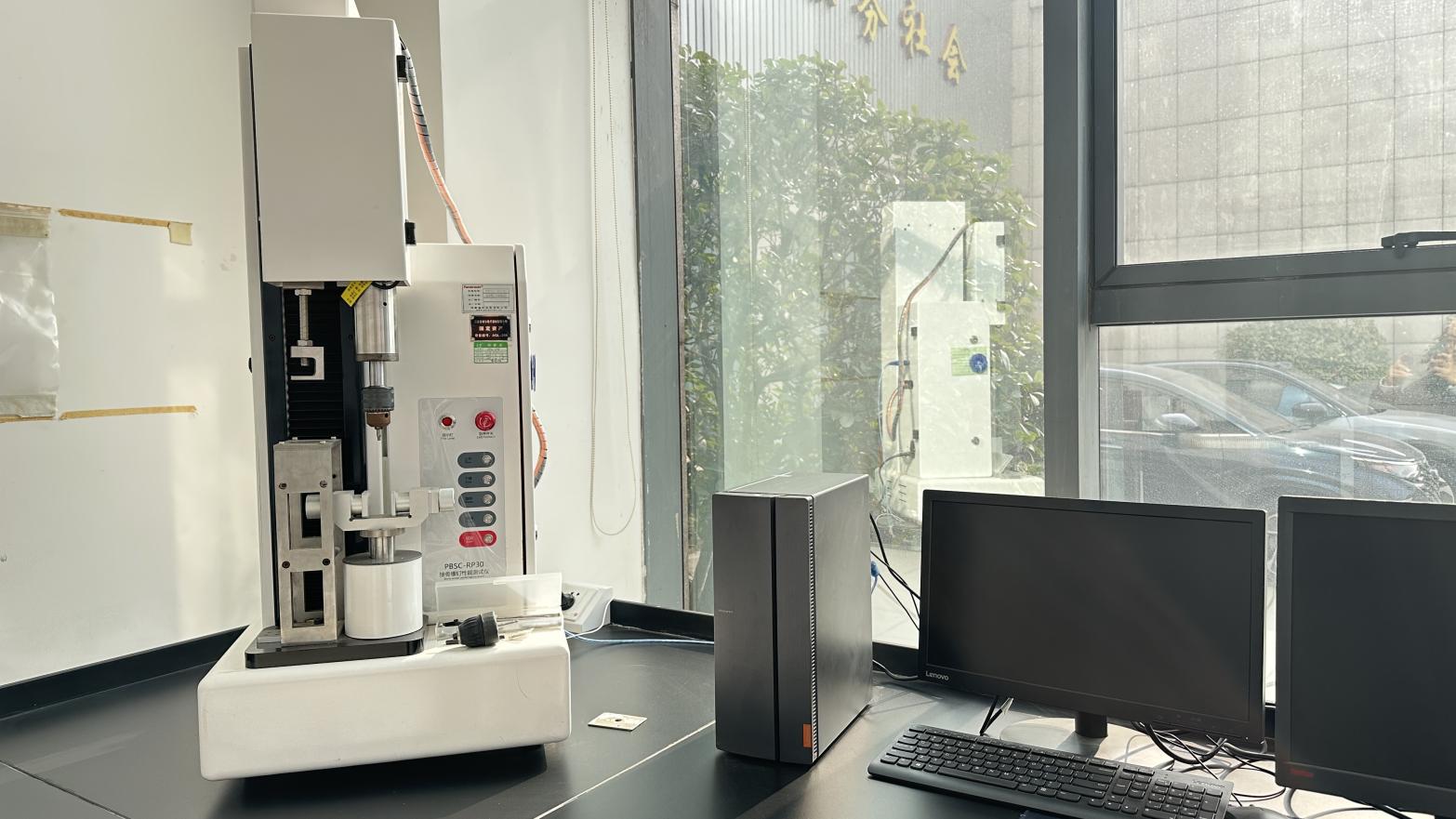
To guarantee zero defects in orthopedic implants, Medisplint manages a rigorous and traceable fabrication workflow. Each stage of the process, from raw material receiving to high-precision testing, is monitored by our QA/QC specialists.

Navigating the global healthcare regulatory space requires medical manufacturers to be deeply aligned with destination market rules. For posterior cervical fixation system sourcing, simple order fulfillment is insufficient; compliance must be designed into every business process.
| Regulatory Jurisdiction | Required Certifications & Standards | Medisplint Compliance Status | Local Sourcing Impact |
|---|---|---|---|
| European Union (EU) | CE Mark under MDR 2017/745, EN ISO 13485 | Fully Certified, Post-Market Surveillance Active | Enables distribution across EU-member countries and CE-accepting nations. |
| United States (US) | FDA 510(k) Clearance, 21 CFR Part 820 QSR | Implant files formatted for FDA registration pathways | Ensures seamless importation and legal marketing in American hospital groups. |
| Latin America (LATAM) | ANVISA (Brazil), COFEPRIS (Mexico) approvals | Spanish/Portuguese labeling & registration support | Enables partners to secure state hospital bids with comprehensive registration portfolios. |
| Southeast Asia (APAC) | HSA (Singapore), TFDA (Thailand), AMDD conformance | Fully compliant localization dossiers available | Accelerates customs clearance and streamlines healthcare facility acceptance. |
With a robust team of approximately 85 engineering and development specialists, Medisplint offers tailored solutions to meet specific clinical preferences. Global distributors can configure custom implants and instrument kits:
The spinal implant field is moving toward minimally invasive systems and biological integration. The latest developments in posterior cervical fixation include:
Utilizing acid-etched or plasma-sprayed titanium surfaces enhances osseointegration, enabling bone cells to anchor directly to the metal implants. This reduces the risk of long-term screw loosening.
Historically, rigid titanium rods created mechanical stress at adjacent vertebral levels. Modern designs integrate transition rods and specialized materials to match the spine's natural biomechanics.
Next-generation posterior cervical systems are designed to interface with 3D computer navigation and robotic systems, improving screw placement accuracy in challenging anatomical positions.
These clinical devices are utilized in specific surgical treatments: