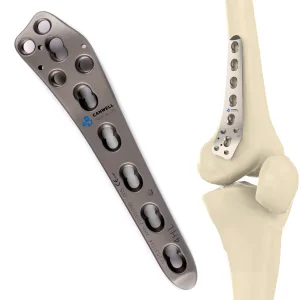
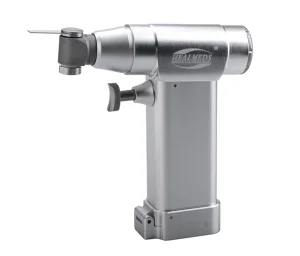
Medisplint
Medisplint
Medisplint
Explore our surgical instrumentation arrays, veterinary orthopedic machinery, and titanium internal fixation solutions.
Cervical spondylotic myelopathy (CSM) and ossification of the posterior longitudinal ligament (OPLL) represent significant global health challenges affecting spinal stability. Laminoplasty plates—particularly open-door and double-door mini-plate fixation systems—have fundamentally transformed treatment protocols. By maintaining stable canal expansion and preventing post-operative hinge closure, titanium laminoplasty systems offer superior biomechanical outcomes compared to older suture or bone graft suspension techniques.
Traditional cervical decompression through laminectomy often compromises the mechanical balance of the posterior elements, potentially leading to post-operative kyphosis, sagittal instability, and significant scar tissue perineural adhesion. Cervical open-door laminoplasty preserves the structural integrity of the posterior spinal structures, providing a safe option for patients.
Modern laminoplasty plates act as rigid strut spacers, securing the split lamina. This preserves the posterior muscle attachments, which in turn reduces axial neck pain and maintains cervical range of motion (ROM). Key engineering considerations focus on plate configuration, screw angle variability, and the profile index to minimize structural irritation.
The global spinal implants market has seen a significant shift towards high-volume, precision-controlled manufacturing in specialized Asian hubs. China's orthopedic factories have evolved from basic contract forging shops into fully automated, state-of-the-art facilities equipped with advanced CNC systems, automated laser engraving, cleanrooms, and testing facilities.
This industrial centralization has allowed top suppliers to maintain cost efficiencies while meeting strict regulatory standards like the European Union Medical Device Regulation (EU MDR), US FDA 510(k), and ISO 13485. This makes high-grade titanium plates accessible to hospitals, surgical centers, and distributors worldwide.
Additionally, the rise of custom, region-specific implant sizing has driven demand for flexible, low-volume ODM/OEM production. Top-tier manufacturers like Medisplint Orthopedic Instruments Co., Ltd. bridge this gap by offering rapid design cycles, custom laser etching, and tailored instrumentation packages.
The primary material for modern laminoplasty implants is Extra Low Interstitial (ELI) Grade 5 Titanium. This alloy offers high biocompatibility, excellent fatigue resistance, and a Young's modulus that reduces stress-shielding compared to stainless steel.
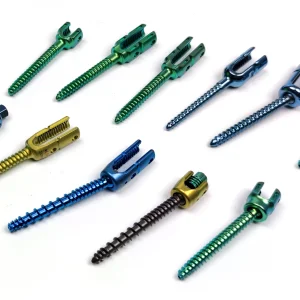
Advanced electrochemical passivation builds a thick, controlled titanium oxide surface layer. This treatment enhances corrosion resistance, minimizes metal ion release, and allows for color-coding of implant components to simplify identification during surgery.
Polyetheretherketone (PEEK) is used where radiolucency is critical. Radiopaque markers let surgeons monitor bone graft fusion and healing under X-ray and CT scans without artifact interference.
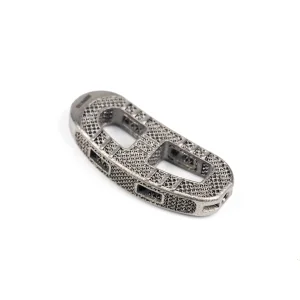
The next generation of laminoplasty systems features 3D-printed porous titanium meshes. These structures mimic the elasticity of cancellous bone and support rapid, direct bone ingrowth (osseointegration) along the lamina margins. Research is also focused on osteoinductive coatings, such as hydroxyapatite and strontium-doped bioactive glasses, to accelerate healing times.
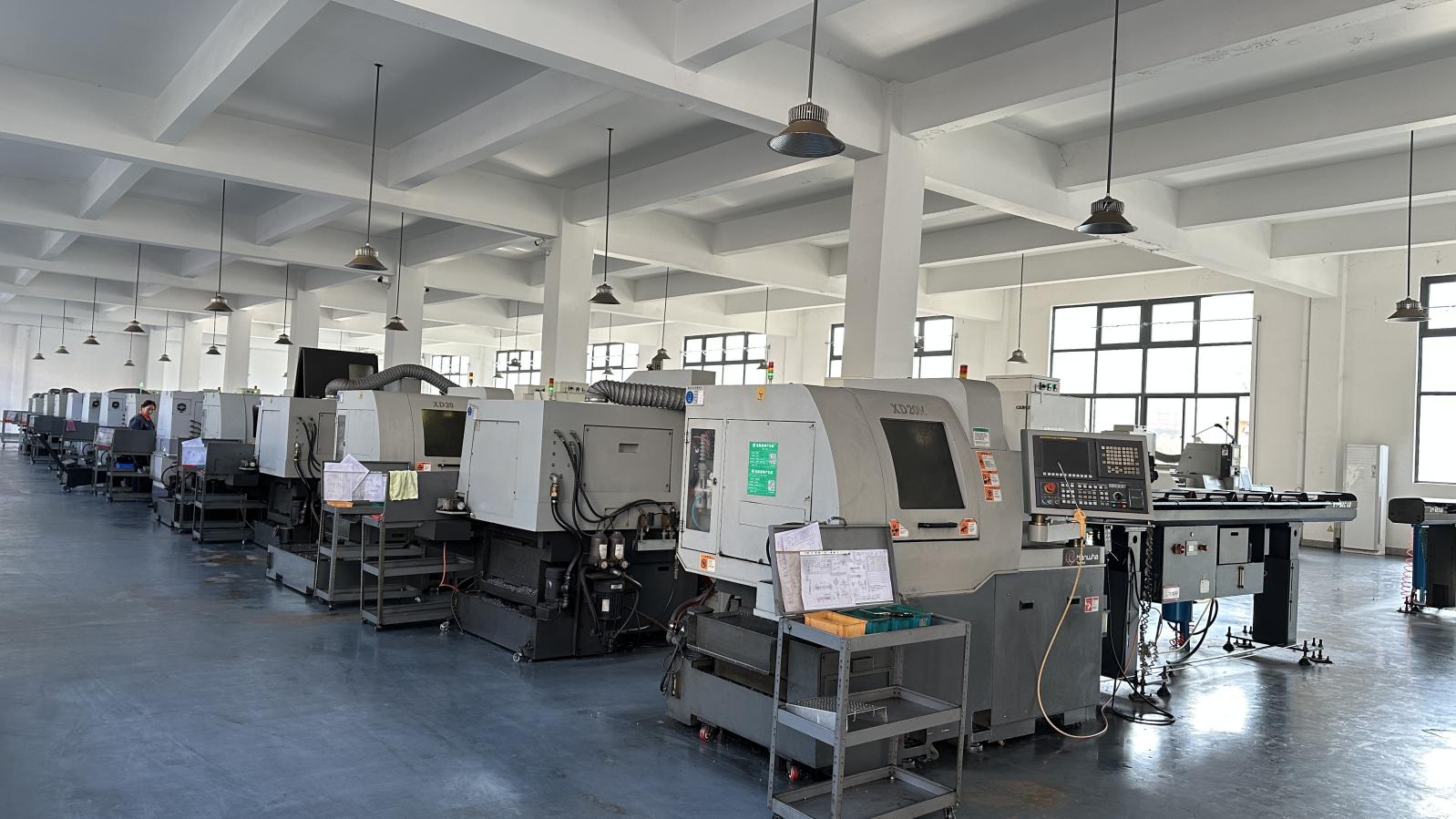
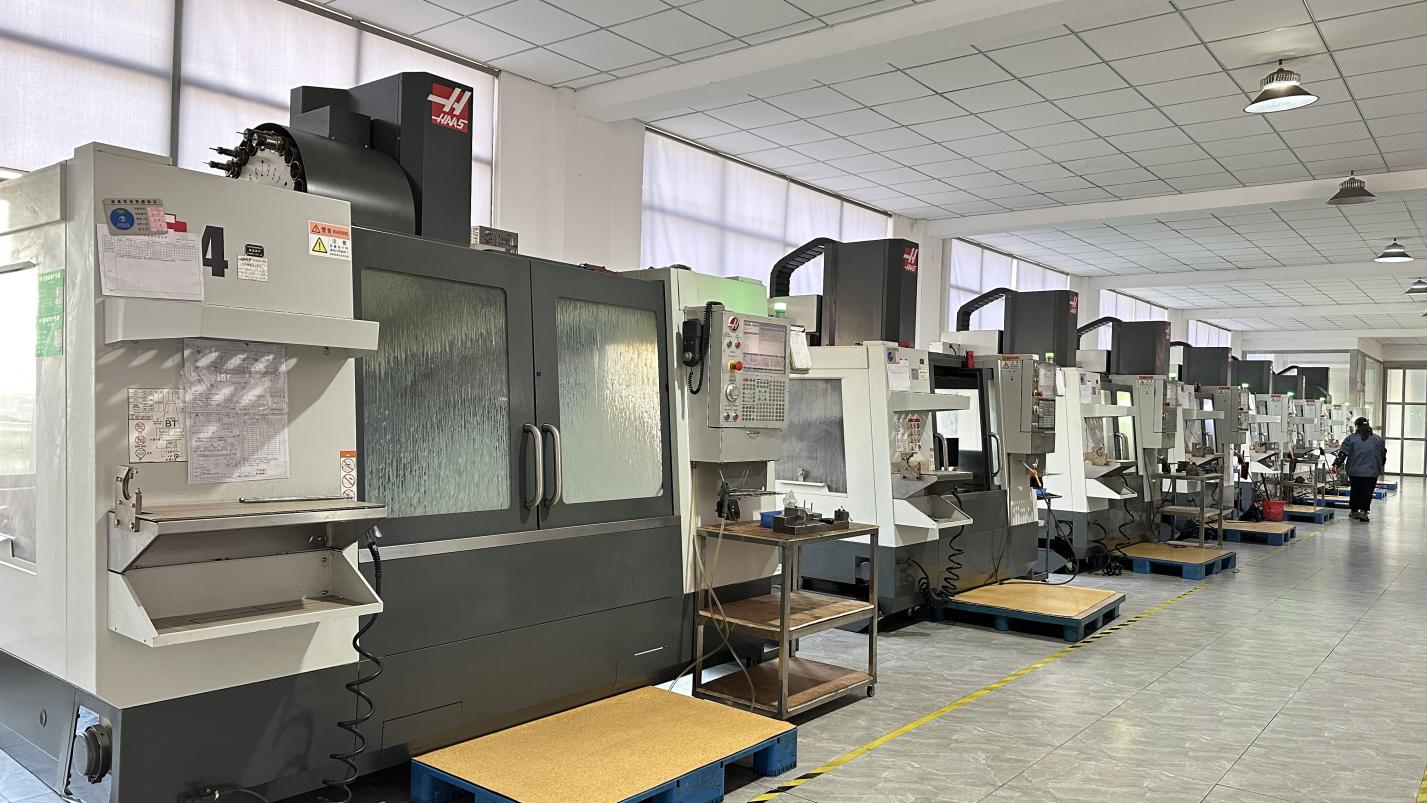
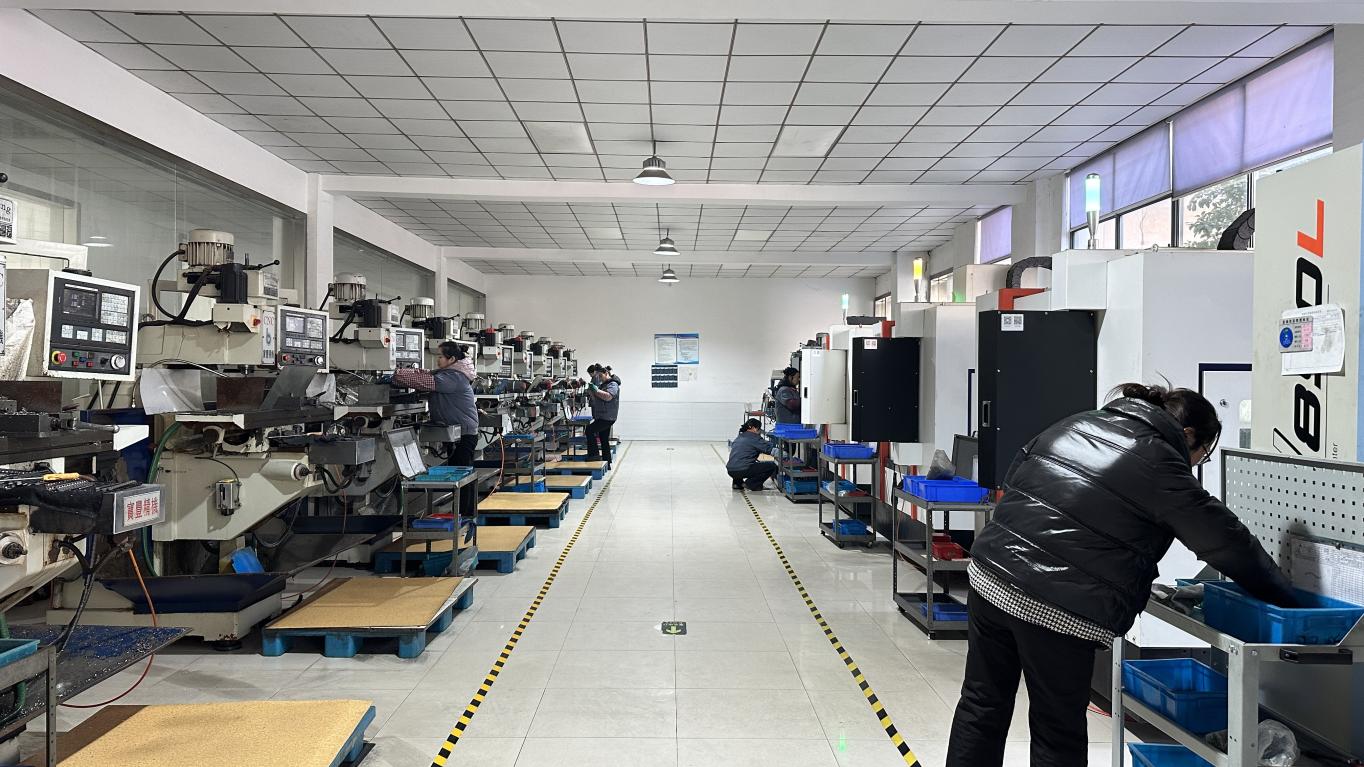
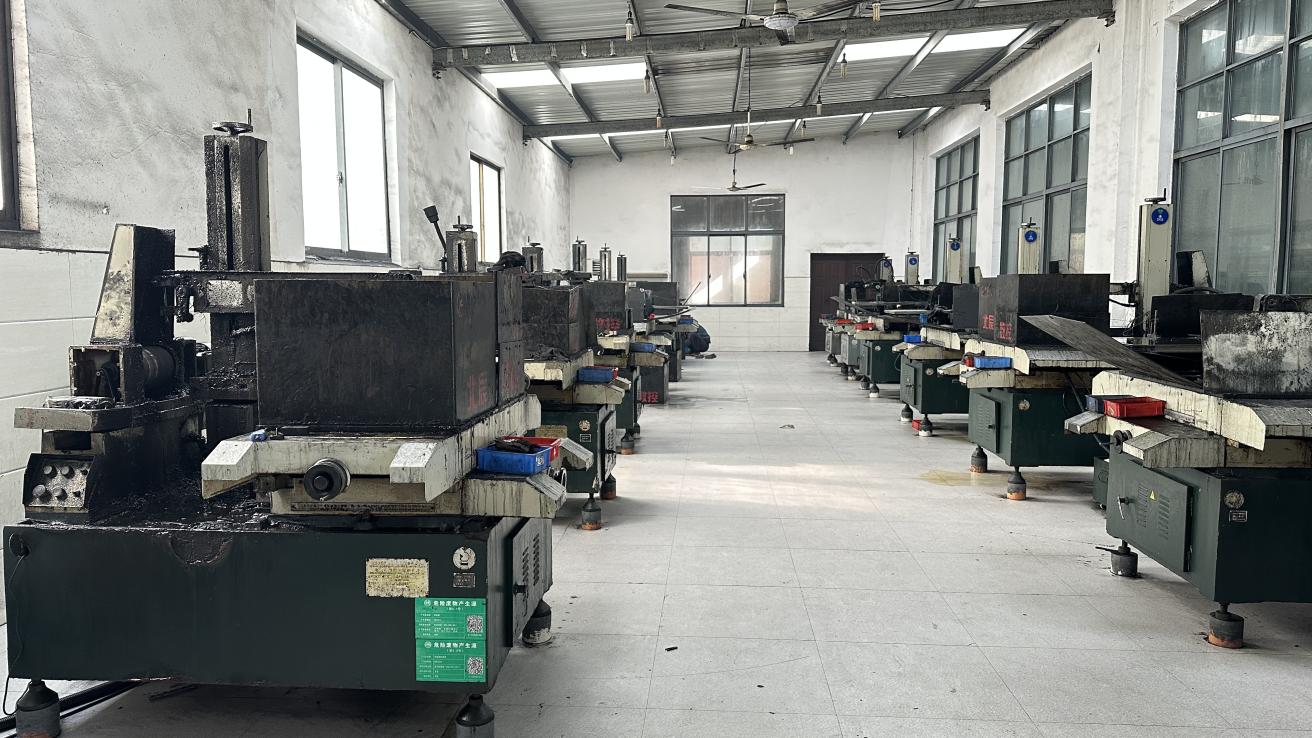
Founded in 2016, Medisplint Orthopedic Instruments Co., Ltd. operates a modern 18,500㎡ facility with advanced CNC machinery, testing labs, and rigorous quality inspection protocols.
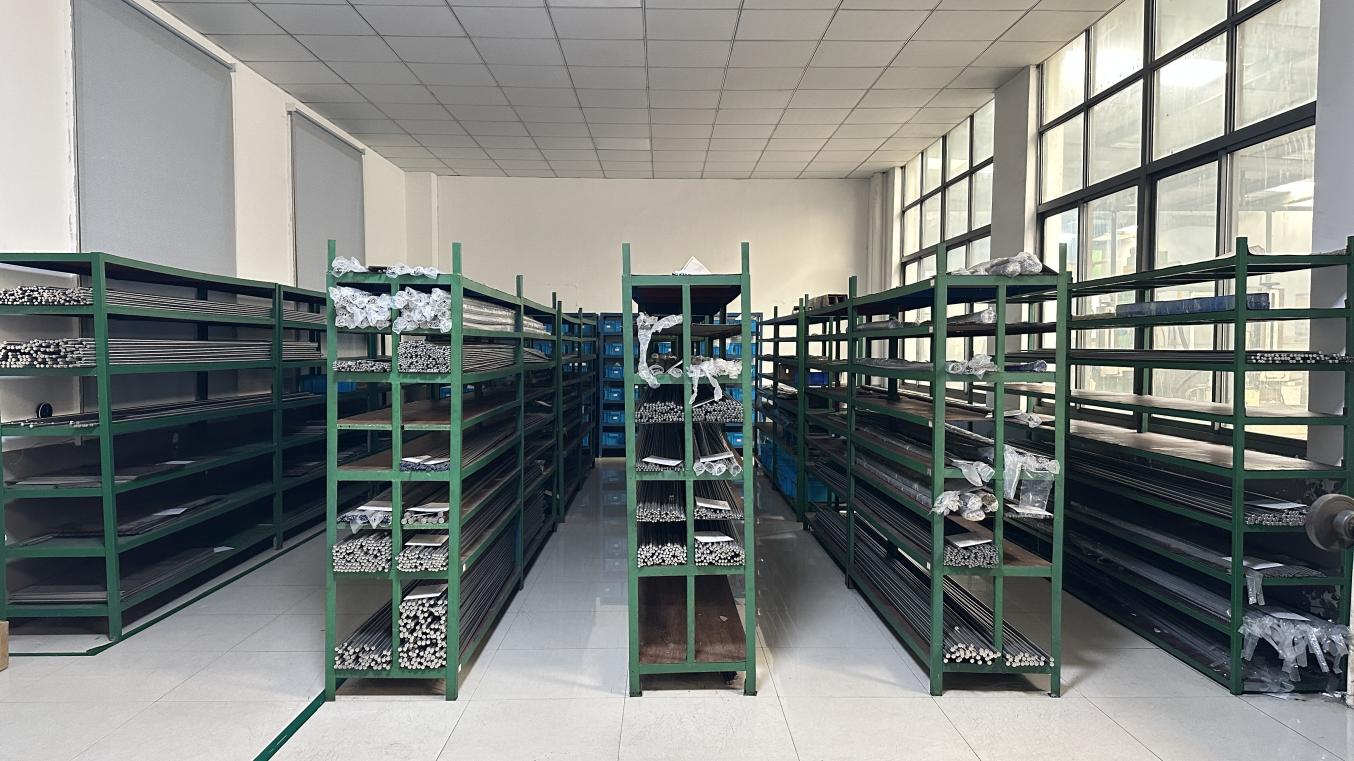
Sourcing implant-grade titanium rods and sheets with material certificate tracking to verify alloy composition.
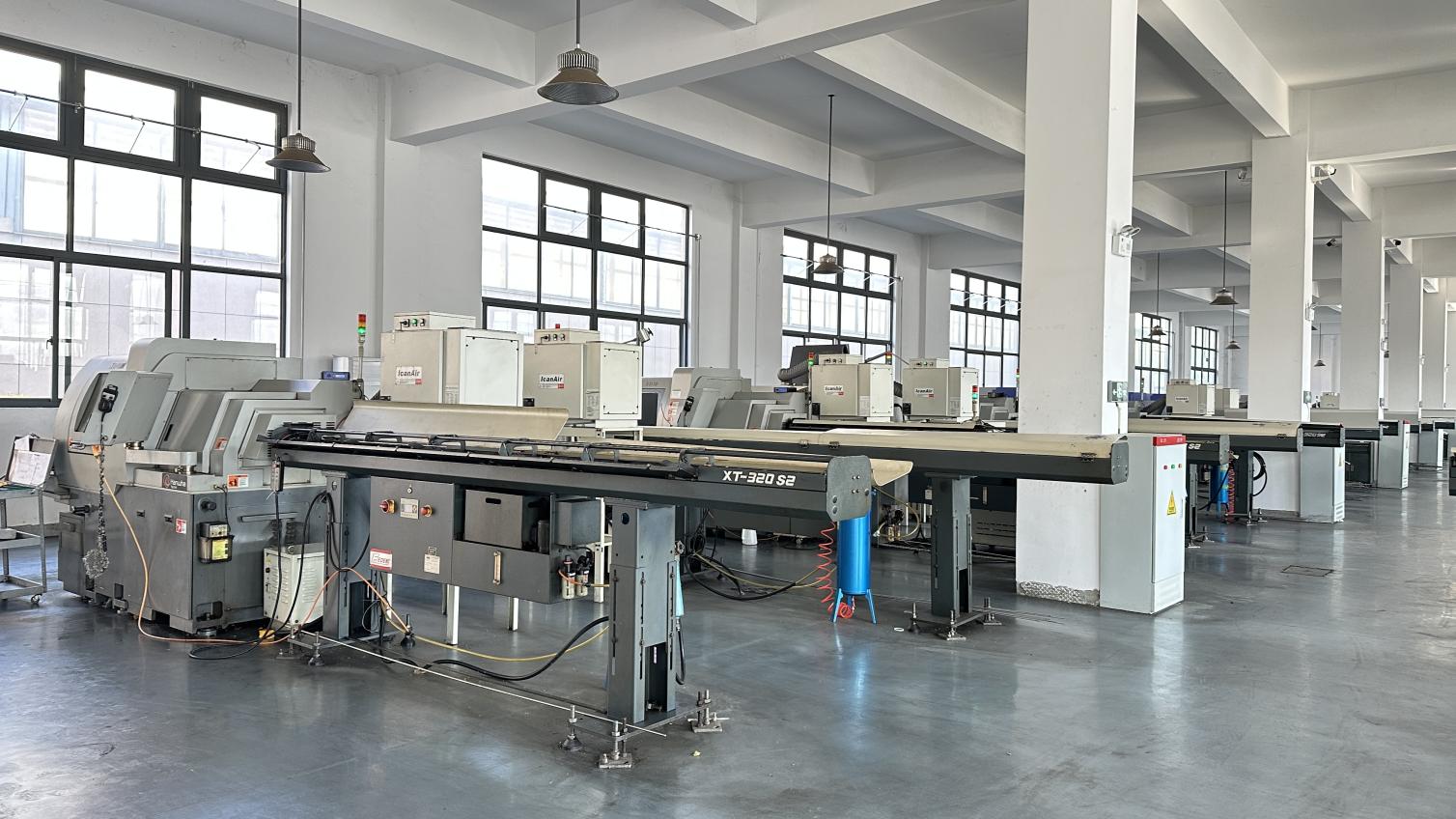
Heavy-duty slitting machines size raw metal blanks, prepping components for high-speed machining.
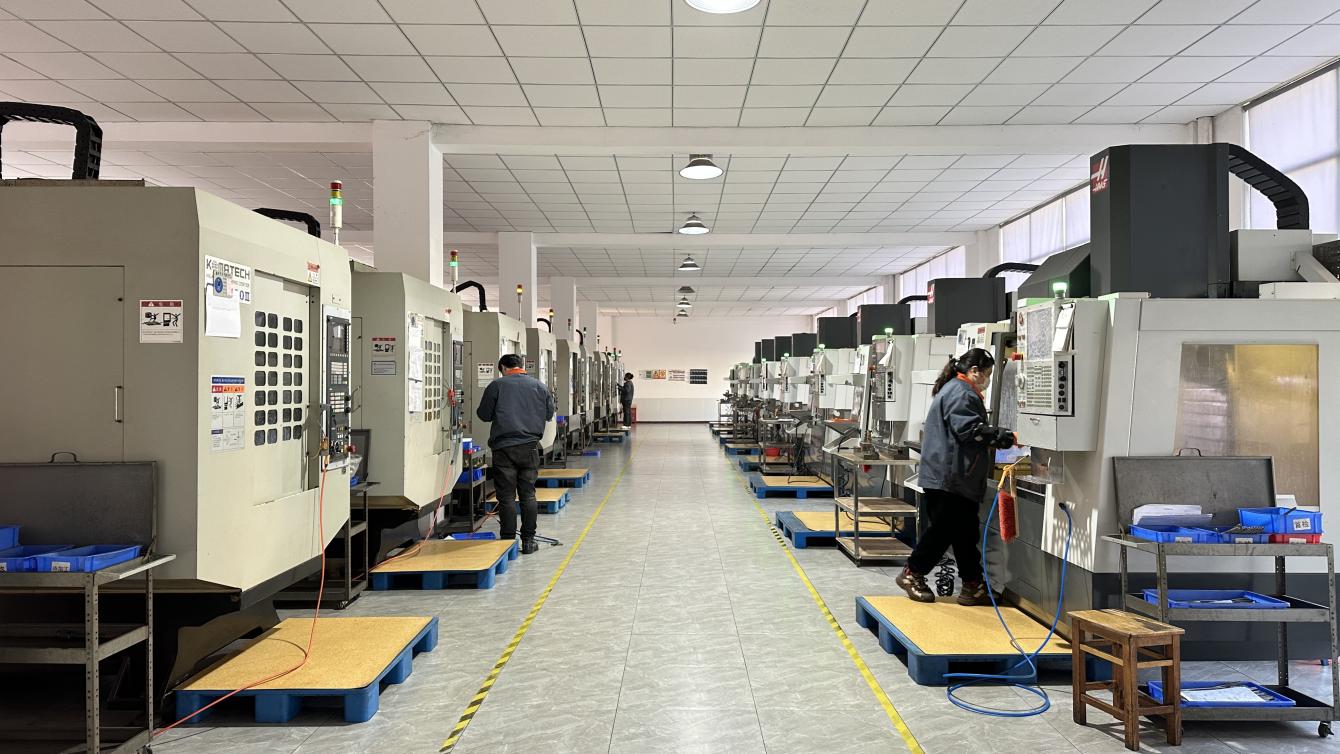
High-precision computer numerical control (CNC) mills shape complex plate geometries and thread patterns with micron-level tolerances.
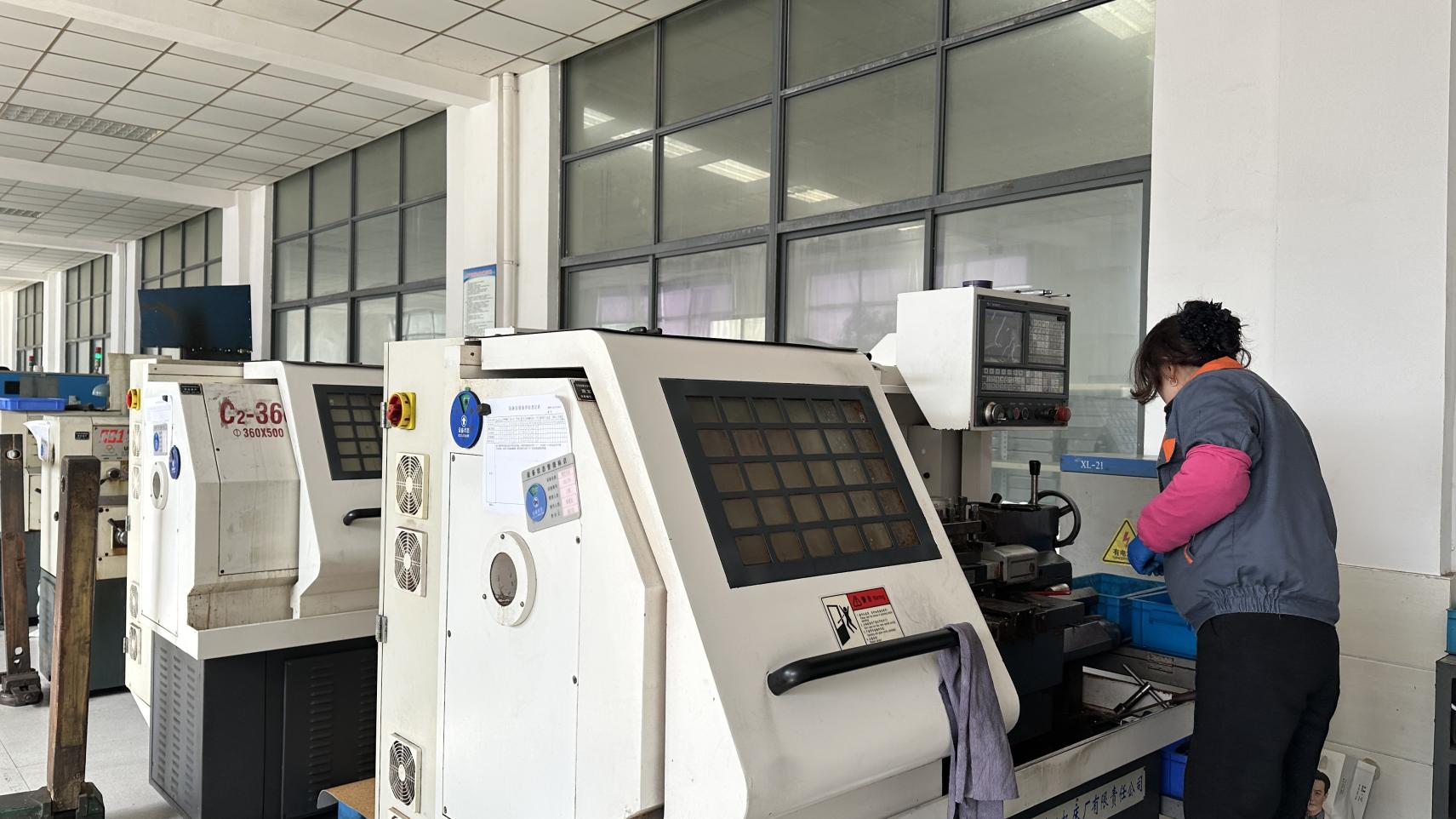
Fine detailing of hinge structures and screw holes to ensure reliable mechanical function.
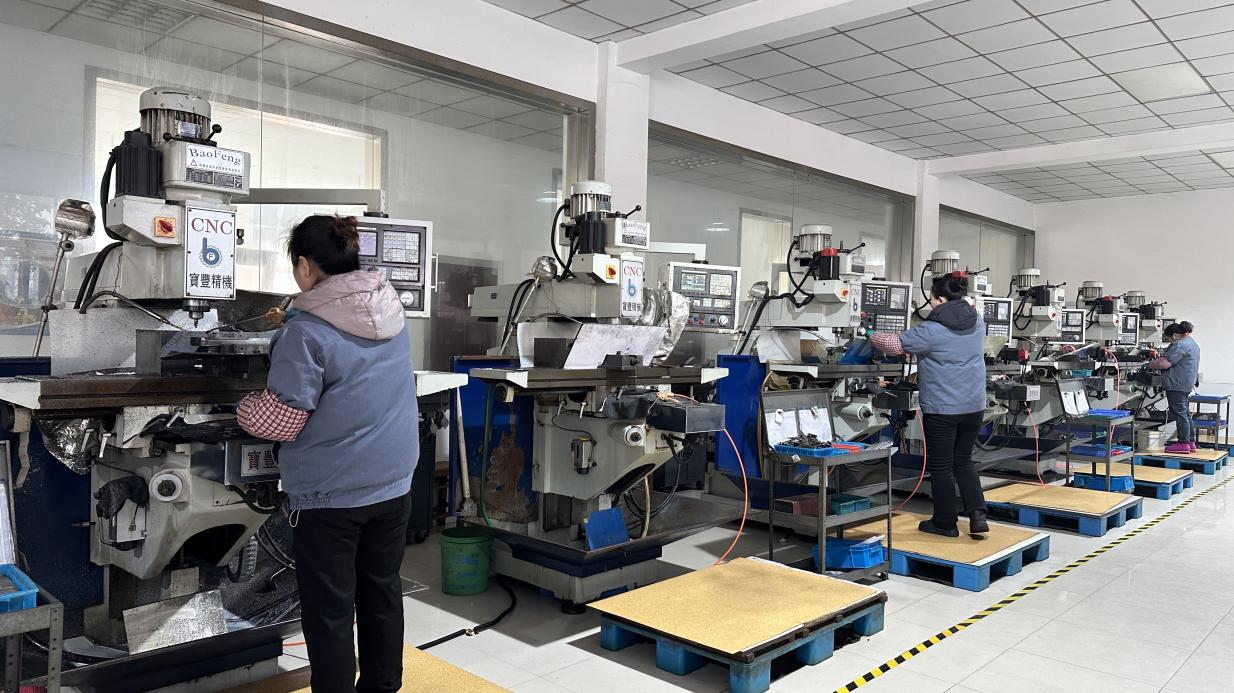
Refining external profiles to smooth implant edges and minimize potential post-operative tissue irritation.
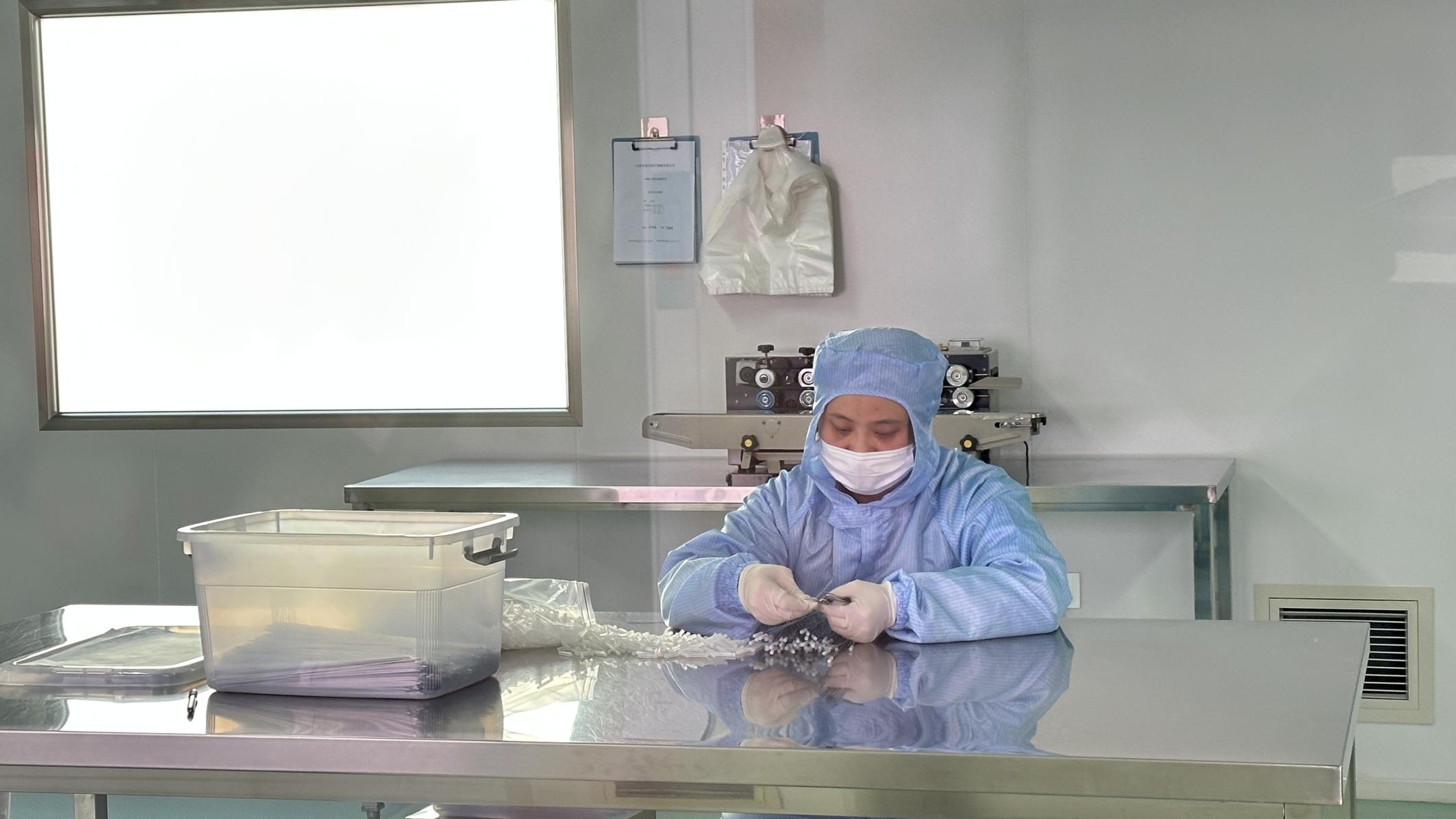
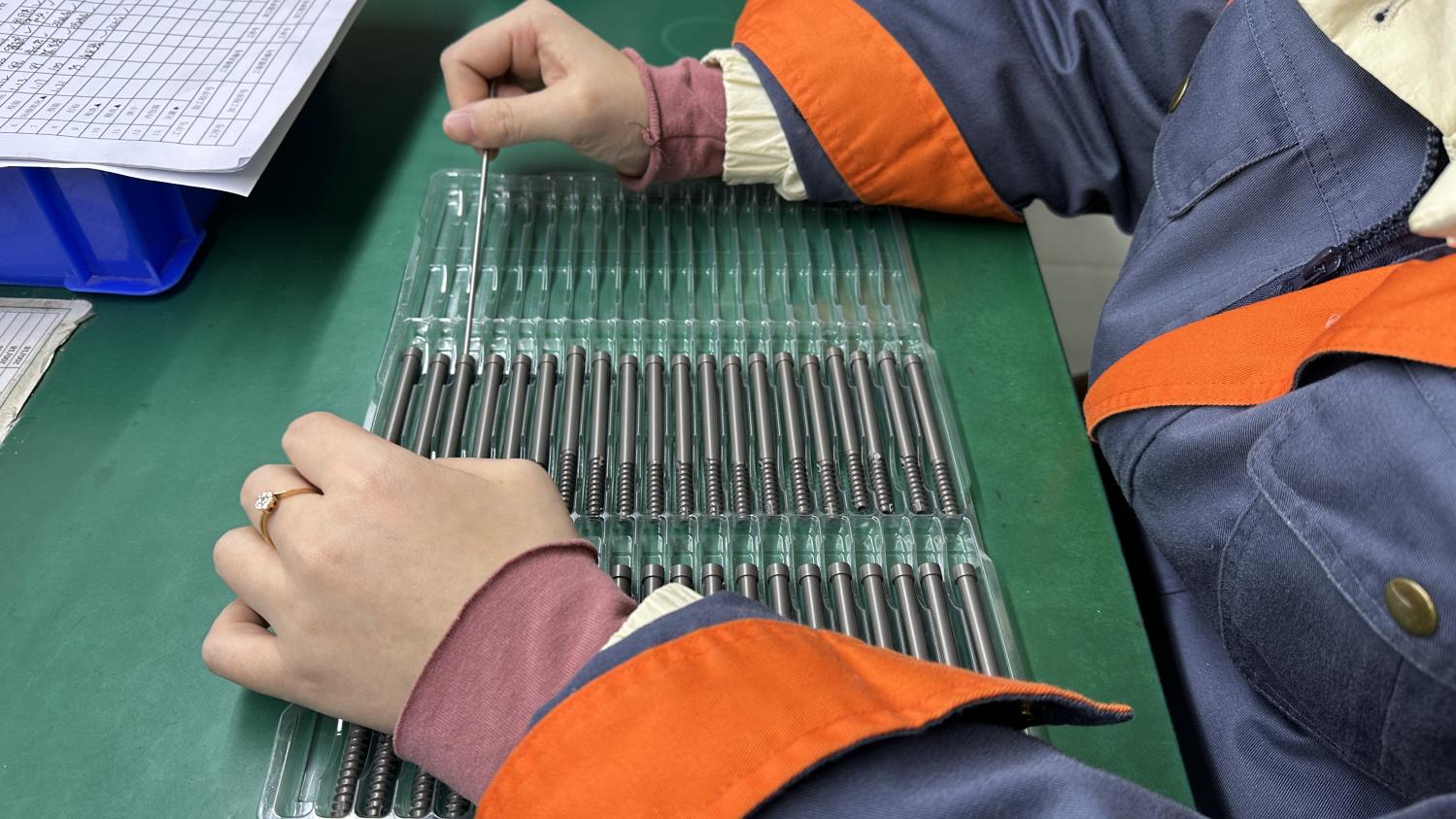
Final dimensional checks and cleanroom packaging to maintain sterilizable and contamination-free conditions.
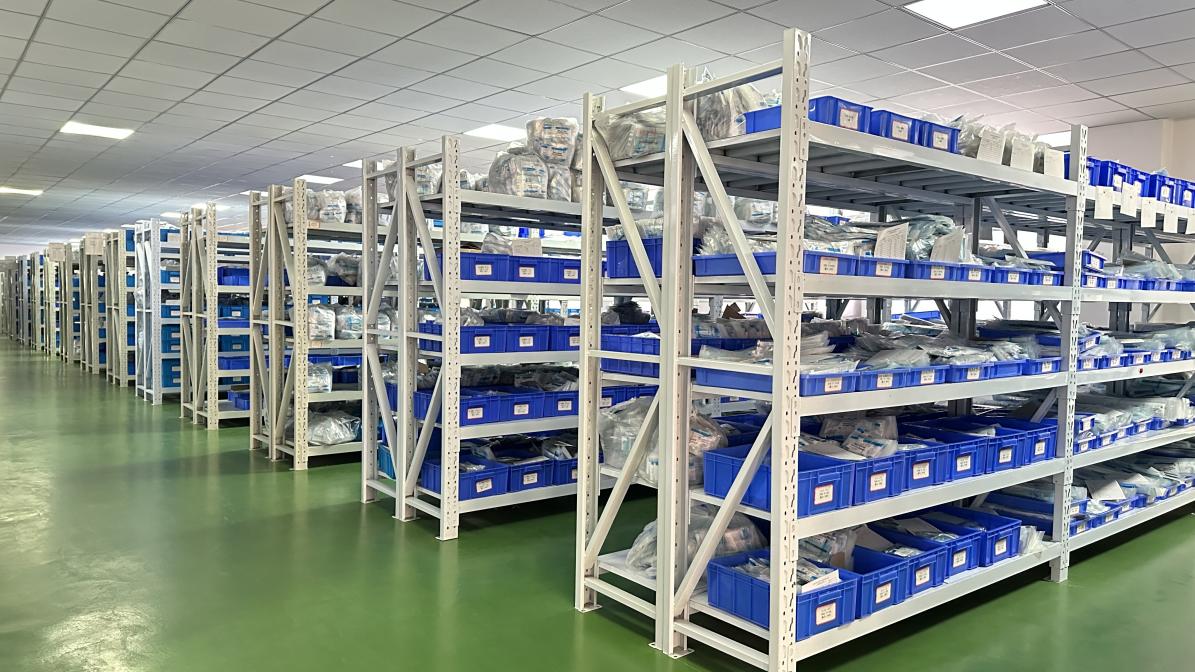


Hospitals and large-scale medical distributors require reliable logistical and supply chains. Standardizing implant kits reduces clinical prep errors, streamlines surgical setups, and ensures surgeons have the correct plate sizes and profiles on hand.
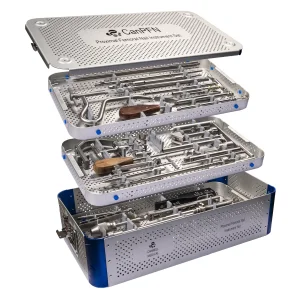
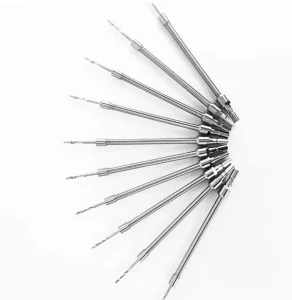
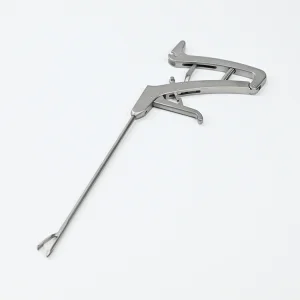
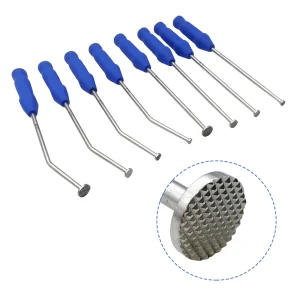
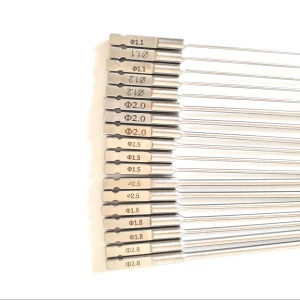
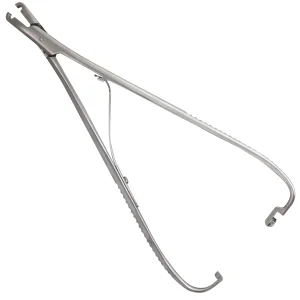
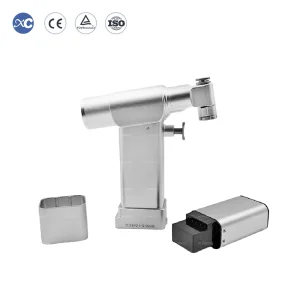
China's top suppliers offer pre-configured surgical trays that pair implants directly with matching instruments—including high-torque drill bits, soft-feel silicone handle forceps, and quick-connect screw drivers.
By sourcing directly from certified manufacturers, medical procurement divisions can access high-quality products at competitive price points. This supports sustainable operations for healthcare providers without compromising patient care standards.
A: Rigid mini-plate fixation provides immediate mechanical stability that resists muscle contraction forces during recovery. Suture suspension techniques have a higher rate of "hinge closure," which can lead to re-stenosis. Titanium laminoplasty plates secure the opened lamina, reducing the risk of post-operative neurological deterioration.
A: While titanium has a higher modulus of elasticity than bone, manufacturers manage stress shielding through optimized geometry. Minimizing plate thickness while preserving tensile strength allows for micro-motions that stimulate bone healing. Specialized structural profiles, such as H-shaped and pre-bent configurations, distribute load pathways evenly.
A: Compliance requires thorough testing, including dynamic fatigue testing (up to 5 million cycles to verify resistance to fatigue failure), tensile testing (to measure ultimate yield strength), hardness testing, and bone screw torque testing (to measure insertion and pull-out forces). Cleanroom air purity and bioburden monitoring are also verified by third-party laboratories.
A: Yes. Through OEM/ODM design modification programs, suppliers adapt plates to specific anatomical requirements. These mini-plates use thinner profiles (e.g., 1.0mm to 1.5mm thickness) and smaller screw diameters (e.g., 2.0mm self-tapping or self-drilling screws) to match smaller patient anatomy while maintaining mechanical stability.
A: High-grade titanium implants are non-magnetic and MRI-safe. They produce minimal artifact distortions compared to older stainless steel implants. This allows for clear post-operative MRI scans to evaluate spinal cord decompression.
Browse our range of trauma bone plates, reduction forcep systems, and veterinary power tools.