Medisplint
Medisplint
Medisplint
Engineered with clinical precision, supporting trauma, spine, and veterinary reconstruction programs globally.
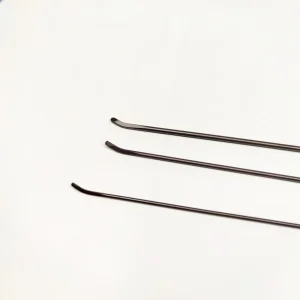
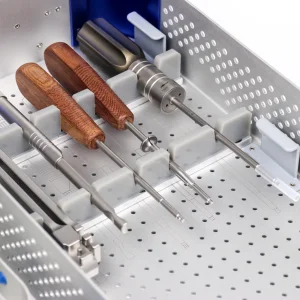
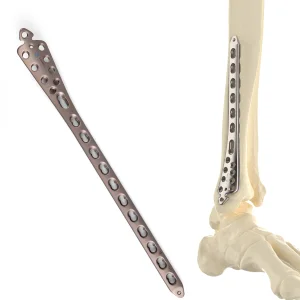
In the high-stakes sector of orthopedic surgery, precision, biological compatibility, and mechanical endurance are paramount. China's manufacturing landscape for medical devices has undergone a structural transformation. It has evolved from a high-volume assembly center into a cluster of high-tech research, development, and clean-room fabrication. Leading this paradigm shift is Medisplint Orthopedic Instruments Co., Ltd., a premier clinical-grade surgical implant manufacturer.
Established in 2016, Medisplint leverages over a decade of core industrial engineering experience alongside 7+ years of international export pedigree. The company has established an extensive medical production network that supplies premium orthopedic implants, internal fixation matrices, and complex instrument sets to key clinical markets across Europe, South America, Southeast Asia, and the Middle East.
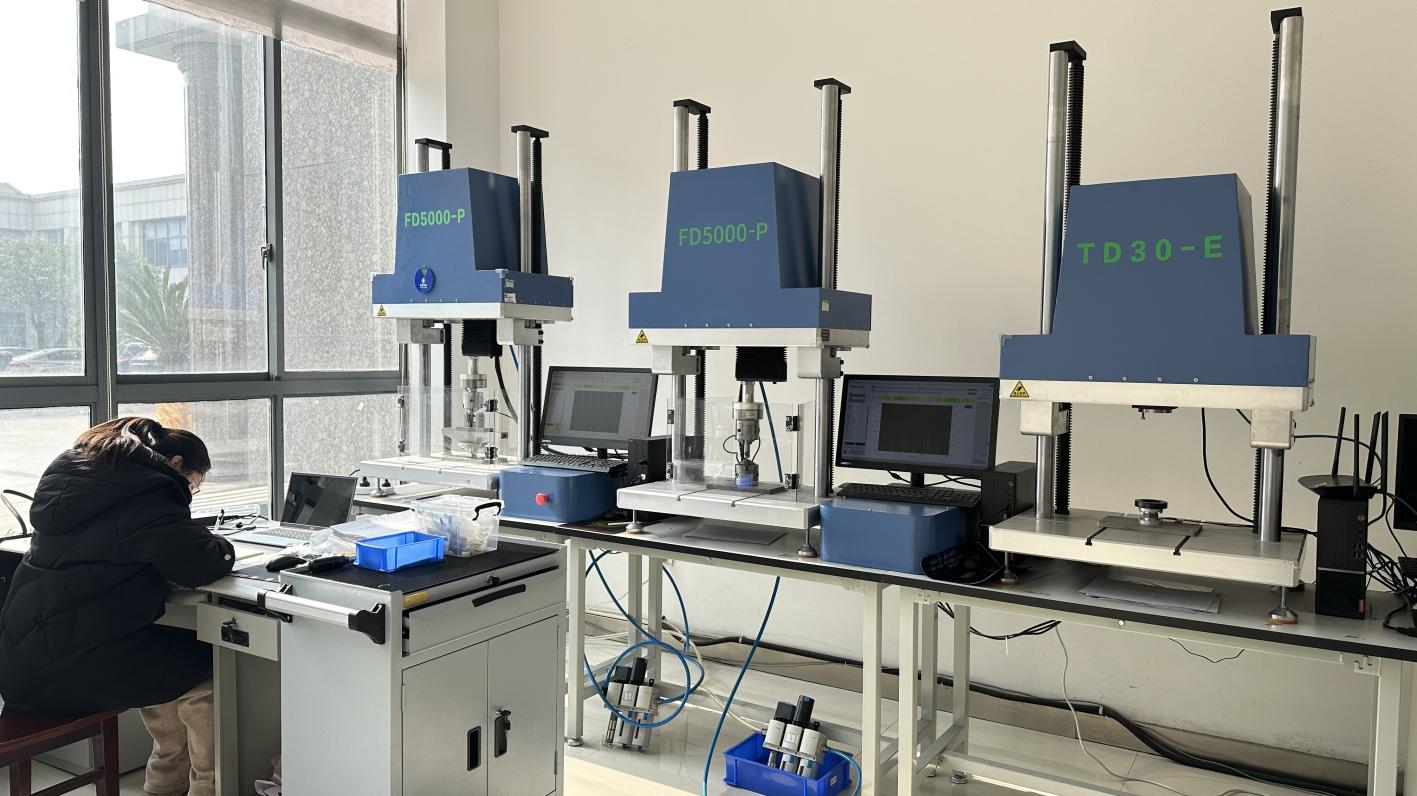
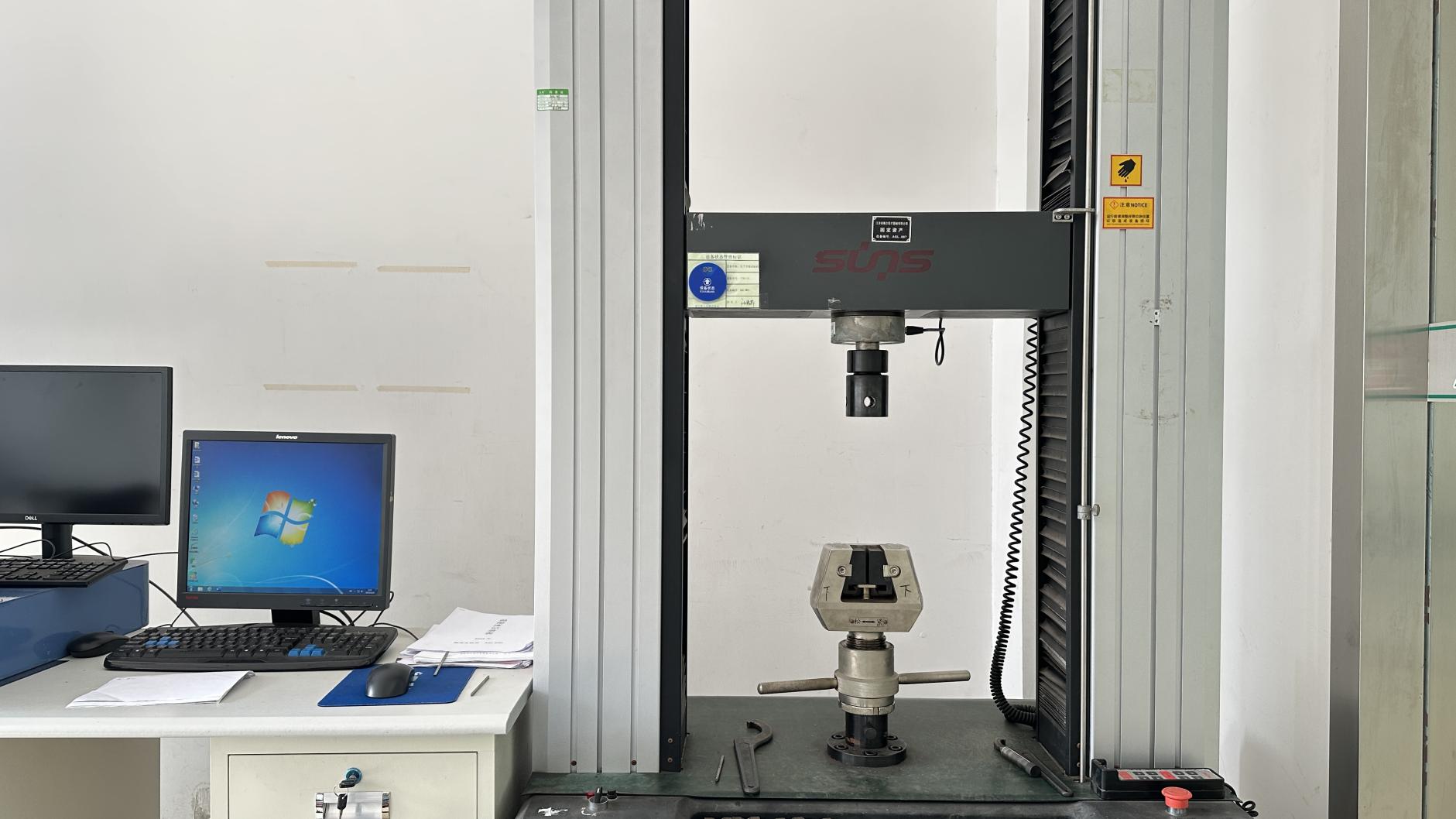
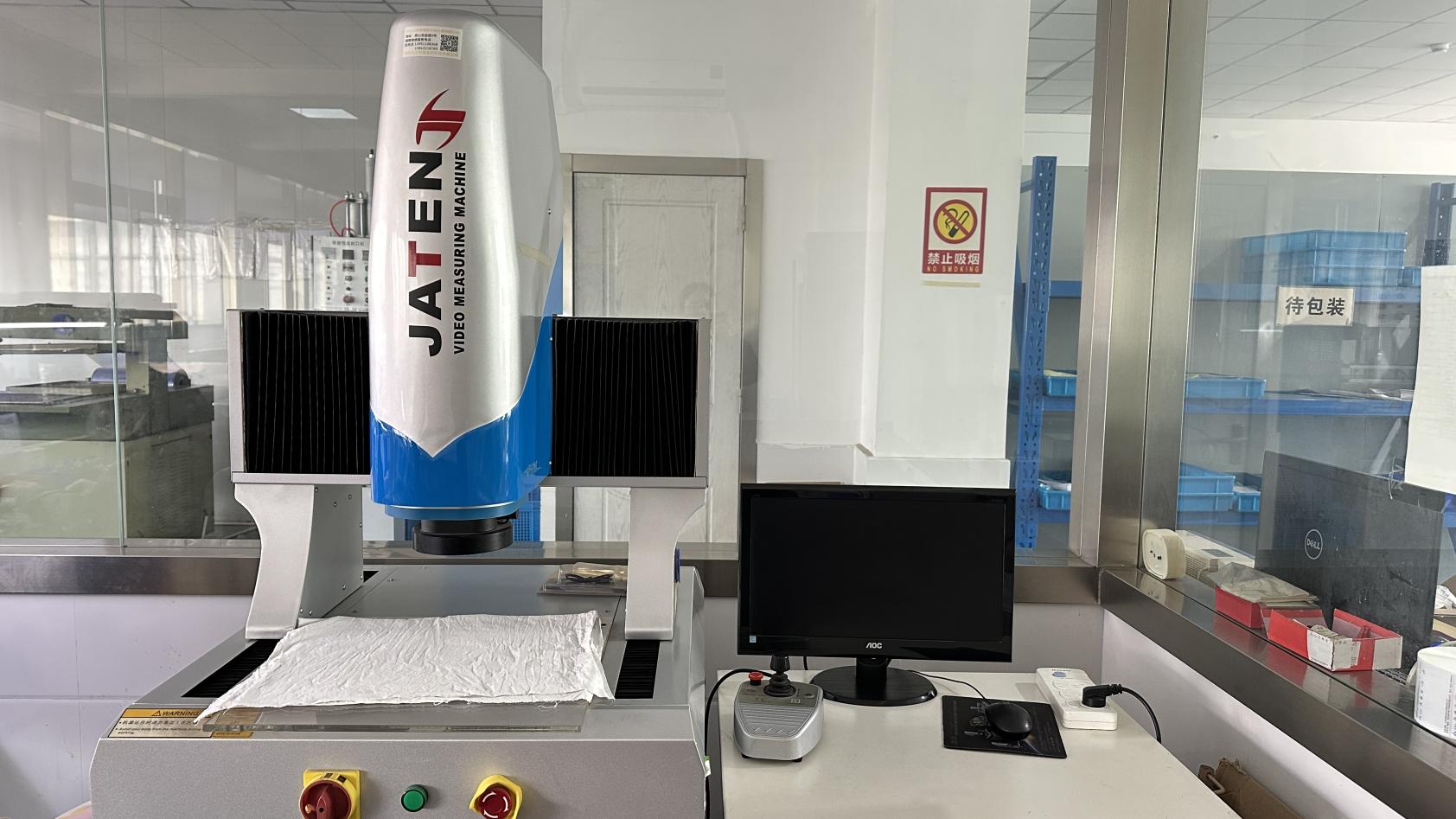
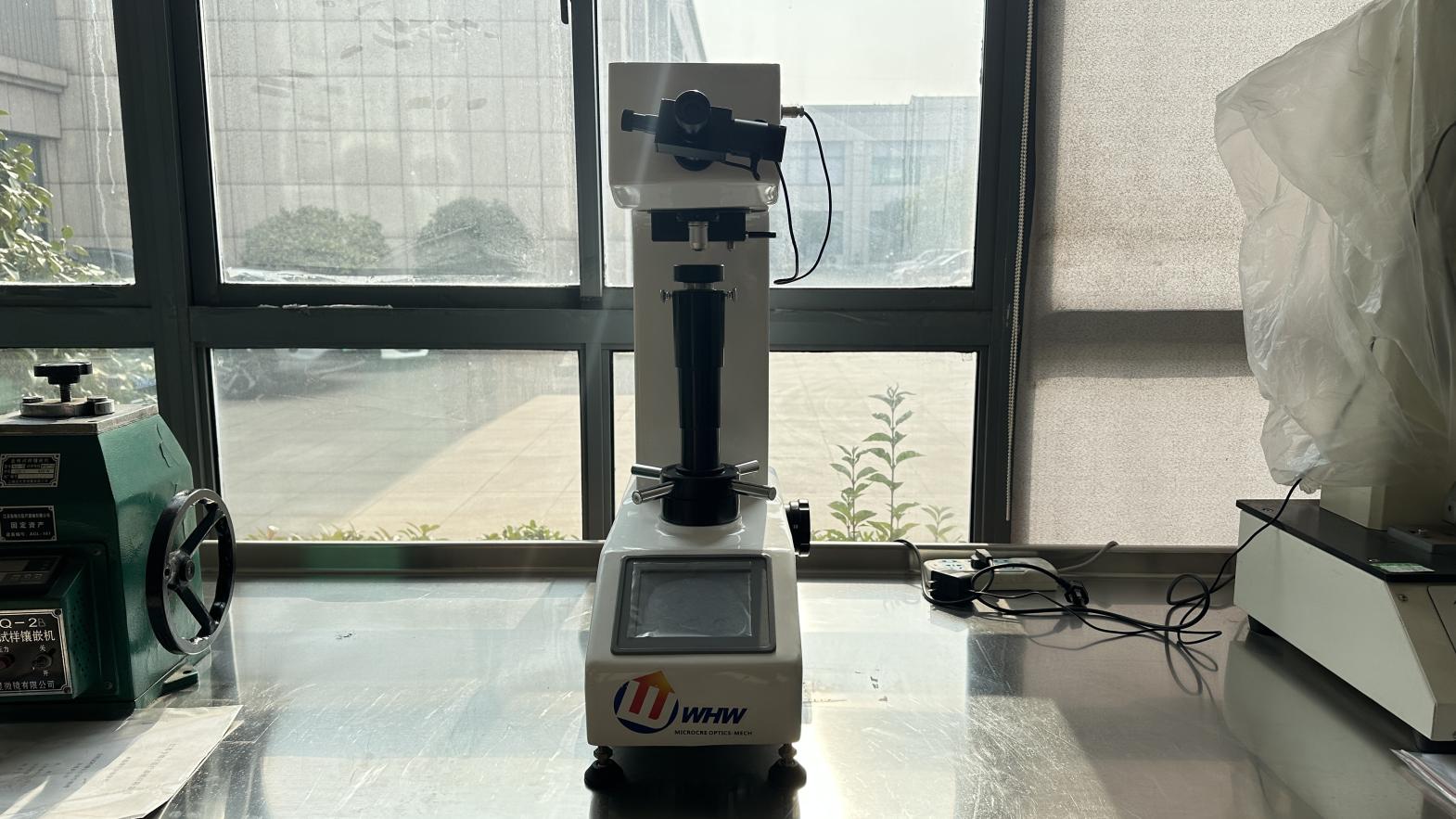
With an annual export value of USD 12 million and operating from a state-of-the-art 18,500 square meter ISO 13485-certified manufacturing complex, Medisplint integrates advanced manufacturing disciplines. This is supported by an R&D force of 85 design specialists and a QA/QC team of 42 inspection personnel managing raw titanium verification, in-process checking (IPQC), final package testing, and fatigue validation.
Evaluating the clinical, material, and structural advantages driving global healthcare procurement shifts.
Top Chinese factories utilize certified Grade 5 ELI Titanium Alloys (Ti-6Al-4V) and medical-grade Polyetheretherketone (PEEK) conforming strictly to ASTM F136 and ISO 5832-3 standards, ensuring long-term bio-integration and fatigue resistance.
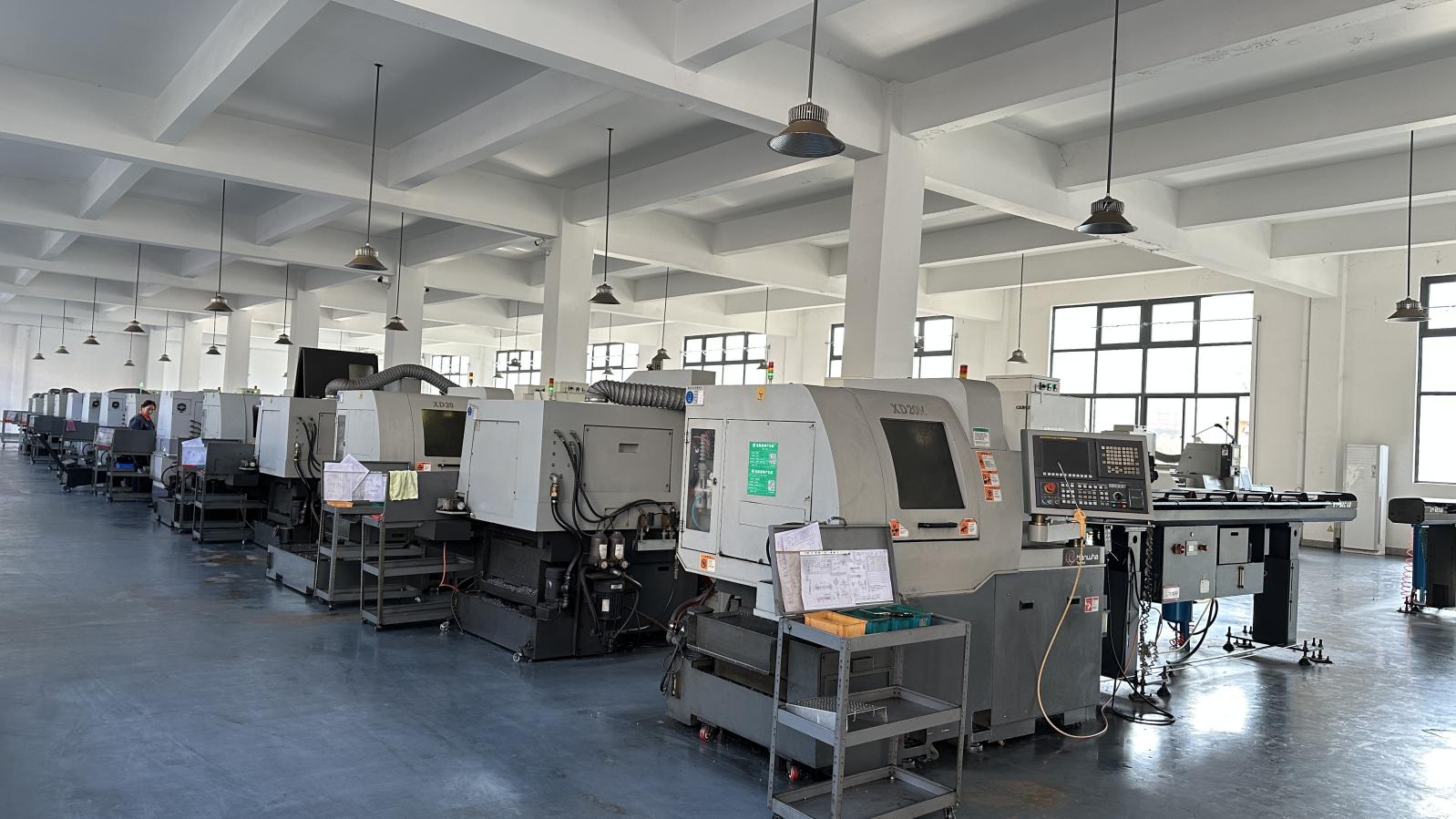
By deploying multi-axis CNC Swiss-type lathes, high-performance wire cutting systems, and high-speed CNC milling centers, Chinese manufacturers execute complex geometric tolerances down to the sub-micron scale, critical for locking threads and anatomical contours.
Aligning with international regulatory paradigms, premier exporters maintain ISO 13485:2016 quality management systems and pursue CE (EU MDR 2017/745) and FDA 510(k) clearances to ensure uninterrupted entry into highly regulated healthcare markets.
R&D teams offer direct engineering collaboration, modifying structural components, optimizing biomechanical profiles, and providing tailored private labeling to meet the clinical requirements of hospitals and distributors.
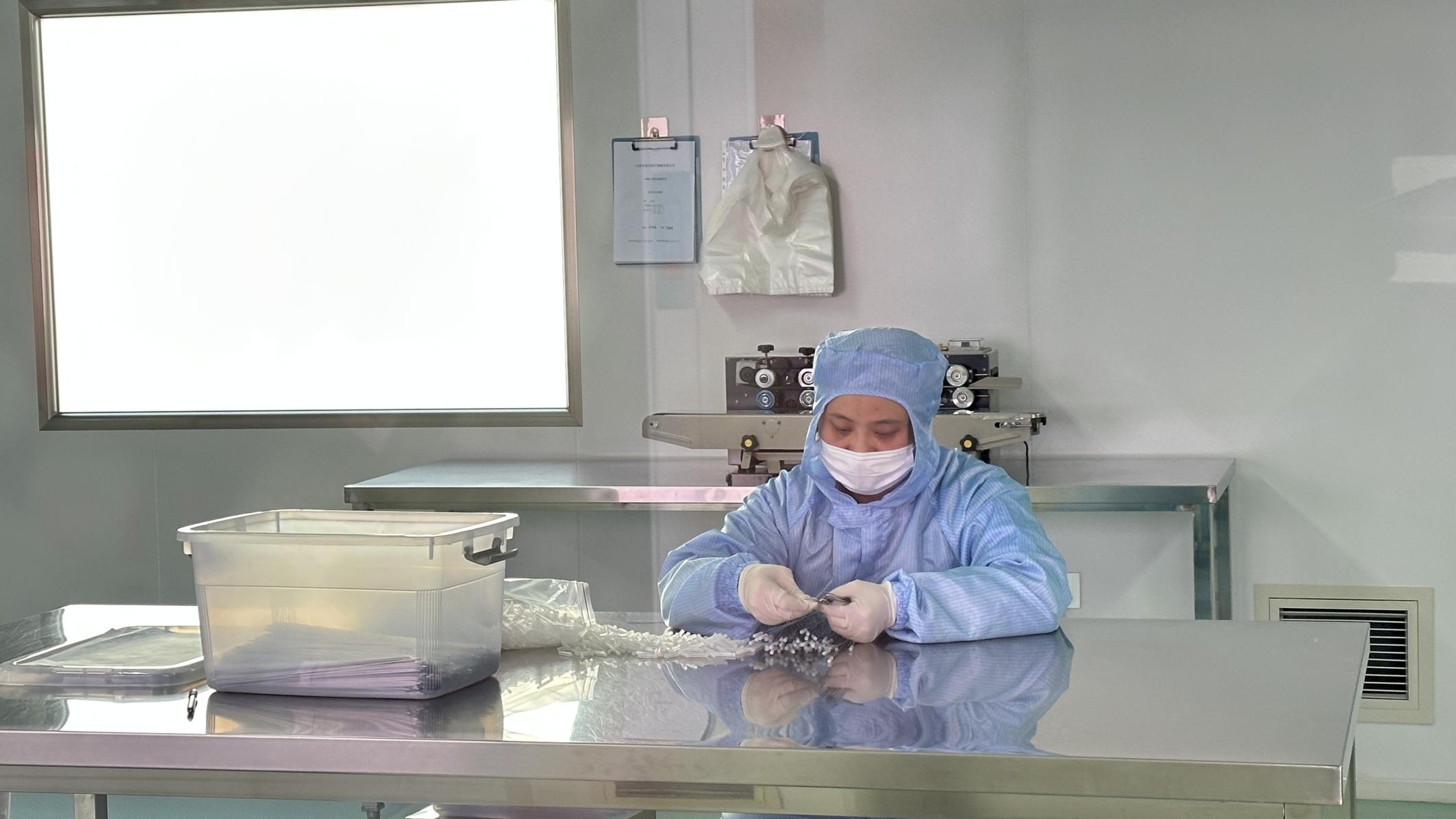
Over the past two decades, China’s medical device sector has progressed from basic mechanical fabrication to advanced biomechanical engineering. Historically, global healthcare distributors turned to Asia for simple orthopaedic plates or surgical screws to reduce costs. Today, the focus is on value and high quality. Modern facilities feature Class 10,000 cleanrooms, high-precision anodization lines, and specialized laboratory testing equipment that match Swiss and German standards.
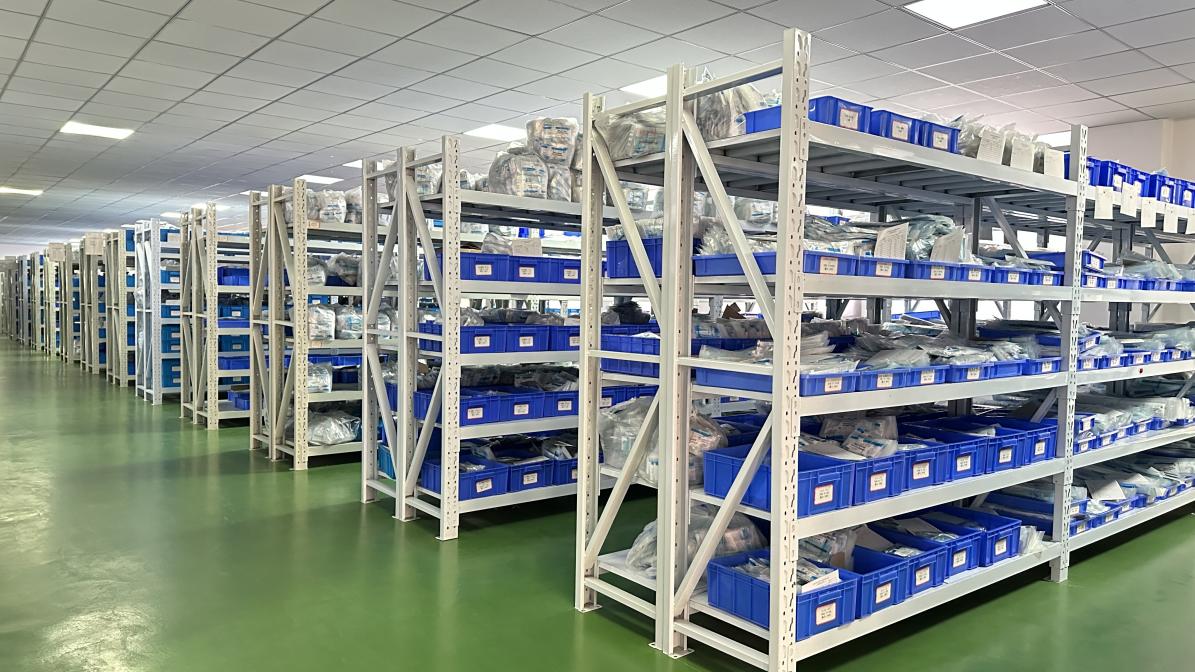
This transition is supported by a comprehensive domestic supply chain. Materials like medical-grade titanium and high-molecular-weight plastics are sourced, verified, and machined under one regulatory framework, reducing the delays common in cross-border supply chains.
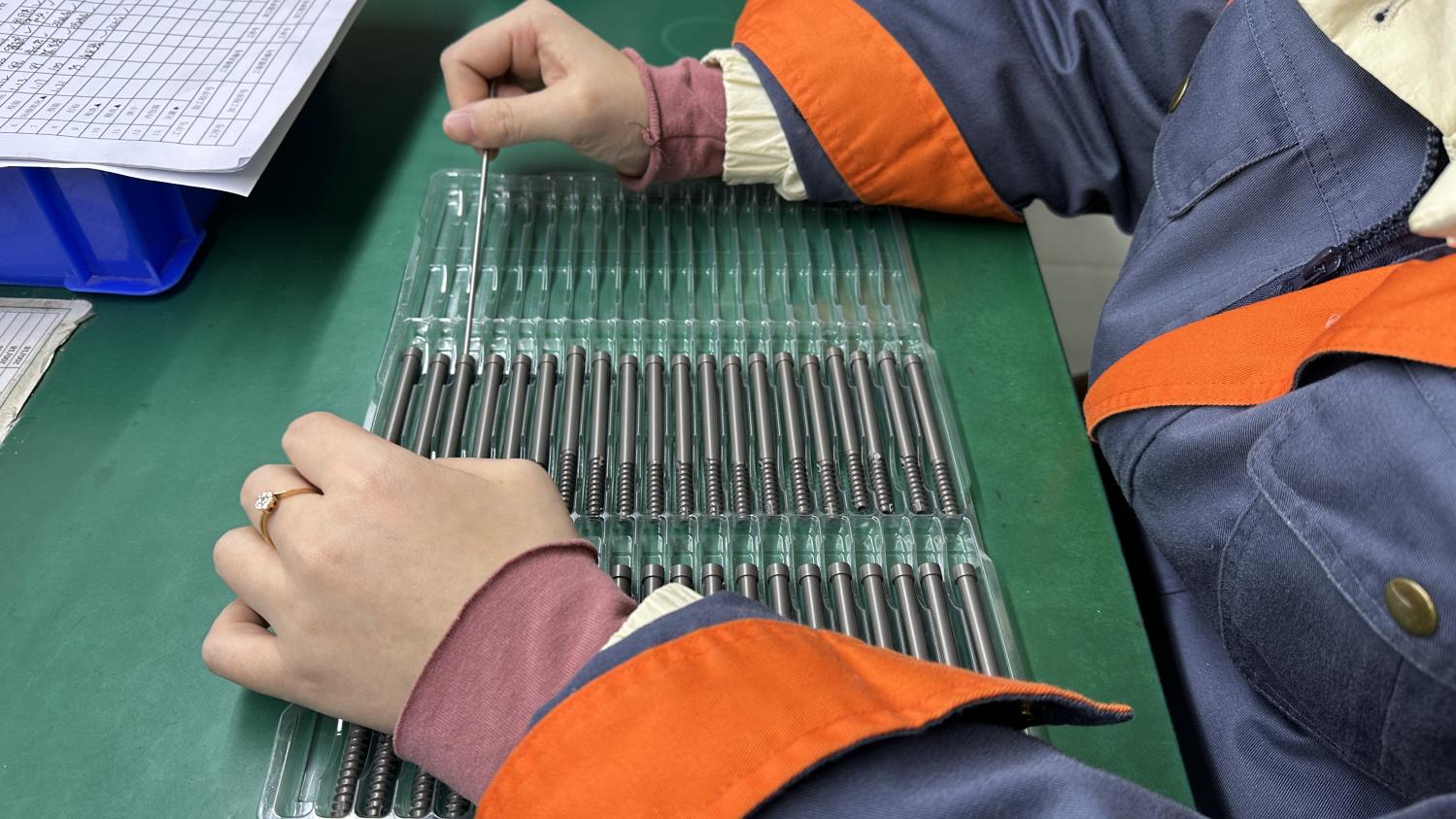
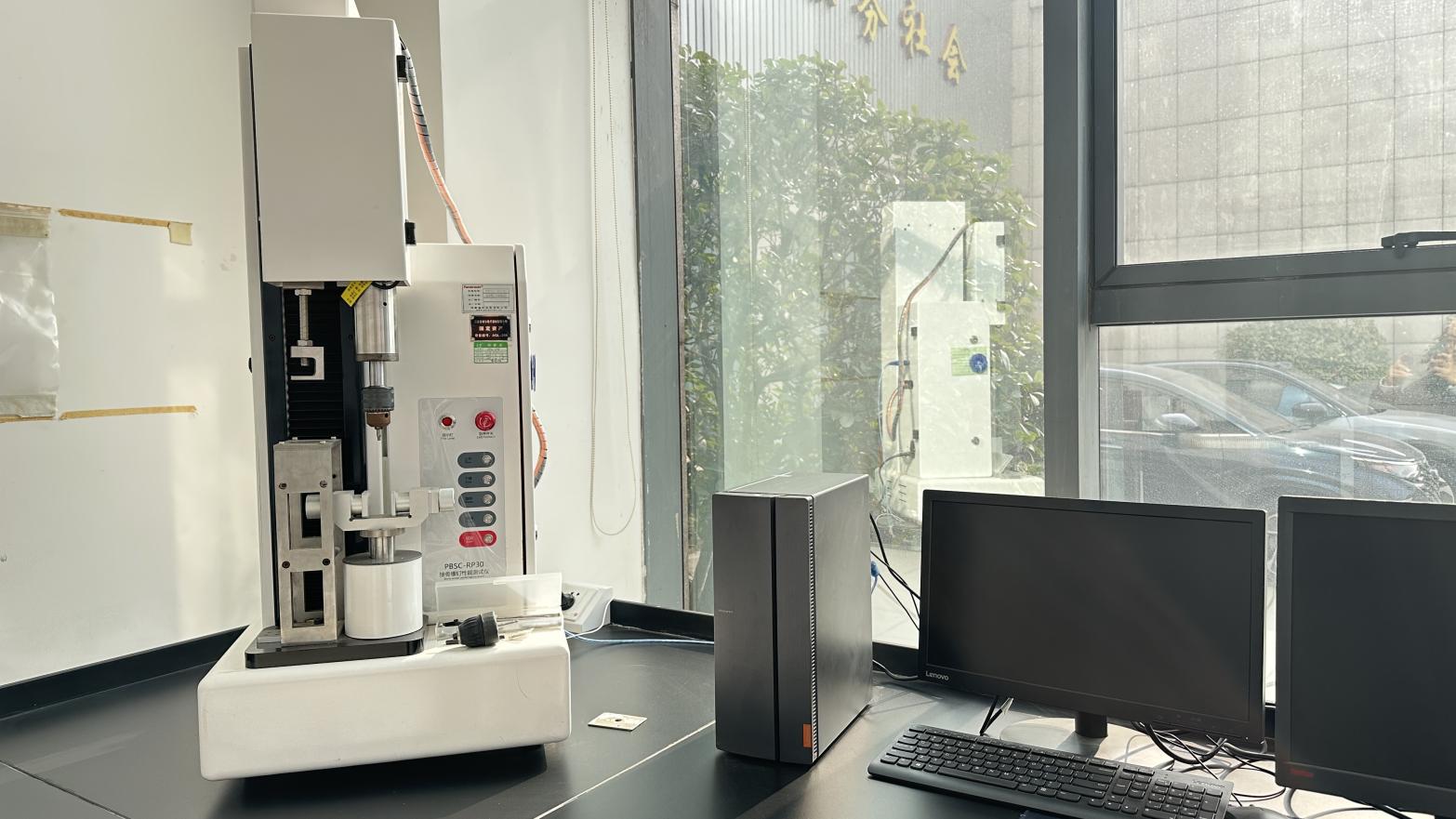
Under EU MDR guidelines, technical documentation must show rigorous evidence of mechanical performance and biological safety. Medisplint's 42-person QA department works within an integrated verification cycle:
The global orthopedic sector is moving toward personalized treatments. Three-dimensional printing (Additive Manufacturing) is allowing factories to produce custom cranial, maxillofacial, and joint implants directly from patient CT scan data.
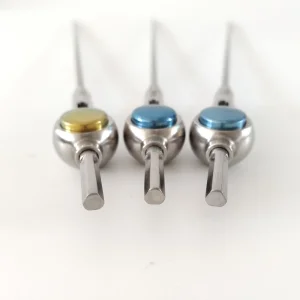
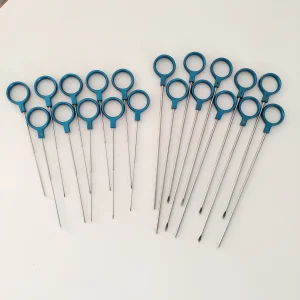
Simultaneously, the demand for sports medicine solutions is rising. Arthroscopic interventions require specialized, low-profile instruments. High-performance devices like loop-anchors, interference screws, and specialized arthroscopic knot pushers are now standard offerings. This helps medical distributors provide complete surgical solutions for complex joint reconstructions.
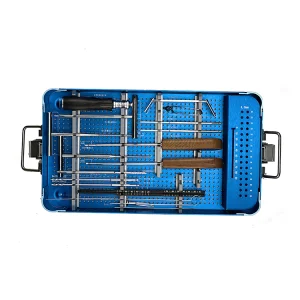
Take an inside look at our 18,500㎡ facility, showing the production steps from raw materials to final packaging.
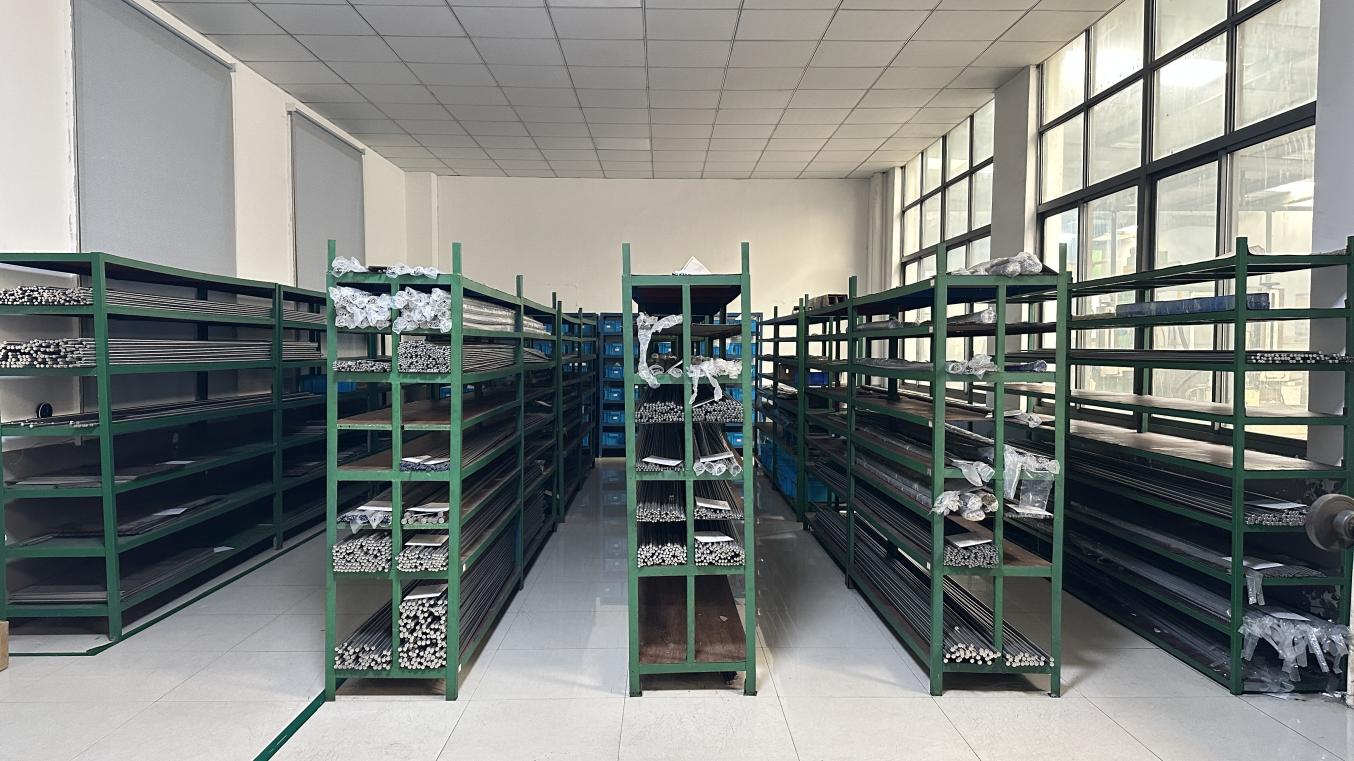
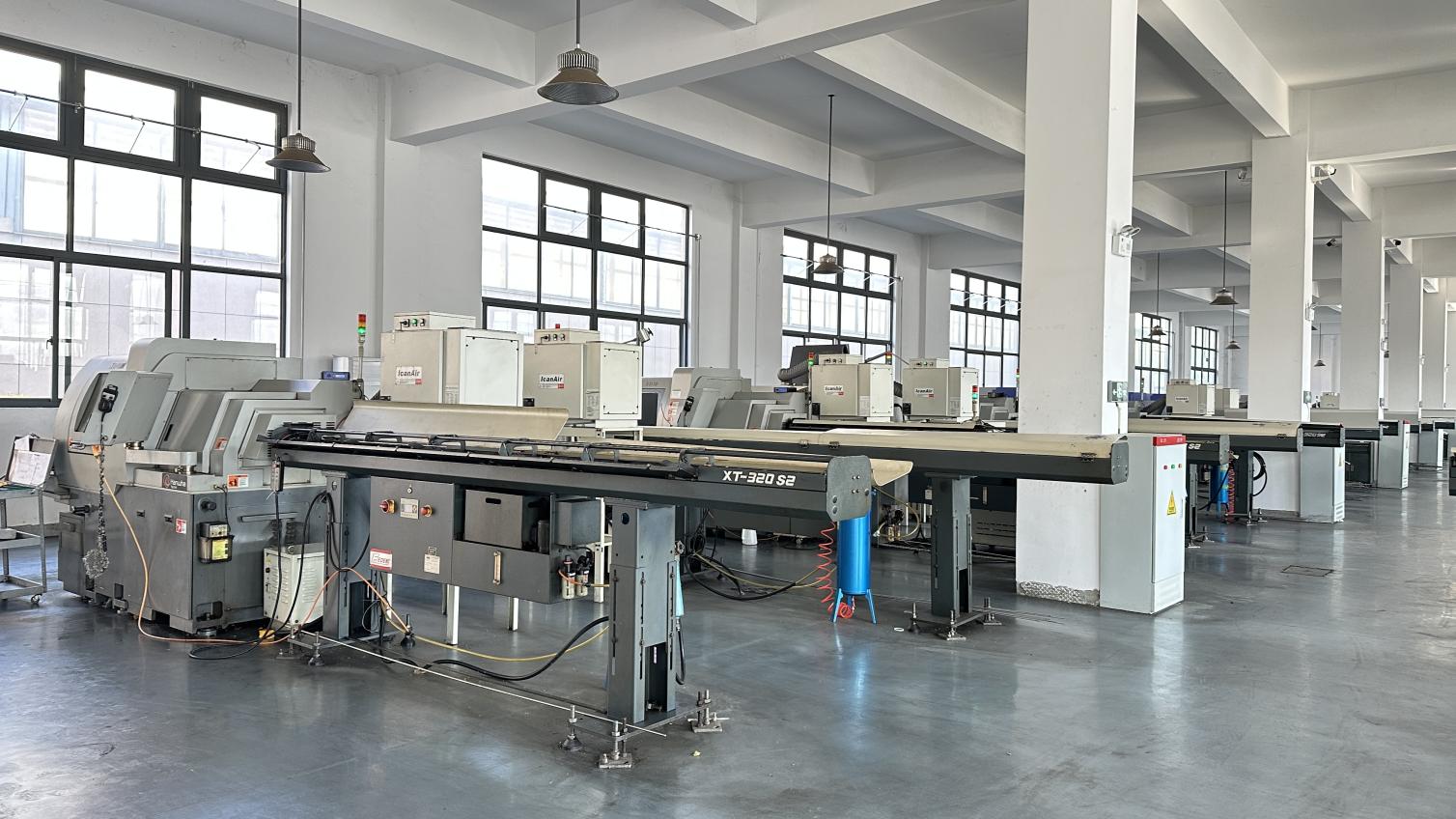
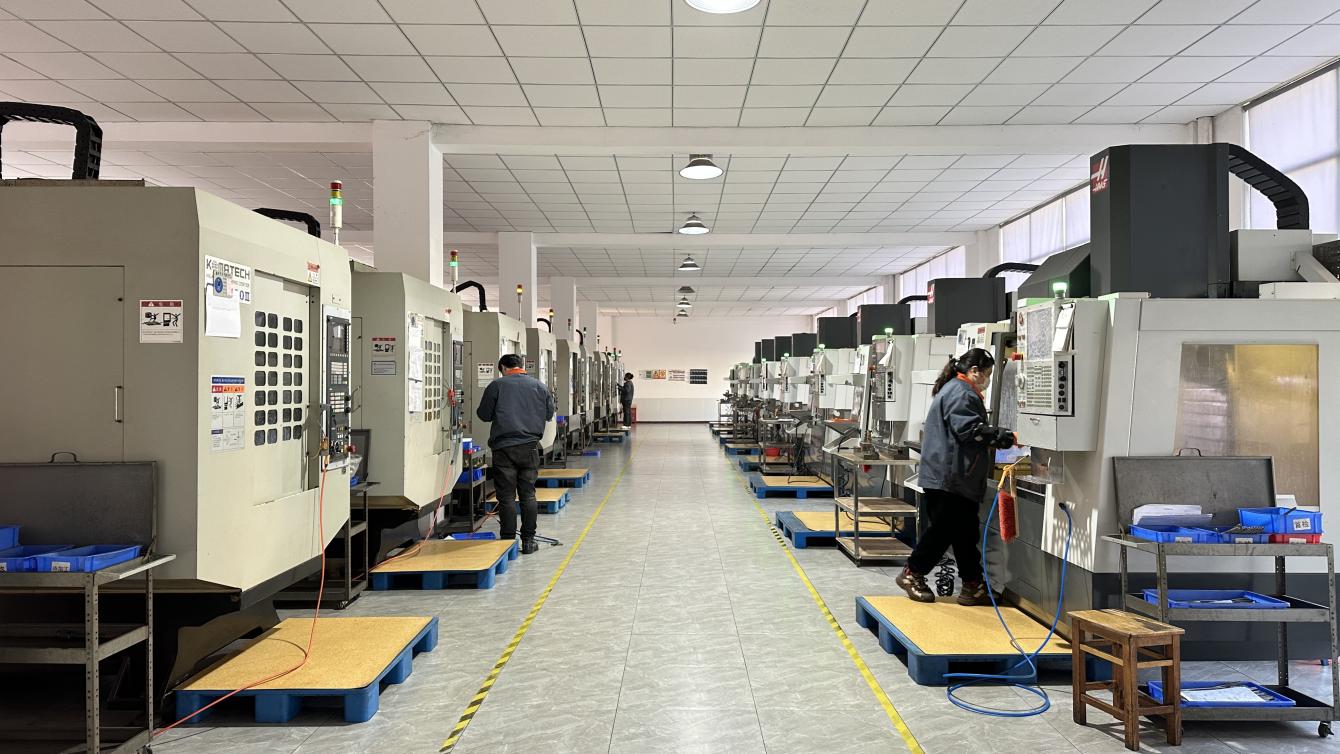
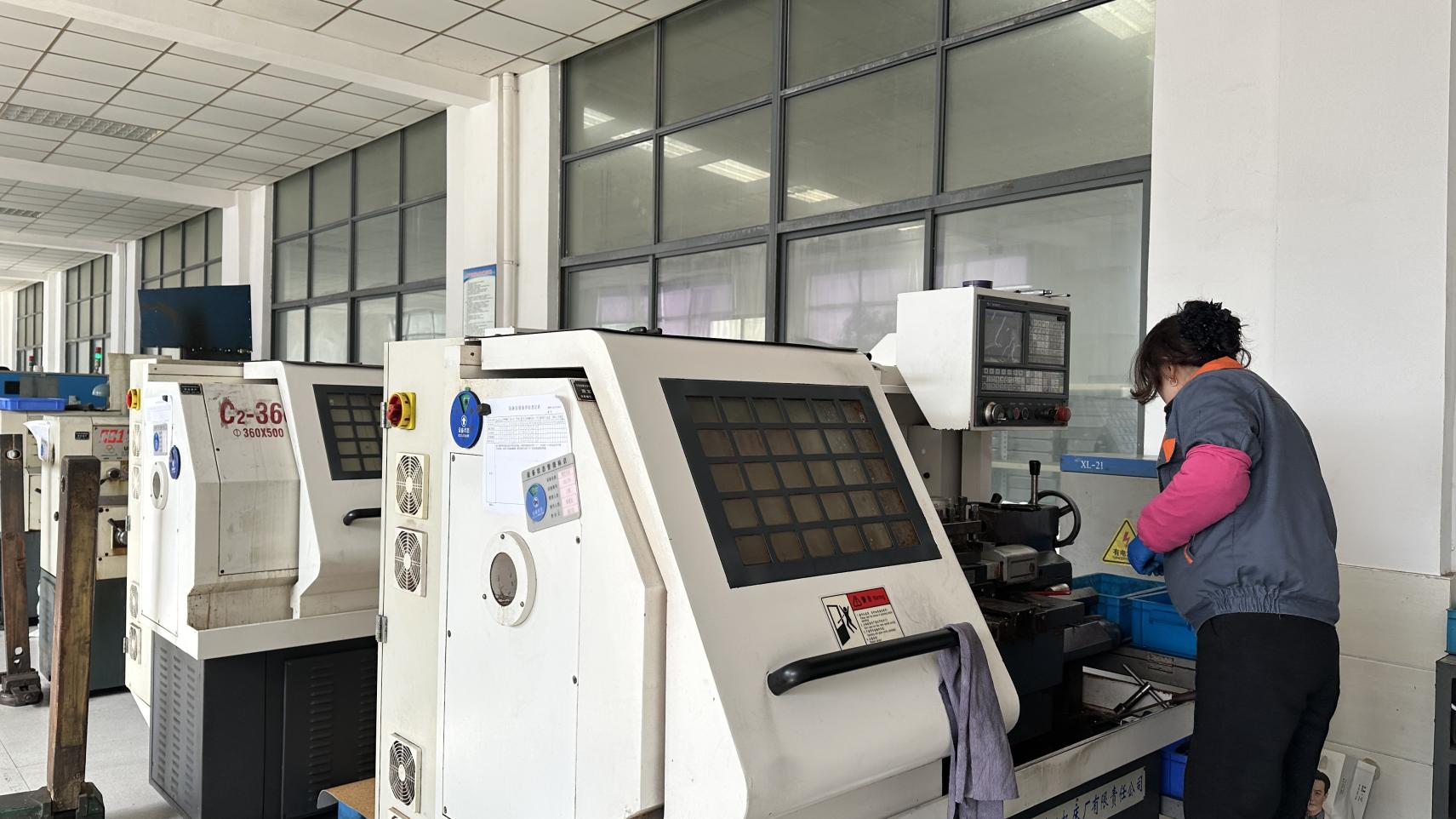
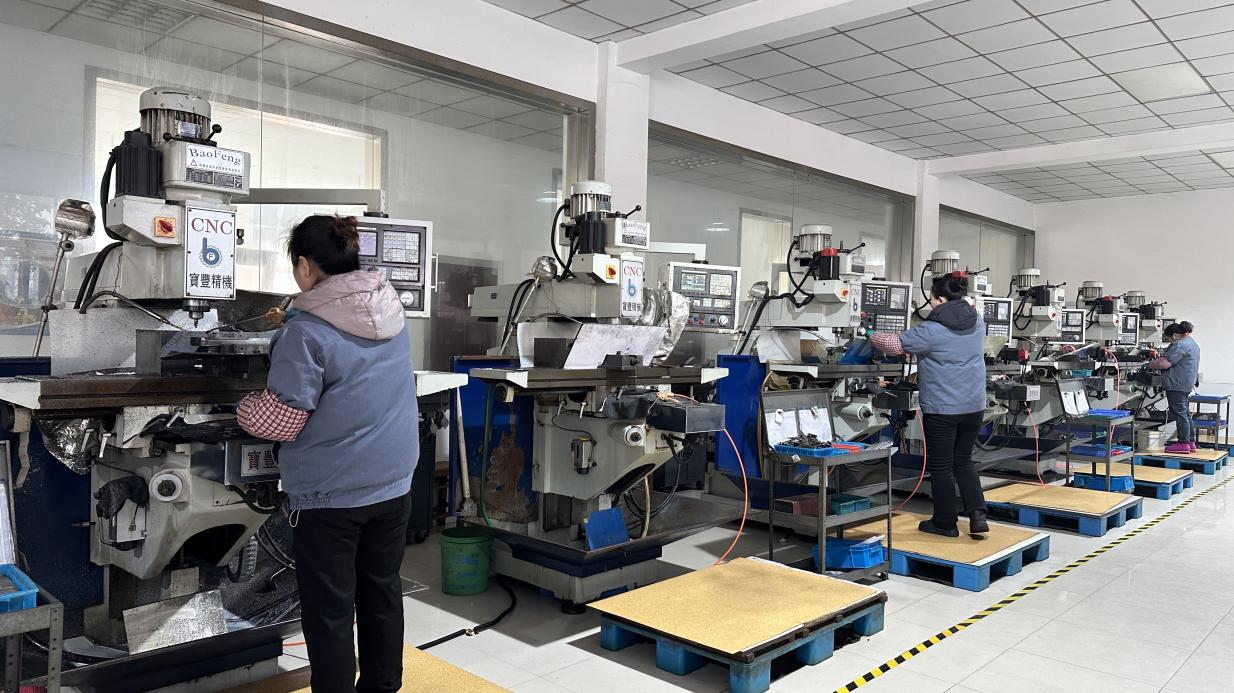
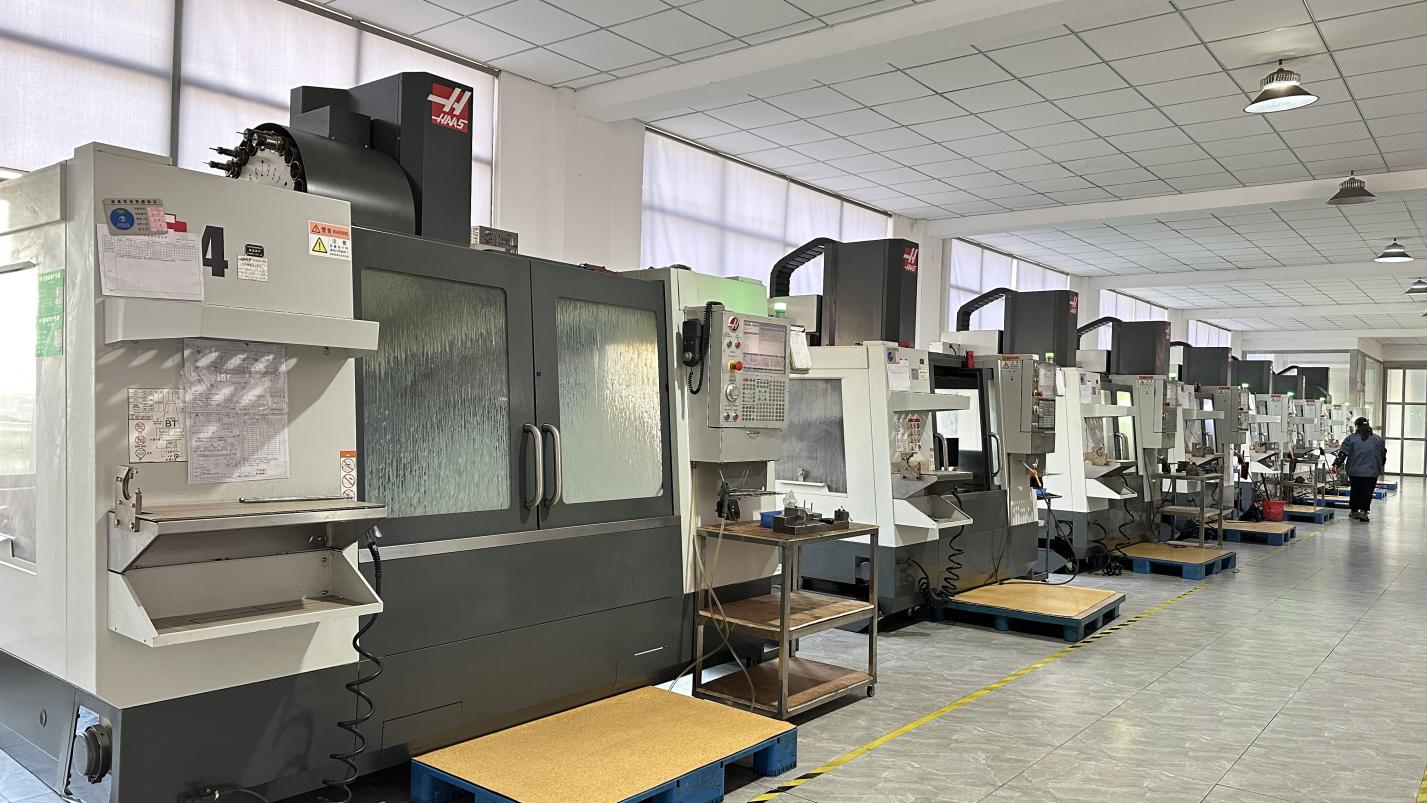
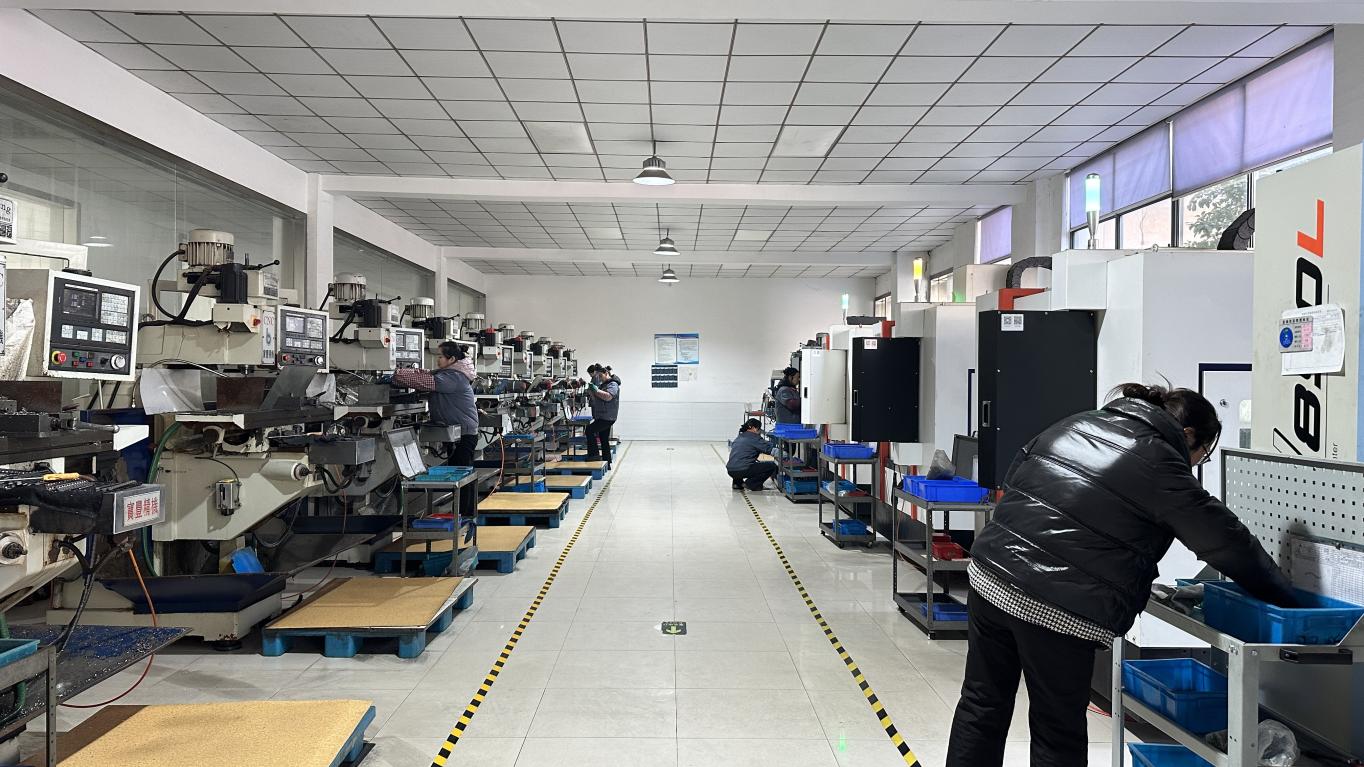
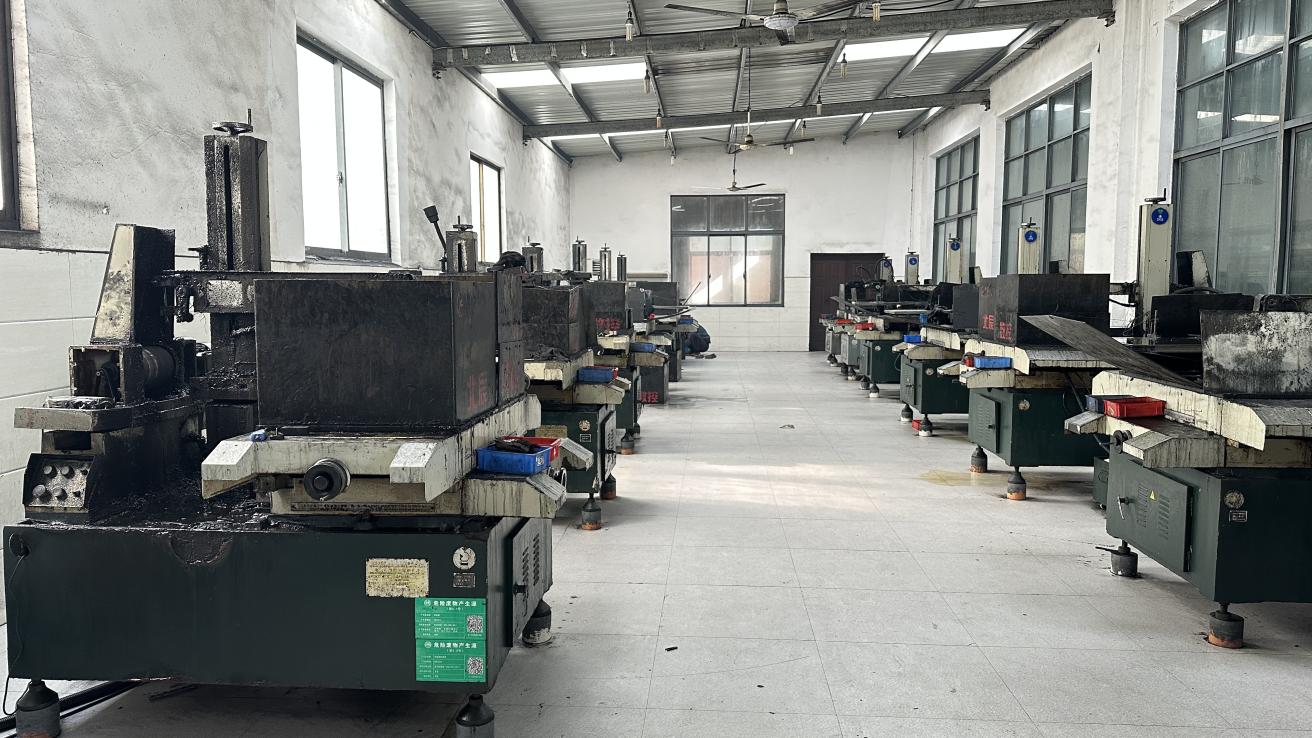
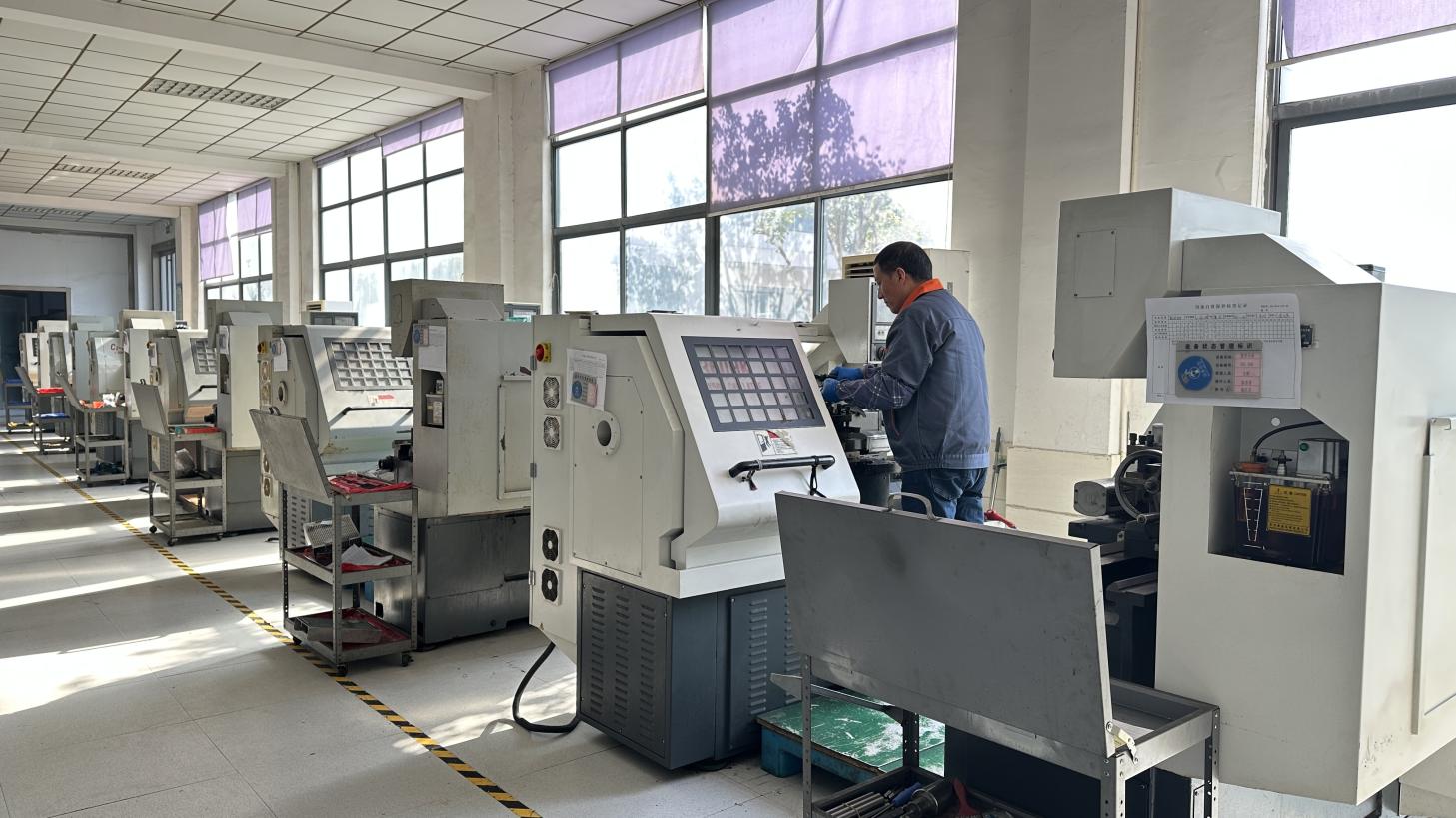
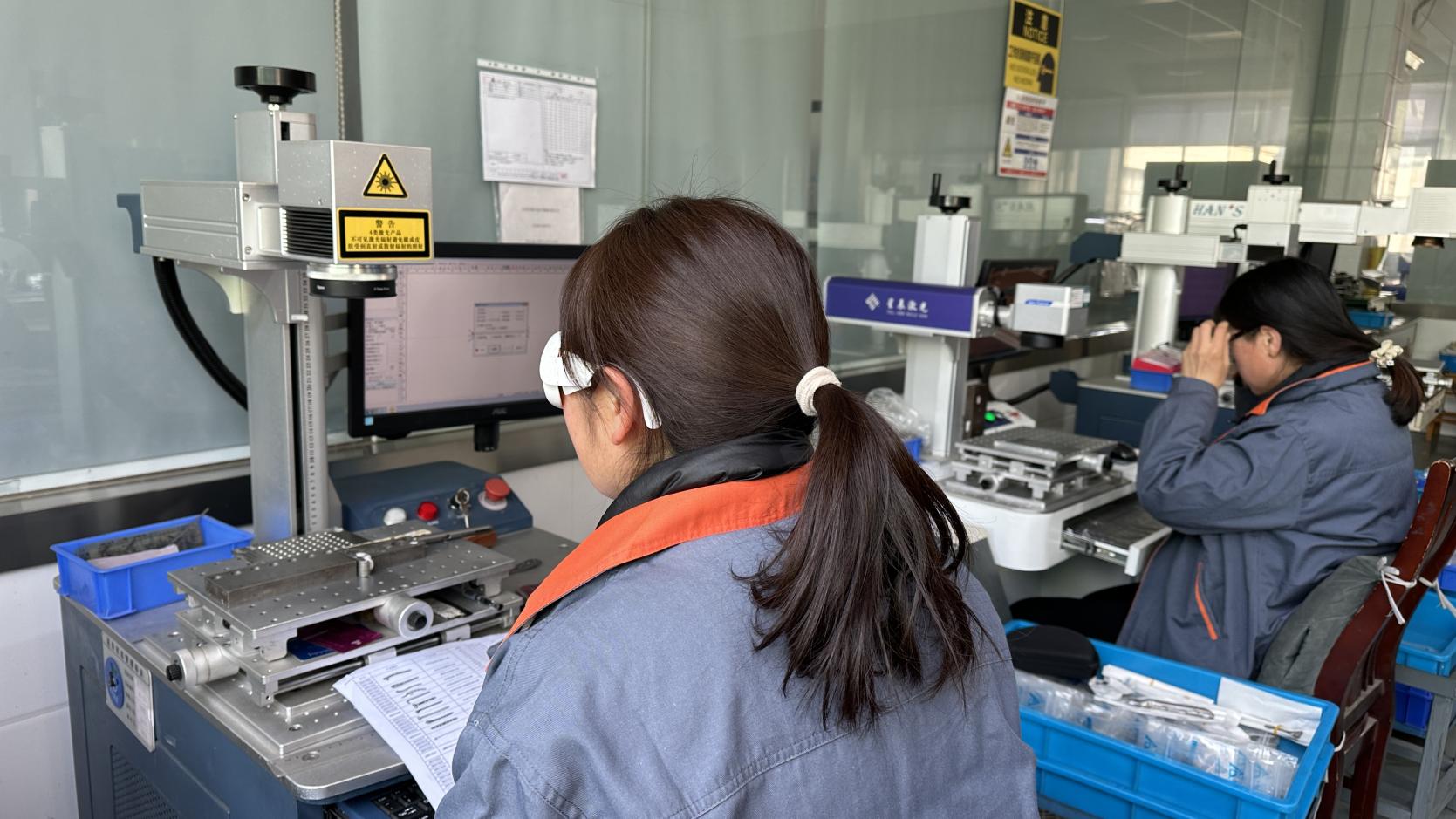
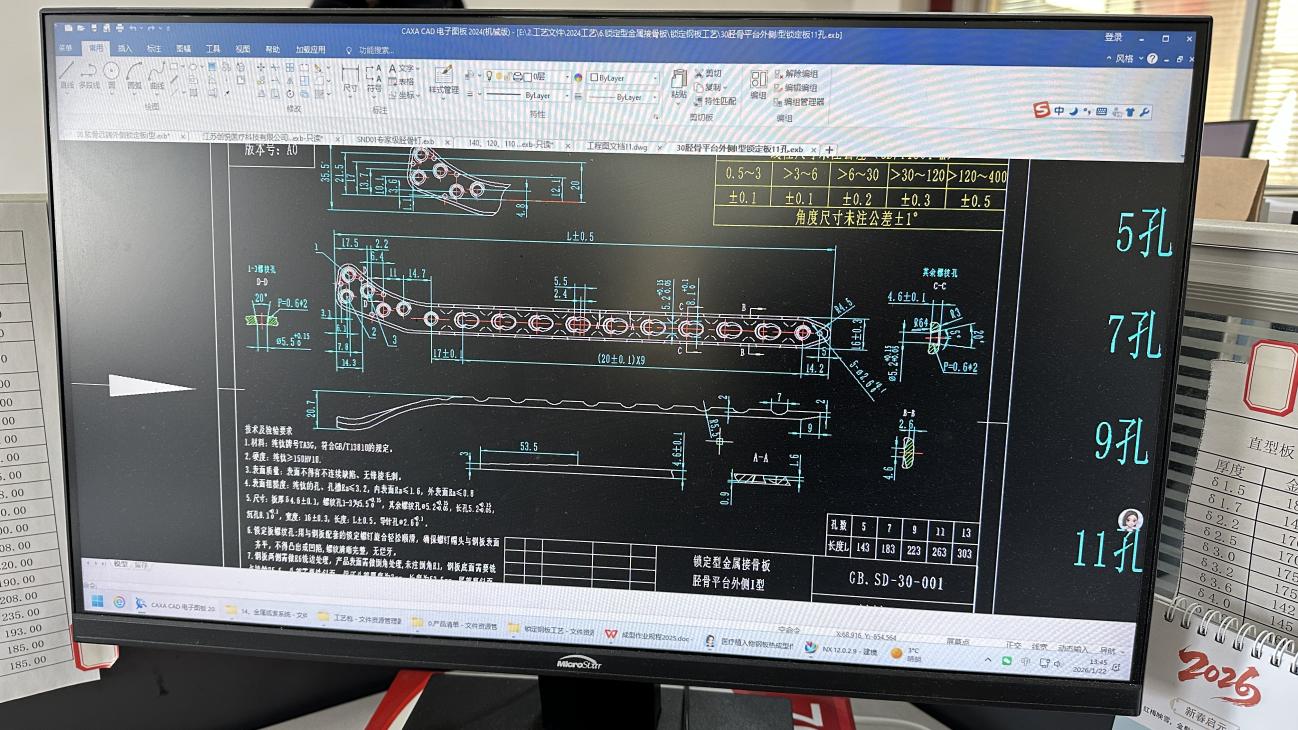

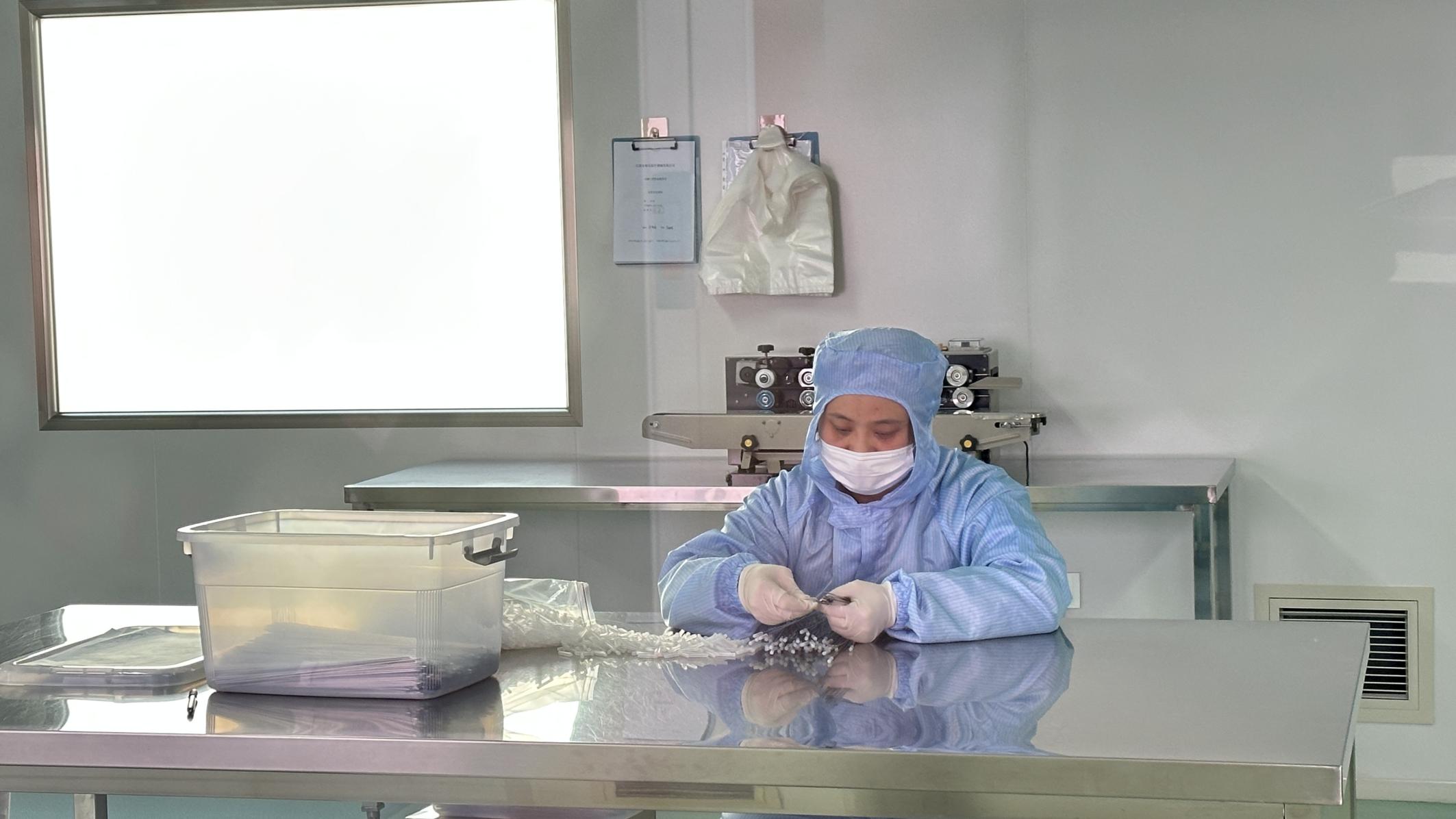
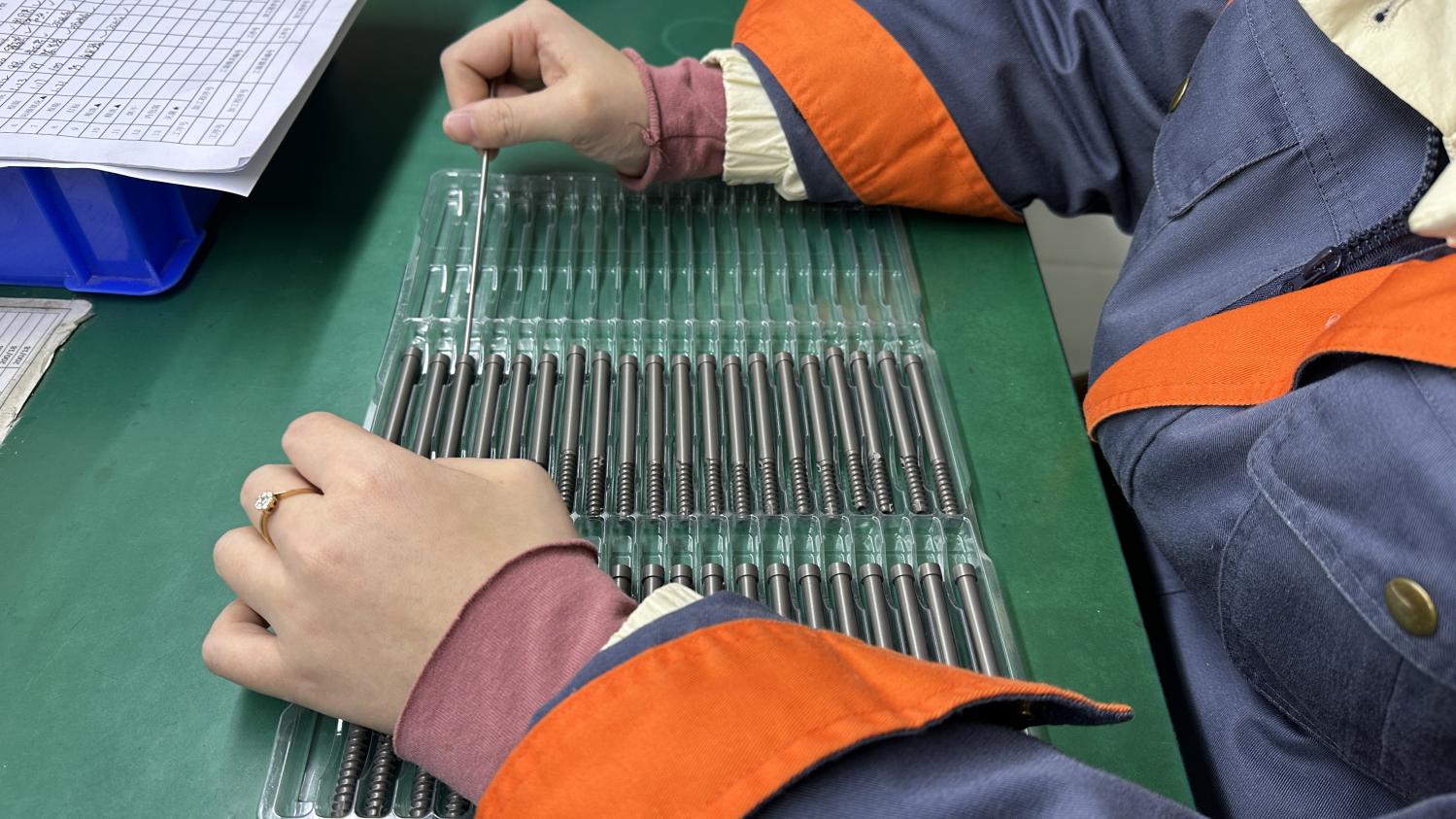
Understanding user intent in surgical sourcing means aligning products with specific clinical environments. Our portfolio covers three primary clinical areas:
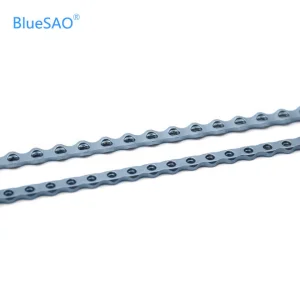
In emergency clinical trauma settings, surgeons require implant systems that adapt to varying anatomical shapes. Our bone plates (e.g., Distal Medial Tibial locking plates) feature compression slots alongside locking holes, allowing both axial compression and stable locking. These systems are used for complex diaphyseal and intra-articular fractures where anatomical stability is key to recovery.
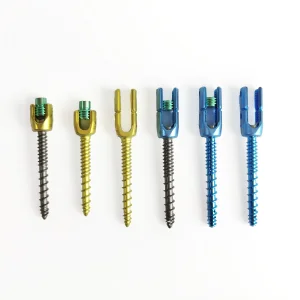
For degenerative disc diseases and spinal instabilities, our spinal systems offer robust screw-rod fixation. Featuring polyaxial reduction screws and monoaxial configurations, these implants allow spine surgeons to perform adjustments during decompression and spinal fusion surgeries.
Veterinary orthopedics is growing rapidly. Companion animals require implants scaled to unique anatomical sizes. The Bluesao PRCL-M locking plate system represents a major advance, providing stable osteosynthesis for small animals. These systems help veterinary surgeons treat complex fractures in dogs and cats with reliable bone healing outcomes.
Addressing key engineering, regulatory, and logistics questions from medical device procurement managers.
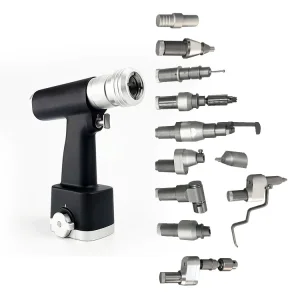
Heavy-duty power systems and arthroscopic instruments designed for durability and clinical safety.