Medisplint
Medisplint
Medisplint
Explore our foundational selection of high-precision orthopedic surgical instruments and trauma implant products designed for global healthcare providers.
A technical guide on how proximal femoral nail systems solve complex trochanteric fracture stability issues.
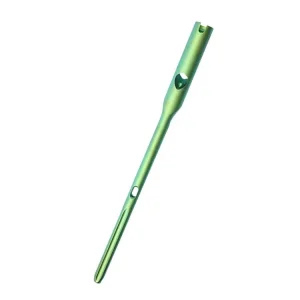
In modern orthopedic traumatology, the treatment of unstable intertrochanteric and subtrochanteric fractures presents a complex challenge. The Gamma Nail System (often referred to as the Proximal Femoral Nail or PFNA) has revolutionized hip fracture fixation. Operating on the principle of load-sharing rather than load-bearing, intramedullary nails provide superior biomechanical stability compared to conventional extramedullary implants such as sliding hip screws (SHS) or dynamic hip plates.
The core advantage of Gamma Intramedullary Nails lies in their placement closer to the mechanical axis of the femur. This reduced offset significantly minimizes the bending moment exerted on the implant, lowering the risk of hardware failure, screw cutout, and malunion. Additionally, the configuration allows for early weight-bearing in geriatric patients, which is critical for preventing systemic complications associated with prolonged immobilization.
A Premier Chinese OEM/ODM Manufacturing Partner in Orthopedic Traumatology
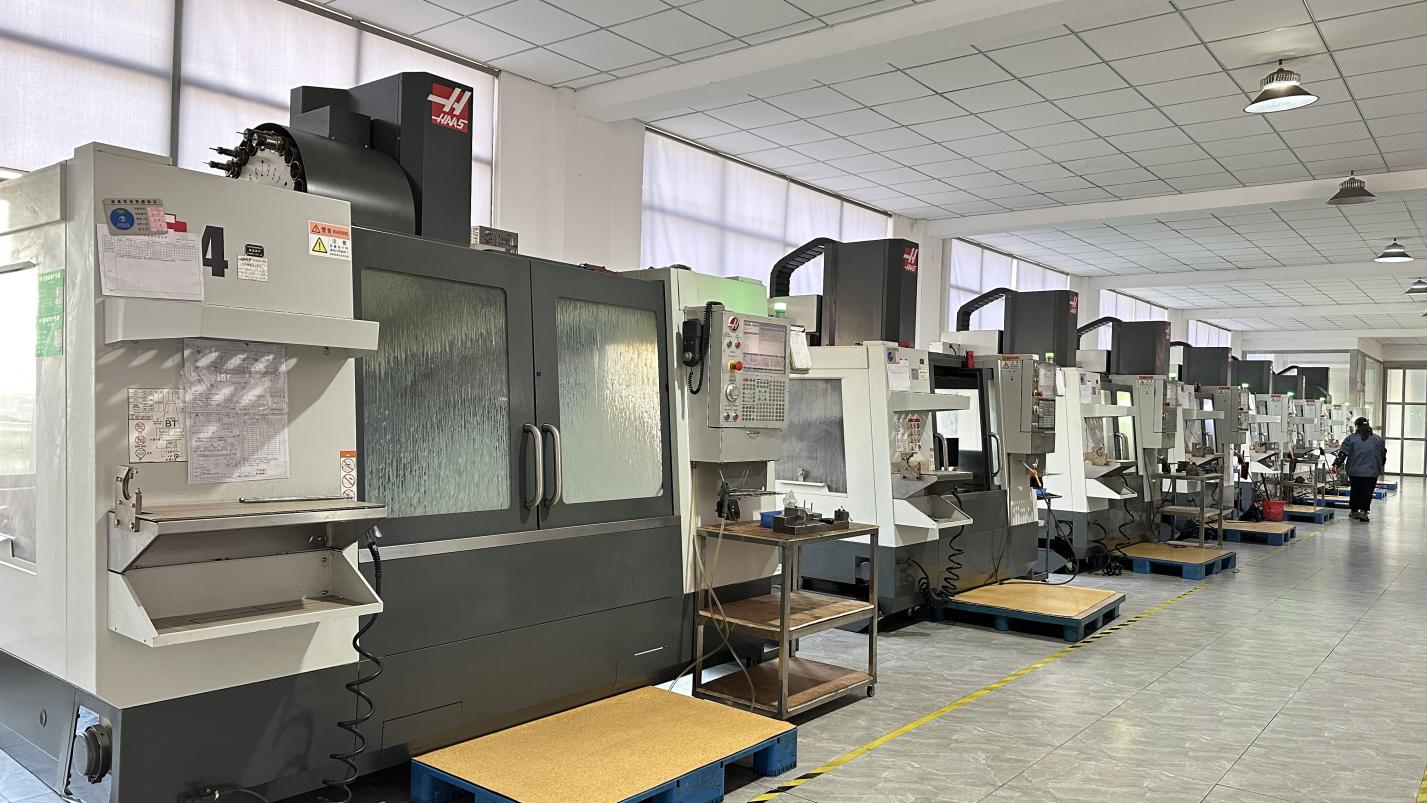
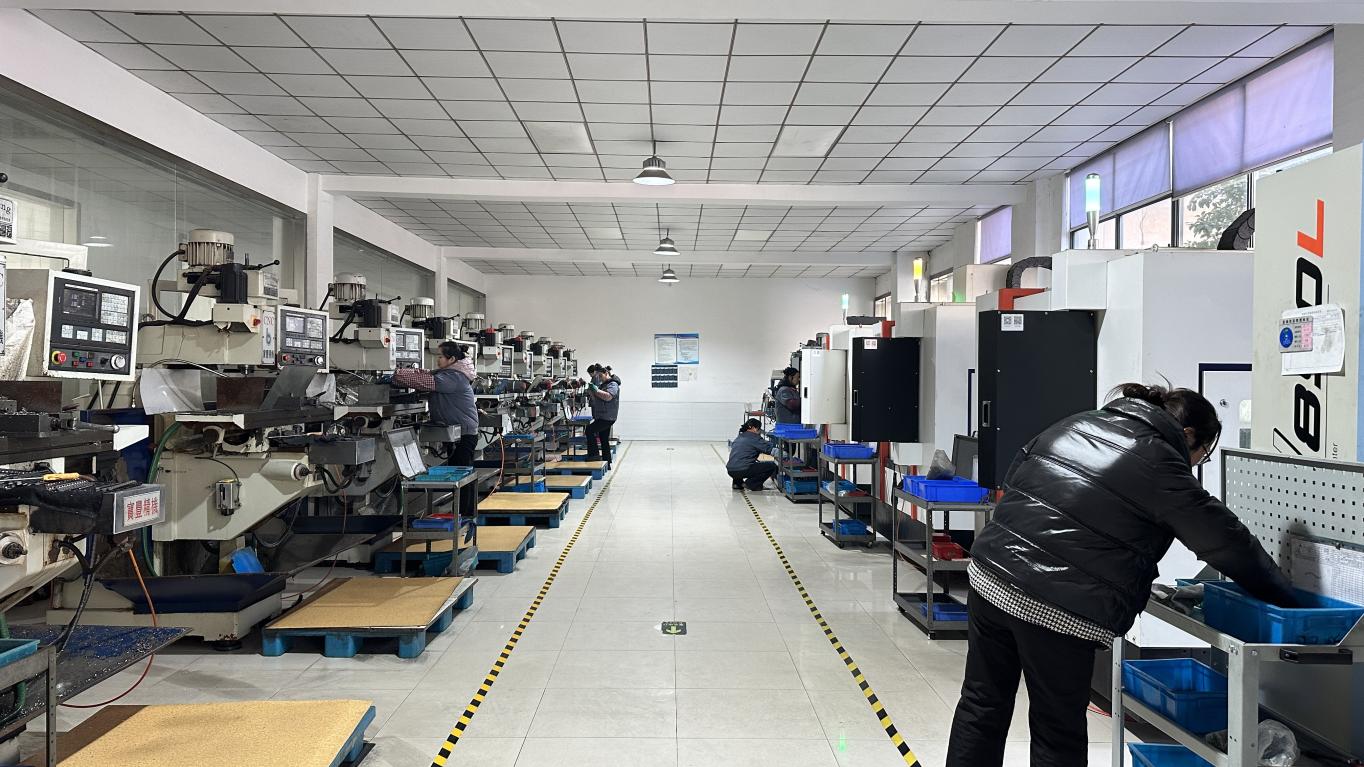
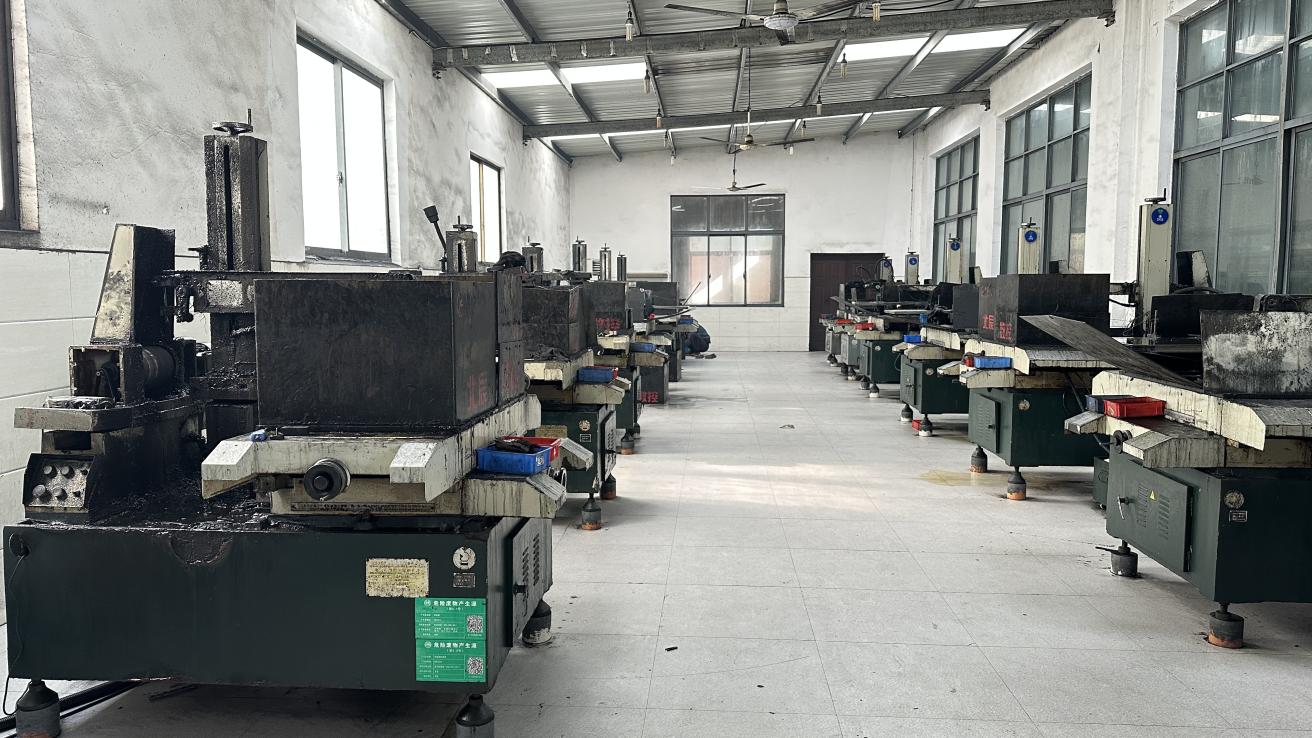
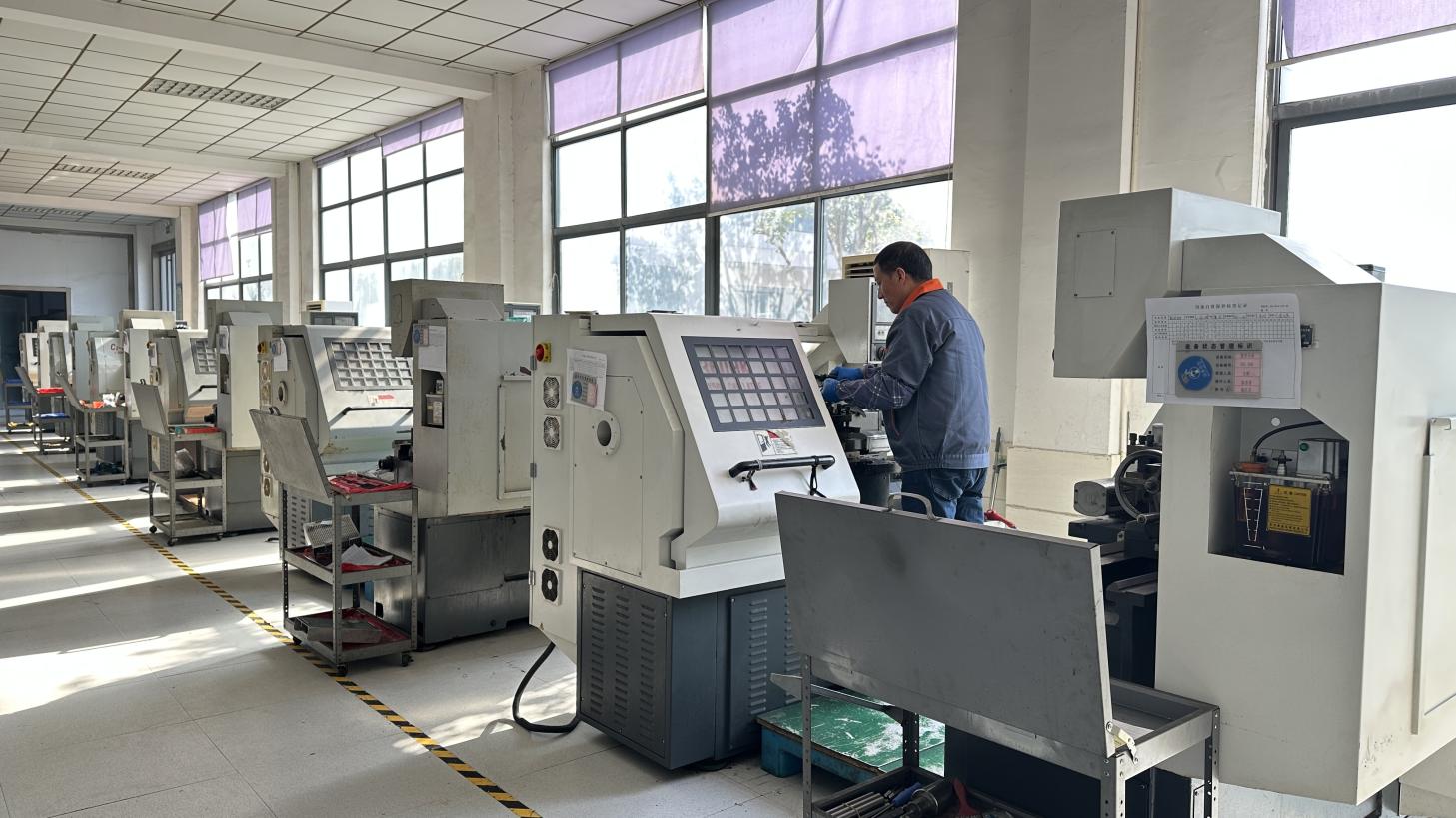
Supporting fully integrated production lines, design departments, advanced CNC machining setups, and complete cleanroom assemblies.
Deep expertise in private labeling, CAD/CAM design modification, and custom OEM/ODM solutions. 68 new product launches in the past year alone.
Stringent compliance covering incoming raw materials, In-Process QC (IPQC), Final QC (FQC), and exhaustive mechanical lab tests.
Providing compliant orthopedic devices globally, with clients spanning Europe, Southeast Asia, South America, and the Middle East.
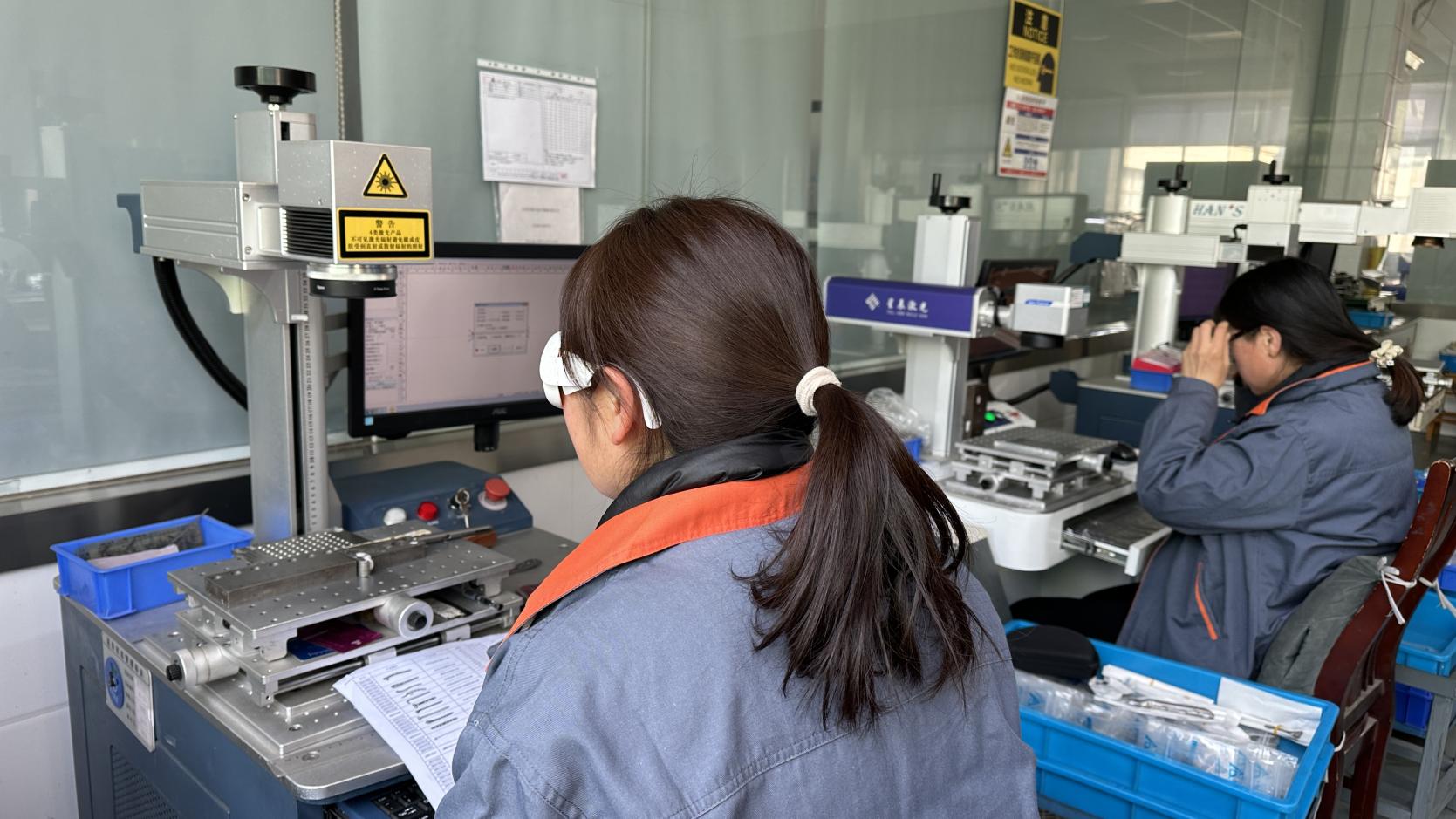
A visual step-by-step display of our orthopedic implant manufacturing processes and machine workshop capabilities.
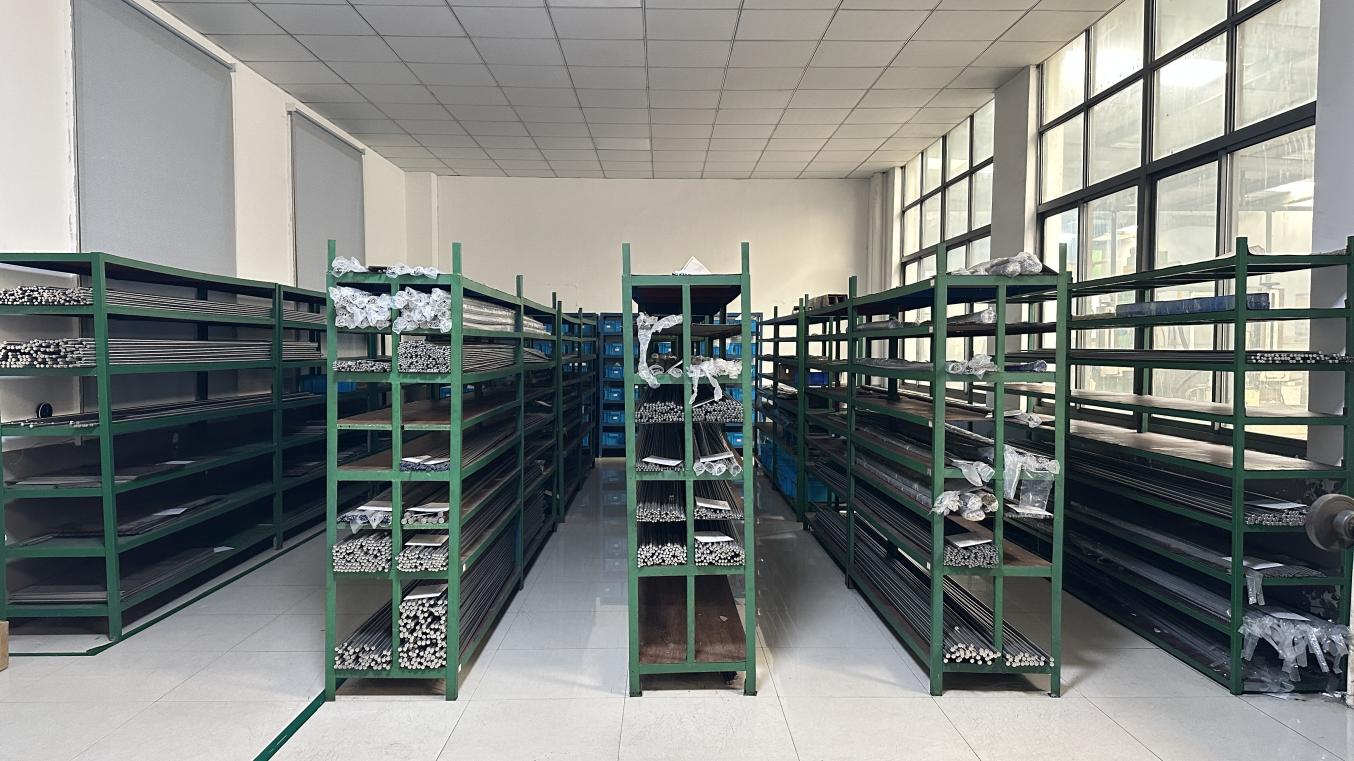 Raw Materials
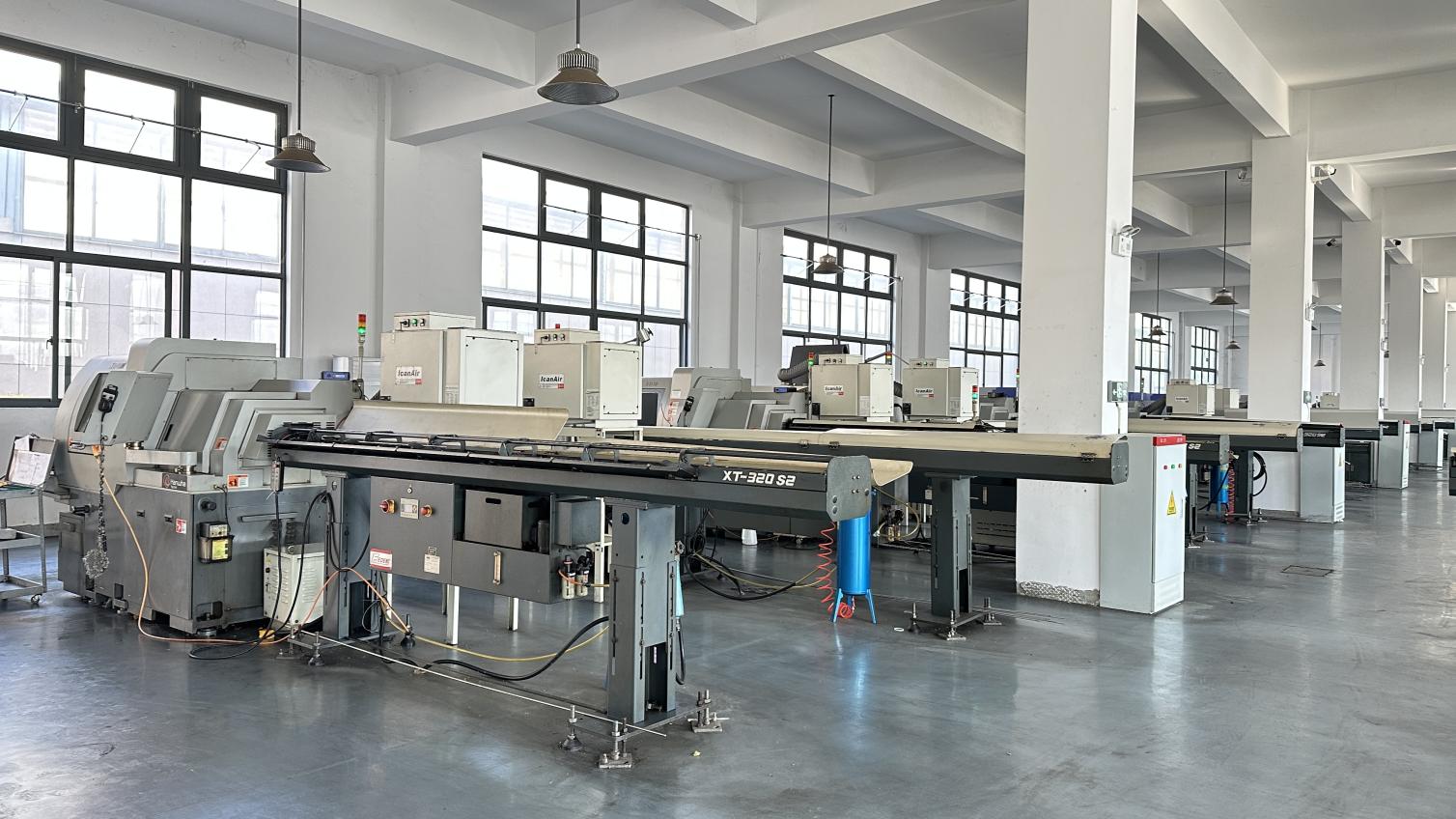 Slitting
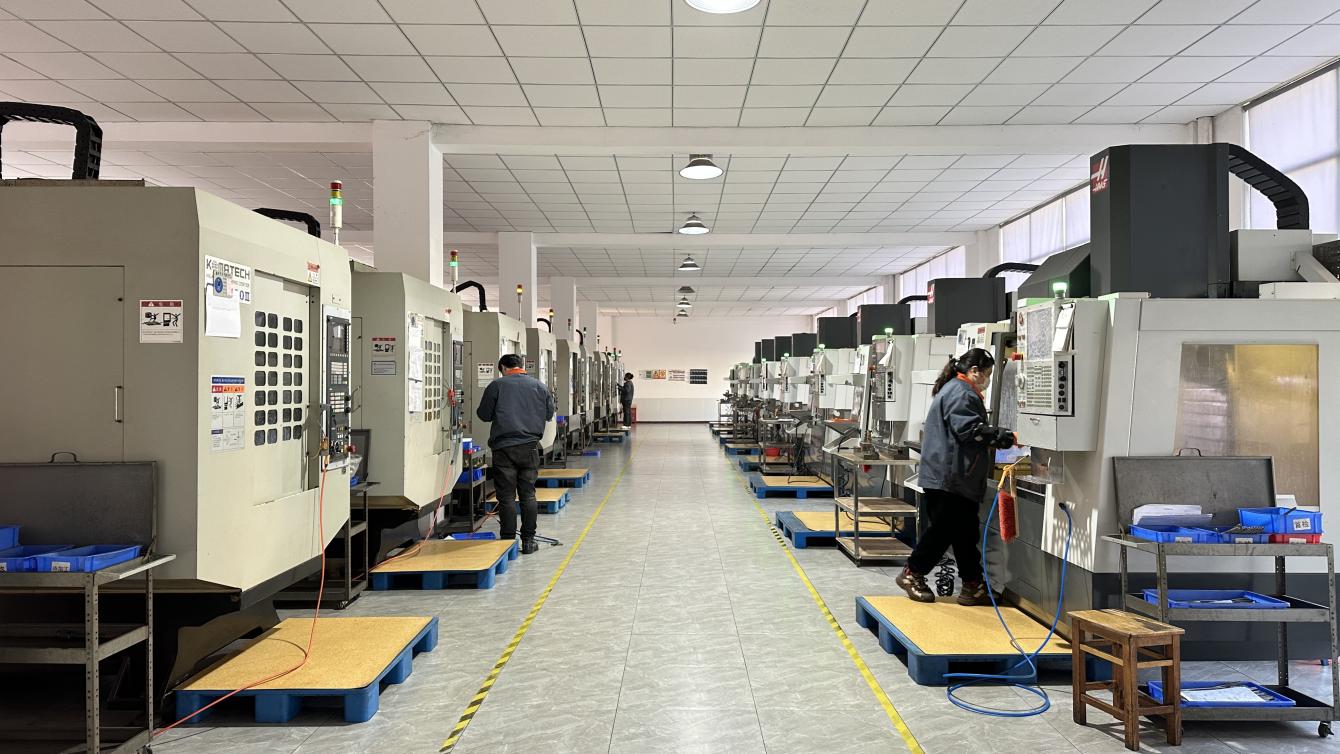 CNC Machining
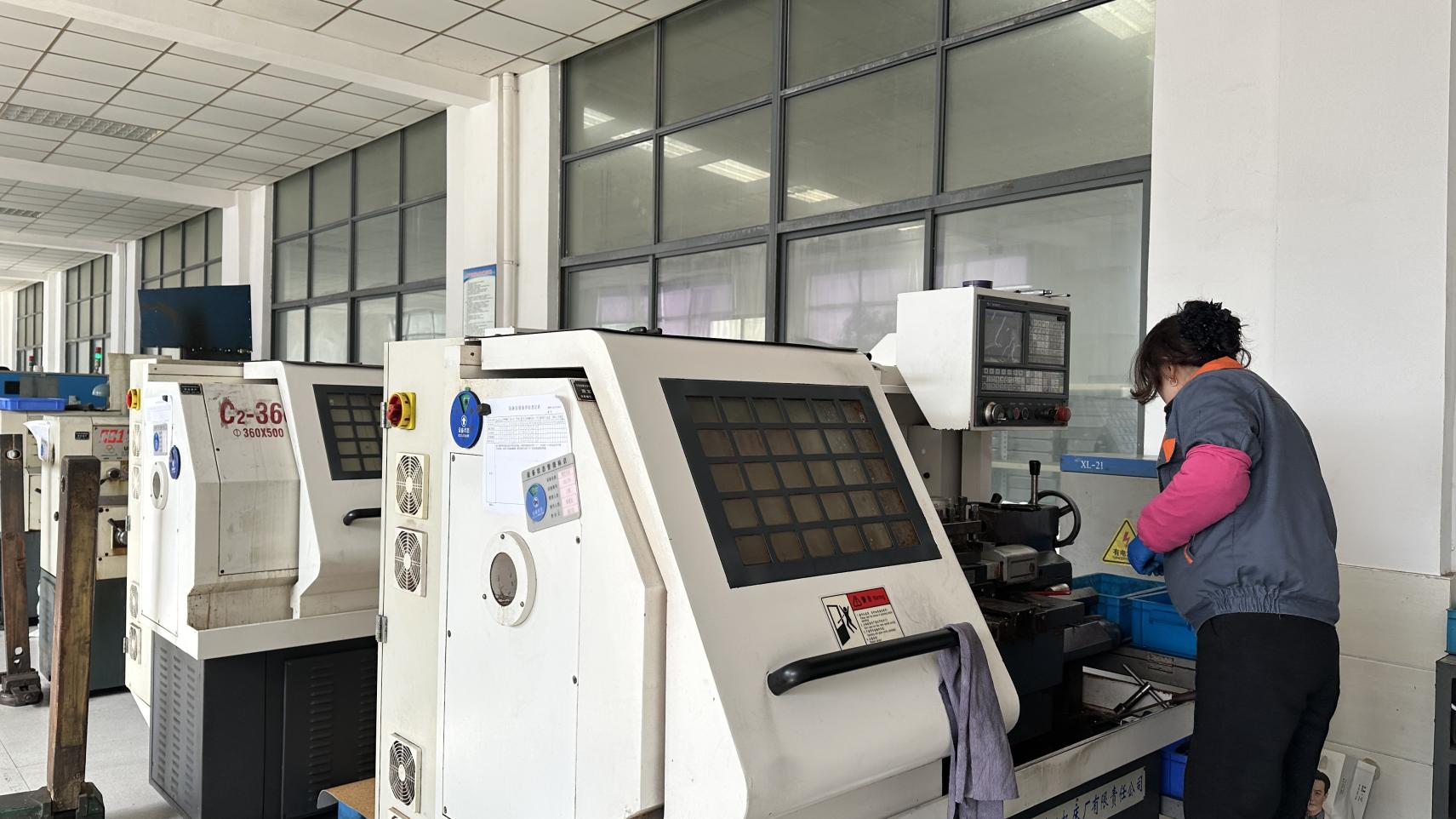 Machining
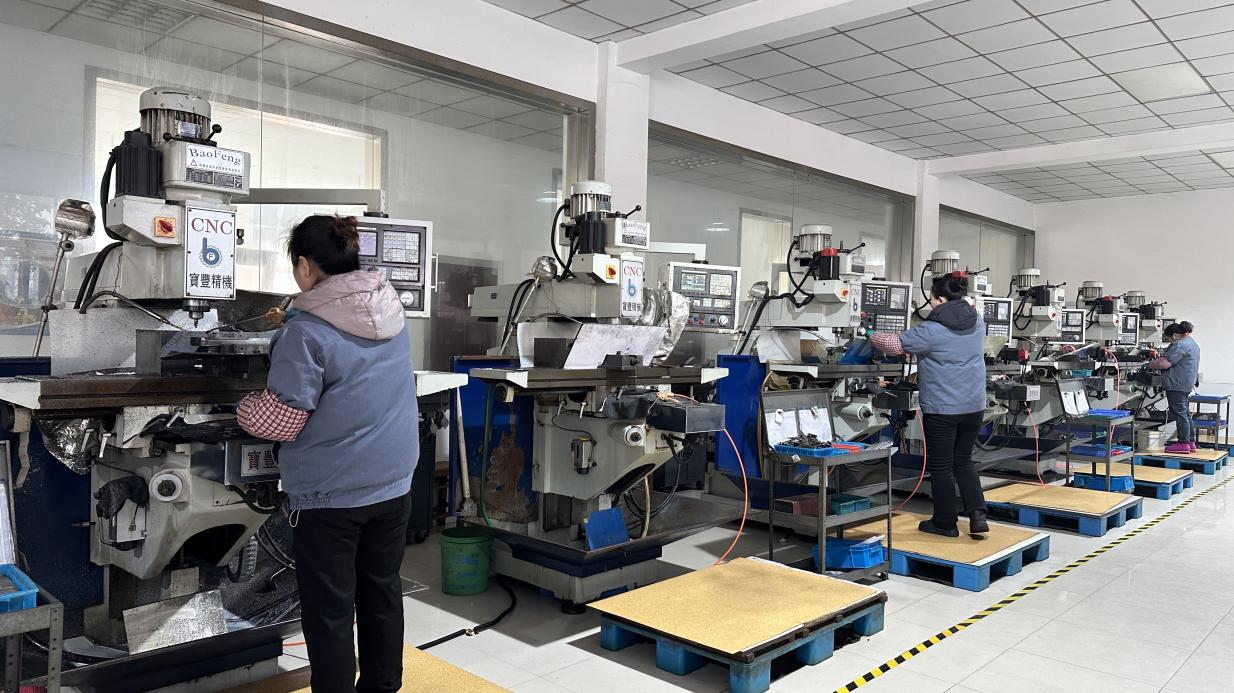 Milling
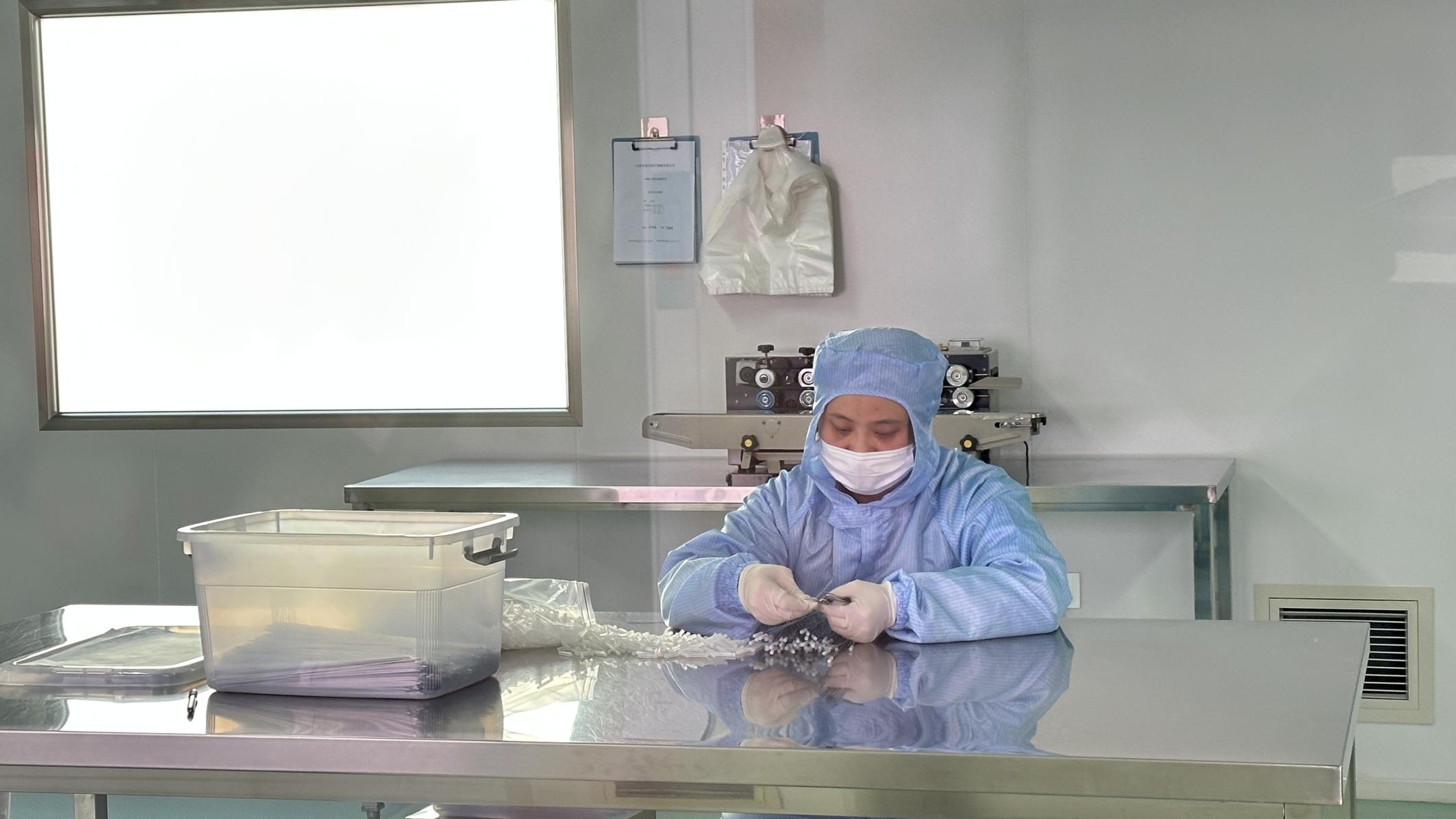 Inspection & Packing
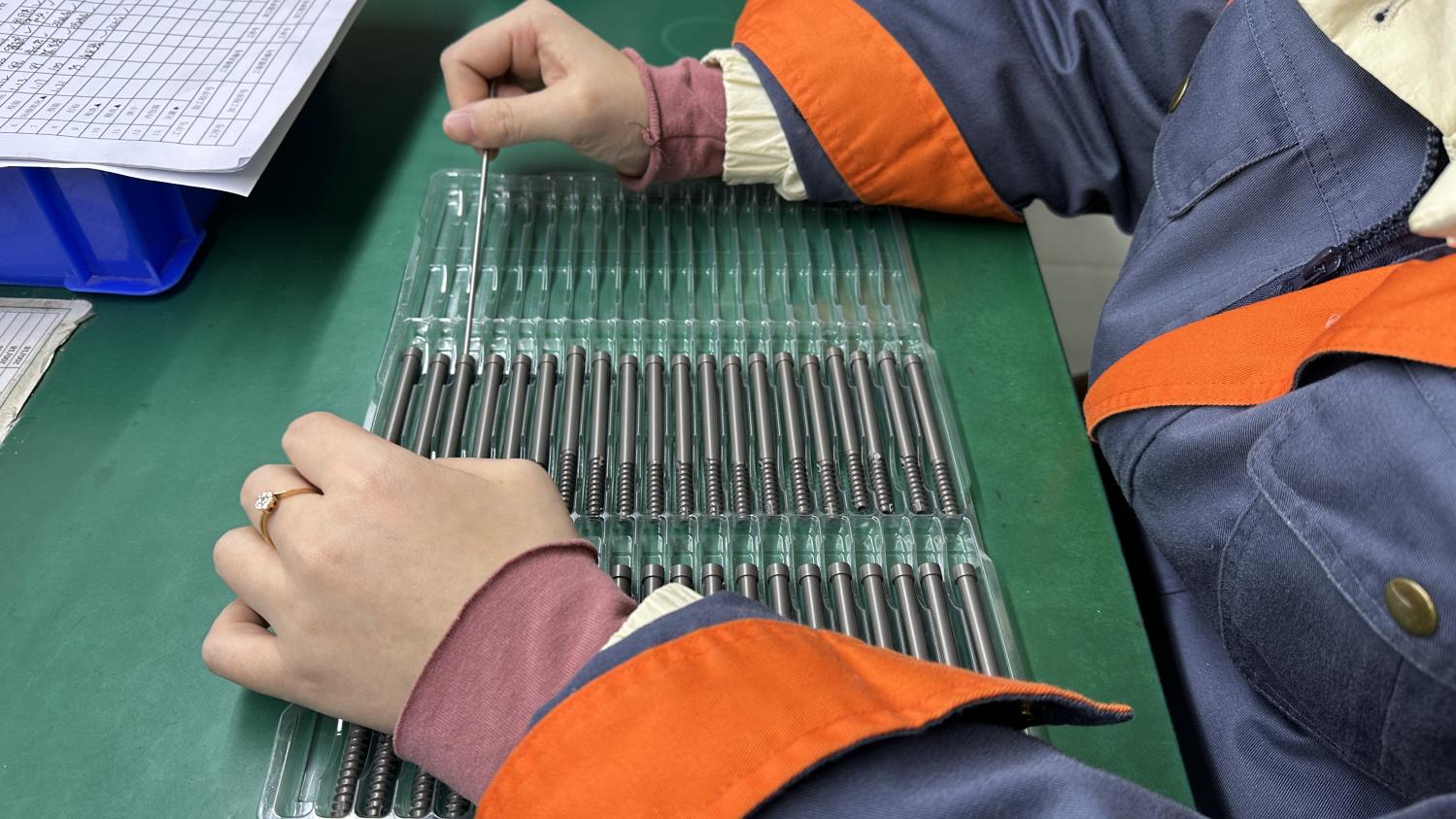 Inspection & Packing 2
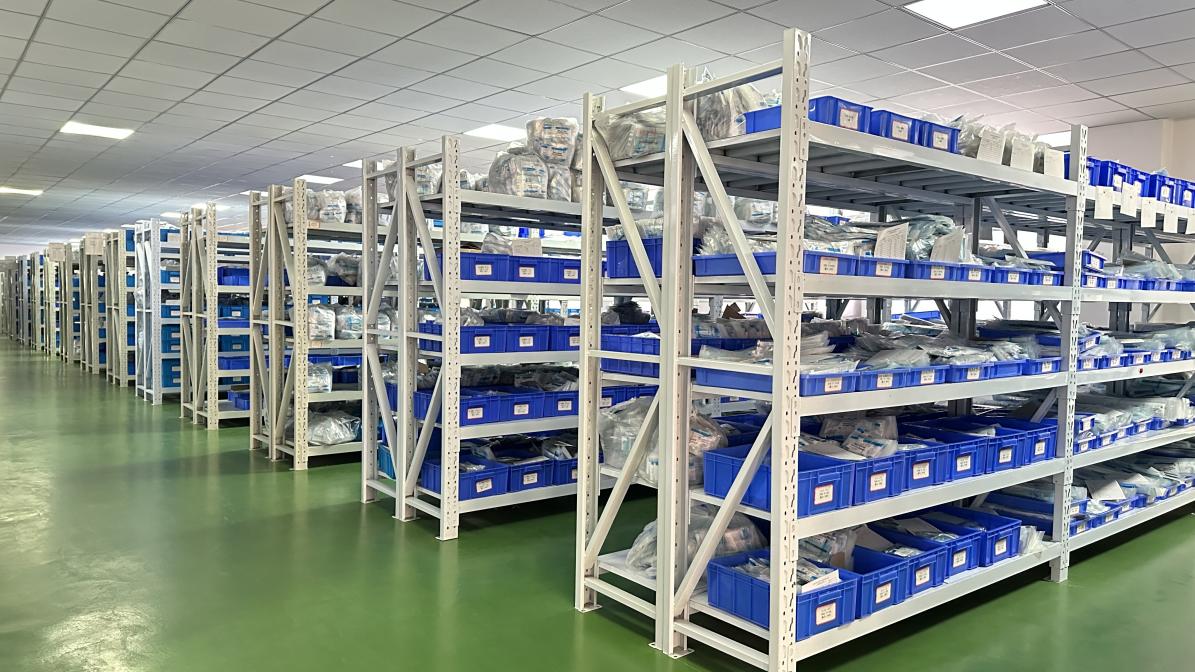 Warehouse

Why international brands, hospitals, and distributors source medical implants from leading Chinese manufacturing hubs.
Sourcing orthopedic implants from China offers structural cost and technical advantages that cannot be easily replicated. Top manufacturers in China leverage vertically integrated industrial ecosystems. From raw medical-grade titanium rods to sophisticated surface treatment facilities (such as type II anodization and acid-etching), every step is cluster-localized.
The base material determines the long-term clinical safety of any implant. China's top factories use raw titanium alloy (Ti-6Al-4V ELI) conforming to ASTM F136 and ISO 5832-3. This material offers exceptional biocompatibility, high fatigue strength, and a lower elastic modulus compared to stainless steel, minimizing the bone stress-shielding effect.
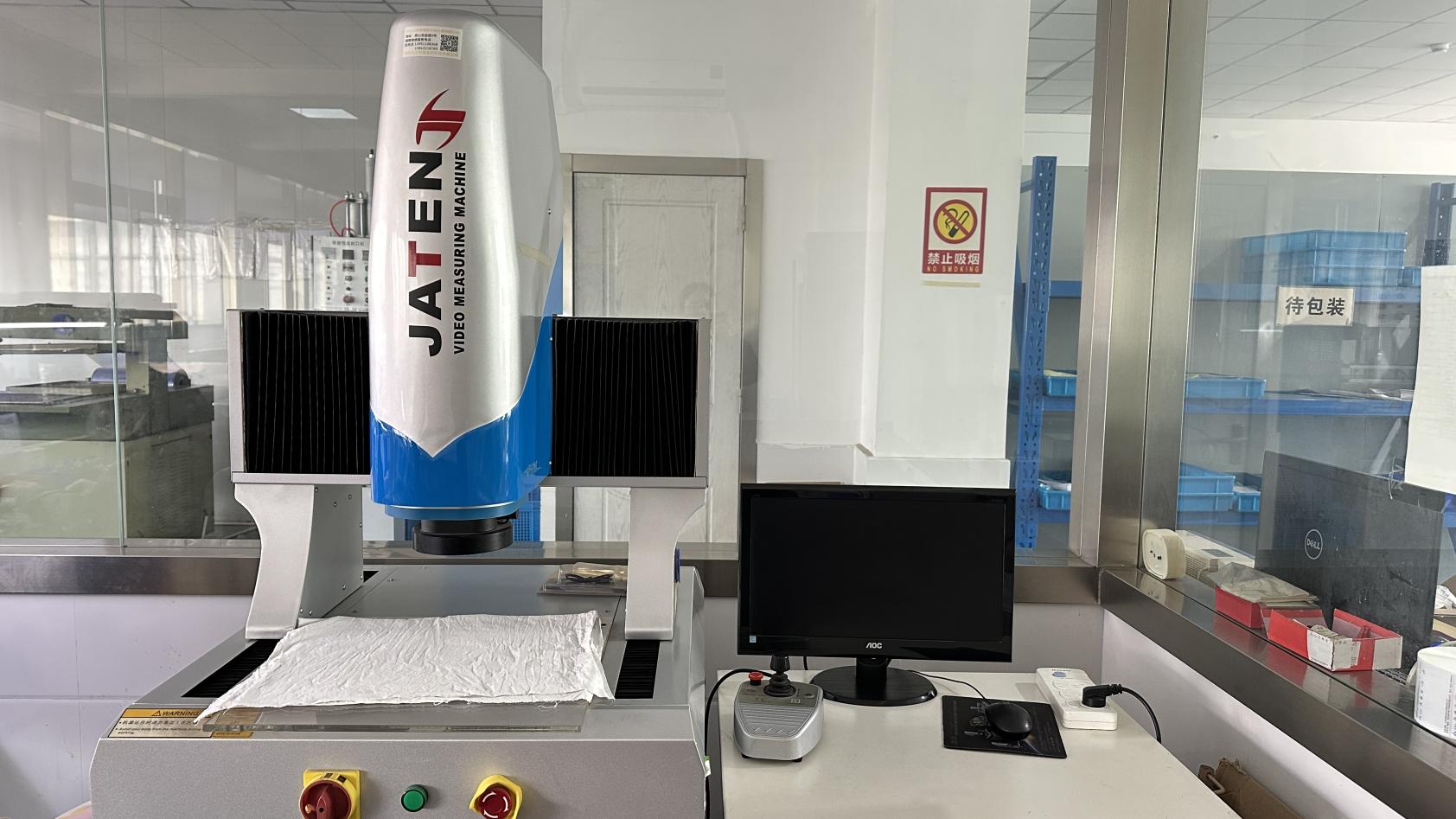
Manufacturing a Gamma intramedullary nail system requires tight geometric tolerances. The complex internal sliding mechanism of the lag screw/helical blade must match the sleeve of the nail perfectly to prevent jamming. By utilizing multi-axis Swiss CNC longitudinal lathes, manufacturers routinely achieve dimensional tolerances within ±5 microns.
Due to streamlined labor operations, optimized supply chains, and large-scale industrialization, Chinese factories offer highly competitive cost-to-performance ratios. This allows medical distributors and international hospital networks to optimize their procurement budgets while maintaining compliance with CE and ISO standards.
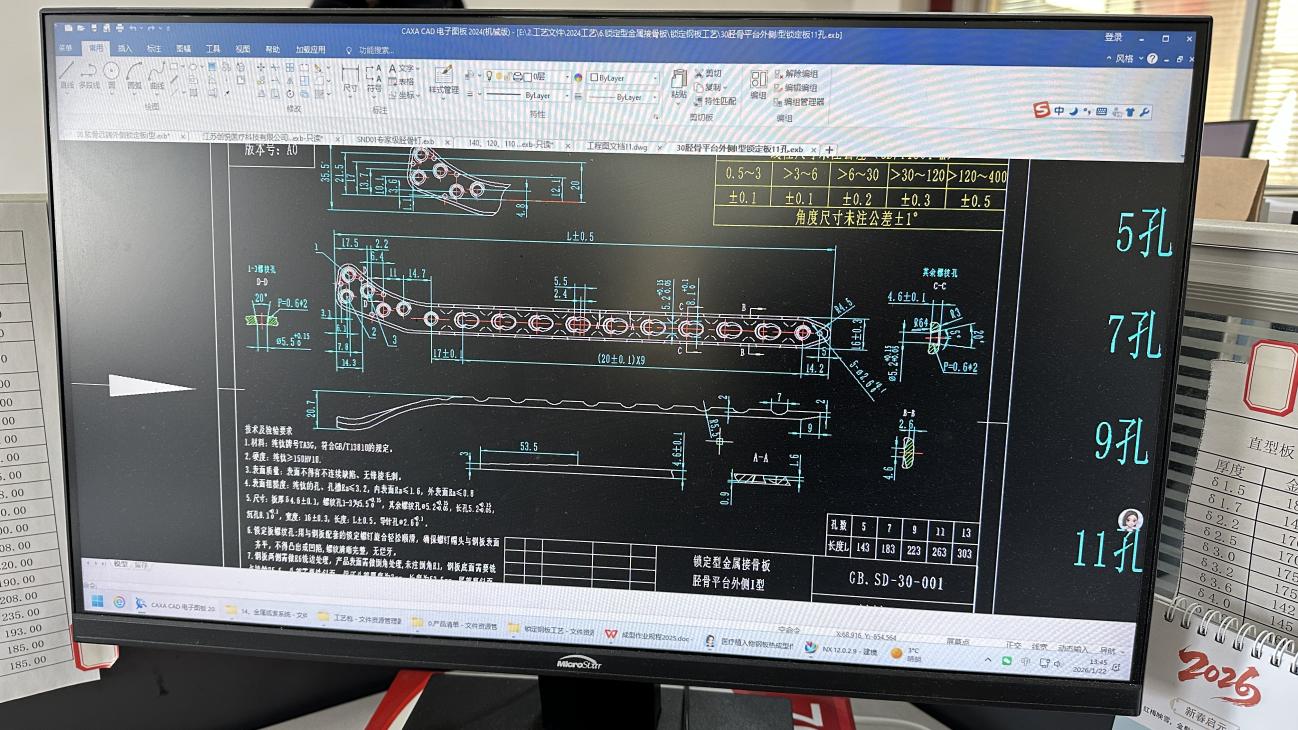
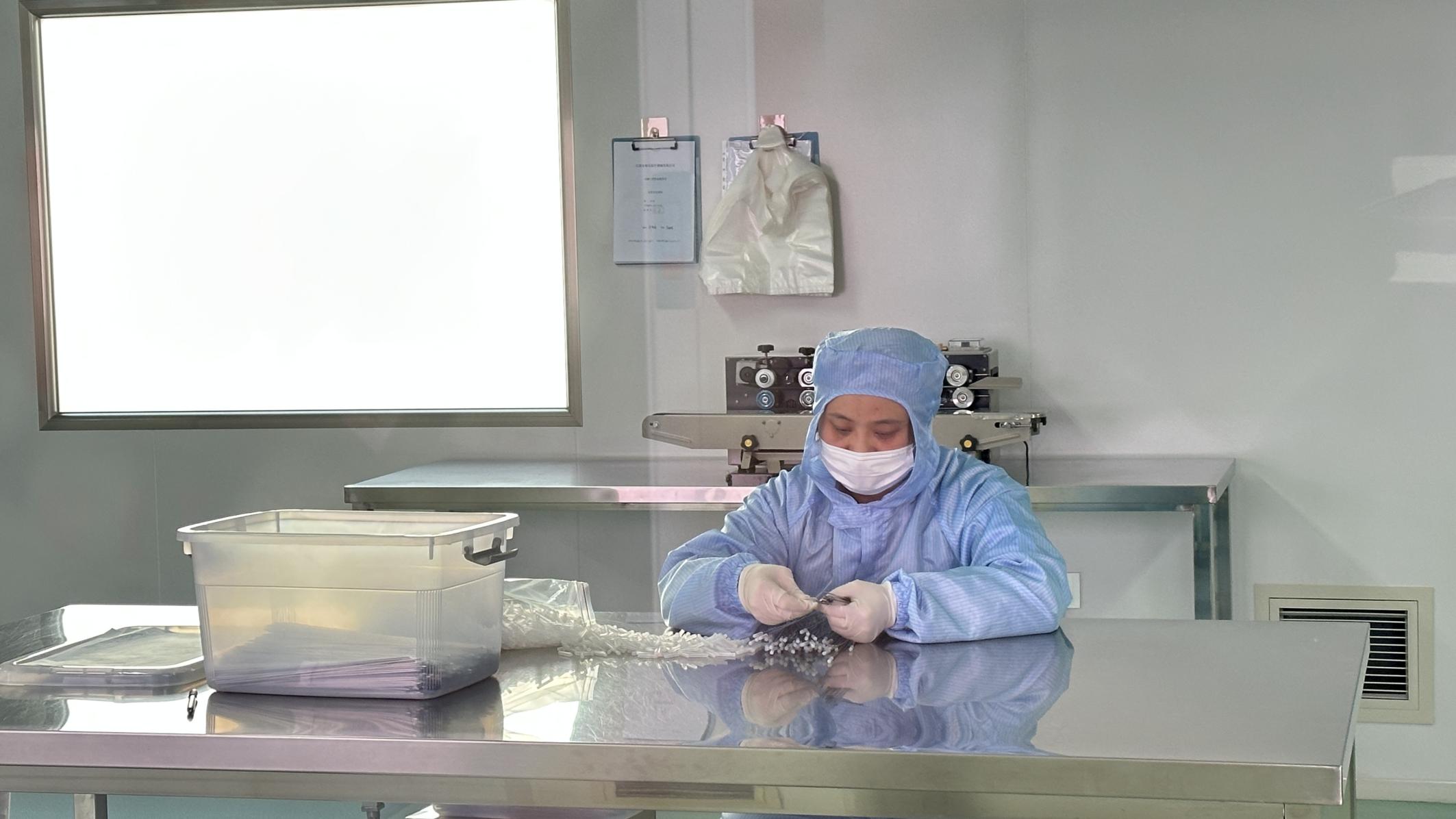
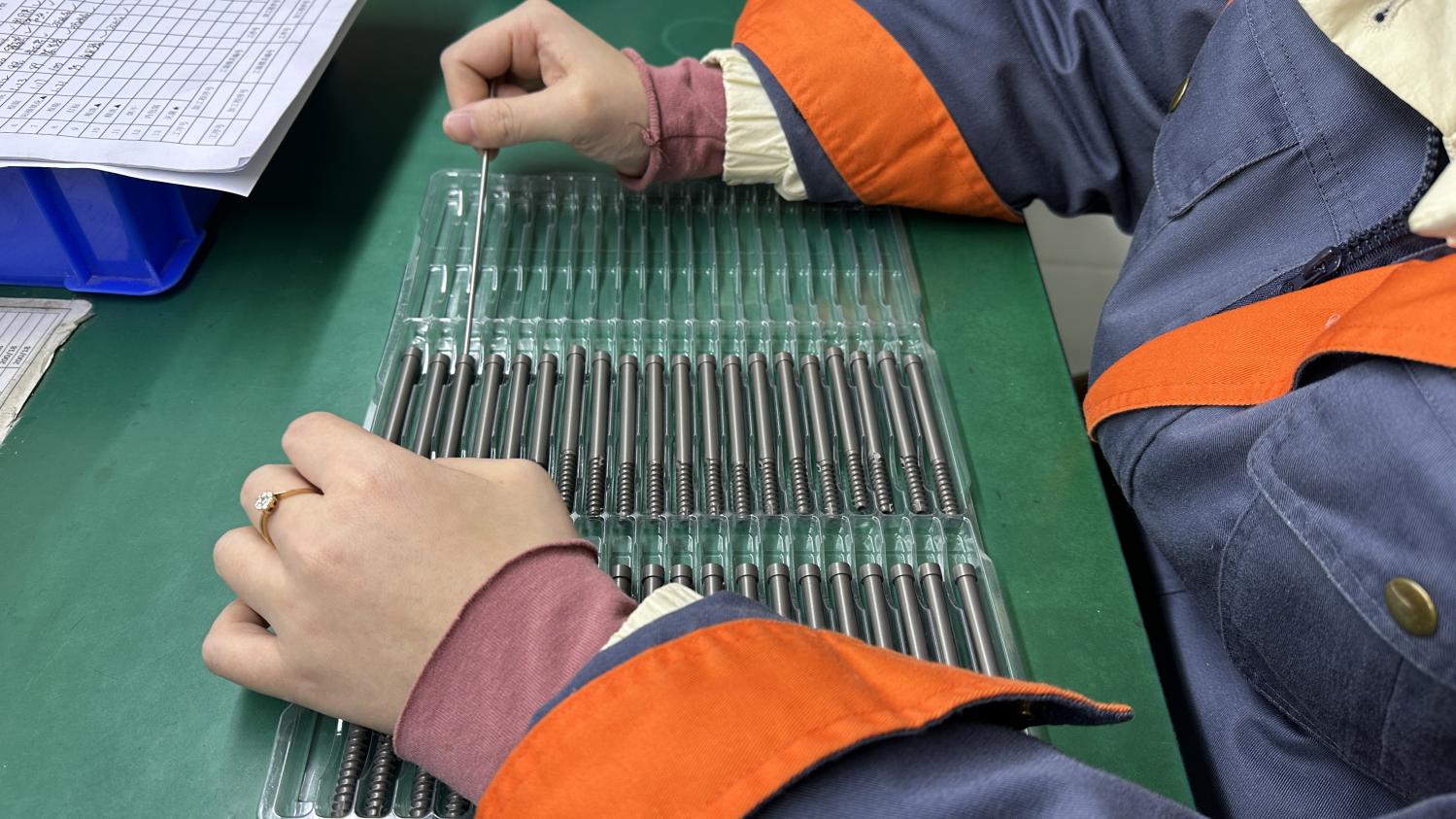
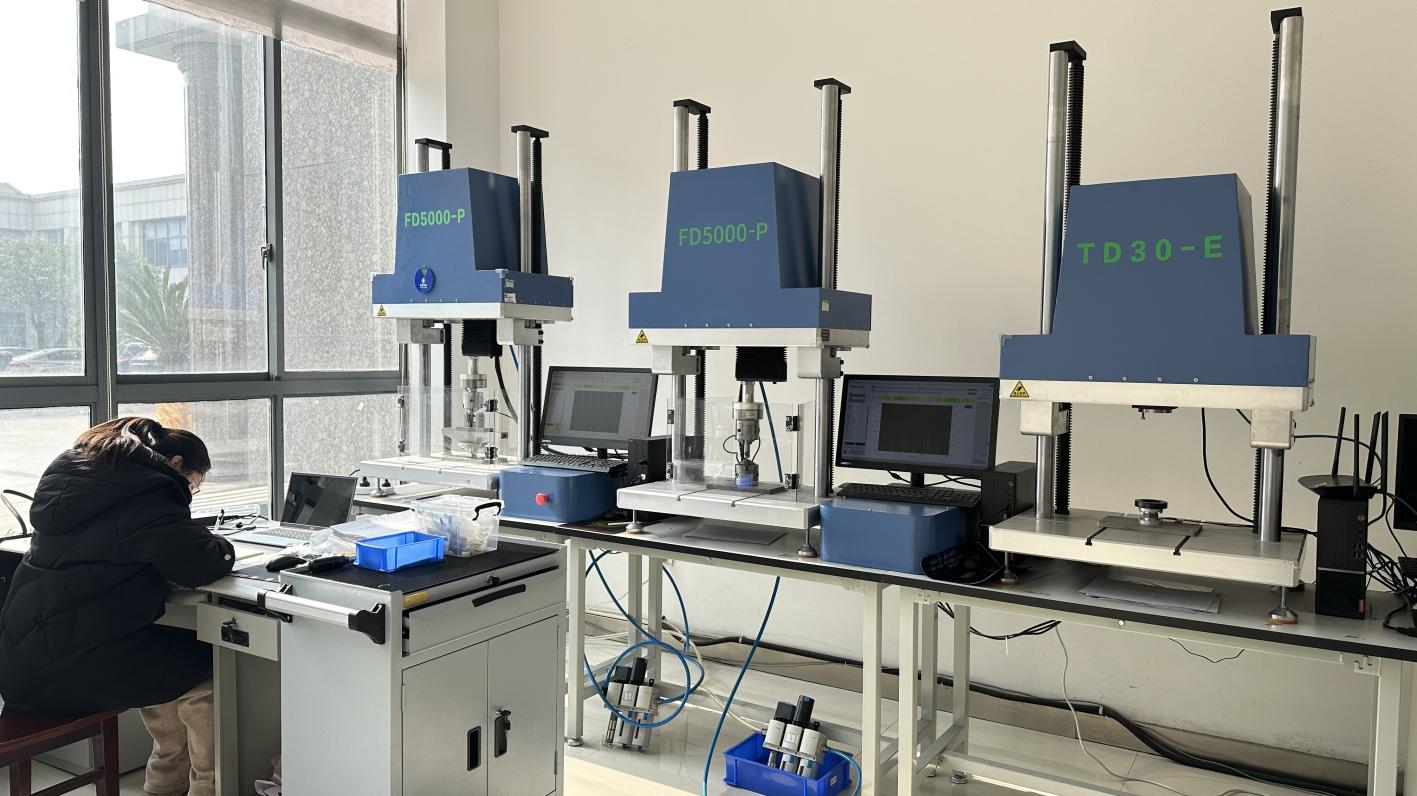
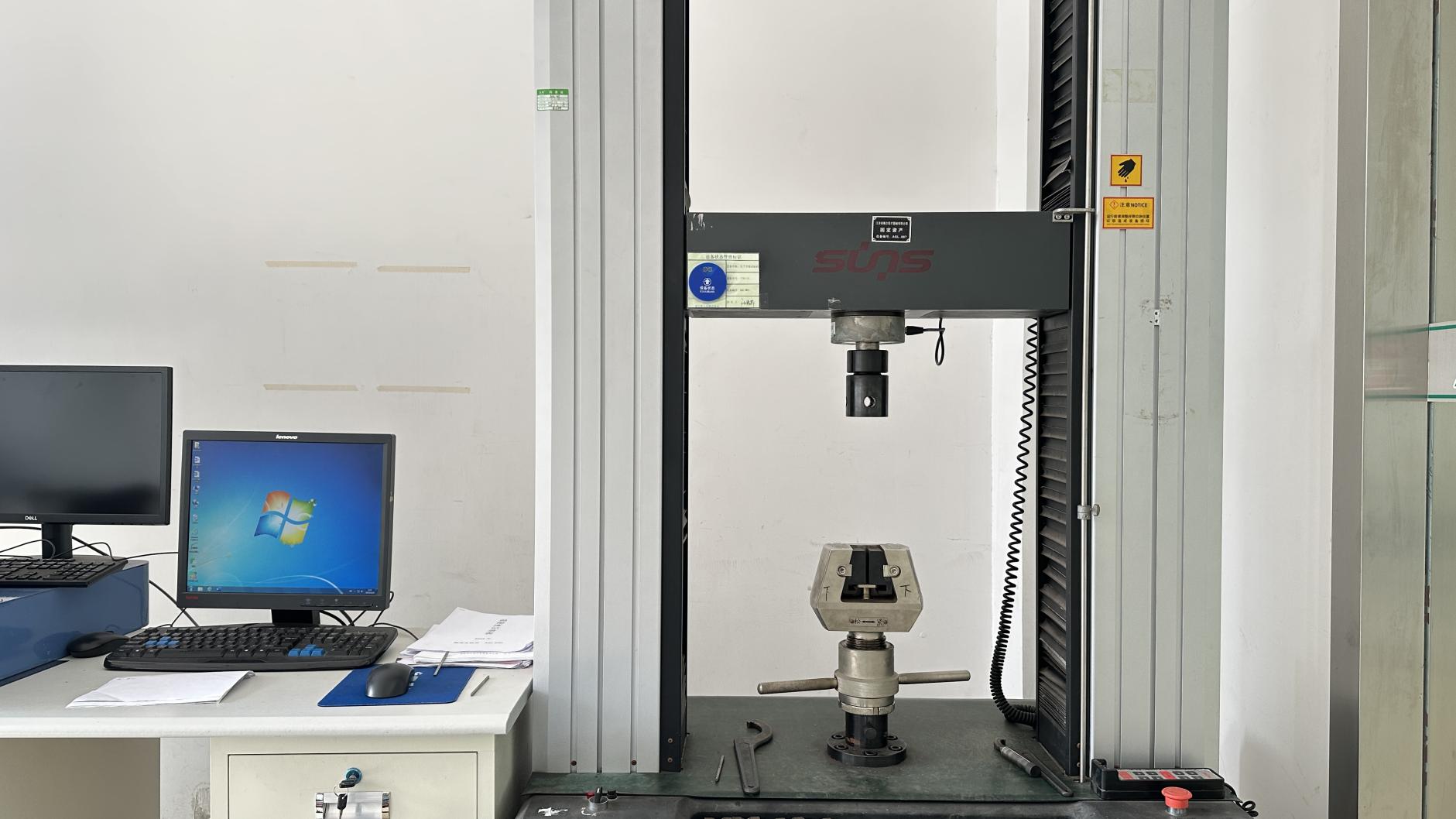
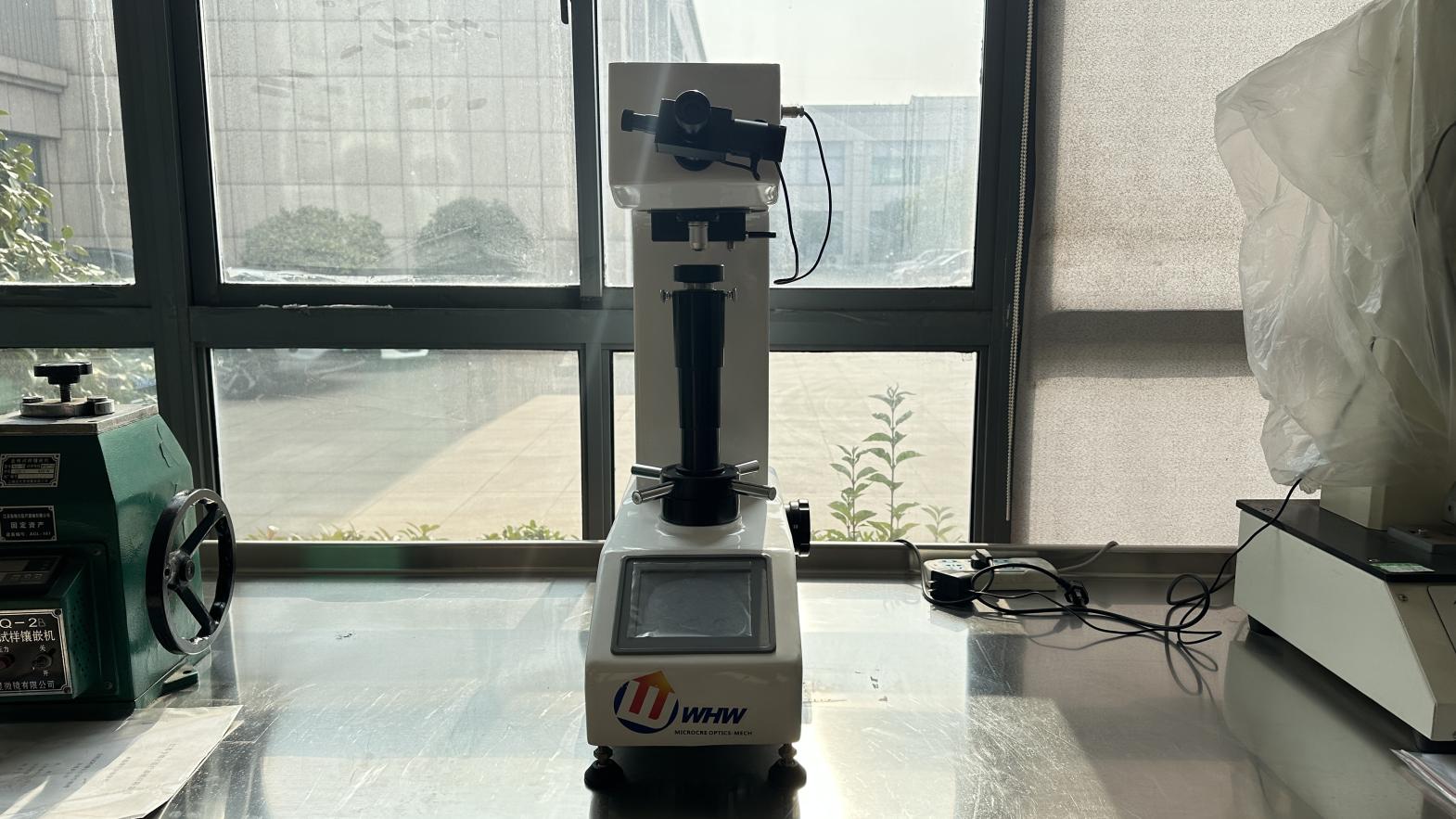
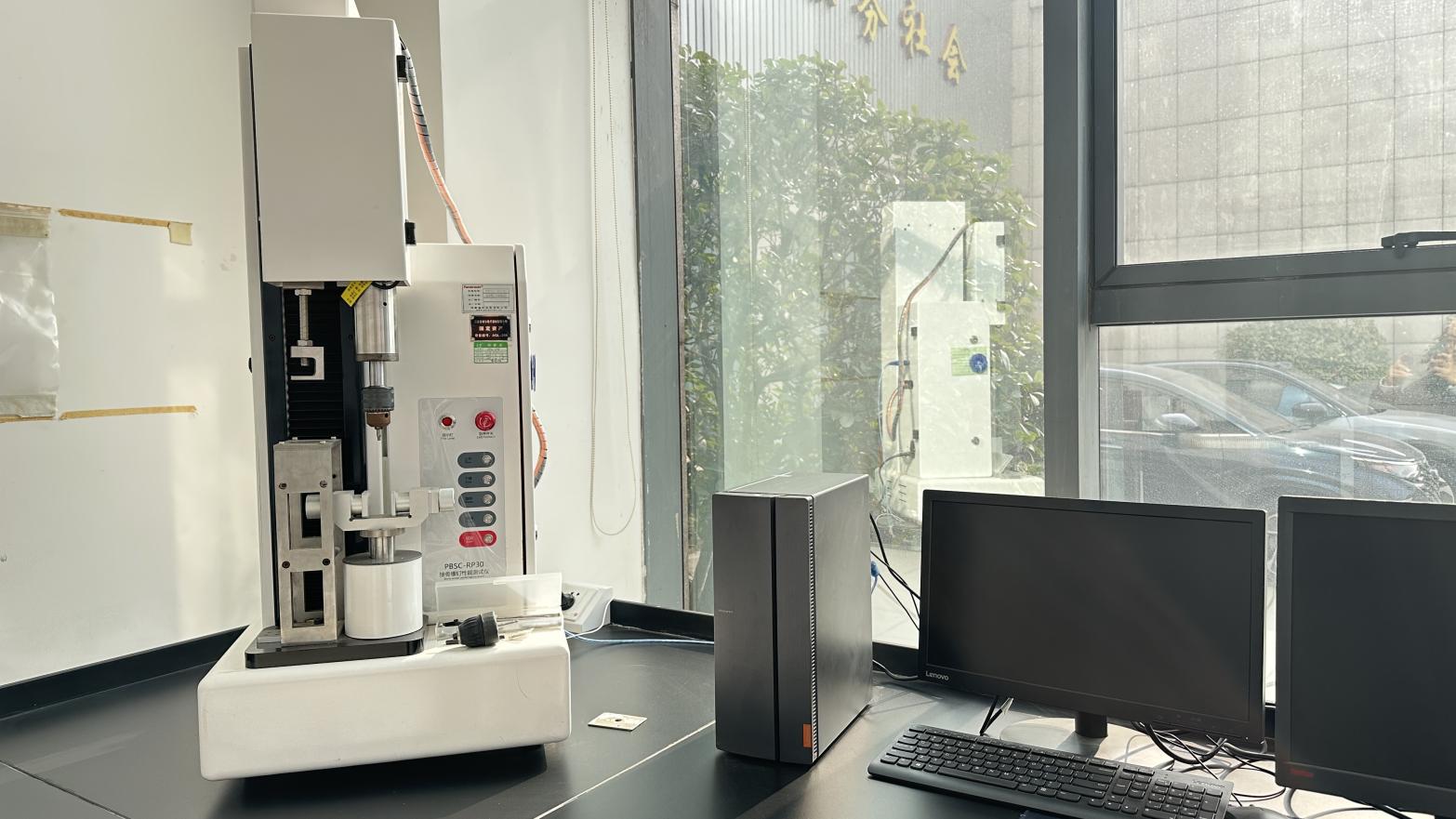
Our in-house design, inspection, and verification labs ensure structural integrity and mechanical safety.

Understanding registration barriers, clinical scenarios, and international supply security.
Entering international healthcare markets requires adherence to regulatory frameworks. Medisplint maintains certifications including ISO 13485, CE compliance, and cleanroom management standards. Regulatory files (Technical Documentation, Clinical Evaluation Reports) are updated continuously to support international distributors through local registration processes, including ANVISA, COFEPRIS, SFDA, and EU MDR audits.
Gamma nails are engineered for anatomical compatibility across patient groups:
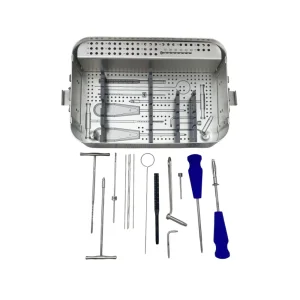
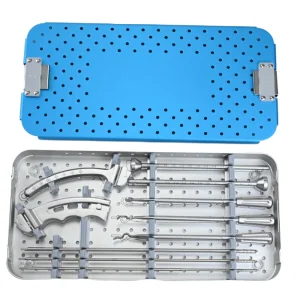
For large distributors looking to market under their own label, our facility provides comprehensive OEM/ODM support. This includes customized packaging, laser marking of unique trace codes (UDI), and modified surgical instrument kits designed to accommodate specific surgeon preferences.
Innovation highlights reshaping the future of orthopedic trauma operations.
Research is shifting toward active tracking. Smart implants with integrated micro-sensors can measure mechanical strain and temperature variations, allowing clinicians to track healing and detect early-stage infections before they present clinically.
Alternative radiolucent composites, such as carbon-fiber reinforced polyetheretherketone (PEEK), are being tested for trauma implants. They offer fatigue resistance comparable to titanium and minimize artifacts on post-operative X-rays and MRI scans.
Advancements in 3D bone modeling software have enabled the creation of pre-curved intramedullary nails tailored to match the physiological curvature of specific demographic groups, reducing the risk of distal anterior cortex impingement.
Essential guidance for orthopedic distributors, purchasing managers, and clinical evaluators.
For standard configurations with established private labeling, lead times vary between 30 and 45 days. Fully customized designs requiring novel tooling can take between 60 and 90 days, depending on regulatory documentation requirements.
Every implant series undergoes dynamic fatigue testing according to ASTM standards (such as ASTM F382/F1264) in our certified testing laboratory. We test implants up to 5 million load cycles to simulate post-operative physiological stresses.
Yes. Medisplint operates under a certified ISO 13485 quality management system, and our primary trauma implant lines maintain CE compliance, supporting medical distribution across major international markets.
Helical blades are designed to compact cancellous bone rather than drill it out. This compression increases mechanical fixation and stability, which helps prevent lag screw cut-out in weak or osteoporotic bone tissue.
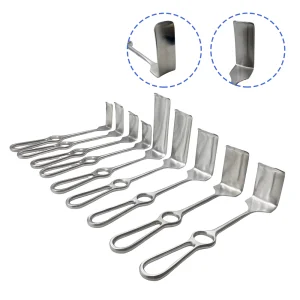
Browse our advanced surgical tools, specialized plates, and reconstruction sets to complete your orthopedic trauma inventory.