Medisplint
Medisplint
Medisplint
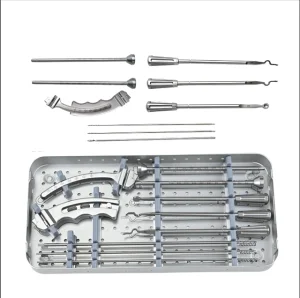
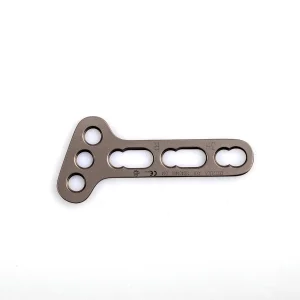
High-performance surgical components engineered for exact anatomical alignment and structural stabilization.
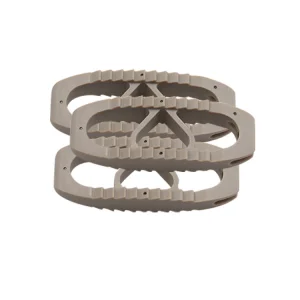
Traditional static interbody spacers often require wider surgical corridors and extensive nerve root retraction, elevating the risk of localized neurological injury. As minimally invasive spine surgery (MISS) establishes itself as the standard of care worldwide, the demand for high-performance expandable spine cages has grown exponentially.
Unlike static implants, expandable systems are inserted at a minimized height profile and expanded in situ to achieve optimized lordotic correction and customized disc height restoration. This dynamic adaptation mitigates the risk of cage subsidence, preserves the integrity of the vertebral endplates, and optimizes spinal biomechanics.
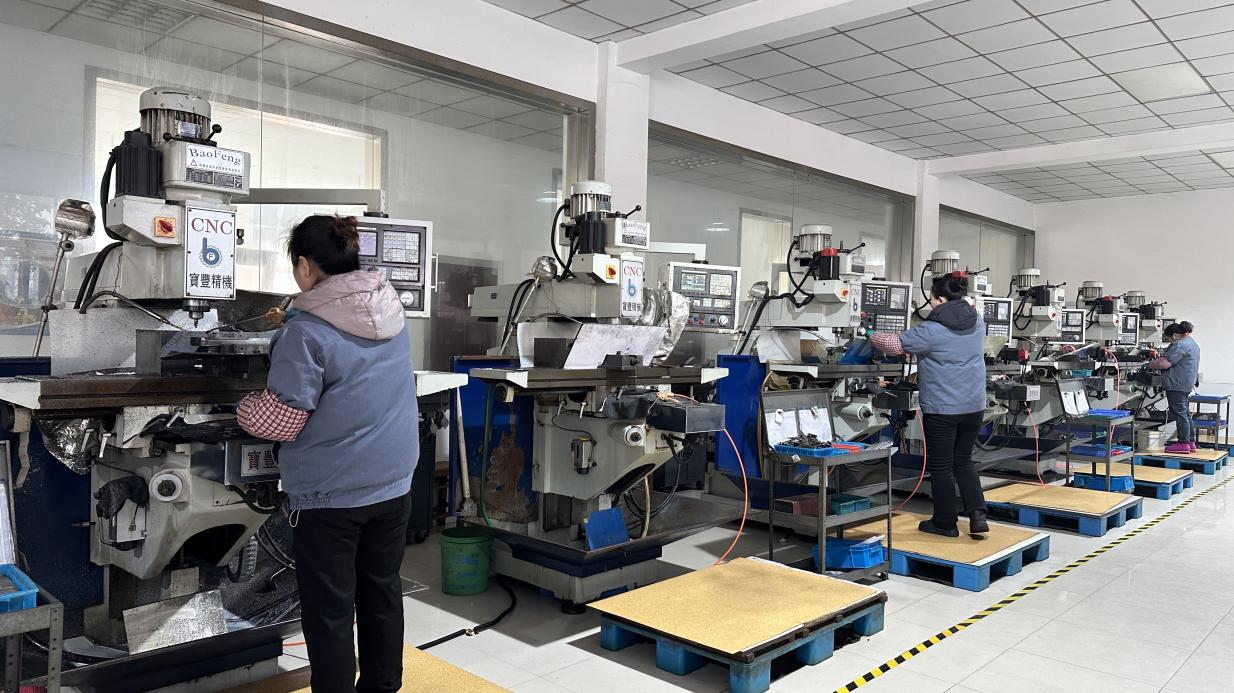
Modern Chinese manufacturing platforms combine state-of-the-art CNC Swiss-machining, ISO 13485-certified Cleanroom processing, and cost-efficient scaling. Sourcing directors gain full supply chain predictability, robust CE-marked designs, and significant margins without sacrificing clinical reliability.
Medisplint Orthopedic Instruments Co., Ltd. stands as a premier global OEM/ODM manufacturer specializing in orthopedic implants, fixation systems, and high-precision surgical instruments. Since our founding in 2016, we have expanded our capacity to deliver clinical-grade orthopedic components to international hospitals, medical distributors, and surgical centers.
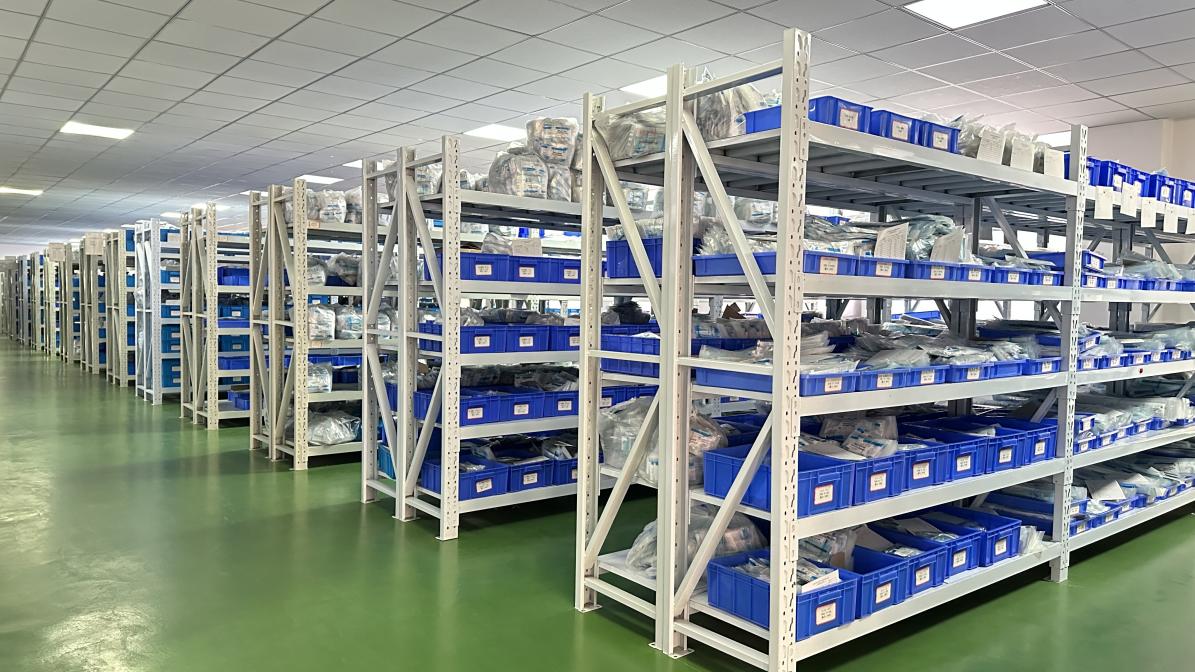
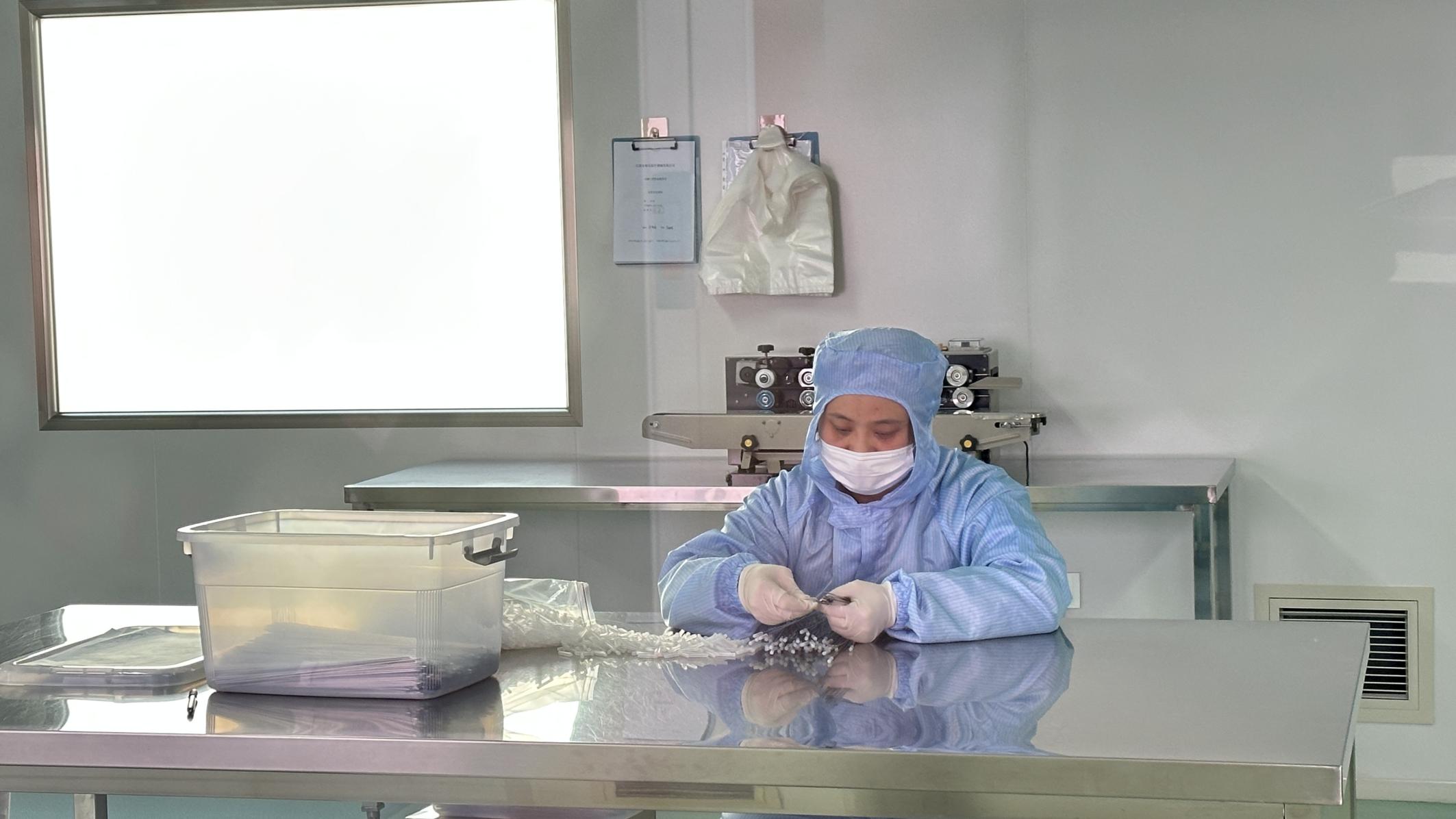
Operating from our state-of-the-art 18,500㎡ facility, Medisplint integrates advanced manufacturing, R&D testing, cleanroom assembly, and rigorous multi-stage quality control. Under ISO 13485 certification, our dedicated R&D engineering group continuously pushes the limits of biomechanical safety.
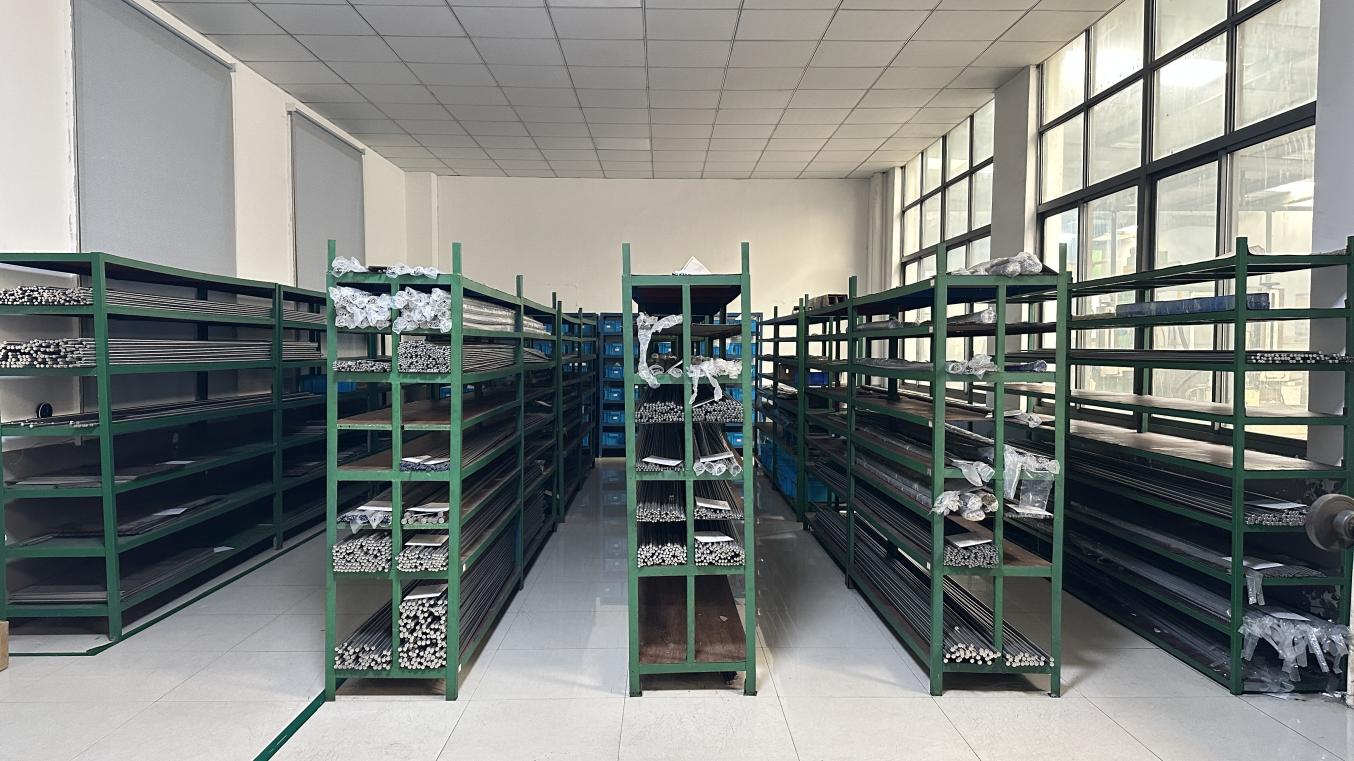
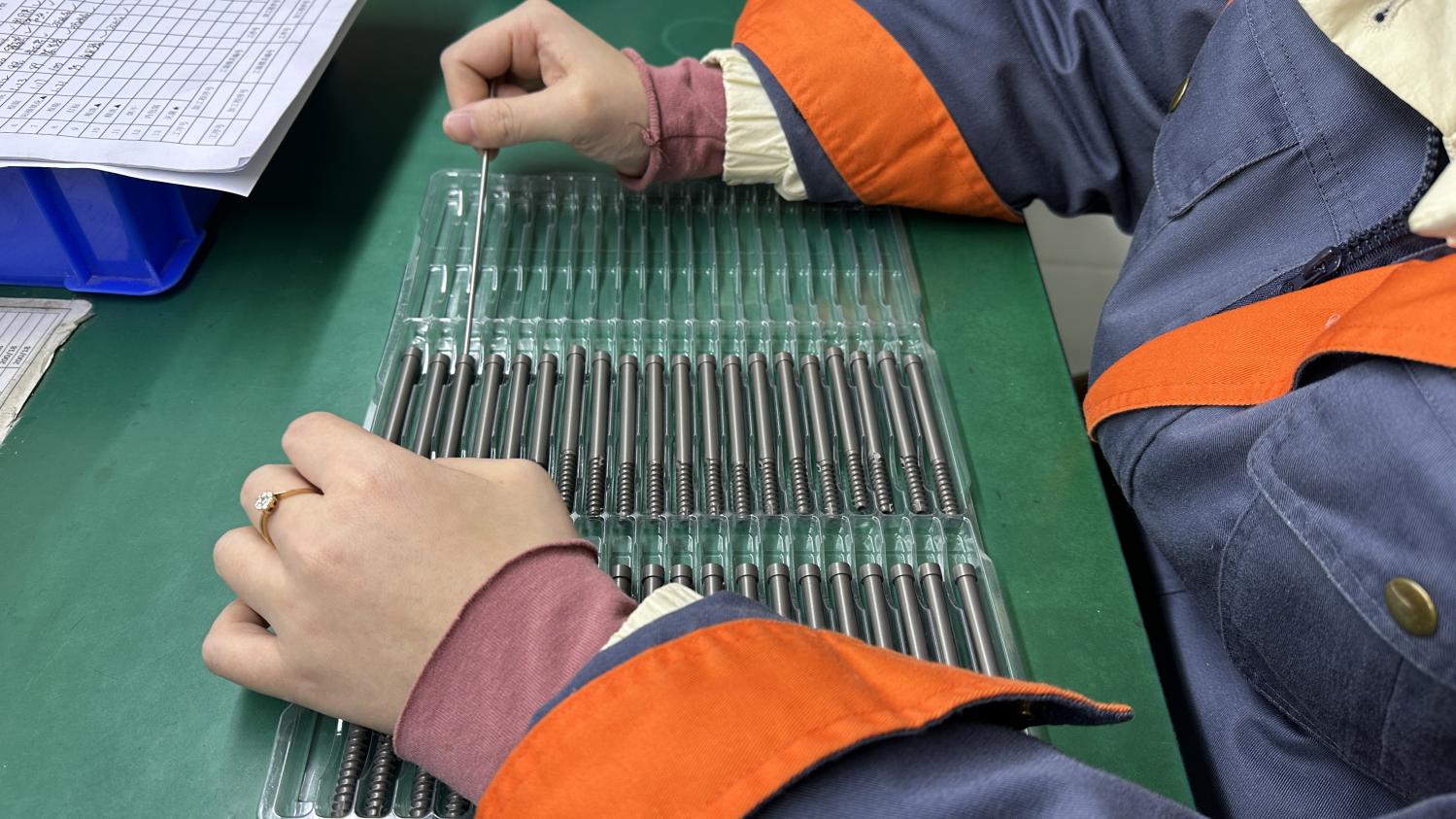
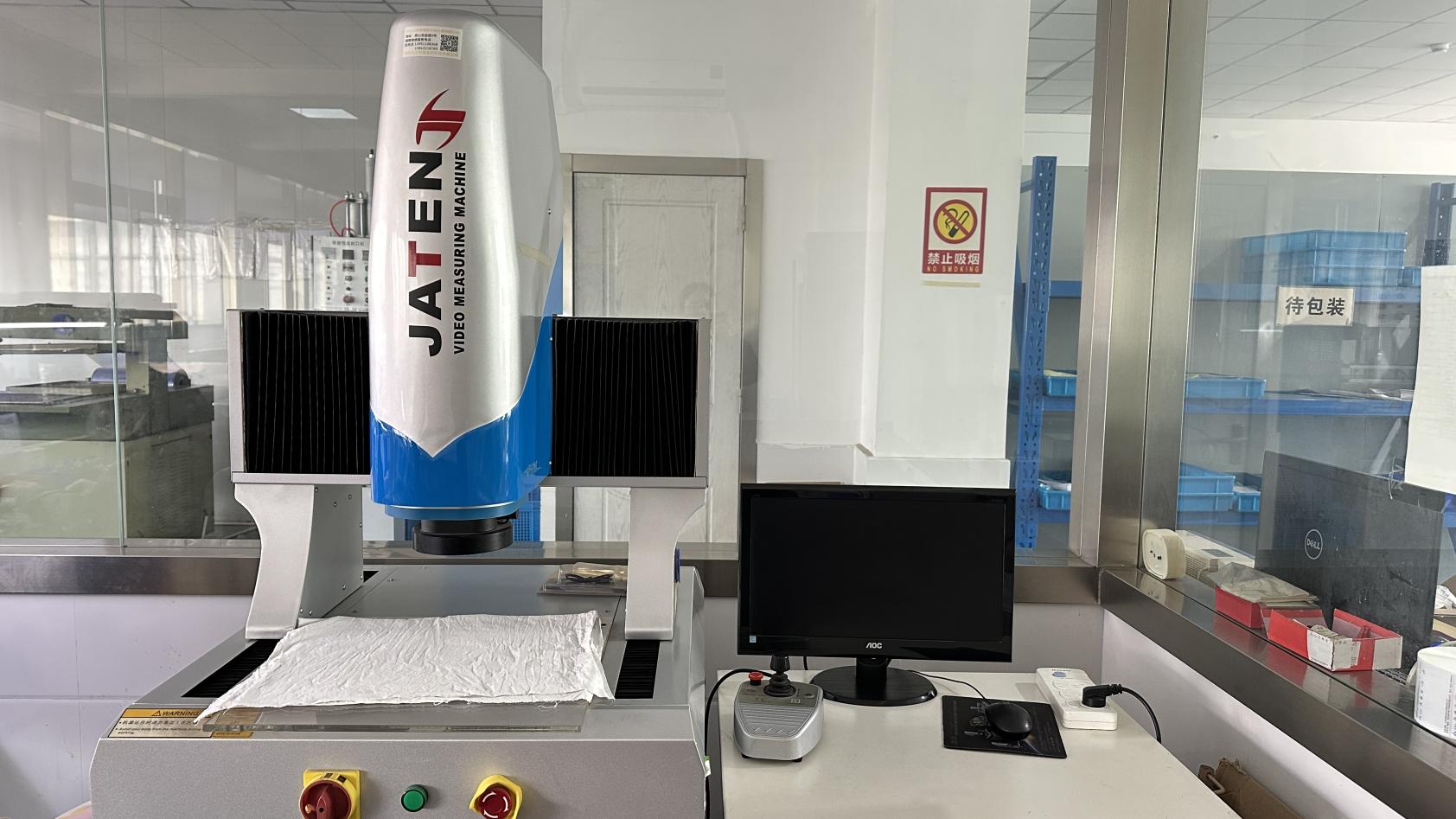
Continuous investment in multi-axis milling, precision wire cutting, and laser marking guarantees sub-micron precision for complex interbody locking mechanisms.
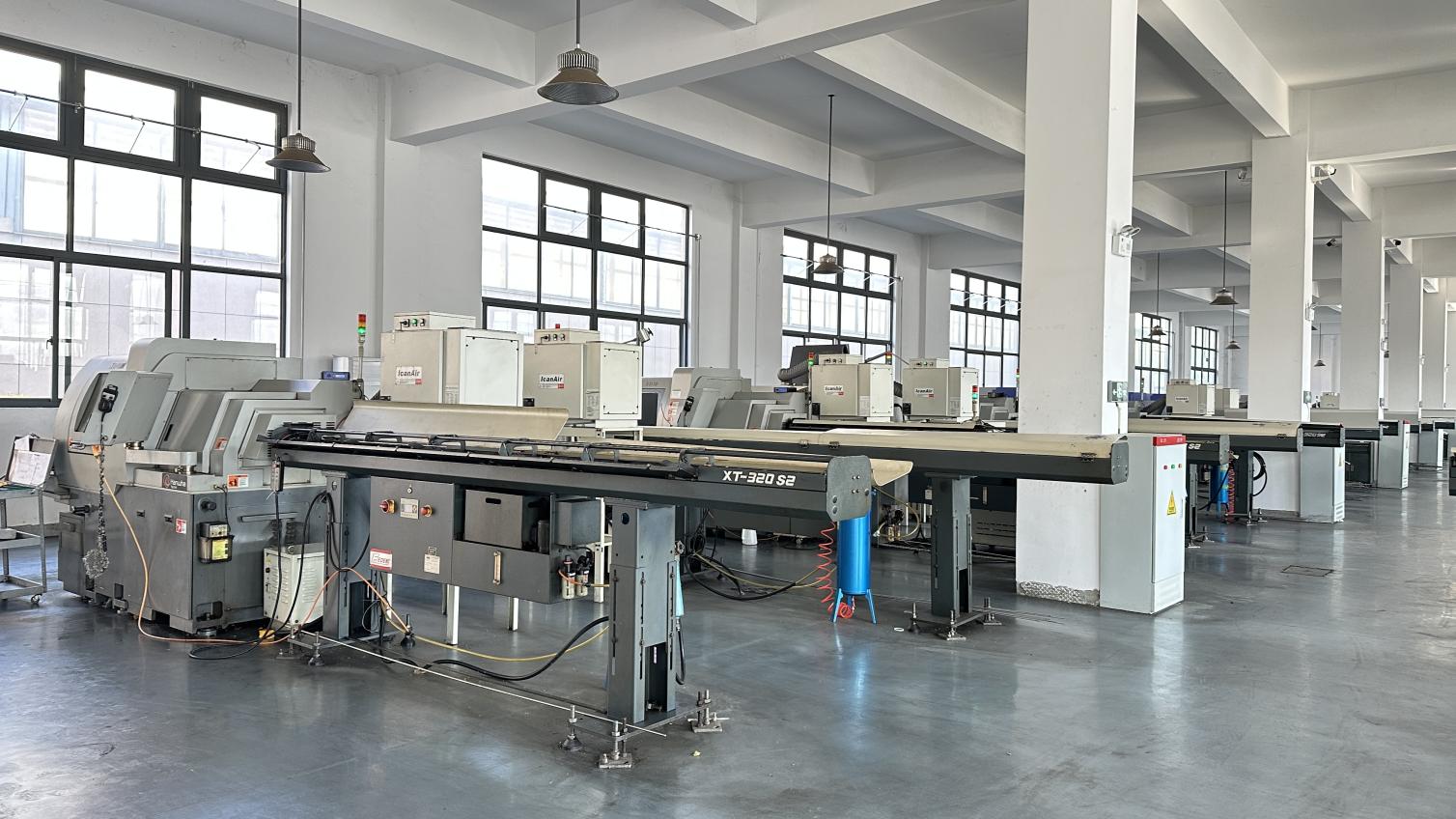
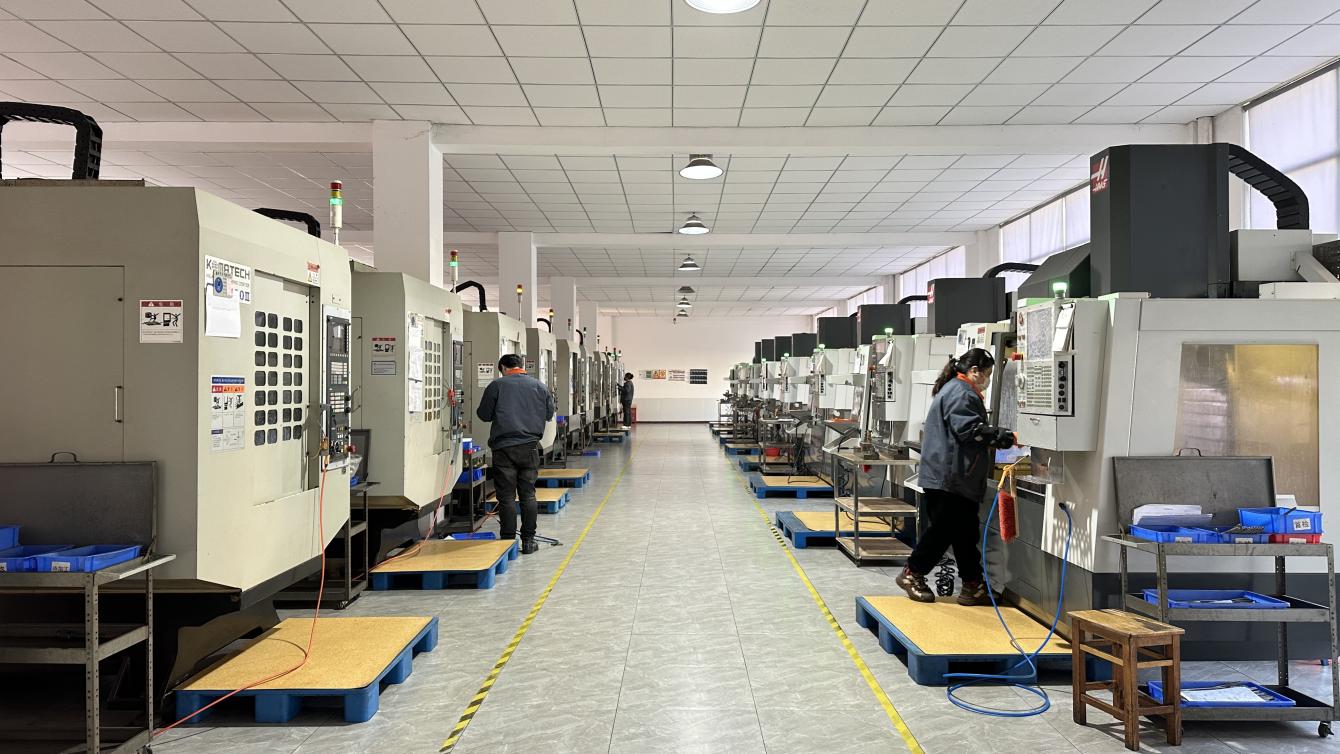
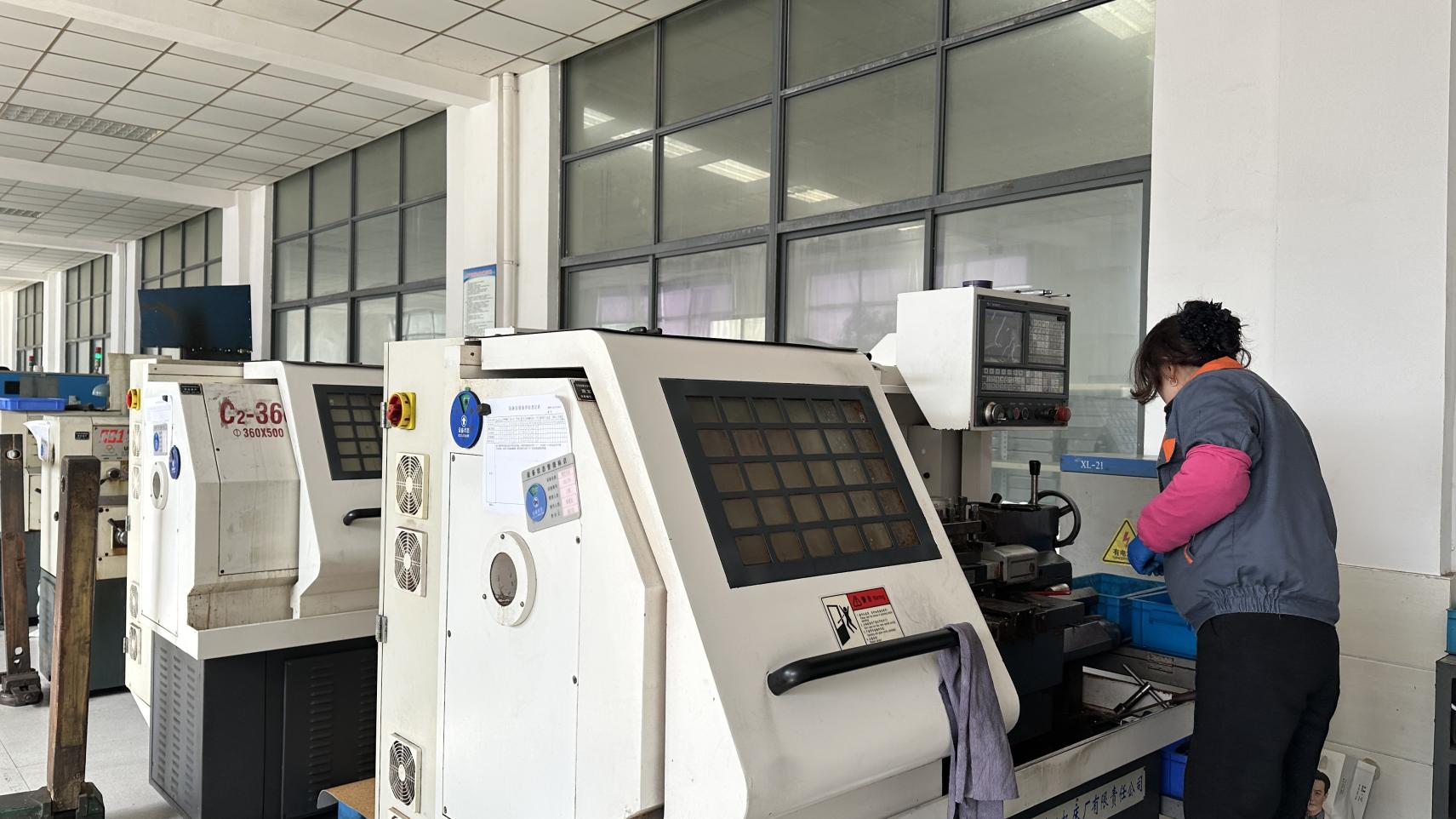
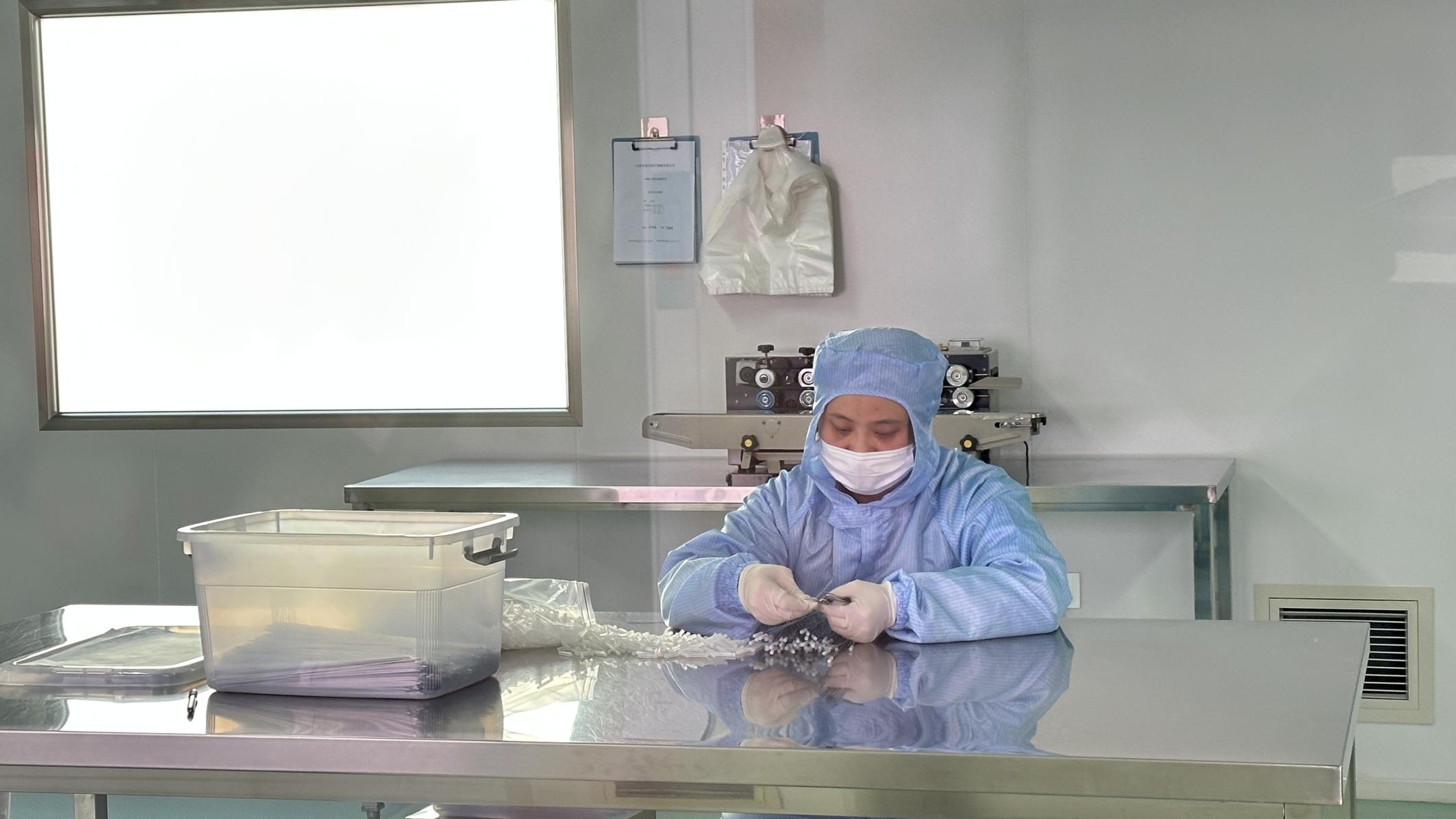
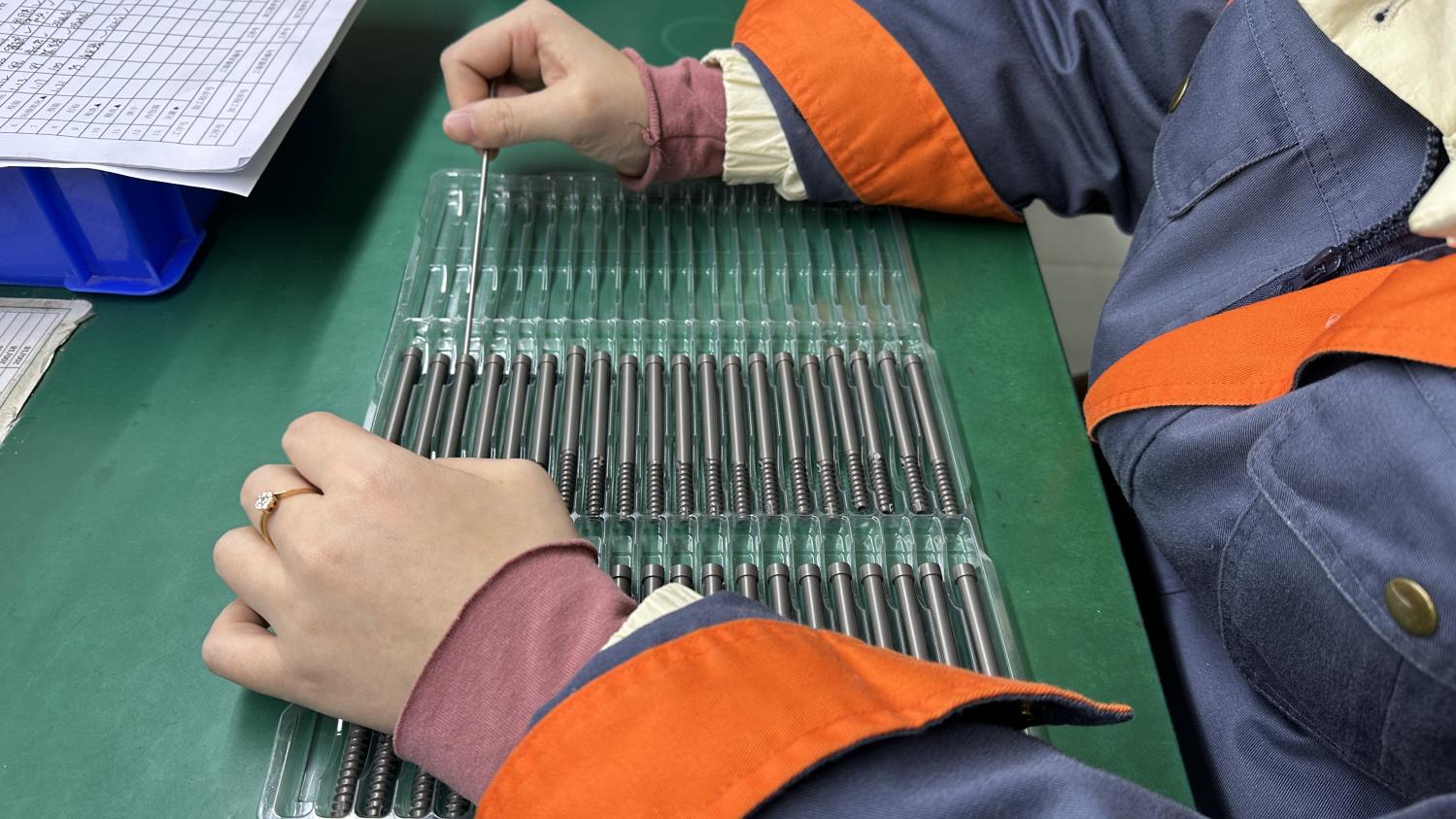
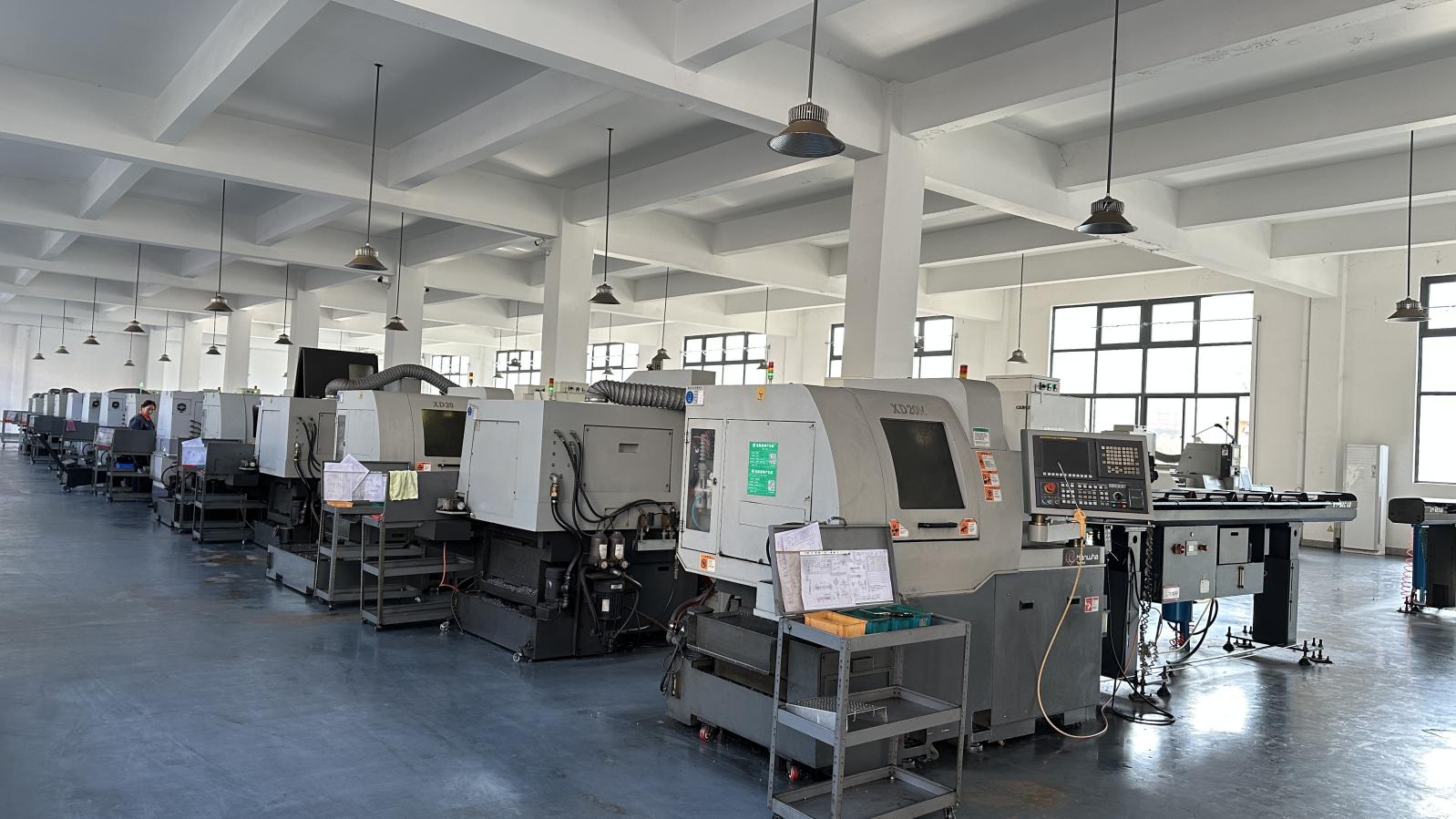
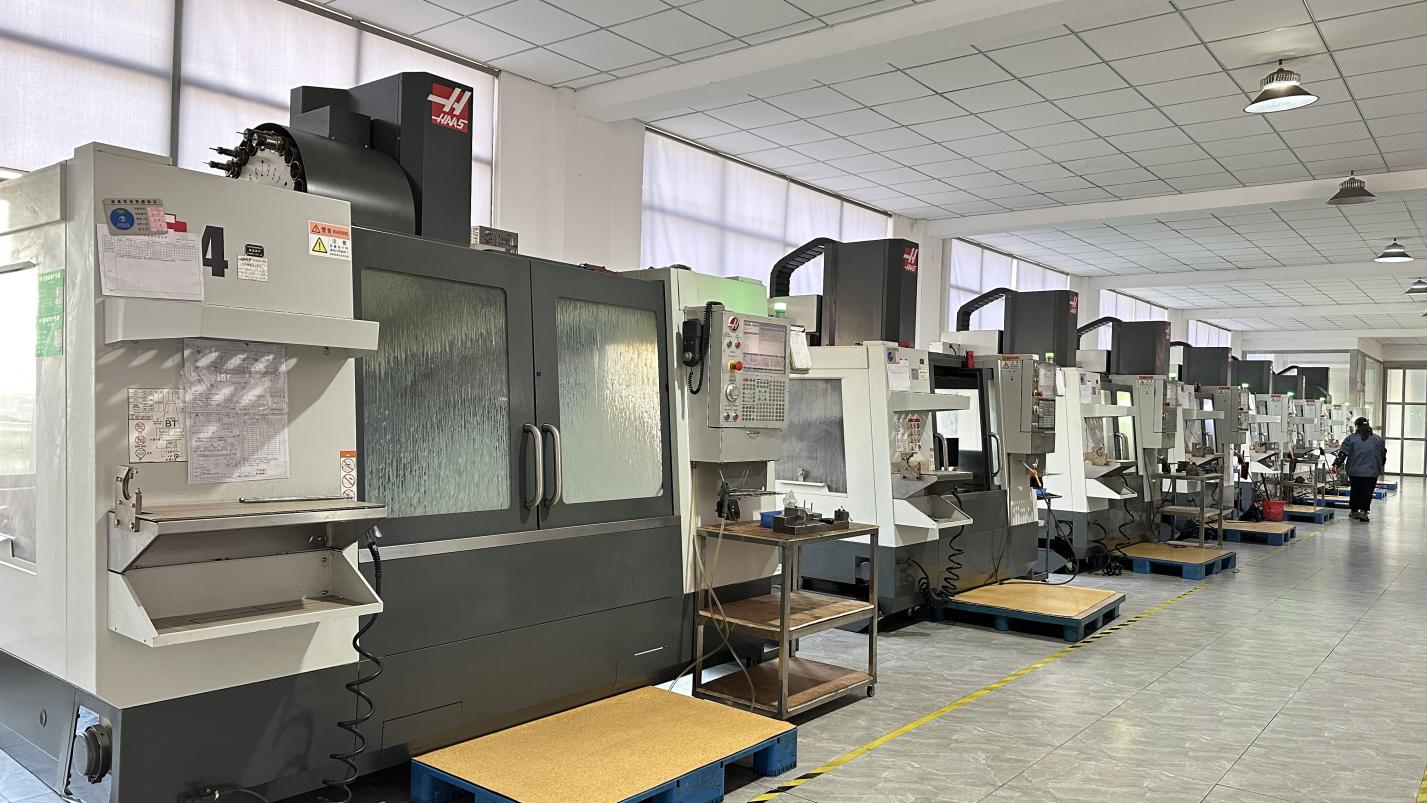
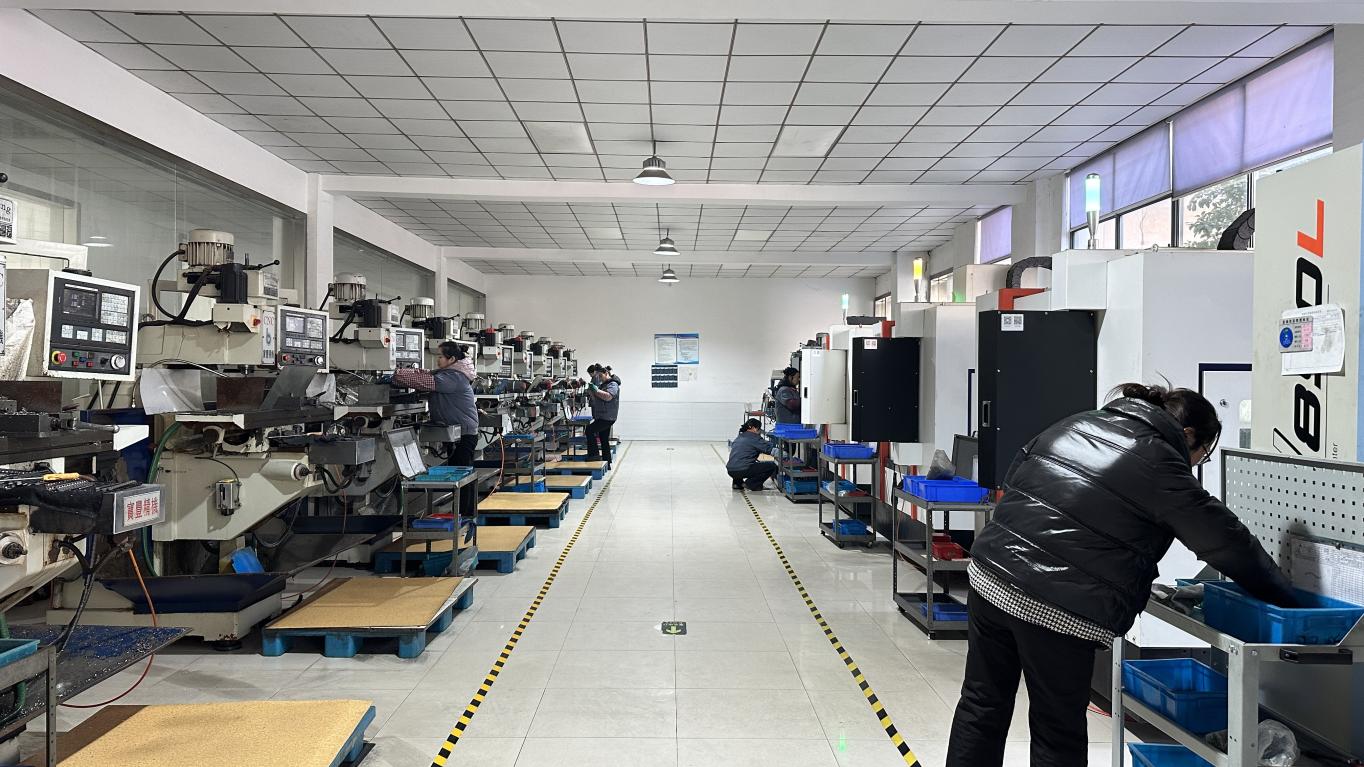
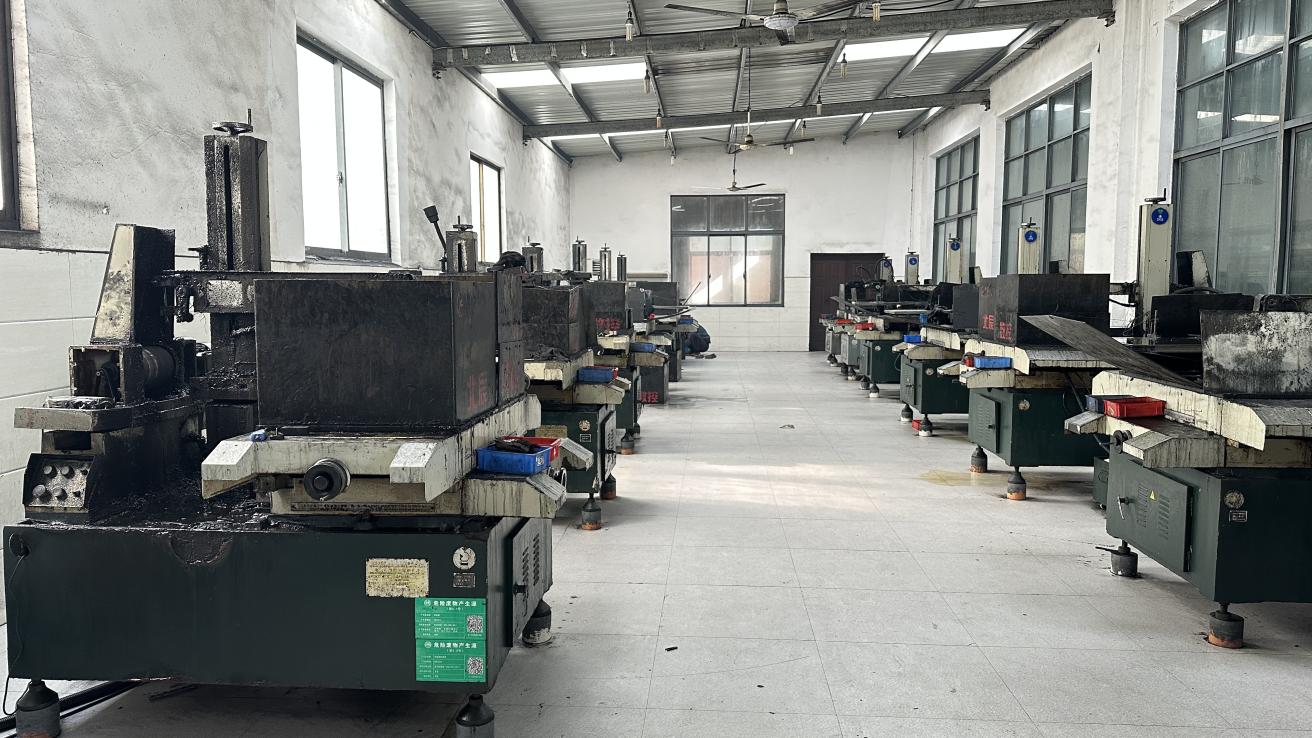
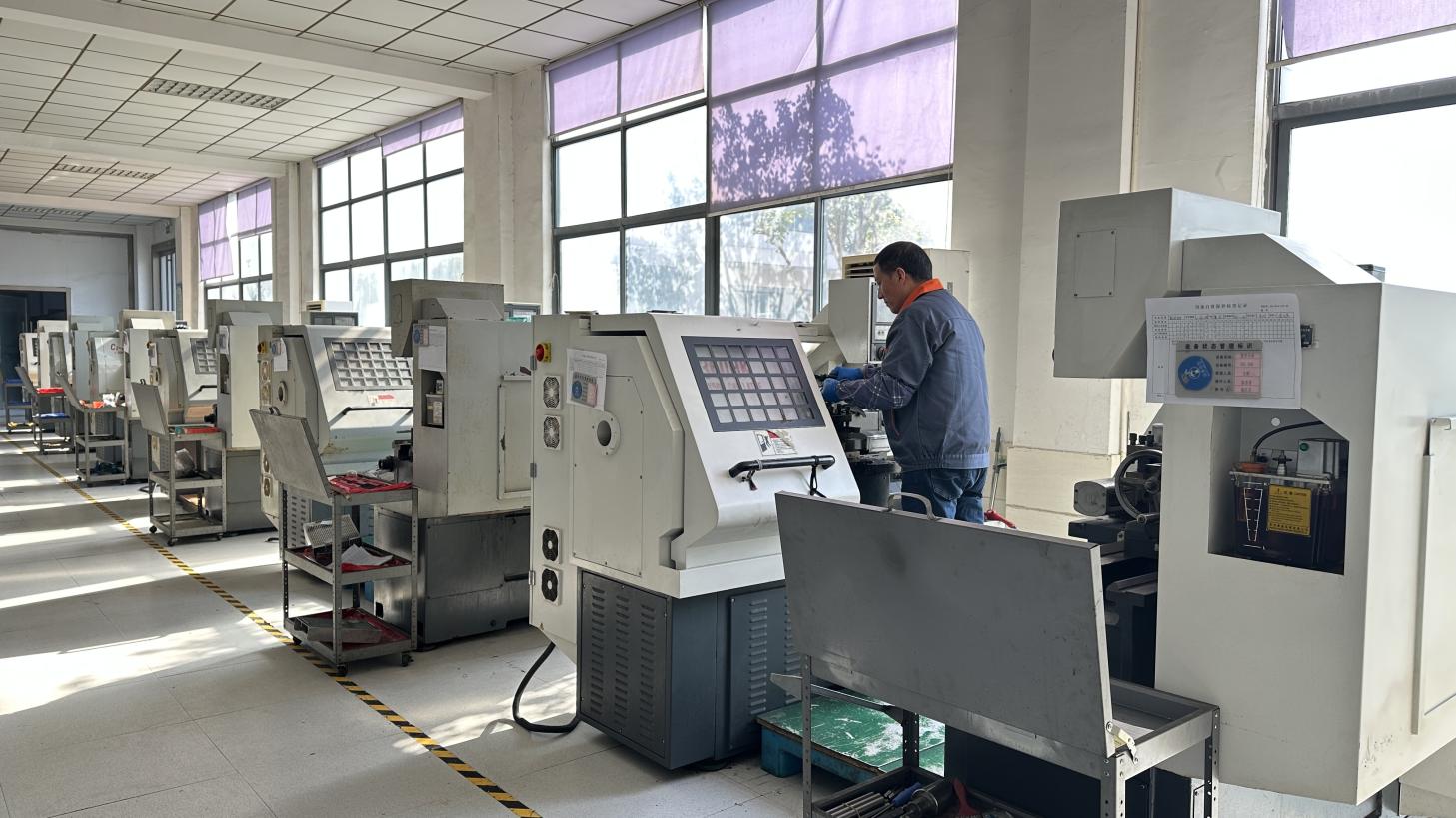
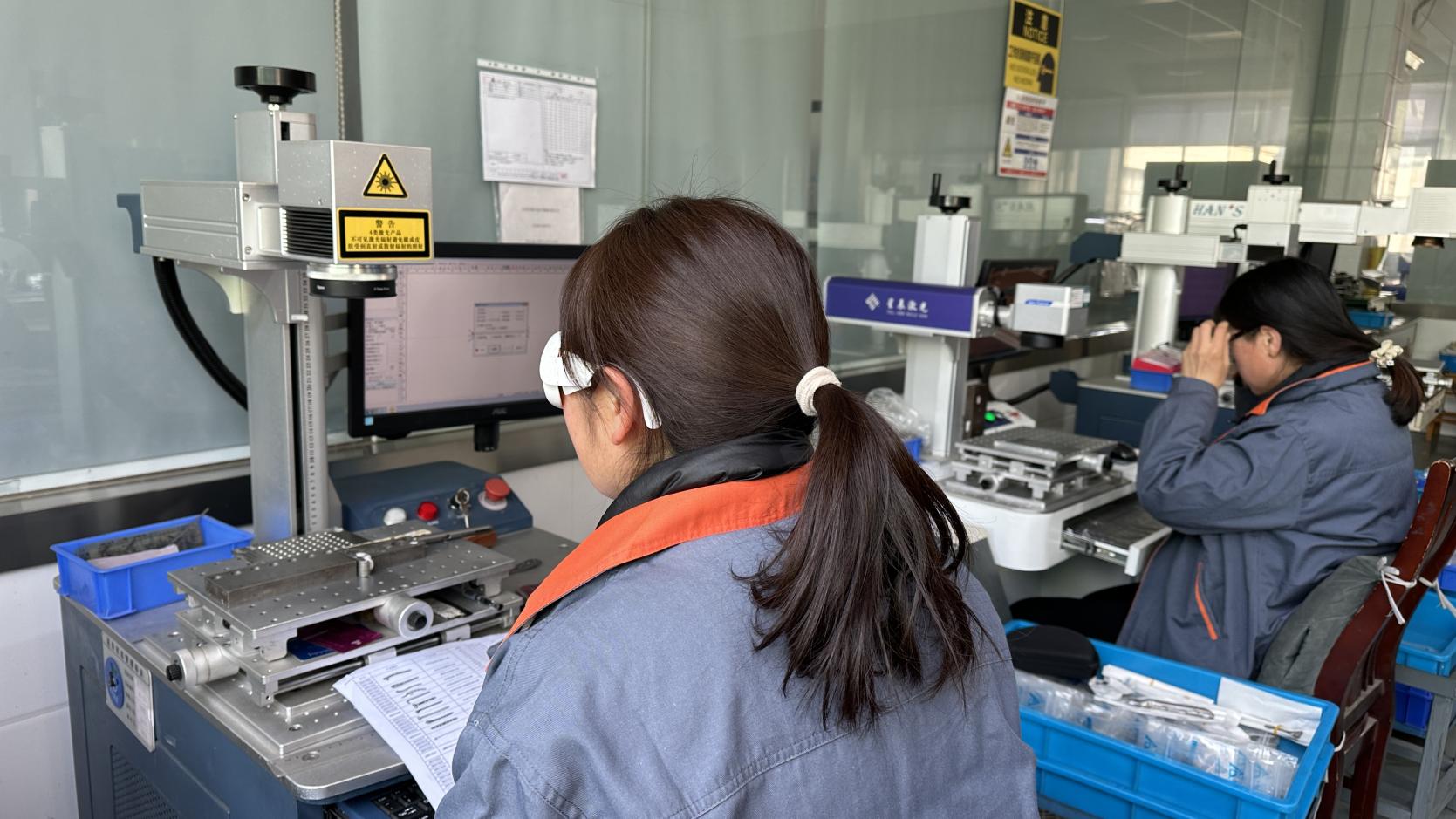
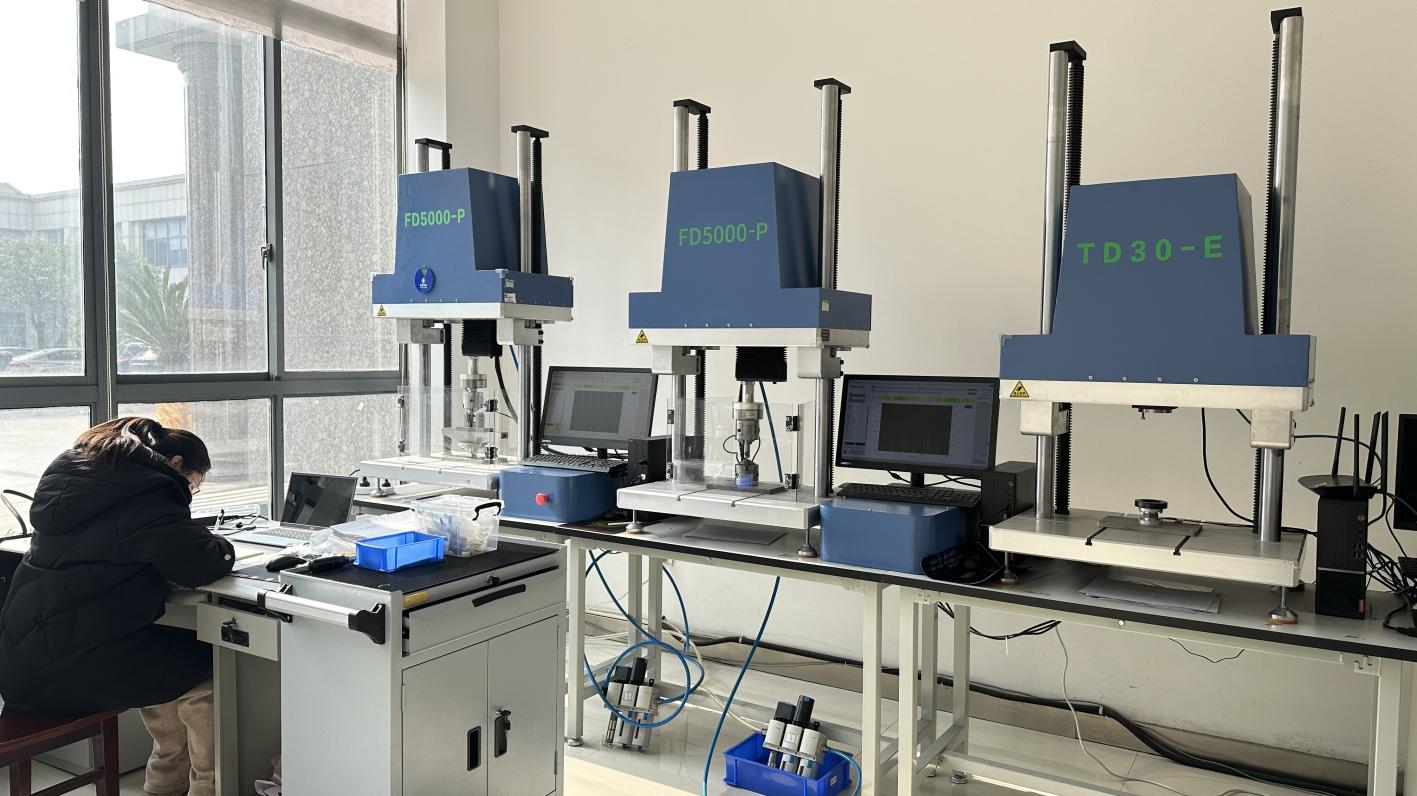
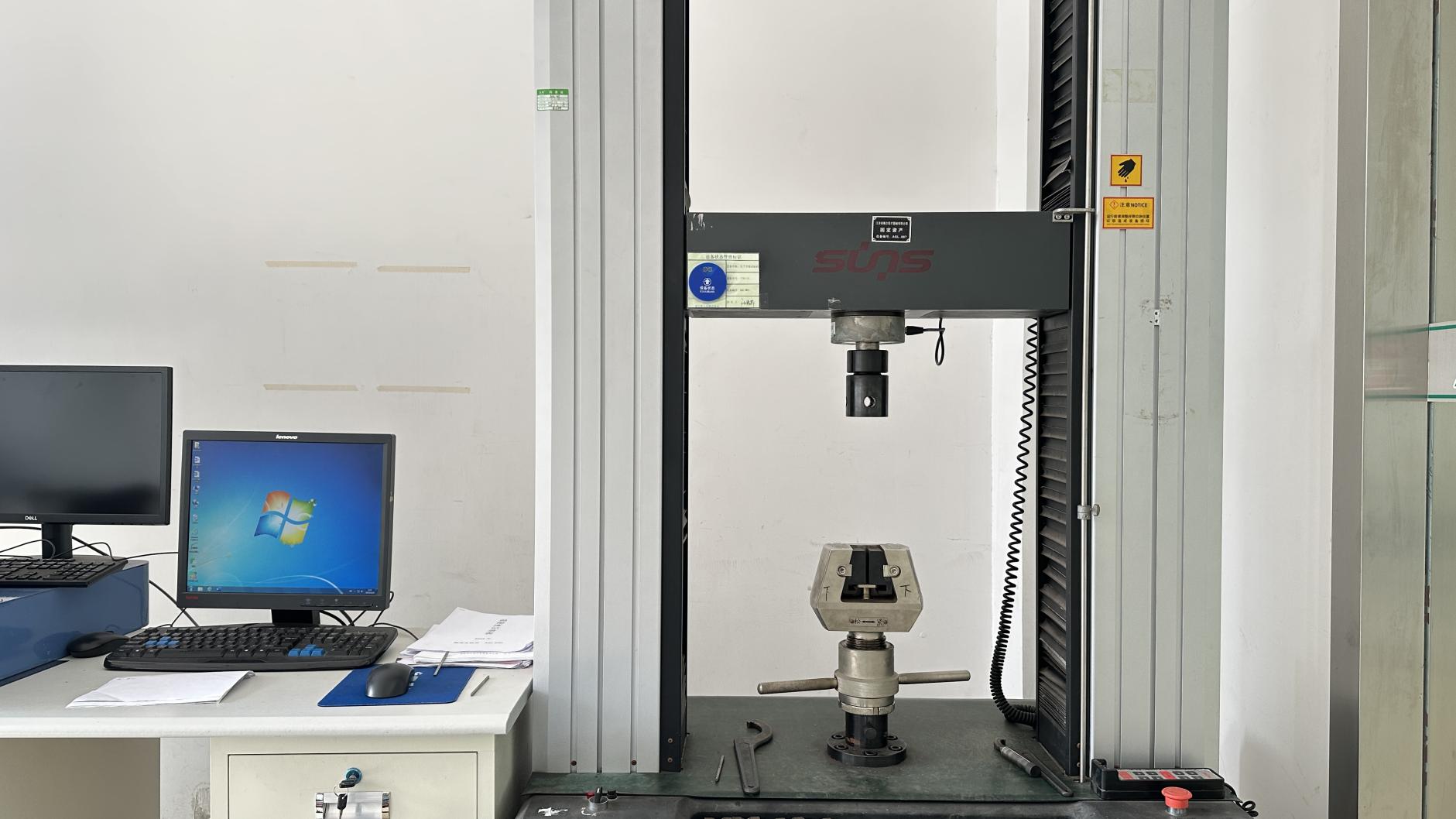
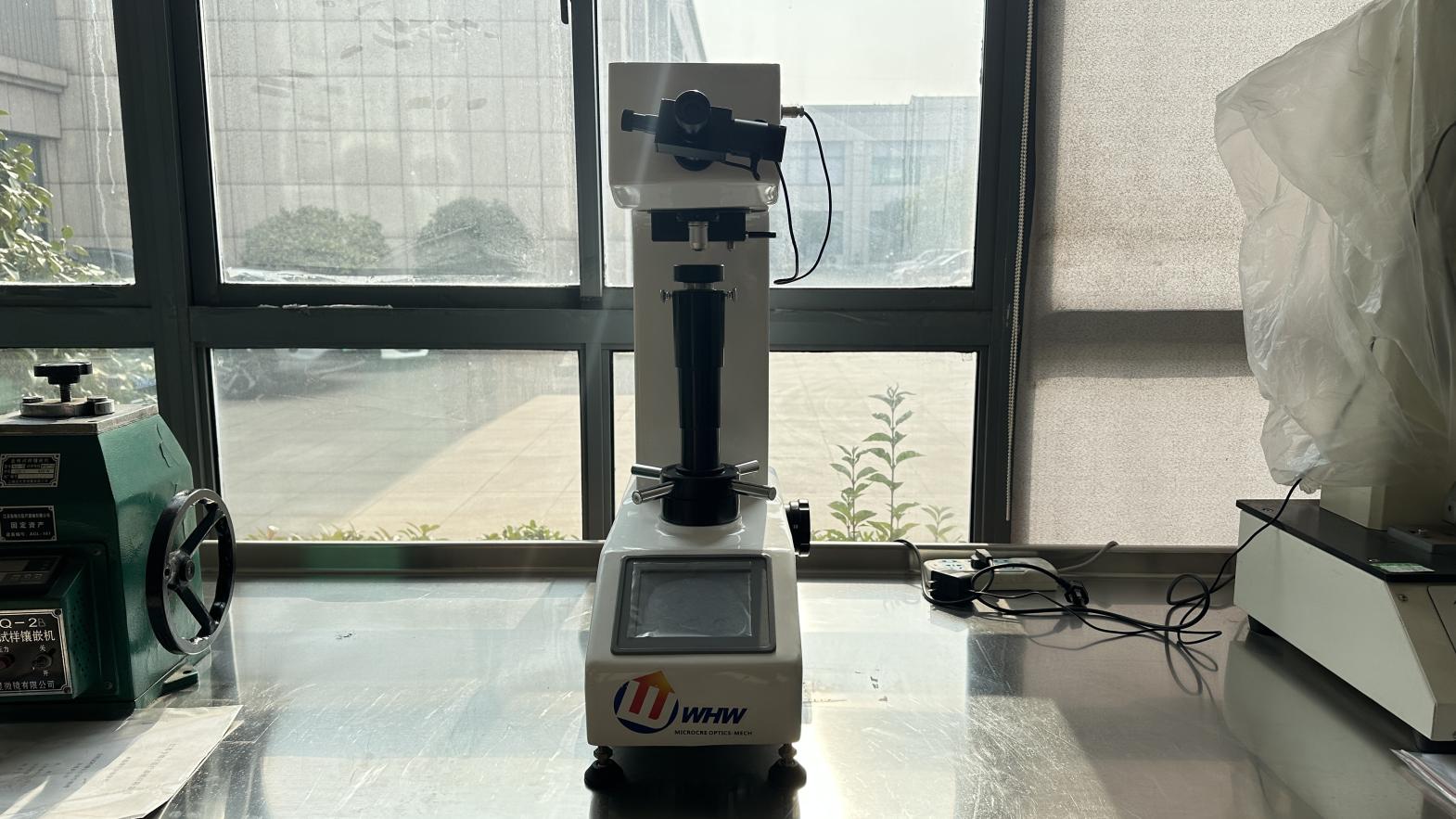
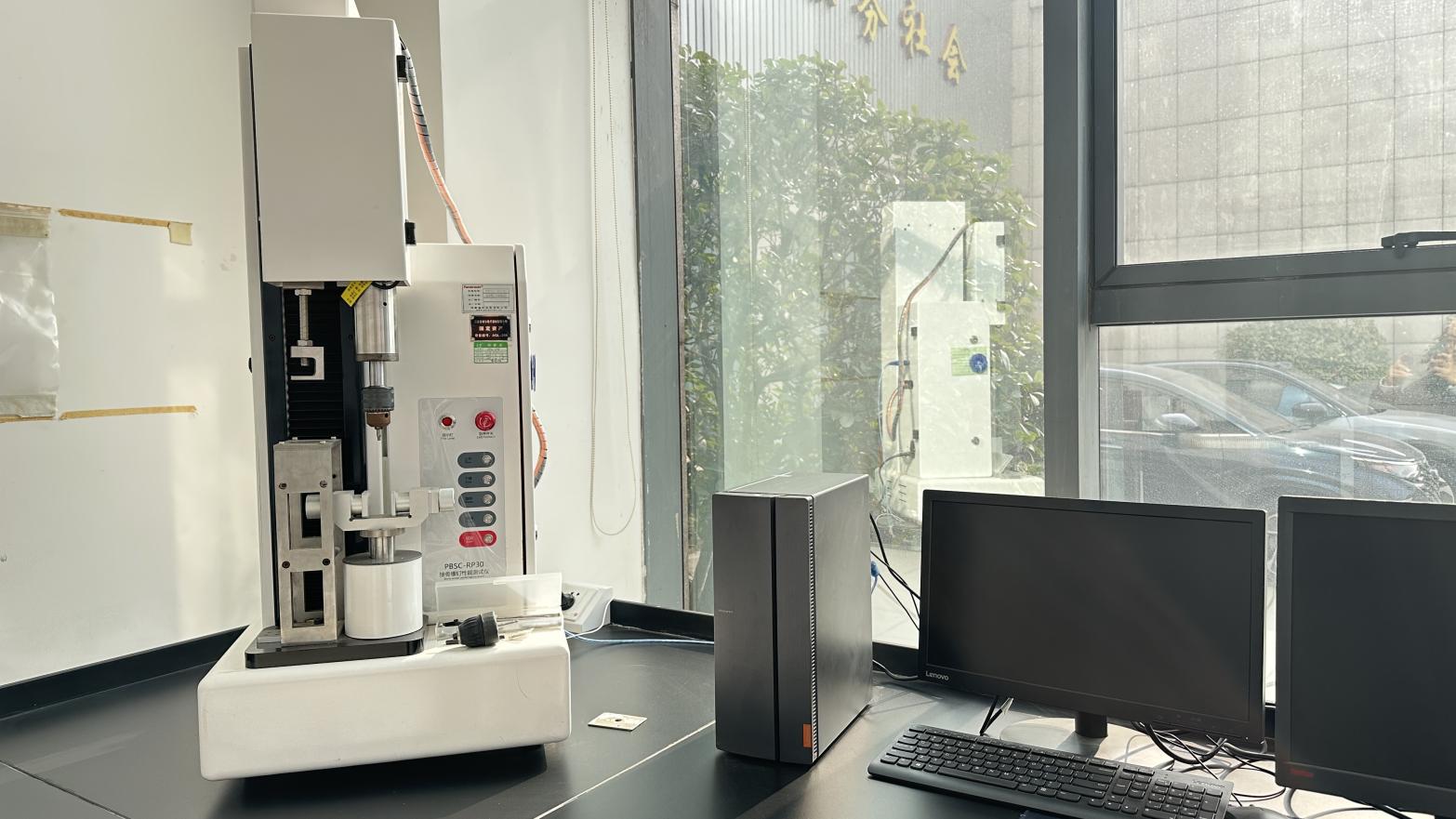
Every production run of expandable cages and surgical systems undergoes severe stress, fatigue, and structural load evaluations.
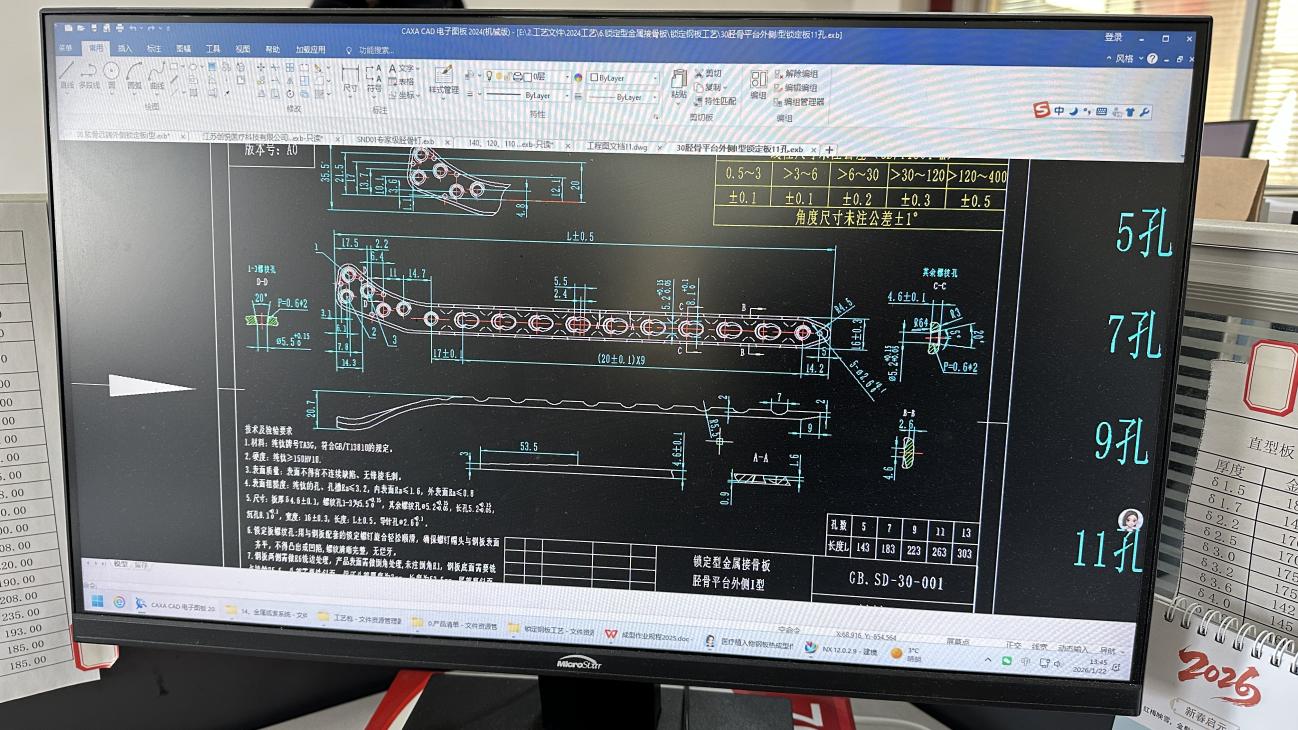

Exploring the biomechanical developments shaping the future of spinal reconstruction and interbody hardware.
Integration of osteoconductive 3D-printed titanium endplates with load-sharing PEEK bodies. This hybrid design mimics natural bone density while preventing stress shielding.
Development of interbody cages that permit independent sagittal and coronal correction post-insertion, allowing surgeons to match the patient's natural spinal curvature precisely.
Advanced acid-etching and porous structures configured at the nanometer level to accelerate direct bone growth and cellular attachment, accelerating healing times.
Navigating complex international medical import systems through strict compliance and localized support.
Our facility operates in compliance with international quality management standards, including ISO 13485, and holds full CE certifications. Sourcing teams can access complete technical documentation (Technical Files) and validation records (including biocompatibility and fatigue testing reports) to support localized registration processes (such as FDA 510k filings or MDR transitions in Europe).
To support unique distribution requirements and specialized surgical practices, we provide comprehensive white-label production, custom instrumentation kits, and modified cage dimensions. Sourcing partners can work directly with our engineering team to design, protoype, and validate proprietary orthopedic configurations.
| Annual Export Value | ~$12 Million USD |
| Core Markets Served | Europe, Southeast Asia, Middle East, South America |
| Engineering Releases | 68 New Products Launched Annually |
| Supply Chain Partners | Over 1,200 Active Collaborators |
| Sterilization Compatibility | Autoclavable or Gamma Irradiated Options |
Answers to critical design, regulatory, and quality control questions for orthopedic sourcing teams.
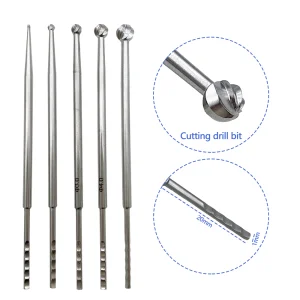
Explore our wider surgical instrumentation systems, reamers, and spinal hardware configurations.