Medisplint
Medisplint
Medisplint
Engineered to strict clinical tolerances and certified for demanding reconstructive protocols worldwide.
Transitioning from metallic hardware to bioresorbable polymers represents a monumental leap in patient care, elimination of secondary surgeries, and physiological healing integration.
Modern bioabsorbable suture anchors leverage composite materials such as Poly-L-Lactic Acid (PLLA), Poly-D-L-Lactic Acid (PLDLA), and osteoconductive Tricalcium Phosphate (β-TCP). These materials match the healing rate of human soft tissues, transitioning load smoothly to natural bone without leaving permanent foreign matter.
By blending biopolymers with osteoconductive ceramics like Hydroxyapatite (HA) and Tricalcium Phosphate (TCP), our anchors do not just degrade—they actively encourage bony ingrowth (osteointegration), minimizing the risk of postoperative osteolysis or anchor pull-out.
Our engineering design focuses heavily on high initial pull-out strength, robust torque resistance during insertion, and structural suture eyelet design. This ensures secure fixation of ligaments and tendons under dynamic physiological strain.
Established in 2016, Medisplint is a leading professional manufacturer specializing in orthopedic implants, fixation systems, and precision surgical instruments.
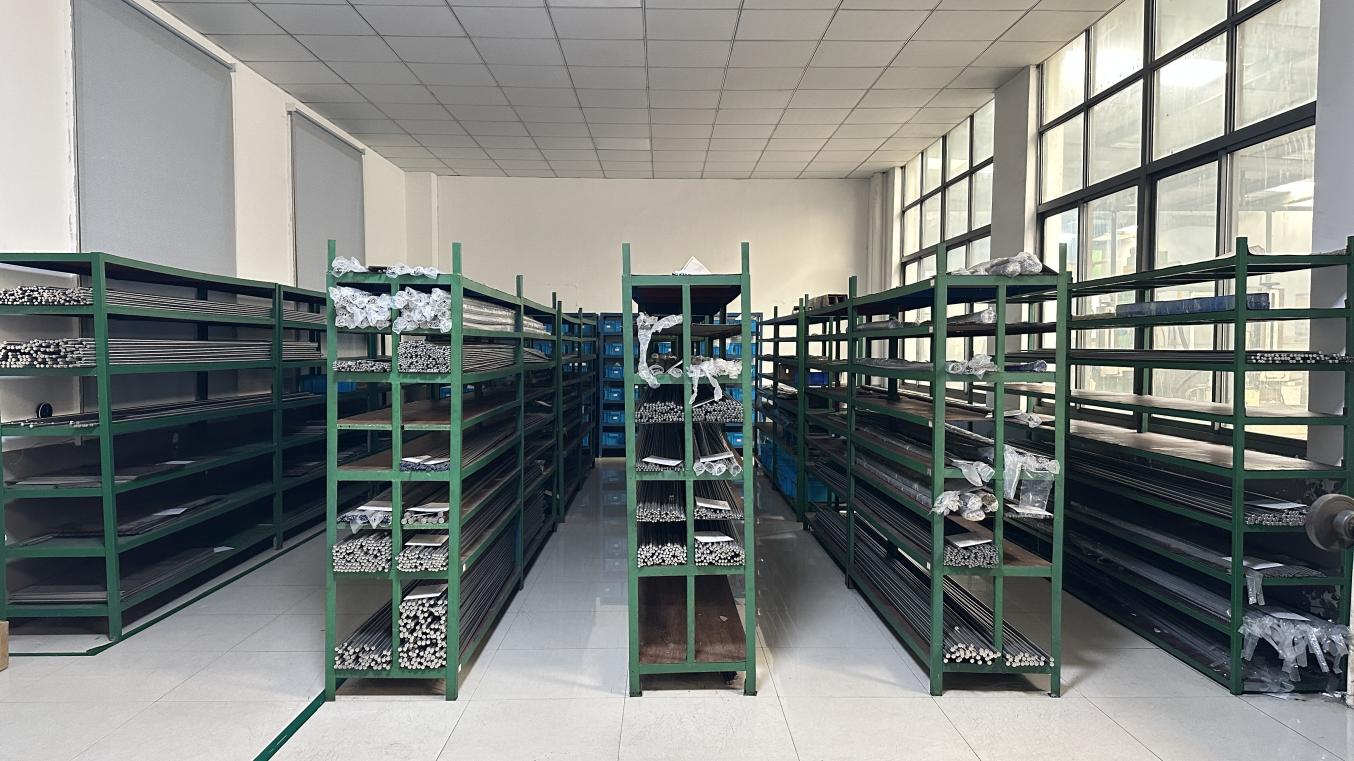
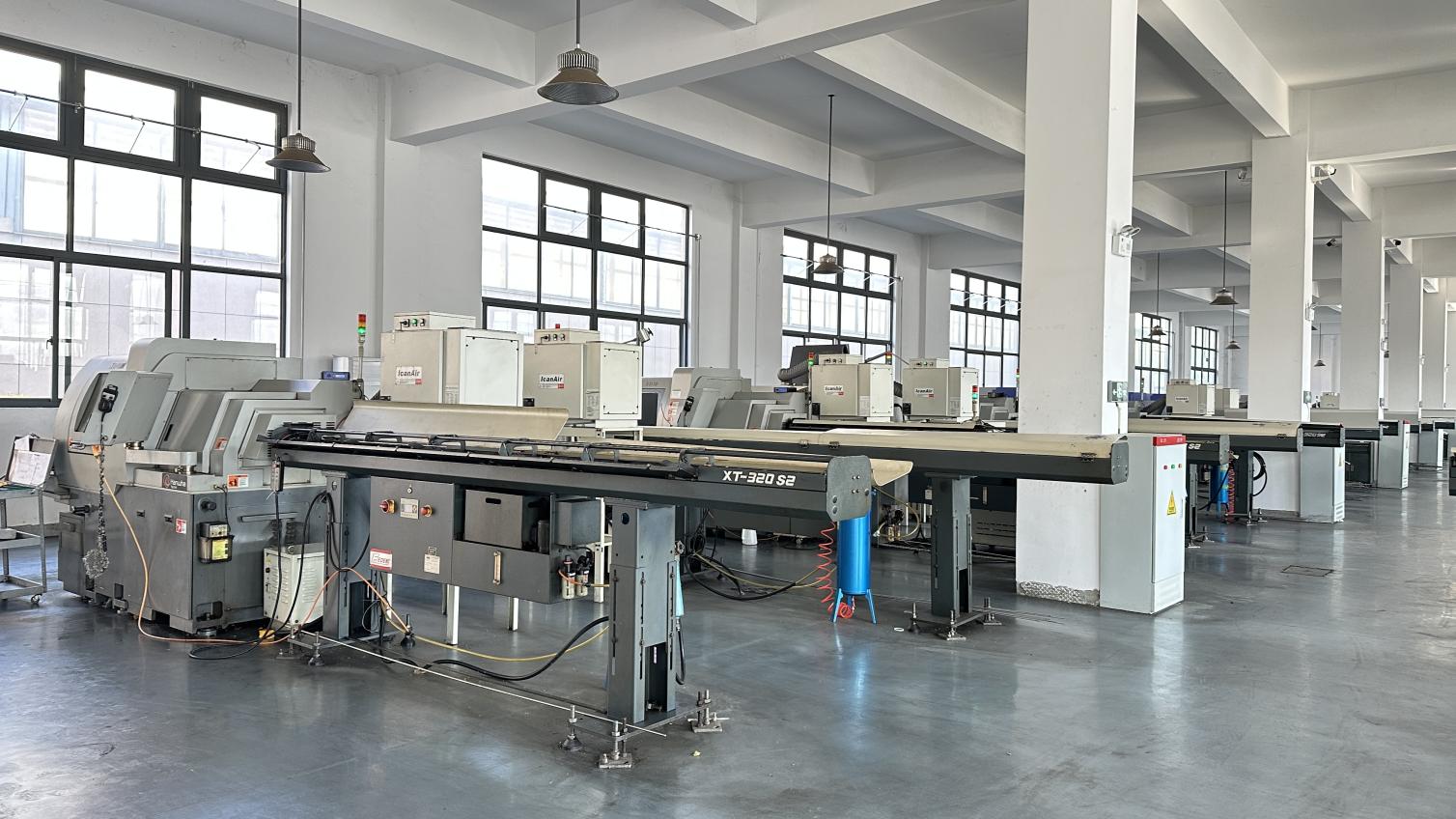
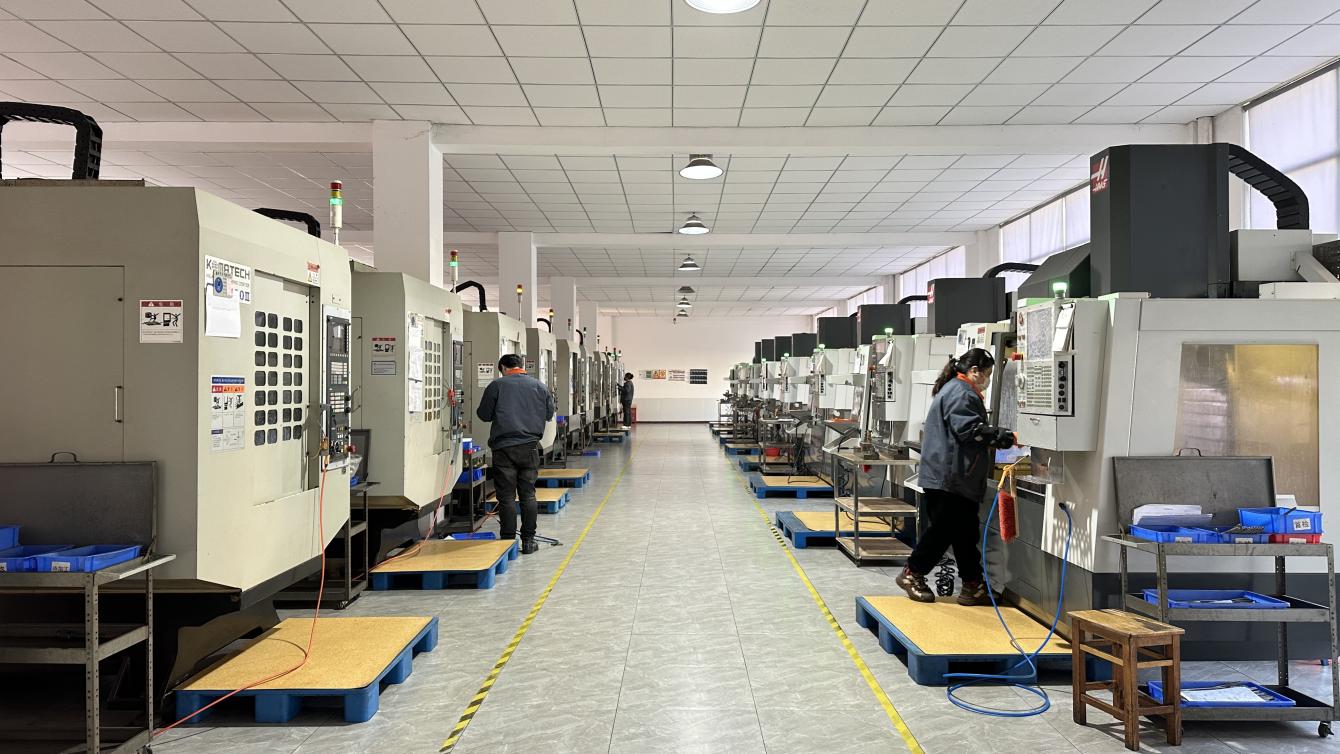
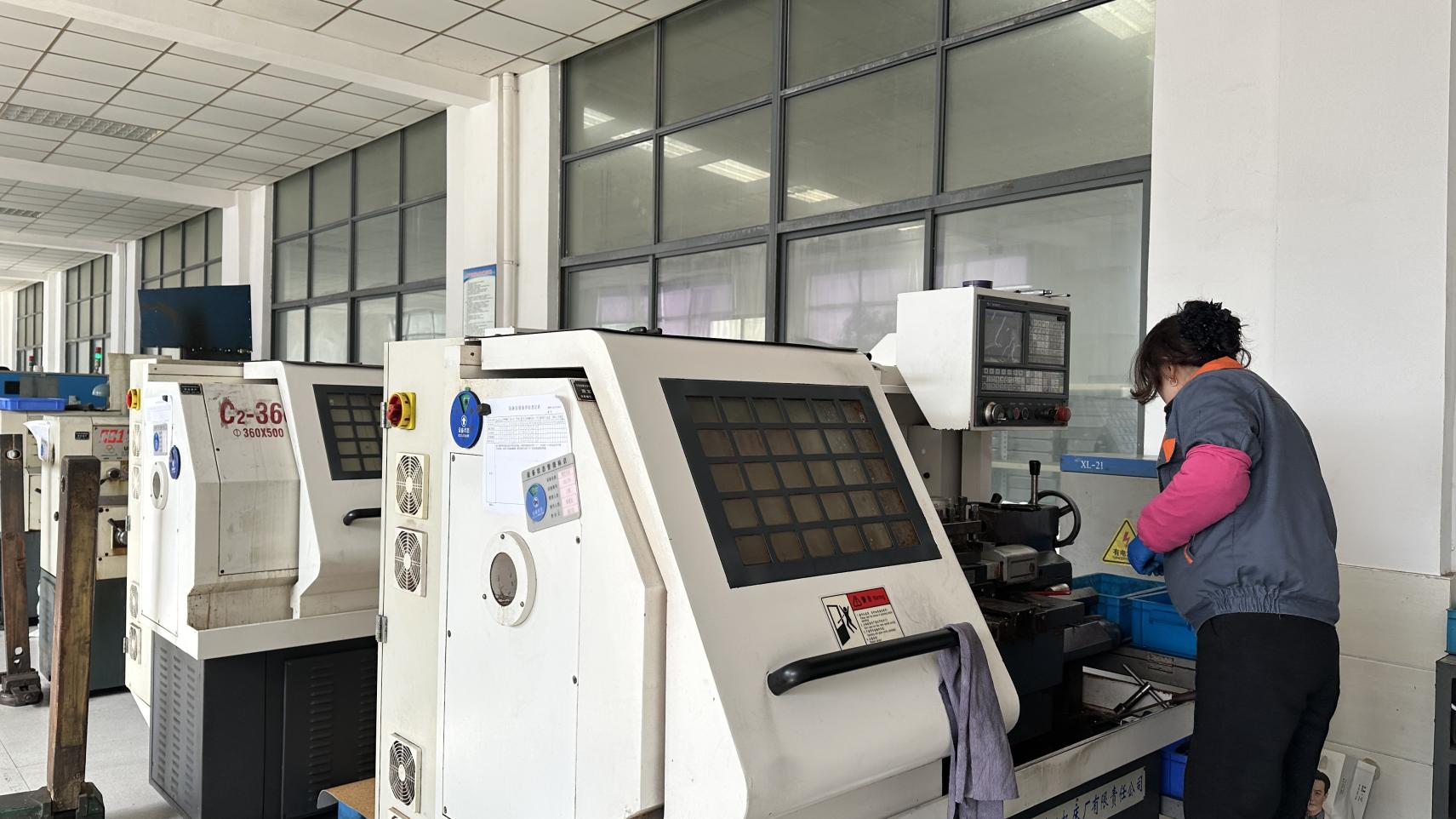
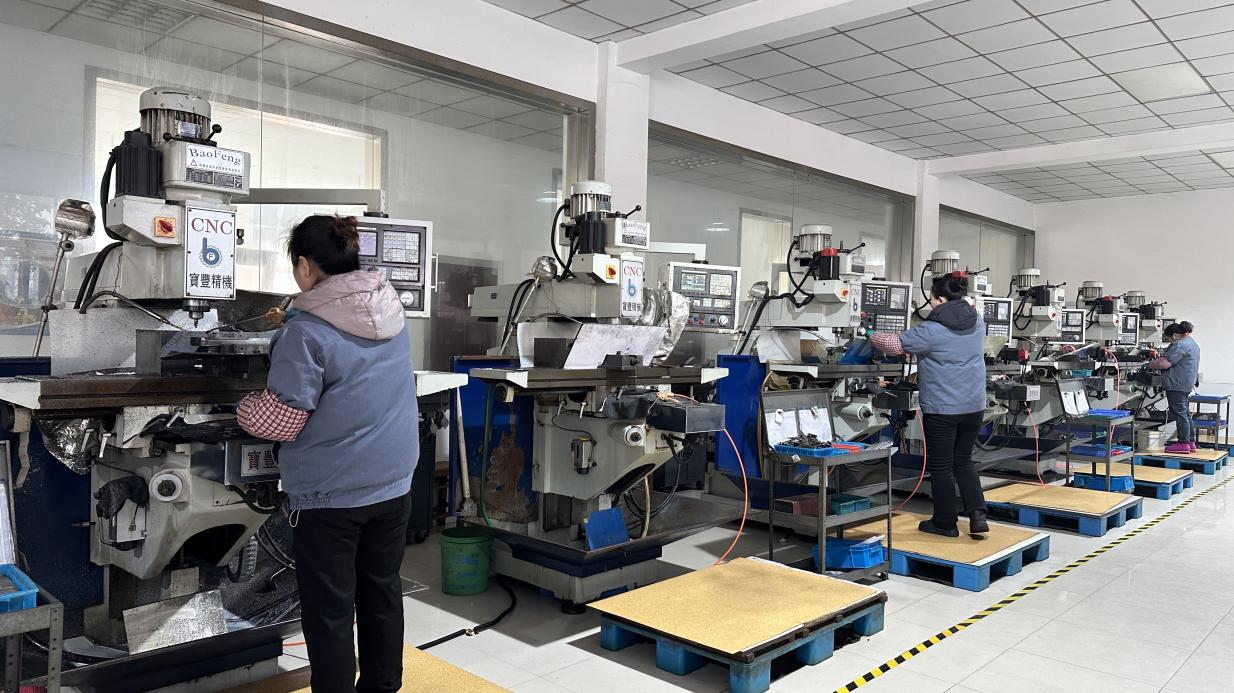
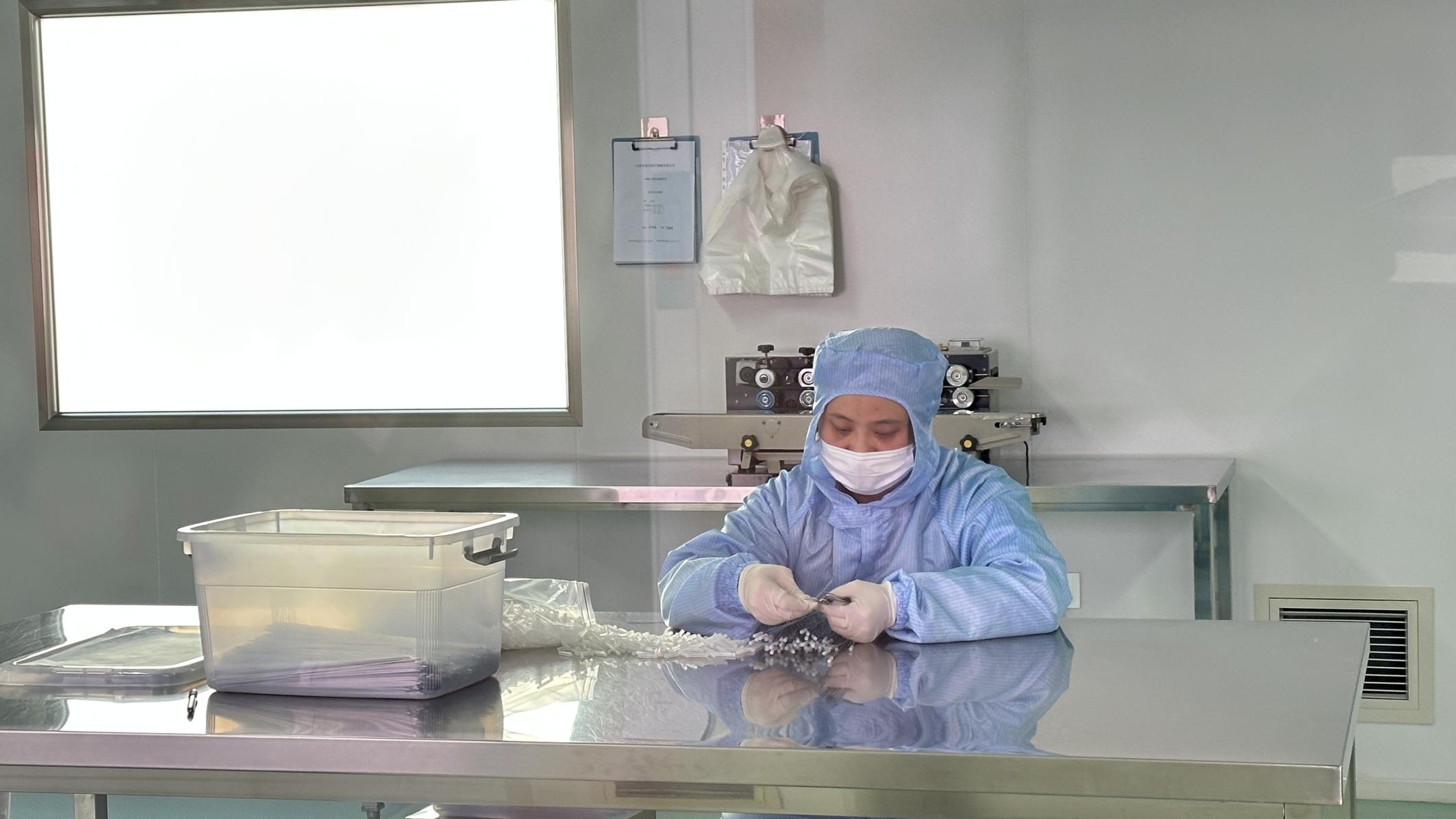
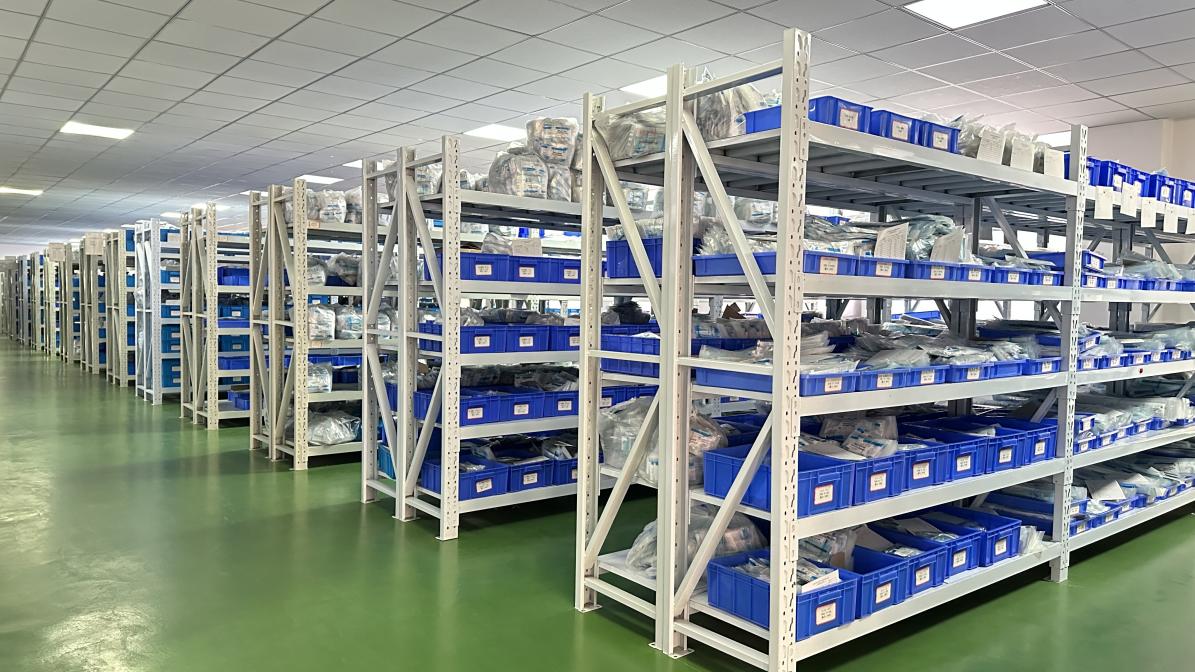
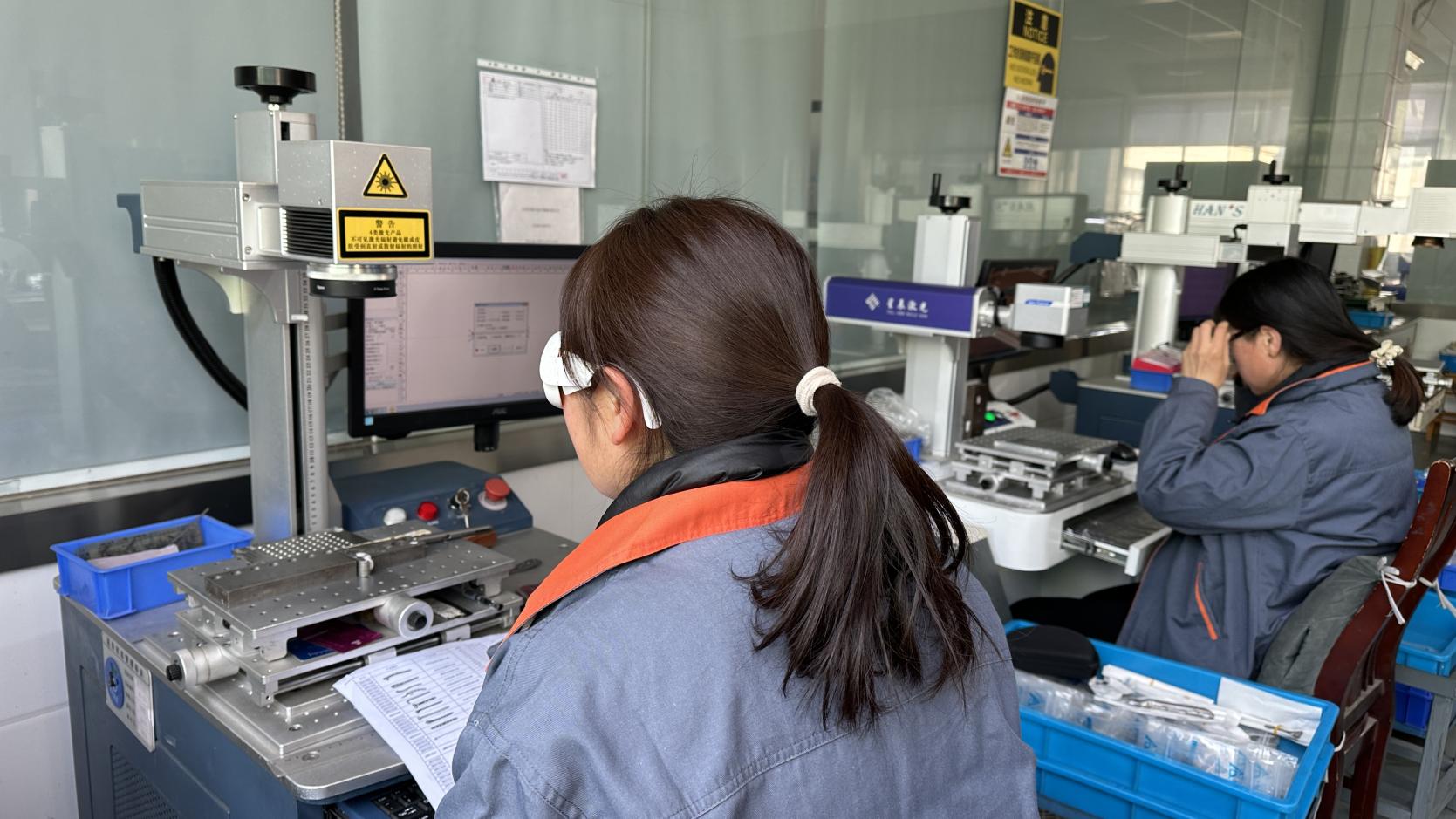
Spanning a state-of-the-art facility of over 18,500㎡, Medisplint operates integrated production lines designed for maximum raw material traceability, cleanroom packaging, and high-precision CNC machining. With an annual export volume reaching USD 12 million, we ship high-quality products to hospitals, surgical centers, and orthopedic distributors across Europe, Southeast Asia, the Middle East, and South America.
Driven by a powerhouse of 85 dedicated engineering and R&D specialists, we translate clinical feedback into tangible orthopedic solutions. In the past year alone, Medisplint introduced 68 new products to market. We support flexible OEM/ODM contracts, private labeling, customized mechanical adjustments, and custom packaging workflows, serving more than 1,200 global supply chain partners.
We adhere strictly to ISO 13485, CE directives, and Class III medical device standards, implementing multi-stage IPQC, FQC, and cleanroom packaging validation.

A deep dive into polymer compositions, mechanical degradation pathways, and clinical performance metrics.
| Material Family | Composition Properties | Degradation Timeline | Primary Clinical Indications |
|---|---|---|---|
| PLLA (Poly-L-Lactic Acid) | Semi-crystalline polymer, high tensile strength, minimal tissue response. | 18 - 36 Months | Rotator Cuff repair, Bankart/SLAP repair, Labrum reconstruction. |
| PLDLA (Poly-L/D-Lactic Acid) | Amorphous structure, uniform degradation kinetics, reduced risk of late osteolysis. | 12 - 24 Months | Soft tissue fixation in shoulder, knee, and ankle joints. |
| PLLA-HA / PLLA-TCP | Biocomposite polymer blended with osteoconductive Hydroxyapatite or Tricalcium Phosphate. | 24 - 36 Months (encourages bone deposition) | High-stress zones, osteoporotic bone applications. |
| PEEK (Polyetheretherketone) | Non-absorbable polymer, high mechanical strength, inert, MRI compatible. | Non-degradable (permanent) | Revision surgeries, dense bone scenarios. |
How sports medicine trends, global regulatory adjustments, and shifting healthcare procurement systems shape the market.
Globally, the rise in athletic participation and an aging population seeking to stay active has driven a surge in sports medicine procedures. Rotator cuff tears, glenoid labral lesions, and anterior cruciate ligament (ACL) reconstructions require suture anchors that do not compromise future revision options.
Healthcare institutions globally face mounting cost containment challenges. Leading export manufacturers in China provide a compelling alternative: offering premium implants that meet CE and ISO 13485 standards at a fraction of the cost of traditional western brands.
Monolithic polymers like PLLA are gradually being phased out in favor of active biocomposites. Clinical trials show that biocomposites significantly reduce post-operative bone tunneling enlargement, promoting faster and more complete healing.
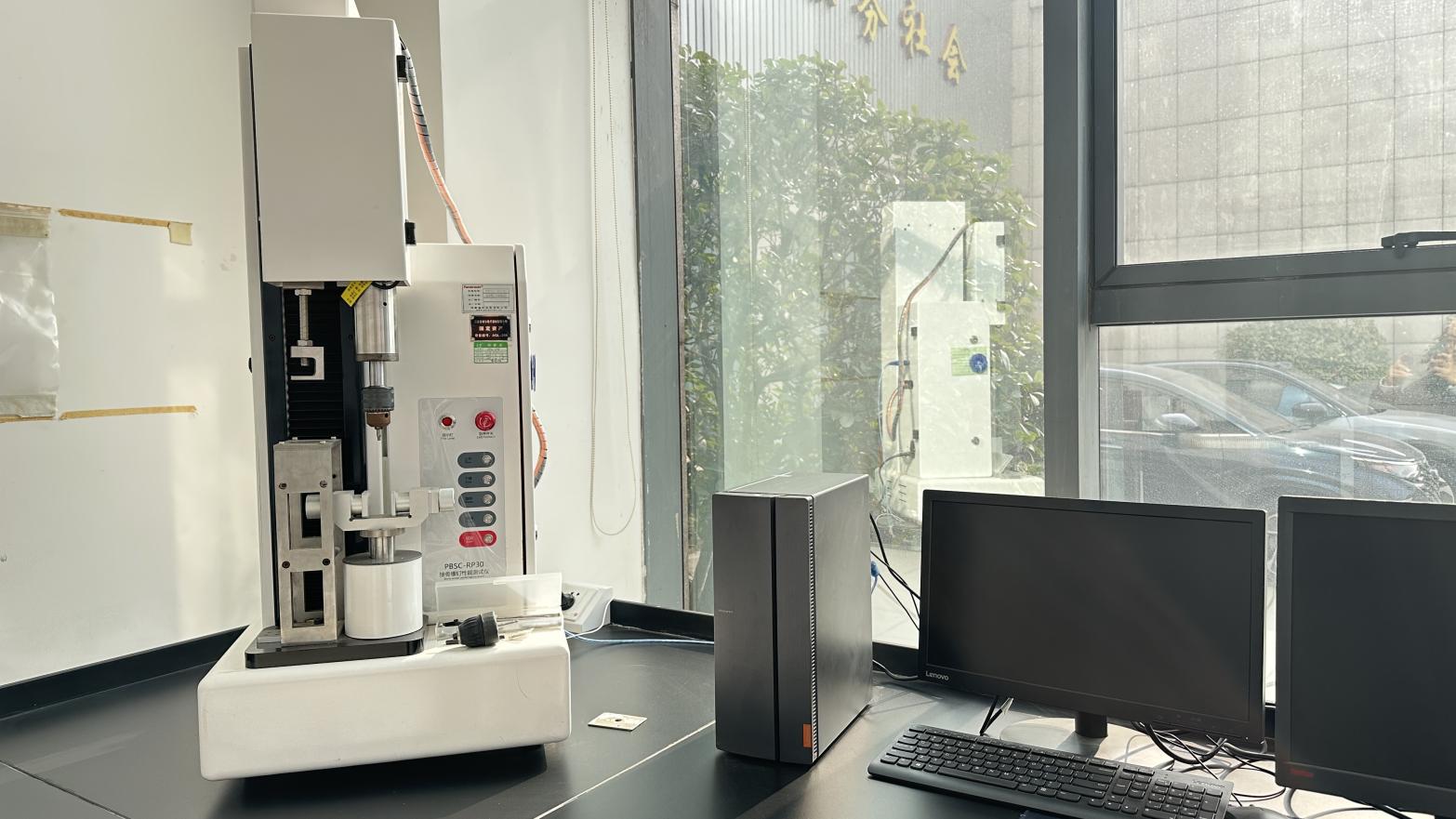
To ensure mechanical performance and biocompatibility, Medisplint leverages advanced laboratories to evaluate mechanical limits, fatigue resistance, and dimensional accuracy.
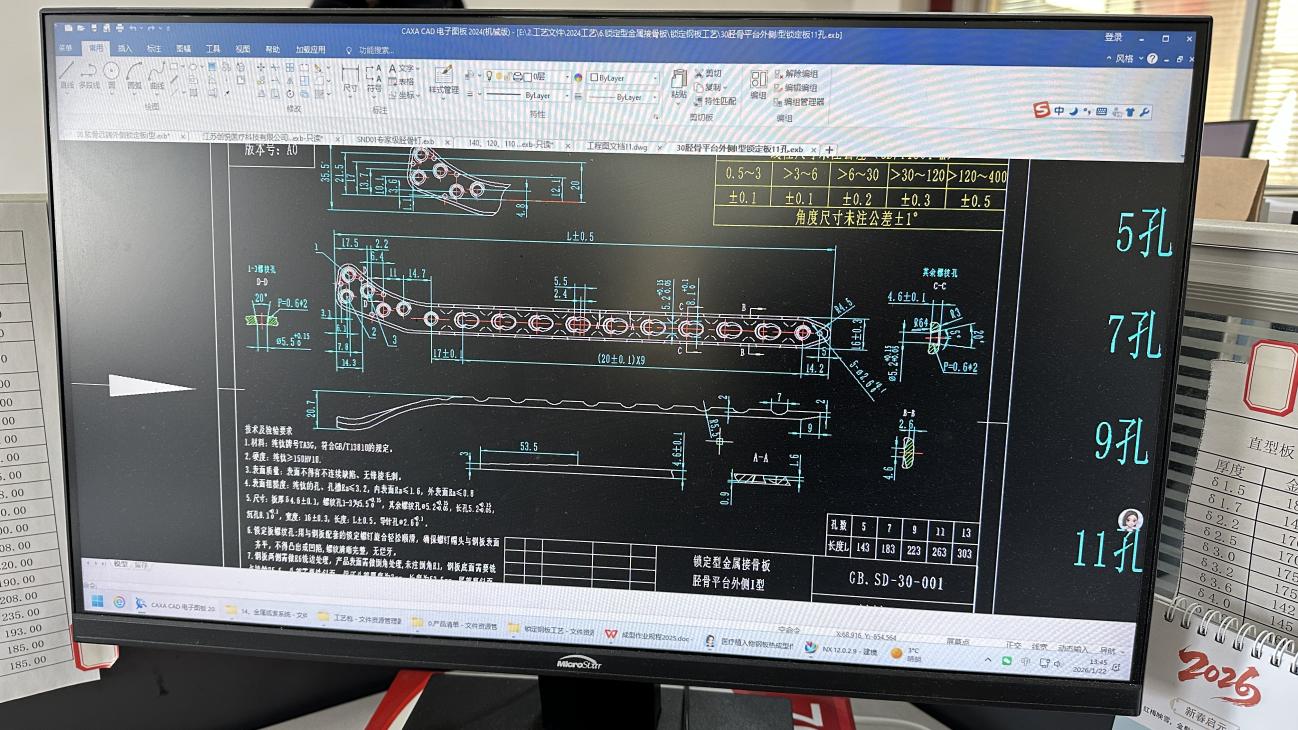
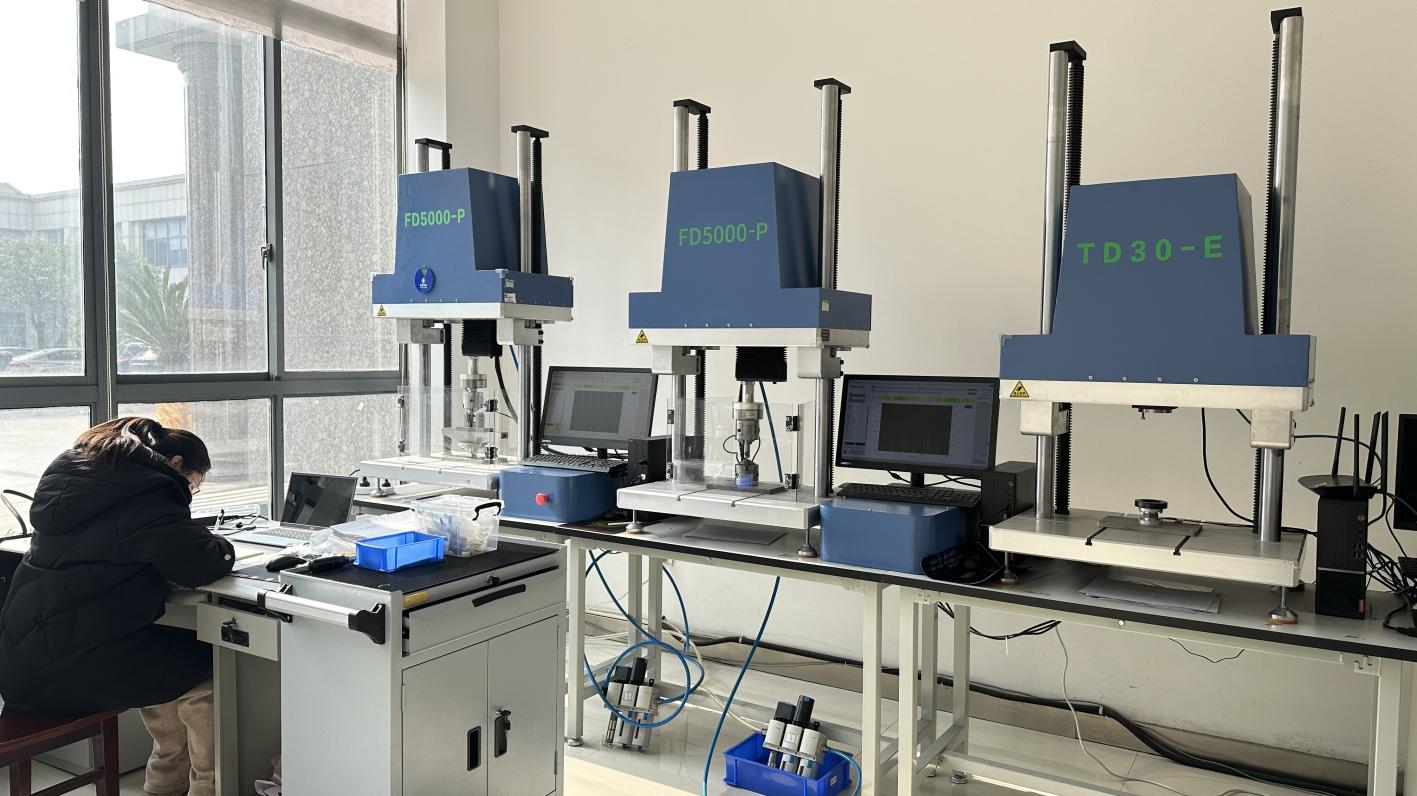
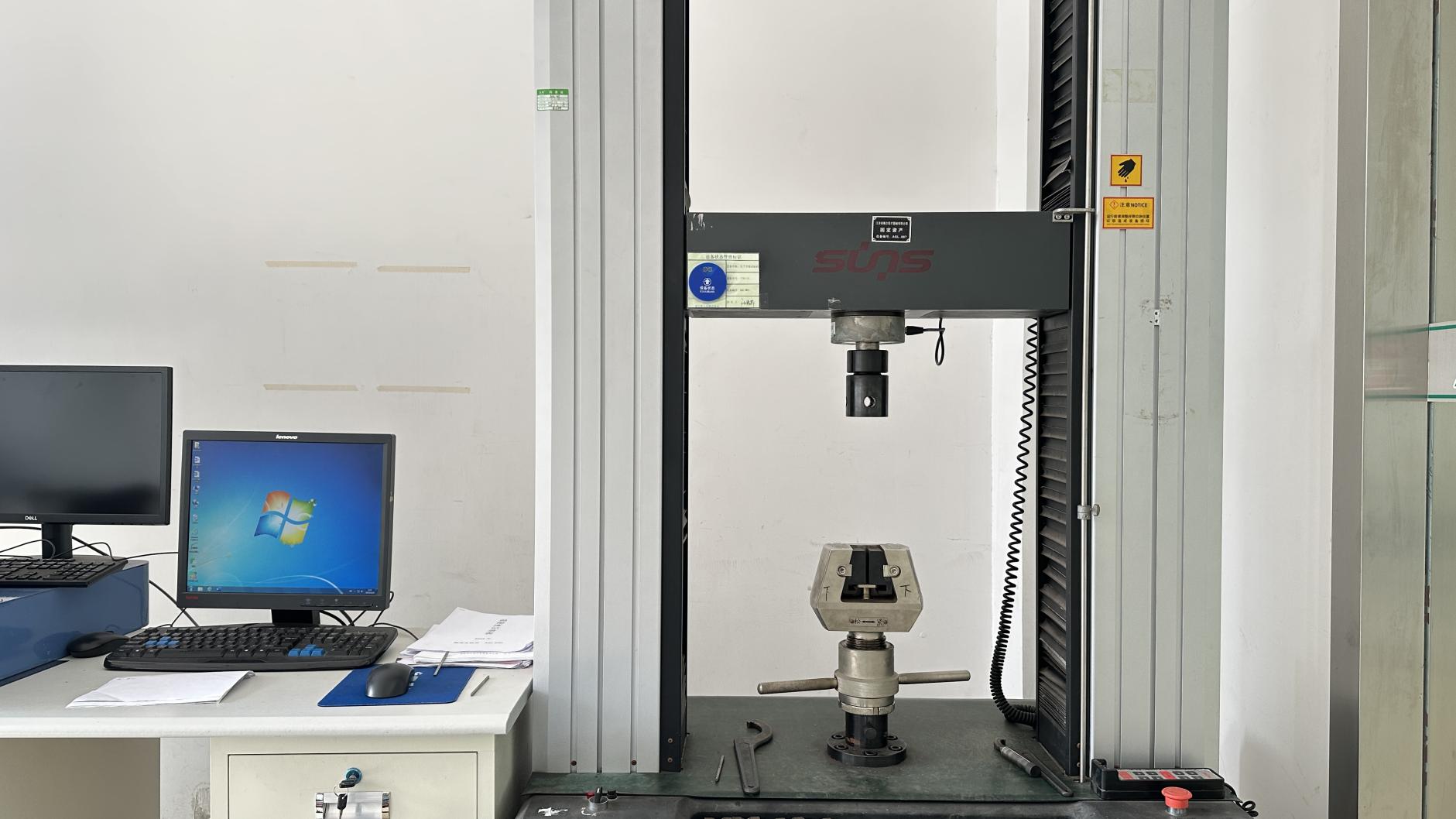
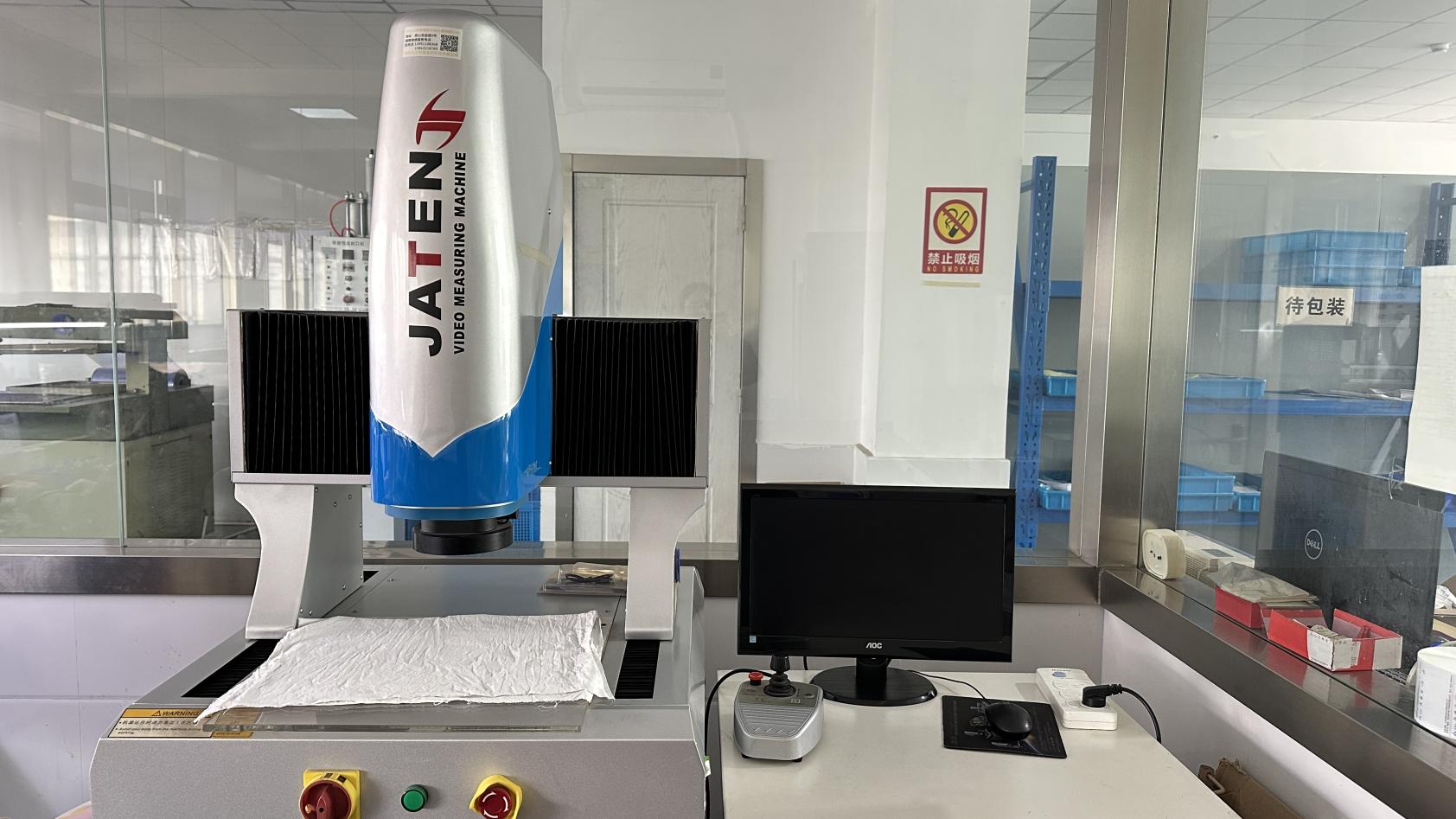
Our bioabsorbable suture anchors are engineered to address specific anatomical requirements across sports medicine disciplines.
Used extensively in arthroscopic rotator cuff repair, Bankart lesion repair for shoulder instability, and SLAP tear repair. High insertion torque resistance allows surgeons to achieve rigid fixation in the glenoid rim.
Applied during extra-articular augmentations, meniscal root repairs, and medial patellofemoral ligament (MPFL) reconstructions, ensuring soft tissues remain apposed to the bone under heavy load cycles.
Small-diameter bioabsorbable anchors (1.8mm to 3.0mm) are essential for micro-instability corrections, such as Lateral Ankle Ligament Stabilization (Brostrom procedure) and hand ligament repairs.
Pioneering the next generation of smart bioabsorbable orthopedic platforms.
Direct answers to critical regulatory, mechanical, and logistical questions from orthopedic surgeons and medical device buyers.
High-durability orthopedic toolsets, bone plating systems, and specialty trauma instrumentation.