Medisplint
Medisplint
Medisplint
In spinal arthrodesis, Posterior Lumbar Interbody Fusion (PLIF) remains a gold-standard surgical protocol for treating degenerative disc disease, spondylolisthesis, and spinal instability. The evolution of interbody fusion devices has transitioned from autologous bone grafts to metallic cages, and ultimately to high-performance polymers. Today, Polyetheretherketone (PEEK) has established itself as the dominant biomaterial for interbody fusion construct engineering.
From an engineering perspective, PEEK stands out due to its unique mechanical match with native bone tissue. While traditional titanium alloy implants present a Young's modulus of approximately 110 GPa, cortical bone ranges between 15 to 20 GPa. This stark mechanical mismatch often triggers stress shielding, causing bone resorption around the implant and increasing the risk of cage subsidence. Medical-grade PEEK, with an elastic modulus of approximately 3.6 to 4 GPa, reduces stress shielding by sharing the load dynamically, promoting physiological bone remodelling according to Wolff's Law.
Unlike titanium, PEEK is radiolucent under X-ray, CT, and MRI. This allows surgeons to monitor trabecular bone growth across the fusion cage post-operatively, without metallic artifacts obscuring the view.
Medical-grade PEEK (ISO 10993 compliant) exhibits extreme chemical resistance and zero local or systemic toxicity, presenting no allergic or inflammatory tissue responses.
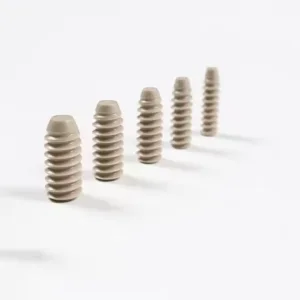
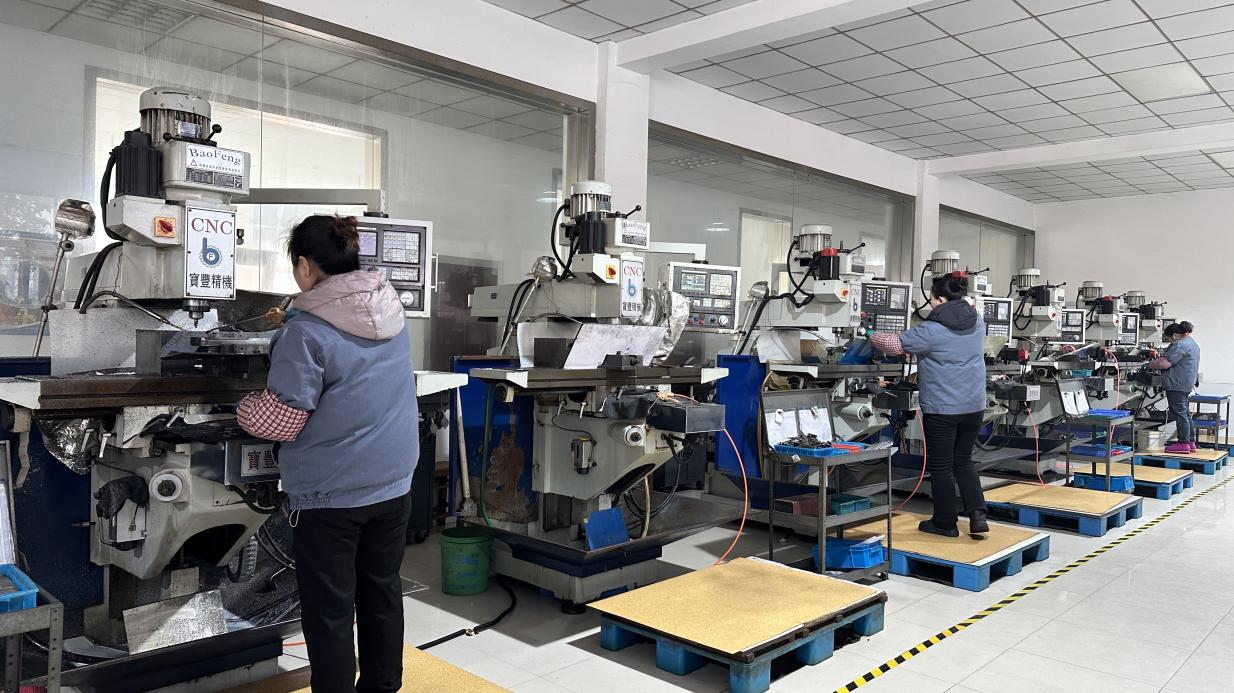
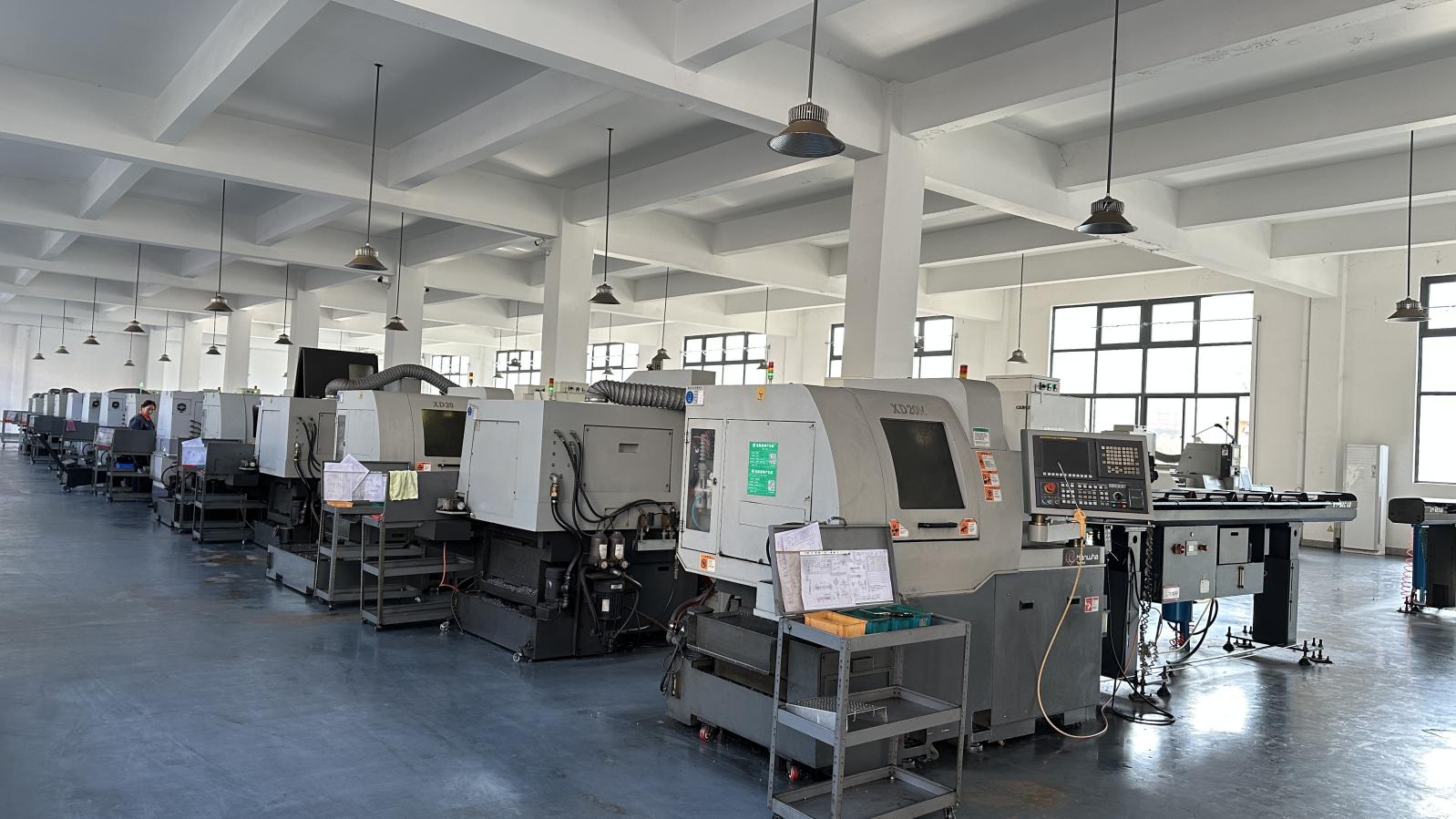
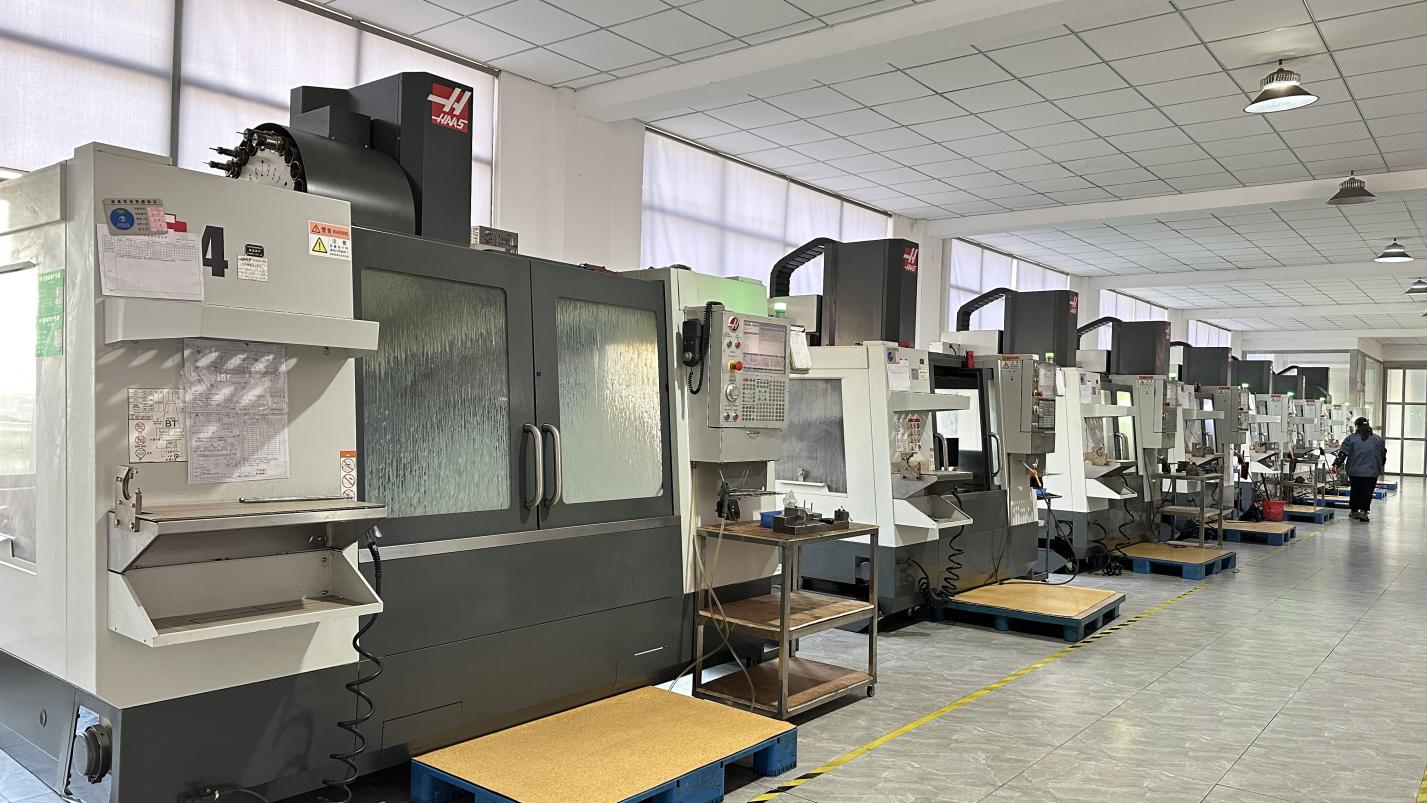
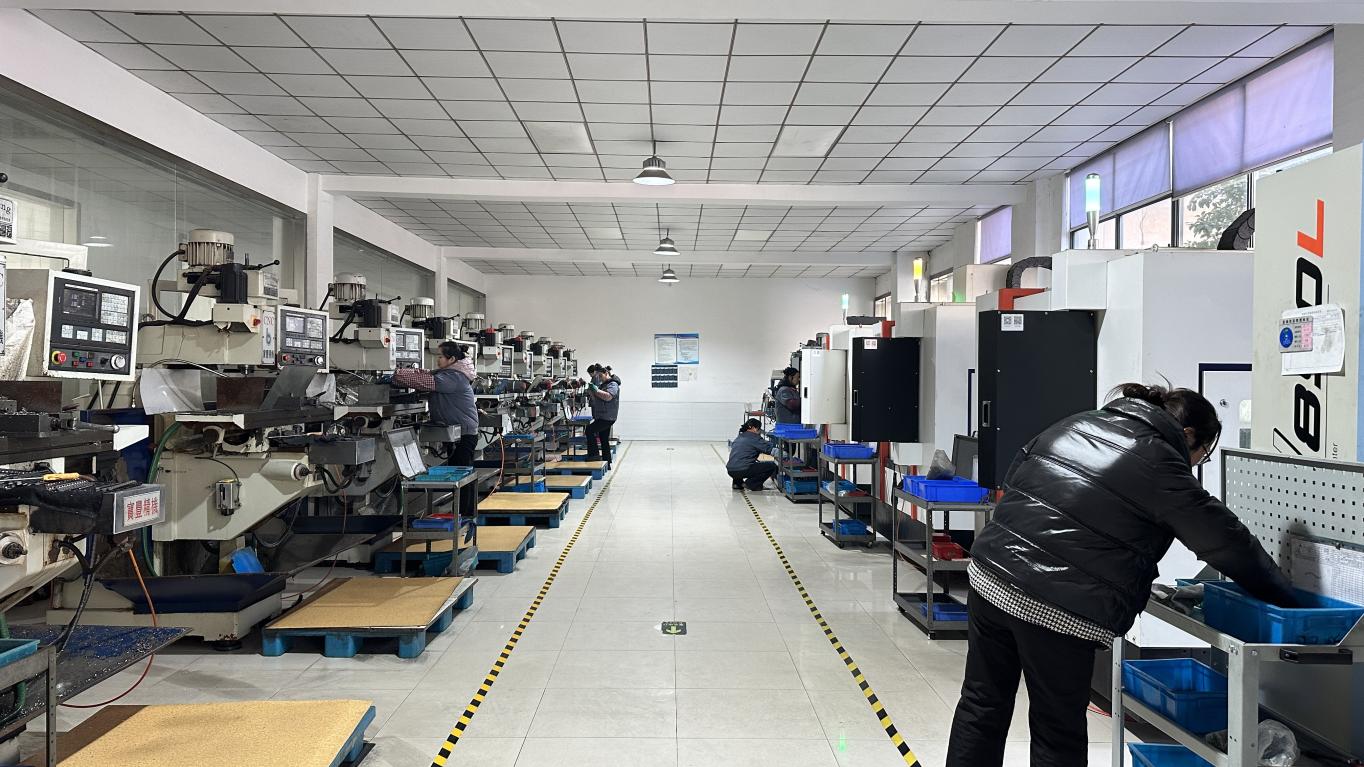
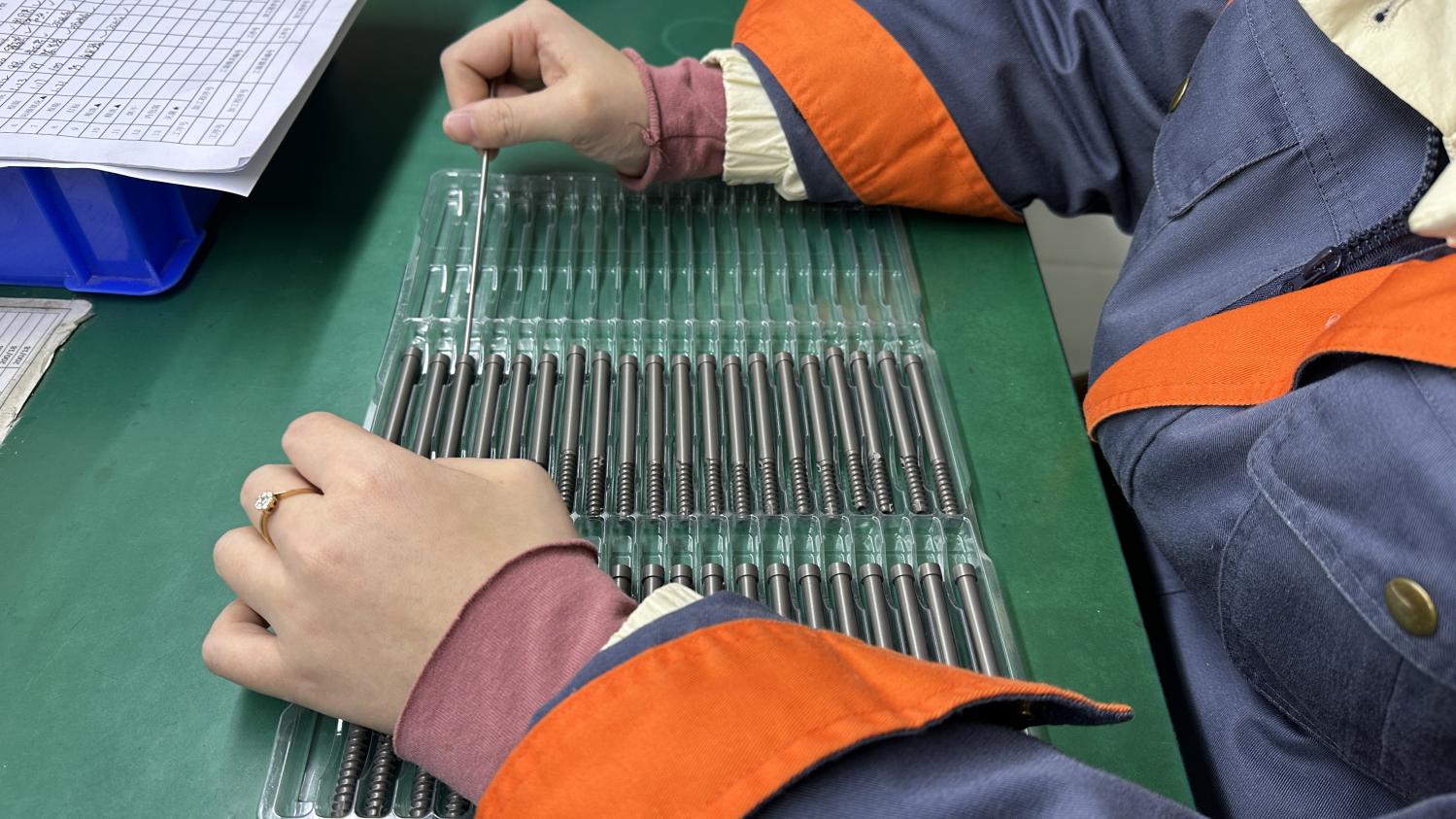
Utilizing high-precision medical-grade CNC milling, PEEK cages can be machined with serrated teeth, large graft windows, and anatomically curved profiles to secure initial mechanical stability.
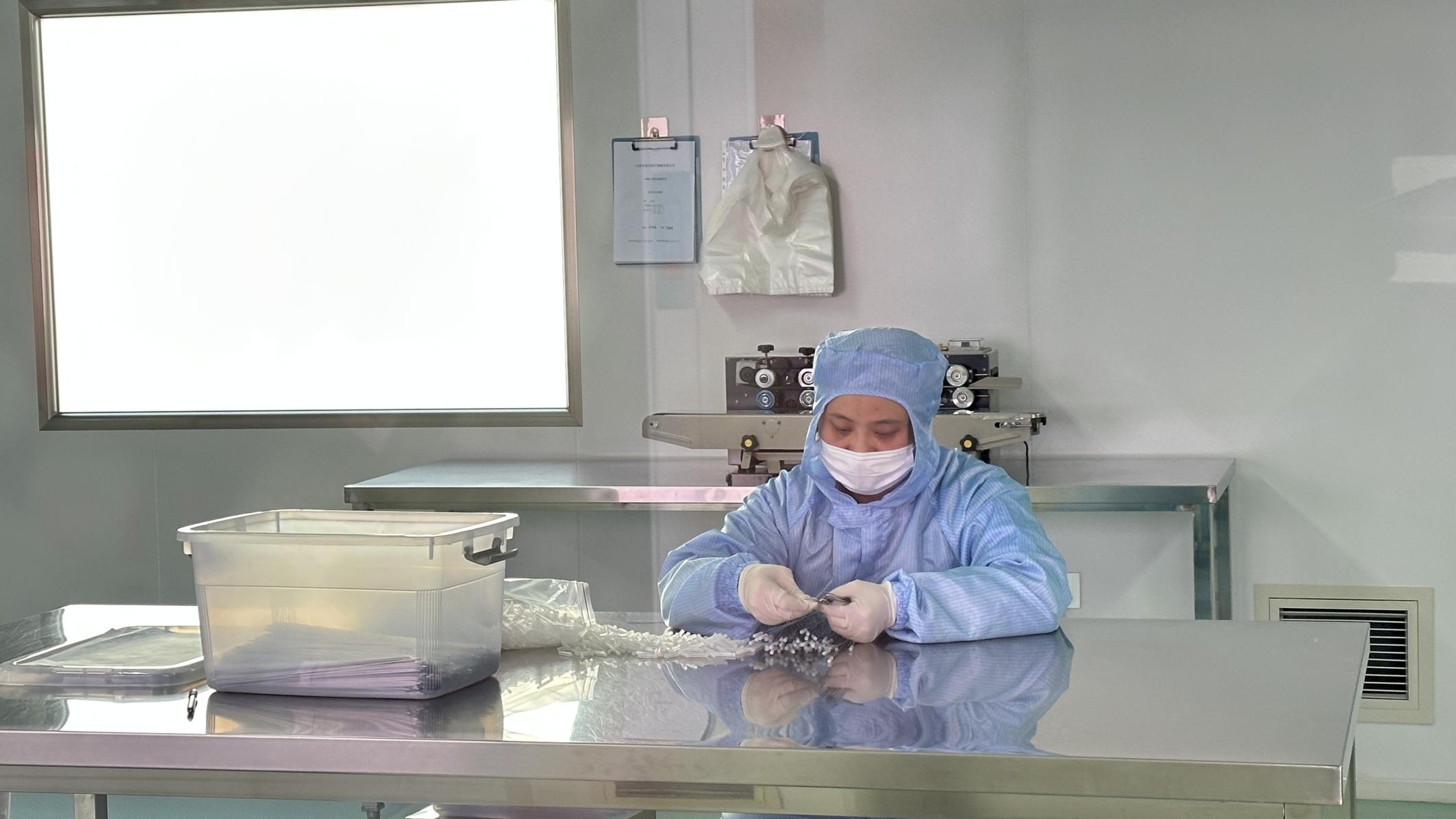
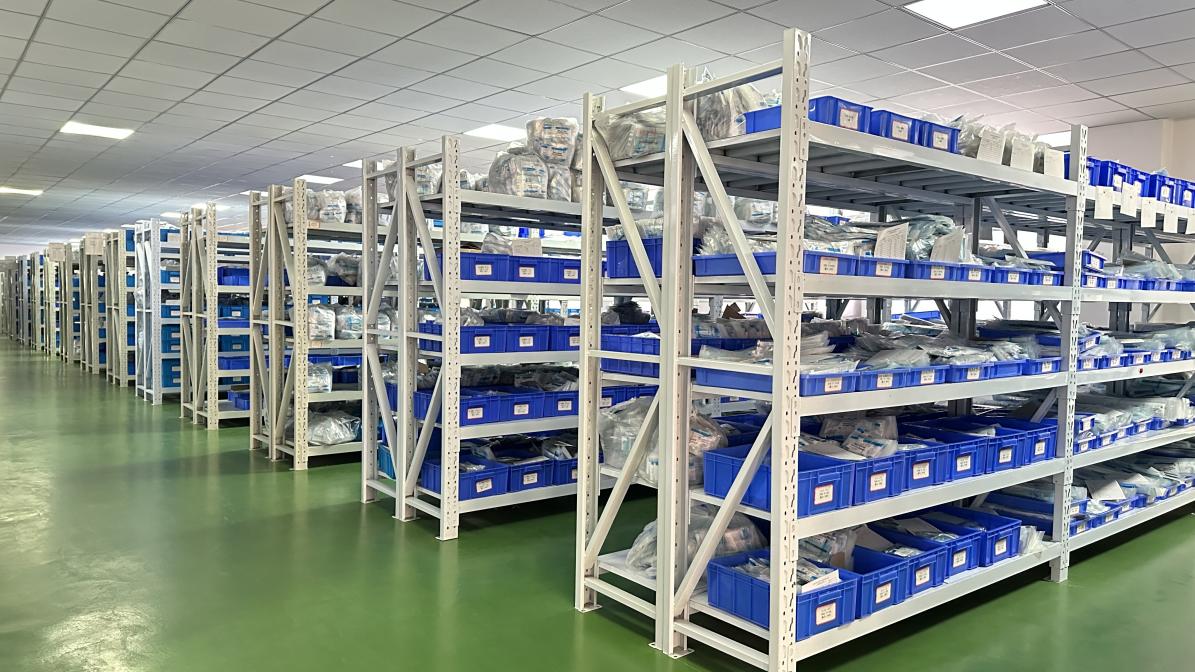
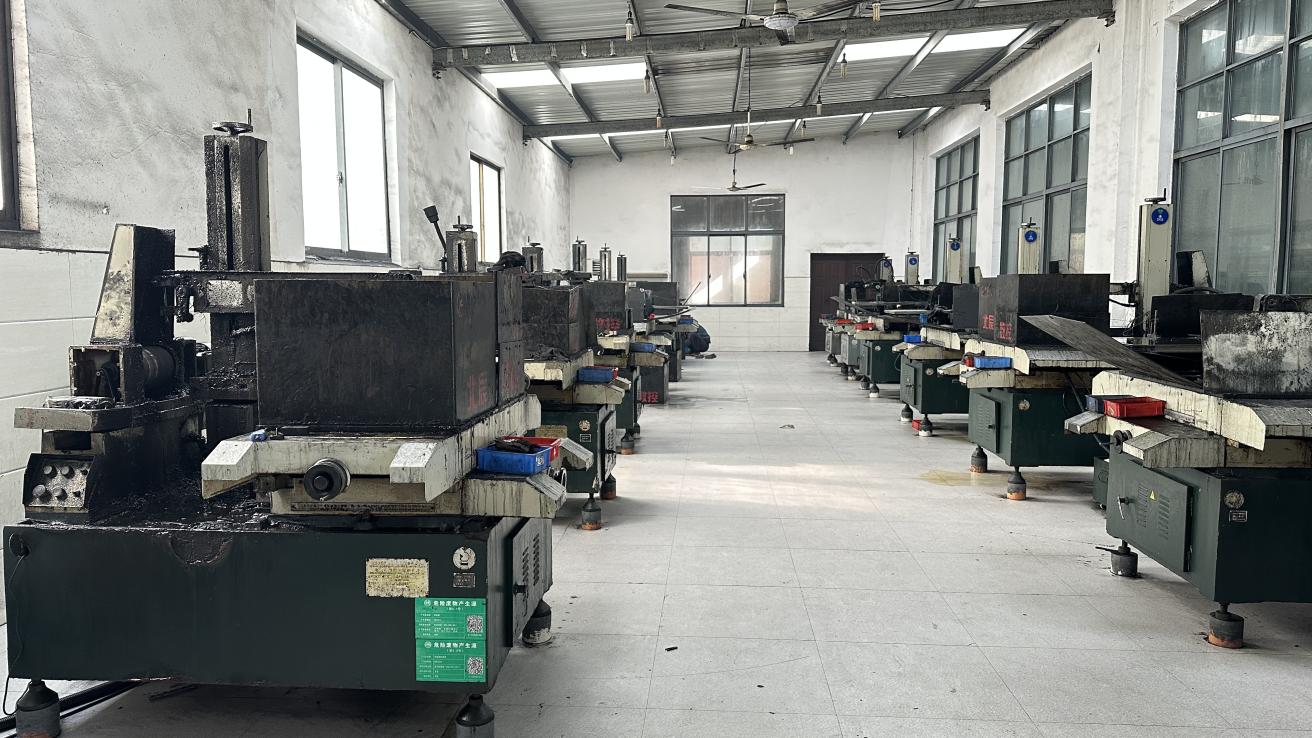
Medisplint Orthopedic Instruments Co., Ltd. is a leading professional manufacturer specializing in orthopedic implants, fixation systems, and high-precision surgical instruments for spine, trauma, and joint reconstruction. Established in 2016, our industrial base covers approximately 18,500㎡. We host fully integrated production lines, cleanrooms, and testing facilities to support complex OEM/ODM projects.
Our annual export revenue exceeds USD 12 million. By combining 10 years of domestic medical device manufacturing experience with over 7 years of global trade expertise, we serve a network of over 1,200 supply chain partners, surgical clinics, hospitals, and distributors across Europe, South America, Southeast Asia, and the Middle East.
Medisplint operates under strict quality management systems certified to ISO 13485 standards. Our spinal implants and orthopedic trauma products carry CE certification, meeting the rigid safety requirements of European markets. Quality control is managed by a team of 42 QC inspectors operating in-process quality control (IPQC), final quality control (FQC), and third-party lab testing protocols.
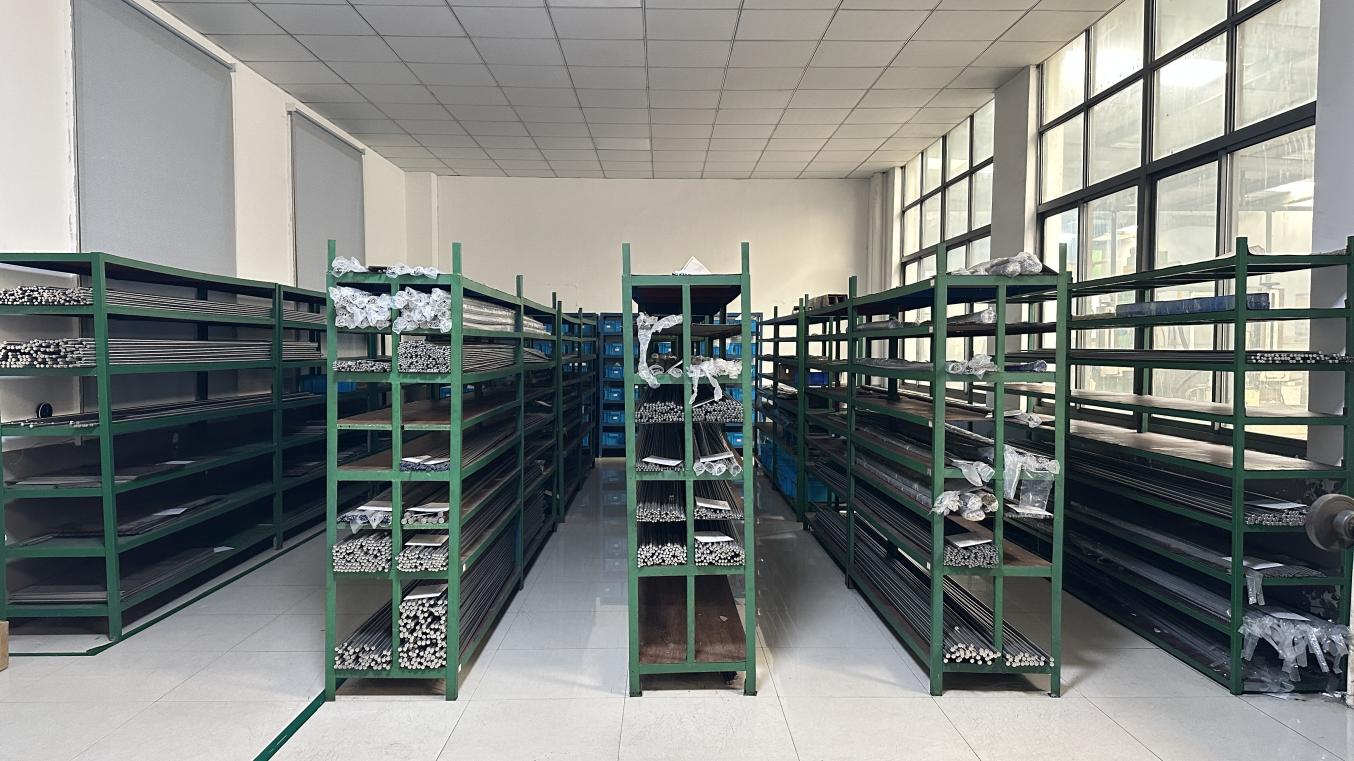
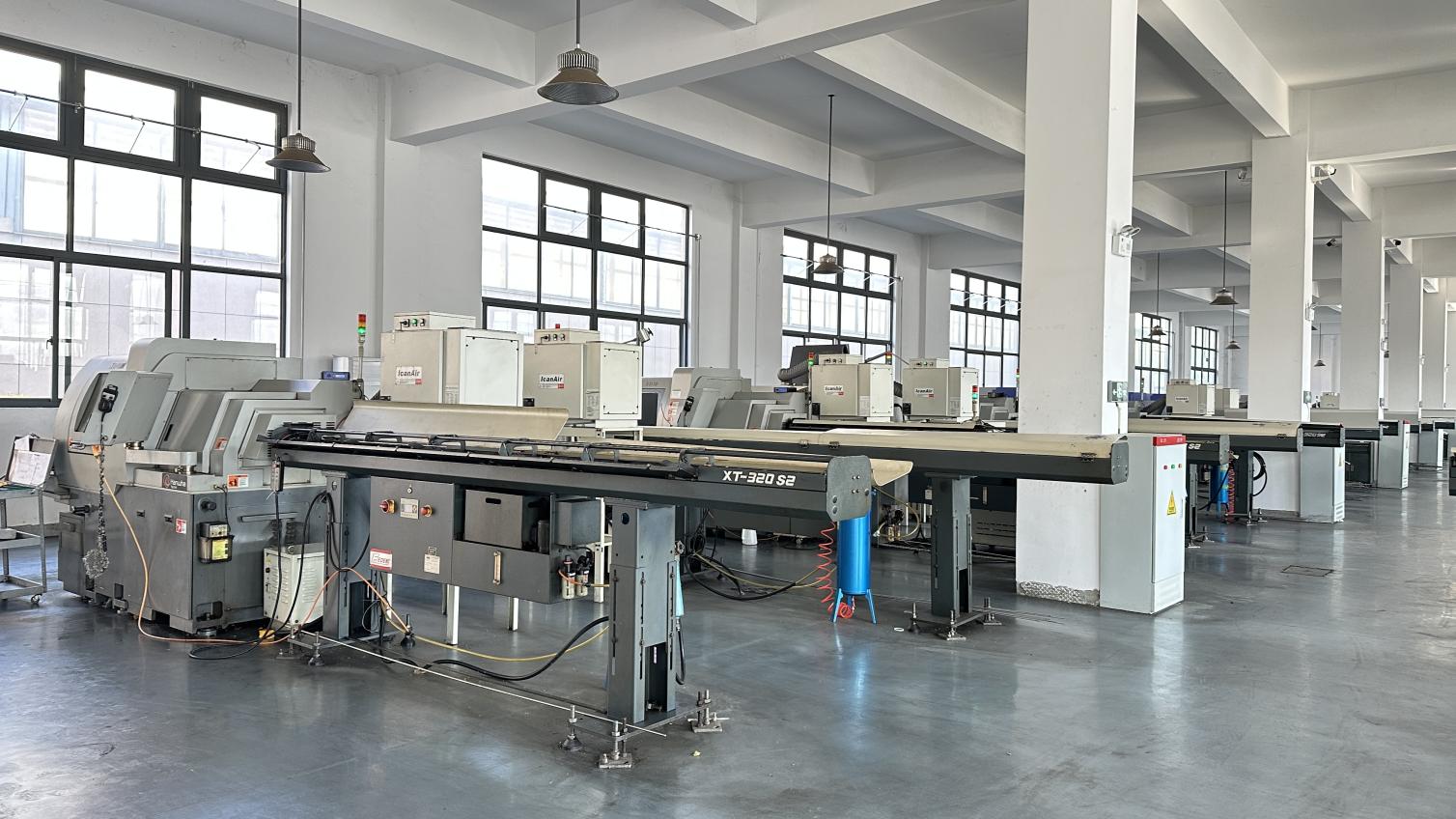
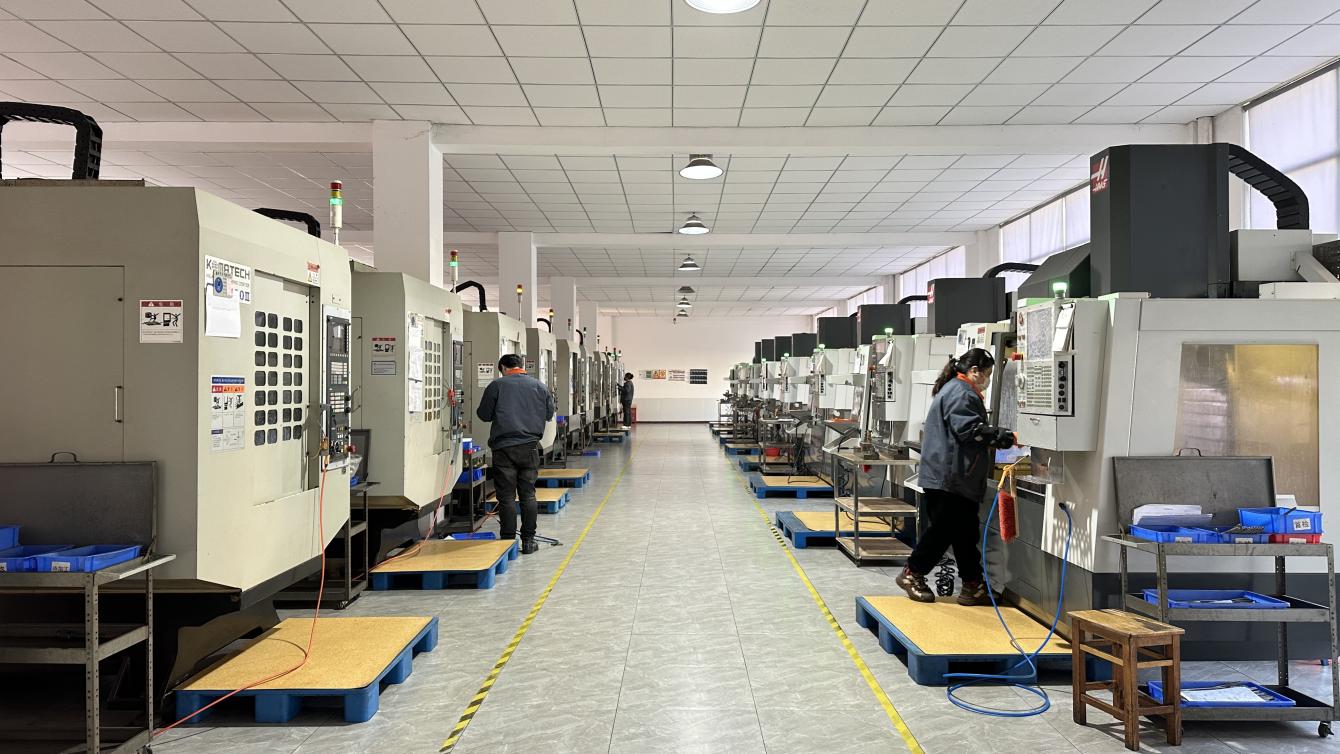
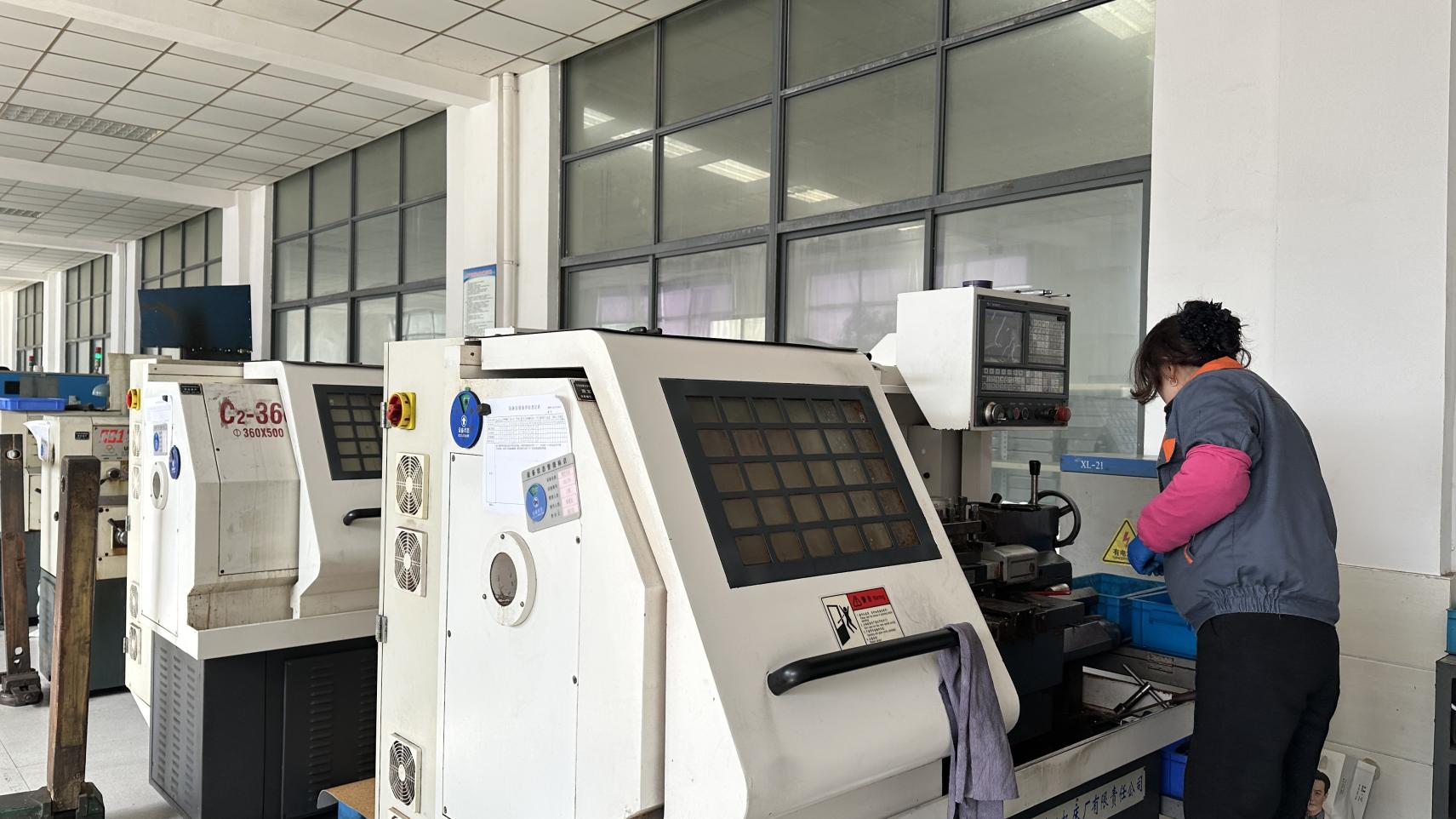
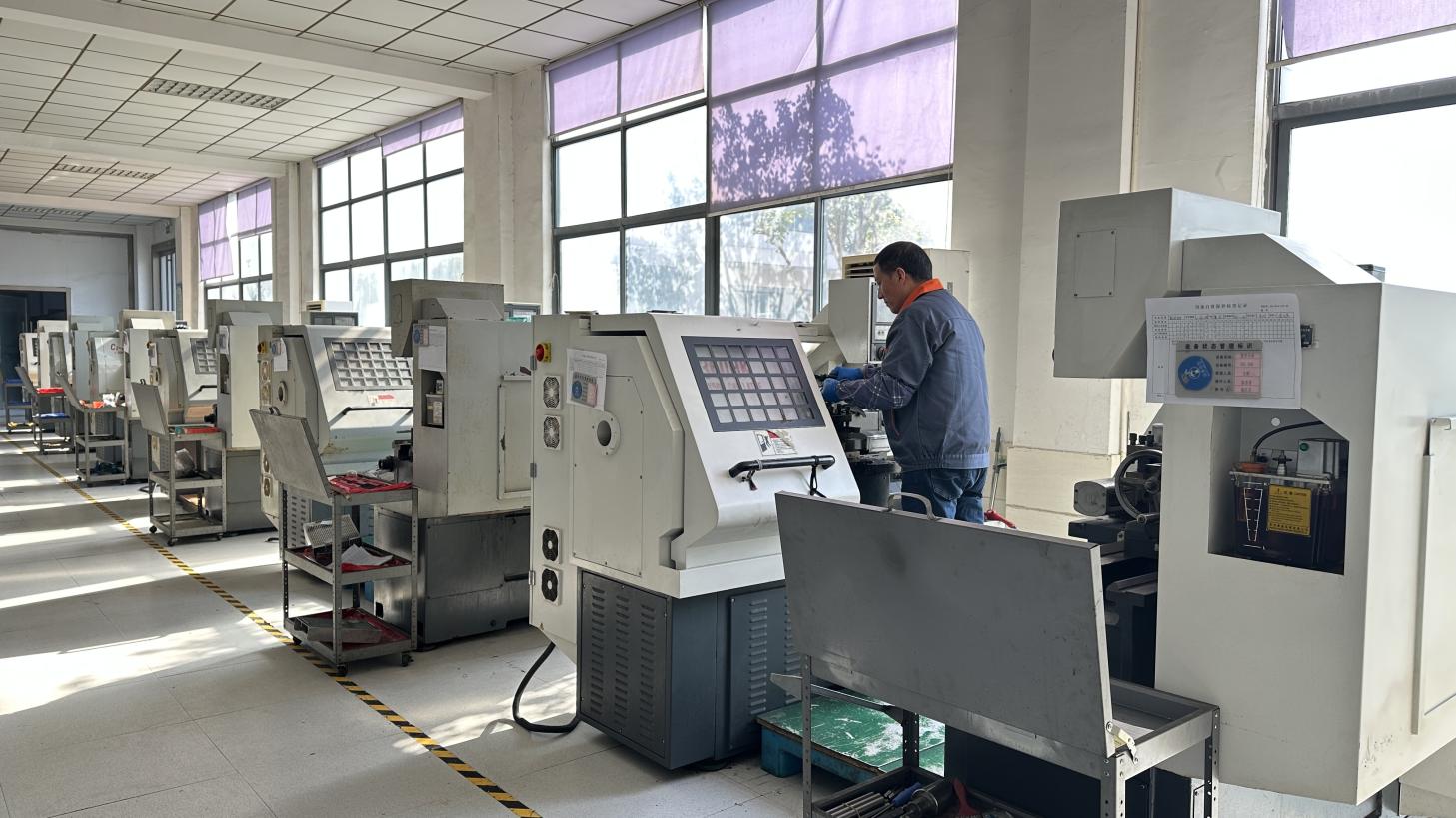
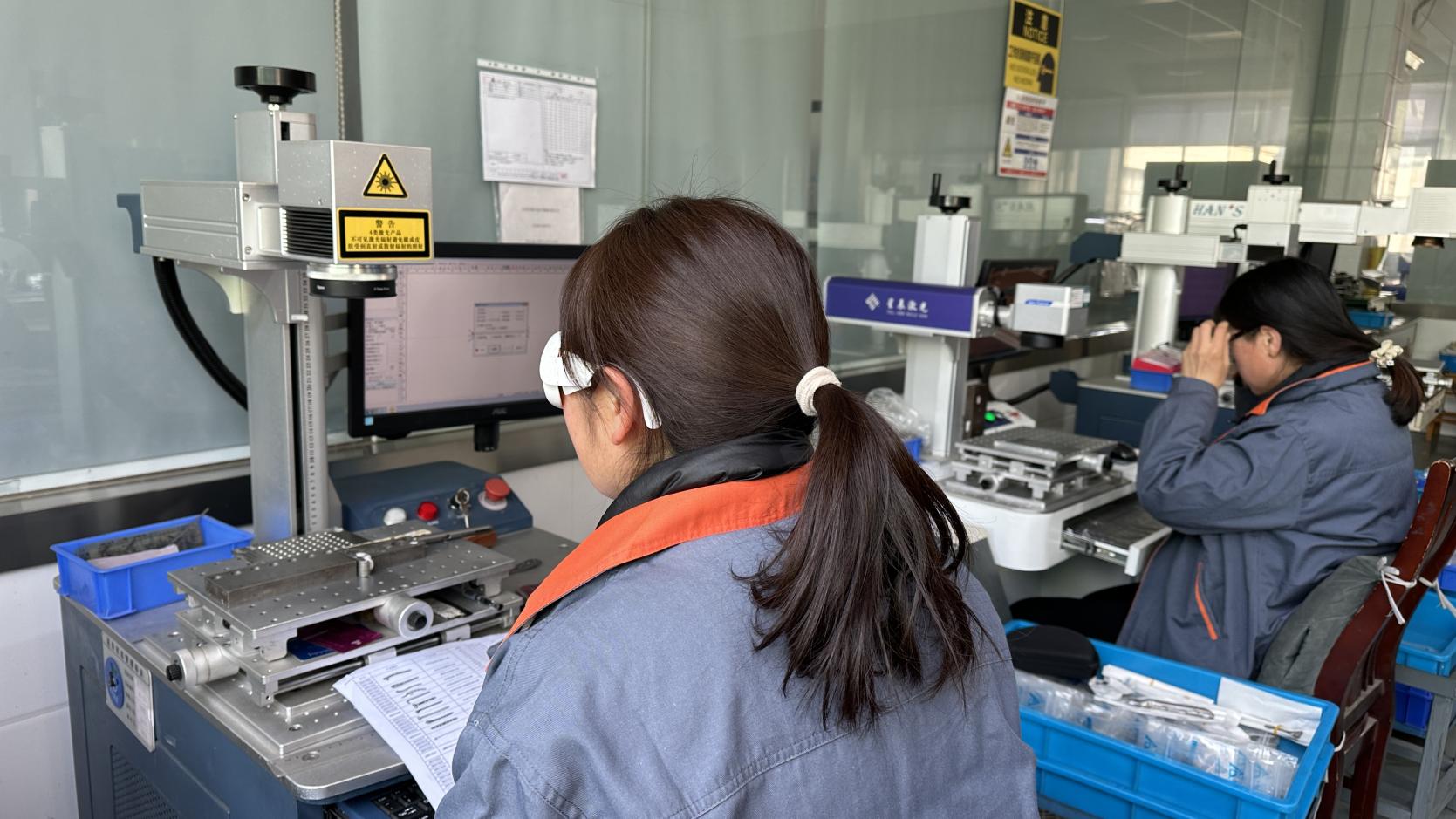
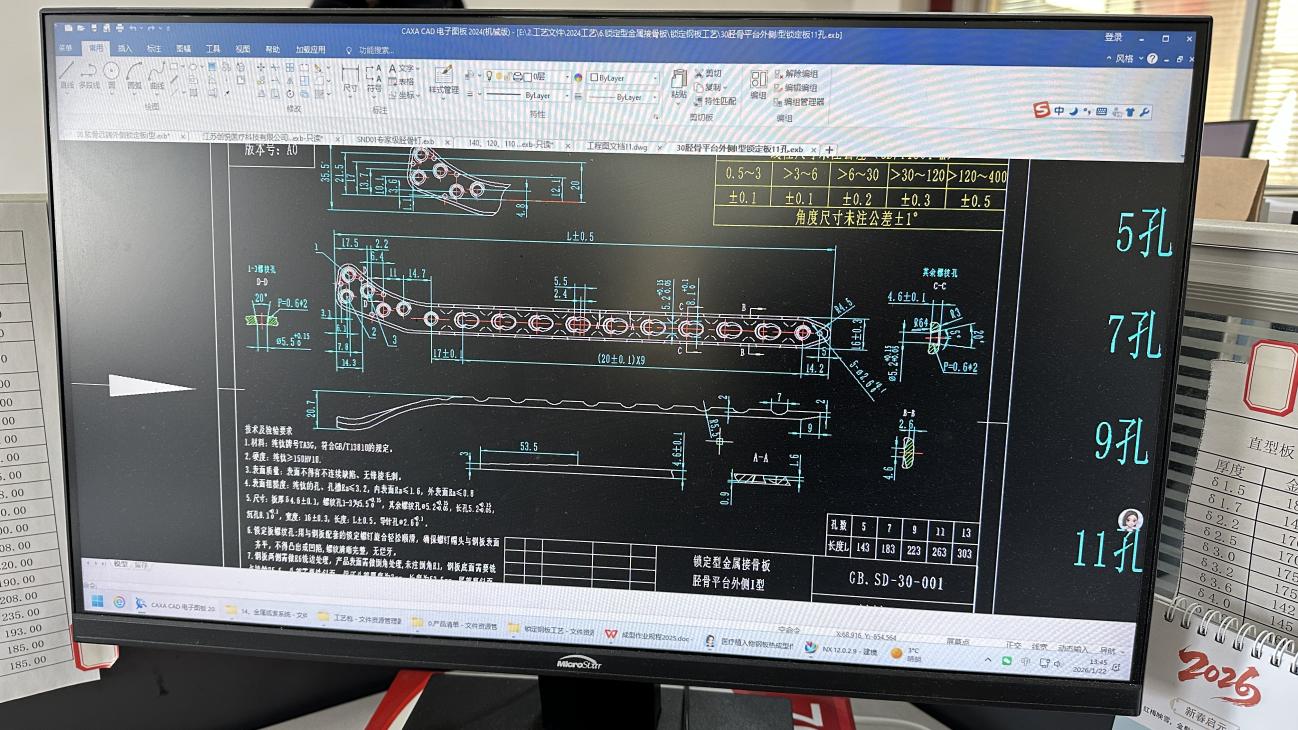
Choosing the correct interbody device material directly impacts fusion rates, bone ingrowth, and patient outcomes. PEEK cages feature a modular design that balances structural support with optimal clinical visibility. Below is a comparison table outlining key engineering parameters of PEEK versus traditional medical metals.
| Biomechanical & Design Parameter | Medical-Grade PEEK (Polyetheretherketone) | Titanium Alloy (Ti-6Al-4V ELI) | Stainless Steel (316L) |
|---|---|---|---|
| Elastic Modulus (Young's Modulus) | ~3.6 - 4.0 GPa (Matches cortical bone) | ~110 GPa (High risk of stress shielding) | ~200 GPa (Extremely rigid) |
| Radiographic Properties | Fully Radiolucent (Perfect fusion visualization) | Radiopaque (Artifacts on CT/MRI scans) | Opaque (Heavy artifacts) |
| Biocompatibility Profile | Chemically inert, hydrophobic, non-reactive | Excellent osseointegration, low corrosion | Susceptible to nickel allergy, corrosion risk |
| Fatigue Limit (ASTM F2077) | High fatigue life under dynamic load cyclic testing | Outstanding tensile strength, low elongation | High initial strength, prone to fatigue over time |
| Manufacturability | Precision CNC machined or 3D printed | Requires casting, sintering, or CNC machining | Forged and machined |
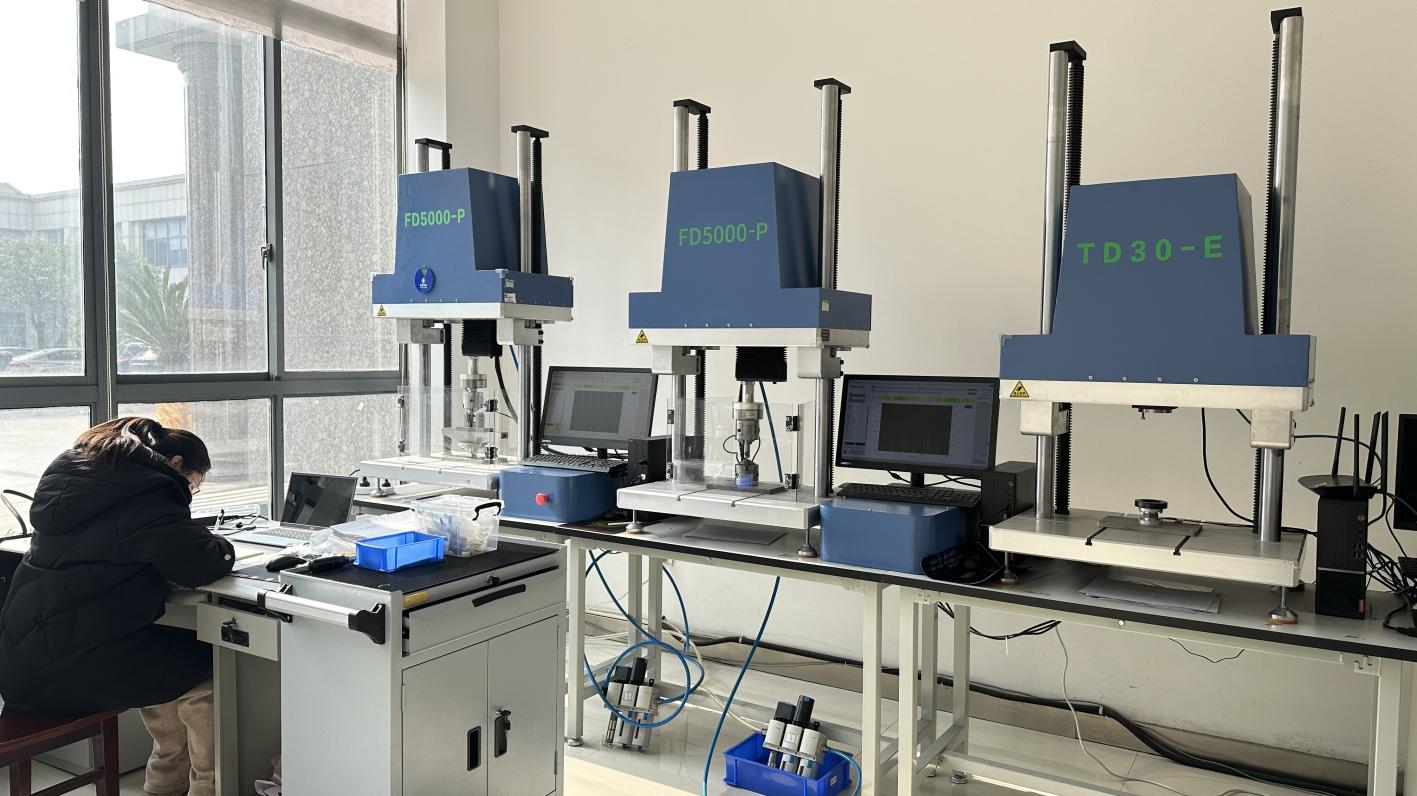
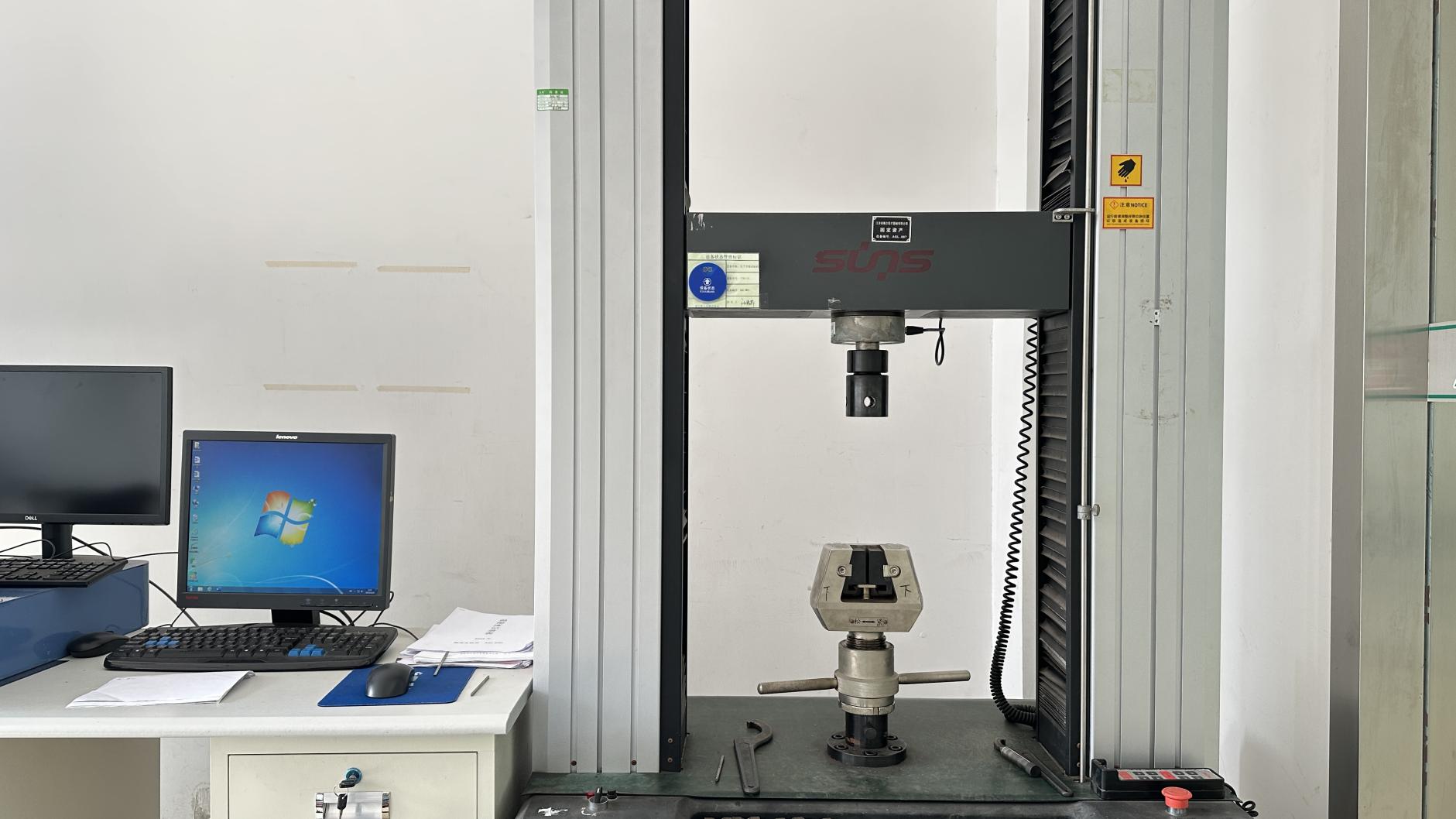
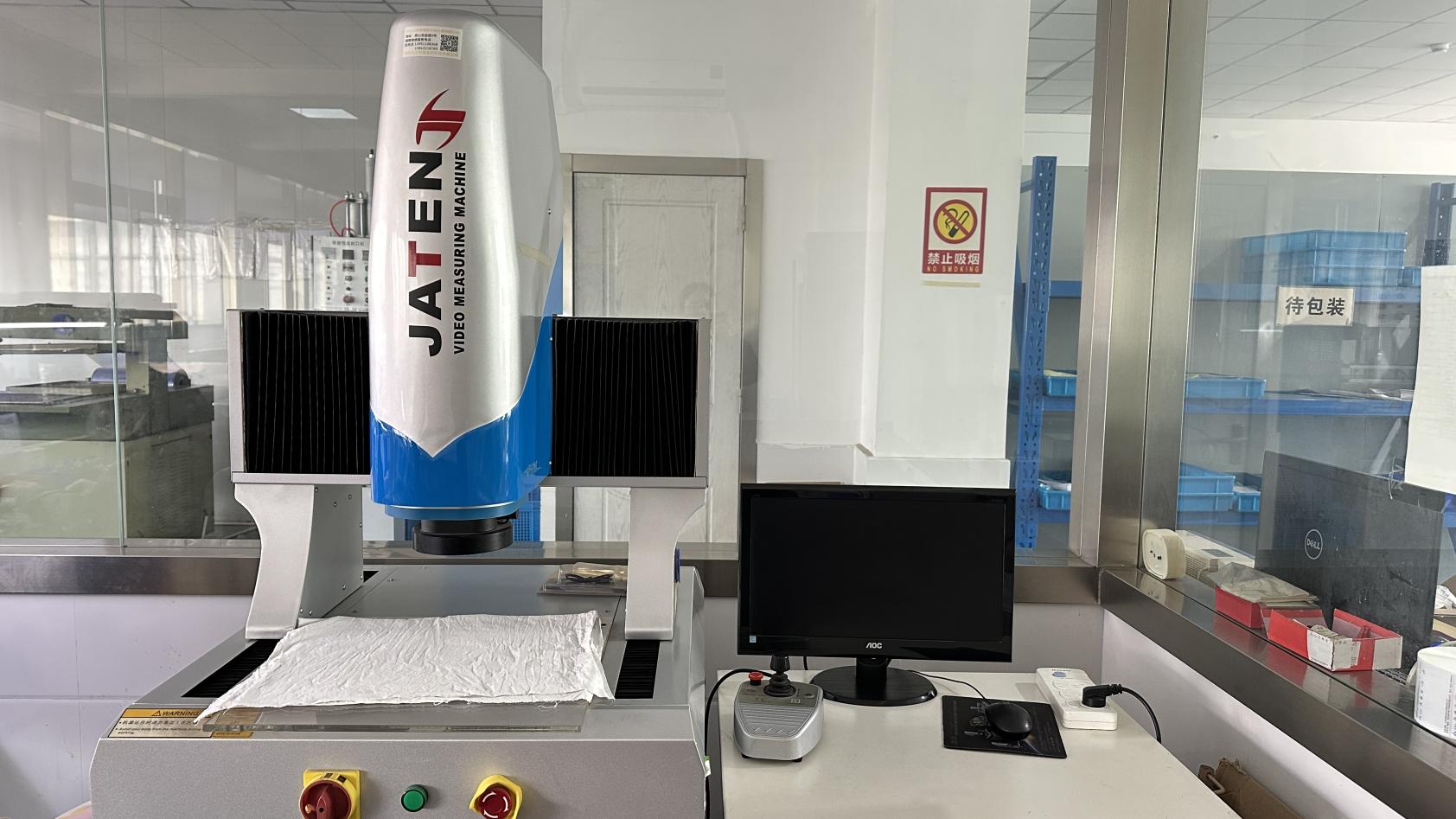
Spinal cages must withstand high axial compression, shear, and rotational forces during patient movement. To guarantee safety and compliance with global regulatory agencies (such as CE MDR and FDA), every product batch undergoes testing in our cleanroom testing facilities. Our testing center is equipped with advanced testing instrumentation to assess mechanical limits and verify micro-tolerances.
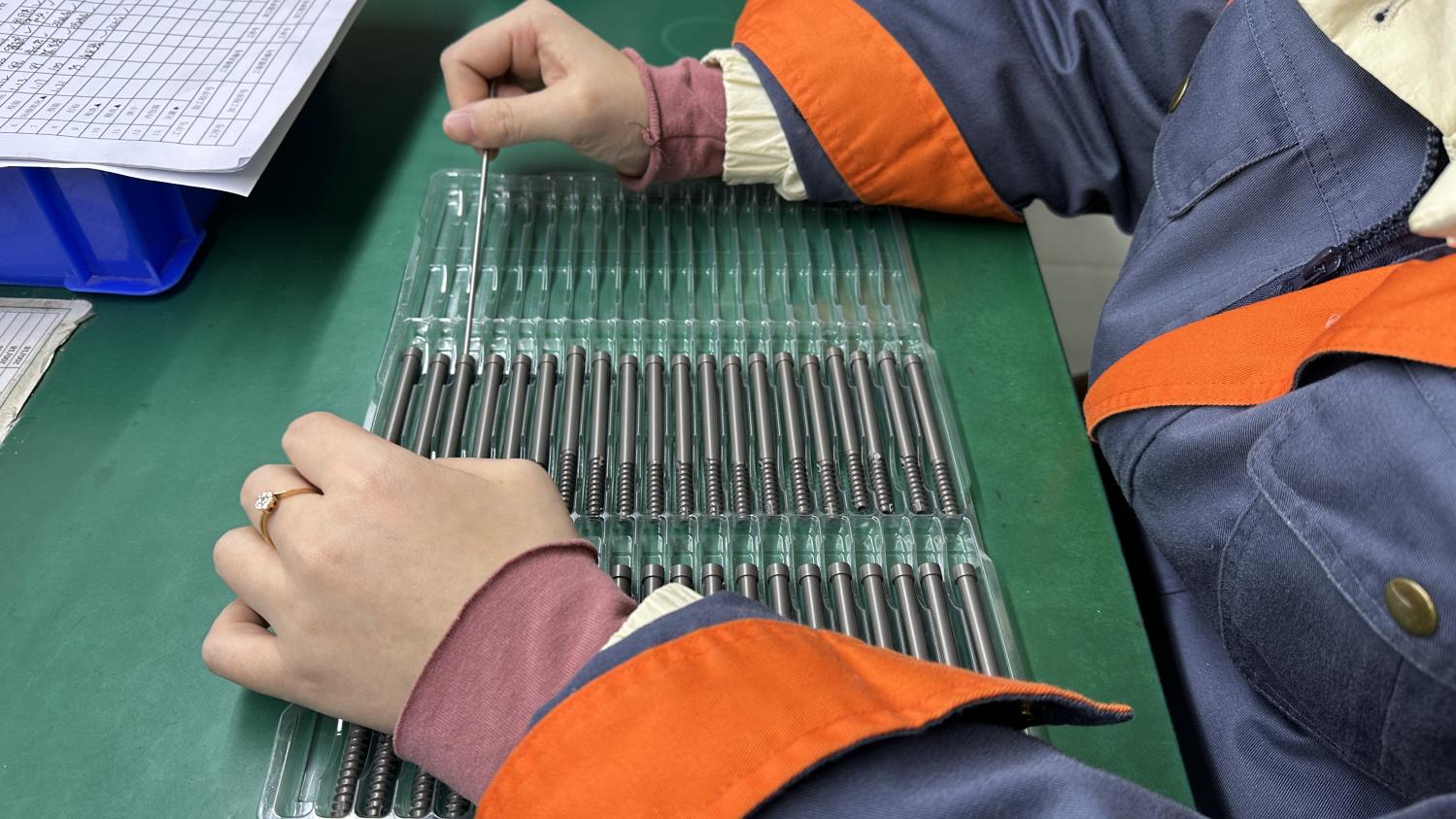
Key tests include static compression shear testing, dynamic fatigue testing (ASTM F2077) up to 5 million cycles, and subsidence testing (ASTM F2267) to prevent the cage from sinking into the vertebral endplates. Furthermore, we run strict dimensional validation via two-dimensional coordinates to guarantee our CNC machining tolerances sit within ±10 microns.

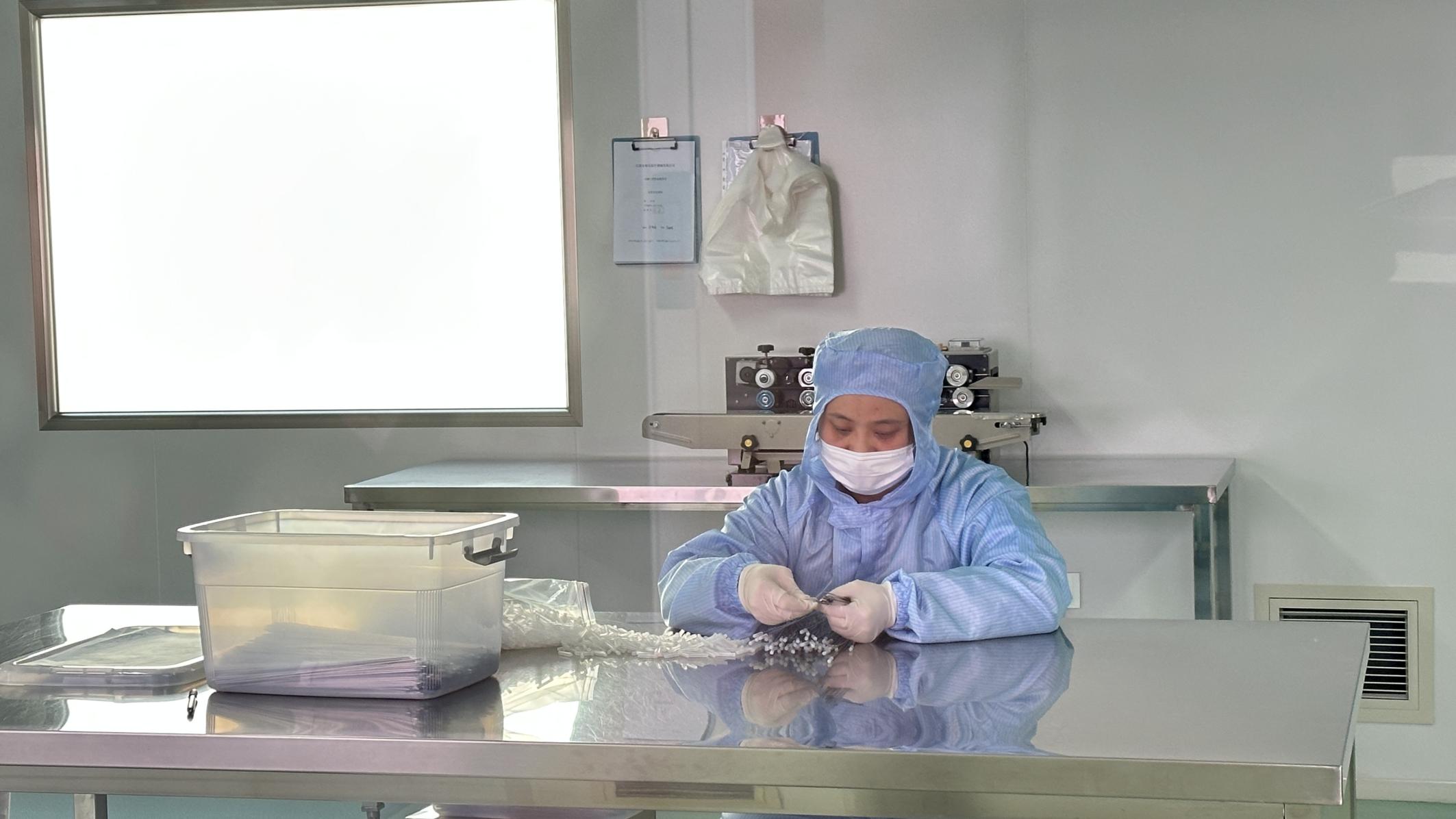
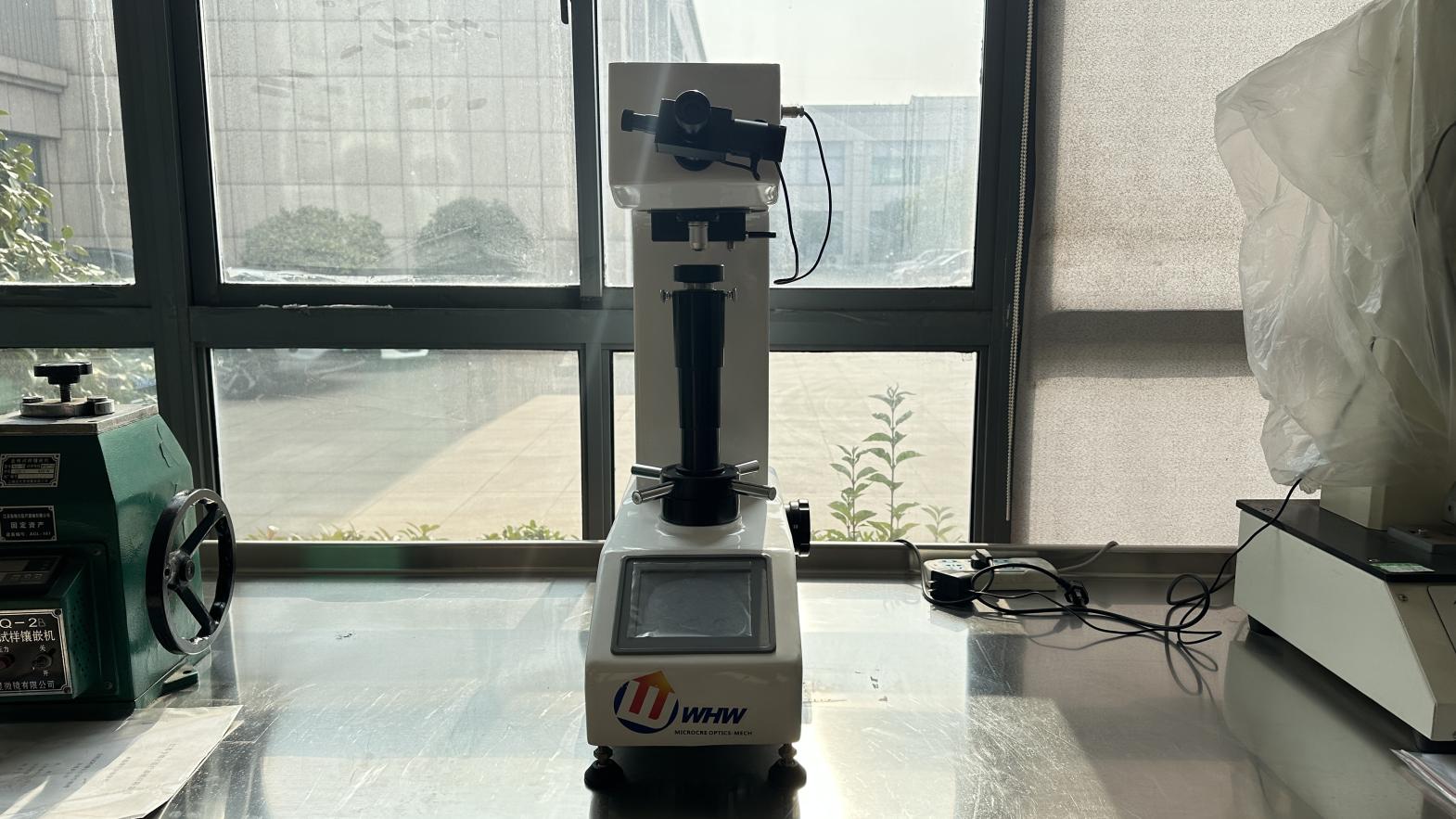
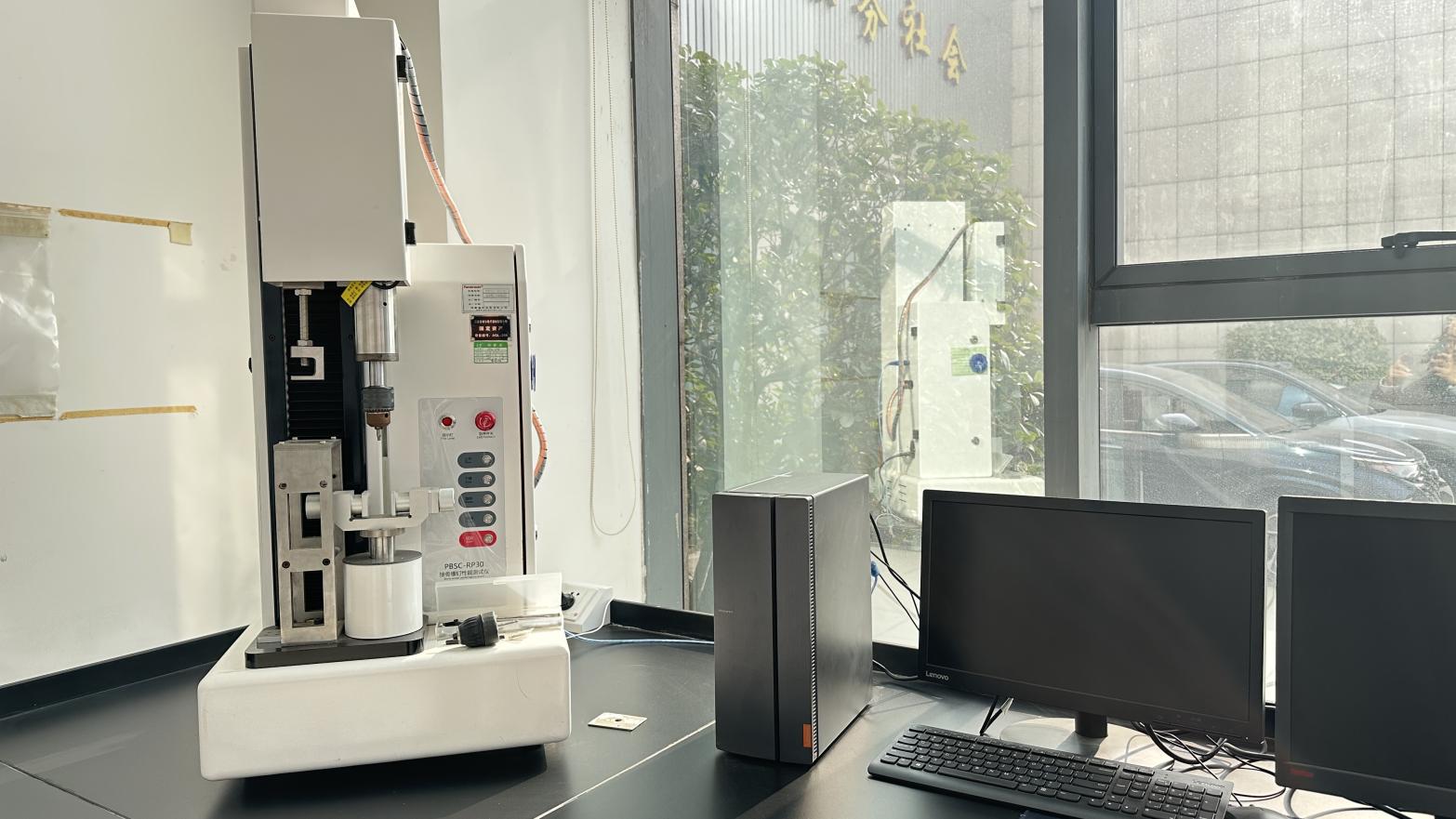
Spinal surgery challenges vary by market and region. Medisplint addresses these needs with targeted solutions:
Under CE MDR, we supply Class IIb spinal implant systems with comprehensive Clinical Evaluation Reports (CER), ensuring regulatory approval and traceability for distribution partners.
For custom spine systems, we offer design modification, laser marking, and medical-grade private labeling. We process raw PEEK using validated methods to support FDA submissions.
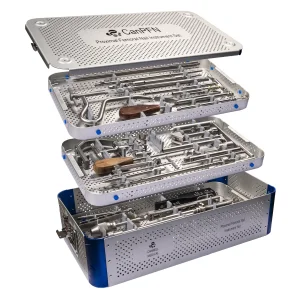
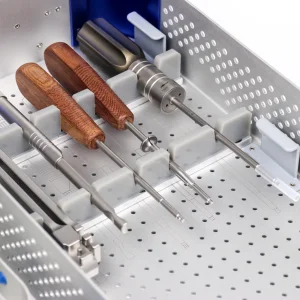
We supply cost-competitive, high-quality PEEK cage systems alongside user-friendly instrument kits. This enables medical centers in Latin America and Southeast Asia to offer state-of-the-art care cost-effectively.
Although traditional PEEK offers mechanical benefits, its bioinert nature limits bone attachment directly to its surface. In spinal implant engineering, surface treatment represents the main research frontier. The next generation of PLIF PEEK Cages addresses this through several technical pathways:
By mimicking cancellous bone architecture, porous surfaces allow bone cells to grow into the implant. This mechanical lock accelerates interbody fusion rates without reducing the cage's strength.
Applying a thin layer of porous titanium on a PEEK cage combines the osteointegrative properties of titanium with the biomechanical matching of PEEK.
Doping PEEK with bioactive ceramic nanoparticles stimulates cell differentiation and local calcium deposition, reducing healing times for spine patients.
Direct 3D printing of PEEK implants enables patient-matched geometries. This simplifies surgery and accommodates complex spinal deformities.