Medisplint
Medisplint
Medisplint
Explore our high-precision CE and ISO certified instruments, trauma fixation plates, and surgical bone drilling tools optimized for spinal and reconstruction systems.
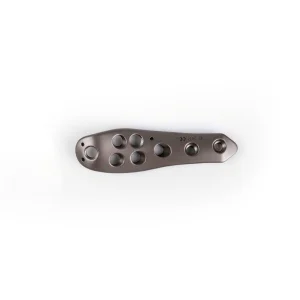
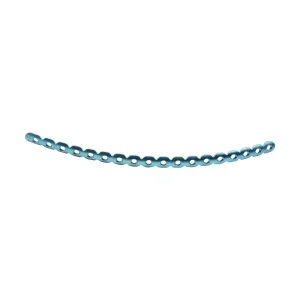
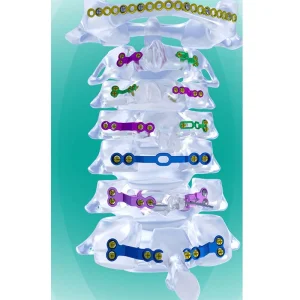
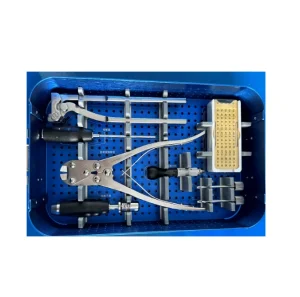
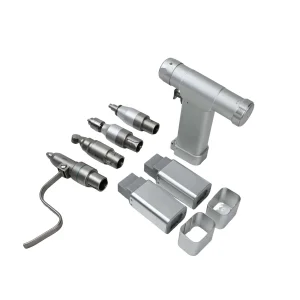
The global spinal implants market has undergone rapid evolution, driven by an aging demographic, the prevalence of degenerative disc diseases (DDD), and an increasing incidence of trauma cases requiring immediate stabilization. Anterior Cervical Plating (ACP) remains the clinical benchmark for stabilizing the anterior column following cervical discectomy and fusion (ACDF) procedures. It plays a critical role in increasing fusion rates, retaining cervical alignment, preventing graft expulsion, and reducing pseudarthrosis.
For international orthopedic distributors, importing high-grade, CE-certified anterior cervical systems is essential. Strict medical regulations require implants to meet the European Union Medical Device Regulation (EU MDR) guidelines and ISO 13485 quality standards. Emerging markets in Latin America, Asia-Pacific, and the Middle East are experiencing growth in outpatient surgeries, increasing the demand for surgical instrumentation sets and implants.
Analyzing the engineering philosophy behind modern anterior cervical plating systems to maximize stability and minimize implant profiles.
Plates are engineered from medical-grade Titanium Alloy (Ti-6Al-4V ELI) conforming to ASTM F136 standards. This provides high tensile strength, fatigue resistance, and biocompatibility with minimal MRI artifacting.
Features active lock mechanisms that secure bone screws during insertion. This prevents back-out post-operation, reducing dysphagia risk and anterior soft-tissue irritation.
With thickness ranging from 1.6mm to 2.2mm, these plates offer a low-profile design. Curved pre-lordosed geometry simplifies adaptation to natural cervical sagittal balance during surgery.
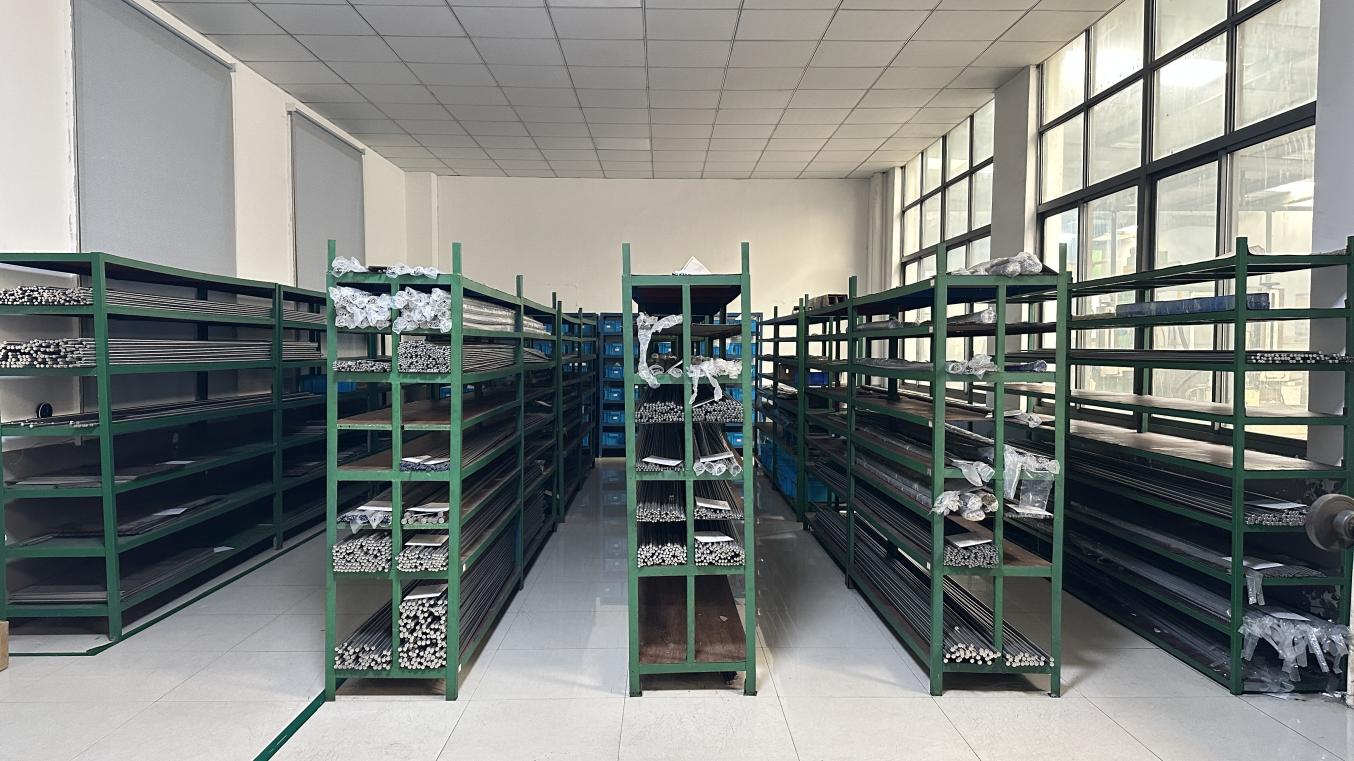
From metallurgical verification to high-tech CNC milling and laser markings, learn how Medisplint builds safety and clinical reliability into every single implant component.
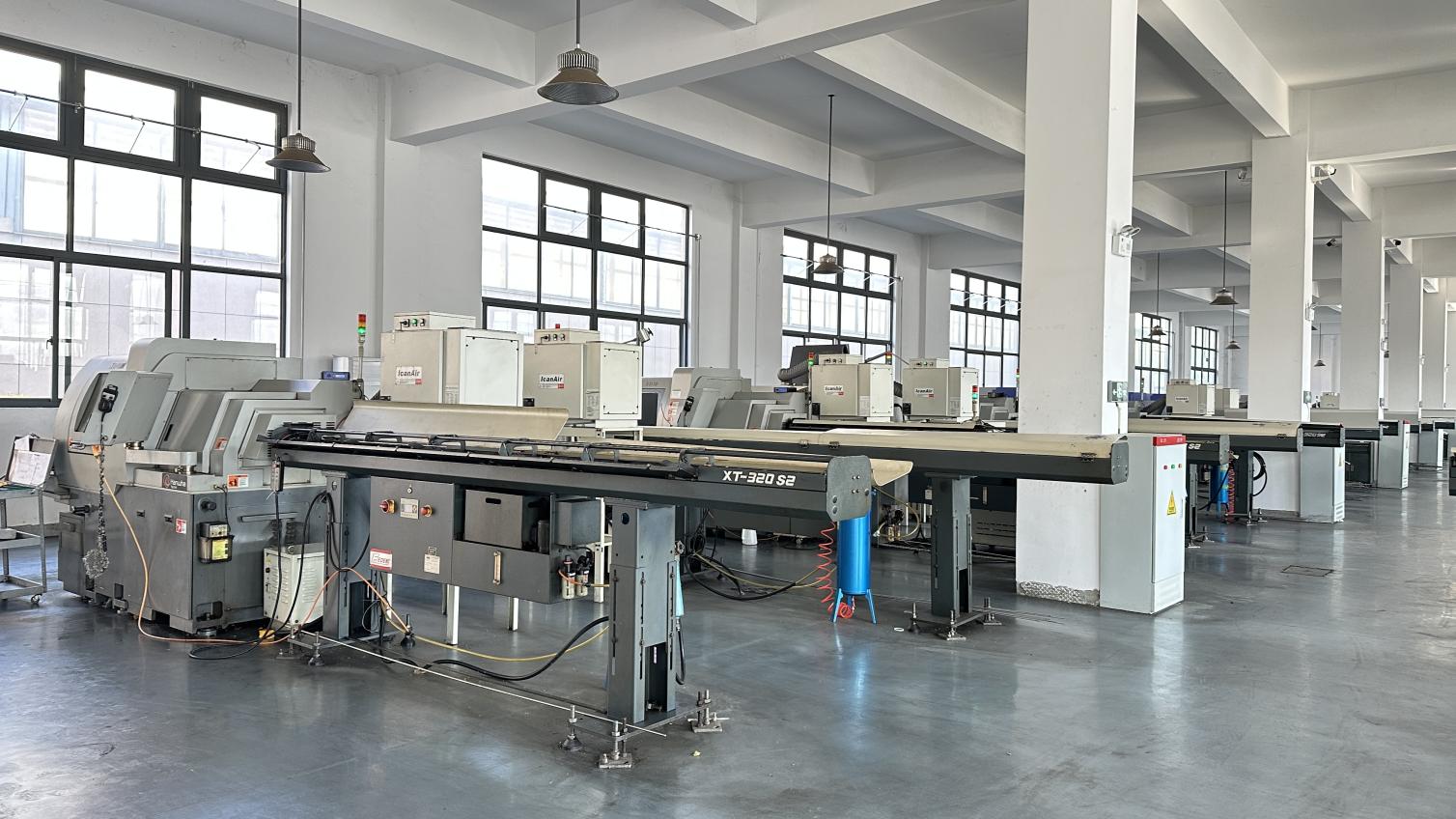
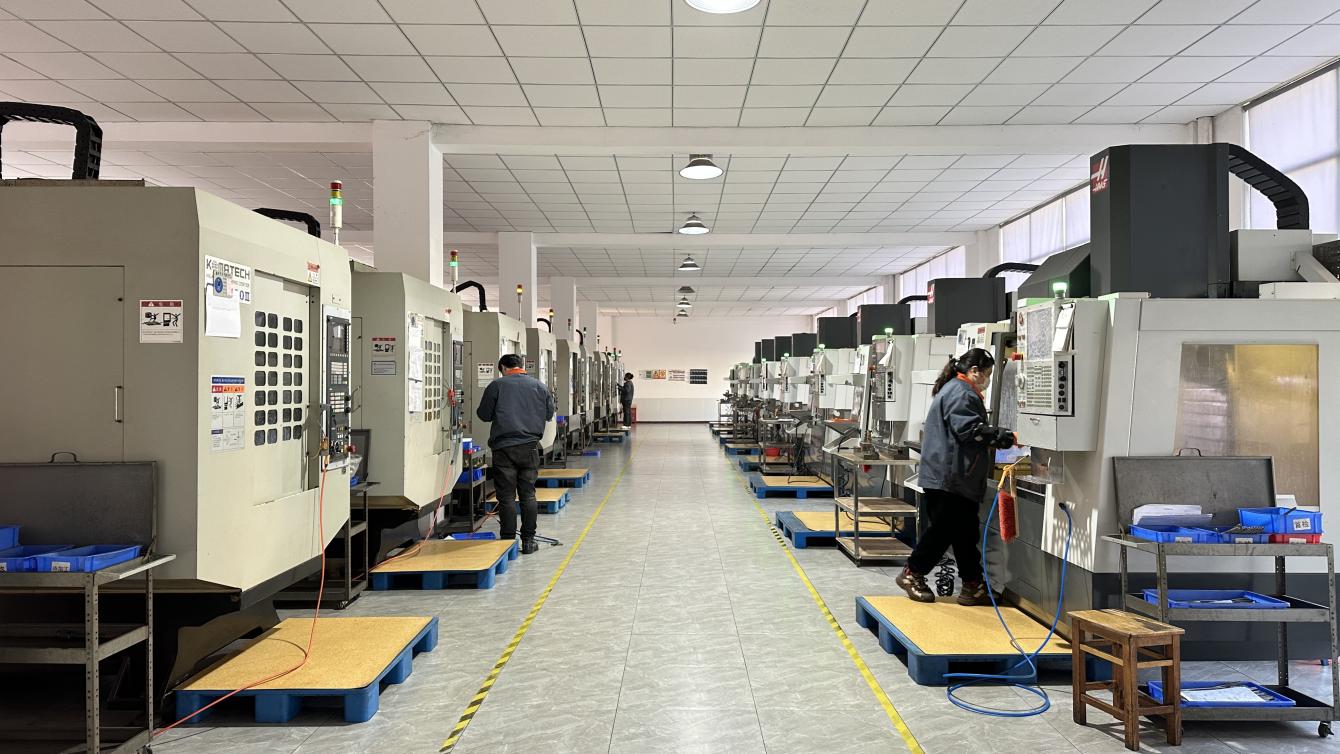
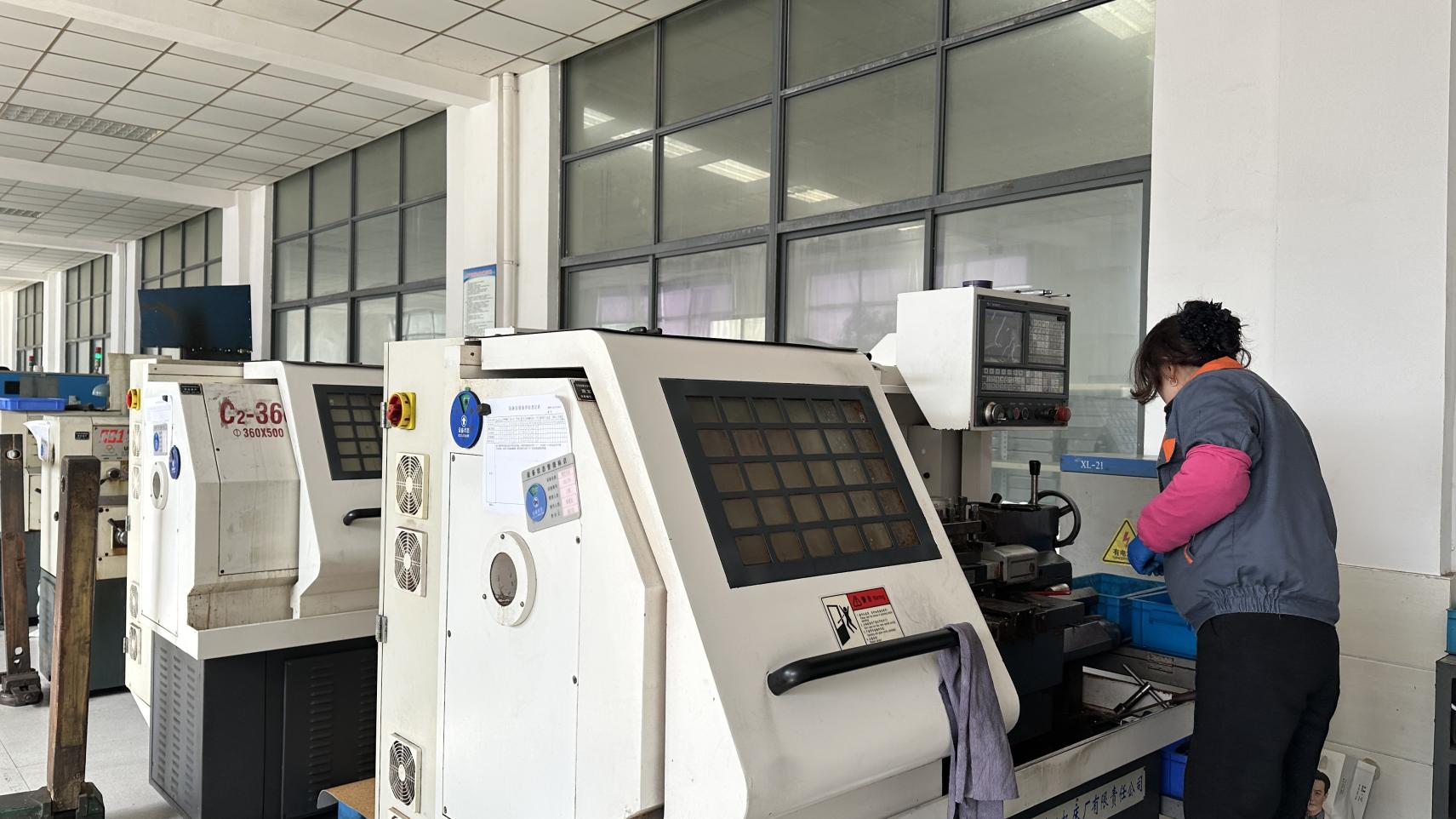
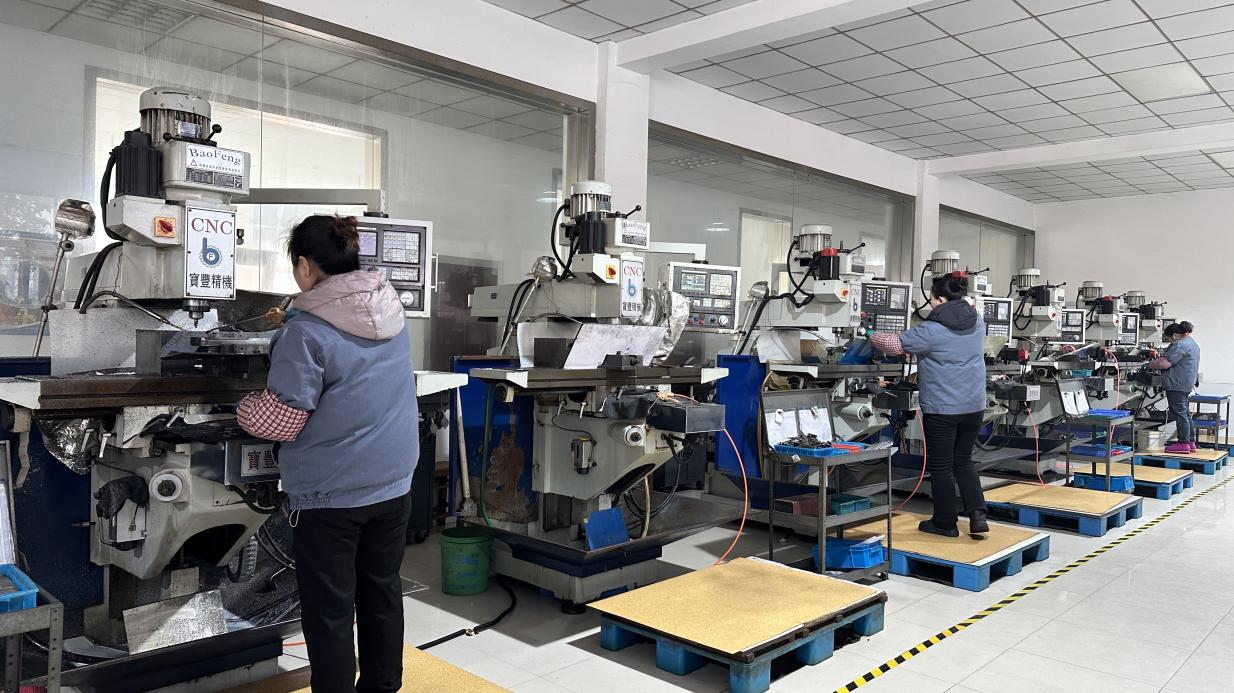
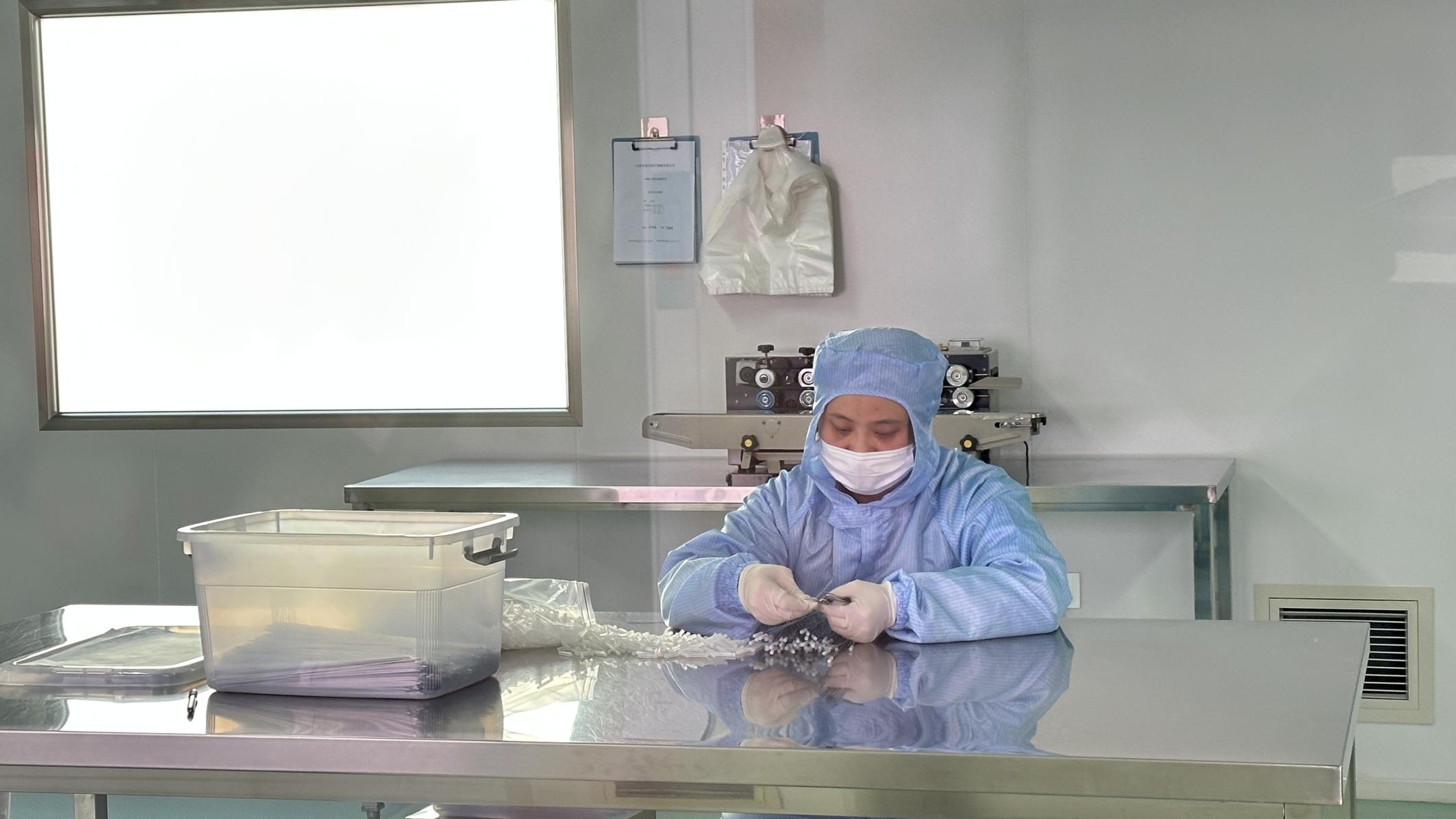
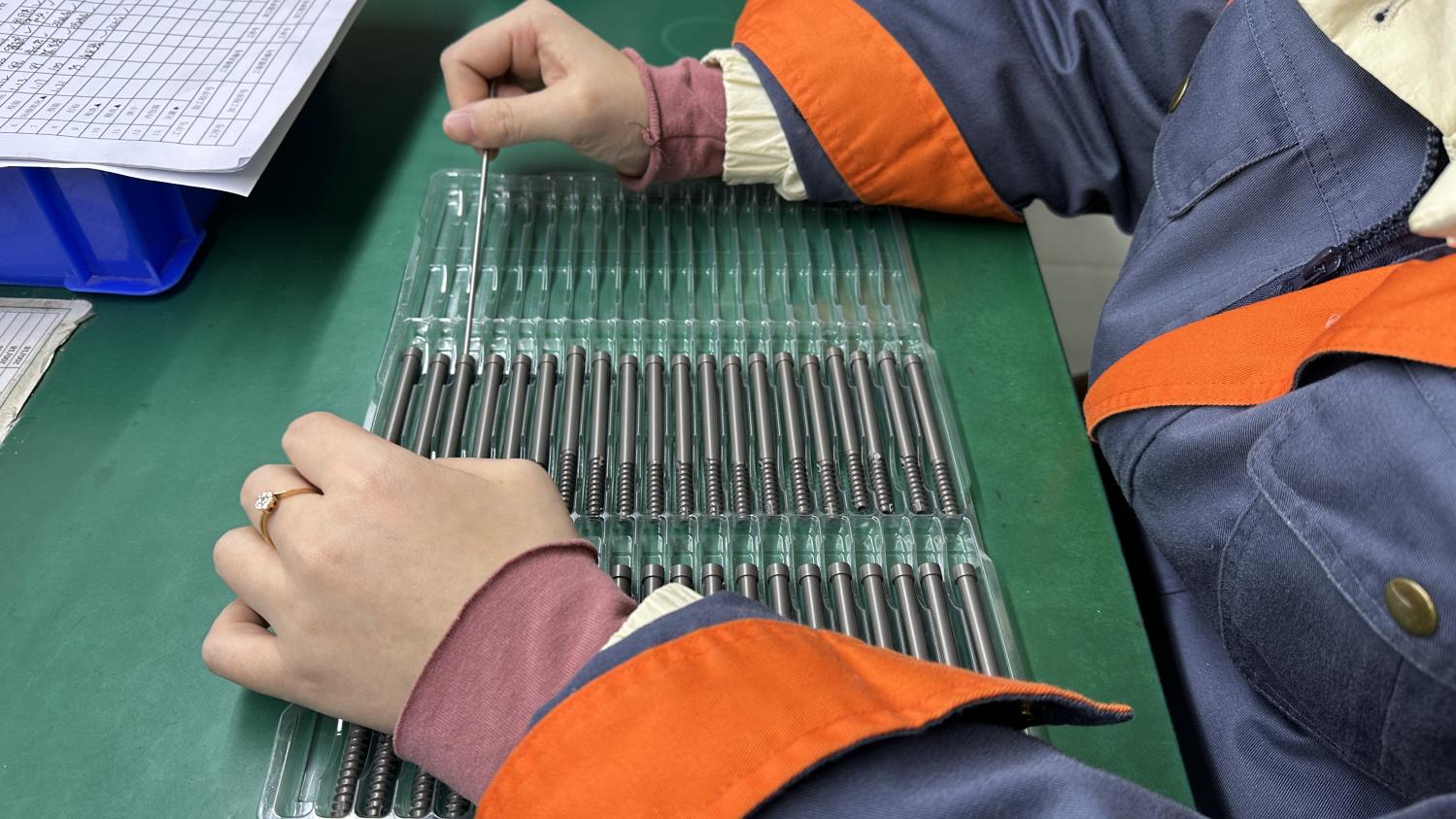
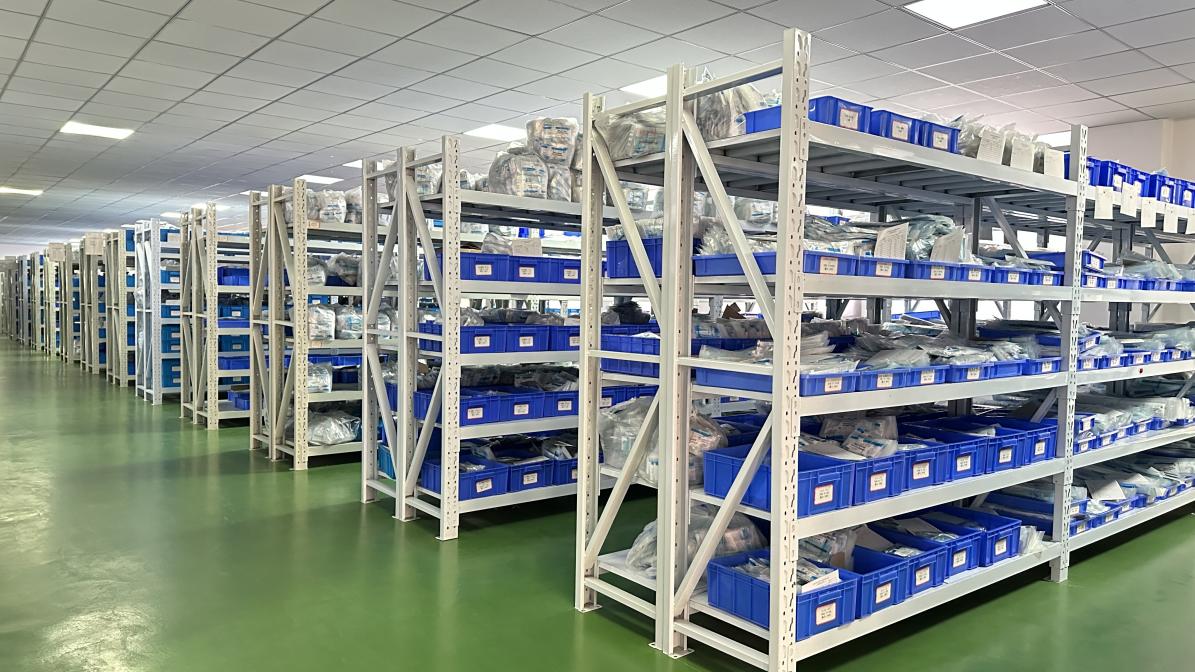
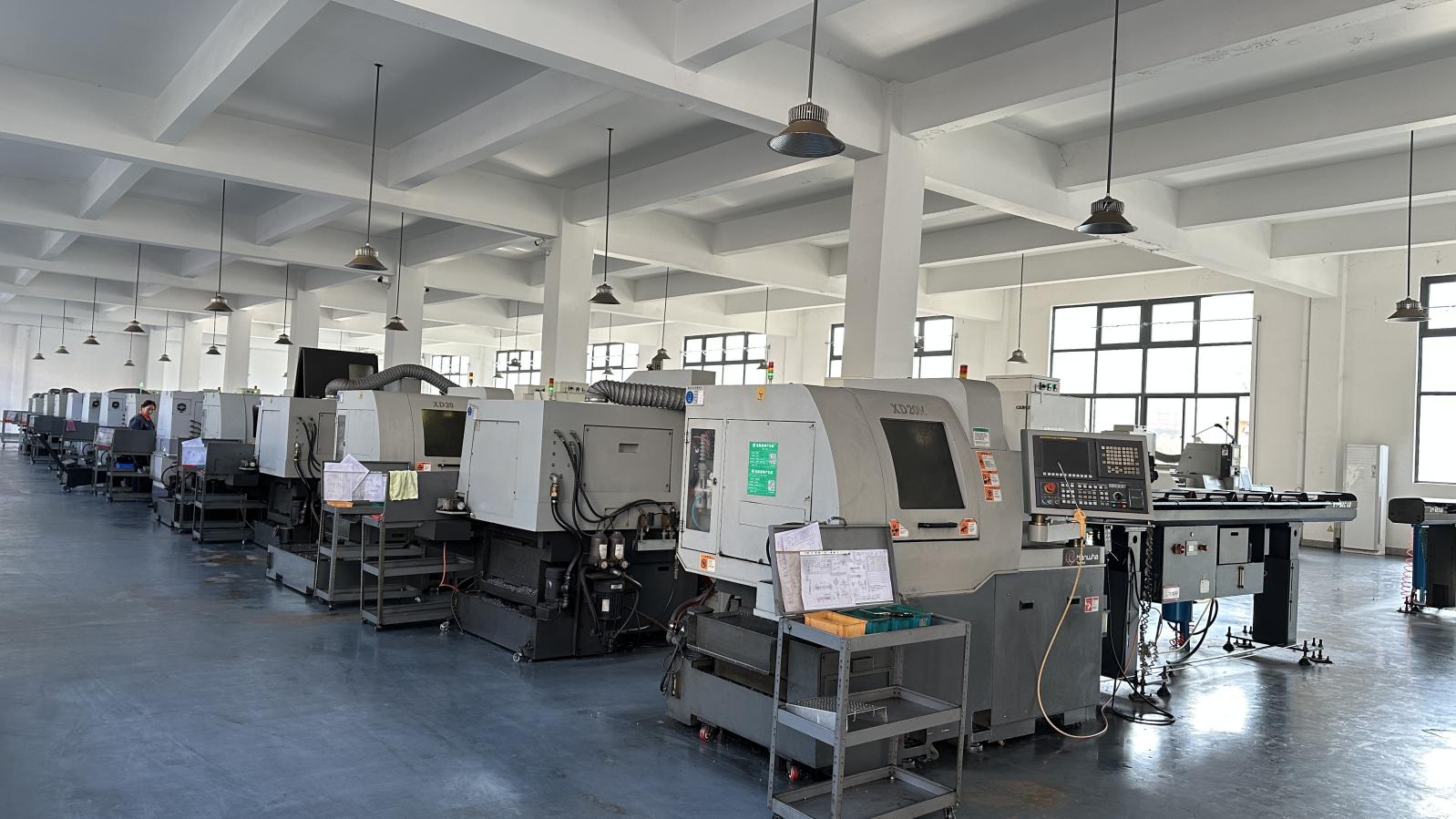
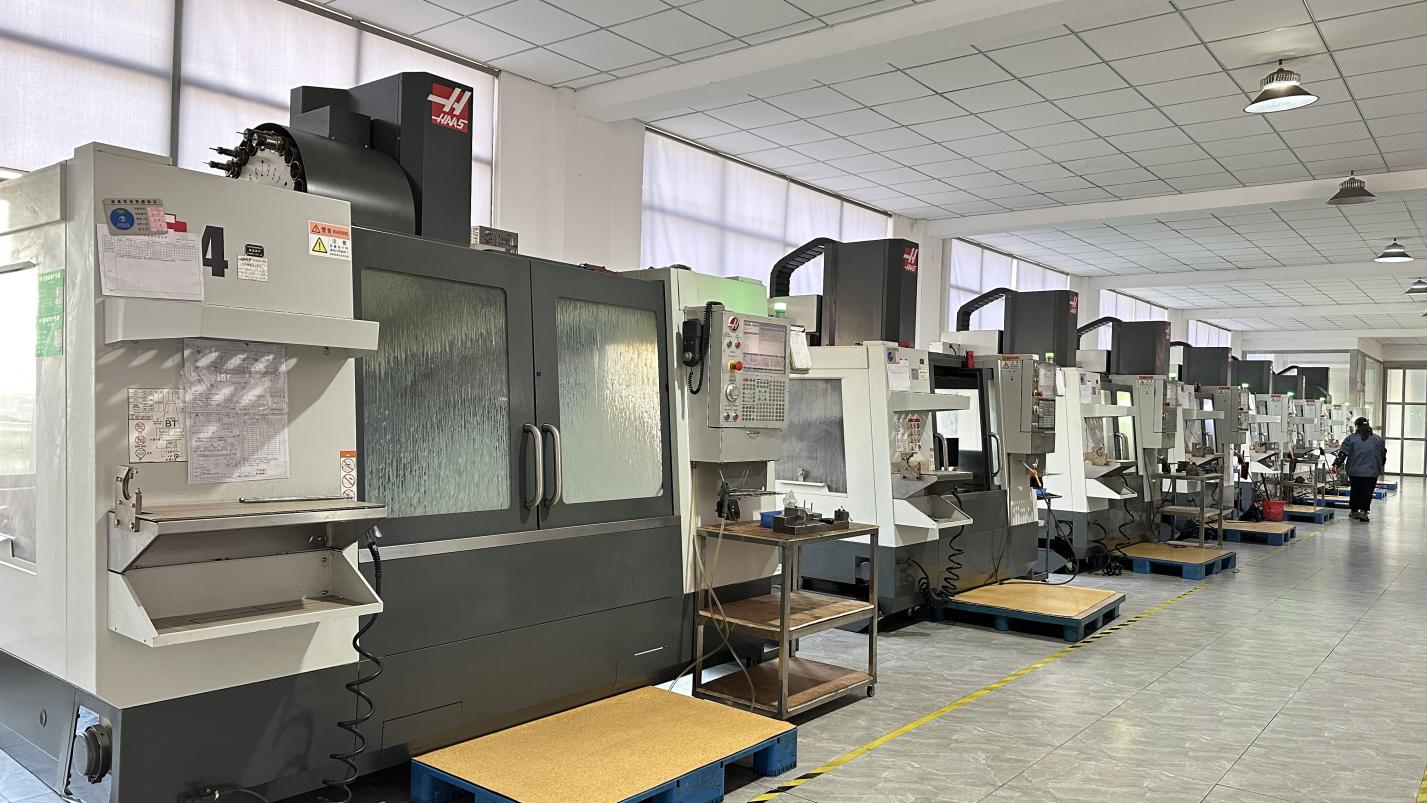
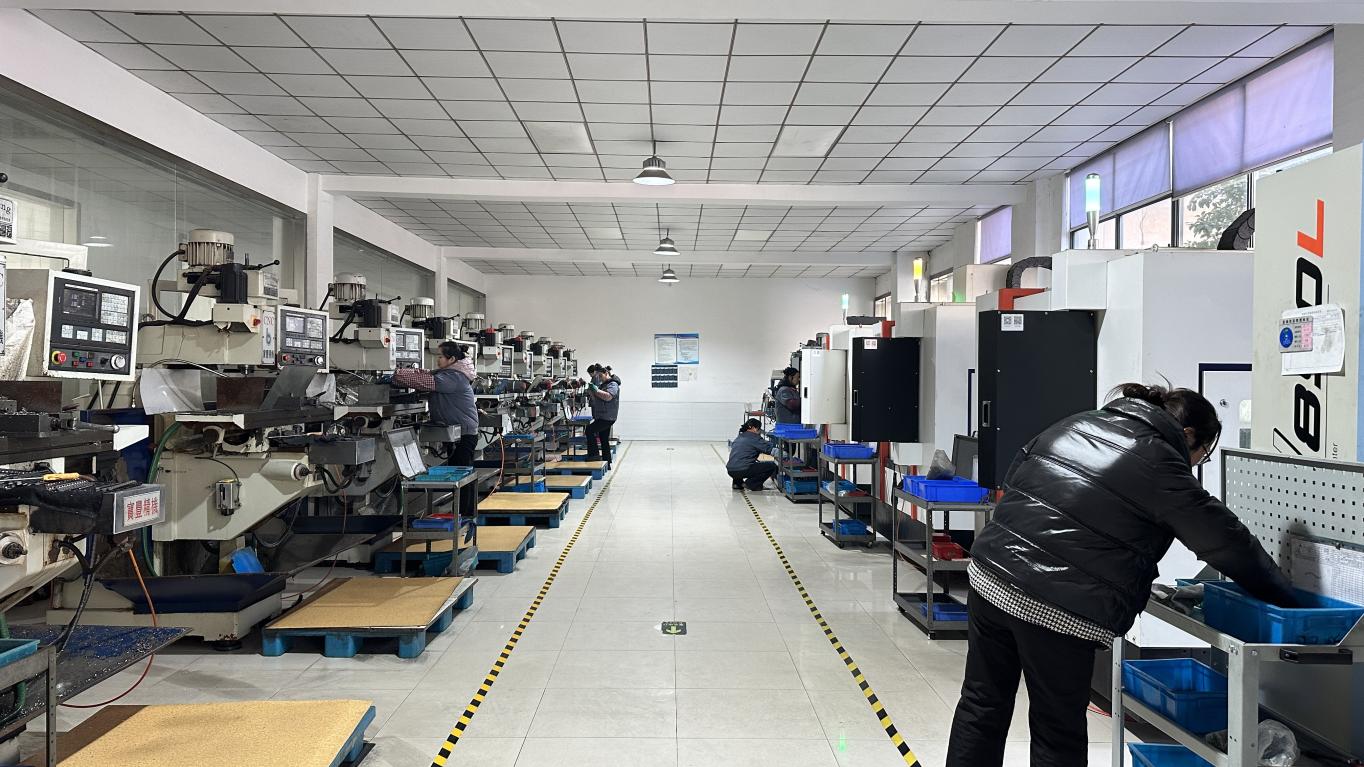
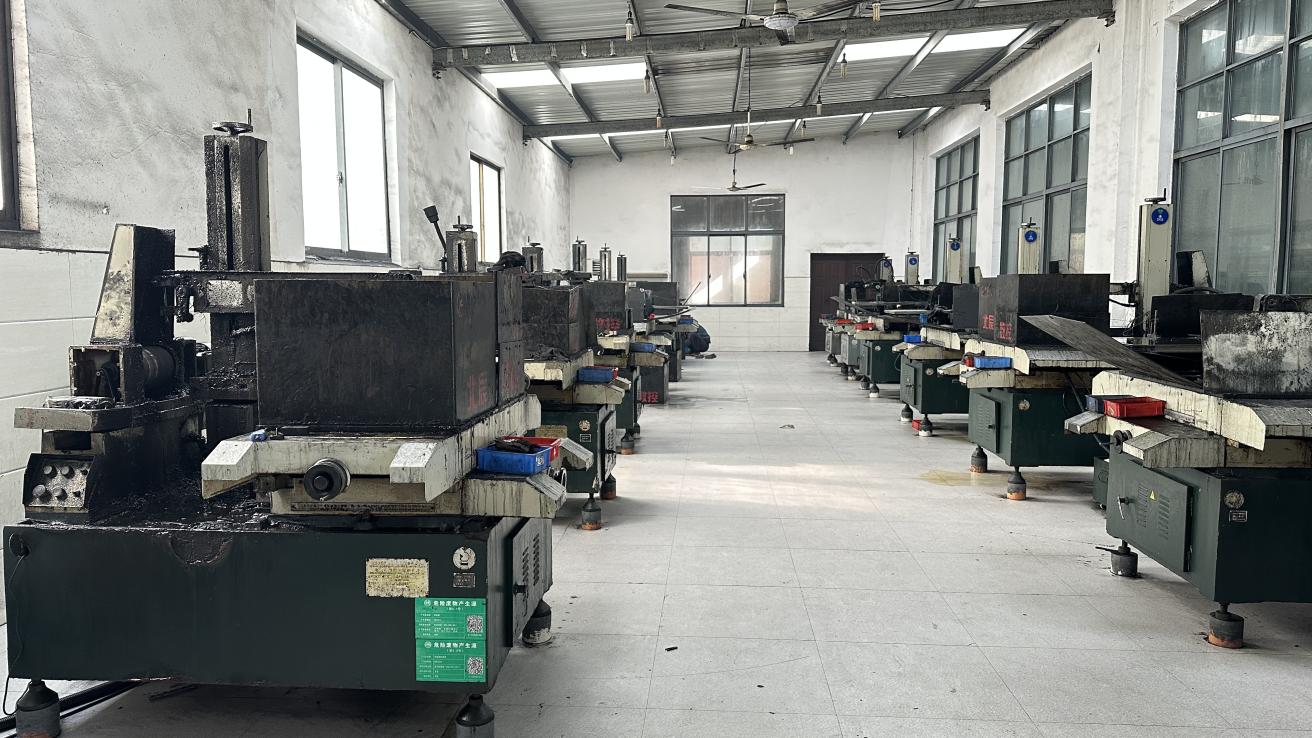
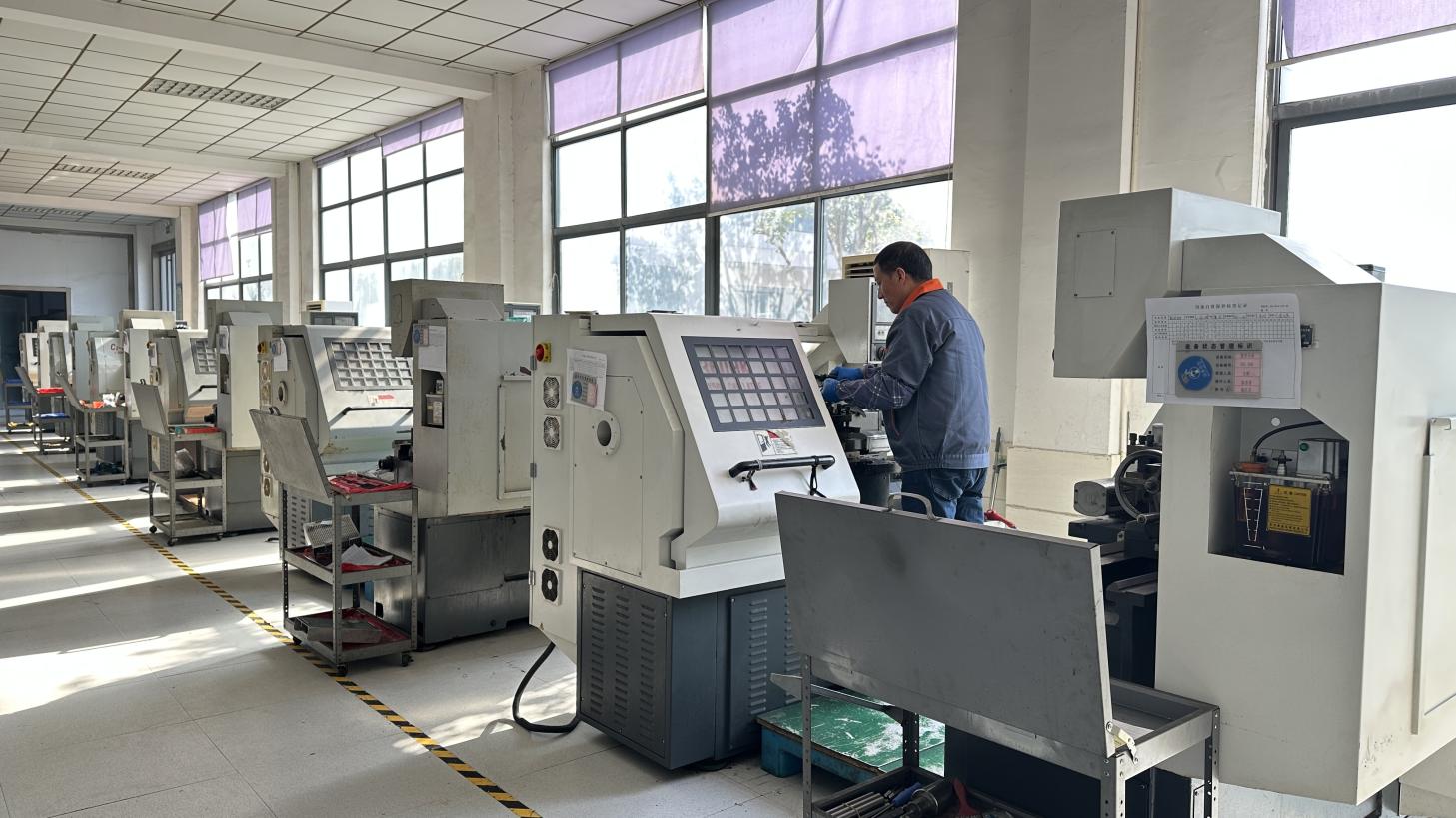
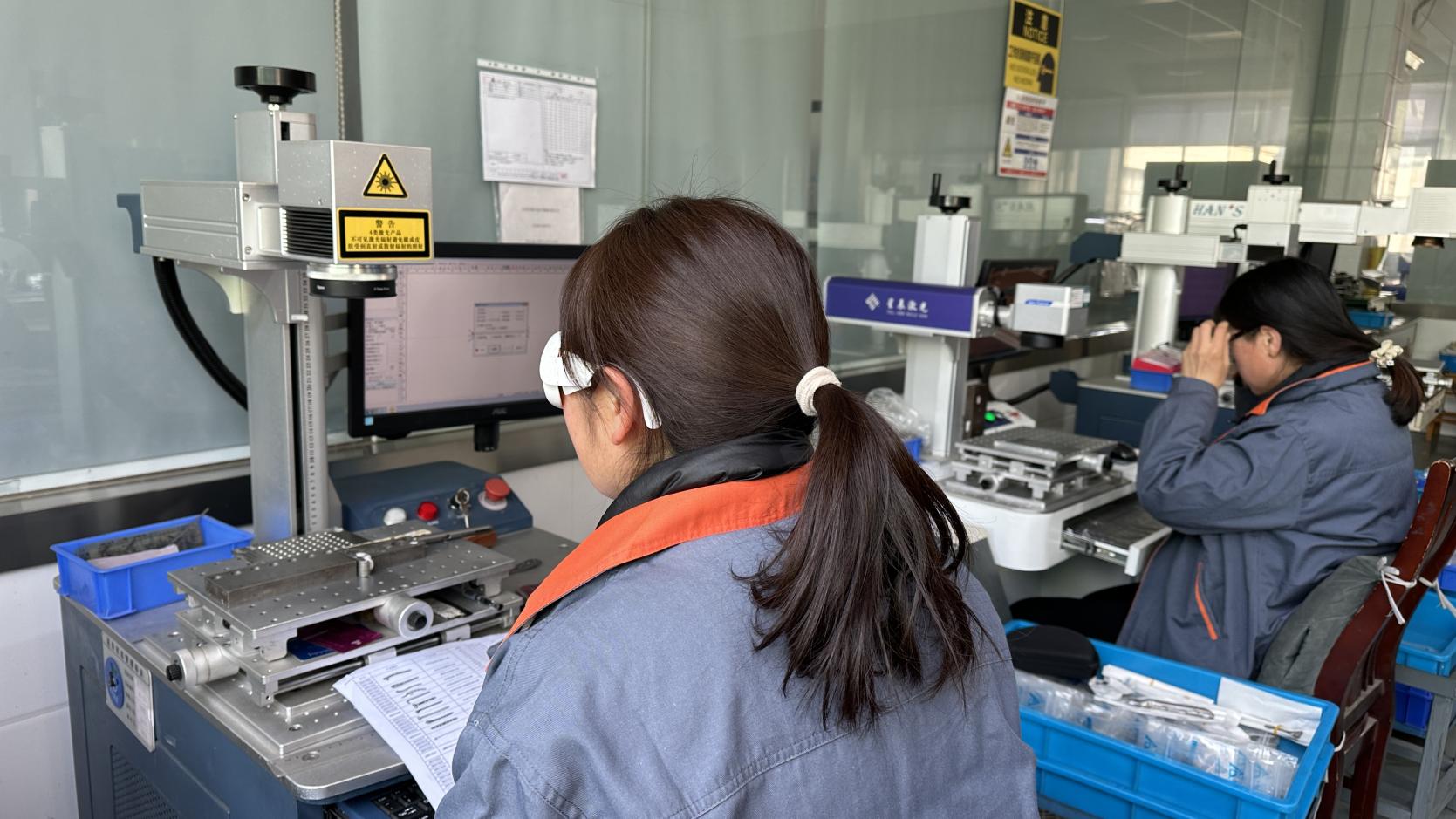
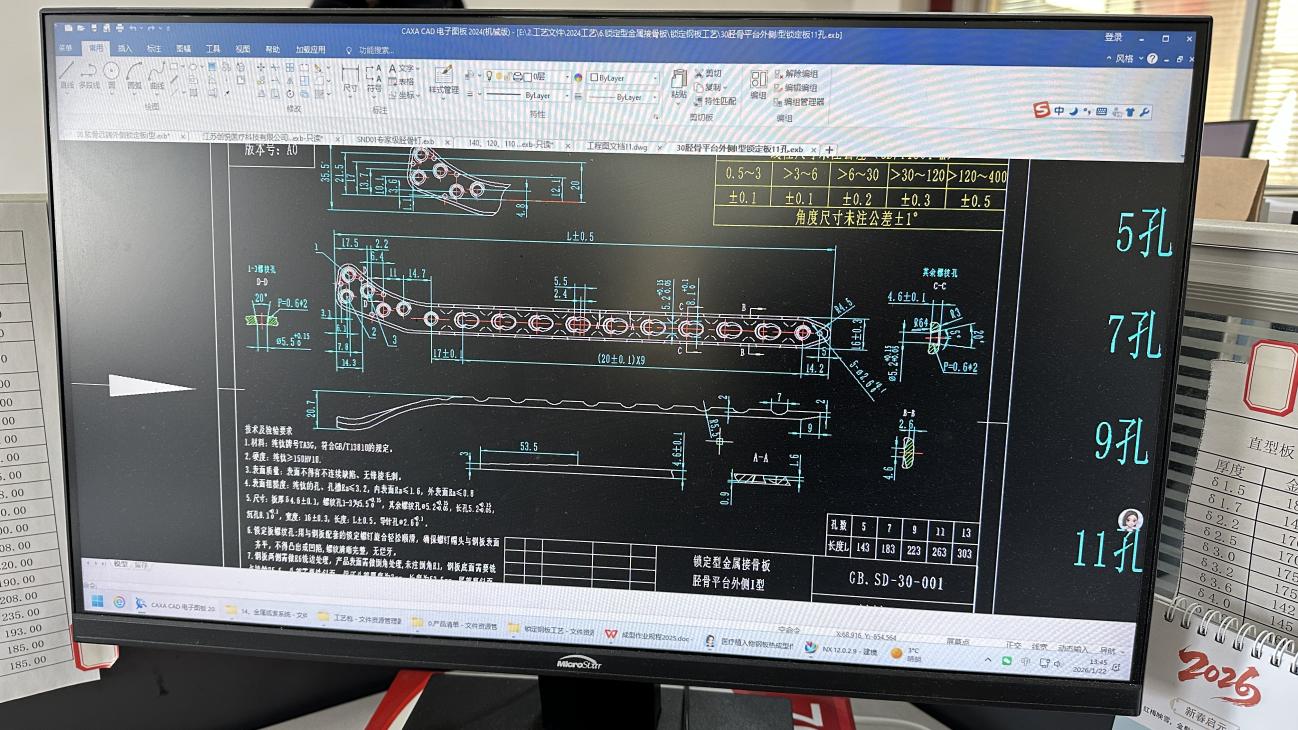
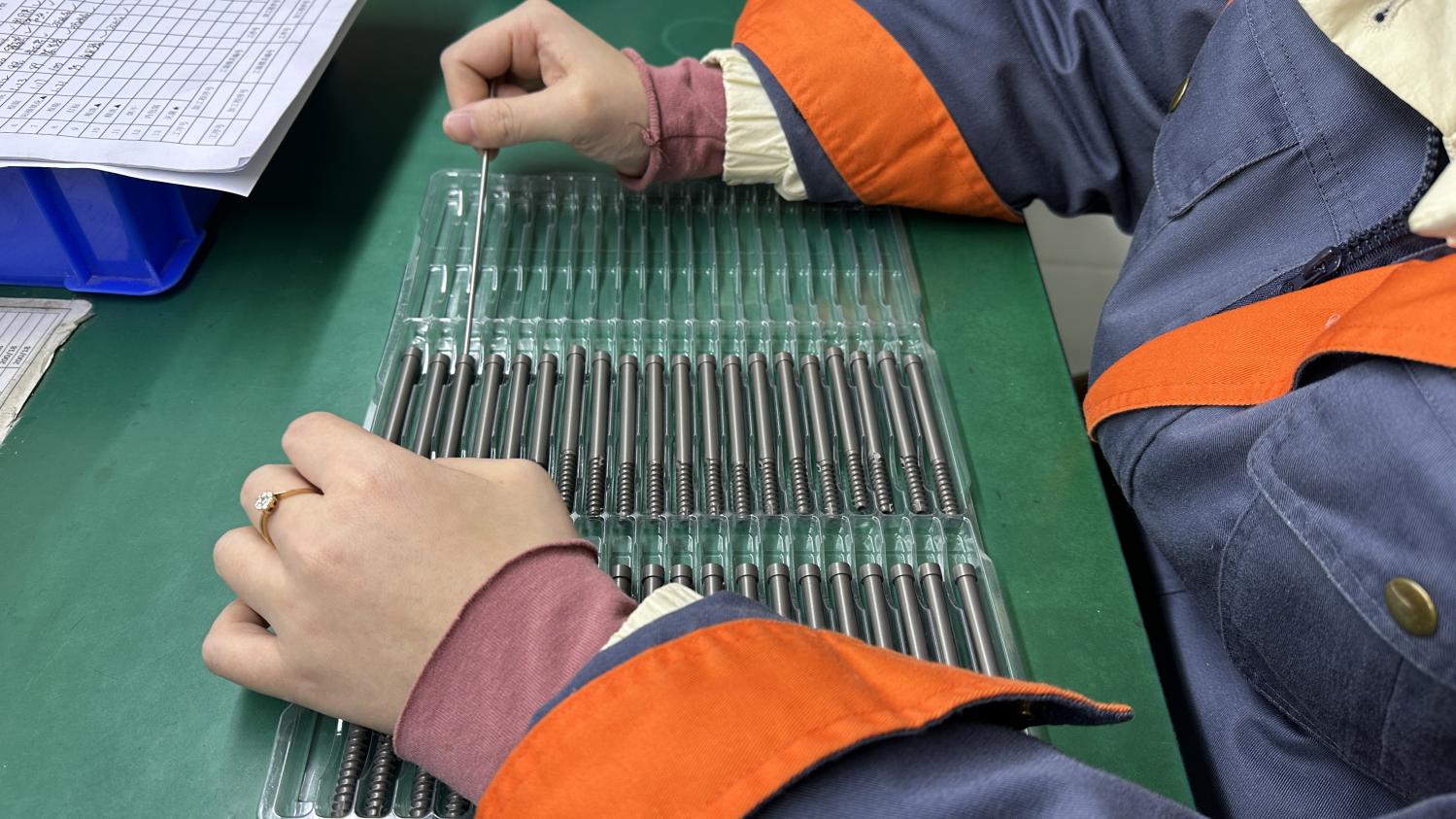
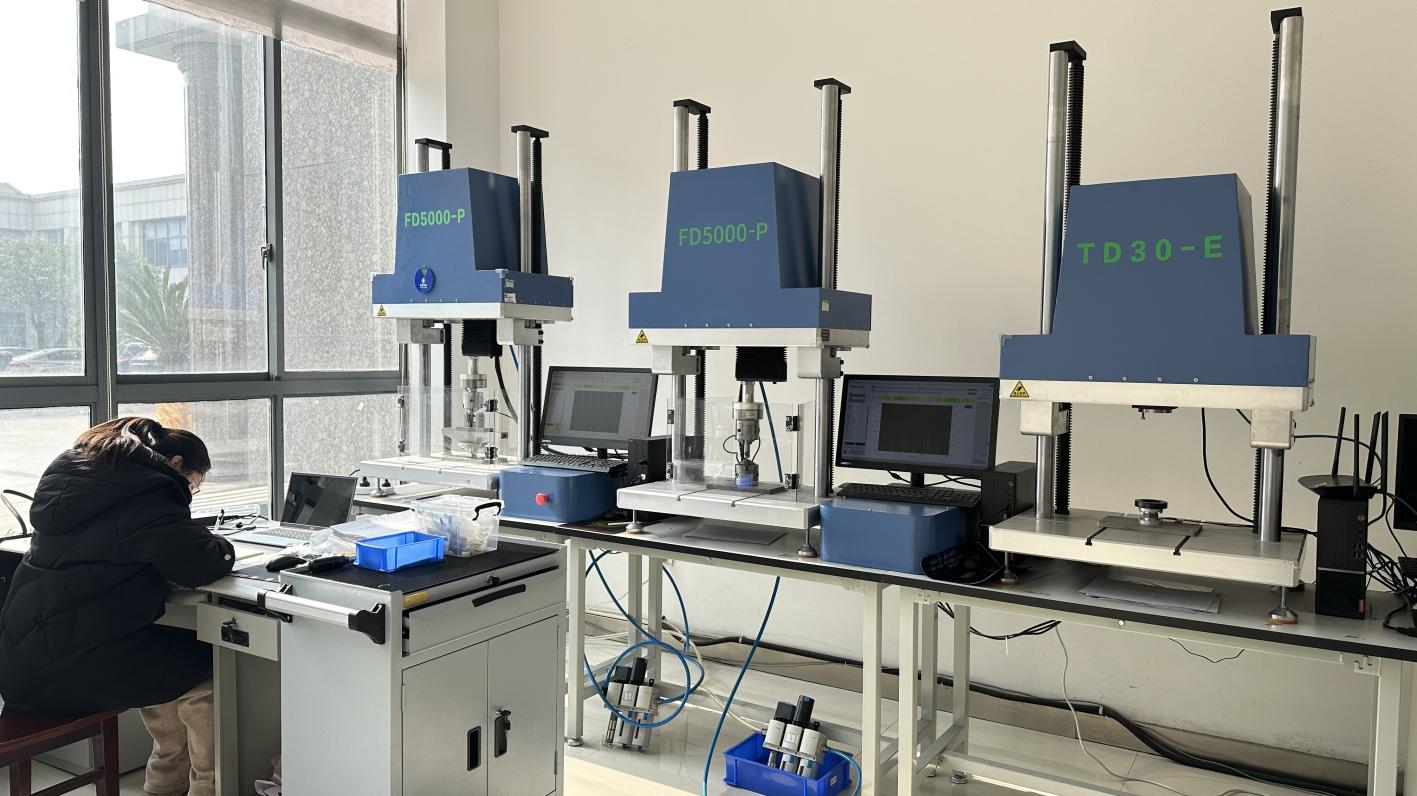
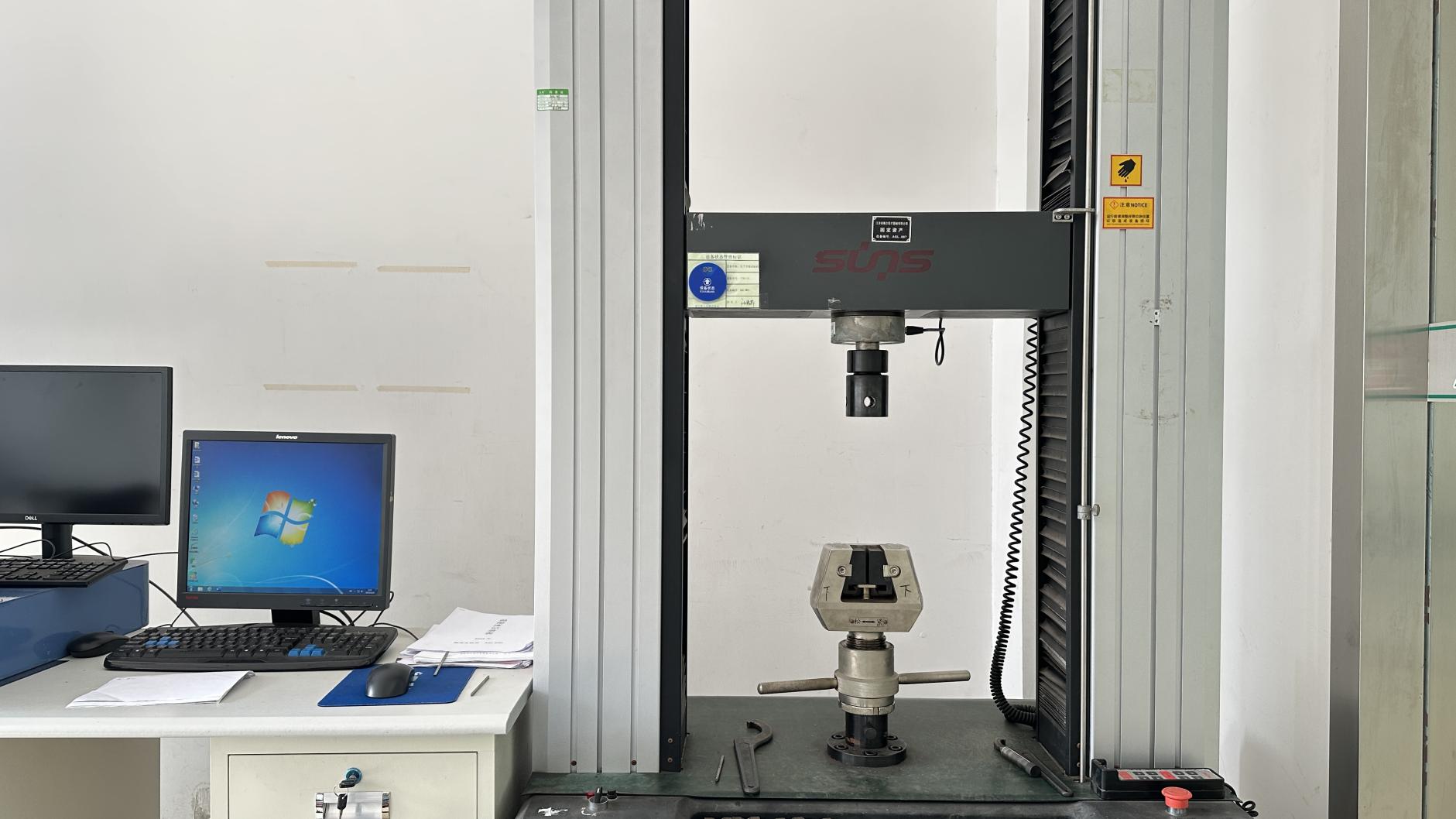
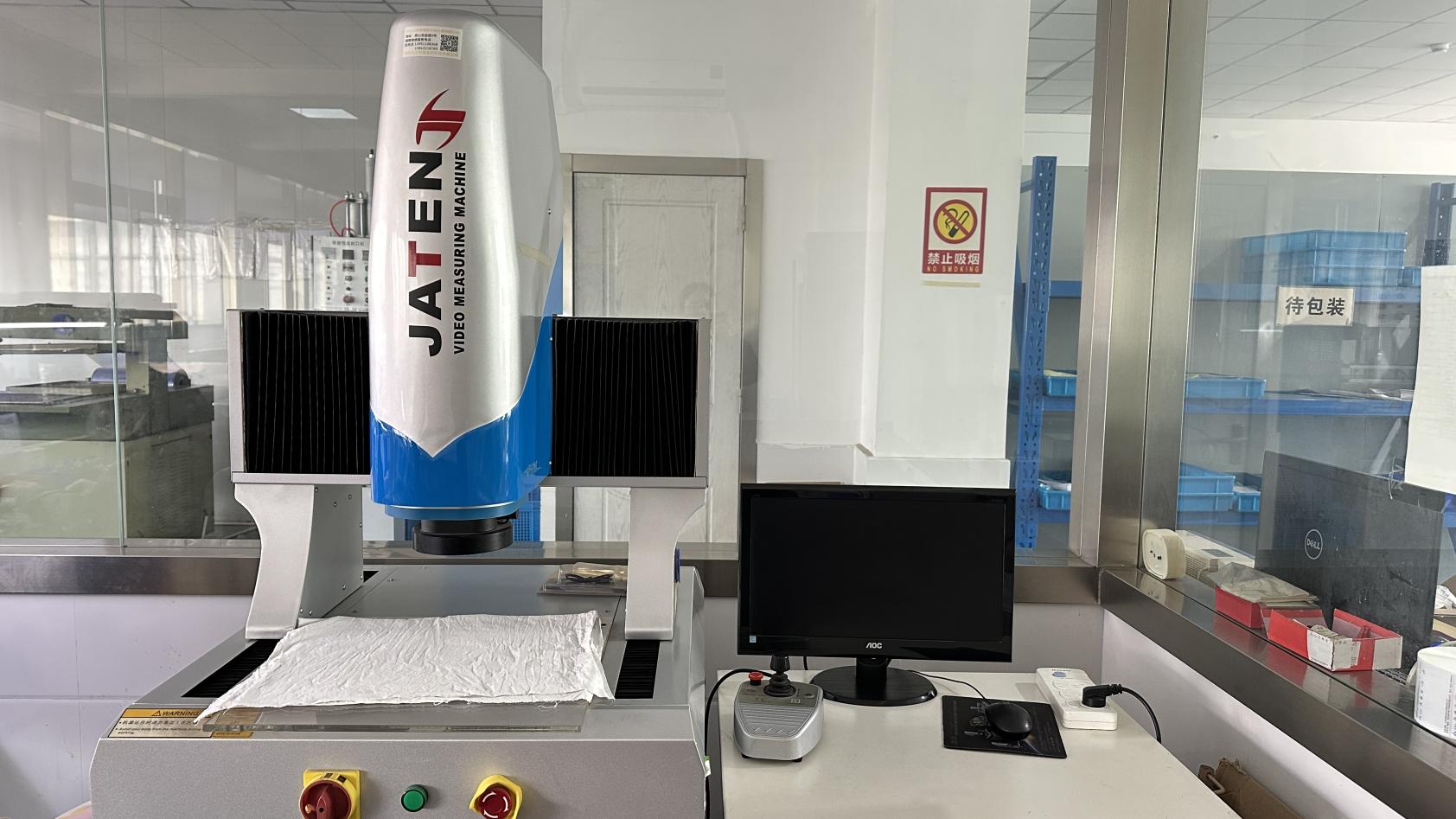
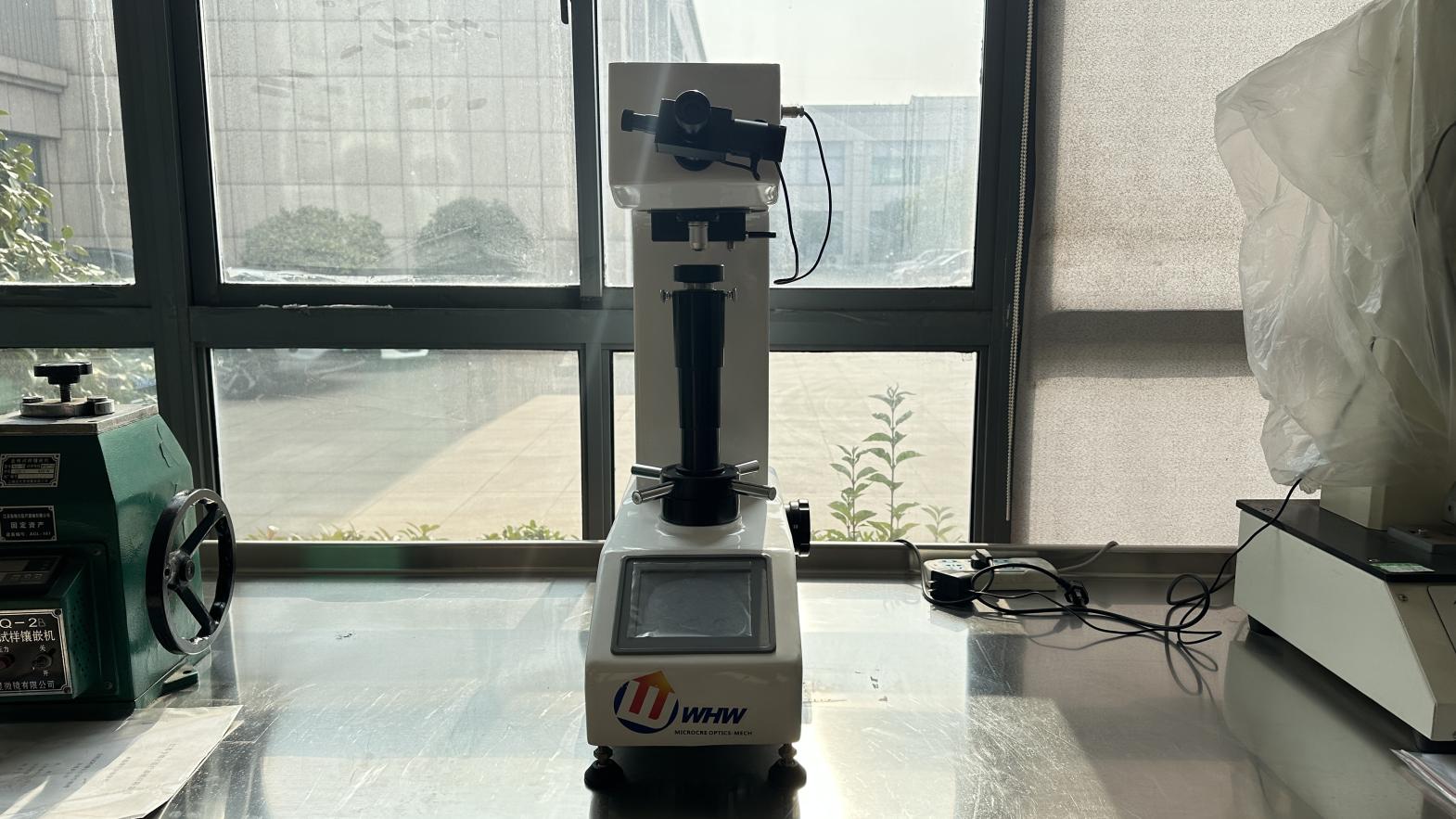
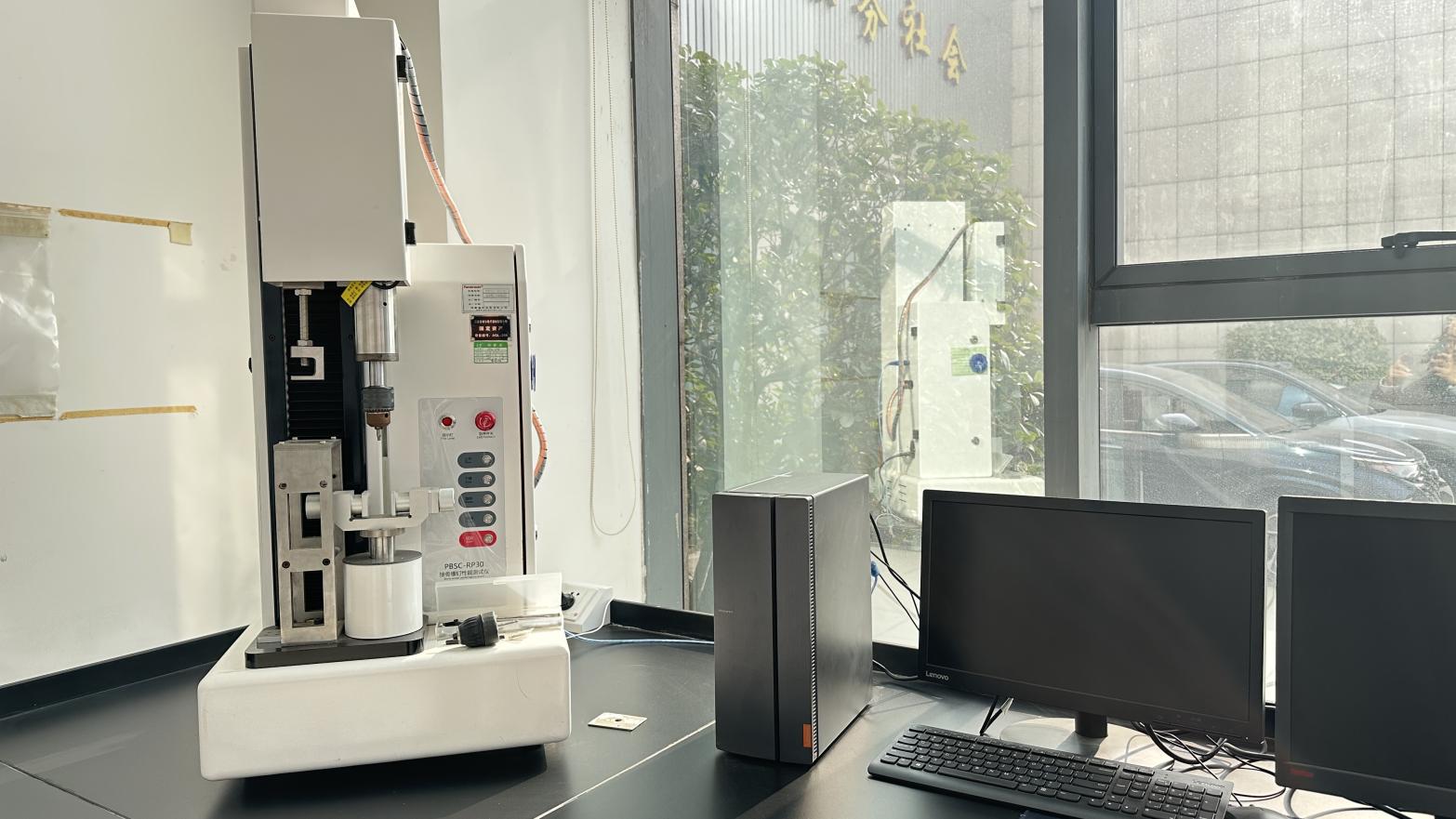
Our dedicated facility operates internal testing platforms to verify tensile strength, fatigue life cycles, screw pull-out forces, and dimensional integrity.

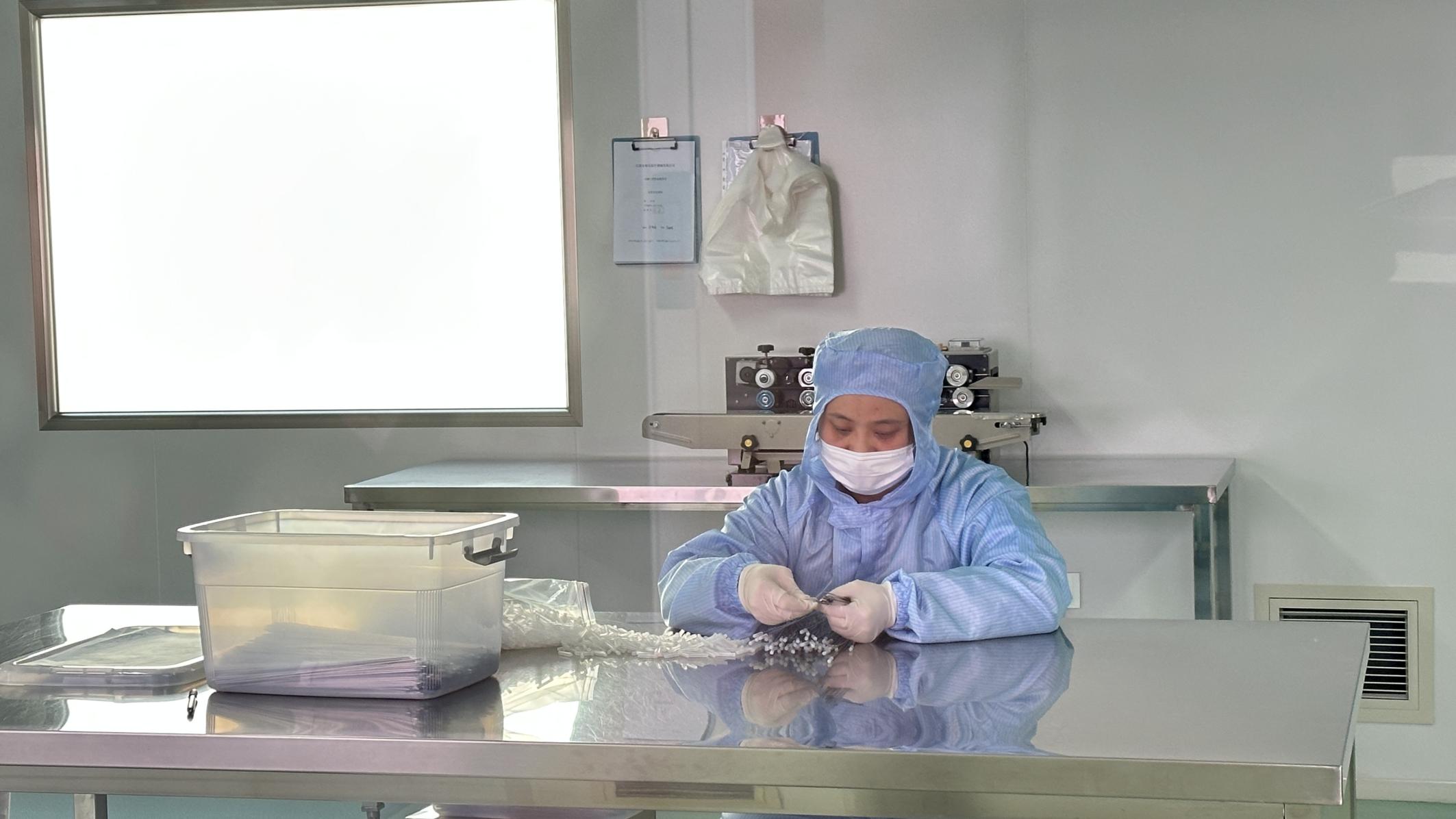
Our anterior cervical plating systems are optimized for multi-segment constructs and complex indications. Understanding the clinical requirements of orthopedic spine surgeons, our plates support several approaches:
Degenerative Disc Disease (DDD): ACDF utilizes our plates to provide immediate mechanical stabilization of the anterior column, allowing fusion cages (PEEK or Titanium) to fuse without graft movement.
Trauma & Spinal Fractures: In situations with bone integrity failure, dynamic and rigid options restore axial stability, preventing displacement of the vertebral bodies.
Decompression Fixation: Used after multi-level discectomy or corpectomy to ensure stability and promote osteogenesis.
Medisplint offers production options for international spinal implant brands and medical distributors. Backed by 85 R&D specialists and engineering expertise, we provide:
Expert answers regarding specifications, materials, and clinical parameters for anterior cervical fixation systems.
Ti-6Al-4V ELI (Extra Low Interstitial) offers high biocompatibility, corrosion resistance, and high strength-to-weight ratio. Its mechanical properties closely match human bone compared to stainless steel, reducing stress shielding and artifacts under post-operative MRI or CT scans.
Static plates hold the graft in a rigid position, making them suitable for trauma or multi-segment structural reconstructions. Dynamic plates allow controlled axial settling of the vertebral bodies over time. This facilitates continuous load sharing onto the graft, which, according to Wolff's Law, accelerates bone remodeling and fusion.
Our plates feature a pre-assembled locking design, such as expansion rings or rotatable caps. Once the bone screw is driven home, the locking mechanism secures the screw head, preventing post-operative back-out that could otherwise lead to dysphagia or soft-tissue damage.
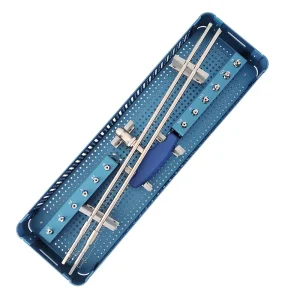
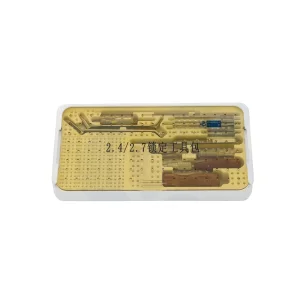
All instrumentation sets are manufactured in our ISO 13485 facility, conforming to CE Class II and Class III requirements. Tools are made of medical-grade stainless steel and aluminum, suitable for autoclave sterilization cycles.
Plates range from 1-level to 4-level constructs (spanning 20mm to 90mm). They are pre-curved to accommodate physiological lordosis, with plate thickness starting at 1.8mm for low-profile applications.
With our 85 engineers and over 10 years of experience, we provide custom design modifications, custom surgical tool layouts, rapid prototyping, and private labeling services under strict compliance with regulatory standards.
Yes, our plates are designed to be compatible with both PEEK (polyetheretherketone) and titanium interbody fusion cages (such as PLIF, TLIF, OLIF, and cervical cages), allowing surgeons to choose the optimal interbody spacer for each patient.
Each production run undergoes structural validation in our labs, including ASTM F1717 fatigue tests, torsion testing, pull-out force validation, and dimensional inspection using 2D measuring machines.
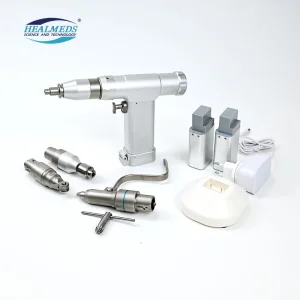
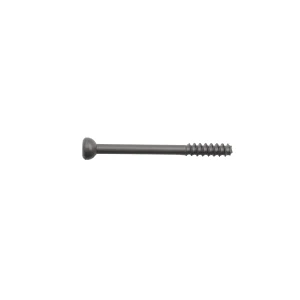
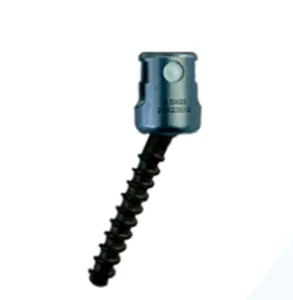
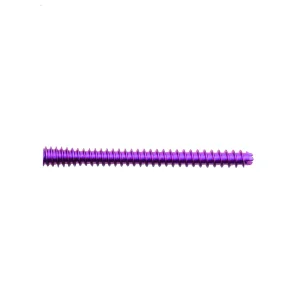
Complete your surgical suite with our specialized micro-power tools, bone screws, and cervical spine system accessories.