Medisplint
Medisplint
Medisplint
Australia boasts one of the most rigorous and advanced orthopedic healthcare systems globally. Managed under the watchful eyes of the Therapeutic Goods Administration (TGA) and continuously monitored by the Australian Orthopaedic Association National Joint Replacement Registry (AOANJRR), the clinical expectations for joint implants are exceptionally high.
As the Australian population ages and active lifestyles extend well into senior years, the demand for primary and revision Total Hip Replacements (THR) and Total Knee Replacements (TKR) is experiencing steady, exponential growth. Clinical providers face dual pressures: maintaining high implant survivorship rates while managing rising healthcare delivery costs within public Medicare-funded networks and private health insurance frameworks.
For B2B procurement officers, hospital networks, and distributors across Sydney, Melbourne, Brisbane, Adelaide, and Perth, securing a reliable, direct manufacturer-level supply chain is no longer just a pricing advantage—it is a risk mitigation strategy. Implants must deliver clinical safety, tribological reliability, and predictable surgical outcomes.
The success of arthroplasty relies on material integrity at the load-bearing interface. In Australia, where joint replacements are increasingly performed on younger, more active patient cohorts, reducing wear debris and minimizing aseptic loosening is paramount. Modern THR and TKR systems utilize advanced tribological pairings designed to achieve sub-micron wear profiles.
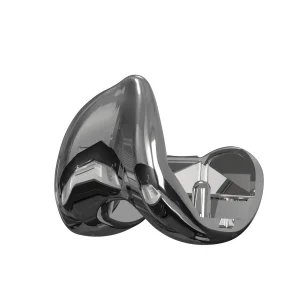
For femoral components in both hip and knee constructs, Cobalt-Chromium-Molybdenum (CoCrMo) alloy remains the clinical standard. The material provides high hardness, resistance to scratching, and excellent biocompatibility. Femoral stems, on the other hand, typically employ Titanium-Aluminum-Vanadium (Ti6Al4V ELI) alloys. Titanium's lower modulus of elasticity closely matches that of human cortical bone, reducing the risks of "stress shielding" and subsequent bone resorption.
The bearing surface interaction represents the critical point of wear. Primary cemented and cementless acetabular cups utilize Highly Cross-Linked Polyethylene (HXPE) or UHMWPE, providing resistance to delamination and pitting. For premium constructs, Ceramic-on-Polyethylene (CoP) or Ceramic-on-Ceramic (CoC) couplings offer the lowest friction coefficients available, significantly eliminating osteolytic reactions caused by wear particles.
Clinical Focus: Plasma-sprayed Titanium and Hydroxyapatite (HA) dual coating on cementless stems mimics natural trabecular bone structure, prompting rapid mechanical interlocking through active osteointegration.
| Component Type | Material Composition | Surface Treatment / Coating | Key Application Advantage |
|---|---|---|---|
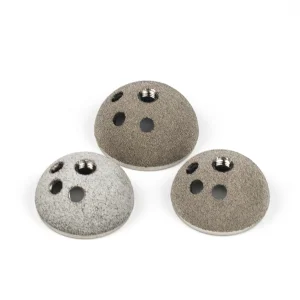
| Acetabular Cups (Cementless) | Ti6Al4V Alloy / UHMWPE | Plasma-sprayed Ti Coating + HA | High primary mechanical stability, rapid osteointegration |
| Femoral Stems (Cementless) | Ti6Al4V ELI (ISO 5832-3) | HA (Hydroxyapatite) Coated | Proximal load transfer, matches cortical bone modulus |
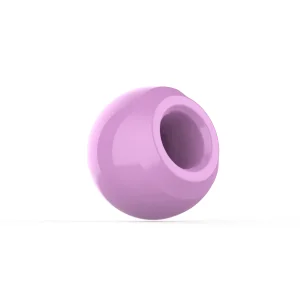
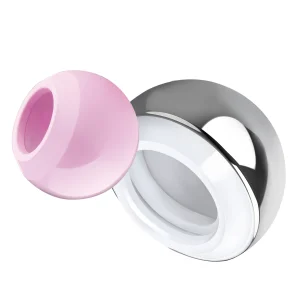
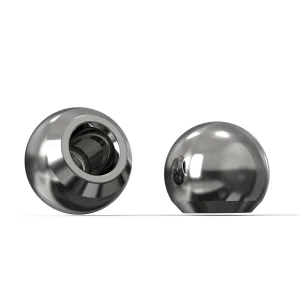
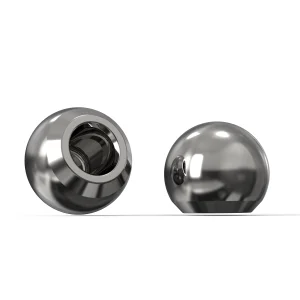
| Modular Femoral Heads | CoCrMo Alloy / Alumina Ceramic | Mirror-polished (Ra < 0.02 µm) | Friction reduction, minimizes wear debris generation |
| Knee Femoral & Tibial Plates | CoCrMo Alloy (ISO 5832-12) | Polished Articular Surfaces | Exceptional fatigue strength, high load distribution |
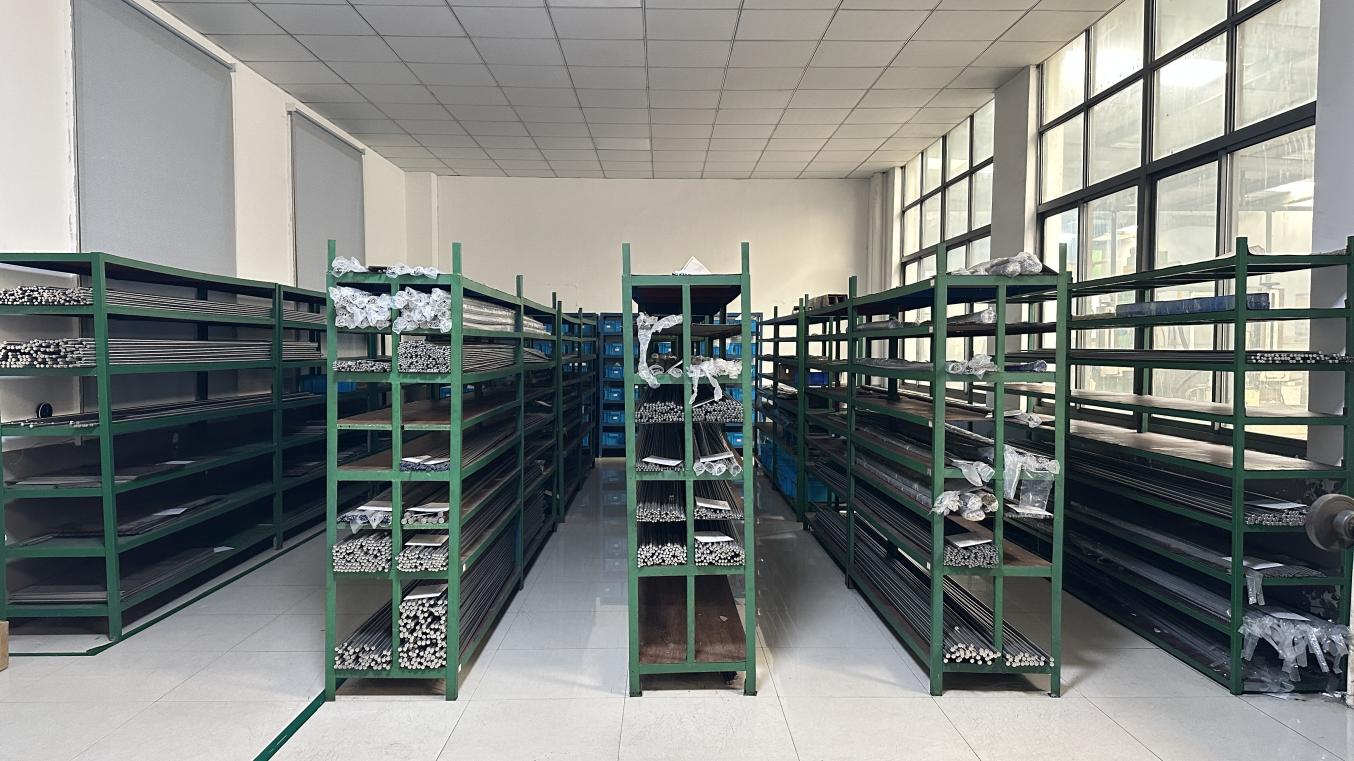
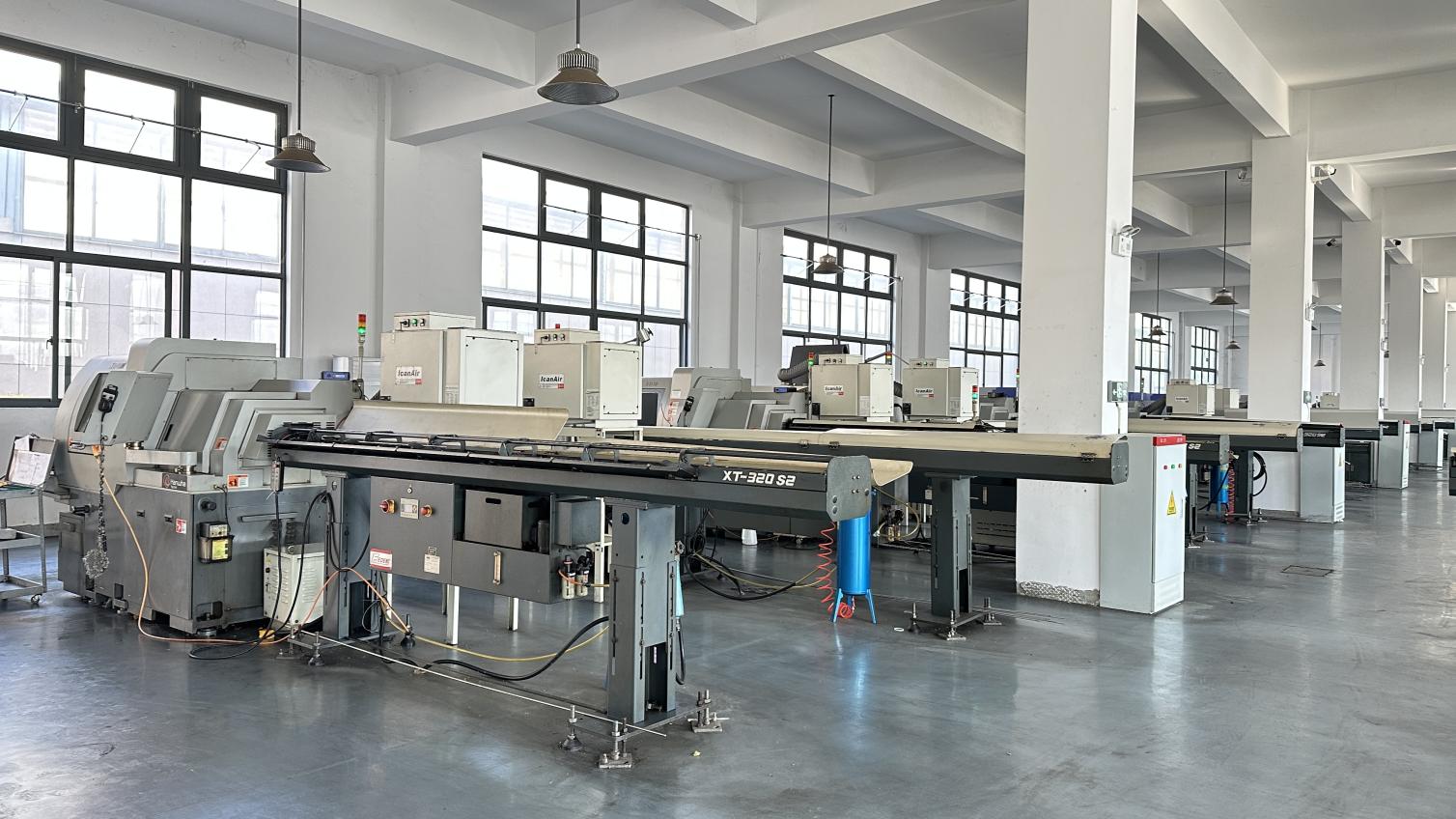
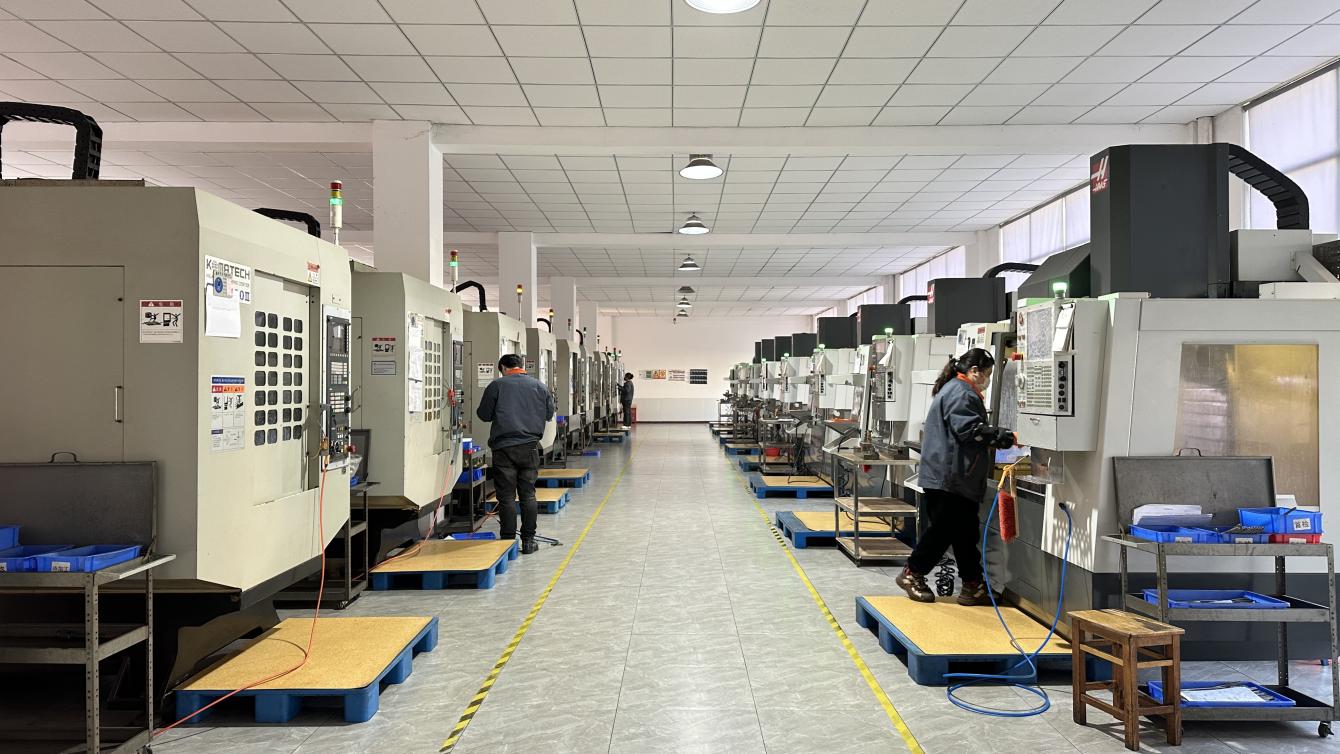
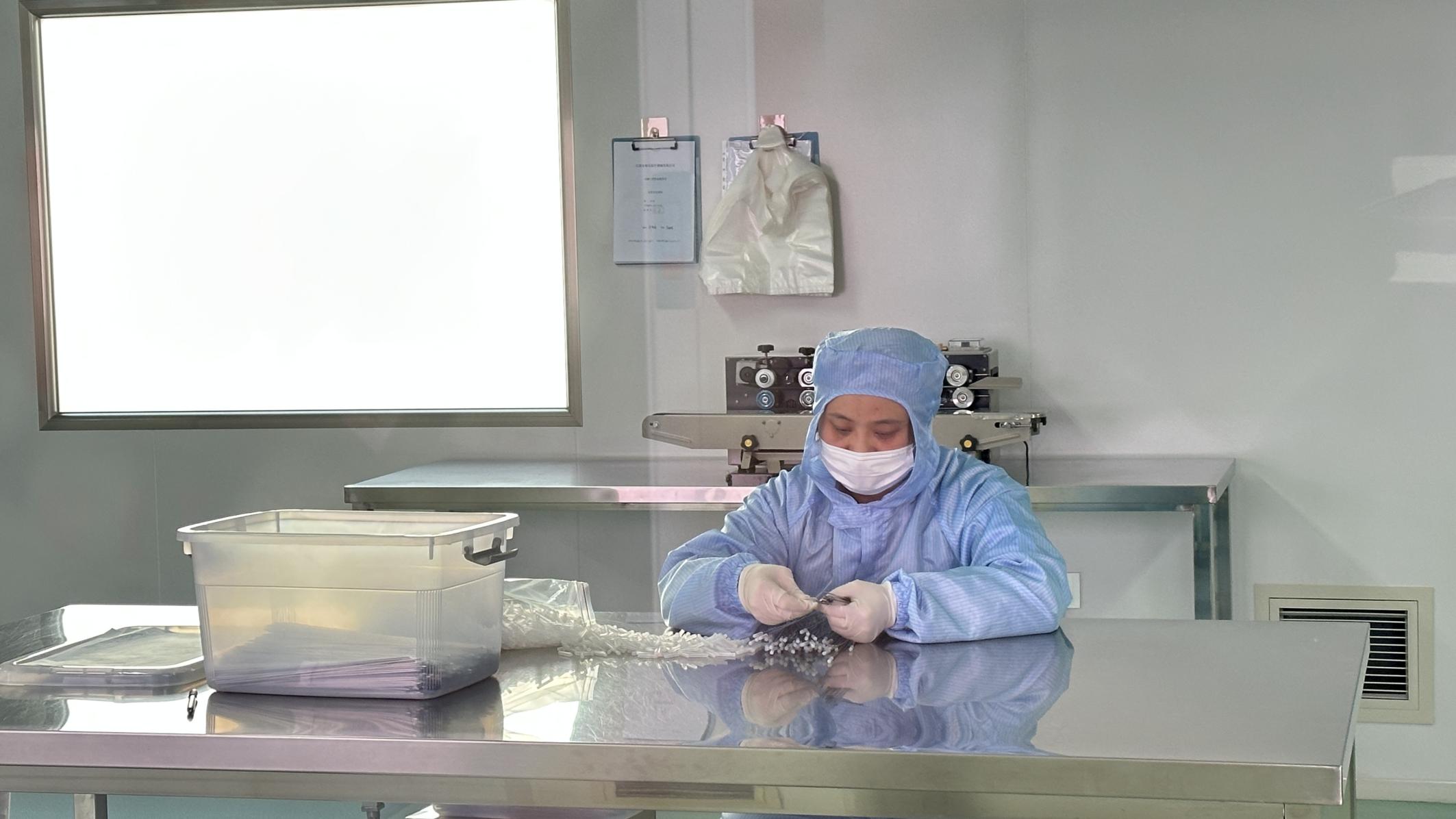
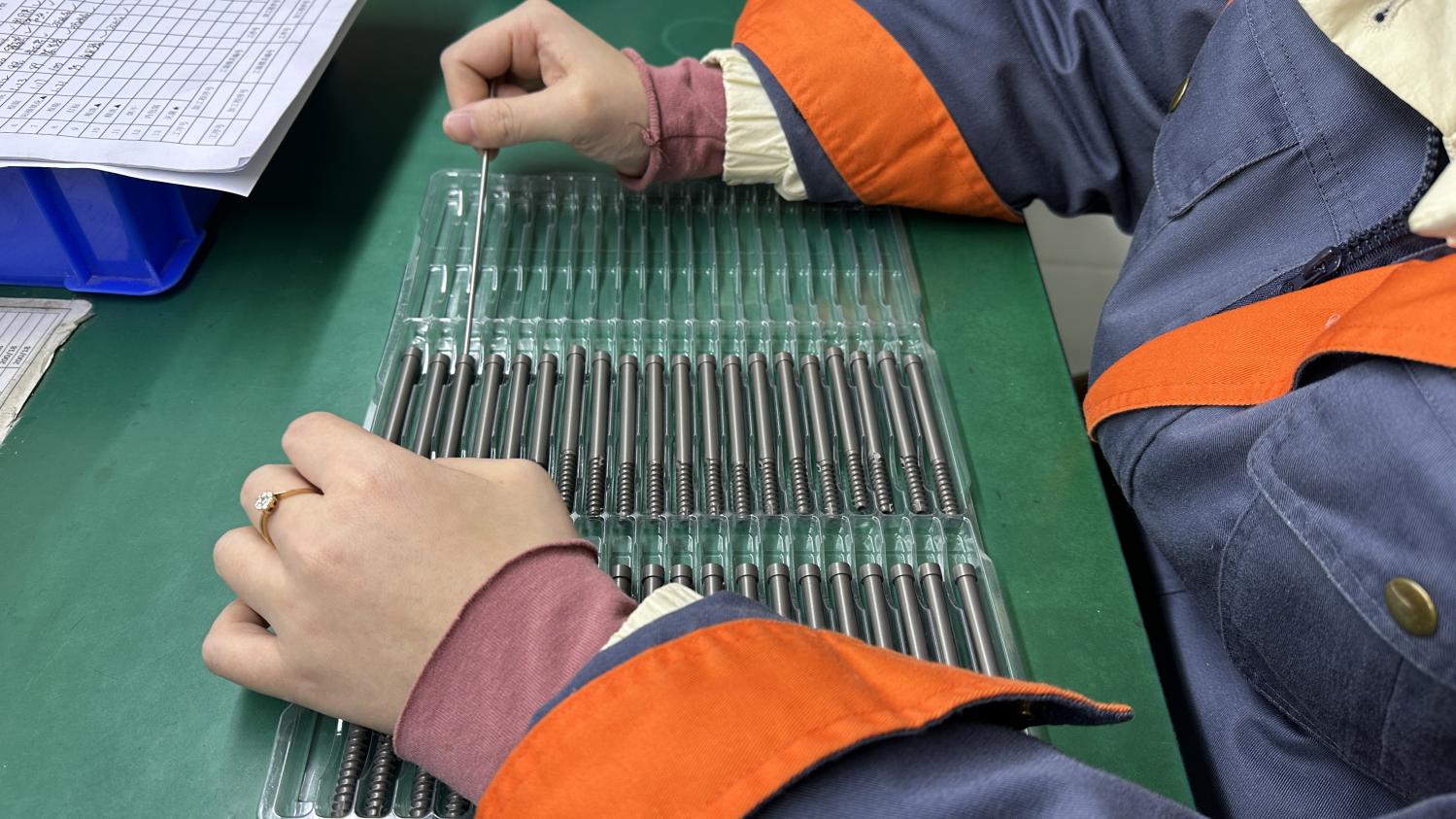
Medisplint Orthopedic Instruments Co., Ltd. controls the manufacturing cycle from raw billet handling to final cleanroom packaging. Explore our internal production and assembly workflows:
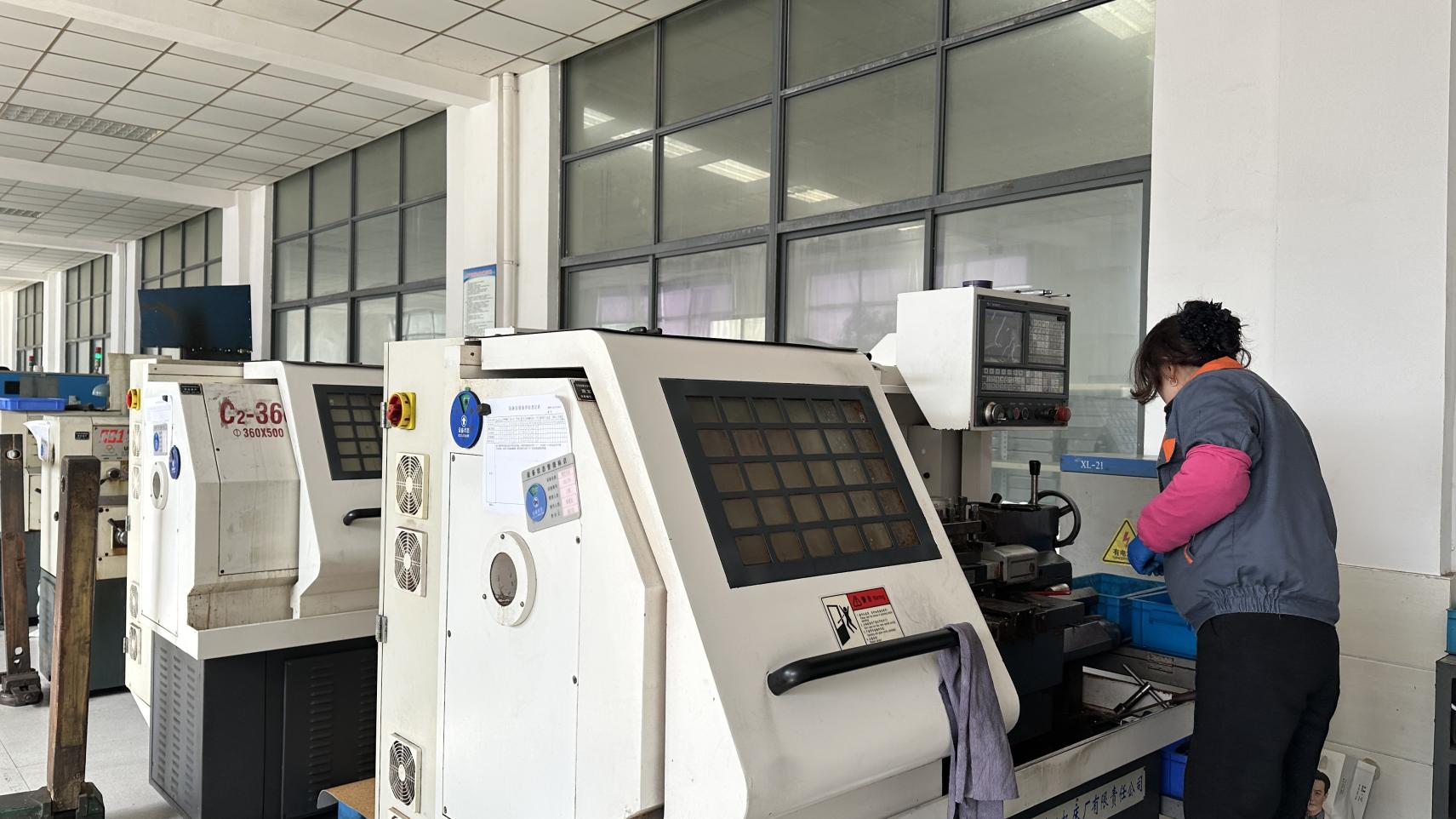
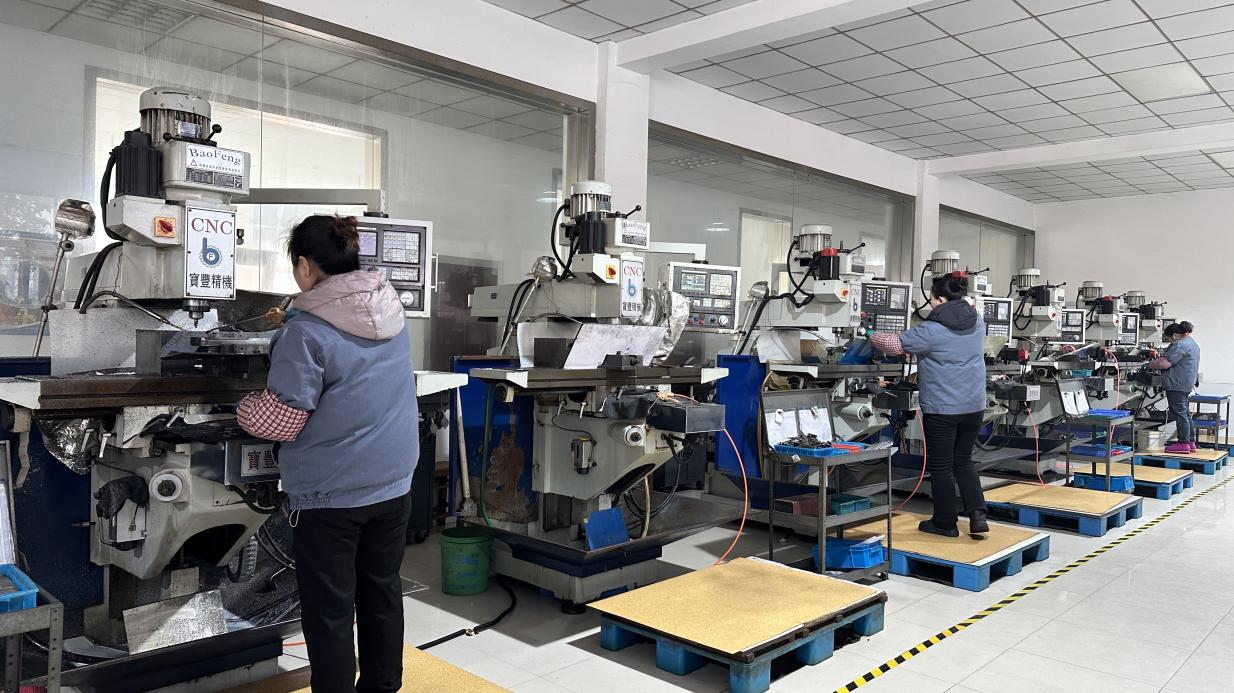
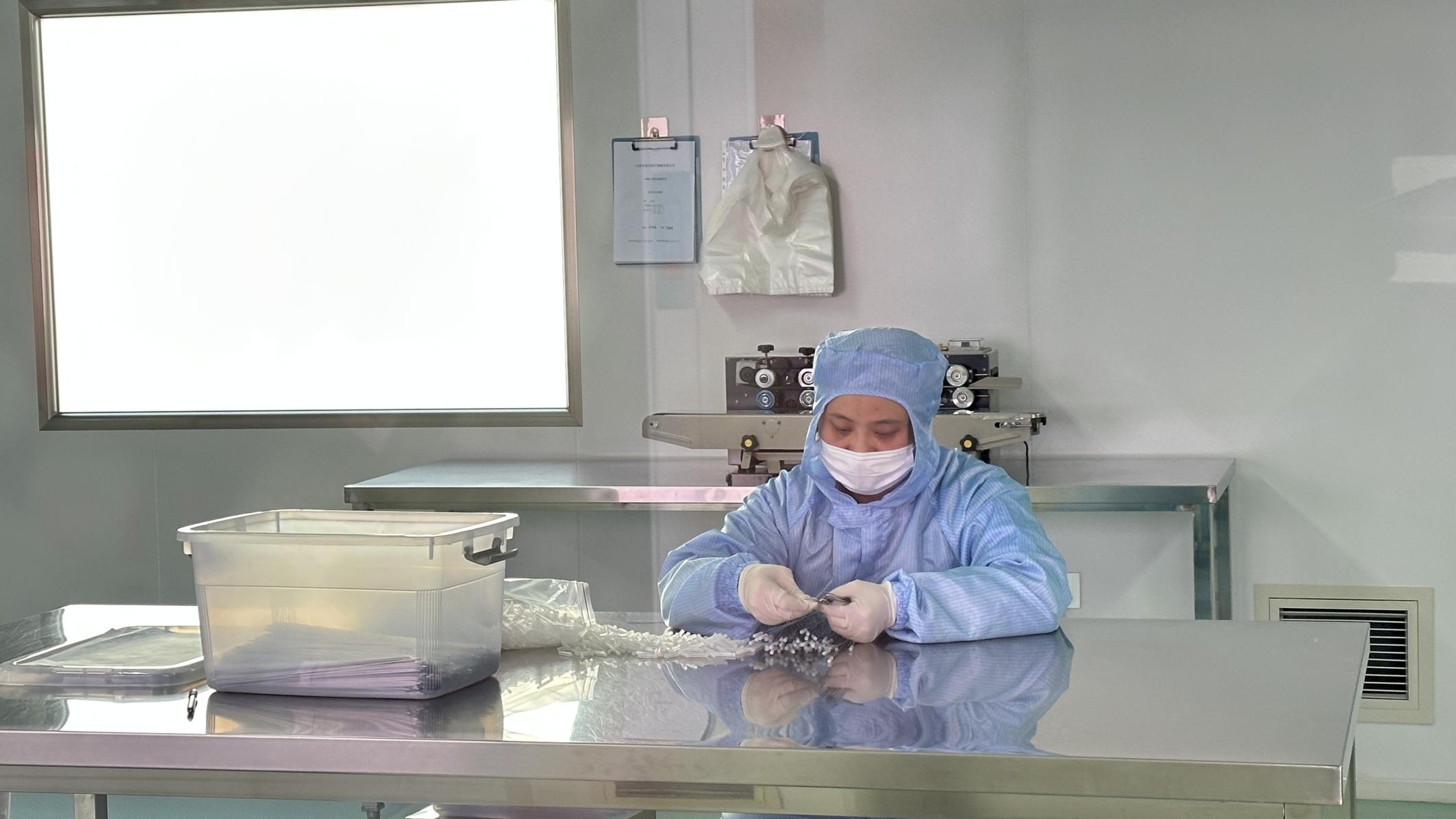
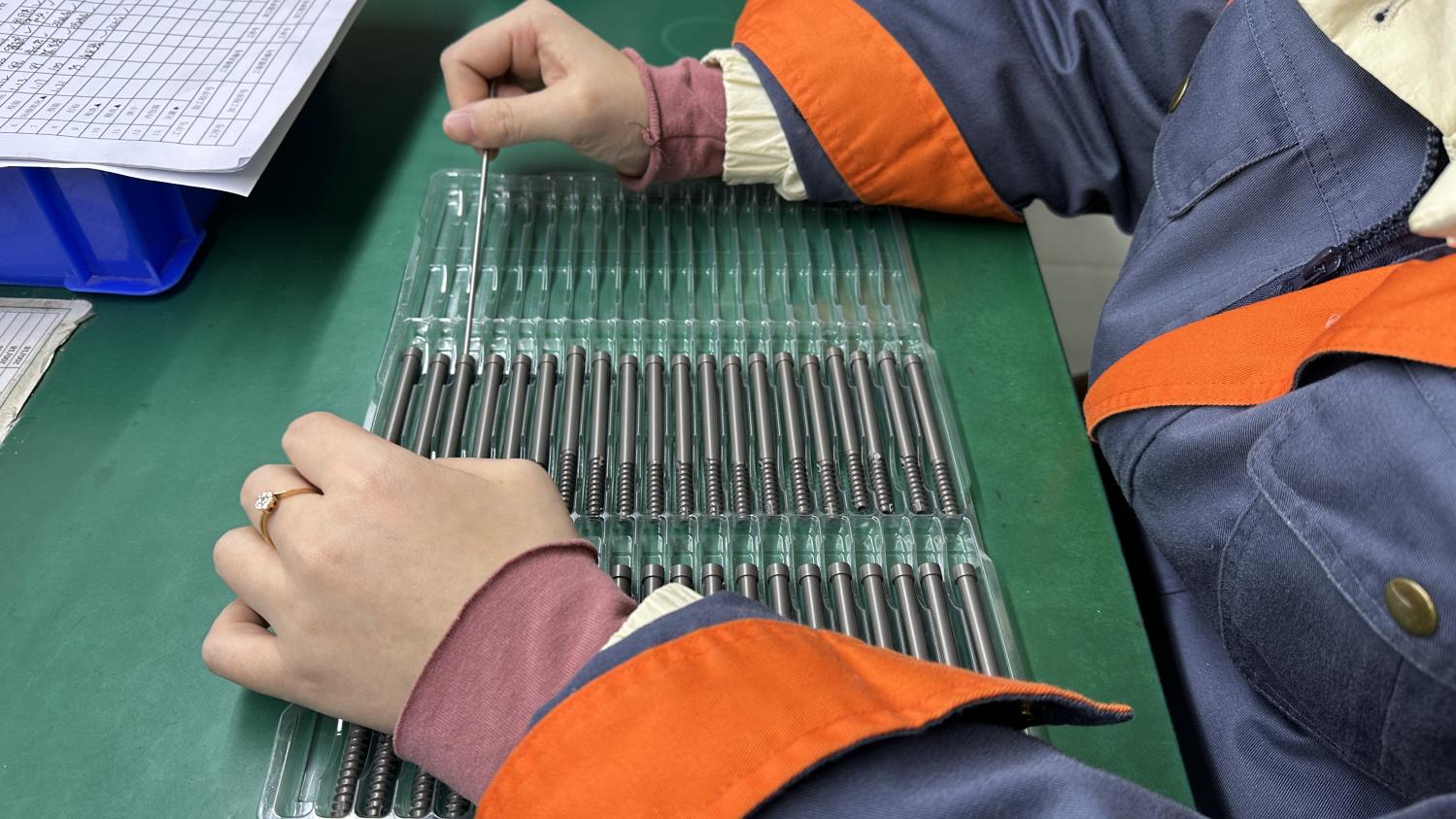
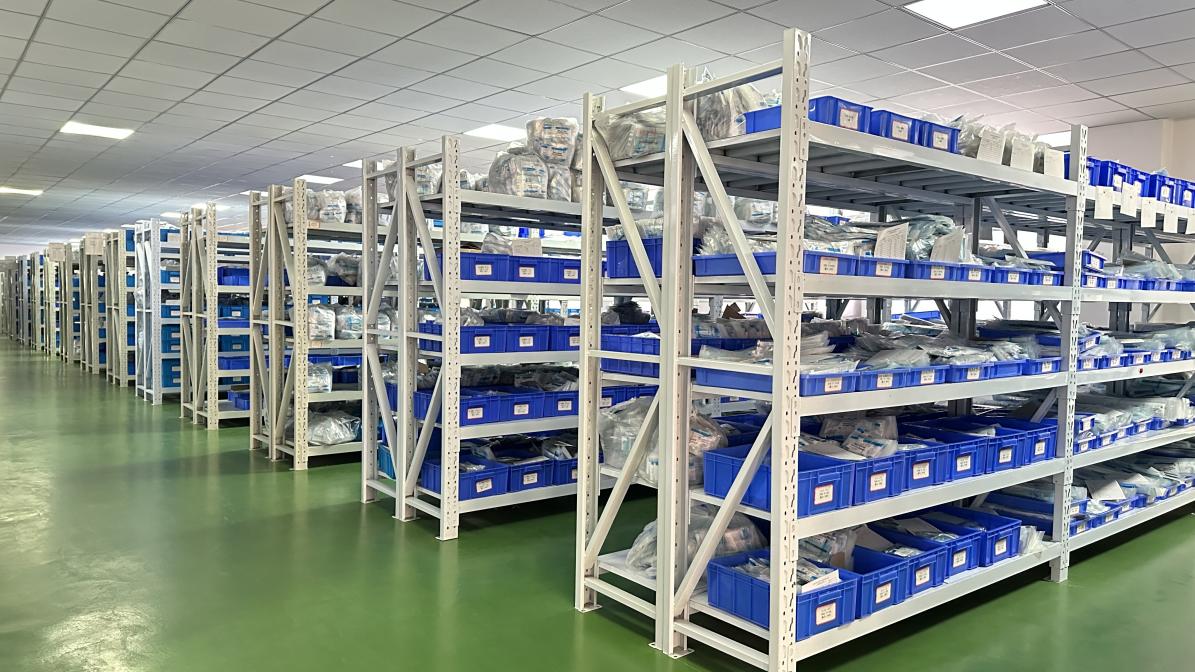
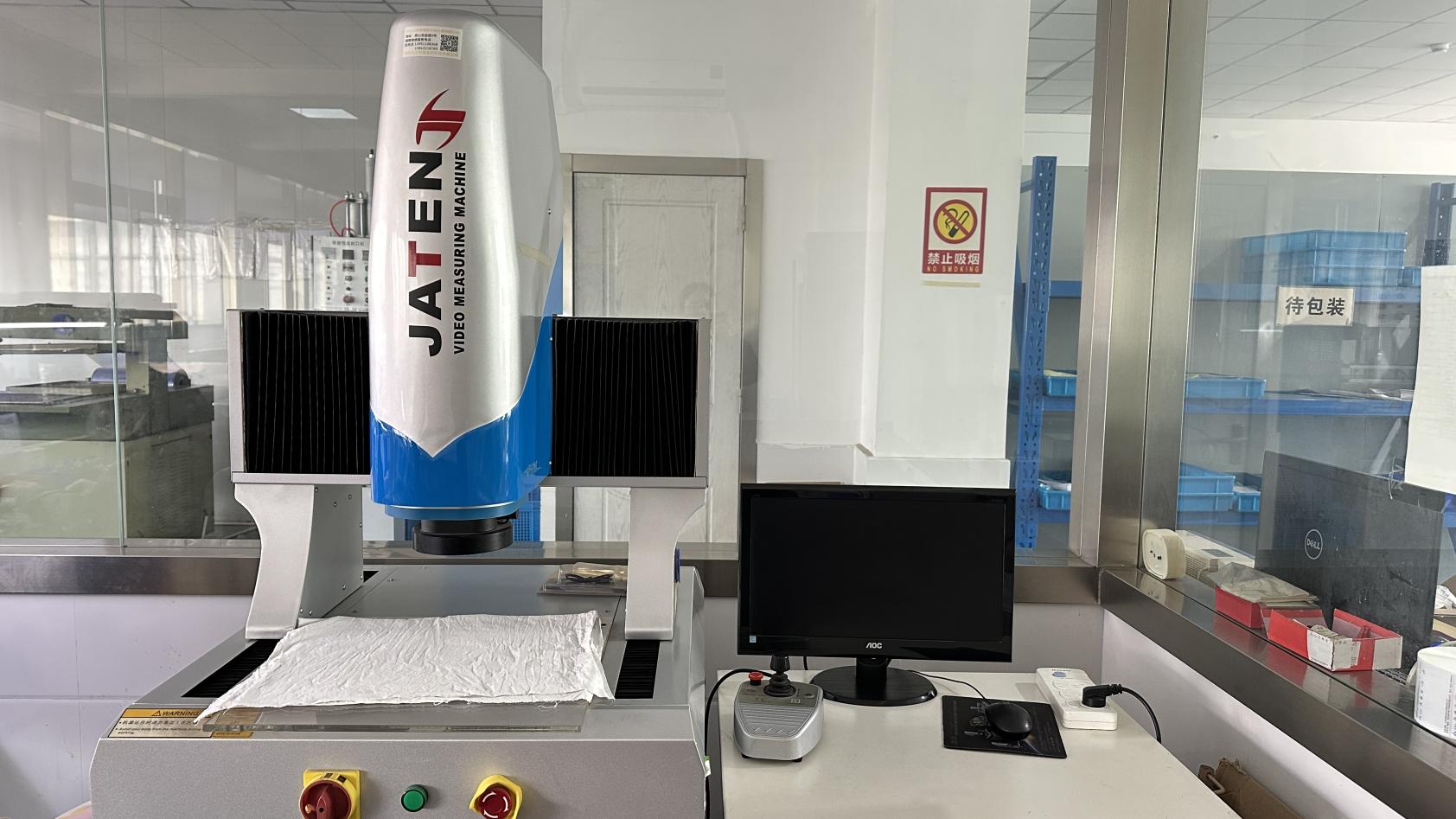
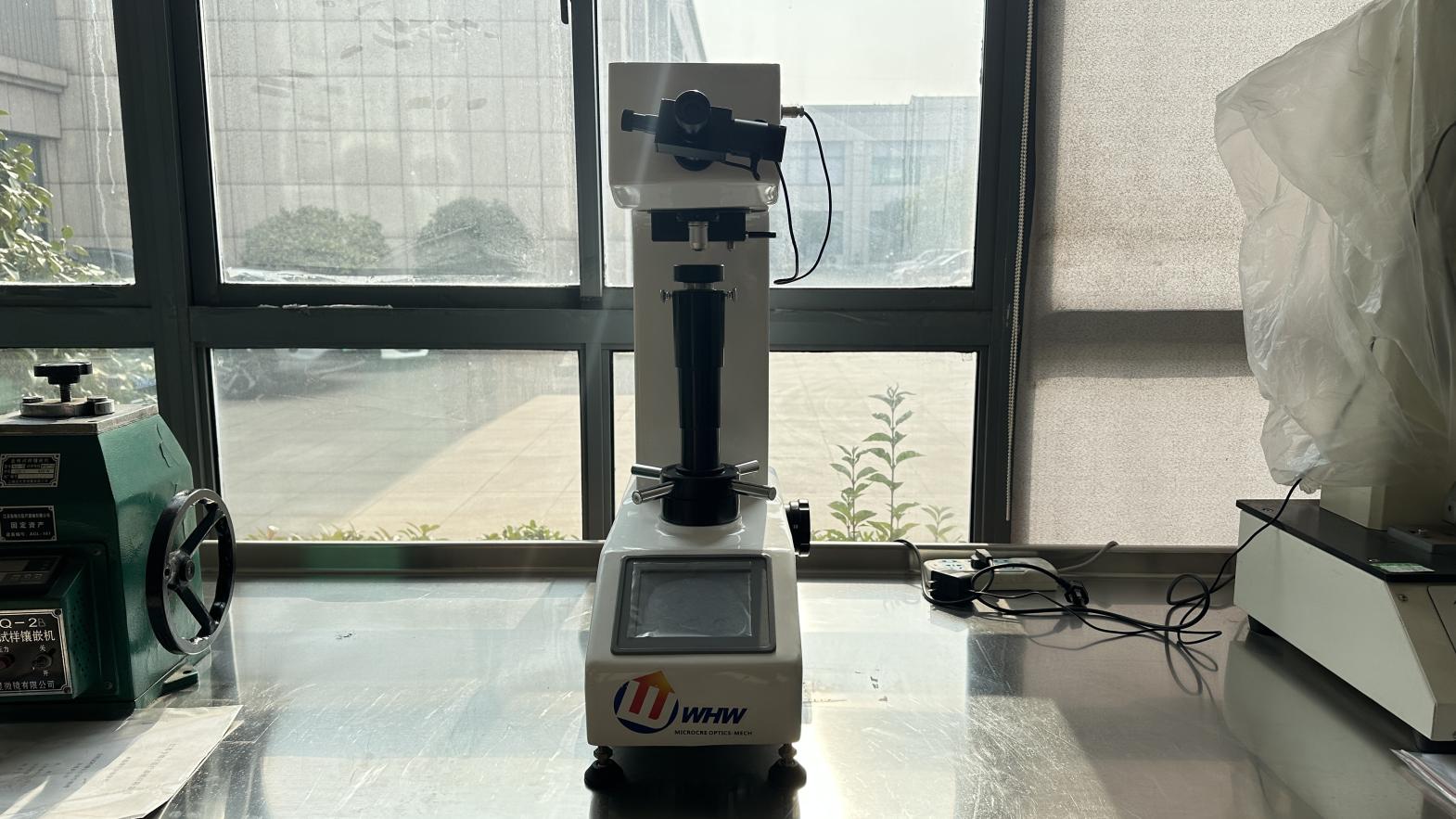
Operating under rigorous ISO 13485 certification, the quality control strategy is structured into incoming raw material verification, in-process quality control (IPQC), final product inspection (FQC), and structural fatigue analysis. An internal QC team of 42 dedicated inspectors reviews every single production batch to guarantee perfect geometric conformity and structural strength.
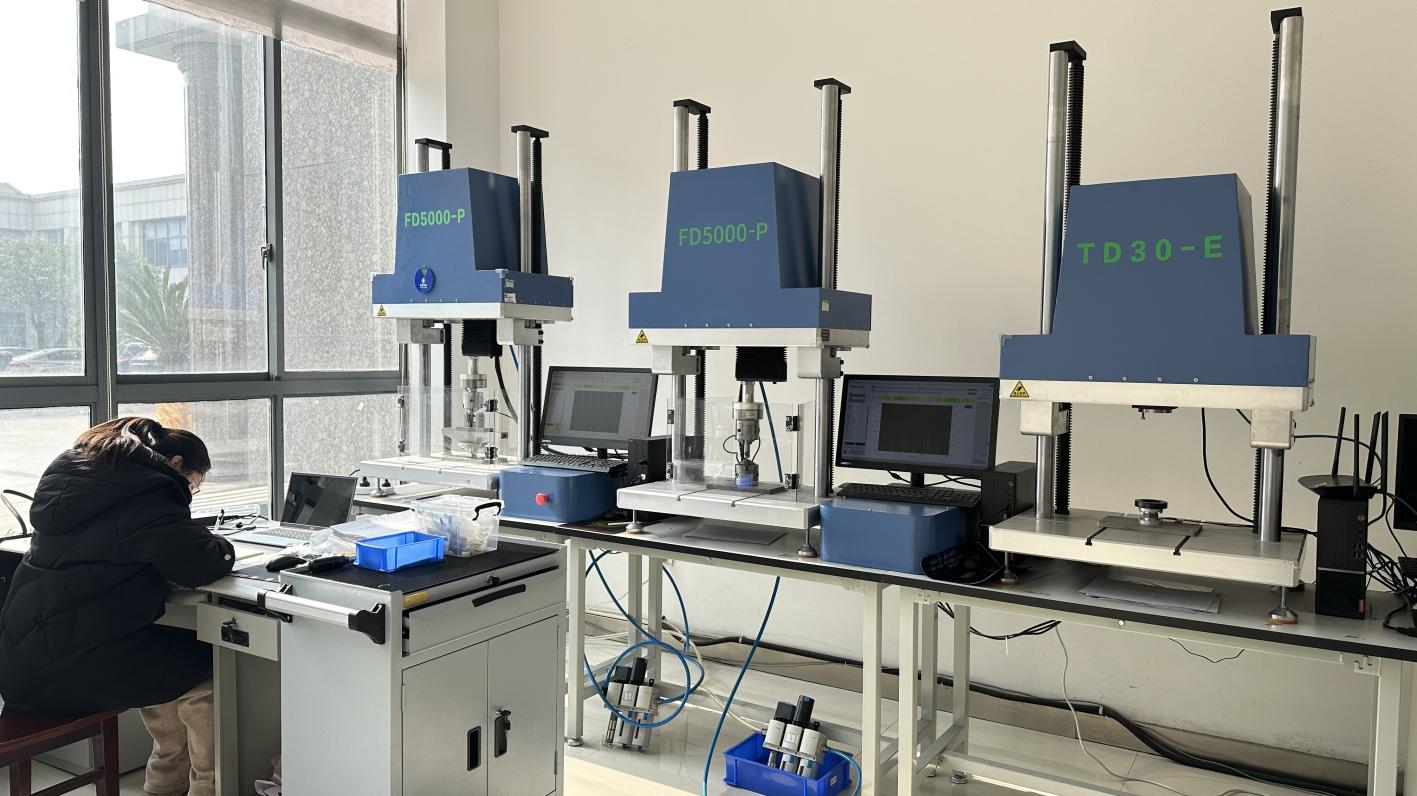
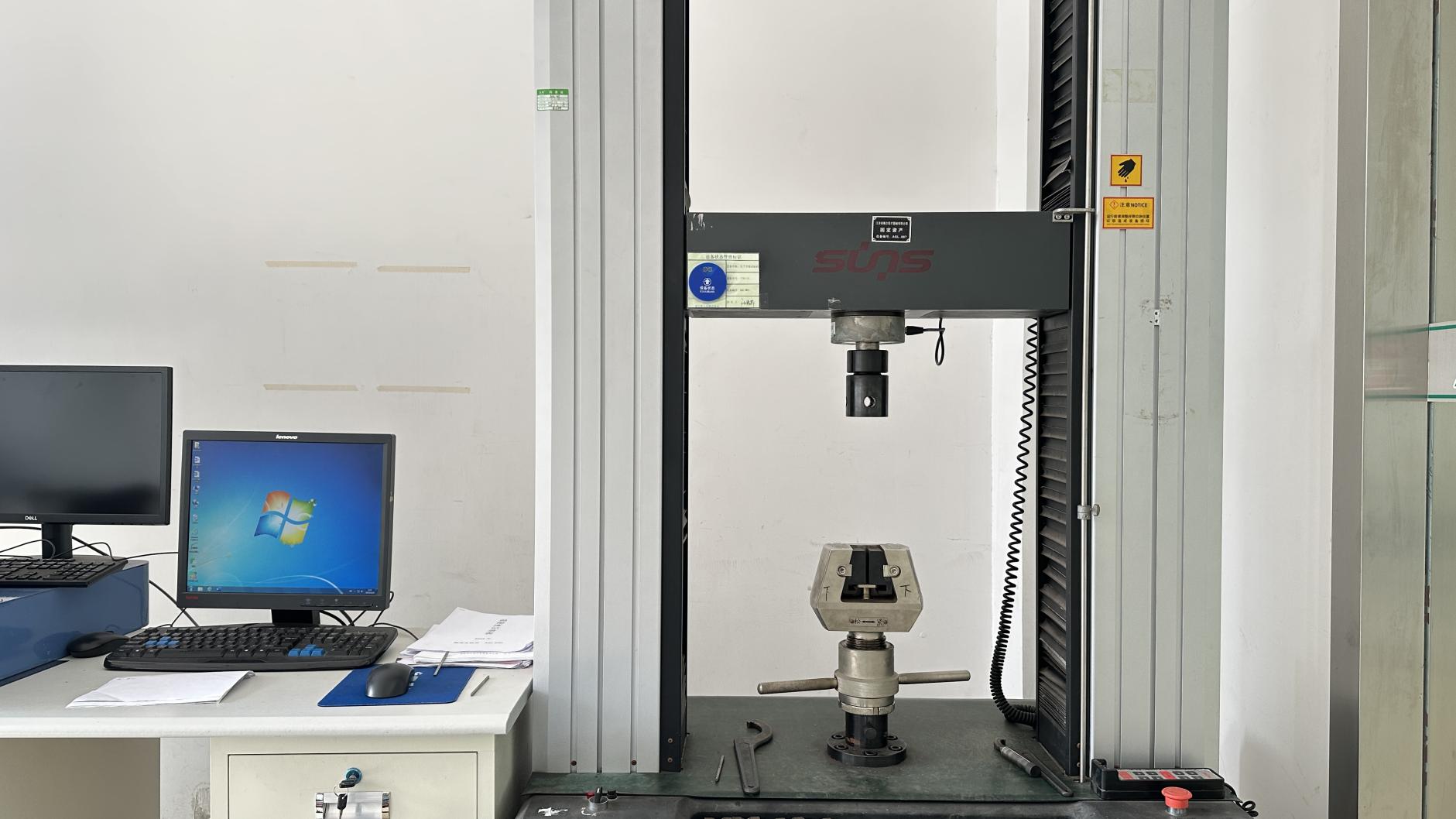
THR and TKR components undergo intensive dynamic testing simulating long-term in-vivo physiological conditions. Hip stems are subjected to structural fatigue testing (ISO 7206-4/6/8) involving cyclic load patterns up to 5,000,000 cycles to evaluate fatigue limits at the neck and body regions. Tensile testing verifies structural limits, ensuring zero risk of brittle component failure under impact loading.
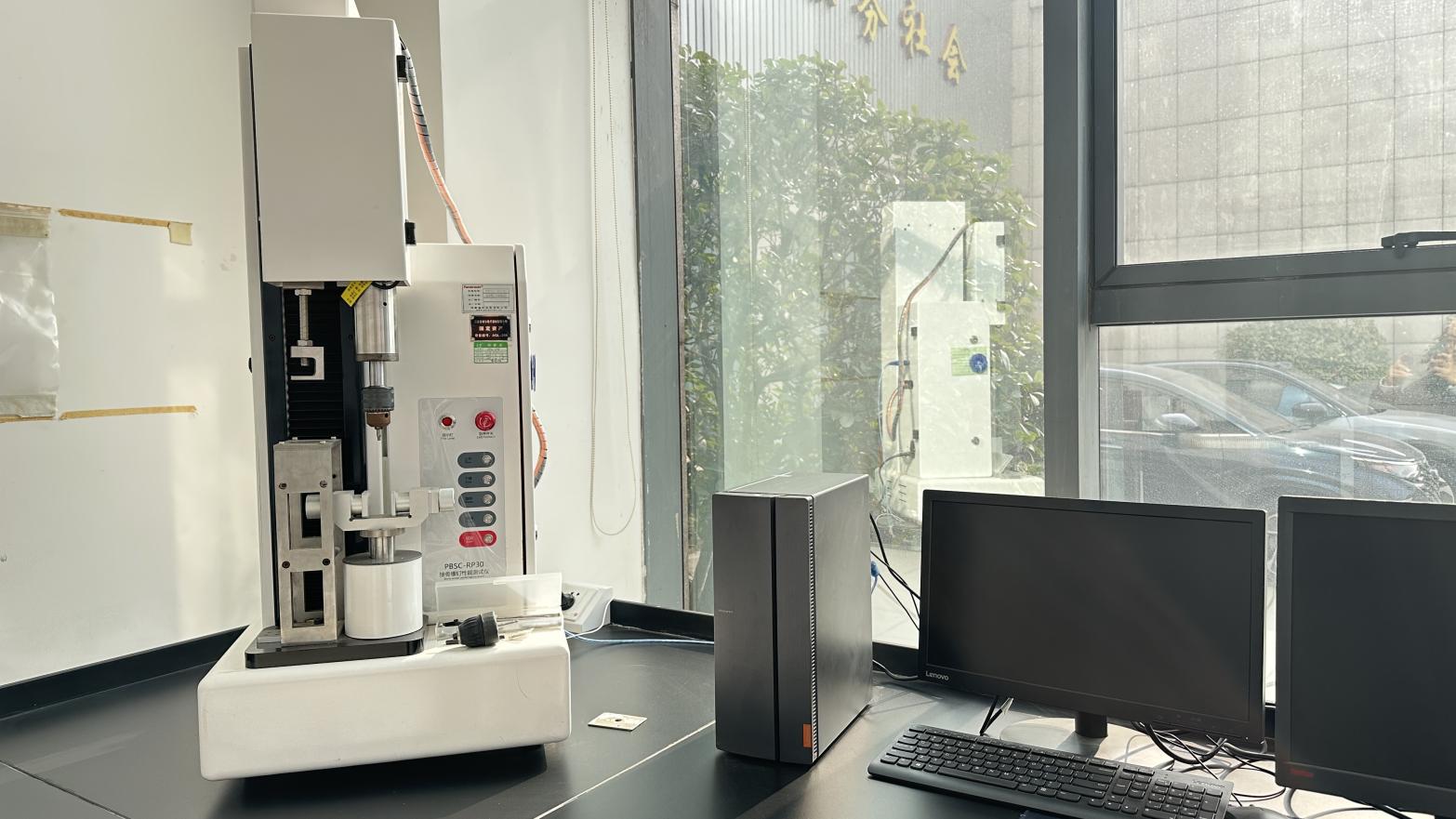
For primary acetabular components requiring screw fixation, the integrity of the bone screw interfaces is critical. Performance testing measures torque requirements, axial pull-out forces, and thread shear capacity, matching high clinical requirements for primary hip reconstruction stability.
Our quality labs deploy advanced physical, chemical, and dimensional inspection tools to ensure complete validation of implant designs.
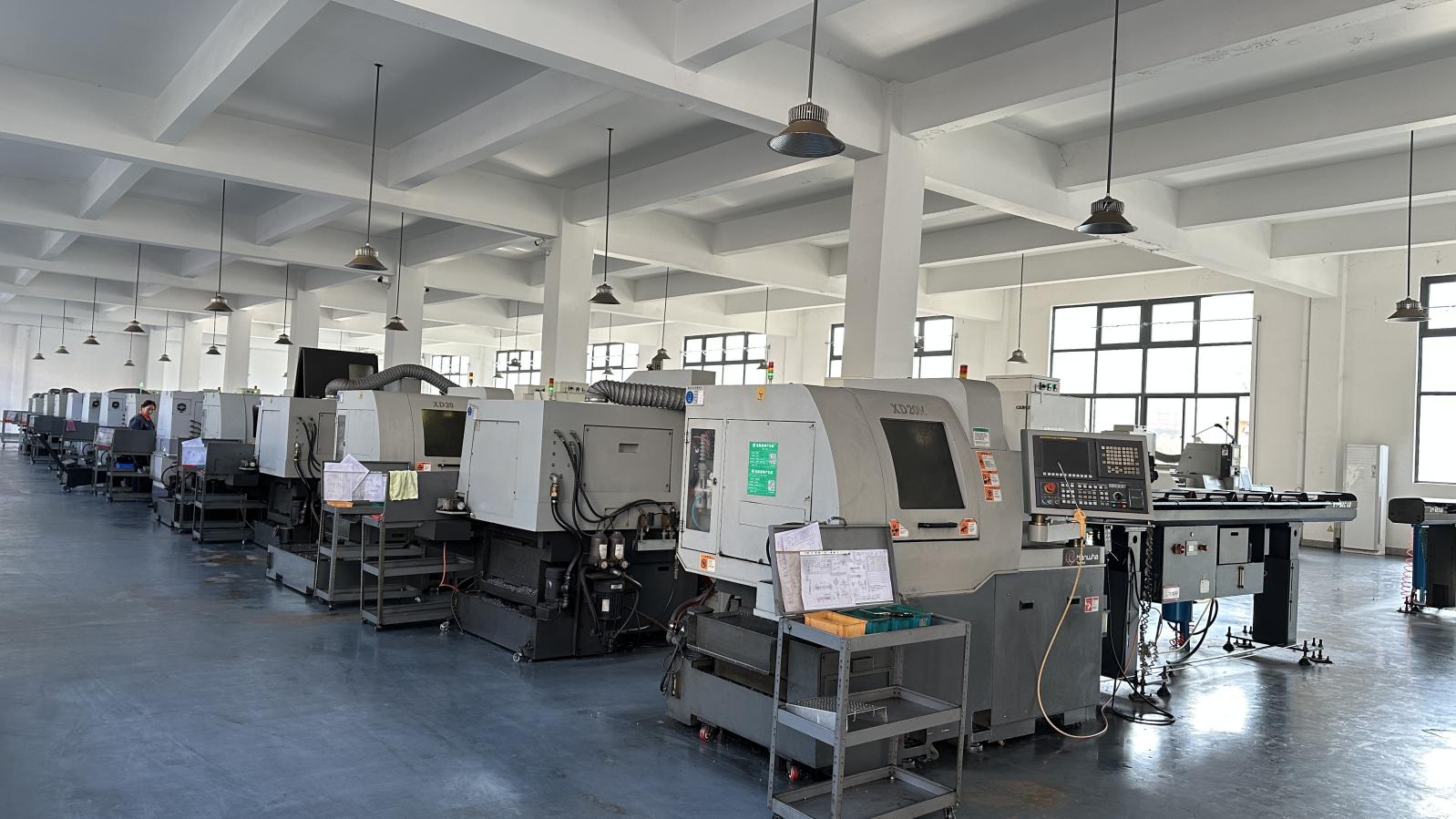
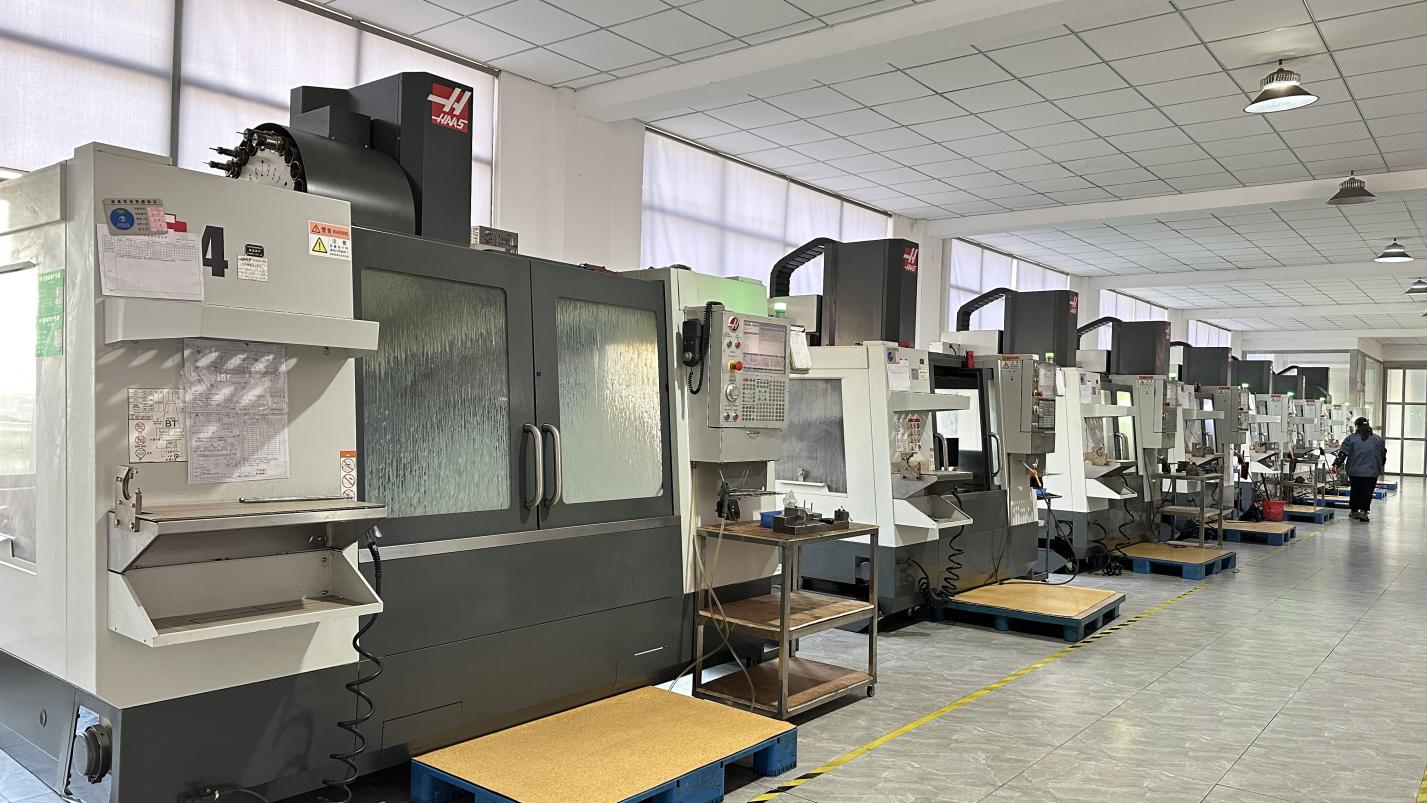
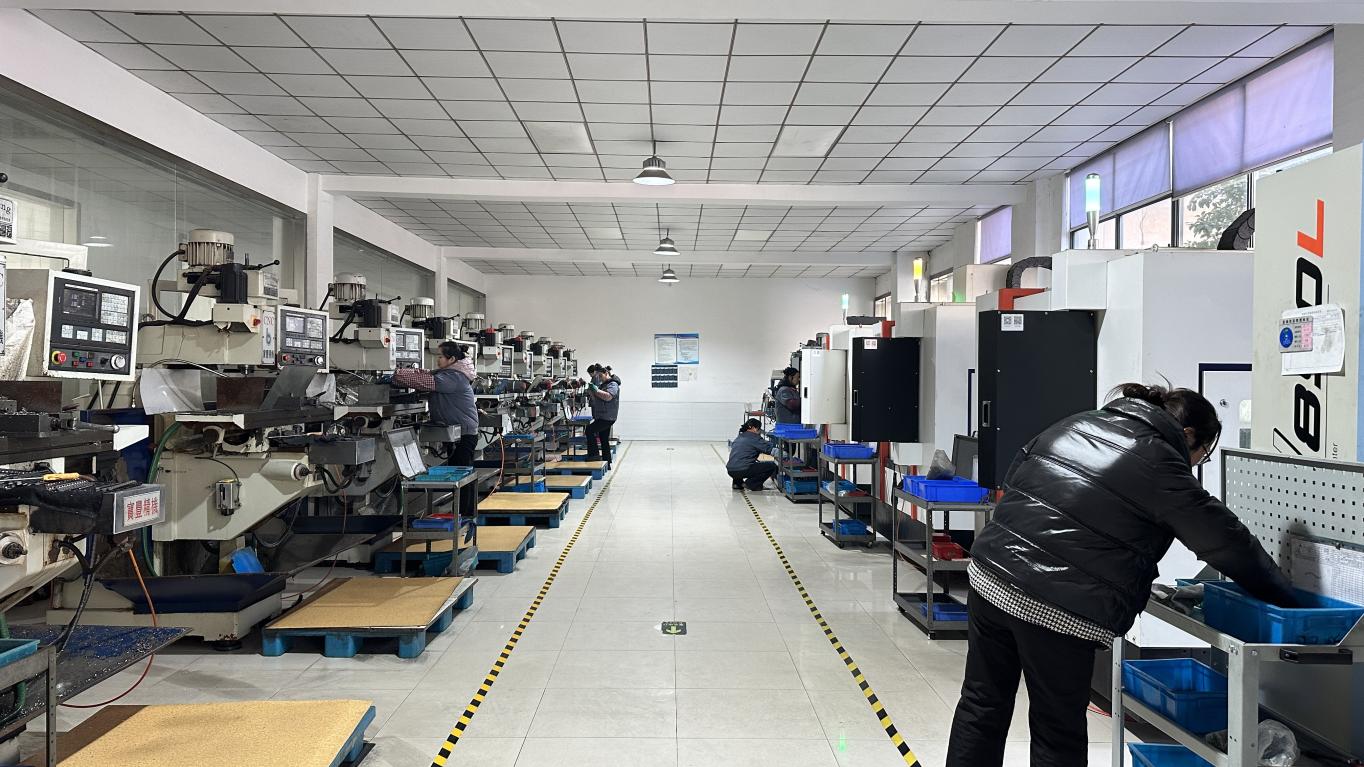
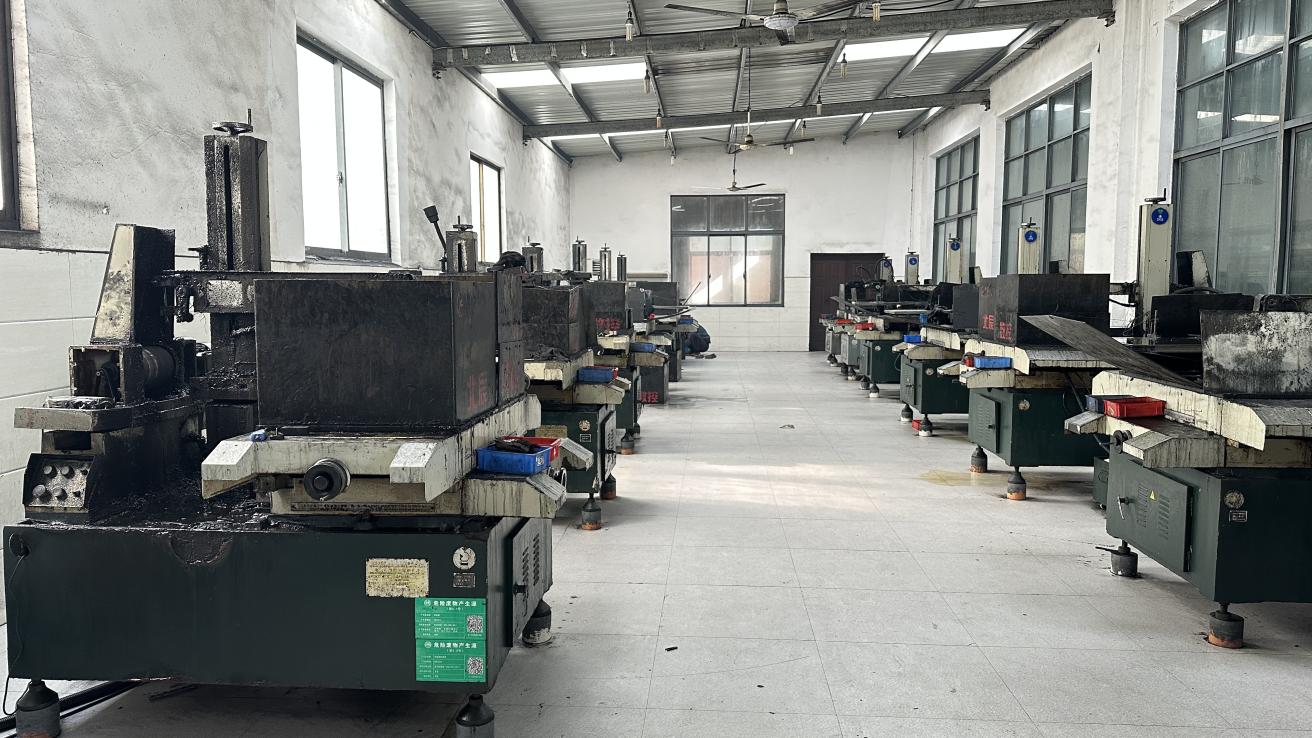
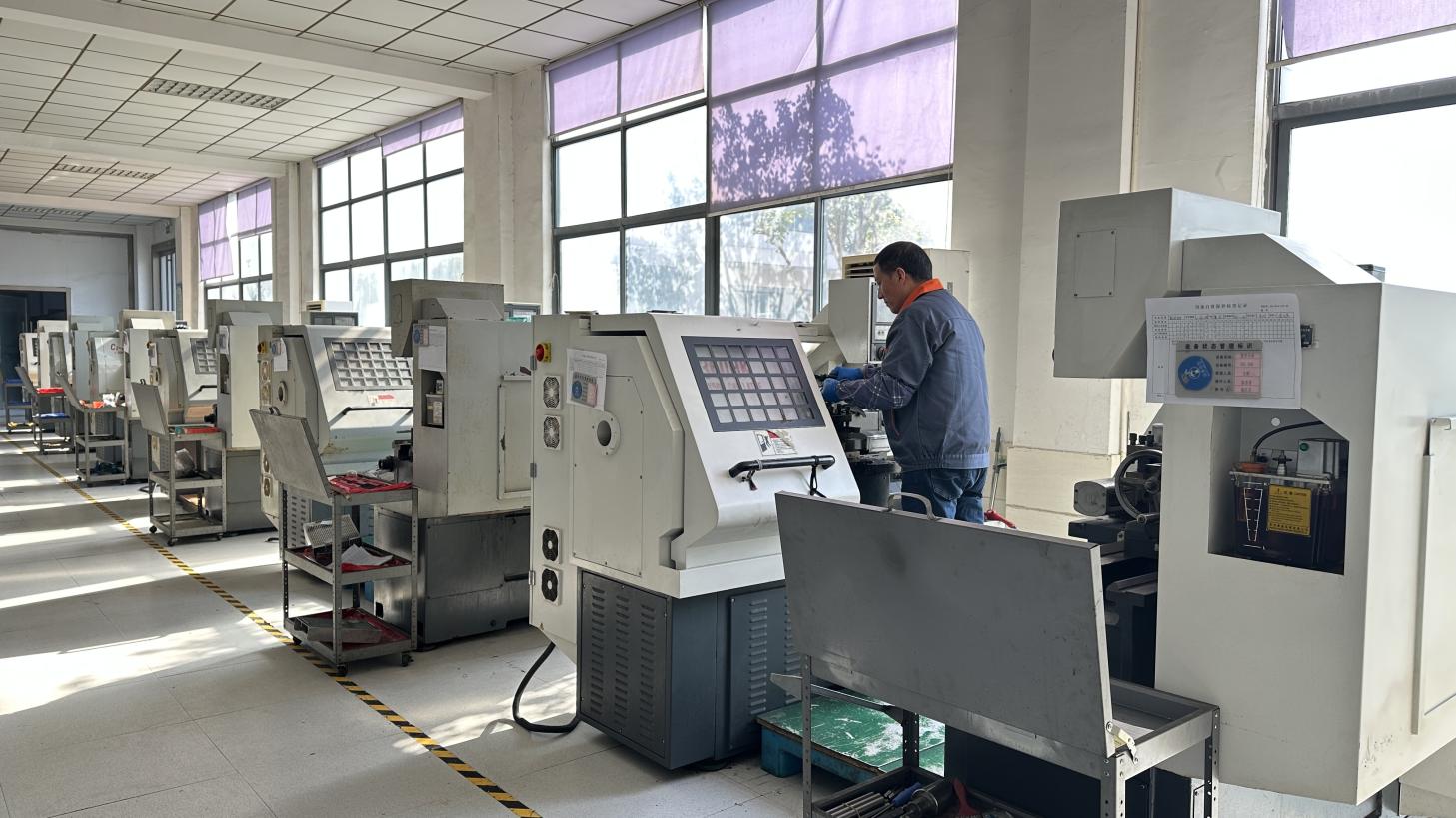
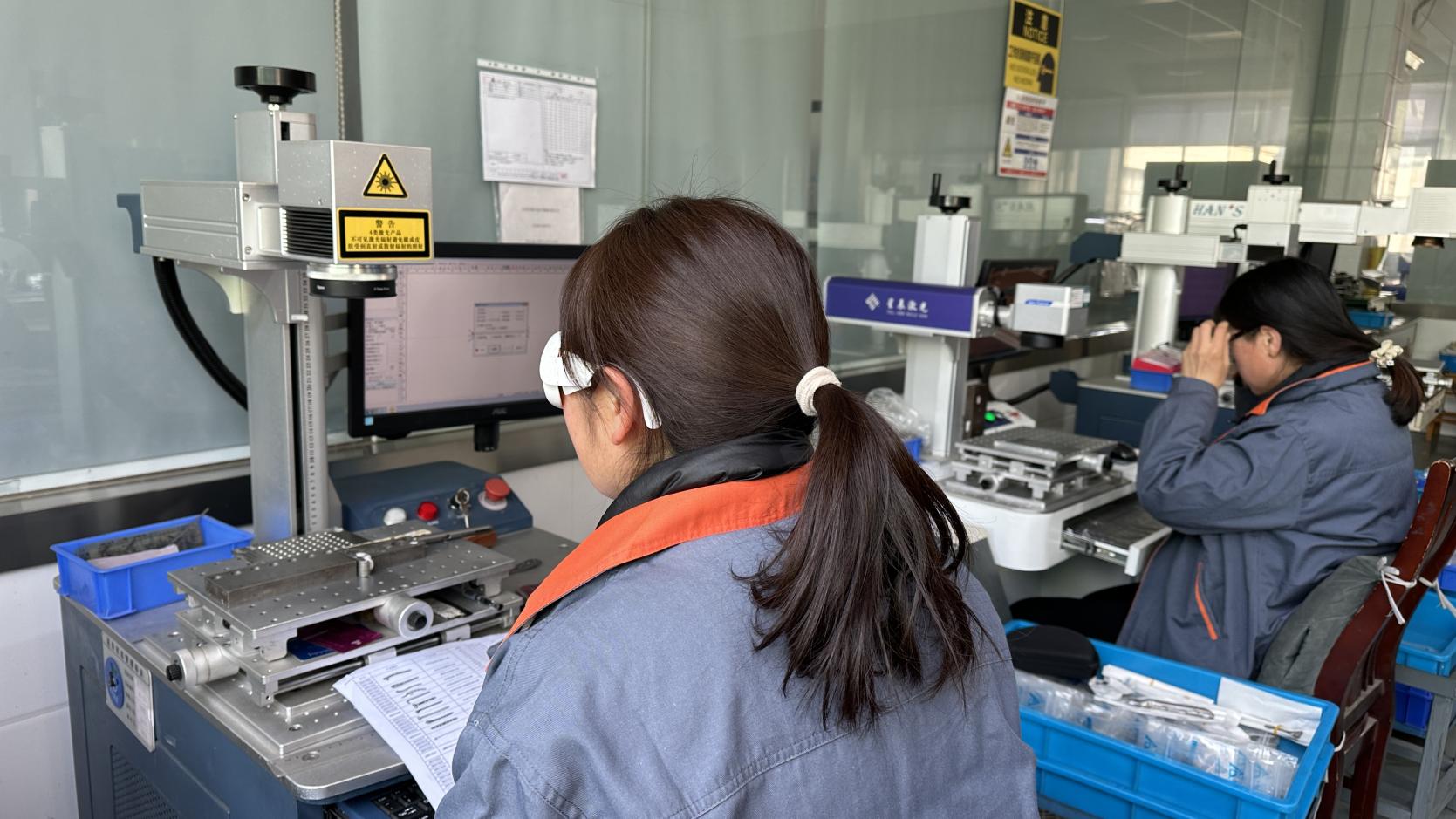
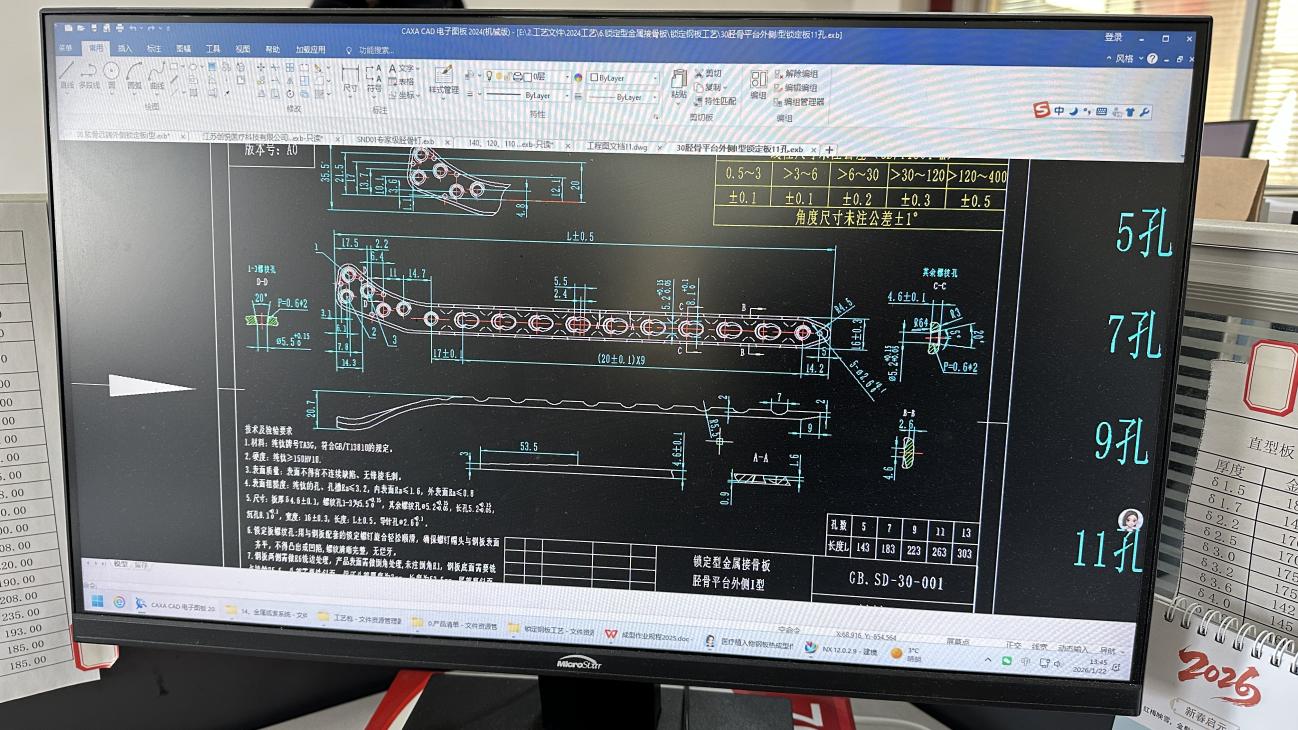

Navigating global supply chain volatility is a critical priority for Australian medical distributors. Relying solely on local supply points often increases acquisition costs and limits product variety. Partnering directly with an international manufacturer like Medisplint offers a pathway to bypass intermediary markups while maintaining strict product quality control.
With an active R&D core containing over 85 engineering and development specialists, Medisplint provides customized modifications to meet regional preferences or surgical techniques. From modifying femoral stem neck geometry to designing dedicated surgical instrument trays, we support product customization to help you differentiate in competitive markets.
For distributors looking to establish independent brands, our private labeling service delivers fully packaged, CE-compliant orthopedic systems branded under your identity. This includes complete UDI labeling, multi-lingual instruction templates, and sterile barrier validation dossiers.
The orthopedic market is transitioning toward digital integration. The future of hip and knee arthroplasty focuses on mechanical precision, bone conservation, and robotic compatibility. Medisplint is positioning its implant portfolios to align with these emerging technologies.
Minimize supply chain risk, control unit acquisition costs, and access high-performance orthopedic systems validated to international standards.
Send Inquiry Now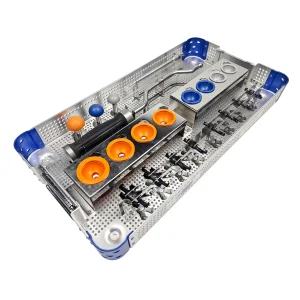
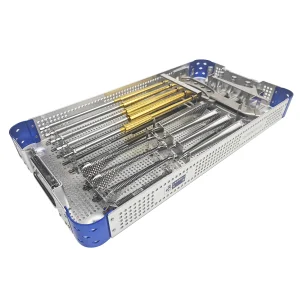
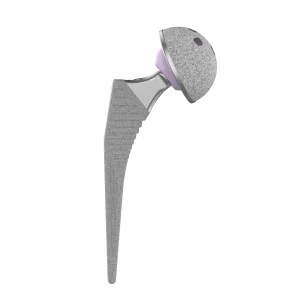
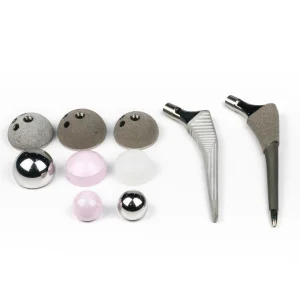
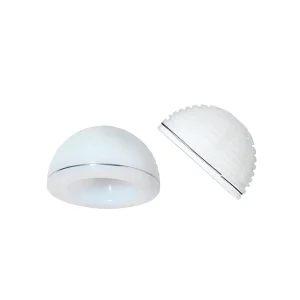
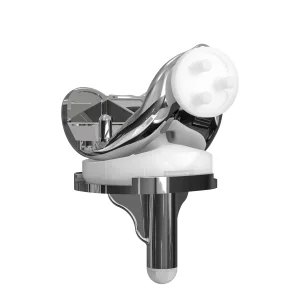
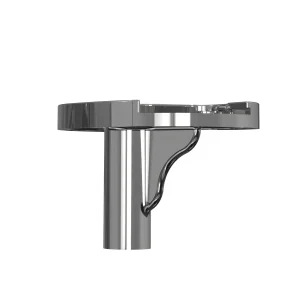
Revision arthroplasty requires component modularity. Patient anatomy varies significantly across Australia's patient populations, necessitating a wide range of component sizes, offset configurations, and geometry options. Medisplint maintains a catalog of modular heads, ceramic components, and specialized stems to address these clinical variations.