Medisplint
Medisplint
Medisplint
Engineered for immediate implant-to-bone integration, clinical durability, and optimal anatomical alignment.
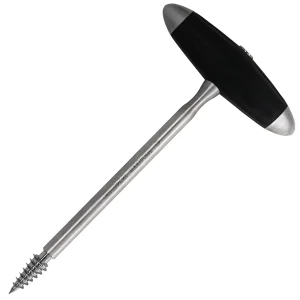
Understanding the clinical landscapes, socio-economic factors, and regulatory structures driving the demand for joint replacements.
In recent years, the clinical landscape in Ghana has witnessed a substantial rise in reconstructive joint procedures. A primary factor unique to the region is the prevalence of Avascular Necrosis (AVN) of the femoral head, often secondary to Sickle Cell Disease (SCD), which affects a significant portion of the population in Sub-Saharan Africa. Unlike developed markets where joint arthroplasty is largely requested by the geriatric population, Ghanaian orthopedic surgeons frequently perform Total Hip Replacement (THR) on younger, more active patients. This demographic shift demands highly durable, wear-resistant materials like CoCrMo (Cobalt-Chromium-Molybdenum) and ultra-high-molecular-weight polyethylene (UHMWPE) components to ensure a lifespan of 15 to 20+ years.
Furthermore, progressive urbanization and changes in lifestyle have accelerated the rates of severe osteoarthritis and post-traumatic arthritis in cities like Accra, Kumasi, and Takoradi. Major healthcare institutions, including the Korle-Bu Teaching Hospital and the Komfo Anokye Teaching Hospital (KATH), are continuously expanding their orthopedic departments. However, local supply chains face prominent hurdles: long delivery lead times, high customs clearing costs at the Port of Tema, and unstable domestic manufacturing for high-precision Class III medical devices.
International healthcare distributors and procurement managers operating in West Africa must balance three competing requirements: clinical efficacy (matching international standards like CE and FDA), affordability (under local insurance limits and private out-of-pocket dynamics), and absolute supply chain predictability. Many premium implants manufactured in Western Europe and North America carry excessive premiums, pricing them out of reach for a vast majority of the population under Ghana's National Health Insurance Scheme (NHIS) framework.
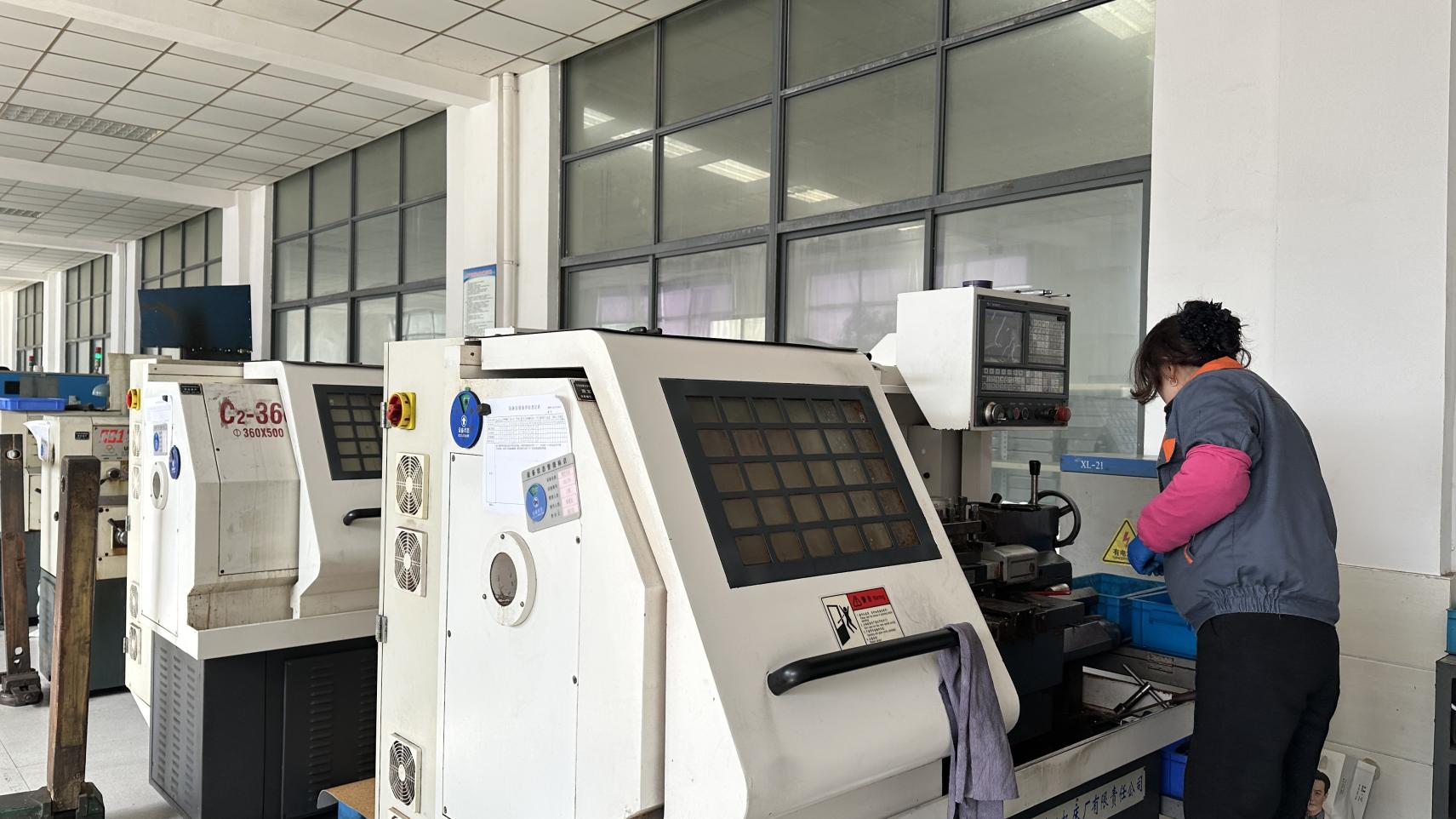
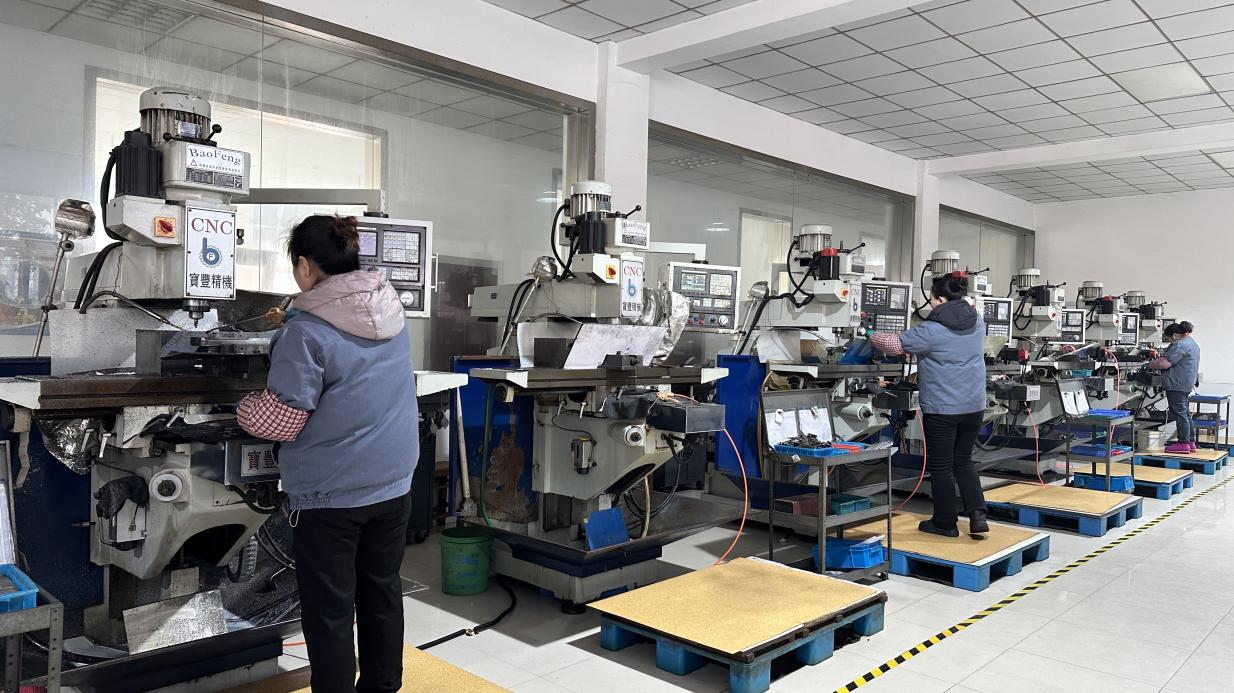
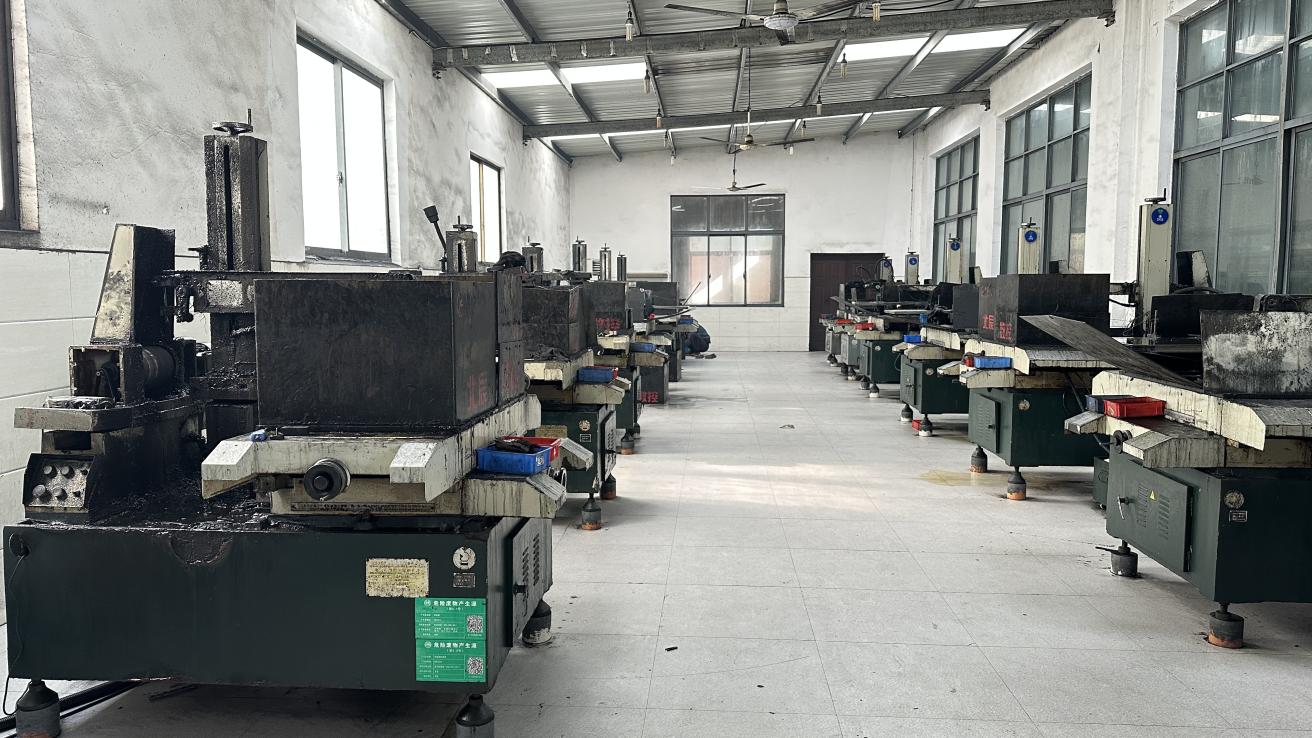
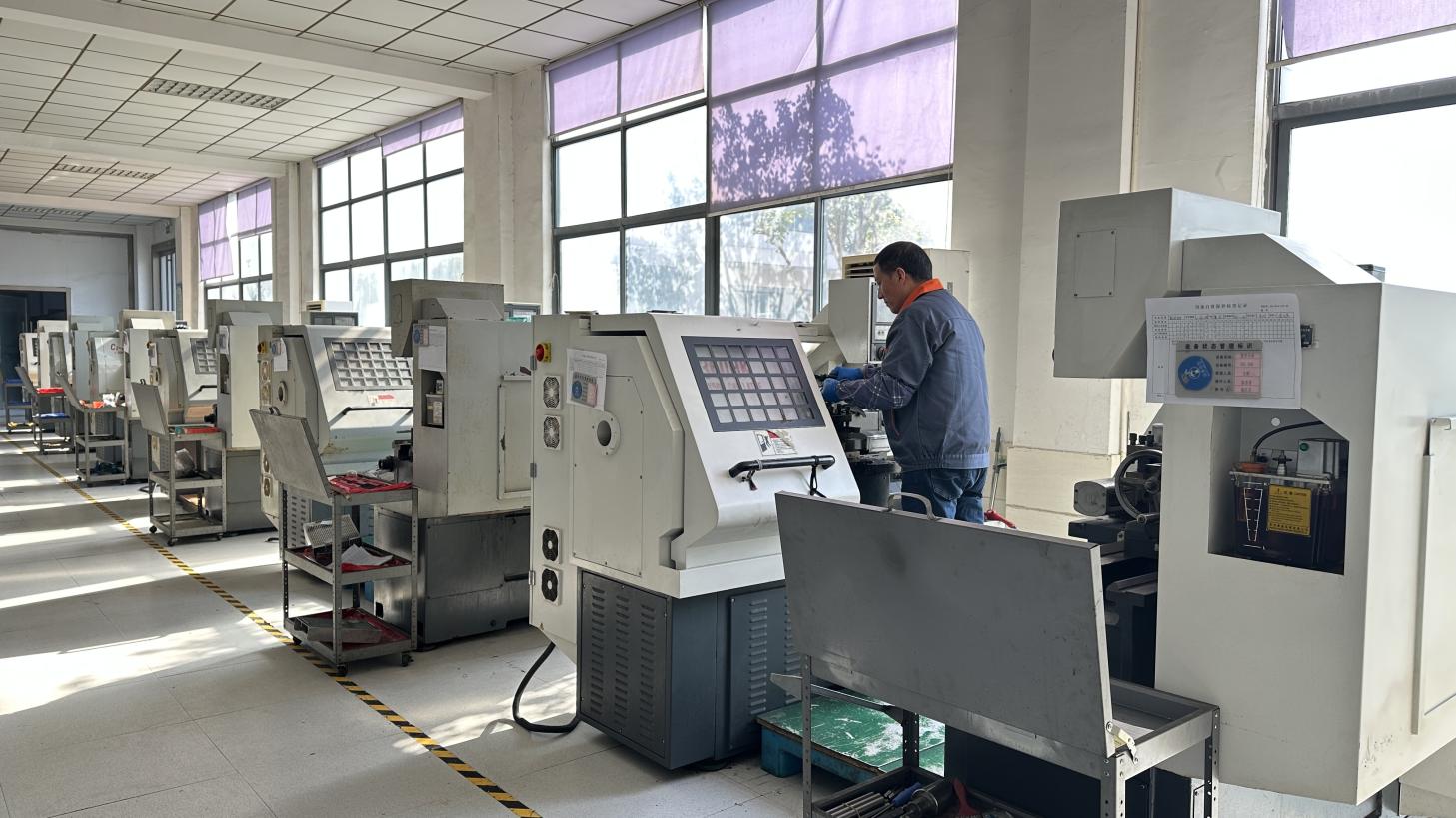
Medisplint Orthopedic Instruments Co., Ltd. addresses this vital gap. By utilizing a state-of-the-art 18,500㎡ facility with advanced CNC machining and 3D coordinate measurement systems, we produce implants and instrument sets that provide identical mechanical and tribological properties to global market leaders, but at an optimized production cost structure. Our stable raw material partnerships with over 1,200 supply chain stakeholders ensure that we maintain uninterrupted production cycles even during macro-economic volatility, providing Ghanaian and regional distributors with reliable shipment schedules and consistent inventory levels.
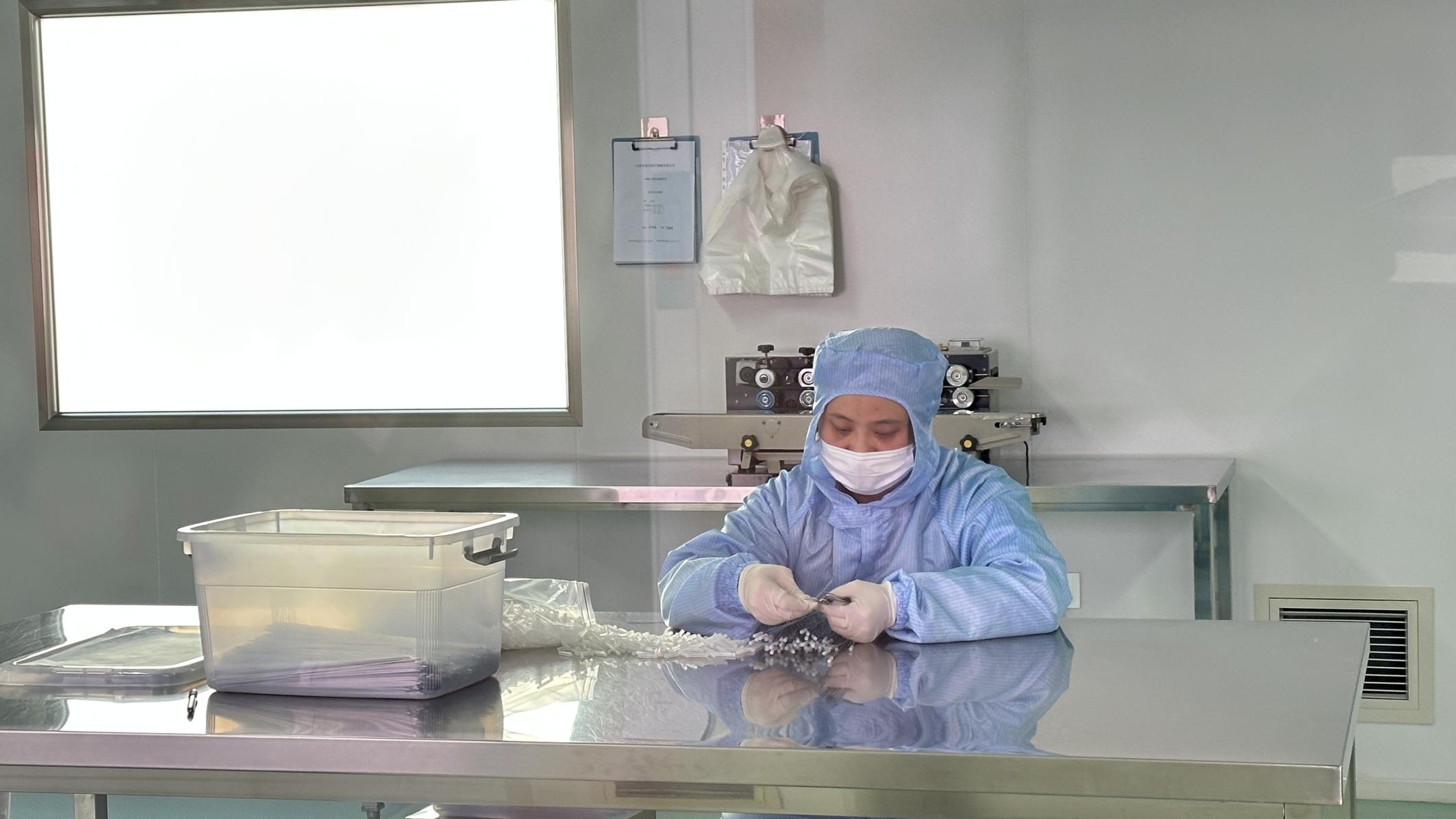
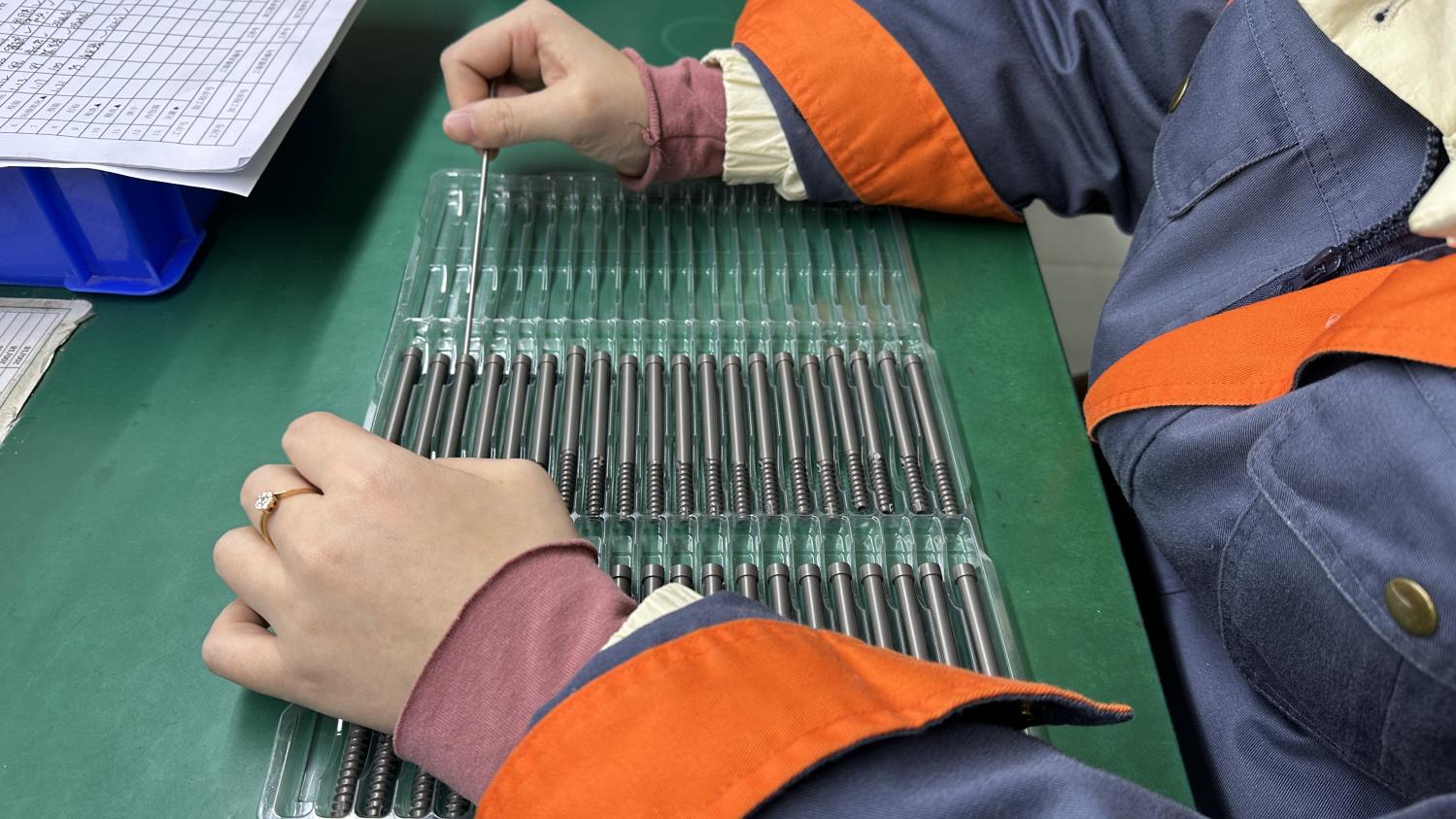
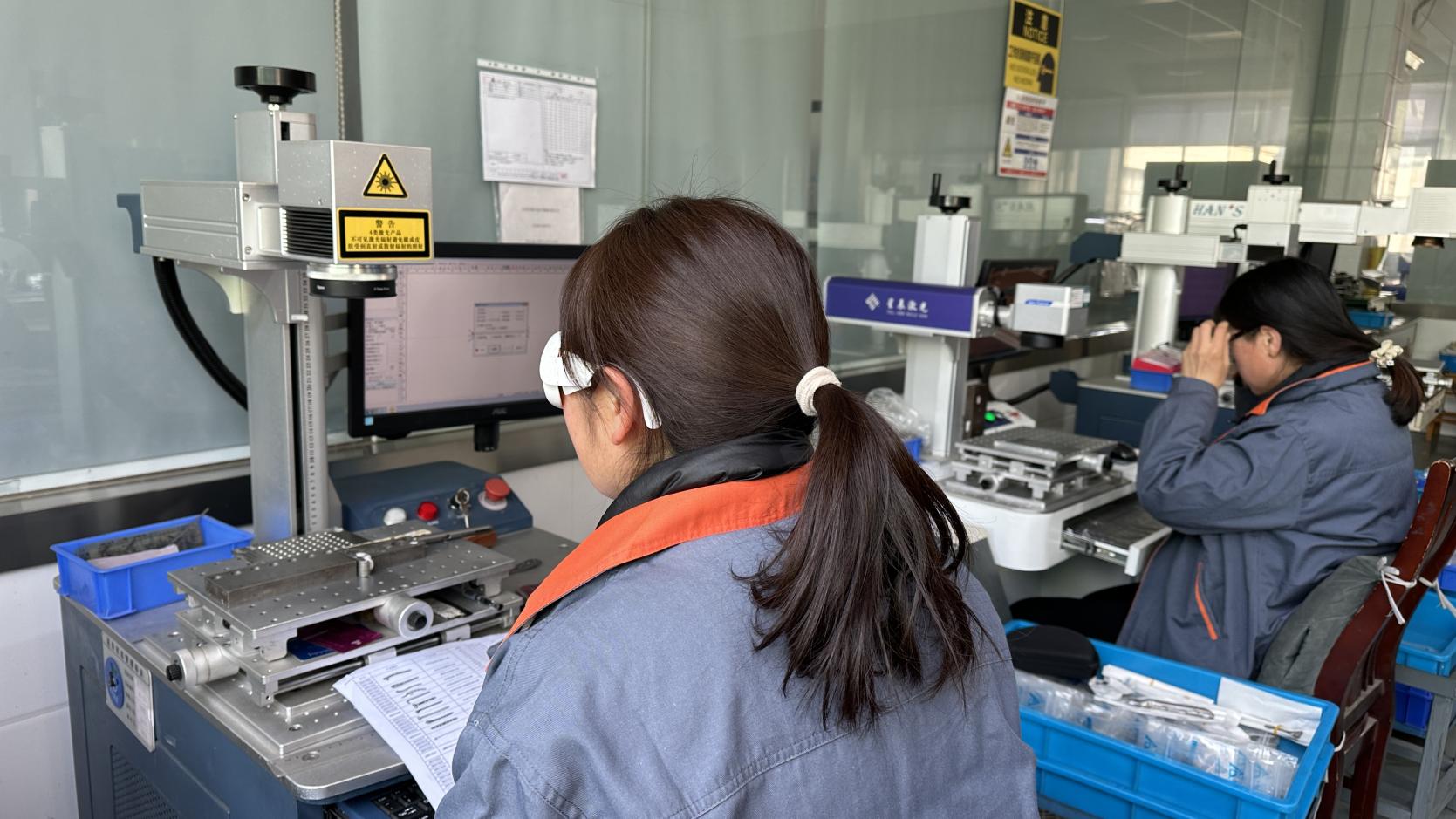
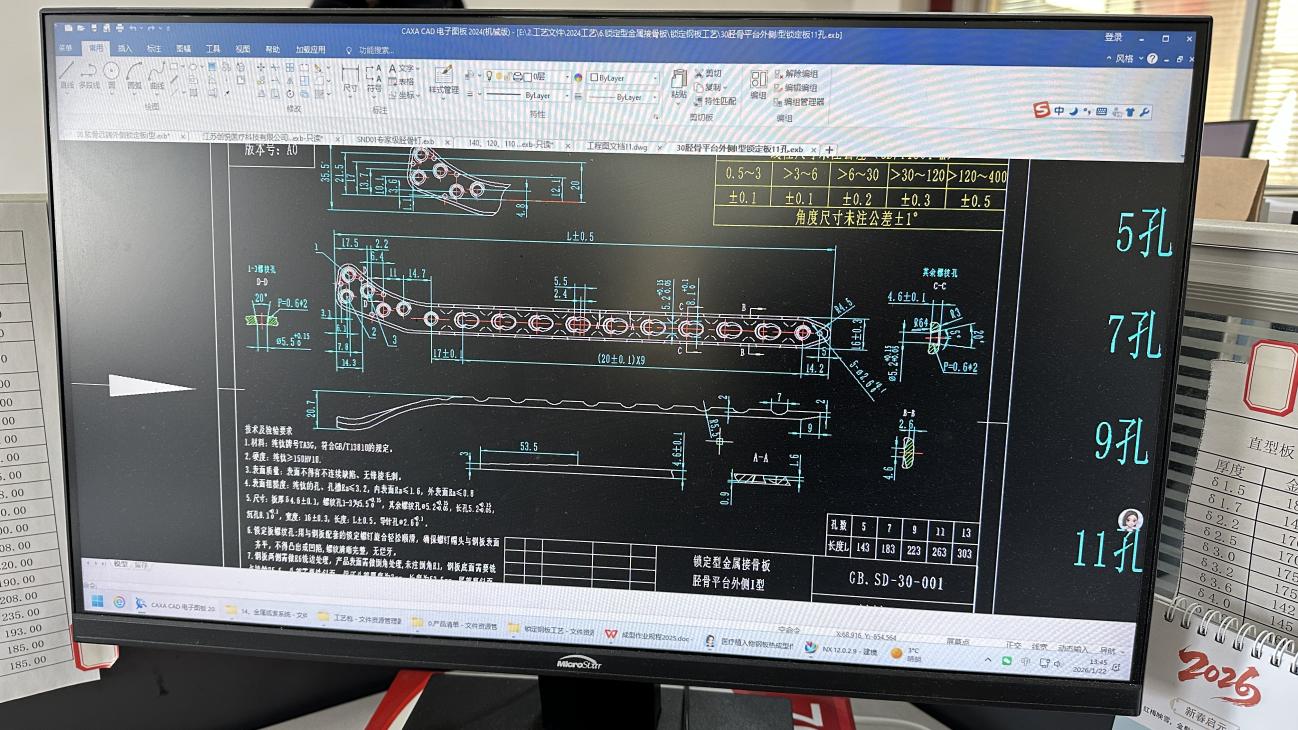
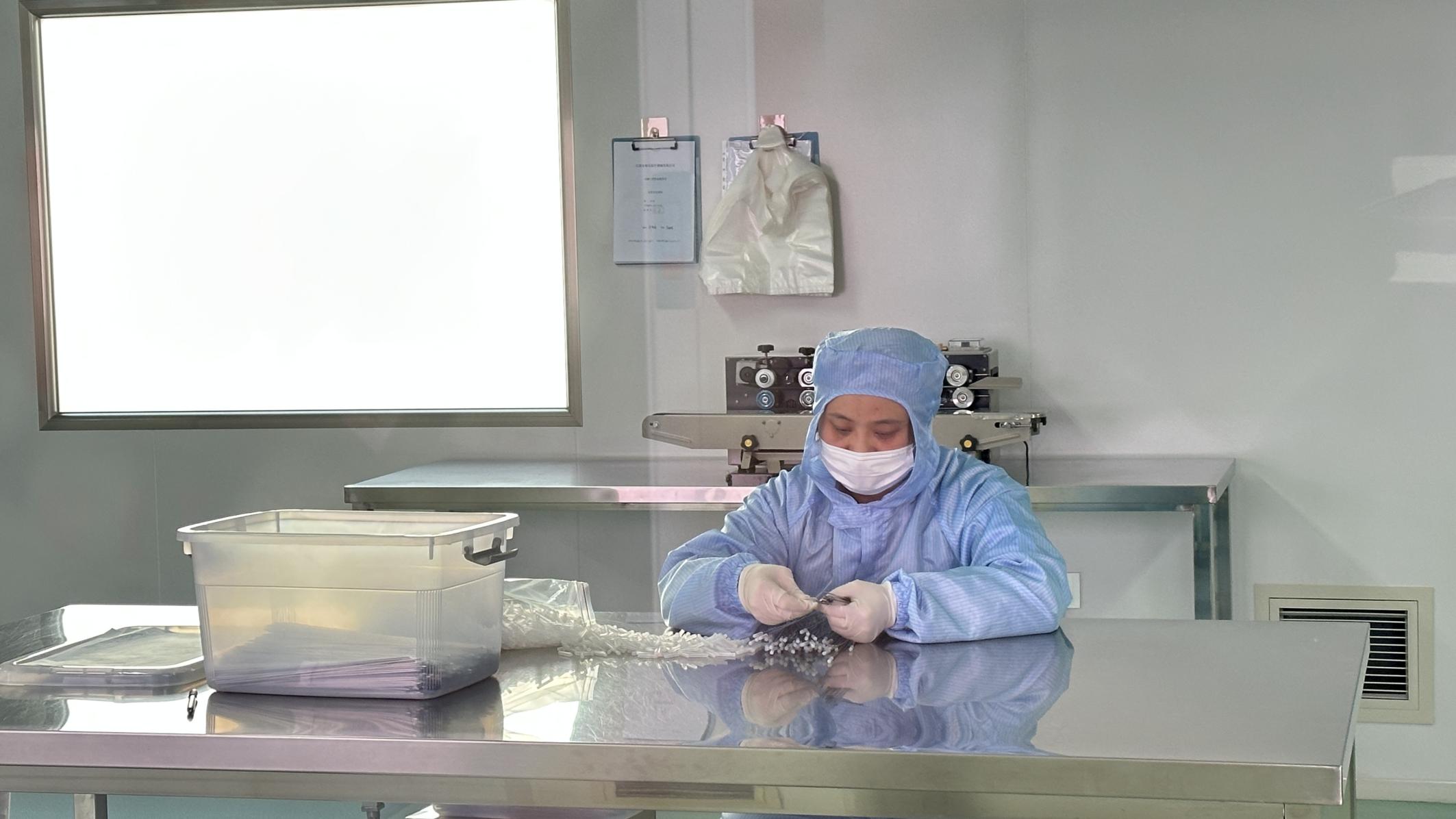
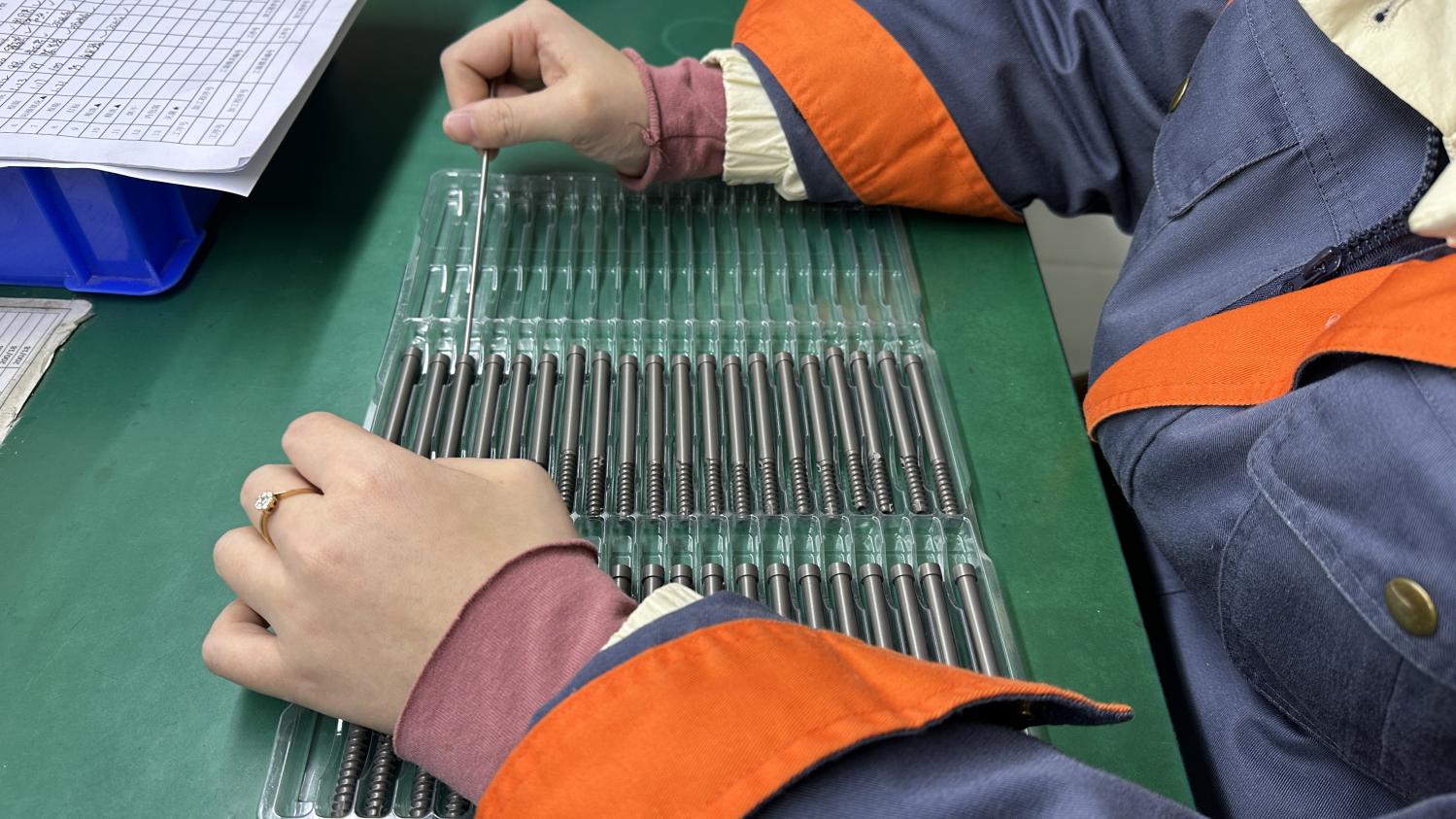
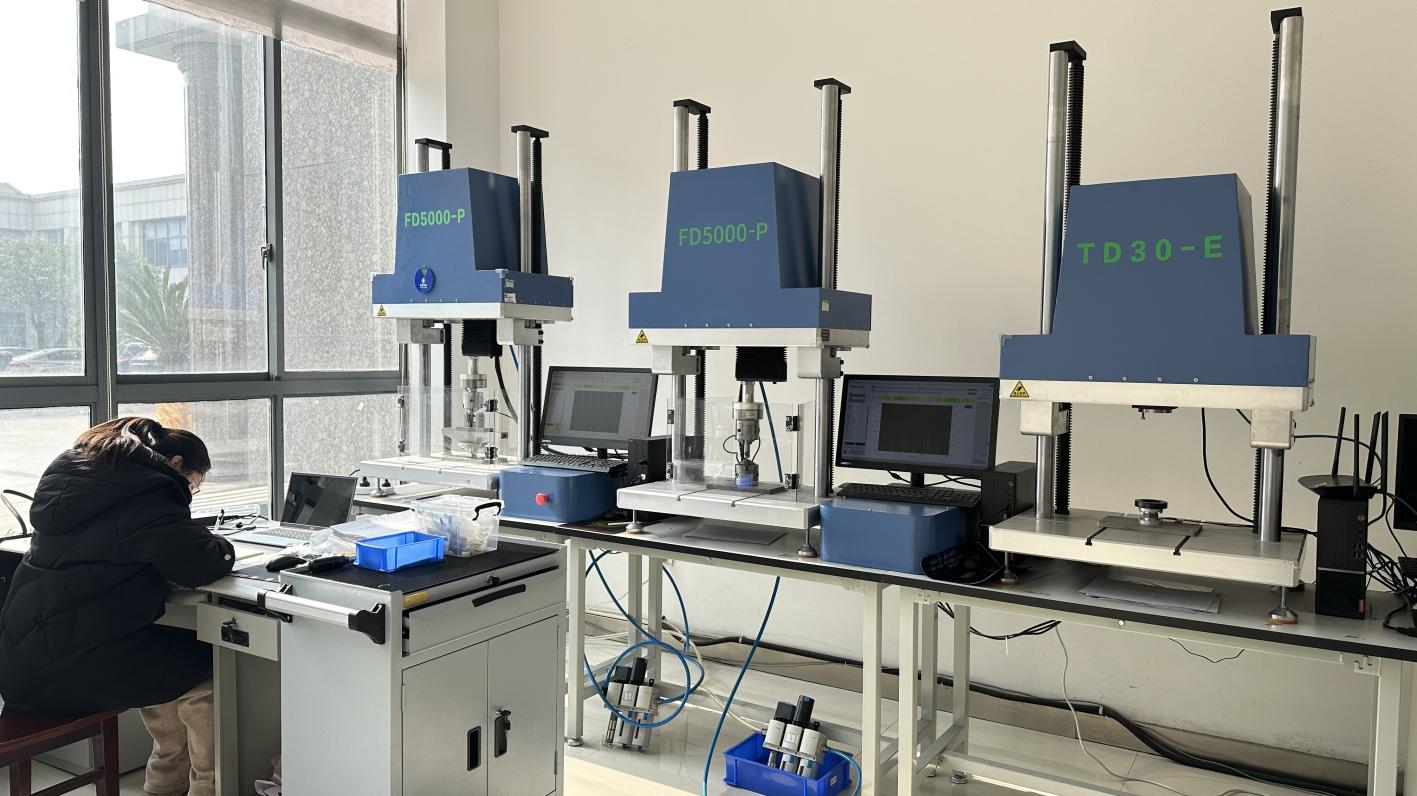
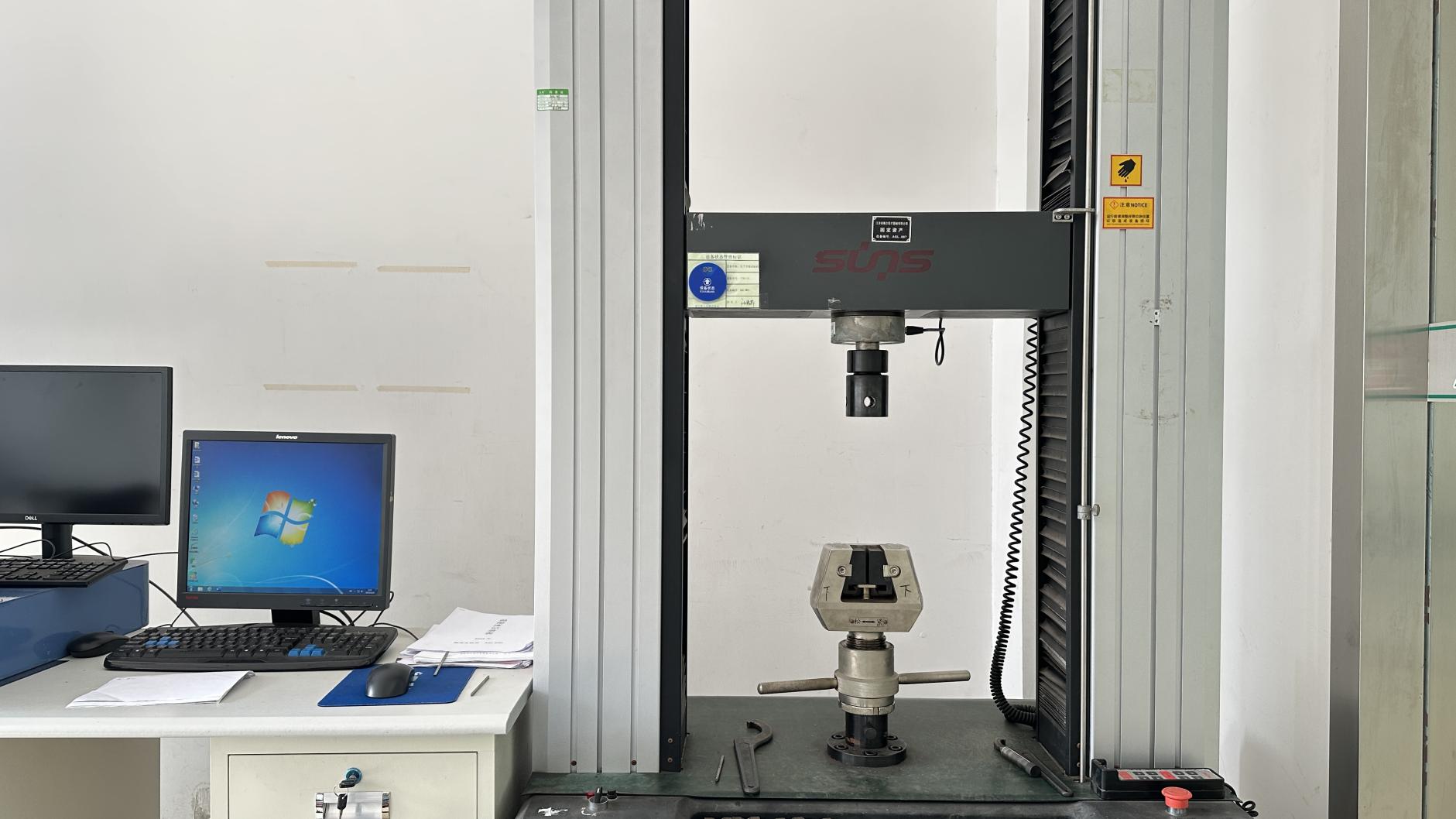
From aerospace-grade raw materials to rigorous biological validation—explore our integrated production line.
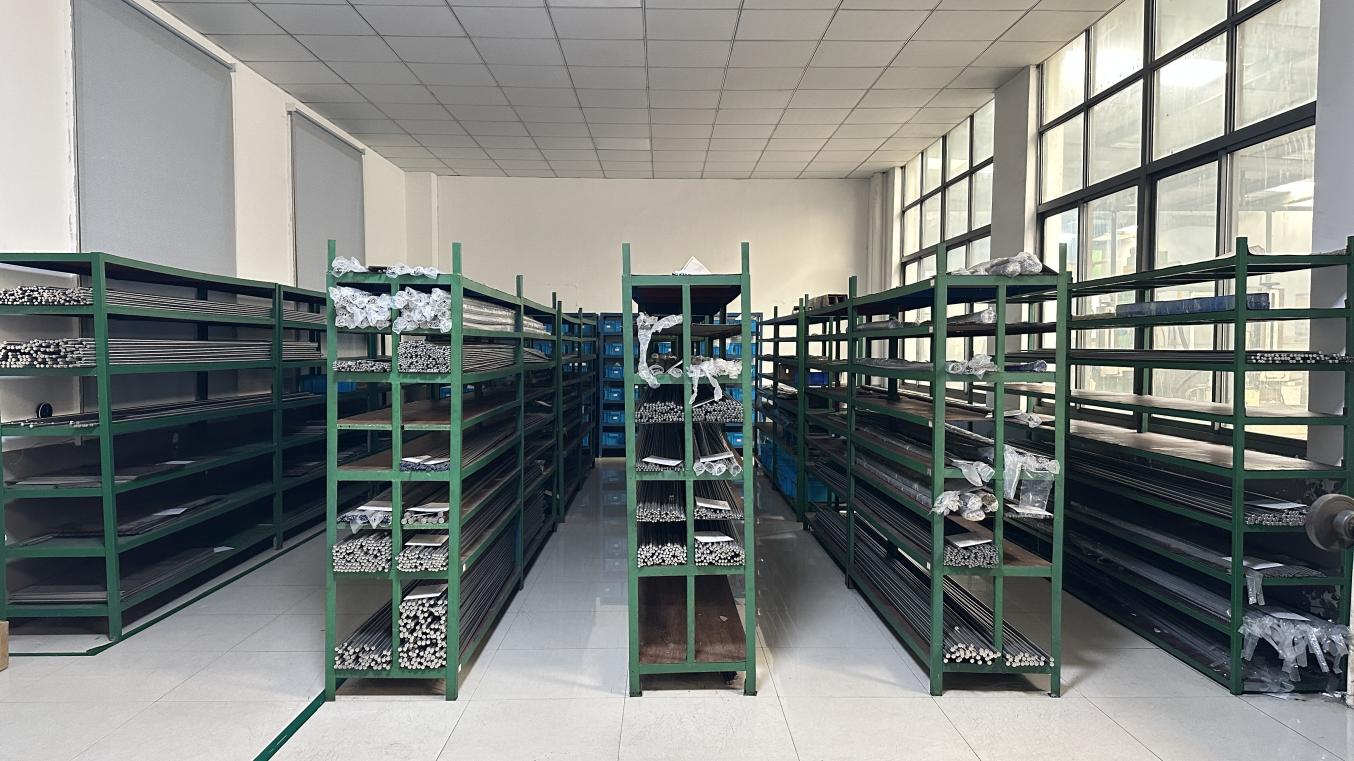
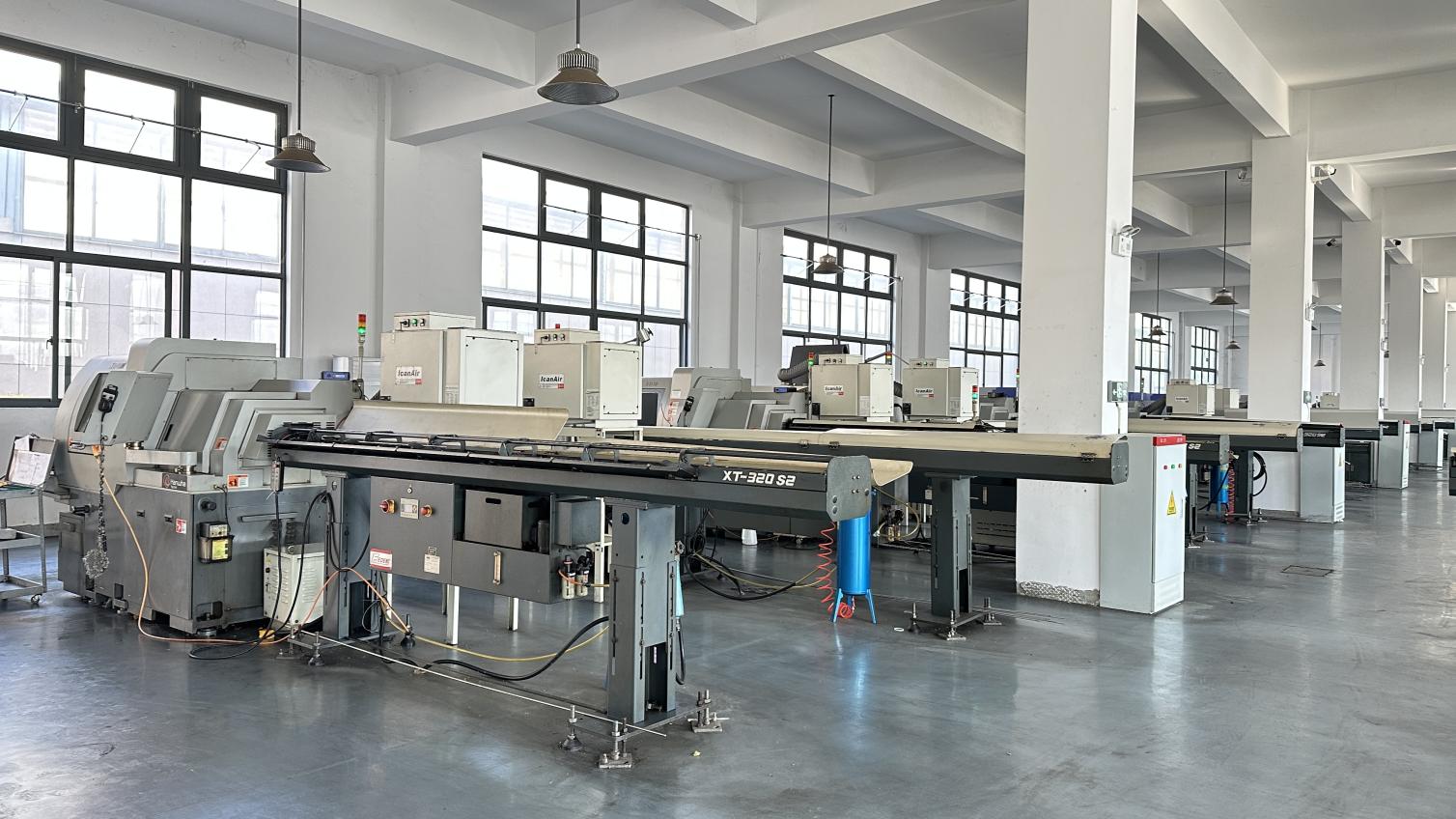
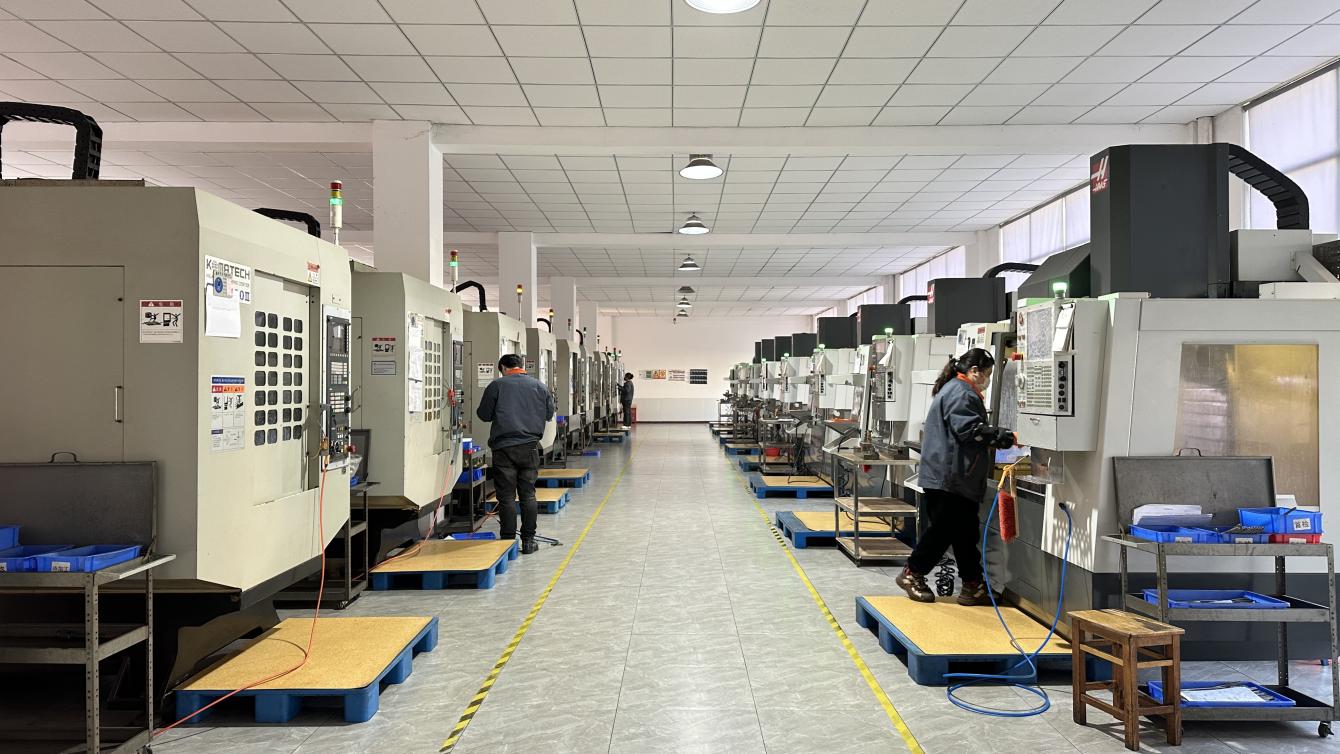
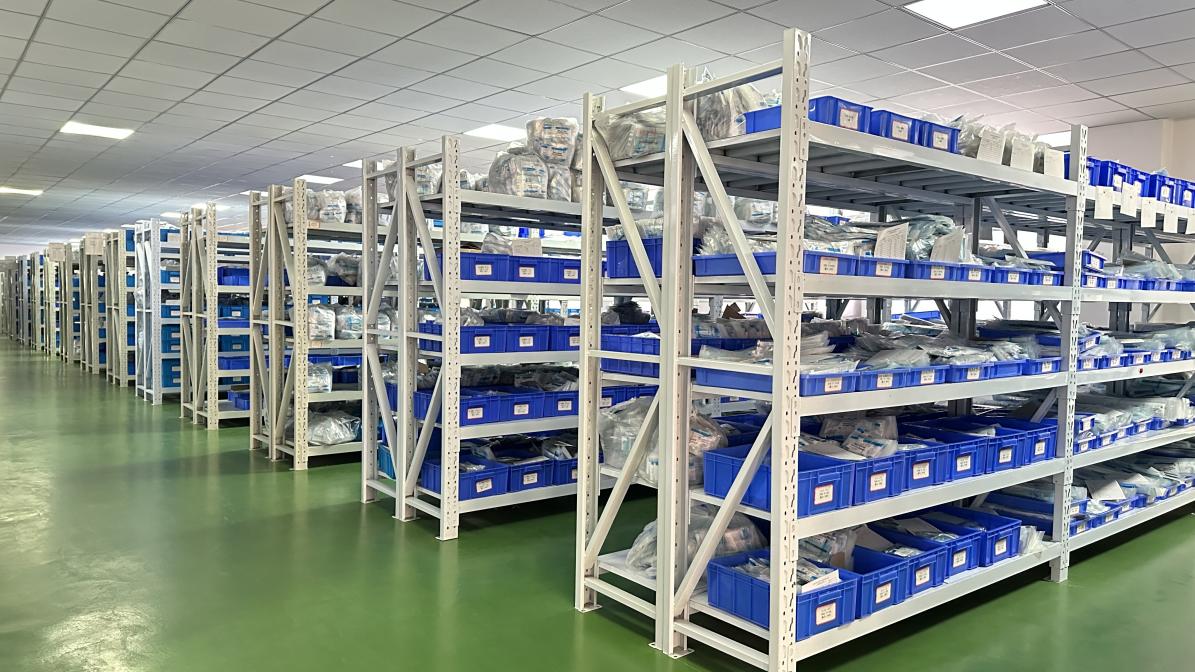
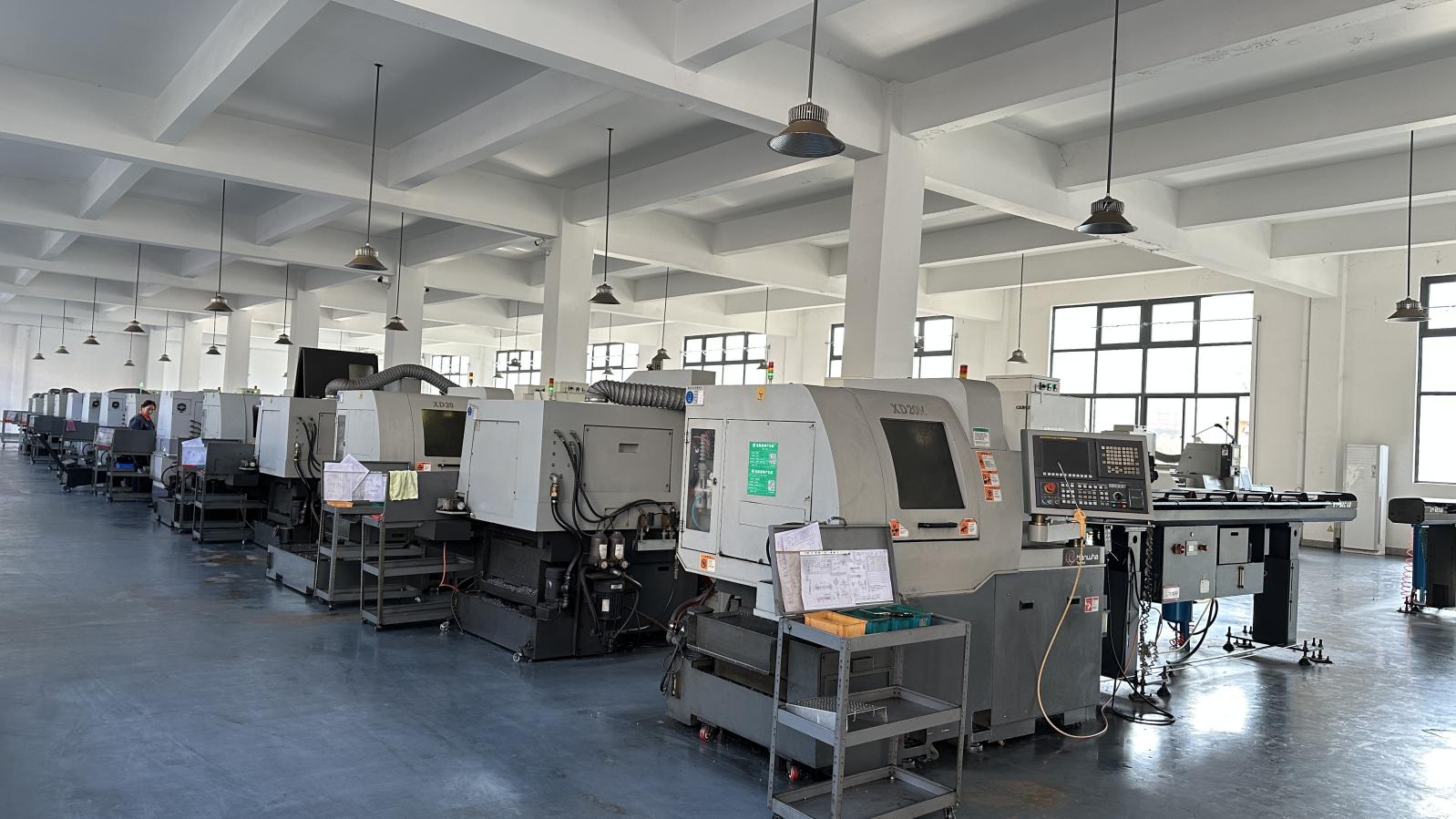
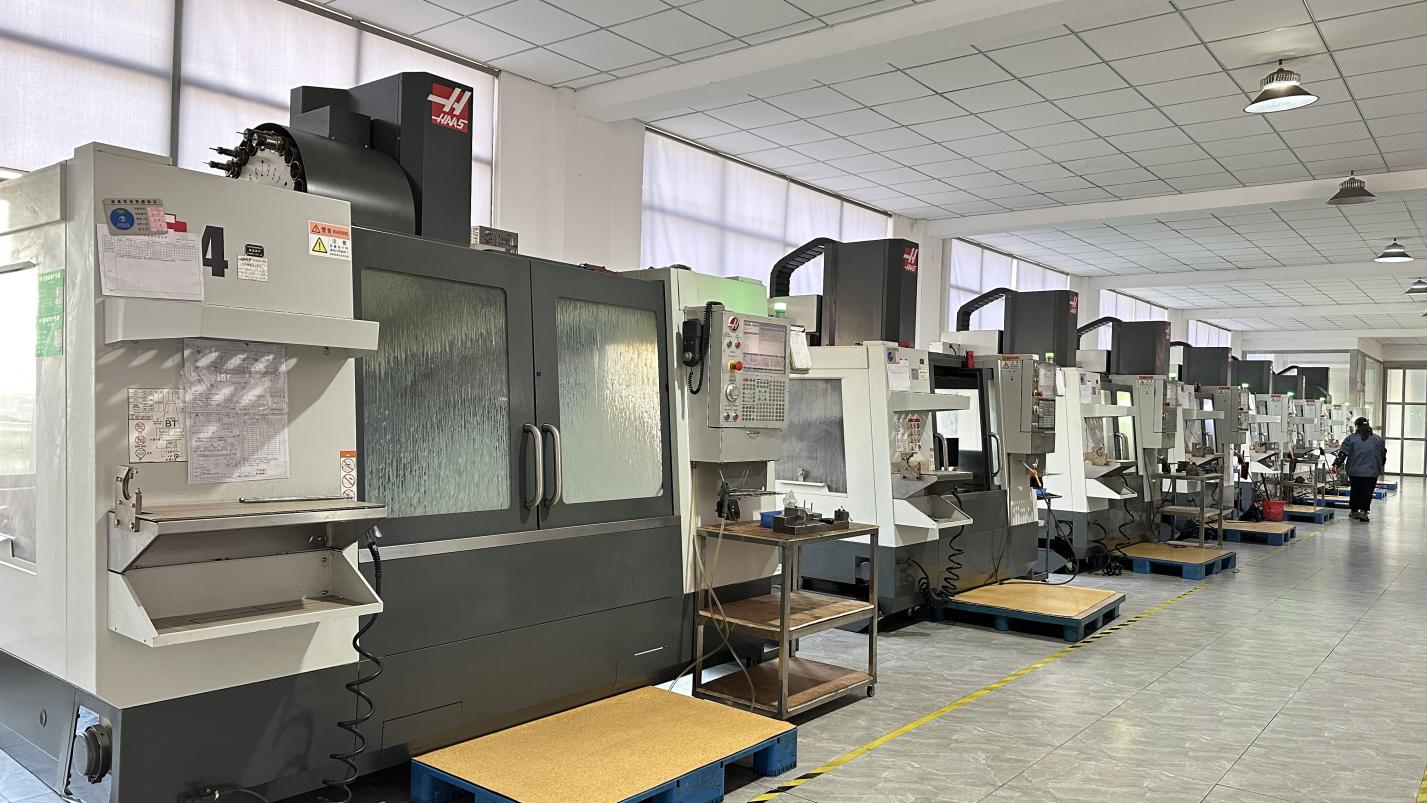
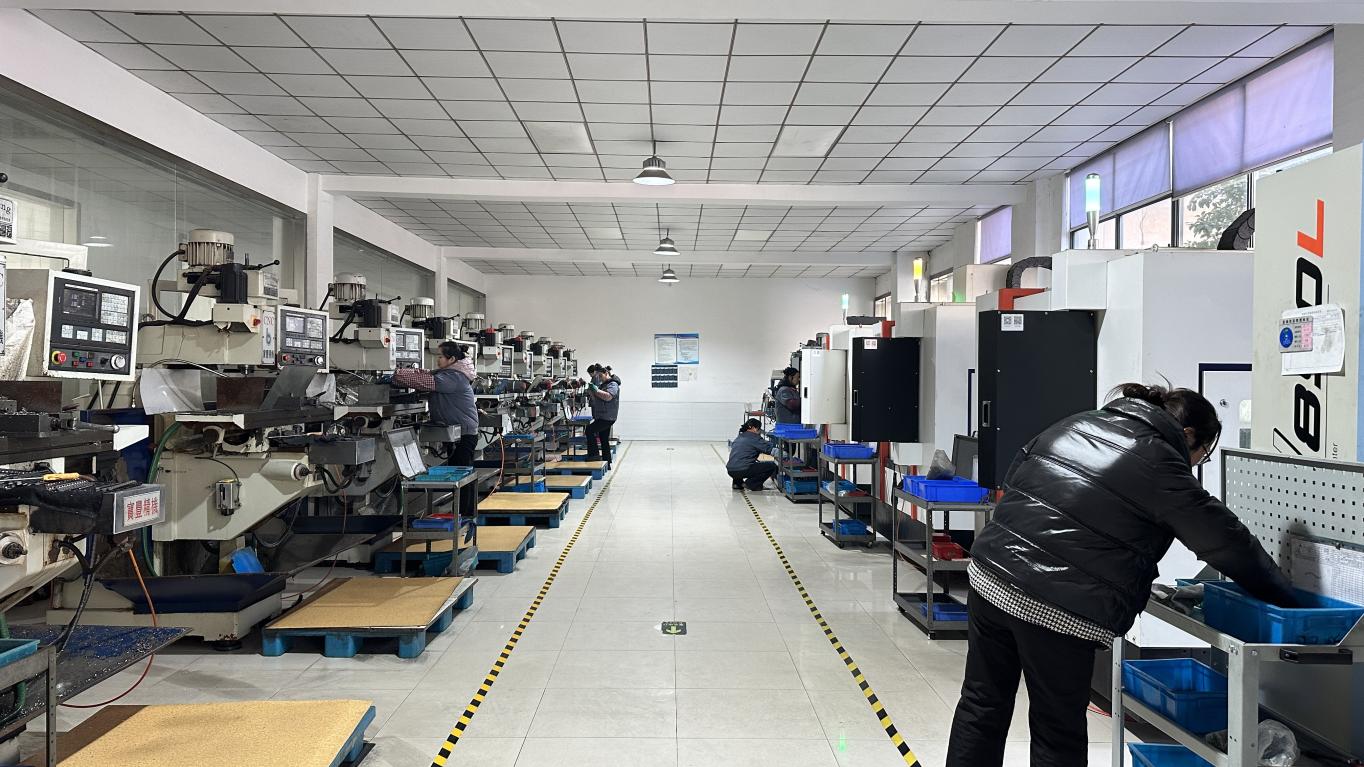

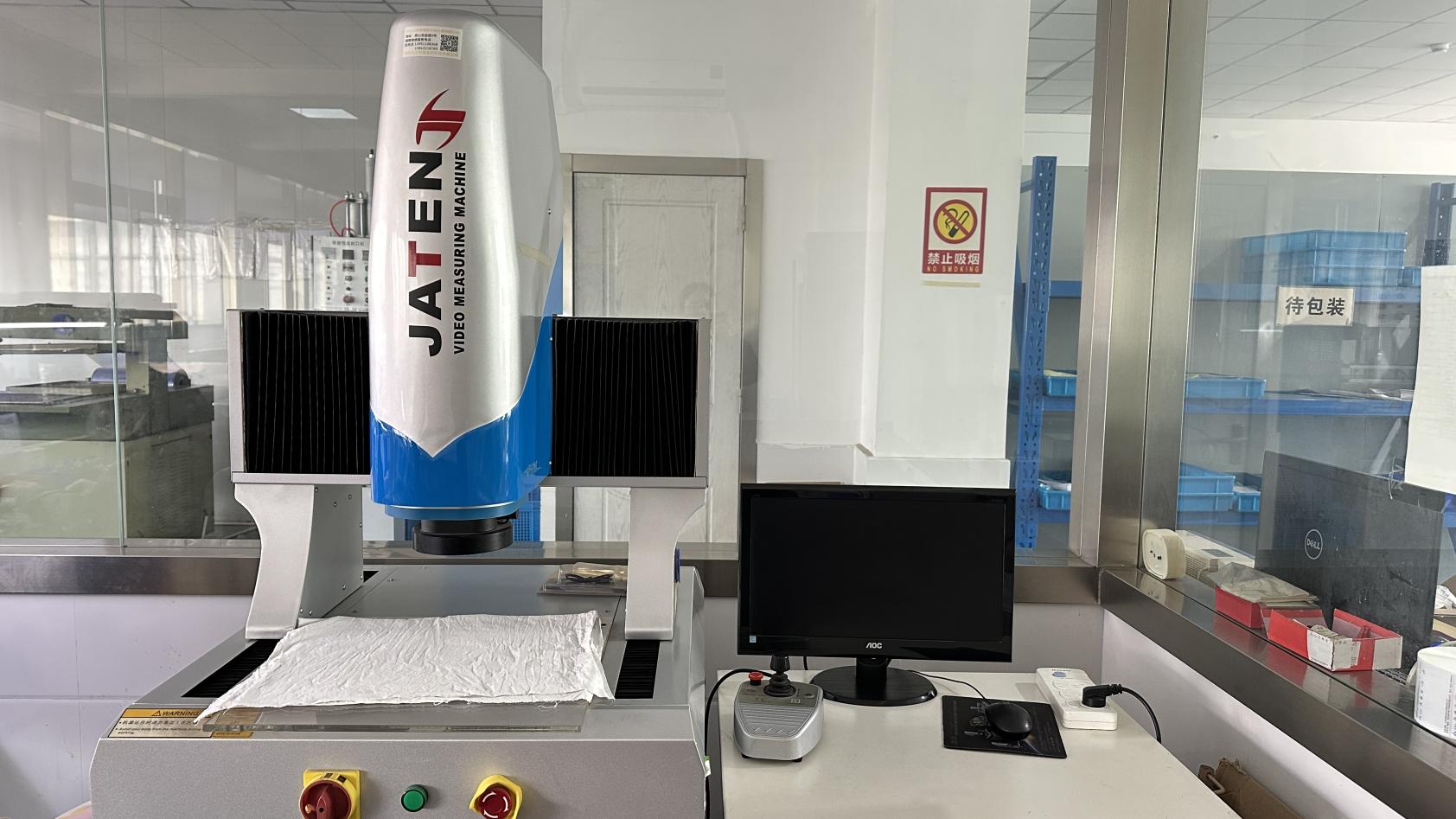
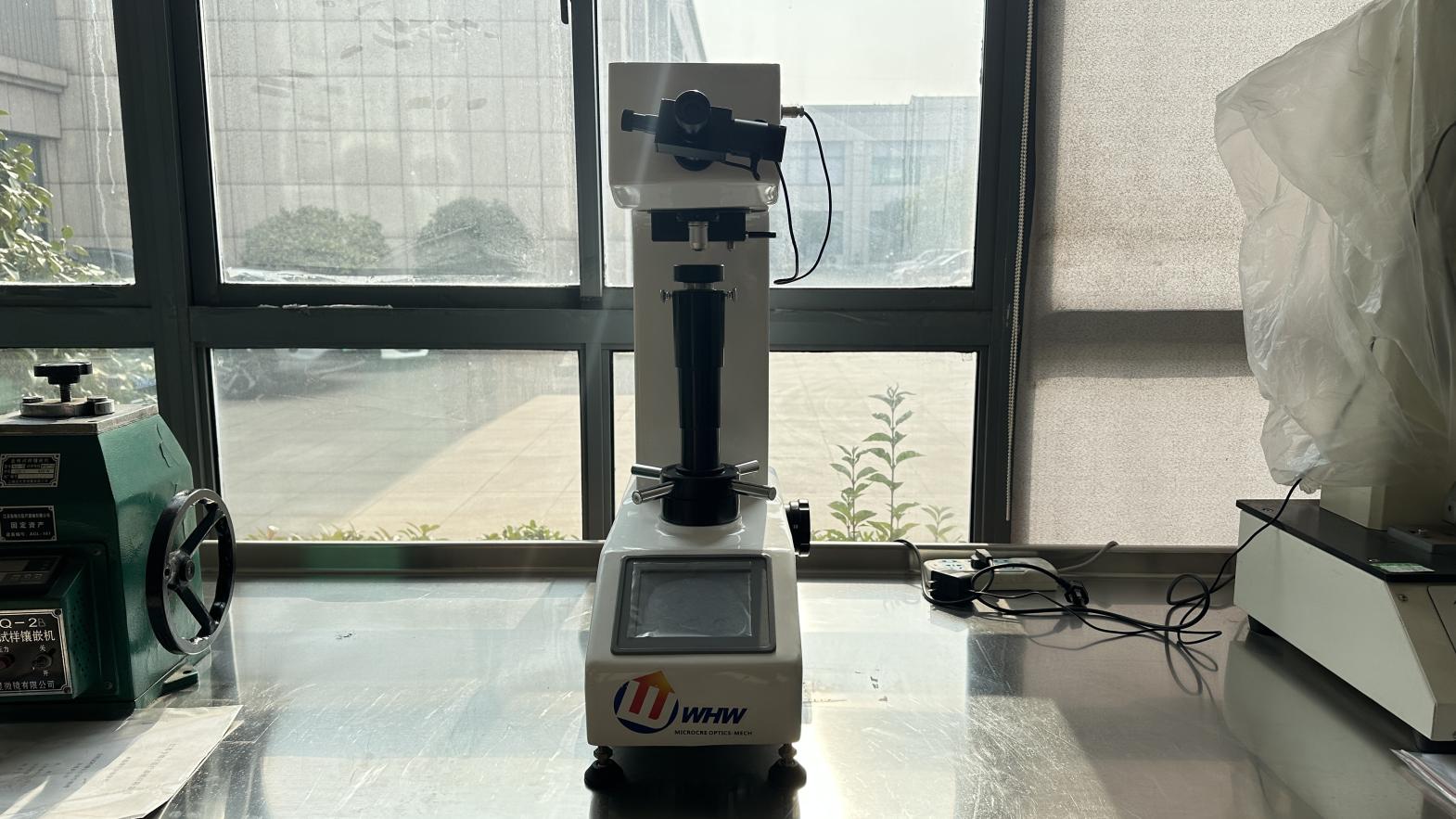
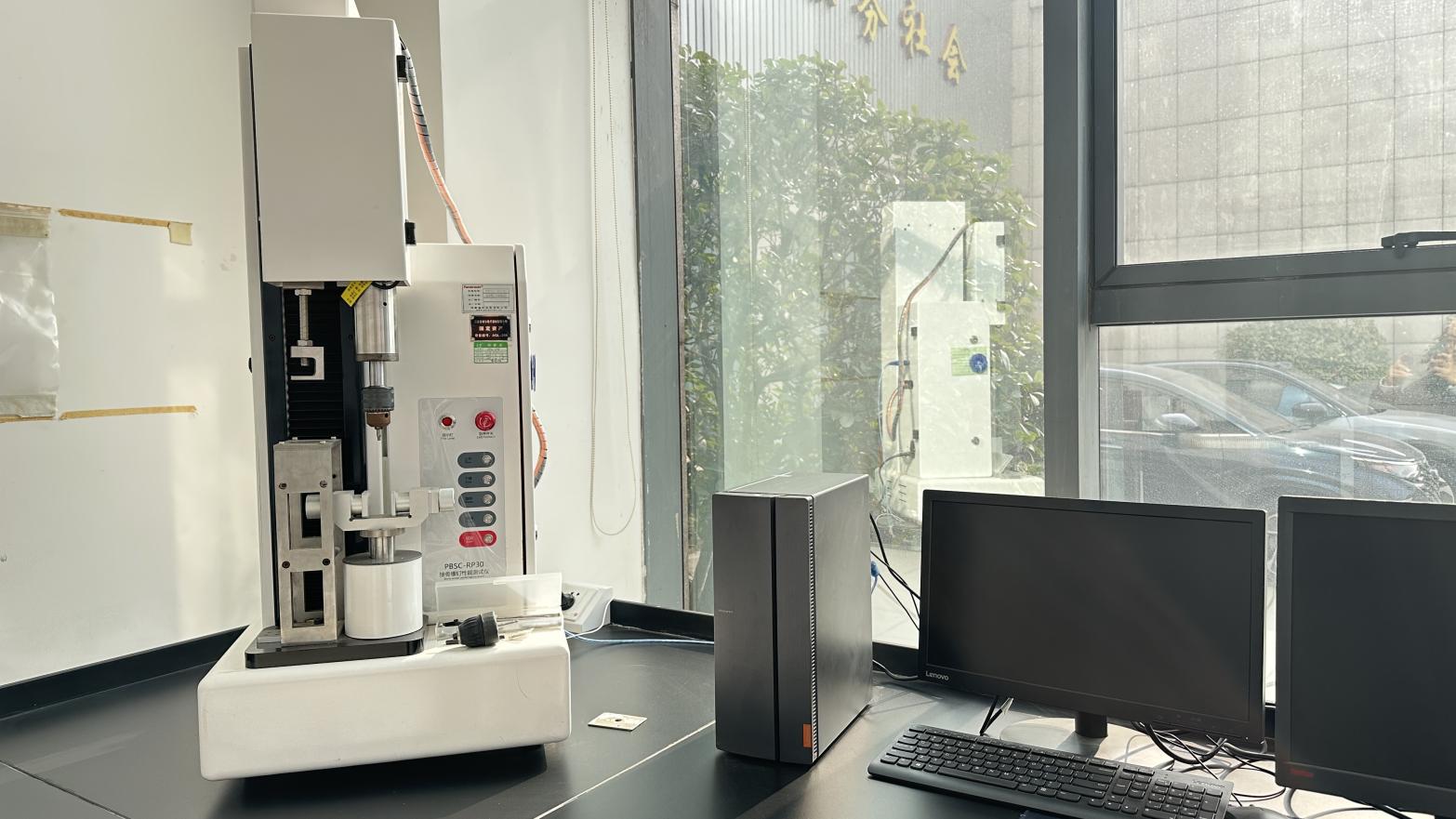
Enhancing joint longevity through advanced materials science and biomechanical modeling.
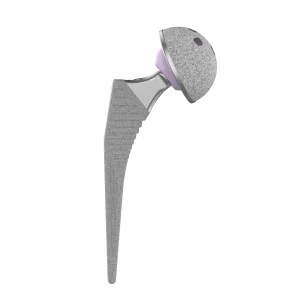
To secure immediate and long-term biological fixation, our cementless femoral stems and acetabular cups feature dual-layer coatings: a vacuum-plasma-sprayed rough titanium surface combined with an outer layer of osteoconductive Hydroxyapatite (HA). This architecture mimics the porous micro-structure of cancellous bone, driving rapid osteointegration and lowering the rate of aseptic loosening in young patients.
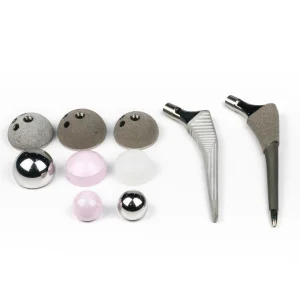
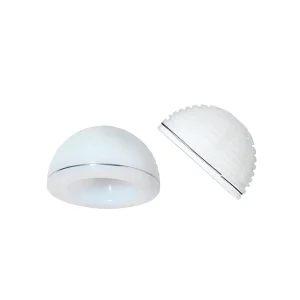
Our articular liners are manufactured from compression-molded ultra-high-molecular-weight polyethylene (UHMWPE) subjected to electron-beam cross-linking and thermal processing. This design significantly reduces polyethylene wear debris, preventing osteolysis and subsequent revision surgeries. For demanding clinical cases, our ceramic-on-polyethylene pairings offer excellent tribological performance and structural durability.
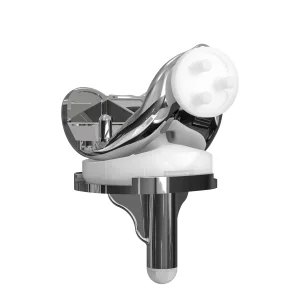
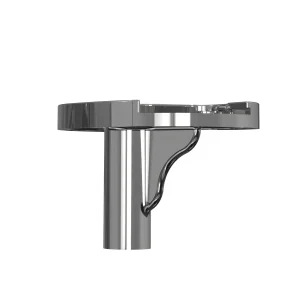
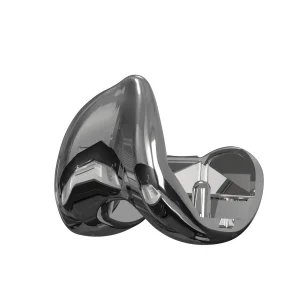
Our TKR systems feature femoral components crafted from high-purity CoCrMo alloy in strict compliance with ASTM F75. The articular surfaces are polished to a mirror finish (Ra < 0.05 μm) to minimize wear against the tibial insert. Combined with highly anatomical designs, this ensures optimal patellofemoral tracking and high range-of-motion outcomes.
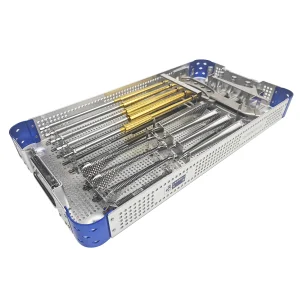
Understanding that local clinics may have variable sterilization and air filtration setups, we offer highly durable, ergonomically designed manual instrument kits. Made from high-grade martensitic and austenitic stainless steels, these systems tolerate repeated autoclave cycles without corrosion or wear on critical cutting and alignment guides.
Assisting distributors with Ghana FDA registration guidelines and port logistics.
Reconstructive orthopedic implants are classified as high-risk Class III medical devices by the Ghana Food and Drugs Authority (FDA). Under regulatory mandates, local distributors must submit comprehensive technical files, including sterilization validation records (gamma radiation or ethylene oxide), biocompatibility documentation (ISO 10993 series), and ISO 13485 quality management certificate.
Medisplint provides a dedicated regulatory team to compile, sign, and seal these dossiers for local importers. By providing clean, internationally recognized CE certificate profiles and comprehensive mechanical testing logs (including ISO 7206 fatigue metrics), we expedite the clearance and registration process with the Ghana FDA, allowing your organization to transition from importing to active market placement without unnecessary administrative delays.
We optimize shipping pathways to match clinical urgency and regional business operations:
Explore our full line of hip and knee reconstruction products, revision tools, and accessories.
Answers to critical questions regarding registration, clinical safety, shipping, and distribution partnerships in Ghana.
Upgrade your hospital’s orthopedic catalog or scale your medical device distribution network in Ghana. Get in touch with our engineering team for customized configurations, documentation support, and catalog pricing.
Send Inquiry Now