Medisplint
Medisplint
Medisplint
Optimized for public and private orthopedic hospitals across South Africa, incorporating state-of-the-art titanium and modular alloy configurations.
The orthopedic implant sector in South Africa presents a unique dual-market environment. On one side, the highly advanced private healthcare system (managed by major hospital groups like Netcare, Life Healthcare, and Mediclinic) demands world-class technology, zero-failure implant designs, and state-of-the-art materials like modular titanium stems and high-crosslinked polyethylene liners. On the other side, the public healthcare sector, which caters to over 80% of the population, faces severe budget constraints and long waiting lists, driving a strong need for cost-efficient, durable implants that conform strictly to international quality standards.
Medisplint Orthopedic Instruments Co., Ltd., as an ISO 13485-certified global manufacturer, has positioned its comprehensive portfolio of Total Hip Replacement (THR) and Total Knee Replacement (TKR) systems to address these exact requirements. Our implants offer South African healthcare providers a highly viable clinical alternative to traditional, high-premium Western multinational brands. By delivering CE-marked, Class III approved implants that ensure biomechanical reliability and long-term survivorship, we help narrow the accessibility gap in joint reconstruction programs across the provinces of Gauteng, Western Cape, KwaZulu-Natal, and beyond.
The global orthopedics market has seen significant consolidation, resulting in inflated procurement costs for developing economies. The South African National Joint Registry (SANJR) highlights the critical importance of implant supply security and traceability. With the ongoing implementation of the National Health Insurance (NHI) framework, procurement models are moving toward strategic sourcing partners who can provide end-to-end reliability.
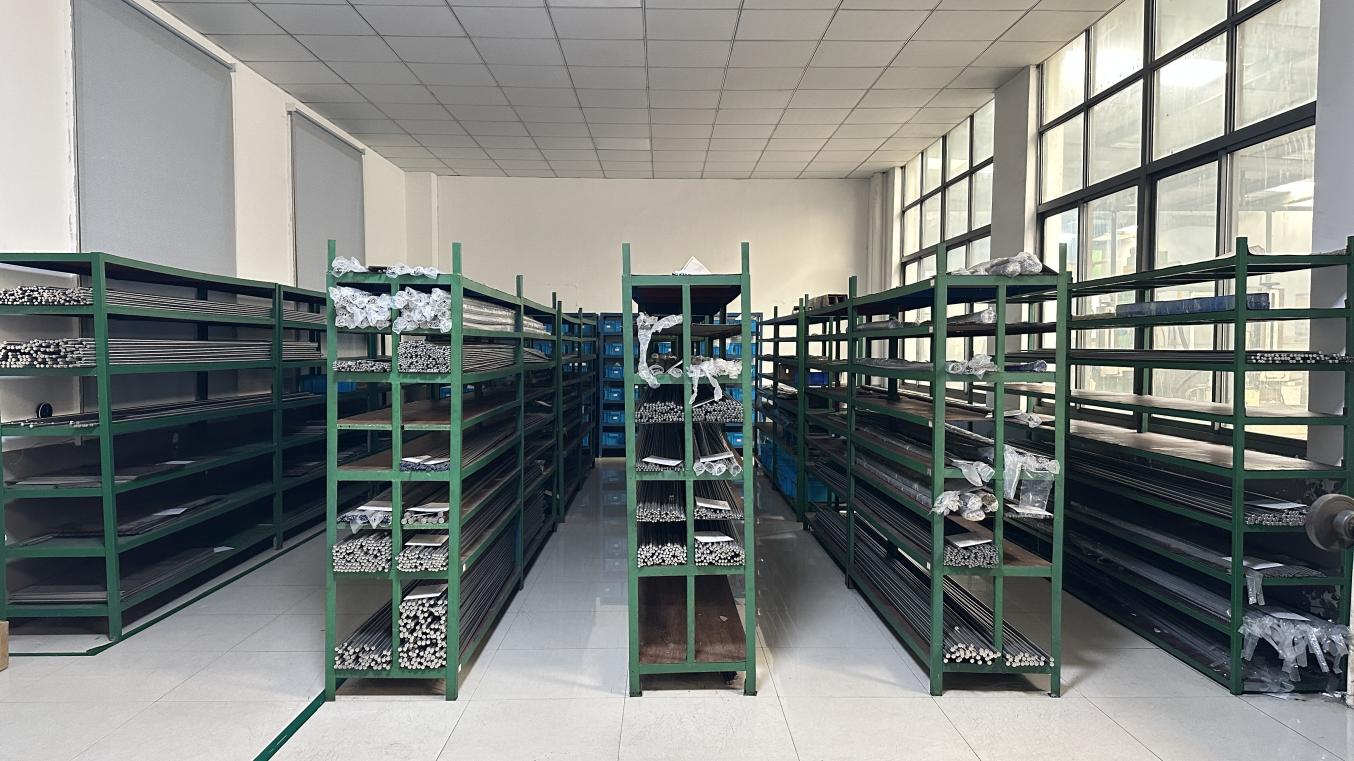
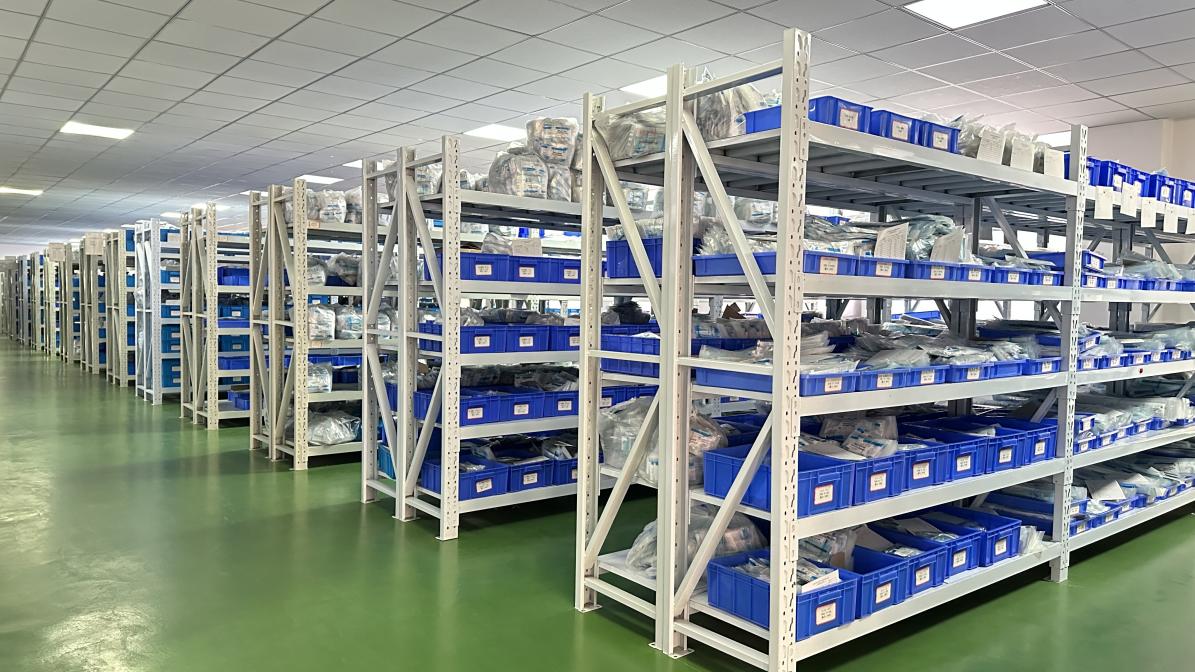
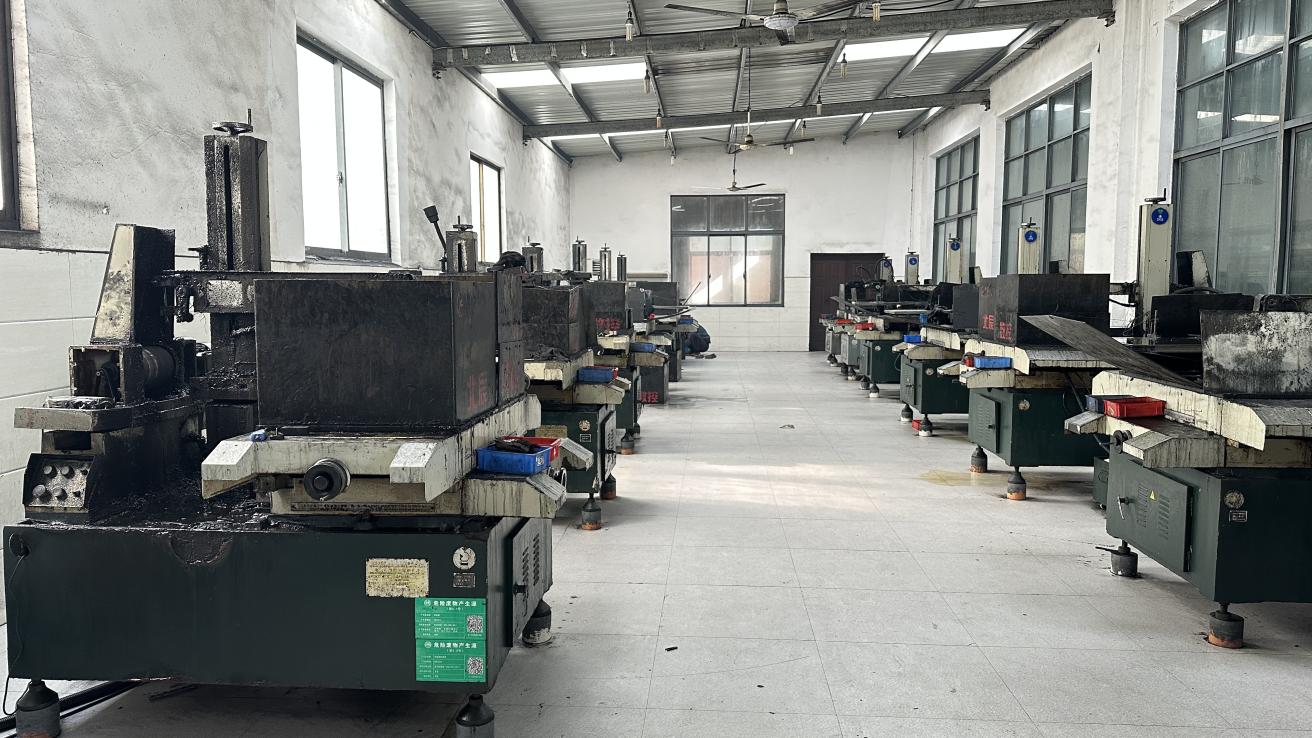
At Medisplint, we operate a state-of-the-art 18,500m² manufacturing facility that processes medical-grade titanium alloys (Ti-6Al-4V) and Cobalt-Chromium-Molybdenum (CoCrMo) under strict quality control. Our collaborative network of over 1,200 supply chain partners ensures that our raw materials are certified and fully traceable. By streamlining our operations and avoiding the heavy distribution overhead of conventional implant brands, we deliver superior cost-efficiencies directly to South African distributors, private clinics, and state hospitals.
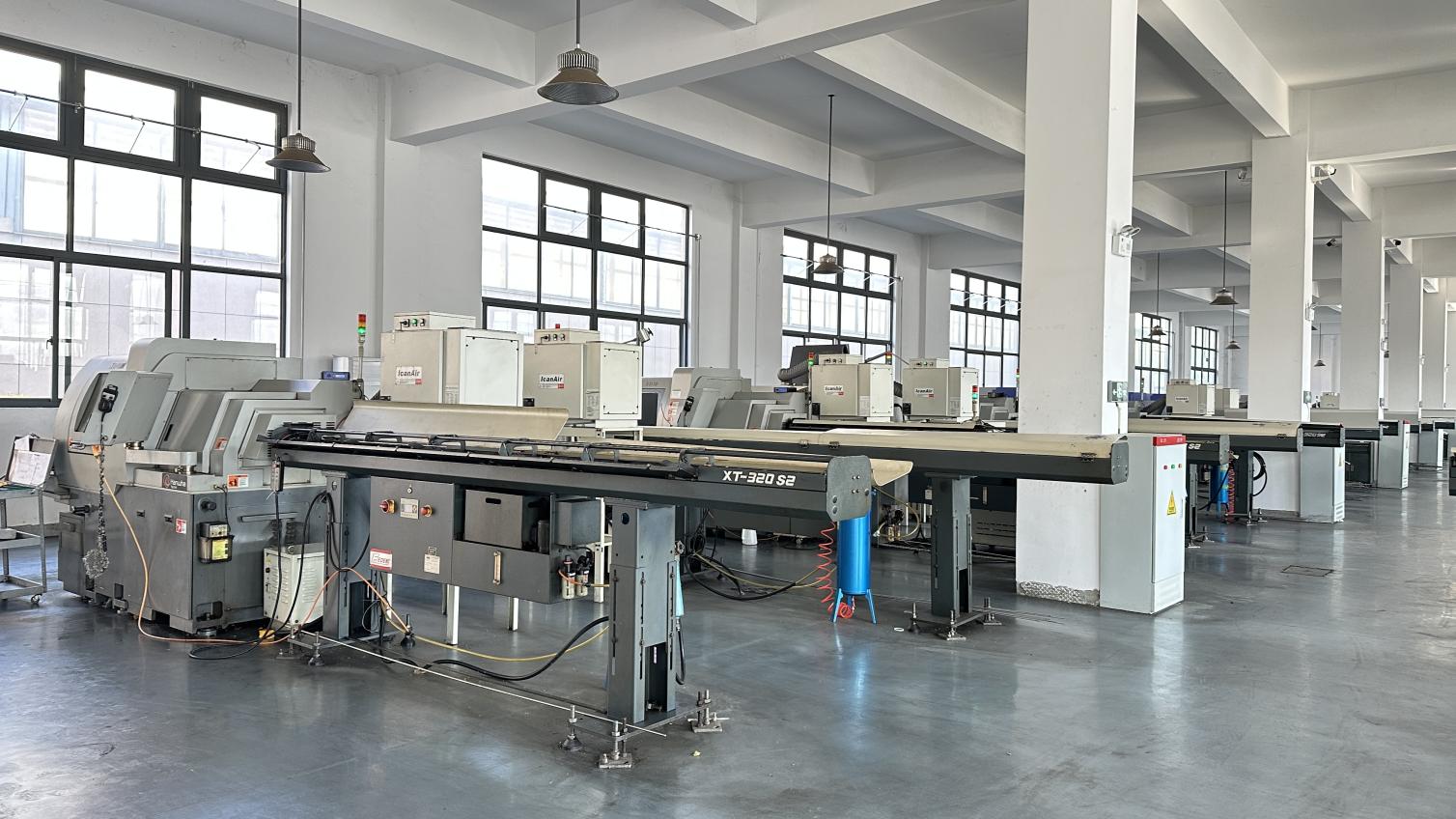
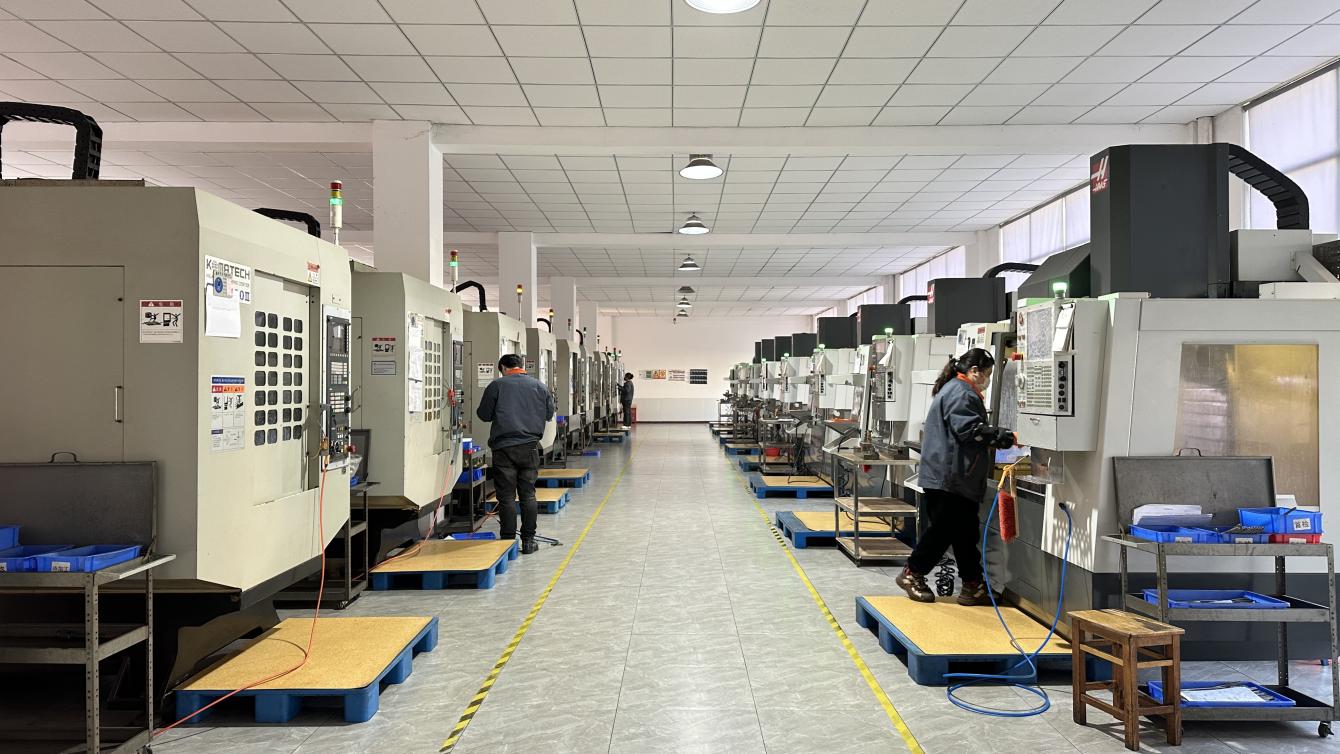
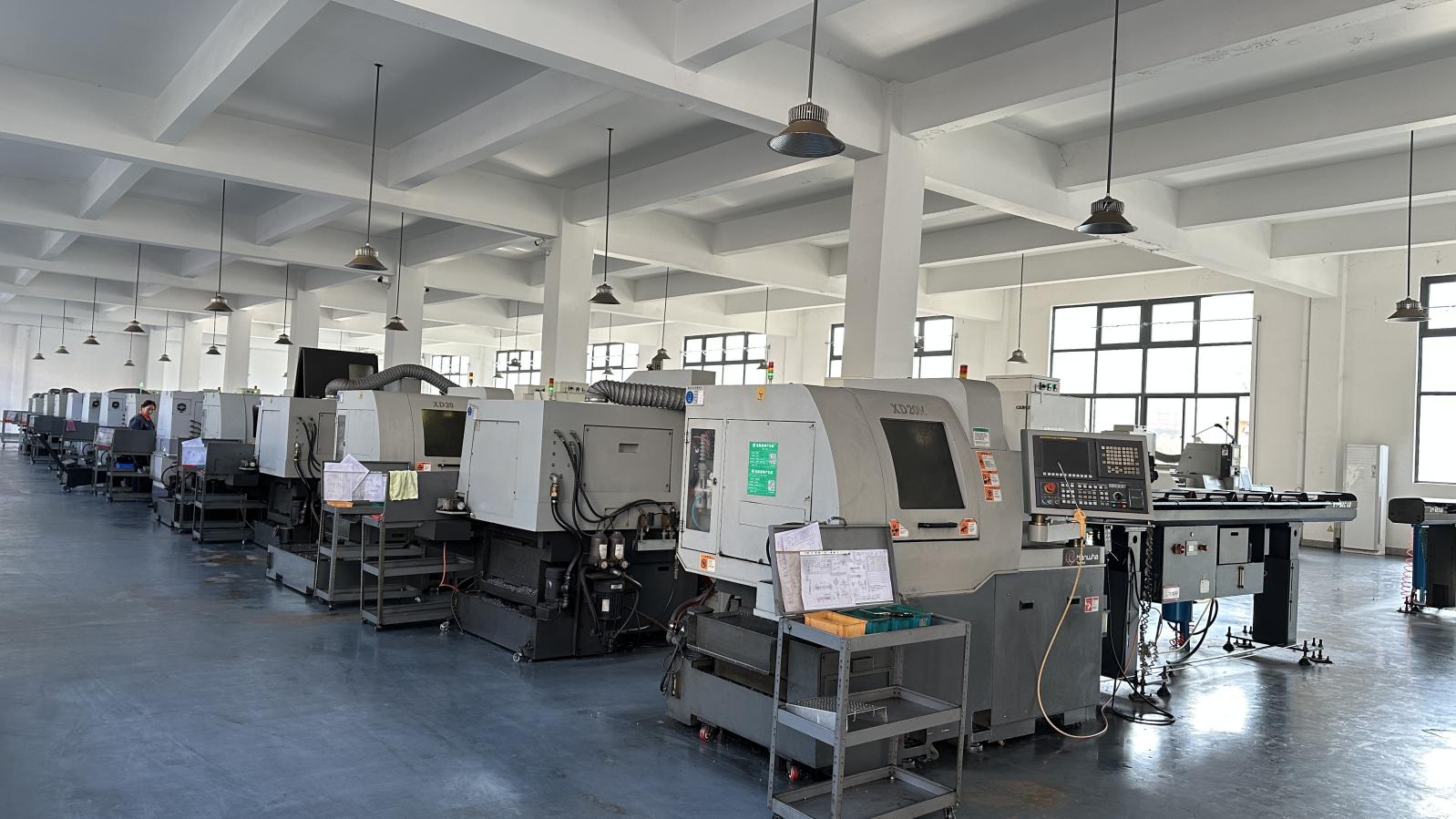
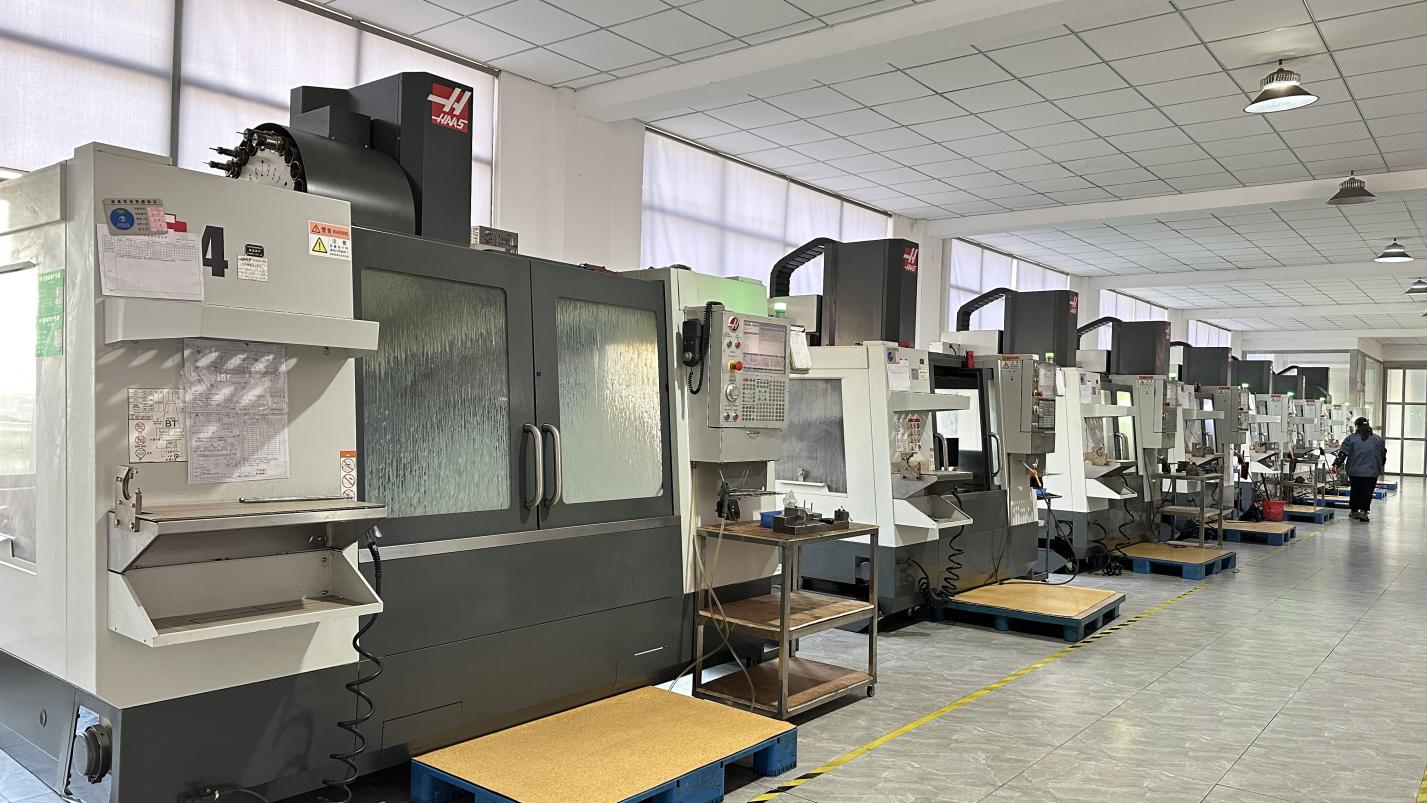
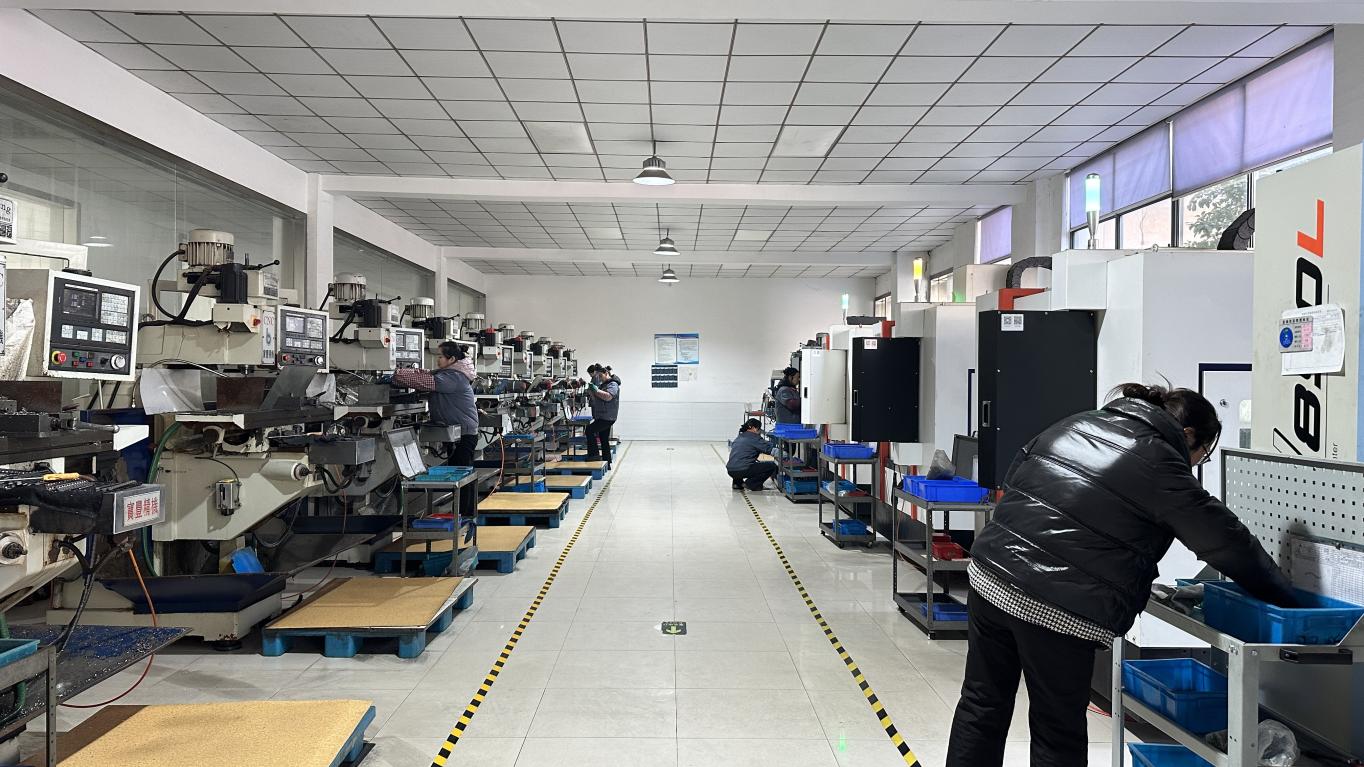
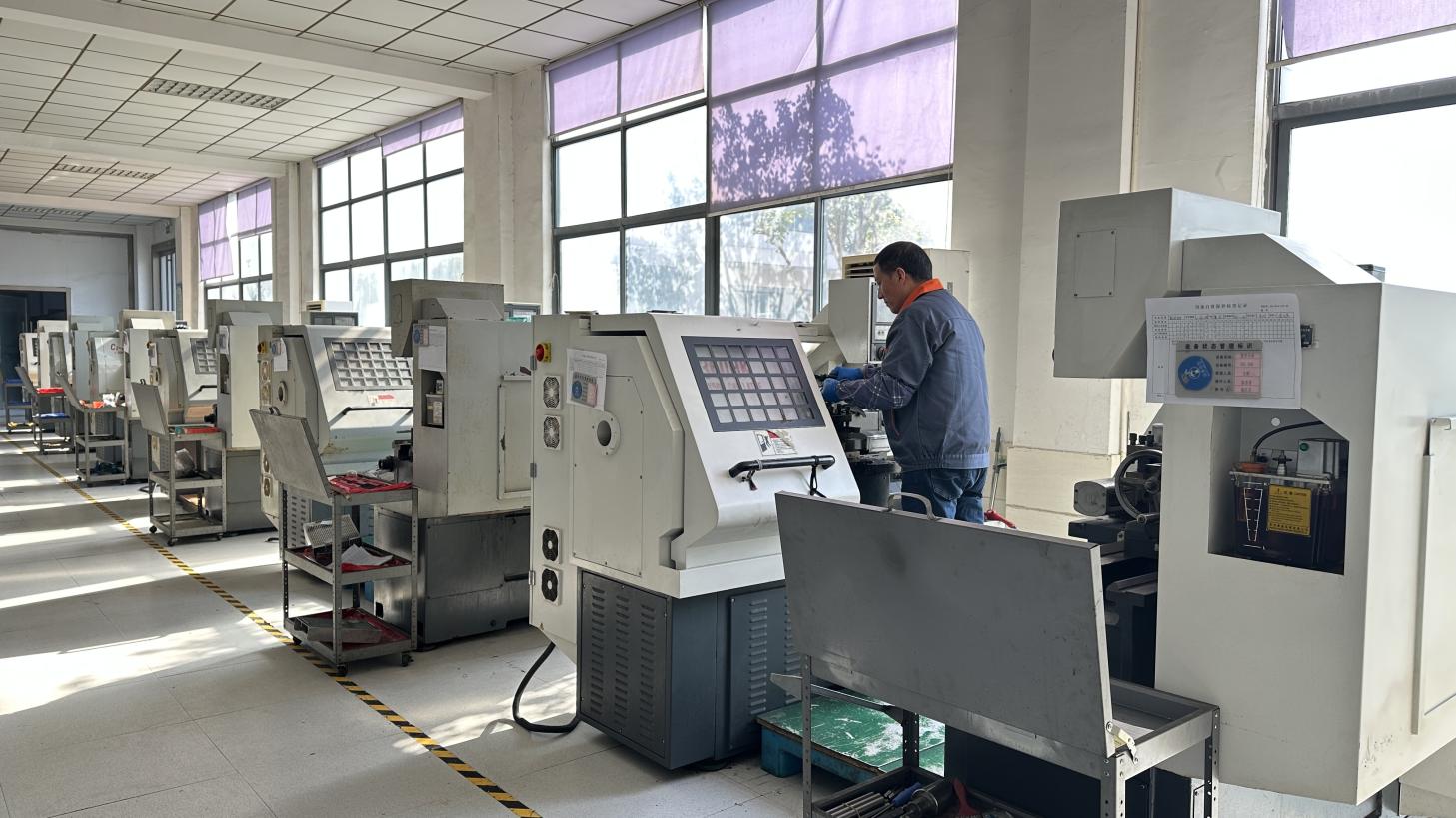
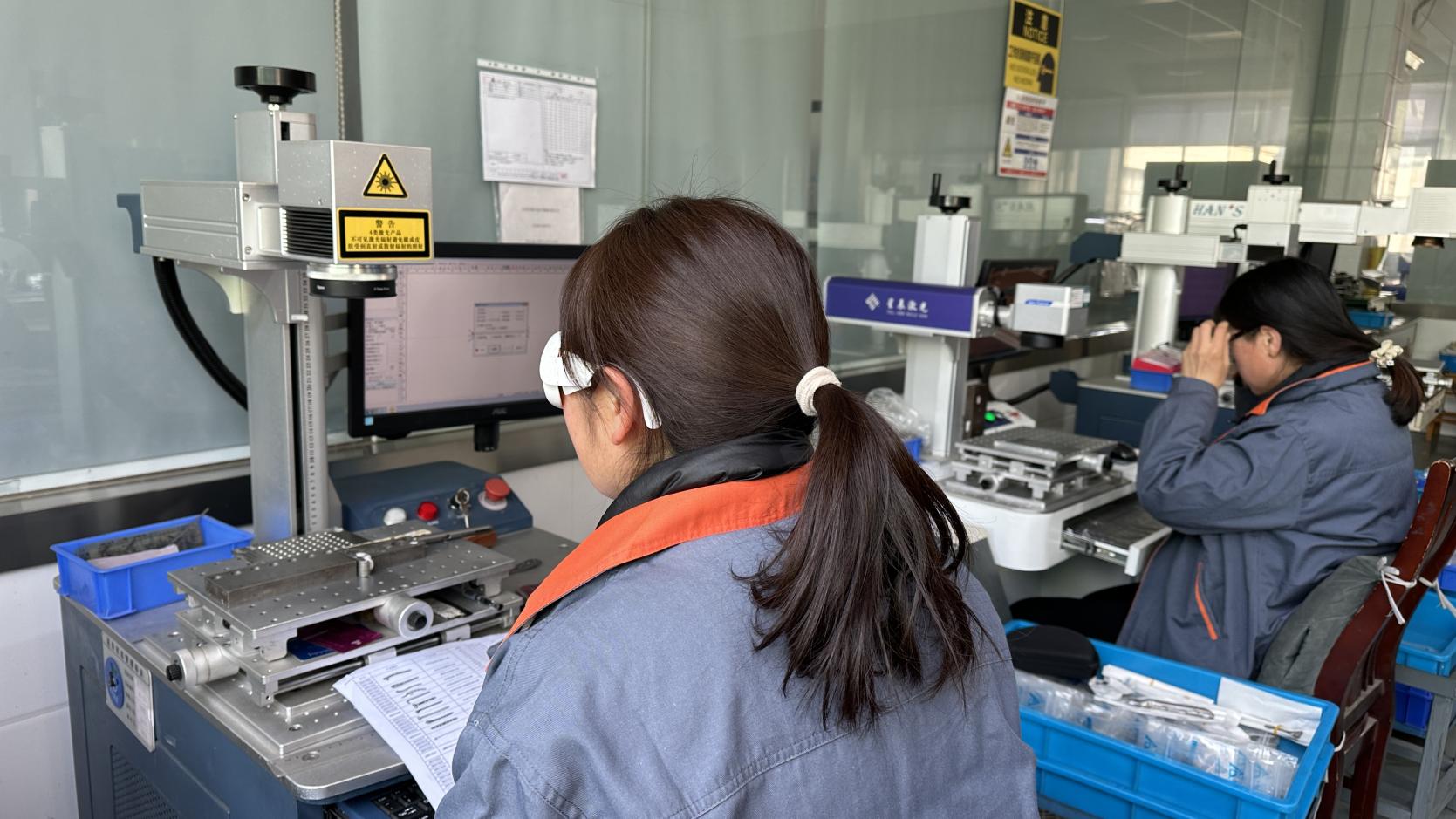
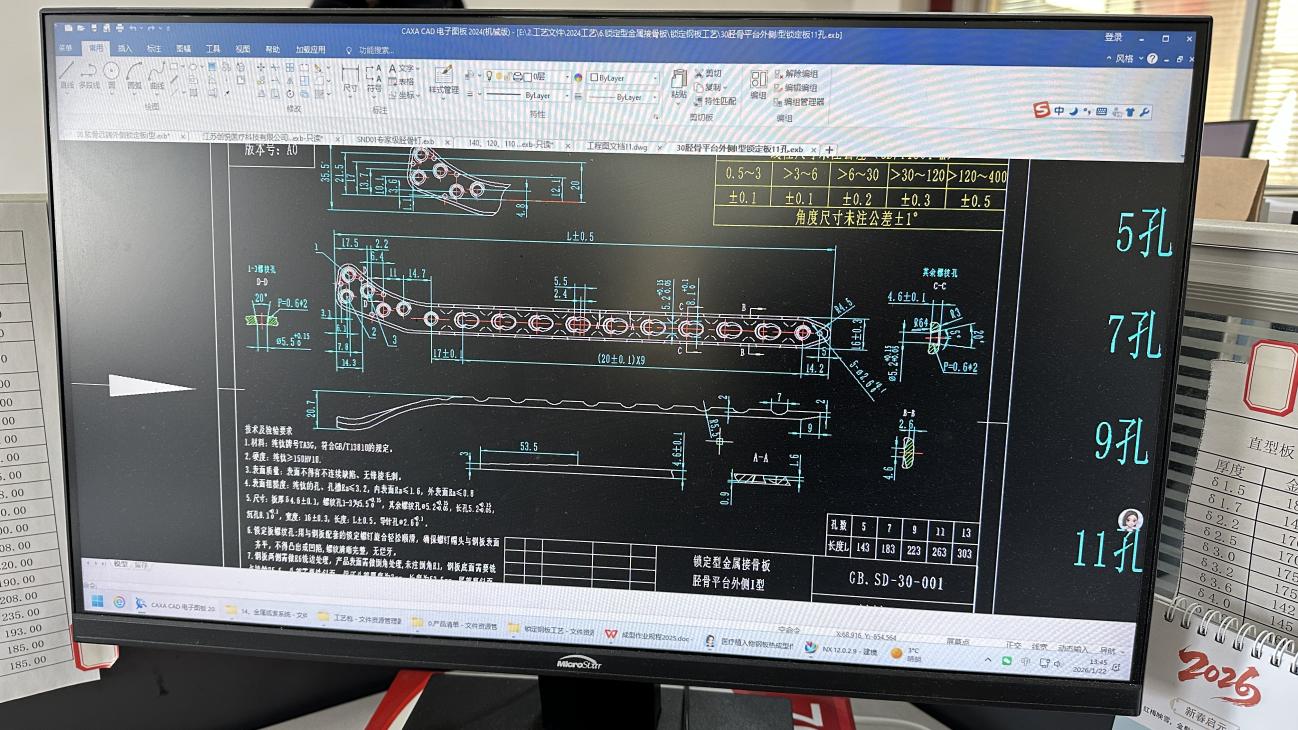
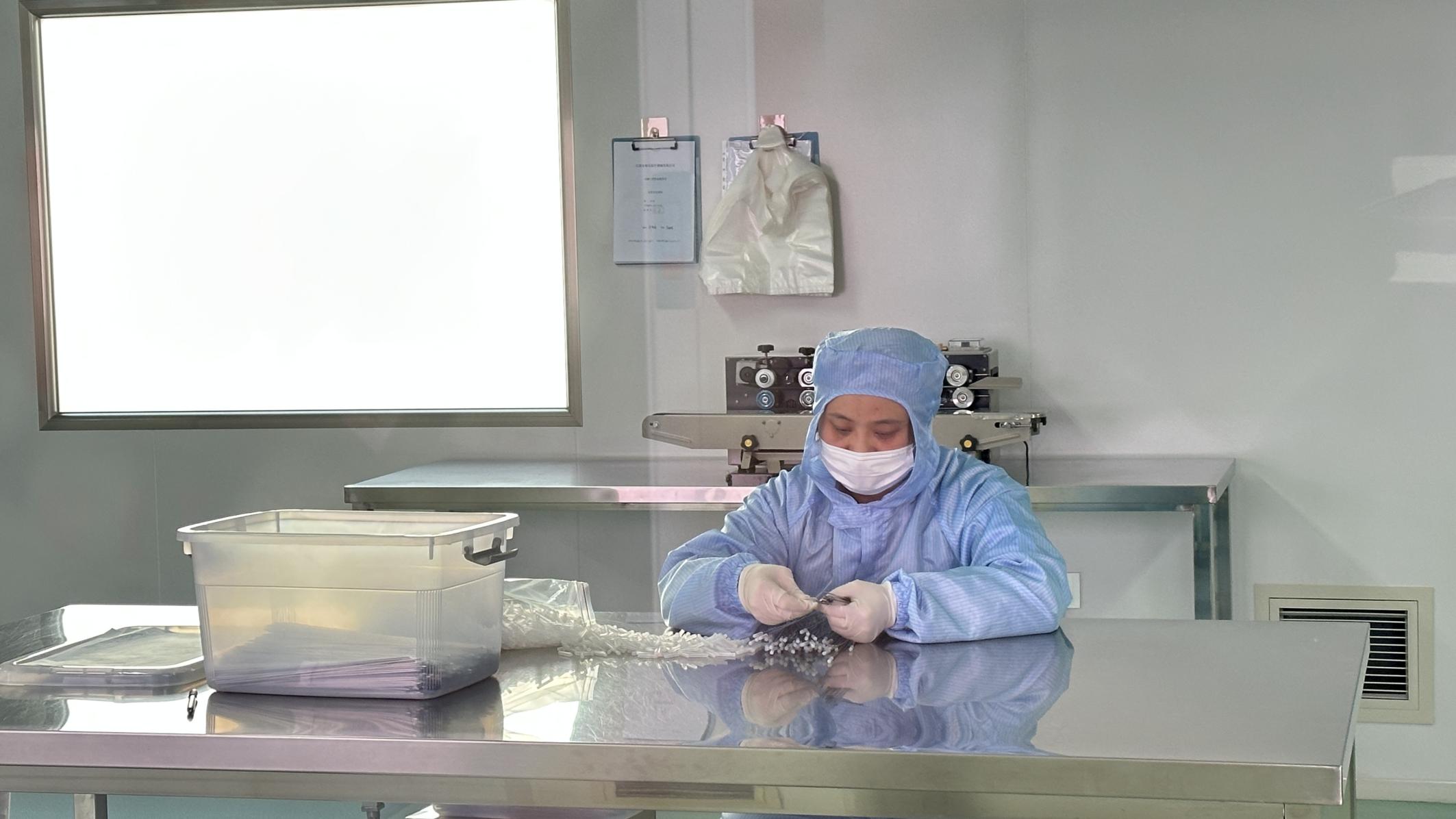
Our facility integrates high-precision CNC multi-axis milling, automated wire cutting, and rigorous cleanroom operations to achieve the micron-level tolerances required for orthopedic implants.
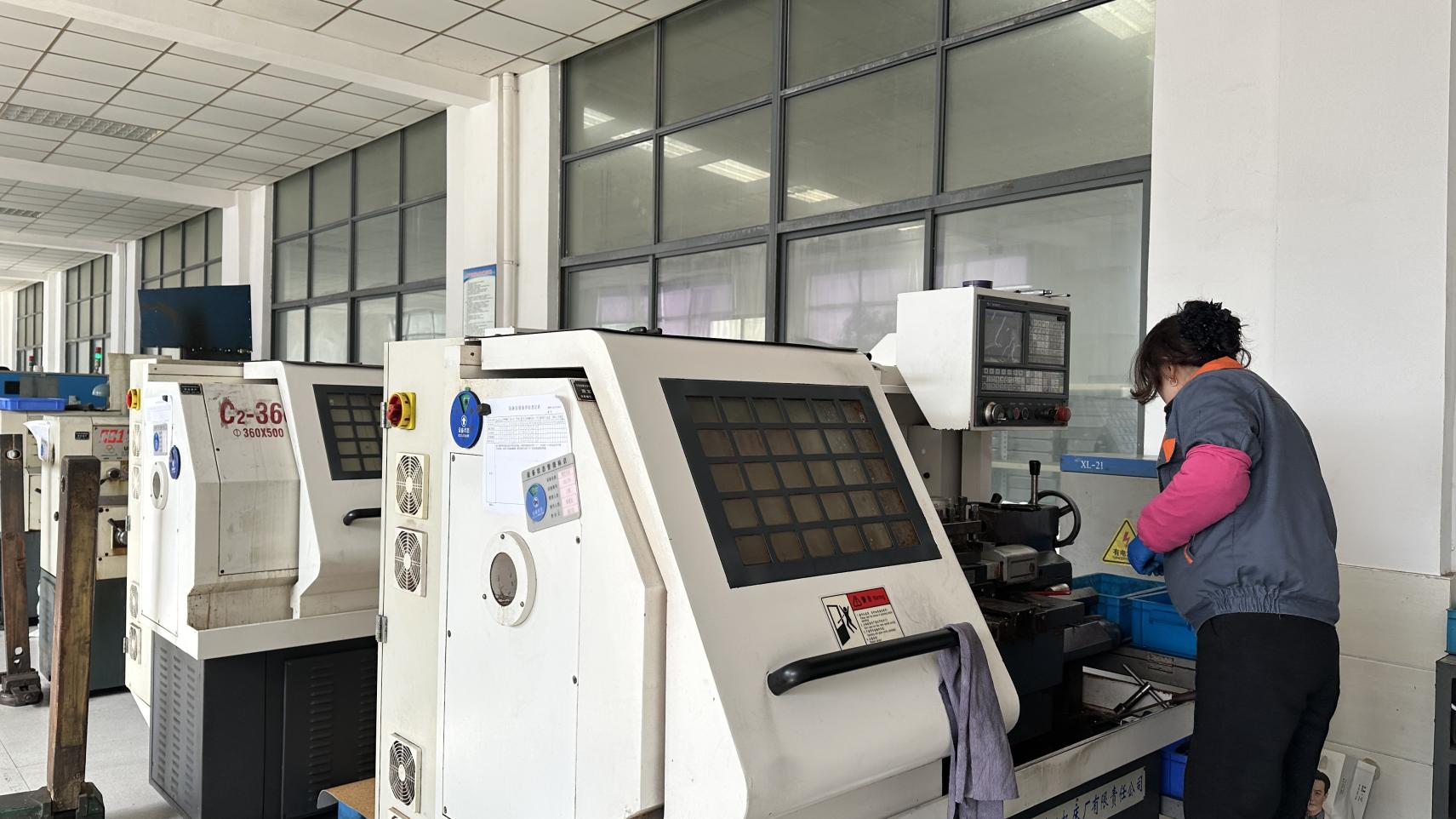
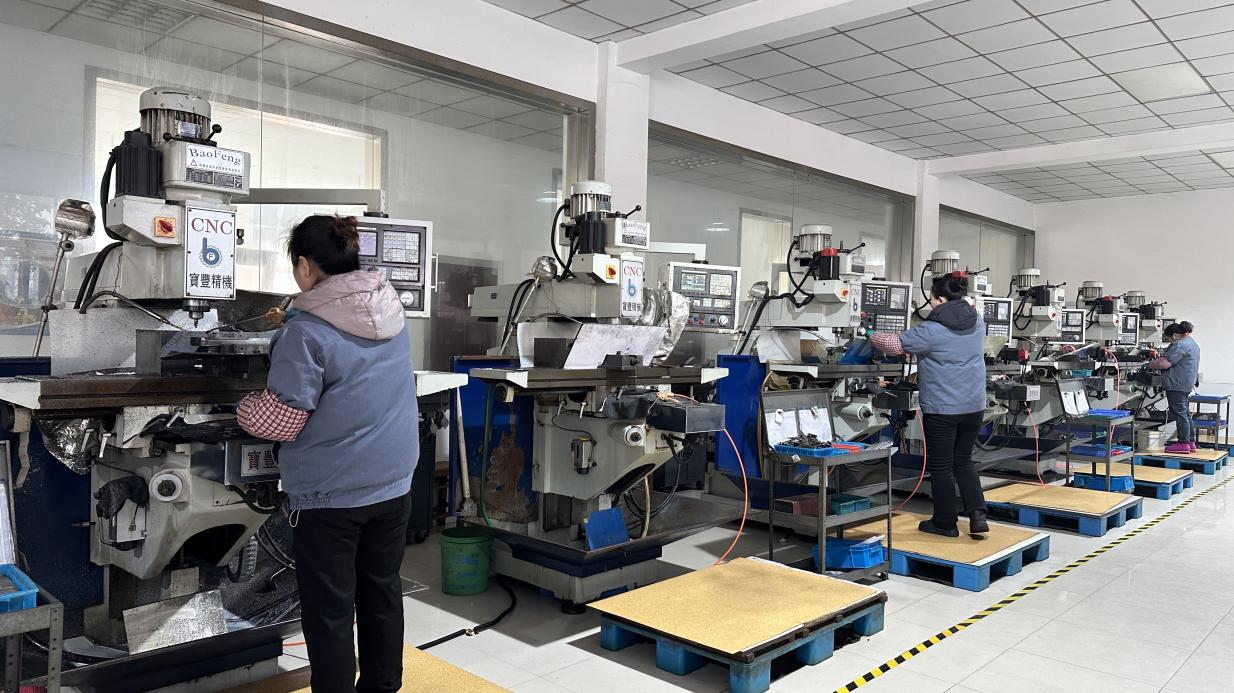
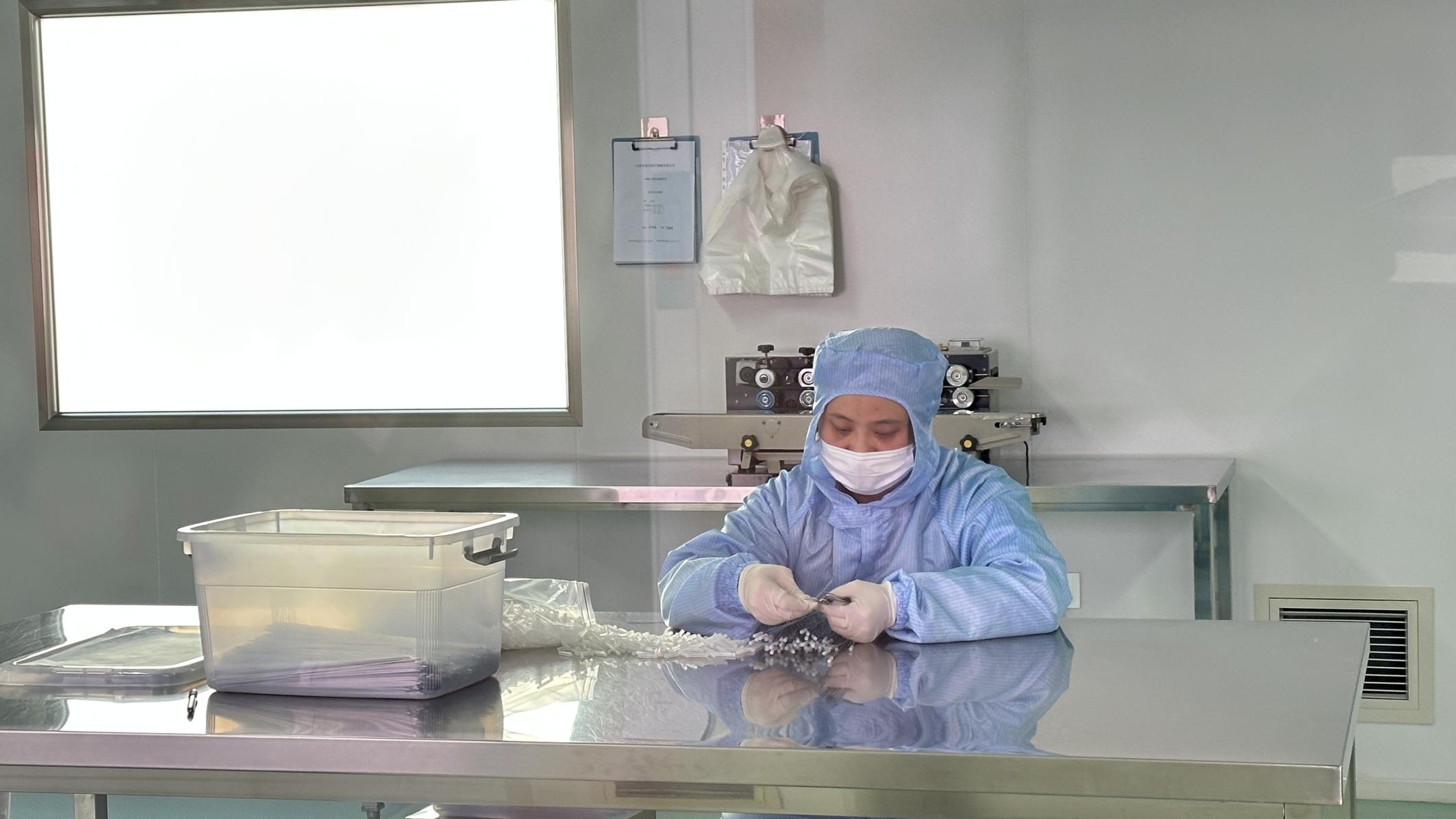
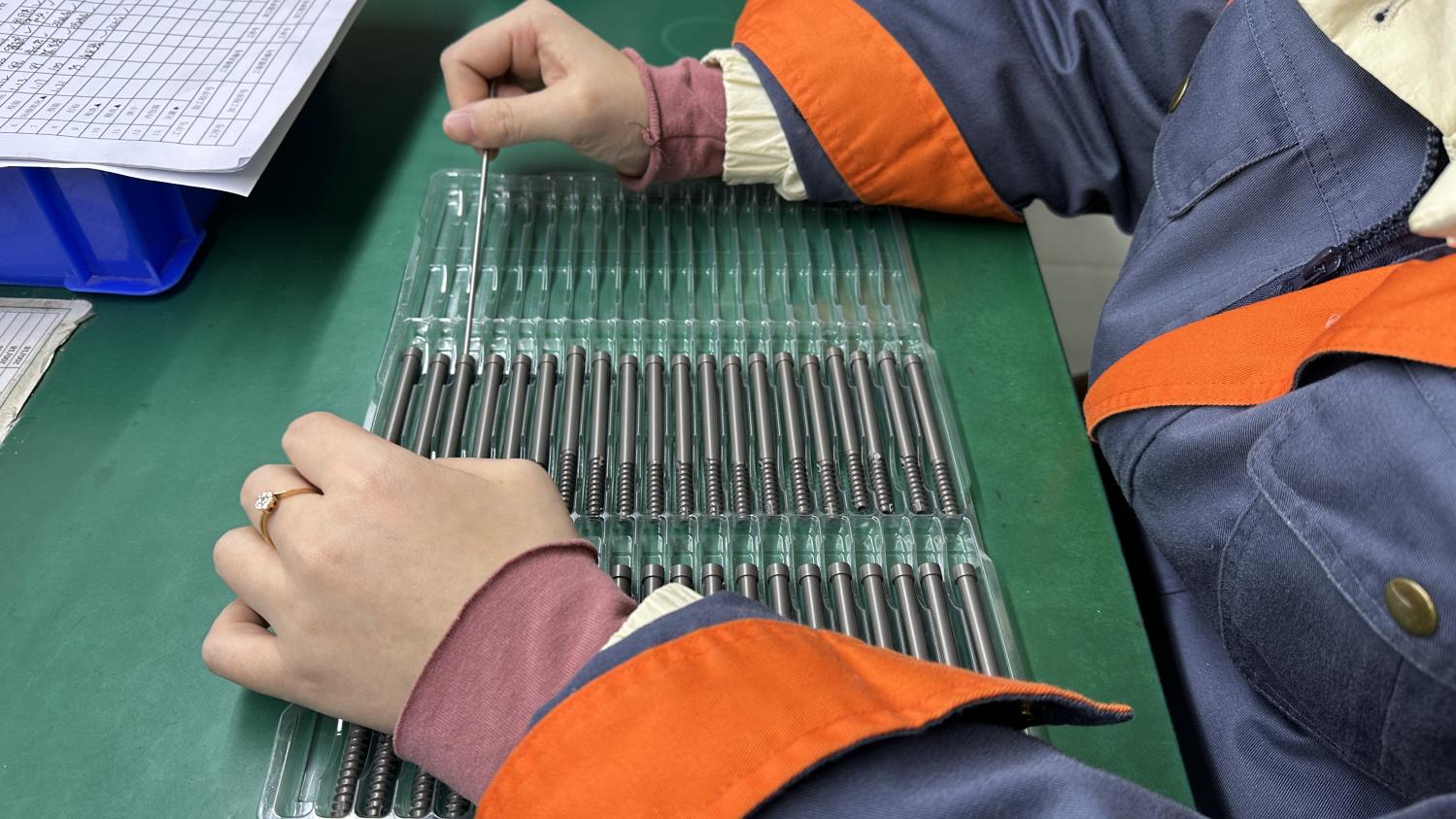

The success of arthroplasty relies on minimizing wear and maximizing osseointegration. Our manufacturing protocols utilize highly optimized materials and advanced surface modifications to address these priorities:
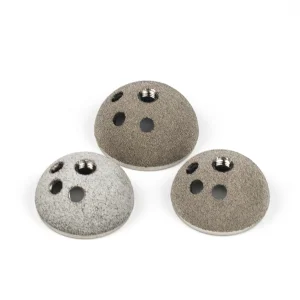
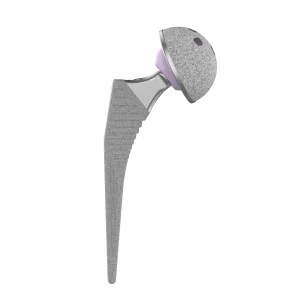
Cementless femoral stems and acetabular cups feature a rough-textured titanium plasma spray or Hydroxyapatite (HA) coating. This osteoconductive layer facilitates rapid biological fixation by mimicking natural bone architecture, significantly reducing the risk of aseptic loosening, which registry data identifies as a major cause of premature implant revision.
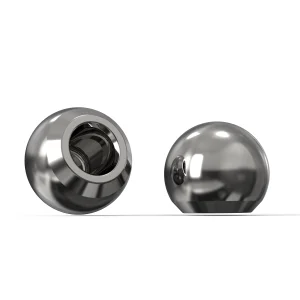
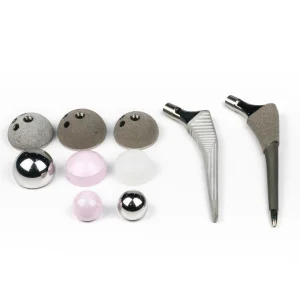
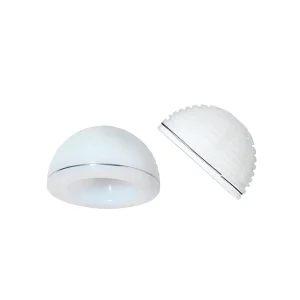
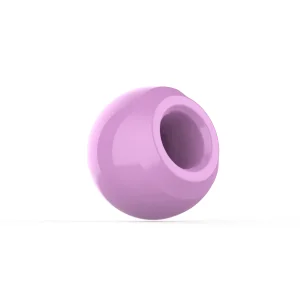
The articulation interface combines highly cross-linked ultra-high-molecular-weight polyethylene (XLPE/UHMWPE) liners with high-purity ceramic heads (BIOLOX® delta equivalent) or Cobalt-Chromium-Molybdenum (CoCrMo) heads. This configuration reduces friction and debris generation, helping to prevent osteolysis and support long-term implant survival in younger, active patients.
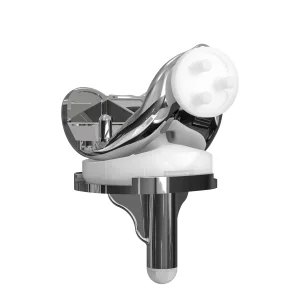
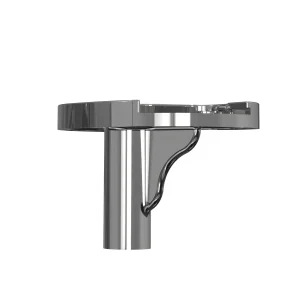
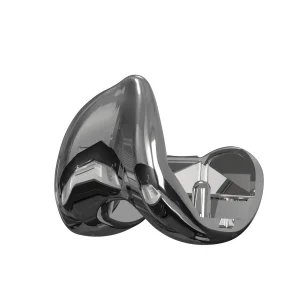
Our Modular Hip Revision systems feature multiple neck offsets and taper designs (12/14 standard), allowing orthopedic surgeons to restore vertical leg length, offset, and anteversion intraoperatively. Similarly, our Total Knee Replacement (TKR) Femoral Components and Tibial Plates offer versatile options for either posterior-stabilized (PS) or cruciate-retaining (CR) configurations, adapting to varying ligamentous integrity.
| Implant Component | Standard Raw Material | Surface Modification Type | Primary Benefit |
|---|---|---|---|
| Cementless Femoral Stem | Titanium Alloy (Ti-6Al-4V) | HA (Hydroxyapatite) / Ti Plasma Spray | Accelerated osseointegration and biological fix |
| Femoral Head (Modular) | CoCrMo Alloy / Ceramic (Alumina/Zirconia) | Super-finished mirror polishing (Ra < 0.02 µm) | Extremely low wear rates at articulation joint |
| Acetabular Cup (Shell) | Titanium Alloy (Ti-6Al-4V) | Sintered Porous Titanium Beads | Excellent primary mechanical press-fit |
| Tibial Insert / Acetabular Liner | UHMWPE / Highly Cross-Linked Poly | Gamma Irradiation & Annealing treatment | High resistance to delamination and wear debris |
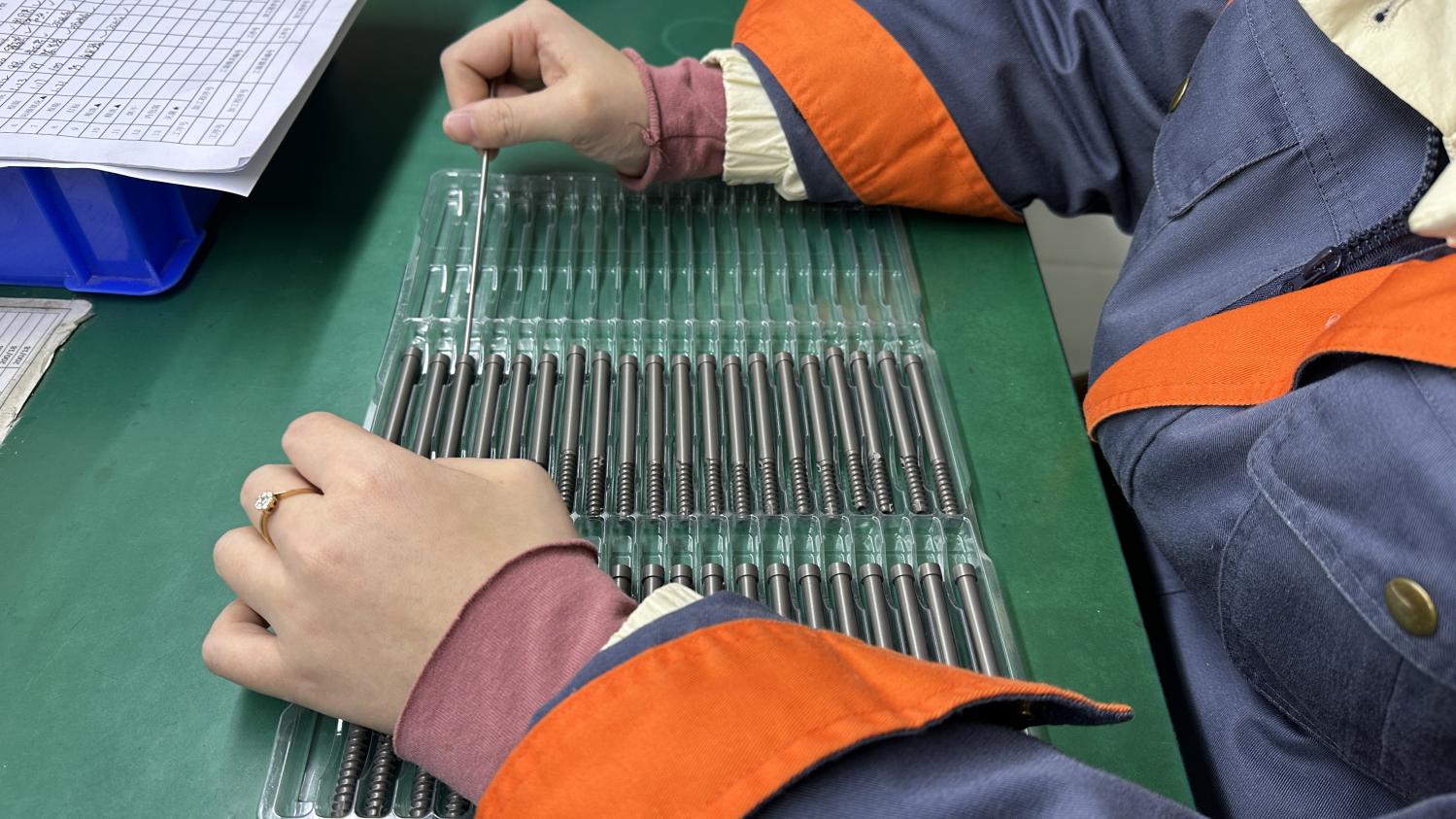
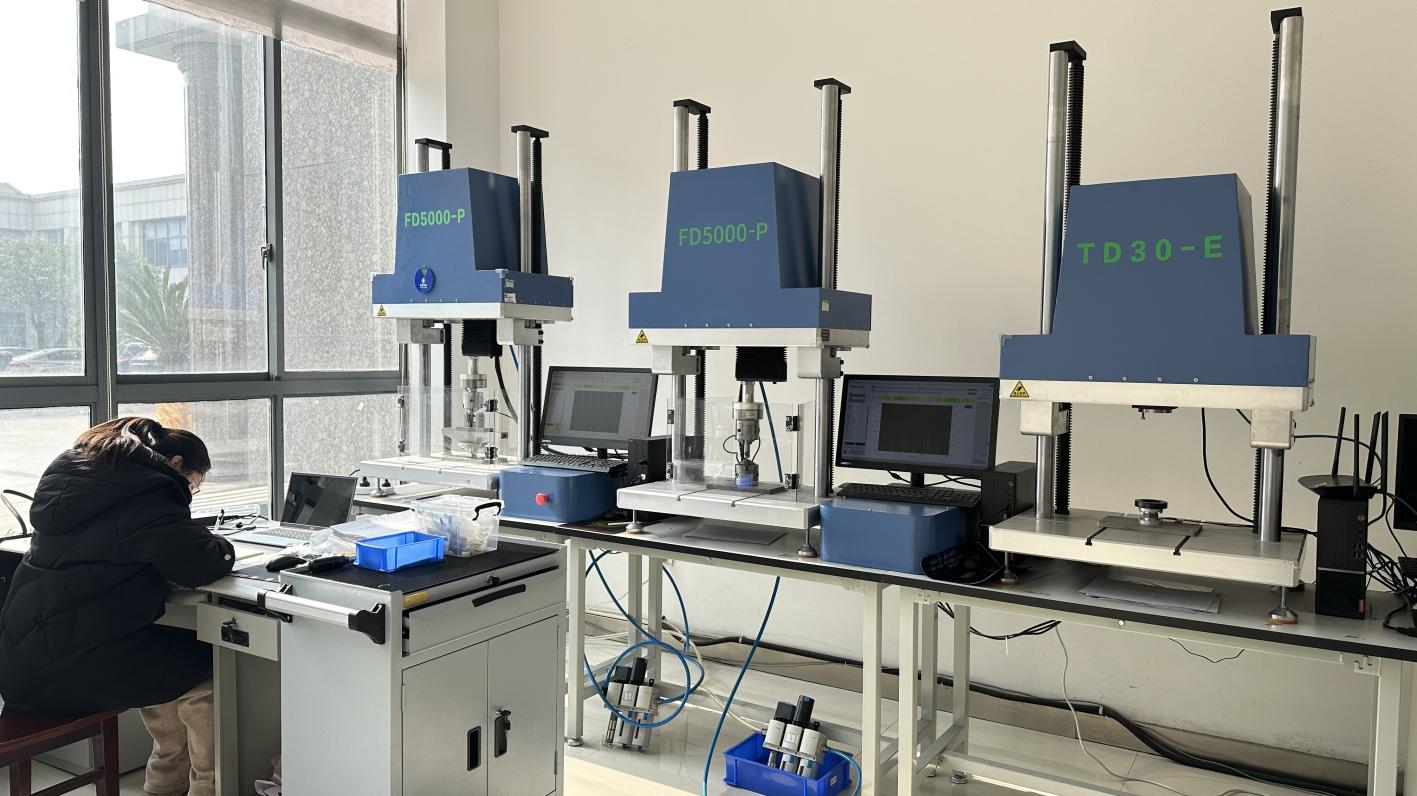
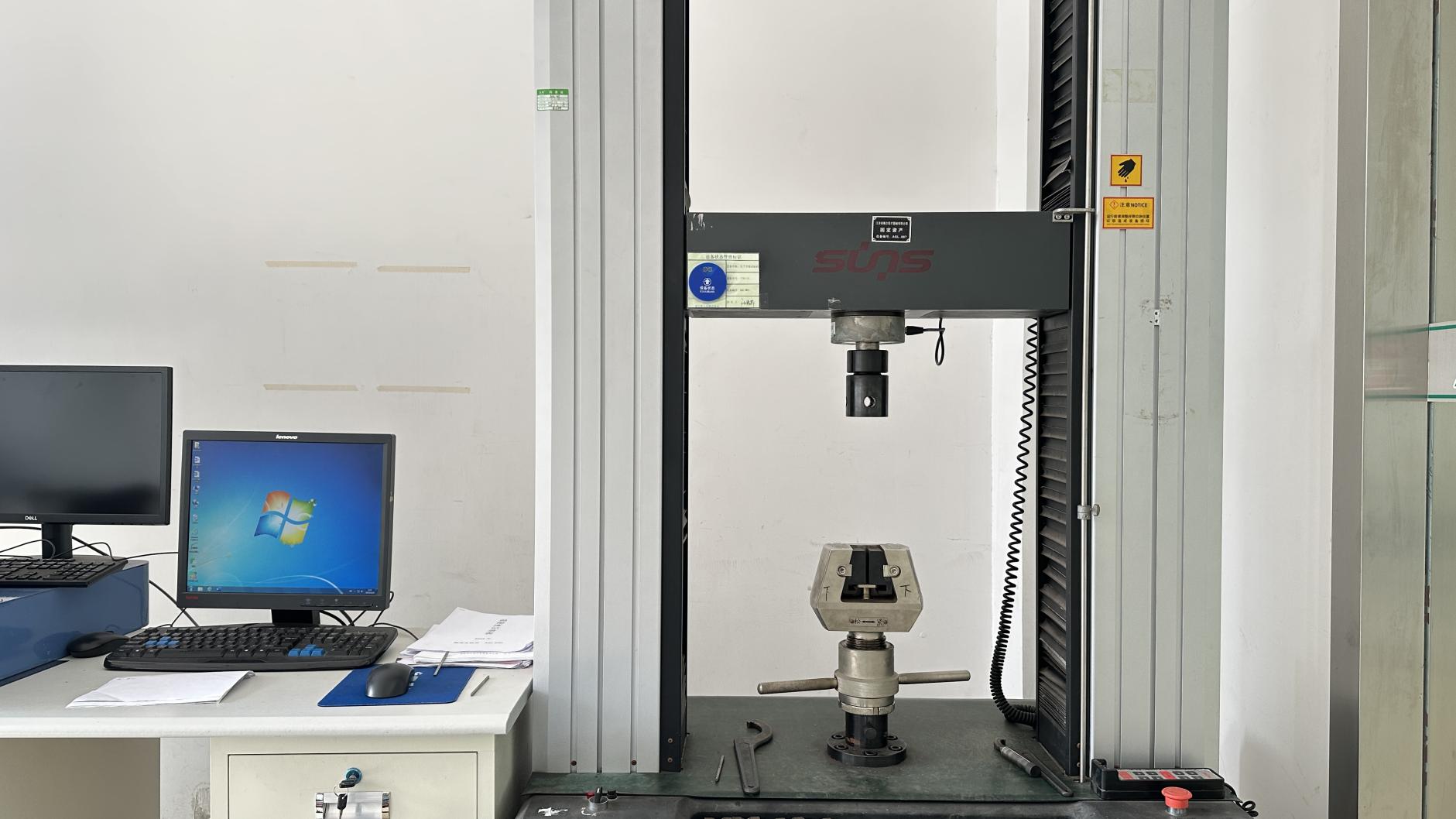
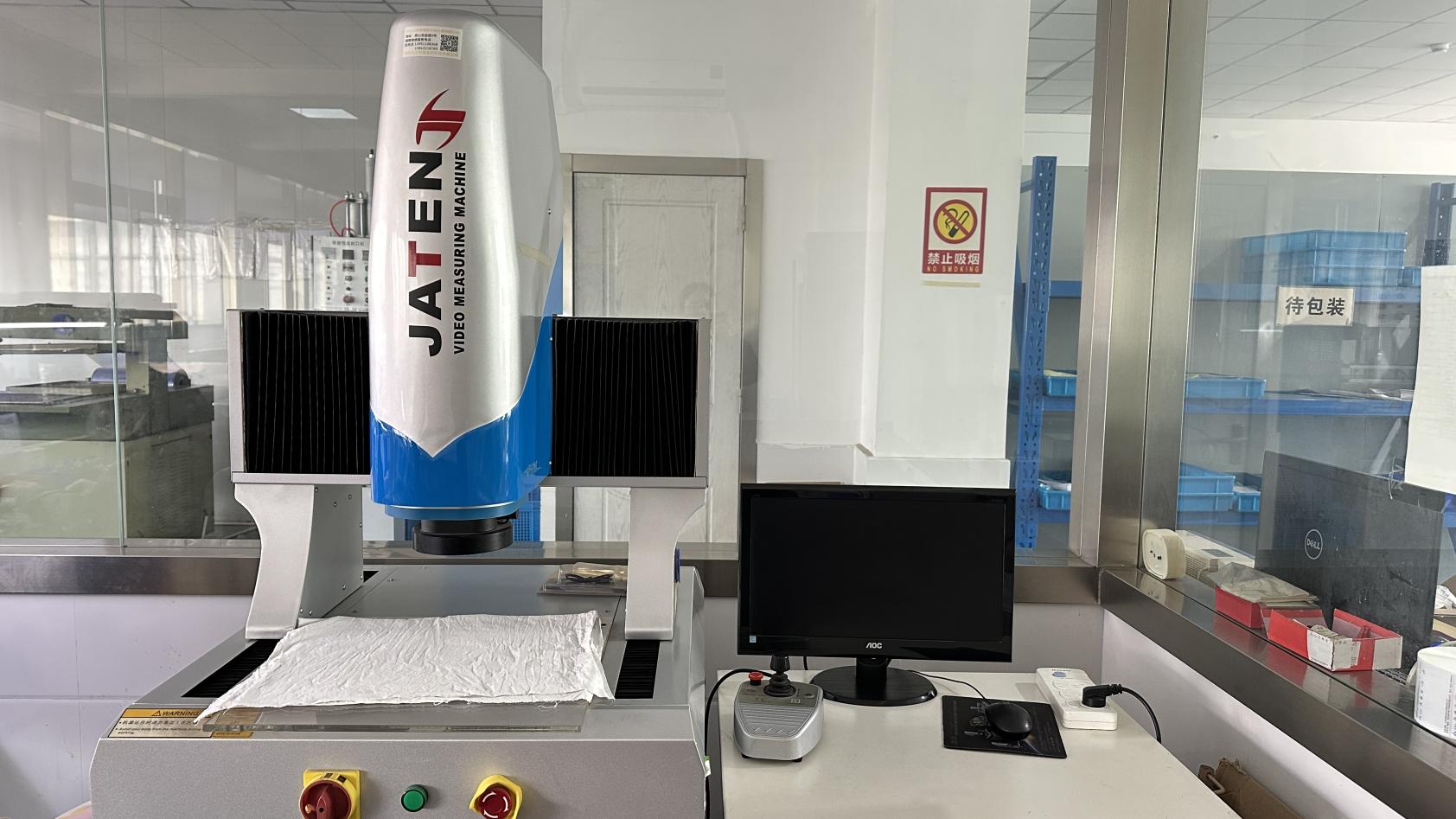
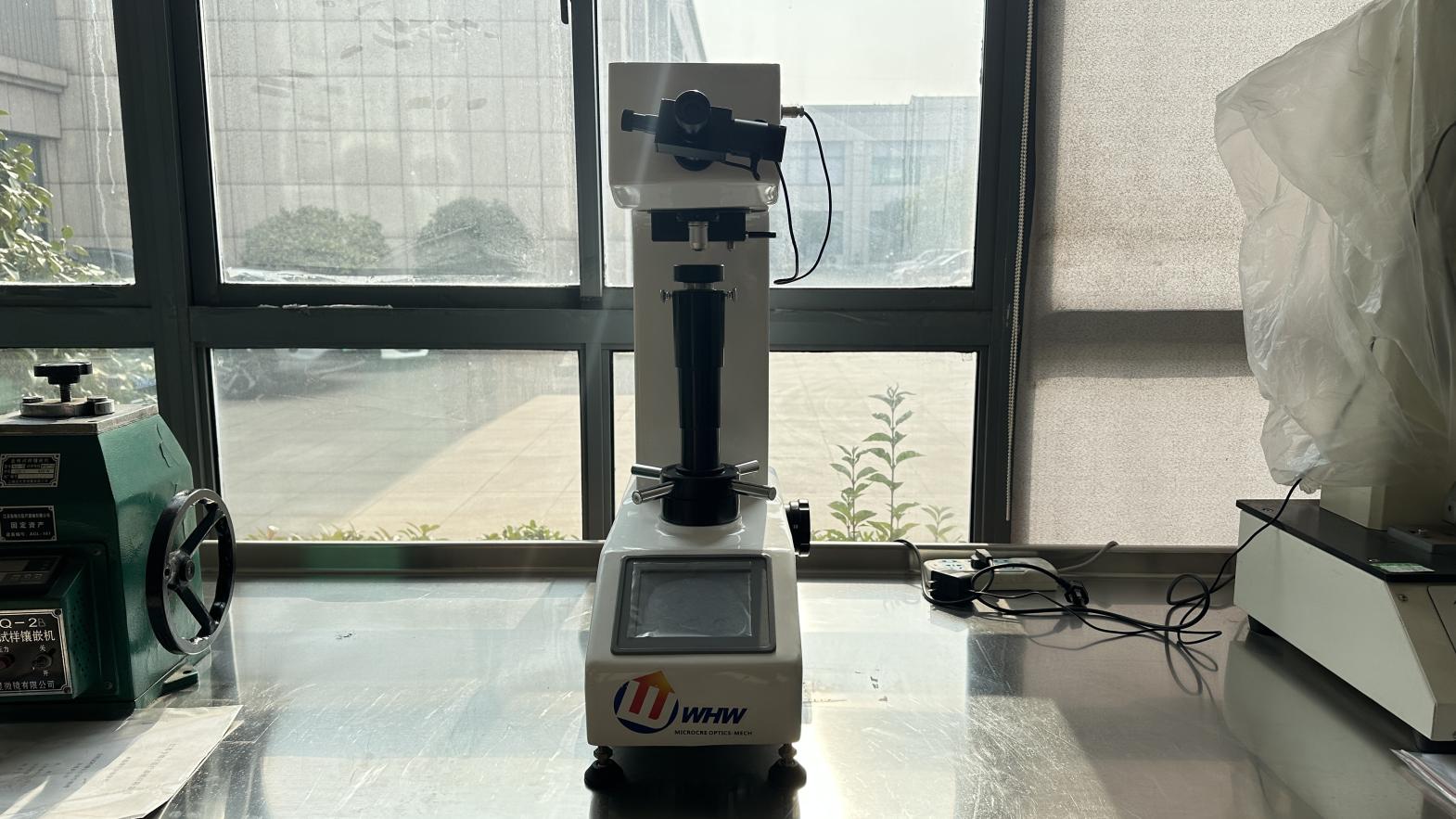
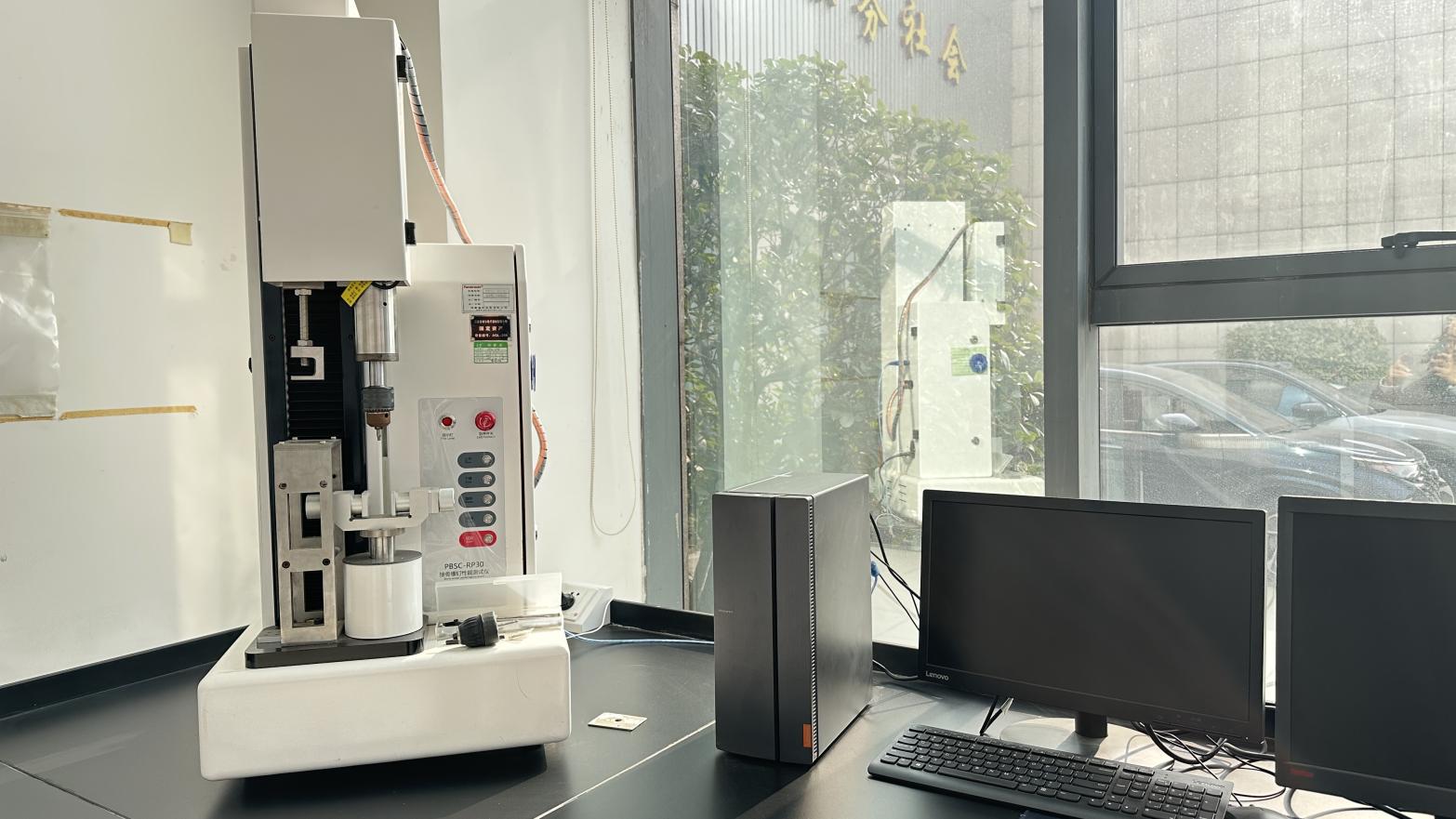
Our 42 dedicated quality assurance technicians utilize advanced analytical instruments to verify mechanical integrity and dimensional tolerances at every stage of production.
Orthopedic implants are classified as high-risk medical devices (Class C/D or Class III) under international regulatory regimes. In South Africa, the South African Health Products Regulatory Authority (SAHPRA) regulates the import, sale, and use of these devices. Distributors and healthcare institutions must ensure that orthopedic implants are certified to avoid clinical, regulatory, and liability issues.
Medisplint operates under a certified quality management system compliant with ISO 13485:2016. Our products are CE marked and subject to rigorous testing, including dynamic fatigue testing (ISO 7206-4/6 for femoral stems) and wear characterization (ISO 14242 series for hip joints). Our regulatory affairs department supports South African distribution partners by providing comprehensive technical dossiers, clinical evaluation reports (CERs), and biocompatibility profiles (ISO 10993) to facilitate smooth SAHPRA registration and public hospital tender applications.
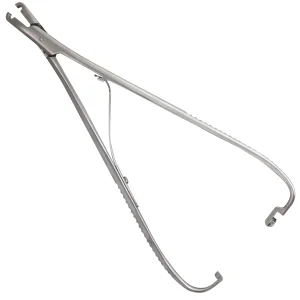
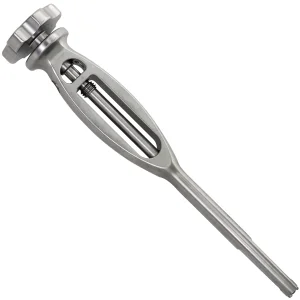
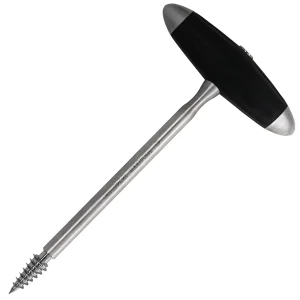
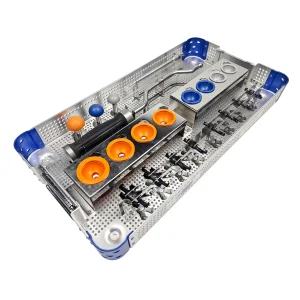
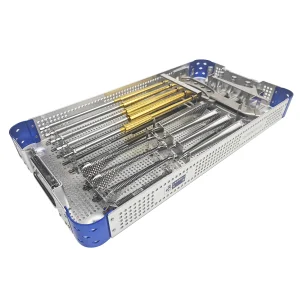
A successful arthroplasty program depends on both implant design and precision instrumentation. Medisplint manufactures specialized surgical instrument sets alongside our core implants. These high-grade, reusable stainless steel and alloy instruments are designed to withstand autoclaving and support reliable implant positioning, helping to reduce surgical time and optimize patient outcomes.
For South African surgical centers, we provide comprehensive instructional materials and video guidelines to support surgeon and theater nurse training. This technical support helps clinical teams transition smoothly to our systems, enhancing procedural reliability and operational efficiency.
Explore our complete range of primary and revision joint implants, designed for both cemented and cementless surgical techniques.
Crucial technical answers regarding regulatory approvals, logistics, custom manufacturing (OEM/ODM), and material compatibility for South African buyers.
Request clinical portfolios, engineering dossiers, certification documents, or order customized demo instrument kits for your surgical facility or distributorship in South Africa.
Request Technical Consultation