Medisplint
Medisplint
Medisplint
Highly engineered implant components and instrumentation, manufactured under rigorous ISO 13485 standards, designed to meet the anatomical requirements of patient populations in Thailand.
Under the robust production capability of Medisplint Orthopedic Instruments Co., Ltd., we offer unmatched supply chain resilience and quality control for Thai orthopedic distributors.
Bangkok has long established itself as a premier destination for global medical tourism, combined with a rapidly aging domestic population in Thailand. Leading medical university complexes such as Siriraj Hospital, King Chulalongkorn Memorial Hospital, and elite private hospital groups like Bumrungrad International and Bangkok Dusit Medical Services (BDMS) are executing record volumes of Total Hip Arthroplasty (THA) and Total Knee Arthroplasty (TKA) procedures annually. This clinical demand dictates a steady pipeline of Class III/IV medical implants that satisfy strict regulatory clearances while optimizing the surgical outcomes for international patient expectations.
Clinical Trend Insight: Current orthopedic preferences in Bangkok center on bone-conserving techniques, cementless biological fixation, and wear-minimizing biomaterials (e.g., highly cross-linked polyethylene, ceramic modular heads) to extend implant longevity and decrease the occurrence of aseptic loosening.
As surgeons treat increasingly diverse patients—from active seniors requiring high flexural knee components to younger individuals requiring revision hip arthroplasty due to developmental dysplasia or trauma—the need for high-end prosthetic diversity is critical. By partnering with direct manufacturers who understand mechanical tolerances, raw material verification (such as Cobalt-Chromium-Molybdenum CoCrMo alloys conforming to ASTM F75 and Titanium Alloys to ISO 5832-3), hospital buyers and importing agents in Thailand can significantly reduce per-procedure implant expenses without compromising safety margins.
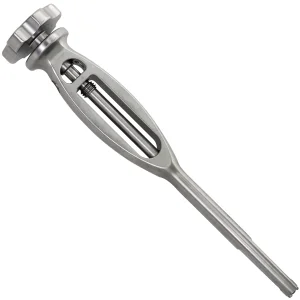
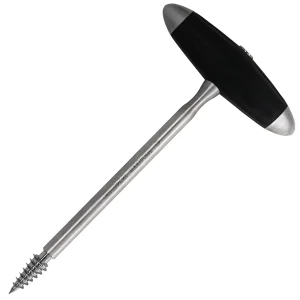
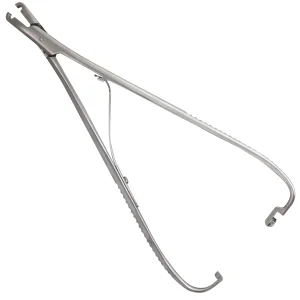
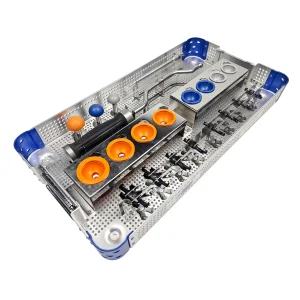
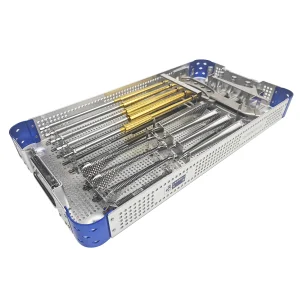
Engineered to support precise surgical insertion, stable implant fixation, and optimal biomechanical alignment.
Take a step inside our production floors and testing laboratories, where high-end CNC lines and fatigue testing assure 100% component validation.
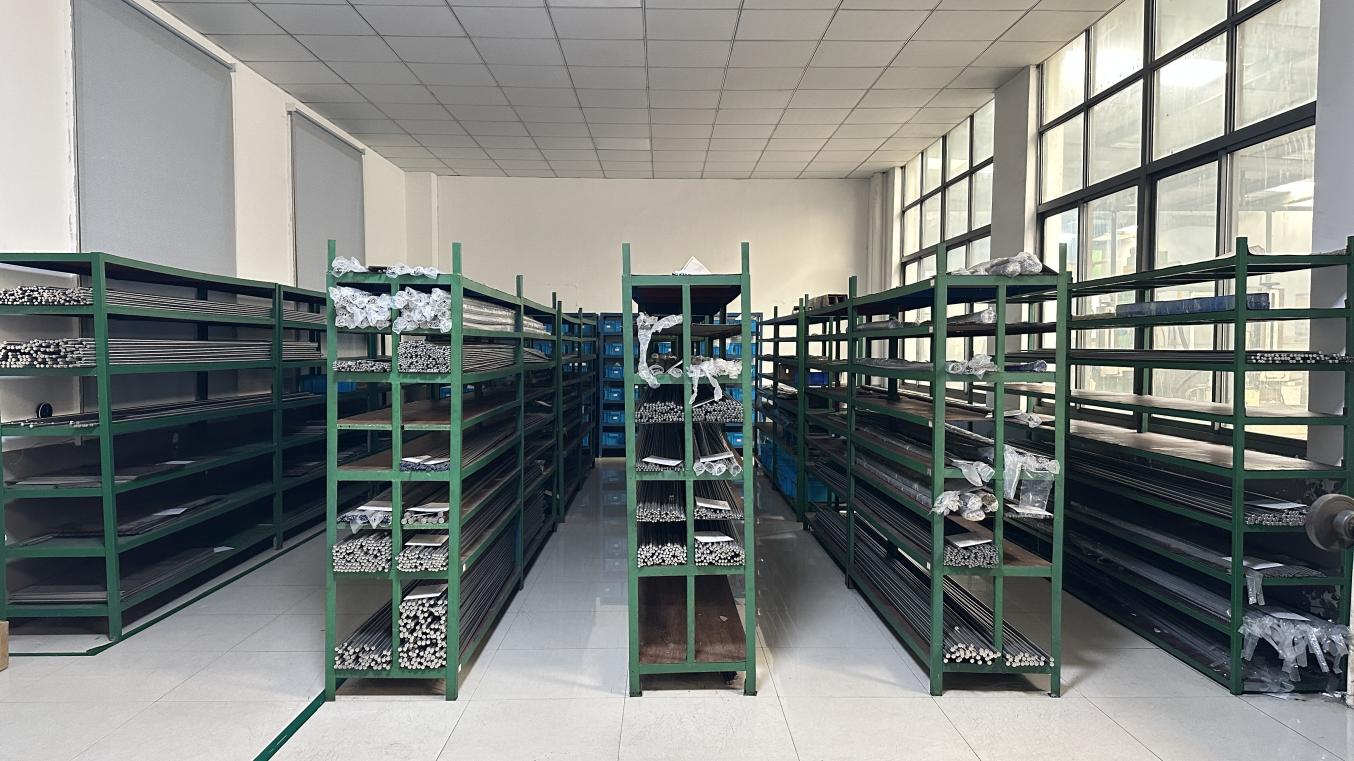
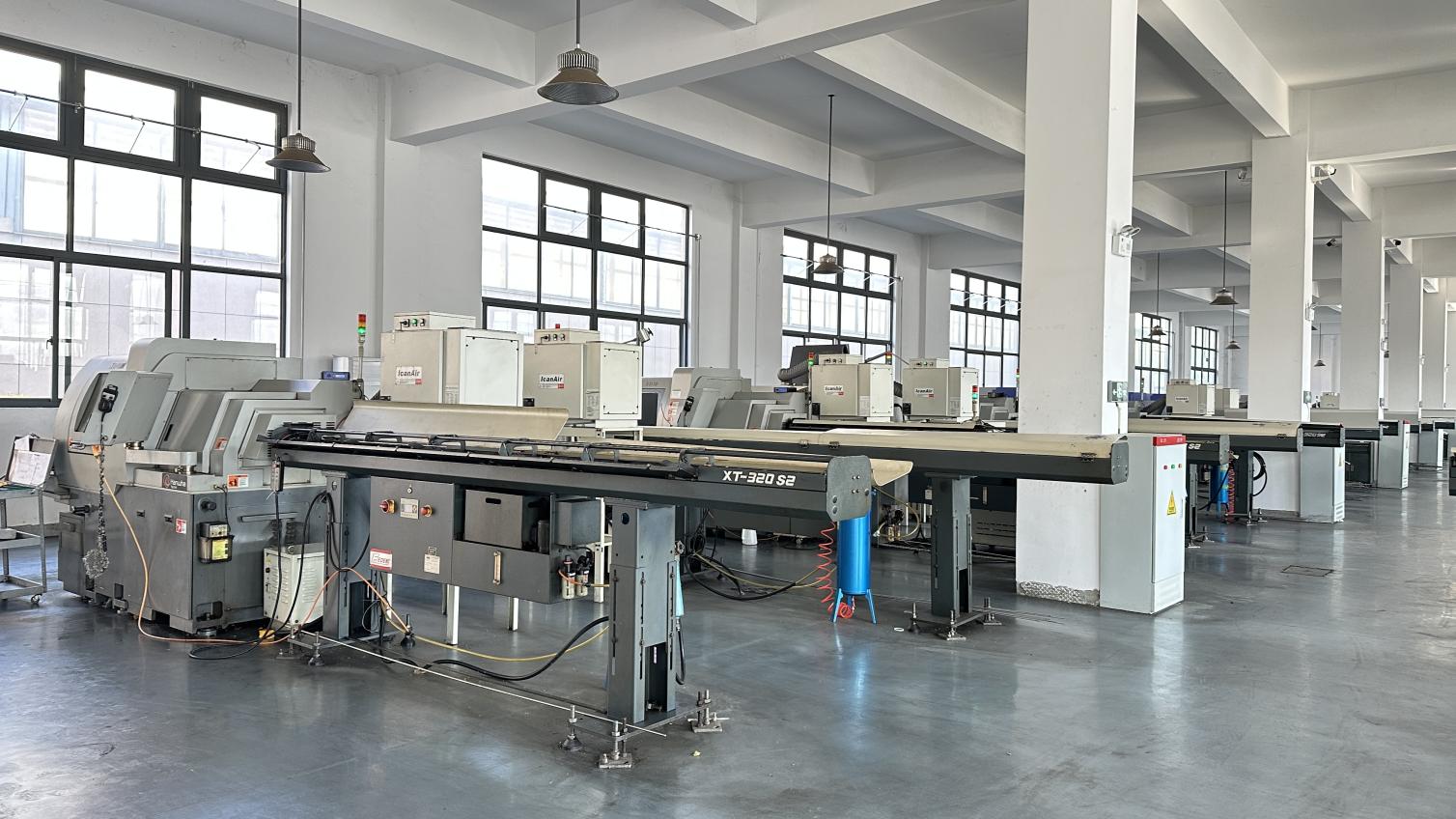
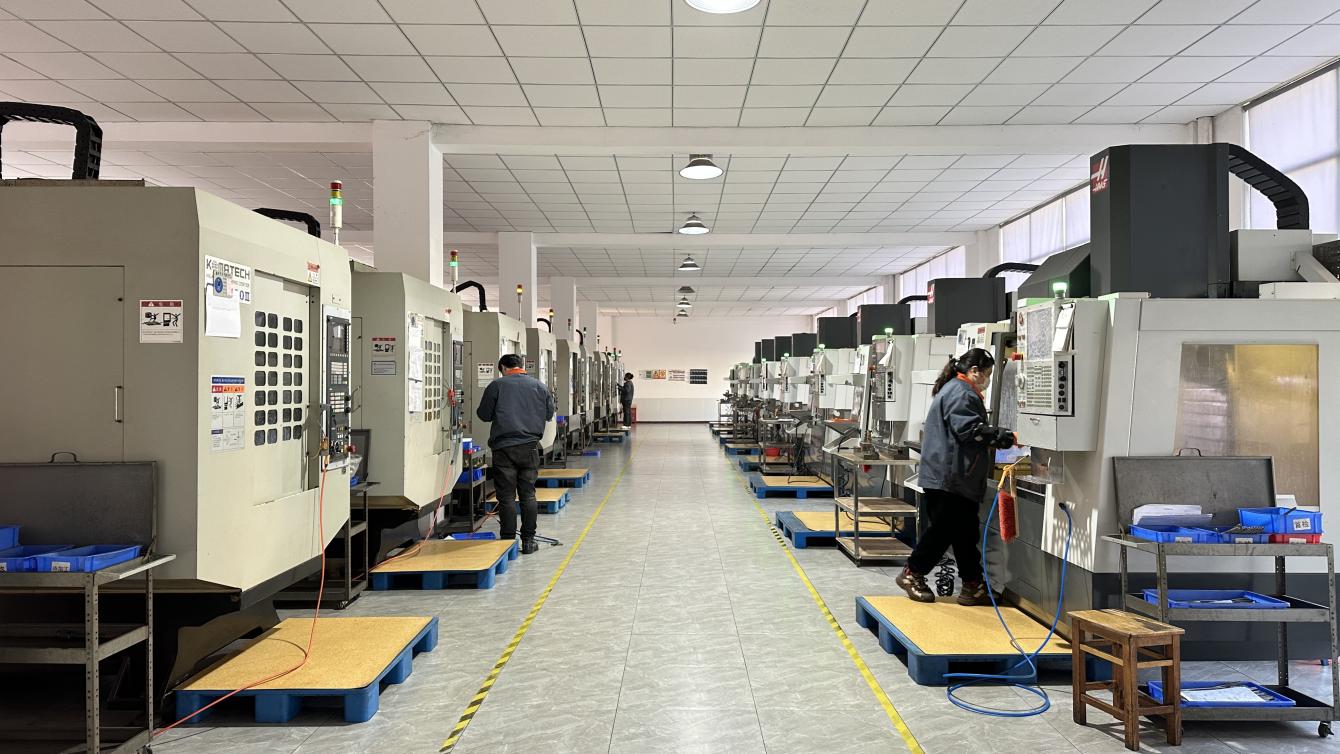
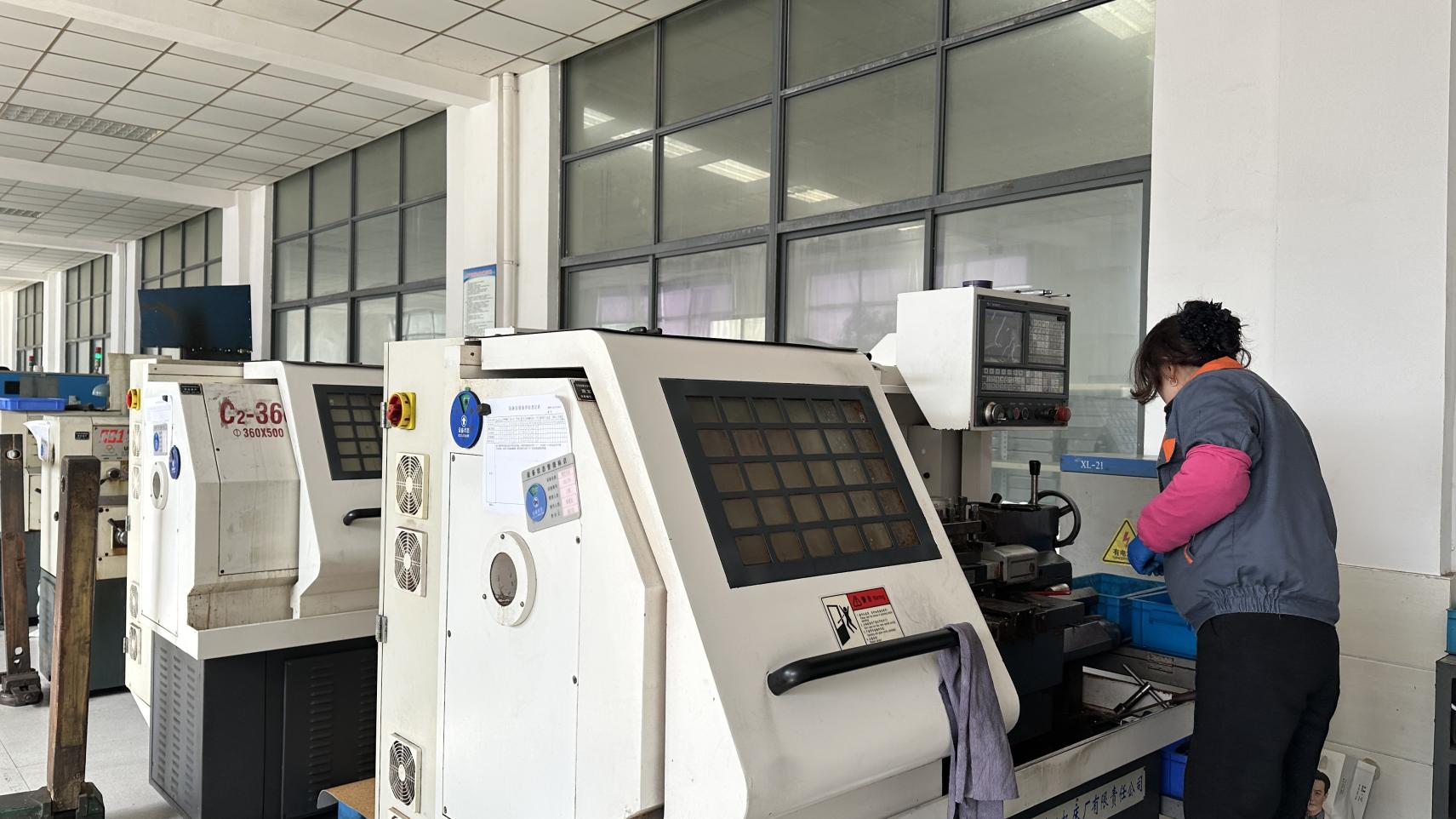
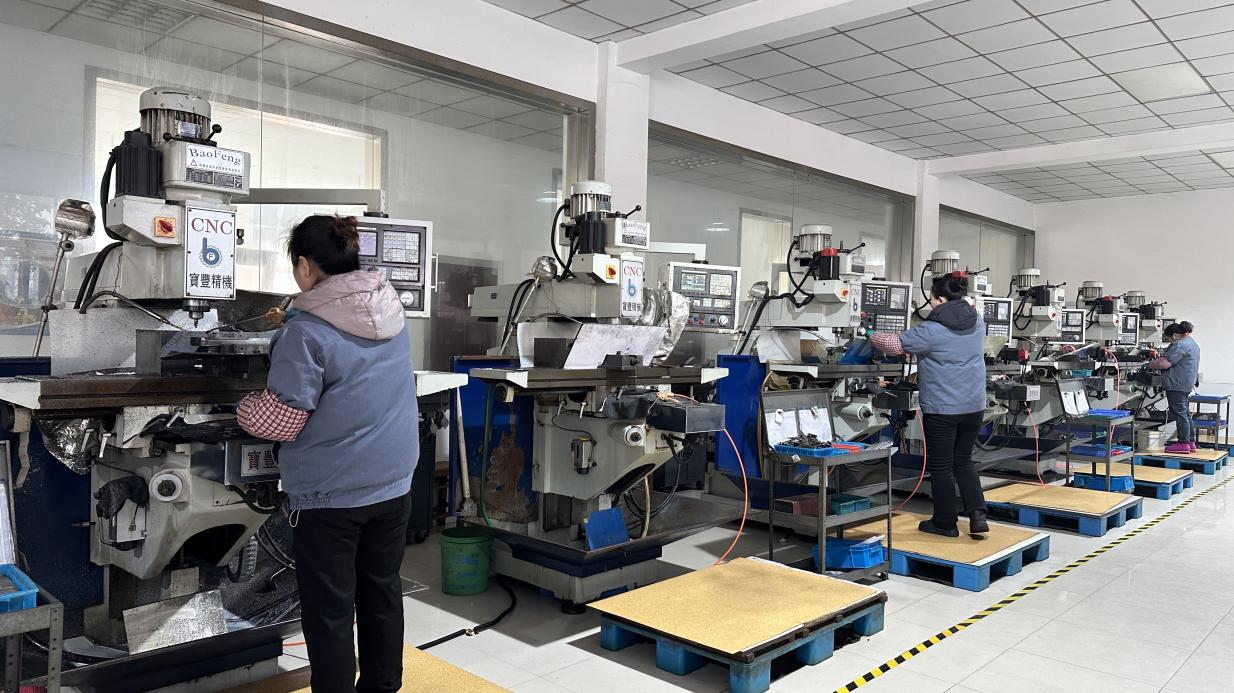
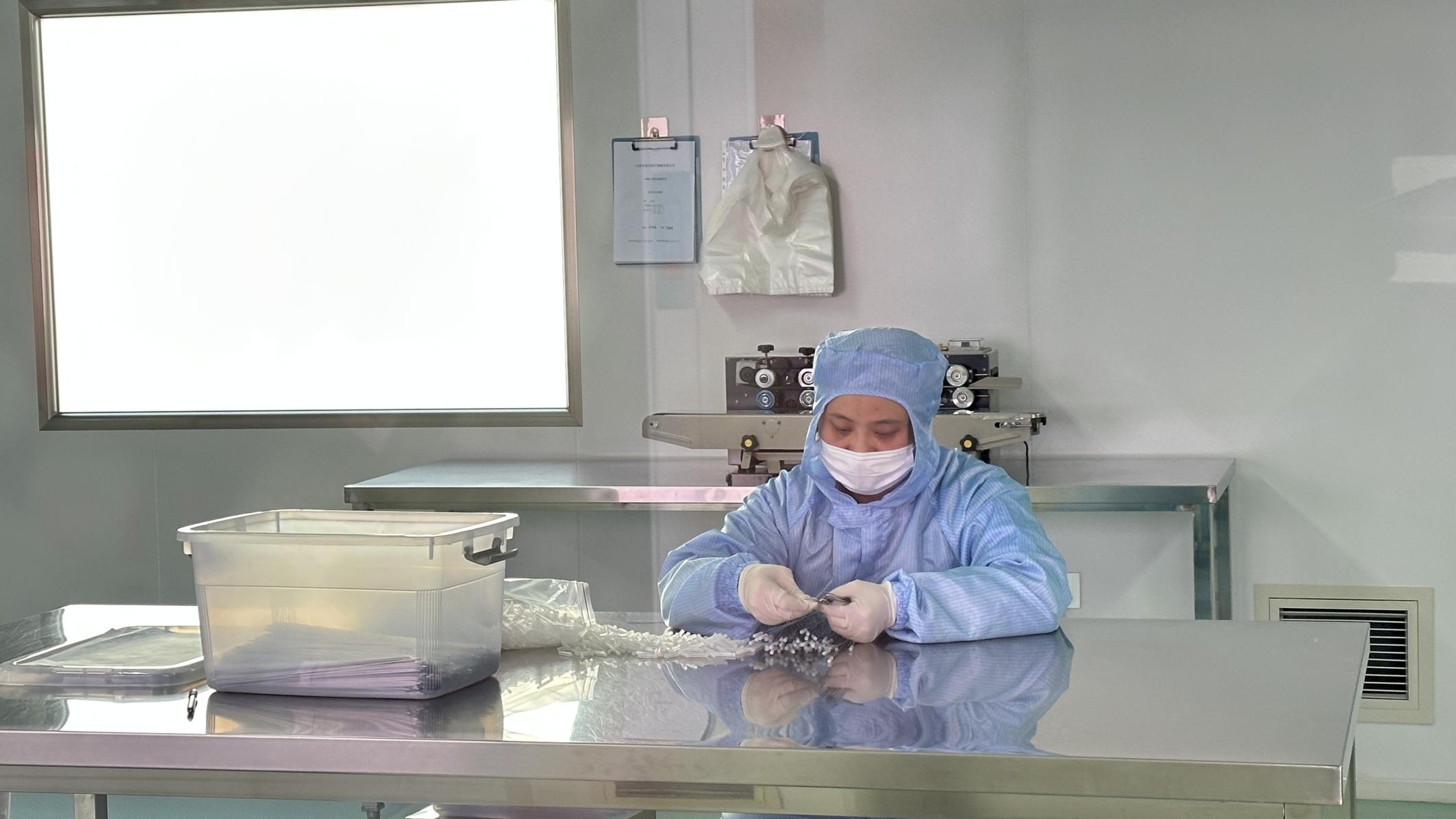
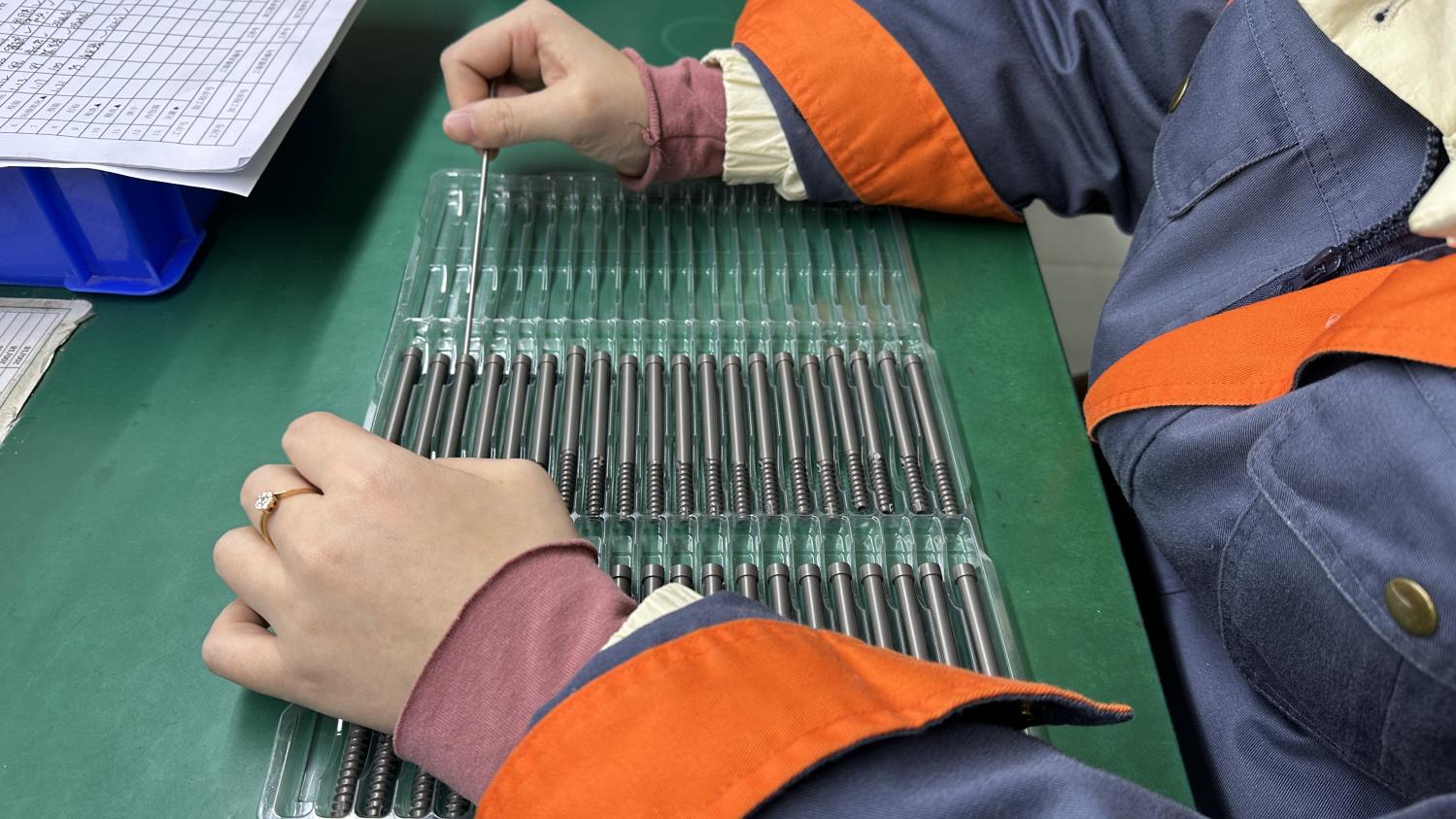
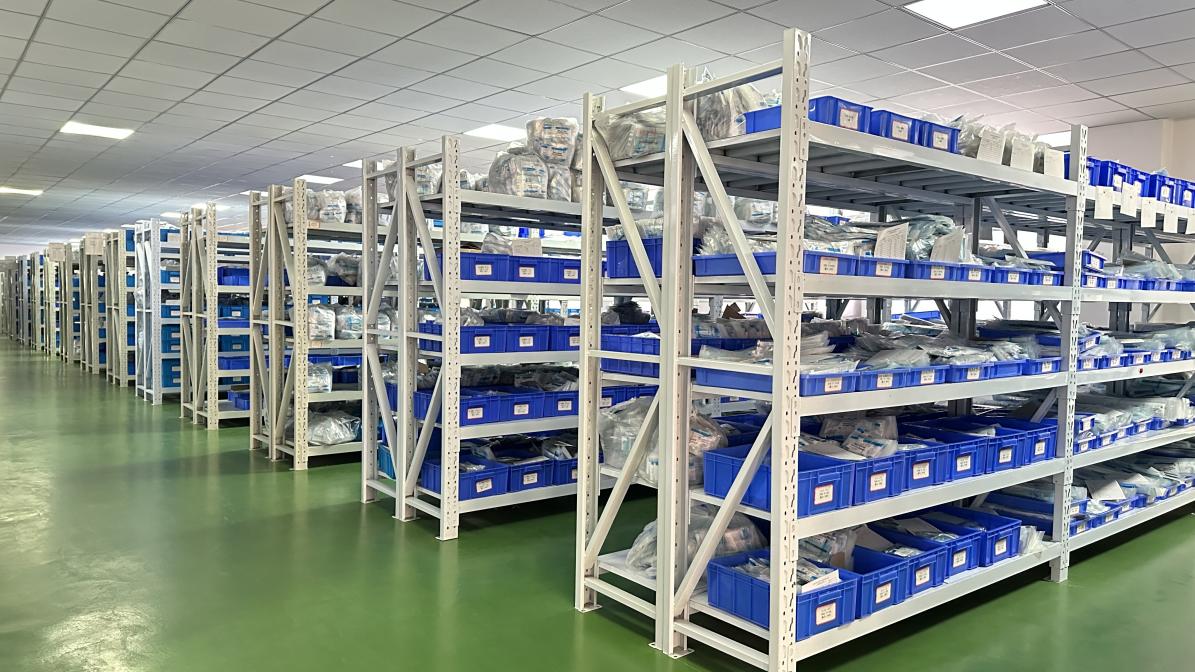
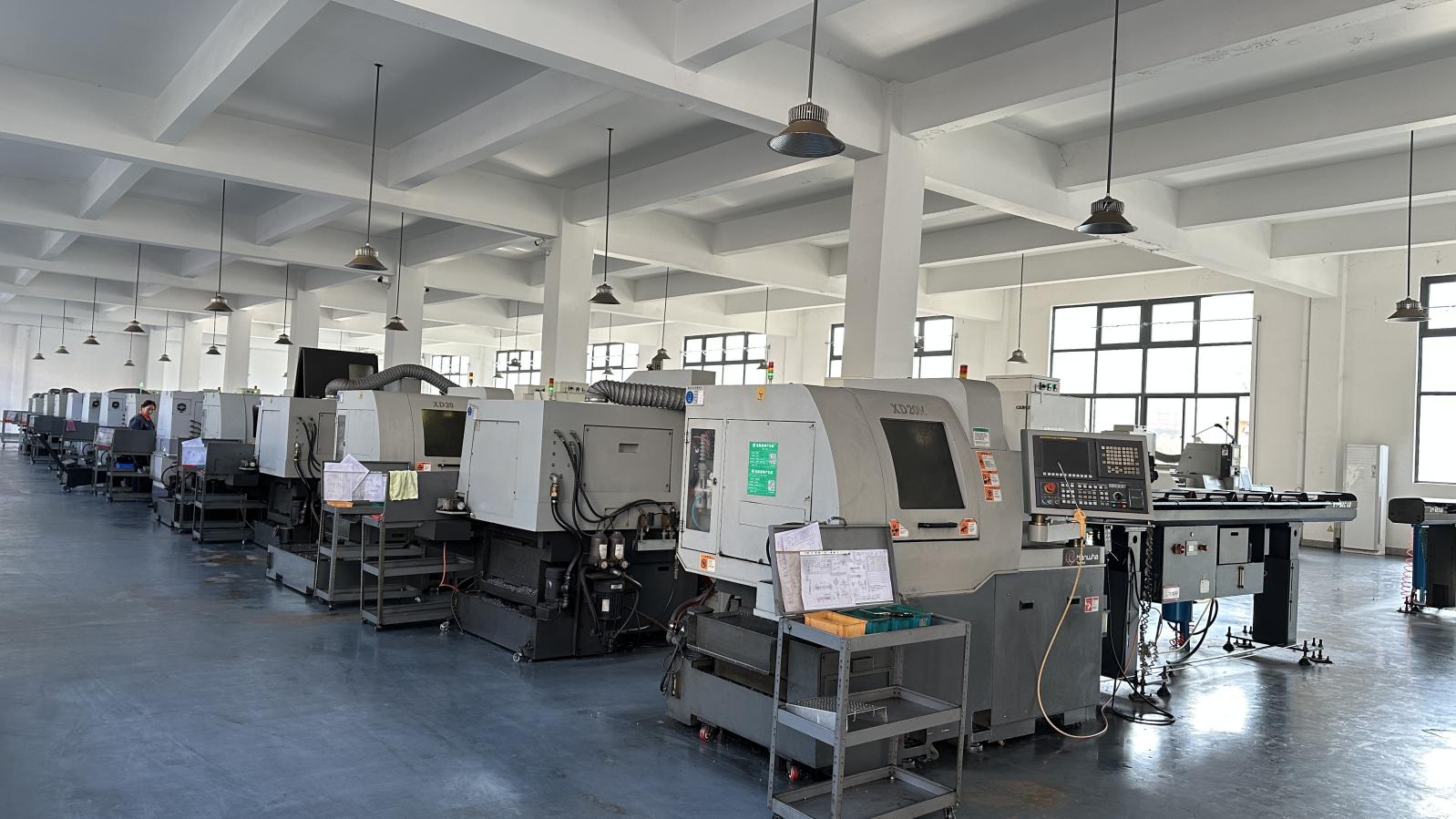
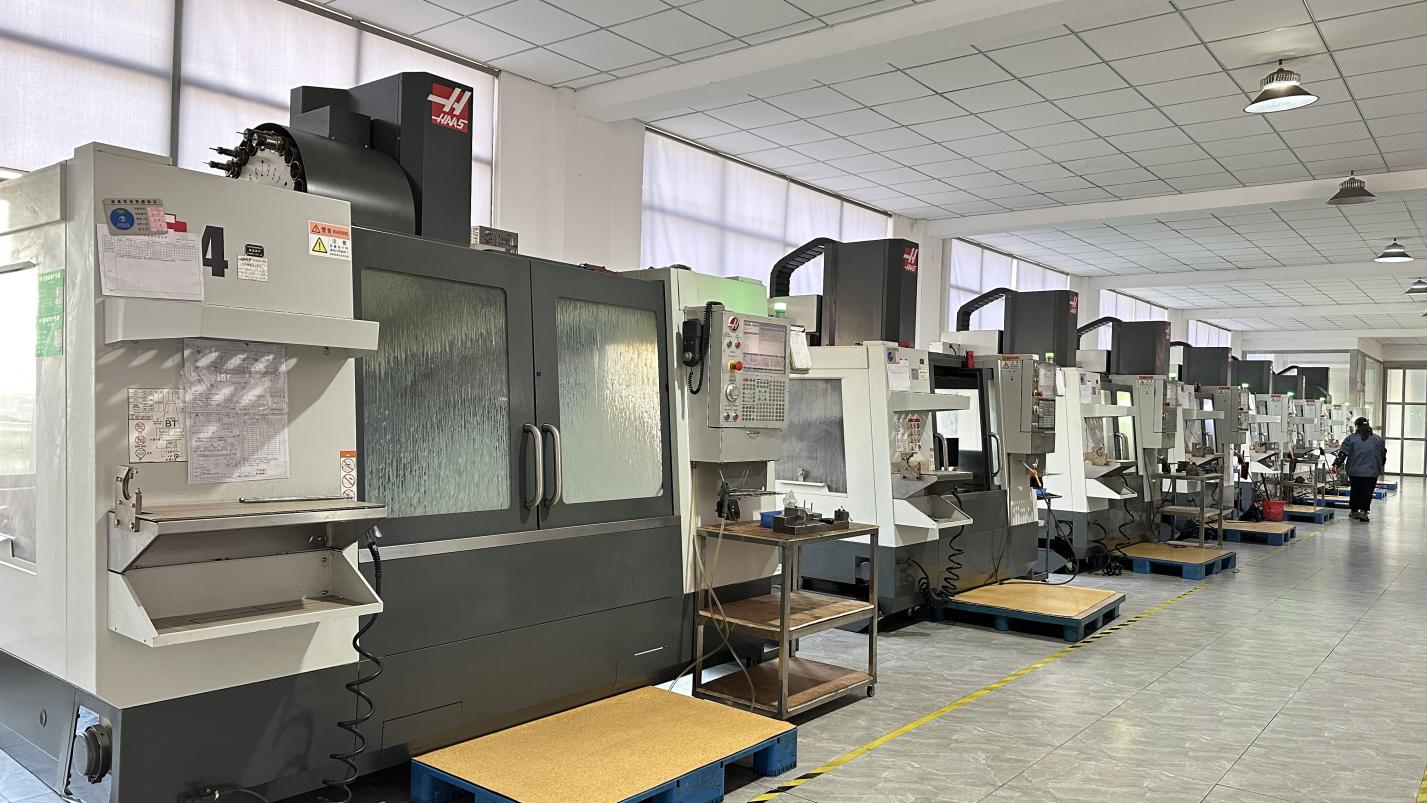
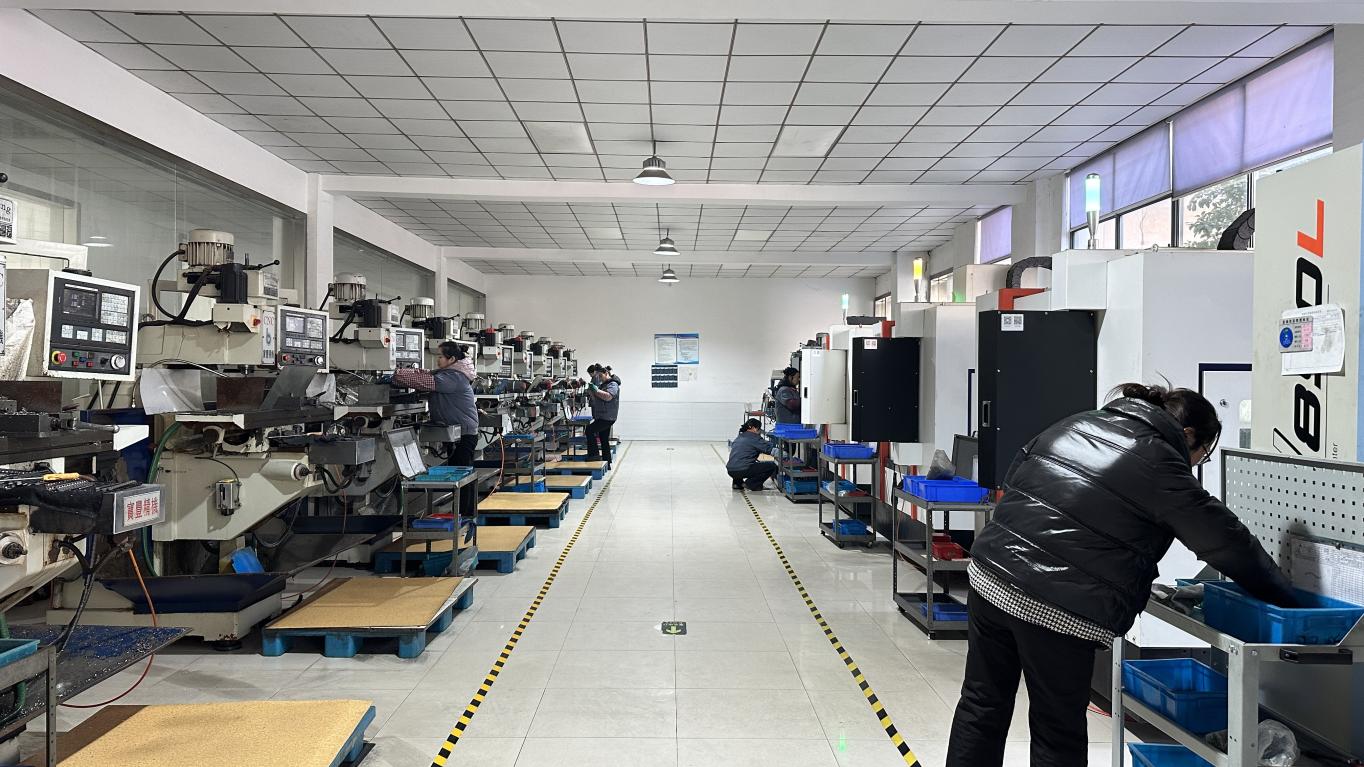
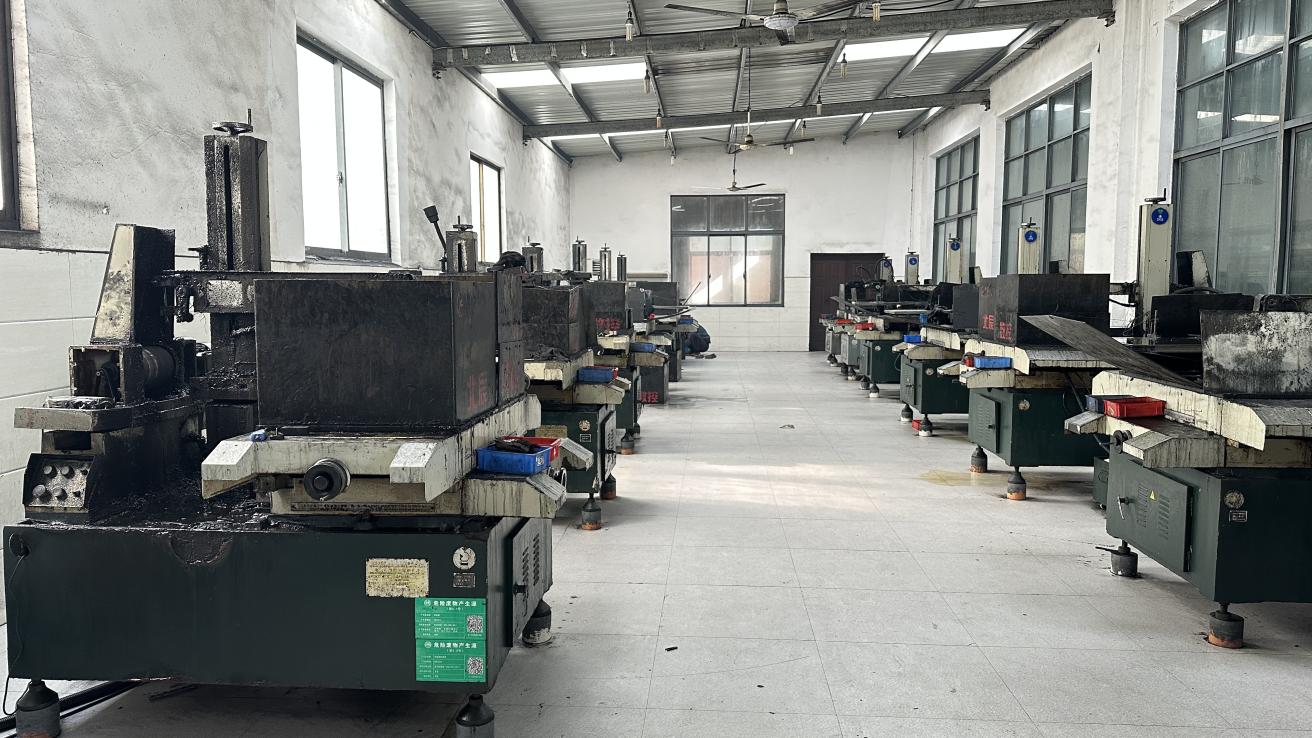
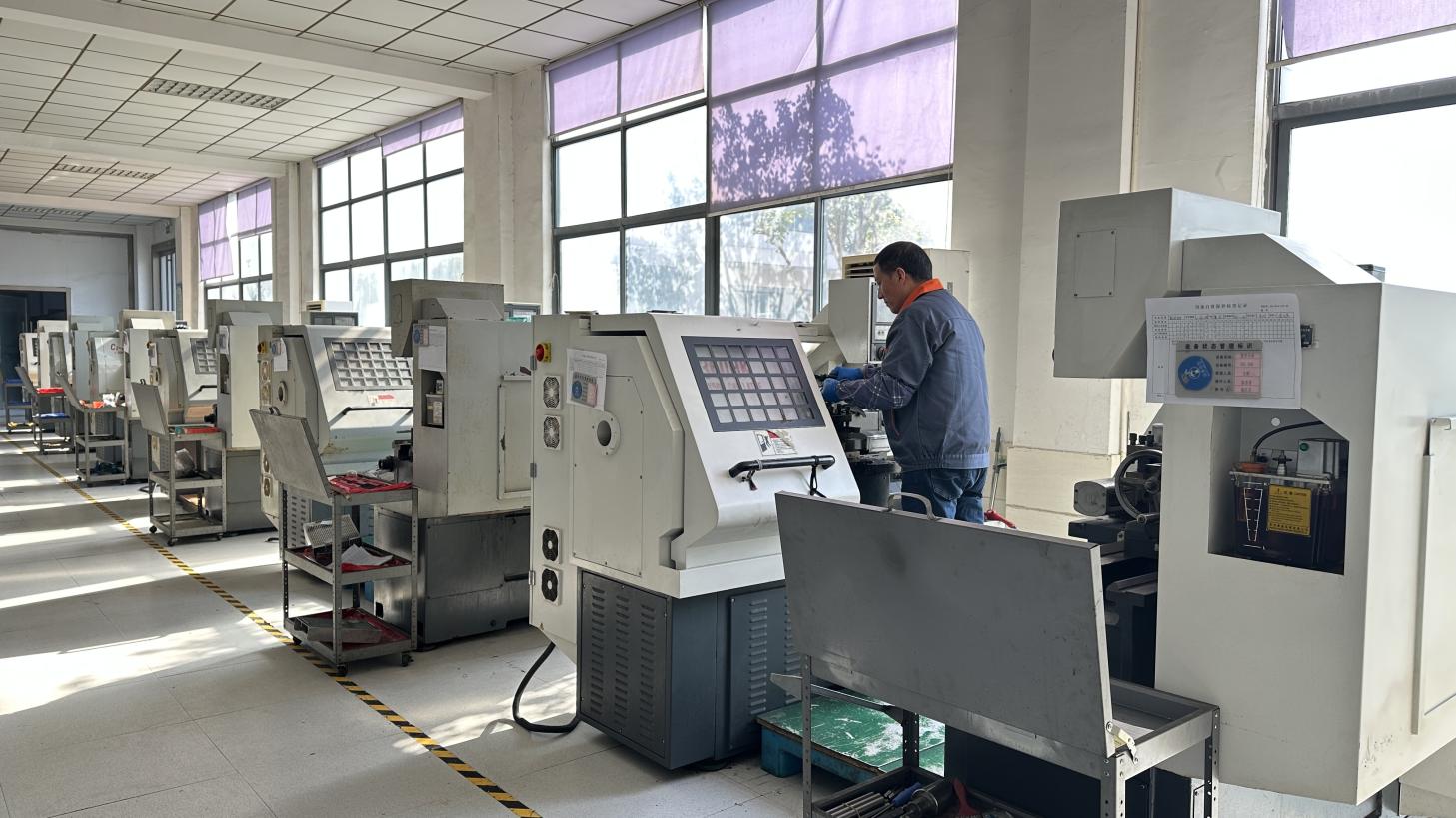
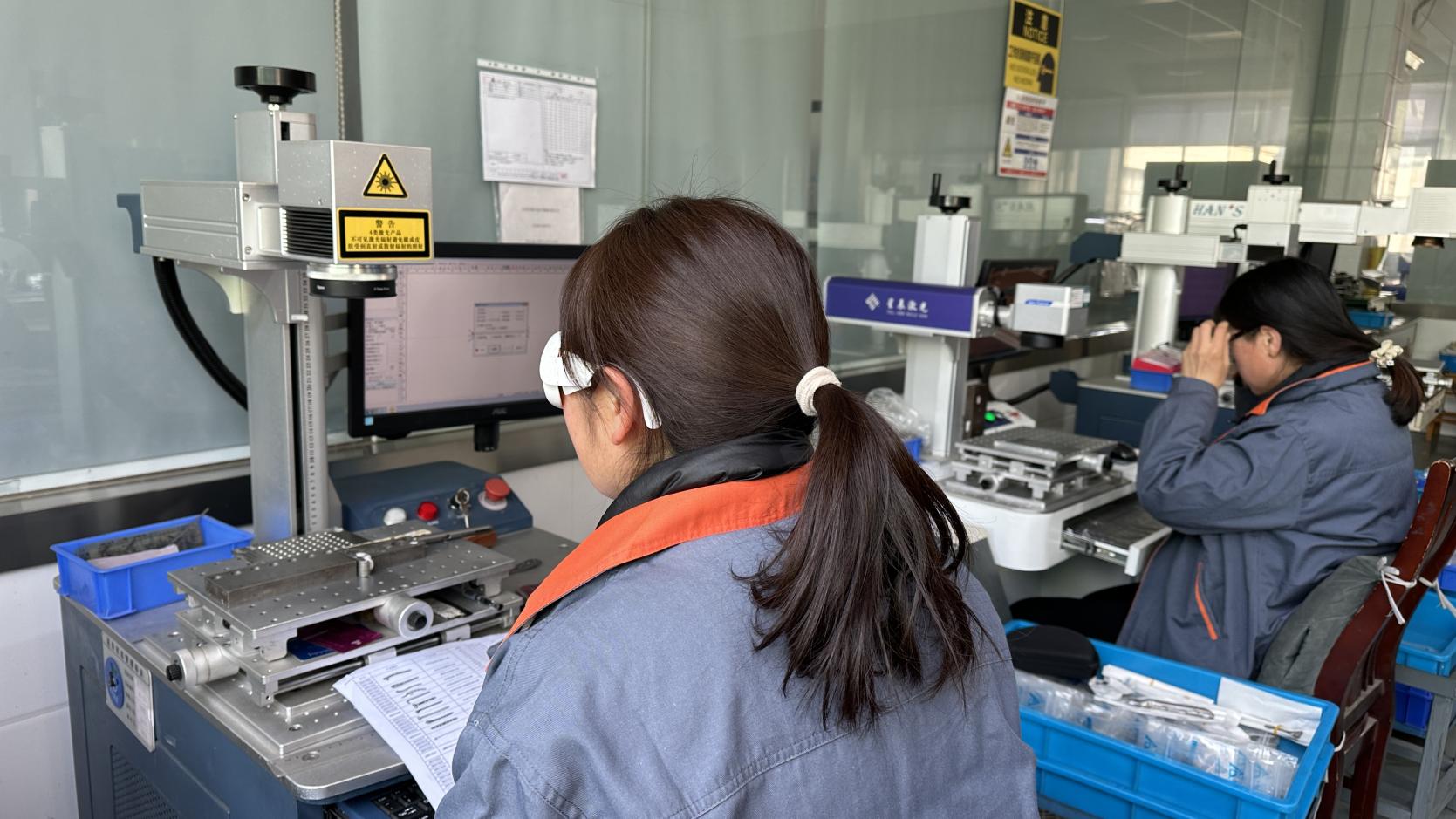
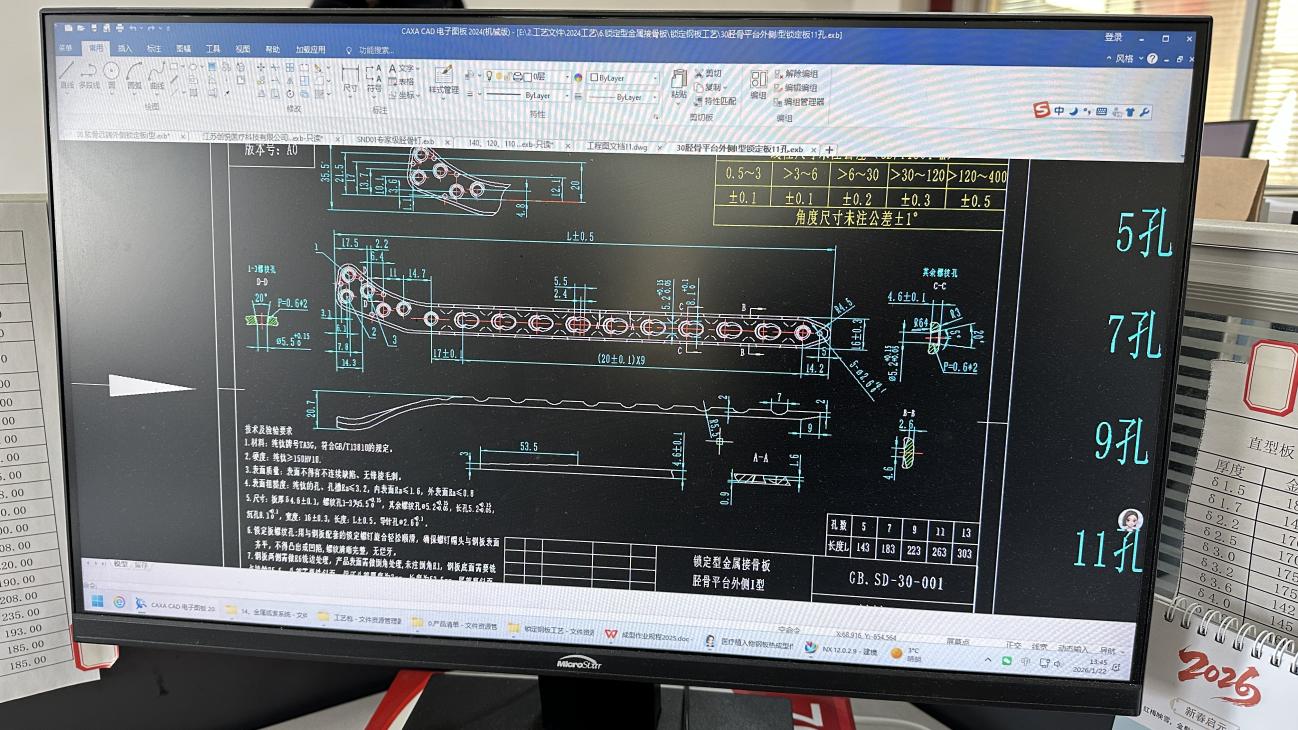
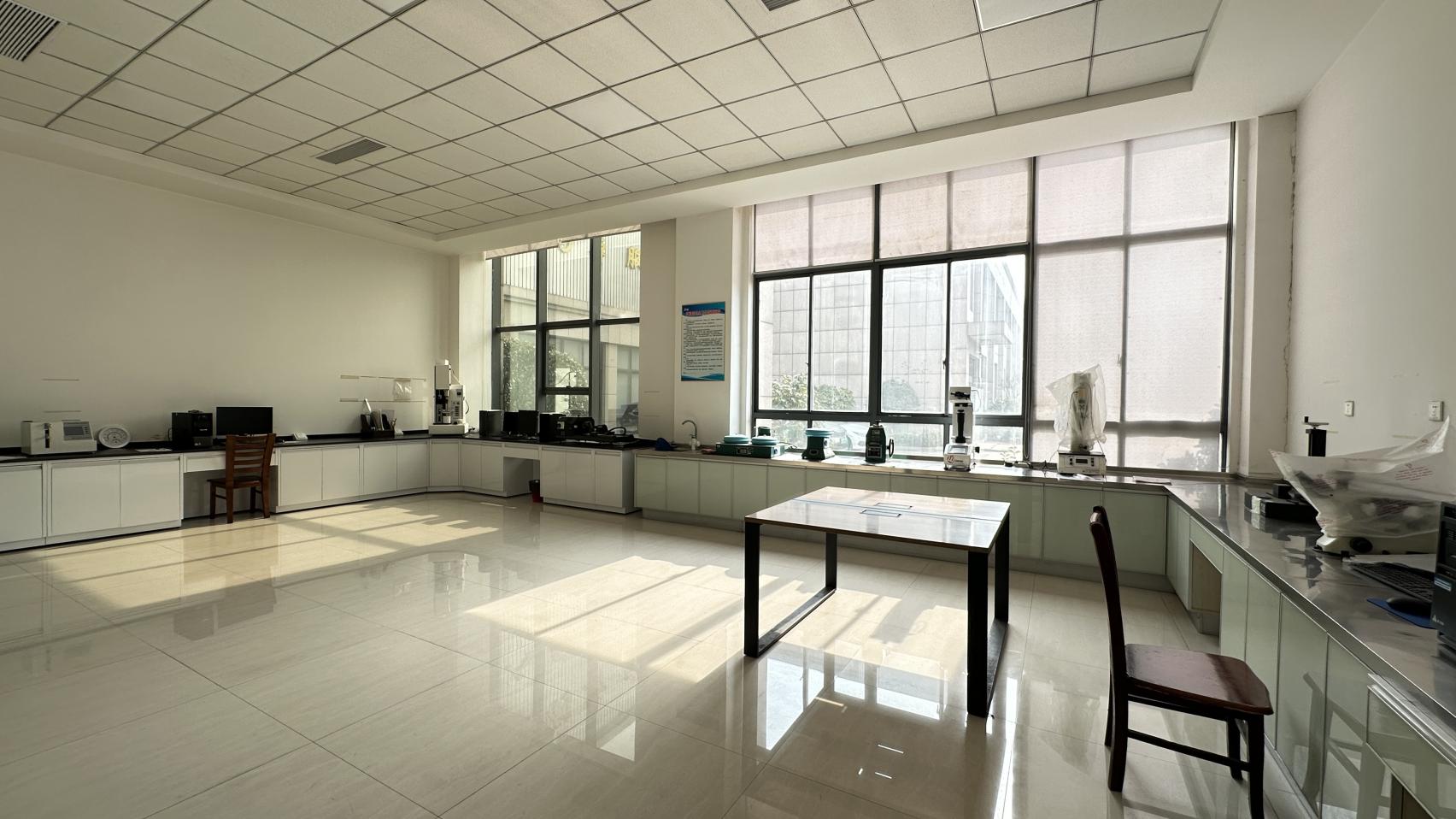
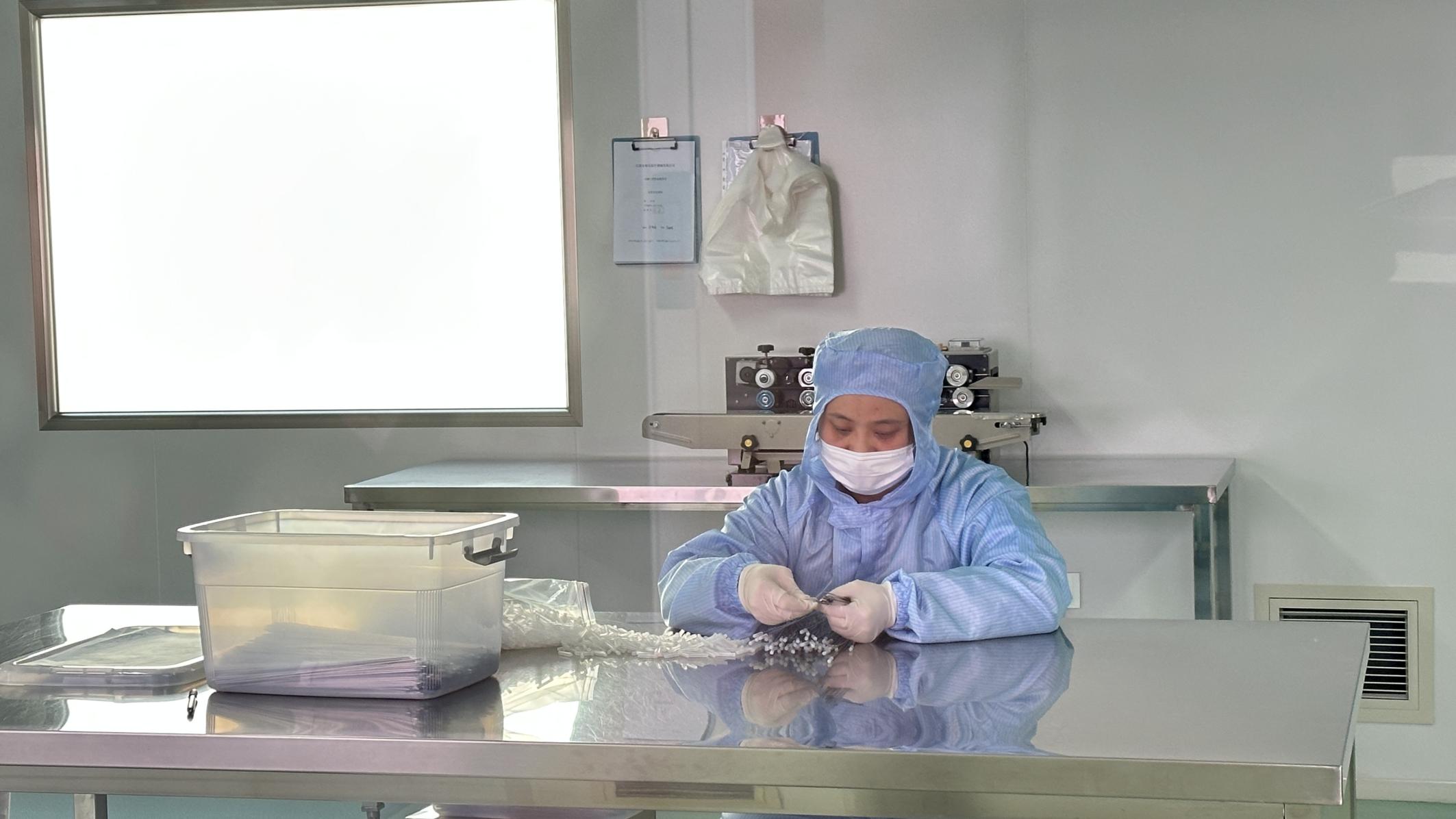
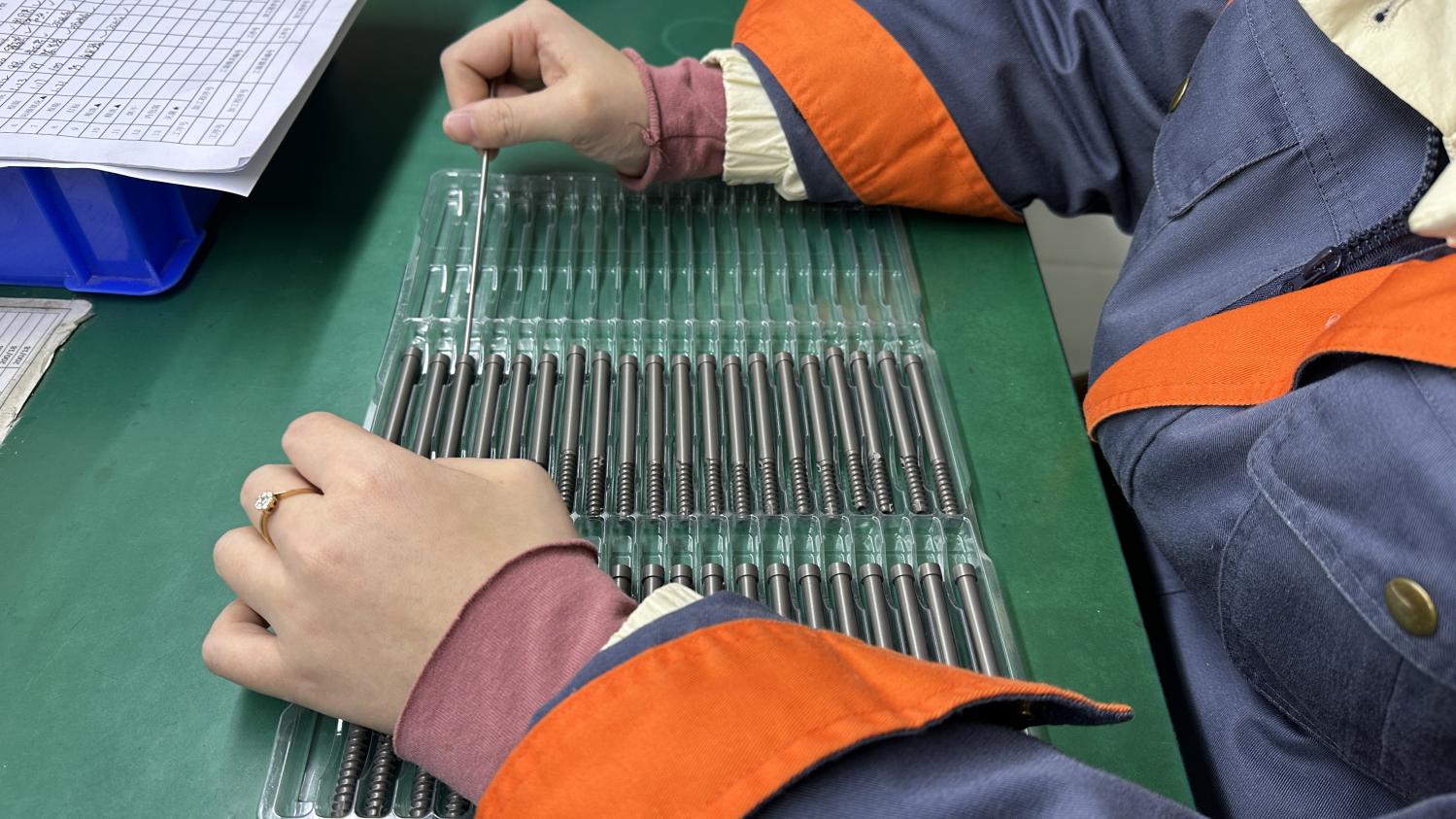
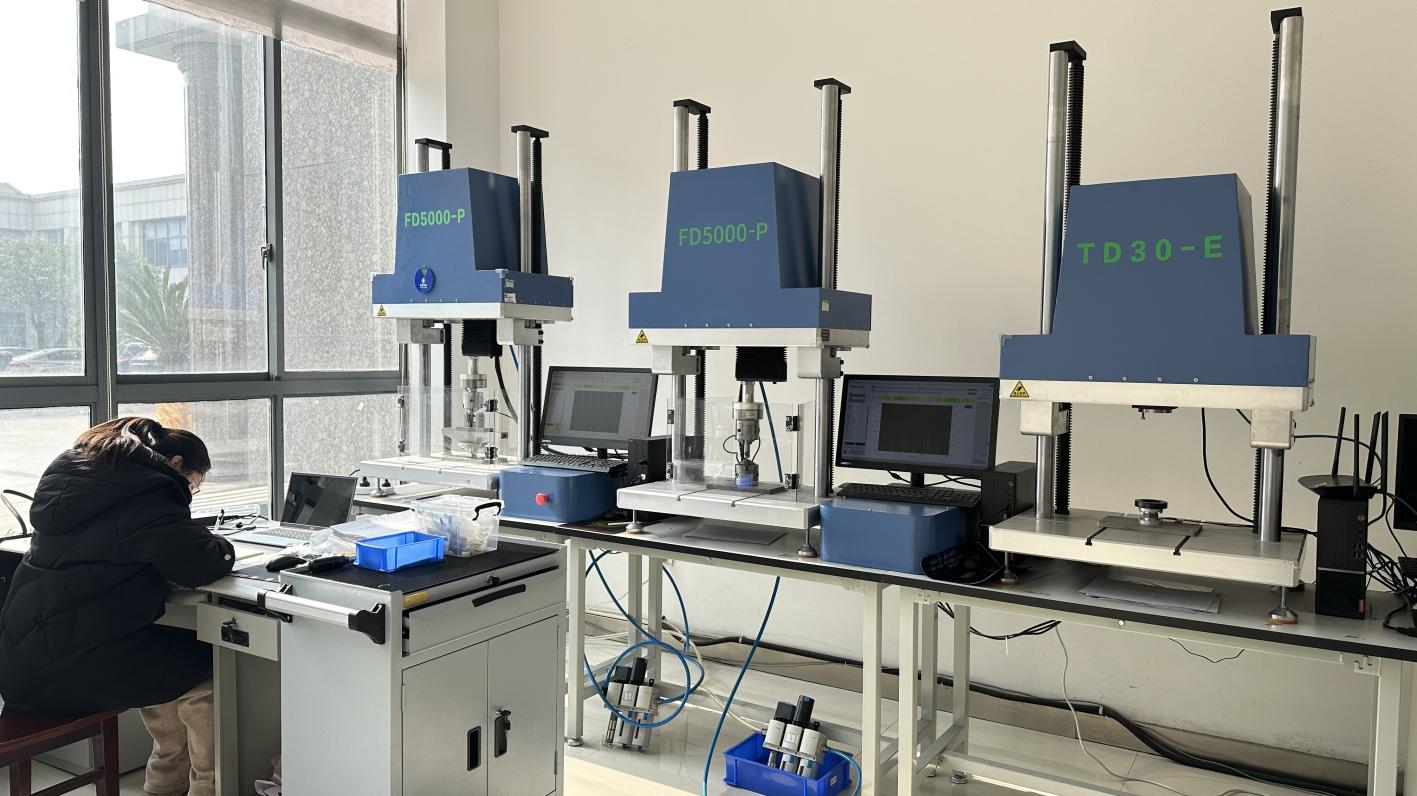
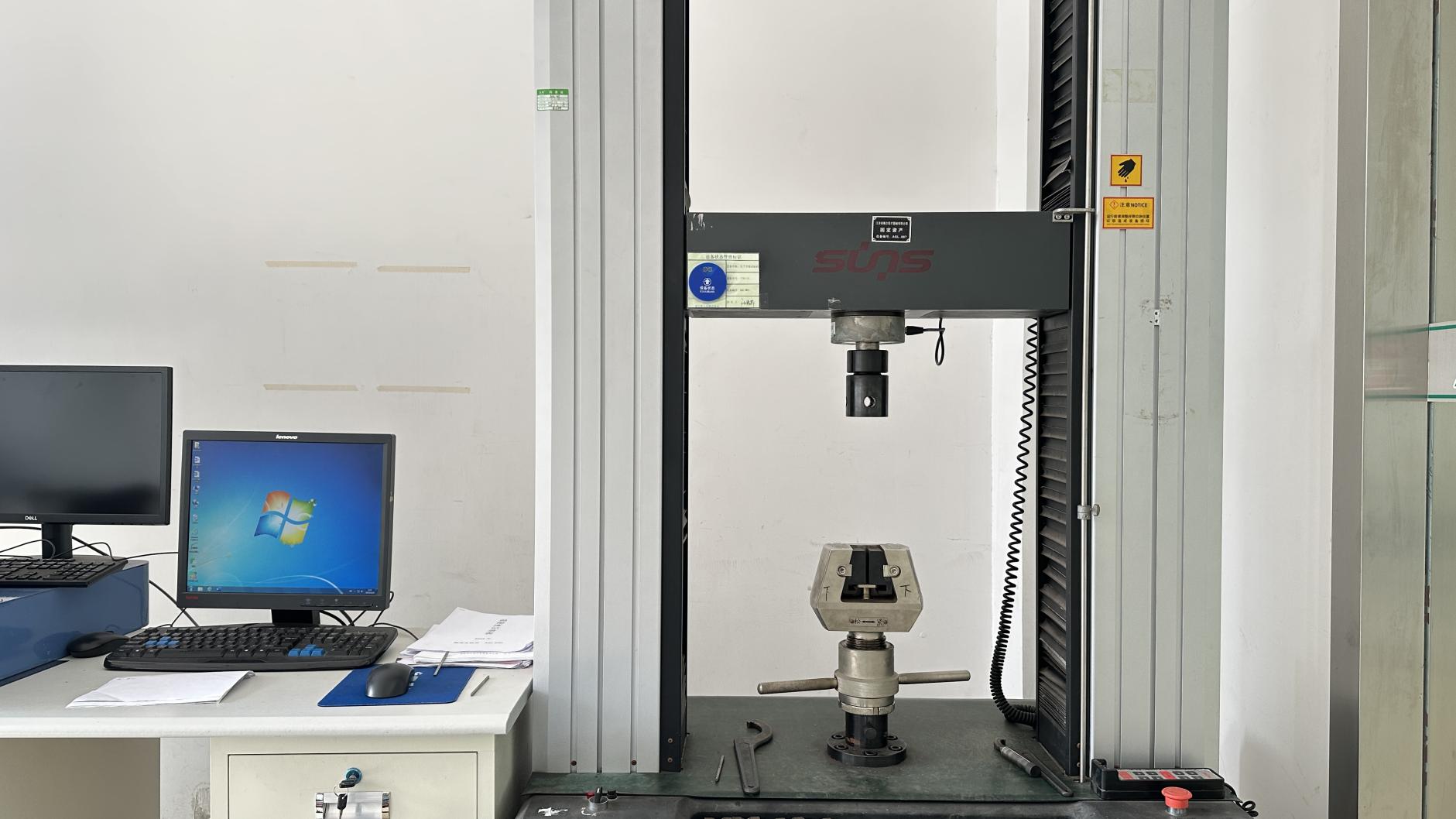
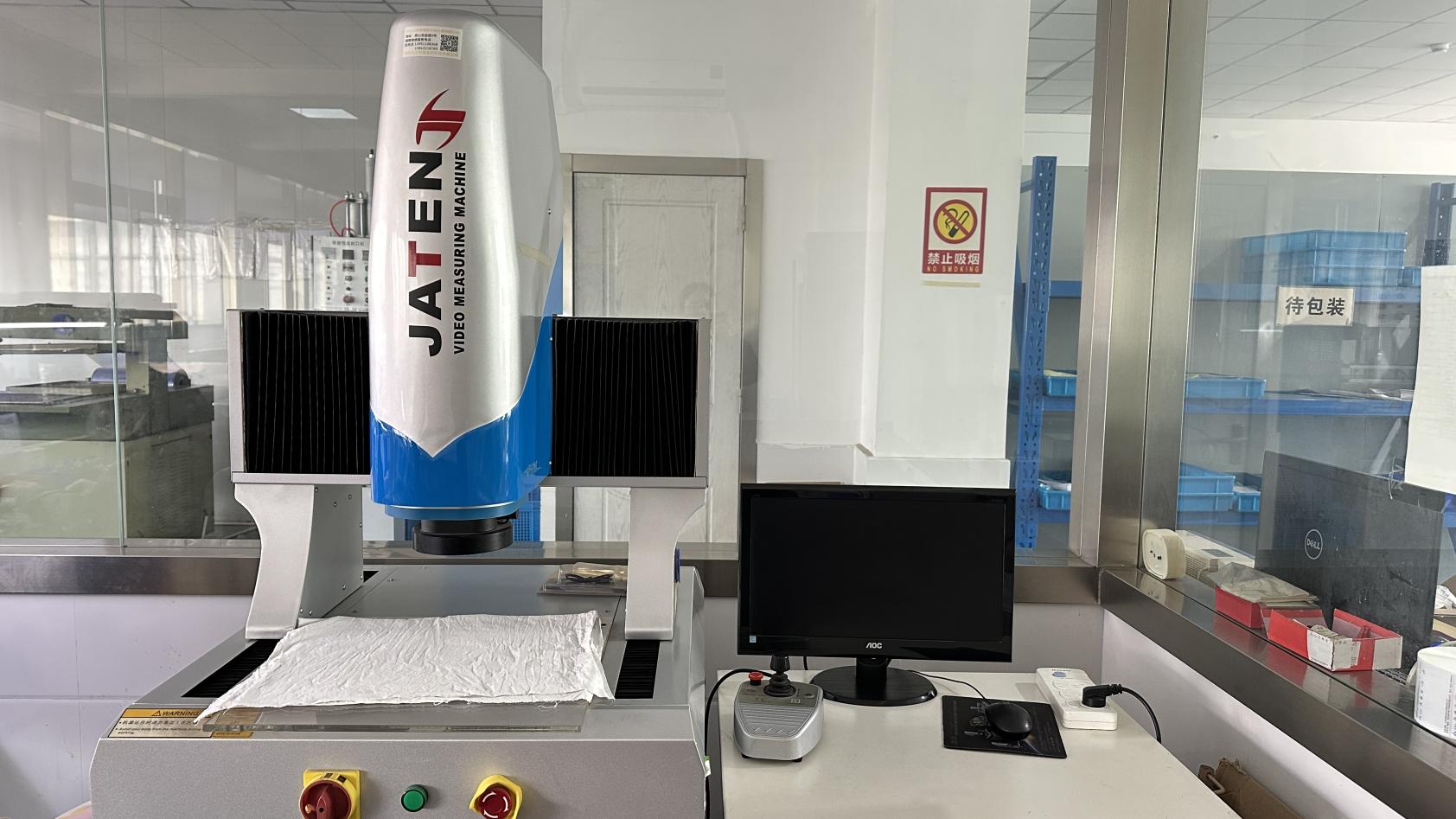
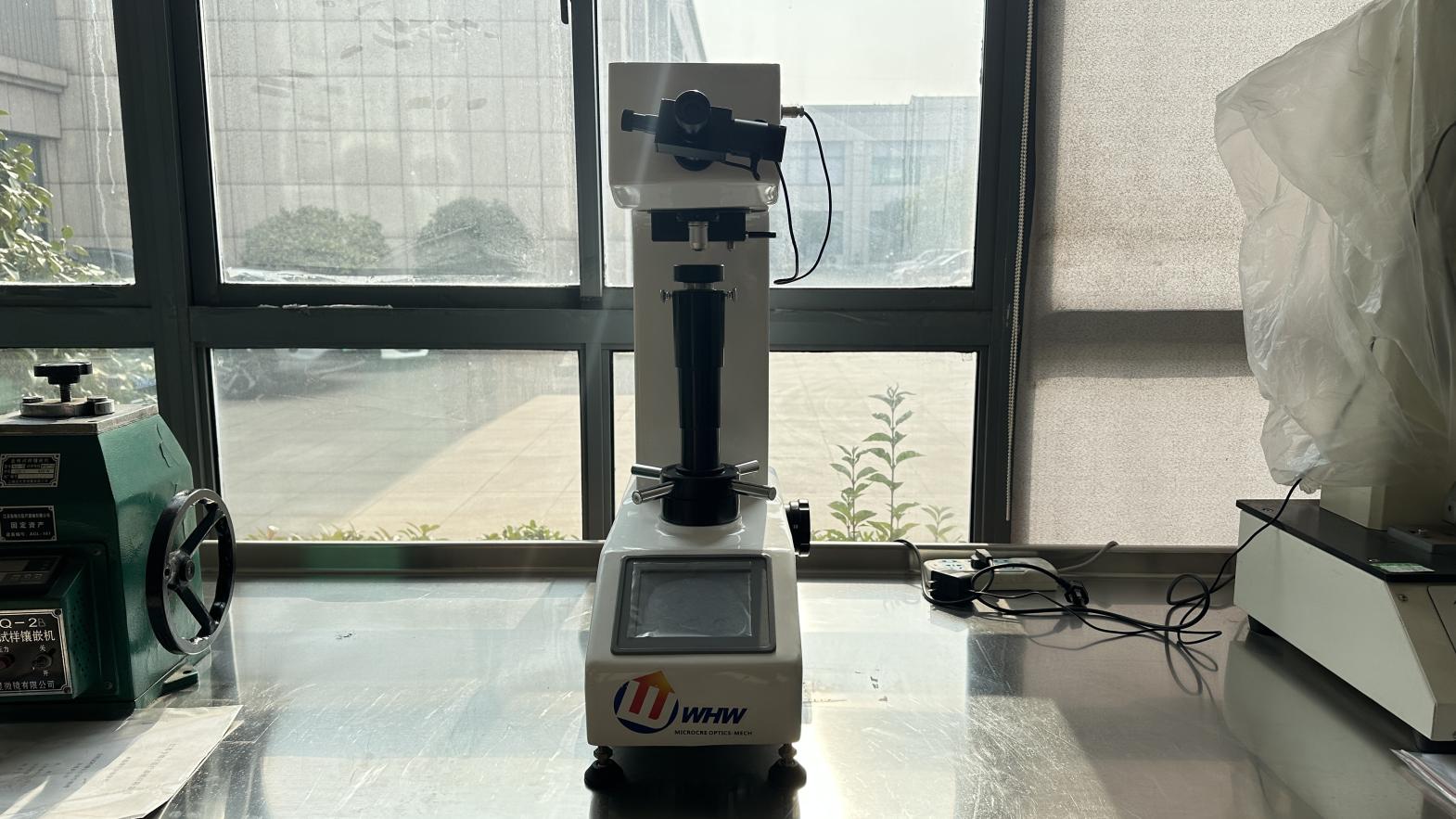
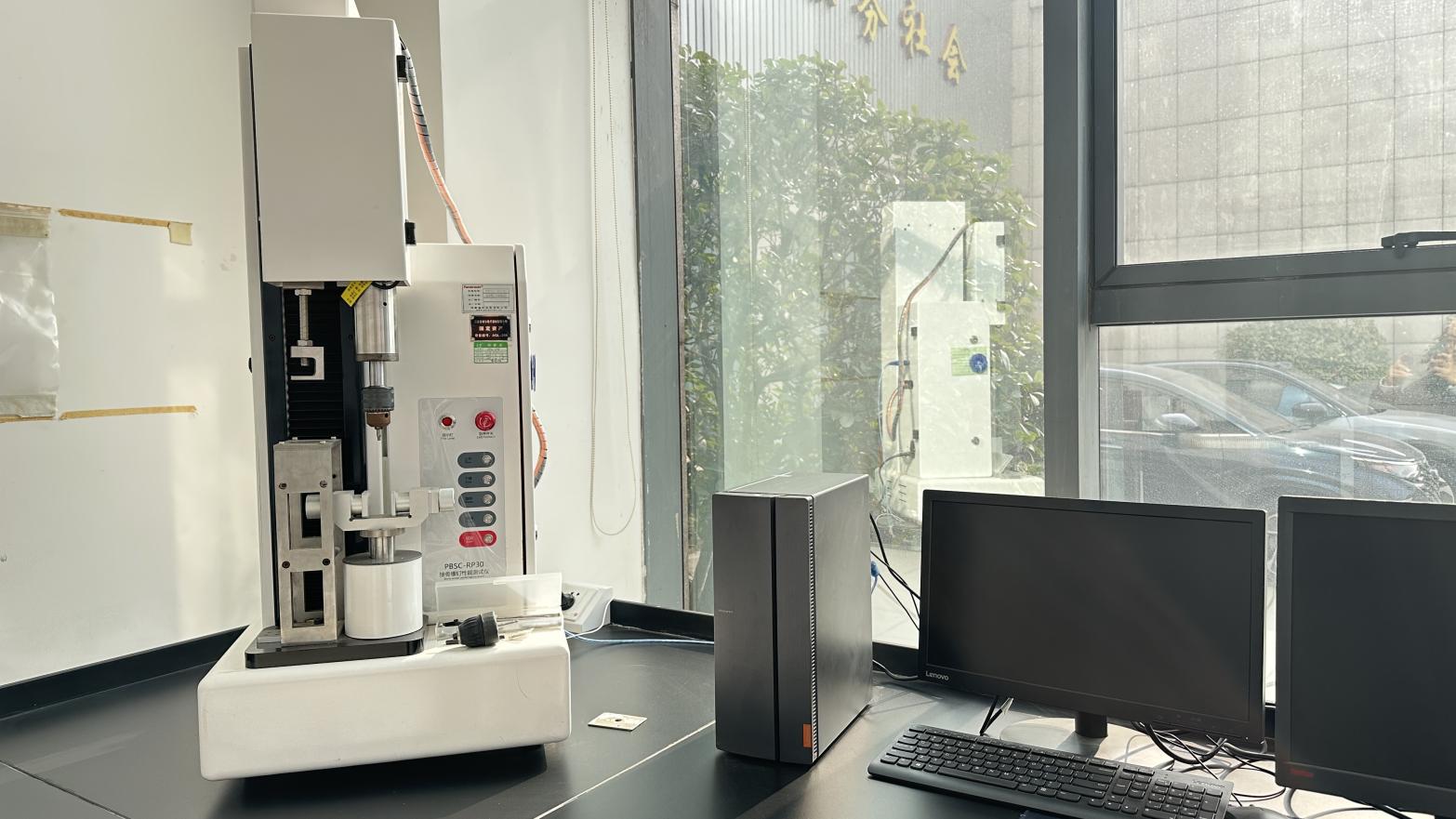
Our orthopedic production hub integrates the highly optimized logistics and raw material supply chain of China's advanced medical industrial corridors. Leveraging partnerships with specialized raw material suppliers and running high-end Japanese and Swiss CNC centers, we secure a continuous volume of implant-grade titanium bars, CoCrMo blocks, and UHMWPE rods. This scale allows us to buffer global supply bottlenecks, keeping production lead times stable for distributors routing orders to Bangkok ports.
| Material Standard | Application Component | Biocompatibility & Physical Traits |
|---|---|---|
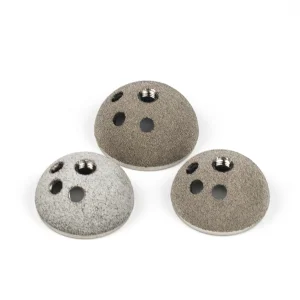
| Titanium Alloy (ISO 5832-3 / ASTM F136) | Femoral stems, uncemented acetabular shells | Excellent osseointegration, optimal elastic modulus to reduce stress shielding |
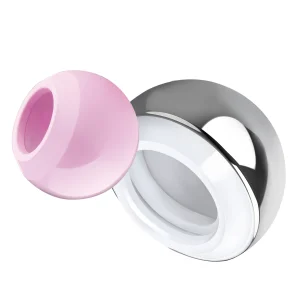
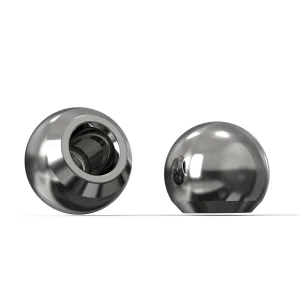
| CoCrMo Alloy (ISO 5832-4 / ASTM F75) | Femoral knee components, modular femoral heads | High mechanical strength, resistance to fatigue and severe surface wear |
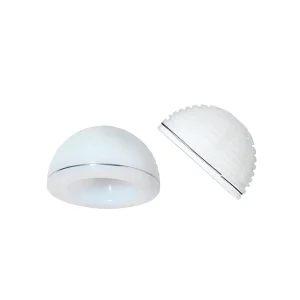
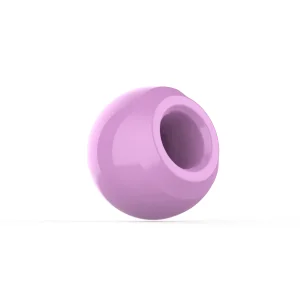
| UHMWPE (ISO 5834-2 / ASTM F648) | Acetabular cup liners, tibial inserts | Ultra-low wear rates, critical impact resistance, long-term arthroplasty life |
Exporting high-risk Class III/IV medical devices to Thailand requires stringent regulatory compliance. The Thai Food and Drug Administration (Thai FDA) under the Ministry of Public Health requires comprehensive product files including ISO 13485 certification, biocompatibility evaluation reports (ISO 10993), clinical review papers, and certified Certificates of Free Sale (CFS). Our dedicated regulatory support division coordinates directly with your Bangkok-based license holders to supply complete technical dossiers, simplifying the product import registration process.
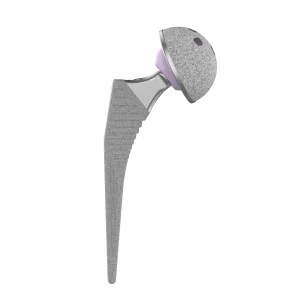
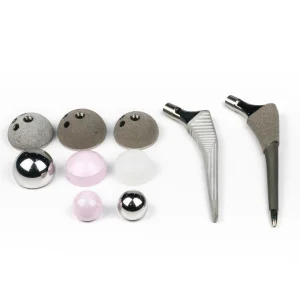
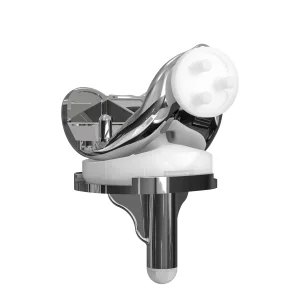
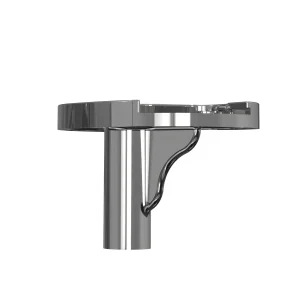
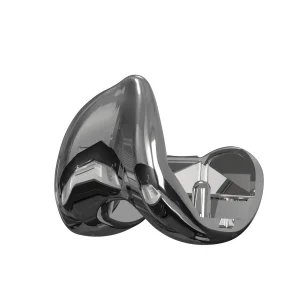
A complete surgical lineup of hip and knee components, offering modular components to accommodate varying patient anatomy.
Answers to common inquiries regarding regulatory clearance, order logistics, and manufacturing capabilities for buyers in Thailand.
We provide a comprehensive technical documentation package matching GHTF requirements. This includes ISO 13485 quality system certificate, CE certifications, biocompatibility studies (ISO 10993 series), biomechanical fatigue and wear testing reports, and Certificates of Free Sale (CFS). Our team assists your local Bangkok importer through every step of the submission process.
For standard implant profiles, typical factory processing takes between 30 to 45 days depending on batch volume. Transit from our facility via major Chinese ports (such as Ningbo or Shanghai) to Bangkok’s Klong Toey Port or Suvarnabhumi Airport (for air freight) usually ranges between 5 to 10 days, minimizing inventory holding costs.
Yes. Supported by our team of 85 design and development engineers, we offer full OEM services, including custom laser marking, customized implant geometries to match local morphological parameters, and specialized surgical instrument design tailored to your clinical requirements.
Our UHMWPE liners are produced from medical-grade raw materials (GUR 1020/1050) and undergo validation on multi-axis joint wear simulators. We test for dimensional stability, creep resistance, and wear-particle morphology to ensure long-term clinical durability in active patients.
We offer both options. Standard shipments are packaged in sterile barrier systems validated for ethylene oxide (EtO) or Gamma irradiation sterilization in our Class 10,000 cleanroom environments. Non-sterile options are also available for distributors with domestic cleanroom packaging systems in Thailand.
Each batch undergoes multi-stage inspections: Incoming raw material validation, In-Process Quality Control (IPQC) using advanced coordinate-measuring machines (CMM), Final Quality Control (FQC) for surface finish and micro-imperfections, and periodic biomechanical testing on our tensile and fatigue simulators.