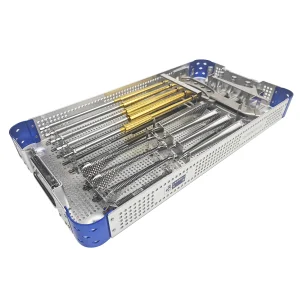
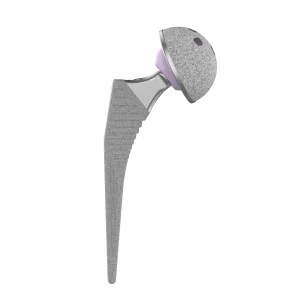
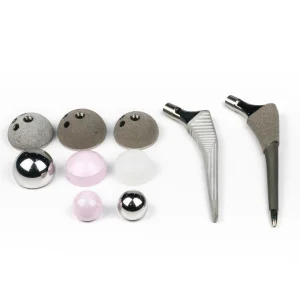
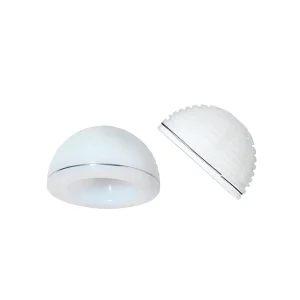
Medisplint Medisplint

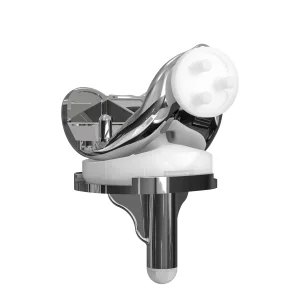
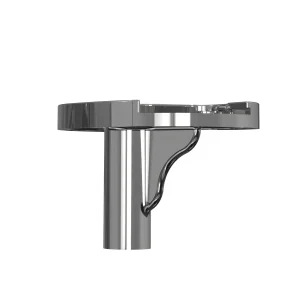
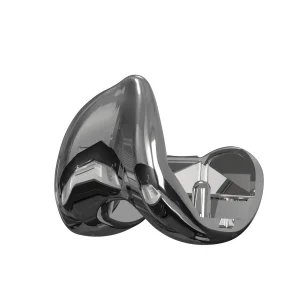
Total Hip/Knee Replacement (THR/TKR) Factories & Supplier for the Osaka Market

High-Precision Orthopedic Implants & Systems: ISO 13485 Certified Production & Tailored Supply Chains for Japan's Demanding Clinical Standard.

Send Inquiry Now

Engineered for Clinical Precision

How Medisplint Orthopedic Instruments Co., Ltd. fulfills high-reliability implant demand for major medical markets.

ISO 13485 & CE Quality Systems

Our production facilities maintain complete tracebility, validated cleanrooms, and testing matching PMDA Class III standards for safety.

Biocompatible Advanced Materials

Utilizing high-grade Titanium alloy, Cobalt-Chromium-Molybdenum (CoCrMo), and highly cross-linked UHMWPE to reduce wear debris.

OEM & ODM Customization

85 R&D engineers providing tailored instrument adjustments, customized implant labeling, and rapid prototyping capabilities.

18,500㎡

Production Facility

10+ Yrs

Industry Experience

$12M

Annual Export Volume

42

QC Inspectors

White Paper: Accelerating Arthroplasty Value Chains in the Osaka & Kansai Market

The Kansai region, anchored by Osaka, is experiencing one of the world's most acute demographic transitions. According to local healthcare registry statistics, the population of individuals aged 65 and older in Osaka Prefecture now exceeds 27%. This demographic landscape drives a substantial volume of primary total hip replacements (THR) and total knee replacements (TKR). As national health insurance reimbursement rates face periodic structural revisions, medical centers and orthopedic distributors are searching for cost-efficient procurement alternatives that do not compromise clinical performance.

Key Industry Dynamics: Osaka's advanced hospital networks (including Osaka University Hospital and Osaka Metropolitan University Hospital) demand implants that deliver high survivorship, minimal aseptic loosening, and precise instrumentation. To satisfy these conditions, suppliers must offer implants with advanced wear-resistance and robust structural biocompatibility.

Evaluating the Osaka Demographics & Arthroplasty Demand

Arthroplasty clinical requirements in Japan differ slightly from Western counterparts. Anatomical profiles of patients in Osaka and the wider Kansai area often present smaller bone dimensions and unique femoral neck angles. Additionally, high flexural capability is highly valued for knee systems due to local lifestyle and sitting conventions. Therefore, orthopedic manufacturers must supply implants that offer versatile sizing matrices, including short femoral stems, thin tibial baseplates, and high-flexion insert profiles.

Furthermore, cost containment is critical. Under the Japanese NHI (National Health Insurance) pricing system, medical centers are incentivized to optimize procurement pipelines. By utilizing direct partnerships with foreign manufacturers who possess high-precision manufacturing infrastructure, Japanese distributors can bridge the gap between premium clinical efficacy and budget targets.

The Strategic Role of Modern Chinese Manufacturing Ecosystems

Medical device manufacturing in China has transitioned from high-volume production to high-precision engineering. Medisplint Orthopedic Instruments Co., Ltd., established in 2016, showcases this transformation. Leveraging an 18,500 square meter integrated facility, Medisplint leverages raw materials certified for medical implants (Ti-6Al-4V ELI, high-nitrogen CoCrMo alloy, and UHMWPE conforming to ASTM F136 and ASTM F75) combined with high-precision Swiss and German CNC machining centers.

  • Cost Efficiency through Scale: Integrating slitting, milling, cleaning, and packaging operations under one roof reduces intermediate transport costs and manufacturing cycle times.
  • R&D and Customization Capabilities: Over 85 engineering and development specialists facilitate prompt modifications to accommodate anatomical trends in Japan.
  • Rigorous Testing Frameworks: In-house labs conduct load, wear, fatigue, and hardness tests to assure components survive millions of cycles under load.

Explore Partnership Opportunities in Kansai

Discuss OEM/ODM configurations, custom sizing arrays, and regulatory compliance paths with our engineering team.

Send Inquiry Now

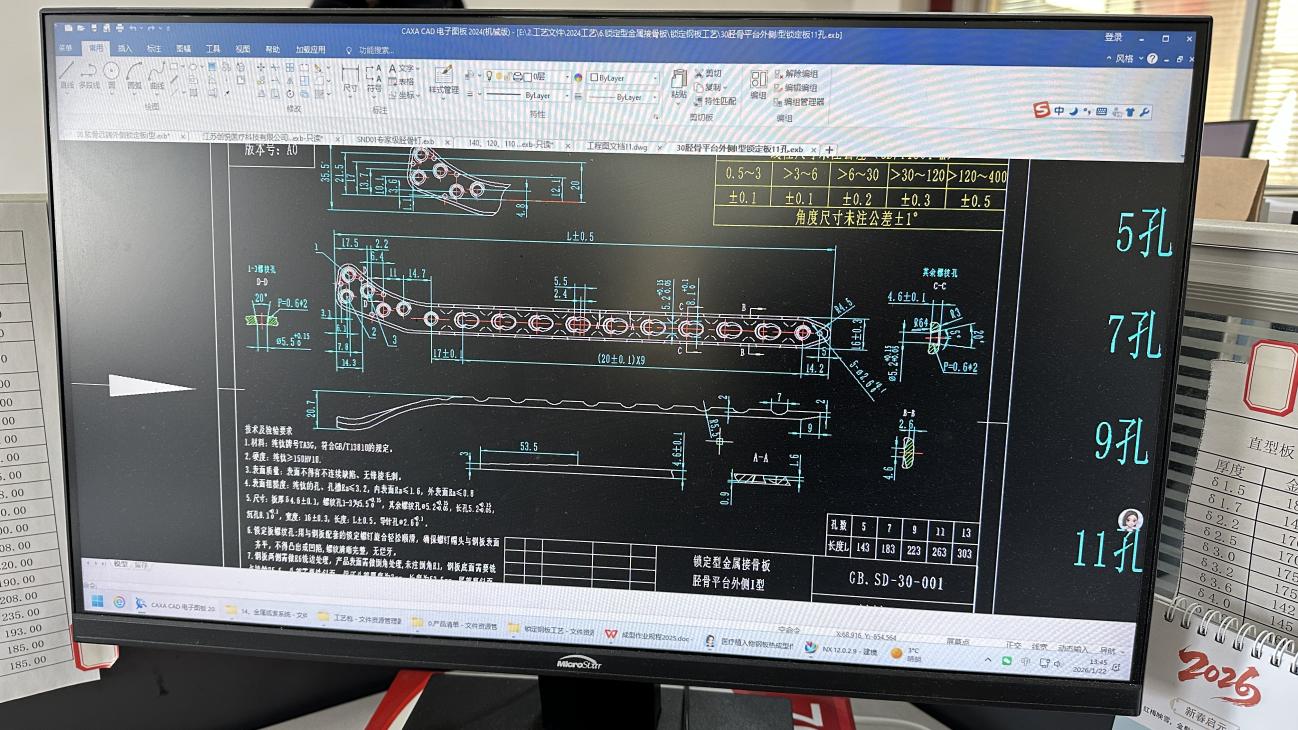
Advanced Factory Machinery & Workspaces

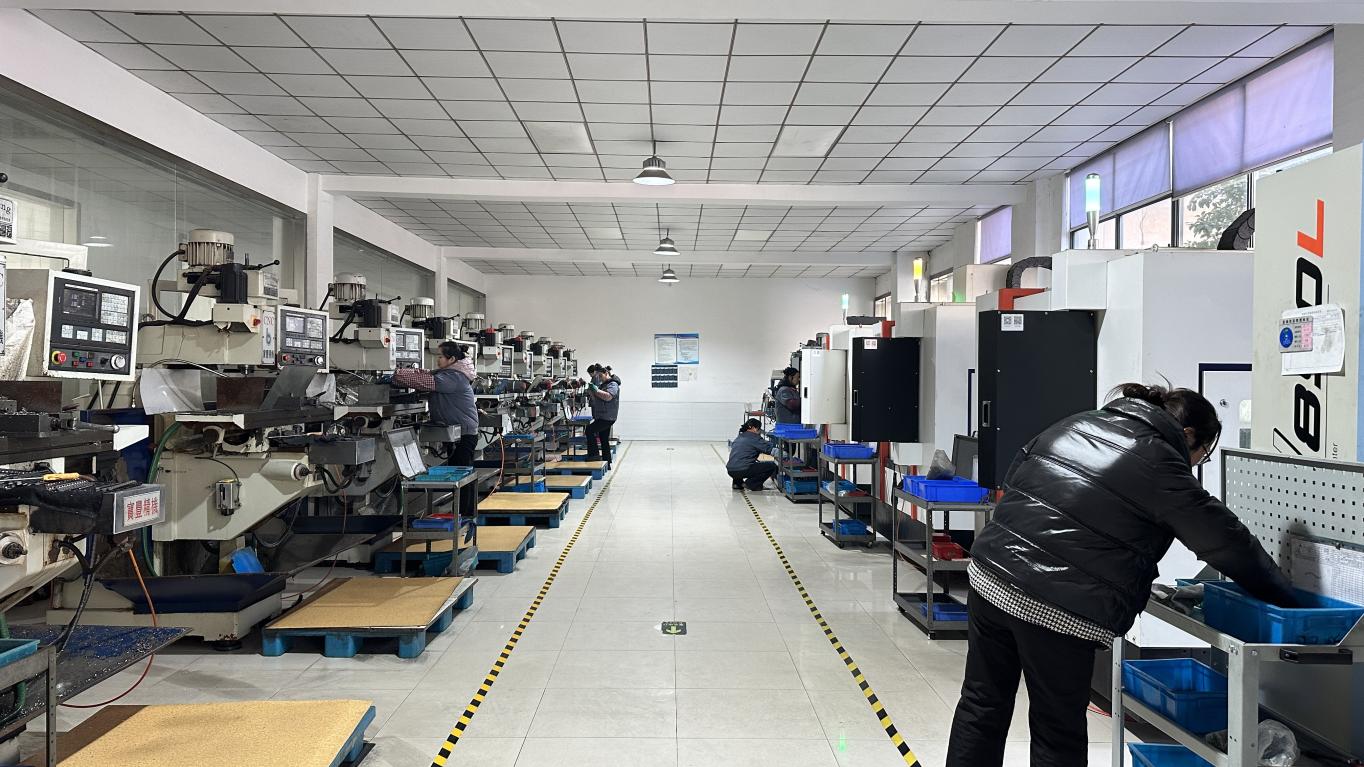
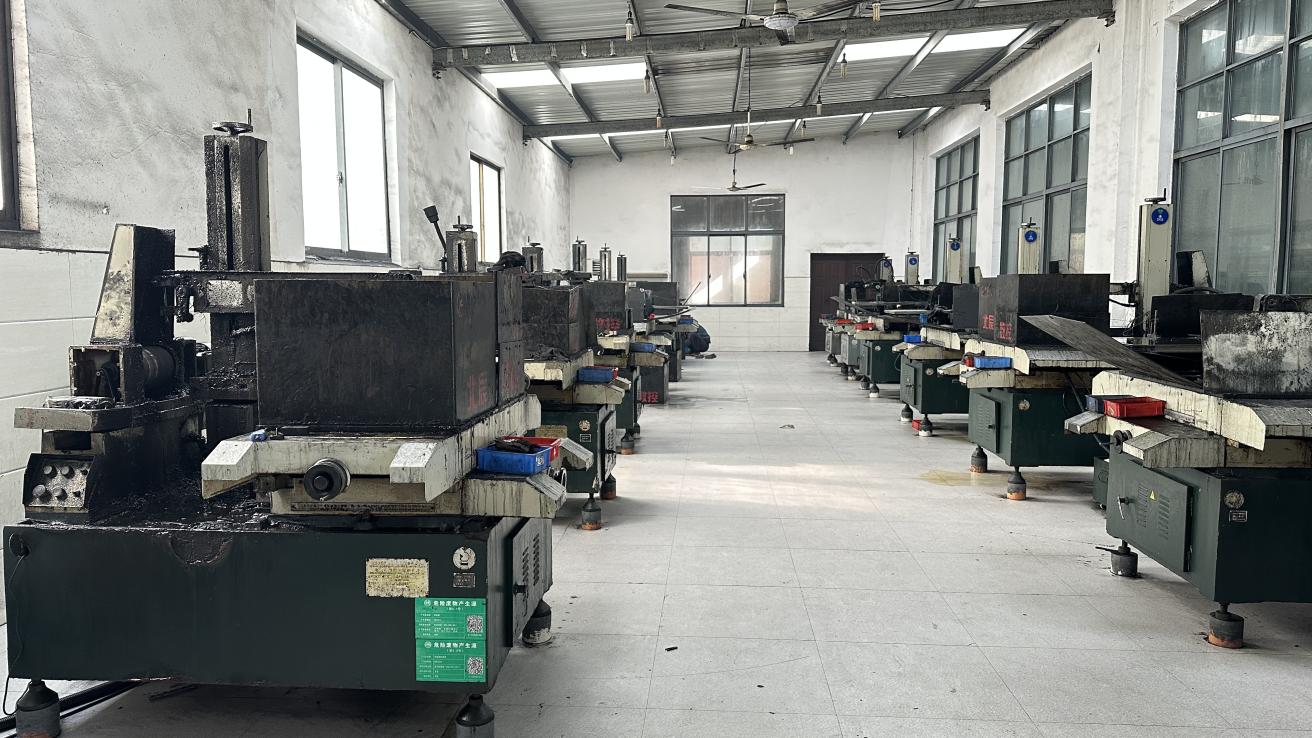
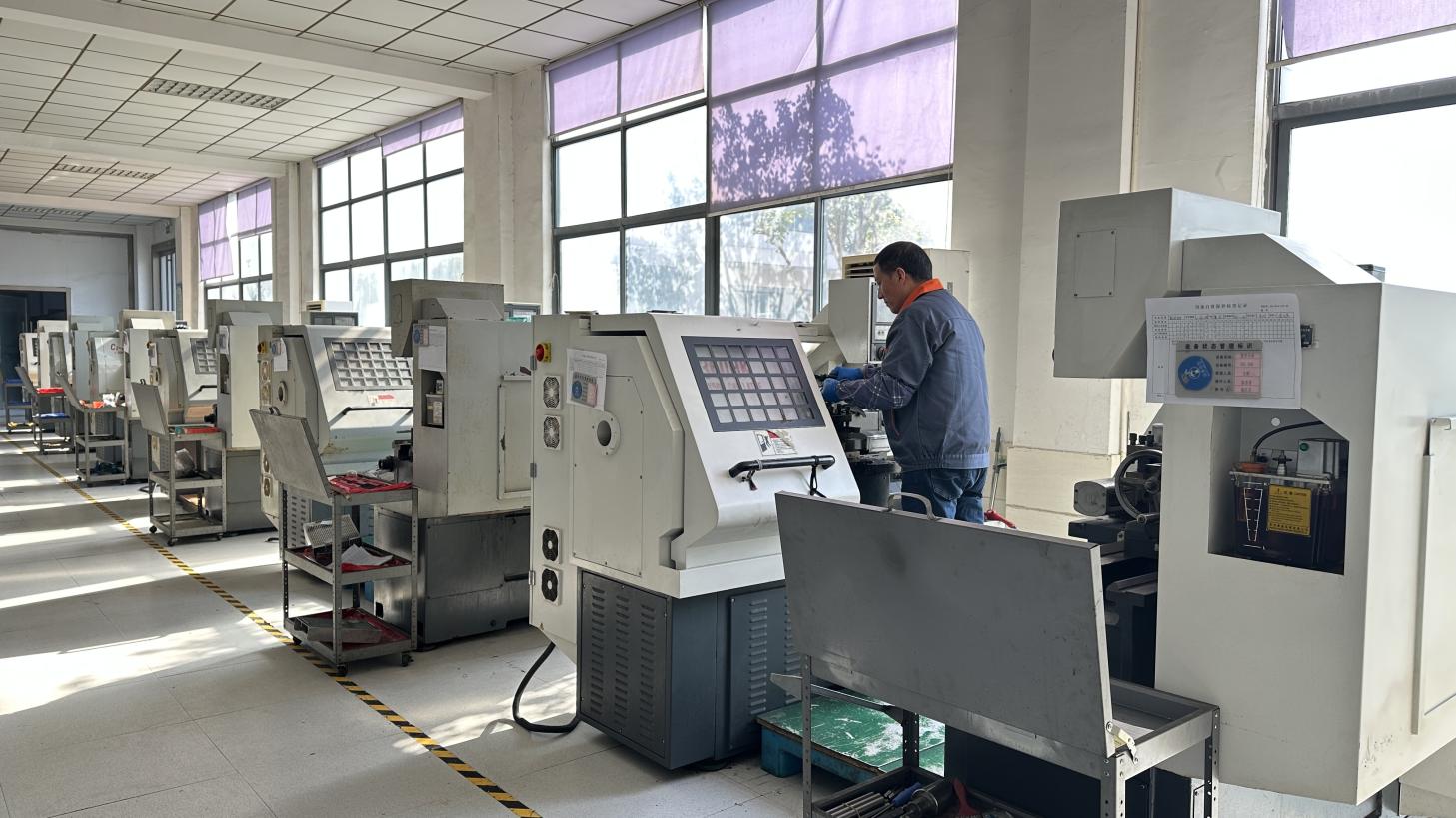
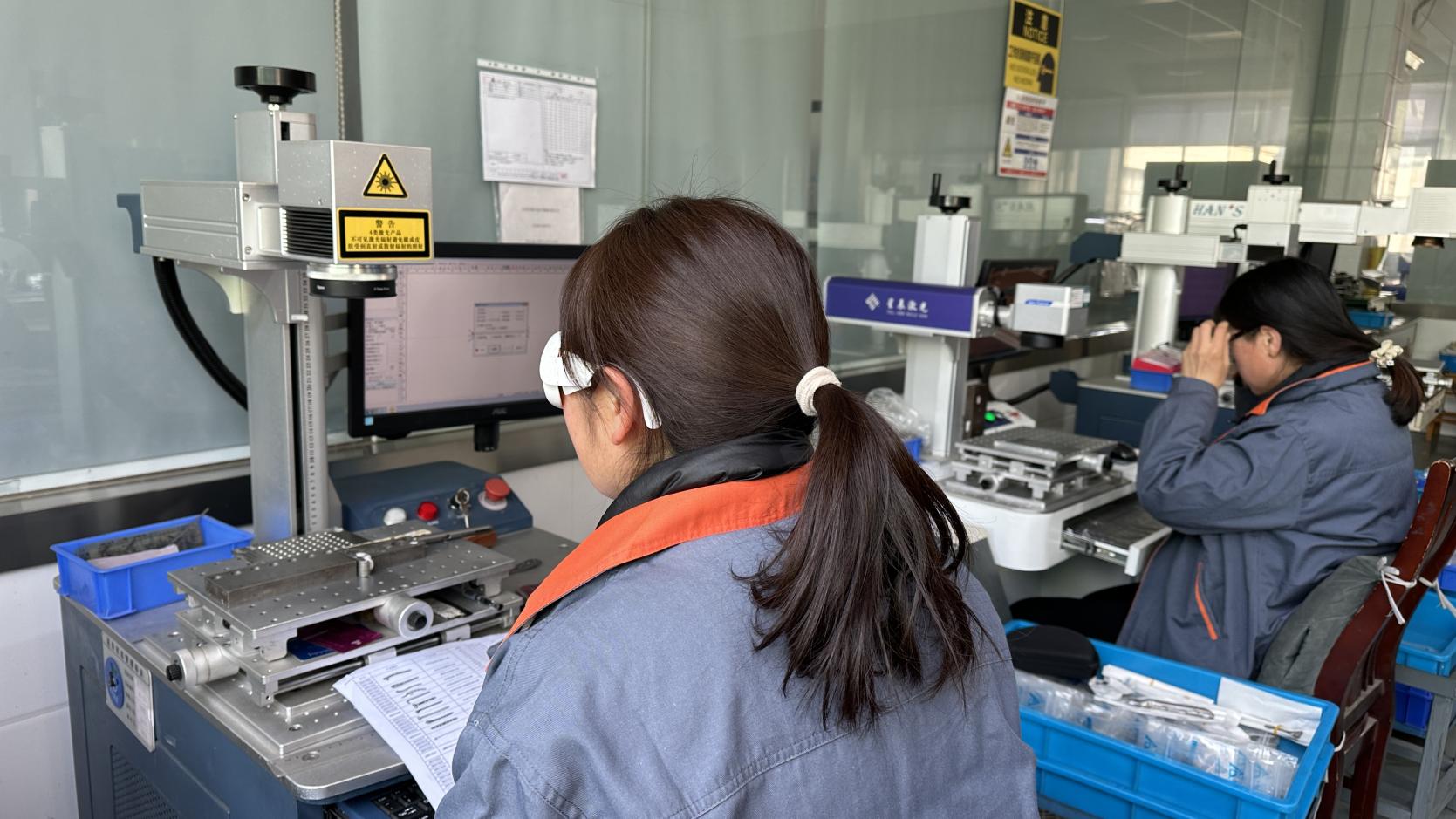
A transparent look inside our integrated 18,500㎡ facility, showing the workflow from raw materials to final packaging.
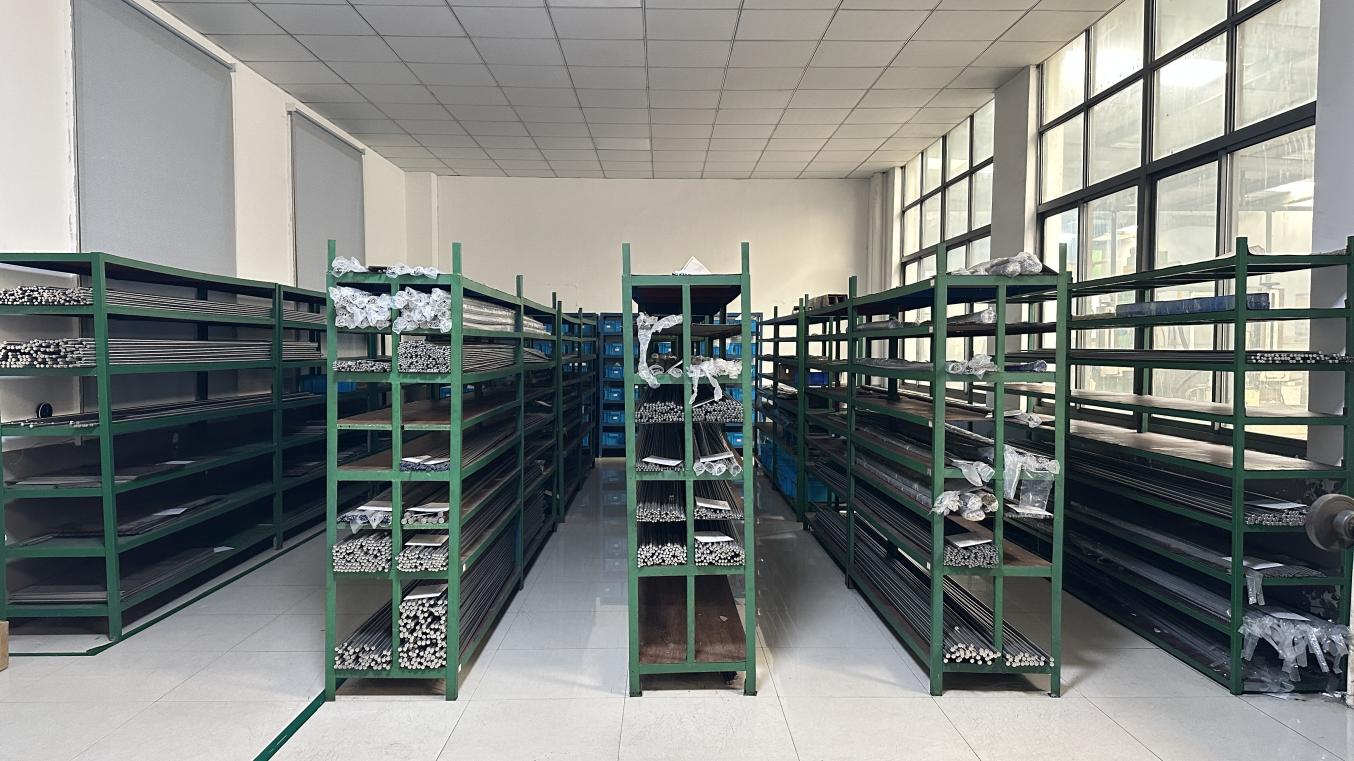
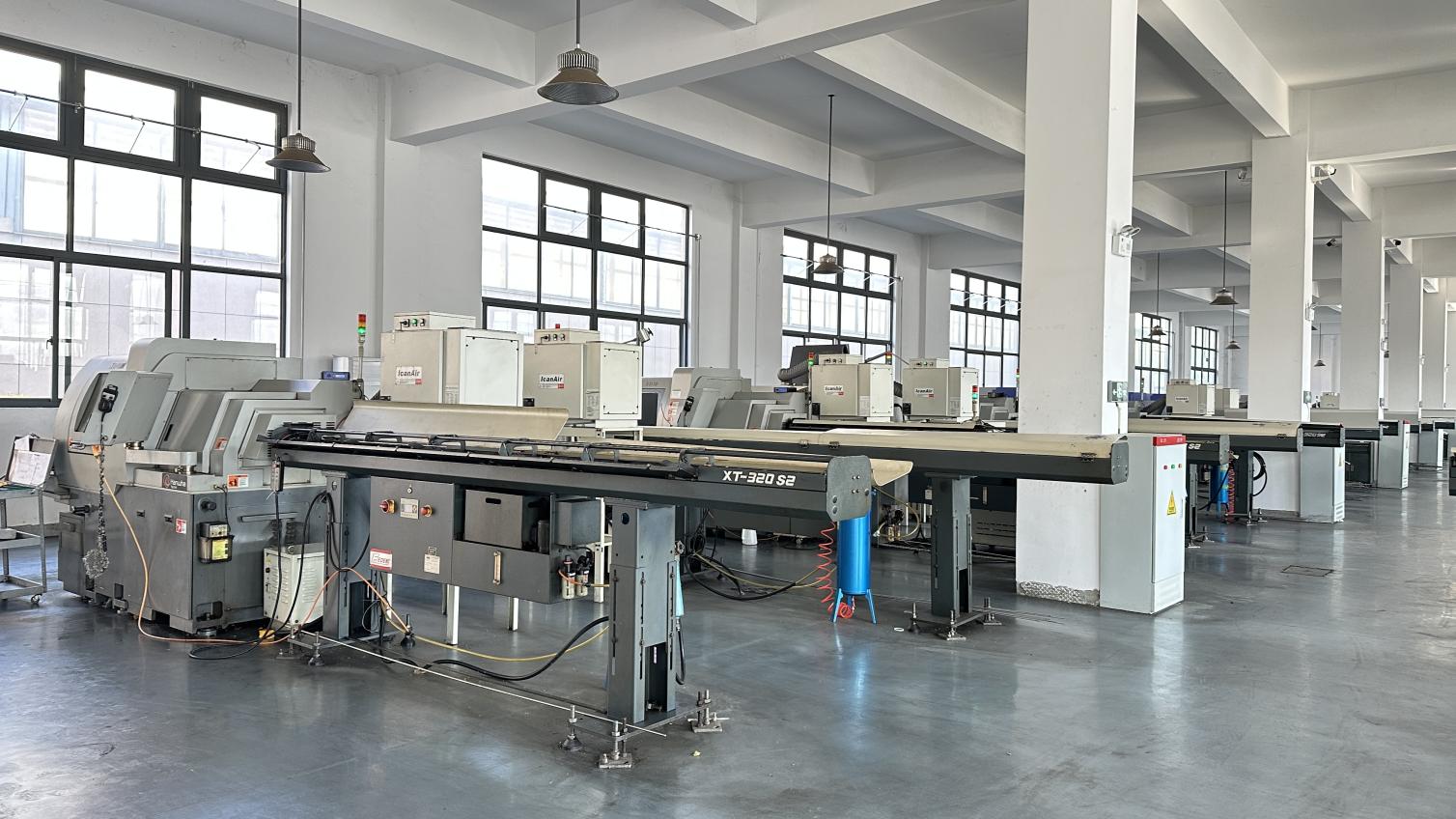
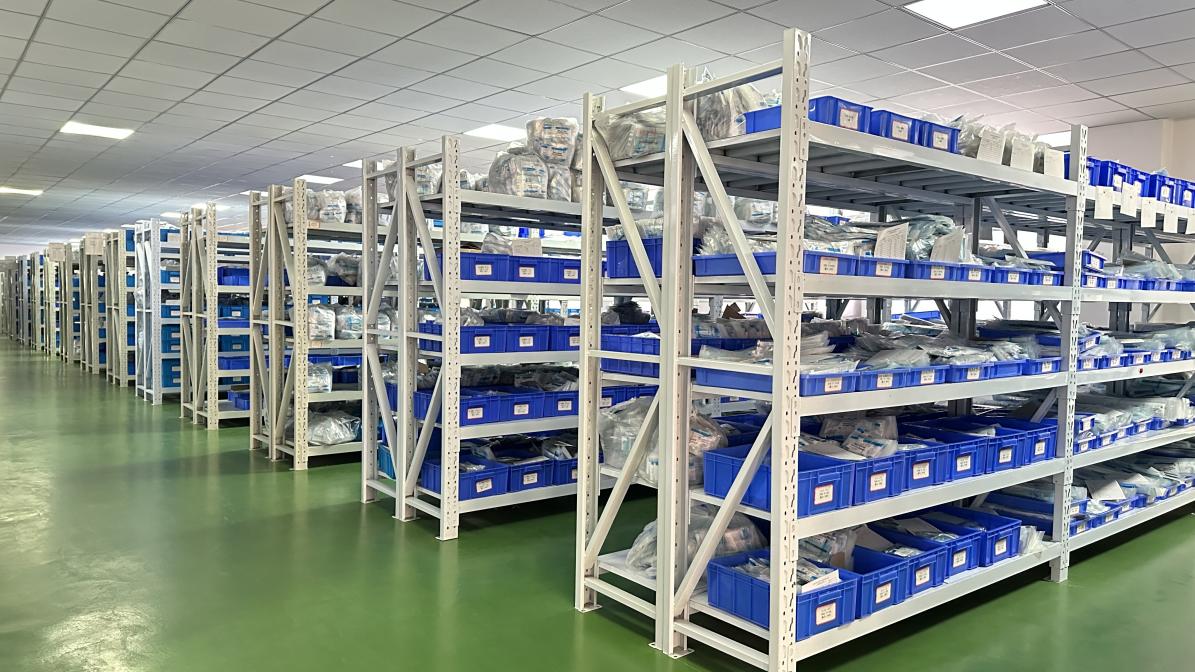
Raw Materials Warehouse for Titanium and CoCrMo
Raw Materials
Slitting Machine Process
Slitting
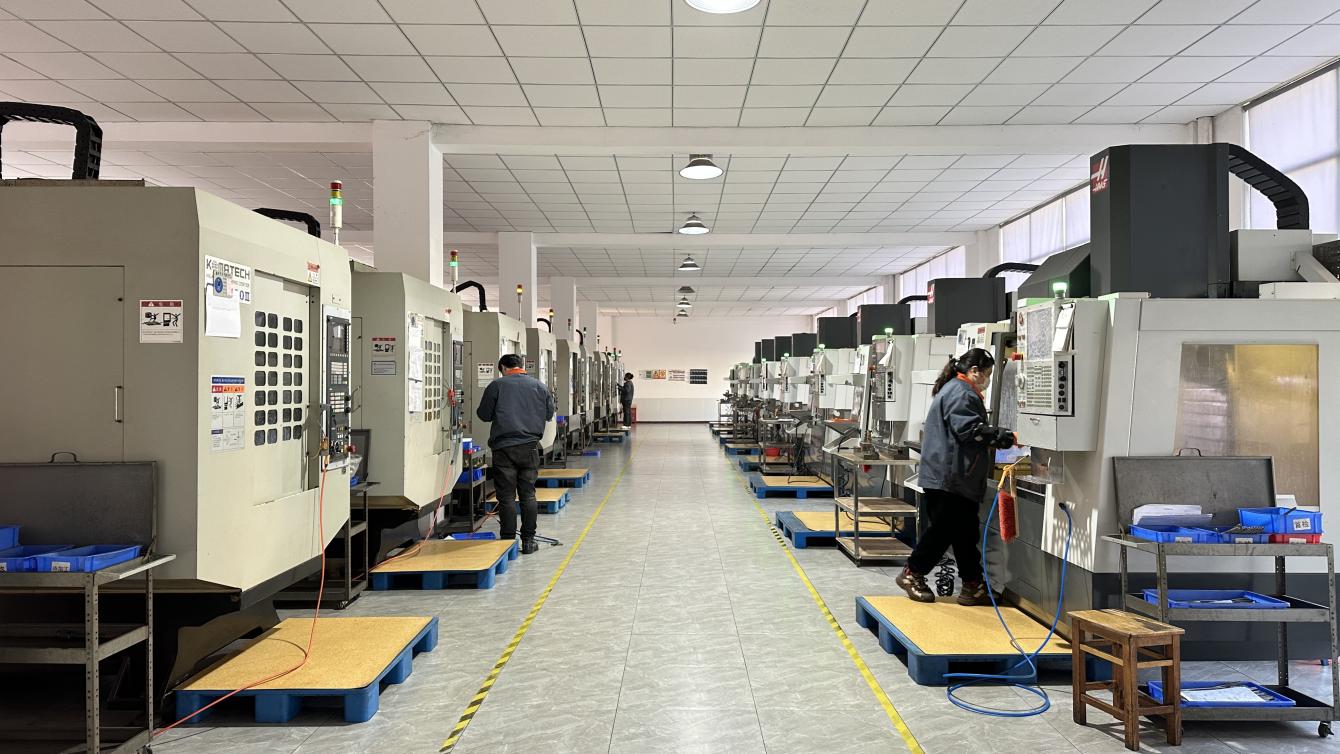
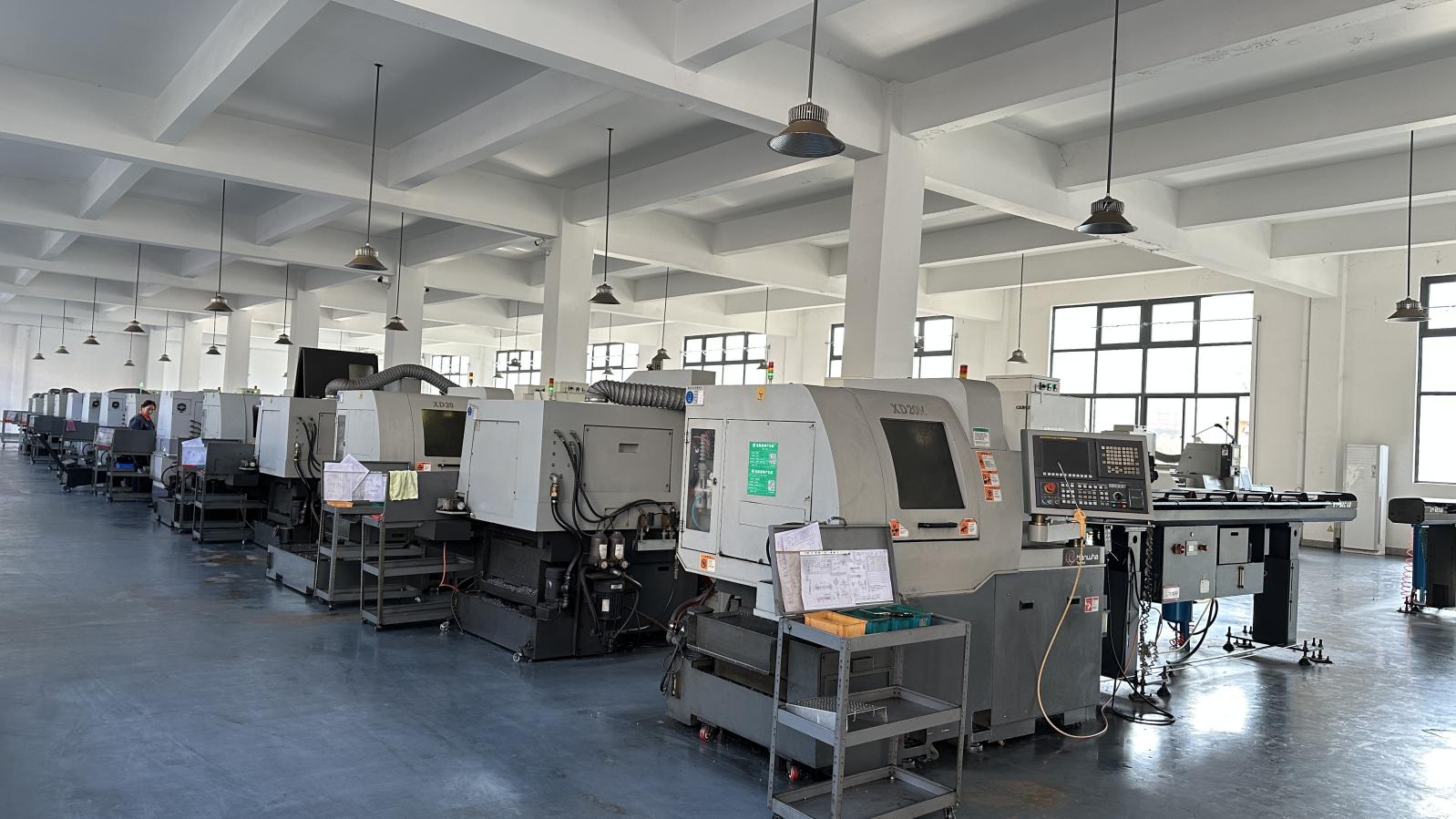
CNC Machining Facility
CNC Machining
Secondary Machining Station
Machining
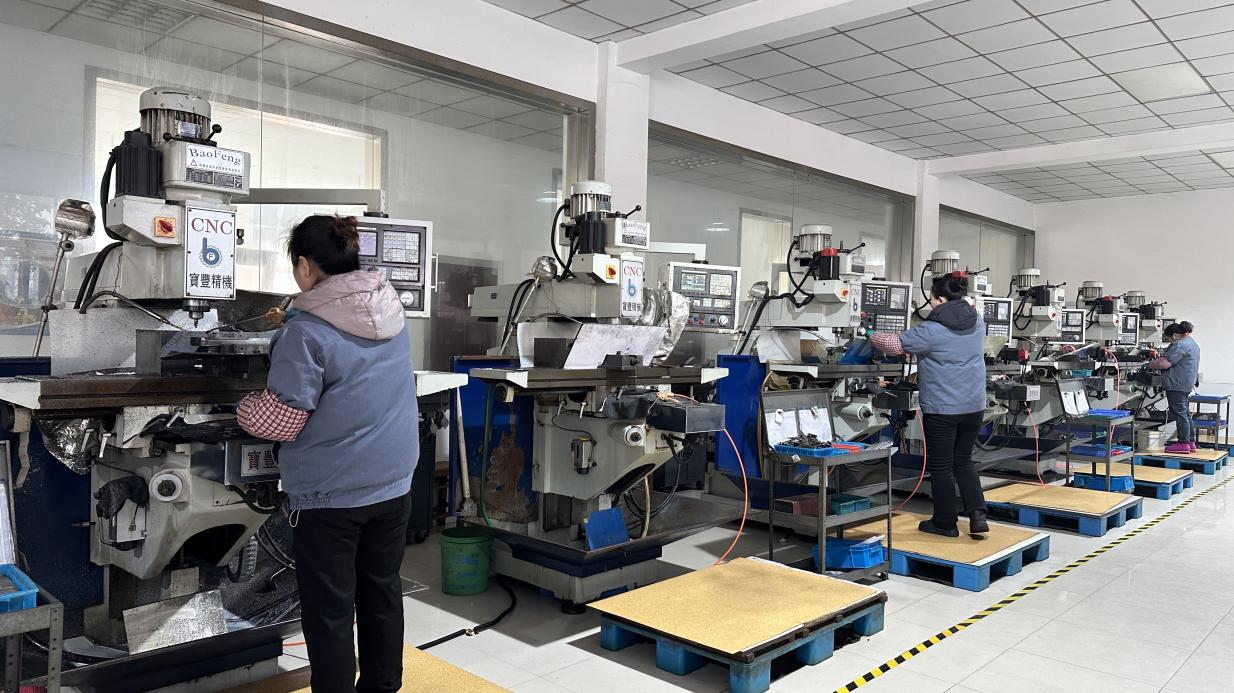
Milling Process Area
Milling
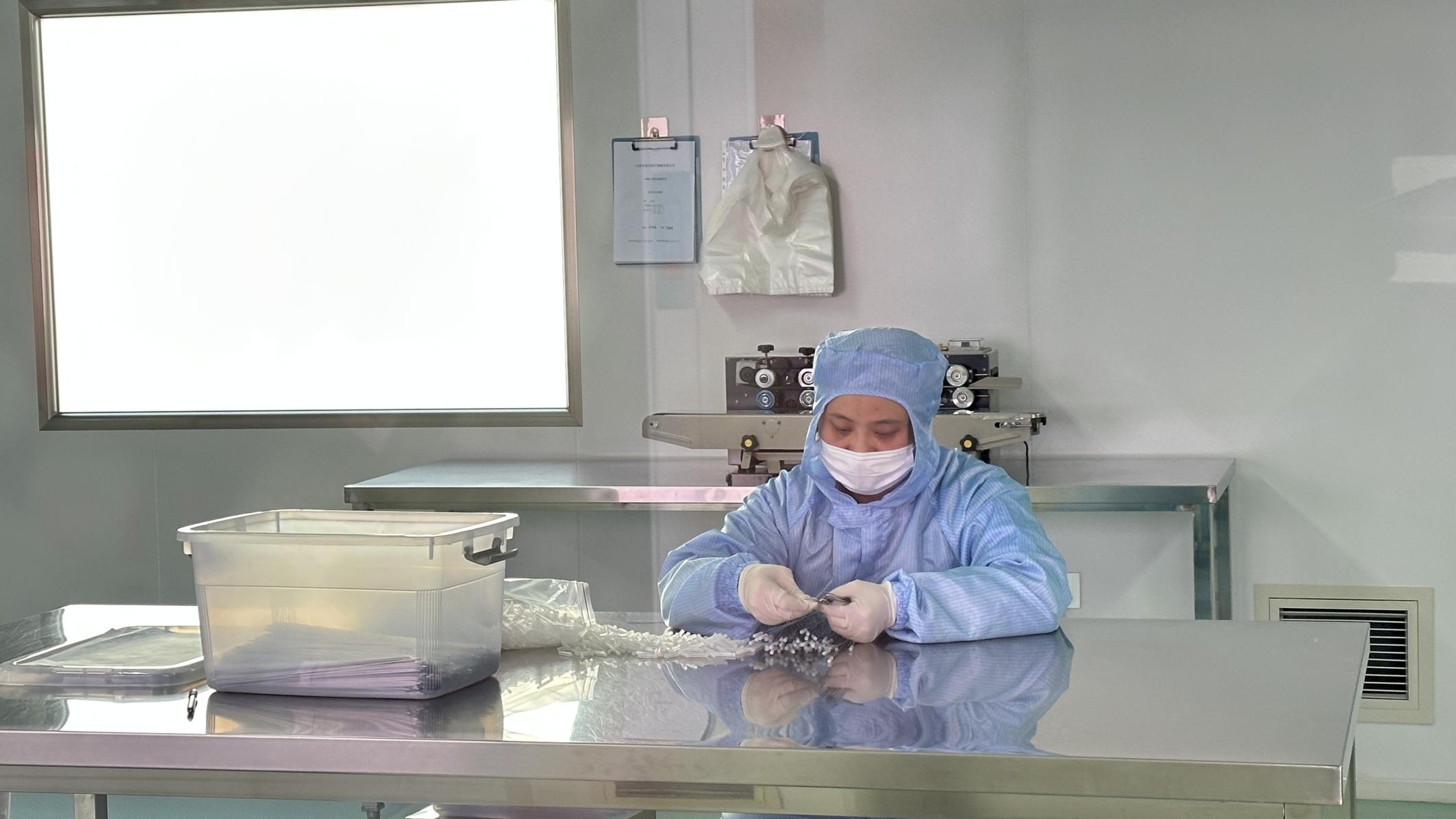
Cleanroom Packing Area
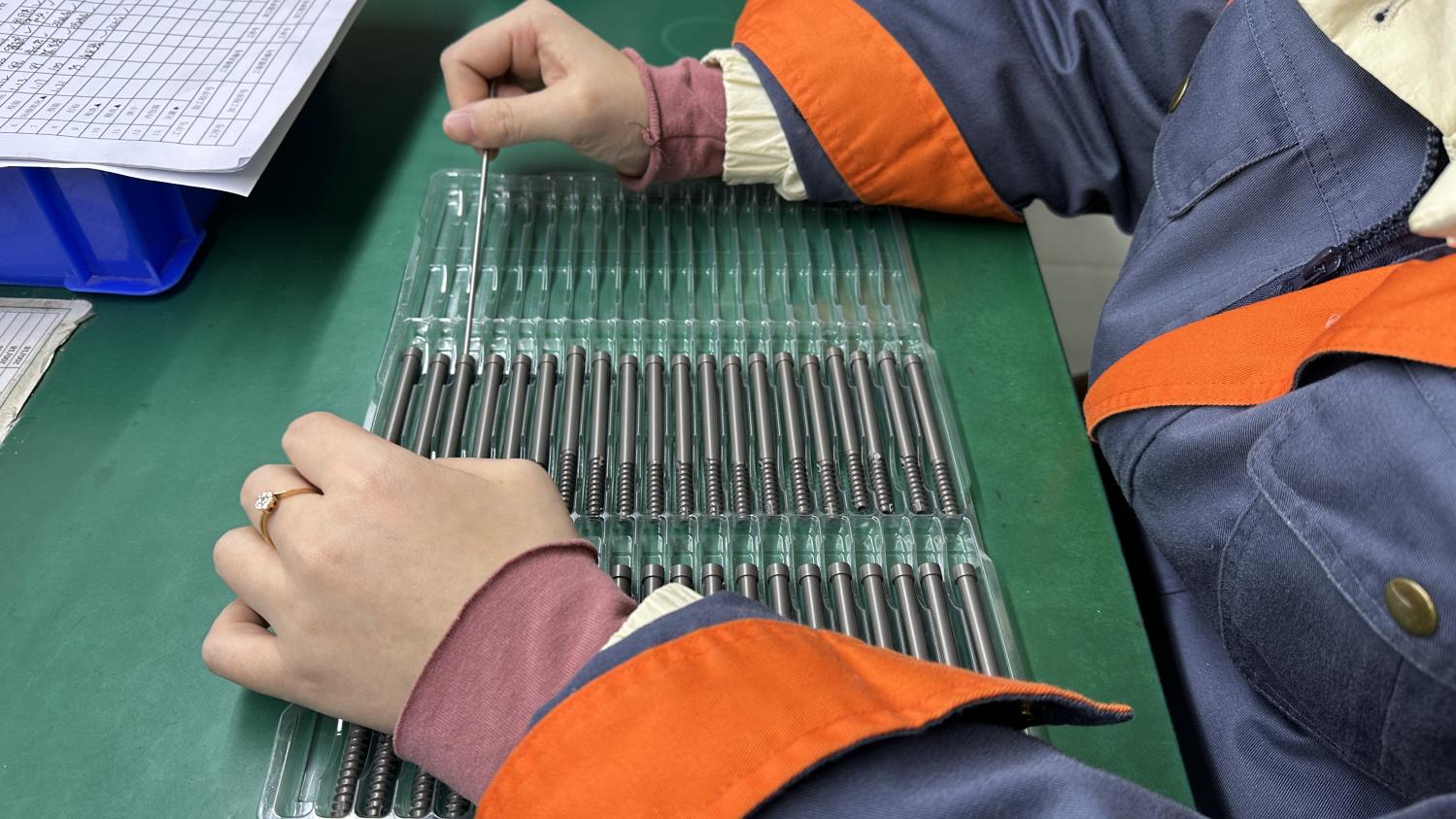
Inspection & Packing
Quality Verification Packing
Inspection & Packing
Product Finished Goods Warehouse
Warehouse
Industrial Slitting Machine
Slitting Machine
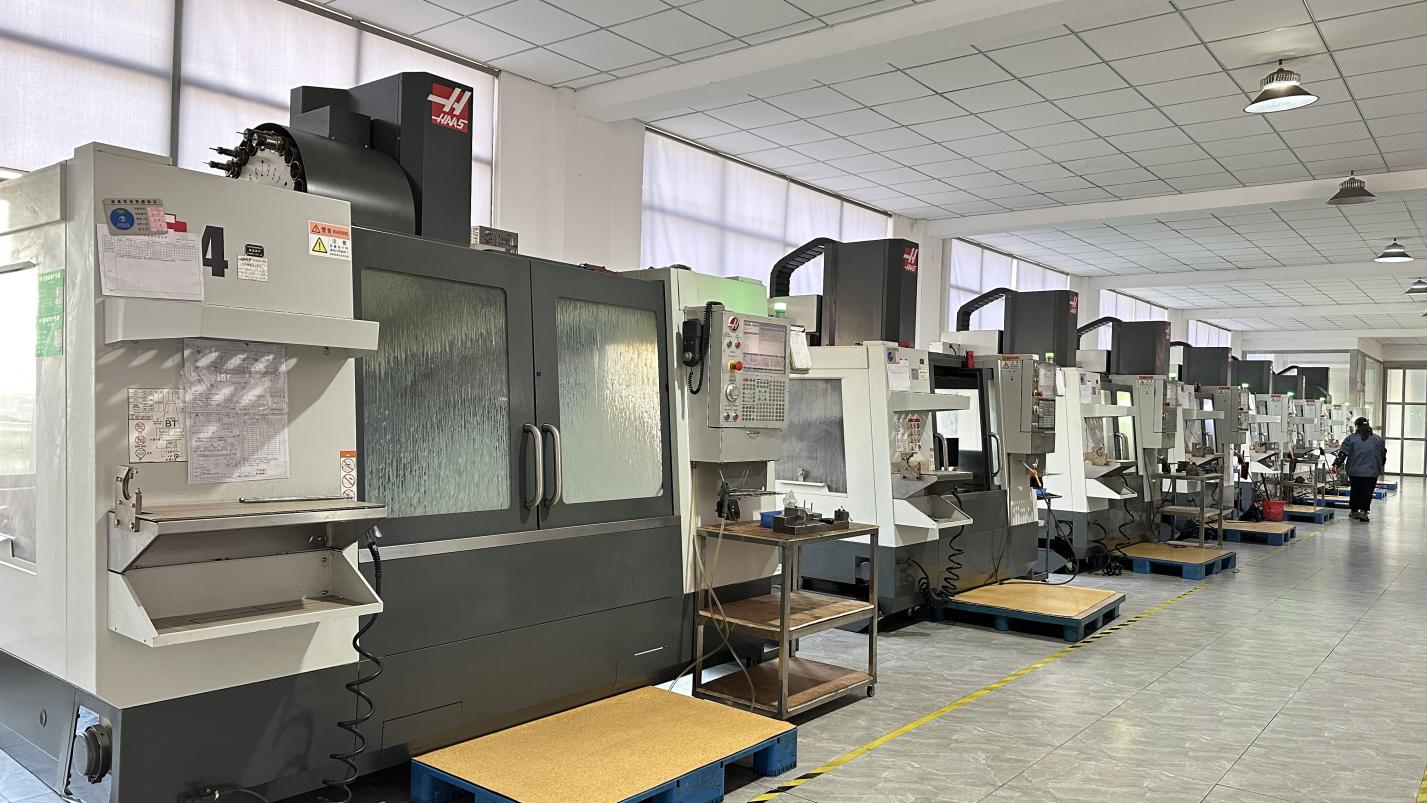
High Precision CNC Machining Center
CNC Machining Center
CNC Milling Machine Station
CNC Milling Machine
Electrical Wire Cutting Machine
Wire Cutting Machine
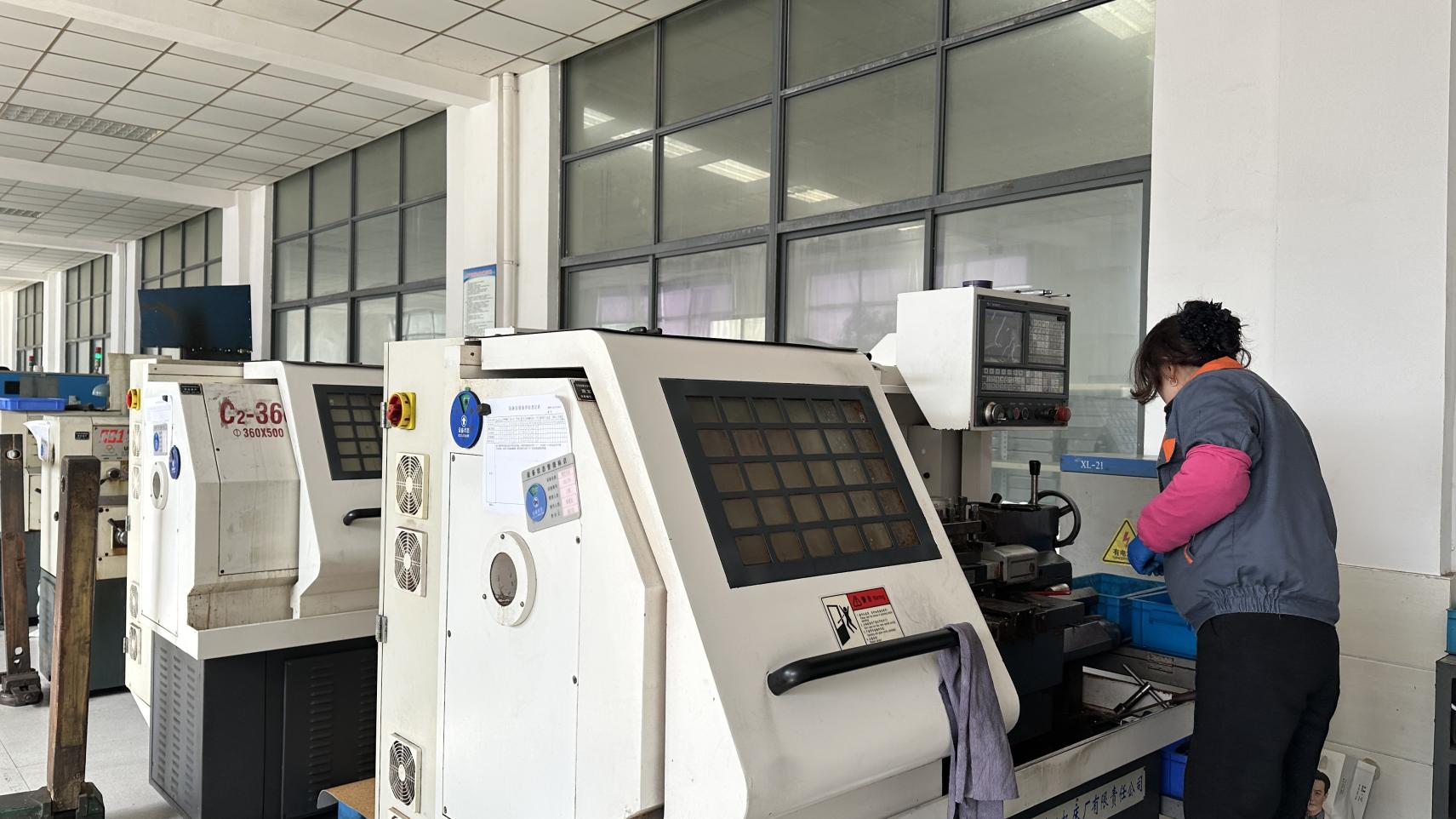
High Speed CNC Lathe
CNC Lathe
Laser Marking System for Traceability
Laser Marking Machine
Design & CAD Modeling Center
Design
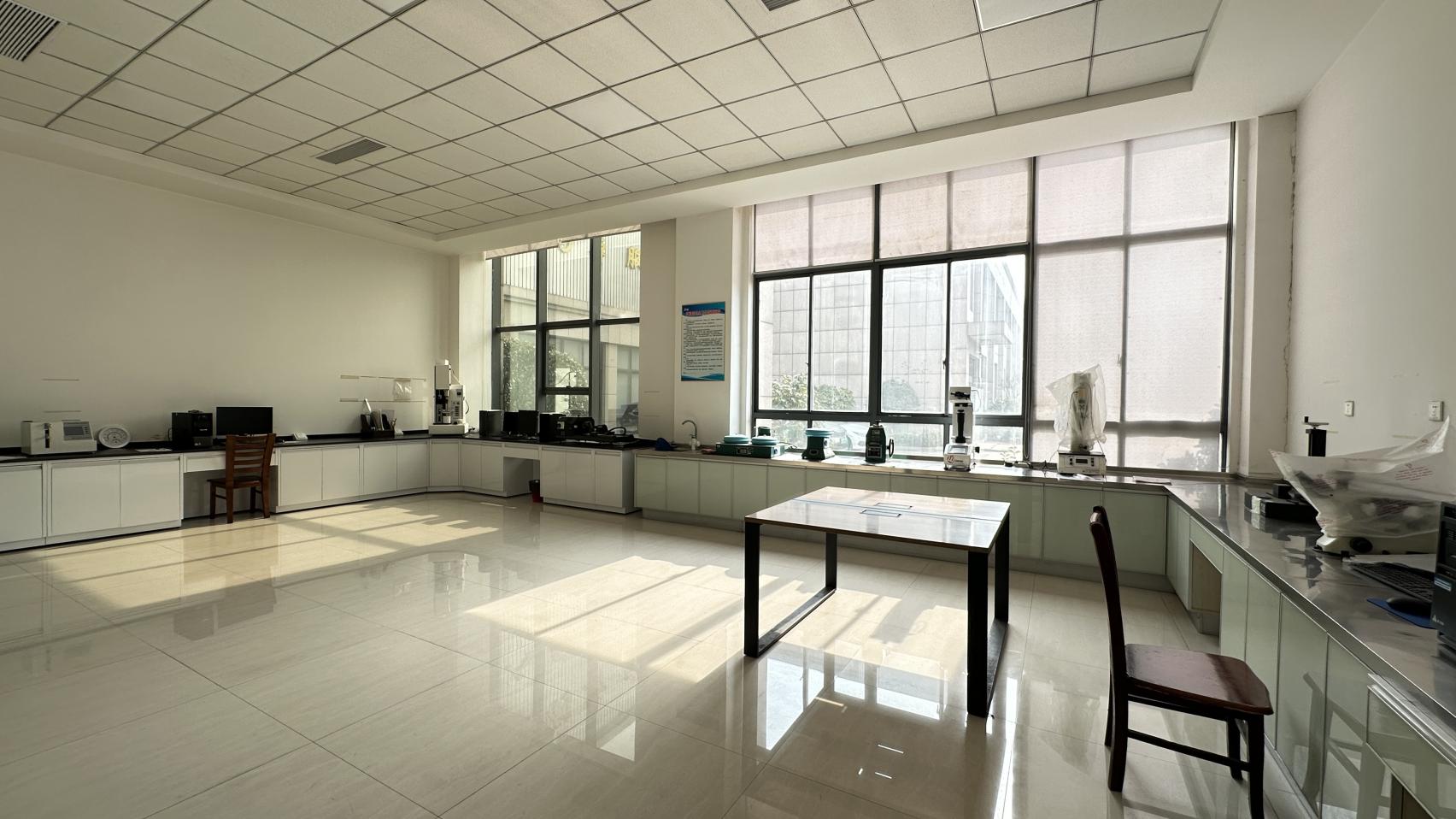
Advanced Orthopedic Evaluation Lab
Lab

Orthopedic Bio-mechanical Lab Testing & Validation

Long-term clinical success of Total Hip and Knee systems hinges on robust physical performance. Implants must withstand millions of dynamic gait cycles without structural collapse or excessive wear. Medisplint maintains a specialized, in-house quality control testing facility, staffed by 42 dedicated quality assurance inspectors, ensuring strict adherence to global standards.
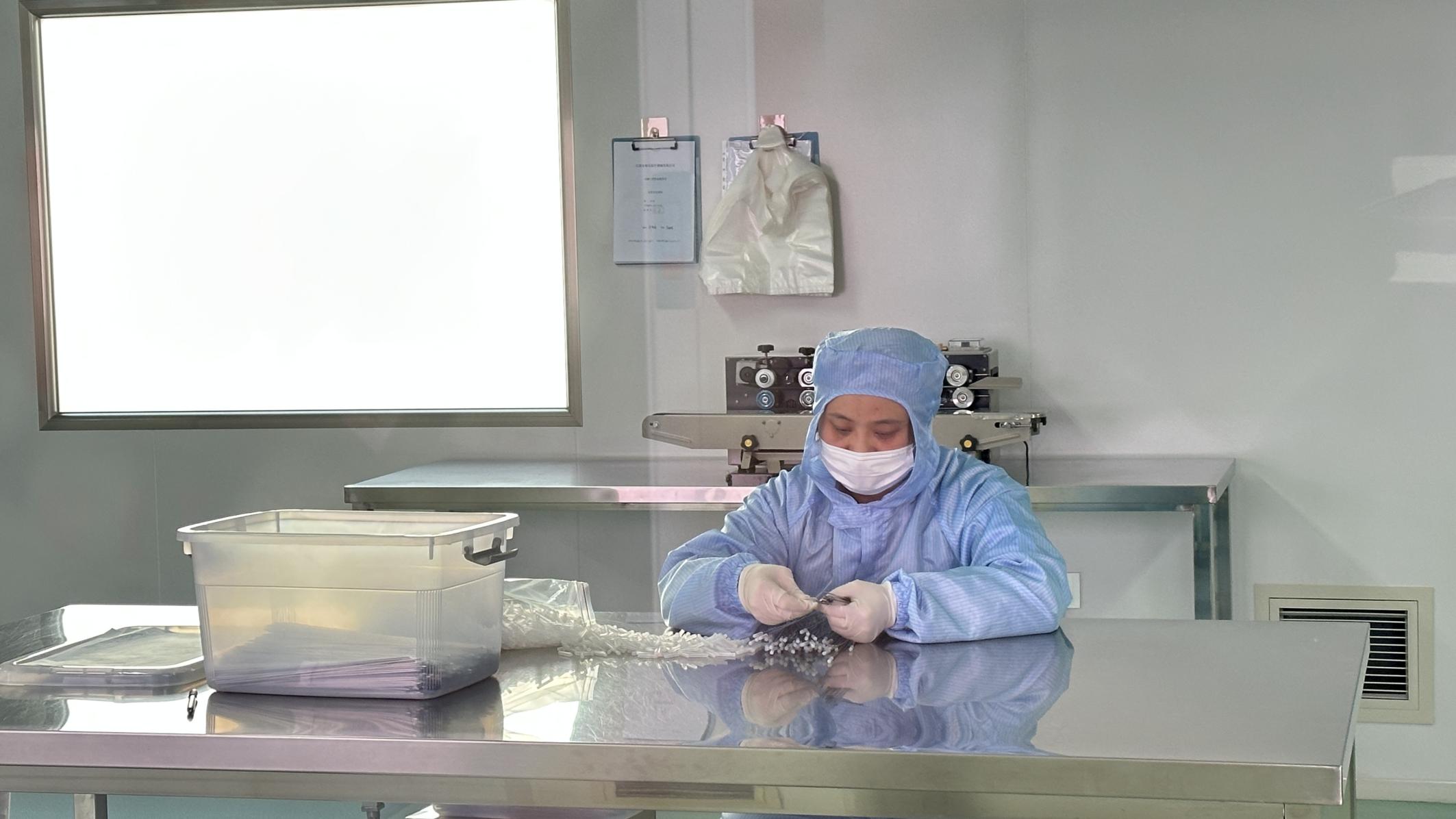
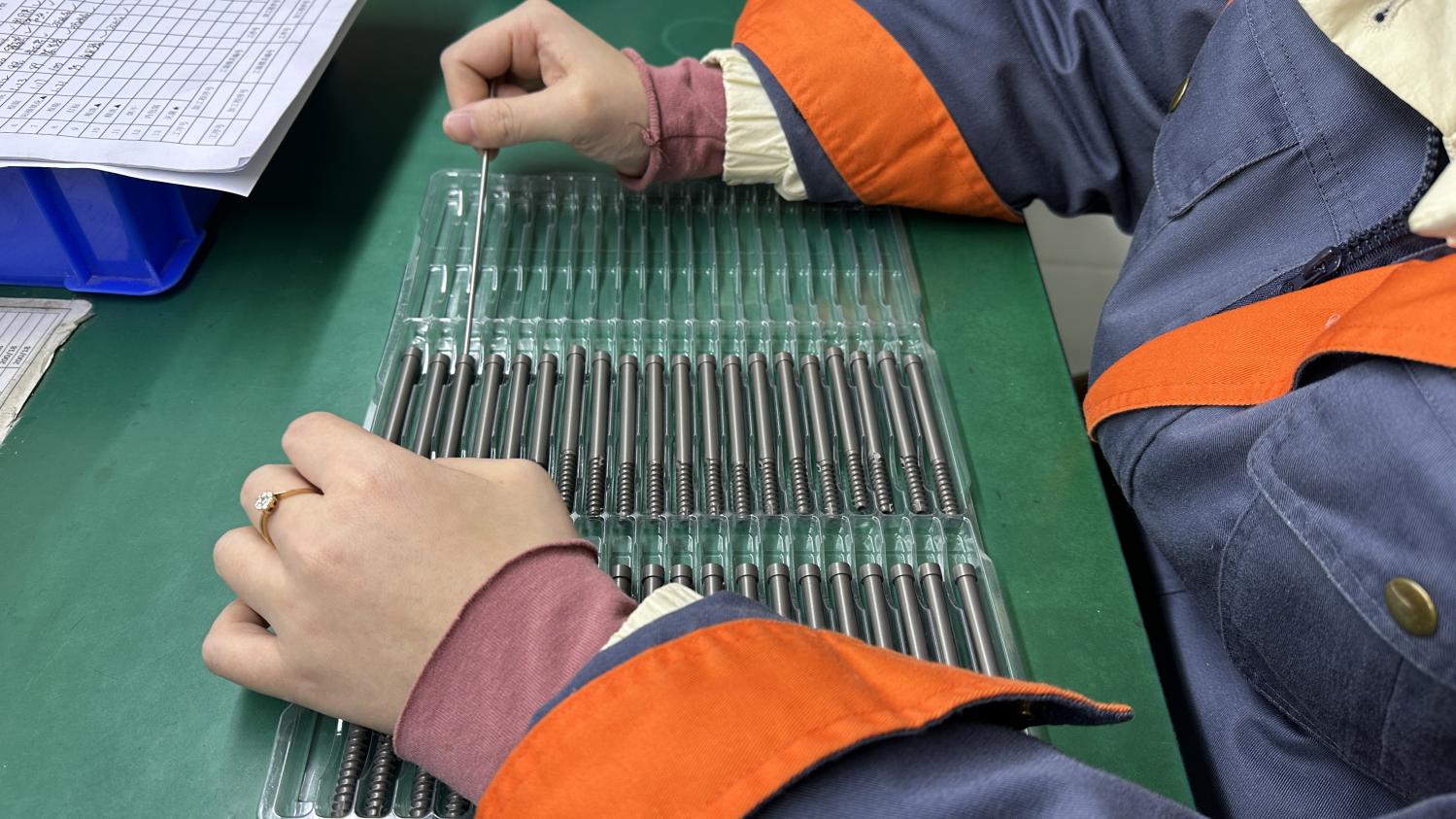
Manual Visual Inspection Lab
Inspection
Dimensional Inspection Room
Inspection
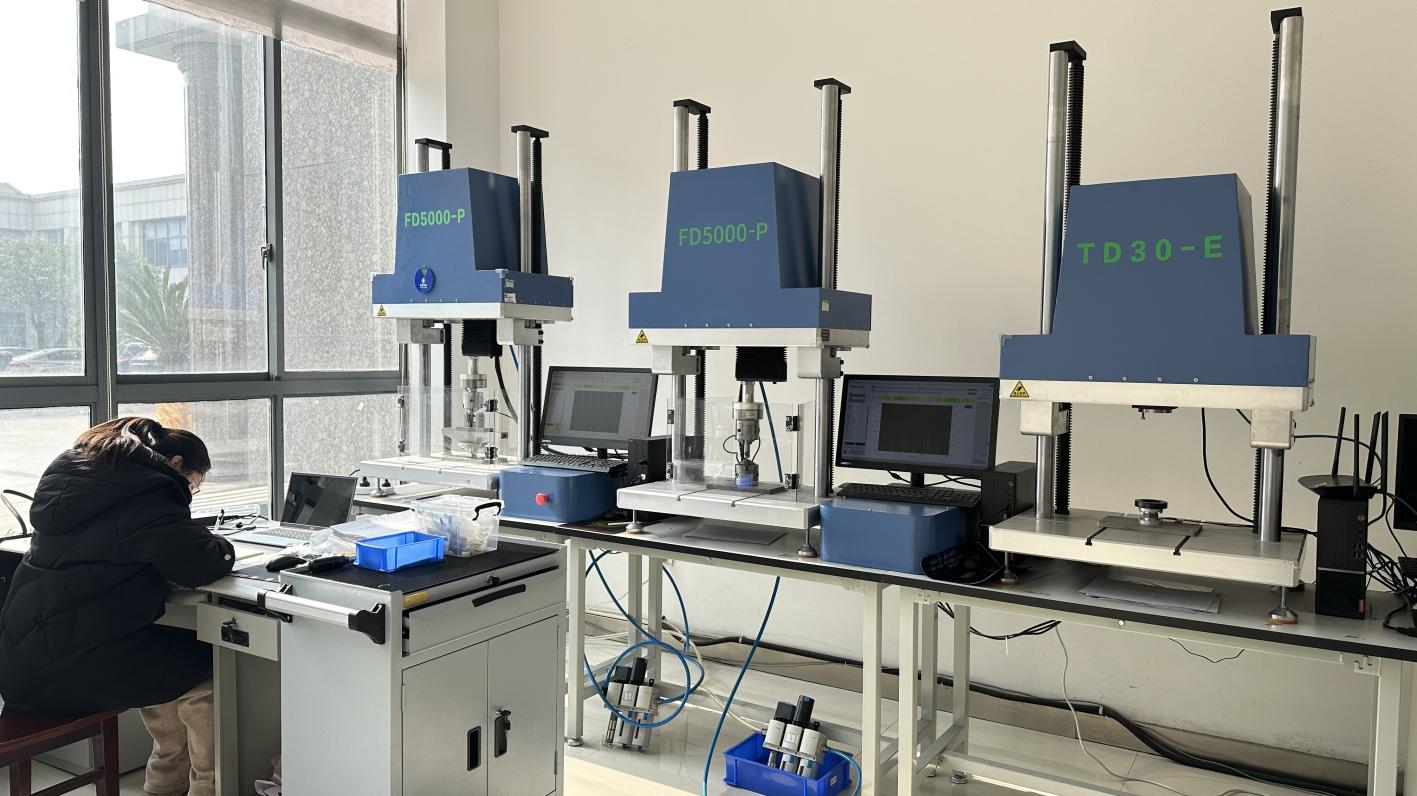
Implants Fatigue Testing Equipment
Fatigue Tester
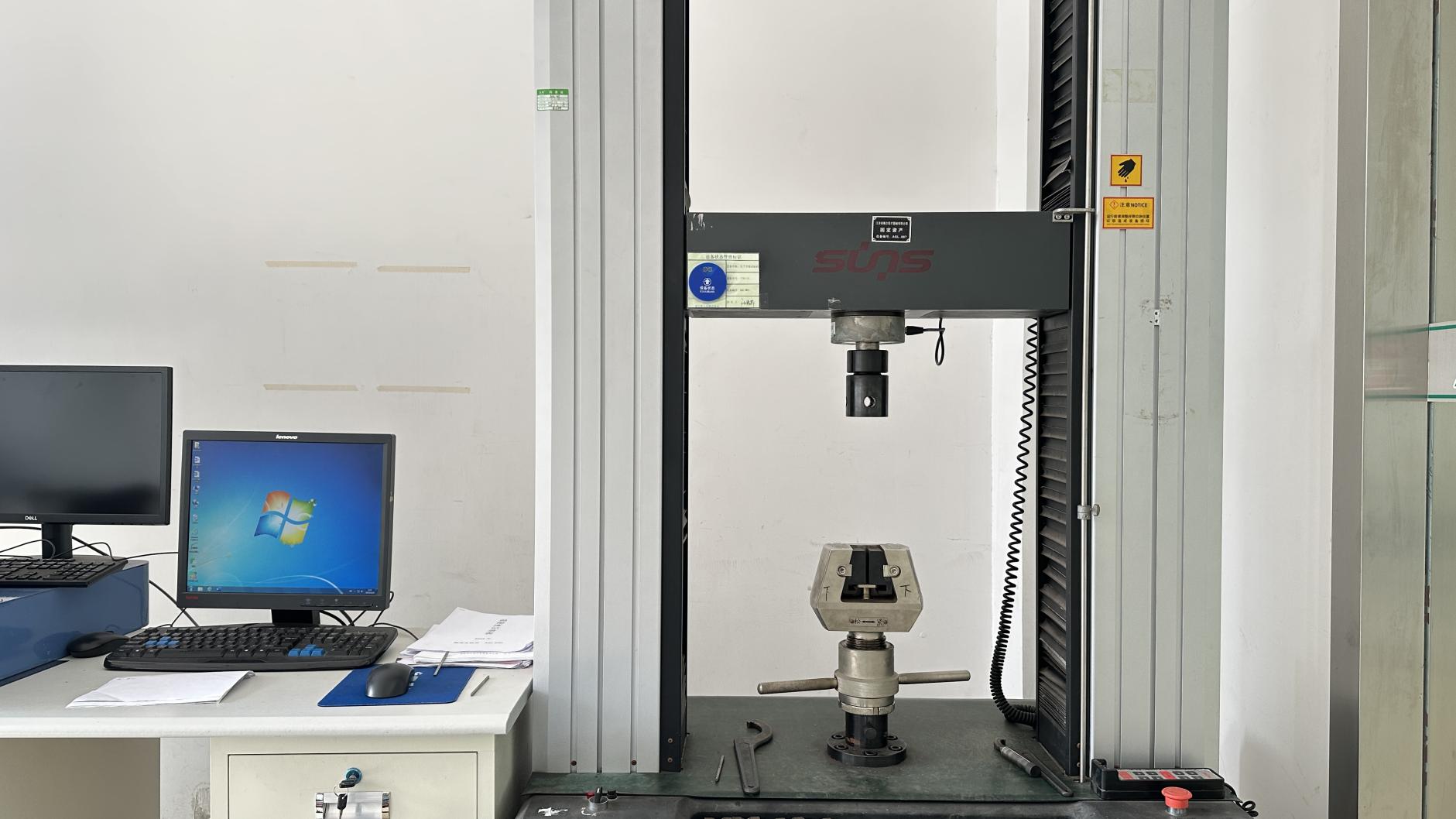
Tensile and Compression Testing Equipment
Tensile Tester
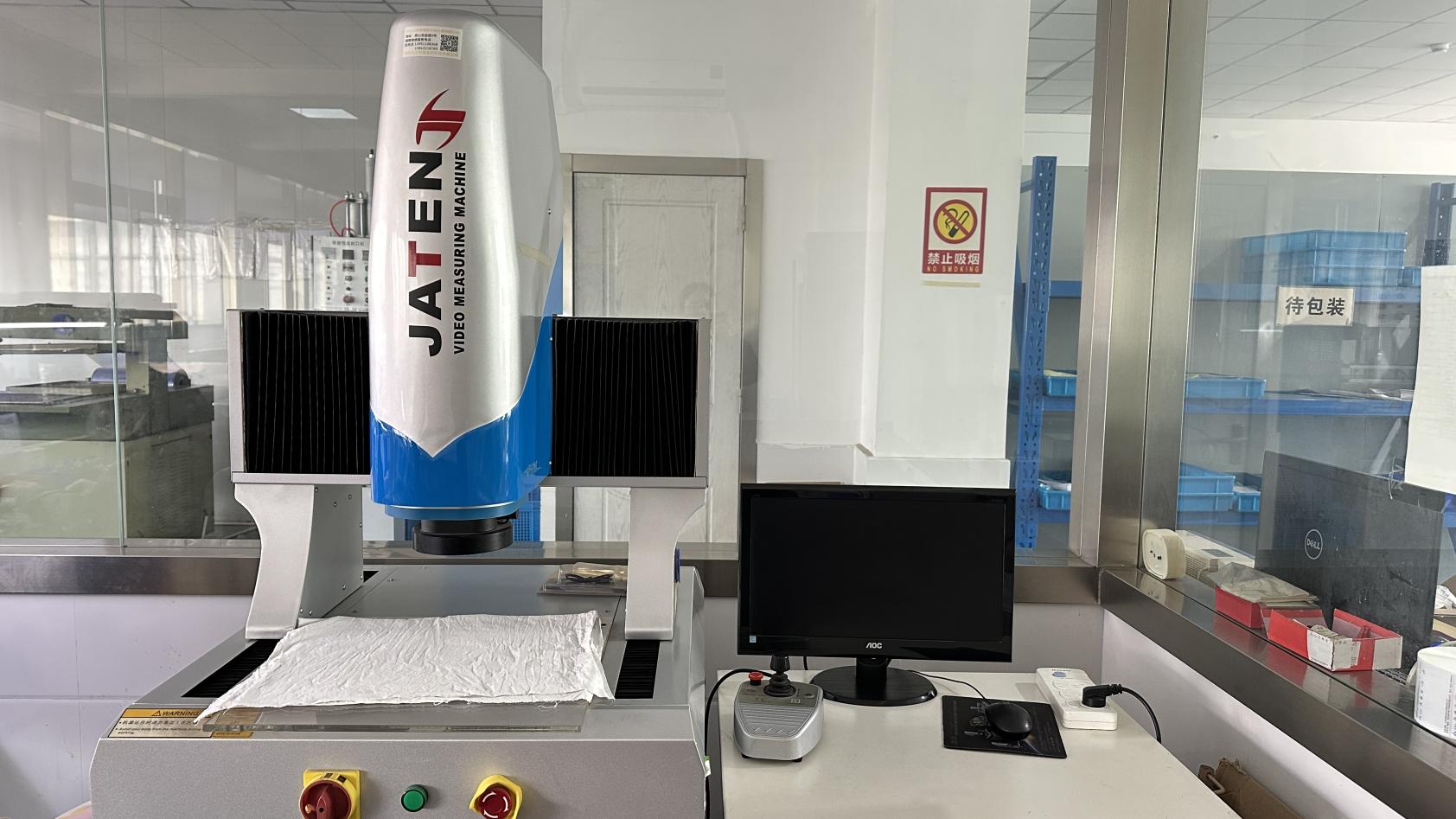
Two Dimensional Measuring Instrument for Precision Check
Two Dimensional Measuring Instrument
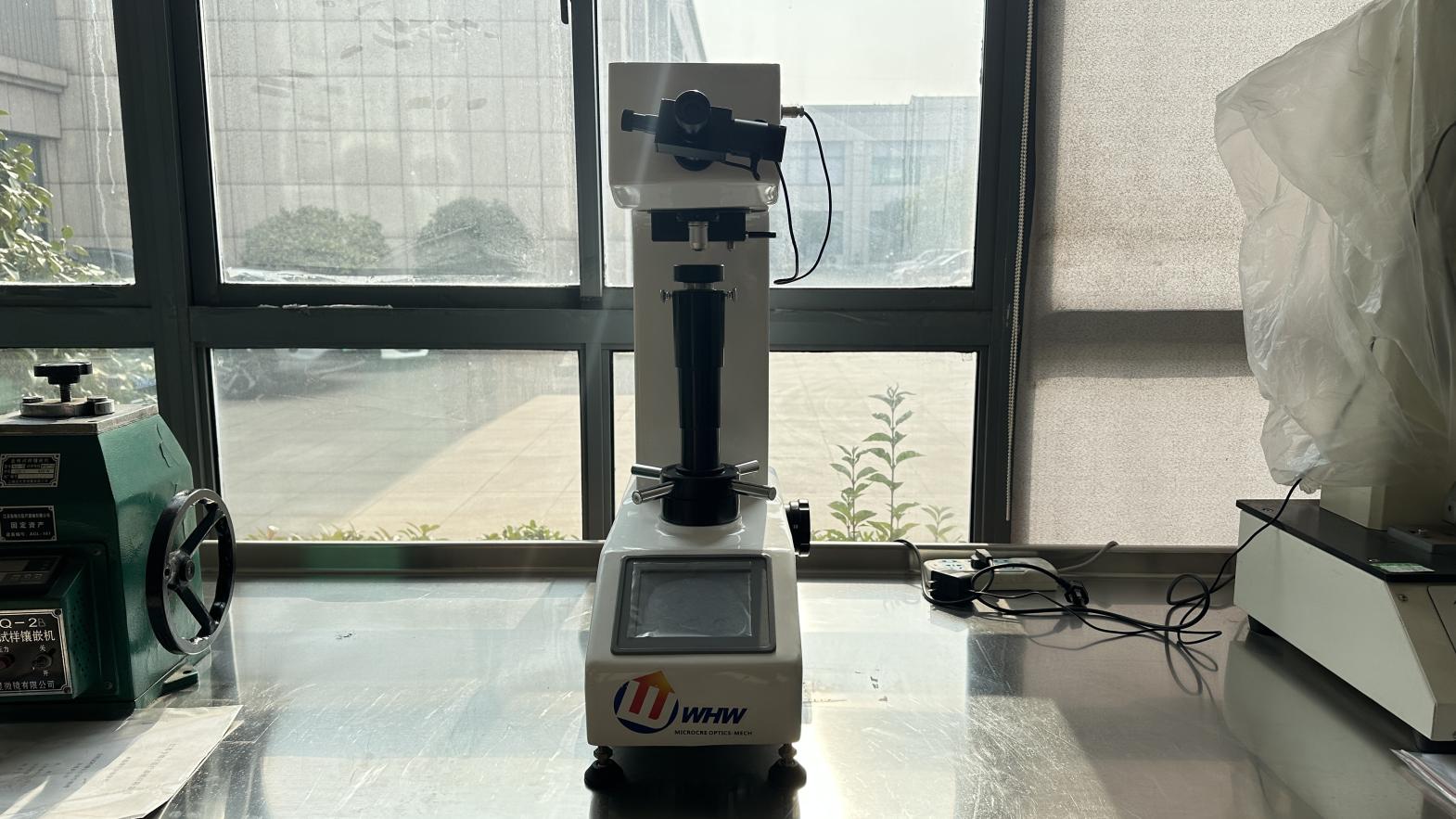
Hardness Testing Station
Hardness Tester
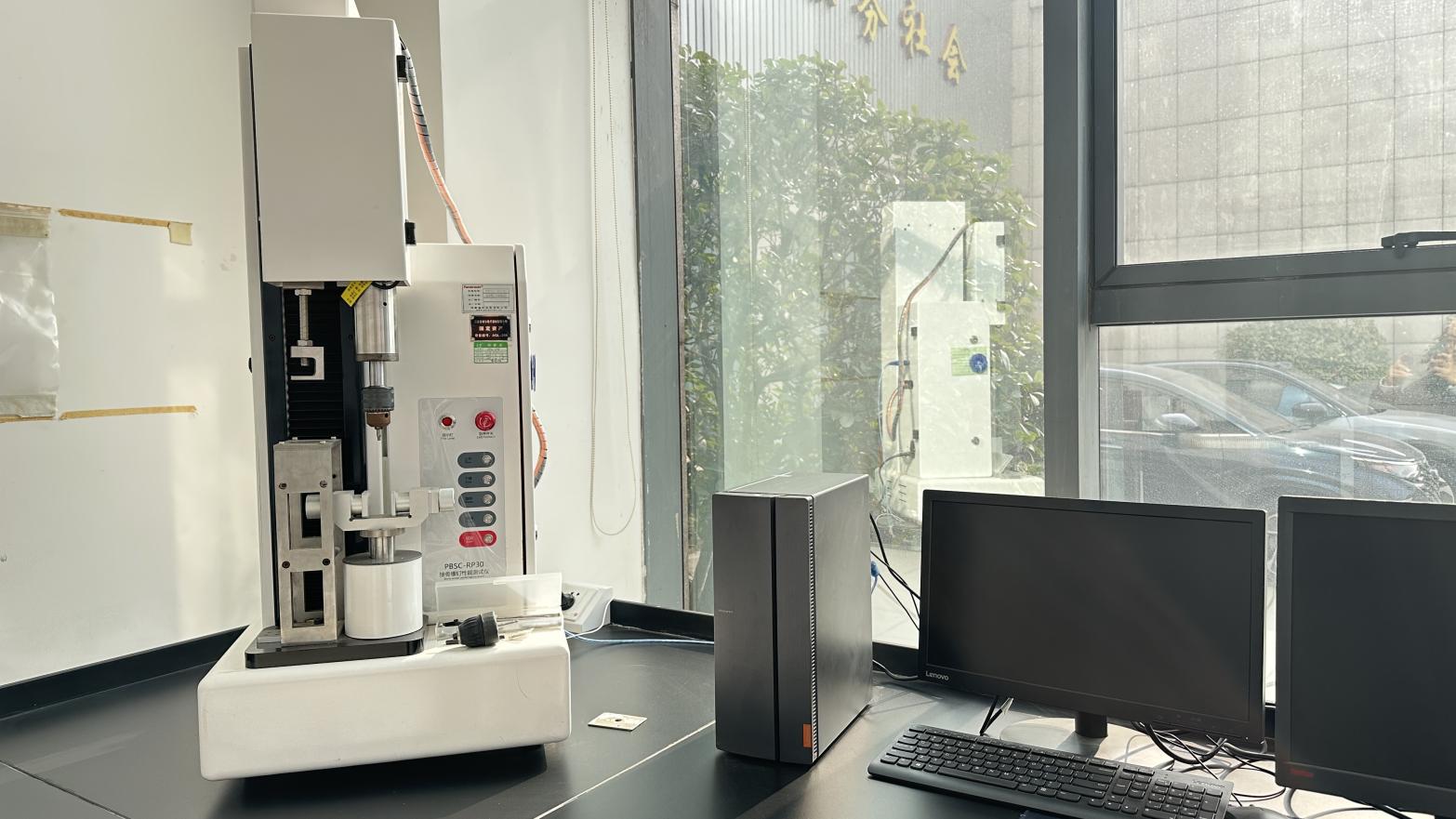
Bone Screw Performance Evaluation System
Bone Screw Performance Tester

Overview of Testing Methodologies

Our quality verification processes focus on three distinct areas:

  • Fatigue Testing (ISO 7206 / ISO 14879): Femoral stems and tibial baseplates undergo dynamic cyclical force application to determine fatigue threshold limits under physiological load conditions.
  • Dimensional Metrology: Utilizing optical 2D measuring machines and CMMs to verify tapered connections (e.g., 12/14 tapers) and spherical tolerances to minimize taper corrosion risks.
  • Tensile & Pull-out Testing: Validating raw material yield strength and bone screw threads to ensure secure initial mechanical fixation.

Regulatory & Sourcing FAQ

Technical, logistical, and compliance questions answered for procurement managers in Japan and global distributors.

1. Can Medisplint assist with the Japanese PMDA approval pathway for THR/TKR implants?
Yes. While the local distributor in Japan typically acts as the Marketing Authorization Holder (MAH), Medisplint provides a comprehensive technical documentation package. This includes raw material mill certificates, ISO 13485 registration, biocompatibility test results (ISO 10993 series), and mechanical fatigue test results (ISO 7206) to support Class III/IV registration processes.
2. What specific materials are utilized in the manufacturing of THR femoral stems and acetabular cups?
Our cementless femoral stems and primary acetabular cups are machined from medical-grade Titanium Alloy (Ti-6Al-4V ELI) conforming to ASTM F136. For cemented configurations, we utilize high-quality Cobalt-Chromium-Molybdenum (CoCrMo) alloy conforming to ASTM F75. Ultra-High-Molecular-Weight Polyethylene (UHMWPE) conforming to ASTM F648 is standard for articular liners.
3. How does Medisplint ensure cleanroom safety and sterility compliance?
All surgical implants undergo advanced cleaning processes and are packaged within validated cleanrooms operating under controlled air particulate protocols. Our processes support either Gamma irradiation or Ethylene Oxide (EO) sterilization validation matching international standards.
4. What is the typical lead time for custom OEM/ODM orthopedic orders shipped to Kansai ports?
Standard product configurations from existing inventory are dispatched within 14–30 business days. Custom modifications, including localized surgical instrumentation designs or specific laser-etched branding, generally require a 45–60 day production window, depending on complexity and raw material availability.
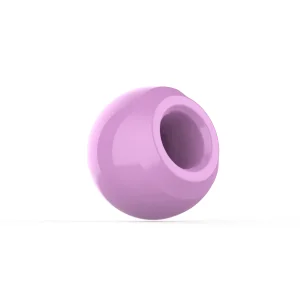
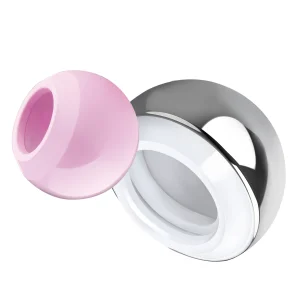
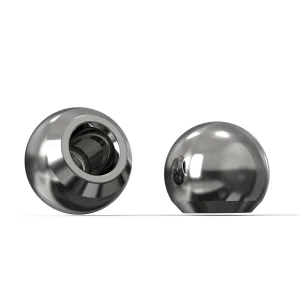
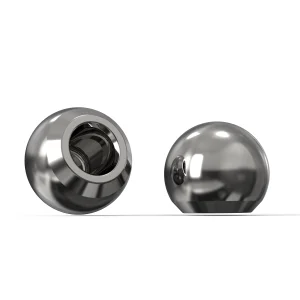
CANWELL Primary Ceramic Femoral Head CANWELL Bipolar Head CANWELL CoCrMo Head CANWELL Cementless Femoral Stem

Initiate Your Technical Sourcing Protocol

Obtain comprehensive catalog information, mechanical evaluation protocols, and competitive bulk pricing quotes.

Send Inquiry Now