Medisplint
Medisplint
Medisplint
Premium orthopedic solutions developed with precise micro-machining and advanced surface treatments to meet rigorous clinical expectations in Tokyo and globally.
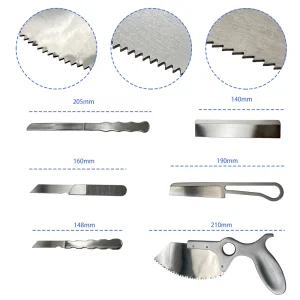
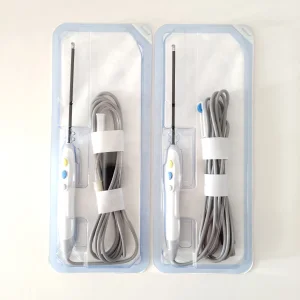
Tokyo serves as a global epicentre for high-precision manufacturing, where historical craftsmanship ("Monozukuri") seamlessly integrates with cutting-edge medical technology. The Ota and Sumida districts, traditionally celebrated for micro-machining, now form the backbone of Tokyo's medical instrument supply chain.
Local factories utilize advanced CNC machining, ultra-precise wire cutting, and state-of-the-art metal metallurgy to process medical-grade Titanium (Grade 5/Ti-6Al-4V ELI), Stainless Steel (316LVM), and PEEK. By leveraging local networks of finishing and sterilization services, Tokyo manufacturers deliver unparalleled batch-to-batch consistency that complies with international standards.
Furthermore, Tokyo's academic and clinical infrastructure—consisting of world-renowned universities and advanced research hospitals—drives continuous clinical feedback, allowing local developers to rapidly refine orthopedic accessories for trauma, spine, joint replacement, and sports medicine applications.
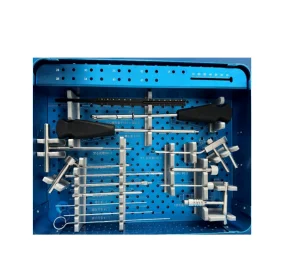
Medisplint Orthopedic Instruments Co., Ltd. is a leading manufacturer specializing in orthopedic implants, fixation systems, and surgical instruments designed for trauma, spine, and joint reconstruction. Established in 2016, our brand has steadily expanded its global footprint by marrying advanced engineering concepts with meticulous Japanese-style quality management.
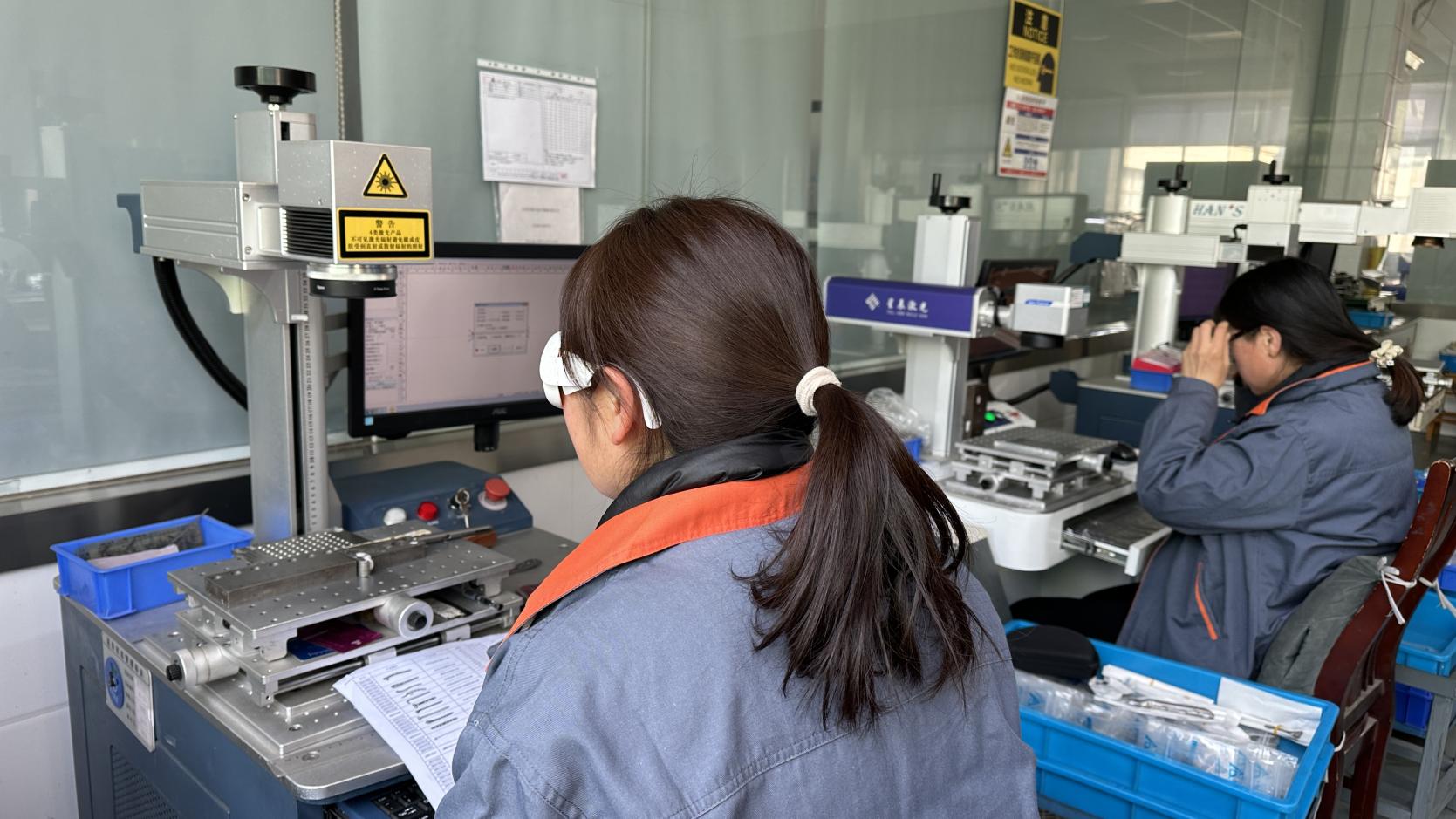
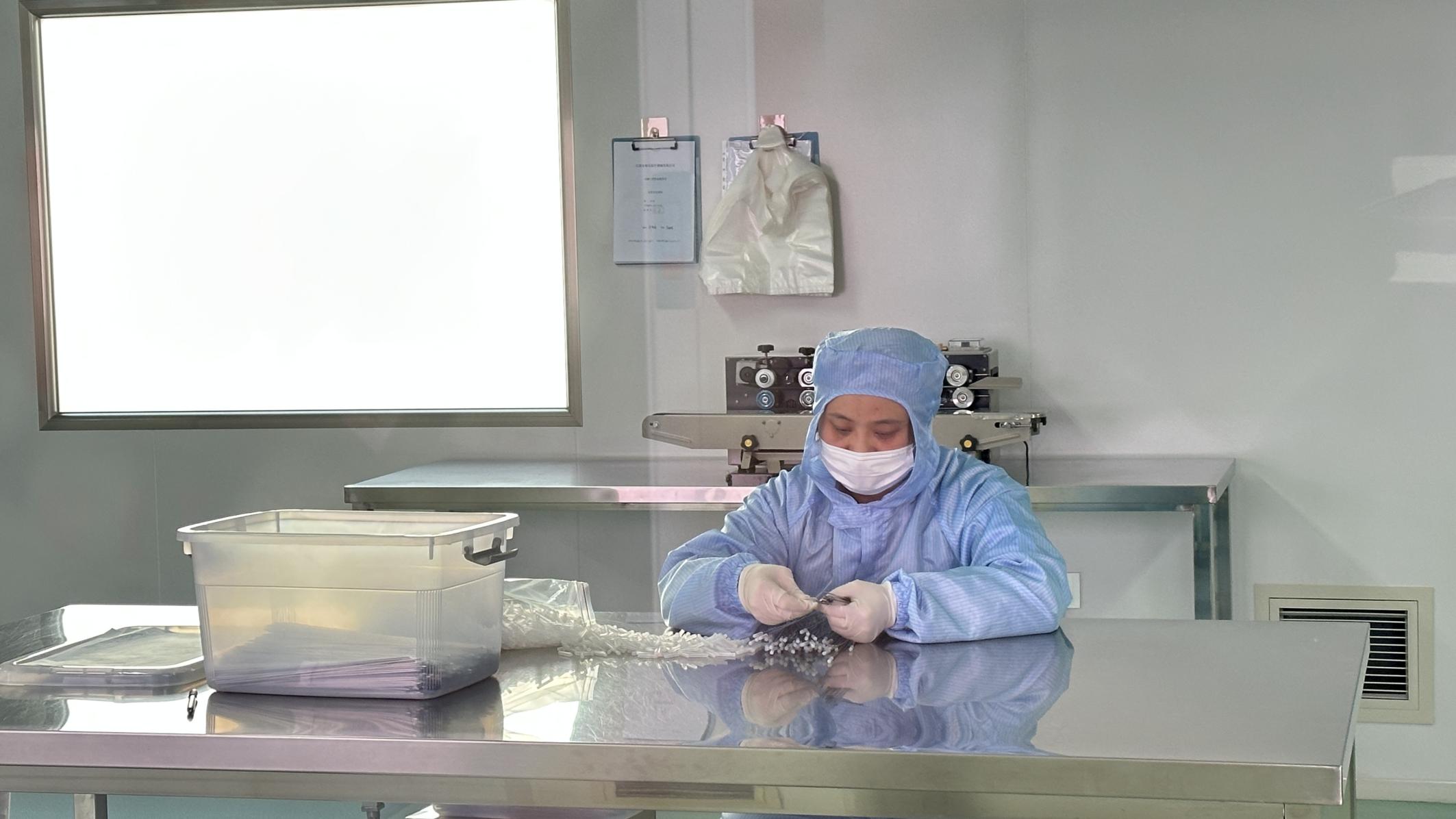
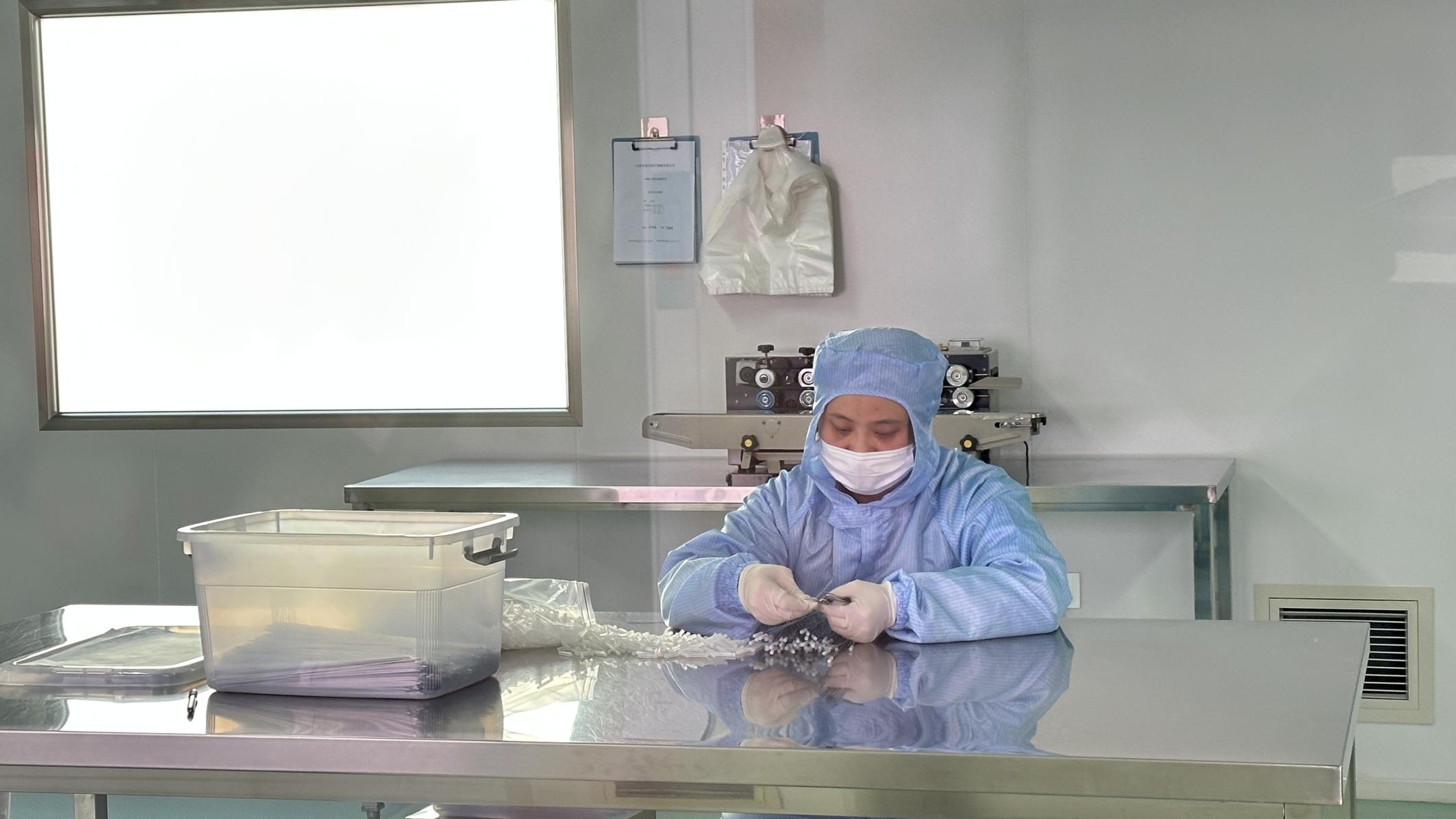
Covering an expansive production area of 18,500㎡, our facility integrates raw material slitting, advanced CNC machining, milling, automated laser marking, and cleanroom packaging. We serve a broad range of clients, including municipal hospitals, specialized orthopedic distributors, surgery centers, and global OEM/ODM partners looking for precision-made private label orthopedic instruments.
To sustain complex custom developments and high-volume production, Medisplint has structured its divisions for maximum technical efficiency:
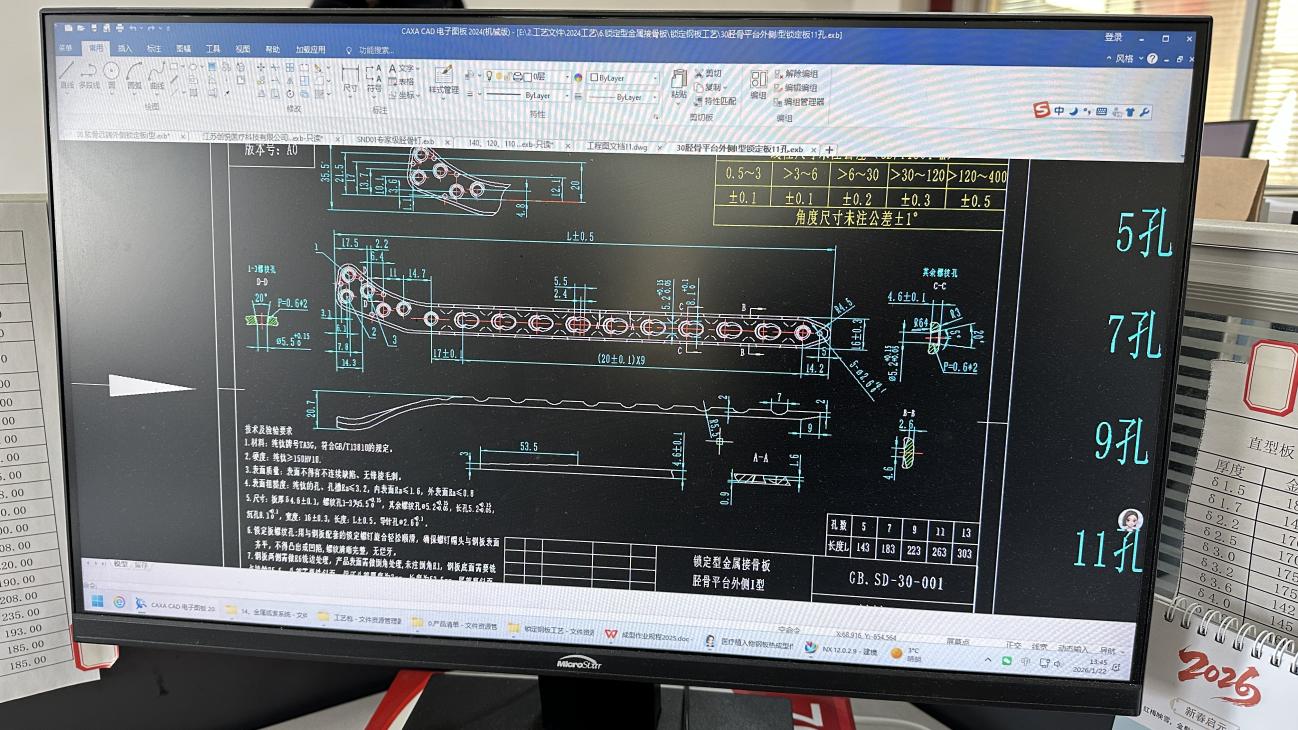
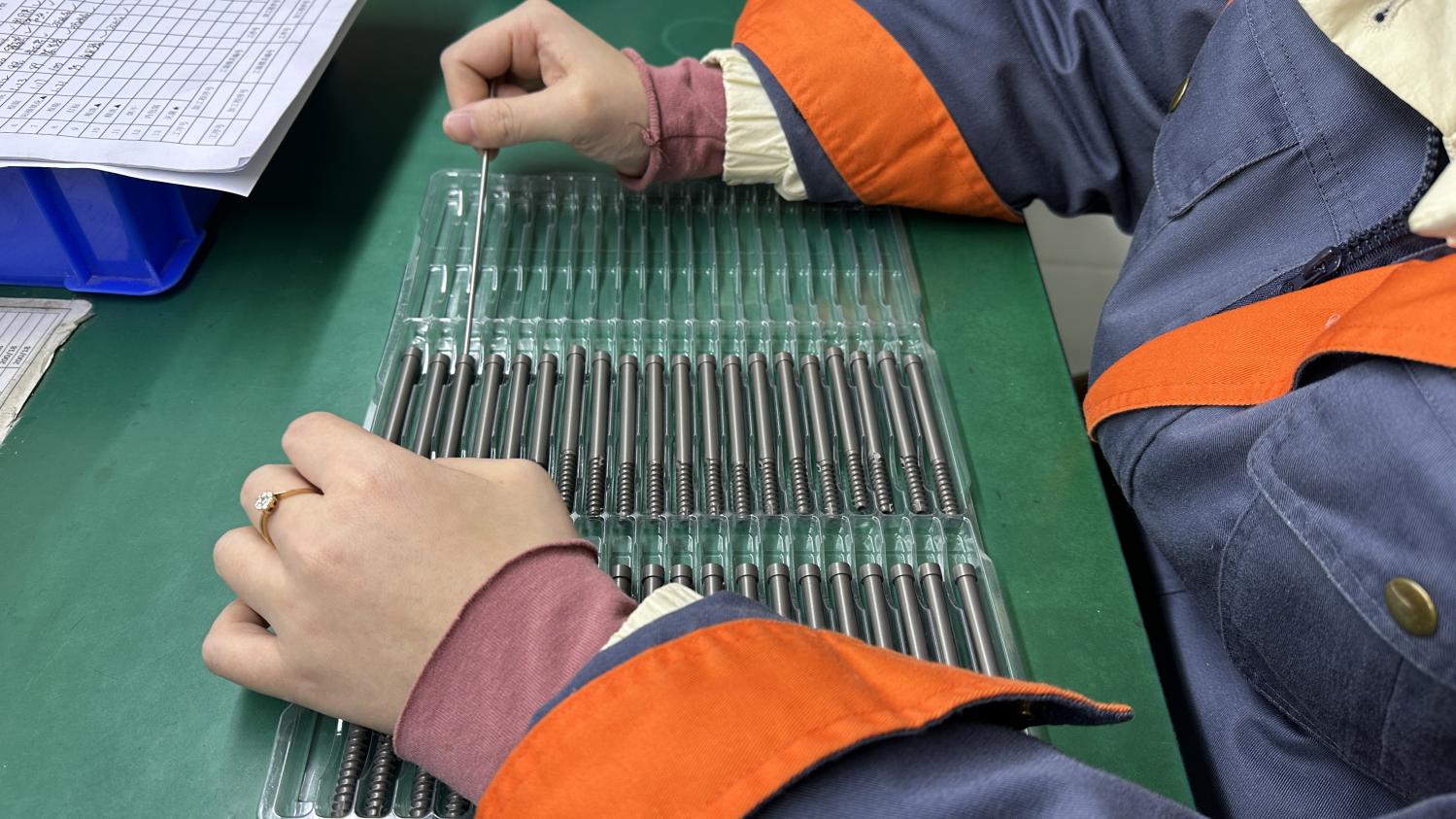
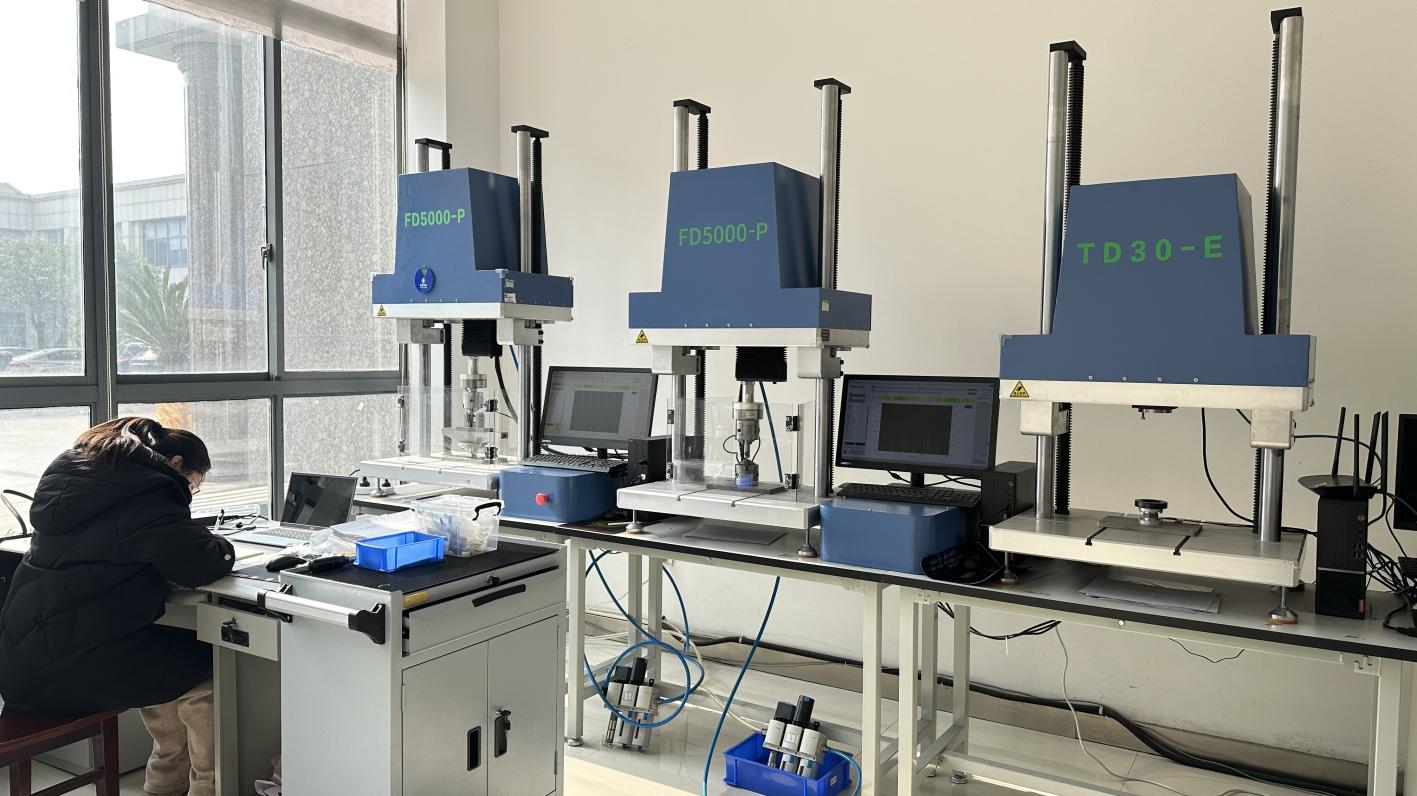
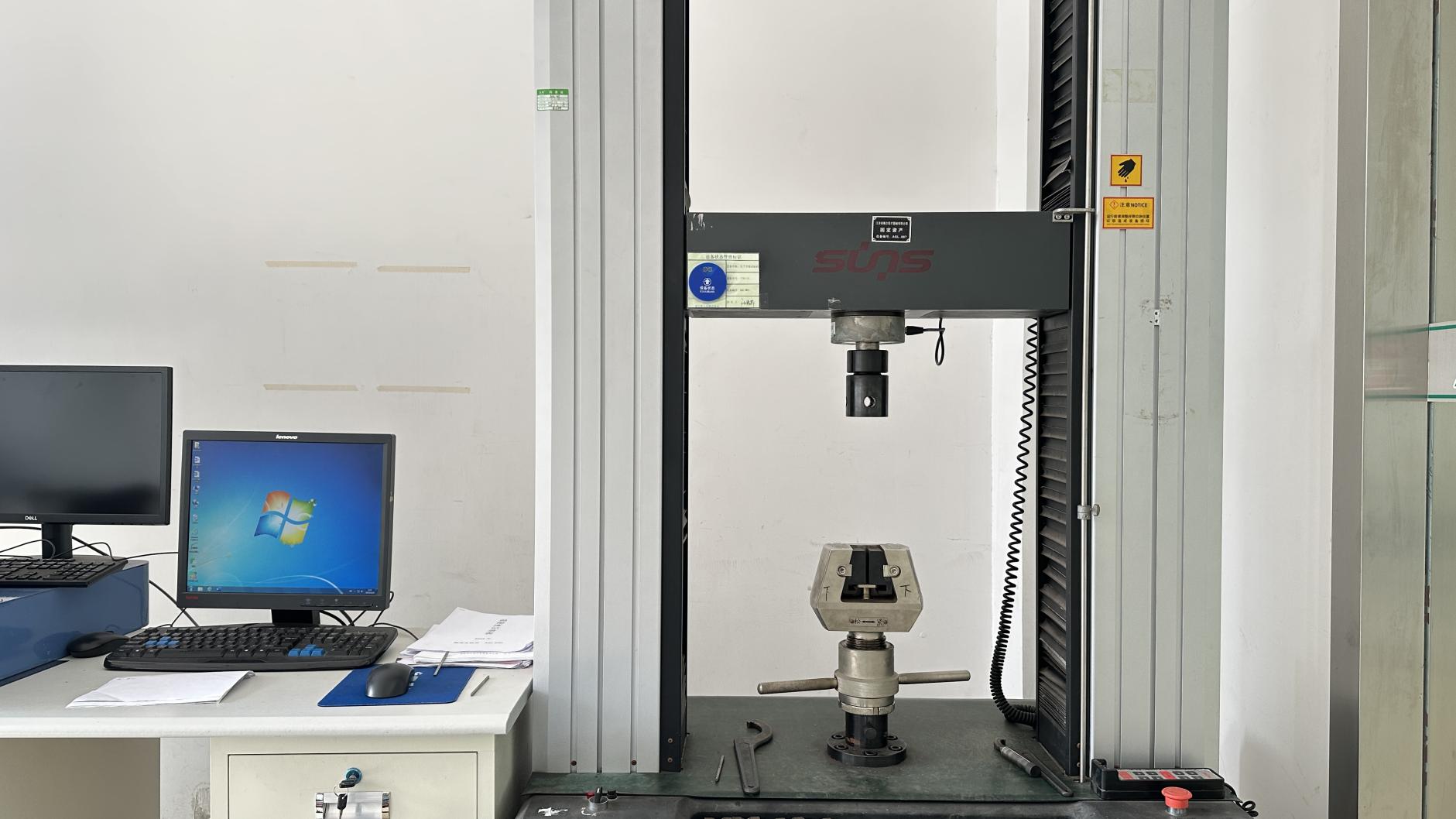
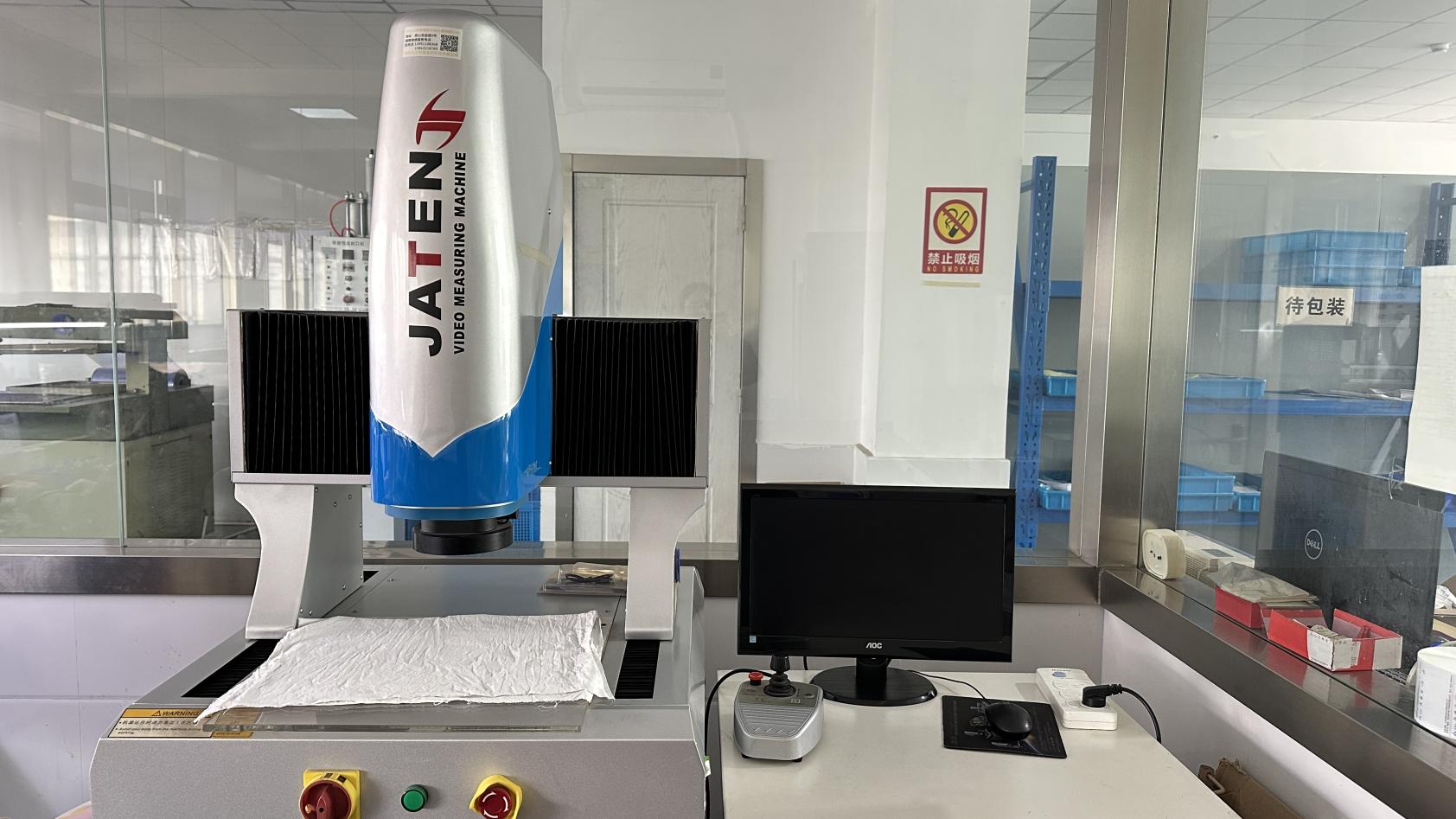
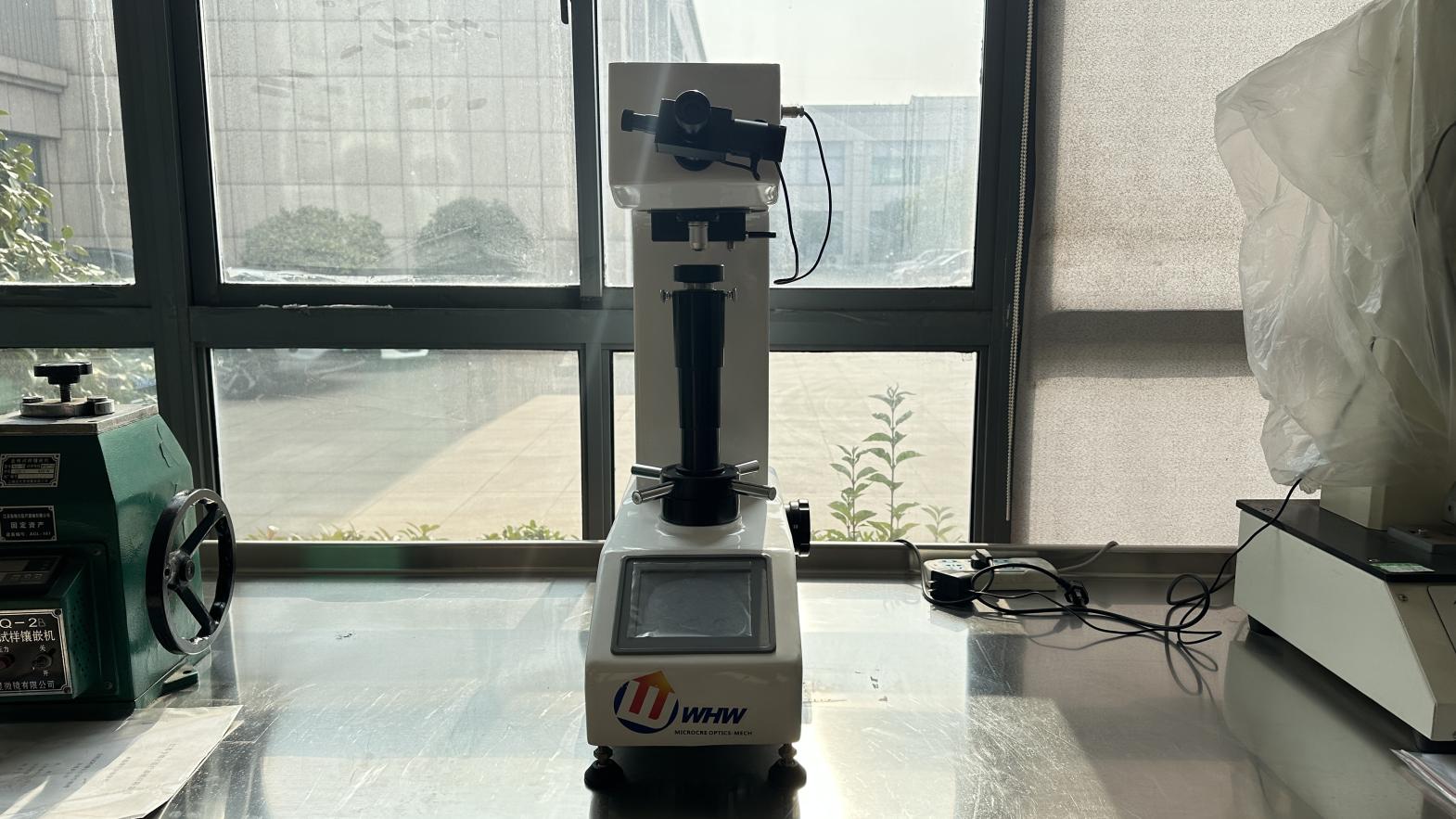
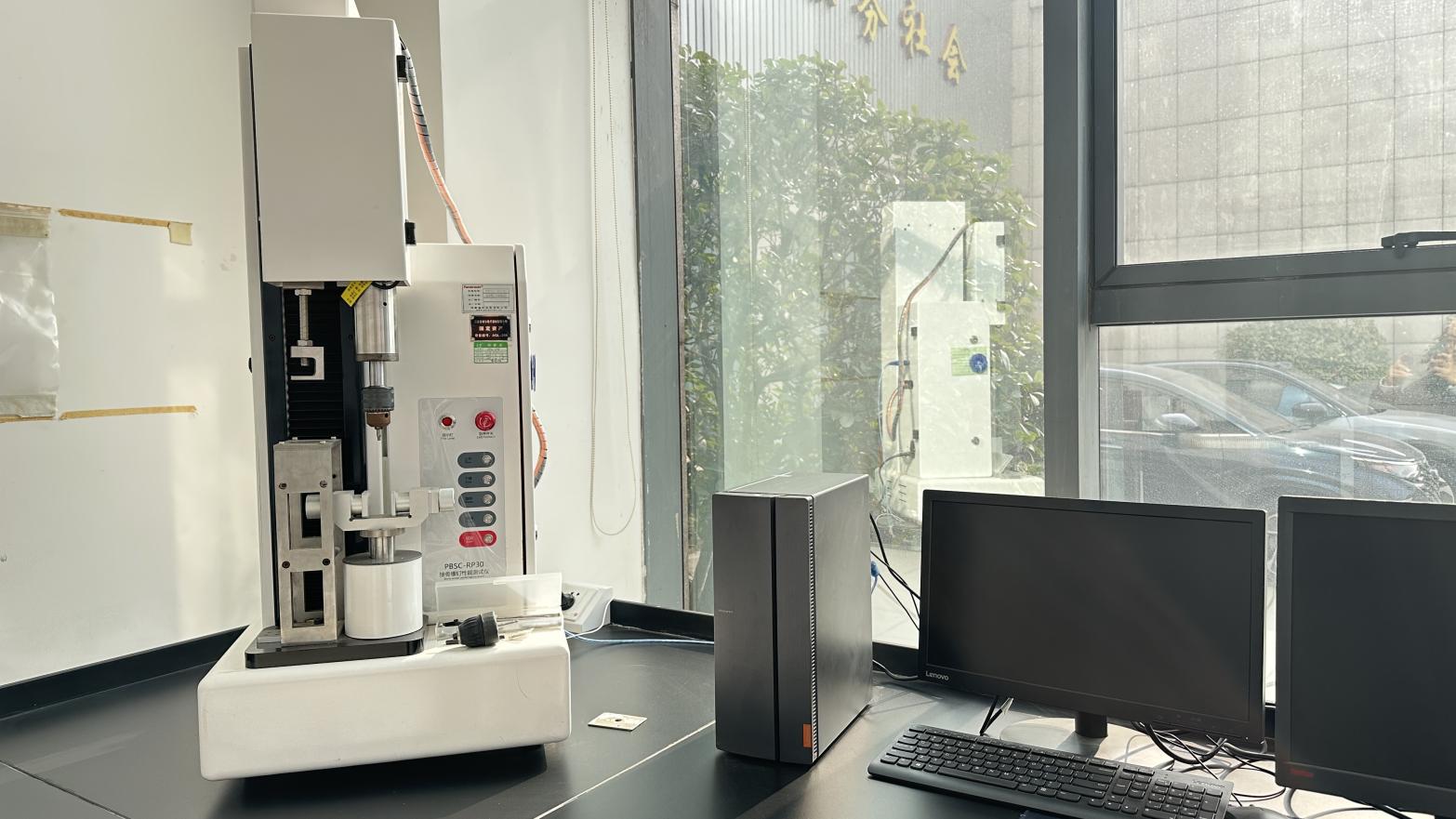
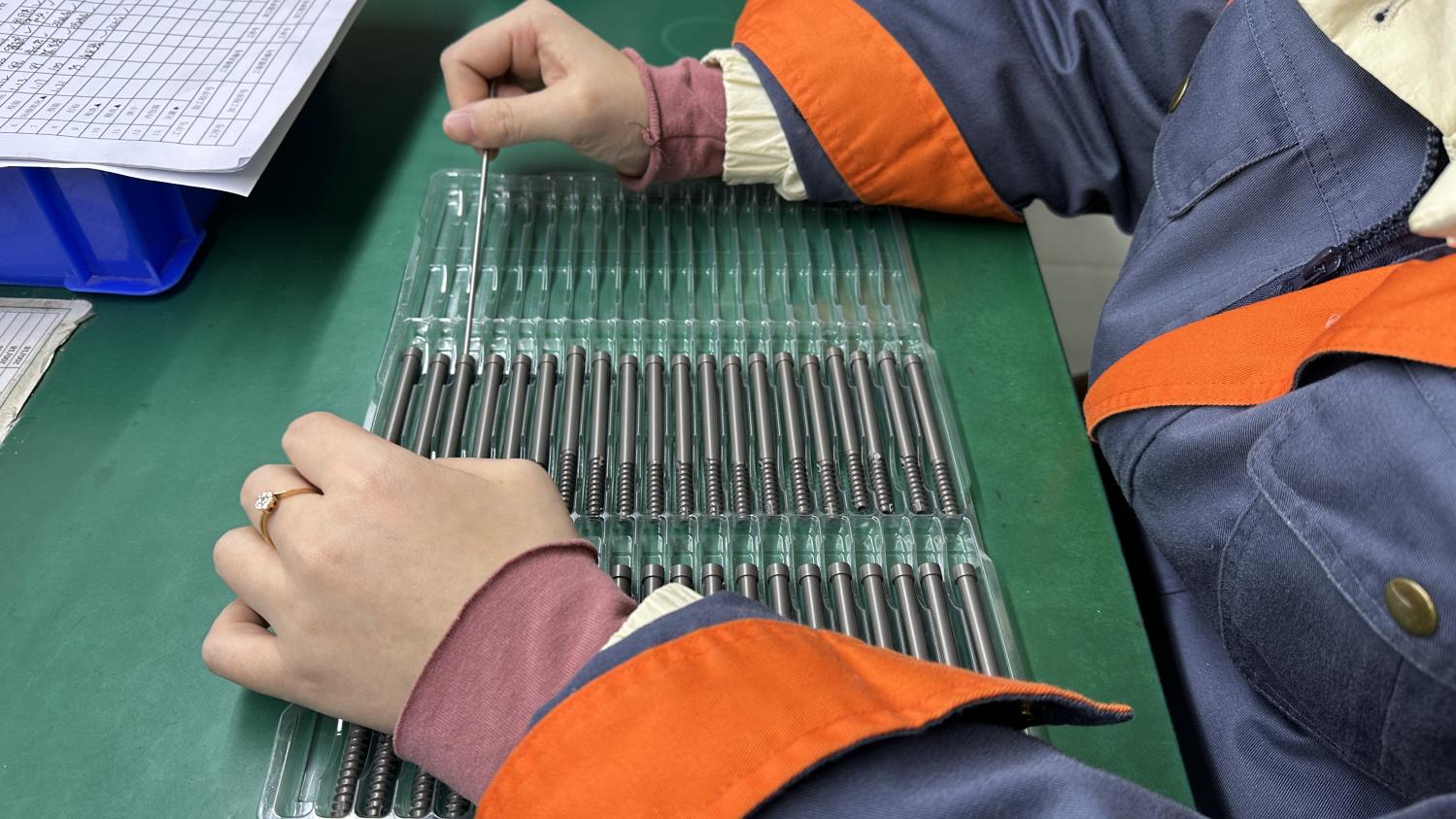
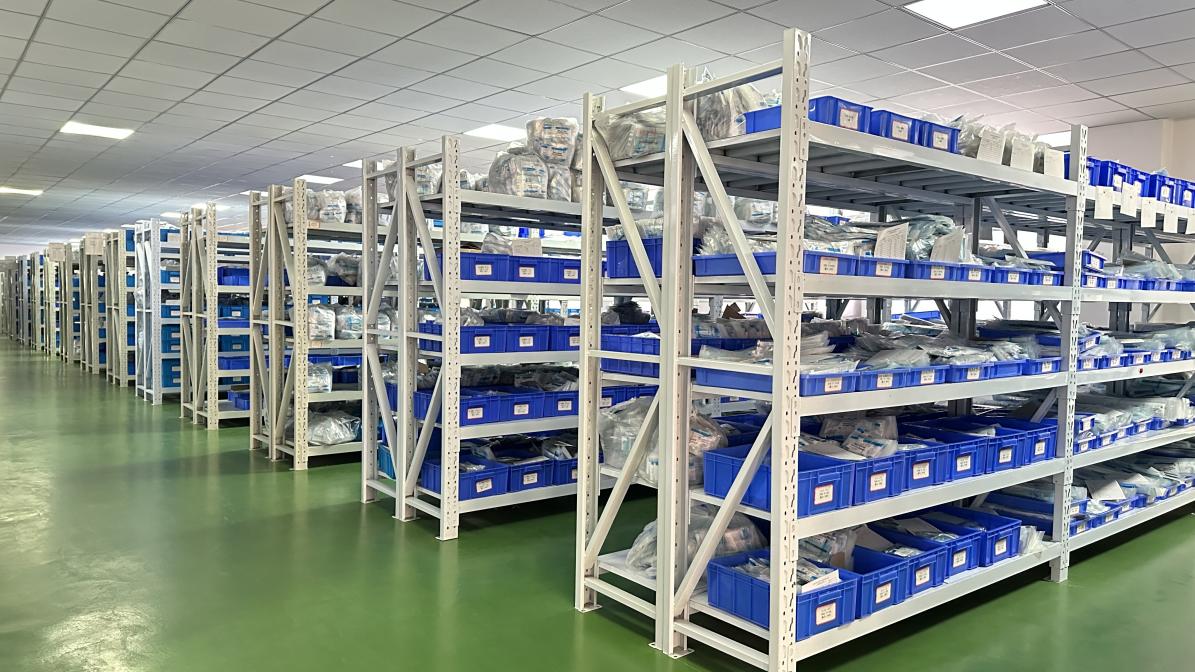
Take an inside look at our manufacturing workflow. Every step, from slitting raw metal bars to fatigue testing, is executed under strict ISO 13485:2016 parameters.
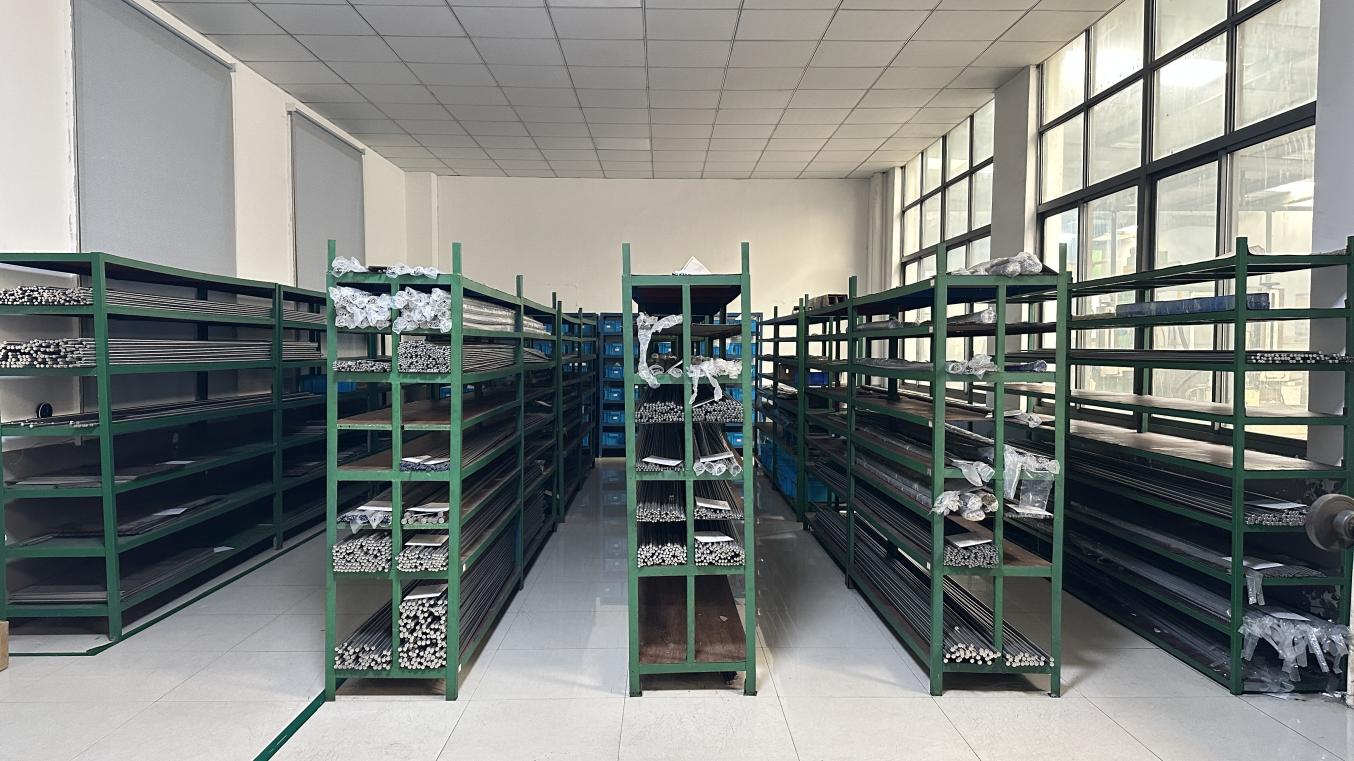
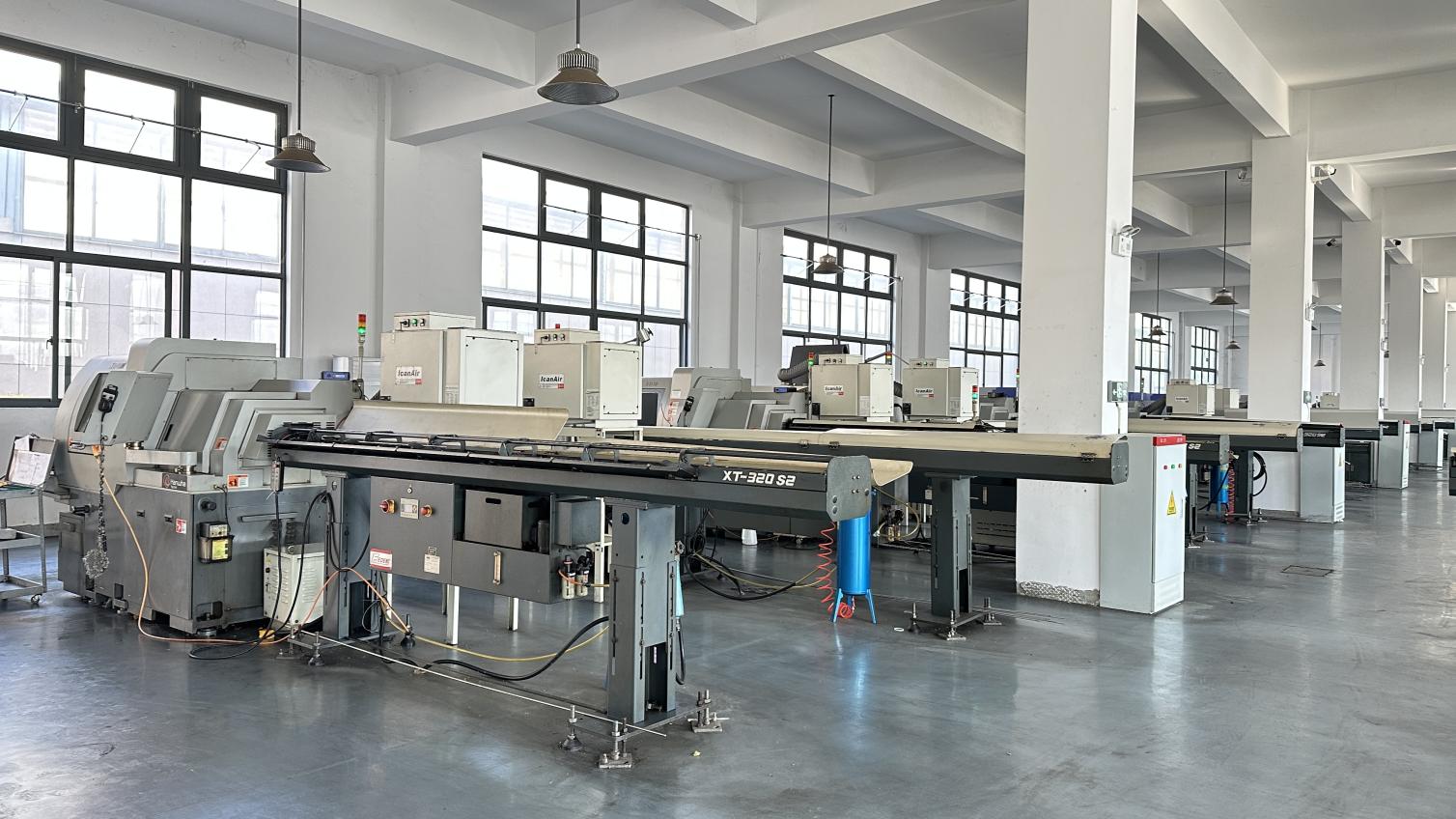
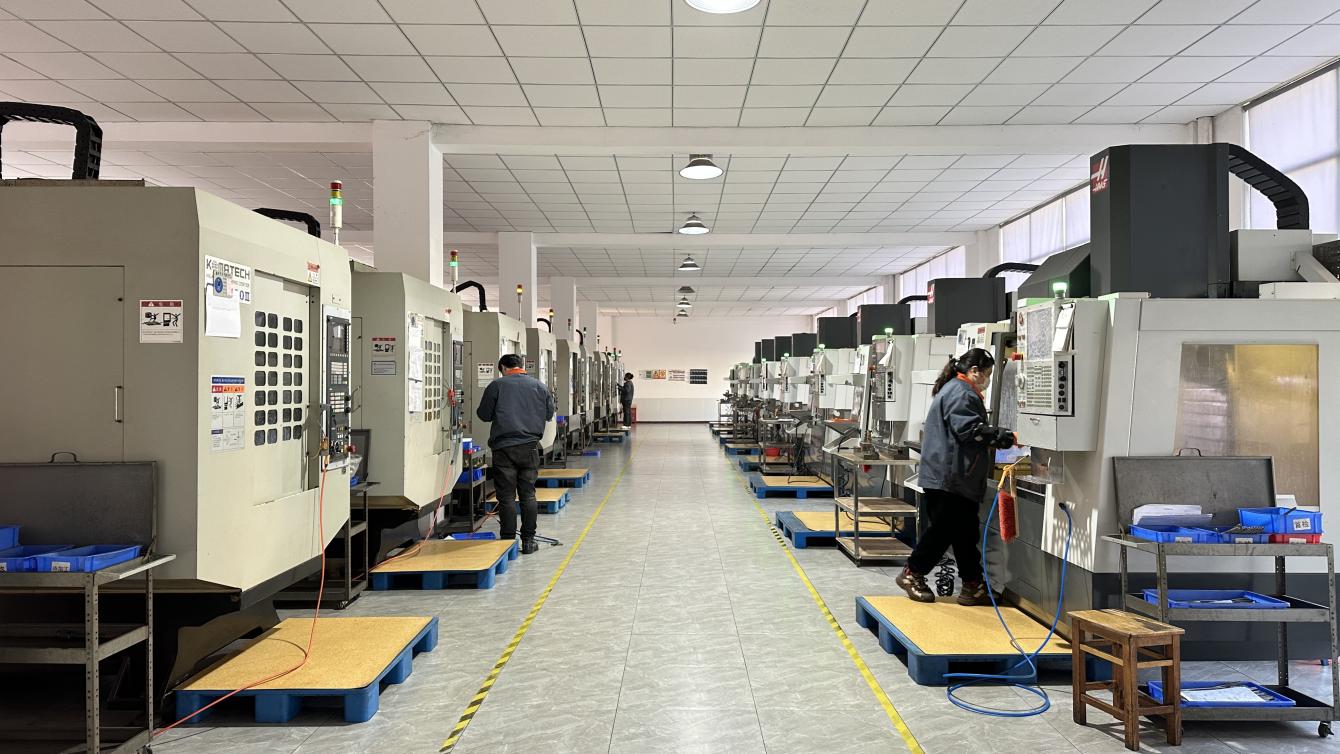
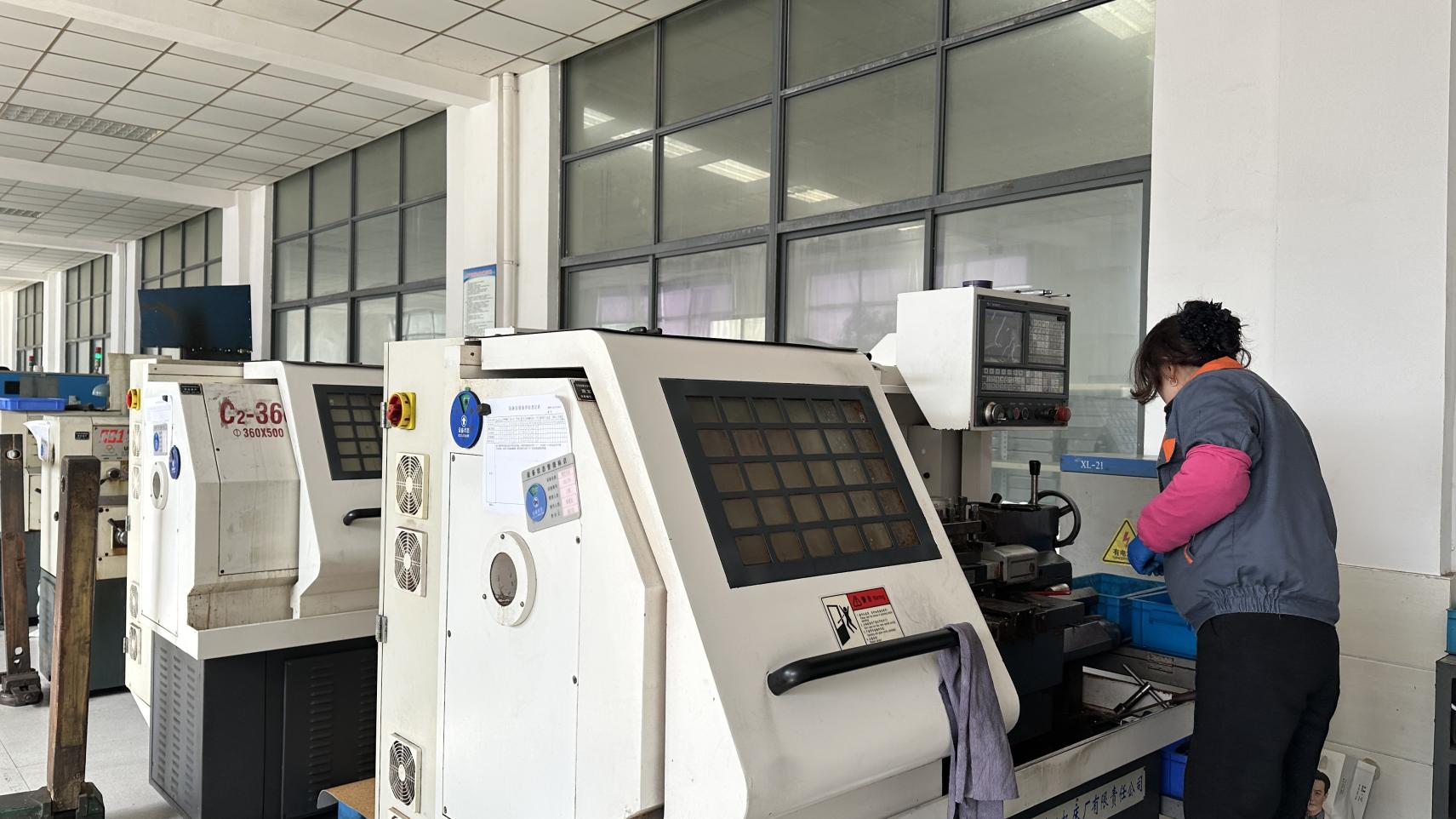
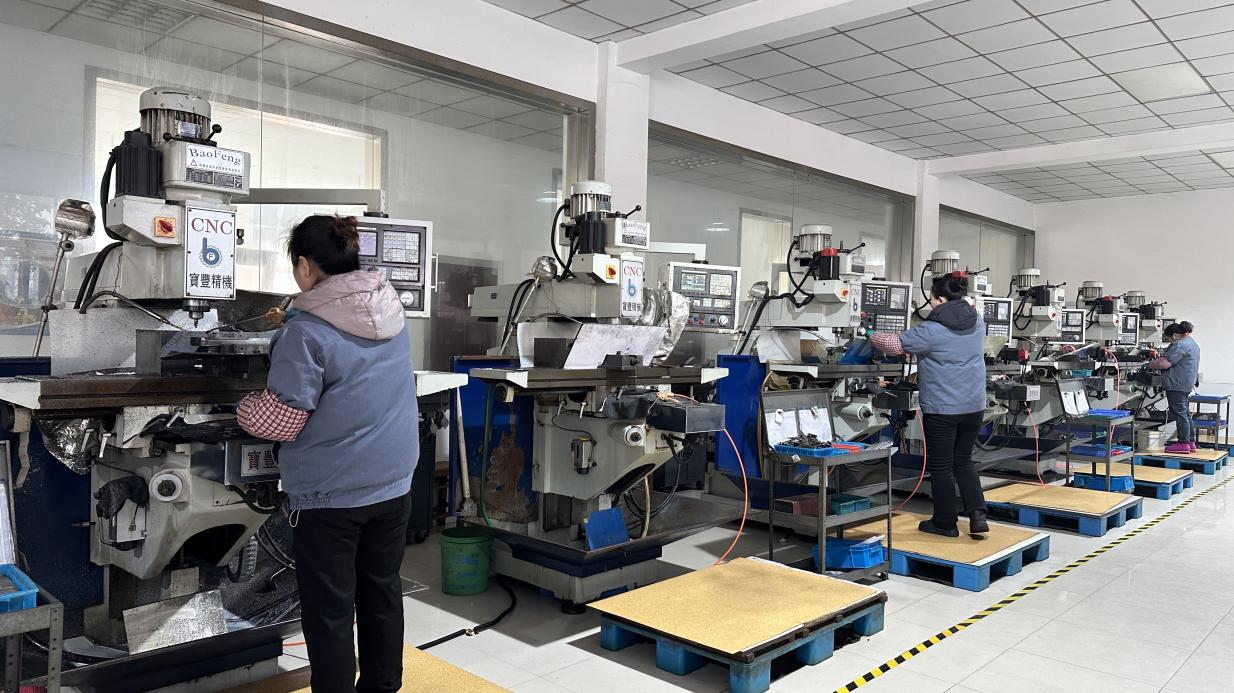
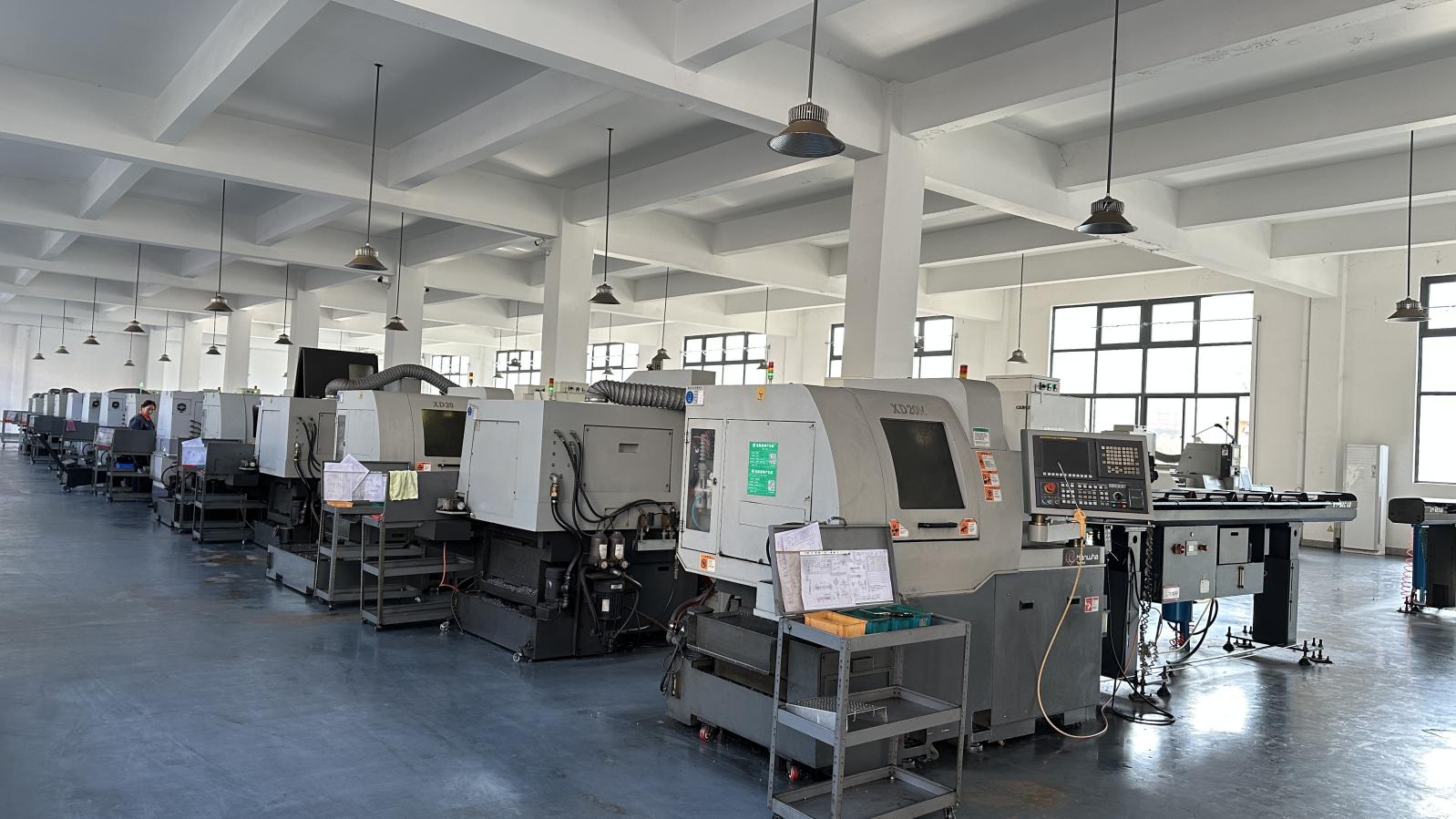
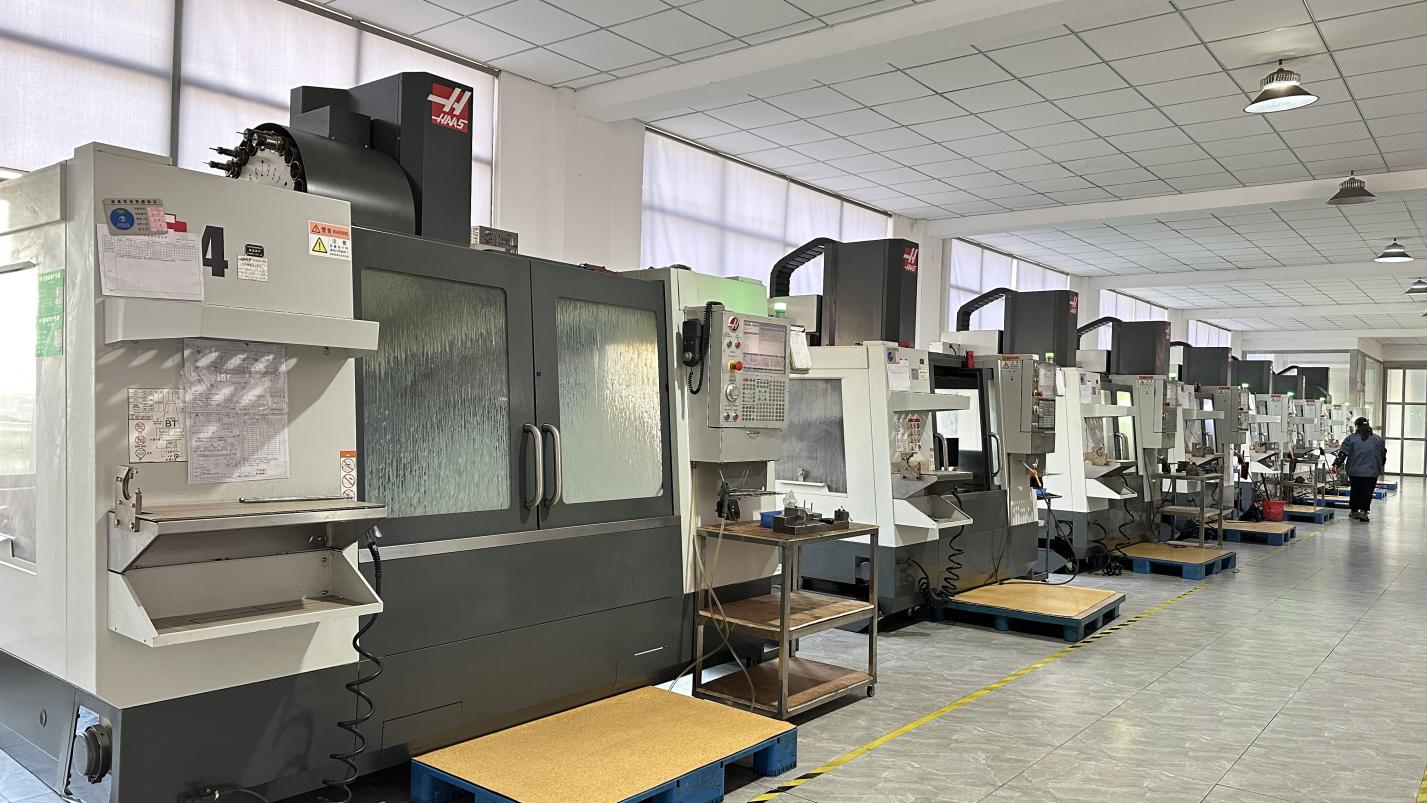
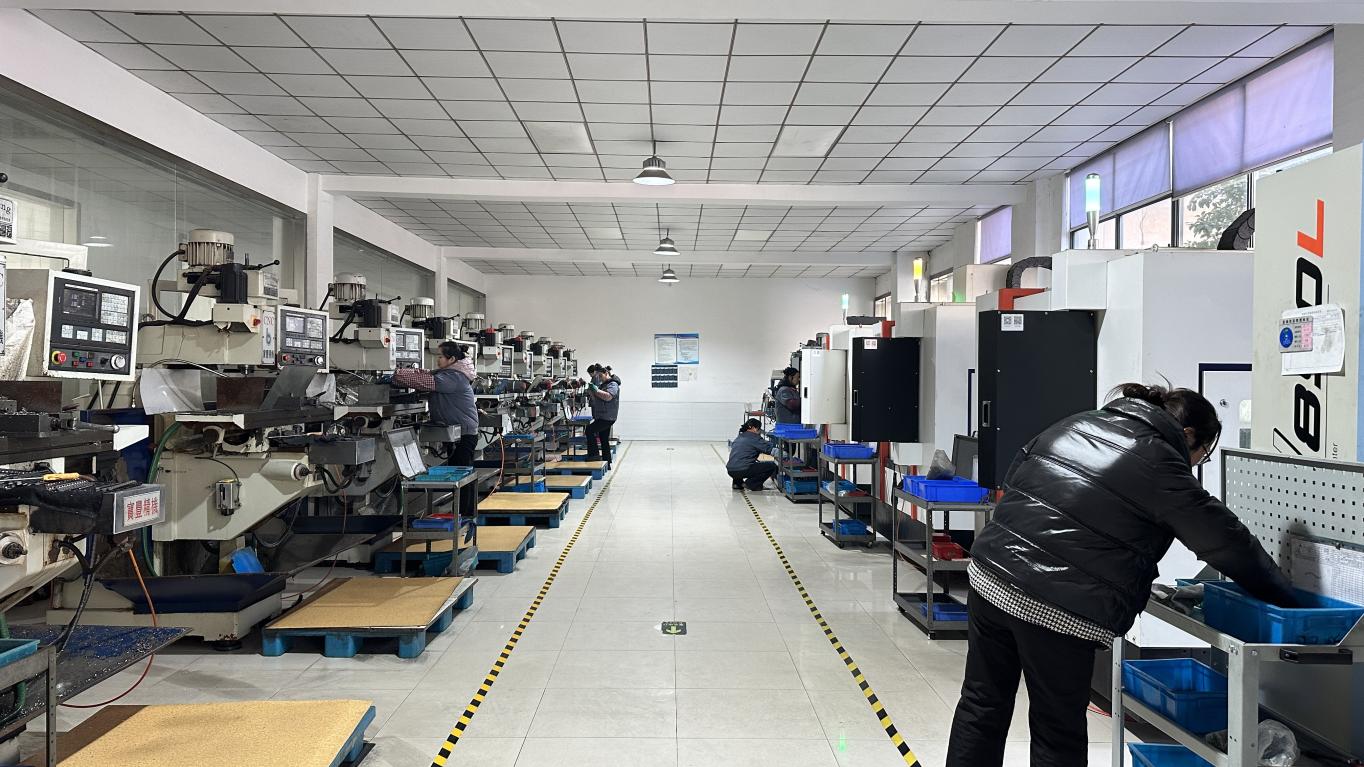
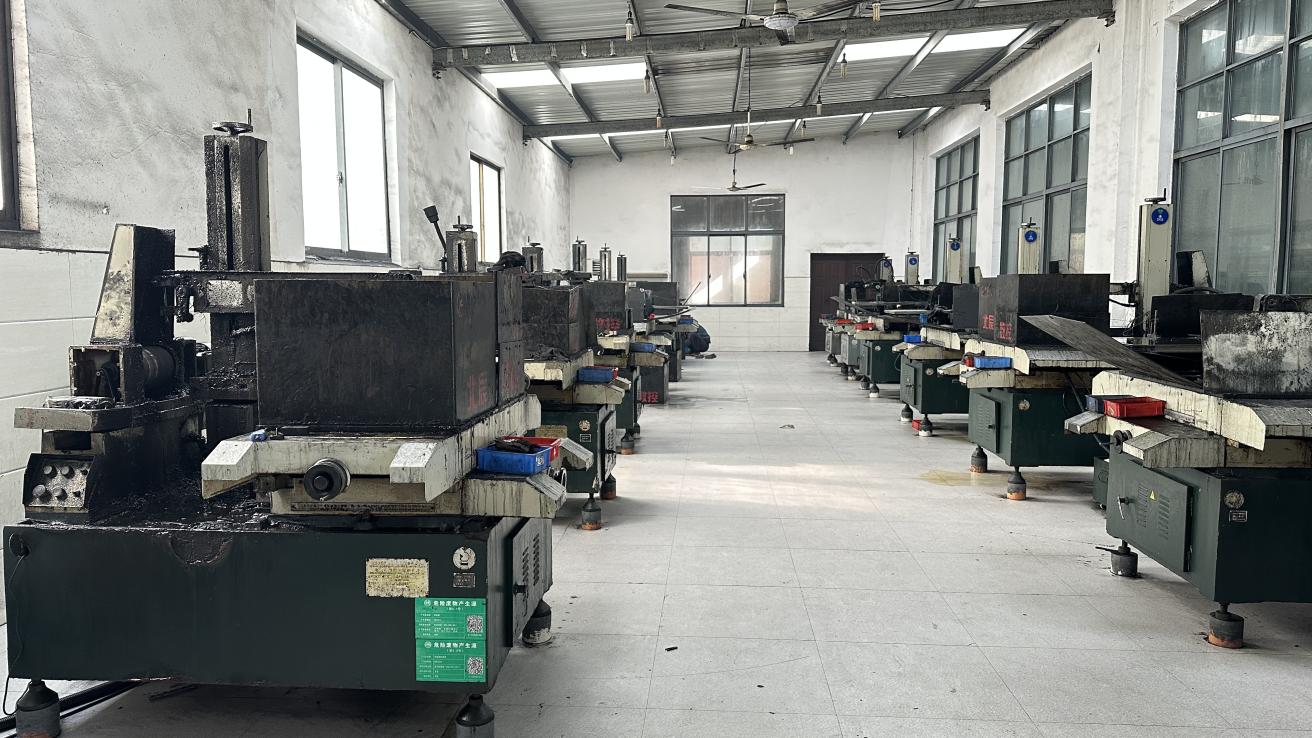
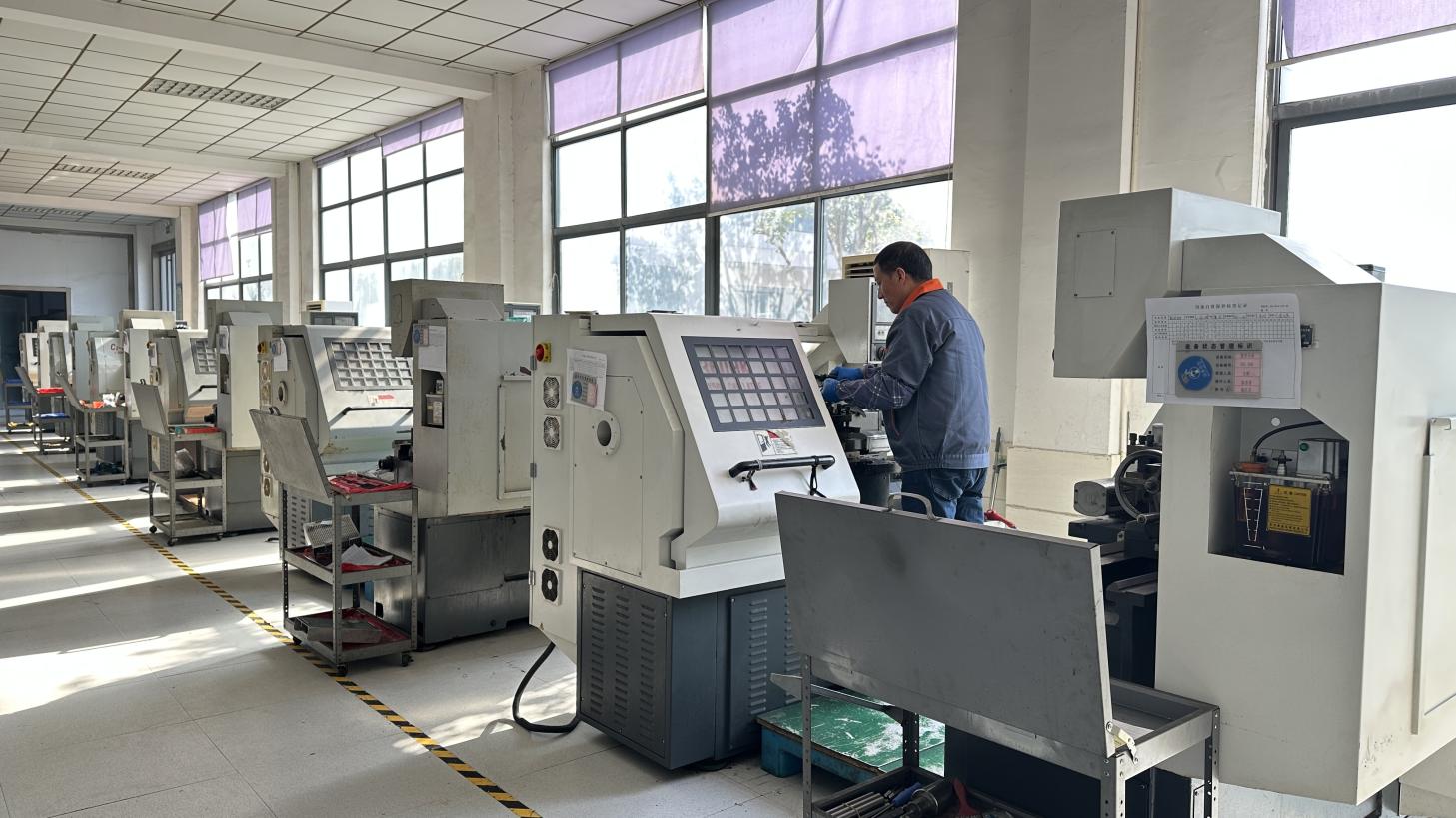

The orthopedic accessory industry is experiencing a massive paradigm shift. Clinicians are moving away from standardized, one-size-fits-all implants toward anatomical, patient-specific matching systems. This requires manufacturers to possess flexible prototyping infrastructure and dynamic CNC programming pathways.
Processing advanced titanium and cobalt-chrome alloys with strict thermal controls to prevent micro-structural deformation, maintaining tensile integrity under stress.
Hospitals and distributors face severe supply chain vulnerabilities. Medisplint alleviates this by maintaining redundancy with 1,200 raw material partners.
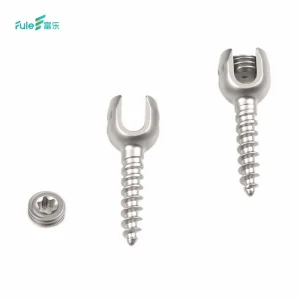
Each batch matches mechanical testing limits. Outfitted with Fatigue and Tensile Testers to run physical validations of locking plates and pedicle screws.
Sourcing directors in the European Union, United States, and Japan have rigid procurement criteria due to strict patient safety laws. A reliable supplier must offer:
1. Raw Material Traceability: Complete metallurgical heat records and chemical analysis sheets (e.g., matching ASTM F136 or ISO 5832-3 standards) for titanium components.
2. Validation of Cleanliness: Bioburden testing and cleanroom packaging validation to guarantee endotoxin limits are well below threshold values.
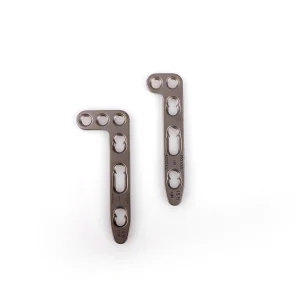
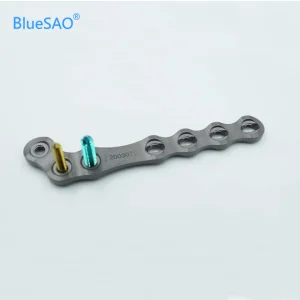
3. Geometric Tolerances: Orthopedic bone plates require micro-tolerance consistency (down to ±0.005mm) to match the corresponding locking screws smoothly during acute trauma surgeries.
To support global medical device brands, Medisplint provides a consolidated turnkey service. We manage the design, technical drawing conversion, raw material slitting, structural milling, anodization, and regulatory documentation. By keeping all these steps in-house, we eliminate external logistical delays and prevent quality degradation between disparate contractors.
Compliance is non-negotiable in the medical sector. We align our manufacturing practices with global agencies to ensure swift distribution authorization.
As part of our commitment to leading innovation in Tokyo's orthopedic space, Medisplint's research department has outlined a technical development trajectory to address future clinical challenges:
Developing biodegradable fixation accessories that gradually transfer structural load to the healing bone, preventing the need for secondary implant removal operations.
Integrating micro-sensor arrays within anterior cervical and lumbar cages to transmit real-time bone-density and healing metrics directly to clinics.
Transitioning customized trauma plate development to direct metal laser sintering (DMLS), optimizing trabecular structural integration for rapid osseointegration.
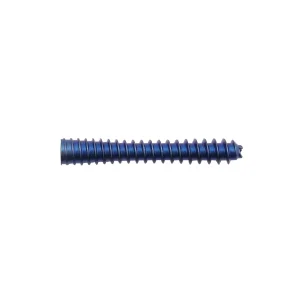
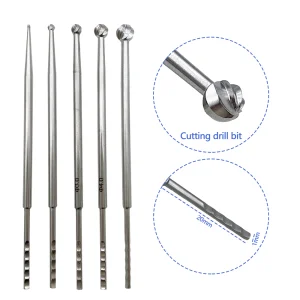
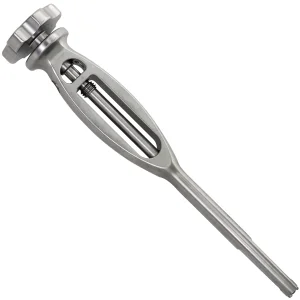
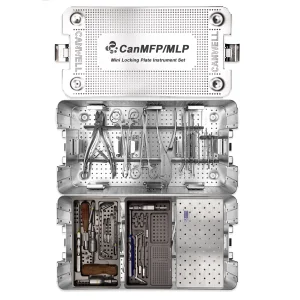
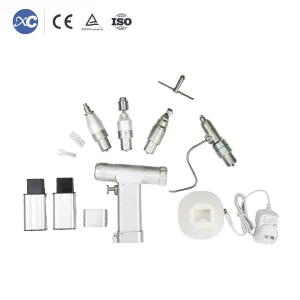
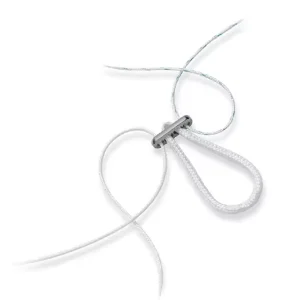
Explore our complete range of certified implants, plates, specialized screws, and veterinary instruments.
Get professional answers to technical specifications, regulatory standards, and purchasing logistics.
Looking for a high-precision manufacturing partner for orthopedic instruments, spinal fixation assemblies, or customized bone plates? Contact our specialists today for quotation, product samples, or factory tour scheduling.
Send Inquiry Now