Medisplint
Medisplint
Medisplint
Premium Orthopedic Systems Optimized for Kuala Lumpur's Trauma and Joint Reconstruction Demands
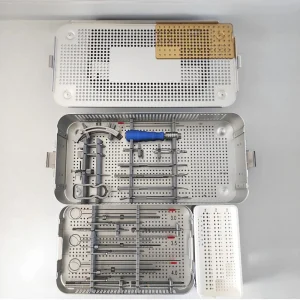
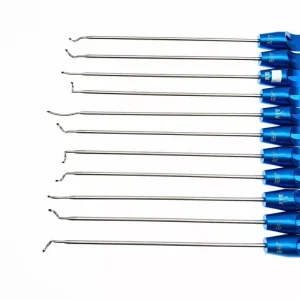
Medisplint Orthopedic Instruments Co., Ltd. has established itself as an elite global partner for orthopedic implants and trauma correction components. Combining a massive 18,500㎡ facility with advanced CNC technology, we scale to meet the highly selective demands of hospitals, clinical distribution groups, and private institutions across the Klang Valley and the wider Malaysian market.
We support medical wholesalers and OEMs through highly resilient strategies, maintaining relations with over 1,200 verified raw material and accessory partners globally.
The Klang Valley, comprising Kuala Lumpur and its surrounding urban centers, has evolved into a powerhouse for high-end healthcare in Southeast Asia. This region is home to world-renowned medical centers, including the National Heart Institute, Hospital Kuala Lumpur (HKL), Pantai Hospital, and Sunway Medical Centre. Backed by Malaysia's robust healthcare tourism drive, overseen by the Malaysia Healthcare Travel Council (MHTC), hospitals are treating an influx of international patients seeking complex spine, trauma, and joint reconstruction surgeries.
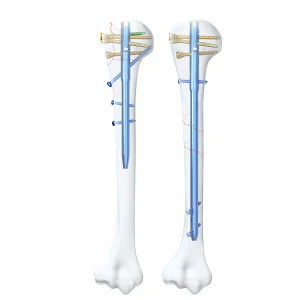
This clinical demand means that orthopedic surgeons in Kuala Lumpur require access to the highest-quality titanium locking plates, anatomical intramedullary nails, and spinal fusion systems. To remain competitive, local medical distributors must import accessories that meet stringent mechanical tolerances and biocompatibility standards.
Malaysia's Medical Device Authority (MDA), under the Ministry of Health (MOH), strictly regulates the import, distribution, and commercialization of all medical implants and accessories (Class B, C, and D devices). Our production complies with these guidelines, streamlining the registration process for local Authorized Representatives (AR) through MeDC@St.
As a prominent China-based orthopedic accessory manufacturer, Medisplint utilizes an integrated supply chain that achieves optimal cost-to-performance ratios. We bridge the gap between high-precision Swiss/German design tolerances and cost-efficient manufacturing.
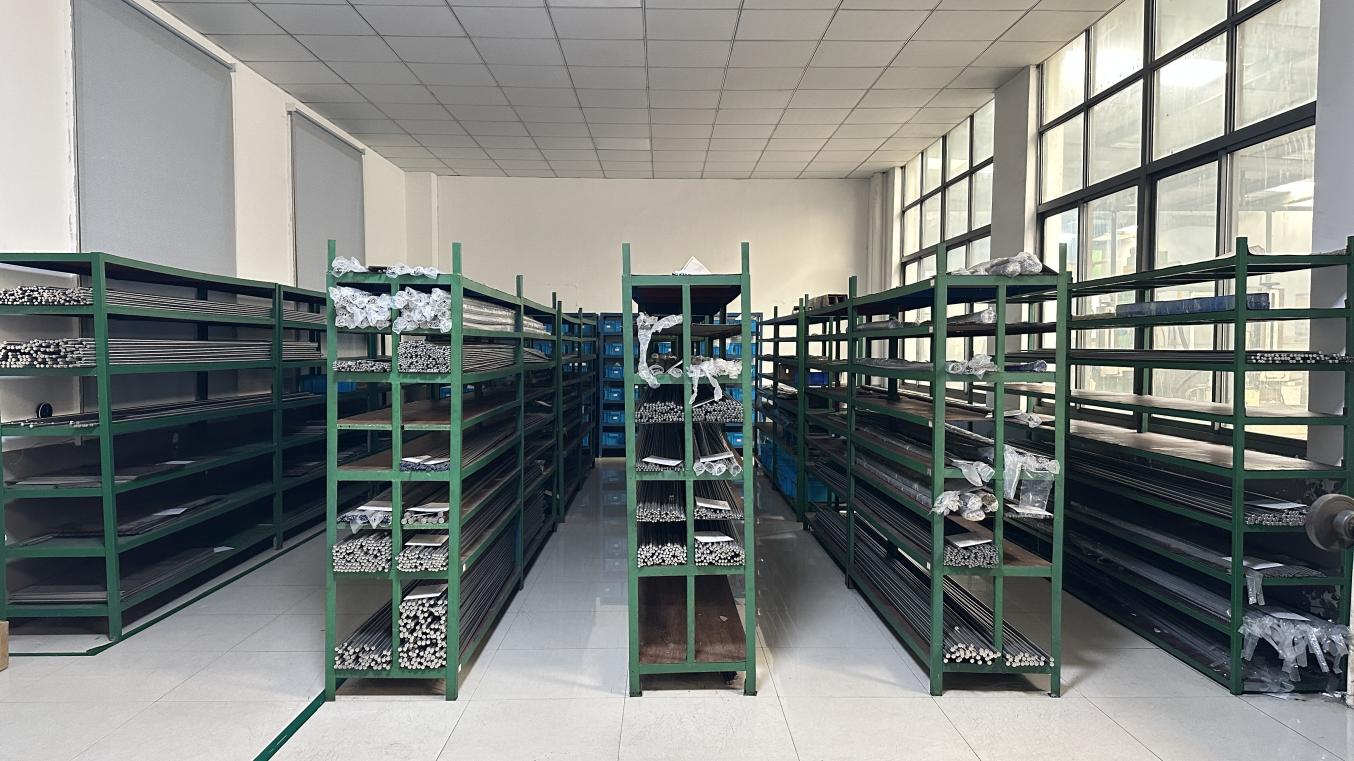
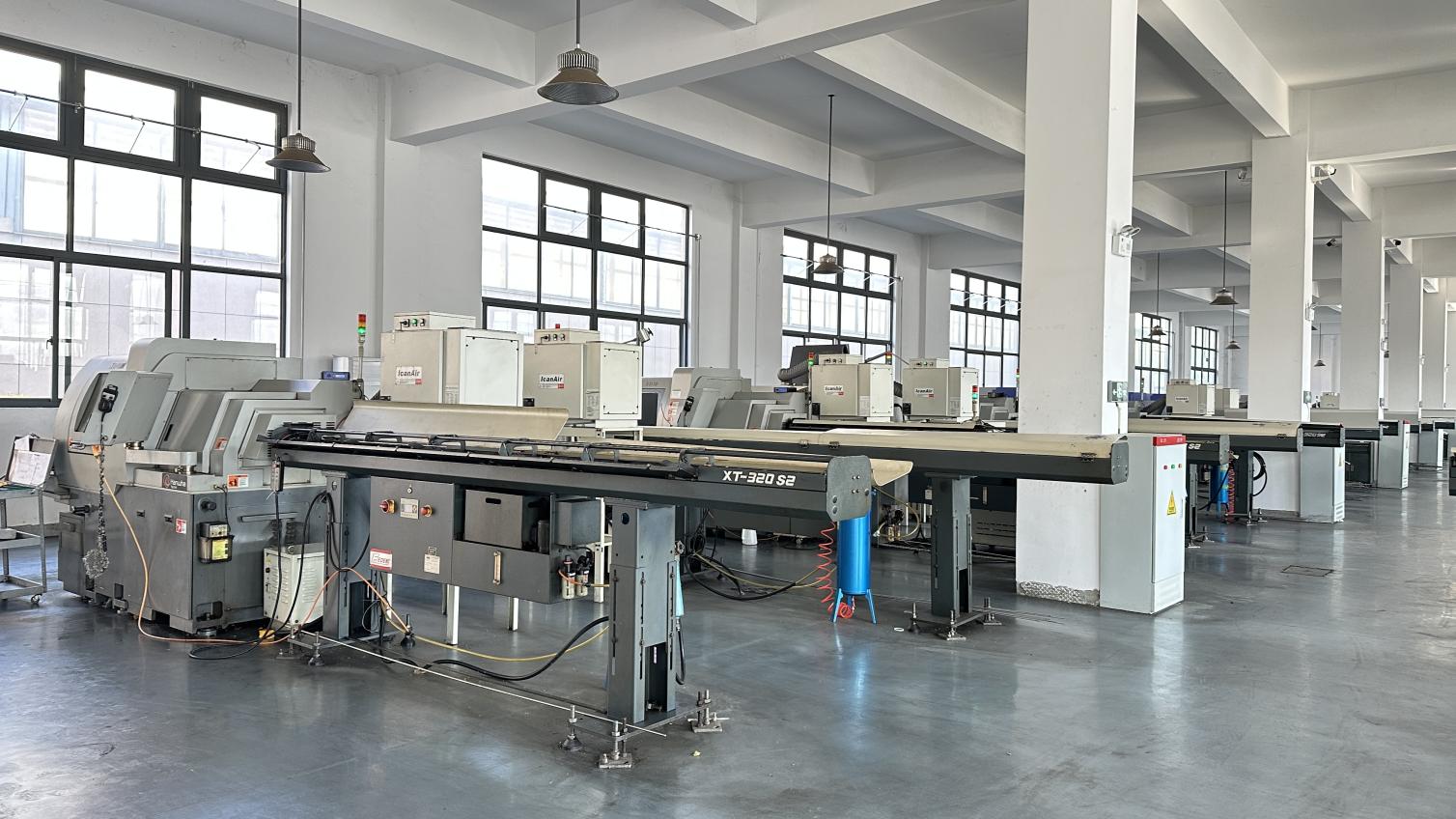
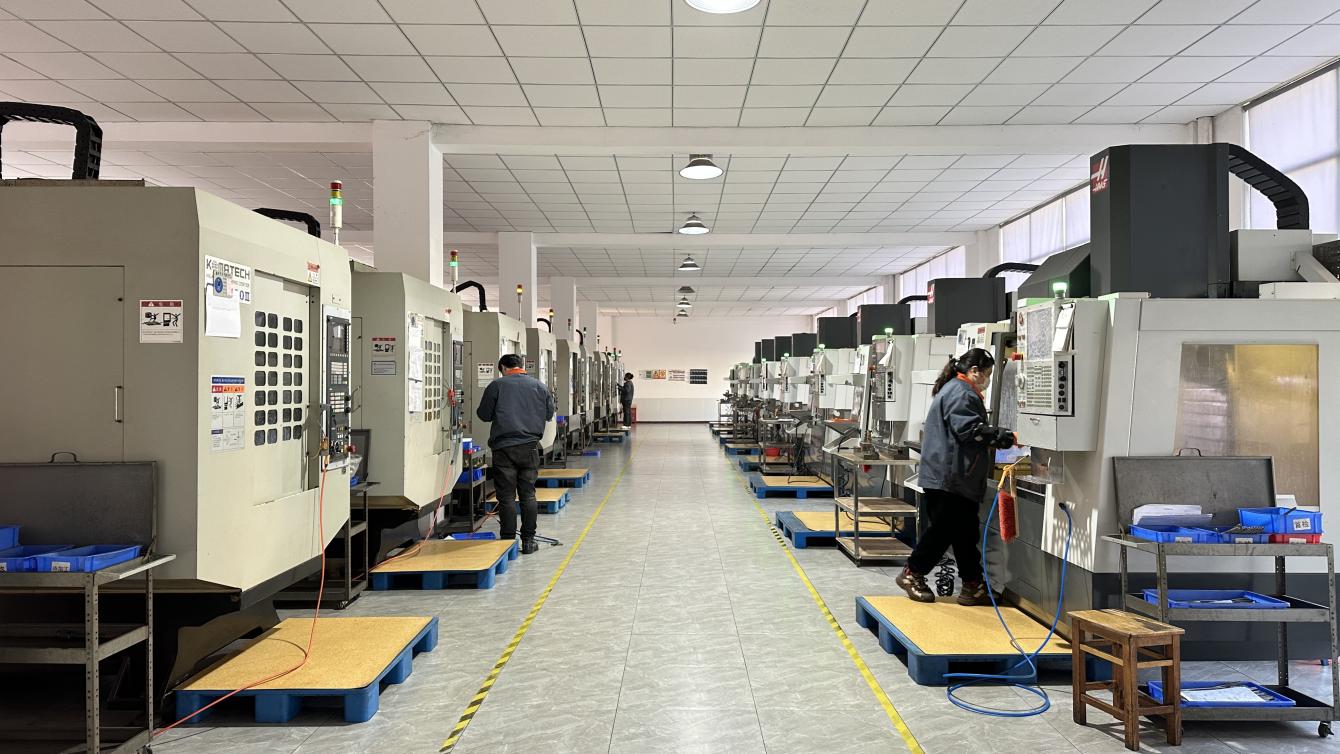
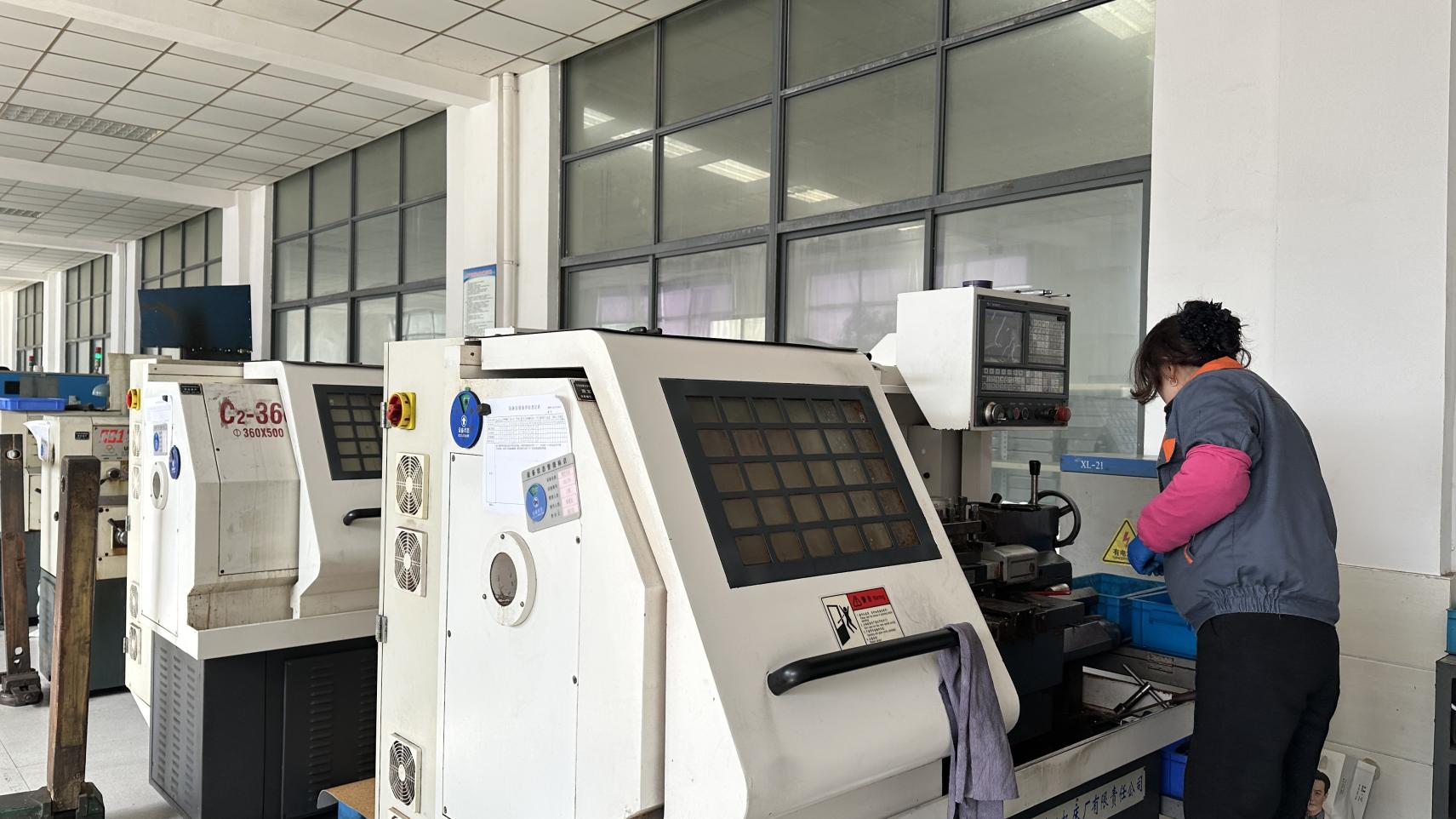
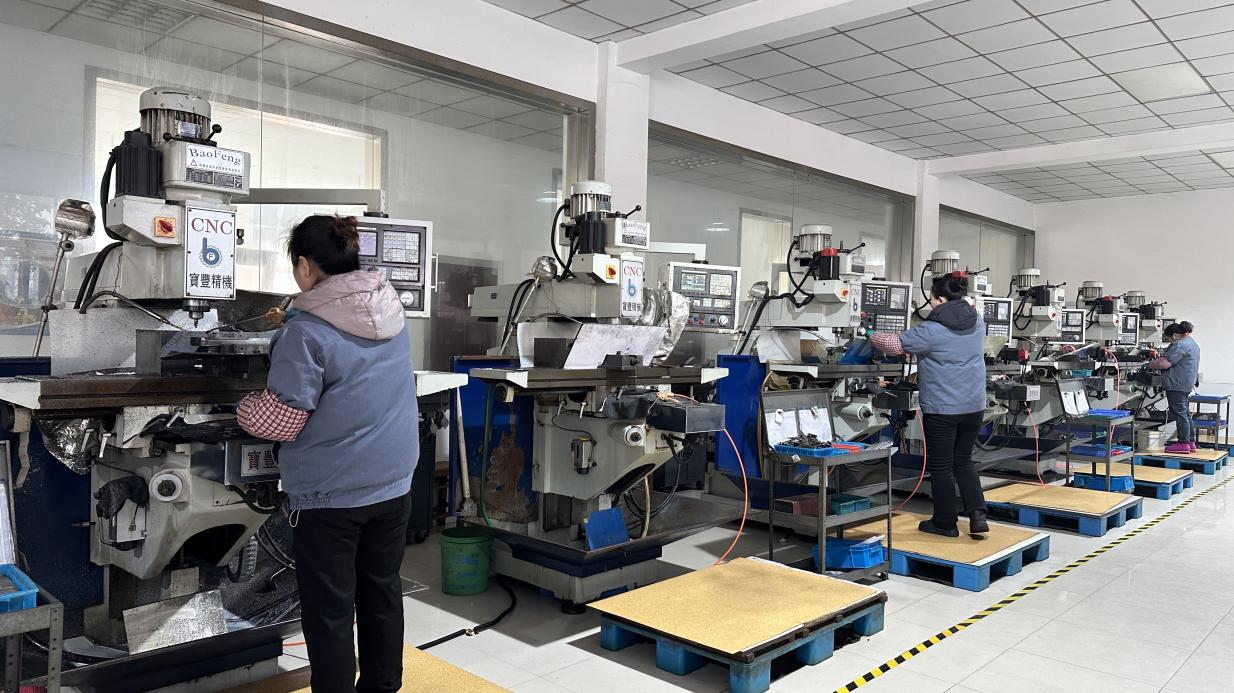
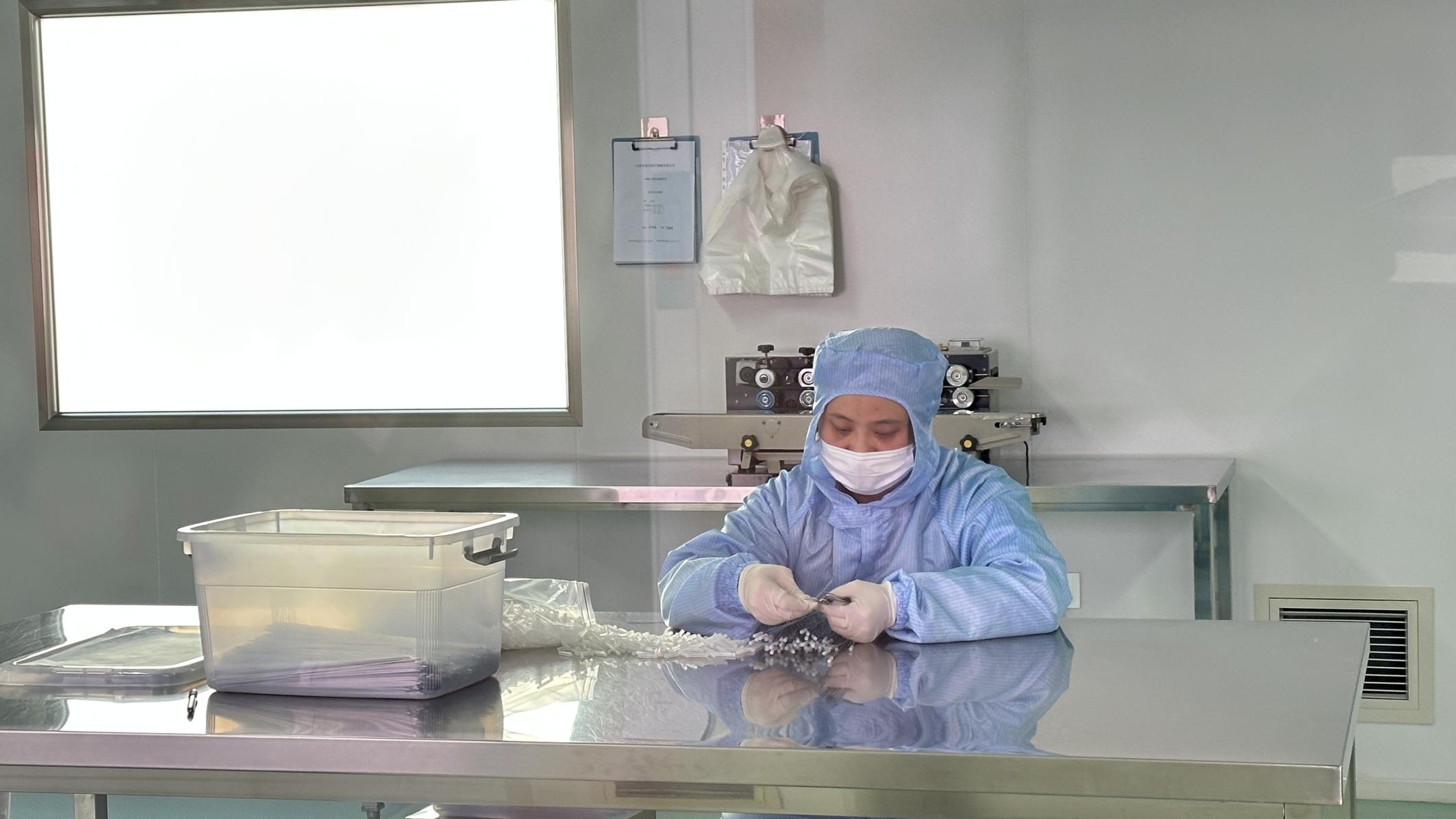
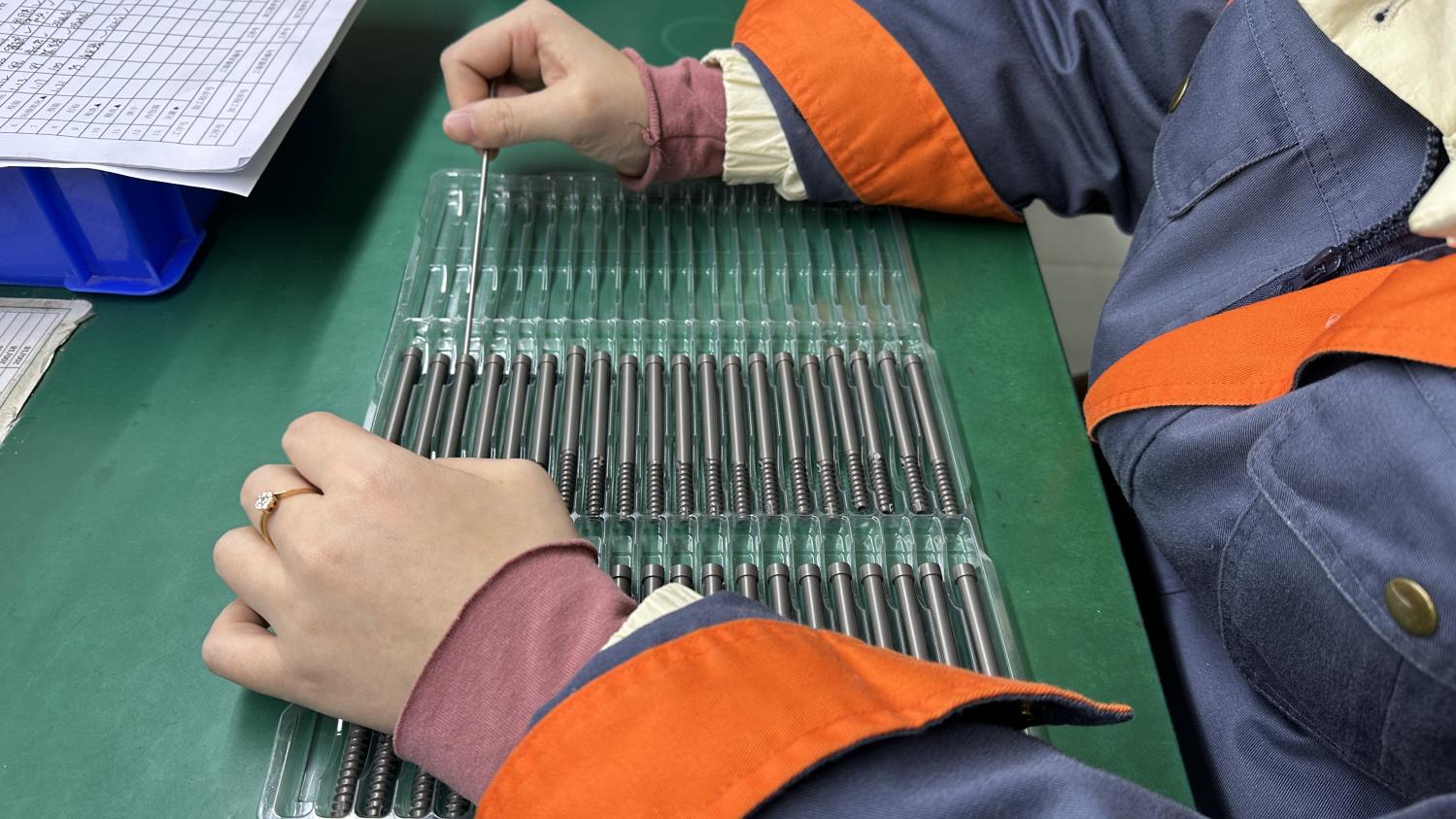
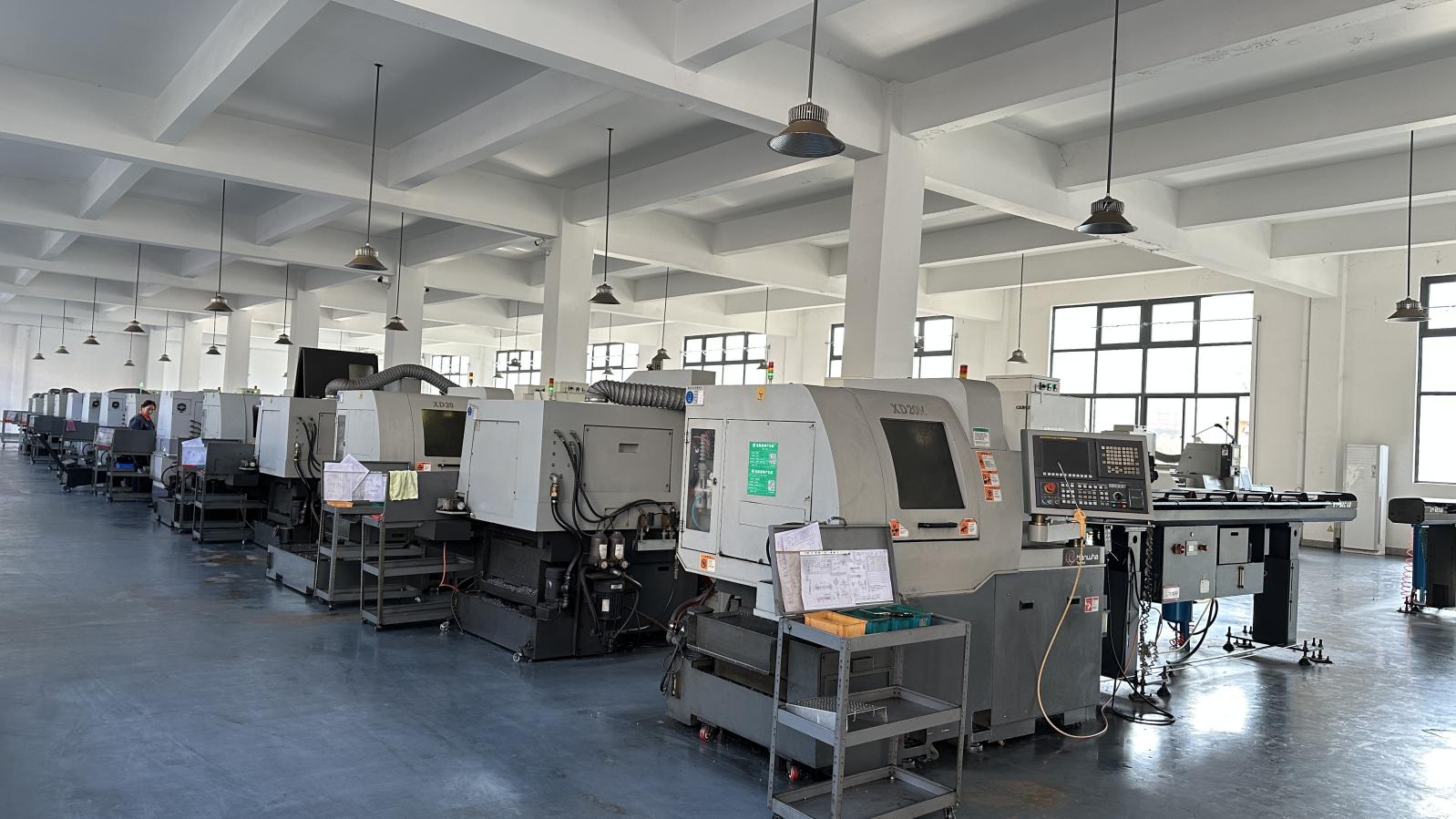
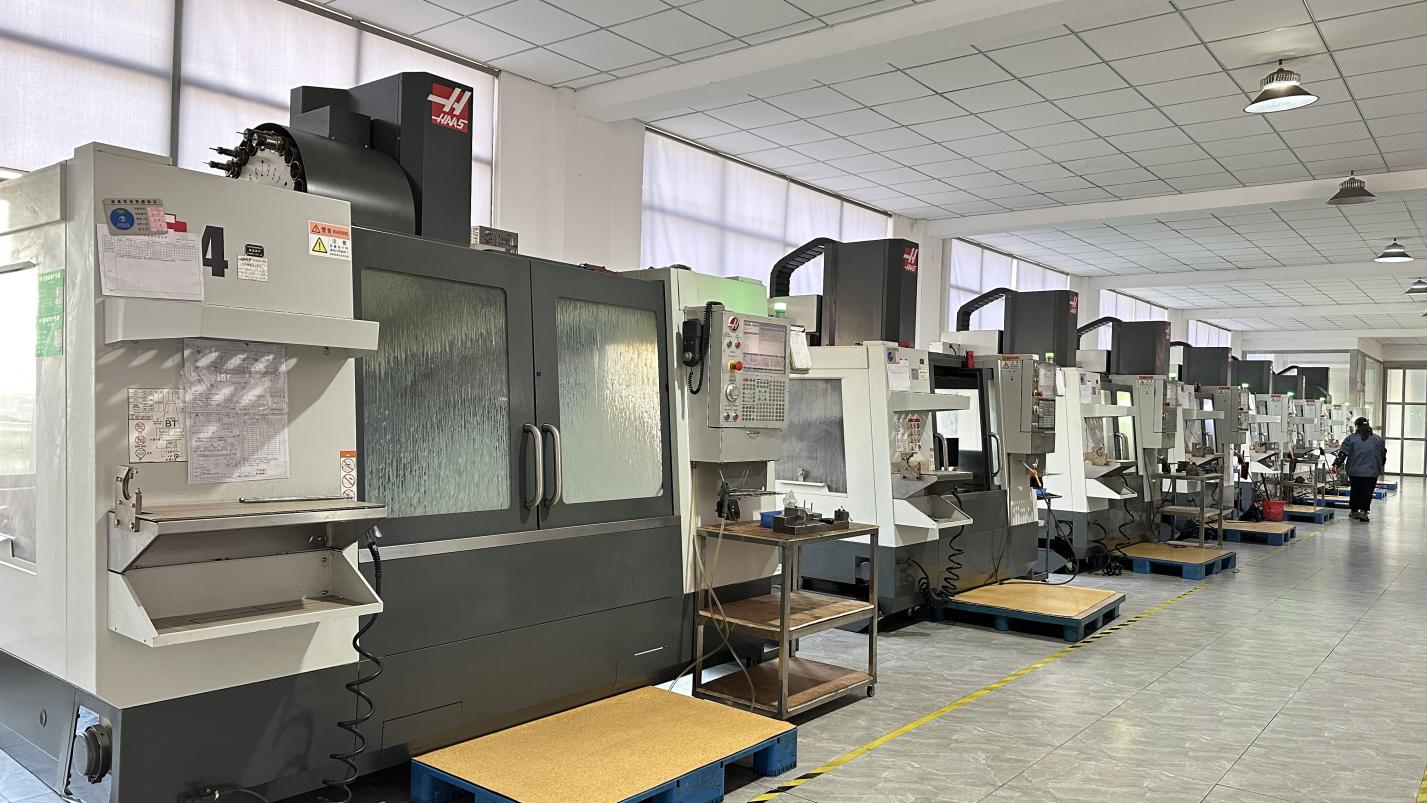
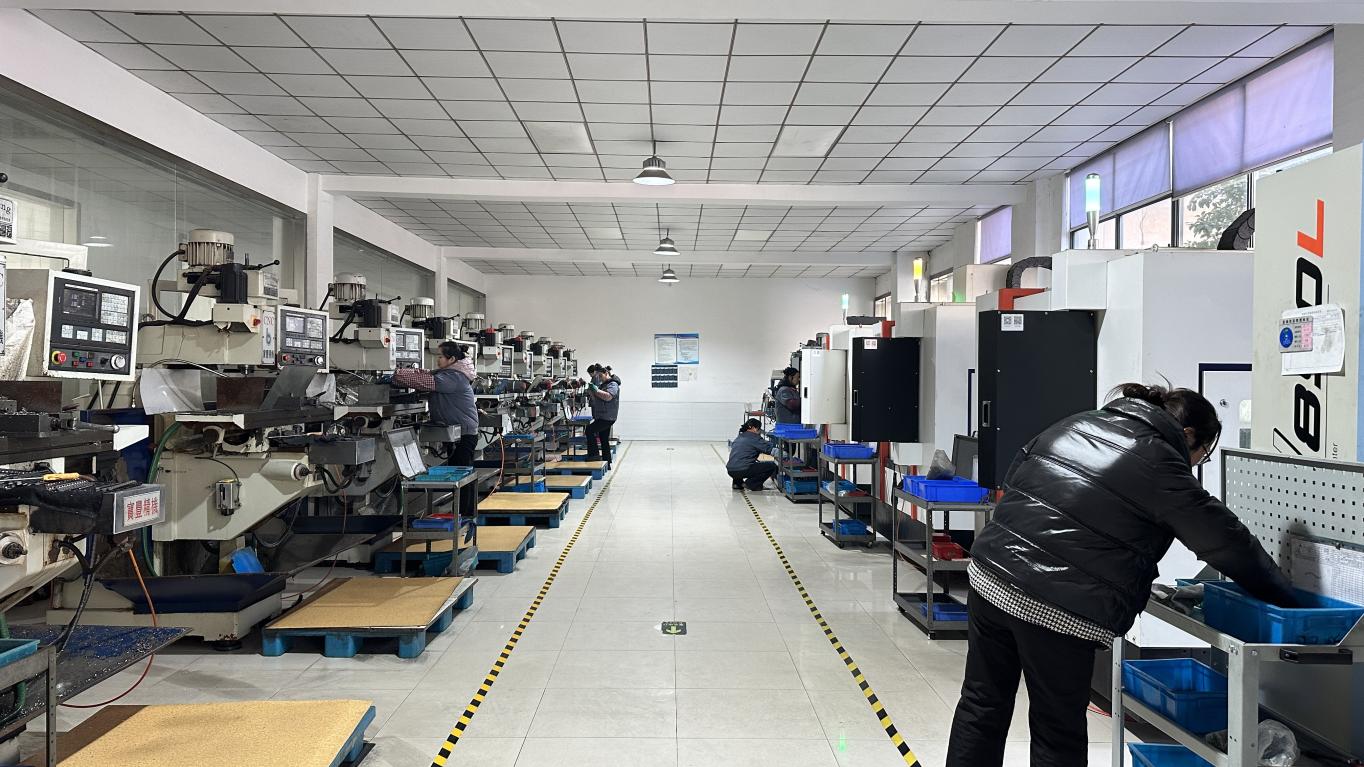
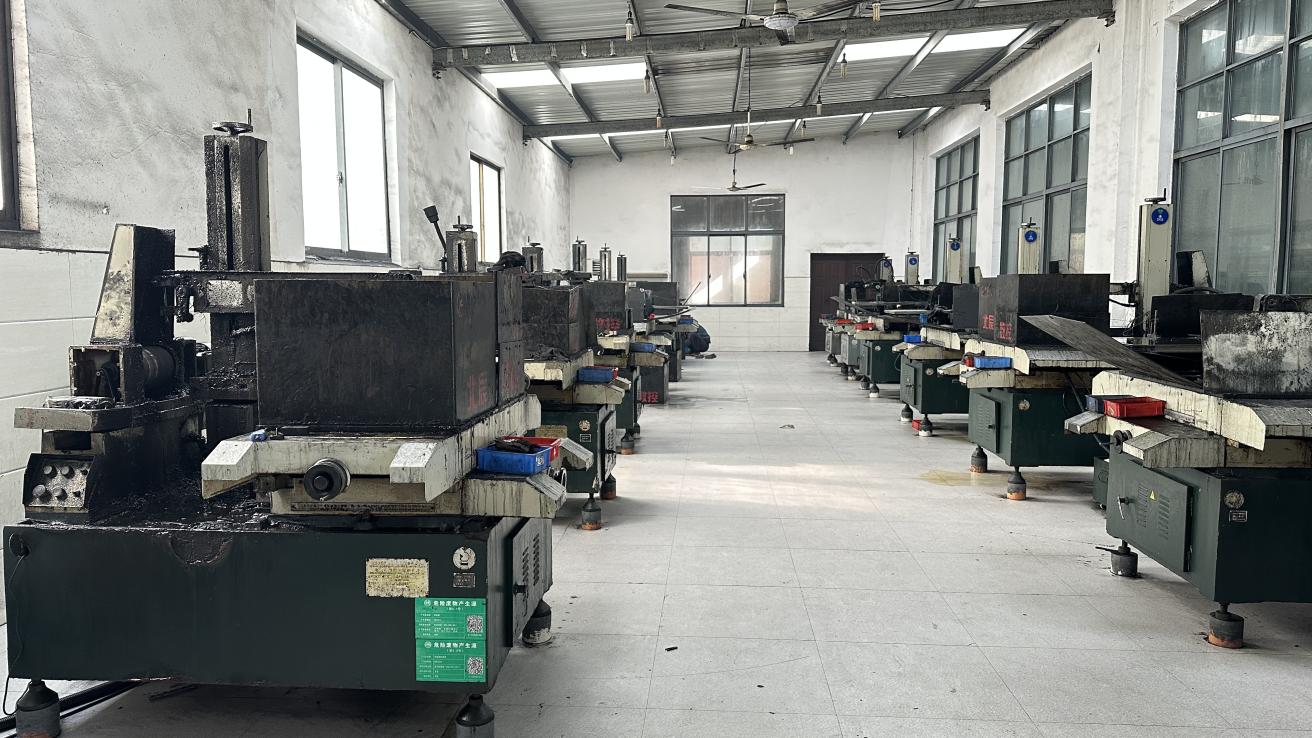
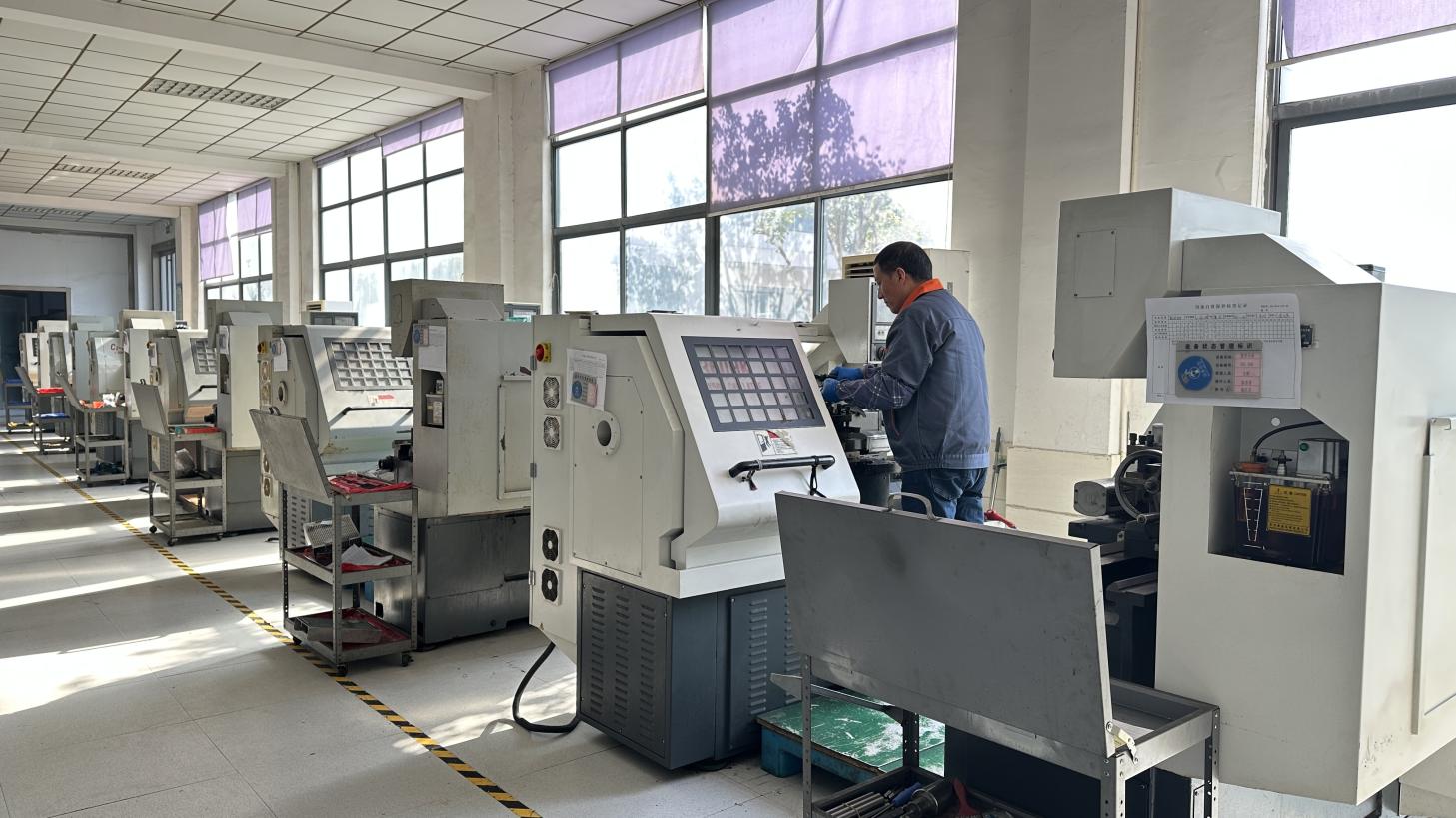
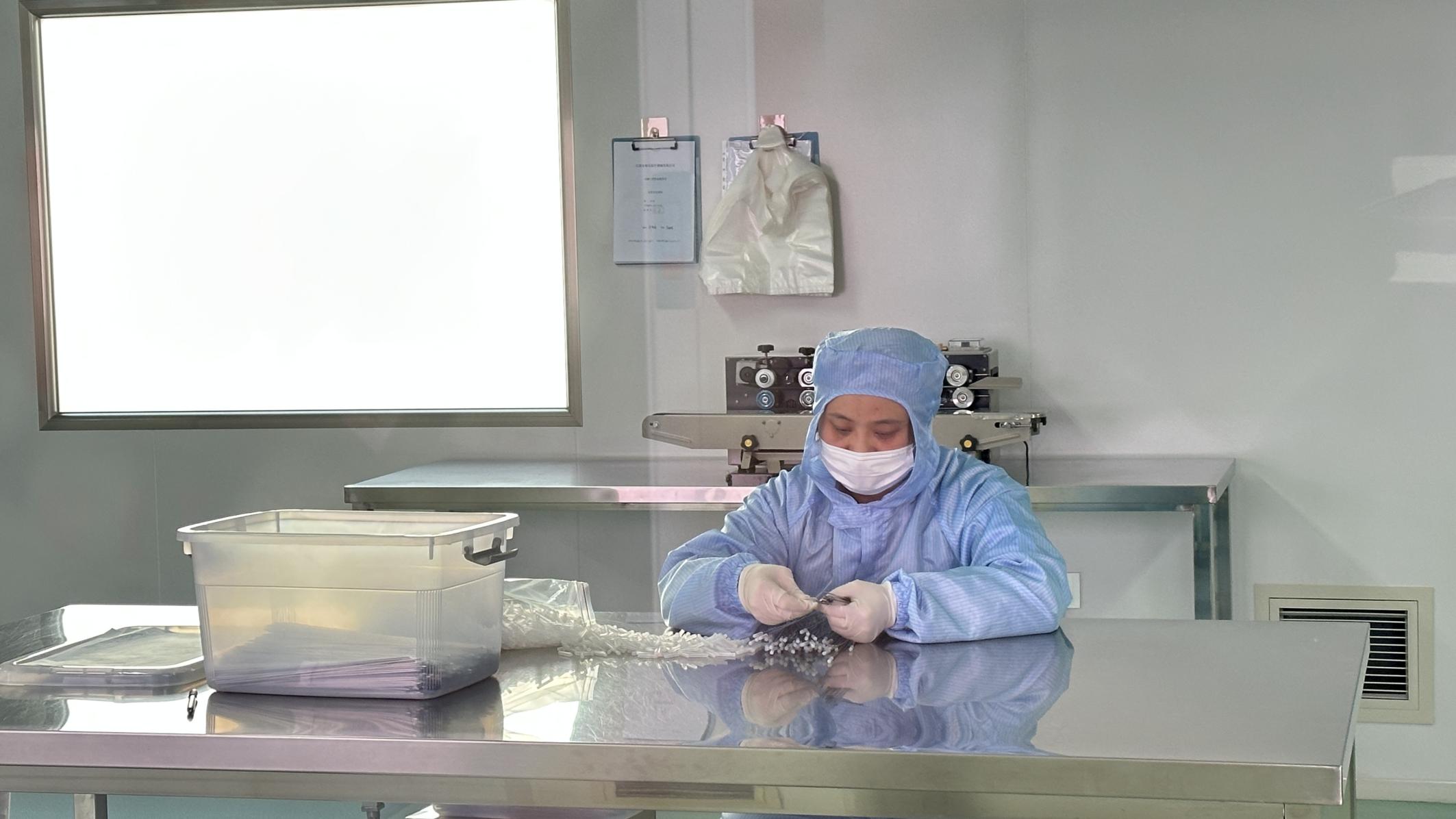
Our plant features multi-axis CNC milling centers, wire-cutting machines, and cleanroom packaging bays that prevent particulate contamination before final sterilization. By leveraging China’s extensive raw material refining network, we source premium grade-5 titanium alloy (Ti-6Al-4V ELI) and PEEK polymer at scale. This allows us to offer pricing structures that assist Kuala Lumpur’s private and public hospitals in managing surgical budgets without compromising patient outcomes.
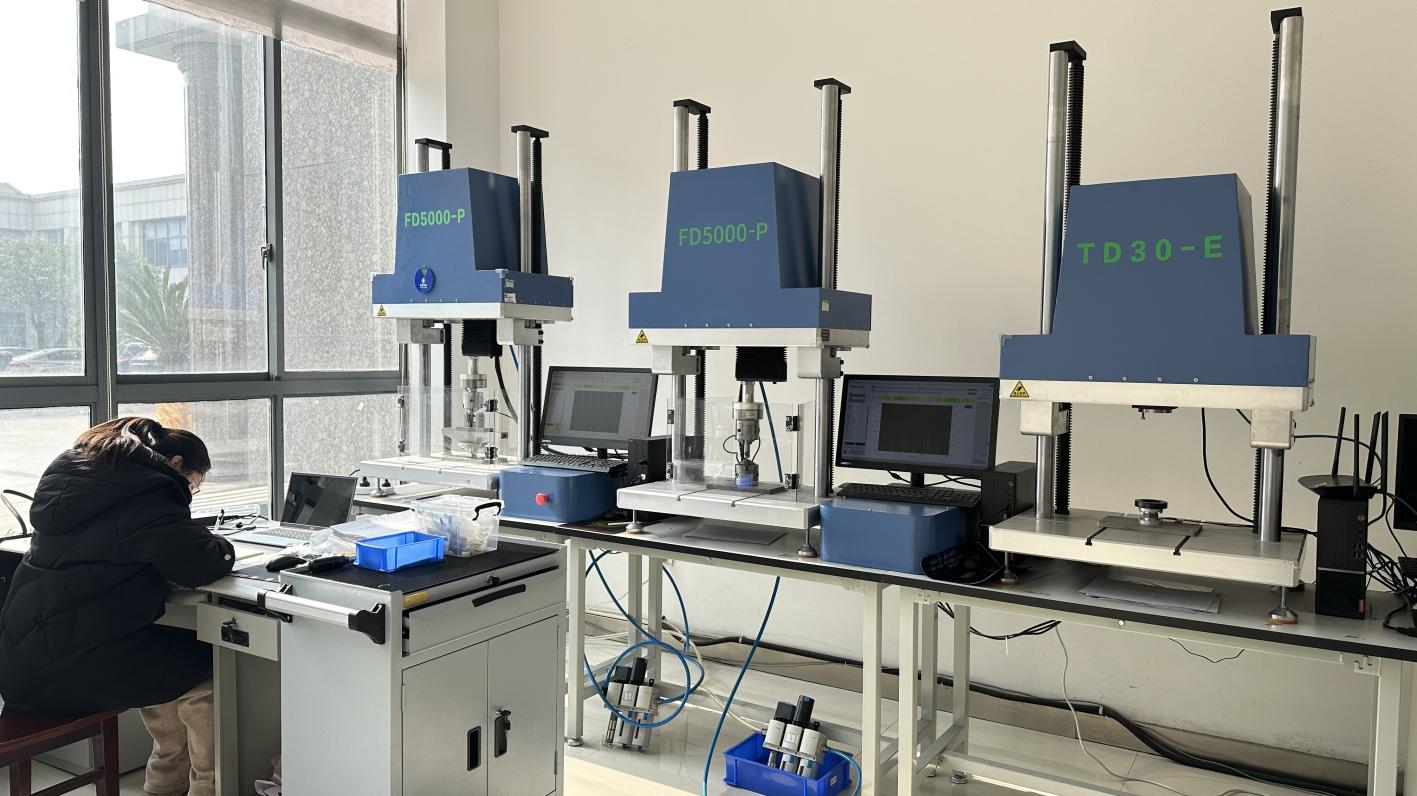
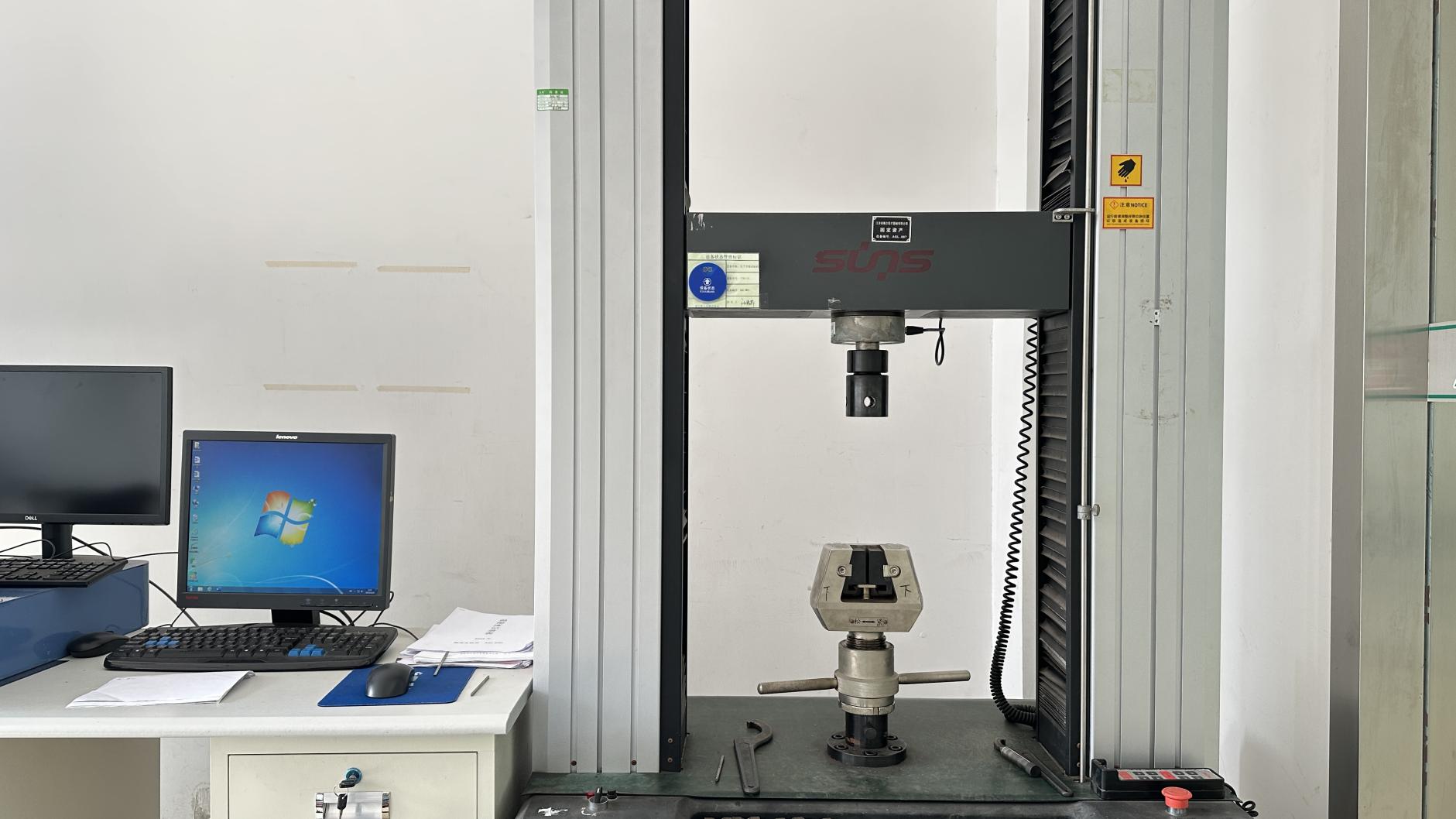
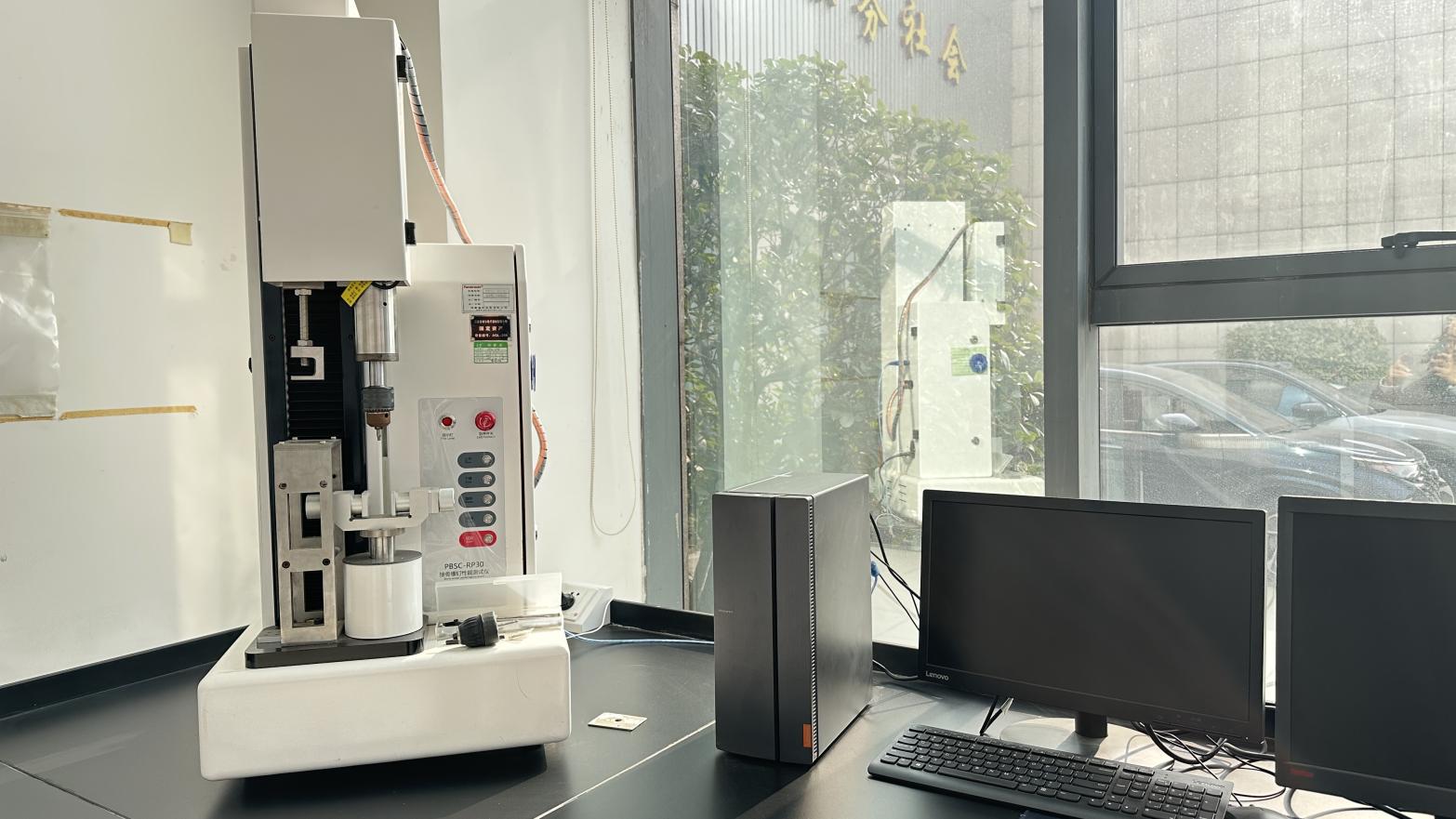
All dynamic surgical titanium plates and intramedullary nails undergo cyclic fatigue limit testing according to ASTM F382 and ASTM F366 protocols, ensuring structural stability under physiological loading cycles.
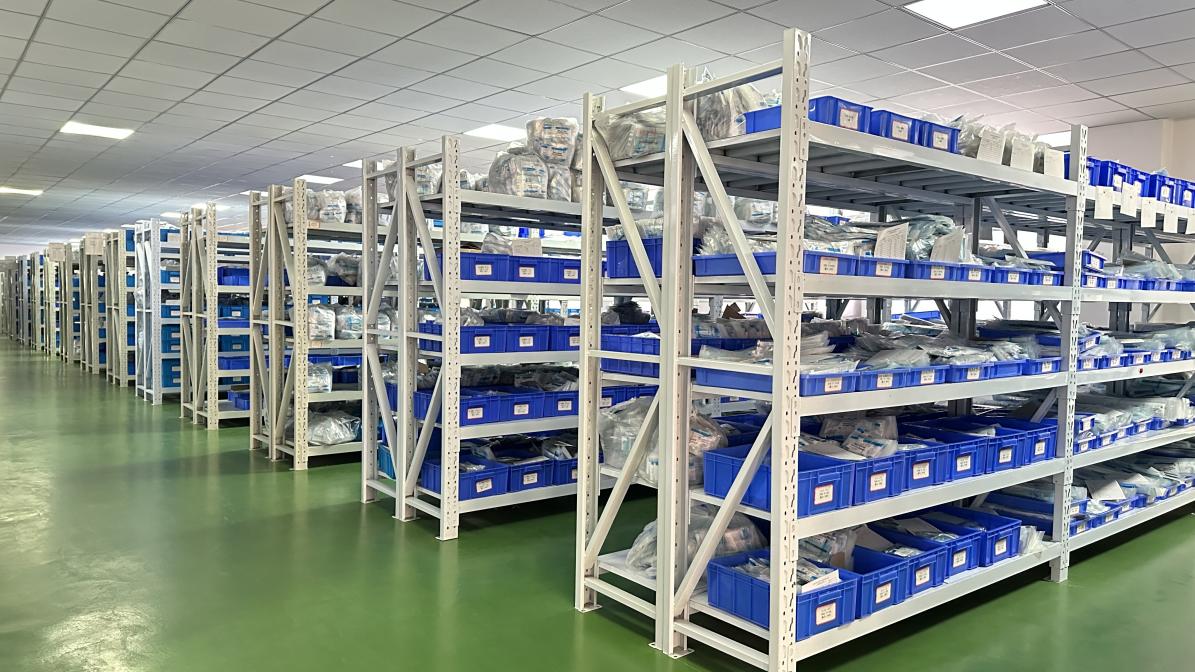
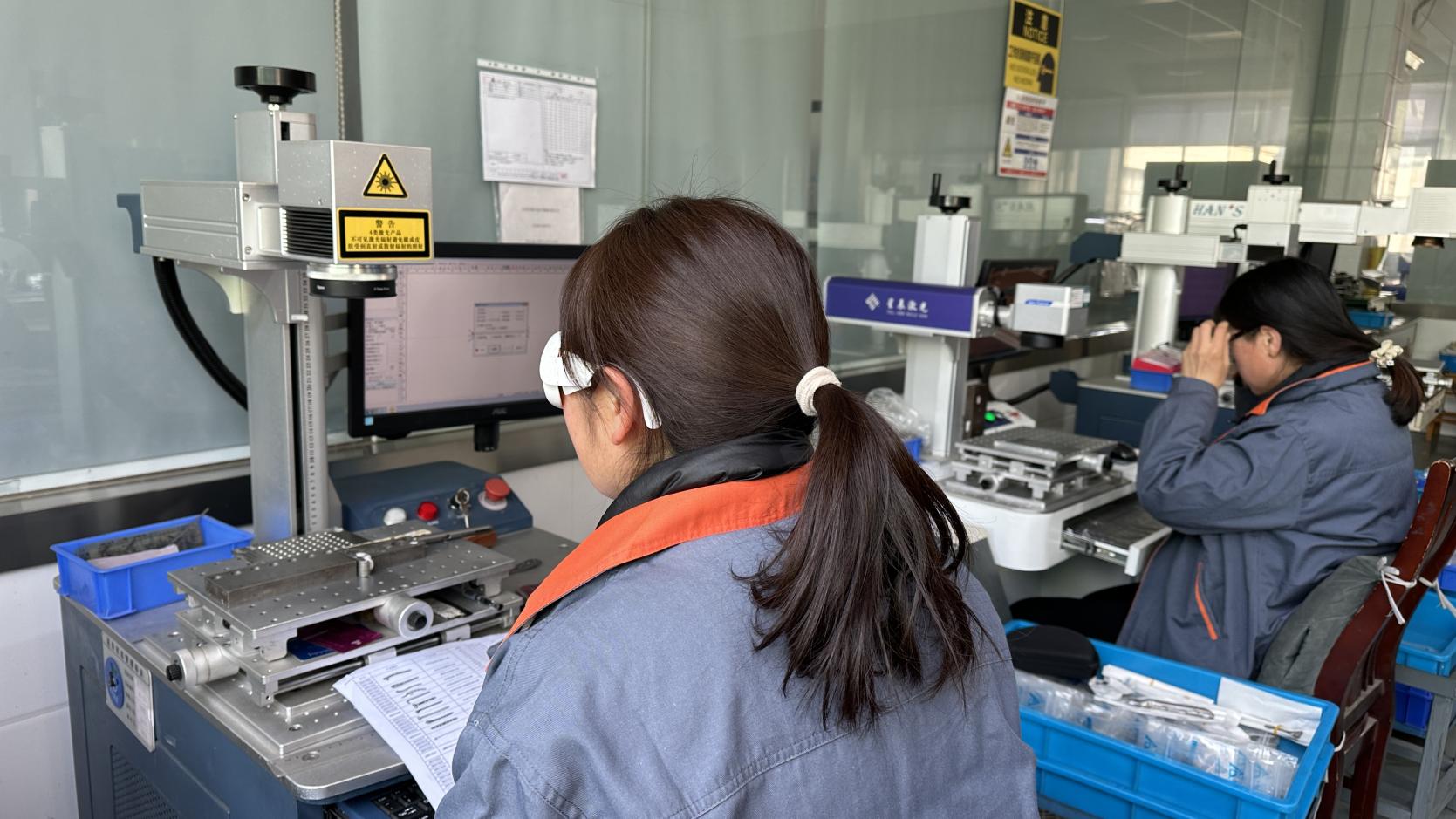
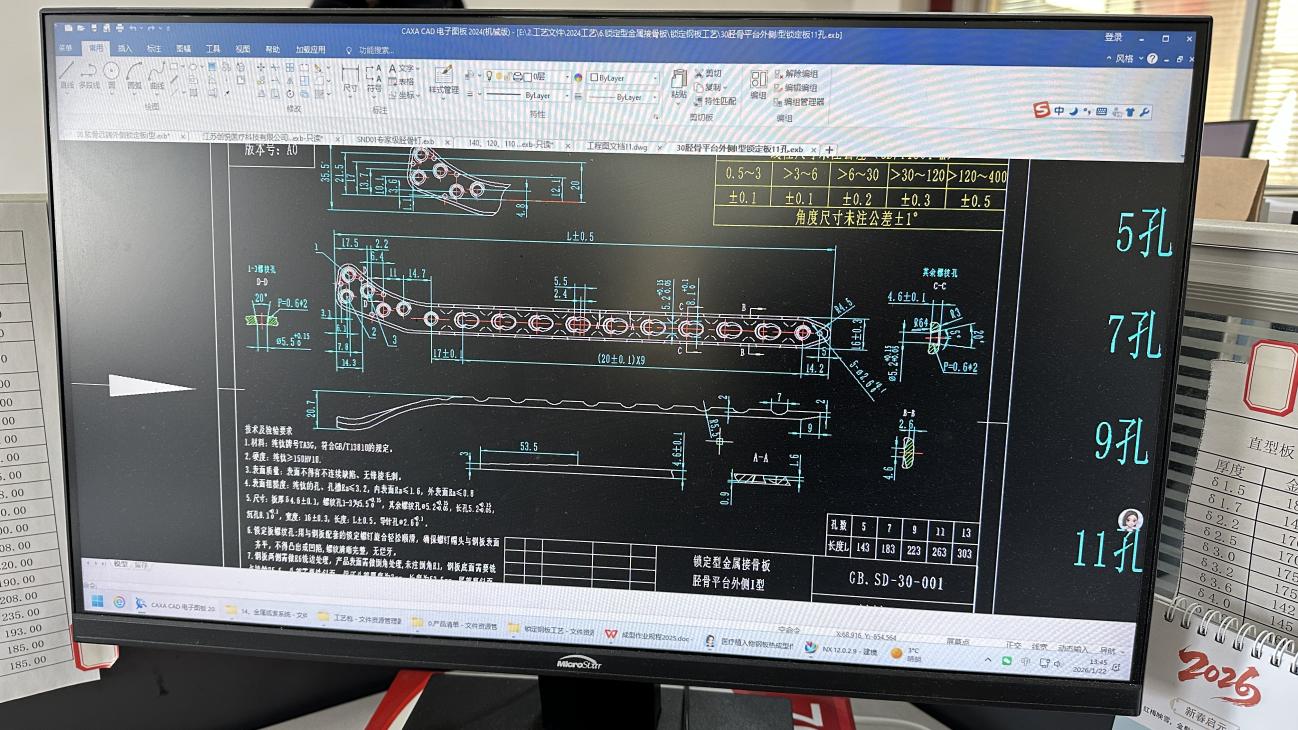
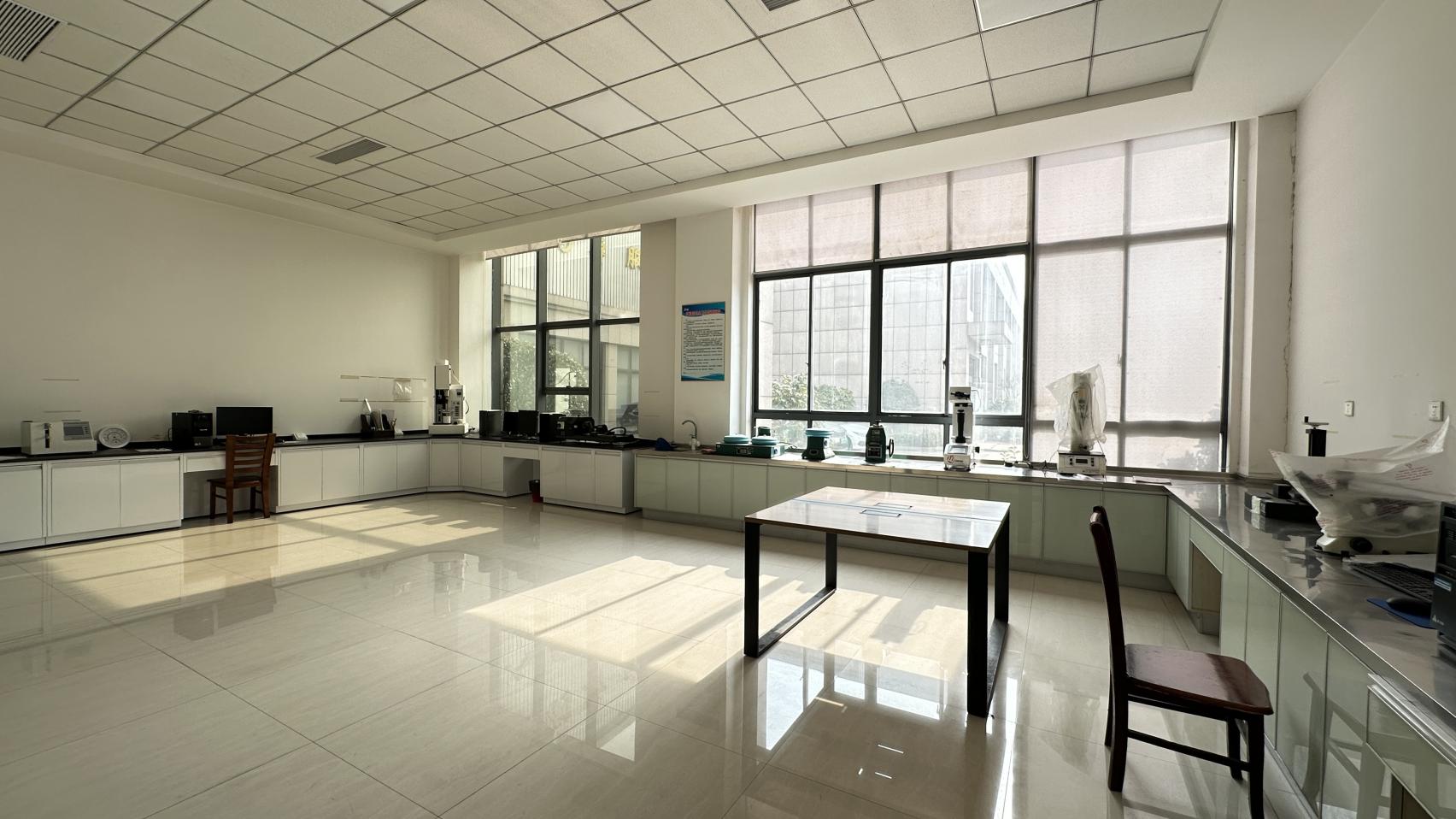
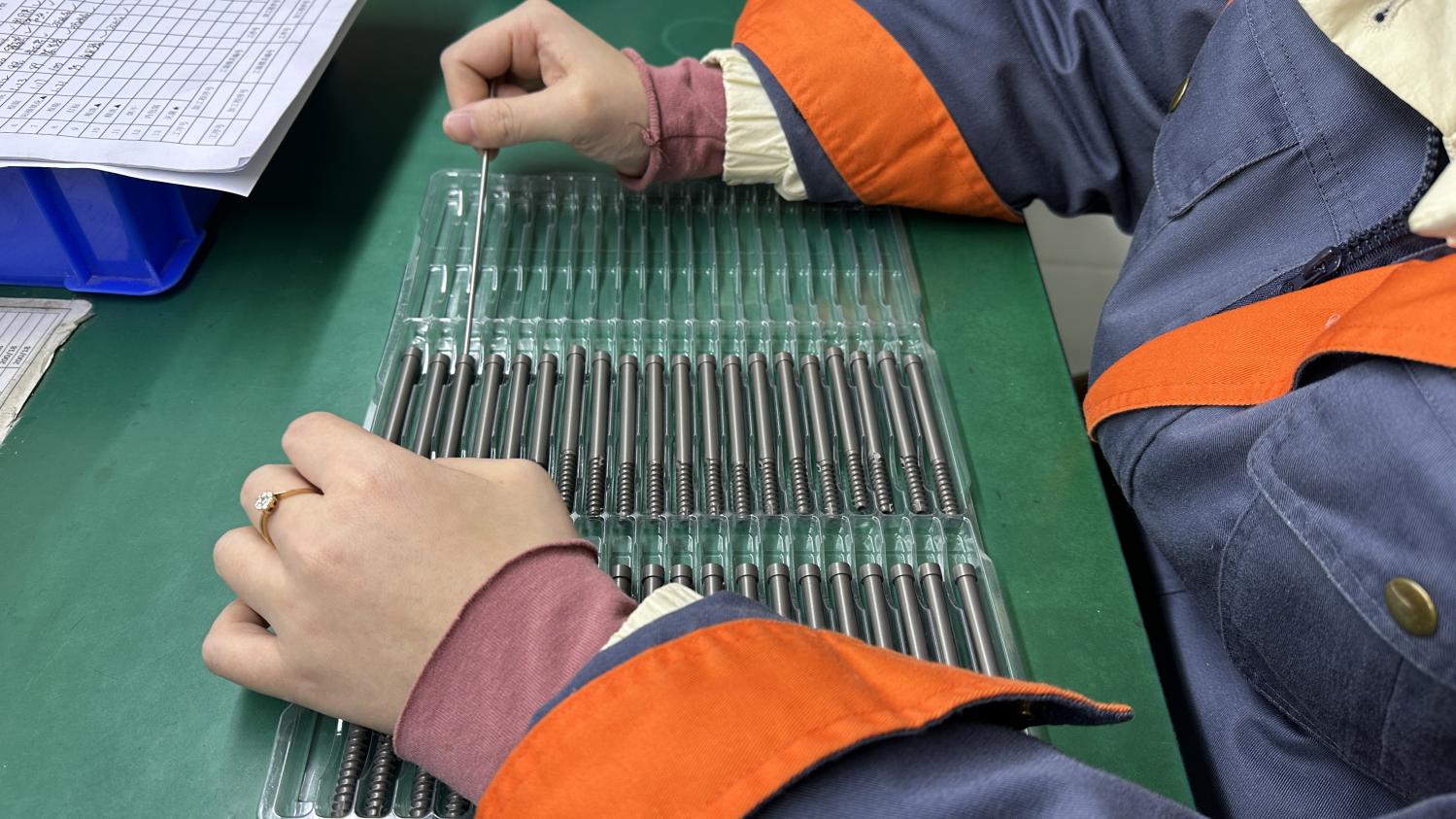
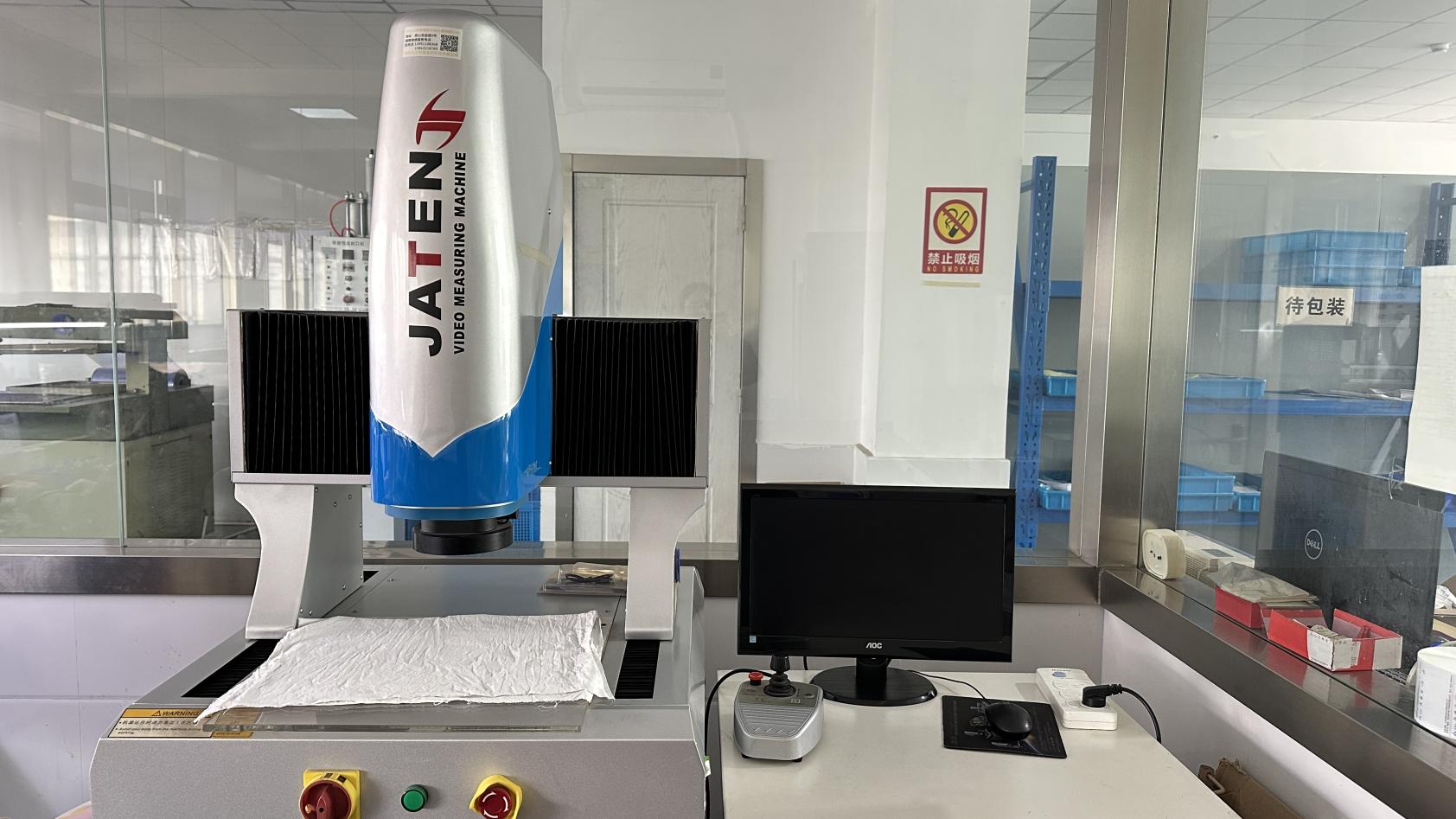
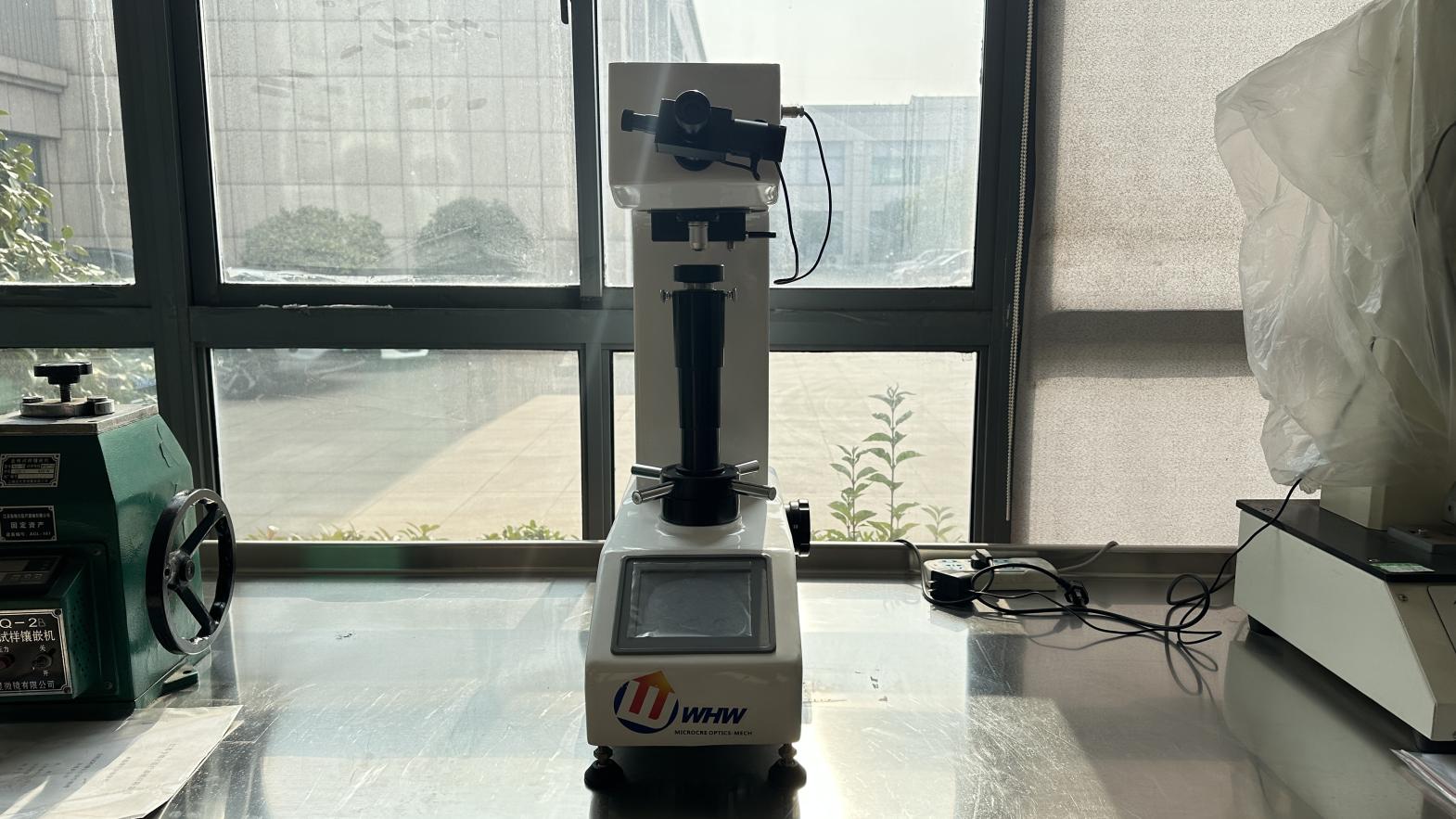
Take a virtual walk through our advanced production line and testing facilities
Class III Orthopedic Hardware Custom Engineered for Hospital Networks in Kuala Lumpur
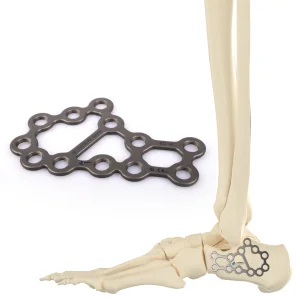
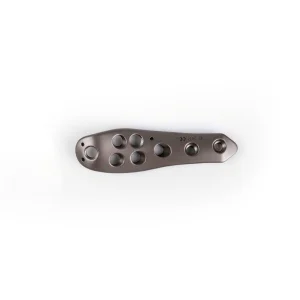
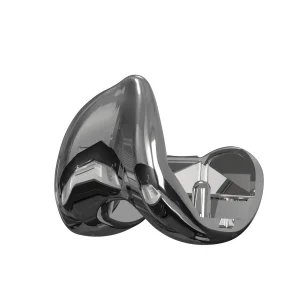
Implants face complex loading profiles within the human body. To ensure biological integration, our products use raw materials such as ASTM F136 ELI Titanium and implant-grade PEEK. We employ electrochemical anodization to form a protective oxide film, enhancing corrosion resistance and reducing metal ion release in vivo.
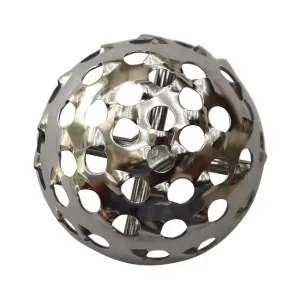
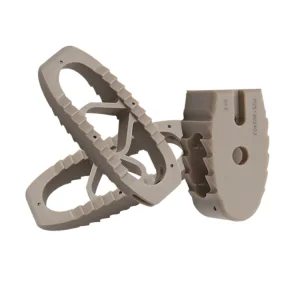
For spinal applications, our PEEK cages mimic the elastic modulus of cancellous bone, minimizing stress shielding and promoting fusion when combined with autologous bone graft substitutes.
Leveraging air cargo corridors between Guangzhou/Shenzhen hubs and Kuala Lumpur International Airport (KLIA), we offer fast delivery times. Most consignments clear custom procedures in Malaysia within 3 to 5 business days when managed by our dedicated shipping partners.
All products arrive sealed in protective double-barrier packaging, maintaining cleanroom integrity until sterile processing at your hospital or clinical distribution facility.
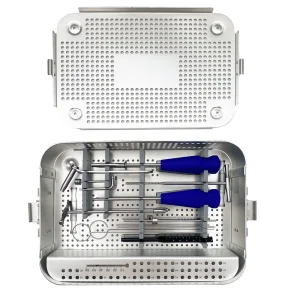
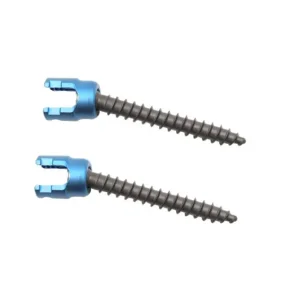
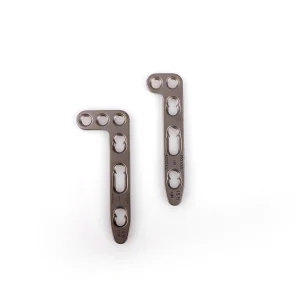
We collaborate with medical researchers and biomedical engineers across Malaysia to customize surgical kits and anatomical locking plate styles. This includes configuring thread patterns for orthopedic bone screws or adjusting the contour curvature of pelvic reconstruction plates.
Our engineering team provides comprehensive 3D modeling and structural finite element analysis (FEA) to verify your designs before initiating high-speed milling.
Trauma, Spinal Systems, Joint Prosthetics & Minimally Invasive Instruments for Kuala Lumpur Distributors
Essential technical answers for biomedical engineers, purchasing officers, and distributors