 Medisplint
Medisplint
Medisplint
Selected high-demand clinical configurations engineered for strict alignment with European standards of biomaterial resilience and mechanical precision.
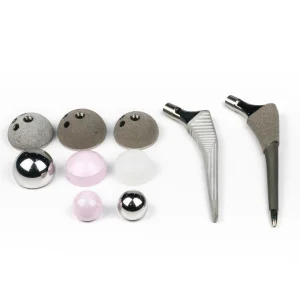
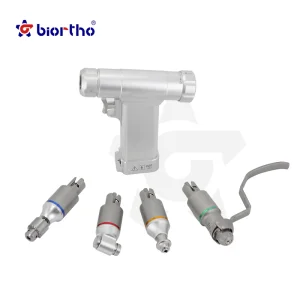
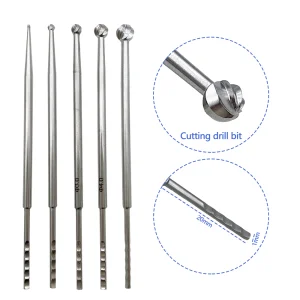
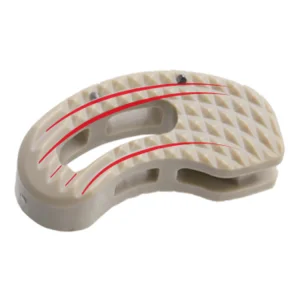
The Berlin metropolitan region, driven by world-renowned institutions such as the Charité - Universitätsmedizin Berlin, stands at the absolute vanguard of global orthopedic oncology, spinal reconstructive surgeries, and trauma interventions. This dense network of university hospitals, private clinics, and specialized centers demands surgical equipment and implantable systems that meet the rigorous requirements of safety, biocompatibility, and tactile precision.
As EU Medical Device Regulations (MDR 2017/745) shift compliance metrics, procurement heads, distributors, and surgical leads across Berlin-Brandenburg face escalating supply chain constraints. High local overheads combined with prolonged product development cycles have created a strategic need: high-performing, certified overseas orthopedic factories that function as seamless outsourcing partners.
Sourcing orthopedic implants and instrumentation for the German market is not merely a transaction of physical products; it is an exercise in rigorous regulatory documentation. German clinical buyers require Class Ib, Class II, and Class III medical devices to bear definitive CE certification and to align with ISO 13485:2016 quality management standards.
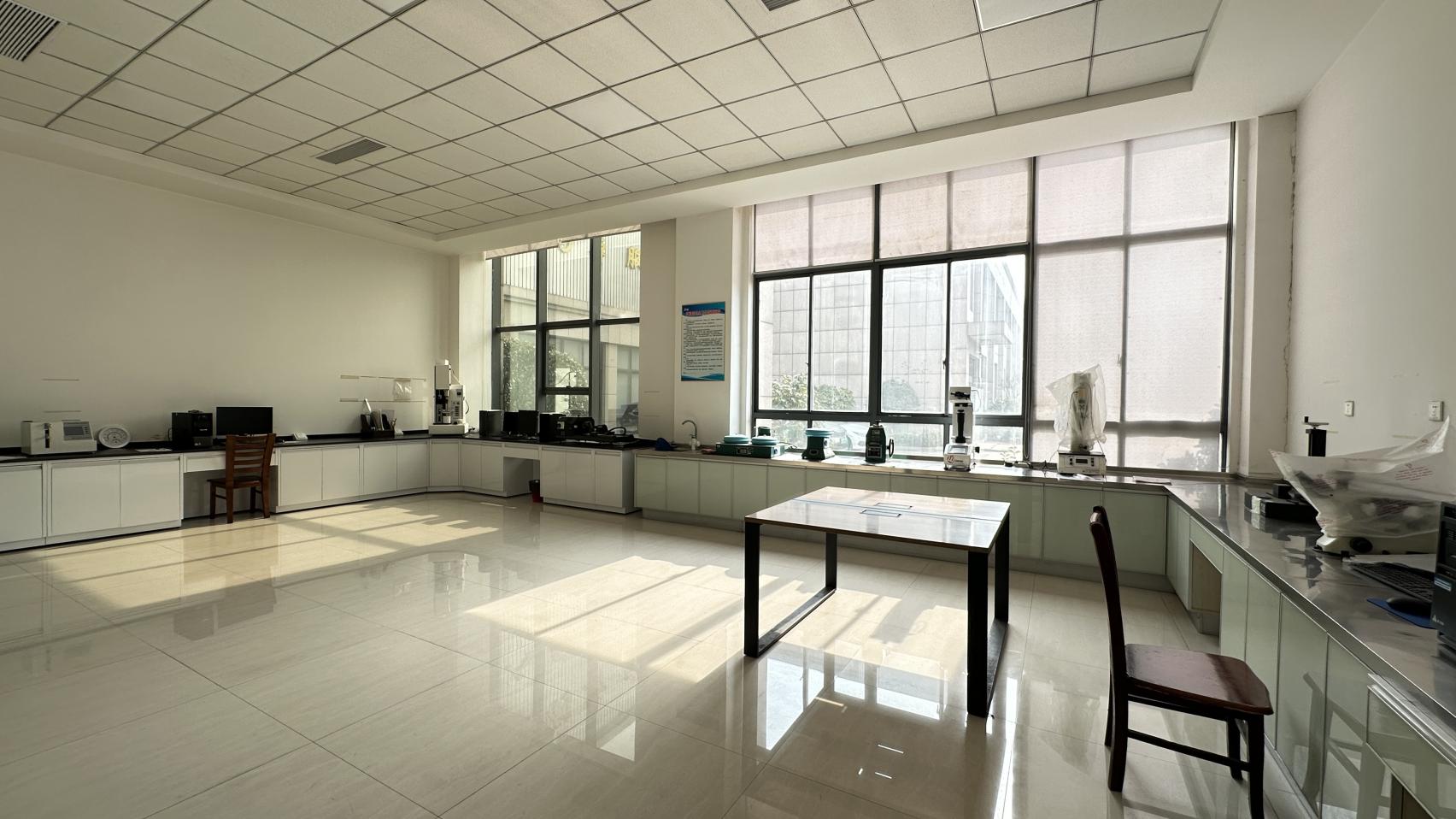
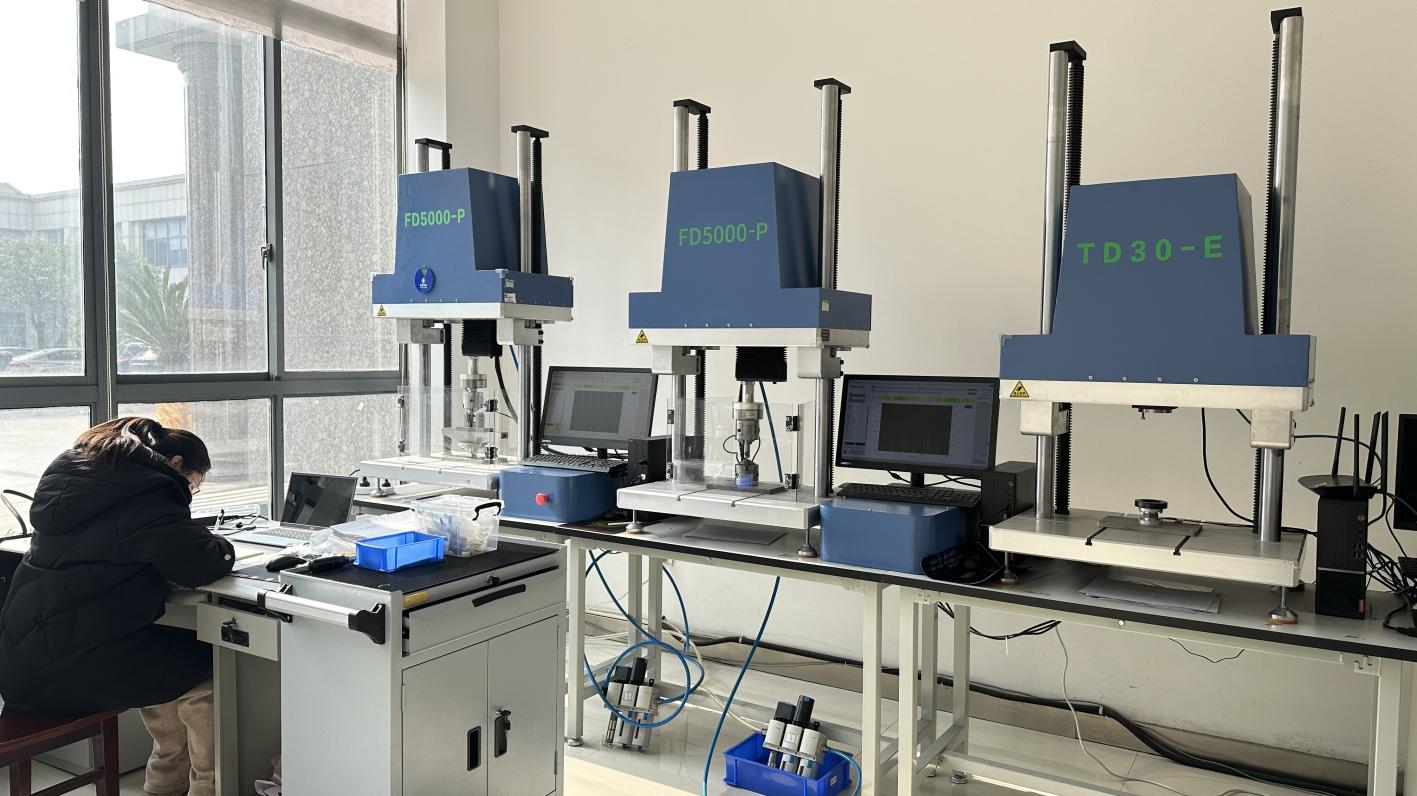
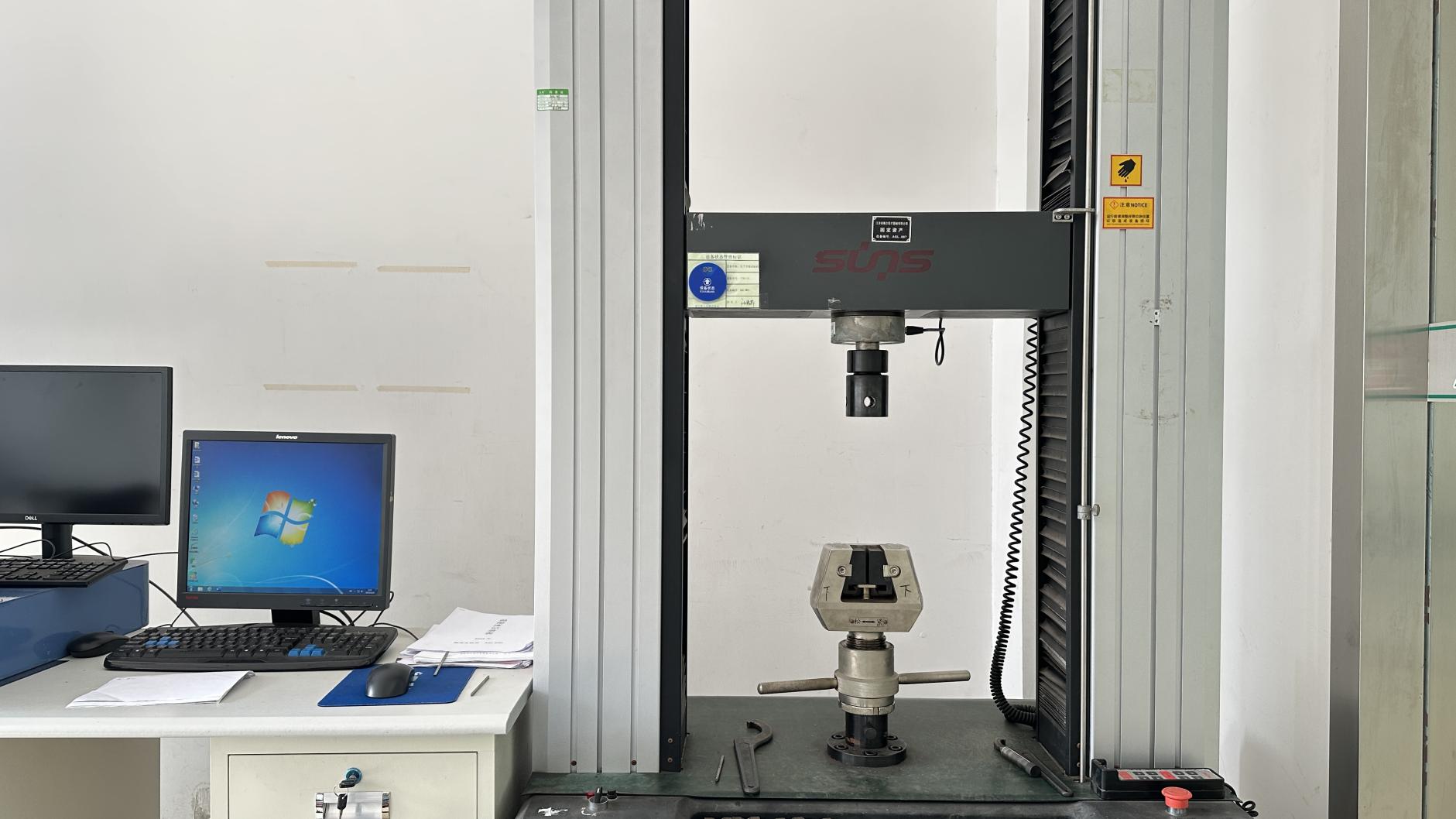
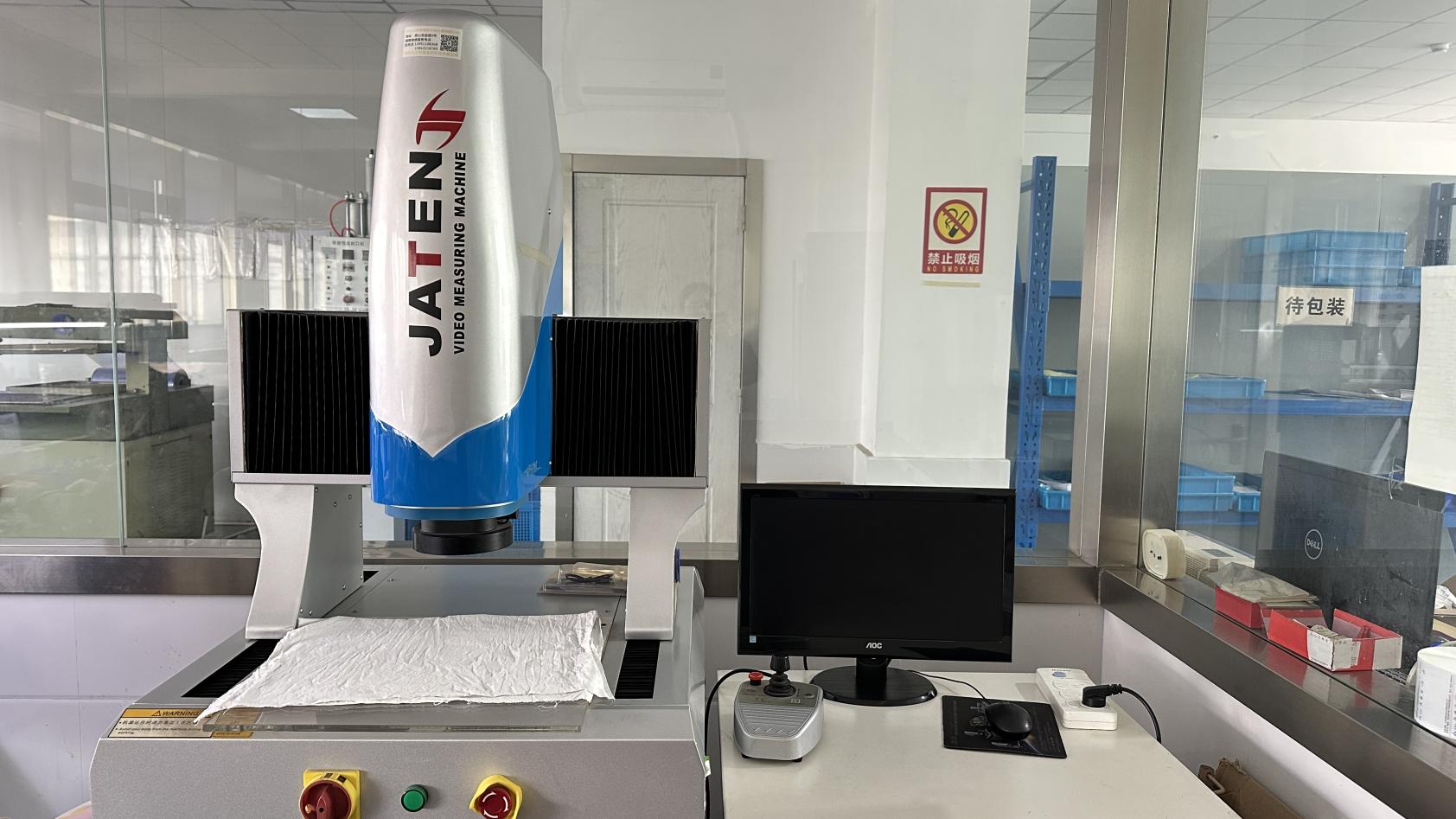
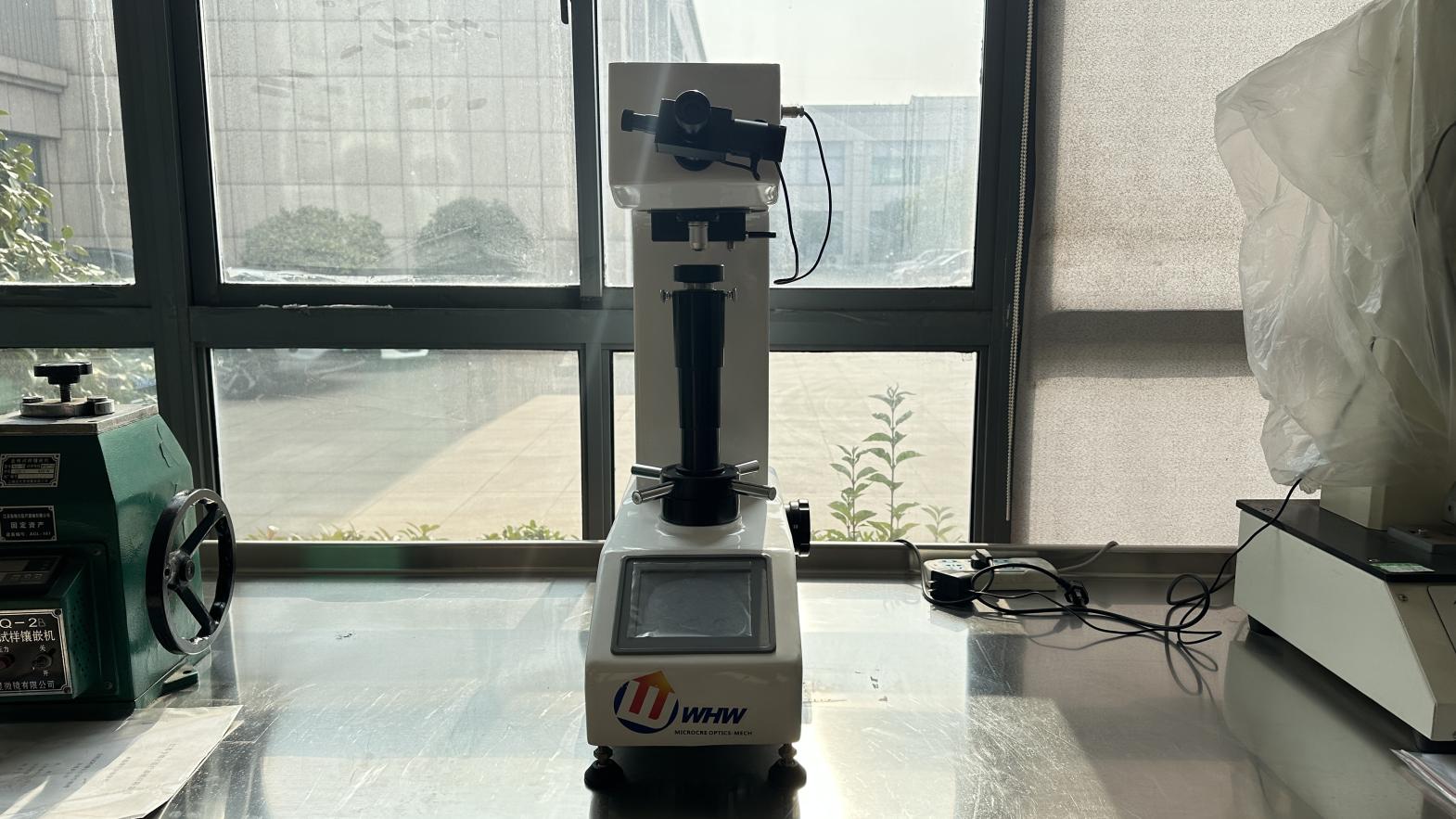
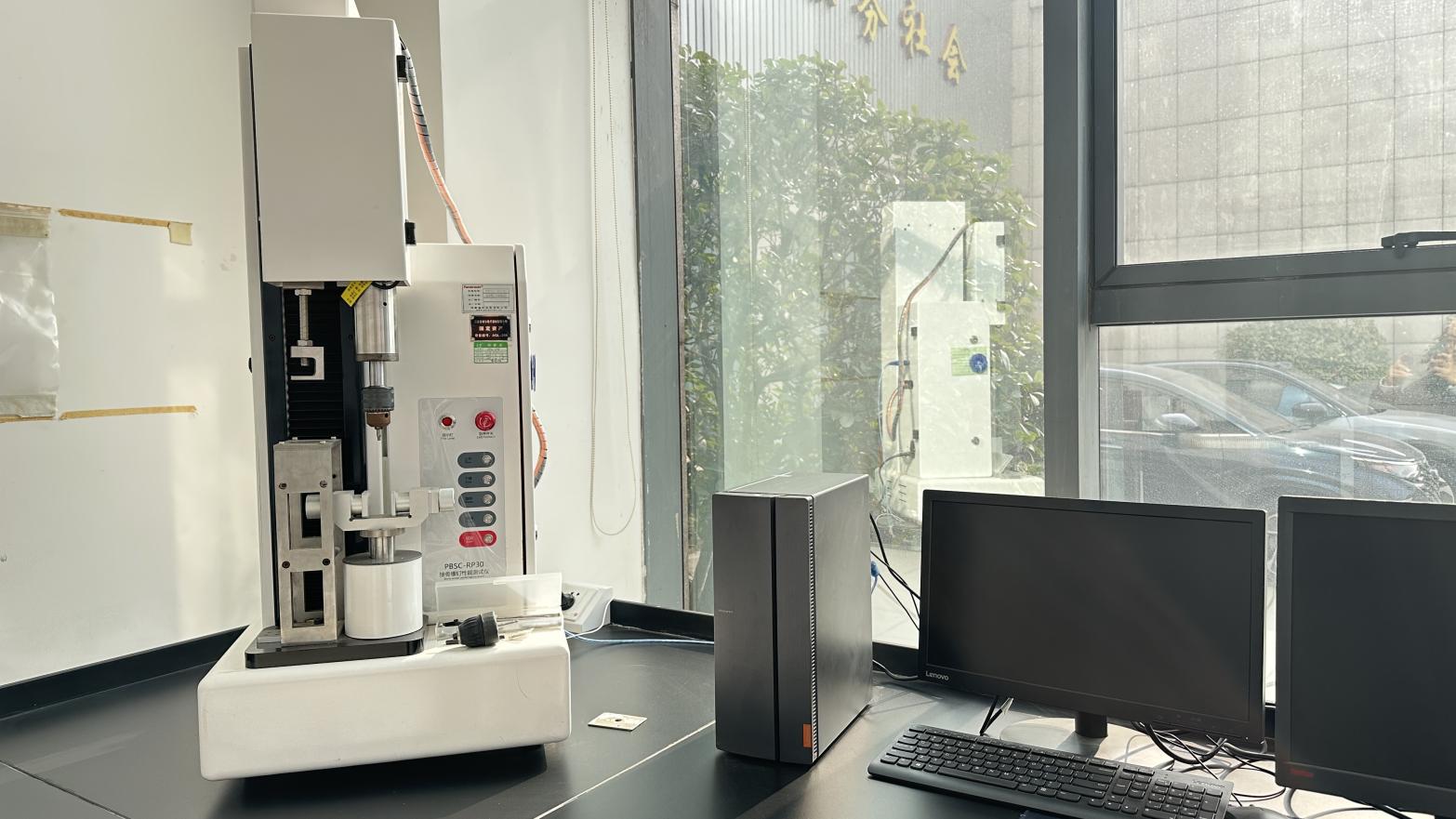
From chemical passivation verification to mechanical fatigue reports of load-bearing screws and plates, every batch must carry clear traceability profiles. Medisplint addresses this directly, maintaining robust testing environments (fatigue, tensile, and dimensional) that supply complete documentation to simplify approval processes for European distributors.
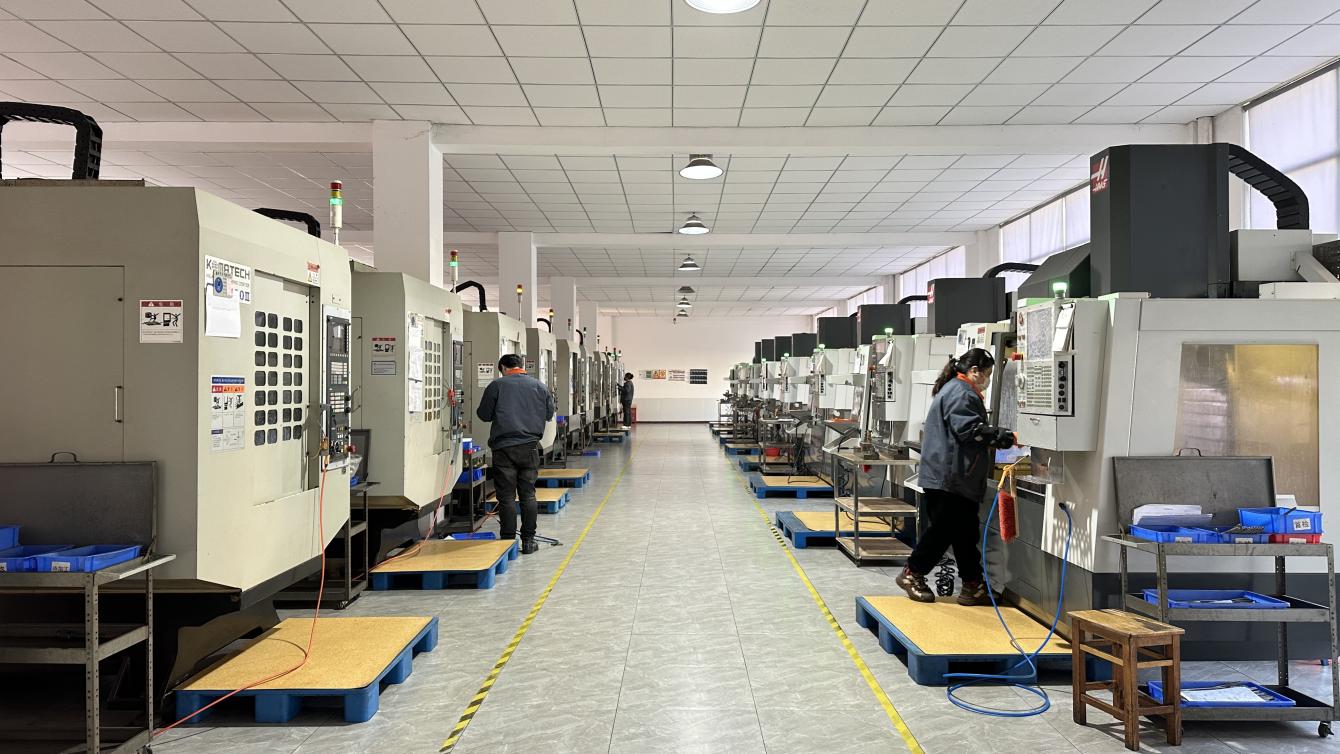
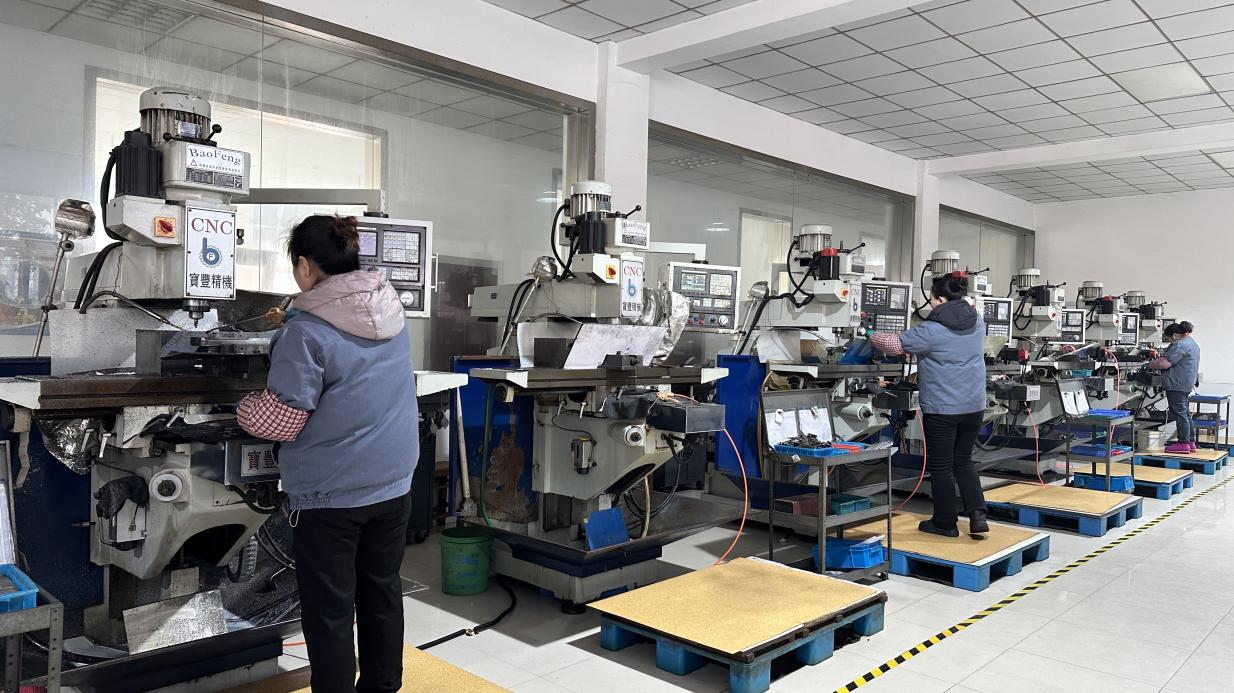
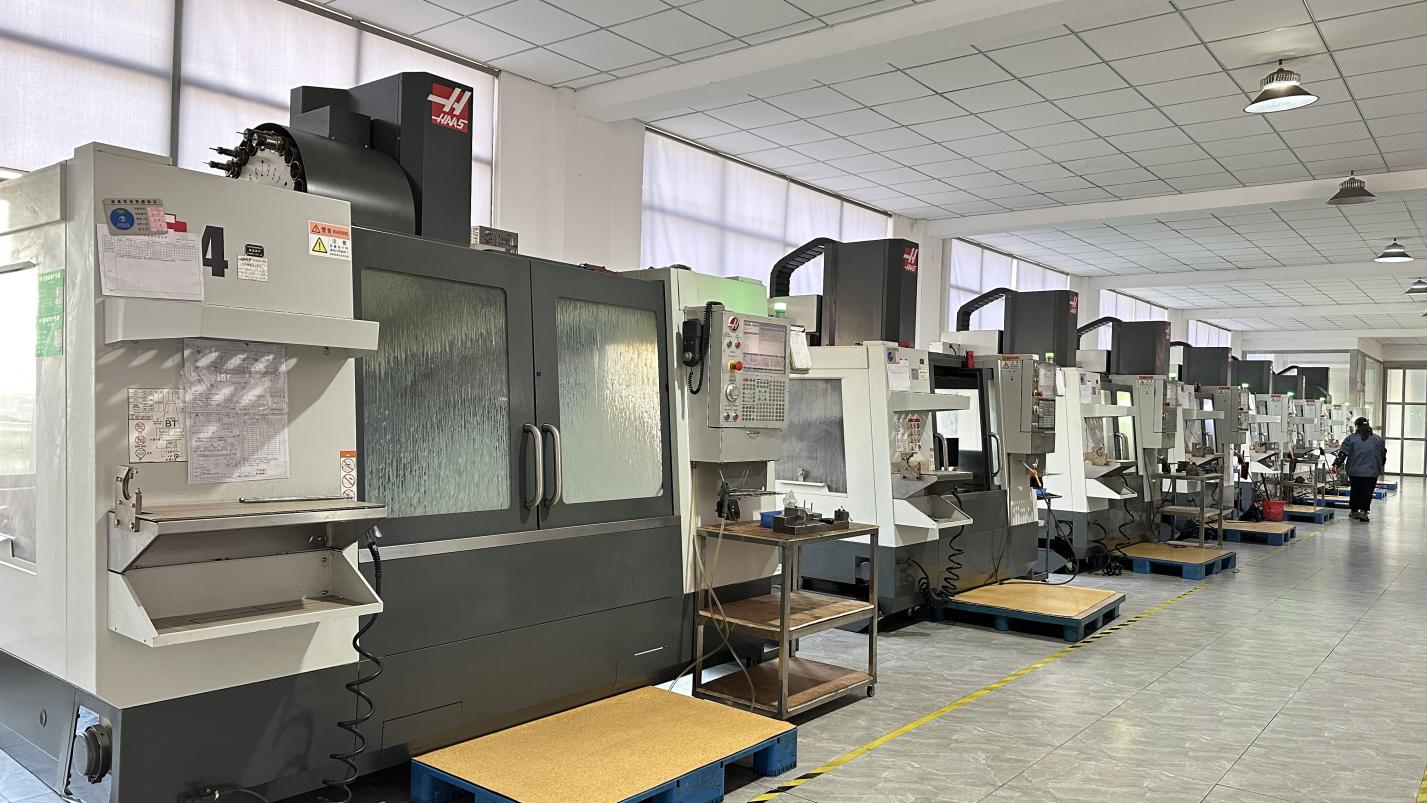
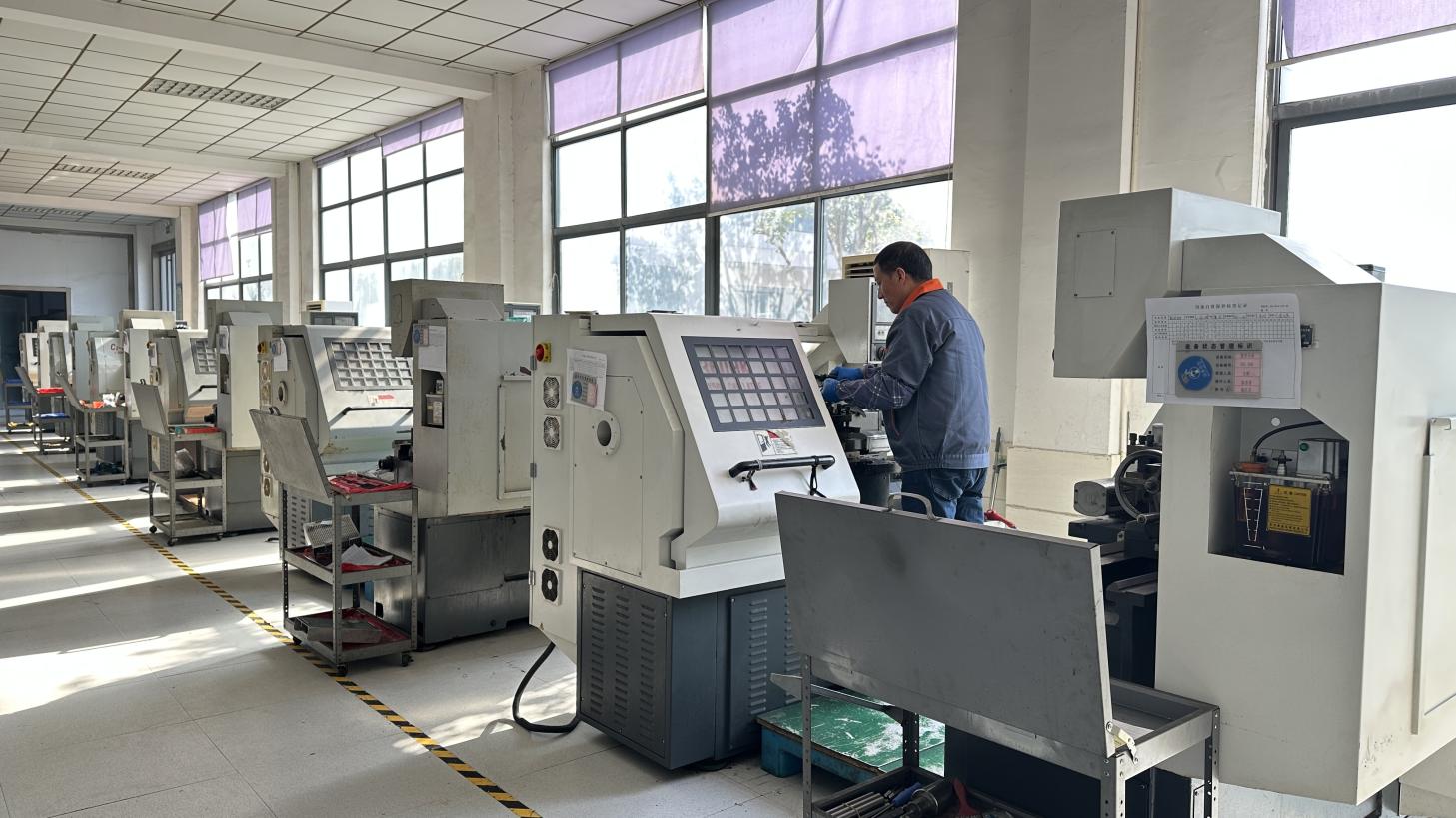
Our research and development team specializes in manufacturing Polyetheretherketone (PEEK) spinal fusion cages and Grade 5 ELI Titanium plates. By controlling raw material inputs and using high-precision CNC multi-axis milling, we reduce micro-burr defects to zero, minimizing the risk of postoperative osteolytic reactions.
Combining cost-effective manufacturing with the high-precision requirements of Western European medical systems.
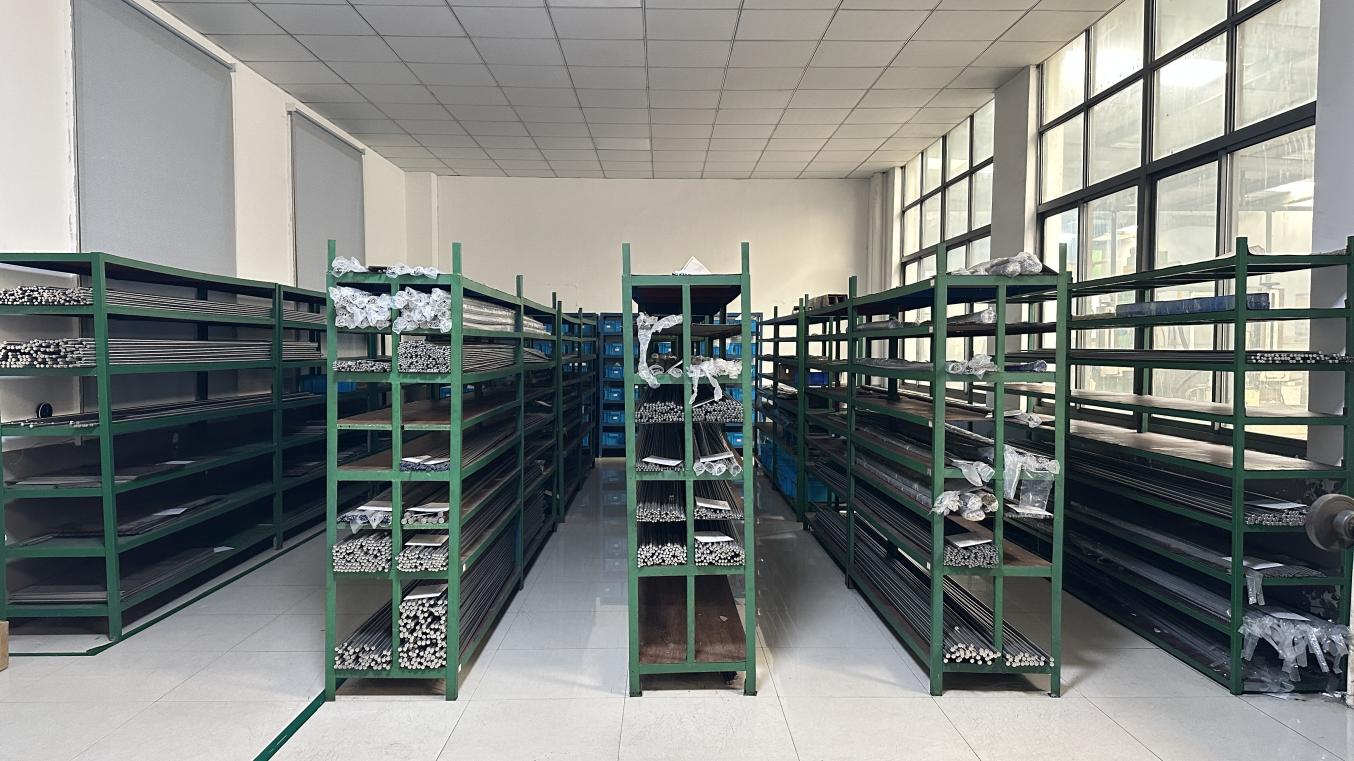
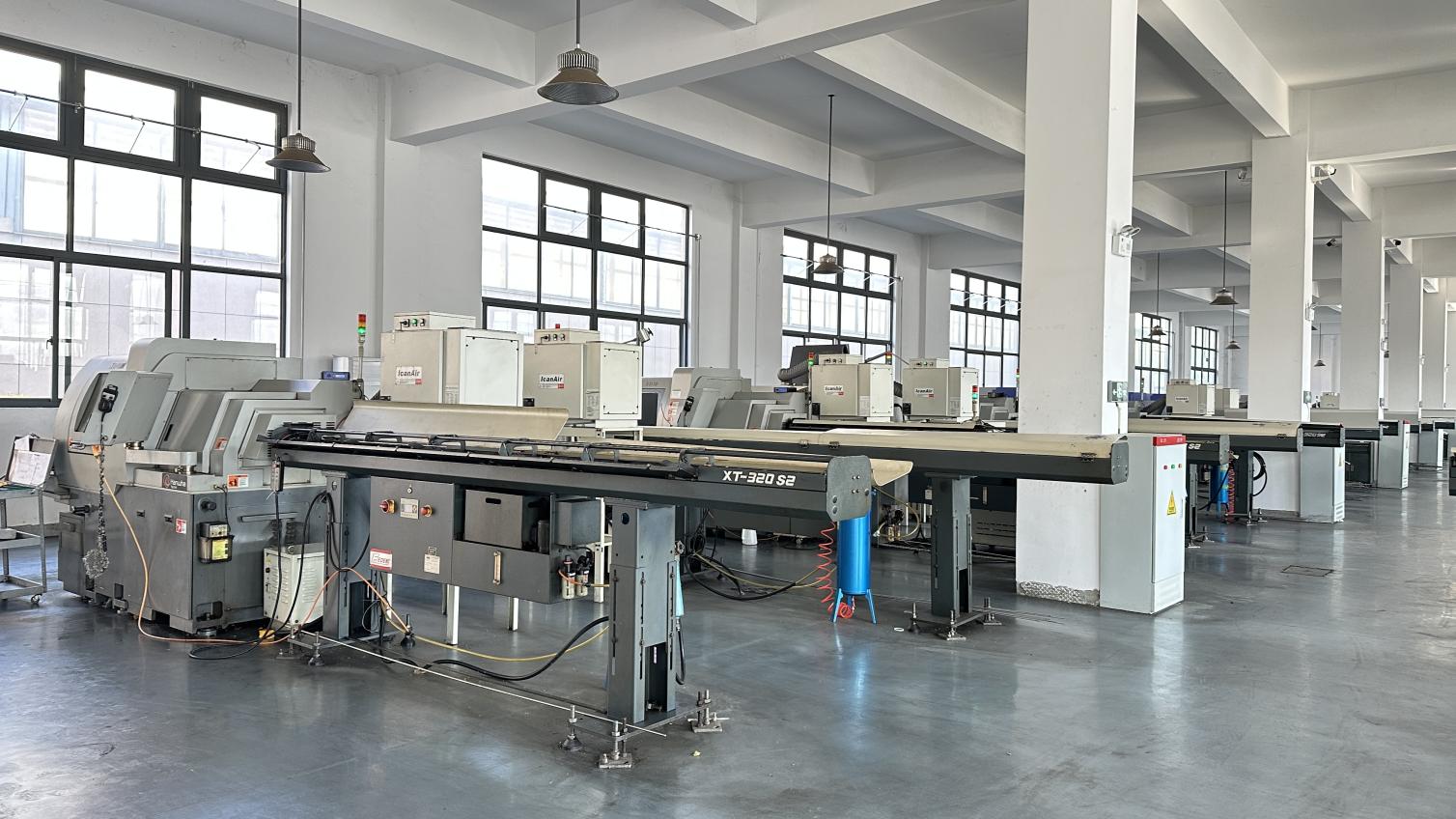
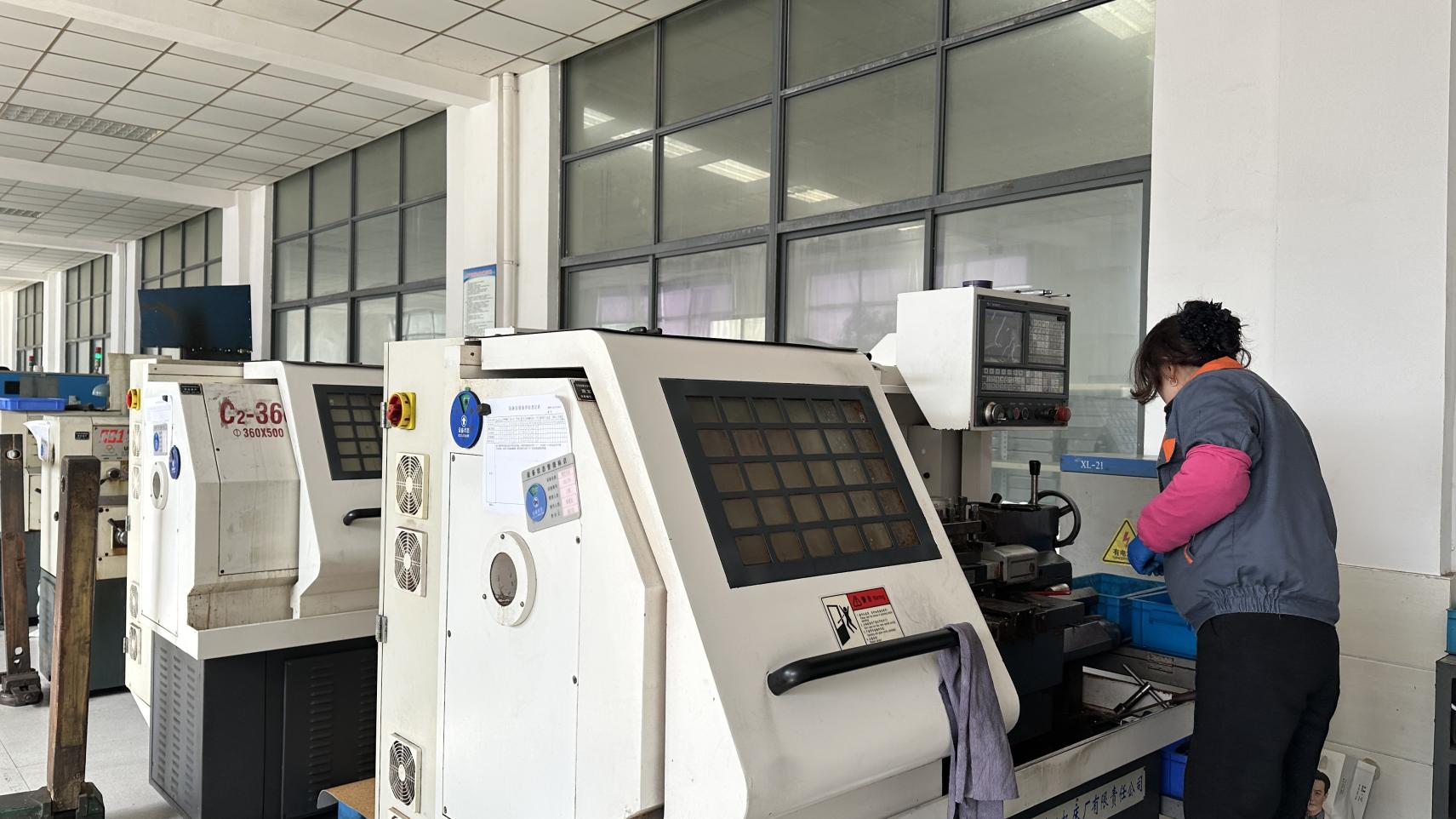
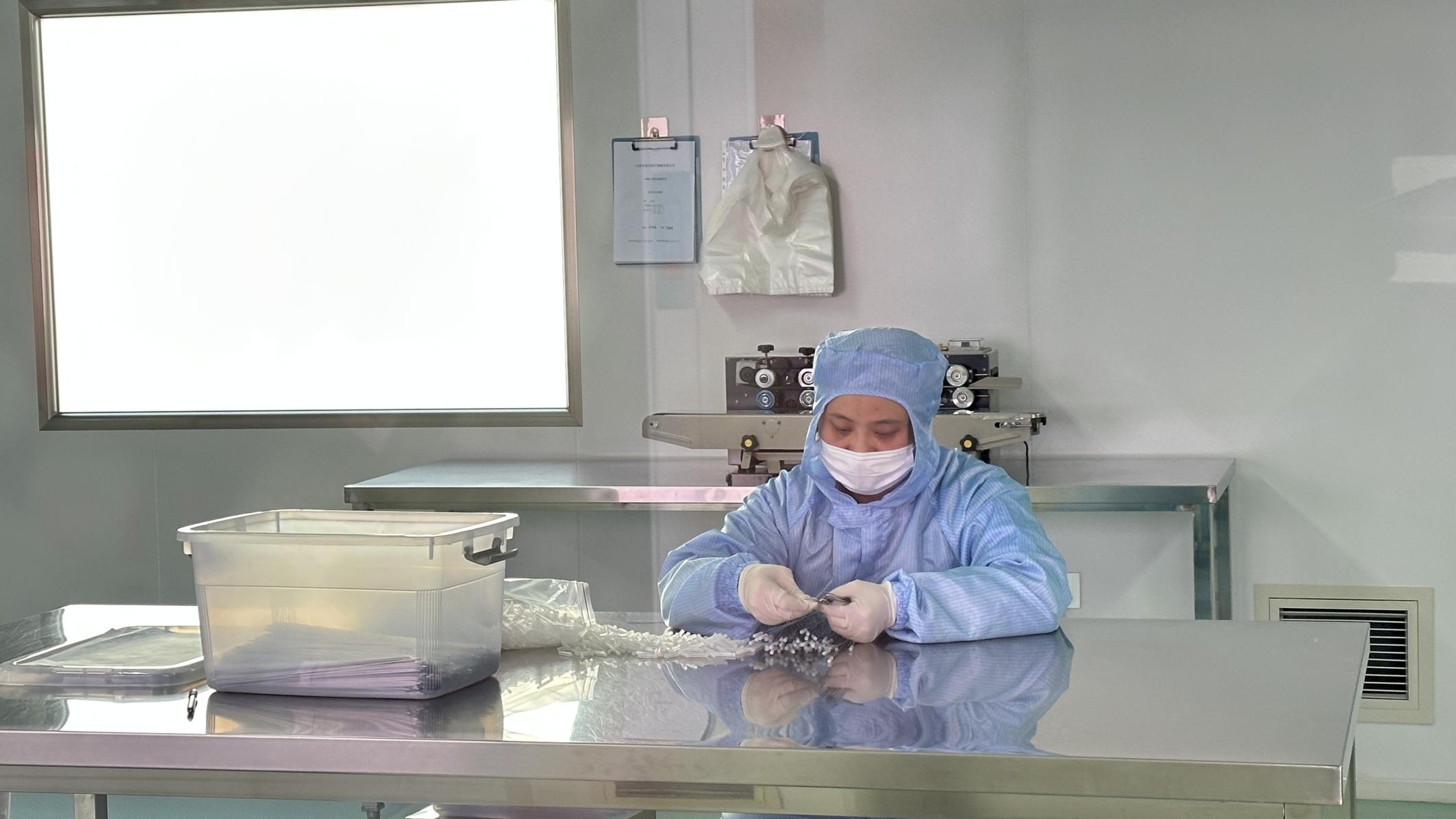
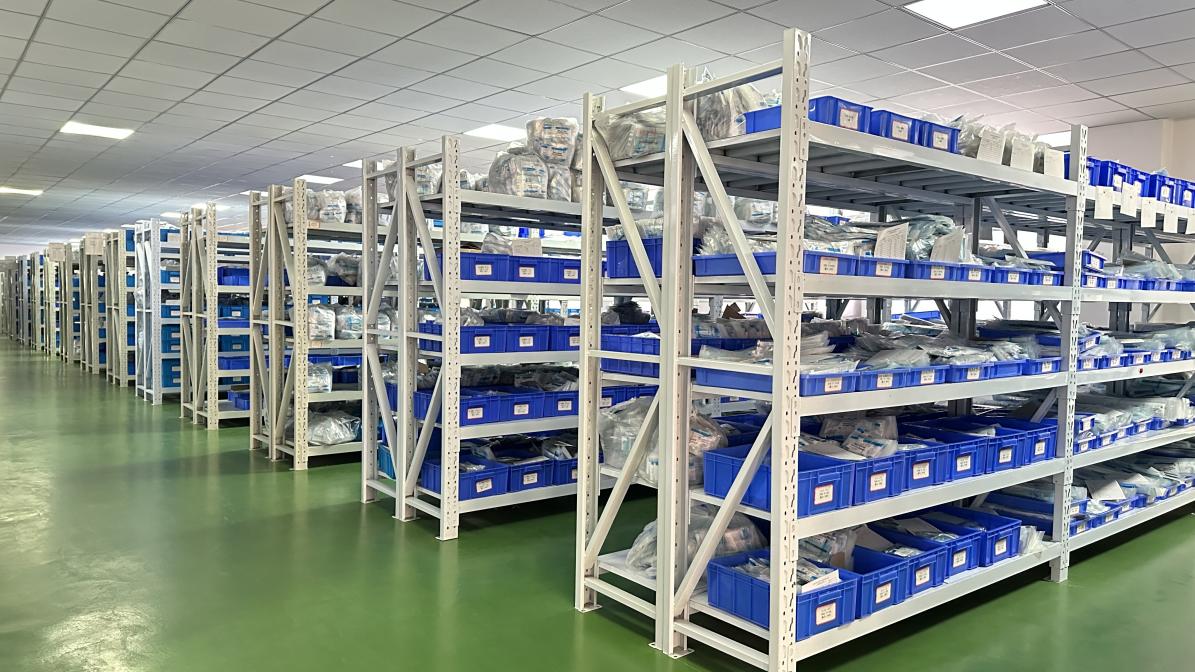
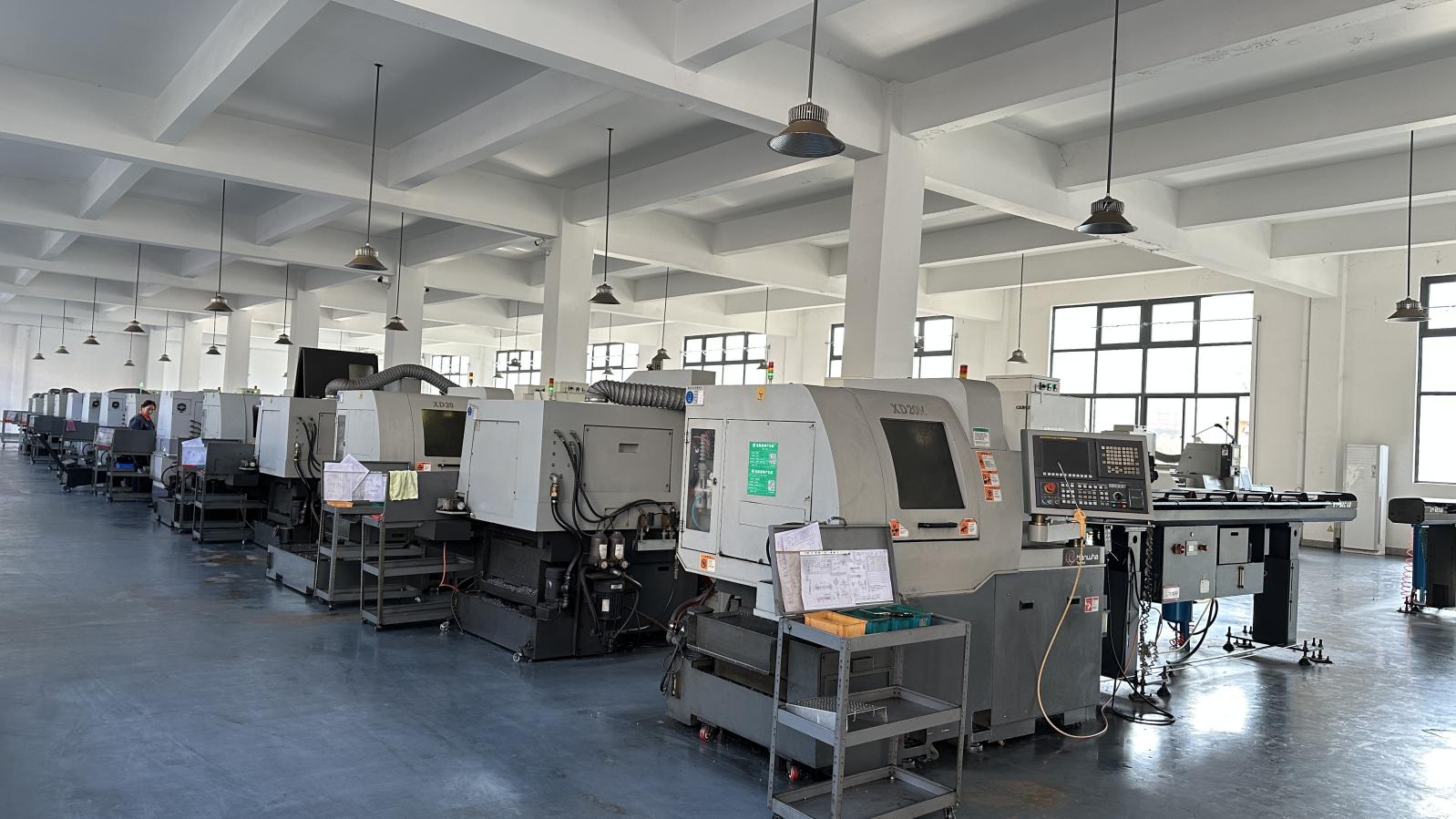
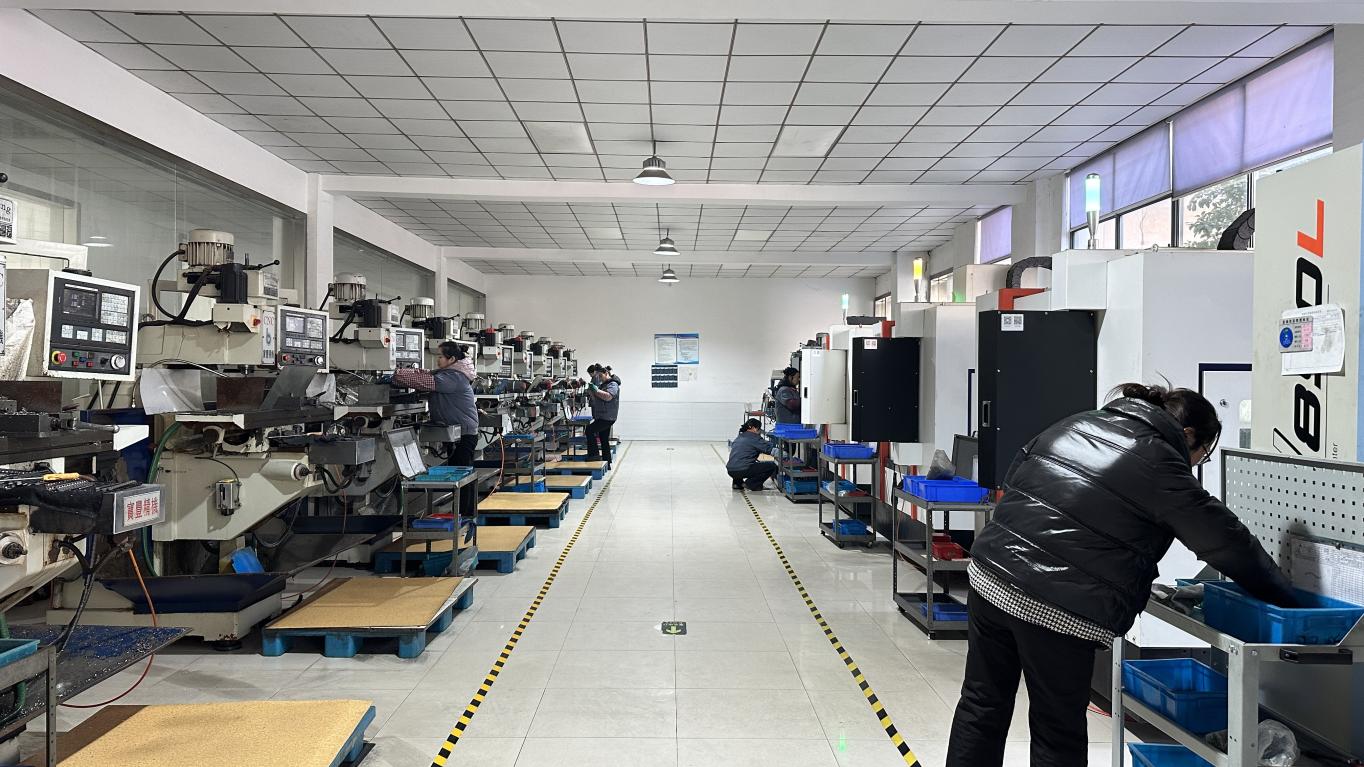
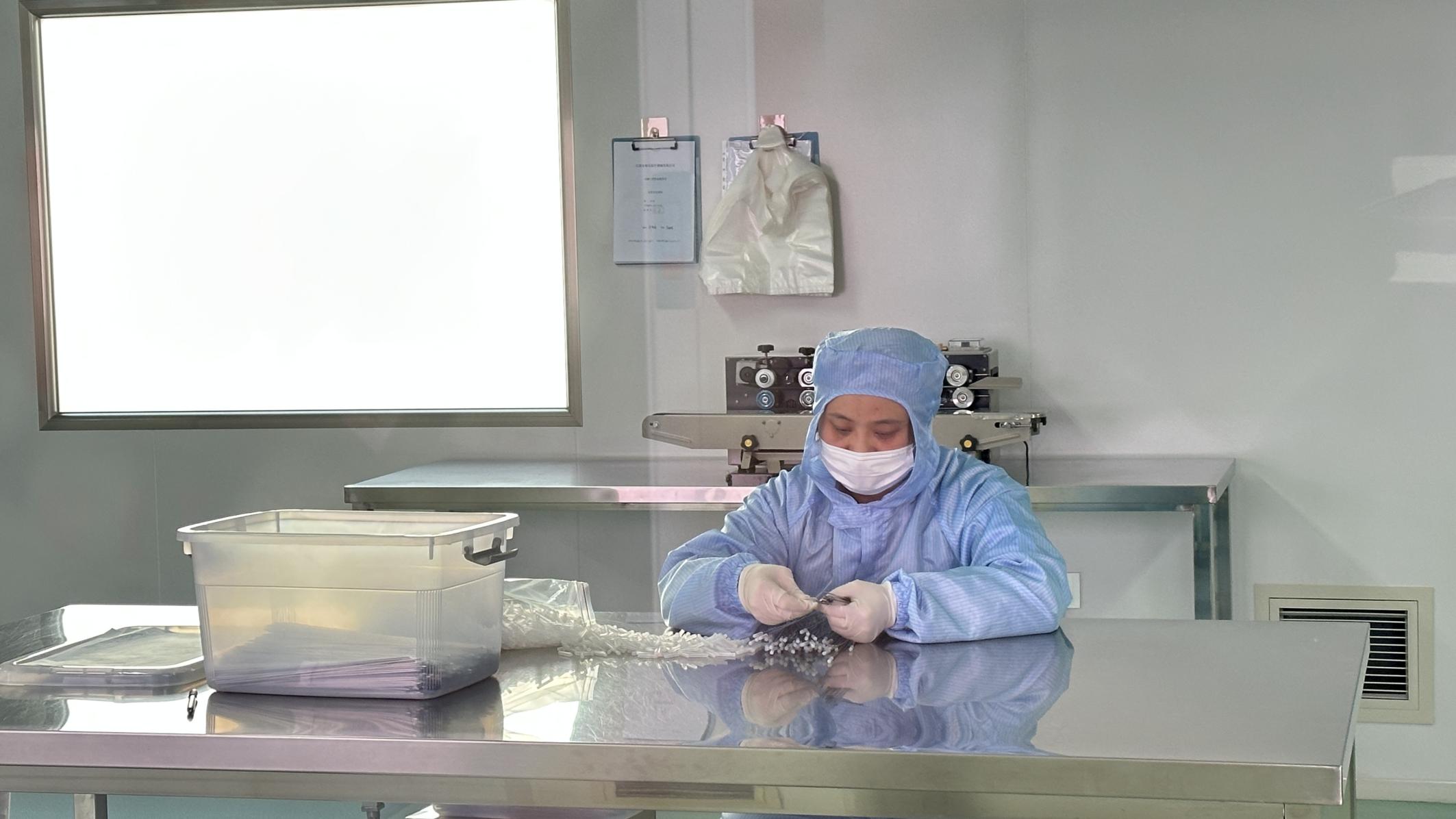
Medisplint Orthopedic Instruments Co., Ltd., established in 2016, has built a production facility designed to meet the demands of global orthopedics. By integrating raw material sourcing, CNC machining, automated passivation, and double-barrier packaging, we eliminate structural delays typical of fragmented supply chains.
For Berlin's medical technology distributors, this setup reduces time-to-market. Instead of sourcing power tool adapters, trauma plates, and retractors from separate vendors, buyers can purchase fully compatible system trays. This consolidated shipping reduces logistics complexity and simplifies import customs processing at German ports of entry.
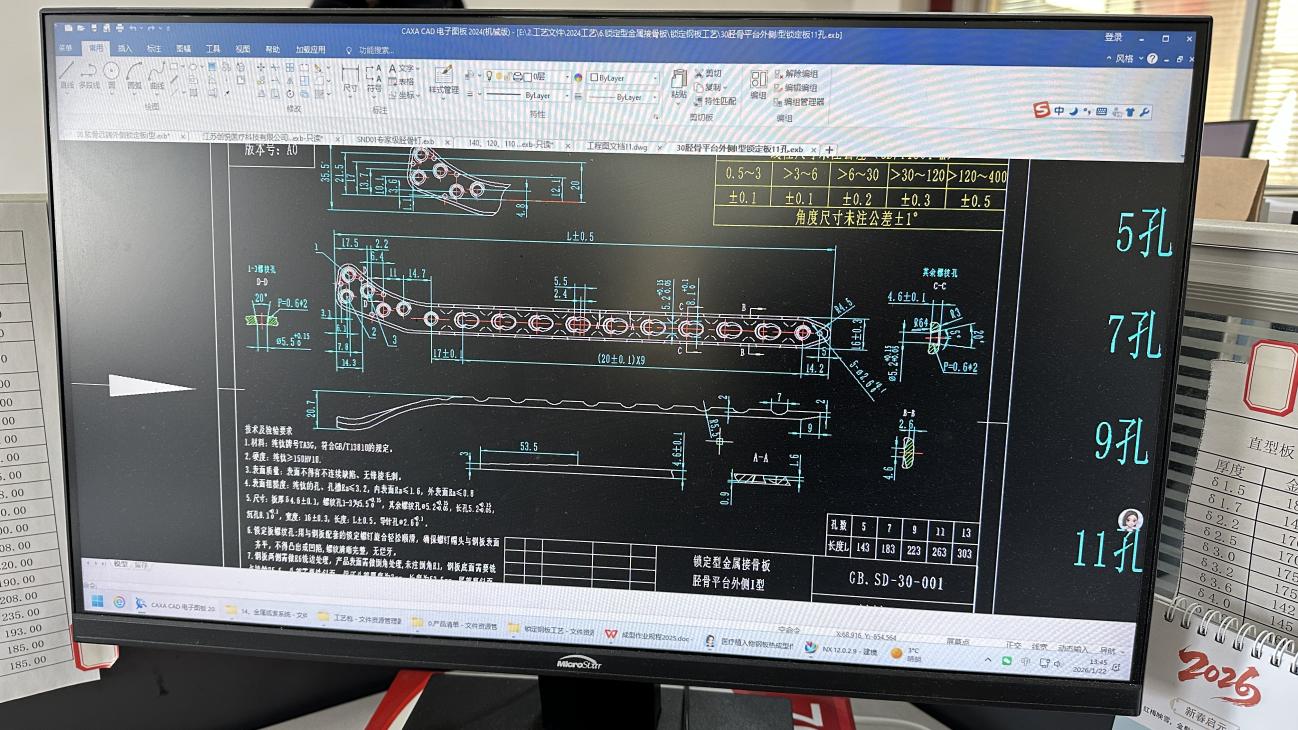
Additionally, our 85 R&D engineers collaborate directly with clinical researchers to modify existing designs, ensuring instruments match specific clinical preferences or fit proprietary anatomical implant geometries.
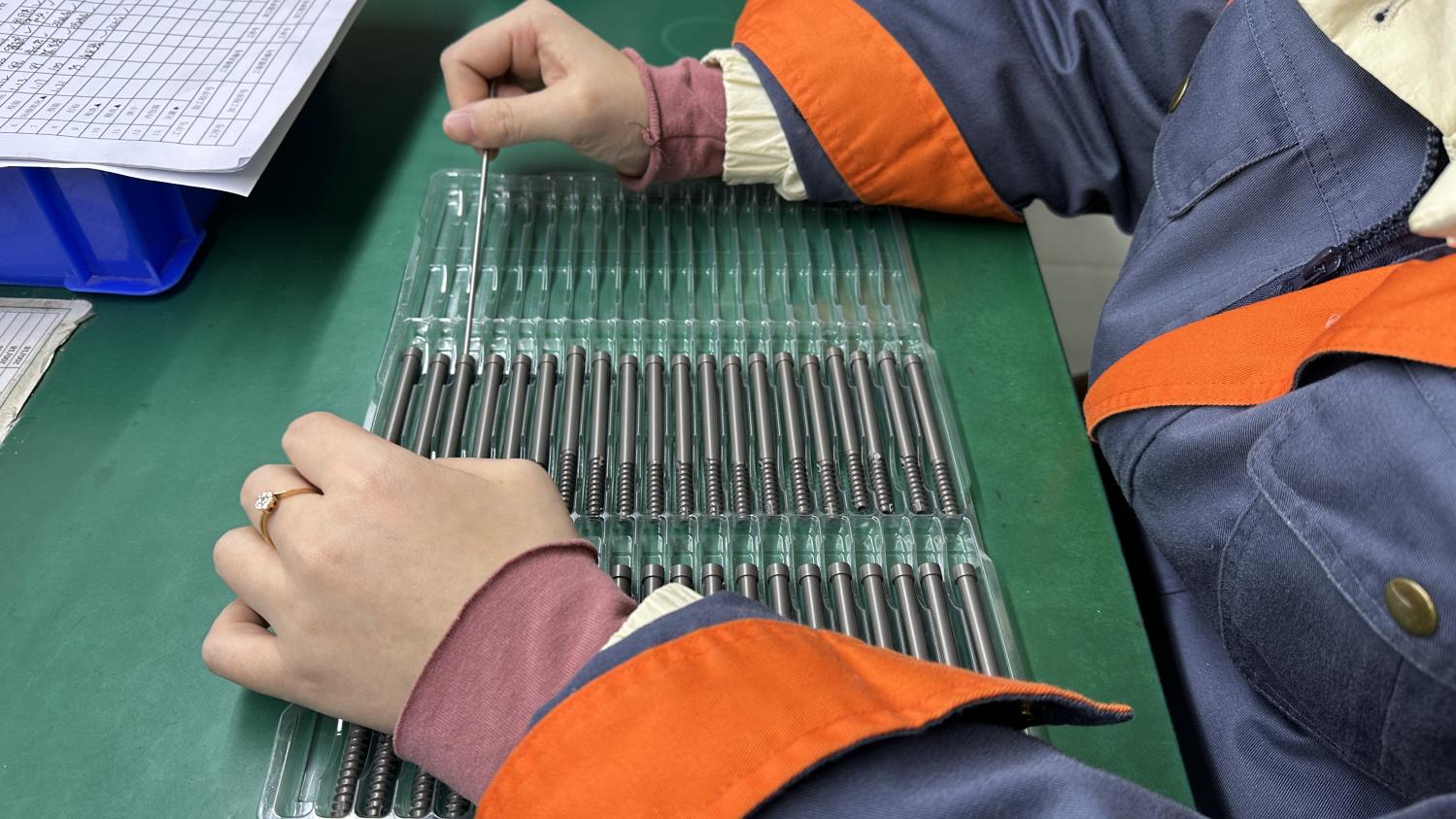
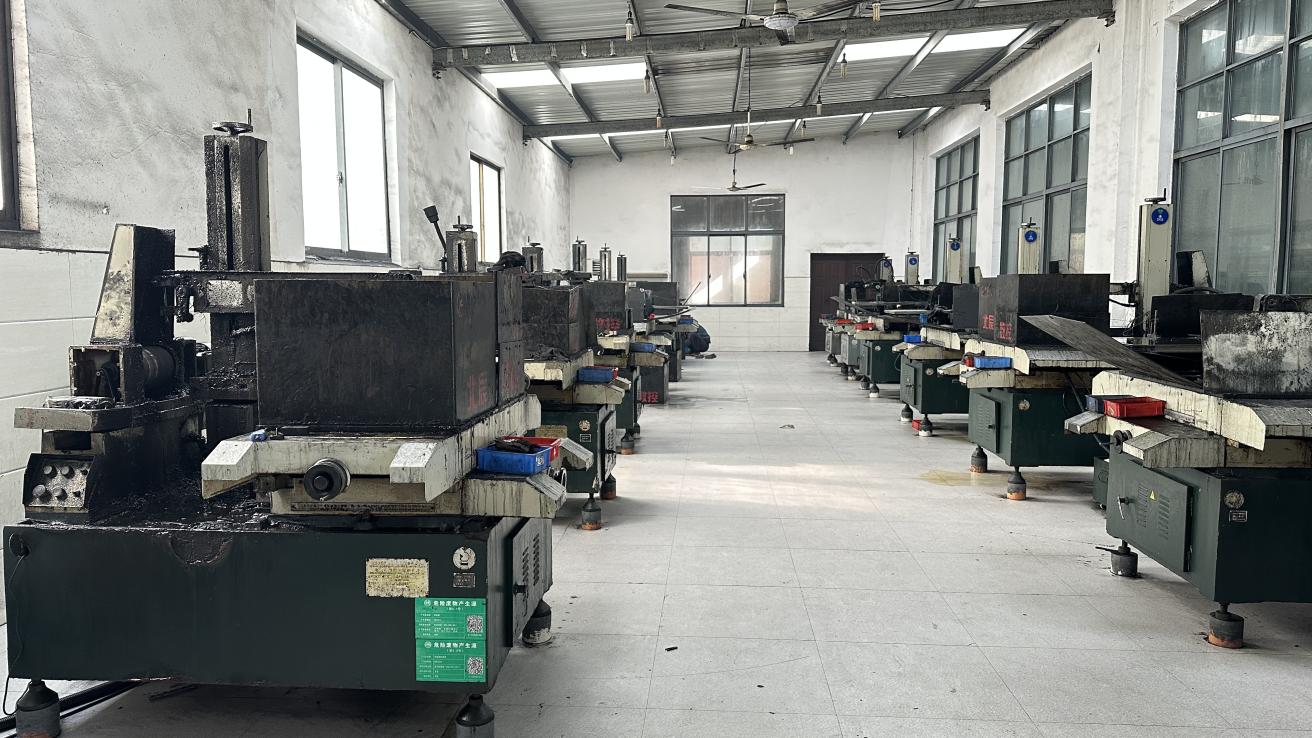
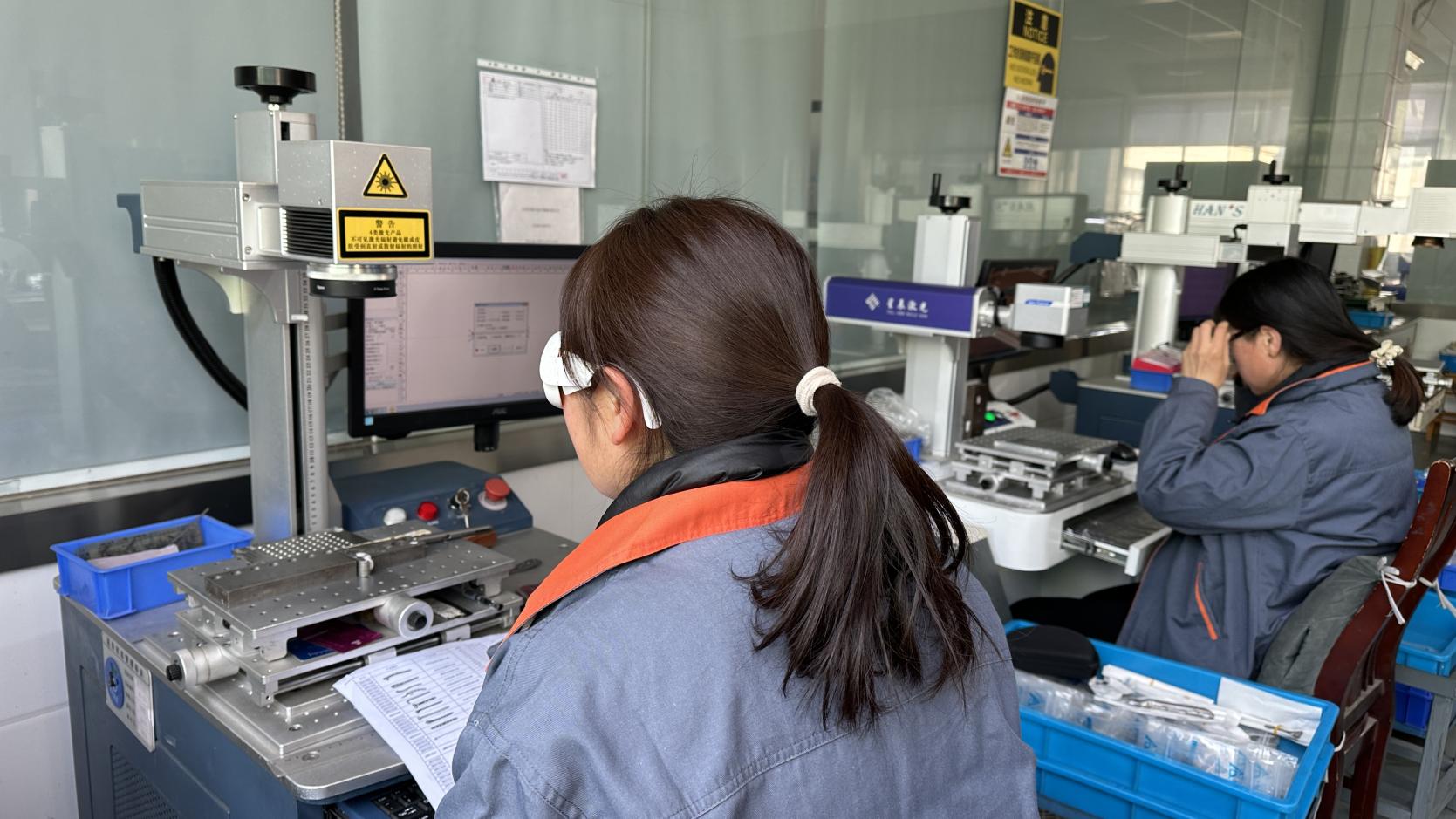
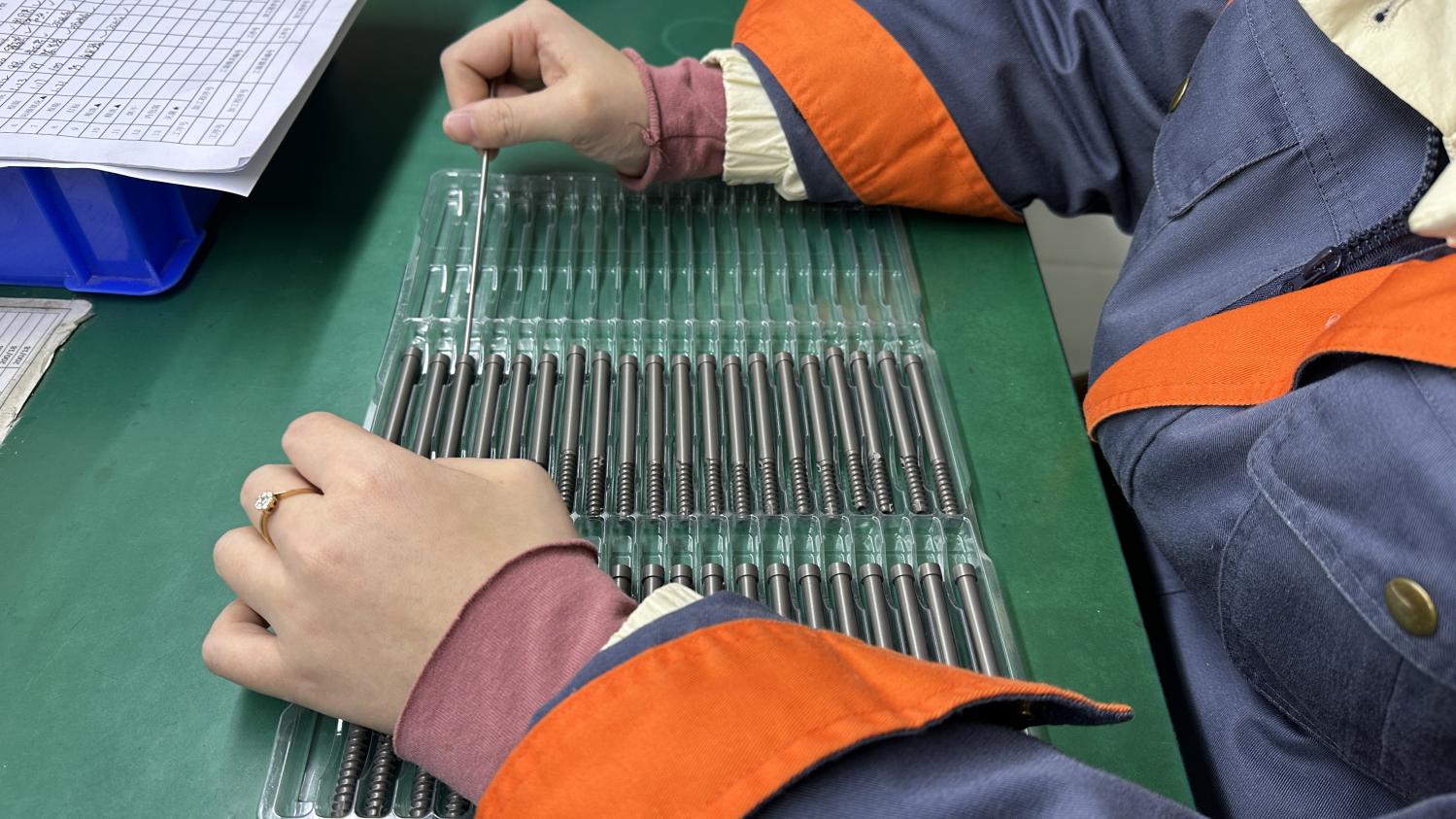
Inside our ISO 13485 certified production facility, where surgical instruments and Class III implants are manufactured.
Next-generation implants require advanced surface processing to promote rapid osteointegration. We employ precise acid-etching and anodic oxidation techniques, forming a highly uniform oxide layer on titanium implants. This promotes stable bone anchoring, reducing recovery times for orthopedic patients in Germany.
Berlin's specialized veterinary clinics are increasingly adopting human-grade materials for companion animal trauma care. Our line of veterinary power drills, retractors, and micro-screws utilizes identical stainless steel and titanium grades to those used in human surgery, meeting the standards of high-end veterinary practices.
Operating rooms require modular orthopedic kits that integrate with robotic assistance and digital imaging. Our instruments are designed with precise tolerances, ensuring compatibility with navigation systems commonly used in modern surgical centers.
For distributors serving Berlin, Hamburg, and Munich, sourcing involves balance. Hospitals operate under DRG (Diagnosis-Related Groups) cost structures that penalize budget overruns, making cost management crucial. At the same time, clinicians cannot compromise on instrument reliability or implant safety.
Working with Medisplint allows German distributors to build customized surgical kits that contain both high-value implants and durable instruments. This approach optimizes cost-per-case metrics without compromising patient care.
Our OEM/ODM services allow you to import instruments with custom laser marking, specific surface finishes, and customized case layouts. This allows you to launch your own product lines while using our certified manufacturing facilities.
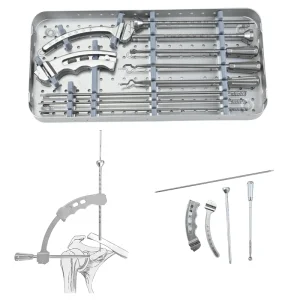
Explore our selection of specialized orthopedic power tools, reconstructive sets, and trauma plating systems.
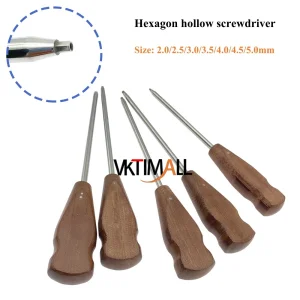
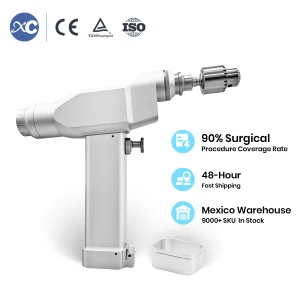
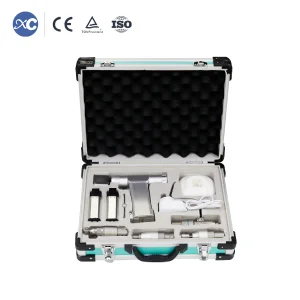
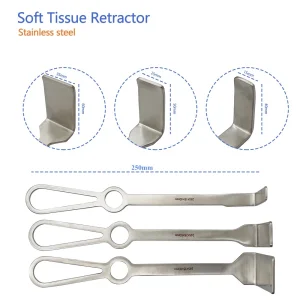
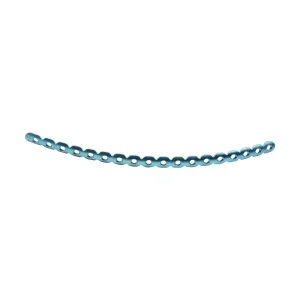
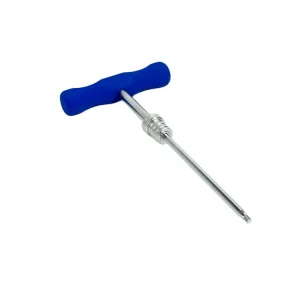
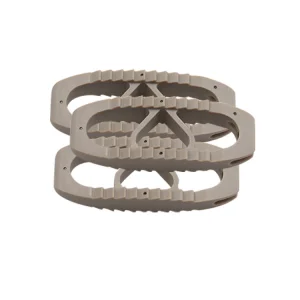
Key information regarding compliance, custom designs, lead times, and shipping protocols for Berlin and German markets.
We maintain ISO 13485:2016 certification and follow CE compliance protocols. Every shipment is accompanied by detailed documentation, including material test certificates, biocompatibility reports, passivation verification, and mechanical testing profiles. We work closely with our partners' notified bodies to ensure compliance with EU MDR 2017/745 regulations.
Implants are manufactured using medical-grade PEEK (Polyetheretherketone) and Titanium Grade 5 ELI (Ti-6Al-4V). Surgical instruments are constructed from medical-grade martensitic and austenitic stainless steel alloys, designed to withstand repeated steam sterilization cycles without degradation.
For existing specifications, shipments generally leave our factory within 30 to 45 days. For custom modifications and OEM branding, the design, prototyping, and validation process typically takes 60 to 90 days, depending on geometry complexity and regulatory requirements.
Our QA department employs 42 full-time inspectors. We use incoming material inspections, in-process quality control (IPQC), final product inspections (FQC), and third-party laboratory verification. Testing protocols cover tensile strength, fatigue testing, 2D optical measurements, and micro-hardness testing.
Discuss custom designs, request product samples, or schedule a virtual audit of our ISO 13485 manufacturing facility.