 Medisplint
Medisplint
Medisplint
Premium titanium bone plates and locking systems designed for anatomically accurate fracture fixation in trauma departments.
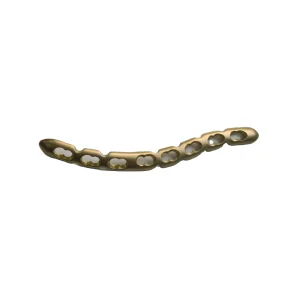
Anatomically pre-contoured design engineered to match Malaysian patient profiles, minimizing intraoperative bending.
View Technical Specifications →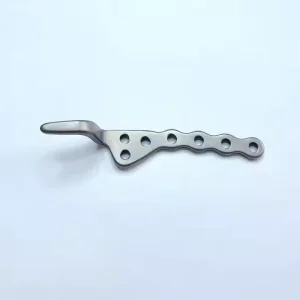
Cost-effective implant assembly sets customized for both public health sectors and private medical centers.
View Technical Specifications →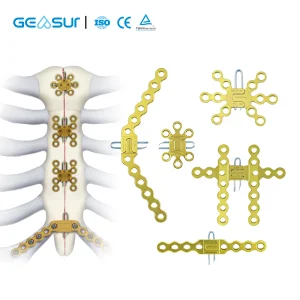
Engineered with high tensile biomechanical strength to support post-sternotomy stabilization and healing.
View Technical Specifications →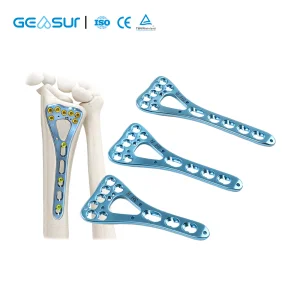
Advanced multi-directional screw placement systems ideal for complex intra-articular distal radius fractures.
View Technical Specifications →Malaysia is currently experiencing a profound demographic and socio-economic transition that directly affects its healthcare landscape. The nation’s rapid urban expansion, coupled with an increasing elderly population and a high rate of road traffic accidents (RTAs), has intensified the demand for advanced orthopedic trauma care. As a leading global designer and manufacturer of orthopedic implants, we understand that serving the Malaysian market goes beyond simple product supply. It requires a dedicated combination of anatomical precision, strict regulatory compliance, and a strong localized supply chain.
In Malaysia, traumatic orthopedic injuries represent a significant portion of emergency hospital admissions. According to data from the Ministry of Transport Malaysia, road traffic incidents remain a major cause of skeletal trauma, with motorcyclists and young adults being the most affected. This creates a consistent demand for reliable internal fixation devices, such as intramedullary nails and anatomical locking plates.
Concurrently, Malaysia is on track to become an aging society. This shift brings a rising incidence of osteoporotic fractures, particularly proximal femur and distal radius fractures in elderly patients. Standard implants often struggle to achieve secure fixation in osteopenic bone. As a result, there is a clear trend toward locking screw systems and variable-angle locking plates that distribute mechanical loads more evenly across compromised bone structures.
Malaysian healthcare operates on a dual-tier system. Navigating this structure requires a clear understanding of its distinct procurement pathways:
Our production capabilities accommodate both structures. We offer high-volume production efficiency for public tenders alongside premium, specialized OEM/ODM options to meet the advanced requirements of private medical centers.
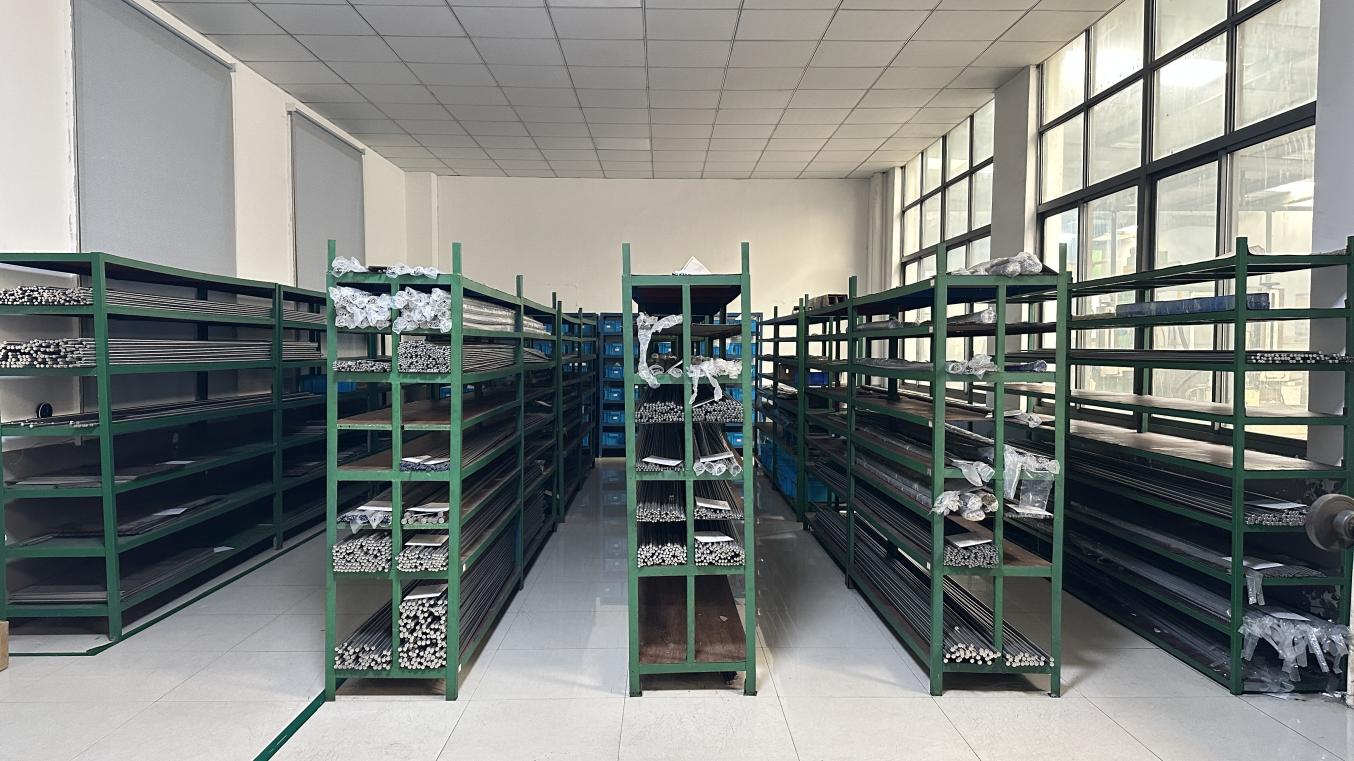
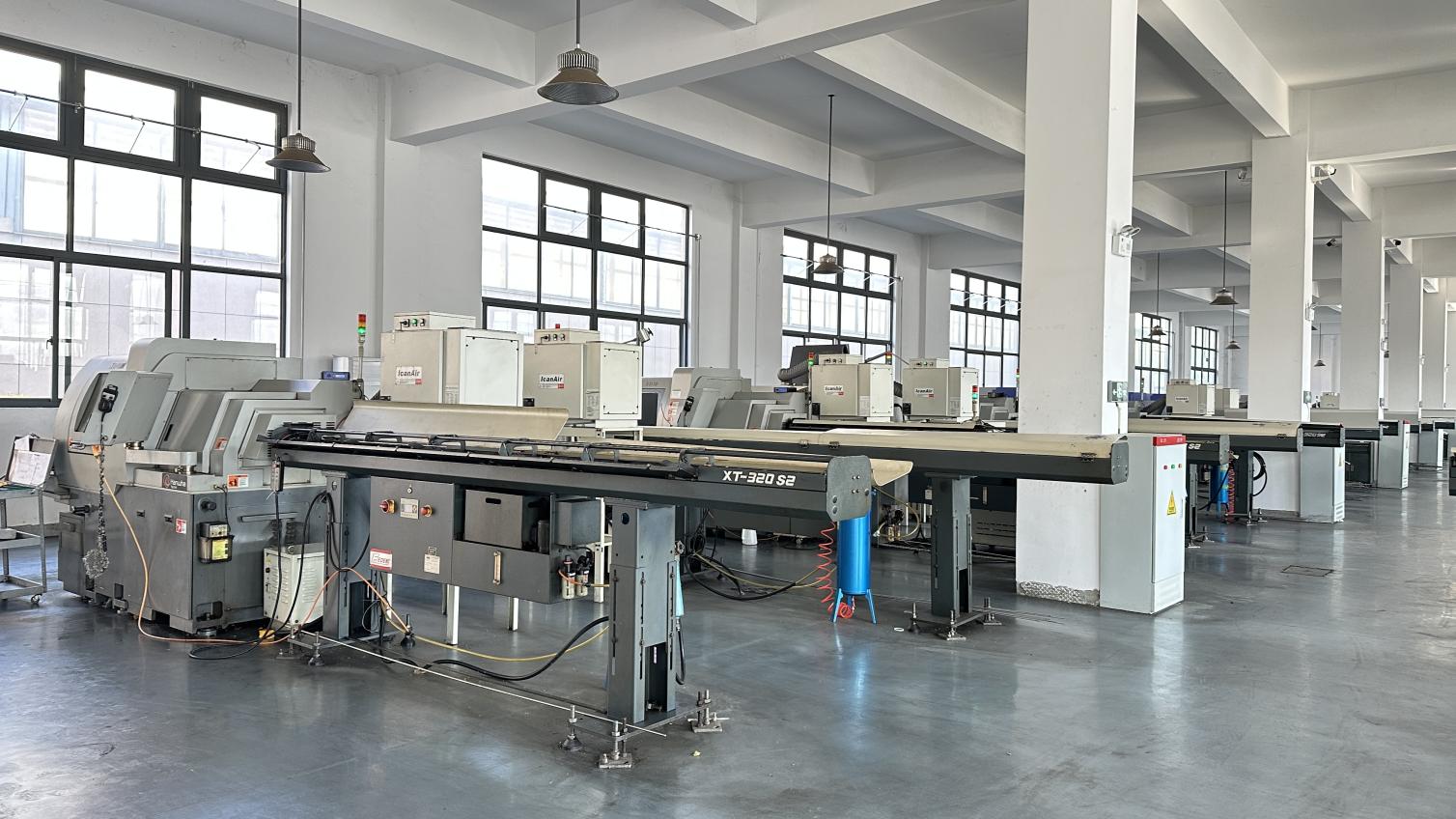
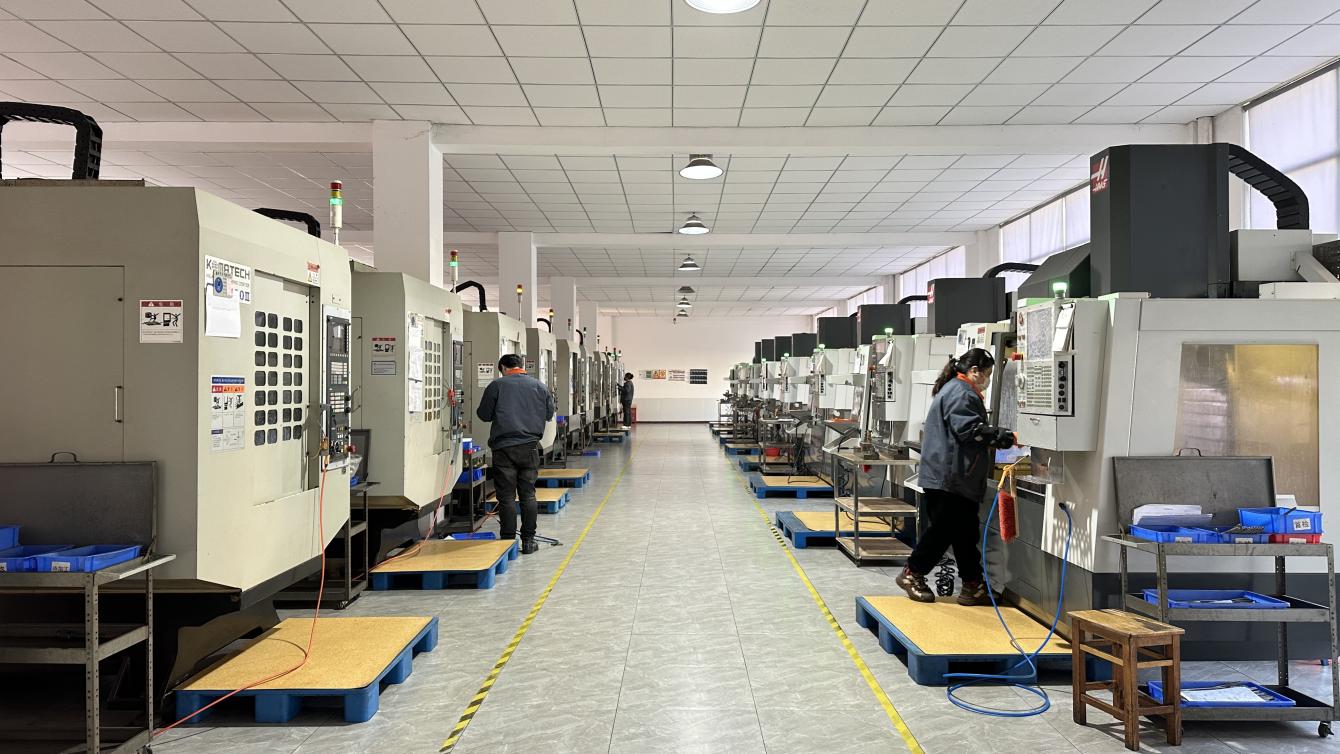
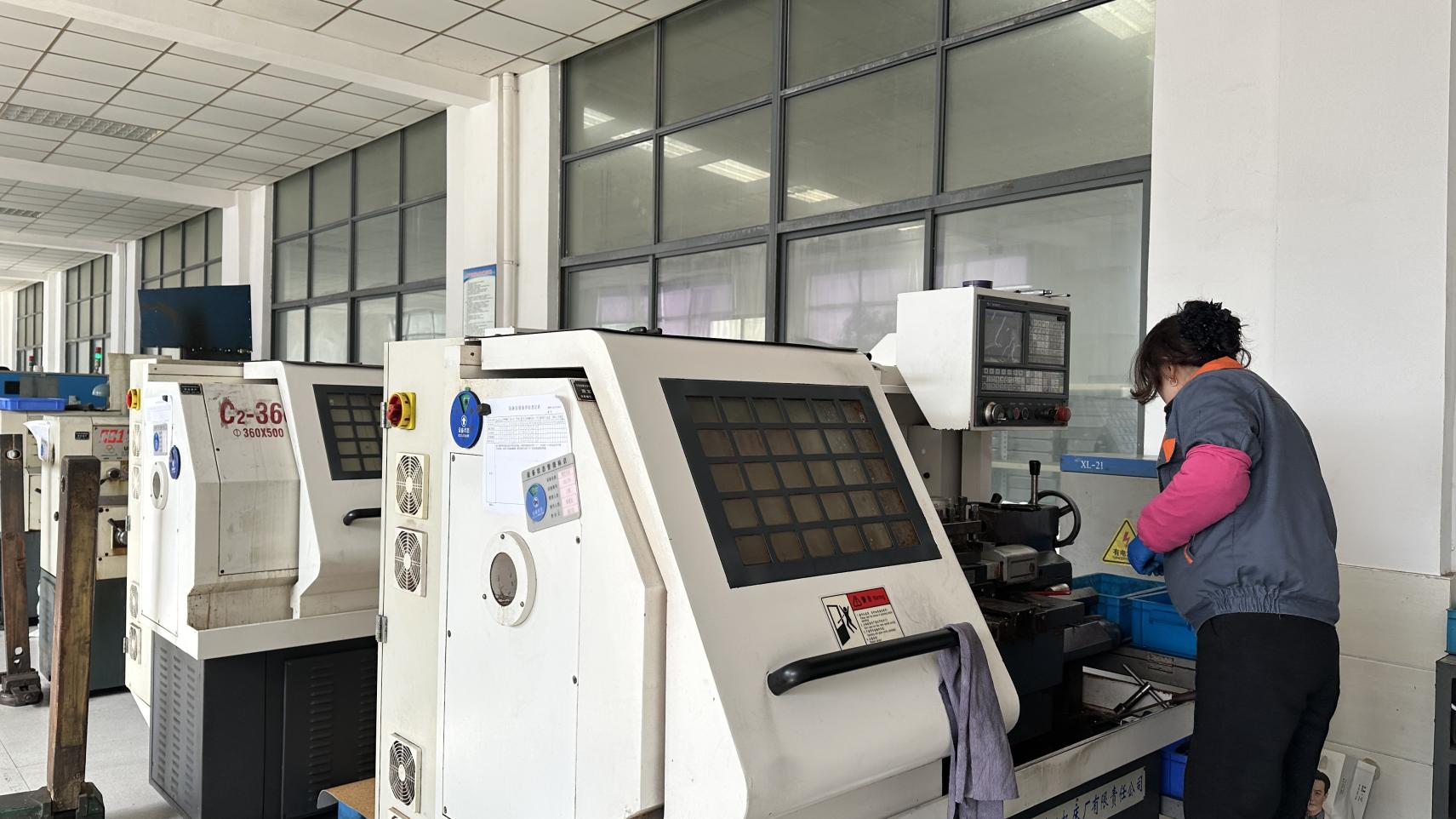
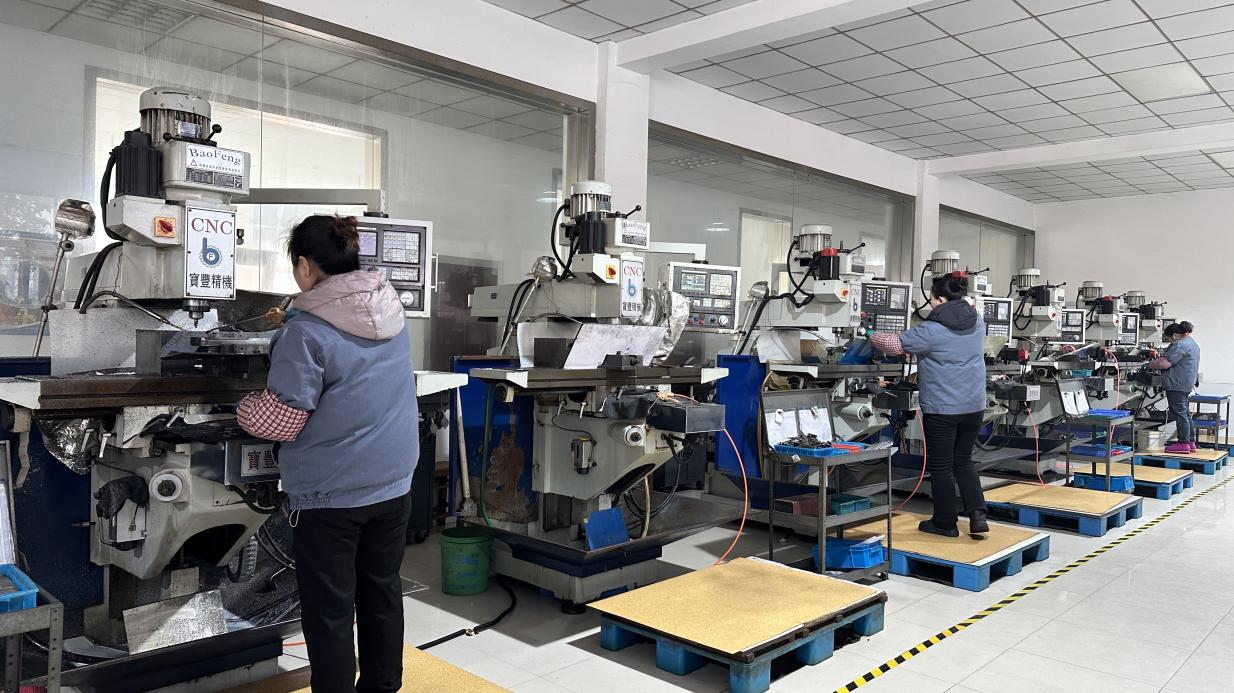
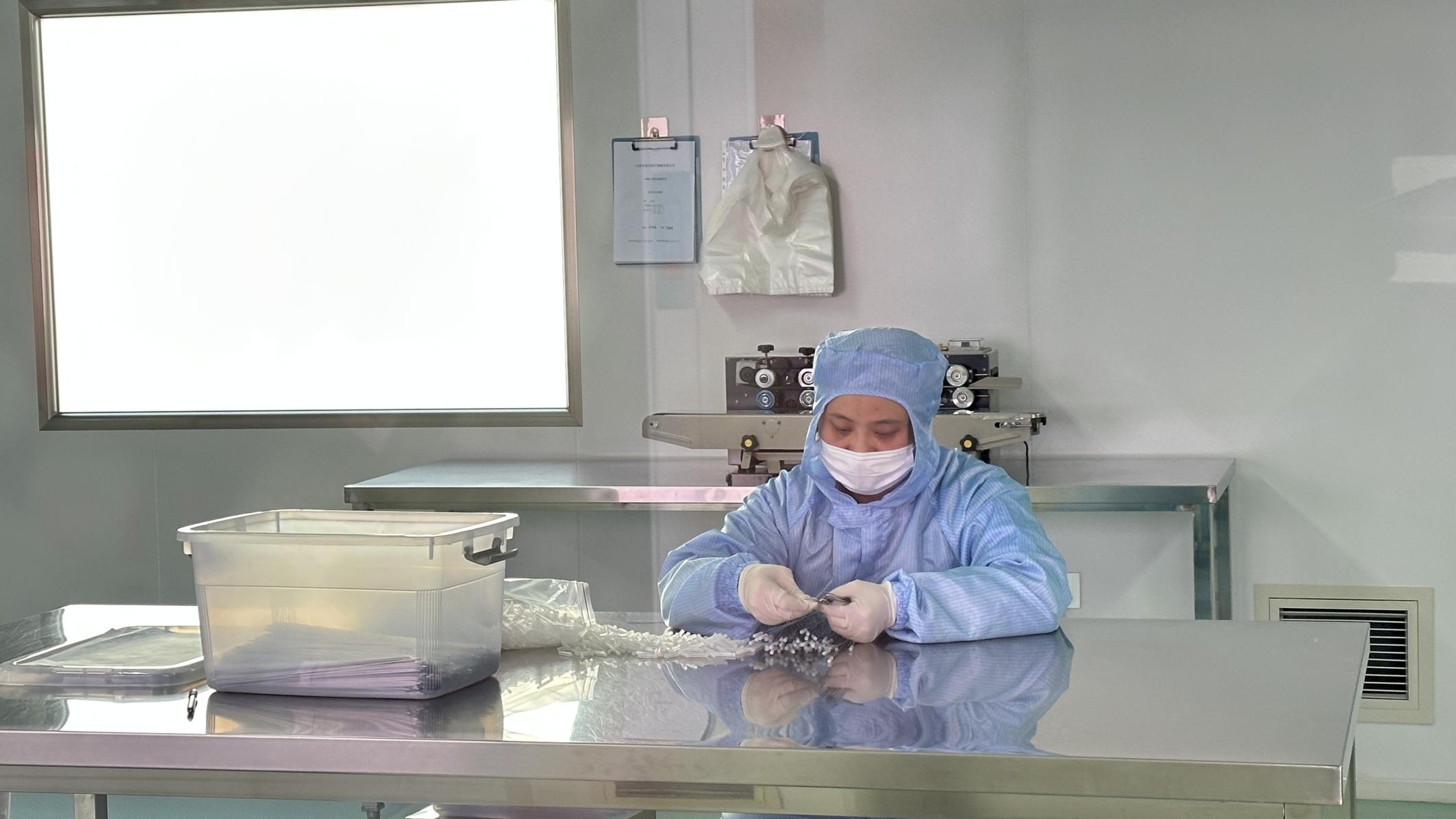
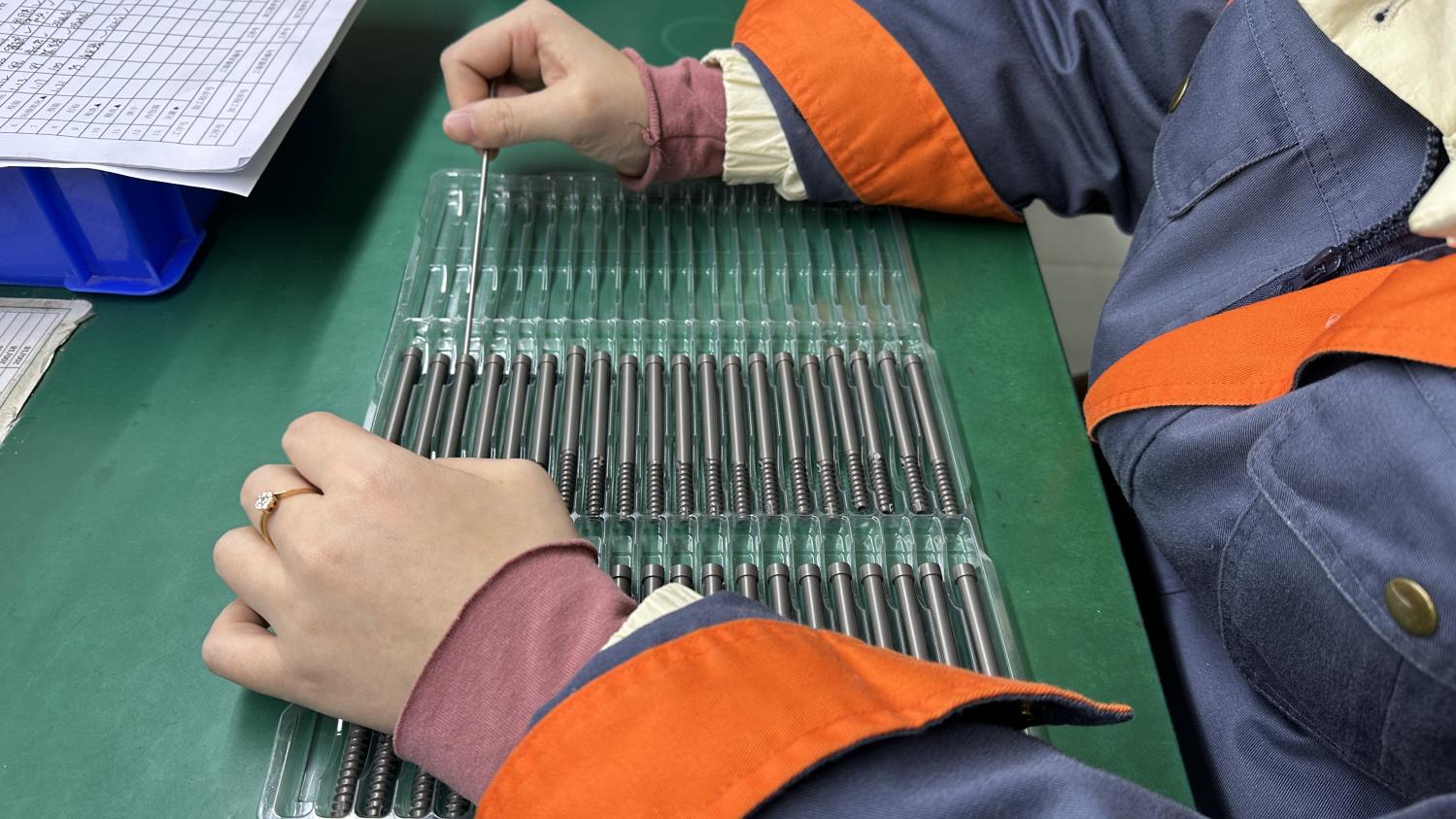
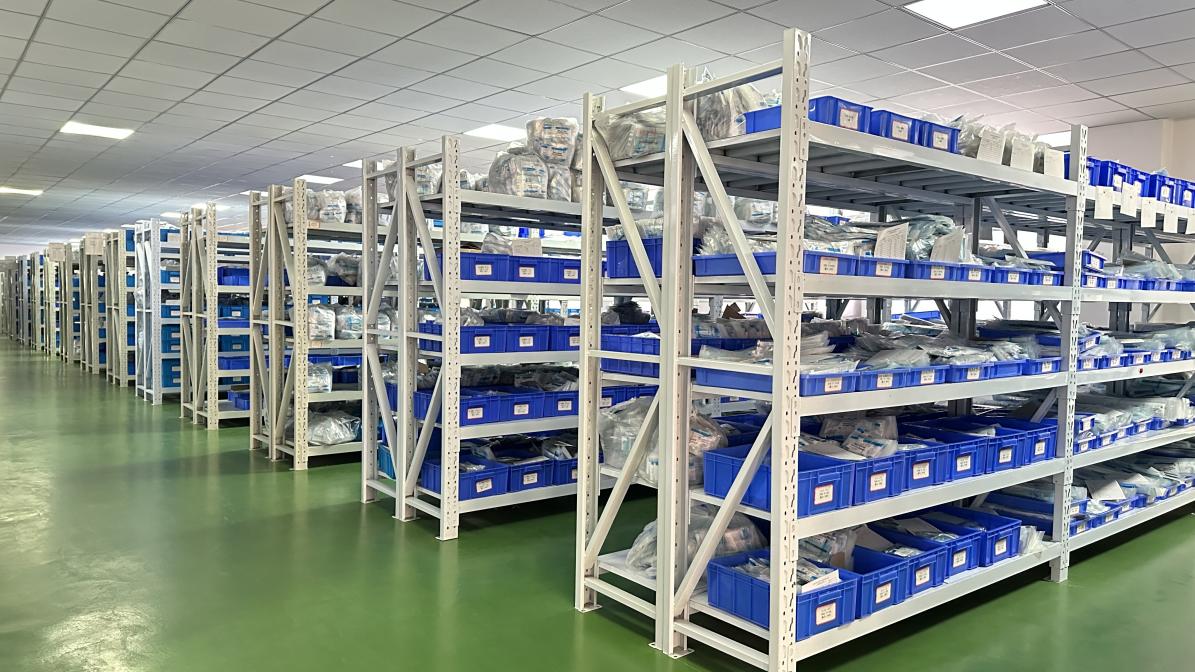
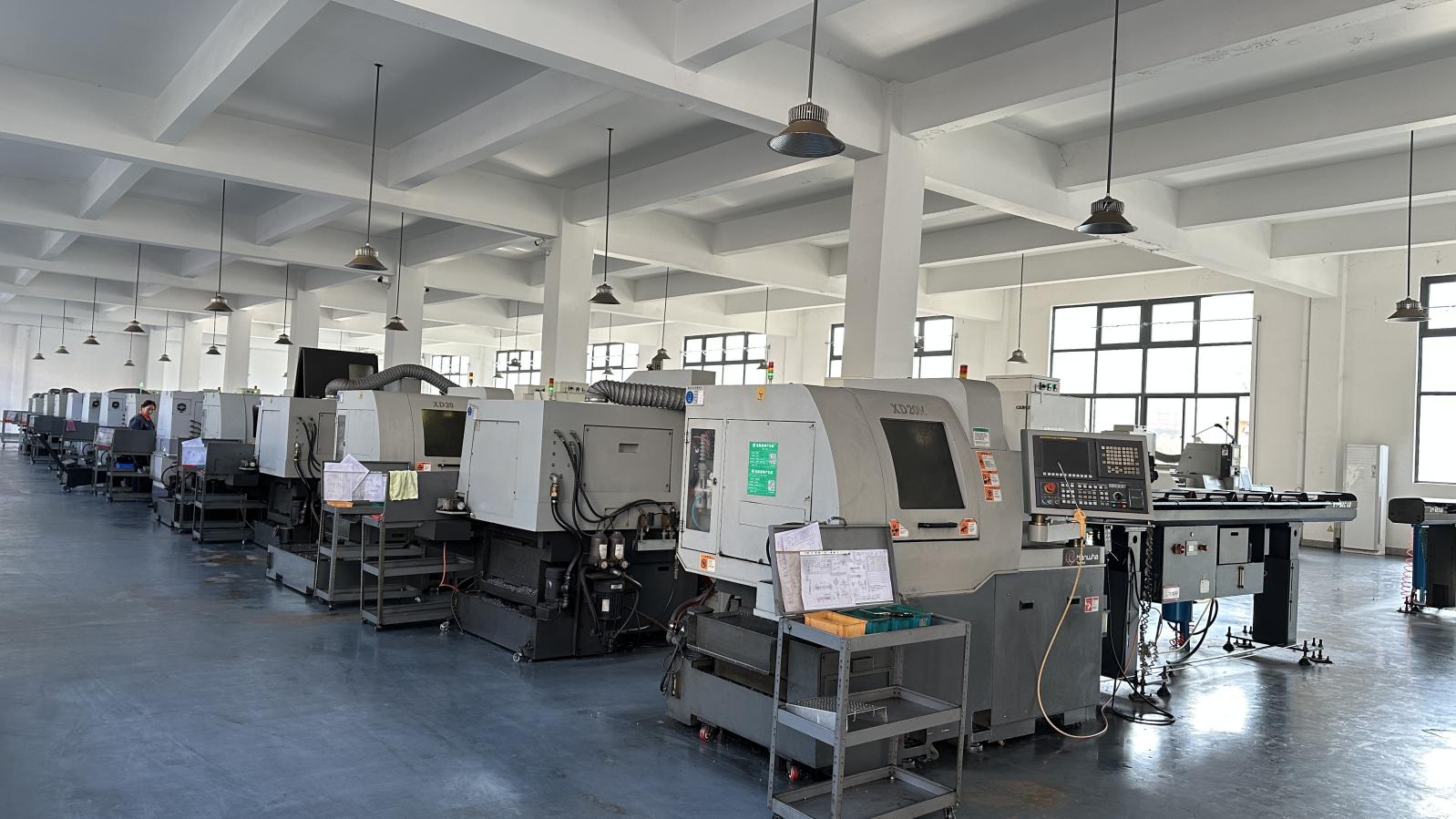
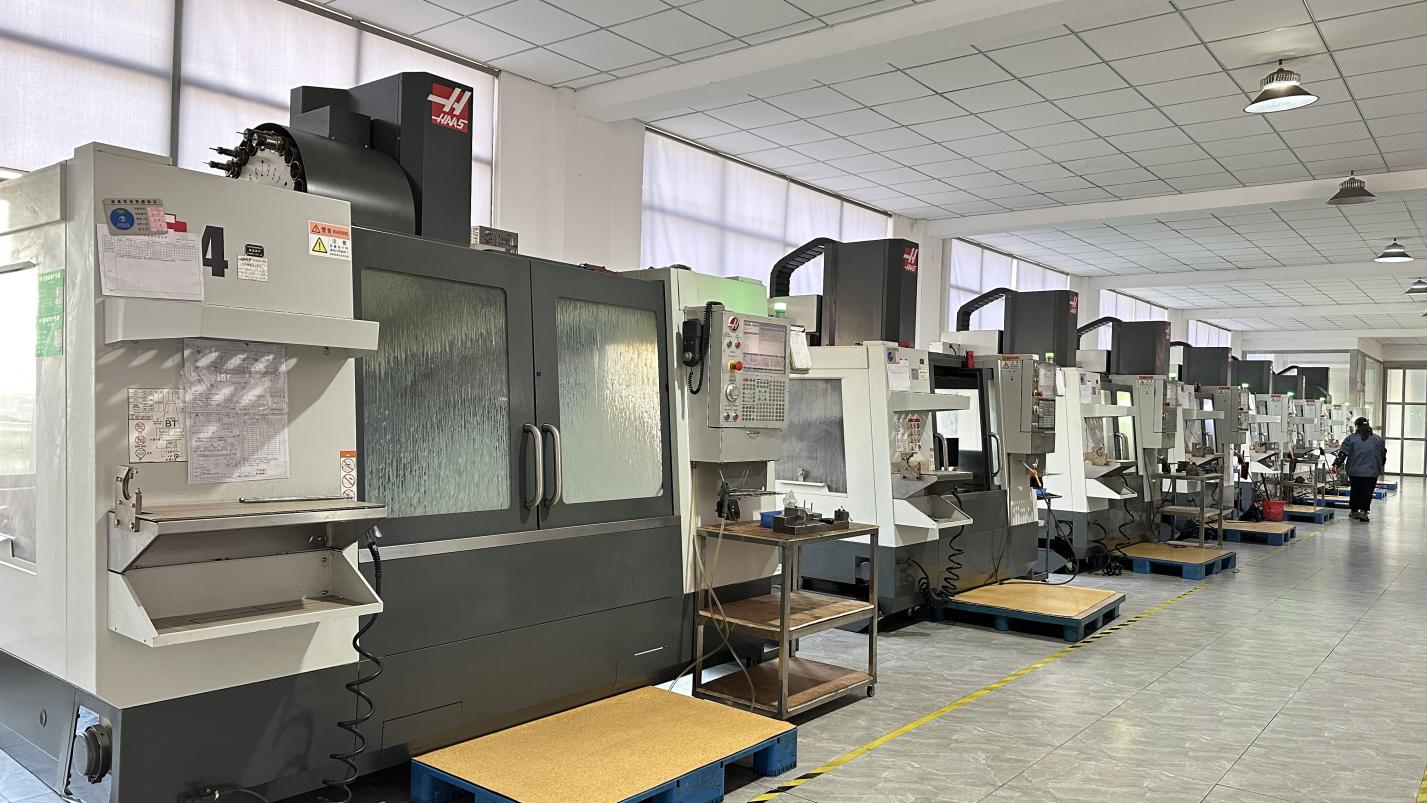
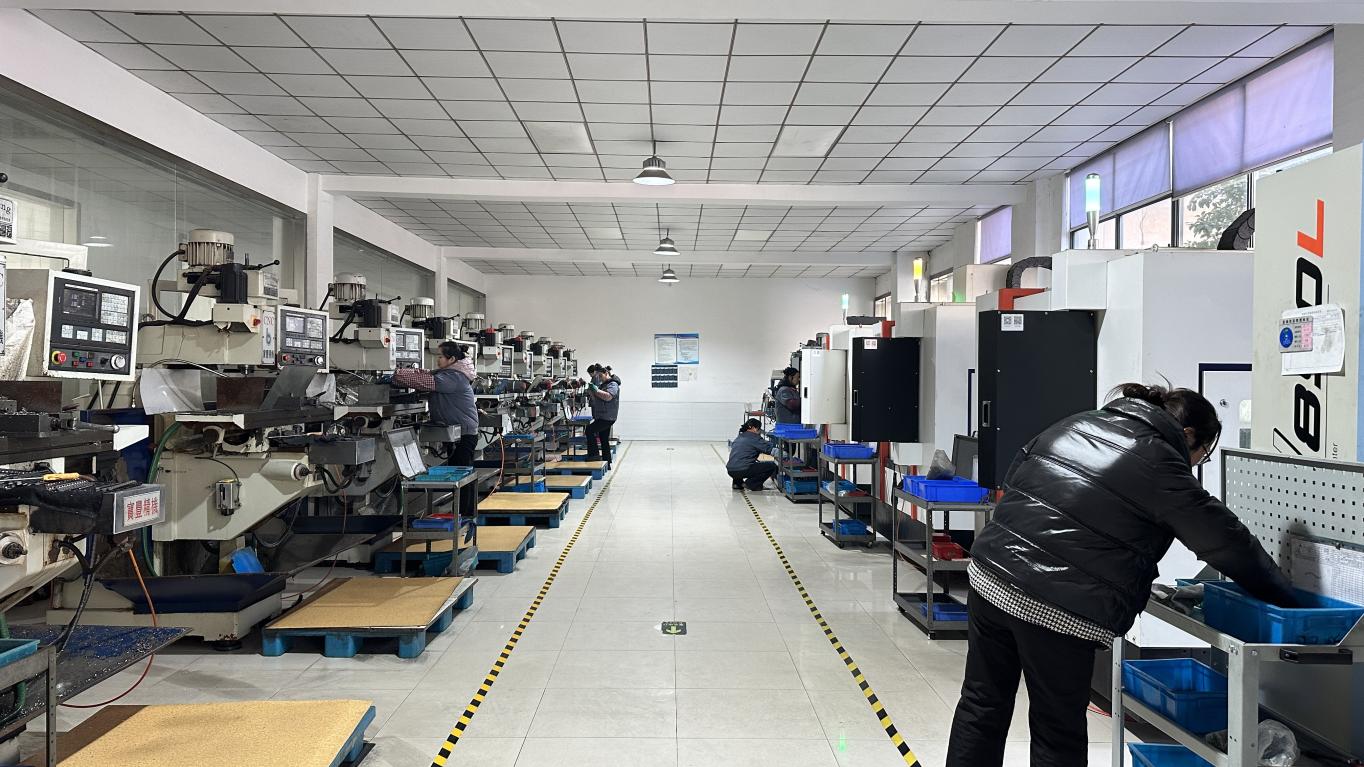
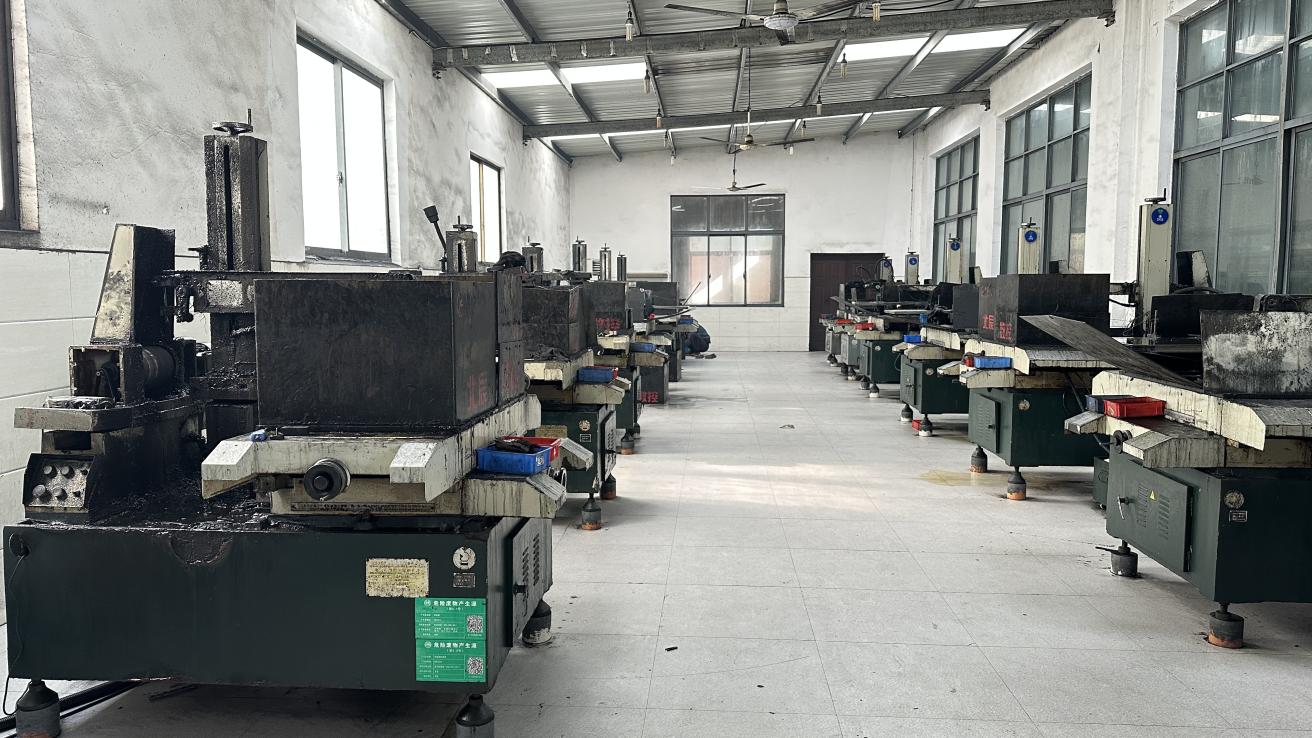
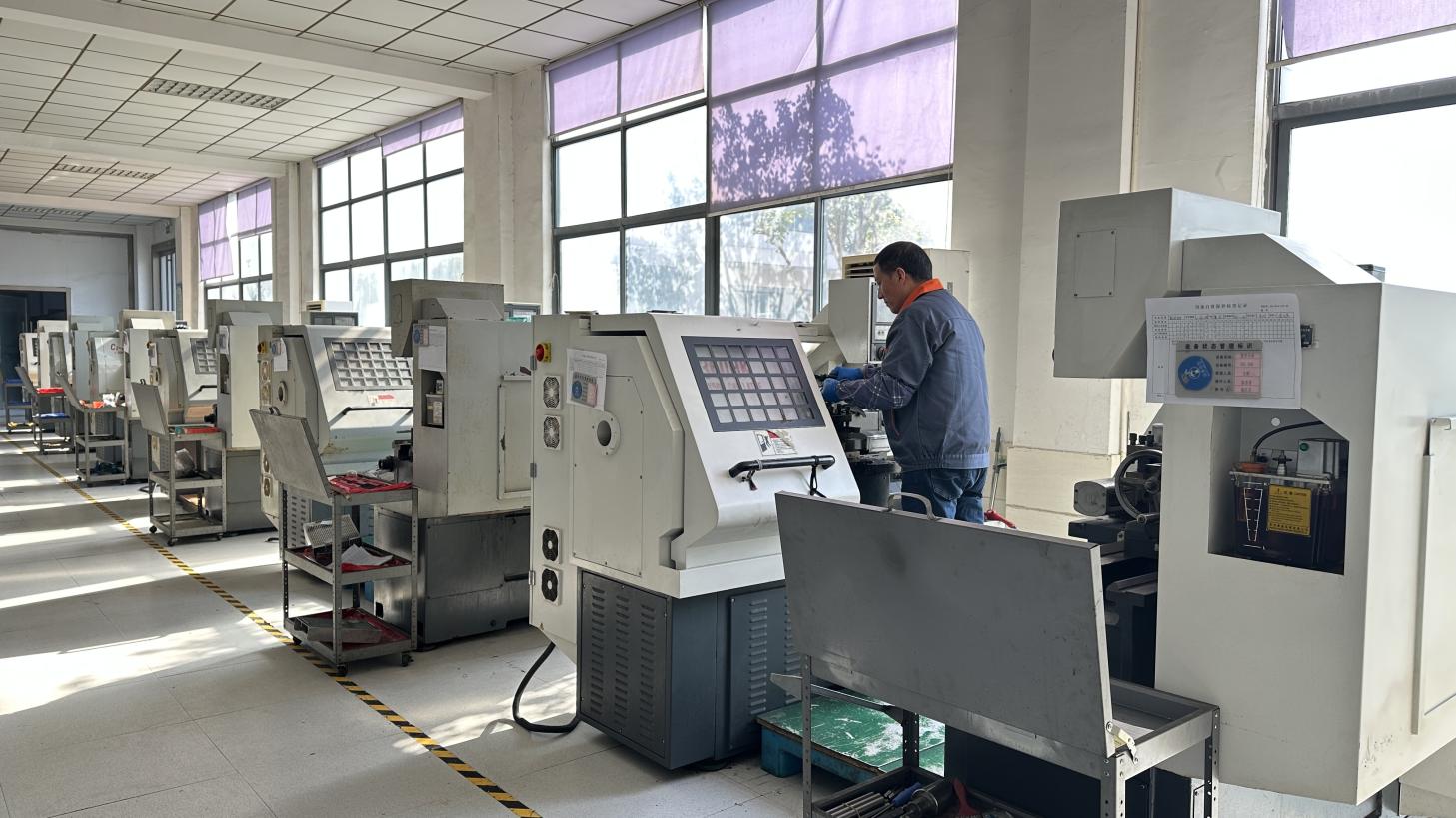
Inside our integrated 18,500㎡ facility, where medical-grade titanium is precision-engineered into high-performance implants.
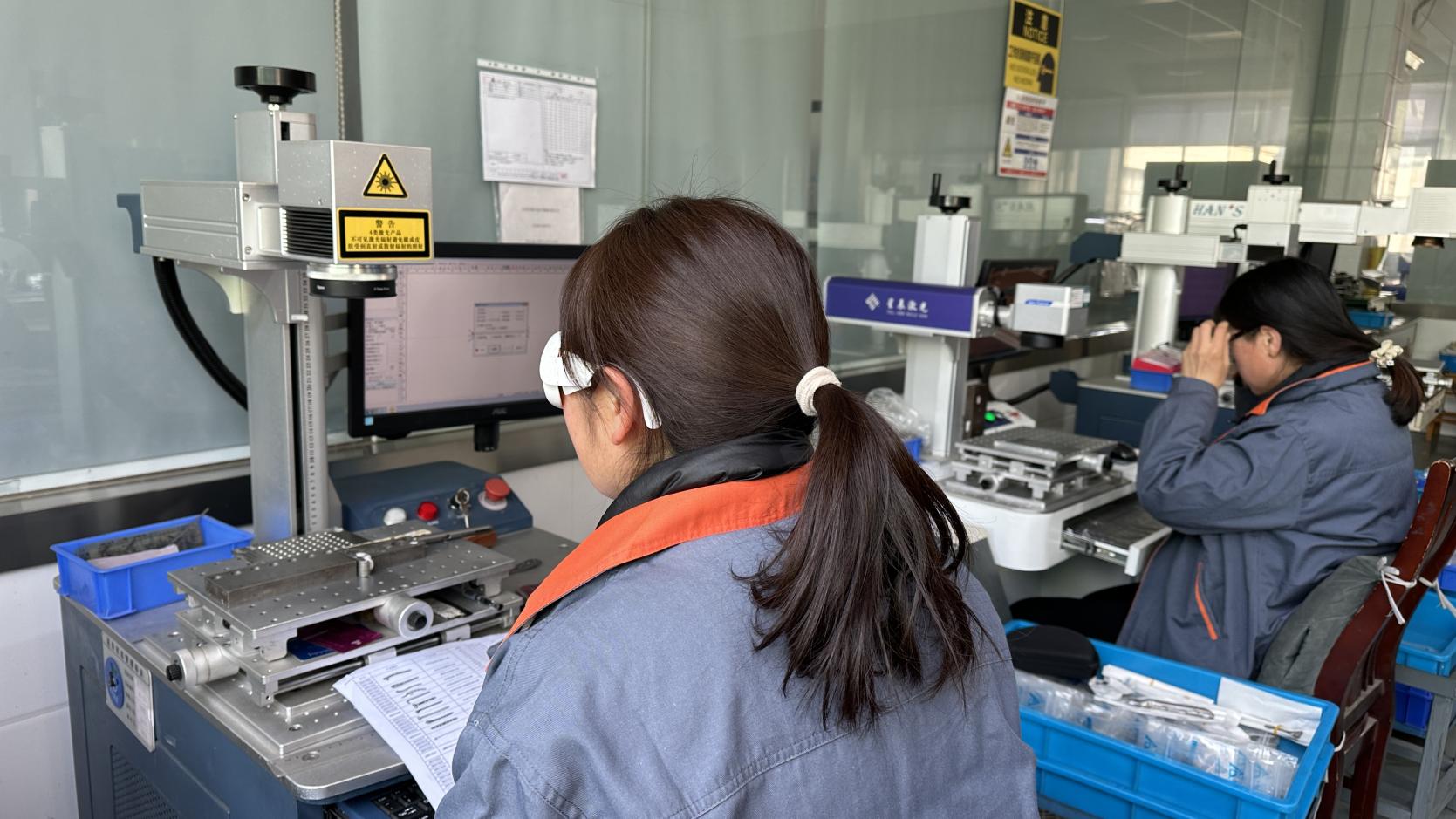
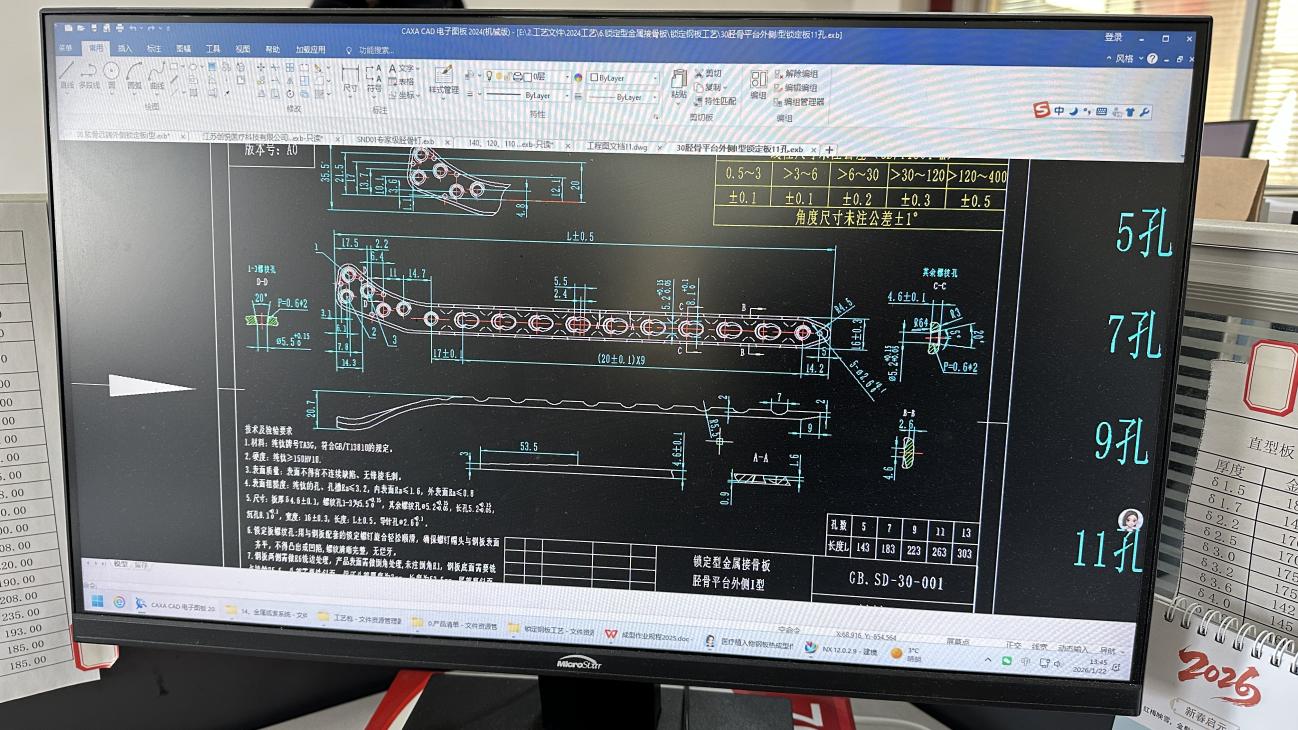
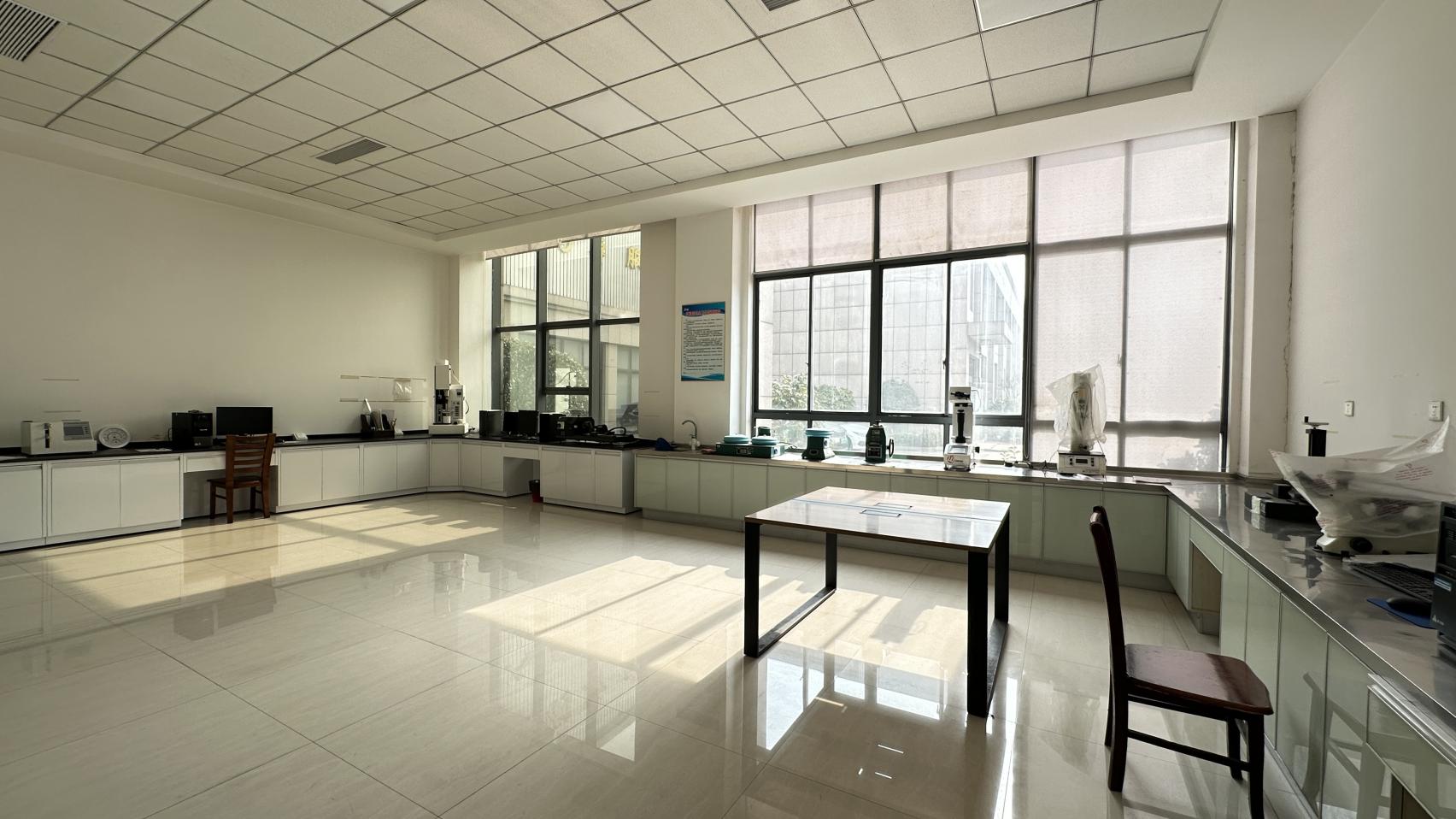
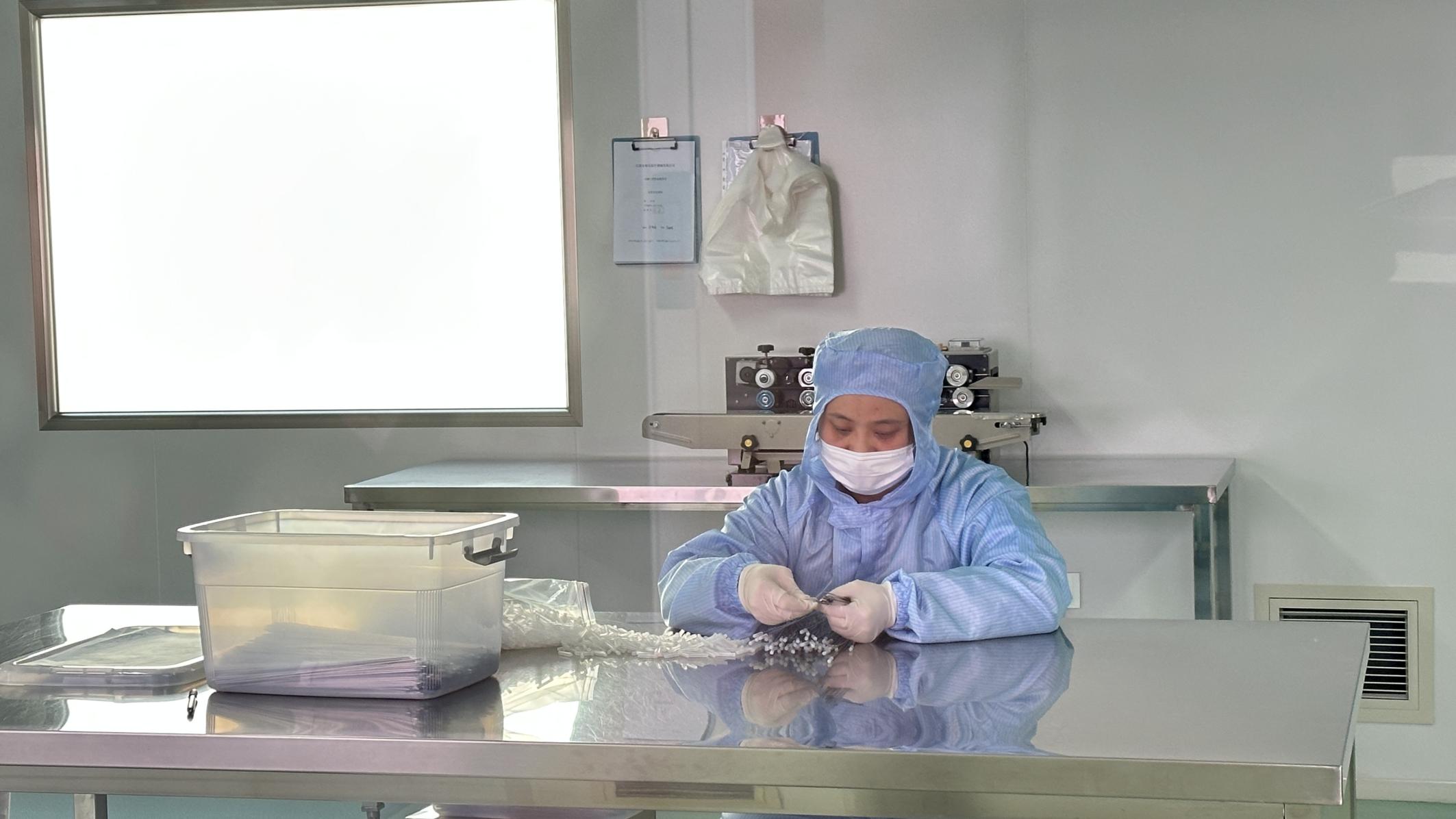
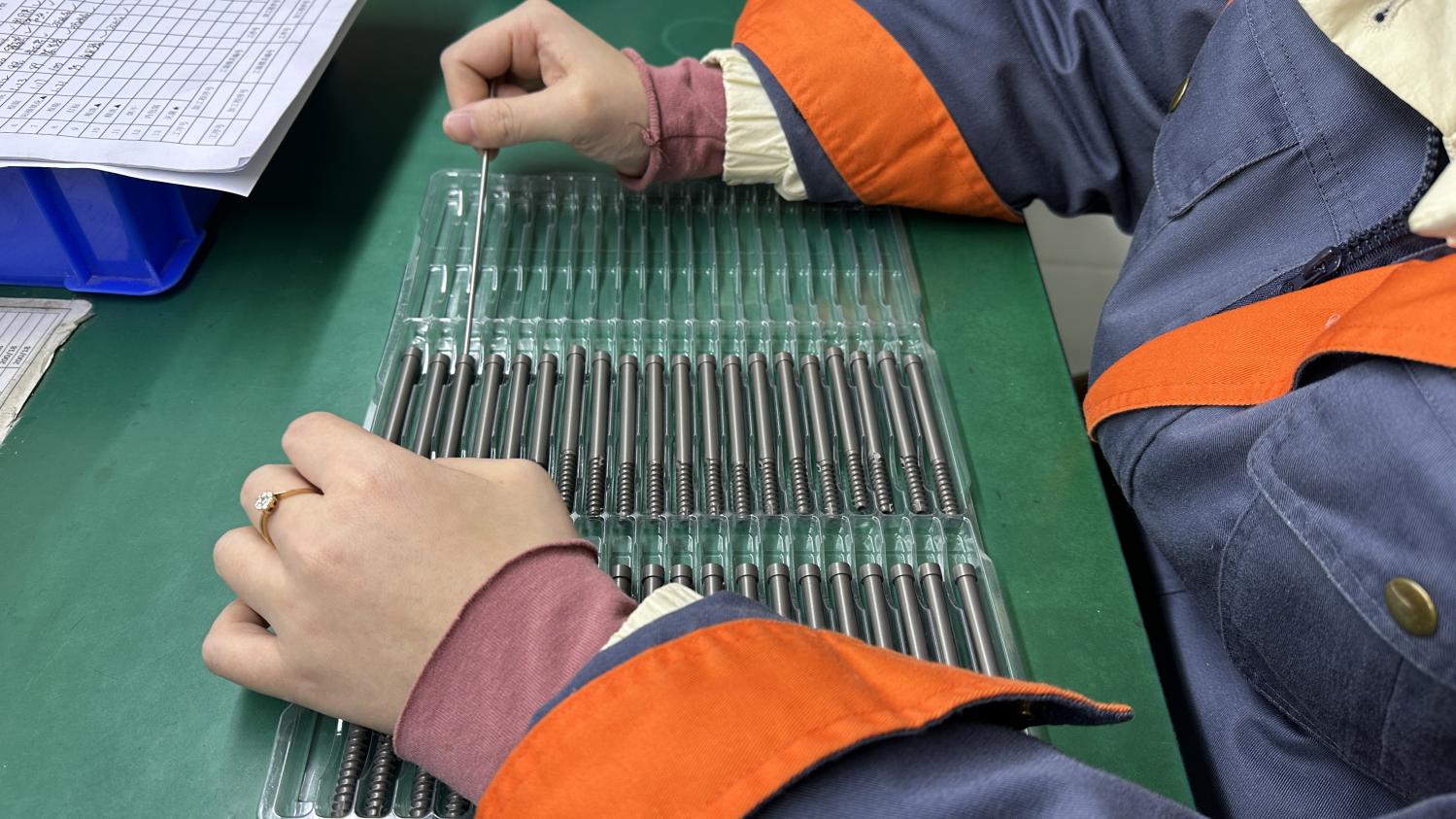
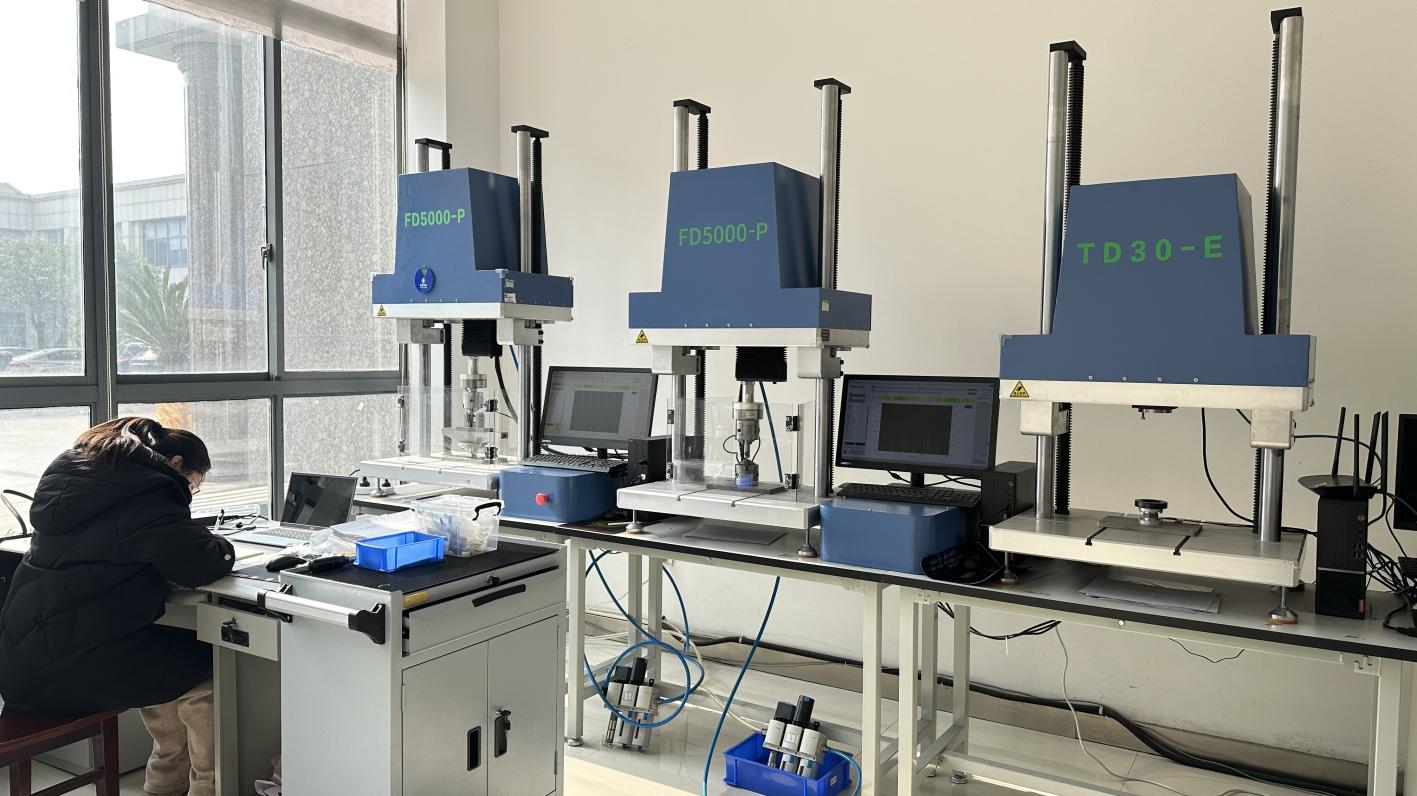
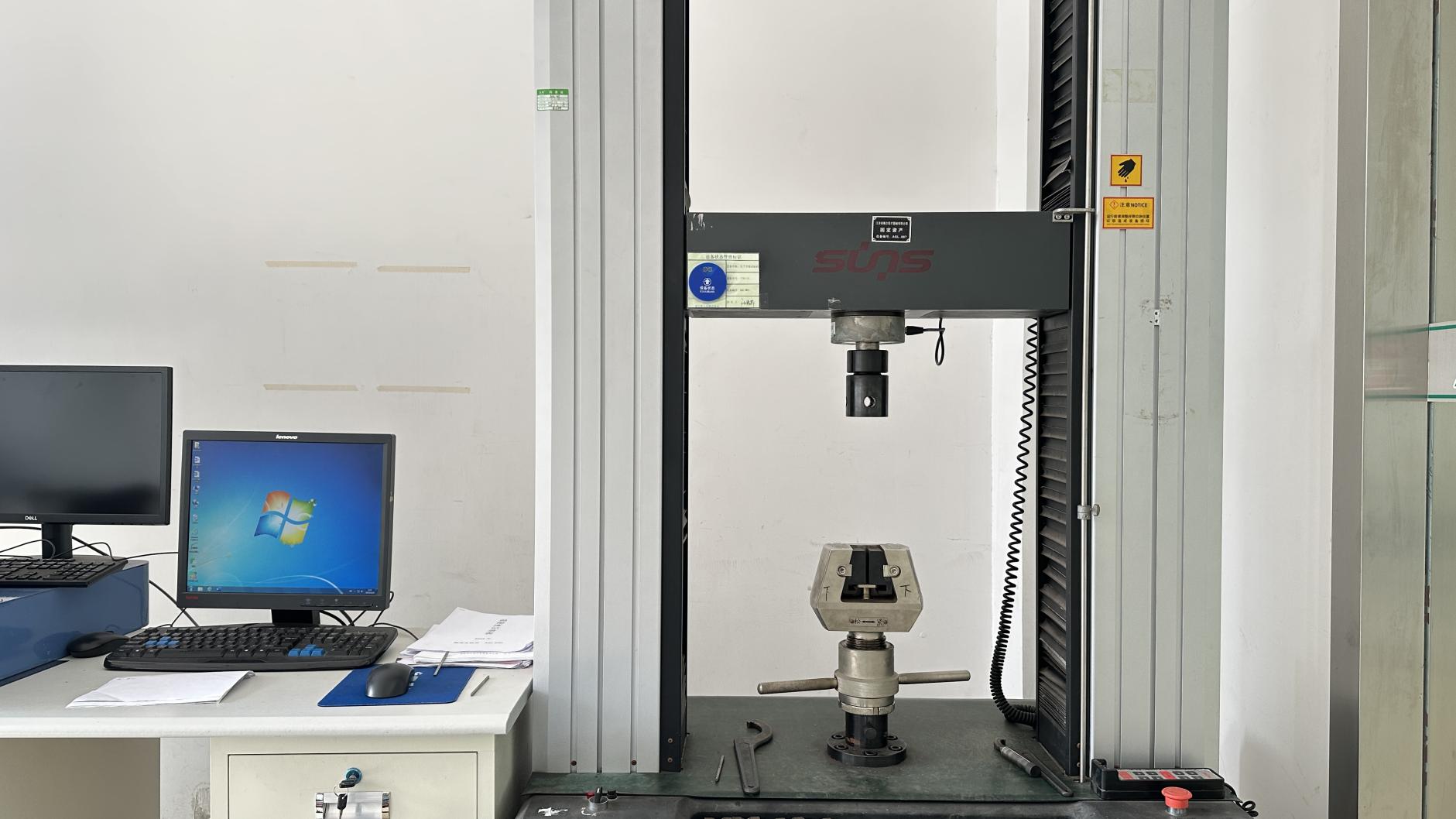
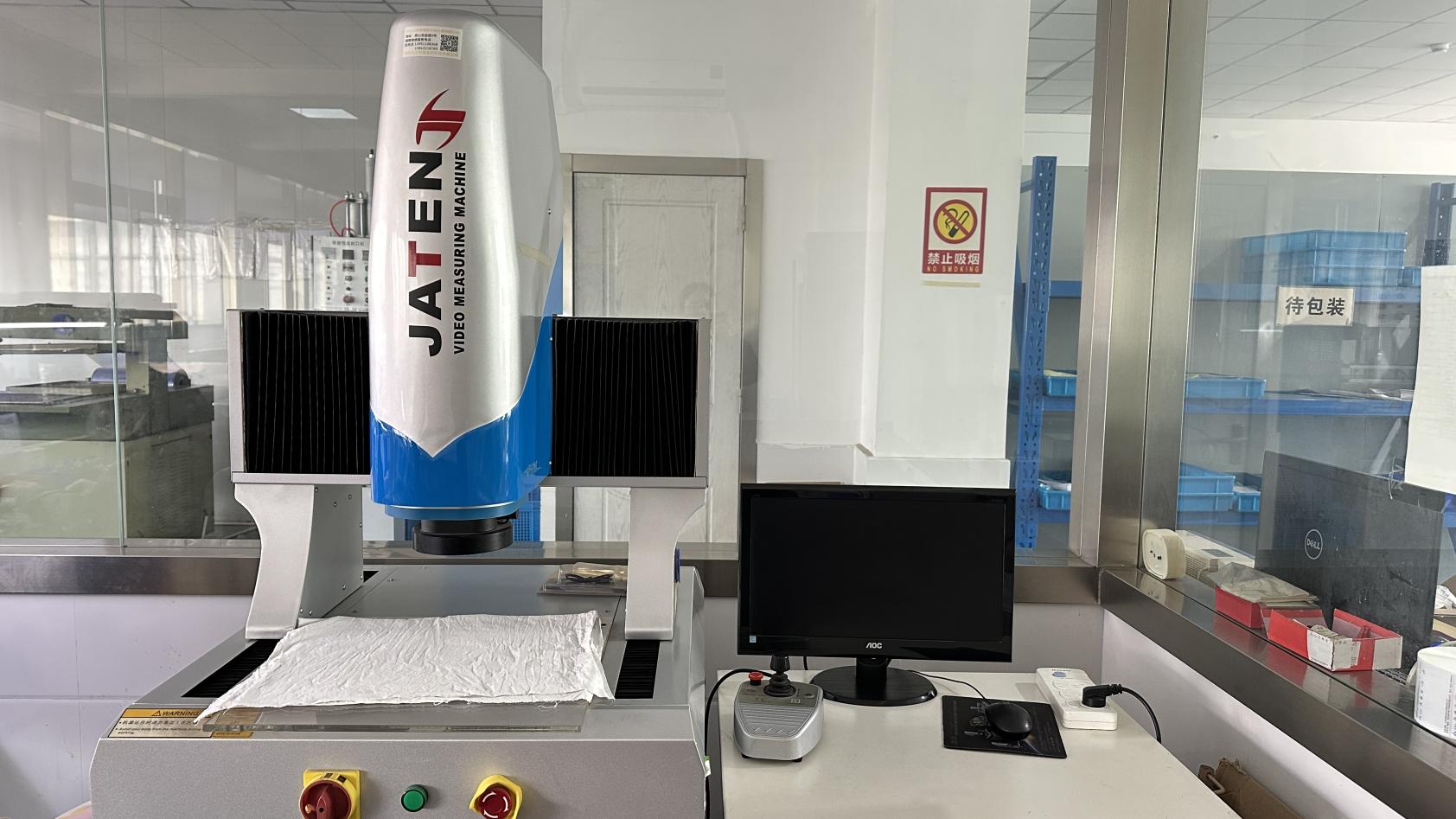
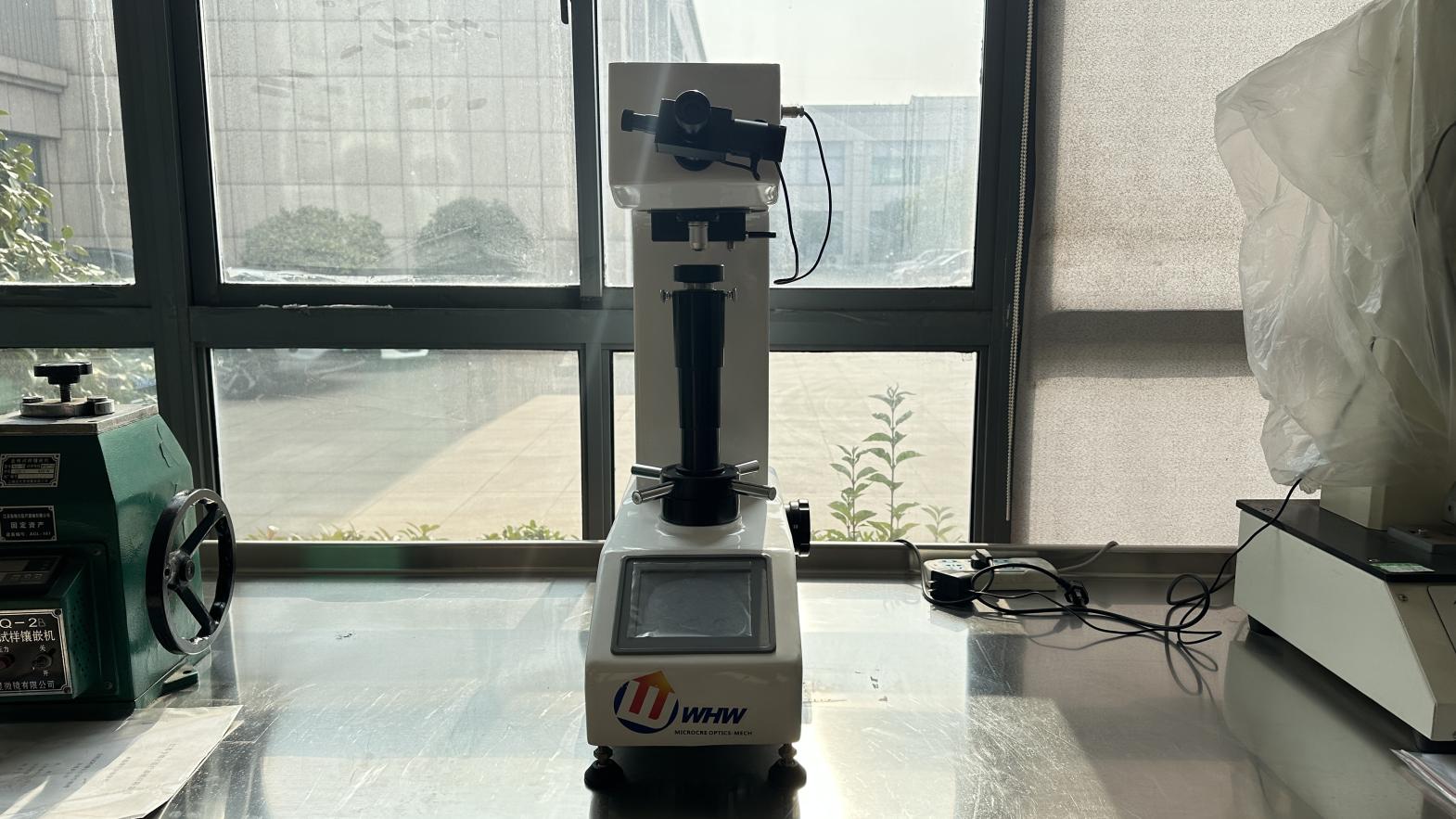
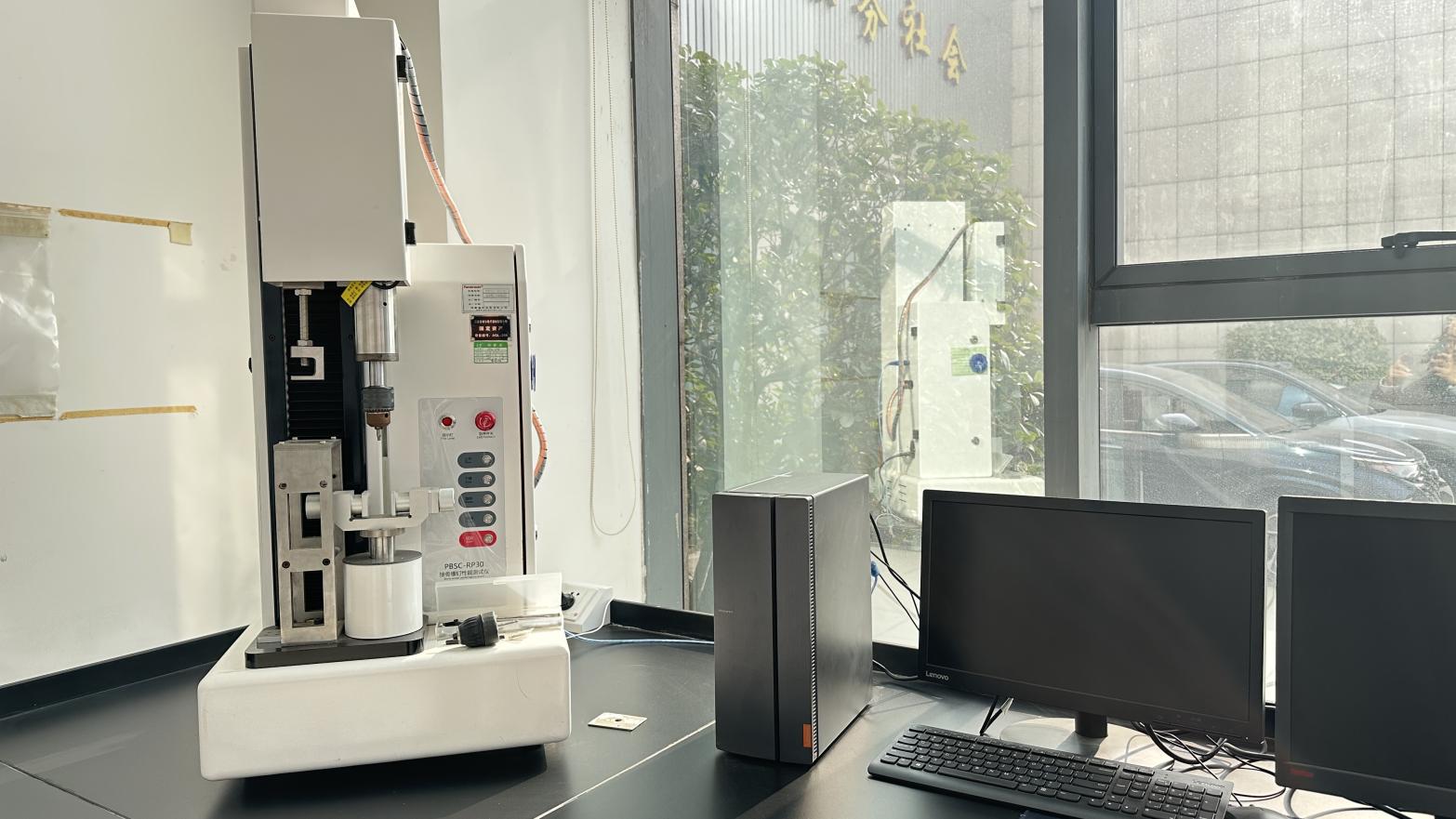
Our manufacturing facility operates under strict international medical standards. From raw material slitting to advanced multi-axis CNC machining, laser marking, and cleanroom packaging, every phase of production is monitored by a team of 42 quality control inspectors.
In Malaysia, the sale, distribution, and clinical use of medical devices are regulated under the Medical Device Act 2012 (Act 737) and overseen by the Medical Device Authority (MDA). Orthopedic trauma implants (such as plates, intramedullary nails, and bone screws) are classified as Class C (Moderate-High Risk) or Class D (High Risk) medical devices. Registration requires detailed technical documentation (CSDT format), proof of safe clinical evaluation, and active post-market surveillance systems.
To support our Malaysian distributors, procurement officers, and surgical partners, we provide a comprehensive technical documentation package, including:
We work closely with medical device distributors and hospital networks to provide tailored OEM manufacturing. Our customization capabilities include:
Complete product range supporting upper extremity, lower extremity, pediatric, and specialized reconstructive surgeries.
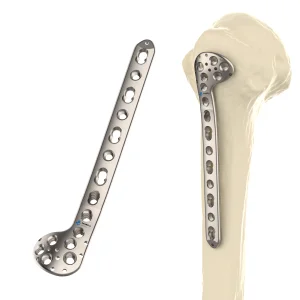
Multi-planar locking screw configurations designed to secure osteoporotic proximal humerus fractures.
View Technical Specifications →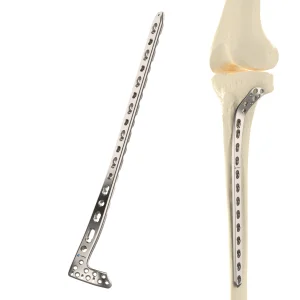
Low-profile contour minimizes soft-tissue irritation in distal tibia areas with thin soft tissue coverage.
View Technical Specifications →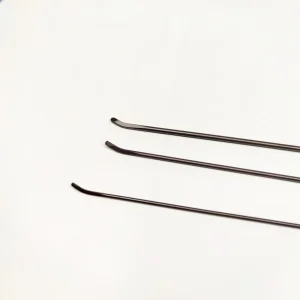
Designed for pediatric diaphyseal fractures, offering elastic stability while protecting growth plates.
View Technical Specifications →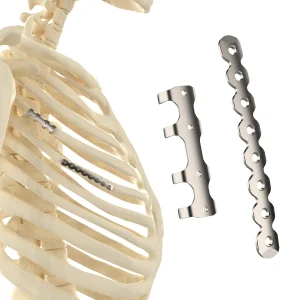
Engineered specifically for rib stabilization in cases of flail chest, helping to restore normal breathing biomechanics.
View Technical Specifications →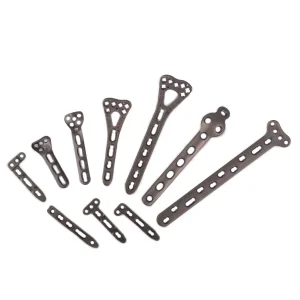
Designed for volar placement to optimize anatomical fit and mechanical stability in wrist reconstruction.
View Technical Specifications →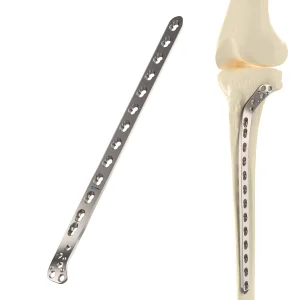
Rigid lateral buttressing plate designed to manage proximal tibial plateau fracture configurations.
View Technical Specifications →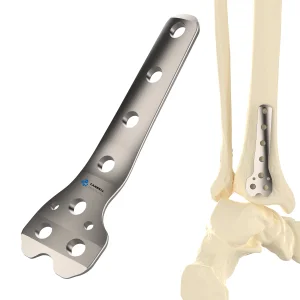
Posterior distal tibia design providing support for posterior malleolar fracture variants.
View Technical Specifications →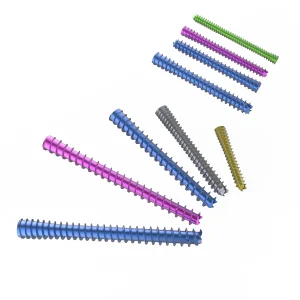
Precision cannulation designed for accurate guide-wire insertion in femoral neck and major joint arthrodesis.
View Technical Specifications →The field of internal fixation is shifting from mechanical stabilization toward biologically active systems. Our R&D team is focusing on several key developmental areas to support clinical outcomes in Malaysia and globally:
We are developing anodic oxidation and micro-arc oxidation (MAO) processes. These create a rough titanium oxide layer that supports bone integration and helps minimize the risk of bacterial colonization.
We are researching high-purity magnesium alloys for pediatric and low-load stabilization. These implants are designed to gradually dissolve in the body, potentially eliminating the need for secondary removal surgeries.
Integrating CT scan imaging with modern 3D titanium printing allows us to produce patient-specific implants (PSIs) for complex oncology cases and severe bone reconstruction surgeries.
Expert answers addressing the logistical, regulatory, and technical requirements of importing orthopedic trauma devices into Malaysia.