Medisplint
Medisplint
Medisplint
Founded in 2016, Medisplint is a leading professional manufacturer specializing in orthopedic implants, trauma fixation systems, and specialized surgical instruments. With an annual export revenue of over USD 12 million and active clinical footprints in Europe, Southeast Asia, the Middle East, and South America, we bring unparalleled manufacturing rigor to West Africa.
By leveraging an expansive supply network of over 1,200 verified partners and a dedicated workforce of 85 research and development engineers, we provide reliable OEM/ODM capabilities, private labeling, and customizable instrumentation options tailored precisely for Nigerian orthopedic surgeons.
Nigeria's medical sector faces distinct epidemiological demands. With urbanization and high densities of highway travel in states like Lagos, Kano, and Oyo, High-Energy Trauma and Road Traffic Accidents (RTAs) lead to a substantial caseload of complicated long-bone fractures, clavicle injuries, and metaphyseal trauma.
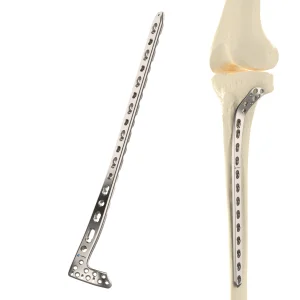
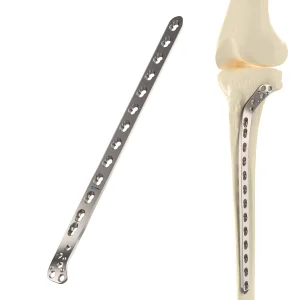
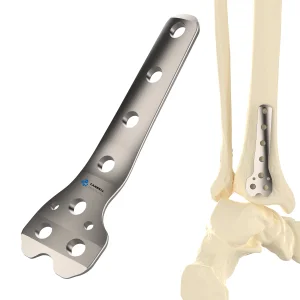
Medisplint offers a stable, high-capacity supply chain of titanium locking plates, anatomical reconstruction systems, and intramedullary nails to hospitals, distributors, and surgical centers in major urban centers, including Lagos, Abuja, Enugu, Kaduna, and Port Harcourt. Our objective is to ensure that medical providers always have ready-to-use implants matching strict European CE standards at factory-direct pricing.
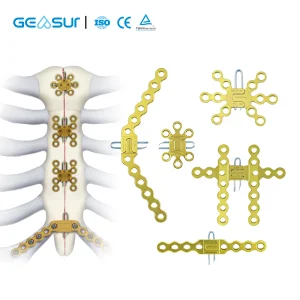
In Nigeria, the management of skeletal trauma is highly demanding due to the predominance of motorcycling and industrial activities. Clinical studies from tertiary university teaching hospitals show a high prevalence of distal radius fractures, tibial shaft fractures, and clavicle breaks.
For these injuries, conservative cast management often results in malunion or nonunion, leading to a shift toward internal plate fixation and intramedullary stabilization. However, procurement managers at Nigerian healthcare institutions face three critical challenges:
Medisplint addresses these issues by offering NAFDAC-supportive documentation, utilizing certified biocompatible Grade 5 Titanium Alloy (Ti-6Al-4V ELI), and guaranteeing short manufacturing turnaround times.
We customize implant configurations to align with the specific operational constraints of local hospitals:
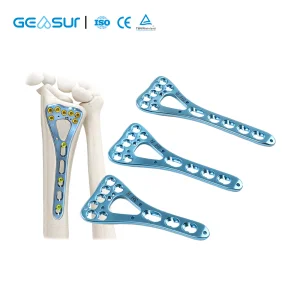
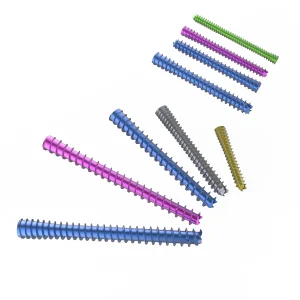
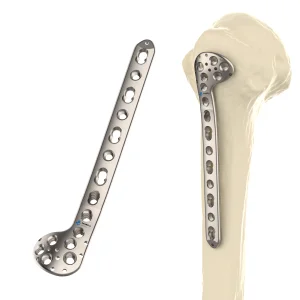
Require anatomical distal radius plates and cannulated compression screws with high tensile strength to support early mobilization and shorten hospital stays.
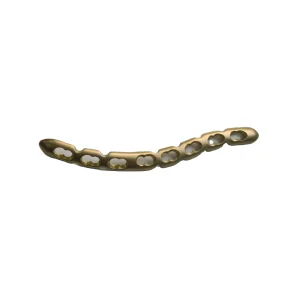
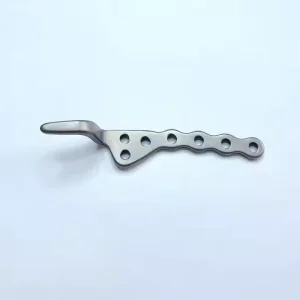
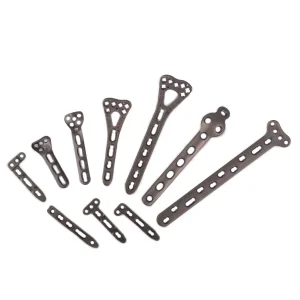
Benefit from versatile reconstruction locking plates that are adaptable to various skeletal shapes, reducing the need for extensive plate inventories.
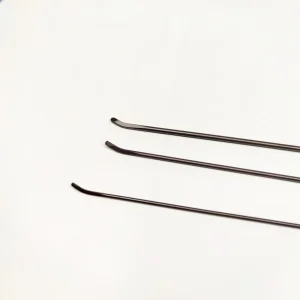
Our flexible pediatric elastic intramedullary nails are designed to stabilize pediatric long-bone fractures while preserving the growth plate.
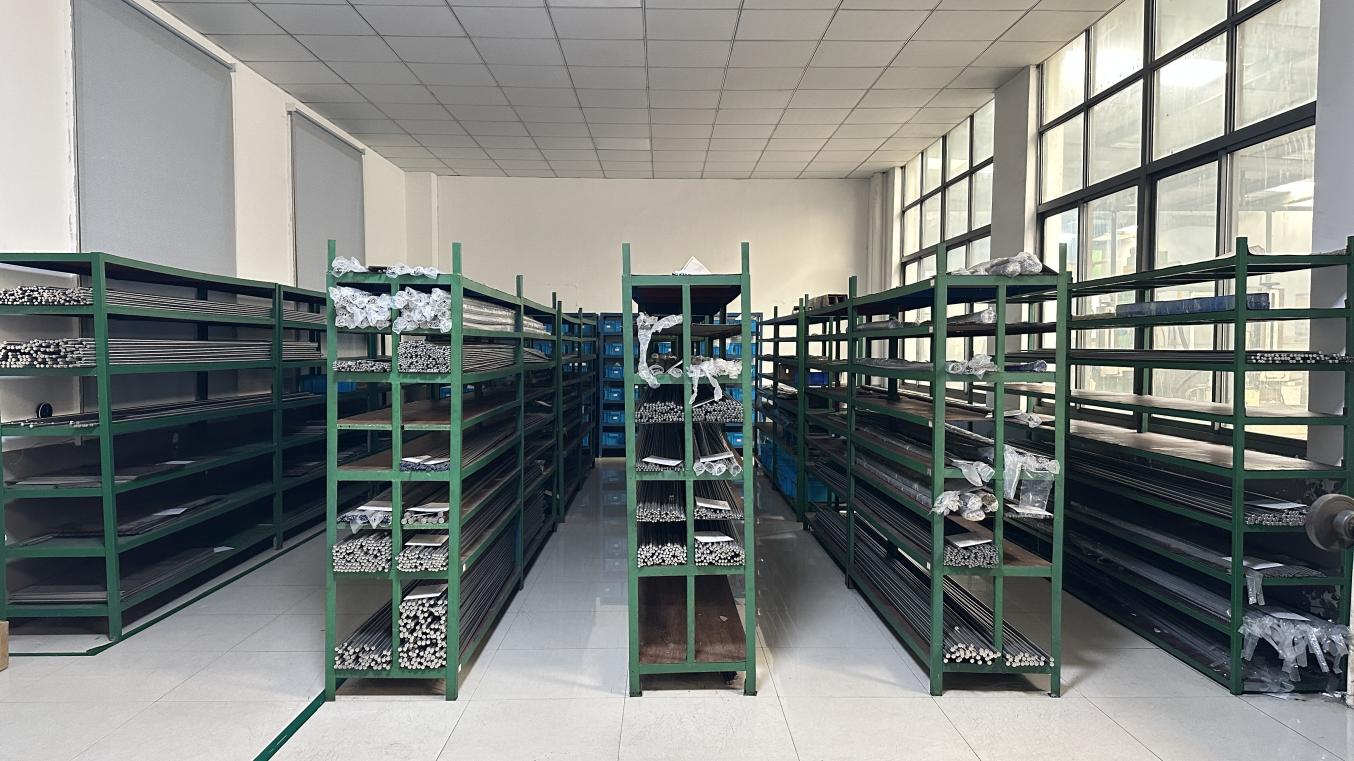
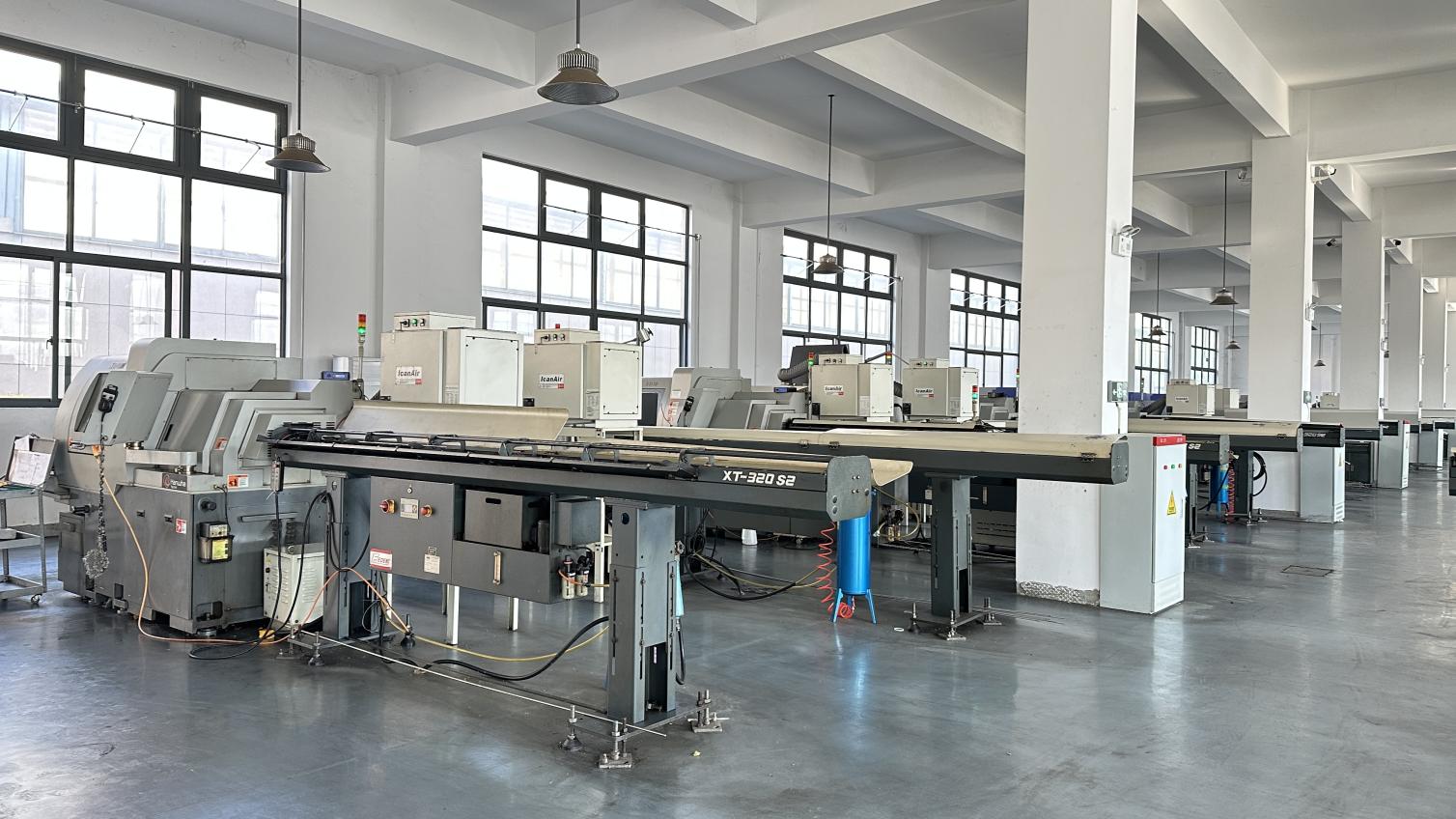
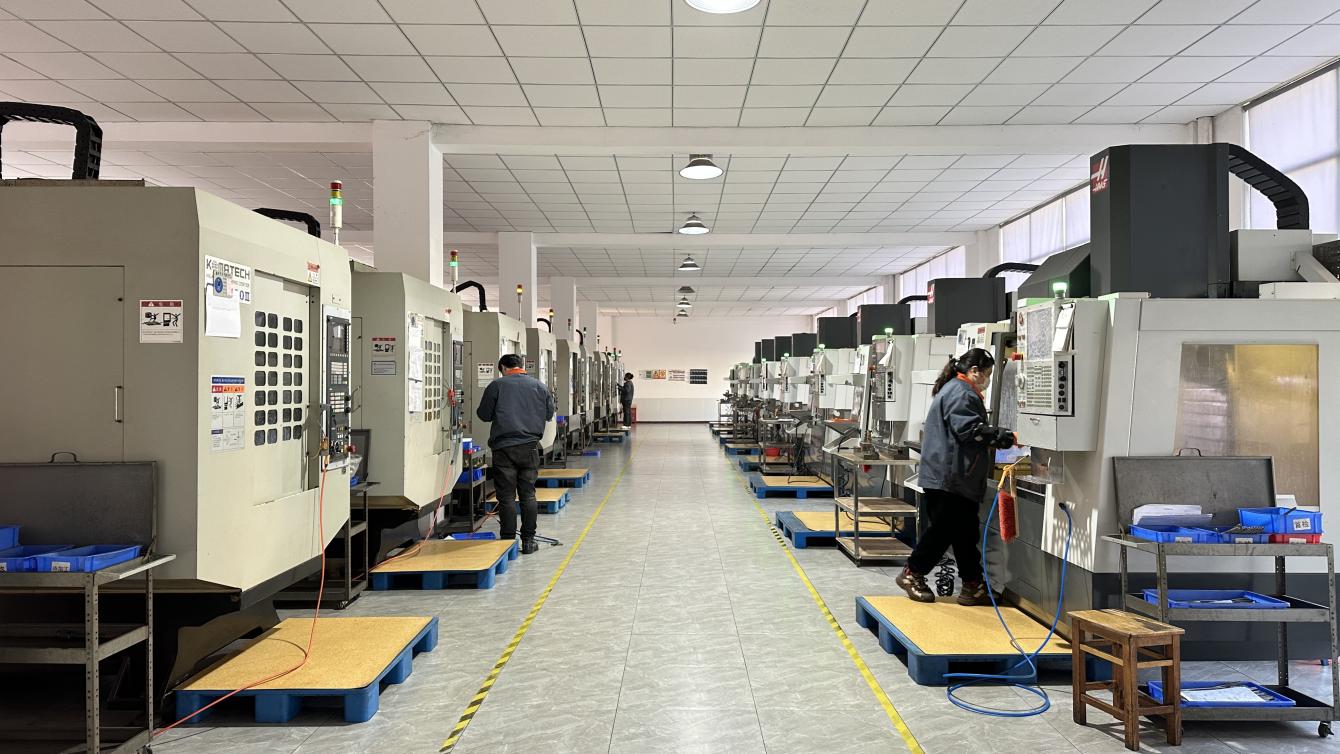
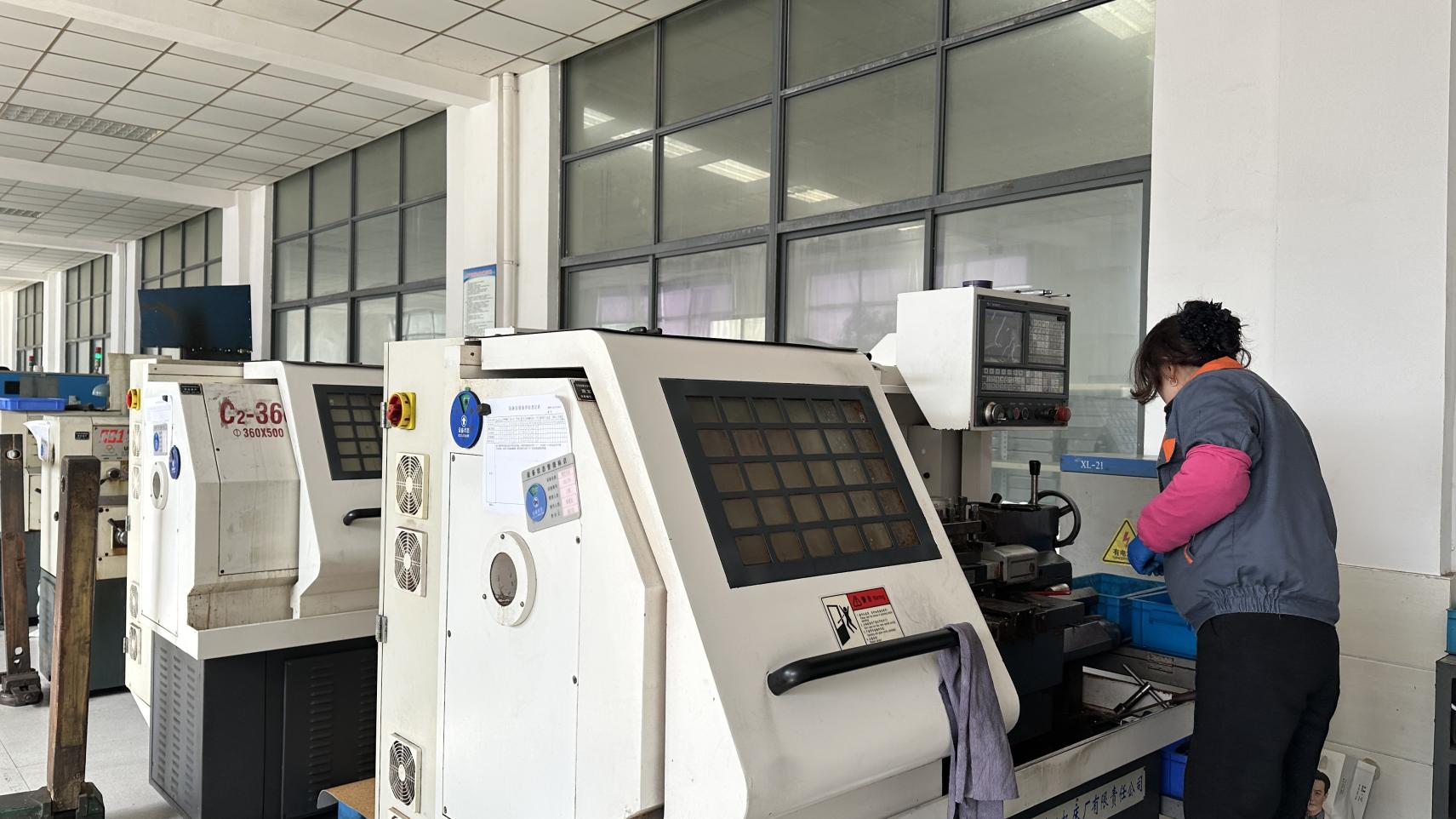
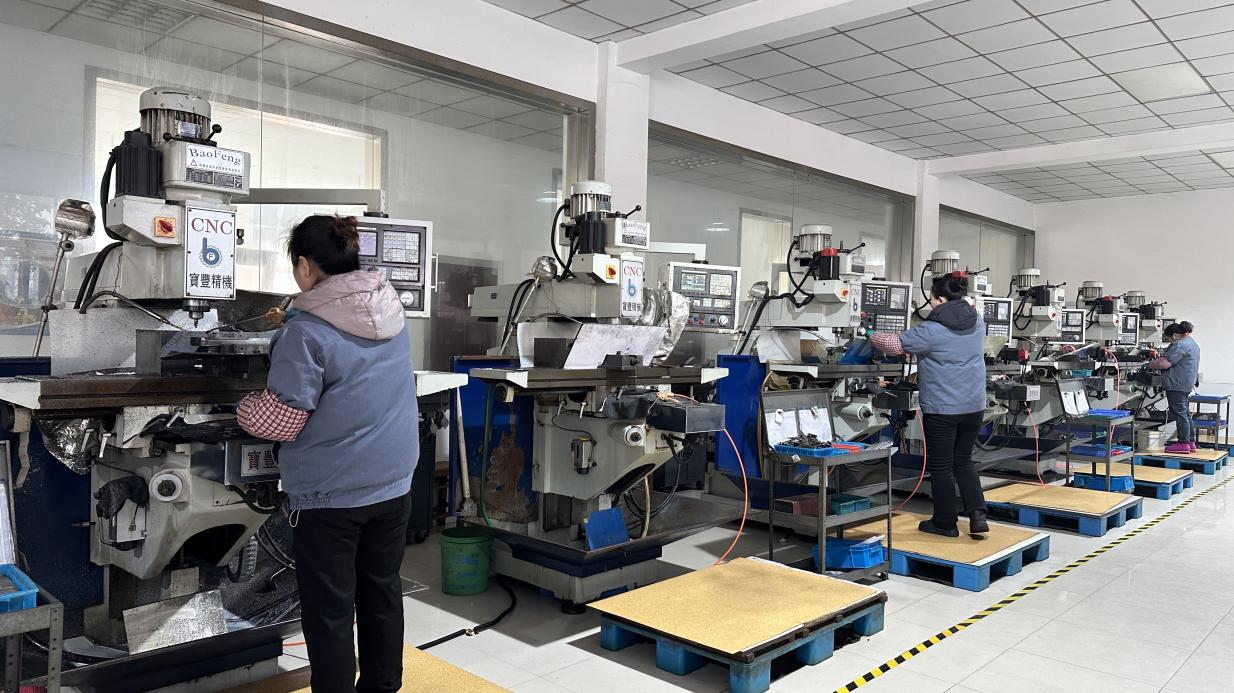
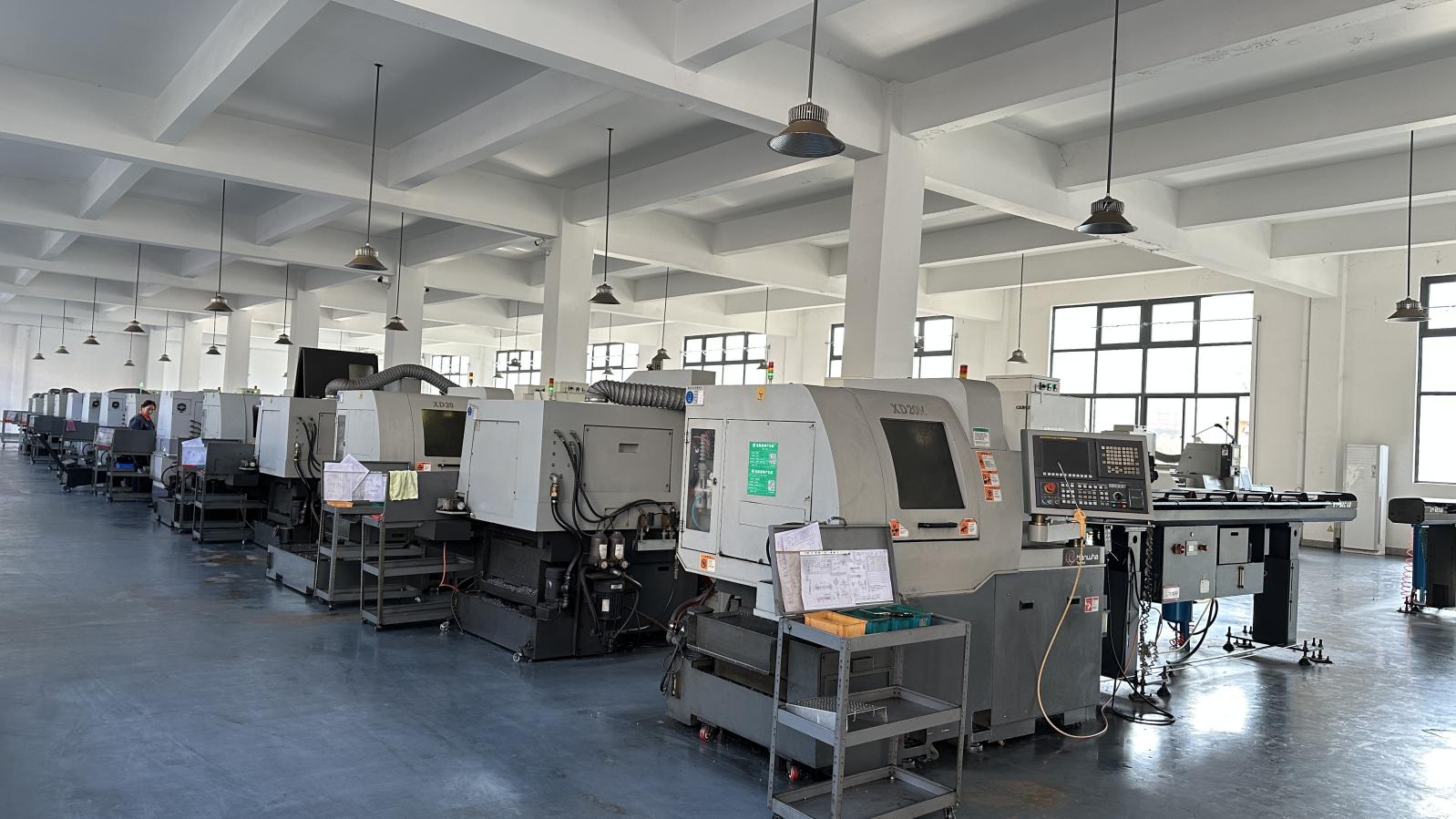
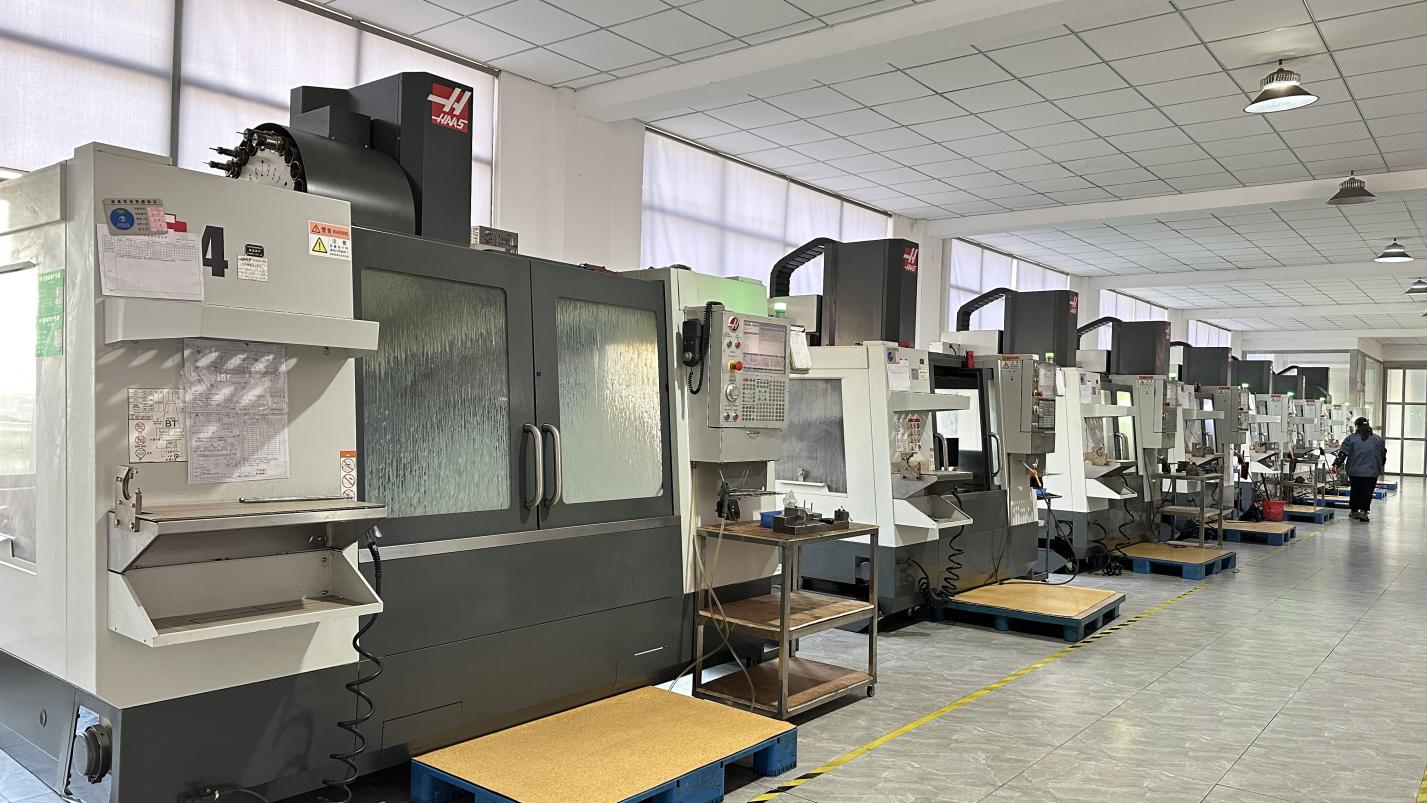
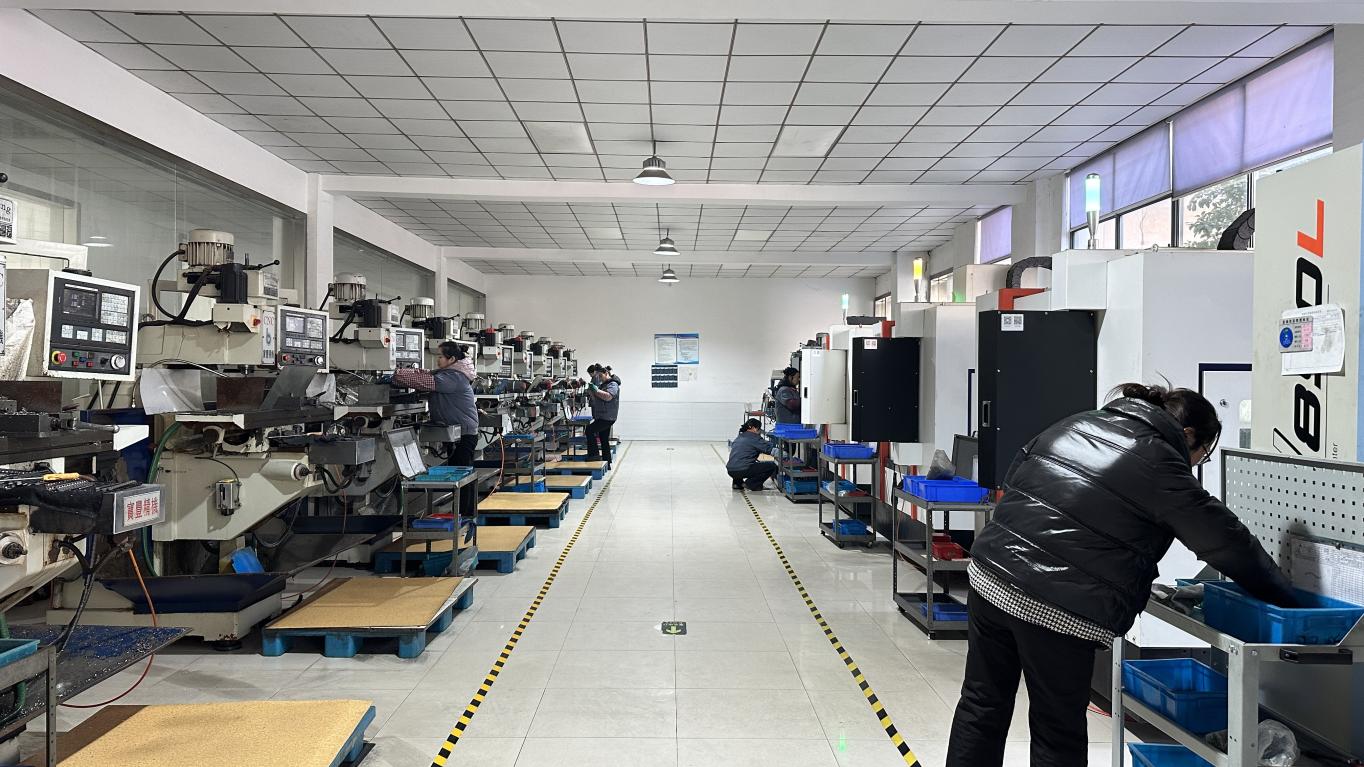
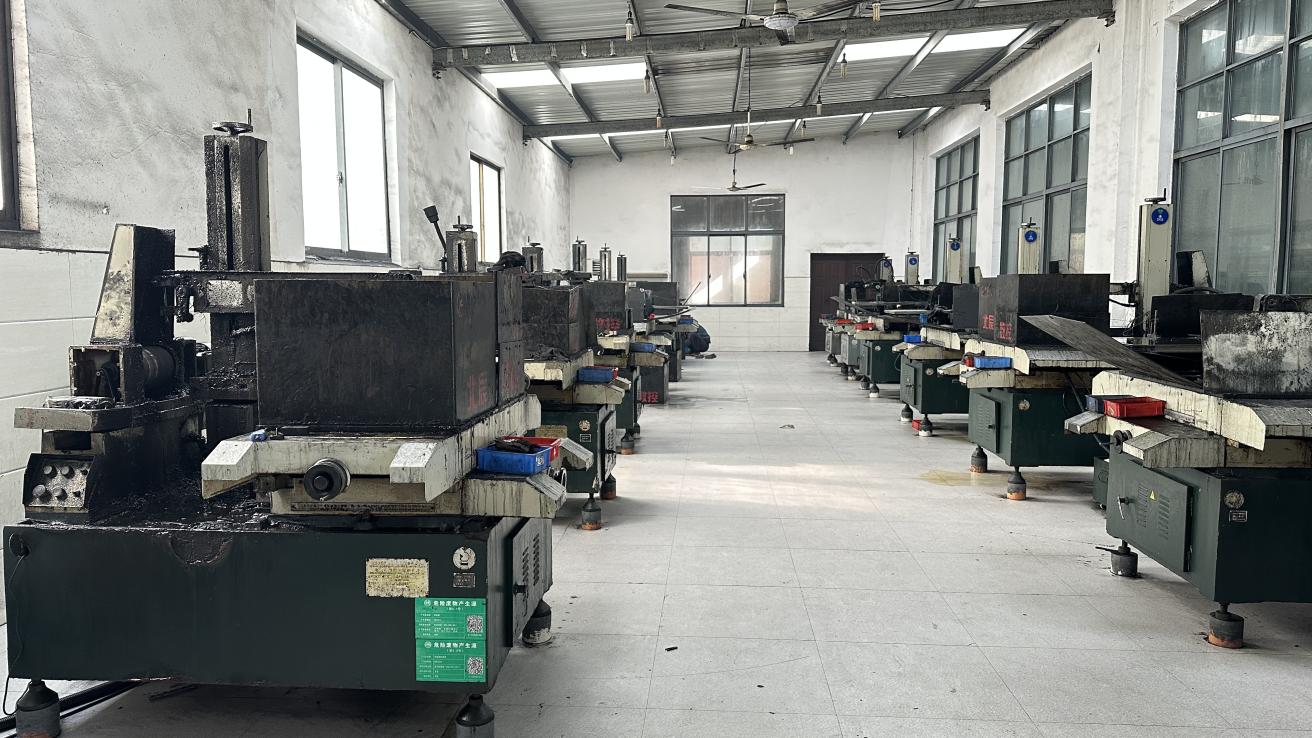
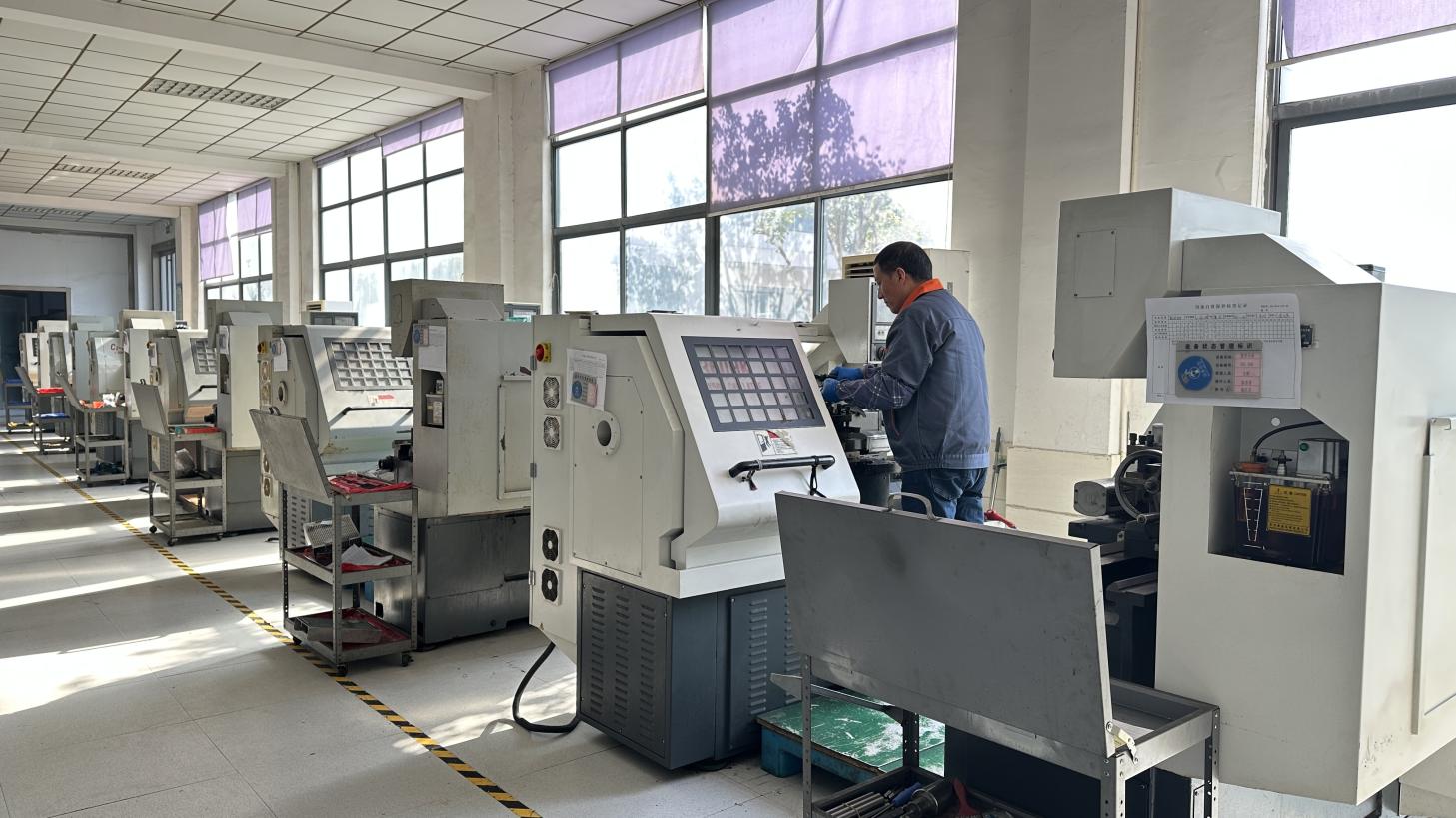
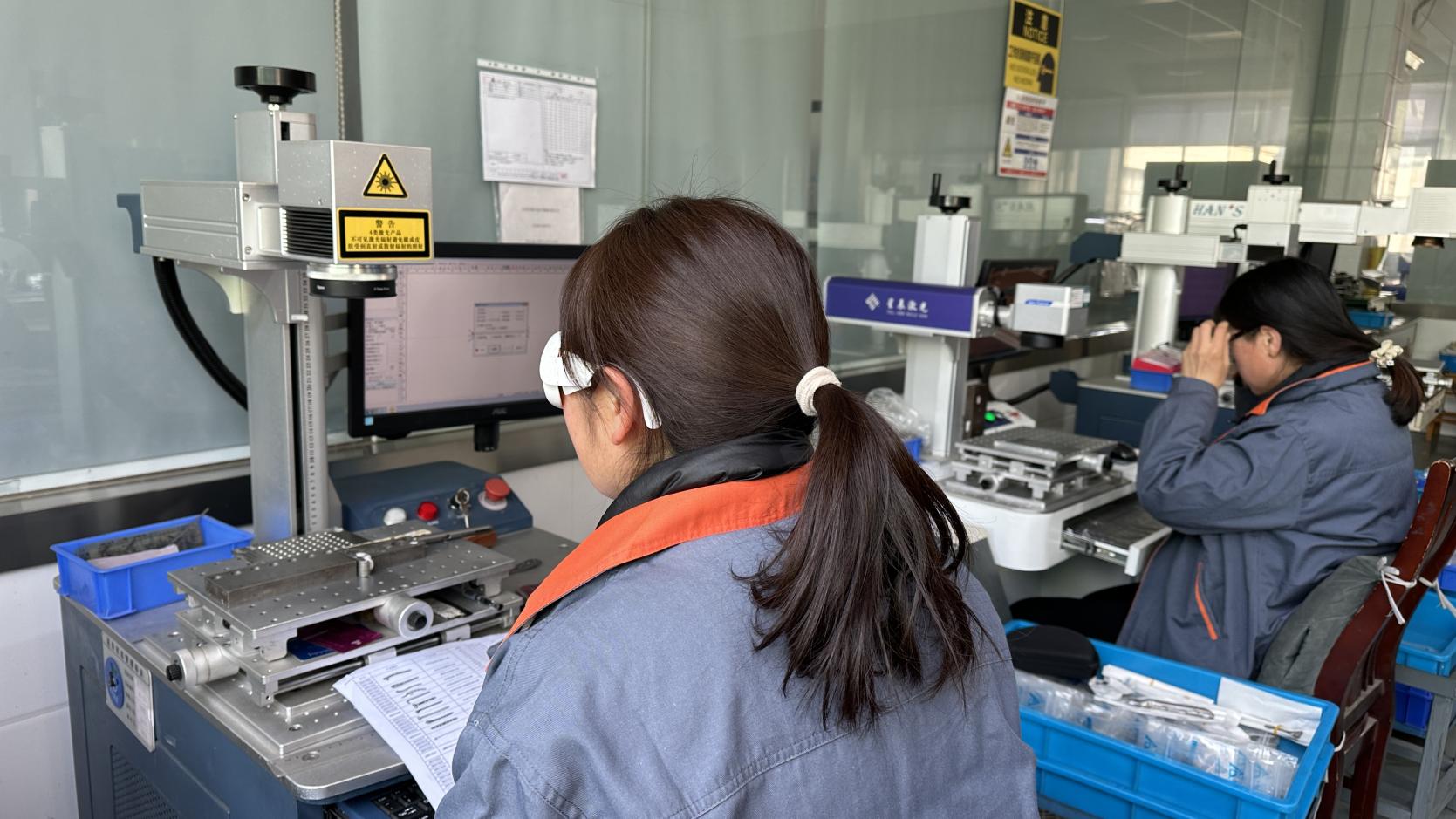
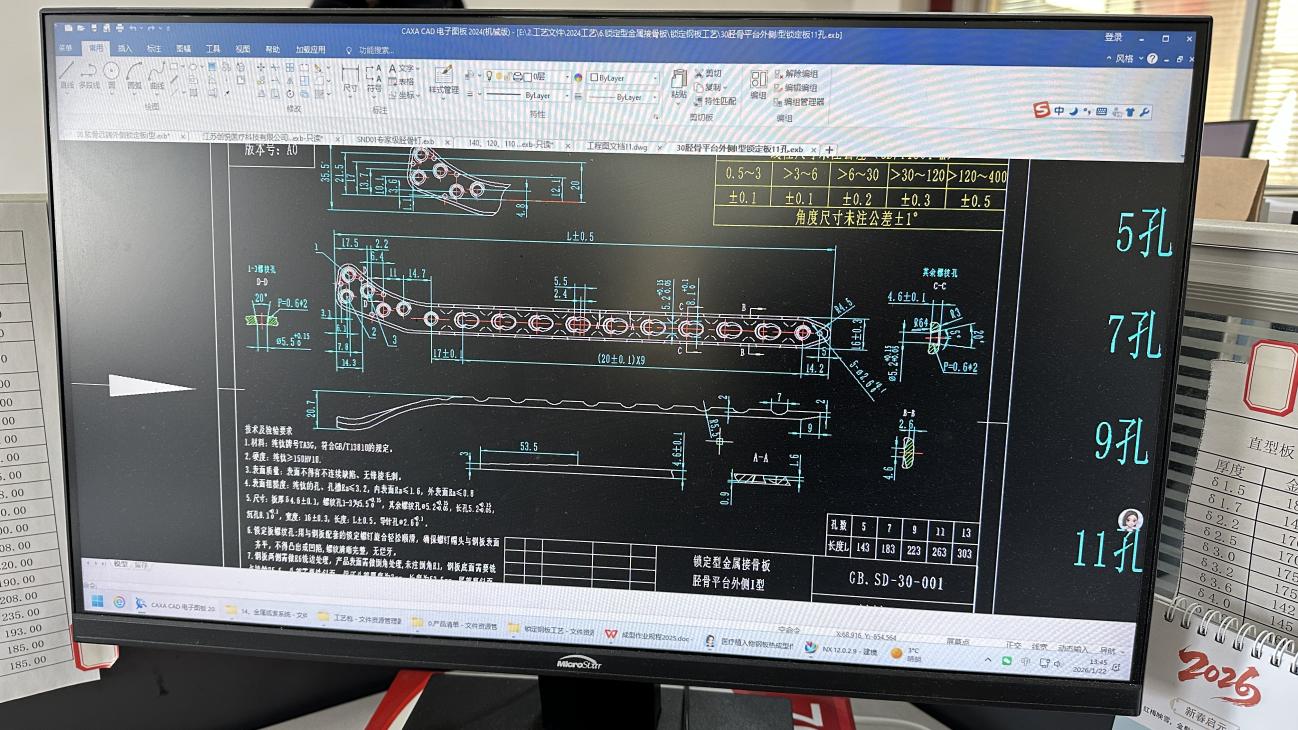
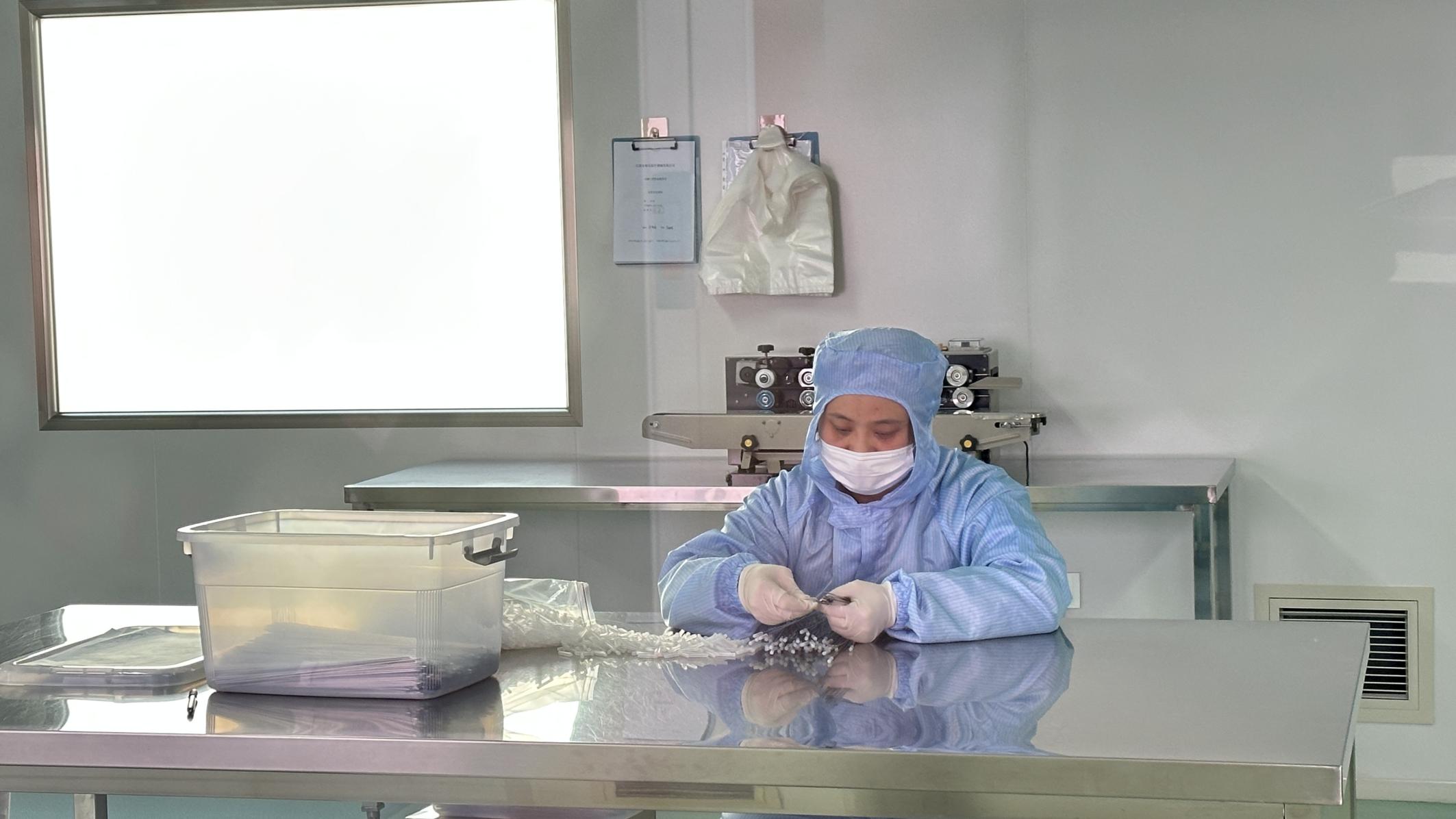
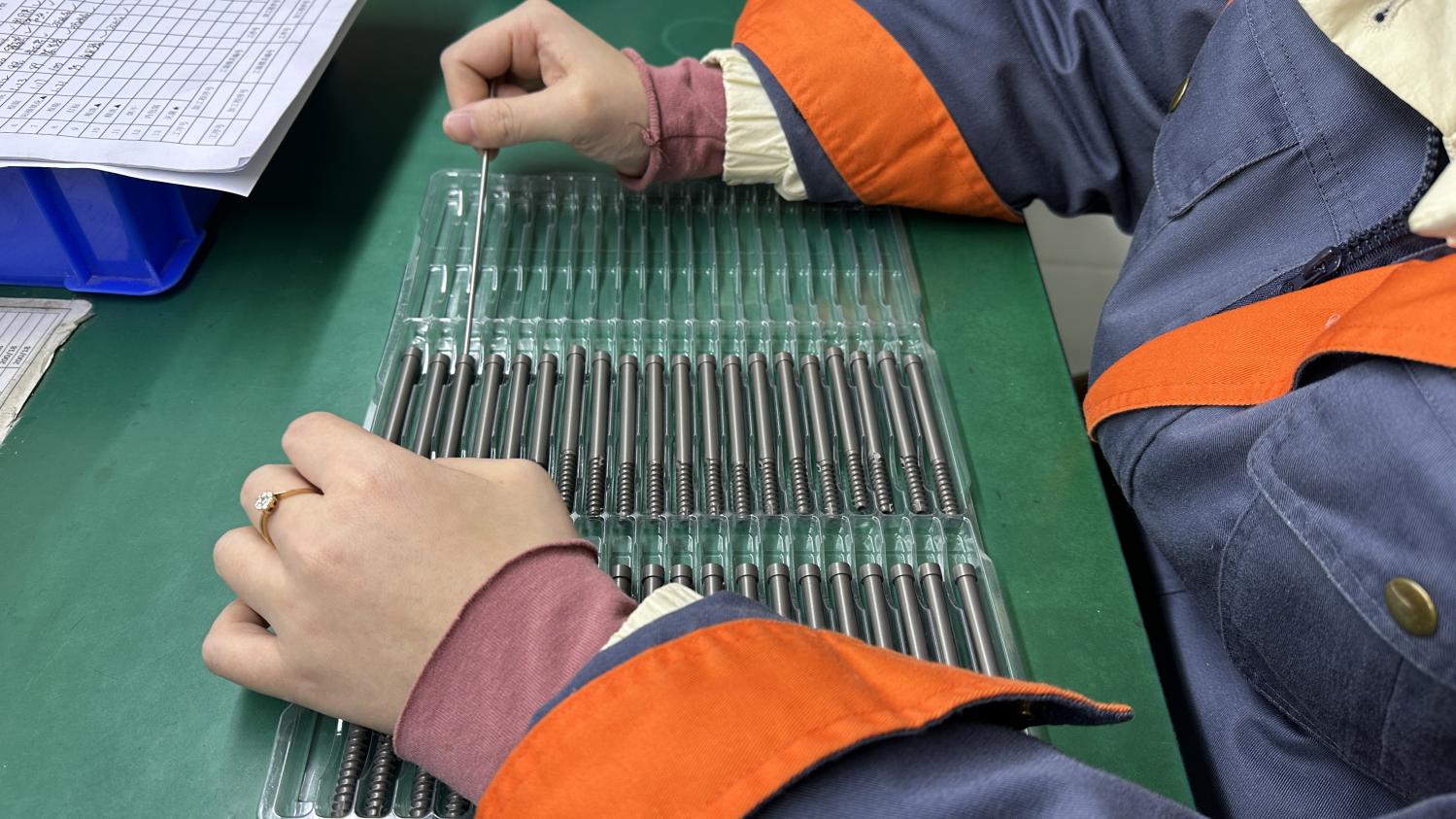
Medisplint manages its entire production process in-house, from importing raw materials to the final laser marking and sterilization packaging. This integrated manufacturing model helps control unit costs and ensures dimensional tolerances of under 0.01 mm for locking plate screw holes.
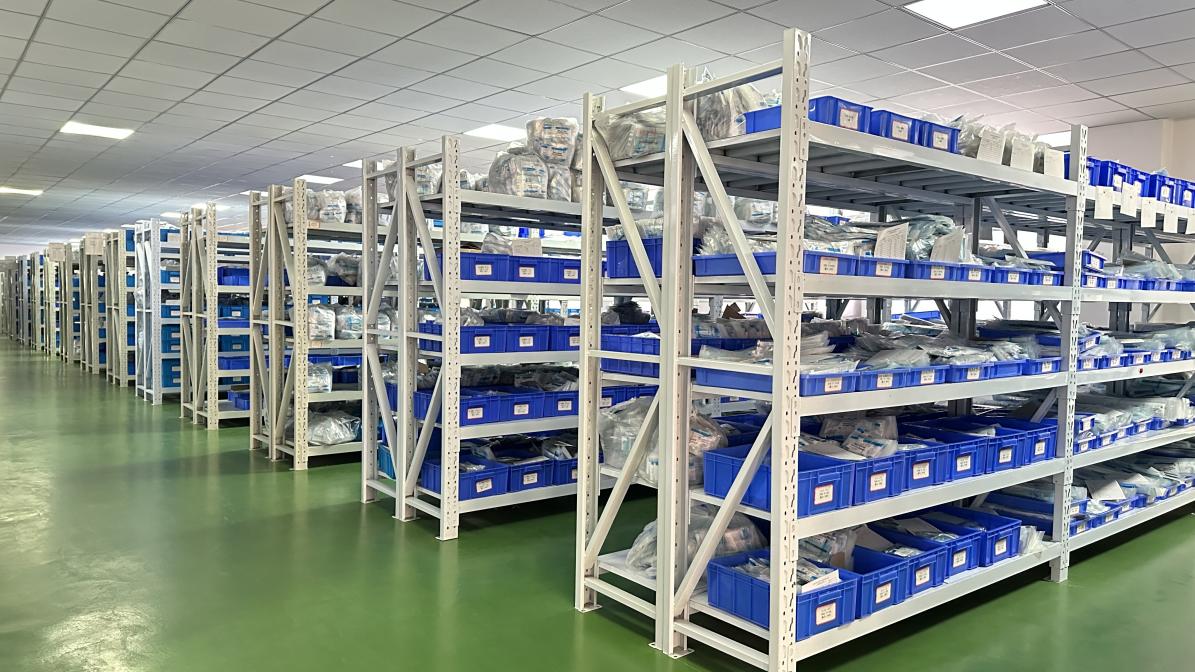
For international buyers in Nigeria, our production efficiency translates to reliable delivery timelines. We maintain large stocks of titanium locking screws and anatomical bone plates, allowing us to process bulk orders without the typical lead times of intermediate distributors.
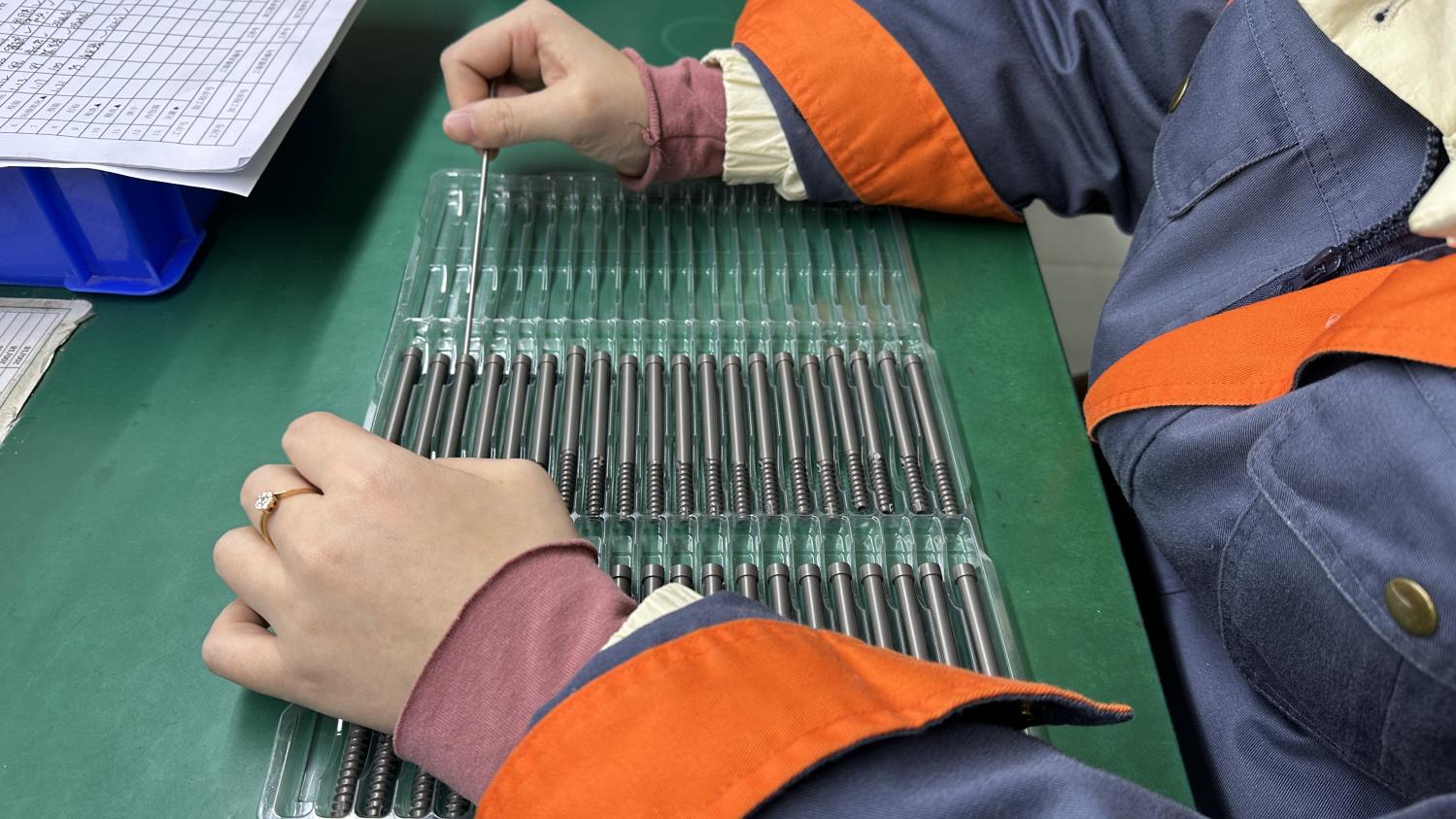
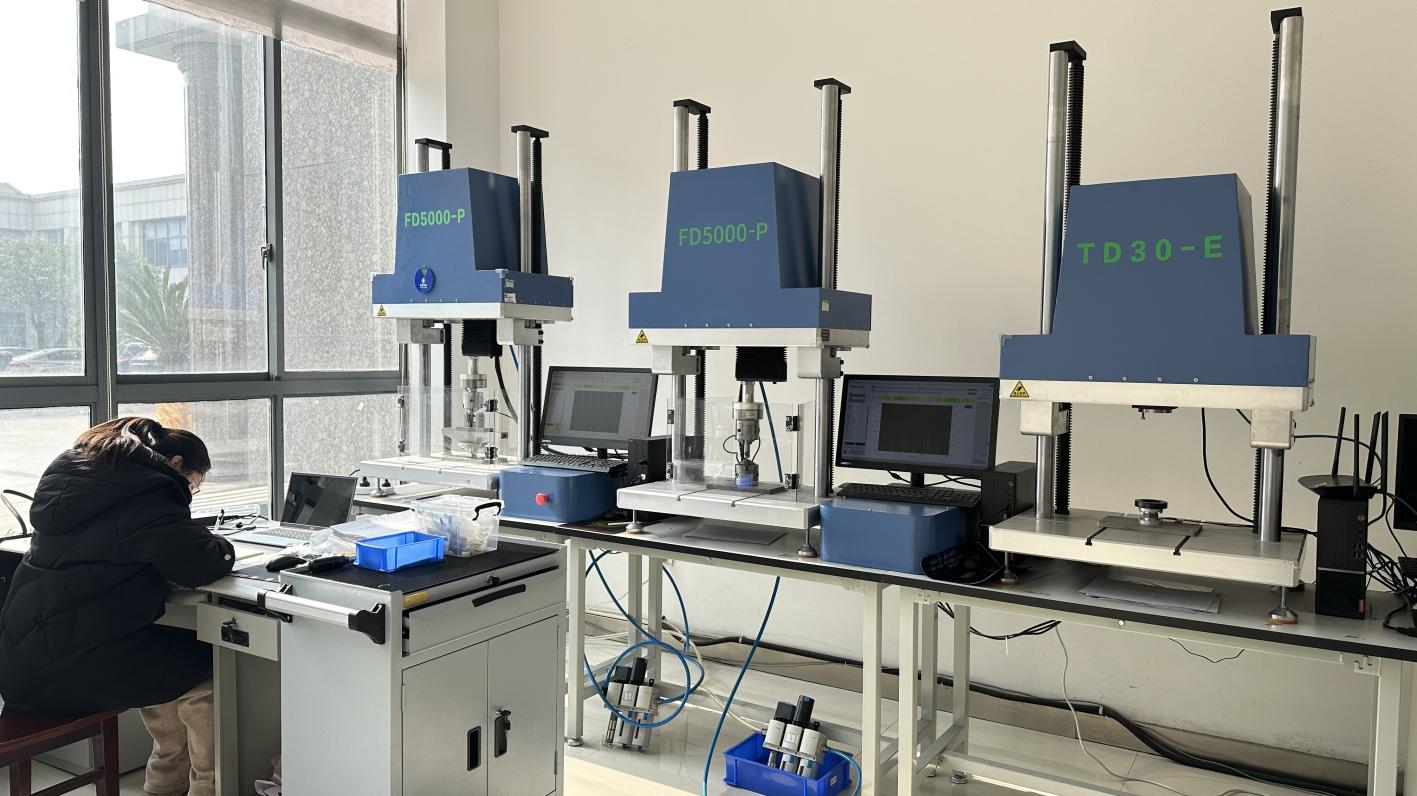
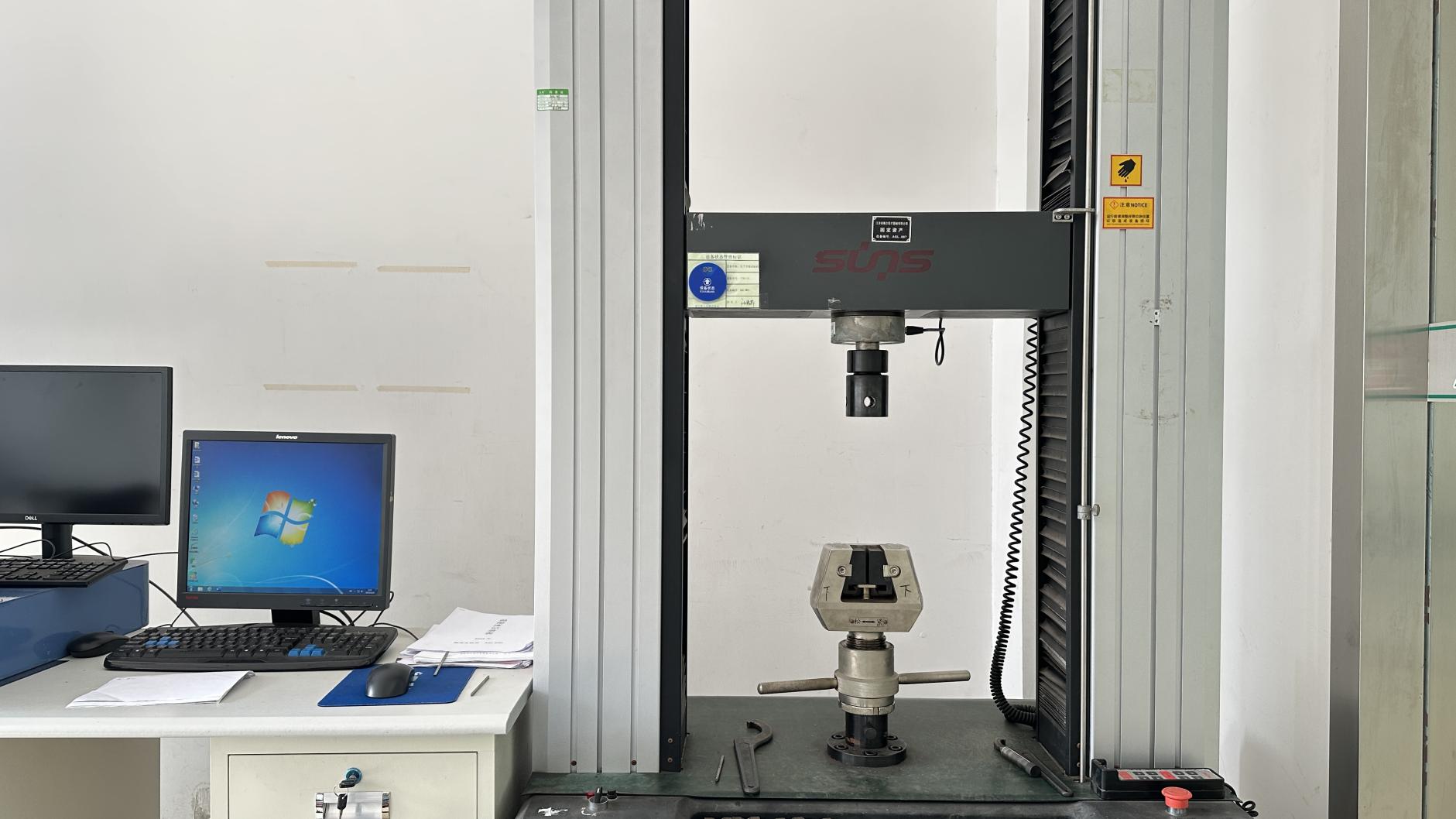
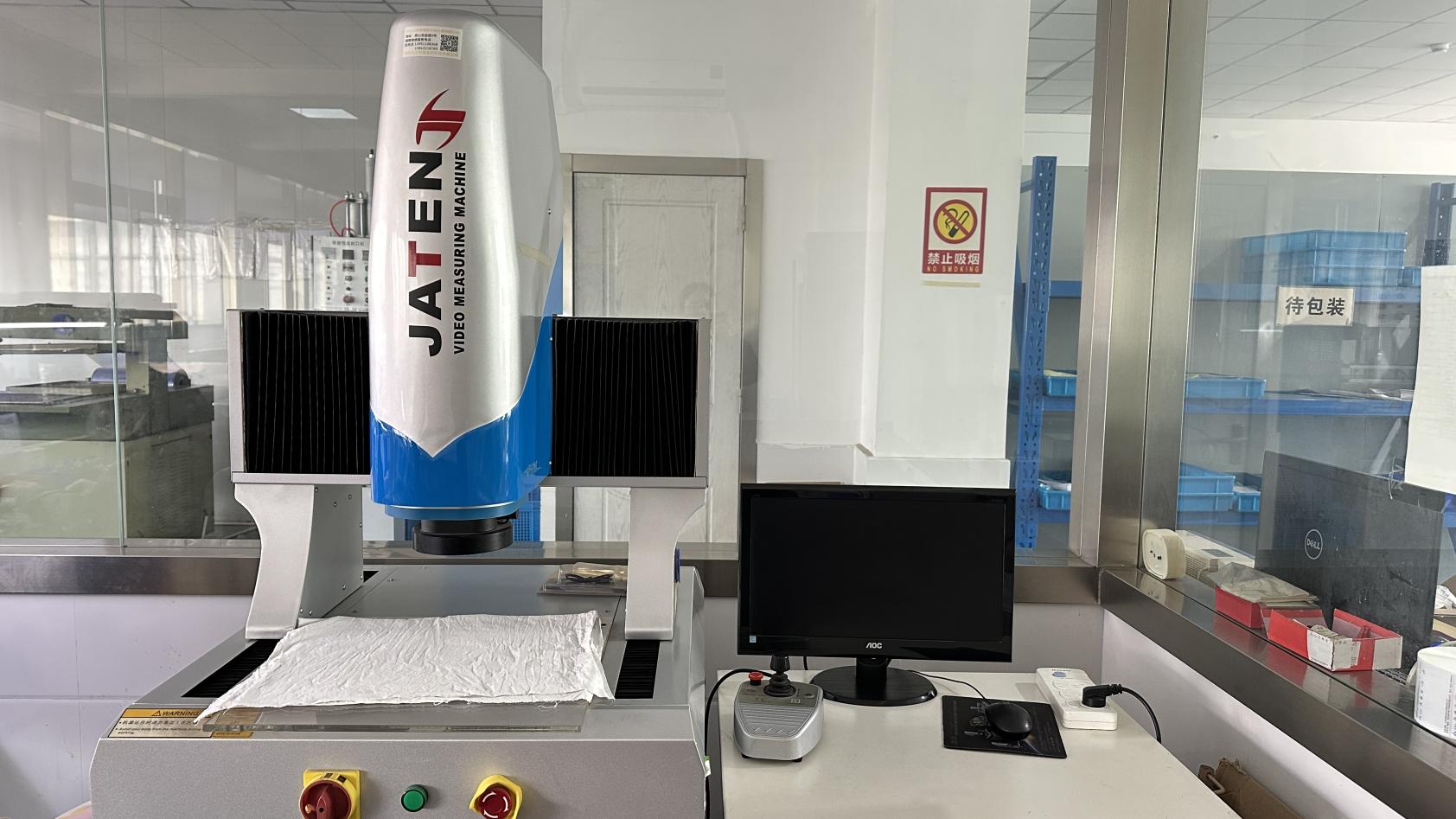
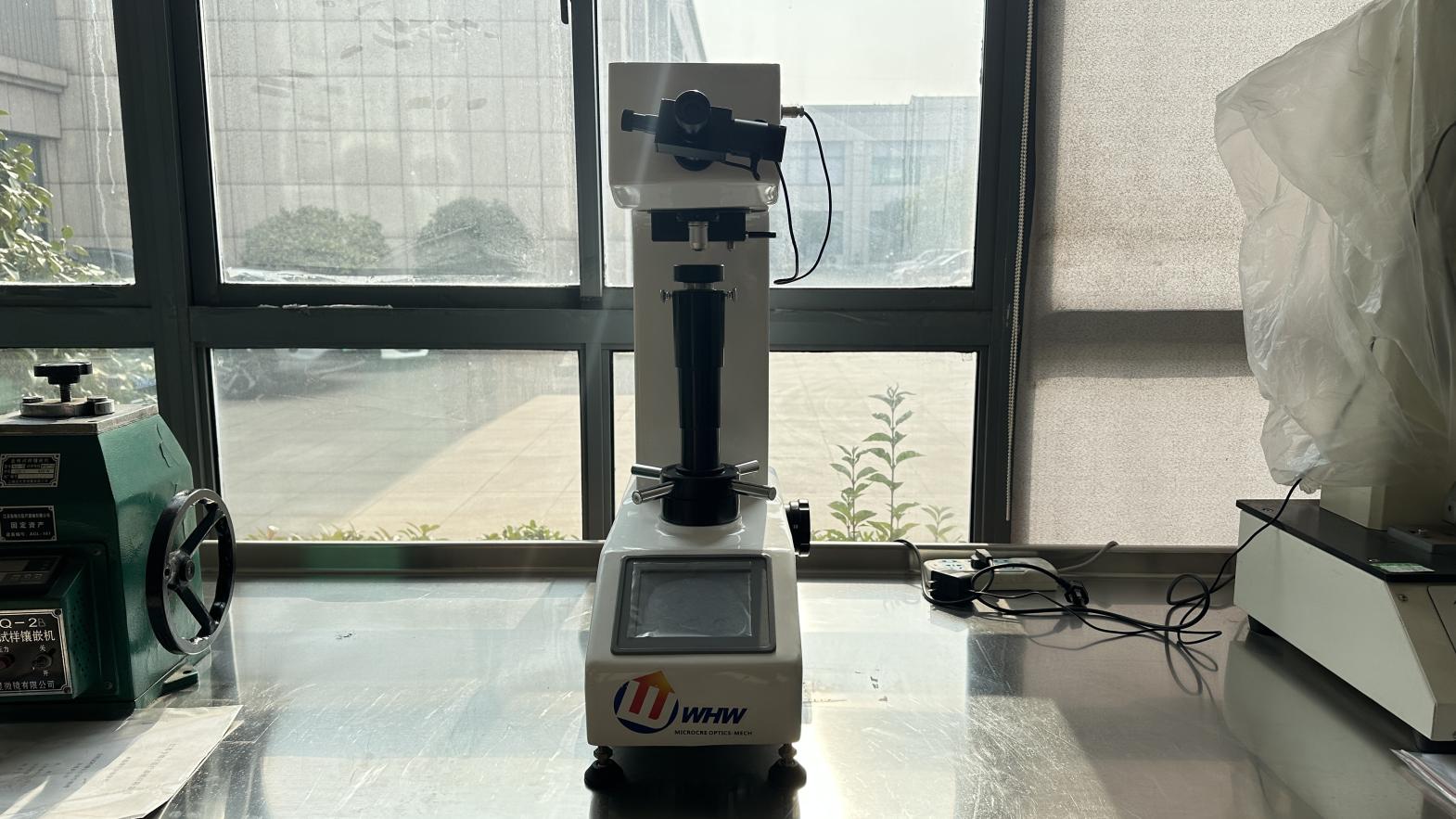
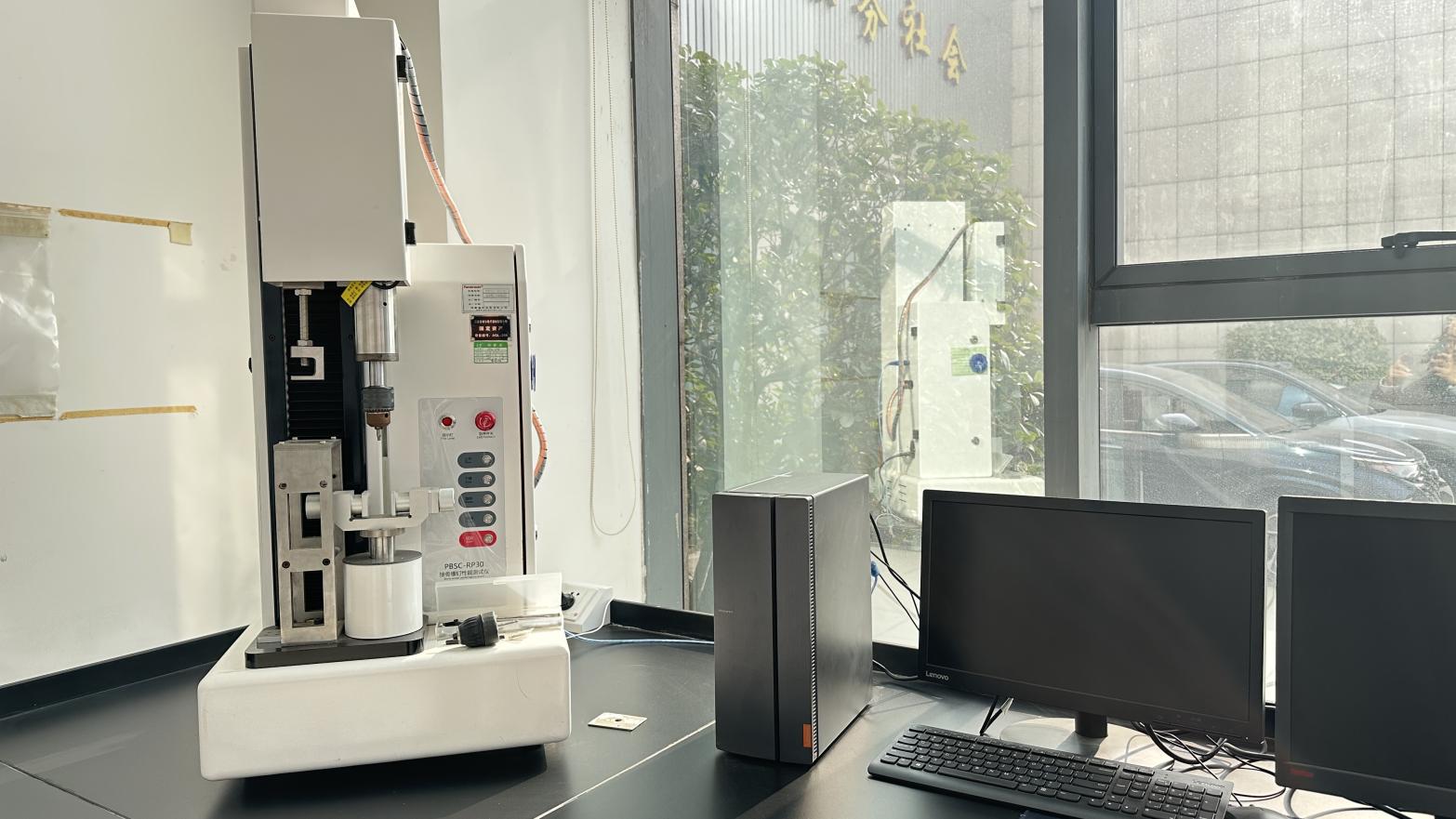
Our Quality Management System meets international CE and ISO 13485 standards. Our laboratory features advanced validation equipment, including tensile strength testers, multi-axis fatigue testing machines, and optical dimensional coordinate measuring instruments. Every batch of trauma implants comes with a material cert verification report and certificates of conformity.

Selecting the correct implant material depends on the mechanical stress, loading conditions, and physiological demands of the fracture site:
| Material Grade | Yield Strength | Primary Indications |
|---|---|---|
| Grade 5 Titanium (Ti-6Al-4V) | 860 MPa | High-load long bone locking plates, tibial systems, femur nails. |
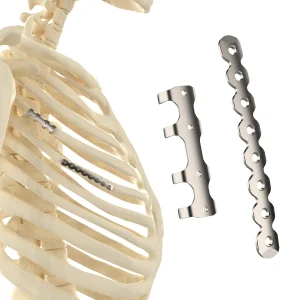
| Pure Titanium (CP Gr. 4) | 480 MPa | Low-profile craniofacial mesh, rib locking plates, clavicular hooks. |
| 316L Stainless Steel | 190 MPa | Temporary external fixators, Kirschner wires, standard tension band wire. |
Medisplint continuously refines its implant configurations. Our recent product updates focus on optimizing screw-to-plate locking mechanisms and reducing plate thickness to minimize irritation of adjacent soft tissue.
Our variable-angle locking plates allow locking screws to be angled up to 15 degrees from the plate's center line. This feature helps surgeons target specific bone fragments and purchase secure points in osteoporotic or comminuted bone, which is a common challenge in complex trauma reconstructive surgeries.
Additionally, our titanium implant surfaces undergo type II anodization. This surface treatment creates a bio-inert titanium oxide layer that helps minimize tissue adhesion, reducing the potential for bacterial colonization on the implant surface.
Importing orthopedic implants into Nigeria requires registration with the National Agency for Food and Drug Administration and Control (NAFDAC). This process ensures that all surgical implants are sterile, biocompatible, and safe for clinical use.
Medisplint supports local distributors throughout this registration process by providing key documentation, including:
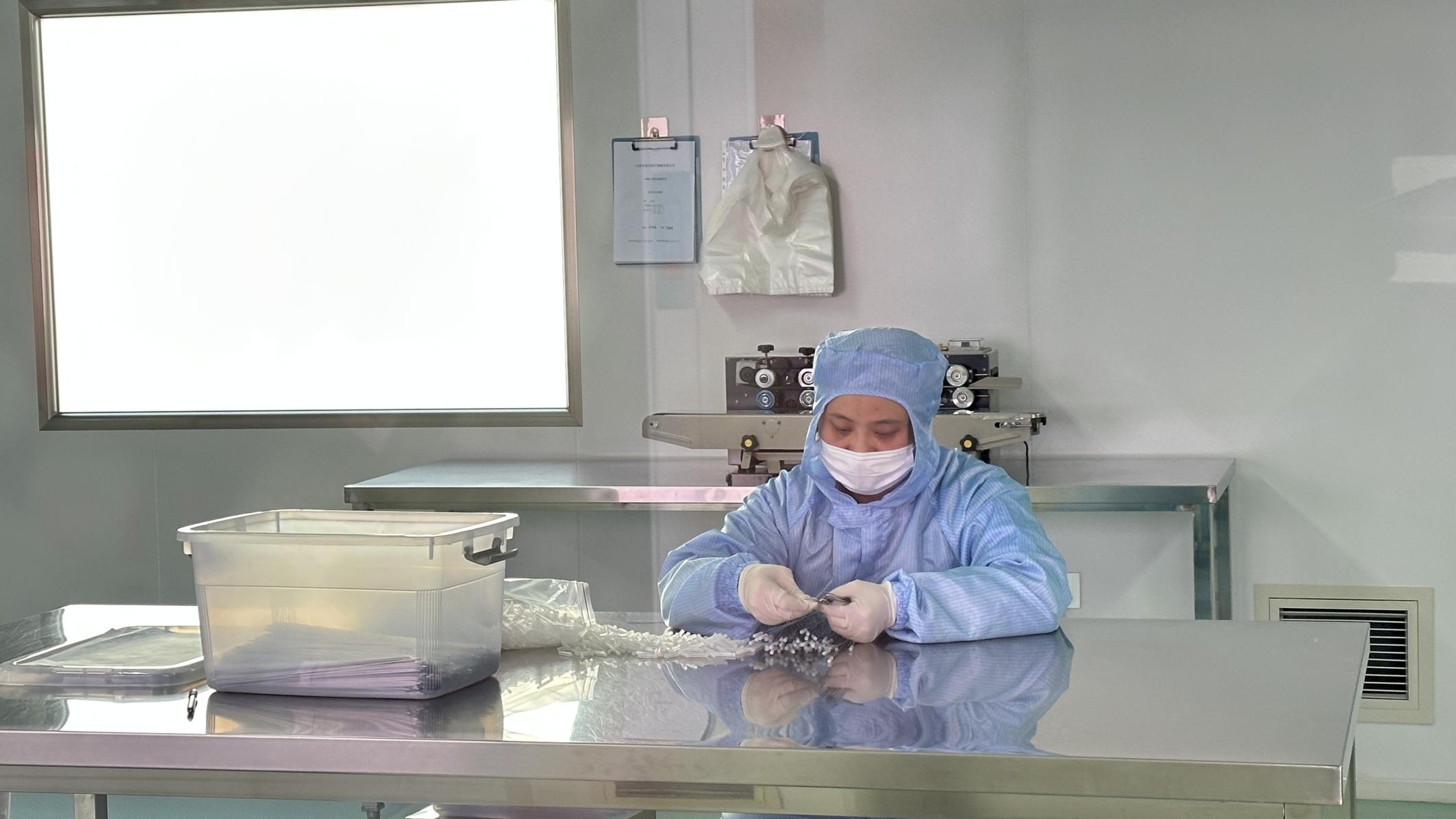
We work with global air freight services to deliver orders safely to Lagos (Murtala Muhammed International Airport) and Abuja (Nnamdi Azikiwe International Airport). Our orthopedic implants are individually cleanroom-packaged in sterile, puncture-resistant Tyvek blisters. This double-layer sterile packaging protects the implants during long-distance transit and keeps them ready for direct aseptic handling in the operating room.
Our logistical systems allow tracking from our factory to your local facility, helping distributors manage hospital contract deadlines with confidence.