 Medisplint
Medisplint
Medisplint
Advanced clavicle, sternal, and distal radius trauma solutions designed for immediate clinical stability.
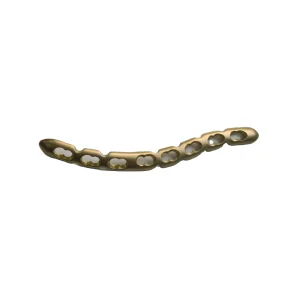
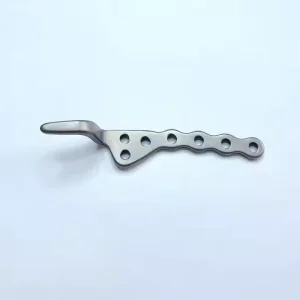
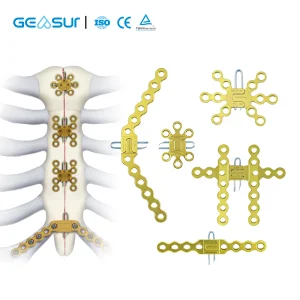
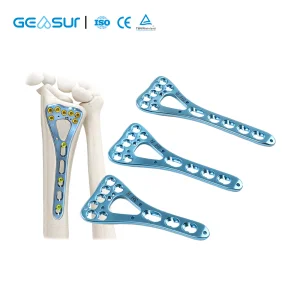
A technical assessment of clinical demands, high-precision engineering synergies, and healthcare procurement in Central Europe.
Slovakia sits at the heart of Central Europe's advanced manufacturing corridor. Globally recognized for its leading per-capita automotive output, the nation has fostered a robust infrastructure in precision metallurgy, mechanical tooling, and high-tolerance CNC machining. As an orthopedic trauma implant manufacturer and supplier, we actively leverage this regional technological ecosystem to refine our production pipelines.
Modern osteosynthesis demands micromachining tolerances below 5 microns. By combining Slovakia's local engineering principles with our specialized medical manufacturing expertise, we deliver trauma implants featuring superior thread alignment, optimized locking mechanics, and highly precise anatomical pre-contouring that minimizes intraoperative bending requirements for Slovak surgeons.
The Slovak clinical environment—led by key institutions such as the University Hospital Bratislava (UNB), University Hospital Martin (UNM), and L. Pasteur University Hospital in Košice—demands cost-effective yet highly advanced orthopedic implants. In recent years, public health payers (such as VšZP, Dôvera, and Union) have prioritized implants that demonstrate reduced patient re-operation rates and accelerated mobilization times.
Consequently, Slovak trauma centers are transitioning away from standard monaxial locking plates in favor of polyaxial, variable-angle (VA) locking mechanisms and low-profile anatomic plates. These systems facilitate precise targeting of articular fragments in complex fractures (e.g., AO Type C distal radius or distal tibial fractures) while avoiding interference with existing soft tissues or prosthetic components.
Why healthcare systems, surgical distributors, and clinical procurement departments choose Medisplint Orthopedic solutions.
Our entire manufacturing catalog conforms to strict ISO 13485 standards. We supply medical devices with complete material traceability reports, ensuring effortless regulatory approvals in Slovakian public tenders and private clinics alike.
Using premium medical-grade Titanium Grade 5 (Ti-6Al-4V ELI), our implants display excellent fatigue strength, low elastic modulus relative to bone, and superior bio-inertness to prevent galvanic corrosion or tissue sensitization.
Equipped with 85 design engineers, we offer customized surgical kit designs, localized labeling options, and tailored anatomically-shaped solutions mapped to regional morphometric patient statistics.
Traceability and rigorous testing at every phase of orthopedic trauma device fabrication.
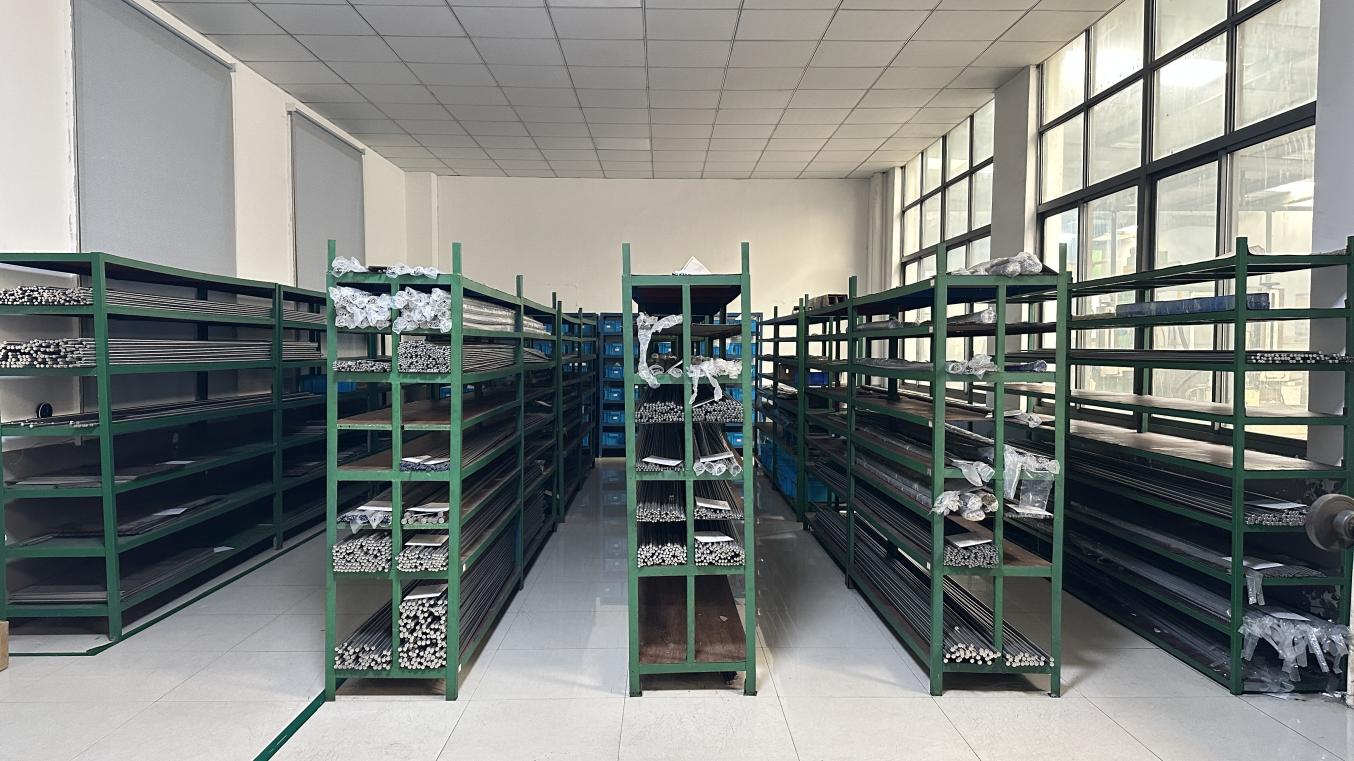
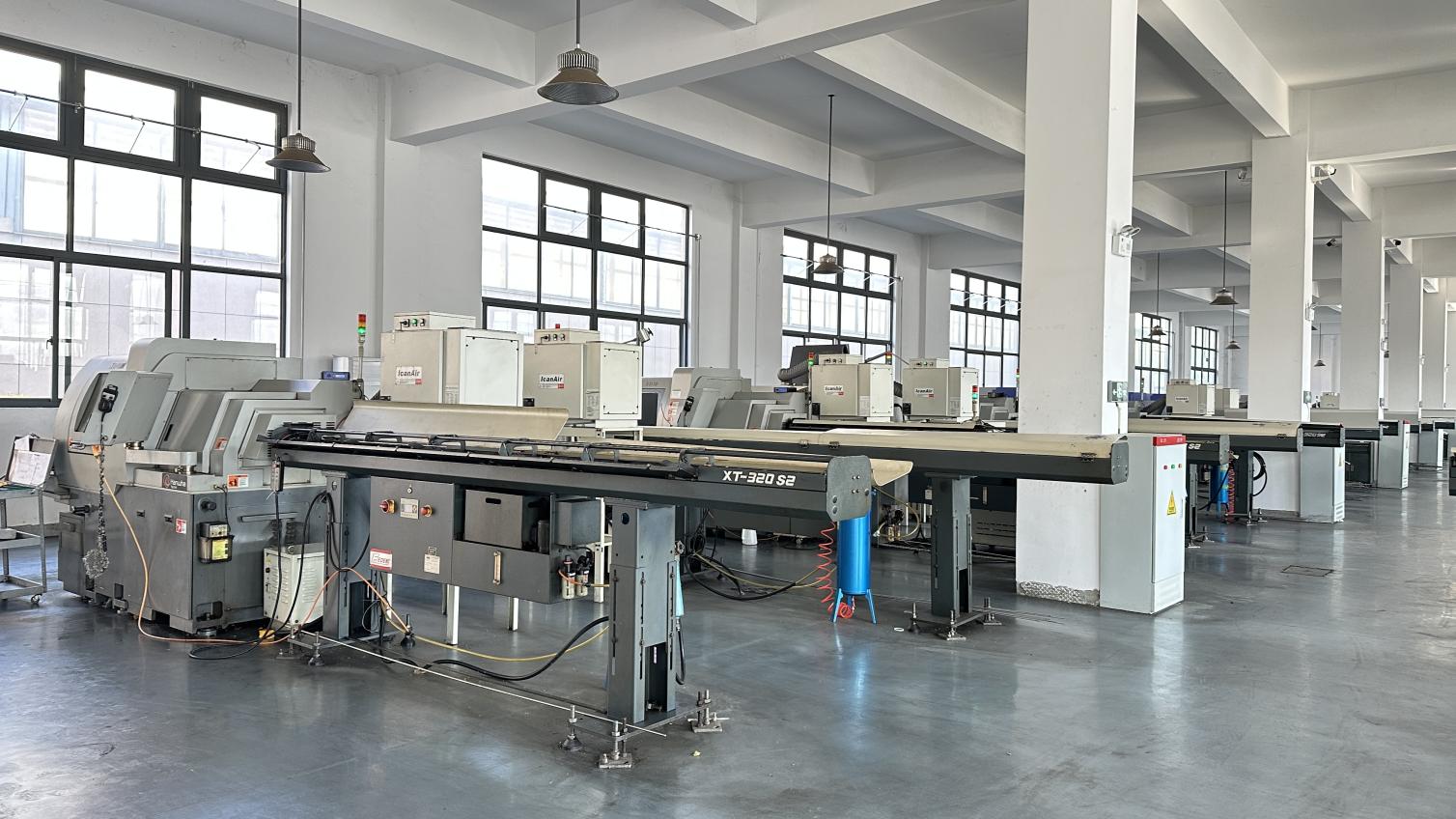
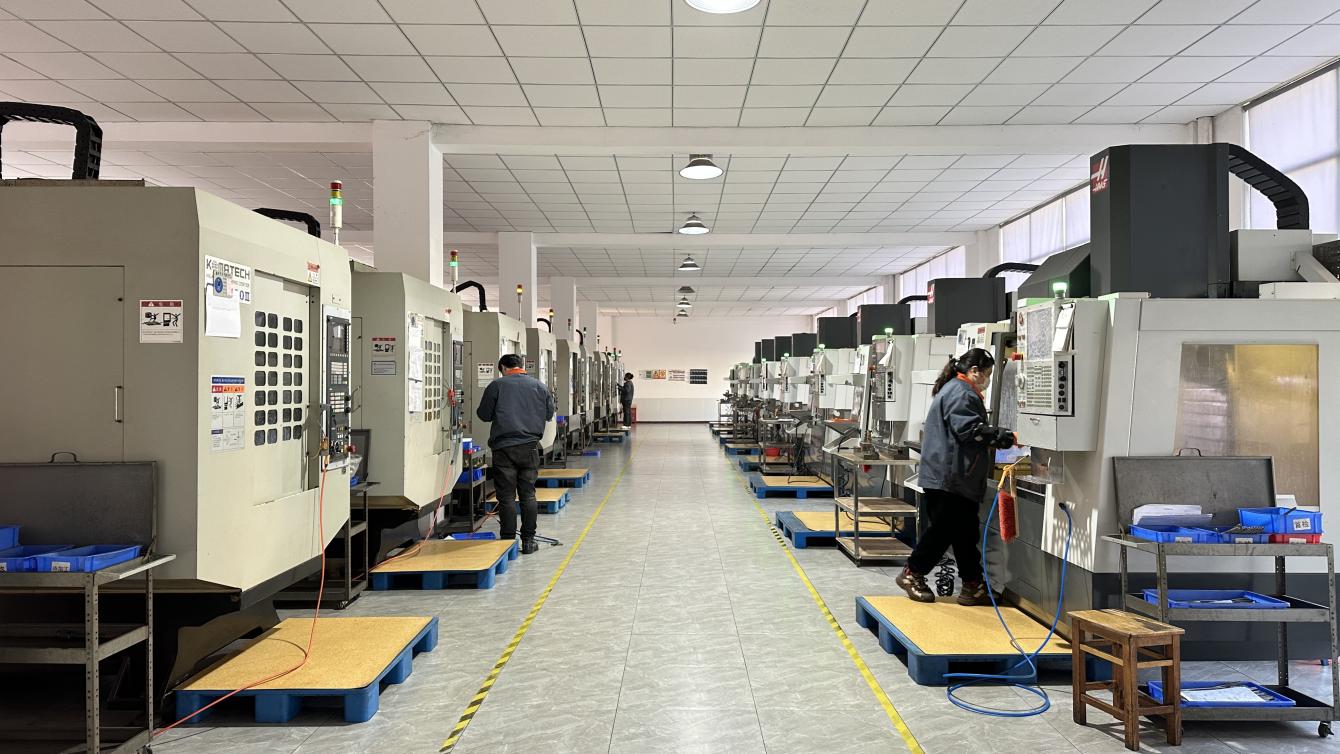
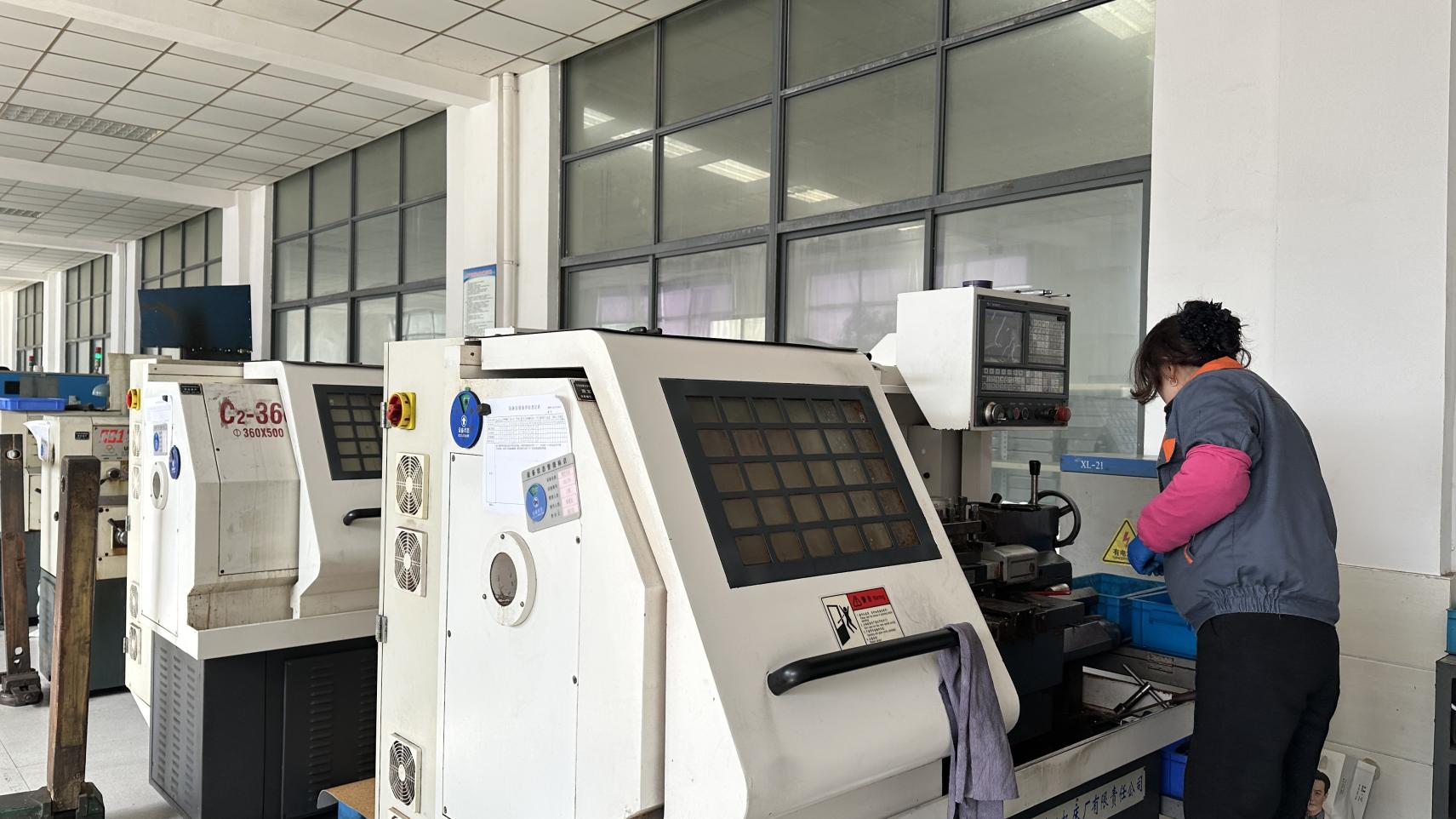
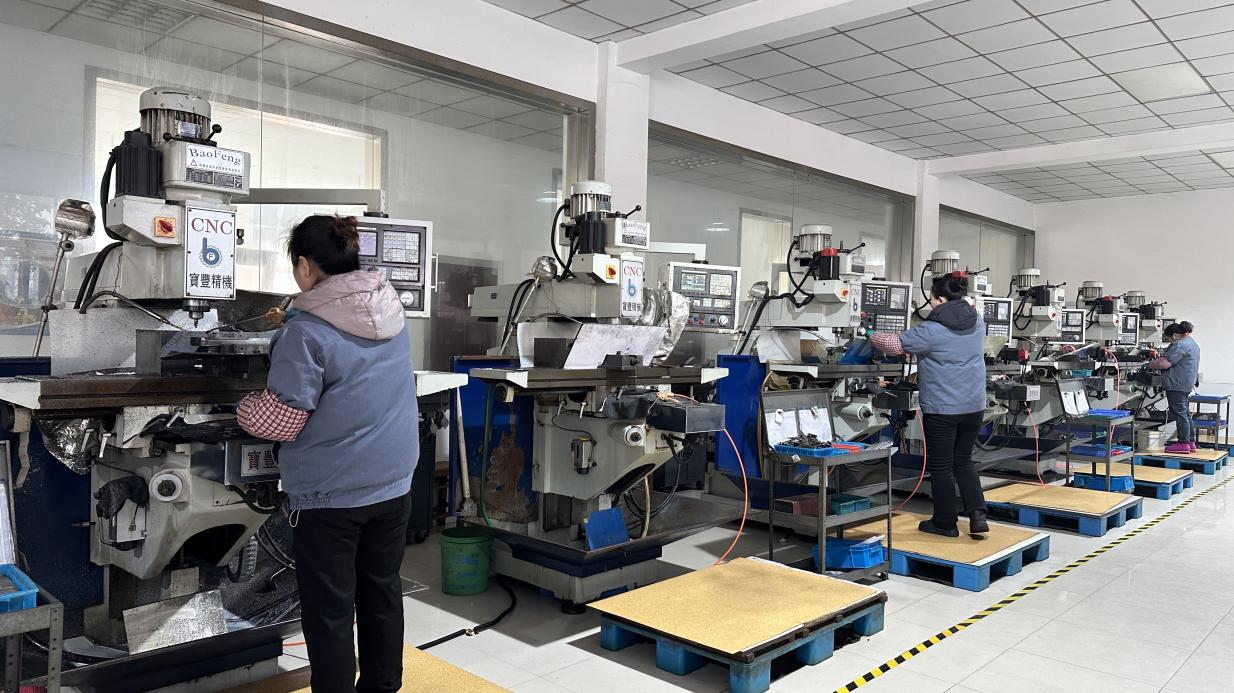
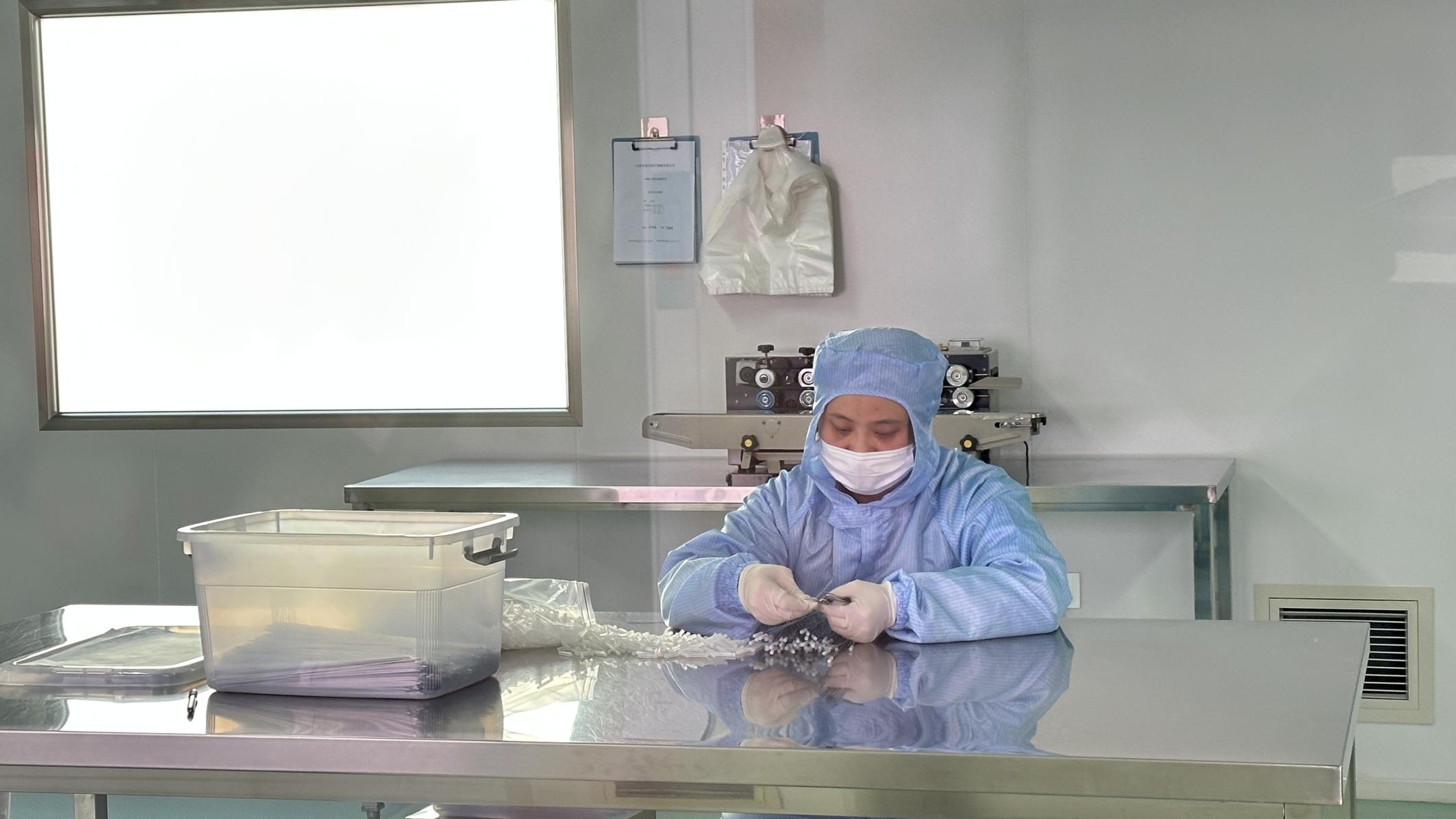
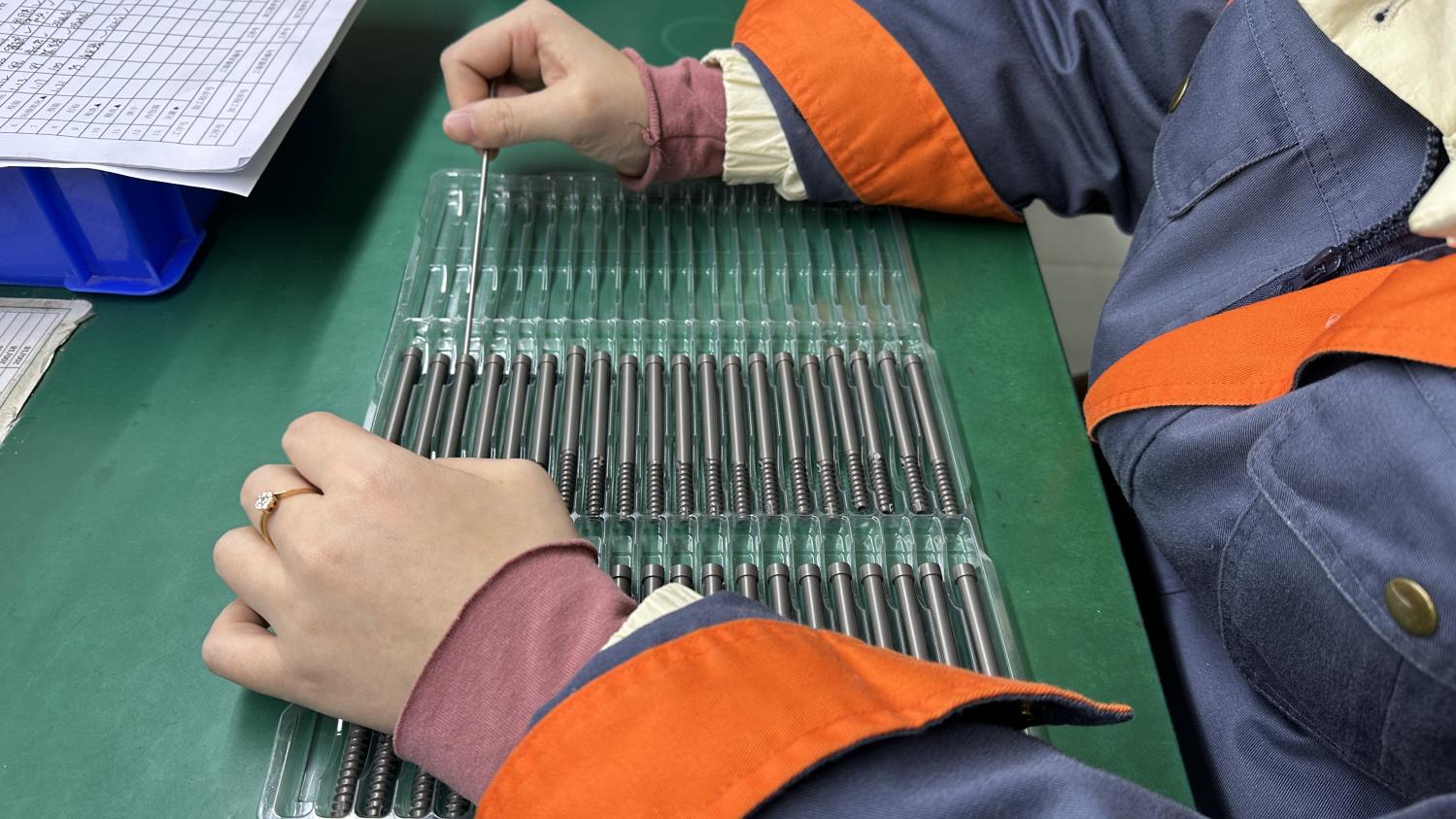
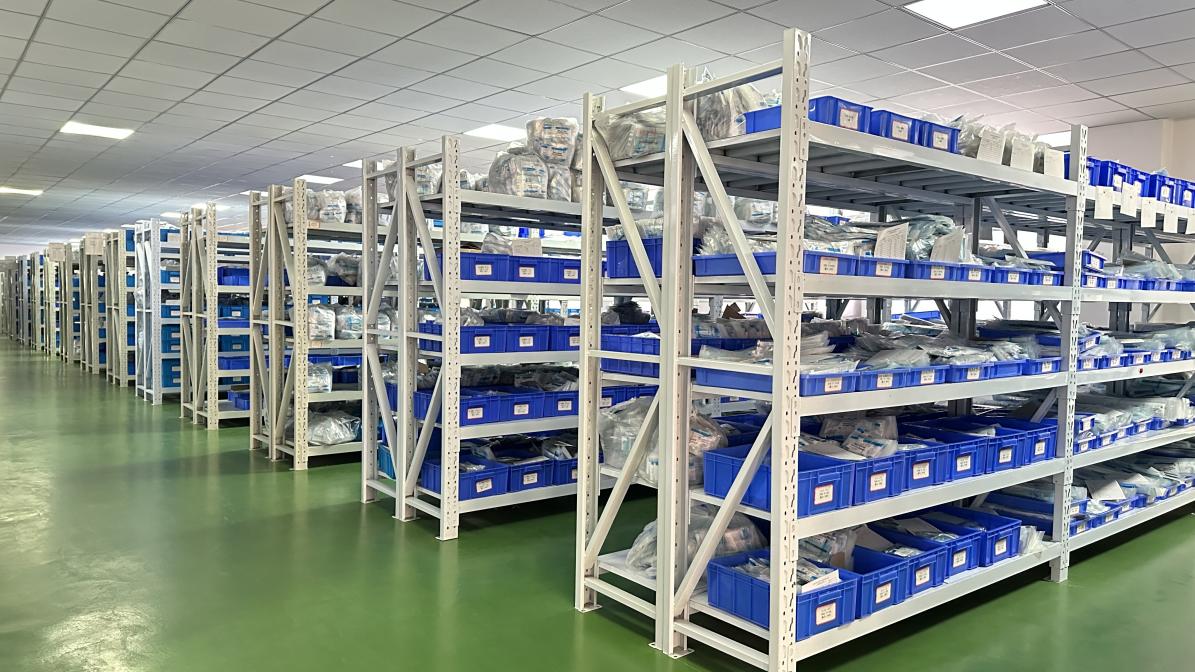
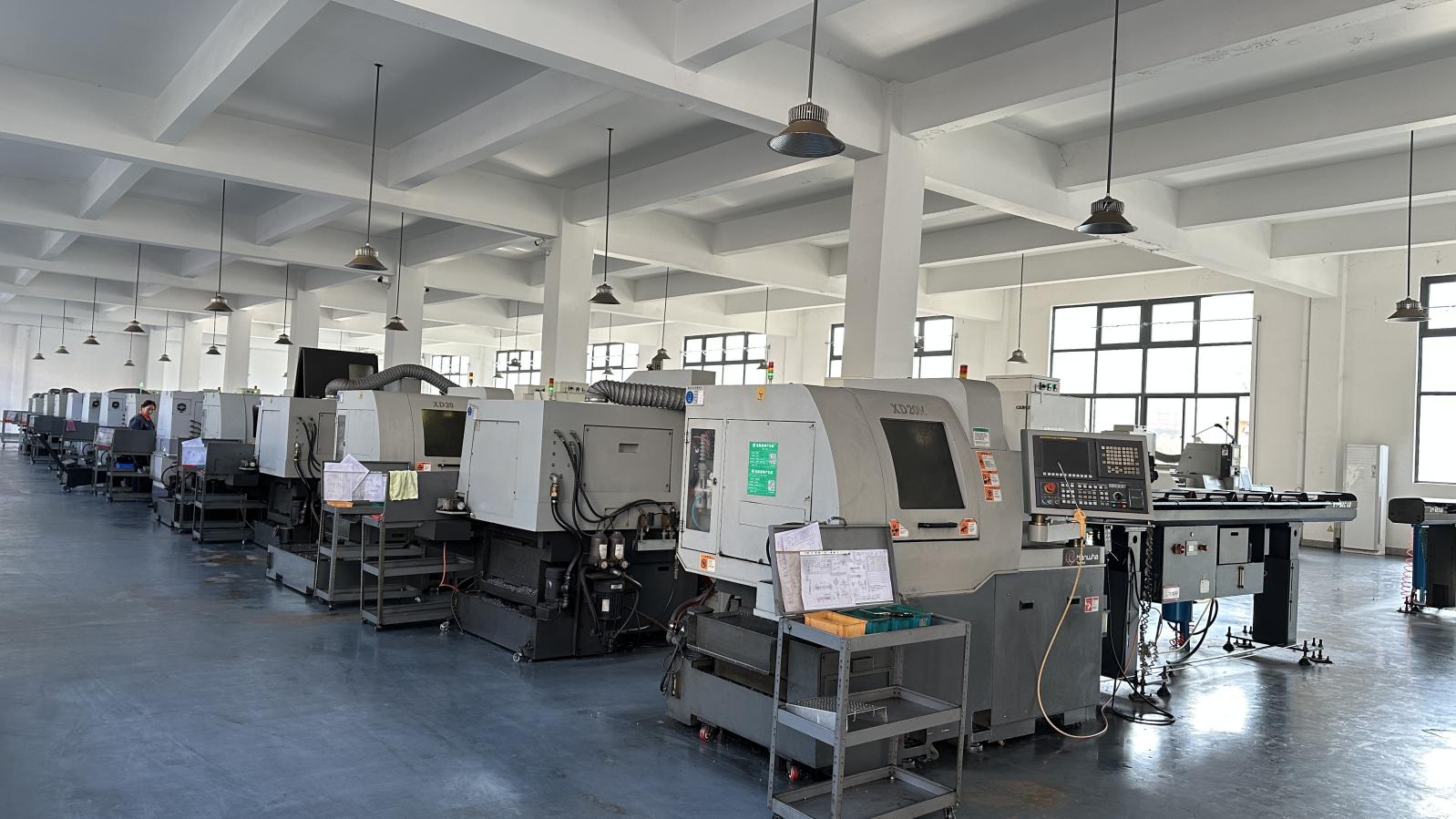
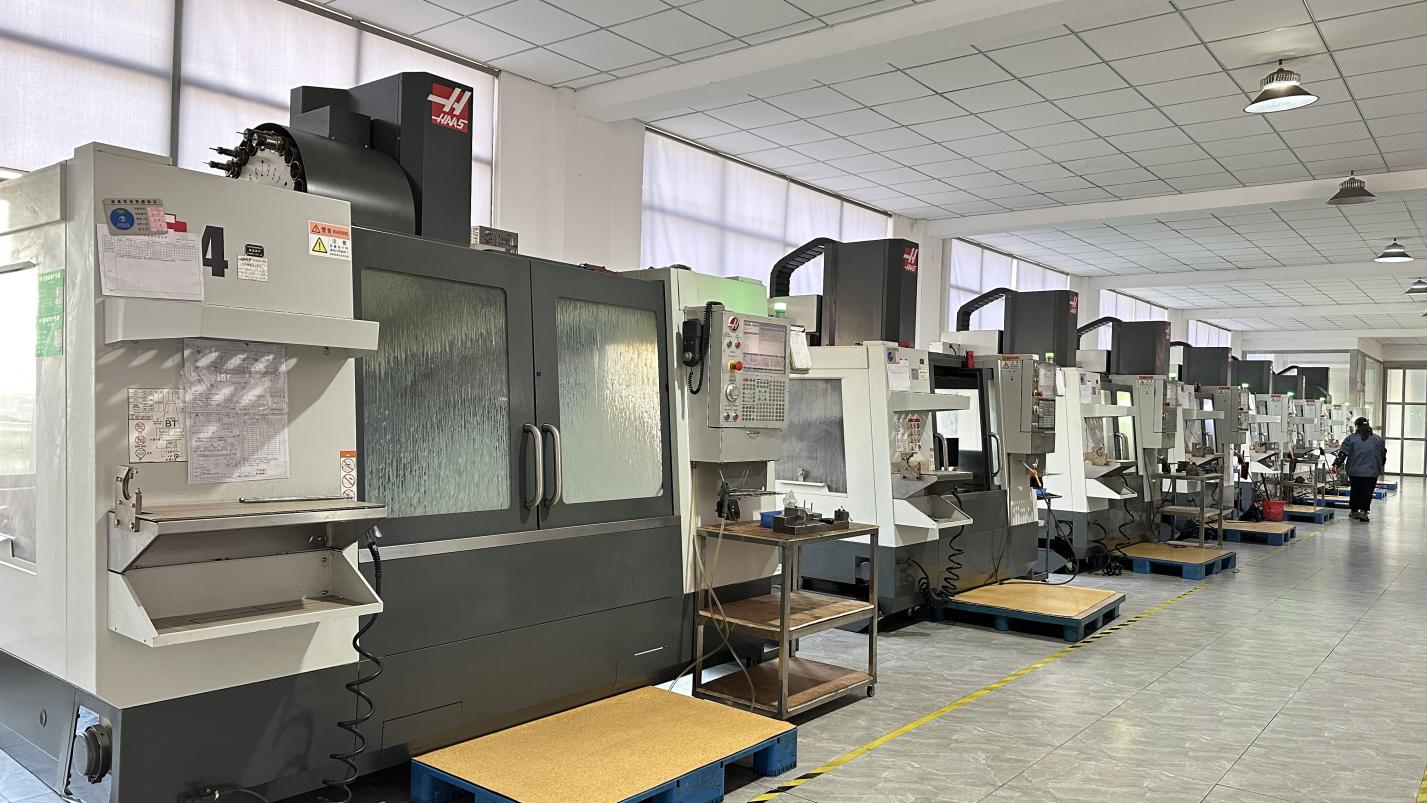
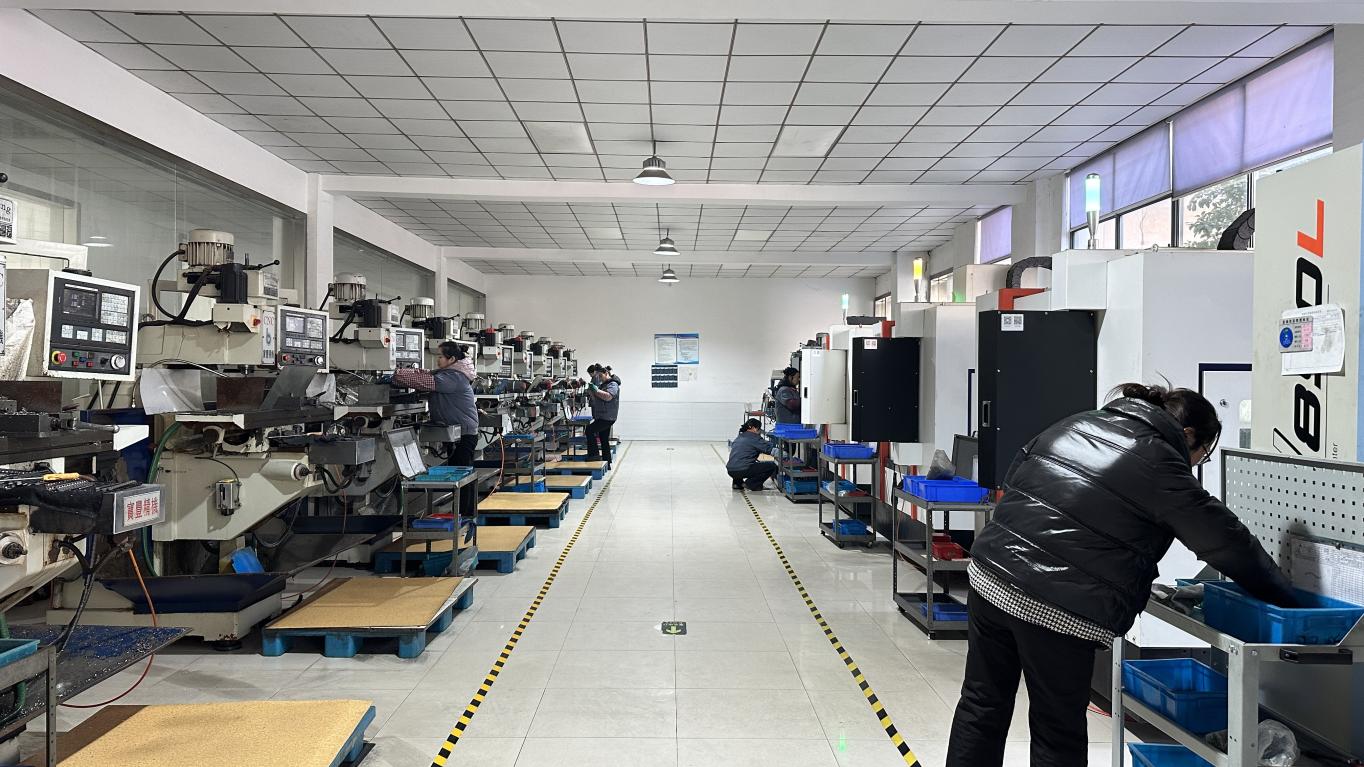
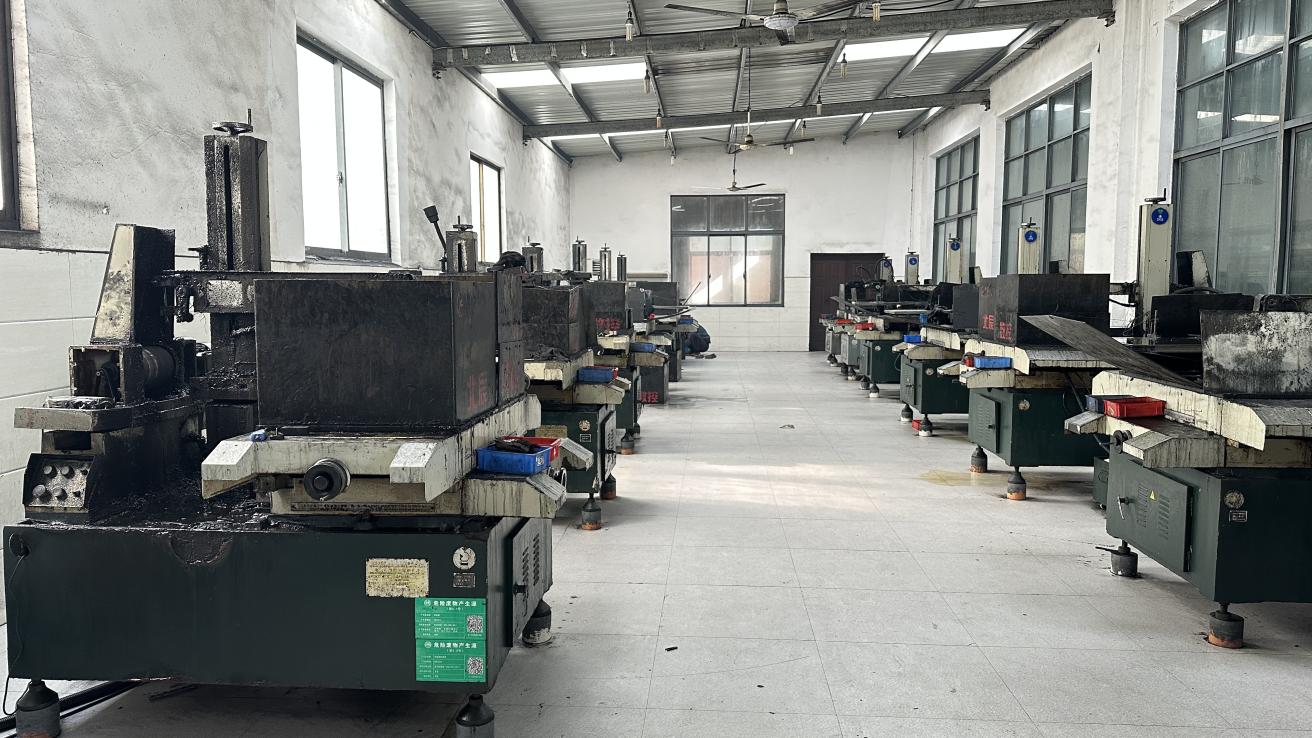
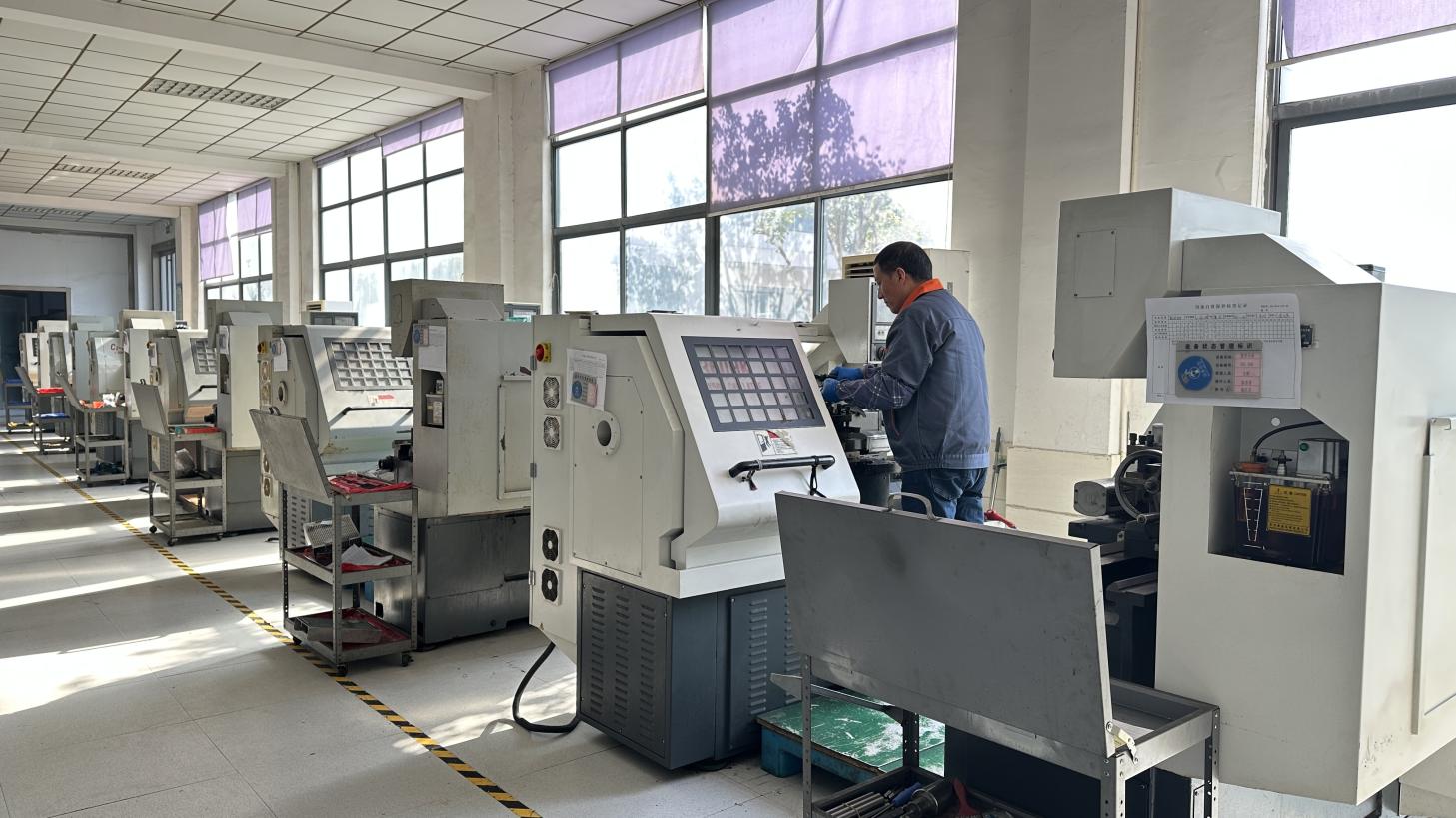
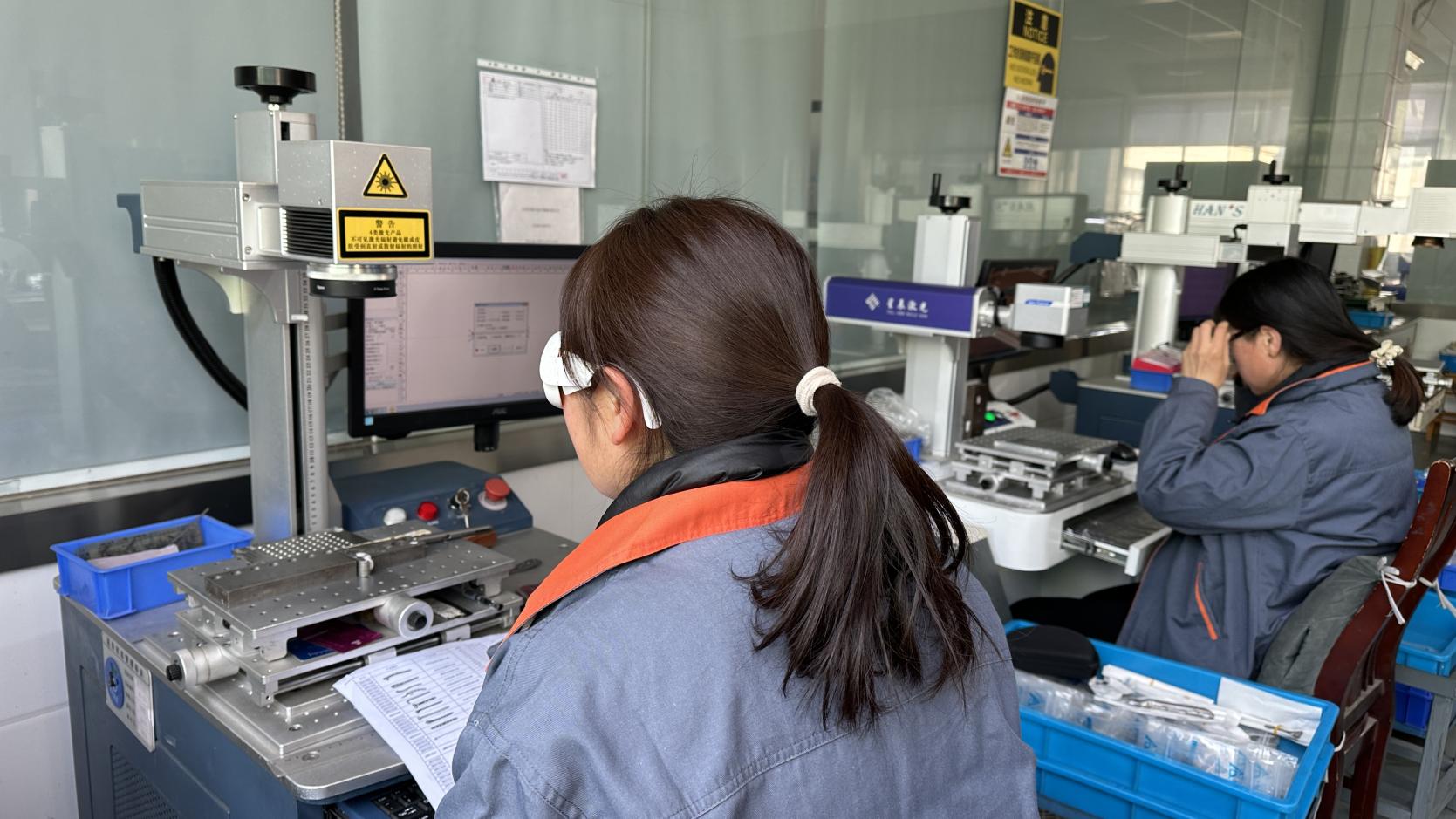
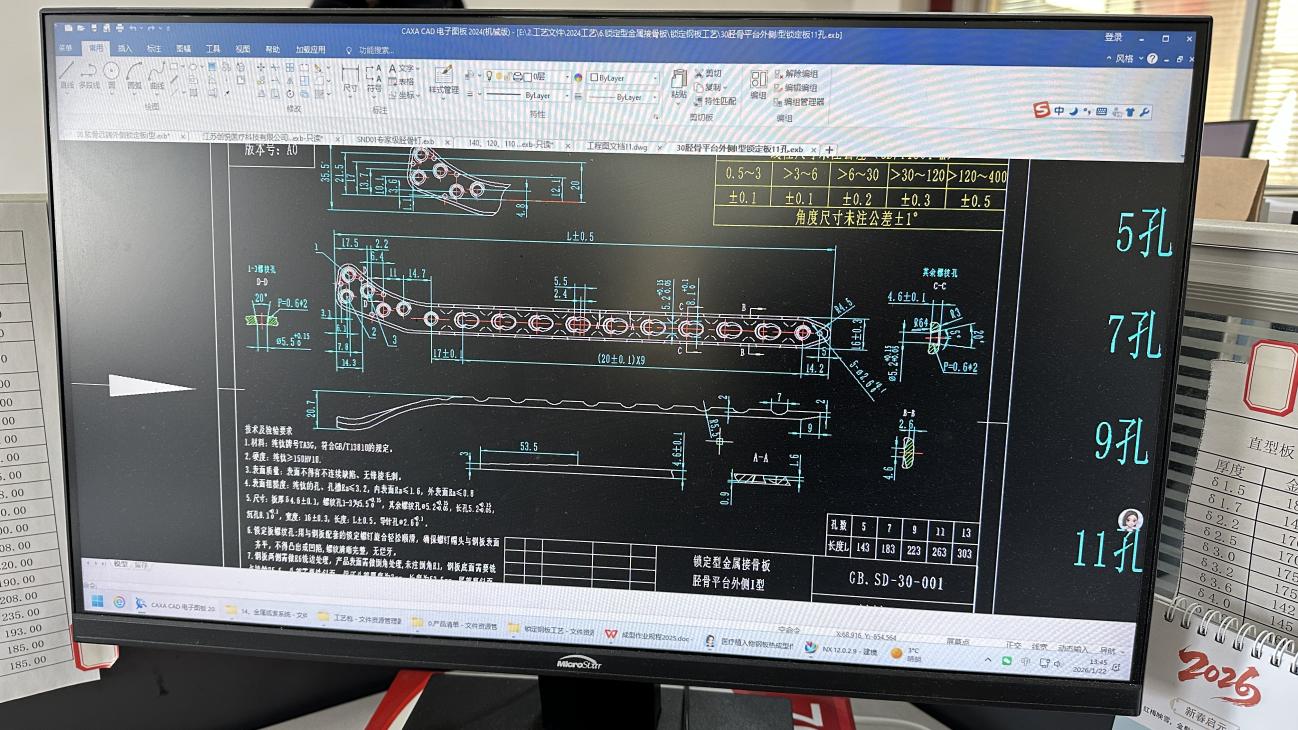
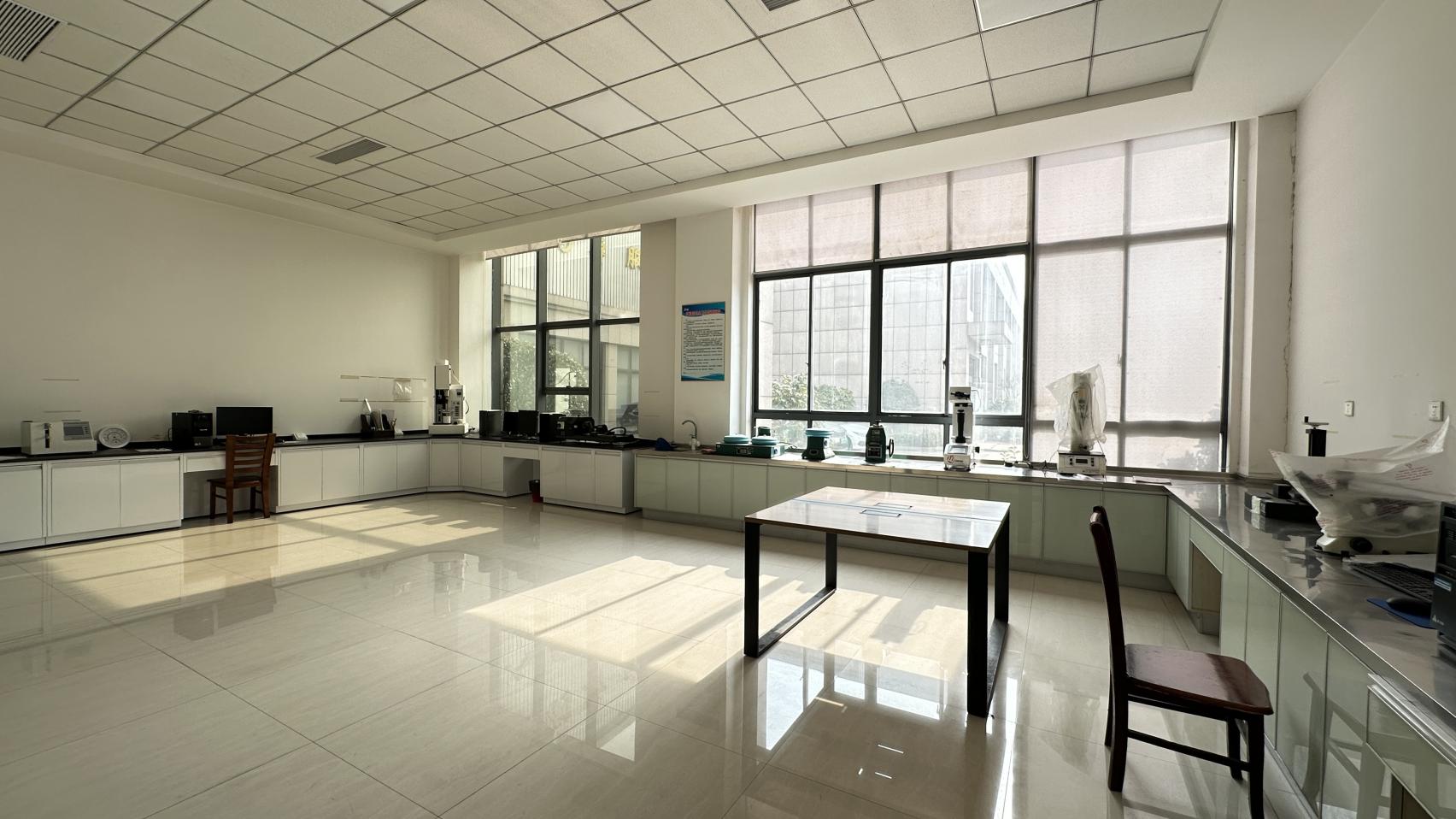
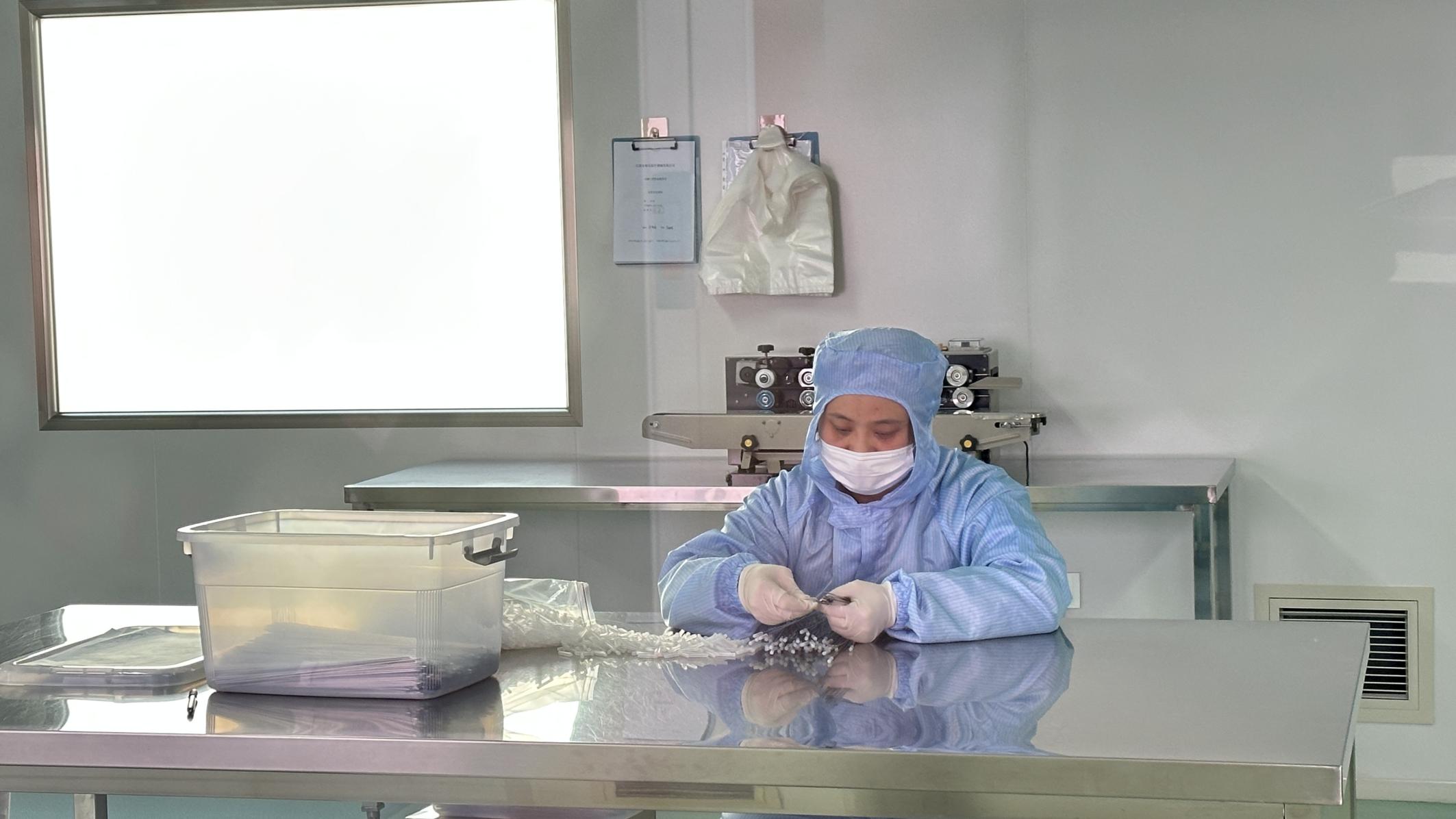
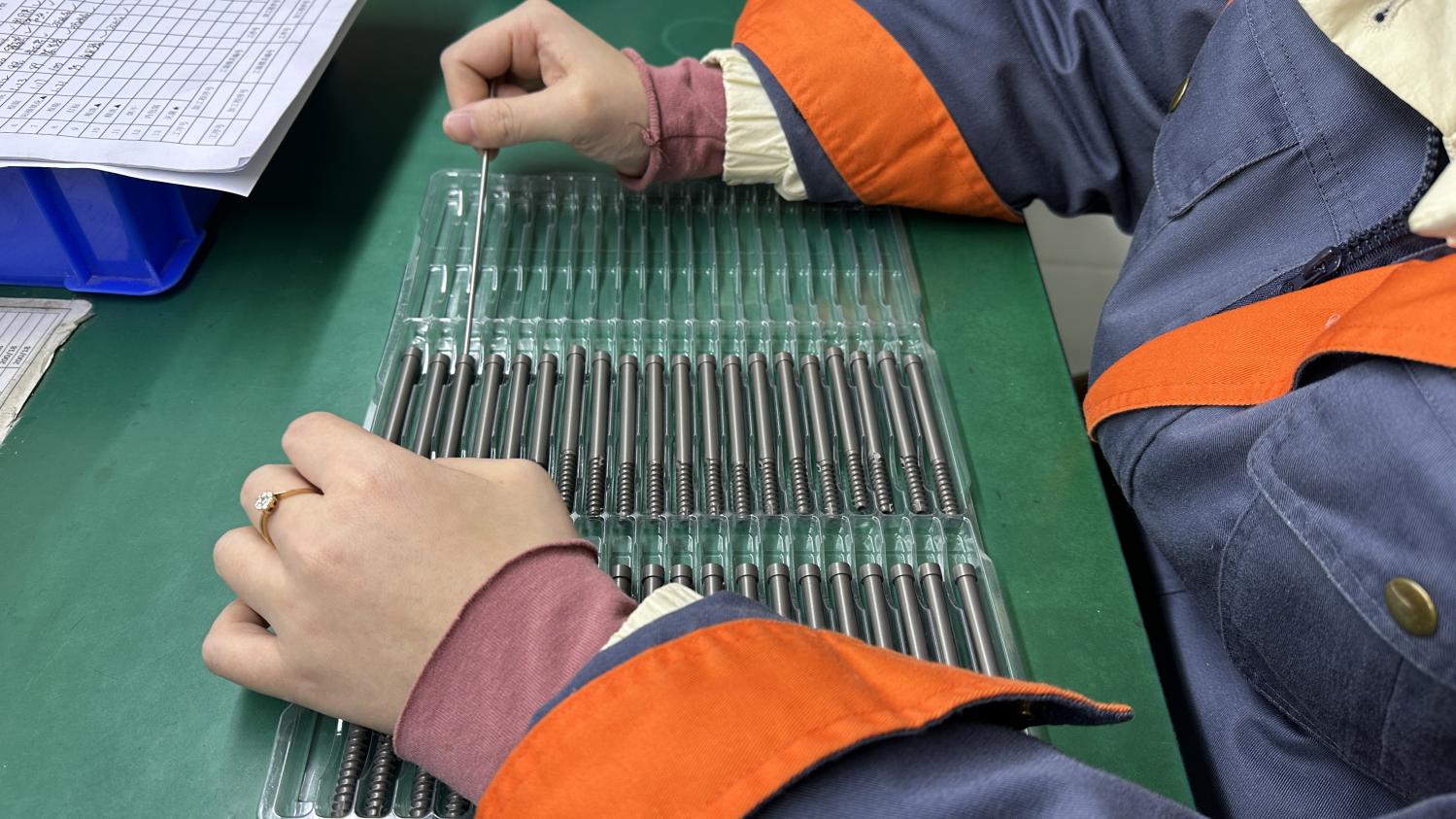
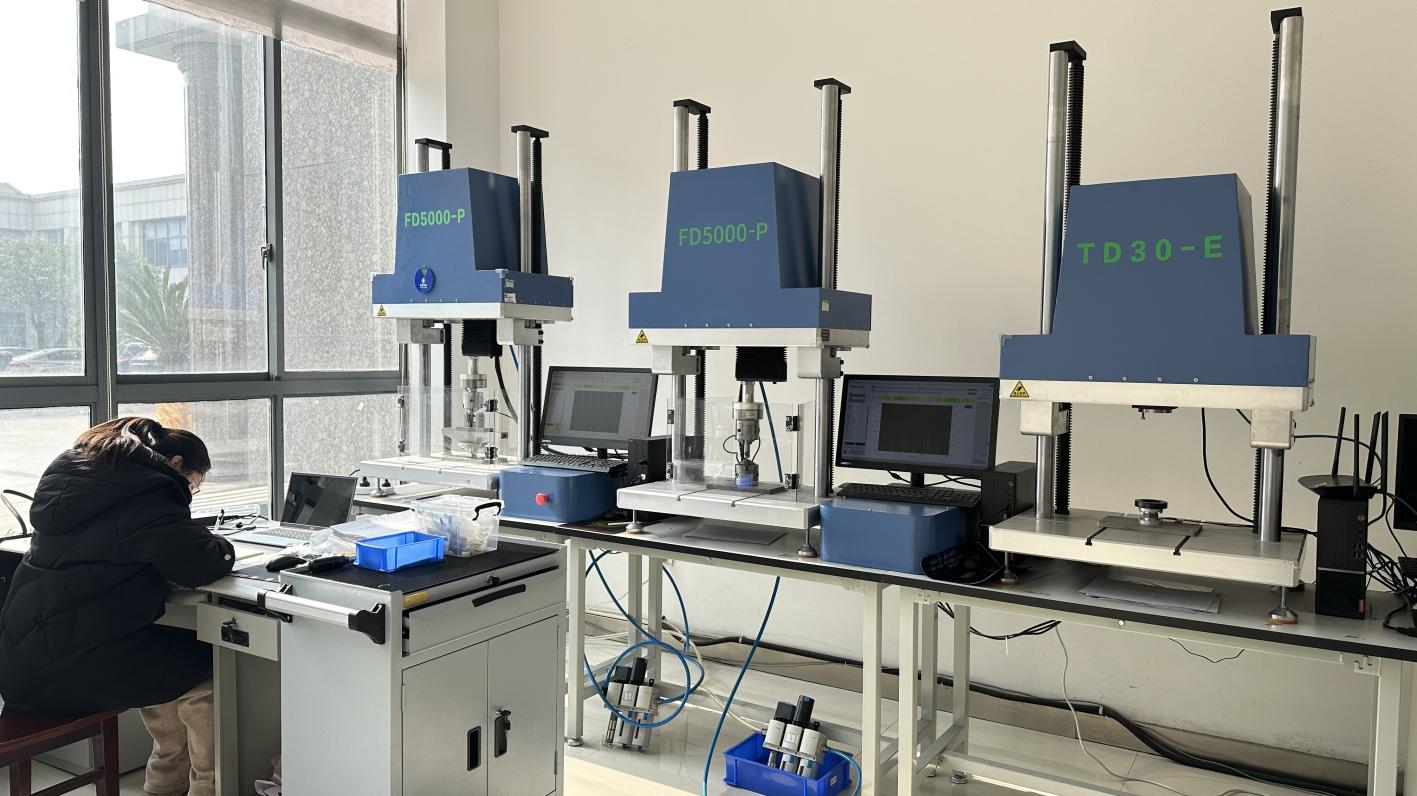
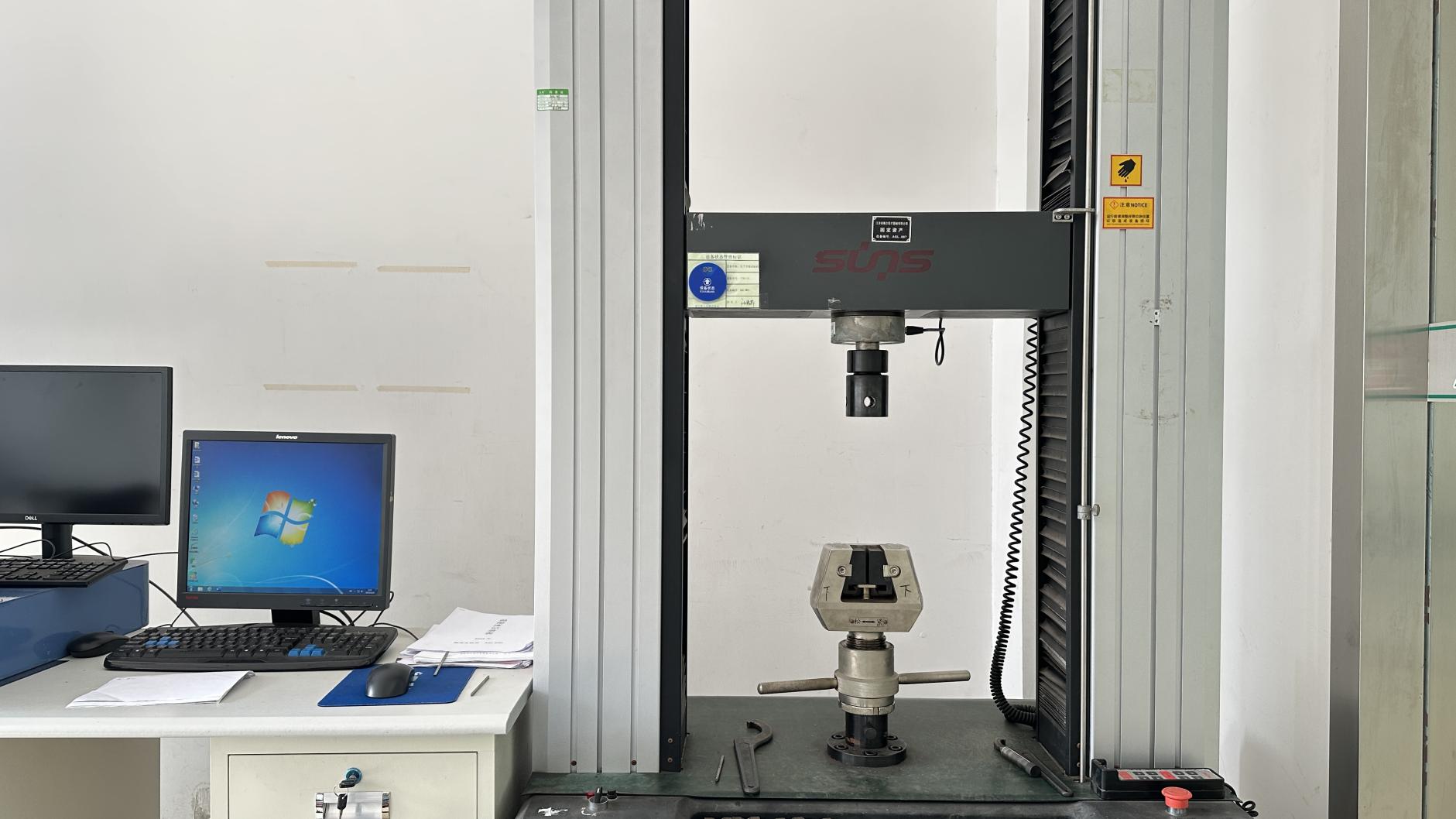
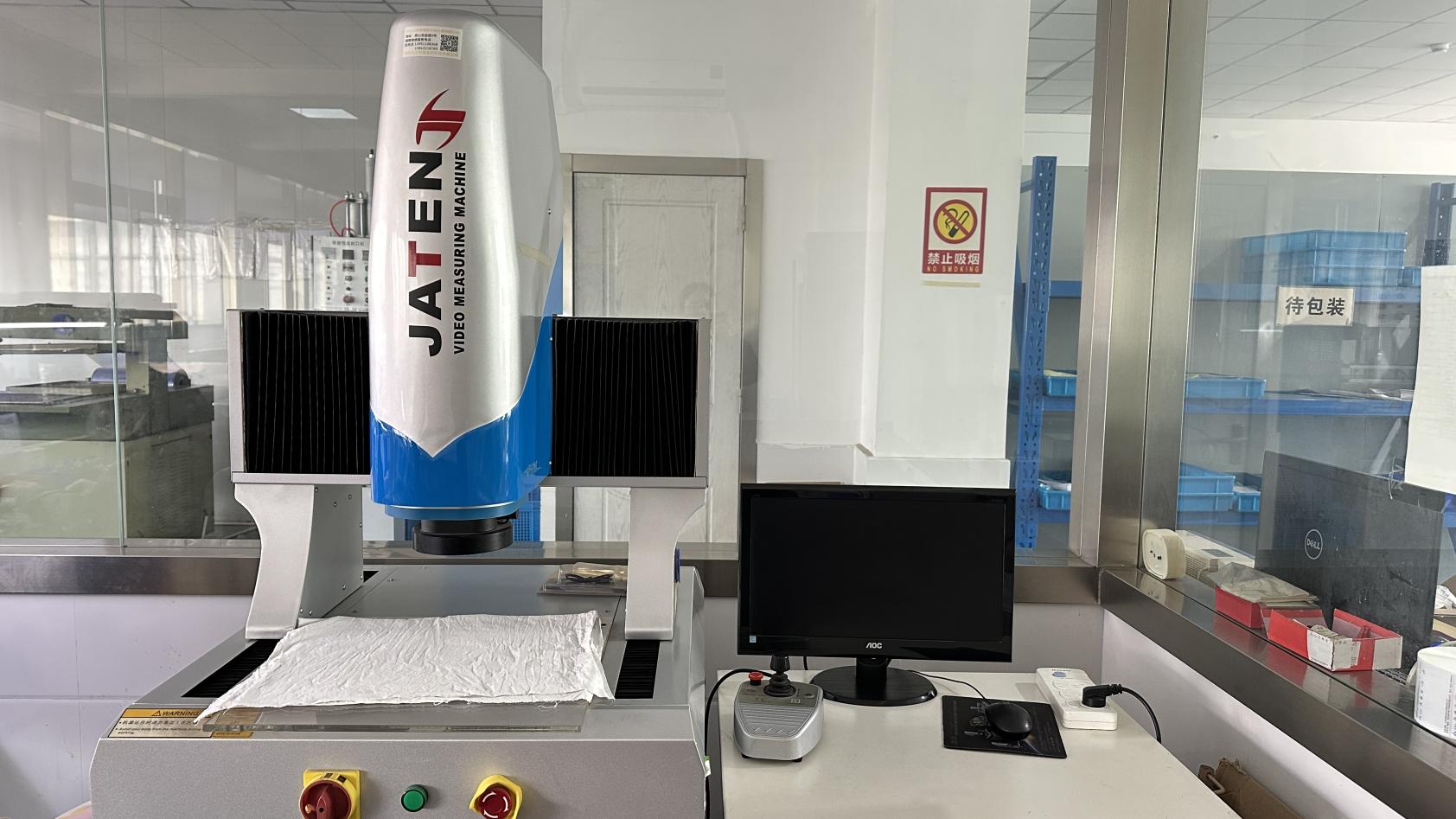
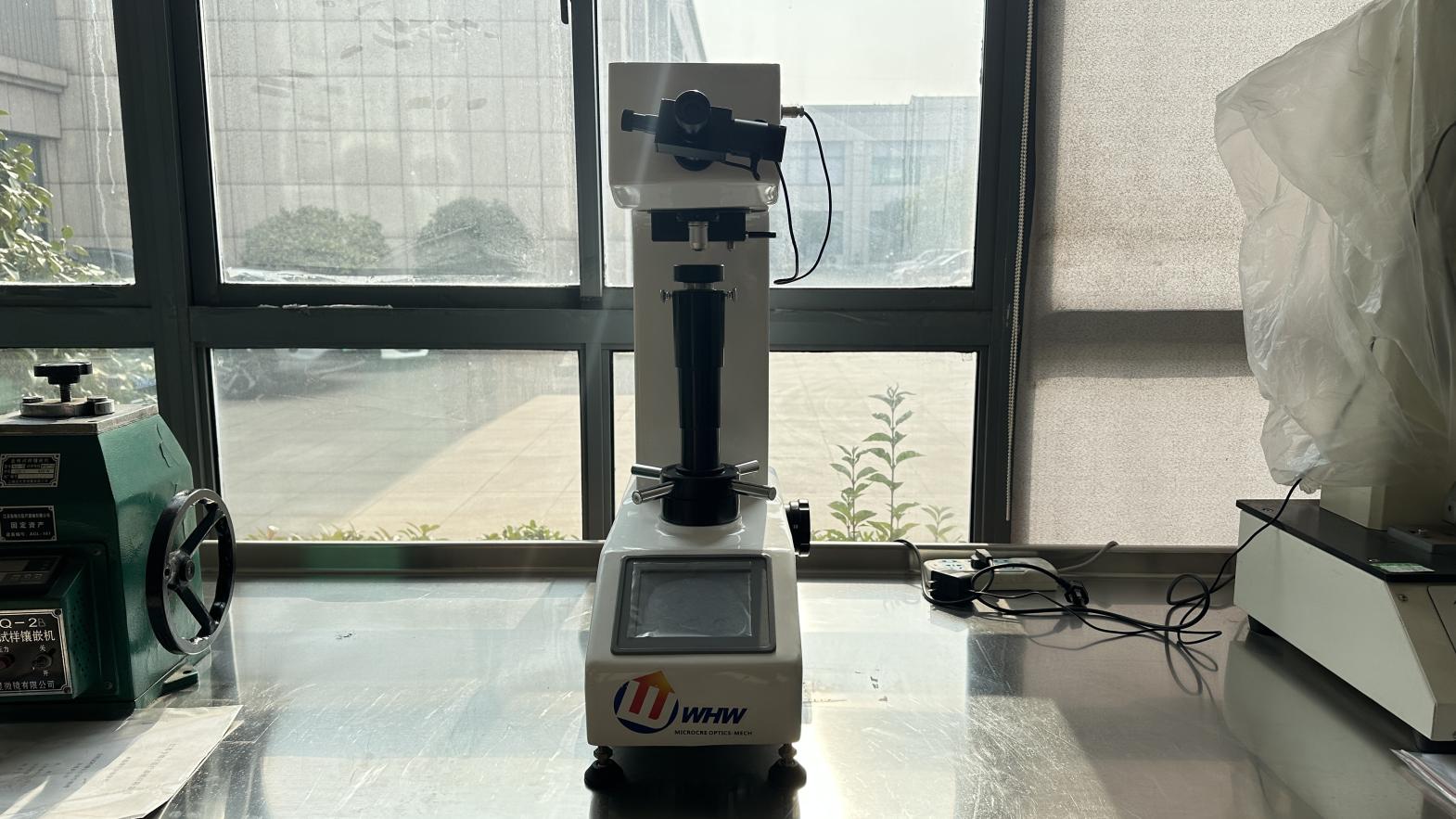
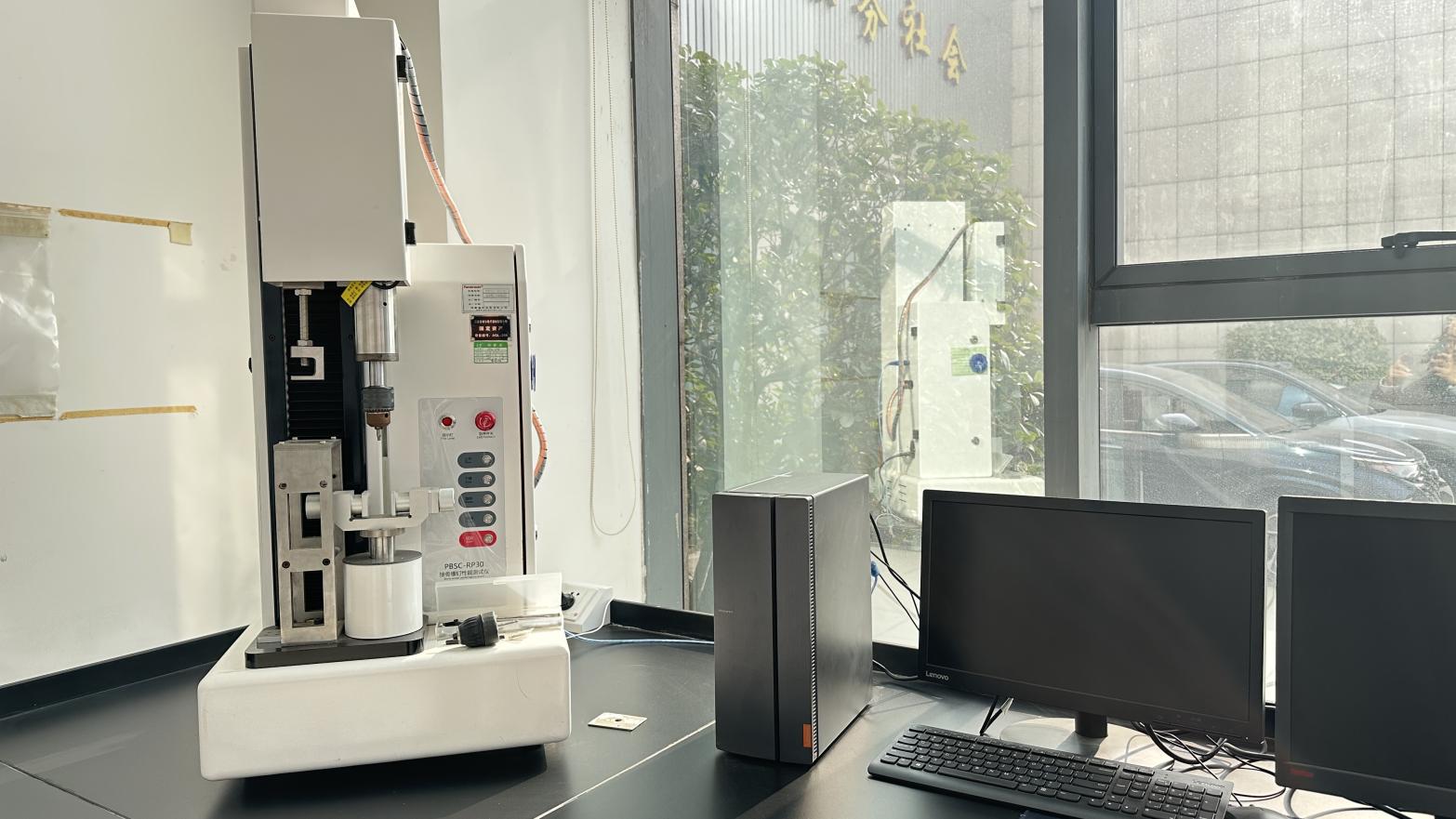
Every manufacturing run undergoes strict validation matching European Norms and FDA requirements.
Selecting the optimal raw material is crucial in biomechanical engineering. For trauma fixation, we primarily utilize medical-grade Titanium Alloy (Ti-6Al-4V ELI, ISO 5832-3). This alloy offers distinct advantages over traditional surgical stainless steel:
Trauma plates and screws must withstand cyclic mechanical loading during early mobilization before complete bone union is achieved. Our dedicated testing laboratory executes rigorous mechanical evaluations:
In accordance with the European Medical Device Regulation (MDR 2017/745), we provide full technical documentation and clinical evaluation reports (CER) for all class IIa and IIb orthopedic devices. As a partner for Slovak distributors and hospitals, we ensure that every product batch is marked with a Unique Device Identifier (UDI) linked to the EUDAMED database. This level of transparency guarantees smooth cross-border shipping, local registration with the State Institute for Drug Control (ŠÚKL), and rapid eligibility for public tender approvals.
Tailored logistics and expert technical resources designed for Central European trauma centers.
Through our dedicated supply chain partners, we ensure rapid transport of orthopedic plates, pediatric nails, and custom implant systems directly to clinics in Bratislava, Žilina, Banská Bystrica, and Košice. We offer flexible shipping arrangements to minimize clinical lead times.
We provide orthopedic distributors across Slovakia with comprehensive demo sets, detailed surgical technique manuals, and anatomical bone models. This resources-first approach enables effective training for resident orthopedic surgeons and scrub staff.
Our centralized R&D engineering division is available to assist Slovakian custom brand owners with design parameters, mechanical modifications, and material verification to optimize their proprietary orthopedic product lines.
Comprehensive selection of titanium anatomical locking plates, elastic pediatric intramedullary nails, and compression screws.
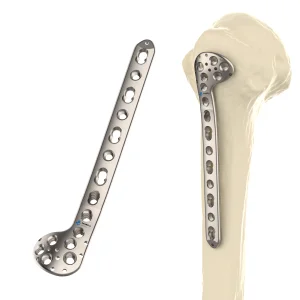
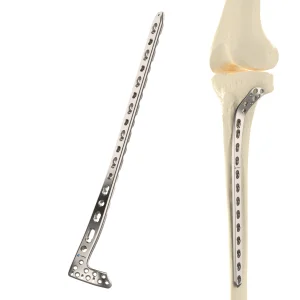
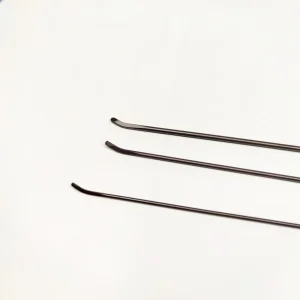
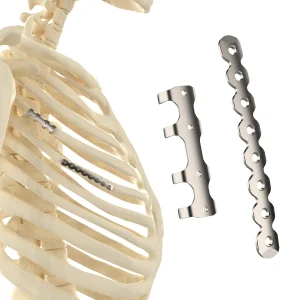
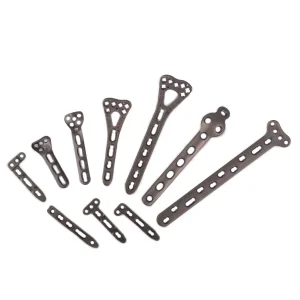
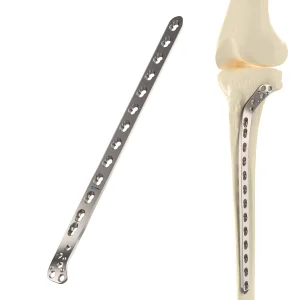
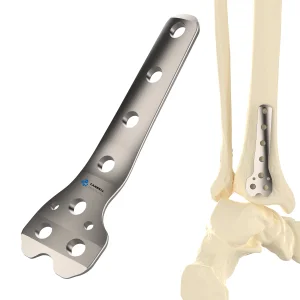
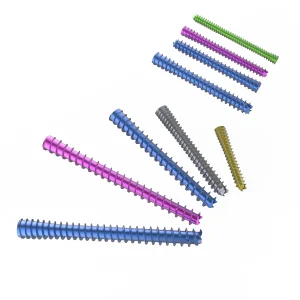
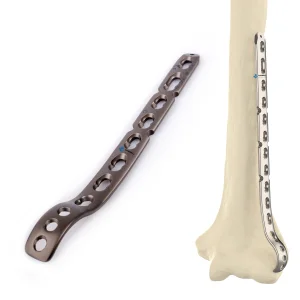
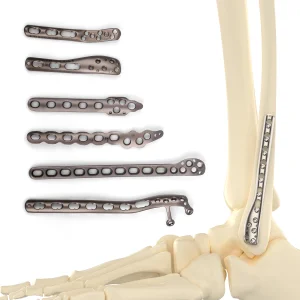
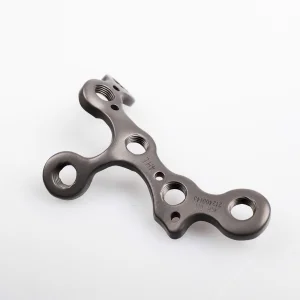
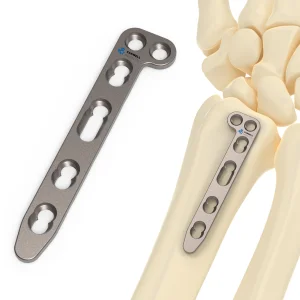
Pioneering Next-Generation Solutions for Advanced Osteosynthesis and Reconstructive Trauma Surgery.
To further enhance osseointegration and reduce the risks of implant-associated infections, our research division is optimizing anodization and Physical Vapor Deposition (PVD) surface coatings. By developing micro- and nano-structured titanium oxide layers, we aim to accelerate bone cell attachment while preventing bacterial biofilm formation on the surface of internal fixation hardware.
The future of pediatric and light-load trauma fixation lies in temporary structures. We are actively researching magnesium-based alloys (Mg-Zn-Ca) that naturally degrade within the body after the bone heals. This technology eliminates the need for secondary implant removal operations, reducing patient trauma, surgical risks, and total cost of care for the Slovakian healthcare system.
Providing direct answers regarding technical parameters, European distribution, and regulatory status.