Medisplint
Medisplint
Medisplint
Clinical-grade orthopedic solutions optimized for reconstruction and urgent trauma procedures in South Sudan
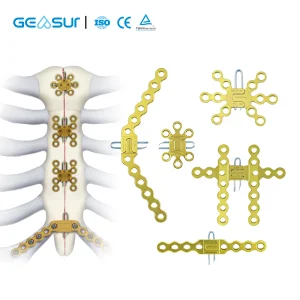
The orthopedic trauma care landscape in South Sudan is undergoing structural changes. Rising urbanization, industrial projects, and heavy vehicle traffic, combined with legacy infrastructure challenges, have resulted in a significant increase in orthopedic trauma injuries. This has created a critical demand for high-reliability internal fixation devices such as locking plates, intramedullary nails, and compression systems.
South Sudan’s health facilities—ranging from regional referral hubs like the Juba Teaching Hospital to humanitarian surgical centers operated by international organizations in Wau and Malakal—require orthopedic implants that meet high standards of biocompatibility, mechanical fatigue resistance, and sterile packaging integrity. Because South Sudan lacks domestic orthopedic manufacturing, regional distributors and non-governmental organizations (NGOs) rely entirely on verified global suppliers to secure their supply chains.
Medisplint Orthopedic Instruments Co., Ltd., working with premium manufacturing partners, supplies the South Sudan market with orthopedic solutions that balance high performance with direct-from-factory pricing. This helps bypass costly intermediary medical brokers.
Founded in 2016, Medisplint operates an 18,500㎡ facility dedicated to the design, production, and quality testing of orthopedic implants, joint reconstruction products, and surgical instruments. Our facility supports a stable, high-volume production output to serve medical systems globally.
We maintain an engineering department of 85 development specialists, enabling us to offer comprehensive OEM and ODM solutions. Whether adapting plate geometries for specific regional clinical needs or providing customized labeling for humanitarian kits, our technical team supports the product from initial design through to final sterile packaging.
Our manufacturing processes comply with international medical device regulations, ensuring clinical safety and reliable trace documentation.
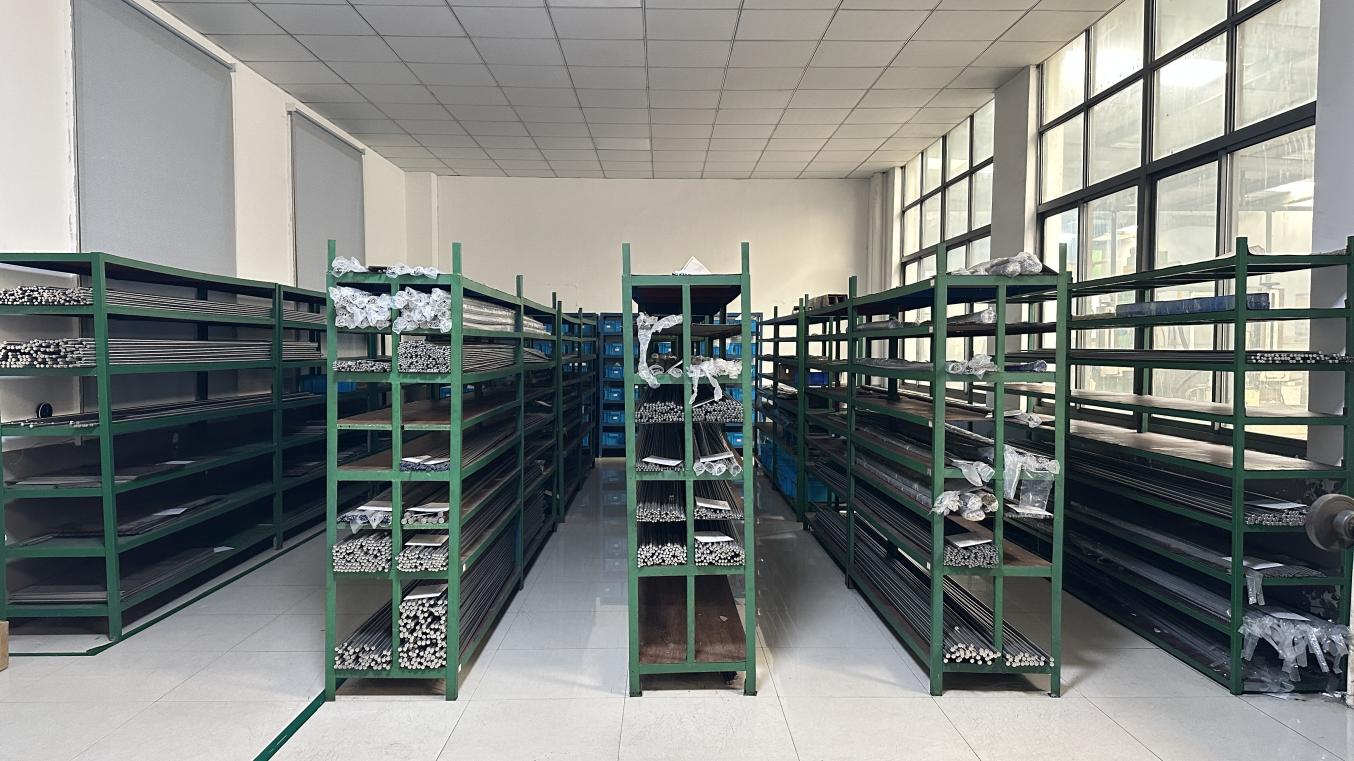
We use Ti-6Al-4V ELI (Grade 5) titanium alloy, providing high tensile strength, fatigue resistance, and biocompatibility.
A dedicated team of 42 QC inspectors conducts in-process controls (IPQC), final checks, and laboratory fatigue testing.
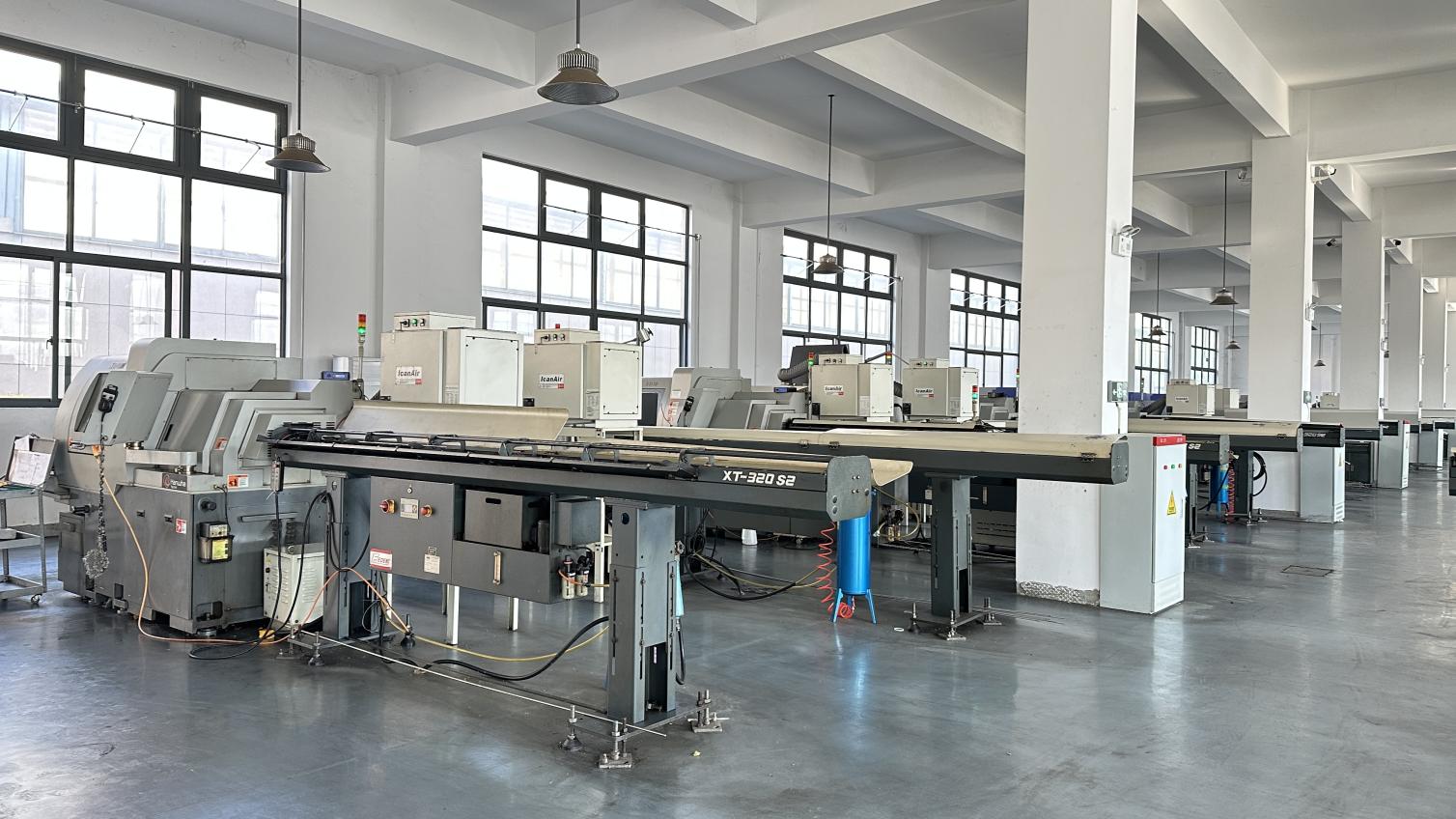
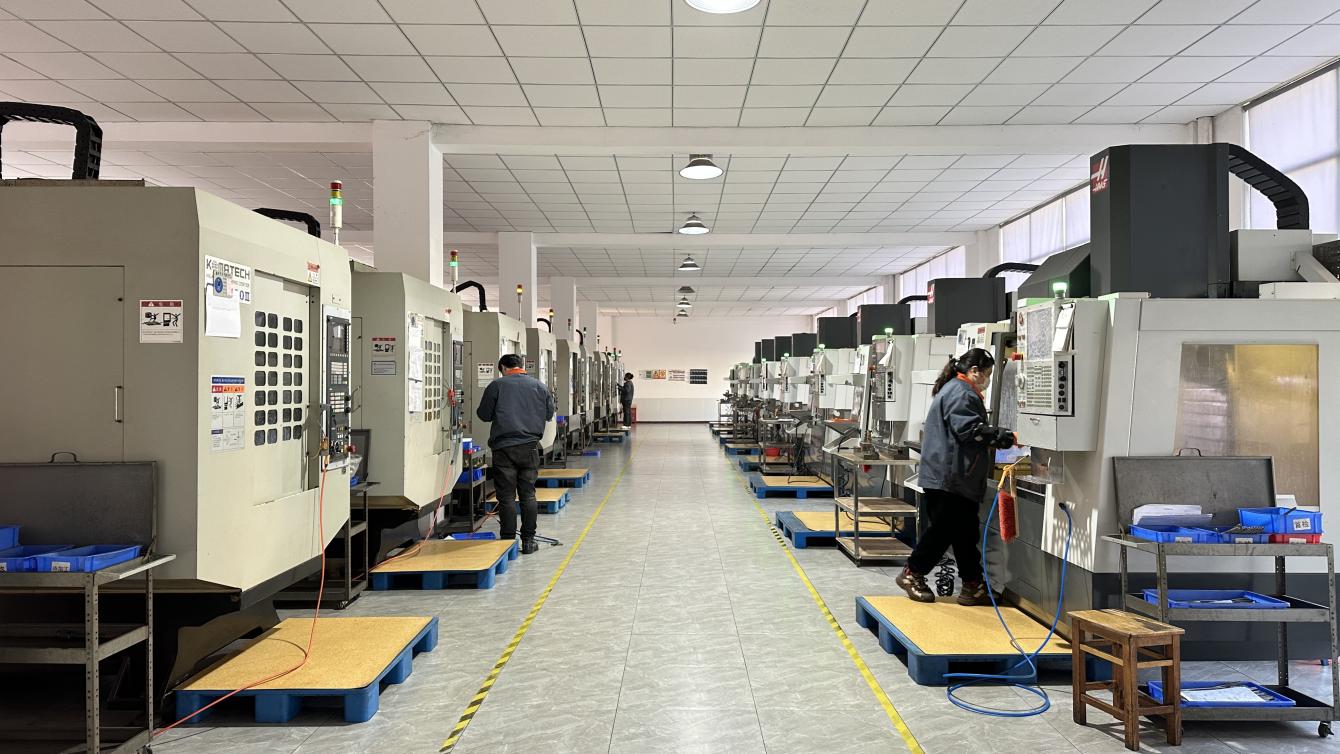
An inside look at our integrated production processes, CNC machining, and quality assurance testing lab
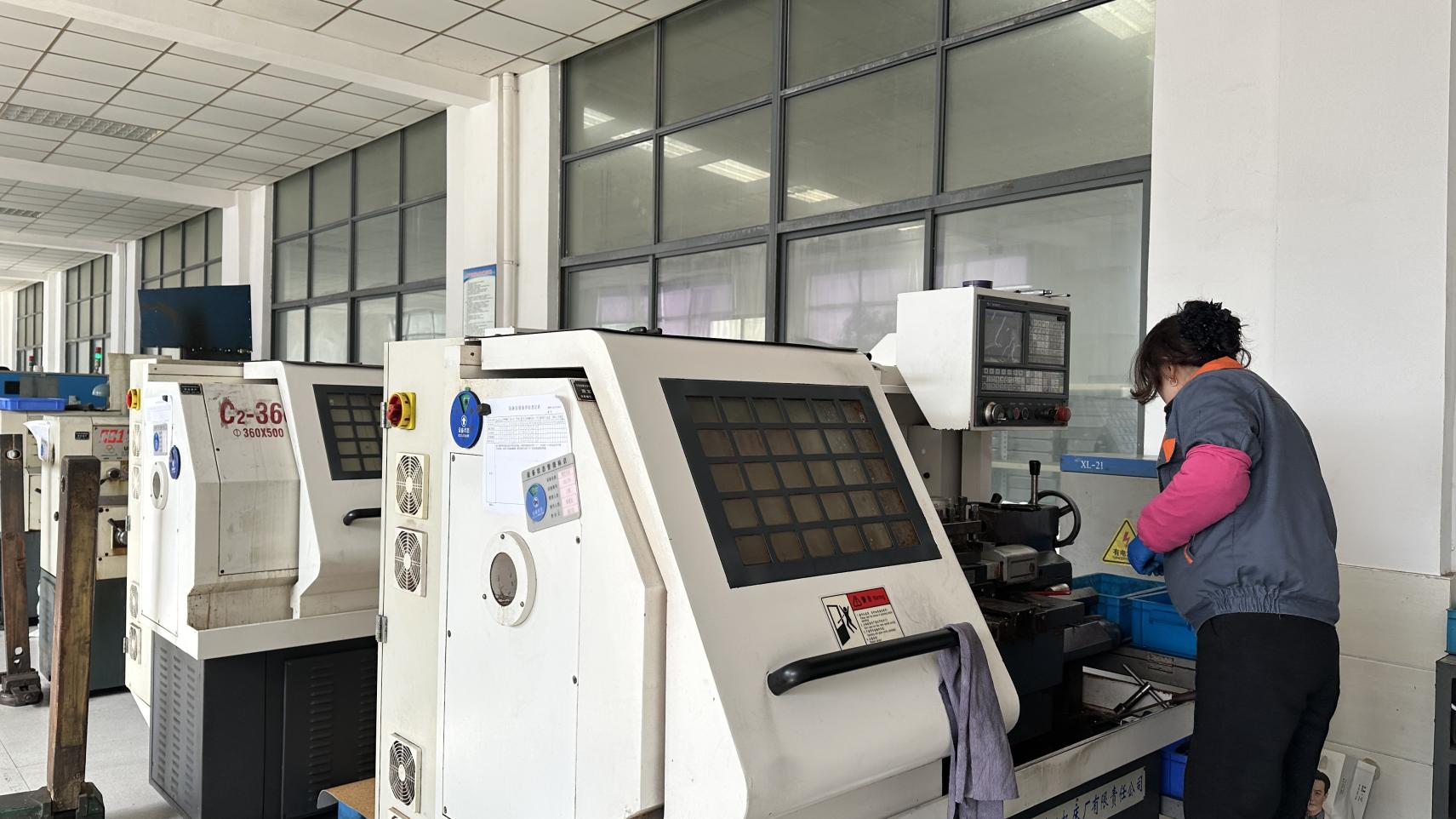
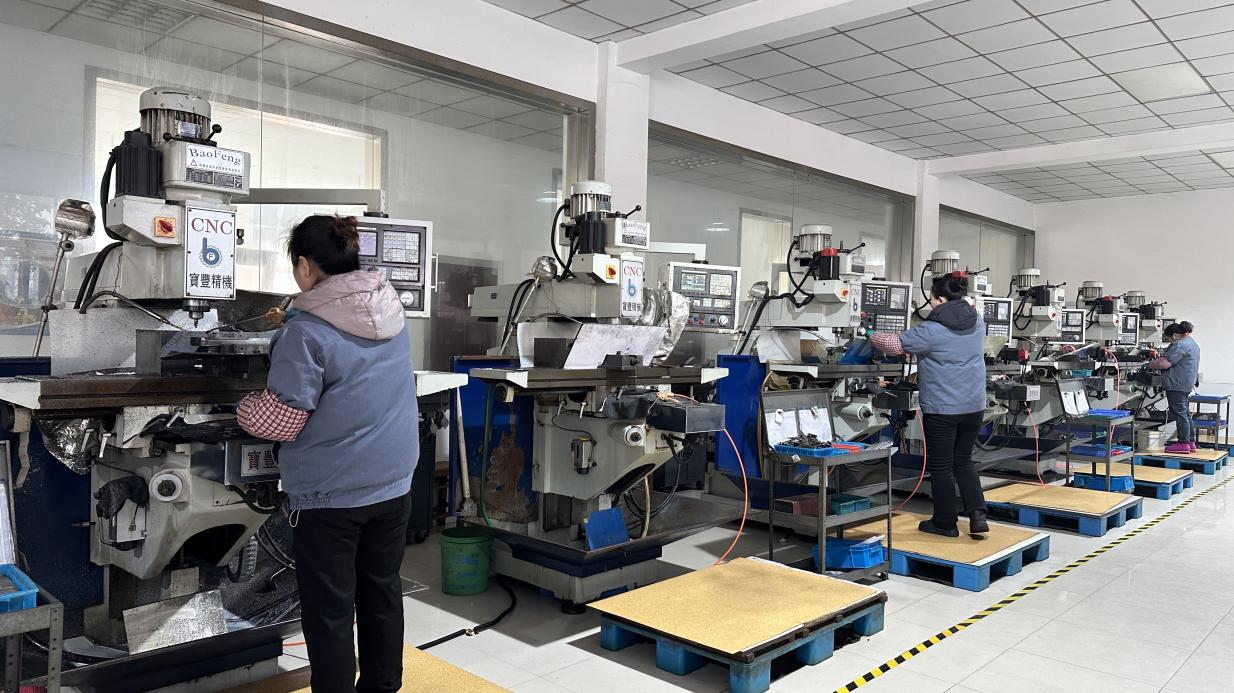
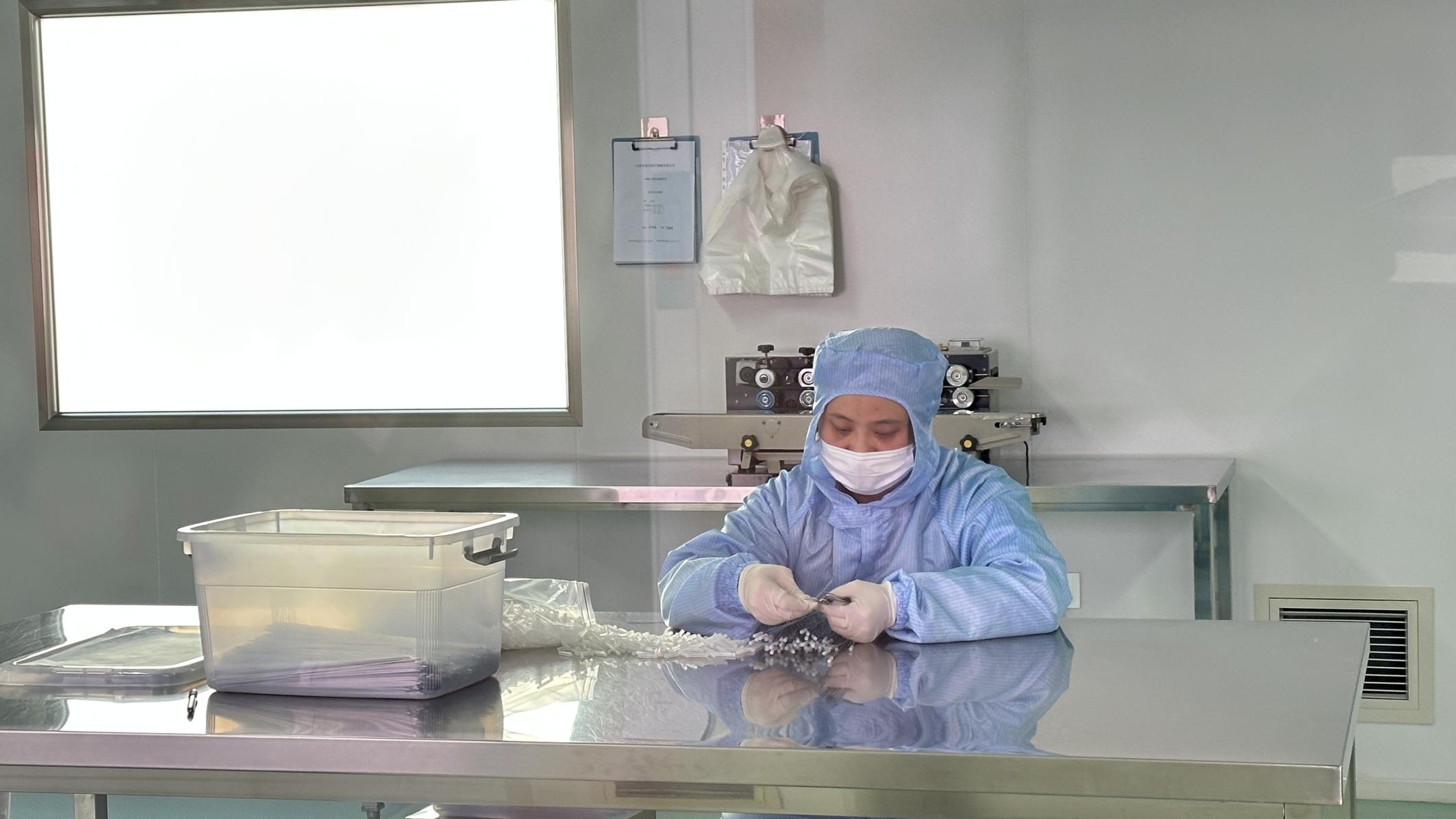
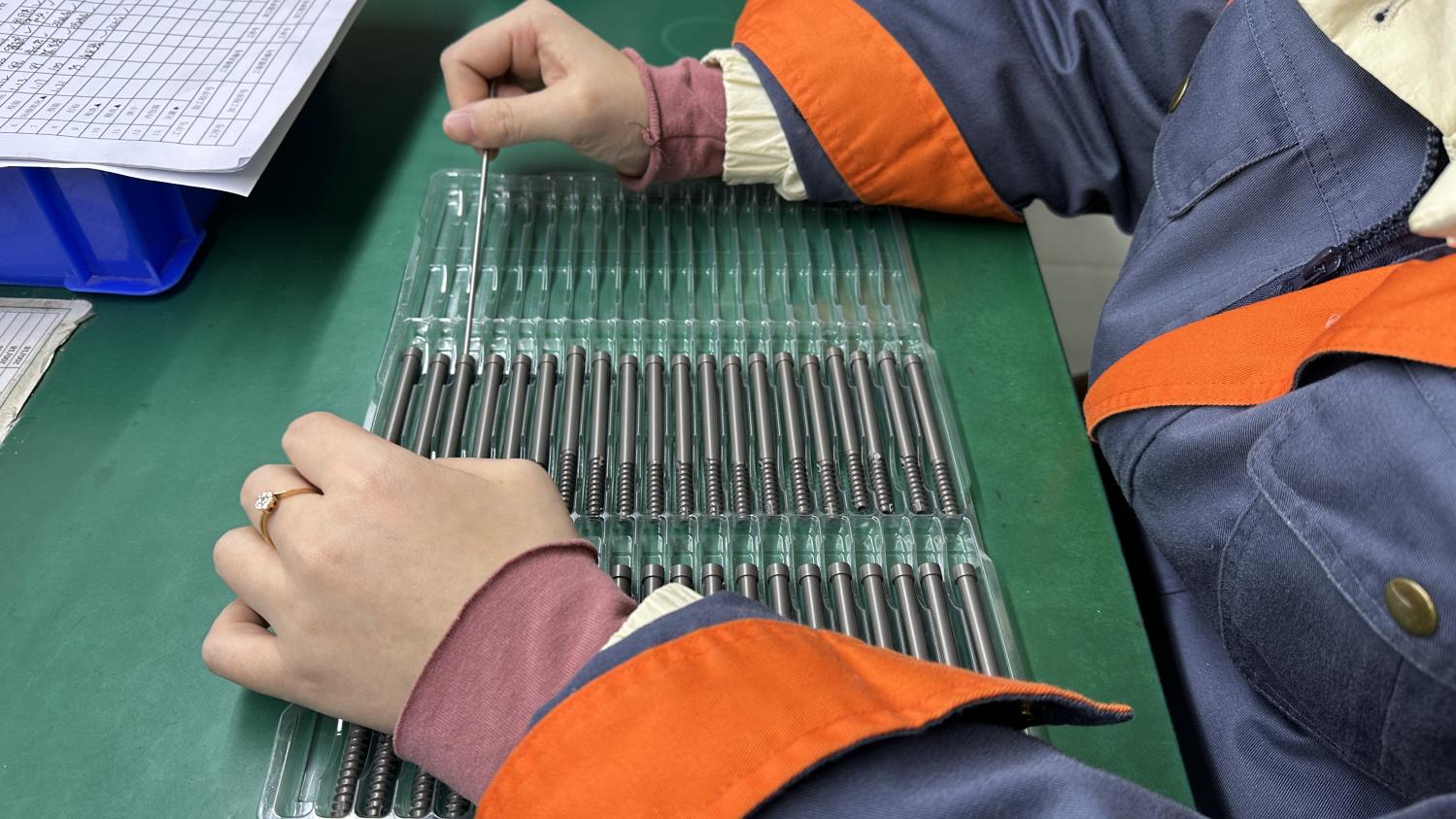
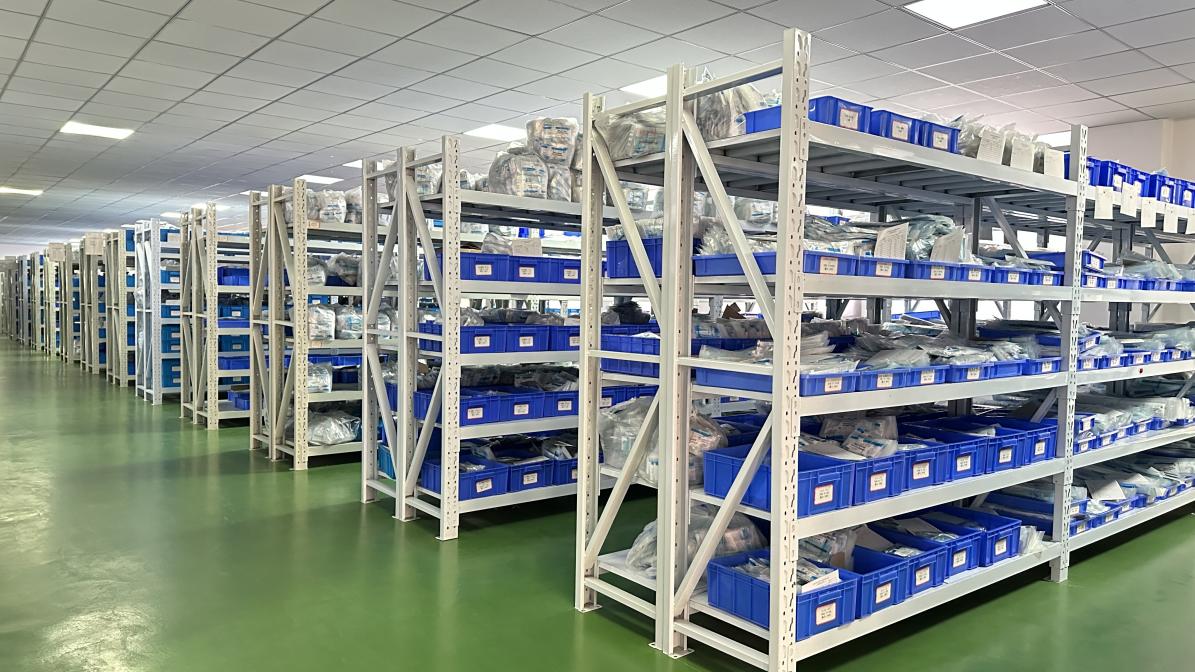
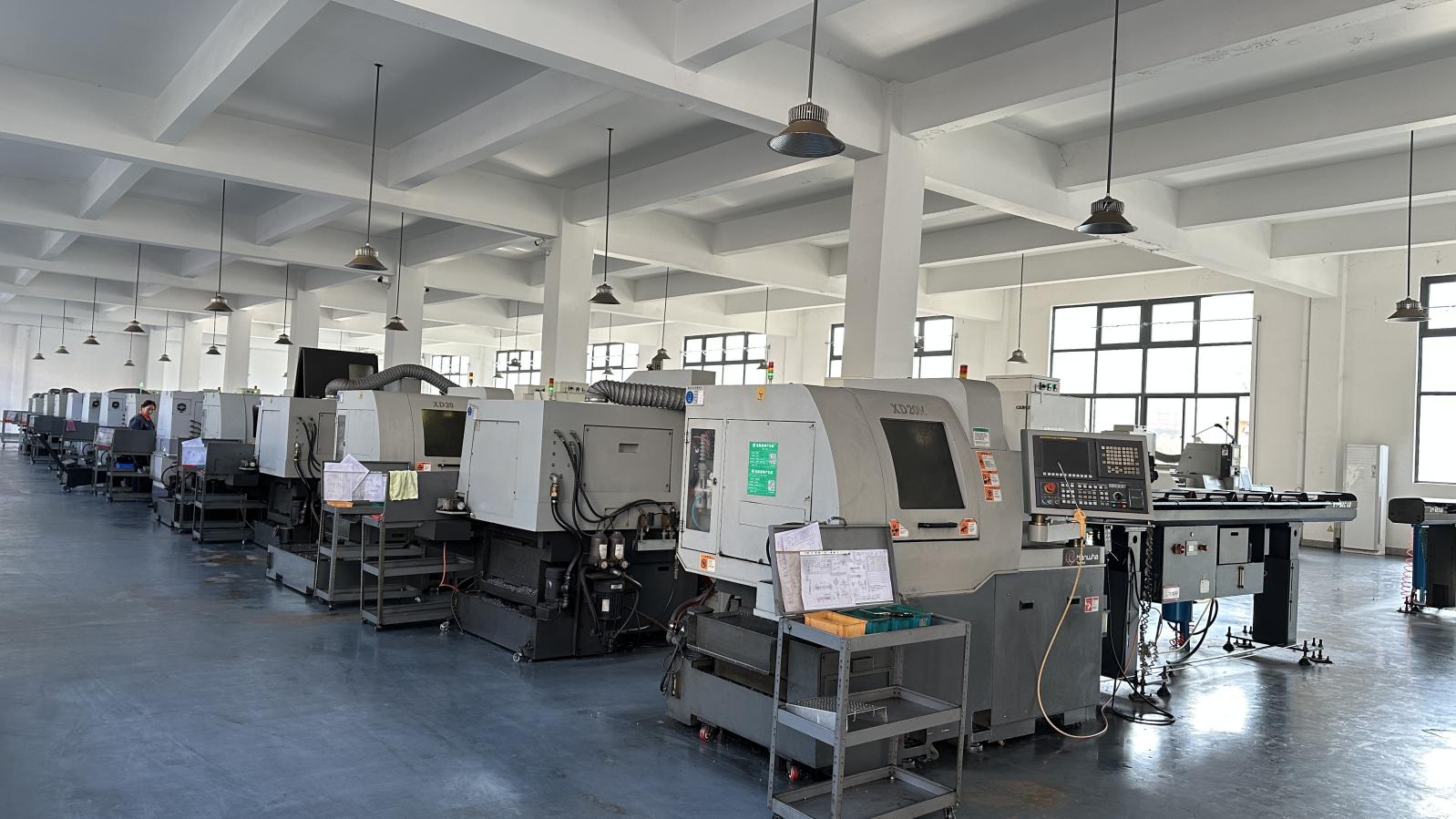
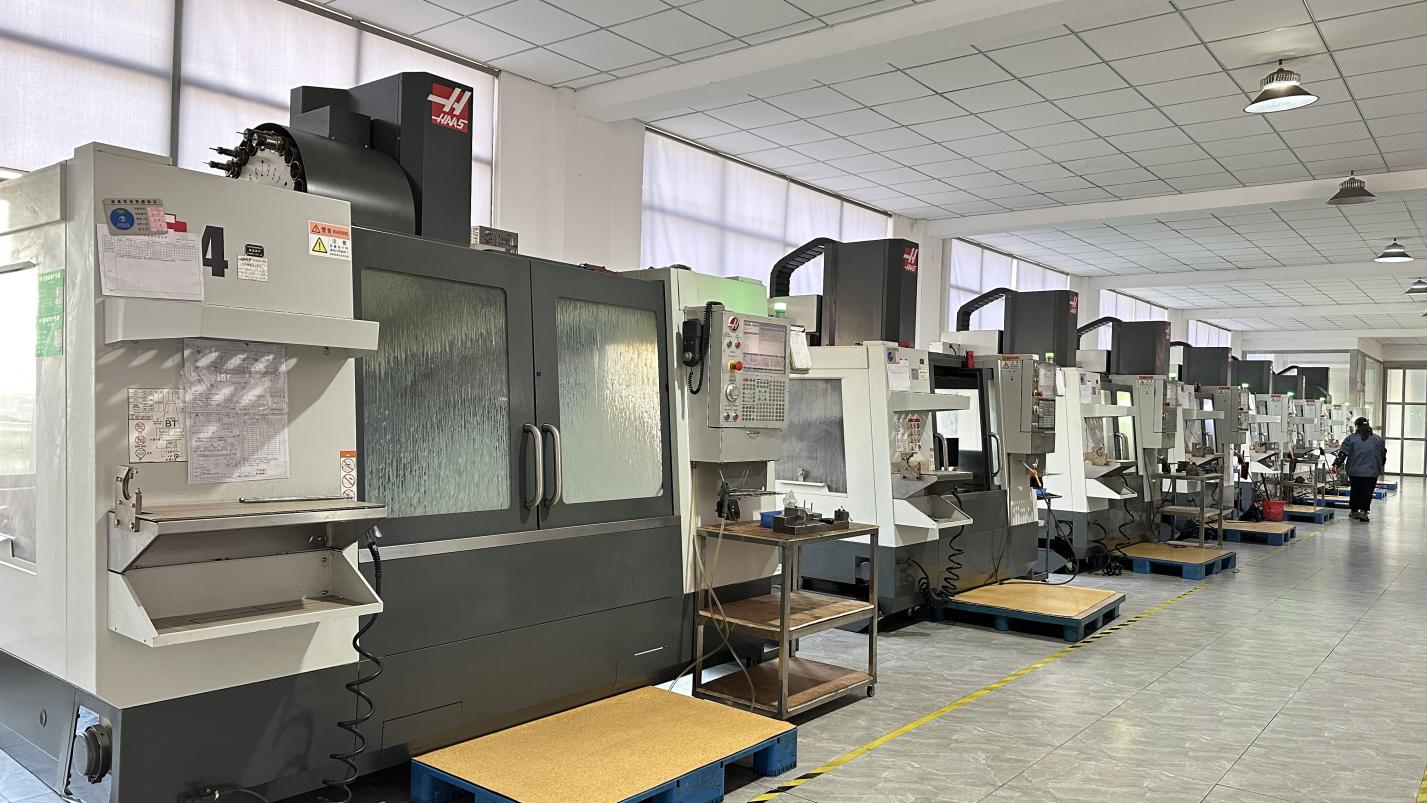
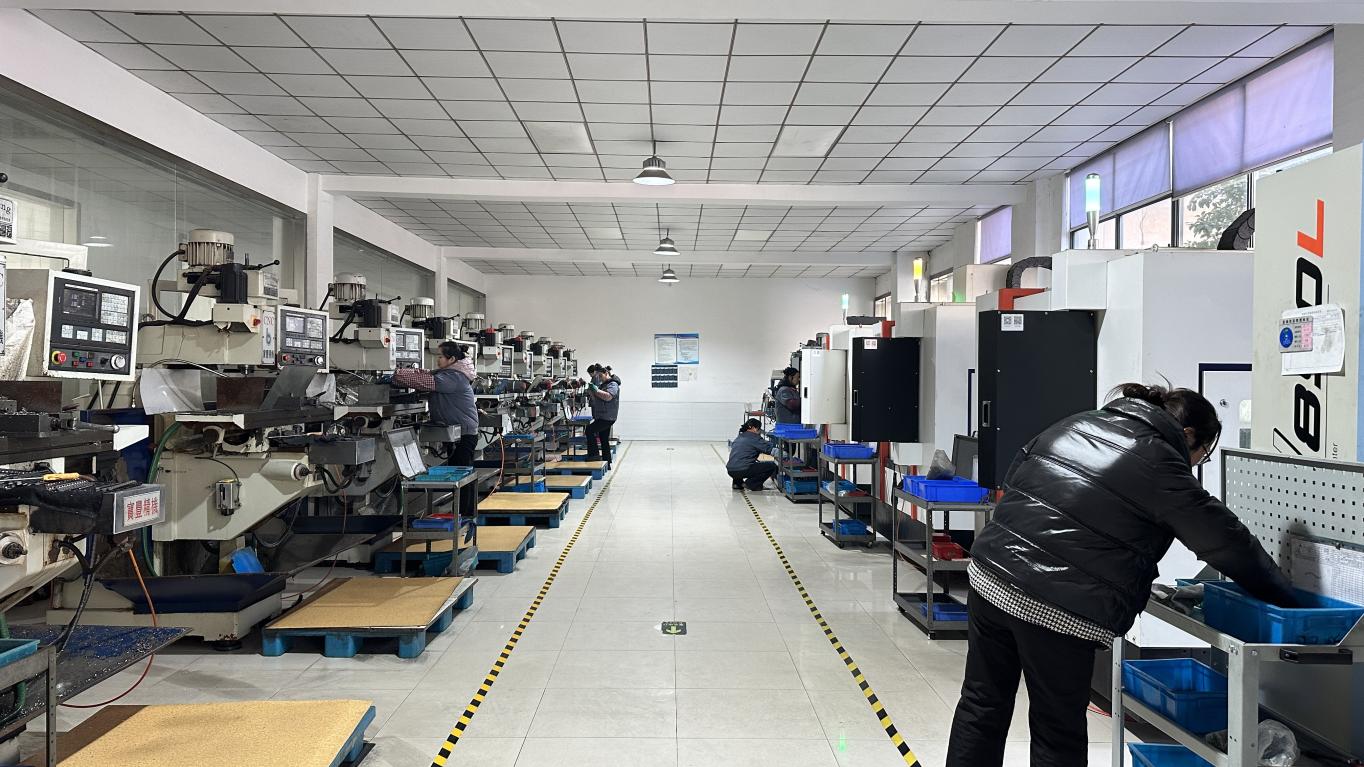
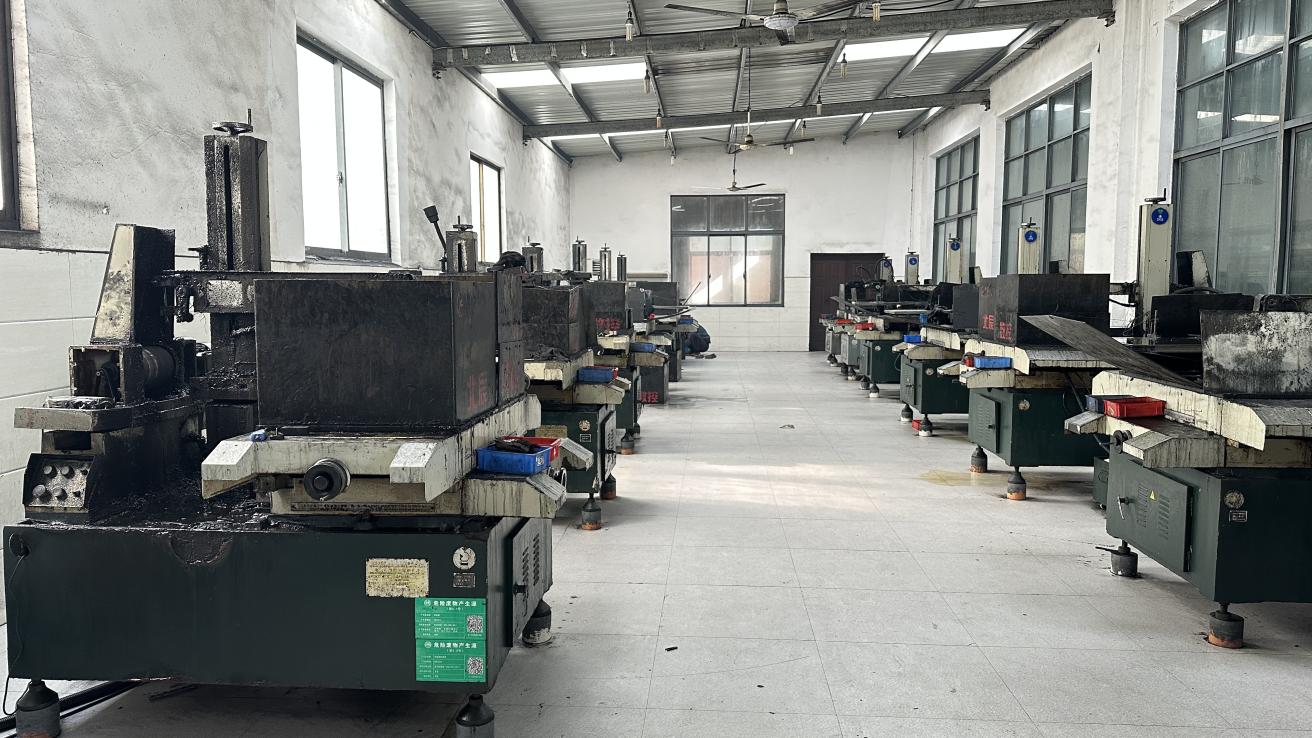
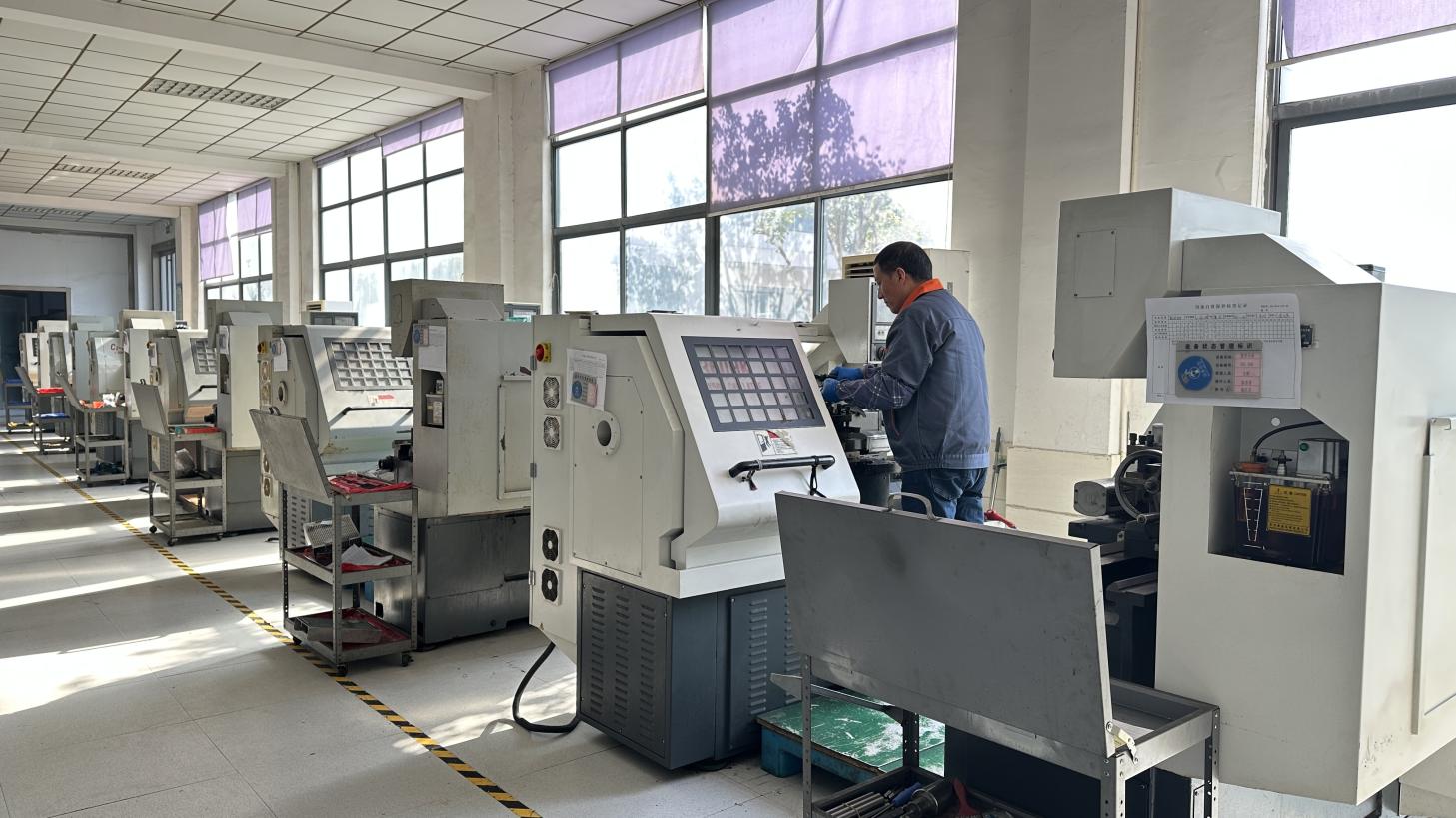
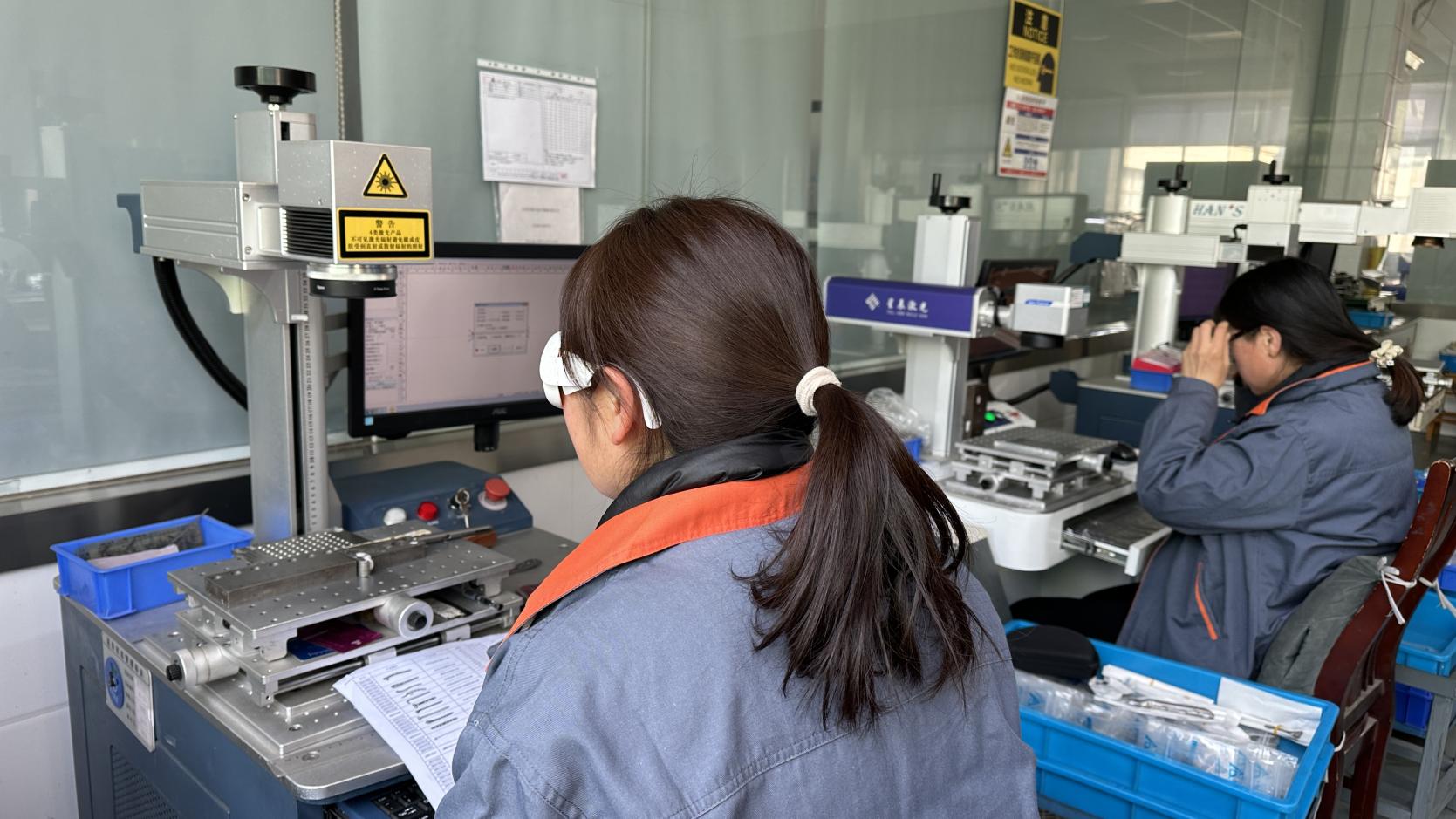
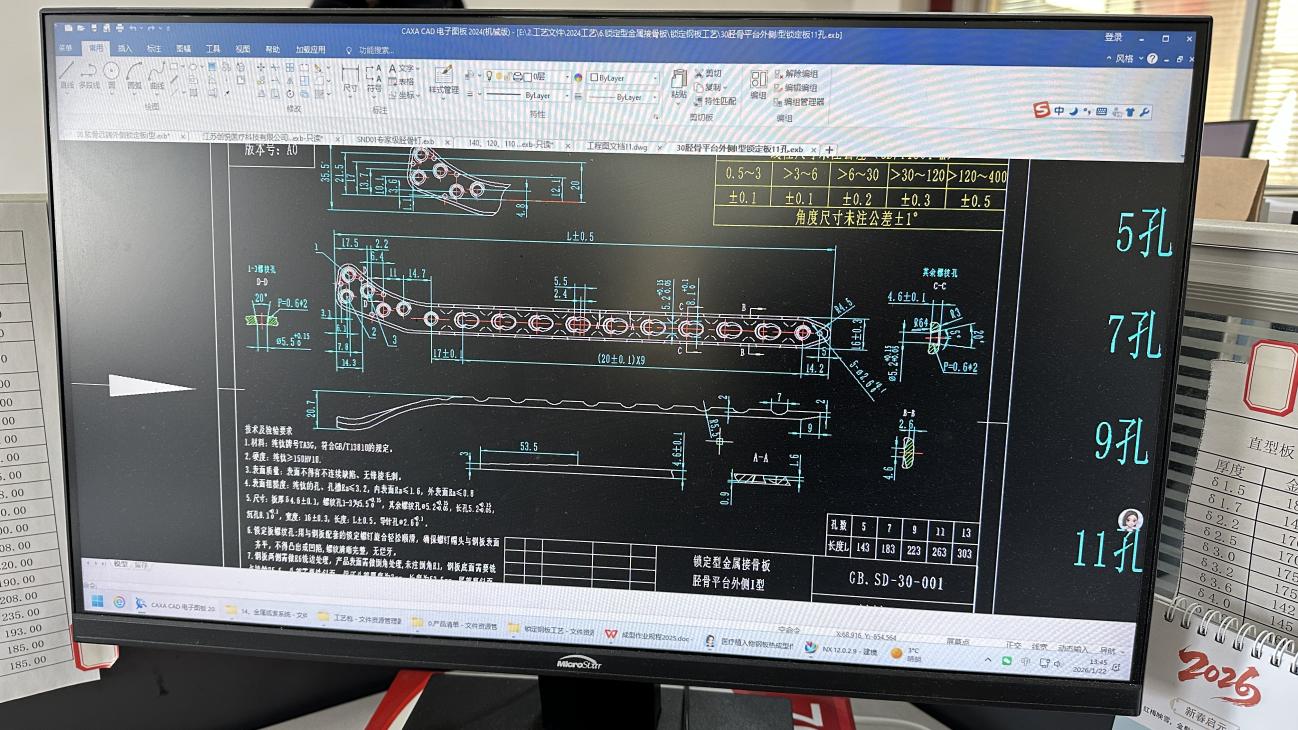
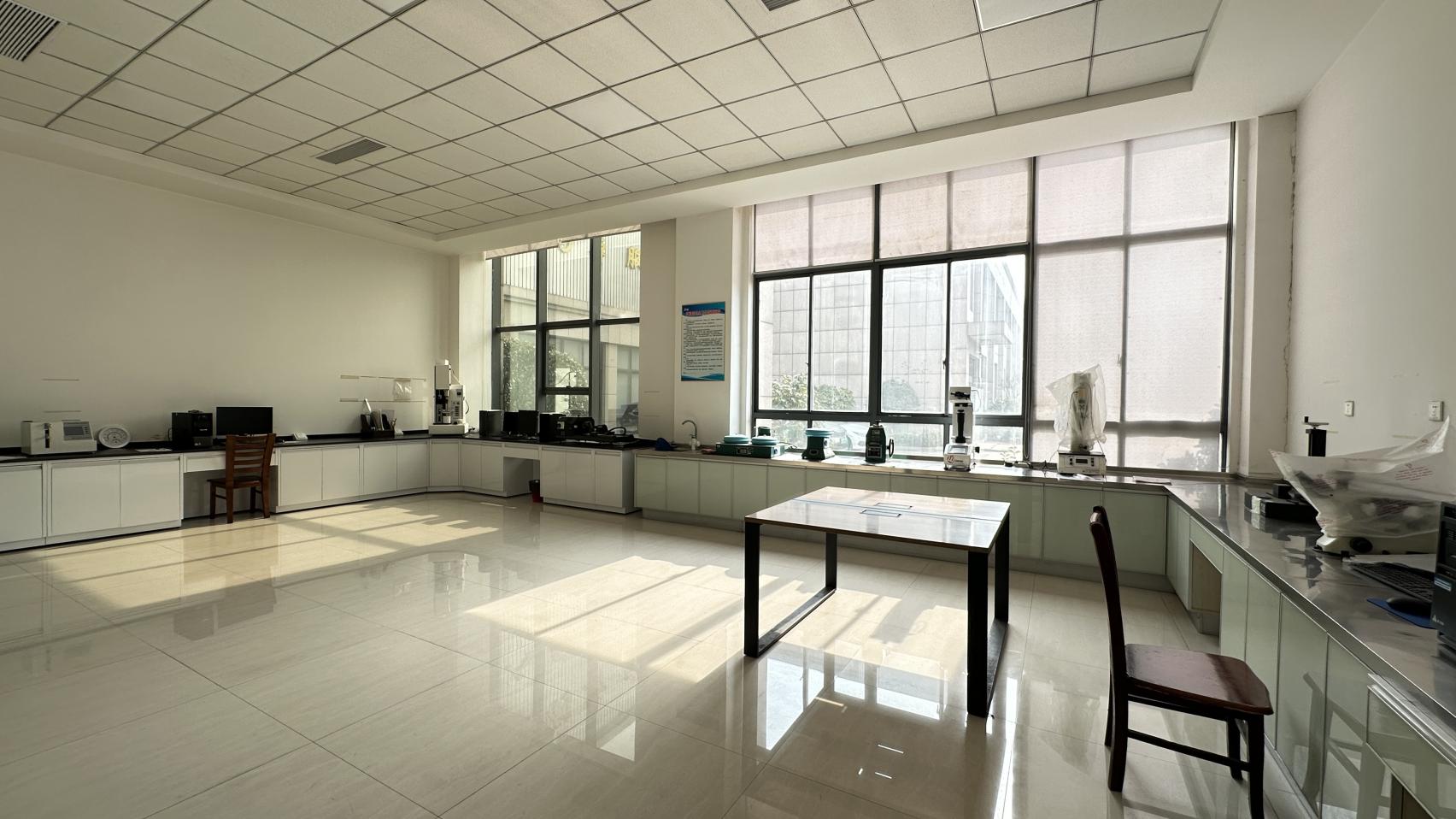
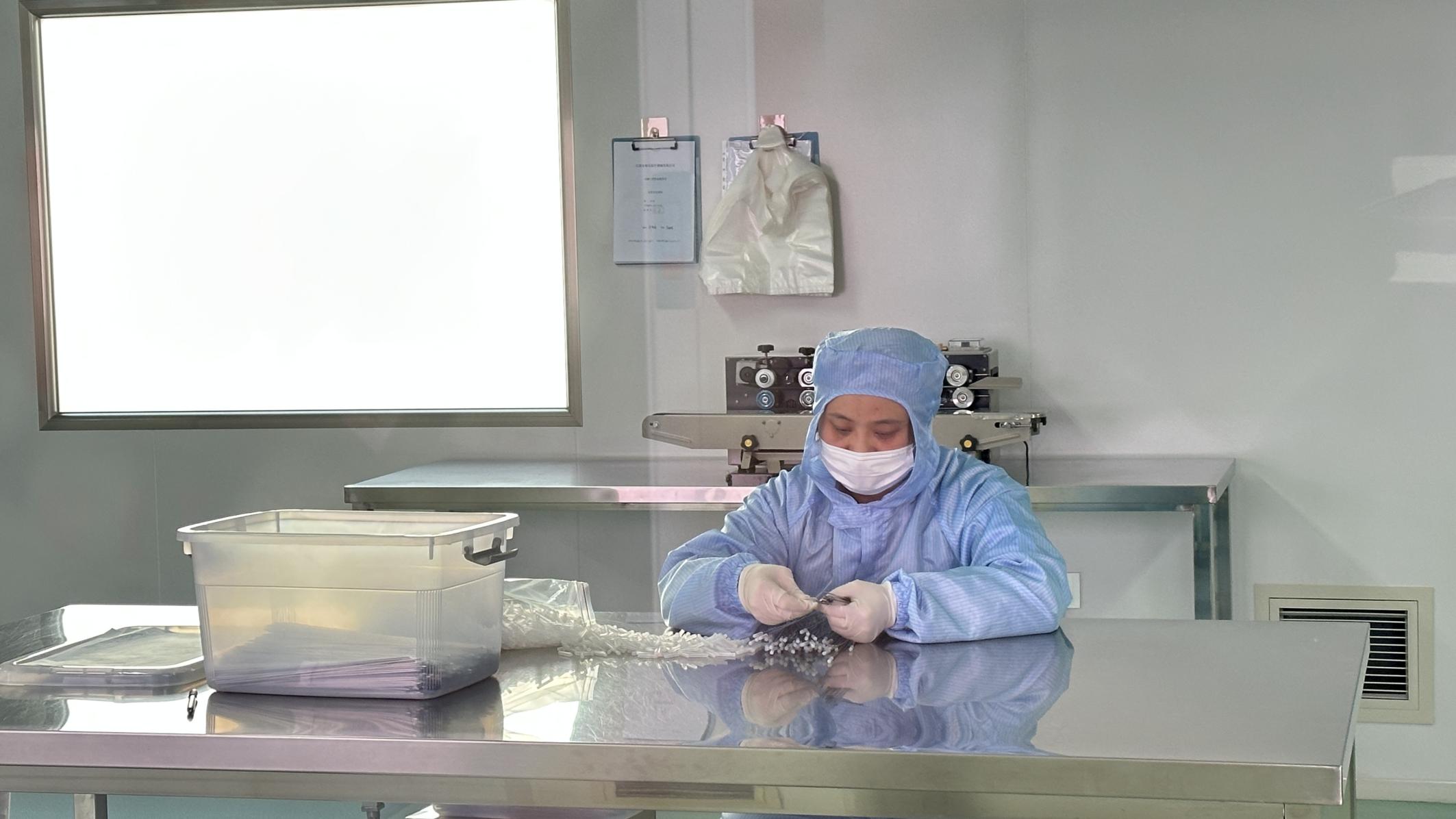
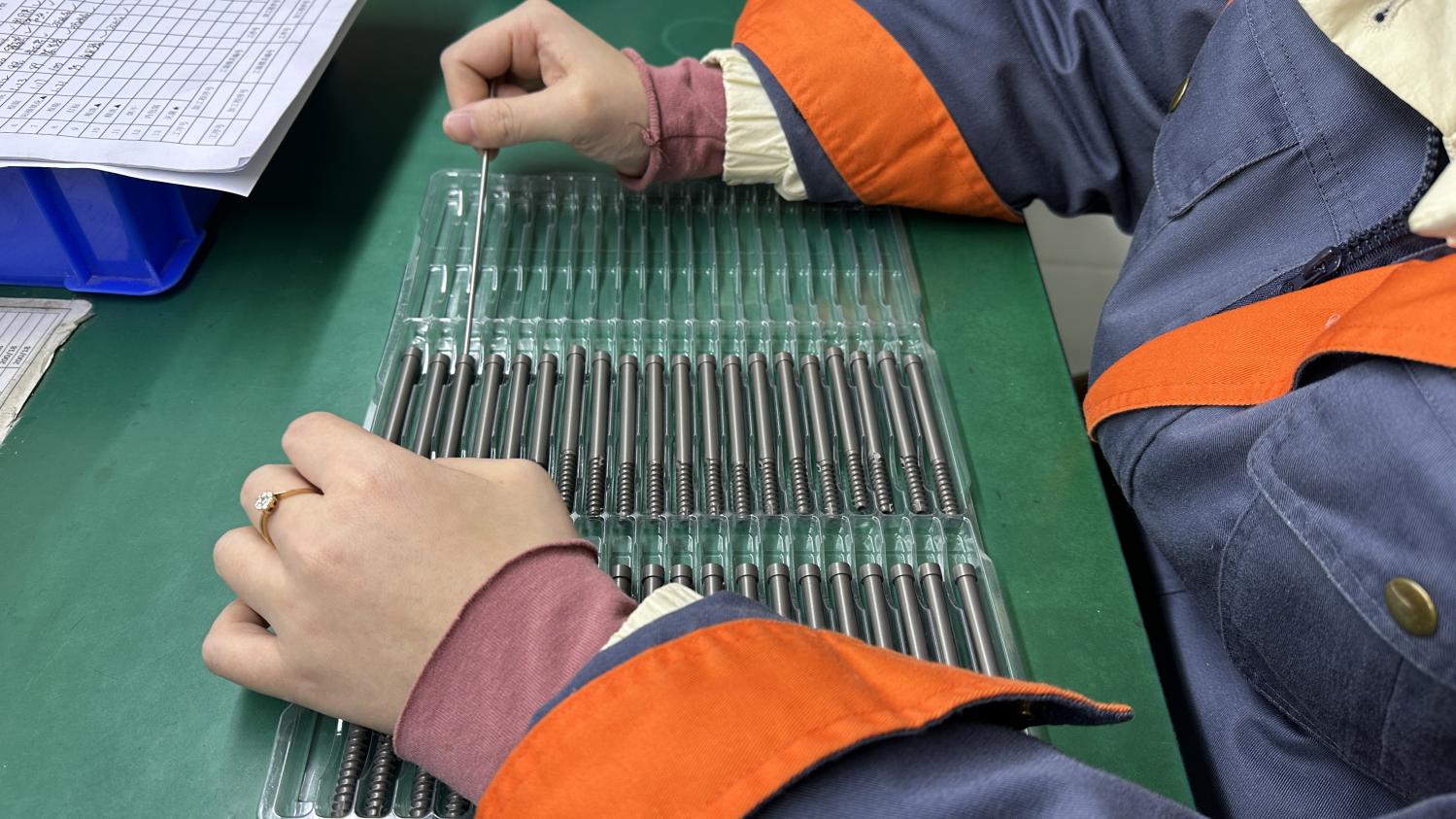
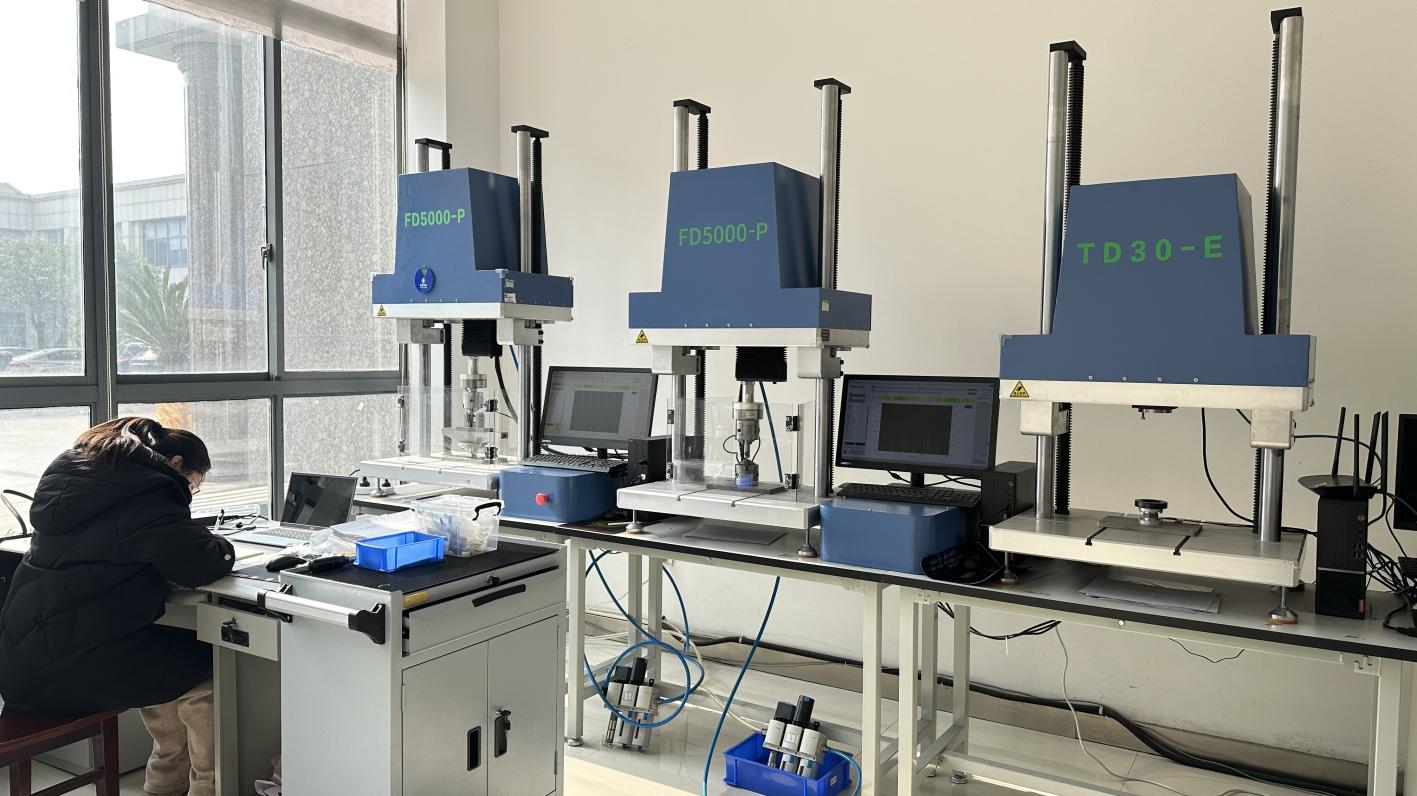
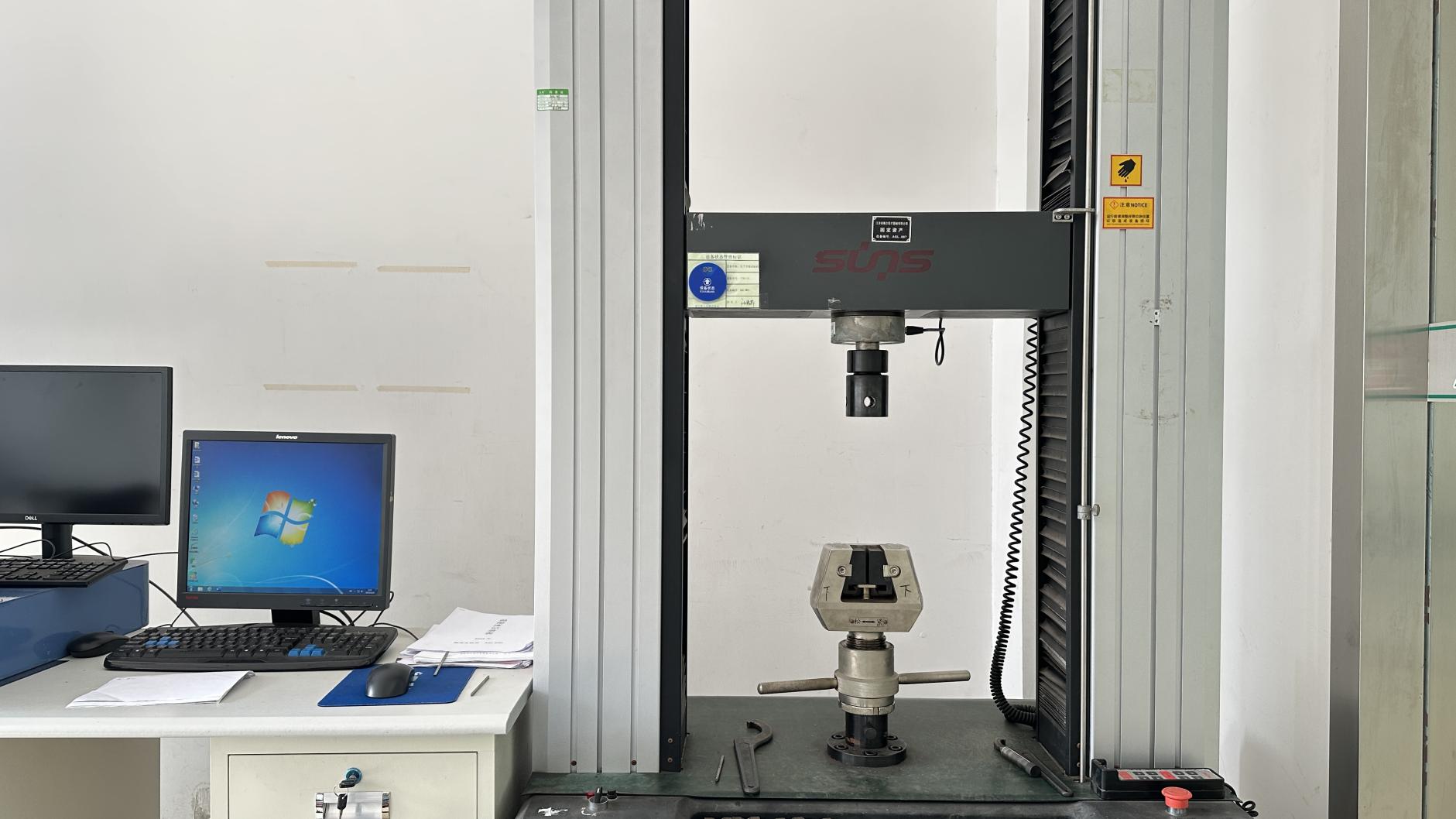
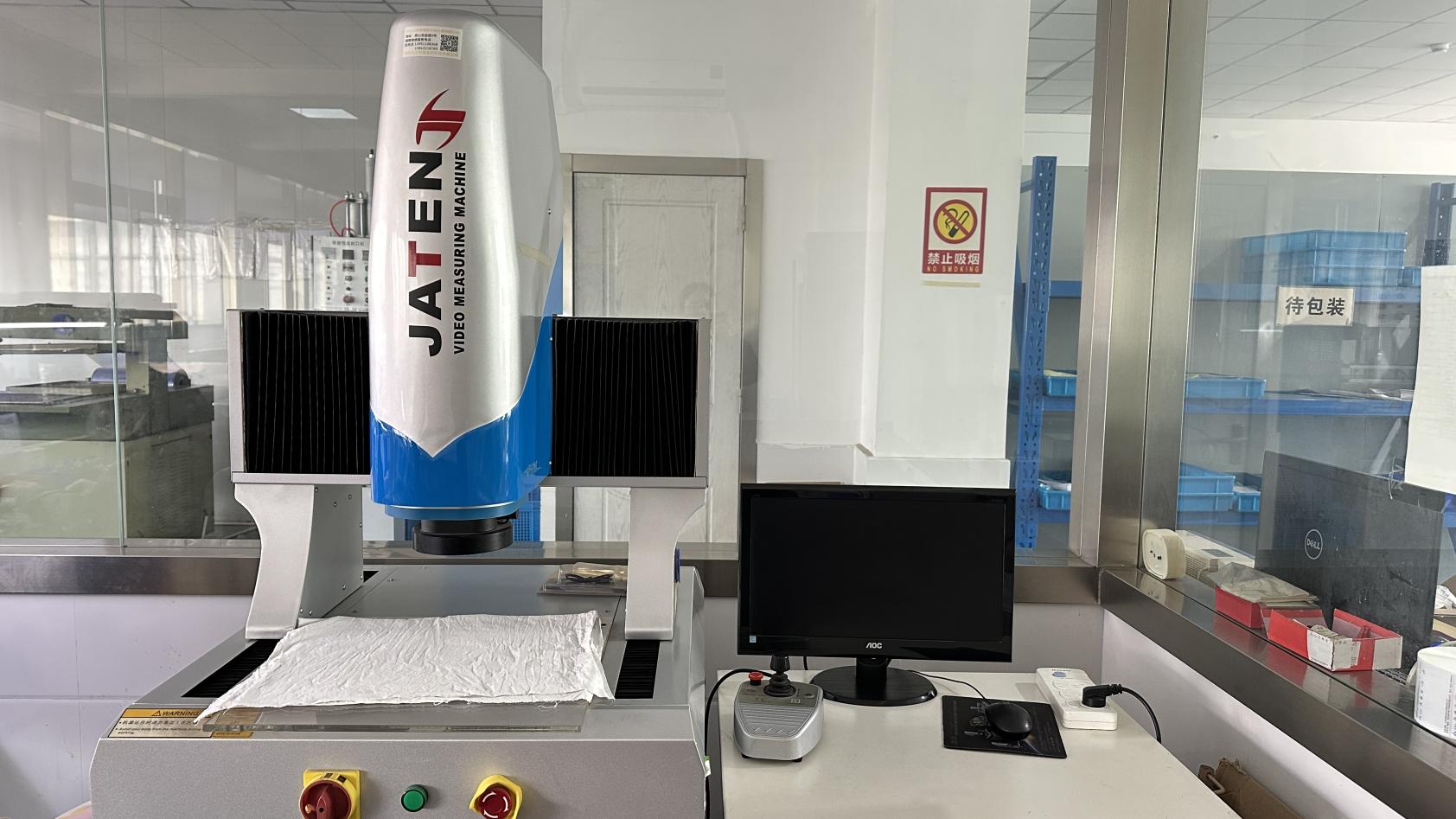
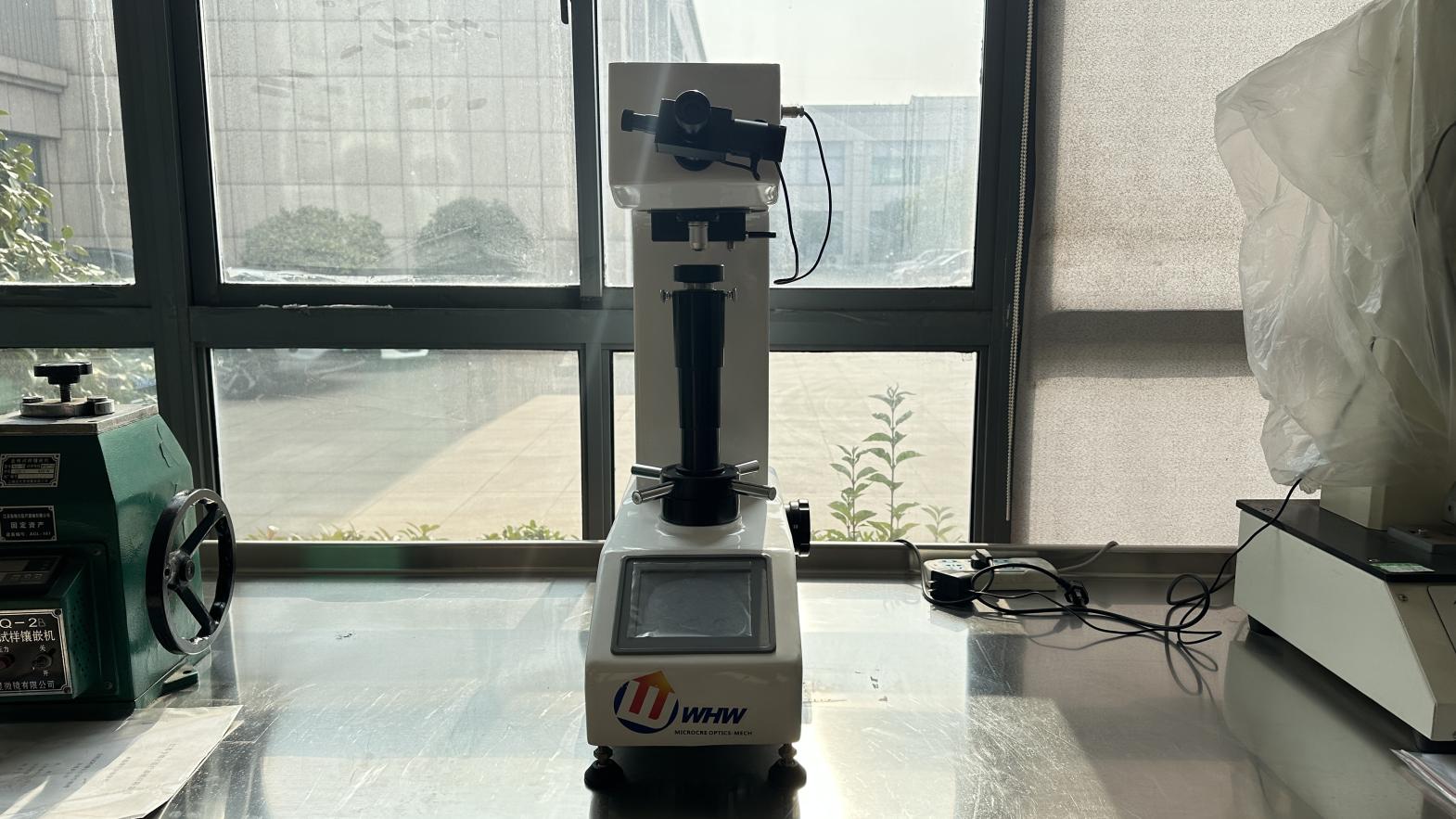
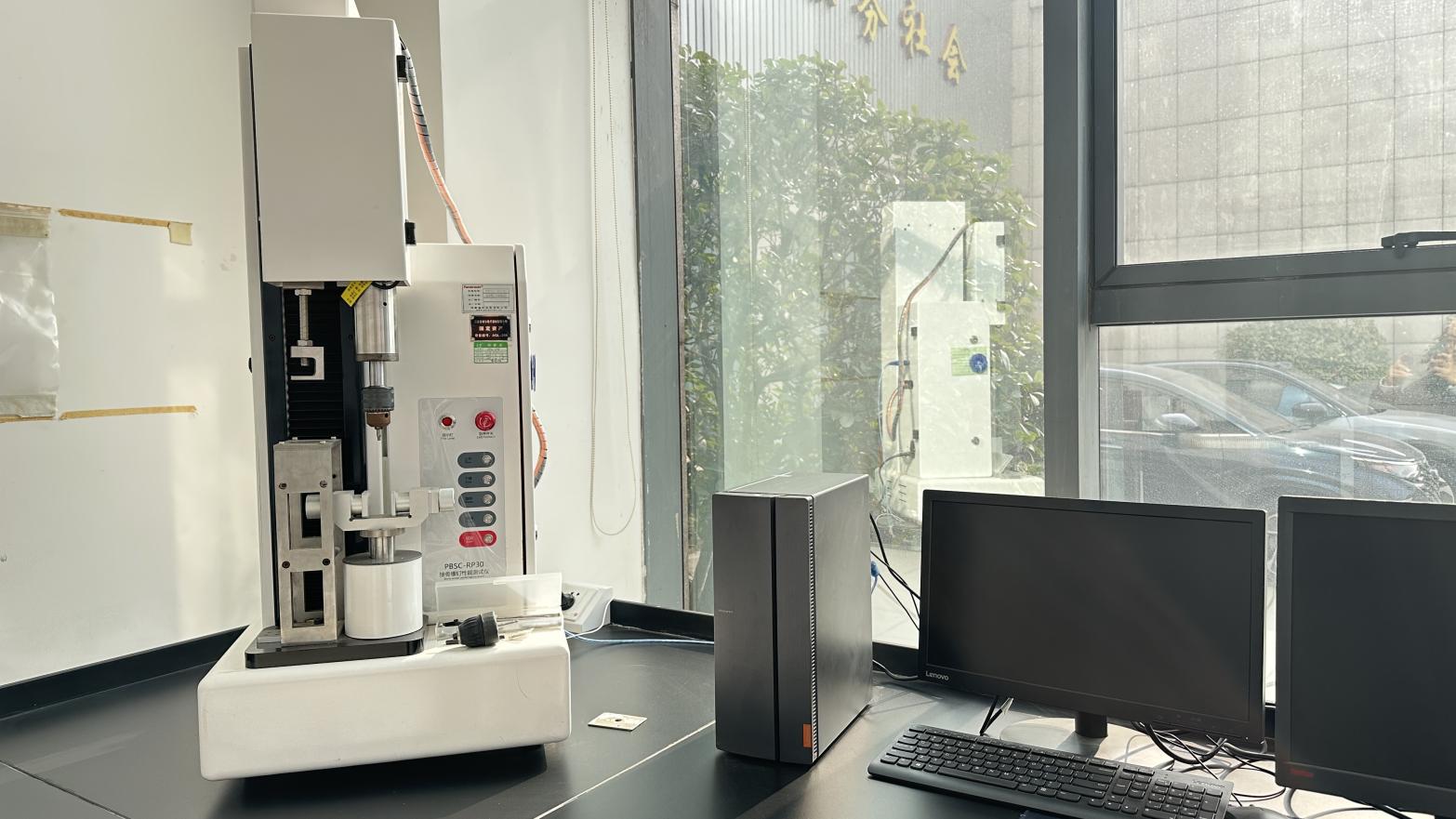
Direct sourcing from a manufacturer helps distributors and hospital networks in South Sudan bypass trading intermediaries. This arrangement improves profit margins for distributors and ensures direct access to regulatory documentation, material certificates, and design files.
To register medical devices with the South Sudan Drug and Food Control Authority (DFCA), importers must submit comprehensive dossiers. We support our procurement partners by providing:
We work with international logistics providers experienced in shipping to East Africa, managing customs clearances, and securing overland routes from ports of entry. This supports consistent, scheduled delivery cycles to distribution centers in Juba.
Our R&D efforts focus on improving the physical properties of our implants to improve clinical performance. By optimizing manufacturing processes like CNC milling, surface finishing, and anodization, we create implants with high strength and structural reliability.
For bone fixation plates, we use anodized titanium surfaces to create a stable oxide layer, which helps reduce tissue adhesion and biological reactions. Our locking plate systems feature a combination of locking and dynamic compression holes, giving surgeons flexibility in fixing fractures. In addition, our screw thread profiles are designed to improve bone purchase, which is beneficial for fixing fractures in osteoporotic or soft bone tissue.
Looking ahead, we are exploring biodegradable polymer technologies and specialized coatings to address orthopedic challenges in pediatric patients, reducing the need for subsequent implant removal surgeries.
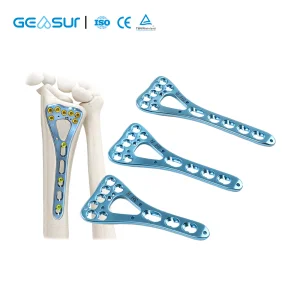
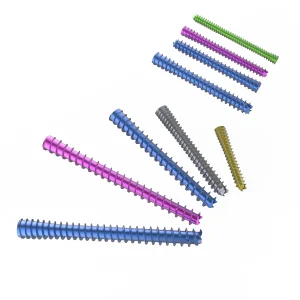
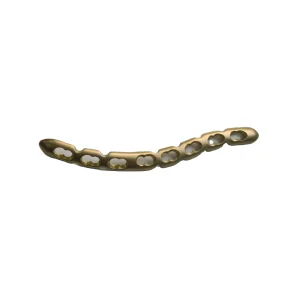
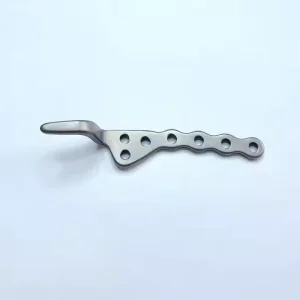
Complete selection of anatomical bone plates, pediatric elastic nails, and cannulated locking screws for South Sudan distribution
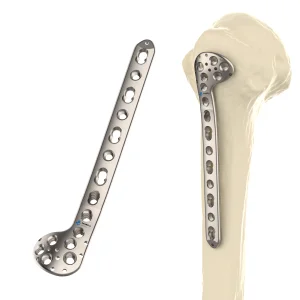
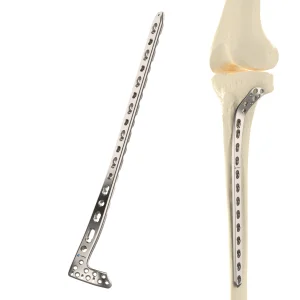
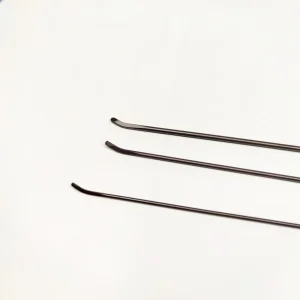
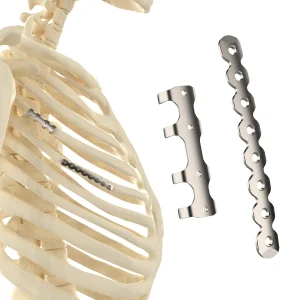
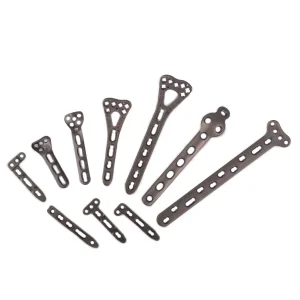
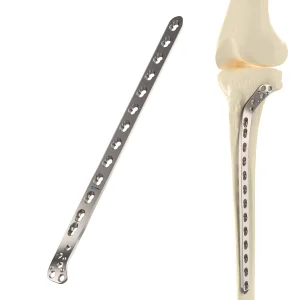
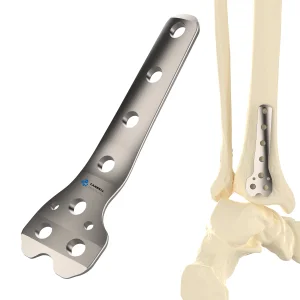
Essential information for medical distributors and procurement managers ordering trauma implants for South Sudan
We use medical-grade Titanium Alloy (Ti-6Al-4V ELI) conforming to ASTM F136 standards and high-grade cobalt-chromium-molybdenum alloys. These materials are selected for their biocompatibility, high strength-to-weight ratio, and resistance to corrosion inside the human body.
Yes, Medisplint operates under strict ISO 13485 (Medical Devices Quality Management System) certification. Our primary products are CE certified, enabling entry into international markets and aligning with South Sudan's regulatory requirements for imported medical equipment.
For standard inventory items, processing and dispatch occur within 7 to 15 business days. Transit times vary depending on the chosen route (typically via Mombasa port or Entebbe Airport) and logistics methods, averaging between 30 to 45 days. OEM/ODM custom orders require additional manufacturing lead time.
Yes, we design and manufacture matching surgical instrument sets for each plate and nail family. These instruments are designed to work together, helping surgeons perform precise fixation with minimal preparation time.
Quality control is integrated throughout our production process. Our 42 inspectors conduct incoming raw material checks, in-process controls (IPQC), final dimension and polish inspections (FQC), and mechanical testing—including dynamic fatigue, tensile, hardness, and screw torsion testing in our physical labs.
Partner directly with Medisplint to secure CE-certified orthopedic implants with full technical documentation for the South Sudan market.