 Medisplint
Medisplint
Medisplint
Engineered for immediate stabilization of long bone fractures, hand/wrist trauma, and complex ankle arthrodiastasis under emergency clinical protocols.
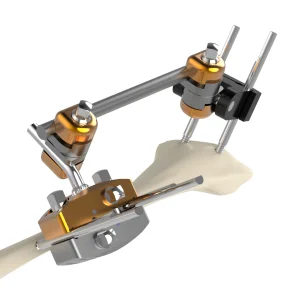
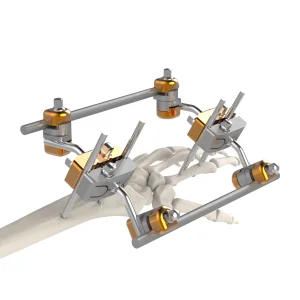
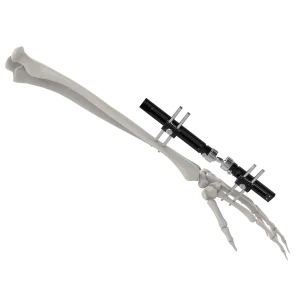
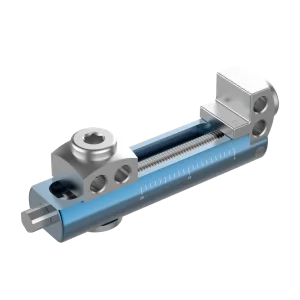
The demand for high-strength, flexible orthopedic external fixation devices in Portugal is driven by the modernization of public hospitals under the Serviço Nacional de Saúde (SNS) and private hospital groups like Luz Saúde, CUF, and Lusíadas. Major clinical institutions, including the Centro Hospitalar Universitário de Lisboa Central (CHULC), Centro Hospitalar Universitário do Porto (CHUP), and the Centro Hospitalar e Universitário de Coimbra (CHUC), require implants that adhere to strict mechanical and biological regulations.
Surgical trends in Portugal show a high preference for minimally invasive stabilization methods to treat complex periarticular fractures, open comminuted fractures, and limb length discrepancies. These procedures minimize soft tissue disruption and reduce long-term hospital stay costs. Medisplint's external fixator configurations accommodate these requirements by combining lightweight structural rods with stable, bio-compatible titanium alloy pins.
For orthopedic devices to be sold or utilized in Portugal, manufacturers must comply with INFARMED (Autoridade Nacional do Medicamento e Produtos de Saúde, I.P.) guidelines and the European Union Medical Device Regulation (EU MDR 2017/745). Implants like Hoffmann-compatible rod systems and wrist fixators are classified as Class IIb or Class III active/passive surgical devices. This classification requires rigorous biocompatibility documentation, clinical evaluation reports (CER), and complete traceability throughout the supply chain.
Orthopedic technology is moving toward hybrid modular frames. Carbon fiber-reinforced polymer (CFRP) connecting rods are preferred for their radiolucency, allowing surgeons to monitor bone healing progress under X-ray and fluoroscopy without metallic artifacts. At the same time, Grade 5 Titanium (Ti-6Al-4V ELI) is used for half-pins and transfixion pins to provide high fatigue limits and minimize pin-track infections through optimized thread geometries.
Medisplint’s R&D focus is centered on structural improvements to the pin-to-rod clamping mechanisms. High-friction coatings and quick-lock snap clamps enable faster frame assembly during the critical "Golden Hour" of polytrauma surgery. This reduces total anesthesia time for patients suffering from compound long-bone injuries.
An overview of our manufacturing facilities, global trade compliance, and quality control systems.
Medisplint Orthopedic Instruments Co., Ltd. is a professional manufacturer specializing in orthopedic implants, fixation systems, and surgical instruments for trauma, spine, and joint reconstruction.
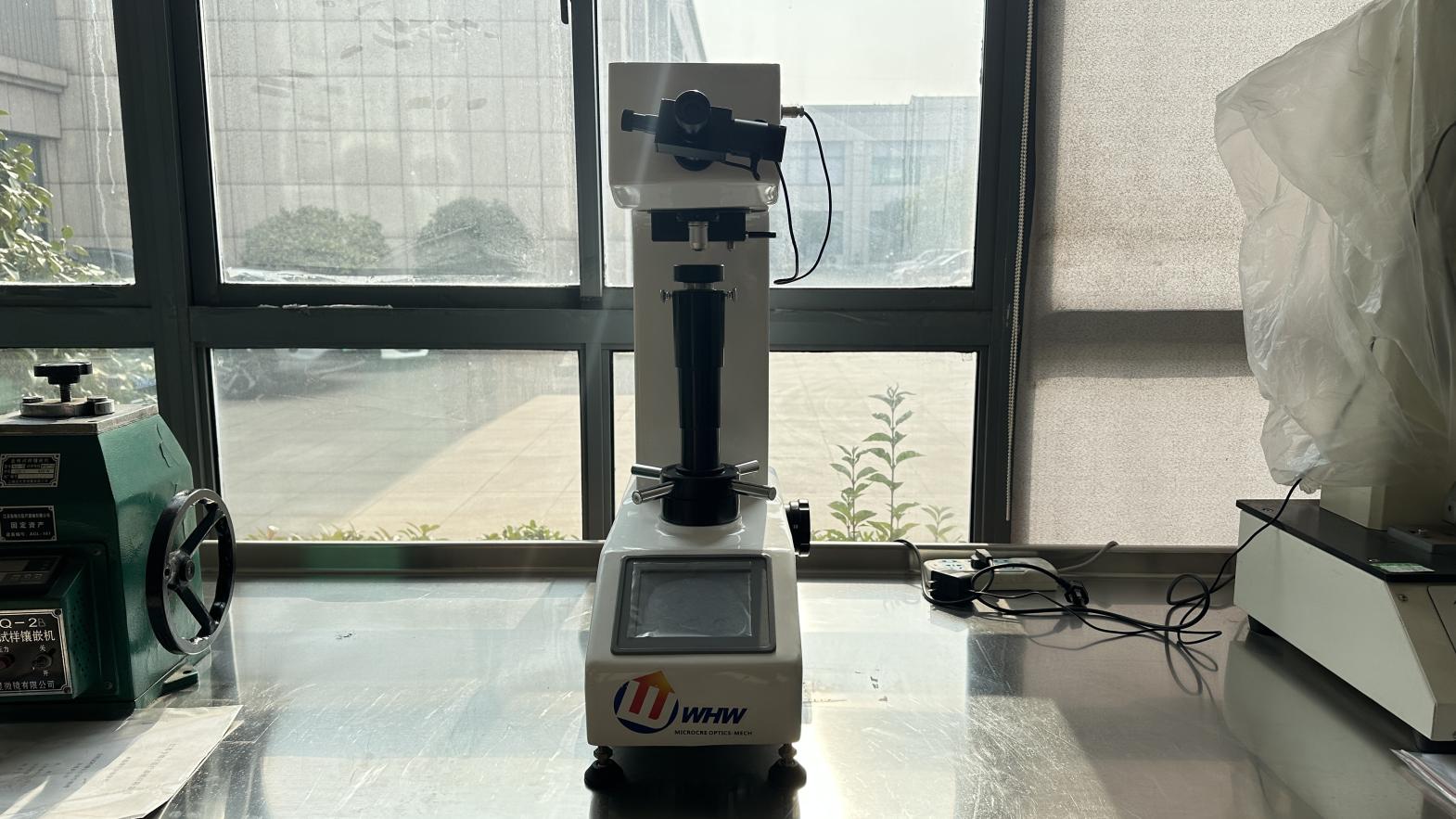
Founded in 2016, the company has developed steadily with a strong focus on innovation and international expansion. The facility covers approximately 18,500㎡, supporting integrated production, assembly, and quality control operations.
Medisplint reports an annual export revenue of around USD 12 million, with over 7 years of export experience and 10 years of overall industry experience in orthopedic medical device manufacturing.
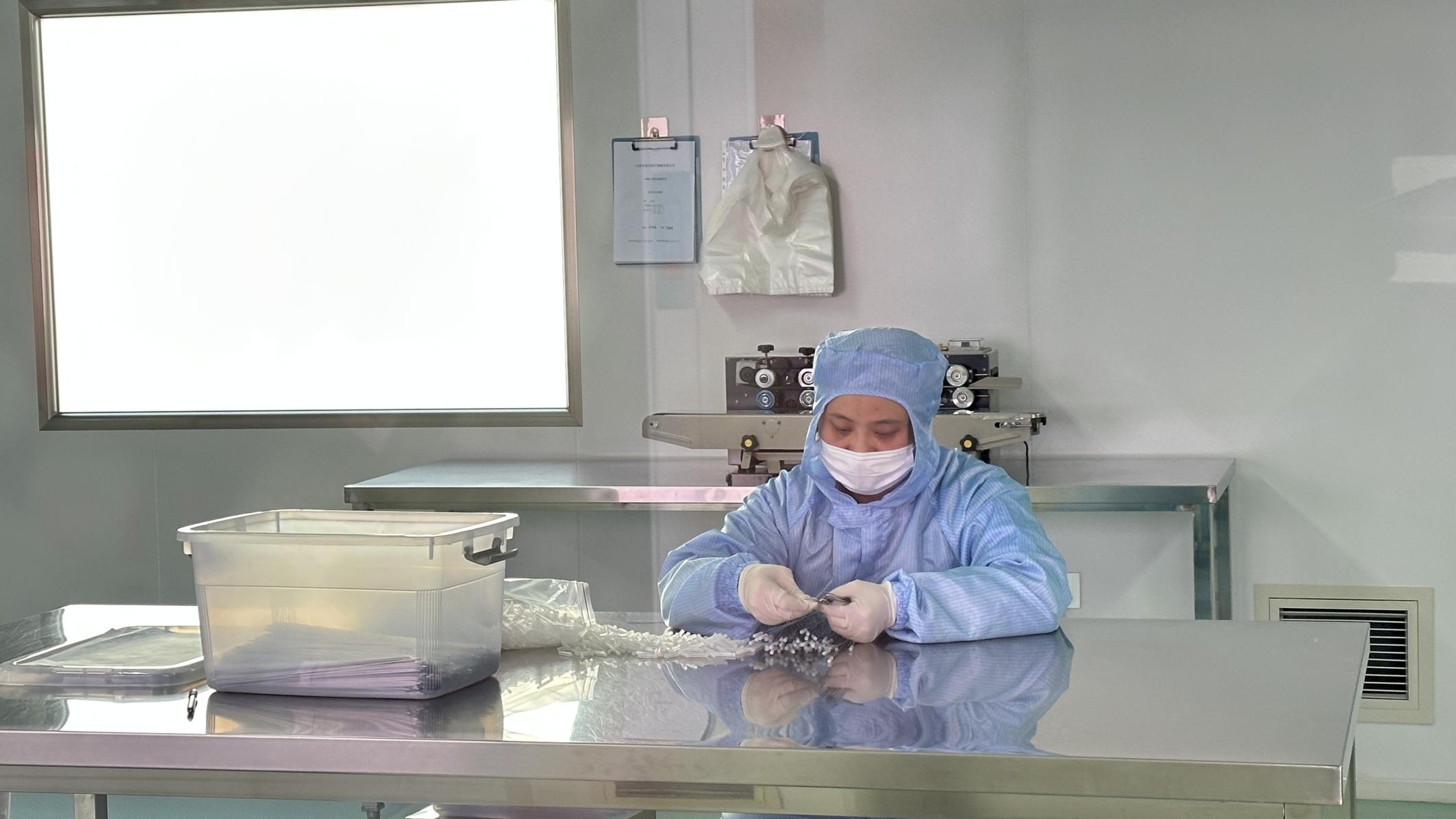
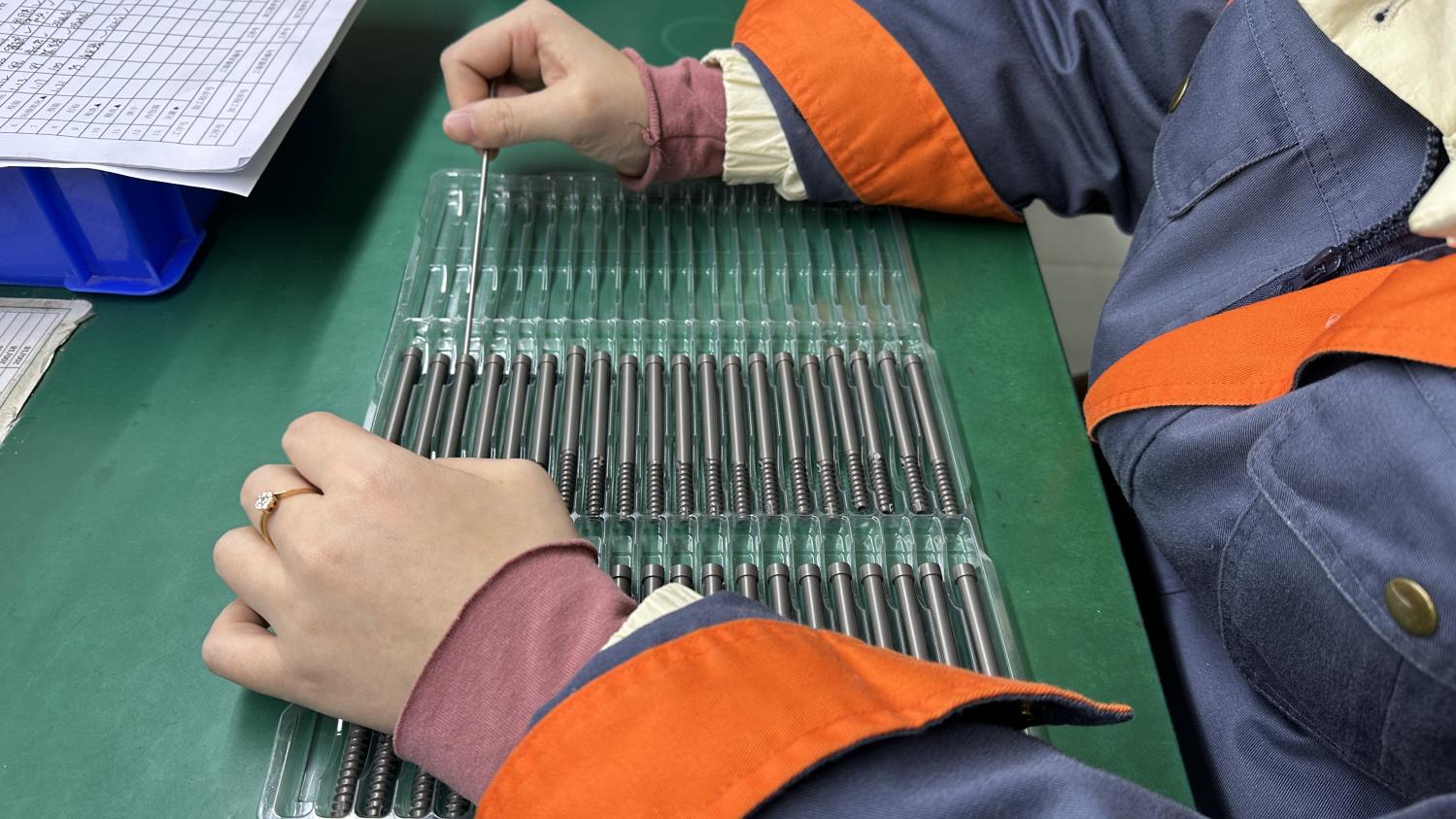
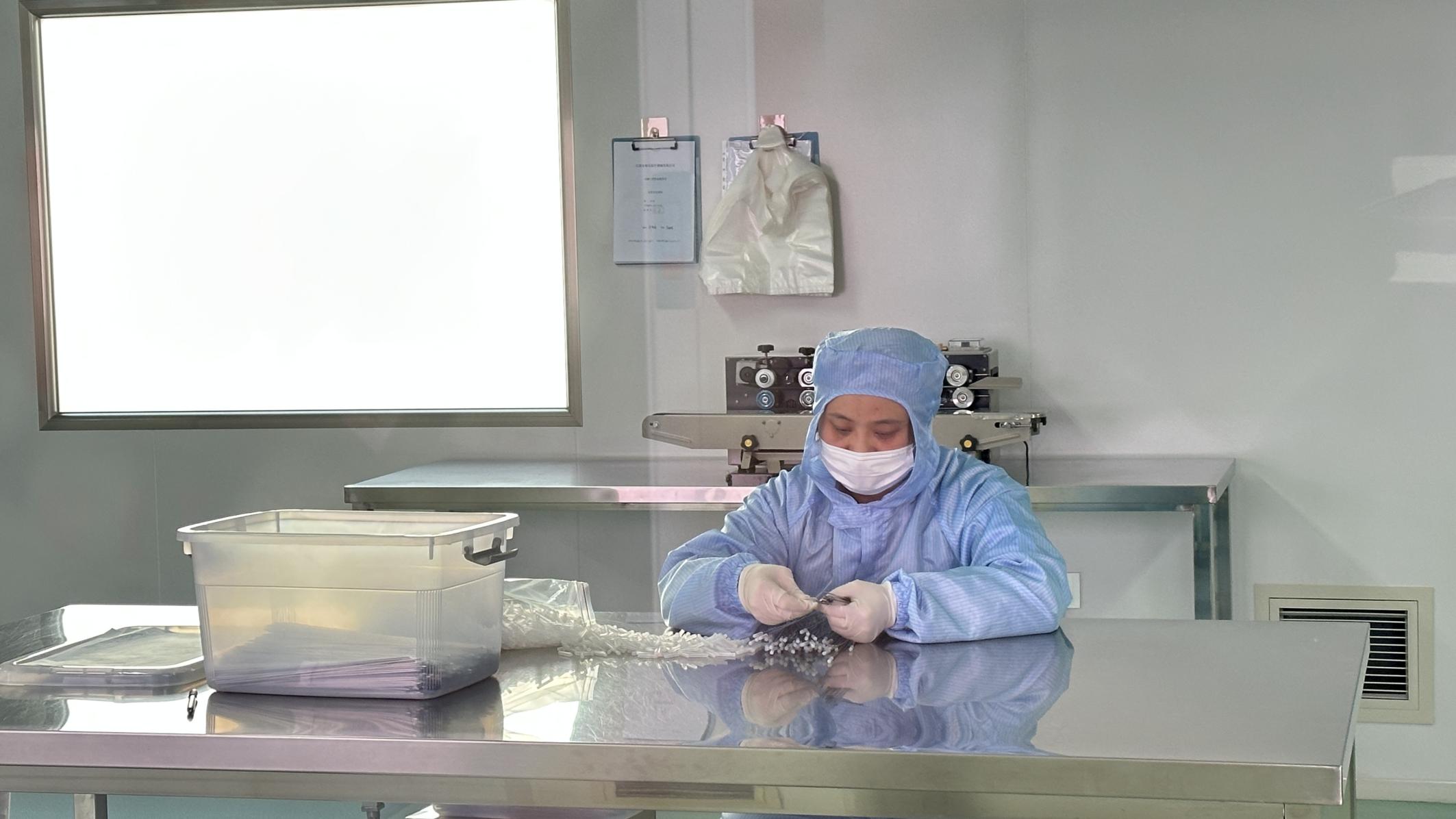
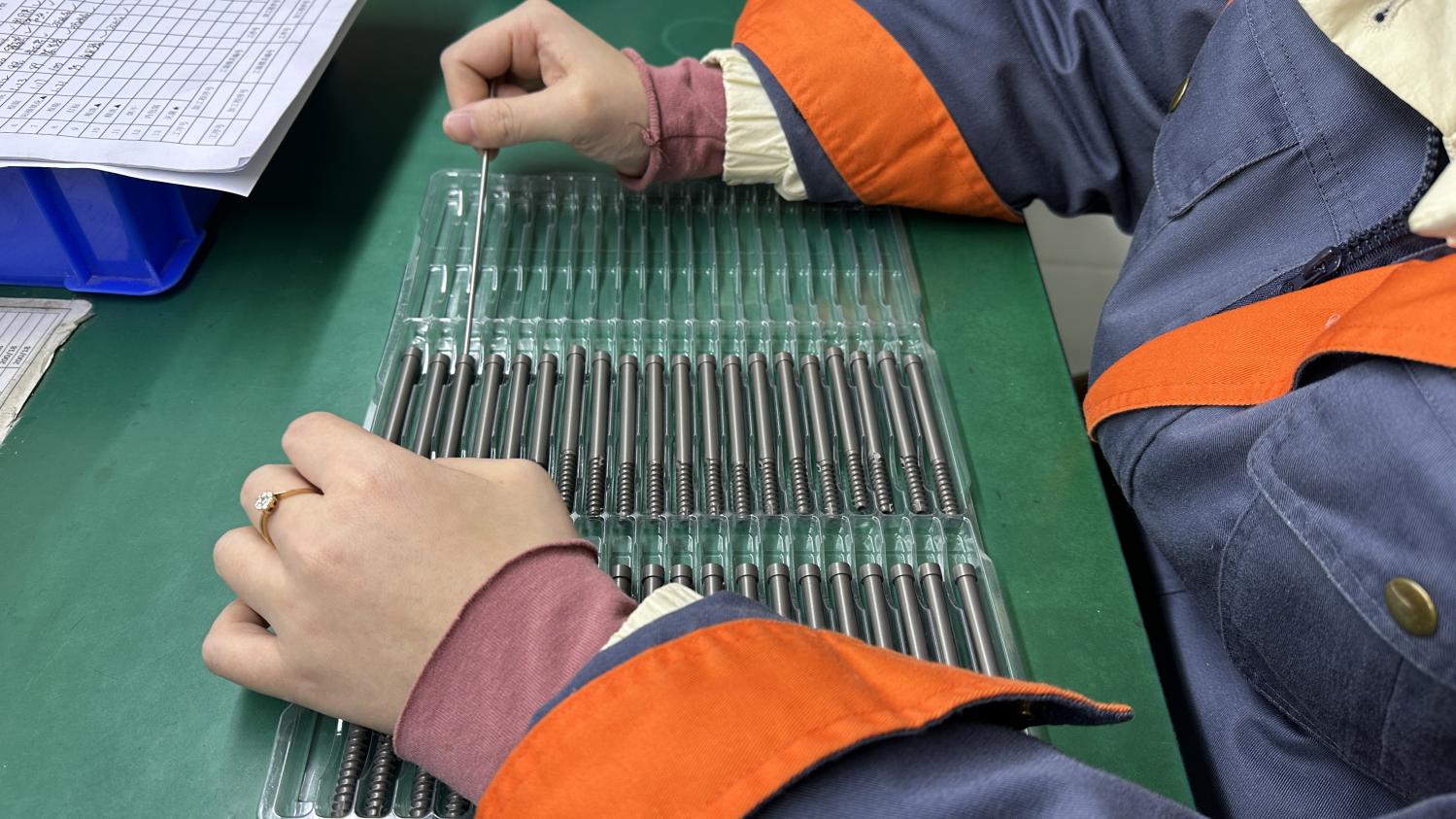
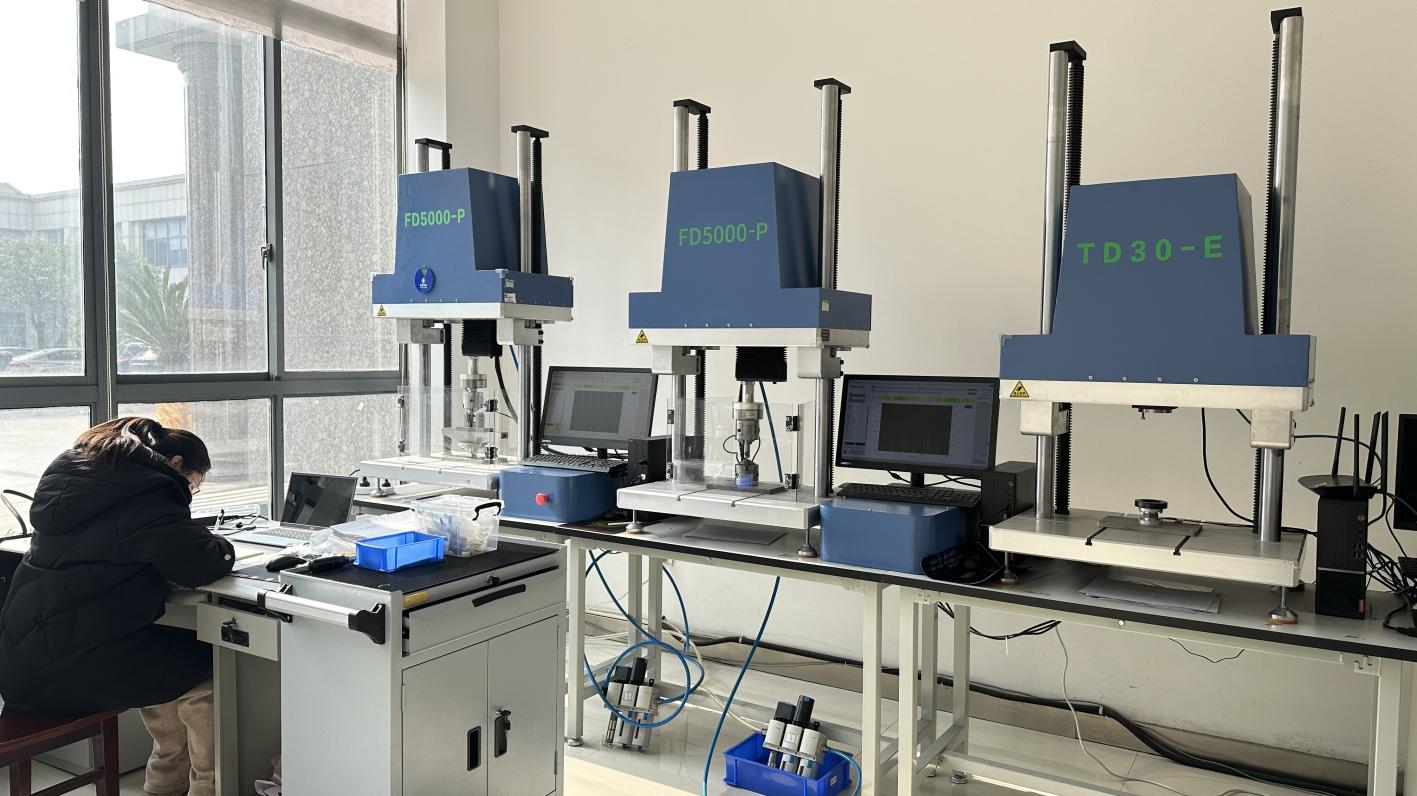
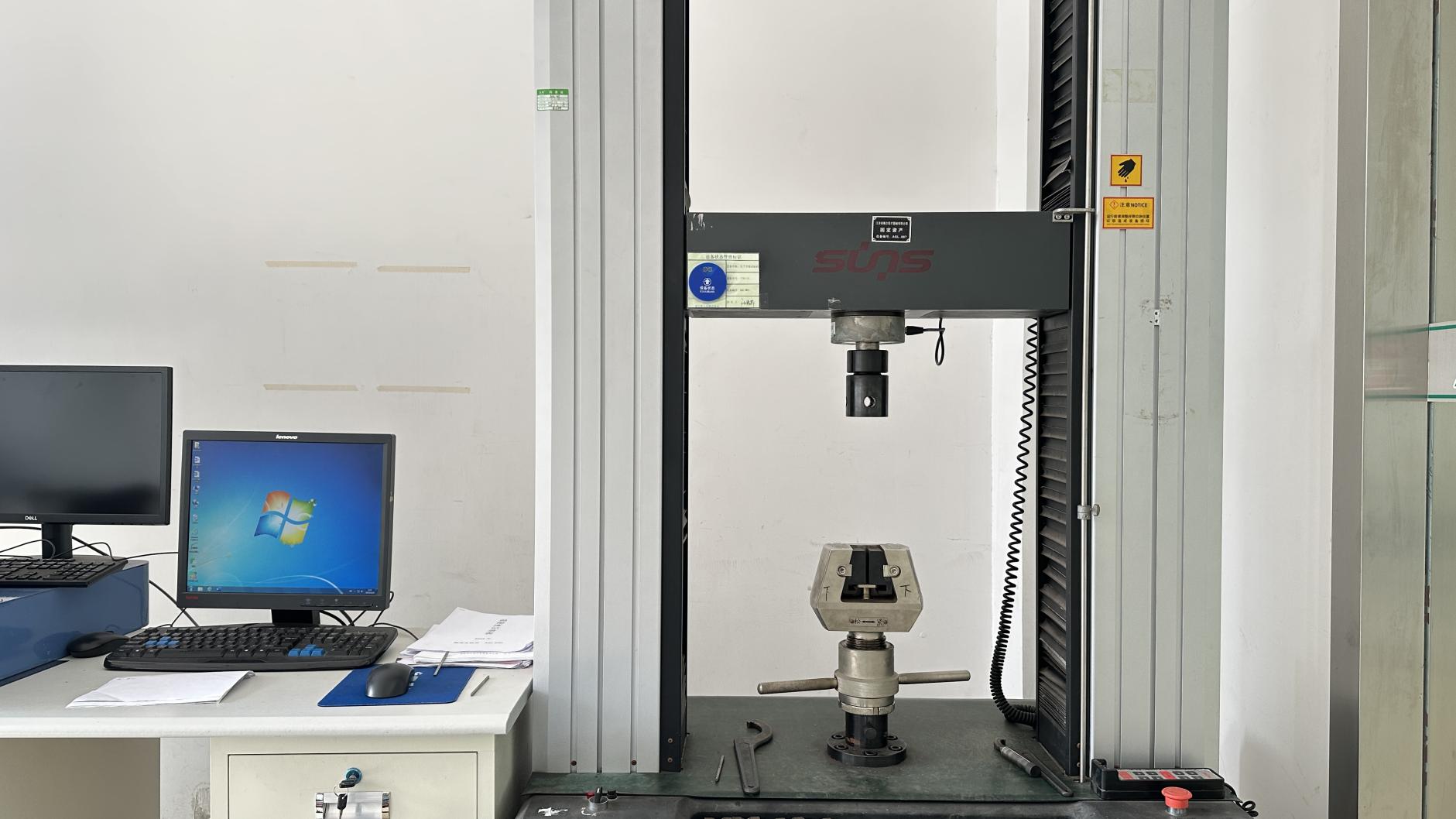
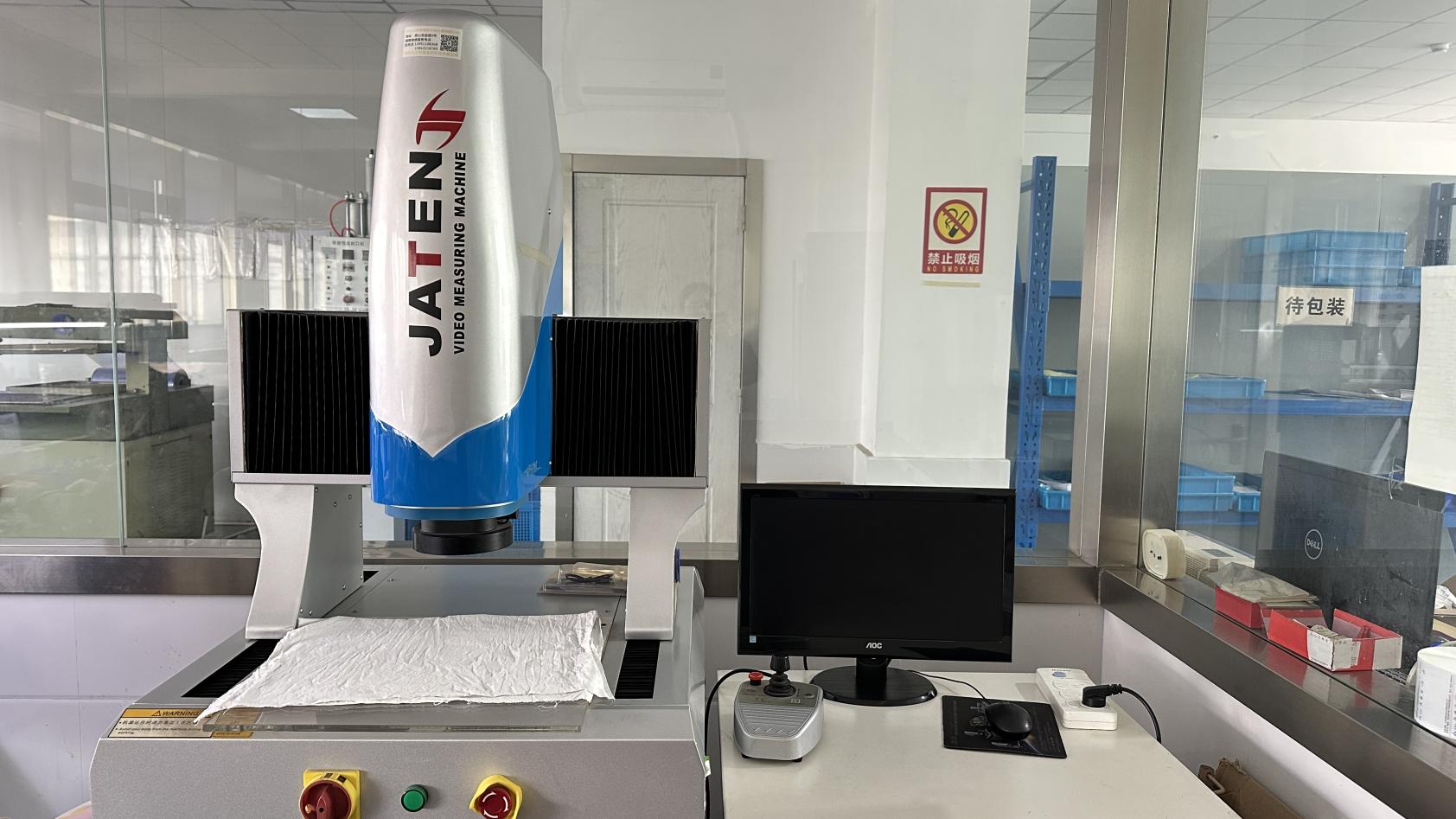
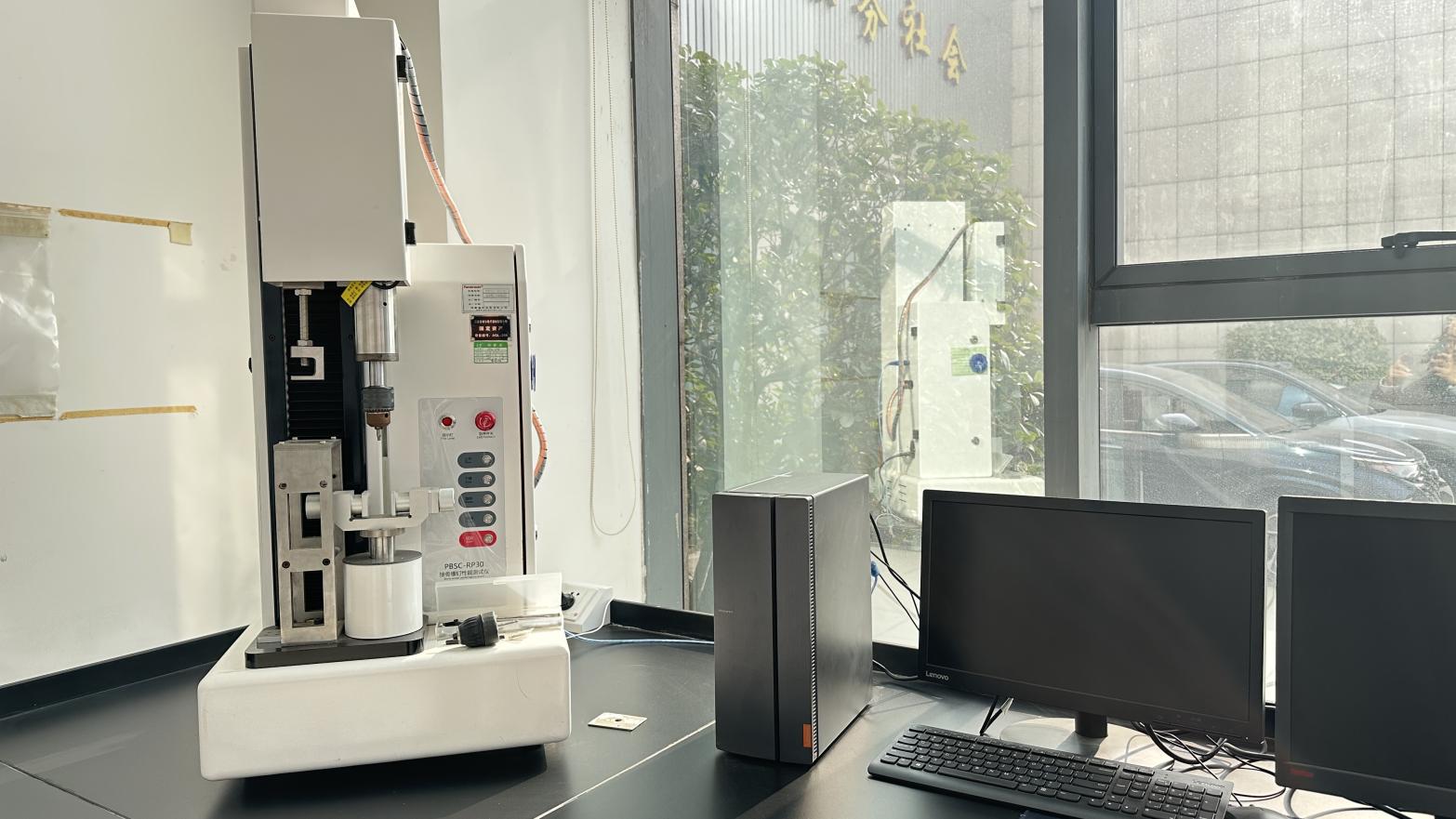
The company operates under strict quality assurance systems including ISO 13485 certification and CE compliance. Quality inspection methods include incoming material inspection, in-process quality control (IPQC), final product inspection (FQC), and third-party laboratory testing. The quality control department consists of 42 dedicated inspectors ensuring product safety, precision, and compliance with international standards.
With a strong global trade background, Medisplint primarily serves markets in Europe, Southeast Asia, the Middle East, and South America. The company collaborates with over 1,200 supply chain partners, supporting stable production capacity and flexible sourcing strategies. Its main customer types include hospitals, orthopedic distributors, surgical centers, and OEM/ODM partners.
Medisplint maintains strong R&D capabilities with approximately 85 engineering and development specialists, offering customization options such as private labeling, design modification, and full OEM/ODM solutions. In the past year, the company launched 68 new products, reflecting its continuous commitment to innovation and advancement in orthopedic solutions.
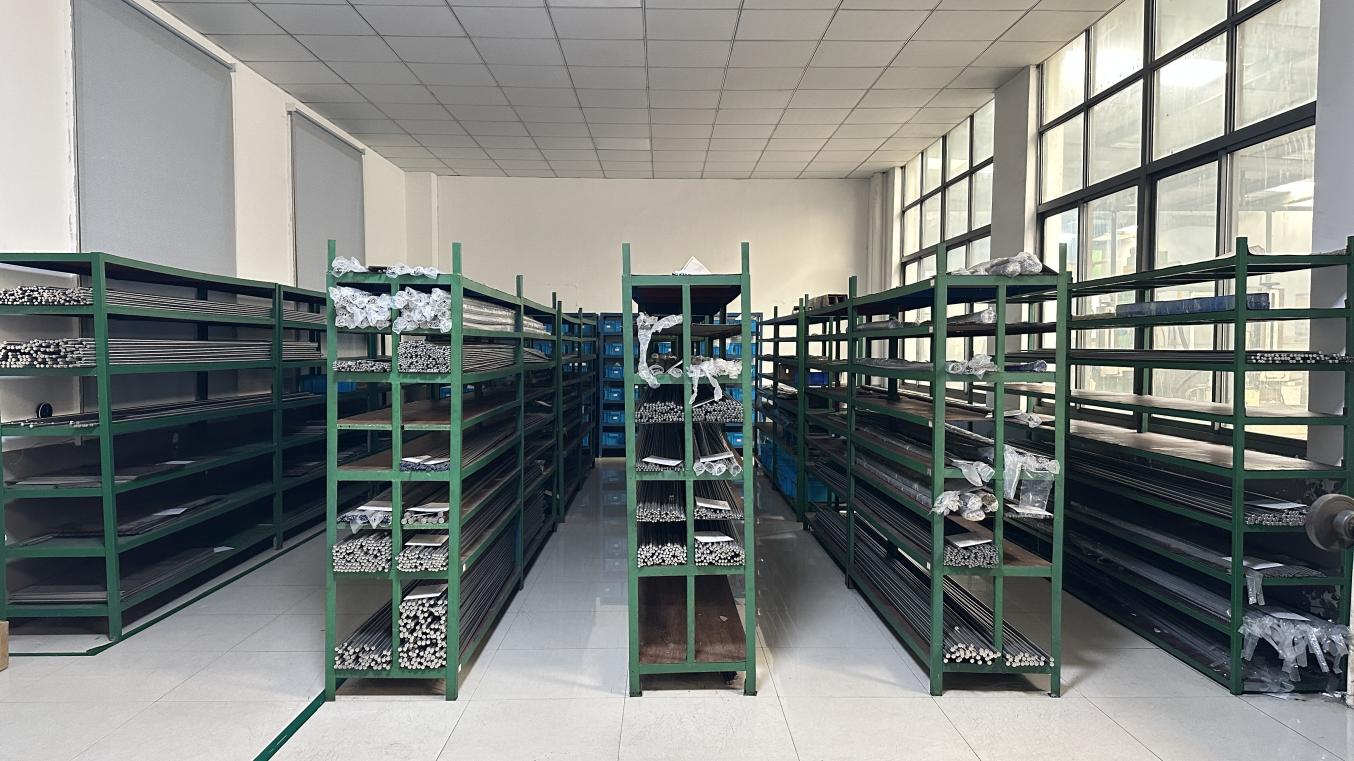
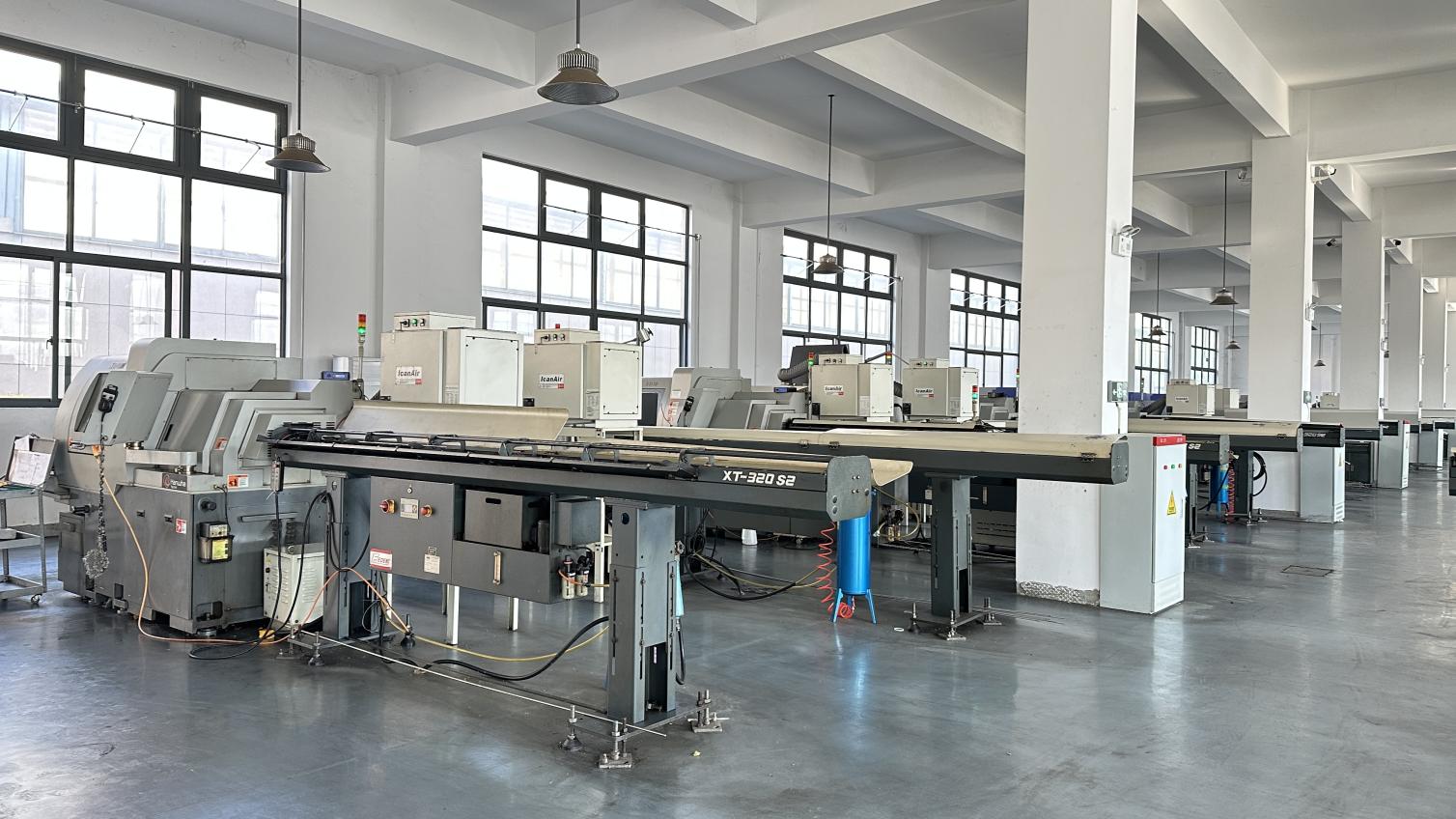
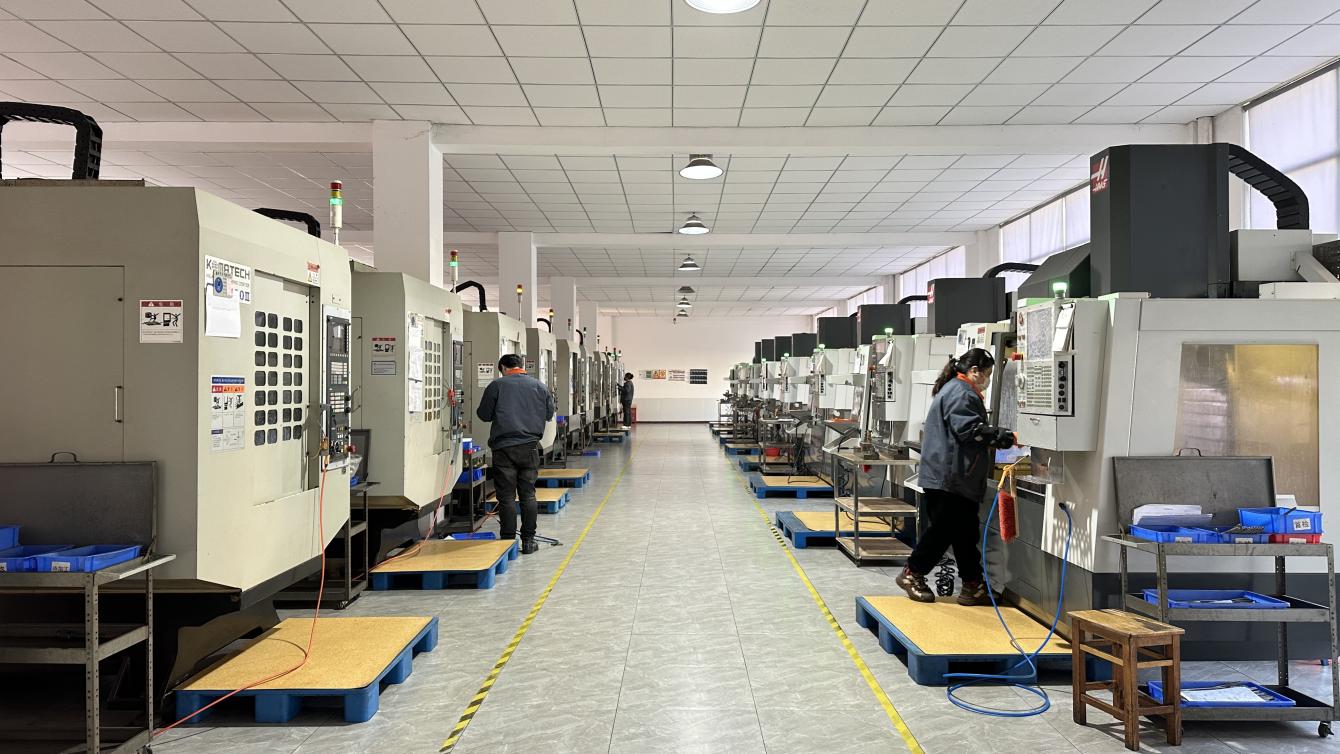
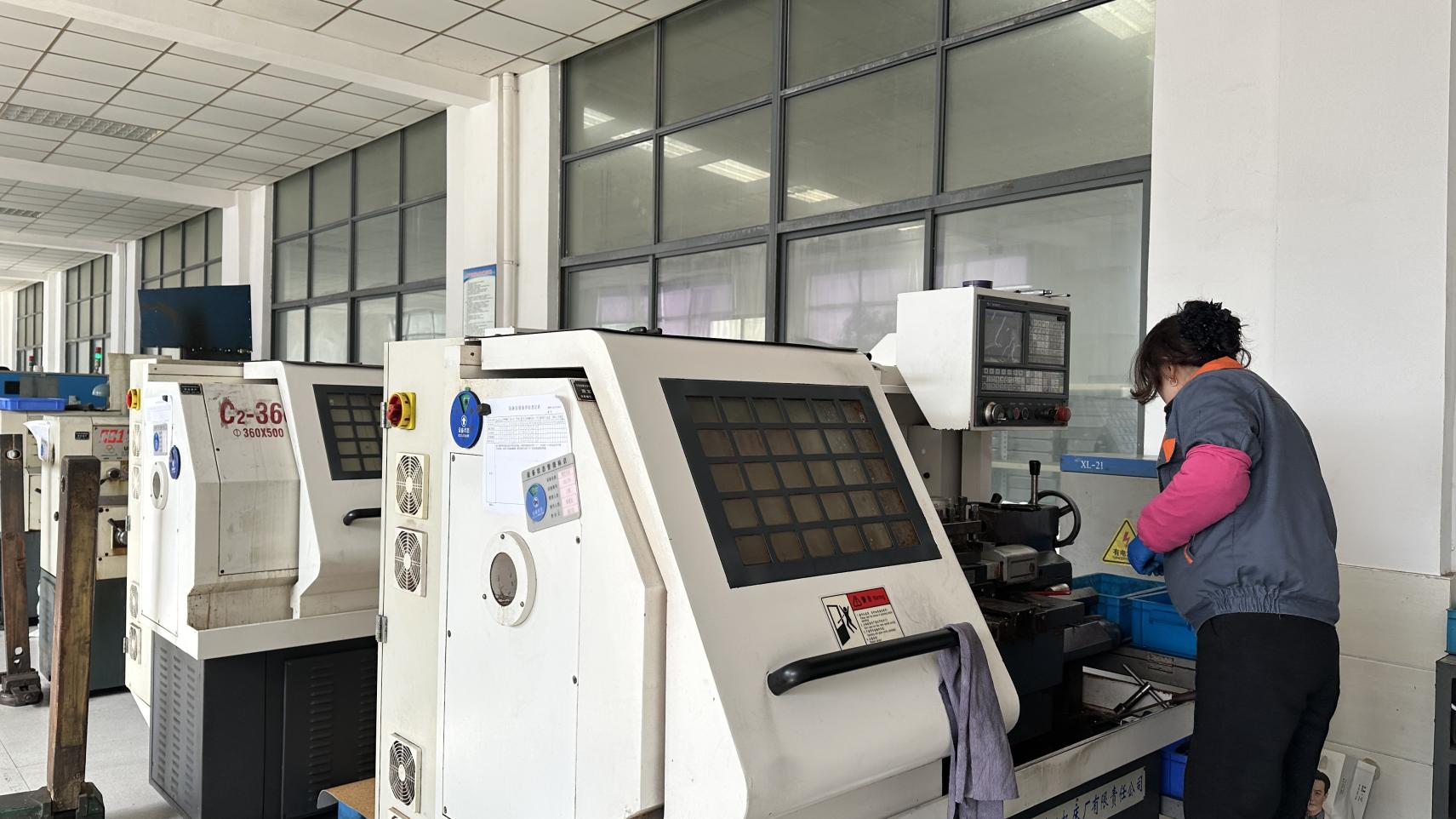
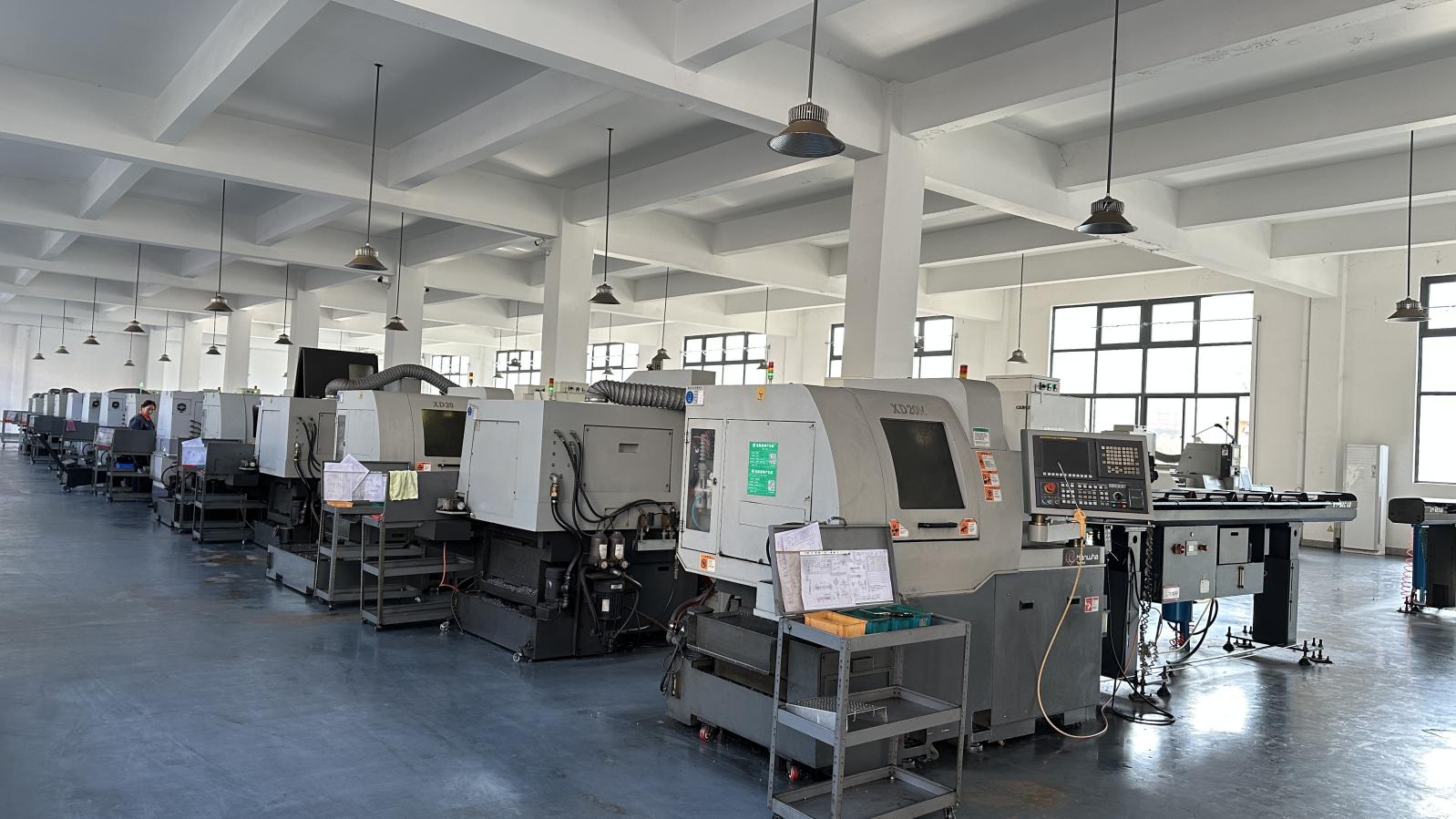
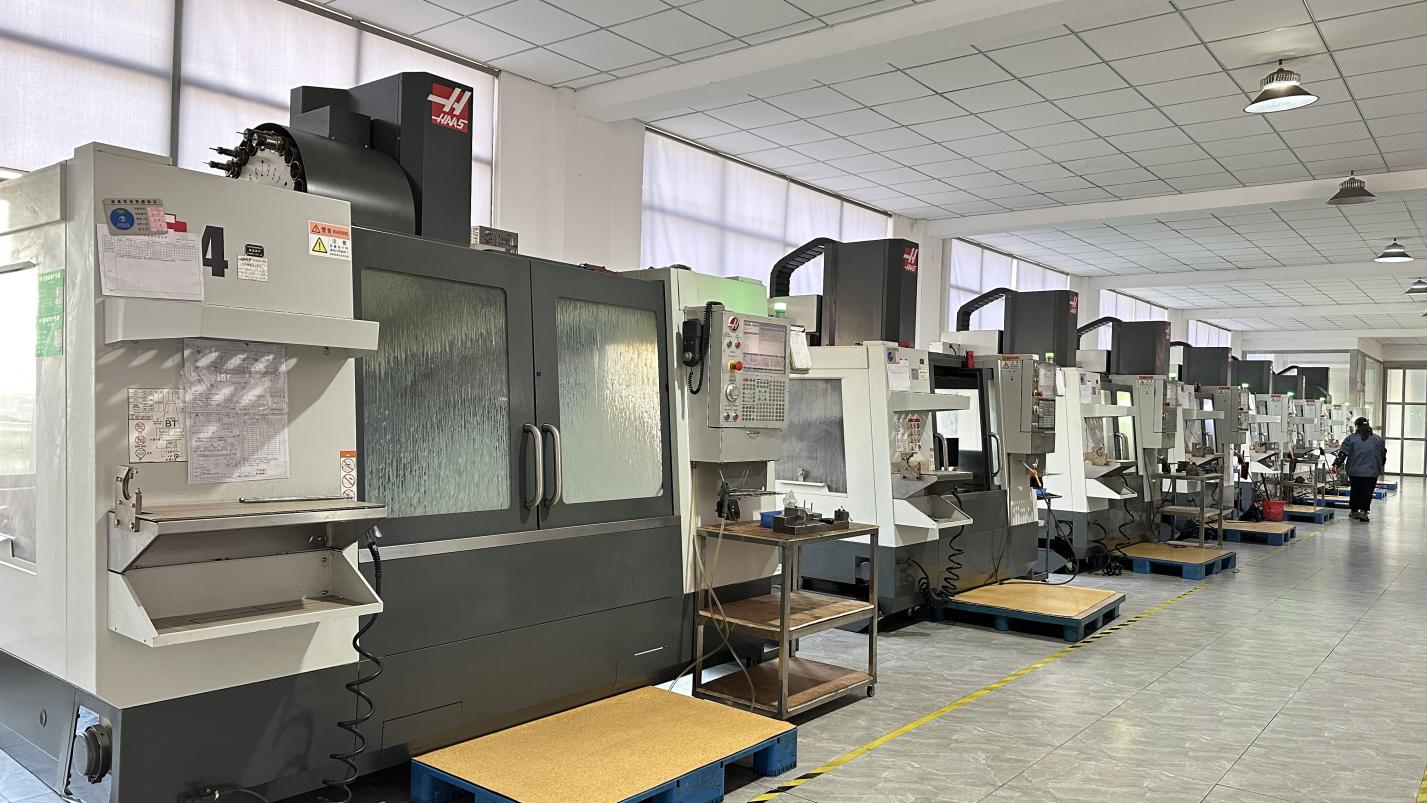
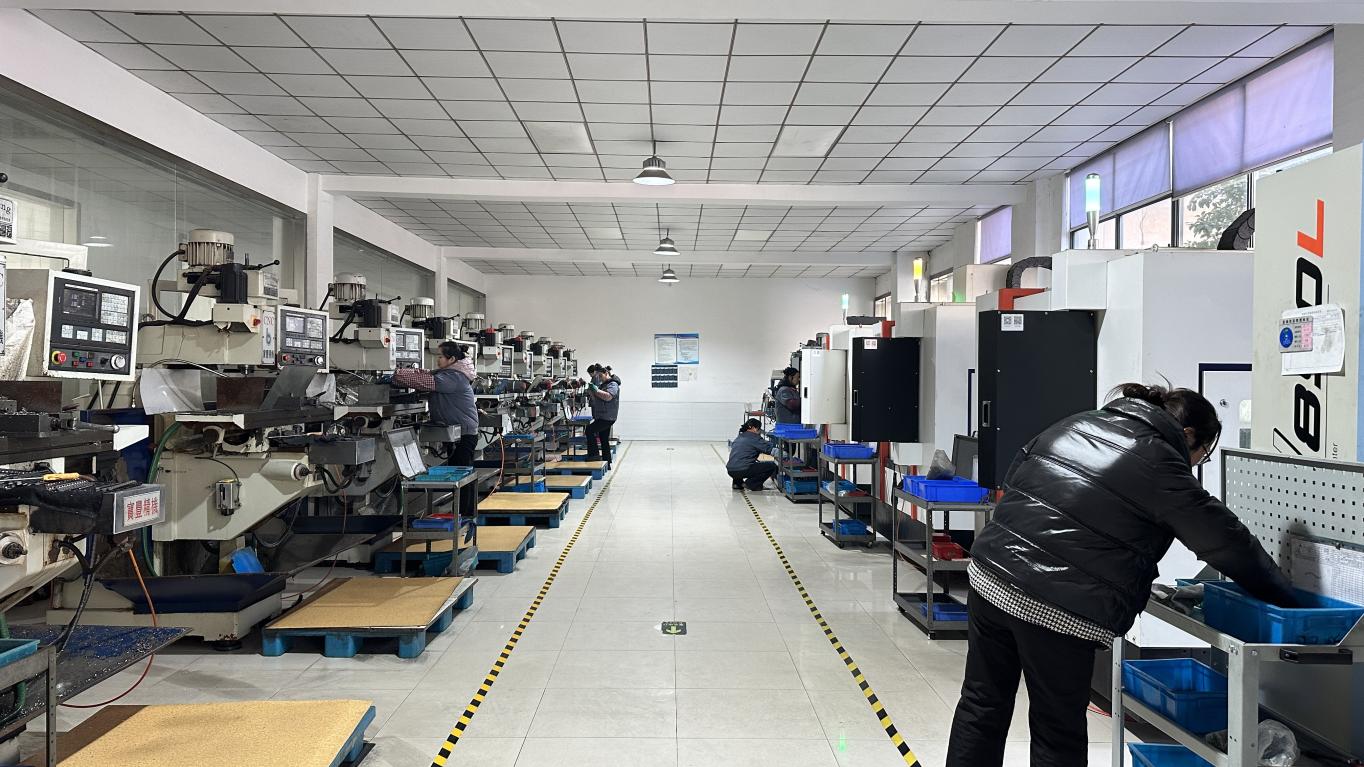
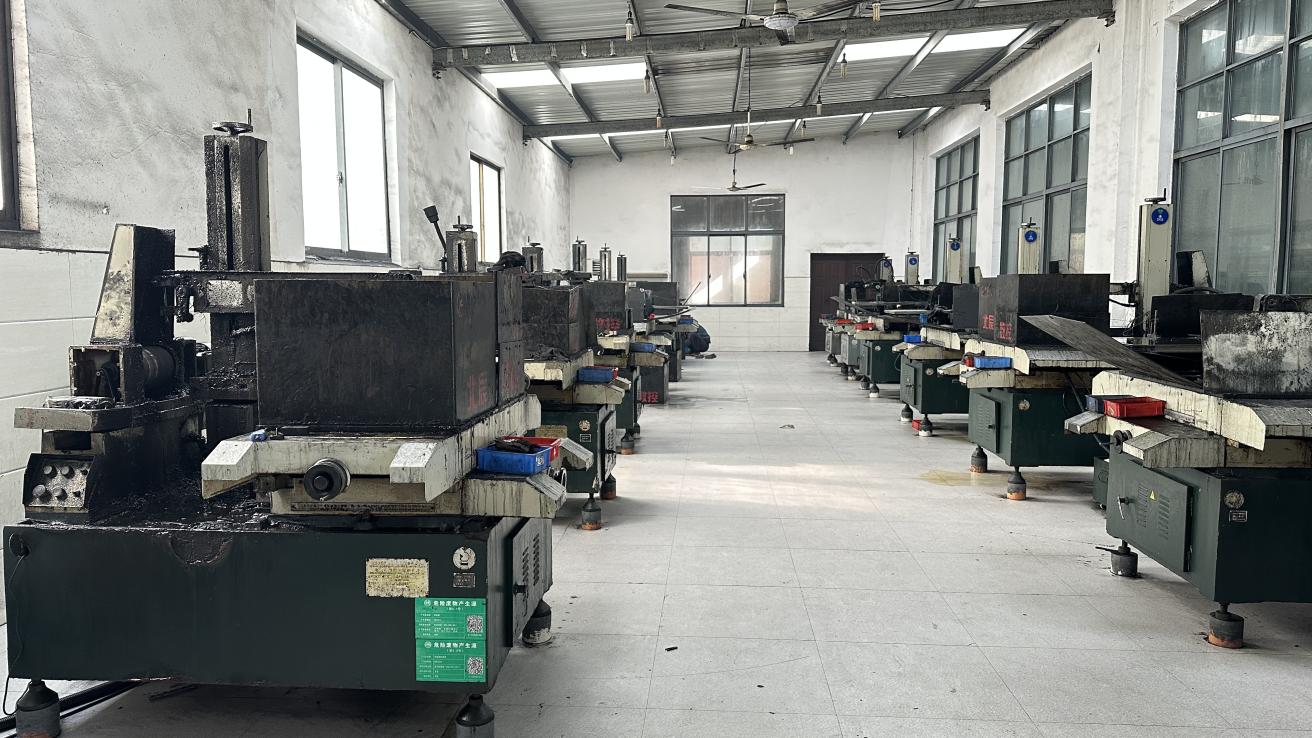

Delivering high-volume orthopedic solutions with consistent quality and reliable delivery schedules.
Medisplint maintains a robust logistics network to ensure seamless delivery to Portuguese distribution hubs. Working with freight forwarders experienced in temperature-sensitive medical transport, shipments are routed via major air freight networks to Humberto Delgado Airport (LIS) in Lisbon and Francisco Sá Carneiro Airport (OPO) in Porto. For sea freight, operations are managed through the Port of Sines and Port of Leixões, utilizing optimized custom corridors with pre-cleared HS tariff declarations for orthopedic appliances (HS Code 9021.90).
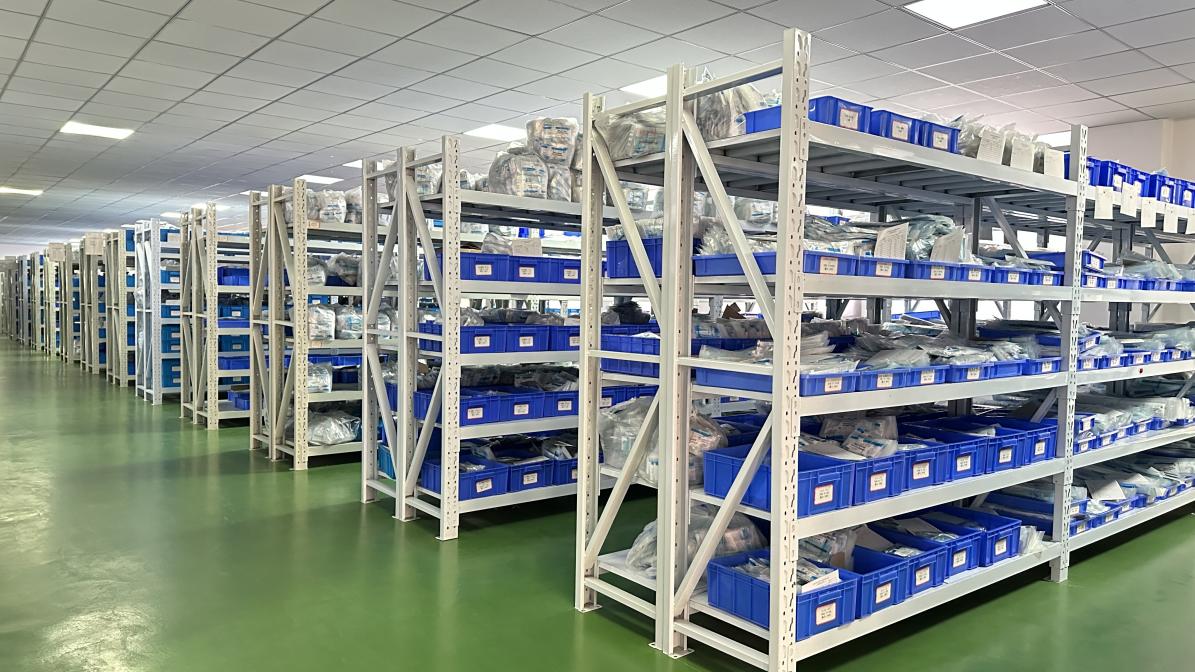
To reduce risk for local distributors, Medisplint offers comprehensive safety stock programs, holding buffer inventories of critical components like 11mm rods and standard pin clamps. This proactive management minimizes delivery delays, allowing Portuguese providers to maintain consistent service levels for elective and emergency orthopedic surgeries.
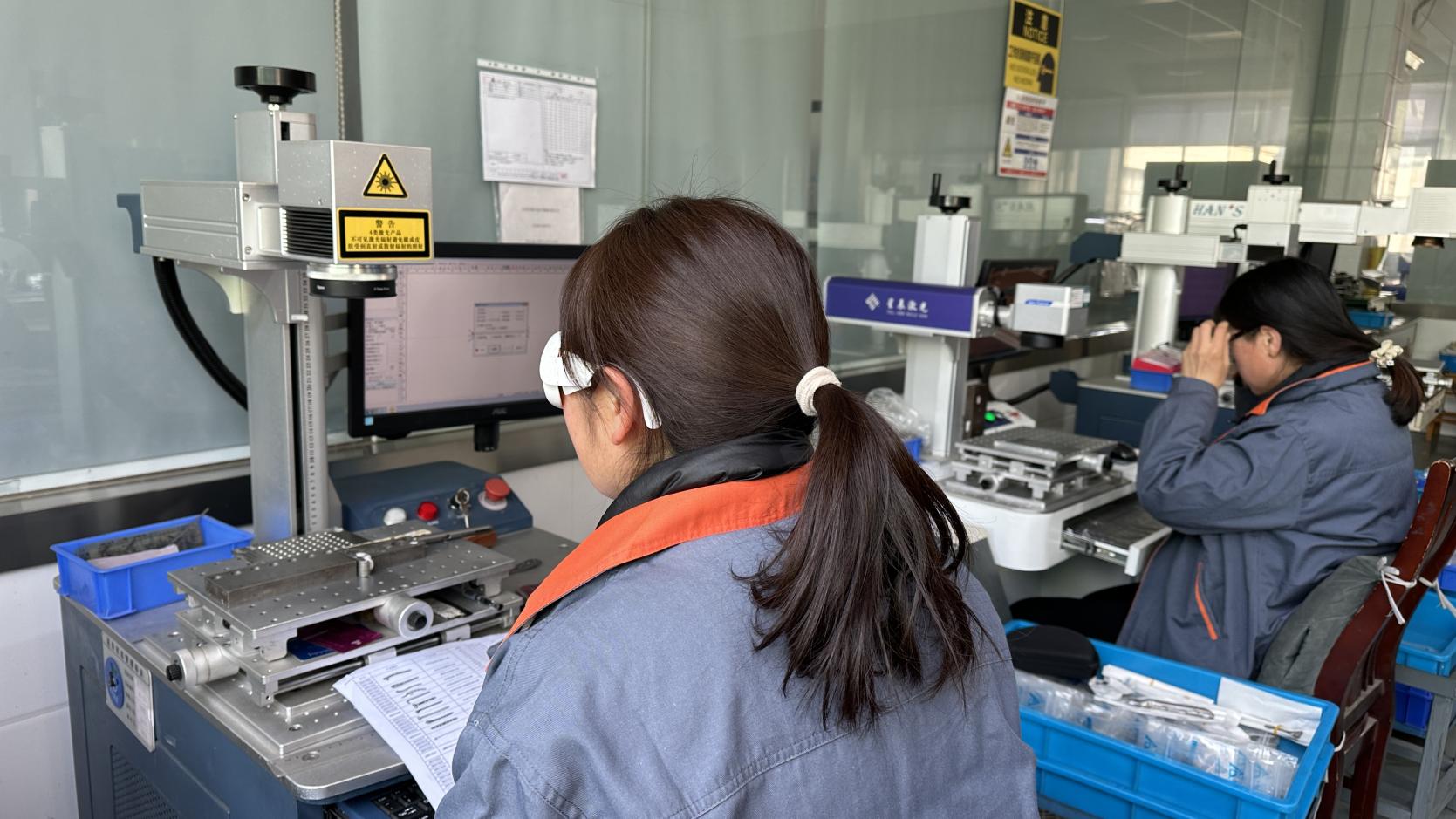
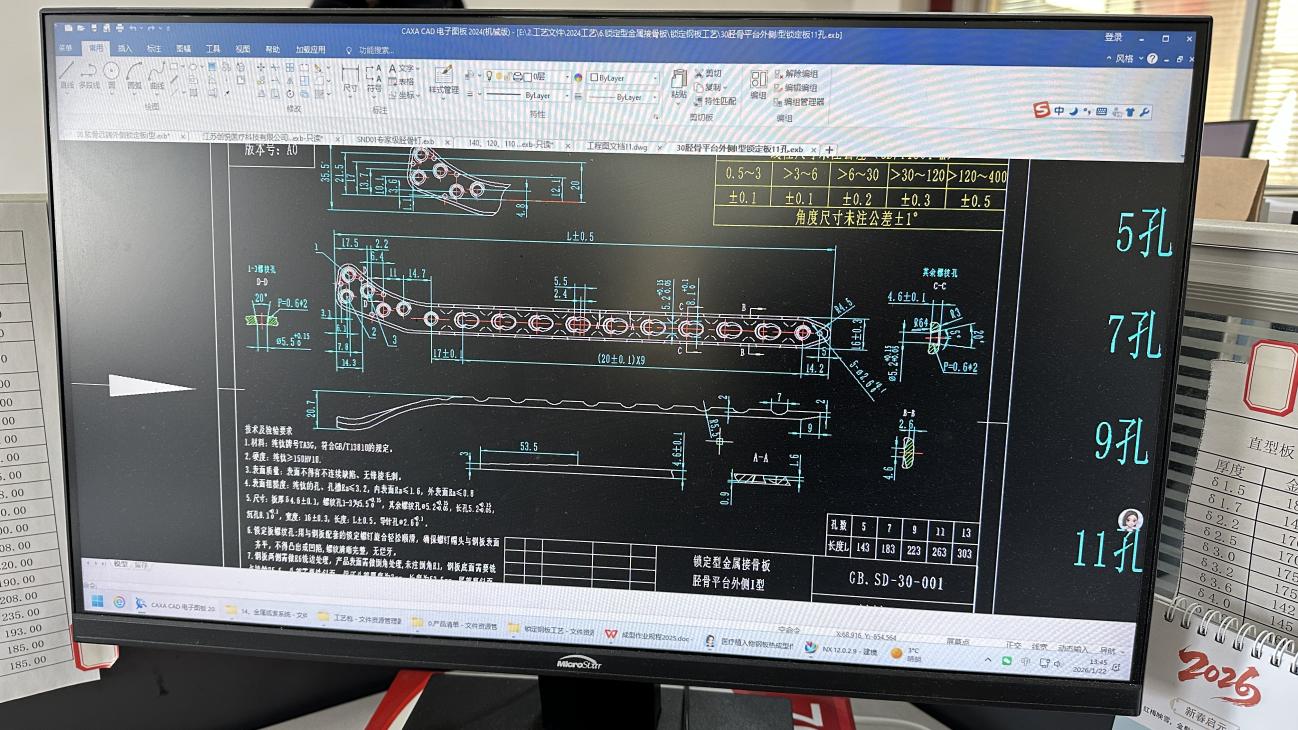
Recognizing the varied requirements of hospitals across different districts in Portugal, Medisplint offers tailored design modifications. Through our R&D department of 85 specialists, we provide customizations for specific clamp structures, personalized surgical instrument cases, and customized packaging styles. Local distributors can customize sizing configurations and laser-etch custom batch identification to align with local clinical preferences.
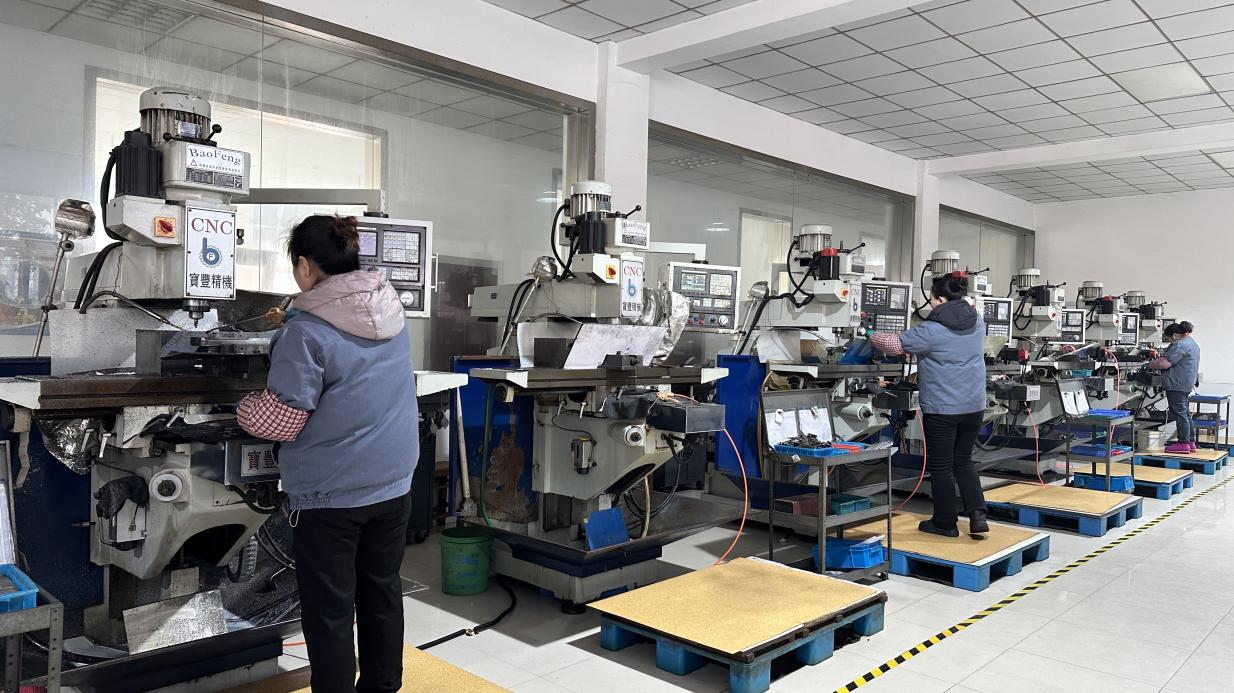
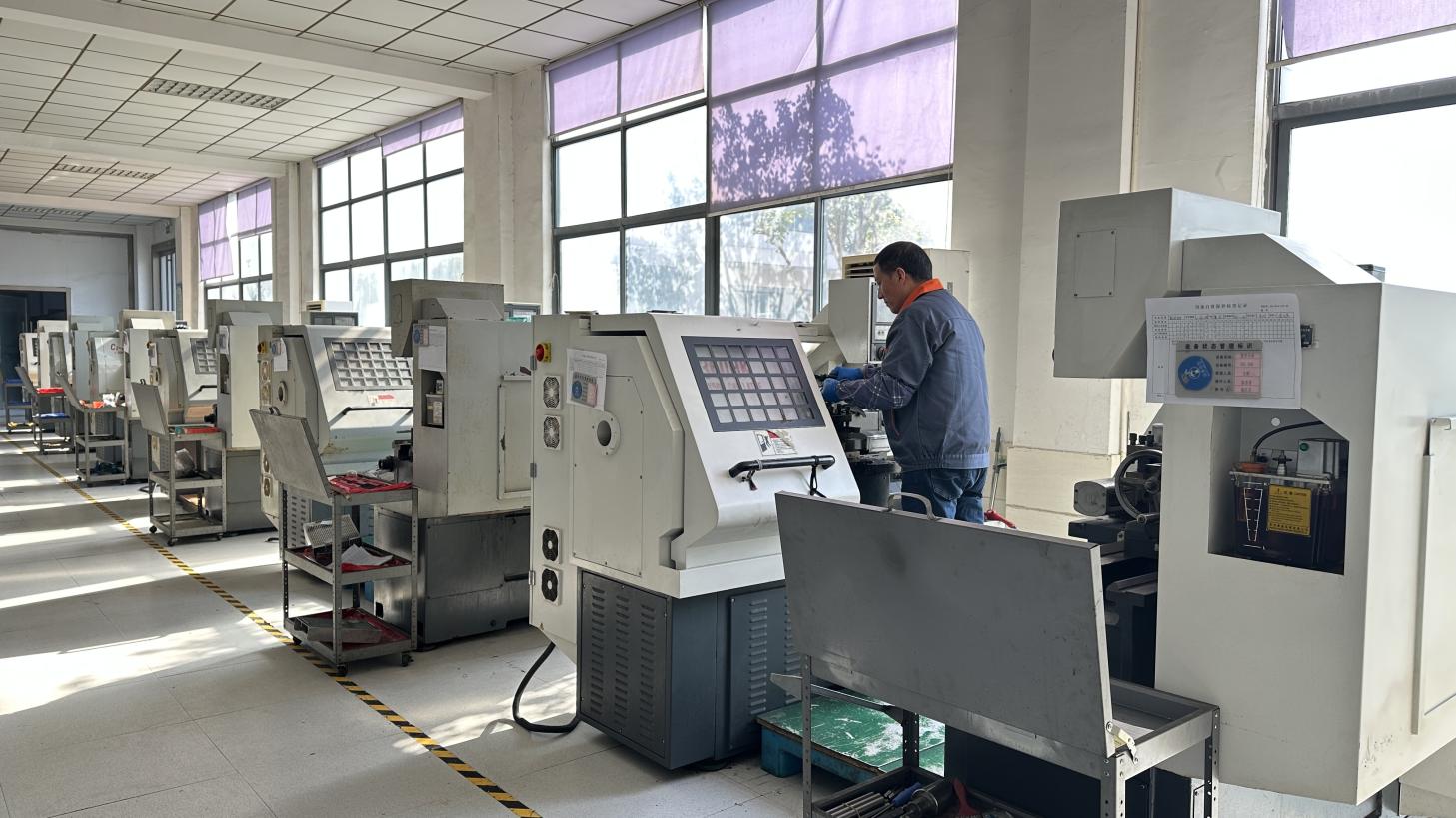
Our production facilities utilize modern multi-axis CNC machines to maintain tight dimensional tolerances (±0.01 mm) on critical connection surfaces. This precision ensures that customized products retain the same structural performance and tactile feedback expected by trauma teams during complex assembly procedures.
A comprehensive selection of orthopedic devices, surgical instruments, and trauma systems compliant with EU standards.
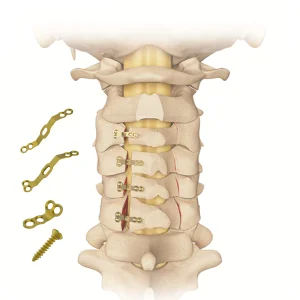
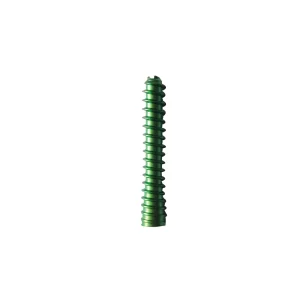
Technical and regulatory insights for hospital procurement managers and medical device importers in Portugal.
Get in touch with our product team to request a quote, technical files, or physical samples for clinical evaluation in the Portuguese market.
Send Inquiry Now