Medisplint
Medisplint
Medisplint
Explore our precision-engineered product line designed for internal and external bone fixation.
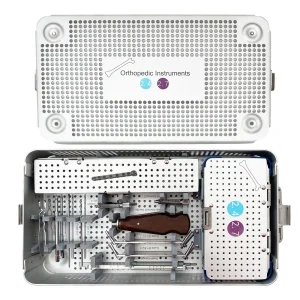
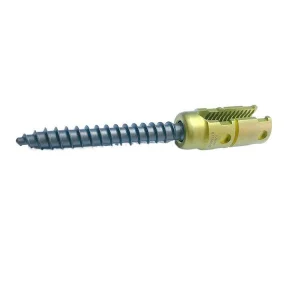
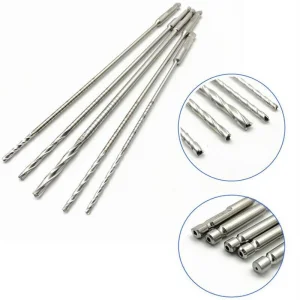
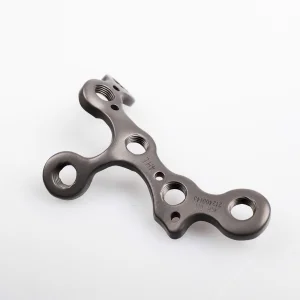
In the modern orthopedic field, fixation devices are the backbone of skeletal reconstruction and trauma surgeries. Cancellous screws are designed specifically for securing fractures and osteotomies in soft, trabecular (cancellous) bone structures. Because cancellous bone exhibits lower density and higher vascularity compared to cortical bone, screws designed for this application require unique geometrical profiles, including deep thread depths and a wider pitch. This configuration maximizes surface contact area and grip, providing exceptional pull-out resistance under tensile and shear loads.
Globally, the demand for high-grade orthopedic screw implants is rising due to an aging population, an increase in sports-related fractures, and growing accessibility to trauma surgeries in developing nations. Medical professionals and procurement officers place top priority on materials that ensure high biocompatibility, high fatigue limit, and minimal image artifacting during post-operative MRI or CT scans.
Why leading healthcare procurers select Medisplint for mass scale orthopedic component sourcing.
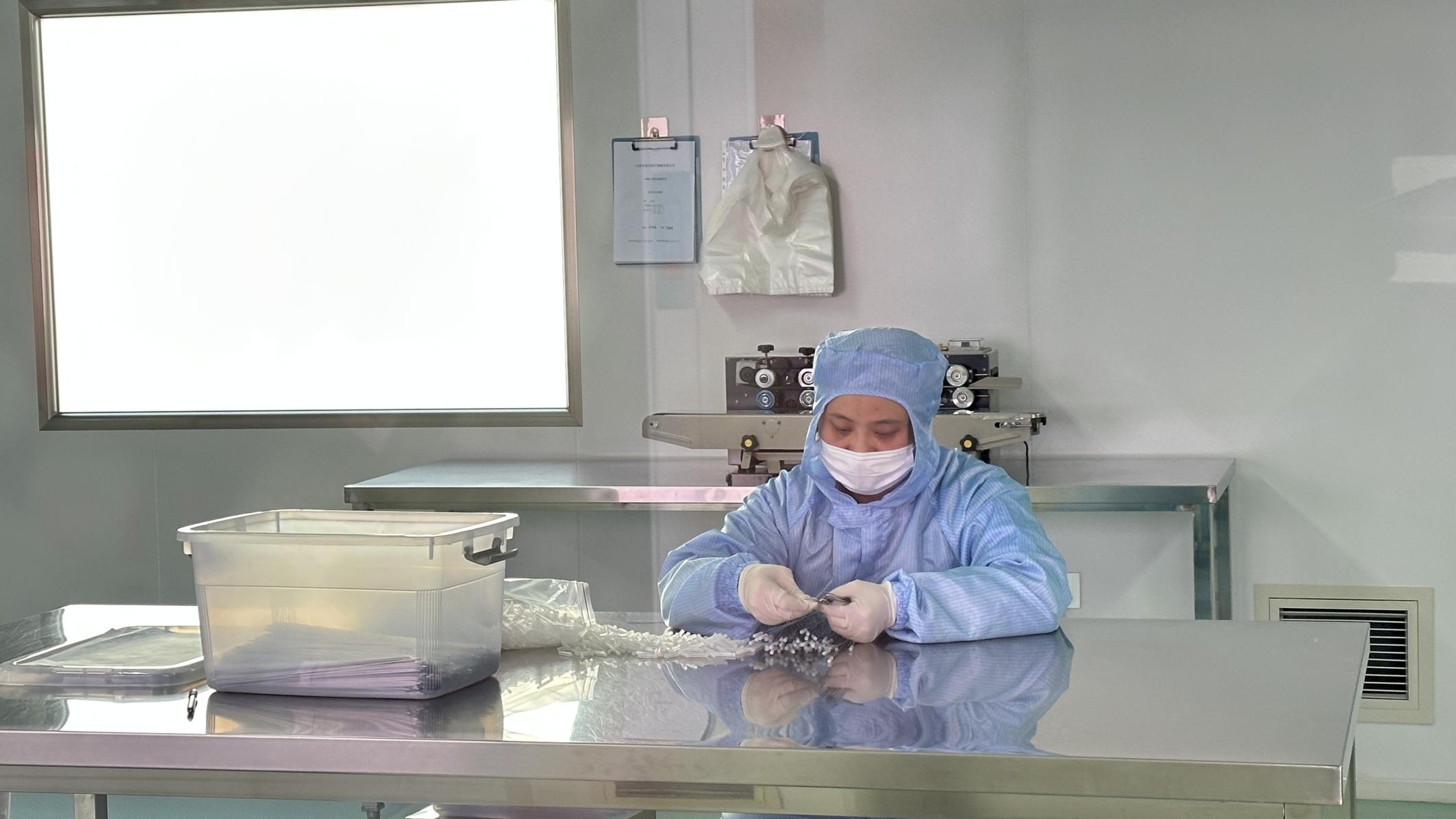
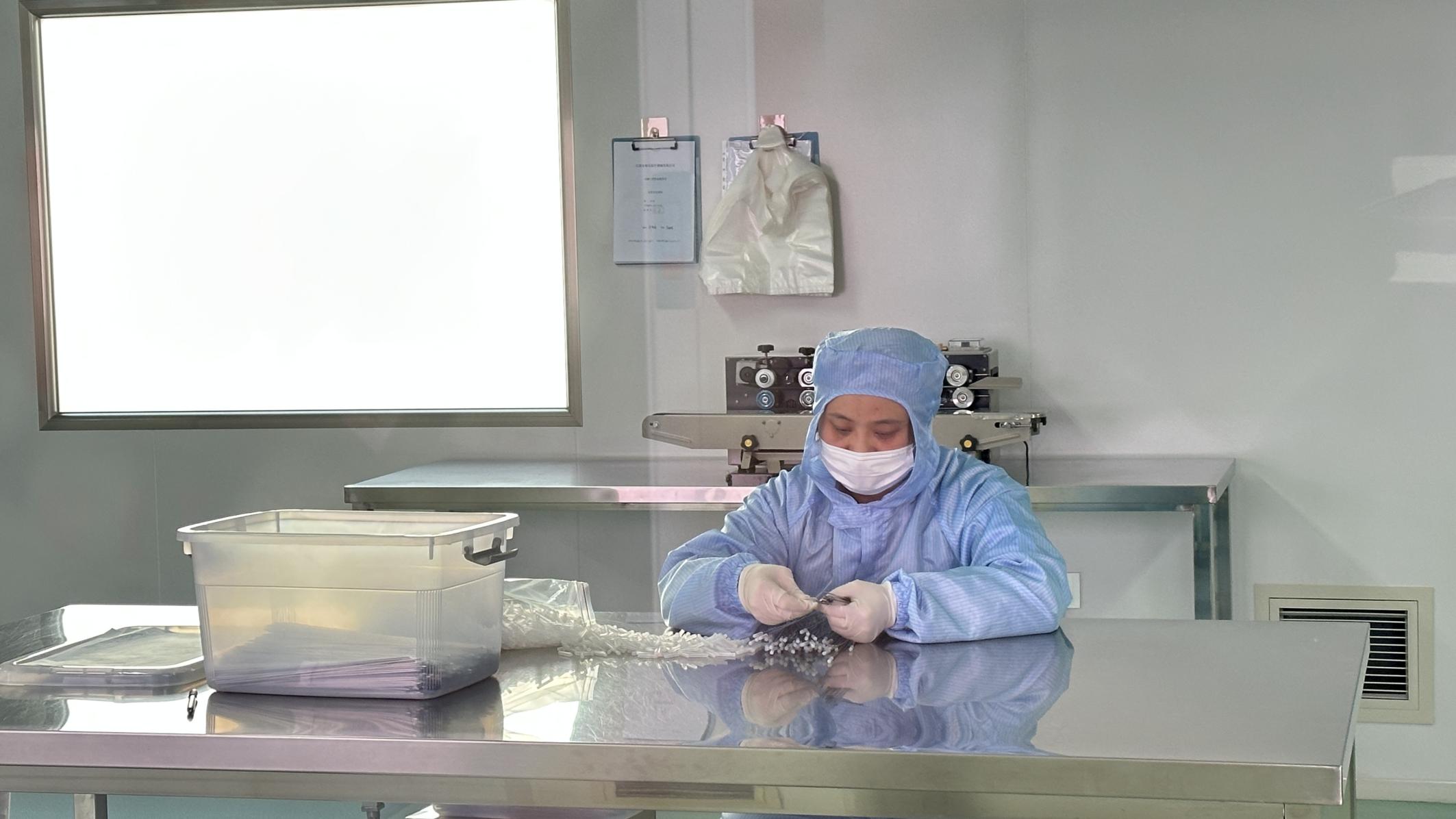
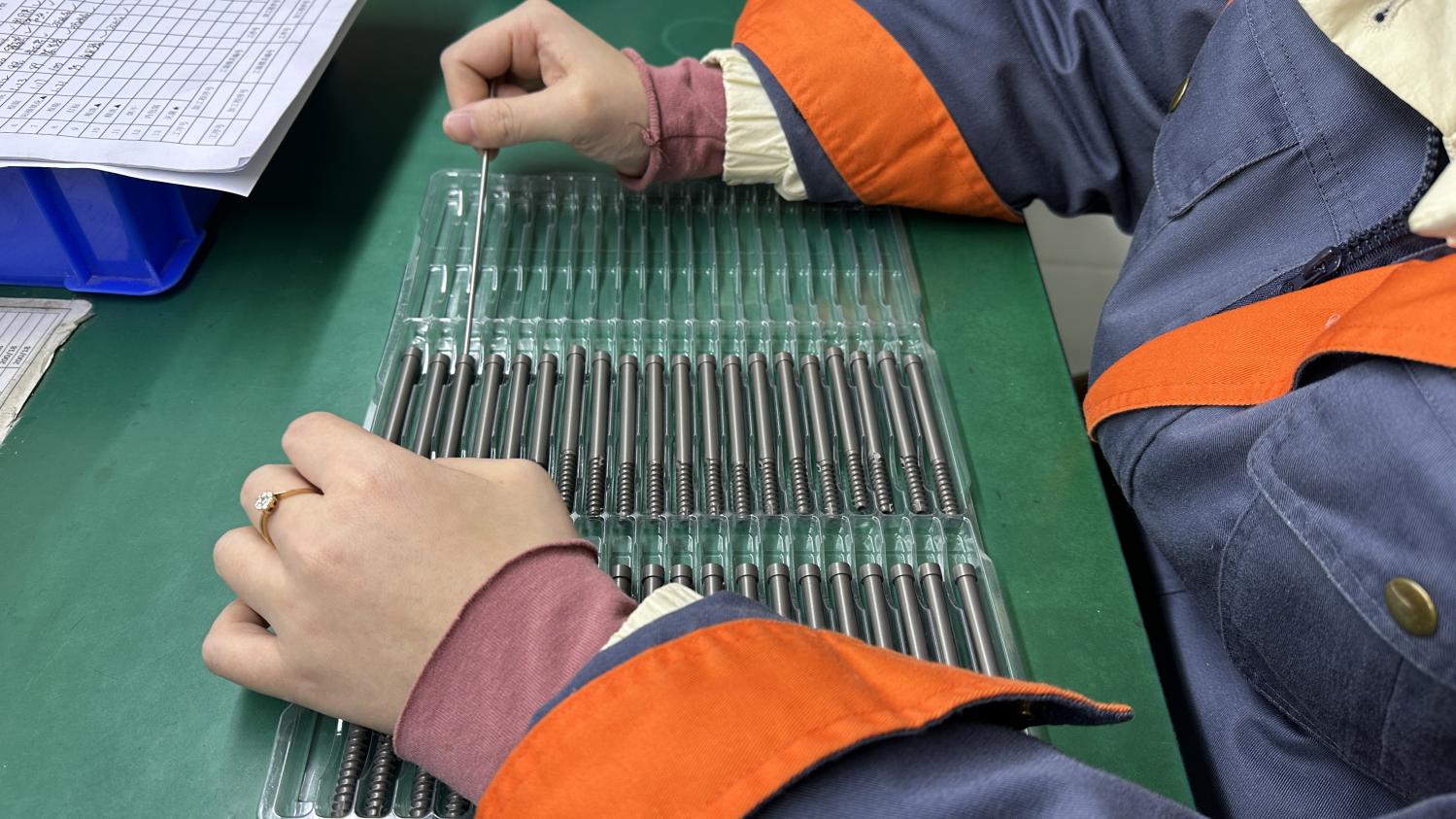
Medisplint Orthopedic Instruments Co., Ltd., founded in 2016, has successfully merged local high-speed industrial supply chains with global medical standards. Situated inside an advanced 18,500㎡ facility, we control every single process step from material acquisition to automated CNC thread cutting, surface passivation, and sterile barrier packaging.
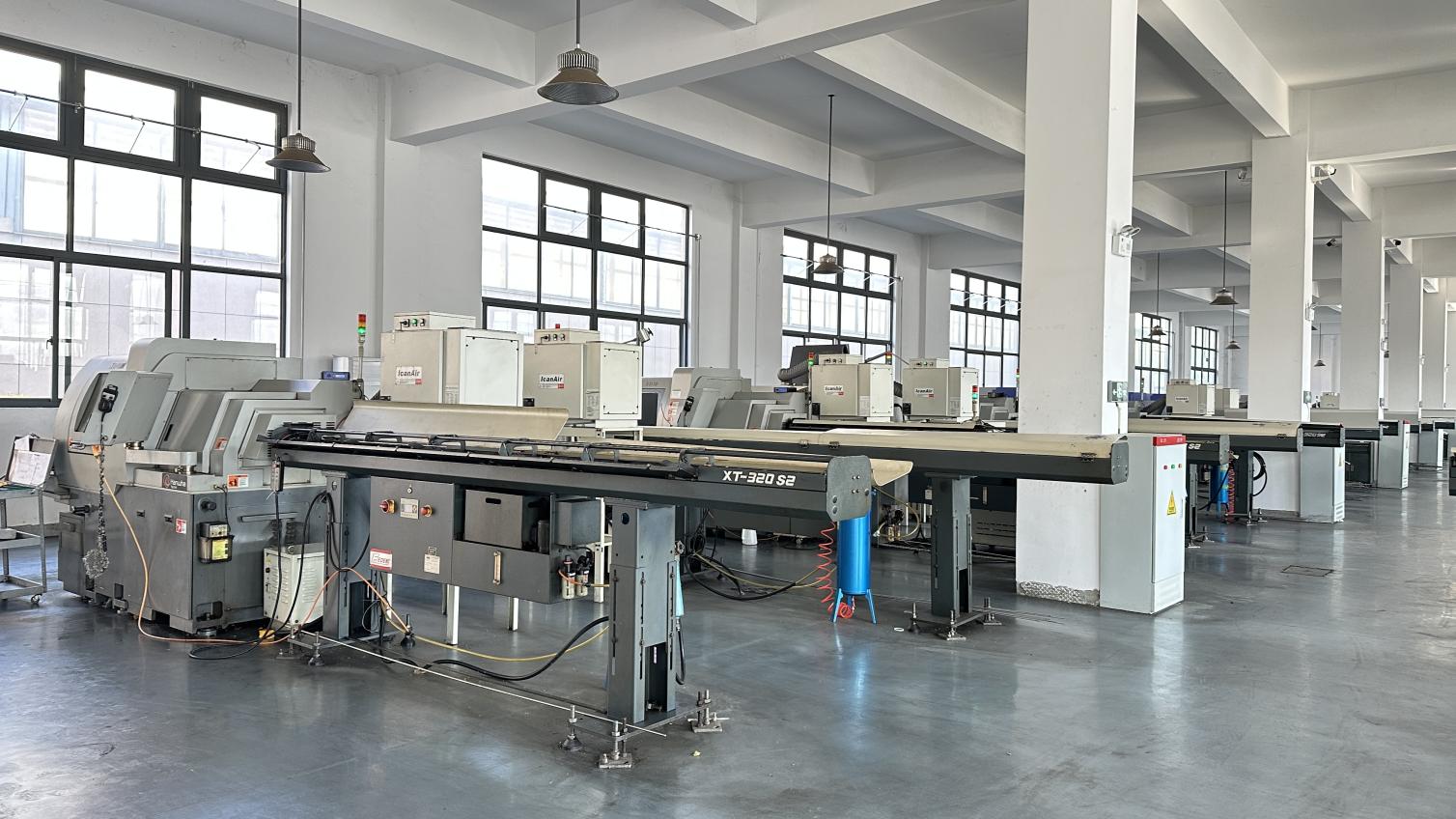
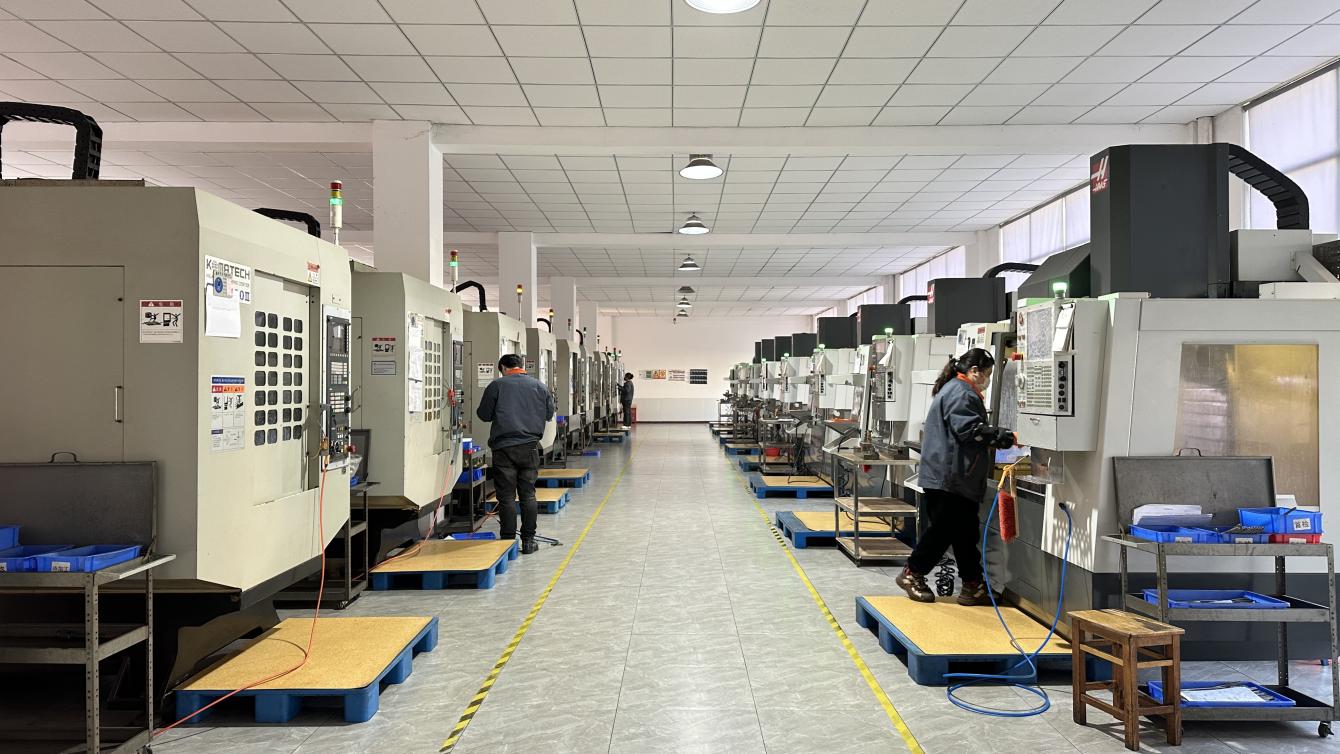
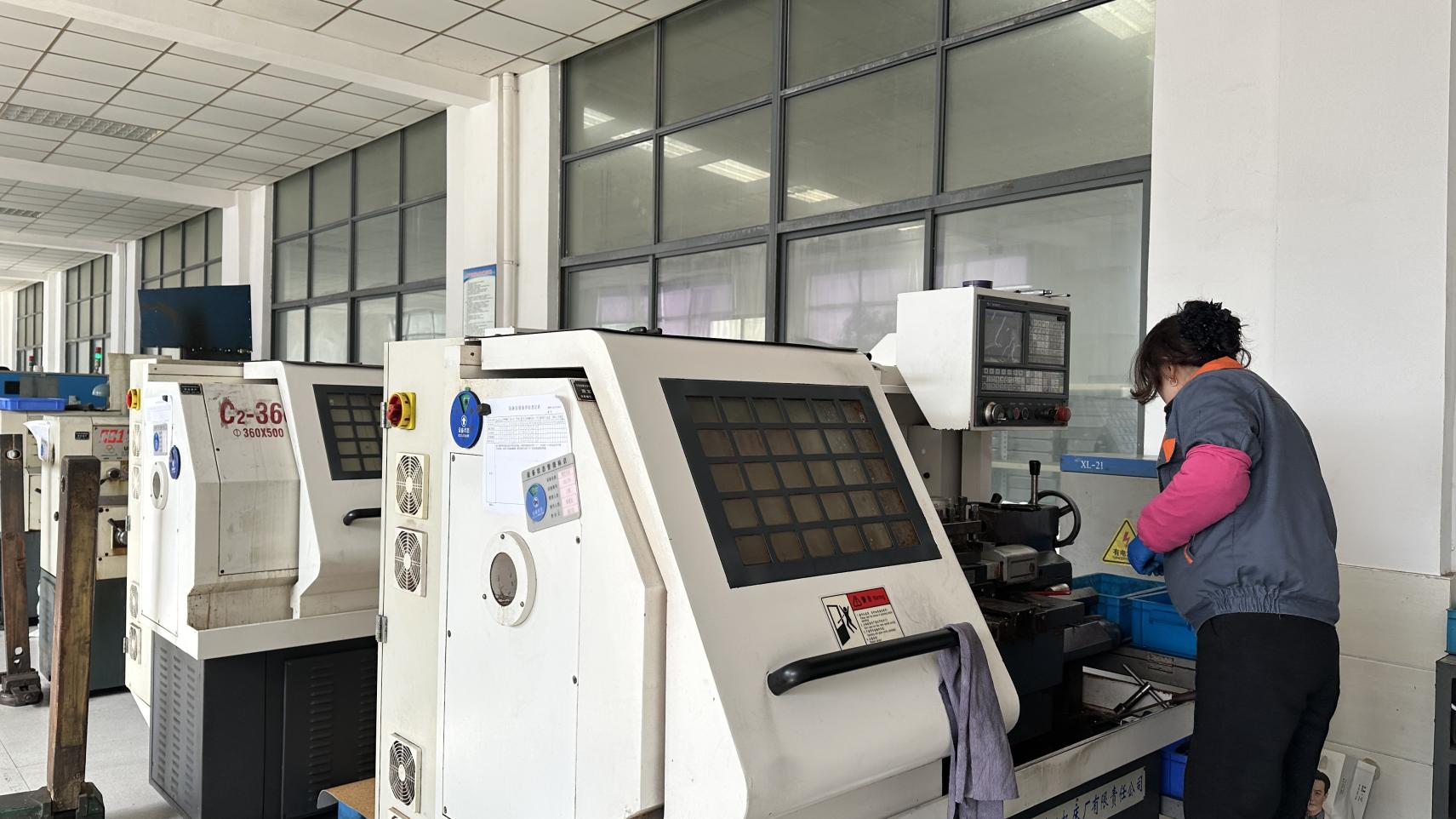
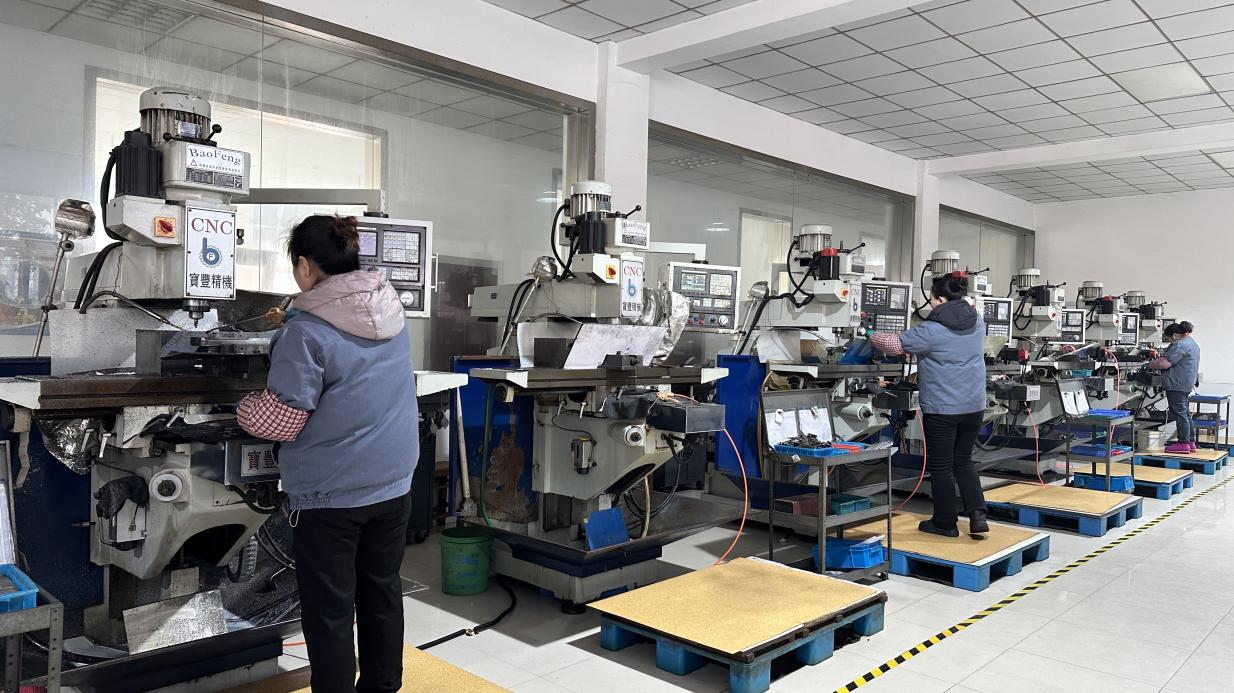
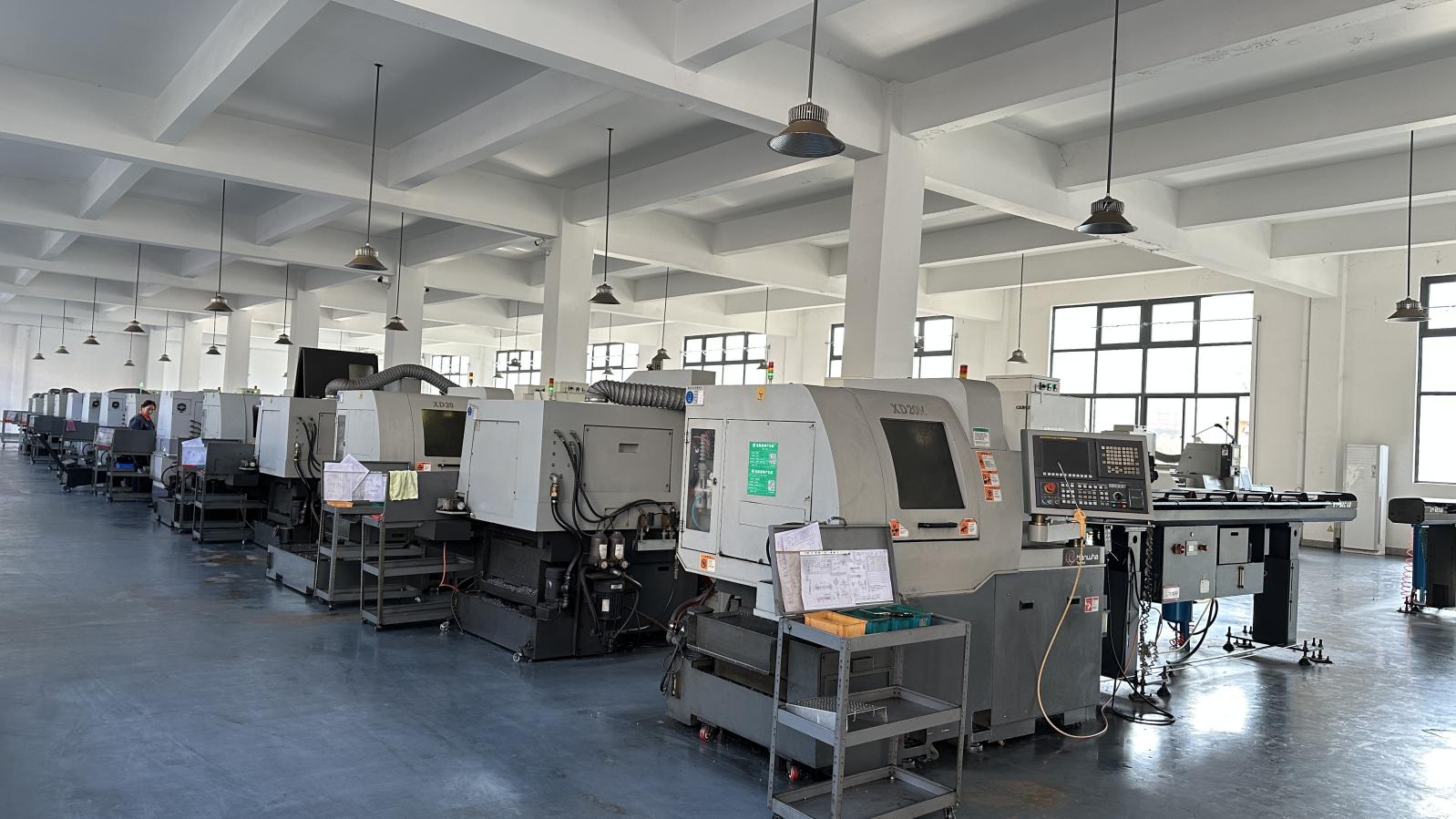
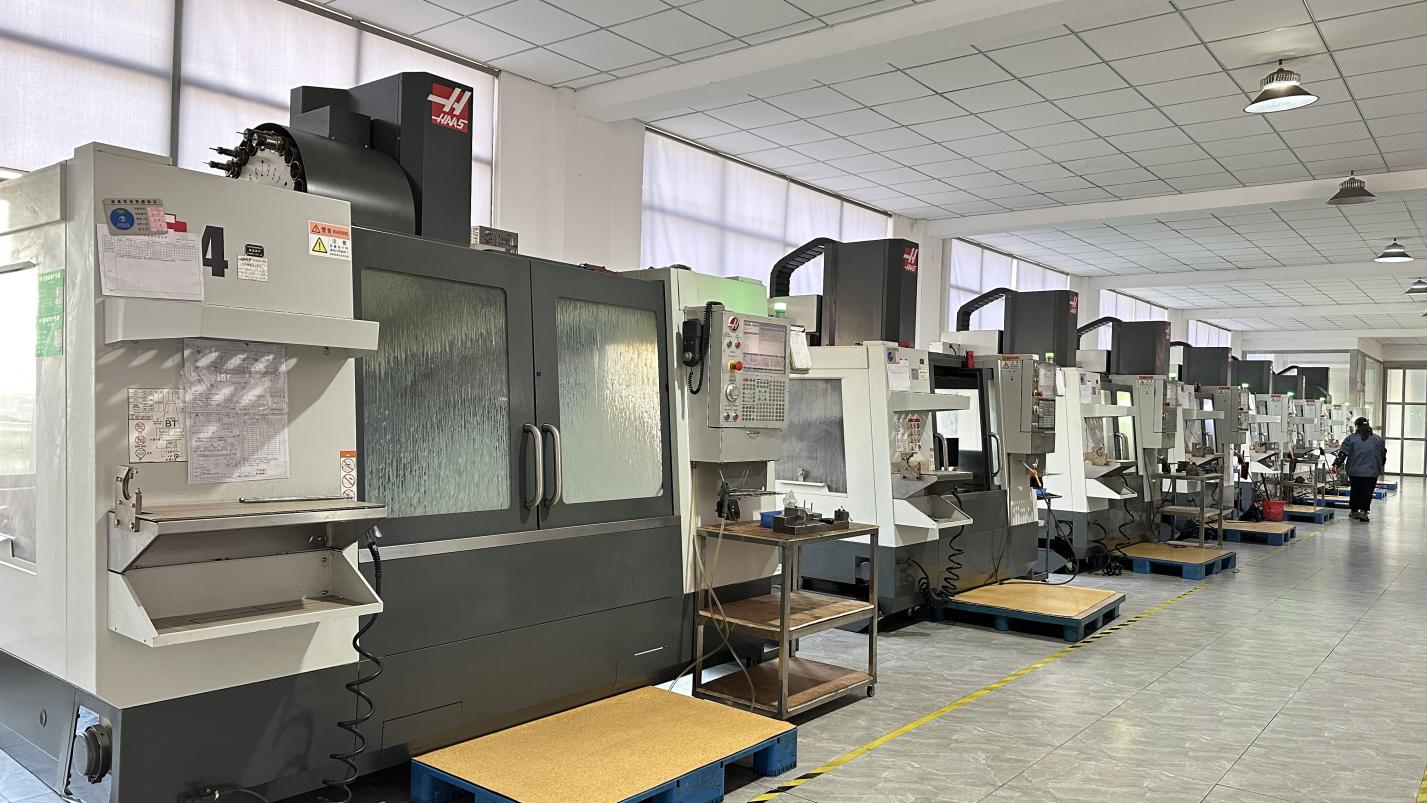
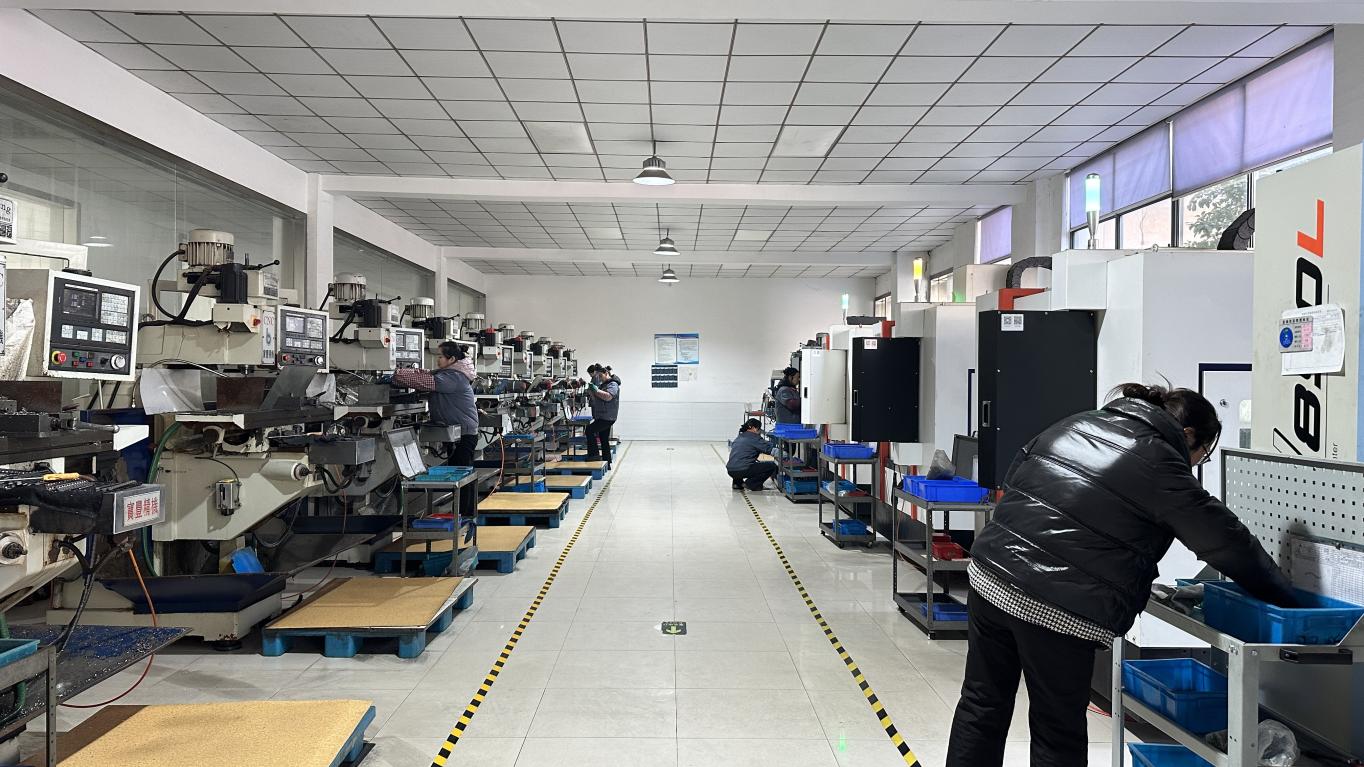
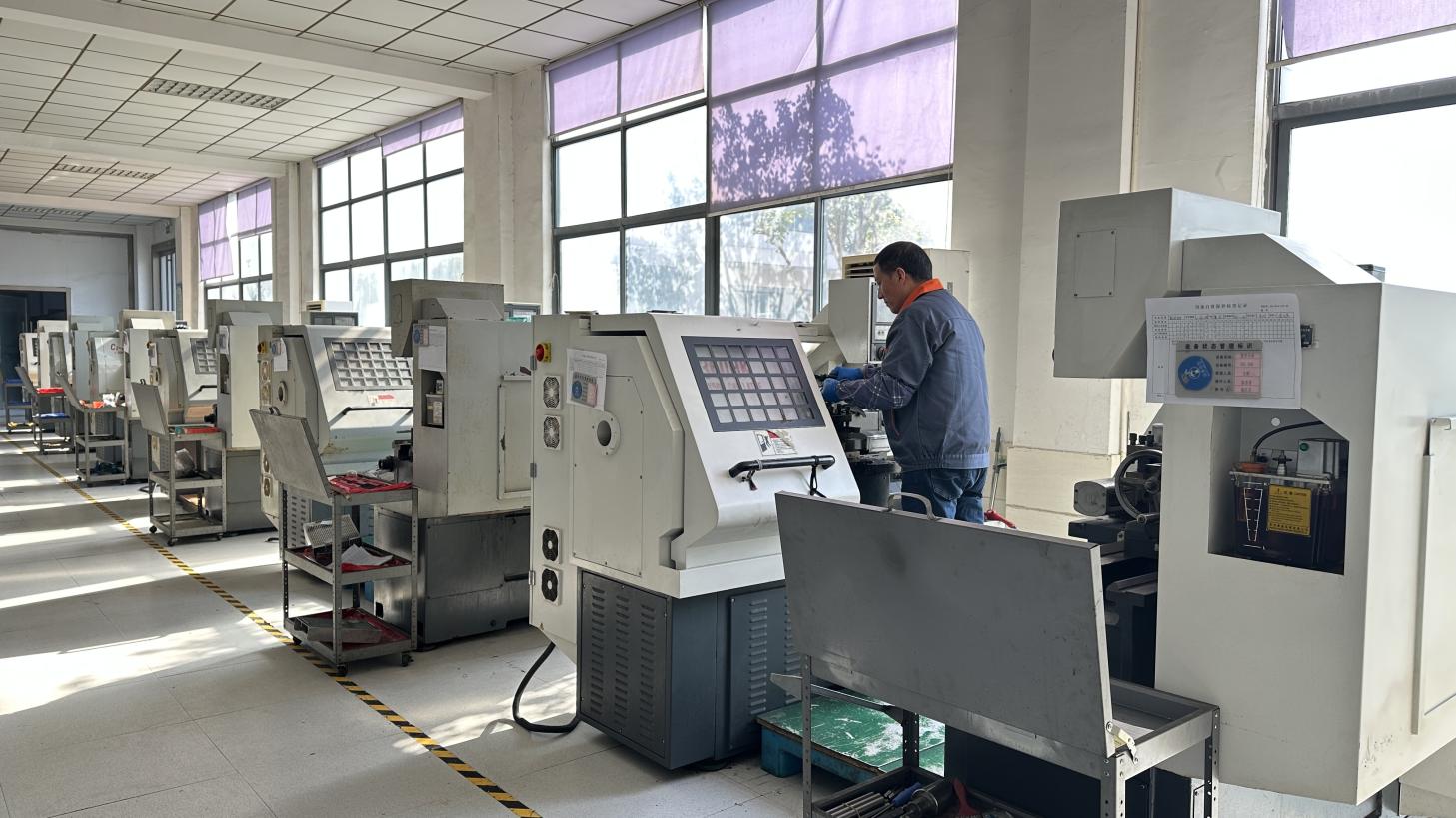
Our factory relies on automated high-precision Swiss-type lathes and CNC multi-axis milling units. This equipment maintains tolerances within micrometers, ensuring high dimensional accuracy across large-volume production runs. Because we collaborate with over 1,200 raw material and logistics supply chain partners in China, we are able to bypass standard logistics bottlenecks and reduce raw material lead times by up to 35% compared to Western manufacturers.
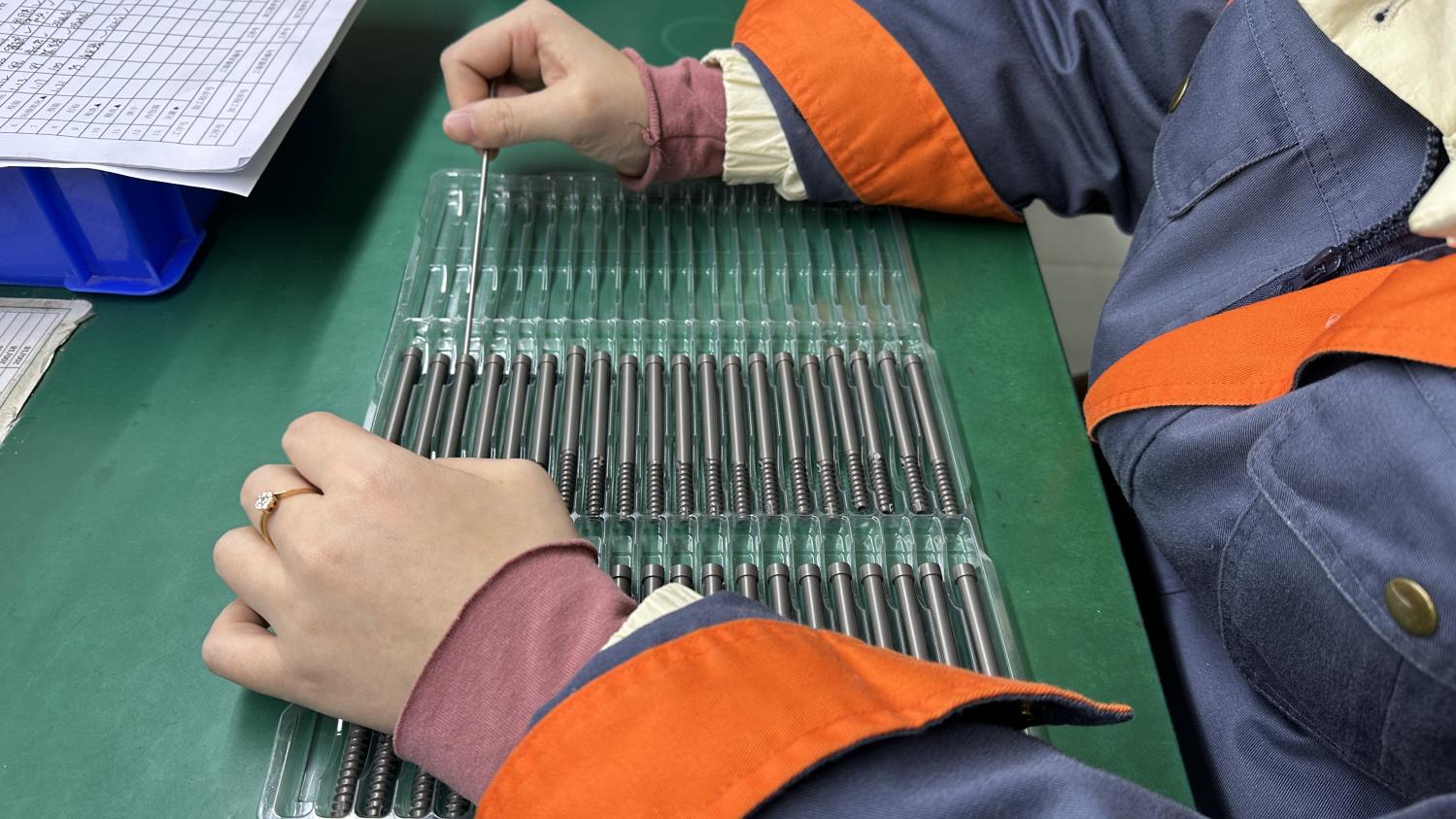
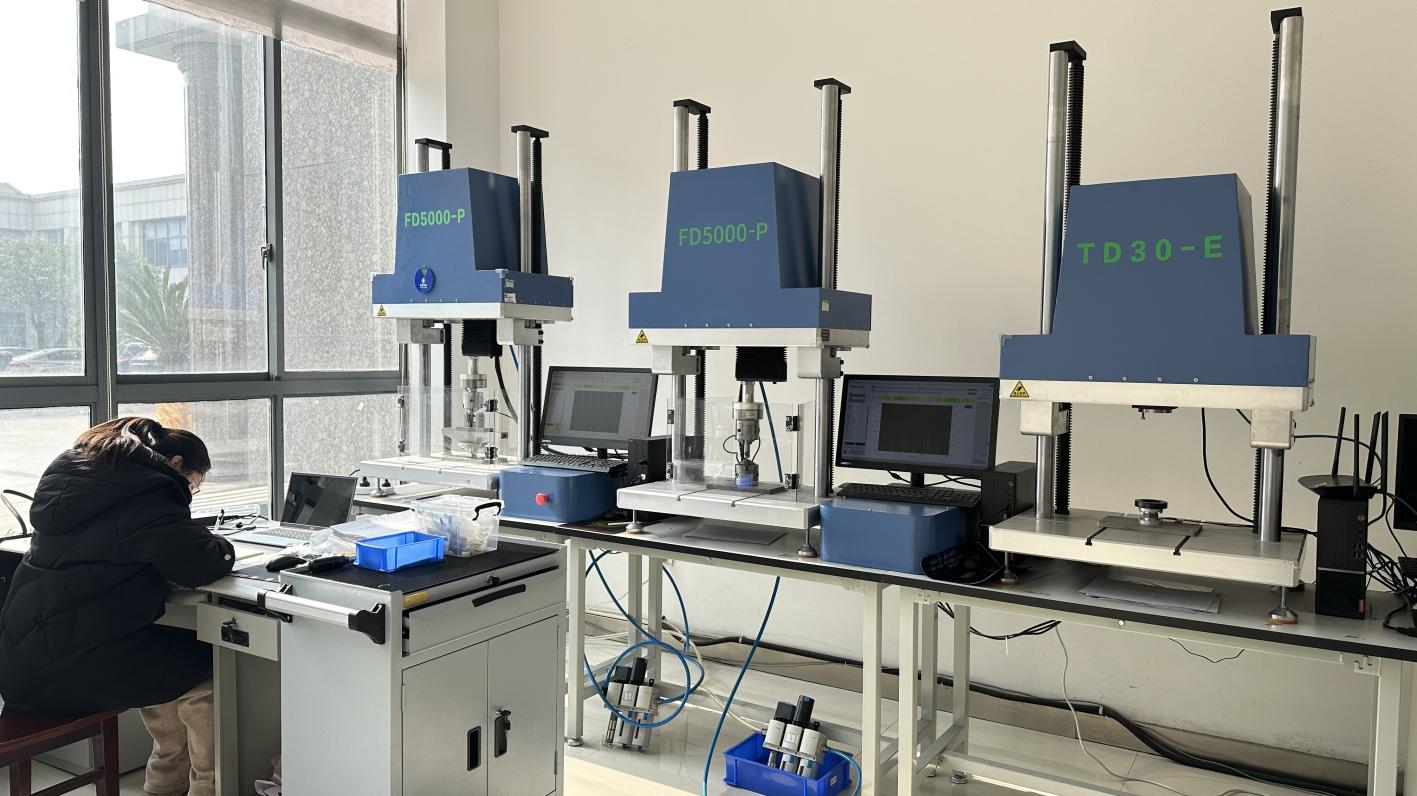
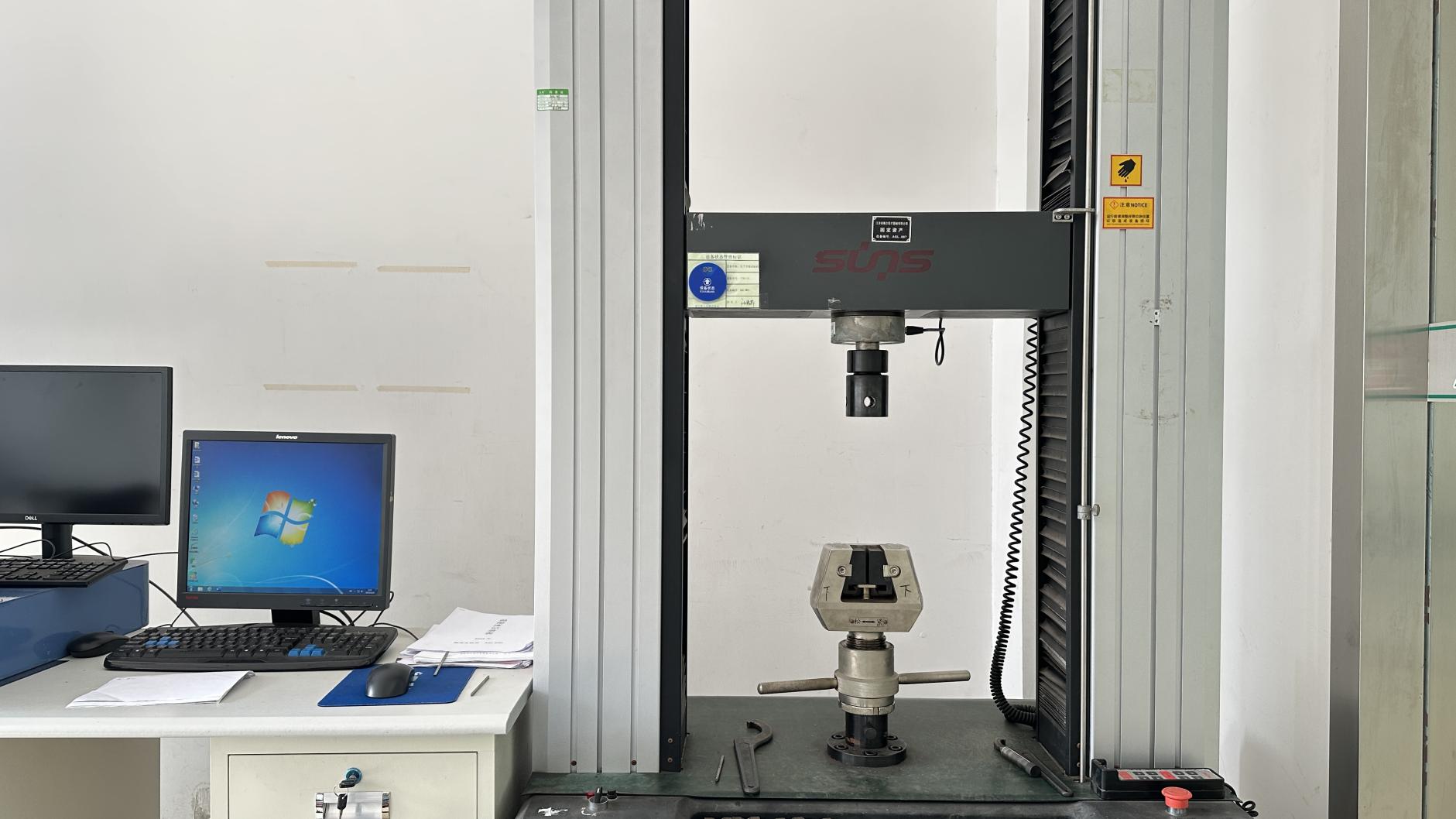
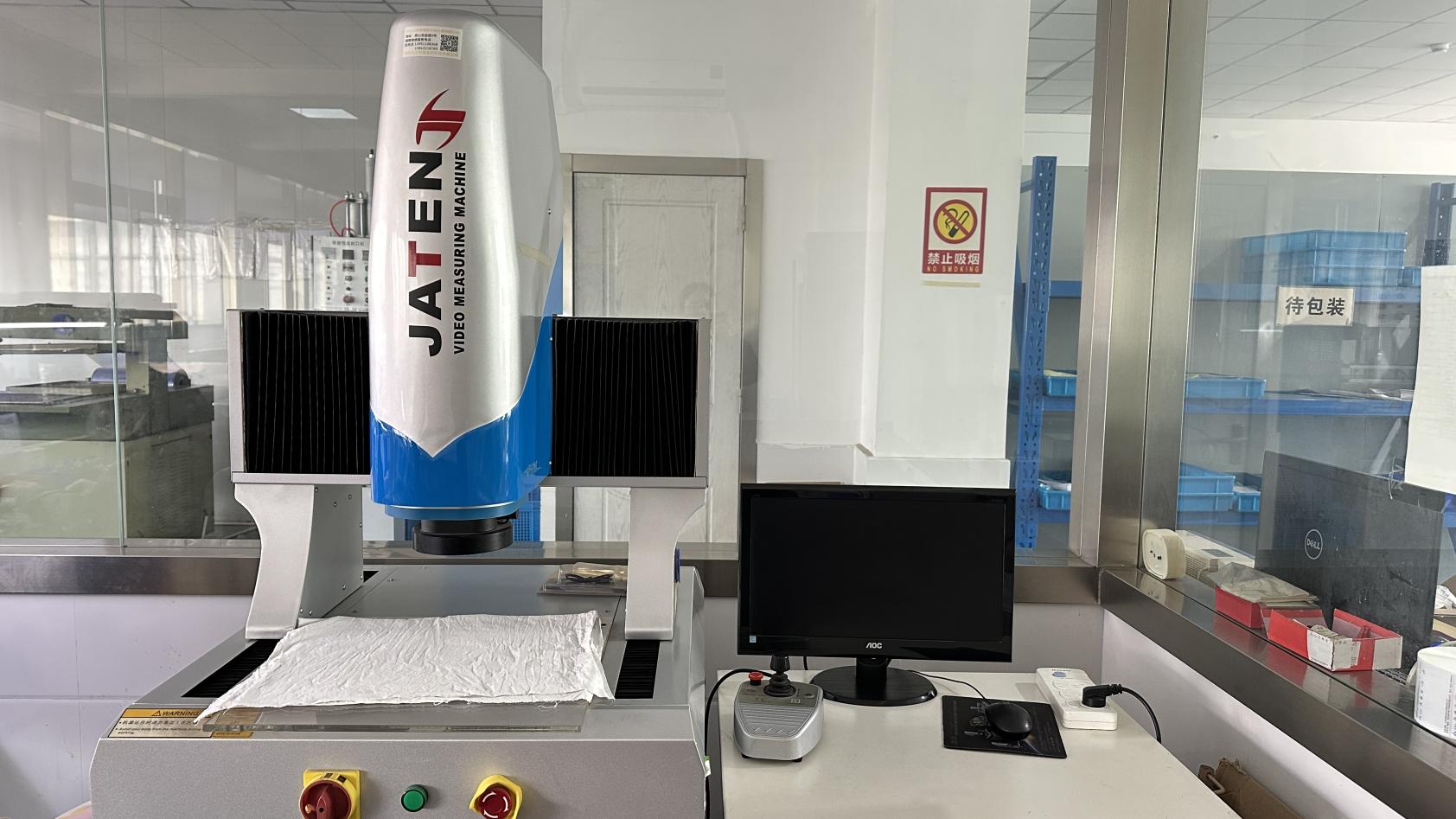
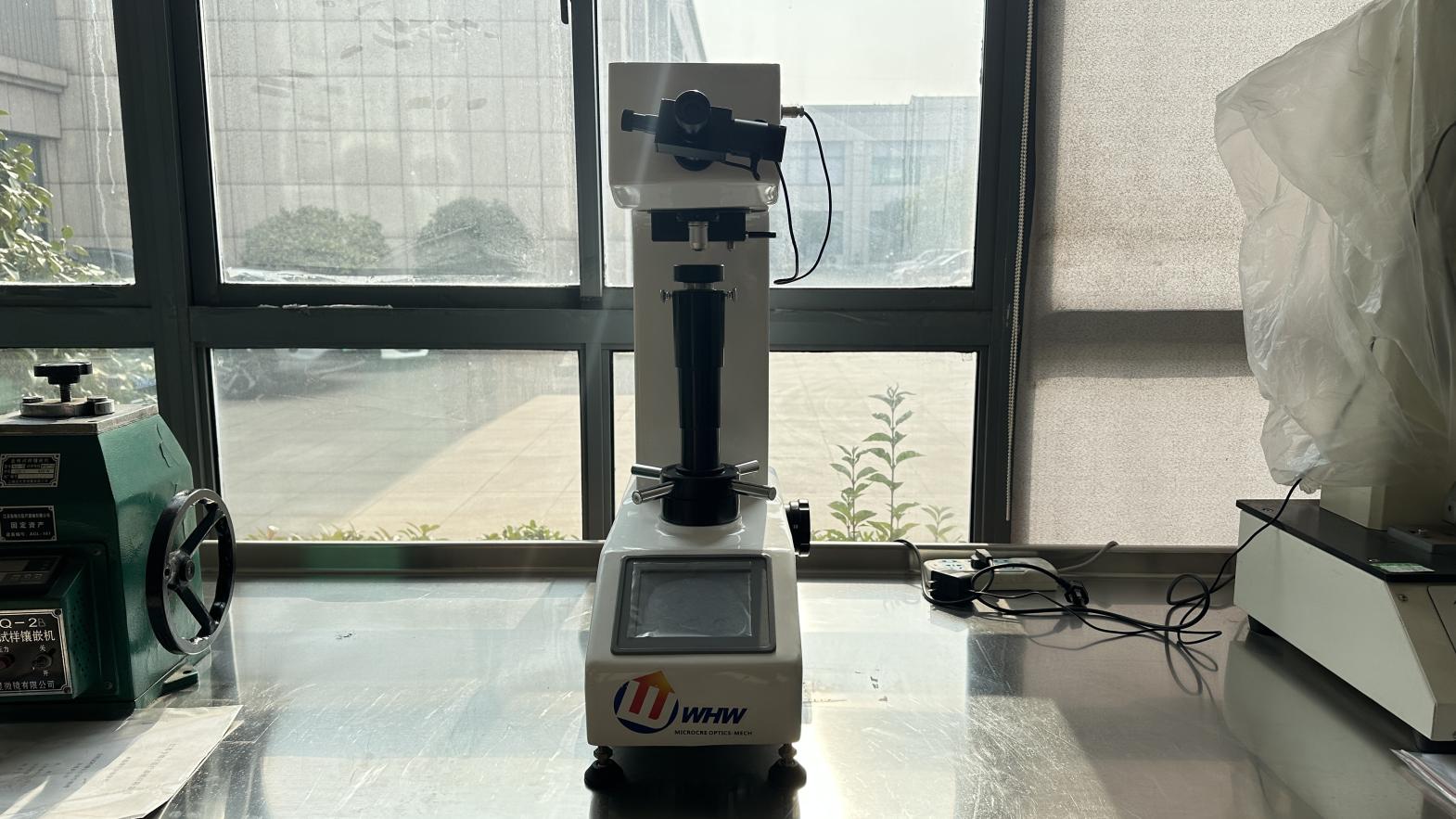
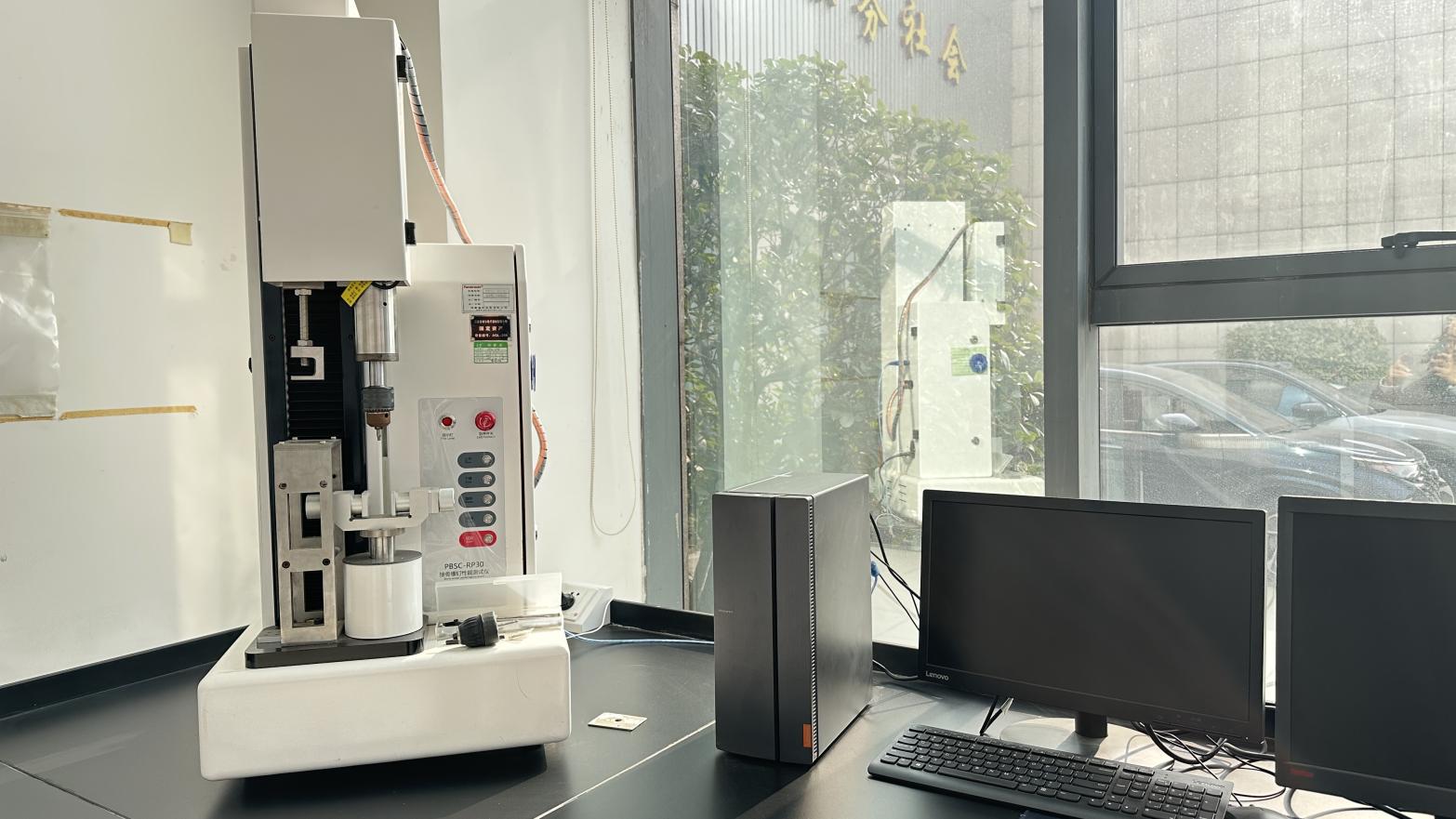
This structural advantage lowers the overall cost-of-goods-sold (COGS) without sacrificing mechanical strength, thread pitch integrity, or surface passivation qualities. Every single batch is verified in our physical and chemical testing laboratory using modern fatigue testers, tensile analyzers, and digital projectors.
| Performance Metric | Cancellous Screw Specification (Ti-6Al-4V ELI) |
|---|---|
| Standard Designations | ISO 5832-3, ASTM F136 Compliance |
| Core Diameter | 2.0mm - 4.5mm (Tolerance: ±0.015mm) |
| Thread Styles | Deep profile, fully threaded & partially threaded options |
| Tensile Strength | ≥ 860 MPa (Providing strong torque retention) |
| Sterilization Formats | Non-sterile bulk / Pre-sterilized EO packing options |
| Design Customization | Full support for custom lengths, pitches, and drives (Torx/Hex) |
Providing custom bone-fixation designs that meet the real-world demands of orthopedic surgeons and trauma centers.
Cancellous screws are highly relied on in trauma wards to stabilize epiphyseal and metaphyseal bone structures, such as tibial plateau and distal radius fractures. The wide thread design holds soft trabecular structures secure under compressive forces.
Used to fix bone grafts and osteotomy fragments in ligament reconstructions (e.g., ACL reconstruction) and arthroscopic joint corrections, where secure positioning in cancellous bone is necessary to support early post-operative mobilization.
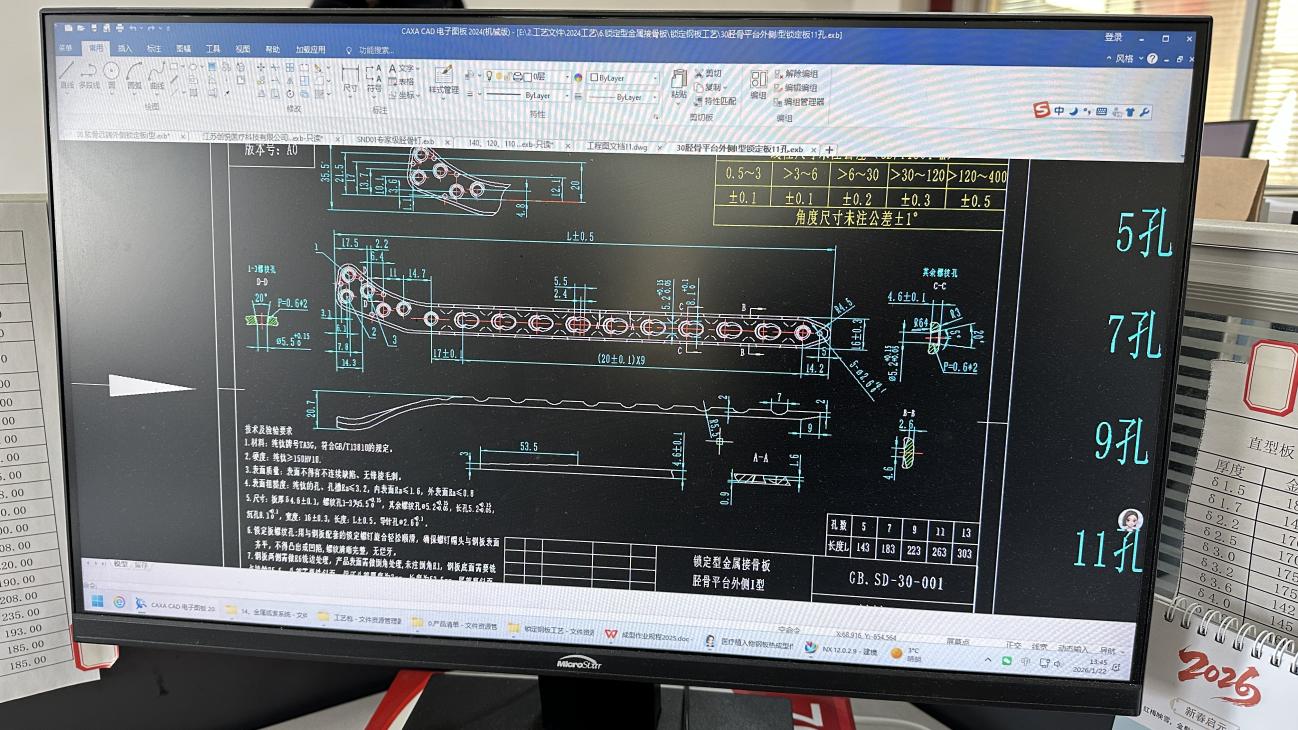
With a specialized team of 85 design and development engineers, we work directly with multinational medical device firms to manufacture implants matching custom CAD drawings, supporting specific tool interfaces and thread designs.
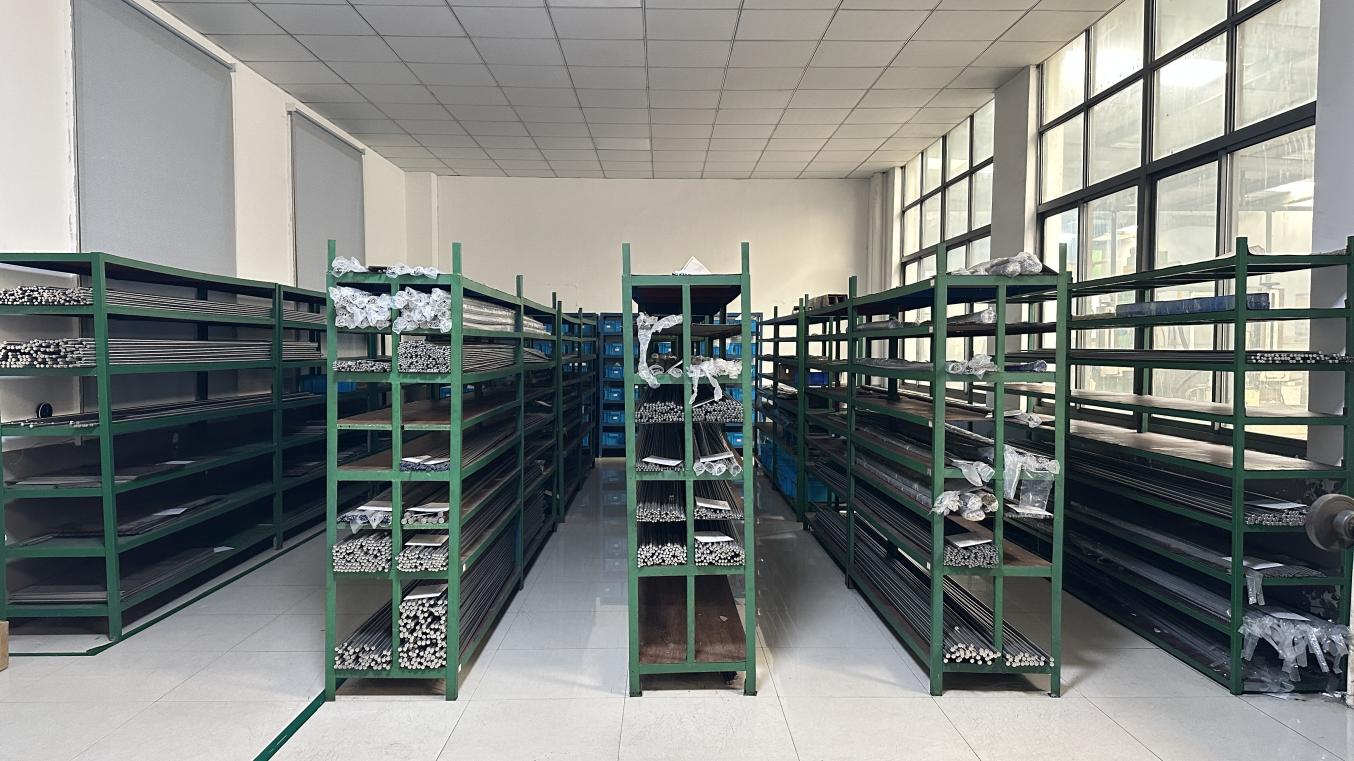
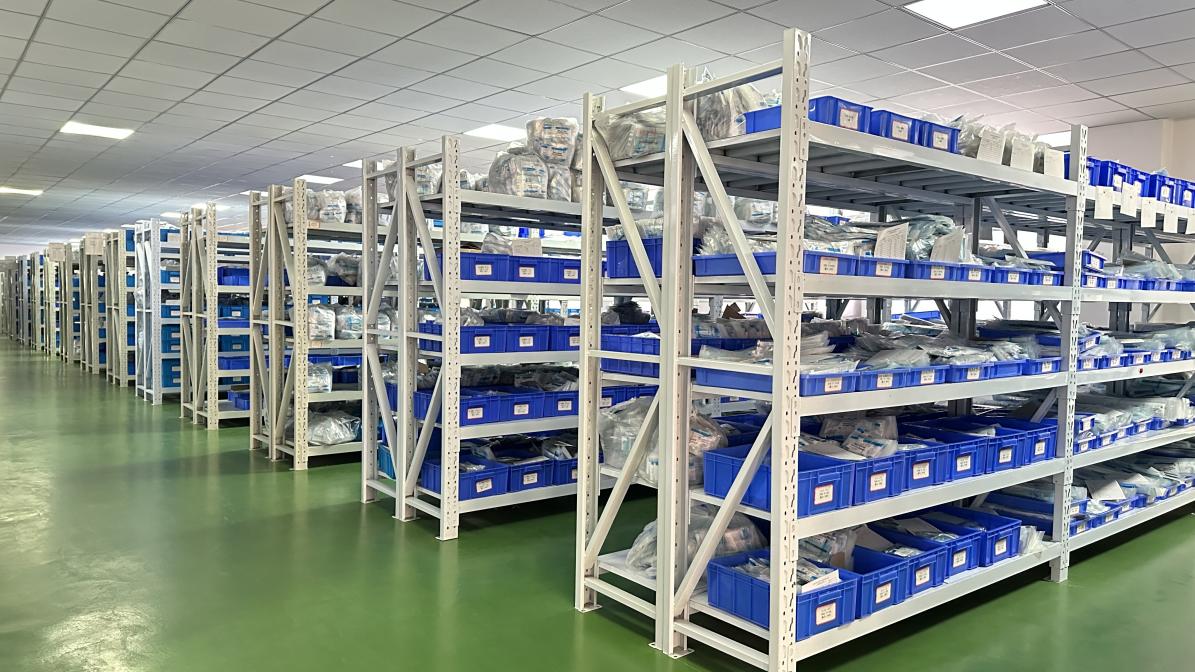
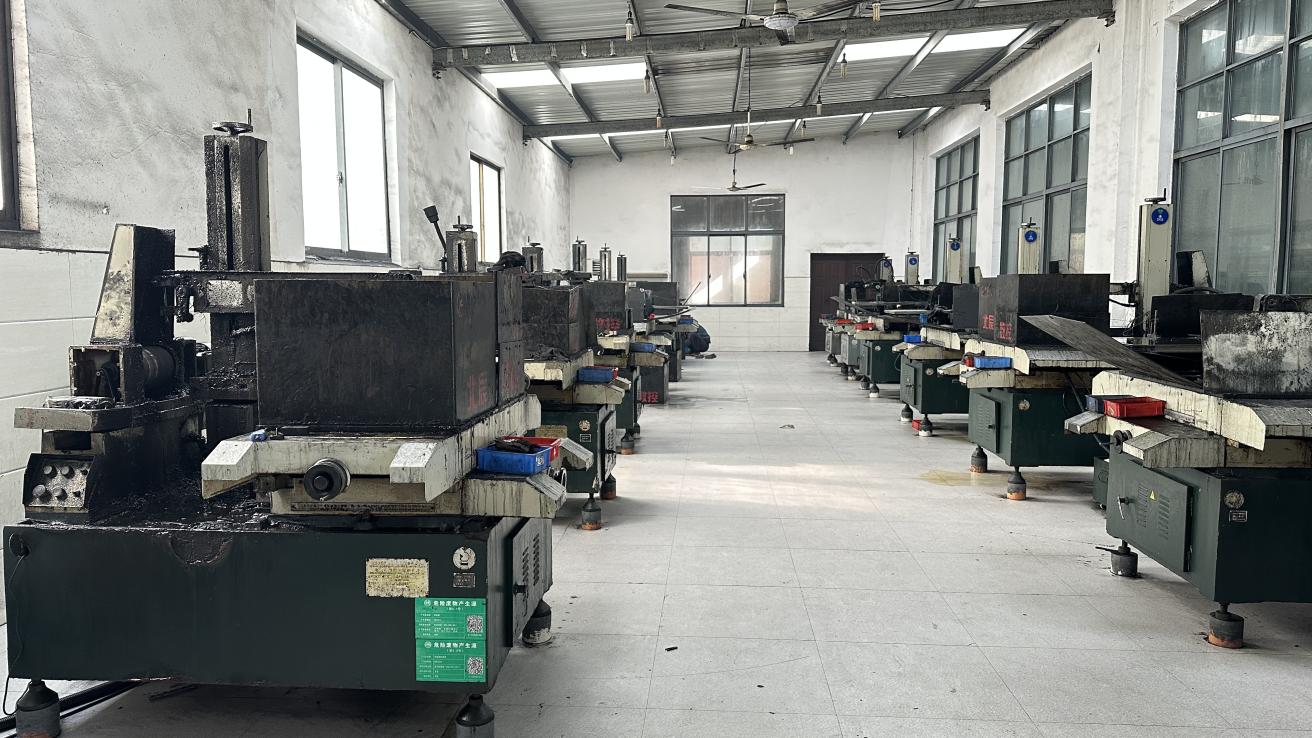
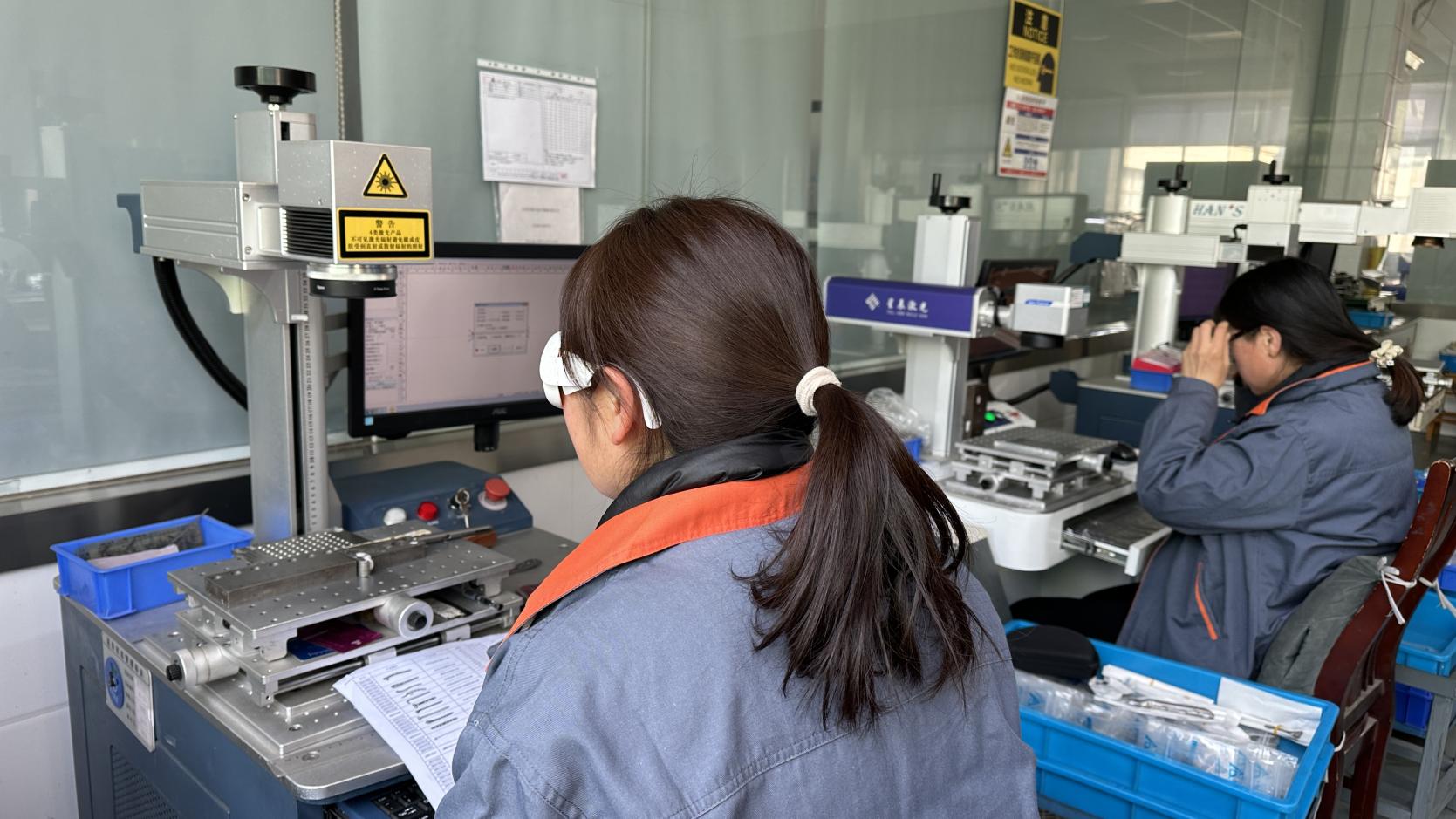
A comprehensive view of our raw material verification, CNC machining, surface finishing, and quality control lab.

How modern orthopedic surgery changes demand and how our team is leading the innovation cycle.
As clinical methodologies advance, the orthopedic field is shifting towards highly customizable, minimally invasive systems. One significant trend is the utilization of advanced surface finishes. Hydroxyapatite (HA) coating applications, anodic oxidation, and acid-etched surfaces are increasingly specified by surgeons. These surface treatments improve the osseointegration rate of implants, reducing the recovery window for the patient and improving long-term screw stability in weak bone beds.
Another major technical trend is the integration of Smart Digital Assays. Today's surgeons require precise tool compatibility and standardized product tracking. By using laser-etched UDI (Unique Device Identification) codes, our screw manufacturing facility ensures full tracking verification from material batch processing to the operating room.
Additionally, bioabsorbable materials (such as magnesium alloys and PLA/PLLA variants) are receiving significant R&D interest. Although metallic implants like Titanium Alloy Ti-6Al-4V remain the standard due to high load requirements, next-generation cancellous fixation designs are beginning to incorporate combined composite materials to minimize secondary removal procedures. Medisplint’s R&D division has launched 68 new orthopedic products in the past year, ensuring we continue to offer competitive solutions for these emerging market needs.
Key checkpoints for international orthopedic distributors, hospital procurers, and OEM brand managers.
Sourcing medical implants internationally requires navigating a complex environment of regulatory certifications, material analysis reports, and manufacturing capability audits. When purchasing bulk quantities of cancellous screws, procurement directors must evaluate more than just the baseline piece price. Factors such as supply chain continuity, material purity certification (e.g., checking for ASTM F136 or ISO 5832-3 certifications), and production capacity play a critical role in long-term supply stability.
At Medisplint, we support our commercial partners with structured supply solutions. Our compliance and quality control documentation is compiled in accordance with ISO 13485 regulations, providing clear verification records for registration audits in European, Southeast Asian, Middle Eastern, and South American markets.
Additionally, we offer flexible OEM/ODM solutions. Whether you require custom packaging, private labeling, specific thread pitch modifications, or custom implant tool sets, our engineering team can adapt designs to align with your clinical goals.
Direct answers regarding mechanical specifications, material selections, and compliance structures.
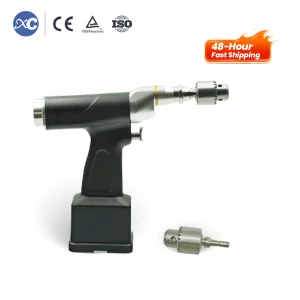
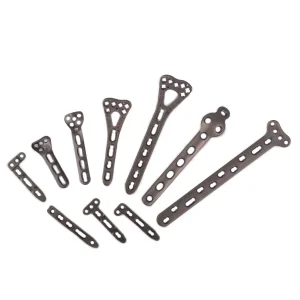
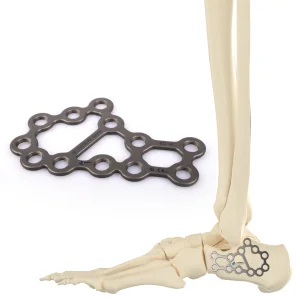
High-precision bone drills, specialized locking plates, and custom arthroscopy blades.