Medisplint Medisplint

Top China TLIF PEEK Cages Manufacturer & Exporter

Global Standard Surgical Solutions: Orthopedic Implants & Fixation Systems Meeting MDD/MDR CE & ISO 13485 Regulatory Rigor.

Medisplint Orthopedic Instruments Co., Ltd.

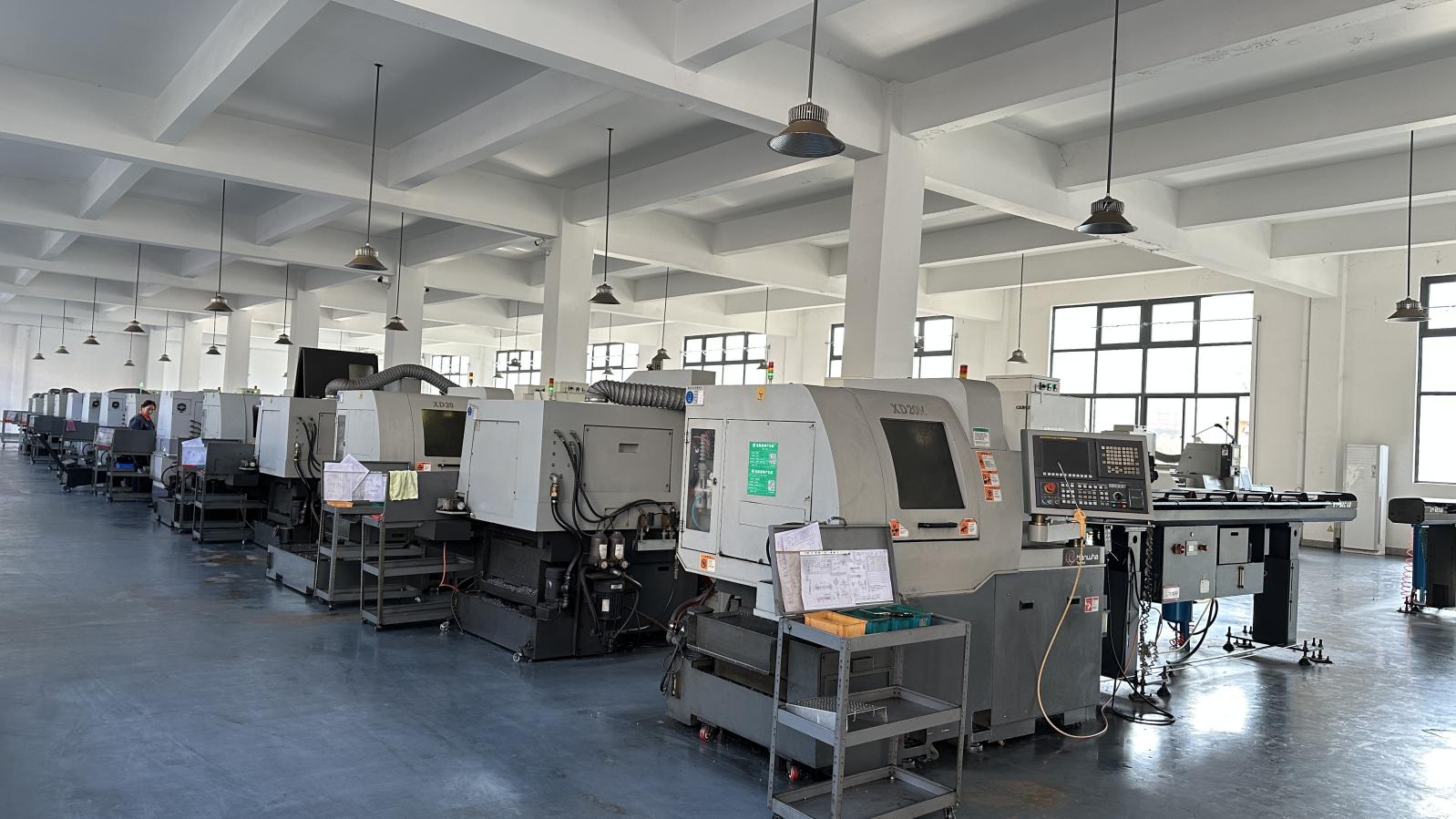
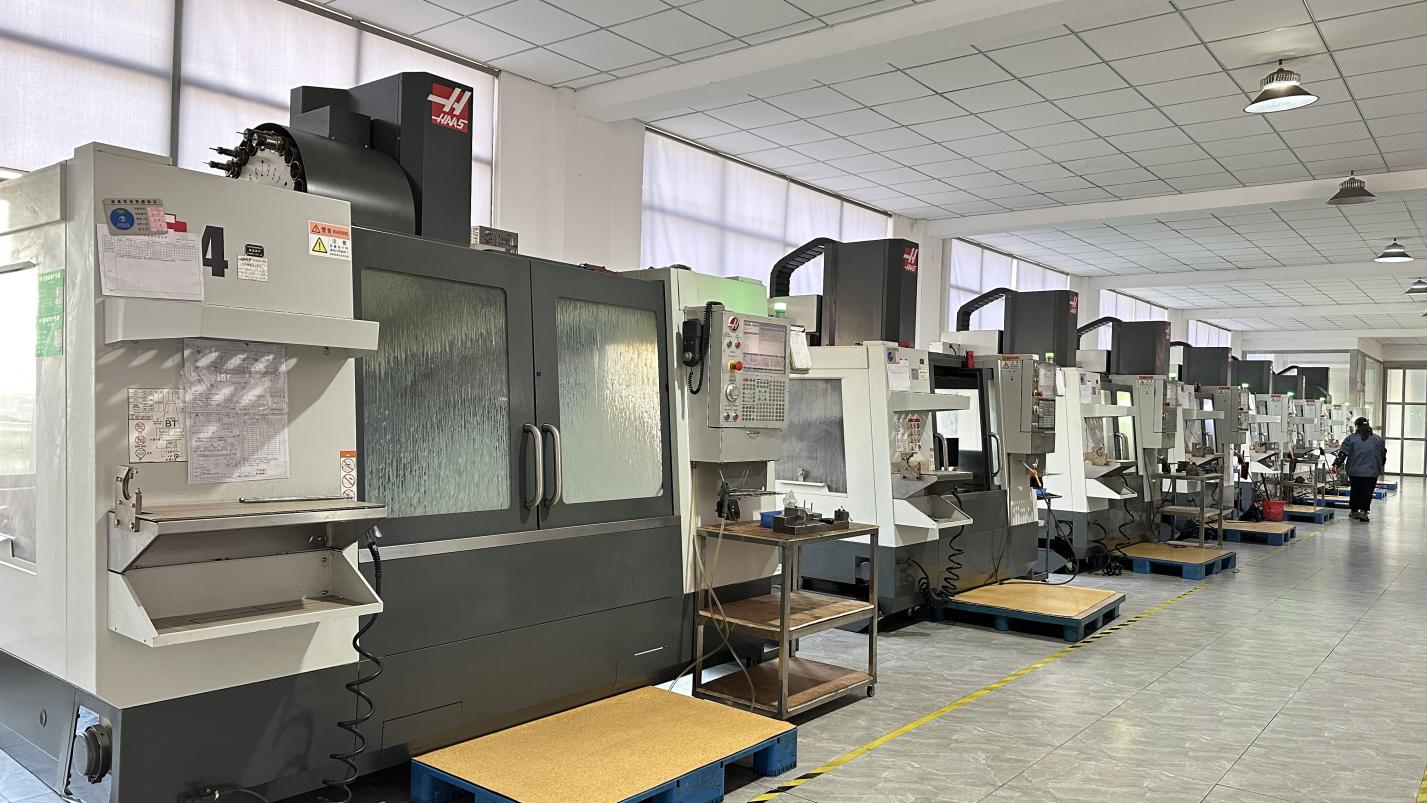
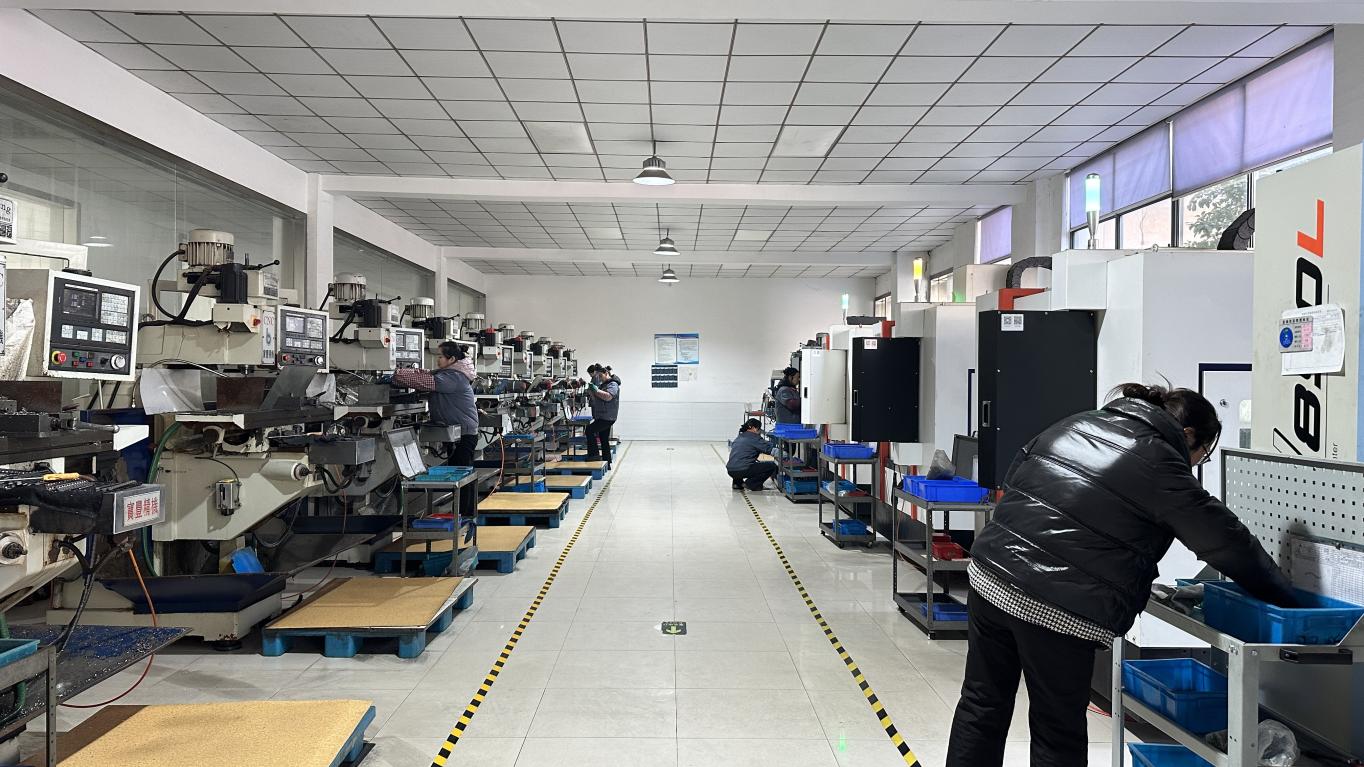
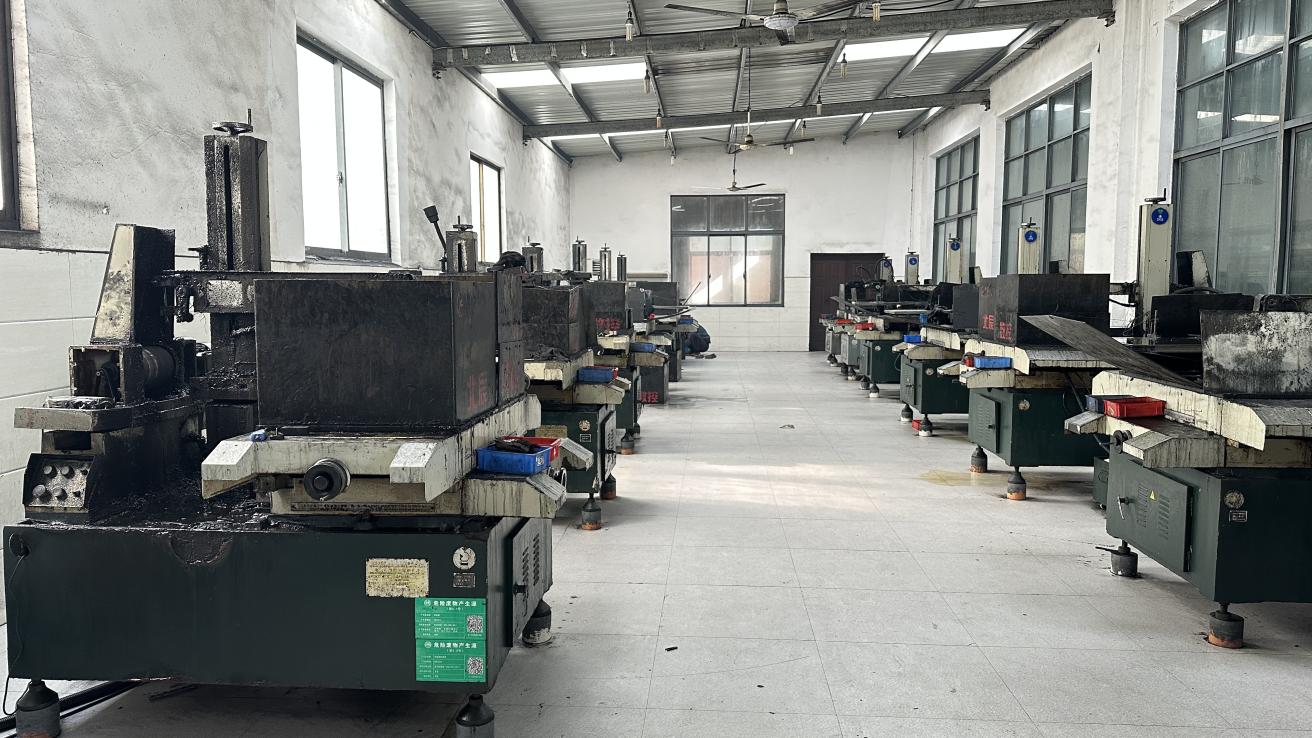
Founded in 2016, Medisplint Orthopedic Instruments Co., Ltd. has established itself as an industry-leading designer, developer, and manufacturer of orthopedic implants, complex spinal fixation systems, and surgical tools. Spanning an expansive 18,500 square meter integrated facility, our operations encompass cleanroom assembly, precision CNC milling, and a fully functional testing laboratory.

With an annual export volume reaching USD 12 million, we are proud to serve clinical institutions, large-scale distributors, and healthcare procurement partners in Europe, the Middle East, South America, and Southeast Asia. Backed by 10 years of domestic manufacturing experience and more than 7 years of exporting medical-grade structural solutions, we help simplify global compliance and reduce clinical risk.
18,500㎡
Factory Footprint
42
QC Inspectors
$12M
Export Revenue
1,200+
Global Partners
Medisplint Orthopedic Instruments Facility

Understanding TLIF PEEK Cages: Material Science & Clinical Utility

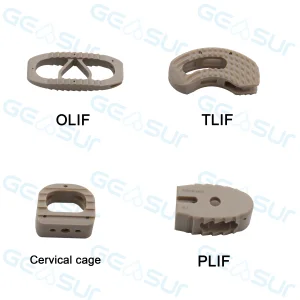
Transforaminal Lumbar Interbody Fusion (TLIF) has emerged as a gold standard in spinal arthrodesis for treating degenerative disc diseases, spondylolisthesis, and spinal stenosis. The choice of spacer material plays a vital role in postoperative fusion rates and mechanical stability. Polyetheretherketone (PEEK) has revolutionized this clinical domain, replacing conventional titanium and allograft materials.

Biomechanical Similarity to Cortical Bone: PEEK exhibits an elastic modulus (approximately 3.6 GPa) that closely matches human cortical bone. This reduces the risk of stress shielding—a common issue with rigid titanium cages where the implant carries the entire load, causing bone resorption around the implant and eventual subsidence.

Additionally, PEEK offers radiolucency, allowing surgeons to clearly assess the fusion progress using standard X-rays and CT scans without the metal artifact interference typical of titanium. Medisplint's TLIF PEEK Cages are engineered with integrated radiopaque tantalum markers, providing clear visualization of the implant's exact positioning during and after surgery.

Precision Manufacturing & Quality Control Operations

Take a look inside our state-of-the-art facility where medical-grade polymers and metals are transformed into implants of clinical excellence.
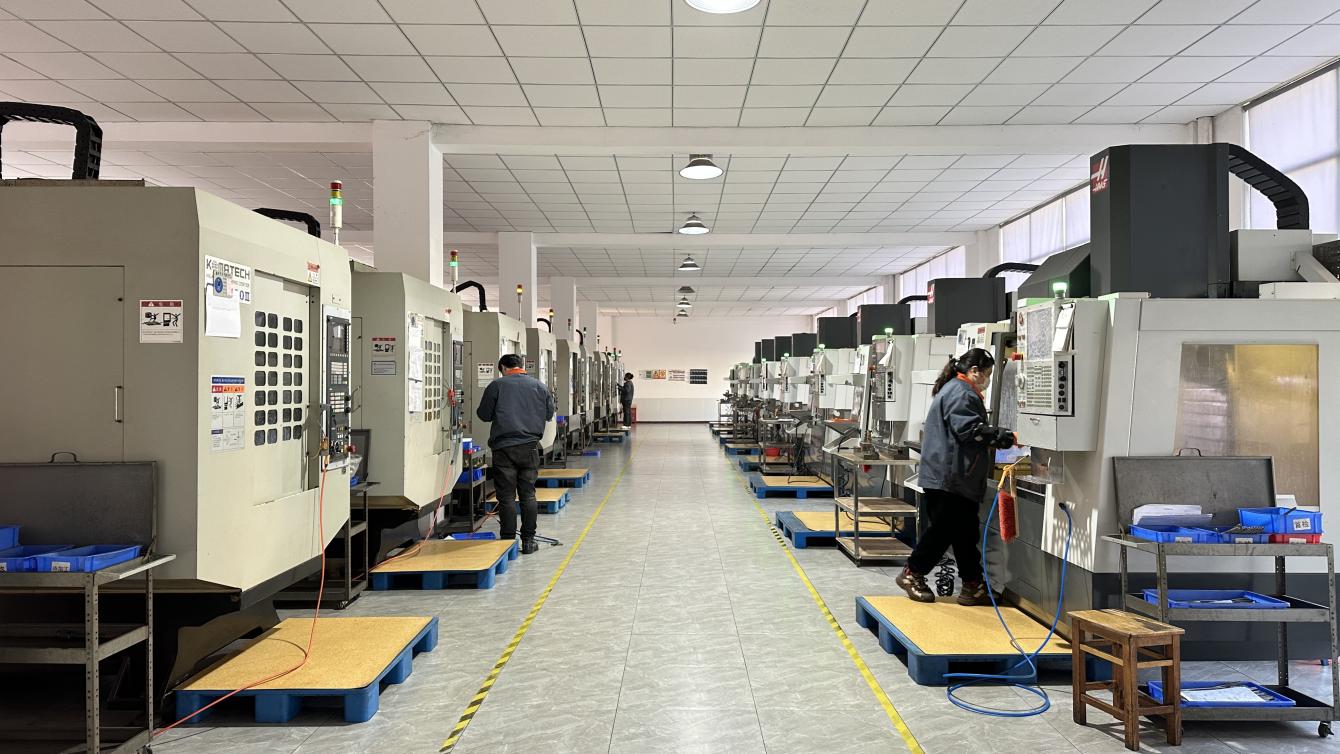
I. Production and Milling Processes

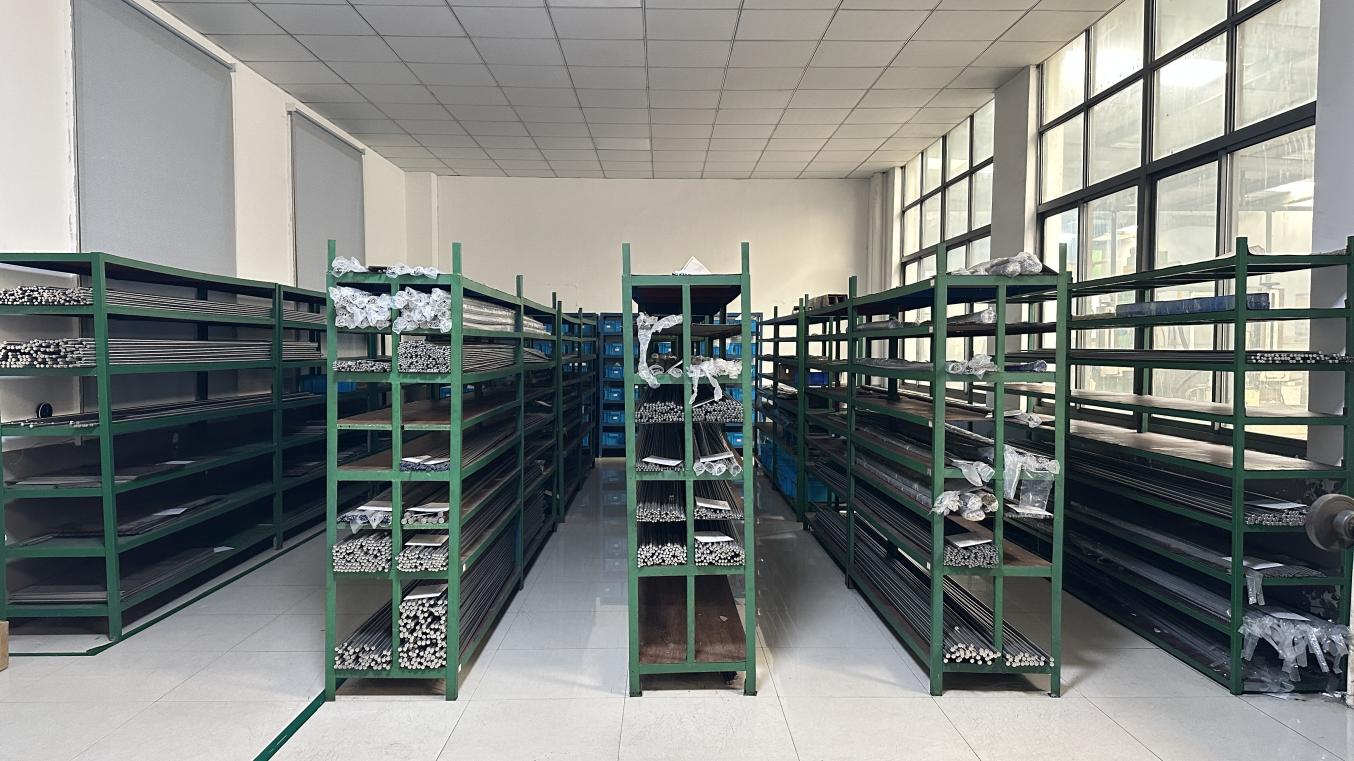
Raw Materials Control
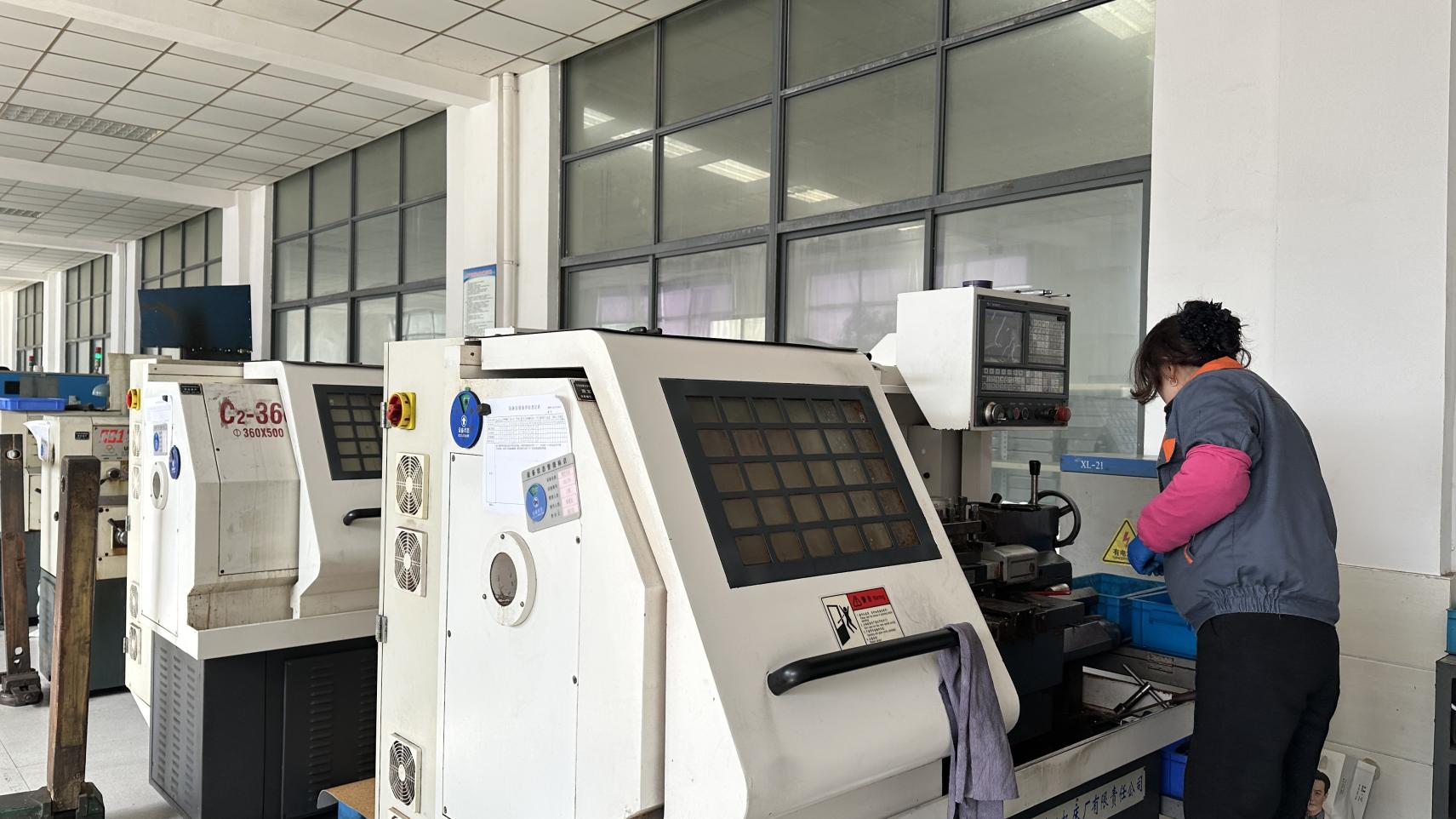
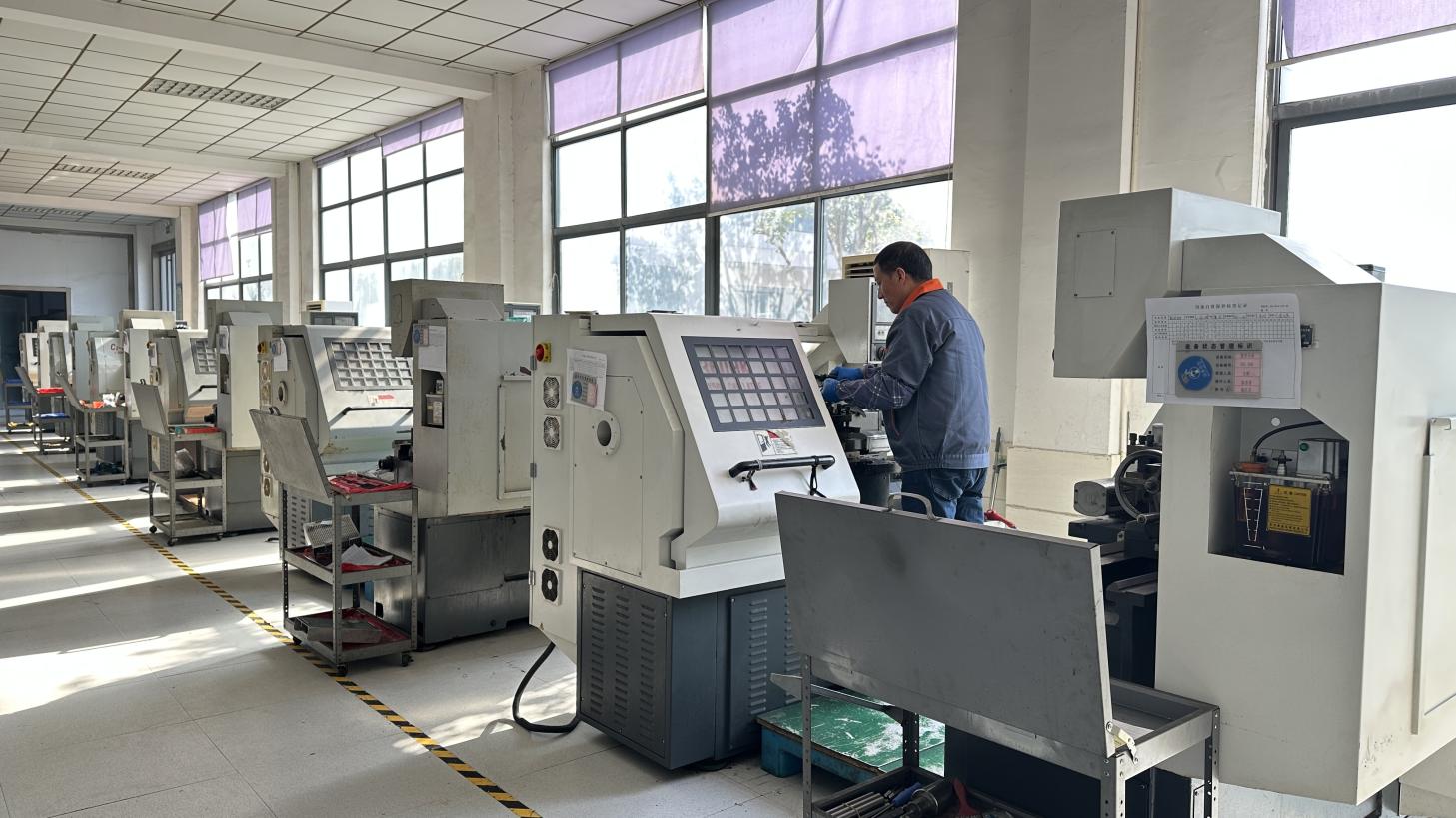
CNC Machining
CNC Machining
Machining Operations
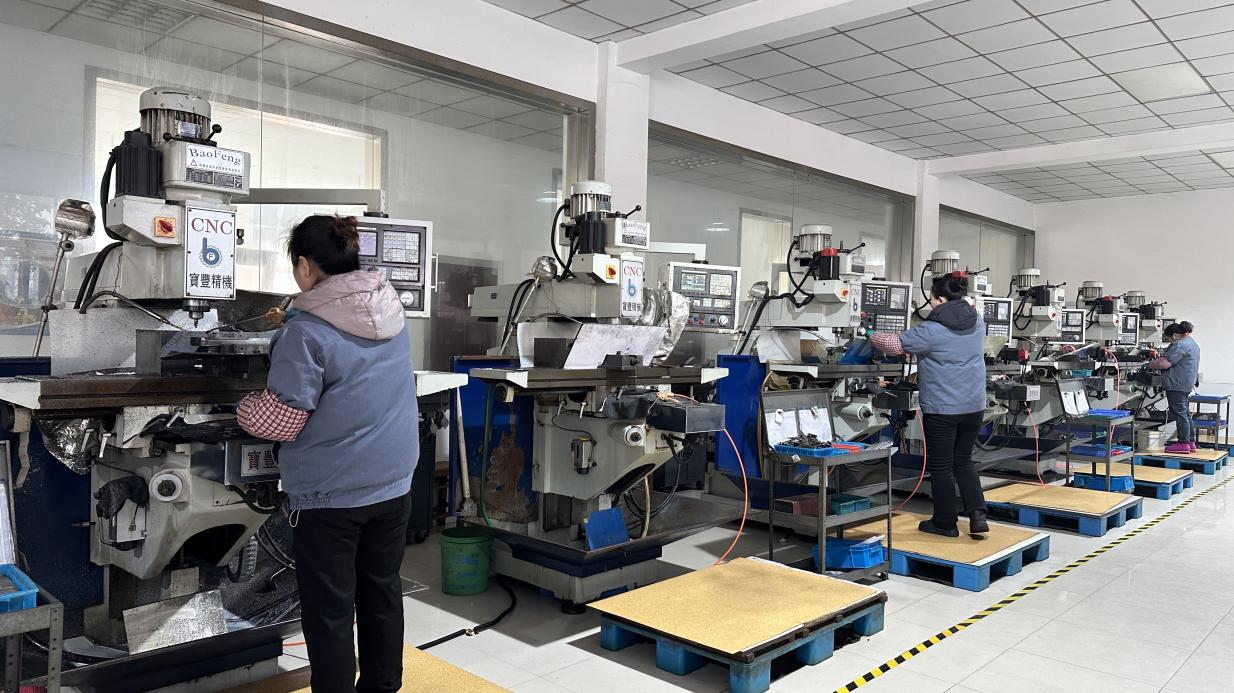
Precision Milling
Precision Milling
Slitting Processing
Slitting Processing
Slitting Raw Stock
Raw Slitting
CNC Machining Center
CNC Milling Machine
CNC Milling Machine
Wire Cutting Machine
CNC Lathe Turning
CNC Lathe Turning
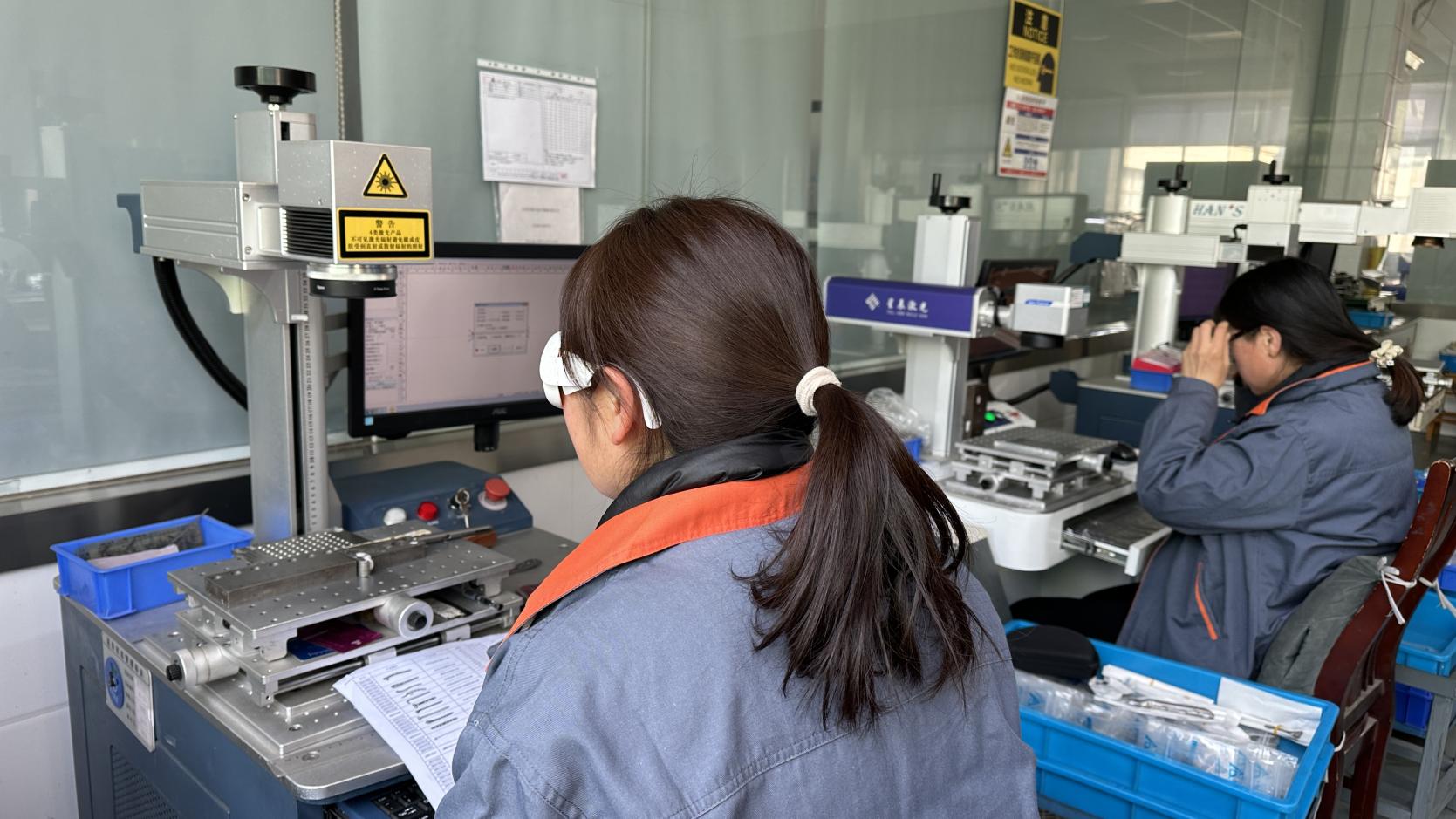
Laser Marking System
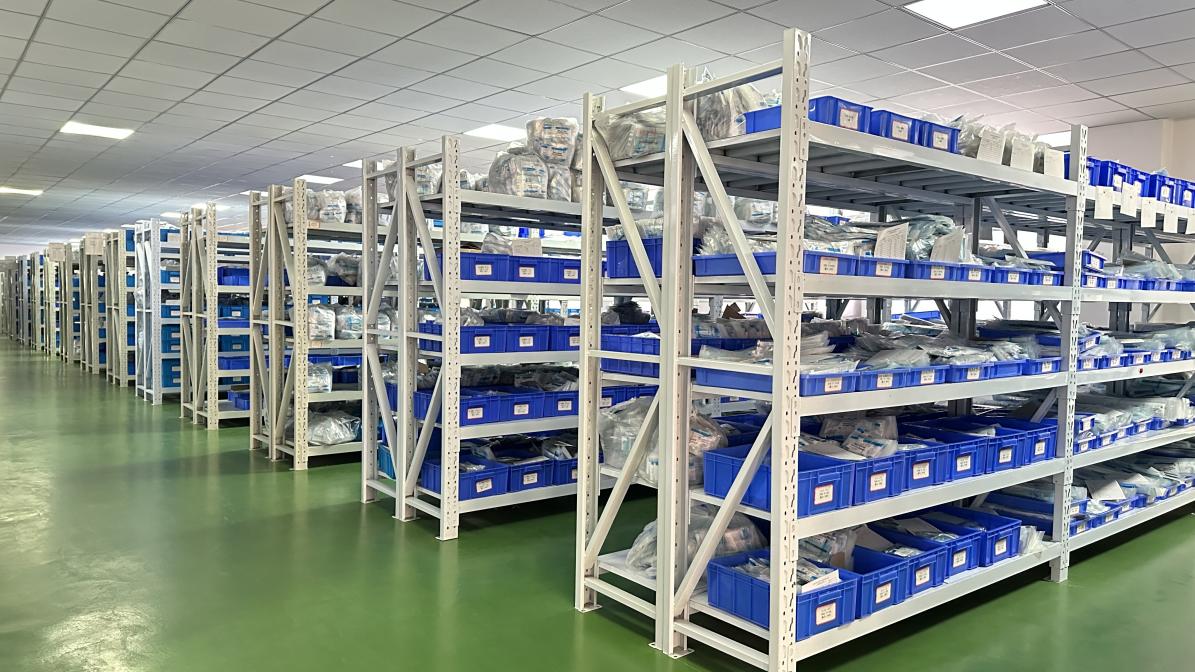
Finished Warehouse
Finished Warehouse

II. Advanced R&D and Mechanical Testing Laboratory

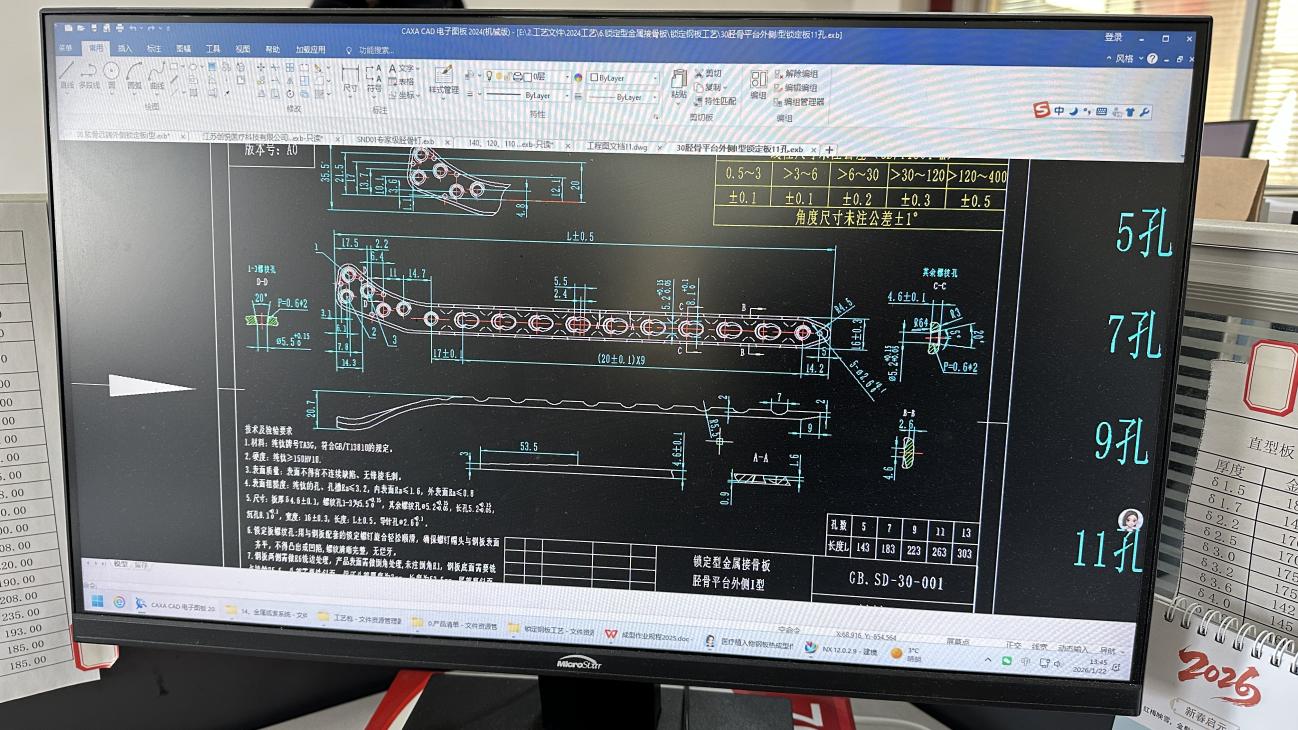
CAD/CAM Implant Design
R&D Quality Lab
R&D Quality Lab
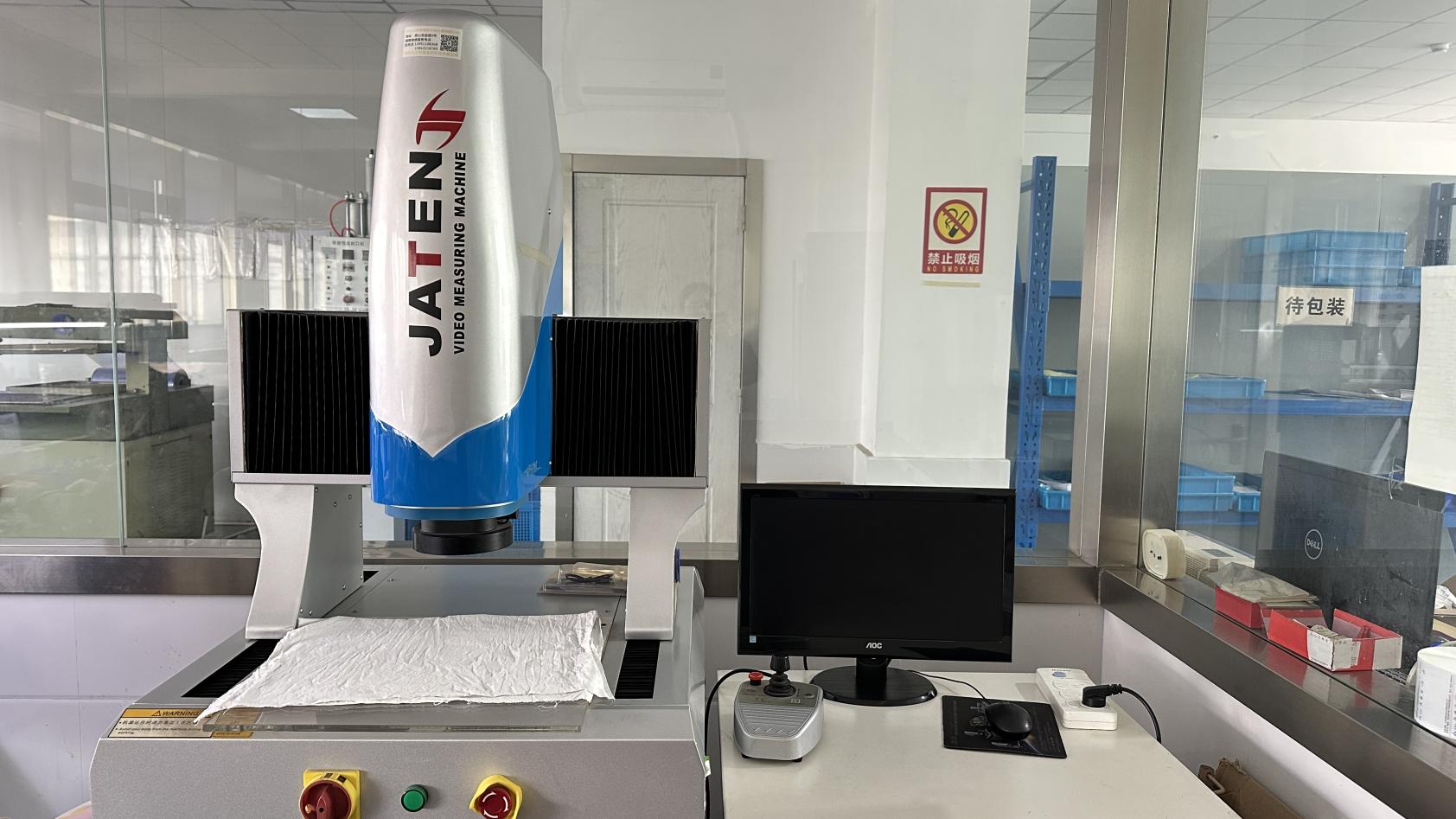
Optical Quality Control
Dimensional Inspection
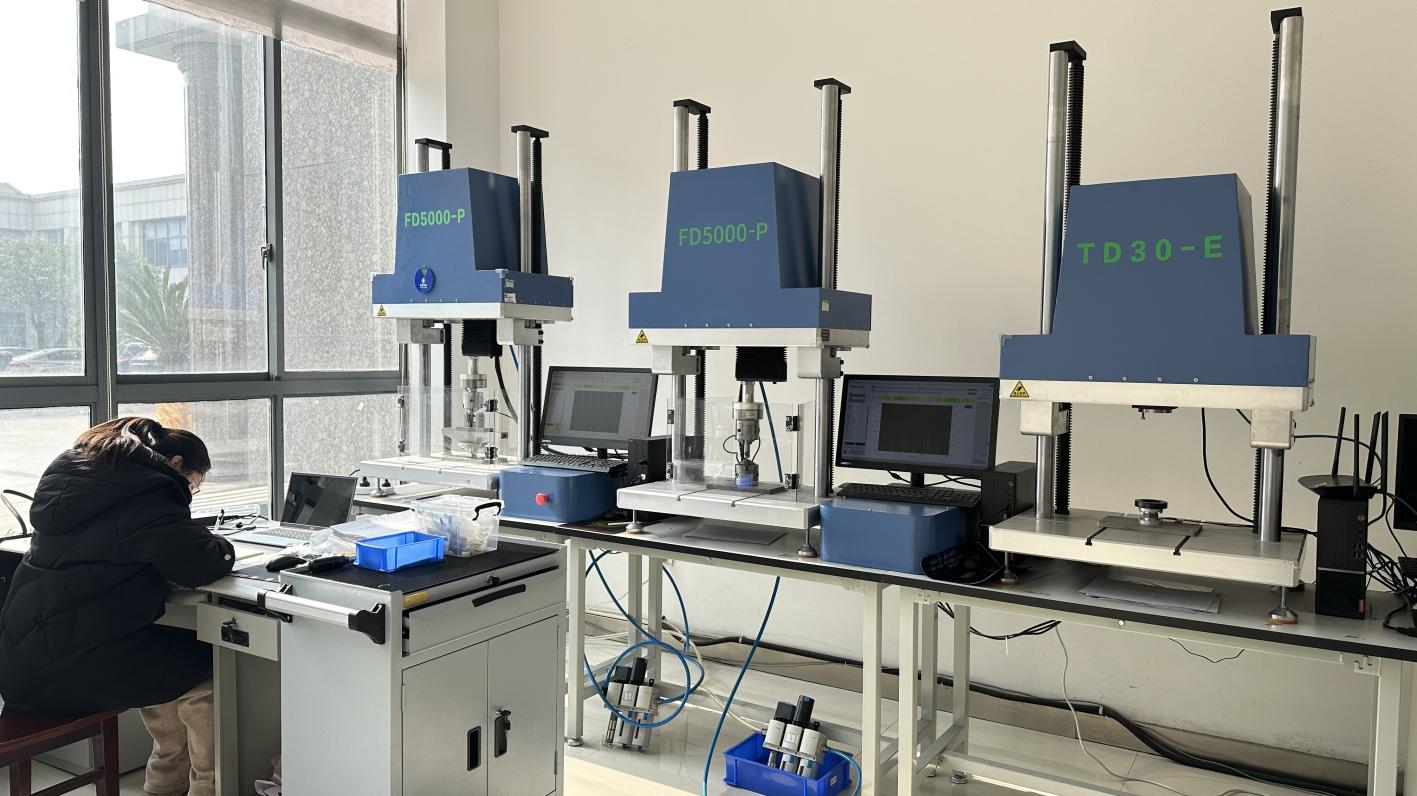
Dynamic Fatigue Tester
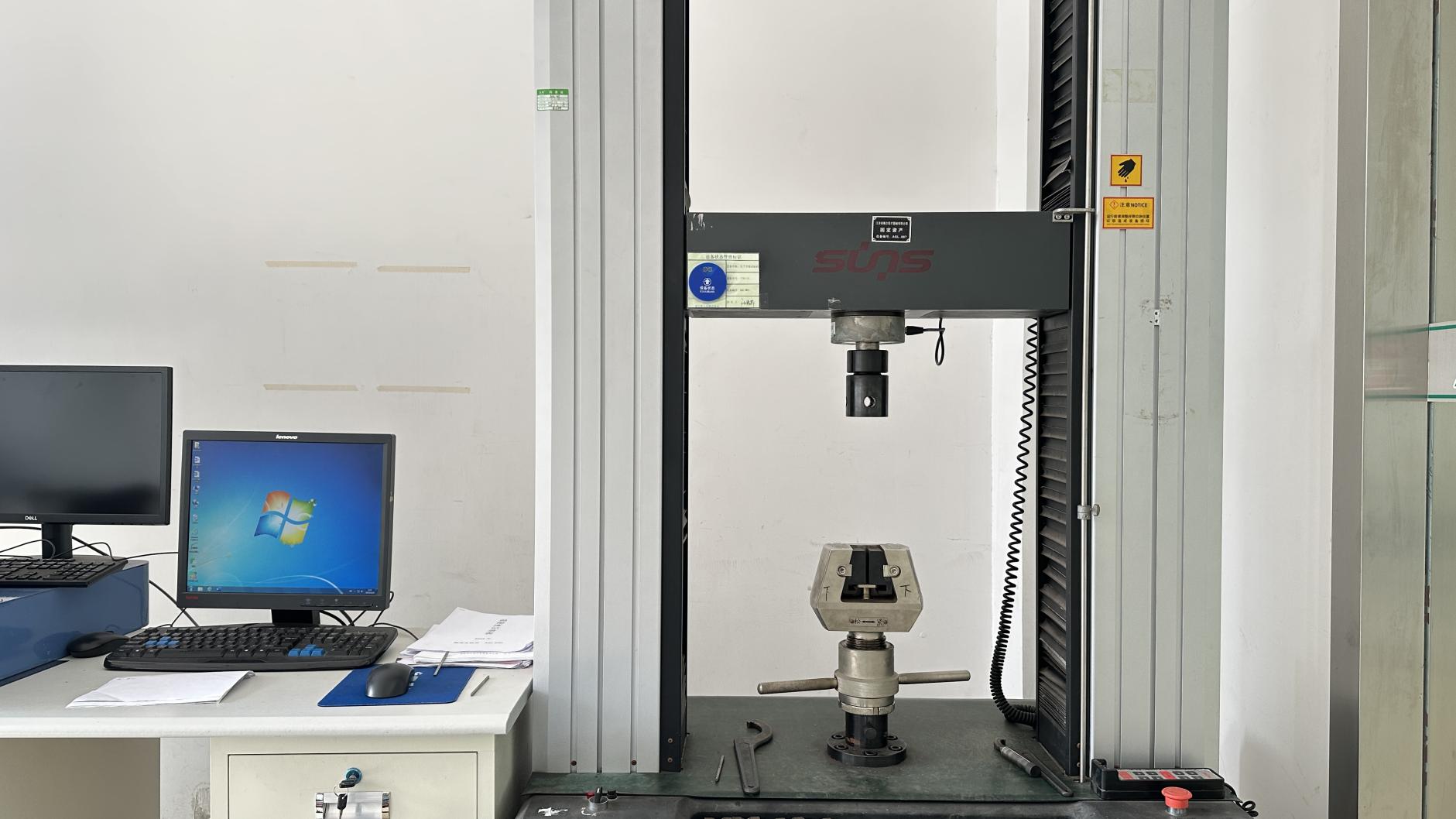
Static Tensile Tester
2D Coordinate Measurement
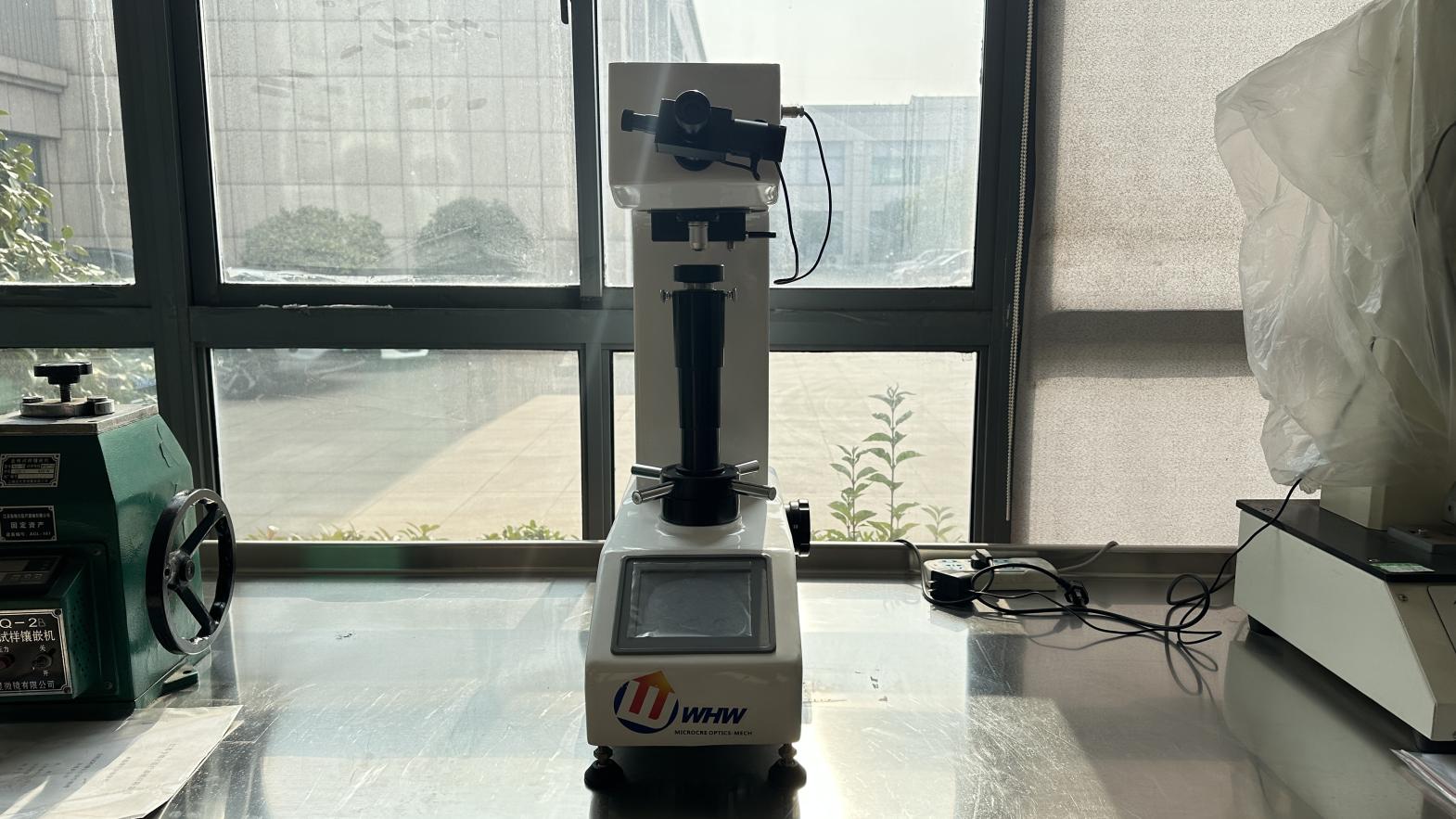
Micro Hardness Tester
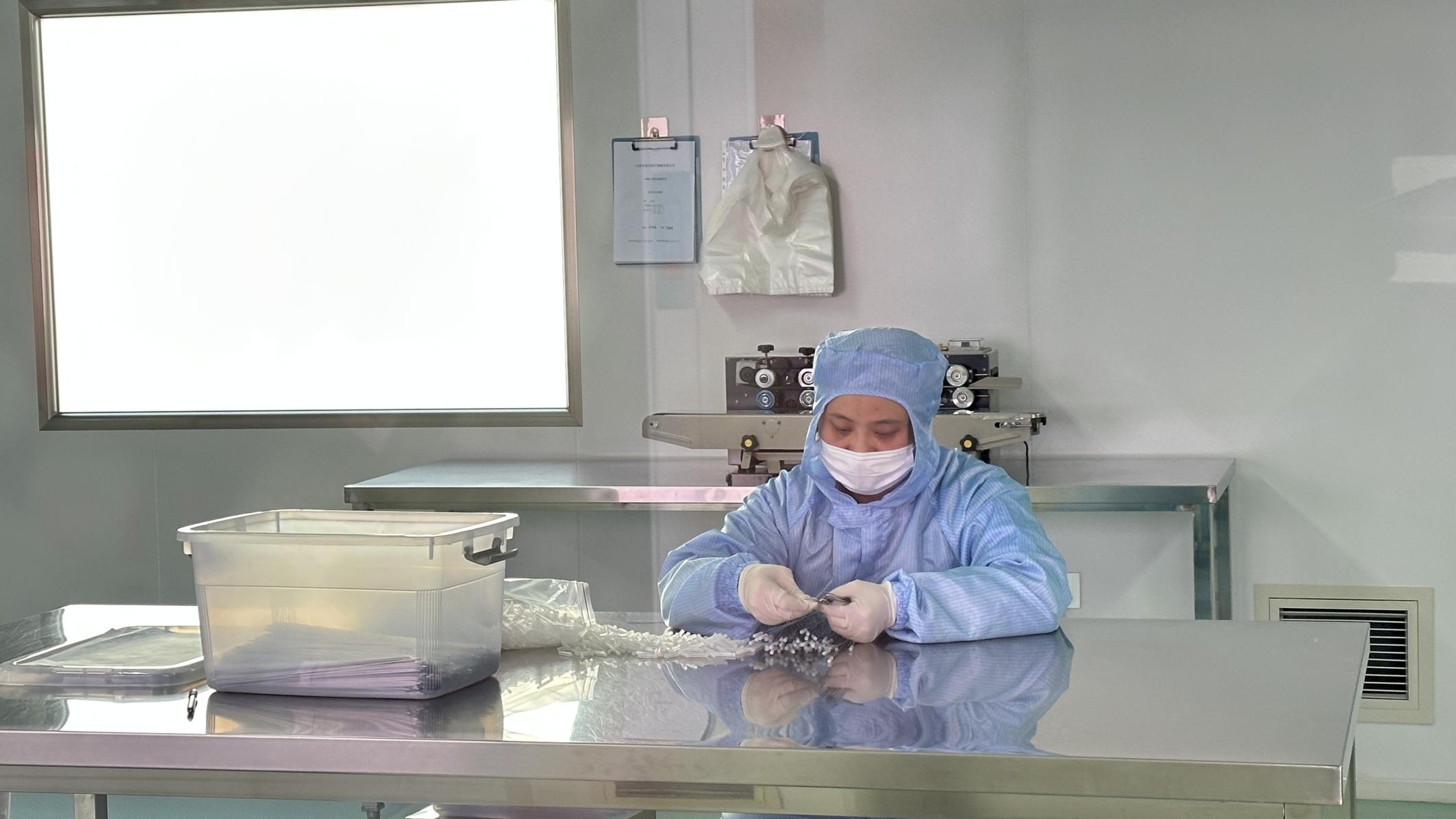
Final Assembly & Cleanroom Pack
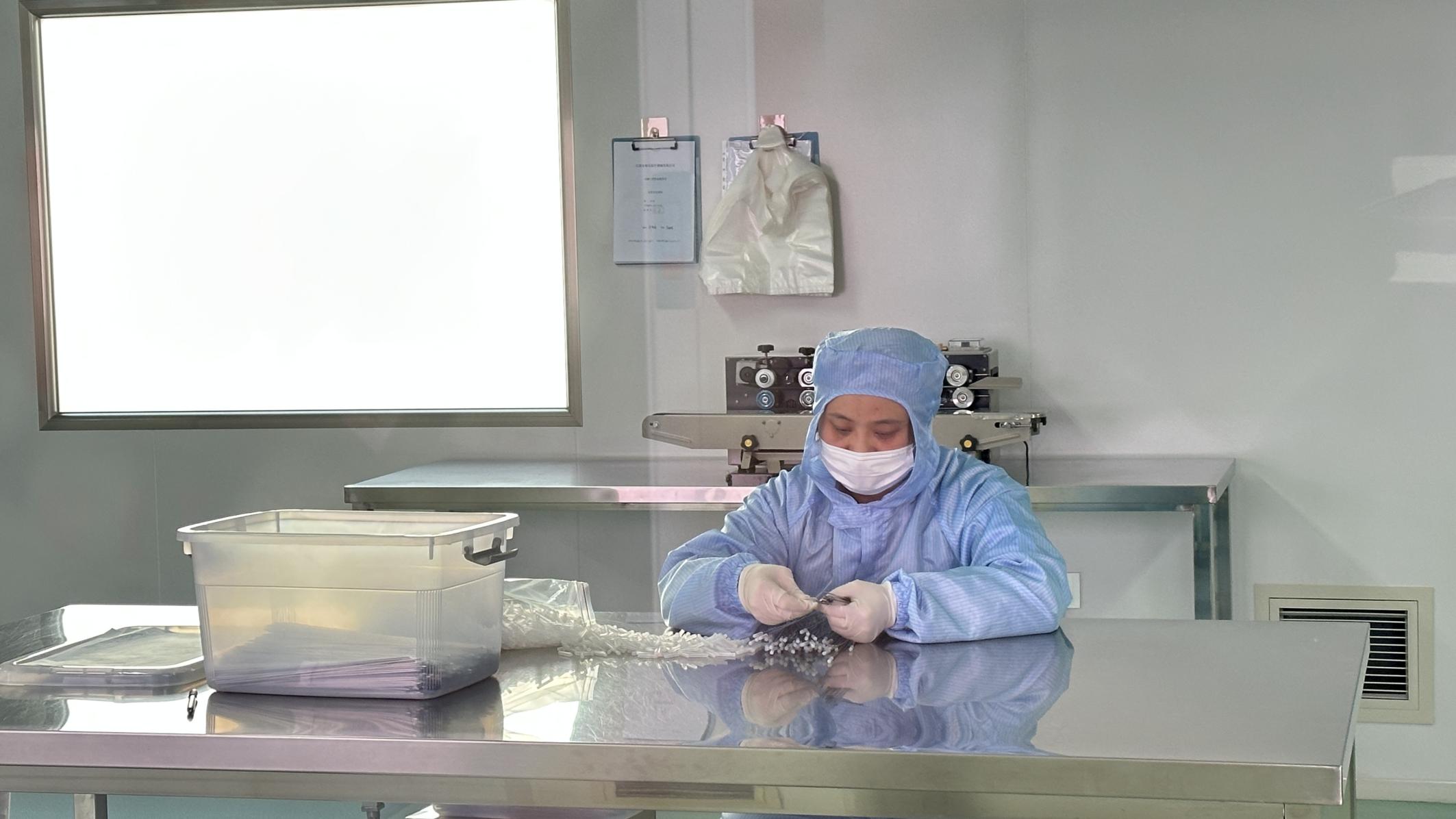
Cleanroom Assembly
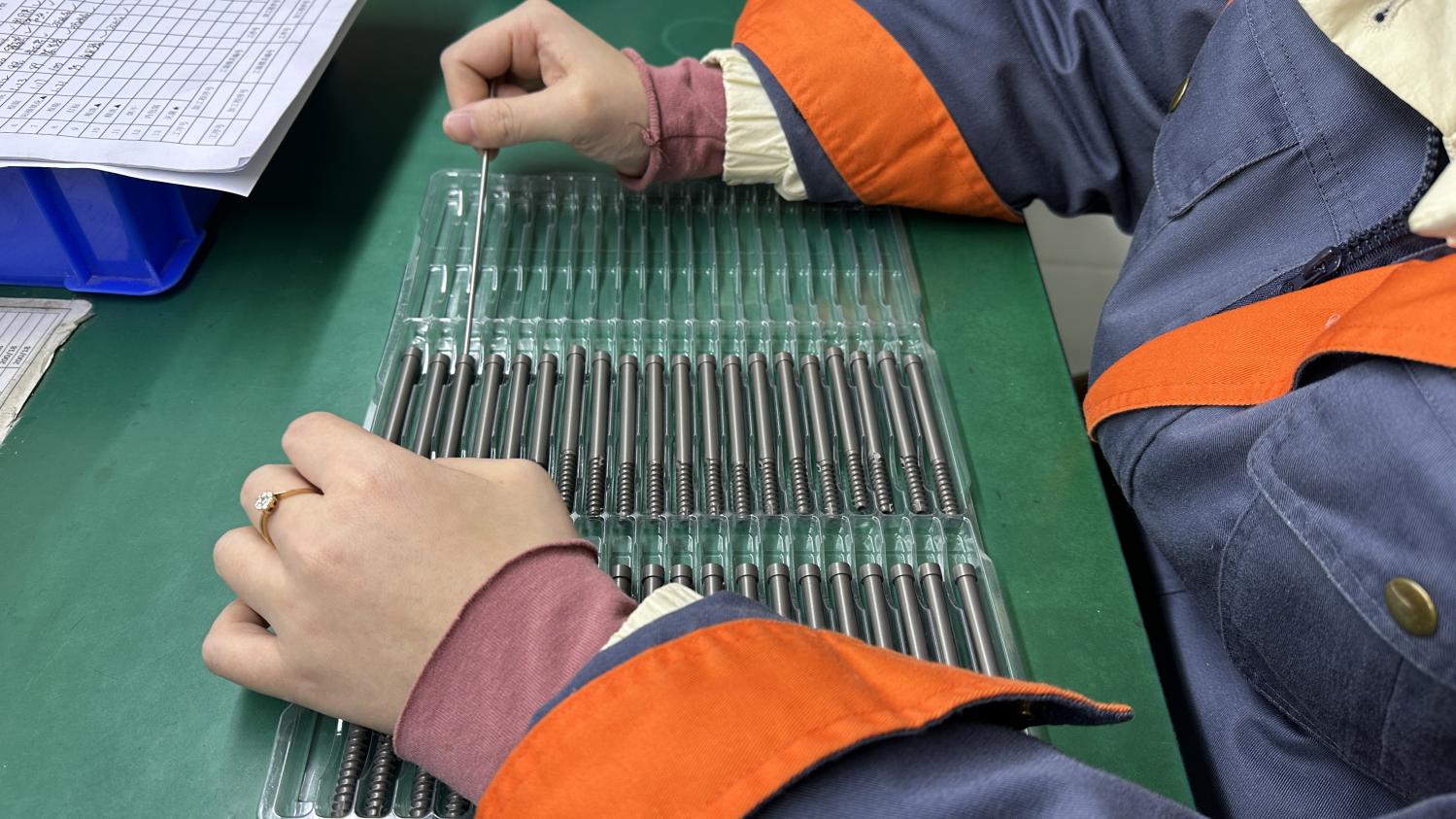
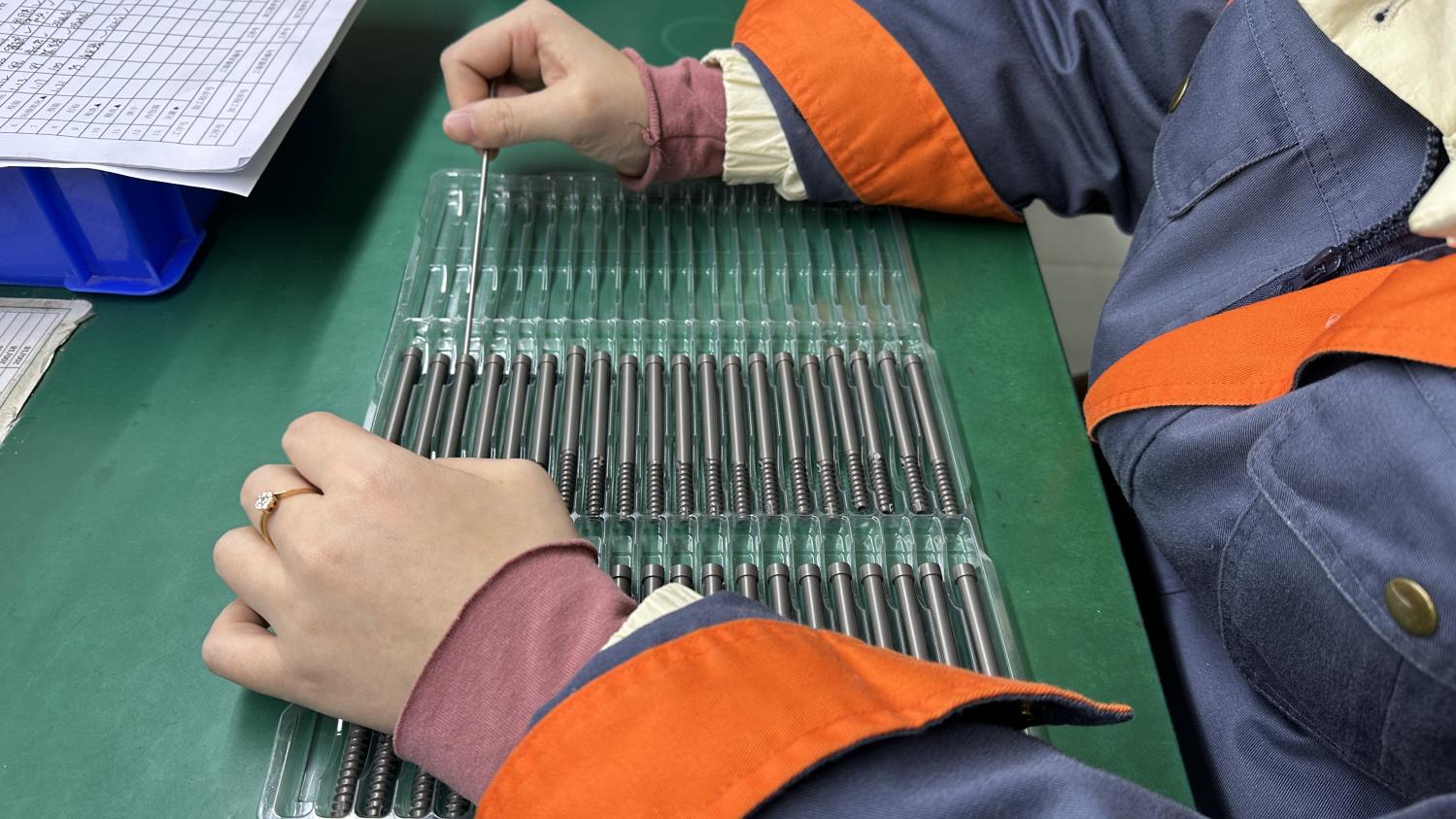
FQC Inspection & Packaging
FQC & Sterile Packaging

China Factory Supply Chain Advantages

How Medisplint leverages localized infrastructure to support high-volume manufacturing without compromising on medical standards.

Integrated Supply Chain (1,200+ Partners)

Our extensive supply chain network allows us to easily source biocompatible raw materials, high-grade titanium wire, and premium packaging materials, keeping our lead times short and production runs steady.

High-Volume CNC Precision Milling

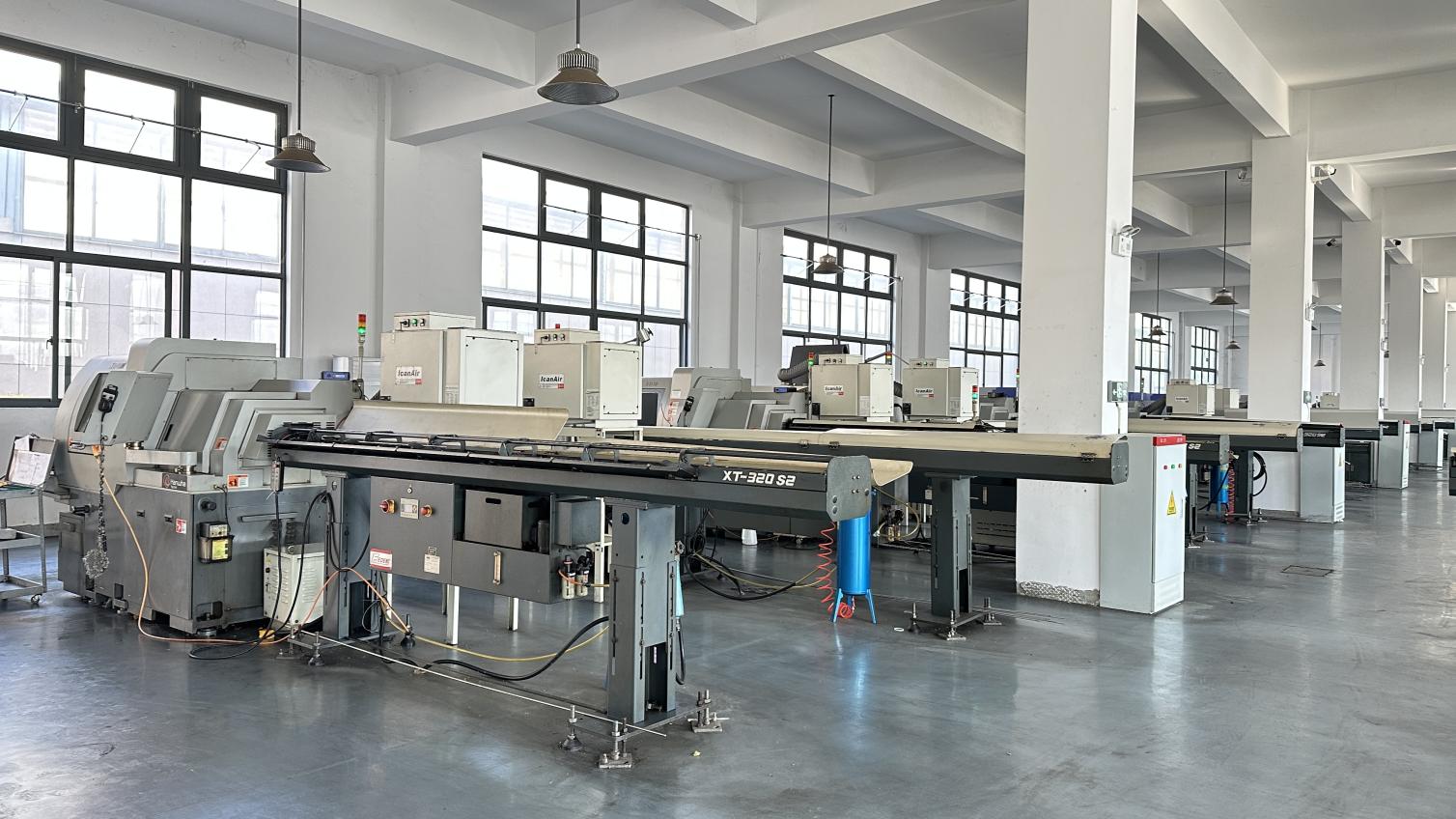
Operating state-of-the-art CNC machining and sliding head lathes, we deliver consistent micro-tolerances within +/- 0.01mm. This is essential for the security of interbody lock grooves and implant placement.

Flexible OEM/ODM & Brand Customization

Supported by 85 R&D specialists, we provide private labeling, packaging modifications, custom dimension scaling, and full-service tooling development to help medical brands scale up globally.

Global Procurement Evaluation Criteria for Spinal Spacers

When selecting a manufacturing partner for TLIF/PLIF PEEK cages, global distributors, regulatory agencies, and surgical groups look at a specific set of performance and design criteria. Understanding these requirements is vital to ensuring safe, reliable clinical outcomes and meeting international healthcare standards:

  • Raw Material Traceability: Ensure the raw material is medical-grade PEEK polymer (such as Evonik Vestakeep® or Invibio PEEK-OPTIMA®) and complies with ASTM F2026. This standard ensures long-term biocompatibility and excellent mechanical properties for implants.
  • Dynamic and Static Mechanical Performance: Implants must pass testing under ASTM F2077 (for static/dynamic compression, shear, and torsion) and ASTM F2267 (to evaluate subsidence risk). Testing should show that the cage can withstand high physiological loads without failing.
  • Surface Textures & Anti-Migration Designs: Cages need well-designed anti-migration teeth to grip the vertebral endplates securely, preventing displacement or expulsion after implantation.
  • Adequate Graft Volume: A large central window is essential for maximizing bone graft volume, which promotes natural bony bridging and speeds up solid fusion.
  • Packaging Integrity and Sterilization: Cages should be packed in Class 10,000 (ISO 7) or Class 100,000 (ISO 8) cleanrooms. They must be available in double-barrier sterile packaging (gamma irradiation or EO sterilized) or non-sterile options that can be autoclaved on-site.

Medisplint supports orthopedic brands and distributors through every step of this process, providing comprehensive quality documentation, raw material certificates, and mechanical testing results to make local regulatory registration straightforward.

Regulatory Compliance & Global Localization Support

Selling medical implants on a global scale requires navigating complex and varied regulatory systems. With new standards like the European Union's Medical Device Regulation (EU MDR 2017/745) replacing older directives, having a manufacturer who prioritizes compliance is essential for staying competitive in international markets.

At Medisplint, we focus on helping our international partners clear these hurdles through a range of localization and compliance services:

  • ISO 13485:2016 Certification: Our entire design, testing, and production workflow follows a strict quality management system designed specifically for medical devices.
  • CE Mark Certification: Many of our product lines comply with European health, safety, and environmental protection standards, allowing them to move freely within the European Economic Area.
  • FDA 510(k) Filing Dossiers: We provide detailed testing reports (covering wear, biocompatibility, and chemical characterization) to help simplify the submission process for US FDA approval.
  • Multi-Language Instruction & Labeling: We help customize surgical manuals, labeling, and sterile packaging designs to meet the legal requirements of your local market.

Next-Generation Spinal Implant Development Trends

The spinal implant field is moving quickly toward designs that improve bone integration (osseointegration) and adapt to patients' specific anatomy. The industry is currently seeing a few major trends:

  1. Surface-Modified & Bioactive PEEK: Untreated PEEK is hydrophobic and inert, meaning it doesn't easily bond with bone. To improve this, advanced implants use surface treatments—like thin titanium coatings applied via plasma spray, or infused hydroxyapatite (HA)—to help bone cells latch on more effectively.
  2. Porous 3D Printed Structures: Combining the flexibility of PEEK with the bone-bonding benefits of porous titanium, newer implants feature 3D-printed porous surfaces. These micro-structures encourage bone to grow directly into the implant, creating a stronger, more stable fusion.
  3. Patient-Specific Implants (PSI): Using pre-operative CT scans, manufacturers can custom-design cages that match a patient's unique spinal shape. This custom fit ensures better contact with the bone endplates and helps restore natural spinal alignment.

Medisplint's engineering team works at the cutting edge of these developments, continuously testing new designs to bring next-generation spine solutions to our clinical and commercial partners.

Frequently Asked Questions (FAQ)

Find answers to common questions about our materials, manufacturing capabilities, certification support, and customization services.

What raw materials are used in Medisplint's TLIF PEEK Cages?
We use medical-grade Polyetheretherketone (PEEK) that complies with ASTM F2026 standards. Our raw materials are sourced from leading international suppliers, ensuring excellent biocompatibility, high fatigue strength, and mechanical properties that closely match human cortical bone.
Does Medisplint hold ISO 13485 and CE certifications?
Yes, our facility operates under a strict ISO 13485:2016 Quality Management System. Our key product lines are CE compliant and undergo thorough inspections—including material testing, in-process controls (IPQC), and final checks in our testing labs—to meet international regulatory standards.
What are your OEM/ODM and private labeling options?
Backed by a team of 85 design and development engineers, we offer full OEM/ODM services. We can customize dimensions and angles, design specialized instruments, apply laser-etched branding, and provide tailored, sterile packaging to match your brand requirements.
How do you prevent subsidence and migration in your TLIF designs?
Our TLIF cages feature angled anti-migration teeth to grip the vertebral endplates, reducing the risk of implant displacement. Additionally, the PEEK material's natural flexibility helps distribute loads evenly, which lowers the risk of subsidence compared to rigid titanium options.
Are the implants shipped sterile or non-sterile?
We offer both options based on your market needs. Non-sterile cages are shipped clean and ready to be autoclaved at the hospital. Sterile cages are processed in our cleanrooms and packaged using validated sterilization methods (Gamma or EO), complete with double-barrier protection and sterile indicator labels.
How do surgeons verify cage placement on post-op imaging?
While PEEK is radiolucent (allowing for clear views of bone growth), our cages feature embedded radiopaque tantalum markers. These markers show up clearly on post-operative X-rays and CT scans, making it easy to confirm the cage's exact position.
What is the typical lead time for custom production orders?
Standard catalog products usually ship within 30 to 45 days. For custom OEM or private label orders, lead times typically range from 60 to 90 days, depending on design complexity, raw material sourcing, and validation testing.
How do you support international product registration?
We provide our partners with technical dossiers, including mechanical testing reports (ASTM F2077/F2267), biocompatibility data, sterilization validation certificates, and manufacturing flowcharts to help streamline local registration with agencies like the FDA or COFEPRIS.