Medisplint
Medisplint
Medisplint
Explore our high-performance clinical hardware and instruments manufactured to strict global specifications.
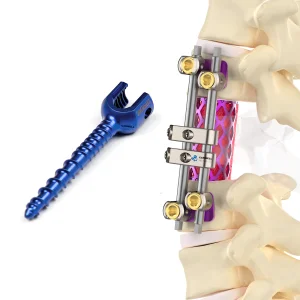
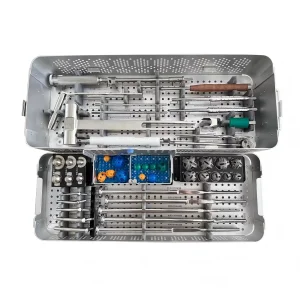
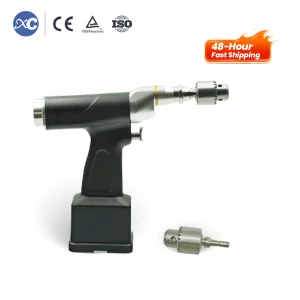
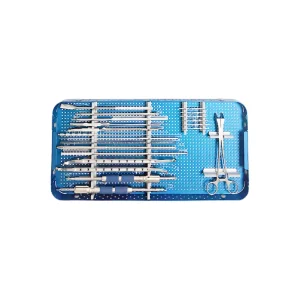
Modern spine surgeries require reconstruction solutions that accommodate complex individual anatomies. Standard rigid monoaxial screws constrain surgical adjustment axes. Polyaxial pedicle screws, featuring a multi-directional articulation neck design, permit angular adjustments up to ±25° or ±30° relative to the longitudinal rod. This flexibility eases screw-to-rod alignment across severe spinal deformities, reduces shear stress, and minimizes screw pull-out failures.
By shifting mechanical load effectively, polyaxial configurations alleviate adjacent segment degeneration. Chinese advanced manufacturers utilize medical-grade titanium (Ti-6Al-4V ELI) to build biocompatible, fatigue-resistant spine implants. These systems withstand heavy long-term physiological stress cycle challenges.
Our implant solutions undergo dynamic fatigue testing (ASTM F1717 / ISO 12189) simulating over 5,000,000 gait cycles to guarantee zero mechanical hardware breakdown at peak load tolerances.
Developing high-quality spinal fixation units depends on complex mechanical trade-offs. The matrix below demonstrates comparative advantages in spinal reconstruction dynamics:
| Fixation Parameter | Monoaxial Pedicle System | Polyaxial Pedicle System | Clinical Significance |
|---|---|---|---|
| Angular Adaptability | Fixed 0° (Single Axis) | ±25° to ±30° (Multi-axial) | Reduces pedicle fracturing risks |
| Stress Shielding | High (Rigid Interface) | Moderate (Load Distribution) | Enhances fusion rates and bone healing |
| Rod Contouring Effort | Extensive modification needed | Minimal contouring required | Reduces operating room duration |
| Revision Adaptability | Difficult alignment path | Highly accommodating | Eases multi-level fusion changes |
A trusted industrial partner delivering CE-compliant orthopedic hardware and surgical instrument sets worldwide.
Founded in 2016, Medisplint has built a reputation for spinal and trauma hardware production. Guided by ISO 13485 certification, our 18,500 square meter plant consolidates manufacturing, assembly, cleanrooms, and testing facilities under one roof. Our R&D division has launched 68 products within the past year to match advancements in minimally invasive surgeries (MIS).
Medisplint operates as a strategic manufacturing partner for over 1,200 distributors, hospitals, and medical OEMs. Our export division manages shipping, regulatory filings, and custom labeling requirements for destinations throughout Europe, South America, the Middle East, and Southeast Asia.
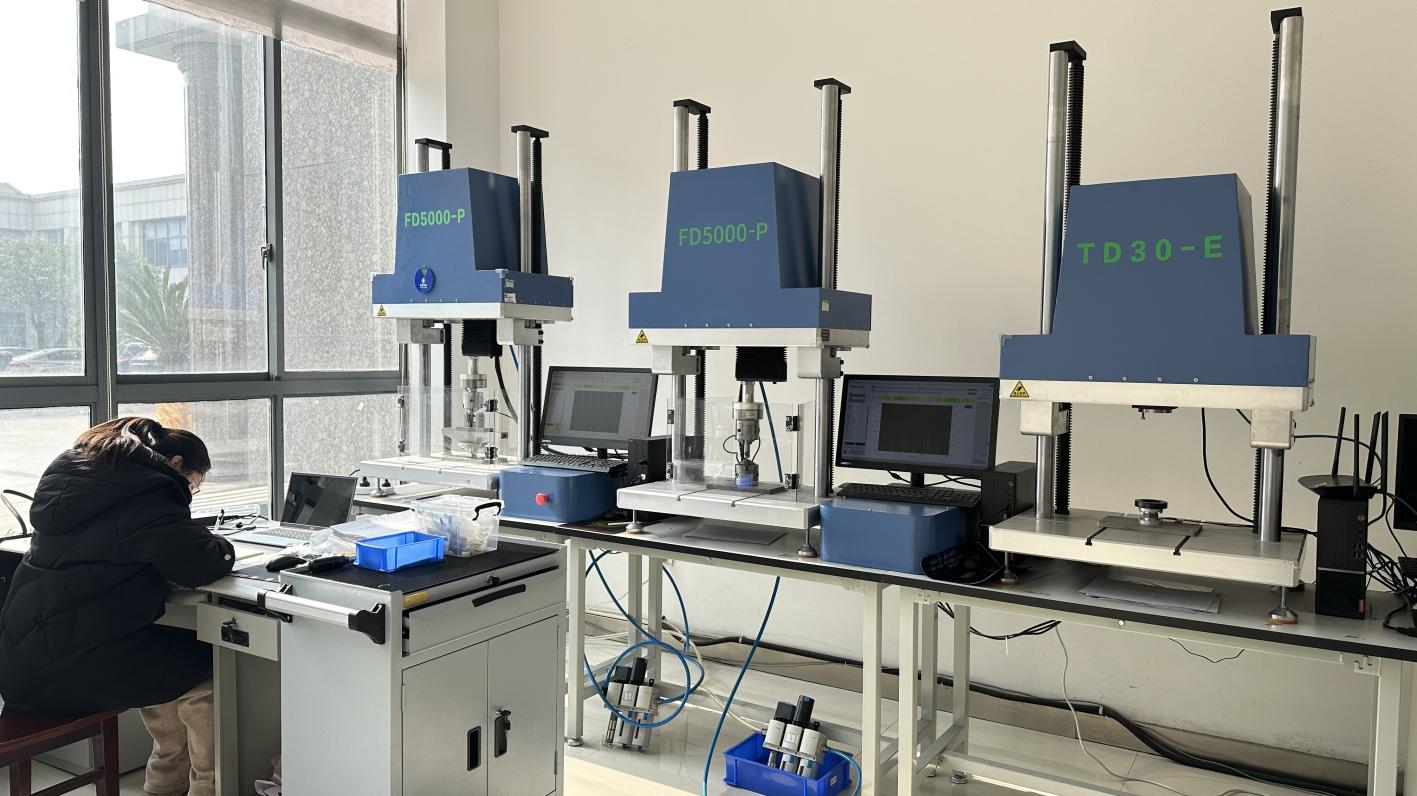
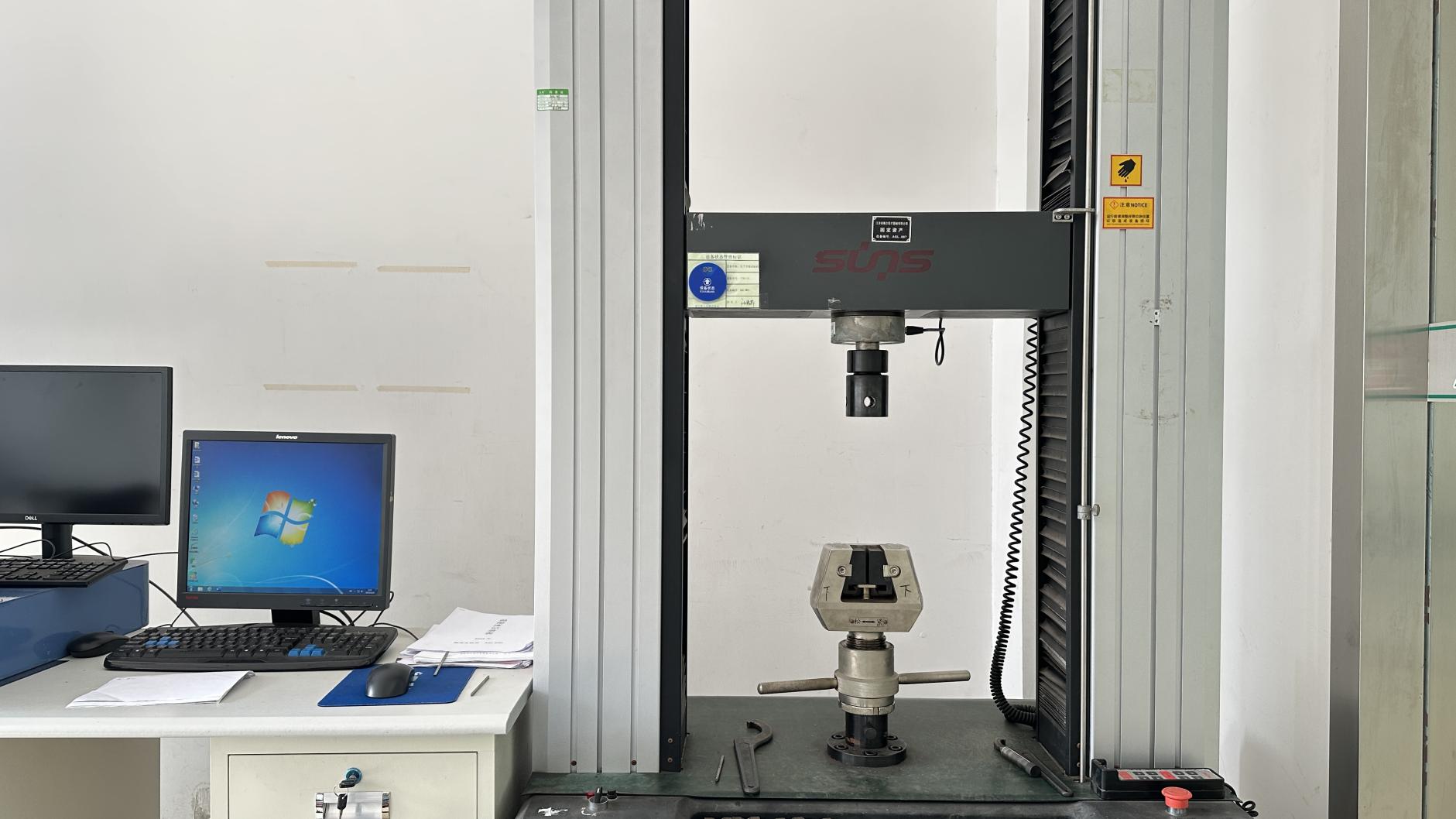
Our quality verification processes ensure patient safety through thorough testing protocols, spanning from initial material receipts to pre-shipment packages:
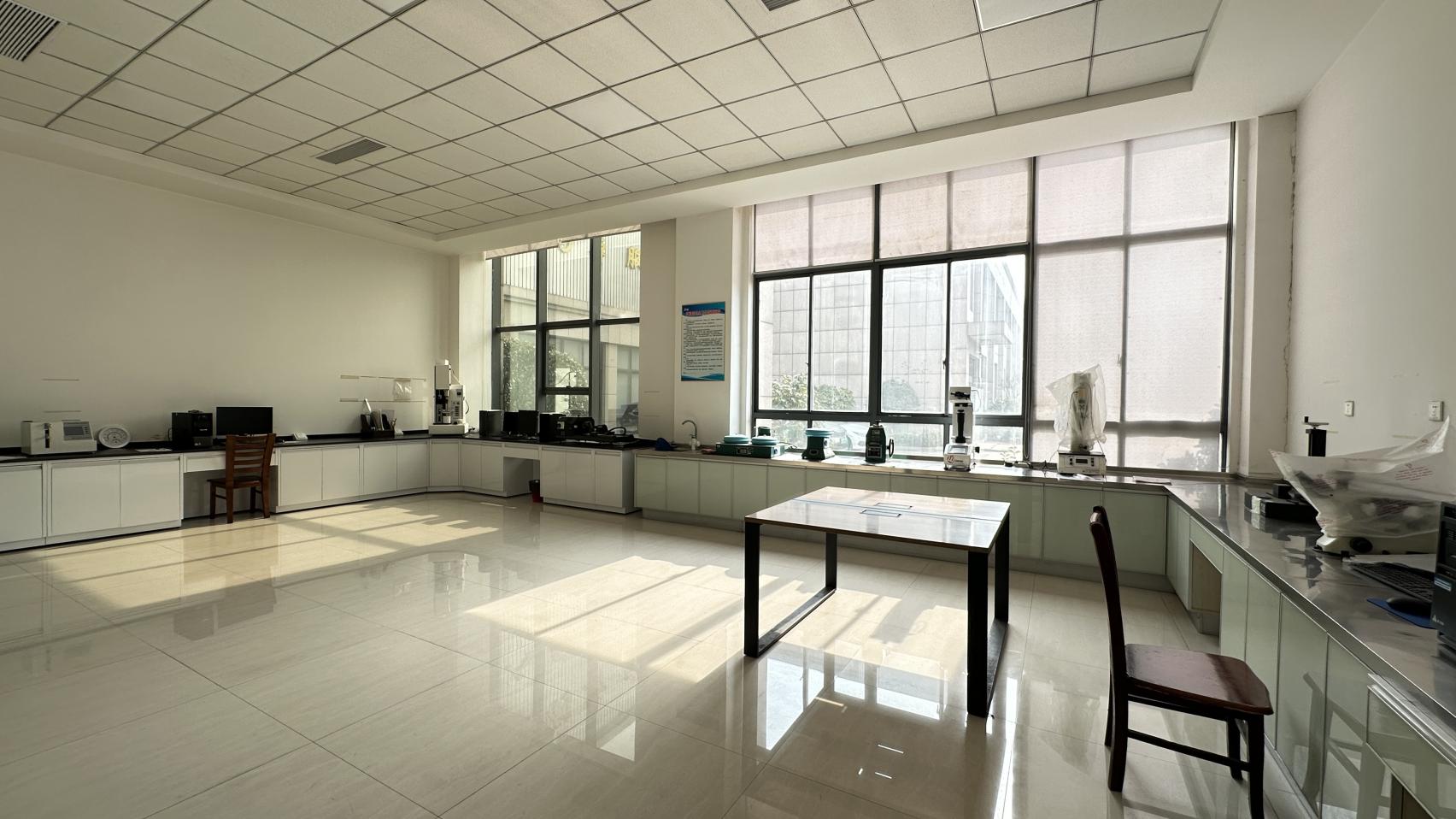
A detailed view of our processing steps, from raw material validation to advanced mechanical performance analysis.
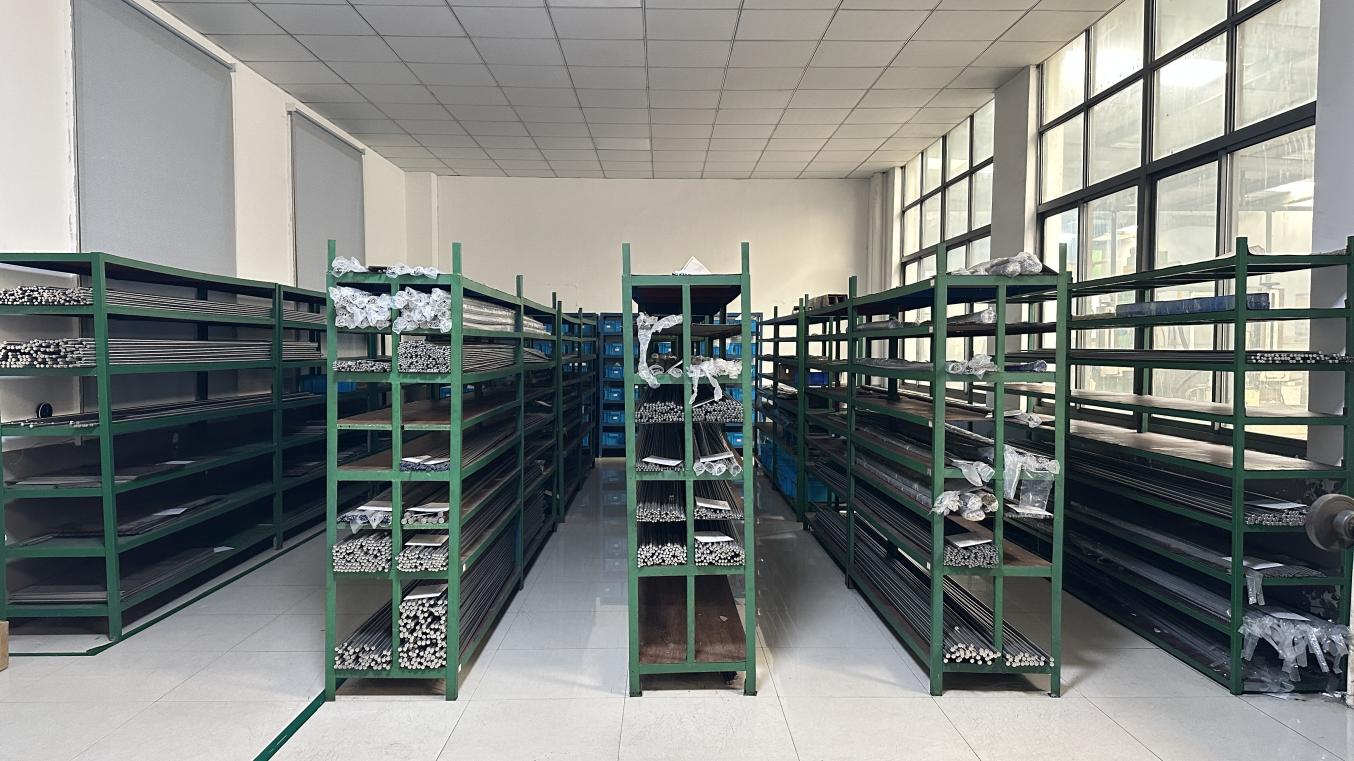
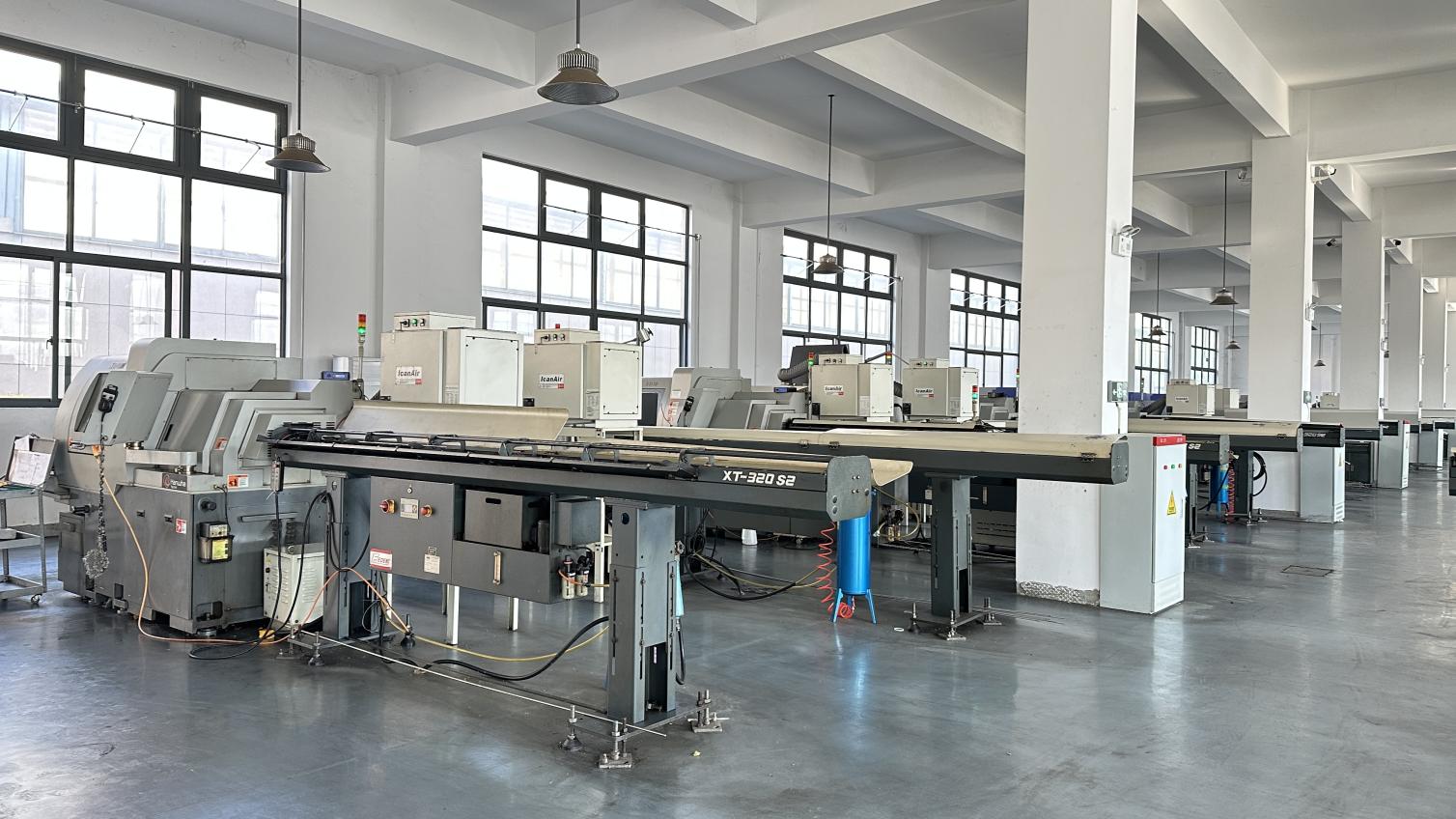
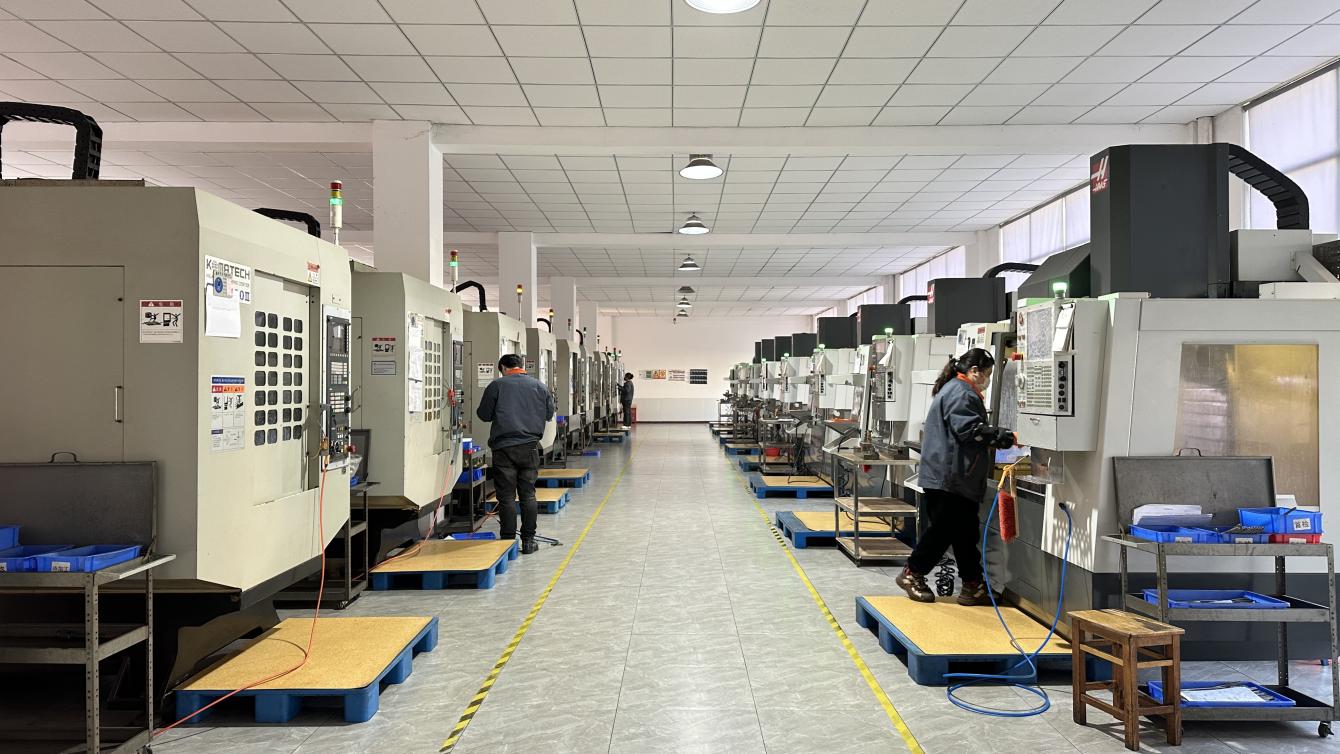
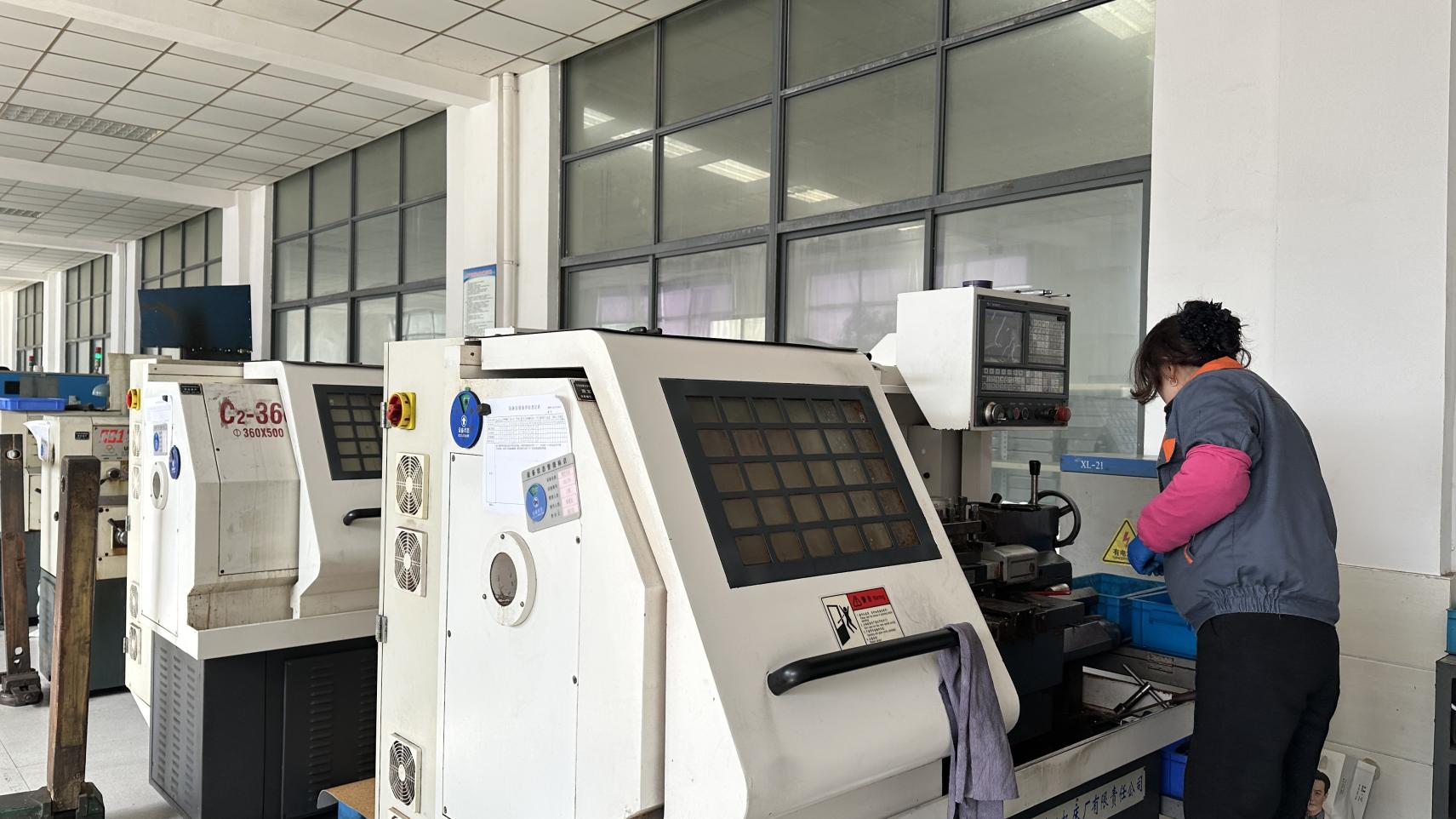
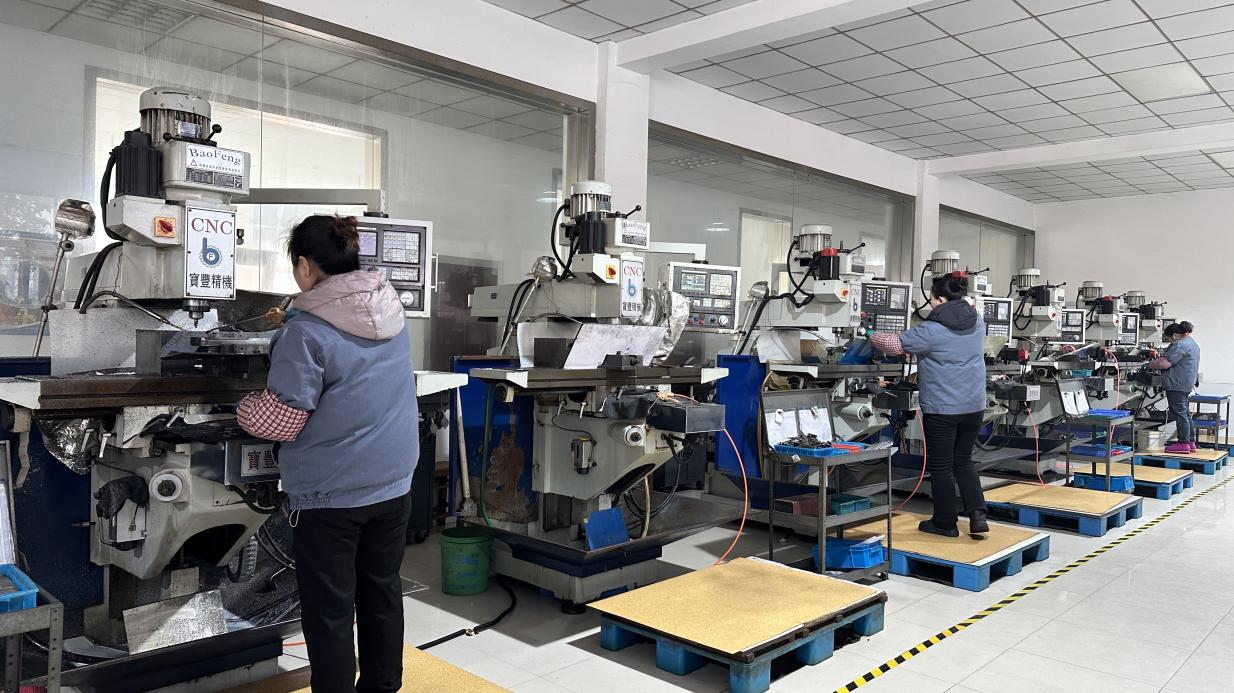
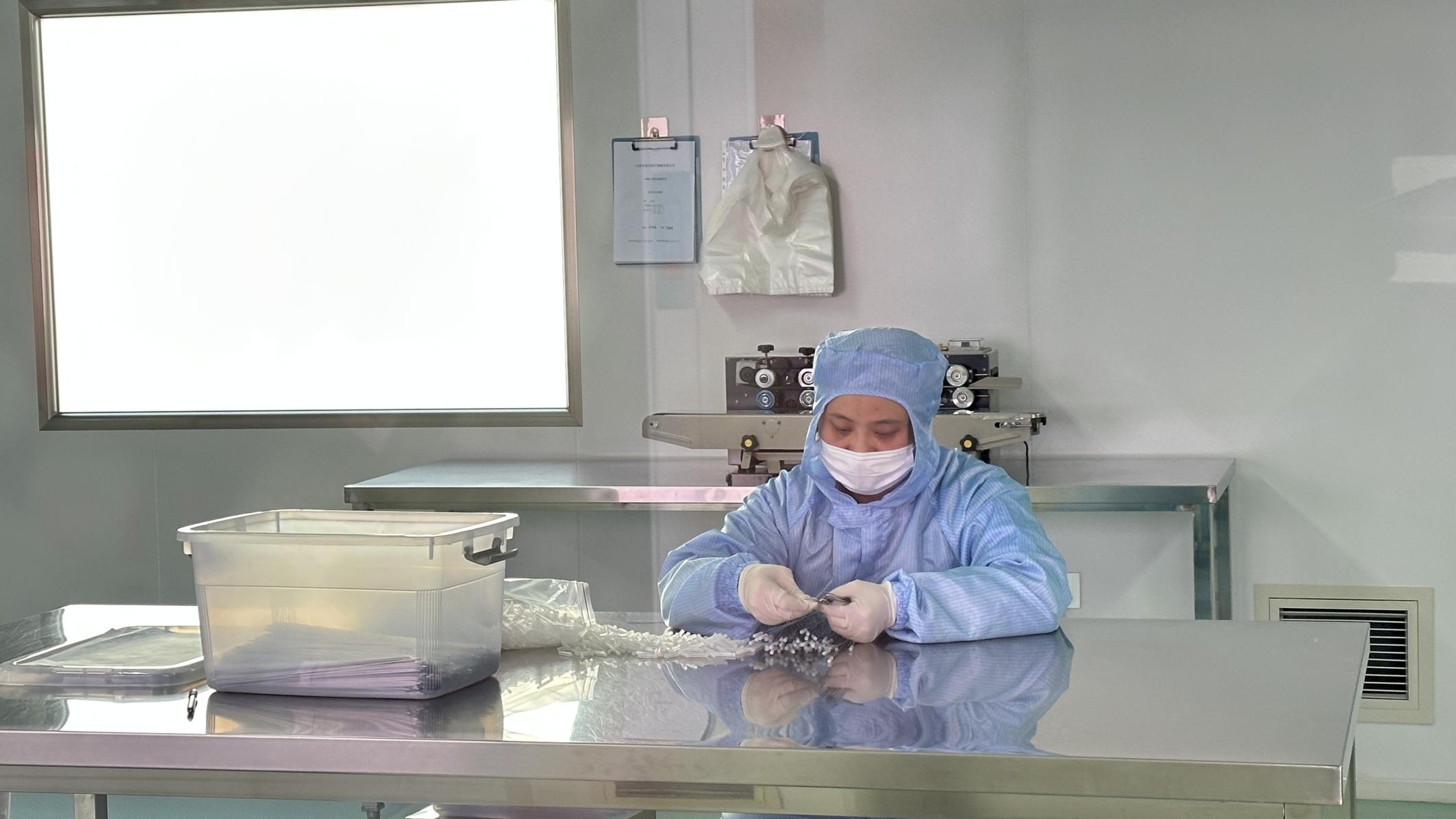
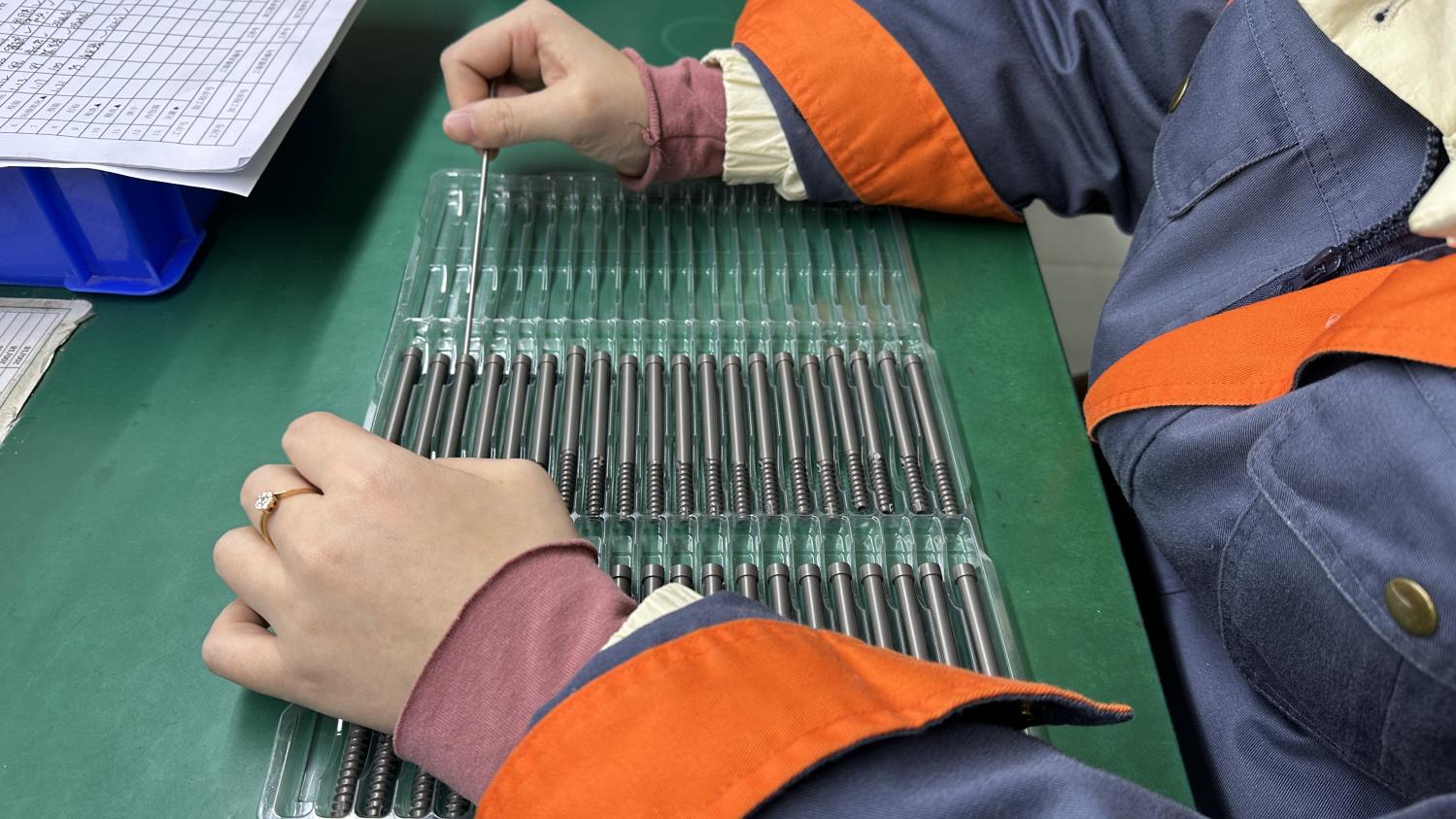
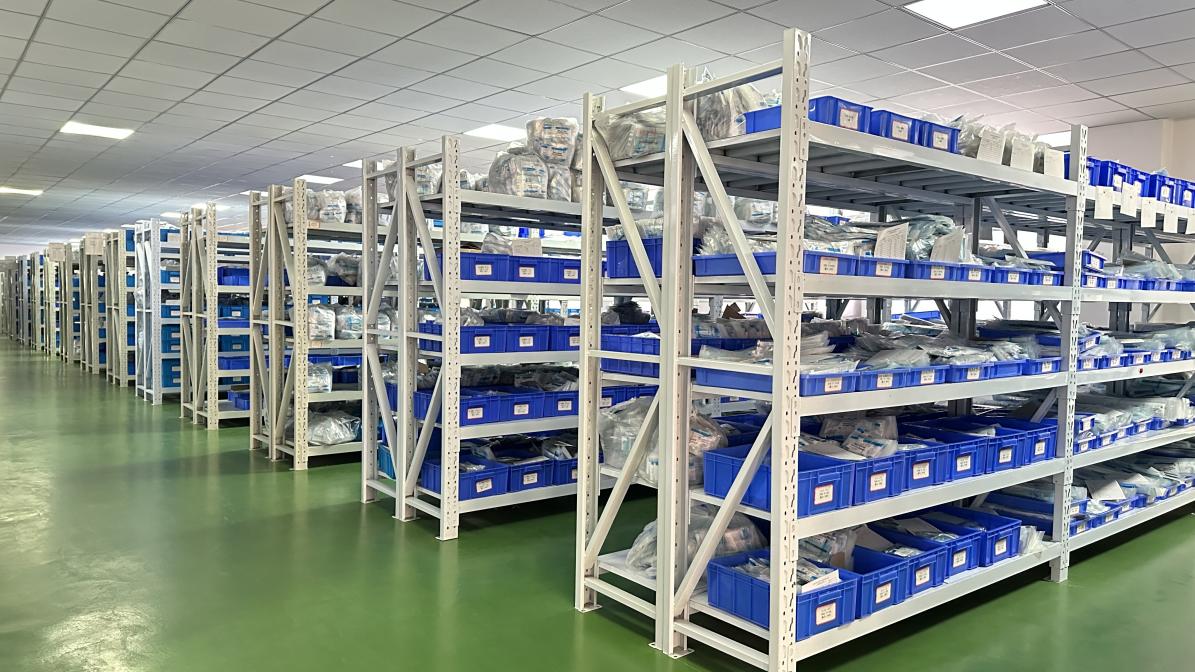
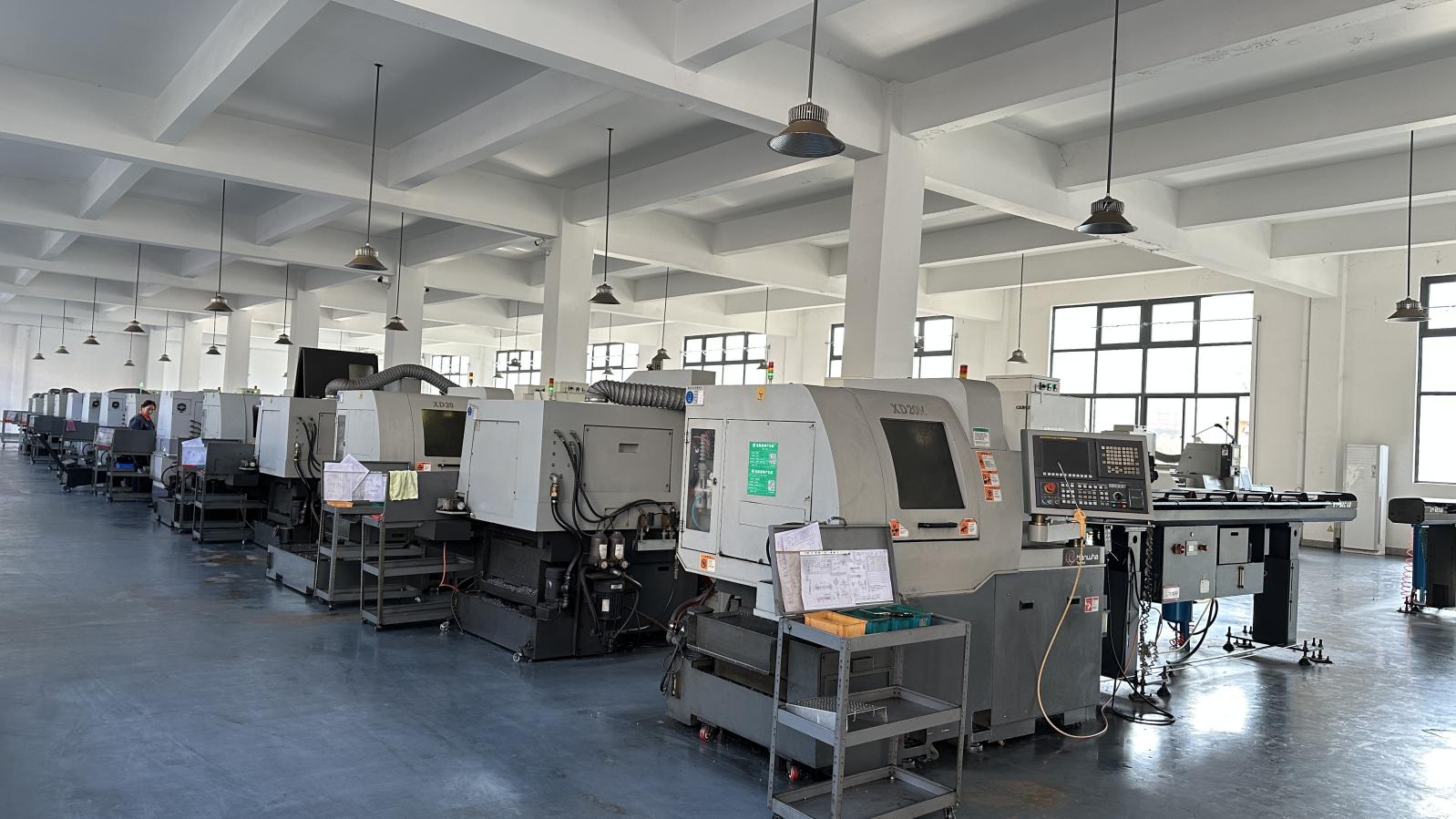
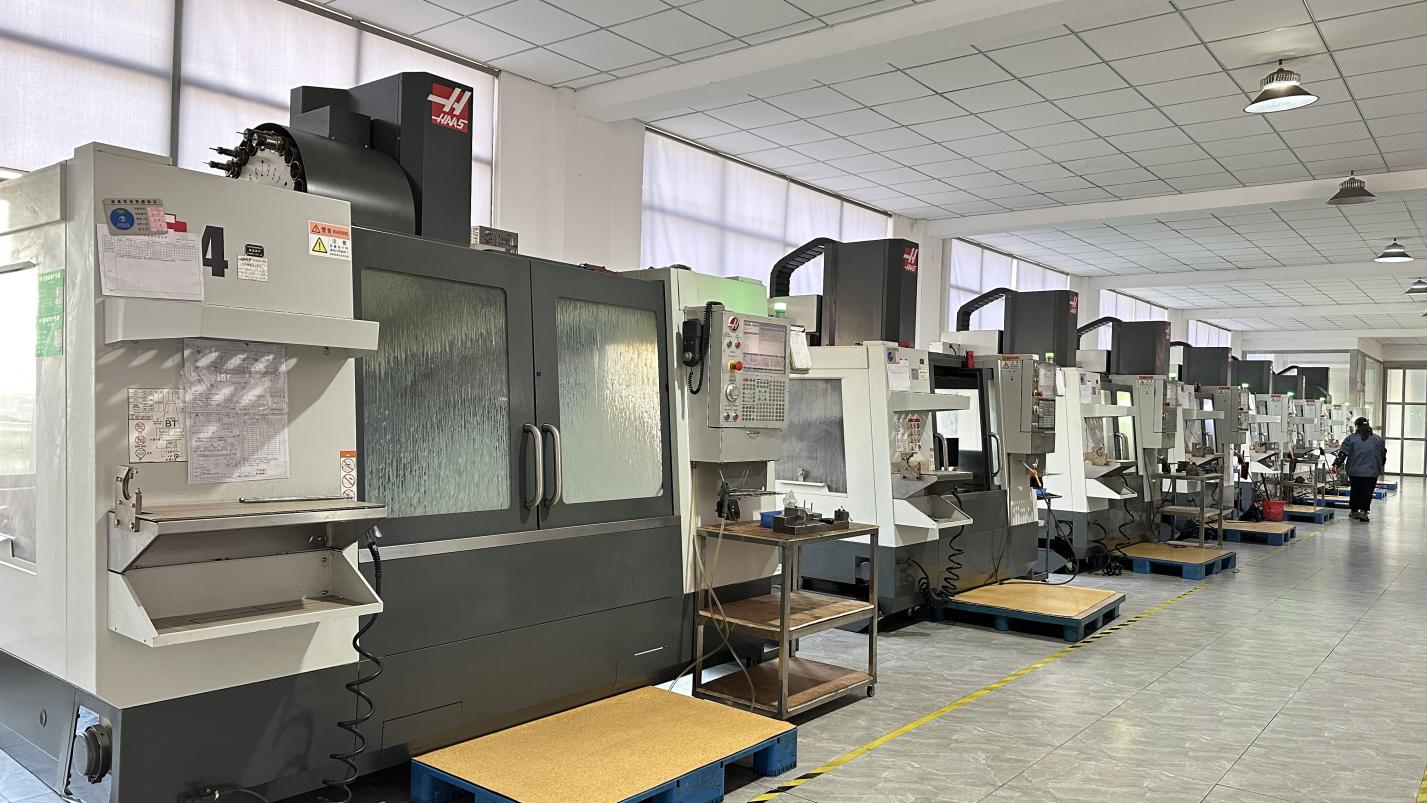
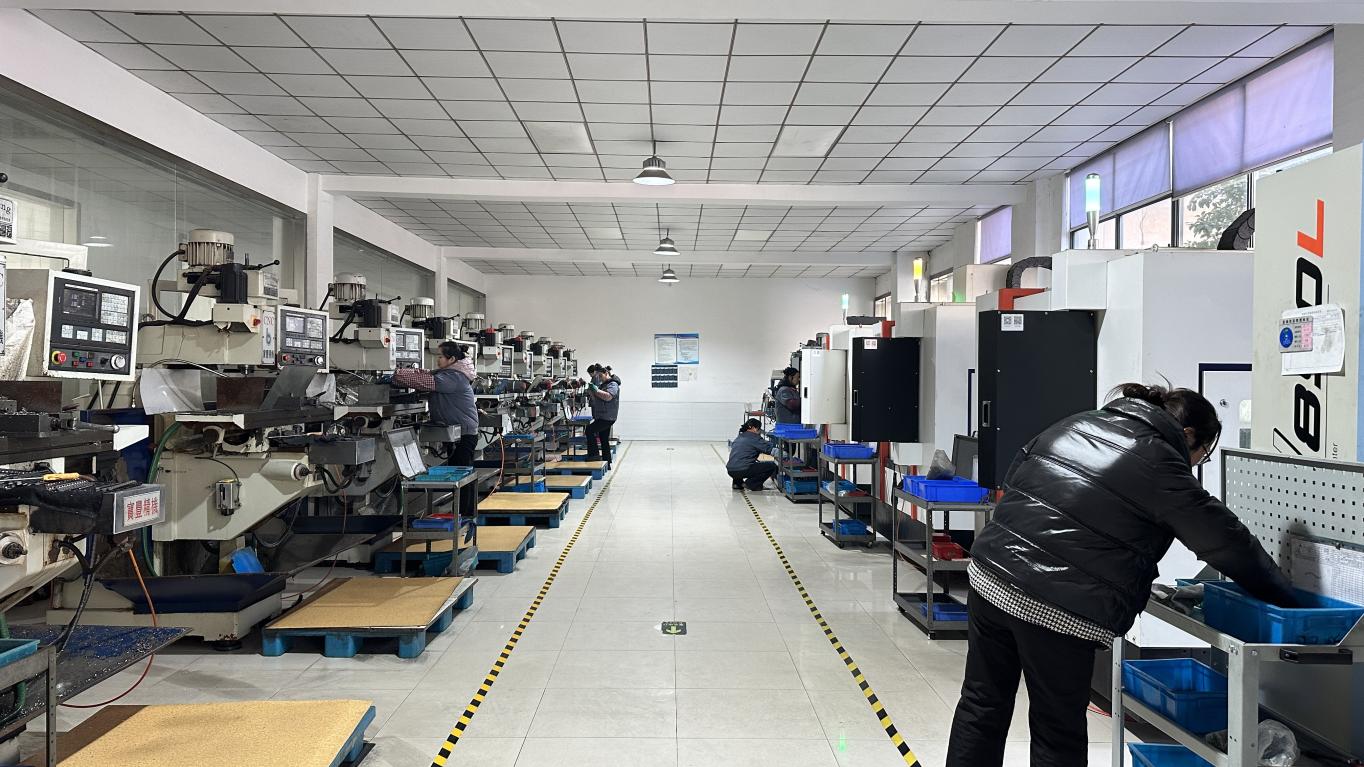
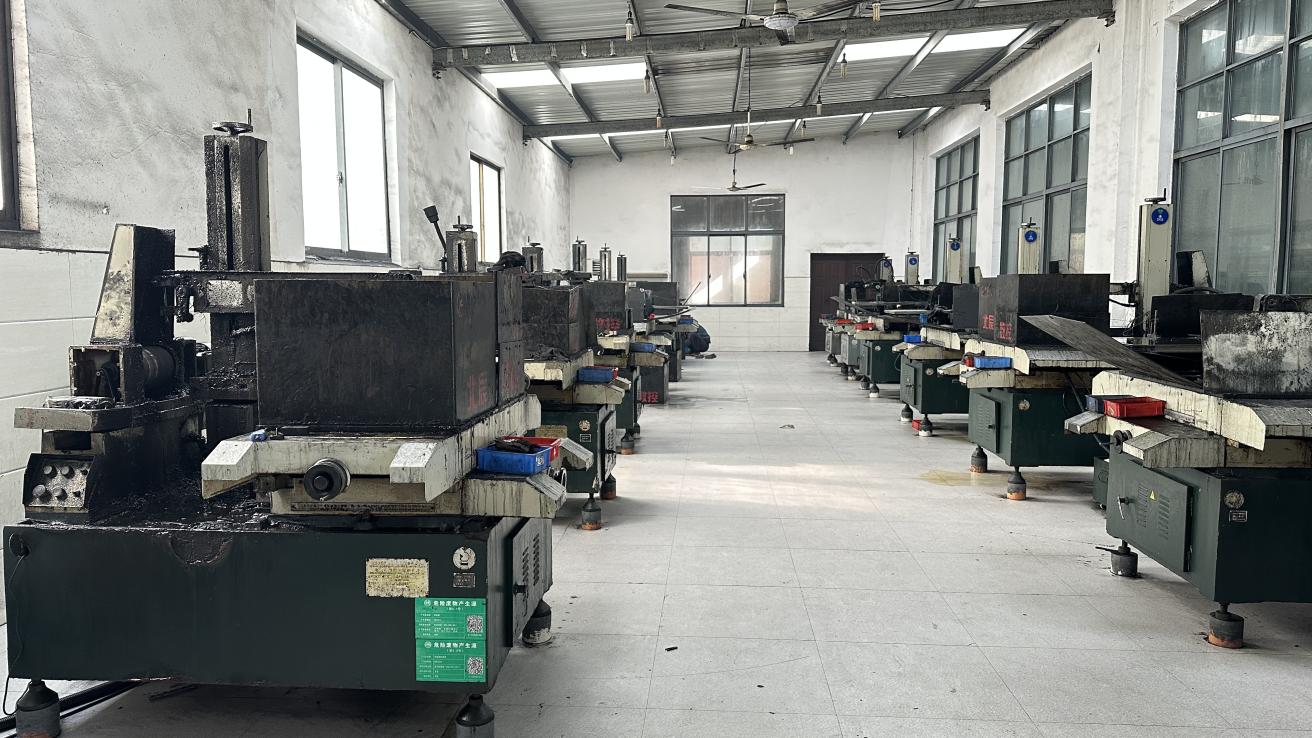
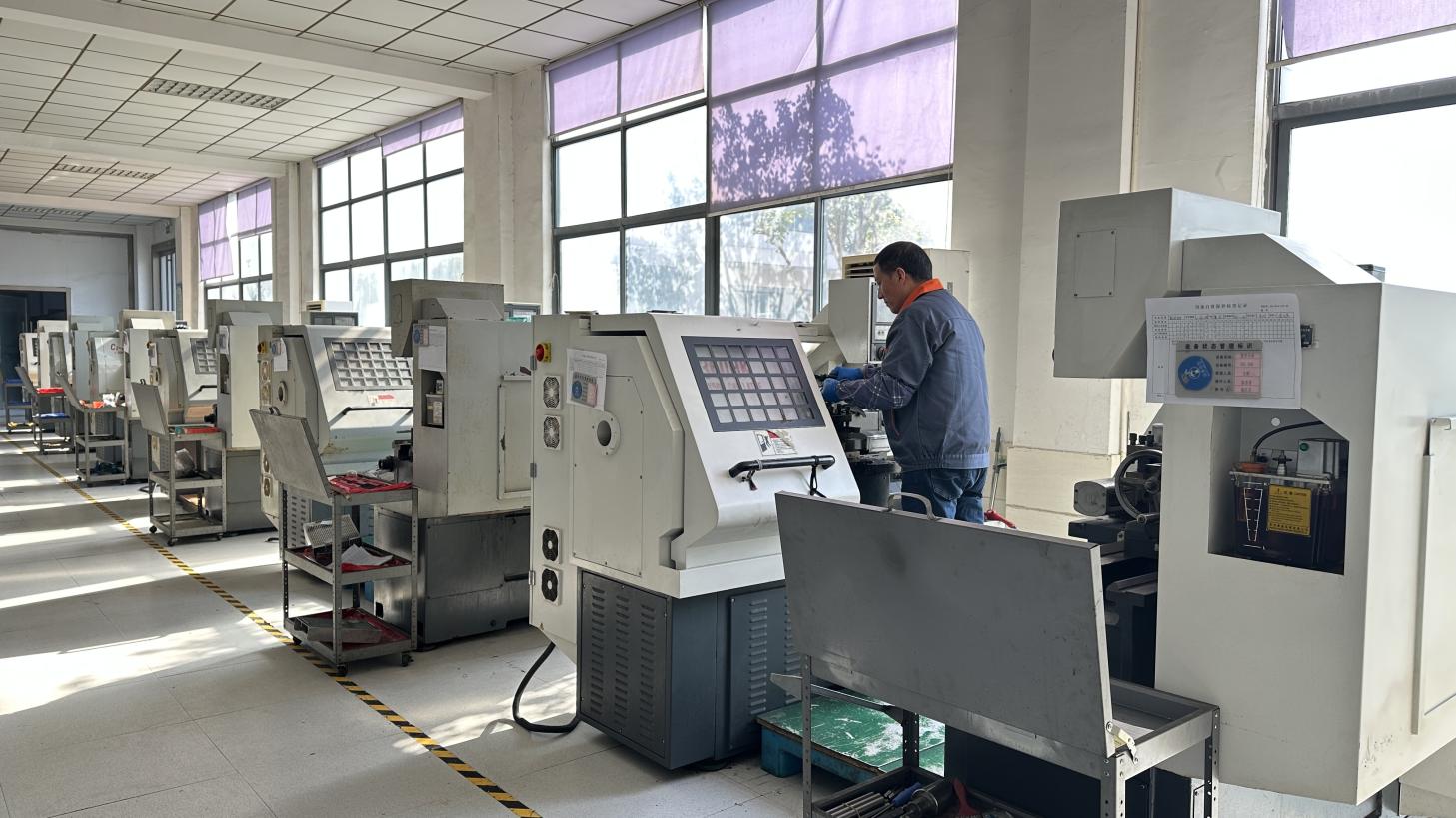
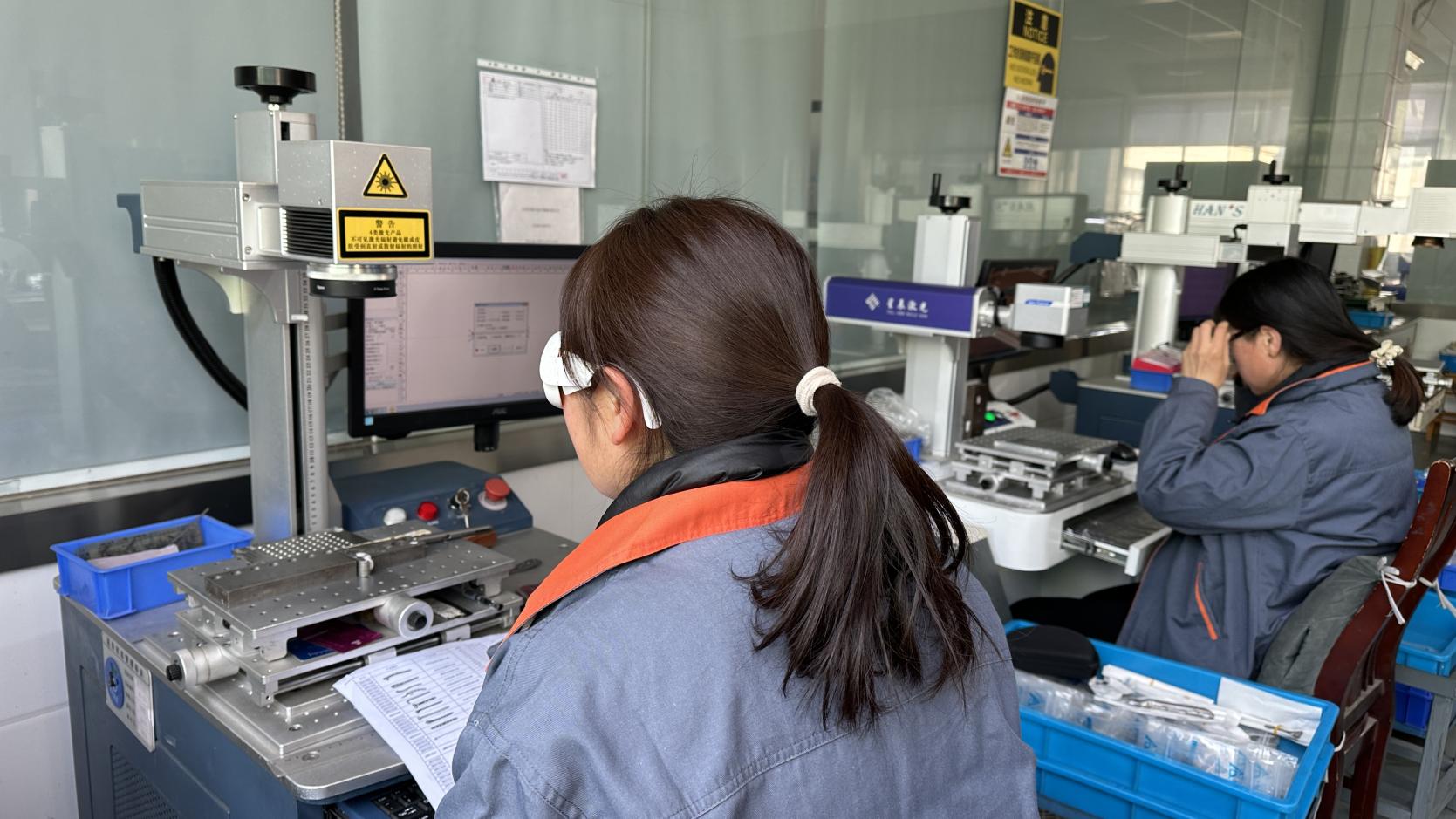
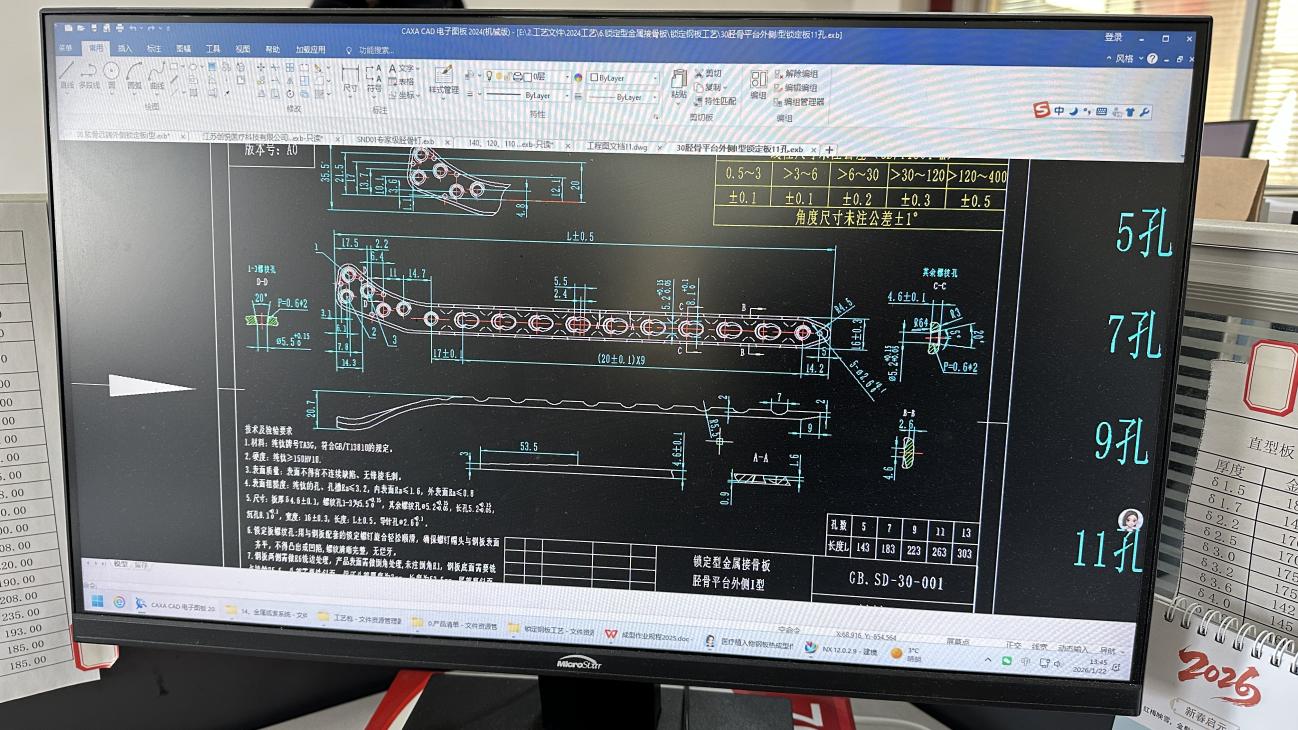
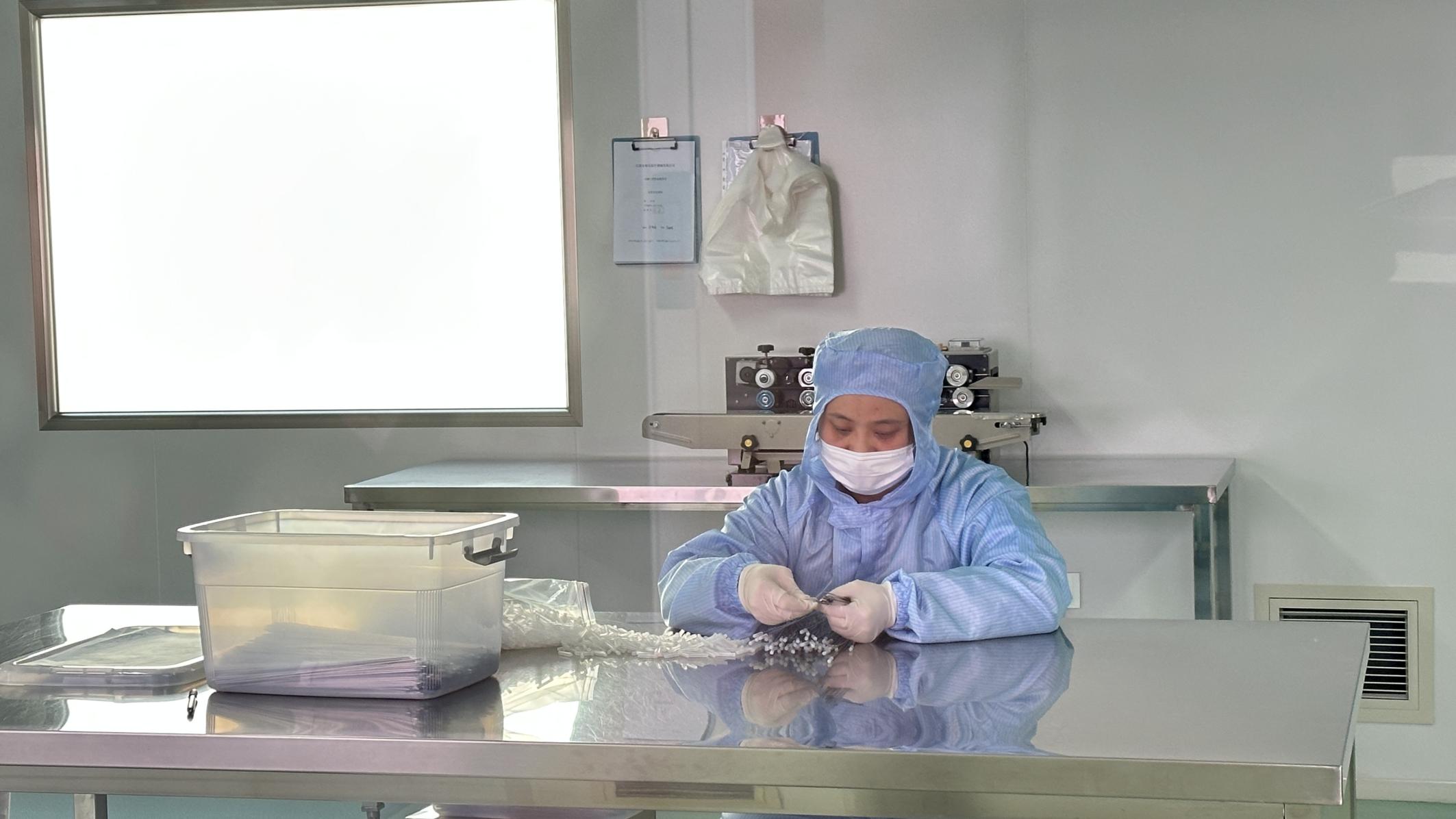
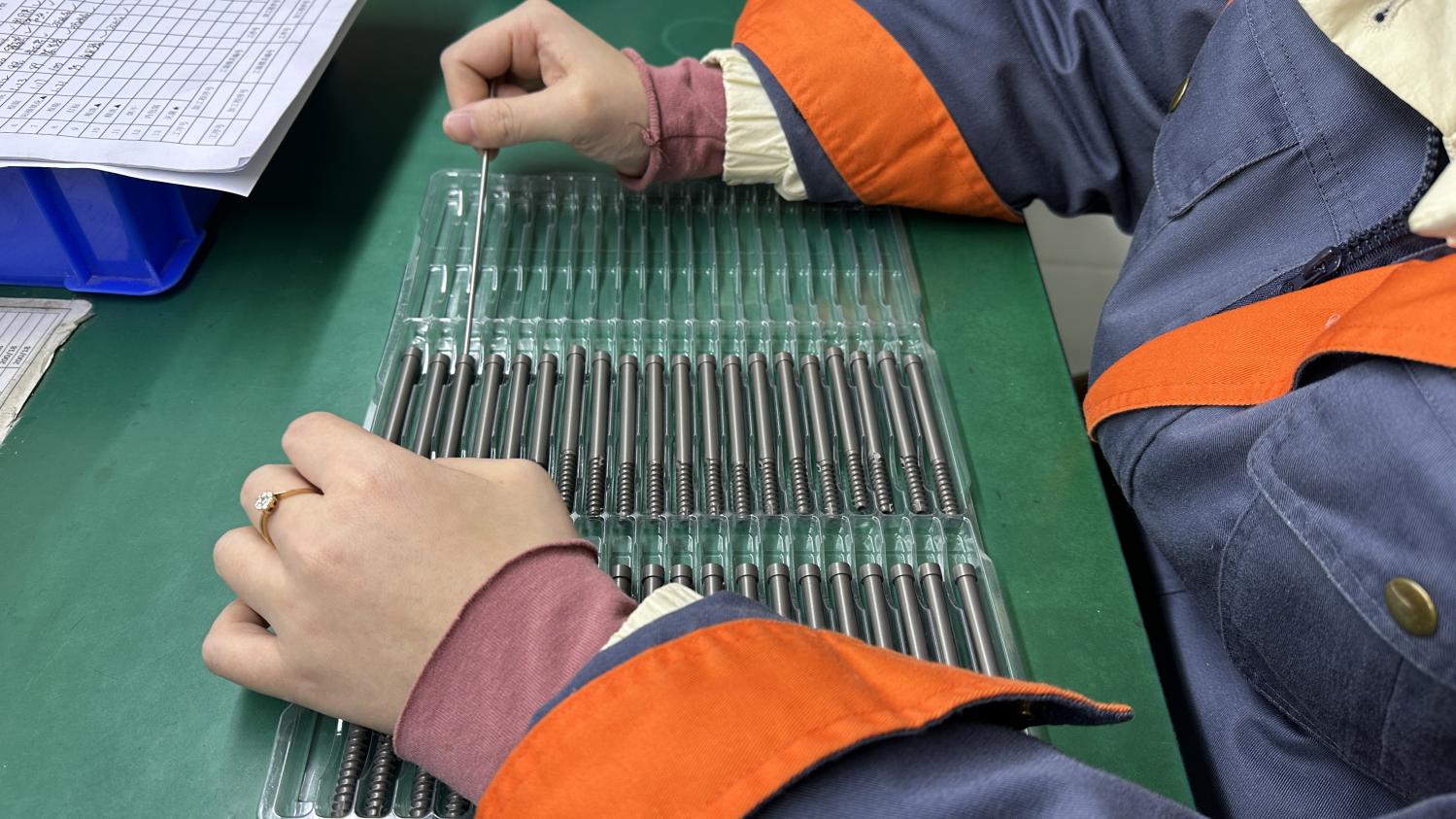
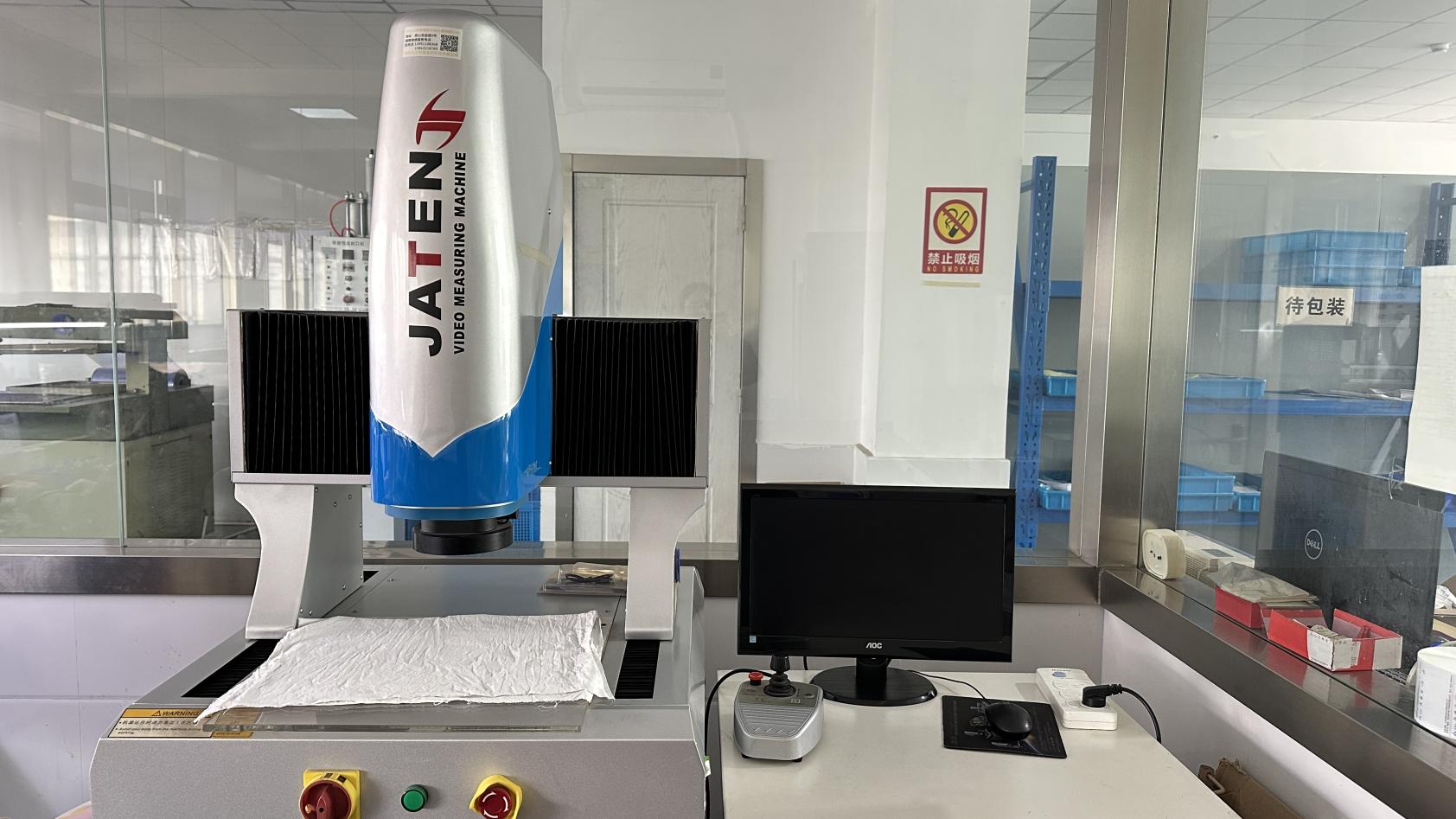
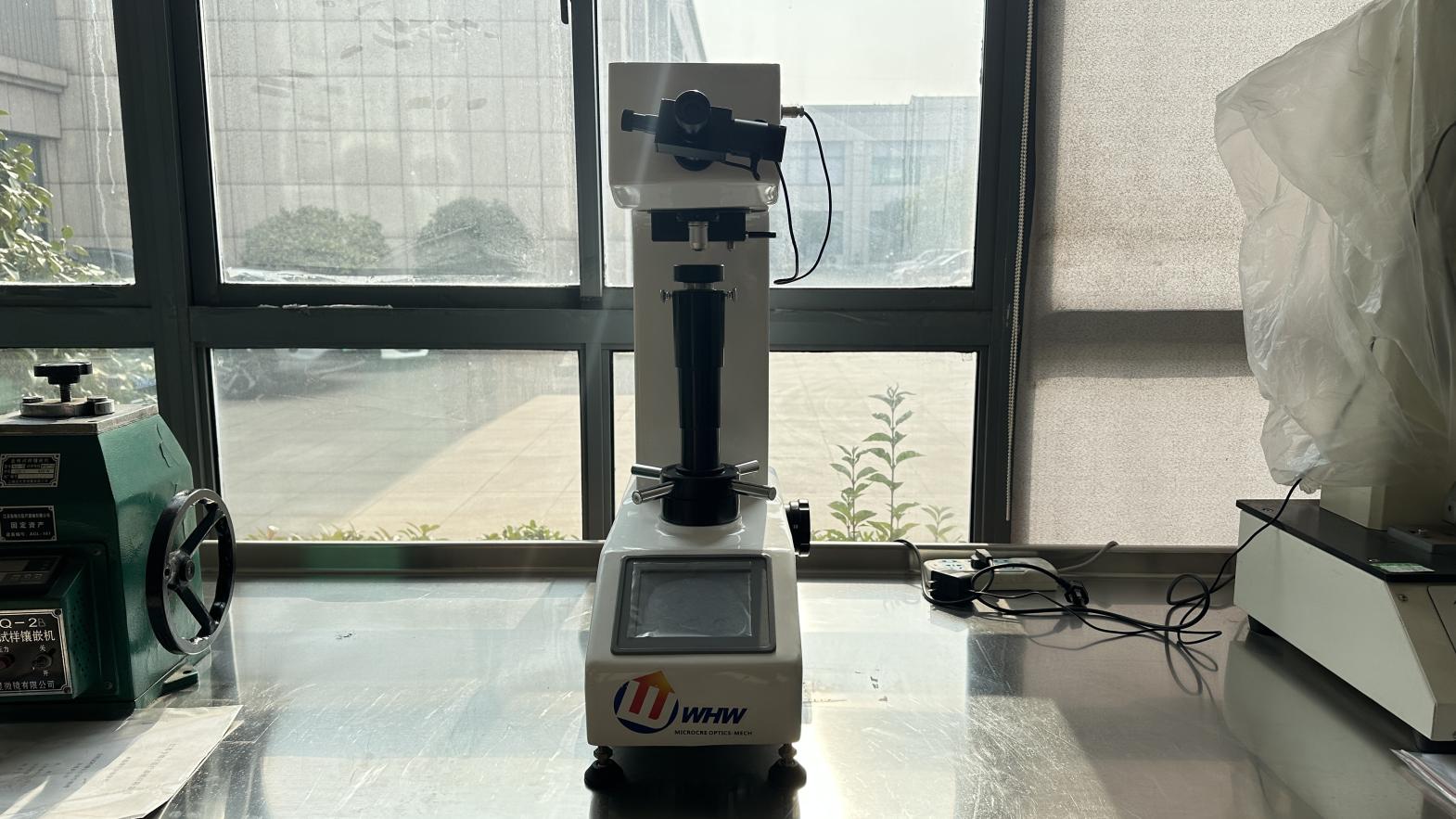
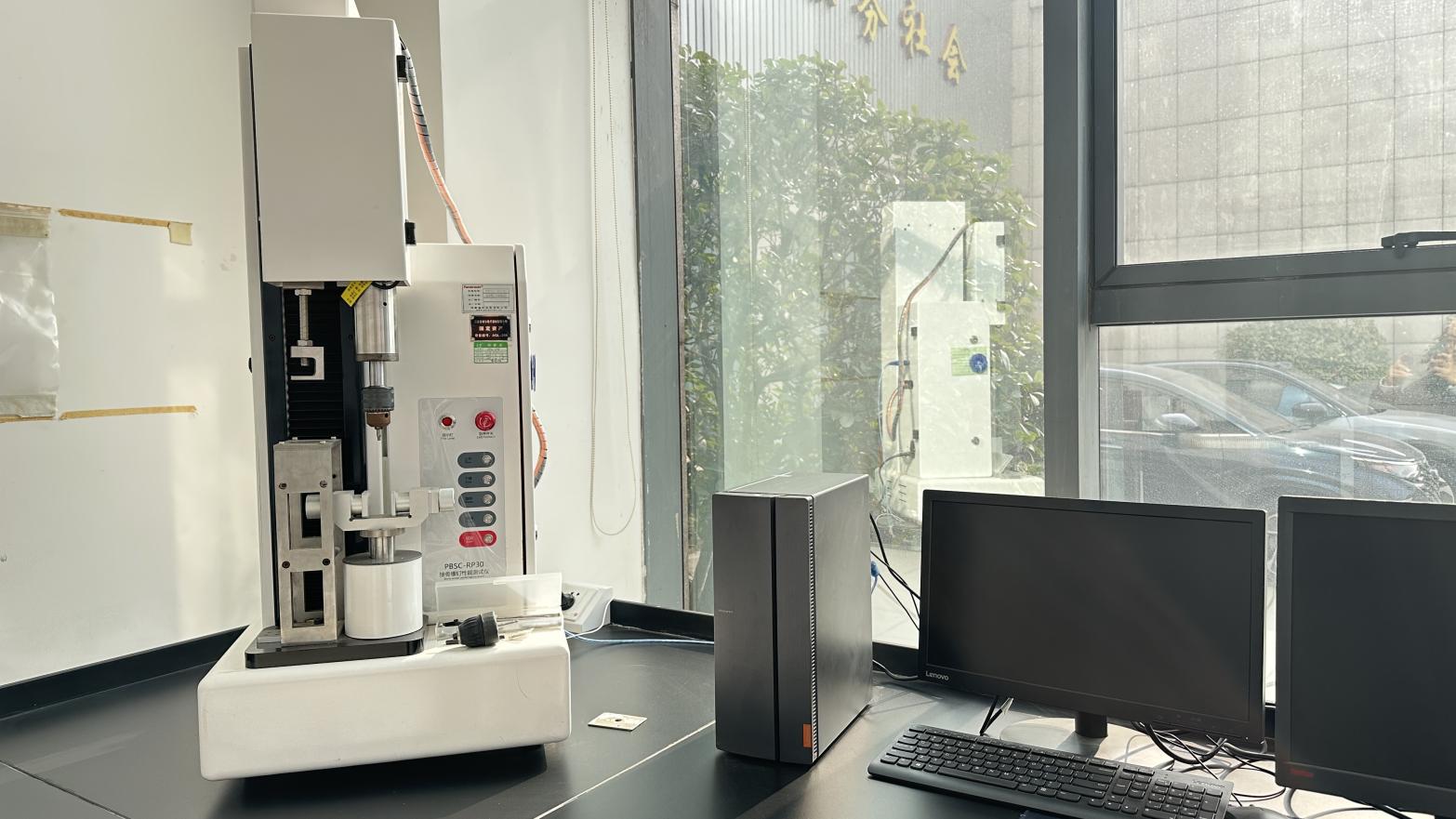
Procuring medical implants involves balancing cost structures, regulatory requirements, and engineering quality. Chinese orthopedic manufacturing facilities provide a reliable option for international purchasing departments. Advanced Swiss CNC machining centers, raw stock sourcing, and cleanroom packaging allow these operations to produce hardware that matches established international brands, at competitive price points.
Transitioning from basic contract work to complete ODM development, Chinese manufacturers regularly customize threads, screw profiles, and instruments to support surgeon preferences and system requirements. Collaborative development models optimize lead times and lower tooling costs for commercial rollouts.
Commercializing spine fixation hardware requires extensive documentation. In the EU, compliance under Medical Device Regulation (MDR 2017/745) demands clinical evaluations, post-market oversight, and supply chain tracking. In the United States, FDA 510(k) applications require mechanical equivalence data demonstrating performance matching existing devices.
Medisplint simplifies this process by providing documentation packets including metallurgical reports, fatigue tests, cleanroom validations, and biological evaluation records (ISO 10993). This detailed information helps streamline the local registration steps for our distributors.
| Target Market | Regulatory Standard | Required Document Deliverables |
|---|---|---|
| European Union | CE MDR 2017/745 | Technical Documentation File, ISO 13485 Certificate, UDI registration data |
| United States | FDA 510(k) Clearance | ASTM F1717 mechanical test reports, material validation (ASTM F136), biocompatibility data |
| Latin America | ANVISA / COFEPRIS | Certificate of Pharmaceutical Product, Free Sale Certificate, manufacturing dossiers |
| Global Markets | WHO GMP & ISO 13485 | Cleanroom sterilization reports, ISO 11607 packaging validation |
Tailored spine configurations designed to match distinct anatomical requirements and surgical approaches.
For treating spondylolisthesis, spinal stenosis, and degenerative disc disease, polyaxial screws facilitate multi-level rod alignment, reducing stress concentrations at the rod-screw junction during lumbar spine fusion.
Managing severe spinal curves requires significant derotation forces. Polyaxial pedicle systems allow easier rod seating in complex multi-segment configurations, lowering the risk of intraoperative bone fracture.
For patients with compromised bone density, we offer cannulated, fenestrated pedicle screws. These designs support polymethylmethacrylate (PMMA) bone cement injection, improving purchase and preventing implant pull-out.
Spinal surgery continues to adopt digital navigation, surgical robotics, and minimally invasive techniques. Modern implant lines are designed with low-profile heads and integrated navigation trackers to remain compatible with automated placement systems.
Research in biomaterials focuses on porous 3D-printed titanium implants and surface modifications like silicon nitride coatings. These technologies aim to improve osseointegration and reduce post-operative infection risks, pointing toward future spine reconstruction advancements.
Our engineering team works closely with university research centers to study dynamic load-sharing systems. Our goal is to design fixation implants that adapt to changes in patient bone density over time, helping to prevent adjacent segment issues.
Key information regarding production runs, customization options, quality validation, and supply logistics.
We manufacture our implants using medical-grade Titanium Alloy (Ti-6Al-4V ELI) conforming to ASTM F136 specifications. This material provides high biocompatibility, excellent corrosion resistance, and high fatigue strength for permanent implantation.
Yes, we provide OEM/ODM customization. Our engineering team can adapt thread shapes, head heights, drive patterns, and surgical tools to your specifications, including laser marking and custom packaging options.
Every production lot undergoes rigorous mechanical testing in our ISO-compliant laboratory. Testing protocols include axial pull-out resistance (ASTM F543), static torsion strength, and multi-million cycle dynamic fatigue testing (ASTM F1717) to verify long-term performance.
For catalog items, standard production ranges from 30 to 45 days depending on batch size. Customized OEM runs generally require 60 to 75 days to accommodate custom tooling, process validation, and quality control steps.
Explore our complete selection of surgical handpieces, instrumentation kits, and trauma implants.