Medisplint
Medisplint
Medisplint
Explore our core CE and ISO certified medical implants and advanced navigation instrumentation designed for trauma, spine, joint reconstruction, and maxillofacial interventions.
Orthognathic and cranio-maxillofacial (CMF) surgical interventions demand highly specific mechanical properties, unmatched biocompatibility, and extreme dimensional accuracy. As clinical institutions transition toward personalized medicine, global healthcare distributors are seeking reliable manufacturing partners who can supply standard trauma configurations alongside highly specialized osteotomy locking systems.
Key procurement factors for international healthcare systems center around raw material traceability, high fatigue resistance under masticatory loads, and absolute compliance with CE, ISO 13485, and Class III medical device standards. Manufacturers must offer comprehensive structural validation, ensuring that the implants do not undergo stress corrosion cracking or premature degradation inside the patient.
Medisplint Orthopedic Instruments Co., Ltd., founded in 2016, is a premier Chinese manufacturer specializing in advanced orthopedic implants, fixation systems, and surgical instruments. Spanning an 18,500㎡ facility, the company coordinates high-precision production for international clinical markets.
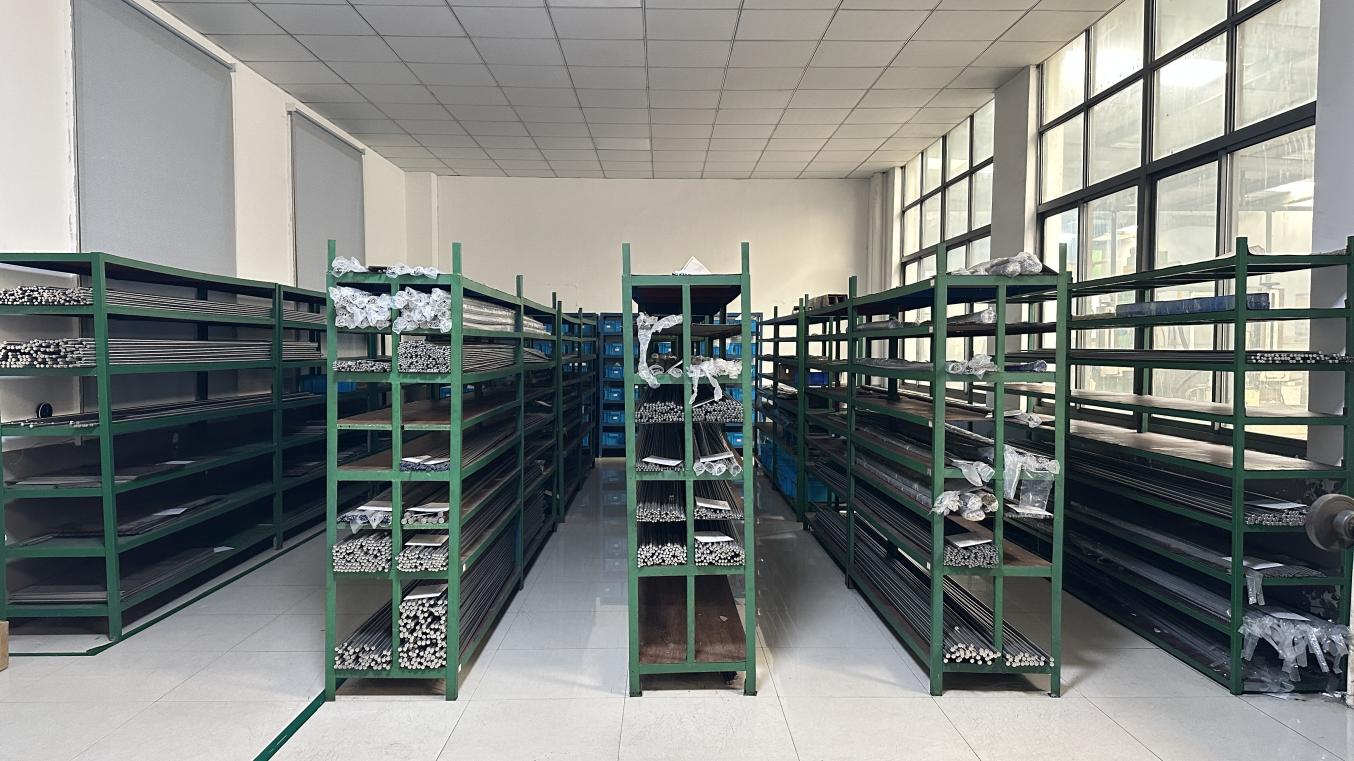
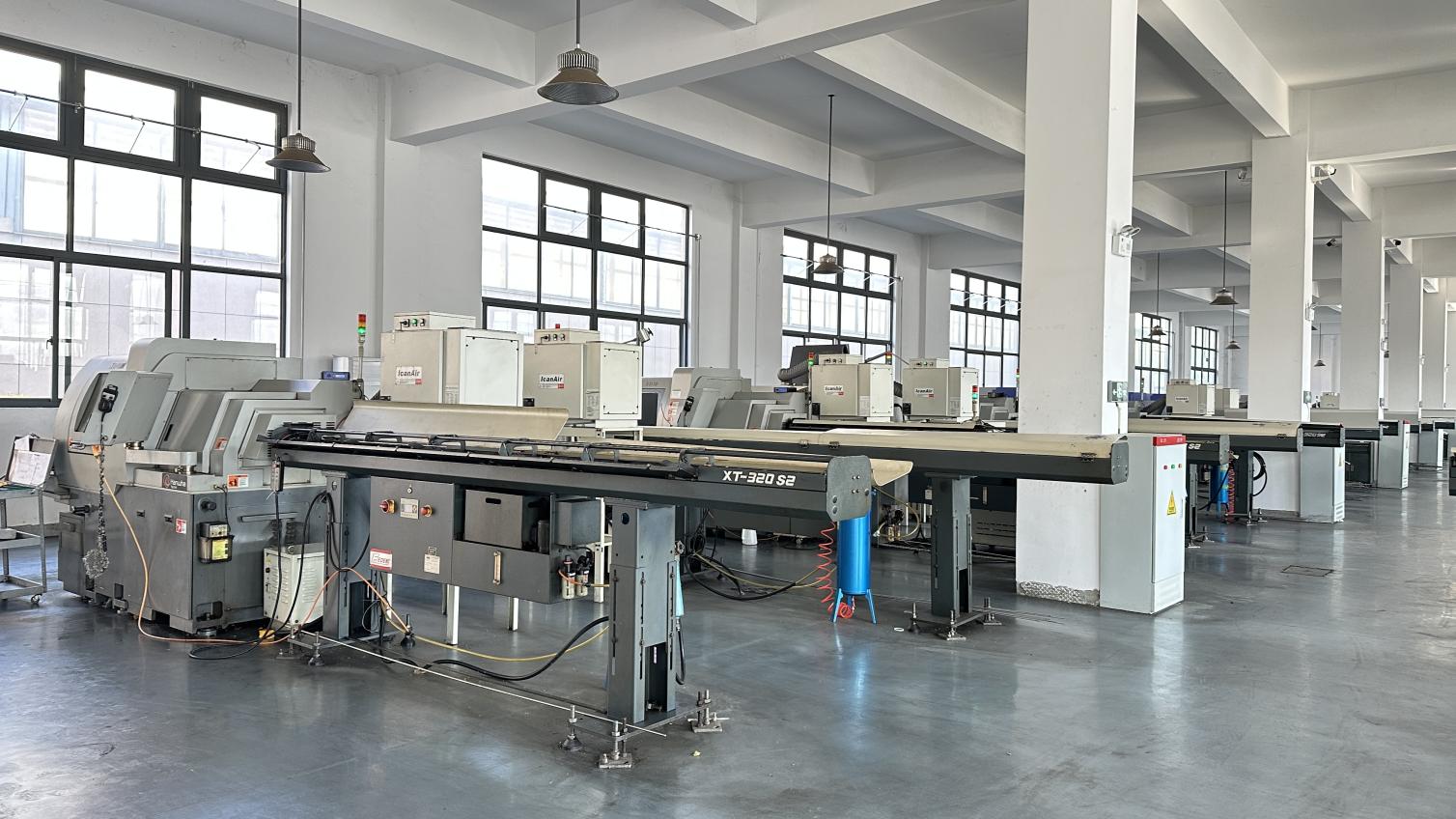
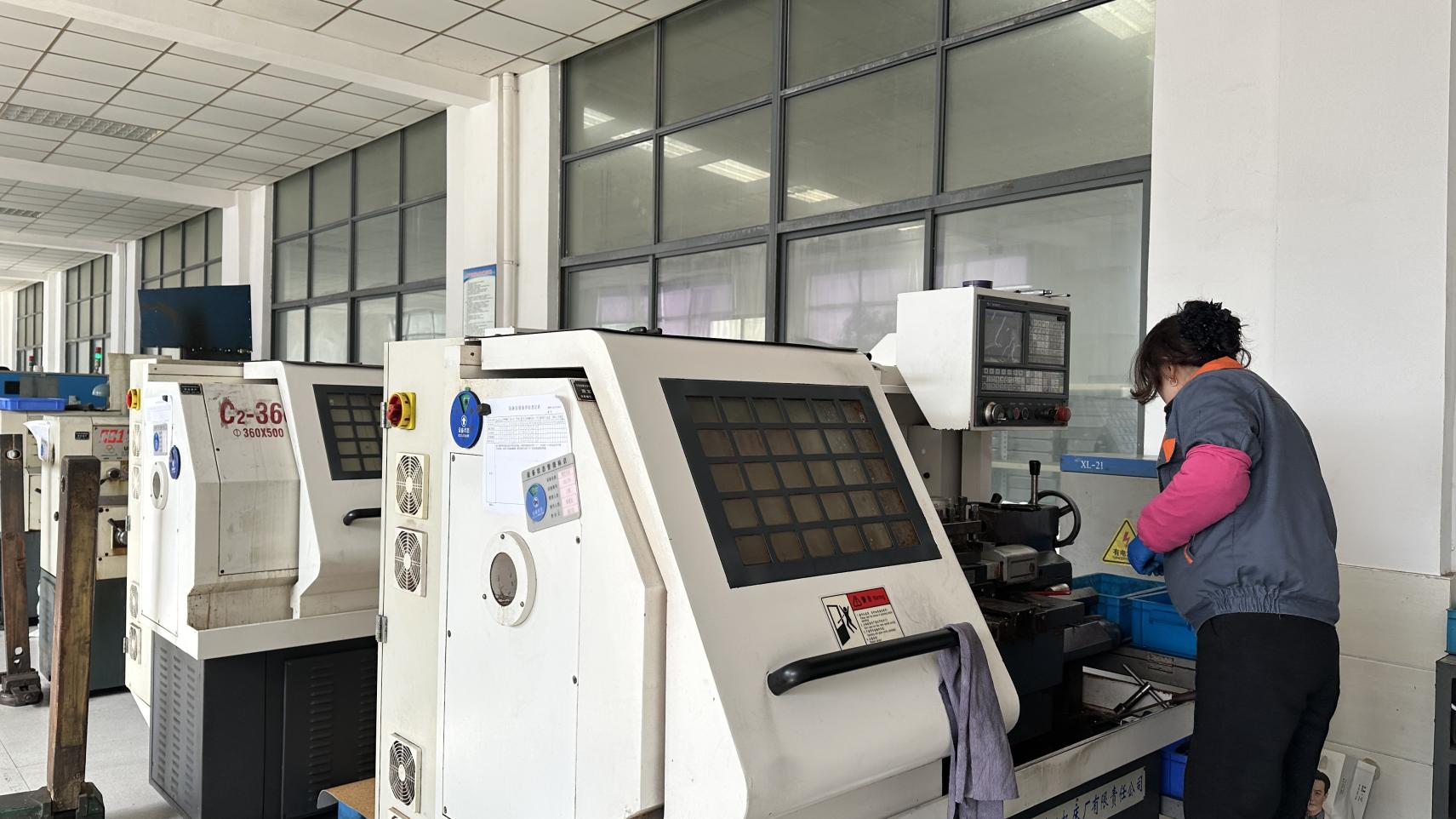
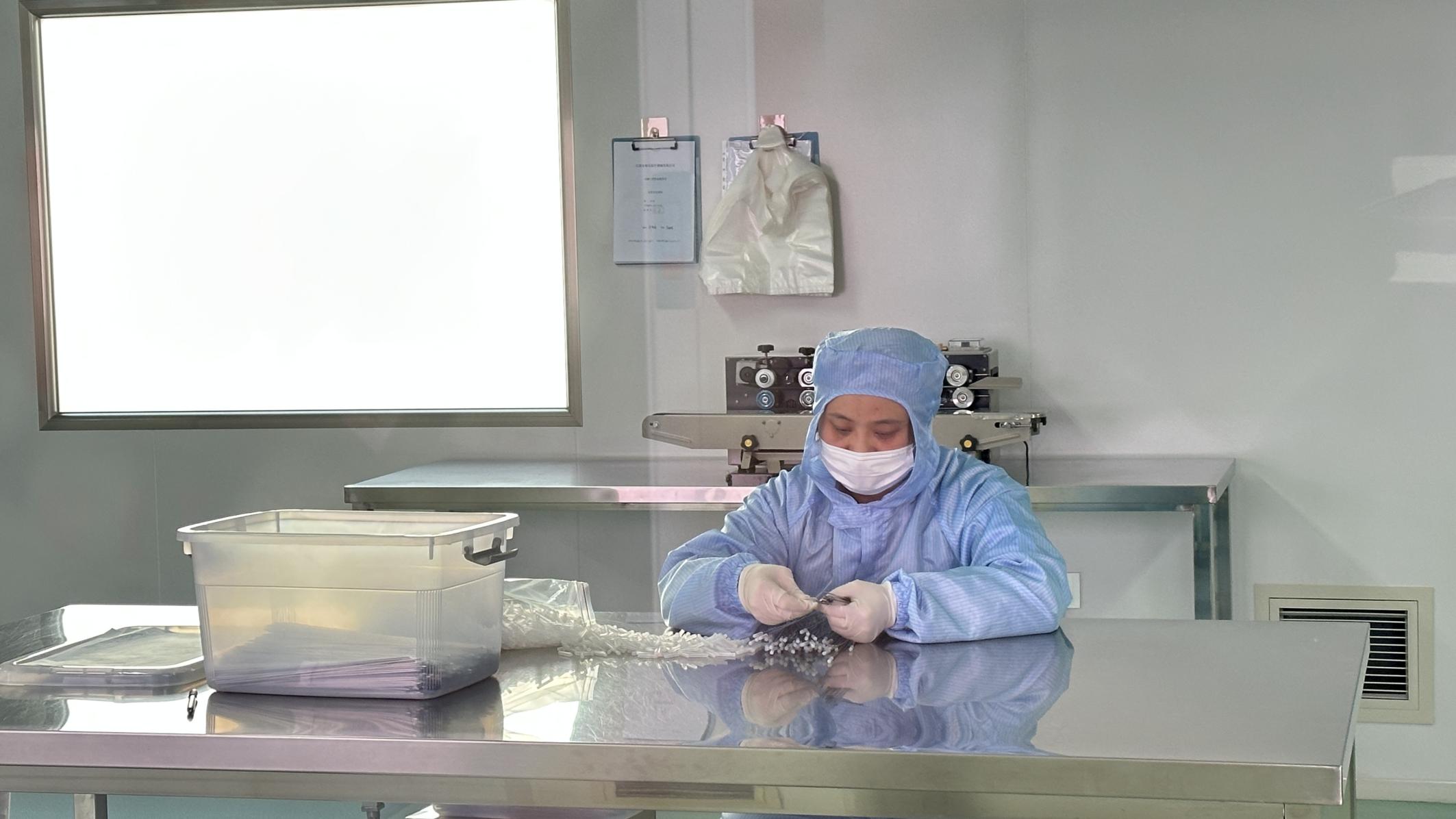
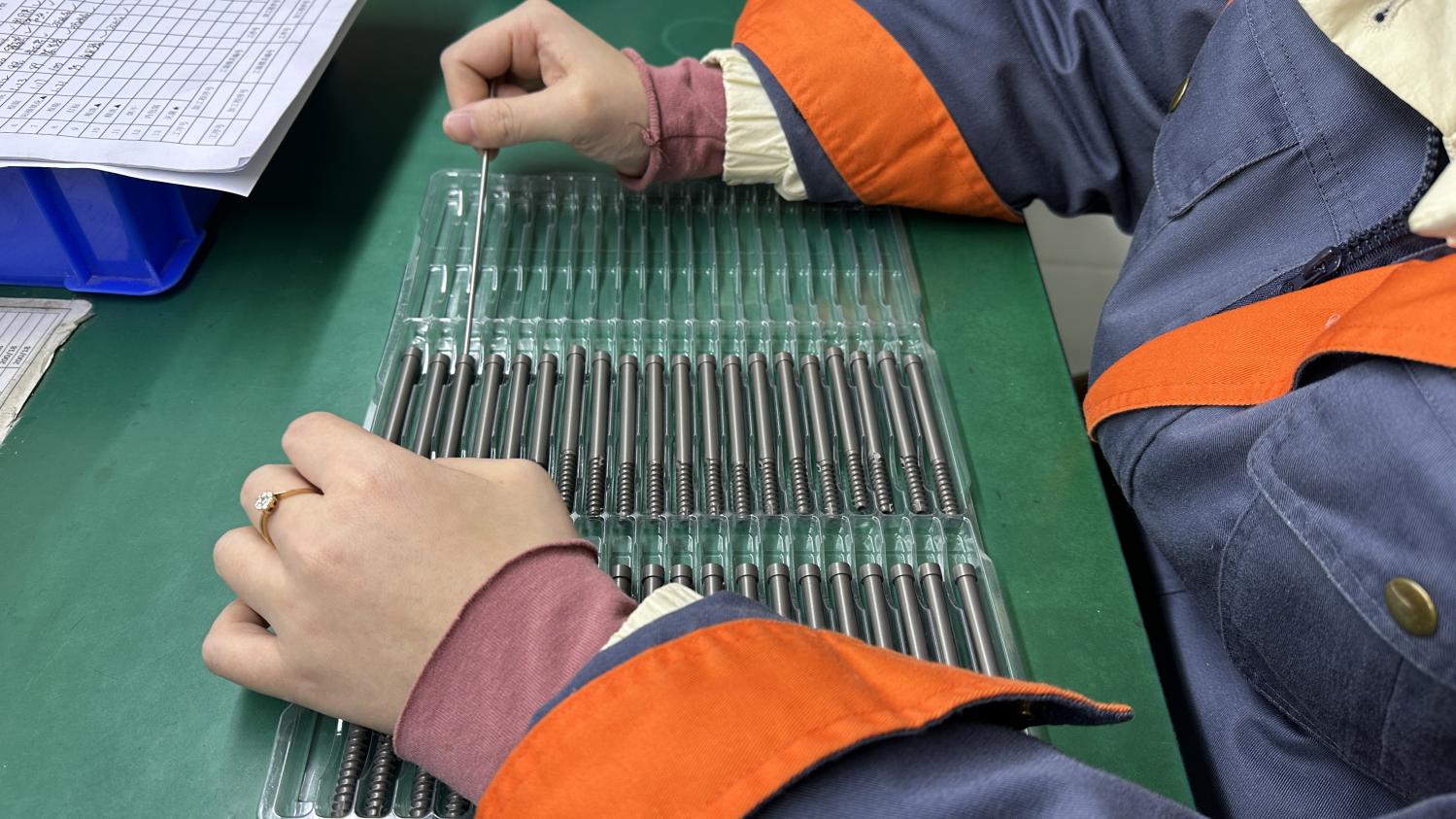
A transparent view of our mechanical processes—from certified titanium bars to CNC milling, quality control inspection, and vacuum packing within Class 10,000 cleanrooms.
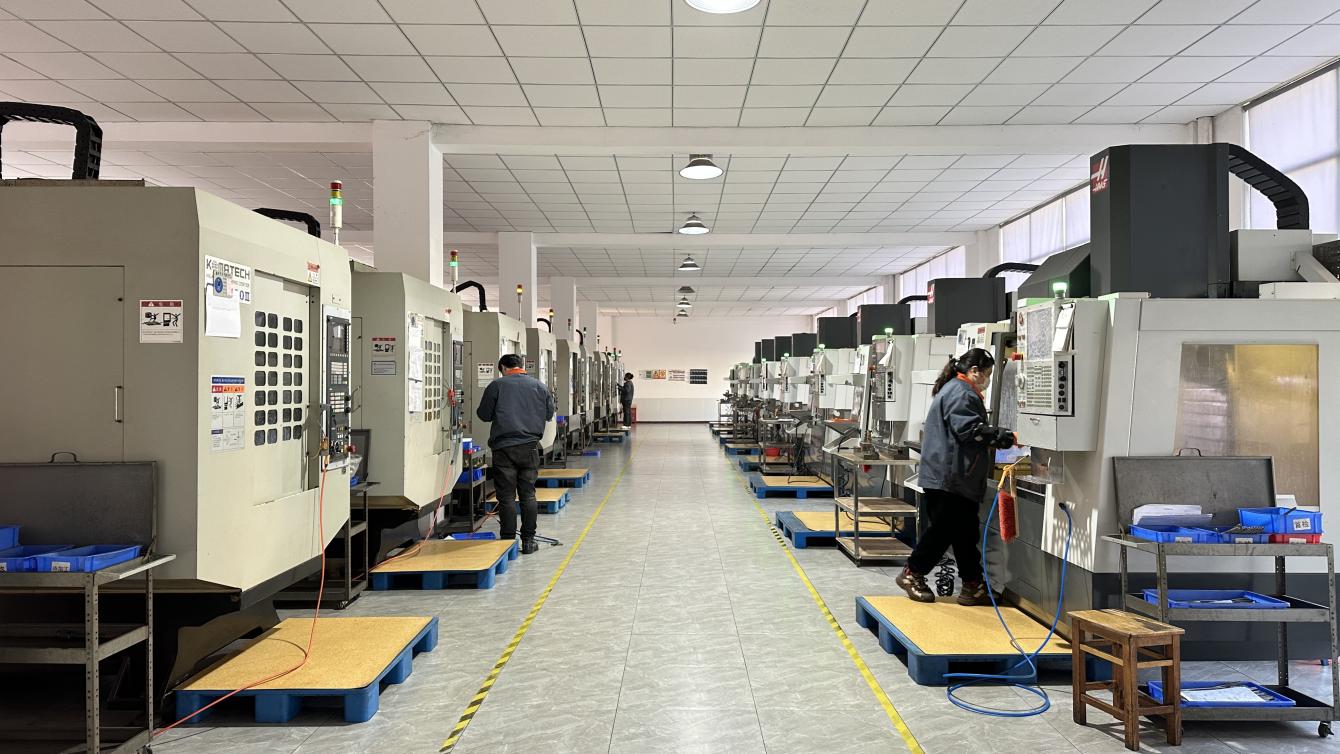
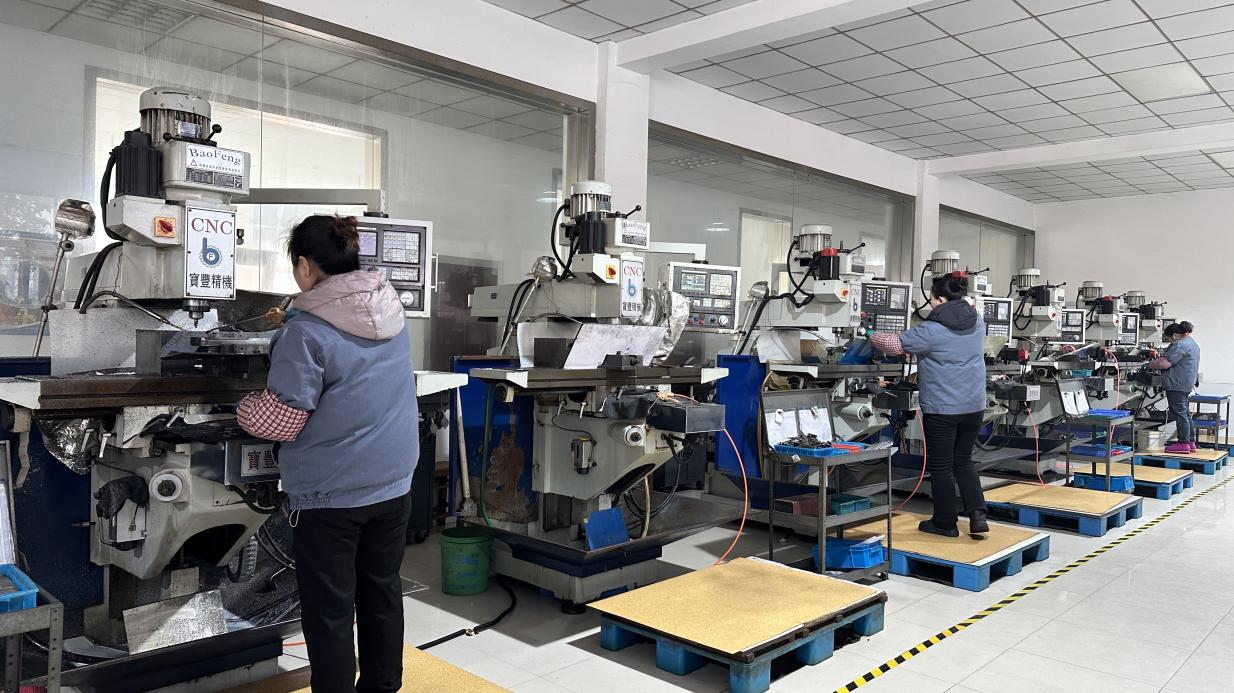
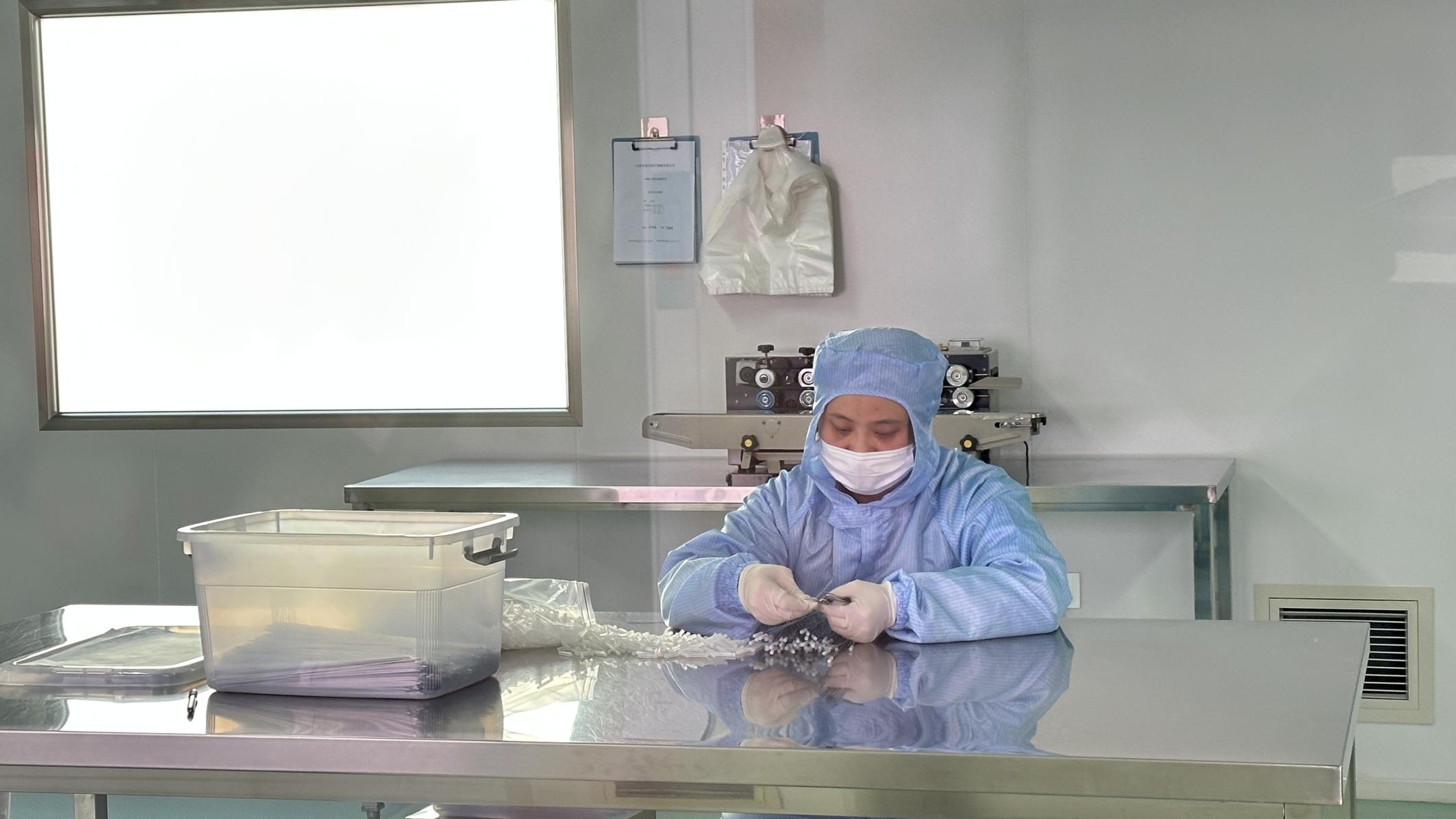
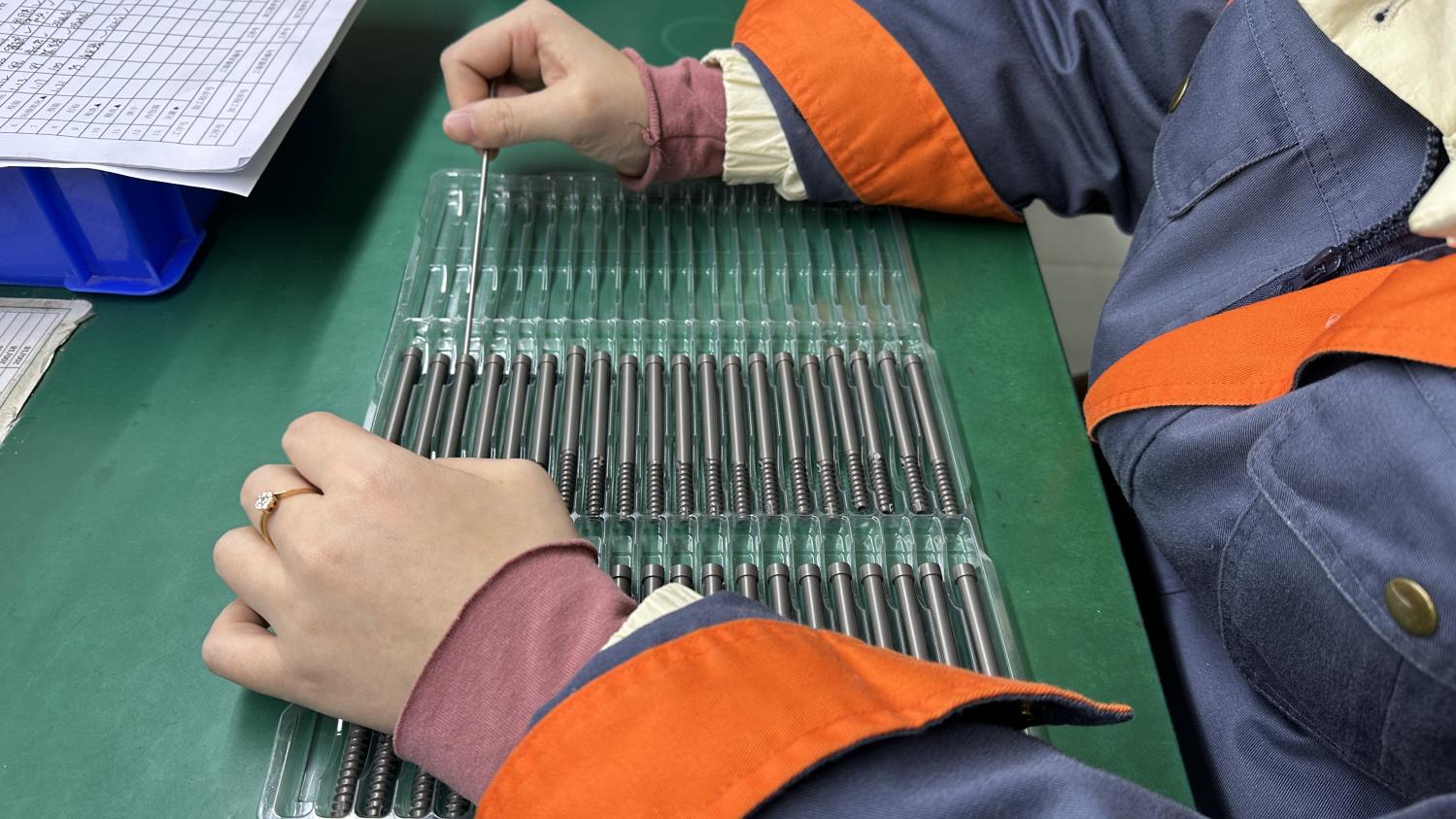
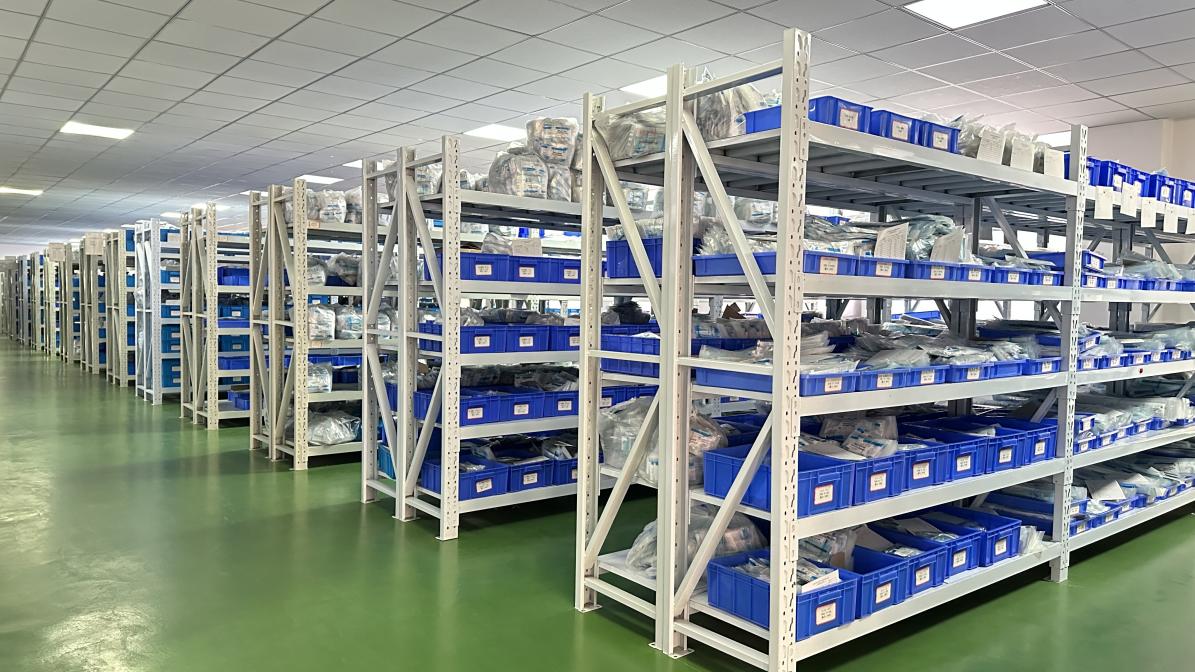
Leveraging high-end CNC machining centers, wire-cutting systems, and automated laser marking to guarantee structural tolerance within 5 microns.
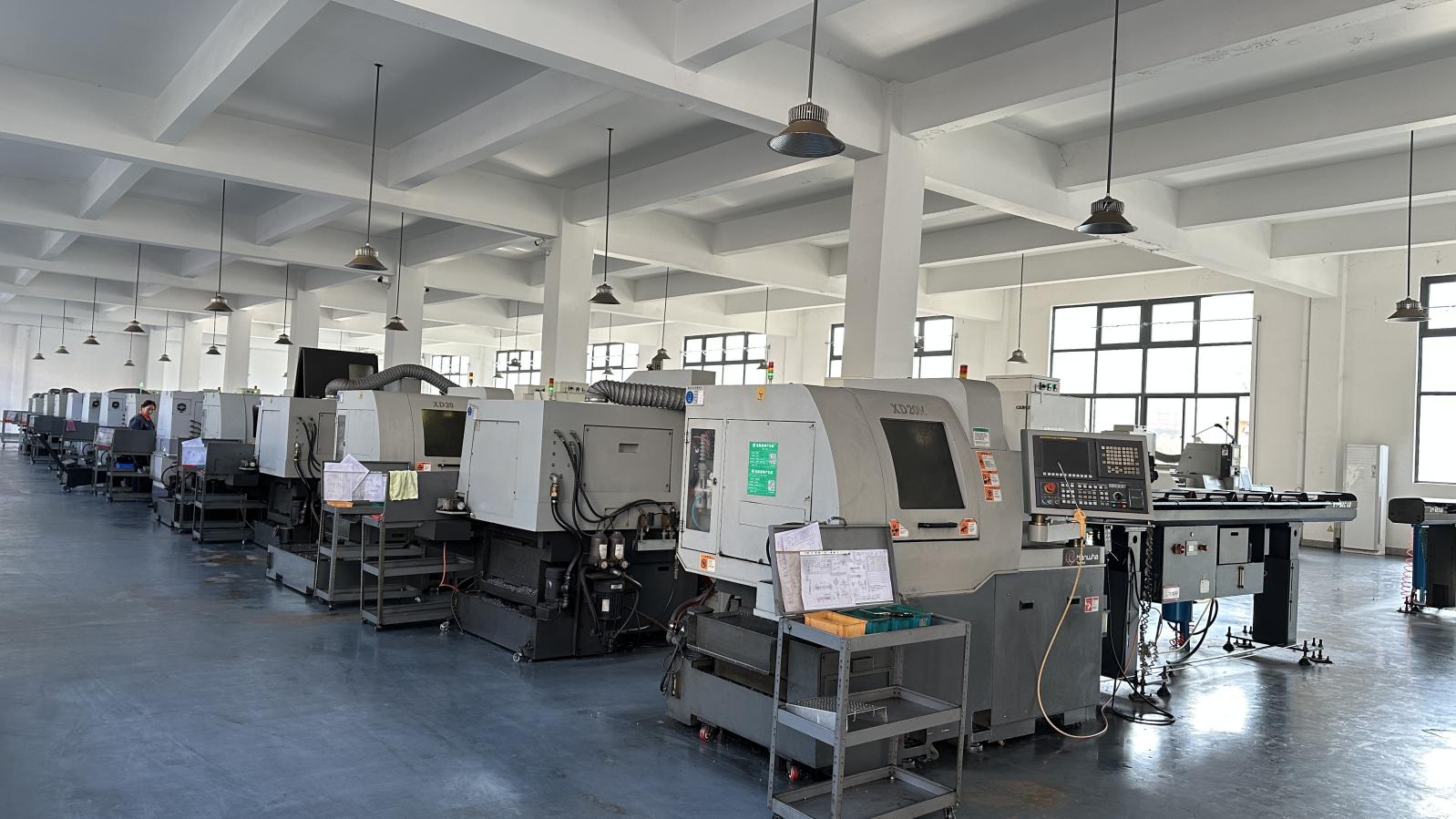
Automated primary profiling of grade-5 titanium rods before rough machining steps.
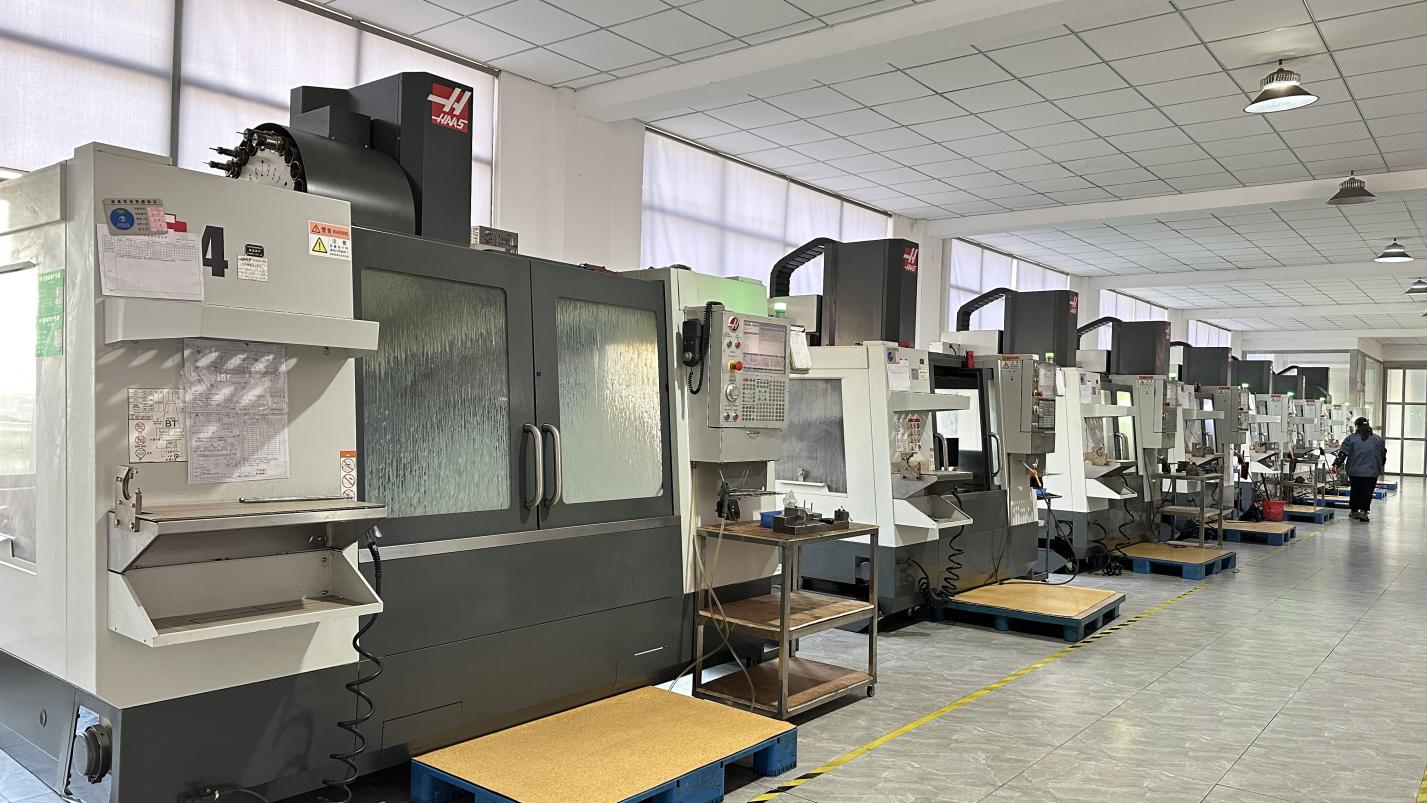
Multi-axis tooling setups for intricate osteotomy plate contours and anatomical curvature alignment.
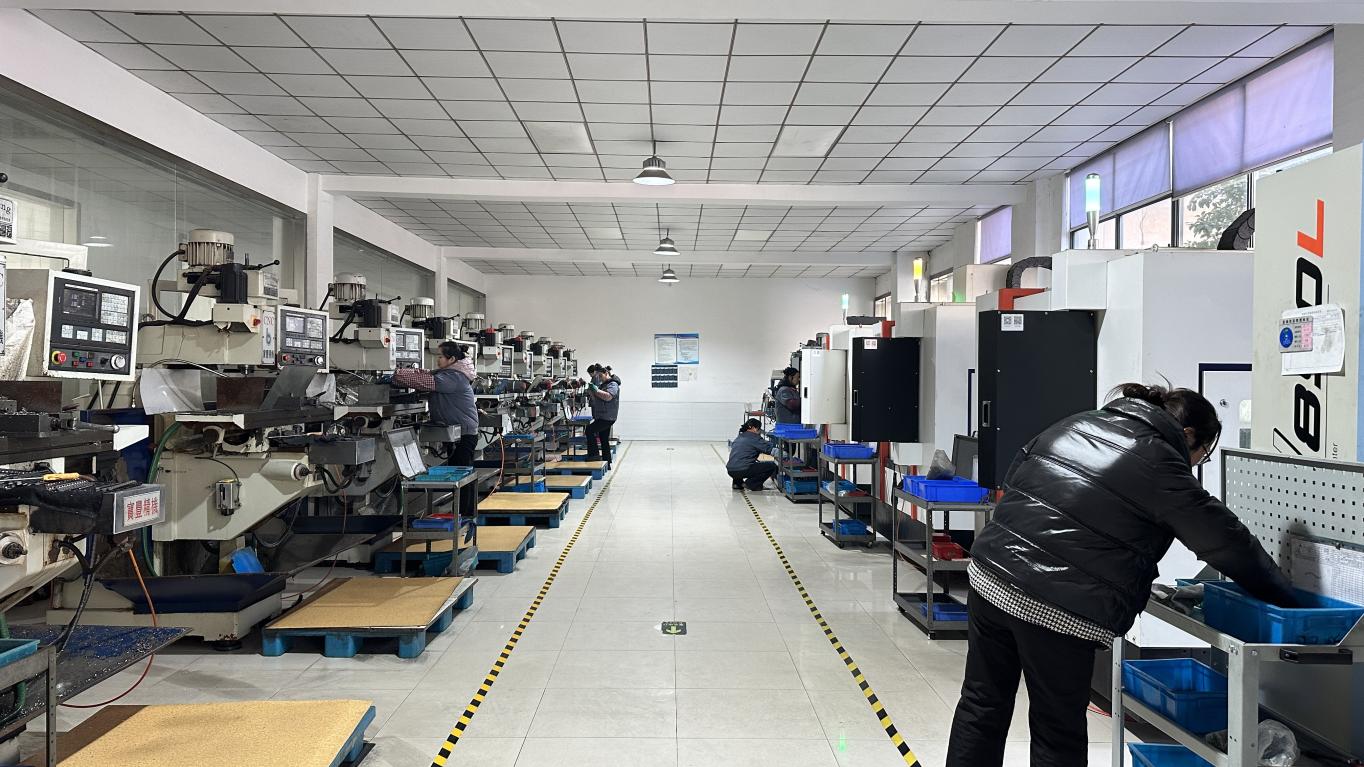
High-speed milling ensuring uniform thickness, smooth chamfers, and precise counter-sunk screw holes.
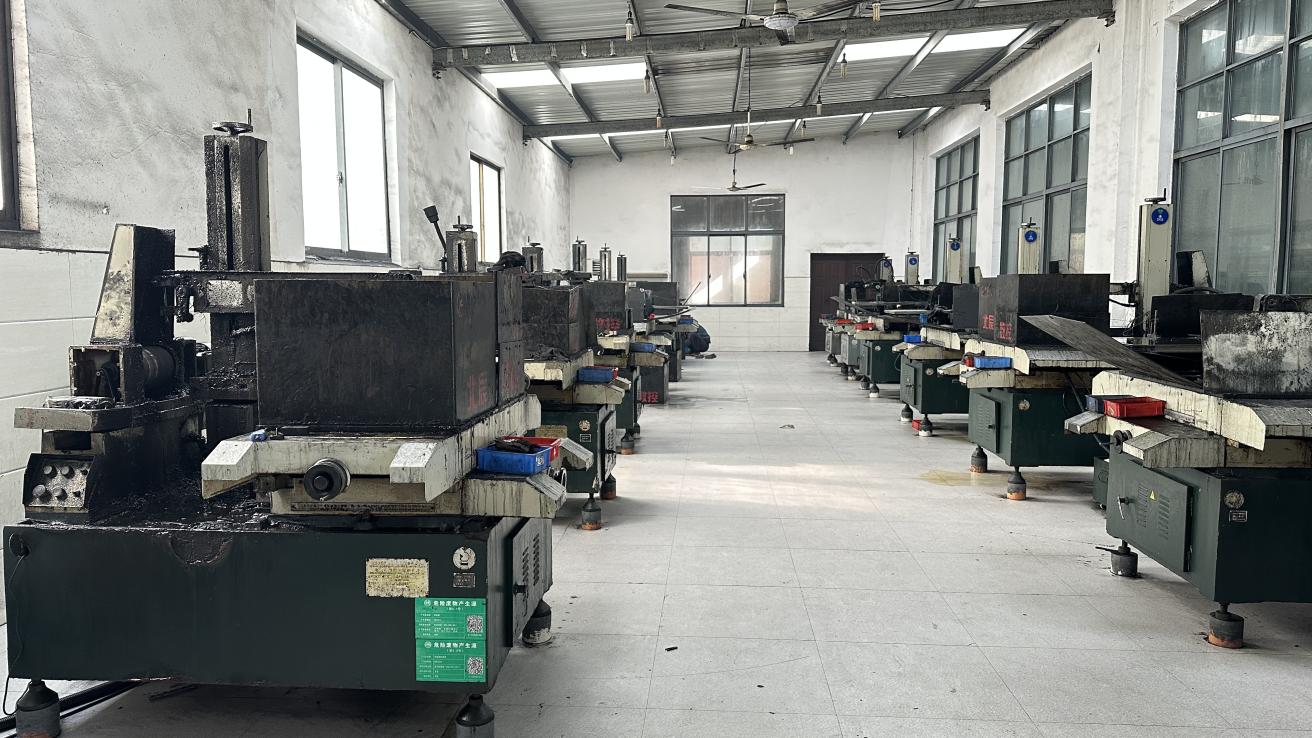
High-precision electrical discharge machining (EDM) for structural slotting and complex implant geometry.
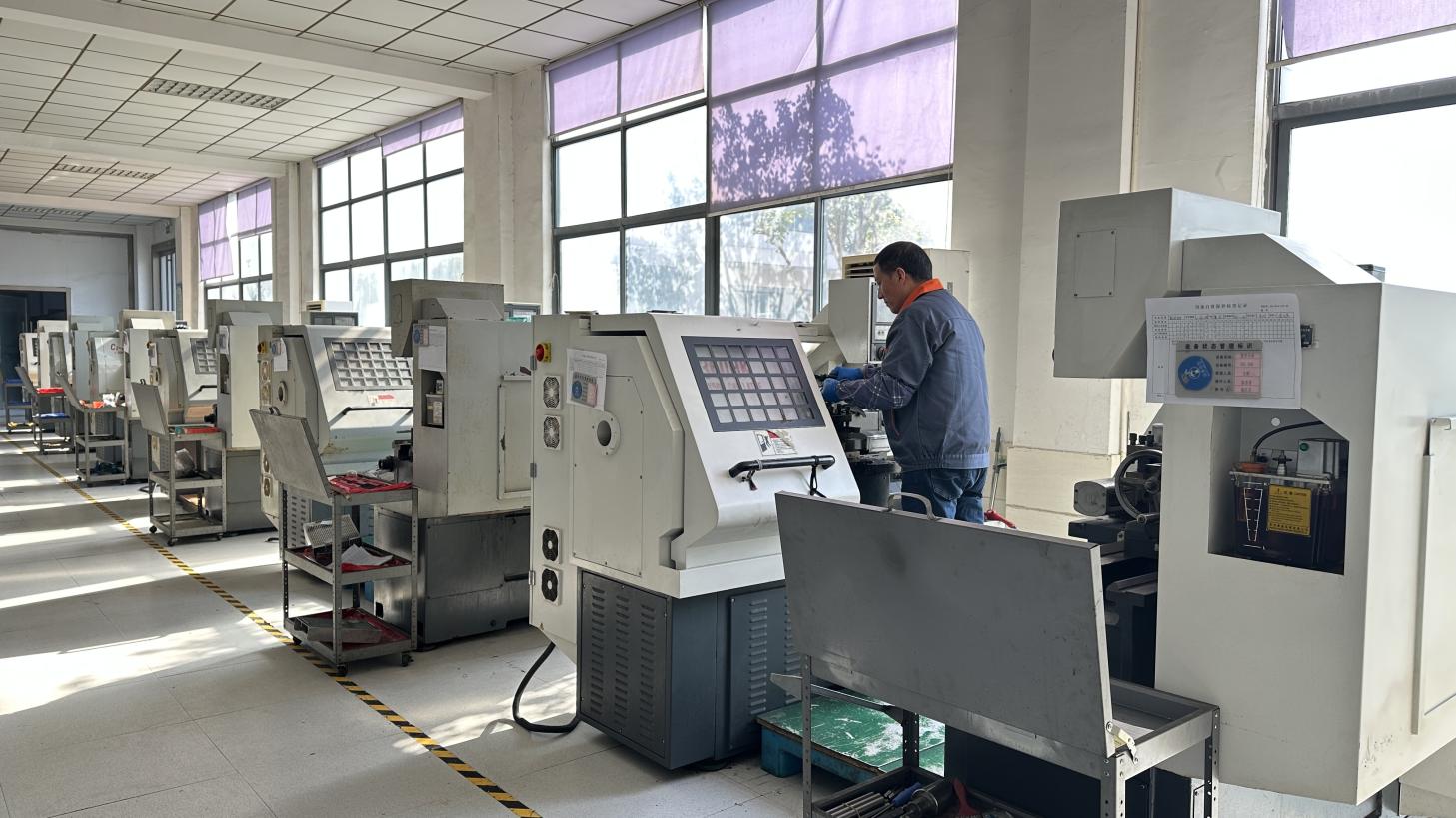
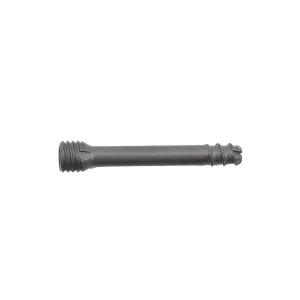
High-throughput machining of bone locking screws and custom orthognathic compression screws.
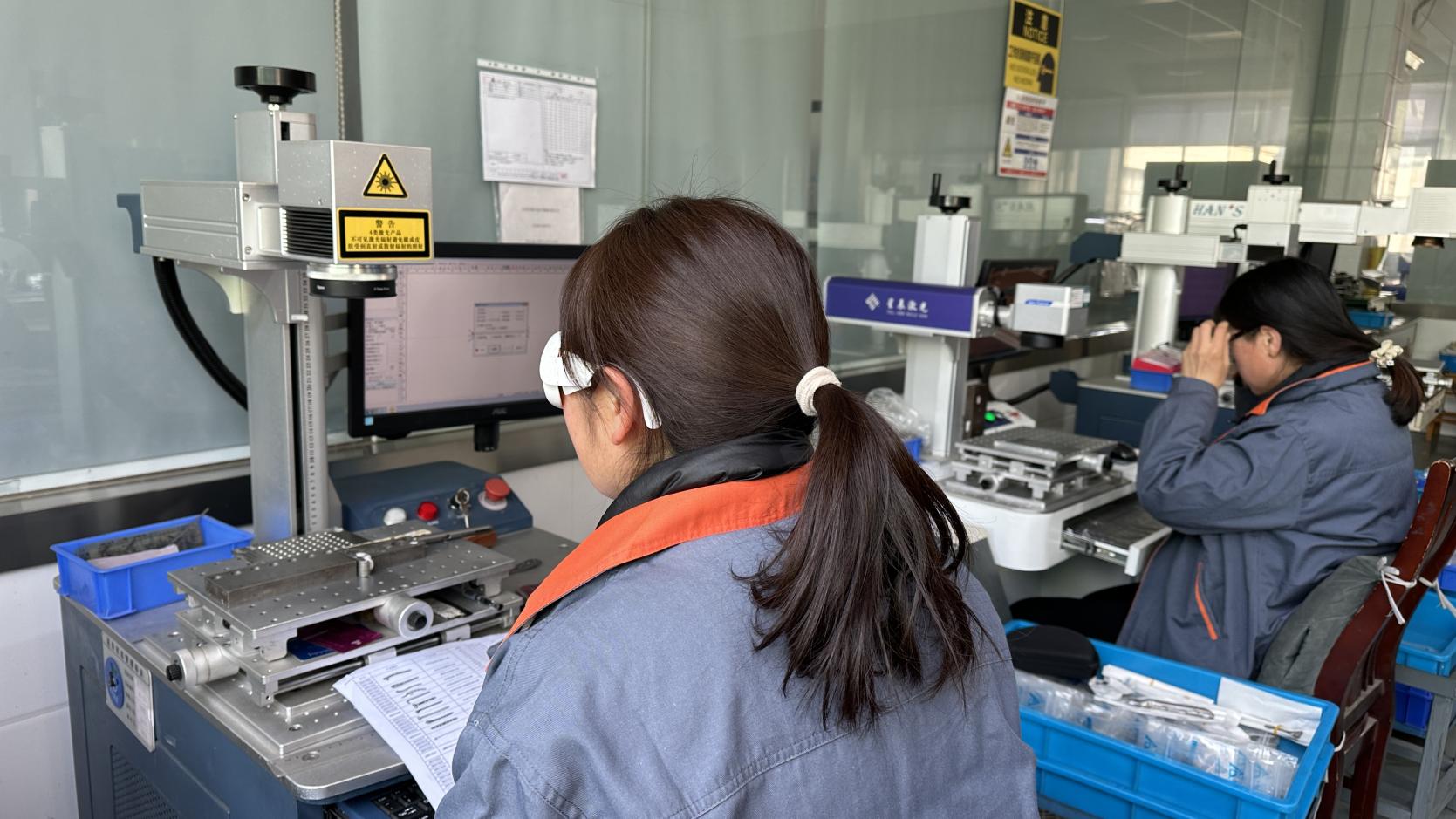
Imprinting Unique Device Identifiers (UDI) directly onto implants to guarantee clinical traceability.
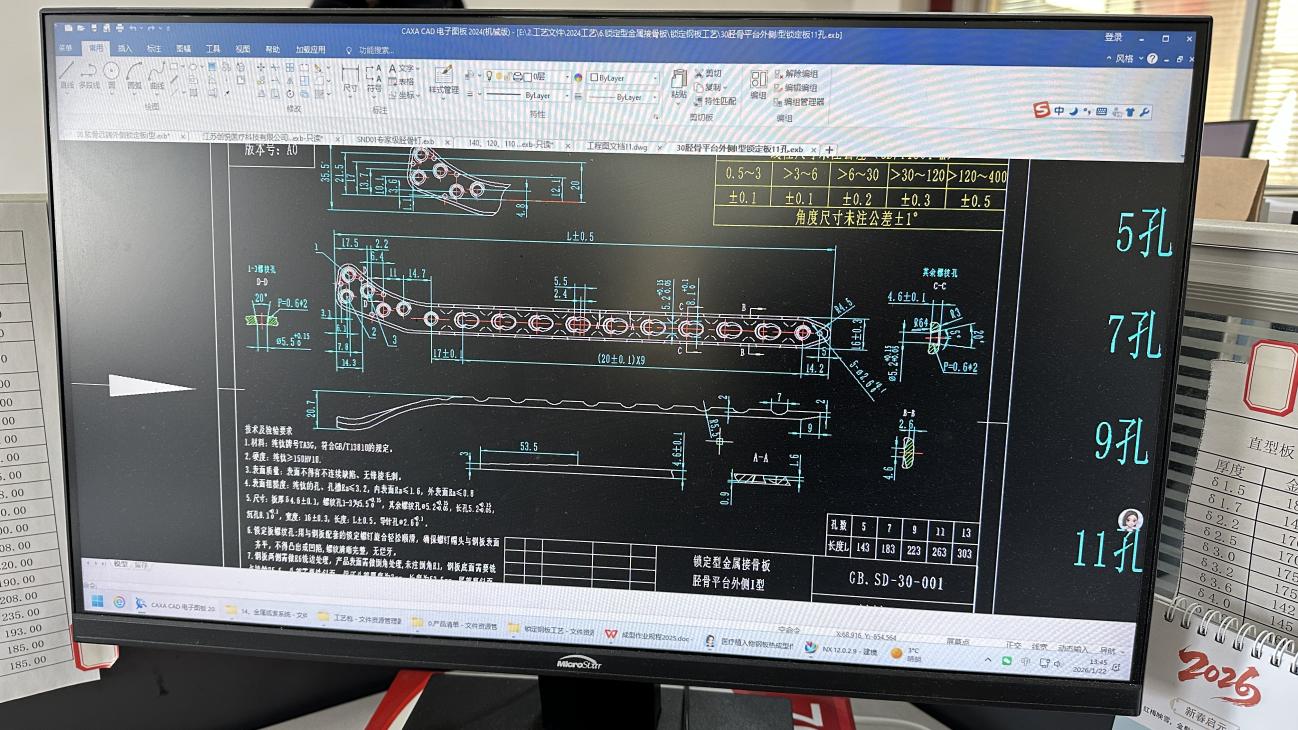
The next frontier in orthognathic correction involves the seamless integration of pre-operative planning software, 3D printing (additive manufacturing), and real-time navigation. By combining state-of-the-art C-arm 3D imaging with patient-specific implants, clinical teams can achieve unprecedented positioning accuracy.
CT and CBCT scan processing mapping the facial skeleton in a 3D digital workspace. Custom surgical splints are calculated based on pre-operative cephalometric calculations.
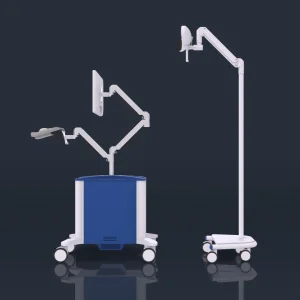
Integrating real-time spatial positioning machines like the CANWELL Intelligent Navigation System. This syncs with intraoperative C-arm imaging to verify plate position instantly.
Utilizing selective laser melting (SLM) to produce personalized titanium jaw plates that align with the patient's osteotomy margins with zero micro-gaps.
Under the guidance of 42 certified quality control inspectors, Medisplint operates a rigorous internal validation laboratory. Every production batch of bone plates and screws undergoes destructive and non-destructive mechanical stress tests to match international standards (including ASTM F136, ISO 5832-3, and ASTM F543).
Through continuous mechanical testing, our R&D department ensures that the implants maintain structural load tolerance and avoid metal fatigue failure over millions of micro-movements, providing a dependable solution for surgeons worldwide.

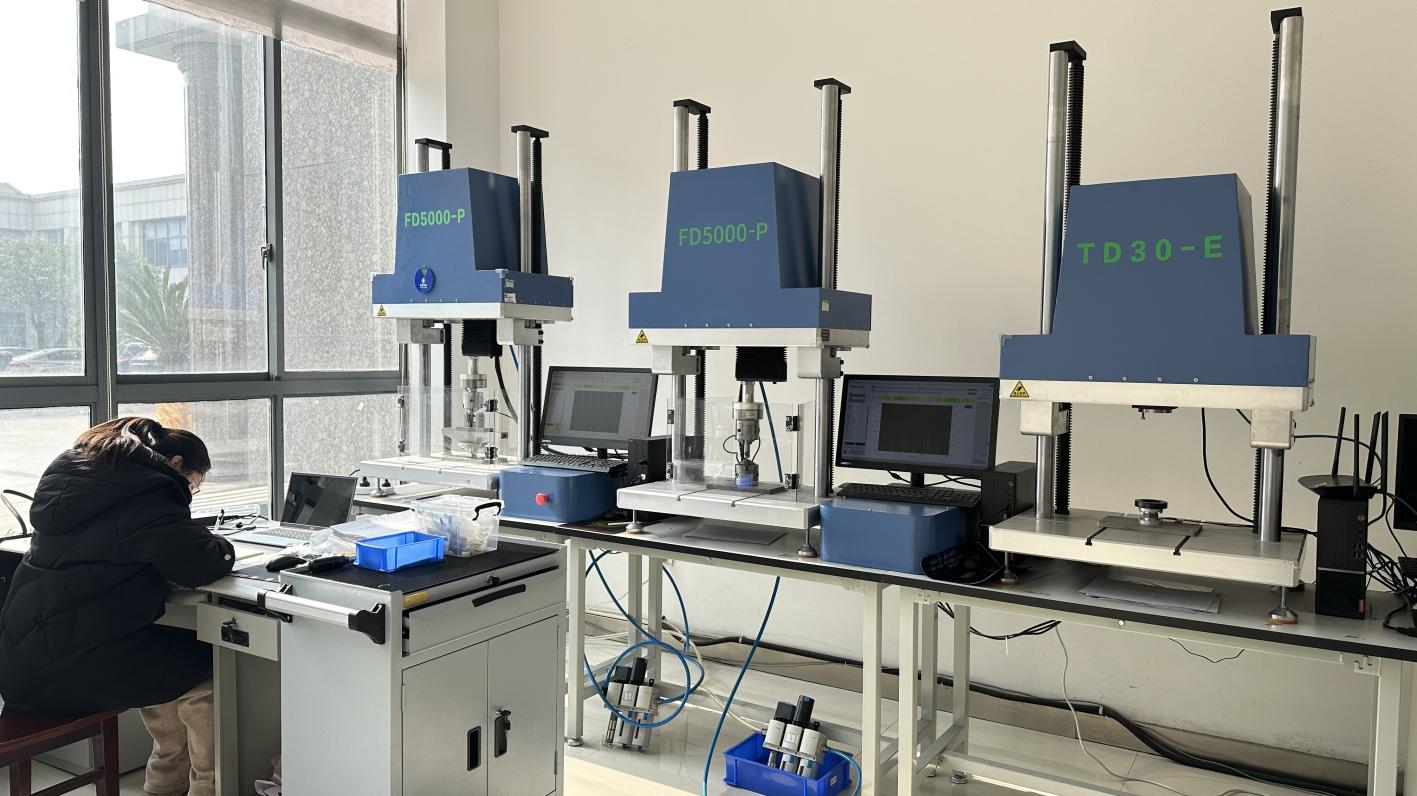 Fatigue Tester
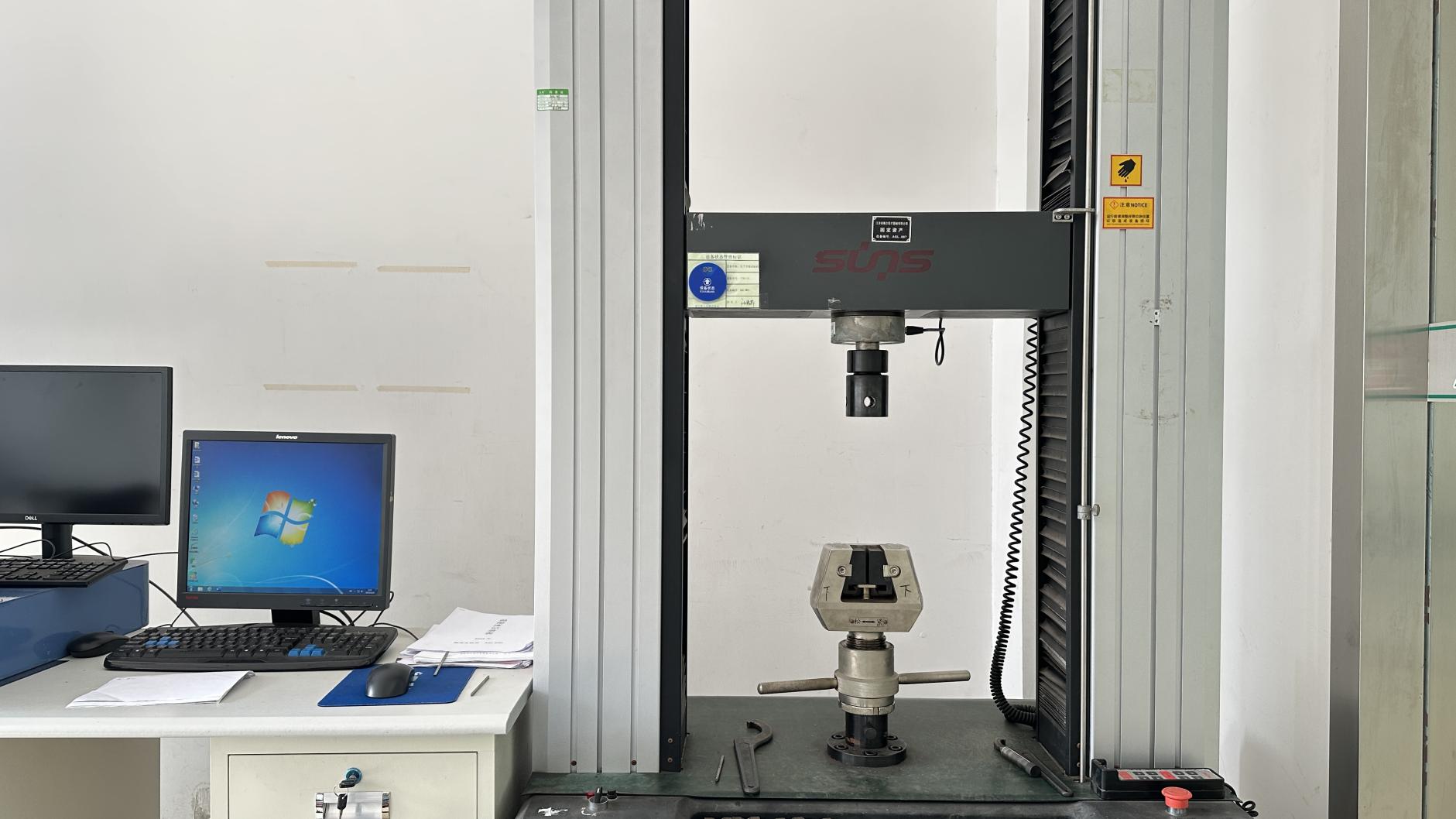 Tensile Tester
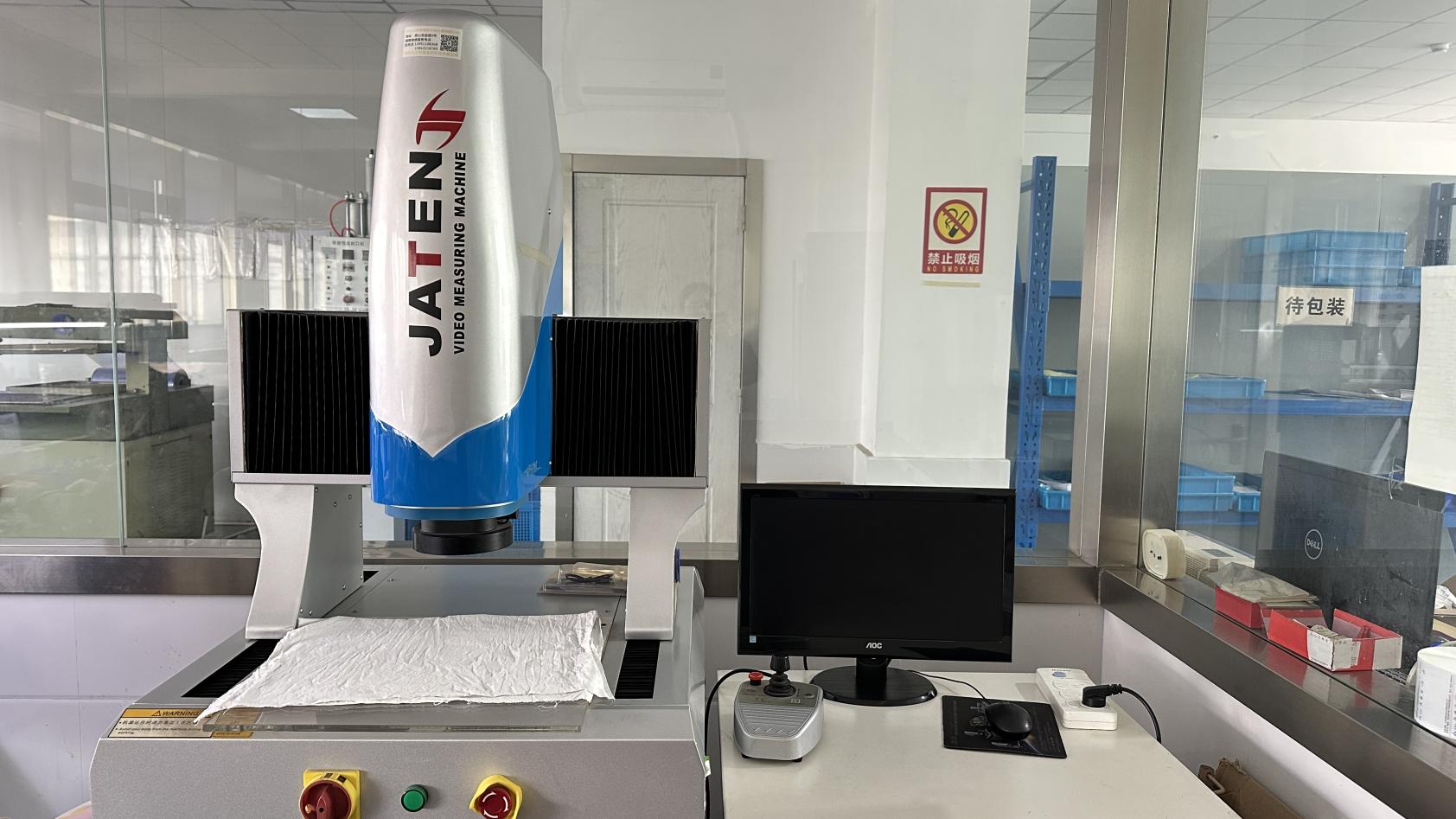 2D Dimension Measuring
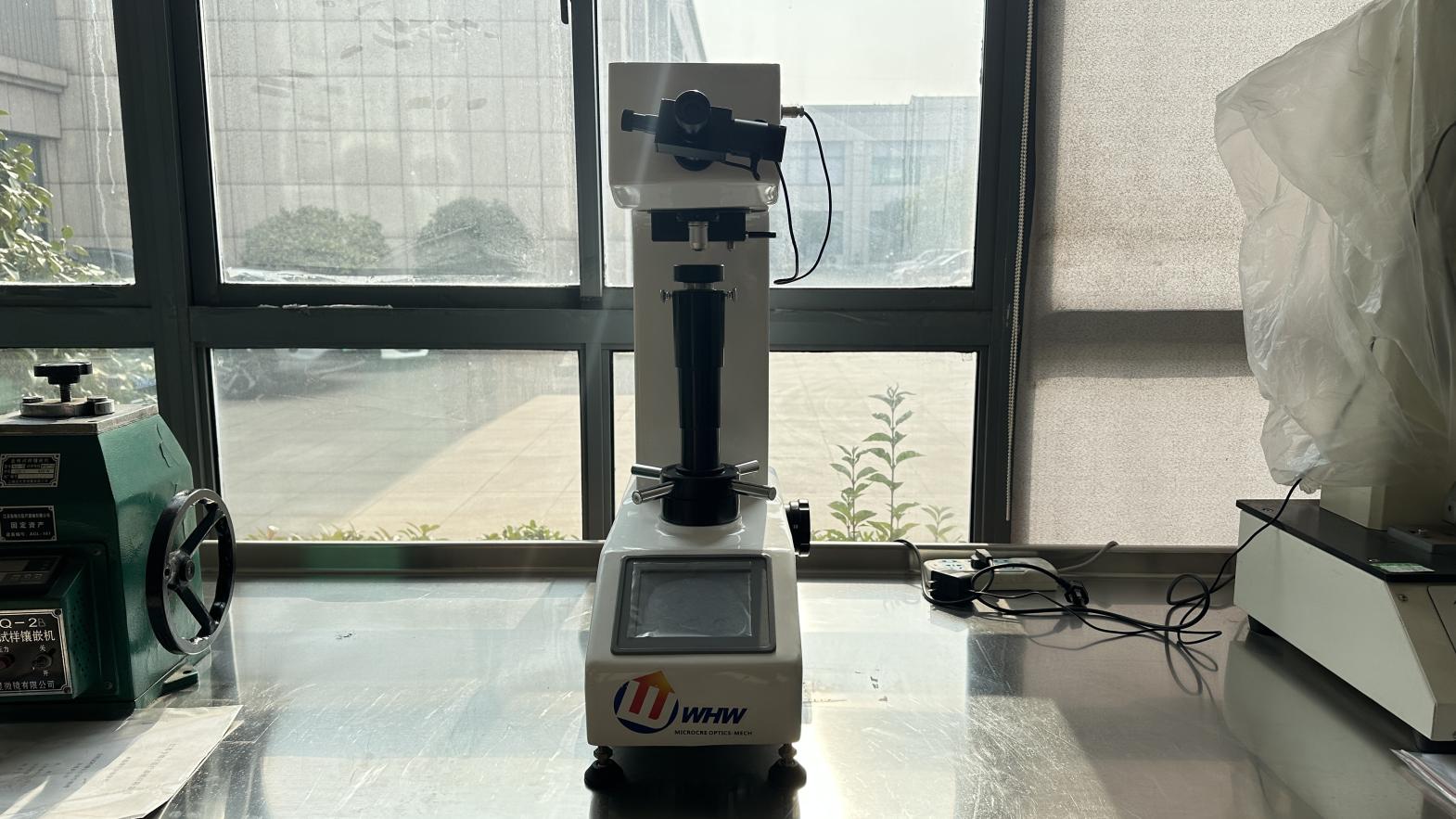 Vickers Hardness Tester
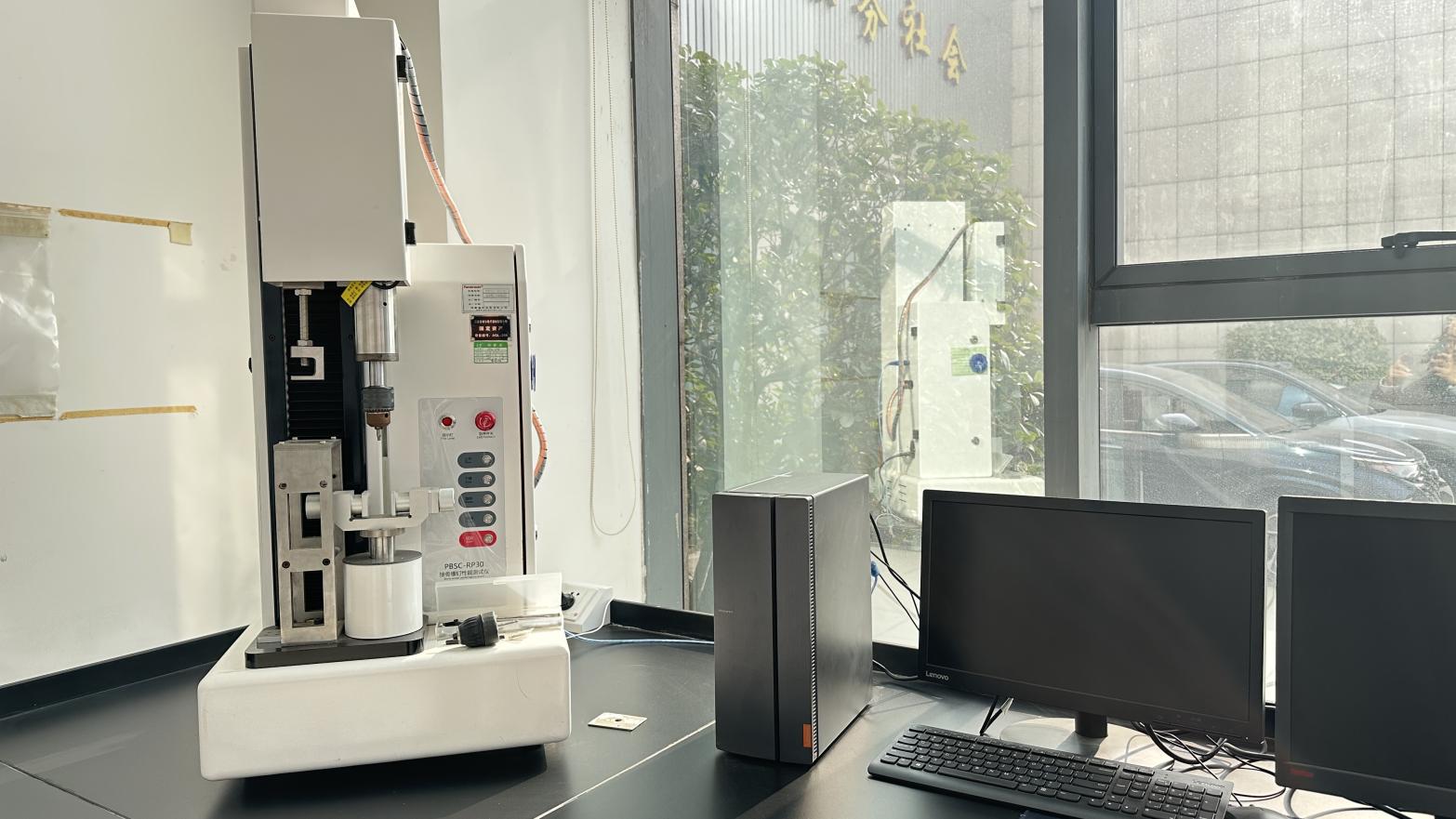 Bone Screw Torsional & Pull-Out Tester
Unlike long-bone osteosynthesis, the bones of the cranio-maxillofacial skeleton are subjected to highly complex chewing cycles (mastication forces) which act in multi-directional vectors. An orthognathic plate system must provide rigid fixation during the critical 8 to 12 week osteoconduction phase. If the fixator has insufficient mechanical stiffness, micro-motions at the osteotomy interface will cause fibrous union rather than solid bone healing.
However, over-engineering the implant creates a stress shielding hazard. By using high-grade biocompatible titanium alloys (such as Grade 2 pure titanium or Ti-6Al-4V ELI), Medisplint structural designs balance the modulus of elasticity, aligning closer to that of cortical bone to promote functional remodeling according to Wolff's Law.
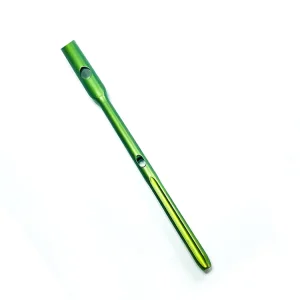
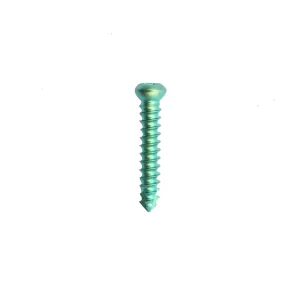
Every implant undergoes electrochemical passivation to establish a stable titanium dioxide (TiO2) layer. This nanometer-scale protective boundary is essential for limiting ion release within the body. Medisplint implements advanced color anodization techniques. Anodization does not merely serve a cosmetic purpose; it helps surgeons easily identify different plate thicknesses and screw diameters during fast-paced surgical operations, while simultaneously strengthening the surface hardness of the thread channels.
In traditional osteosynthesis, screw stability relies entirely on the friction generated between the bone plate and the cortical bone. This exerts compressive force on the periosteum, which can restrict local blood supply and lead to localized bone resorption. Locking systems, on the other hand, form a monolithic construct because the screw head thread mechanically locks with the internal thread of the plate hole. This eliminates the need to compress the plate directly against the bone, preserving the delicate periosteal vascular network and improving clinical outcomes in high-stress Le Fort I, Sagittal Split (BSSO), and genioplasty procedures.
Managing global distribution of Class II and Class III medical devices requires navigating strict regulatory pathways. Medisplint supports orthopedic distributors with comprehensive regulatory dossiers, including ISO 13485 certification, CE compliance declarations, and material composition certificates. From sterile packaging verification to dynamic fatigue testing reports, we ensure the documentation meets local health authority standards for import clearance.
View our broader medical product line including mini screws, compression screws, sports medicine kits, and spinal implants.