Medisplint
Medisplint
Medisplint
Explore our surgical instrumentation, custom implants, and trauma repair systems built to the highest mechanical compliance standards.
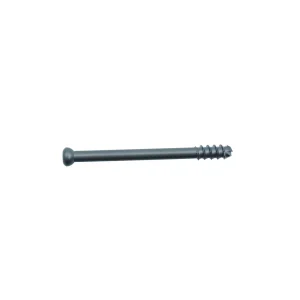
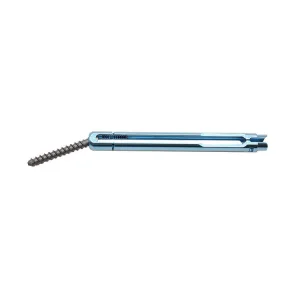
Monoaxial pedicle screws remain a foundational element in modern spinal reconstructive surgery. Unlike polyaxial alternatives, which offer dynamic angular movement of the screw head relative to the shaft, monoaxial pedicle screws feature a rigid, fixed-angle connection. This biomechanical profile is critical in clinical scenarios demanding absolute corrective force transfer and rotational control. Globally, the demand for high-strength, bio-compatible monoaxial fixation systems has grown due to the rising prevalence of degenerative disc diseases, complex scoliosis, and thoracic-lumbar vertebral trauma.
In the global medical device market, orthopedic surgeons rely on monoaxial screw systems for direct vertebral rotation (DVR) procedures. The rigid design prevents head toggle, allowing the surgeon to transmit direct corrective torque to the vertebral column. Consequently, global surgical centers, healthcare procurement channels, and international distributors seek manufacturing partners capable of delivering exceptional dimensional tolerances, biocompatibility, and high mechanical fatigue thresholds.
"Clinical efficacy in spinal deformity correction hinges on the mechanical integrity of the implant-bone interface. Monoaxial designs offer optimal load distribution and direct force application, reducing the risk of pseudoarthrosis and construct failure."
Monoaxial pedicle screws are preferred in specific clinical applications where spinal alignment correction requires maximum mechanical advantage. During procedures addressing idiopathic scoliosis, kyphosis, or traumatic burst fractures, the spinal construct must endure significant shear forces. Monoaxial screws lock the longitudinal rod securely without allowing micro-motion at the head-neck junction.
Additionally, in localized clinical environments—ranging from trauma centers in metropolitan areas to specialized spinal hospitals—the choose-to-implant criteria are governed by patient anatomy and bone density. Our medical-grade titanium alloy (Ti-6Al-4V ELI conforming to ASTM F136) monoaxial screws ensure low artifacting under post-operative MRI and CT scans, while the optimized thread pitch maximizes pull-out strength in both cortical and cancellous bone structures.
Medisplint Orthopedic Instruments Co., Ltd., established in 2016, represents the zenith of medical device manufacturing efficiency in China. Operating a massive 18,500㎡ facility, Medisplint has engineered a vertically integrated supply chain, reducing production cycle times while maintaining absolute conformance to international medical standards. With an annual export volume reaching USD 12 million, we leverage highly automated production techniques and robust partner networks of over 1,200 supply chain collaborators to guarantee consistent pricing and material availability.
China's manufacturing ecosystem enables Medisplint to offer unmatched cost-efficiencies. This advantage is not born from compromised quality, but from superior industrial engineering, low tooling setups, and rapid prototyping driven by our team of 85 R&D engineering specialists. In the past fiscal year alone, Medisplint successfully designed and launched 68 new orthopedic devices, emphasizing our dedication to clinical innovation.
Full manufacturing and documentation compliance for rapid custom clearance and regulatory submission.
Continuous monitoring at every station: Incoming materials, IPQC, final verification, and fatigue benchmarking.
Proprietary engineering, private labeling, laser marking, and customized medical packing designs.
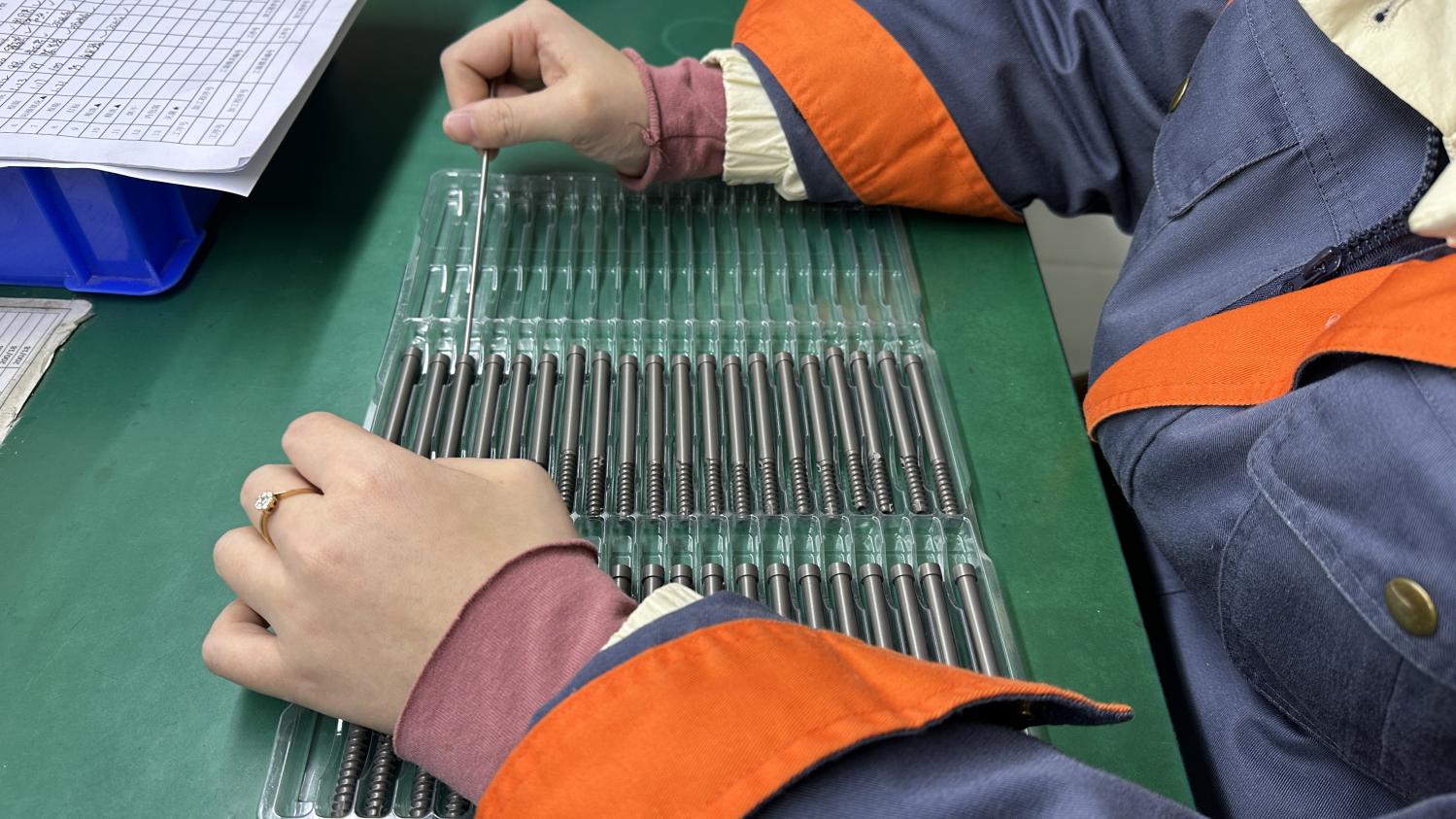
Every monoaxial pedicle screw undergoes a multi-stage manufacturing and verification cycle inside our climate-controlled manufacturing facility.
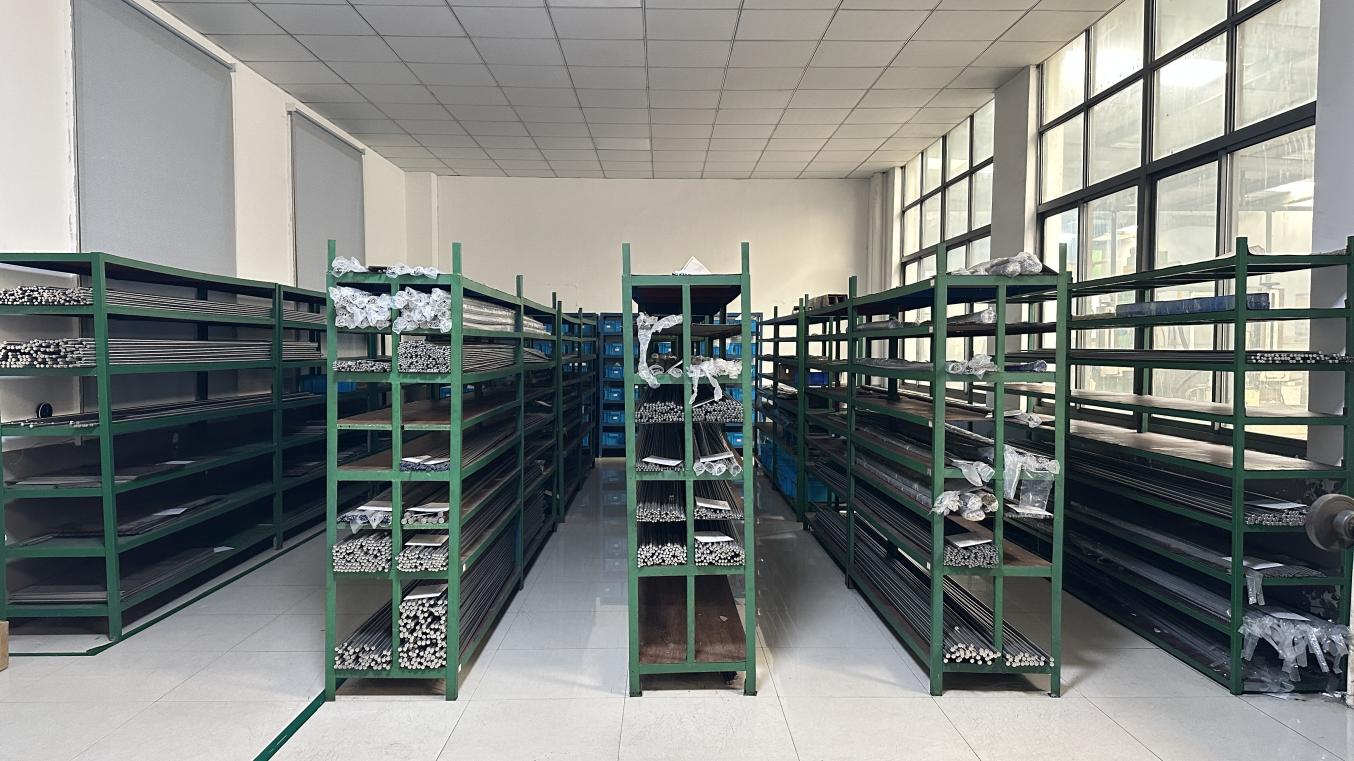
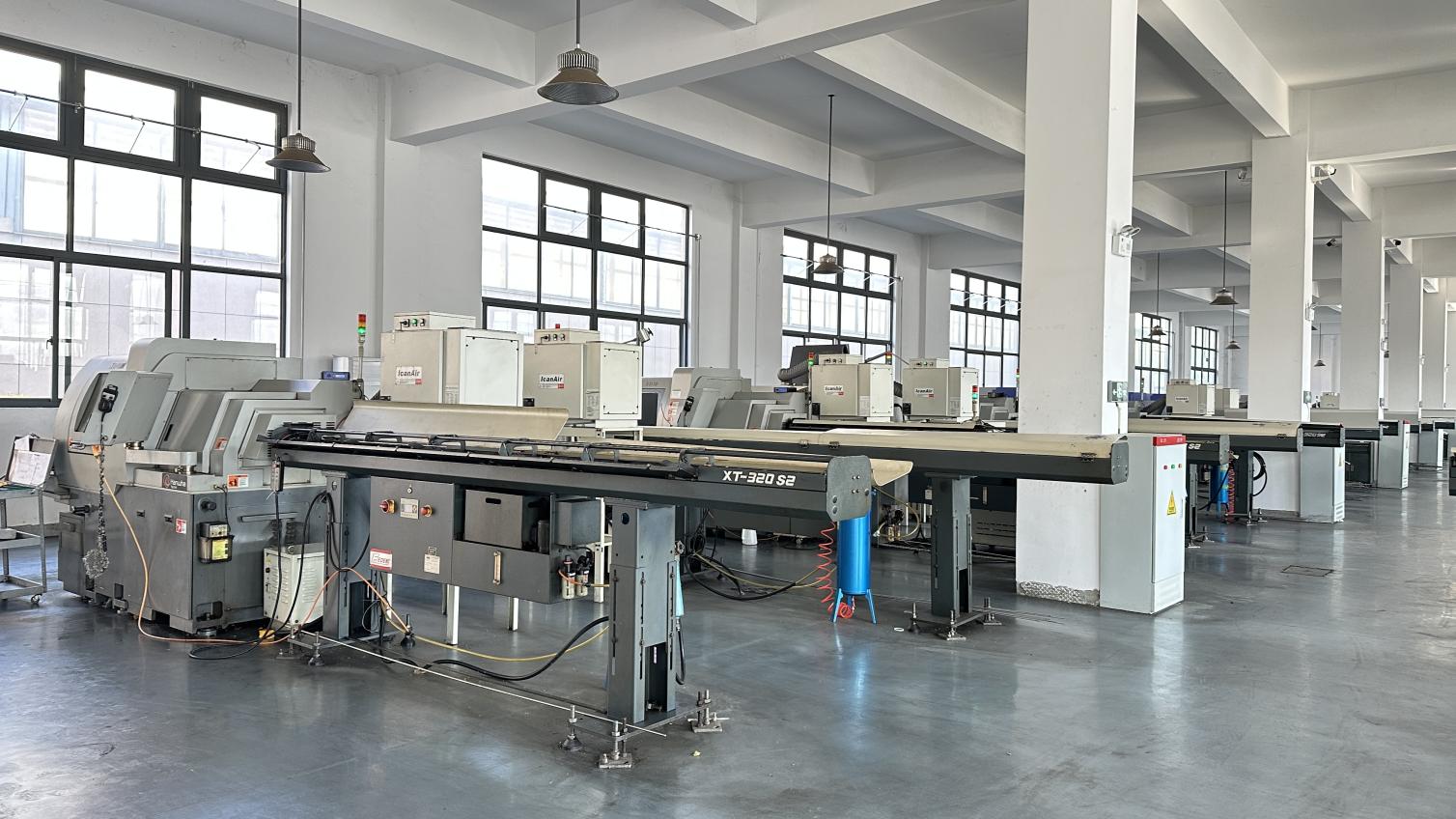
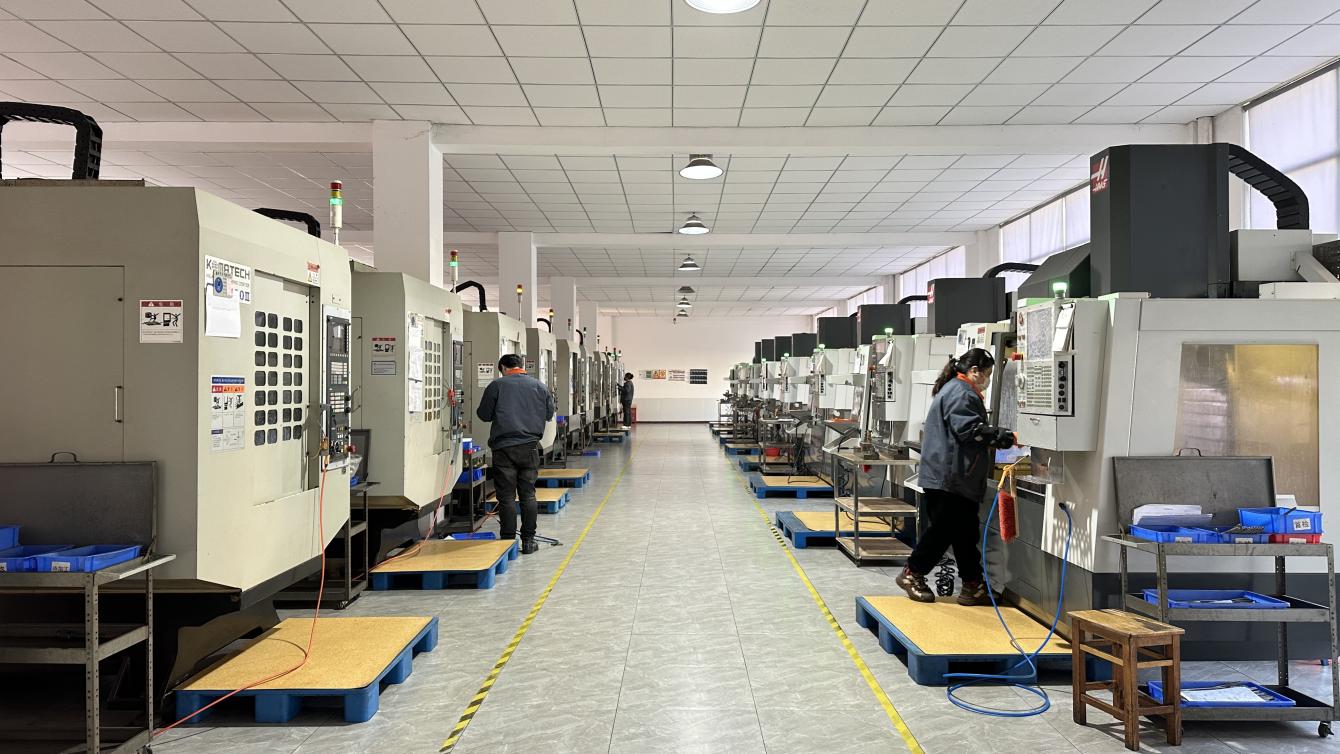
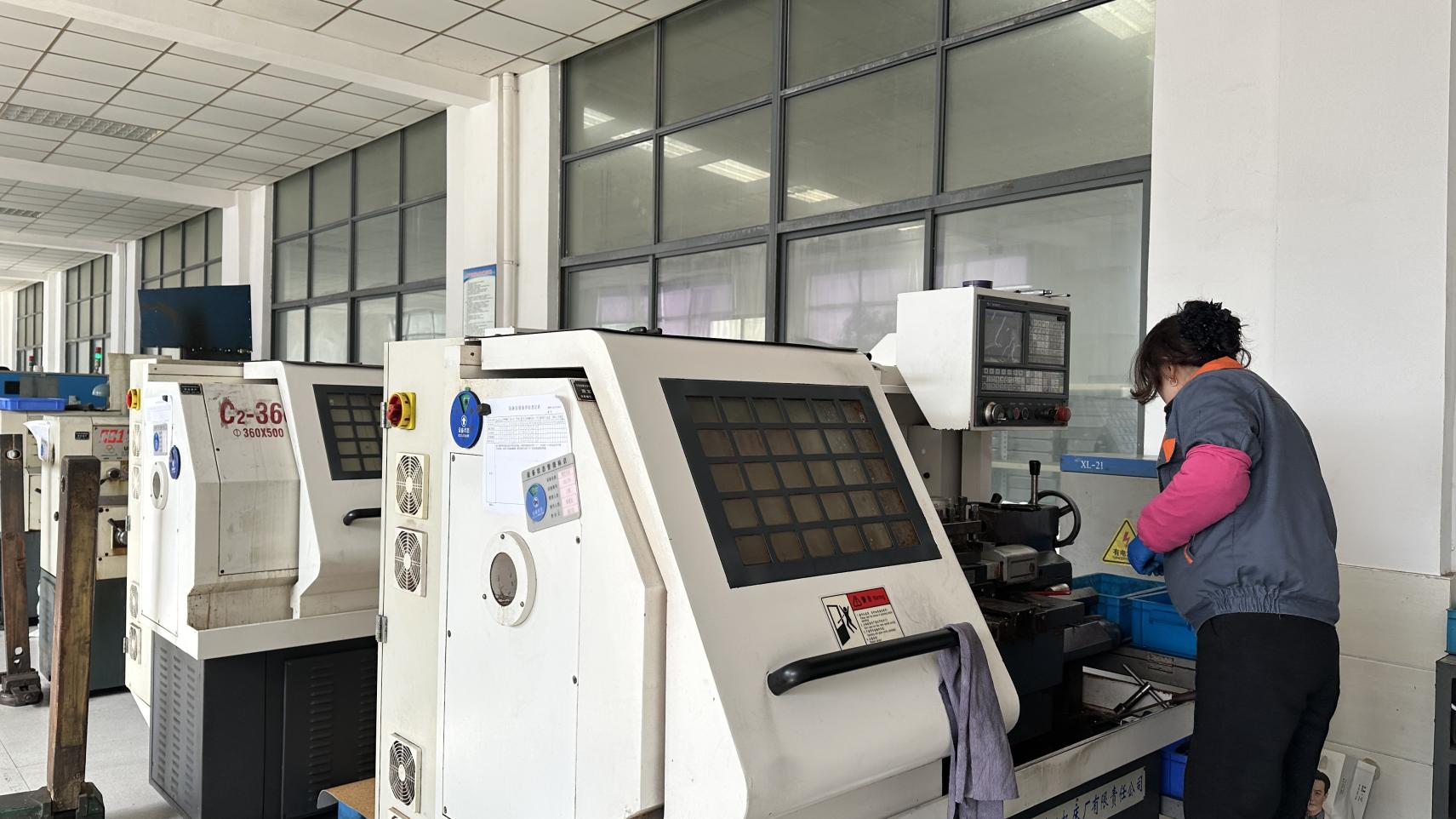
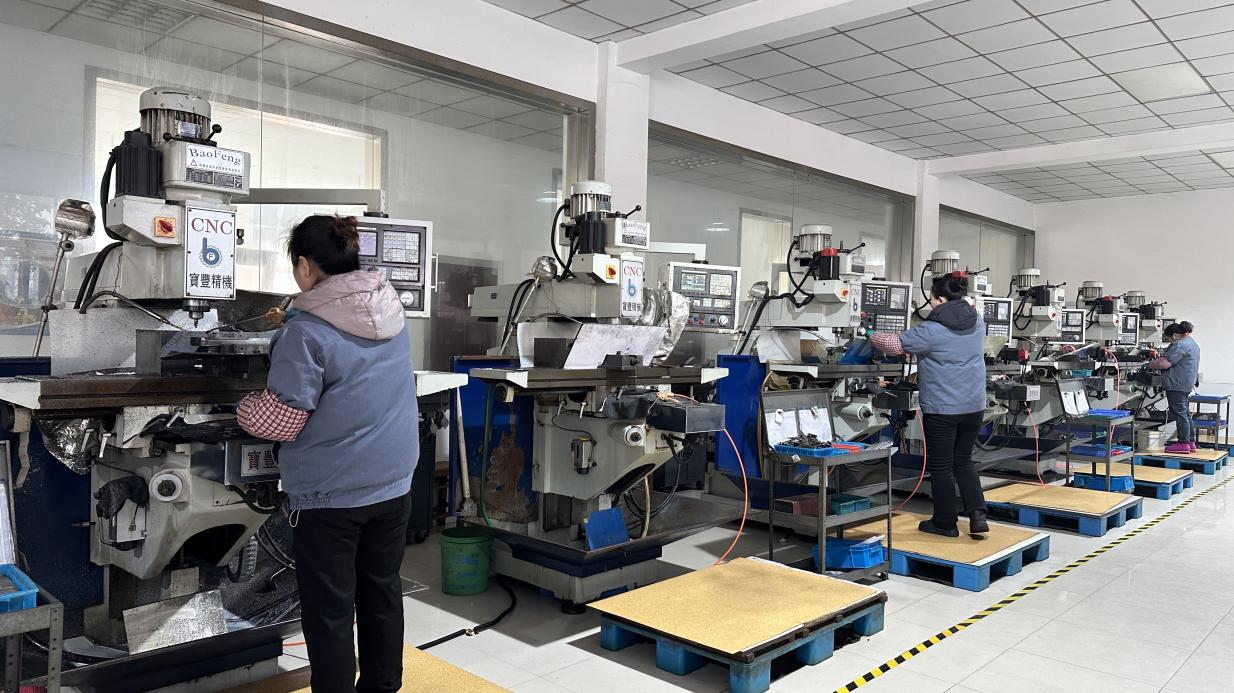
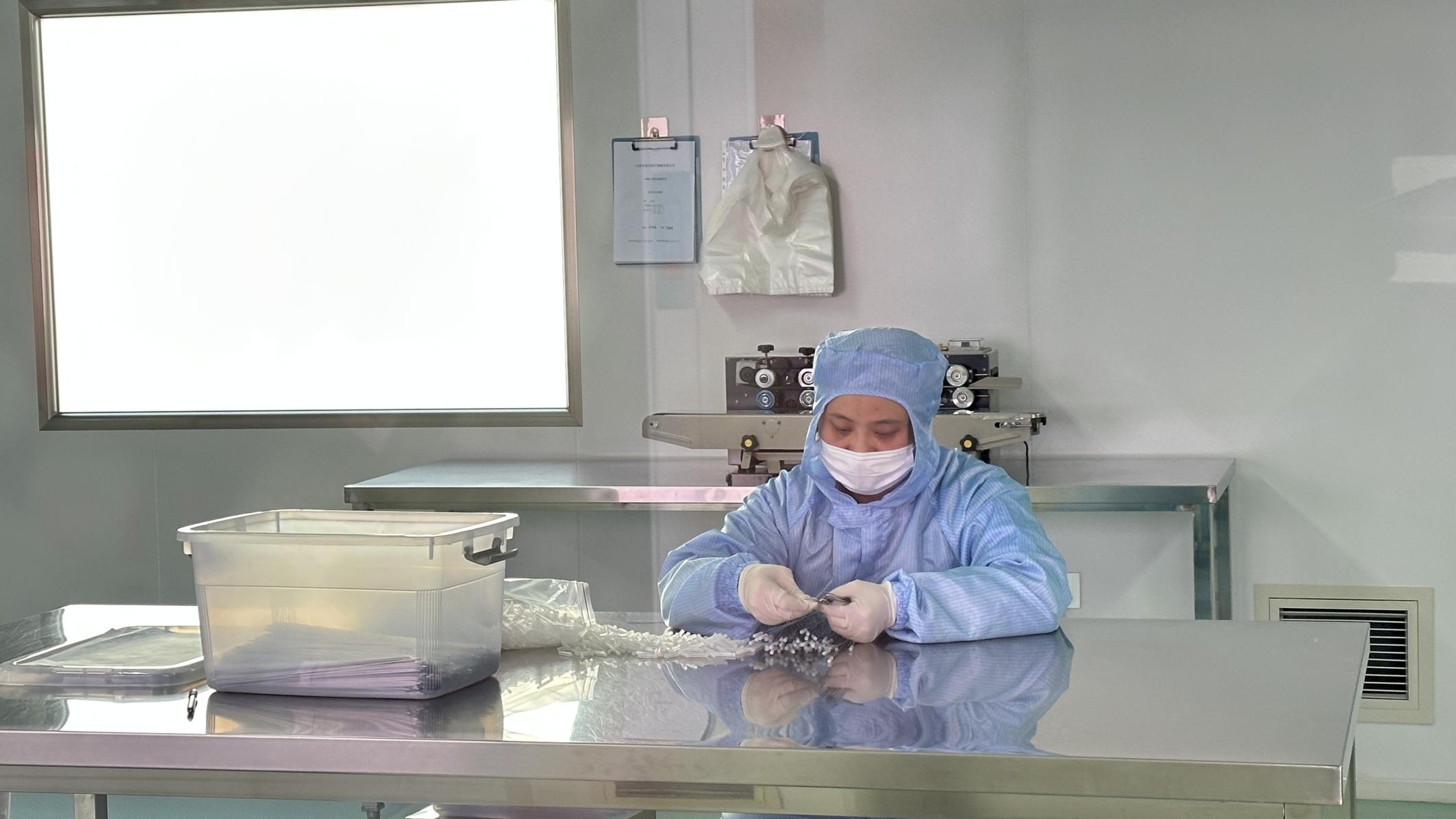
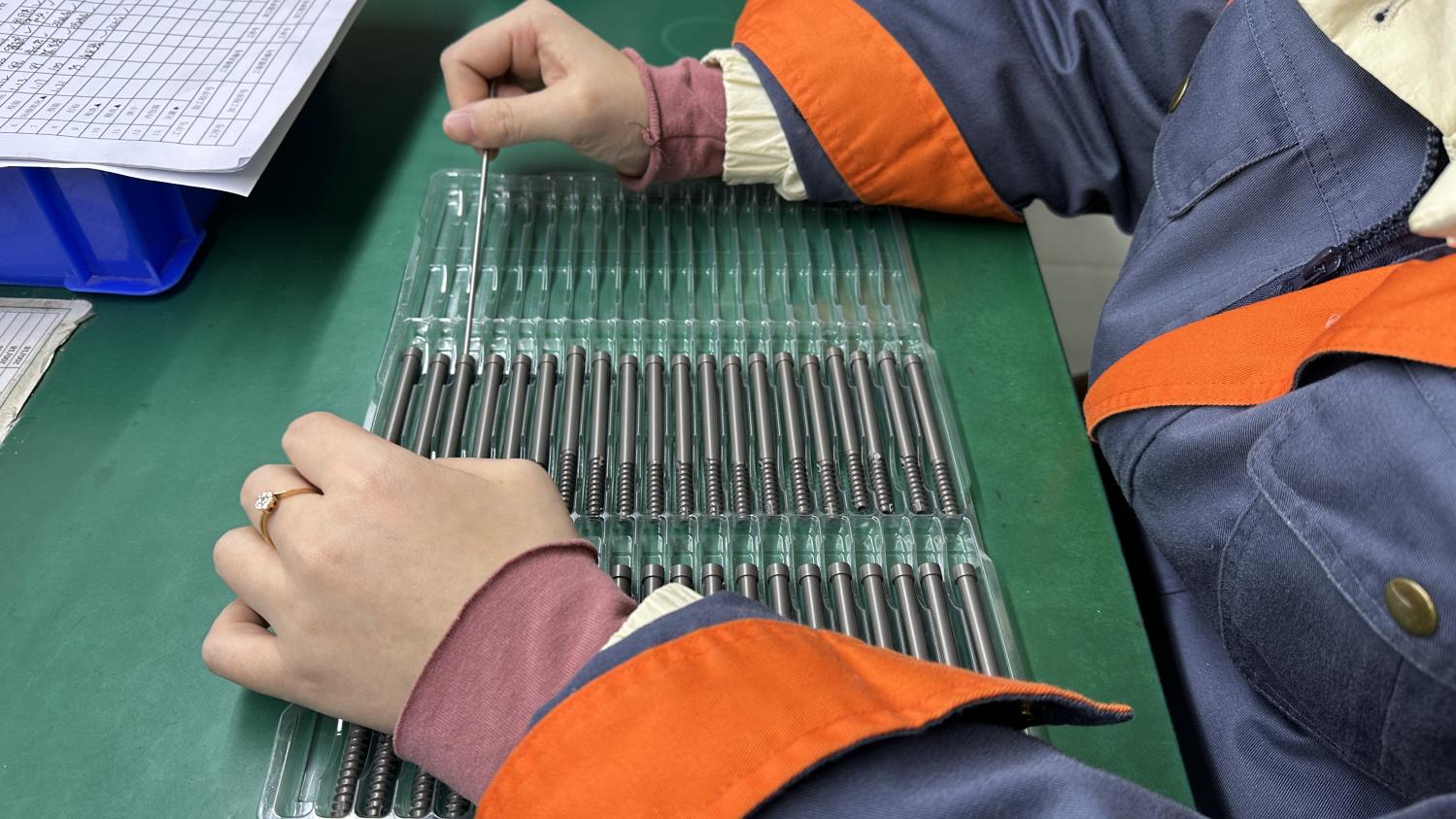
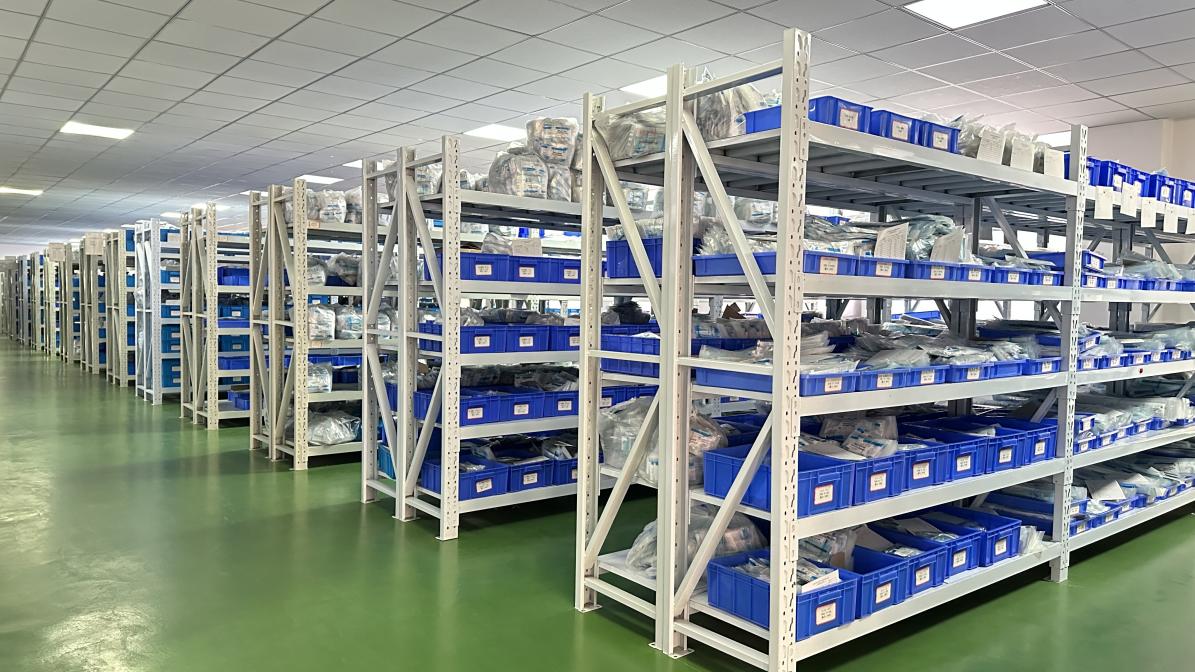
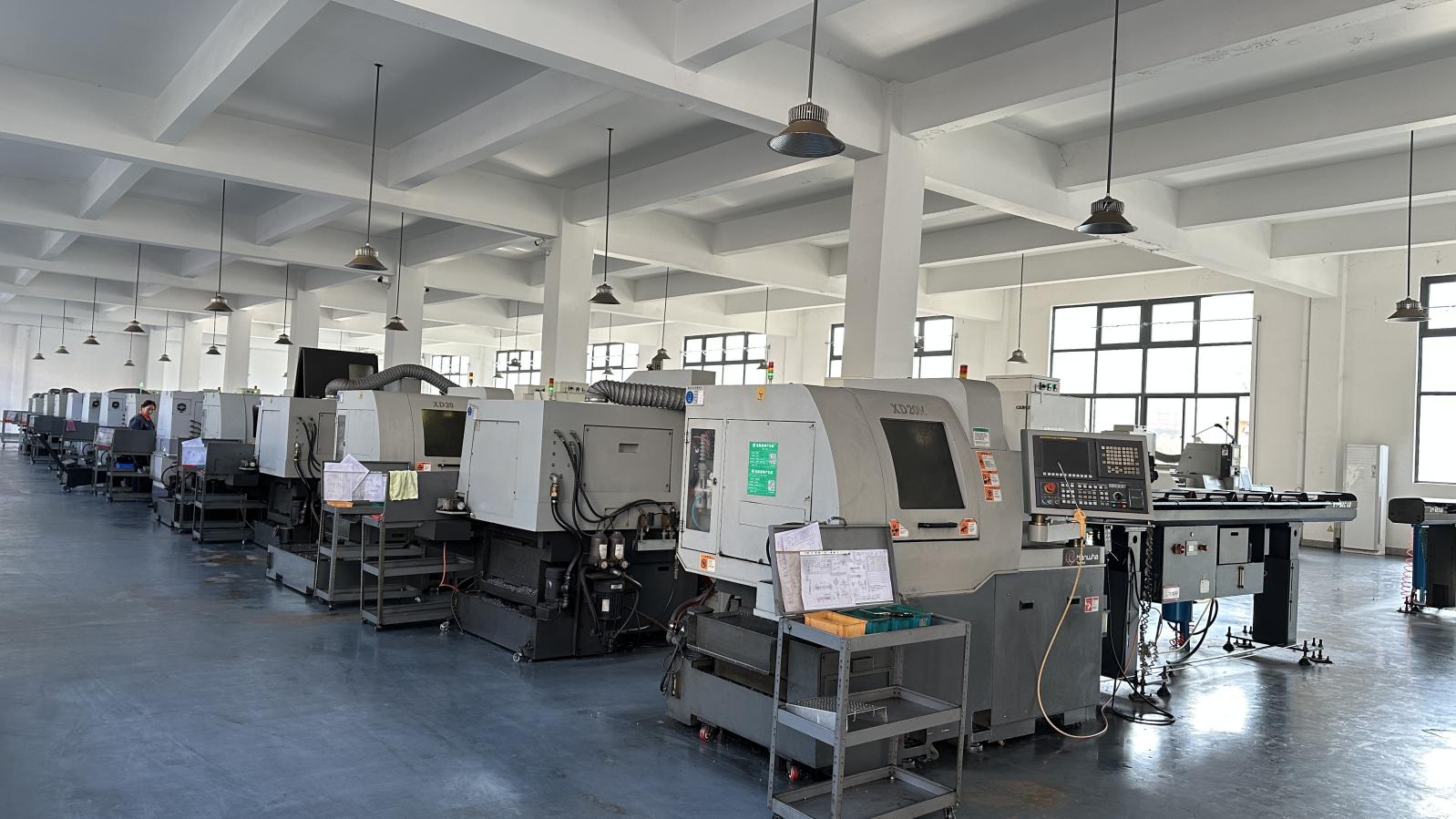
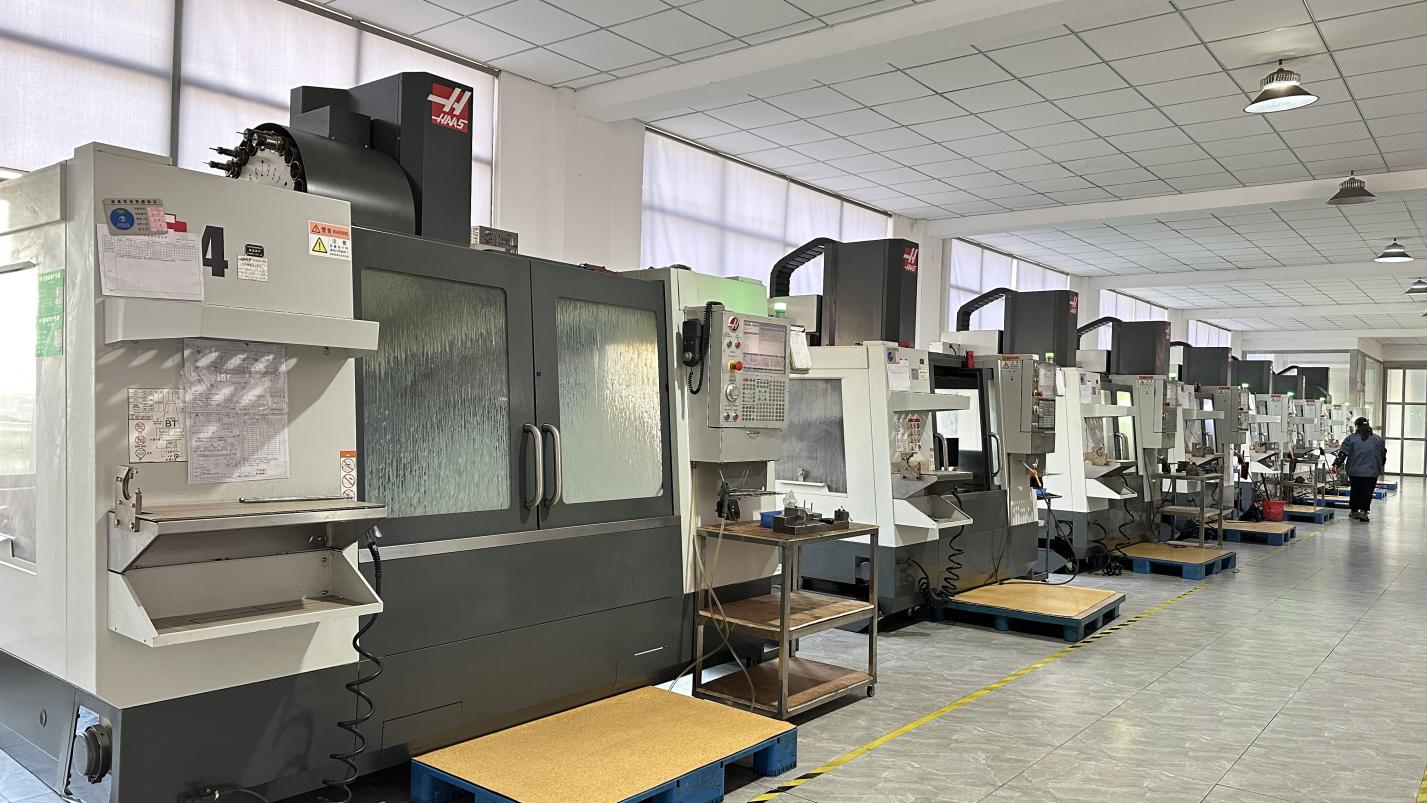
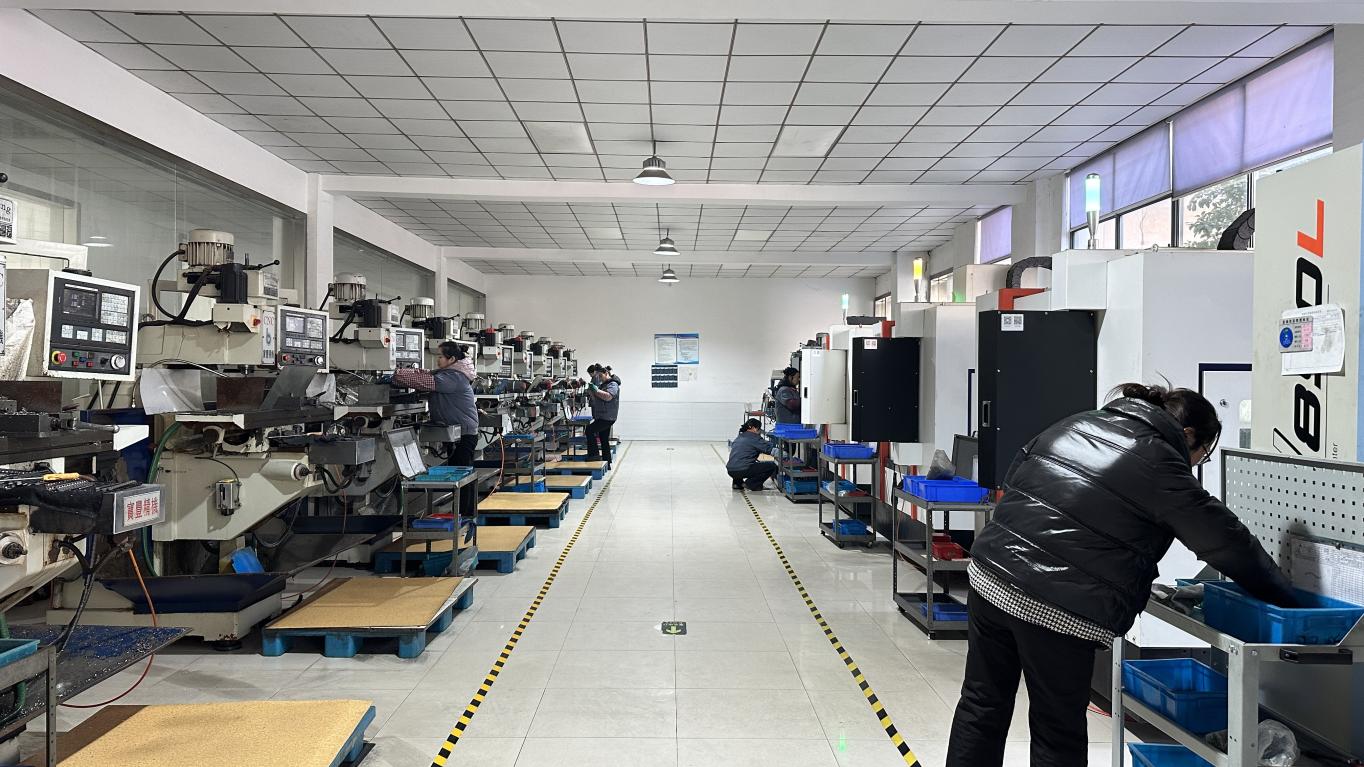
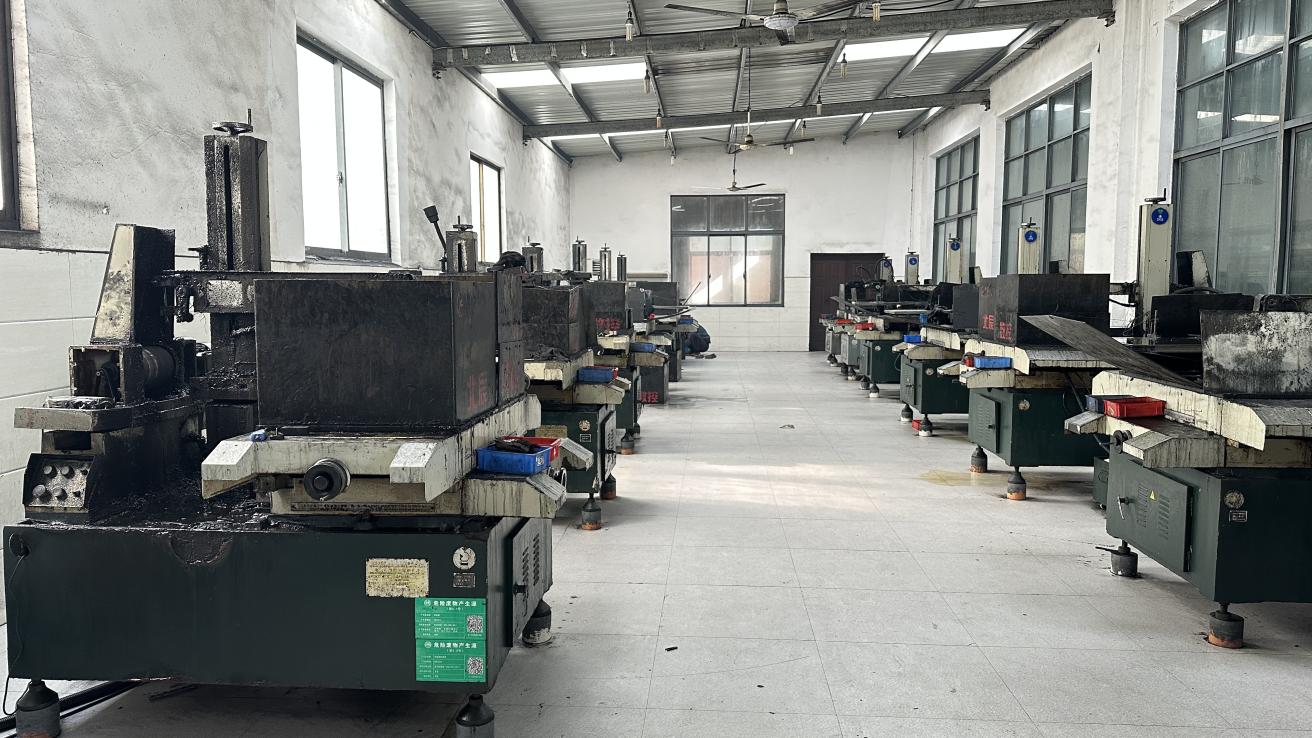
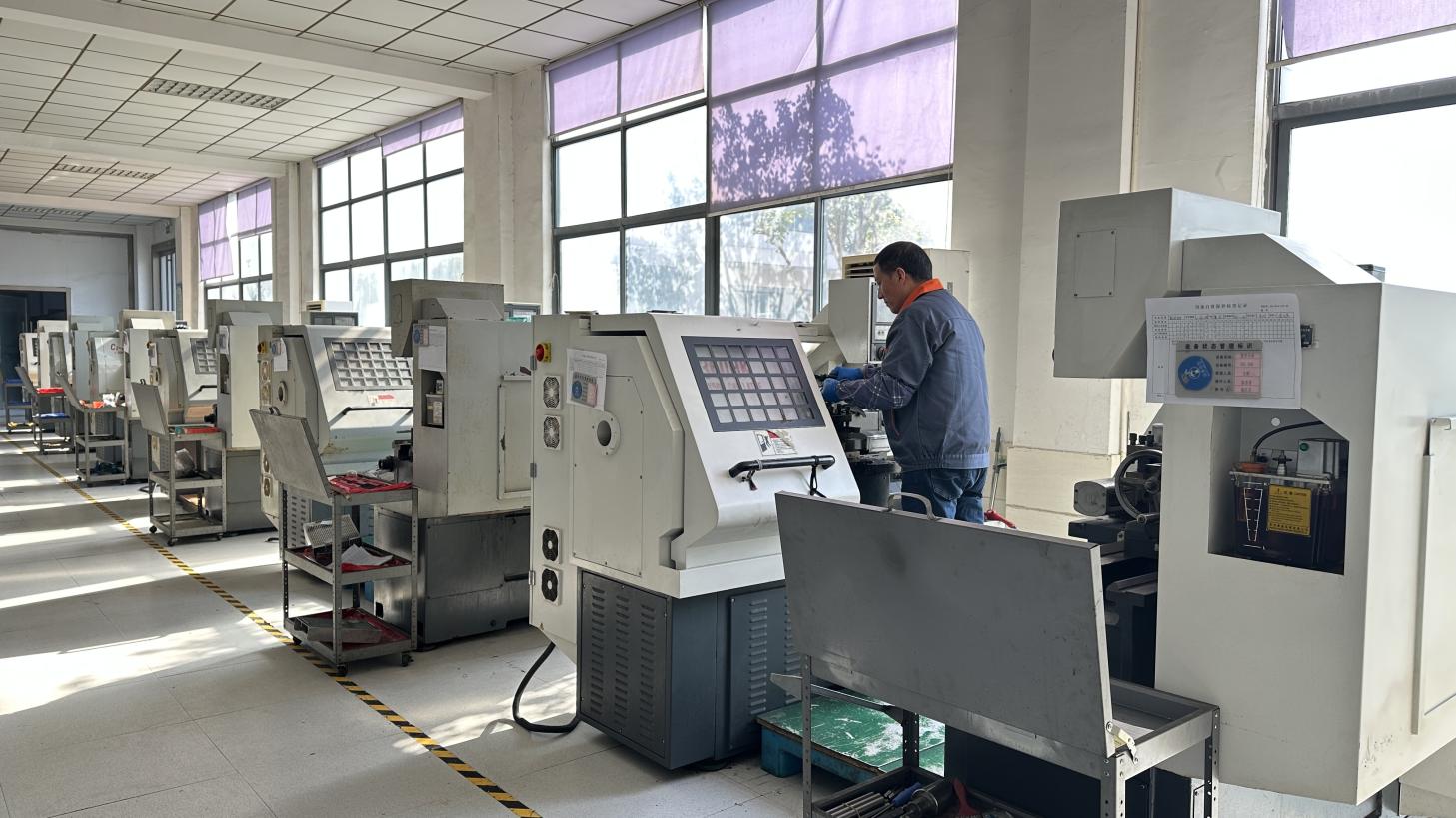
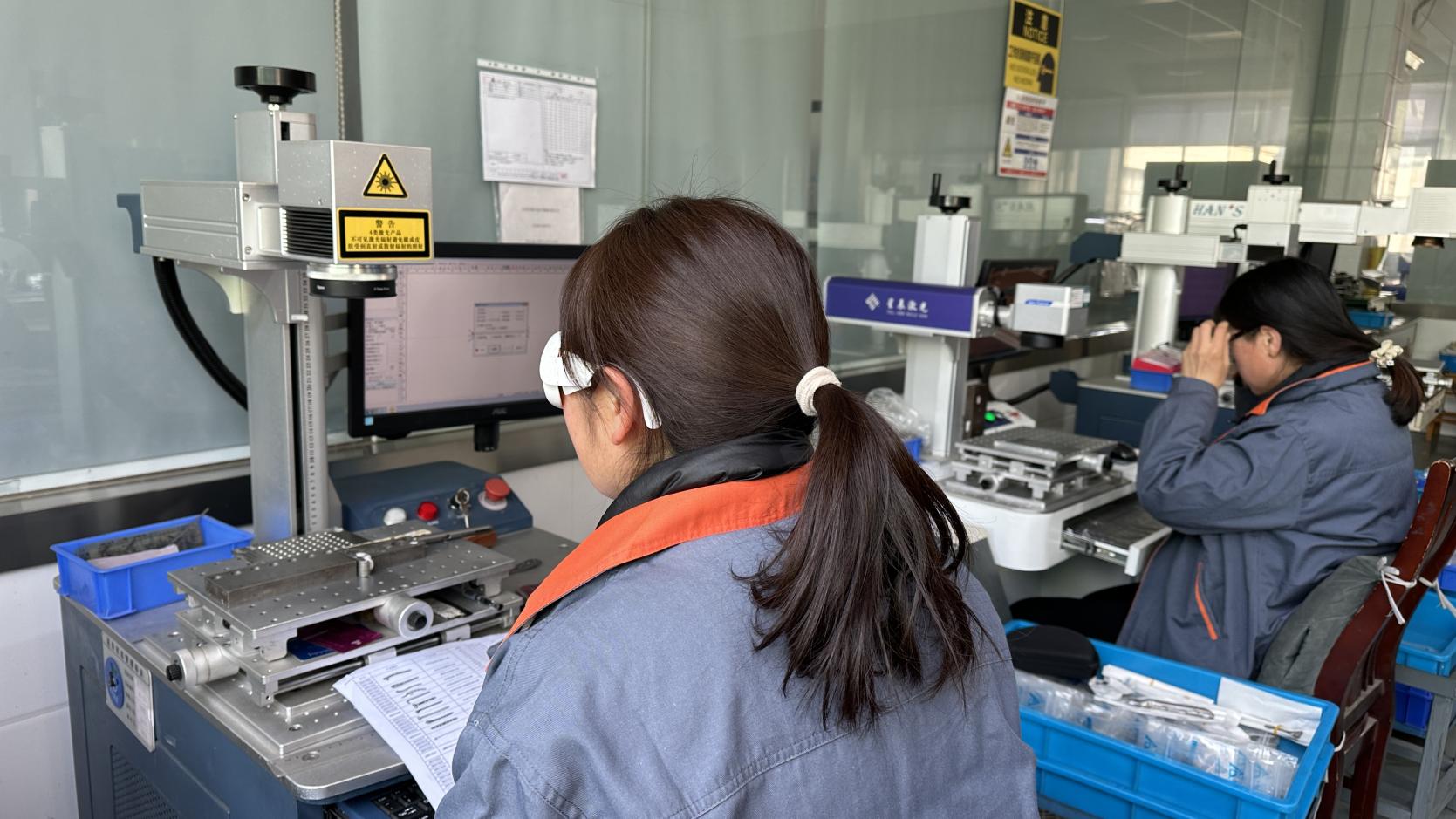
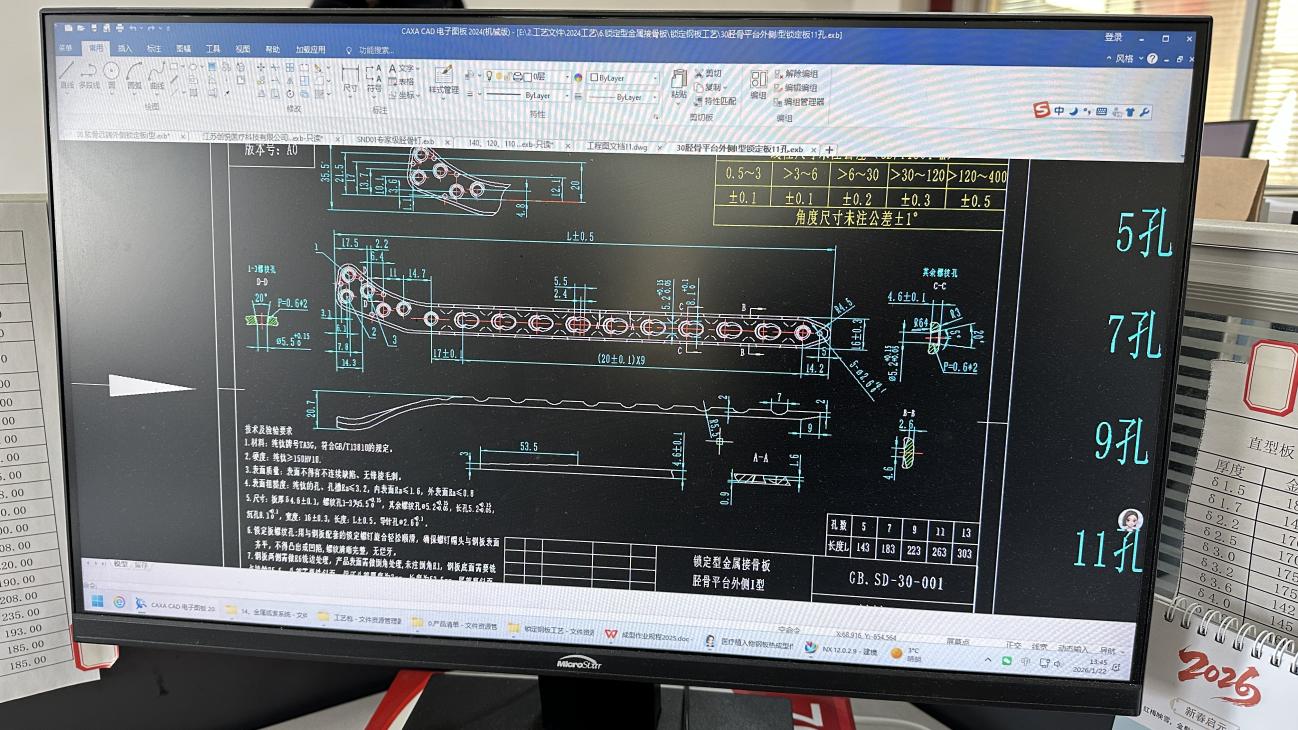

Continuous investment in research translates to high-performance clinical solutions, serving hospitals and distribution chains worldwide.
Surgical implants perform in high-load dynamic environments. A failure in mechanical properties could lead to second revision surgeries, patient distress, or liability concerns. To address this, Medisplint operates an in-house metrology, metallurgical, and dynamic stress testing laboratory. Our quality systems monitor the physical attributes of each batch from raw feedstock through to post-sterilization packaging.
Our testing protocols adhere strictly to international standards, including ISO 13485 regulations. Quality checks are subdivided into incoming raw material verification, in-process checking (IPQC), finished product quality checks (FQC), and random batch destructive testing. These steps are carried out using industry-standard equipment:
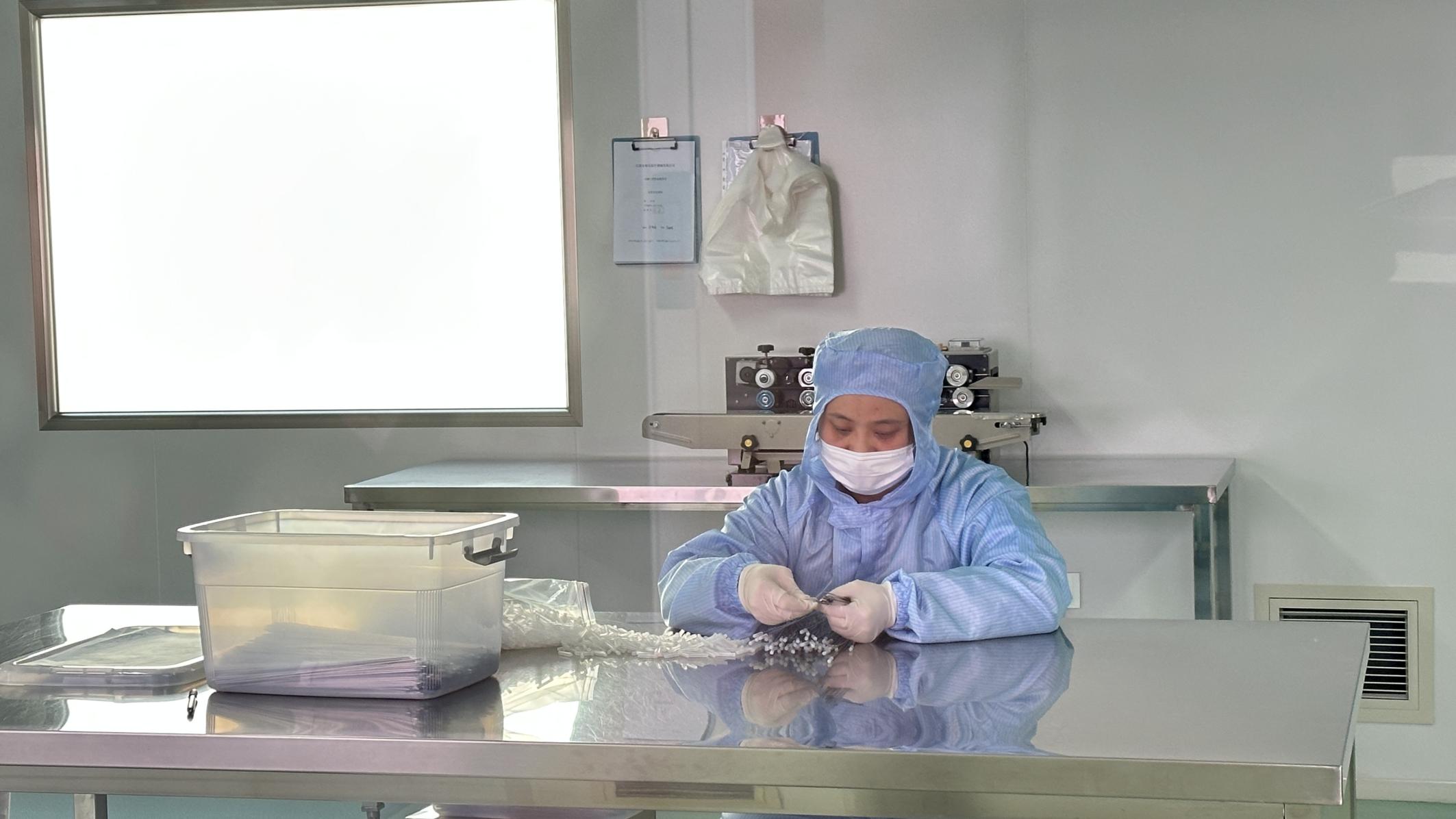
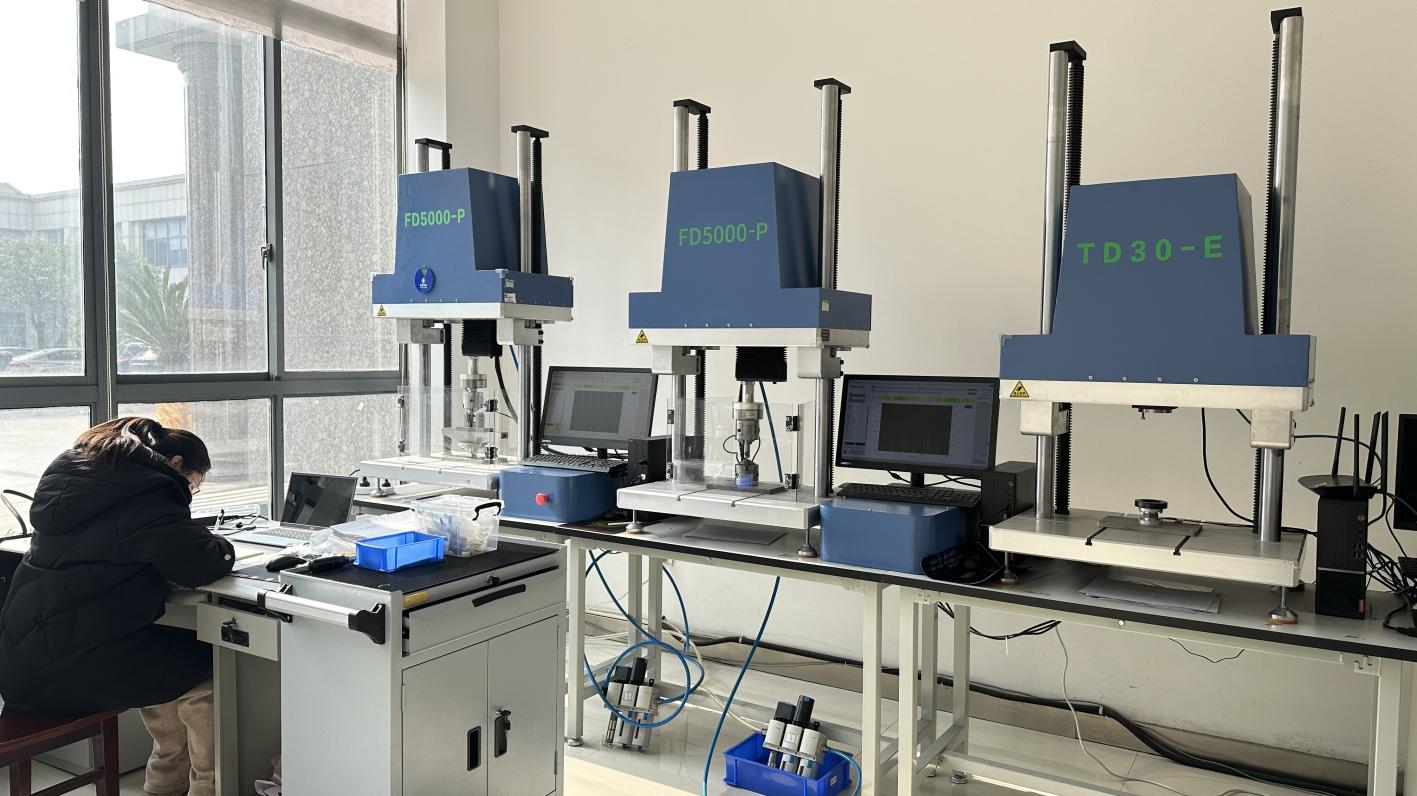
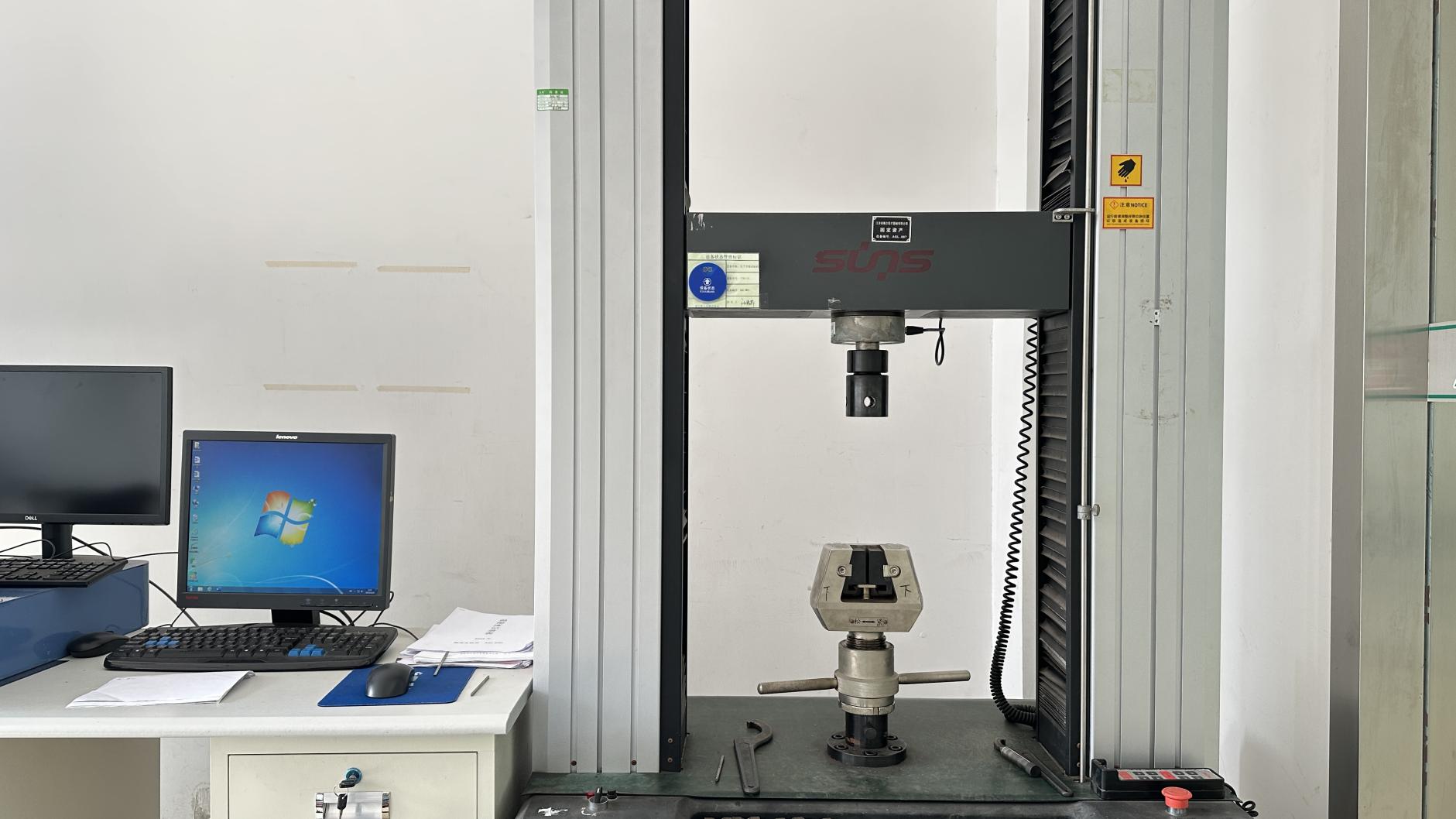
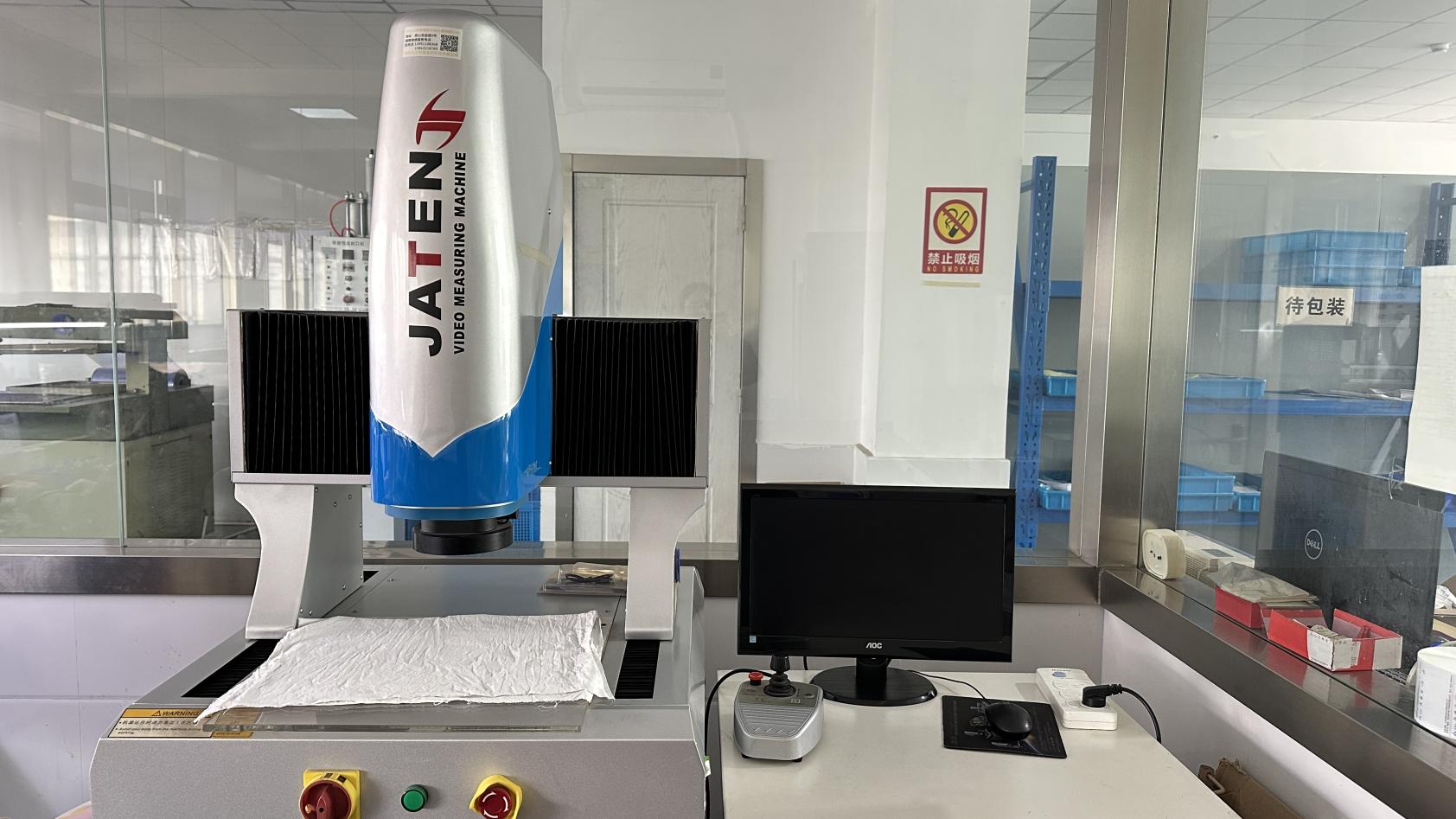
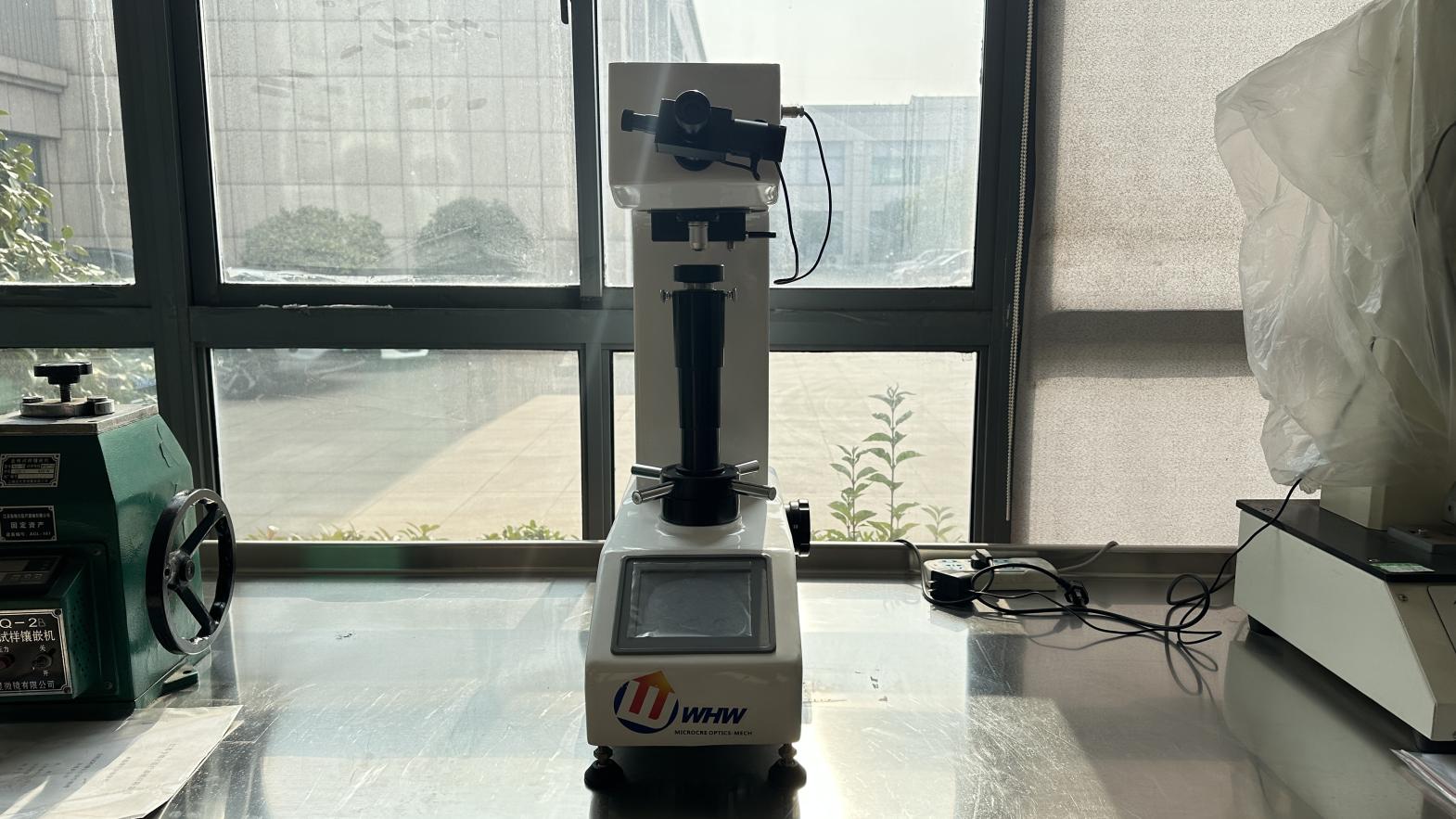
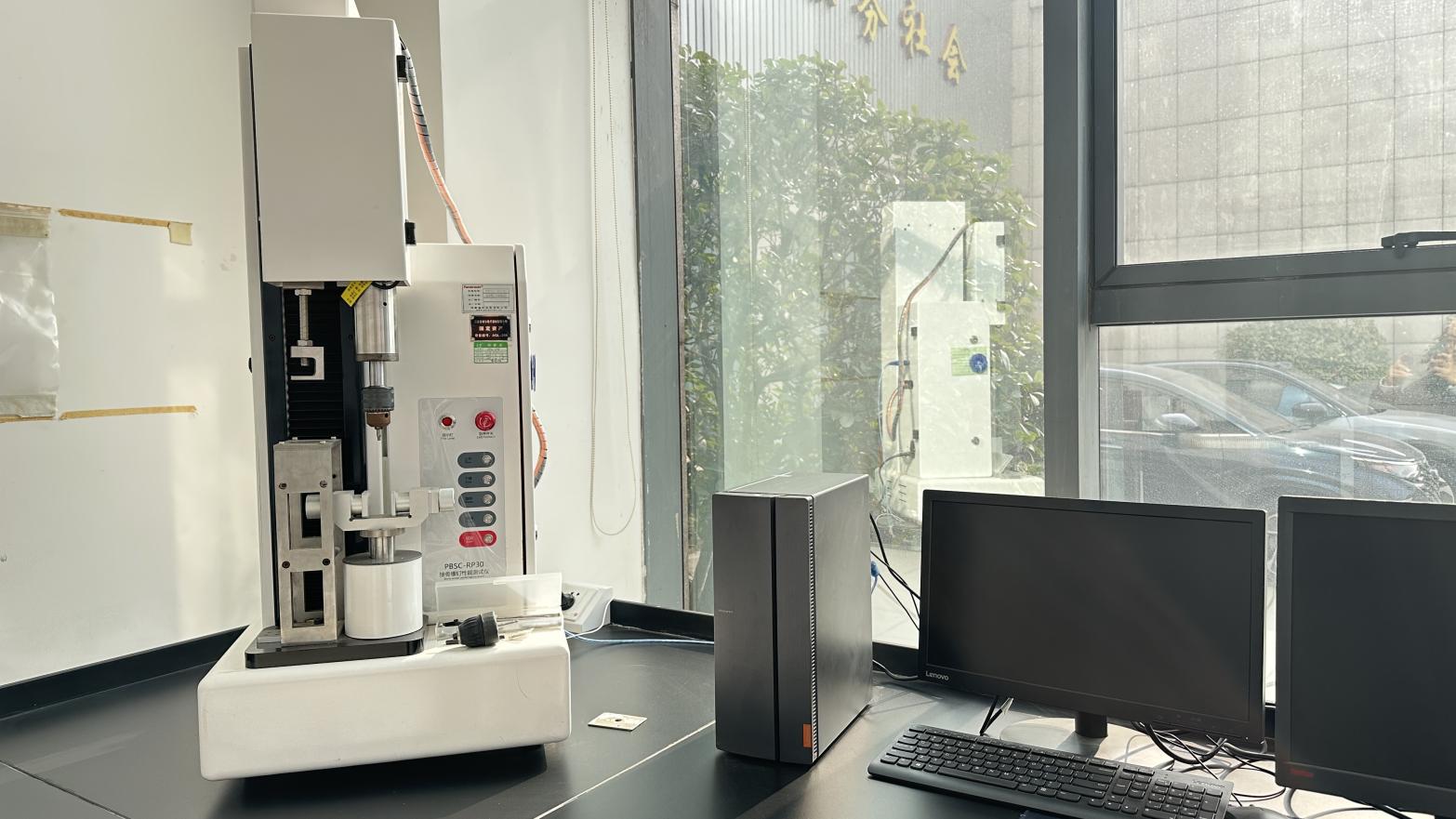
B2B buyers, medical device distributors, and hospital procurement groups have distinct operational requirements: regulatory documentation, price-performance ratios, predictable lead times, and customization flexibility. Medisplint addresses these needs directly through structured contract manufacturing services.
We offer complete customization solutions (OEM/ODM), covering:
The orthopedic implant sector is evolving rapidly. Advanced technologies like additively manufactured titanium implants, bioactive surface modifications (such as hydroxyapatite coating), and minimally invasive (MIS) placement systems are changing spinal reconstruction.
Additionally, digitalization and smart surgical aids are driving the demand for custom instrument sets. Medisplint remains at the forefront of these industry developments. We are integrating sub-micron tolerance controls into our production lines and evaluating advanced surface treatment options. This ensures our monoaxial pedicle screws continue to deliver reliable clinical outcomes as procedures become more complex.
We use medical-grade Titanium Alloy (Ti-6Al-4V ELI) conforming strictly to ASTM F136 specifications. This material provides high biocompatibility, excellent fatigue resistance, and high tensile strength while minimizing artifacts under post-operative CT and MRI scans.
Our Quality Control lab performs continuous testing to ASTM F1717 and ASTM F543 standards. We run dynamic fatigue, pull-out, and static torsion tests to verify that every batch meets the performance limits required for clinical use.
Yes, we provide full OEM and ODM options. Our services include customized dimension designs, custom thread profiles, UDI compliant laser marking, and specialized sterile packaging matching your brand's requirements.
Our facility is ISO 13485 certified, and our product lines comply with European CE requirements. This complete quality management system simplifies registration and imports for international buyers.
Standard order lead times range from 30 to 45 days, depending on custom requirements and volume. Our 18,500㎡ facility and 1,200 supply chain partners allow us to manage large production schedules predictably.
Monoaxial pedicle screws are selected for direct vertebral rotation (DVR) in deformity corrections (like scoliosis) and high-instability spinal fractures. The rigid, fixed head-to-shaft design allows for direct translation of corrective forces, without head toggle.