Medisplint
Medisplint
Medisplint
Engineered to exact surgical specifications utilizing biocompatible materials and advanced CNC technologies.
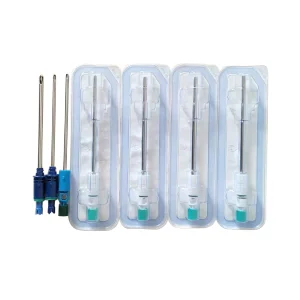
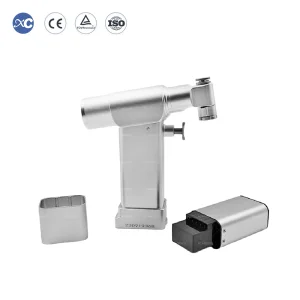
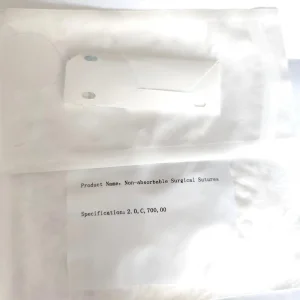
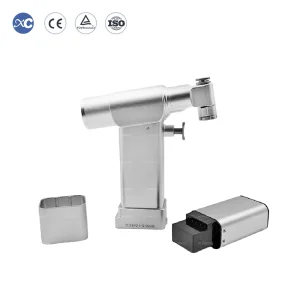
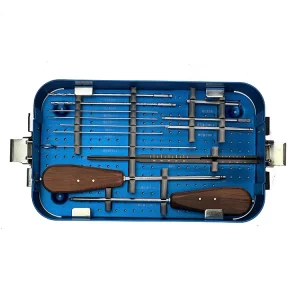
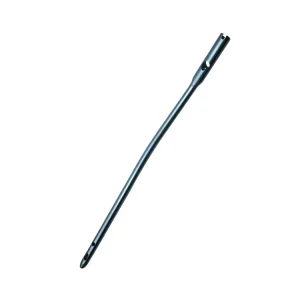
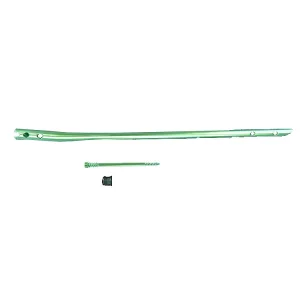
The global orthopedics market has seen an unprecedented expansion, with Total Hip Arthroplasty (THA) remaining one of the most successful surgical interventions of the 21st century. Driven by demographic shifts, such as an aging population, rising rates of osteoarthritis, and the clinical demand for active lifestyles in late adulthood, the demand for highly precise hip replacement surgical instruments has skyrocketed. High-precision tooling is critical for assuring optimal implant placement, reducing revision rates, and streamlining intraoperative procedures.
To support orthopedic surgeons in executing minimally invasive techniques—such as the direct anterior, posterolateral, or lateral approaches—manufacturers must offer instruments featuring absolute tactile feedback, biological safety, and ergonomics. China’s orthopedic instrument manufacturing sector has transitioned from standard-volume production to high-end precision engineering. Today, top Chinese manufacturers compete directly with European and North American suppliers in raw material sourcing, multi-axis CNC machining accuracy, and international regulatory compliance (FDA, CE, MDR).
The global joint reconstruction market is projected to grow at a CAGR of 5.8%, putting significant volume pressure on premium surgical instrument kits.
Compliance transition to the European Medical Device Regulation (EU MDR 2017/745) demands full structural traceability and dynamic bio-testing.
Custom offset handles, acetabular trial cups, and specialized femoral broaches designed for smaller incision exposures.
The manufacture of hip replacement components, spine implants, and trauma tools involves advanced mechanical engineering. Using high-grade materials like Titanium alloys (specifically Ti-6Al-4V ELI conforming to ASTM F136), Cobalt-Chromium-Molybdenum (CoCrMo), and Medical-Grade Ultra-High-Molecular-Weight Polyethylene (UHMWPE) ensures these implants possess long fatigue life, superior wear resistance, and absolute biocompatibility.
Advanced manufacturing starts in raw material selection. Using raw material tracking systems and mechanical testing, manufacturers can confirm chemical compositions before components enter the factory. Multi-axis CNC milling, Swiss-type lathe machining, and electrical wire cutting (EDM) are used to manufacture complex structures. To achieve maximum accuracy, the instruments undergo thorough surface treatments, such as electropolishing, passivation, and laser marking, creating products that meet global healthcare requirements.
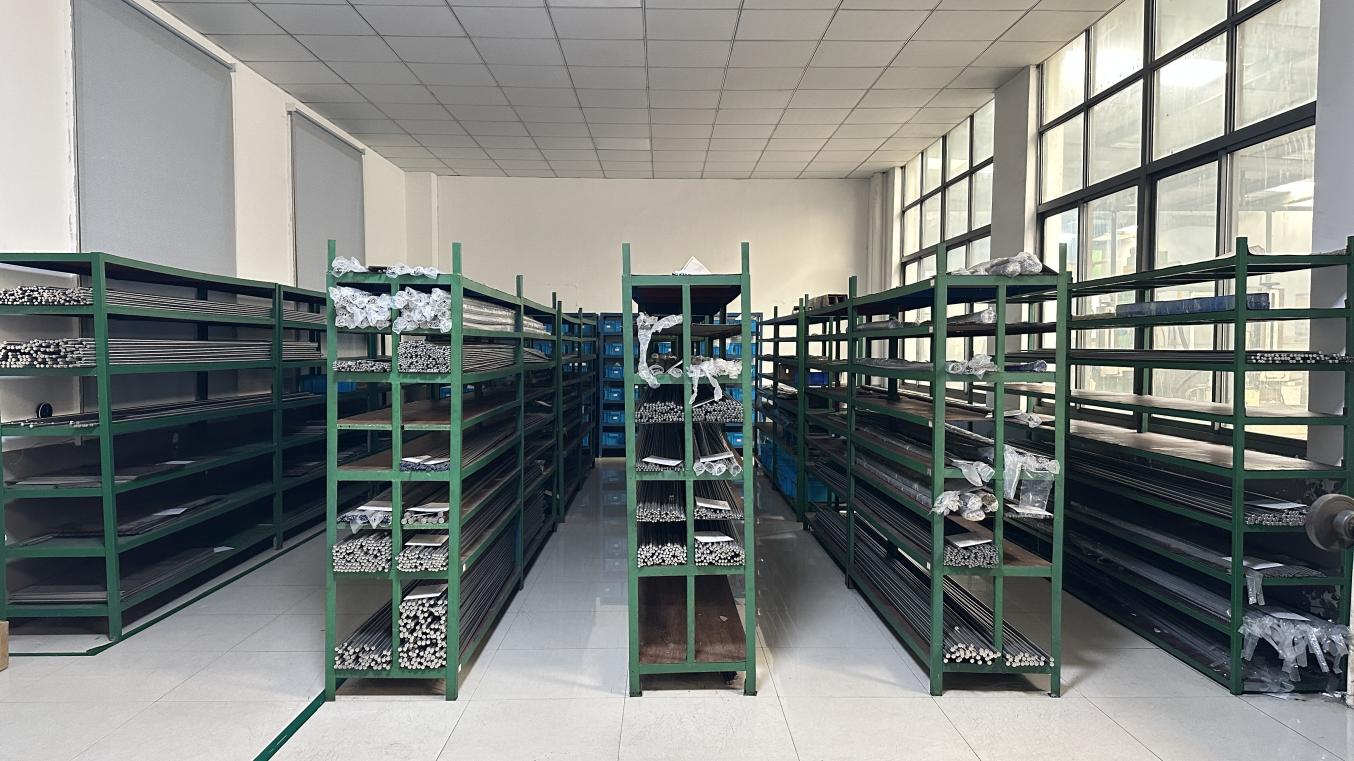
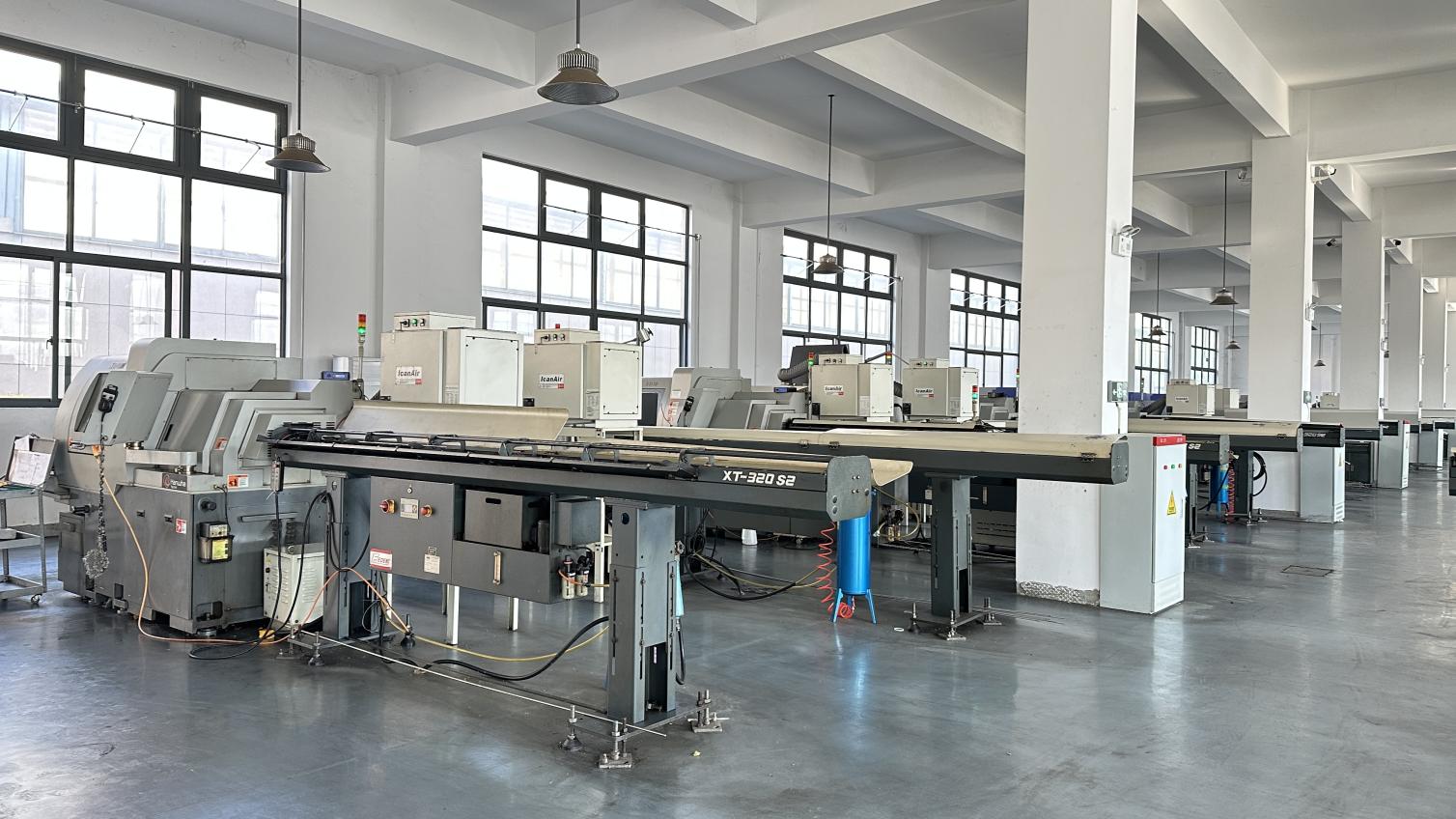
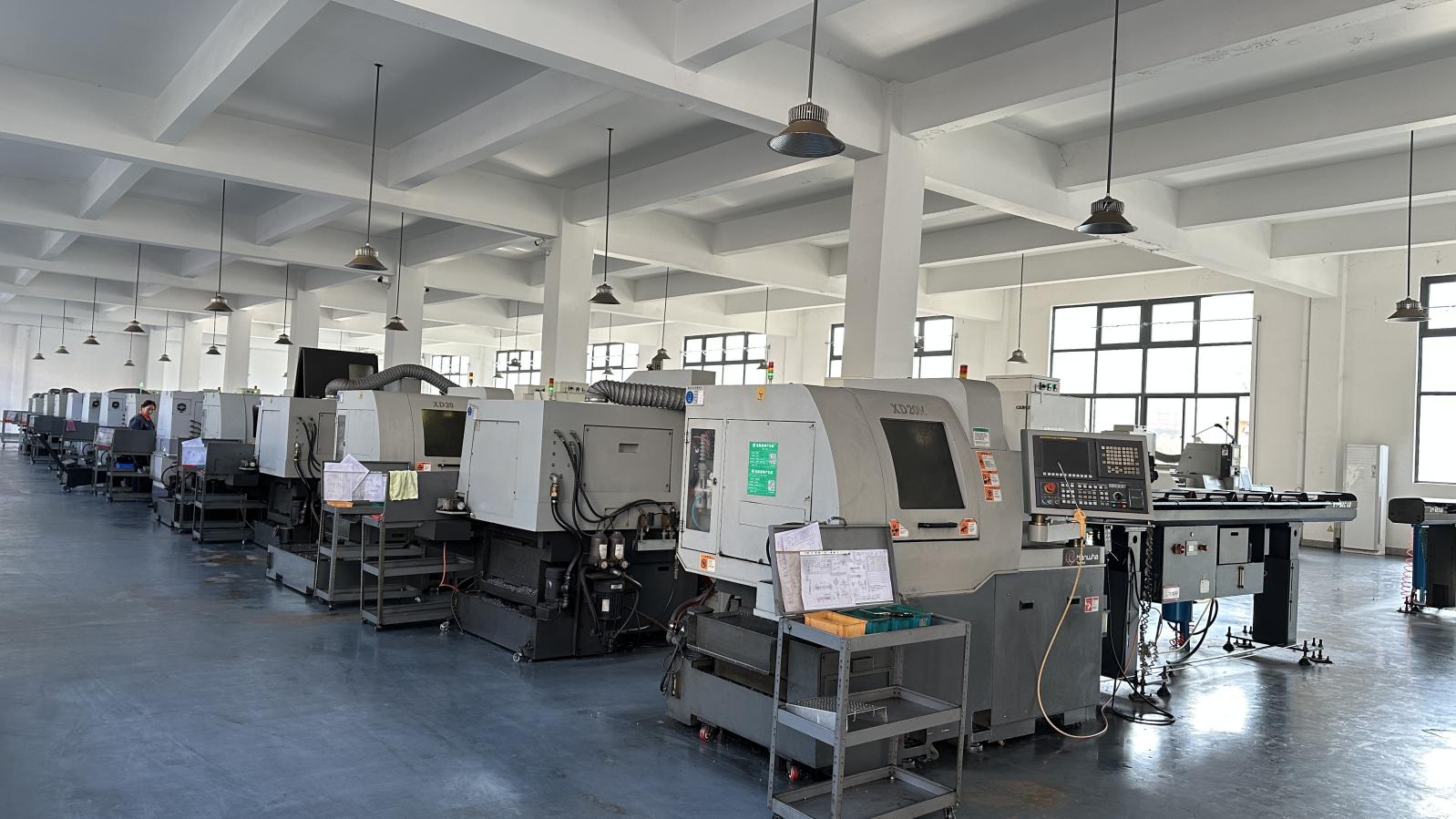
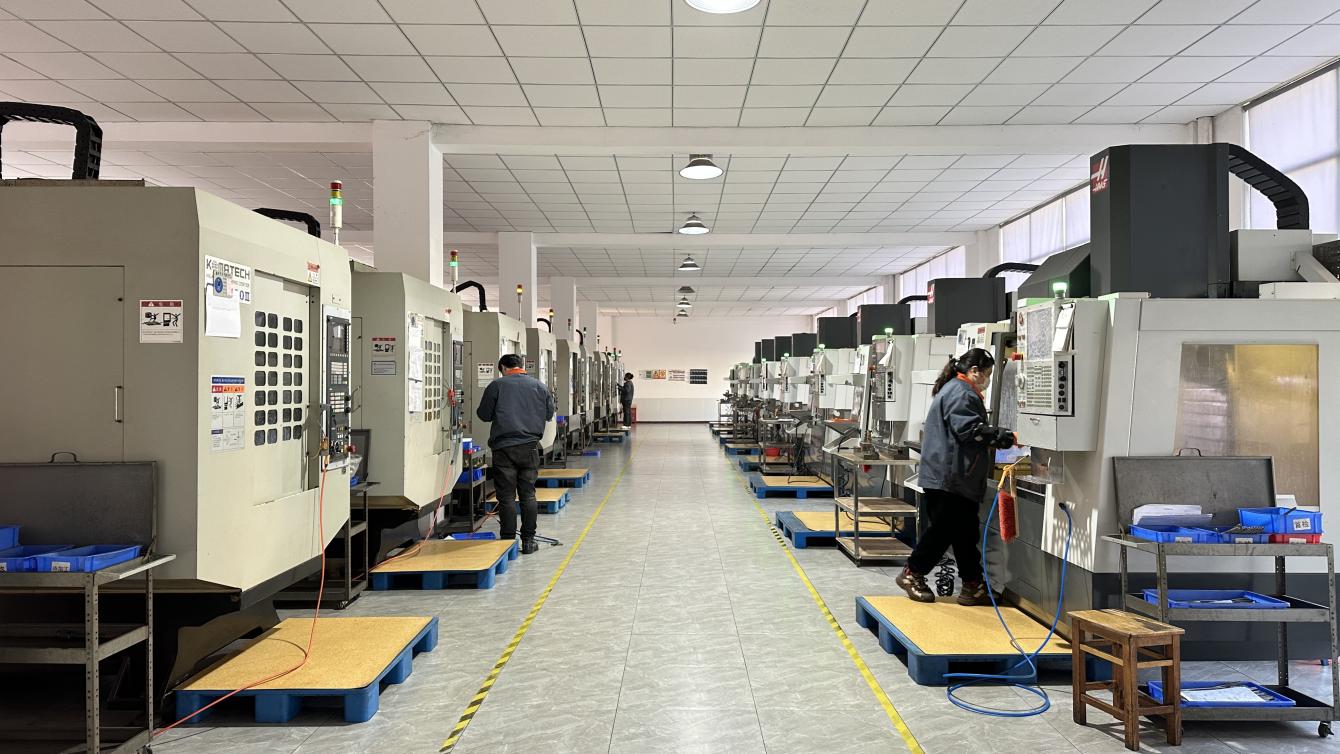
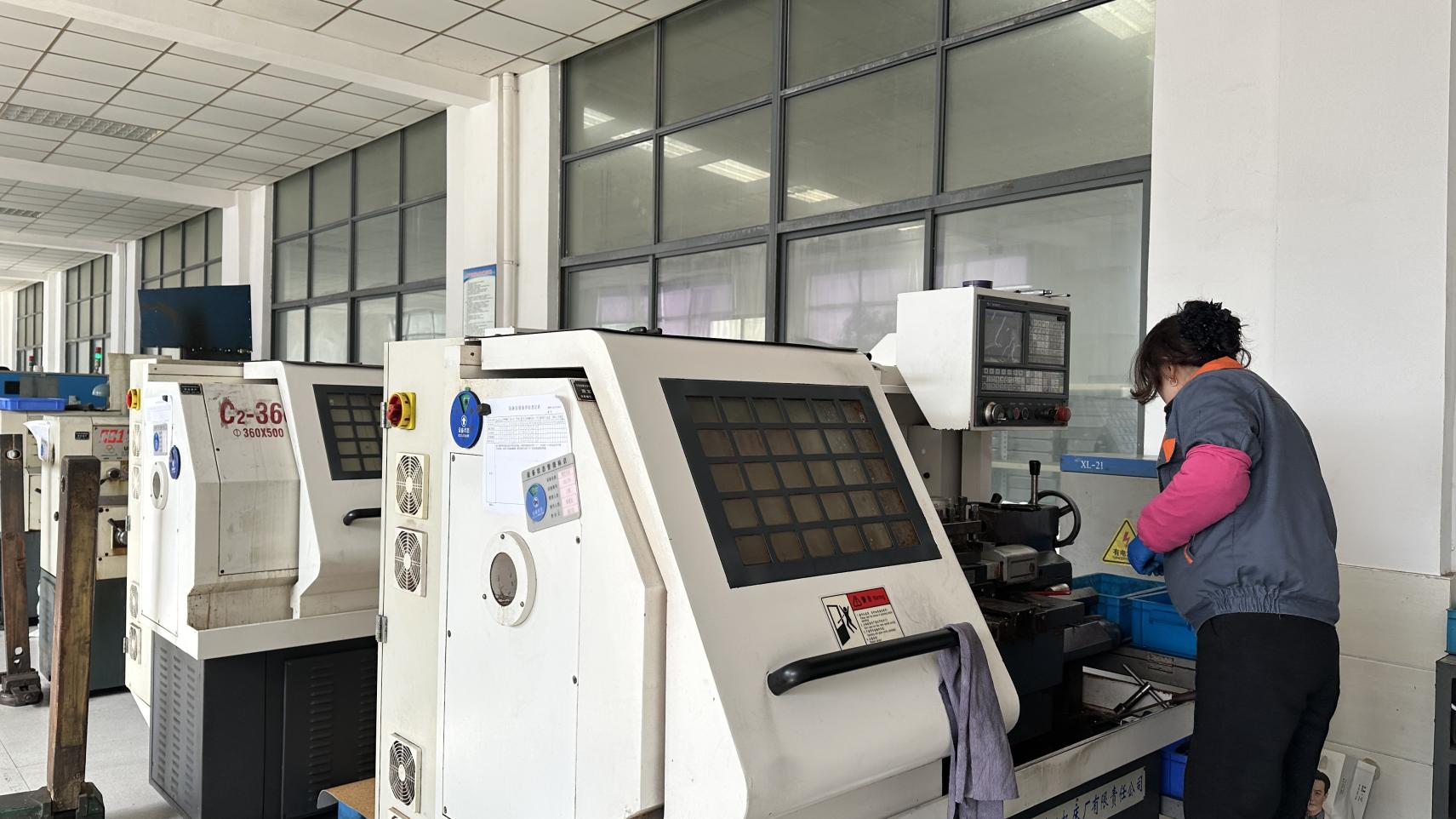
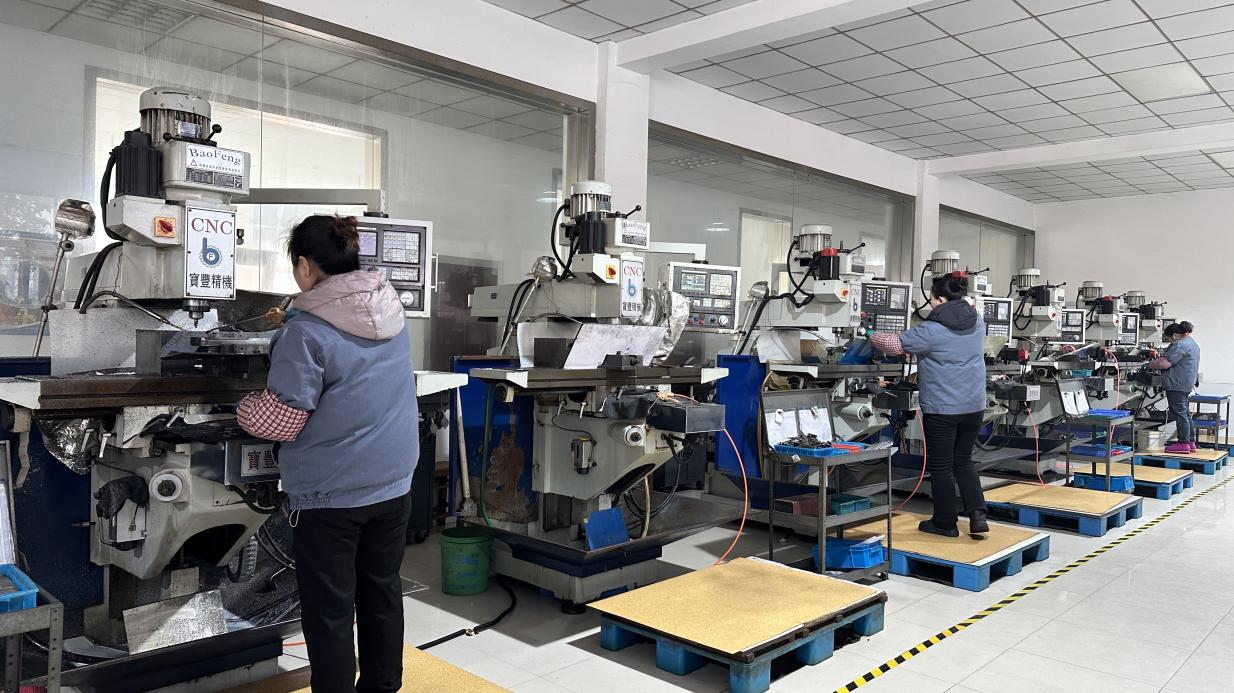
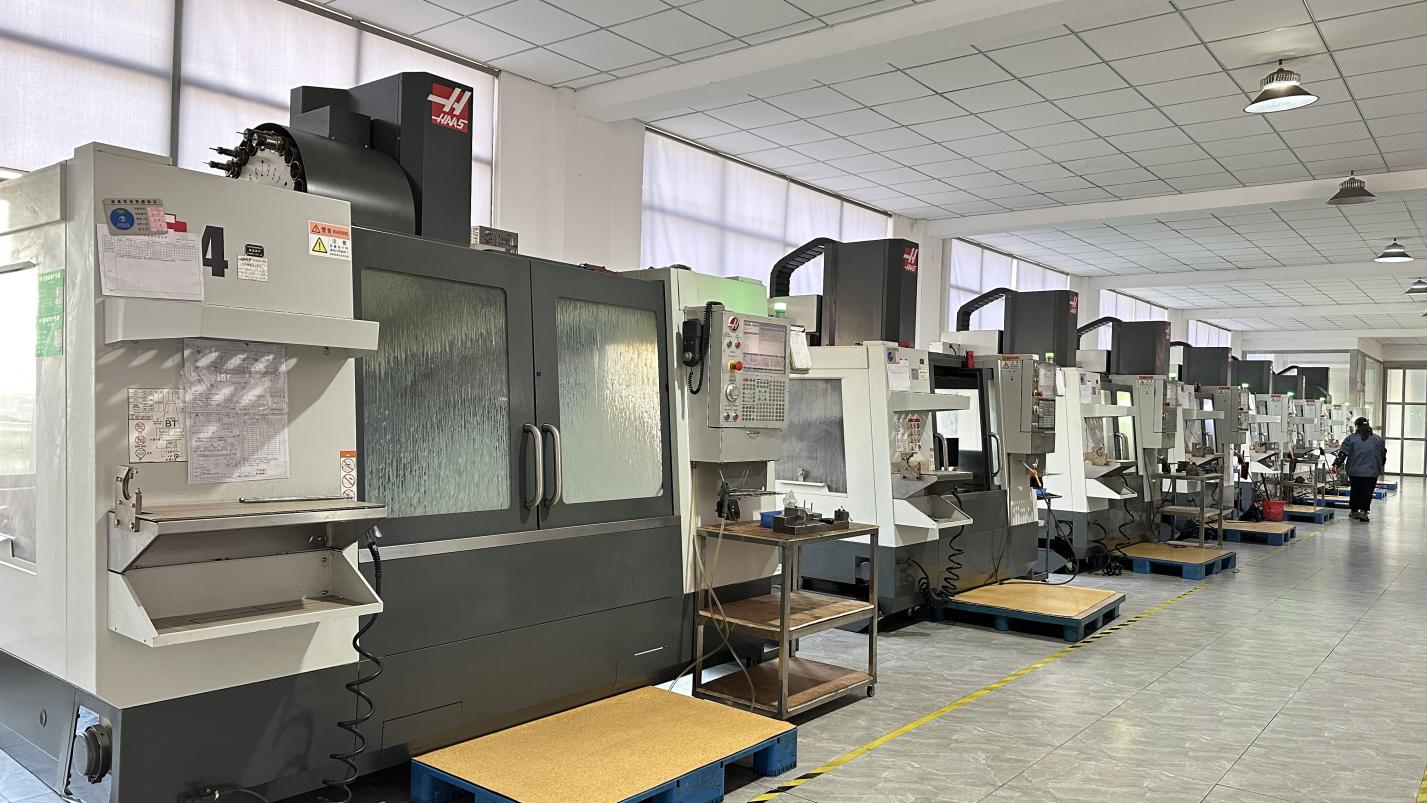
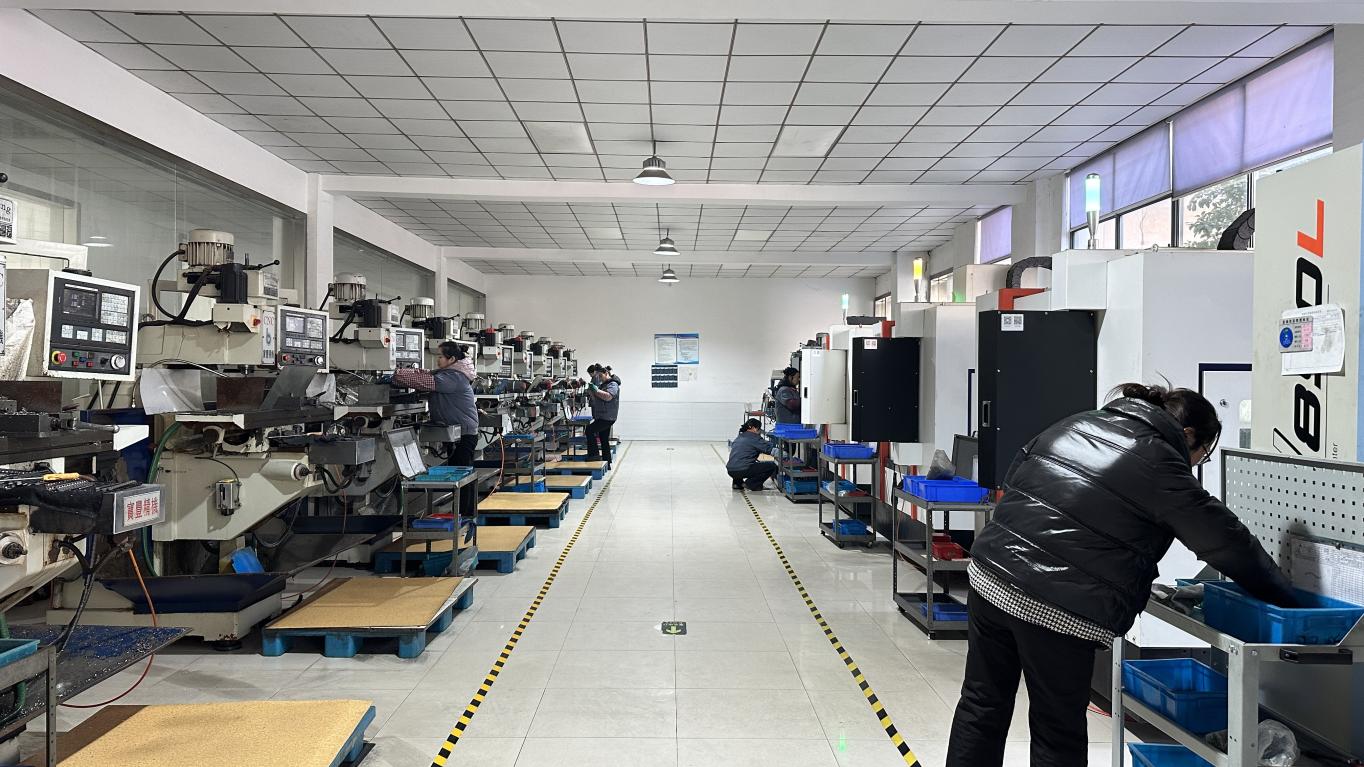
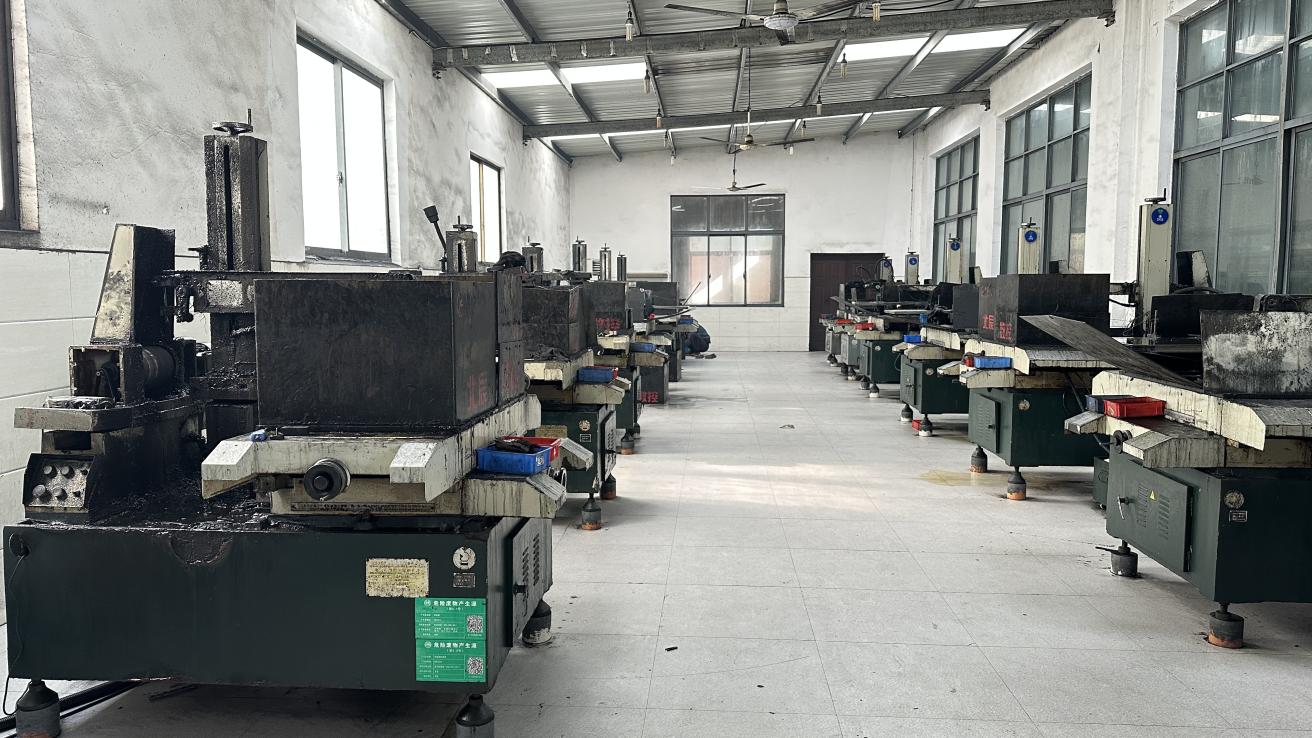
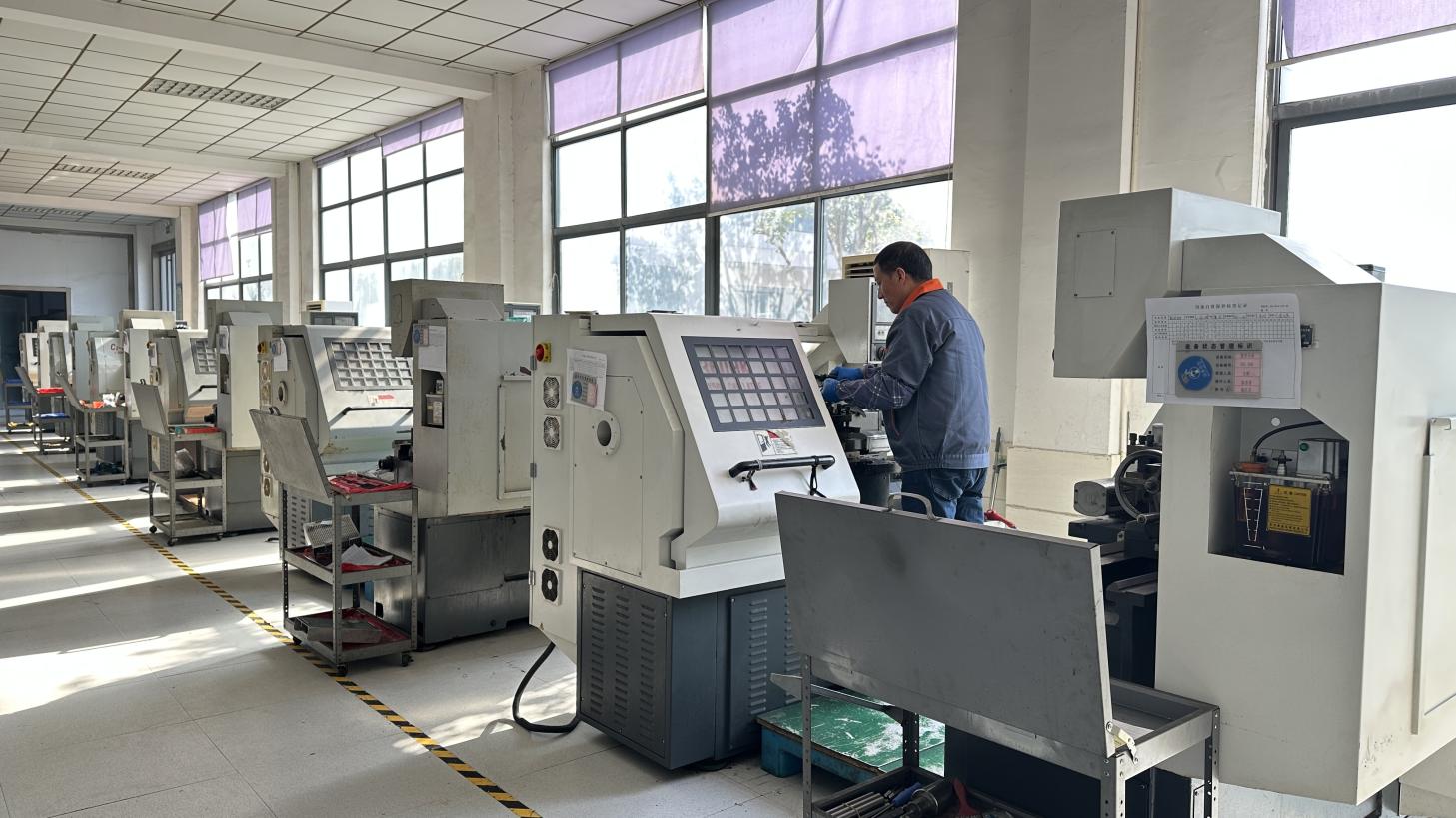
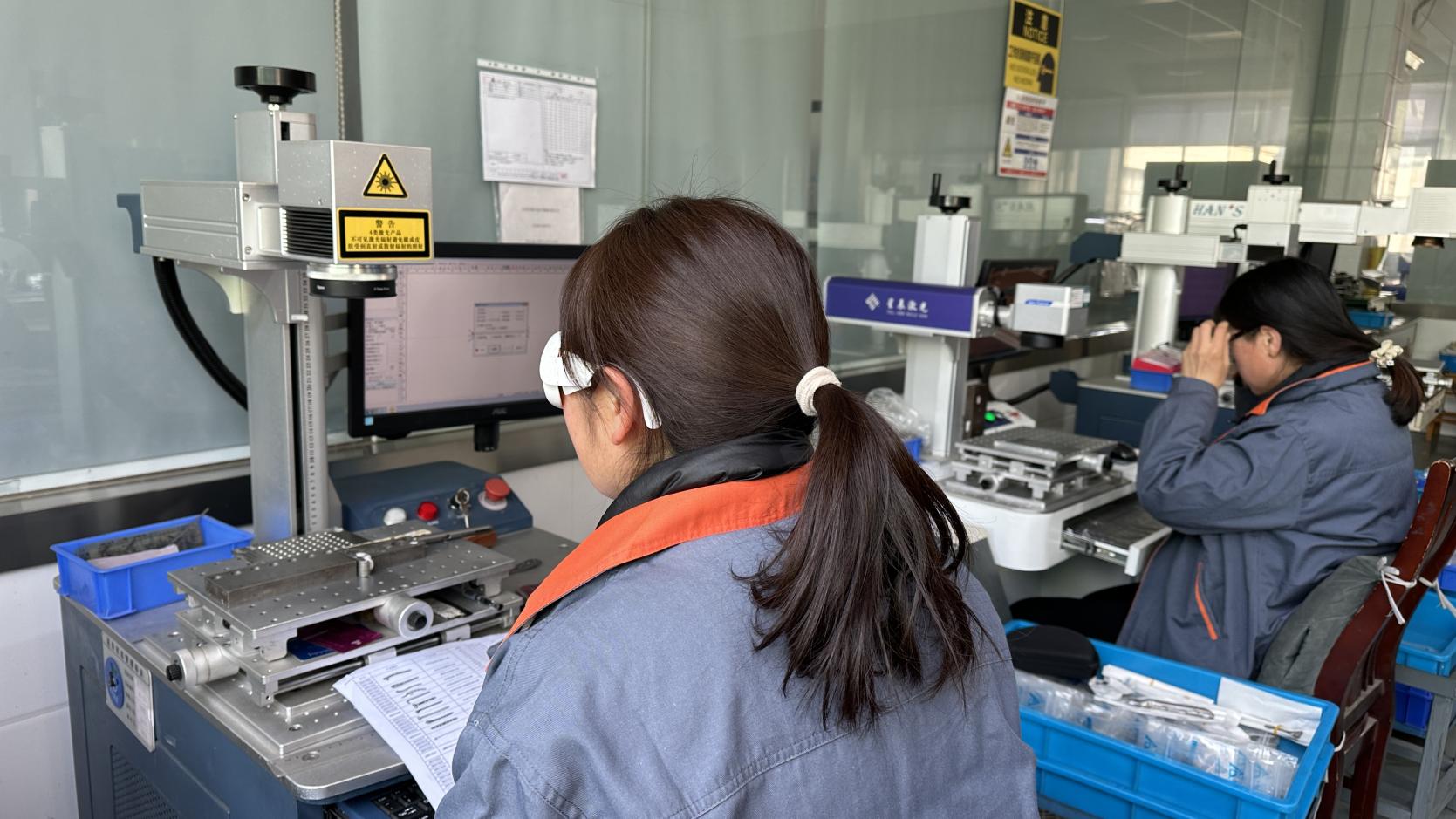
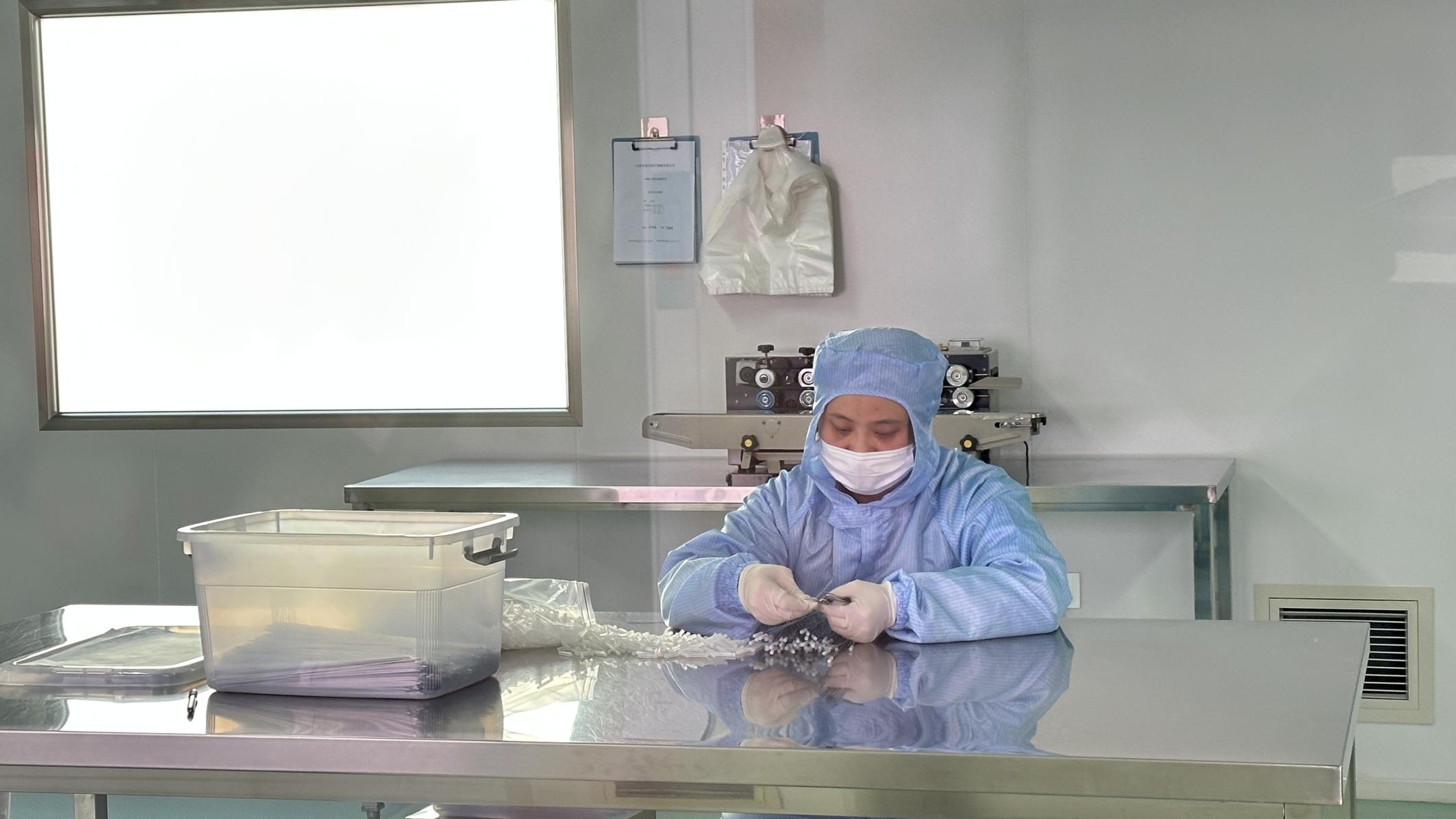
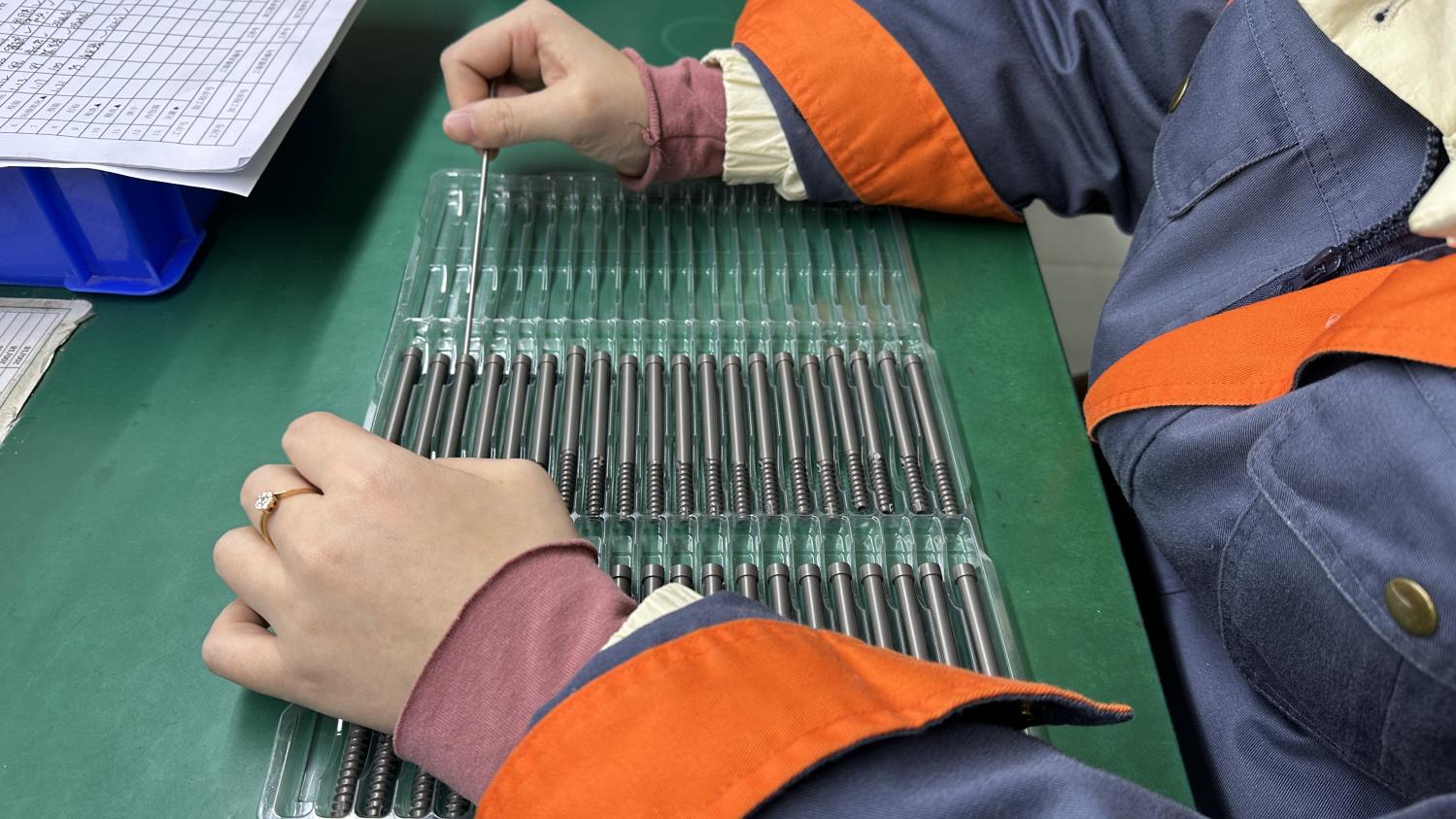
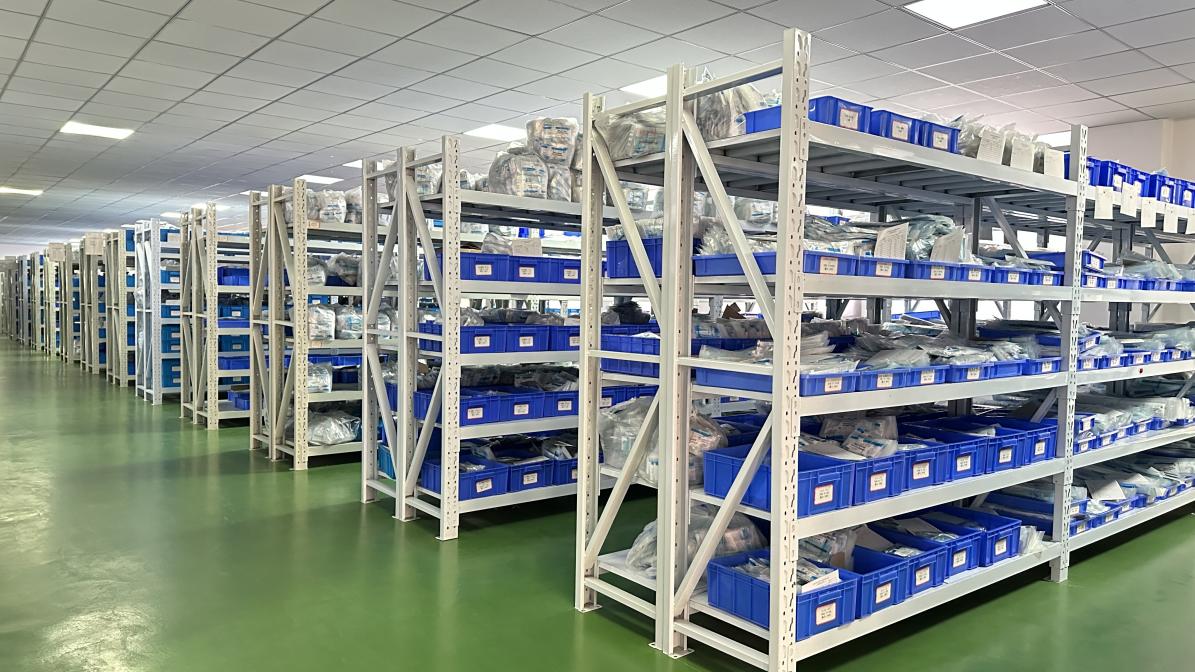
Medisplint Orthopedic Instruments Co., Ltd. is a leading manufacturer specializing in orthopedic implants, fixation systems, and surgical tools for trauma, spine, and joint reconstructions. Founded in 2016, the company has expanded rapidly through active research, innovation, and international market development.
With an 18,500㎡ facility supporting integrated production, assembly, and quality control, Medisplint achieves high manufacturing precision. Backed by 10 years of orthopedic medical device manufacturing experience and 7 years of export history, Medisplint registers an annual export revenue of over USD 12 million. The company supplies high-quality implants and instruments to orthopedic surgeons, hospitals, and distributors in Europe, Southeast Asia, the Middle East, and South America.
Integrated Production Facility
R&D Engineers & Specialists
Dedicated QC Inspectors
Supply Chain Partners
Quality and regulatory compliance form the cornerstone of Medisplint’s operating model. The production ecosystem operates under strict quality assurance frameworks including ISO 13485 certification and CE conformity. Medisplint implements a strict quality verification system involving: Incoming Material Inspection, In-Process Quality Control (IPQC), Final Quality Control (FQC), and regular third-party laboratory verification. Supported by over 85 engineering and development specialists, the company provides complete OEM/ODM services, custom labeling, and custom instrument kit assembly. Over the past year, Medisplint launched 68 new products, highlighting its continuous commitment to orthopedic innovation.
Ensuring absolute durability, dimensional accuracy, and biomechanical performance through advanced diagnostics.
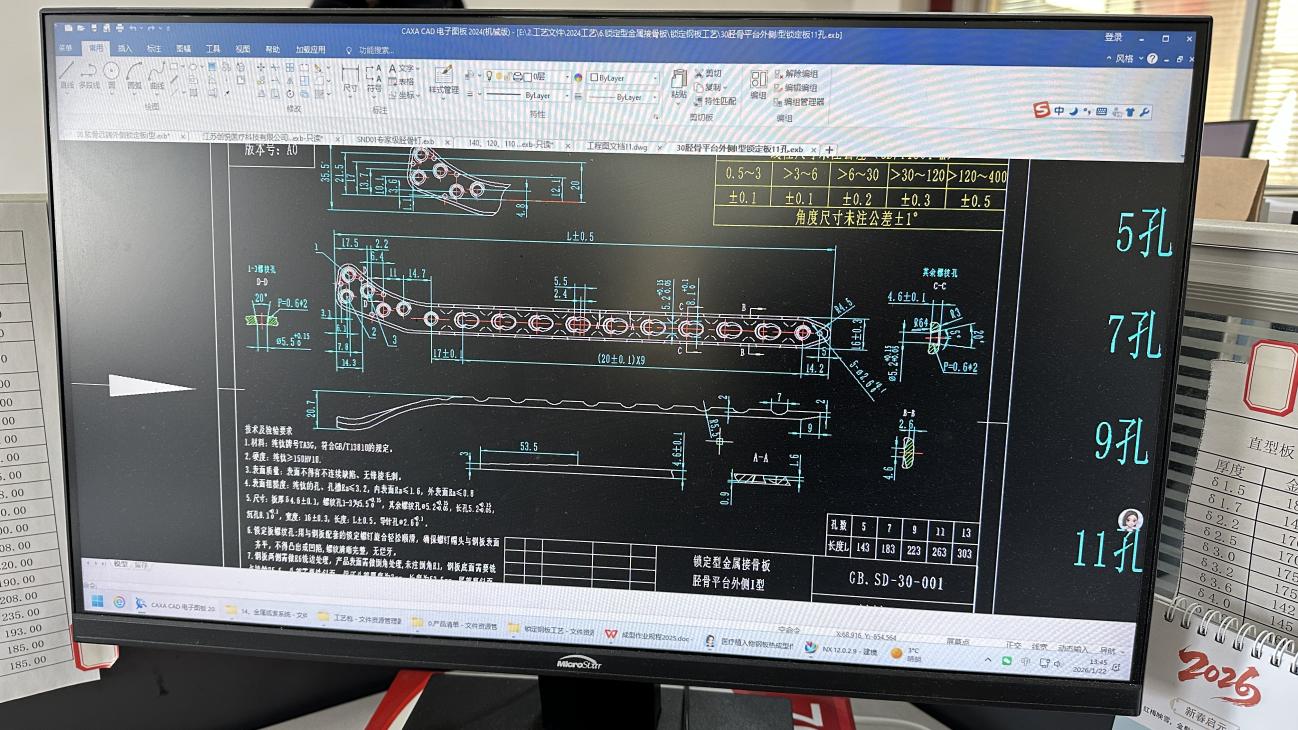

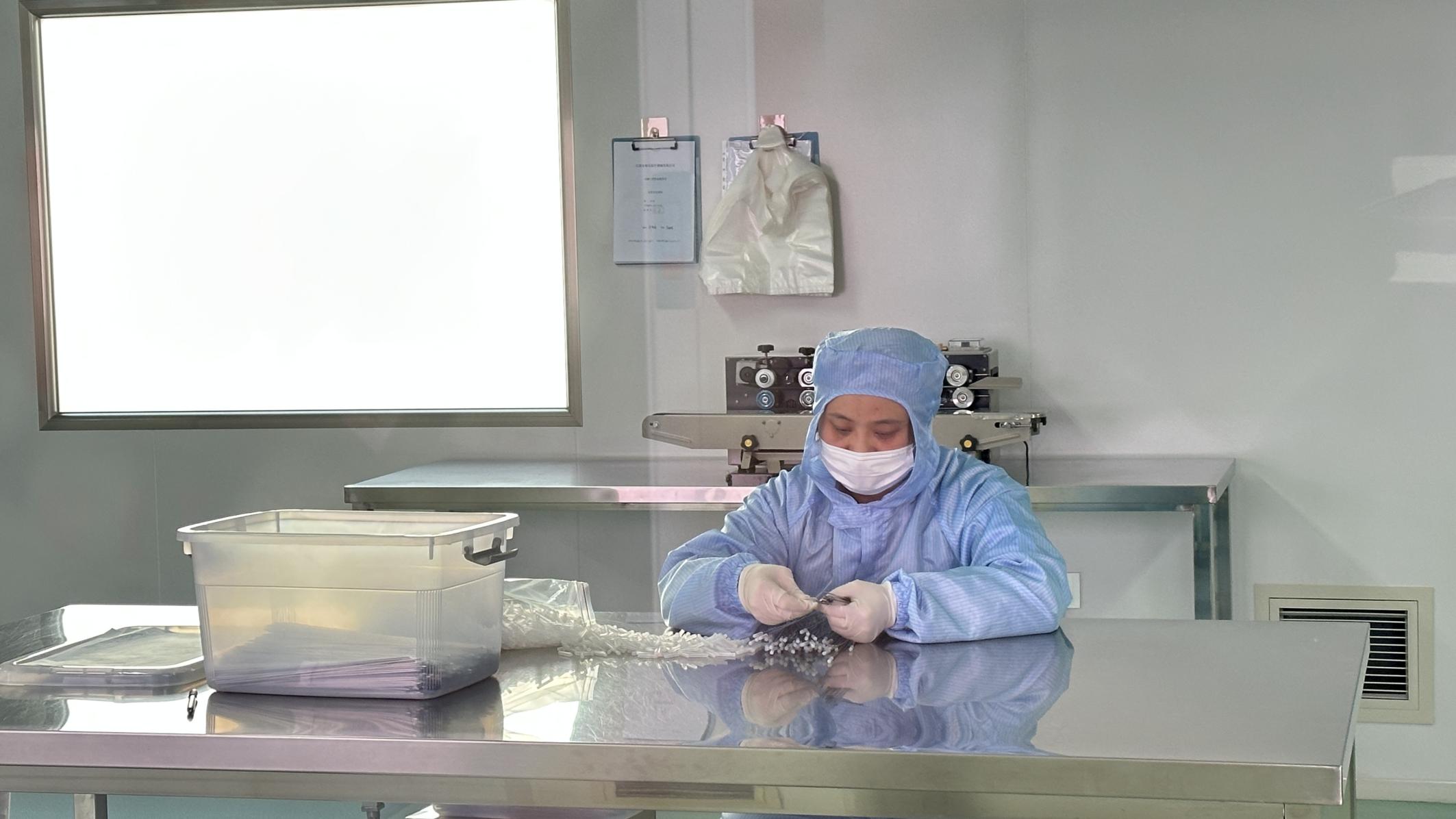
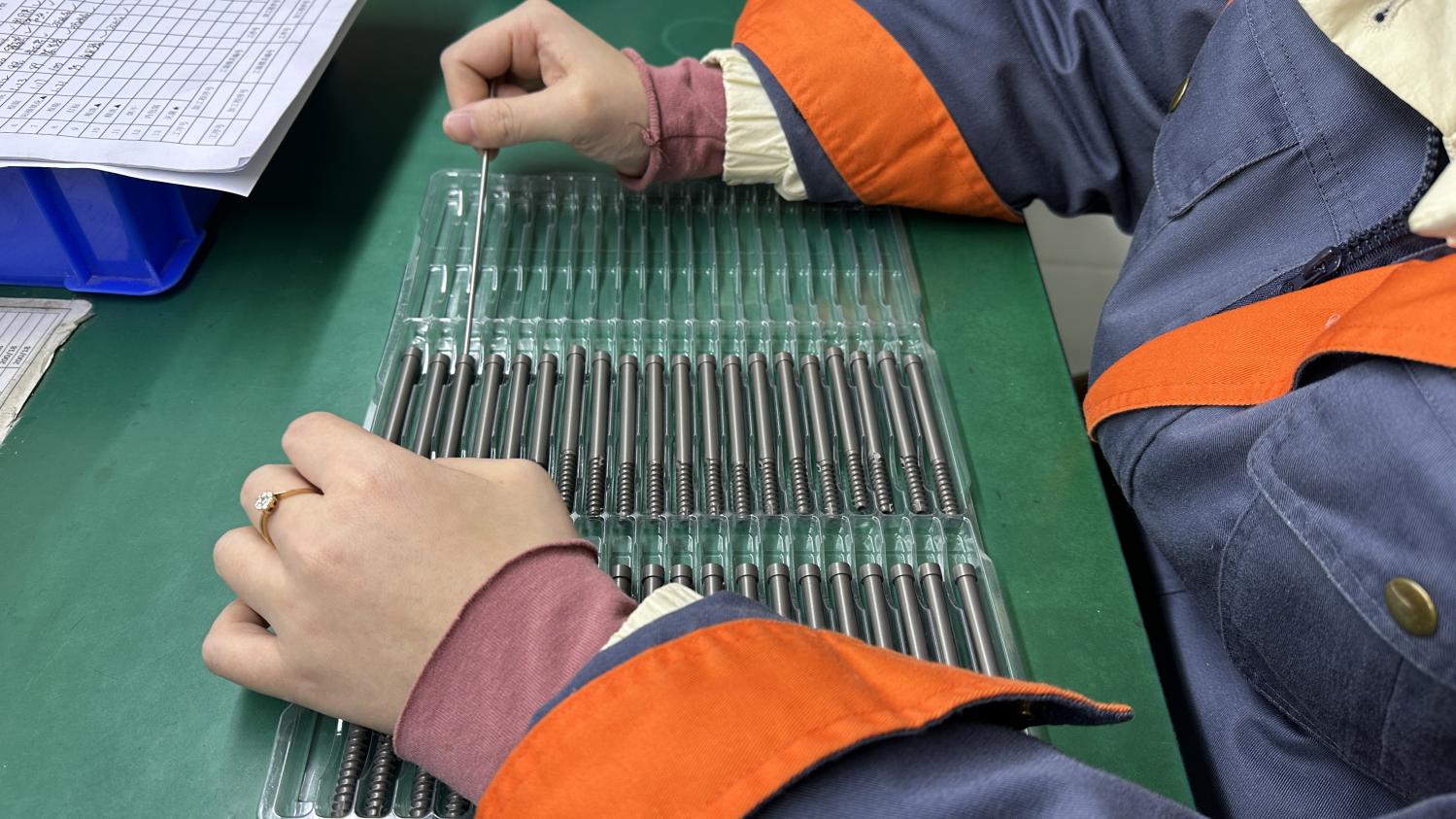
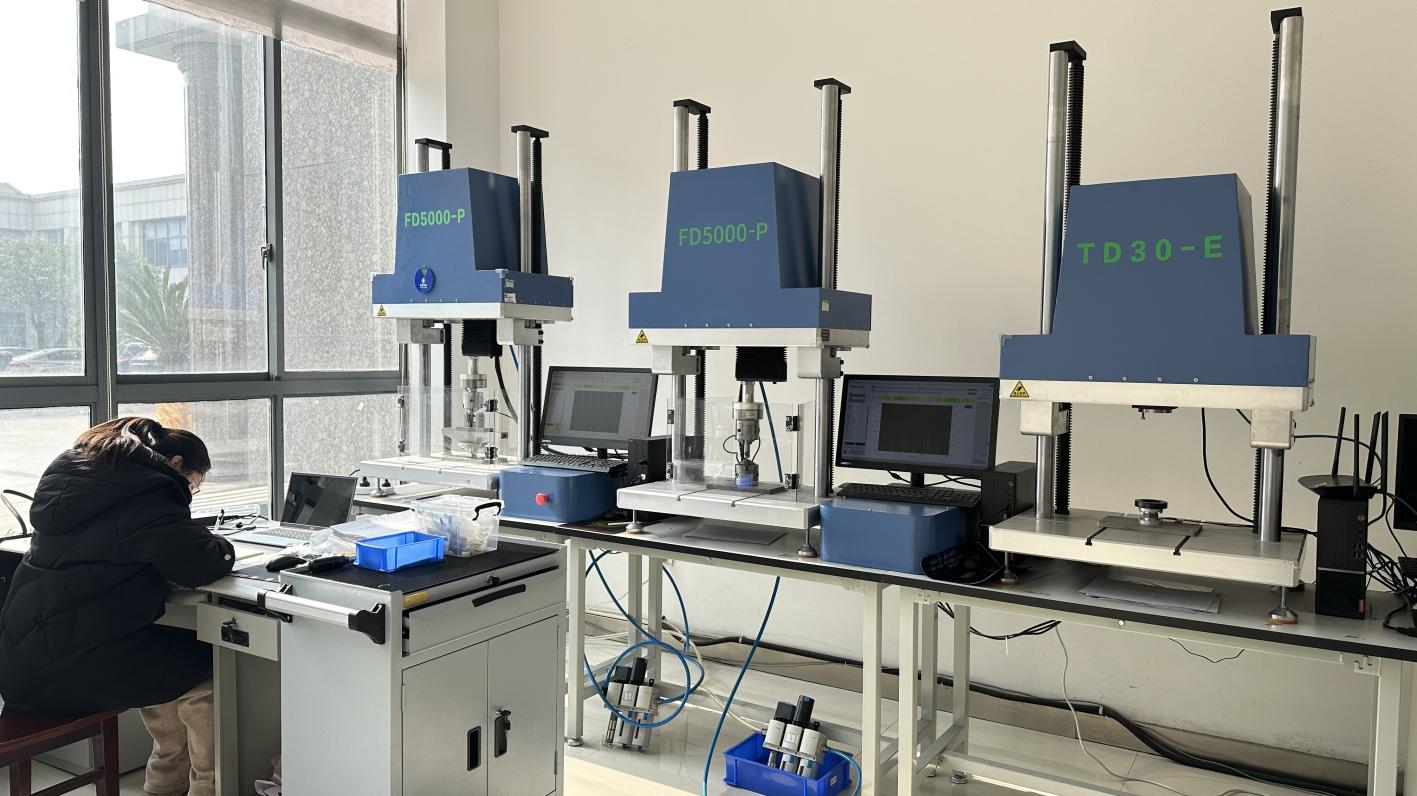
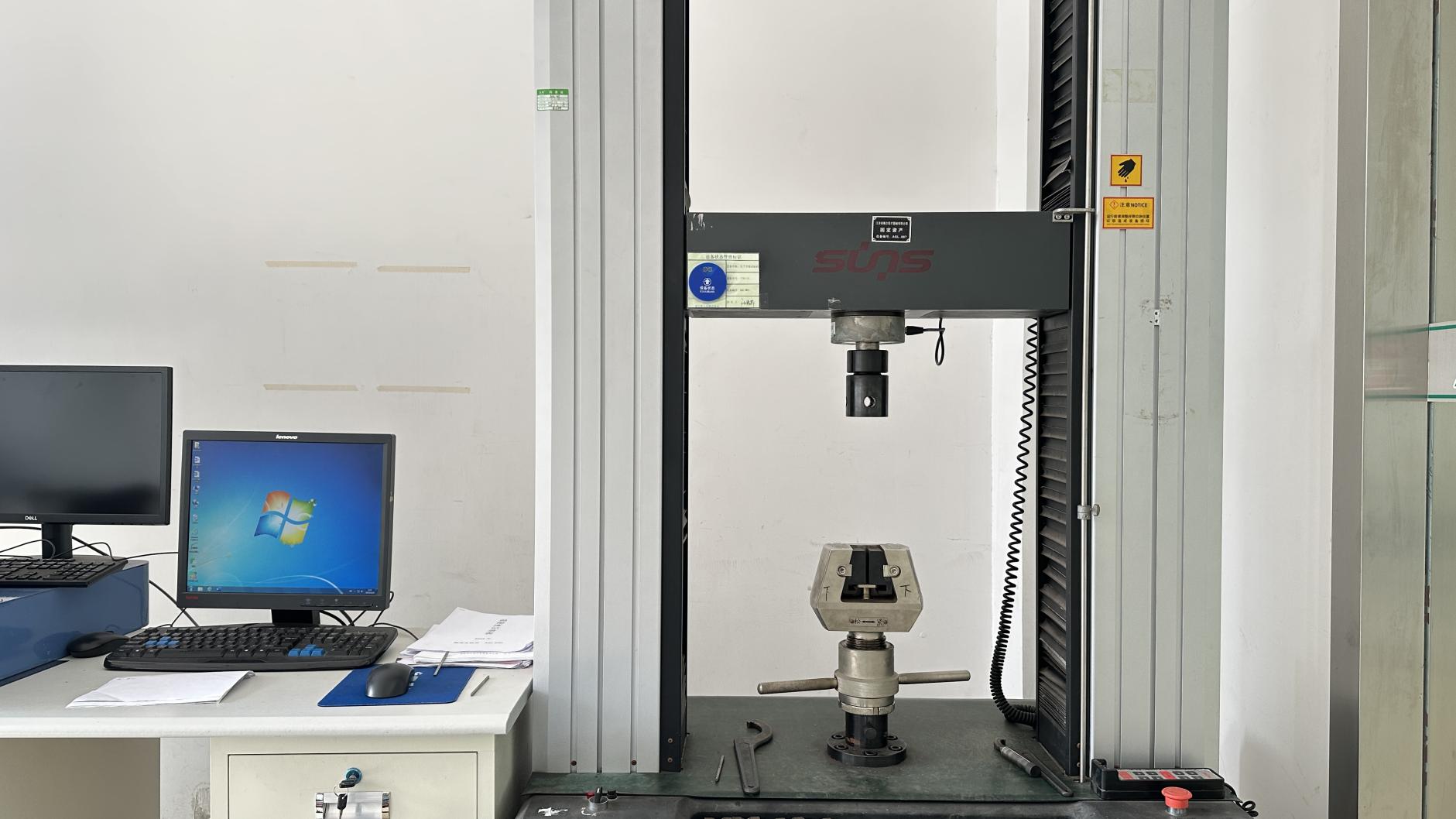
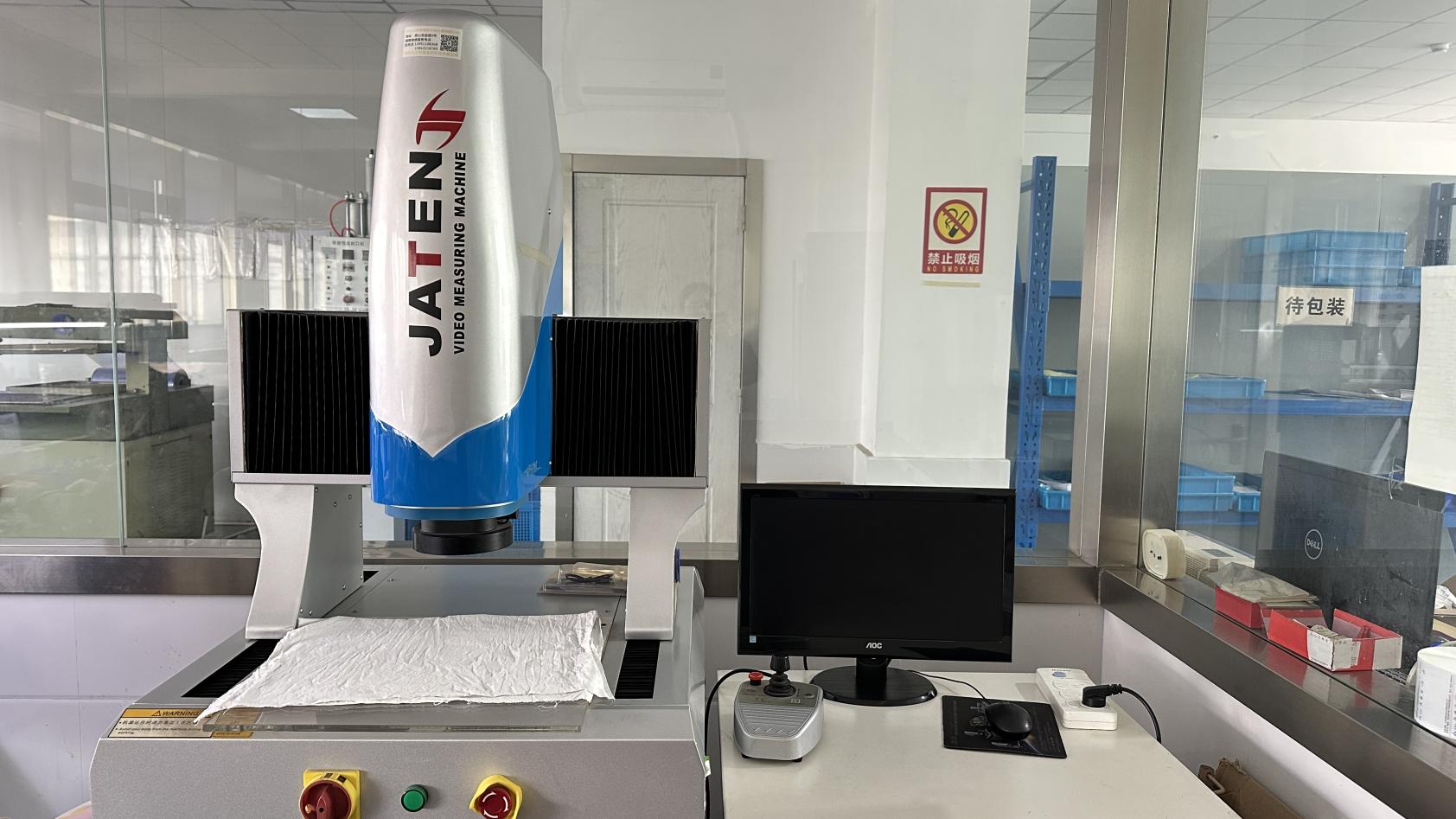
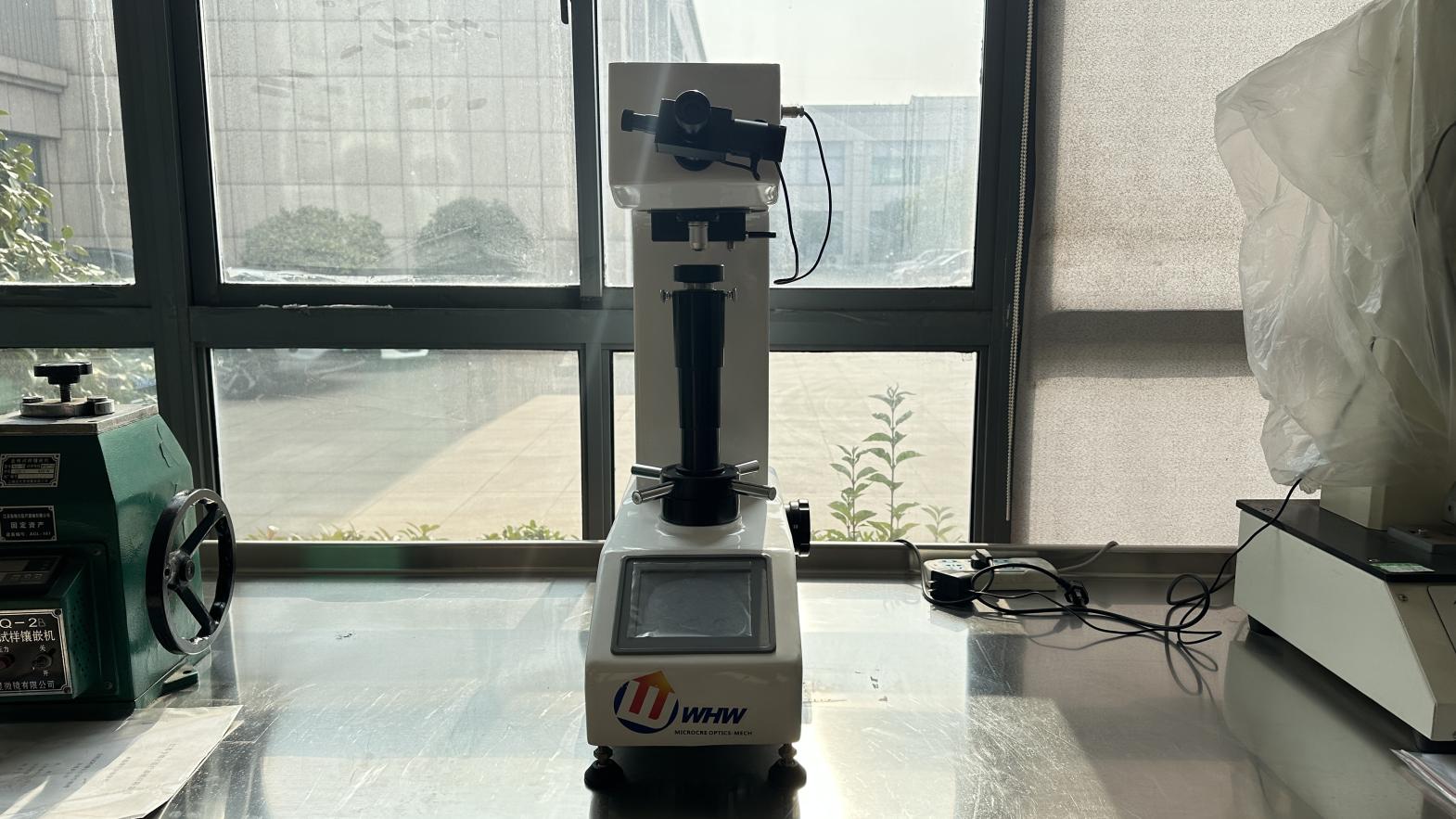
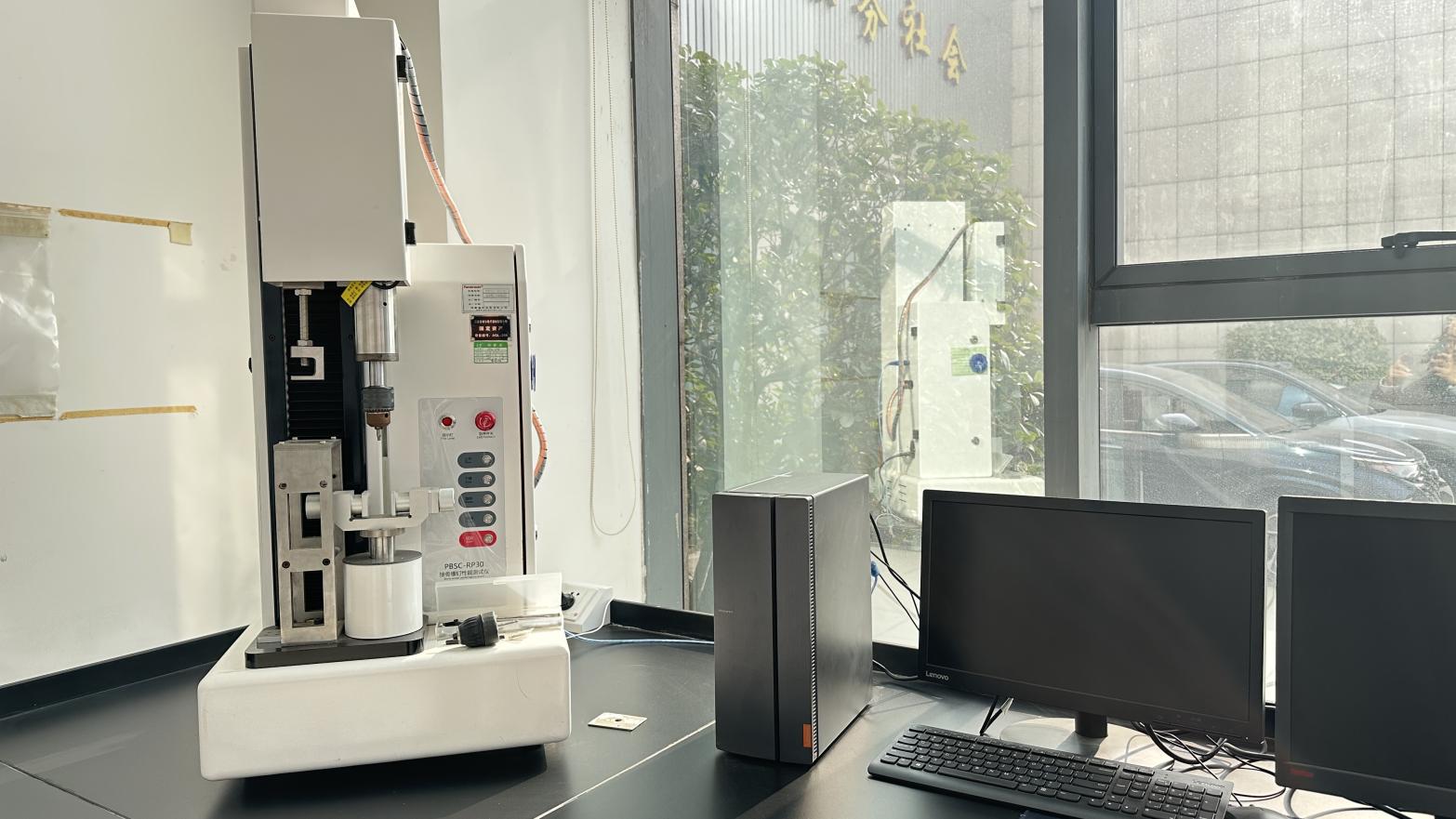
Every hip replacement surgical instrument and implant kit undergoes mechanical verification tests. Our fatigue testing facilities simulate long-term in-vivo physiological stresses. Fatigue testing is performed up to 5 million cycles, validating structural integrity under simulated load conditions. Tensile testing verifies the maximum tensile strength of critical joint fixation components, while hardness testers ensure material treatments achieve ideal specifications to minimize wear debris.
Additionally, bone screw performance testing validates dynamic insertion torque, pull-out force, and torsional yield strength. Two-dimensional optical measuring instruments verify dimensional tolerances at ±0.005mm accuracy. This verification provides surgeons and hospitals with high reliability, protecting patient outcomes during surgeries.
The field of hip reconstruction is moving toward digital integration, custom patient-specific implants, and smart execution. Future product planning for surgical instruments focuses on:
By investing in these engineering technologies, top manufacturers ensure their instruments meet the demands of modern operating theaters worldwide.
Providing clear, technical answers for procurement officers, orthopedic distributors, and clinical partners.
Precision-engineered trauma, spine, and joint restoration products from our manufacturing facility.