Medisplint
Medisplint
Medisplint
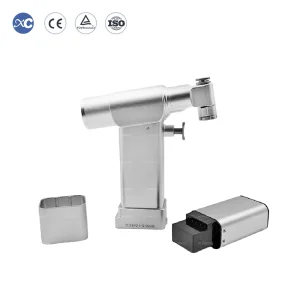
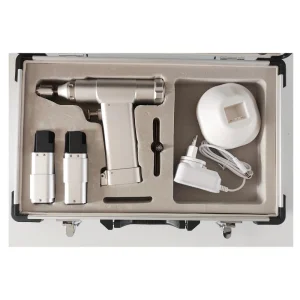
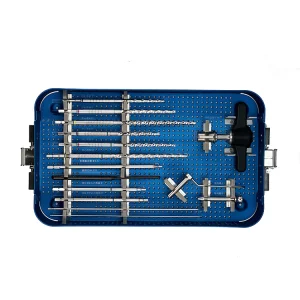
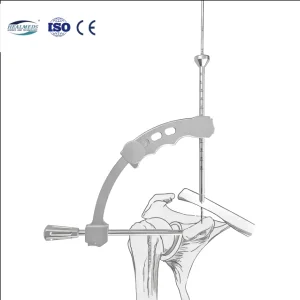
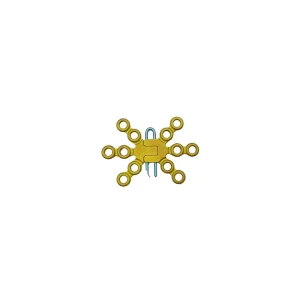
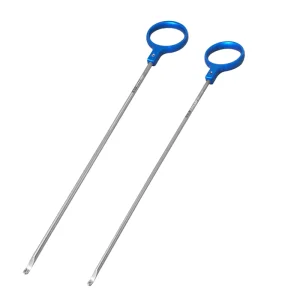
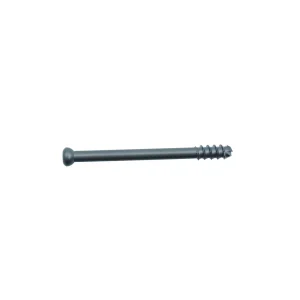
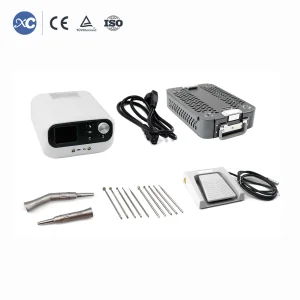
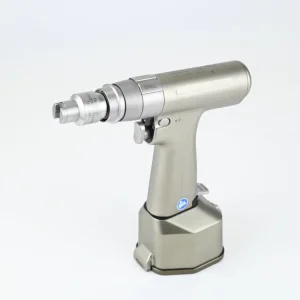
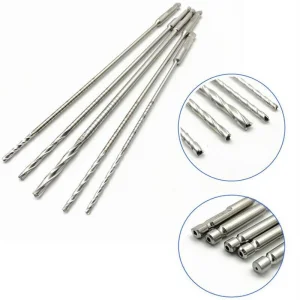
A selection of our internationally registered veterinary surgical saws, cannulated drills, titanium trauma locking plates, and joint devices engineered for global distribution and clinical operations.
A premier manufacturing facility specializing in advanced osteosynthesis systems, bioresorbable implants, spinal fixation, and surgical dynamic instrumentation.
Founded in 2016, Medisplint Orthopedic Instruments has established a global footprint in research, testing, and manufacturing. Utilizing state-of-the-art medical grade raw materials and high-precision CNC multi-axis tooling, we produce clinical solutions that satisfy the requirements of surgeons, distributors, and procurement managers in Europe, Southeast Asia, the Middle East, and South America.
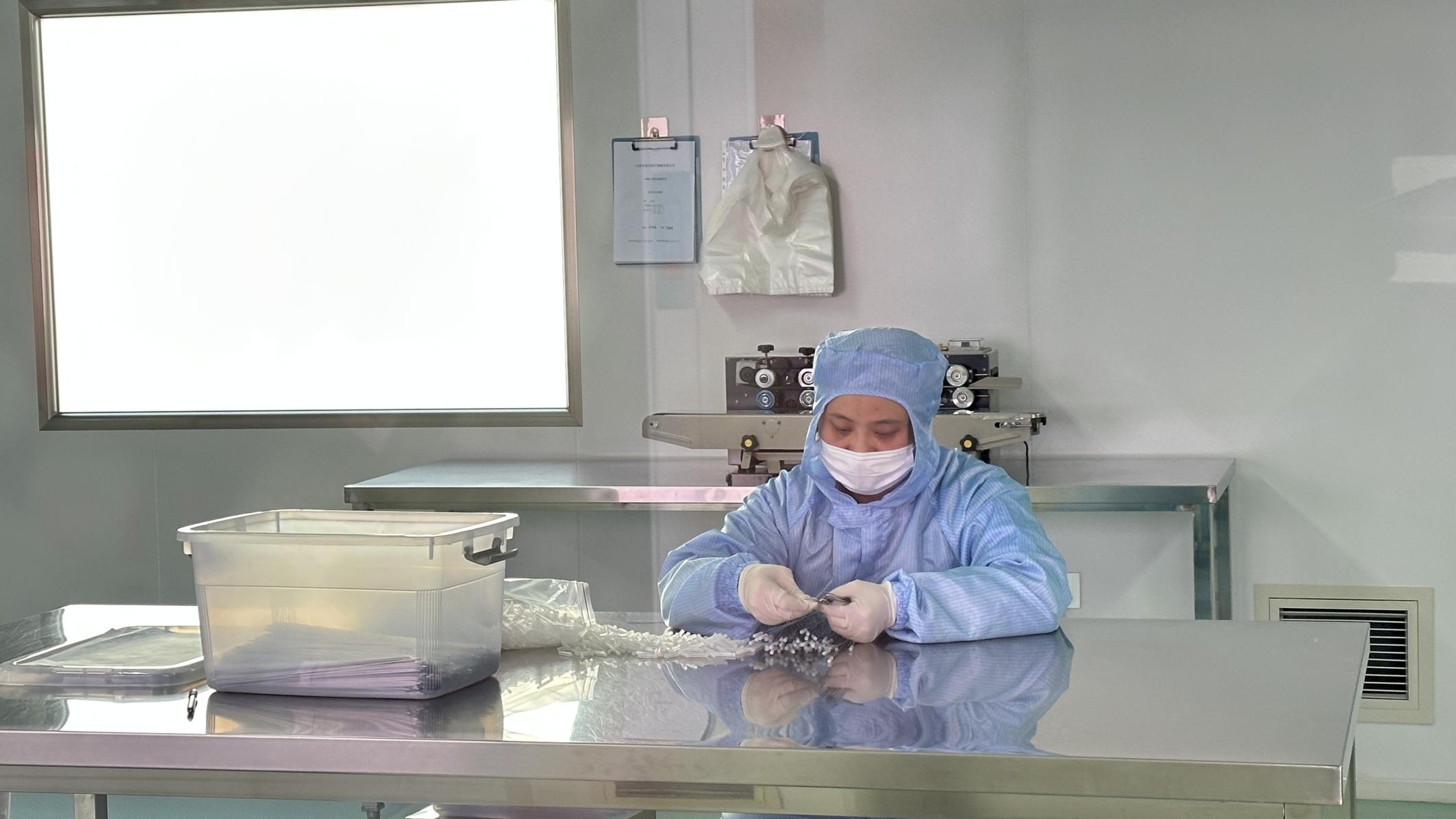
All manufacturing lines run under a certified ISO 13485 cleanroom environment. Every single batch undergoes gas chromatography for residual solvent testing, GPC molecular weight verification, and ISO-compliant fatigue stress evaluation.
Backed by partnerships with over 1,200 supply chain providers, we maintain uninterrupted access to ultra-purified copolymer raw materials (PLLA, PLGA, PCL) and titanium alloys. In the past fiscal year alone, our engineering division brought 68 new catalog designs to market.
The clinical and mechanical shift from permanent metallic fixation to transient bioresorbable architectures.
Historically, titanium alloy and cobalt-chrome plates and screws have been the benchmark for orthopedic stabilization. However, permanent implants present distinct challenges: stress shielding (where the bone loses mineral density due to implant load diversion), localized metal toxicity, palpability issues in pediatric populations, and the biological risks of a secondary surgical procedure for hardware removal.
Bioresorbable fixation systems address this directly. By utilizing bio-absorbable polymers that transfer stress back to the healing bone structure gradually, they dissolve safely via hydrolysis. The clinical outcome is a fully restored bone structure with no residual synthetic material.
The global bioresorbable orthopedic implants market is projected to grow at a CAGR of 8.2% through 2030, heavily driven by pediatric orthopedics, sports medicine ligament reconstruction, and cranial-maxillofacial (CMF) applications.
| Characteristic | Titanium Alloy (Ti-6Al-4V) | Bioresorbable Polymers (PLLA/PLGA) |
|---|---|---|
| Modulus of Elasticity | ~110 GPa (Stress Shielding Risk) | 2.0 - 6.0 GPa (Close to Cancellous Bone) |
| Secondary Removal | Required in 15-30% of trauma cases | 0% (Implant completely resorbed) |
| Imaging Artifacts | Severe distortion on MRI/CT | Radiolucent (Zero artifact distortion) |
| In Vivo Life | Permanent (Indefinite) | Degrades via hydrolysis in 12-36 months |
| Pediatric Application | Surgically complex (Restricts growth) | Optimal (Adapts to growing skeletal systems) |
A detailed view of the material properties, chemical formulations, and degradation curves of current orthopedic bioresorbable systems.
A semicrystalline polymer featuring high mechanical tensile strength. PLLA's crystalline structure results in slow hydrolytic degradation, typically taking 18 to 36 months to resolve. Ideal for load-bearing fixation like interference screws, pins, and CMF plates.
An amorphous copolymer displaying customizable degradation profiles. By adjusting the ratio of L-lactide to glycolide, the absorption curve can be tailored from 6 to 12 months. Widely utilized in suture anchors and tissue scaffolding where early healing is anticipated.
The frontier of bioresorbable design. Metallic magnesium offers mechanical properties that closely mirror natural bone. Its degradation releases magnesium ions, which actively stimulate osteogenesis and local bone remodeling.
Combining polymers with osteoconductive ceramics like Hydroxyapatite (HA) or Beta-Tricalcium Phosphate (Beta-TCP). This buffers the acidic by-products of polymer degradation while accelerating bone replacement.
The degradation of medical-grade polyesters (PLLA, PLGA) progresses in two distinct phases:
Compliance Standard: Meets ASTM F2502 for bioabsorbable plates and screws, and ASTM F1635 for in-vitro degradation testing.
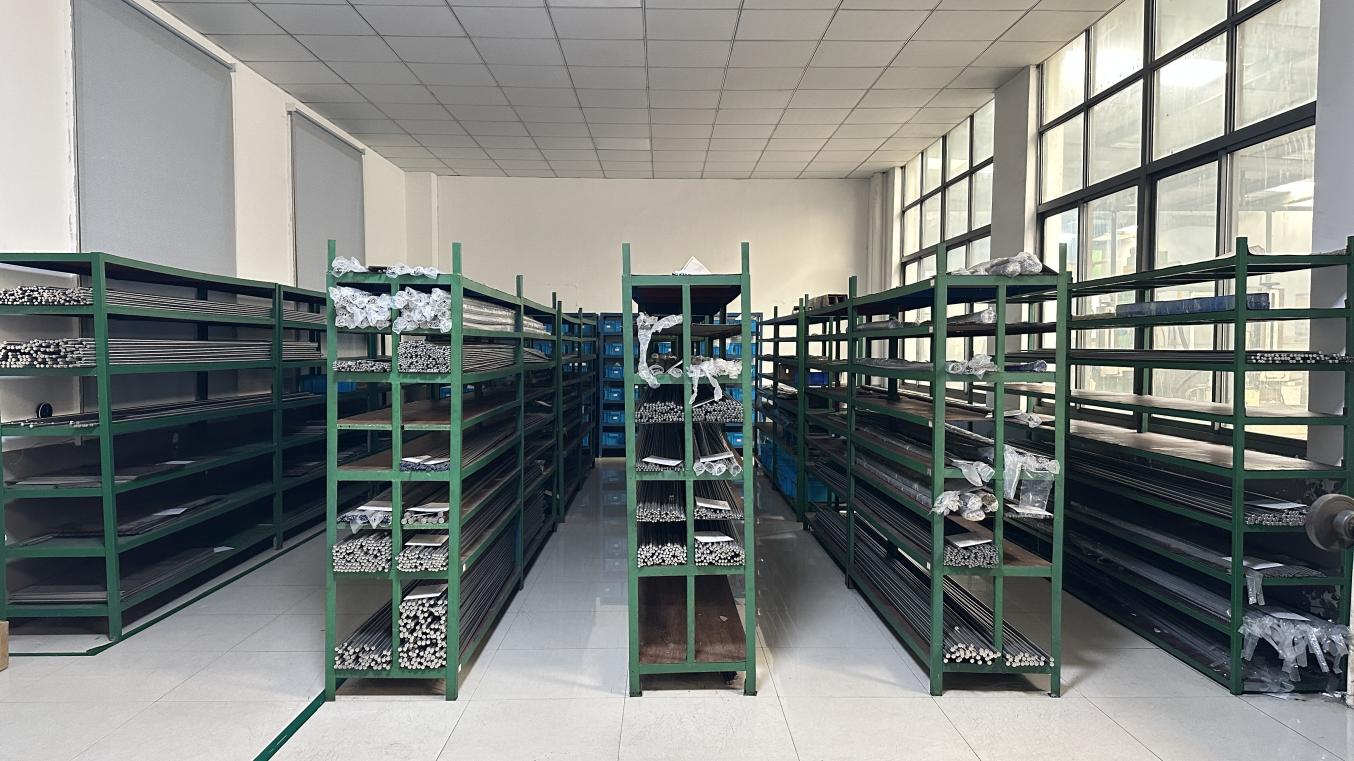
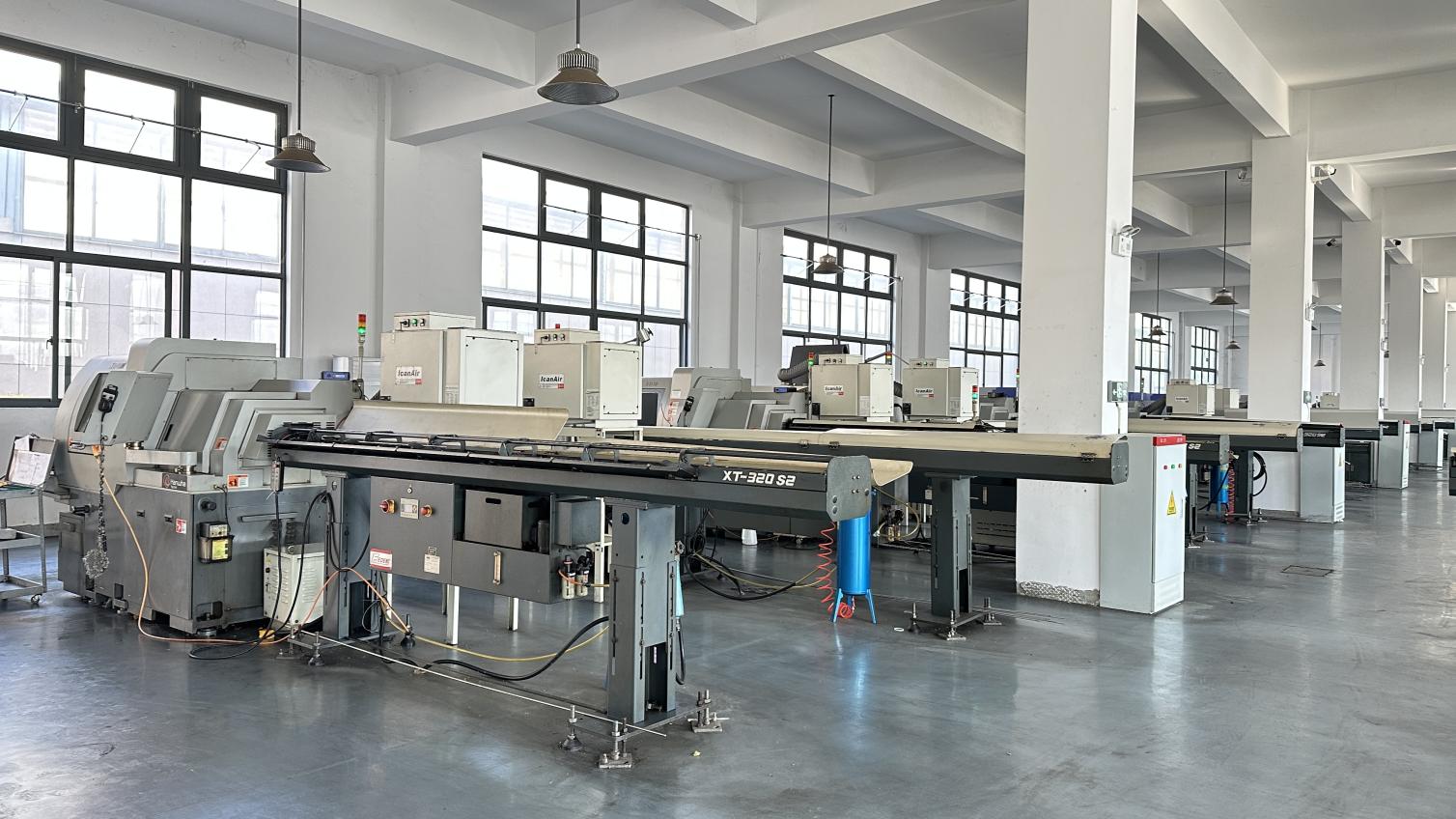
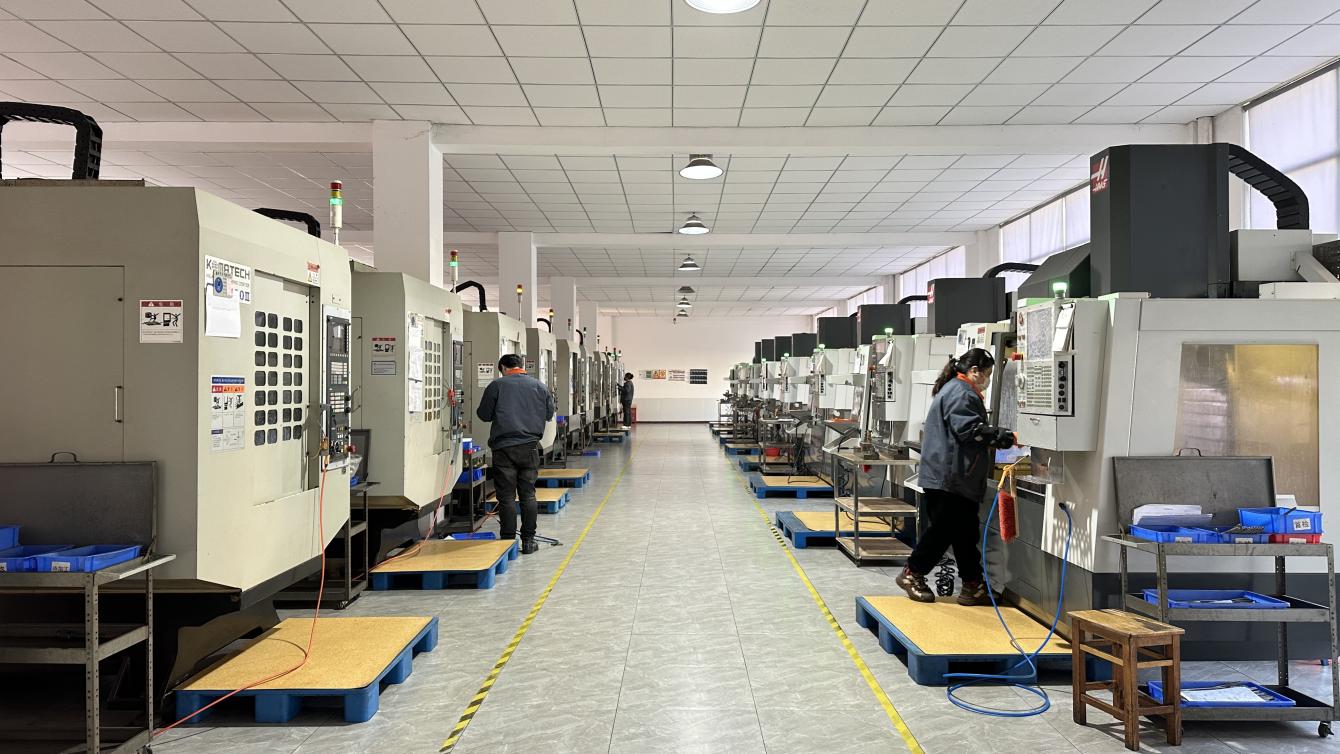
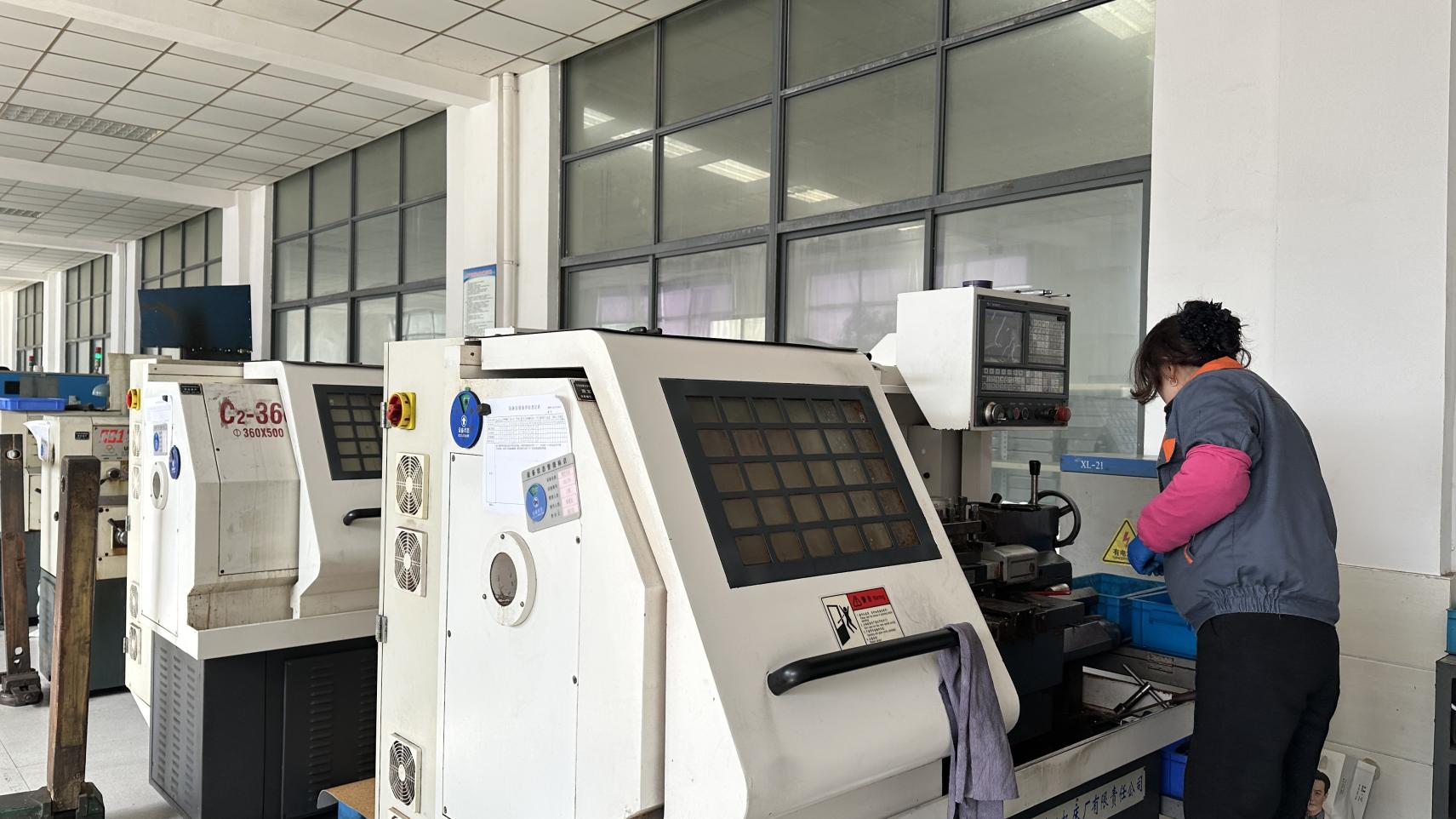
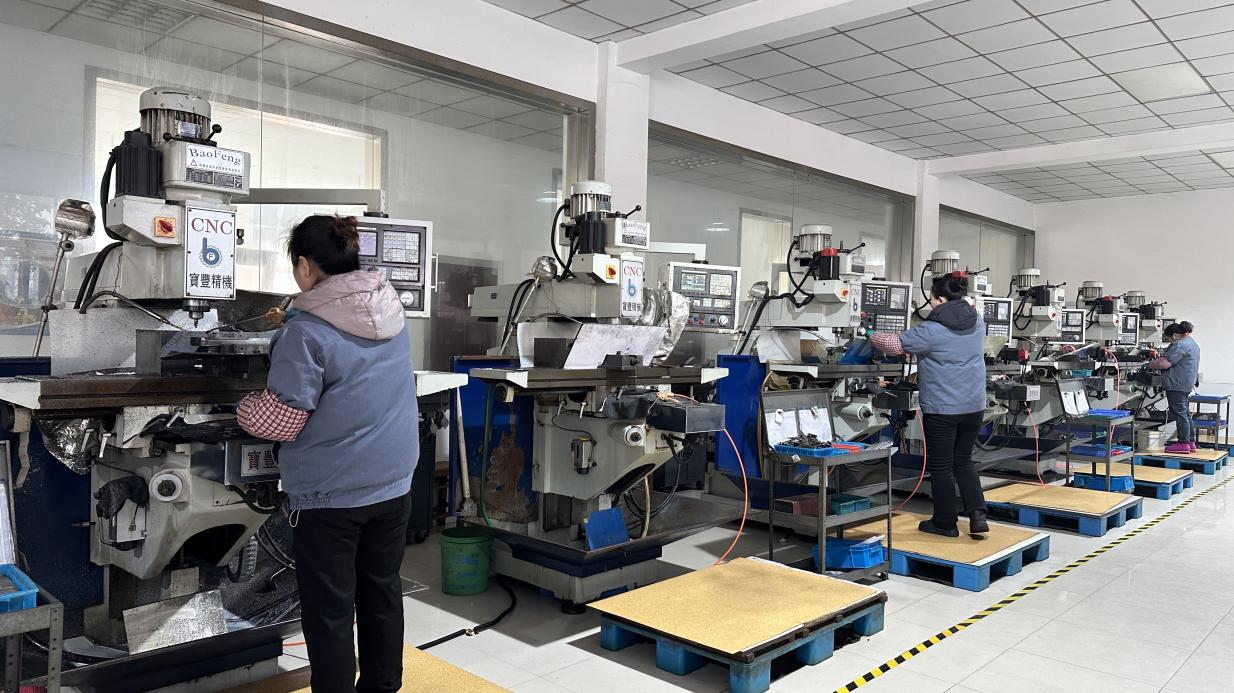
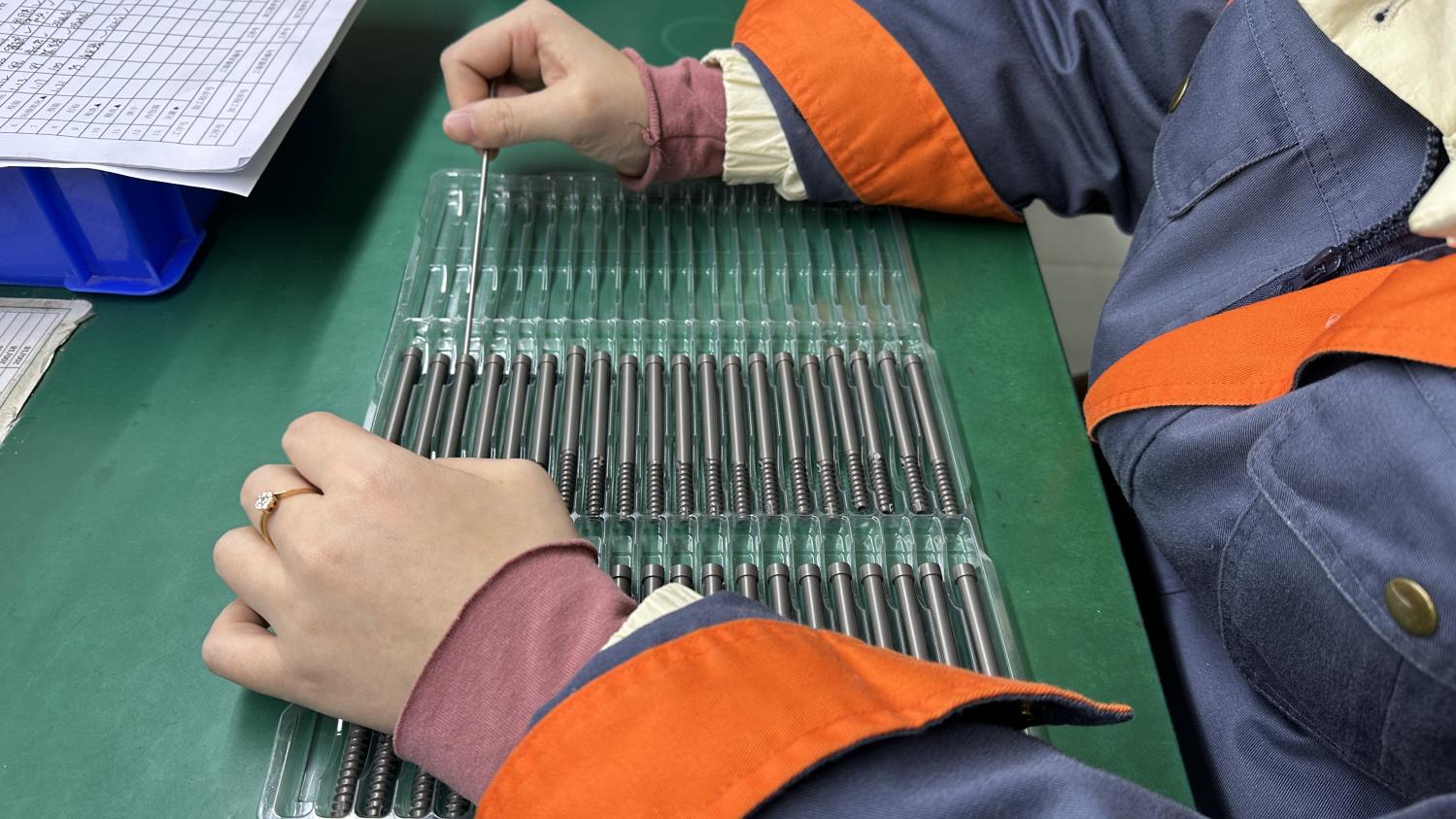
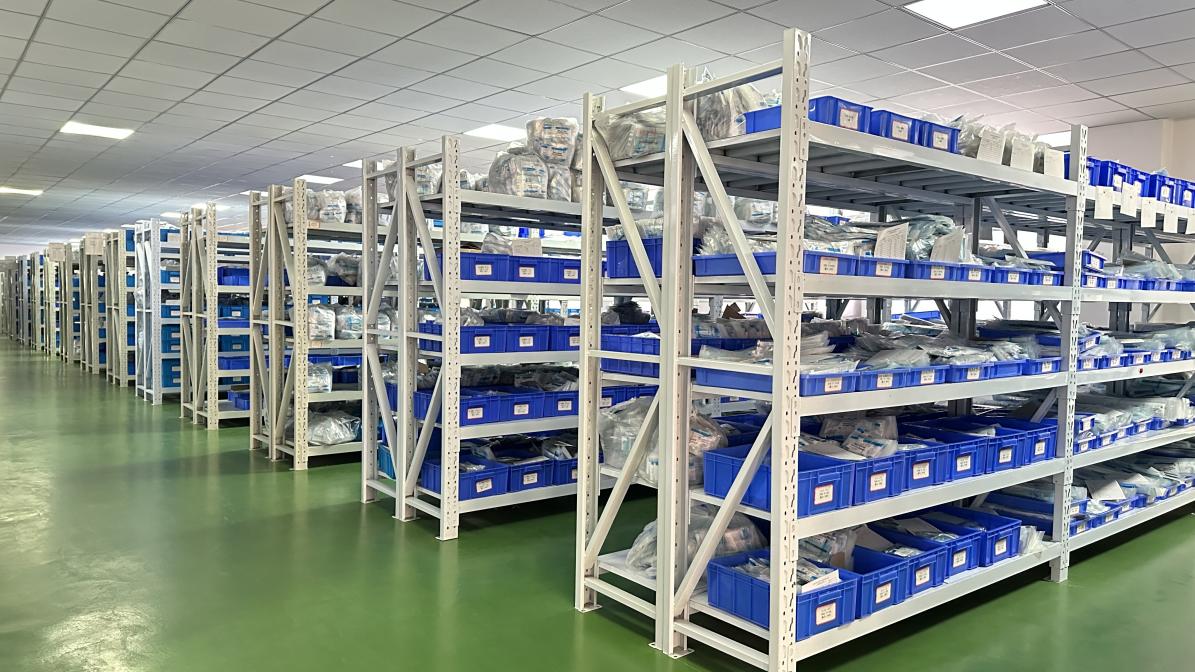
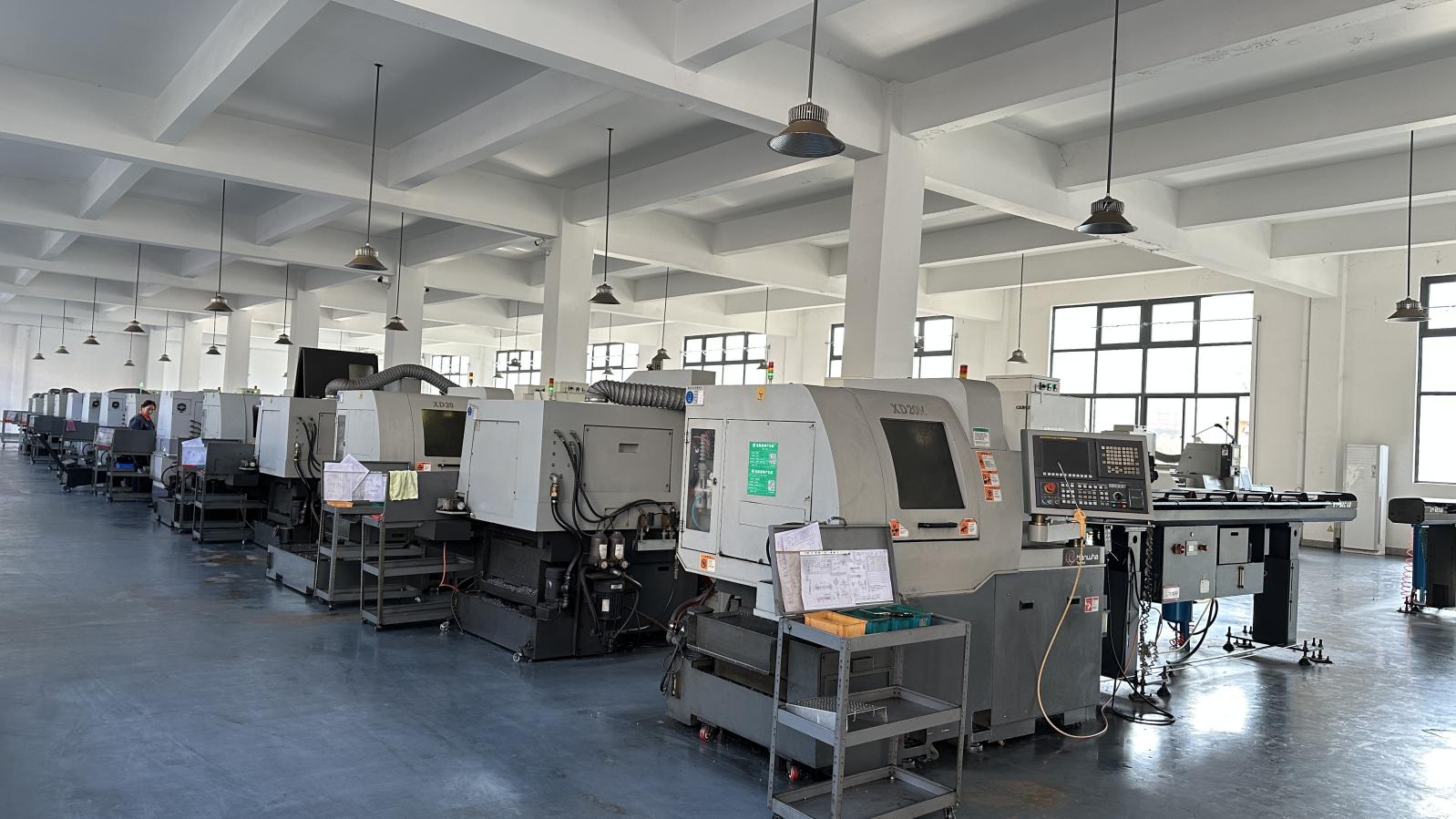
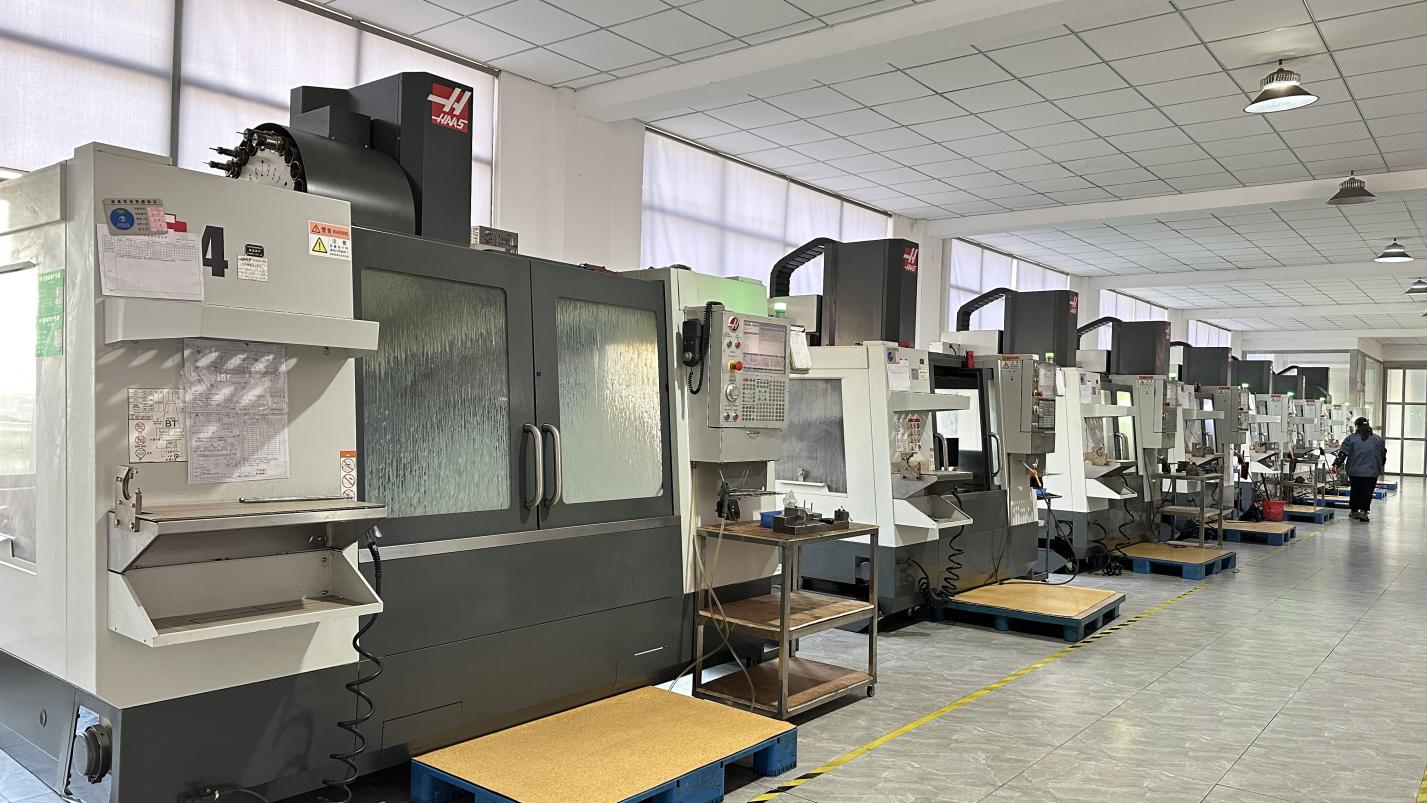
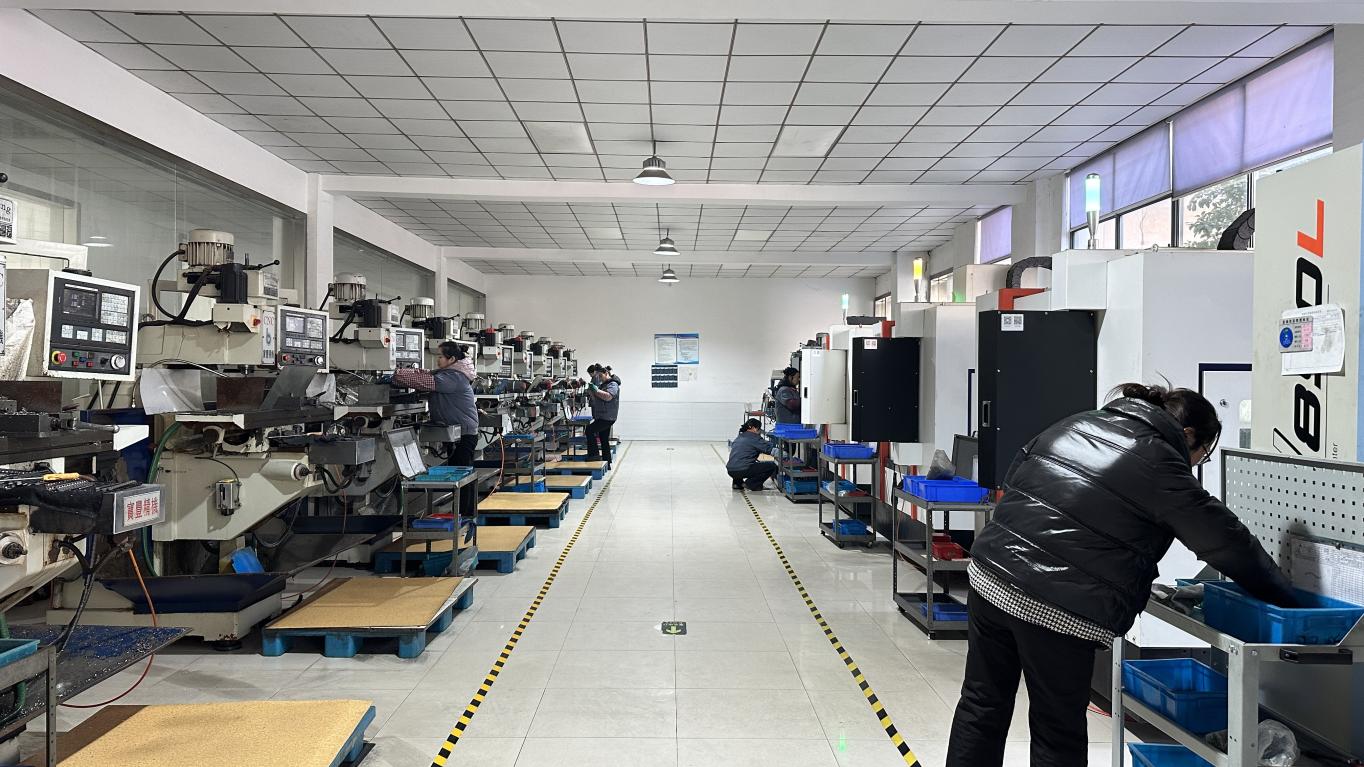
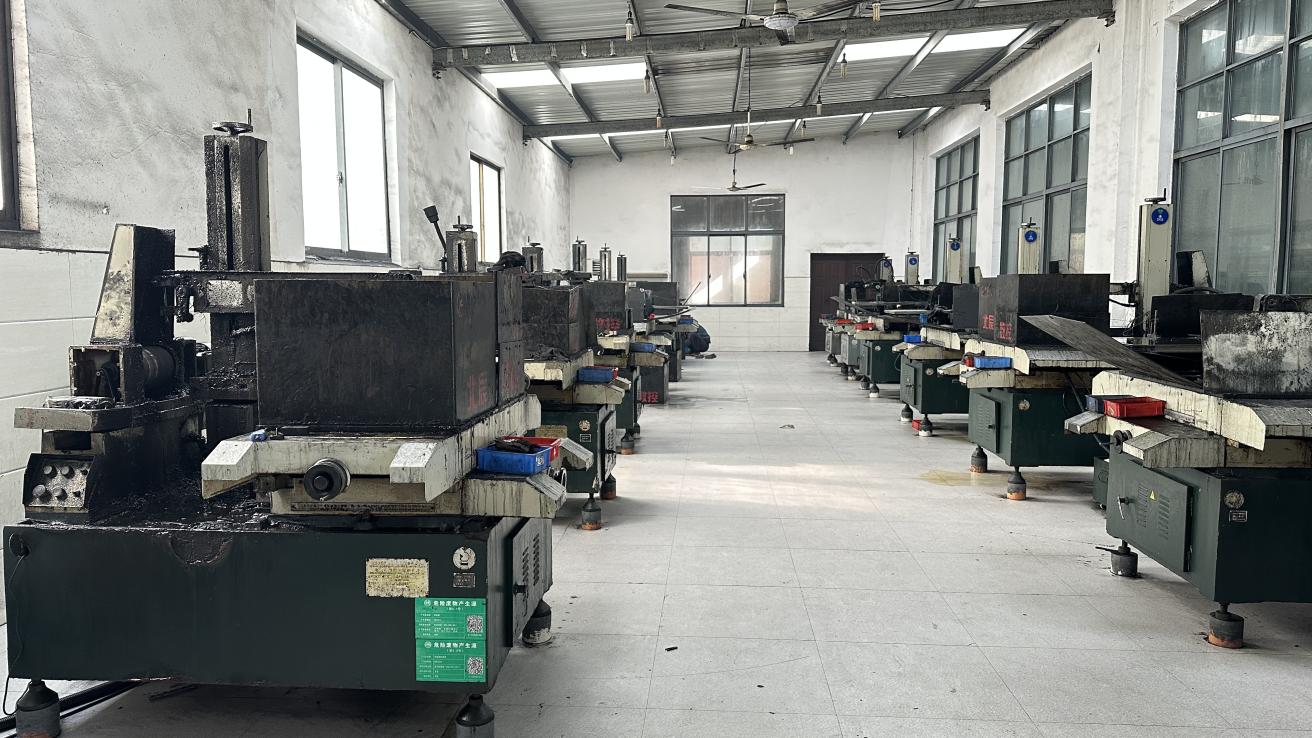
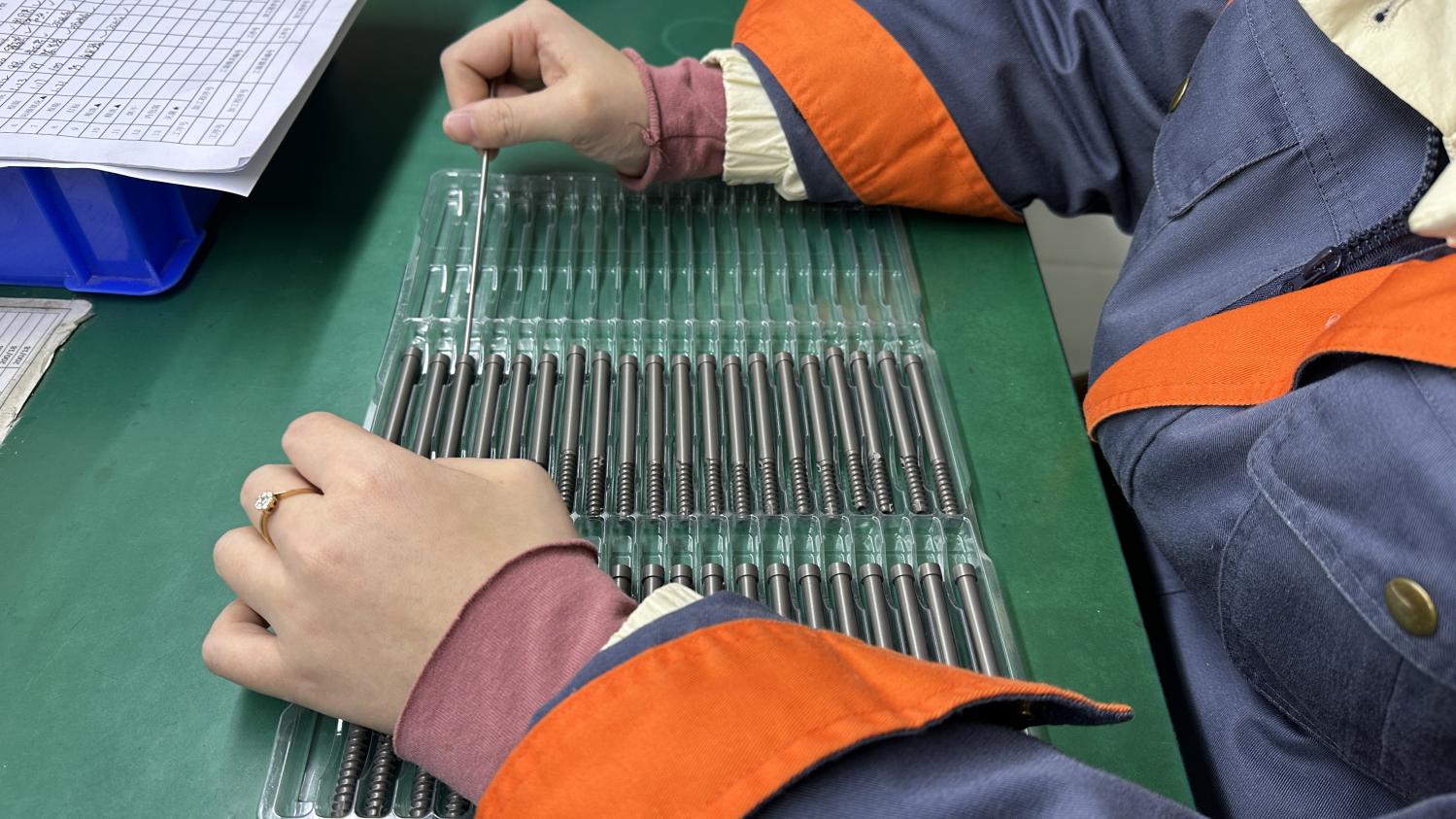
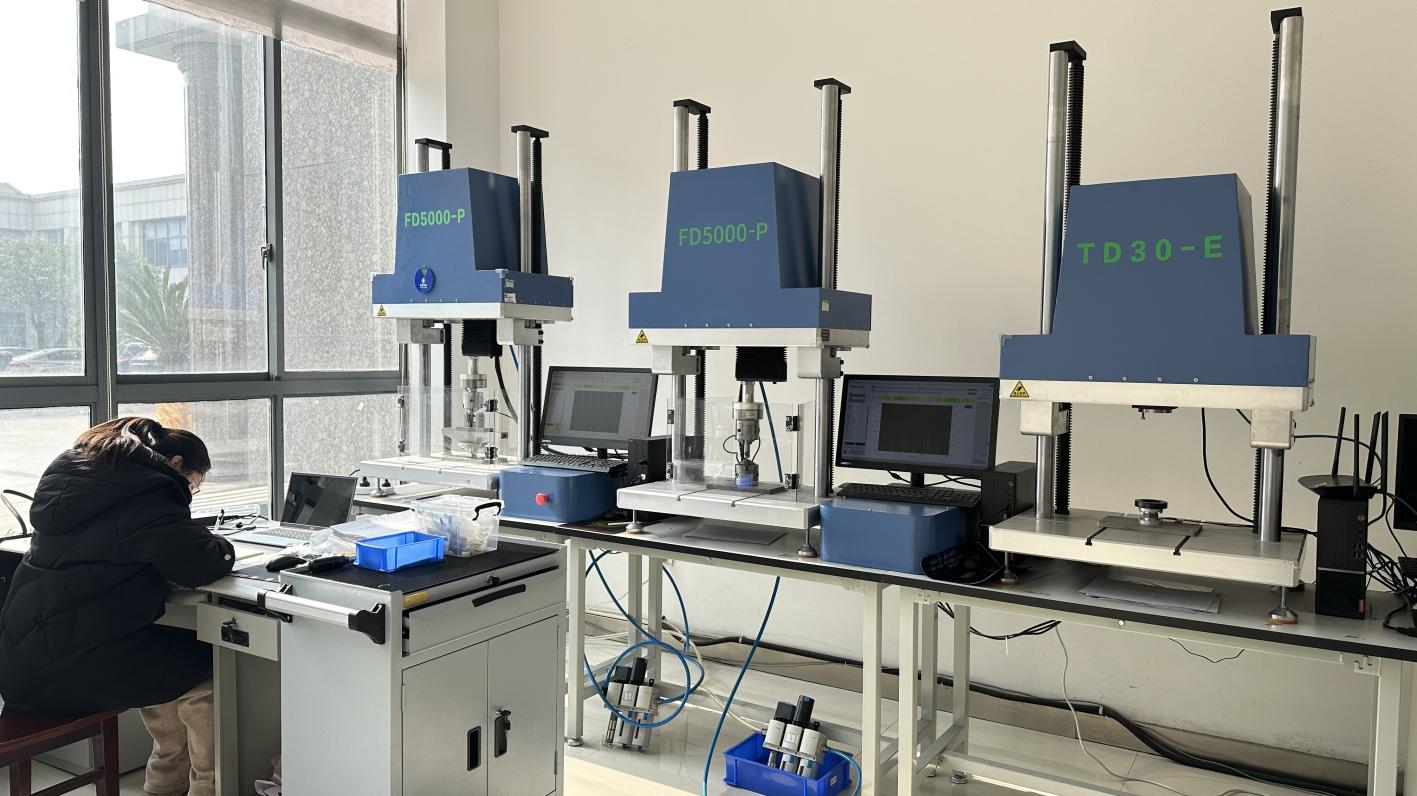
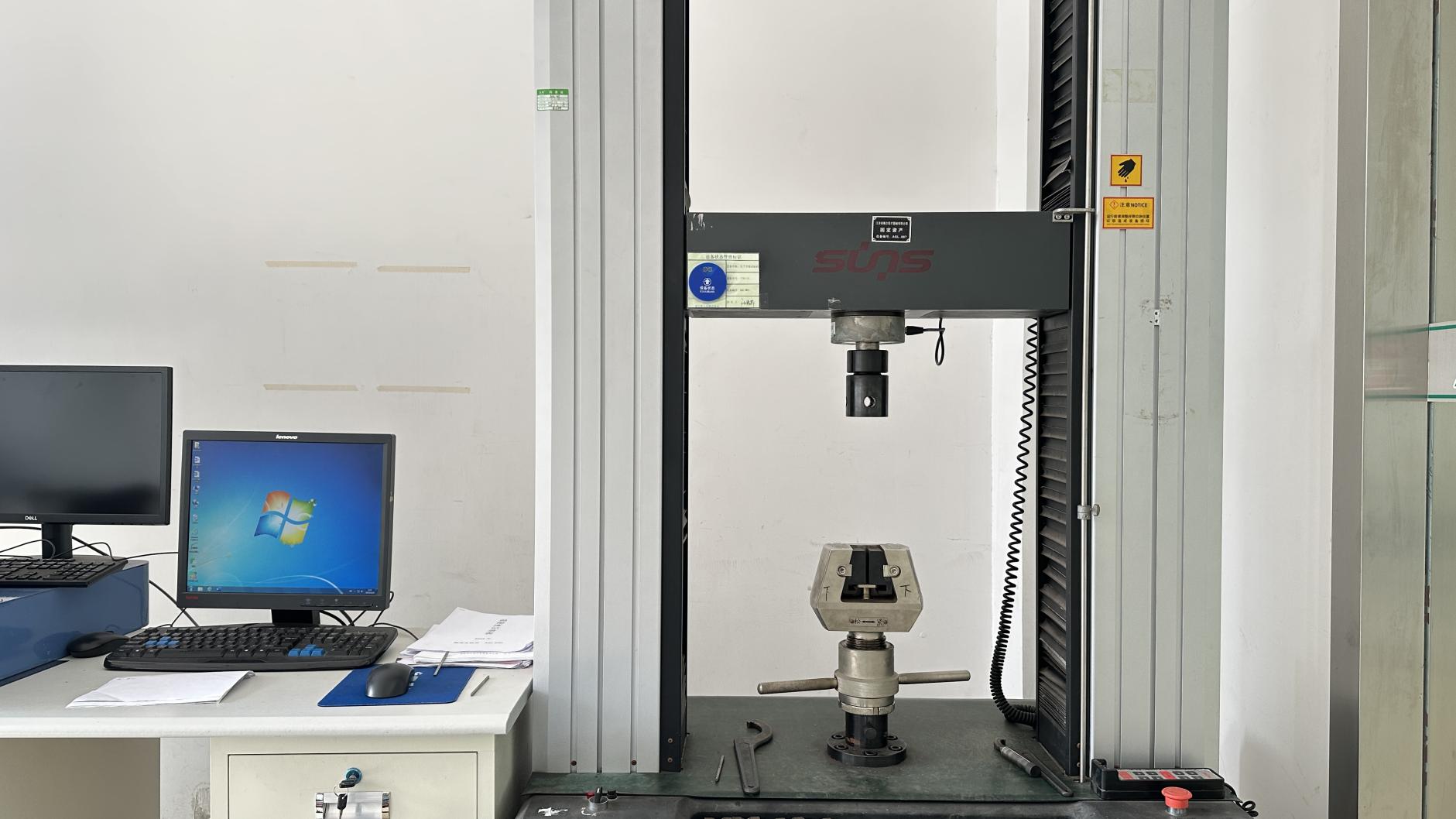
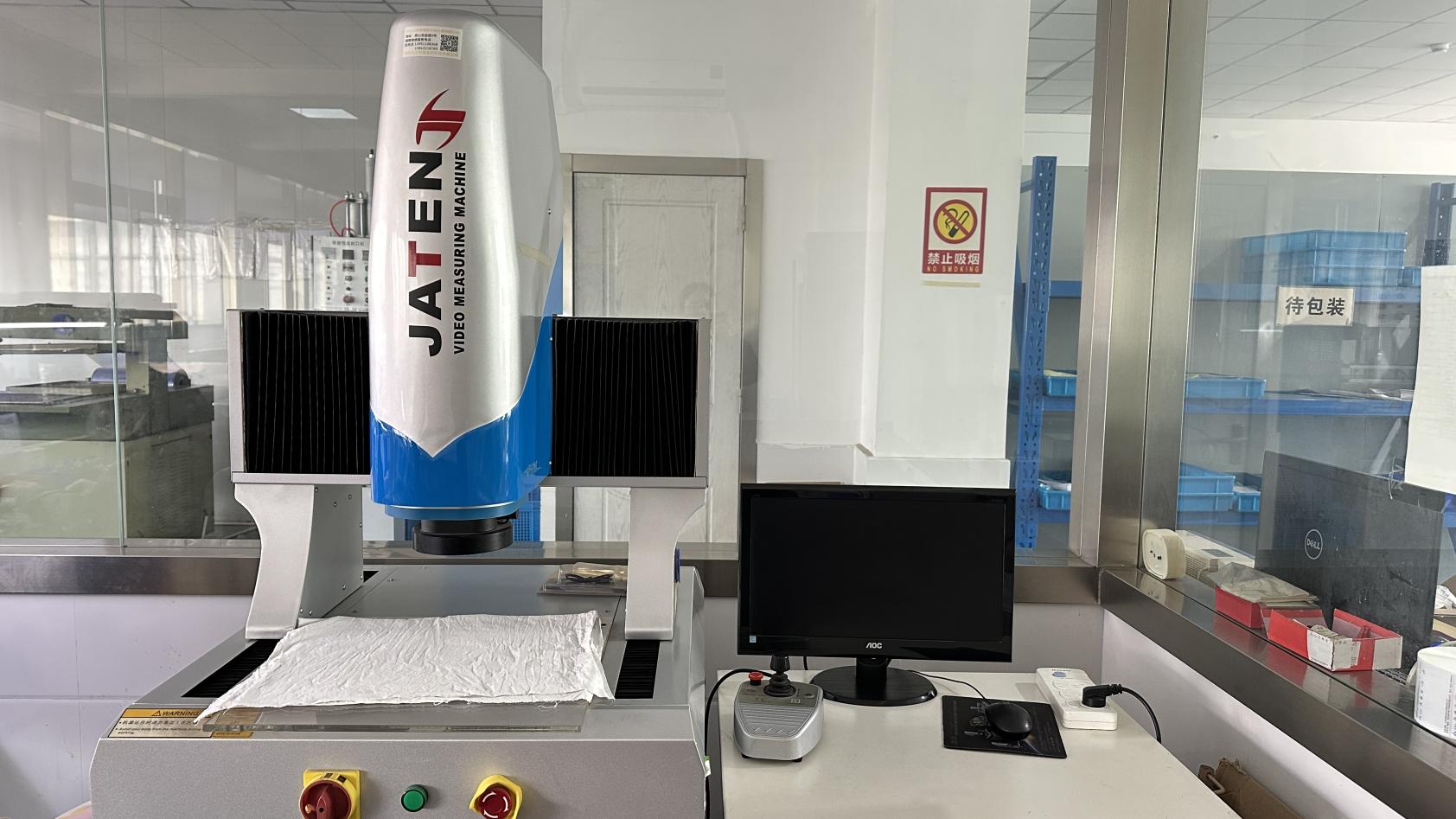
A look inside Medisplint's production lines, advanced CNC centers, slitting units, cleanrooms, and testing facilities.
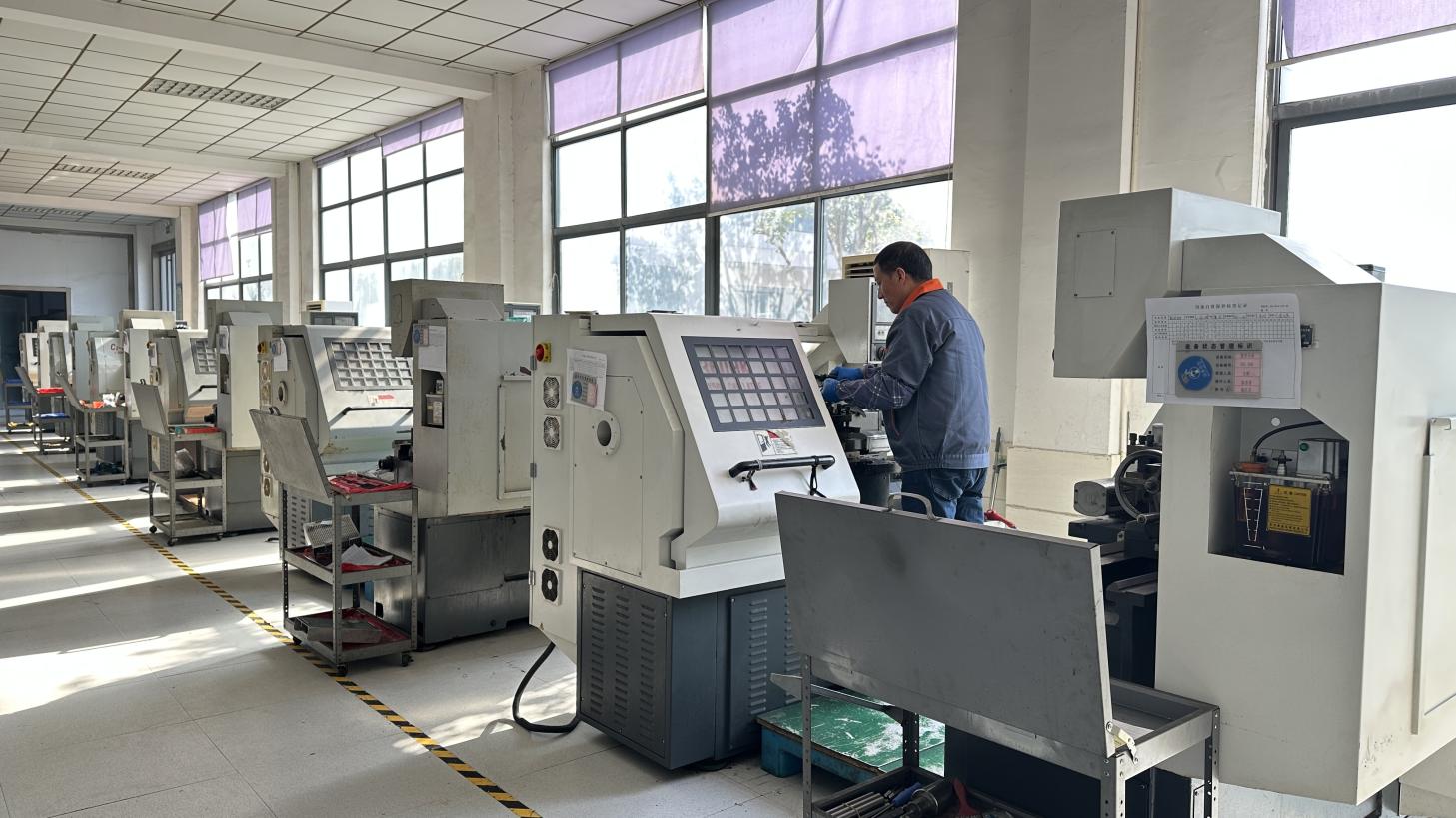
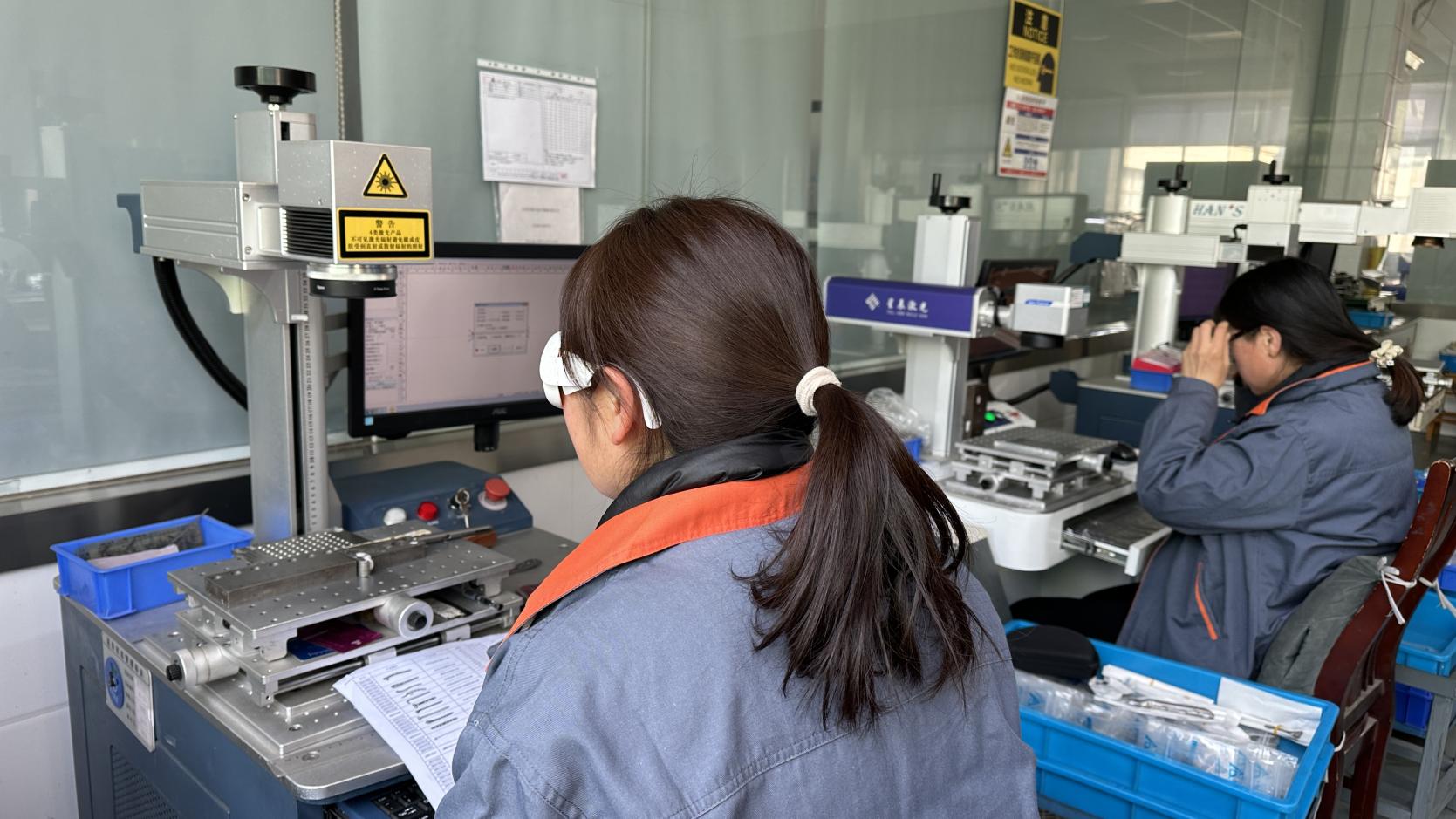
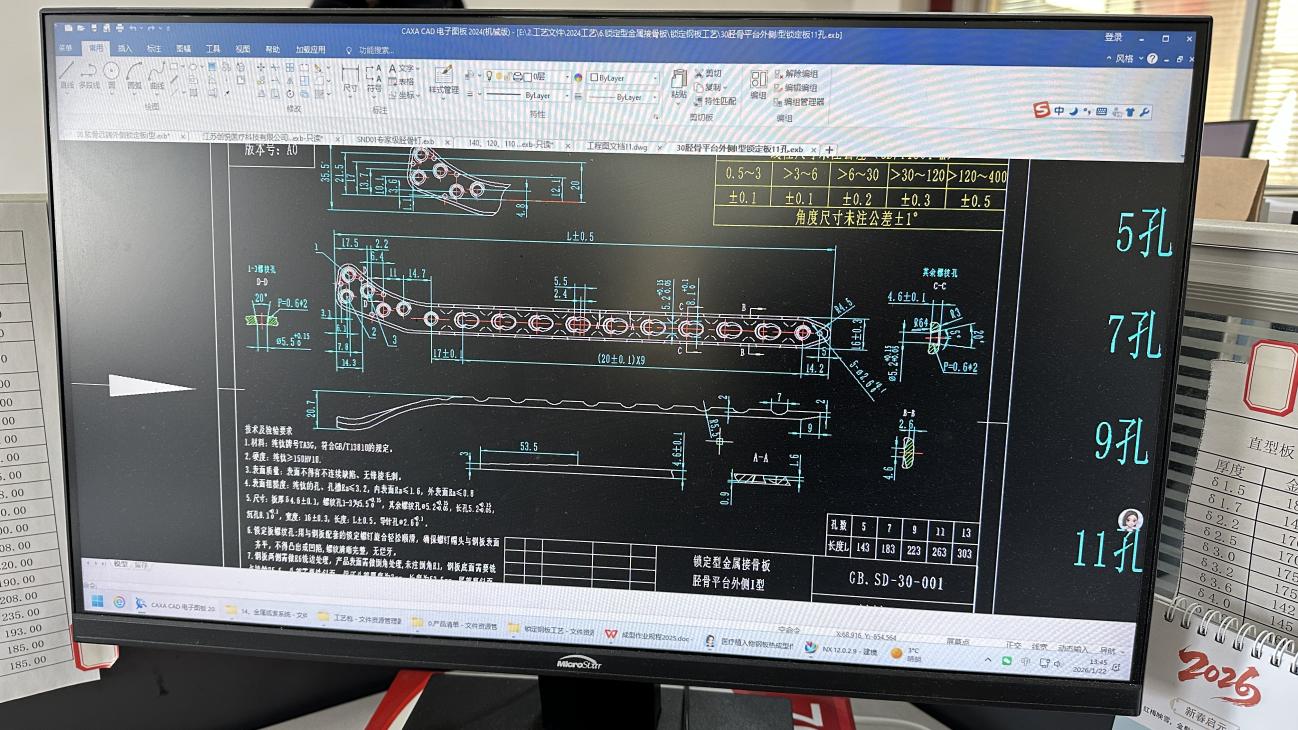

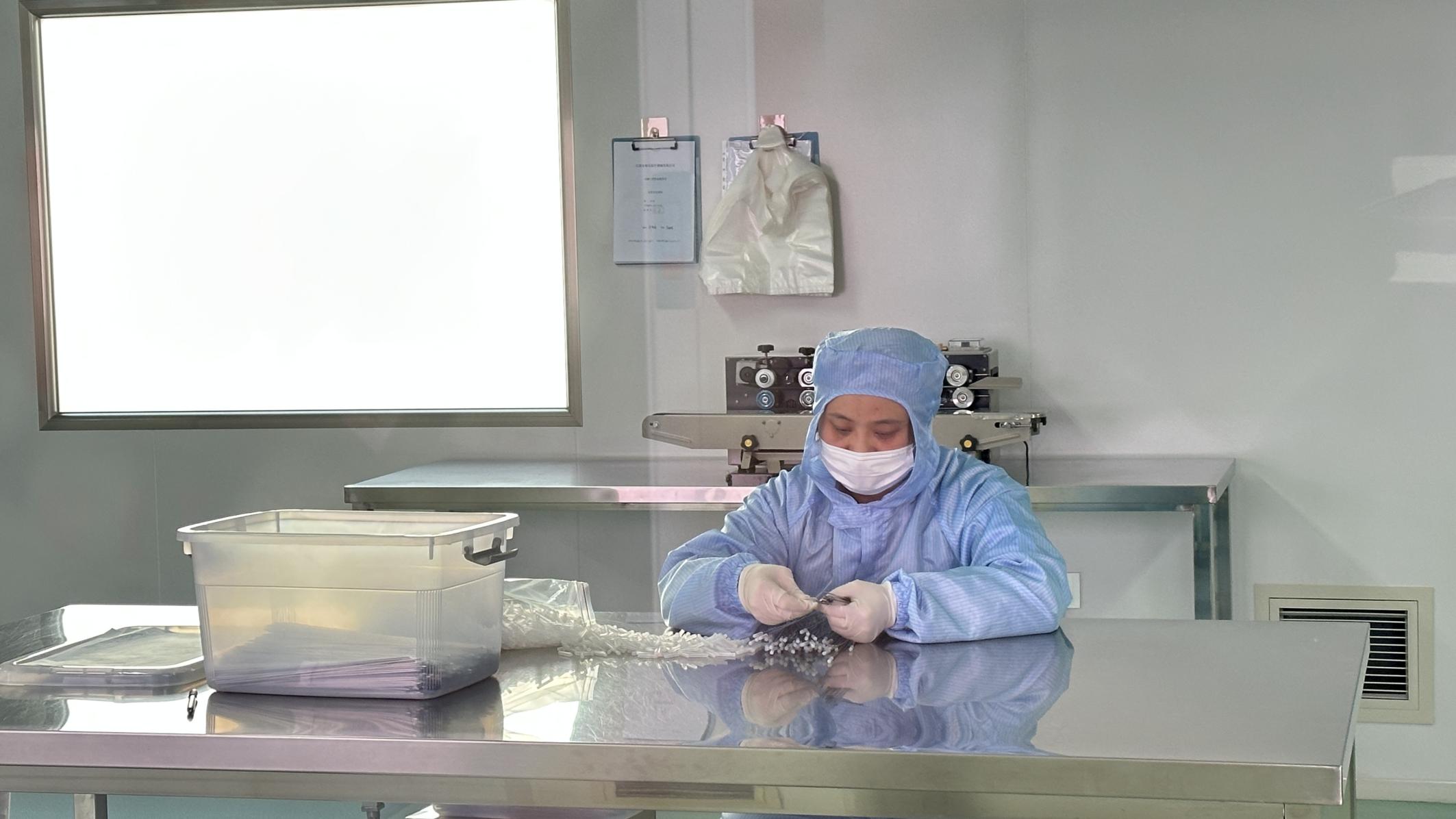
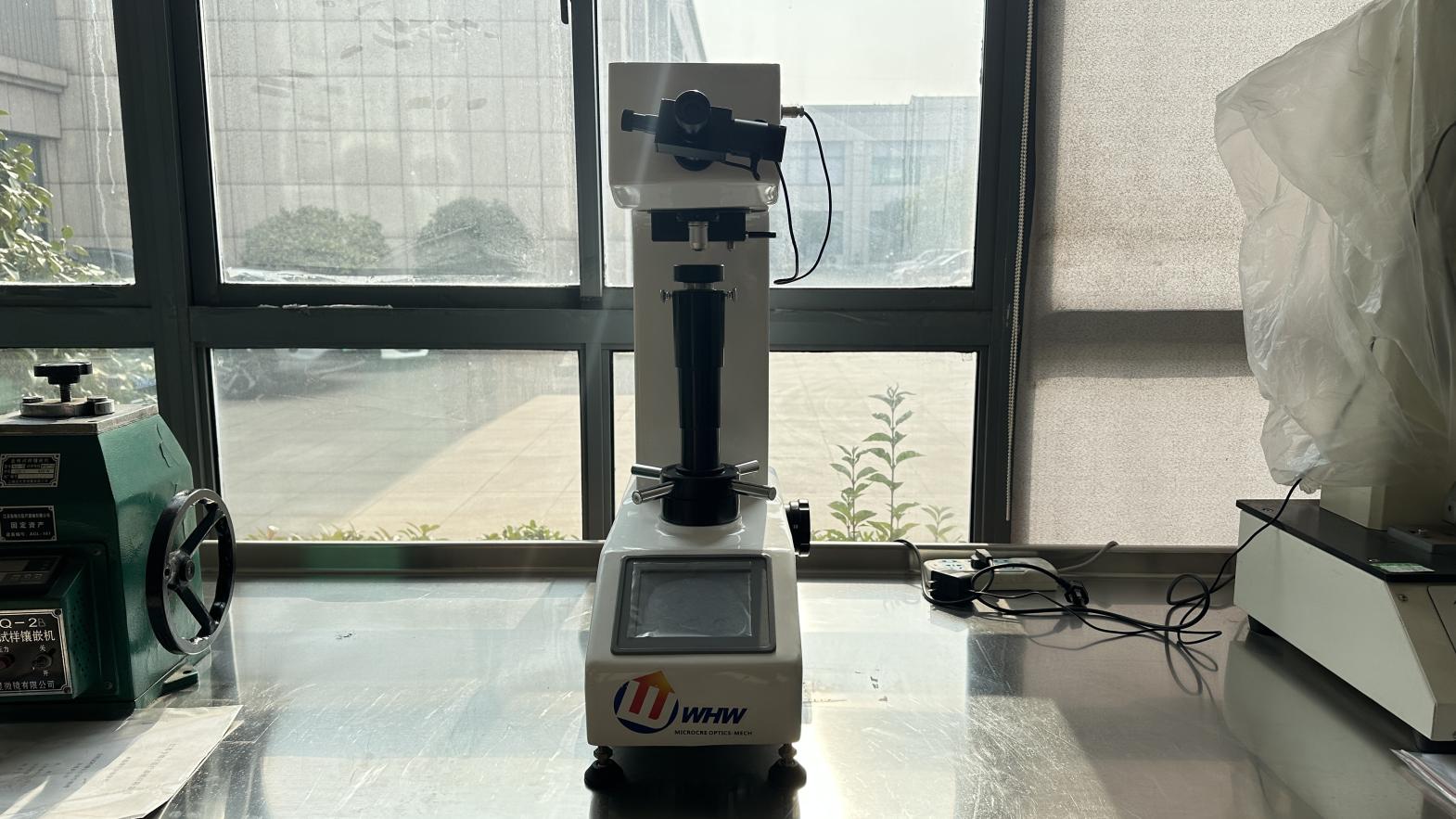
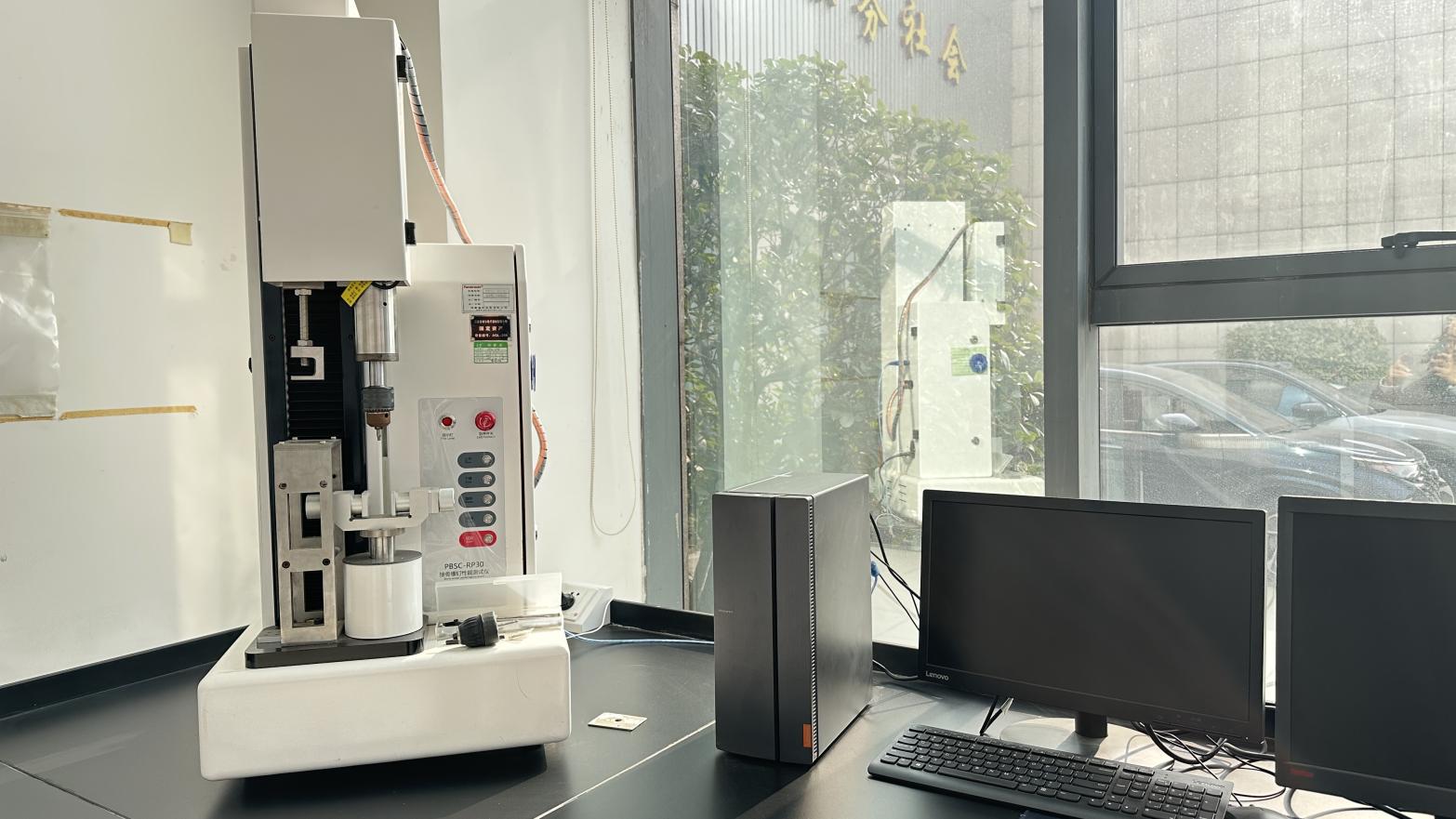
From complex pediatric reconstructive surgery to high-performance sports medicine interventions.
In growing children, permanent metallic hardware can restrict natural bone growth or cross growth plates, requiring timely removal. Medisplint's bioresorbable implants adapt dynamically, absorbing as the child's bone remodels, eliminating secondary surgical trauma and reducing psychological stress.
During anterior cruciate ligament (ACL) and shoulder labrum reconstructions, interference screws and soft tissue anchors must maintain mechanical pullout strength for at least 12 weeks while the biological tendon graft integrates into the bone tunnel. PLLA-HA screws provide initial rigidity and slowly yield to native bone deposition over time.
Facial bones require precise stabilization with minimal implant profile. Permanent titanium plates can occasionally cause localized cooling sensations under the skin or migrate over time. Resorbable plates and screws adapt to the anatomical contours of the skull, degrading completely once structural integrity is restored.
For hand, wrist, foot, and ankle applications, including osteotomies or small bone fractures (e.g., distal radius, metatarsal corrections), resorbable pins and compression screws offer stable fixation without interfering with adjacent articular surfaces.
Providing custom engineering, OEM/ODM development, regulatory document dossiers, and robust supply chain integration.
As a vertically integrated manufacturer, Medisplint assists global distributors and medical device brands from design through to final production. Utilizing multi-axis CNC milling, precision injection molding of bioresorbable polymers, and cleanroom packaging, we customize implants to match your specific biomechanical profiles.
Navigating regulatory systems like EU MDR 2017/745, US FDA 510(k), and national registrations can be complex. Medisplint provides clinical and technical documentation to streamline your approval process.
Find technical answers on degradation mechanisms, mechanical stability, surgical techniques, and regulatory compliance.
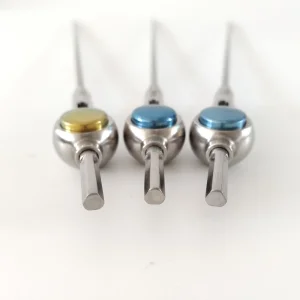
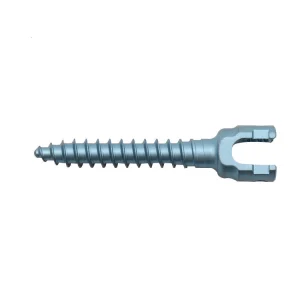
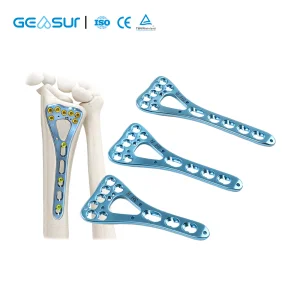
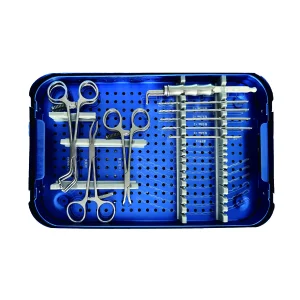
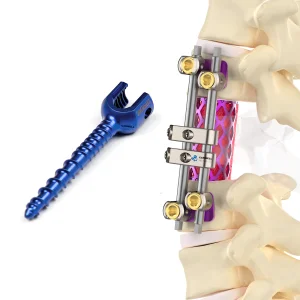
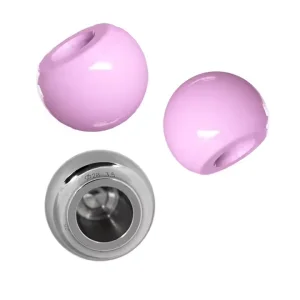
A selection of our clinical-grade trauma plates, pedicle screw systems, joint prostheses, and surgical drill bits.