Medisplint
Medisplint
Medisplint

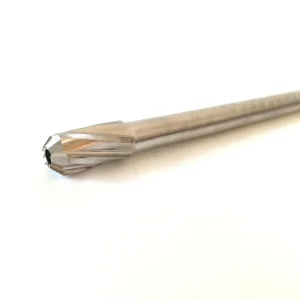
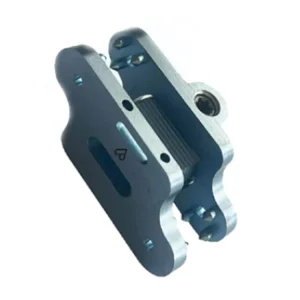
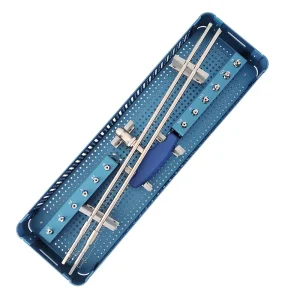
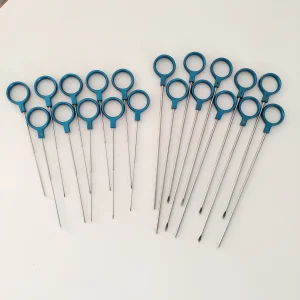
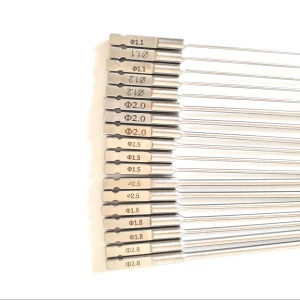
The global market for orthopedic implants, specifically Retrograde Femoral Nails (RFNs), is undergoing rapid transformation driven by an aging global population, rising trauma incidents, and technological evolutions in intramedullary osteosynthesis. Historically, antegrade nailing was the gold standard for femoral shaft fractures. However, retrograde femoral nailing has gained immense clinical popularity, particularly for distal third fractures, supracondylar fractures, polytrauma cases, and situations where ipsilateral acetabular or hip fractures exist.
By inserting the nail through the intercondylar notch from a retrograde approach, orthopedic surgeons minimize disruptions to the hip joint and dynamic abductor mechanisms, resulting in quicker patient mobilization. Biomechanically, retrograde intramedullary nails provide excellent load-sharing profiles, mitigating stress shielding compared to locking plates. The demand for titanium alloy (specifically medical grade 5, Ti-6Al-4V ELI) and cobalt-chrome locking configurations has surged. Global B2B buyers—ranging from large-scale national distributors to hospital networks and clinical procurement agents—seek suppliers capable of providing high manufacturing precision, robust biological safety parameters, and consistent regulatory adherence (CE, ISO 13485).
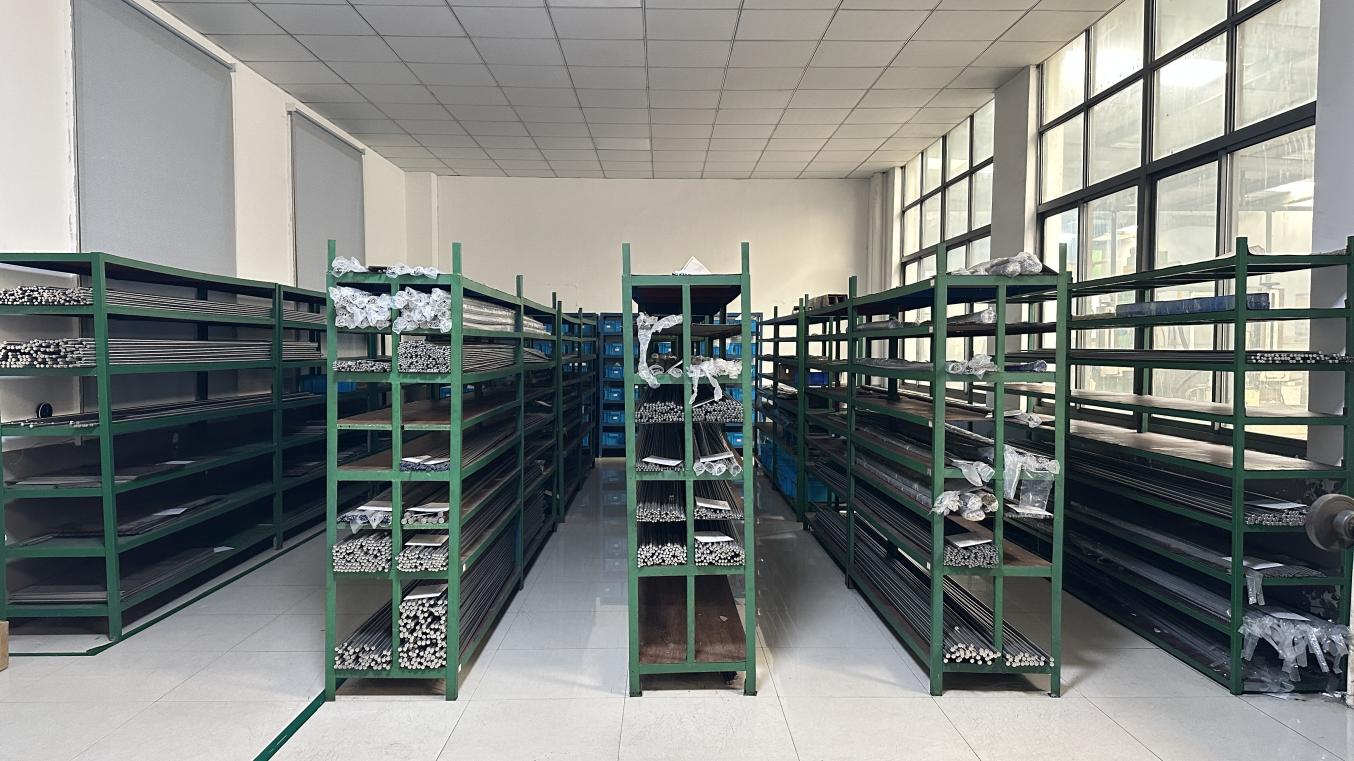
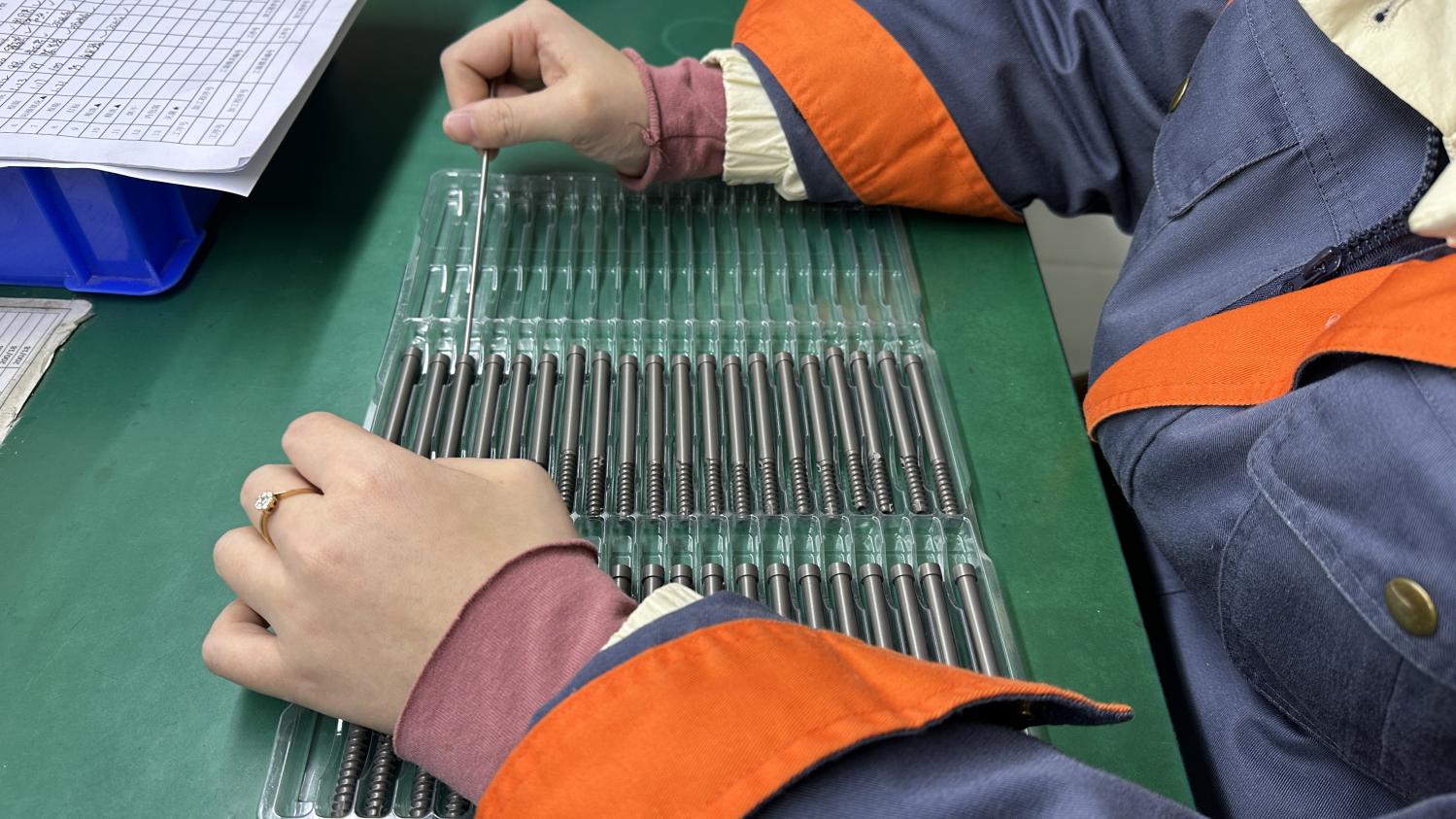
High-grade certified Titanium and Stainless Steel raw materials undergoing initial quality verification at our facility.
Established in 2016, Medisplint Orthopedic Instruments Co., Ltd. is an industry-leading manufacturer specializing in state-of-the-art orthopedic implants, anatomical fixation systems, and specialized surgical instruments for trauma care, spinal reconstruction, and joint repair.
With over a decade of deep industrial expertise and more than seven years of global export compliance experience, Medisplint has built a solid reputation across markets in Europe, Southeast Asia, the Middle East, and South America. By collaborating with over 1,200 supply chain partners, we ensure unmatched production stability, flexible sourcing capabilities, and efficient fulfillment of high-volume OEM/ODM projects. Our QA protocols cover every phase, backed by ISO 13485 certification and comprehensive CE compliance. In the past year alone, our active R&D team introduced 68 new orthopedic innovations to the international market, ensuring our inventory always matches contemporary surgical standards.
We source raw medical-grade titanium and cobalt alloys through highly reliable domestic supply chains. Every batch comes with metallurgical tracking certificates, validating biomechanical properties, tensile strengths, and biocompatibility profiles before manufacturing begins.
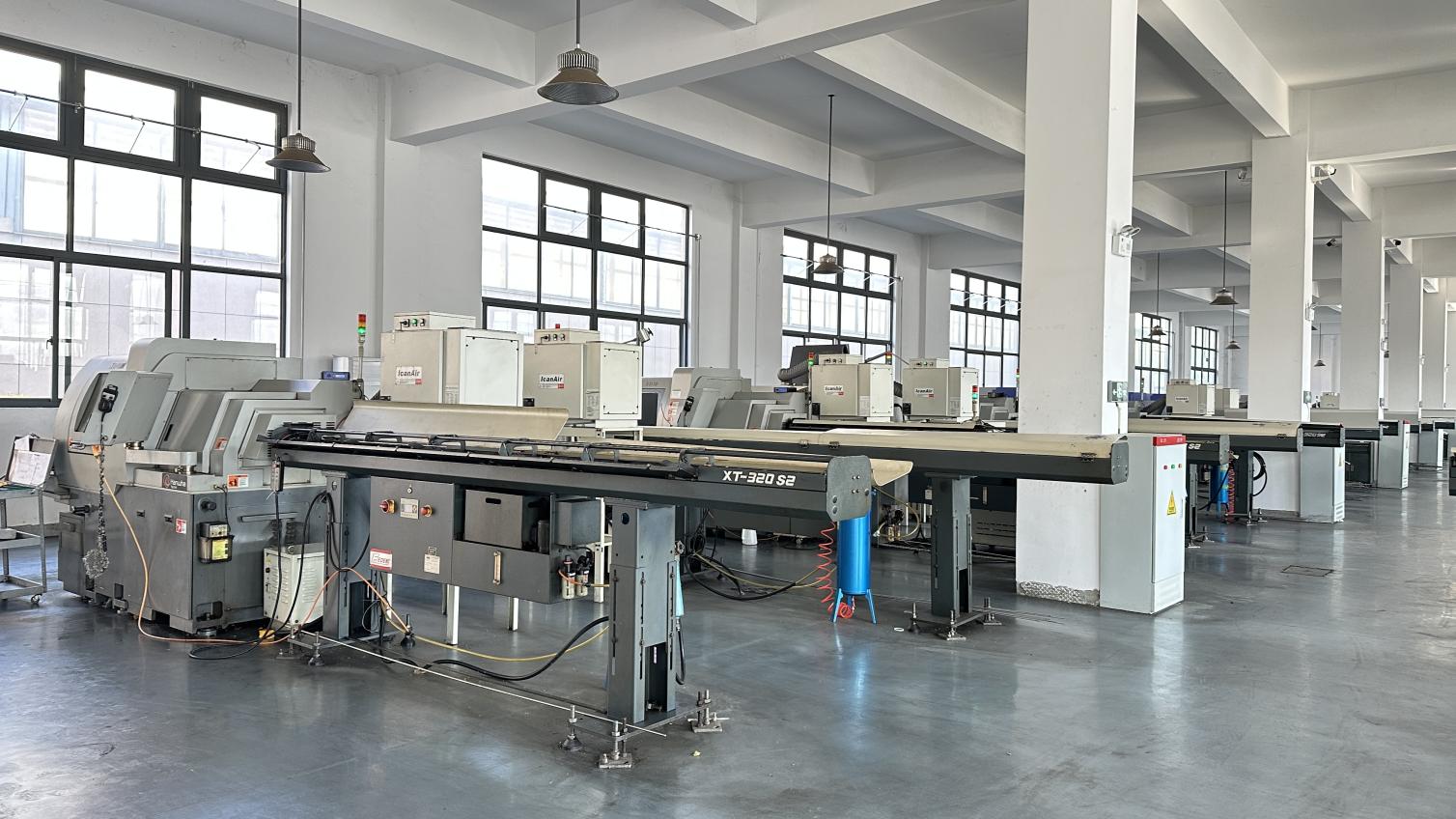
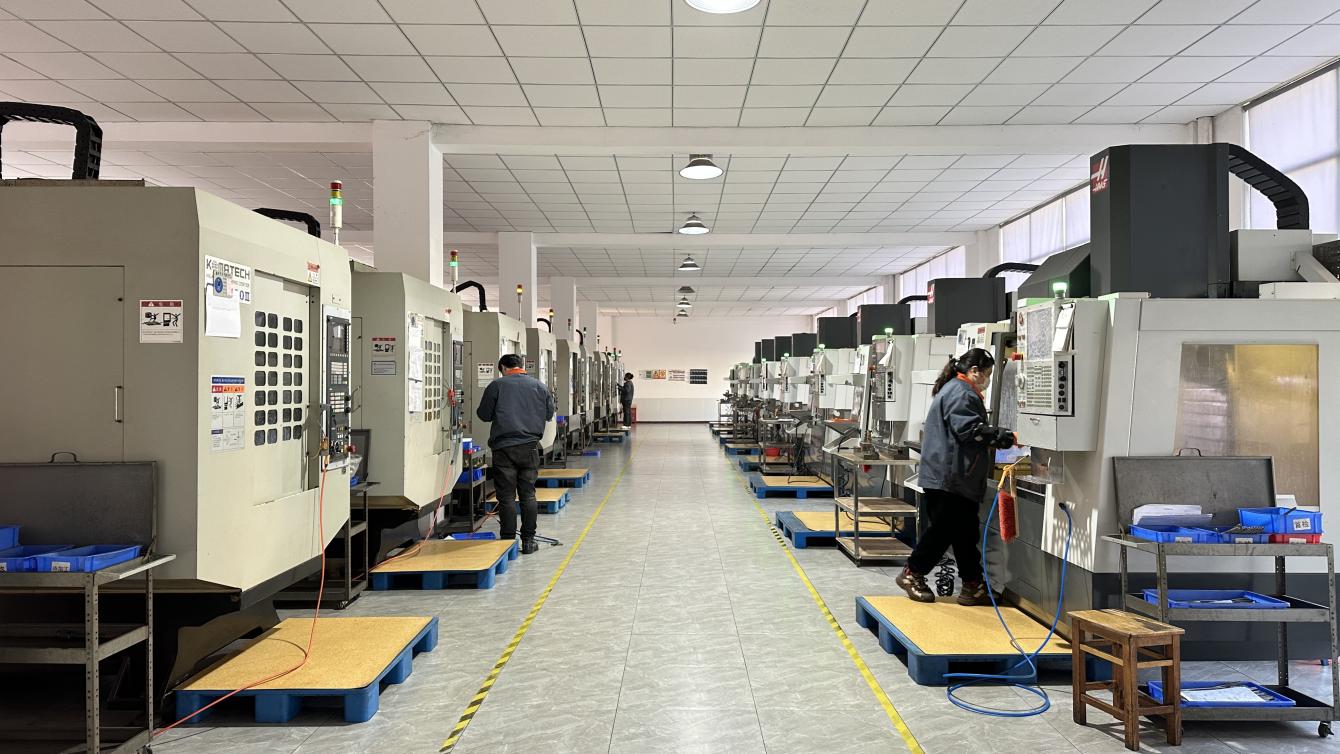
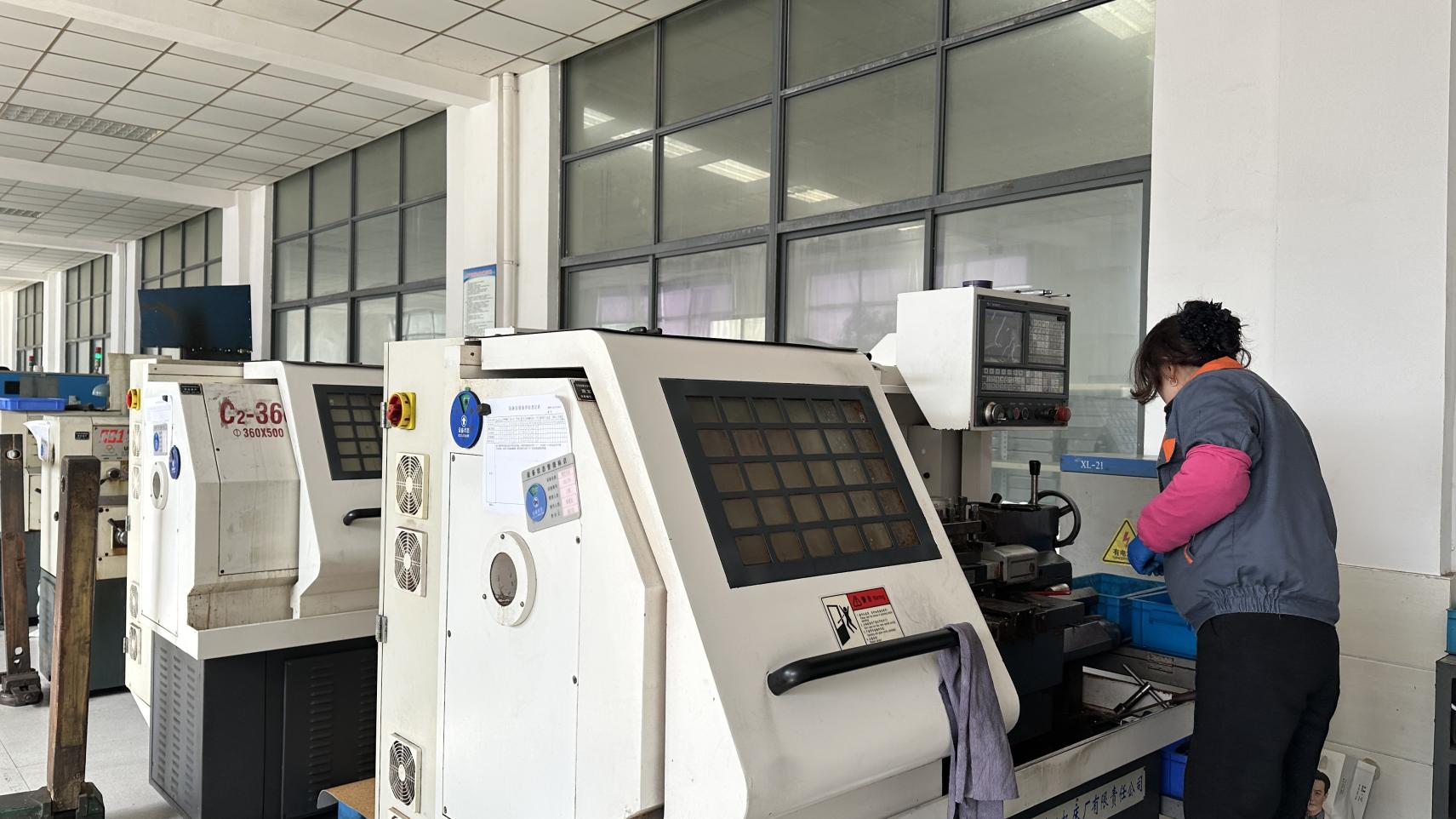
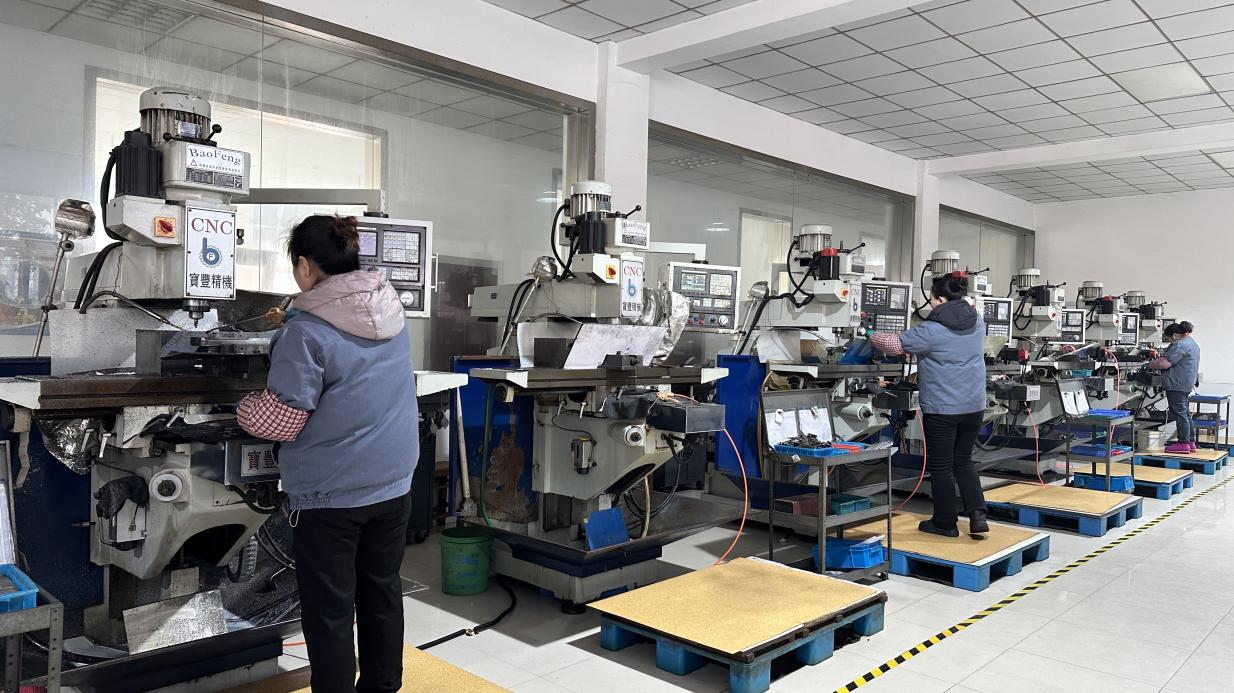
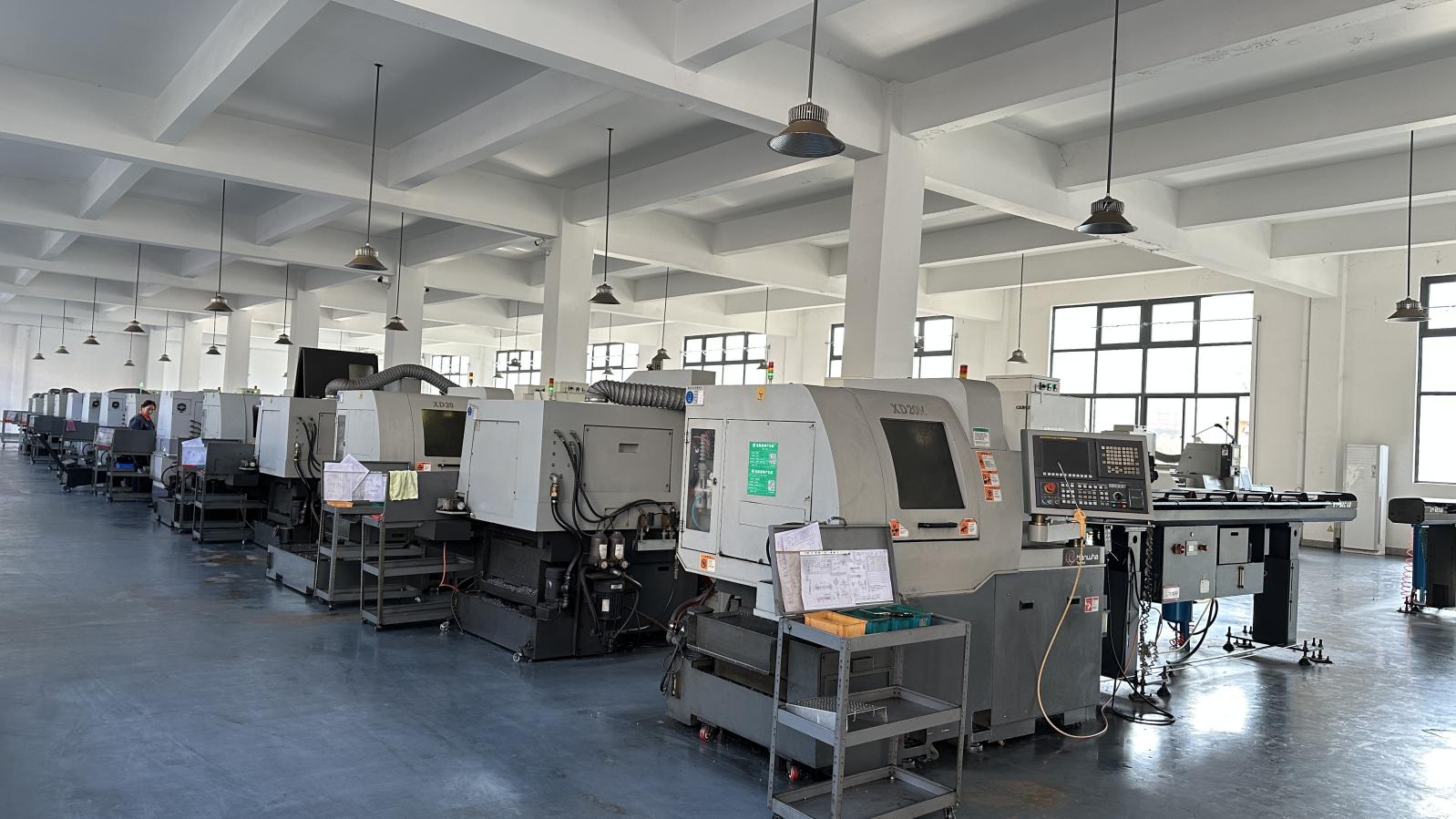
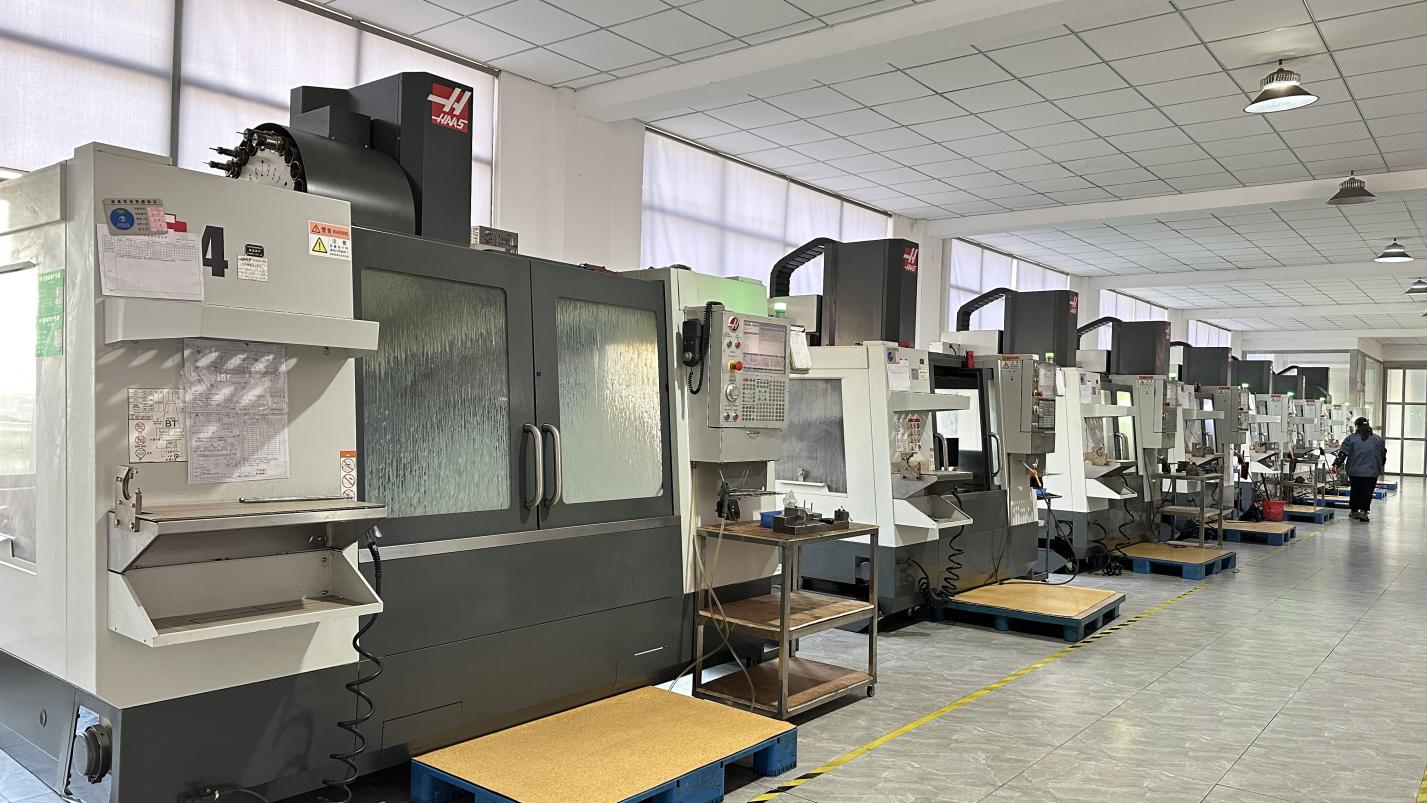
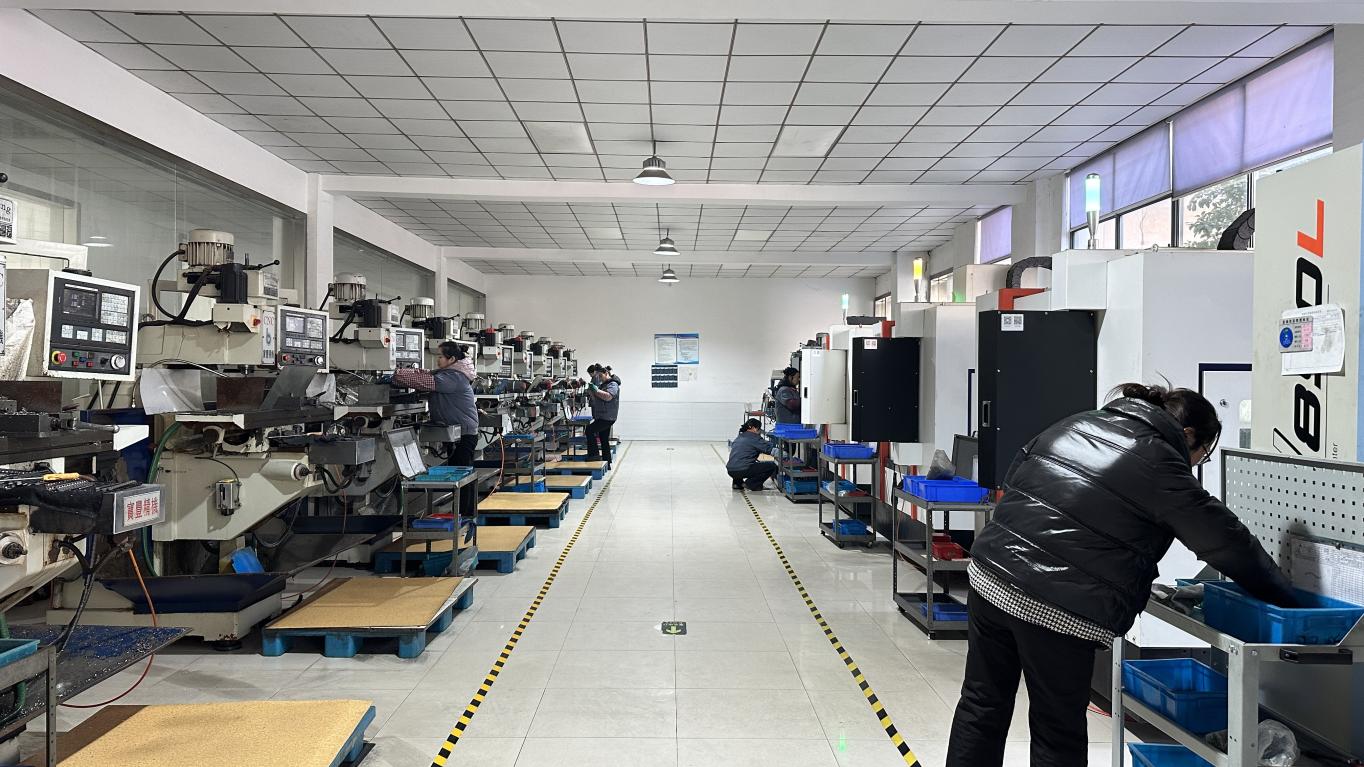
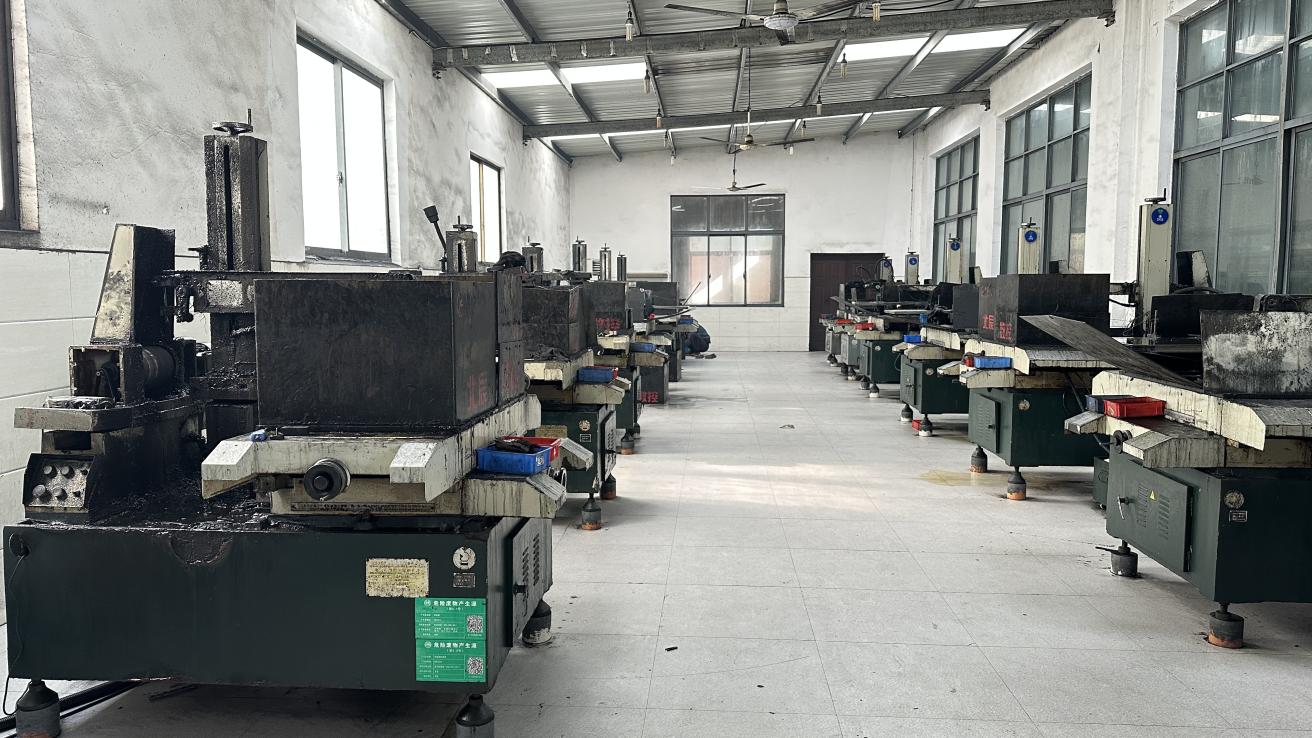
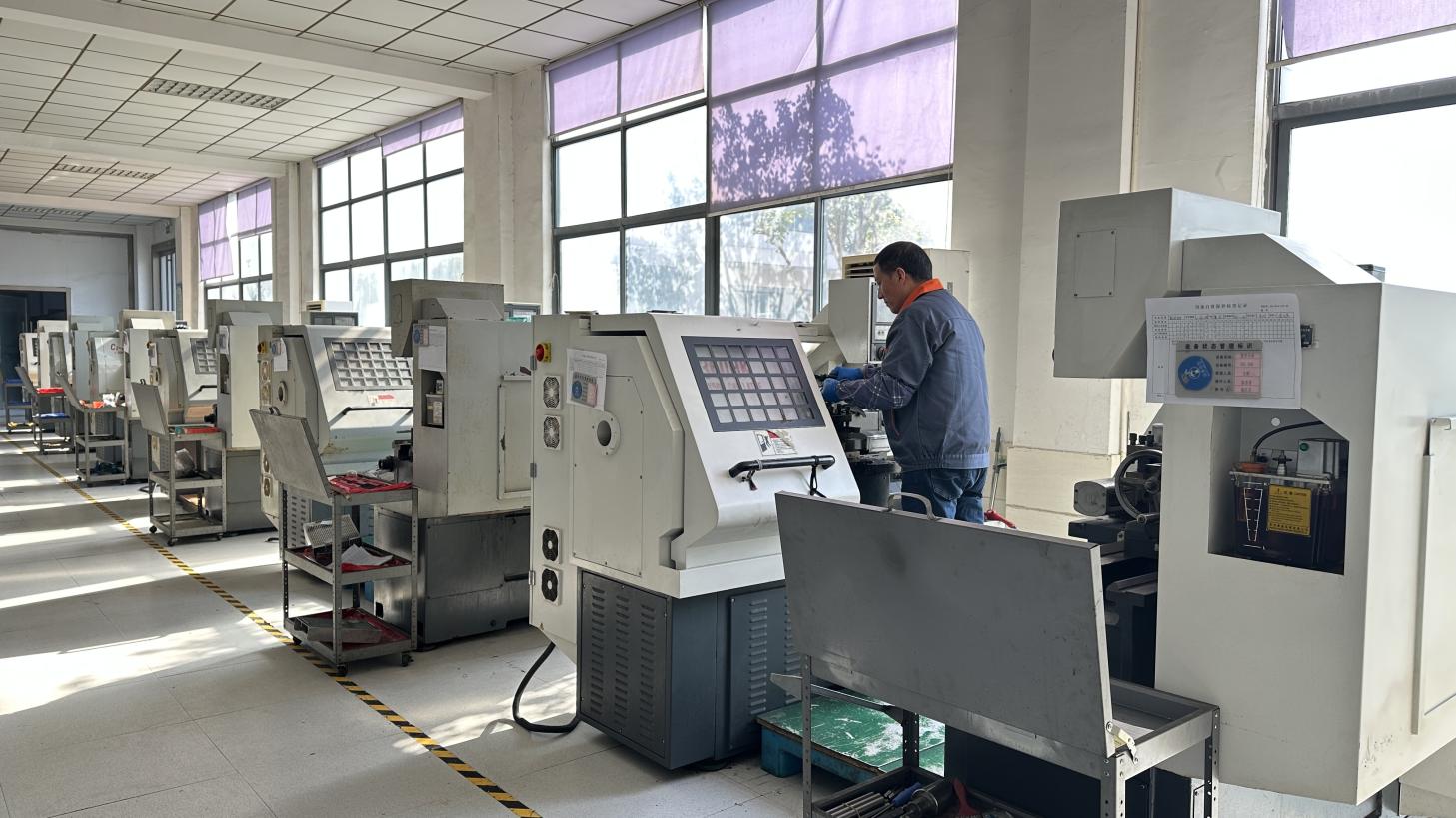
Our production floor features cutting-edge CNC machining centers, wire-cutting systems, and multi-axis lathes. These technologies achieve tolerances below 5 microns, ensuring that screw guides, proximal locking mechanisms, and retrograde nail tapers align perfectly.
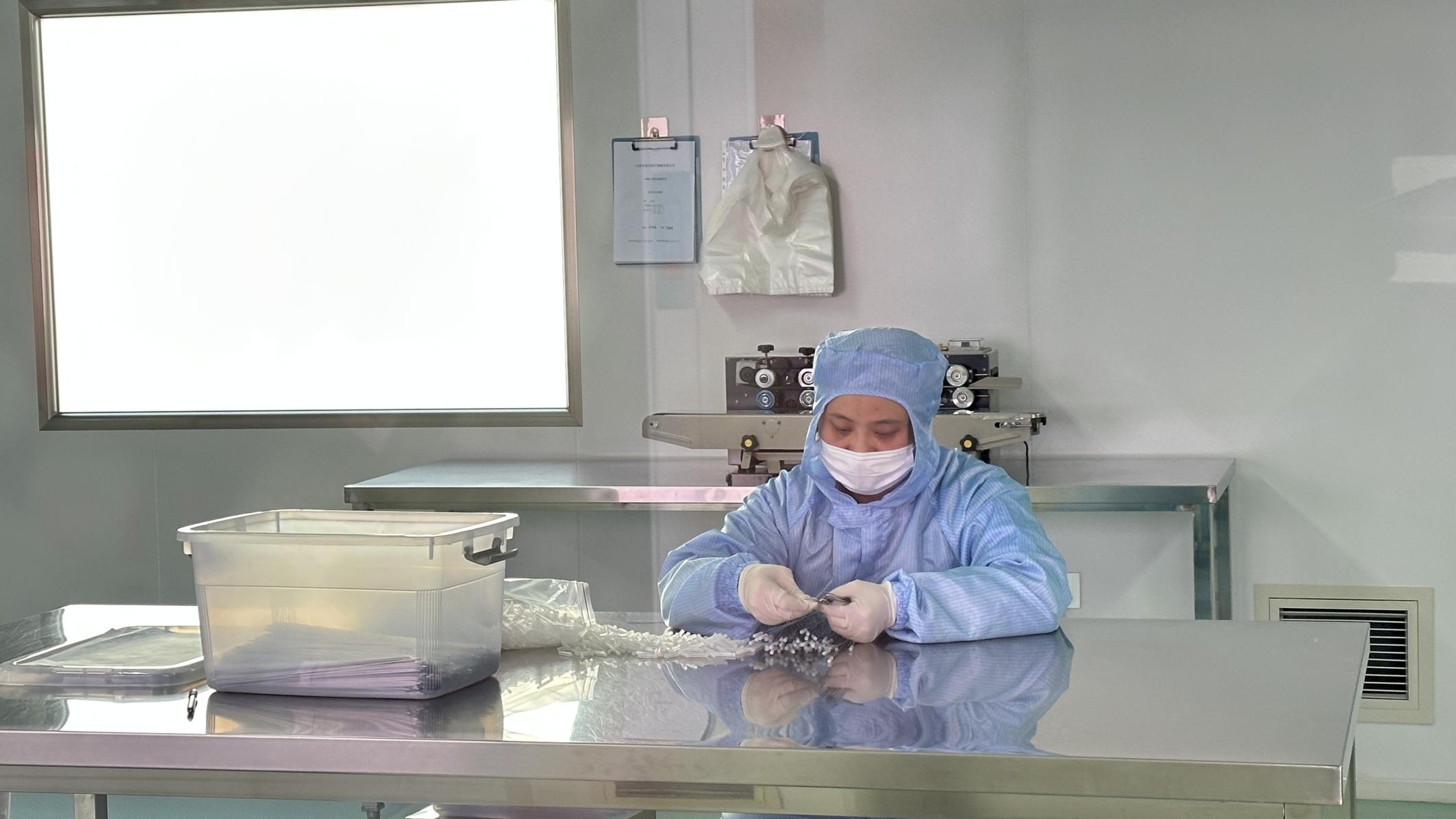
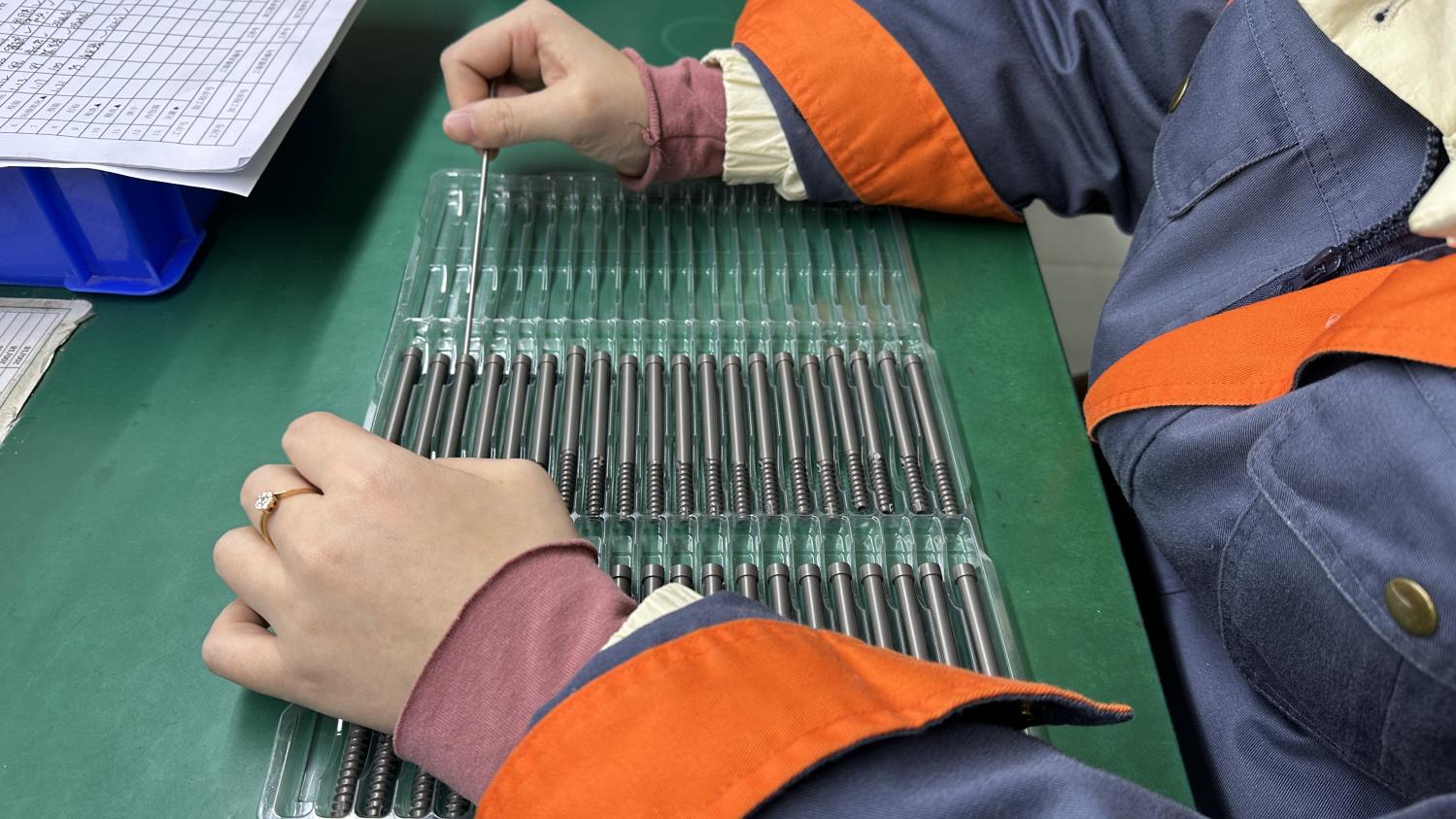
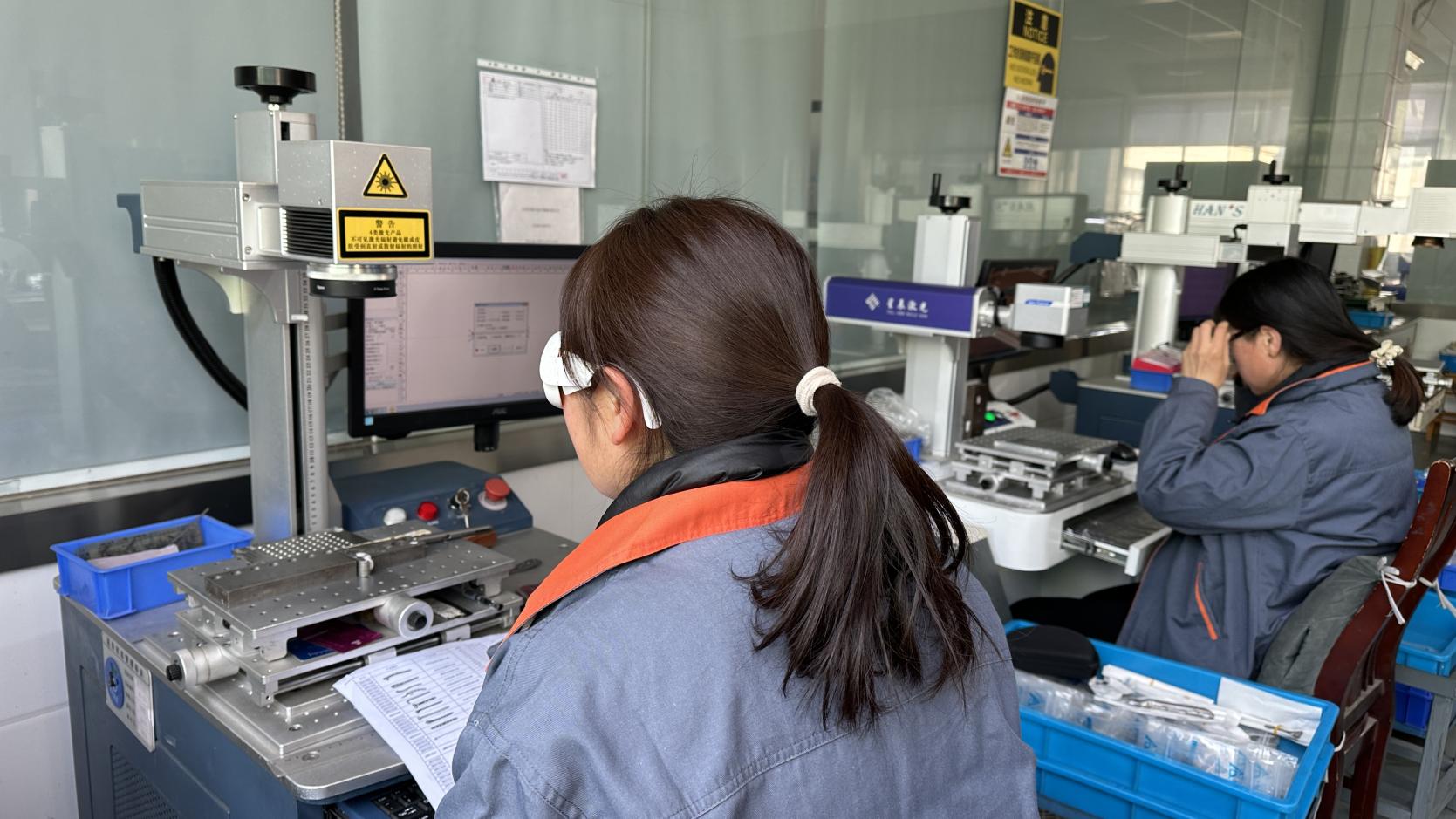
With 42 dedicated internal inspectors executing In-Process Quality Control (IPQC) and Final Quality Control (FQC), combined with ISO 13485 standards, we ensure that every single retrograde femoral nail is sterile-ready, burr-free, and anatomically precise.
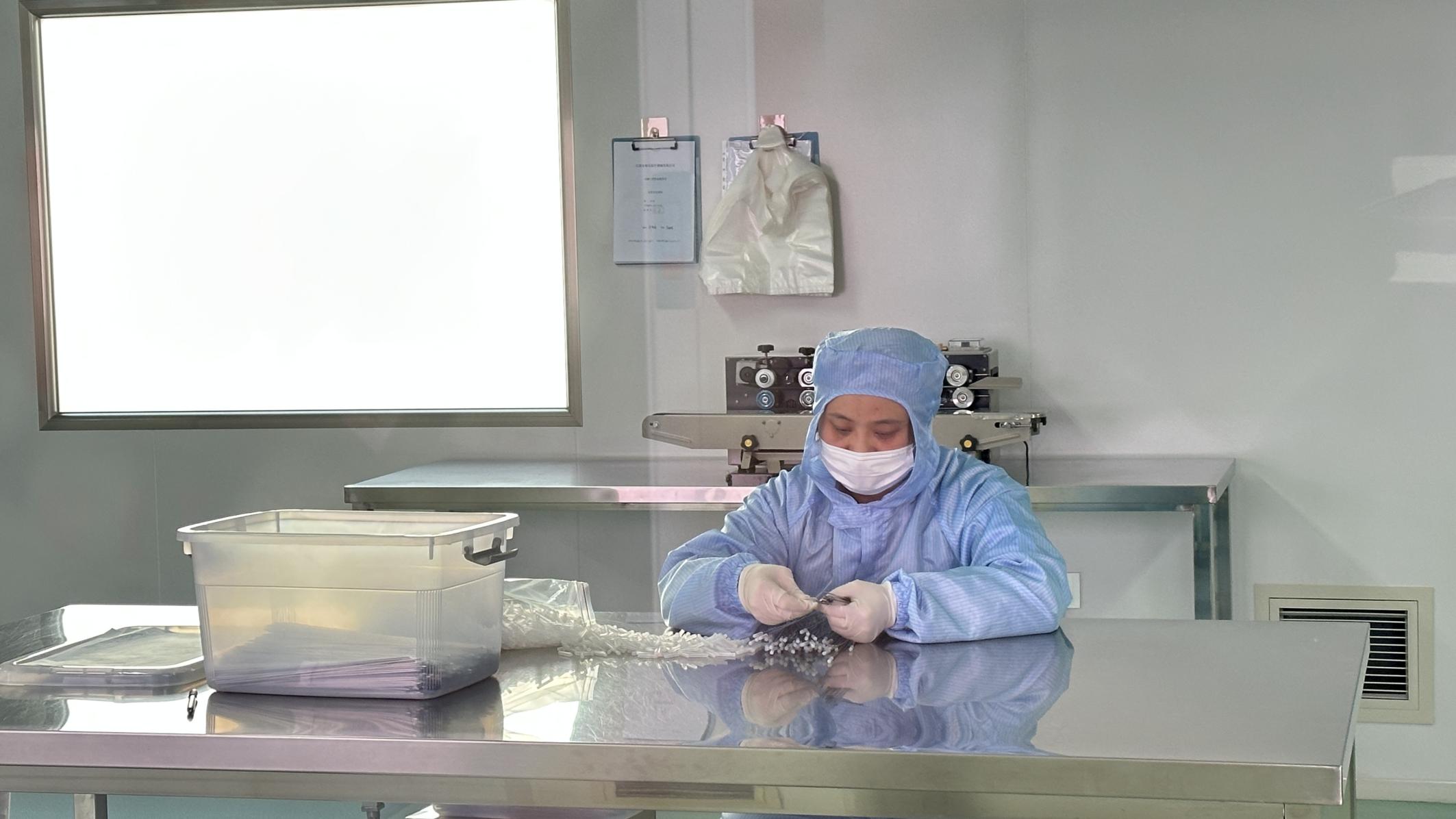
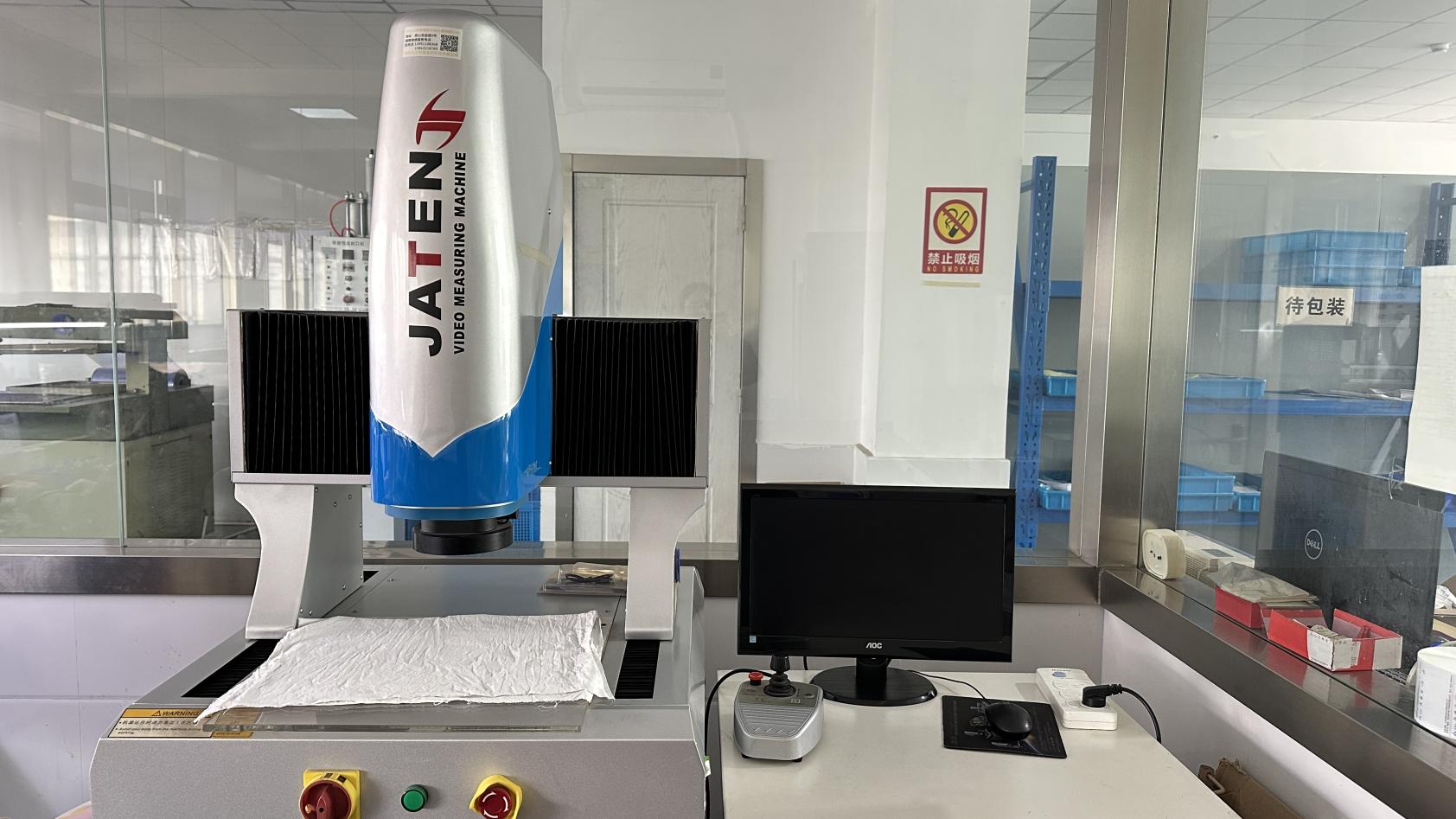
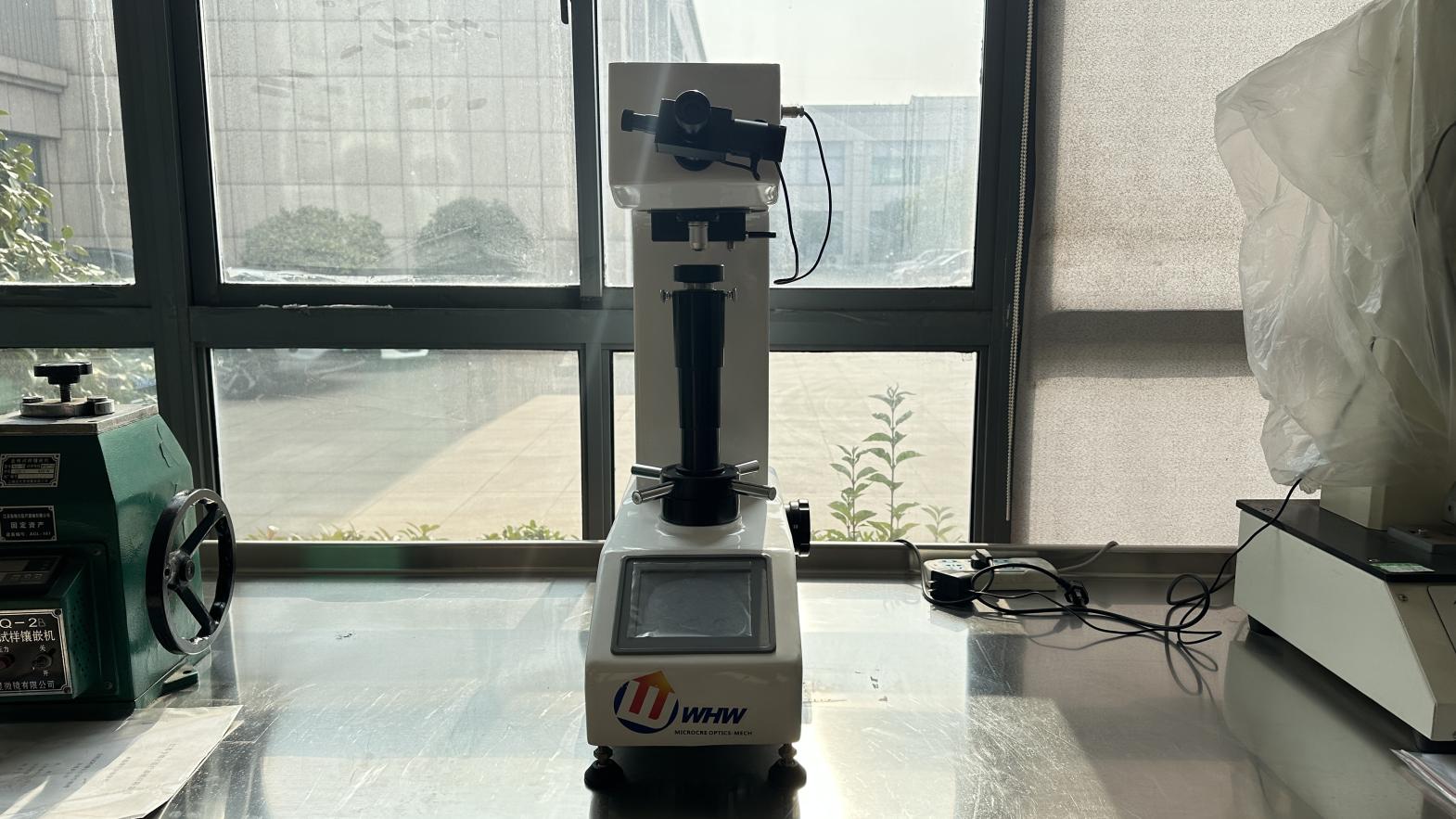
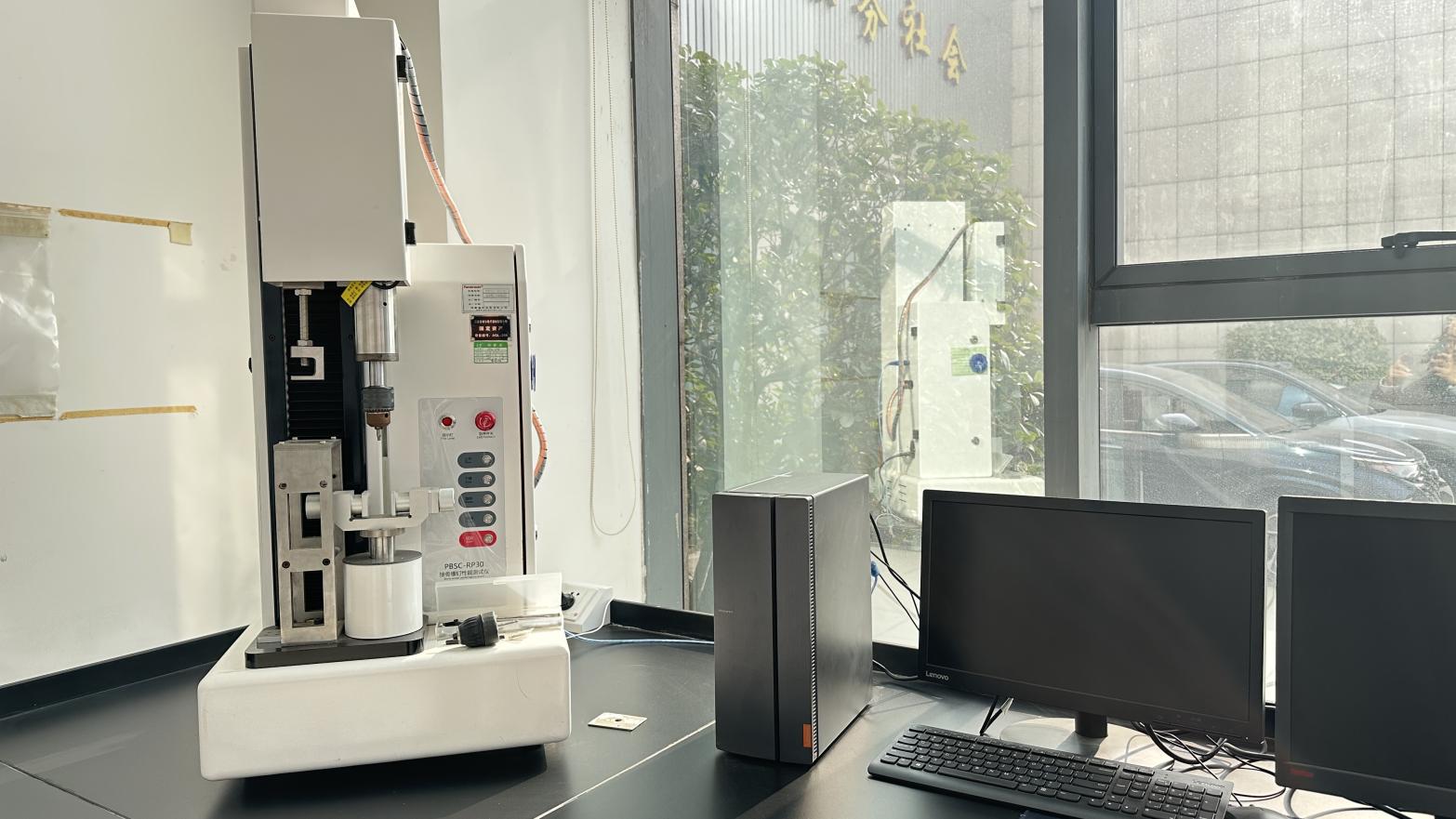
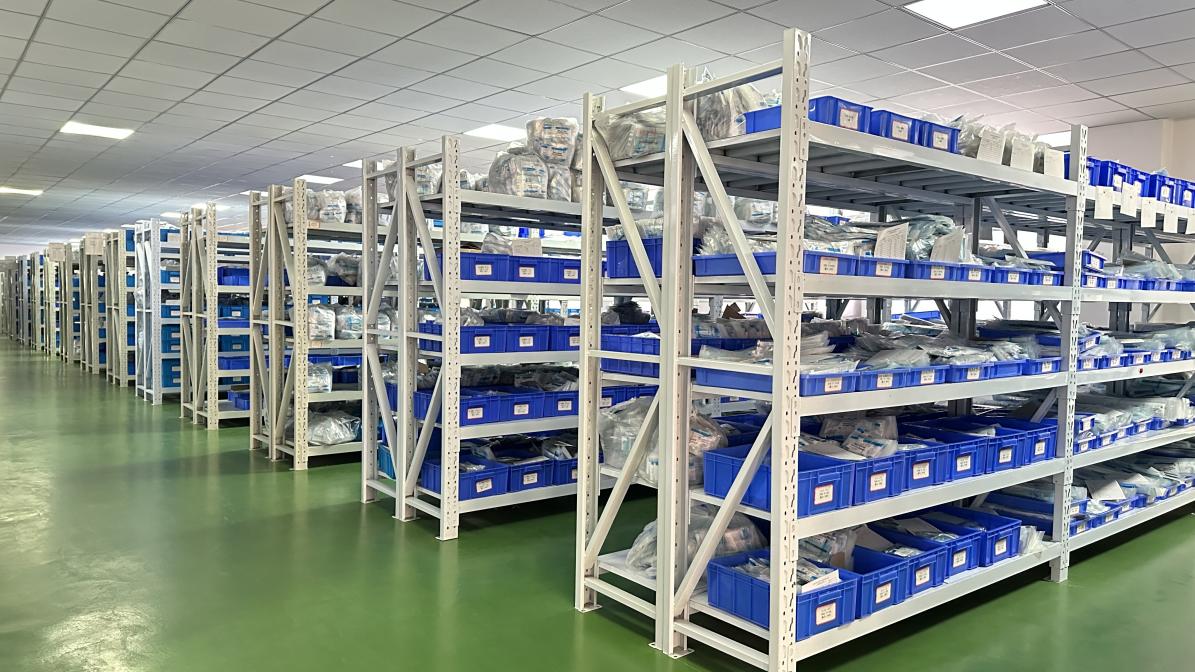
Our facility integrates cutting-edge machinery with strict quality gates, from raw material validation to cleanroom packaging.
The selection between antegrade and retrograde femoral nailing depends heavily on the patient's anatomical condition and fracture type. Retrograde femoral nailing has become the procedure of choice for specific clinical scenarios:
Innovation in retrograde femoral nails is currently centered on three key areas: improving distal locking efficiency, applying biocompatible surface modifications, and integrating digital surgical navigation. Advanced retrograde systems feature multi-planar locking options, incorporating dynamic and static locking holes near the knee joint to counter rotational forces. Surface technologies, such as Type II anodization, enhance the fatigue strength of titanium implants and minimize the risk of bacterial colonization. Furthermore, carbon-fiber PEEK composite intramedullary nails are emerging, offering radiolucency for clearer post-operative assessment of callus formation.
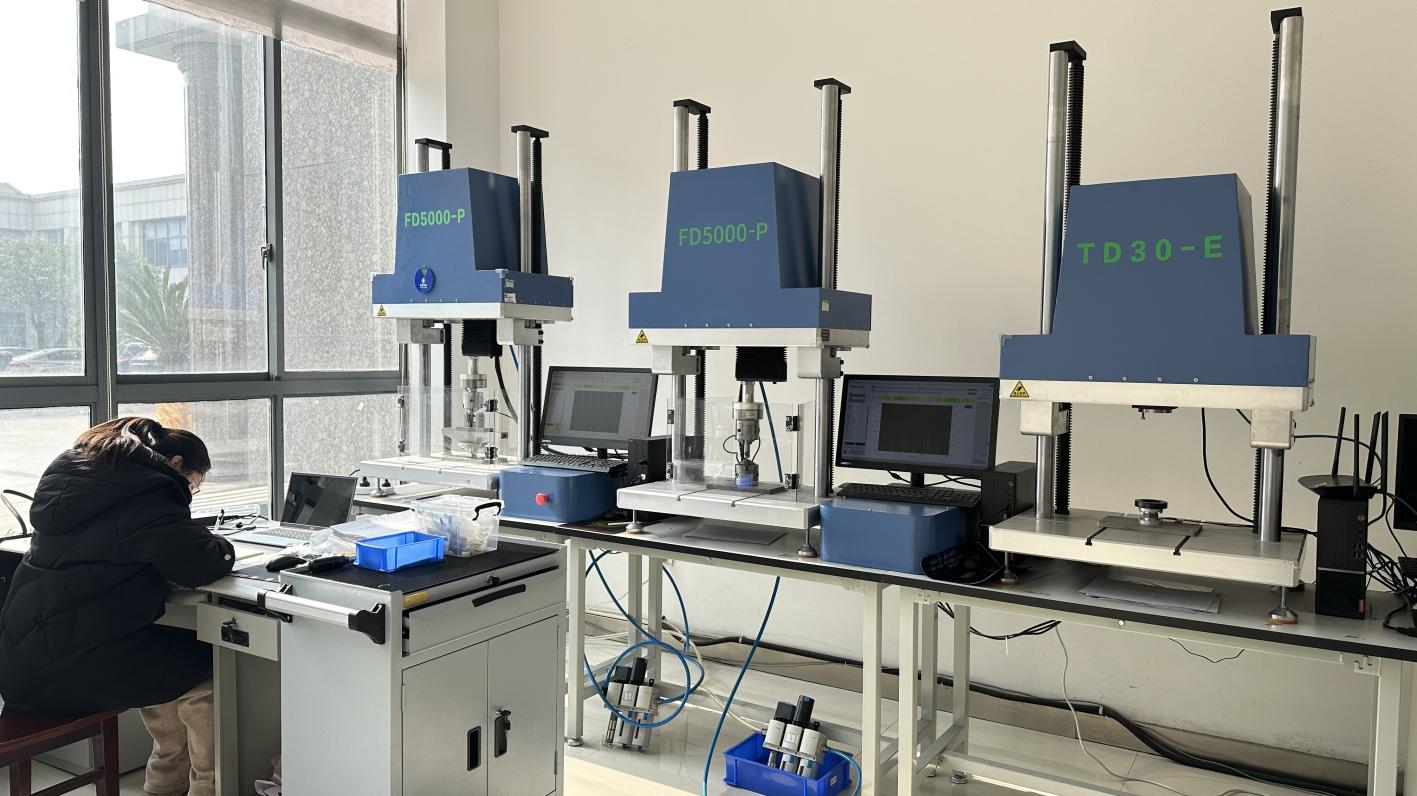
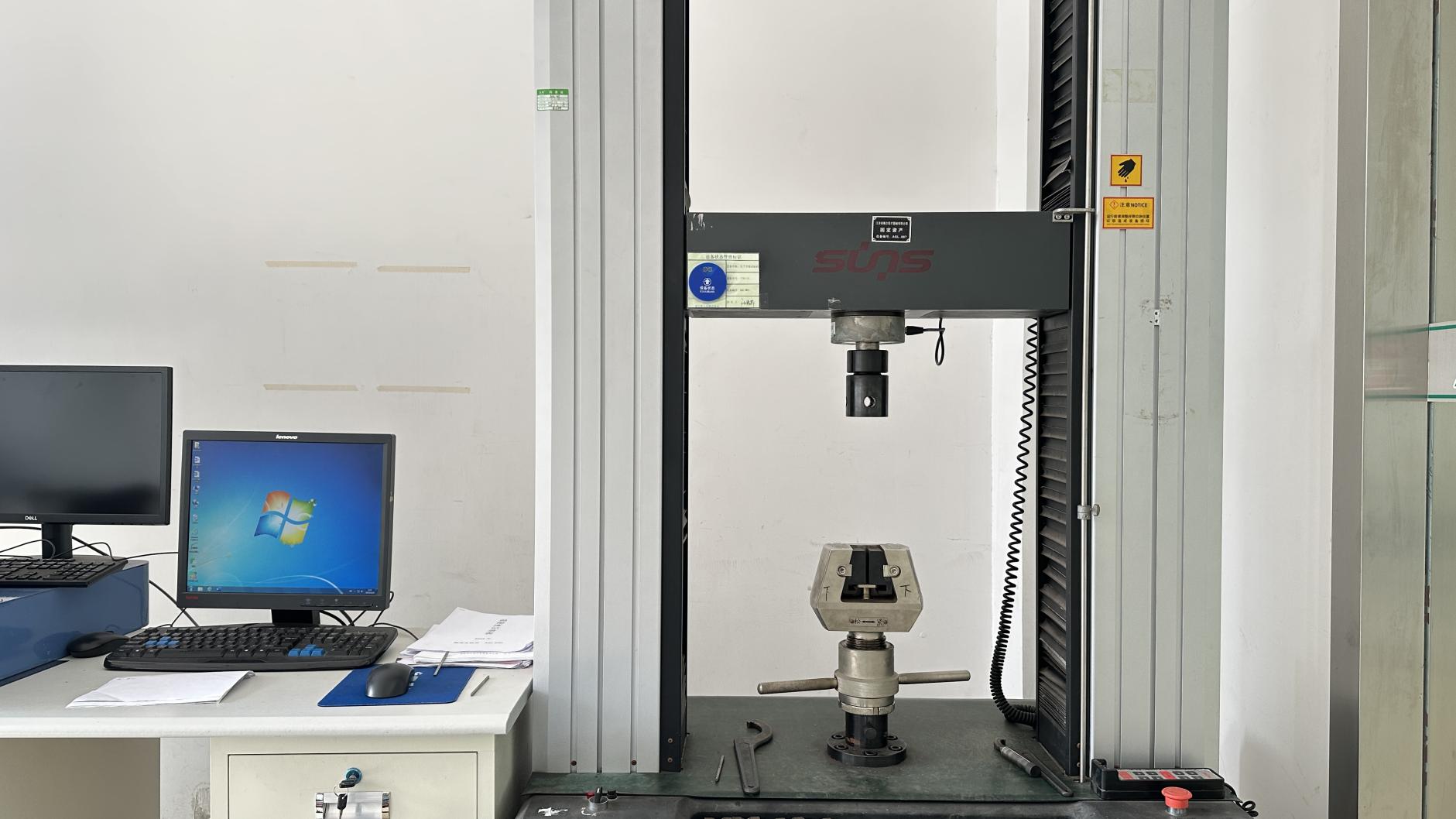
We verify the mechanical integrity and endurance of all orthopedic implants using advanced fatigue testing, tensile testing, and optical measurement tools.