Medisplint
Medisplint
Medisplint
Explore our high-performance fixation sets, trauma locking plates, suture anchors, and animal surgical solutions designed to rigorous CE/ISO standards.
Founded in 2016, Medisplint Orthopedic Instruments Co., Ltd. has established itself as an innovative, high-caliber pioneer in the production of medical implants, trauma fixation systems, and surgical tools. Our operation is anchored on a cutting-edge 18,500m² manufacturing facility that hosts fully integrated operations—from high-grade titanium raw material handling to final sterile packaging.
With an annual export revenue of over USD 12 million and 10+ years of industrial experience, Medisplint addresses the stringent engineering mandates of global hospitals, private labeling entities, surgical centers, and orthopedic distributors. We manage a complex network of 1,200+ trusted supply chain partners to support rapid turnaround times and steady batch consistency.
Our commitment to patient safety and structural implant integrity is validated by our strict compliance with ISO 13485 quality management systems and CE guidelines. An elite R&D division containing 85 experienced design and biomaterials engineers has facilitated the commercial launch of 68 new medical devices in the past year alone. This active advancement cycle ensures our OEM/ODM partners always remain at the forefront of surgical innovation.
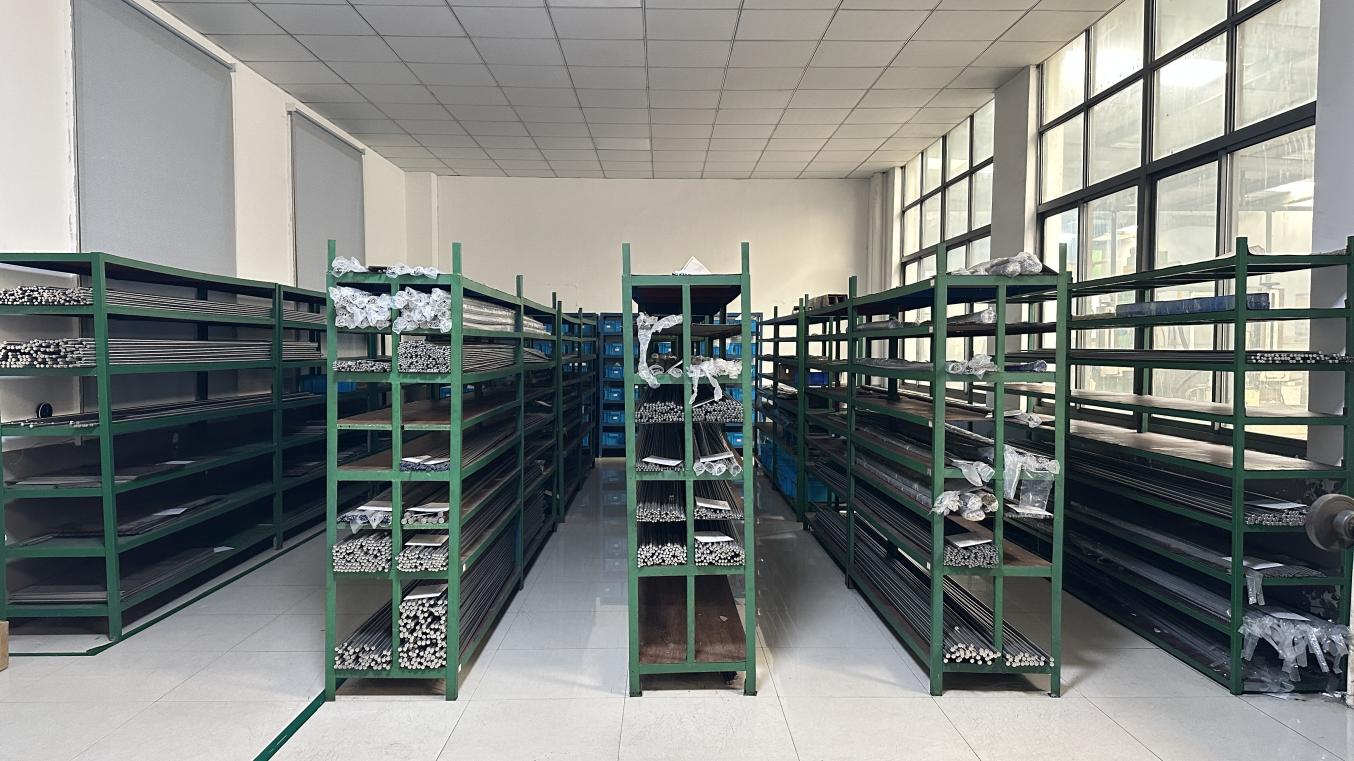
State-Of-The-Art Production Facility
Annual International Export Volume
R&D & Engineering Specialists
Dedicated In-House QA/QC Inspectors
Analyzing supply chains, technical mandates, and the shift toward bio-compatible mechanical fixation across global markets.
Self-tapping bone screws represent the mechanical cornerstone of modern trauma osteosynthesis, spinal fusion, and reconstructive joint surgeries. Unlike traditional bone screws that require pre-tapping of the pilot hole (a process that extends operation times and risks bone thermal necrosis), self-tapping variants feature a specialized cutting flute or tip geometry. This design cuts its own threads when driven into cortical or cancellous bone, creating a highly precise and secure interference fit with minimal micro-fractures in the surrounding osseous tissue.
The global demand is driven by the rise in geriatric fracture management, high-impact athletic trauma cases, and complex reconstructive orthopedics. In mature healthcare systems such as North America and Europe, the regulatory pathway is governed strictly by the FDA's 510(k) clearances and the EU's Medical Device Regulation (MDR 2017/745). High-performance titanium alloys (specifically Ti-6Al-4V ELI conforming to ASTM F136) are highly preferred due to their outstanding strength-to-weight ratio, high fatigue life, and superior biocompatibility compared to older stainless steel standards.
Emerging markets across Southeast Asia and Latin America are expanding their public healthcare infrastructure, which is increasing the demand for cost-efficient, high-quality implants. As a result, global procurement agencies are increasingly shifting their focus toward experienced OEM/ODM suppliers. Organizations like Medisplint offer certified precision manufacturing, allowing hospitals and private brands to bypass massive capital expenditure on high-precision CNC machinery and cleanroom packaging facilities.
SEO Insights & Search Intent: Procurement directors do not simply search for "bone screws". They evaluate manufacturing capability, compliance with ISO 5832-3 (implants for surgery), dynamic shear fatigue thresholds, and cleanroom bioburden metrics. Providing this information directly helps satisfy advanced search intent.
How Medisplint merges technical craftsmanship with highly integrated domestic industrial ecosystems to deliver superior global value.
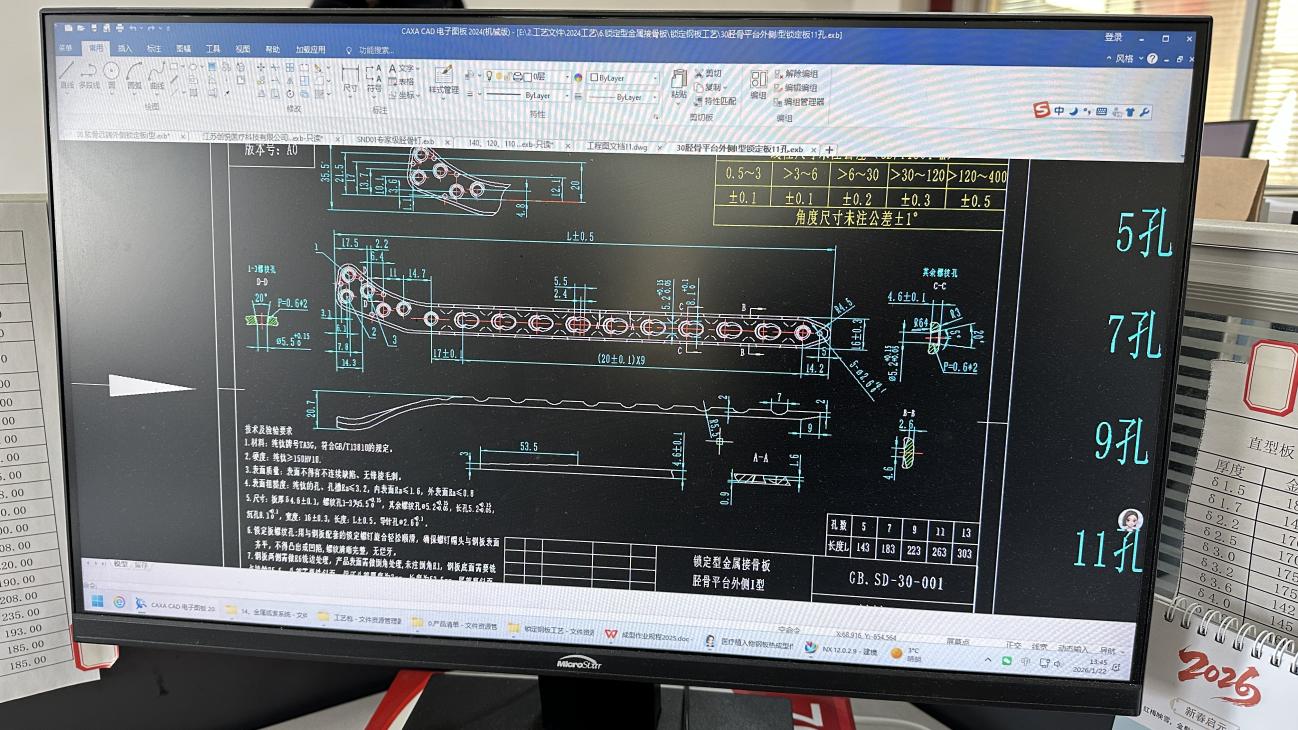
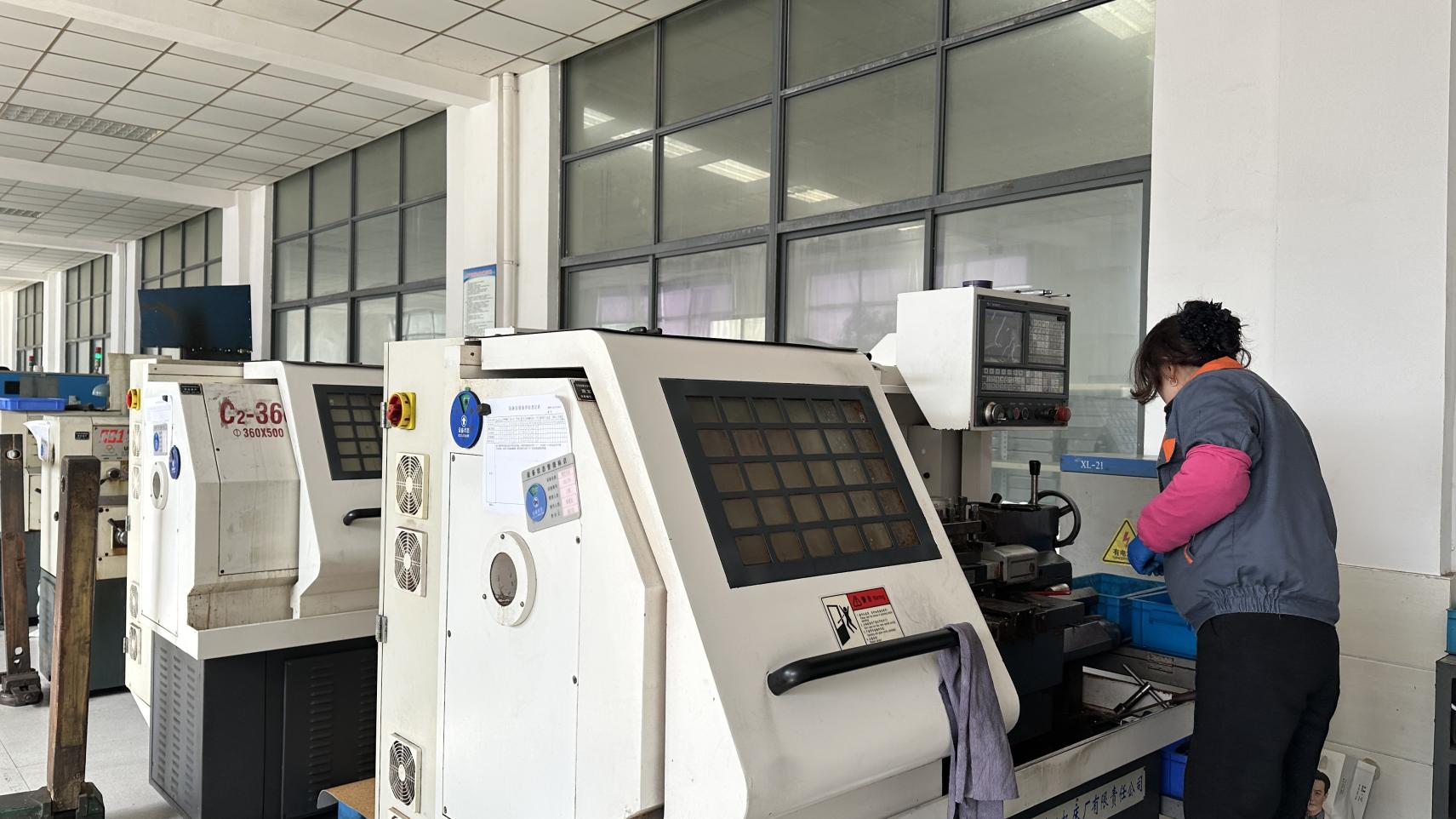
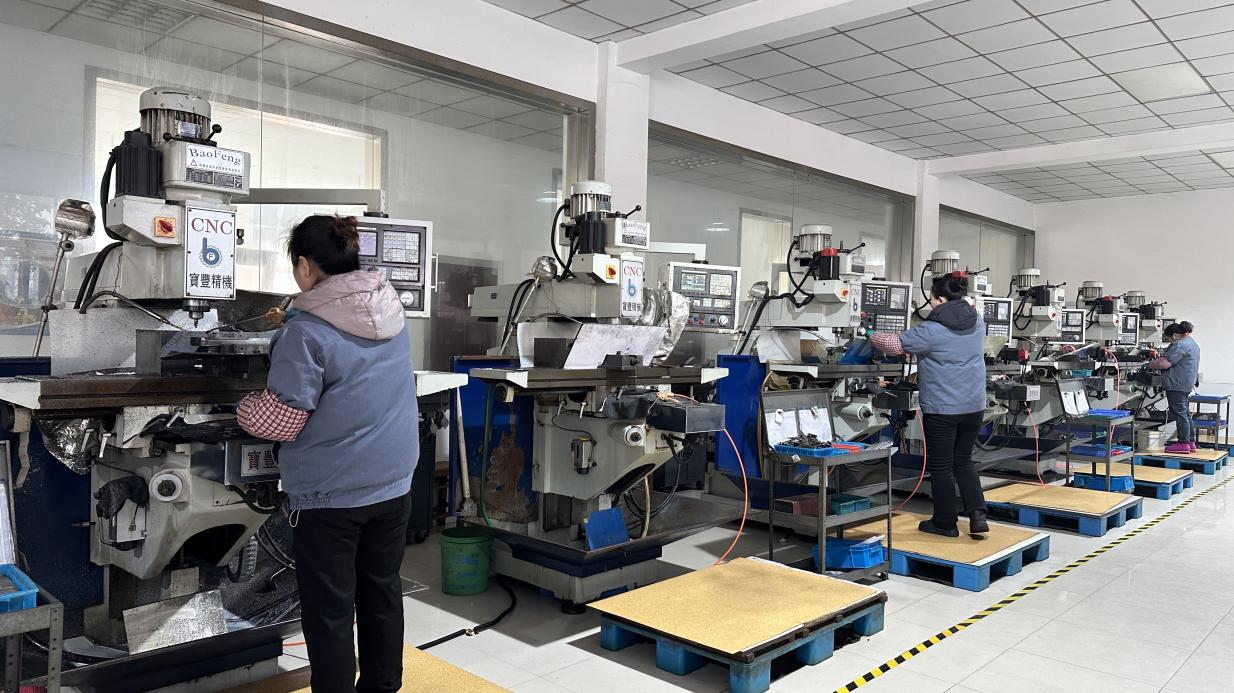
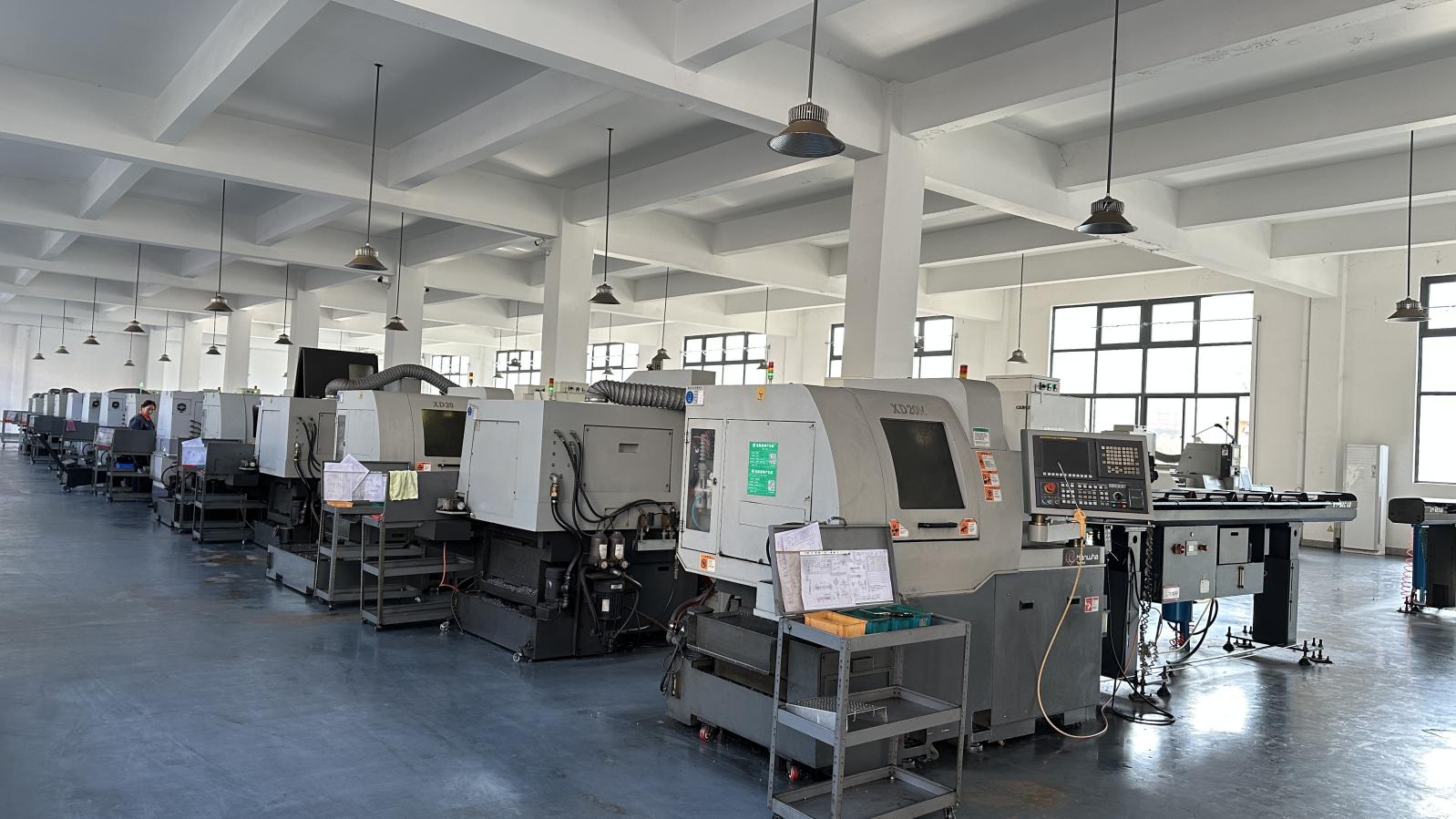
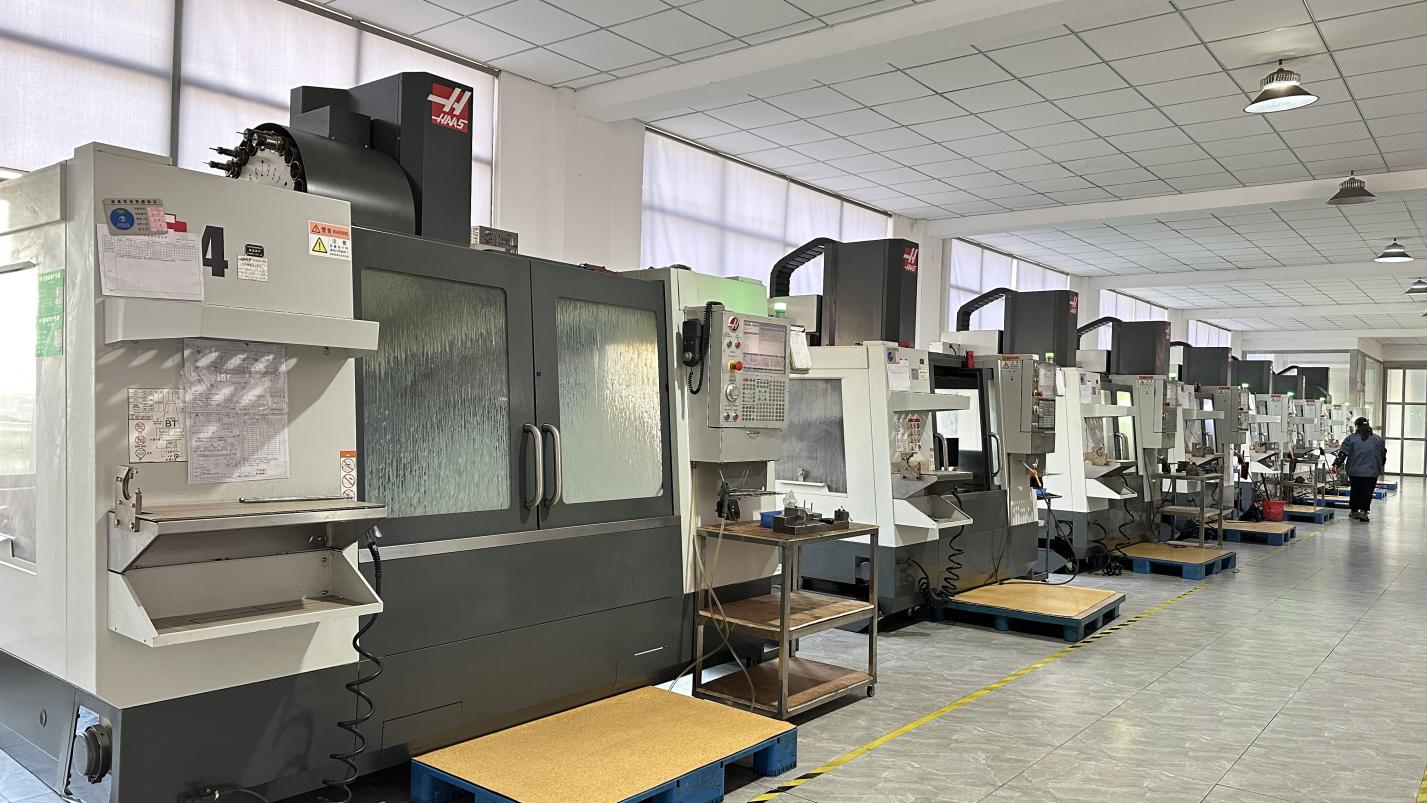
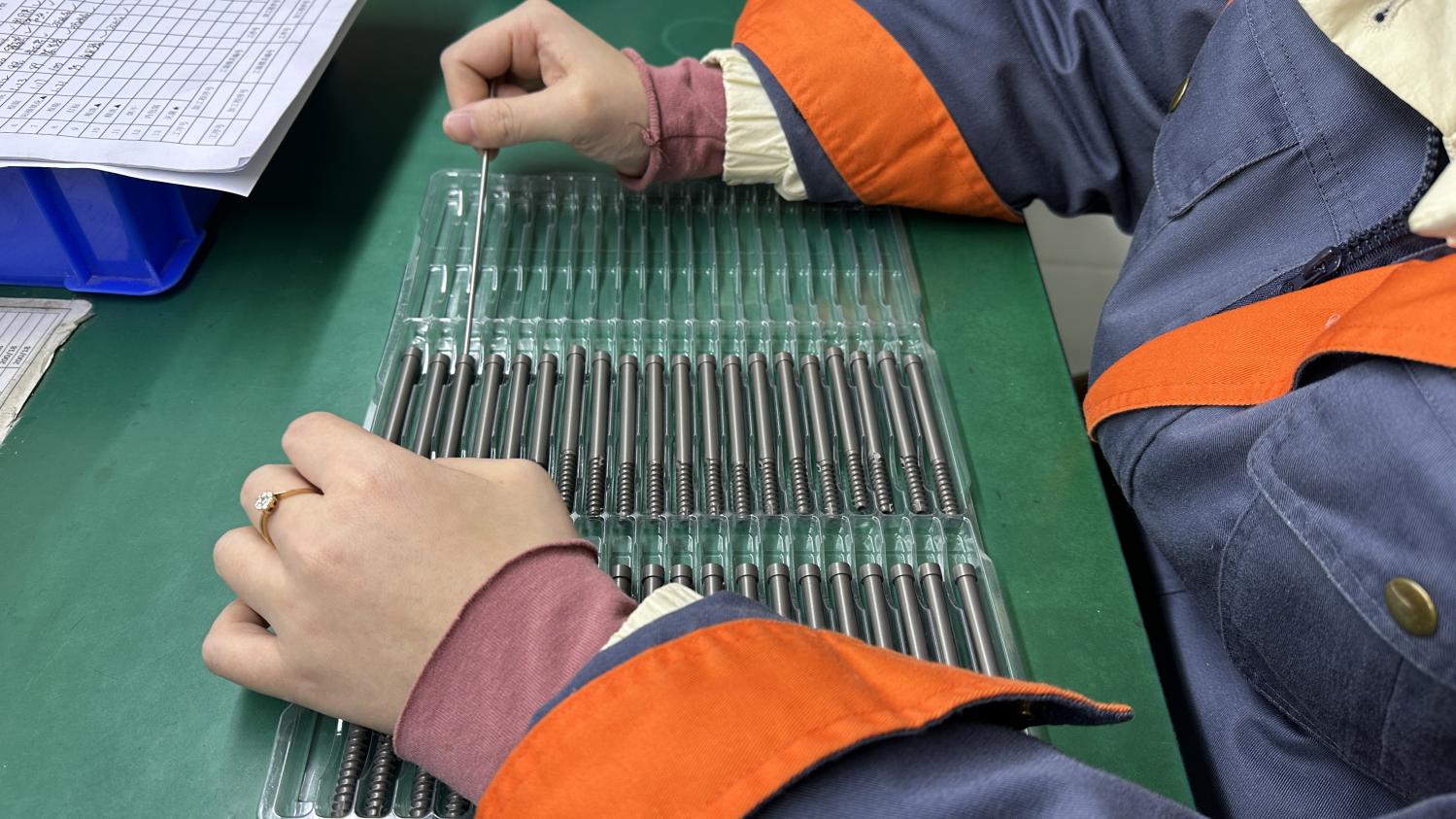
Utilizing high-end longitudinal Swiss-type lathes and multi-axis CNC machining centers, we achieve dimensional tolerances down to ±0.005mm. This degree of control prevents stripped heads and ensures ideal thread-form match in bone screws.
Our long-term agreements with Tier-1 medical titanium suppliers guarantee priority access to certified Grade 5 ELI Titanium and cobalt-chromium-molybdenum alloys. This helps insulate our clients from global metal price fluctuations.
Our team of 85 design engineers accelerates the New Product Introduction (NPI) cycle. We can transform custom client blueprints into clinically testing-ready prototypes within 15 to 20 business days.
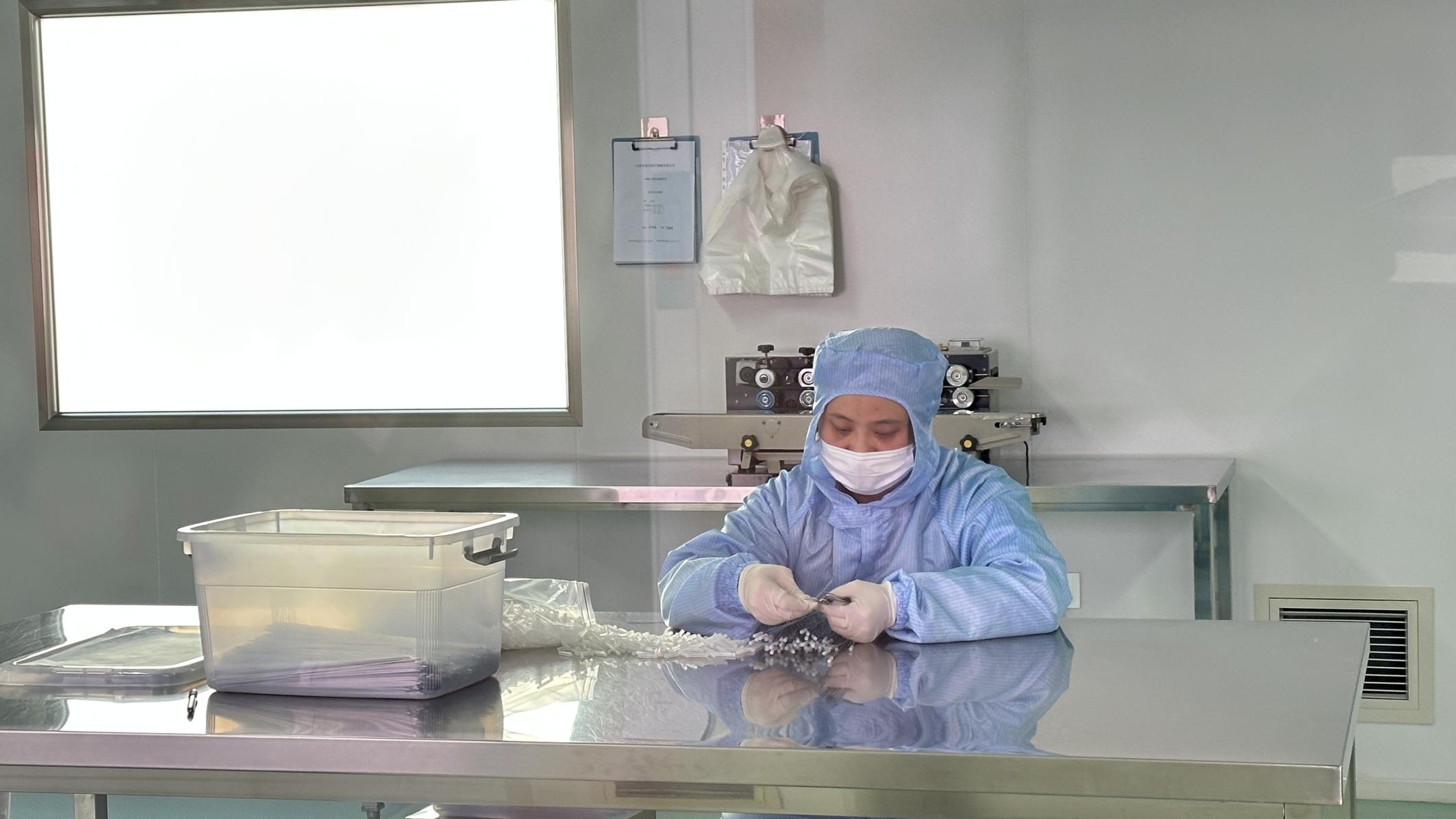
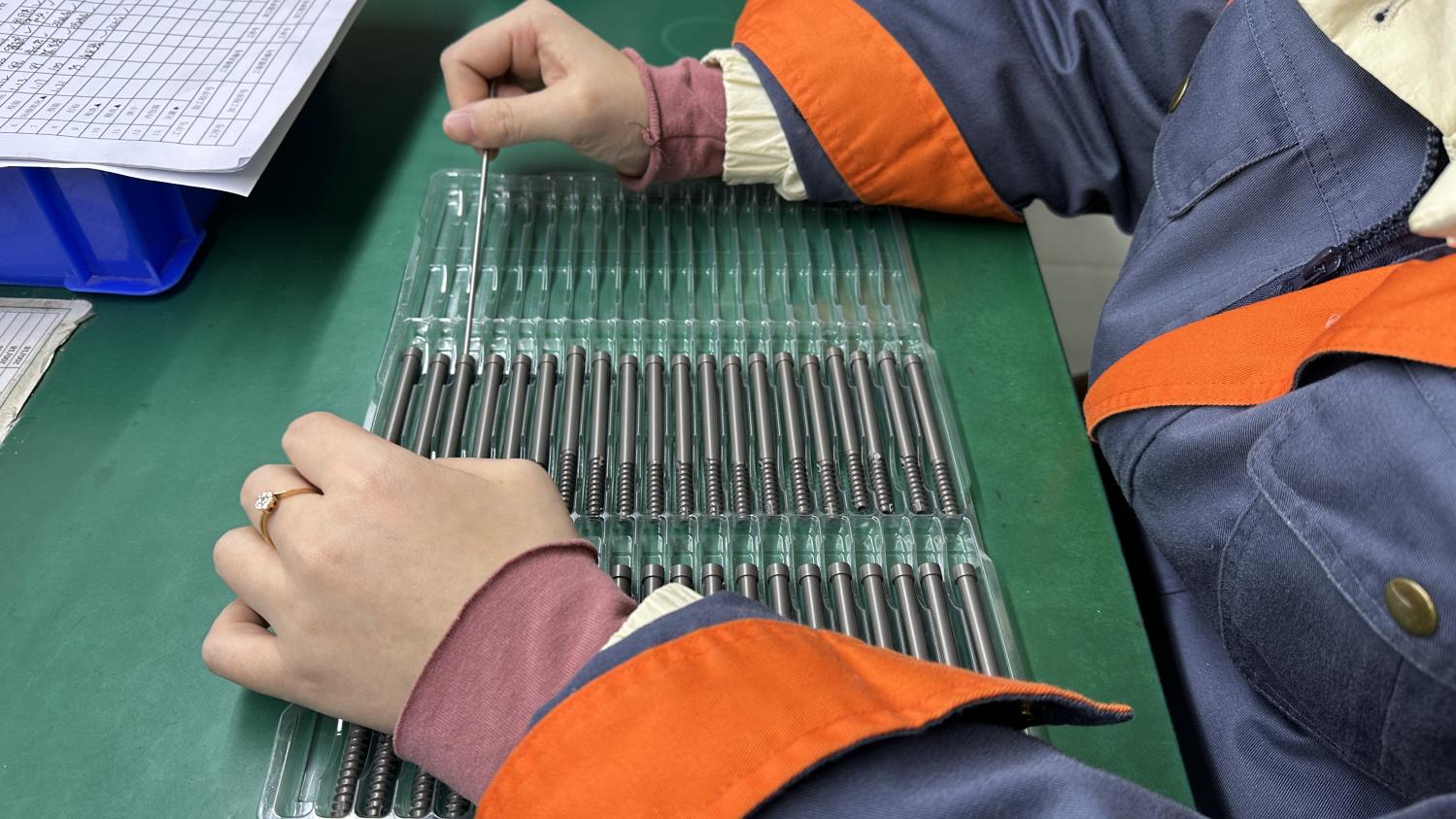
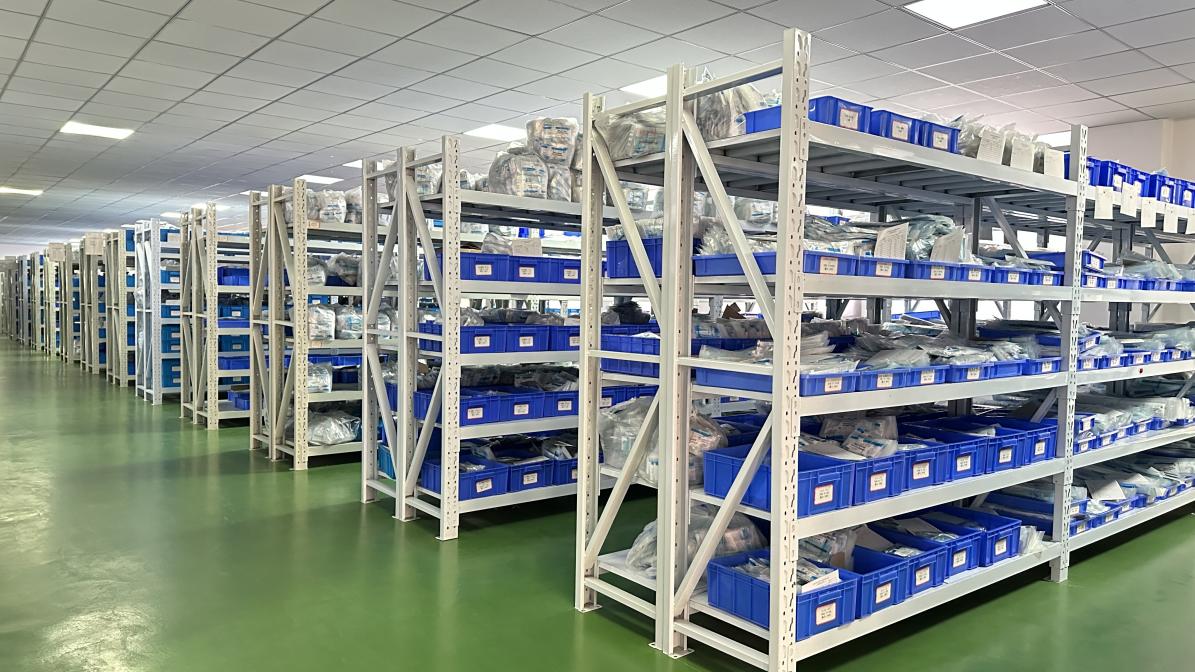
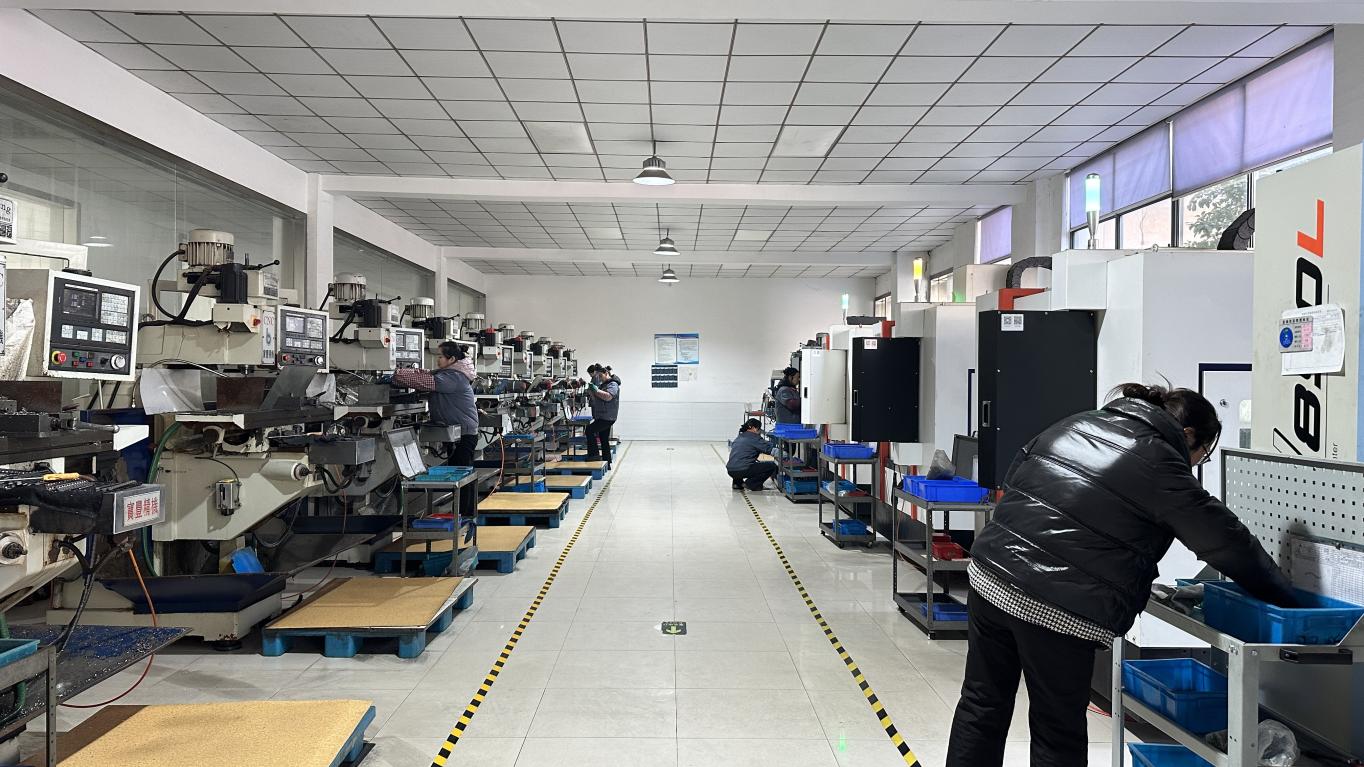
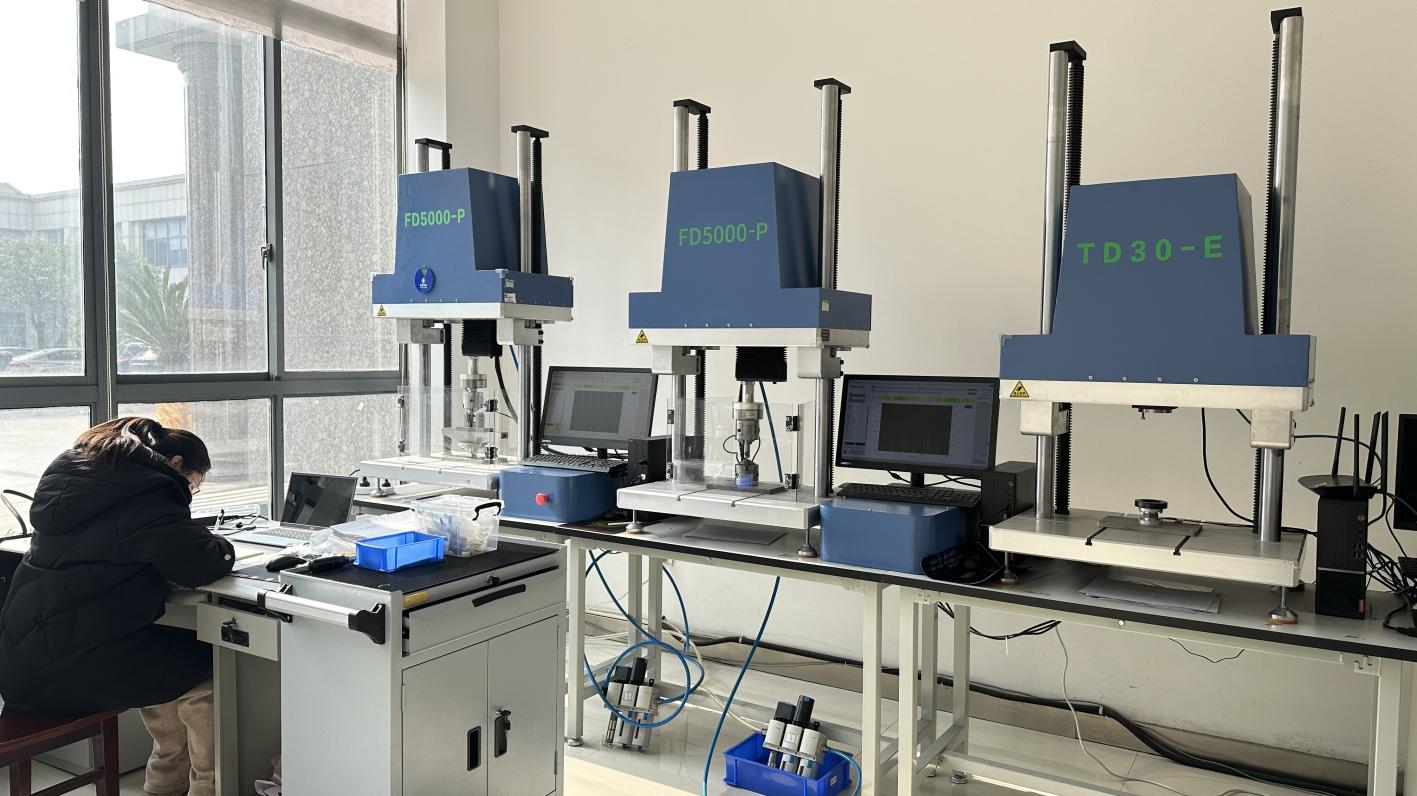
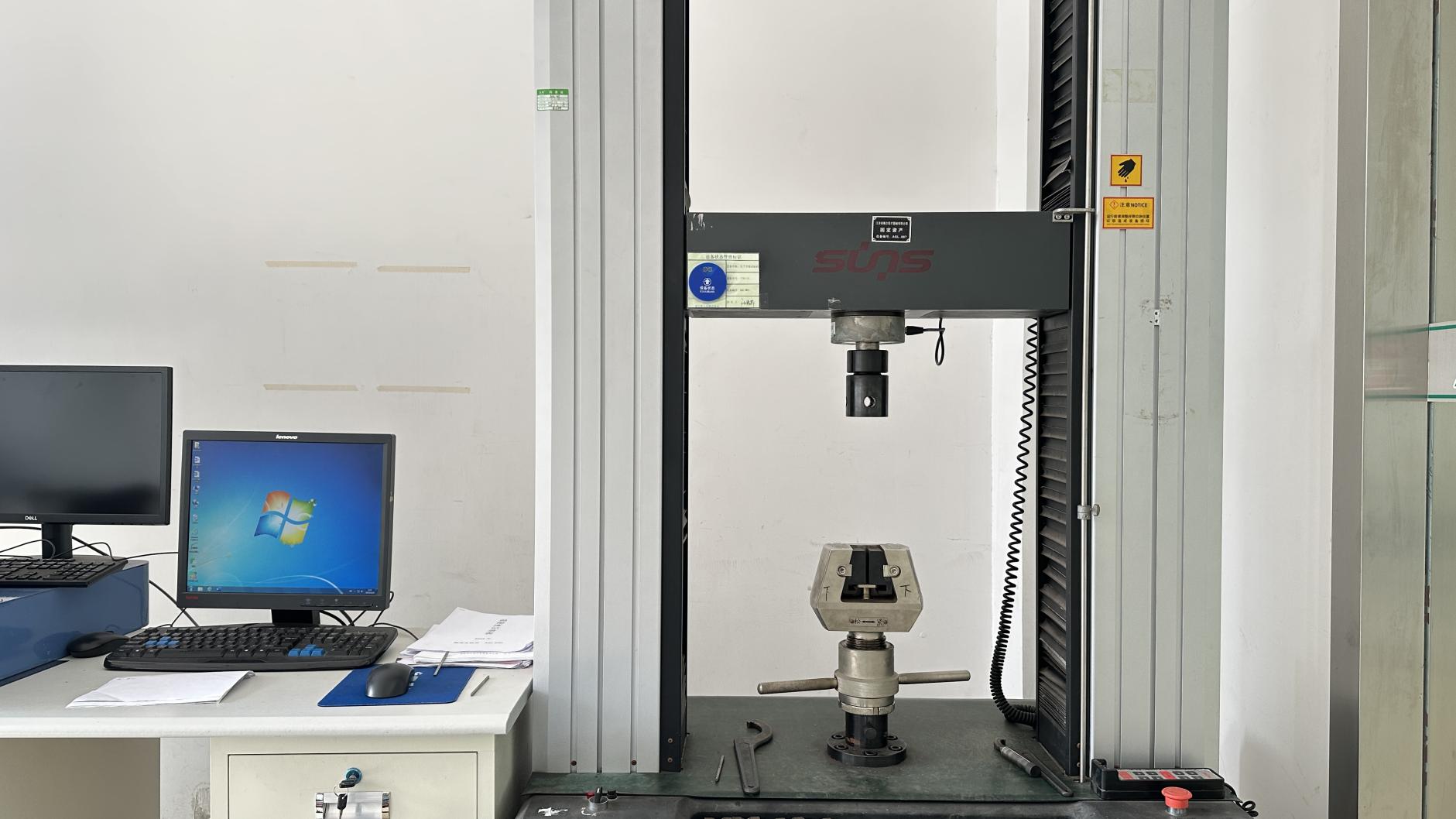
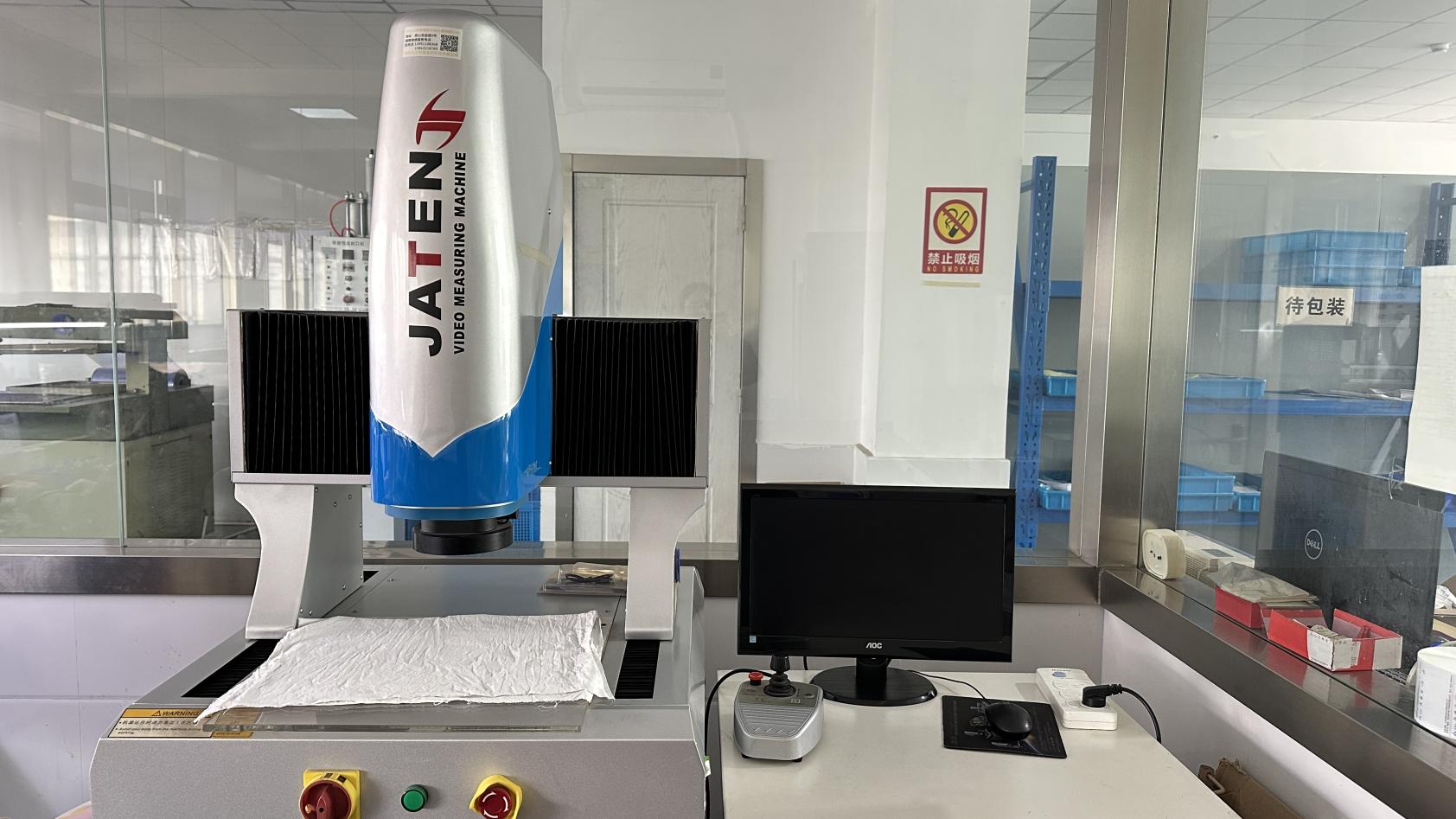
A detailed view of our vertically integrated manufacturing facility, showing stages from raw metal slitting through advanced mechanical testing.
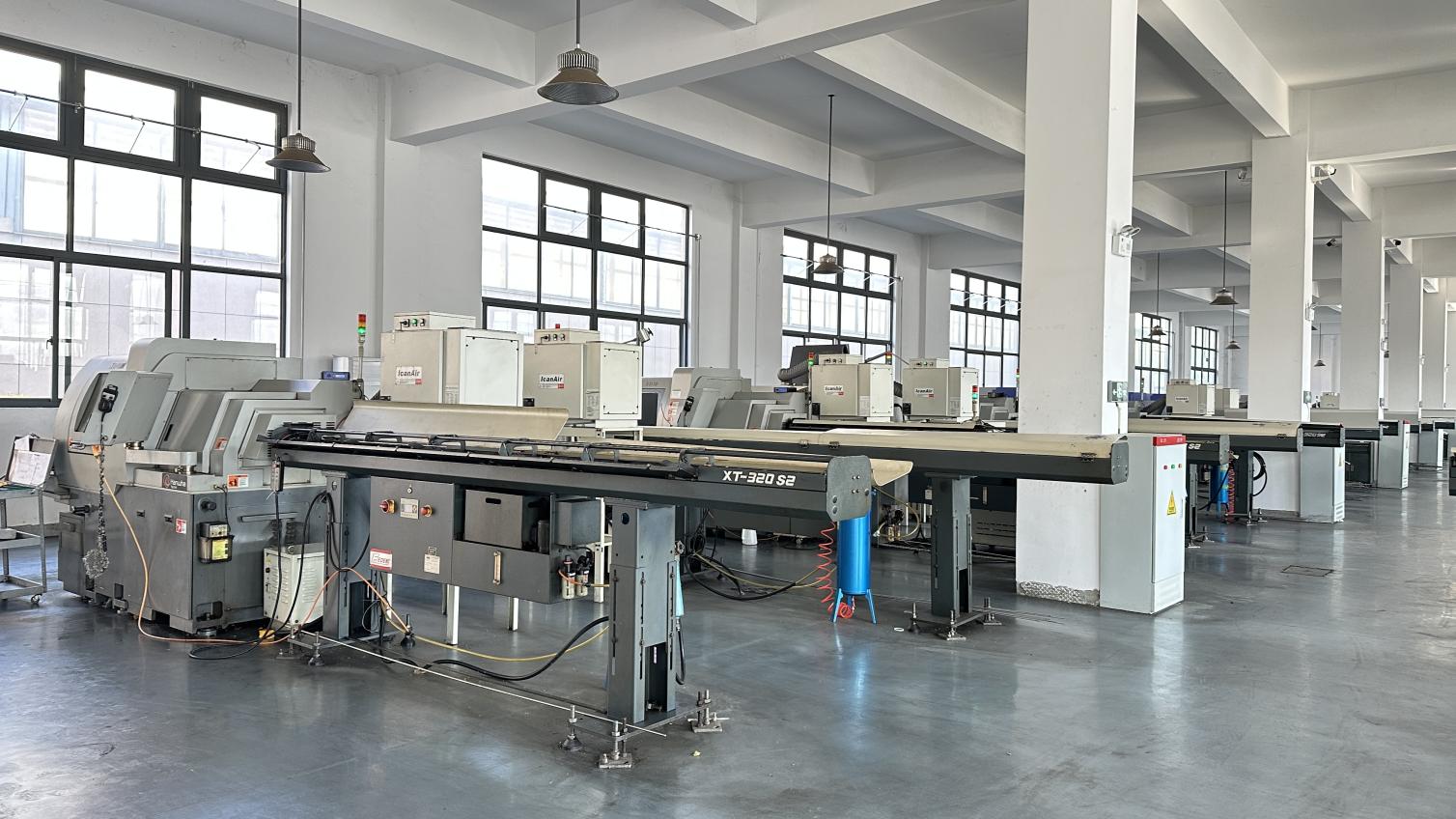
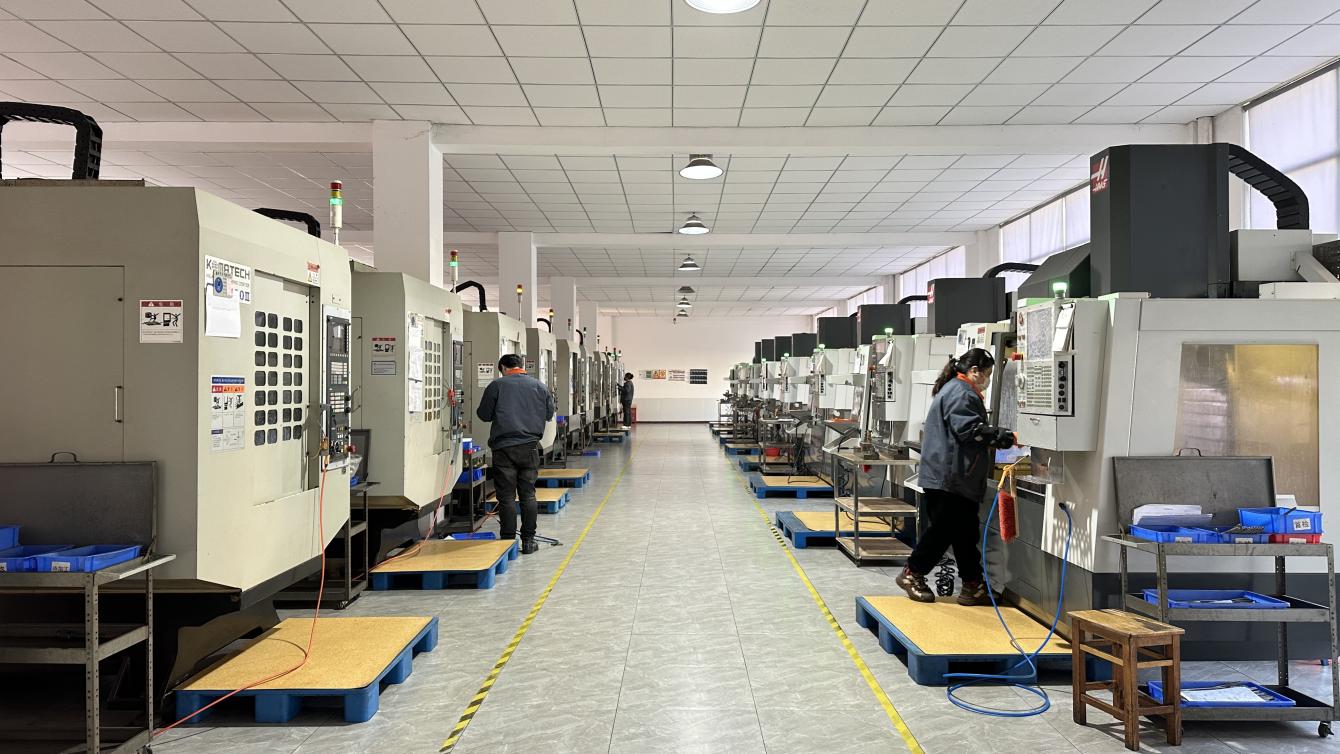
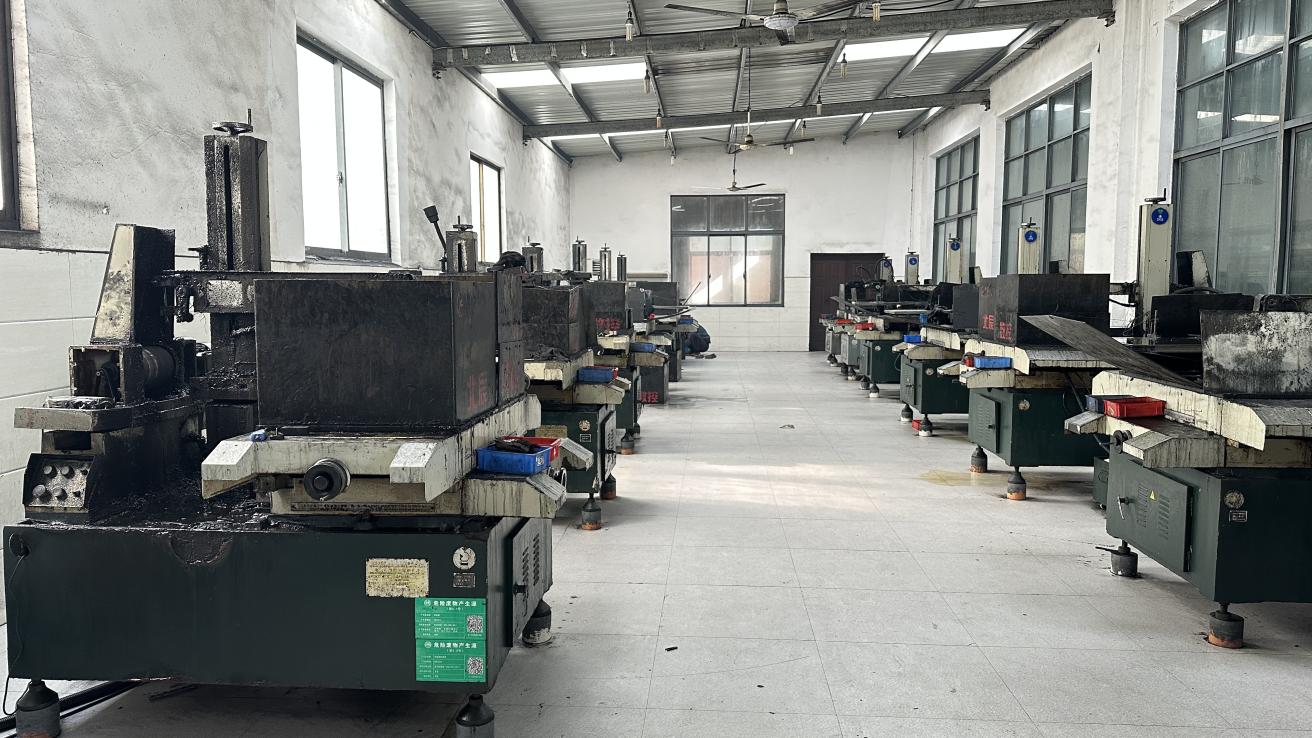
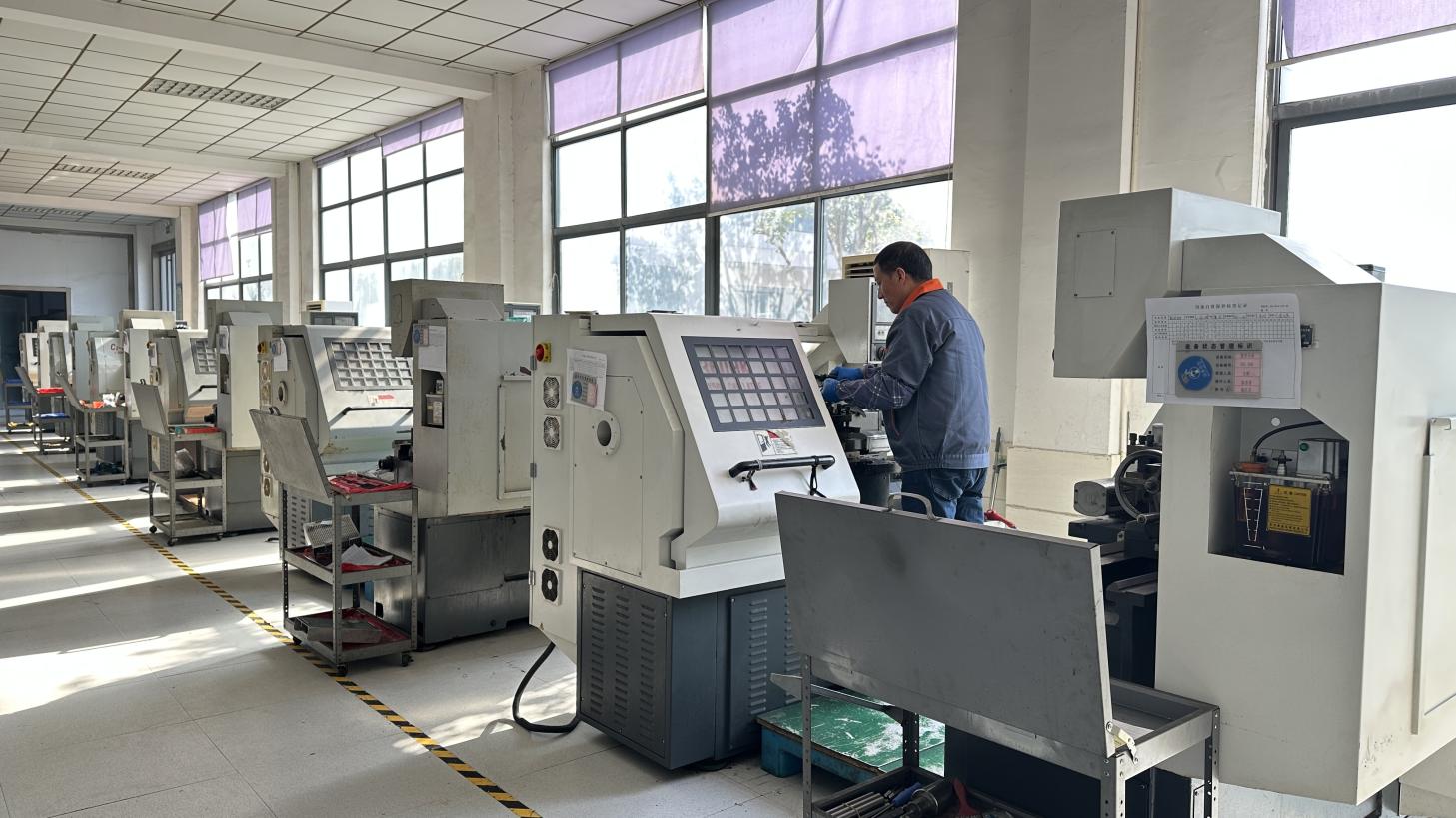
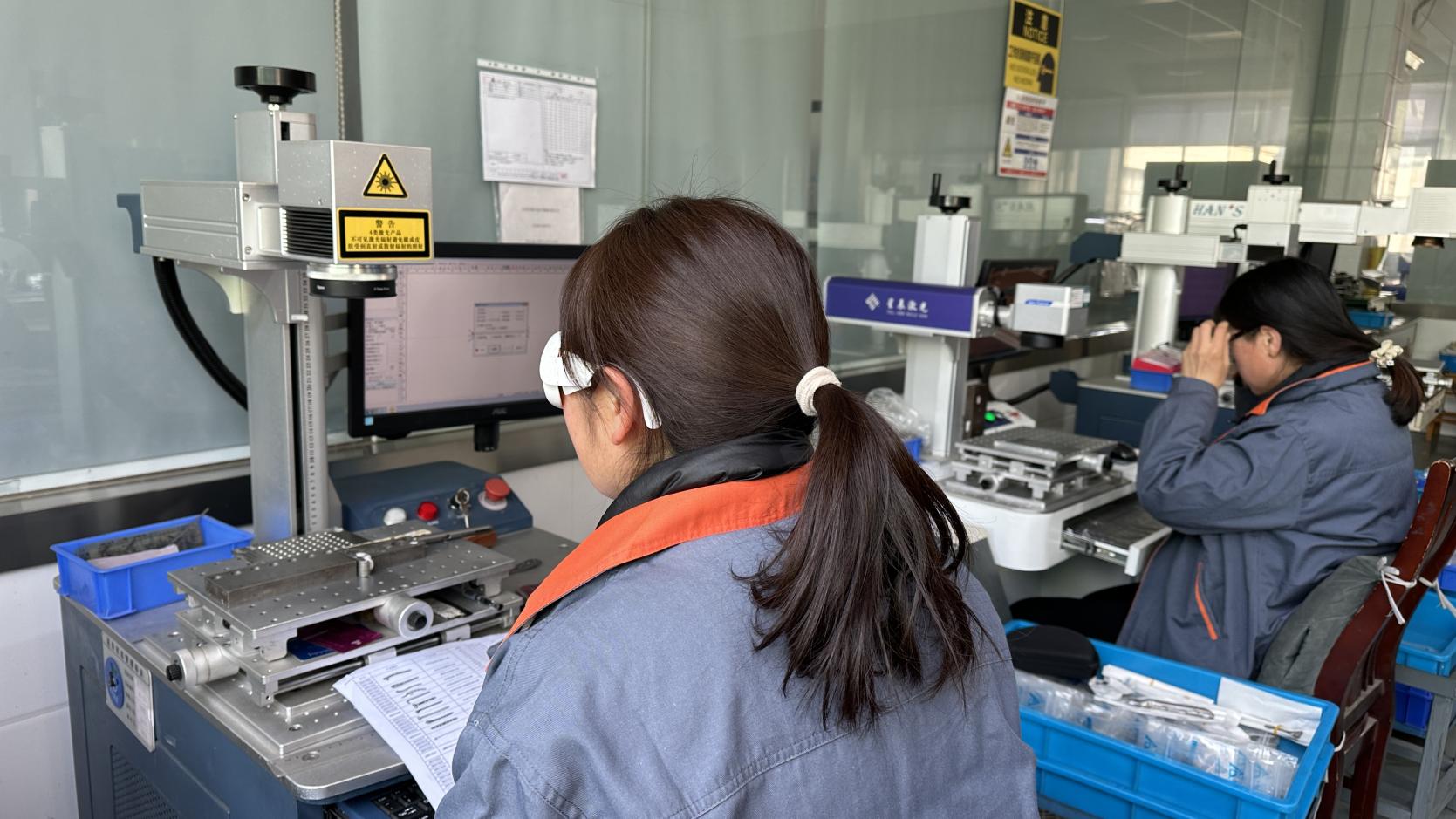

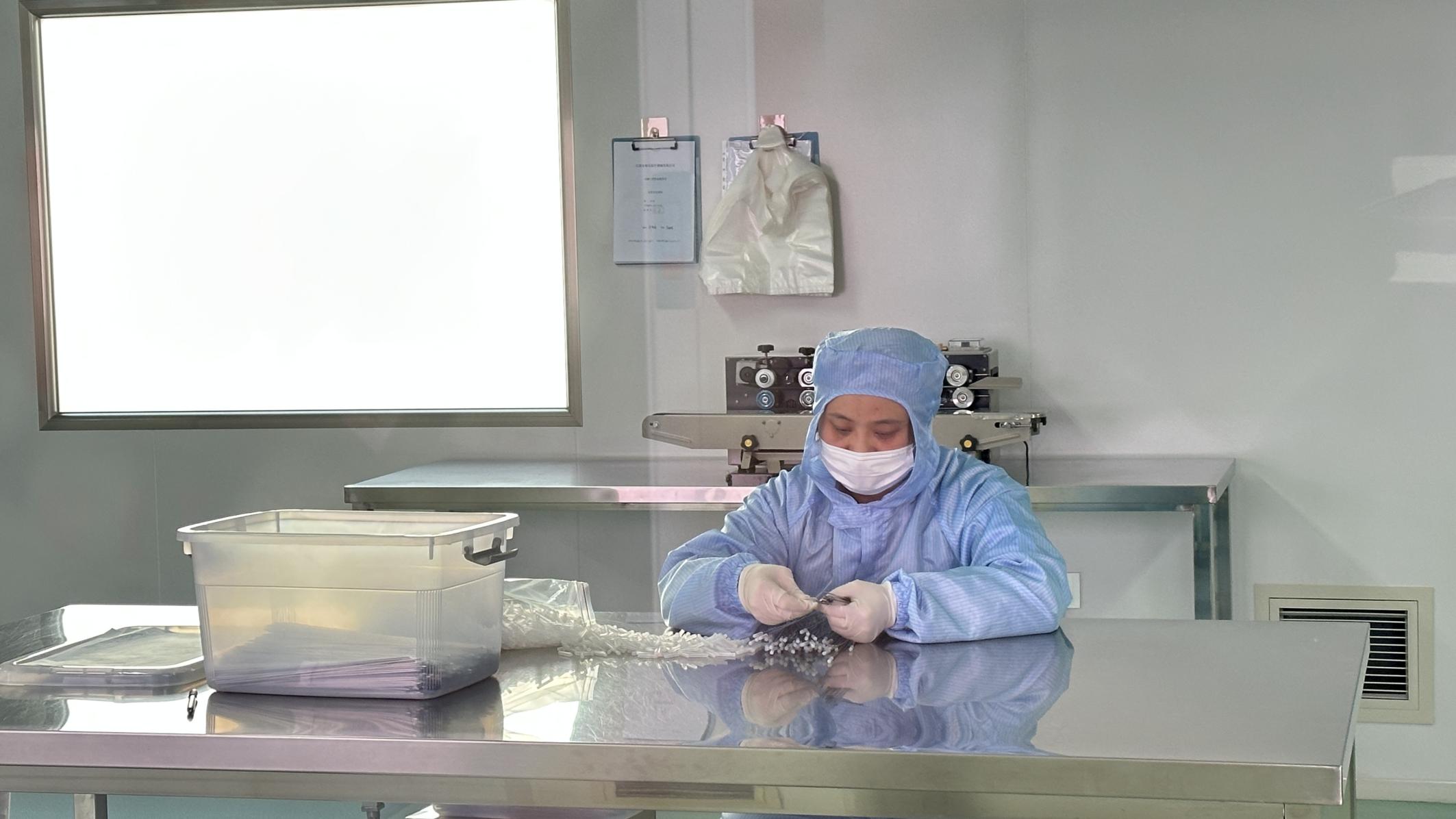
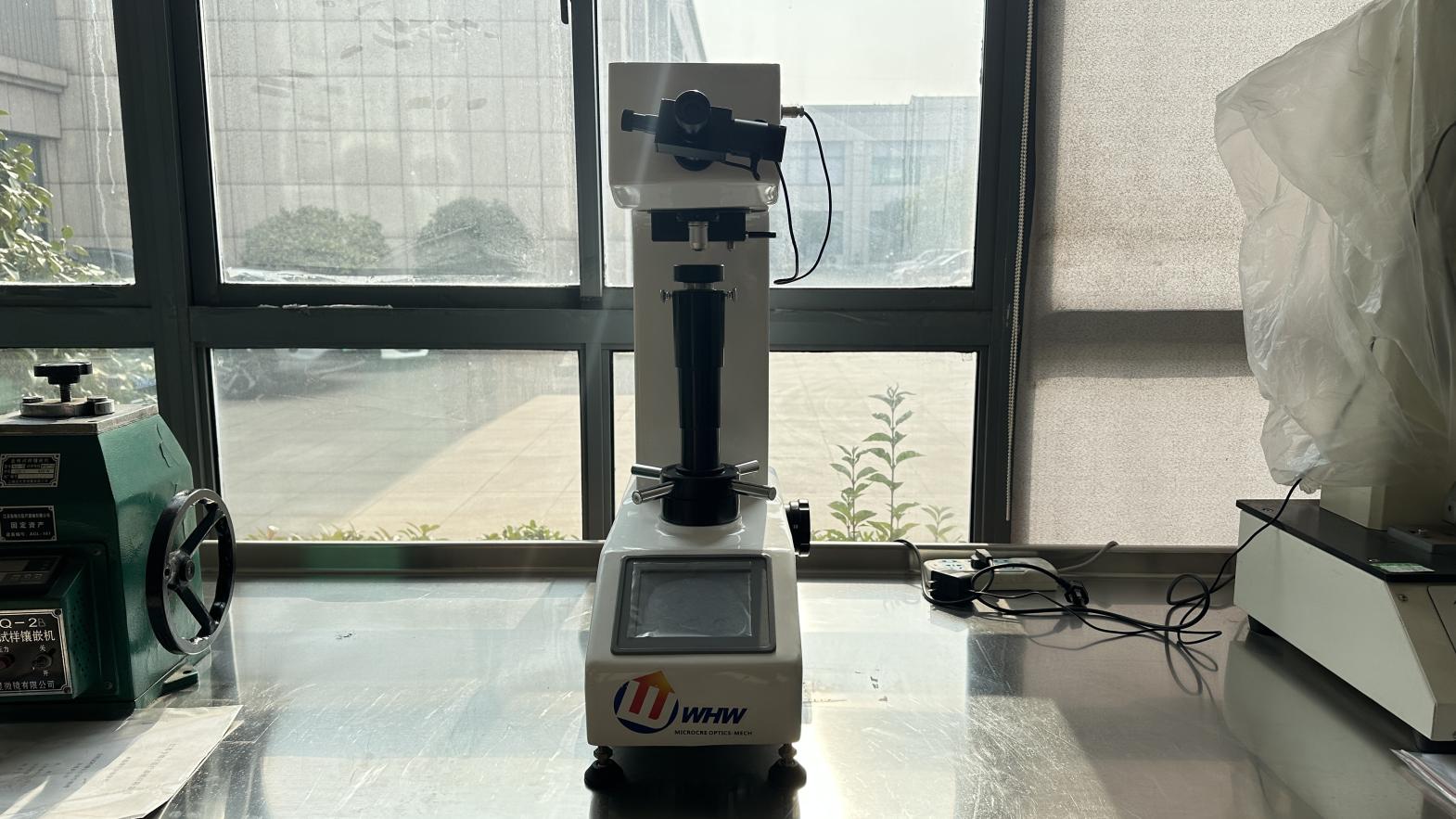
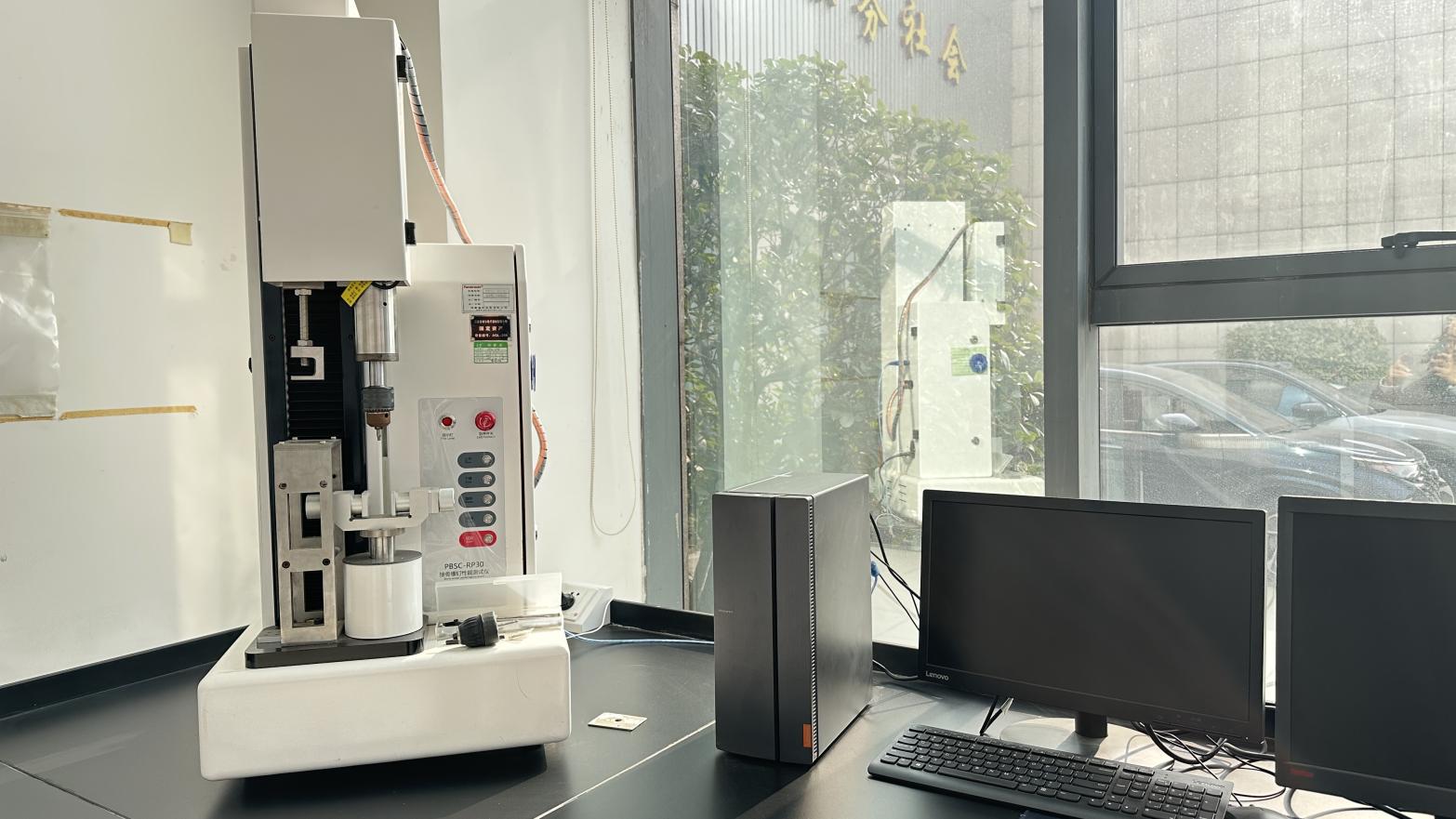
How Medisplint bone screws perform across distinct anatomical sites and veterinary applications.
Orthopedic operations present unique mechanical demands depending on the target bone structure and patient biology. Medisplint self-tapping screws are designed with specialized thread profiles and drive head geometries to ensure reliable stability across varied conditions:
By adjusting factors like flute depth, pitch distance, and head recess geometry (e.g., Star/Torx drive vs. Hexagonal drive), we ensure that every implant provides optimal insertion torque and high stripping resistance for the surgeon.
The next frontier in orthopedic osteosynthesis: minimizing second-look operations and maximizing biological osseointegration.
The orthopedic implant industry is shifting away from permanent metallic hardware toward biomimetic and transient fixation systems. The primary driver of this evolution is the desire to avoid secondary hardware removal surgeries, which carry risks of infection, anesthetic complications, and additional healthcare costs.
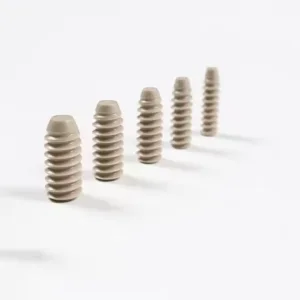
1. Bioabsorbable Polymers (PEEK & PLGA): Amorphous PEEK (polyether ether ketone) and bioabsorbable polymers like poly(L-lactide-co-glycolide) (PLGA) are increasingly used in sports medicine. These materials maintain mechanical integrity during the critical healing window (typically 12 to 24 weeks) before hydrolytically degrading into non-toxic byproducts that are processed and excreted by the body. Medisplint is expanding its class III cleanroom molding capacities to produce bioabsorbable interference screws with precise degradation profiles.
2. Bioactive Surface Functionalization: For permanent titanium implants, modern surgeons favor advanced surface treatments. Processes like Type II anodization, acid etching, and Hydroxyapatite (HA) coating create a sub-micron rough surface. This surface promotes early osteoblast adhesion and acceleration of bone-to-implant contact (BIC), leading to faster patient recovery and reduced risk of aseptic loosening.
A multi-stage quality control structure ensures every production batch conforms to international clinical parameters.
Medisplint maintains a team of 42 QC inspectors operating within an ISO 13485 framework. The quality control process is structured into four distinct phases to ensure consistent performance and safety:
This systematic verification process minimizes clinical risks and ensures that our OEM/ODM products meet global regulatory expectations.
Addressing core regulatory, mechanical, and logistical questions from global orthopedic procurement officers and distributors.
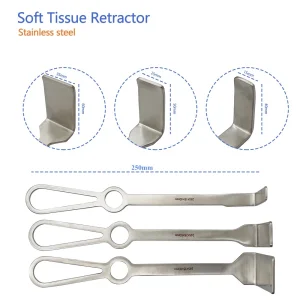
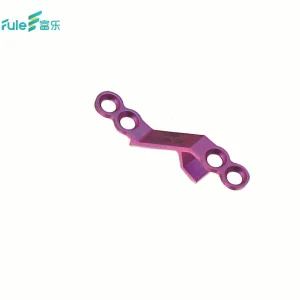
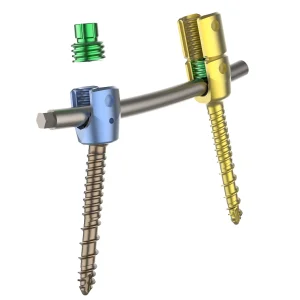
Explore our additional surgical systems, including bone drills, intramedullary nails, cervical plates, and specialized retraction systems.