Medisplint
Medisplint
Medisplint
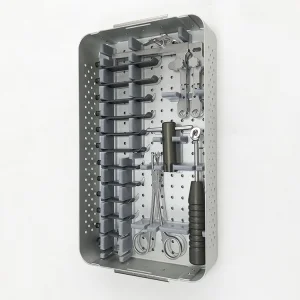
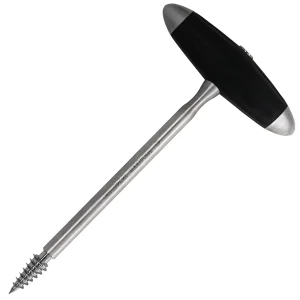
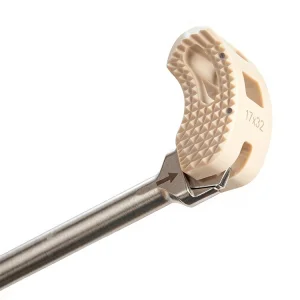
Geasure Orthopedic Surgical Implants Spine System TLIF Cage Titanium Alloy Class III 1 Year Warranty
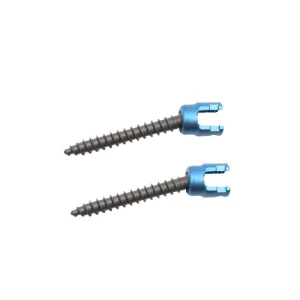
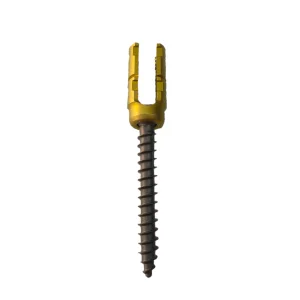
Geasure Ortopedia 6.0 Spinal Polyaxial Pedicle Screw Titanium Alloy Spinal Screw
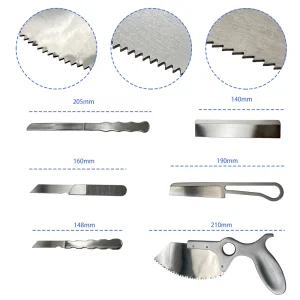
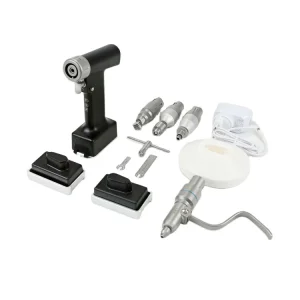
Orthopedics Hand Saw Bone Cutting Saw Blade Stainless Steel Veterinary Surgical Cutting Tool
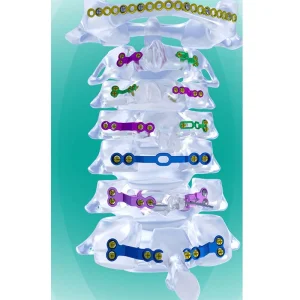
High Quality Posterior Cervical Laminoplasty Surgical System for Enhanced Spinal Decompression
Founded in 2016, Medisplint Orthopedic Instruments Co., Ltd. has established itself as an authoritative leader in the development, manufacturing, and global supply of precision-engineered orthopedic implants and surgical instruments. Spanning a modern 18,500 square meter state-of-the-art facility, Medisplint leverages advanced Swiss CNC technologies, automated manufacturing corridors, and rigorous metallurgic verification to design high-performance implants for trauma, spine, and joint arthroplasty.
With an annual export volume reaching approximately USD 12 million, over a decade of domain expertise, and deep integration with more than 1,200 supply chain stakeholders, Medisplint stands as the premium OEM/ODM manufacturing partner of choice for Class I, II, and III orthopedic devices. Our products support trauma surgeons and clinical centers across Europe, Southeast Asia, South America, and the Middle East.
"In the past fiscal year alone, our engineering division spearheaded the design, optimization, and successful commercialization of 68 new orthopedic components, enabling partners globally to capture high-margin clinical sectors."
The international orthopedic market is seeing unprecedented growth, driven by an aging global population, rising rates of high-energy sports and vehicular accidents, and growing demand for minimally invasive surgeries. B2B procurement in this space requires navigating complex technical requirements and regulatory changes.
Global medical distributors frequently struggle with sub-standard biocompatibility tests, inconsistent dimensional tolerances, regulatory documentation gaps (like CE MDR and FDA 510k), and unreliable lead times that disrupt surgical center inventories.
Uncompromised trace element control in Titanium Alloys (ASTM F136 / ISO 5832-3) is critical. Suppliers must deliver verified raw materials to guarantee tensile strength and prevent intraoperative component failure.
We address these challenges by providing fully certified raw materials, absolute trace document visibility, automated high-precision manufacturing, and an experienced technical support team to guide clients through registration and launch.
| Feature Category | Common Market Standards | Medisplint Manufacturing Specifications | Value Provided to Clients |
|---|---|---|---|
| Materials Utilized | Commercial Grade Titanium / Stainless Steel | Ultra-pure Titanium Alloy (Ti-6Al-4V ELI / ASTM F136), PEEK-Optima, CoCrMo | Excellent biocompatibility, minimized corrosion risks, optimal mechanical strength. |
| Dimensional Tolerance | ±0.05 mm | High precision CNC tolerances within ±0.005 mm | Perfect compatibility between bone screws, plates, and surgical drivers. |
| Production Scalability | Manual single-axis systems, variable lead times | Multi-axis Swiss longitudinal lathes, 24/7 automated production runs | Shorter delivery schedules, highly consistent dimensions across large batches. |
| Quality Control Checkpoints | Final inspection checks only | Full life cycle inspection: Incoming materials verification, IPQC, FQC, and 100% video-inspection | Traceable batches, virtually zero-defect delivery, compliant with hospital audits. |
From premium raw bars to sterile packaging, Medisplint controls the entire manufacturing value chain. We ensure complete dimensional precision, structural safety, and surface finish consistency for all orthopedic implants.
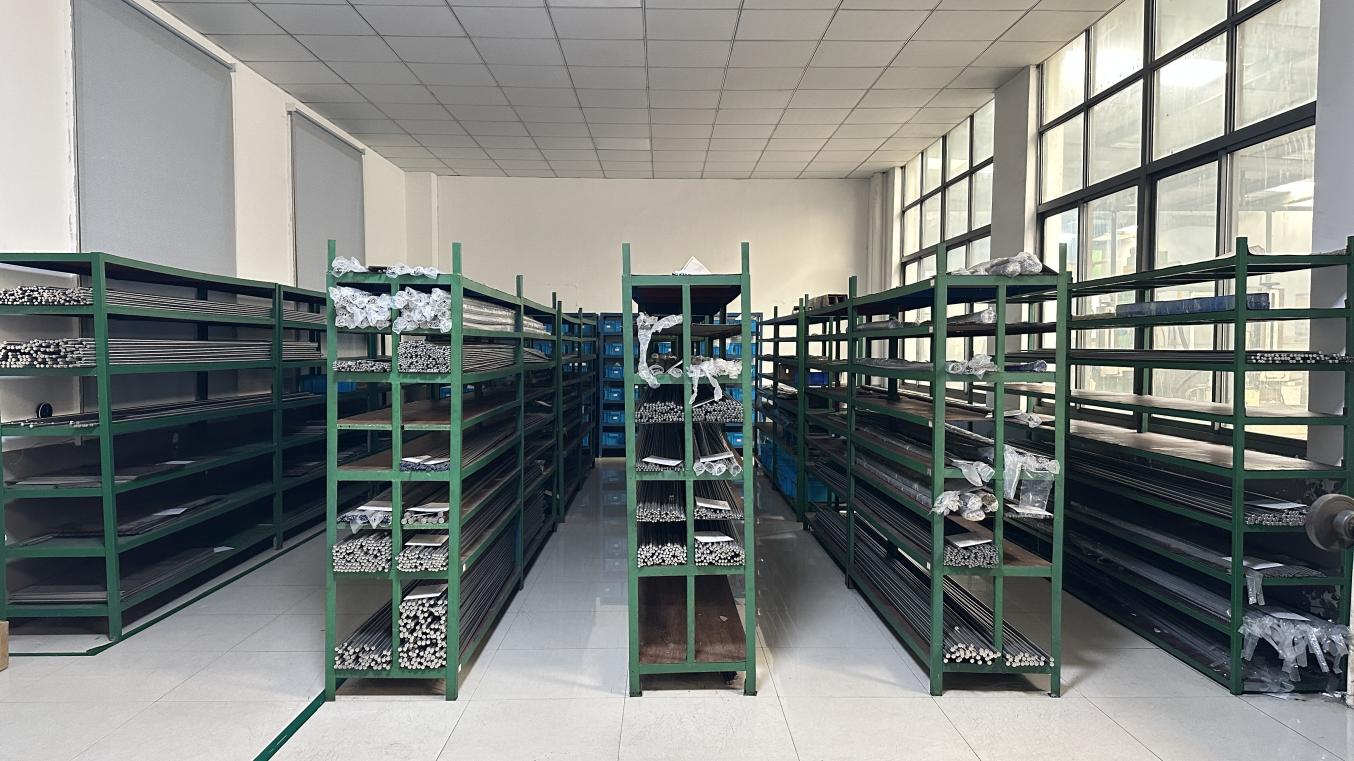
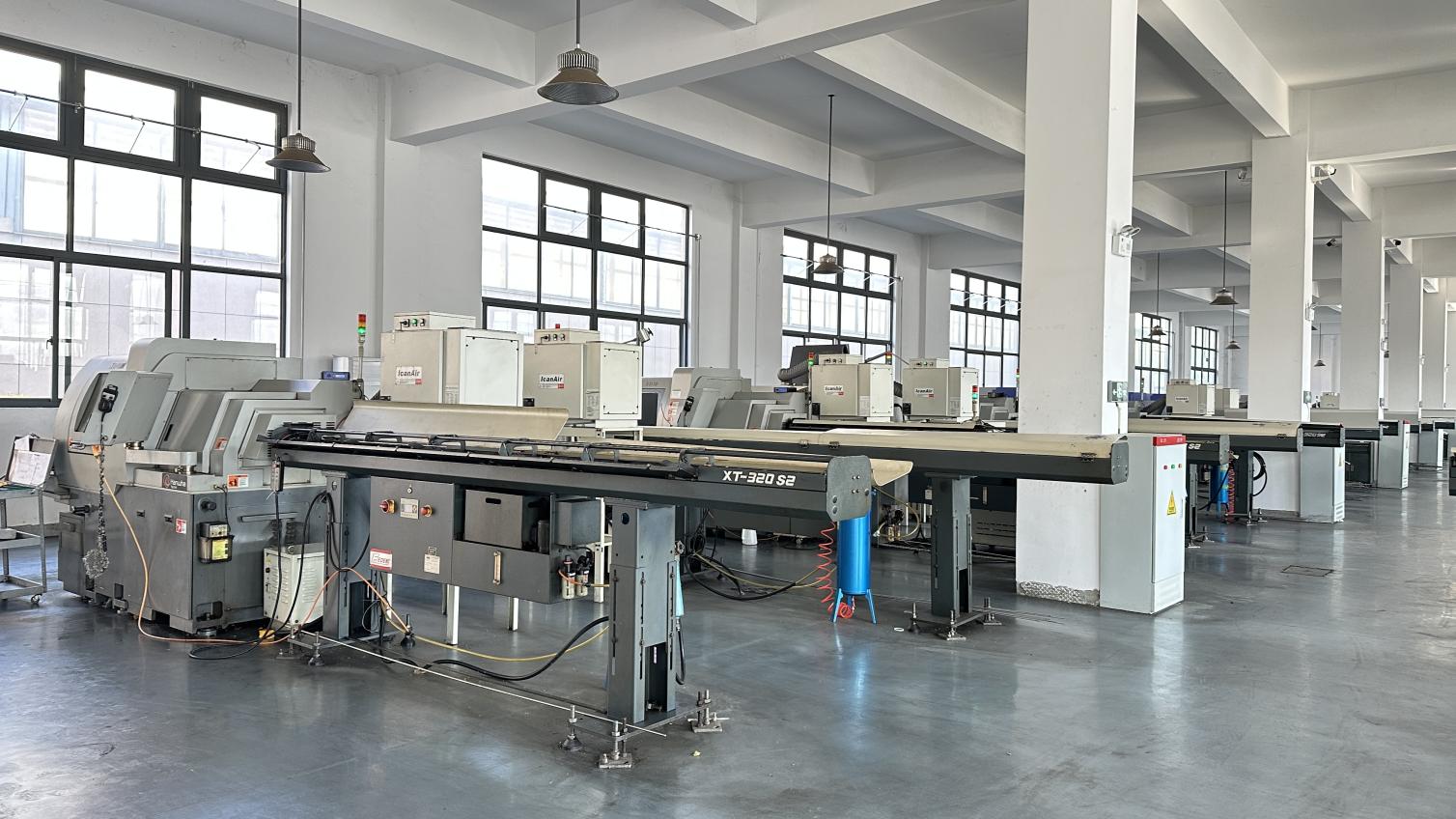
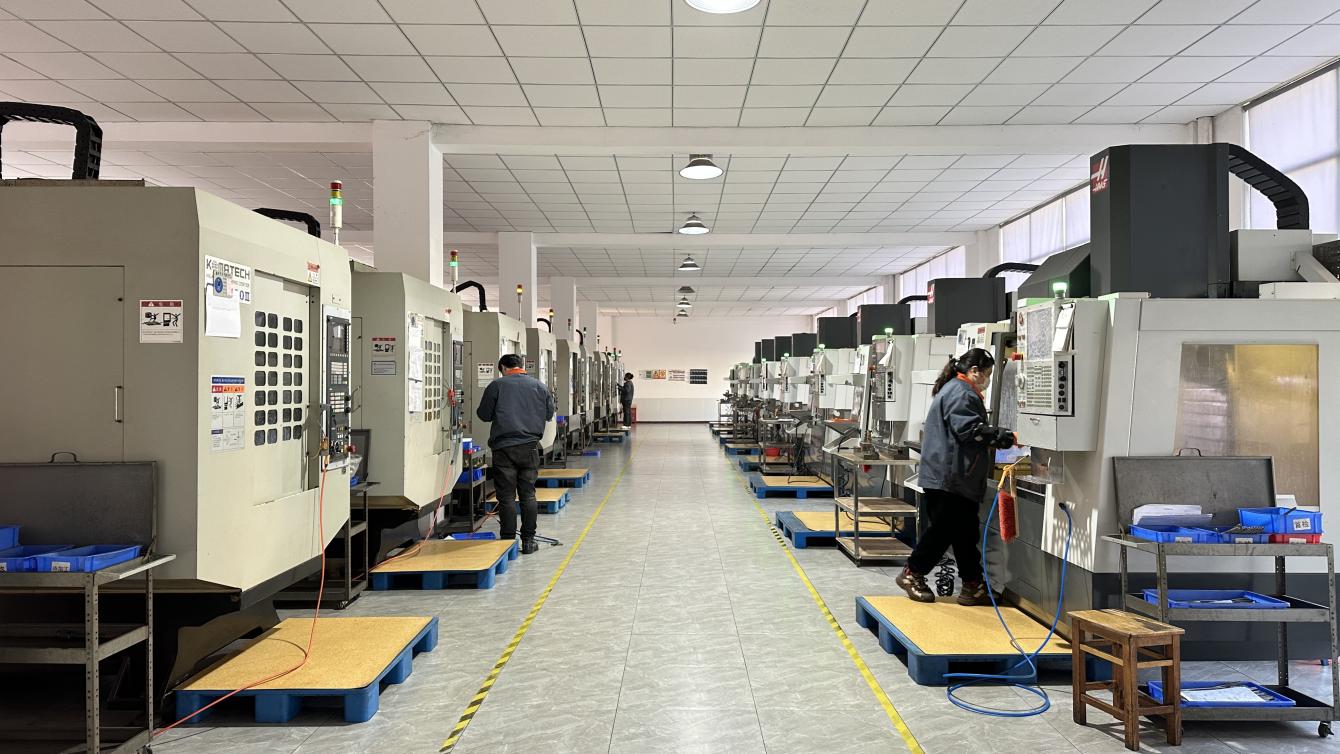
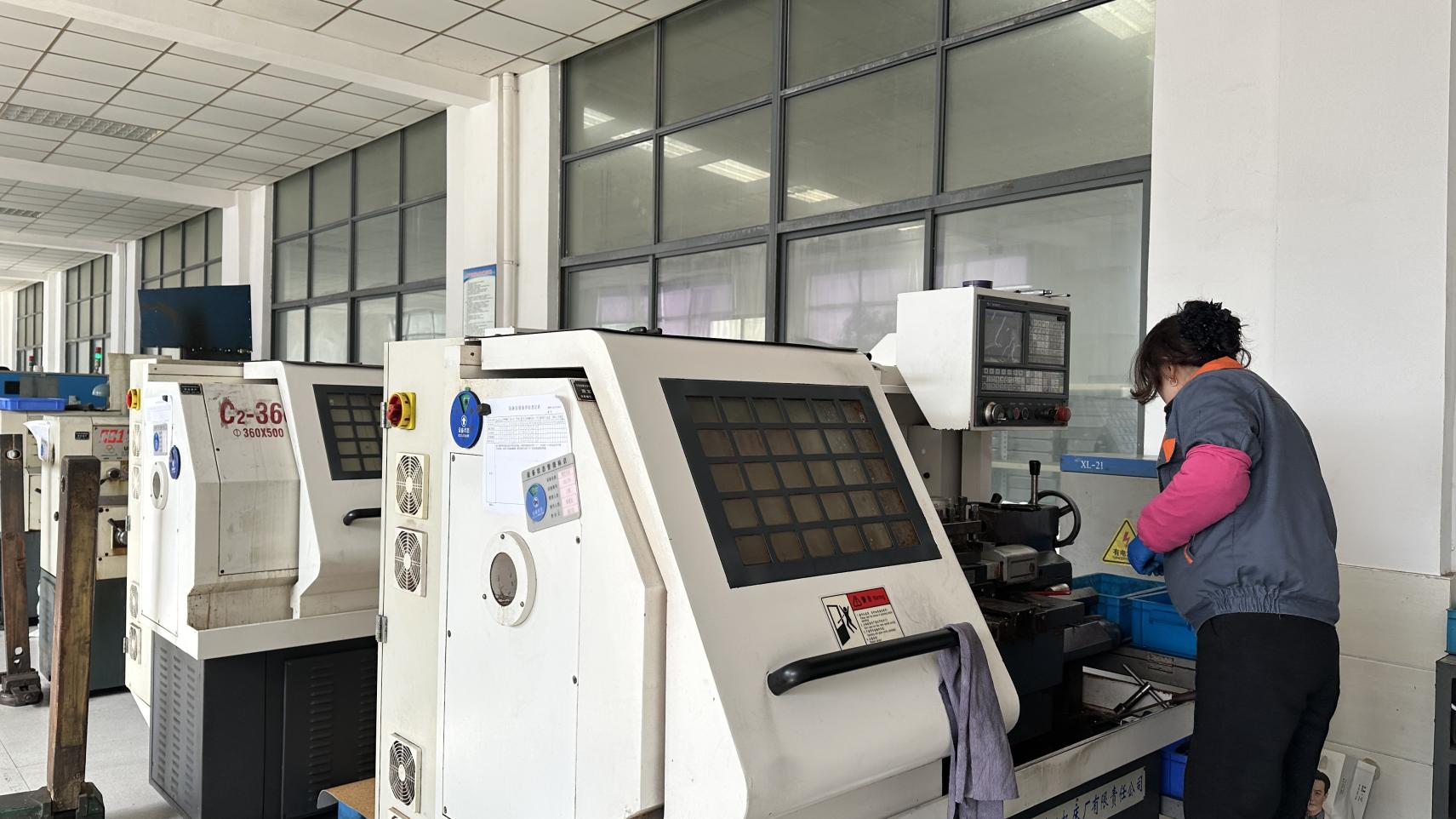
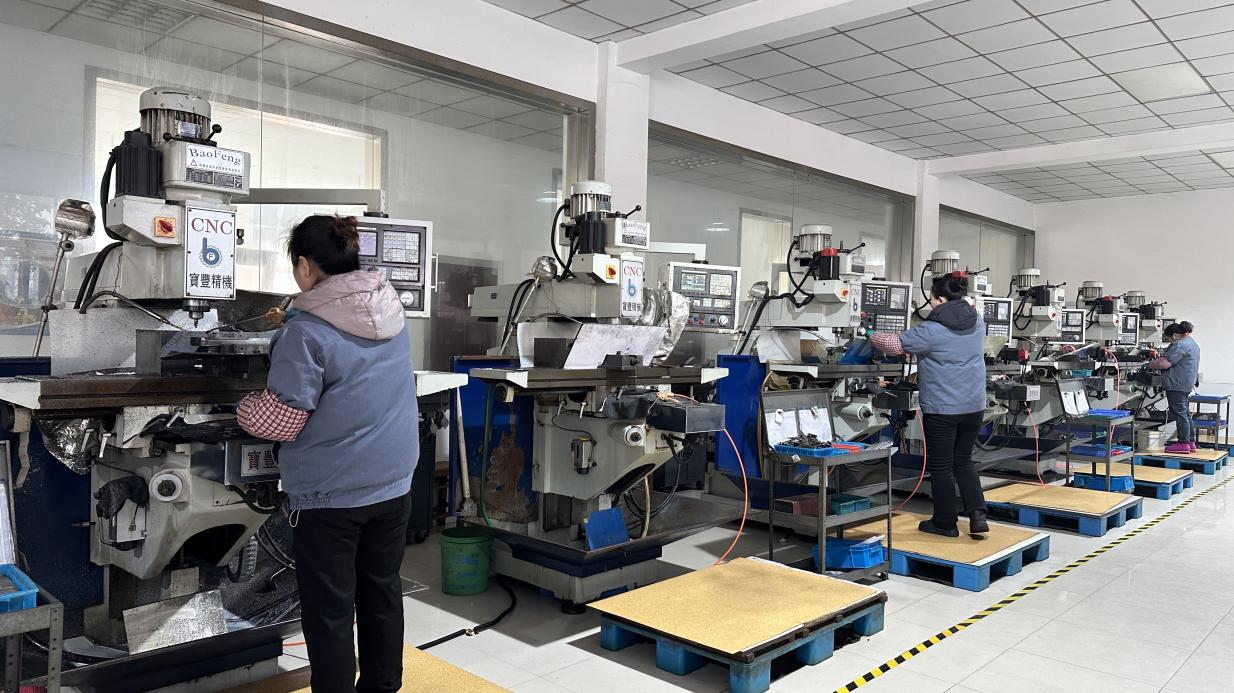
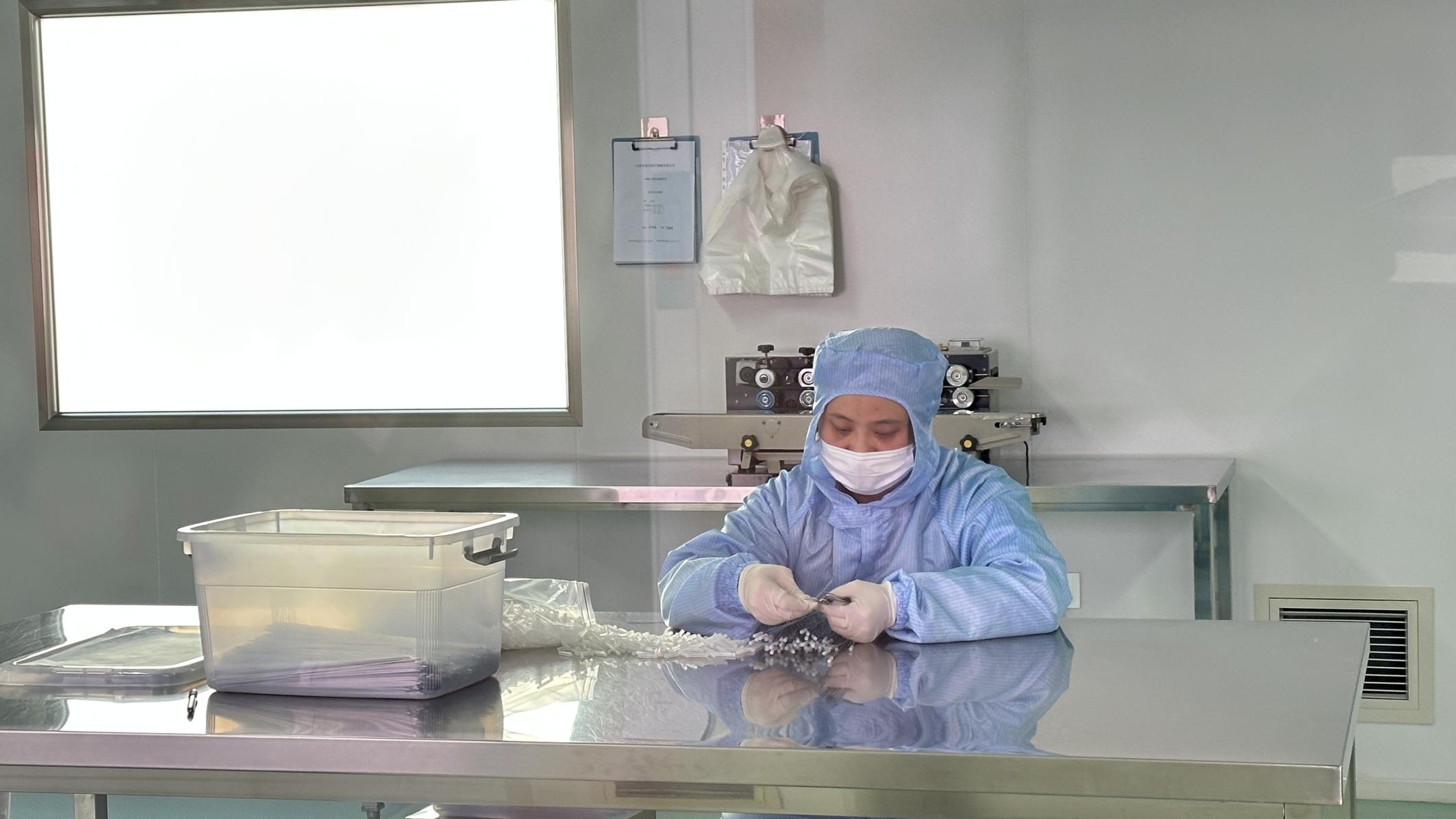
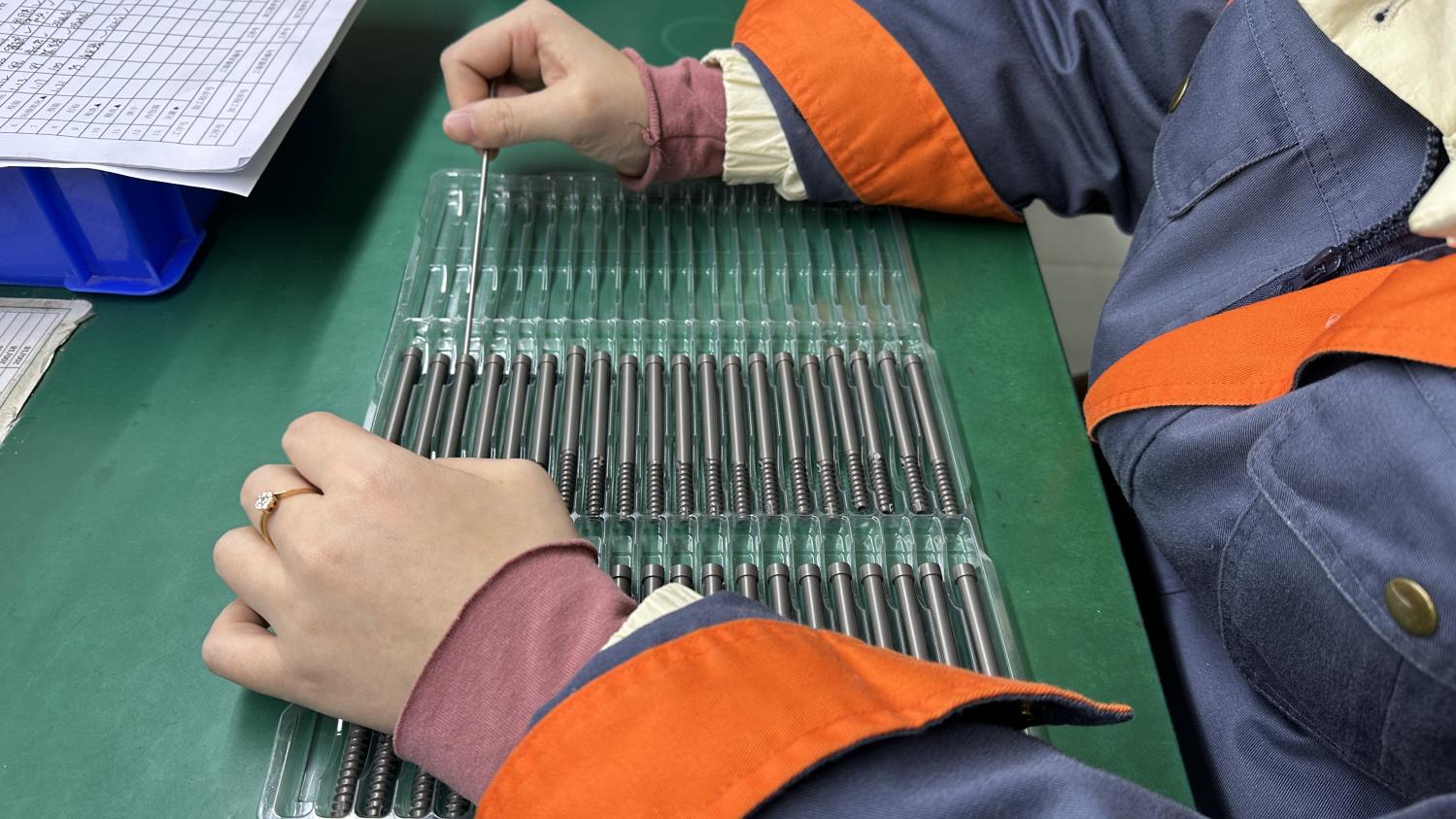
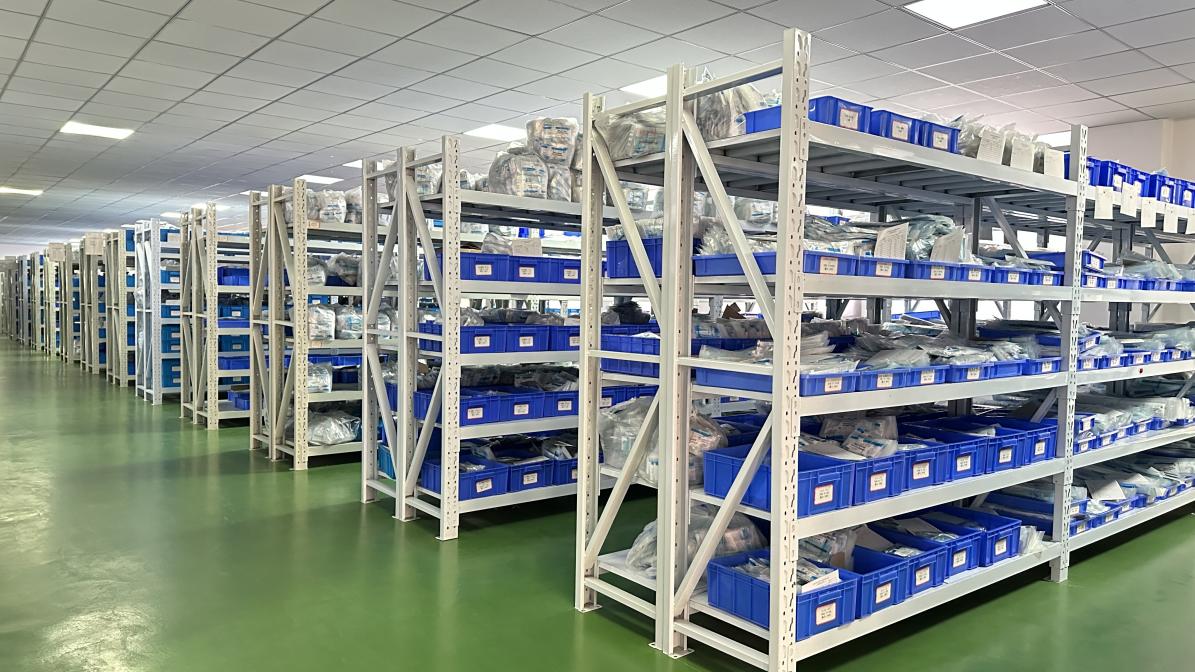
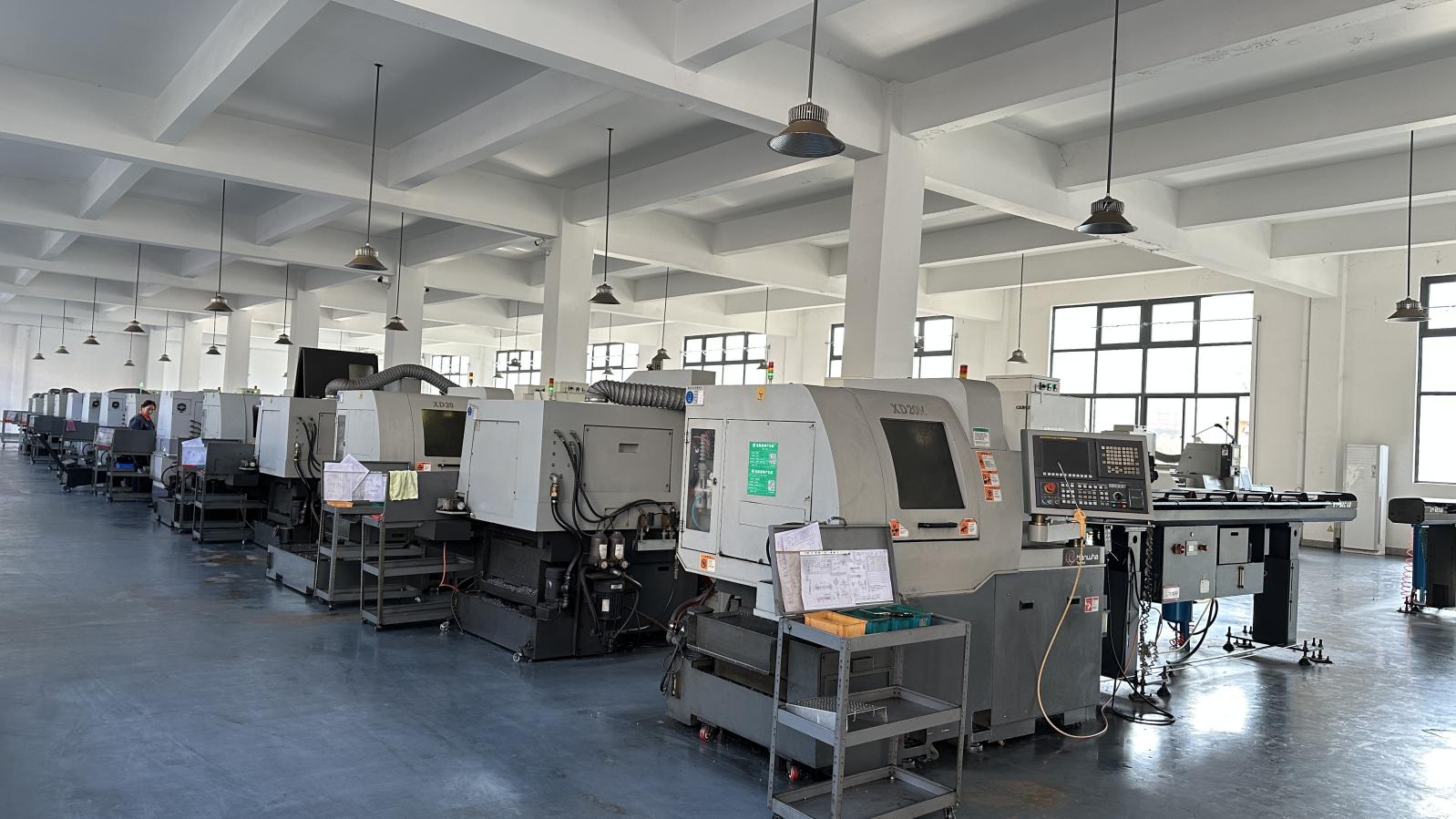
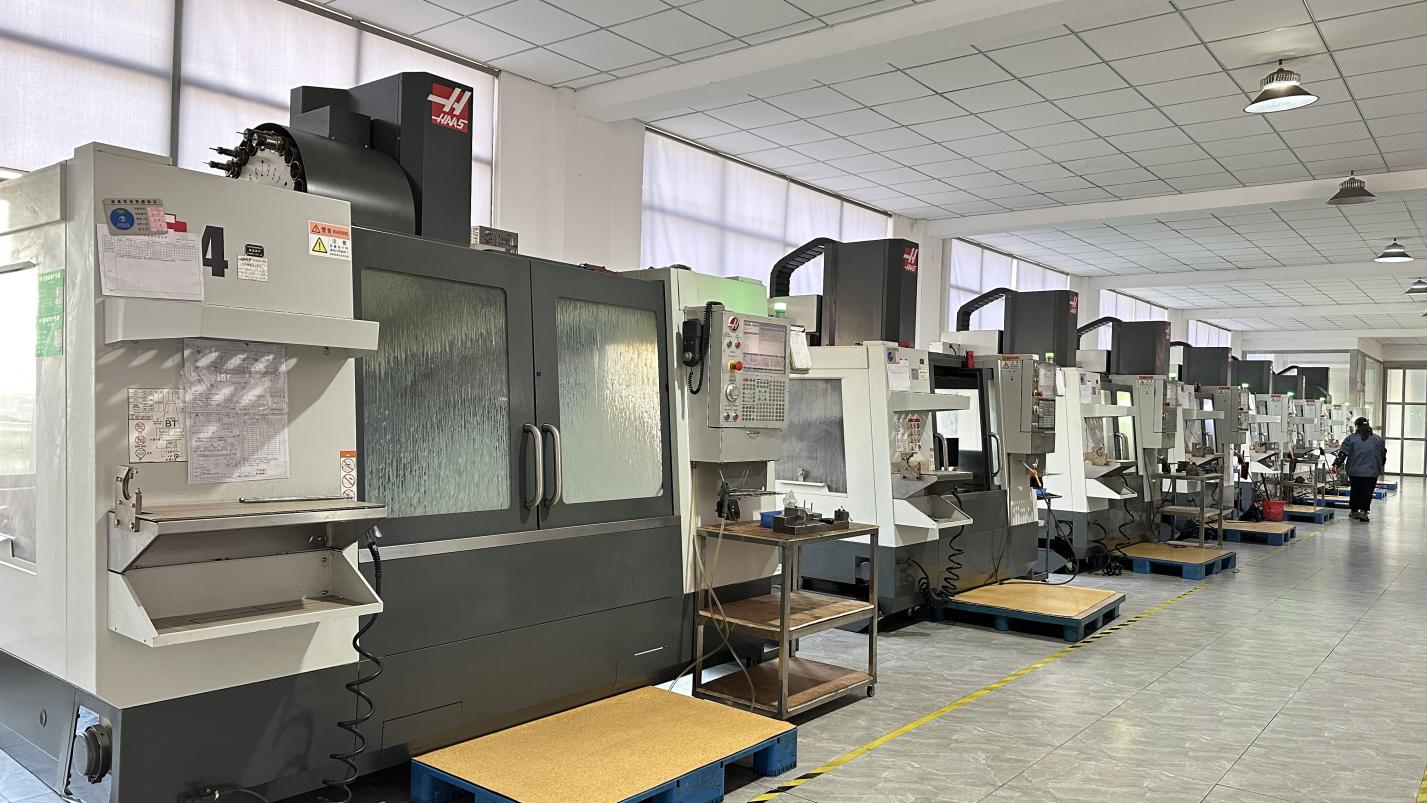
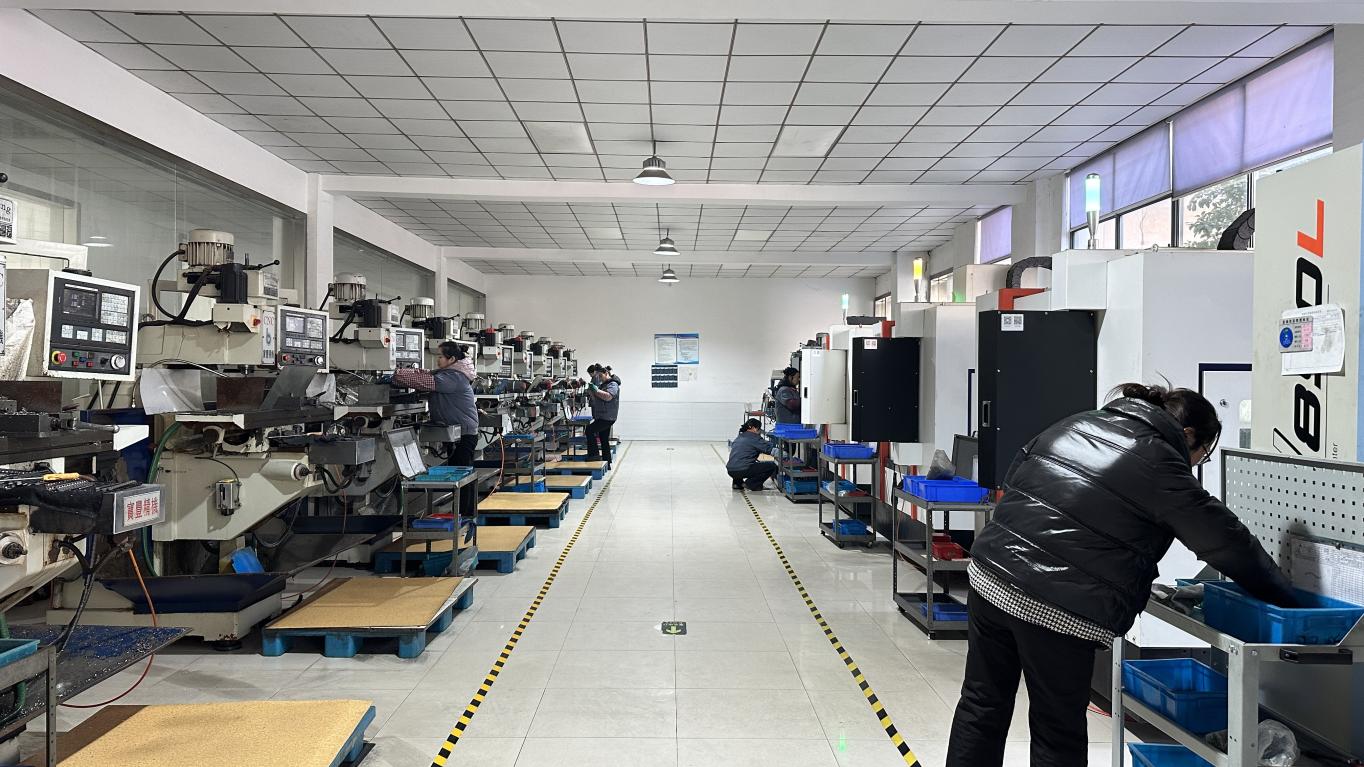
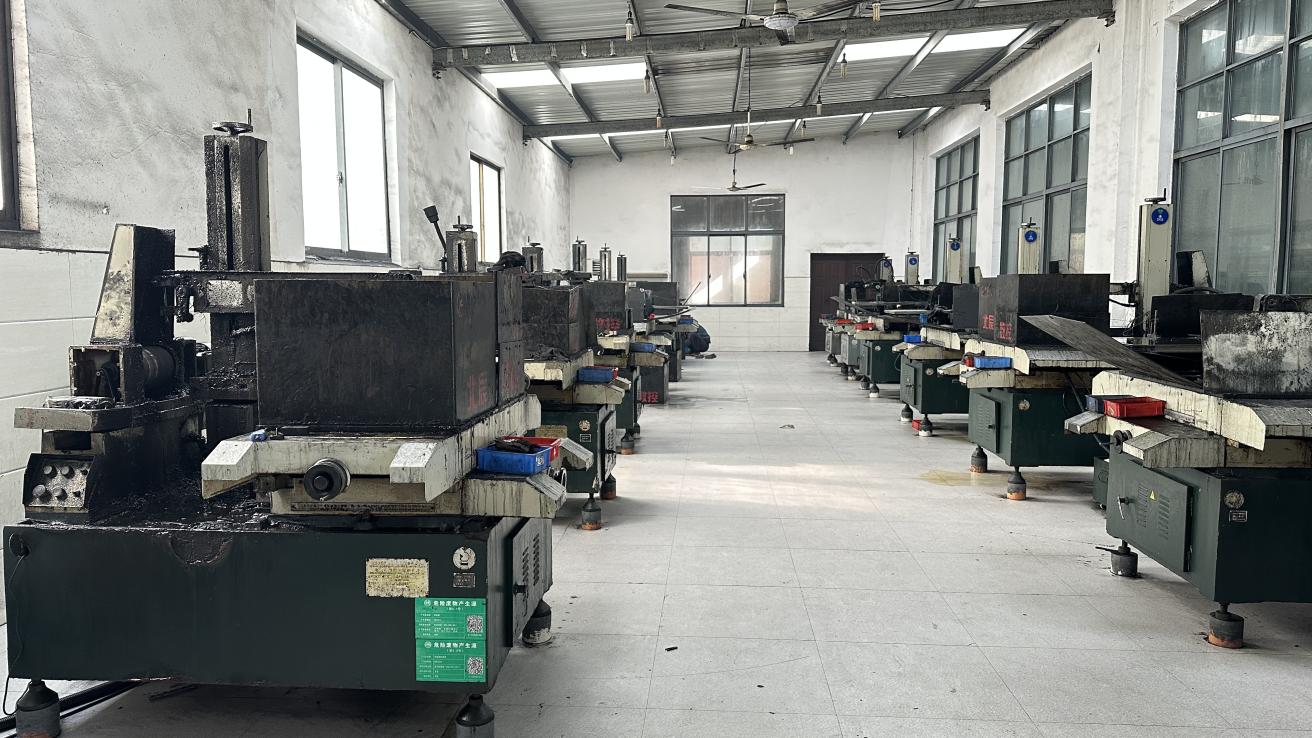
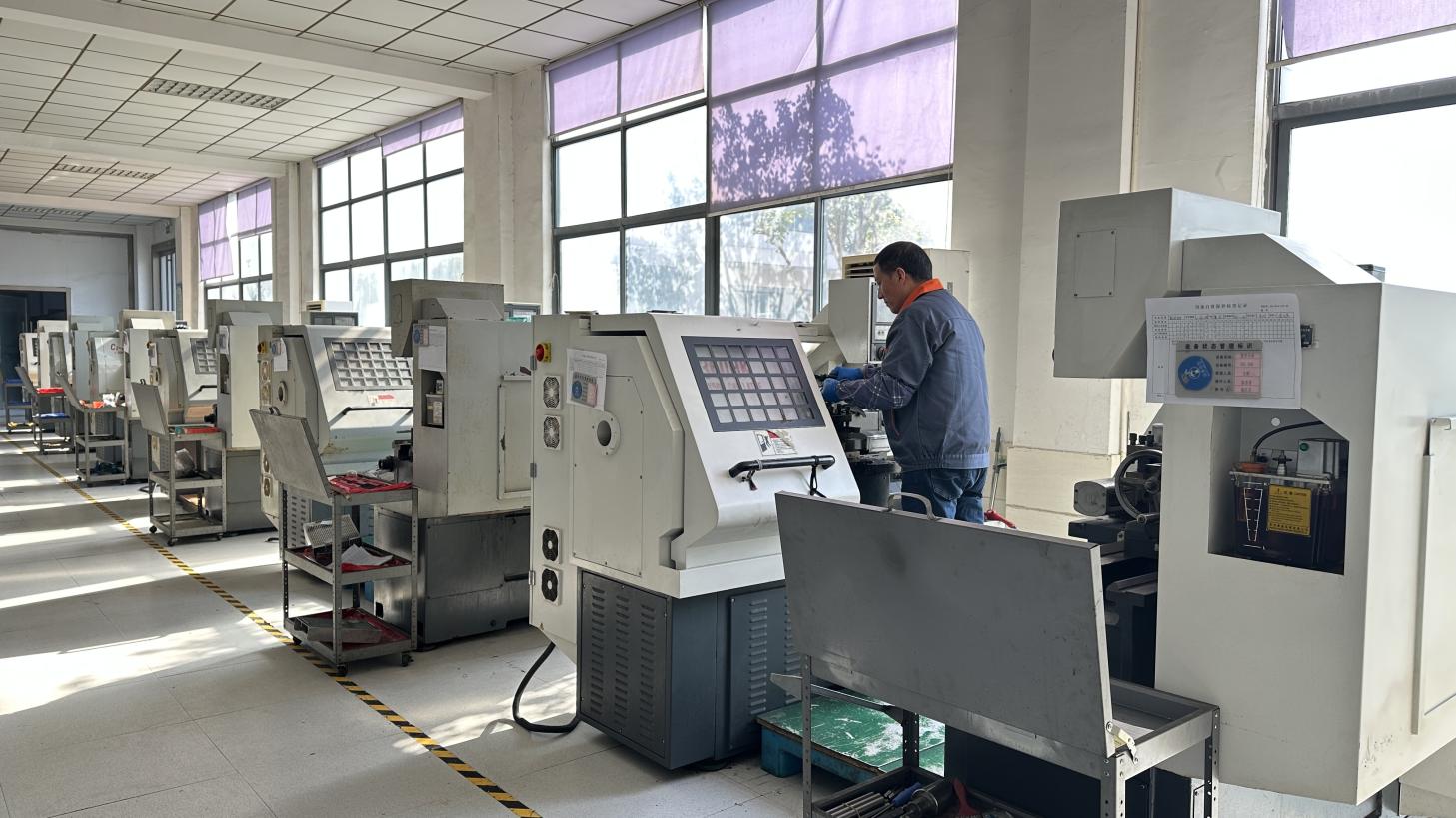
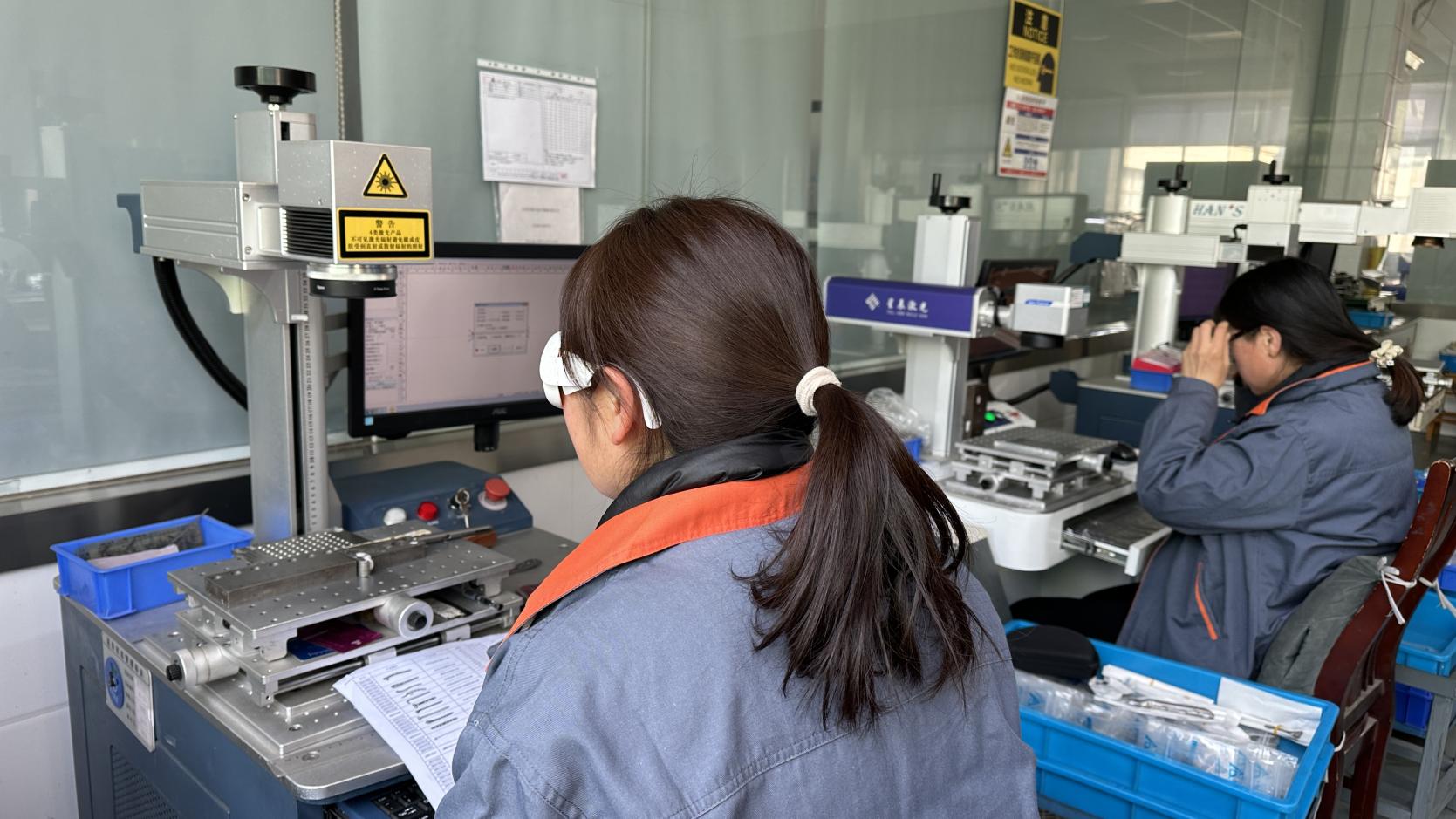
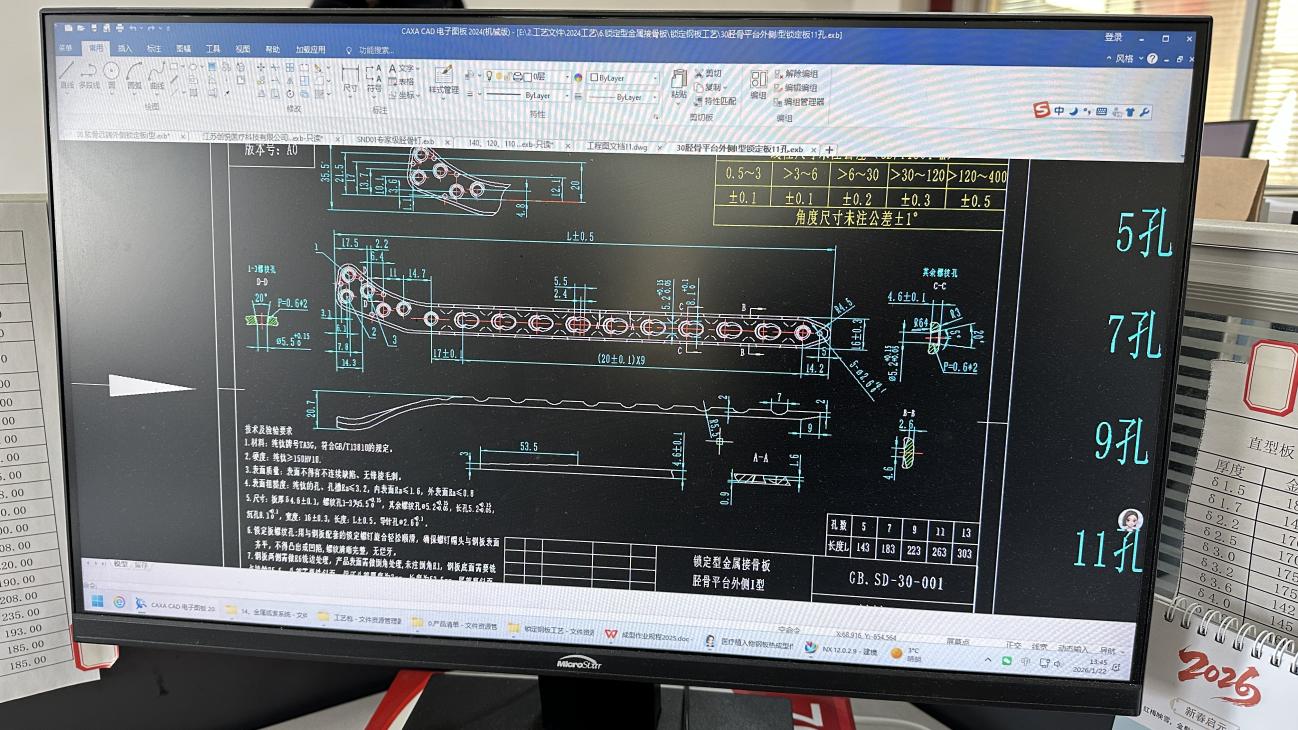
Our engineering efforts focus on material biomechanics, optimizing screw head geometries, and enhancing plate surface science to improve osteointegration and reduce healing times.
Medisplint utilizes advanced electrochemical surface anodization processes to create protective, bioactive titanium oxide layers. This technique minimizes ion release, reduces bacterial colonization, and enhances cellular attachment for better healing.
Additionally, our variable-angle locking designs permit up to 15 degrees of screw angulation, allowing surgeons to customize fixations dynamically to fit specific fracture patterns.
Every design profile undergoes rigorous stress testing. Using dynamic fatigue testers, we run implants through millions of stress cycles to verify fatigue limits. Torsional tests assess locking mechanisms, and pull-out tests help optimize thread designs for poor bone quality.
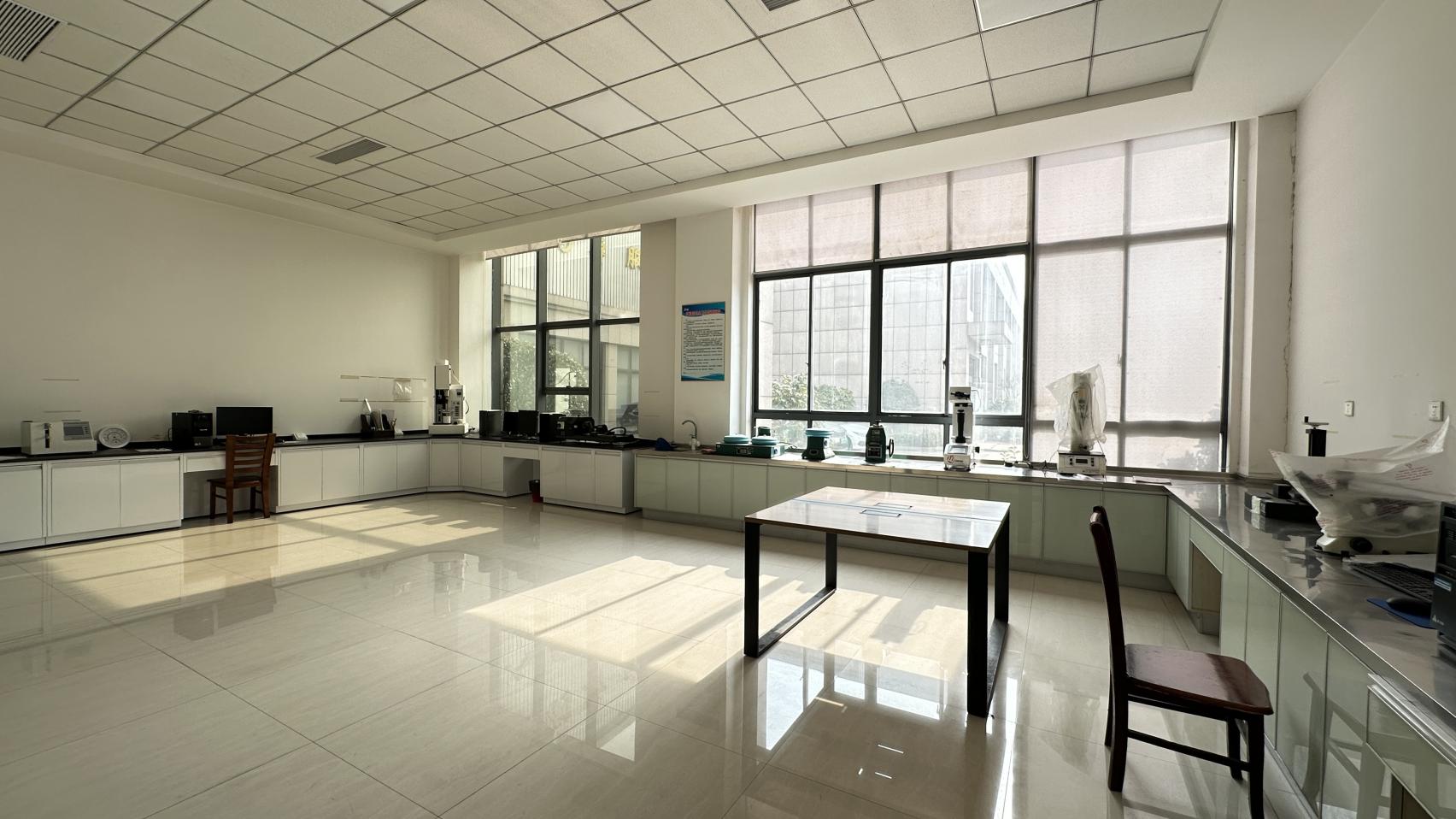
To maintain 100% compliance with ISO 13485 regulations, Medisplint operates dedicated physics and mechanics laboratories. Here, every batch of products is subjected to strict mechanical, dimensional, and metallurgical evaluations.
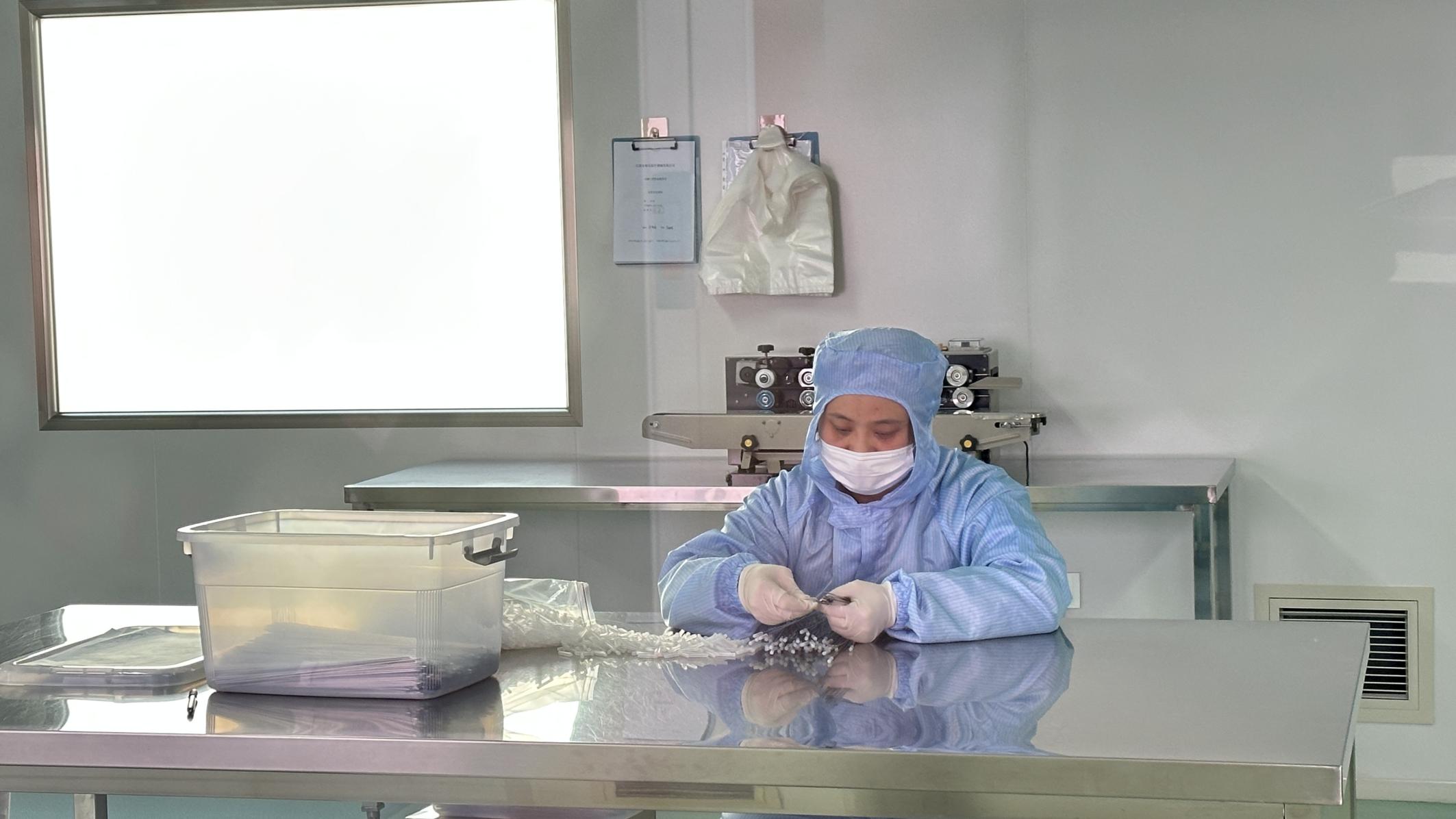
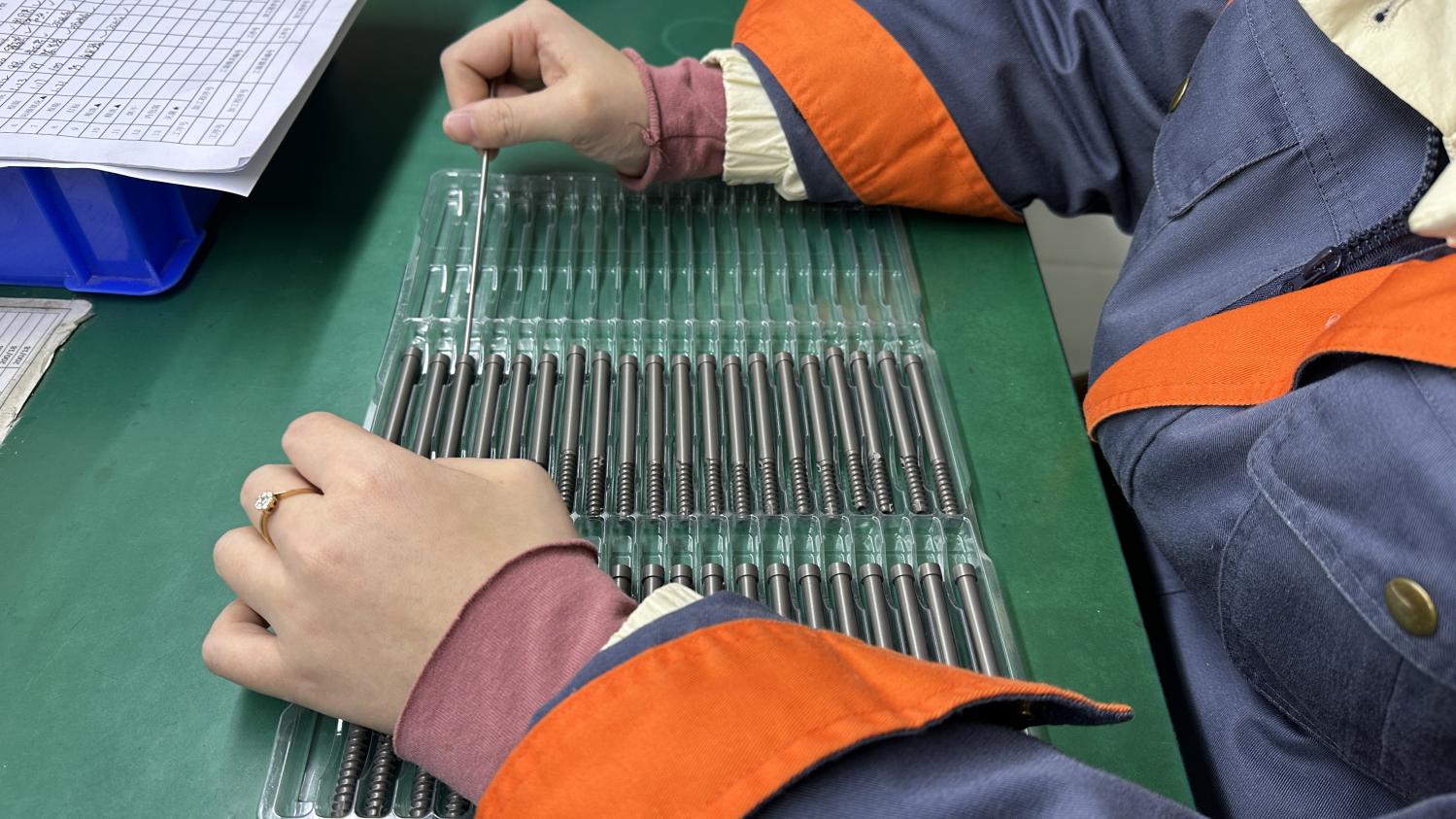
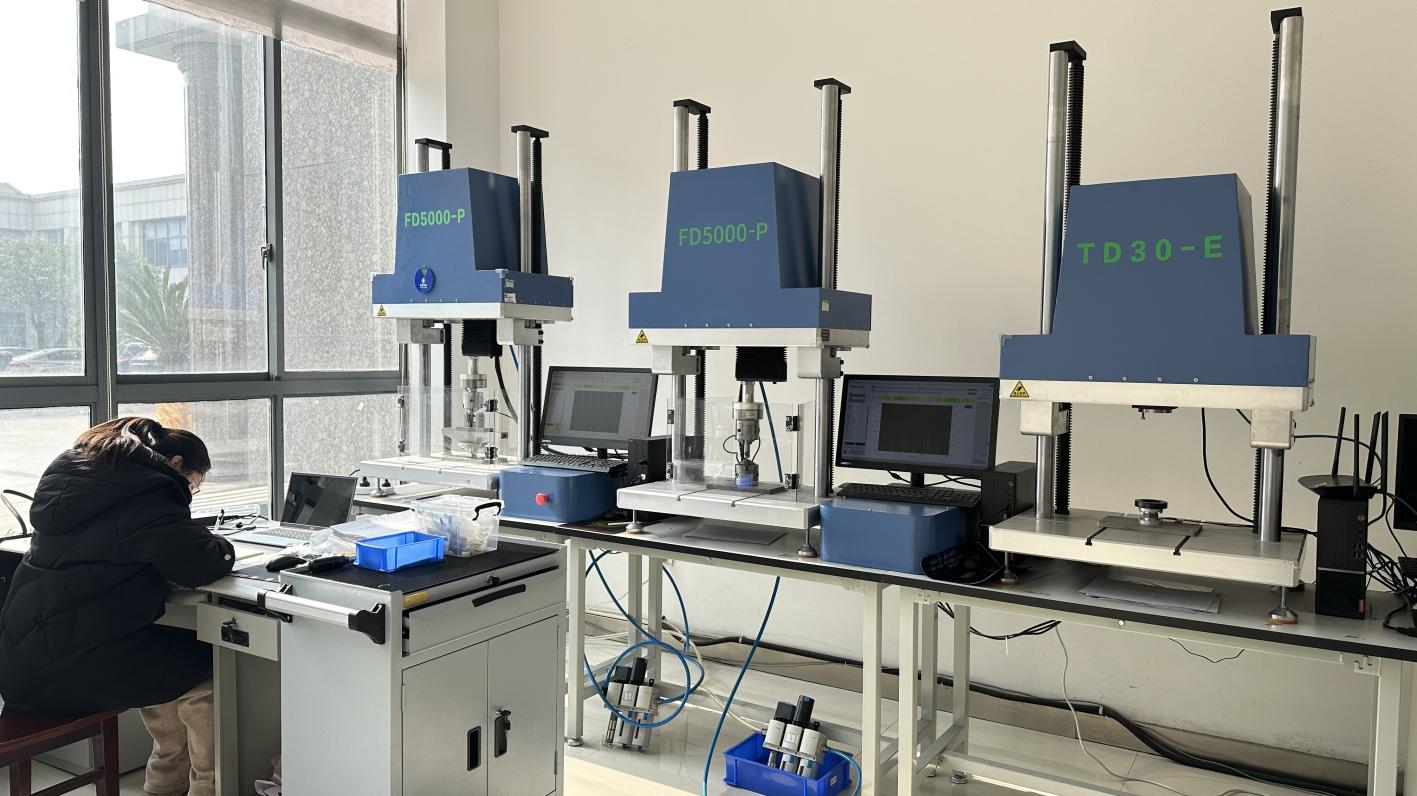
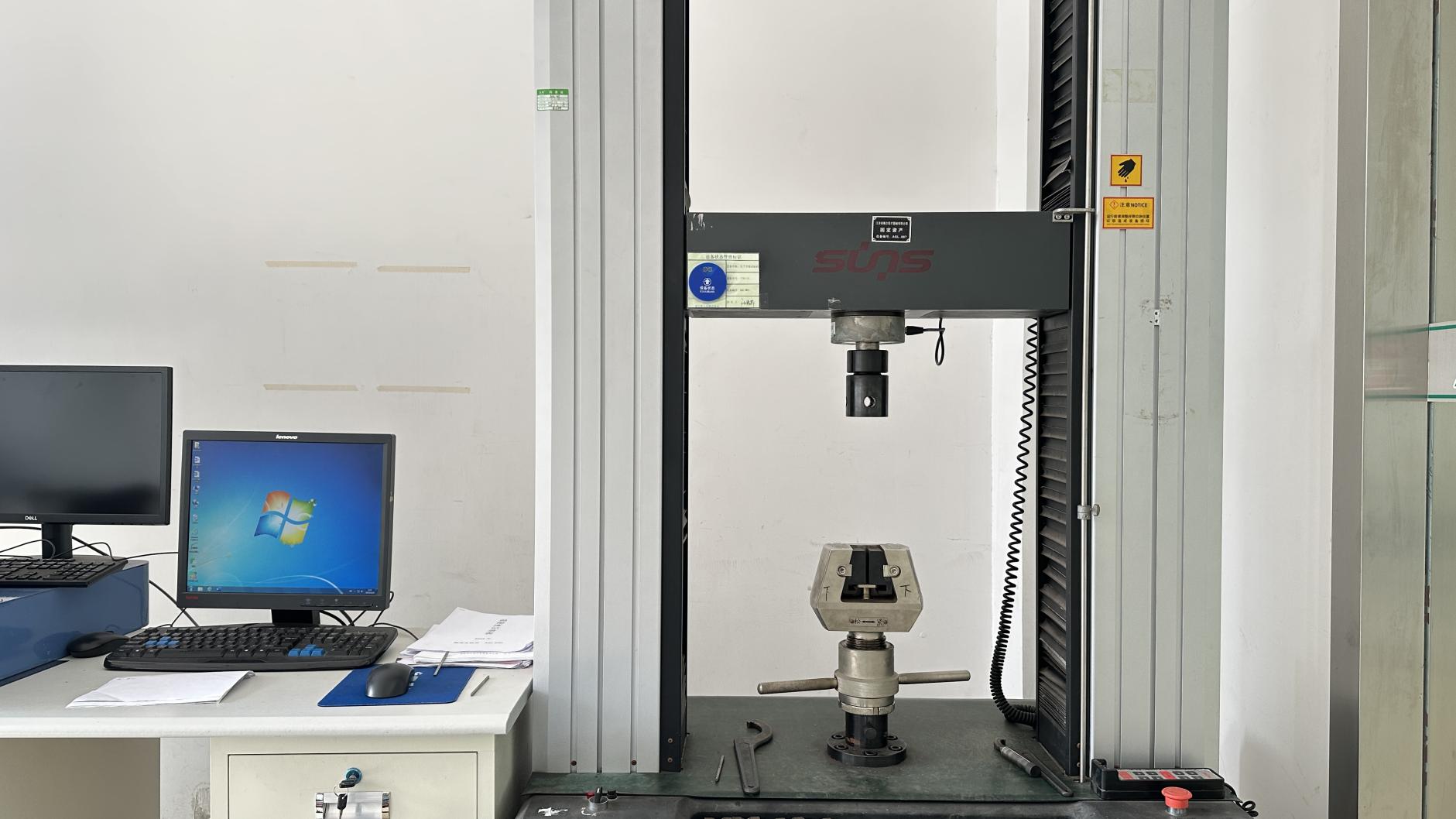
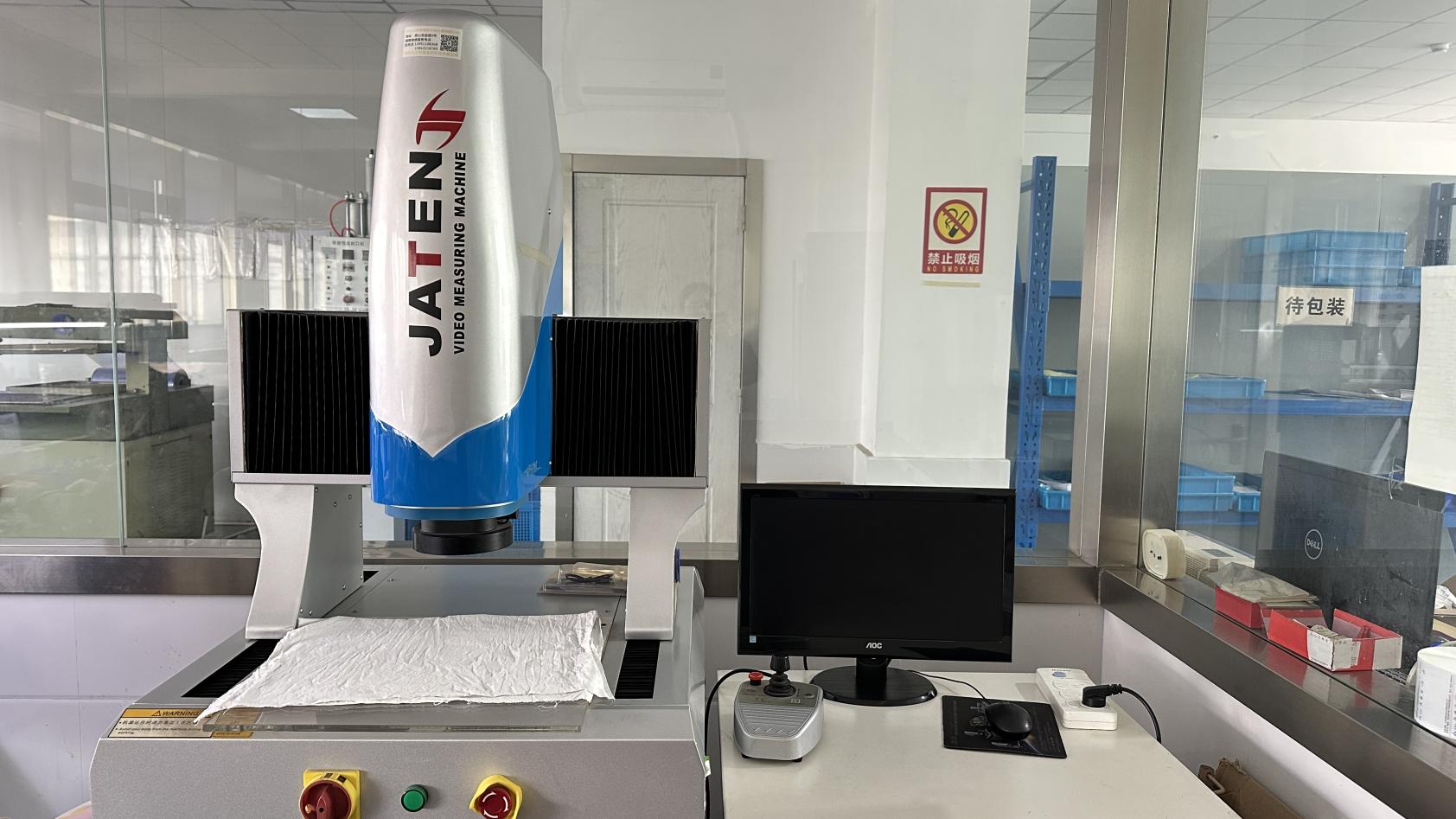
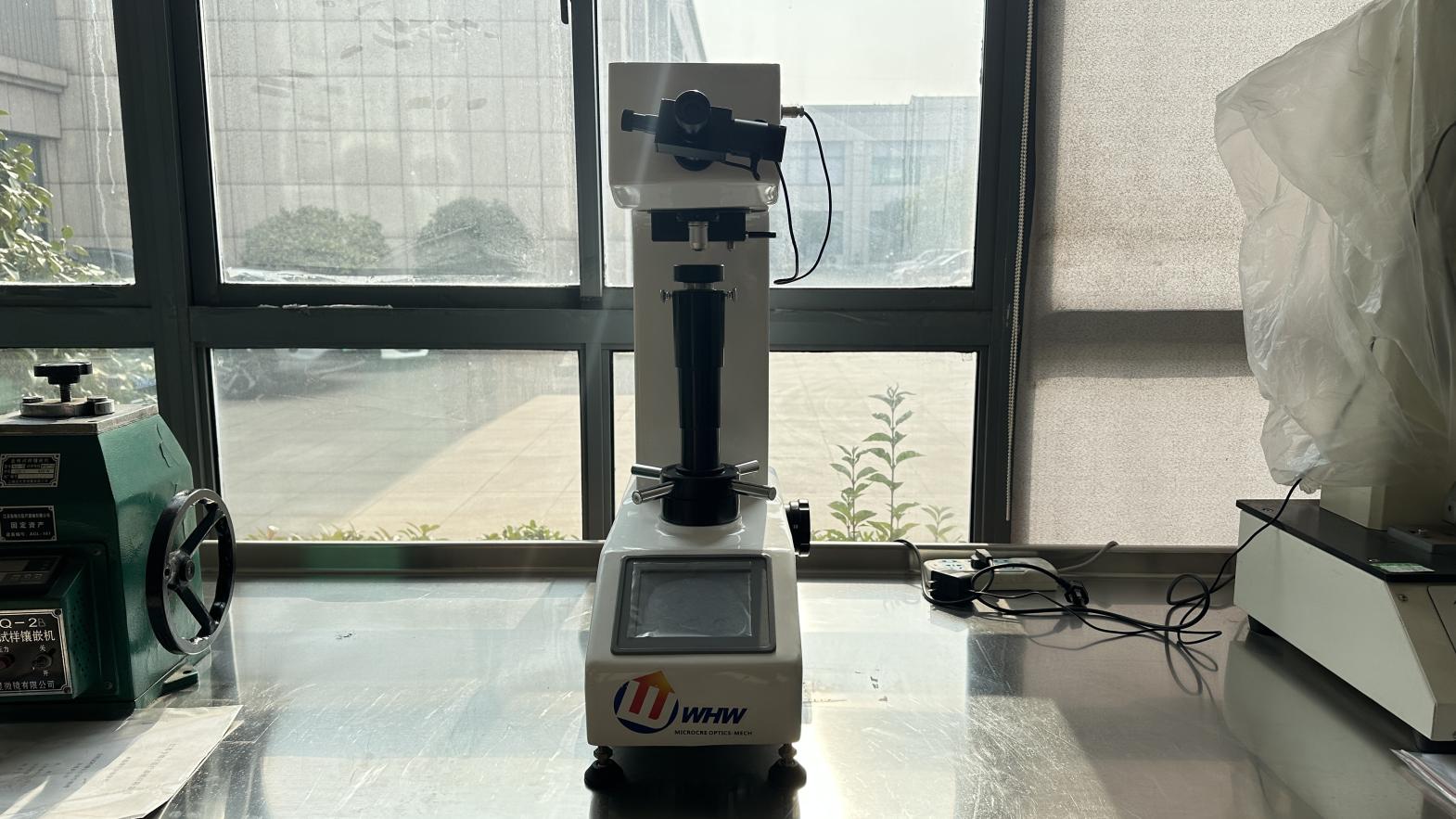
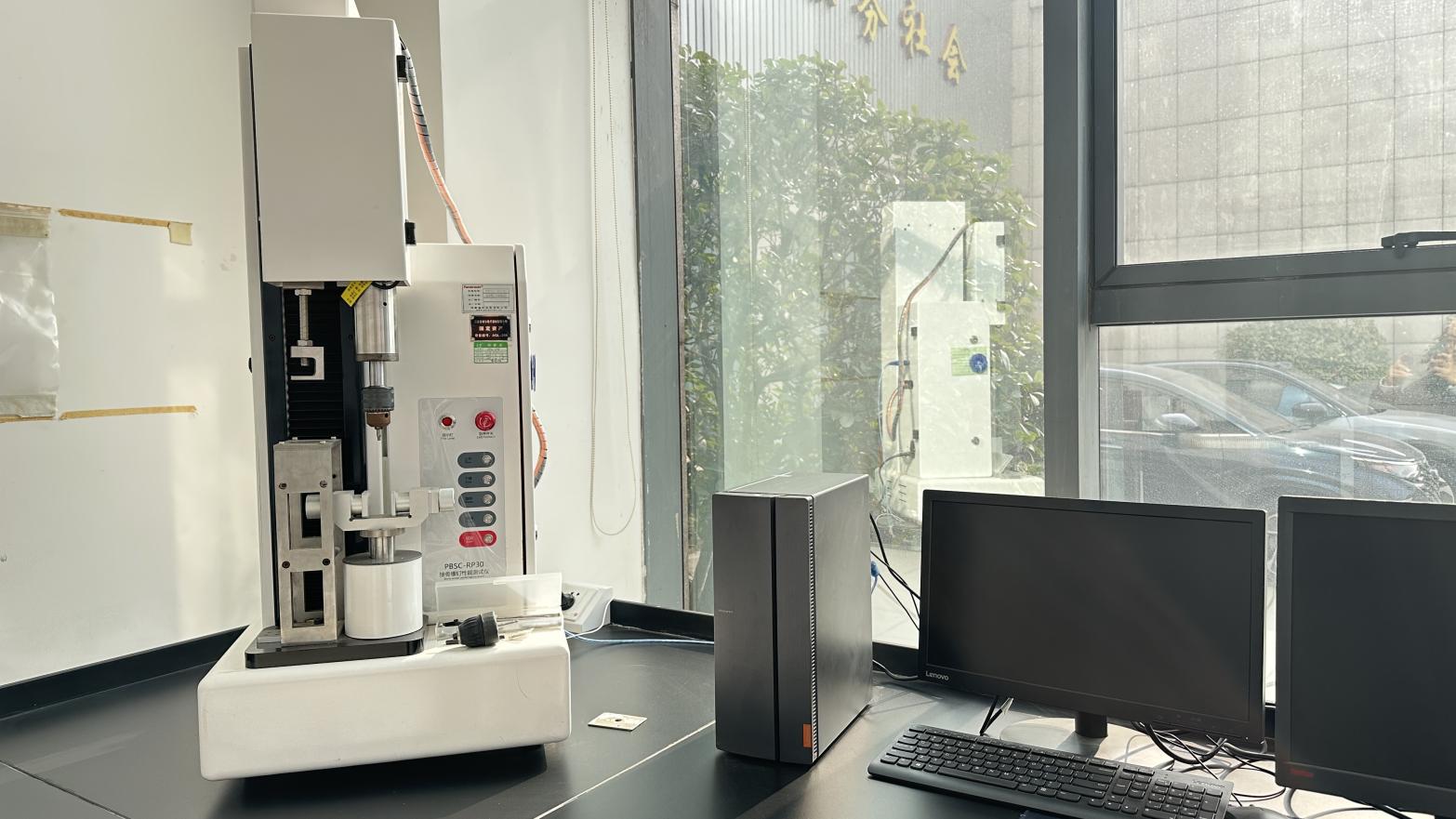
Our QC laboratory runs mechanical stress and chemical clean verification checks before every release.
Entering international medical markets requires strict compliance with diverse regulatory frameworks. Medisplint provides robust regulatory documentation to support registrations worldwide.
Our quality system is audited to ISO 13485 standards. This guarantees complete traceability from raw material melts through the entire processing sequence, up to final customer distribution.
All product families undergo rigorous testing to meet European Medical Device Directives and current MDR compliance standards, facilitating smooth market entry across Europe.
We assist our local distributors with registration dossiers, clinical evaluation reports (CER), biocompatibility datasets, and localized, multilingual labeling.
With 85 dedicated design and R&D engineers, Medisplint converts clinical requirements into patient-ready solutions. Whether you need minor modifications to an existing plate design or the development of a completely new implant system, we offer a structured, reliable process.
CAD modeling, structural analysis, and 3D metal prototyping for mechanical evaluation.
Configuring multi-axis Swiss longitudinal lathes and manufacturing lines for serial precision.
Evaluating tensile strength, surface fatigue, and corrosion resistance to confirm product safety.
Medical packaging in Class 10,000 cleanrooms, with optional private labeling and barcoding.
Planning to expand your orthopedic range or introduce a custom trauma plate line? Get in touch with our design team for a complimentary technical consultation and prototype feasibility review.
Find answers to common questions about materials, regulatory compliance, and ODM workflows.