Medisplint
Medisplint
Medisplint
High-precision orthopedic and trauma reconstruction devices manufactured to strict CE and ISO 13485 requirements.
The global market for craniofacial implants and neurosurgical plates is experiencing rapid technological evolution. With rising incidents of high-energy trauma injuries, increasing cases of oncology-related cranial resections, and a growing demand for congenital deformity corrections, hospitals and surgical networks are prioritizing custom-designed, high-precision implants over generic configurations.
Modern craniofacial reconstruction demands extreme biocompatibility, osseointegration capabilities, and mechanical resilience. Medical device developers and raw material engineers are continually refining titanium alloy structures and polymer compositions to match human bone density and microstructures. As clinical pathways move toward custom Patient-Specific Implants (PSI), the industrial manufacturing infrastructure has shifted from mass-producing single designs to high-efficiency, flexible manufacturing setups capable of quick personalization and rapid validation cycles.
Utilizing high-grade Titanium (Grade 5 ELI / Ti-6Al-4V) and Advanced PEEK (Polyetheretherketone) polymers to achieve optimal tensile strength and minimal tissue reaction inside cranial compartments.
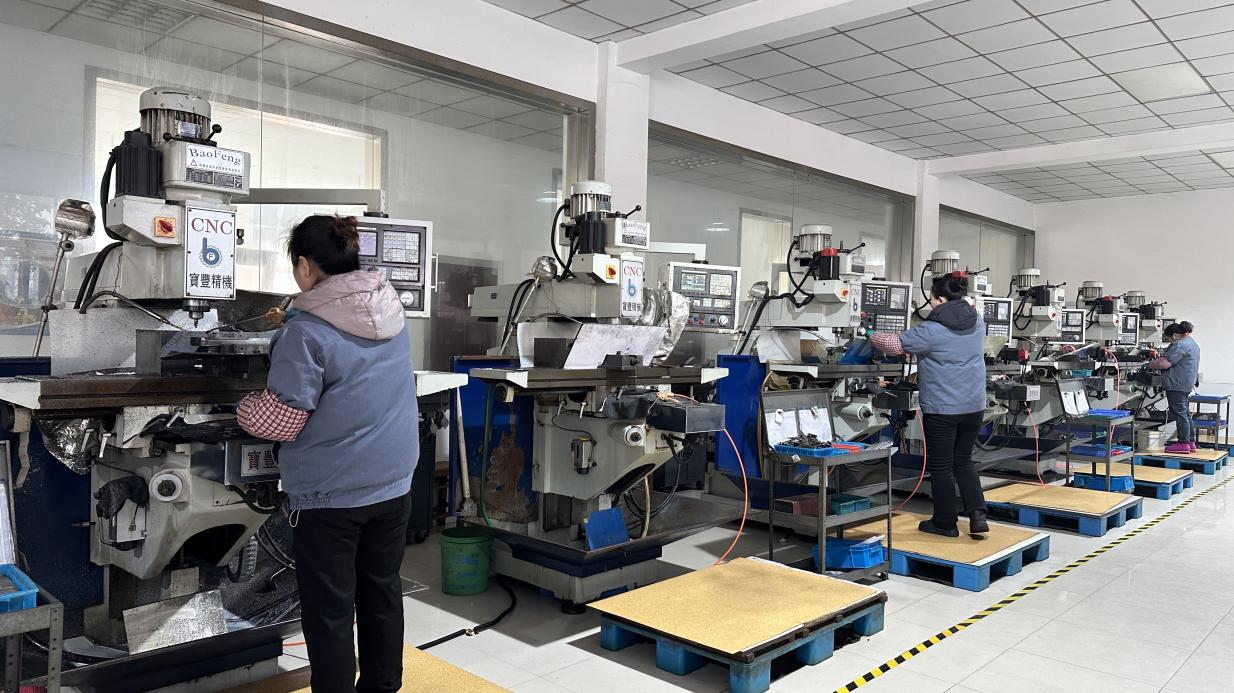
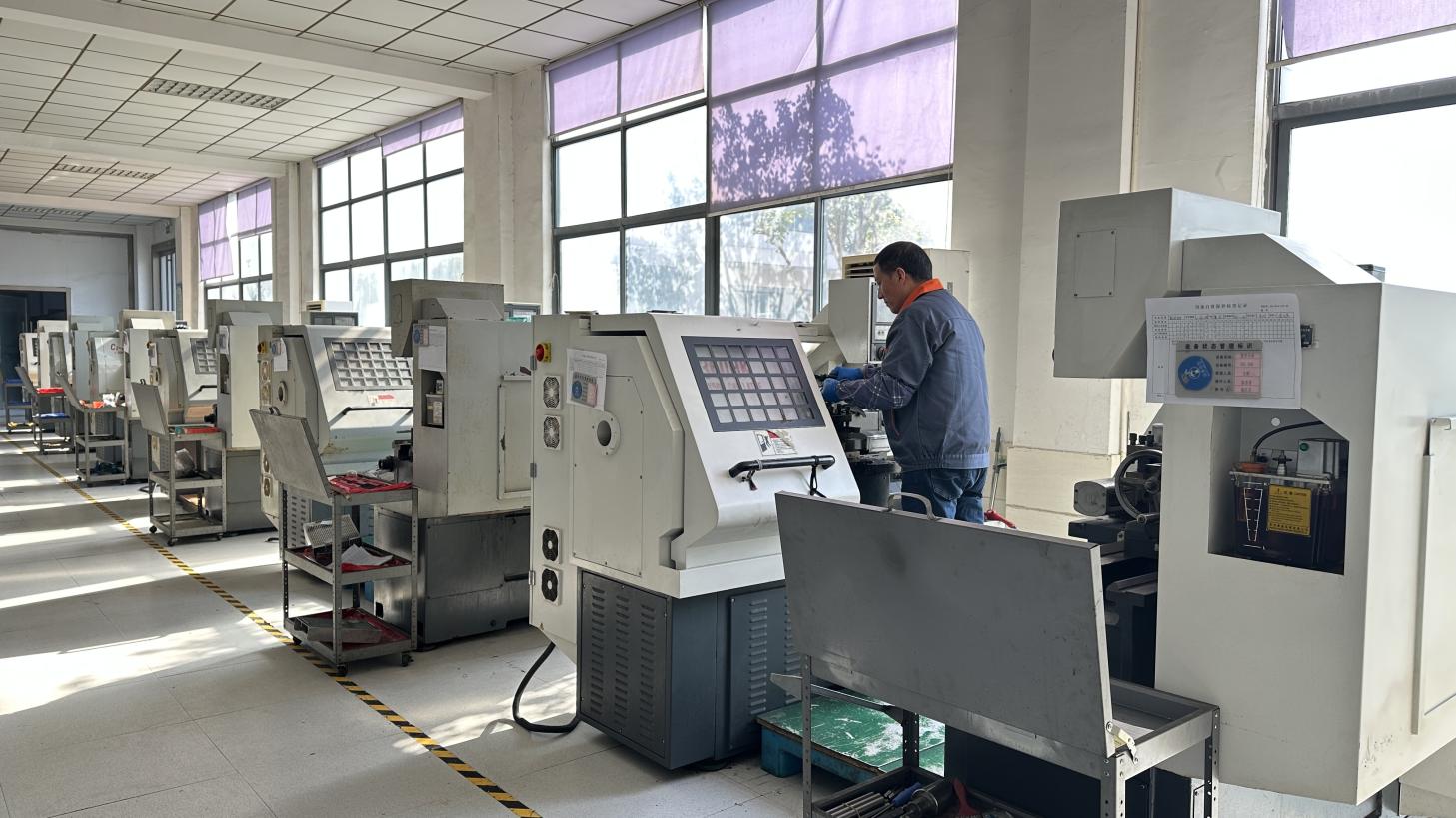
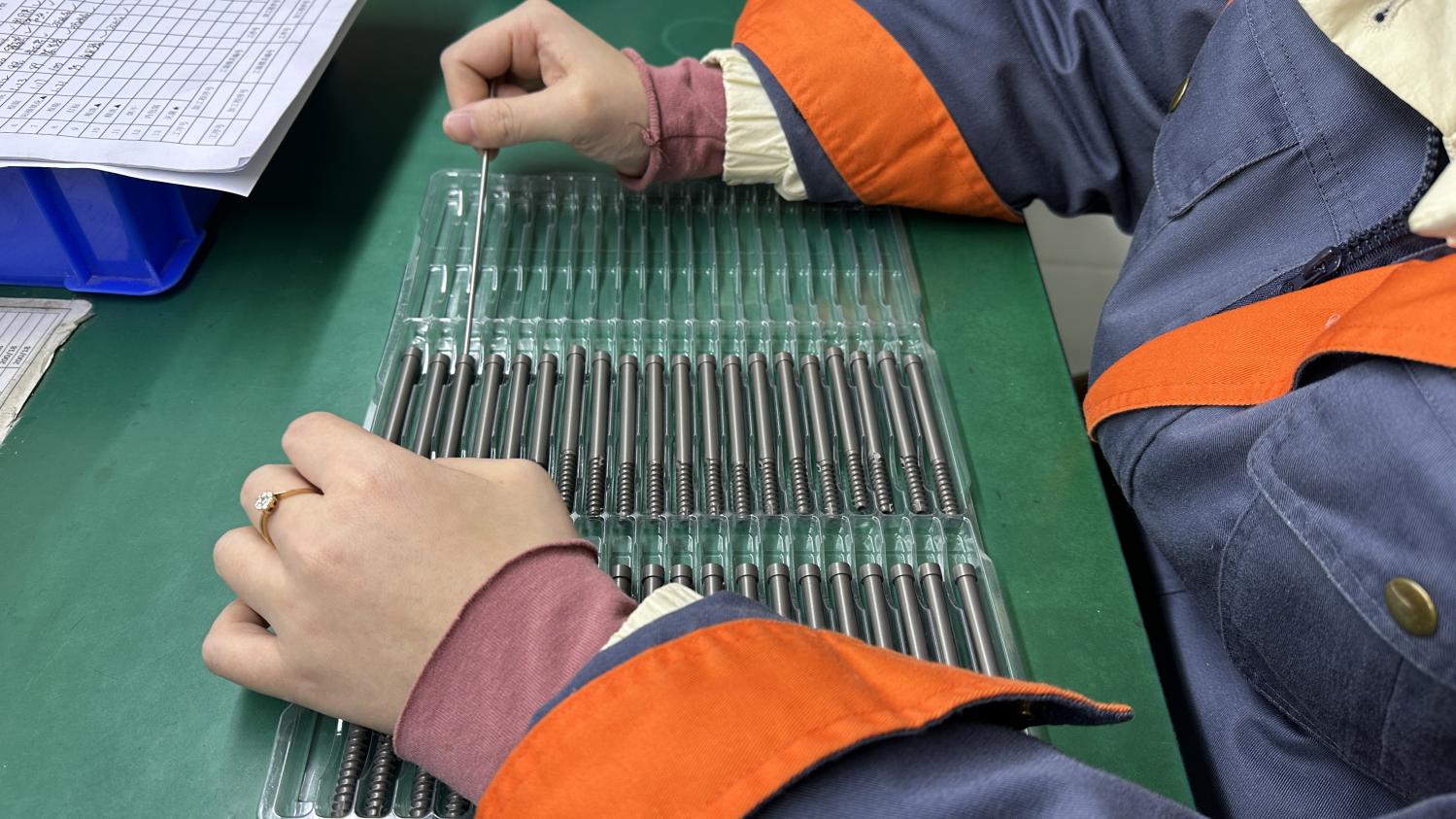
Achieving micron-level dimensional accuracy through high-axis CNC turning centers and automated milling, eliminating surface variations that could lead to post-surgical infection.
Strict production controls complying with MDD 93/42/EEC (CE Certificate) and EN ISO 13485 regulations, providing clear verification trails and device history records.
Establishing advanced standards in trauma, spinal, and reconstructive craniofacial implant systems.
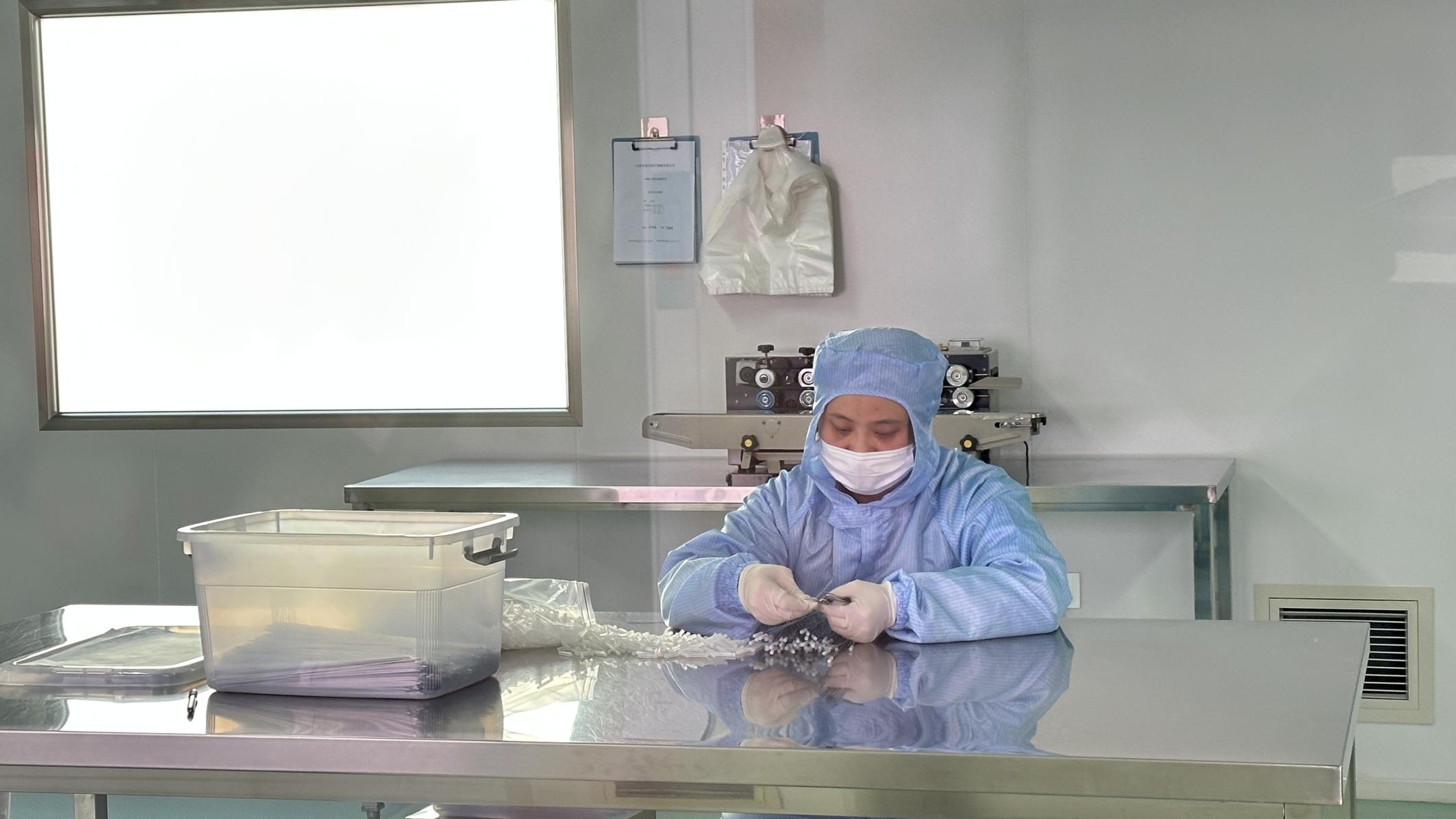
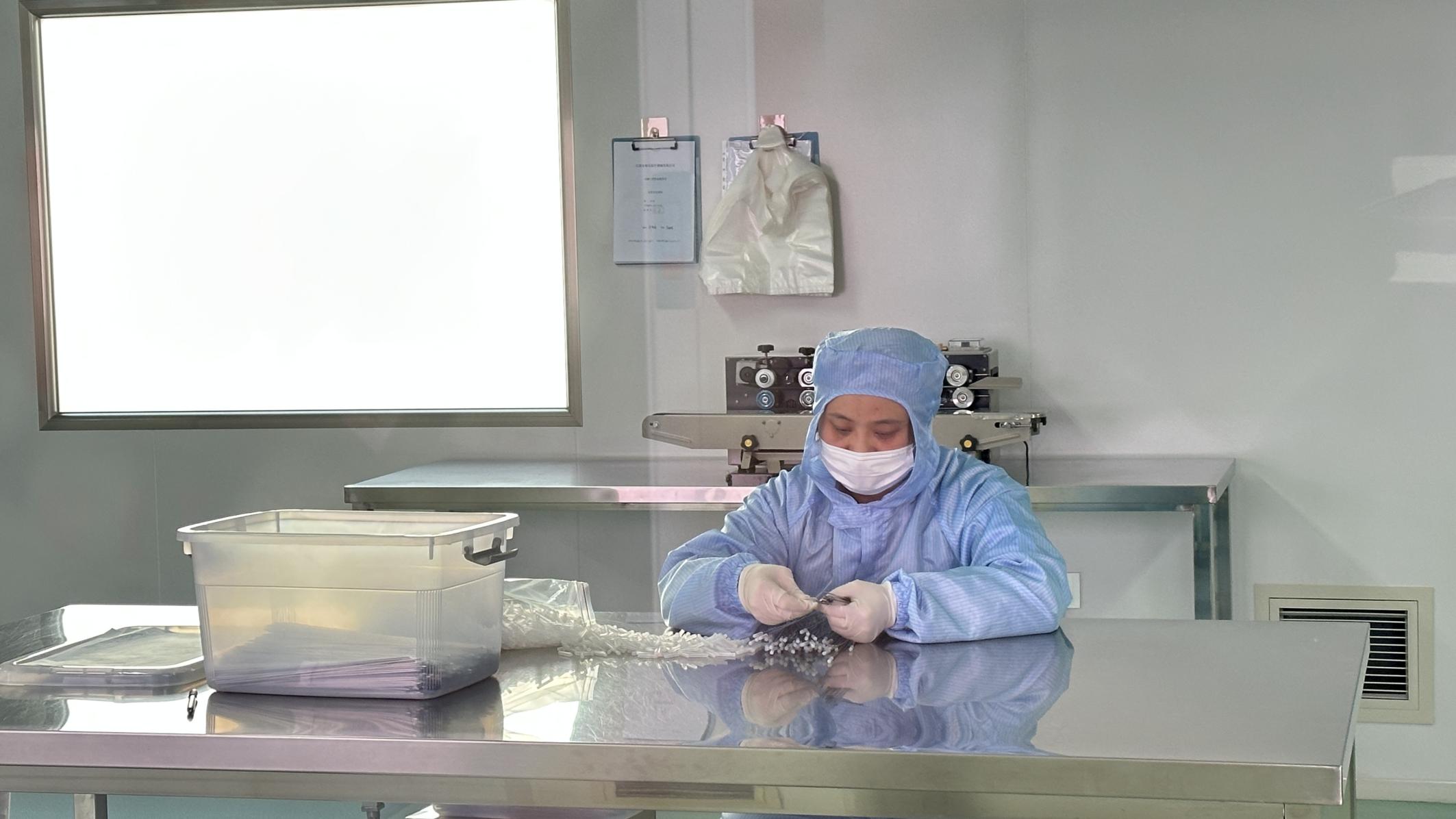
Founded in 2016, Medisplint Orthopedic Instruments Co., Ltd. has established a comprehensive framework in orthopedic medical device manufacturing. Spanning over an 18,500m² manufacturing facility, Medisplint integrates advanced hardware engineering, material testing labs, and ISO Class 7 cleanroom packaging areas to fulfill bulk procurement demands for hospitals and distributors worldwide.
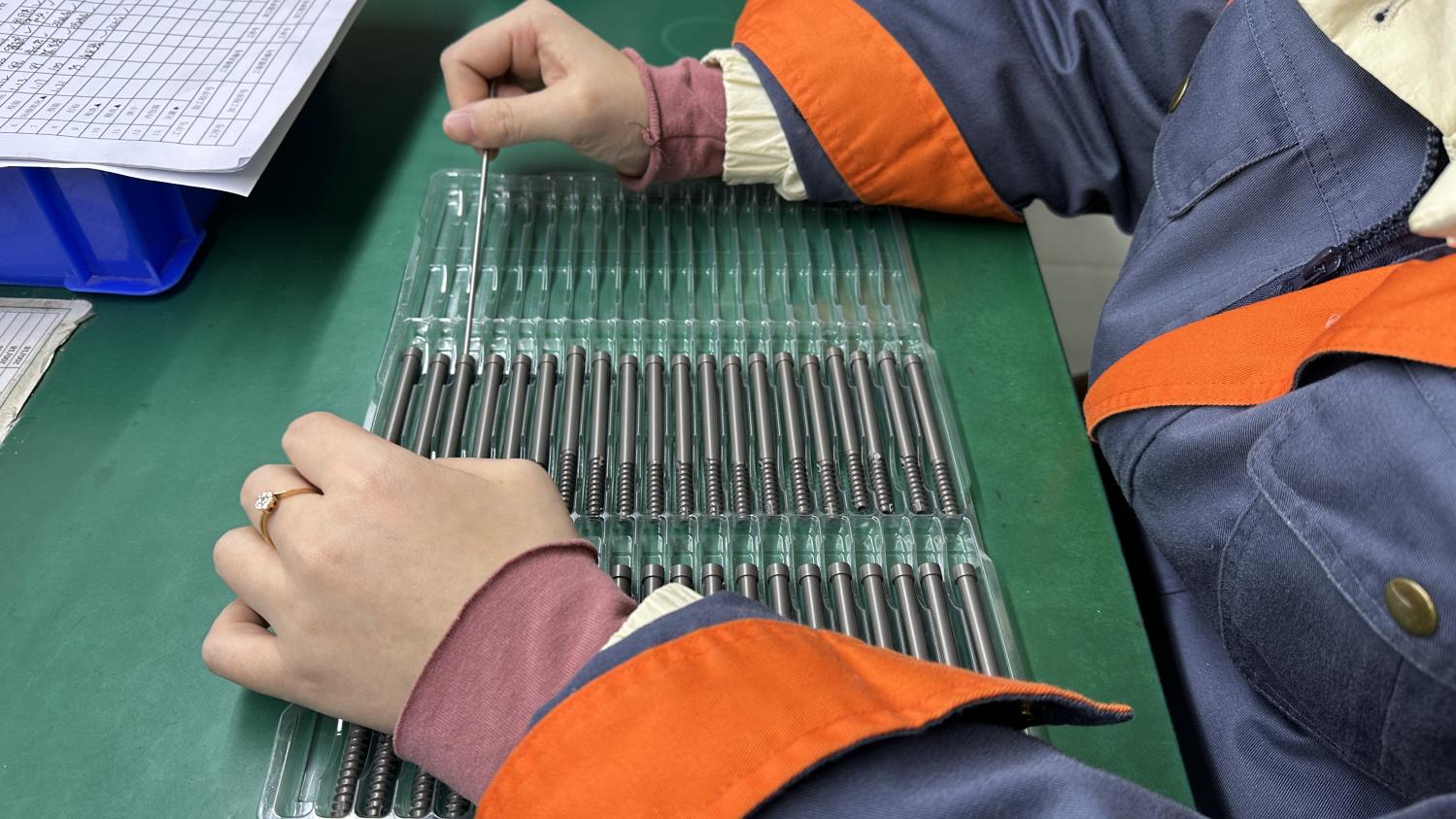
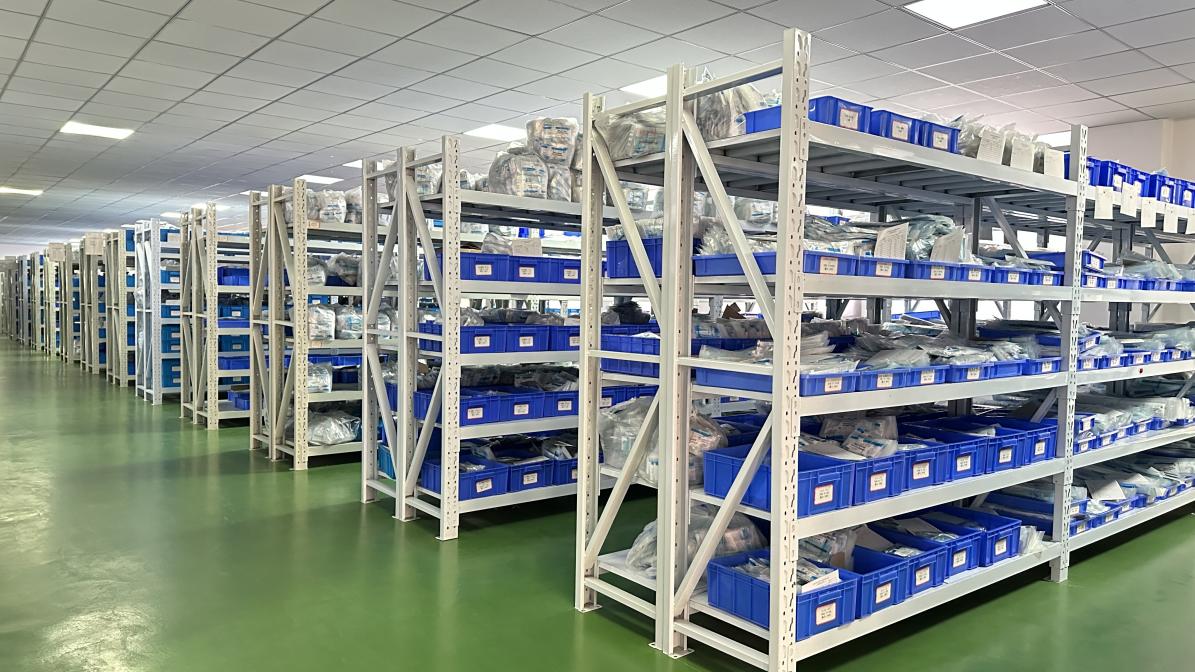
By coordinating production with over 1,200 supply chain partners, Medisplint guarantees continuous raw material availability, low lead times, and stable production queues. Our comprehensive validation procedures—comprising in-process quality control (IPQC), final product inspection (FQC), and third-party laboratory analysis—ensure that each plate, screw, and custom implant meets rigorous clinical requirements before dispatch.
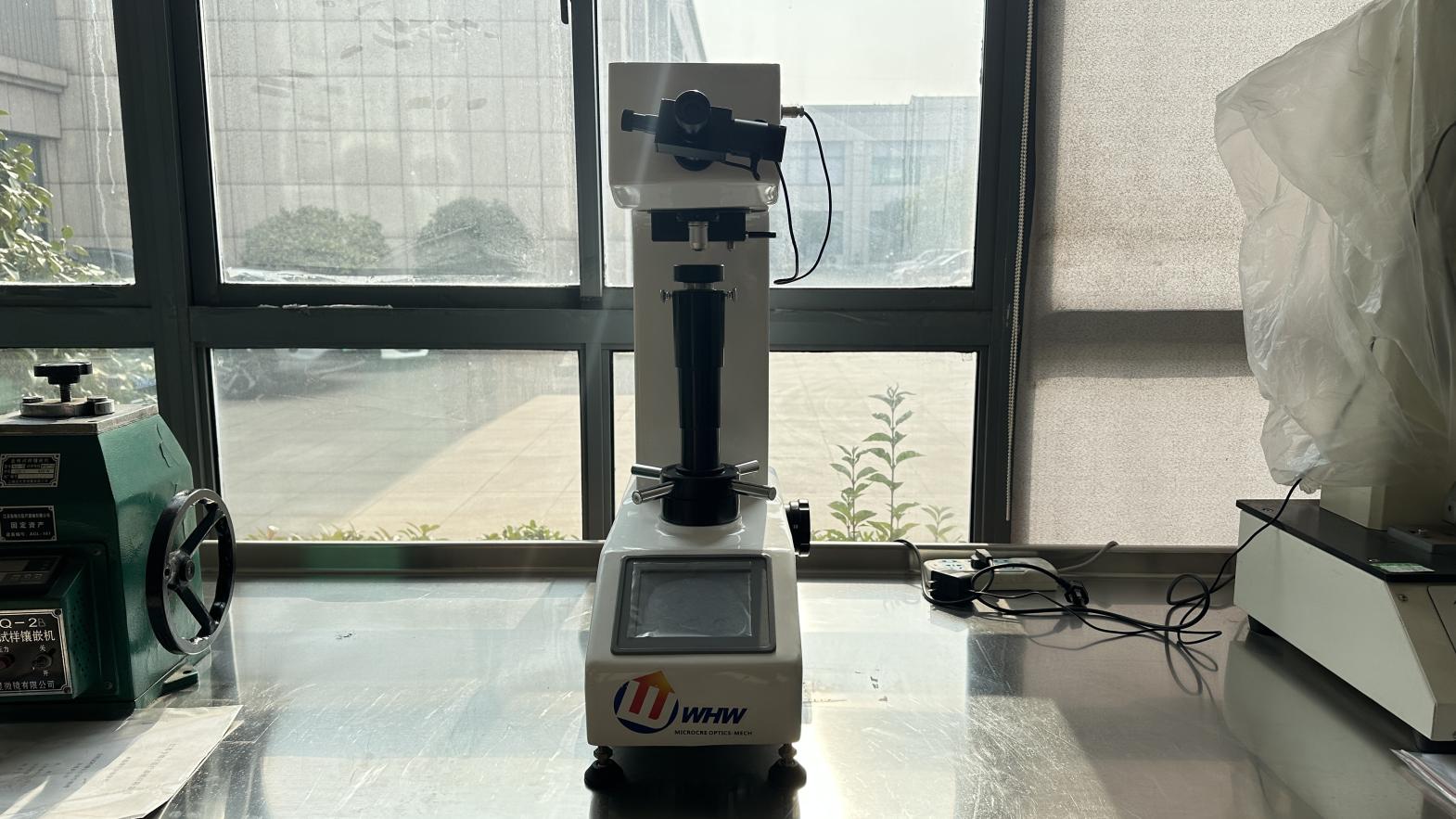
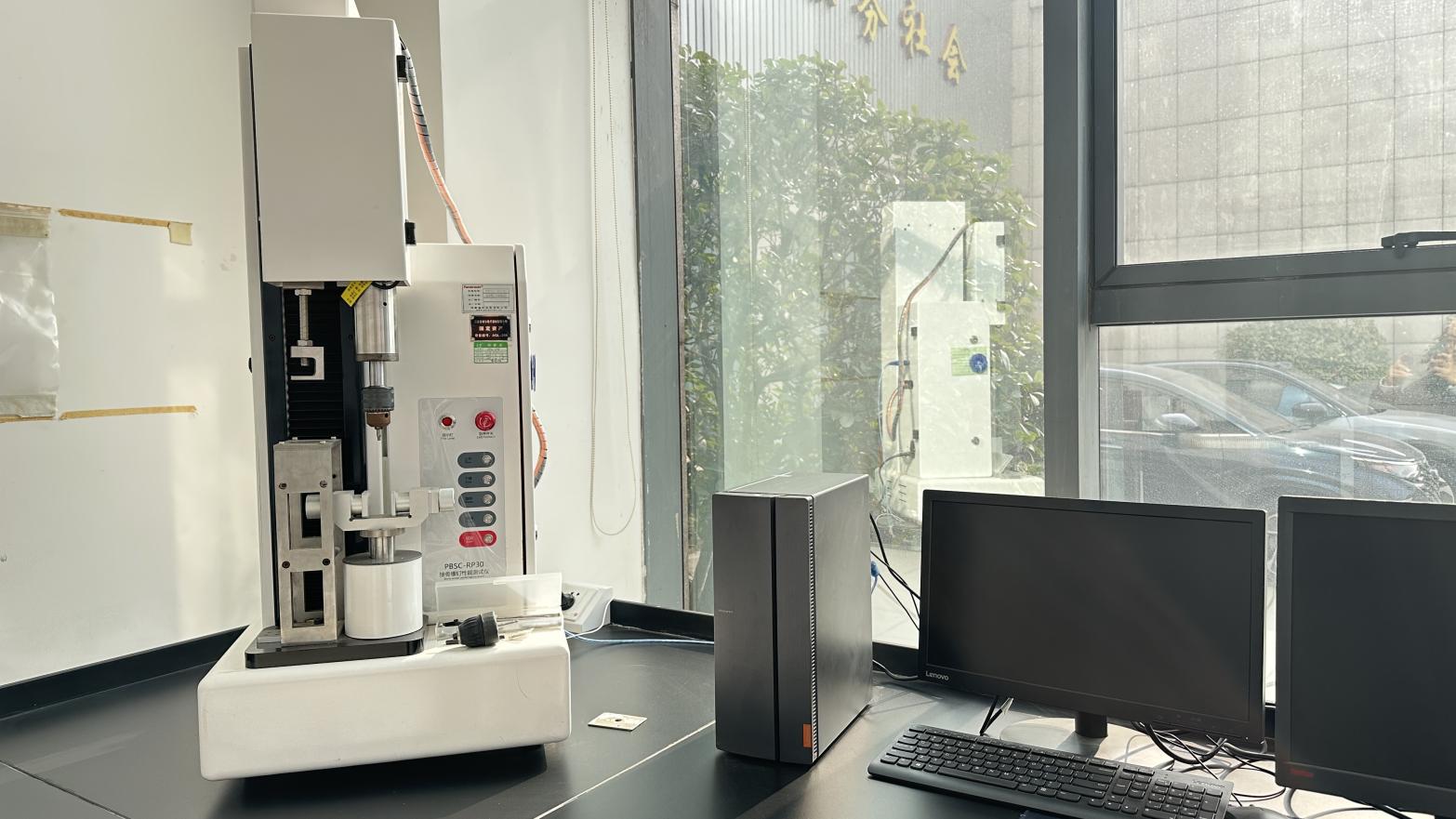
A systematic look inside Medisplint's processing, machining, and validation workflows.
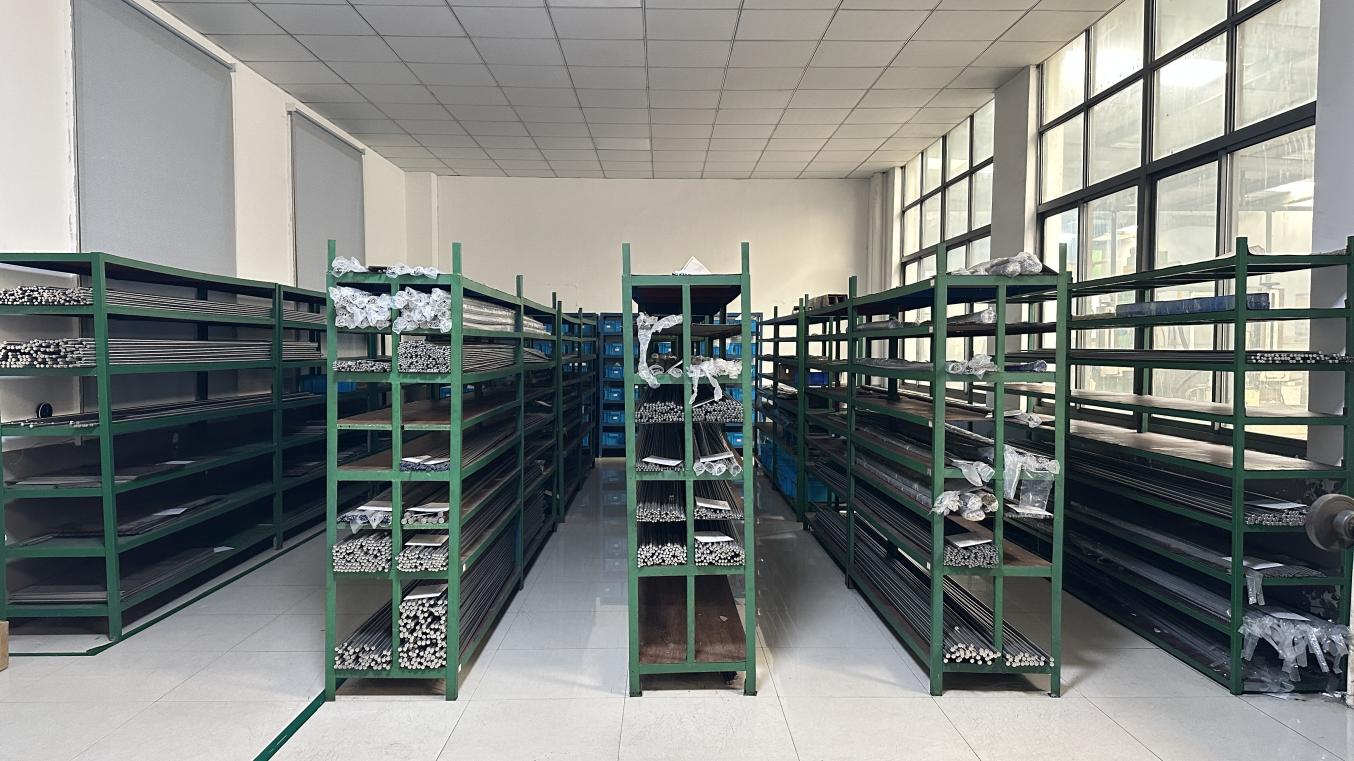
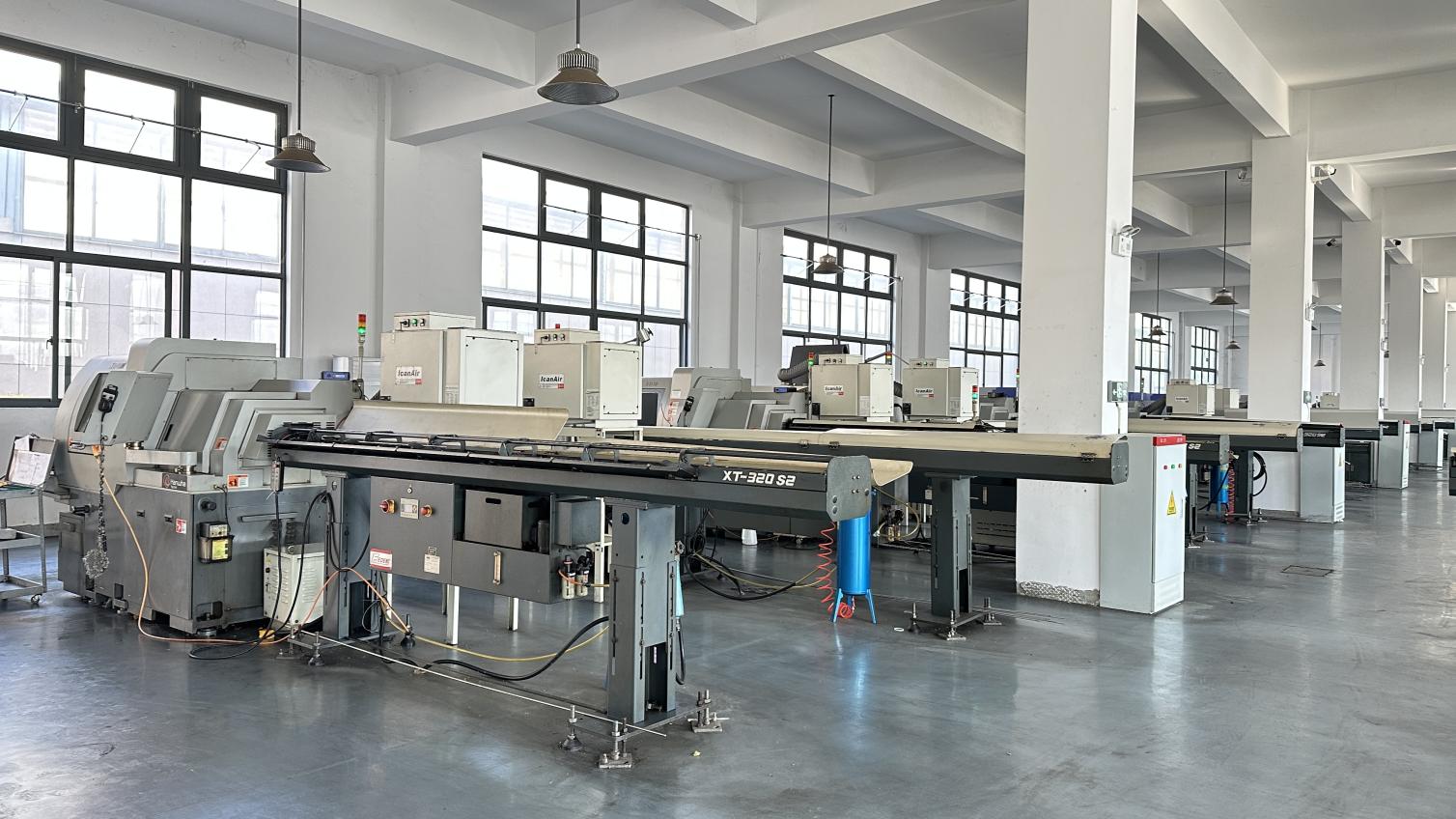
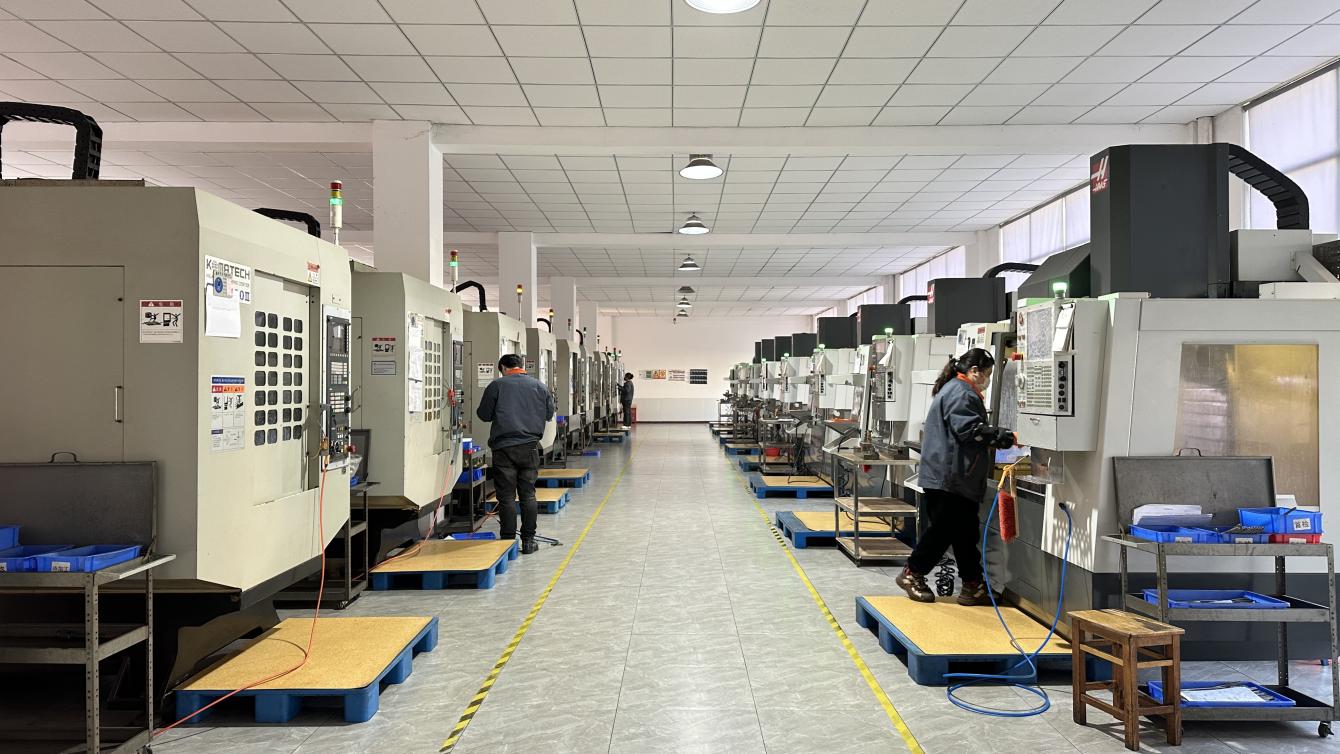
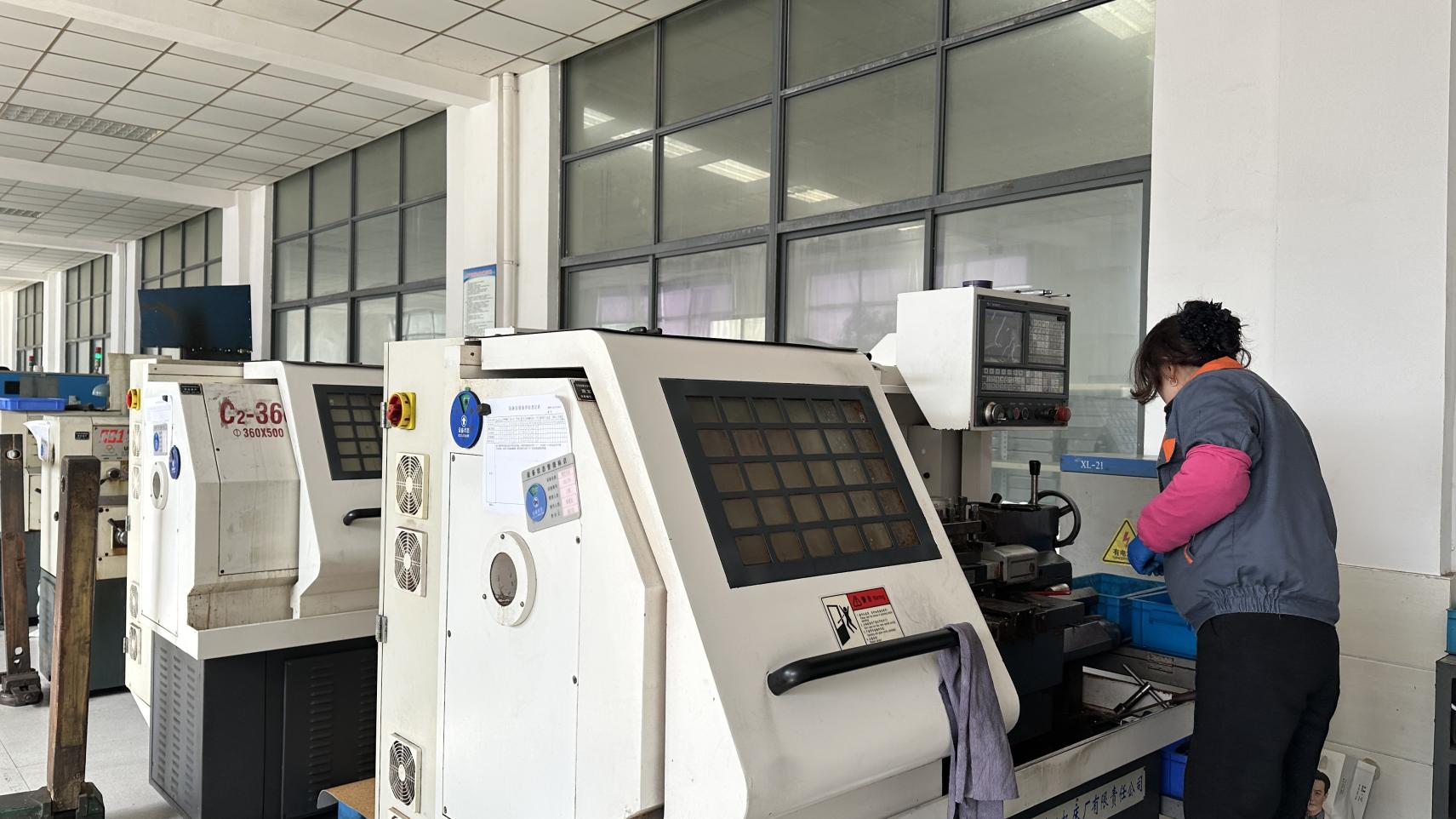
Procuring medical-grade craniofacial implants from China offers structural supply chain advantages that reduce total cost of ownership while keeping quality high. Medisplint combines local production speed with advanced technology to deliver competitive, high-quality manufacturing solutions.
Medisplint operates adjacent to major raw material refineries and surface treatment specialists. This proximity cuts internal transport times and reduces supply chain risks, allowing us to maintain stable, reliable lead times.
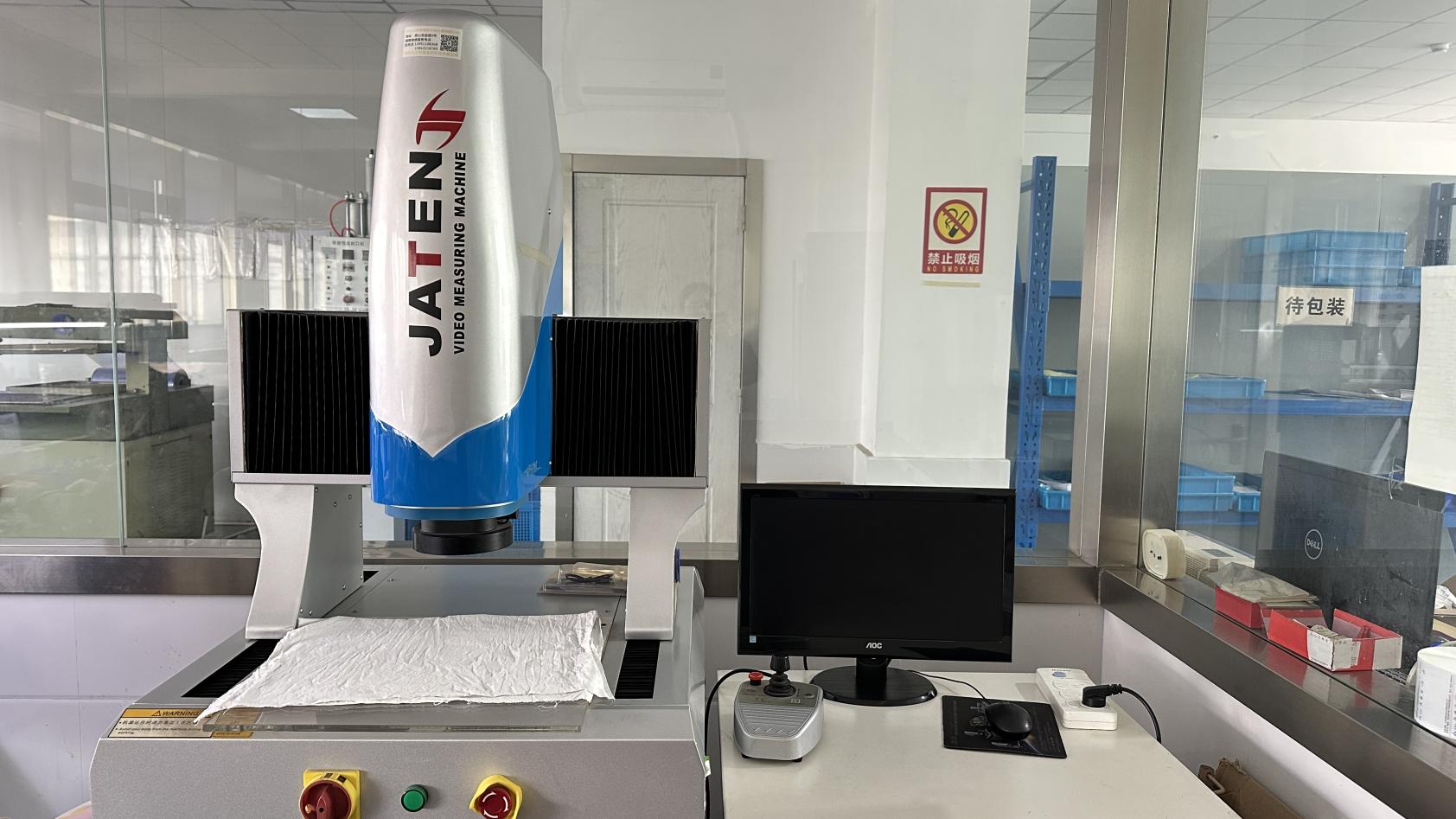
By utilizing advanced multi-axis CNC machines and automated optical inspection systems, we reduce labor-dependent variations. This improves dimensional repeatability and optimizes manufacturing efficiency for large-scale orders.
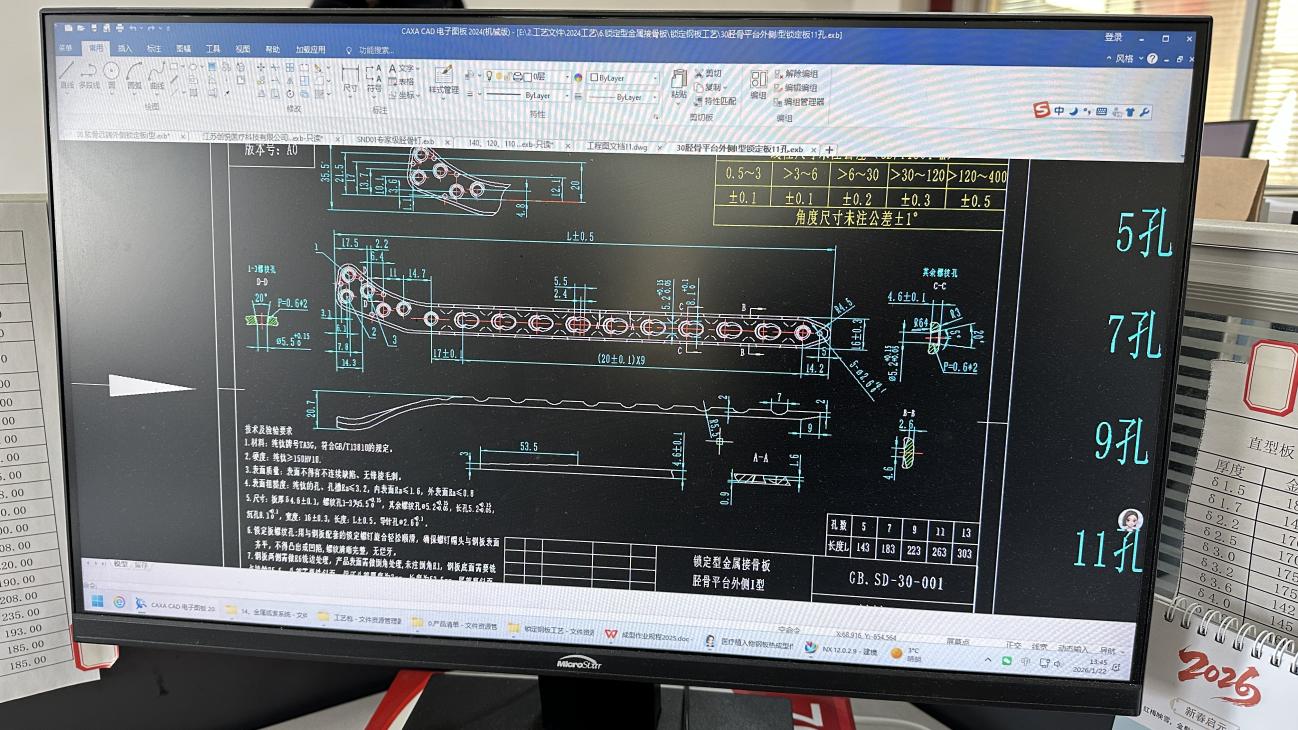
Our integrated R&D department quickly transitions CAD designs from surgical CT scans into physical titanium or PEEK implants. This accelerated cycle helps international partners get custom devices to clinic faster.
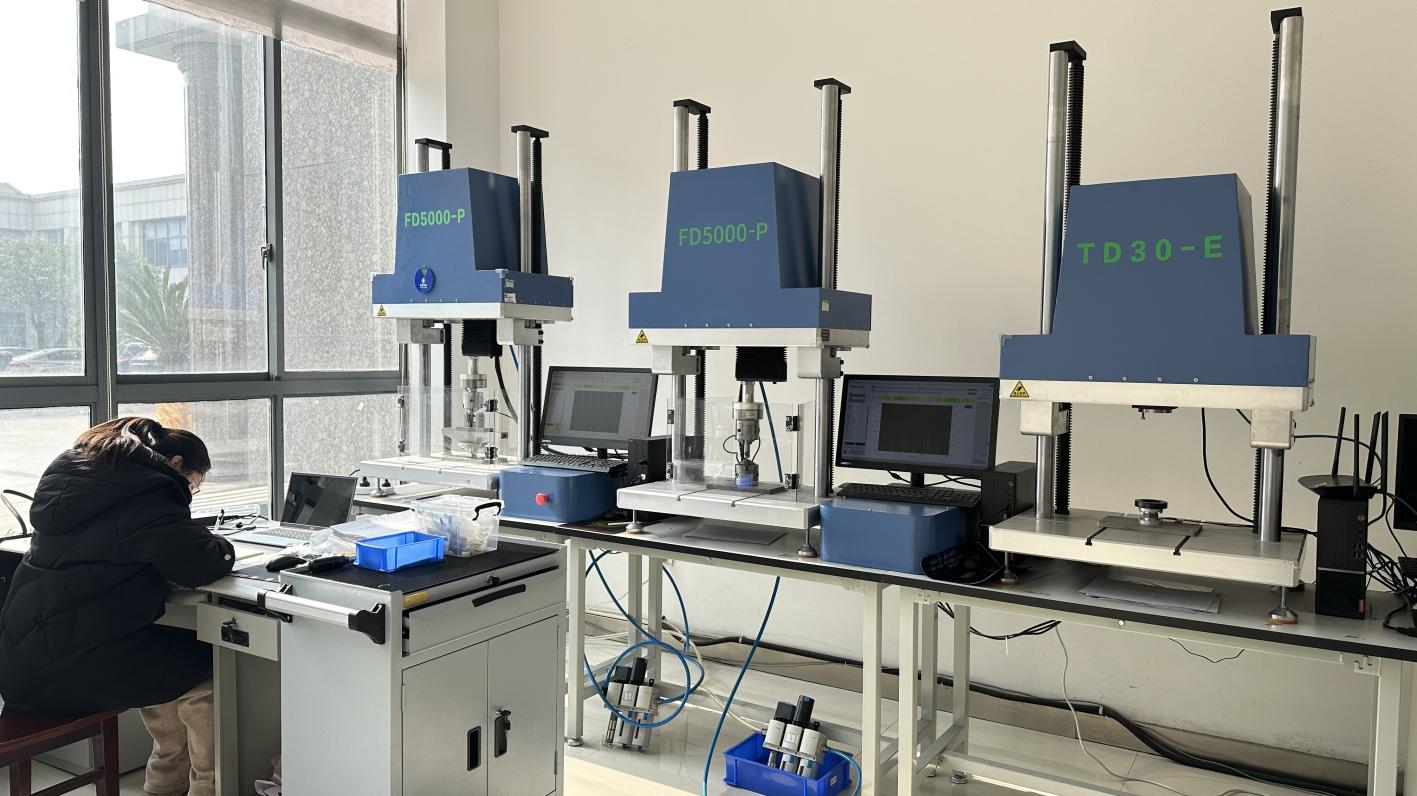
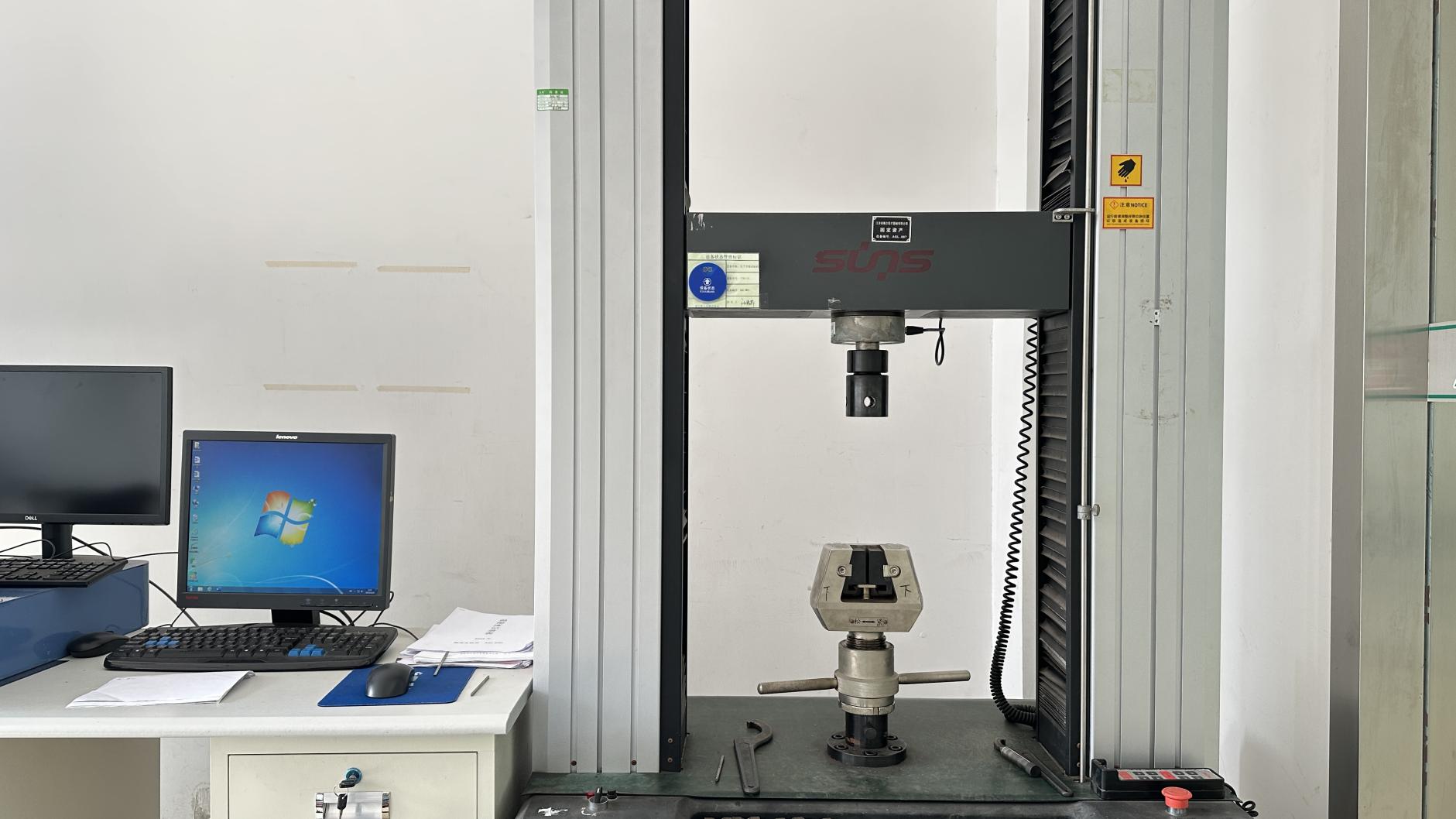
Our industrial facility utilizes modern machinery to ensure consistent production tolerances.
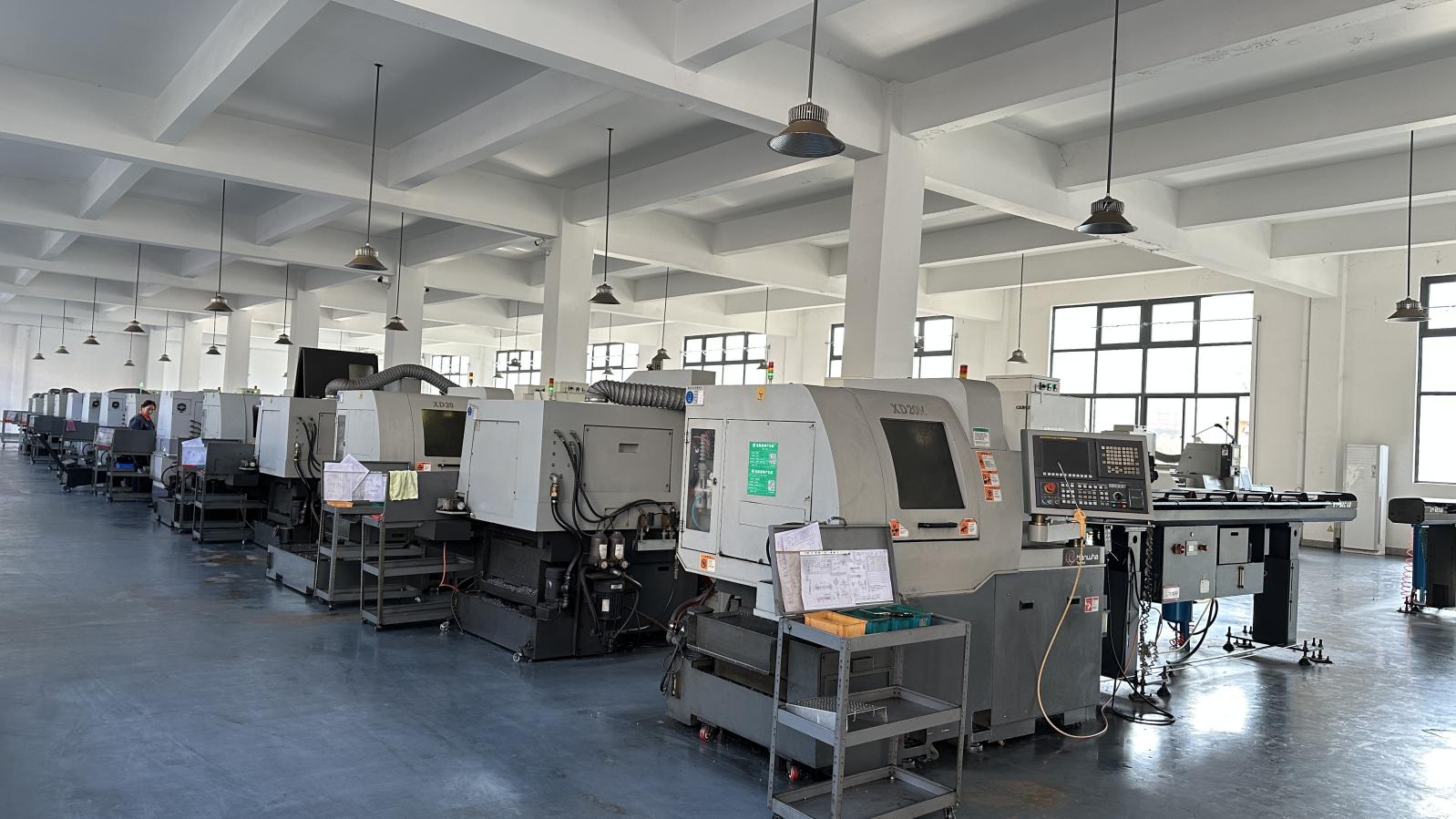
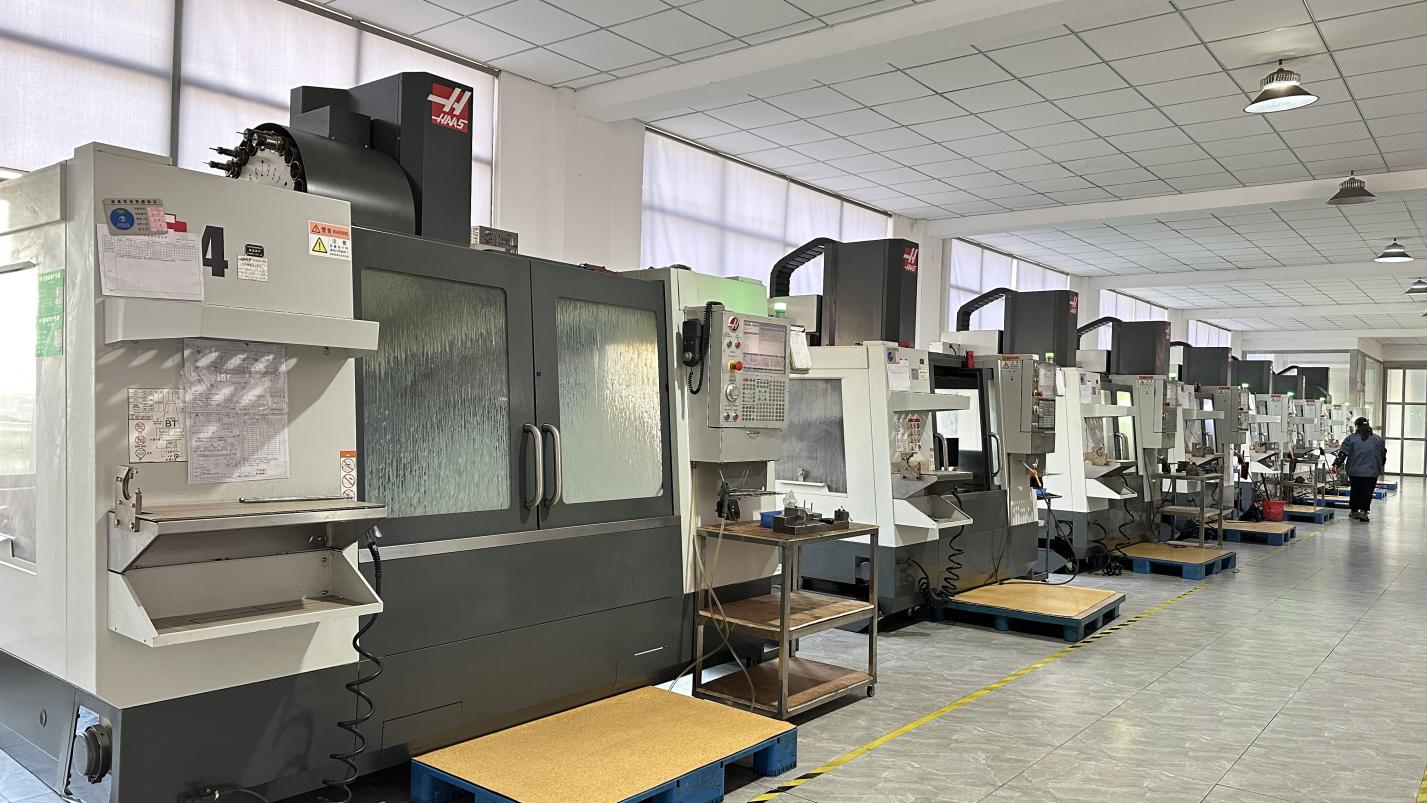
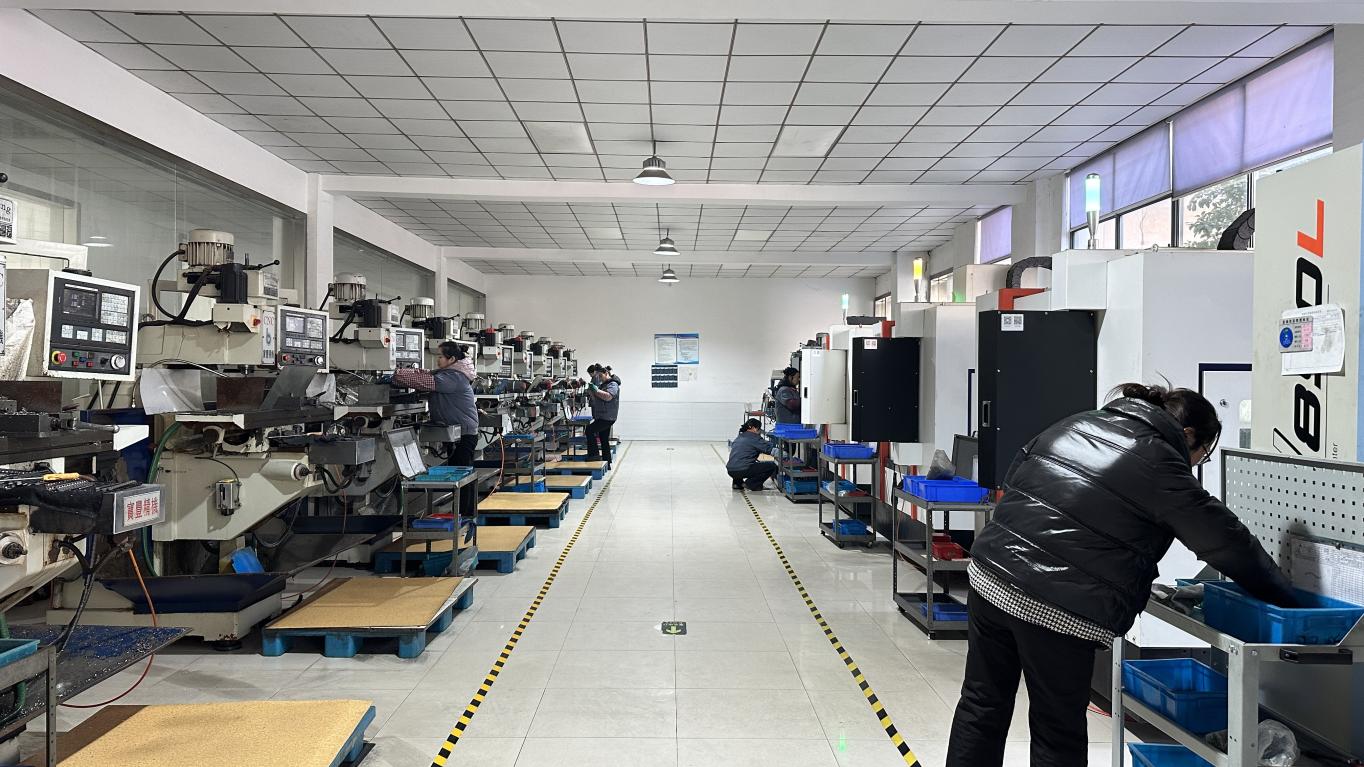
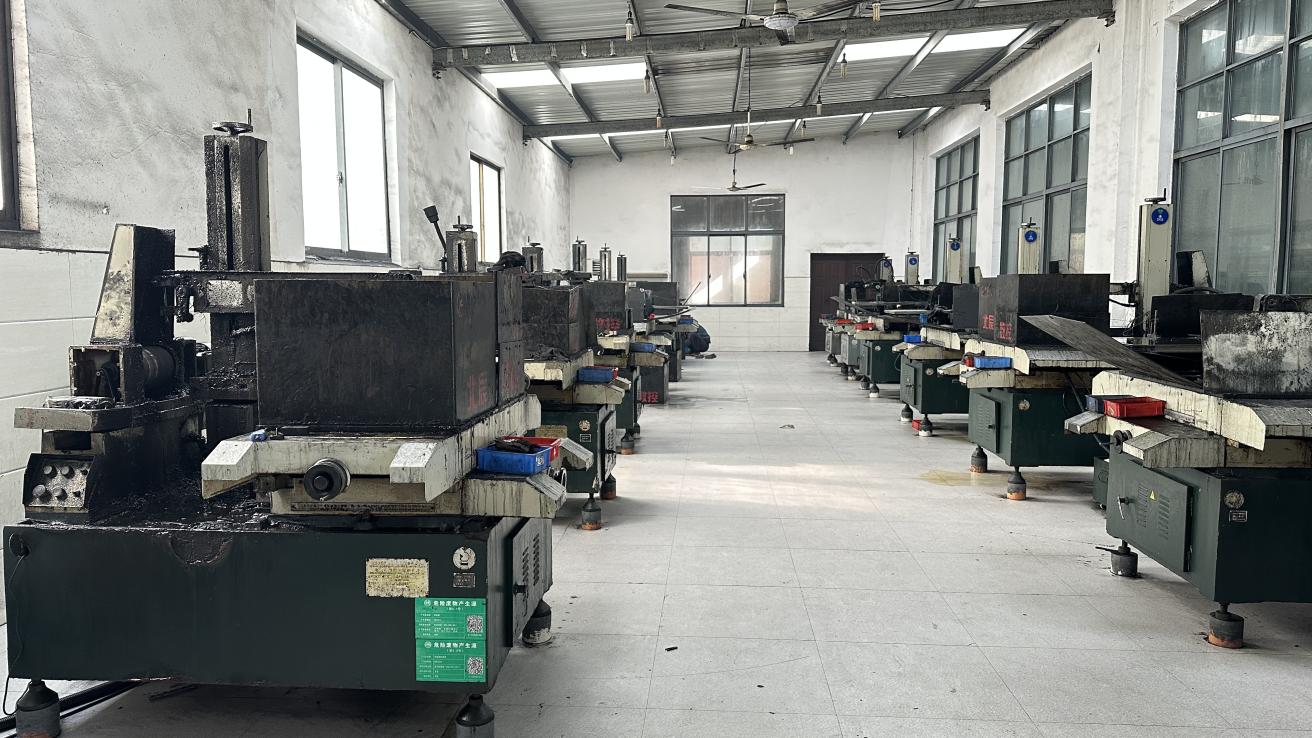
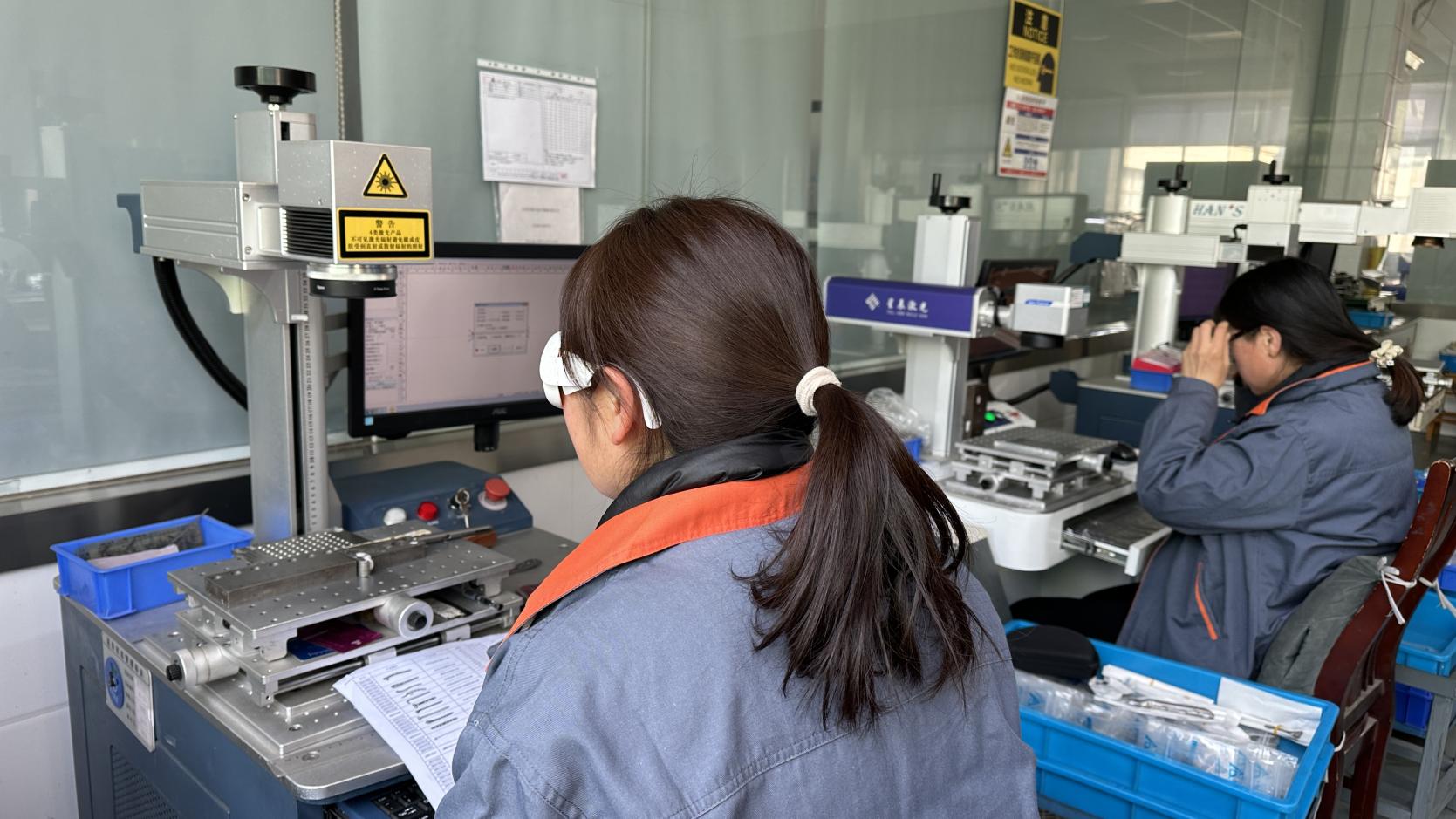

Medisplint operates under a strict "zero defect" policy, supported by our internal materials testing lab.
Craniofacial implants serve key clinical areas where dimensional accuracy is crucial for patient outcomes. Modern surgical workflows rely on precision manufacturing to address the following key treatment pathways:
For repairing structural cranial defects resulting from decompression procedures, physical traumas, or tumor removal. Rigid fixation helps shield underlying brain tissues during recovery.
Treating complex facial bone fractures, mandibular adjustments, and orbital floor restorations. Thin, low-profile plates minimize tissue irritation under facial structures.
Addressing congenital cranial conditions like craniosynostosis. Using micro-sized fixation systems helps manage adjustments in growing pediatric structures.
Global procurement teams look for suppliers that can scale production while meeting regulatory standards. Hospital networks and distributors require documented biocompatibility, low contamination risk, and consistent mechanical properties across batches. Sourcing from OEM/ODM partners like Medisplint helps procurement groups manage inventory levels and obtain complete technical documentation for local regulatory filings.
Common inquiries regarding OEM/ODM design, material certifications, and ordering logistics.
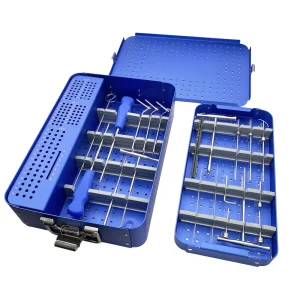
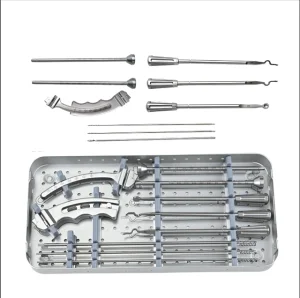
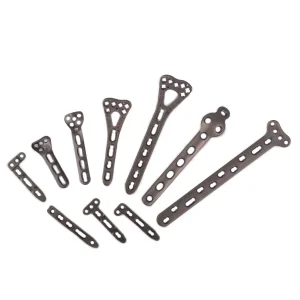
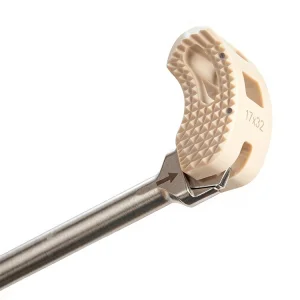
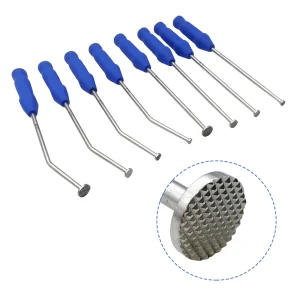
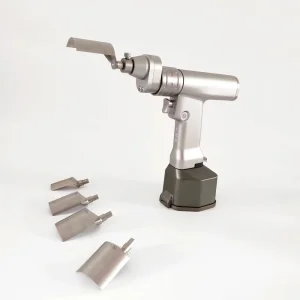
A range of auxiliary instruments and orthopaedic hardware designed for diverse clinical procedures.