Medisplint
Medisplint
Medisplint
Explore our premium clinical implants and state-of-the-art orthopedic devices optimized for global procurement.
Vertebral Body Replacement (VBR) has revolutionized surgical intervention for patients suffering from severe spinal instability, metastatic vertebral tumors, complex bursts, or degenerative multi-level disc diseases. The objective of VBR is simple yet technically challenging: to restore structural height, stabilize the anterior spinal column, and establish optimal load-bearing dynamics within the spinal biomechanical environment.
Historically, bone grafts and rigid mesh cylinders defined the standard of care. Modern clinical needs require customizable, modular, and dynamic VBR systems. The shift from standard off-the-shelf cages to customizable OEM implants represents a paradigm shift. Designers and surgeons now collaborate to adapt implants to individual endplate angles, density values, and anatomical curvatures.
With advanced materials such as PEEK (Polyetheretherketone) and bio-compatible Titanium Alloys (Ti6Al4V ELI), modern VBR implants offer an elasticity modulus closely mirroring human cortical bone. This reduces the risk of implant subsidence—a common failure mode where rigid materials sink into softer bone tissue over time.
Navigating Class III medical device supply chains demands uncompromising manufacturing standards and strict verification mechanisms.
For procurement officers, regional distributors, and hospital networks, selecting a manufacturing partner goes beyond basic cost calculations. Because spinal reconstruction components are permanent implants, they are subject to extreme mechanical forces and complex biological responses, meaning they must meet the highest levels of structural integrity.
At Medisplint Orthopedic Instruments Co., Ltd., we maintain a robust quality infrastructure compliant with ISO 13485 and CE standards. Operating an 18,500㎡ facility with over 10 years of manufacturing experience, we handle complex mechanical components and strict validation protocols. Our trace-monitoring process verifies every step, from raw material ingot sourcing through CNC milling, surface finishing, double-barrier cleanroom packaging, and final sterilization validation.
Our quality assurance department includes 42 certified inspectors utilizing coordinate measuring machines (CMM), tensile strength testers, optical comparators, and fatigue analysis equipment to ensure the long-term reliability of our implants. Additionally, with a team of 85 R&D engineering specialists, we help global clients transform complex anatomical designs into finished, regulatory-compliant medical solutions.
In the past year alone, we introduced 68 new products, reflecting our commitment to continuous development in the dynamic field of reconstructive orthopedics.
Step inside Medisplint's integrated manufacturing and quality control ecosystem, where technology meets medical precision.
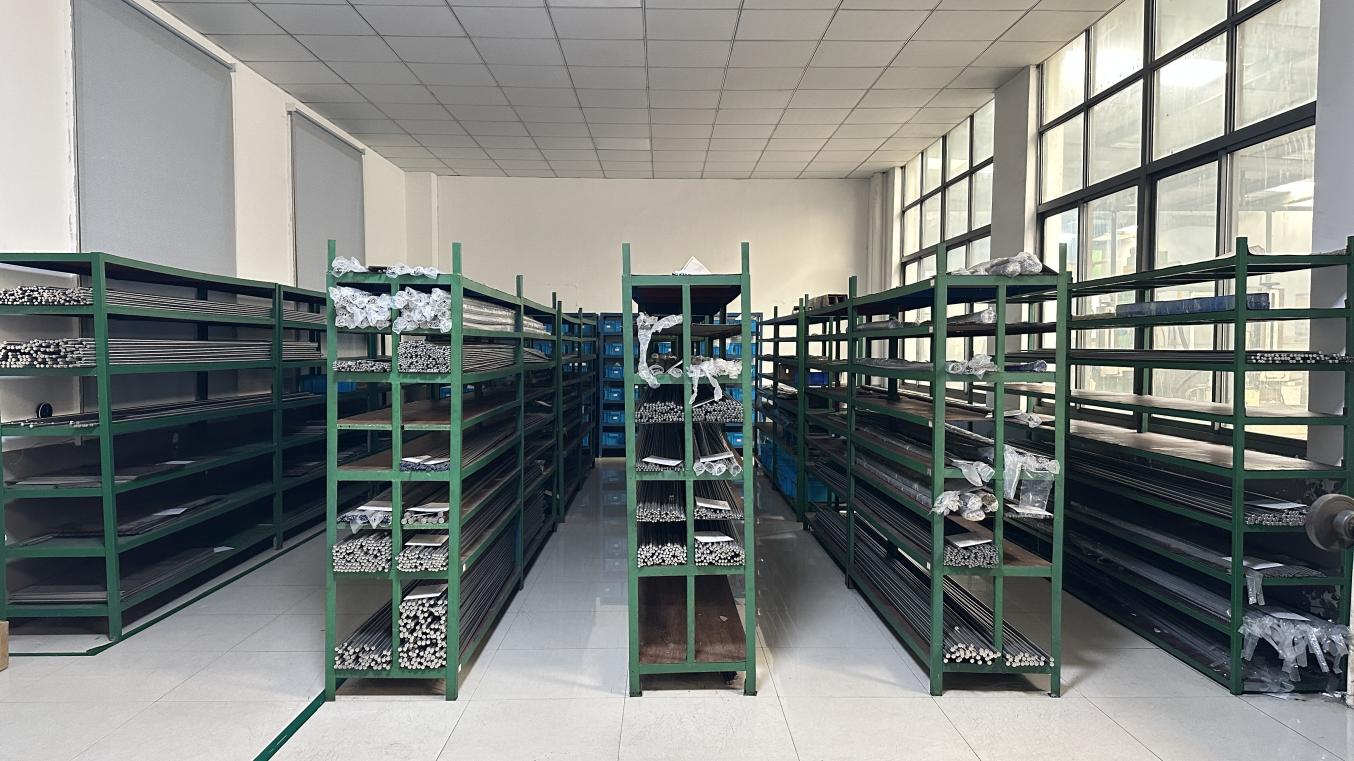
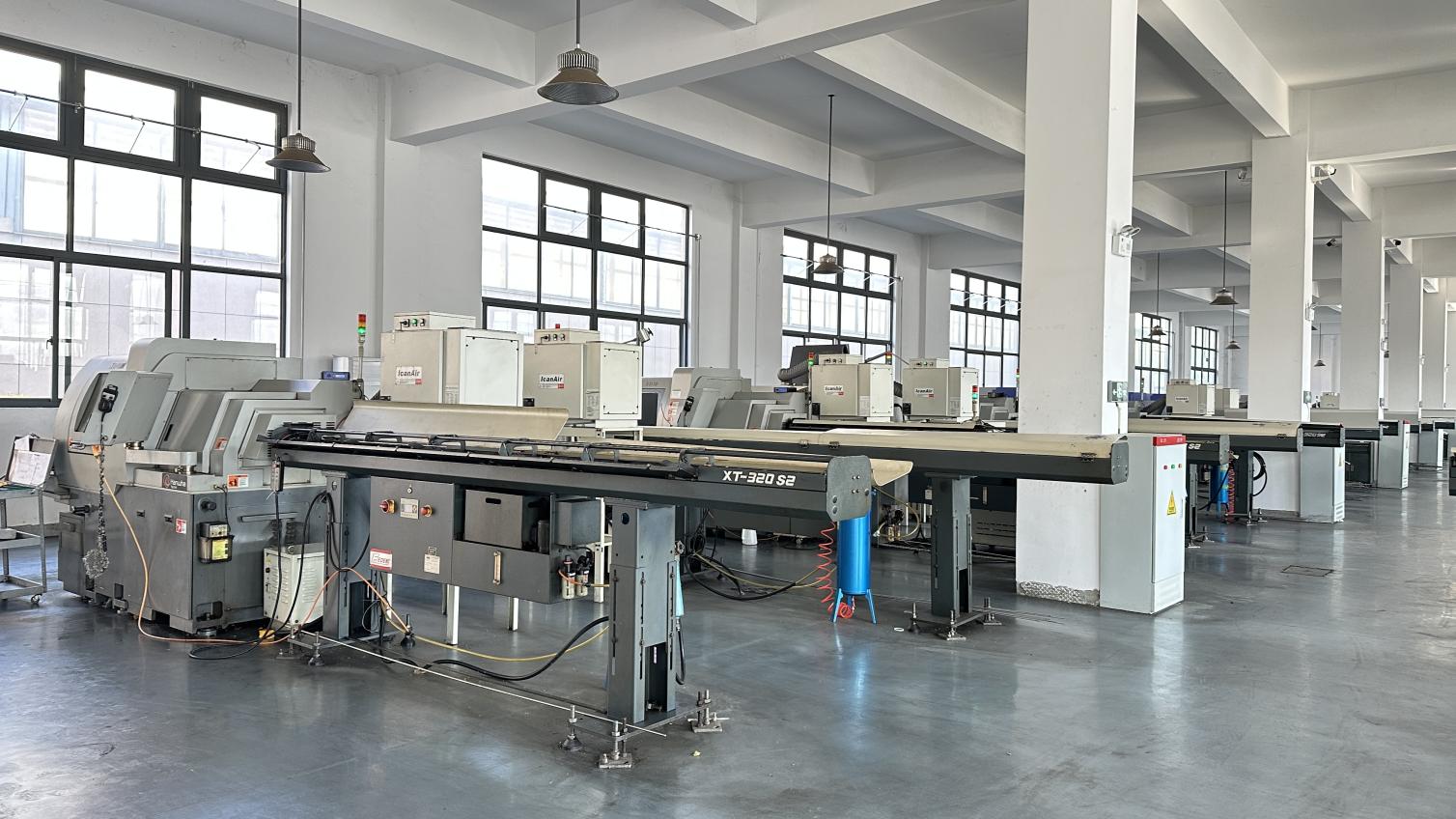
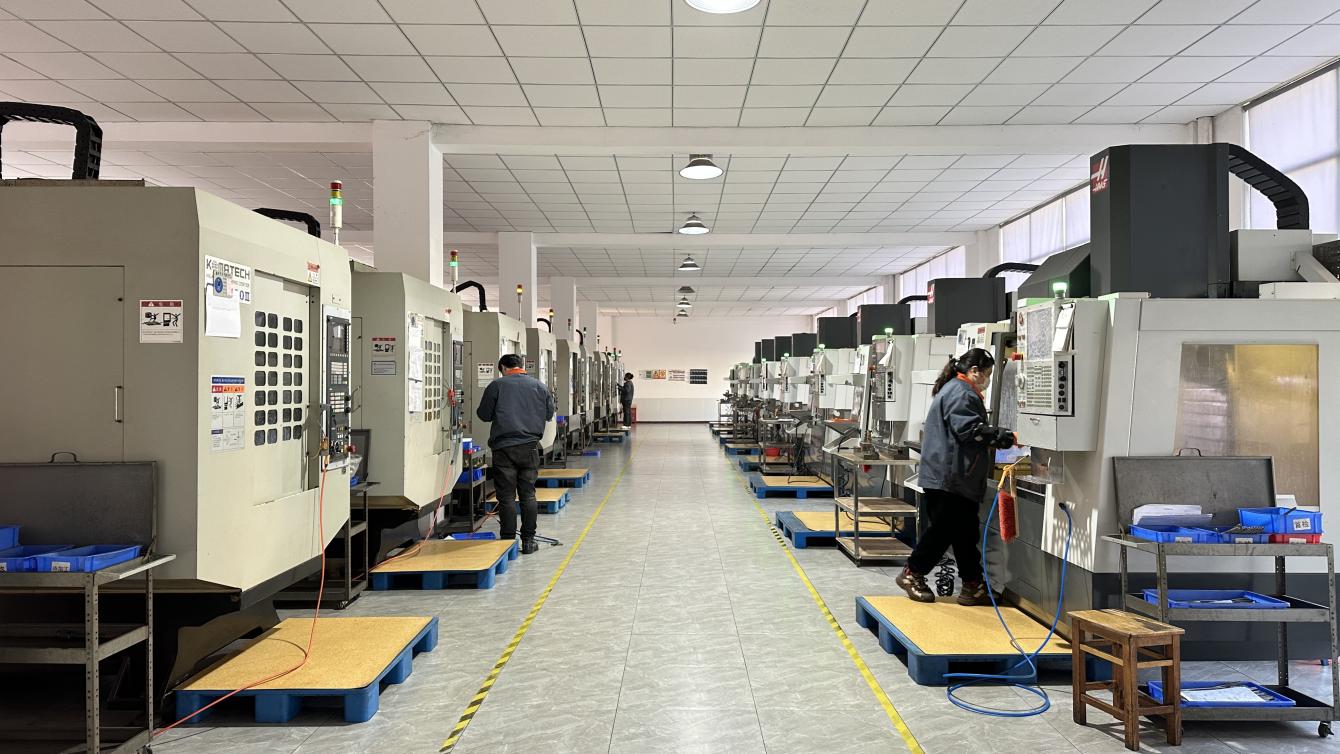
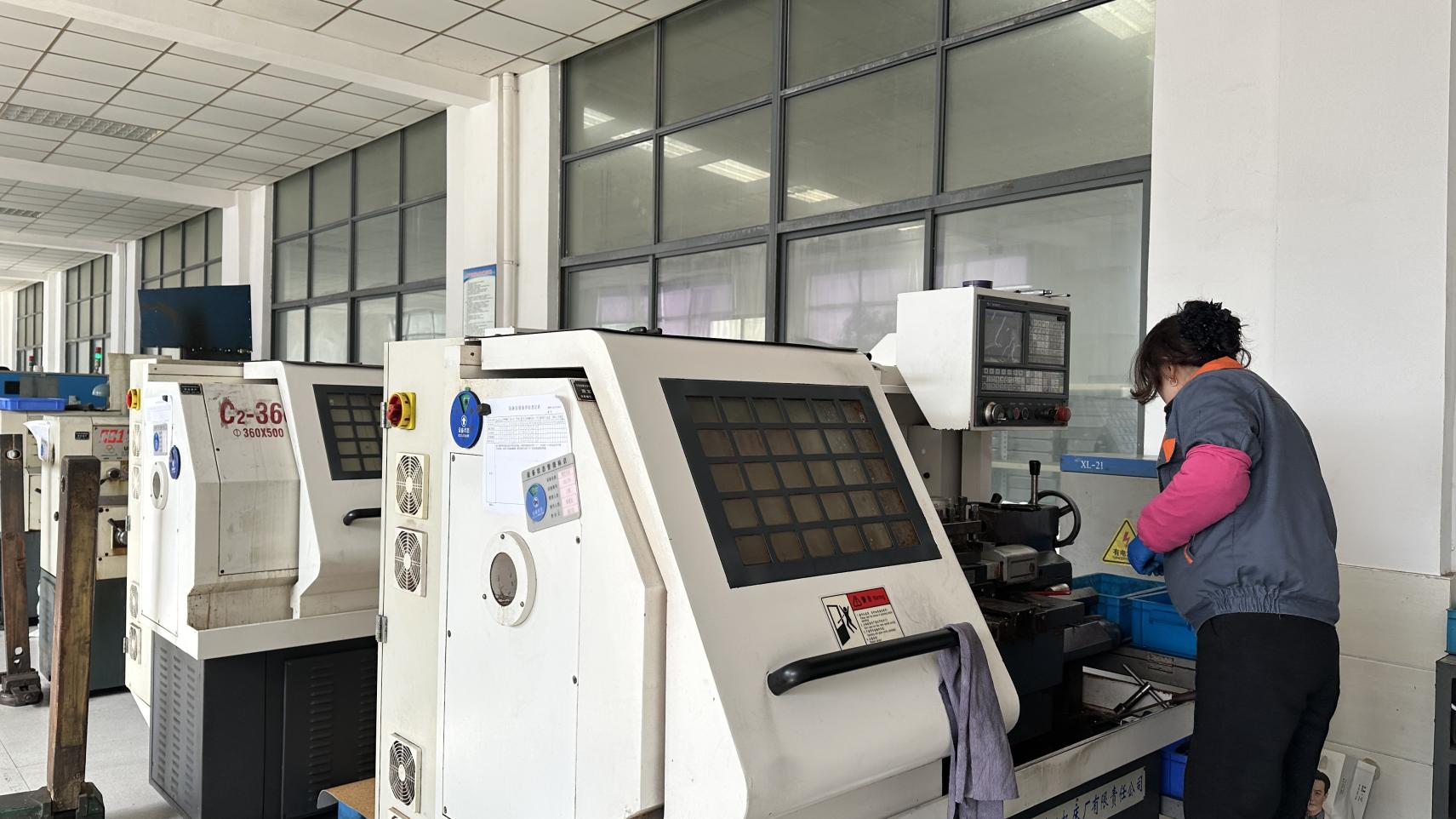
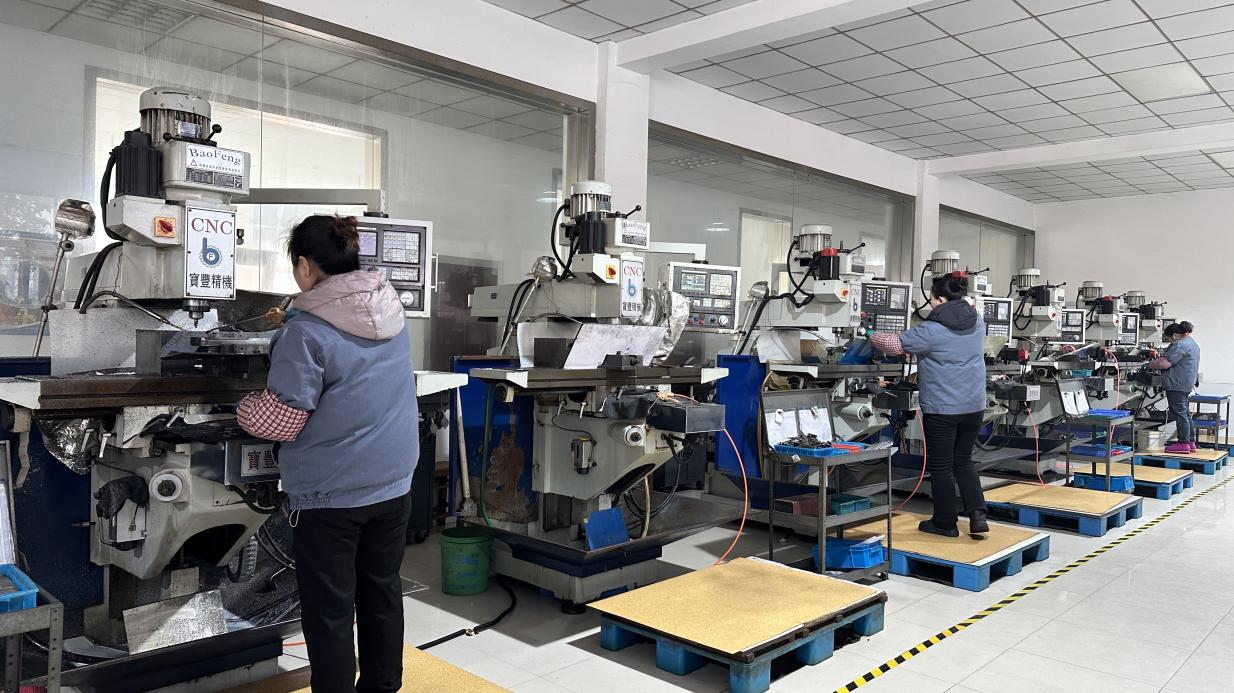
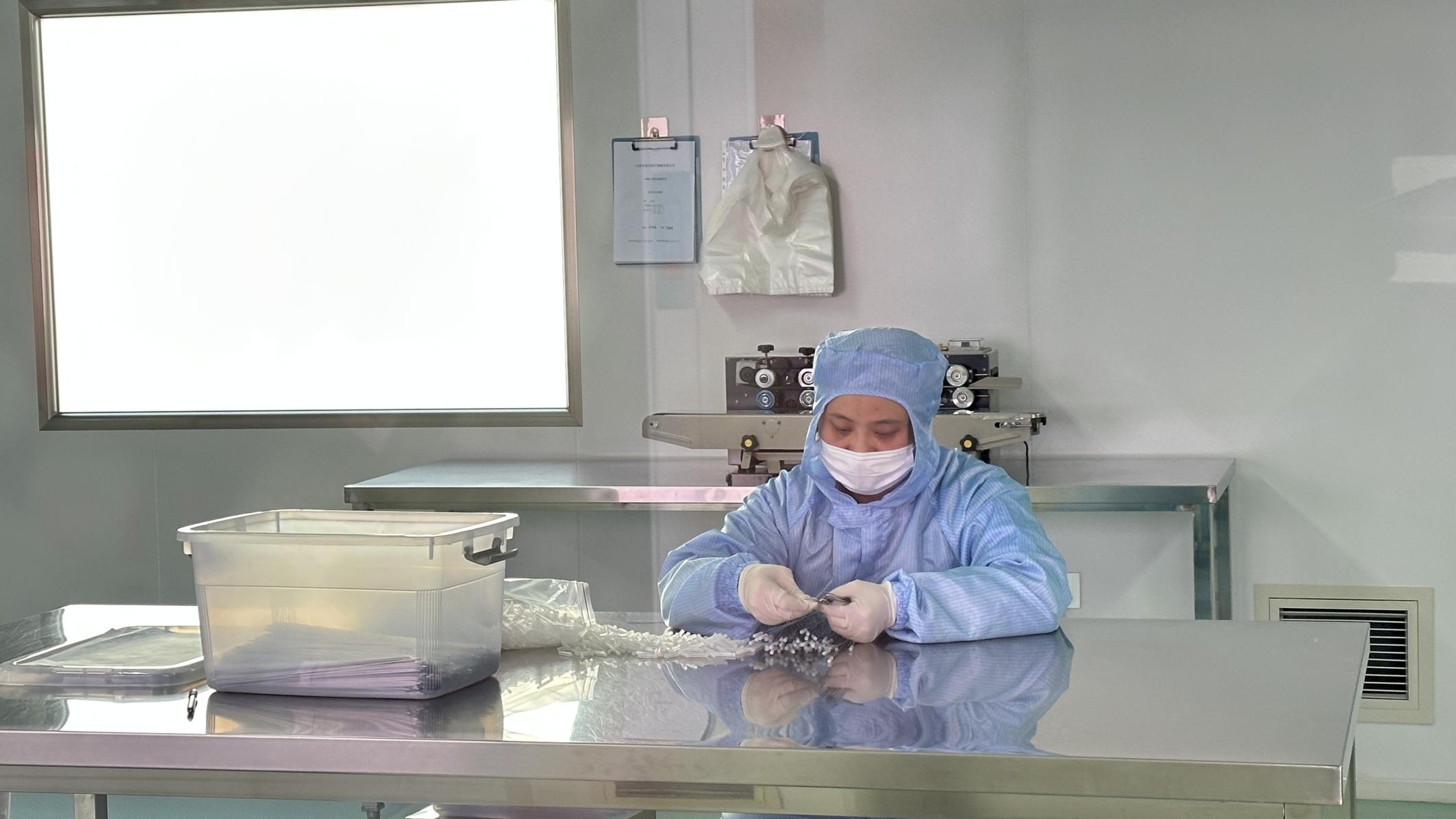
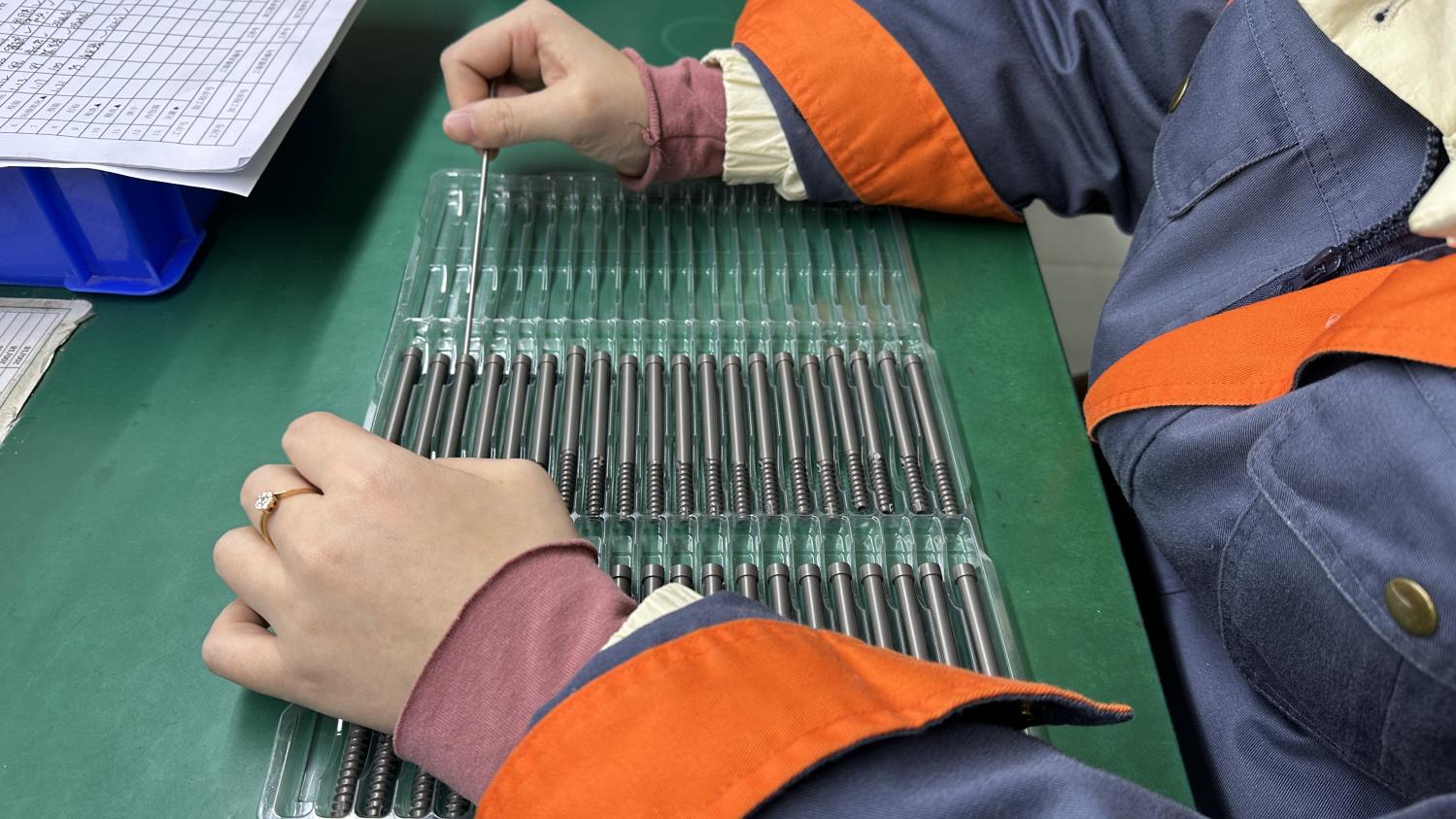
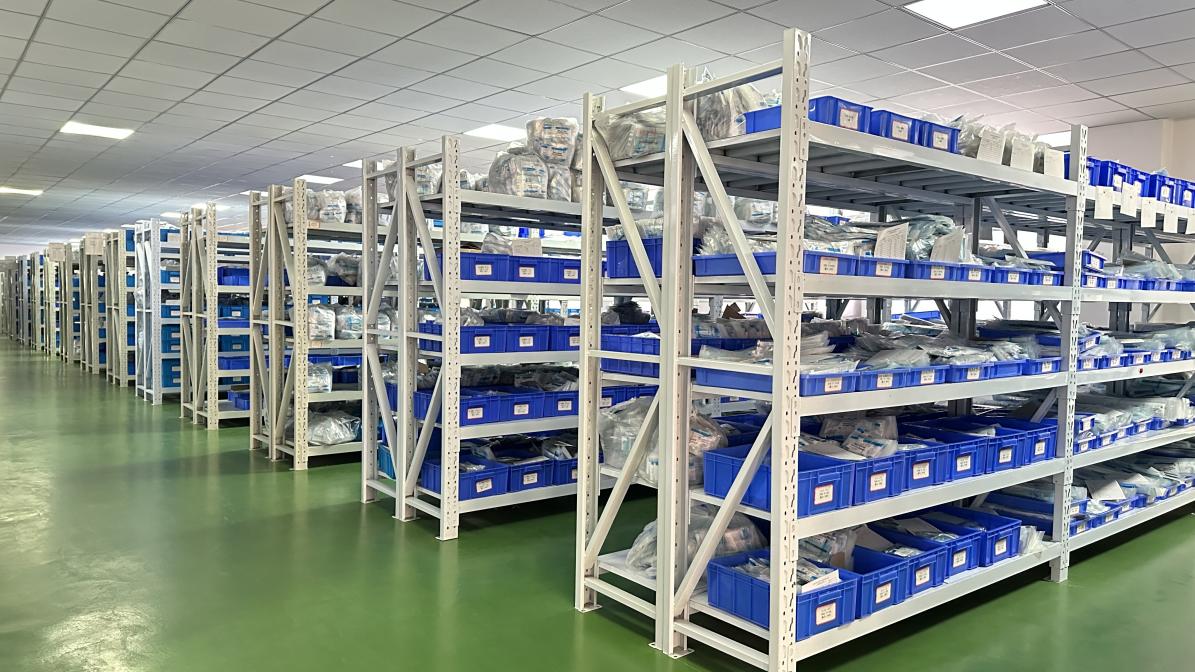
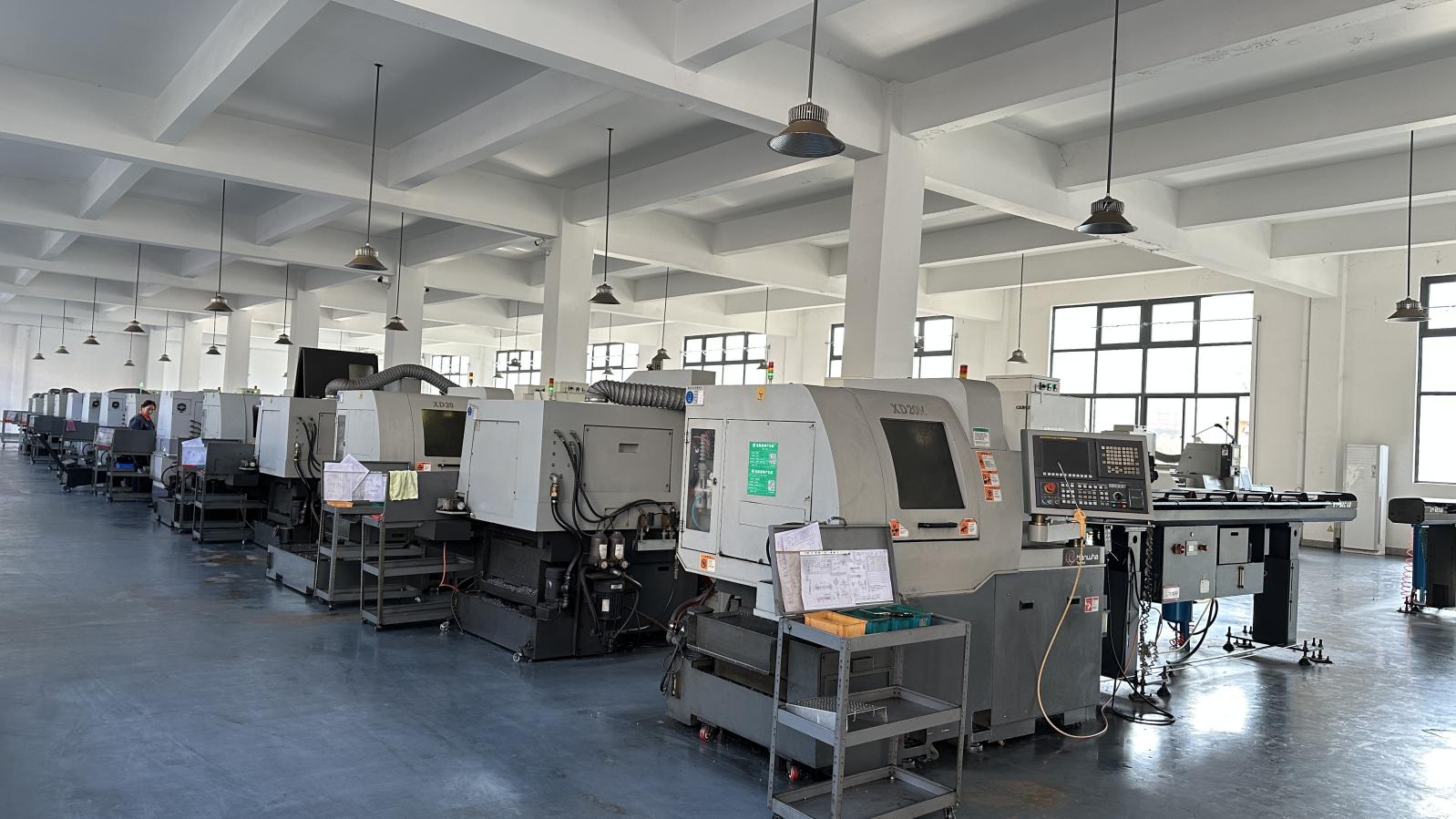
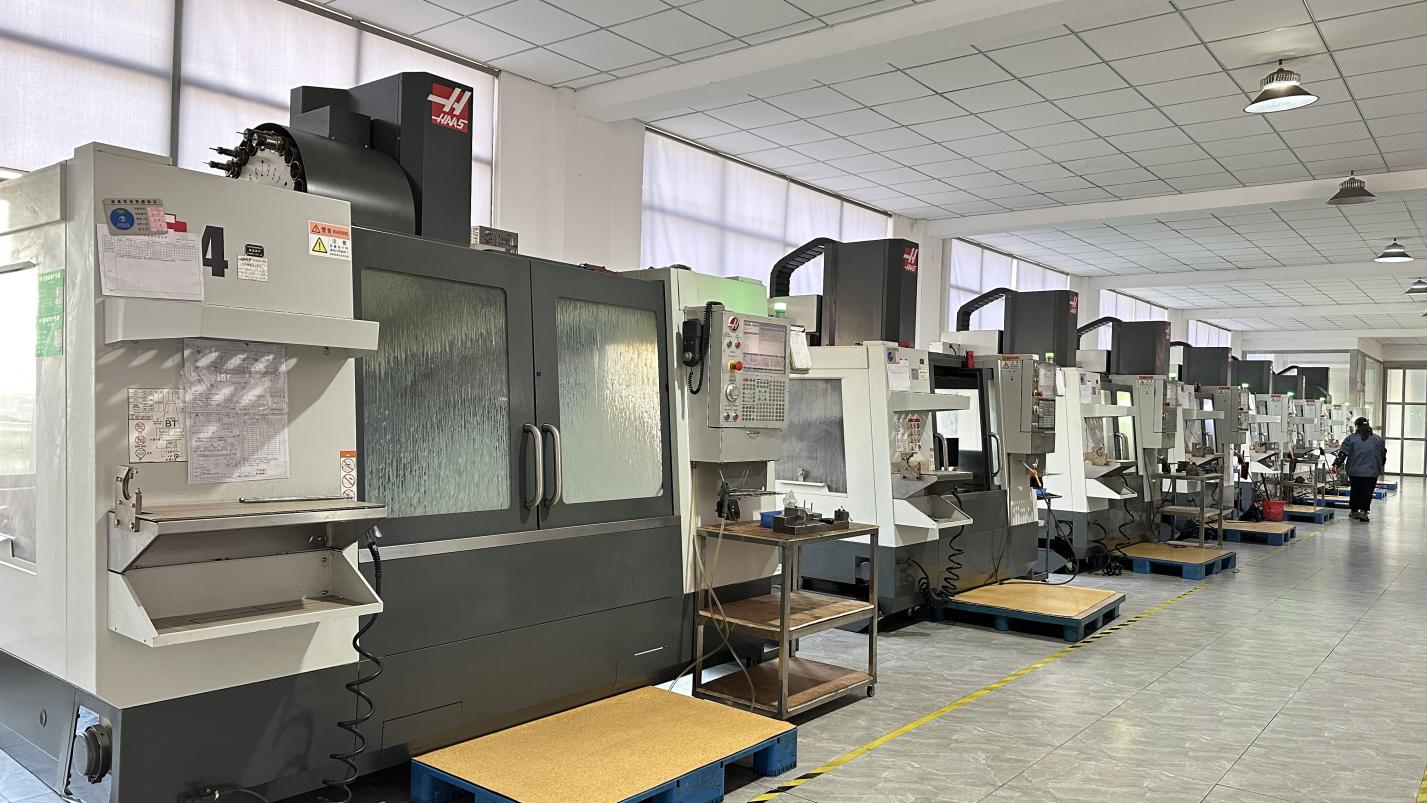
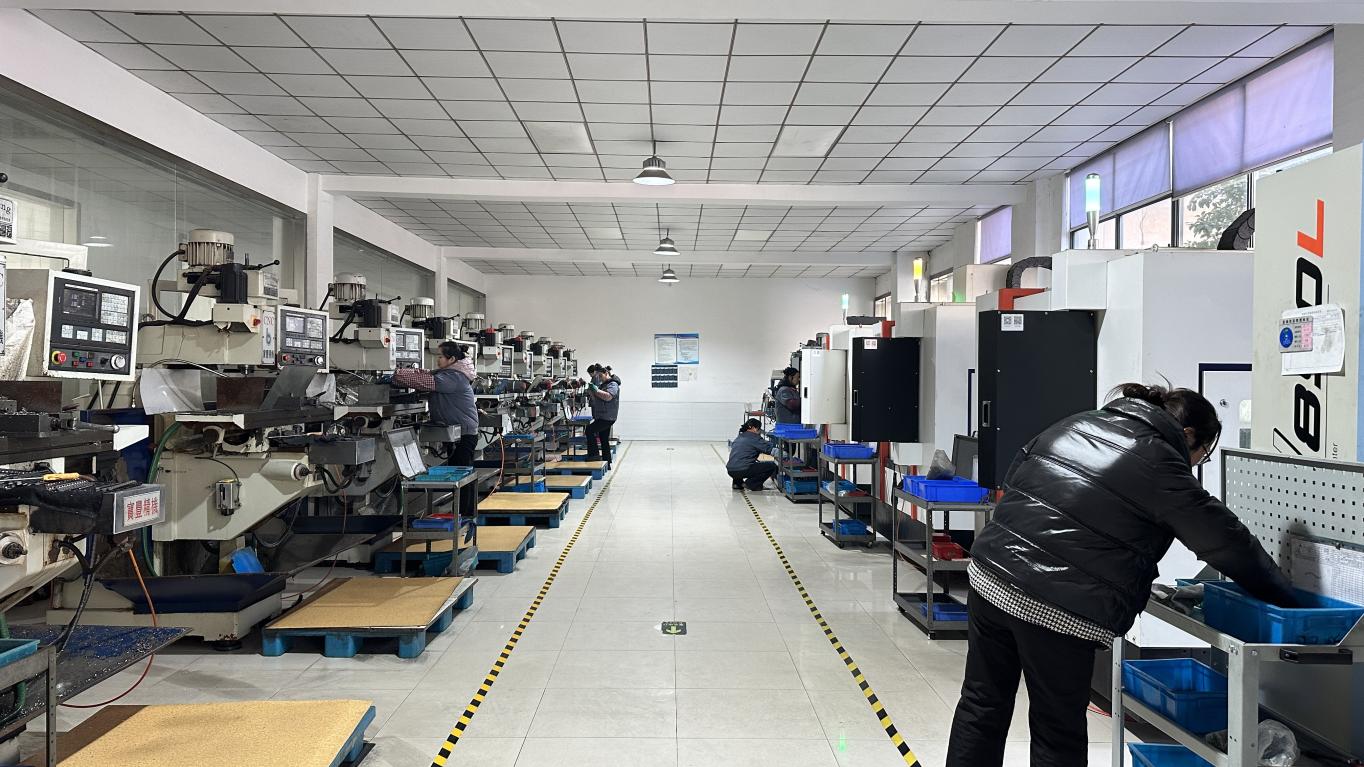
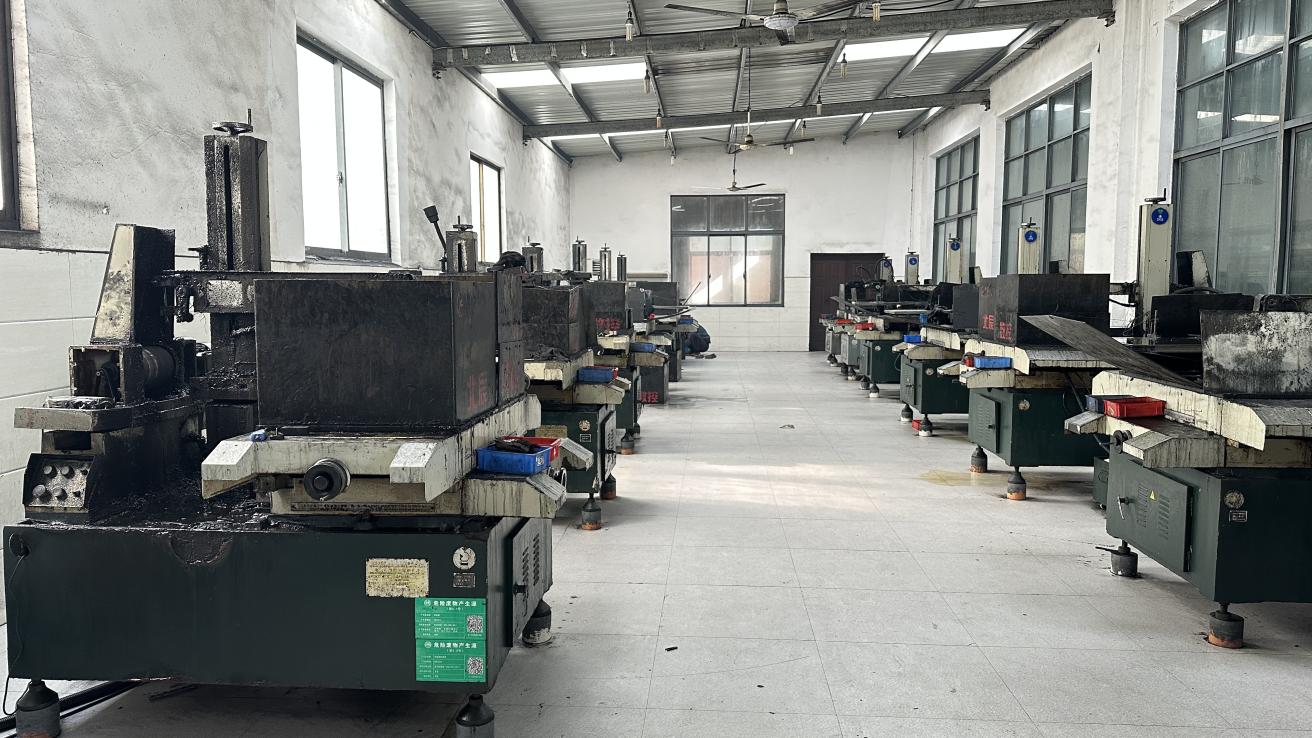
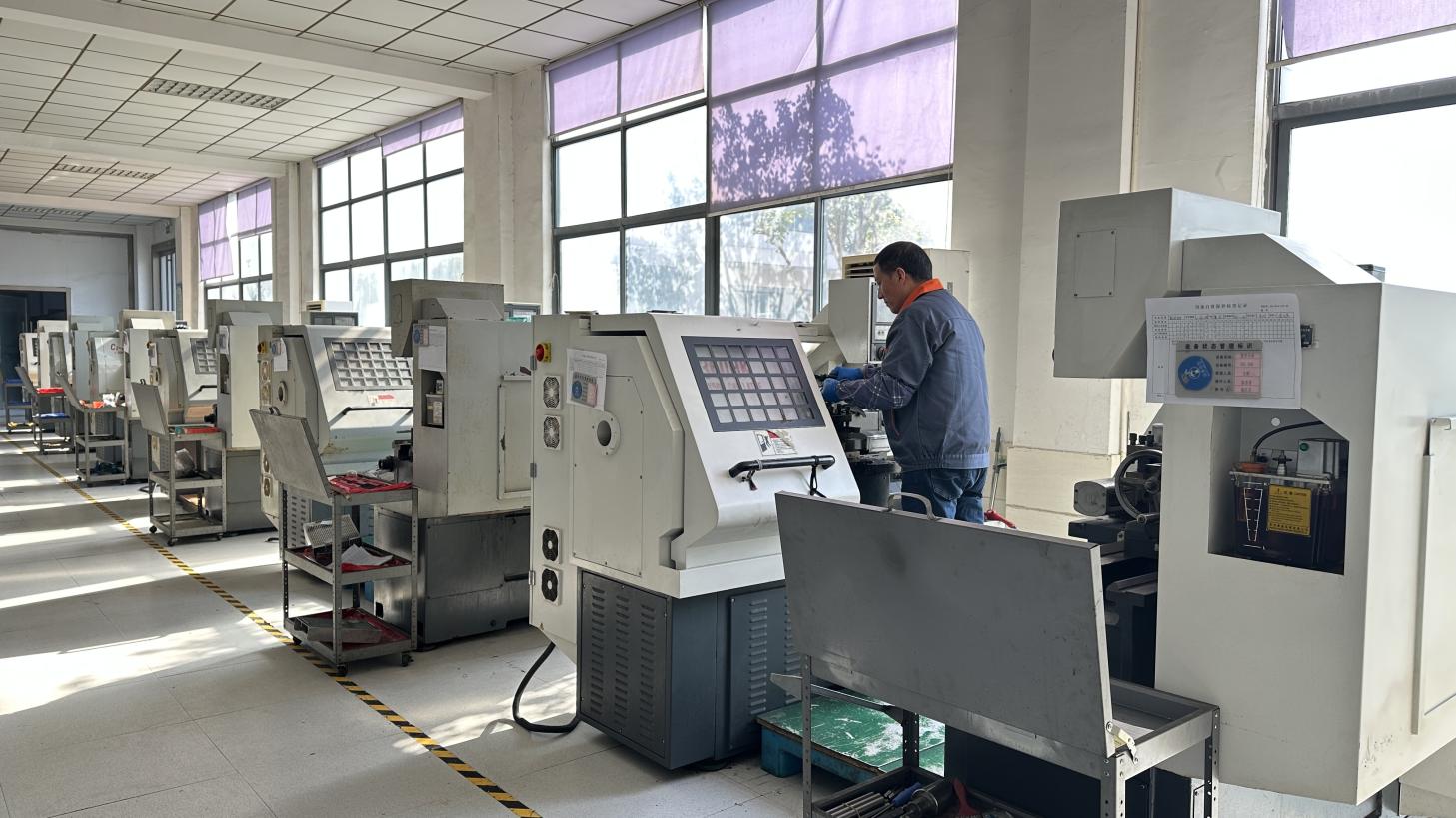
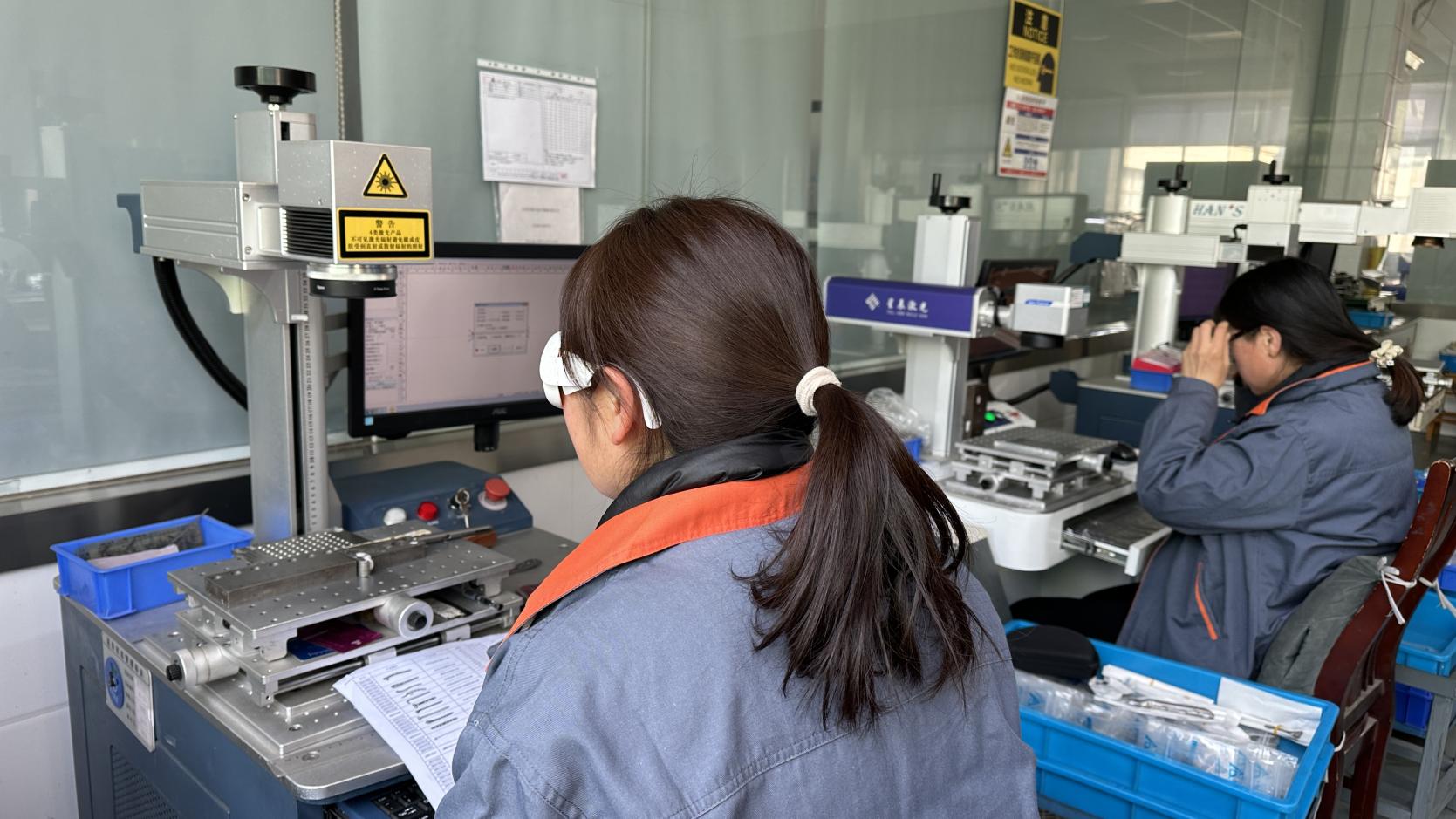
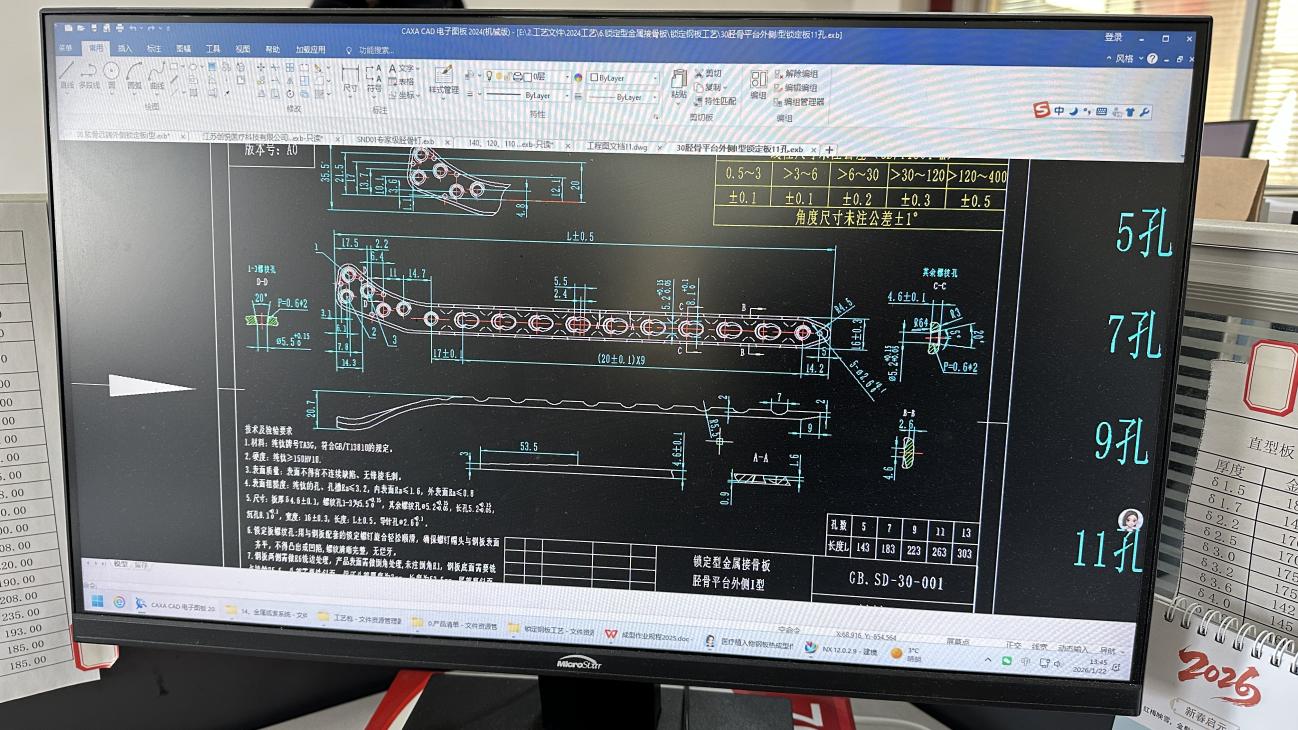
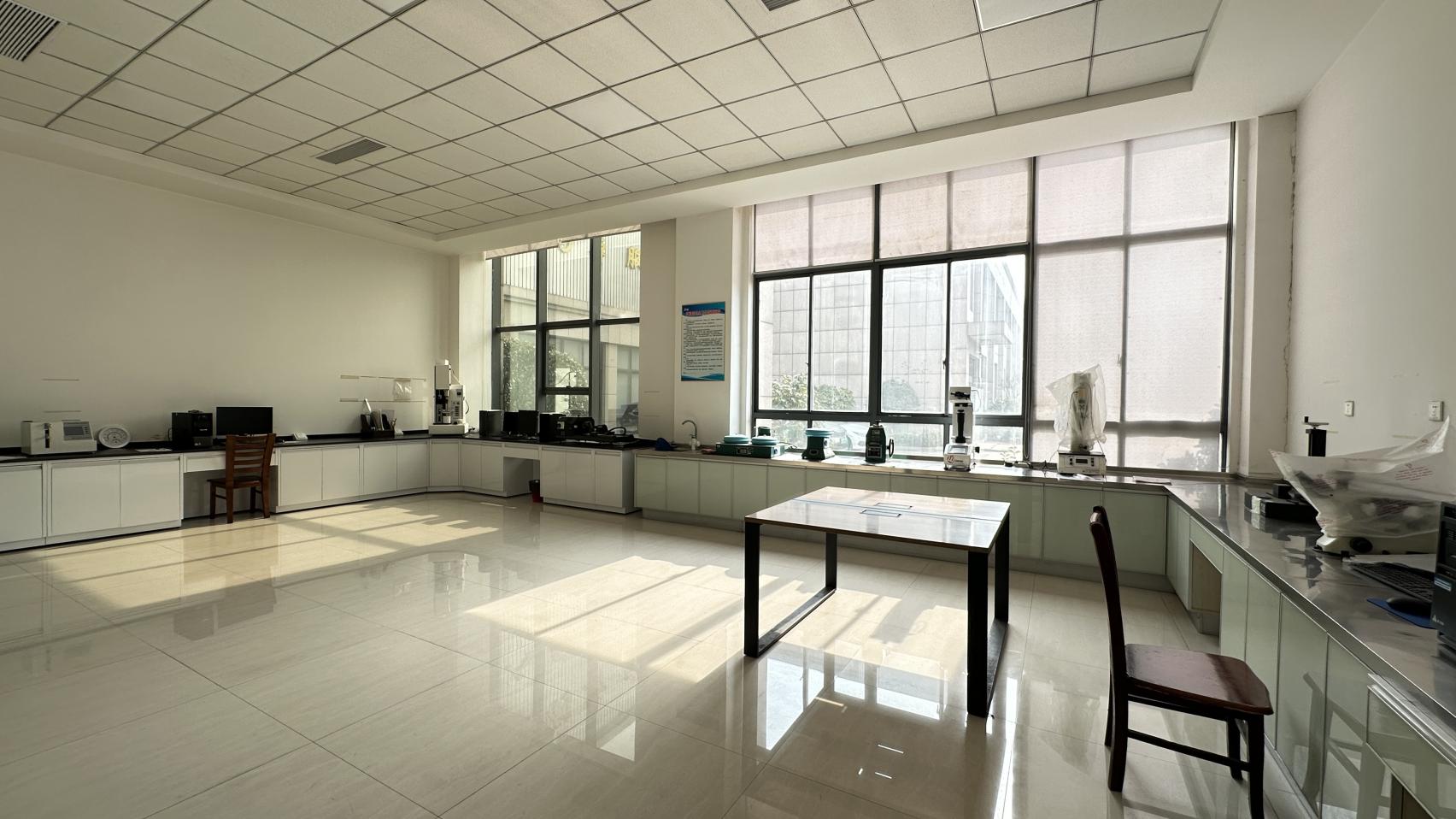
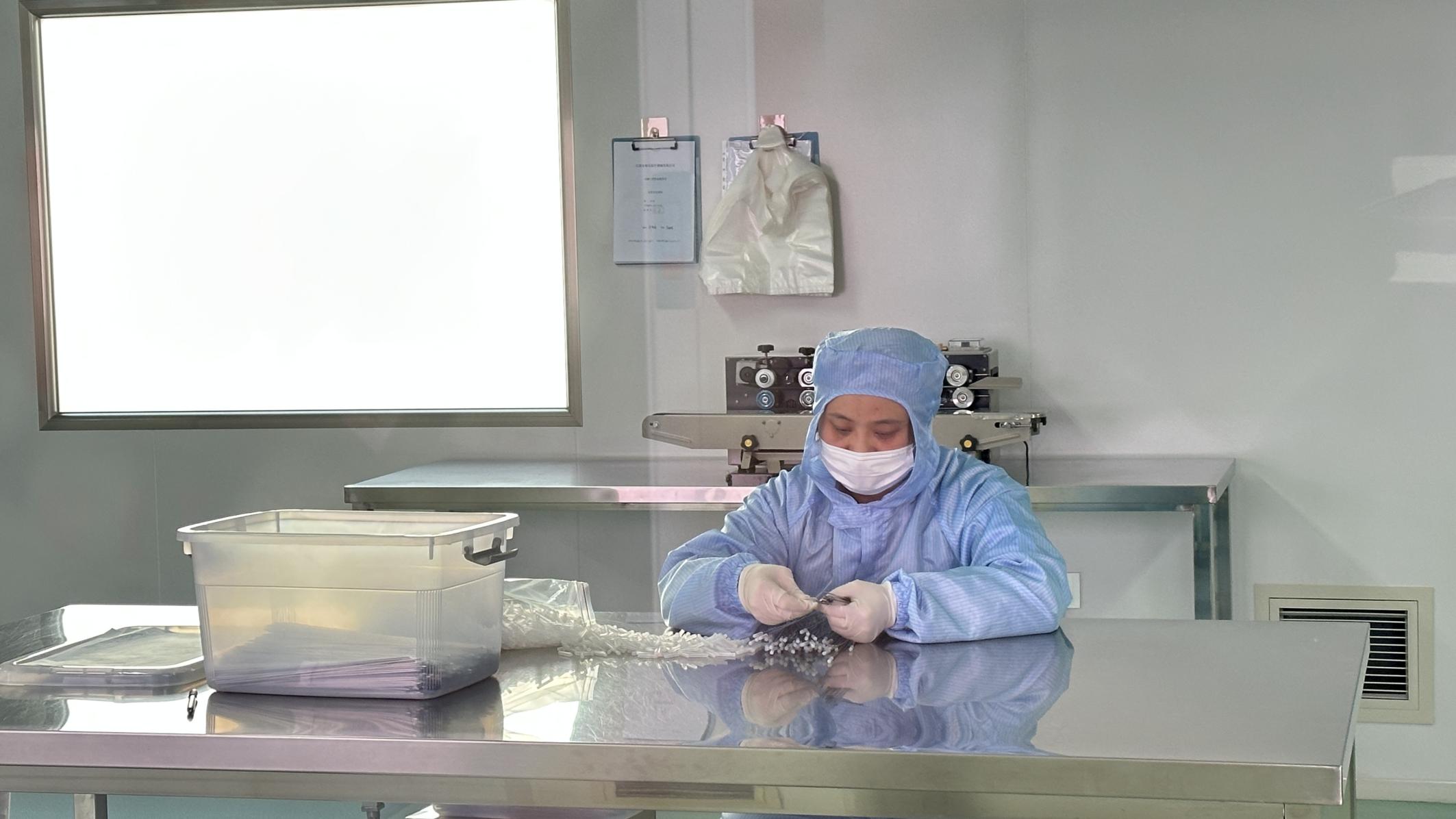
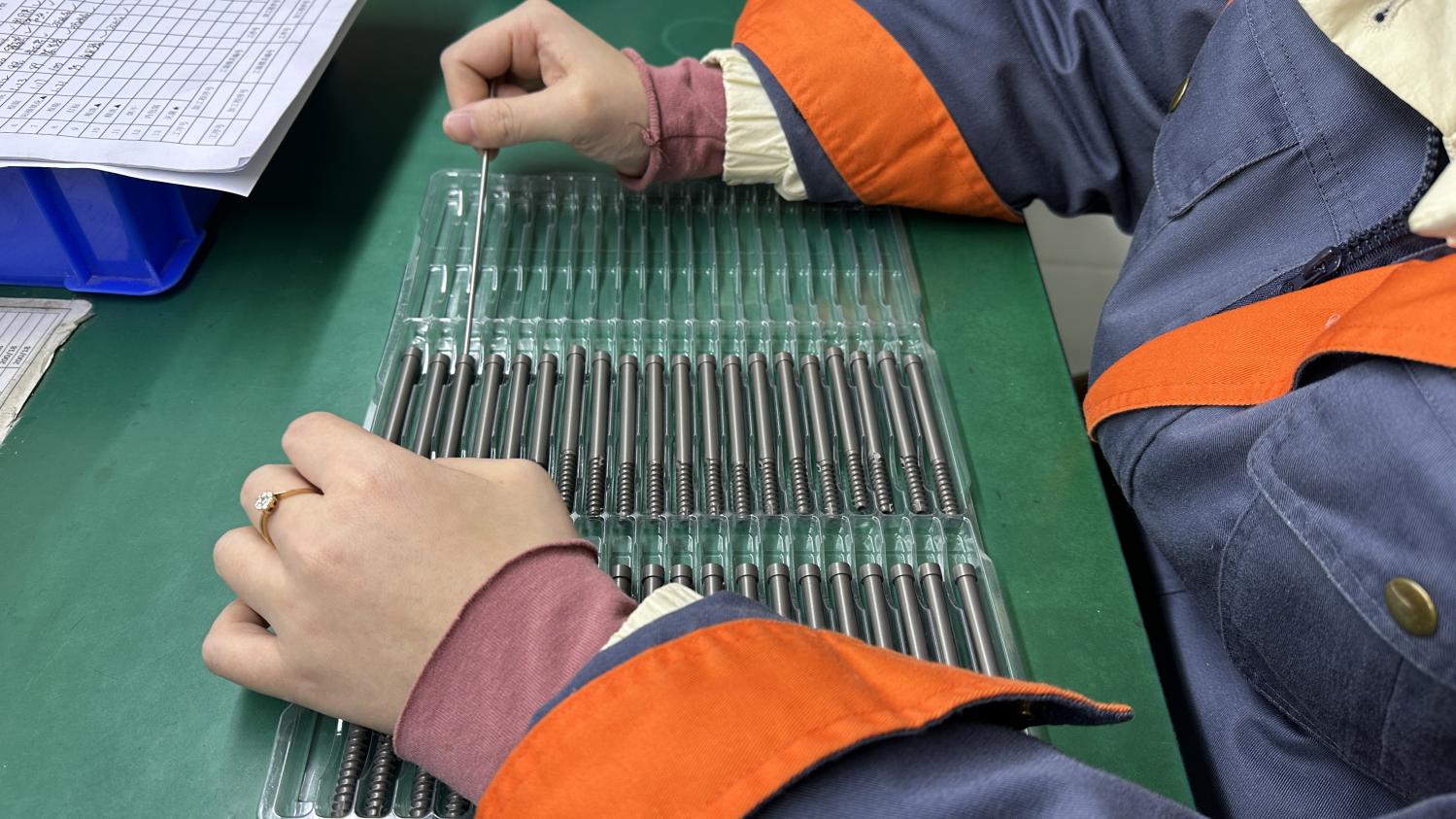
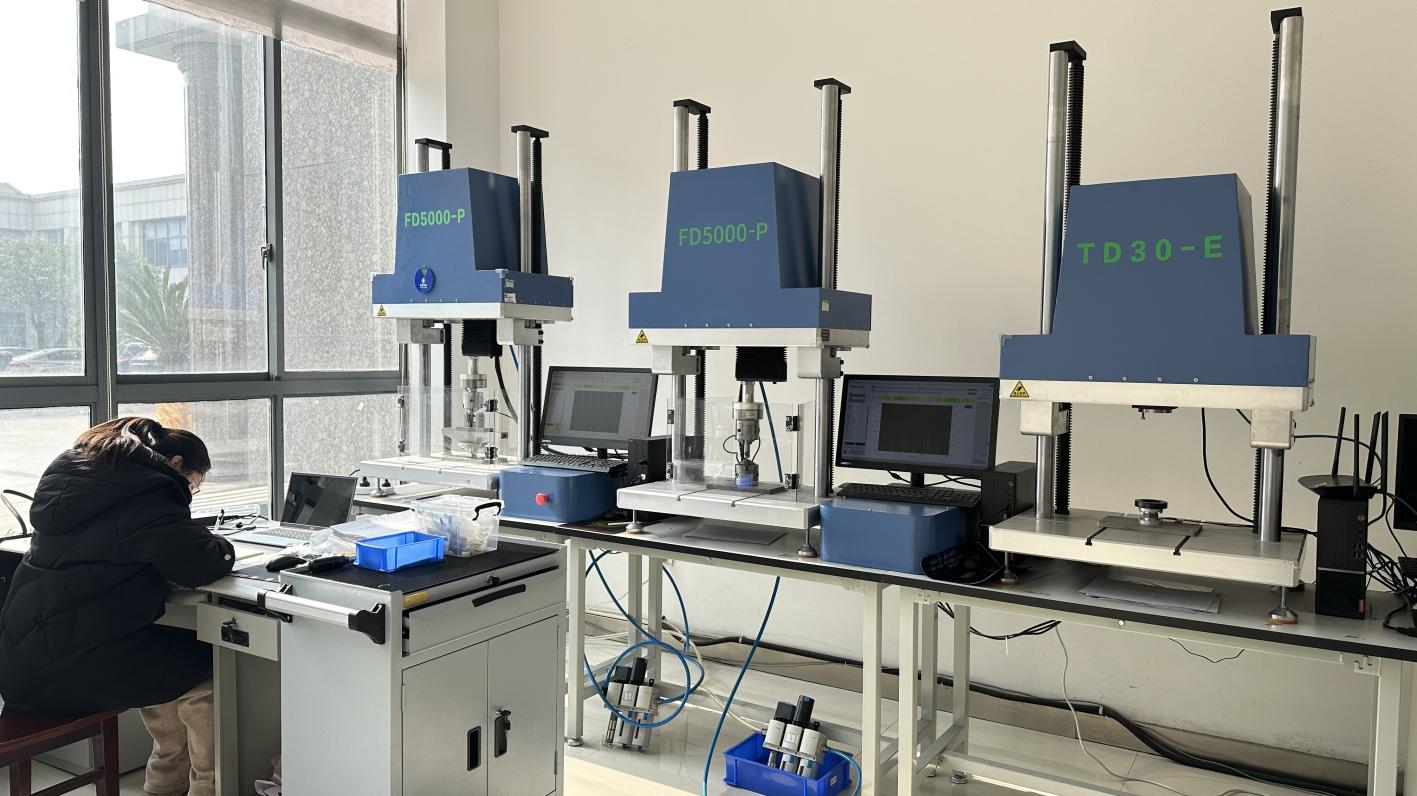
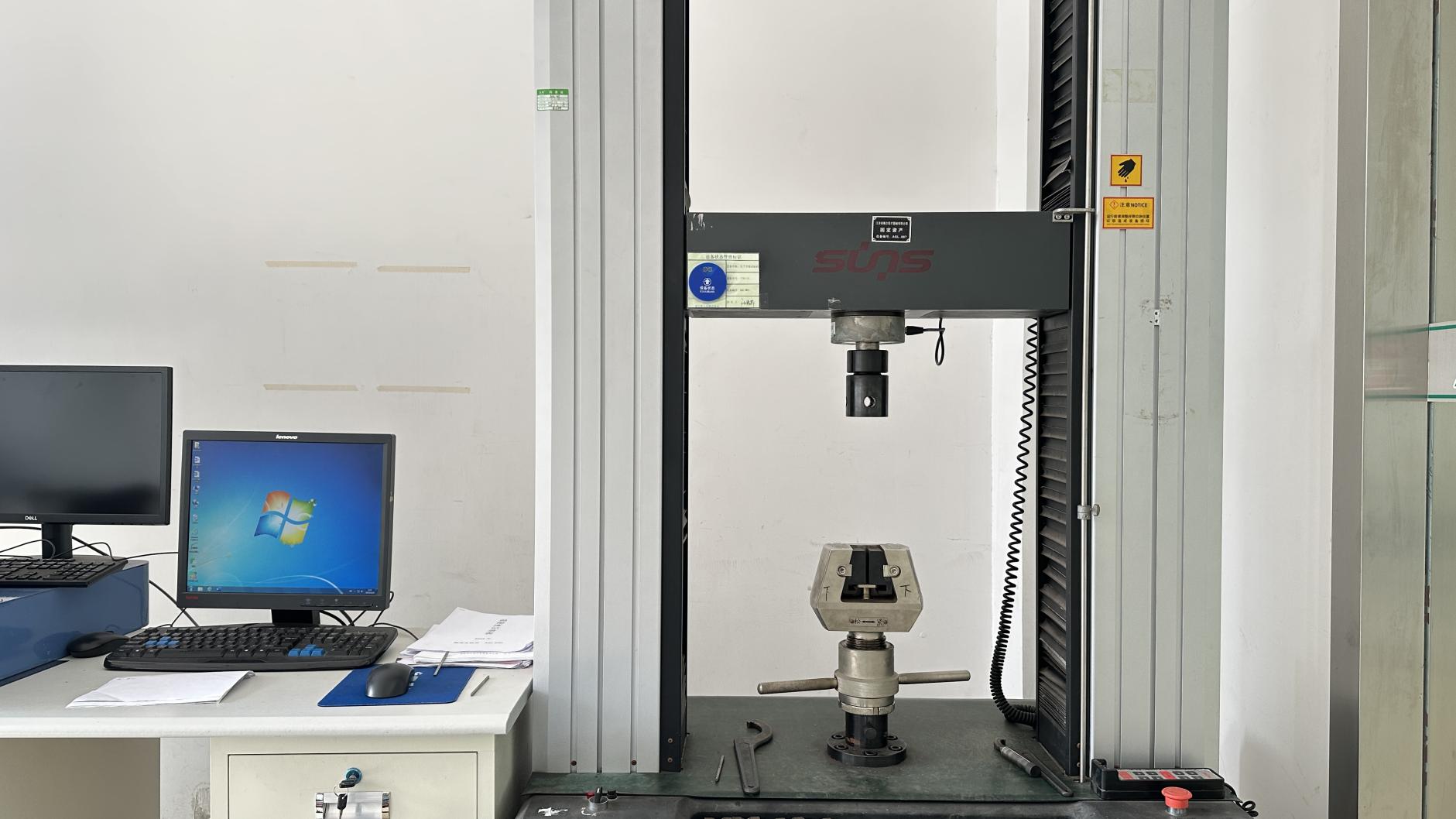
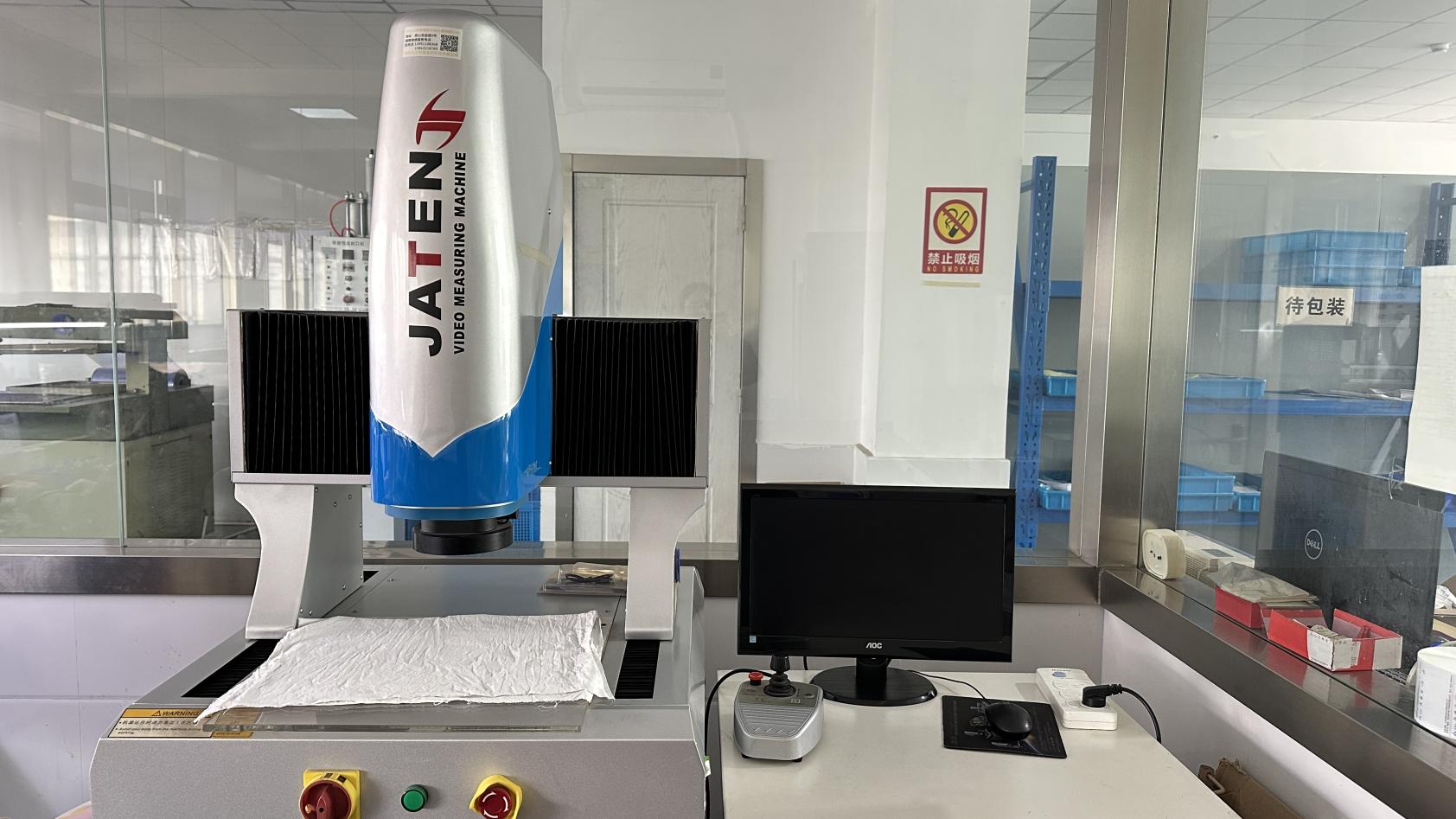
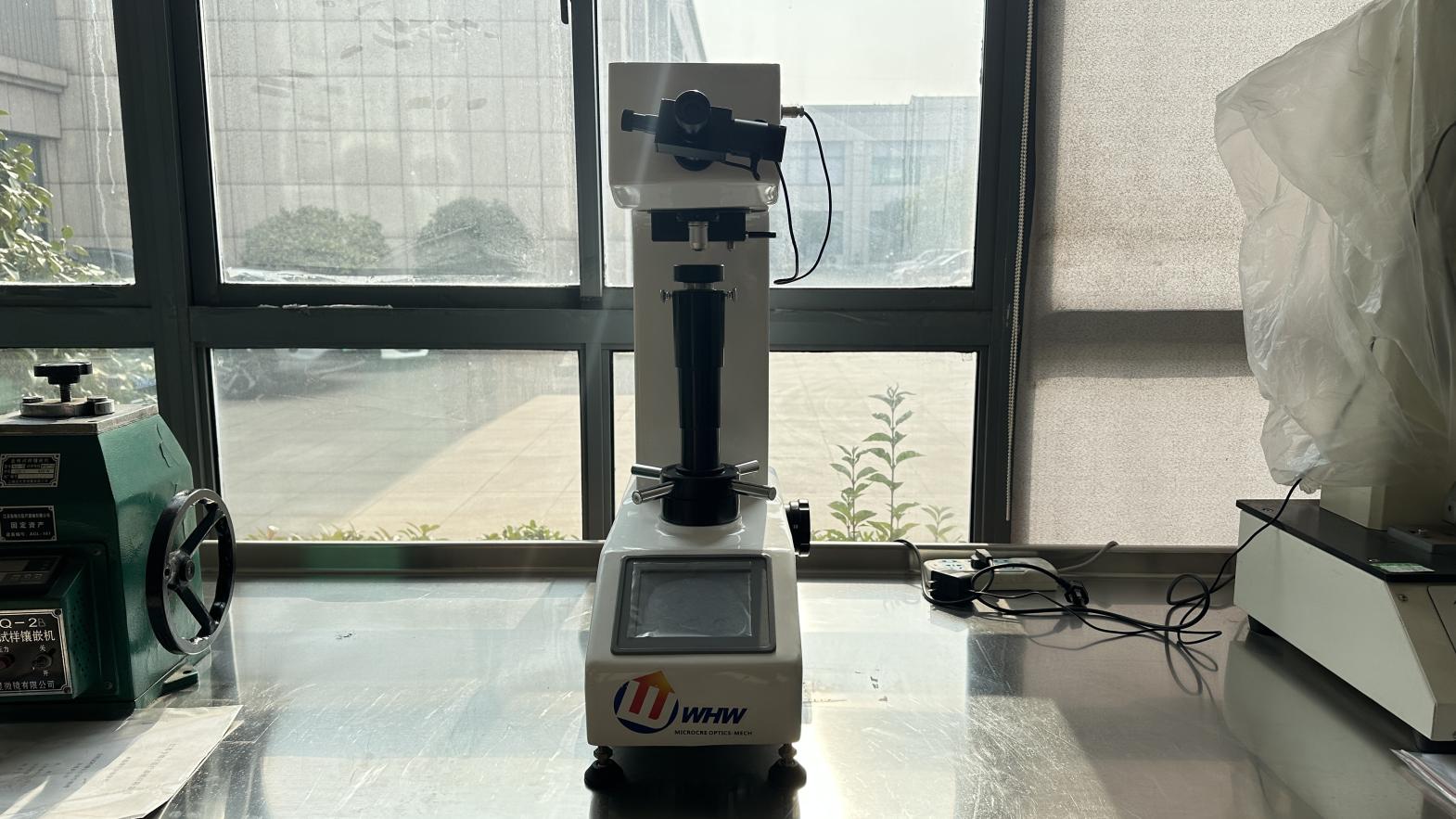
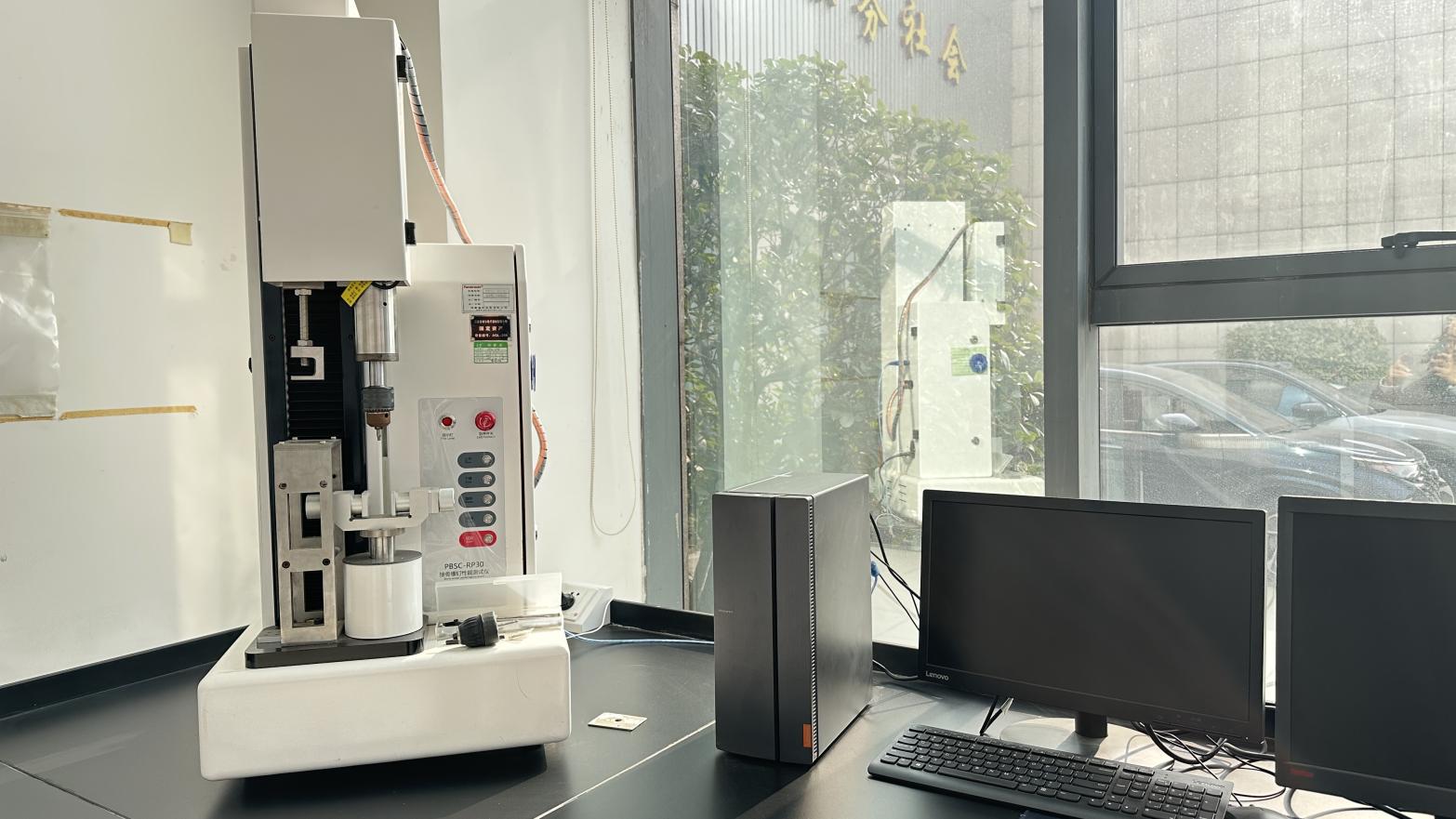
The global medical manufacturing landscape is moving toward digital integration. "China Factory 4.0" is not just about automation—it refers to an interconnected, resilient supply chain that integrates material procurement, toolpath generation, and immediate quality validation into a single workflow.
By using Swiss-type CNC lathe machinery and high-speed CNC milling centers, we can manufacture micro-tolerances down to ±0.005mm. This degree of accuracy is critical for spinal surgery components, where a single millimeter deviation can affect spinal alignment and biomechanical stability.
Additionally, our collaboration with over 1,200 supply chain partners protects against material shortages and shipping disruptions. We manage direct channels for medical-grade PEEK and ultra-clean titanium alloys, helping us maintain manufacturing timelines even when global logistics chains are constrained.
Understanding clinical scenarios ensures that manufacturing practices align with final surgical requirements.
Following a partial or total corpectomy to treat primary or metastatic spine tumors, reconstructing the anterior column requires highly customized implants. Our PEEK and titanium VBR cages provide immediate mechanical support, and their radiolucent options make post-operative oncology tracking and radiation targeting easier.
High-velocity vehicular impacts or falls often cause unstable burst fractures that damage the vertebral body. In these emergency cases, orthopedic surgeons depend on modular VBR systems that adjust to various heights and support bone grafts, encouraging fast structural fusion.
When severe degenerative disc disease causes spinal instability and significant pain, vertebral body replacement offers an option for multi-level reconstruction. Correctly matching the spinal sagittal balance is critical, which requires implants with precise lordotic angles.
Treating pediatric patients with complex spinal deformities or early-onset scoliosis requires smaller implants and specific mechanical profiles. Custom OEM manufacturing allows us to scale designs down to pediatric sizes, protecting nearby spinal structures during developmental growth.
Get professional insights directly from Medisplint's R&D department and engineering team.
PEEK (Polyetheretherketone) has an elasticity modulus (approx. 3.6 GPa) close to that of human trabecular and cortical bone, which helps reduce the risk of implant subsidence. PEEK is also radiolucent, allowing surgeons to monitor bone fusion on X-rays and CT scans without implant-induced artifacts. In contrast, titanium alloys (Ti6Al4V ELI) offer higher mechanical fatigue strength and support textured, porous designs that promote bone cells (osteoblasts) to anchor directly onto the implant surface, improving long-term stability.
We follow an integrated quality system certified under ISO 13485 and compliant with CE guidelines. Our 42 quality control inspectors verify every production step. This process includes checking incoming material purity via spectral analysis, using in-process quality control (IPQC) during CNC milling, performing final inspection (FQC), and conducting mechanical tests like fatigue and tensile testing in our laboratory.
We provide full custom design services. Our 85 R&D engineering specialists work with clients to develop custom implant profiles, lordotic endplate adjustments, specific tooth patterns, and dynamic expansion mechanisms. We also provide design modifications, custom surgical instrument kits, laser marking for traceability, and private labeling.
For standard orthopedic configurations, order dispatch typically takes 30 to 45 days, depending on batch volume. Custom OEM designs require a pre-production cycle: 2 to 3 weeks for digital drafting and engineering sign-off, followed by 4 to 6 weeks for prototyping, mechanical testing, and initial batch production. Our export channels cover Europe, Southeast Asia, the Middle East, and South America.
Explore our full line of surgical instruments, trauma fixation solutions, and sports medicine implants.